Berlin Photo Gallery - Potsdamer Platz
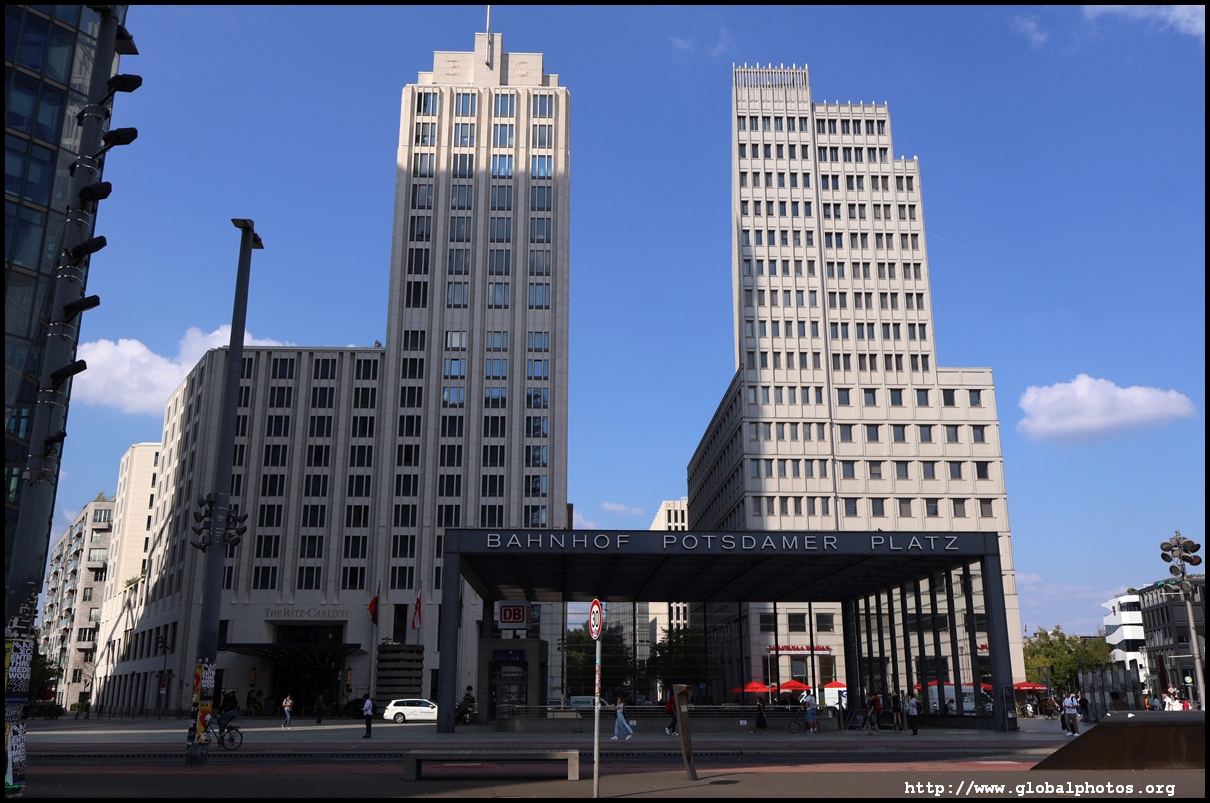
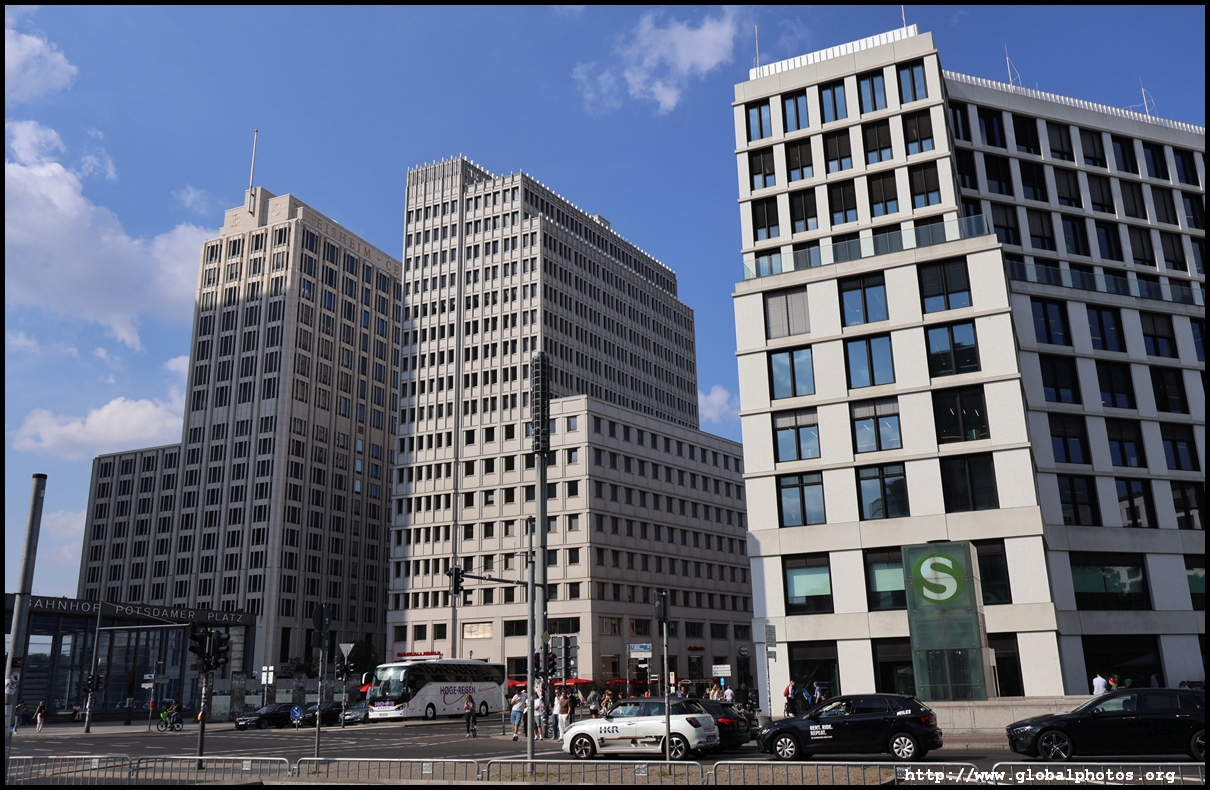
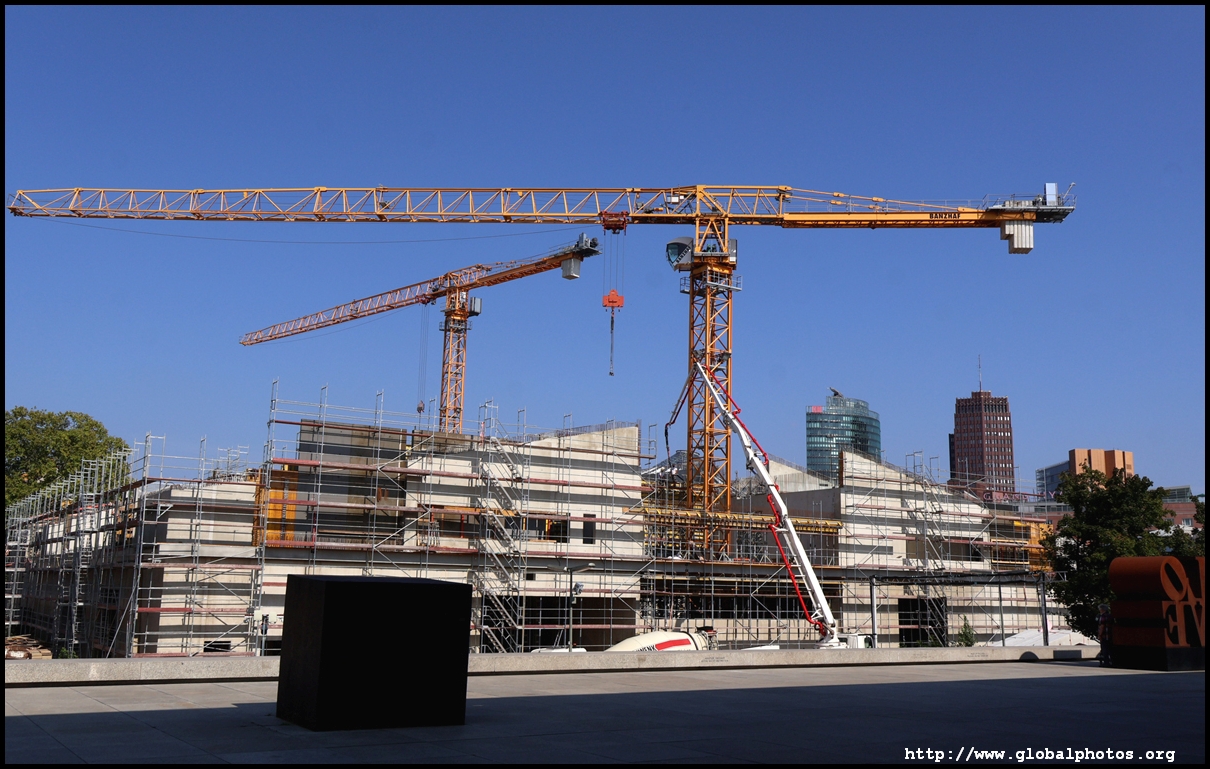
Potsdamer Platz became a transport hub in 1838 when a railway station opened and trains departed from here for Potsdam. By 1900, this was Europe's busiest traffic intersection with 6 major streets converging here. The U-bahn opened in 1902, and a further 26 tram and 5 bus lines also stopped here. Being a major crossroads, this area had grand hotels, entertainment venues, and Europe's first traffic lights.Almost entirely destroyed during World War II, it became a no-man's zone when the Berlin Wall went up in 1961 as this area was the border between the American, British, and Soviet sectors. The eastern side of the wall became a death strip, while the western side was reclaimed by nature. Potsdamer Platz had become a wasteland. After Germany was reunified, plans were put in place to redevelop the area. Starting in 1993, this became the largest construction site in Europe at the time with over 6000 workers.
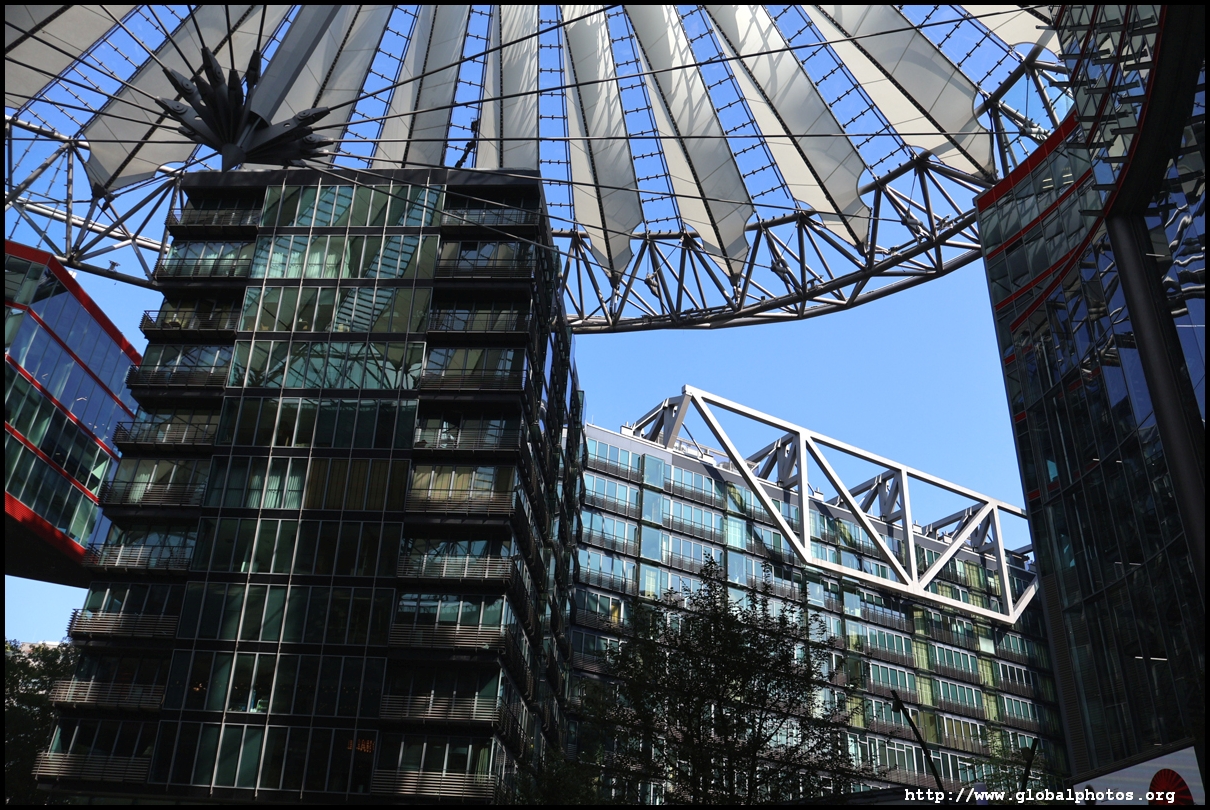
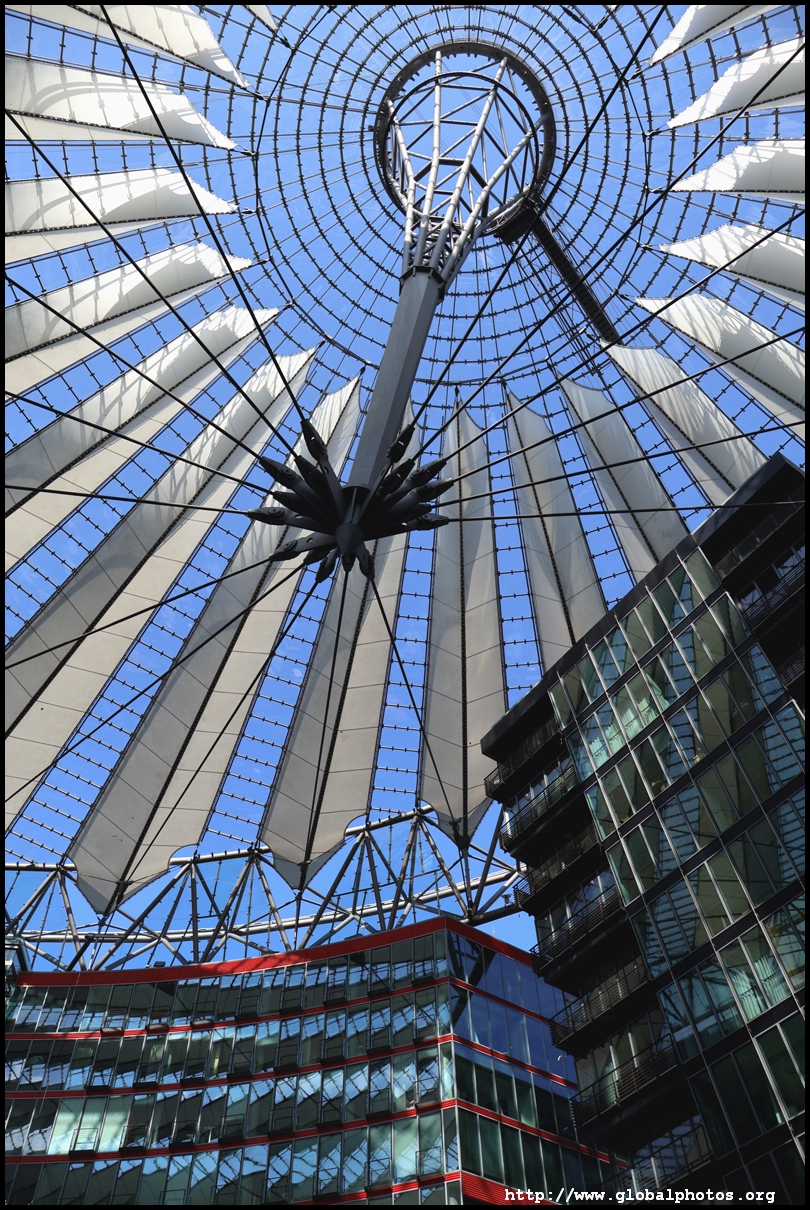
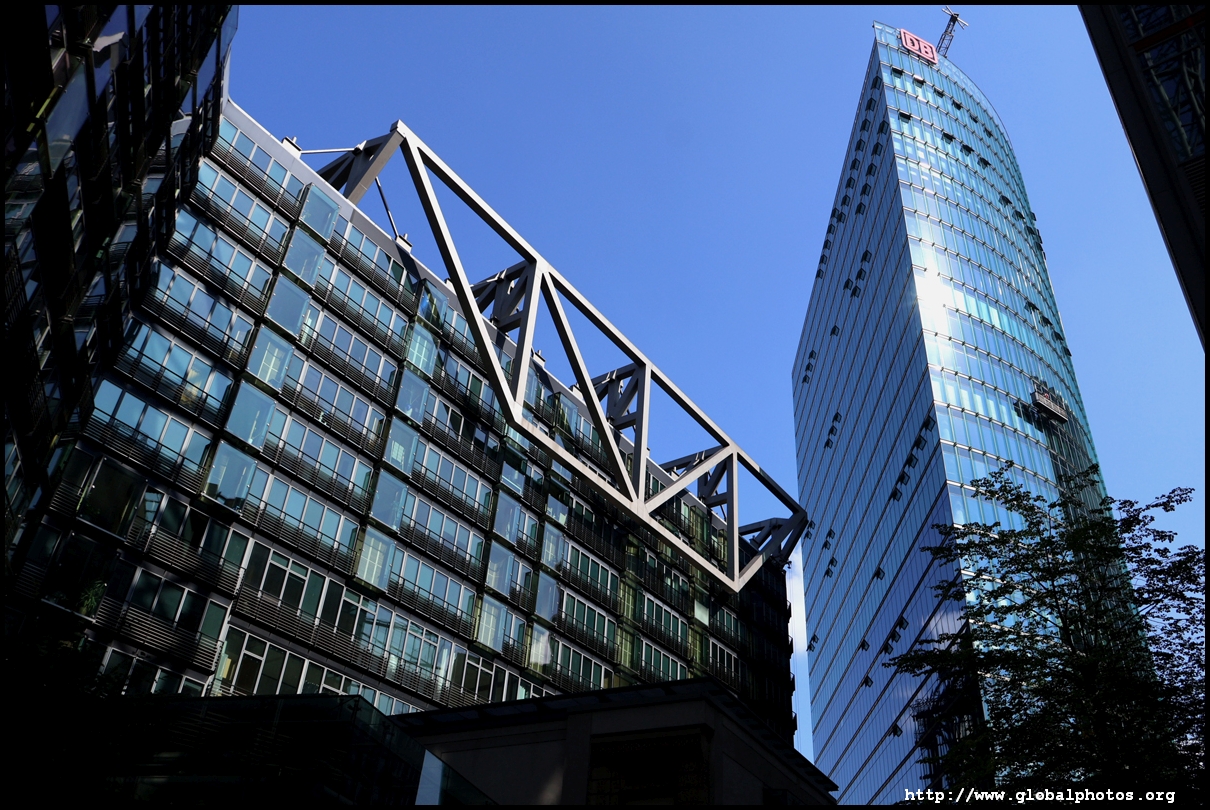
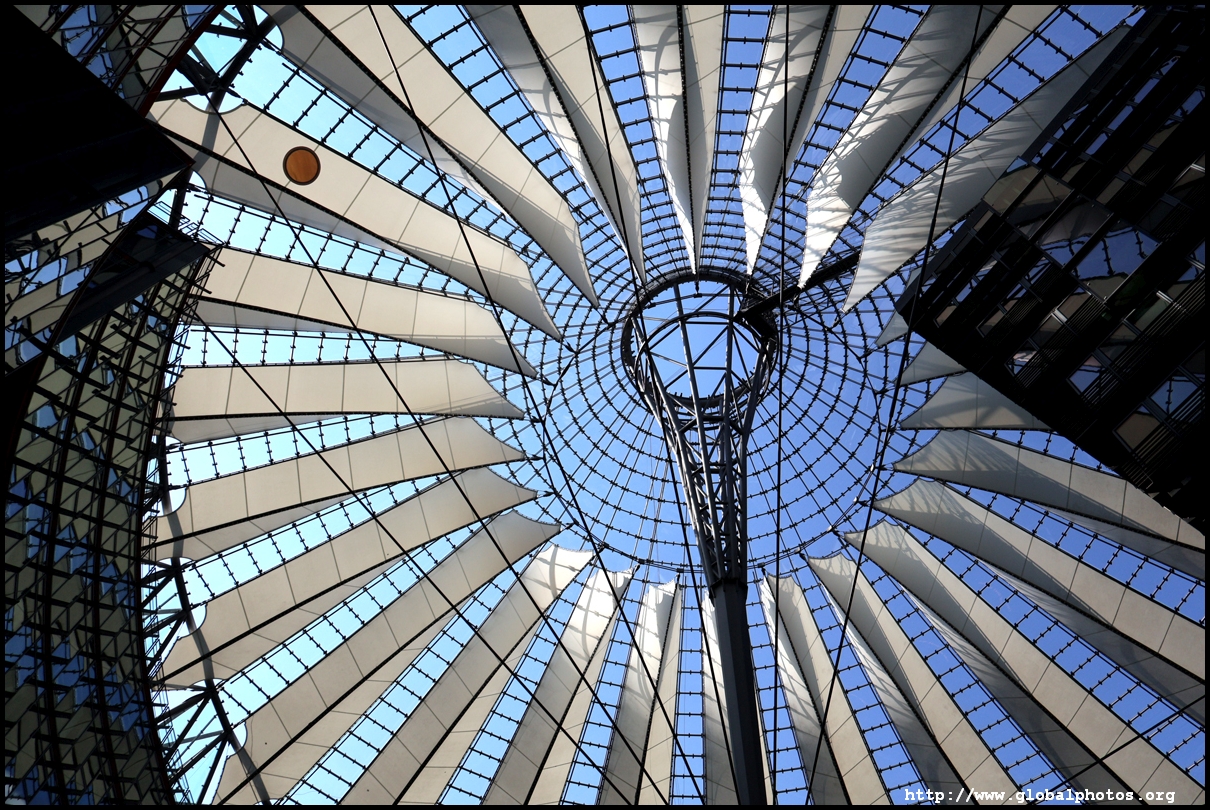
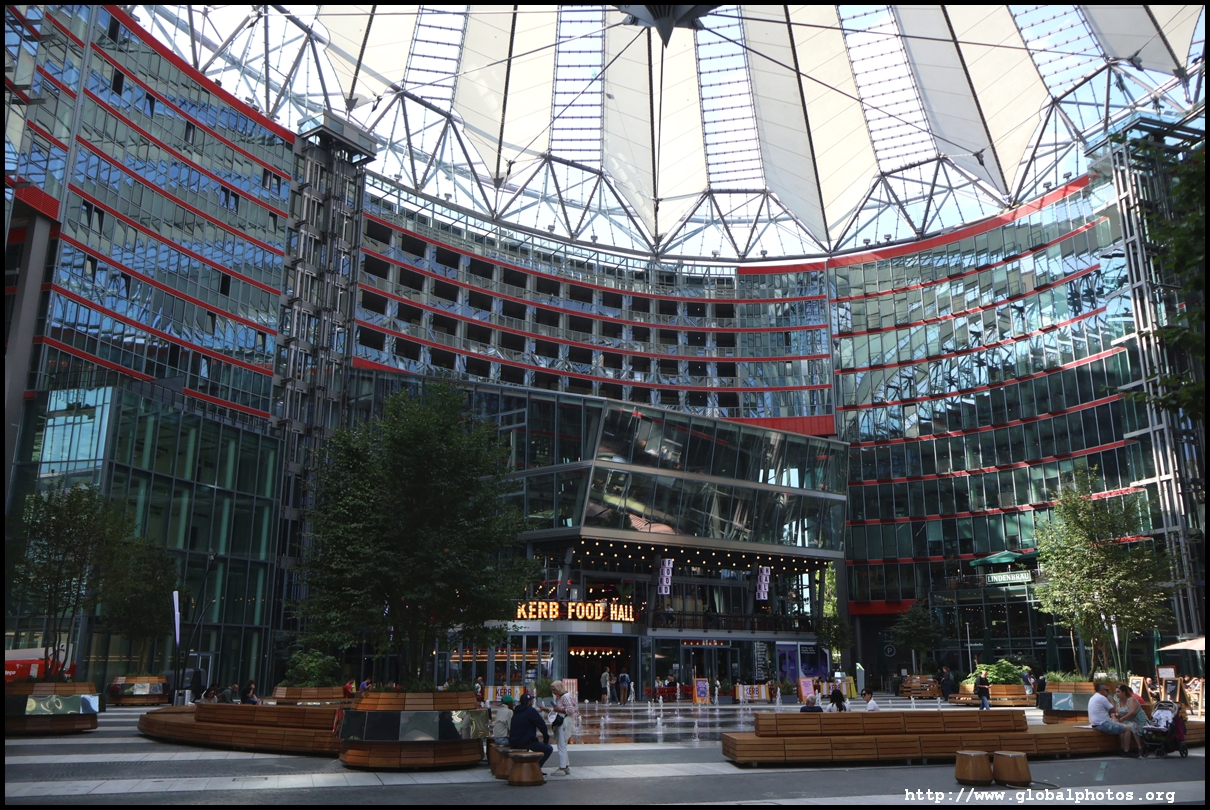
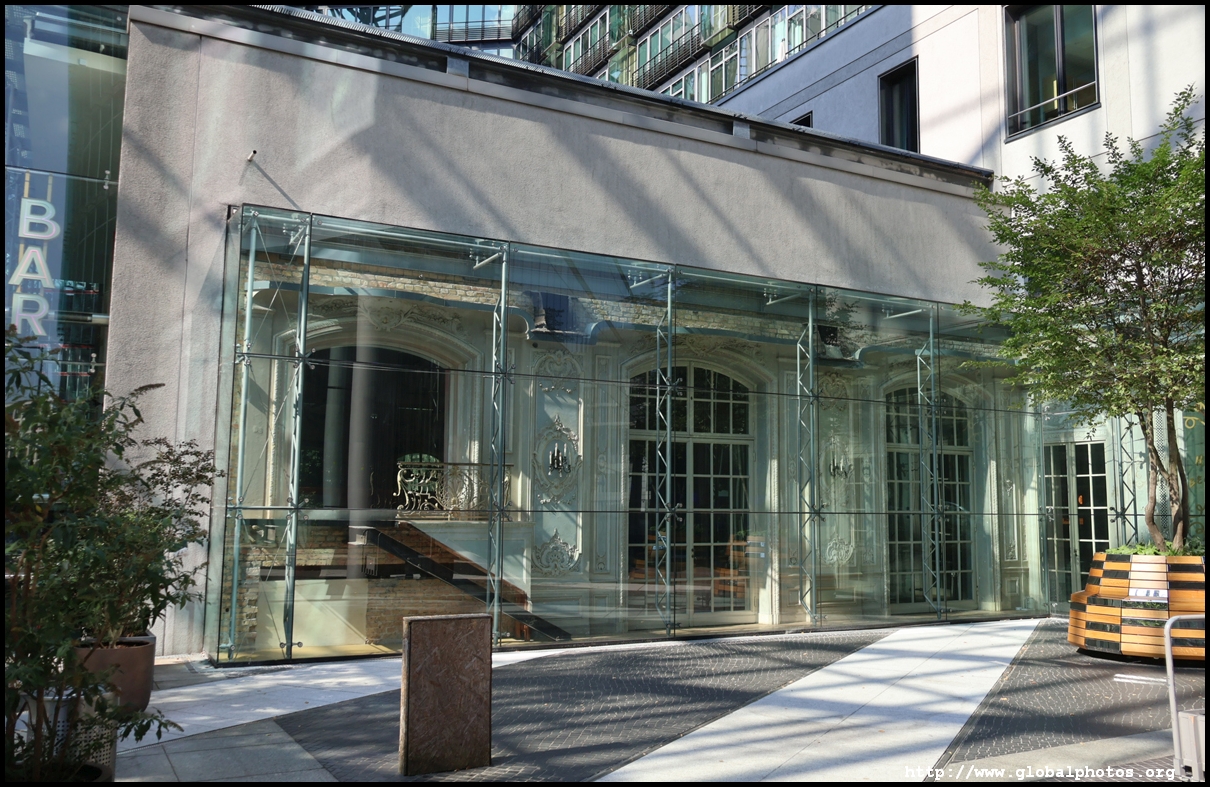
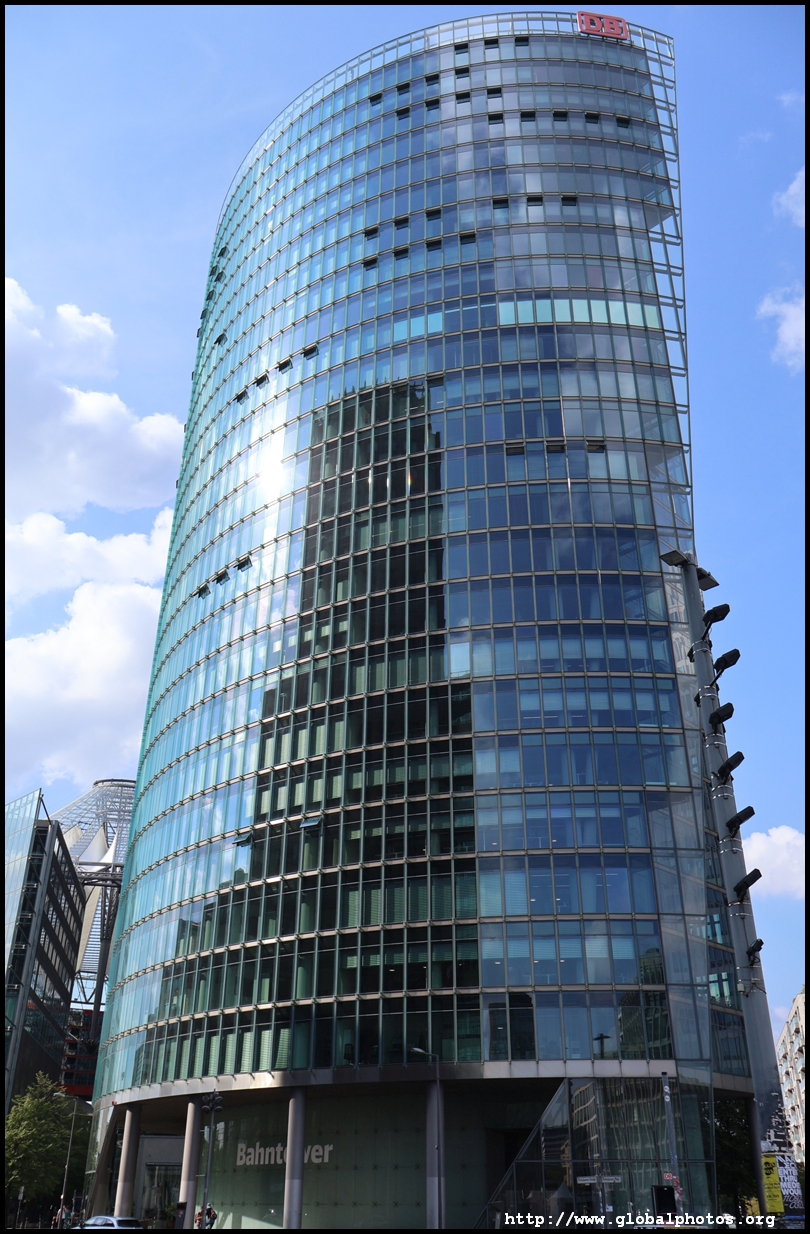
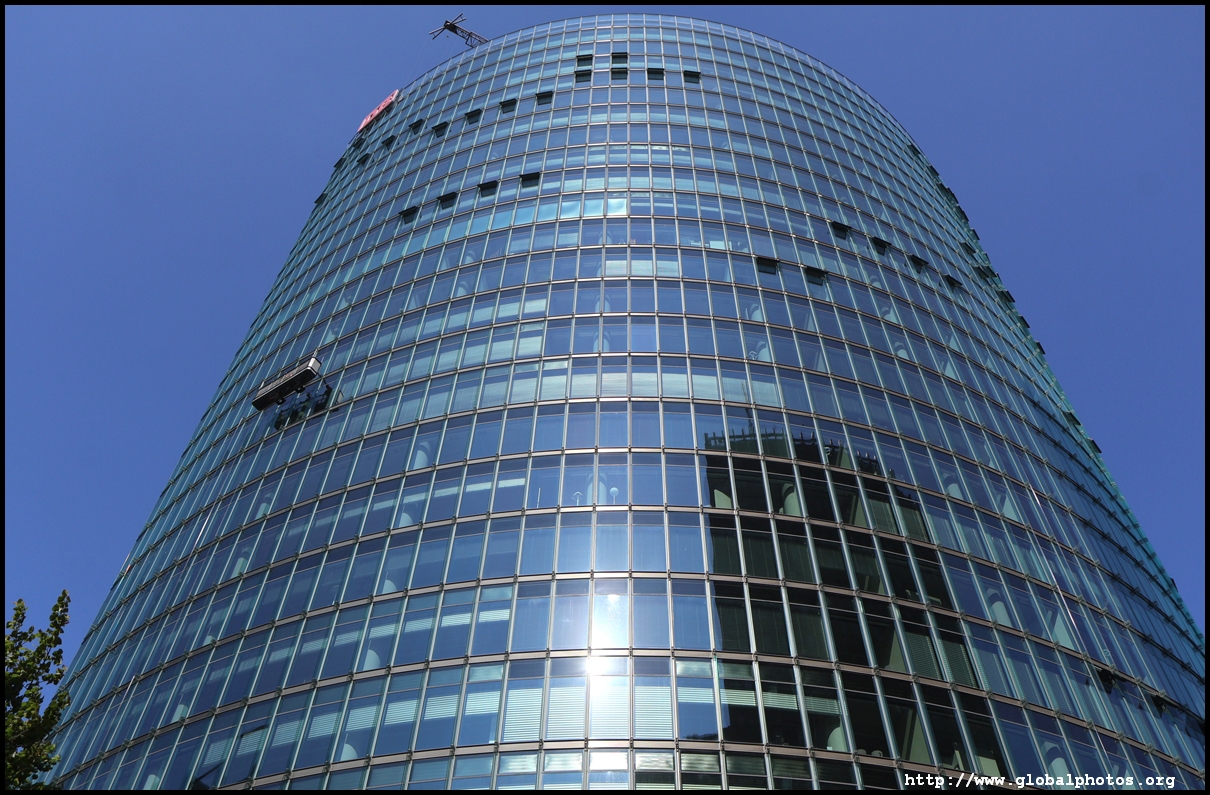
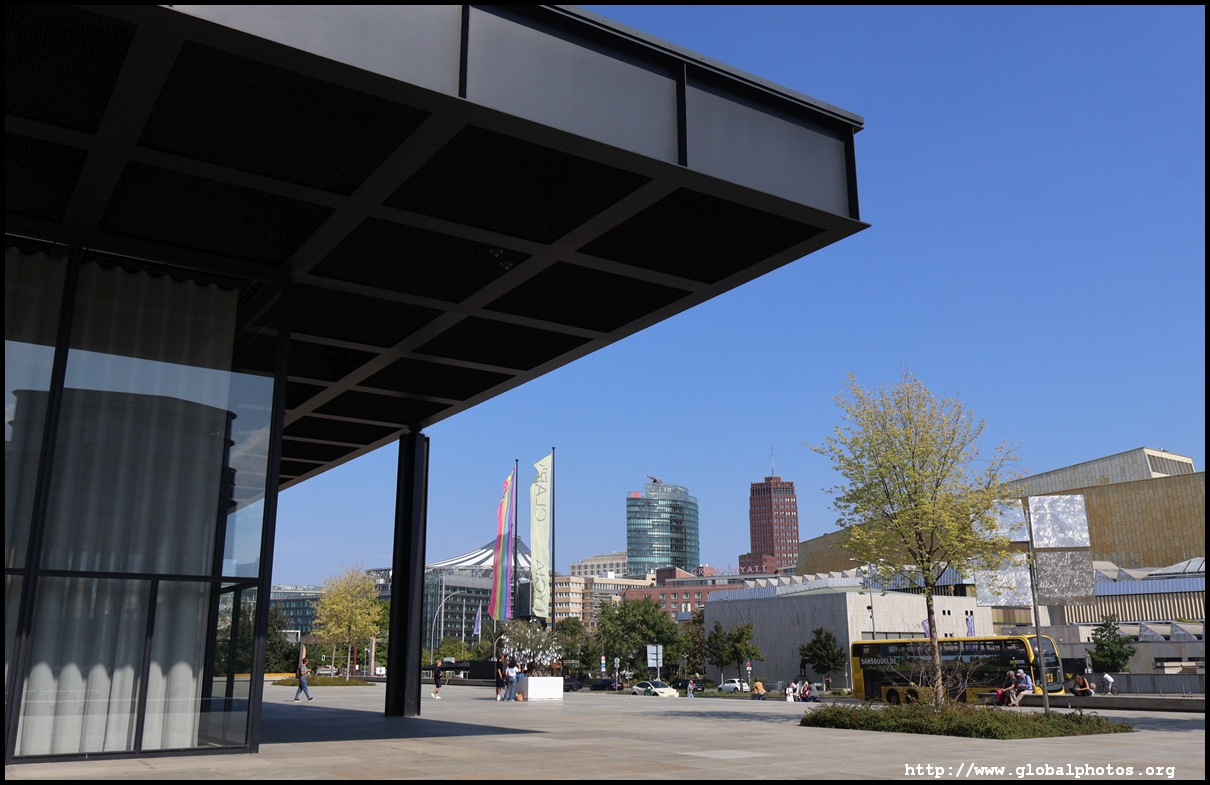
Completed in 2000, the Das Center (formerly Sony Center) is known for its tent roof designed by Helmut Jahn. There are actually 8 buildings with offices, residences, shops, and more, the tallest of which rises 103m and home to the Deutsche Bahn.
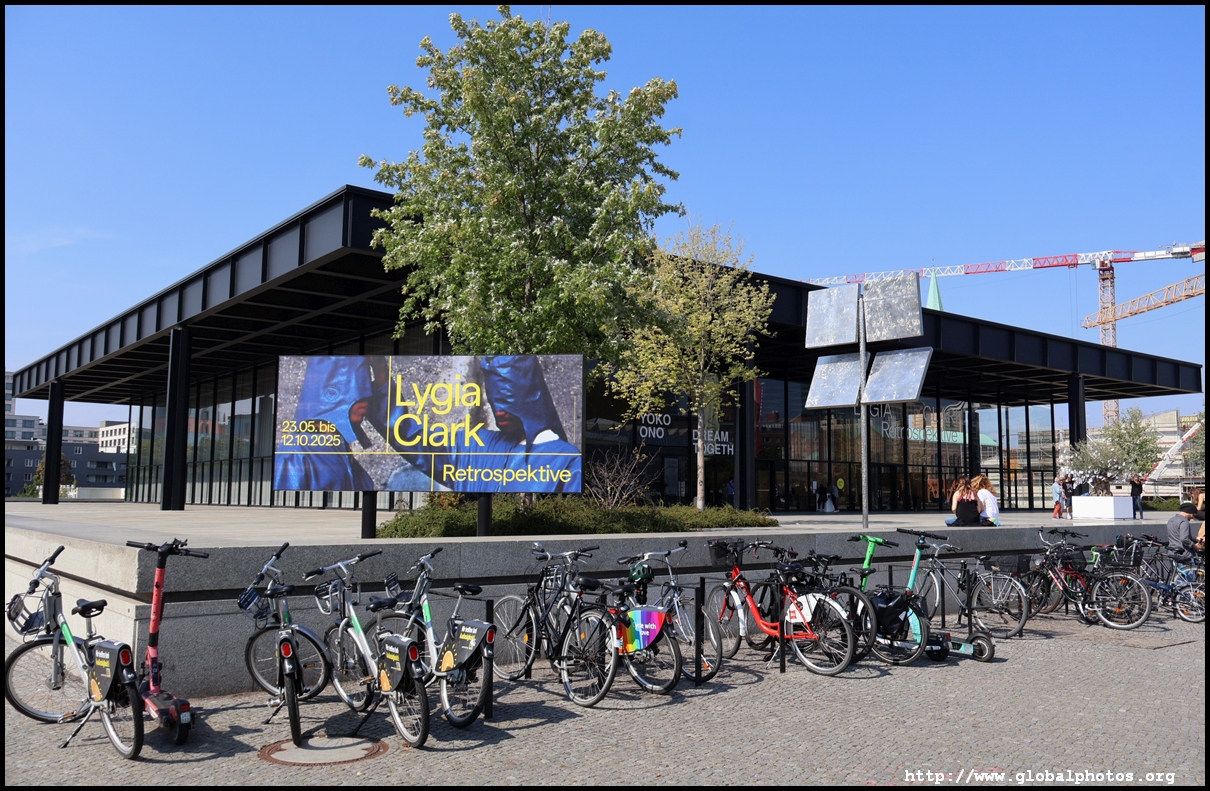
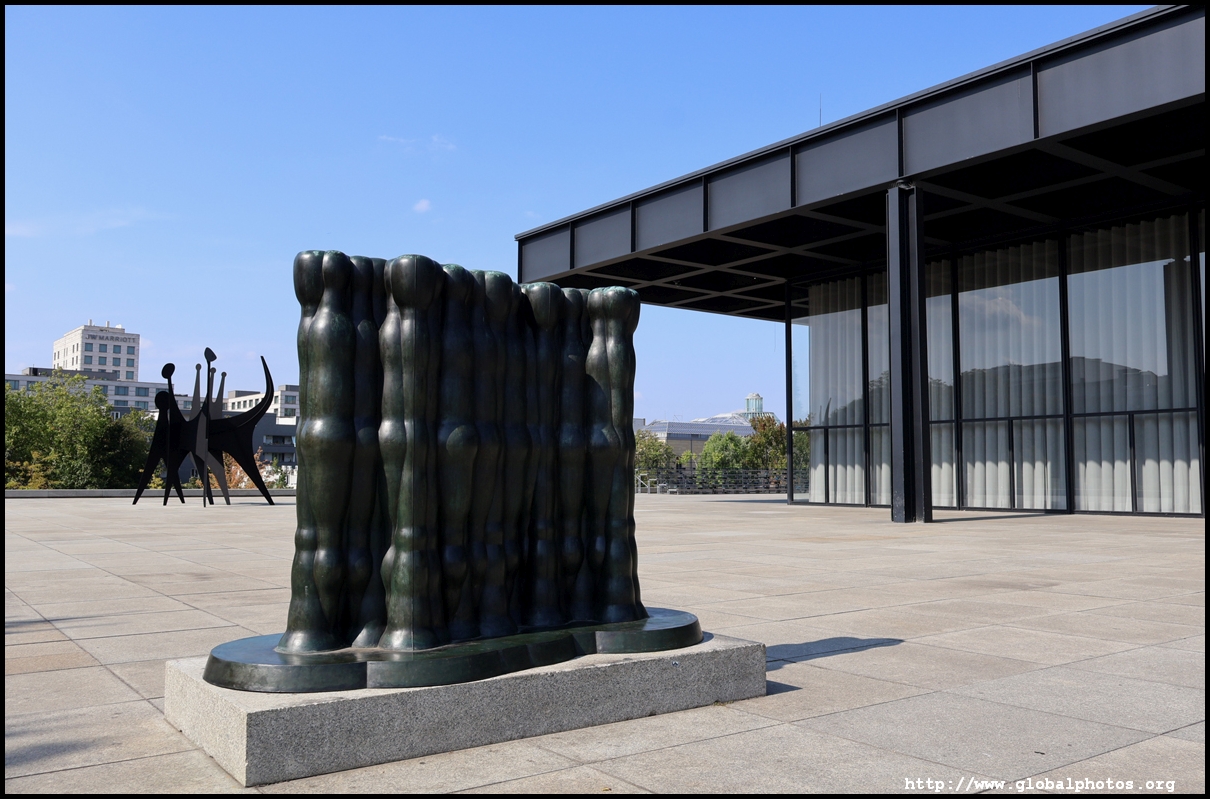
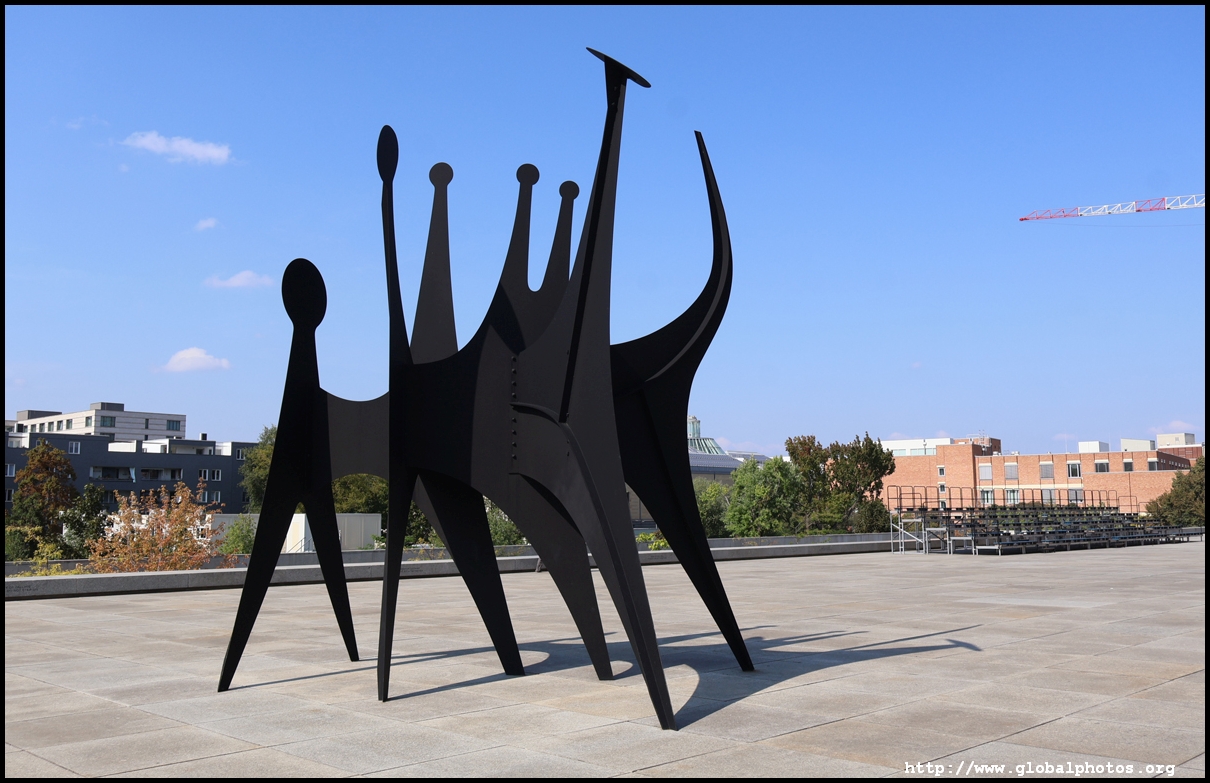
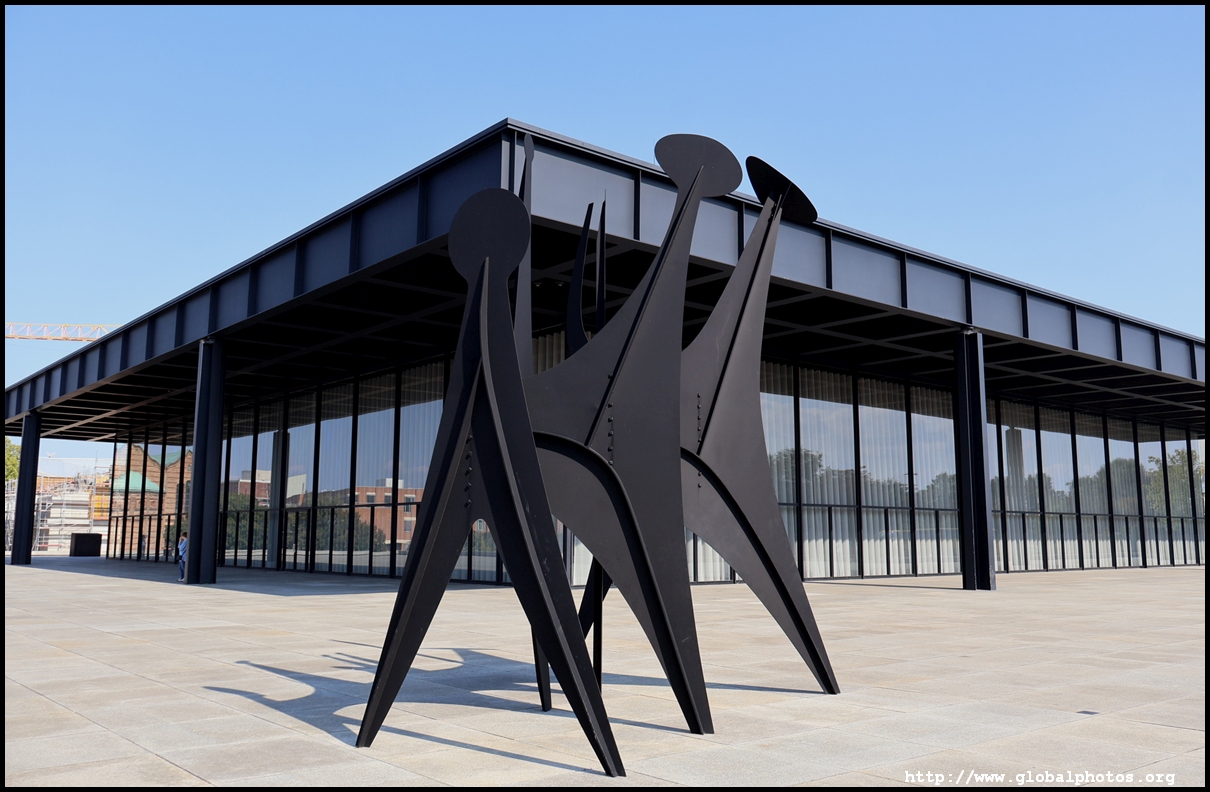
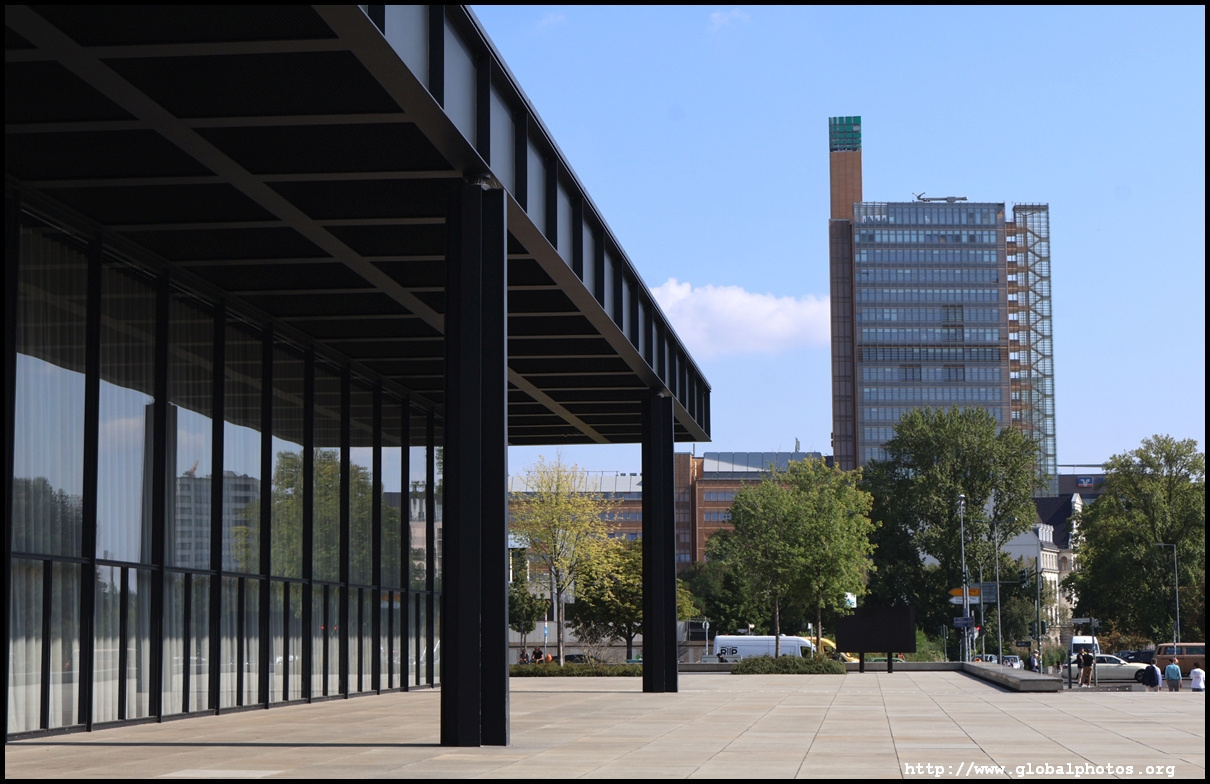
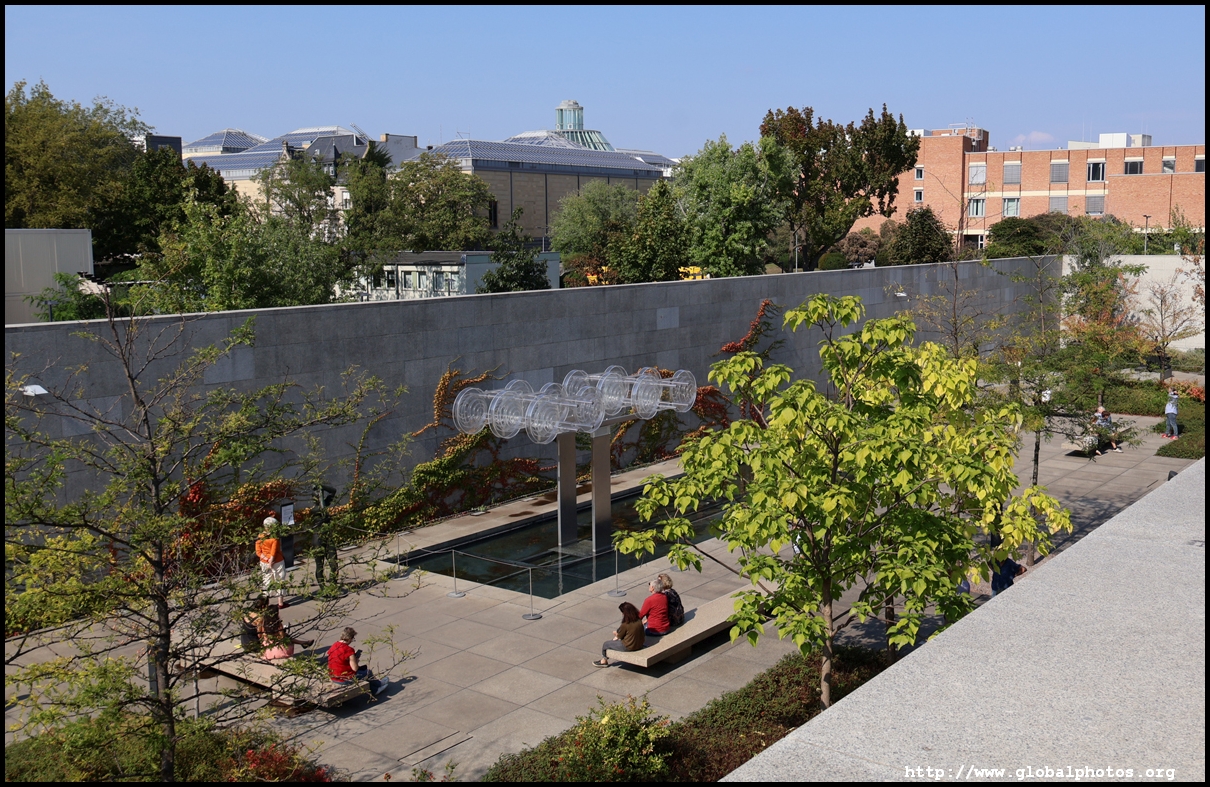
The Neue Nationalgalerie was built in the 1960s for modern art. The Mies van der Rohe structure underwent renovations between 2015-2020 by British architect David Chipperfield that saw about 35,000 building components dismantled, restored, and reinstalled.
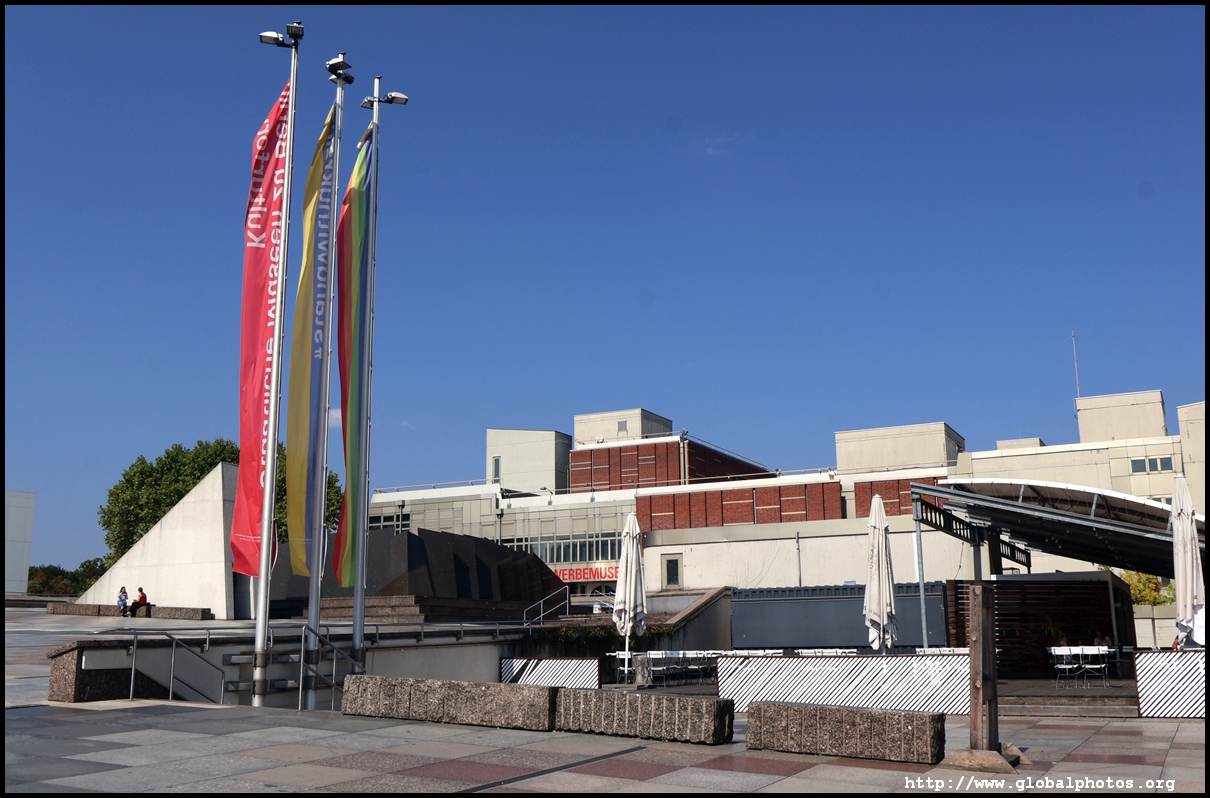
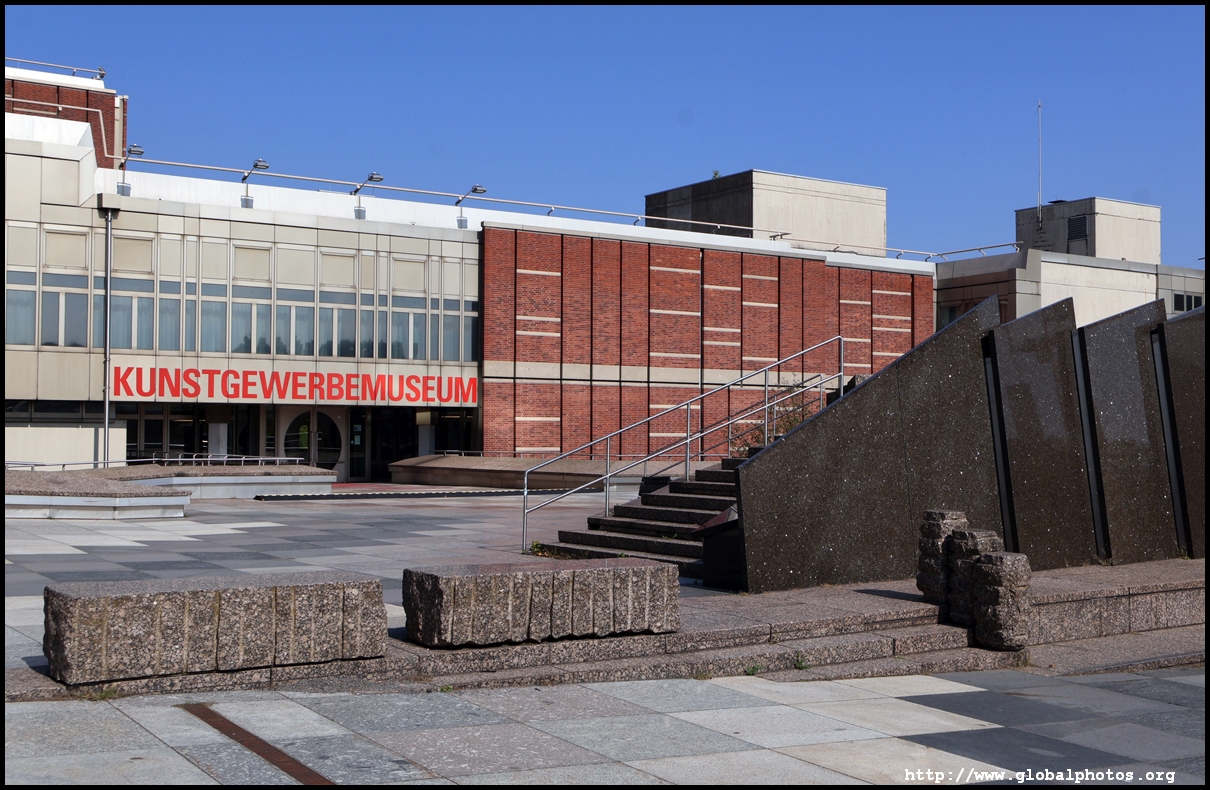
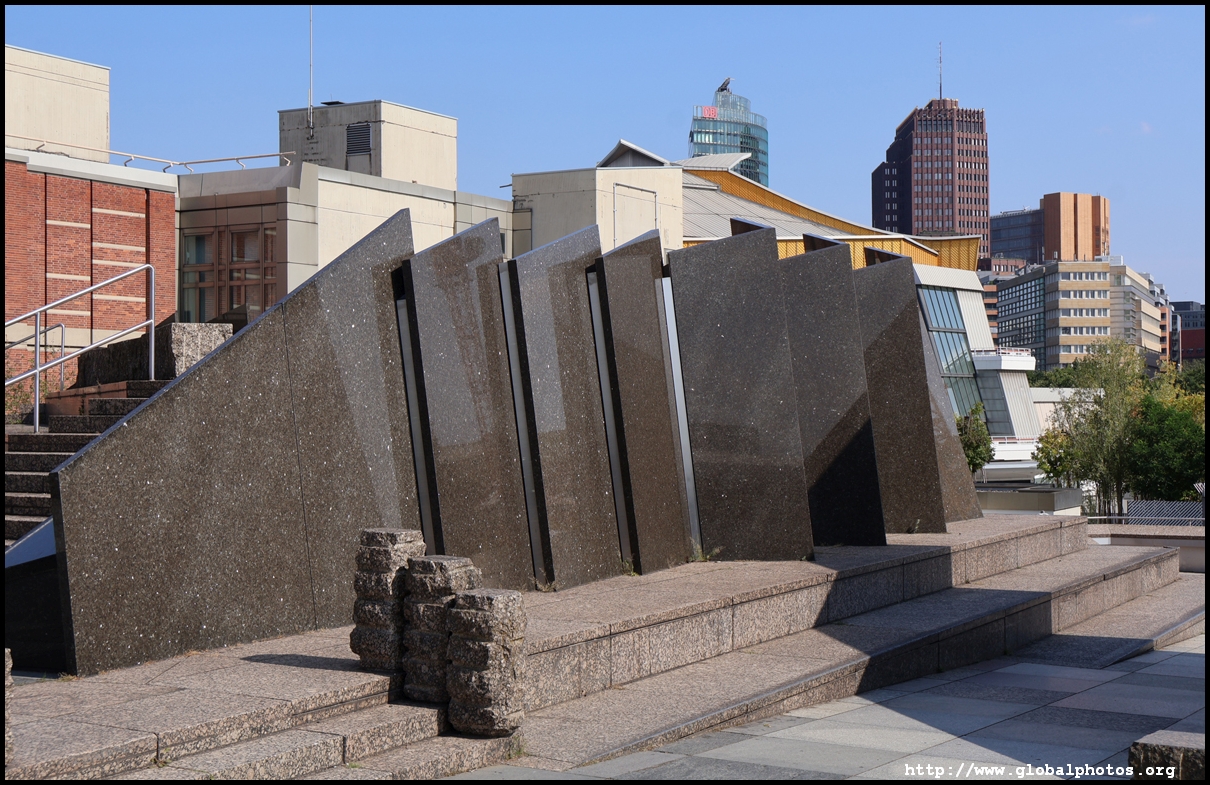
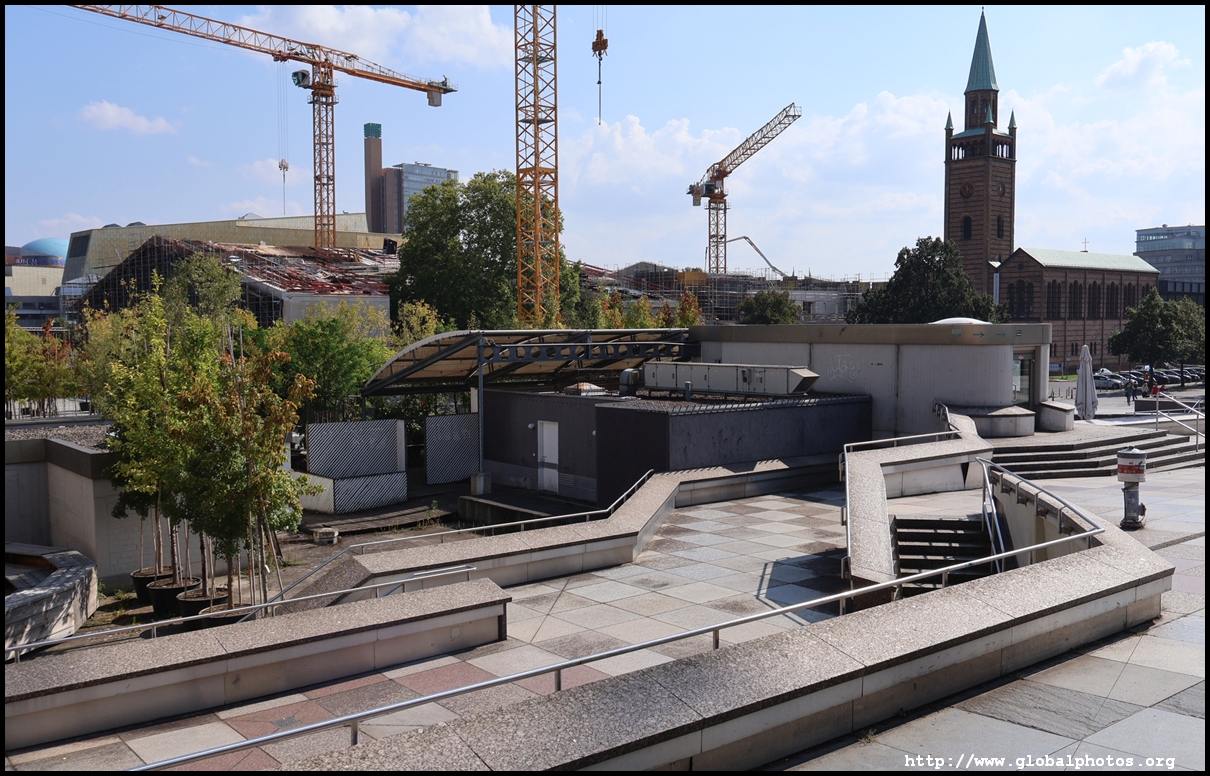
The Kulturforum was built from the 1960s as West Berlin wanted its own set of cultural institutions to rival East Berlin's Museumsinsel.
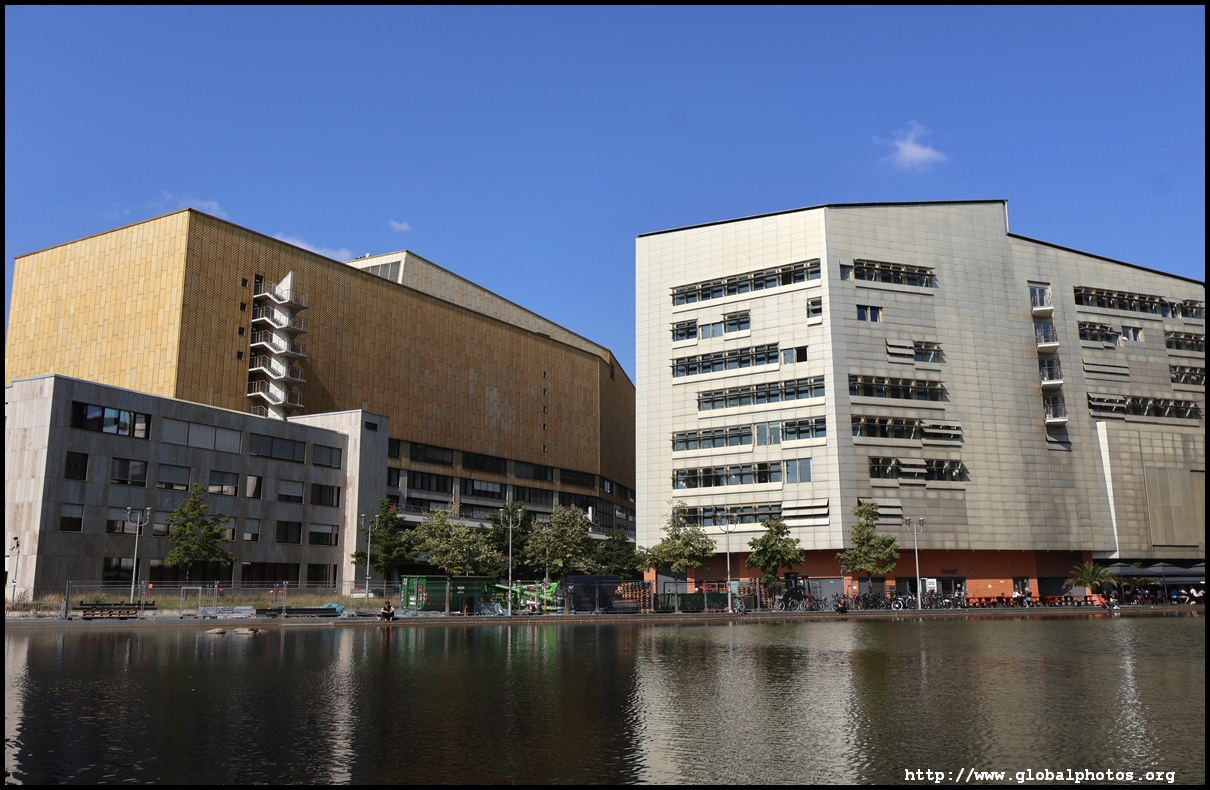
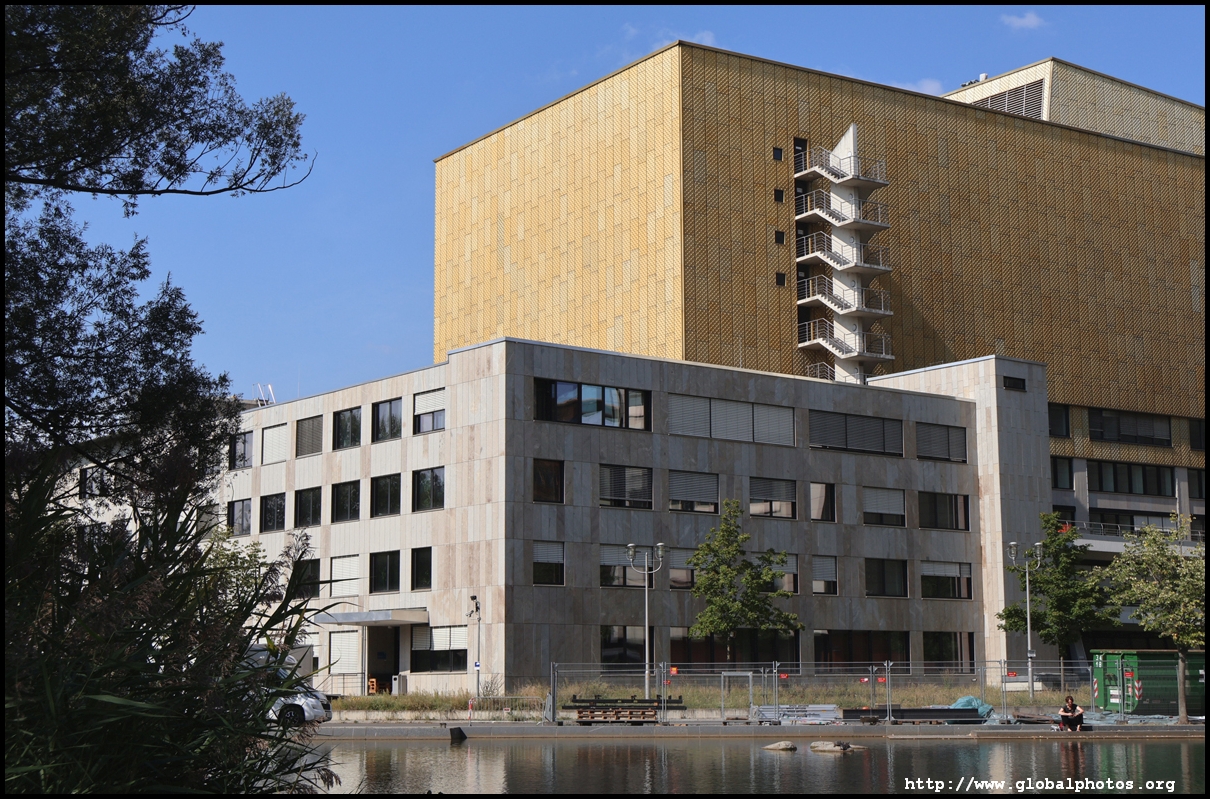
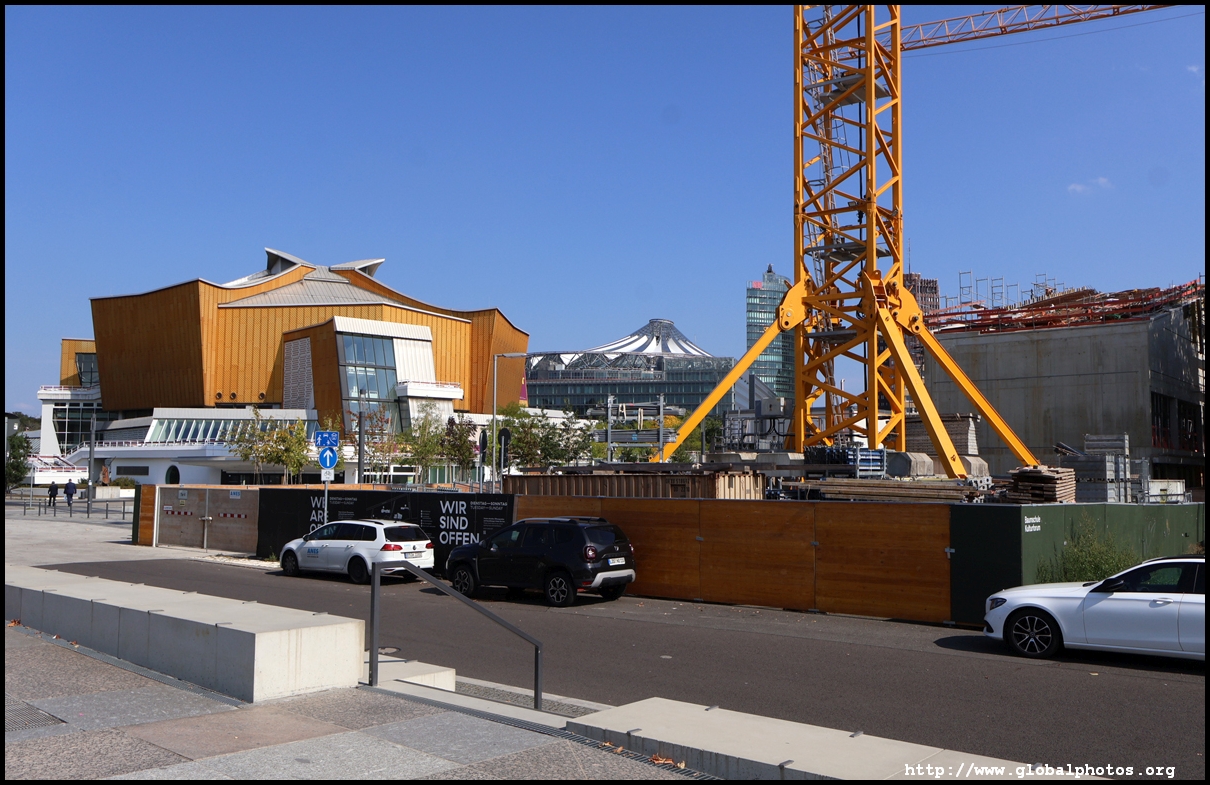
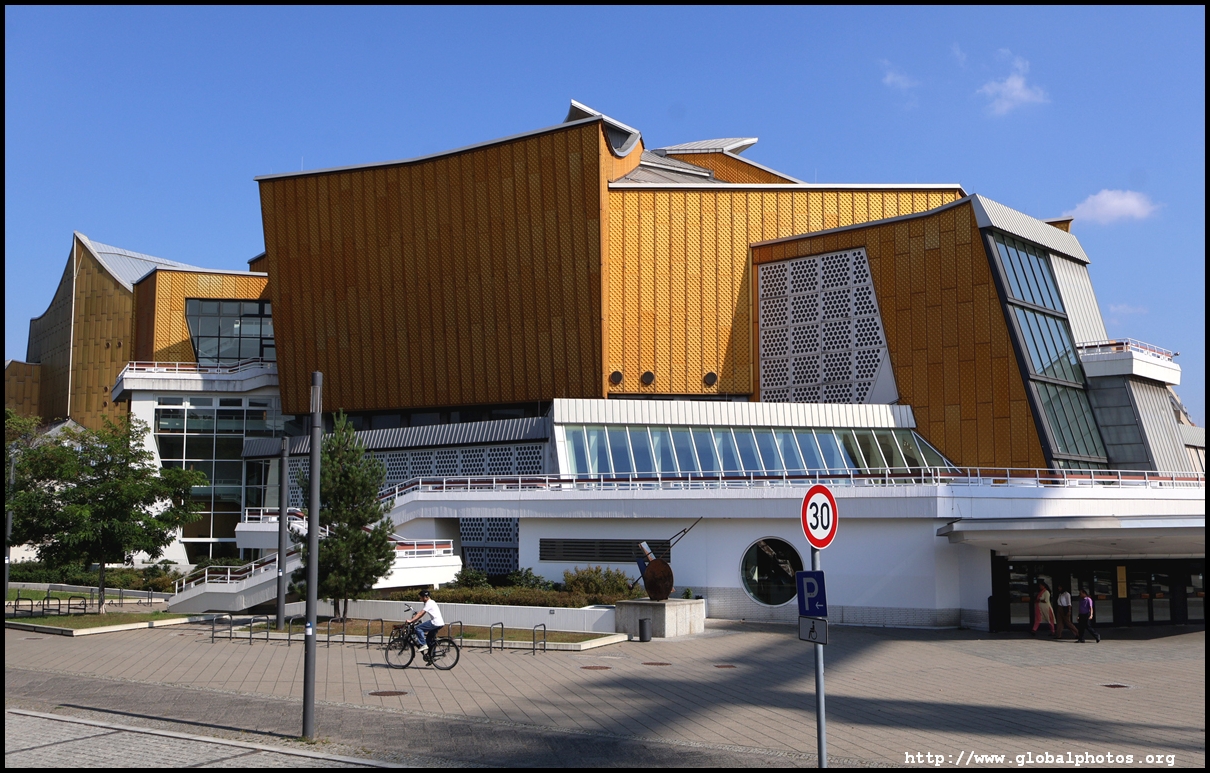
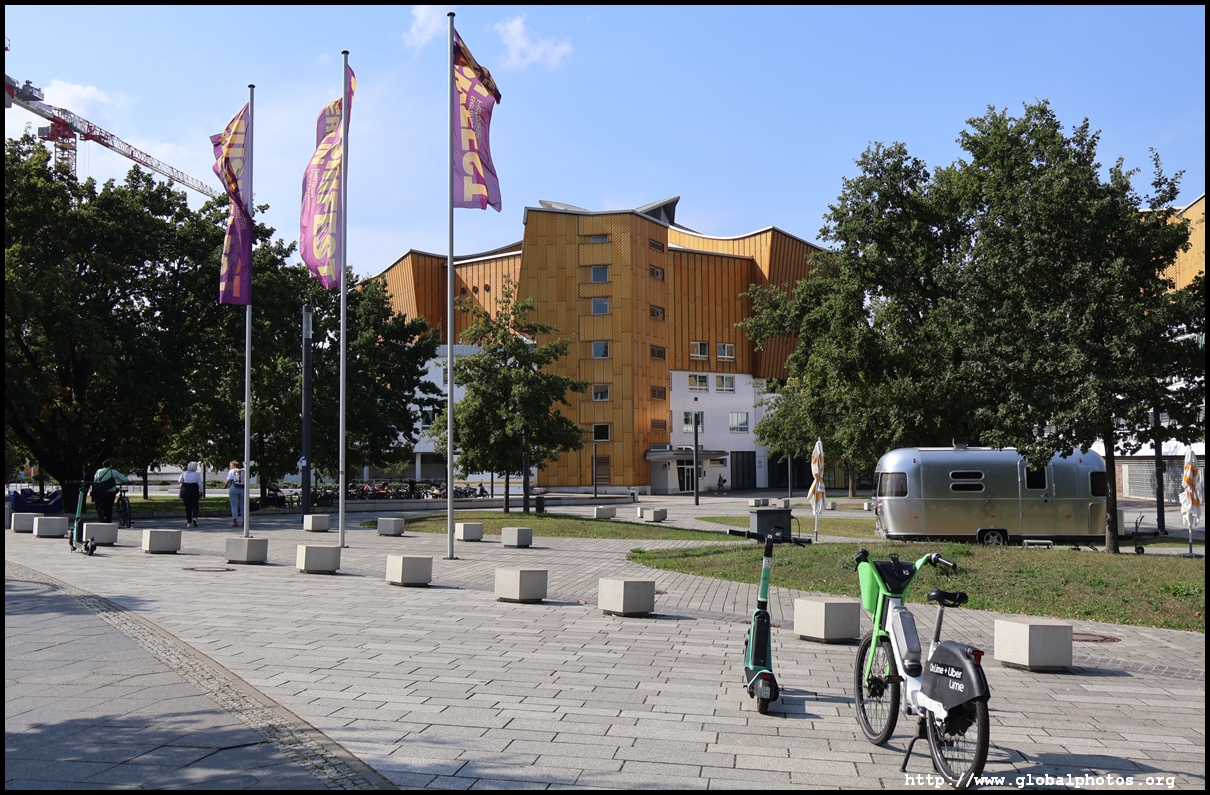
Across the street, the Philharmonie opened in 1963 with an eye-catching gold exterior and shaped like a circus tent. Architect Hans Scharoun was inspired by the image of ascending vineyards in the valley to organize the concert hall seating.
|
To re-use these photos, please notify me by email : asiaglobe@yahoo.com.hk.