Berlin Photo Gallery - Reichstag
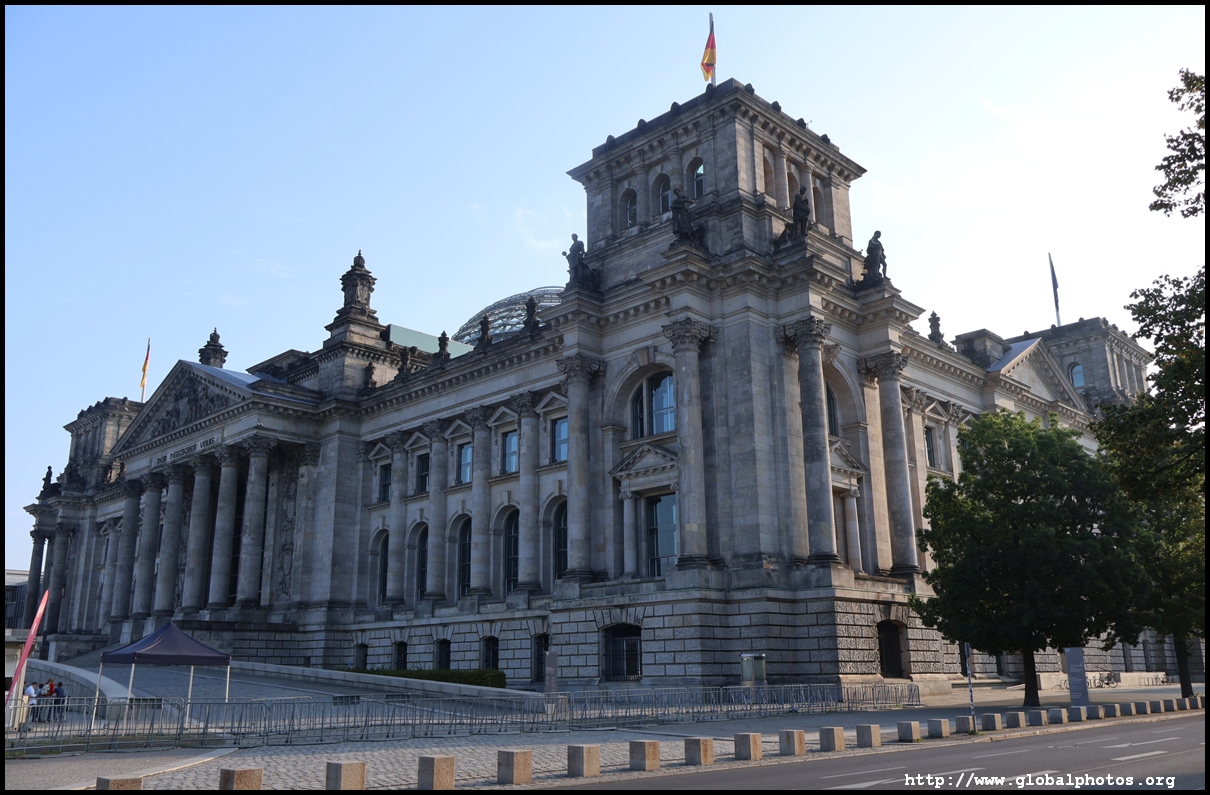
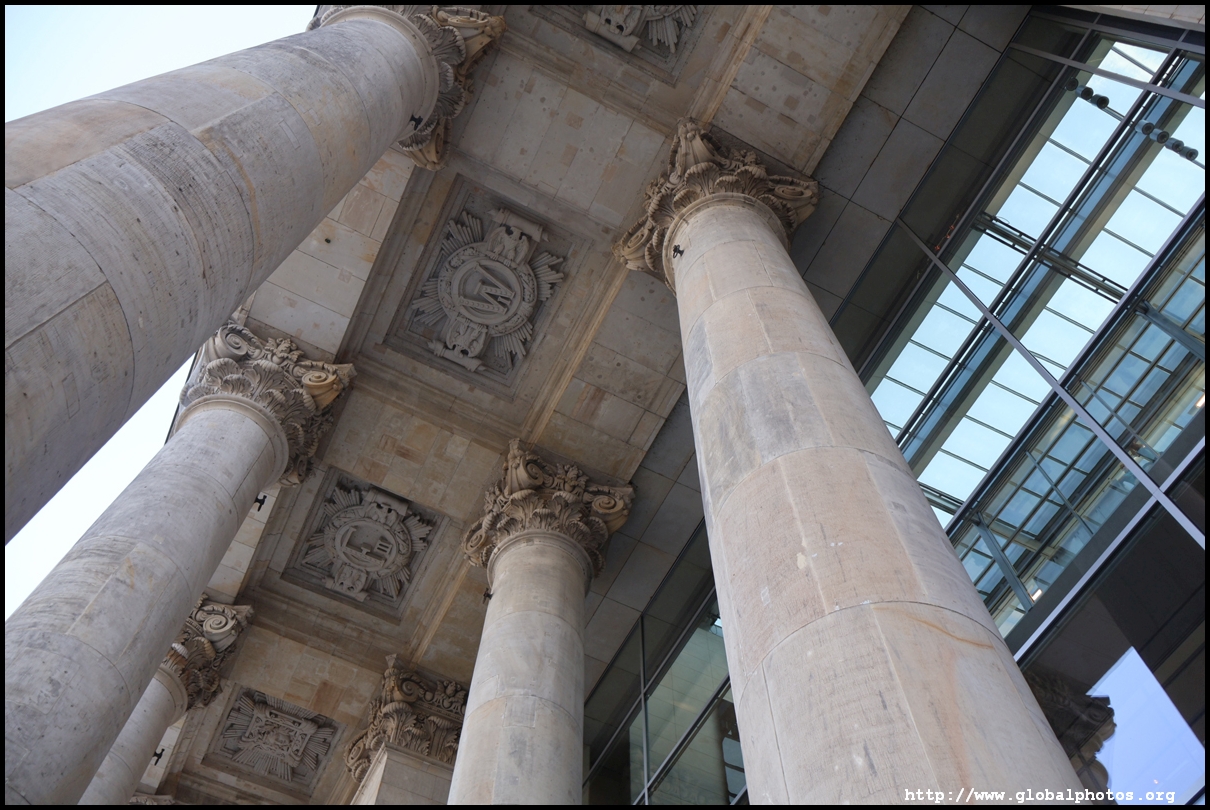
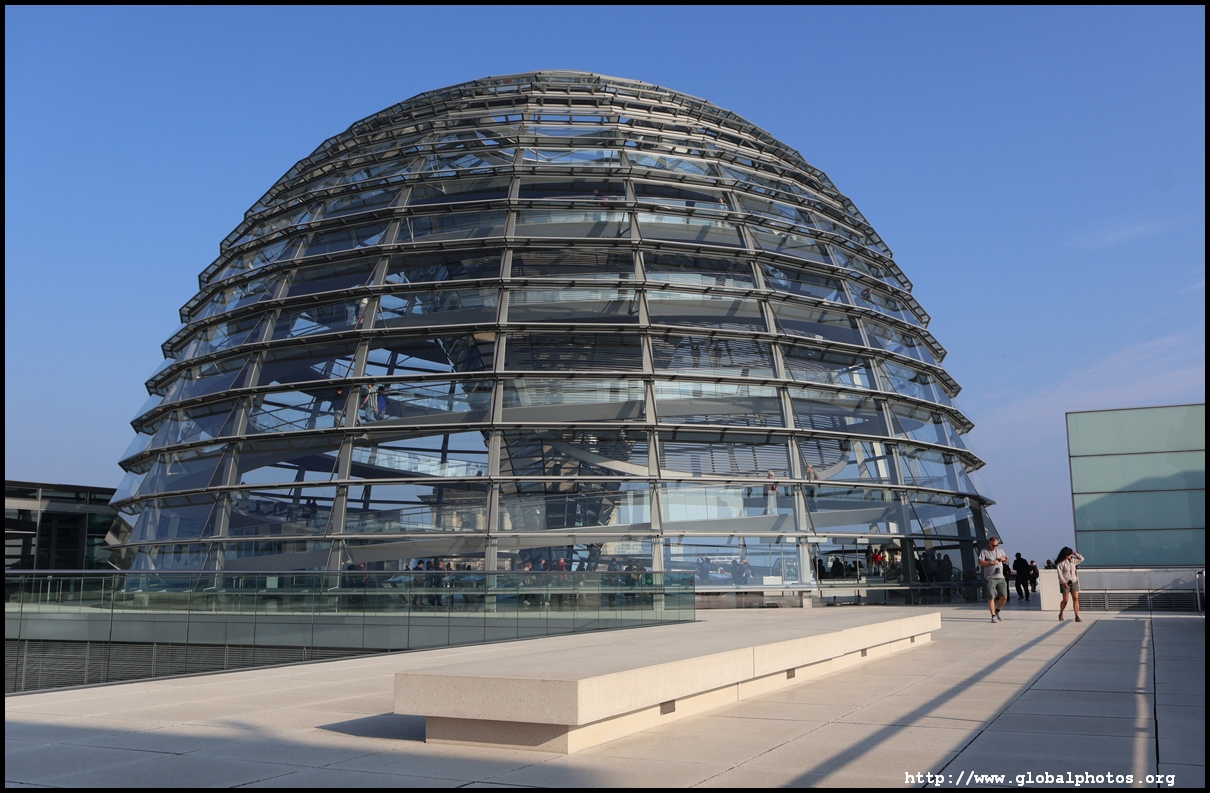
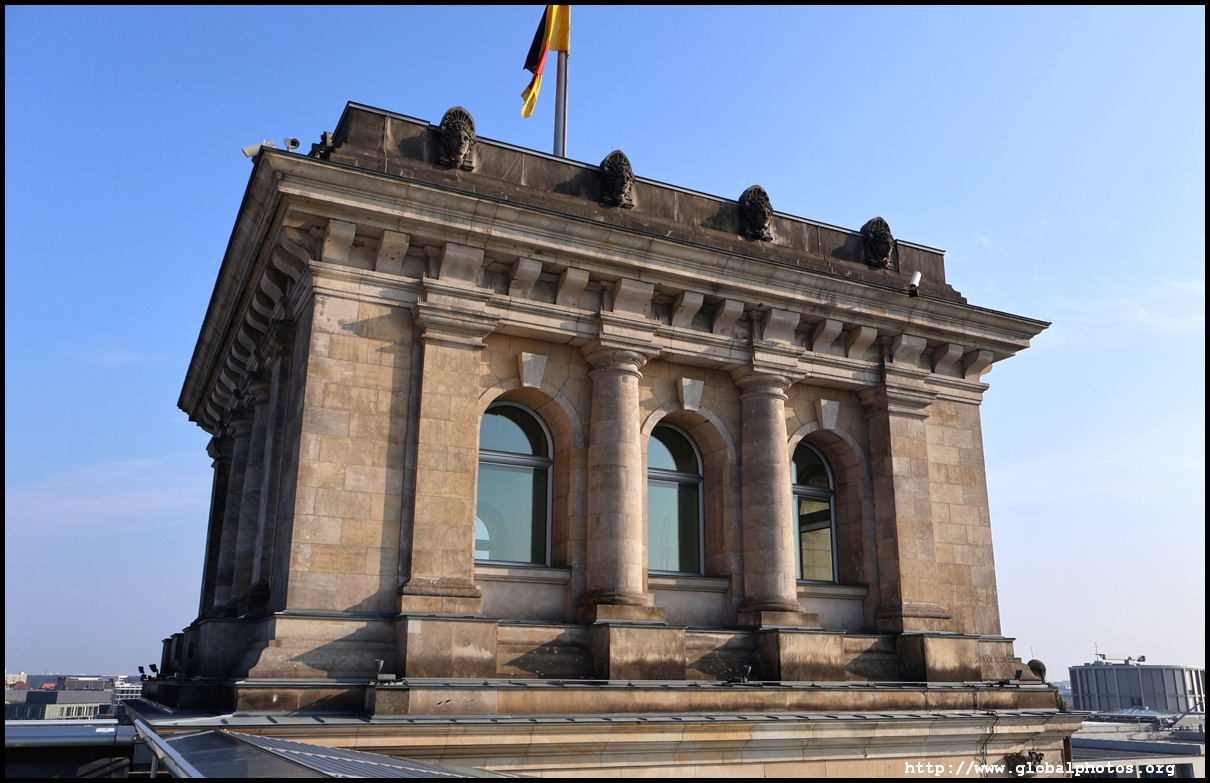
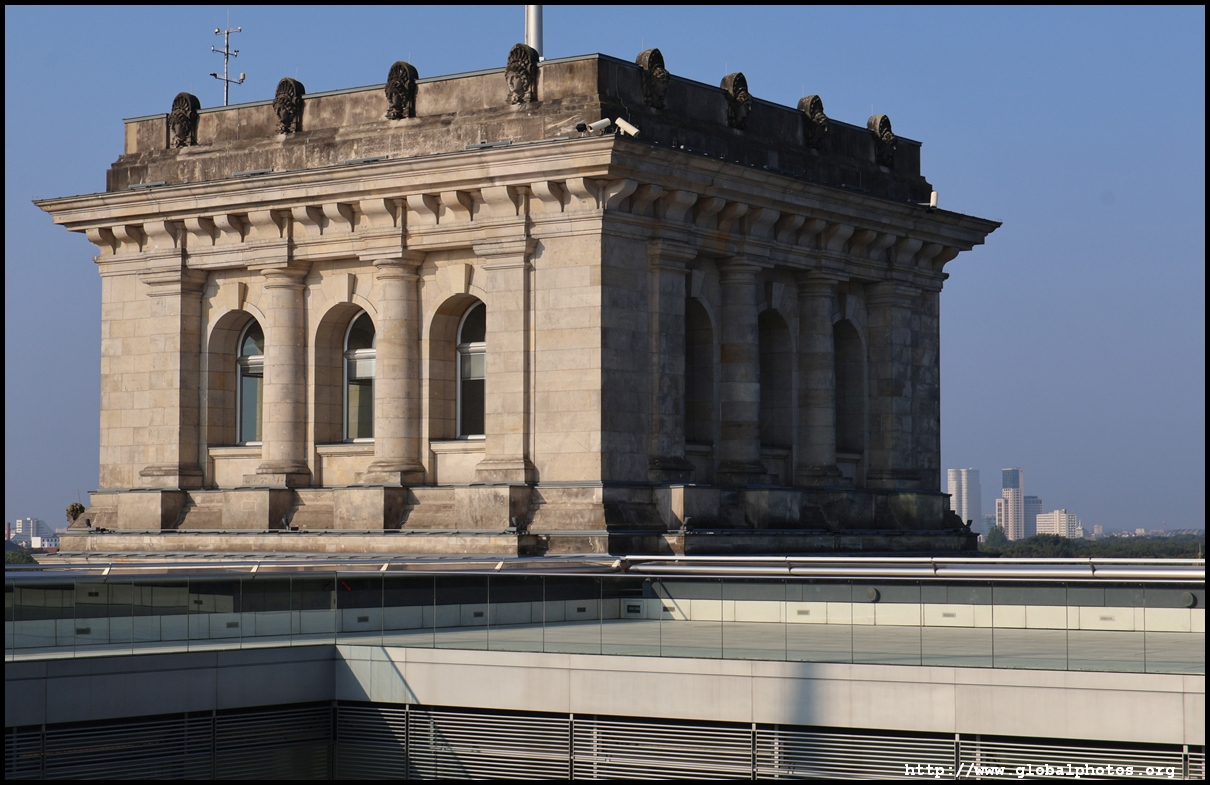
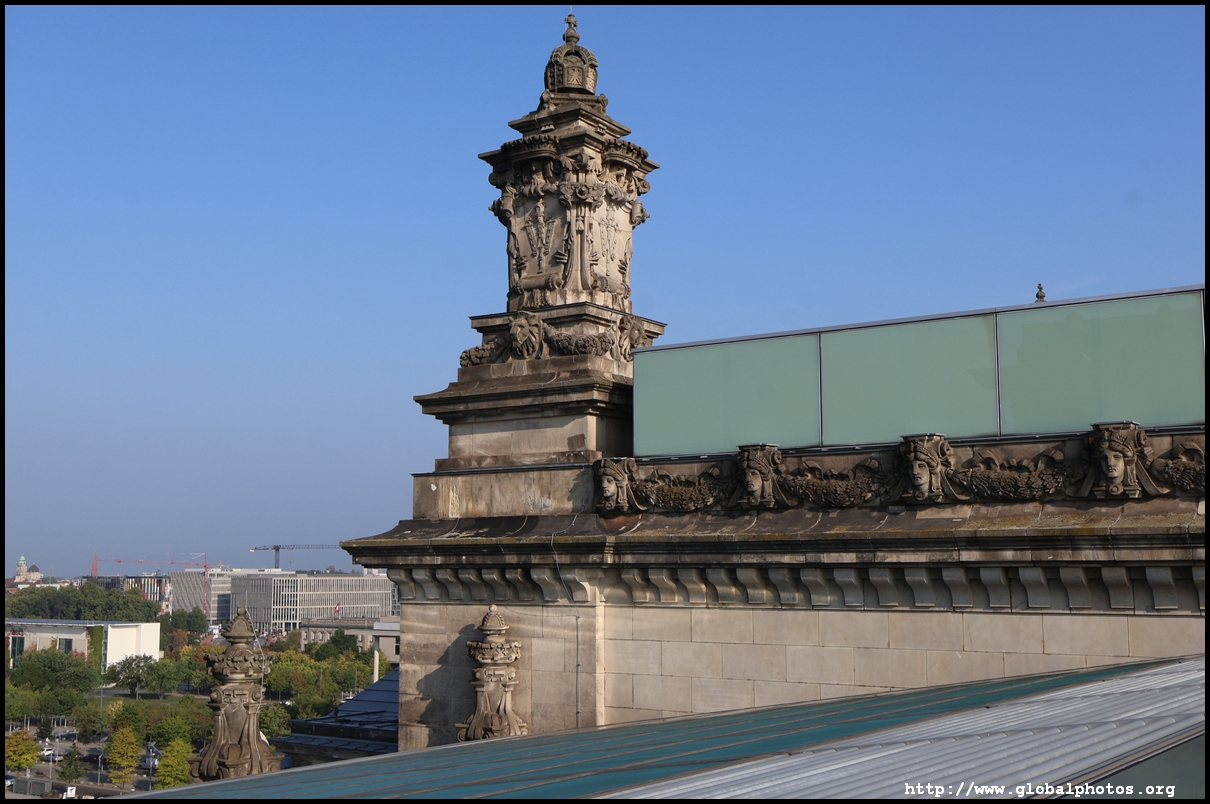
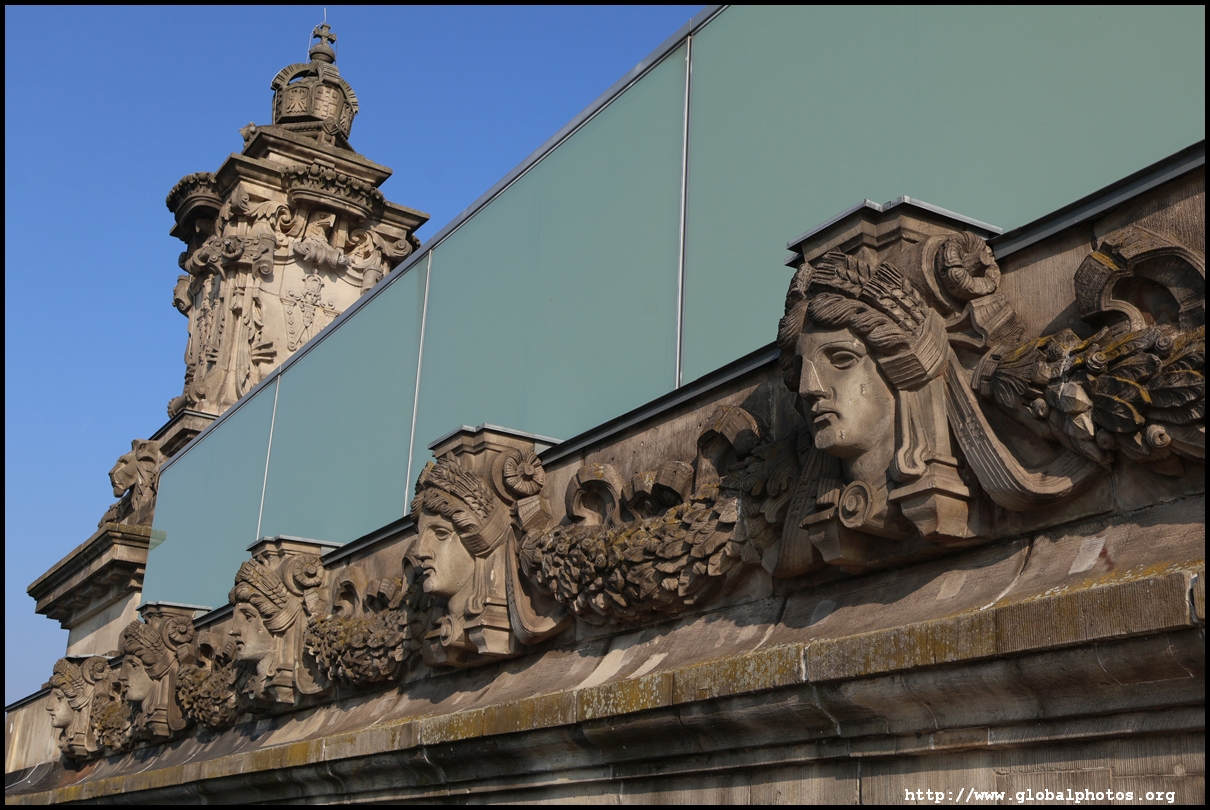
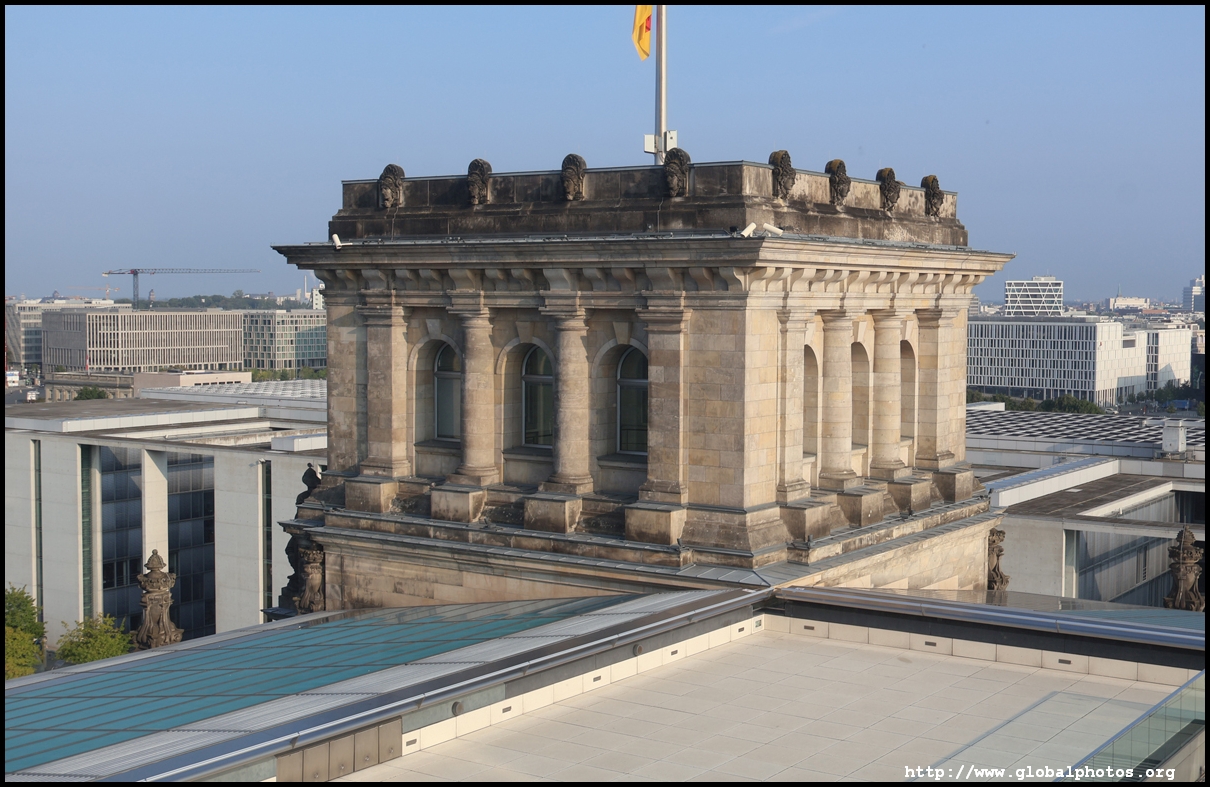
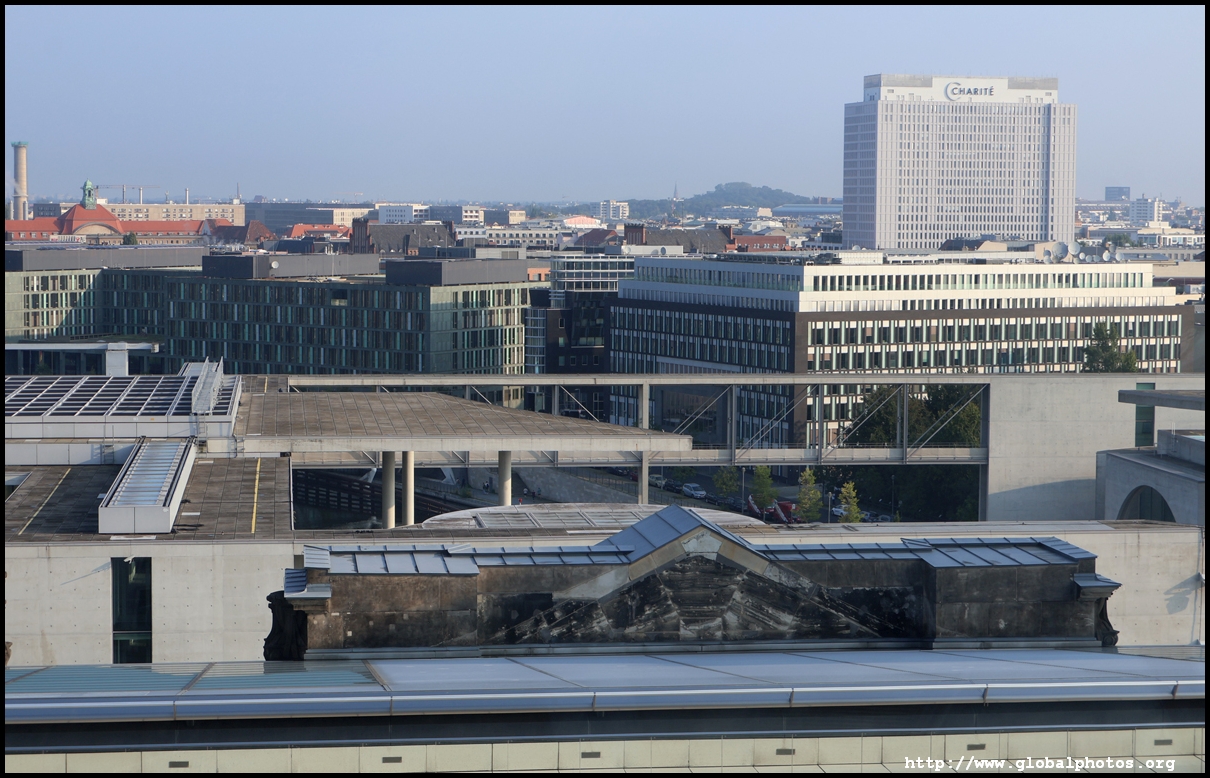
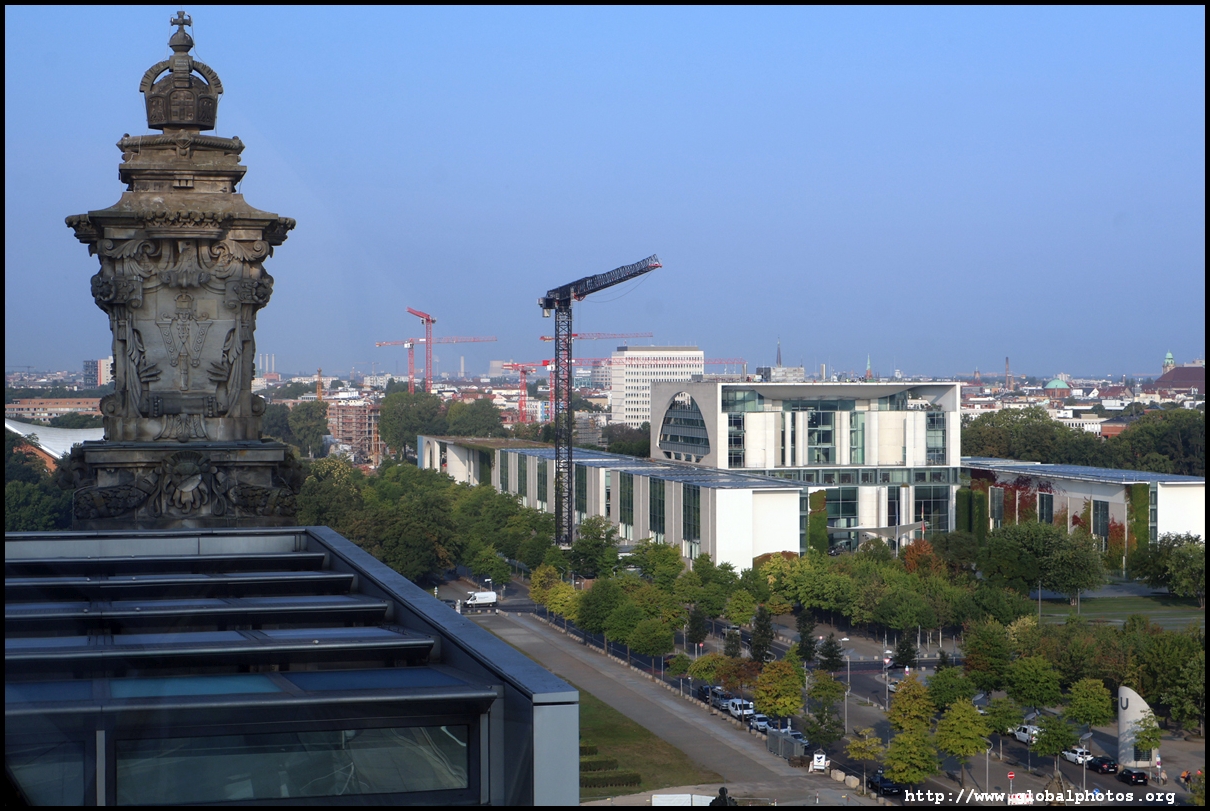
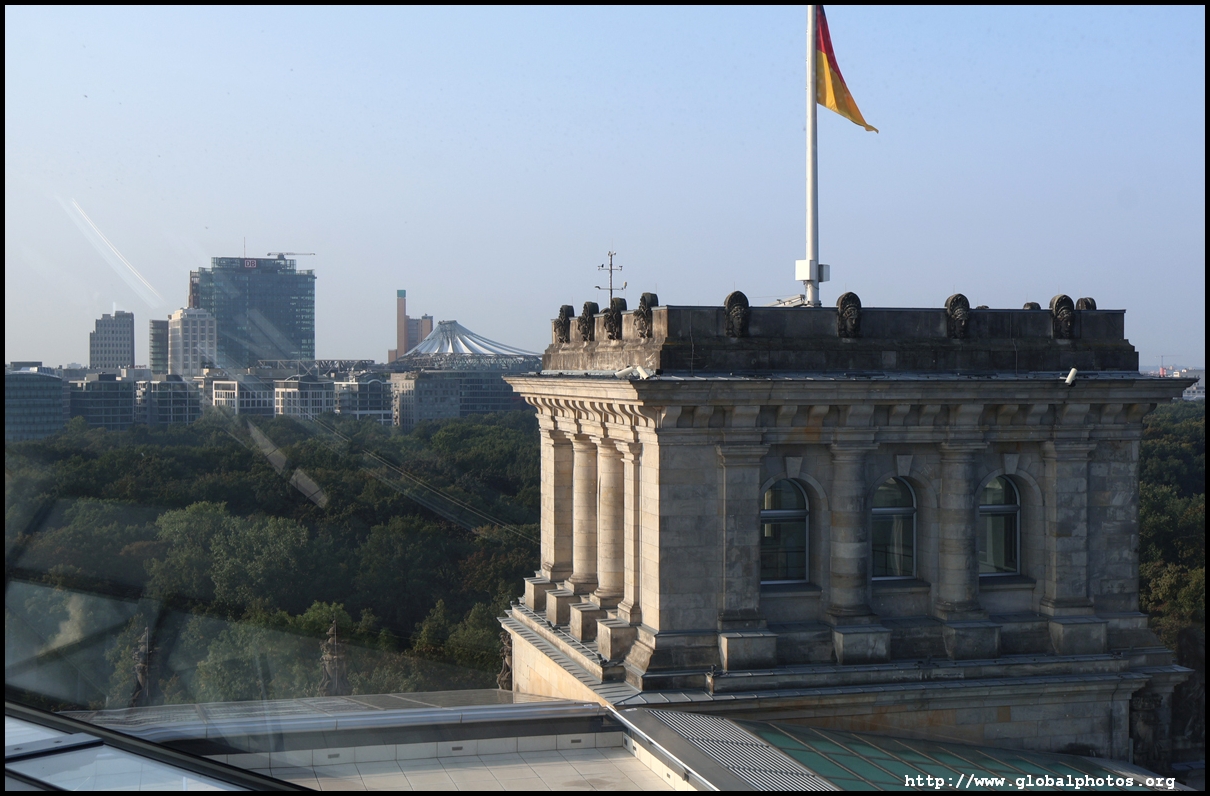
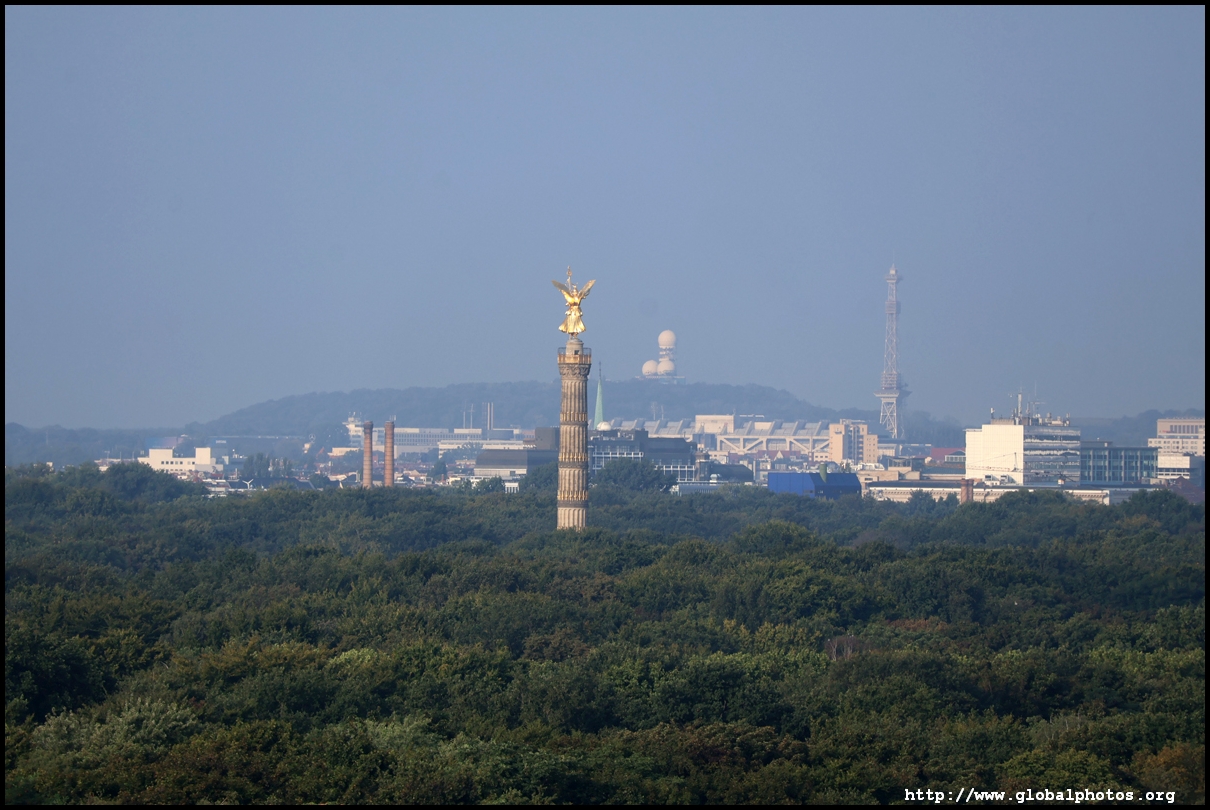
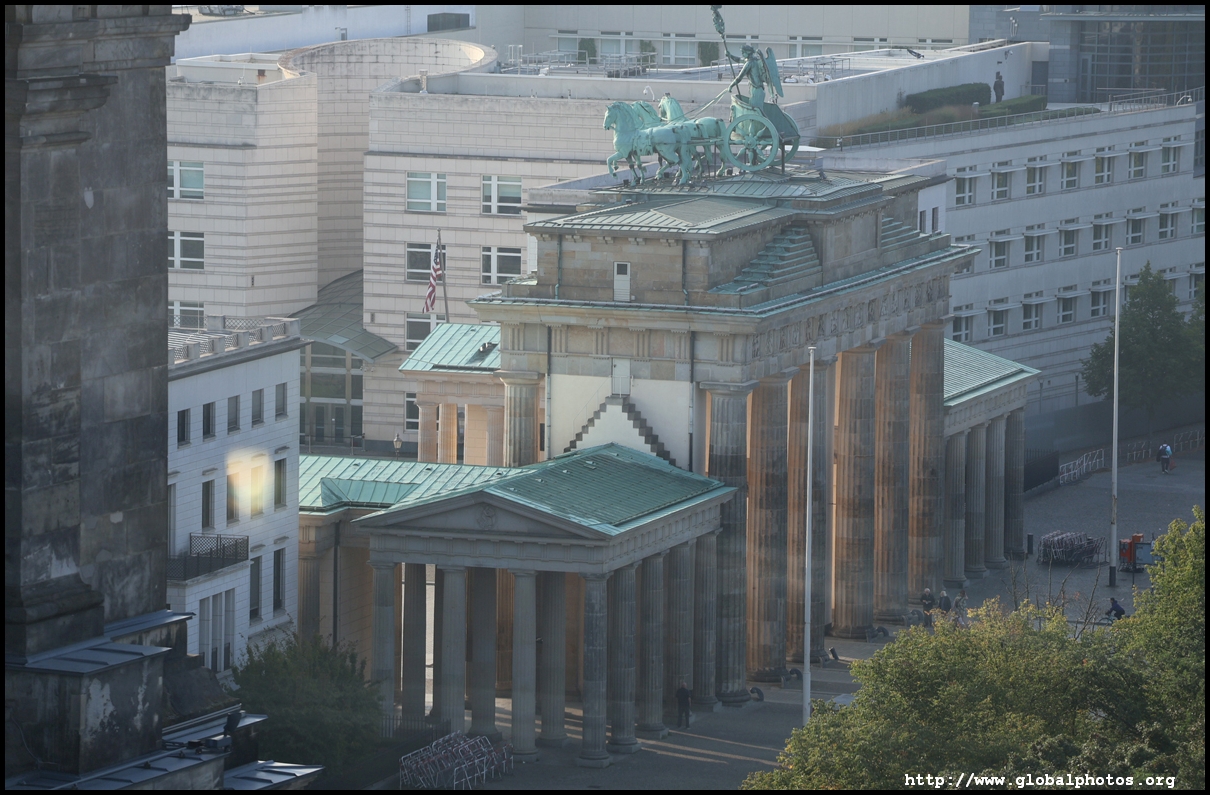
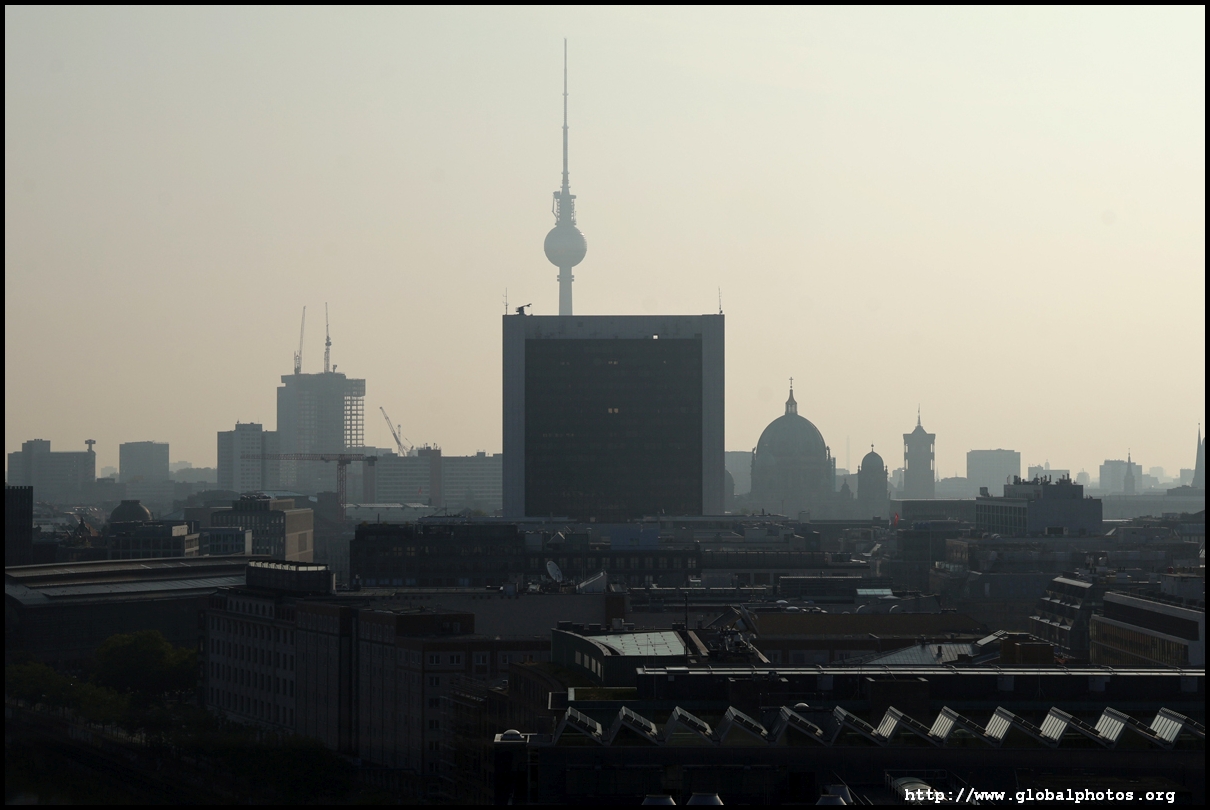
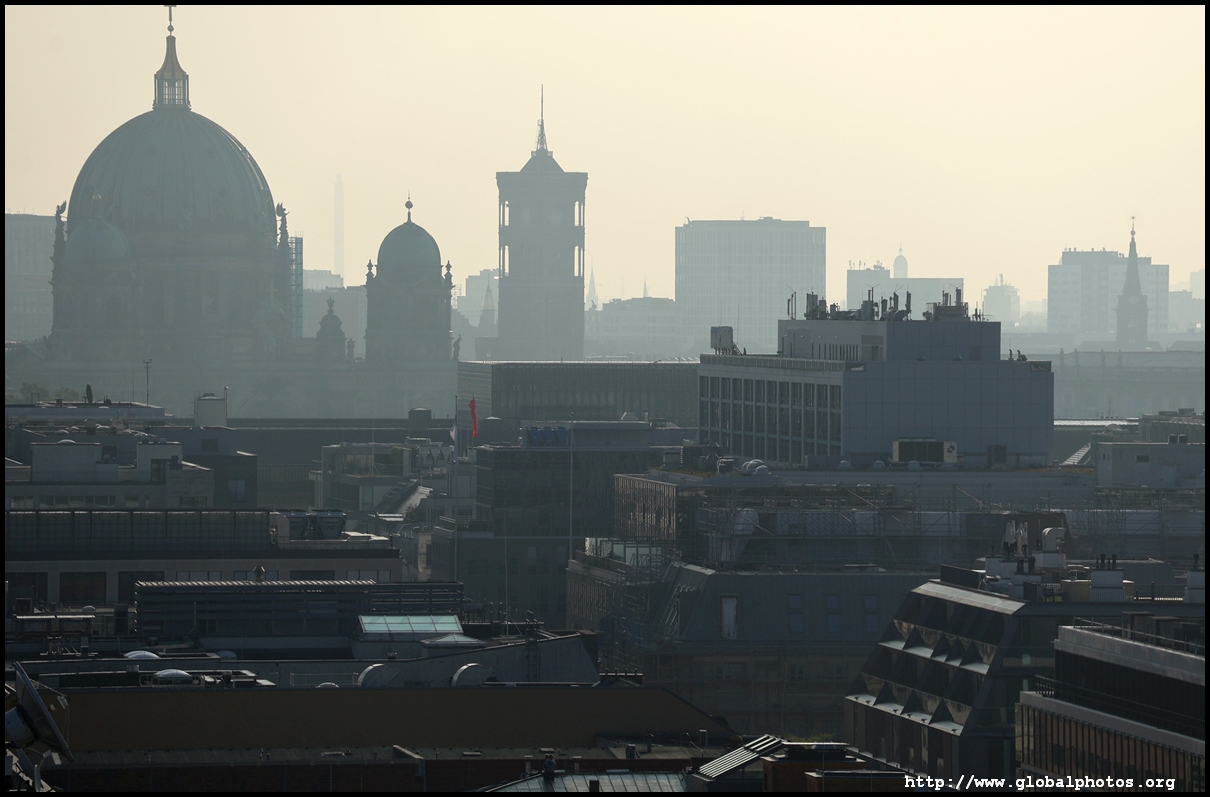
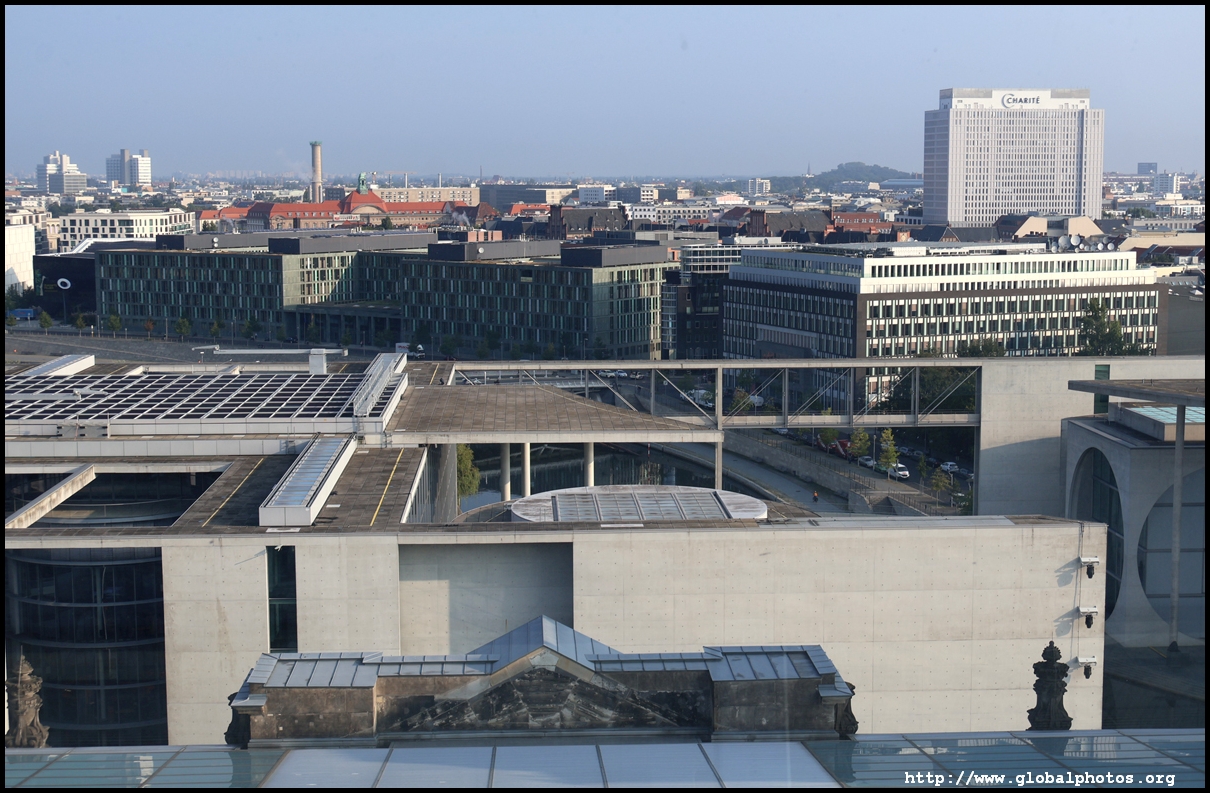
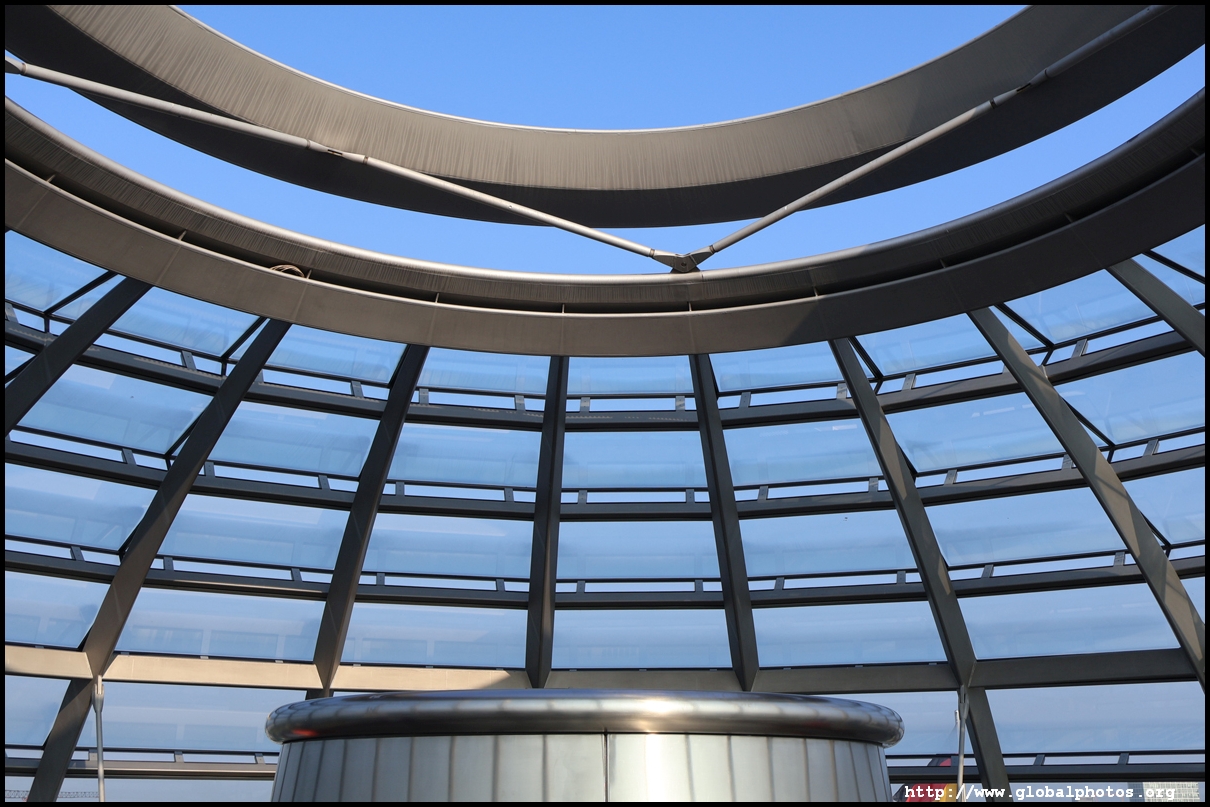
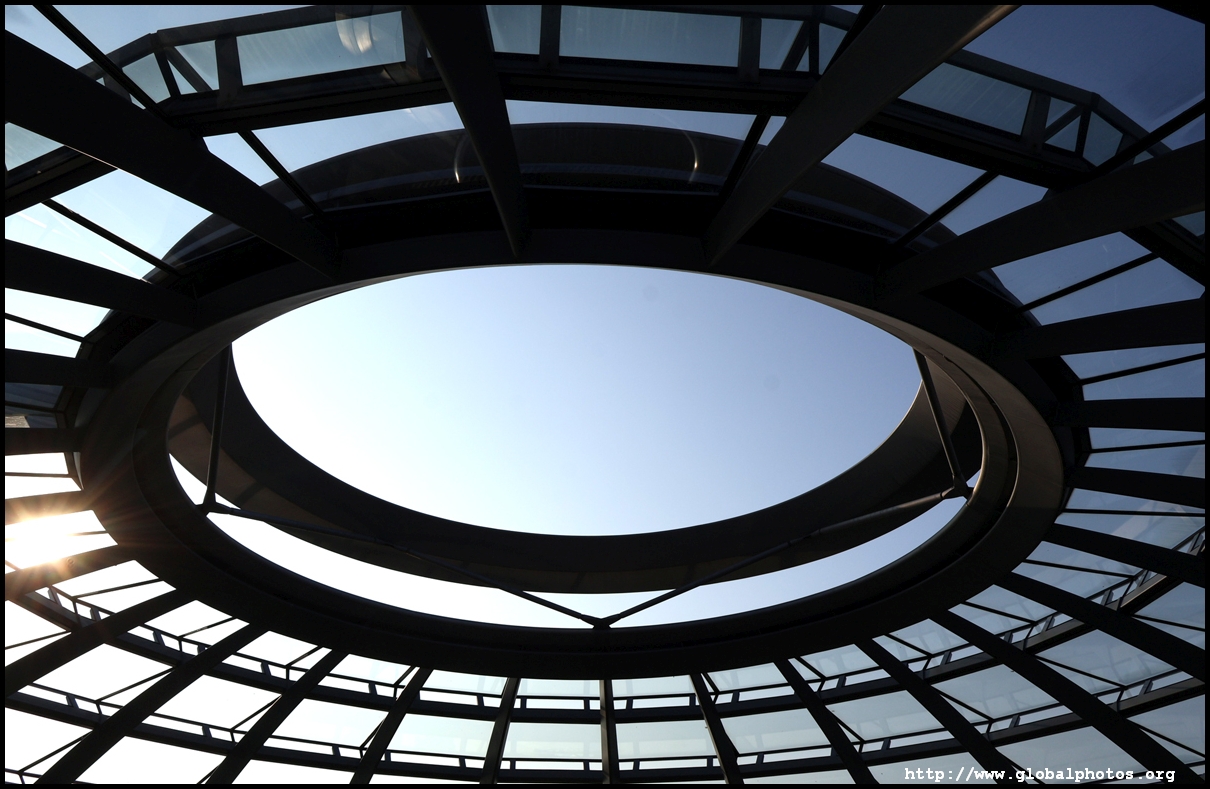
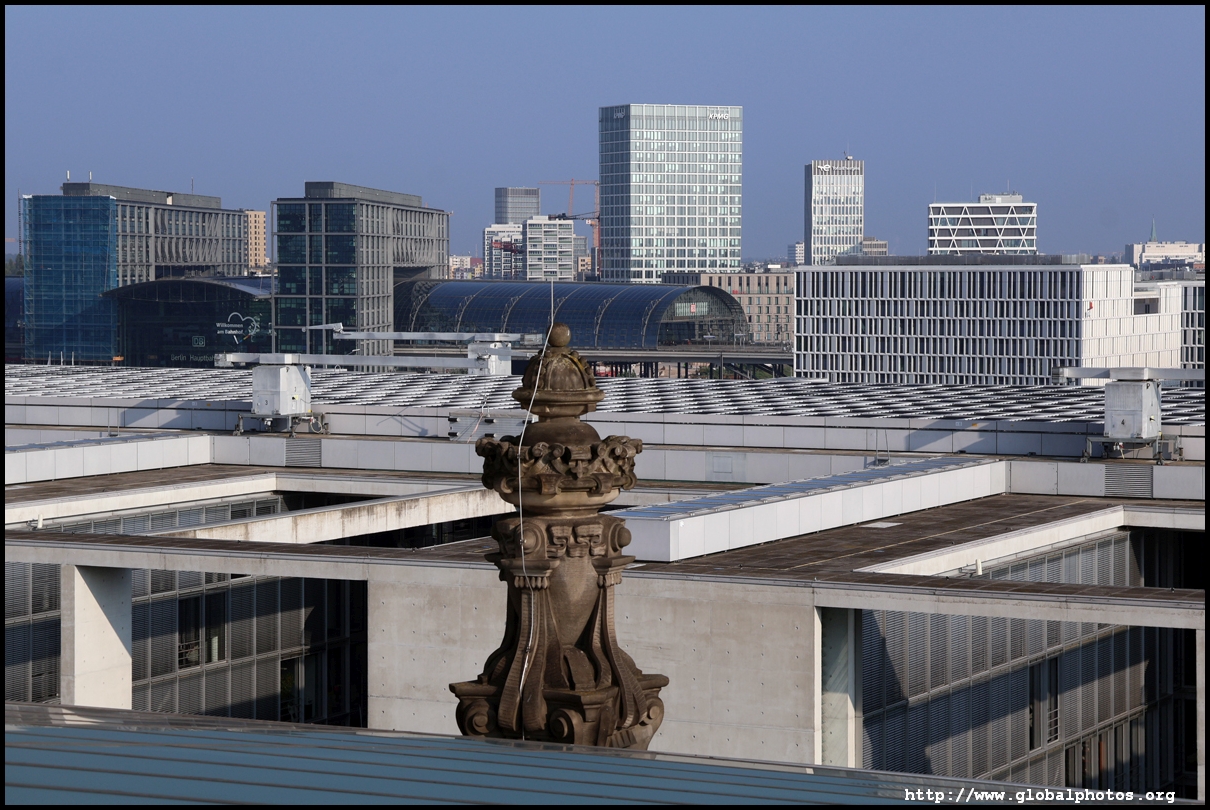
The Neo-Renaissance Reichstag was inaugurated in 1894 and served as the parliament's home until 1933, when a fire nearly destroyed it. Adolf Hitler used the fire to blame the Communists, triggering a purge and power grab that would eventually lead to the end of democracy.Under the Nazis, the building fell into neglect and was badly damaged during World War II. When the Berlin Wall went up in 1961, the building sat next to the death strip. After Germany was re-unified, it was decided that the Reichstag needed to be rebuilt. Sir Norman Foster got involved to design a glass dome for the top, which was completed in 1998. The building became the new permanent home of the unified Germany's Bundestag. The capital also moved back from Bonn. I had my eyes set on visiting the glass dome to enjoy the panoramic view. Visitors need to register online beforehand. There is no admission charge and they are open quite early and until late. However, spots fill up quickly so do this many days in advance of your arrival.
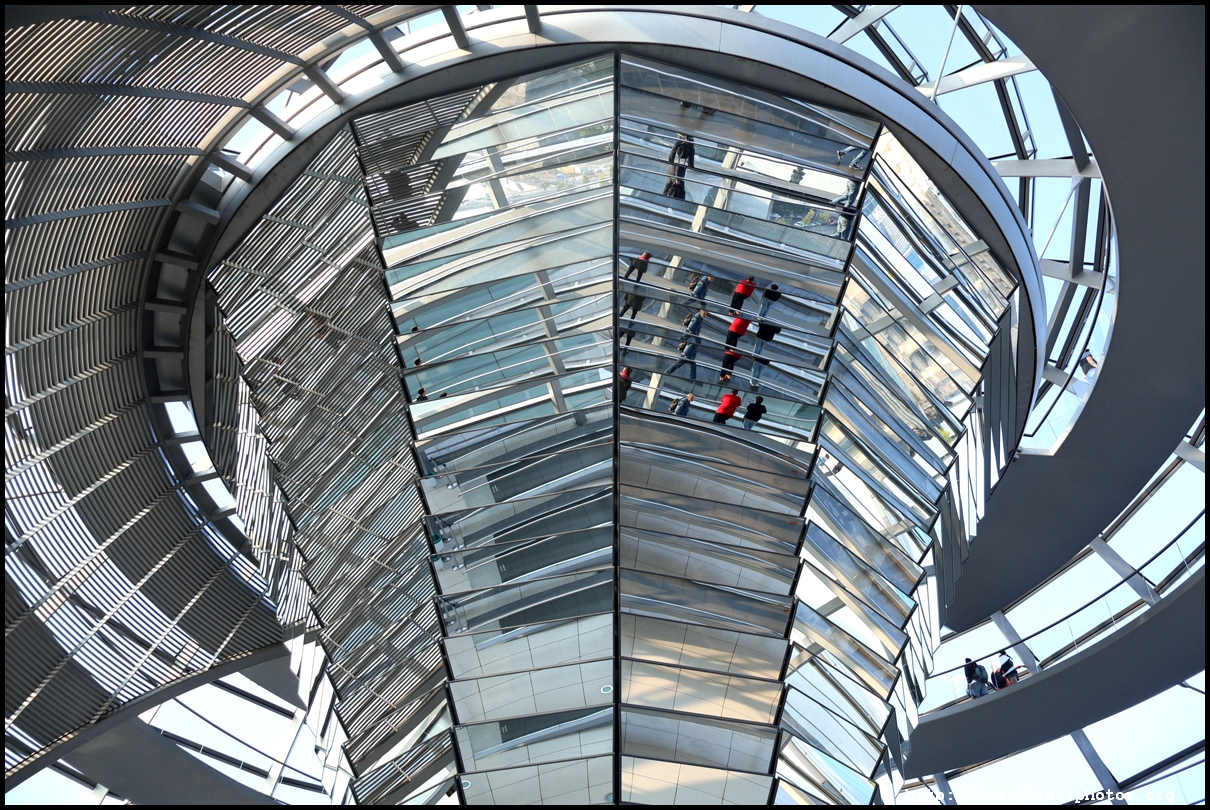
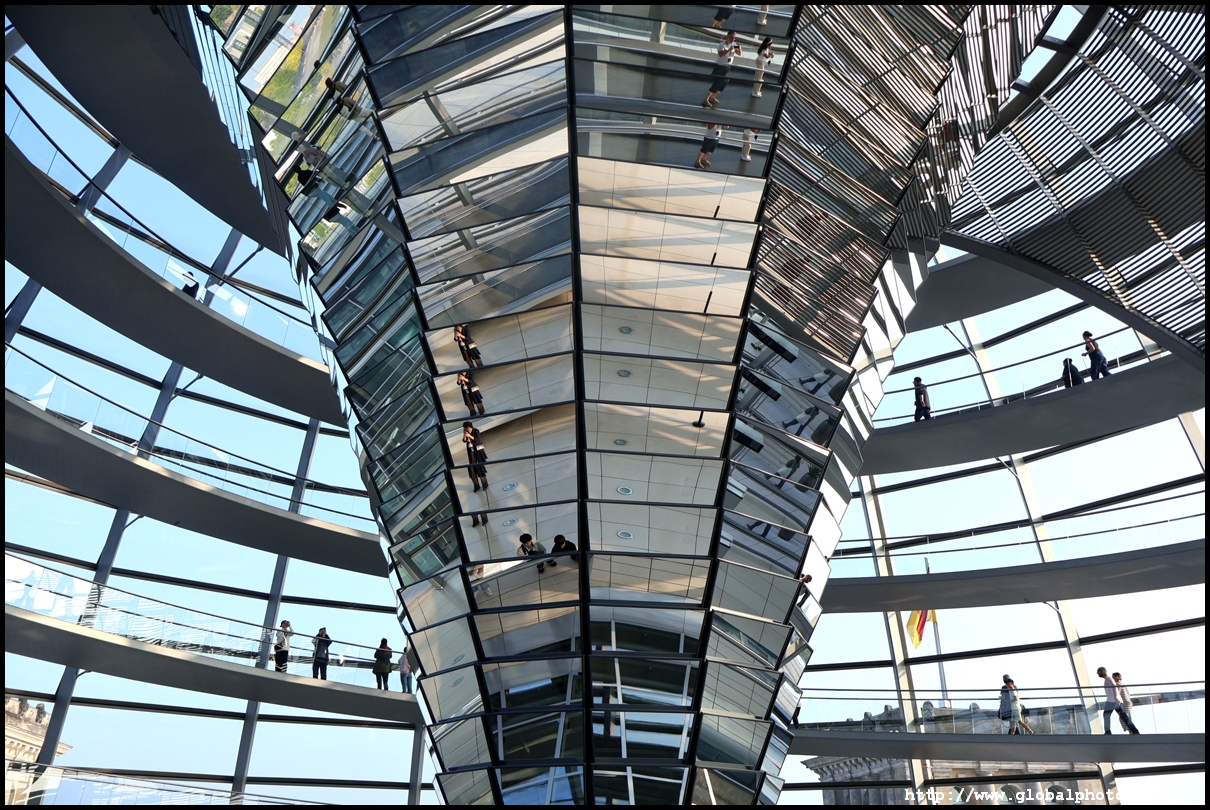
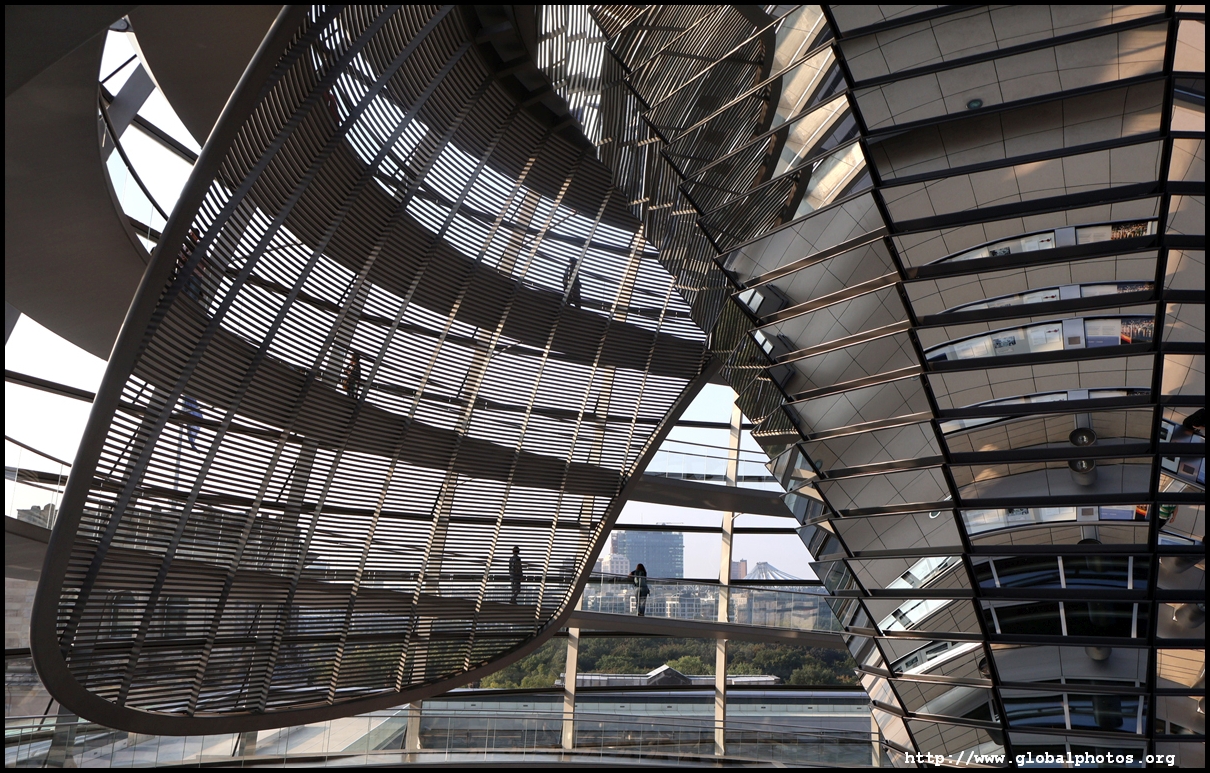
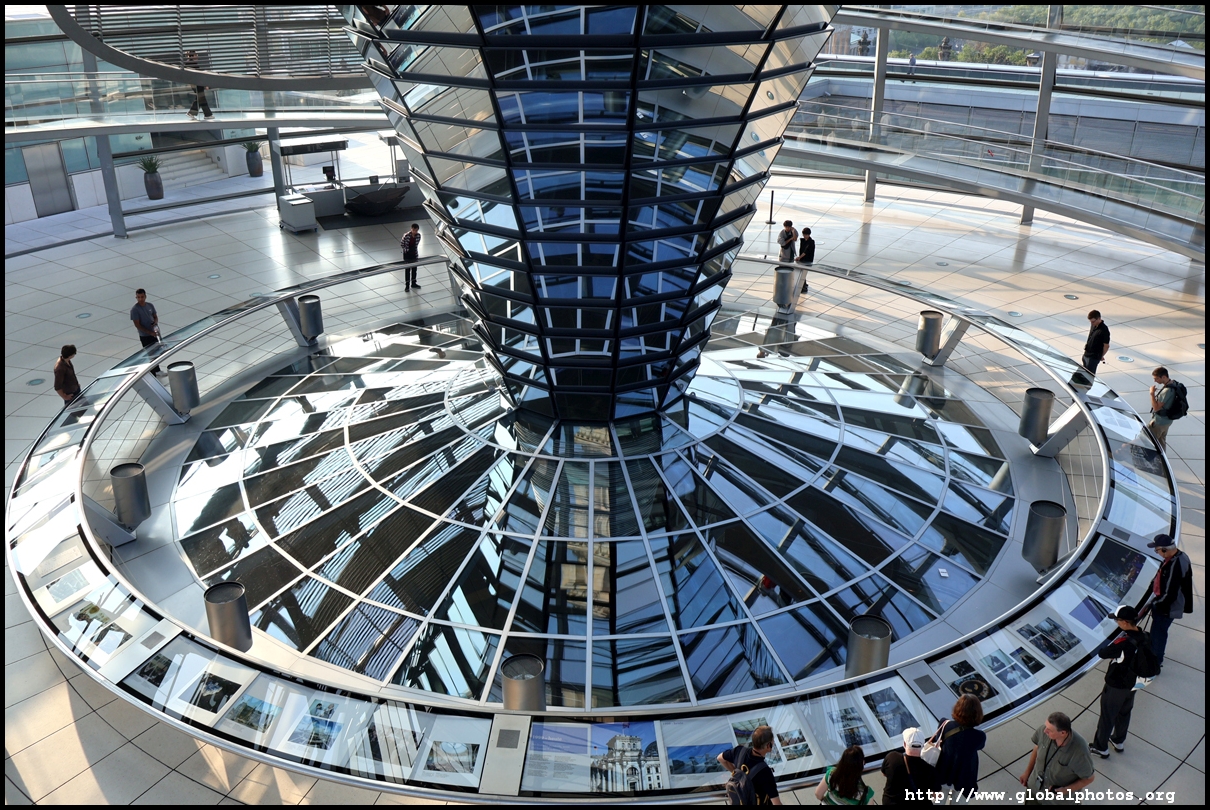
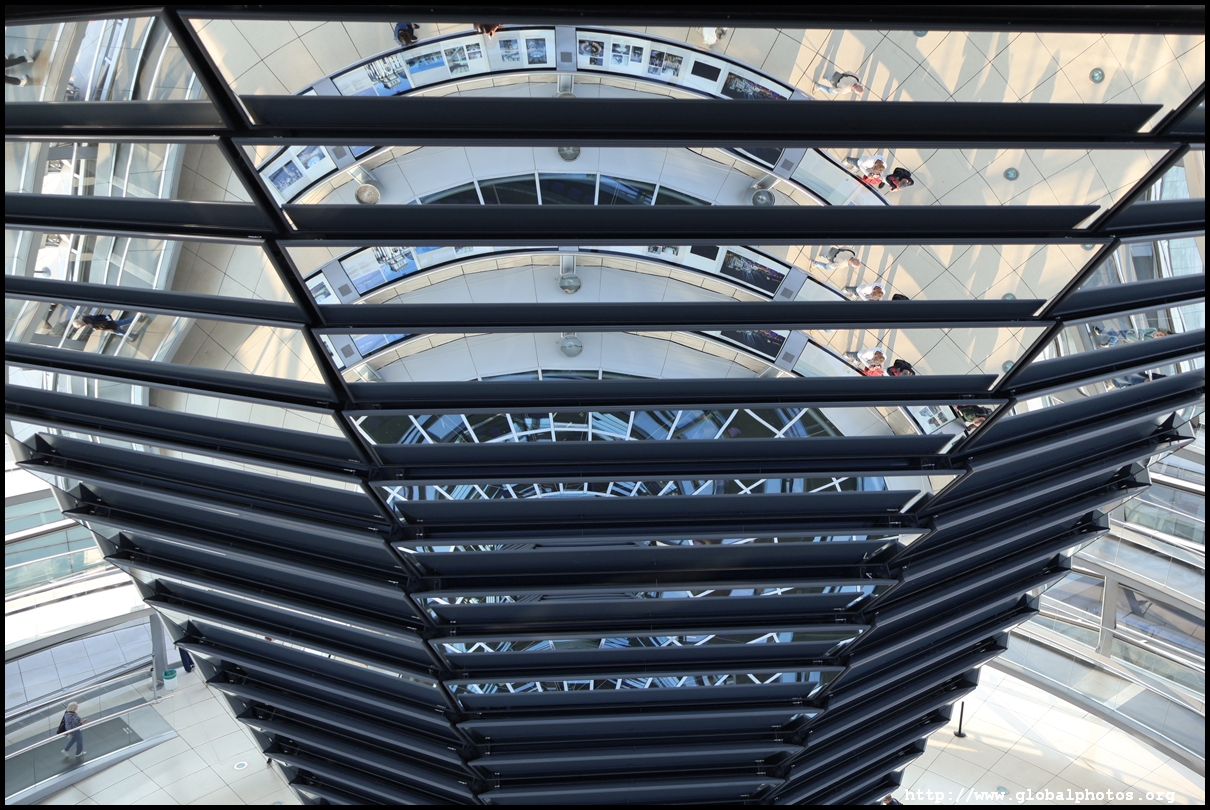
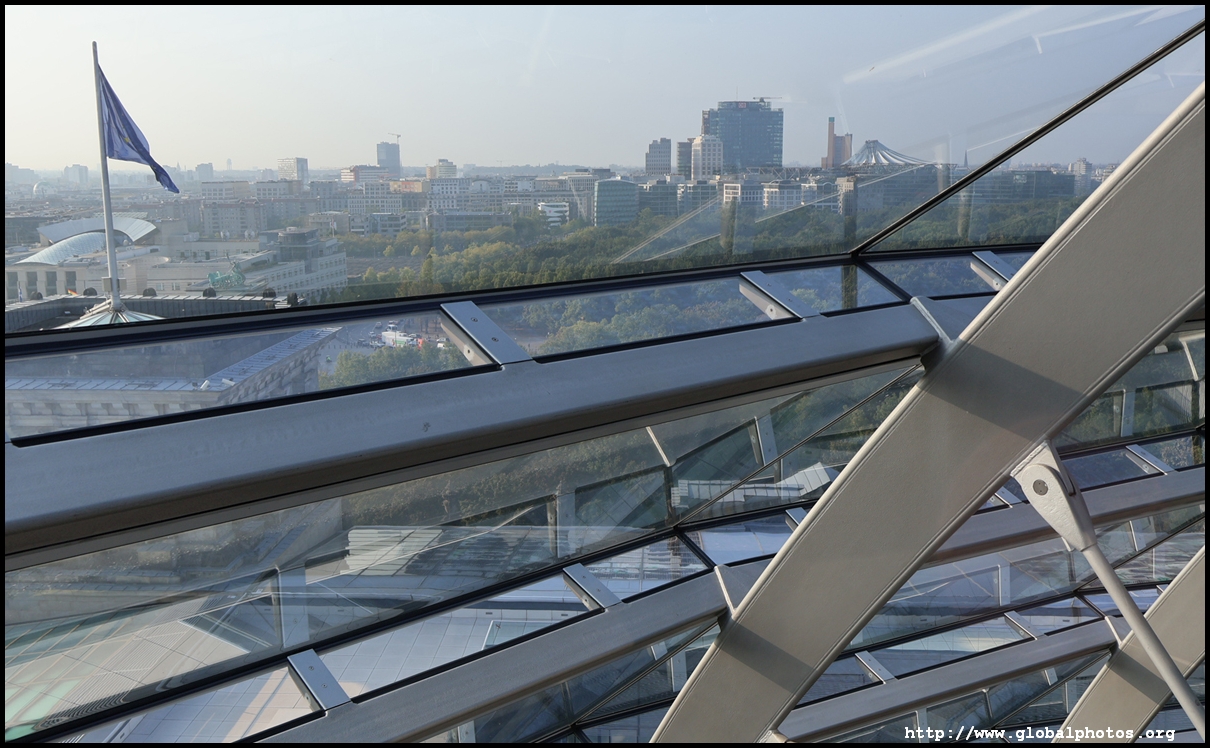
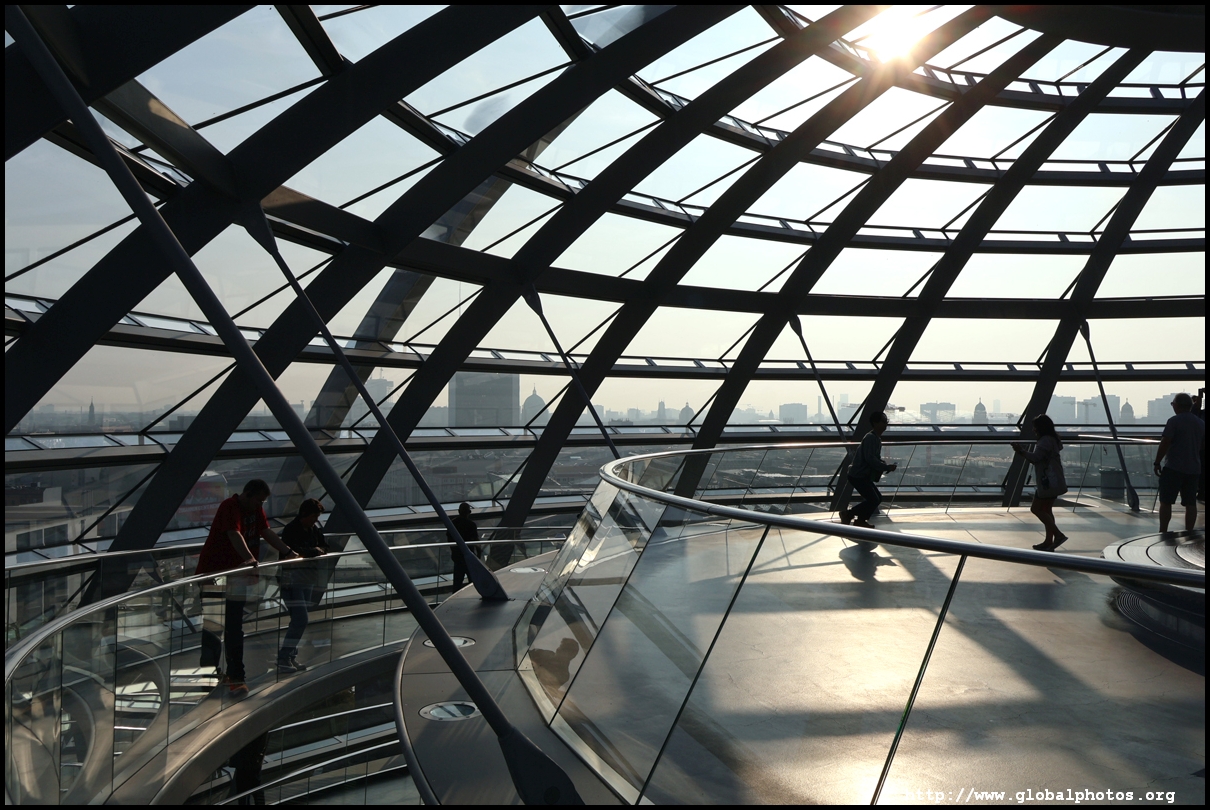
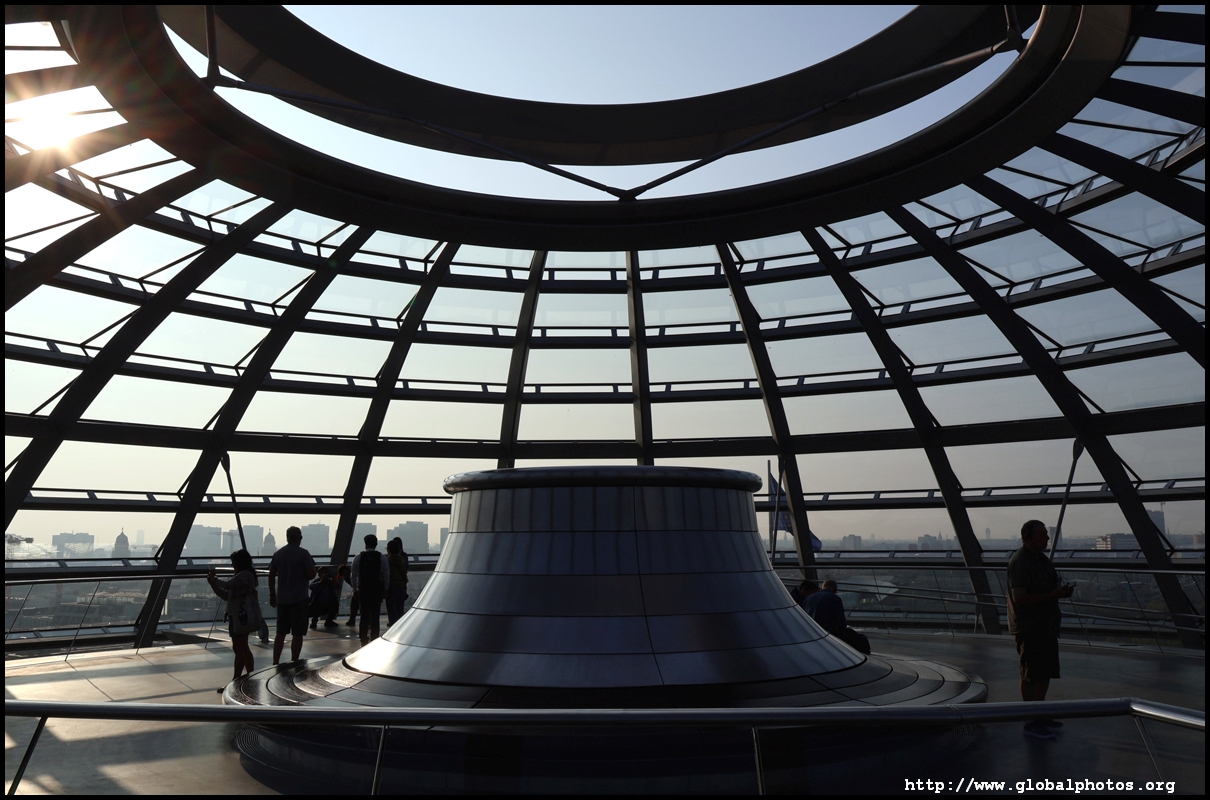
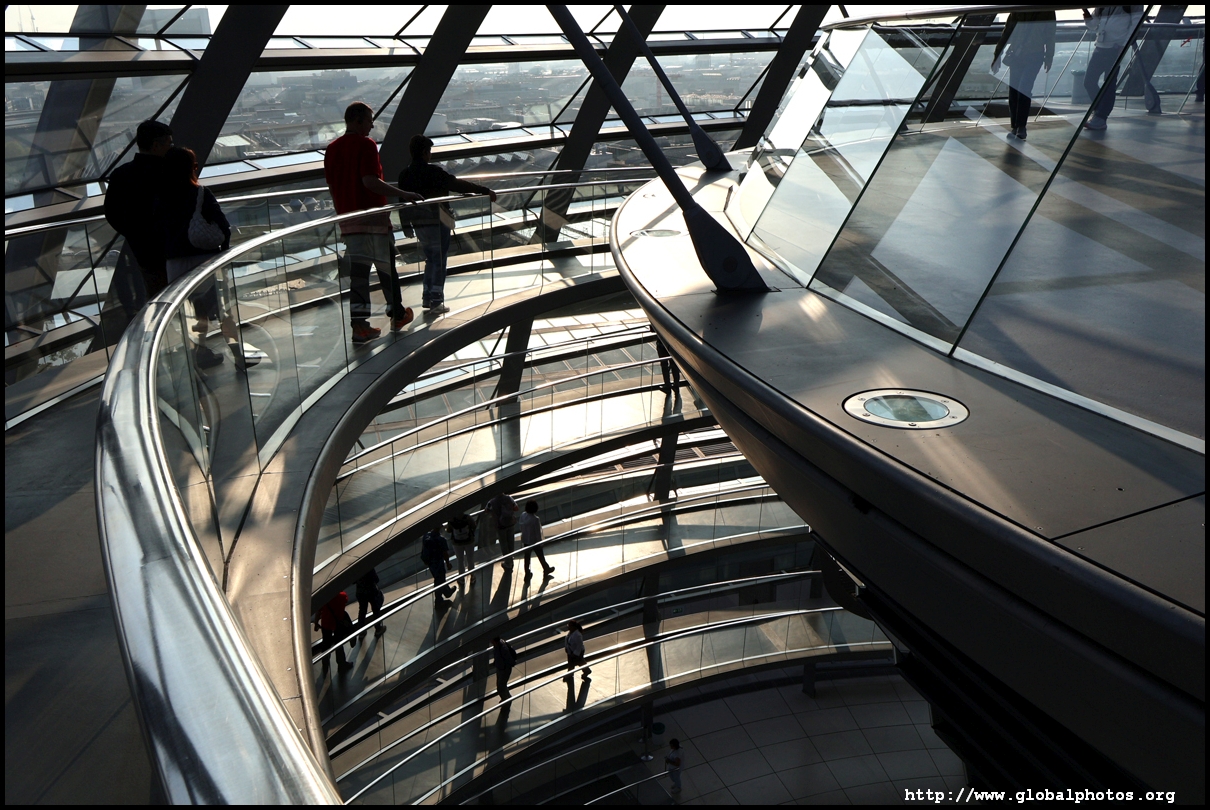
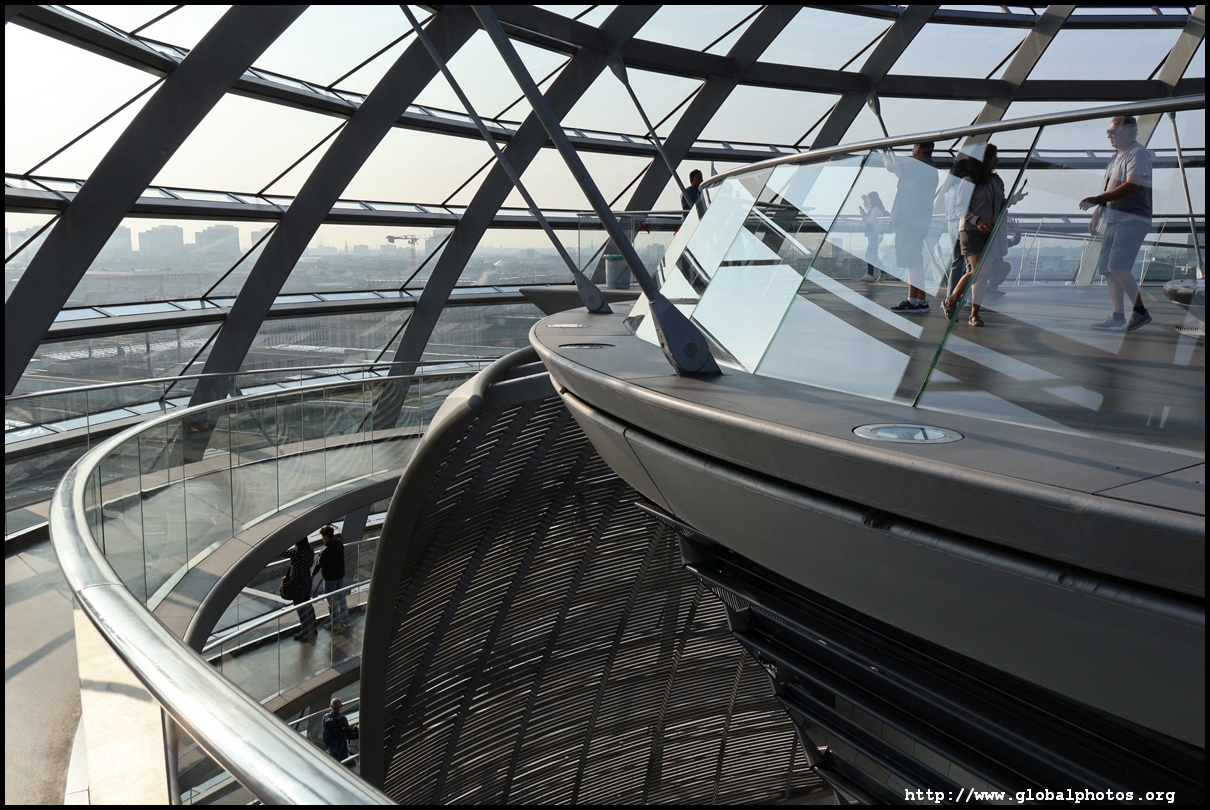
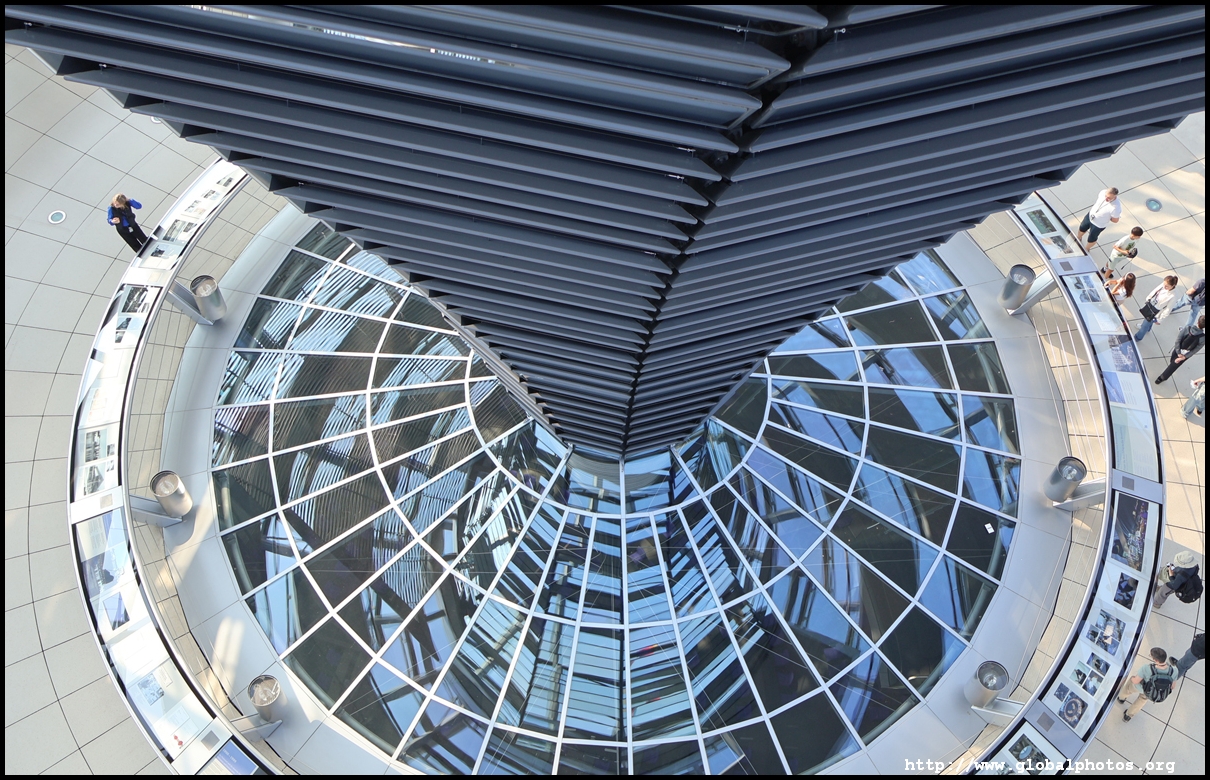
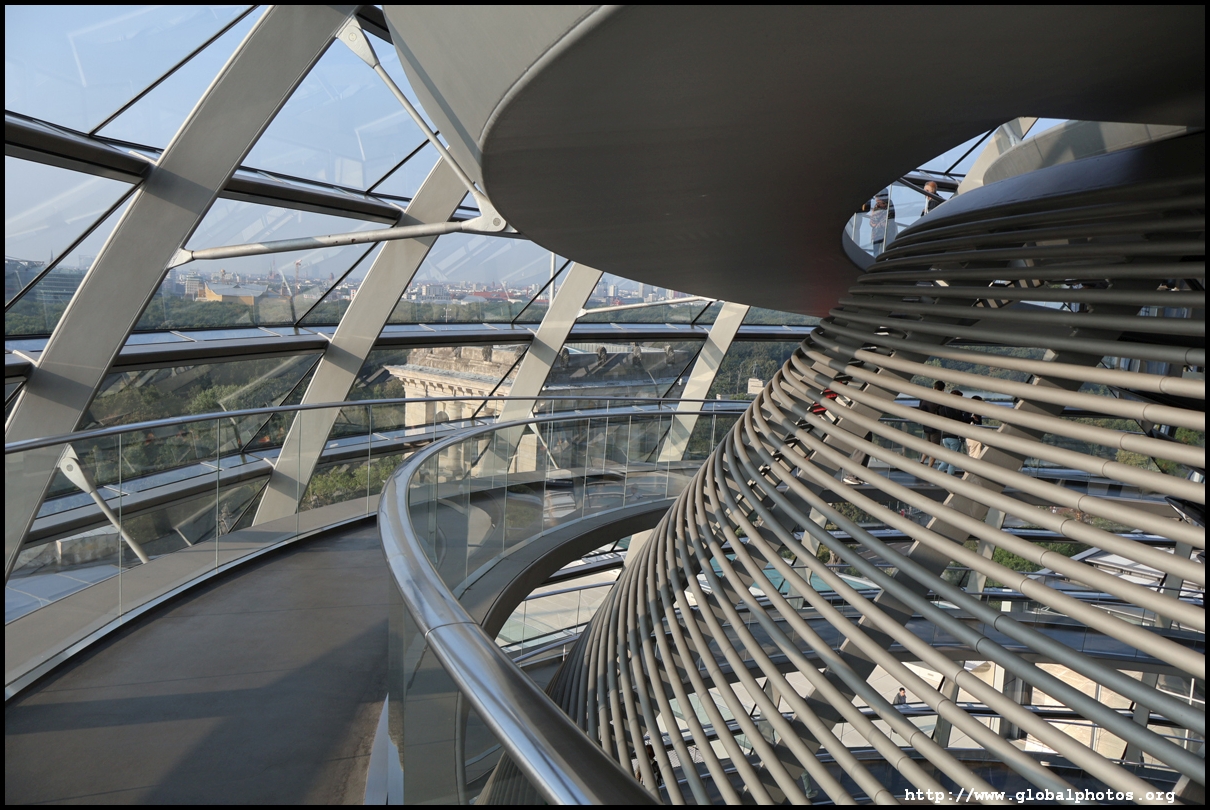
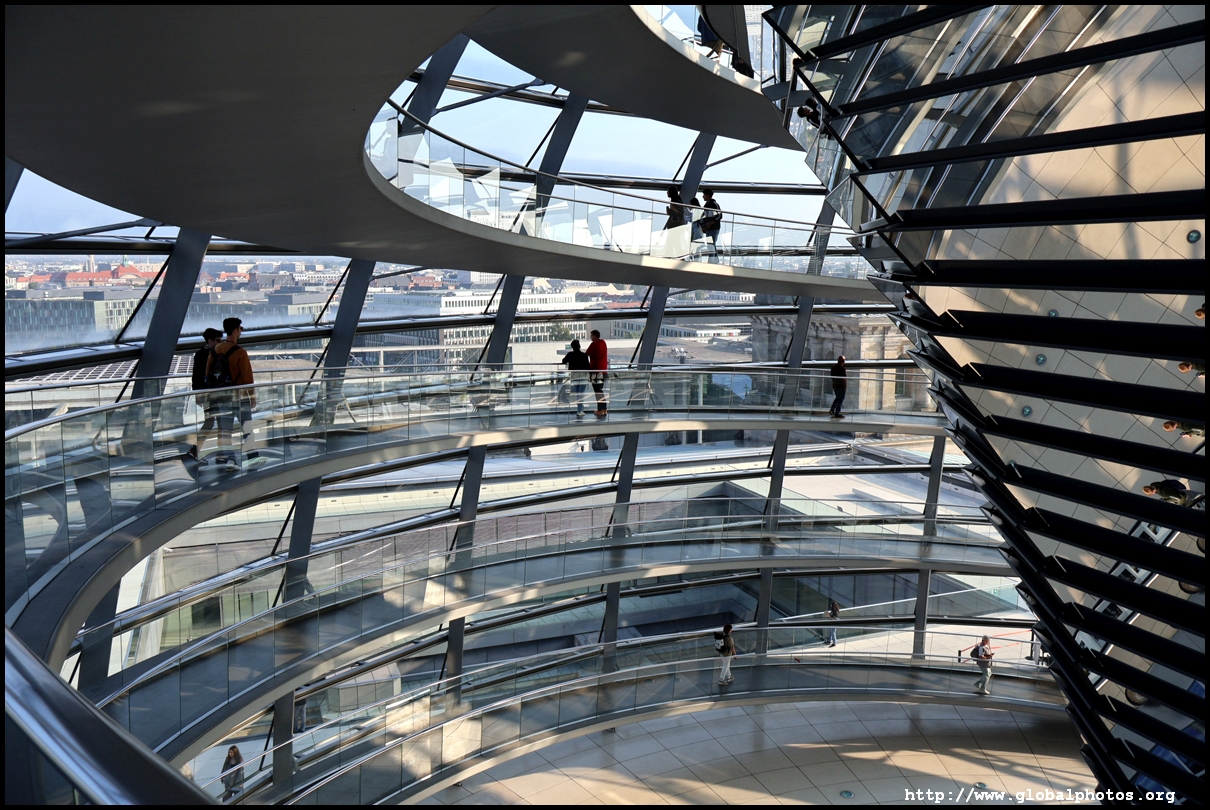
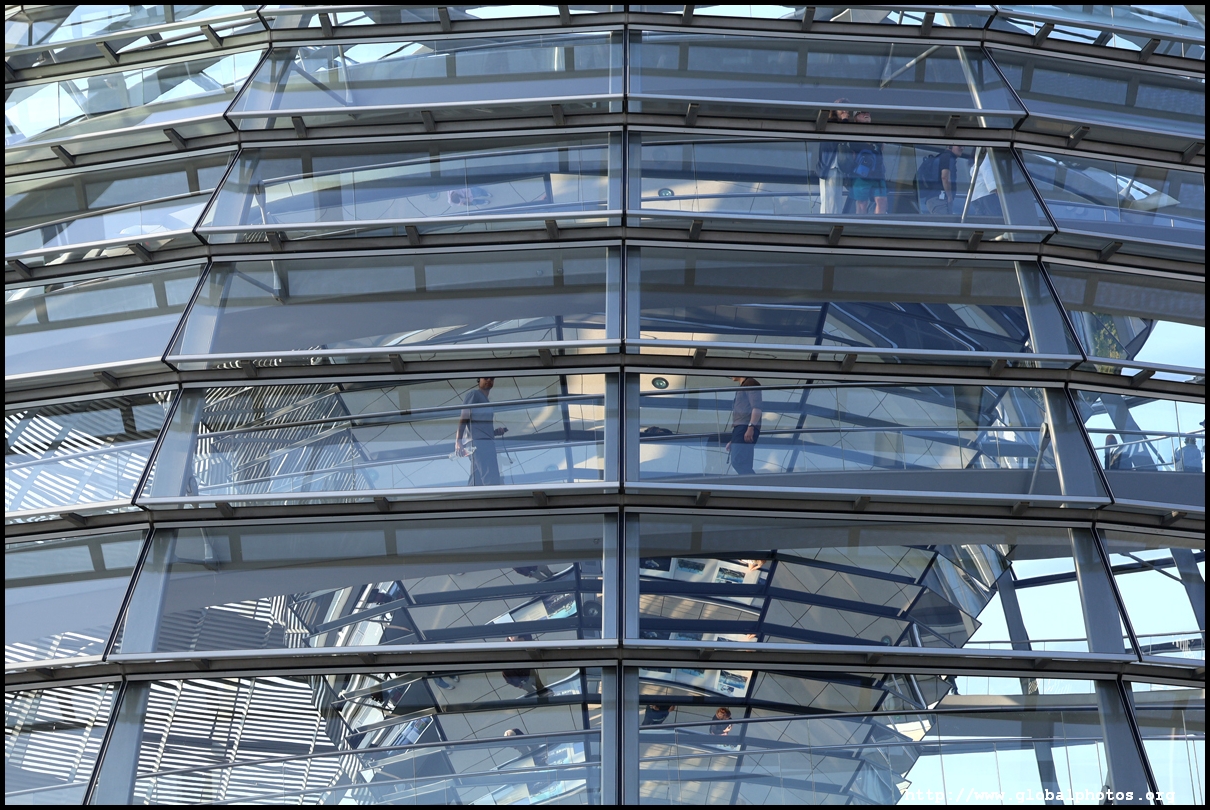
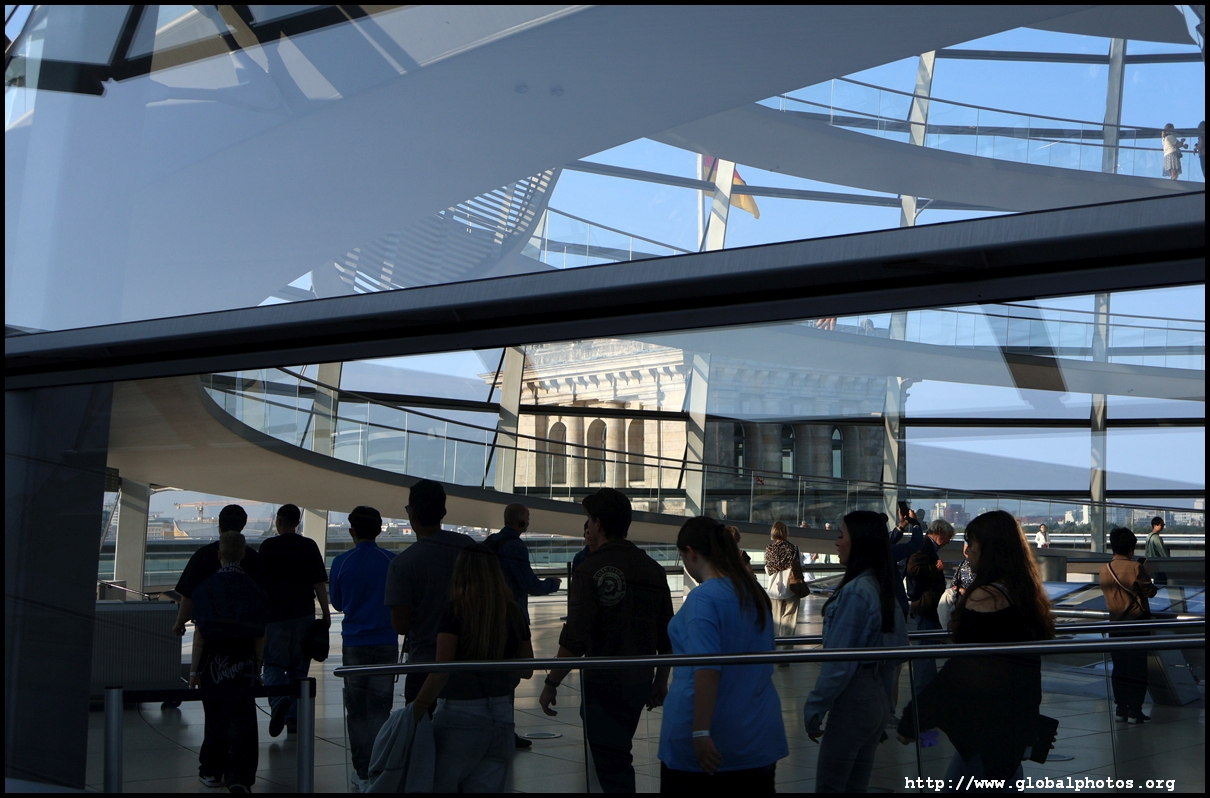
After going through security check in an adjacent makeshift building, we were held and grouped together to enter the Reichstag. We all squeezed into a huge elevator for the short ride up to the roof to pick up a free audioguide and start our glass dome visit. 360 mirrors reflect natural light to the legislative chamber below.
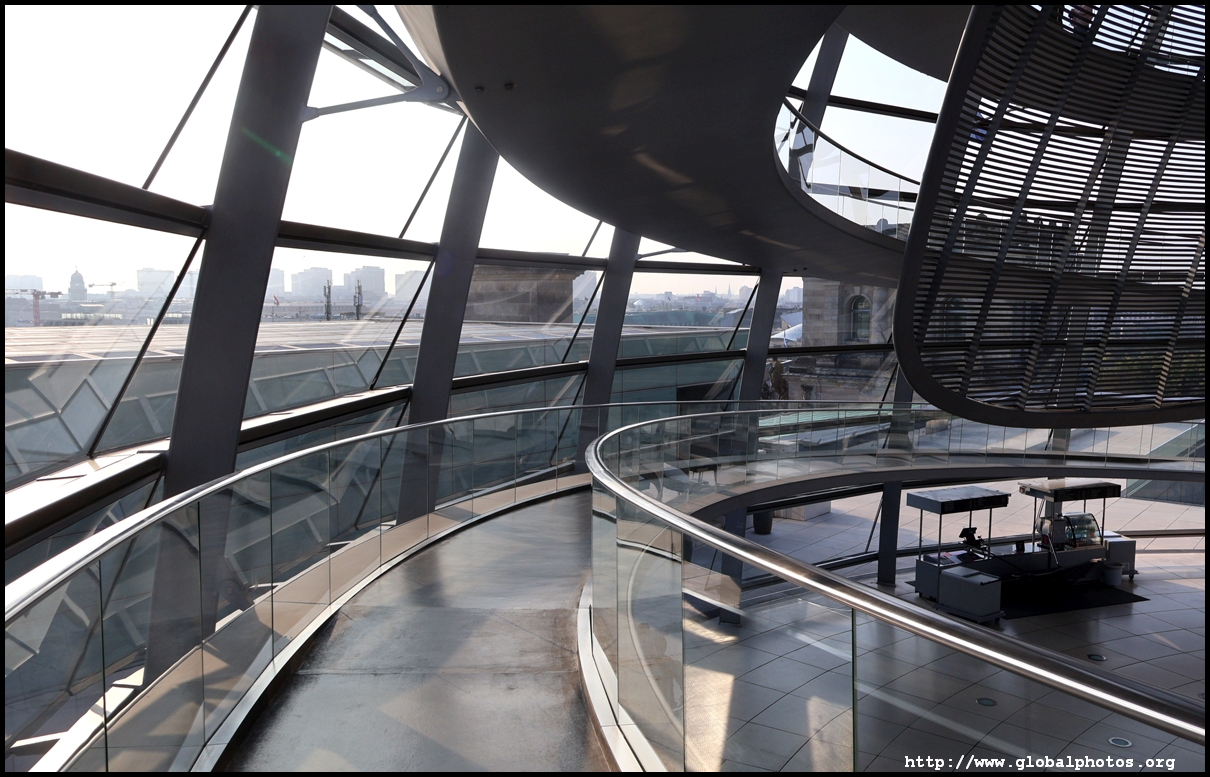
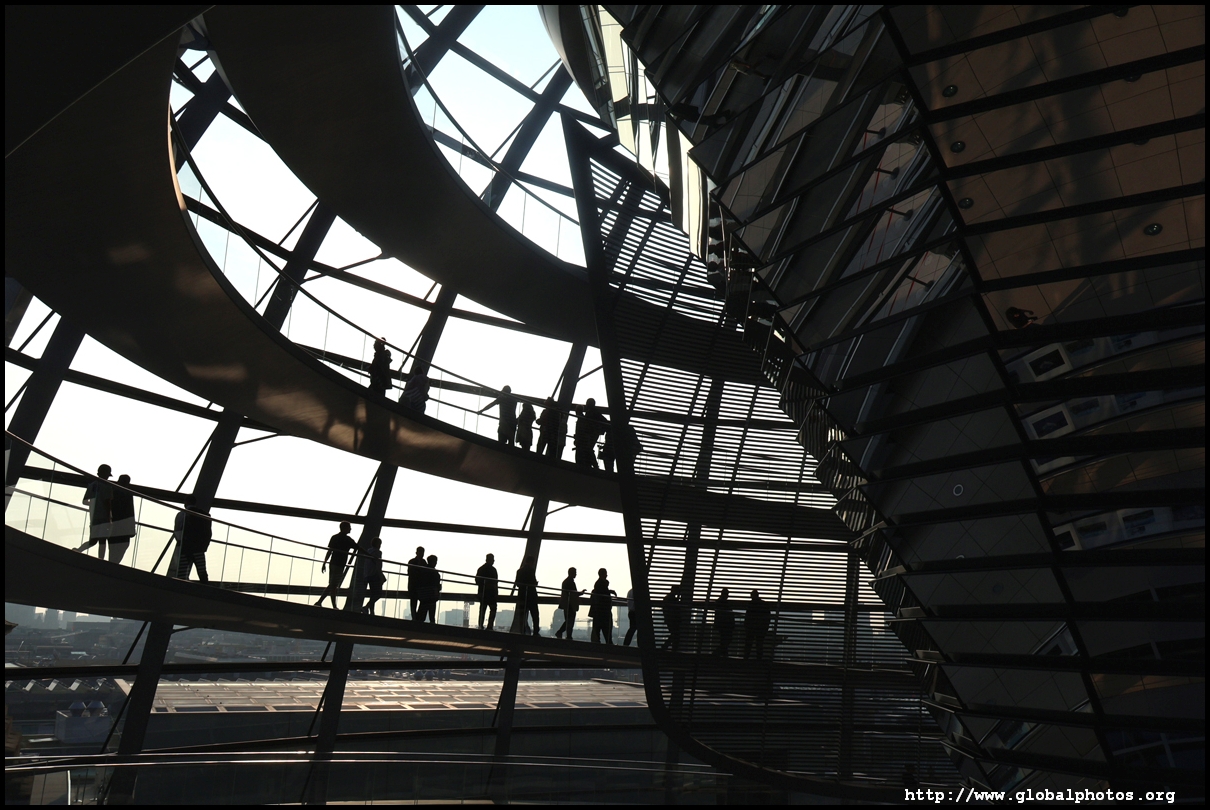
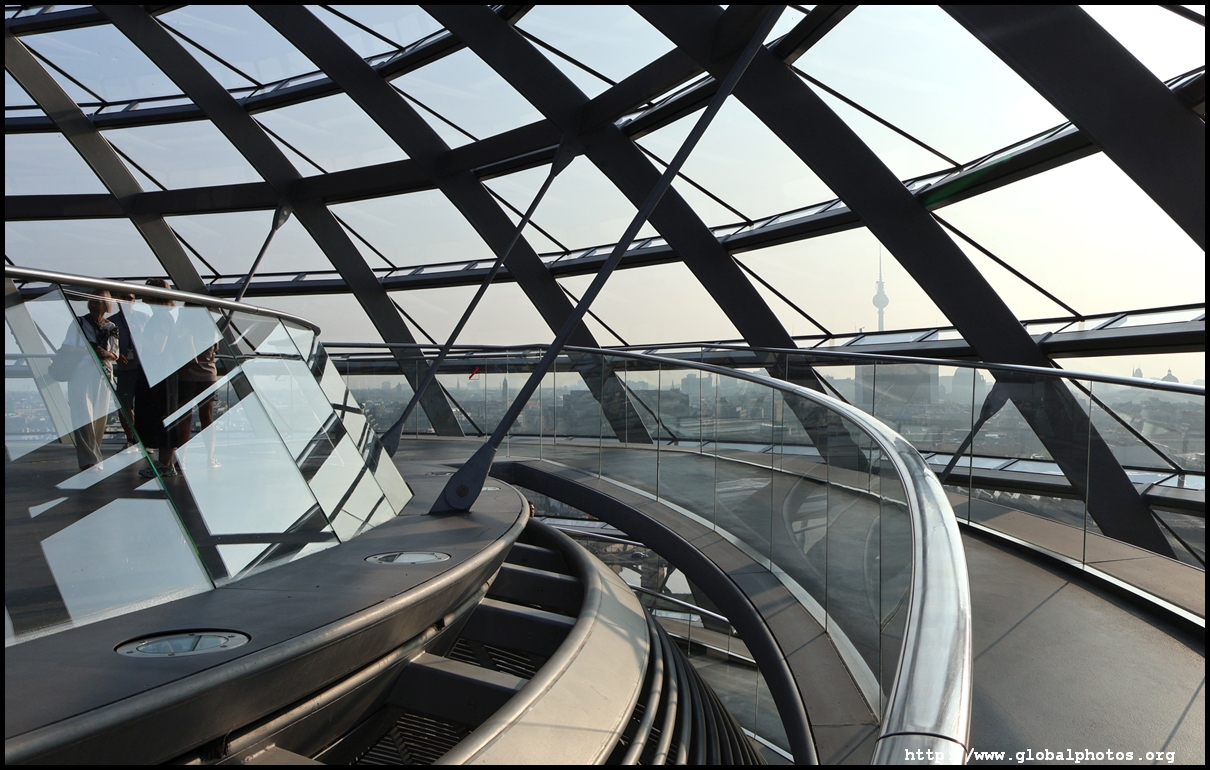
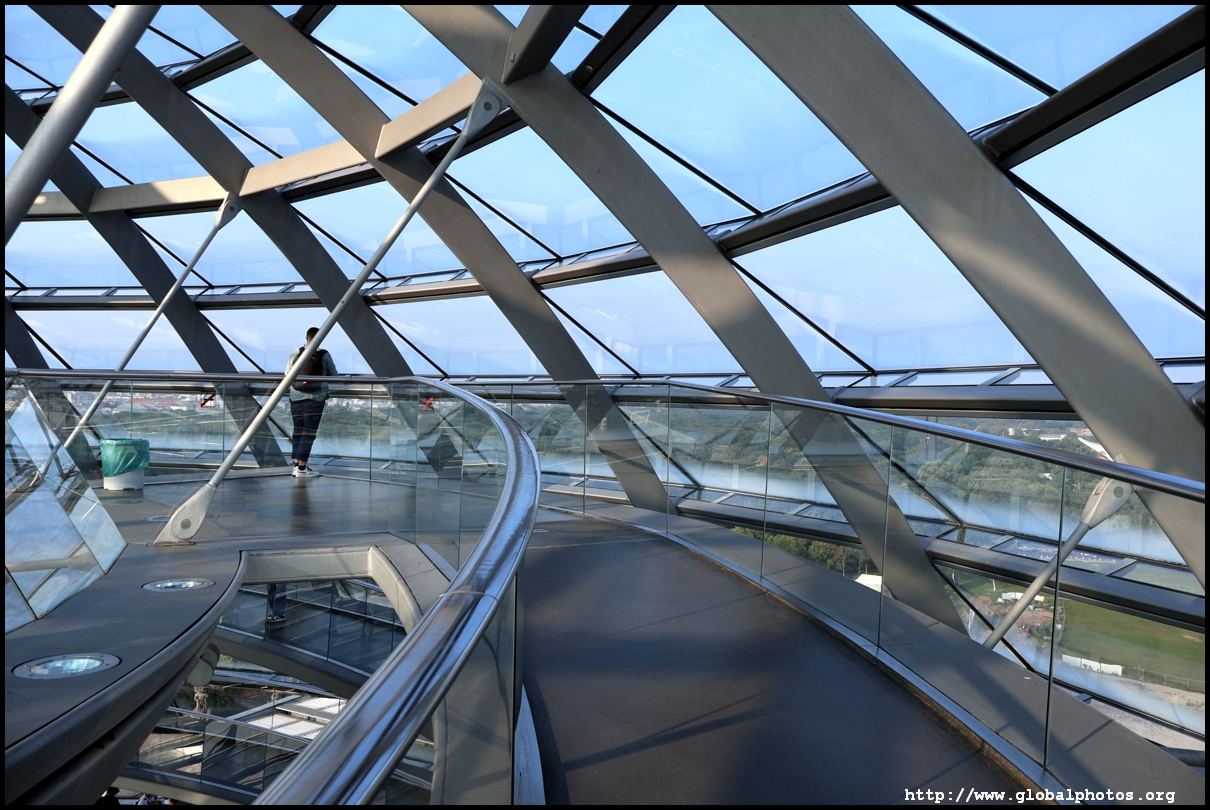
It's then an easy walk up the incline to the top, stopping along the way to listen to the audioguide.
|
To re-use these photos, please notify me by email : asiaglobe@yahoo.com.hk.