Copenhagen Photo Gallery - Carlsberg City |
||
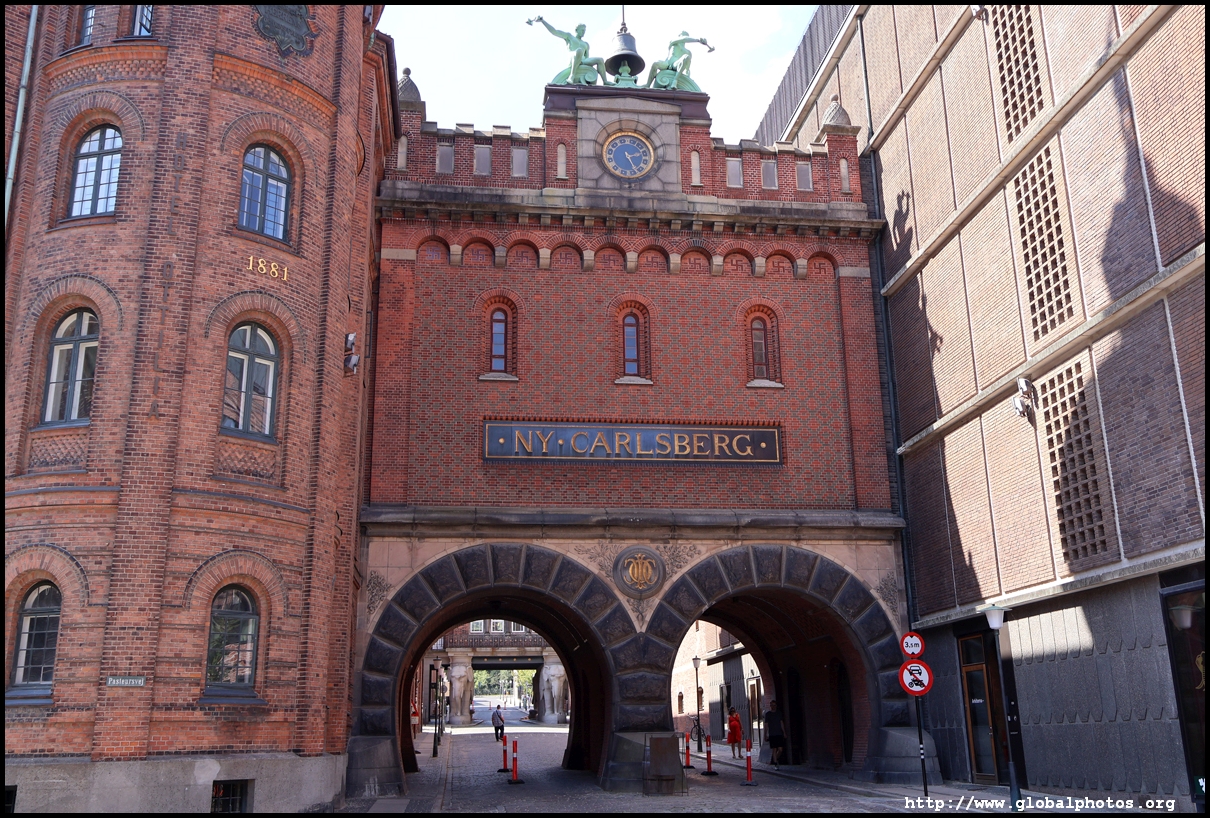
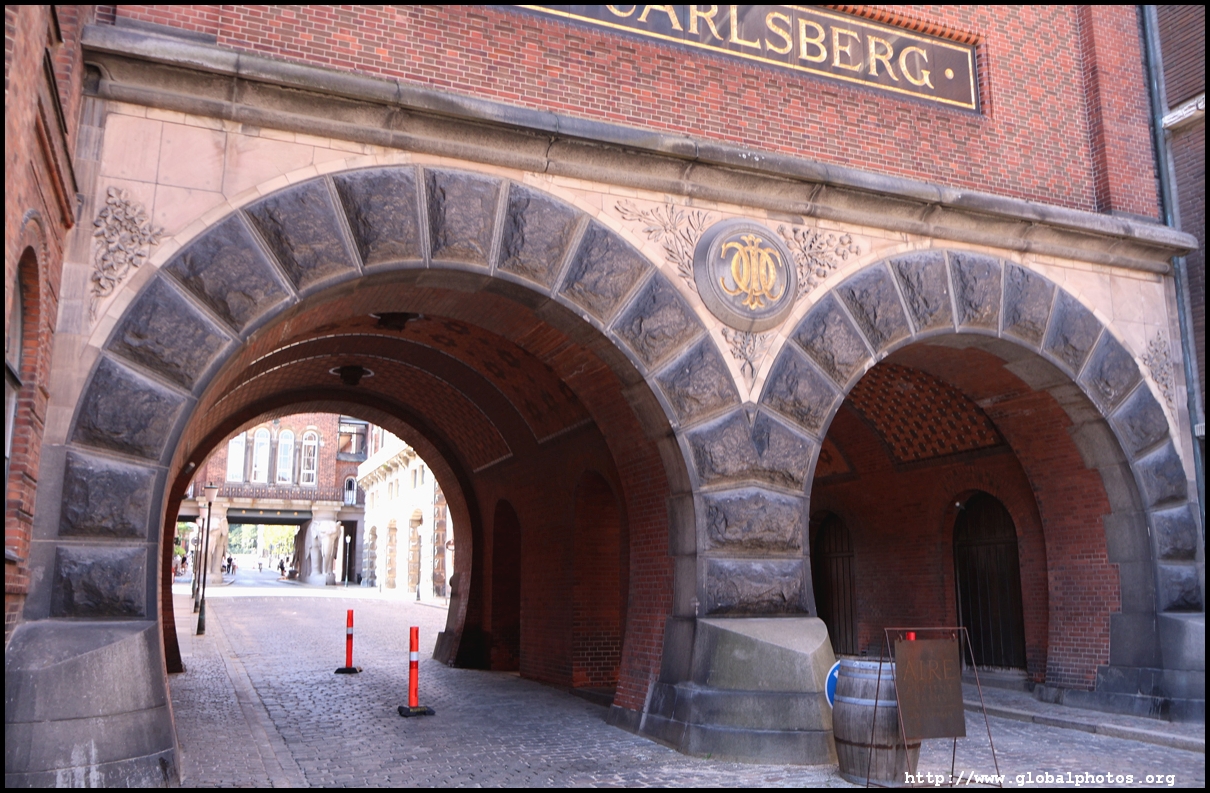
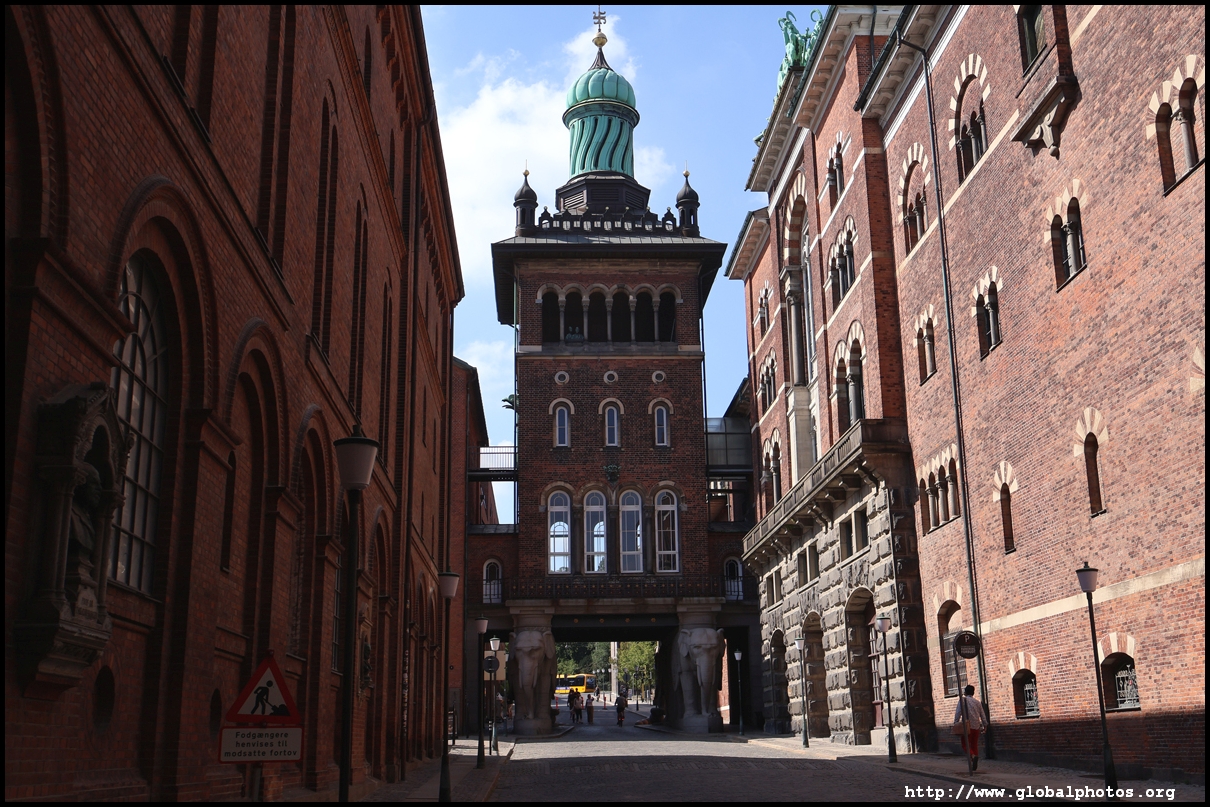
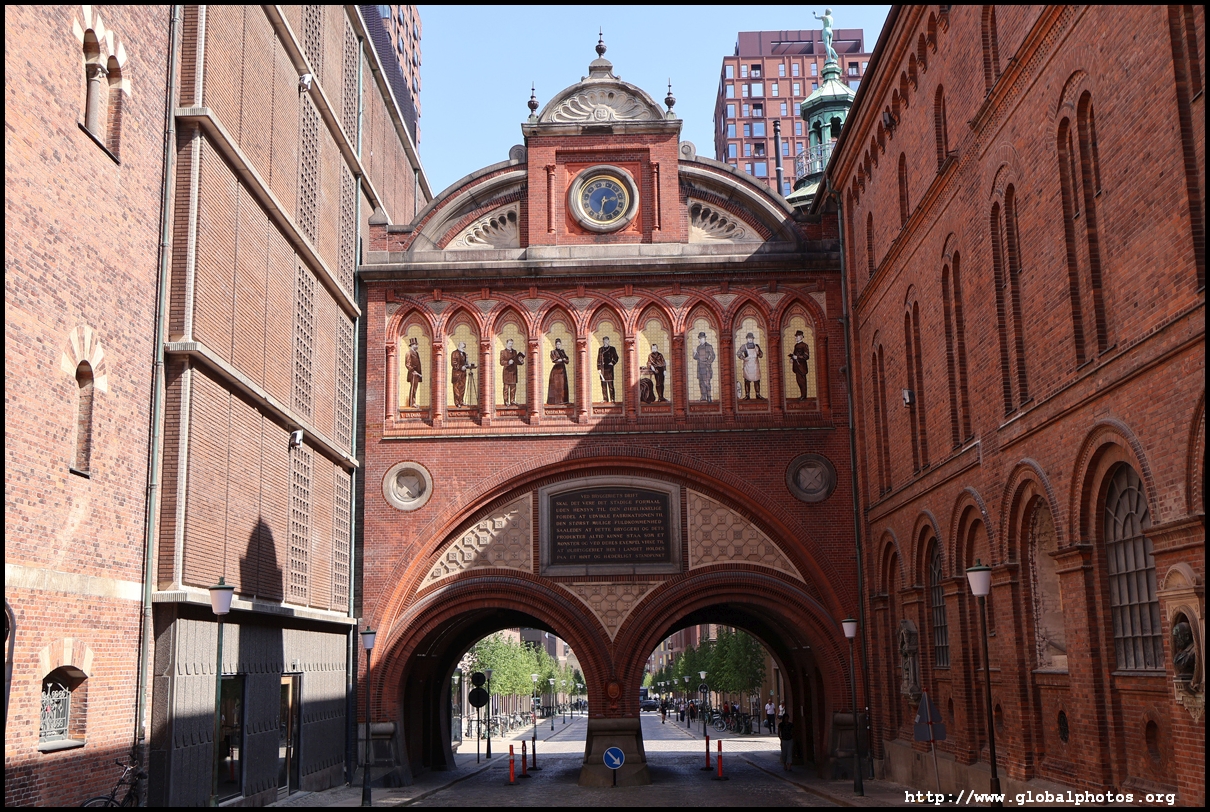
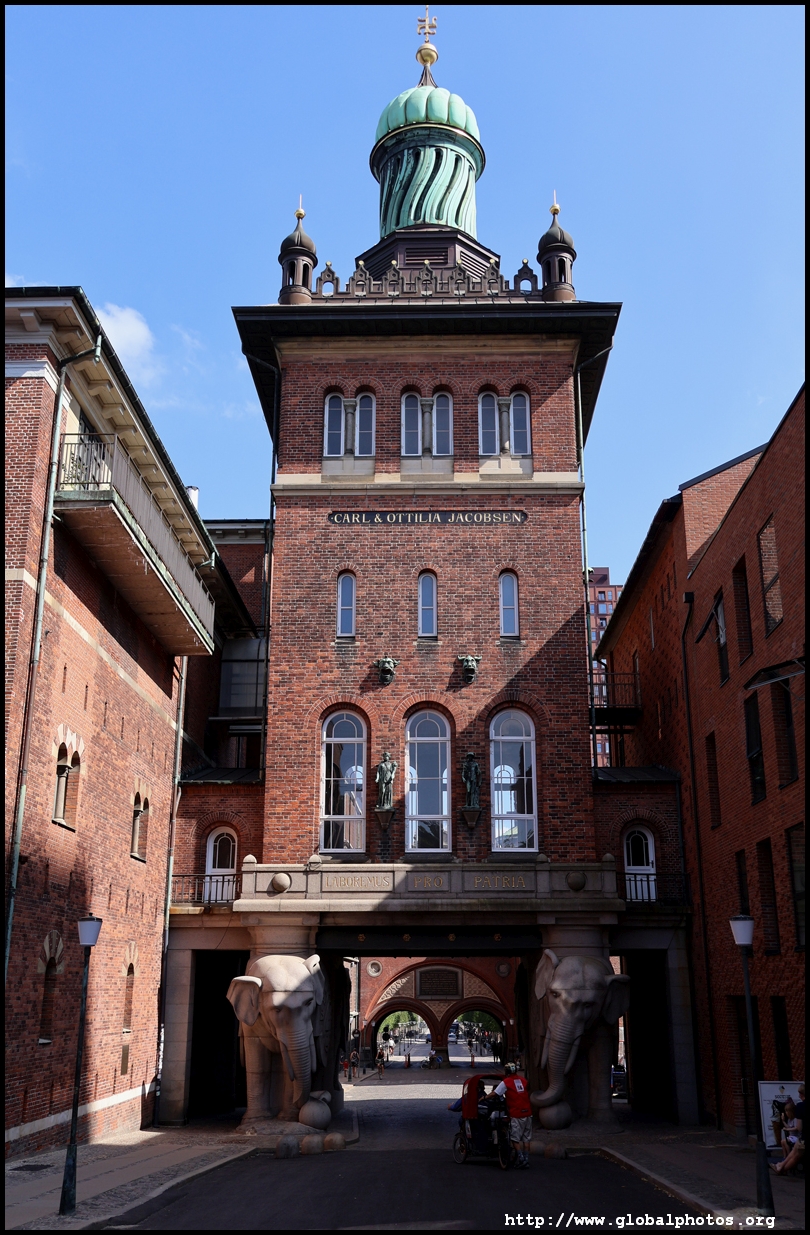
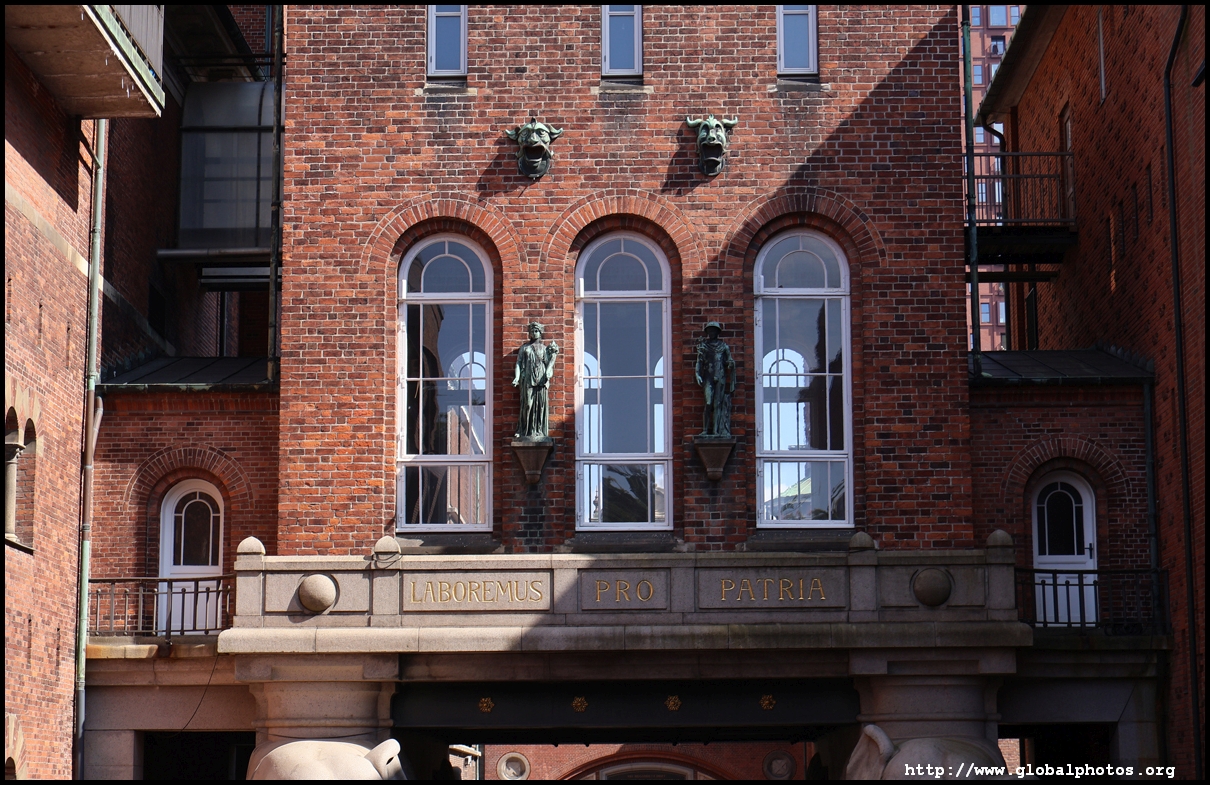
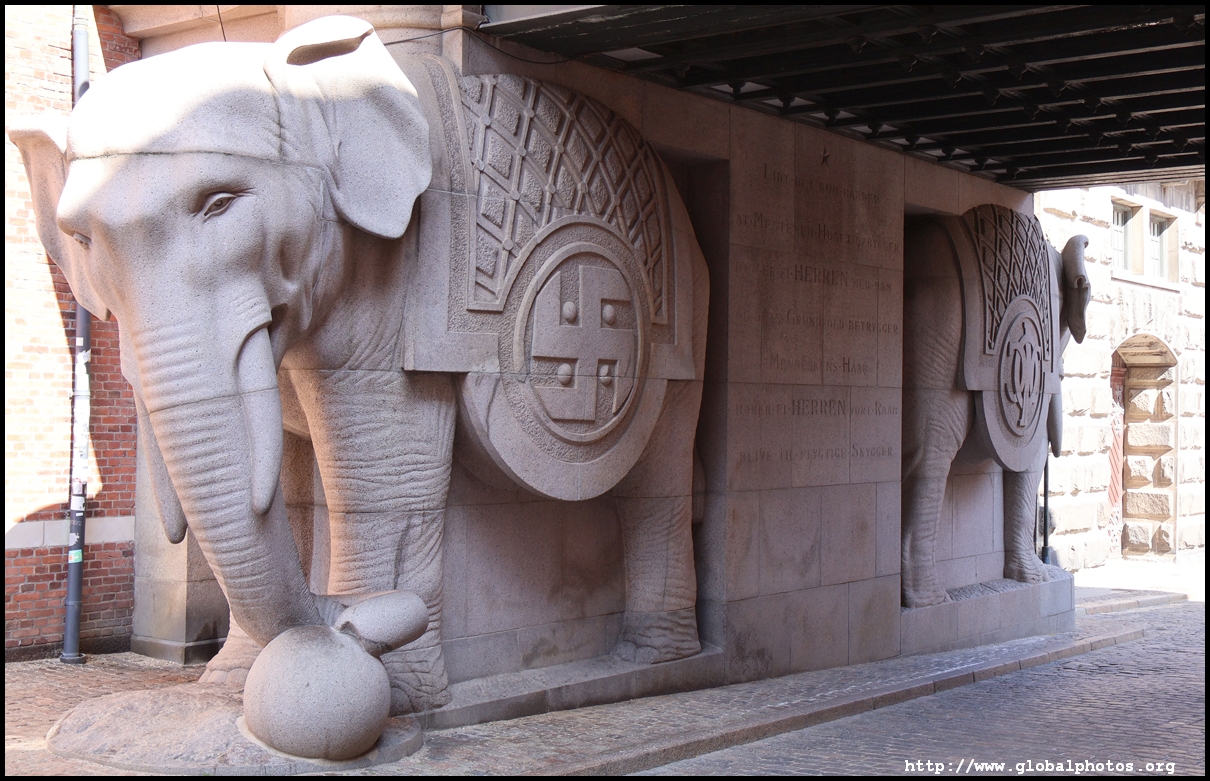
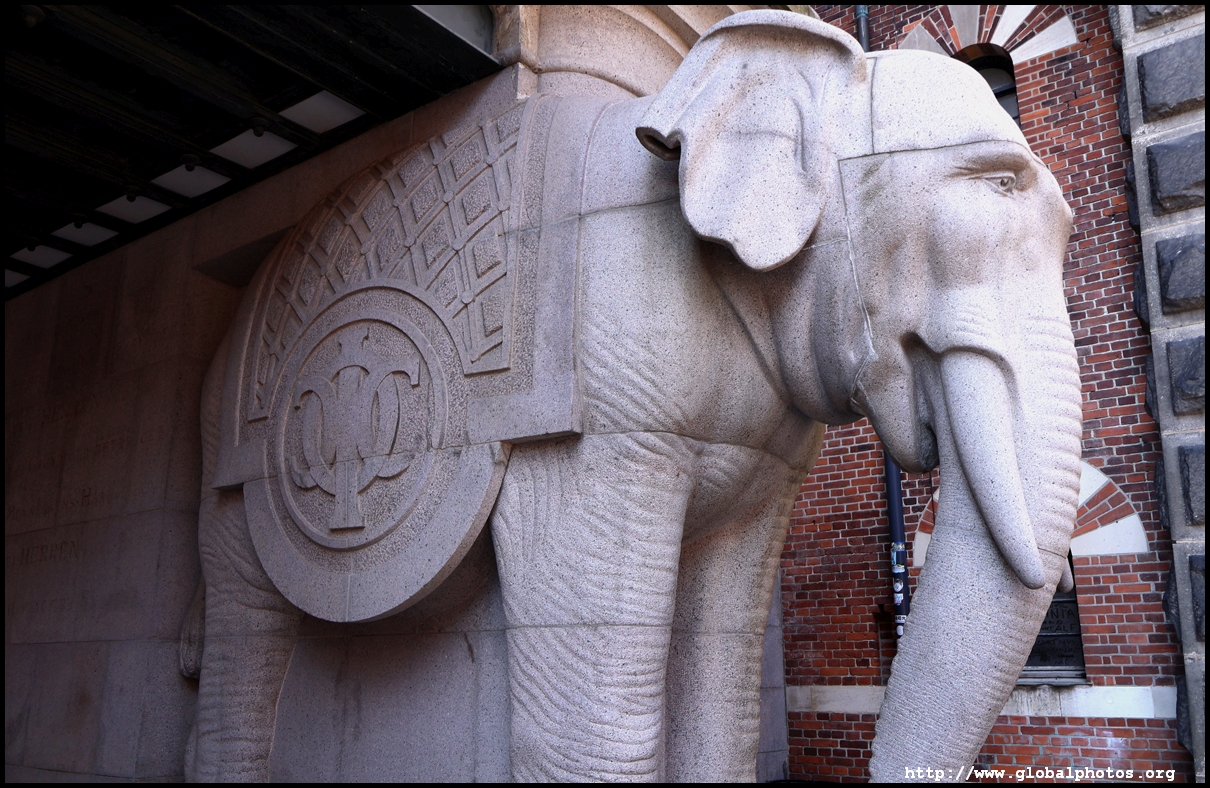
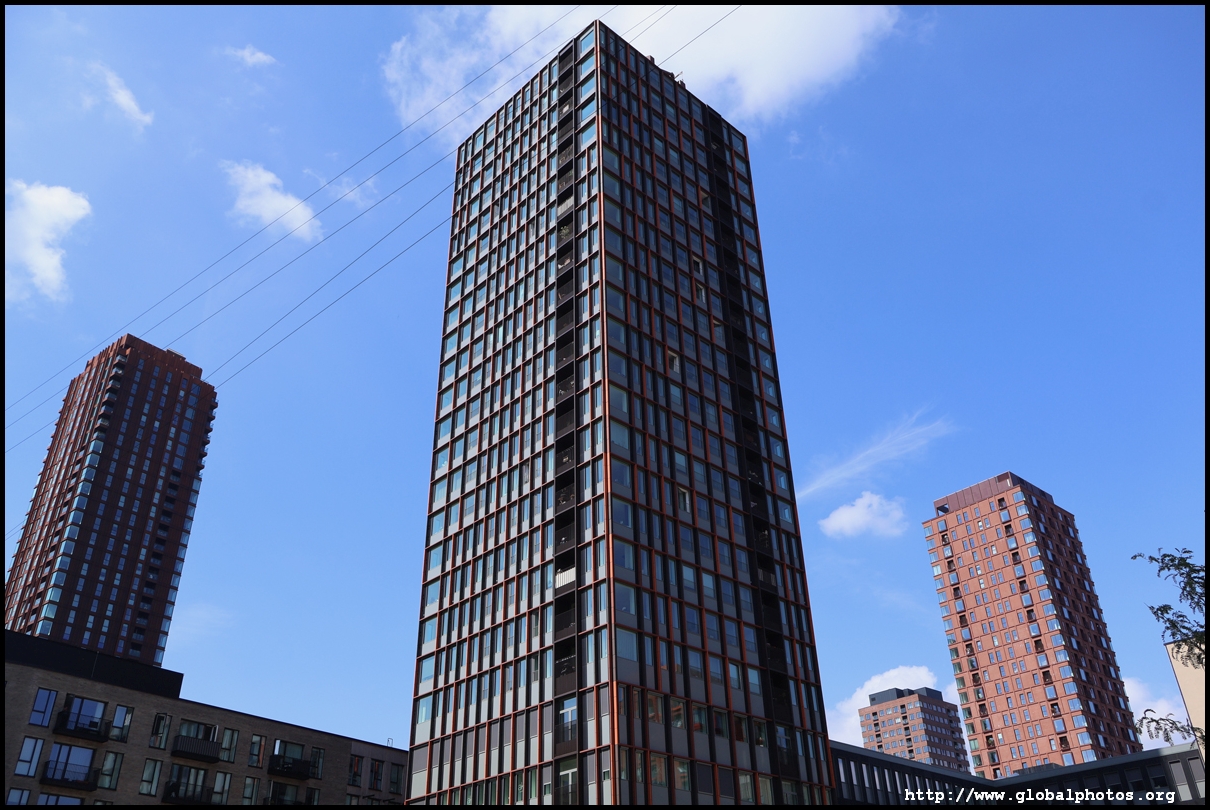
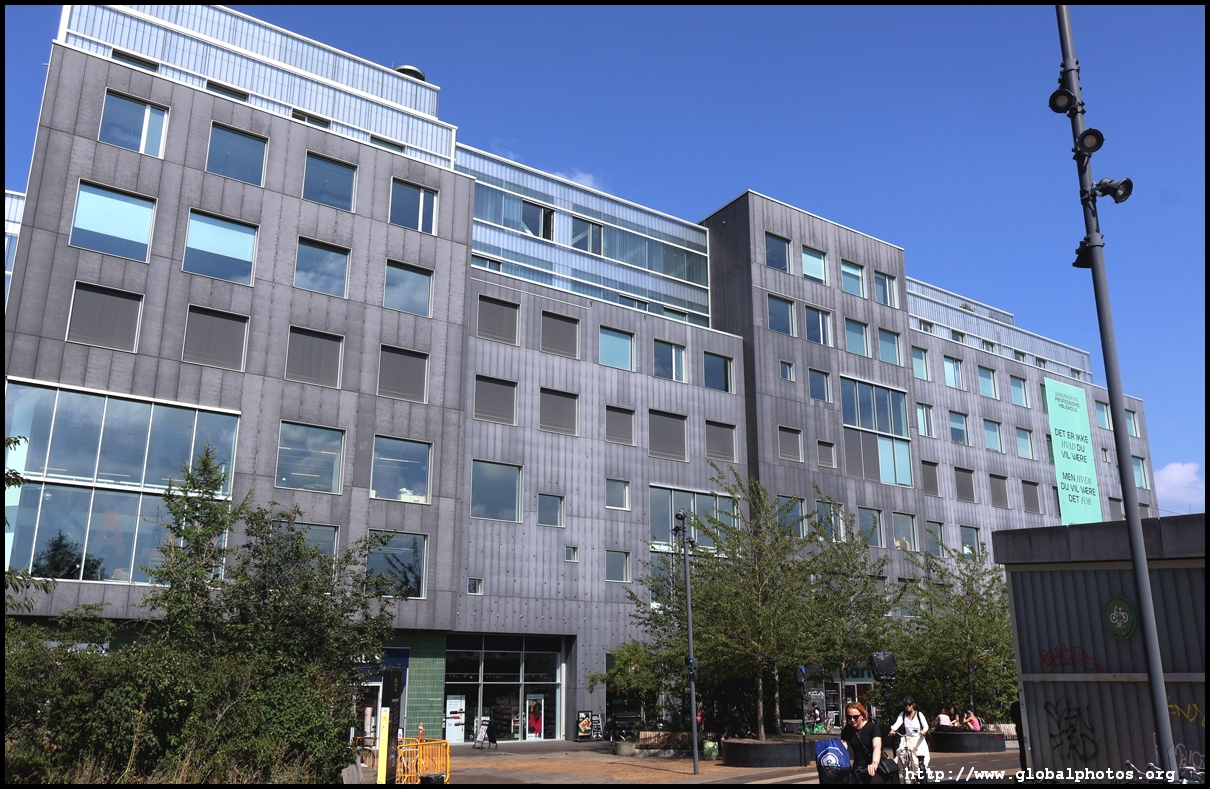
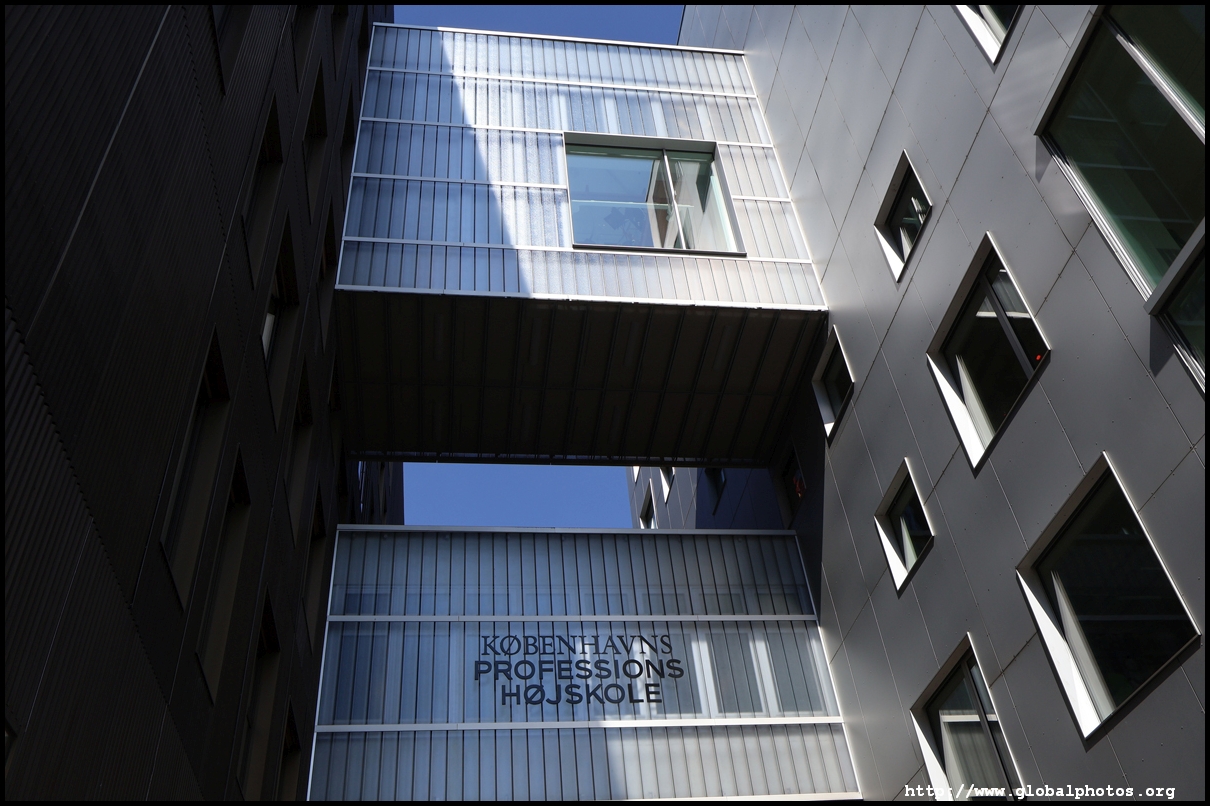
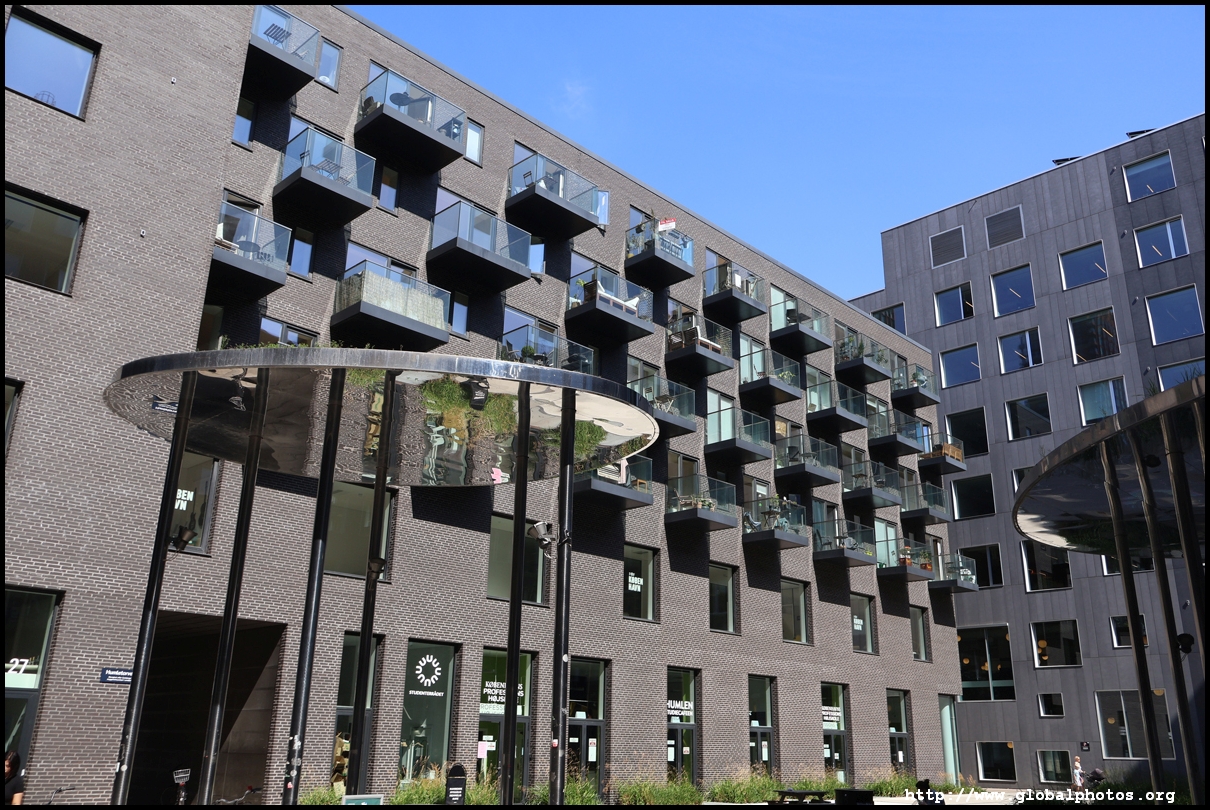
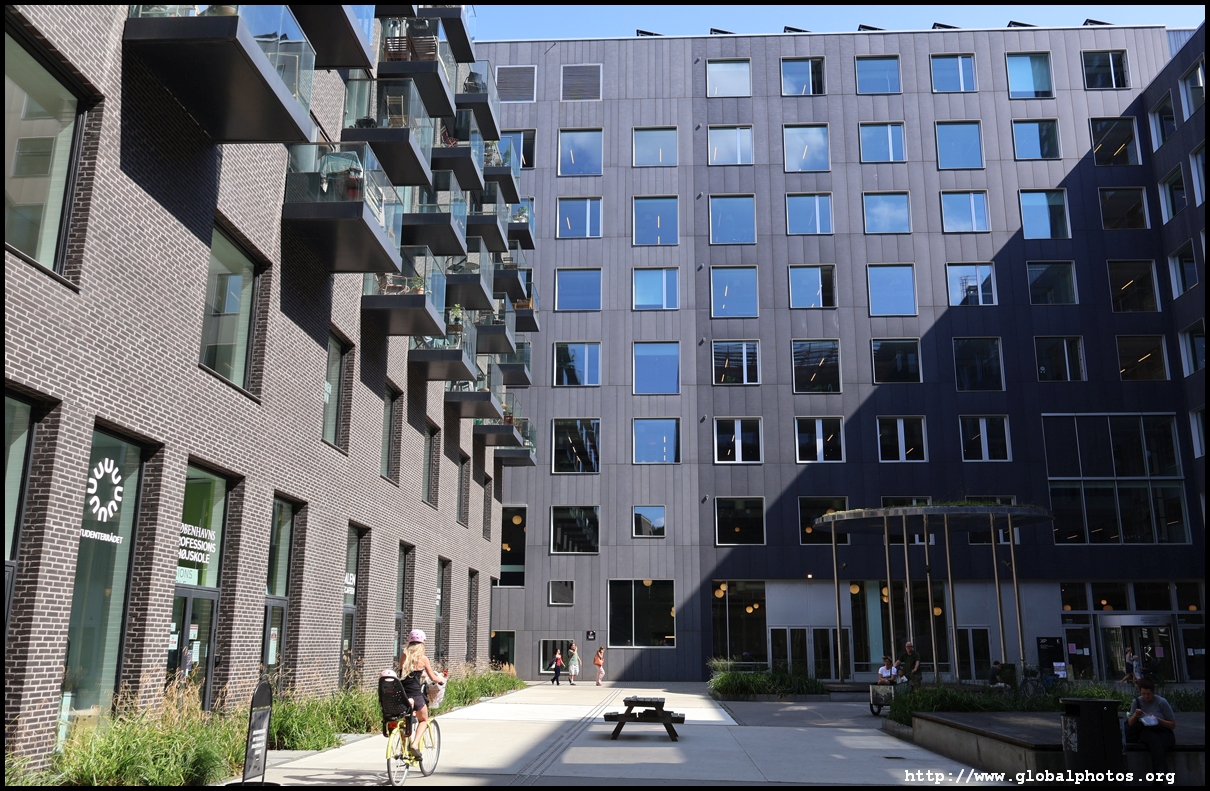
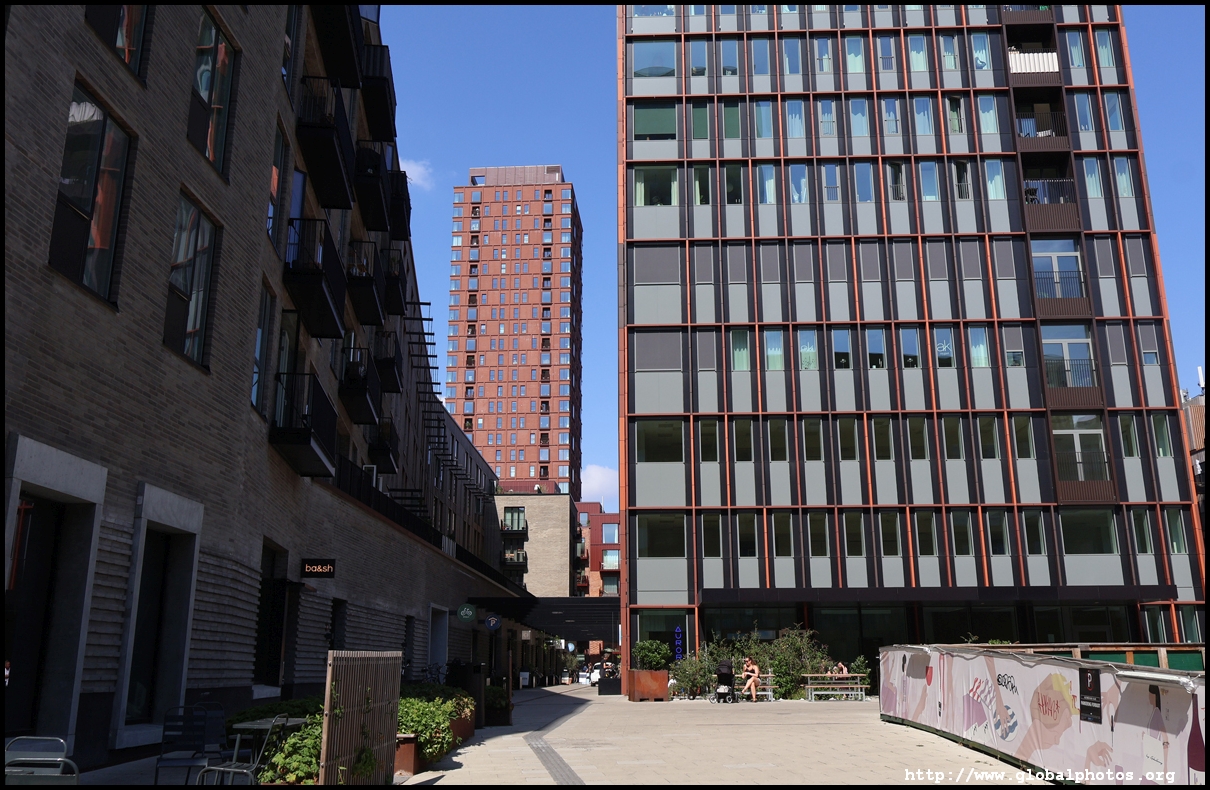
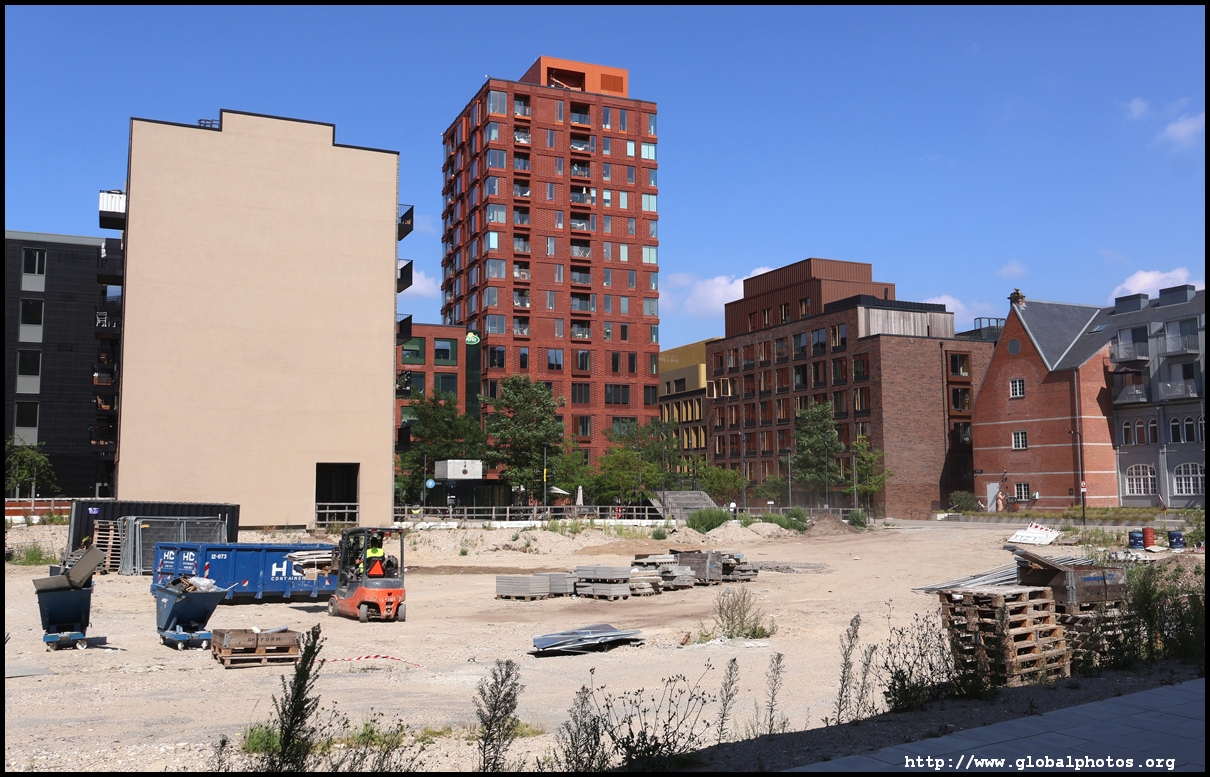
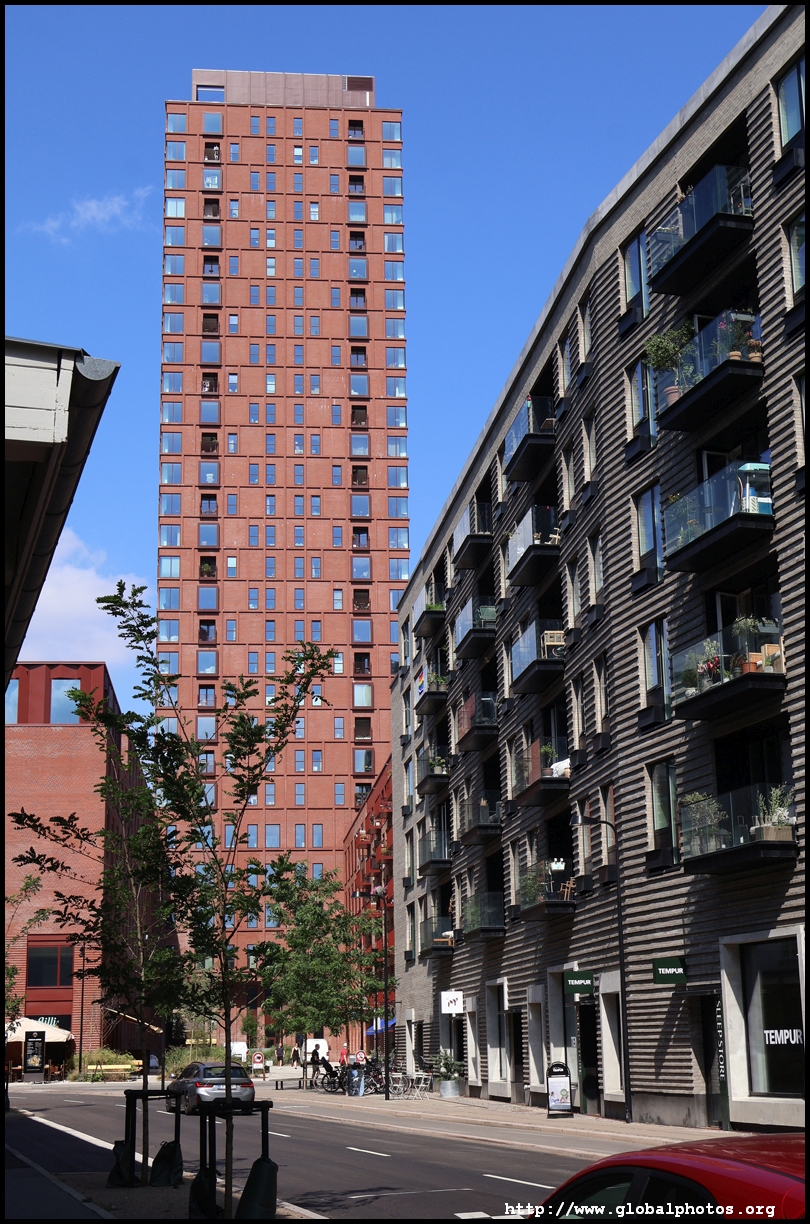
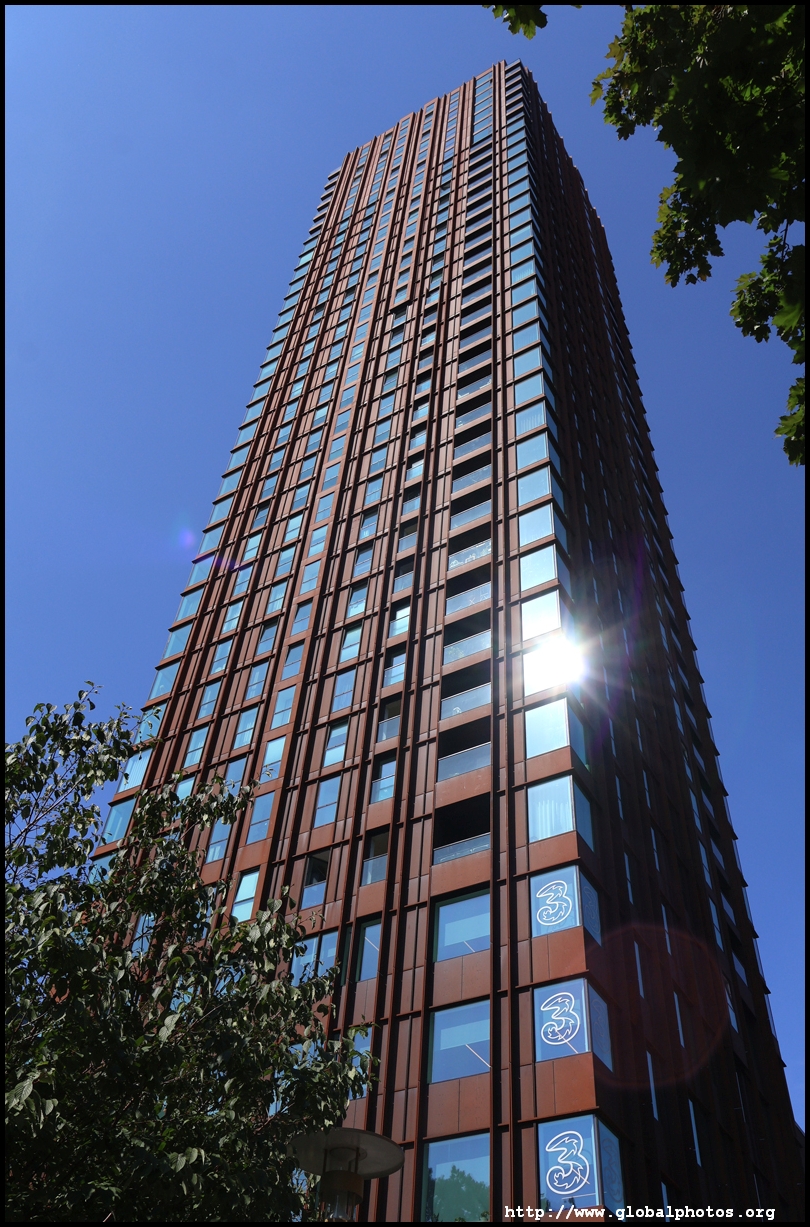
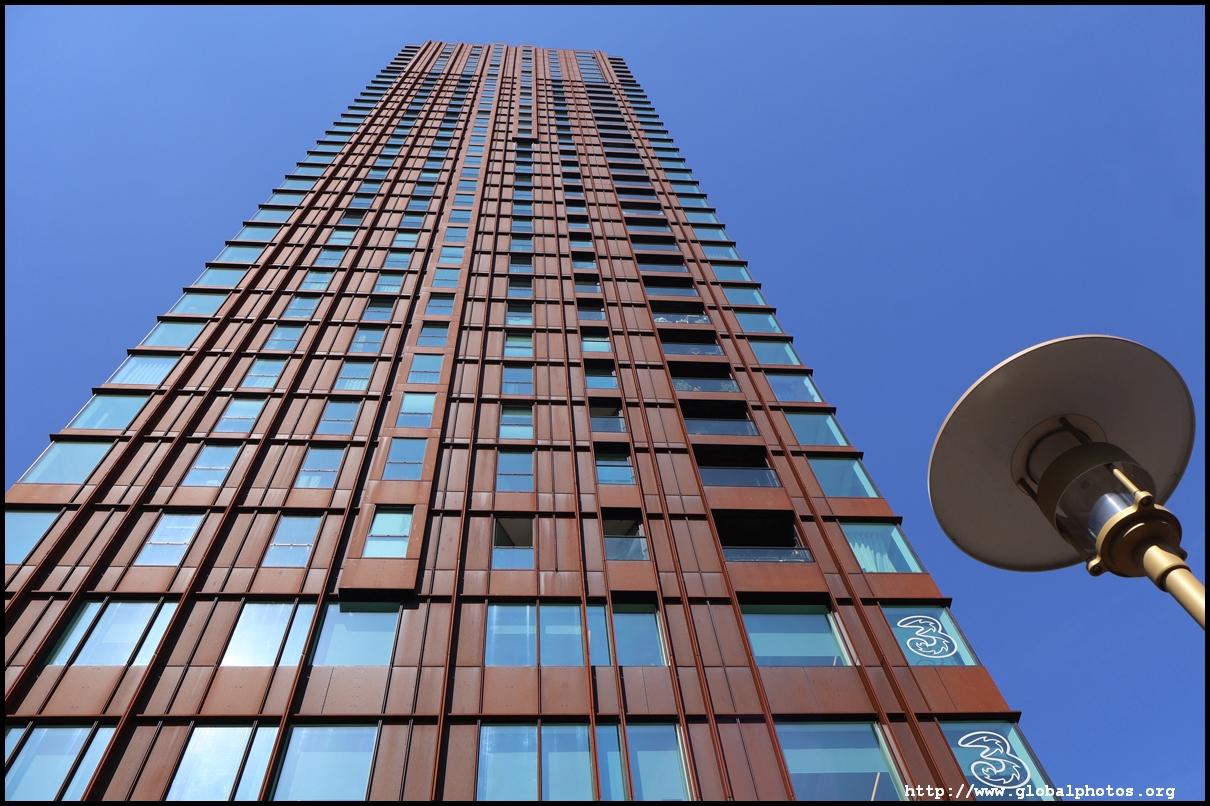
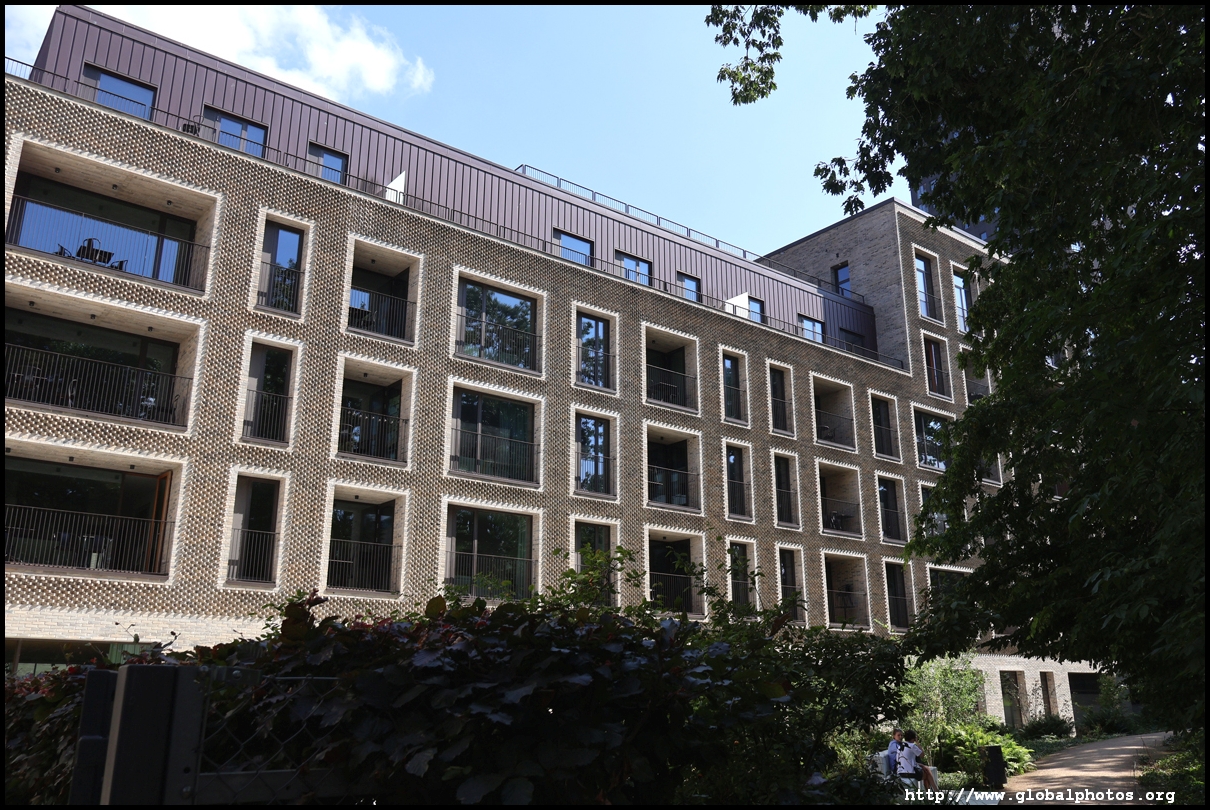
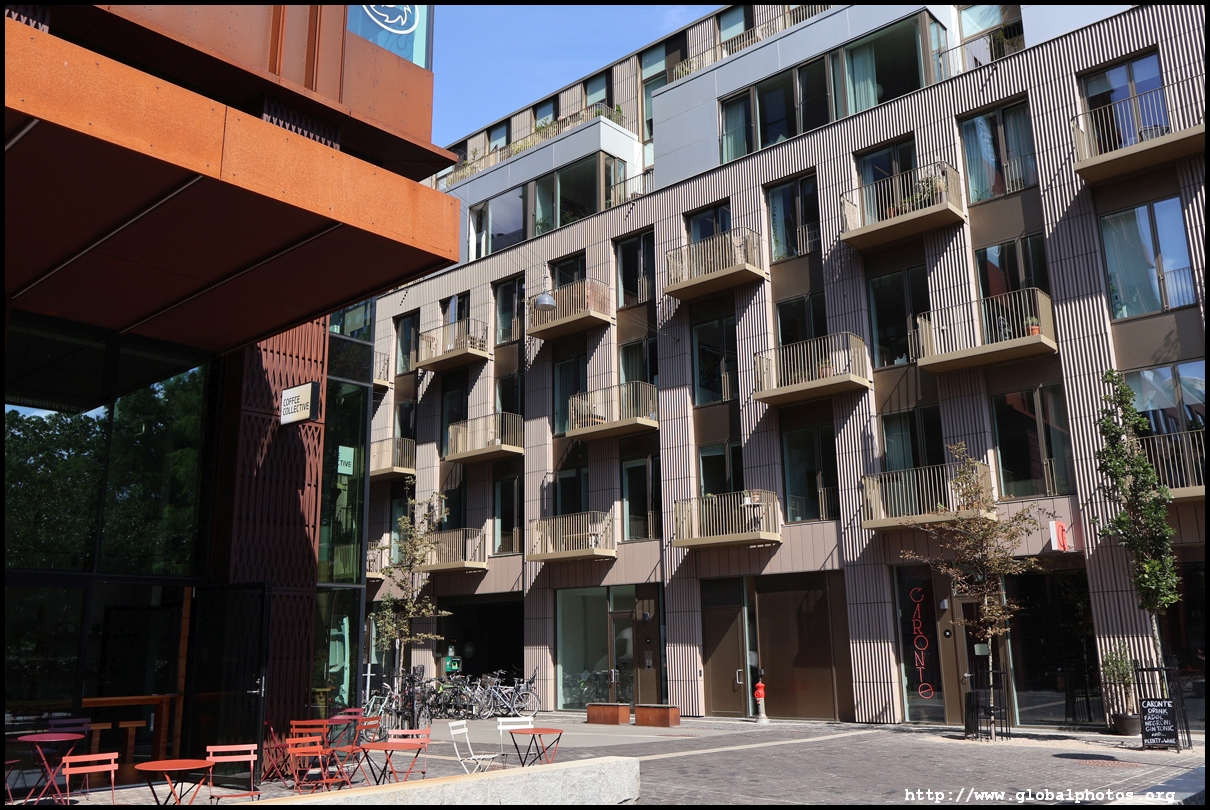
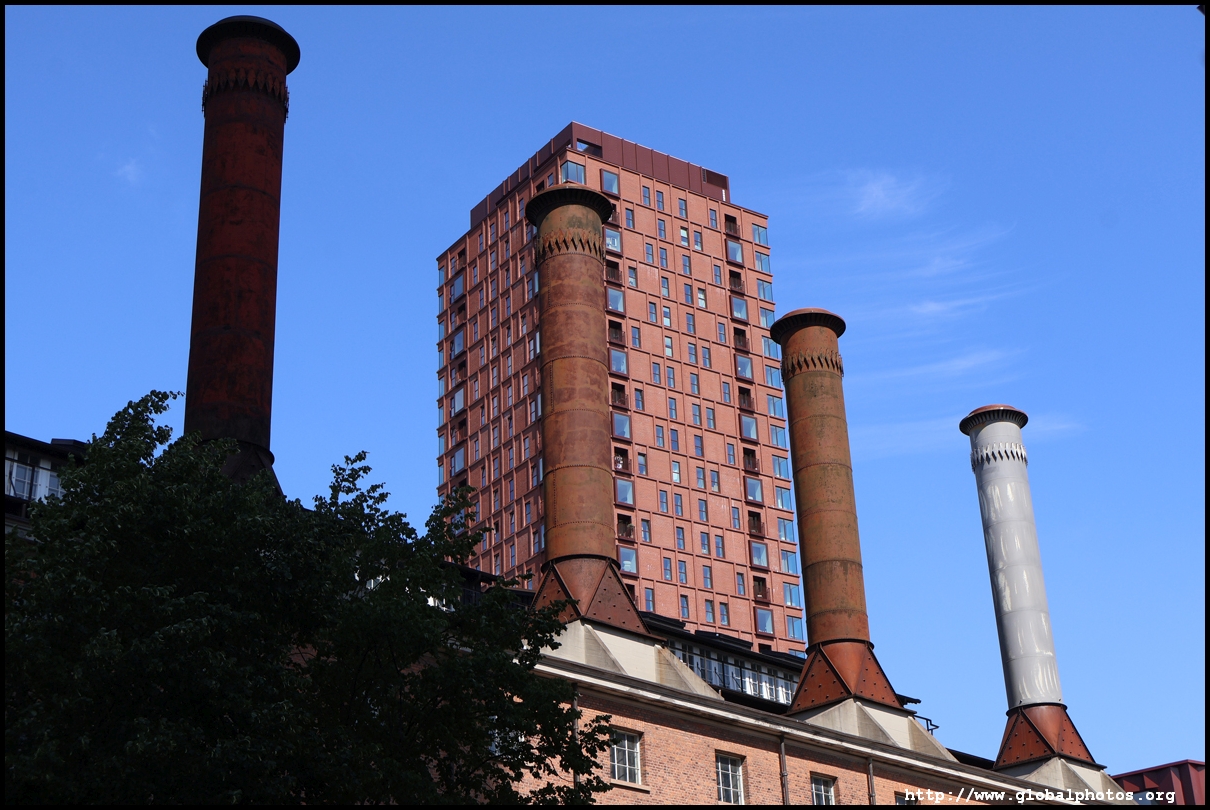
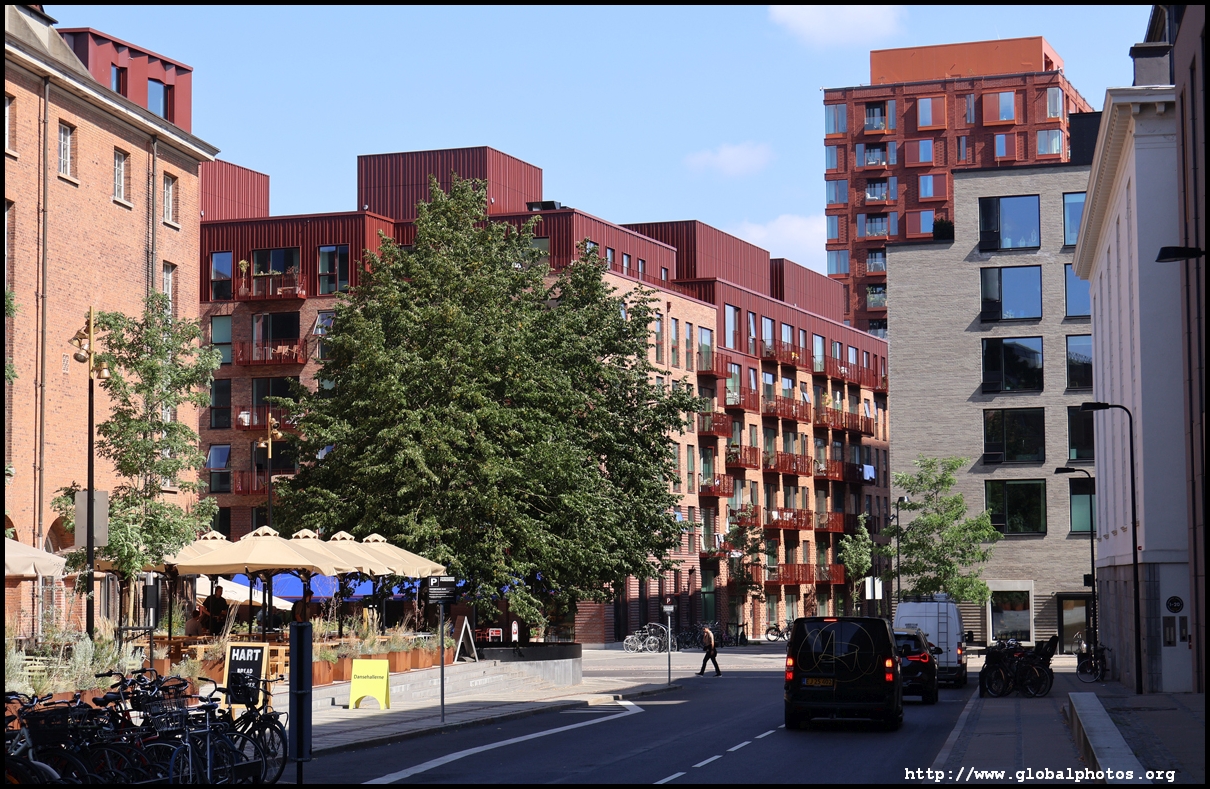
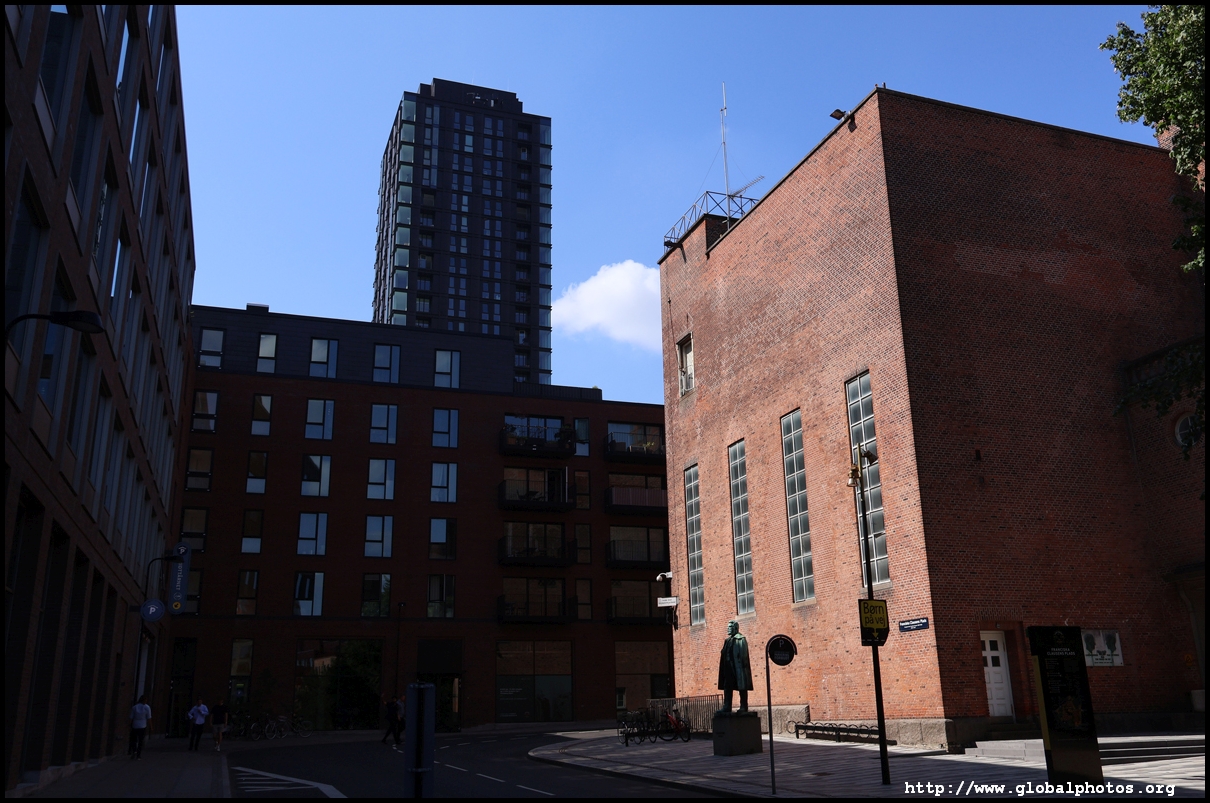
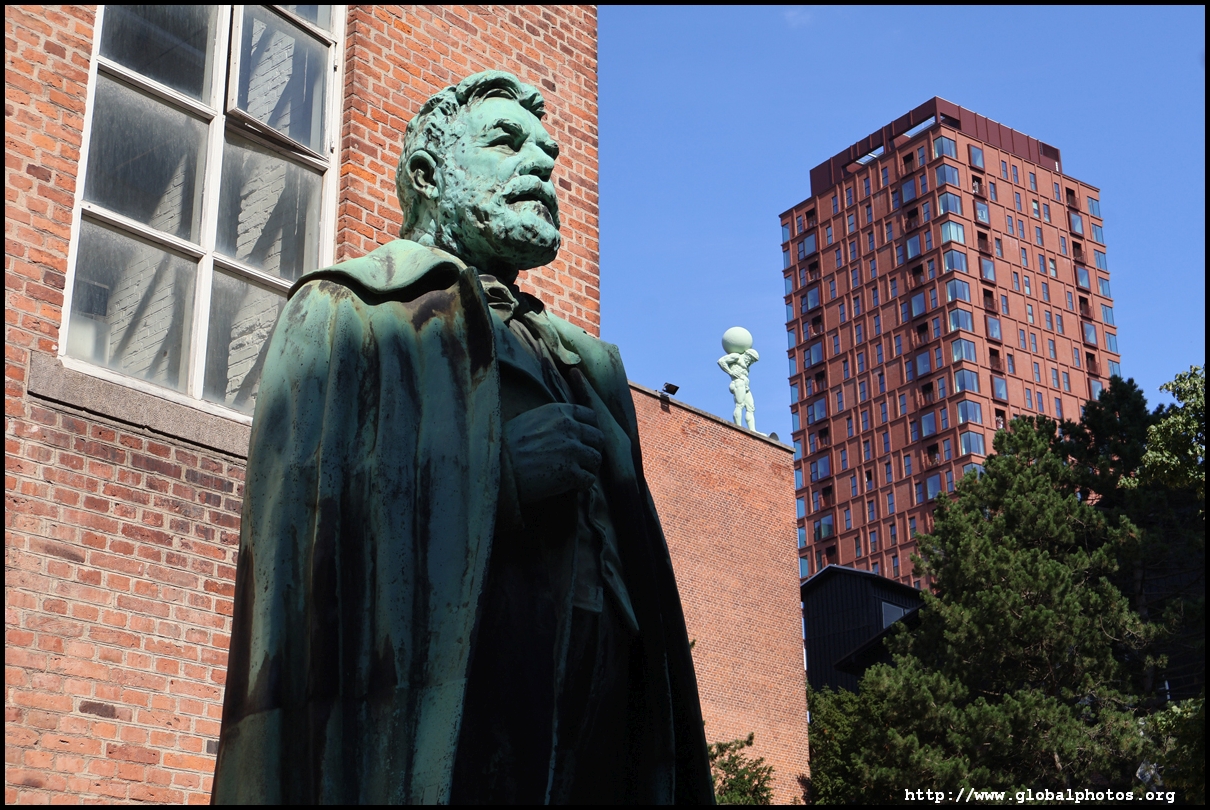
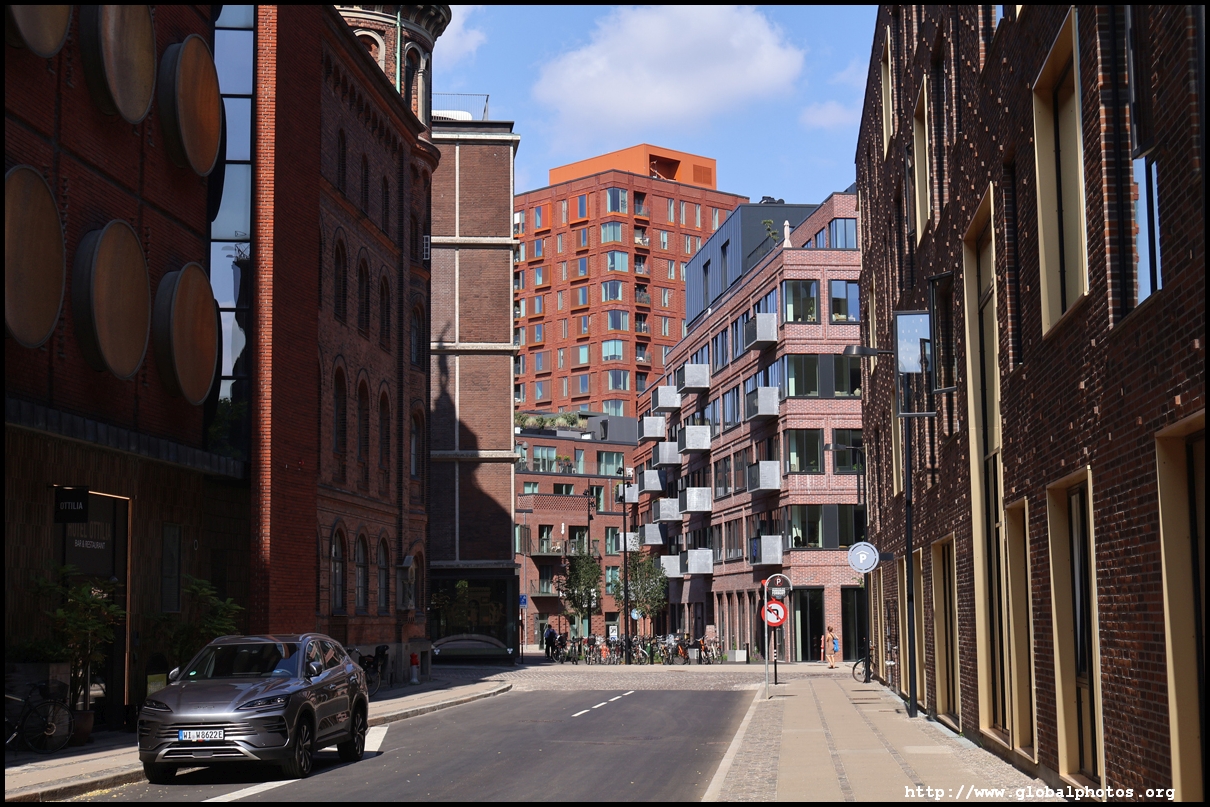
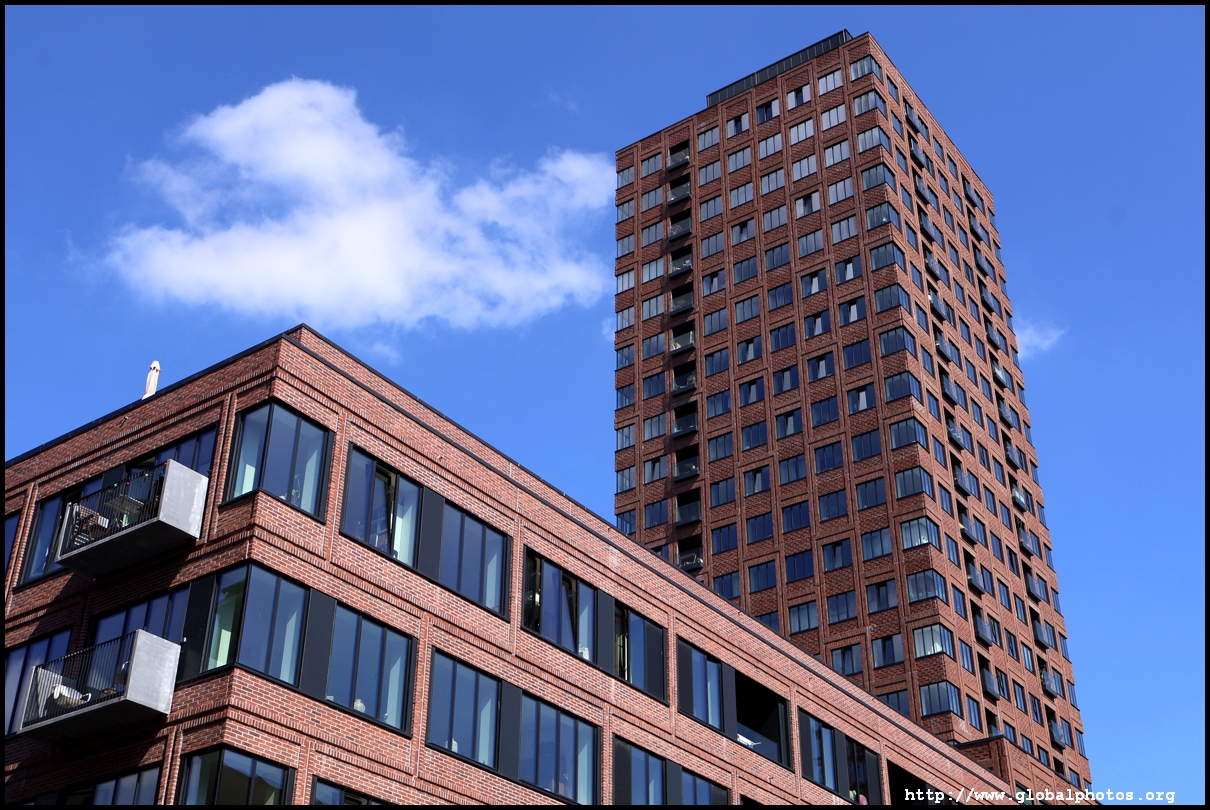
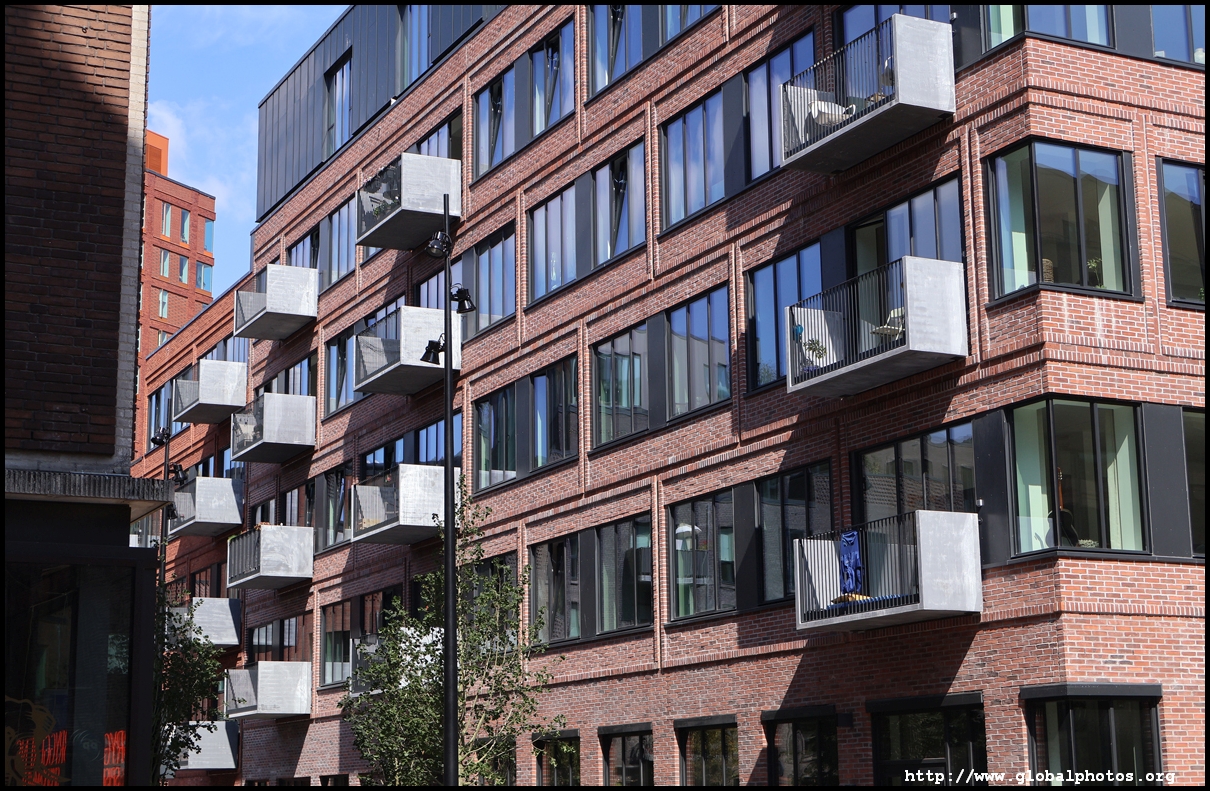
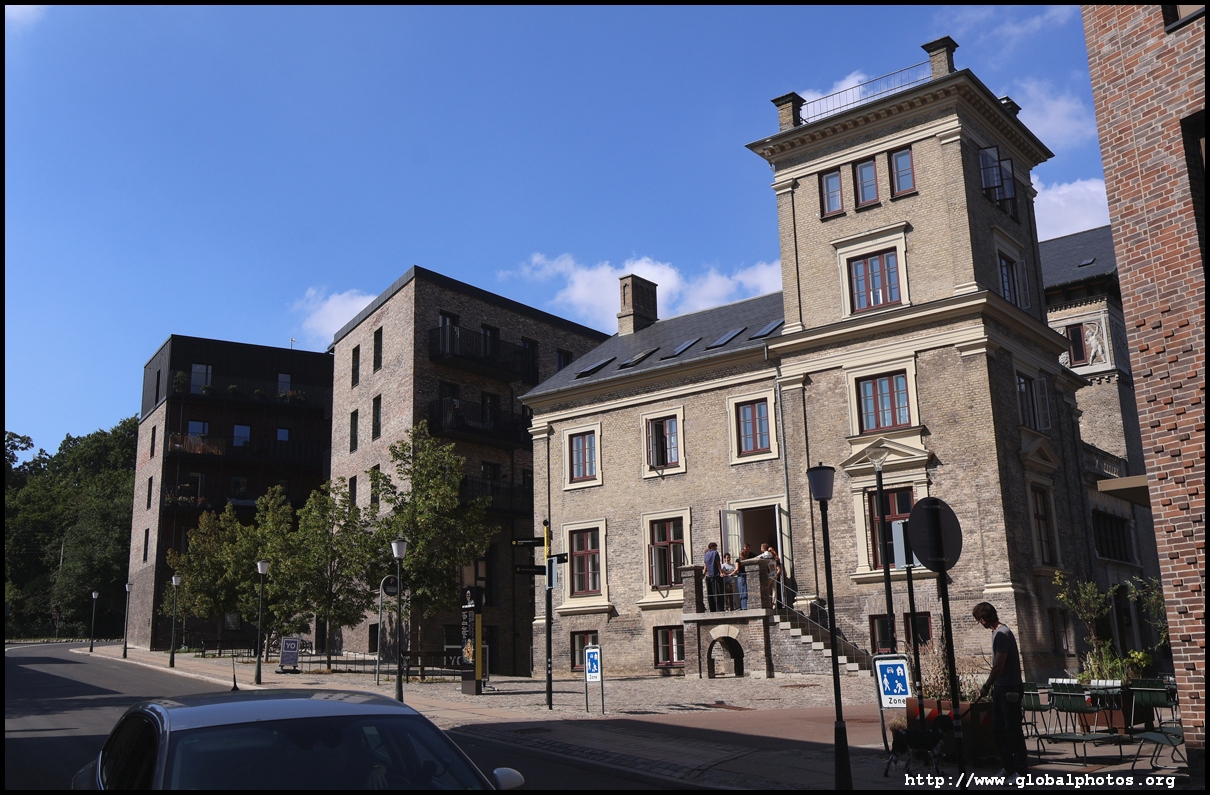
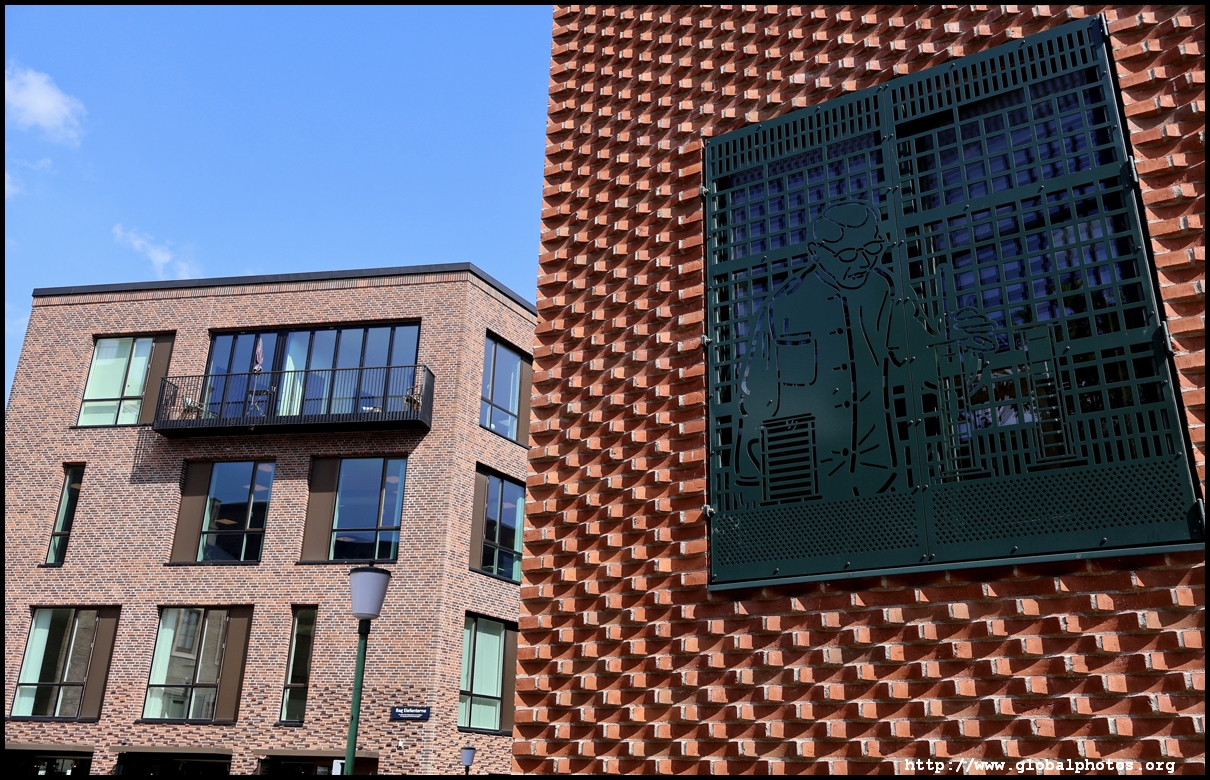
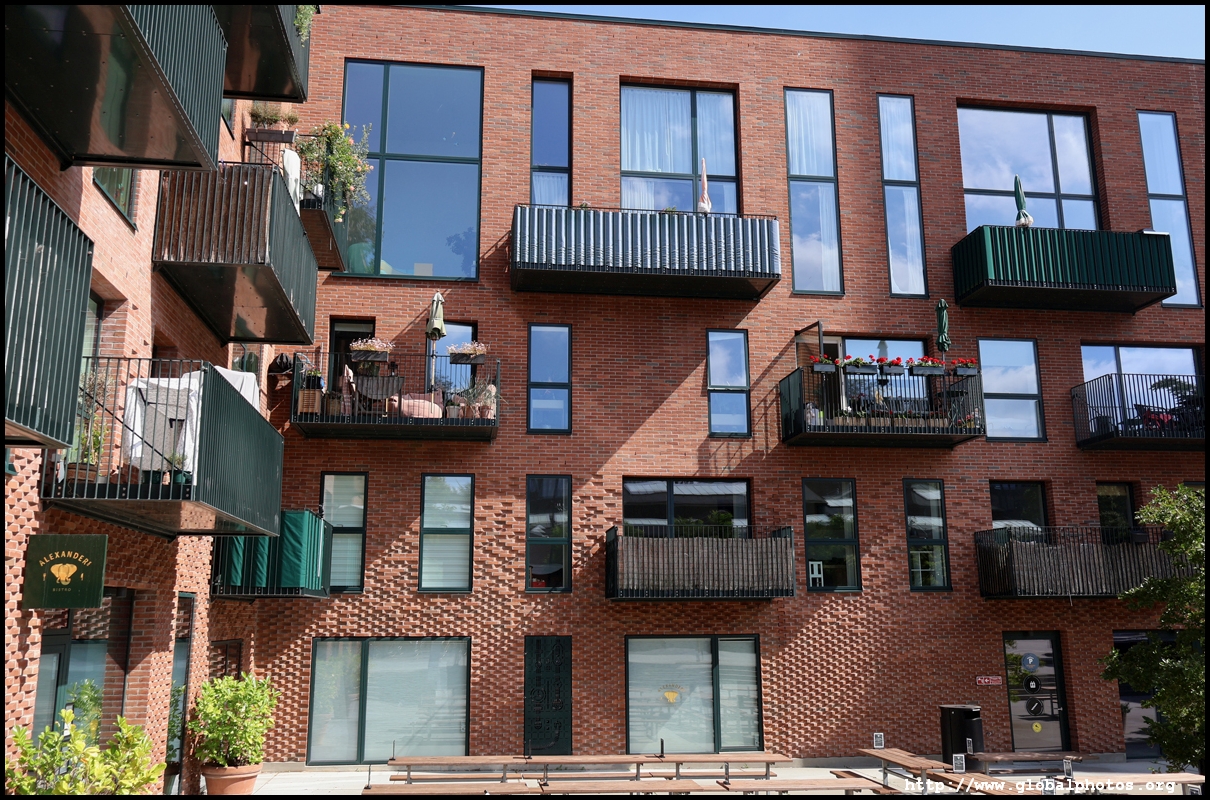
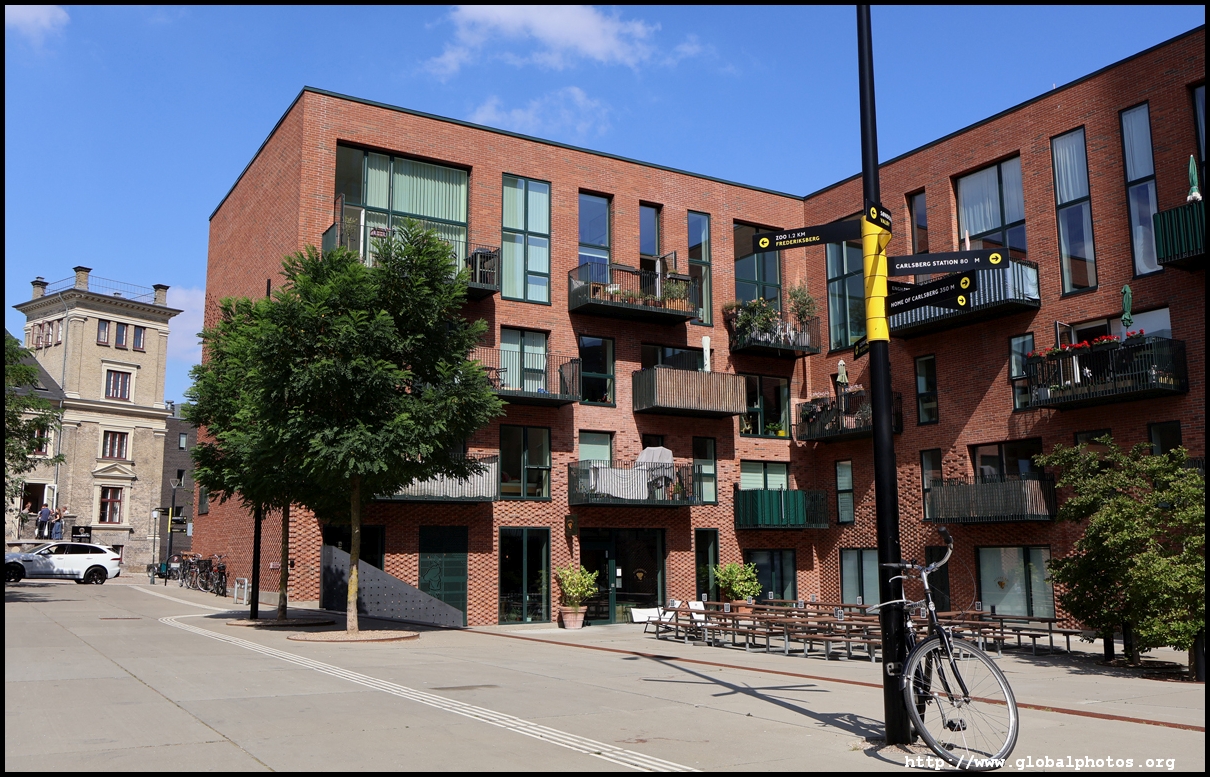
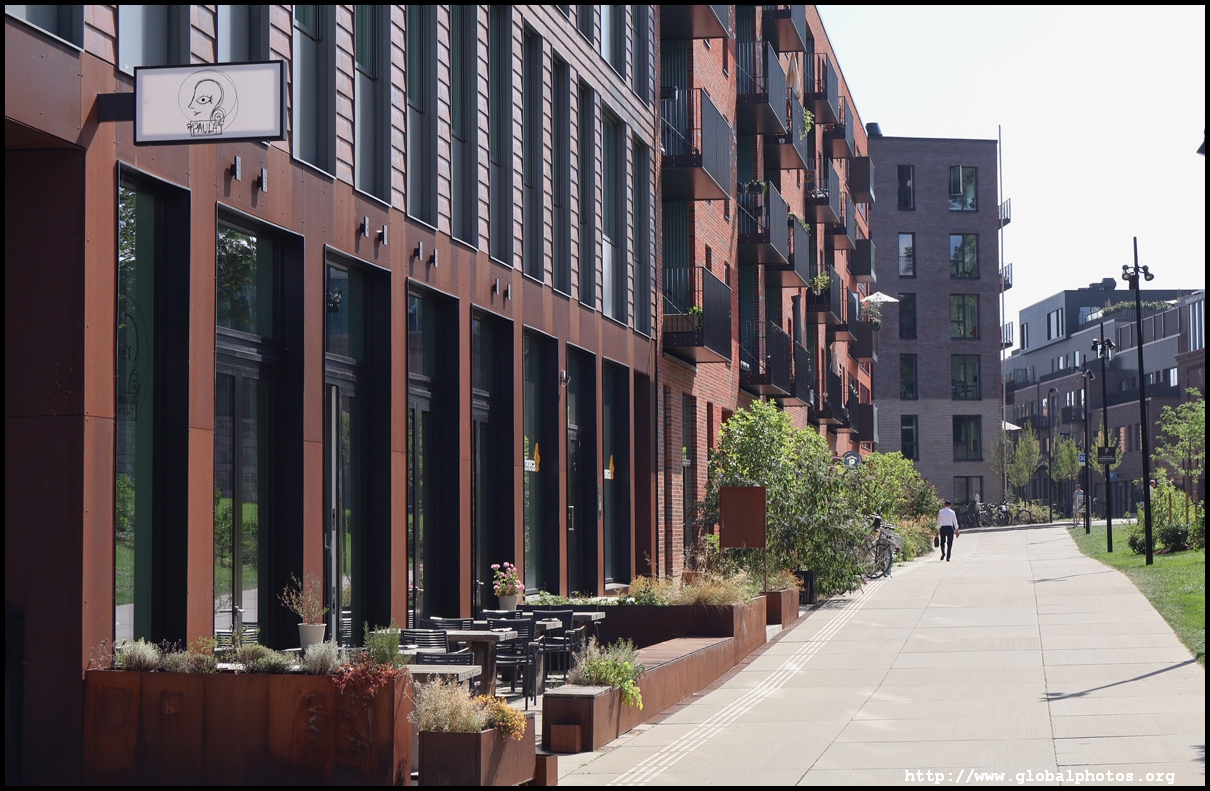
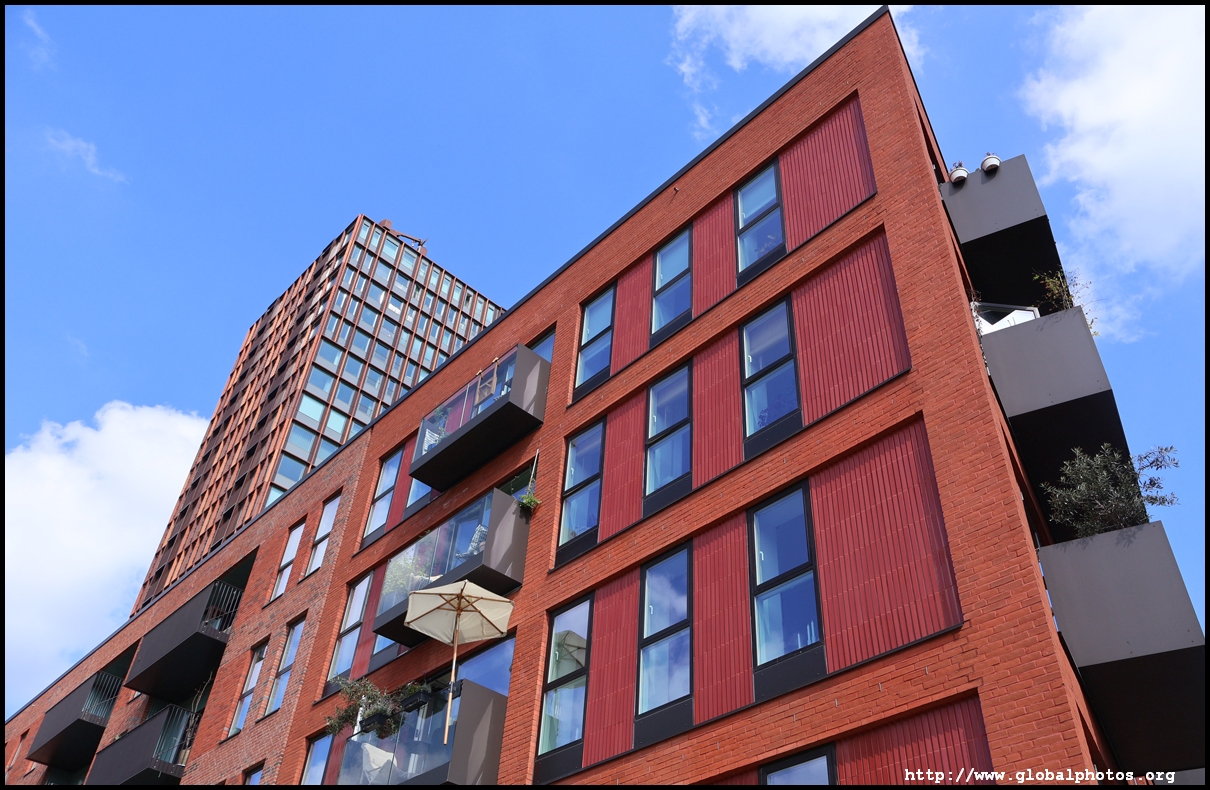
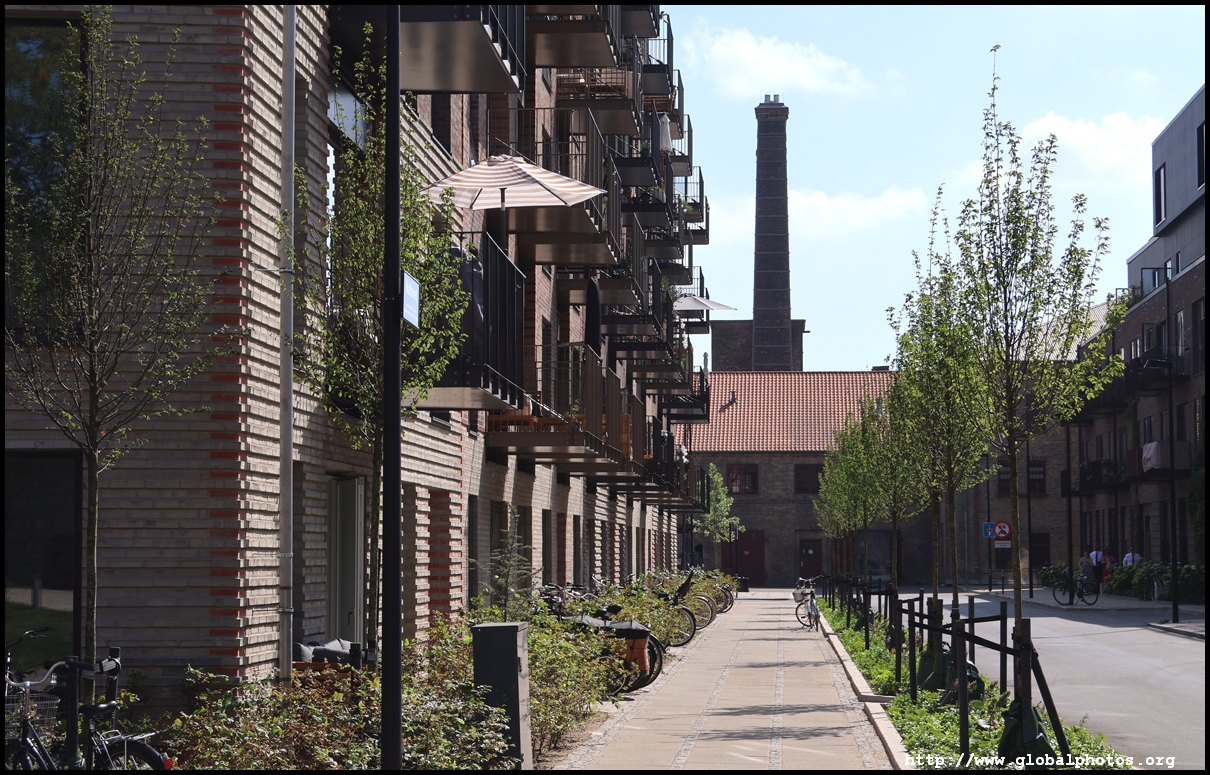
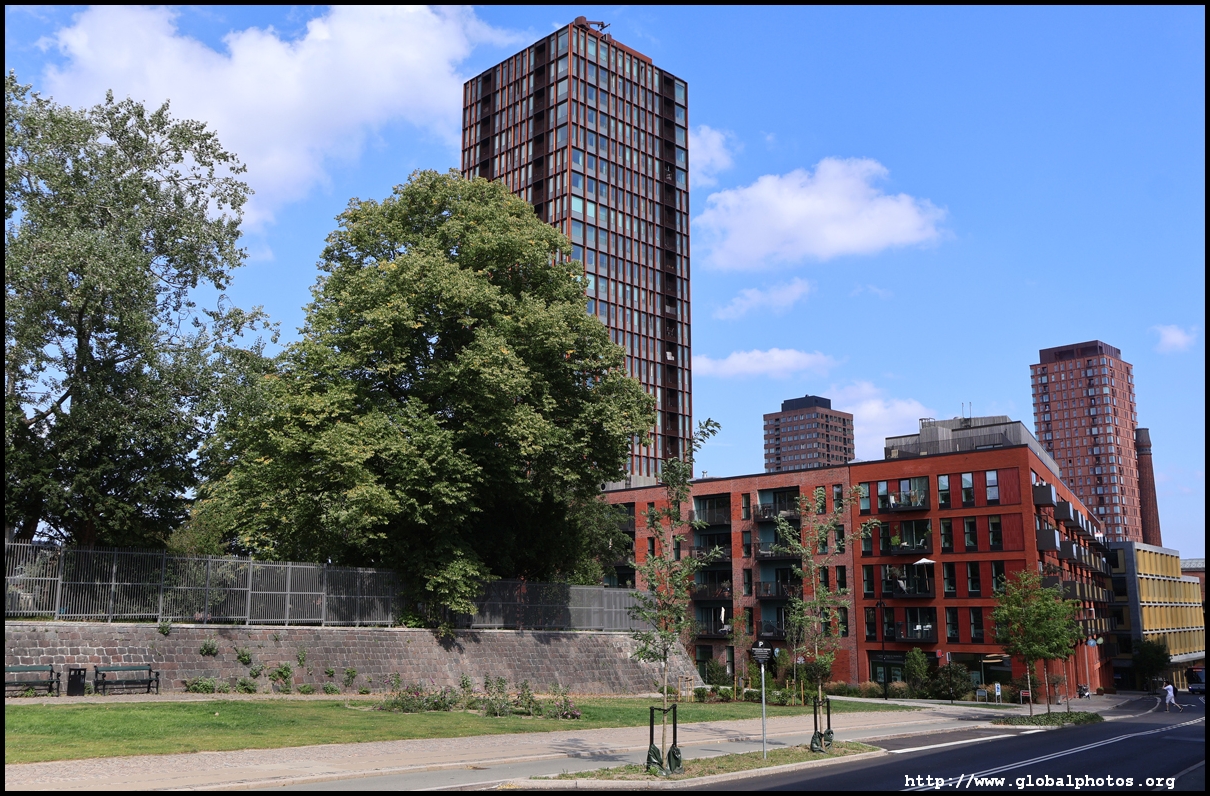
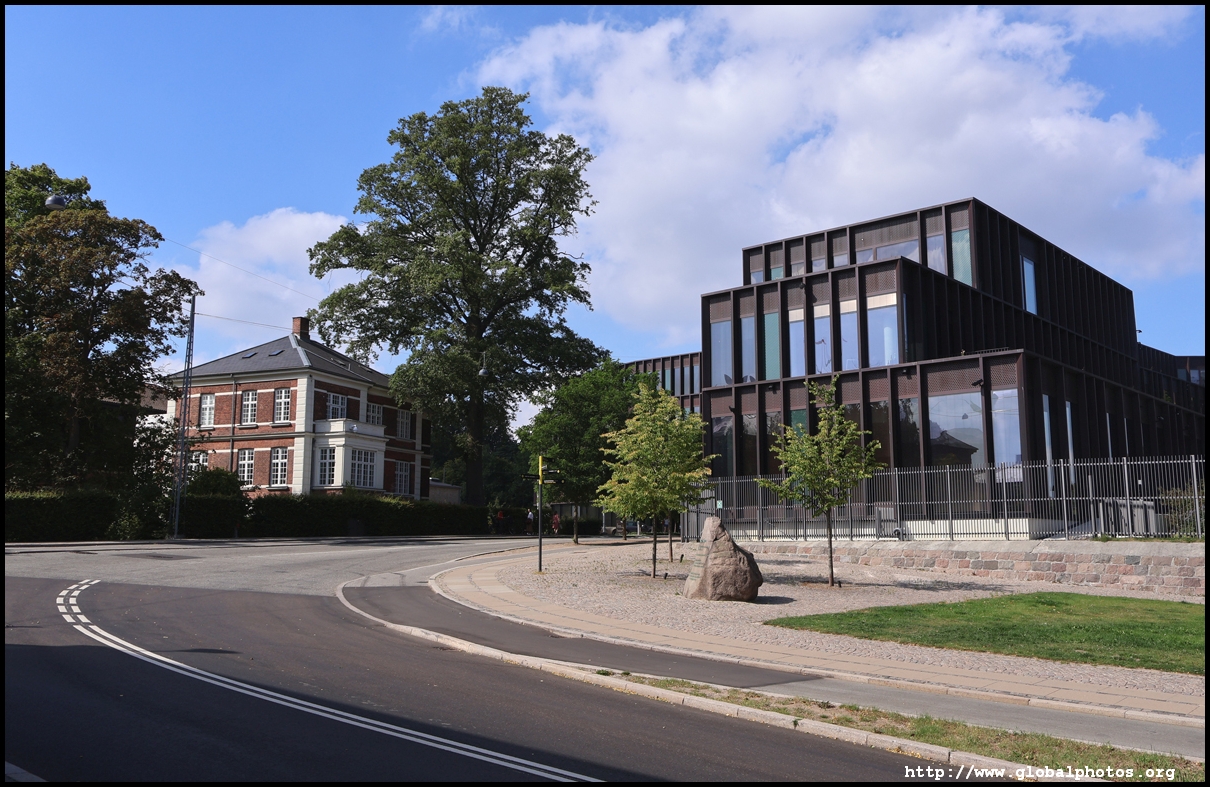
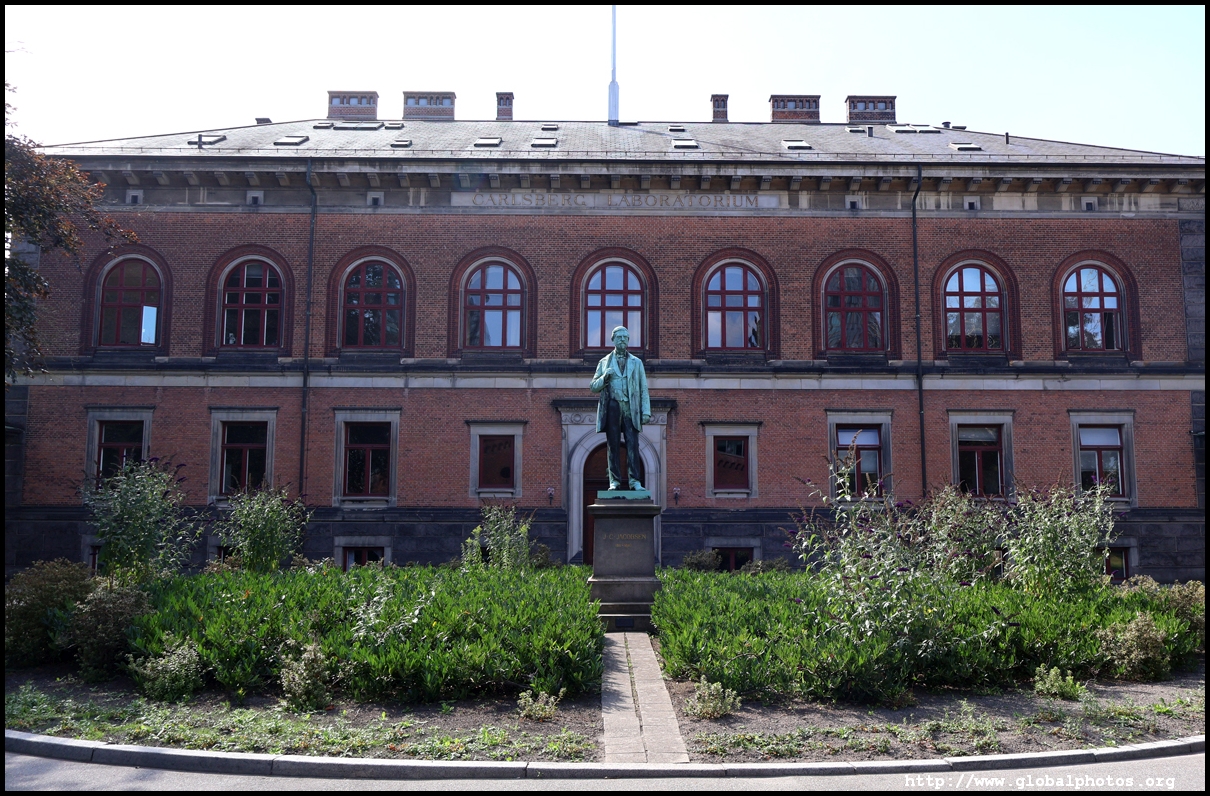
Carlsberg City is a rejuvenated neighbourhood centred around the Carlsberg brewery. The brewery opened in 1847 but moved to the Jutland peninsula in 2008, allowing urban planners to think of new ways to repurpose the historic buildings, just a short 5-minute train ride from the city centre. It's not a new upper class luxury area though, with provisions for students and professionals alike, as well as offices. Today, we see new buildings stand alongside the historic ones with plenty of public spaces in between.Some of the area highlights include the Elephant Gate, which symbolize Carl Jacobsen's 4 surviving children, with the elephant chosen for its strength, loyalty, and industriousness. It was built in 1901 by Carl Jacobsen, son of the brewery's founder Just a short walk away is the Dipylon Gate, with the firm's "golden words" engraved on it. The gate was built in 1892 and its name means 'double gate' in ancient Greek.
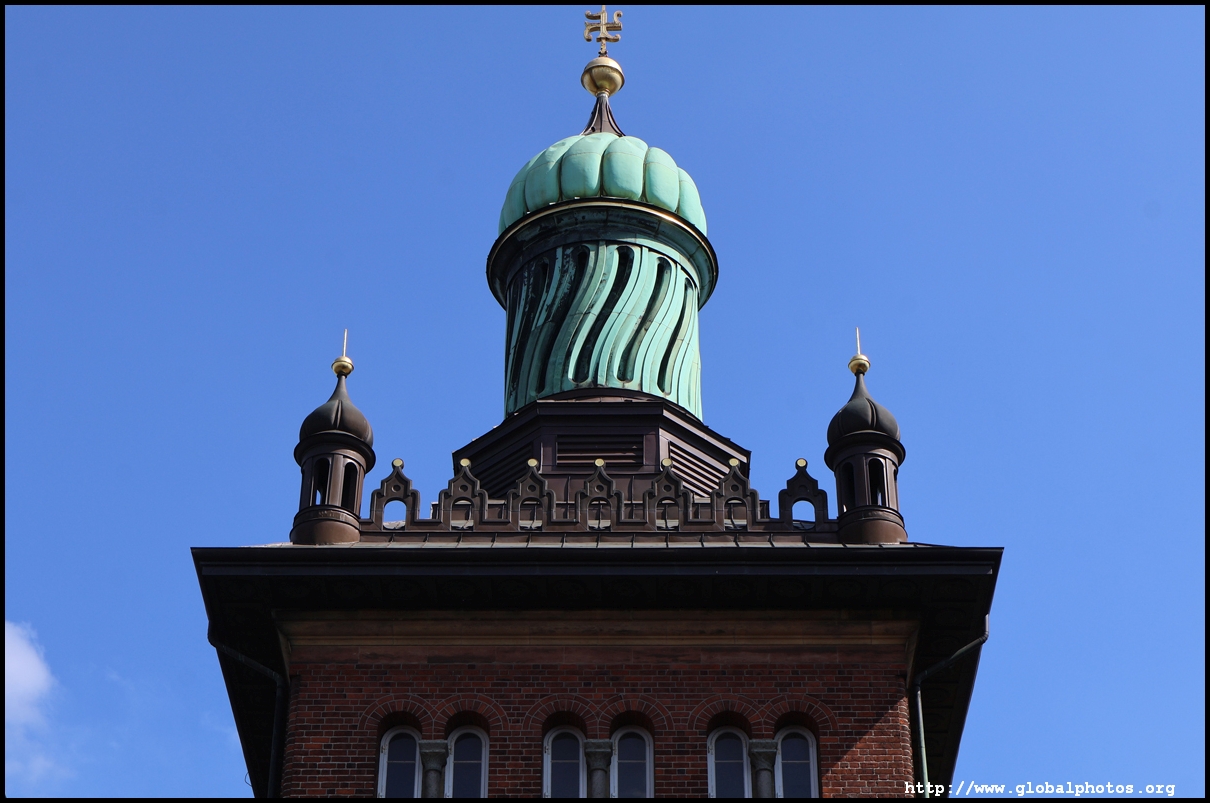
The swastika was once used as a symbol of good luck. Carlsberg used it as its logo until the 1930s, when they did not want to be associated with the Nazis.
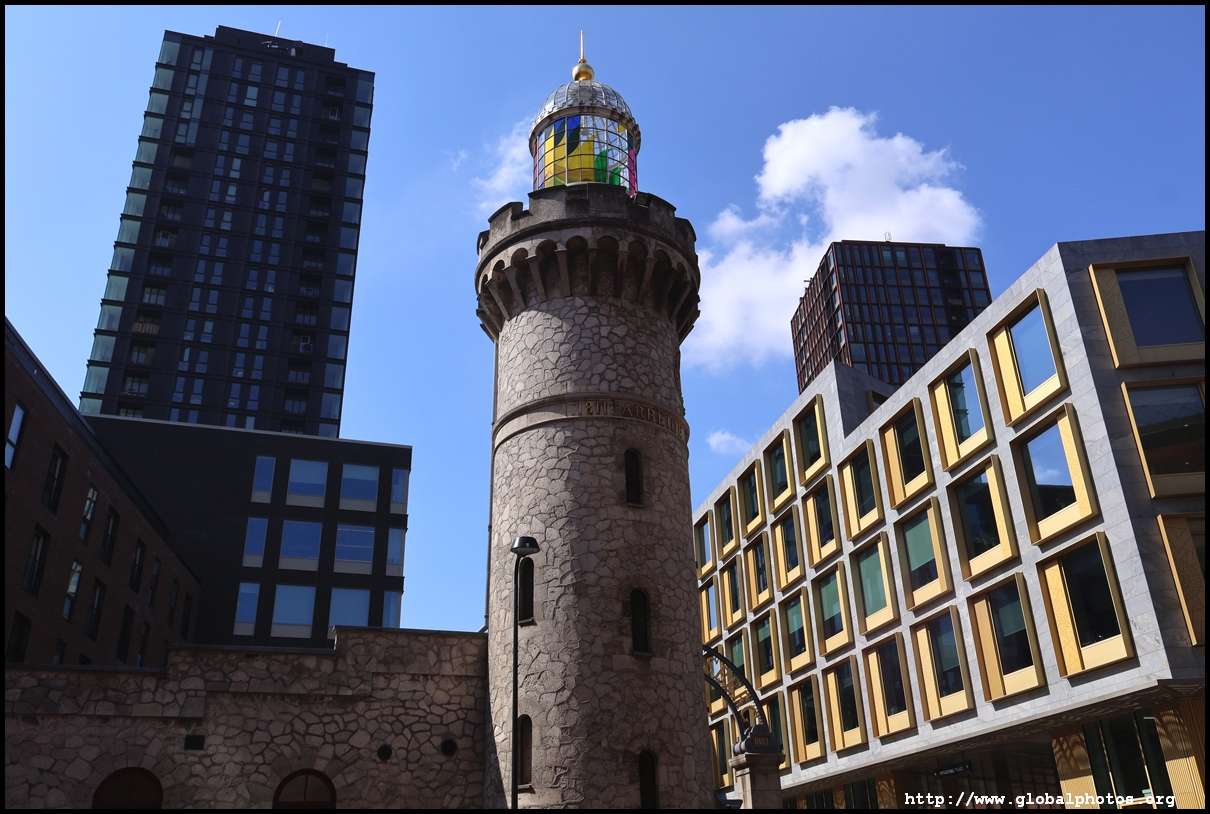
Built in 1893, the Chalk Tower is a lighthouse and one of the first places in the city to be lit up with electricity.
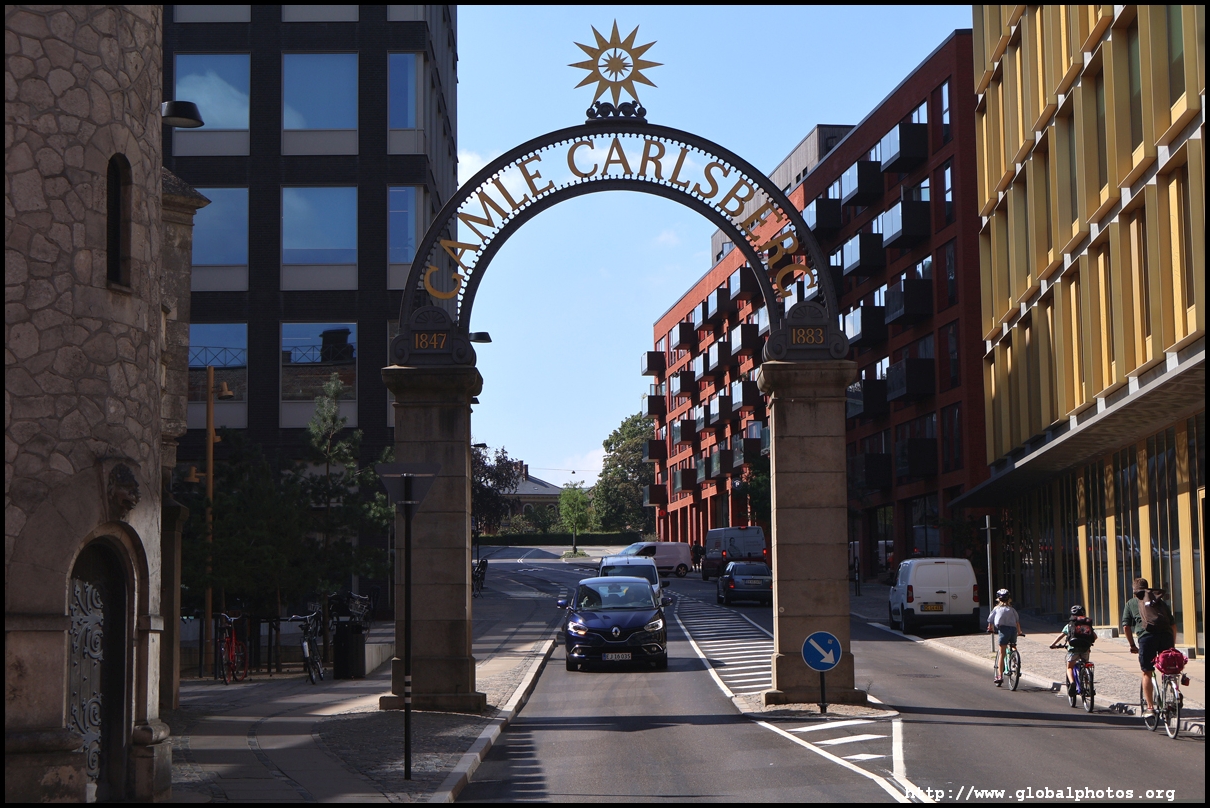
Next to it, the Star Gate marked the original boundary of the old brewery.
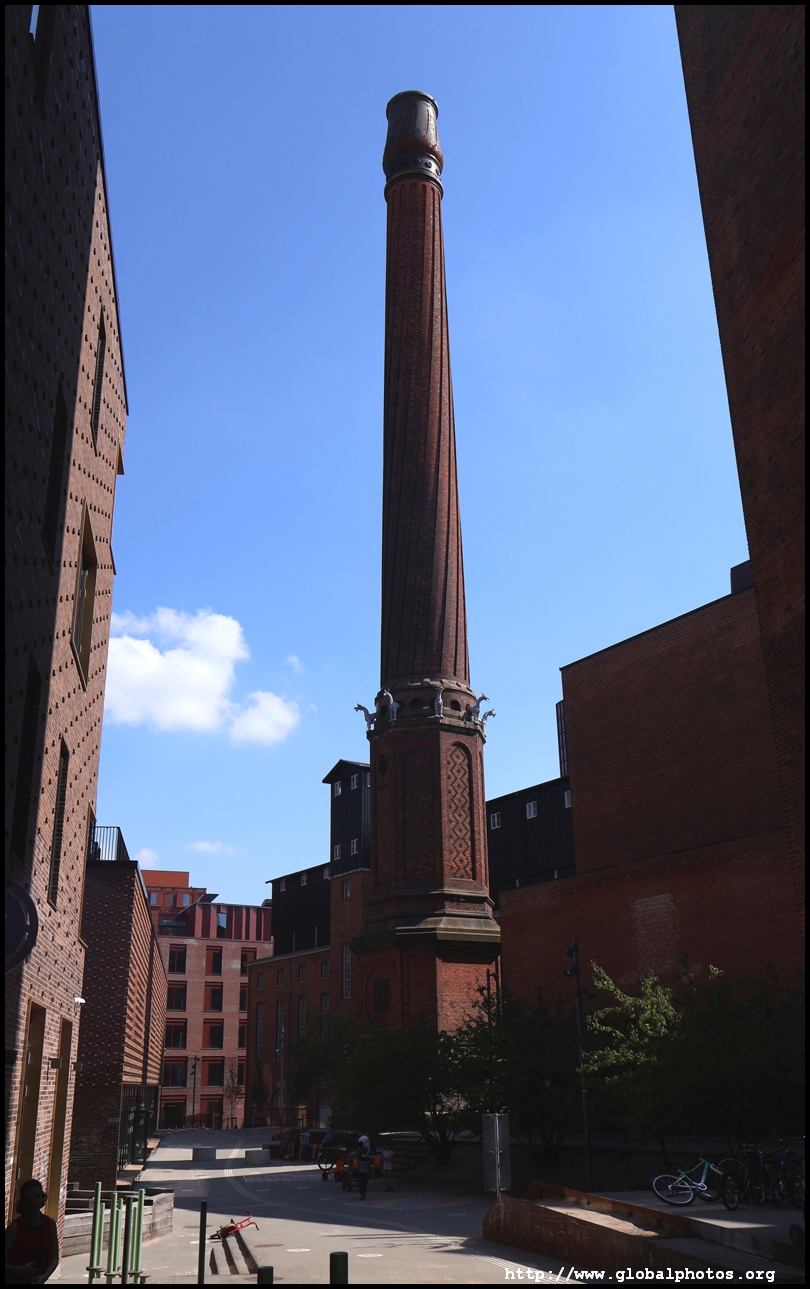
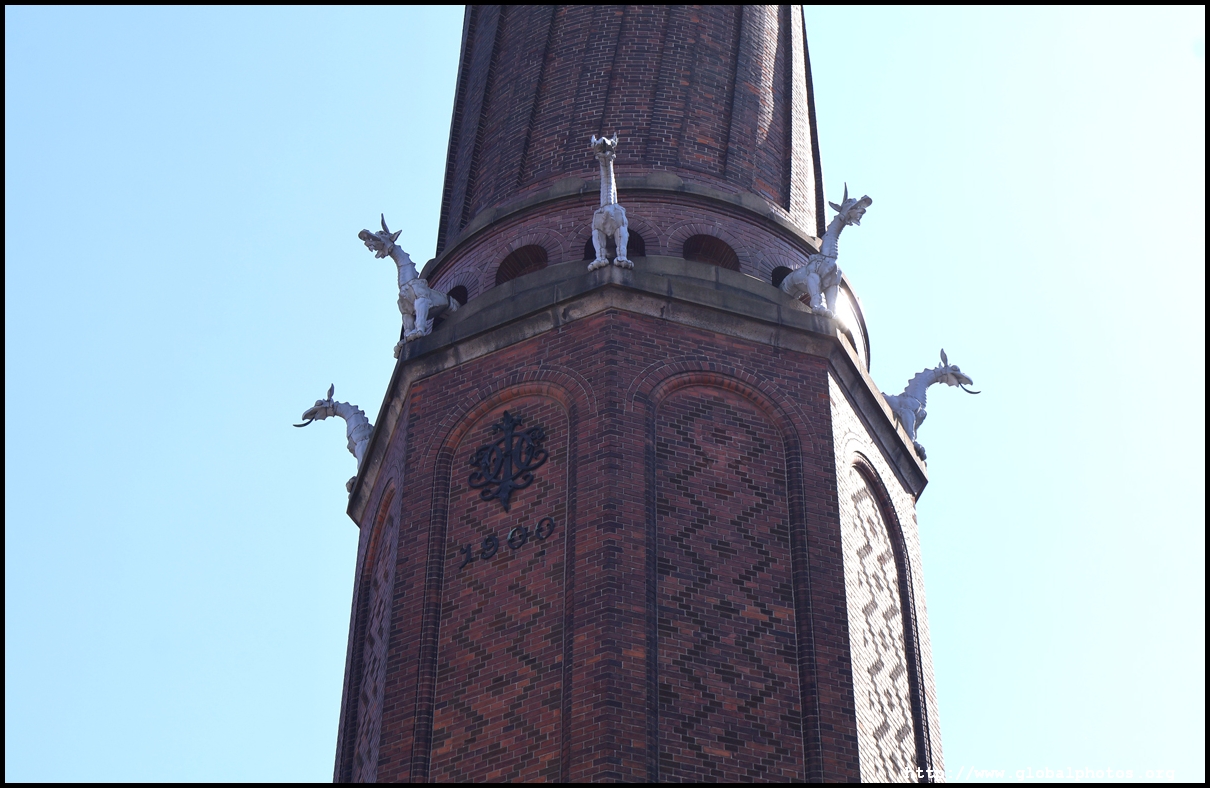
The 56m-tall Winding Chimney was built in 1900 with Egyptian lotus flower patterns. Carl loved the arts and wanted to decorate his industrial buildings.
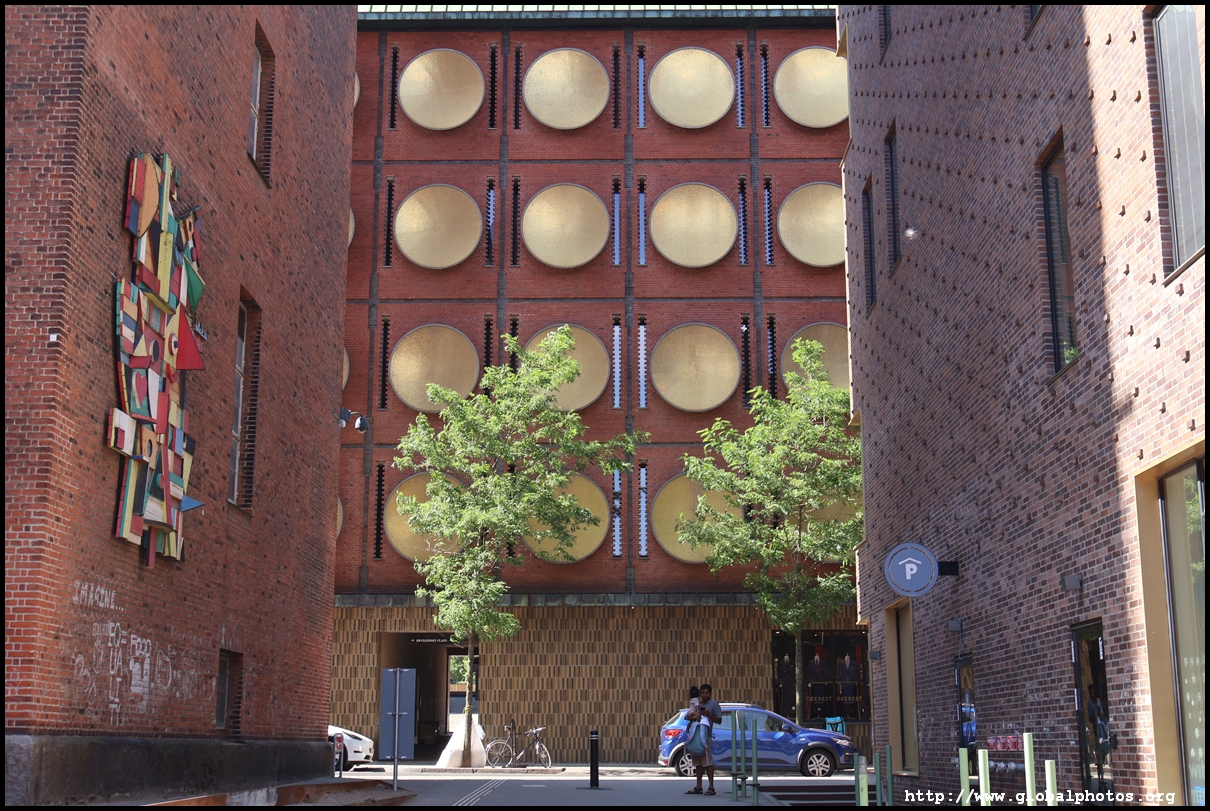
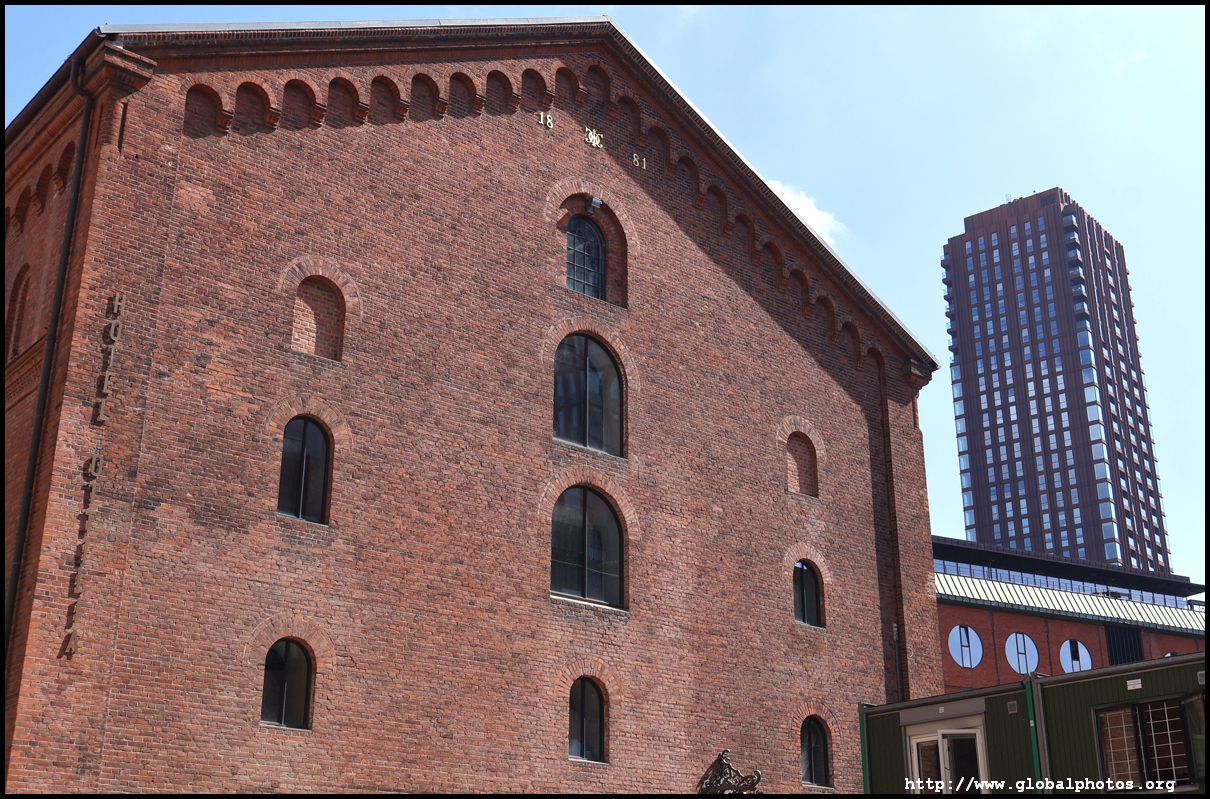
Named after Carl Jacobsen's wife, Hotel Ottilia used to be a storage building with 64 golden shields on the facade, which symbolize the horizontal beer tanks inside.
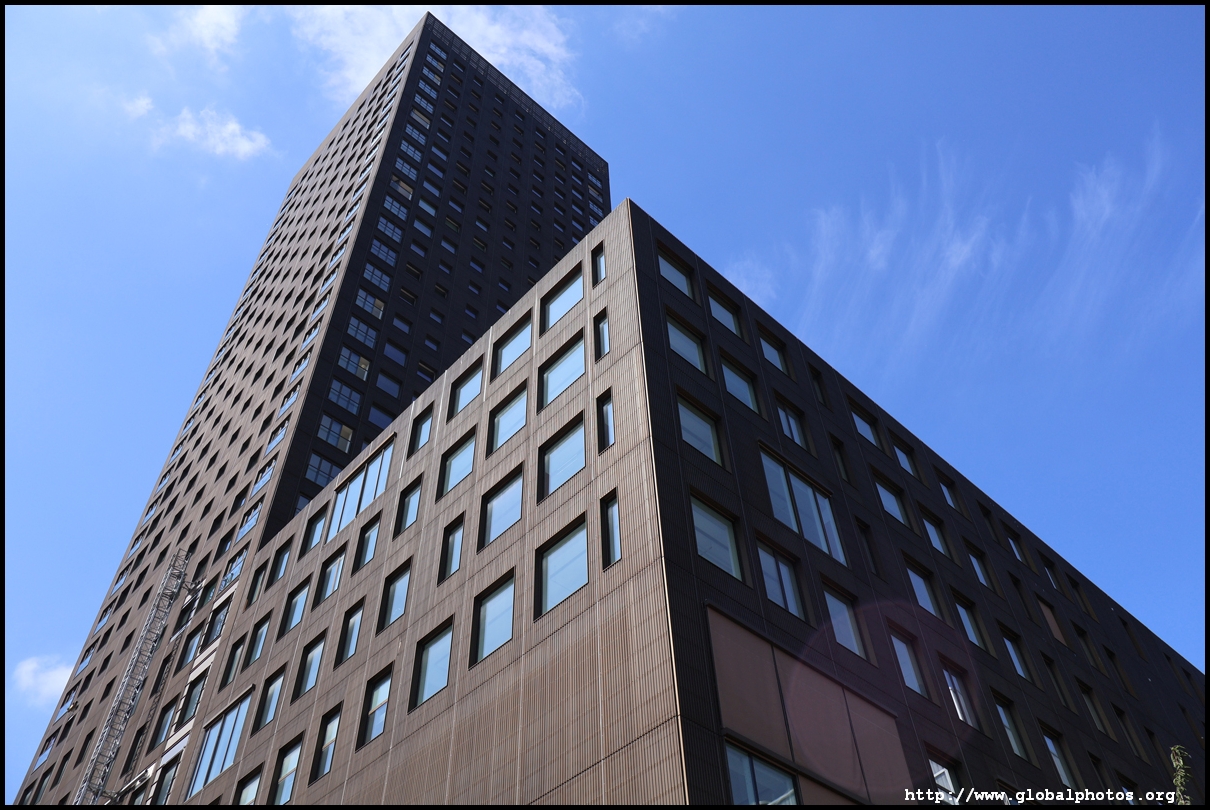
Would you consider living in one of these new buildings set against a historic former brewery?
|
||