Copenhagen Photo Gallery - Museums |
|
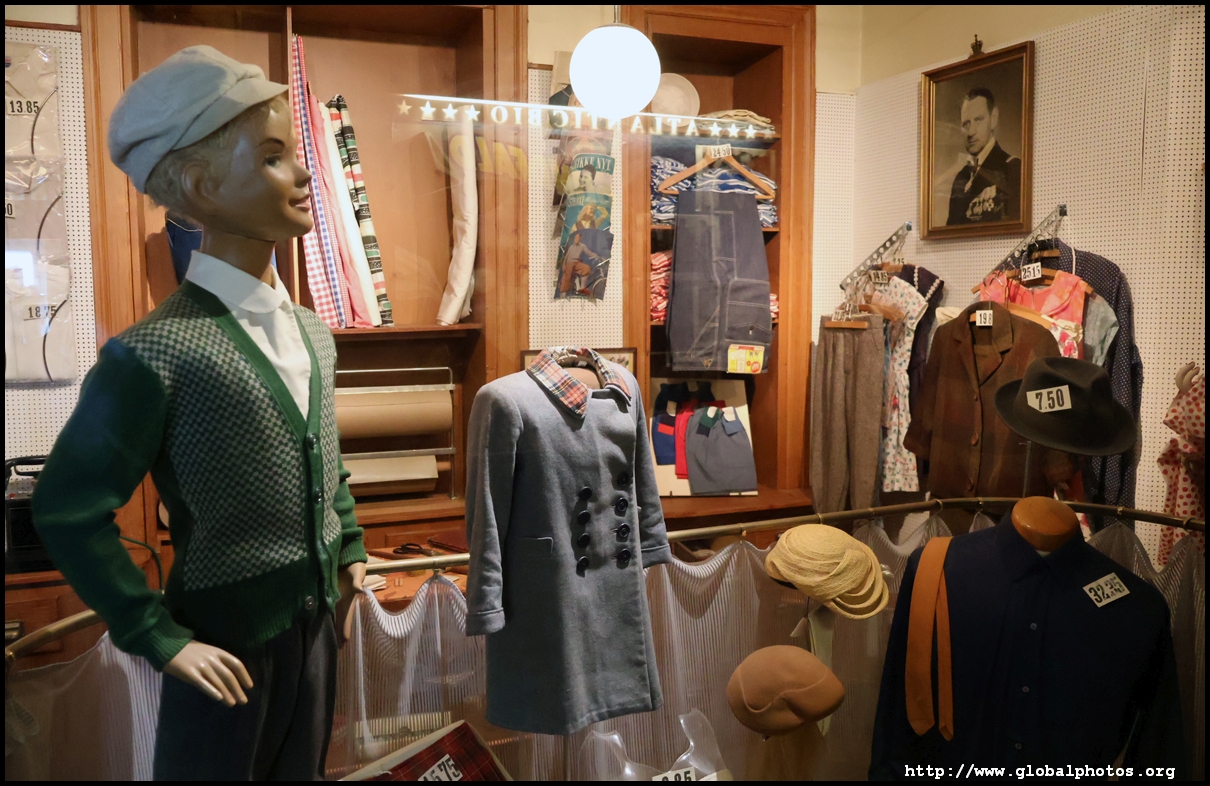
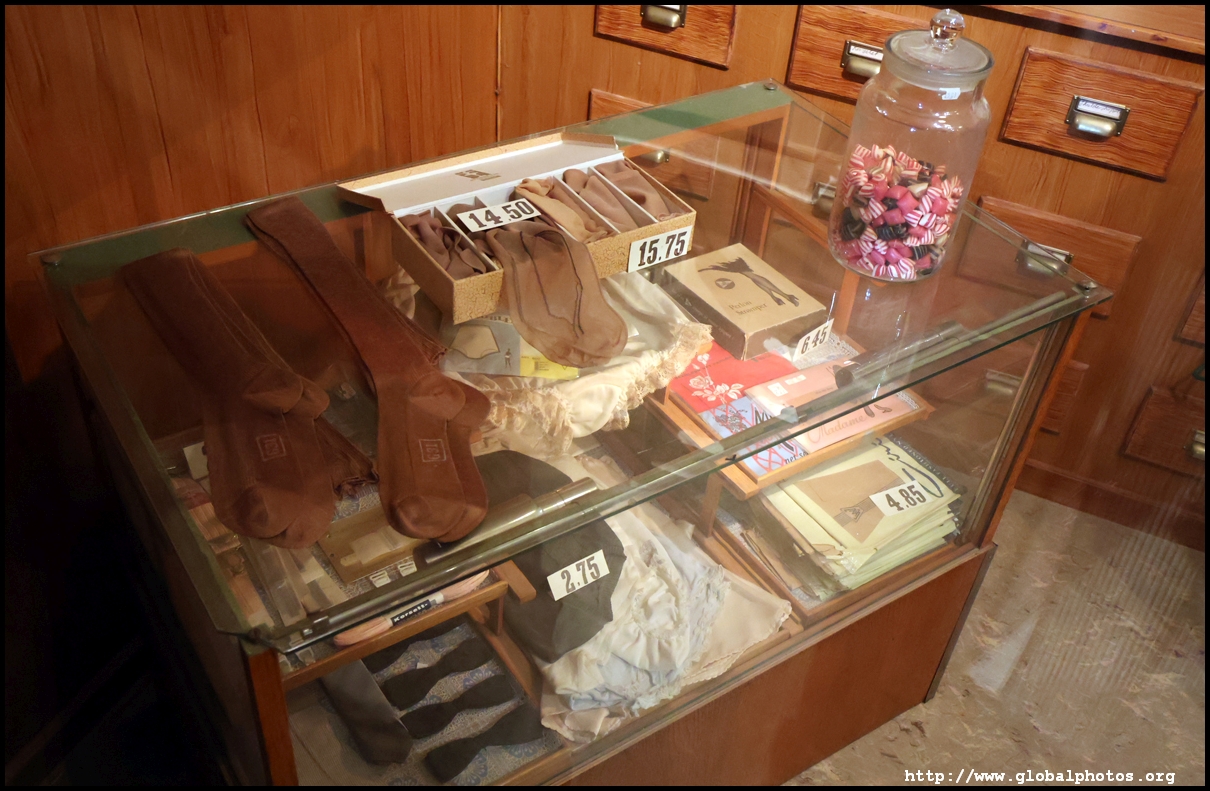
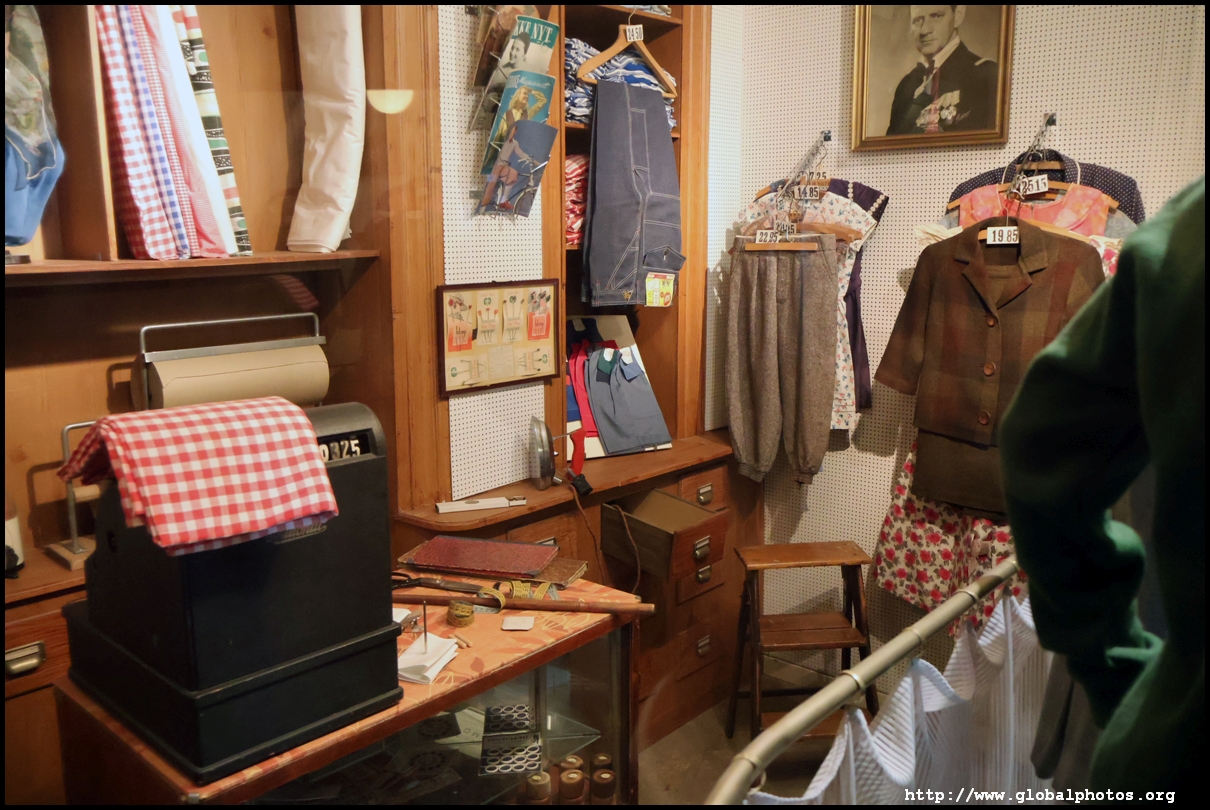
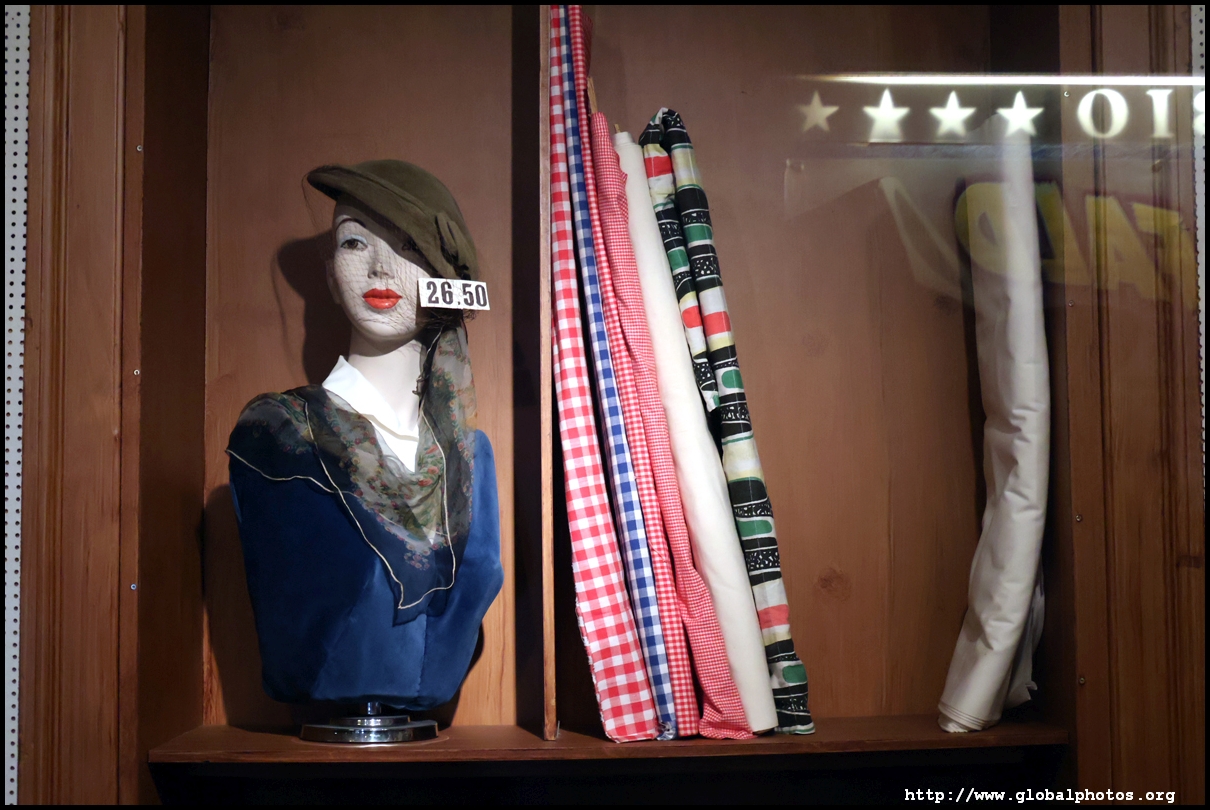
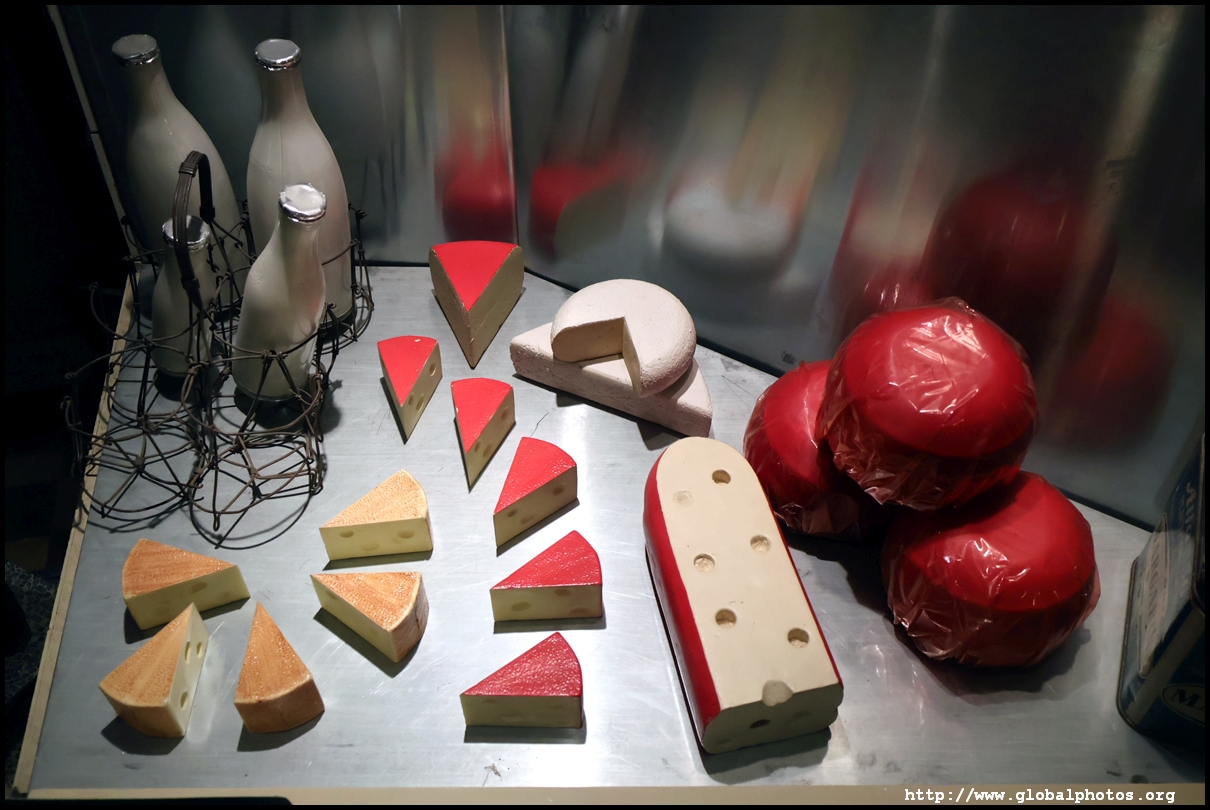
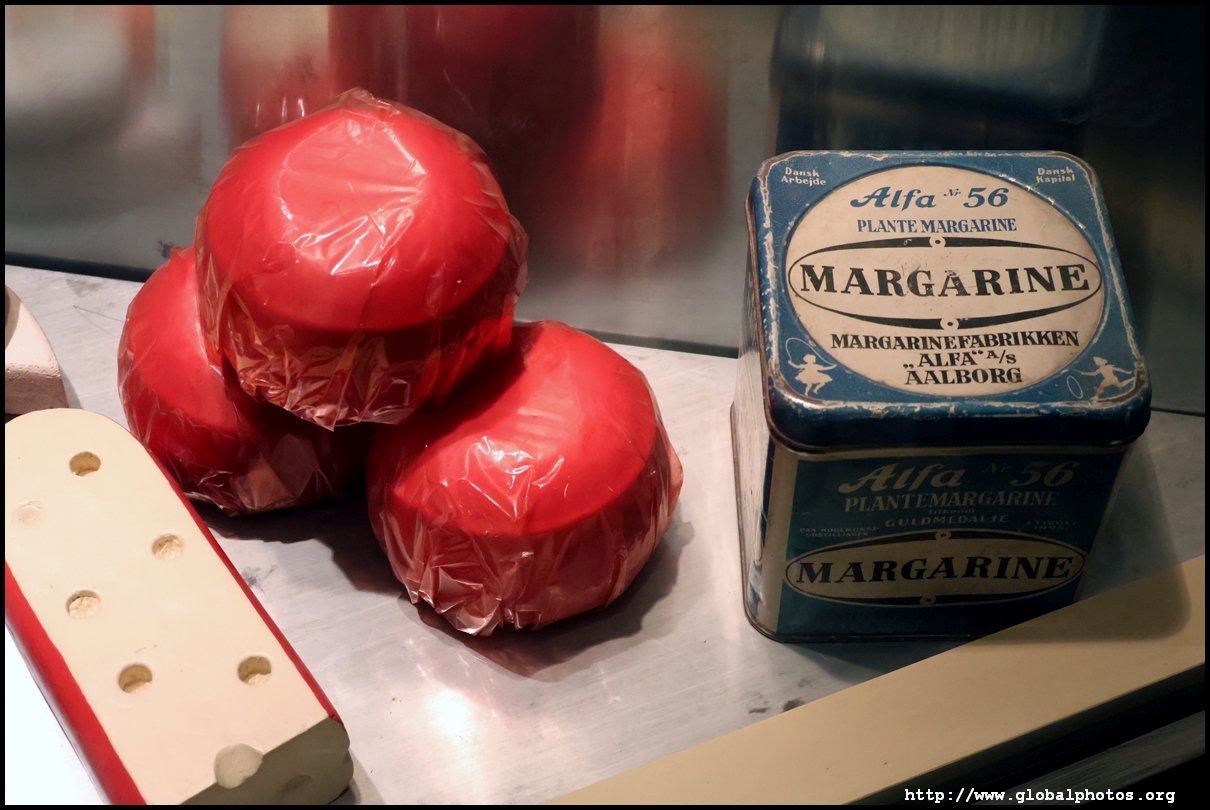
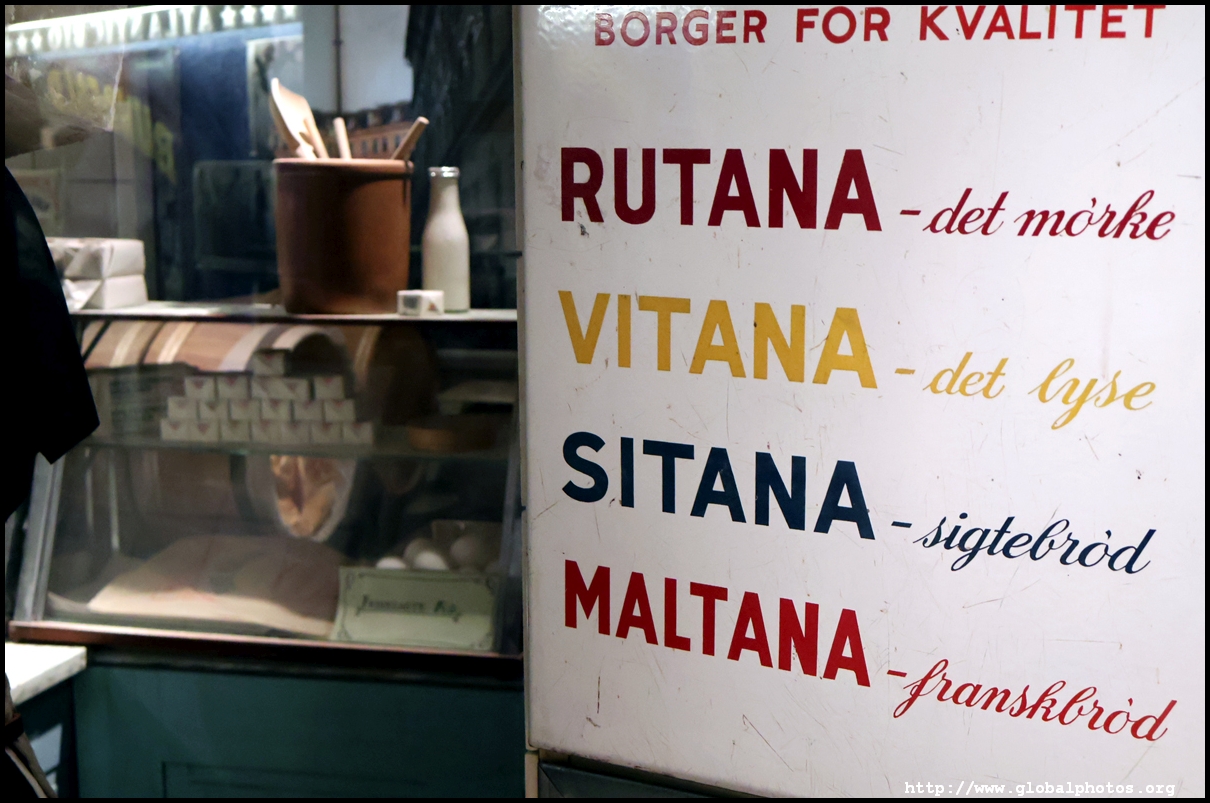
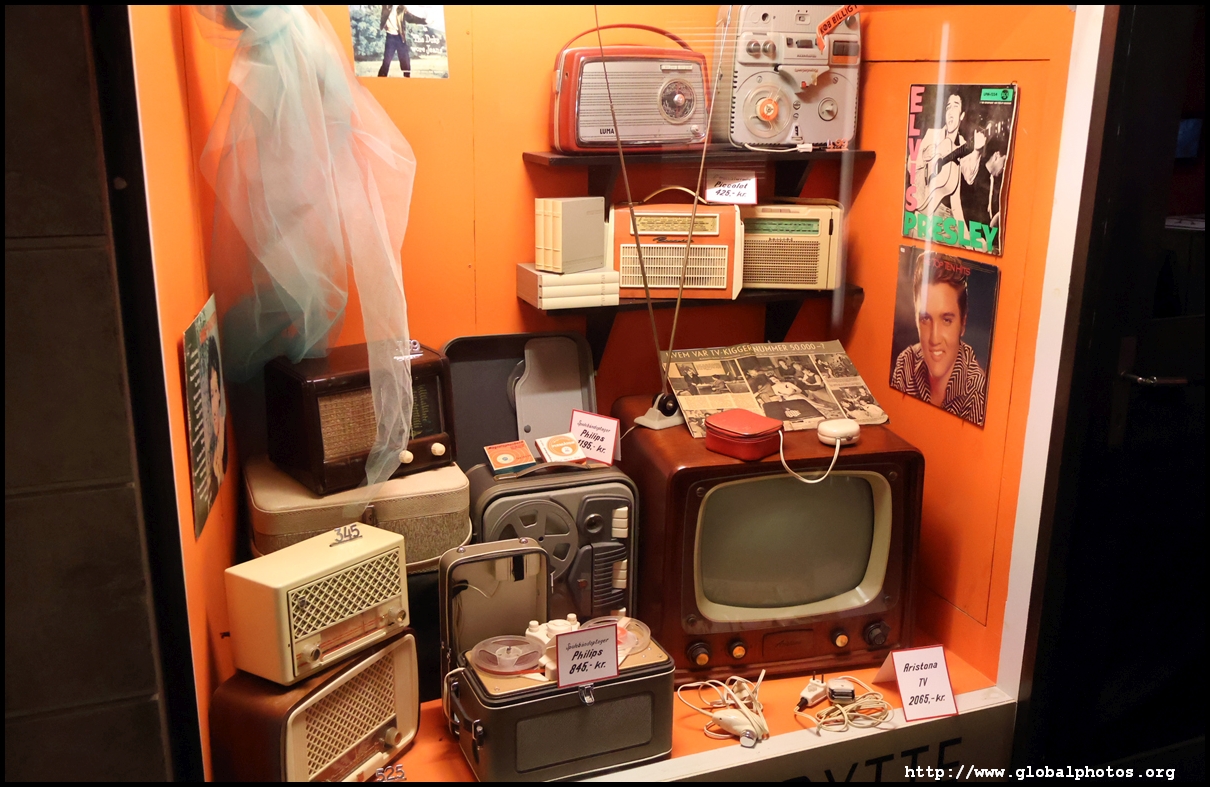
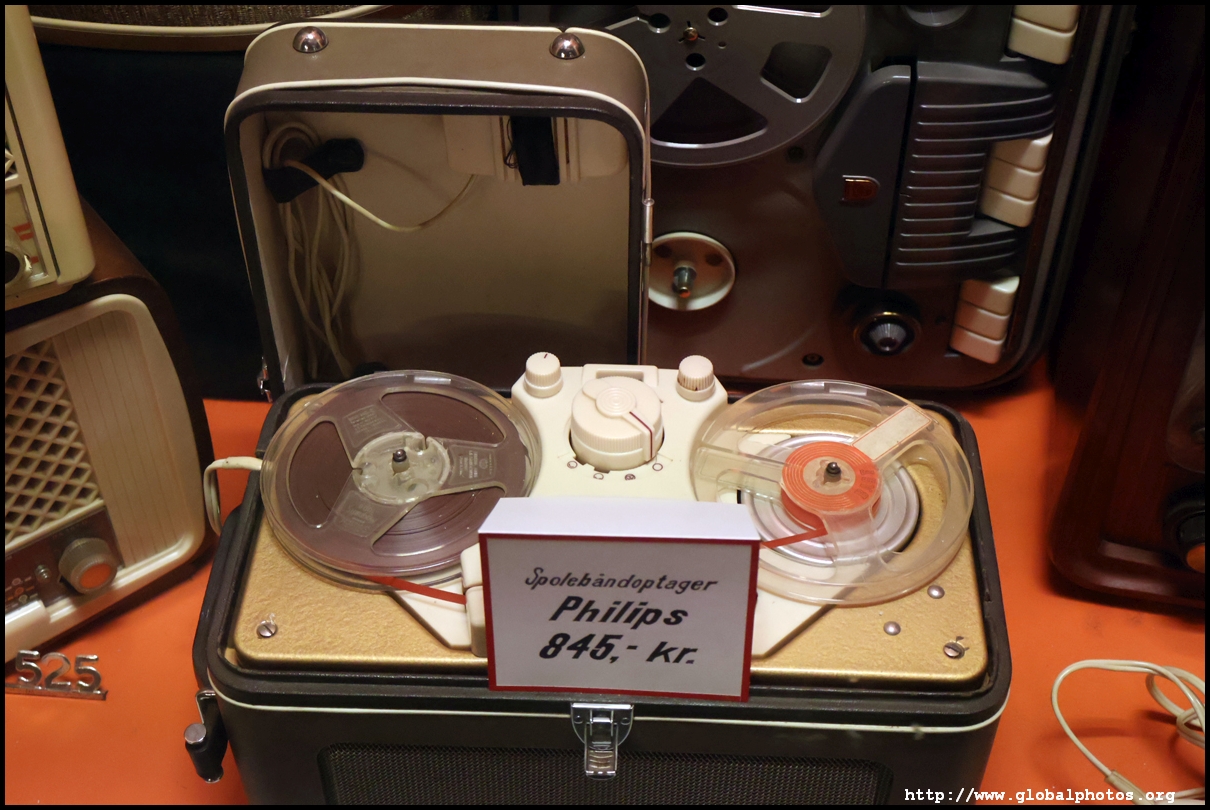
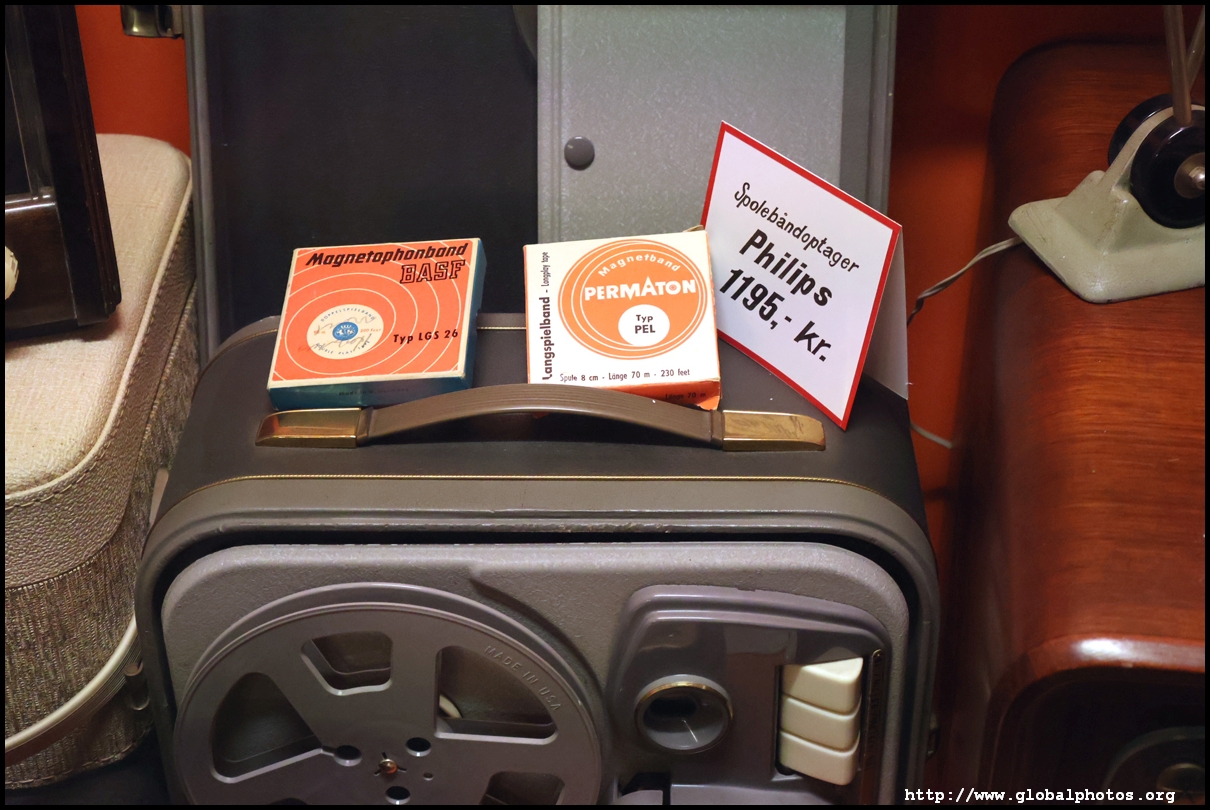
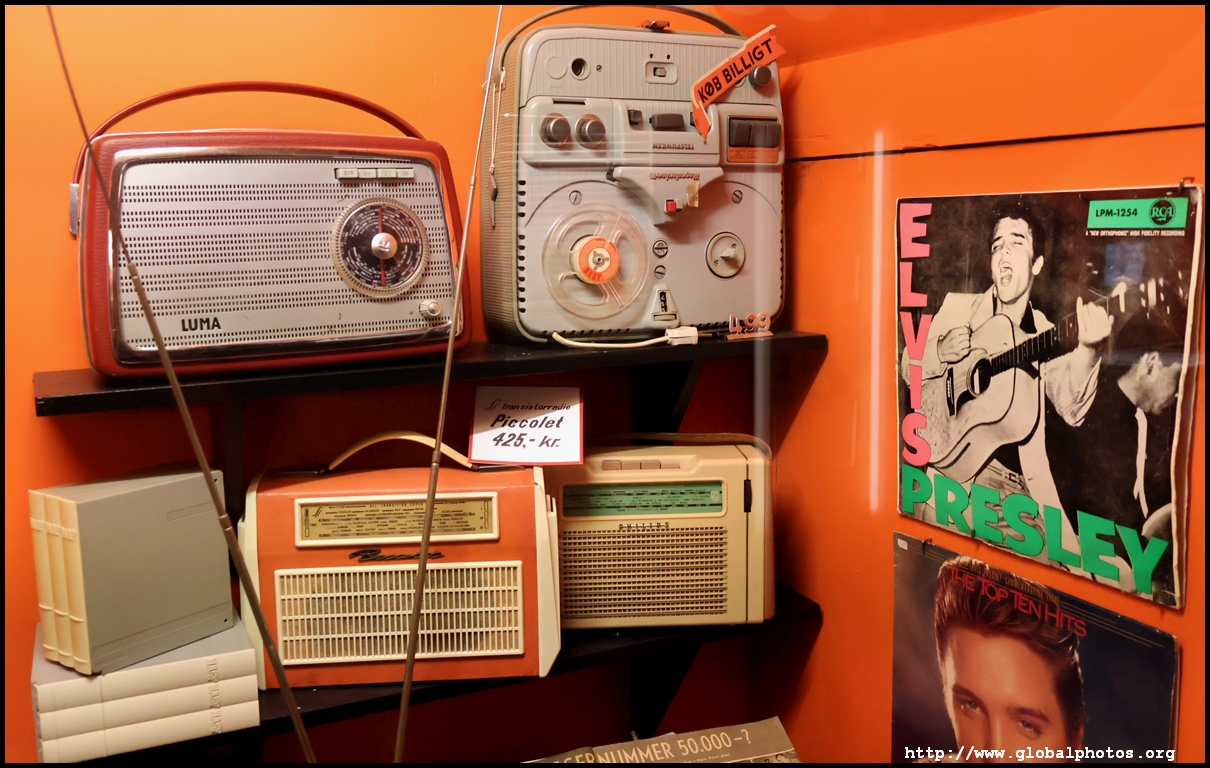
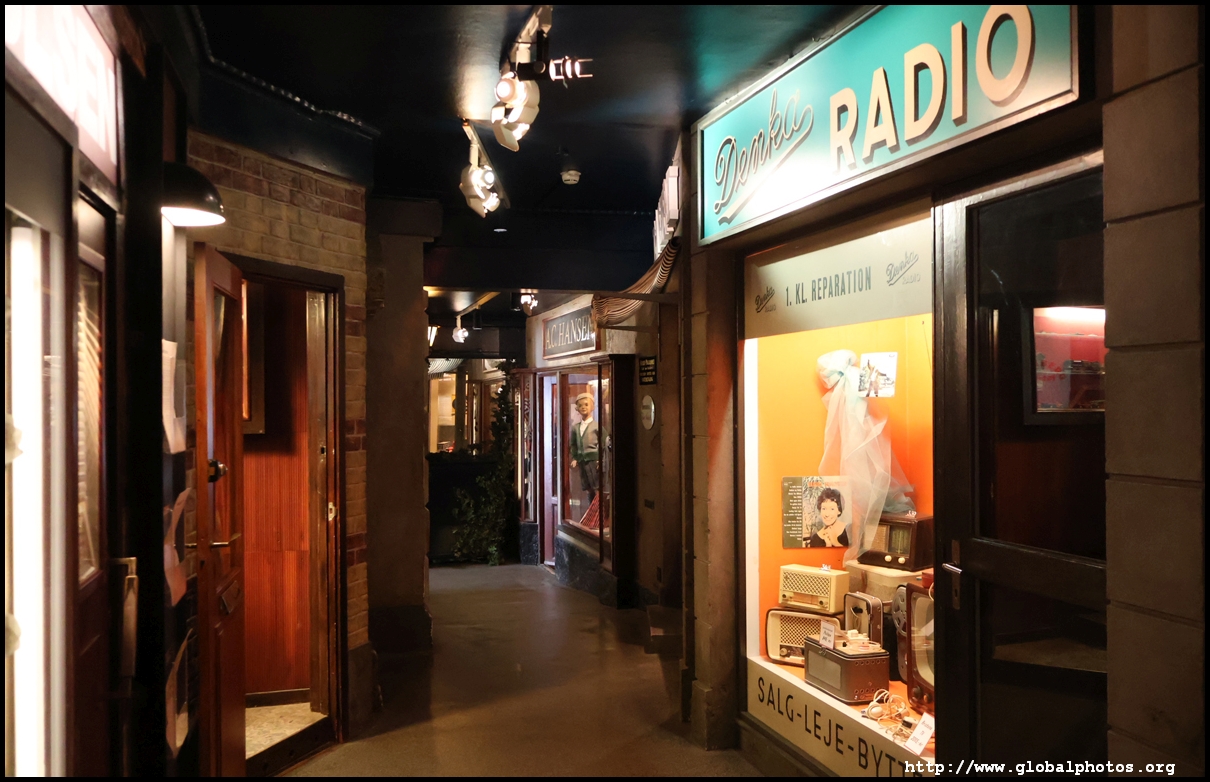
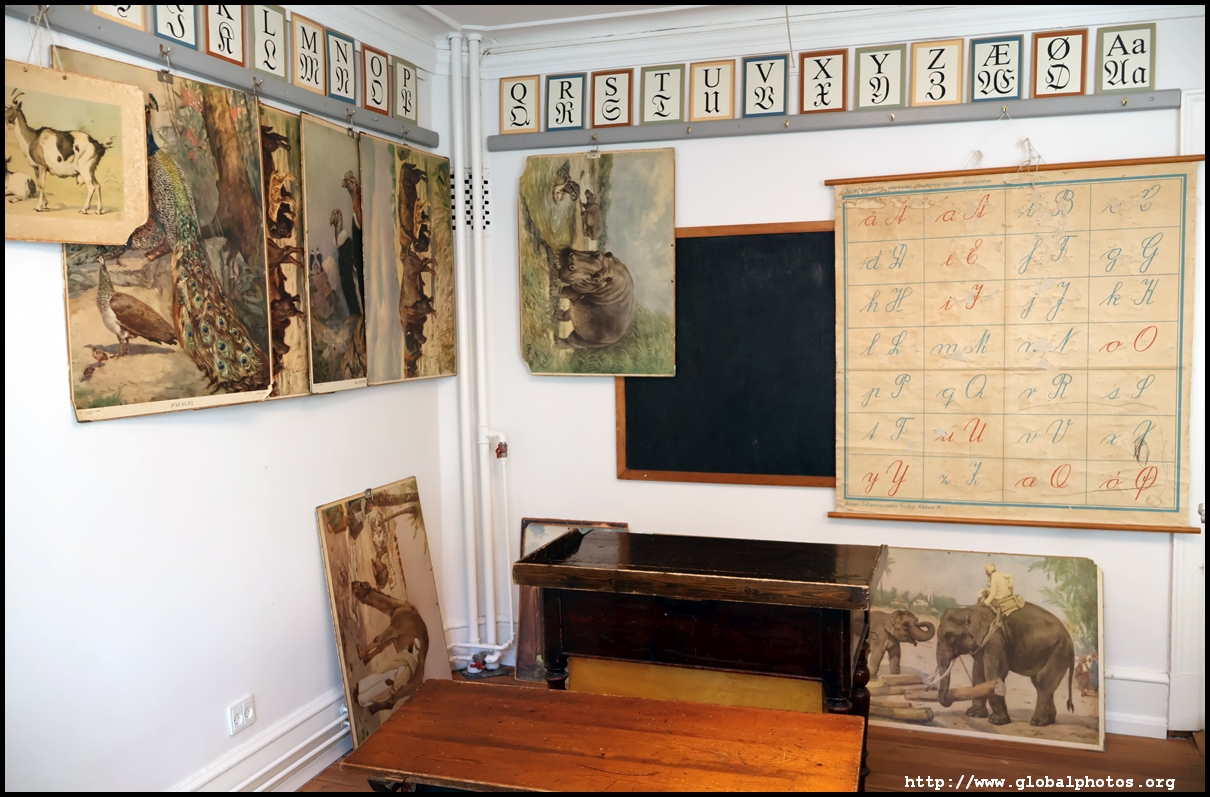
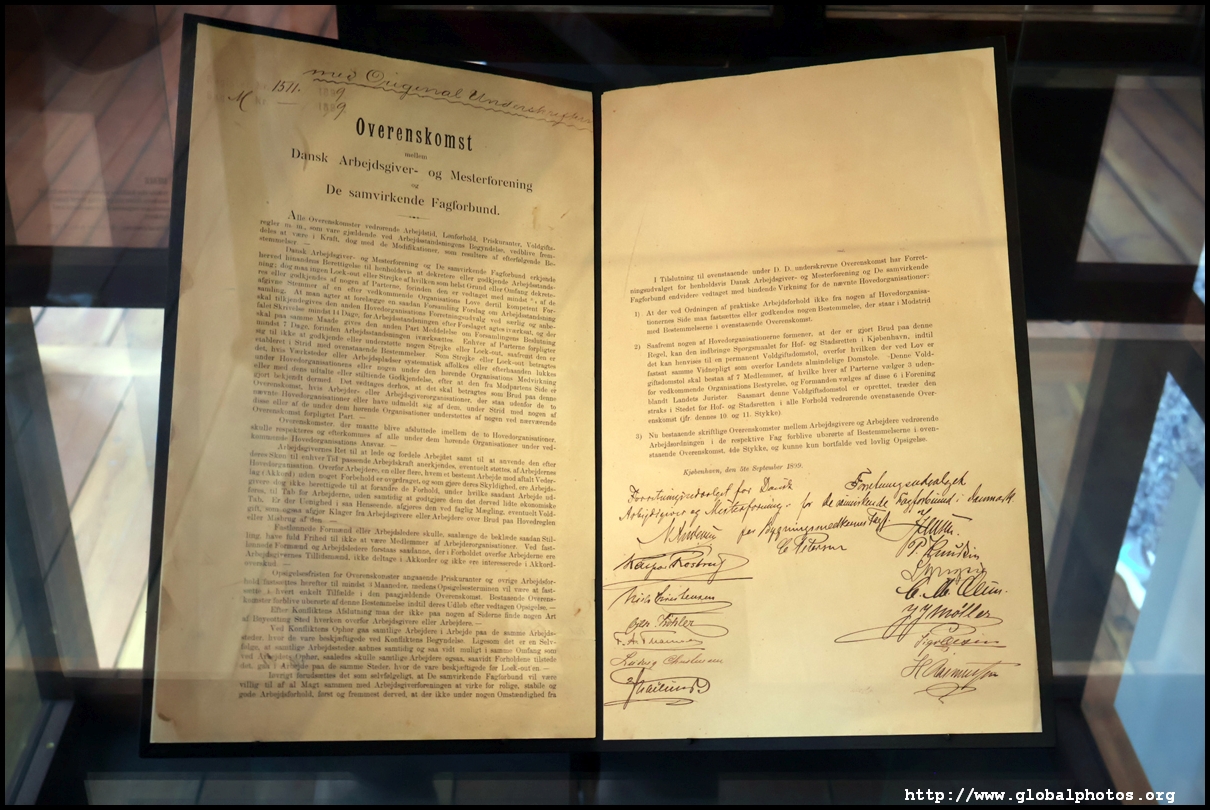
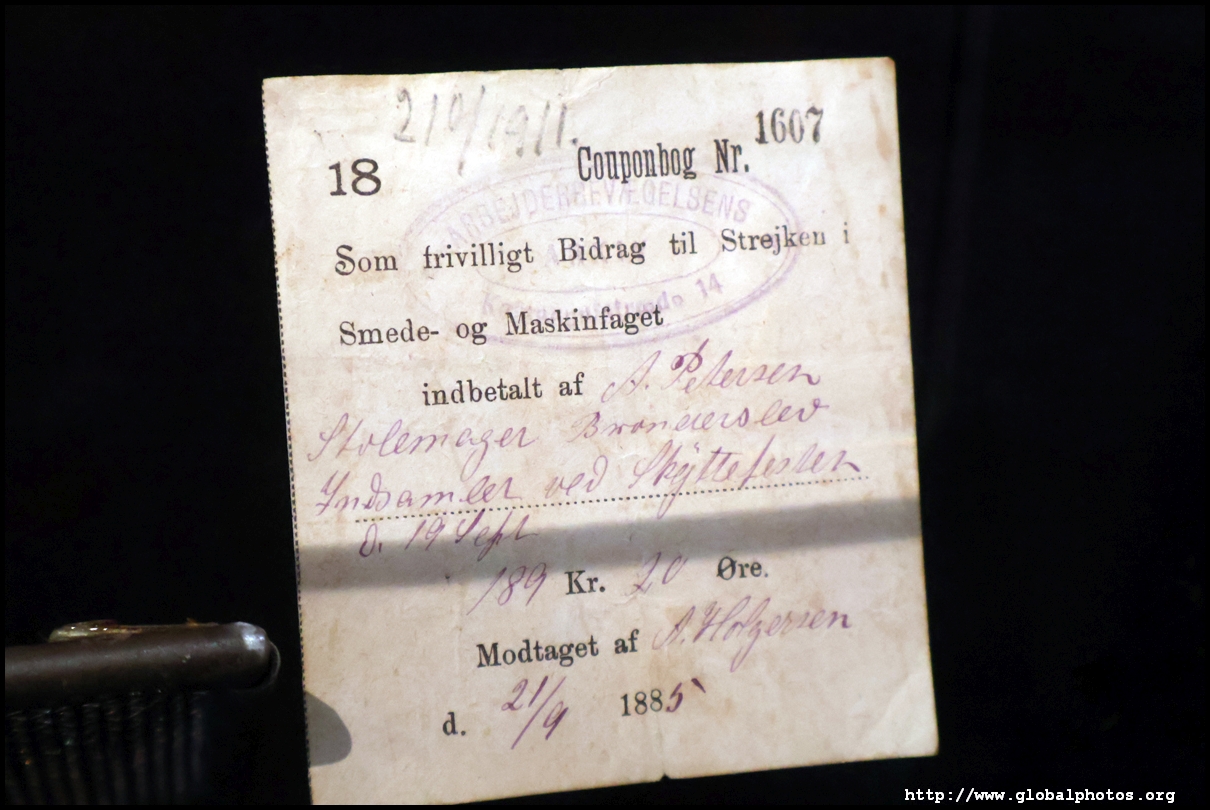
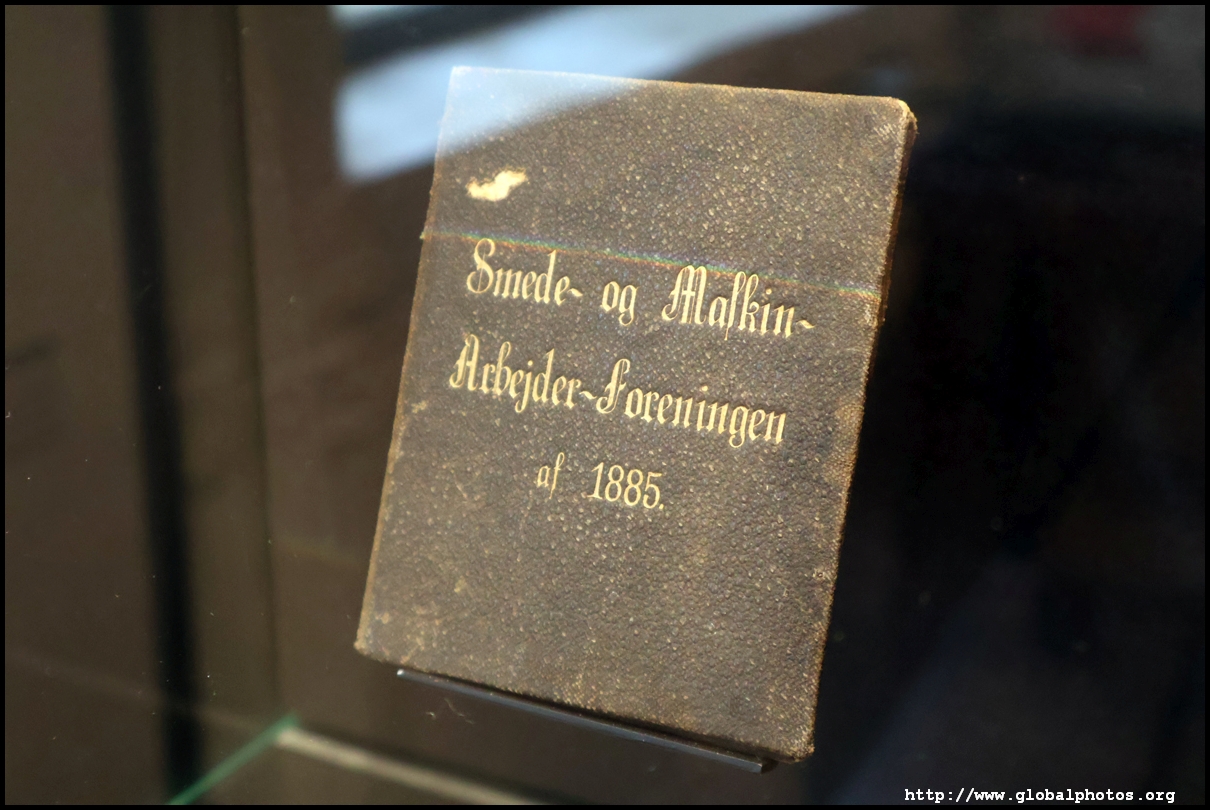
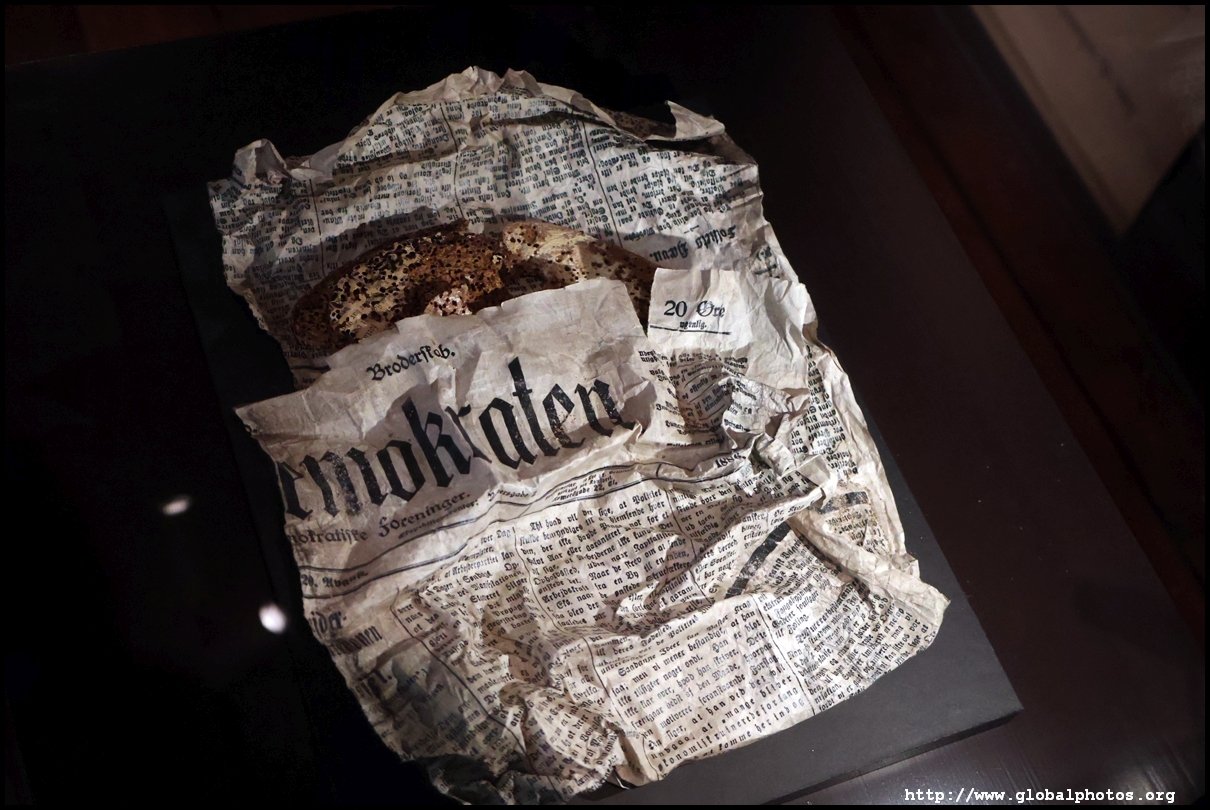
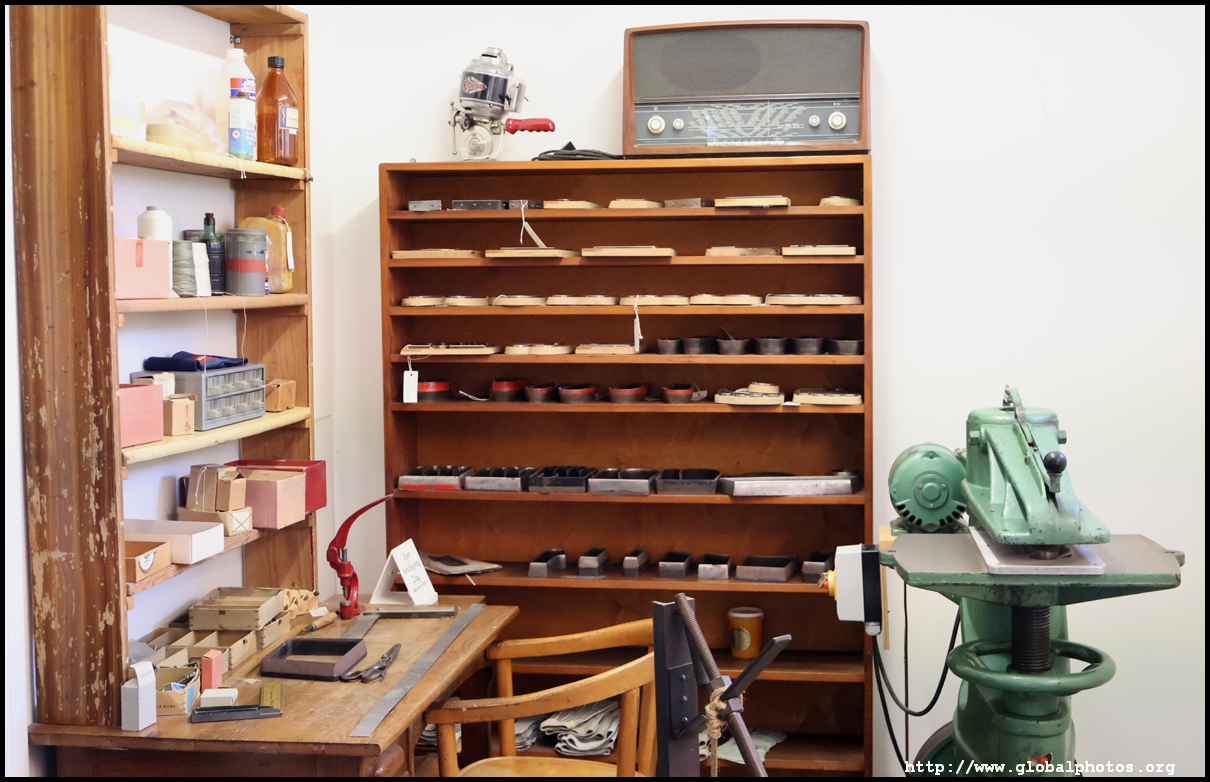
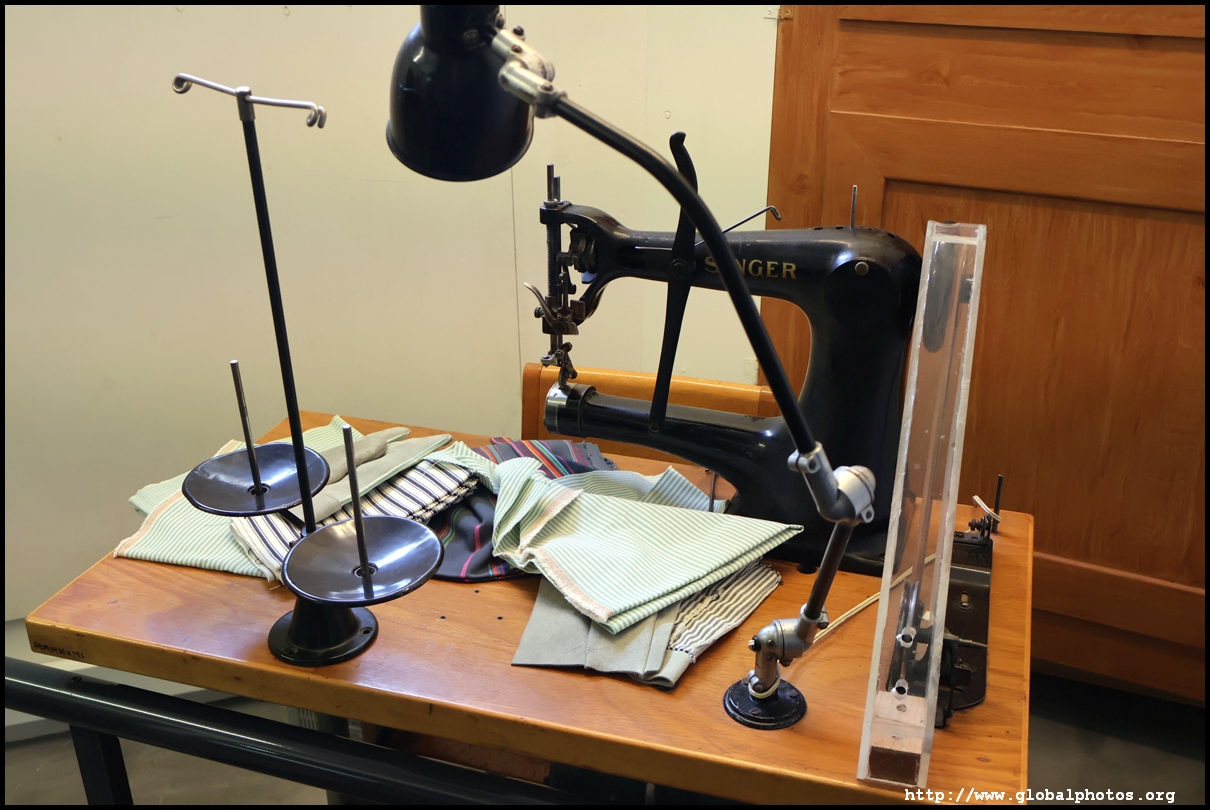
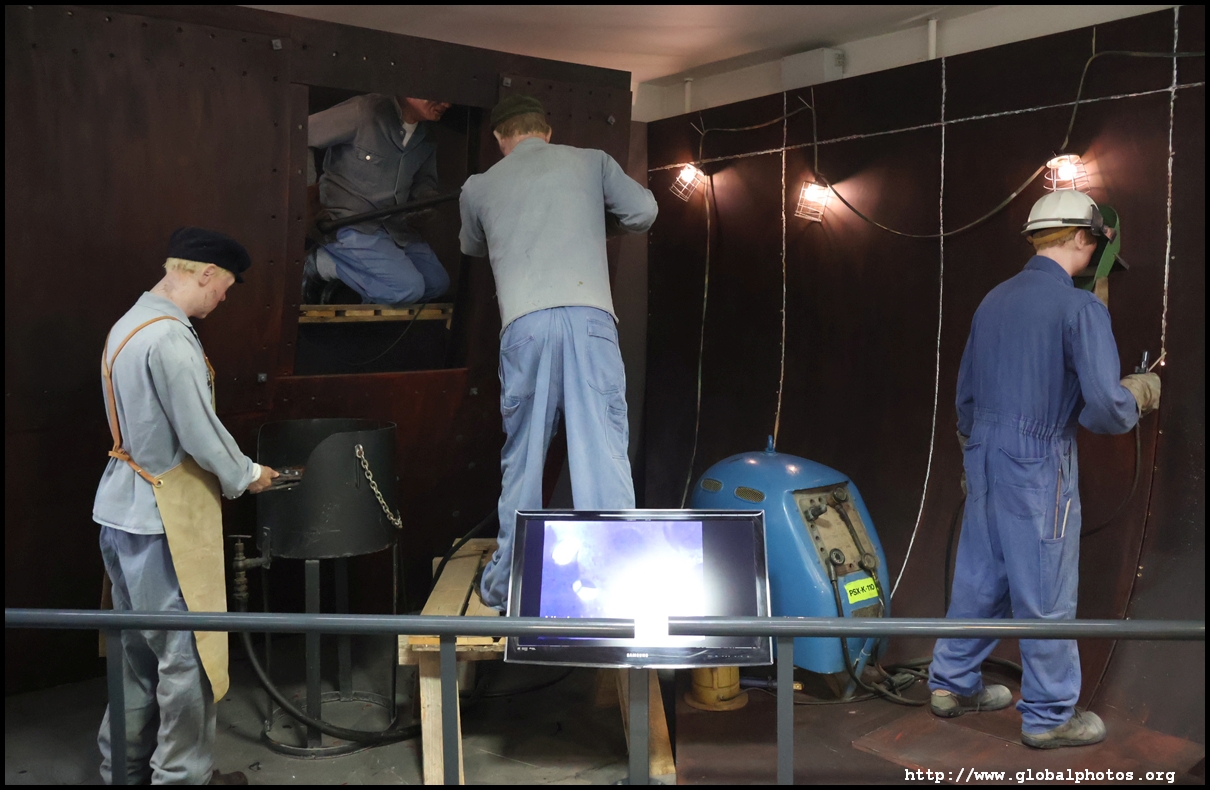
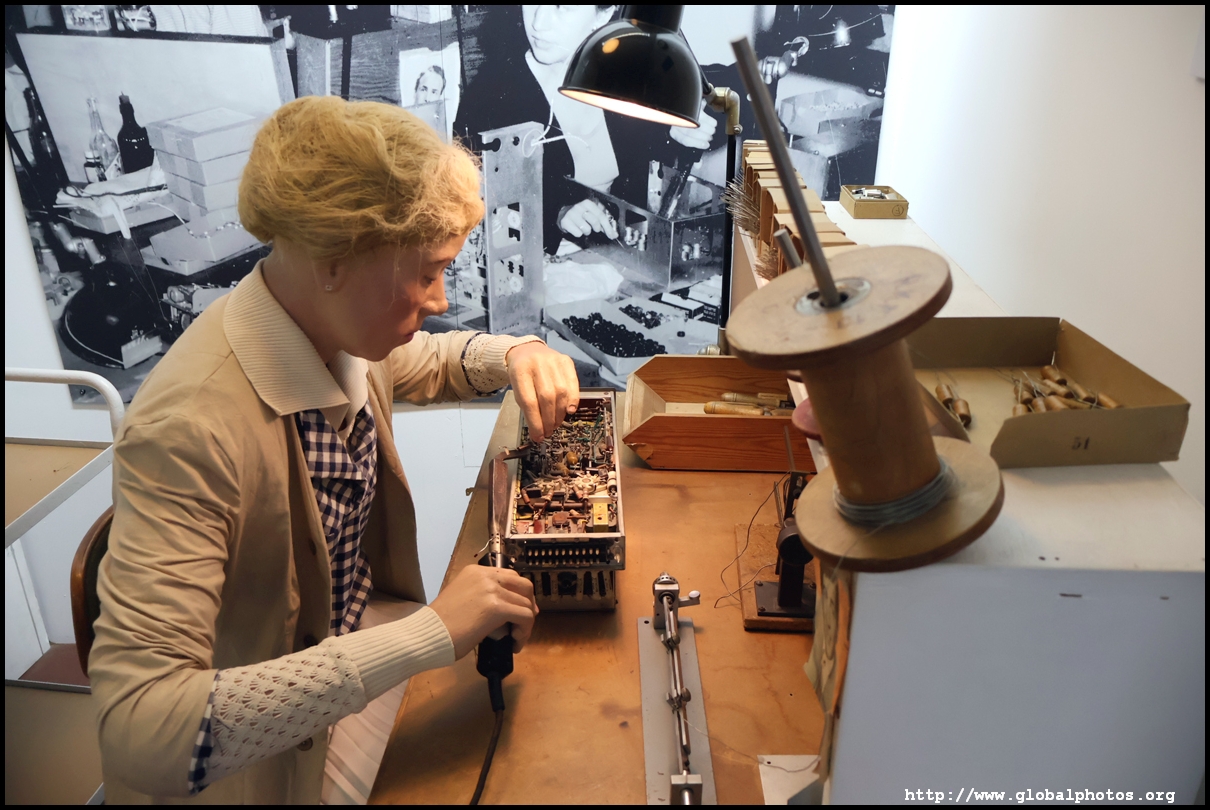
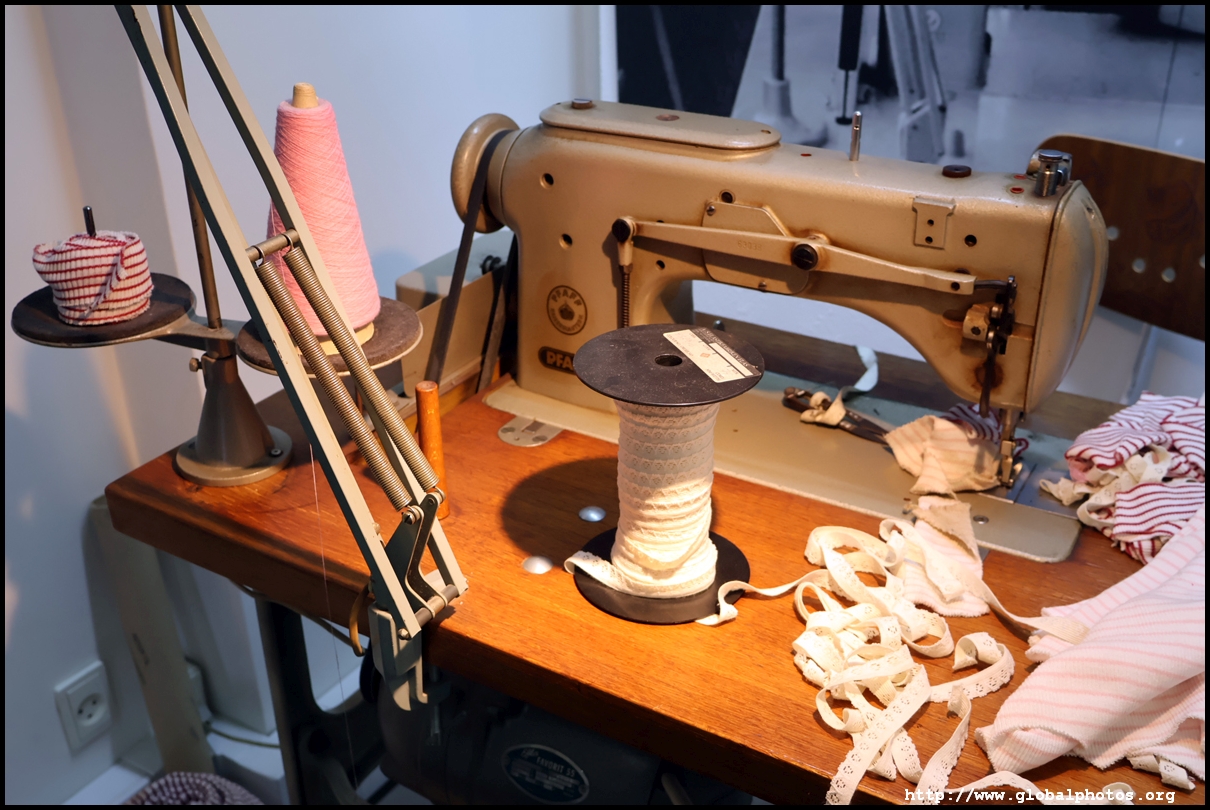
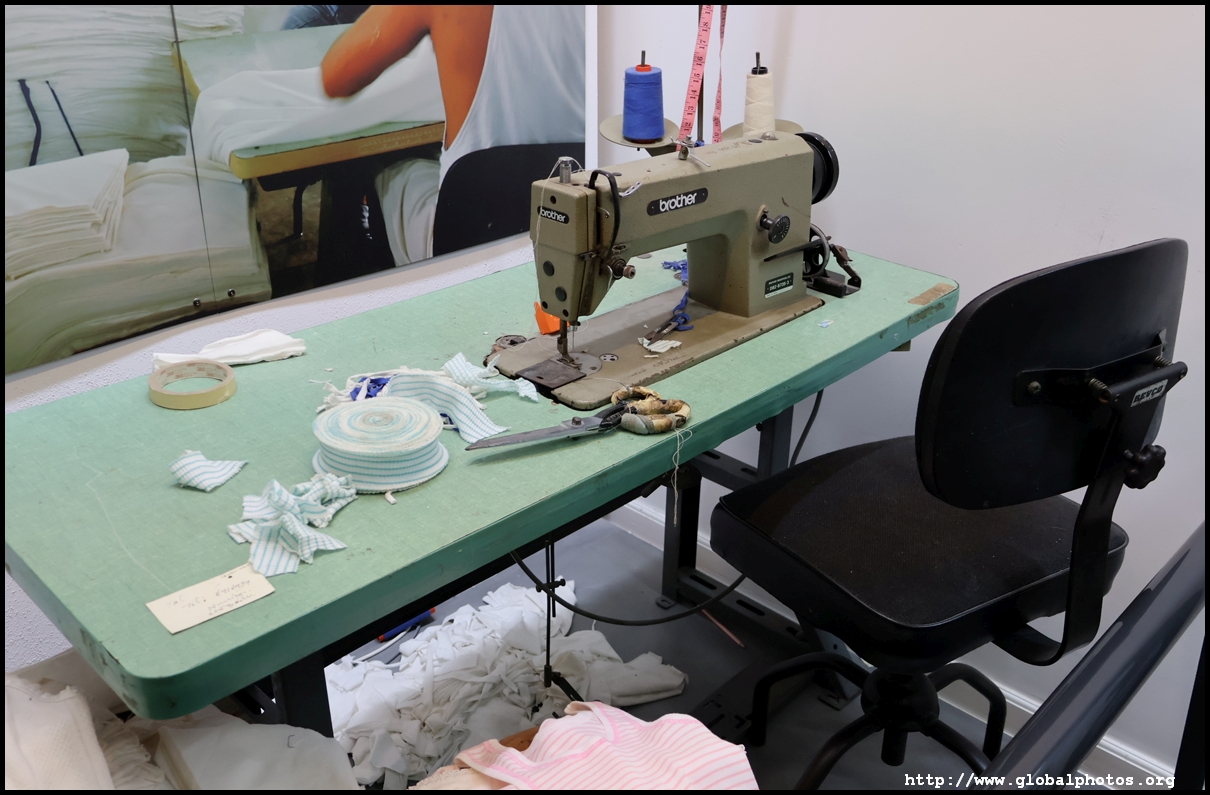
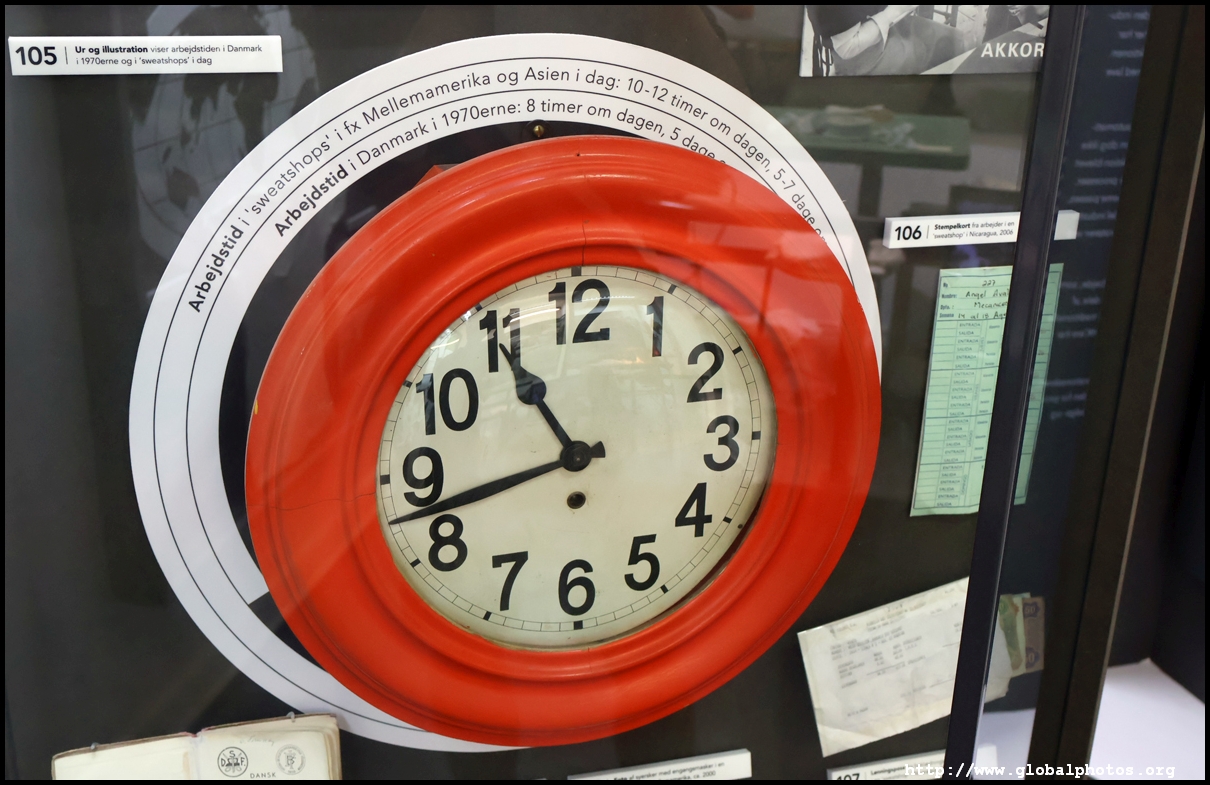
Copenhagen has a lot of museums for a city of its size and the Copenhagen Card is a good way to explore a bunch of them without breaking the bank.The Workers Museum outlines the plight of the average worker in the 1930s, 50s, and 80s. Conditions were not always good and activism arose. It sits in a historic building - the Workers' Assembly Hall was constructed in 1879. It accommodated several labour union offices, meeting rooms, and a banquet hall. Let's start with walking through a re-built shopping street from the 1950s. After World War II, the working class still had to contend with ration coupons and shortages. TVs, tape recorders, and gramophones were not initially affordable, with ordinary folks renting them instead.
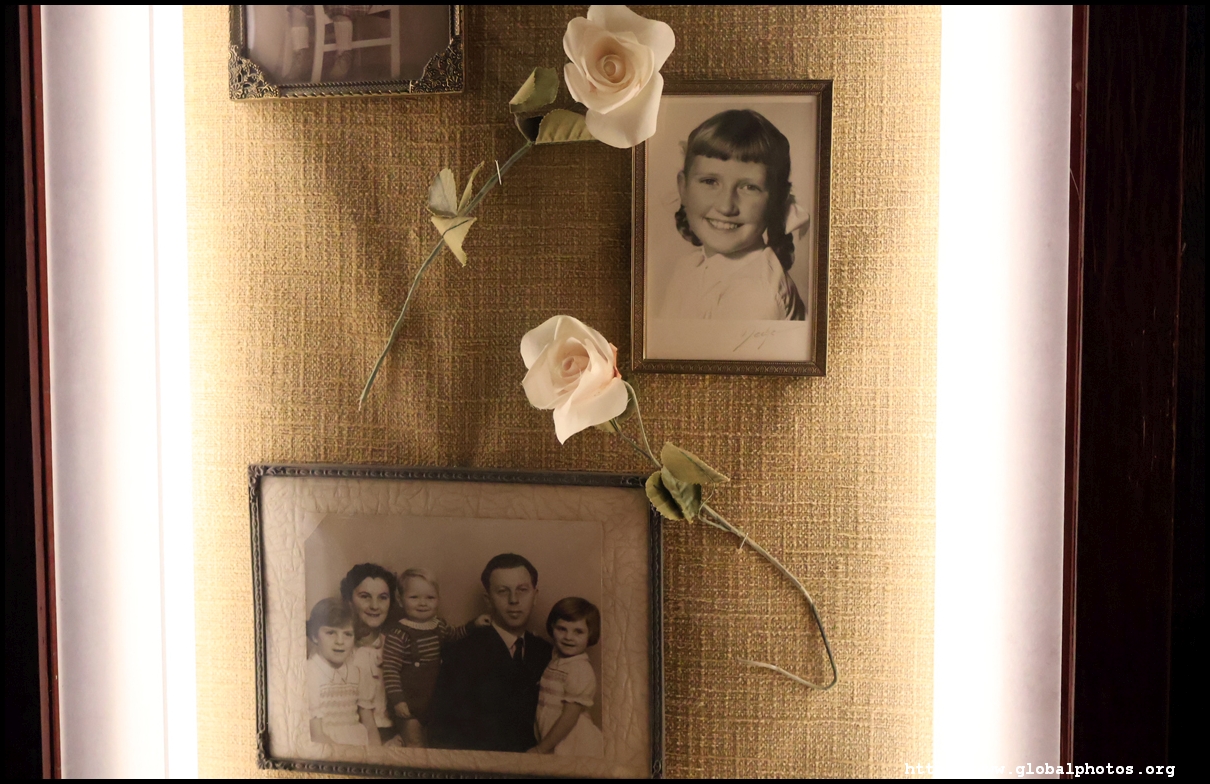
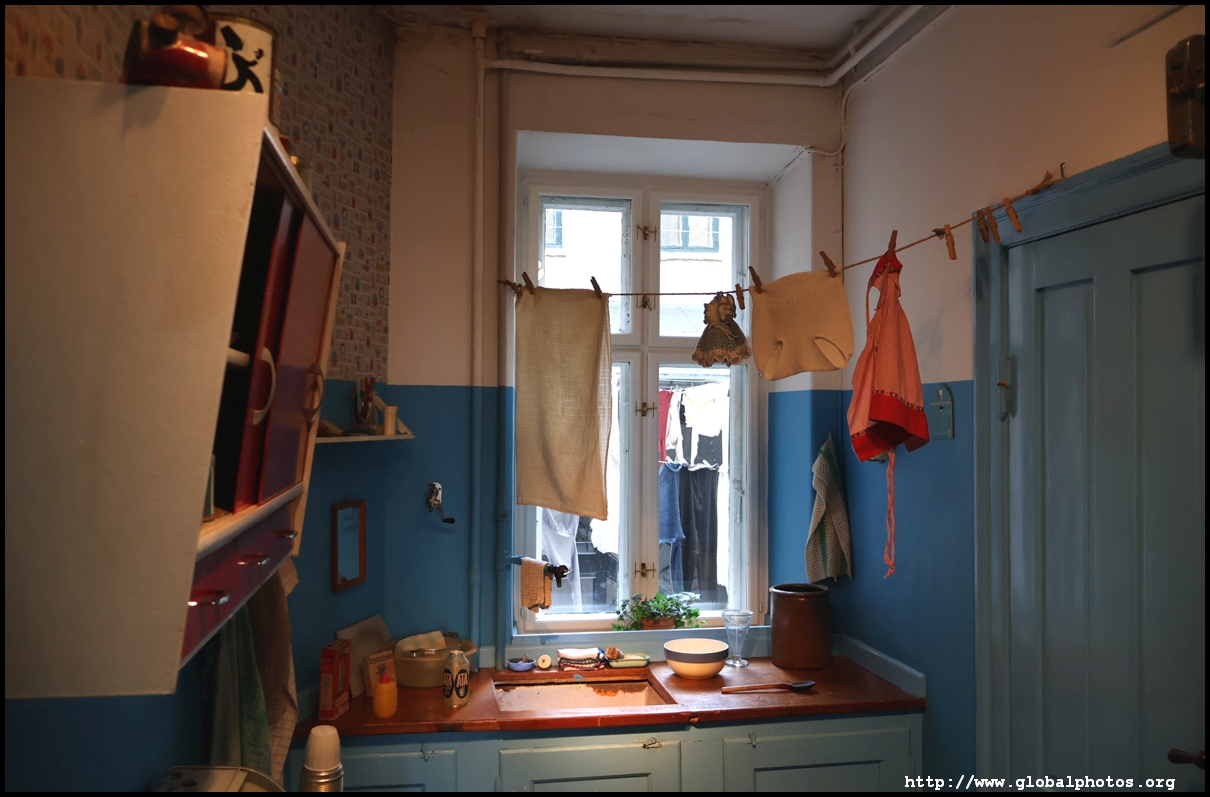
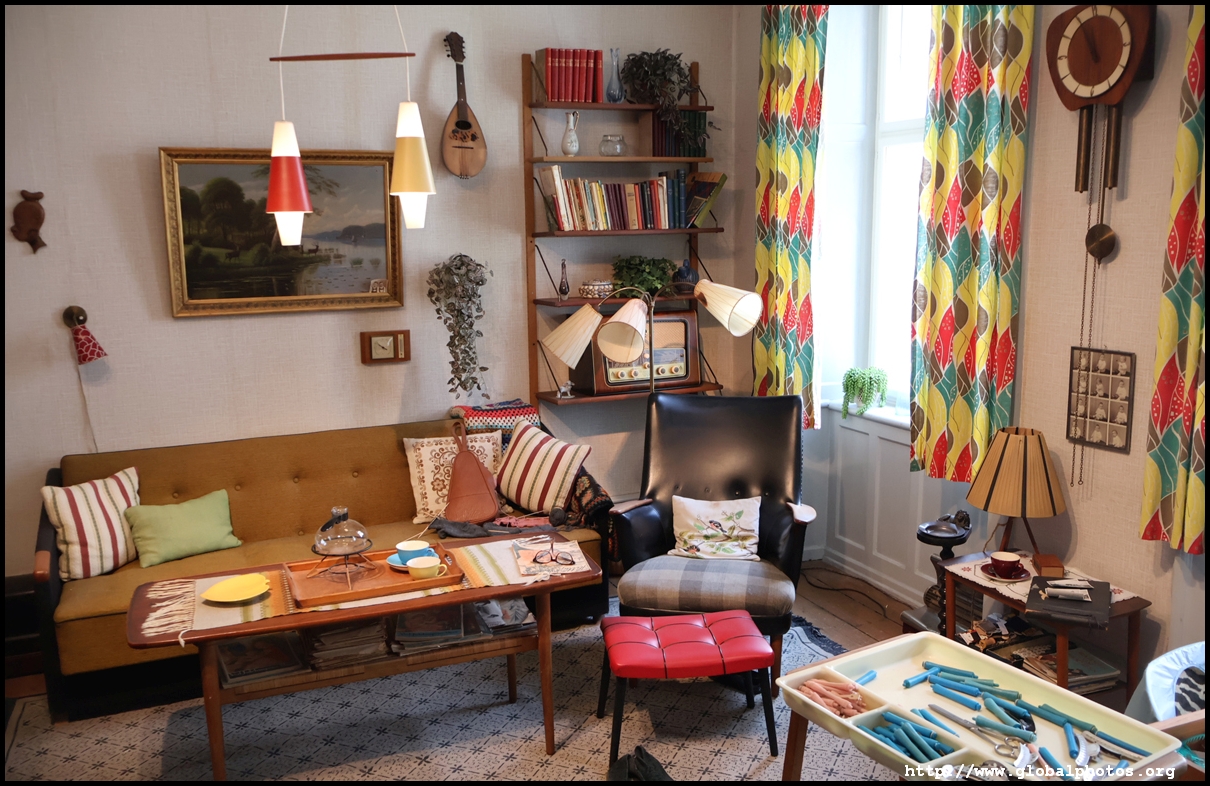
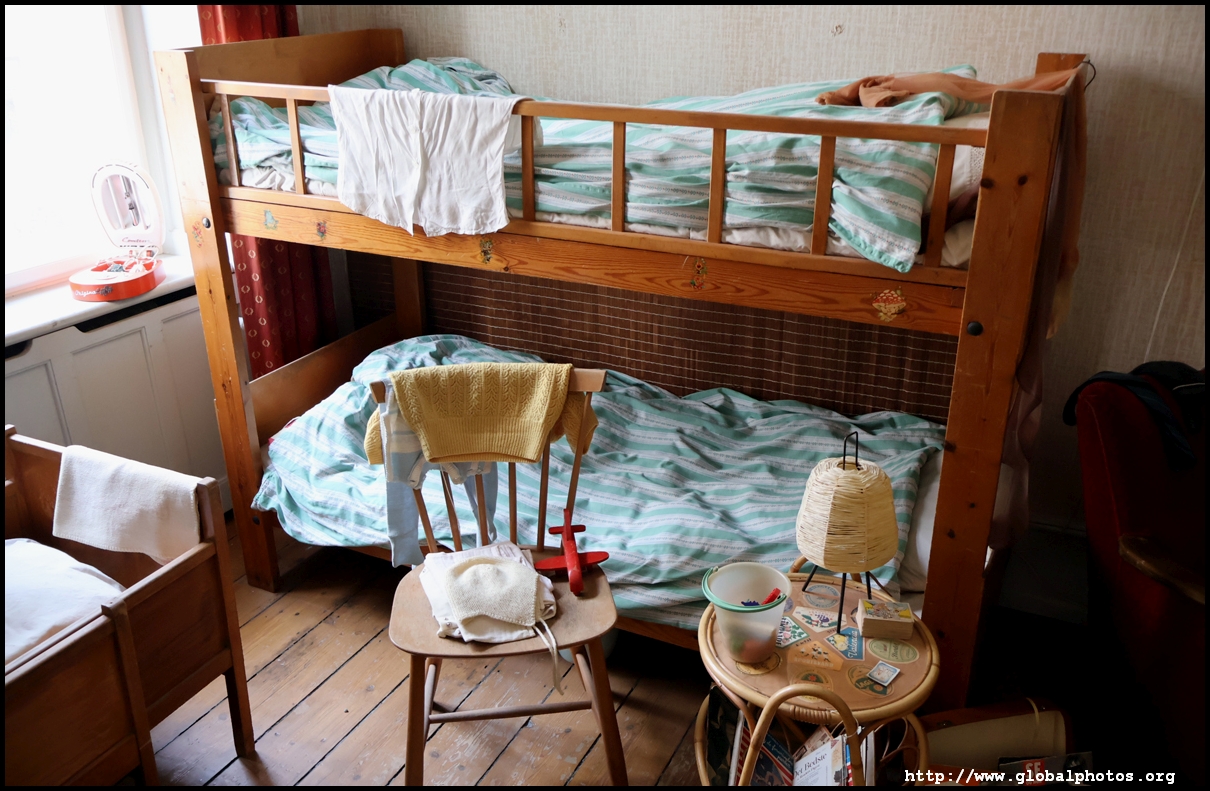
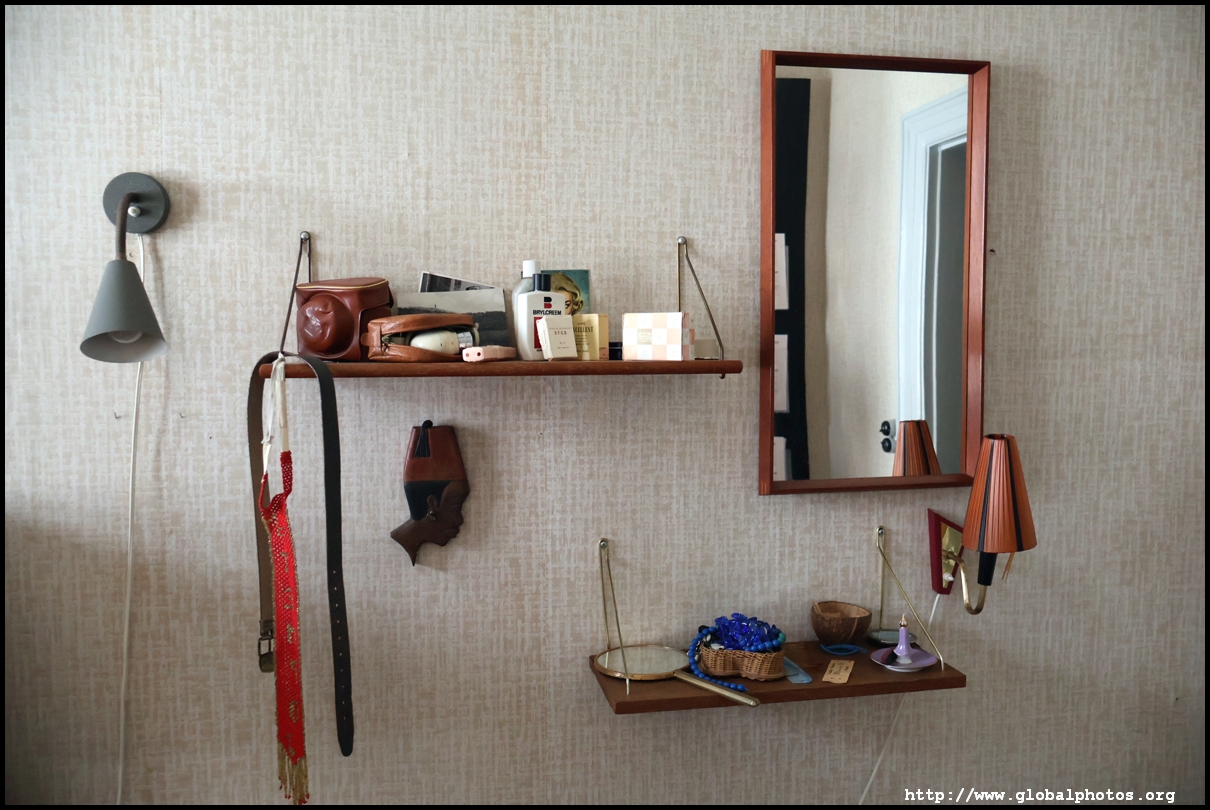
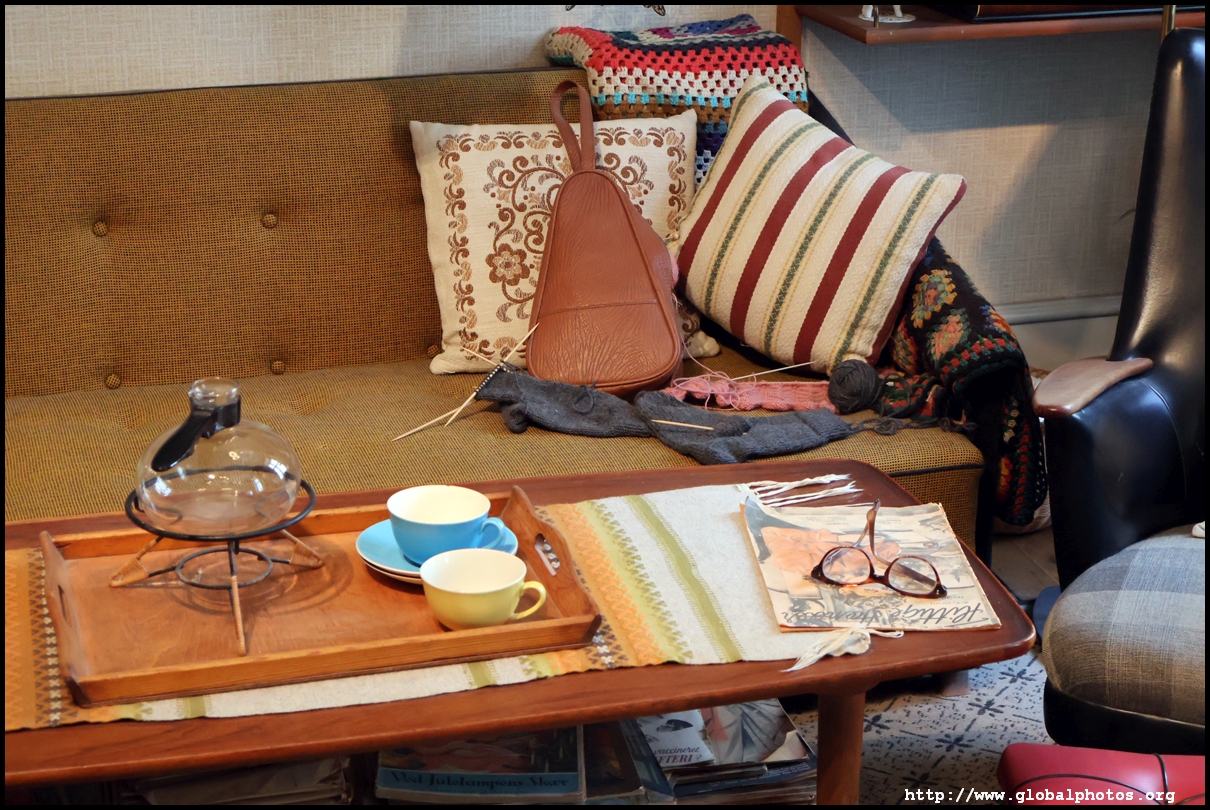
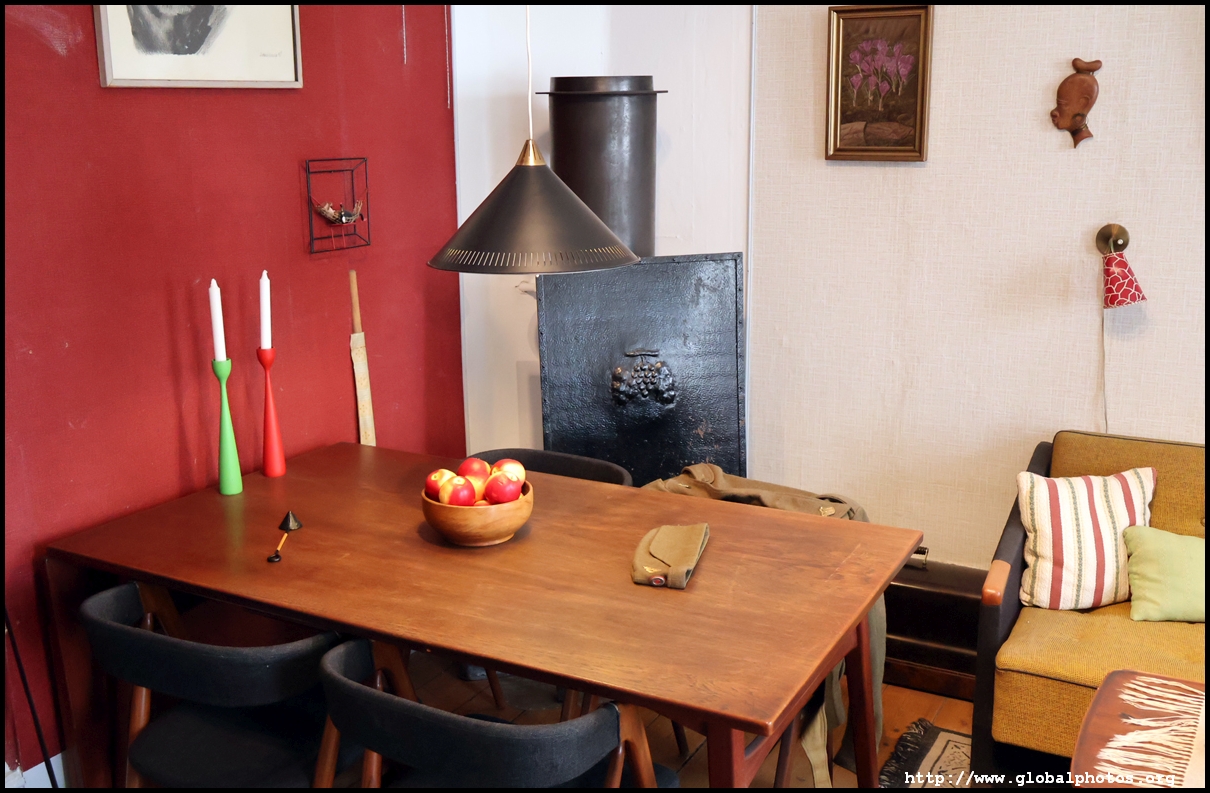
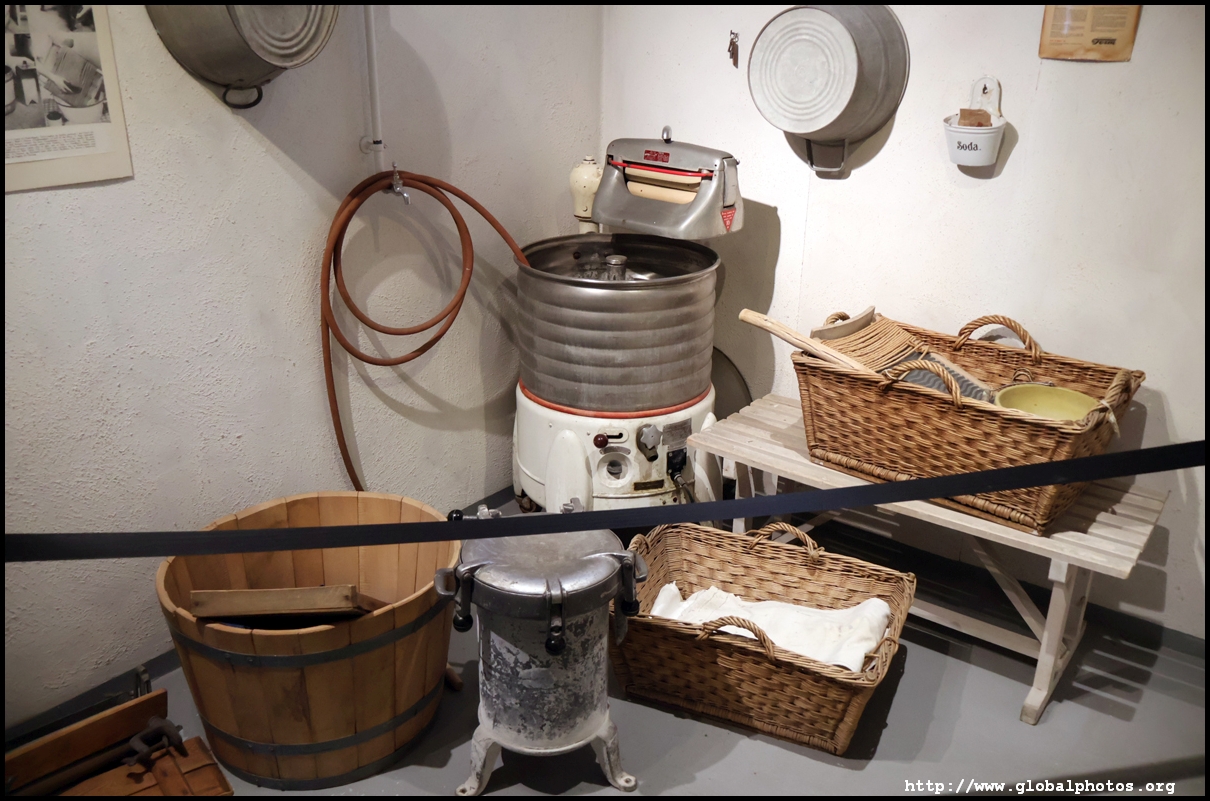
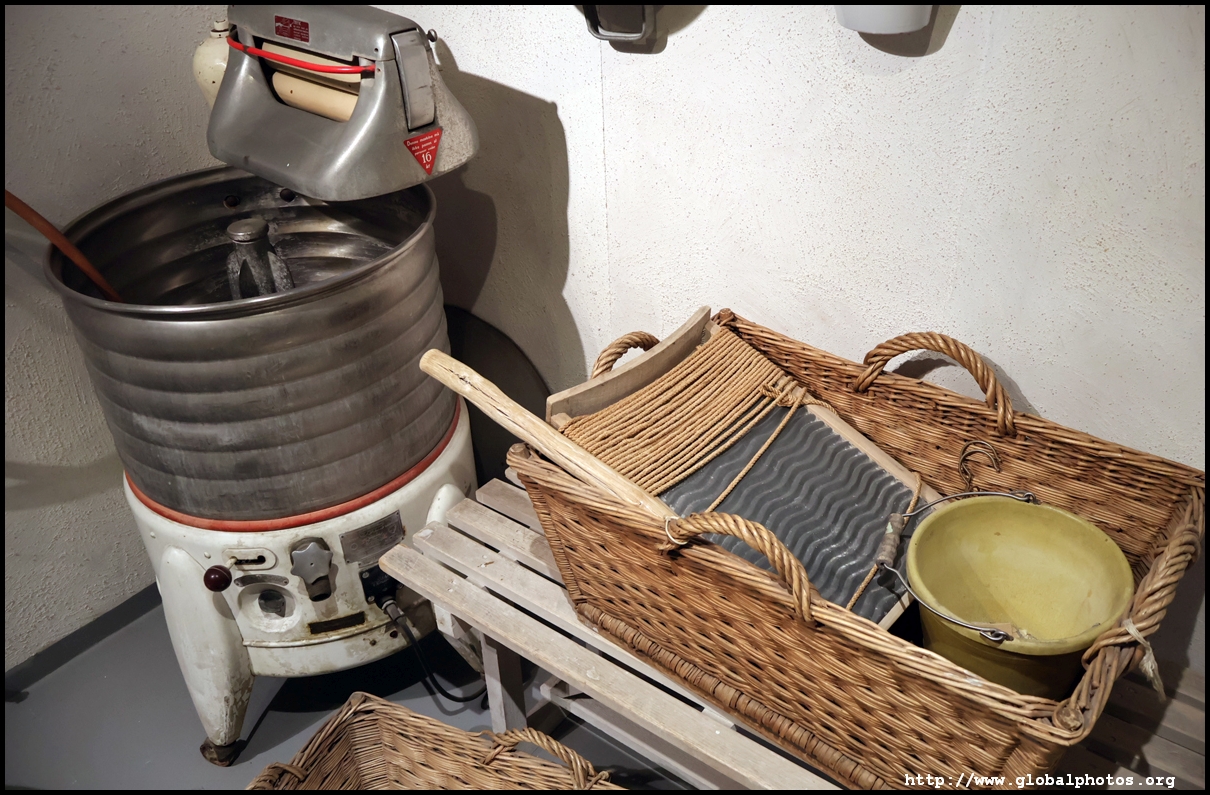
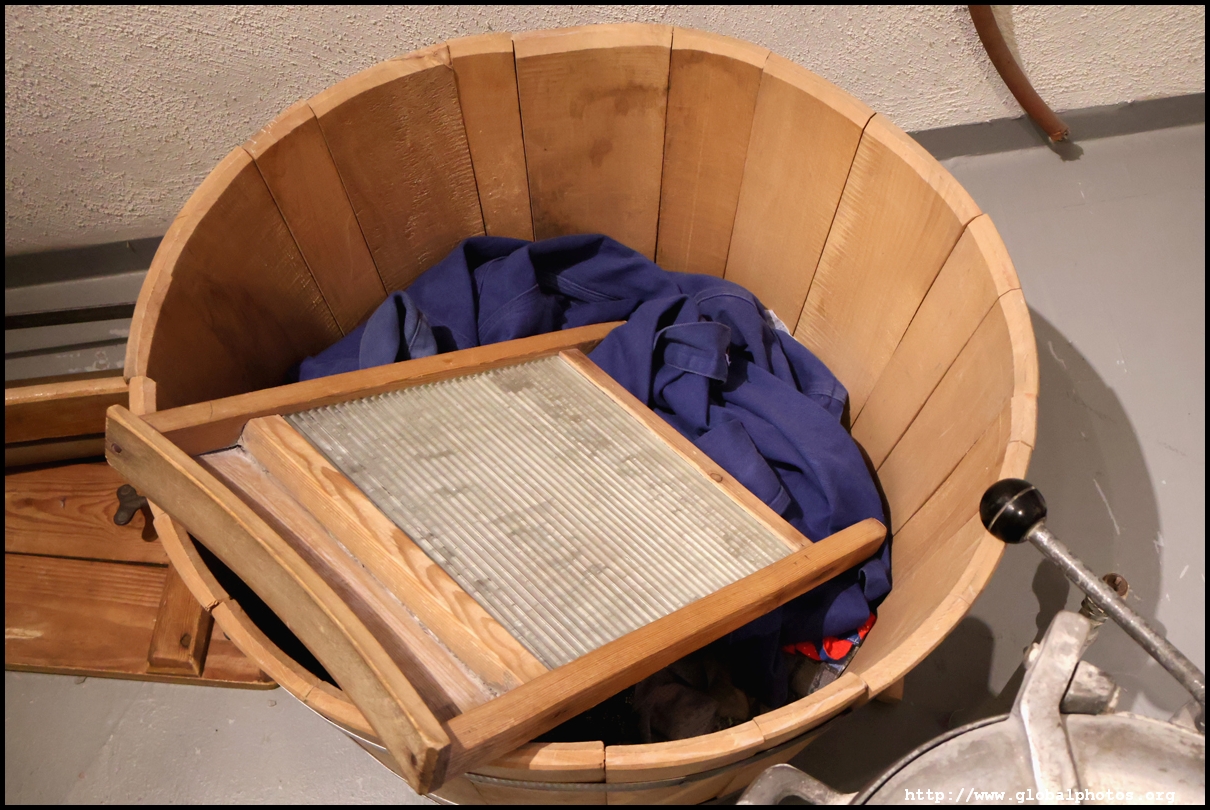
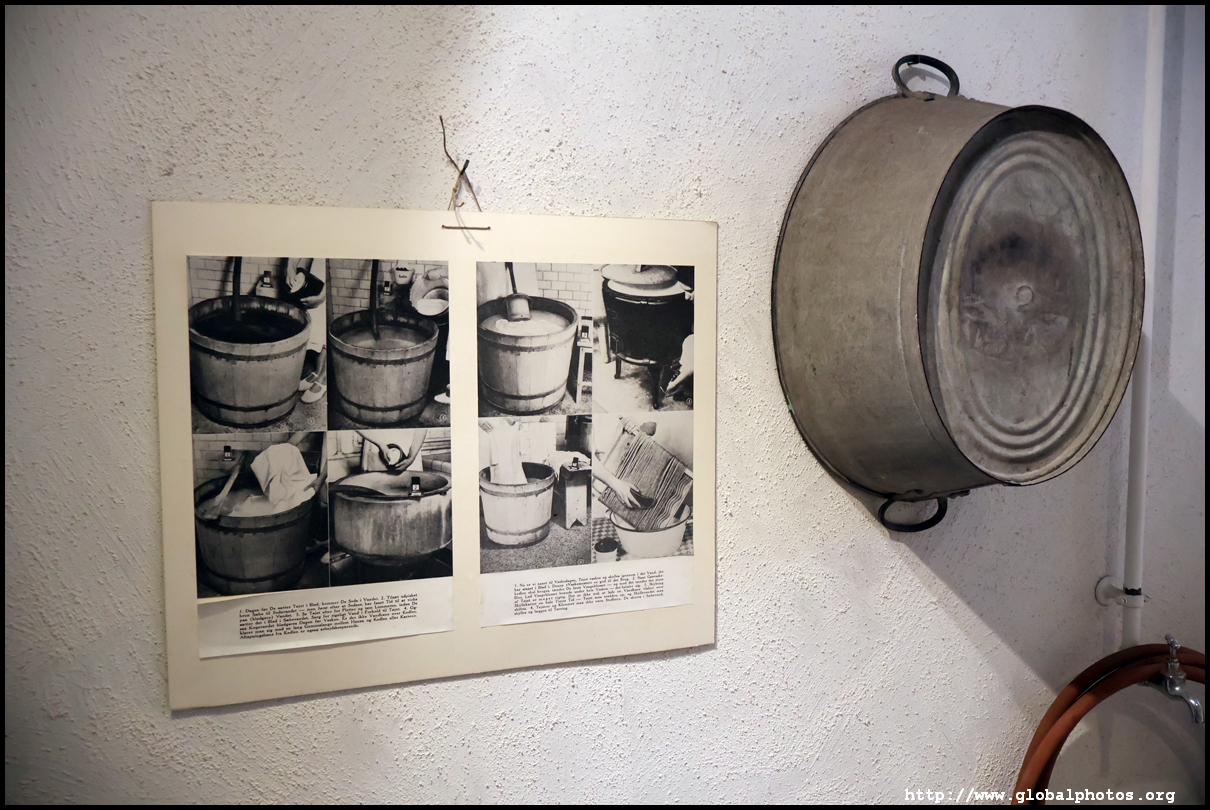
Then step into the home of a working class family from the 1950s. They had to share a toilet and laundry room with others.
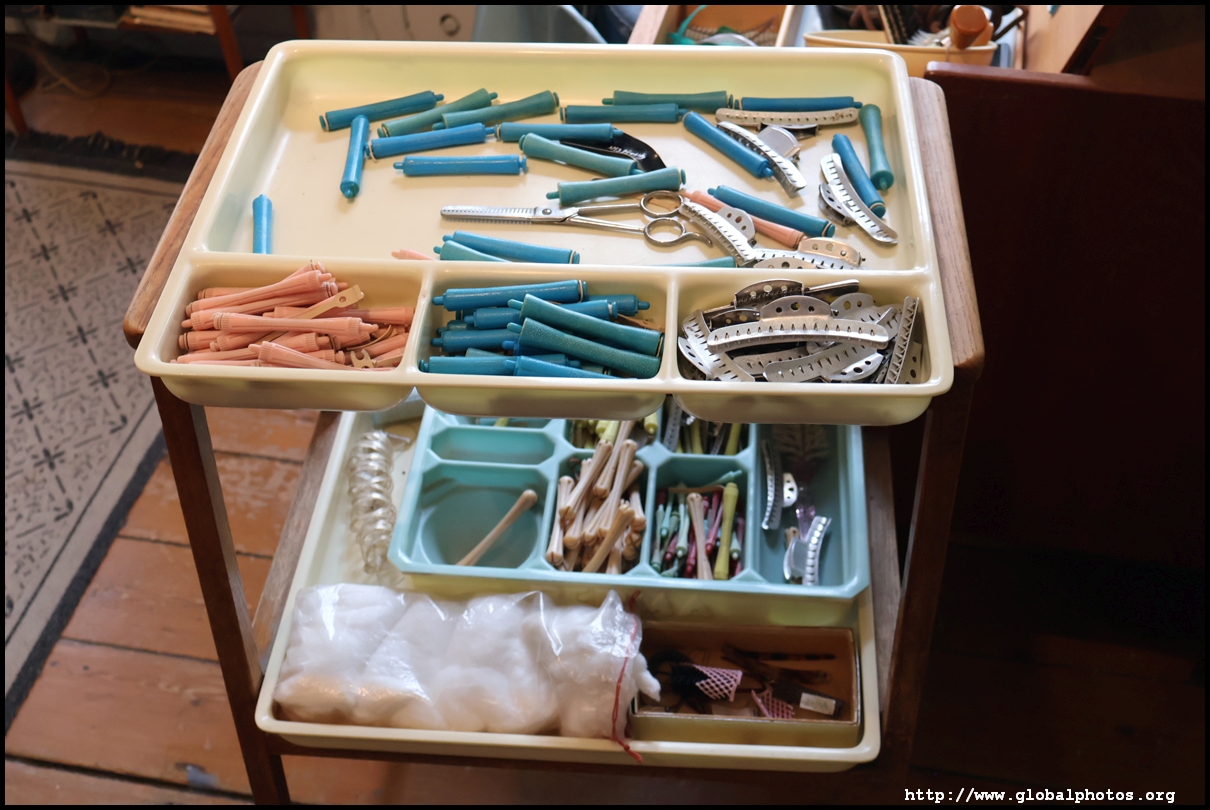
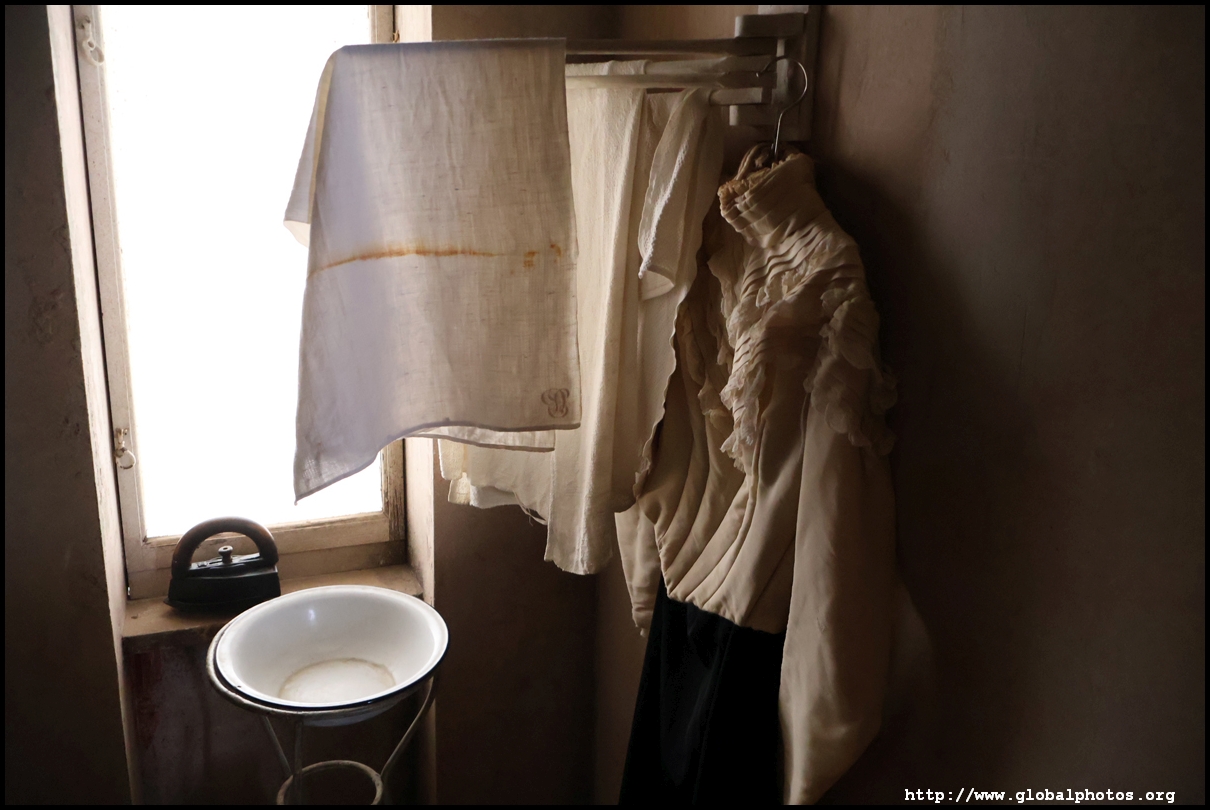
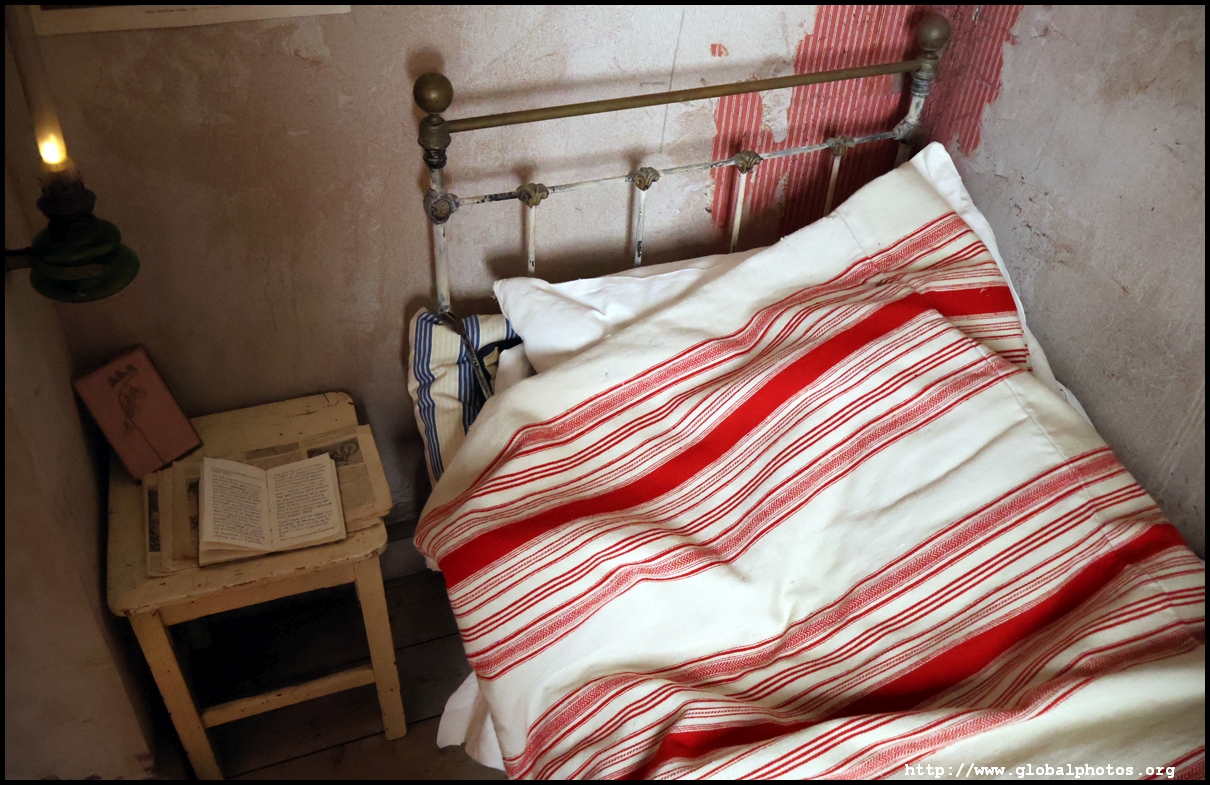
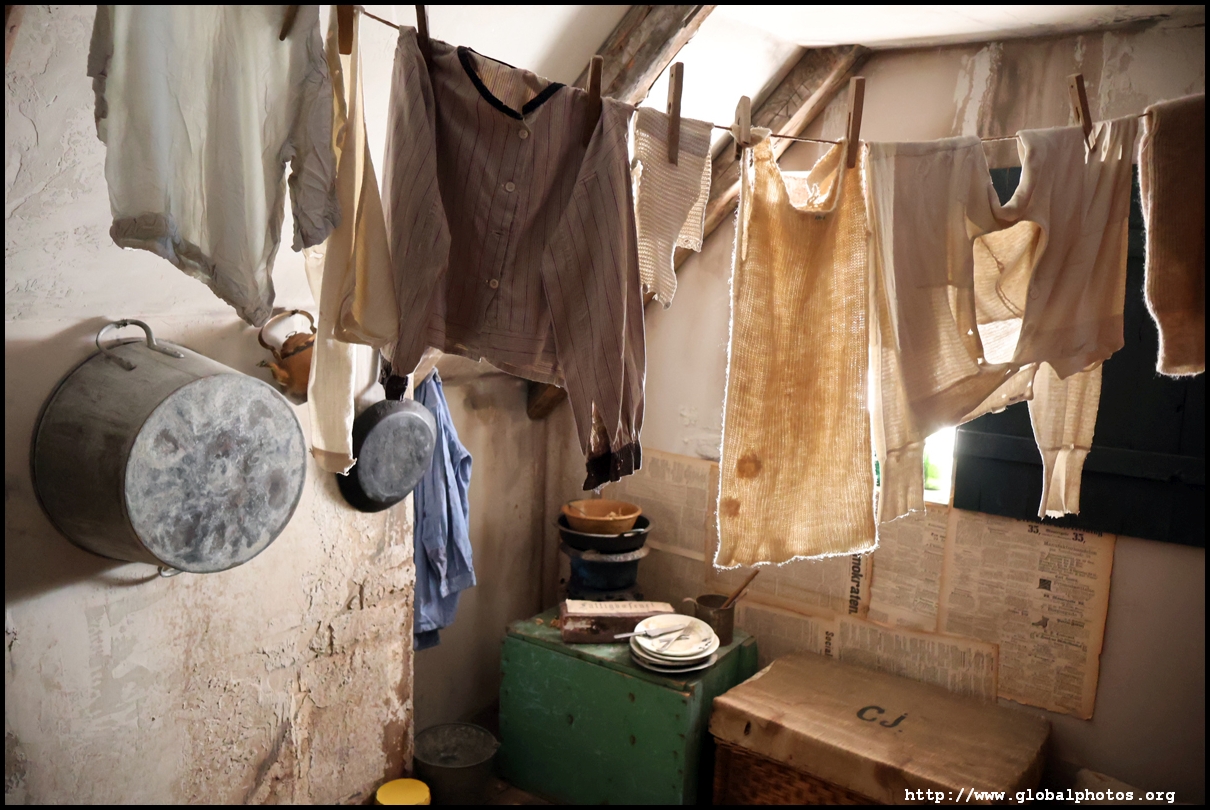
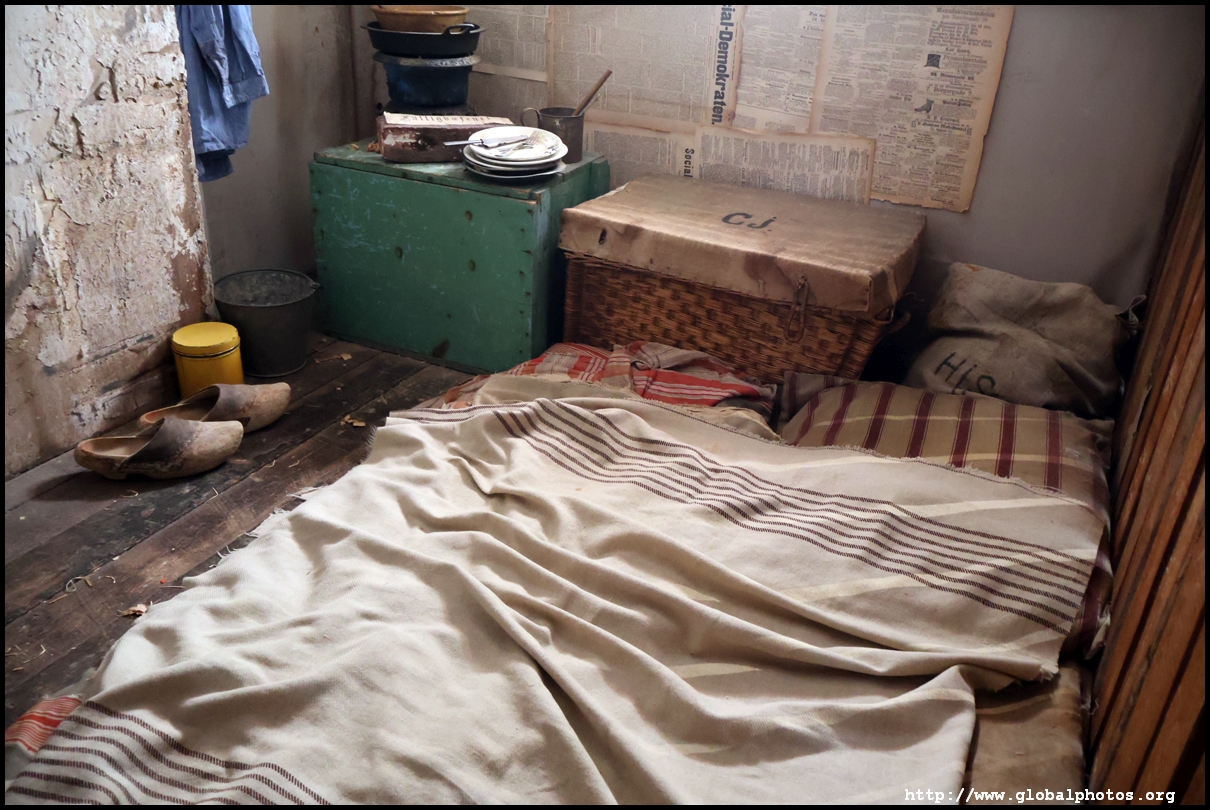
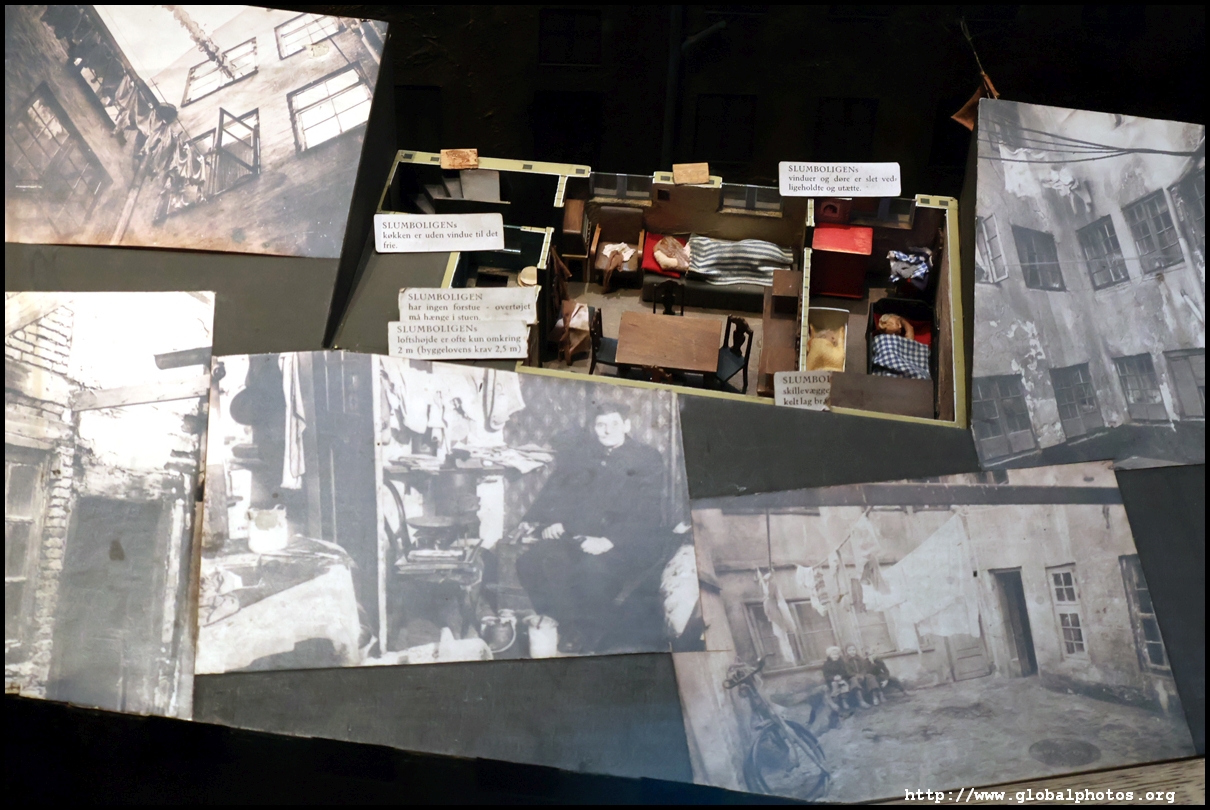
They also set up a few rooms that re-create the difficult life of a poor worker.
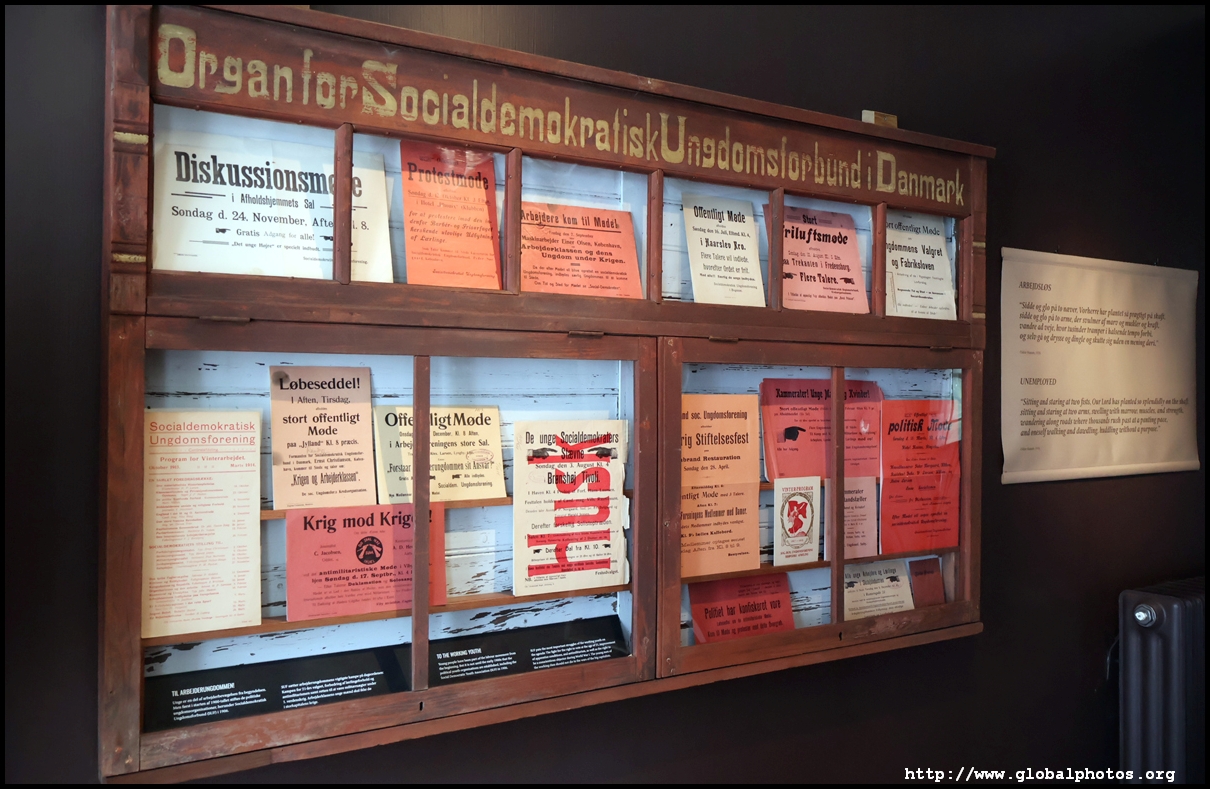
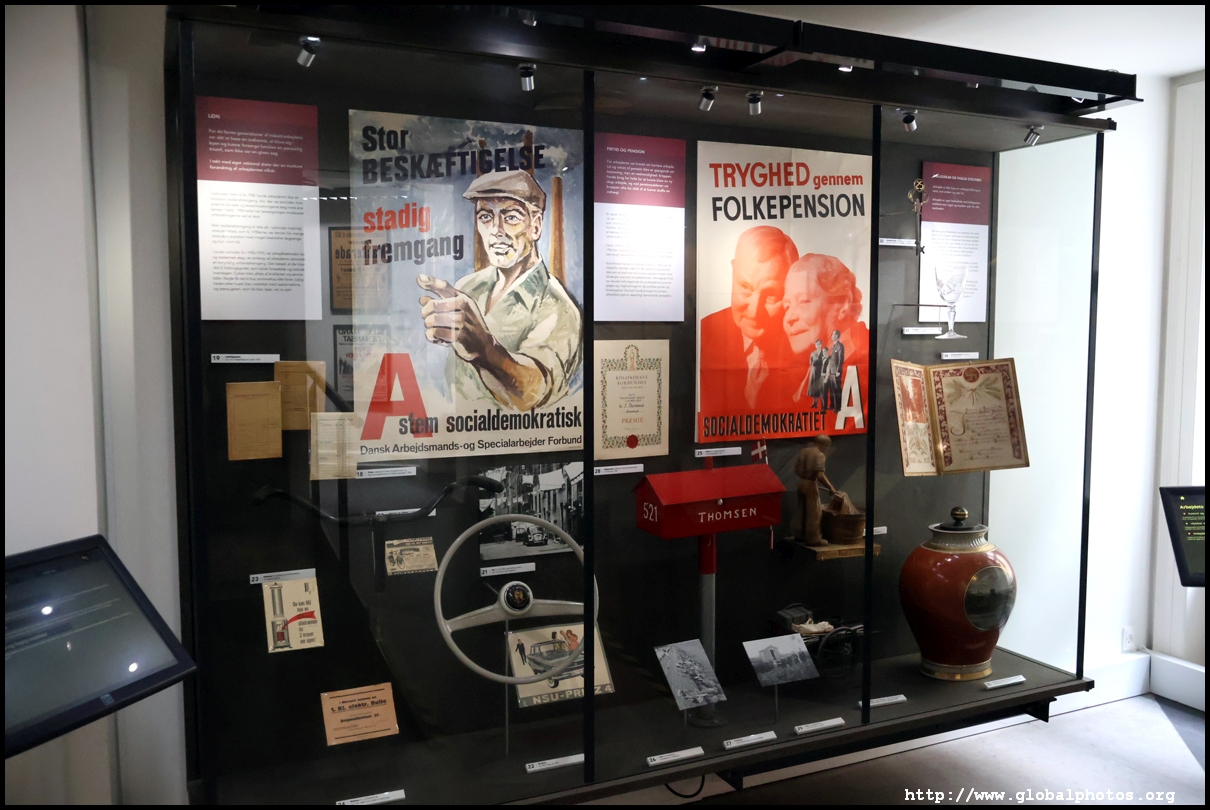
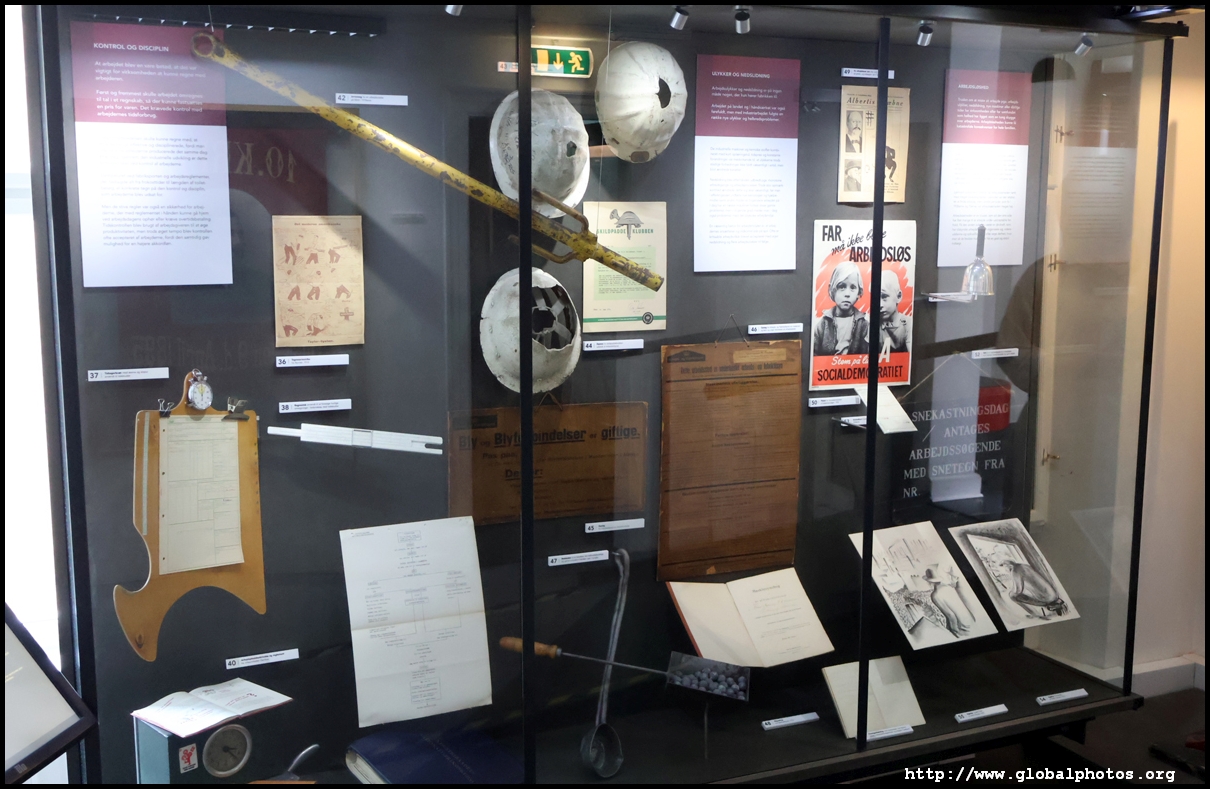
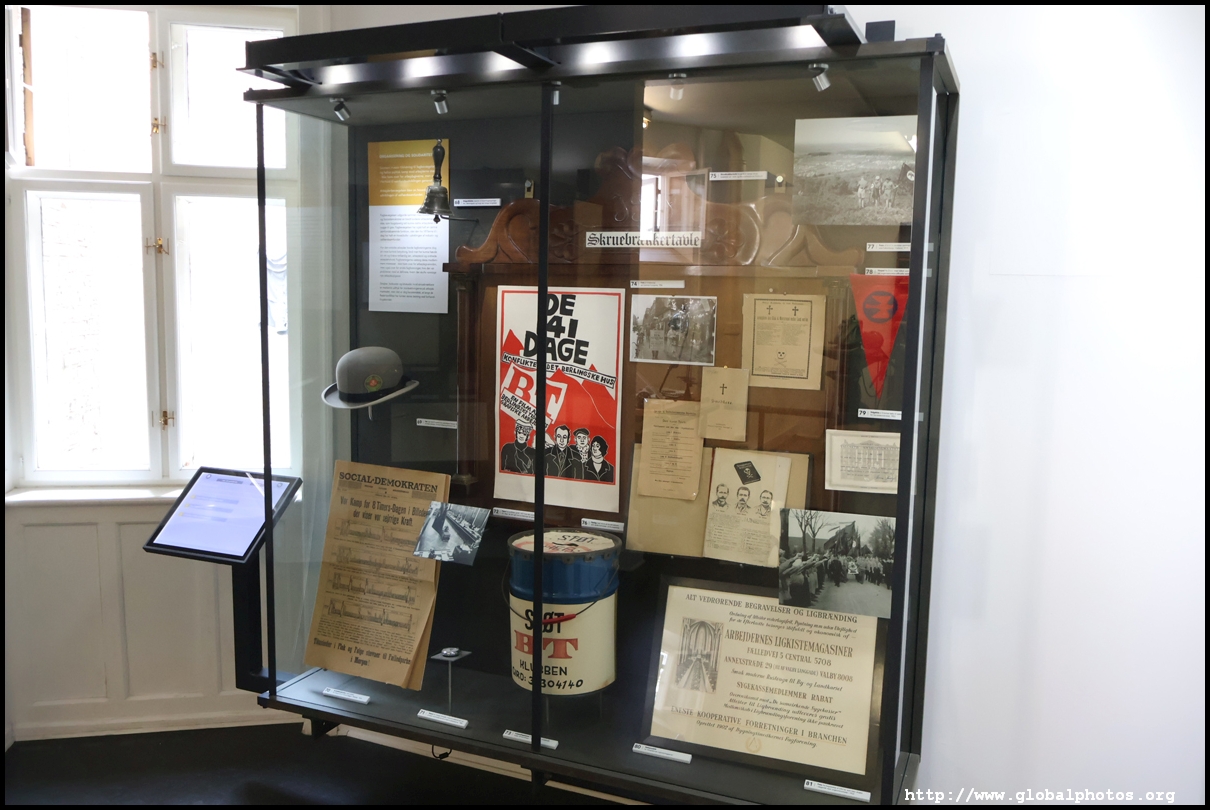
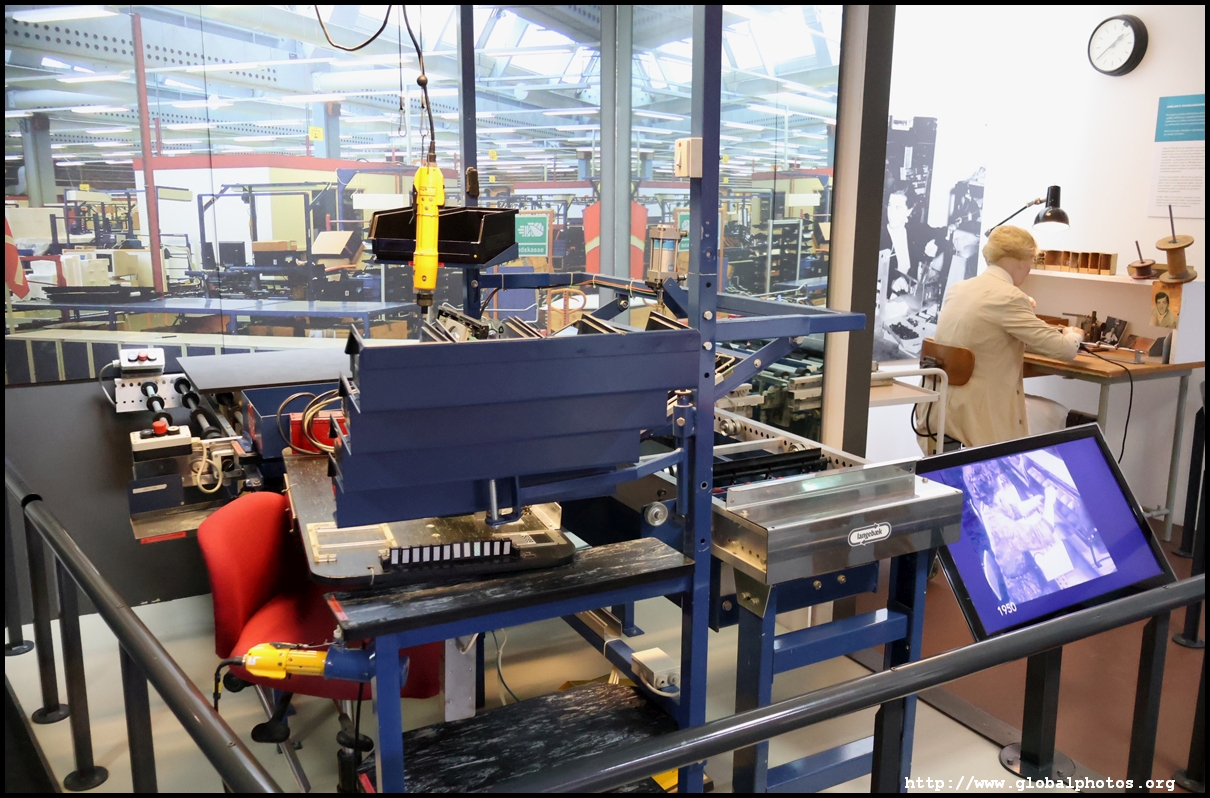
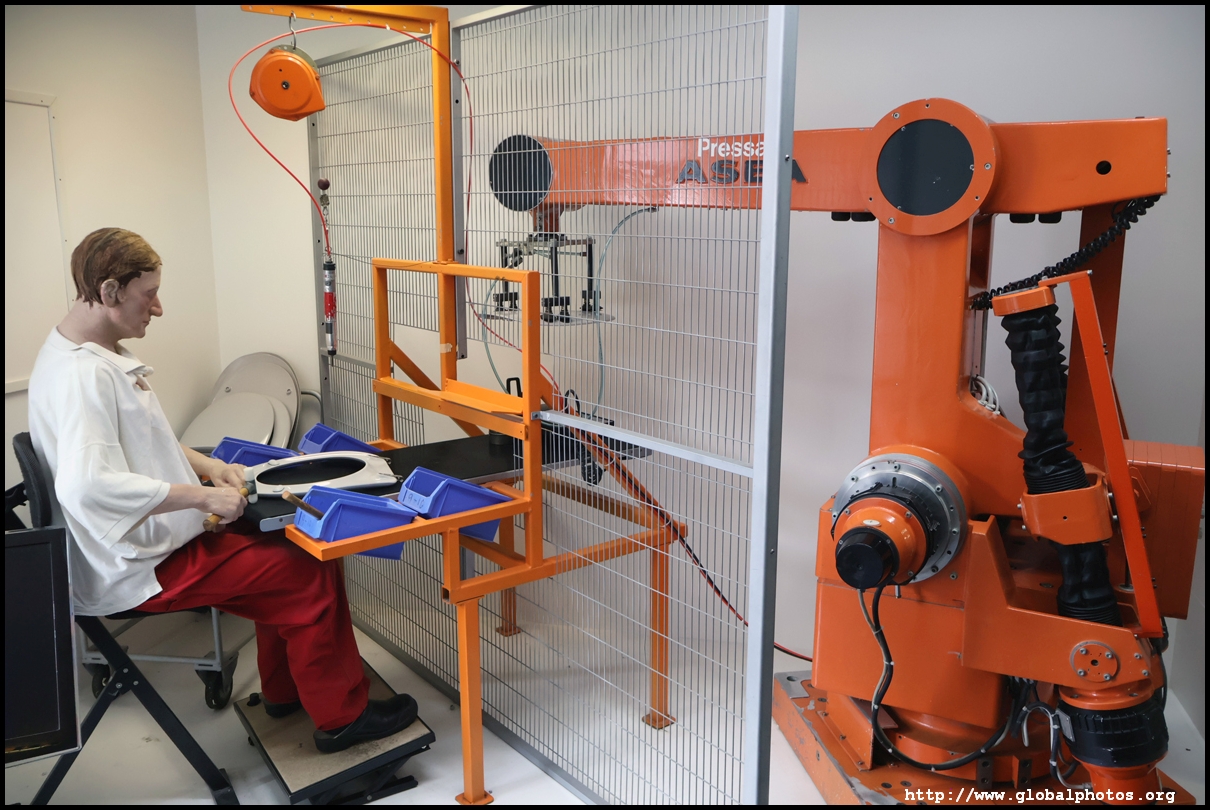
Continuing upstairs, I learned more about the labour movement and the evolution of the welfare system in the past 150 years. Some displays highlight automation and use of machinery have not significantly reduced employment numbers.
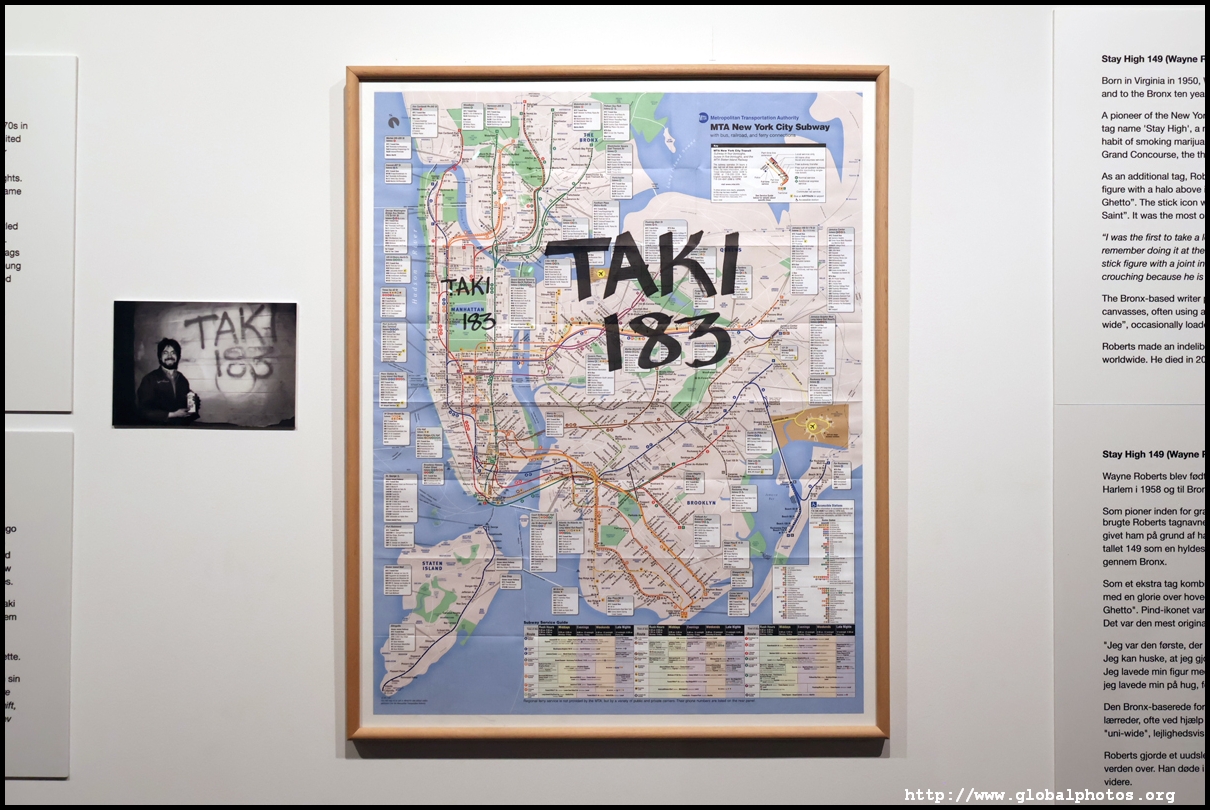
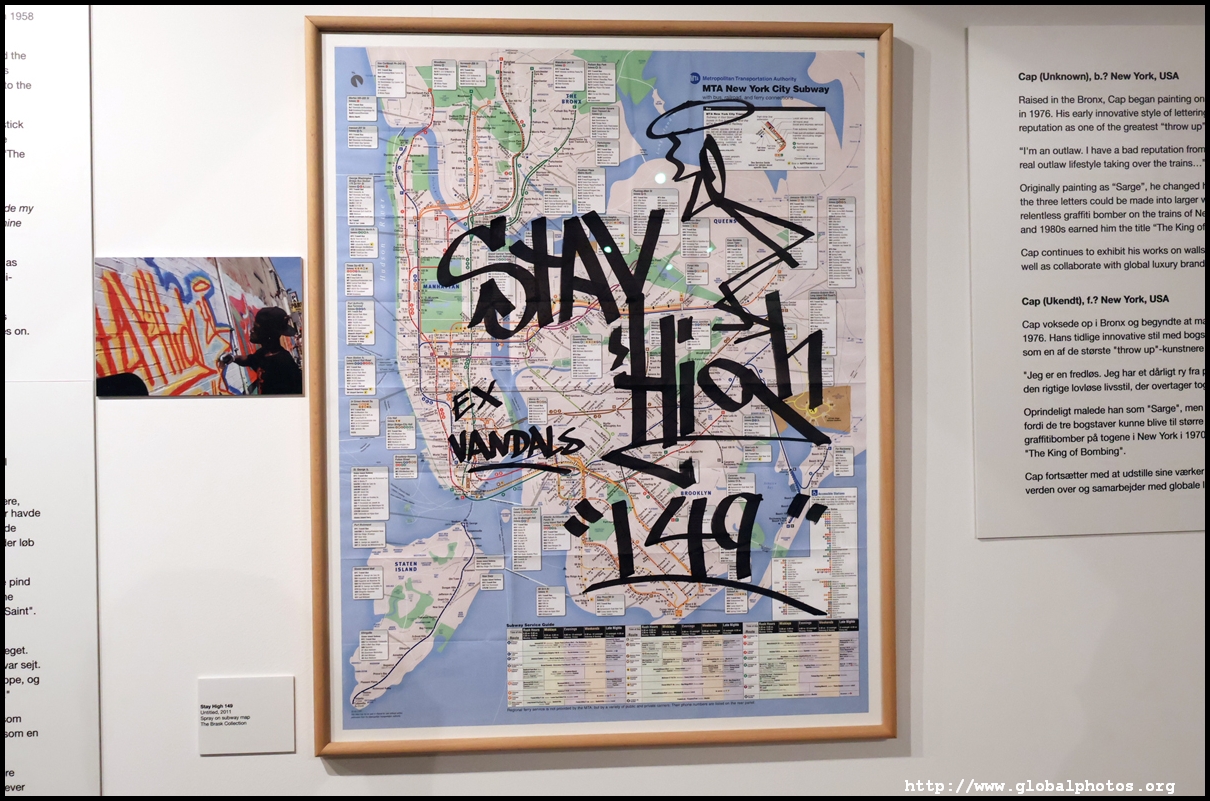
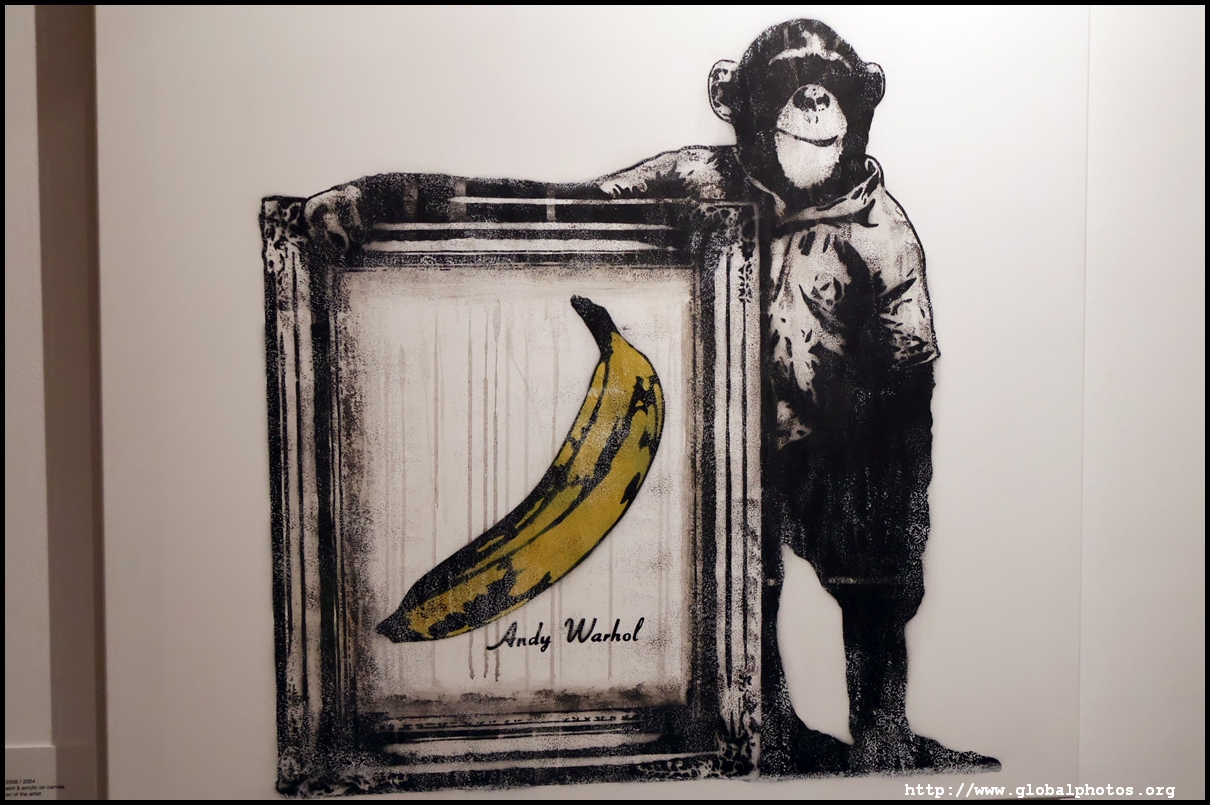
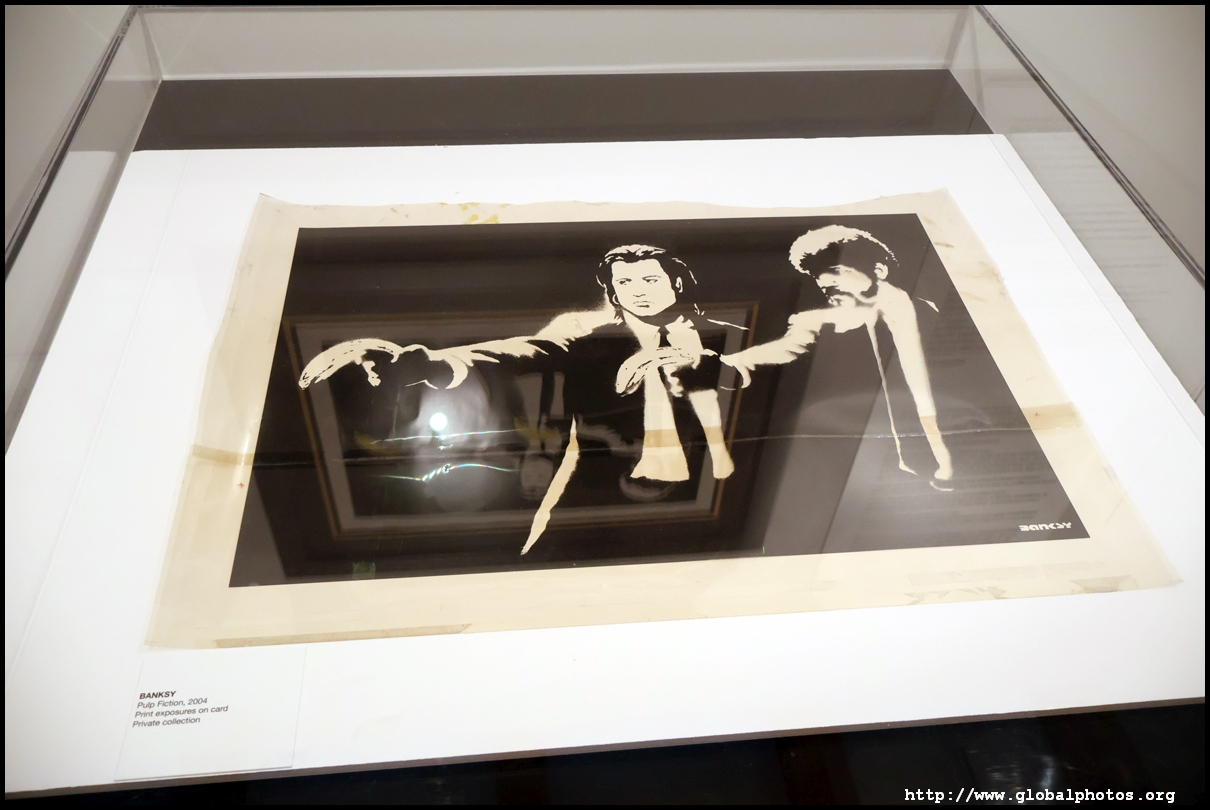
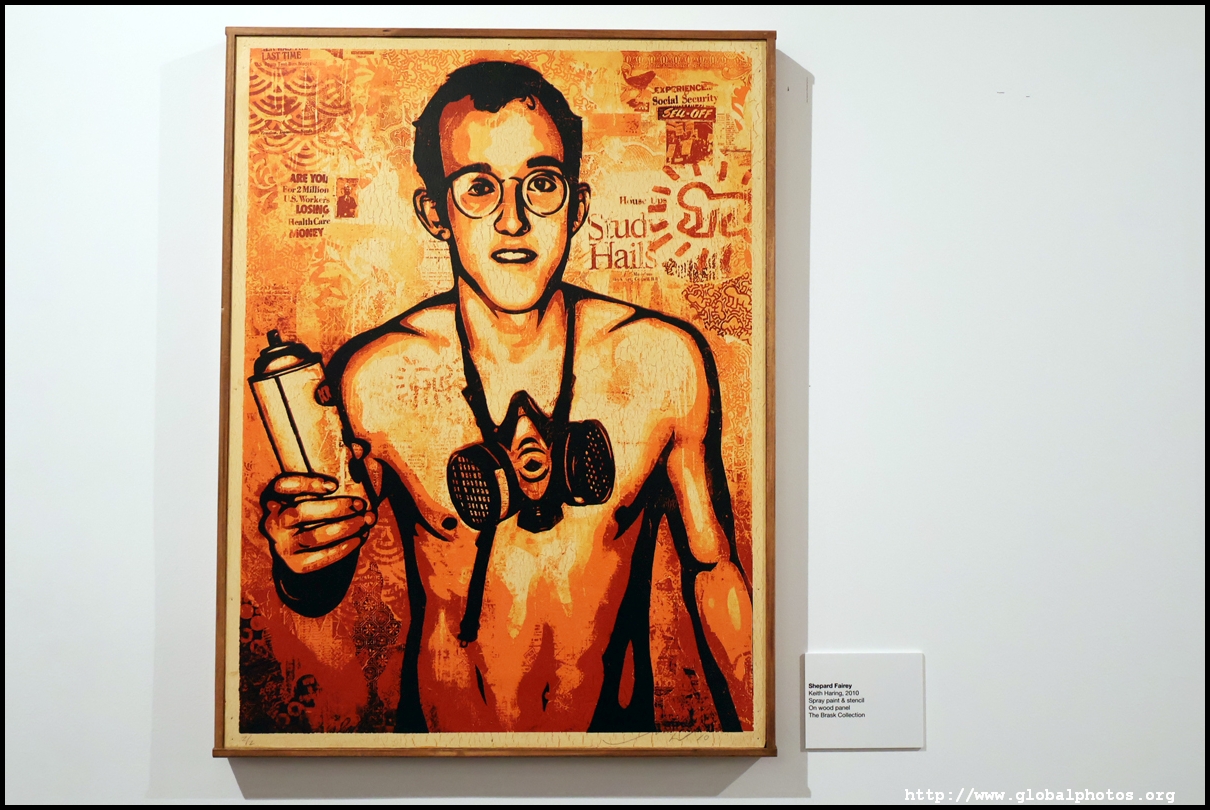
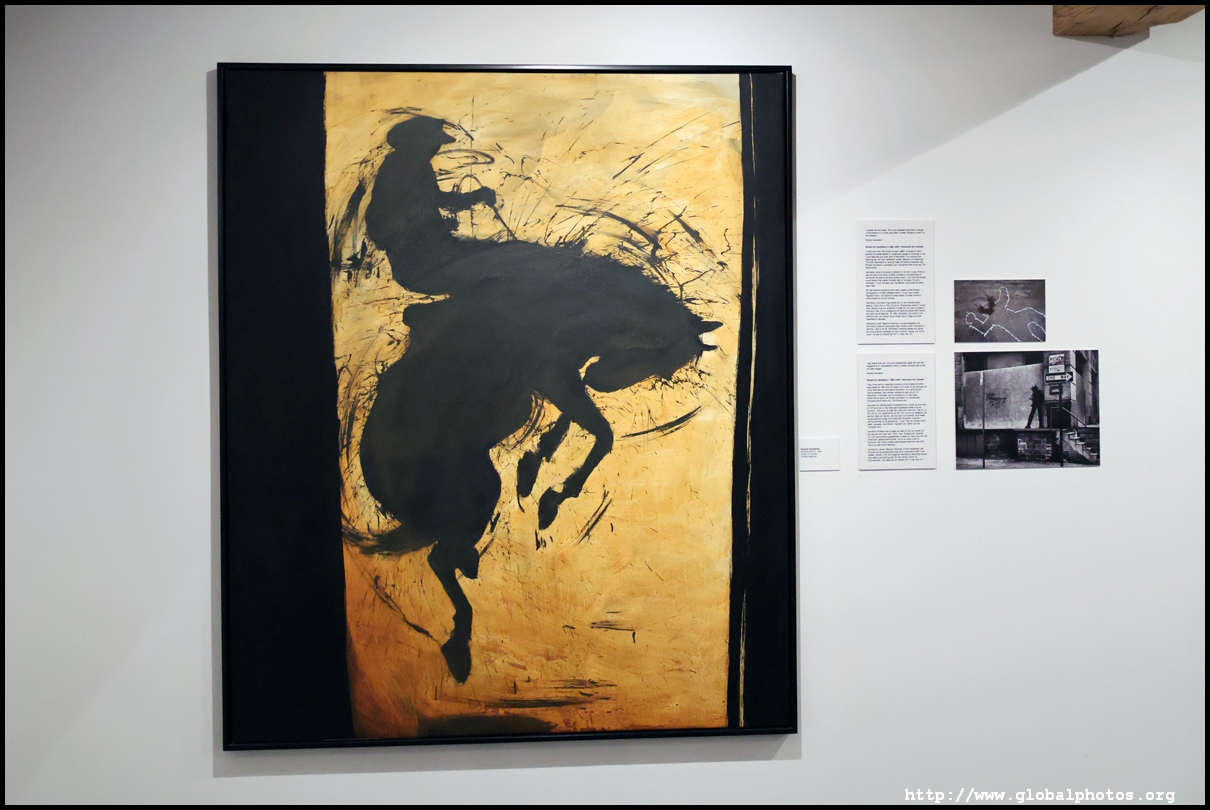
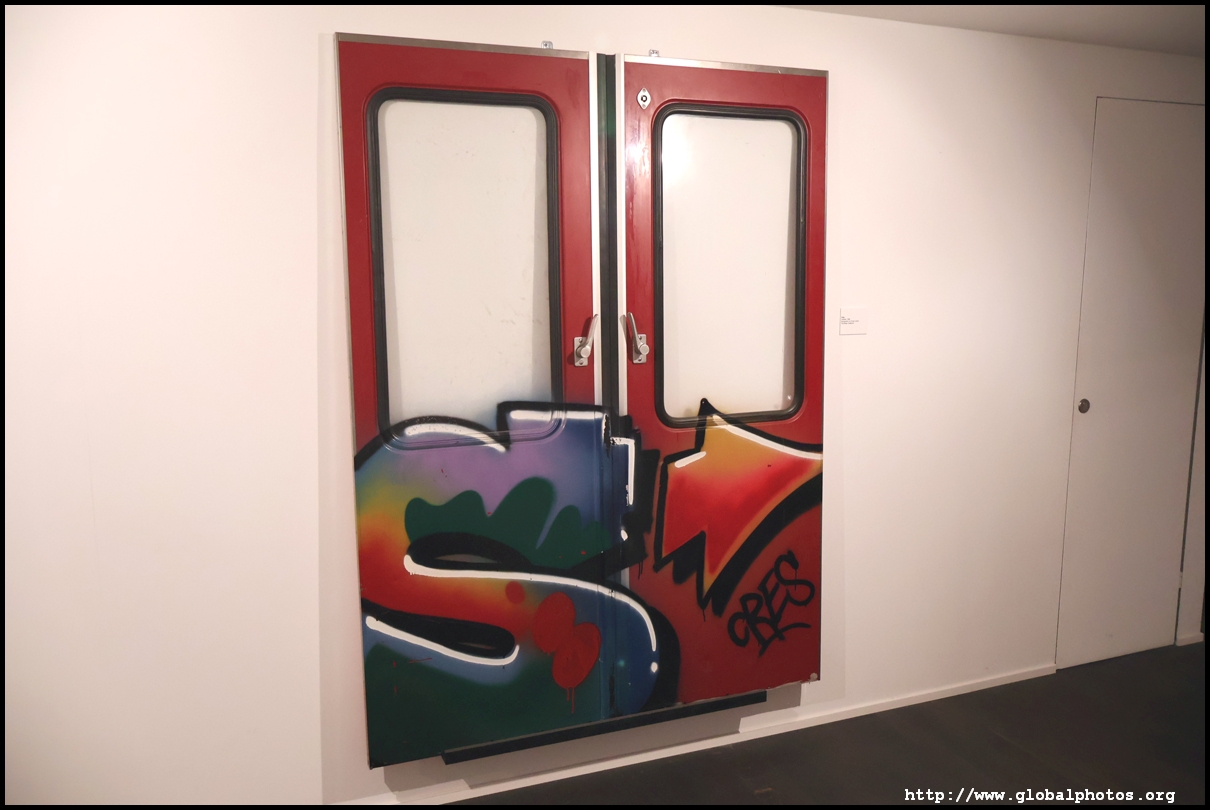
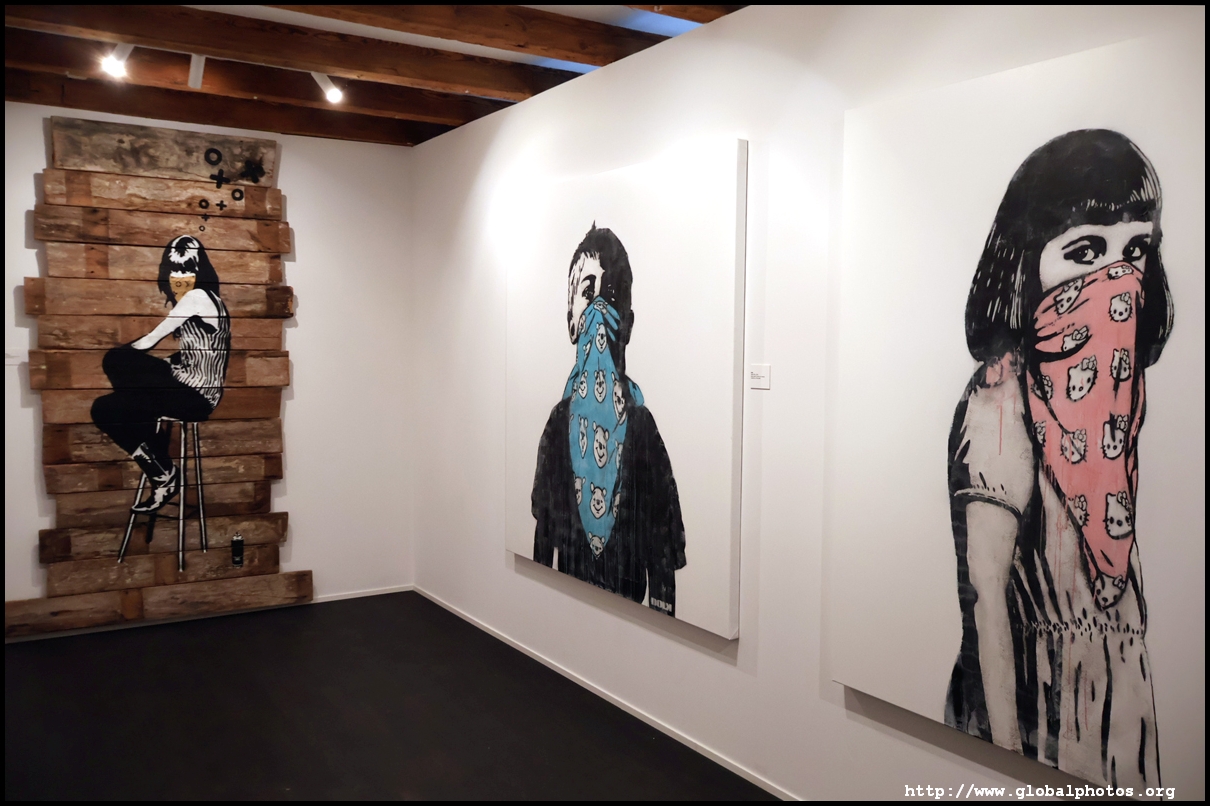
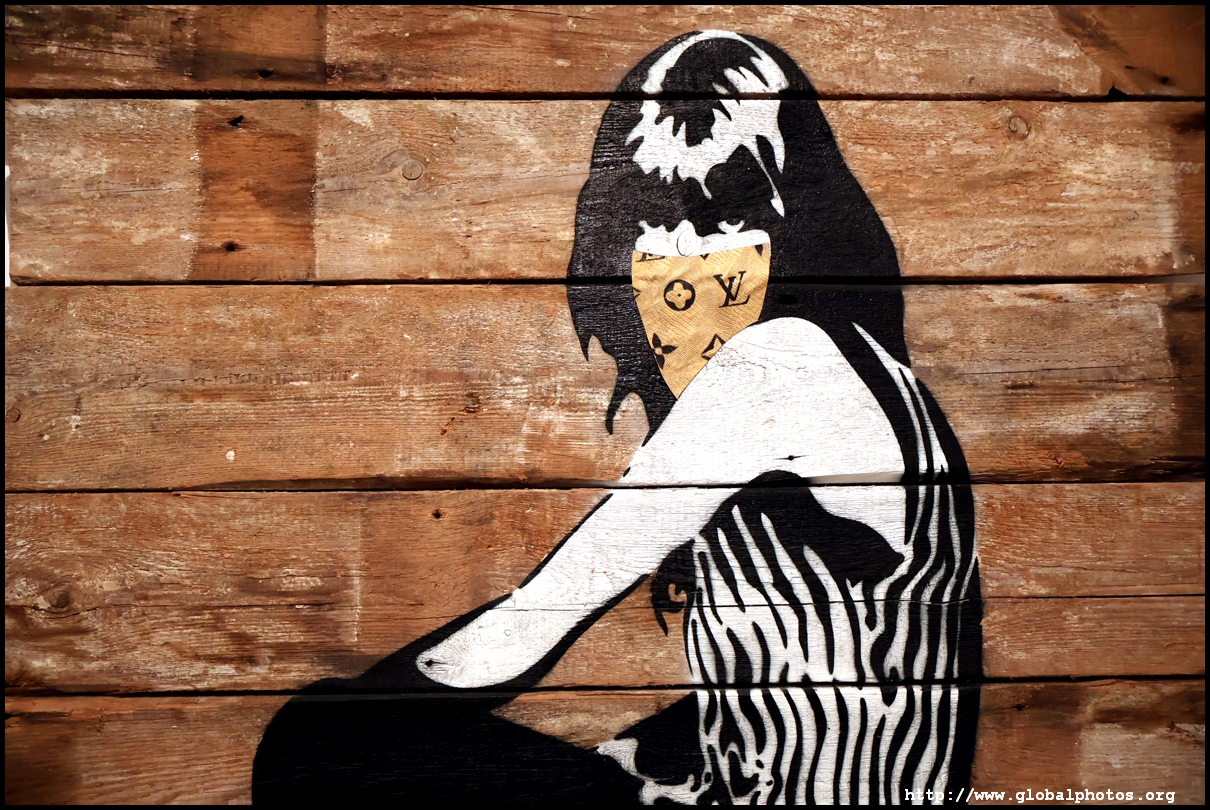
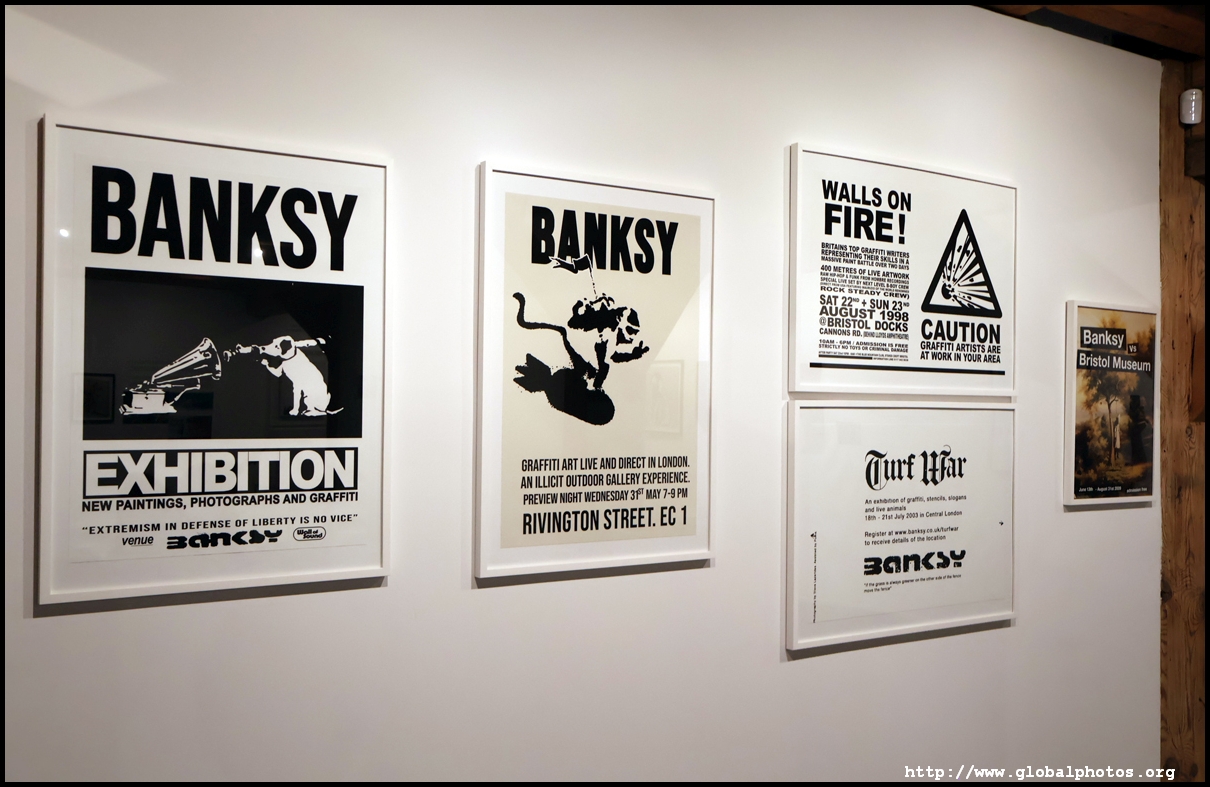
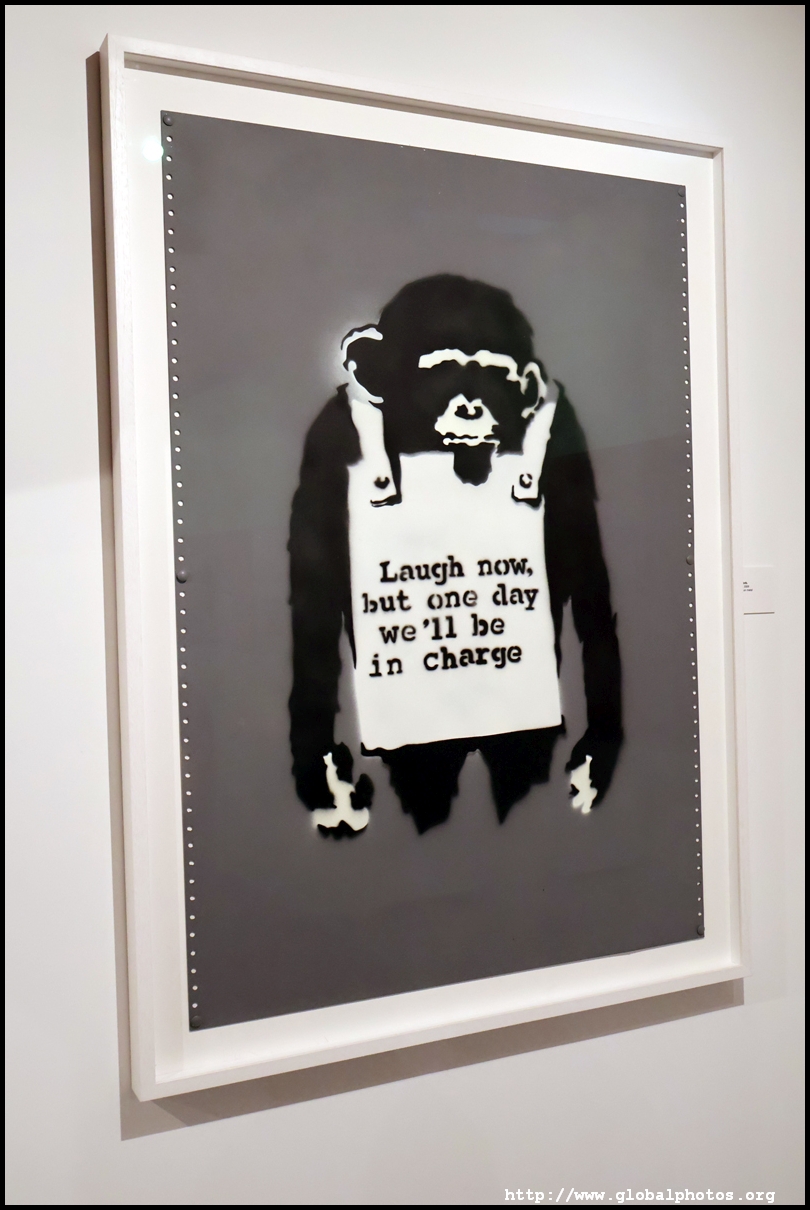
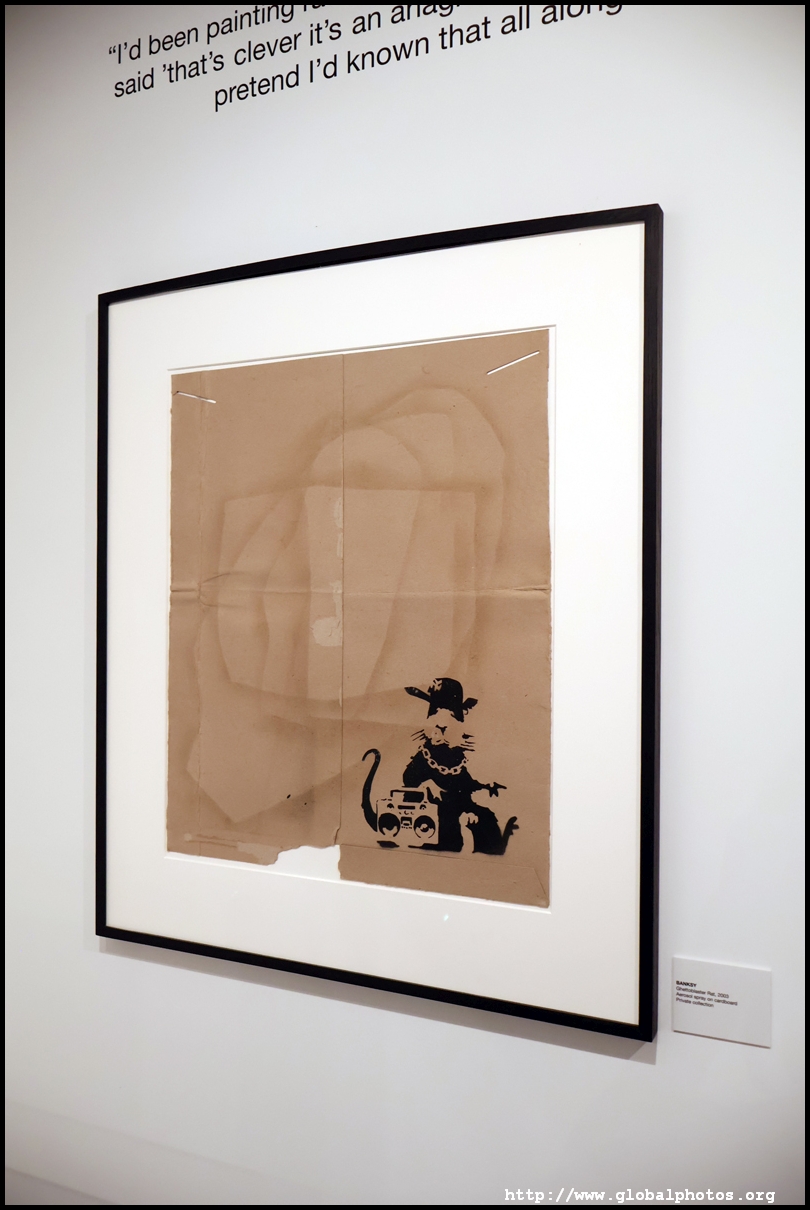
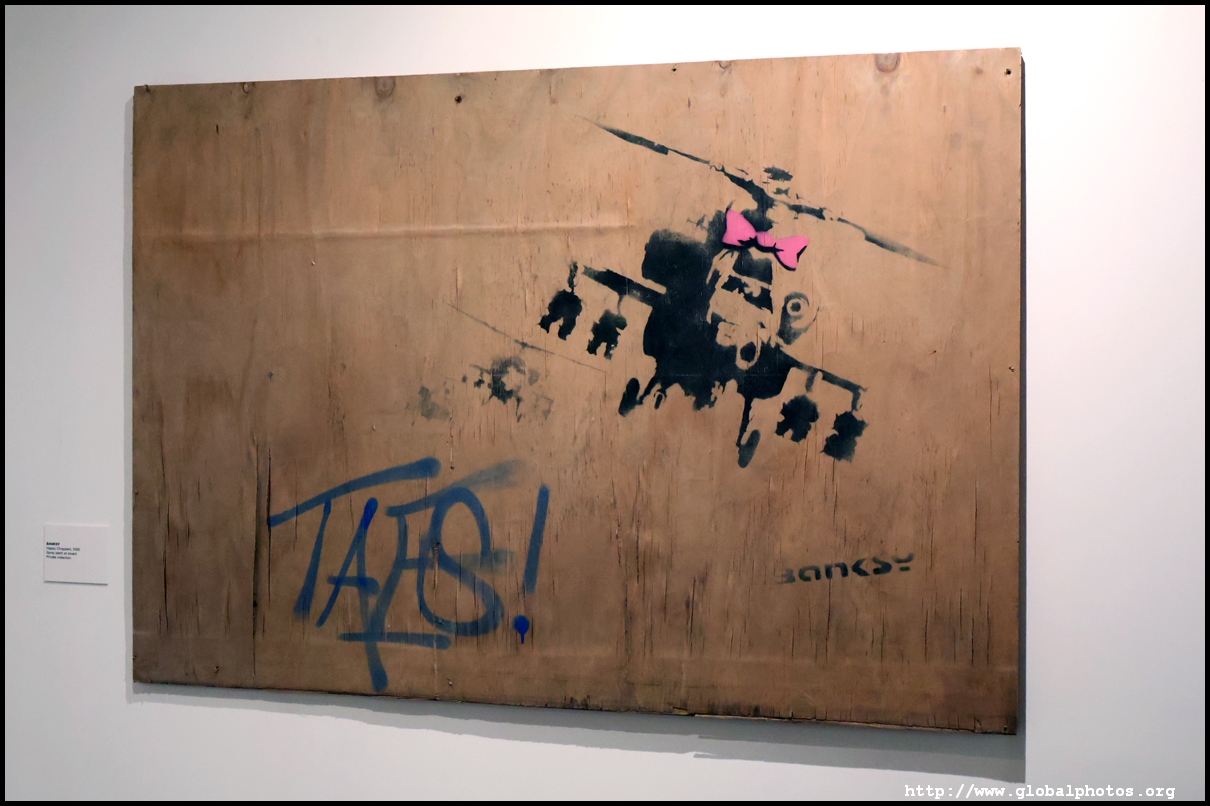
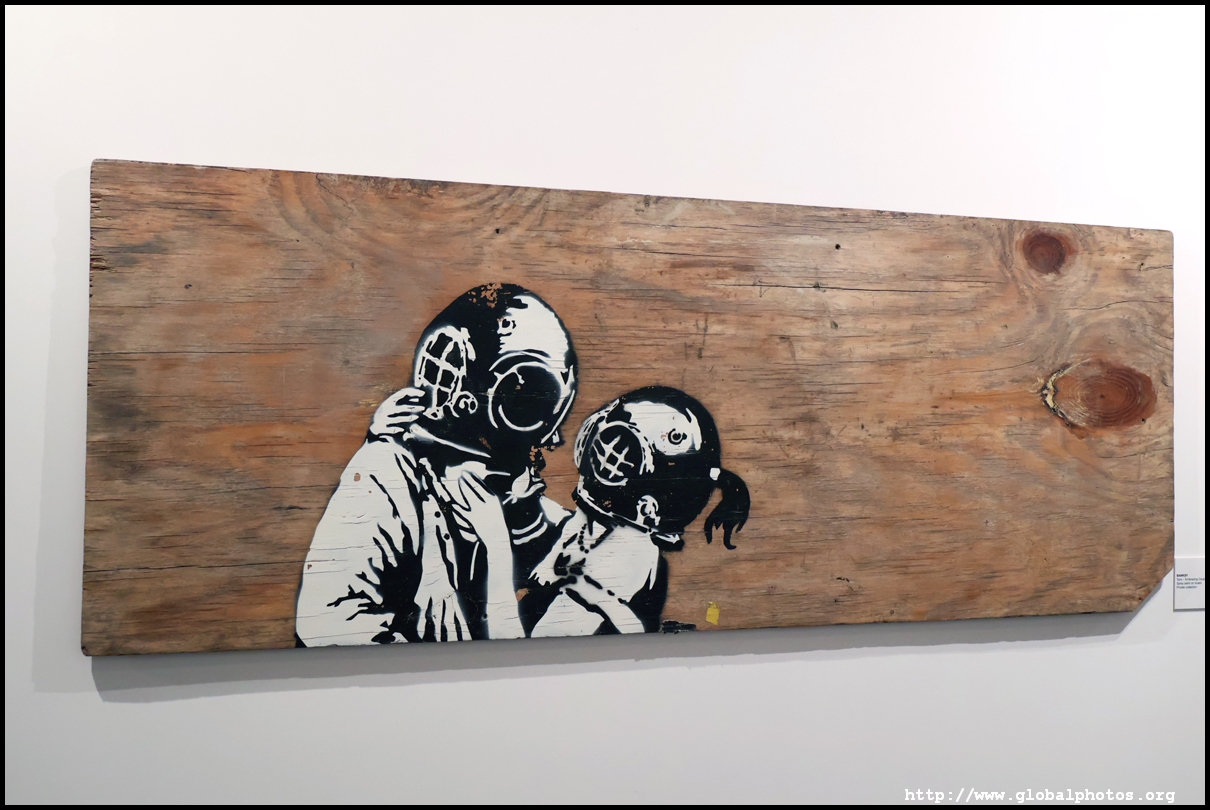
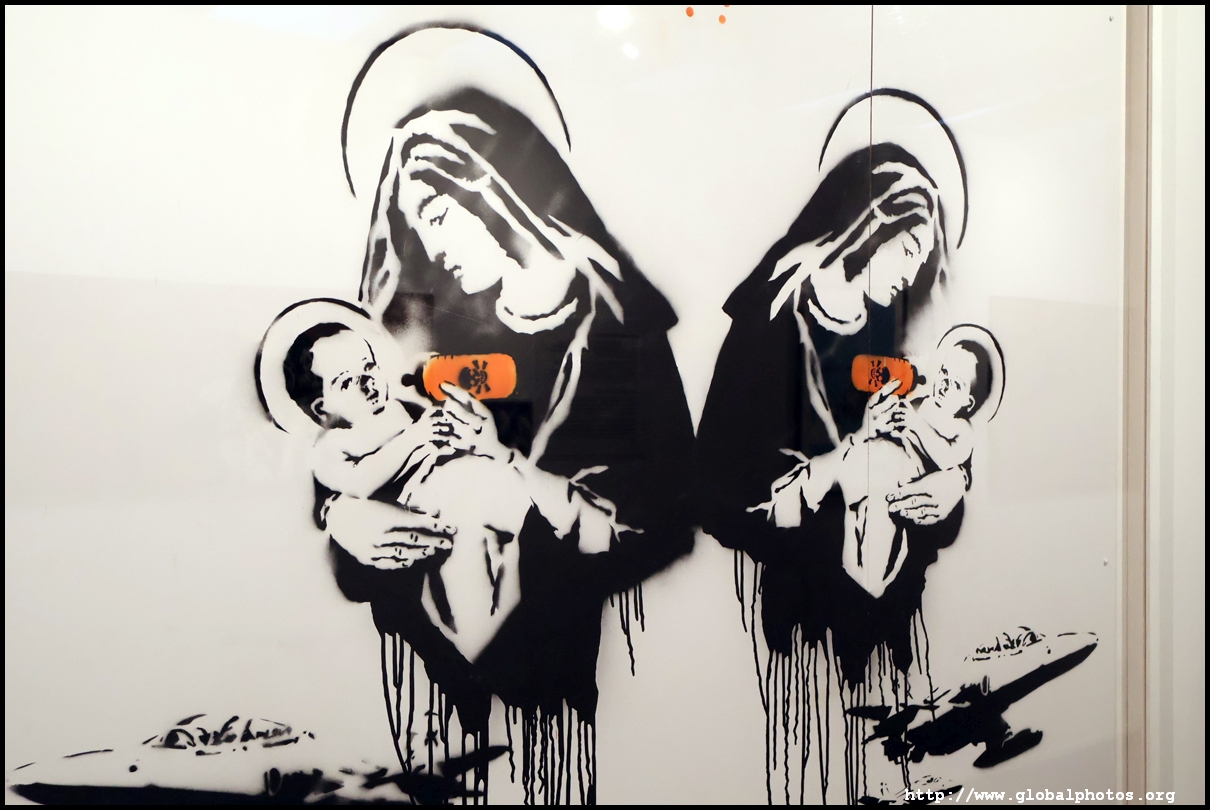
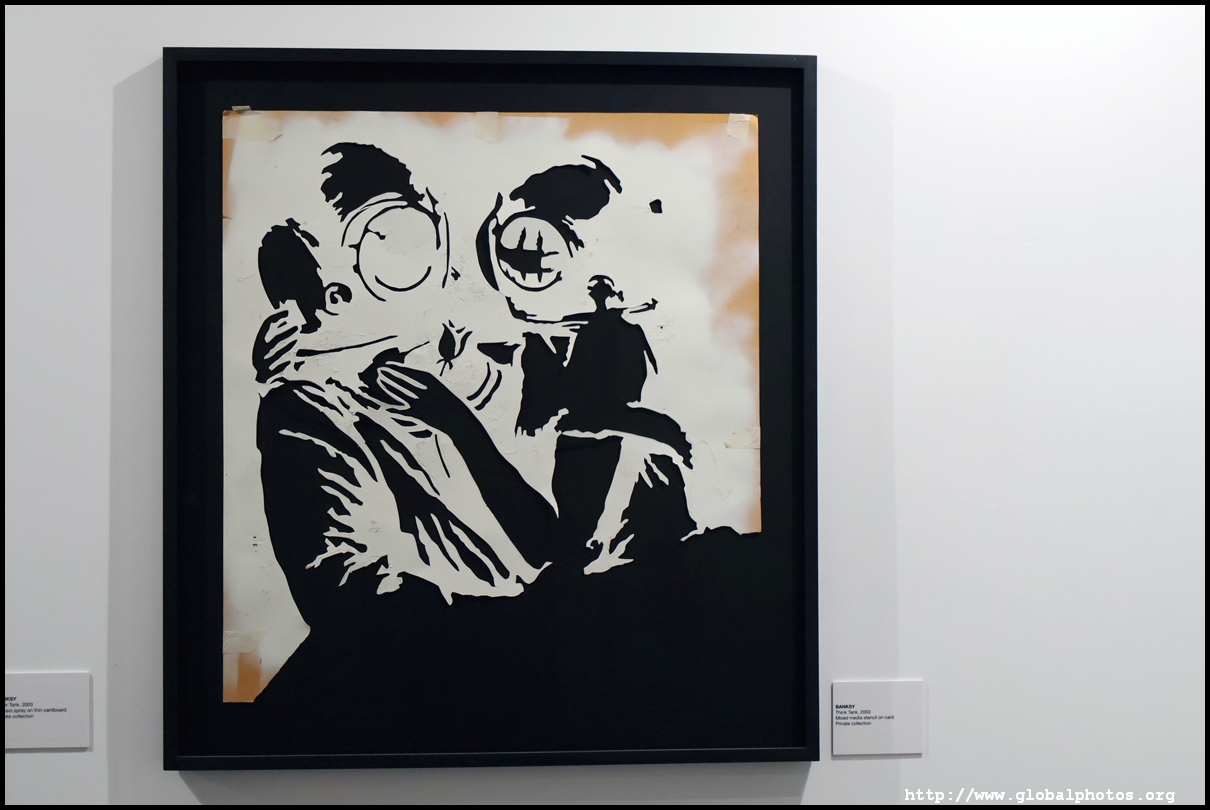
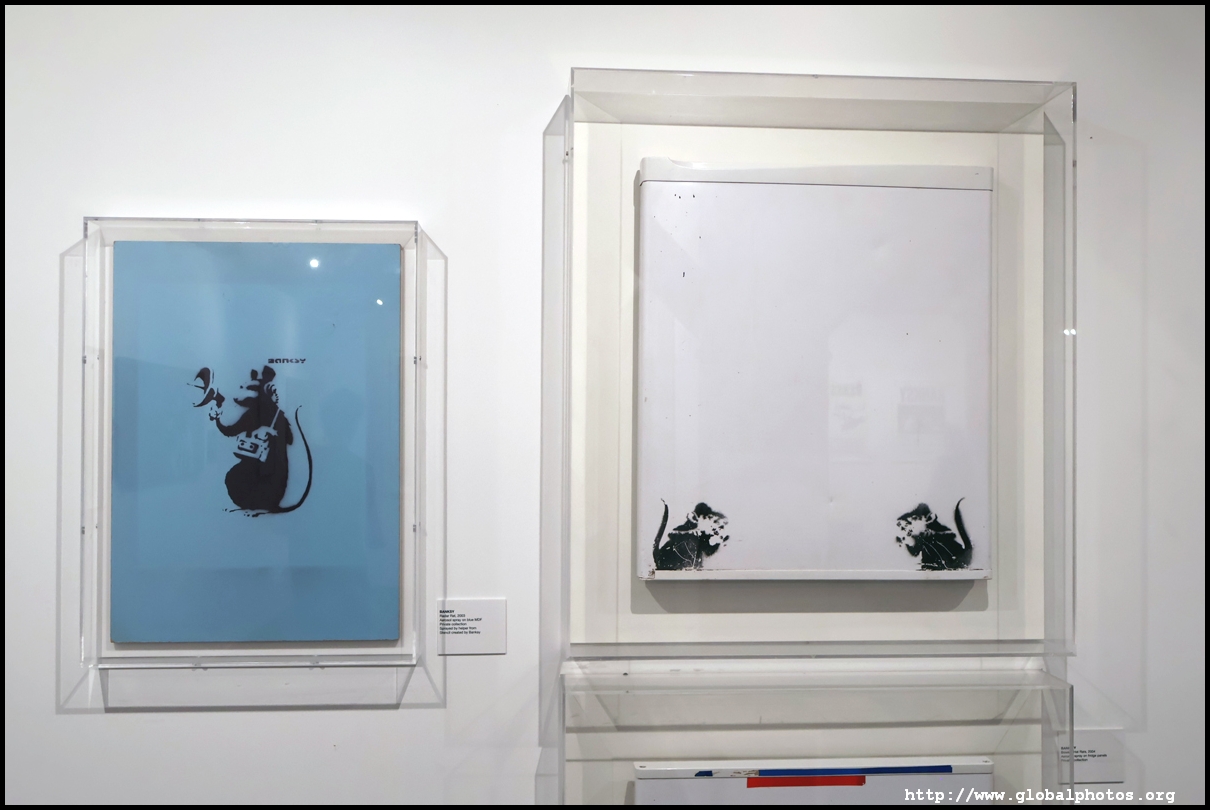
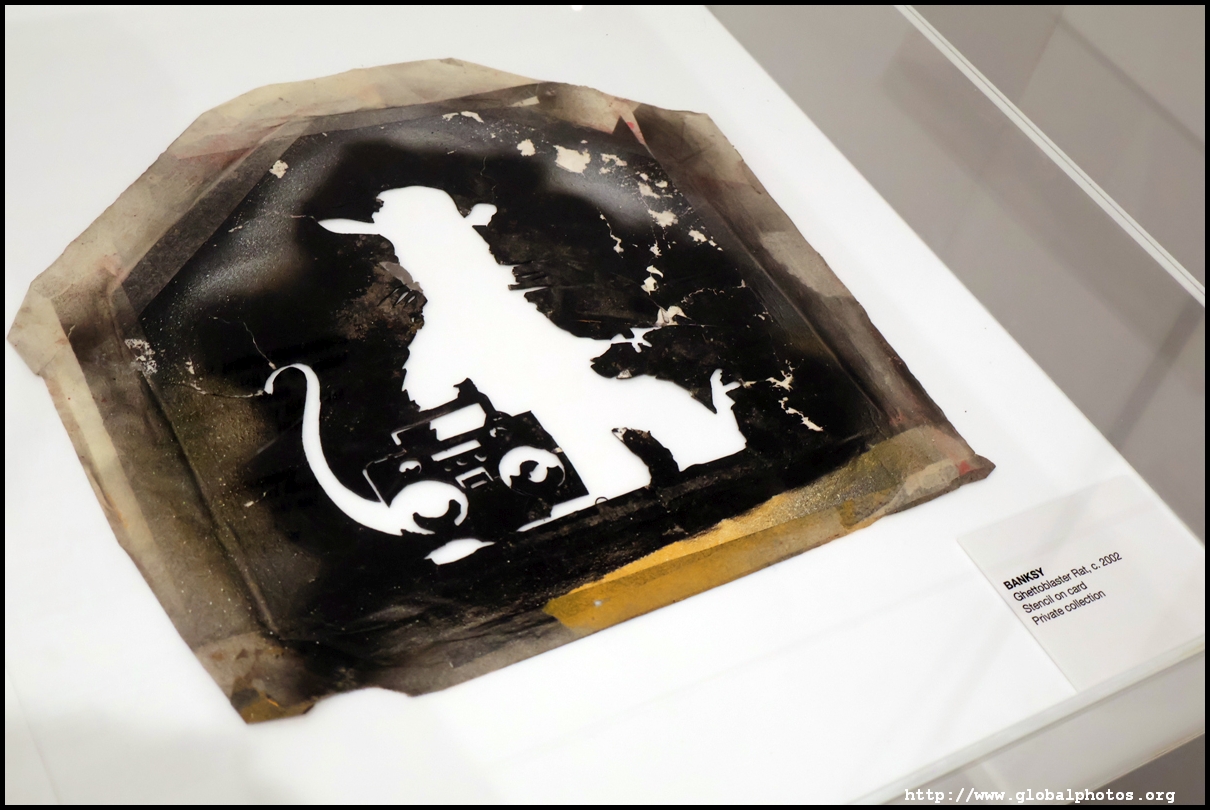
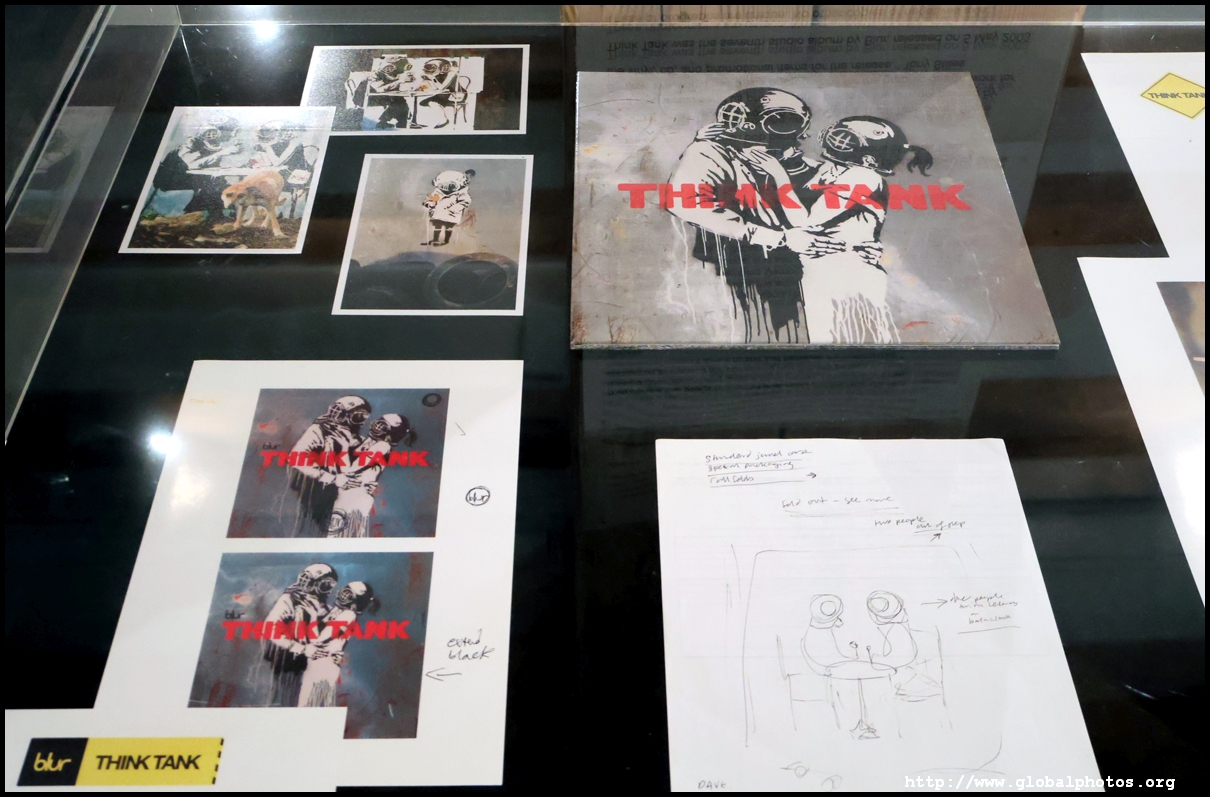
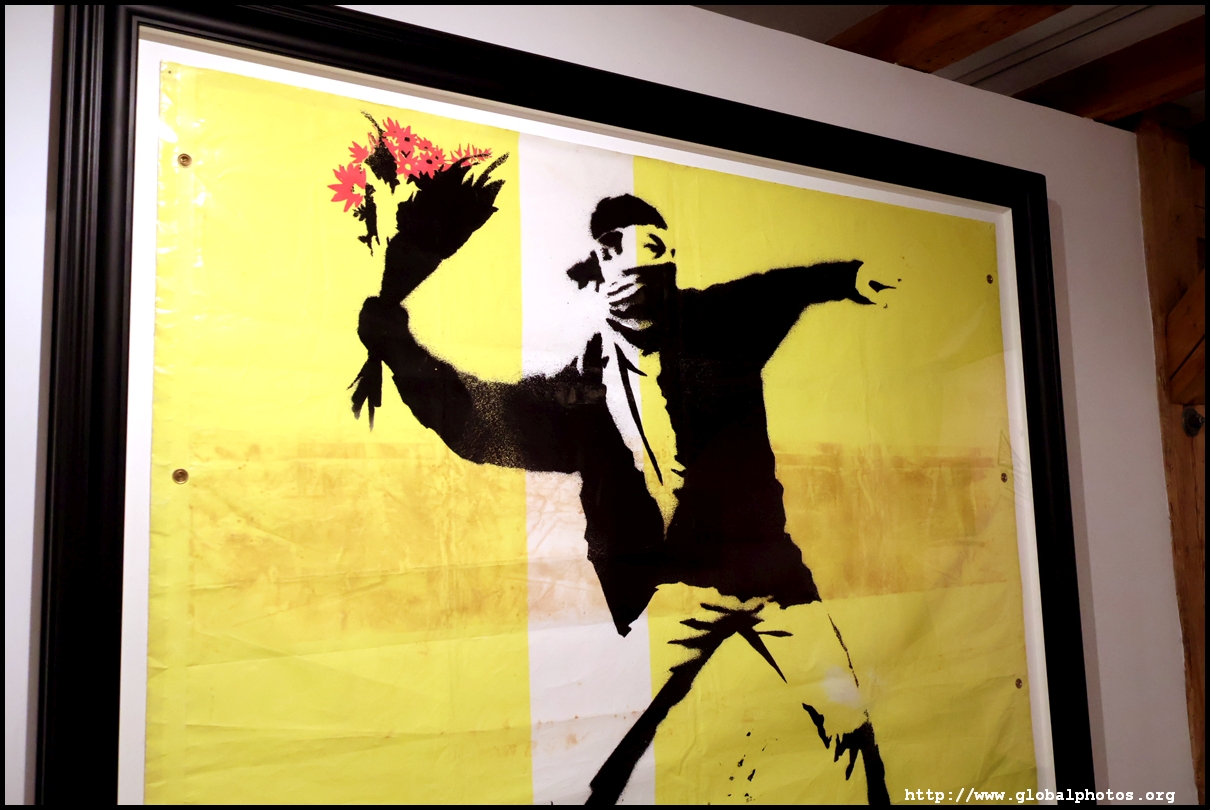
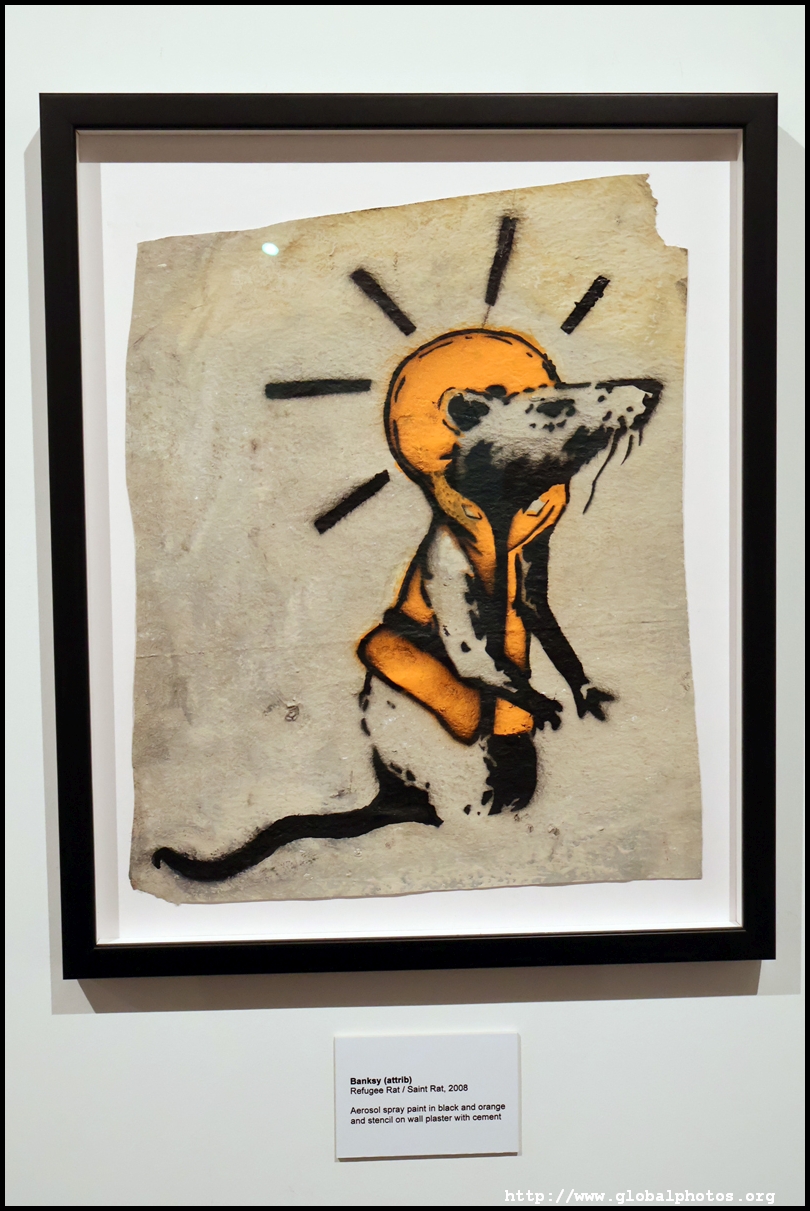
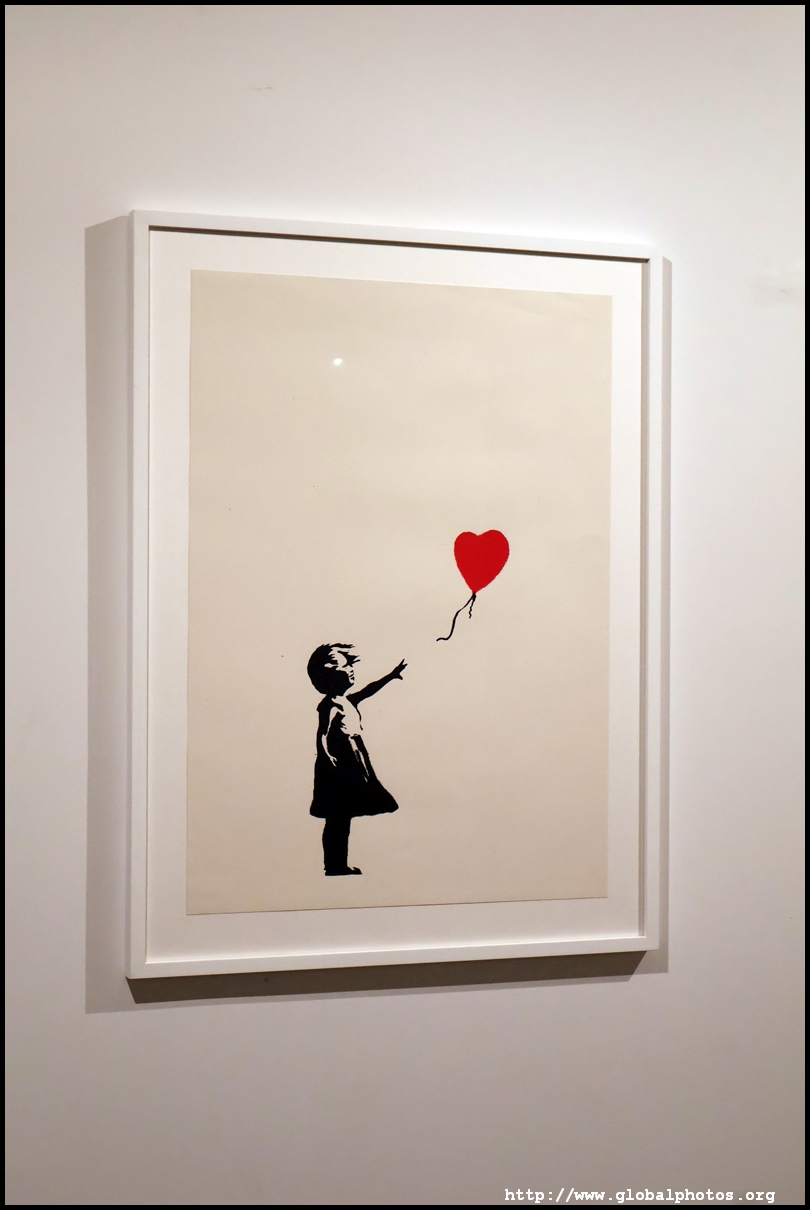
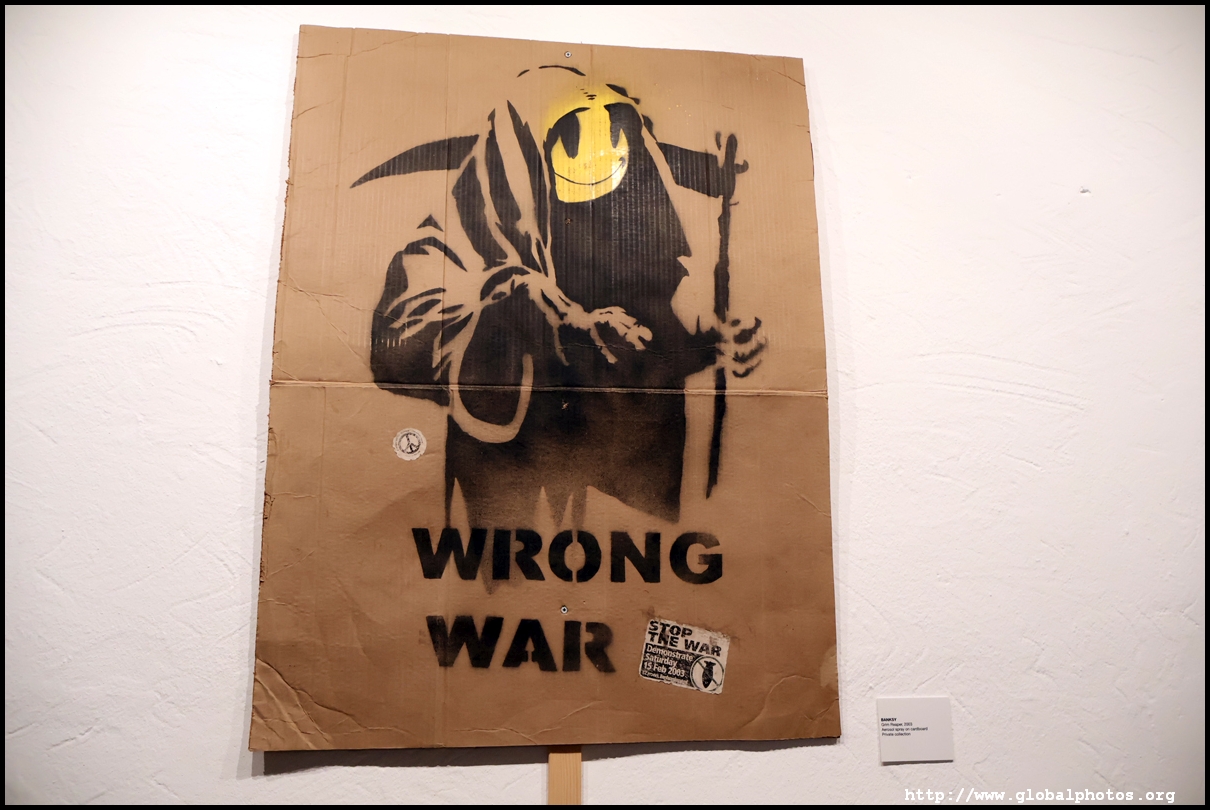
MACA focuses on contemporary art and their special Banksy exhibition drew my interest, focusing on his early history from 1989-2010.
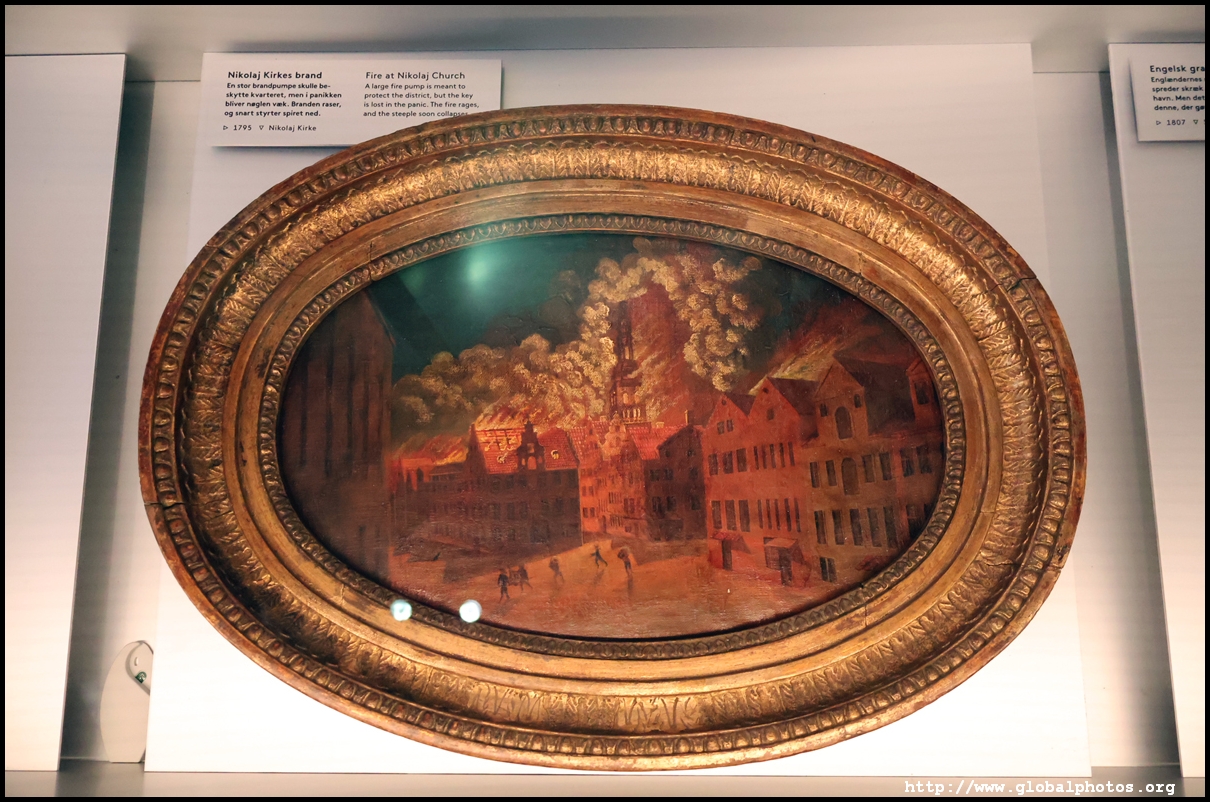
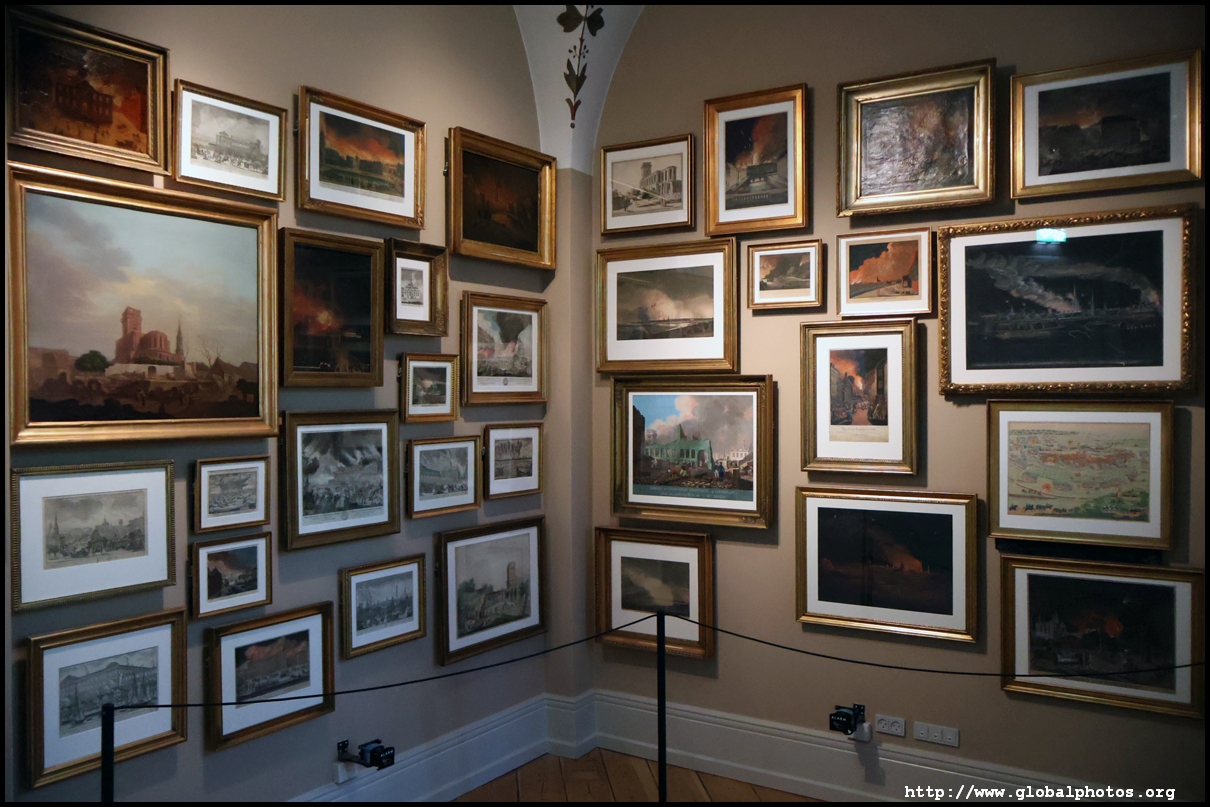
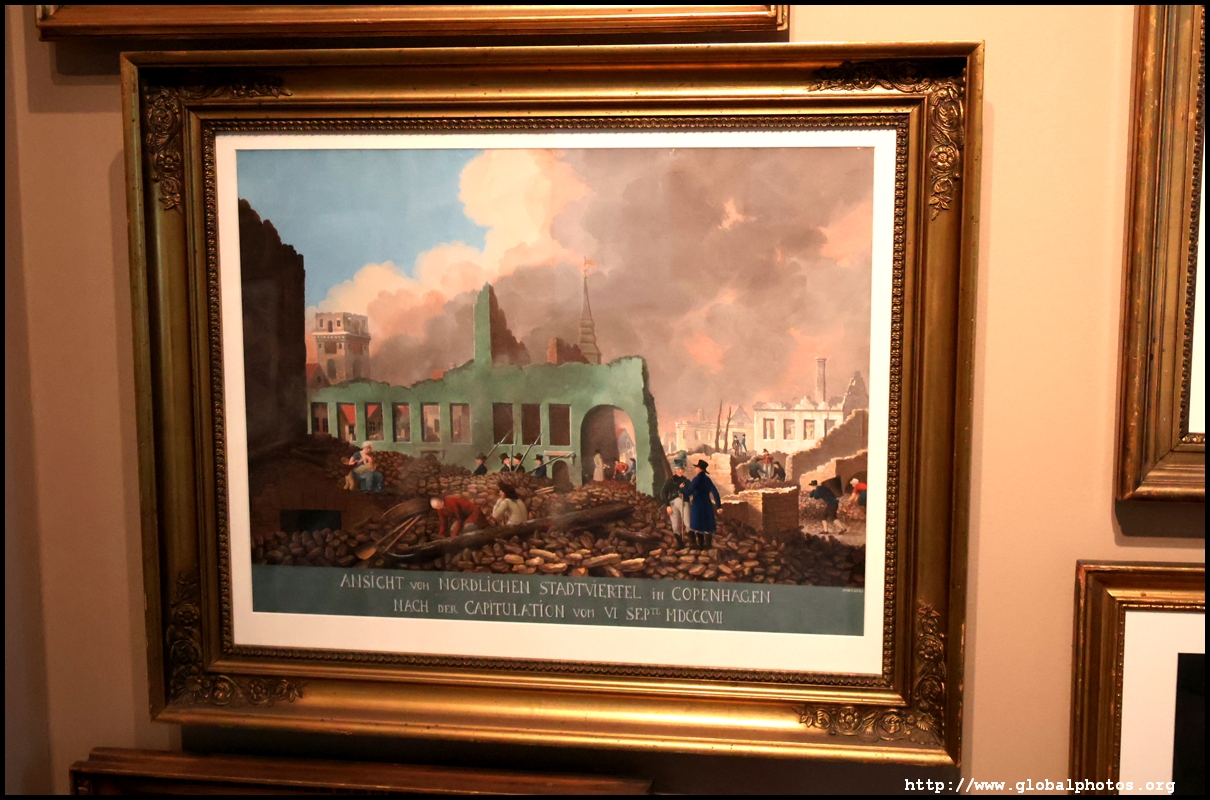
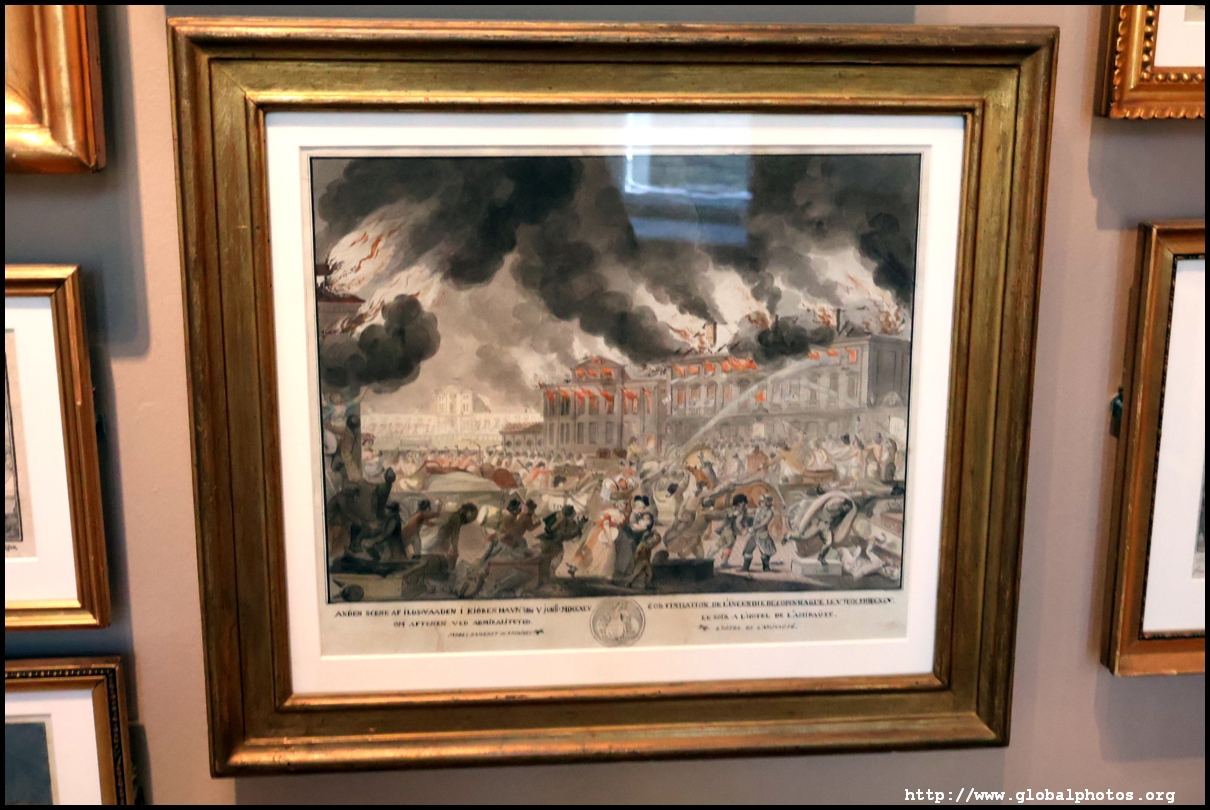
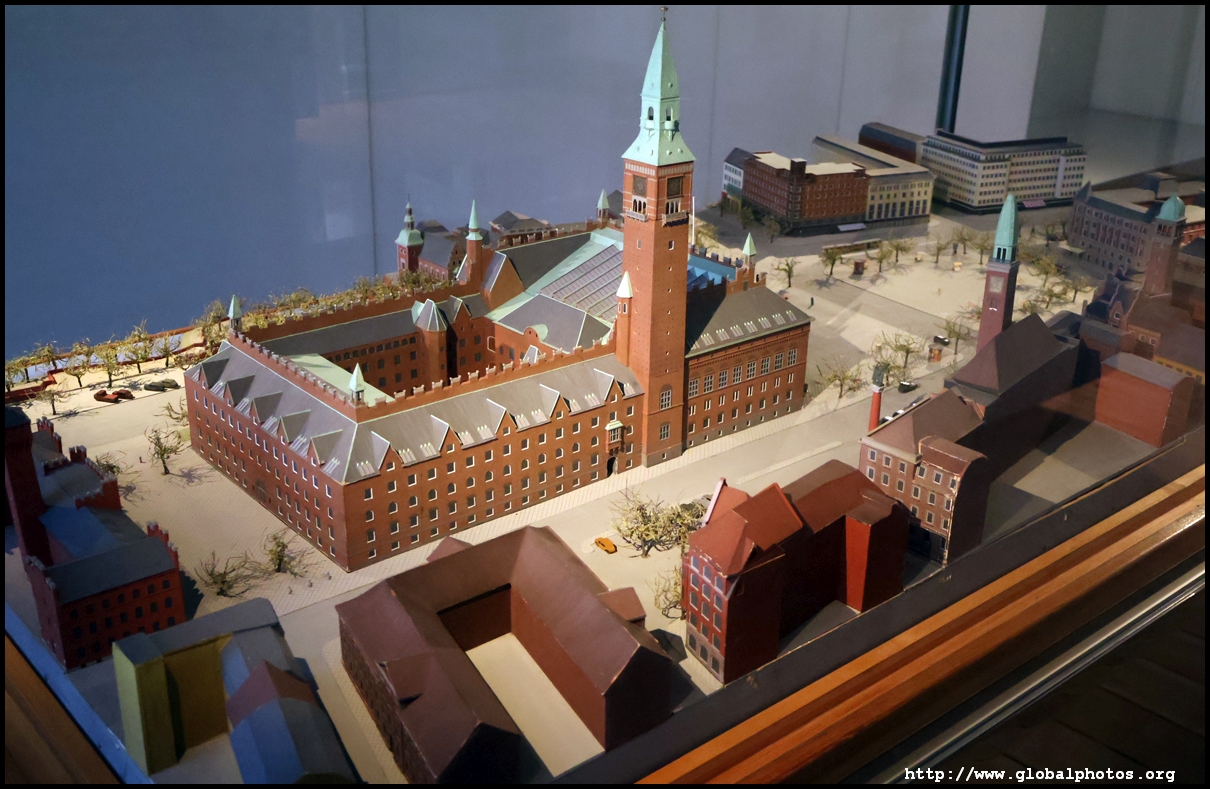
Just a short walk from City Hall, the Museum of Copenhagen traces through 800 years of the city's history.
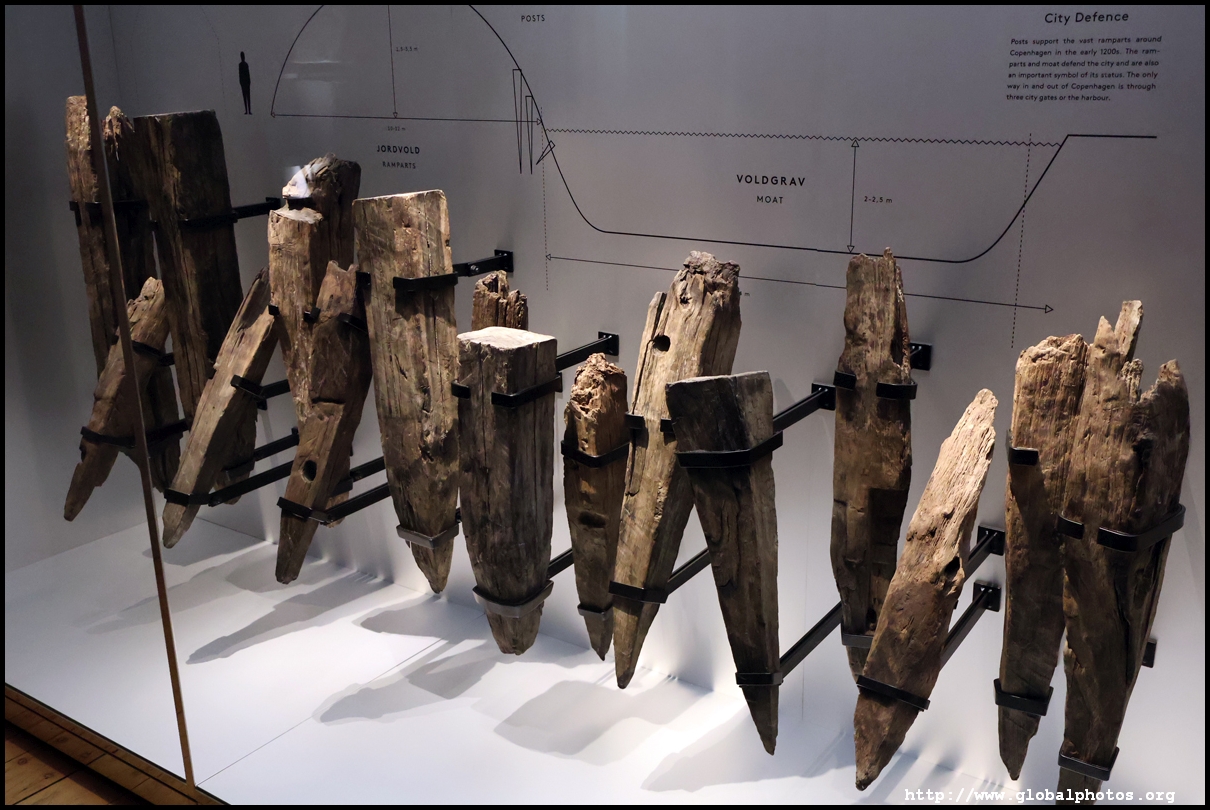
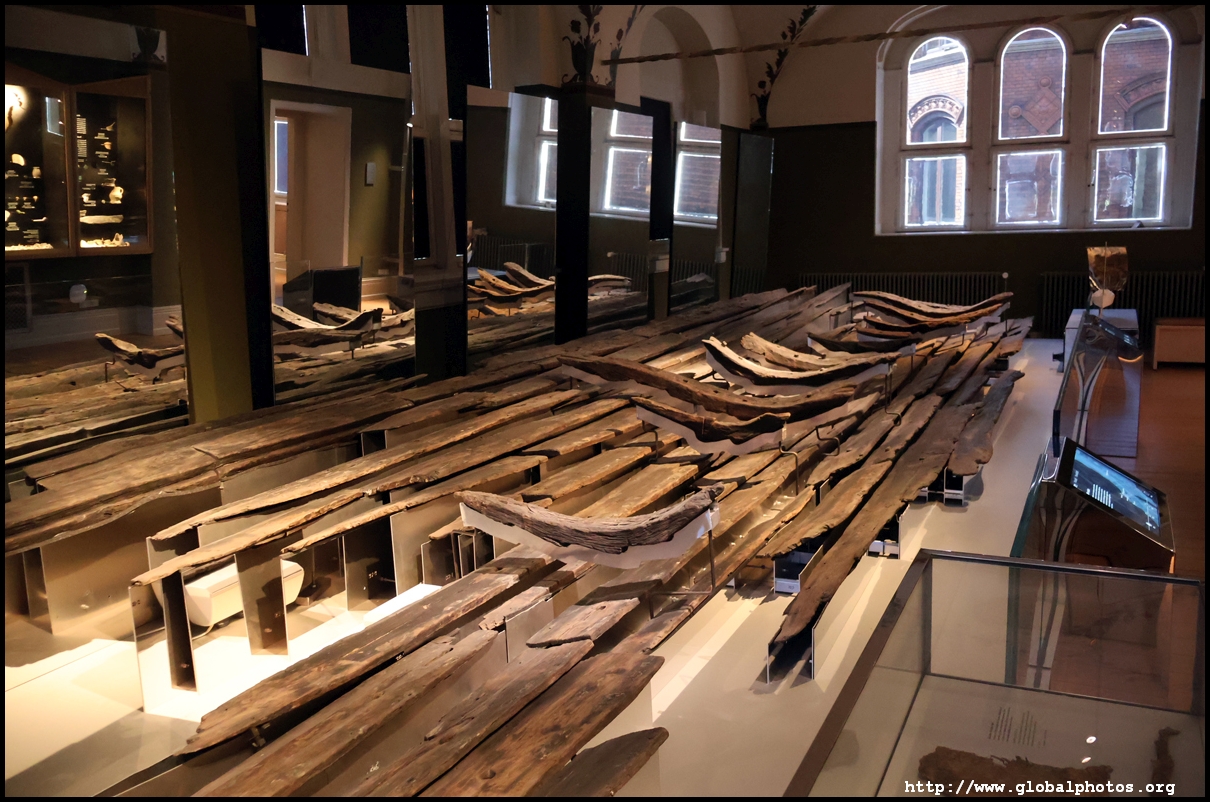
The ramparts around the city in the 13th century are supported by posts like these on the left, while on the right are remnants of a shipwreck found at today's opera house with oak from the early 15th century.
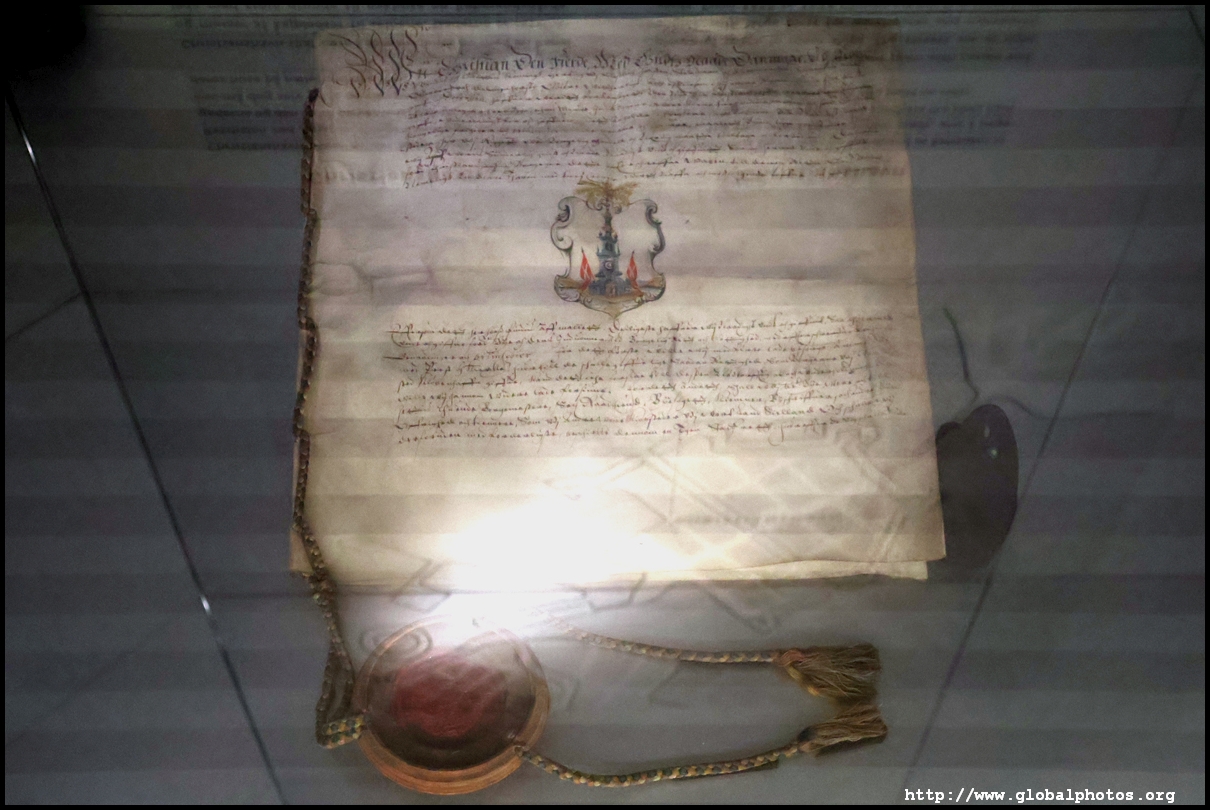
On the right is a letter from the king that grants Christianshavn a coat of arms and seal, becoming a town.
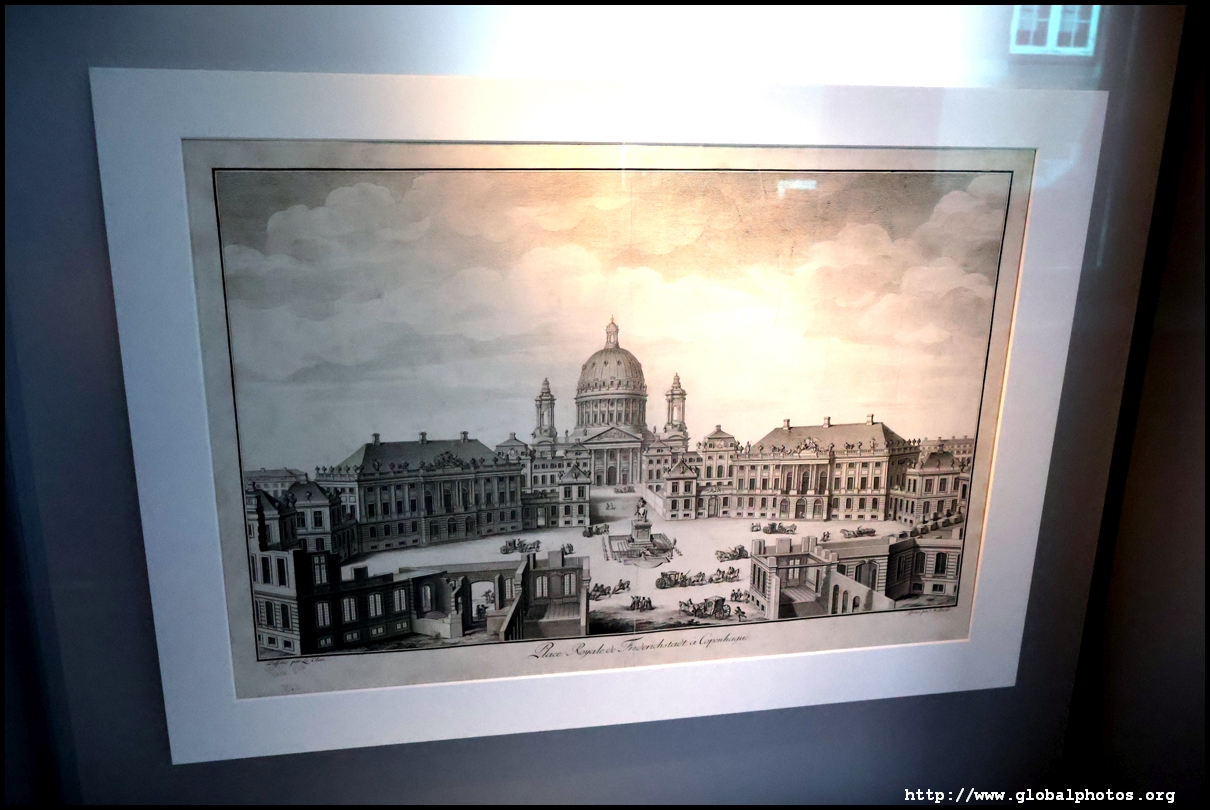
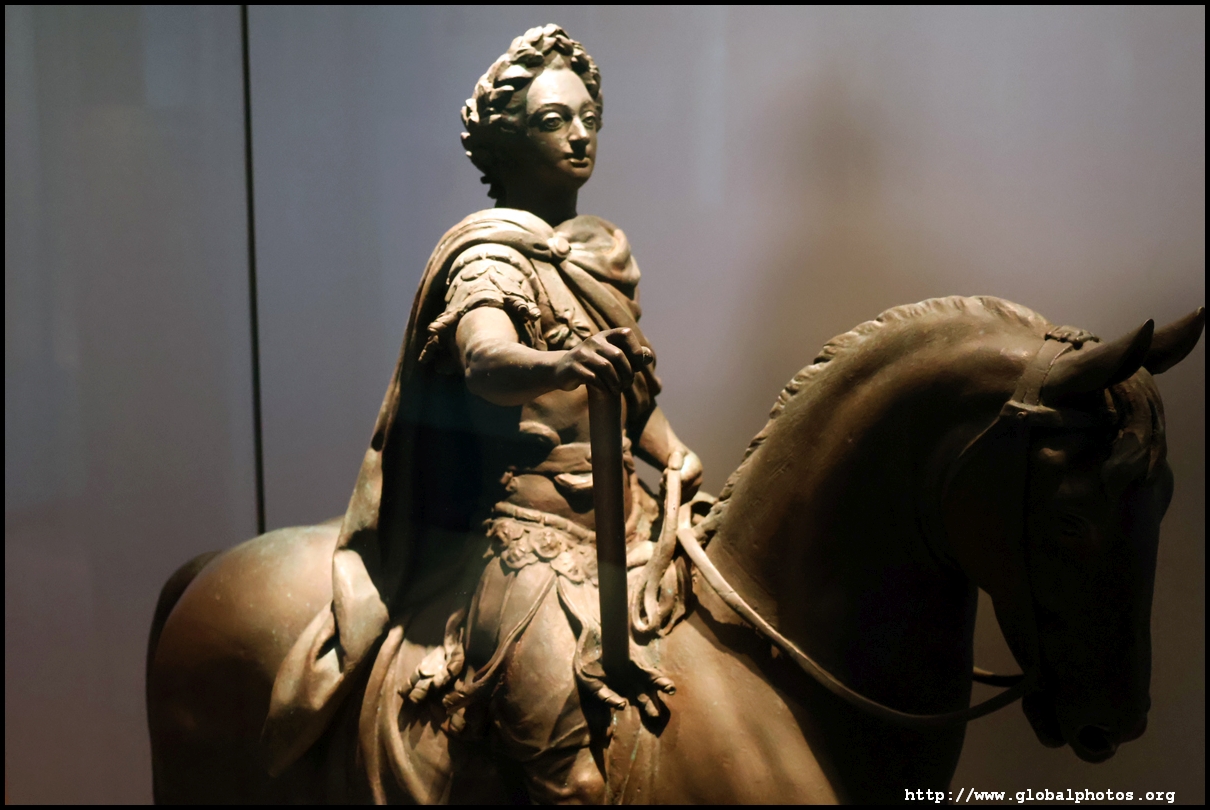
Copenhagen experienced a population boom as the royal court here attracted people from throughout the continent. The city of 55,000 in 1700 grew to 120,000 by 1840. With the nobles wanting to live near the king to grant his favour under an absolute monarchy, they built manors and mansions such as Christiansborg Palace.
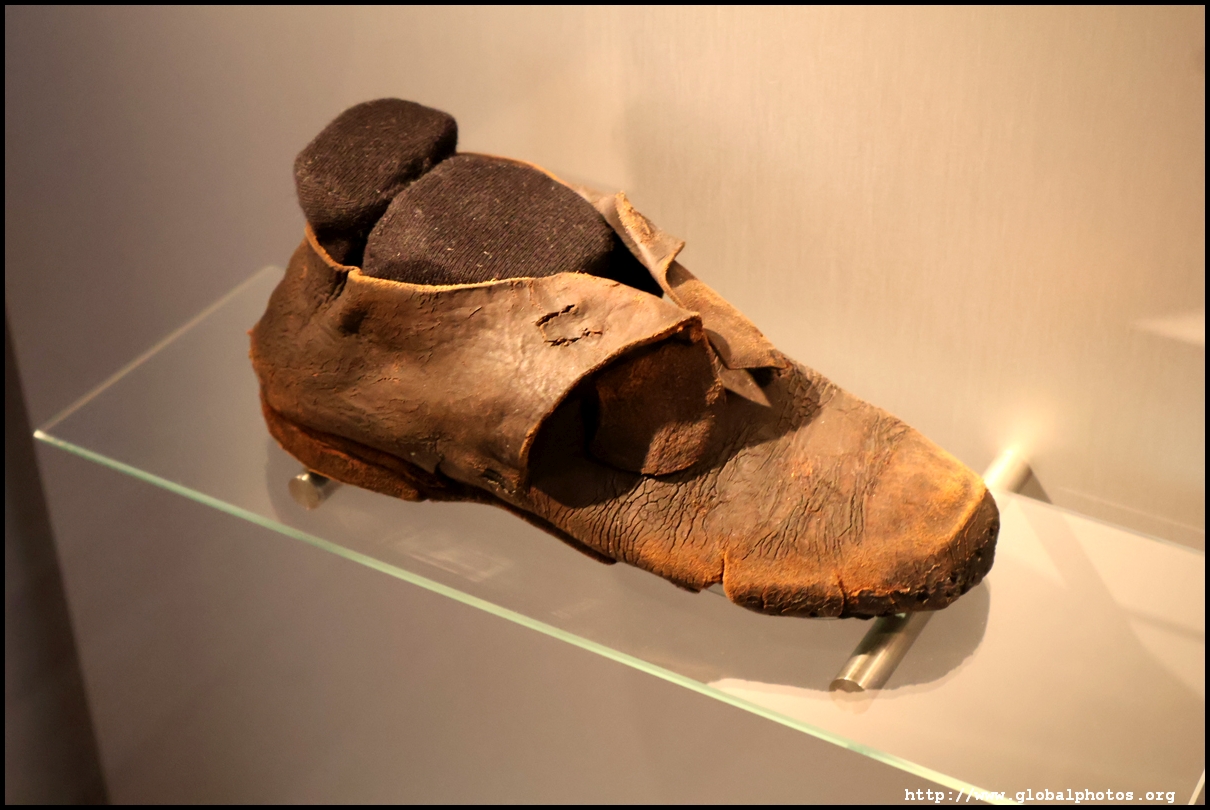
On the right is a suede show from the 1660s-70s.
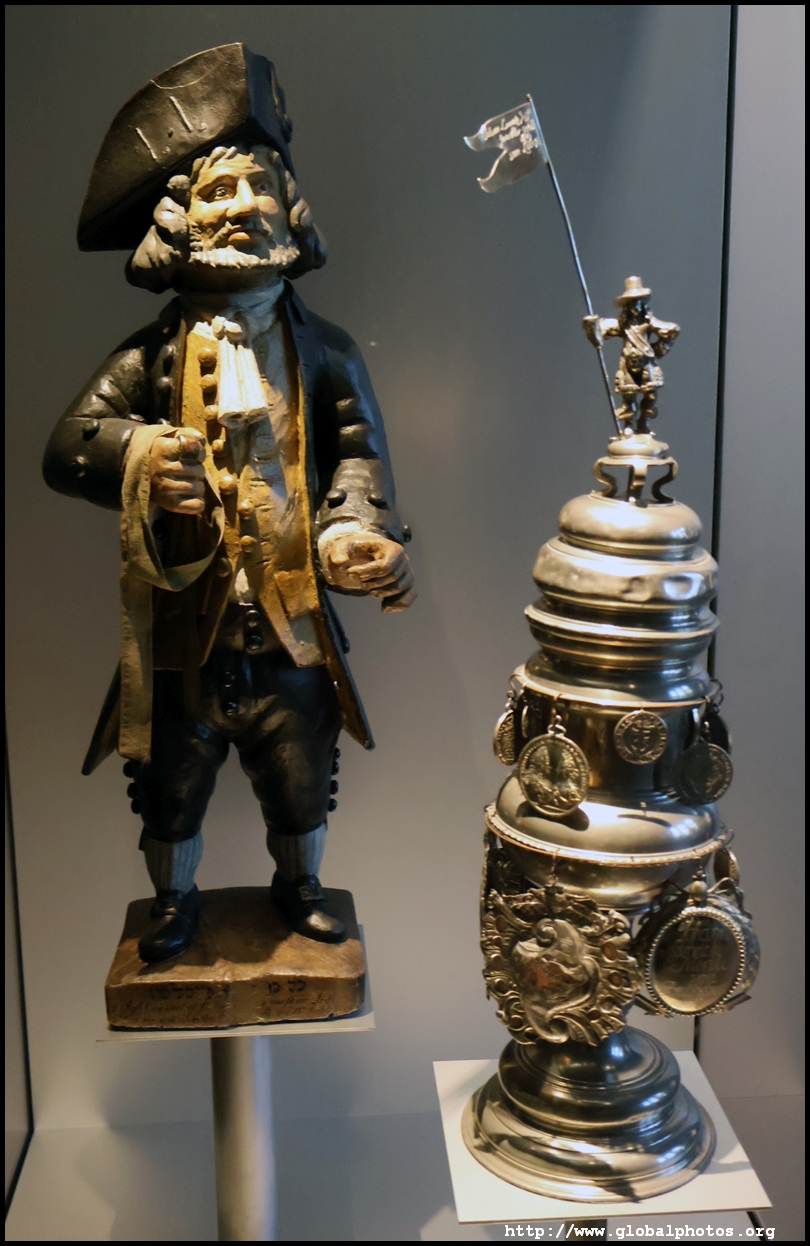
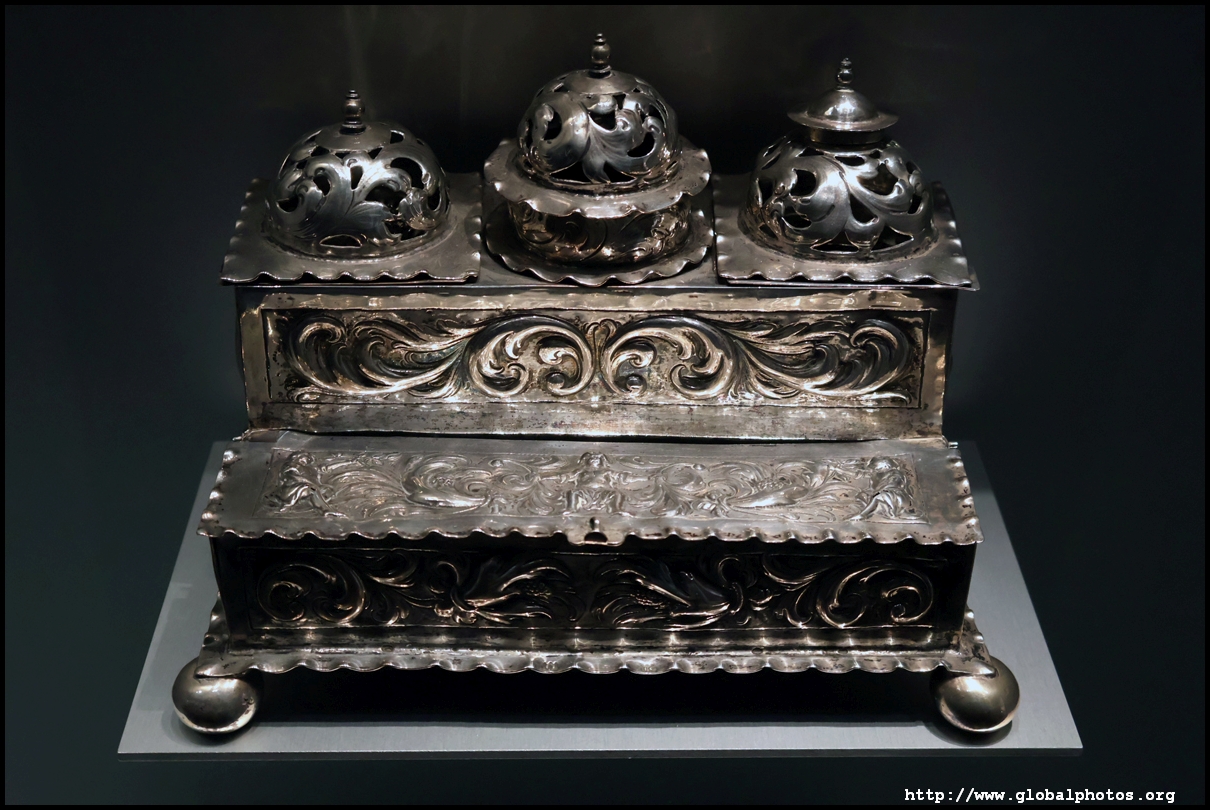
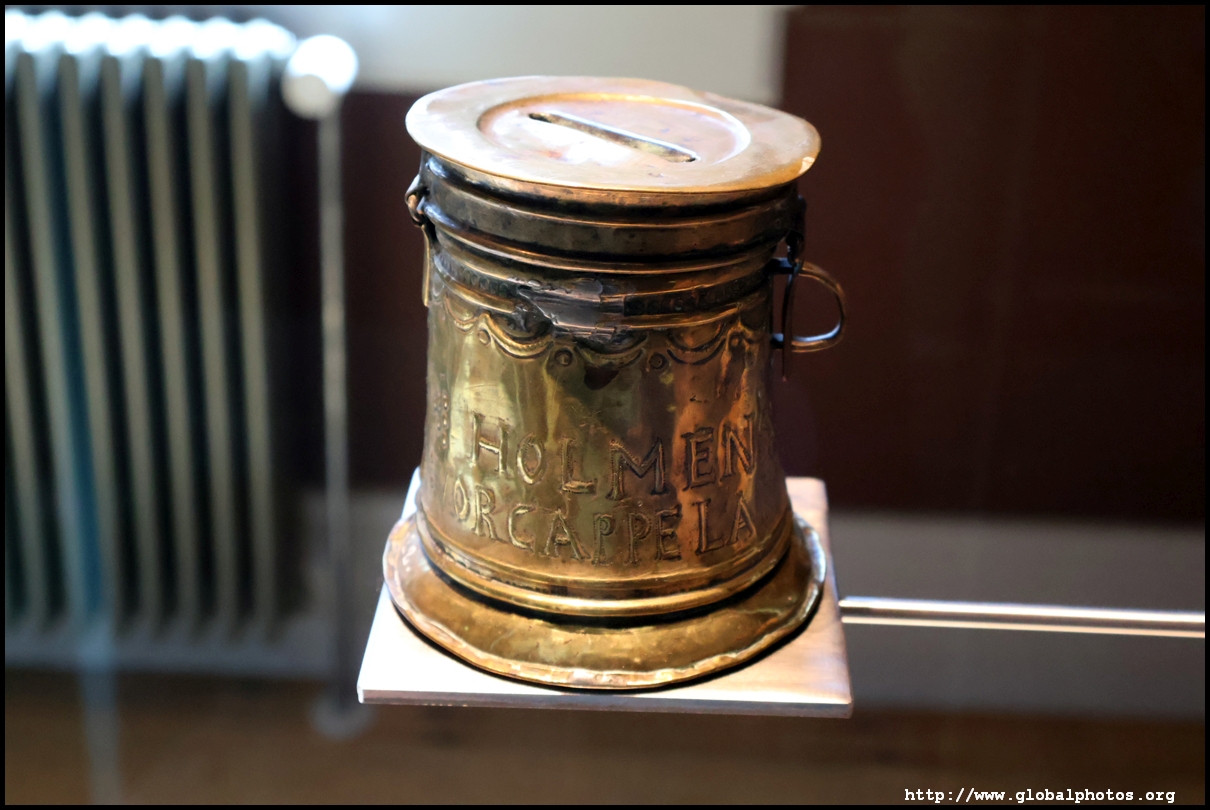
On the left is a collection box from the late 17th century used by the city's churches for donations to the sick and poor.
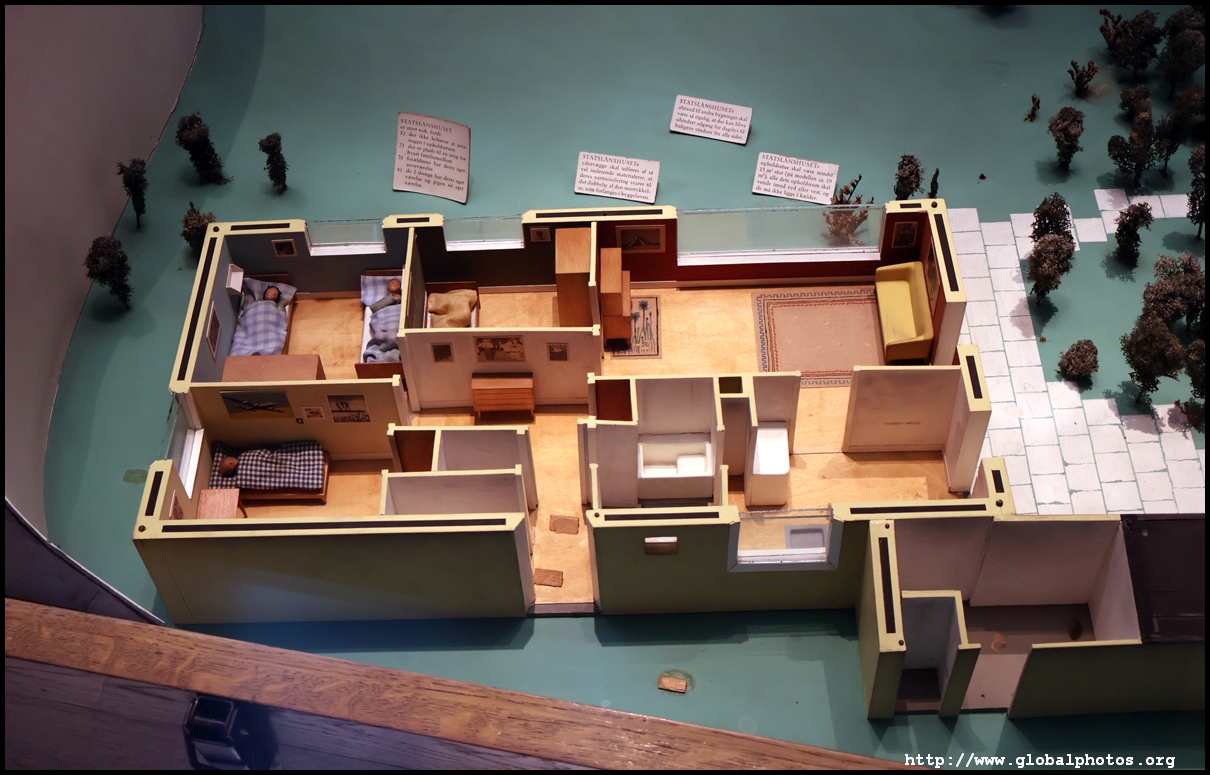
The Danish Health and Hygiene Association produced models of healthy homes in the 1950s. The affordable standard house has a kitchen, shower, and toilet. During this time, people can borrow money from the government to build this type of home.
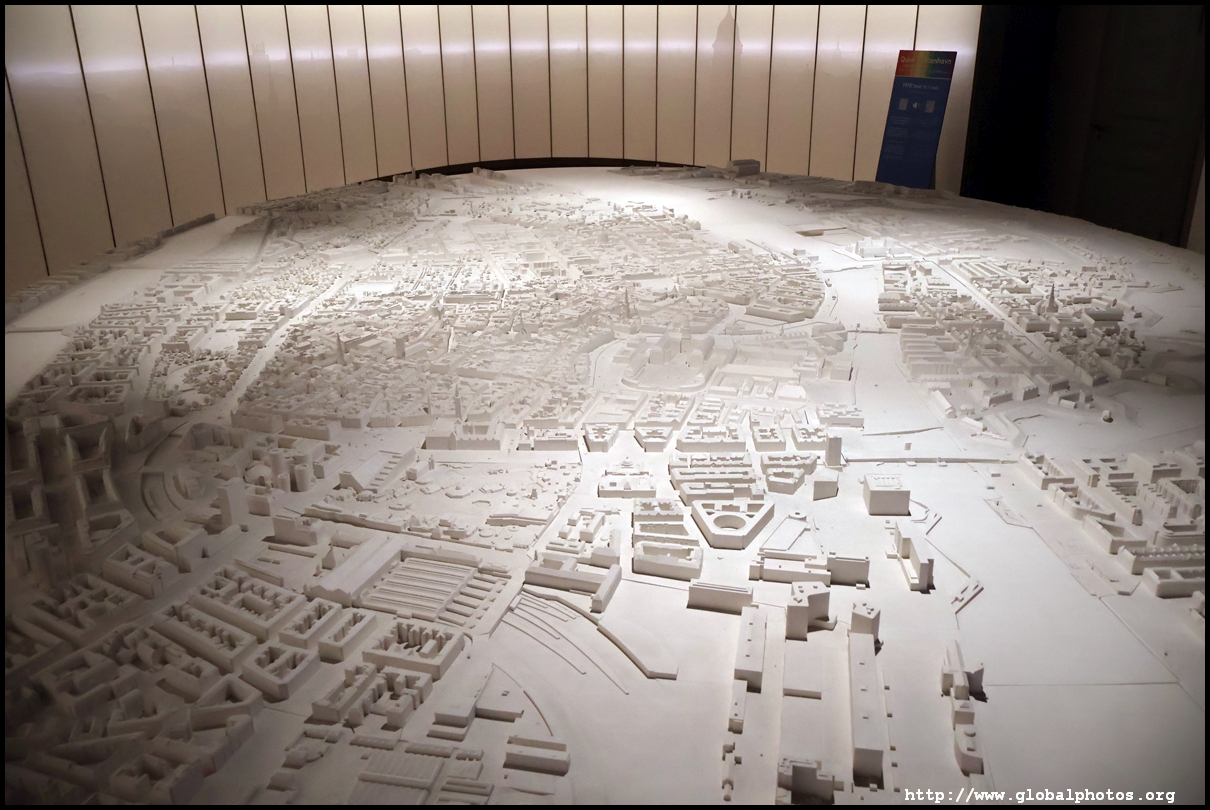
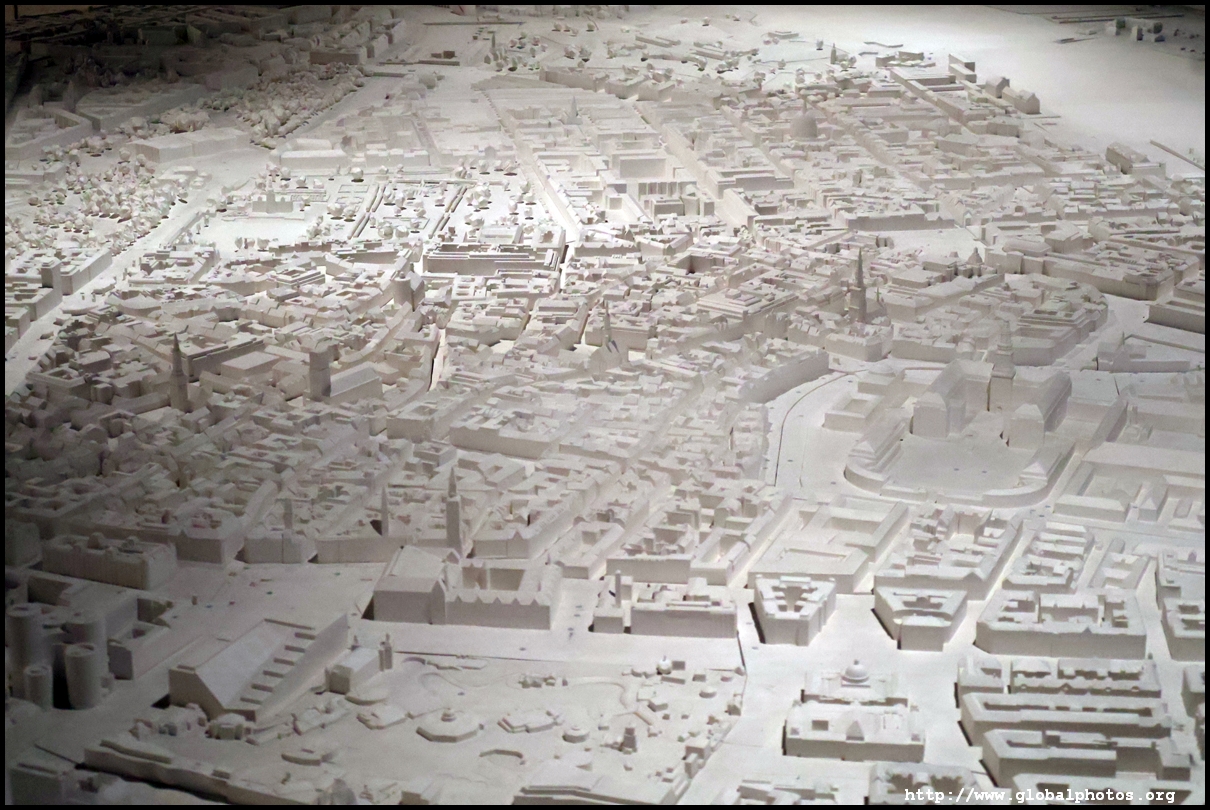
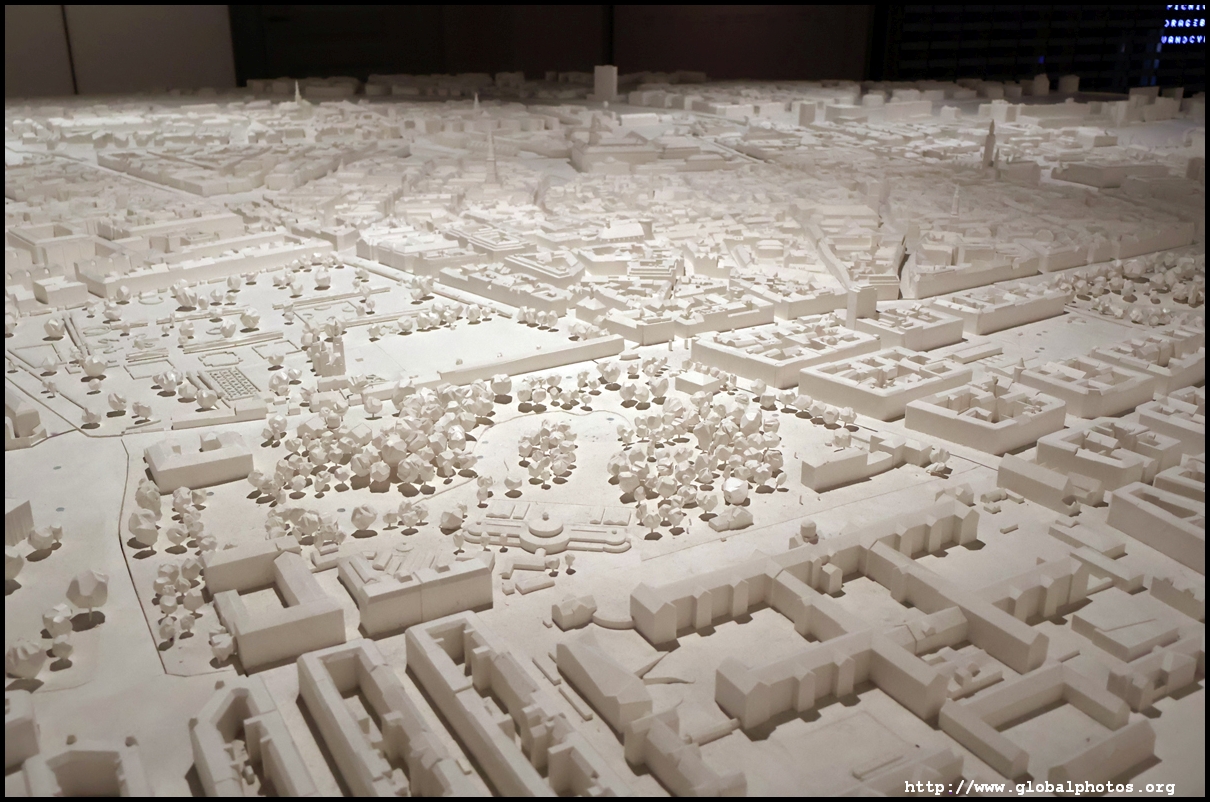
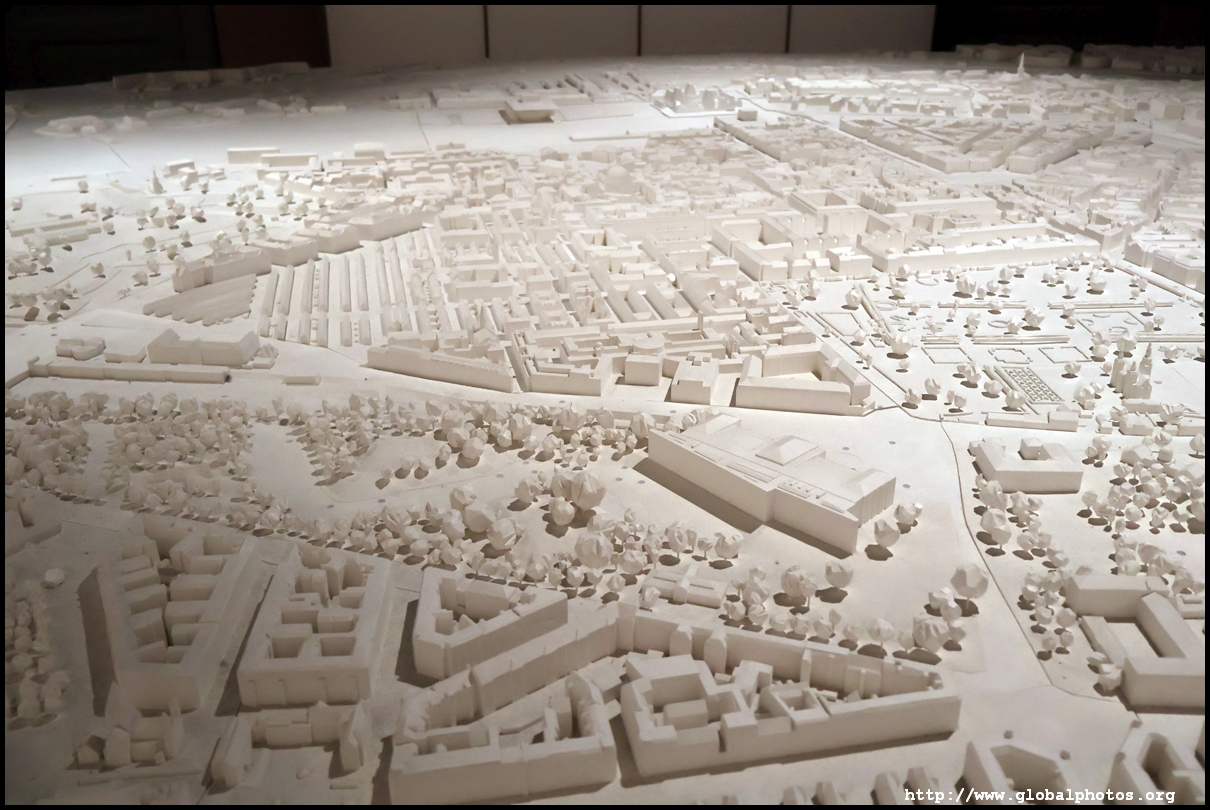
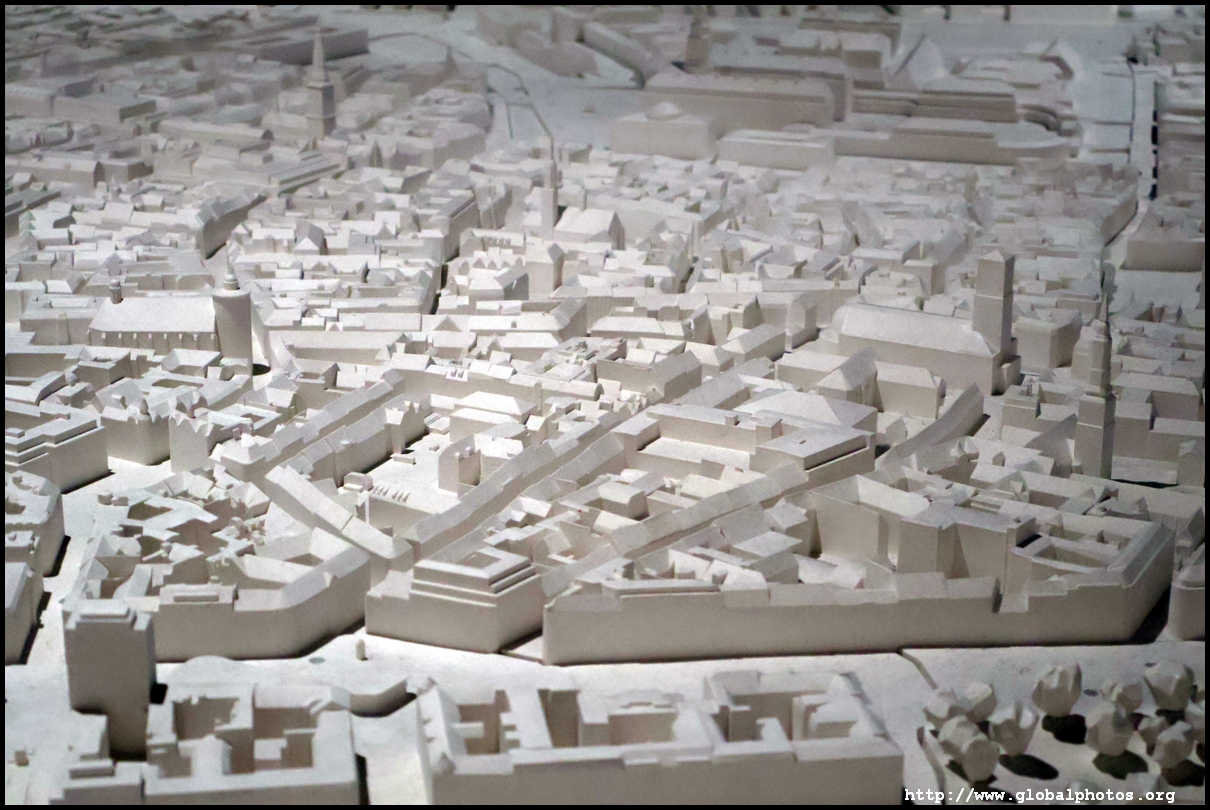
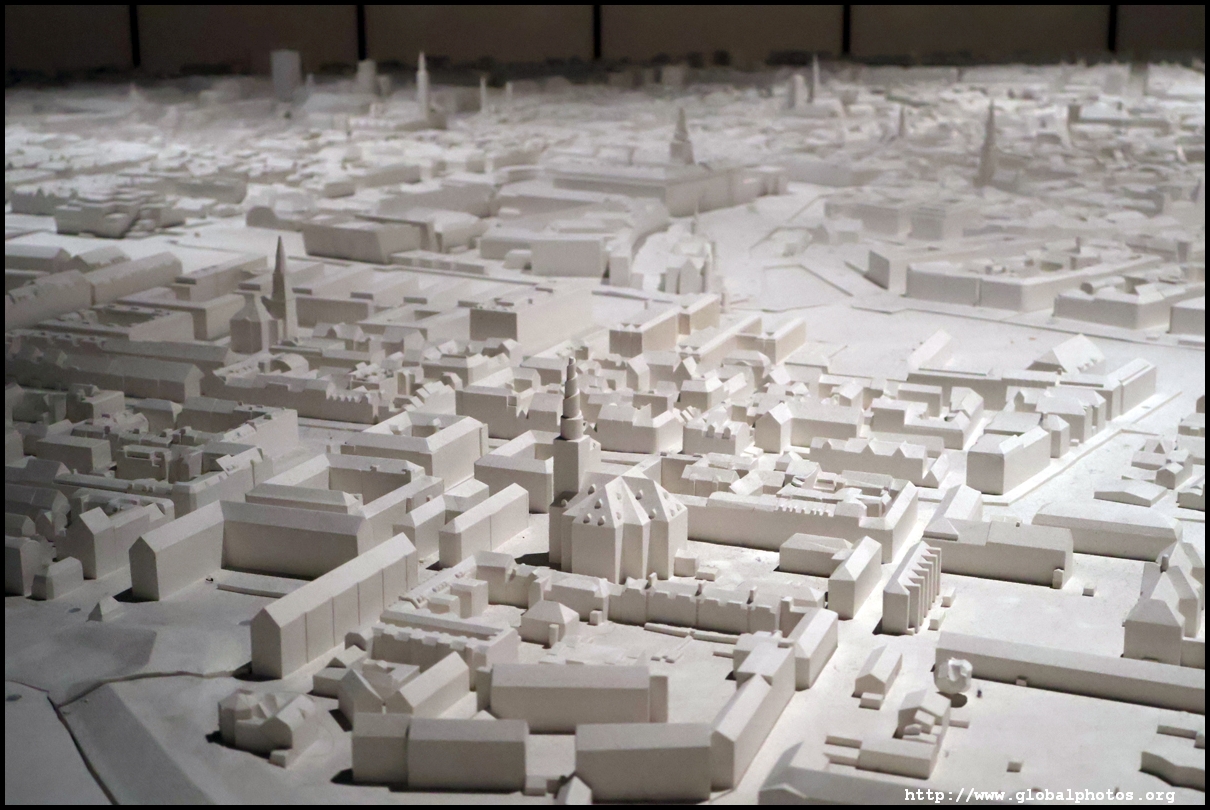
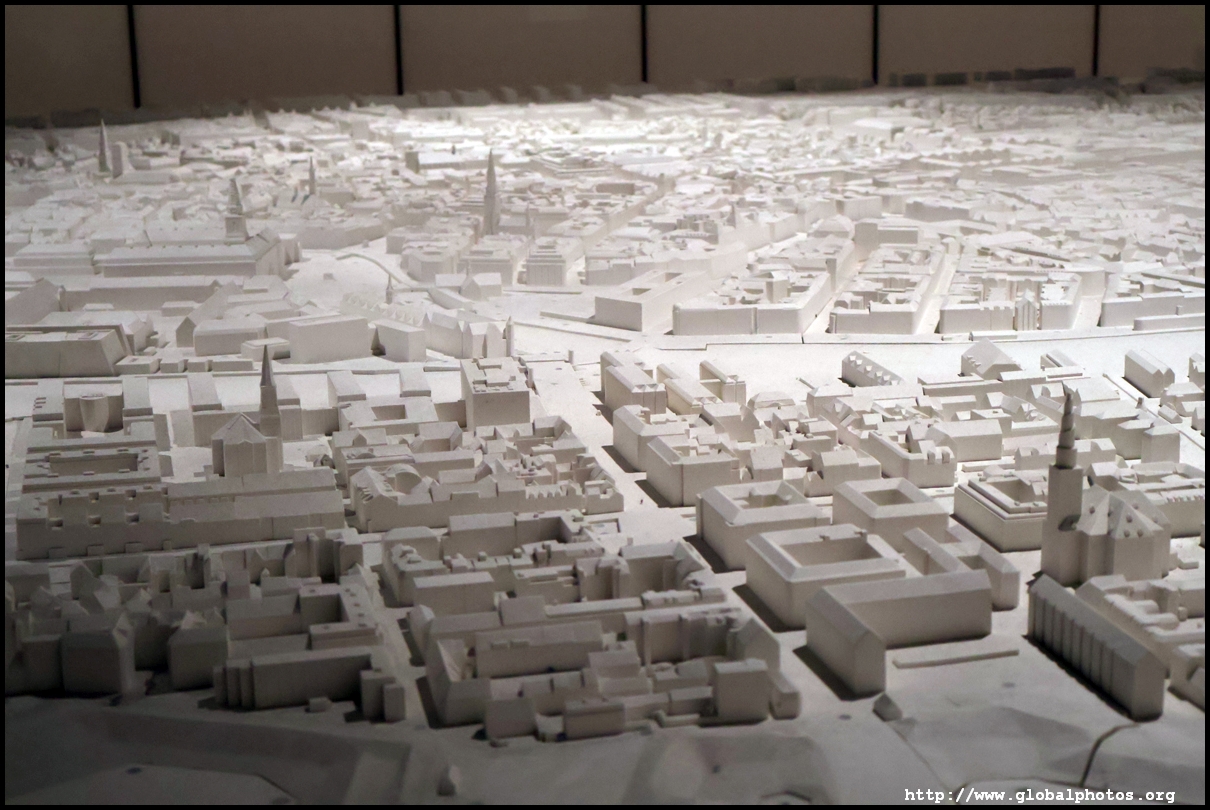
On the top floor is a 6m x 4m model of the city in a 1:750 scale.
|
|