Copenhagen Photo Gallery - Inderhavn |
||
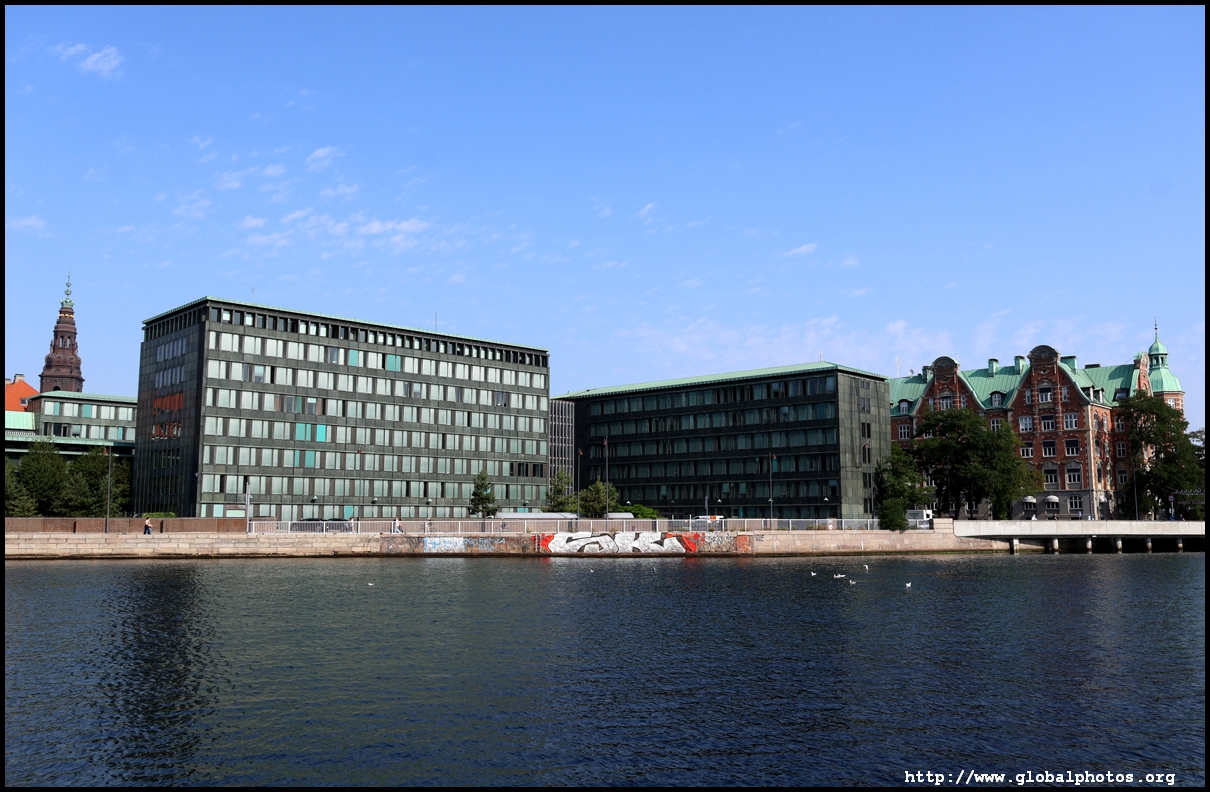
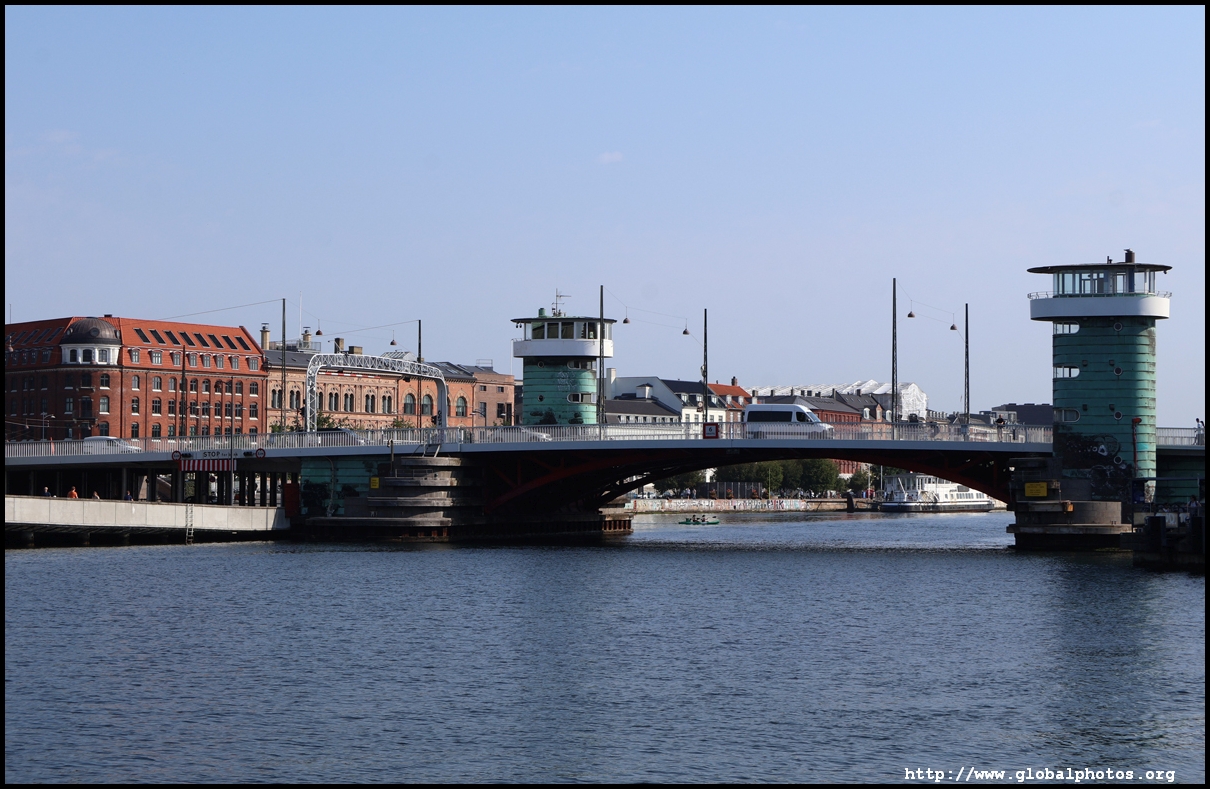
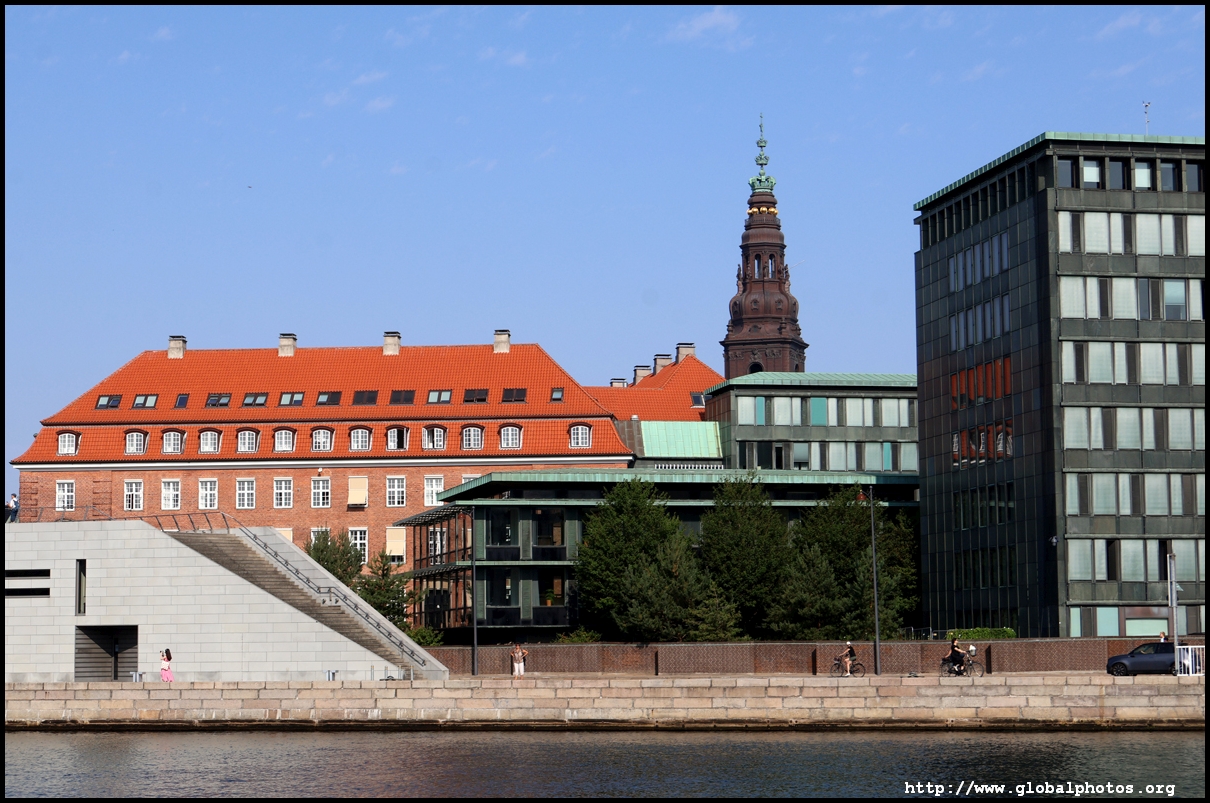
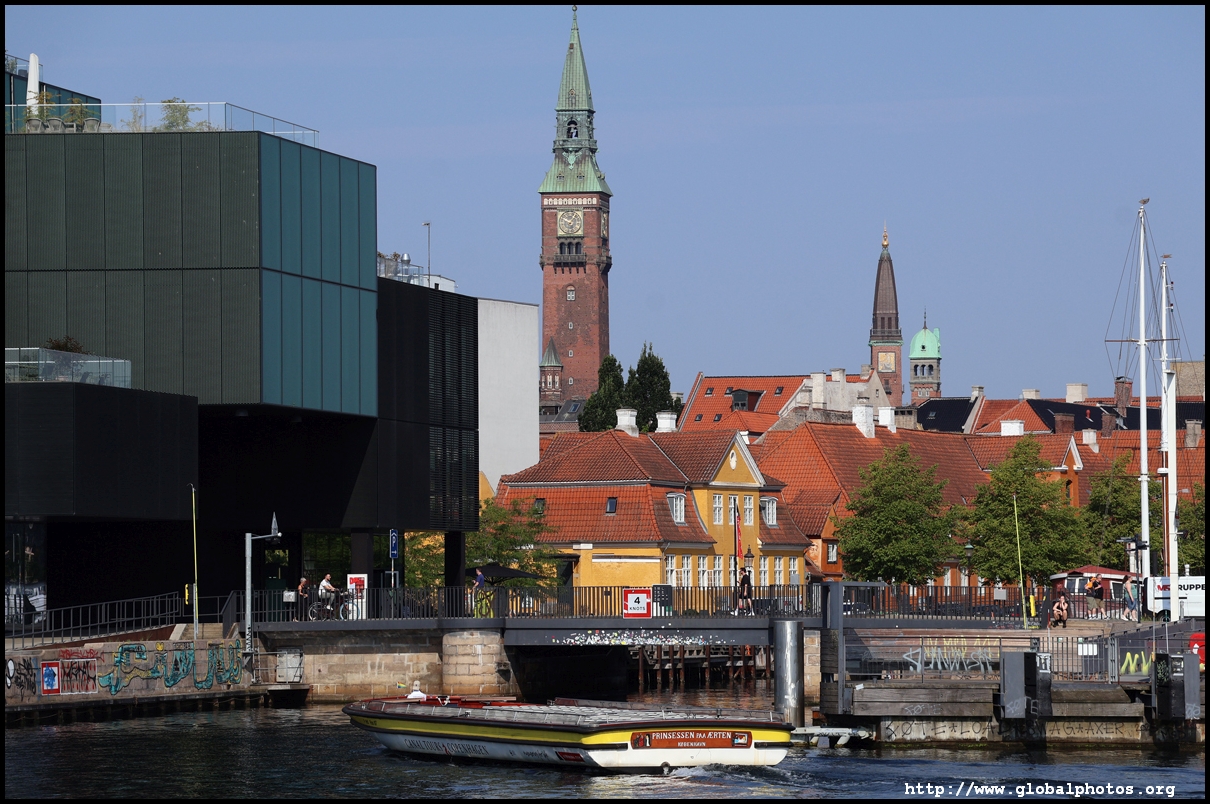
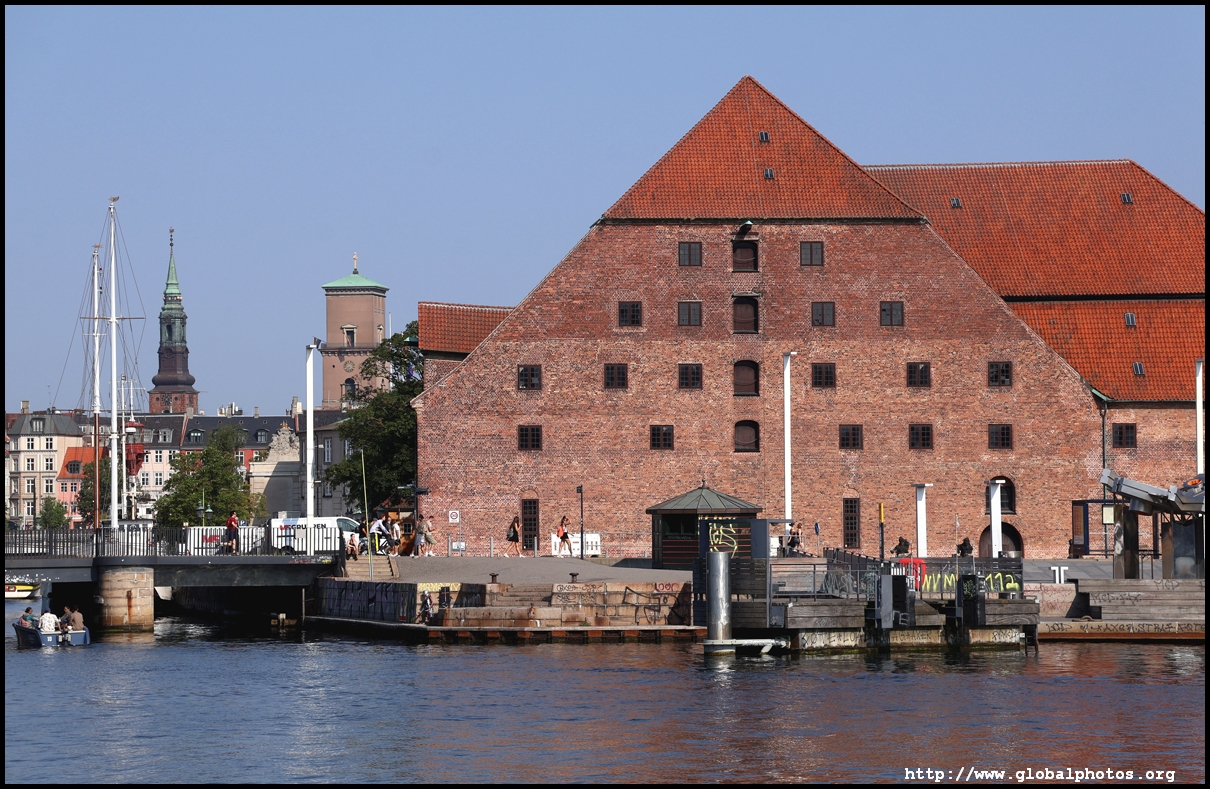
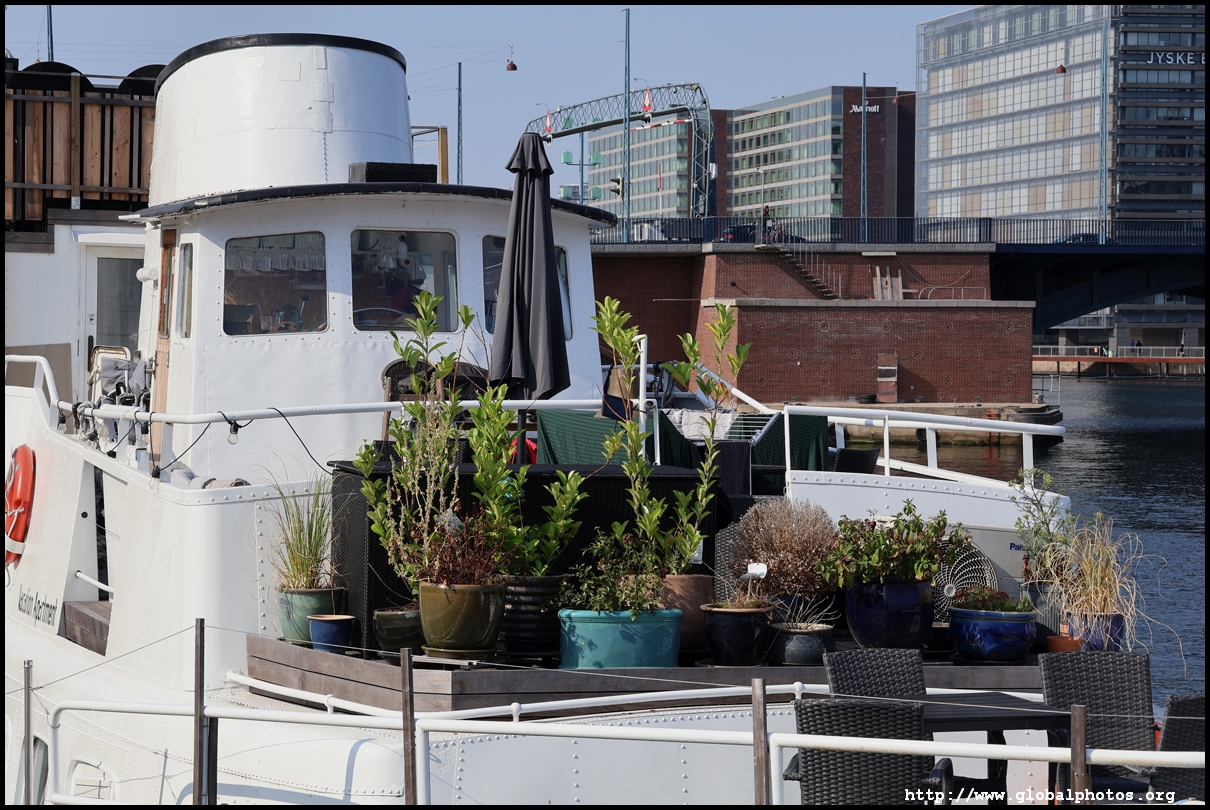
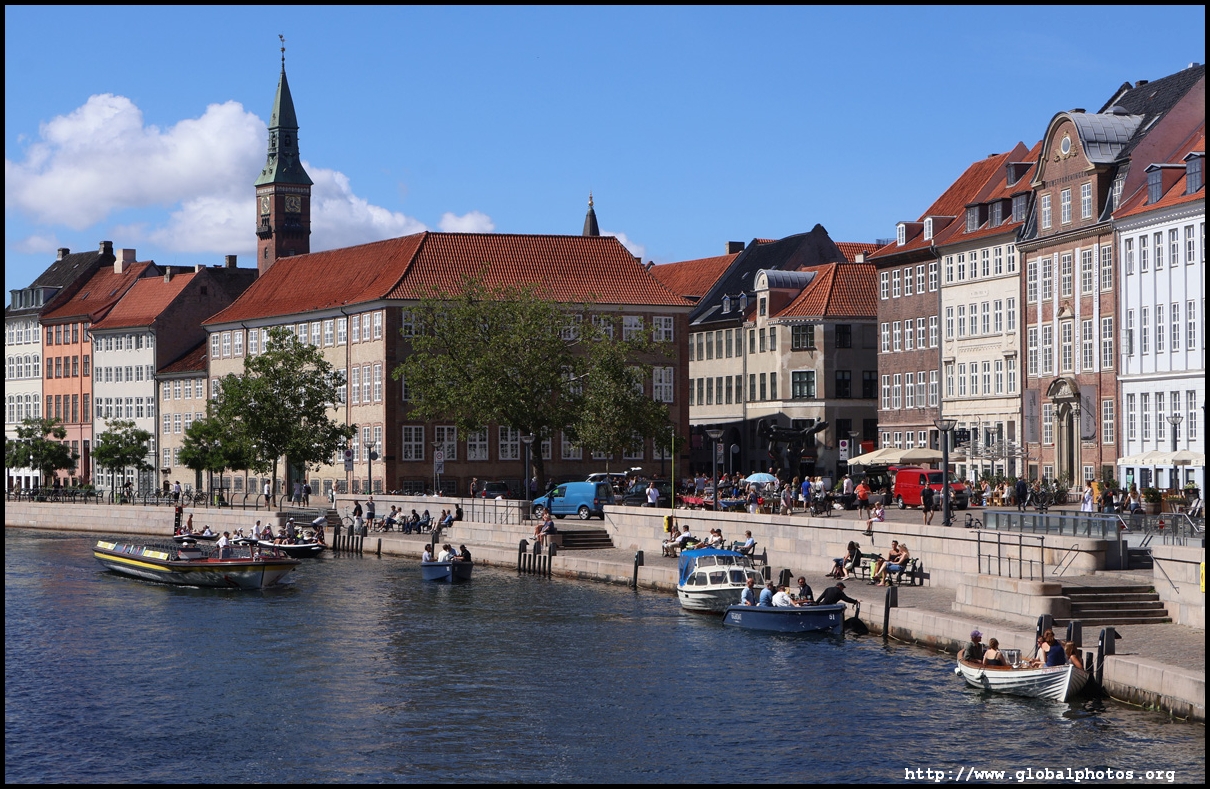
Copenhagen's Inner Harbour (Inderhavn) has lots of beautiful promenades, bike paths, and eye-catching architecture. A trip to the city is not complete until you've explored the harbour area, either by foot or on a cruise. You will see lots of locals enjoying this great asset, which has undergone a dramatic transformation from industrial use to recreational.There aren't many big cities where you can take a dip in the water right in the heart of downtown. Paris spent a lot of money and time to clean up the Seine for swimming and even after all that, they've seen mixed results. Copenhagen is one of those incredible success stories we all should learn from. After climbing the Church of Our Saviour for lovely views of the city, I headed to the harbourfront near Christians Kirke looking for the water.
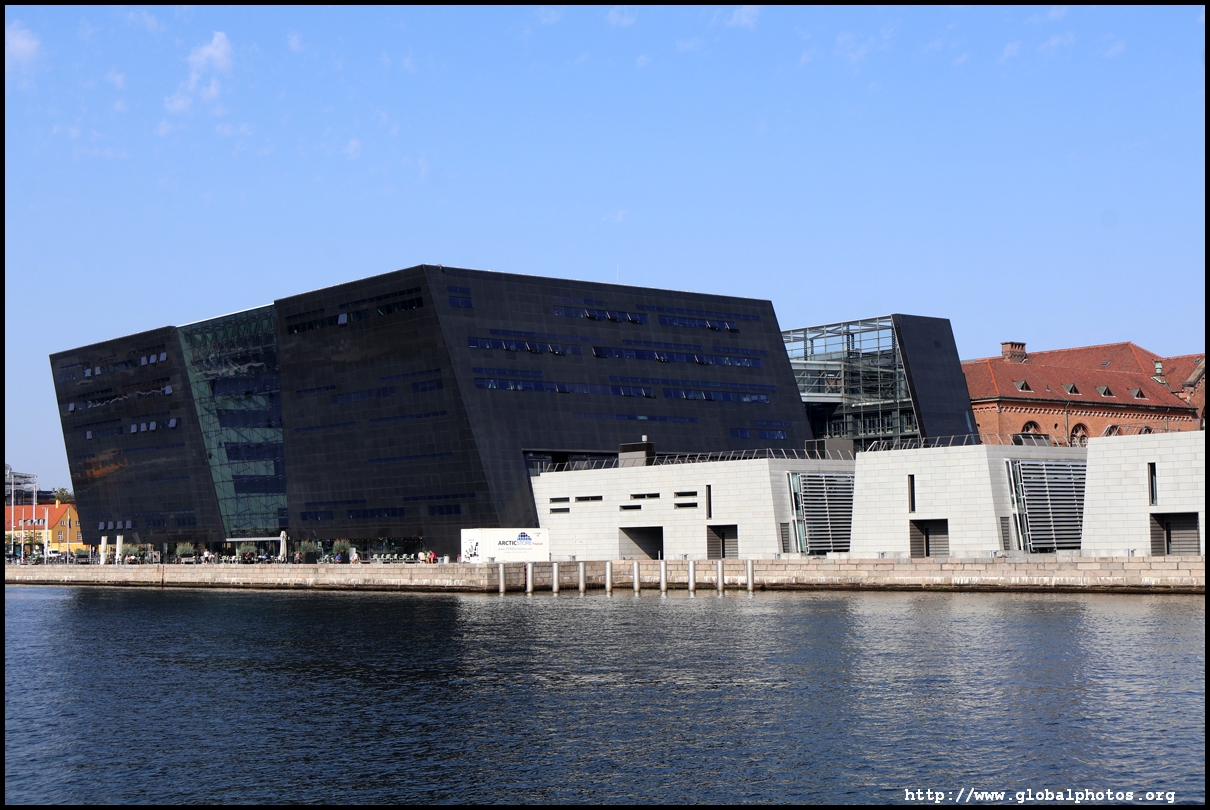
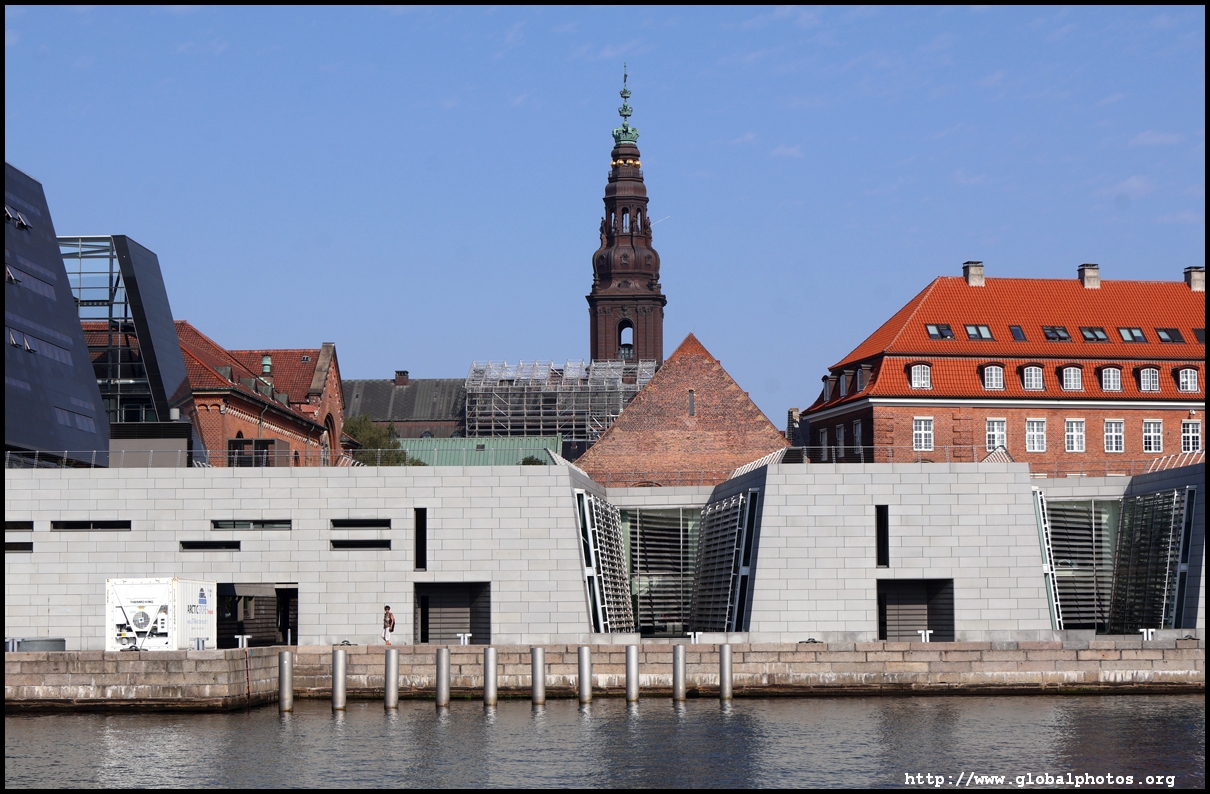
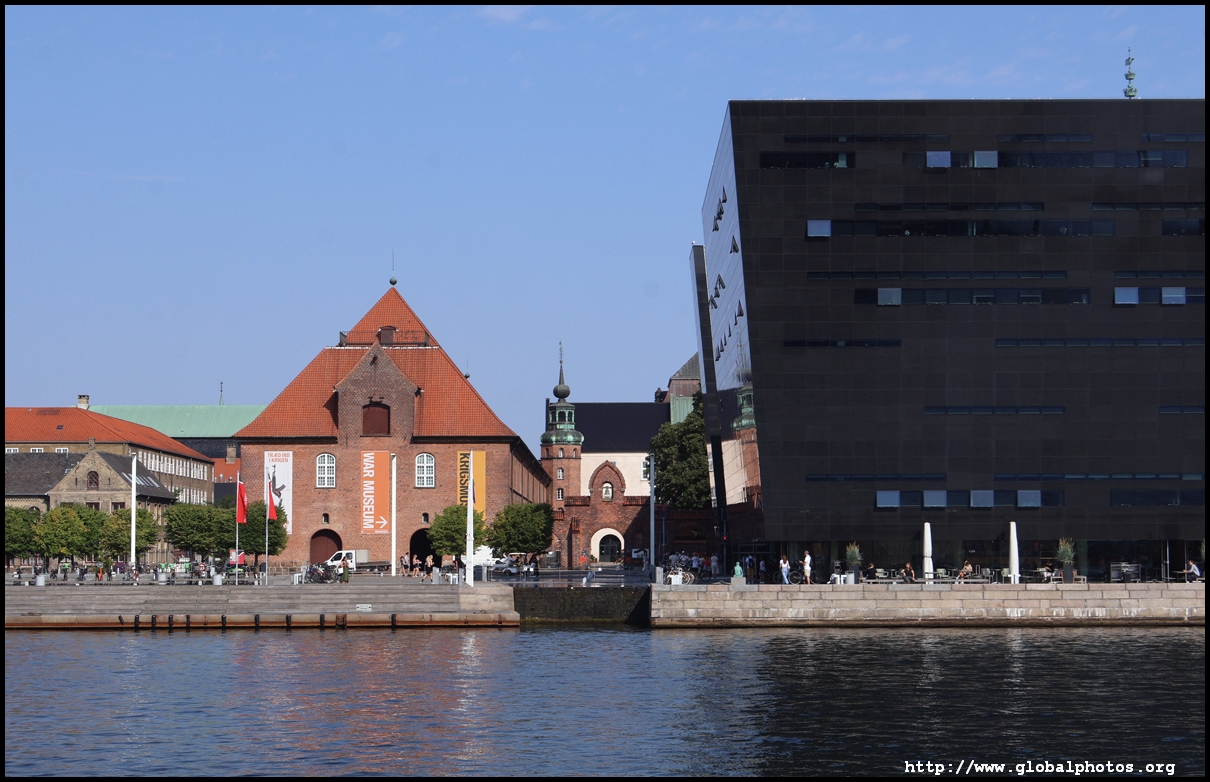
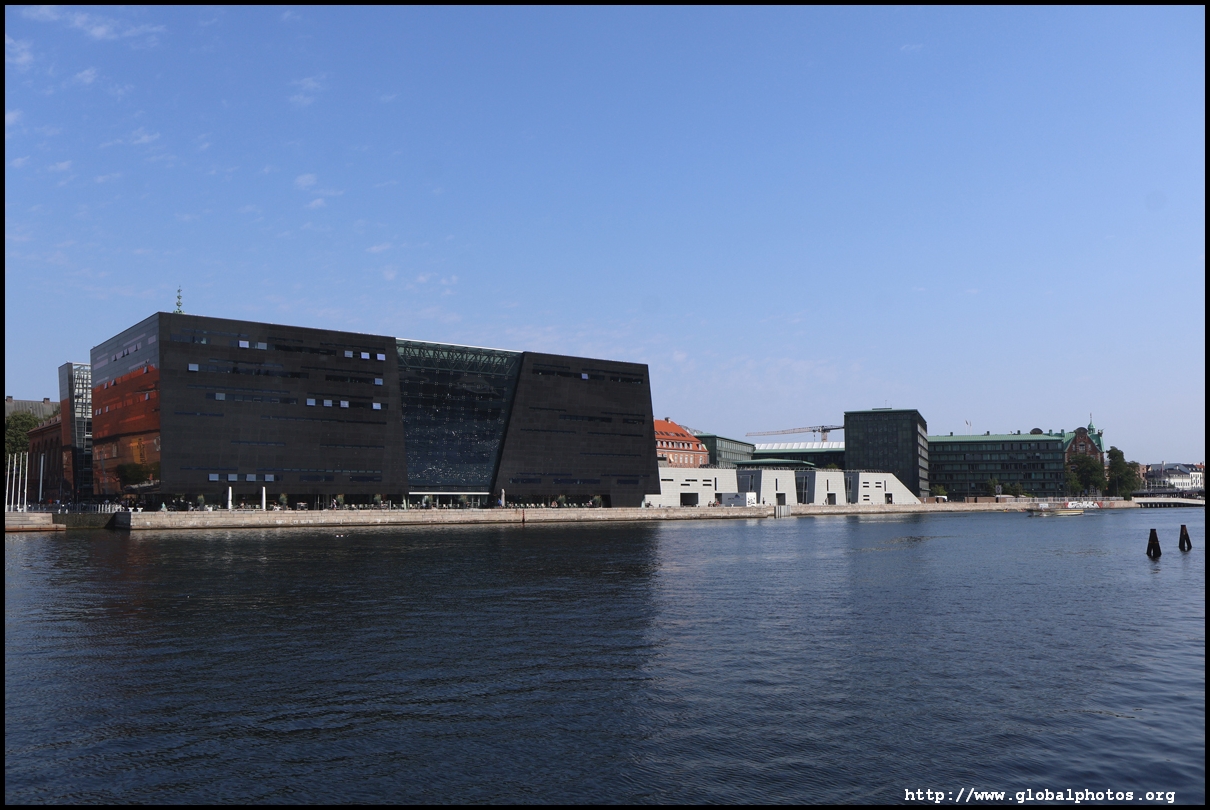
Opened in 1999, the Black Diamond houses the Royal Danish Library and got this nickname because of its facade.
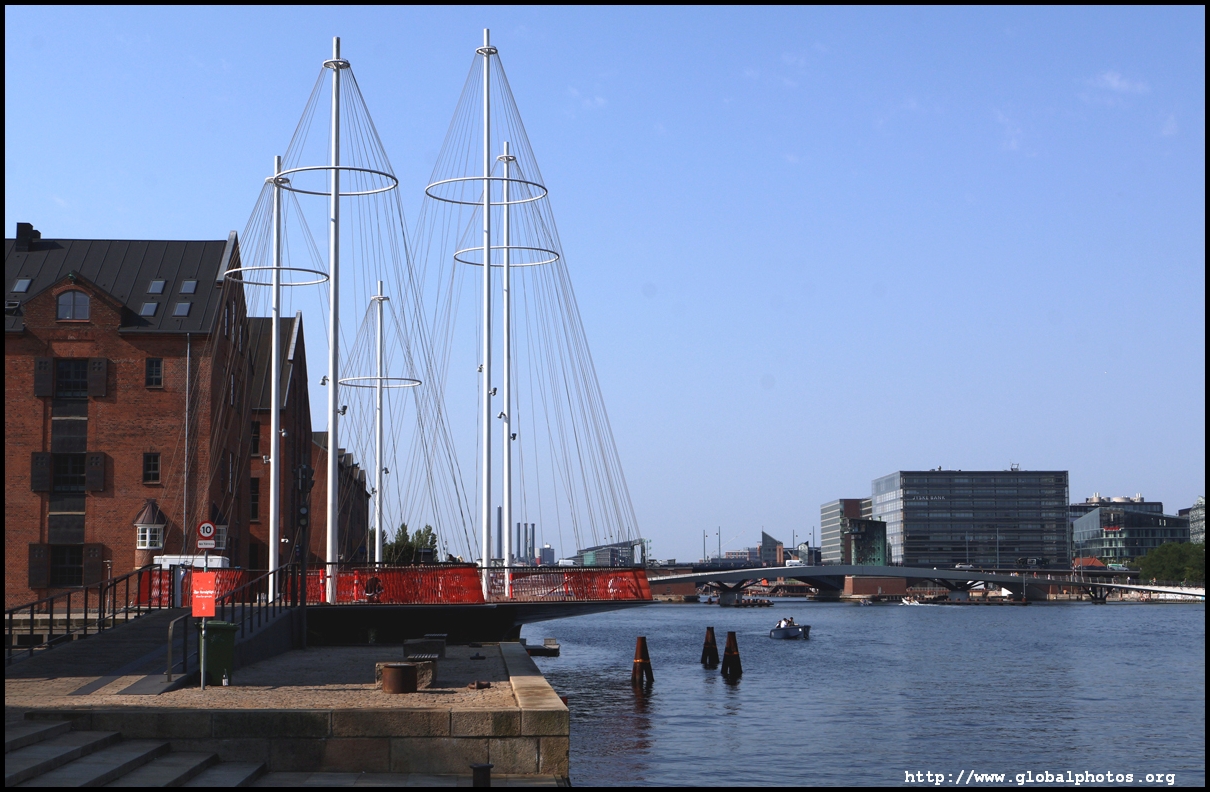
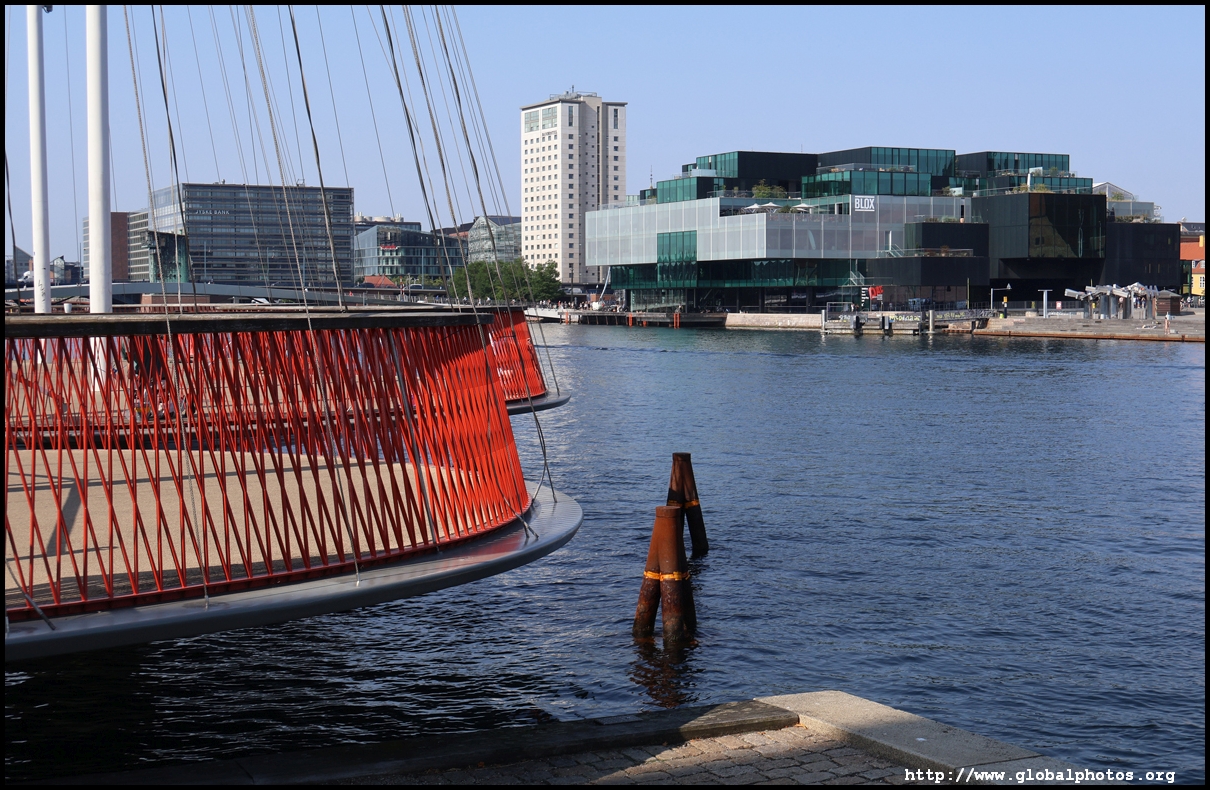
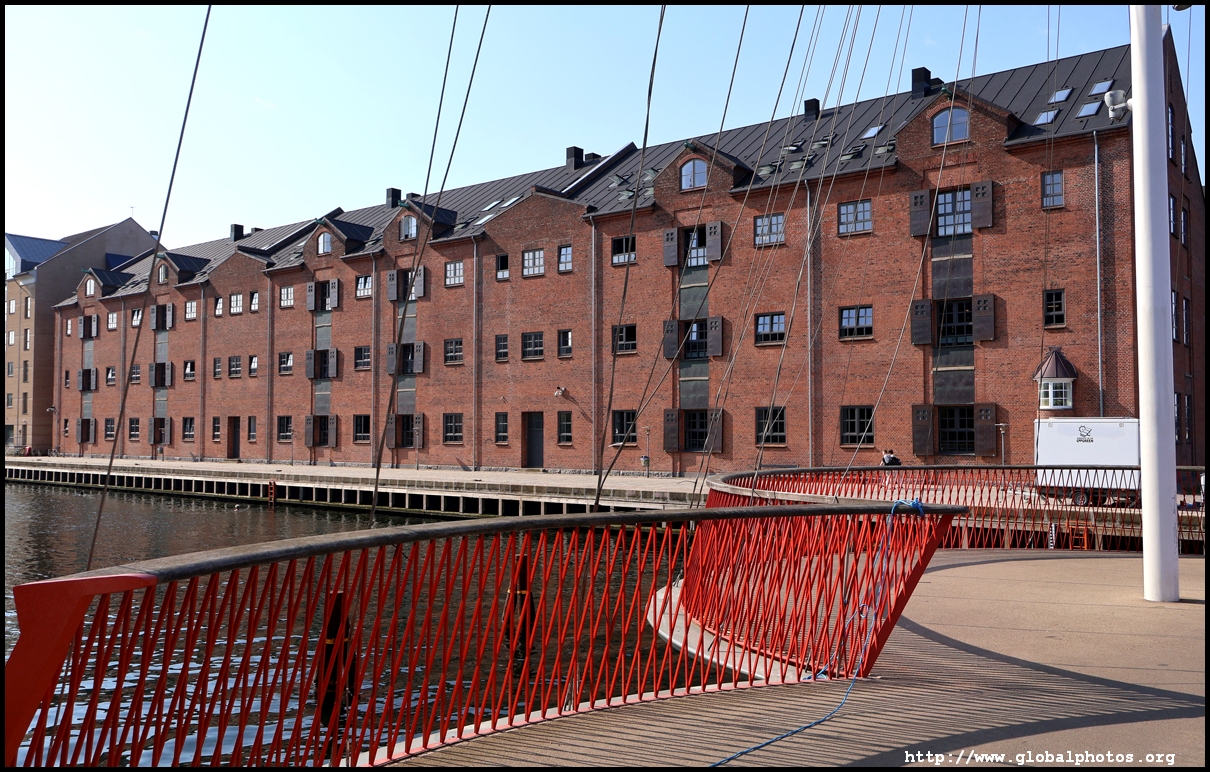
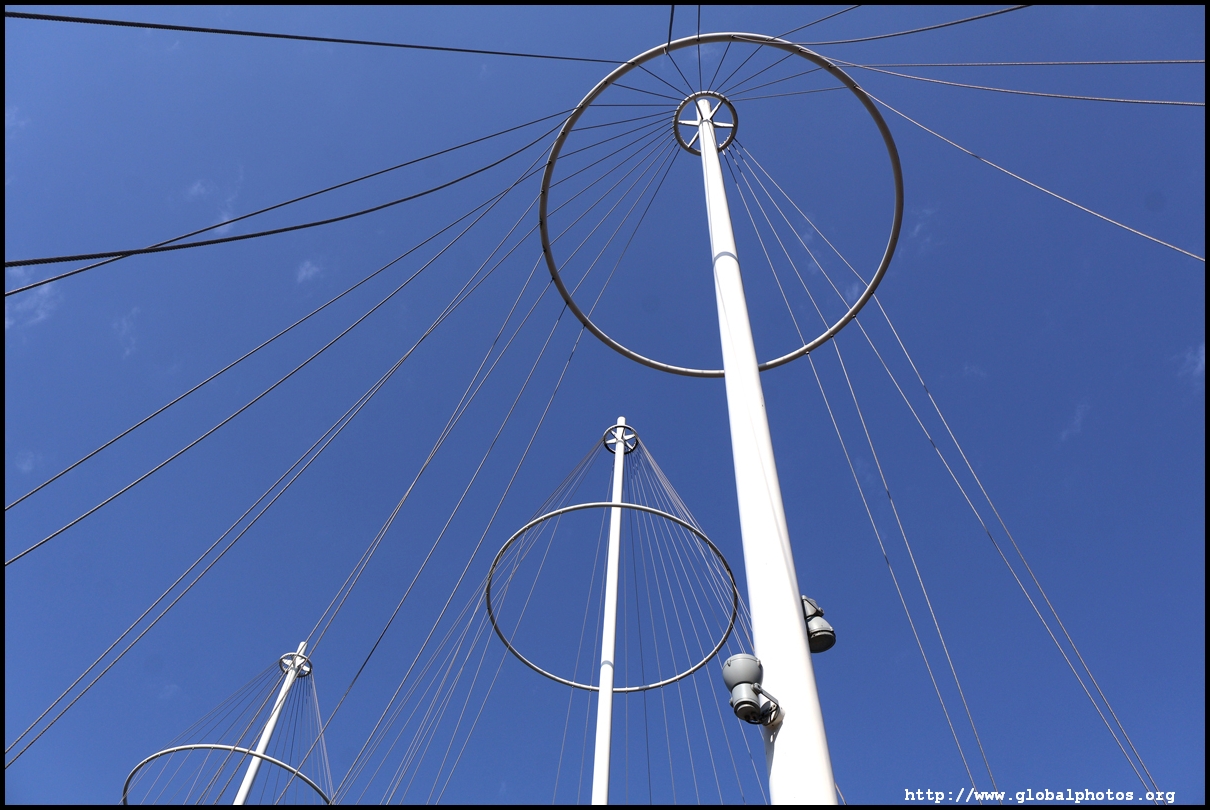
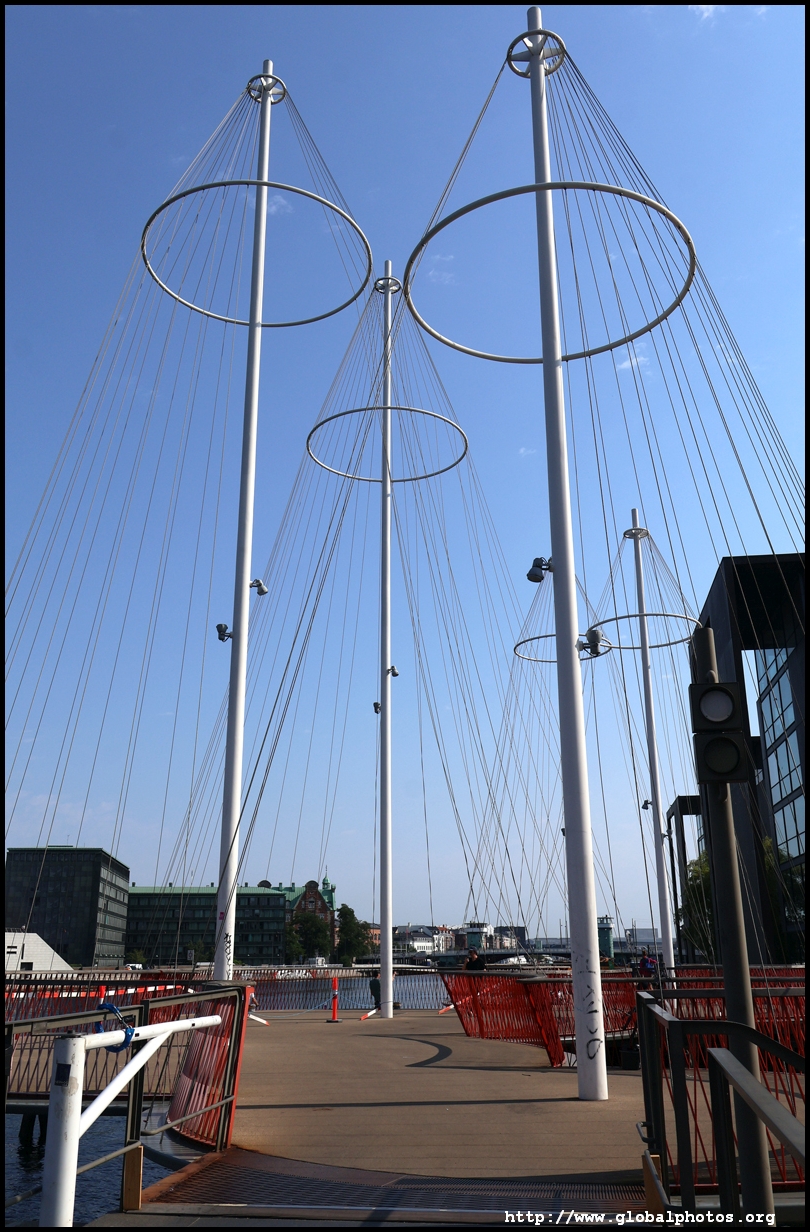
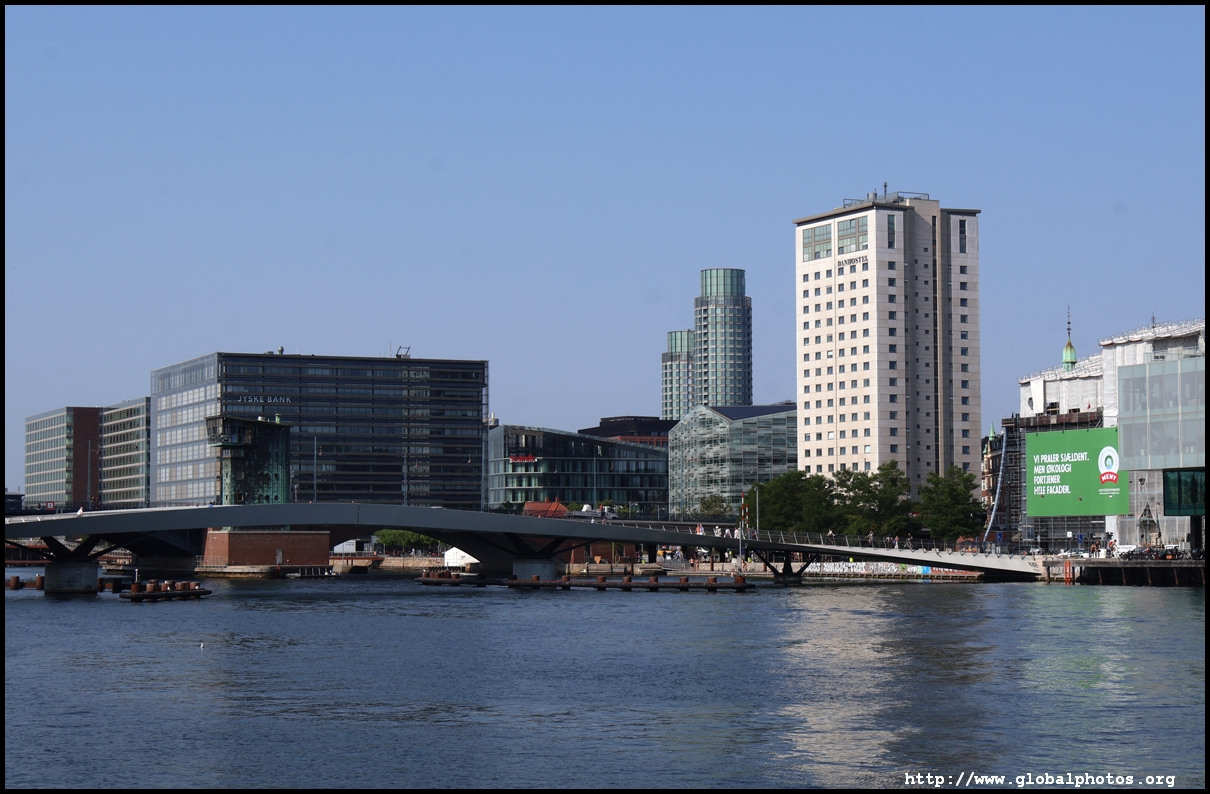
Designed by Danish-Icelandic artist Olafur Eliasson, Circle Bridge looks like 5 masts from a ship, paying tribute to the city's maritime history. There are 5 circular platforms, each a different size, that can move to let ships pass.
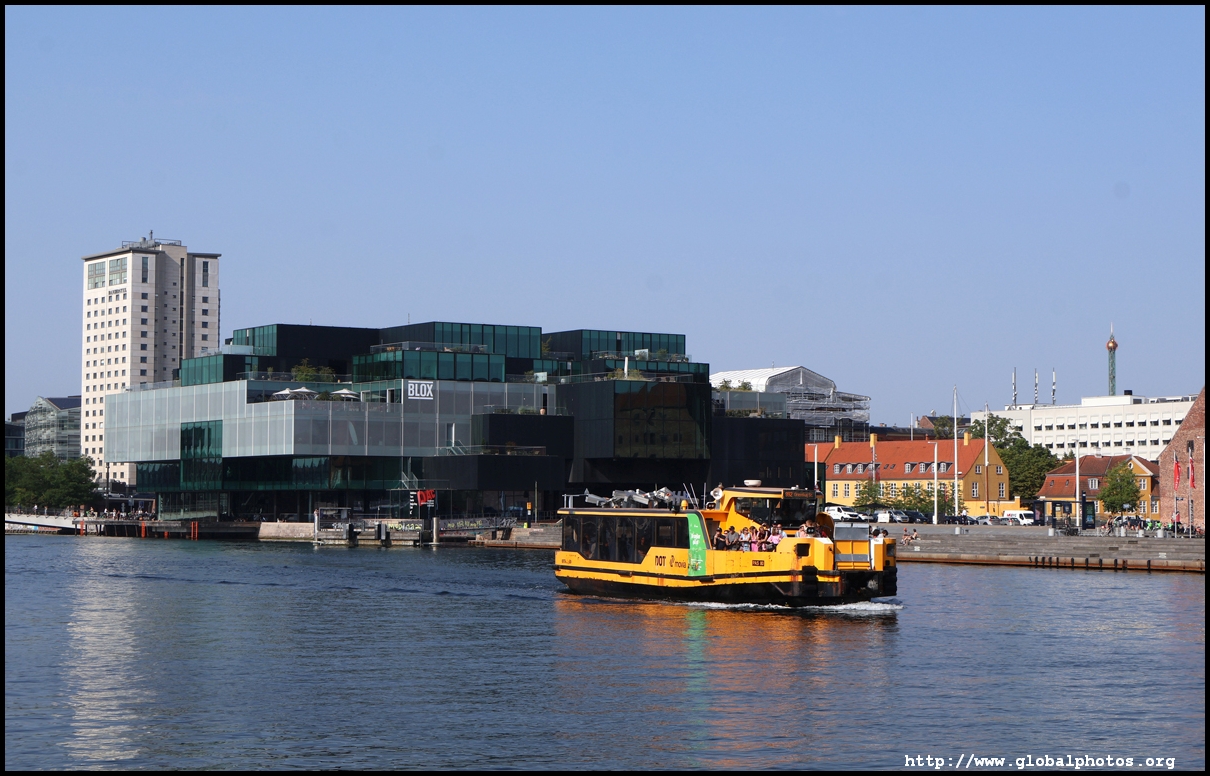
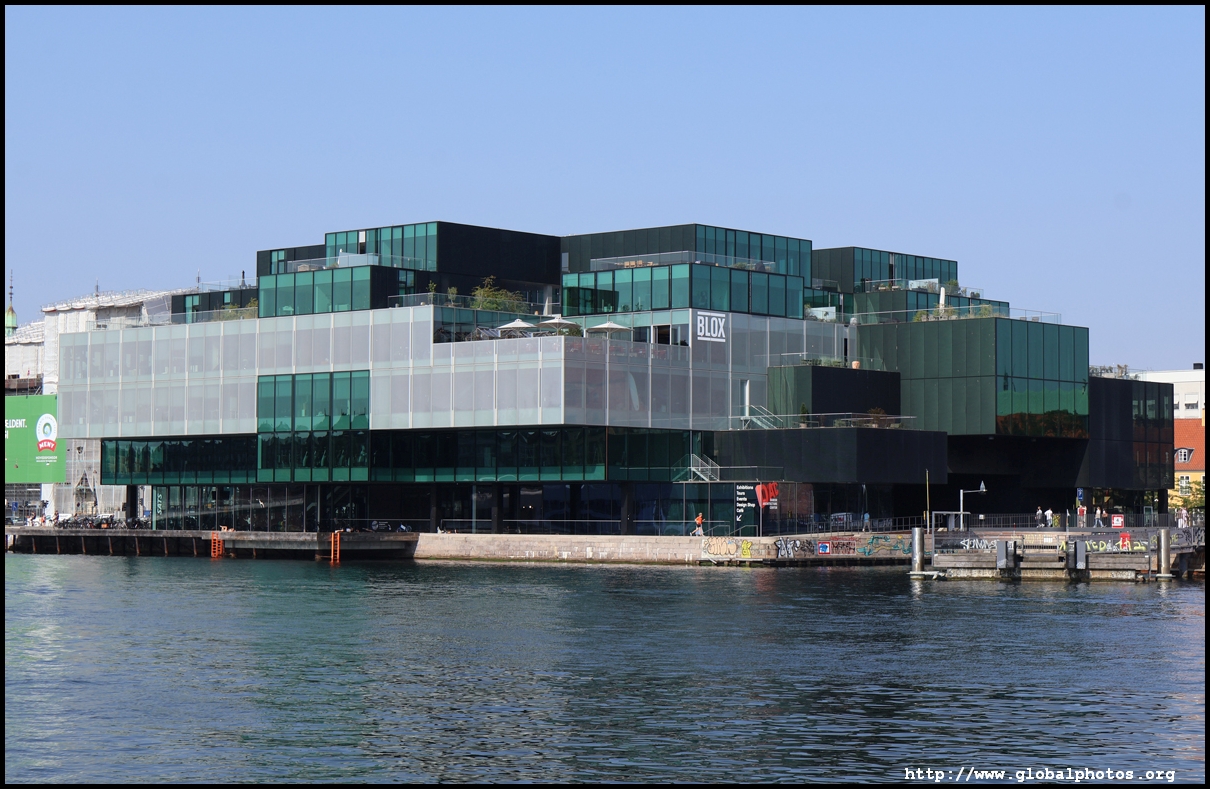
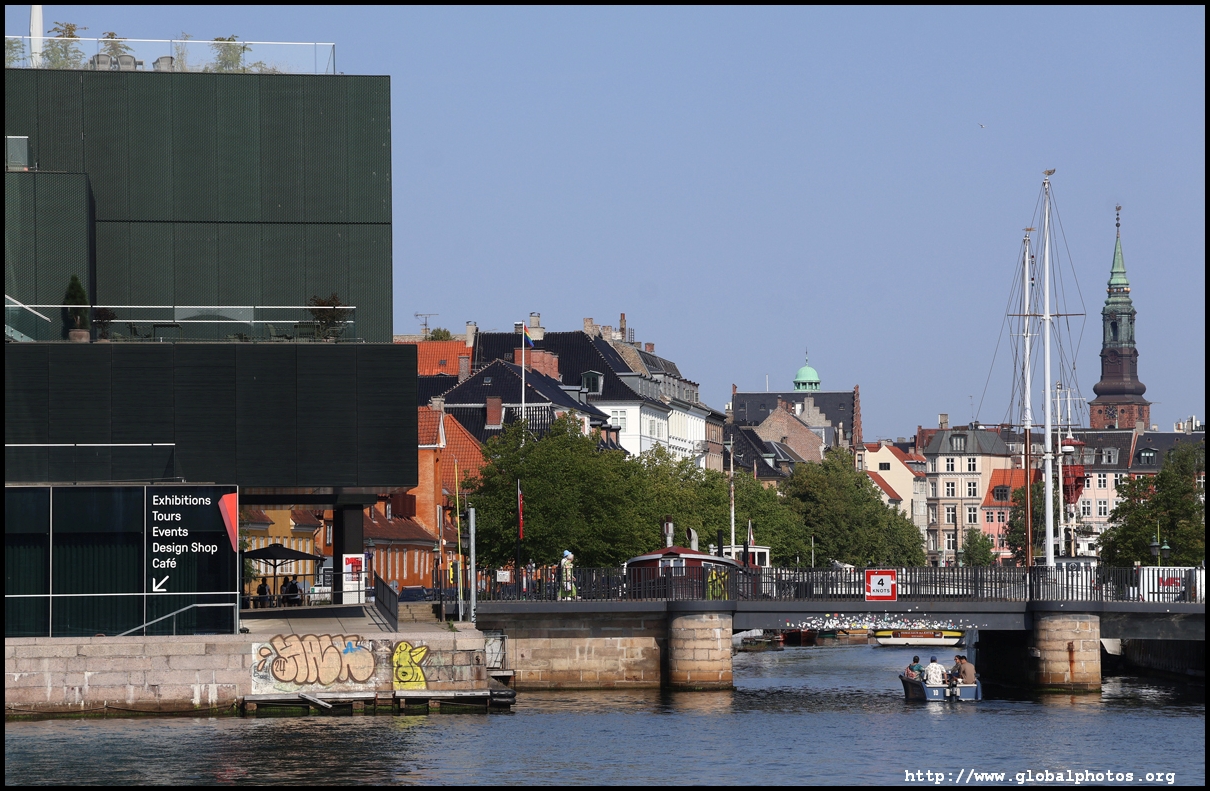
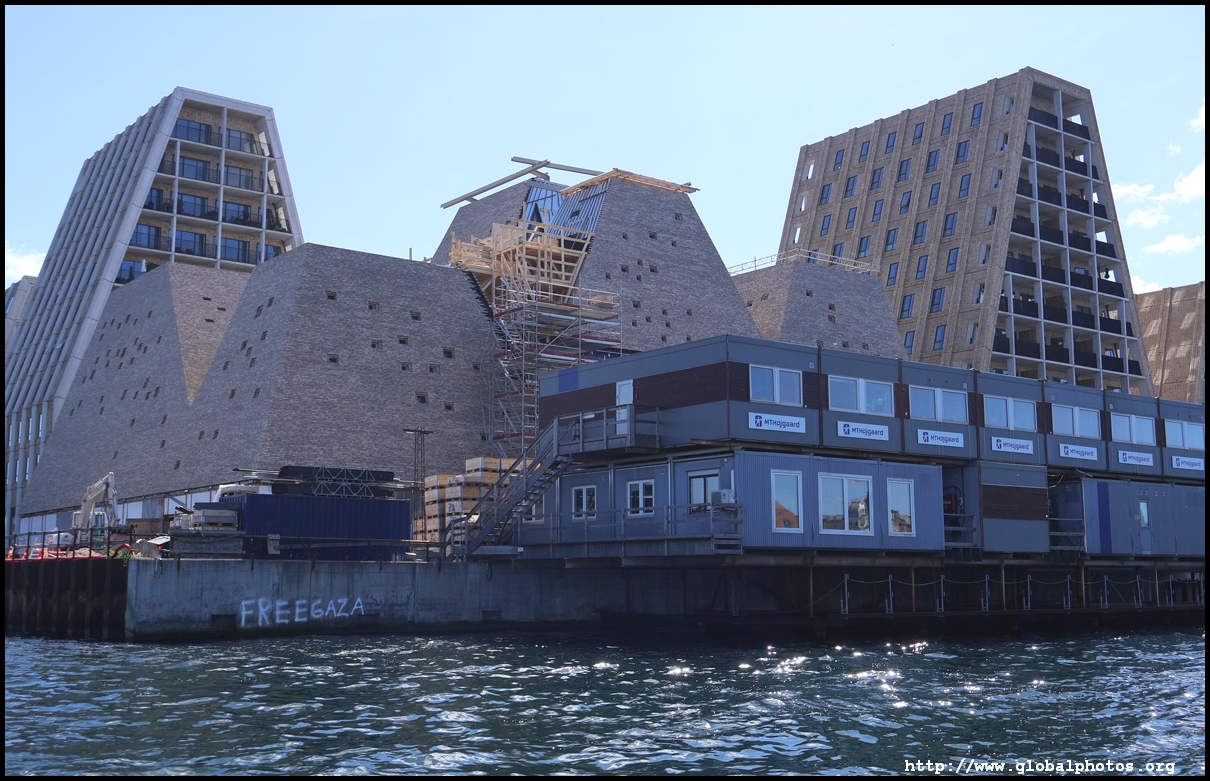
OMA designed BLOX for the Danish Architecture Center, which was previously a brewery that burned down in the 1960s. The exterior shows various forms stacked together, with the interiors housing exhibition space, offices, and even apartments.
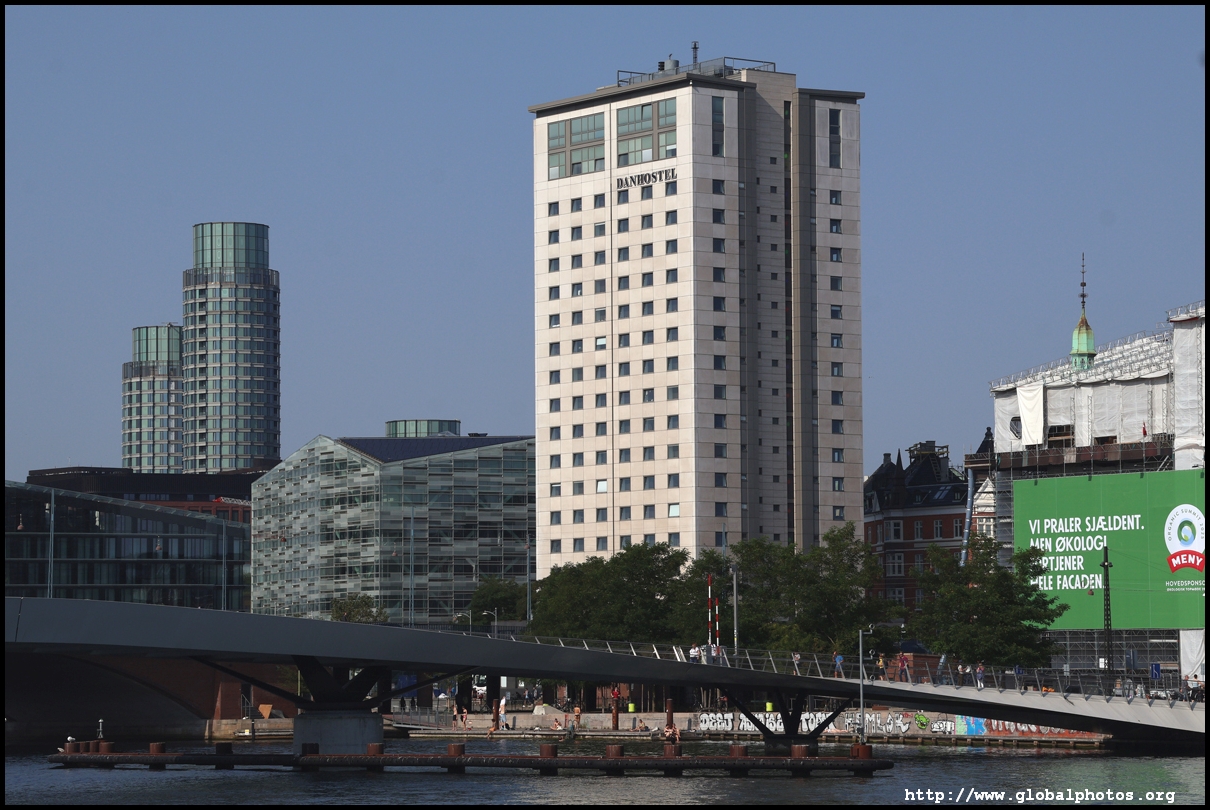
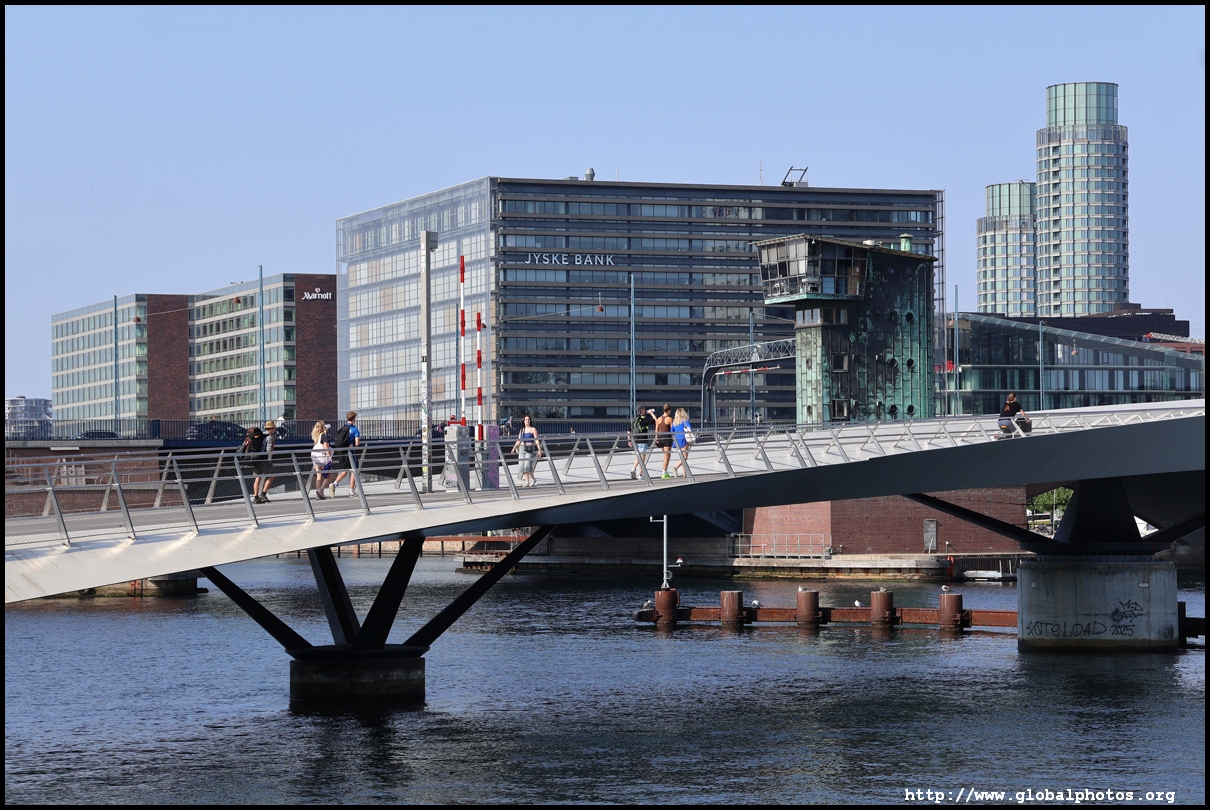
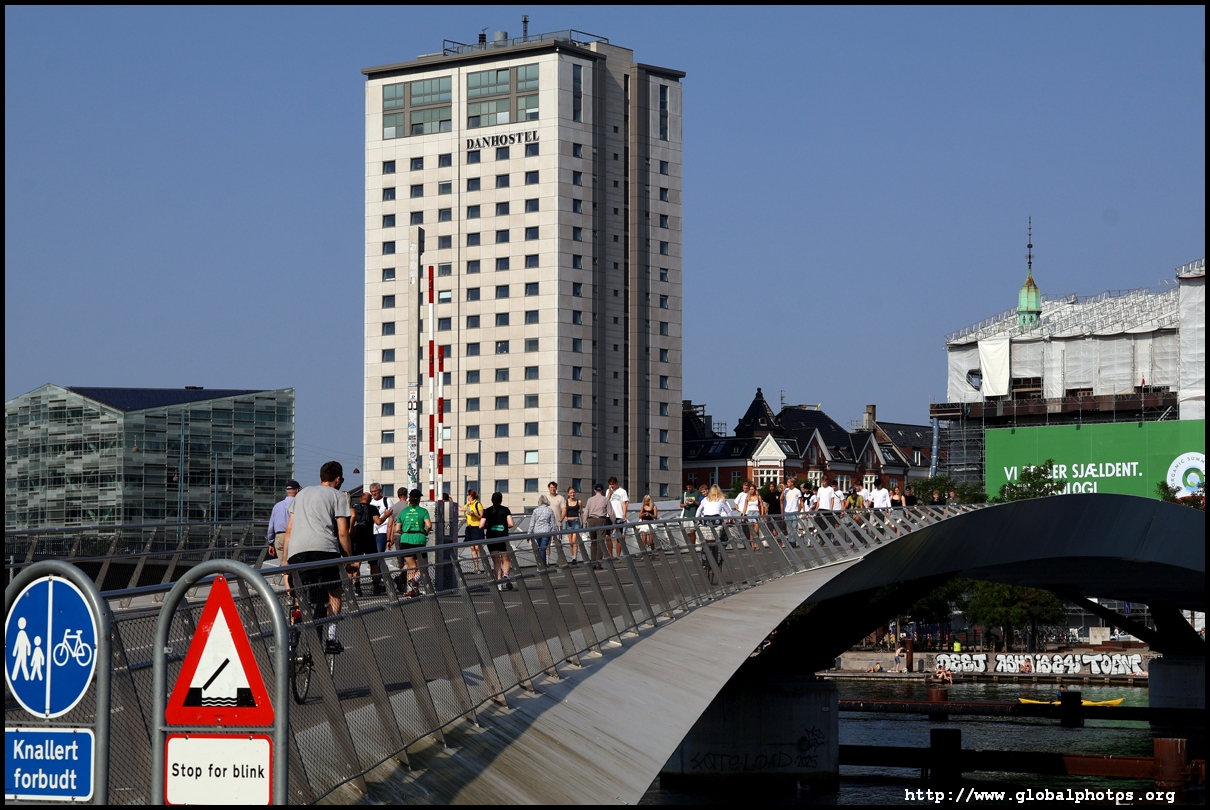
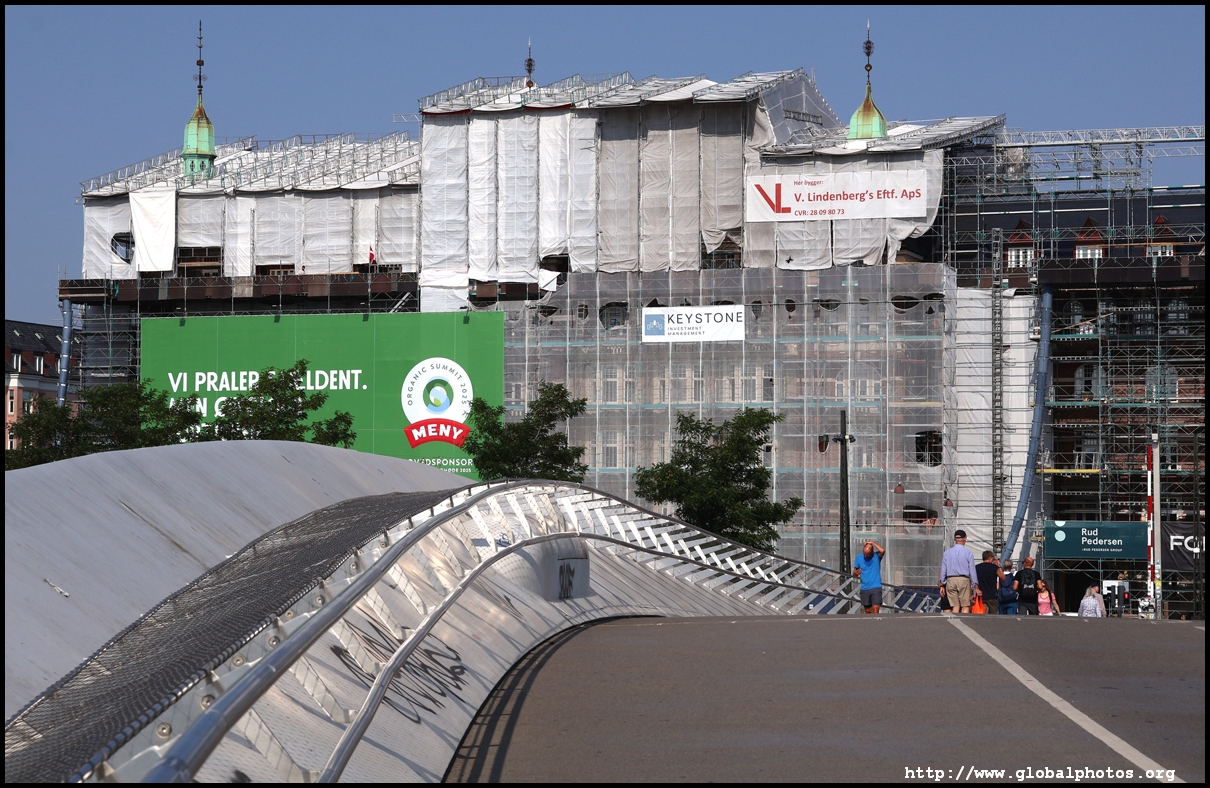
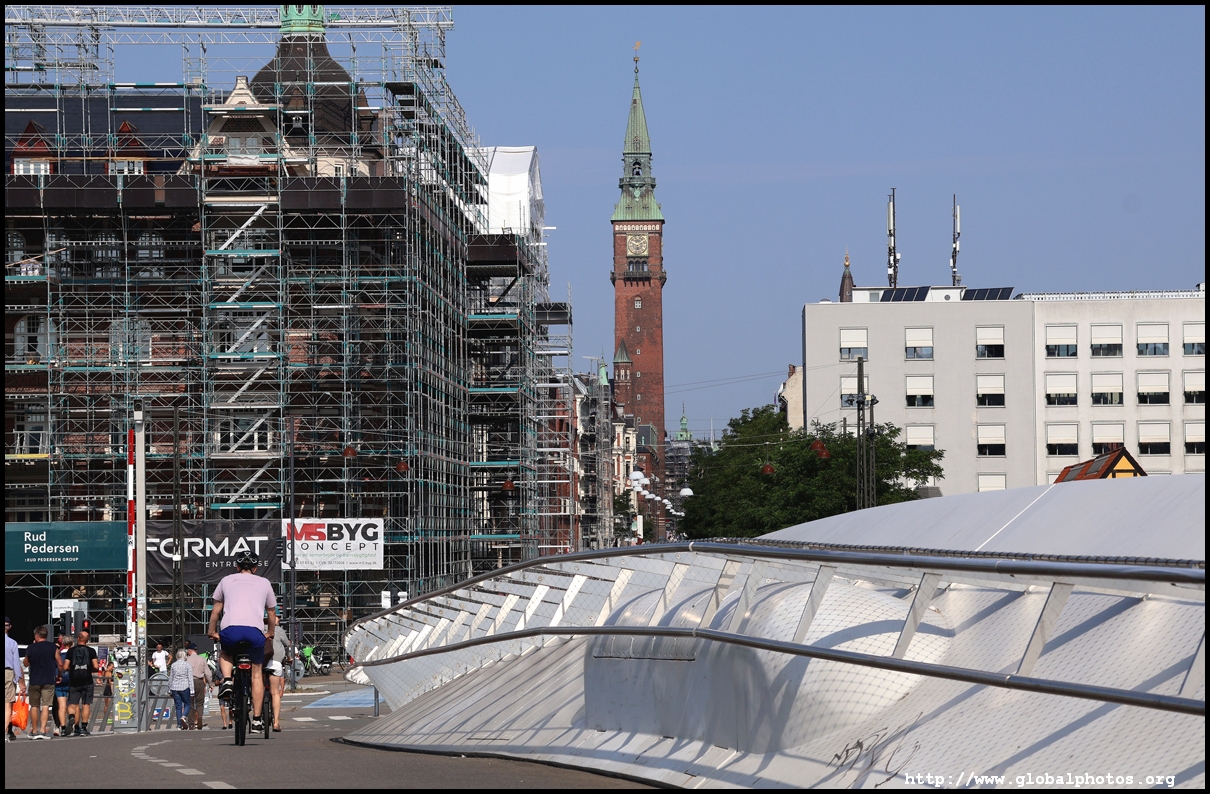
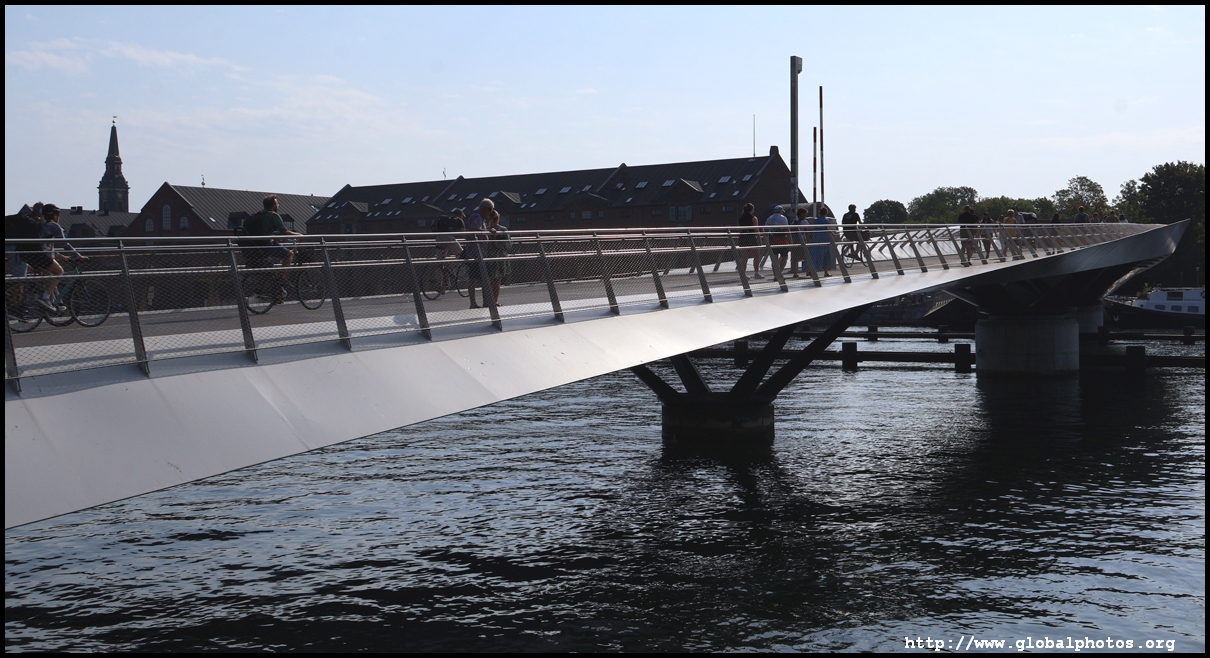
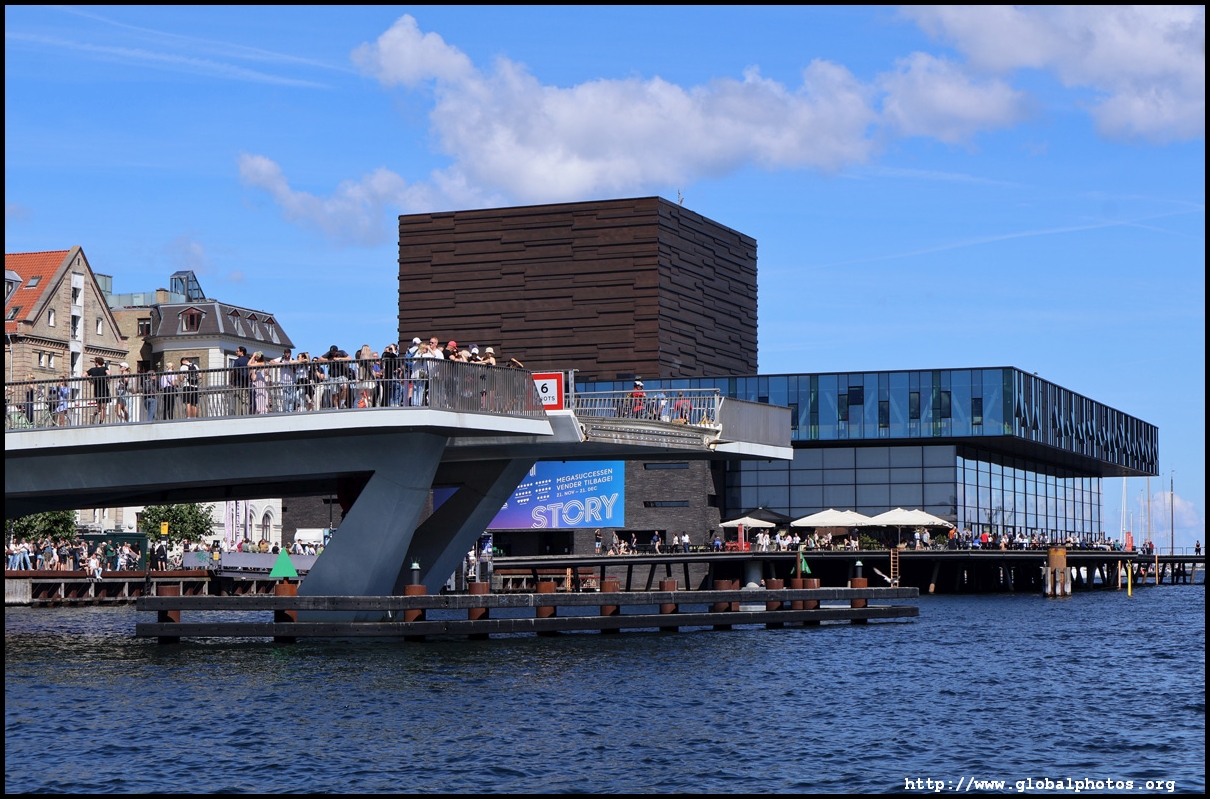
Completed in 2019, the Lille Langebro is a new 160m-long bridge connecting Christianshavn with BLOX. Only cyclists and pedestrians can use this bridge, which is fit for this cycling-mad city. It stands at the location of the very first Langebro bridge, which was a wooden construction from the 17th century for horse carriages and pedestrians.
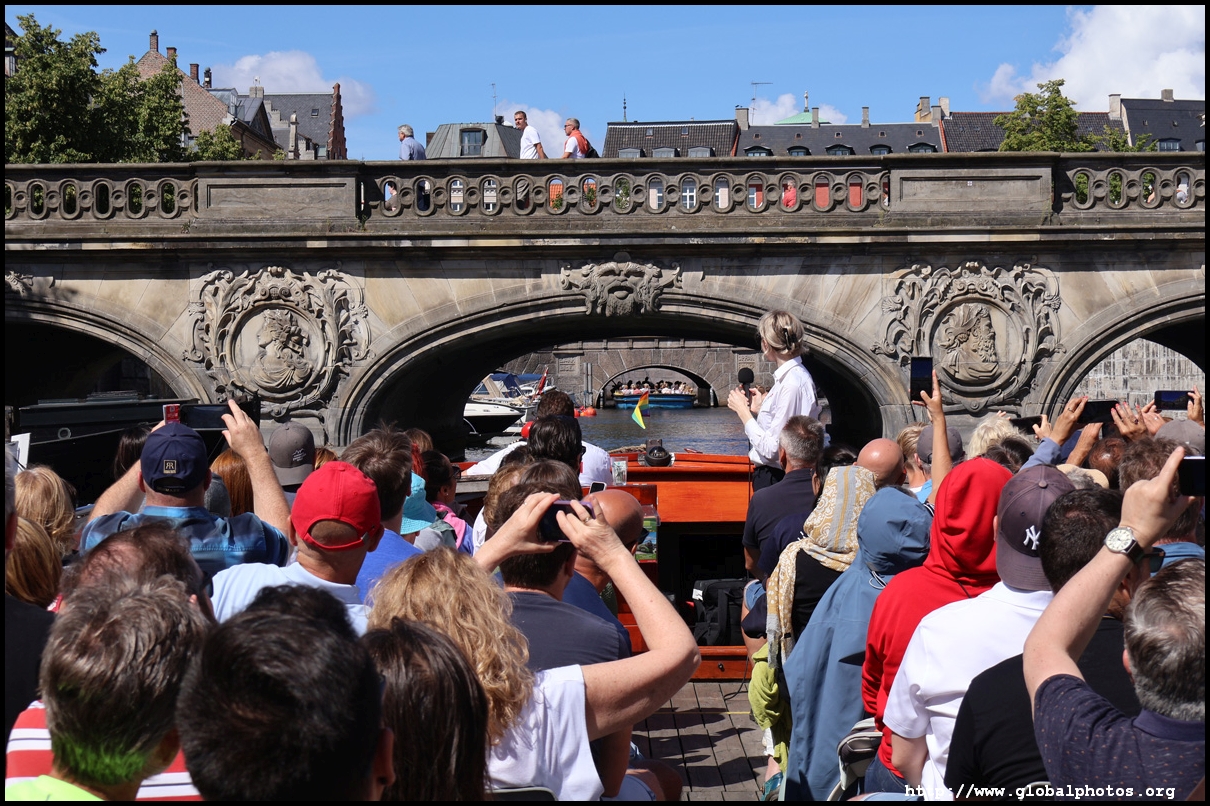
Satisfied with my short walk, I also went on a Stromma Canal Tour, a 1-hour cruise that is included with my Copenhagen Card. It's a good way to weave into some of the inner canals that are not so easily accessible by tourists. It started next to Gammel Strand metro station just across from the palace and not from touristy Nyhavn.
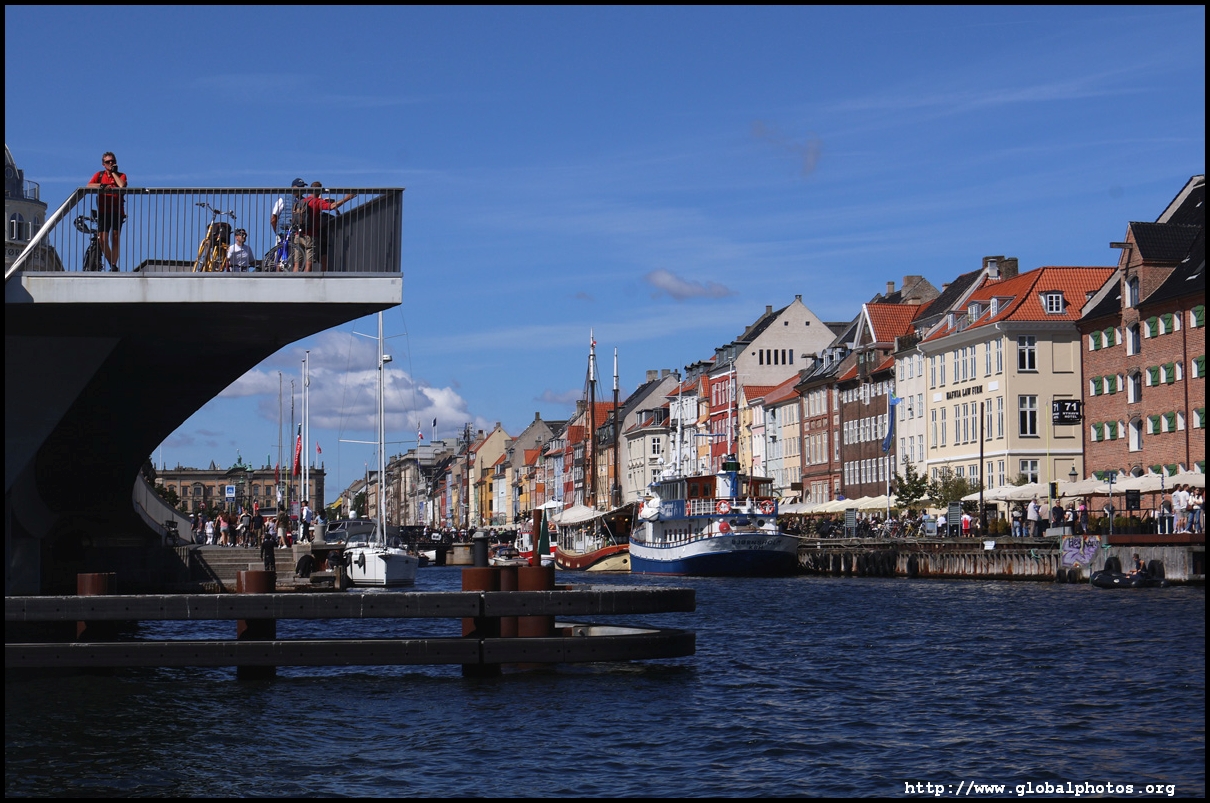
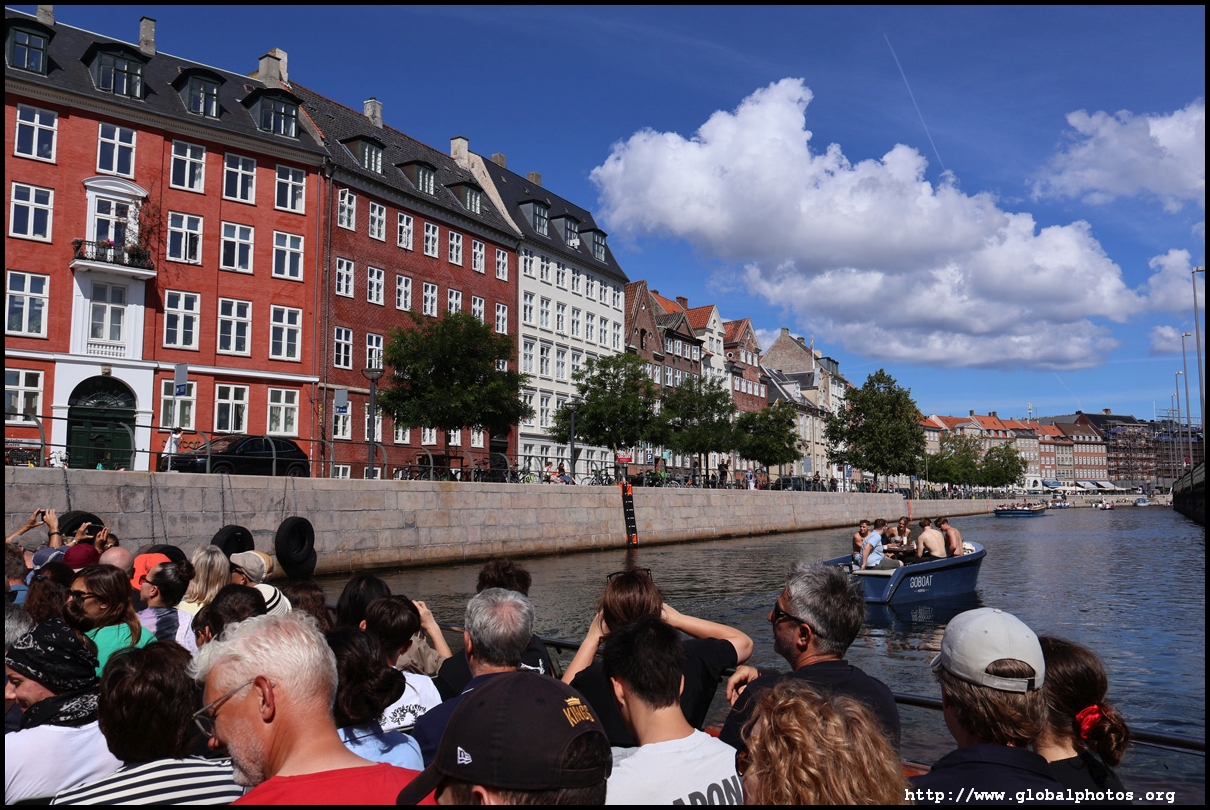
We passed by Nyhavn, the most famous harbour area and always bursting with tourists. The coloured facades are indeed beautiful though.
Designed by Danish architect Henning Larsen and funded by shipping magnate A.P. Moller as a gift to the country, the Royal Danish Opera House spans 14 floors, 5 of which are underground.
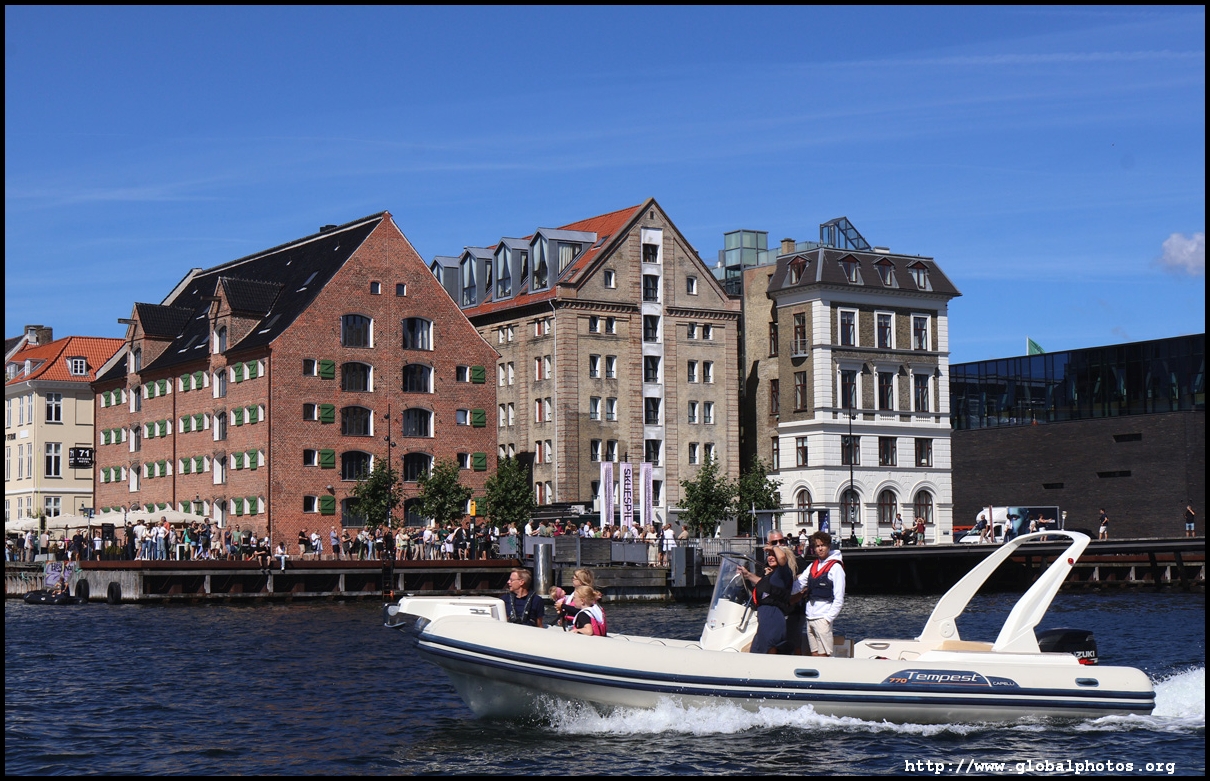
Inside the smaller canals, it looks a lot more residential and even the guide stops her commentary to respect the people living here. It's a good time to relax and enjoy the scenery.
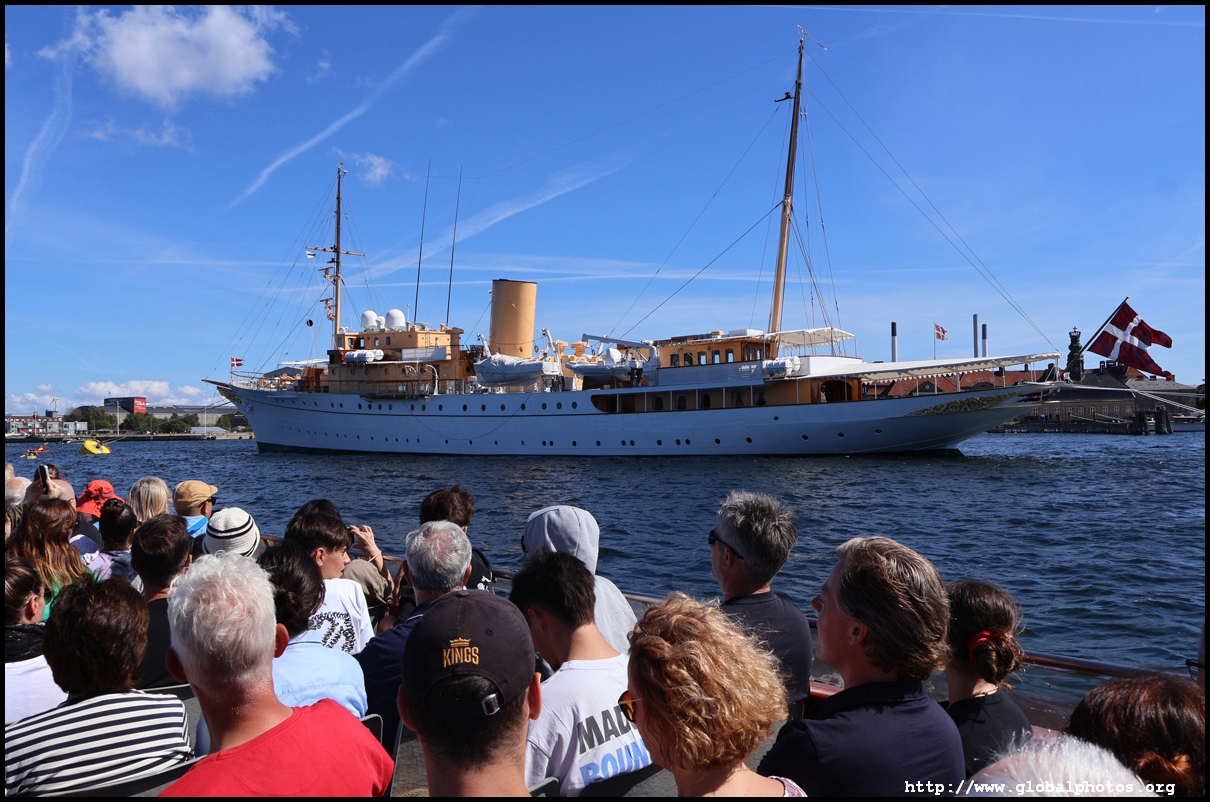
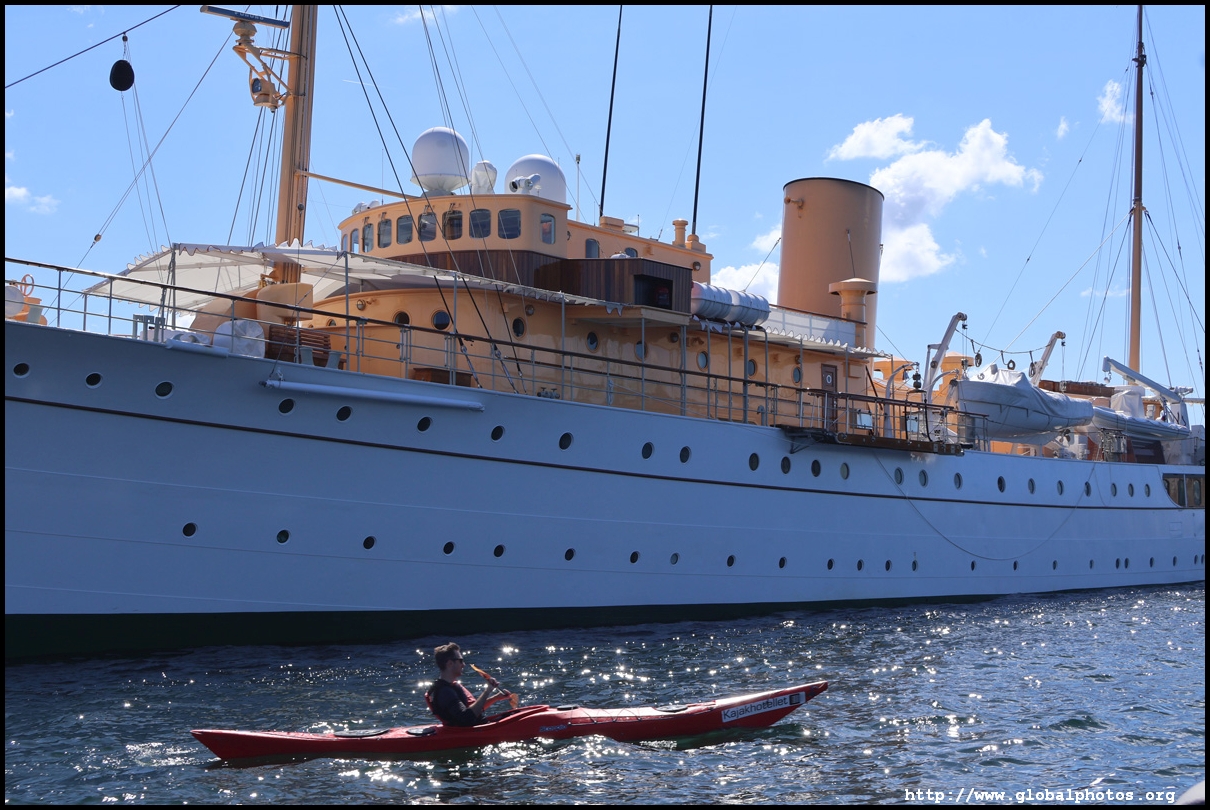
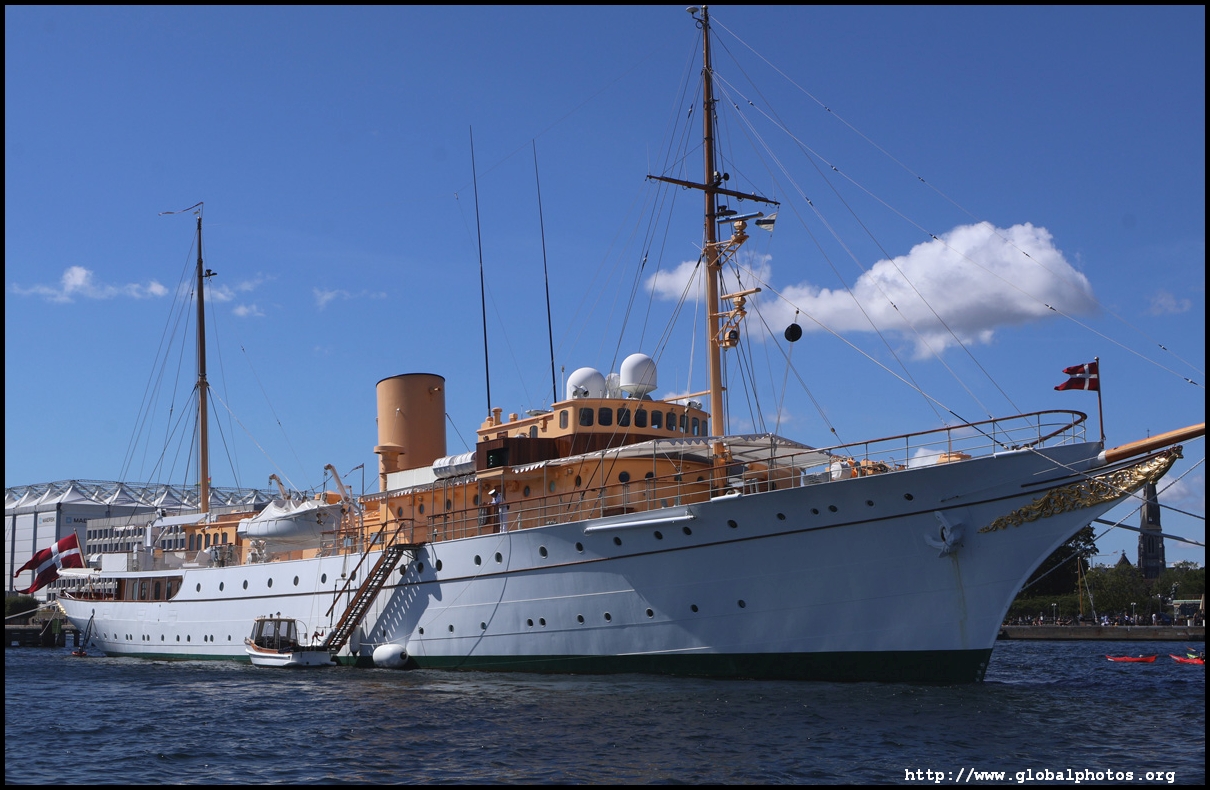
The Royal Yacht Dannebrog serves the royal family when they are on summer cruises at home or during official overseas visits. It was built in the city and inaugurated in 1932. Crewed by officers from the navy, the yacht has travelled over 800,000 nautical miles.
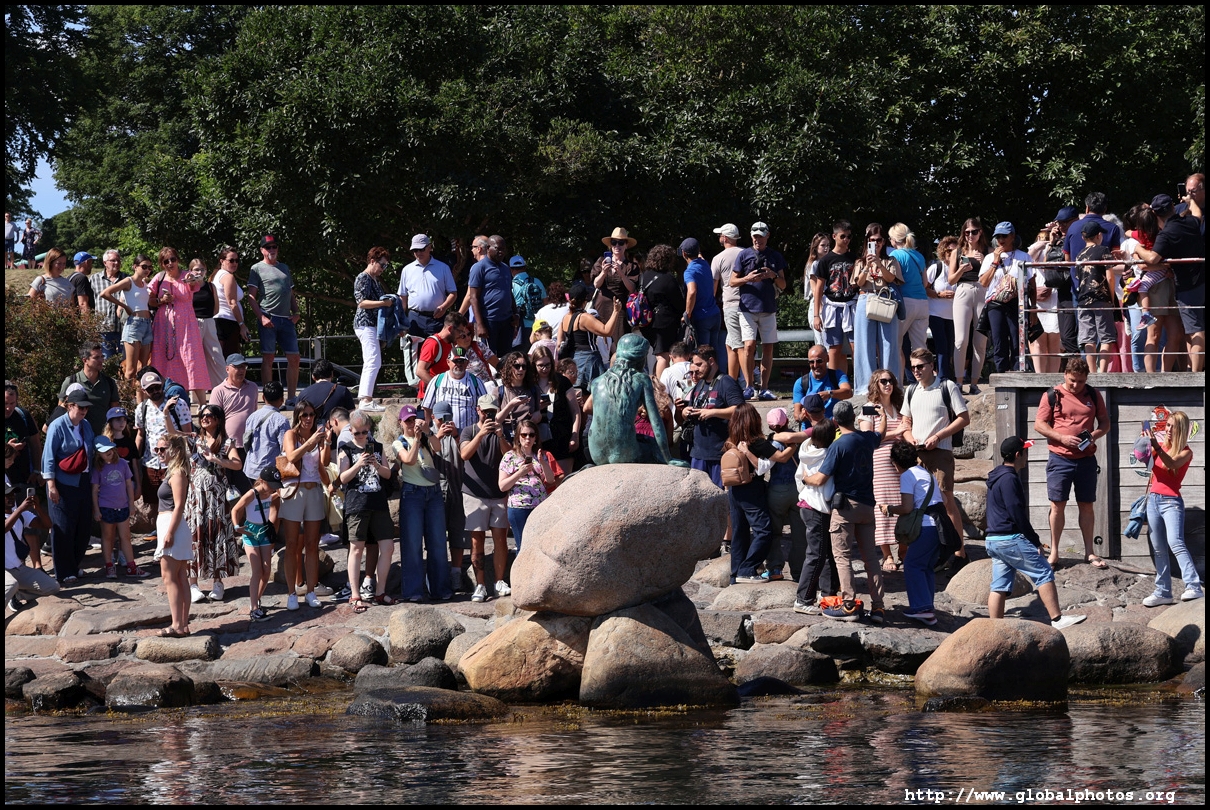
The guide mentioned this is one of the most disappointing tourist attractions in the world. It certainly looked busy and probably not worth the long walk to see the Little Mermaid statue that was inspired by Hans Christian Andersen's fairy tale and unveiled in 1913. This view from the back would do.
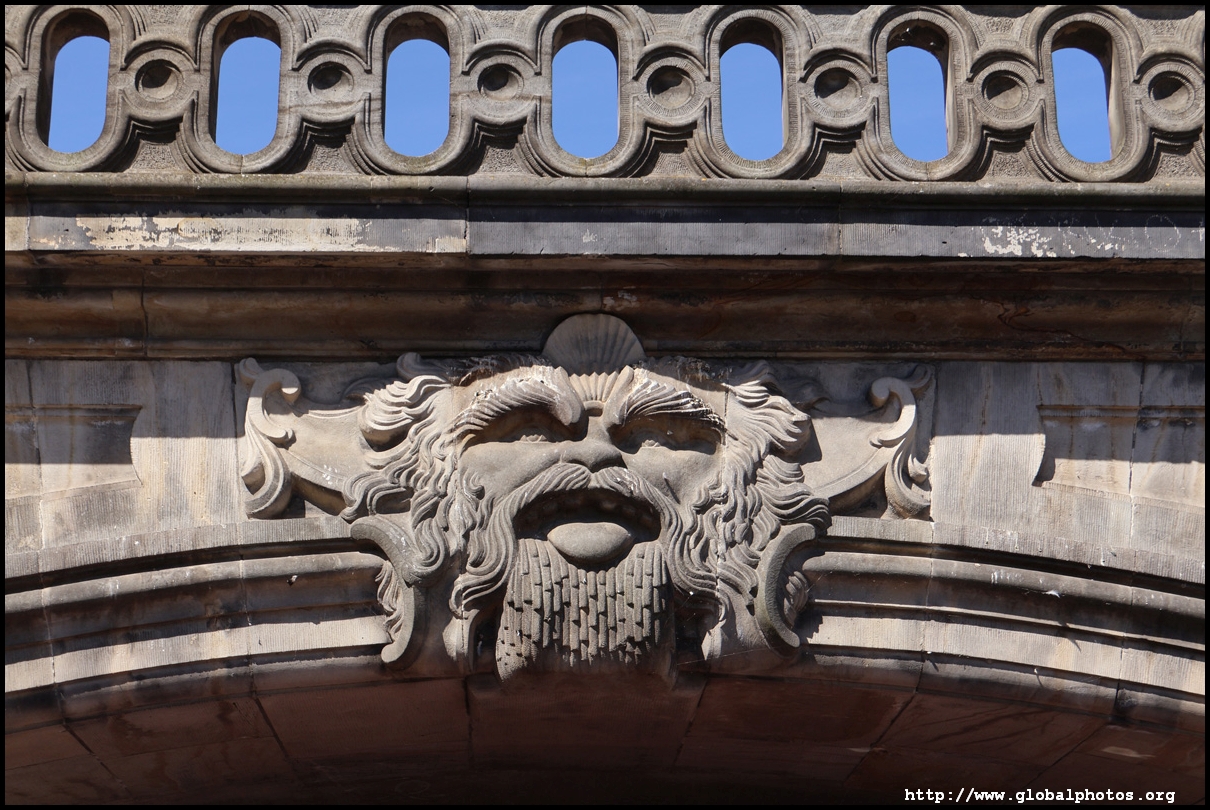
Built between 1739-1745, Marmorbroen is the grand approach to Christiansborg Palace. Although its name conveys it is made of marble, the key material is actually sandstone, while Norwegian marble is used in the railing and ornaments.
|
||