Havana Photo Gallery - Vedado

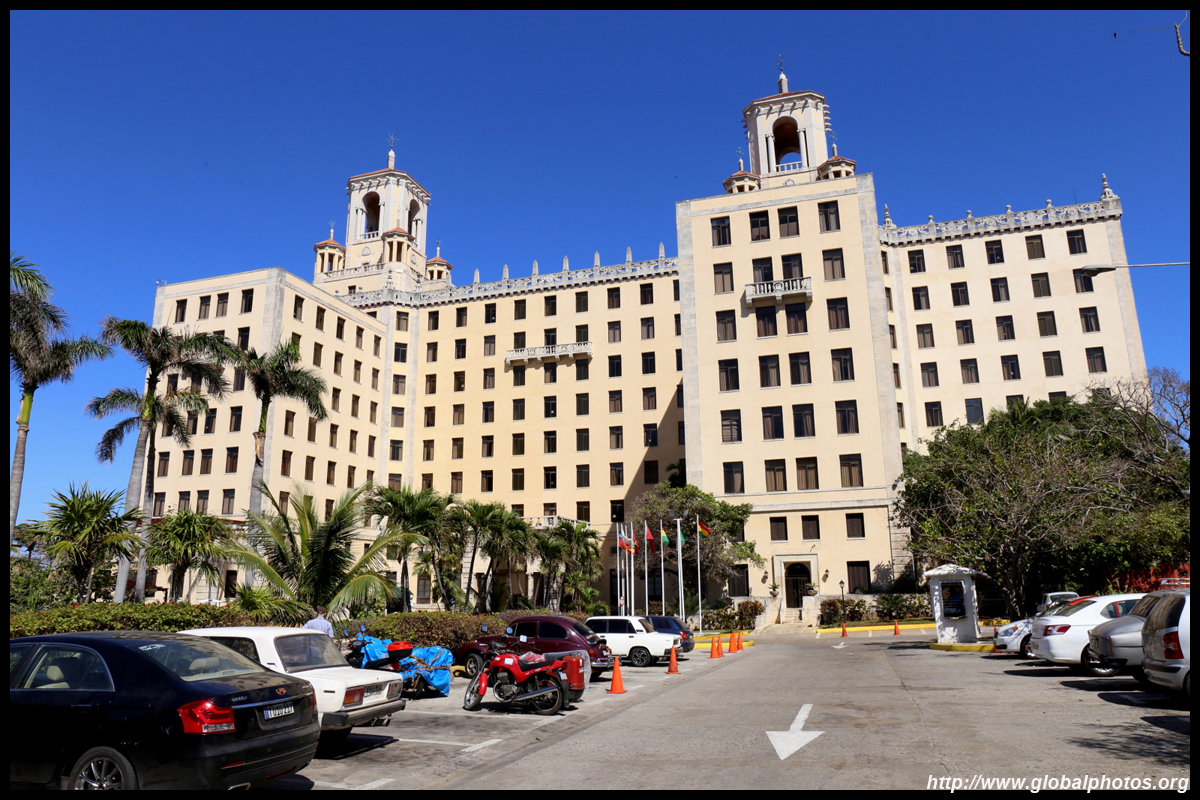
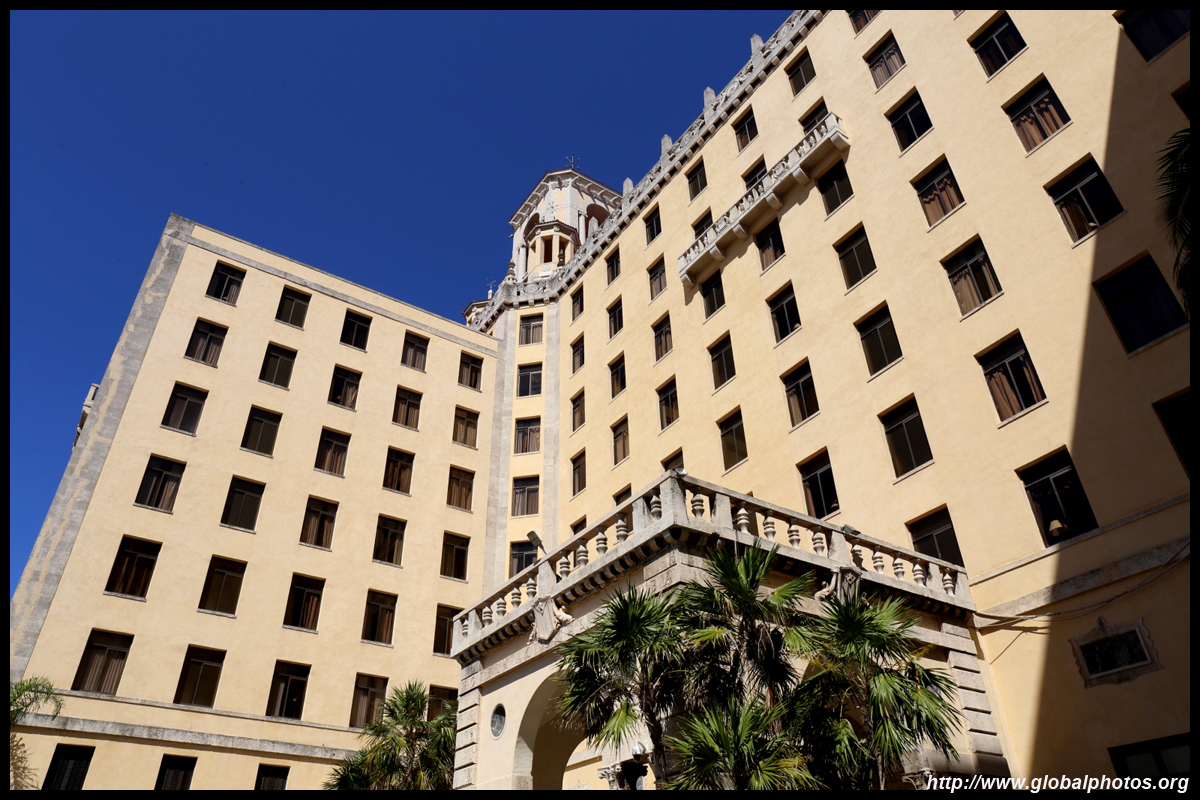
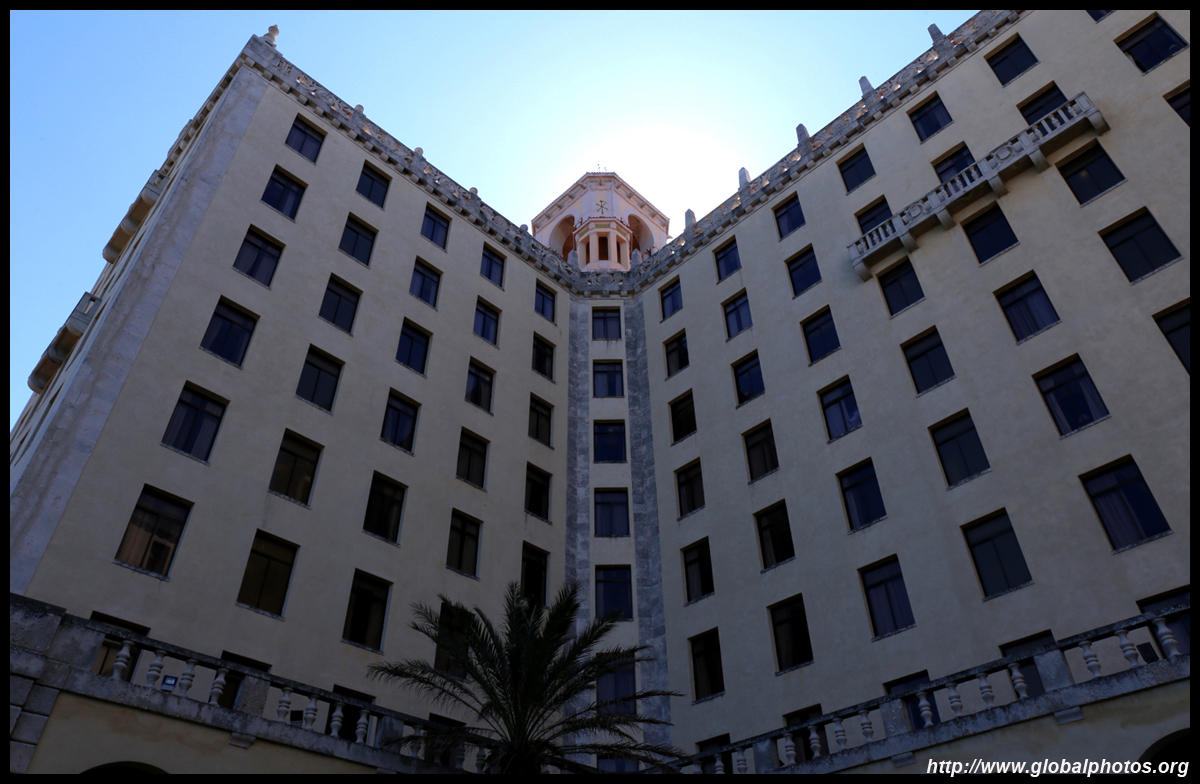
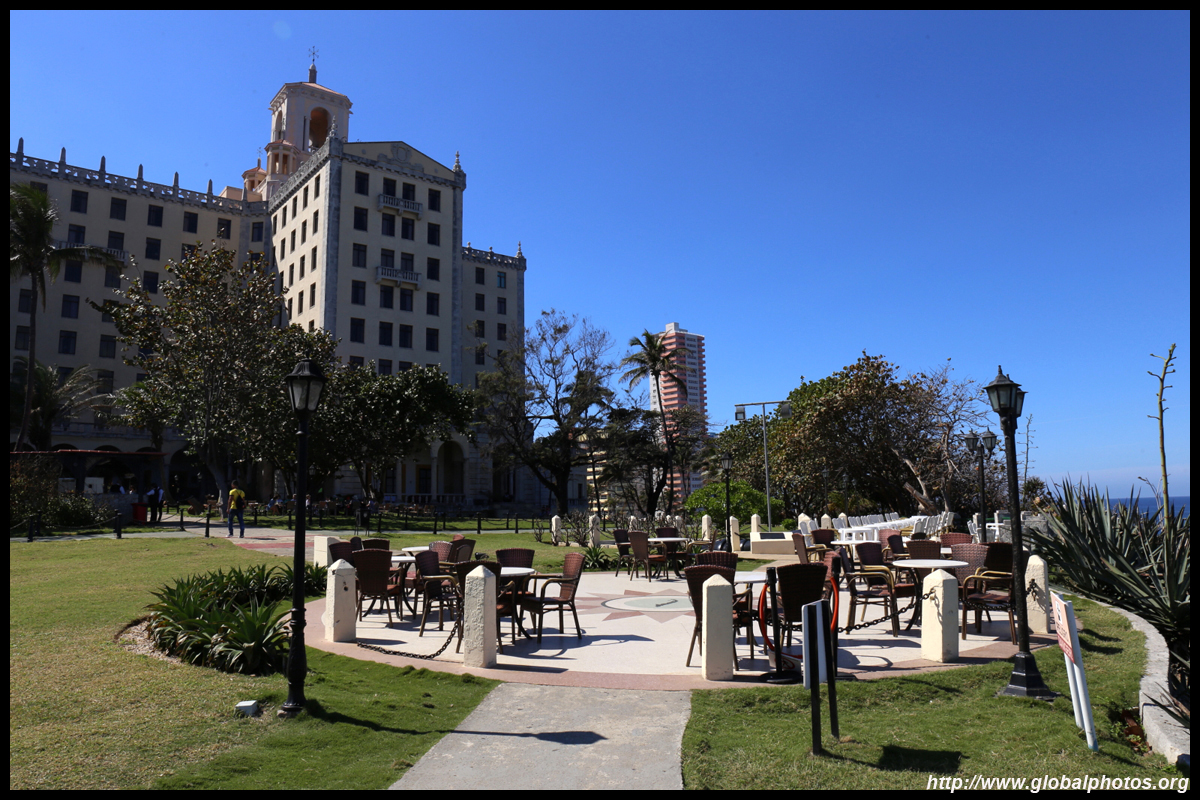
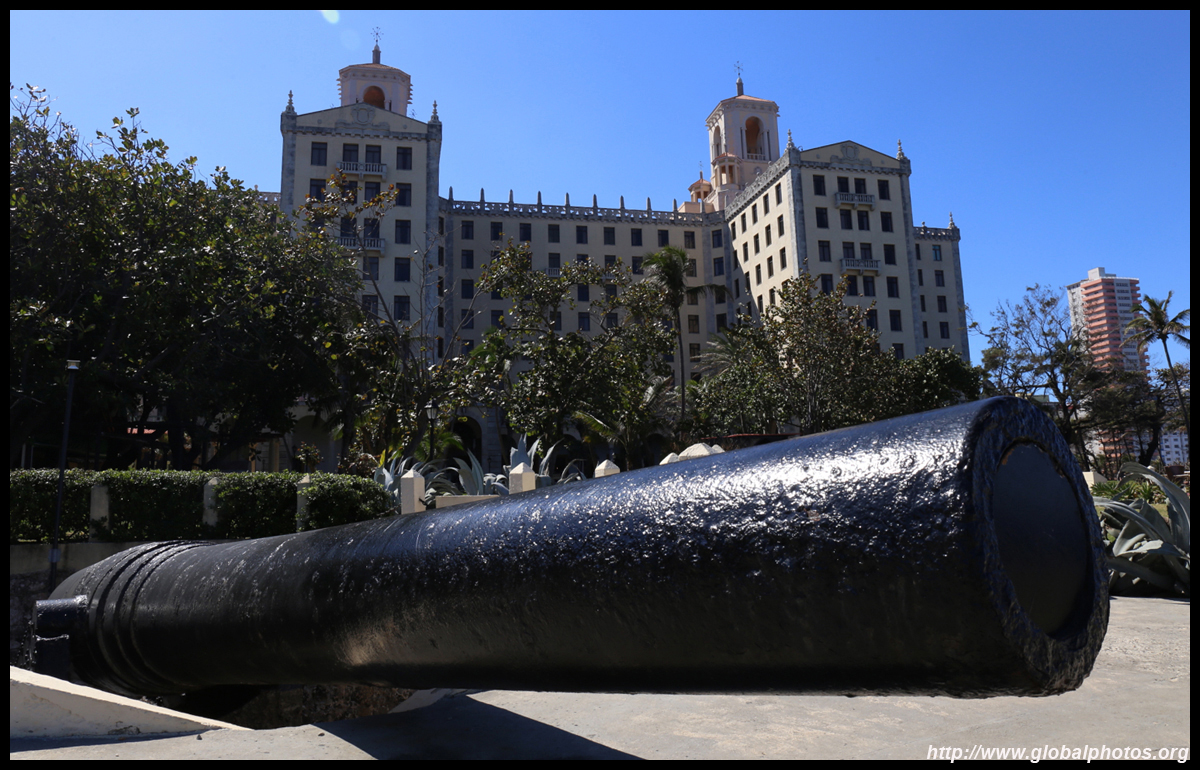
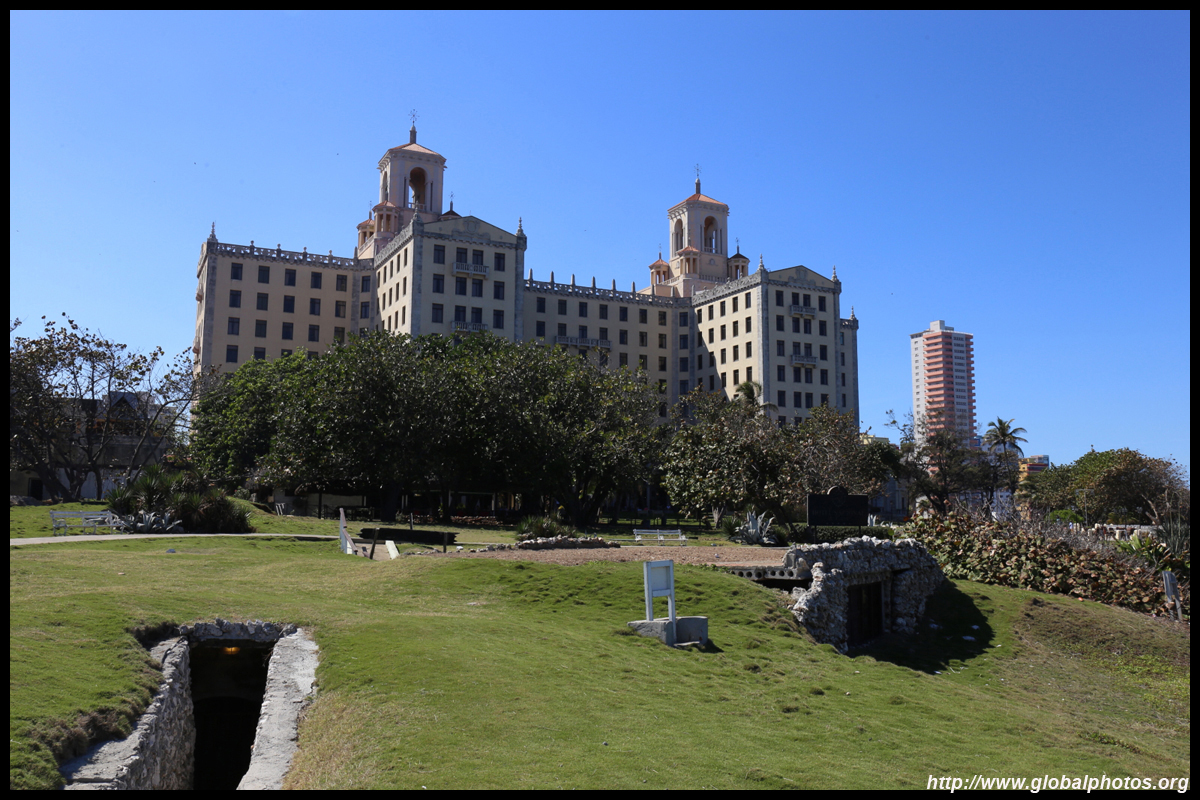
Vedado is located west of the historic centre and was previously the commercial district. The wealthy started moving here in the 19th century when crime and corruption forced them out of the historic centre. My tour begins at the venerable Hotel Nacional, which was was built in 1930 and remains an art deco gem.
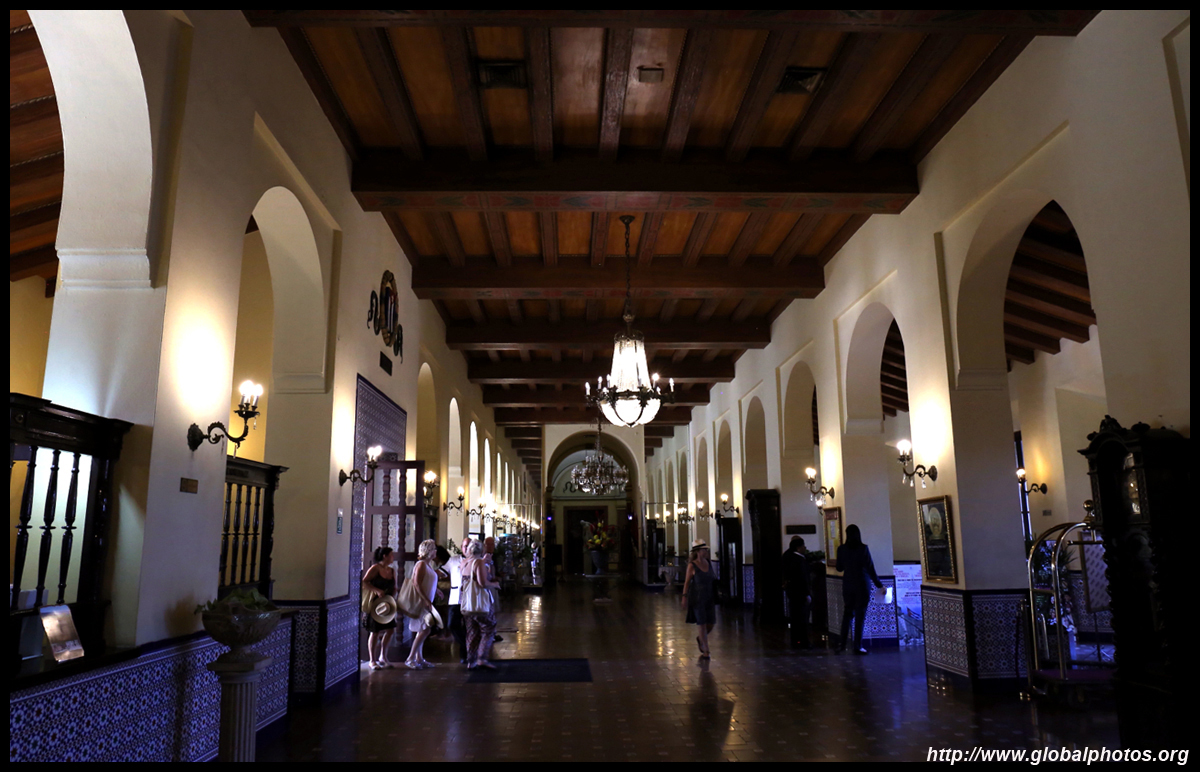
Gaze at the interiors. It is nothing too extravagant but this hotel has a long history and is still a venerable institution in town.
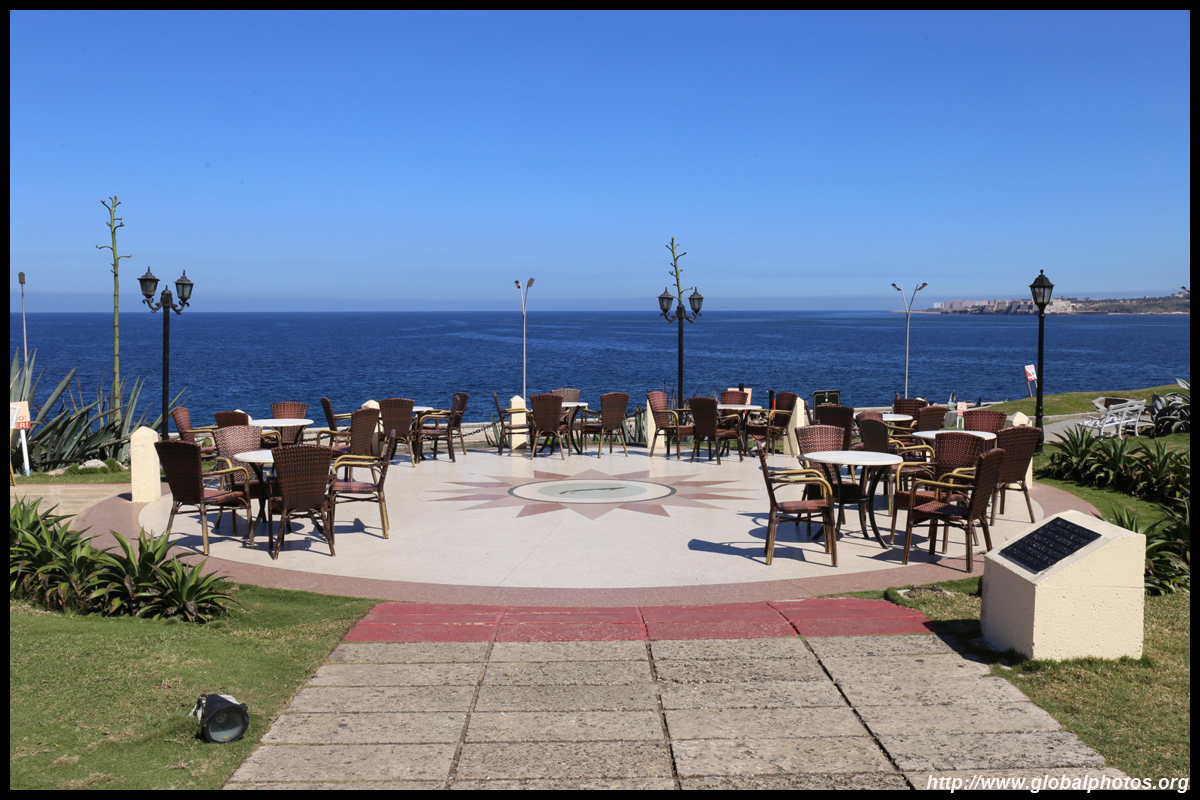
Be sure to exit through the back to see the park fronting the Malecon and the ocean.
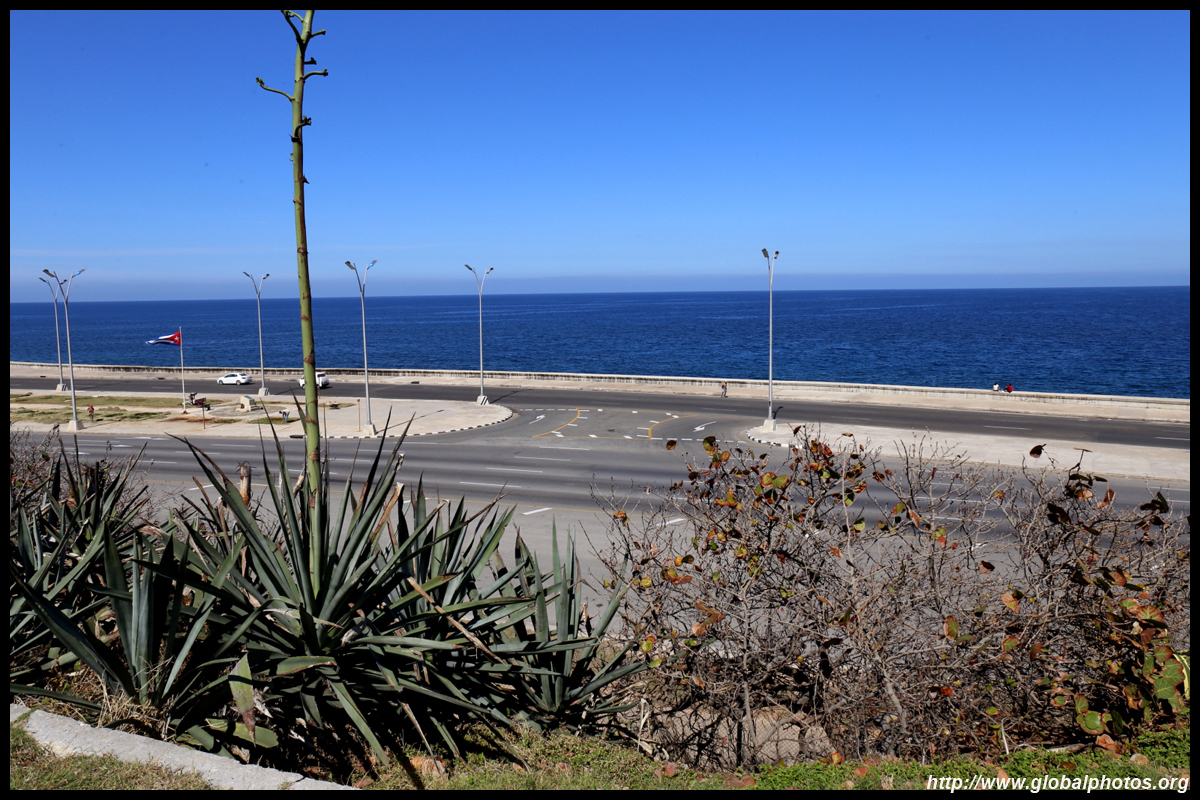
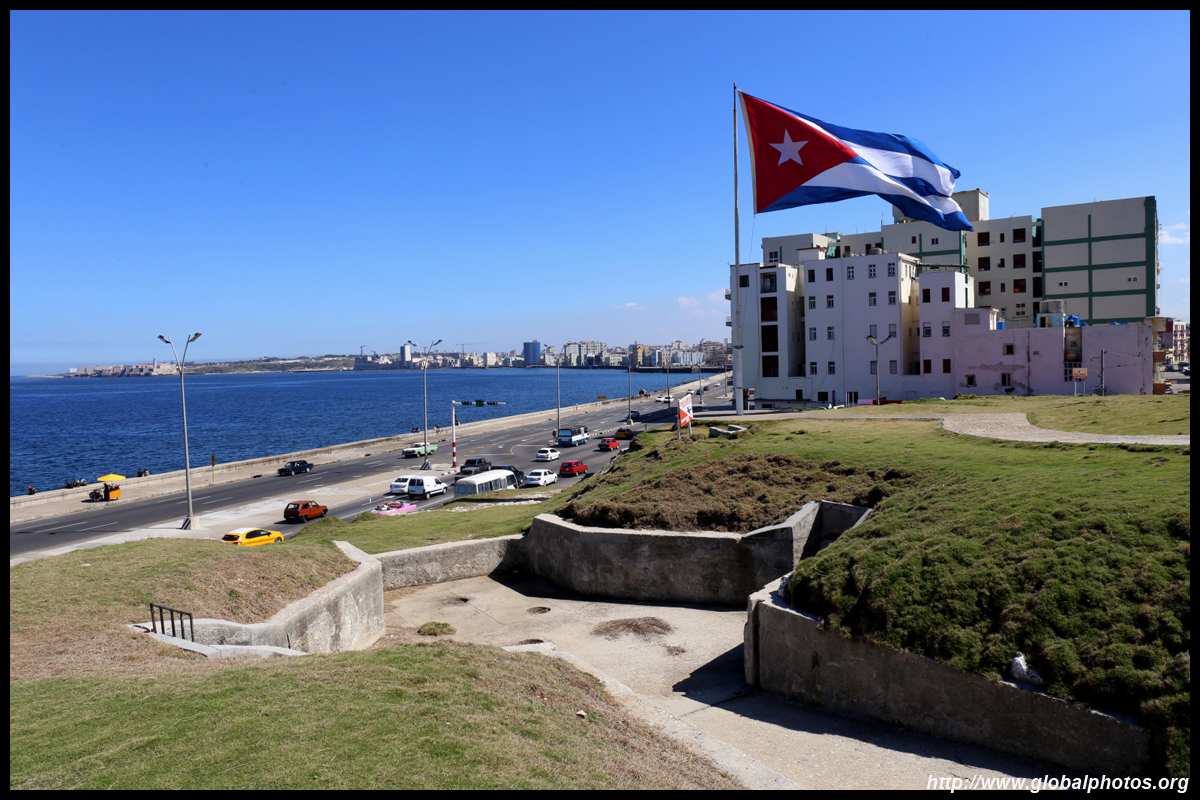
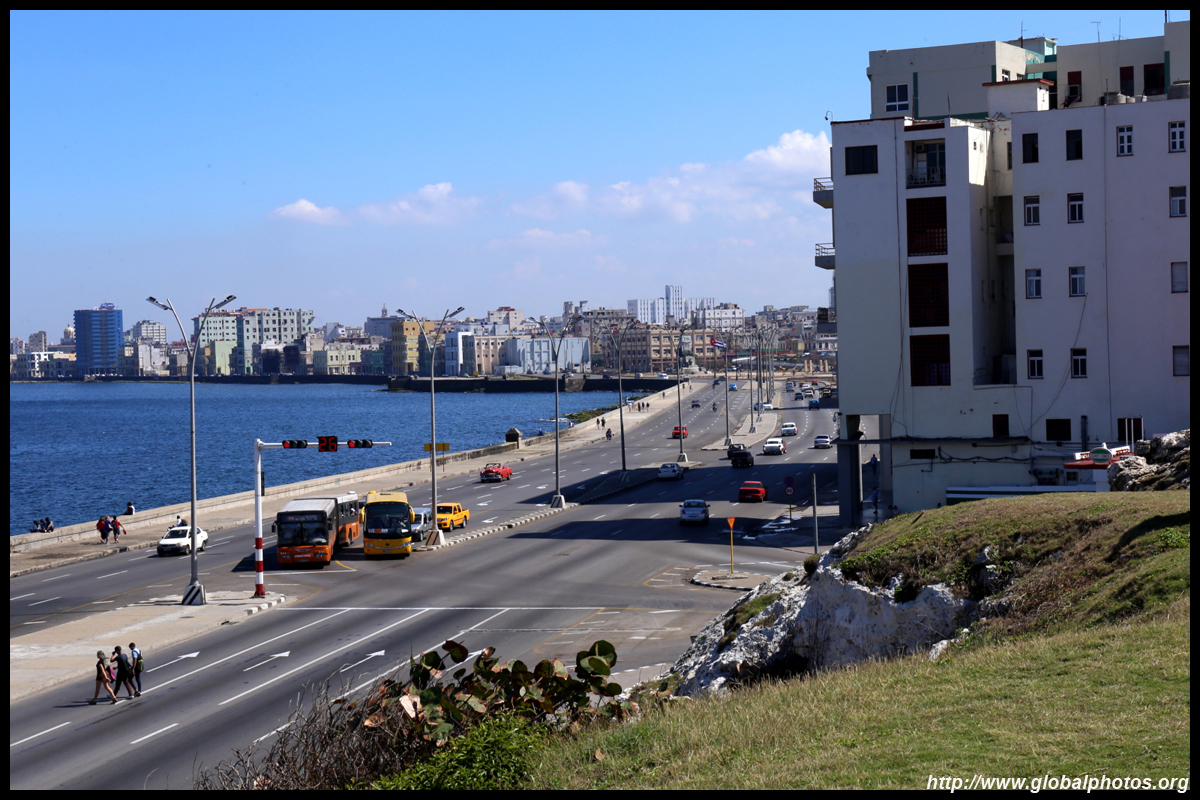
A long waterfront promenade extends from the historic centre to this part of town, which is about a half hour walk. The Malecon is a popular local gathering spot but the buildings fronting it have seen better days.
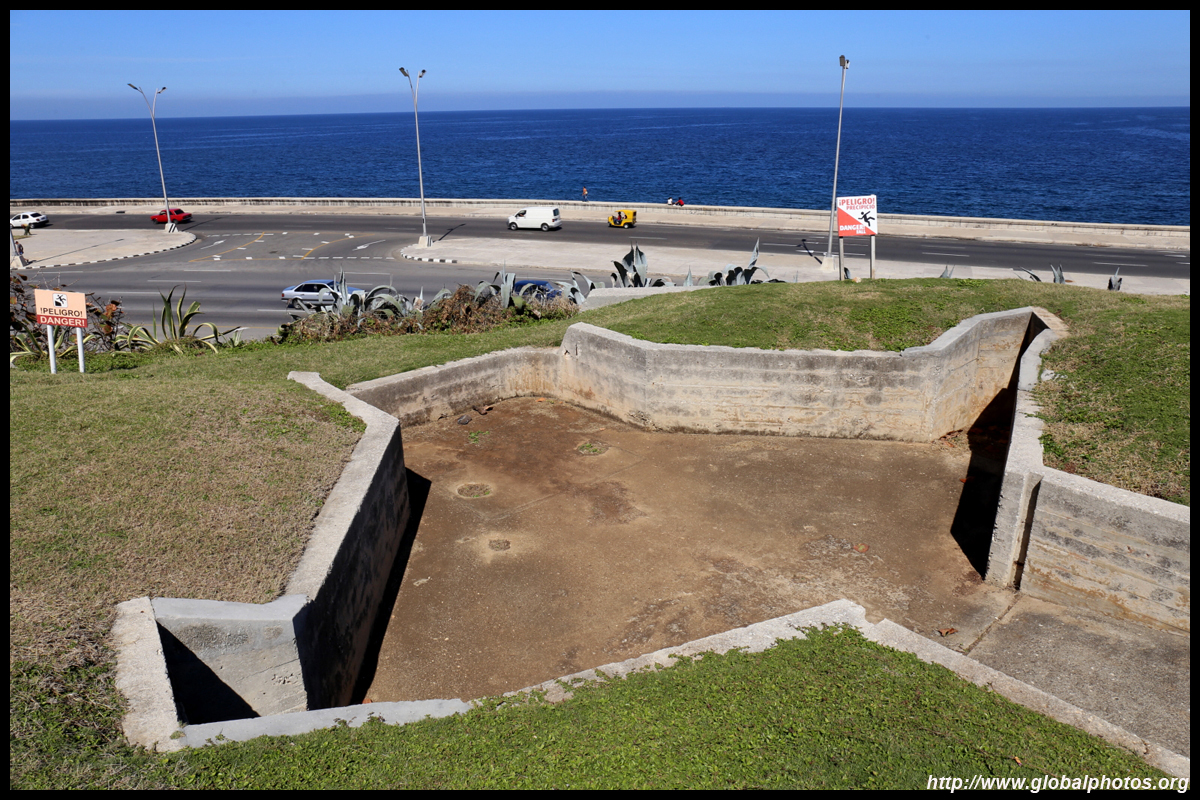
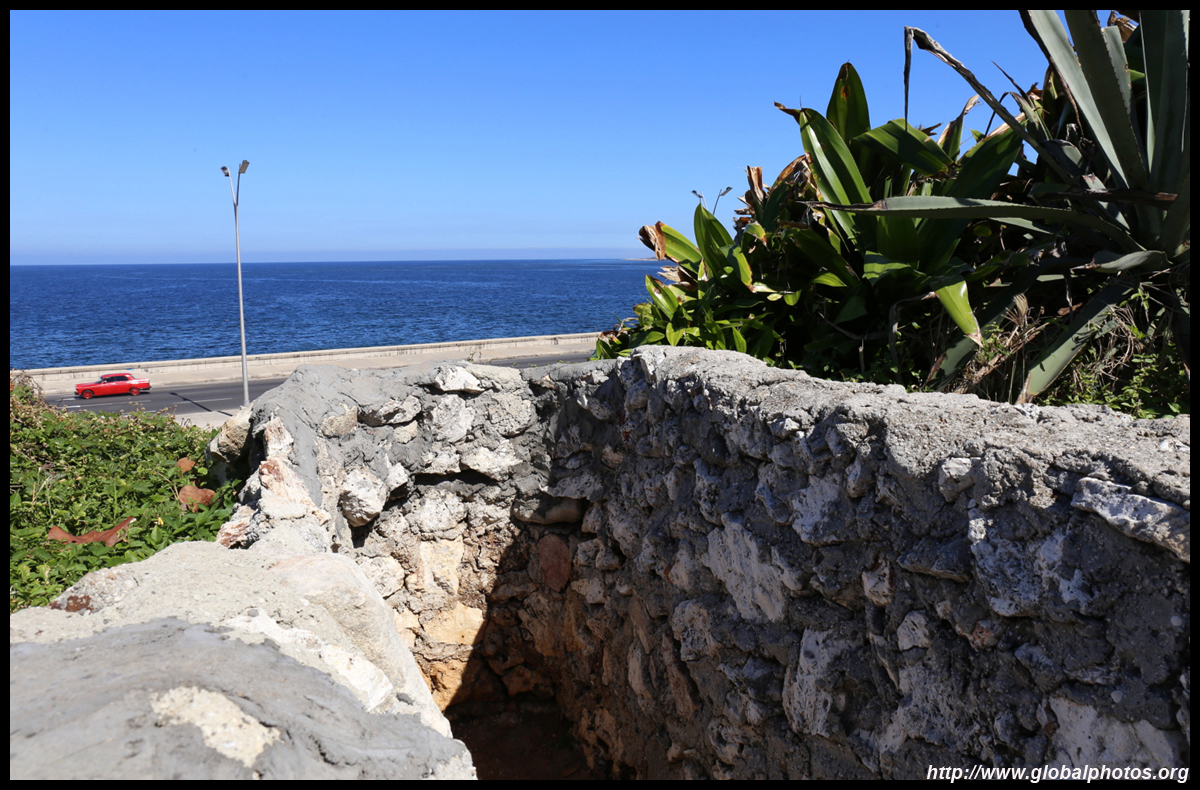
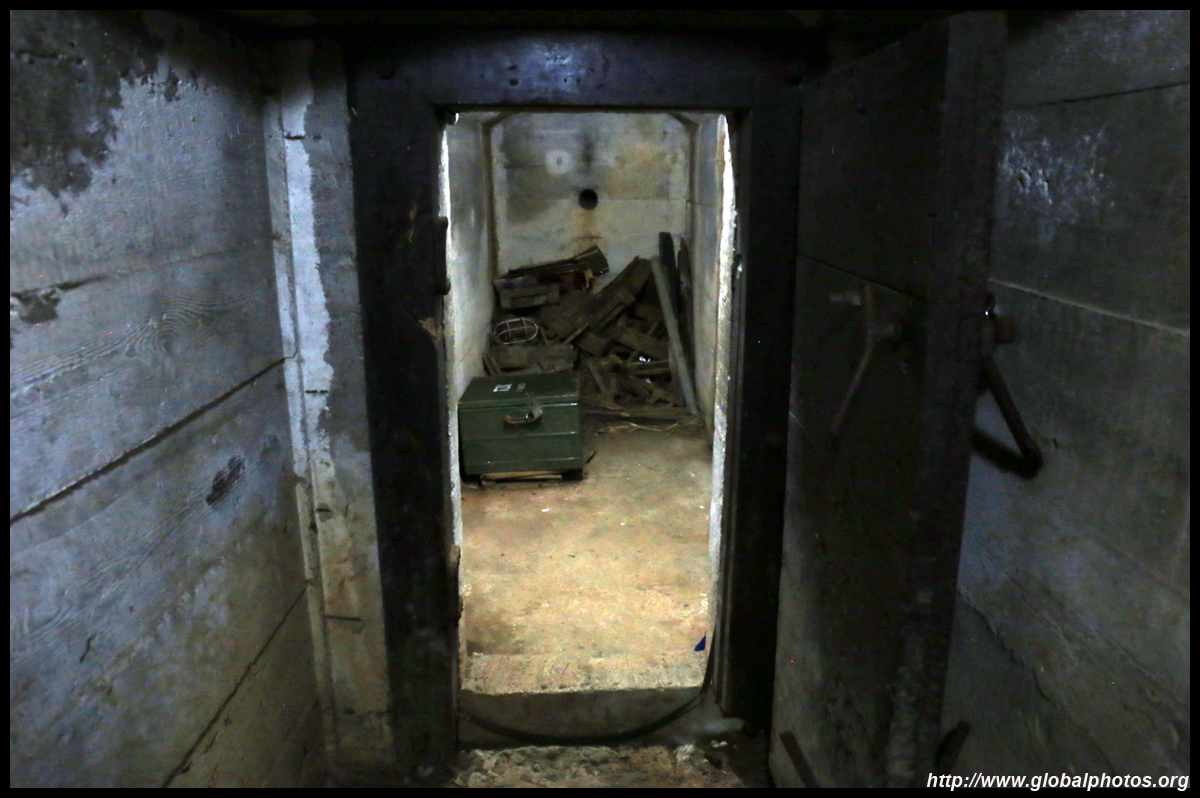
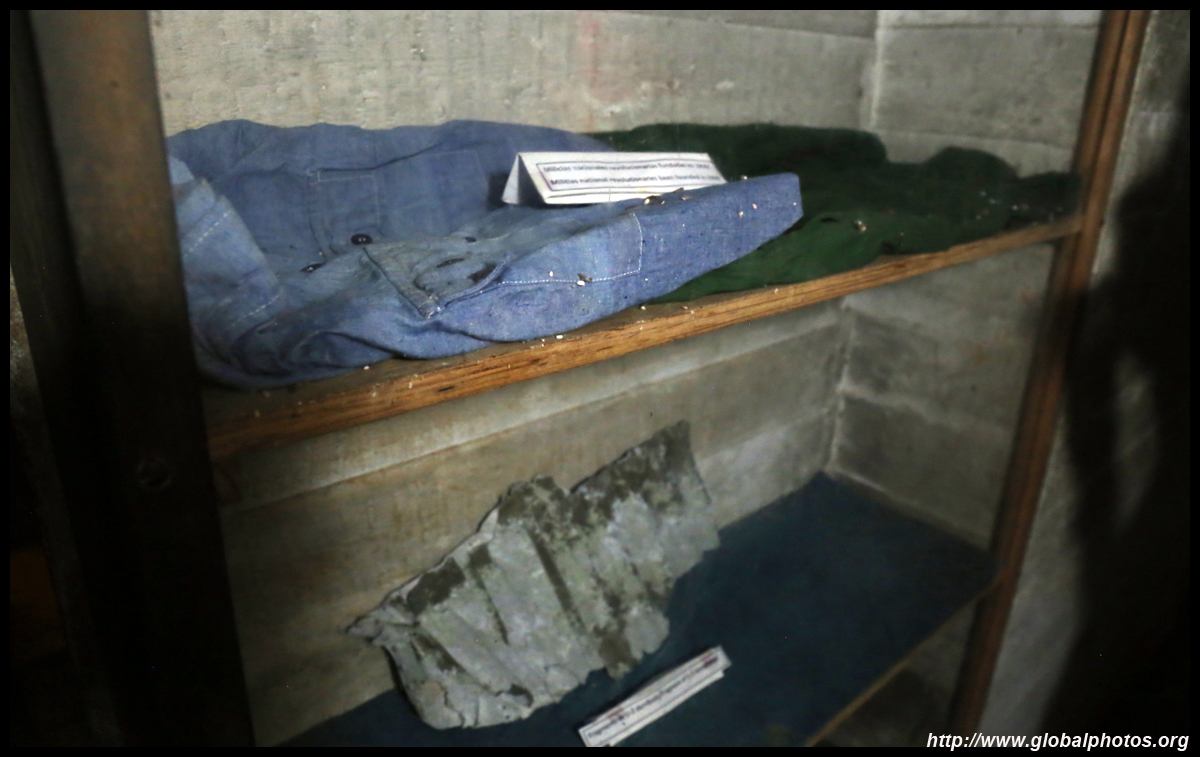
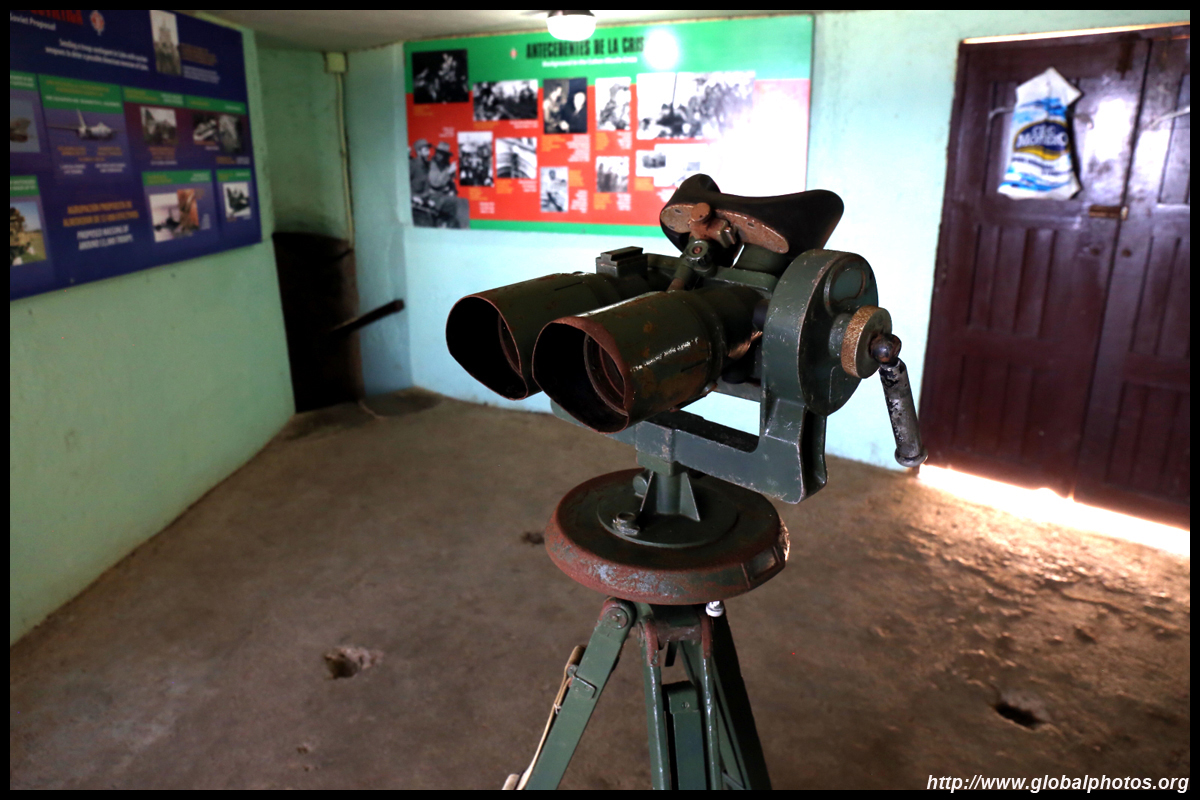
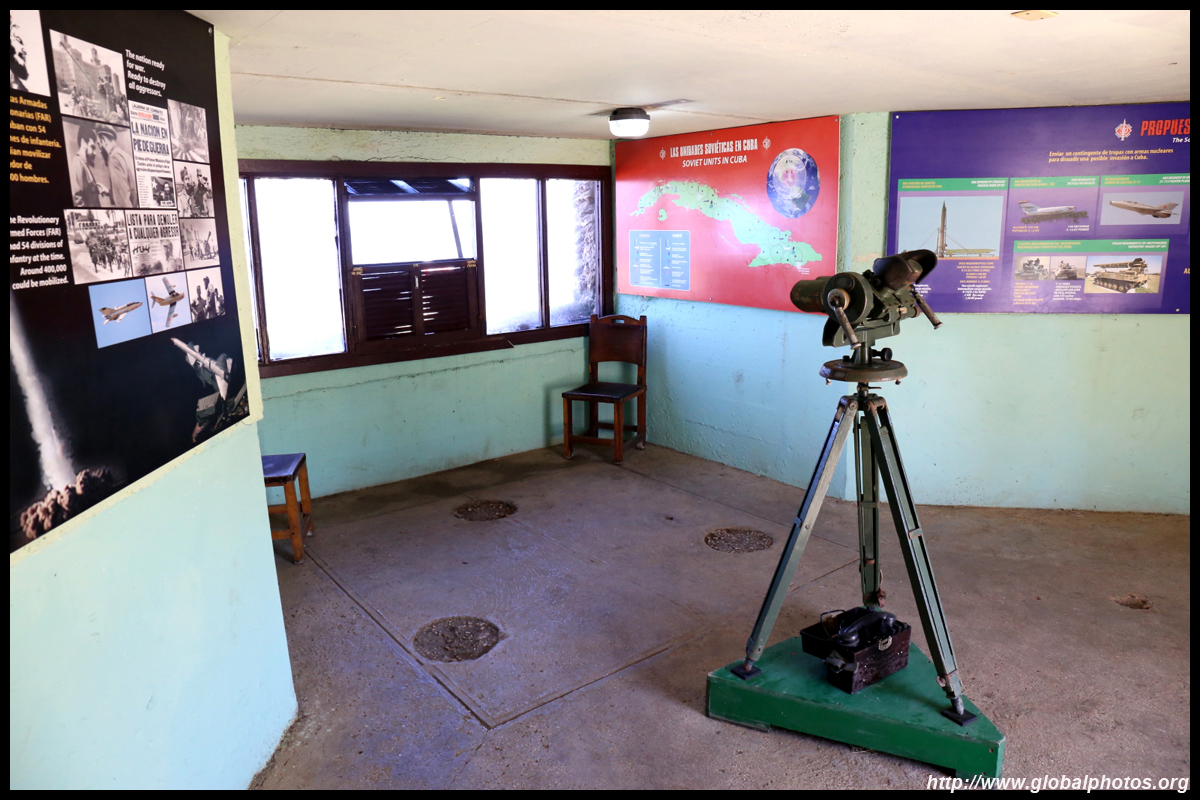
The bunkers here are open to tourists and an English-speaking attendant will guide you around the tunnels and facilities. Nuclear war between the Americans and the Soviets almost manifested out of Cuba.
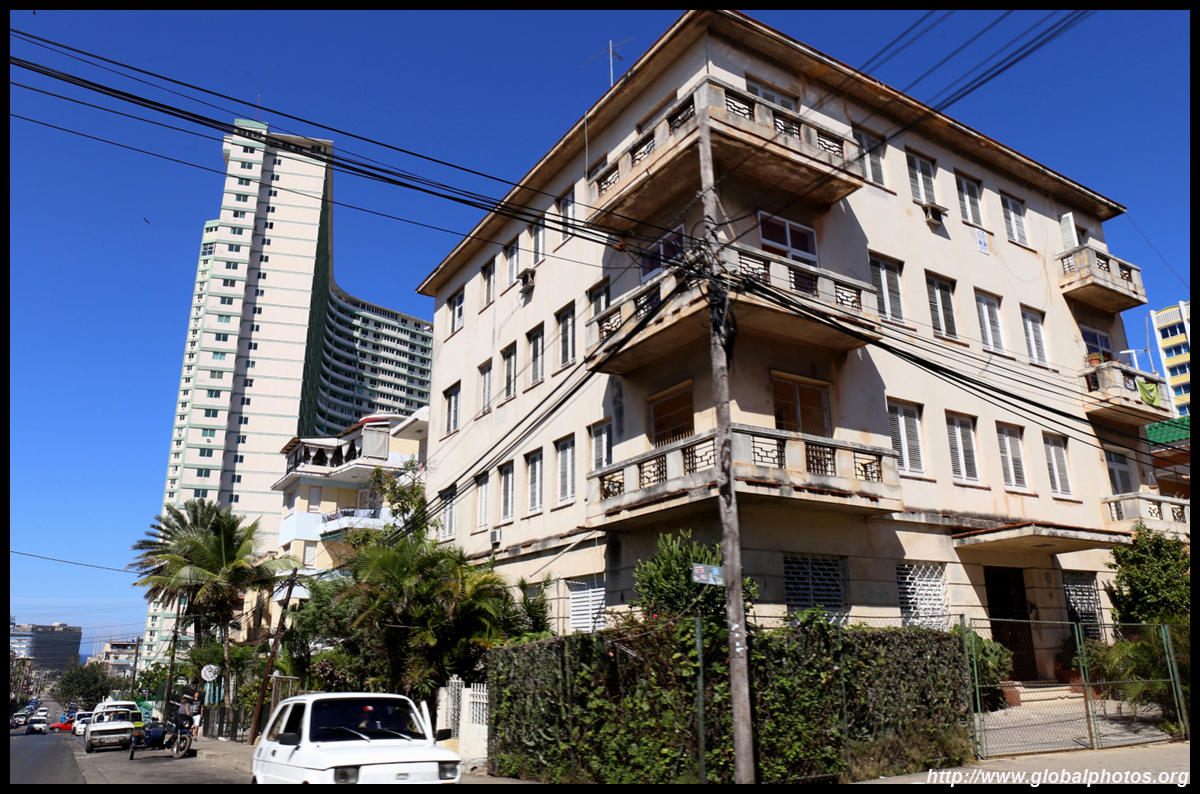
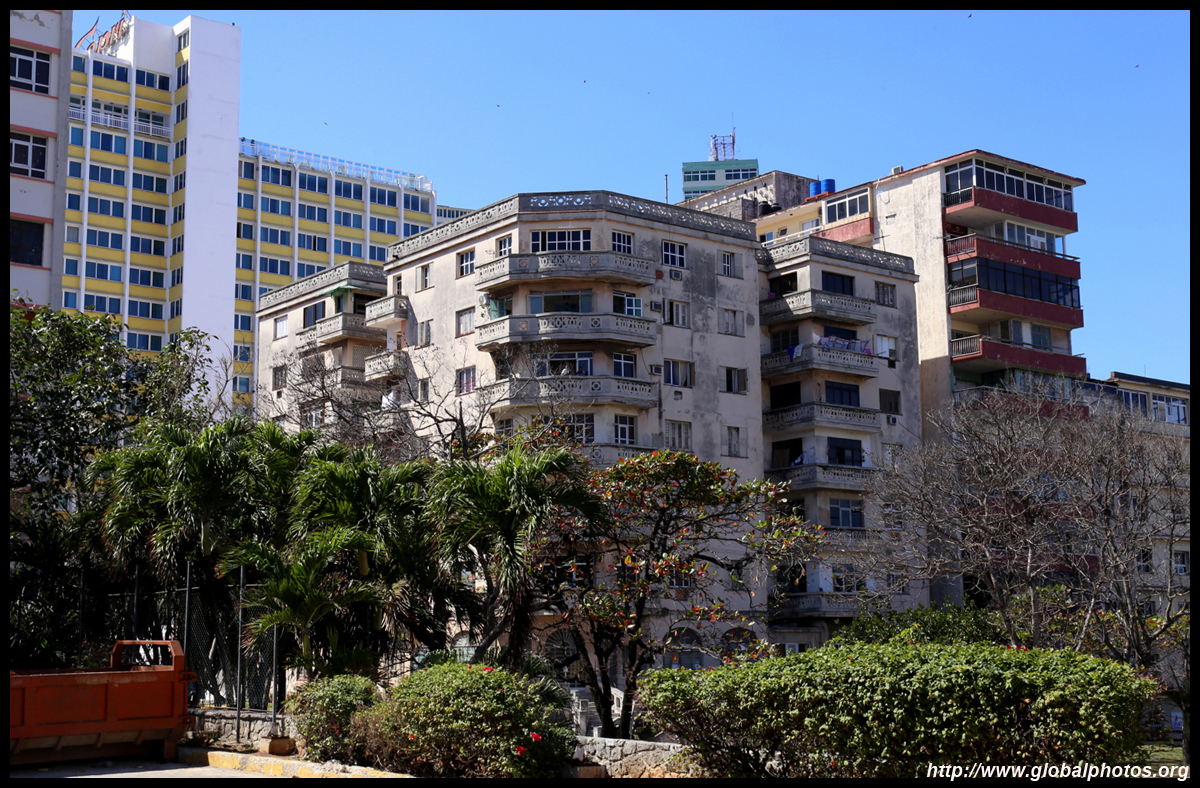
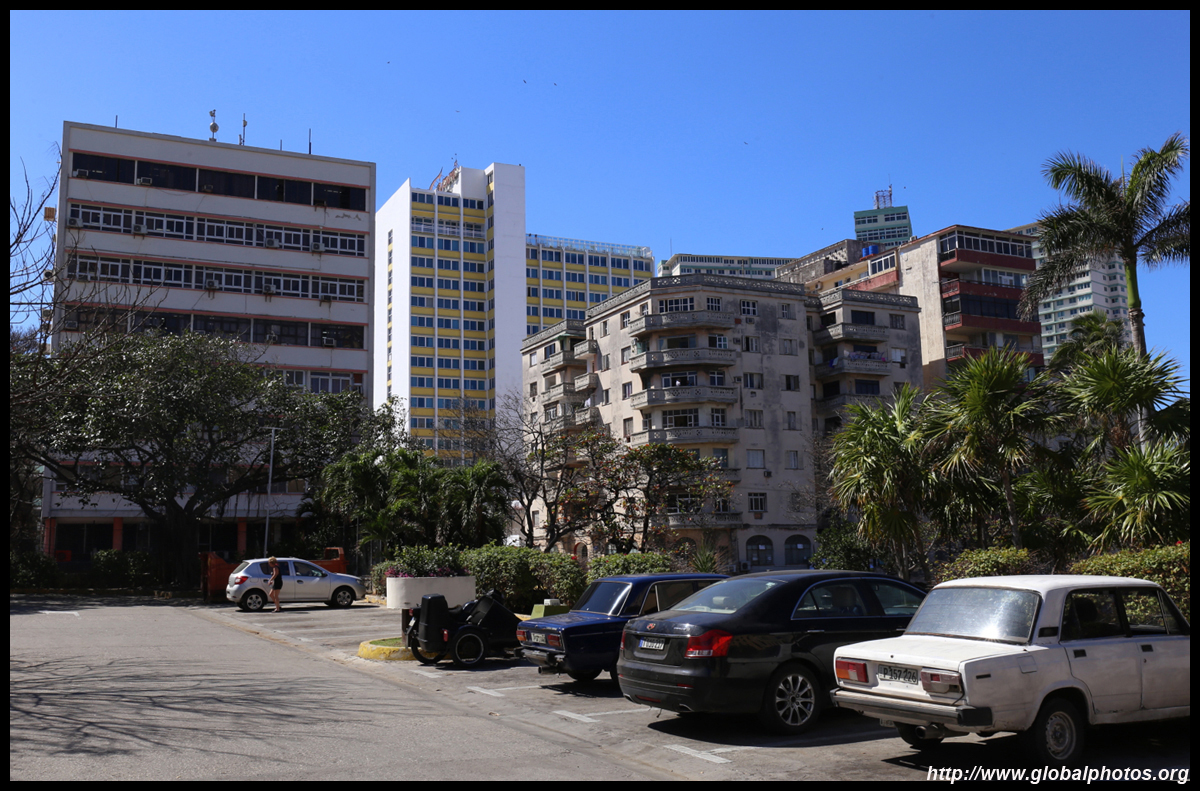
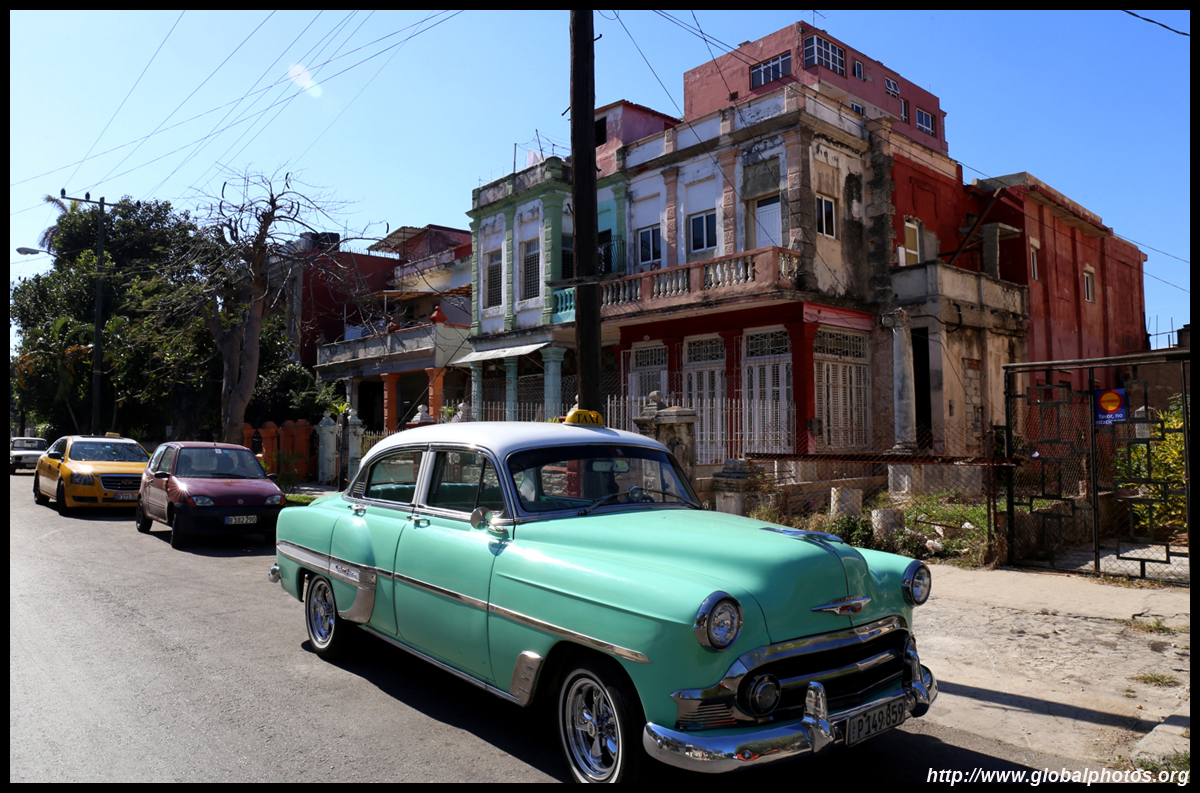
Surrounding buildings don't look like they are in the best state though. But I came to Havana to see this, and not painted-over restorations that have become the norm in the historic centre.
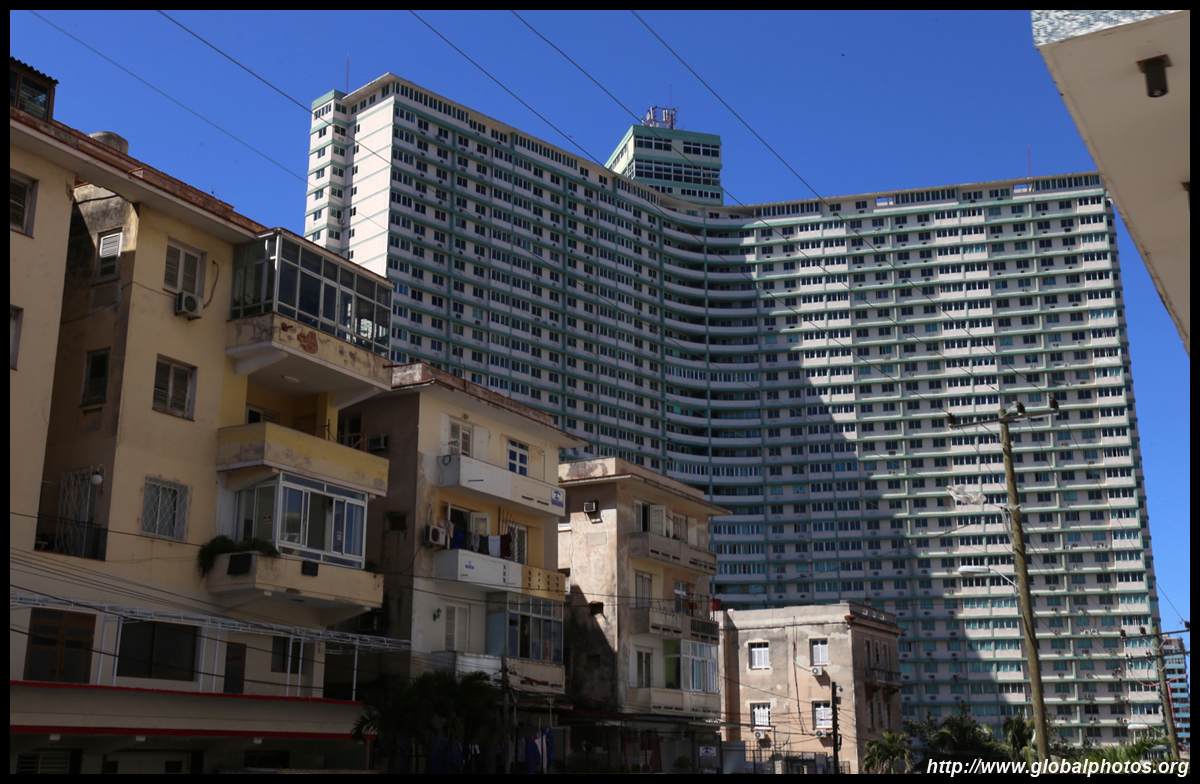
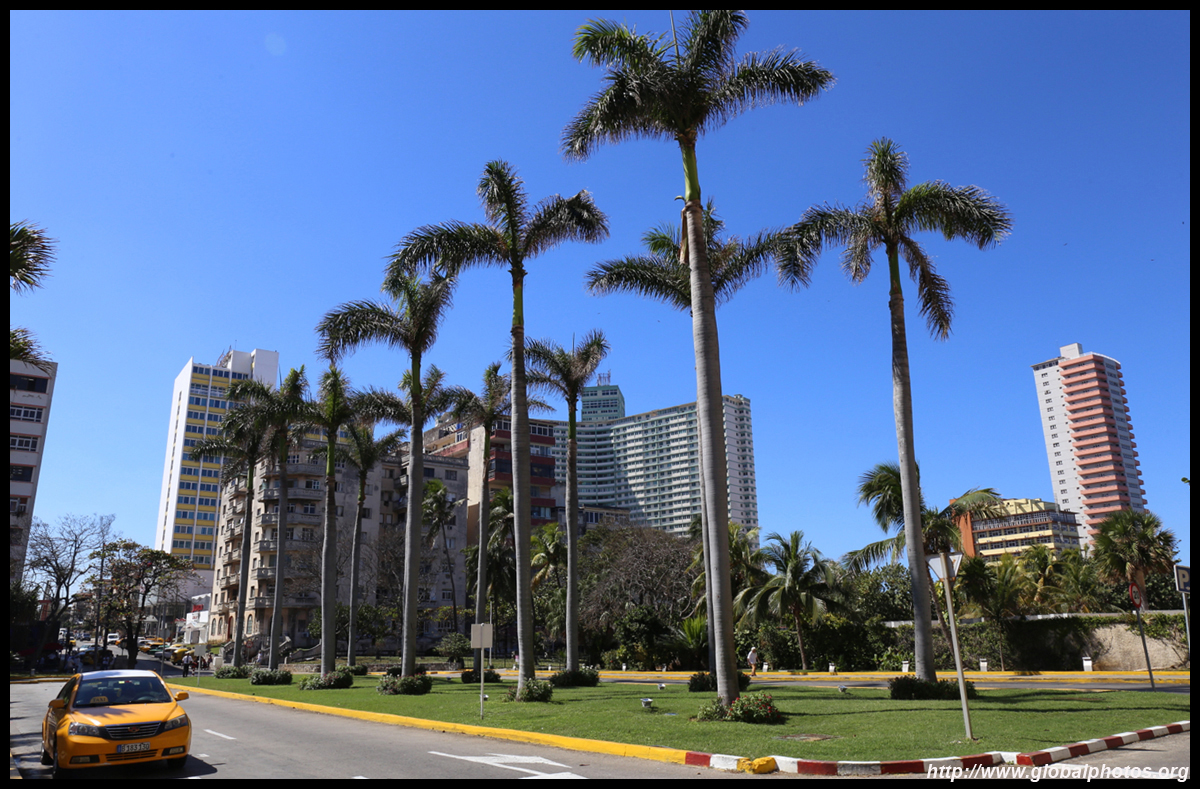
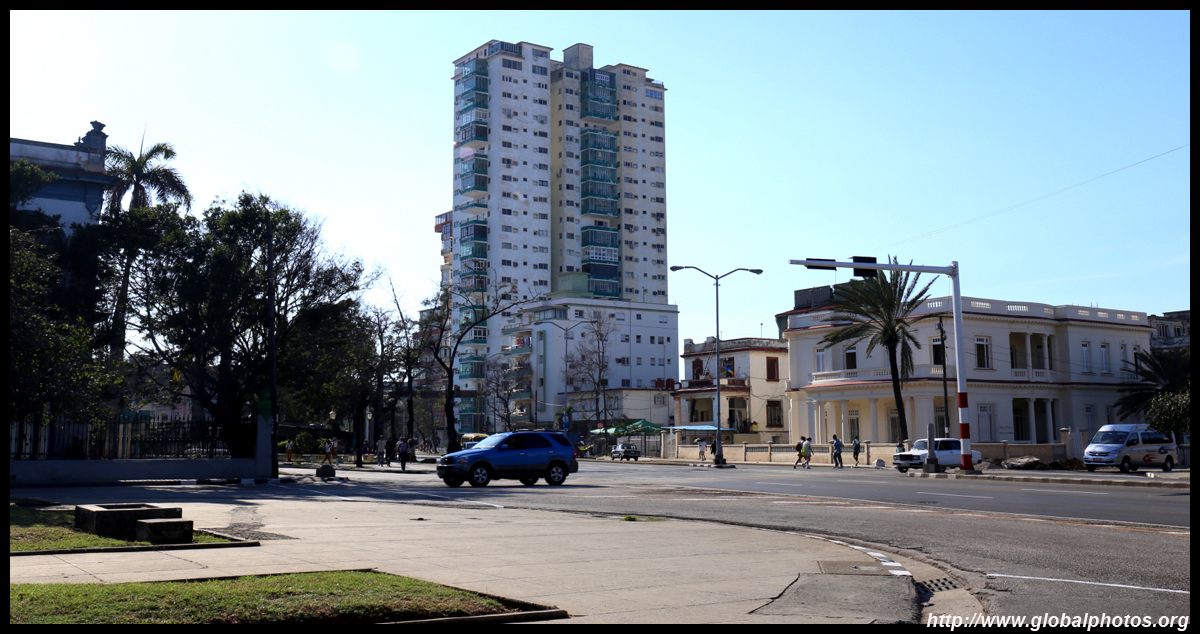
Edificio Focsa was built in the 1950s and remain imposing today, being the city's tallest residence. At the time it was built, it was the world's 2nd largest concrete building. It has been renovated with a restaurant on the top floor that offers lovely views of the city.
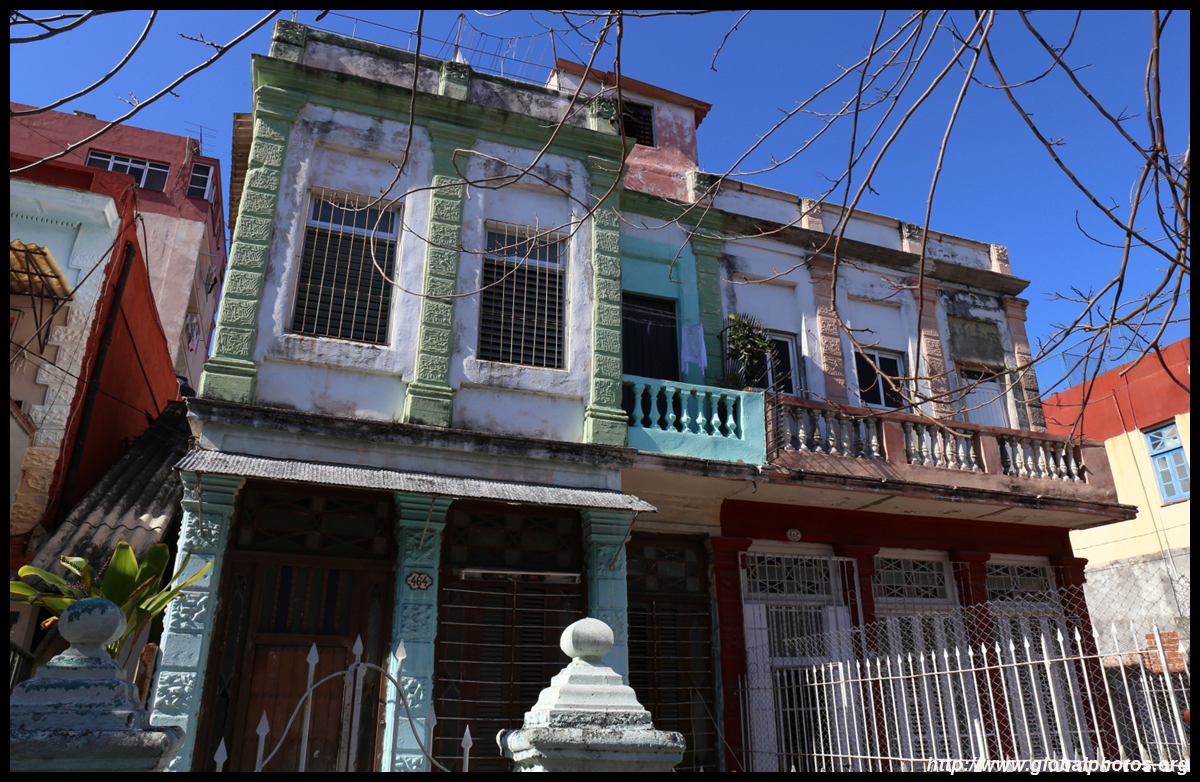
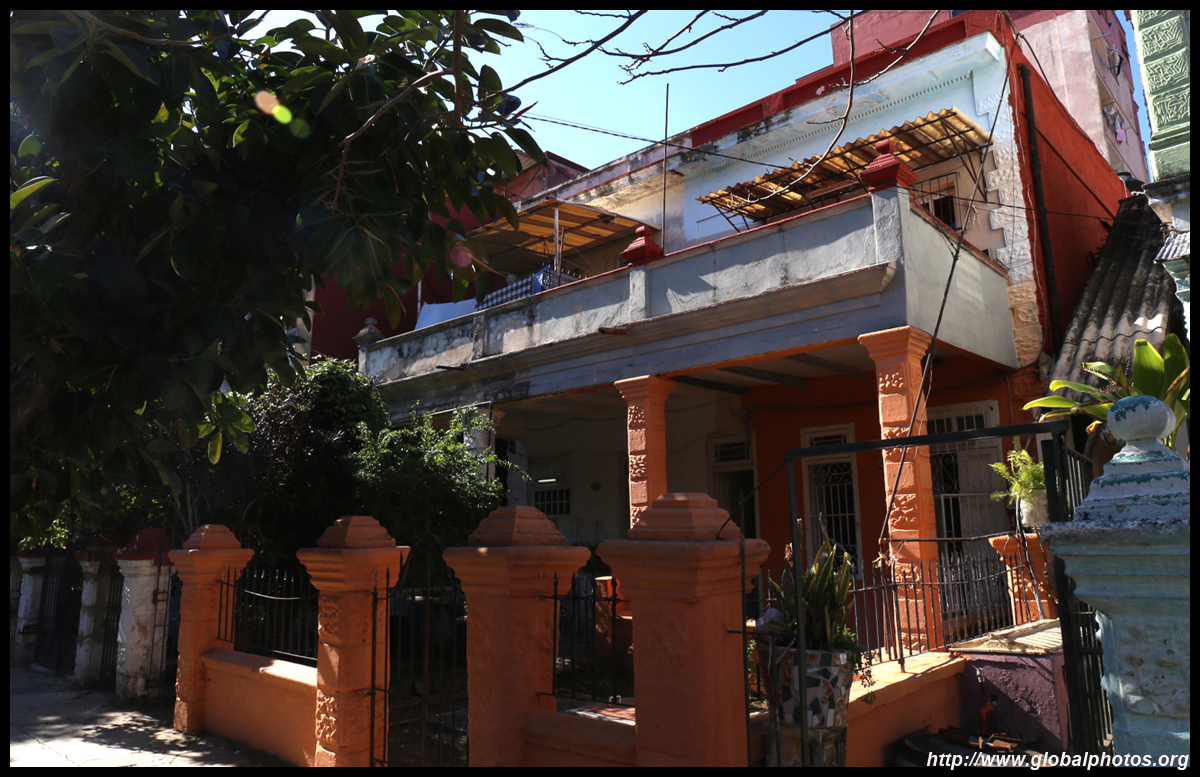
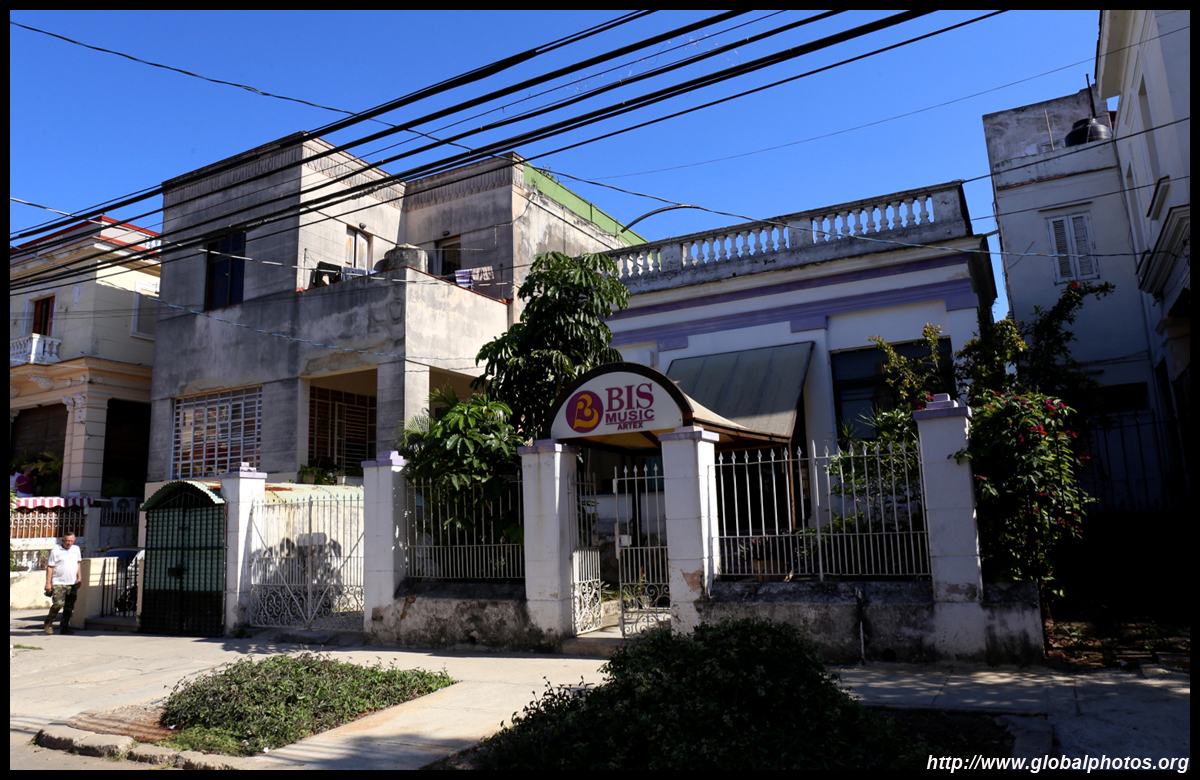
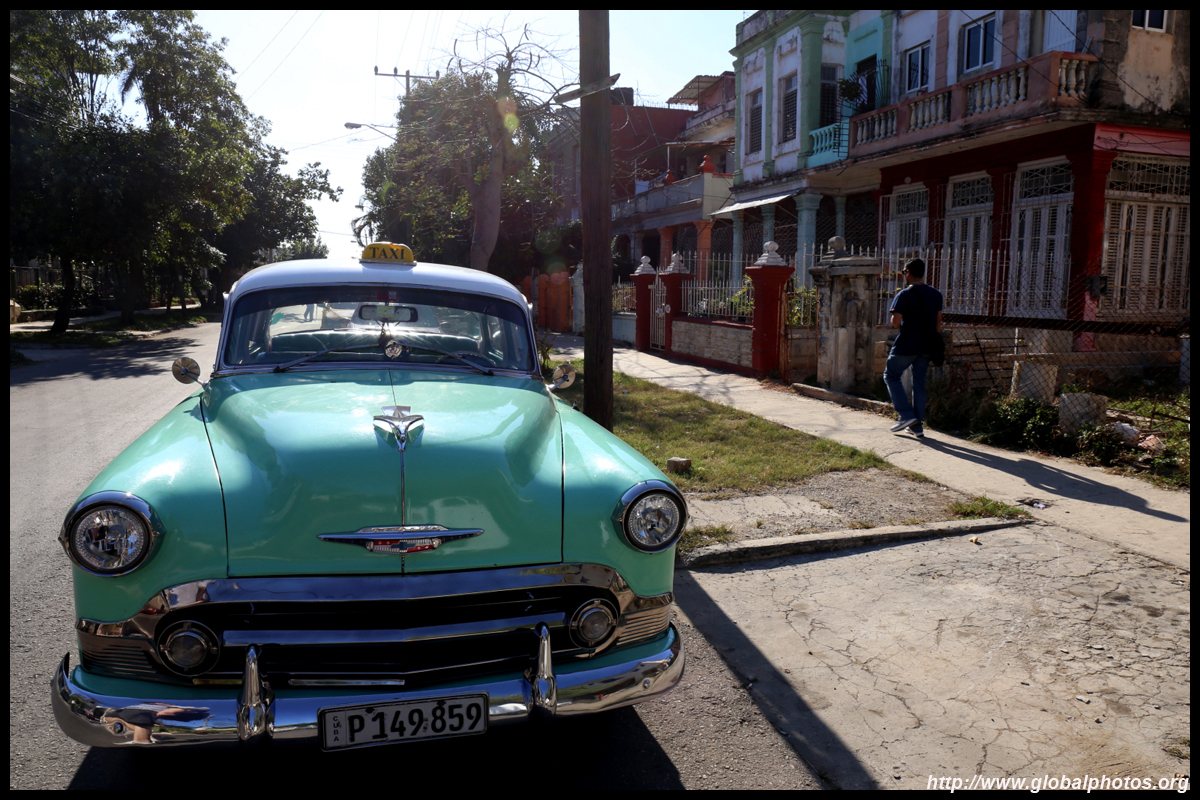
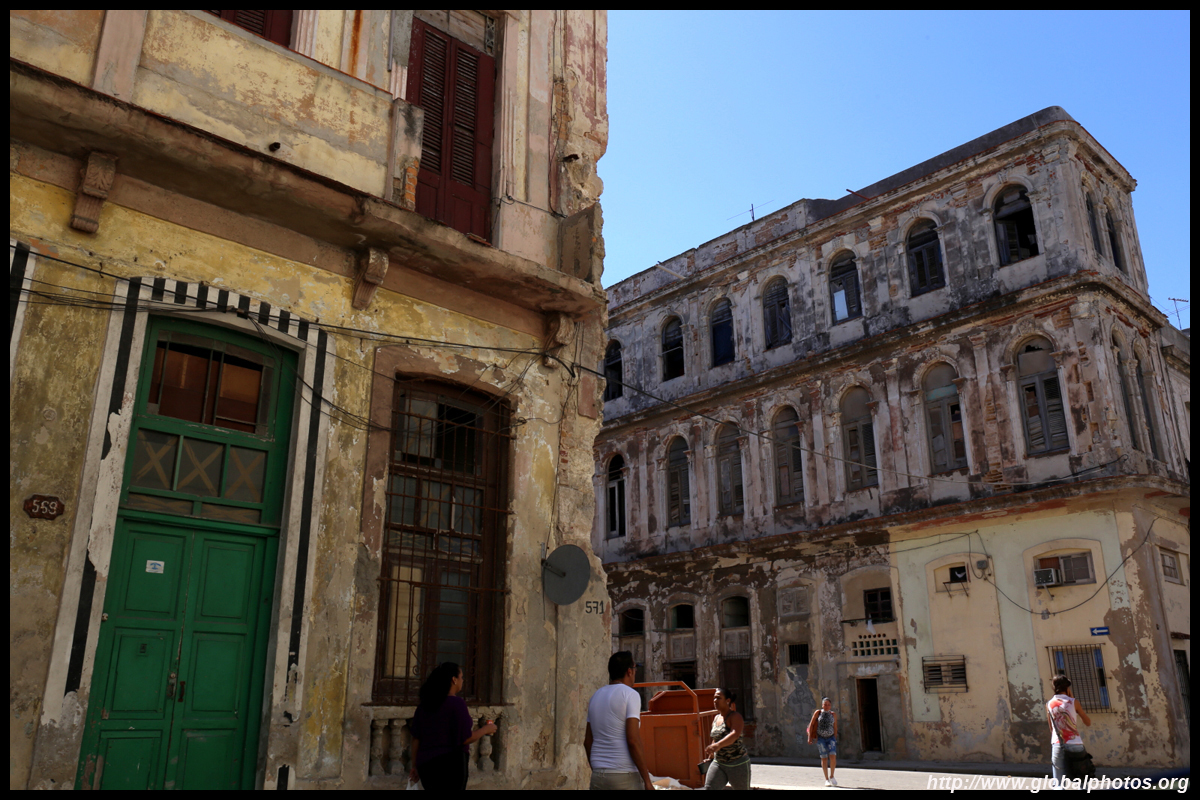
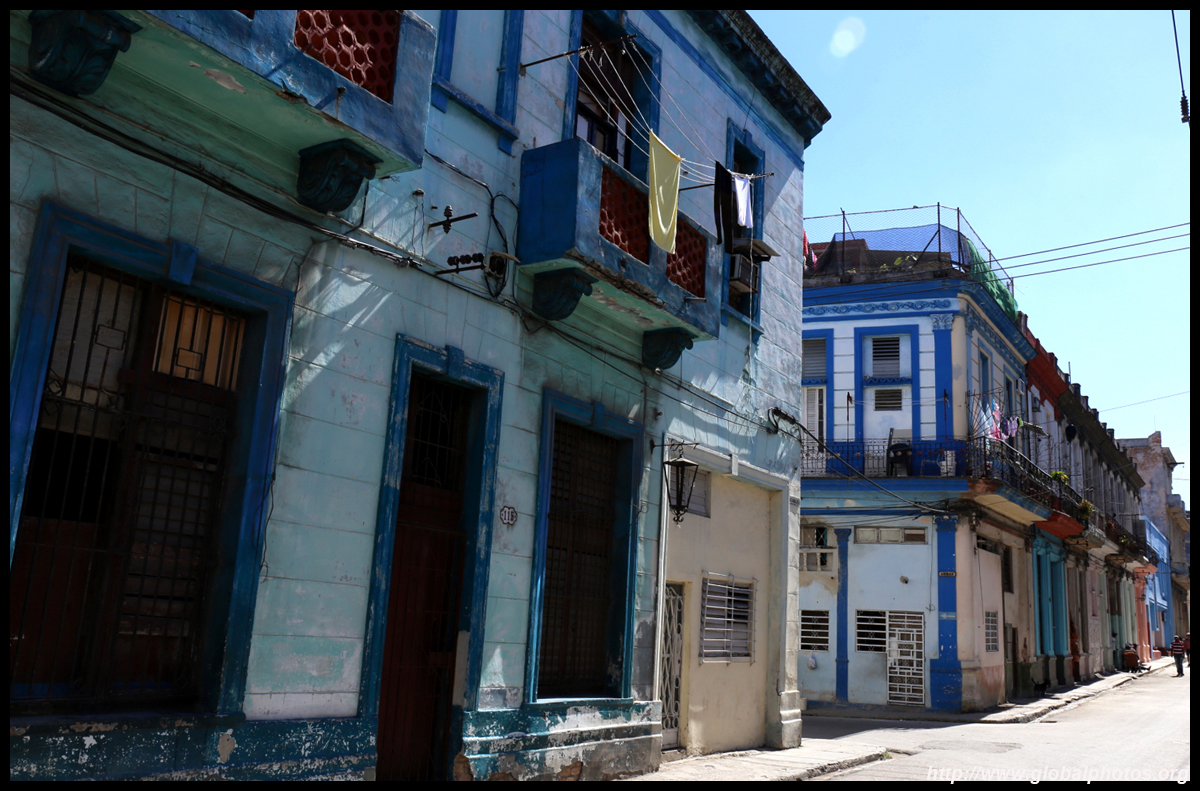
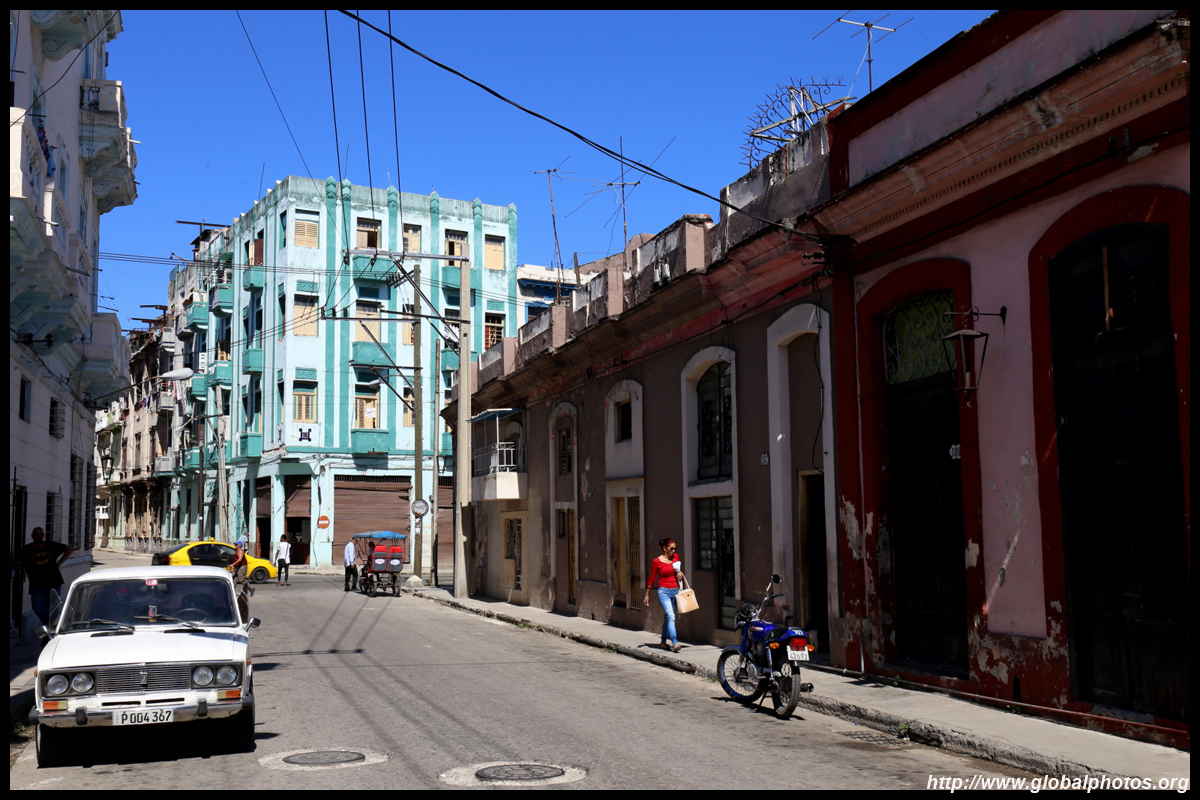
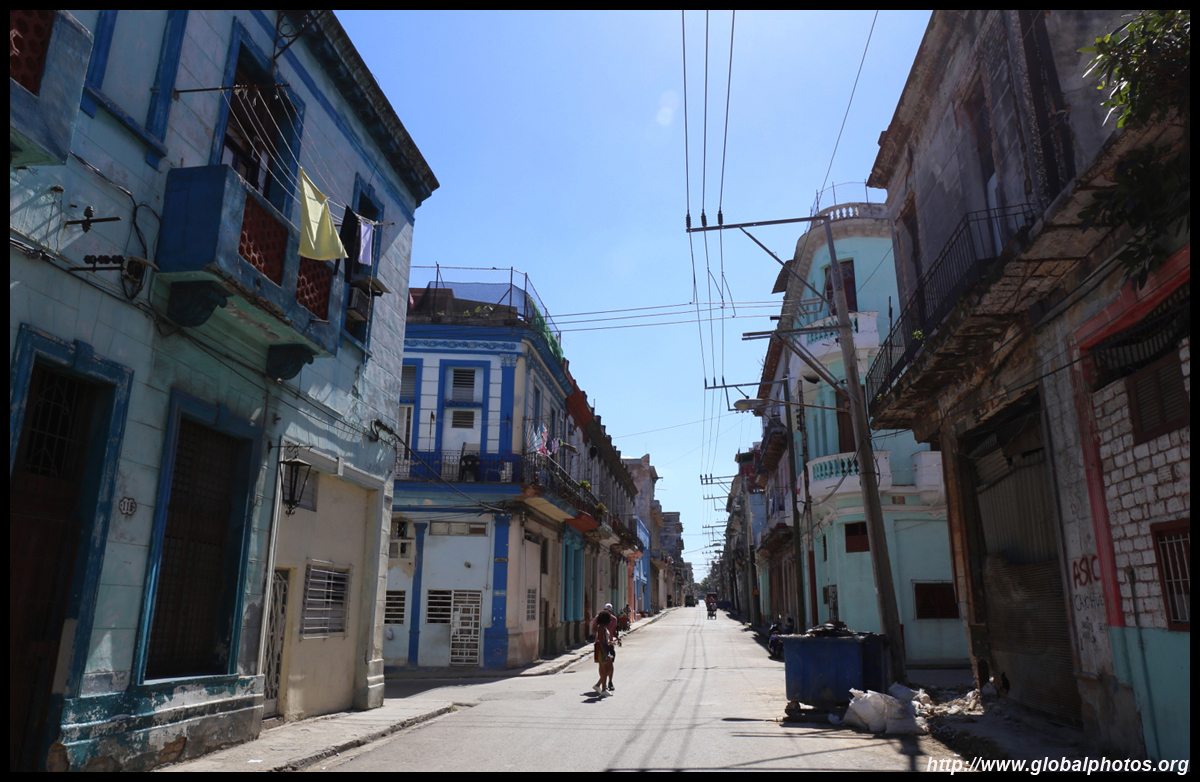
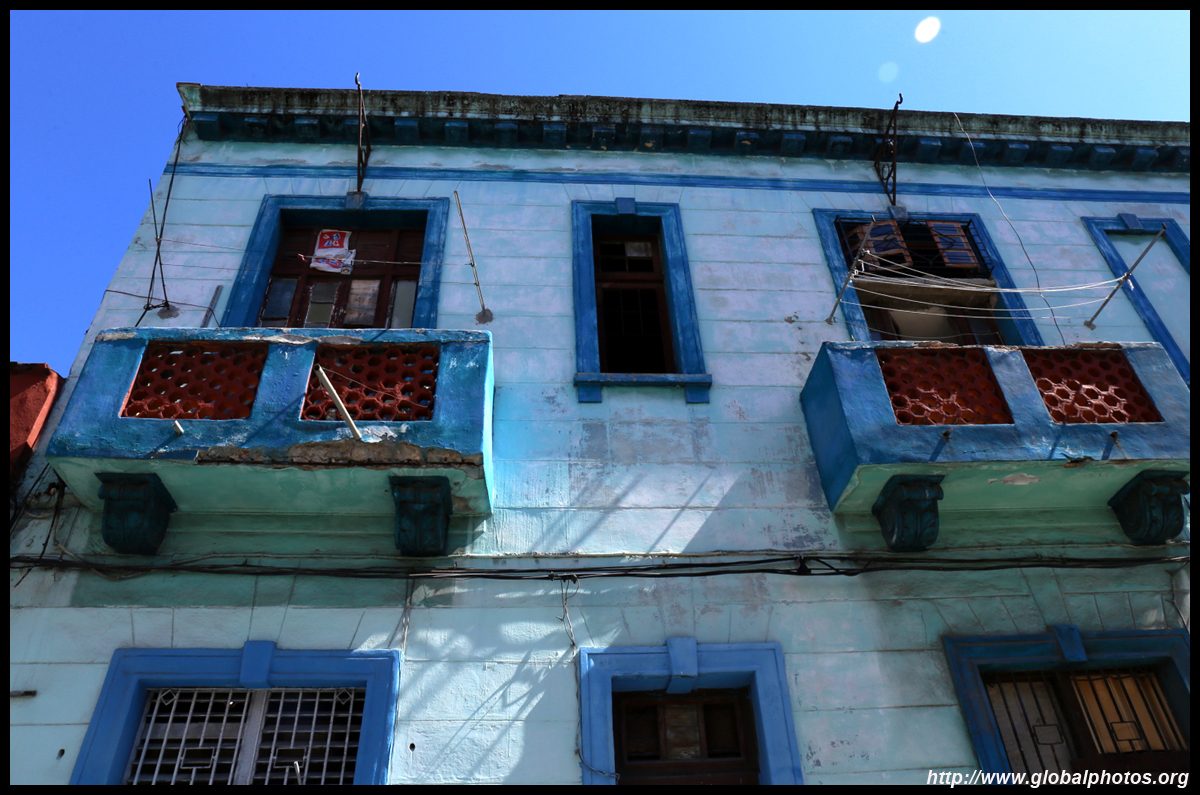
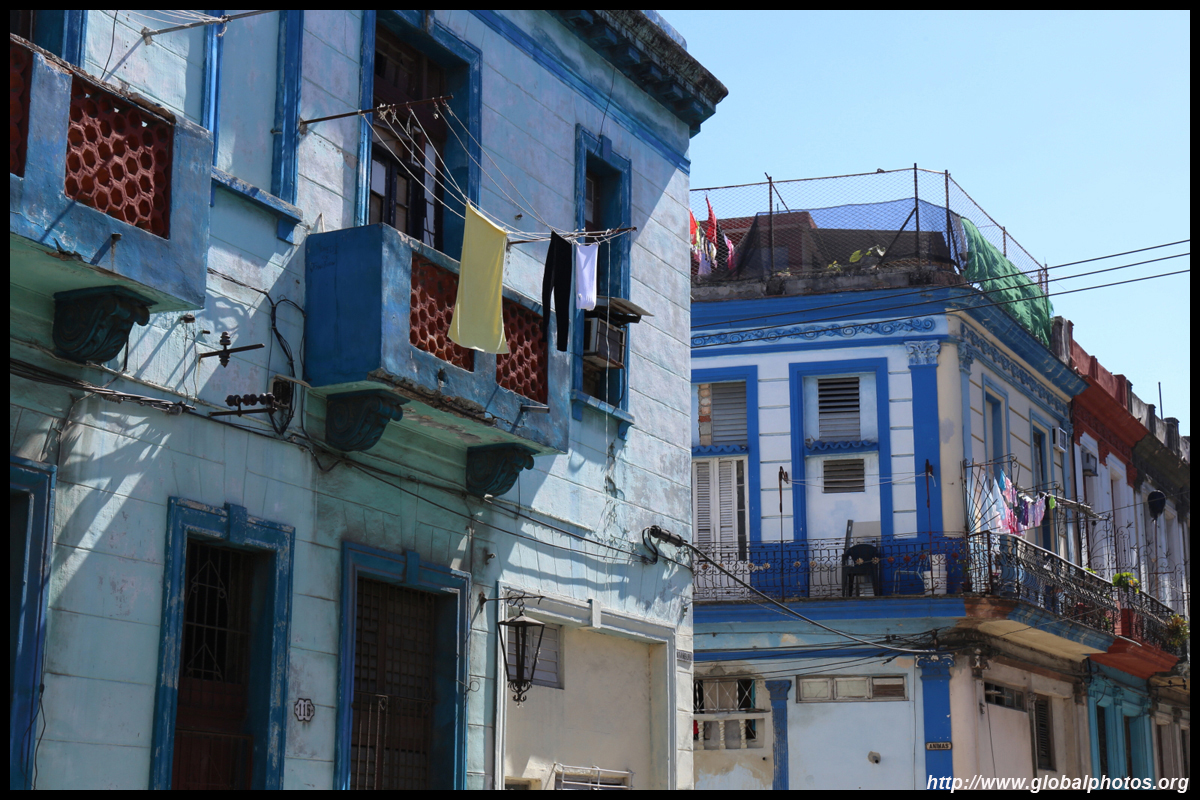
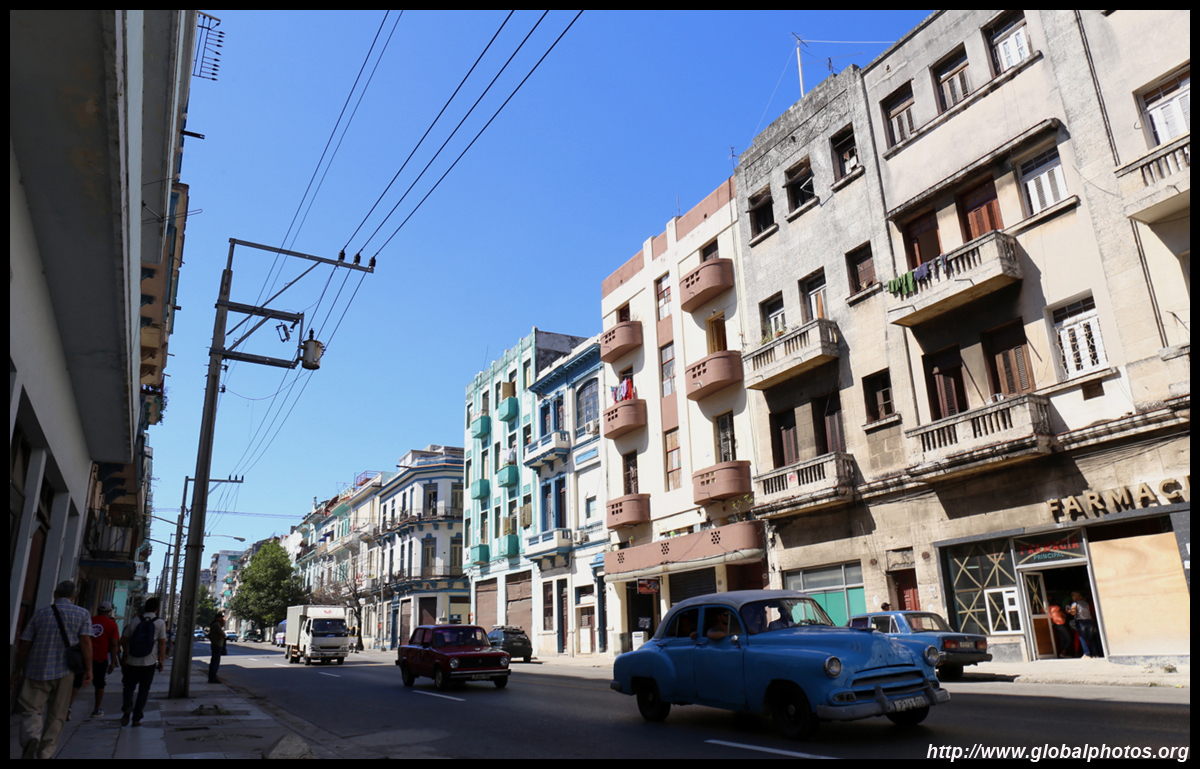
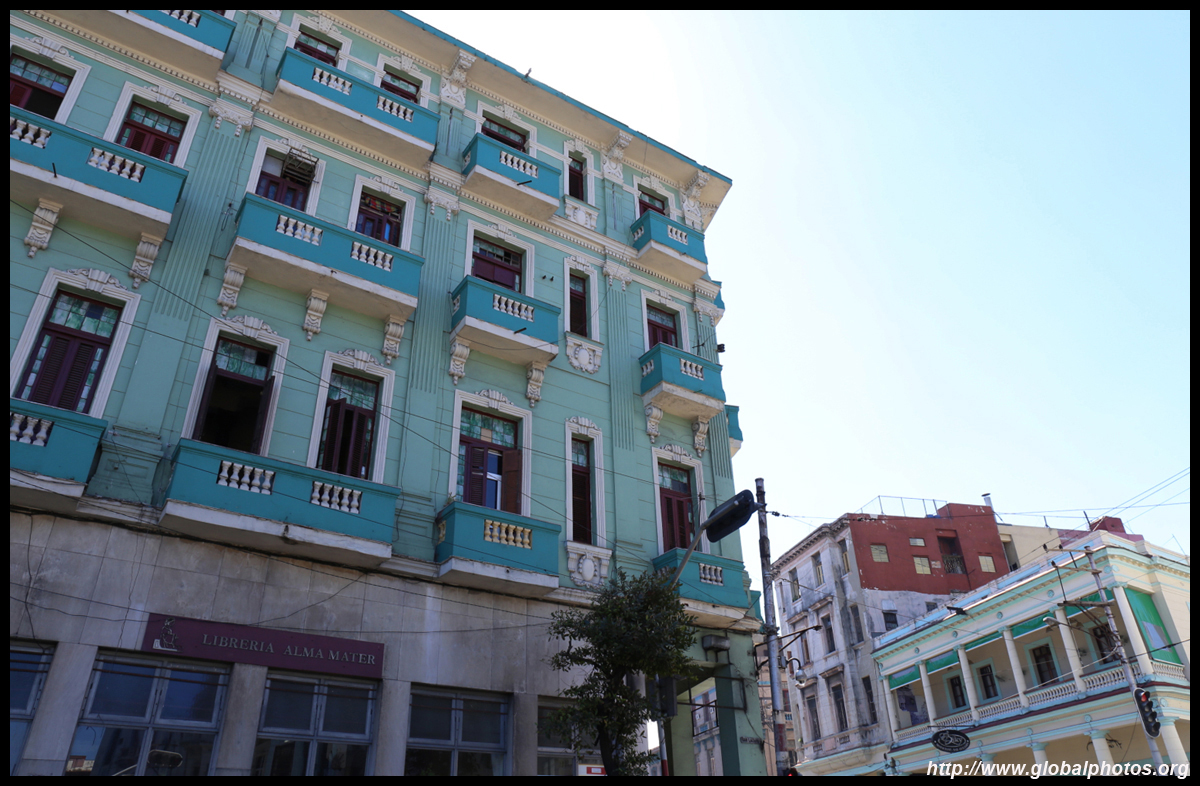
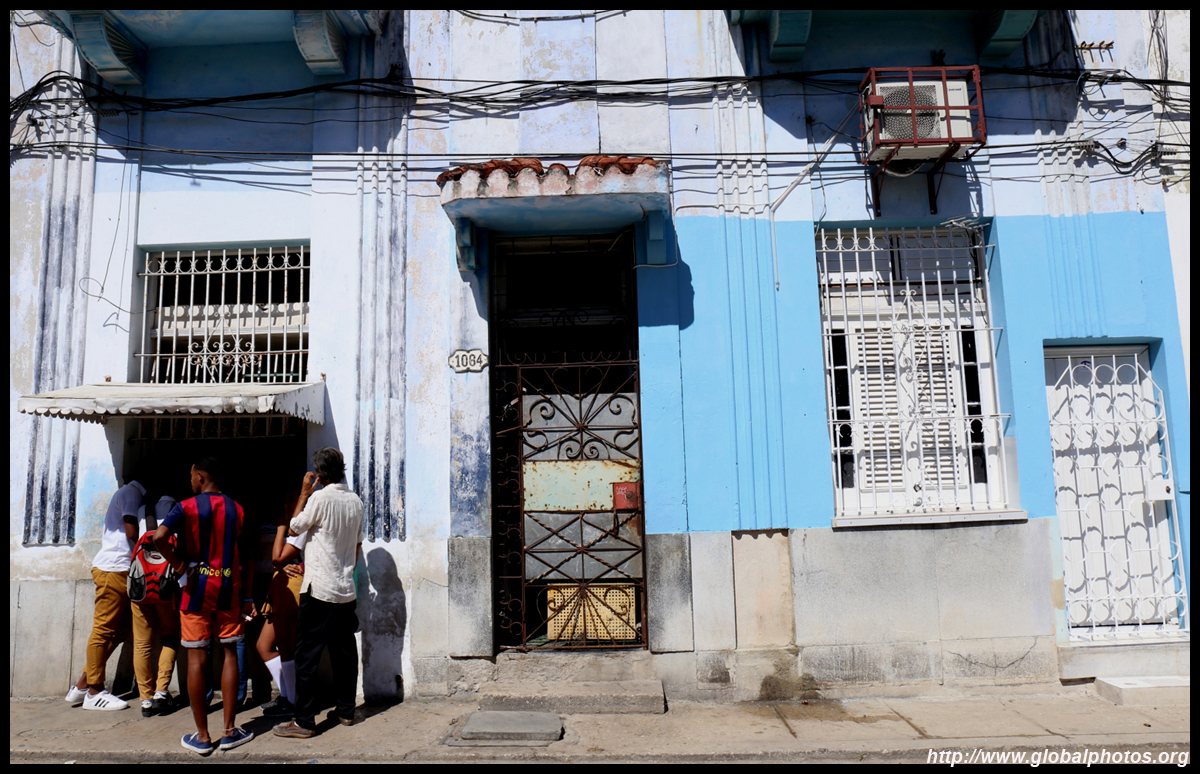
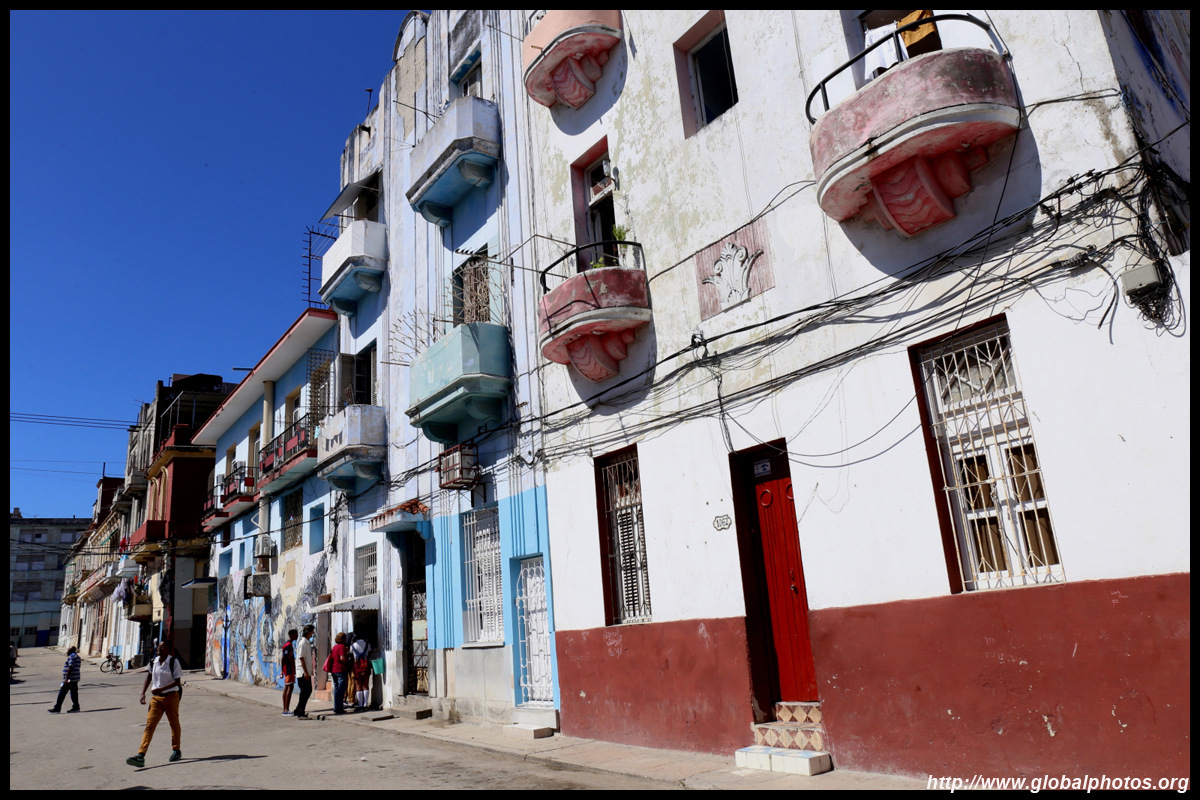
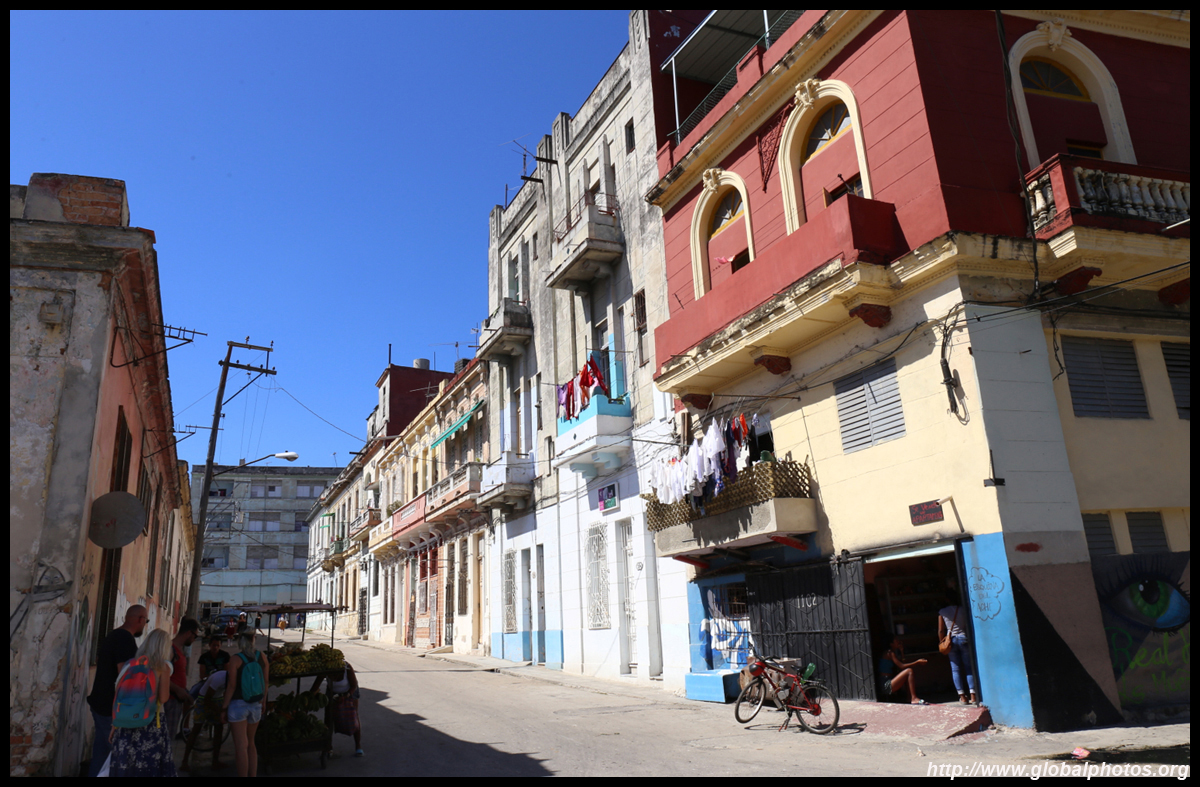
I found more crumbling residential architecture on some of the side streets.
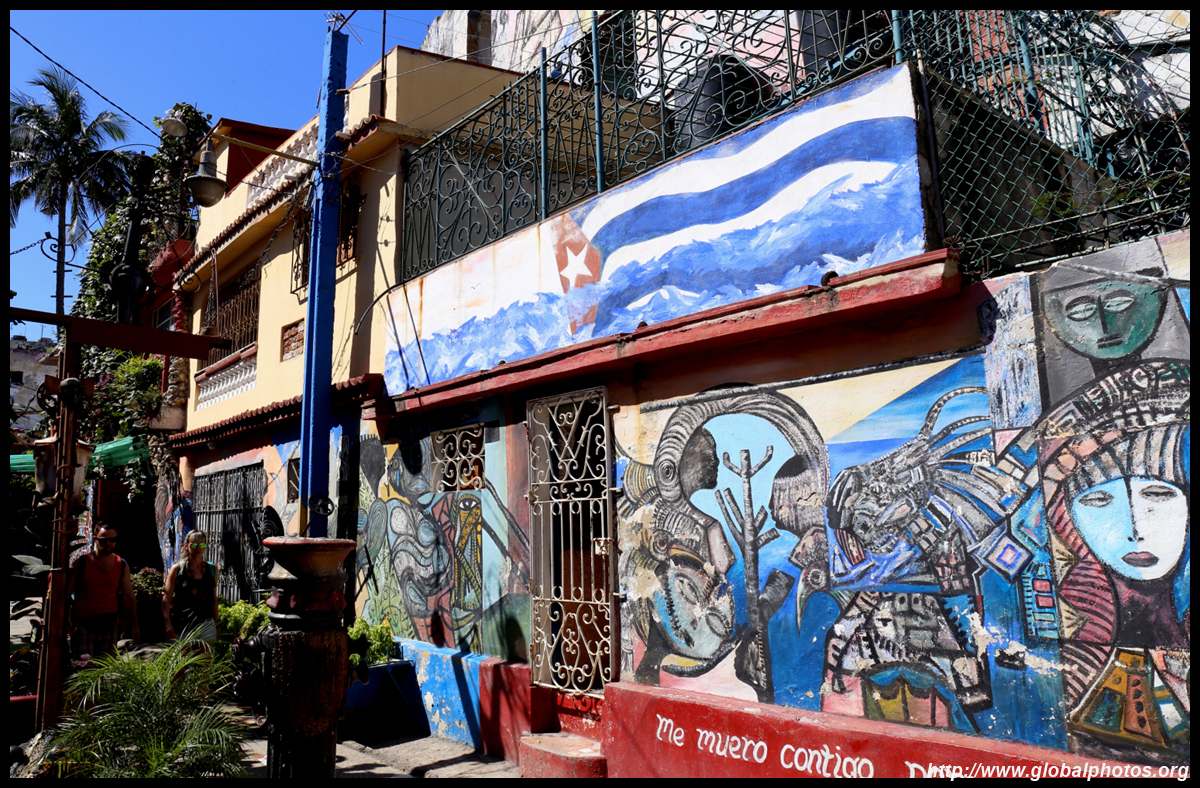
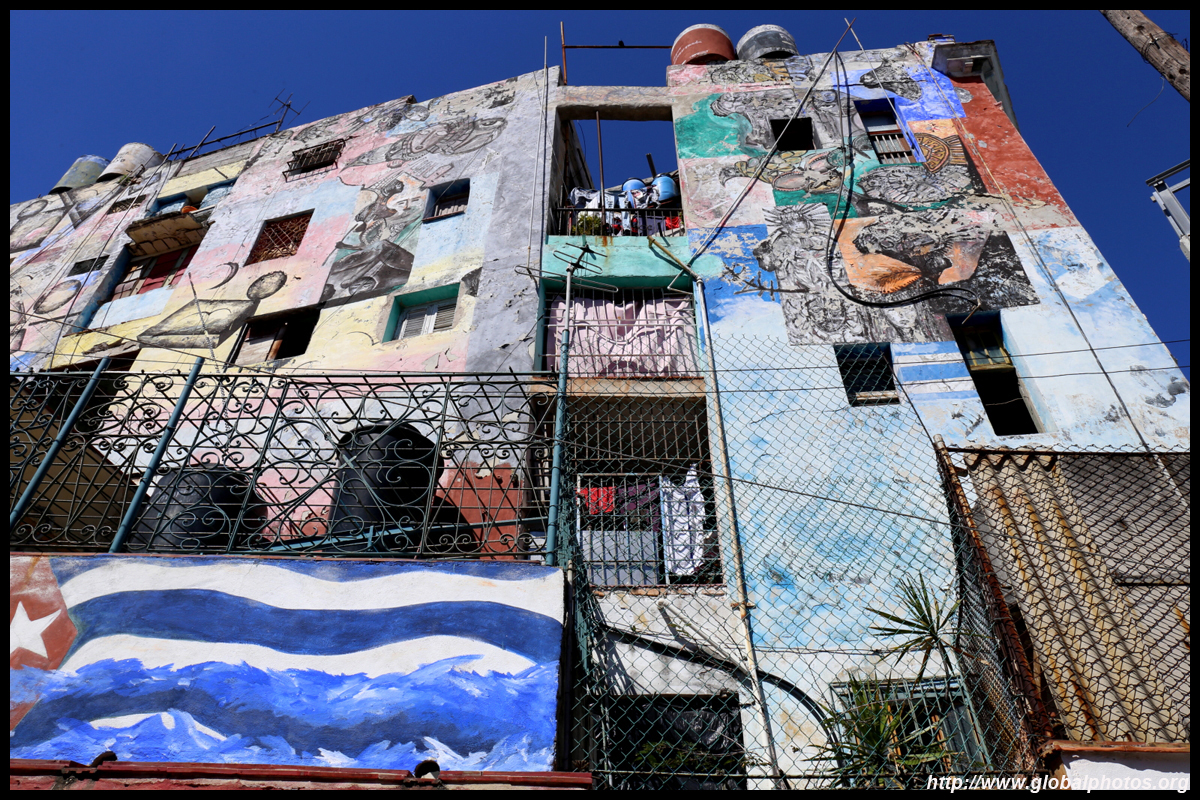
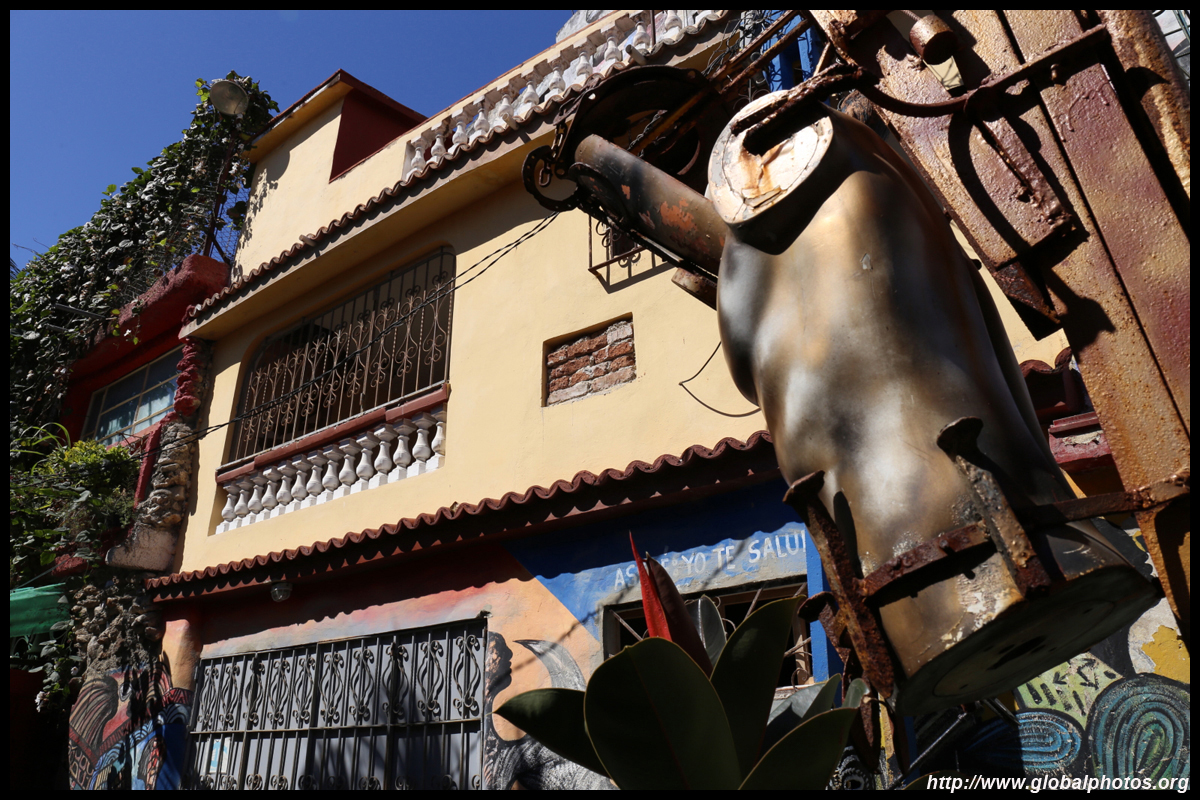
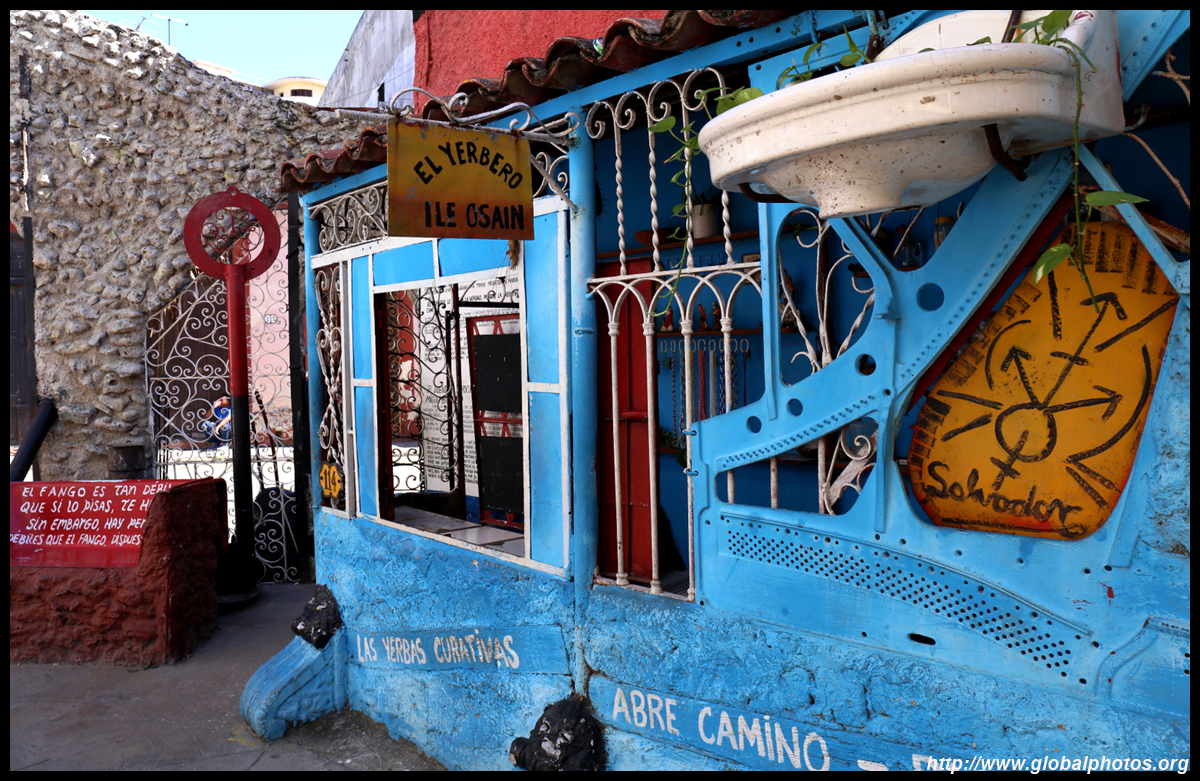
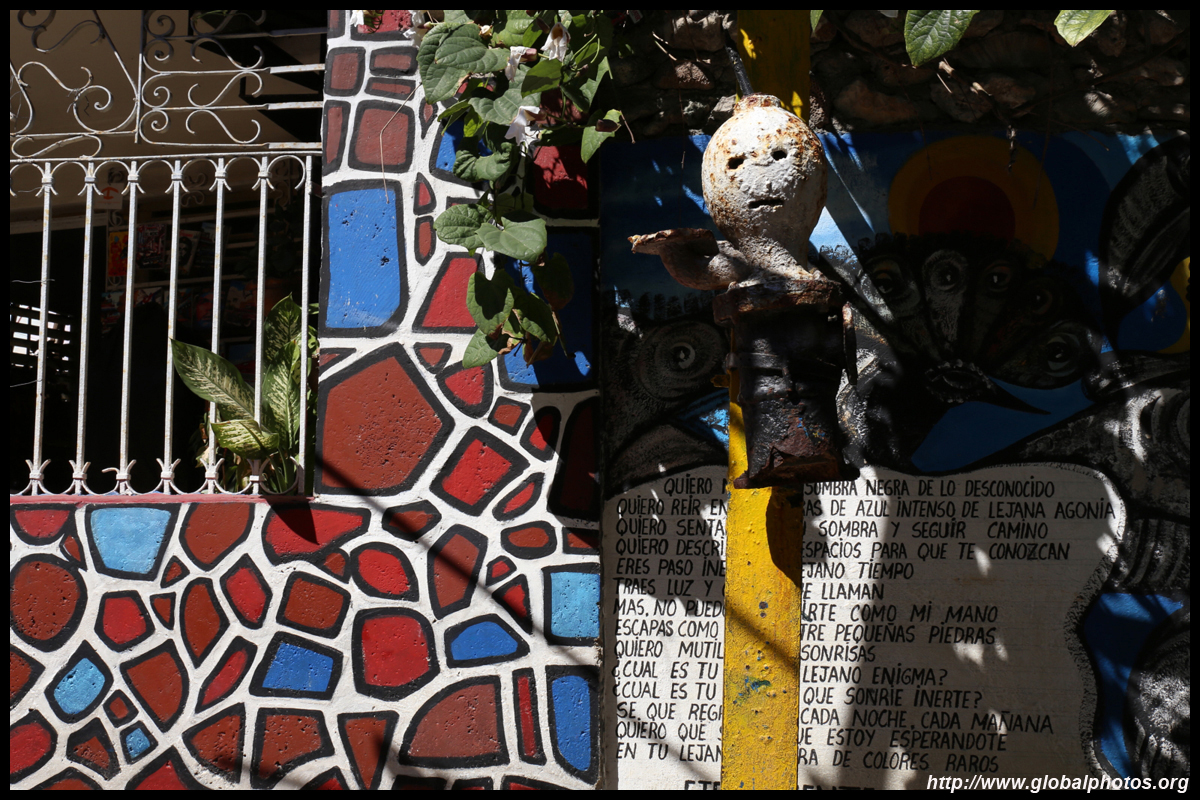
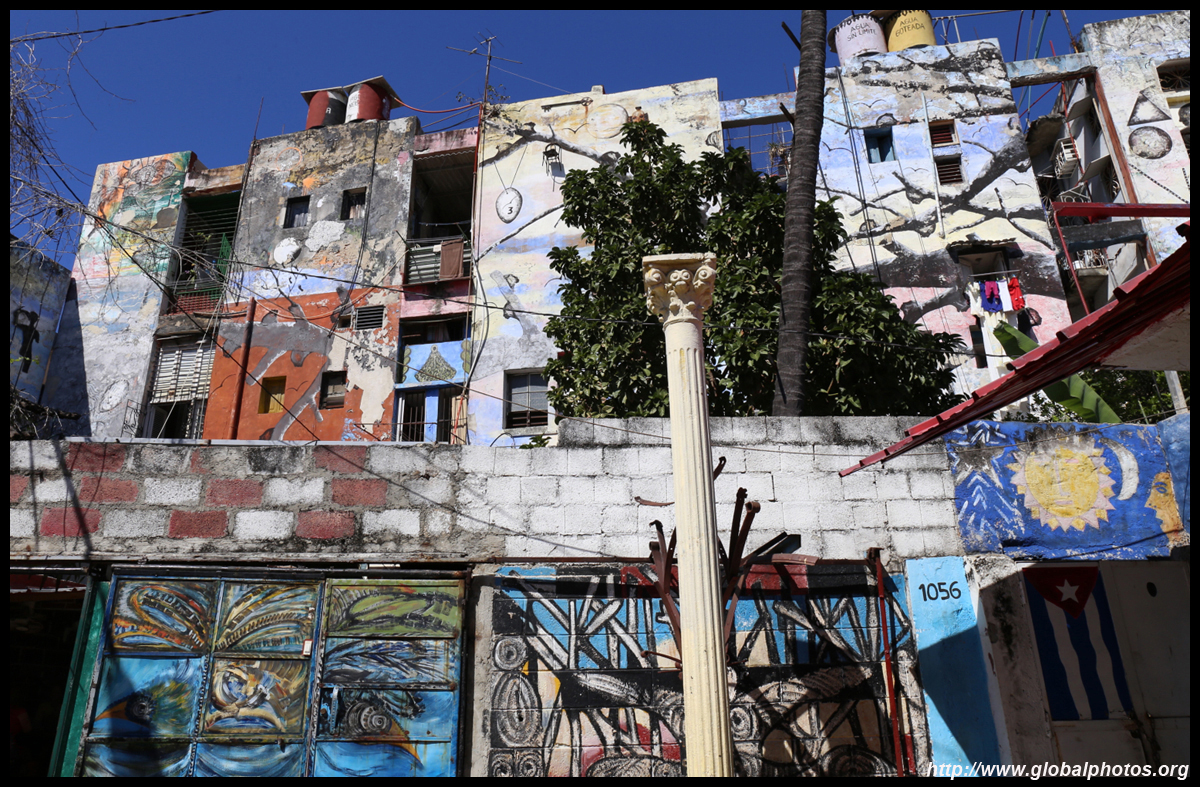
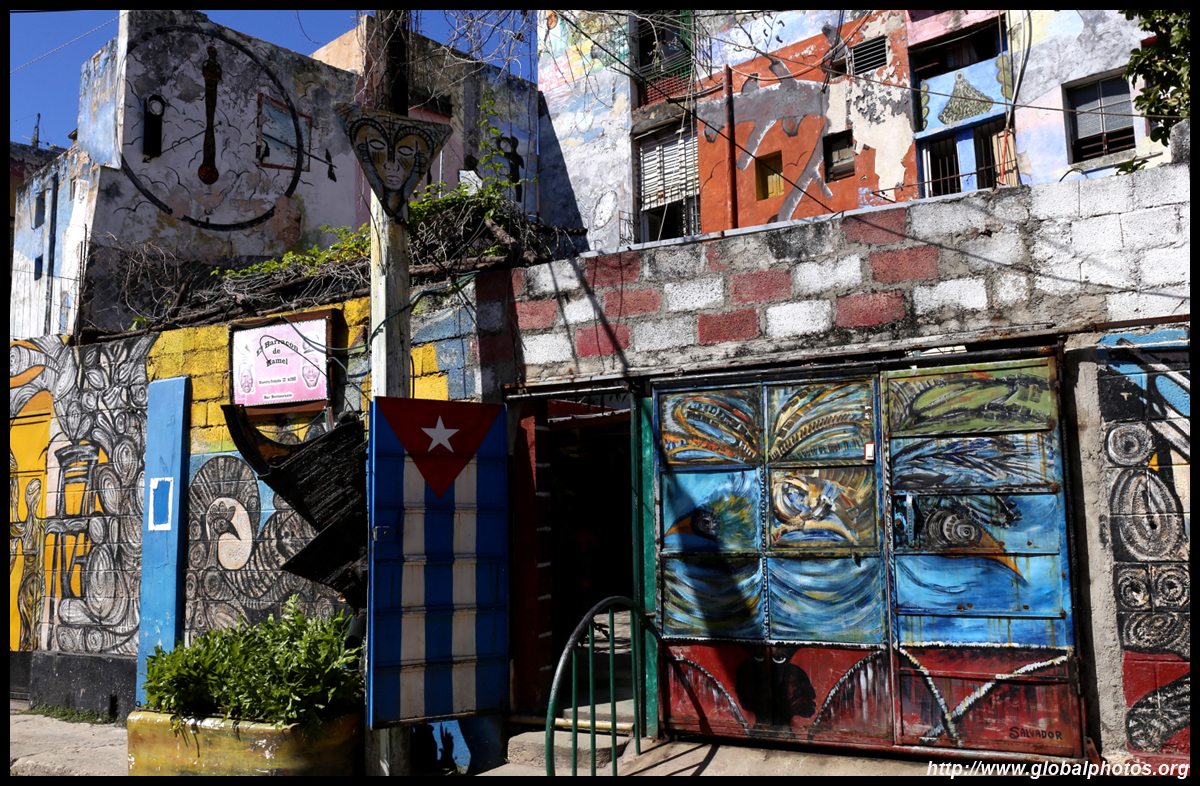
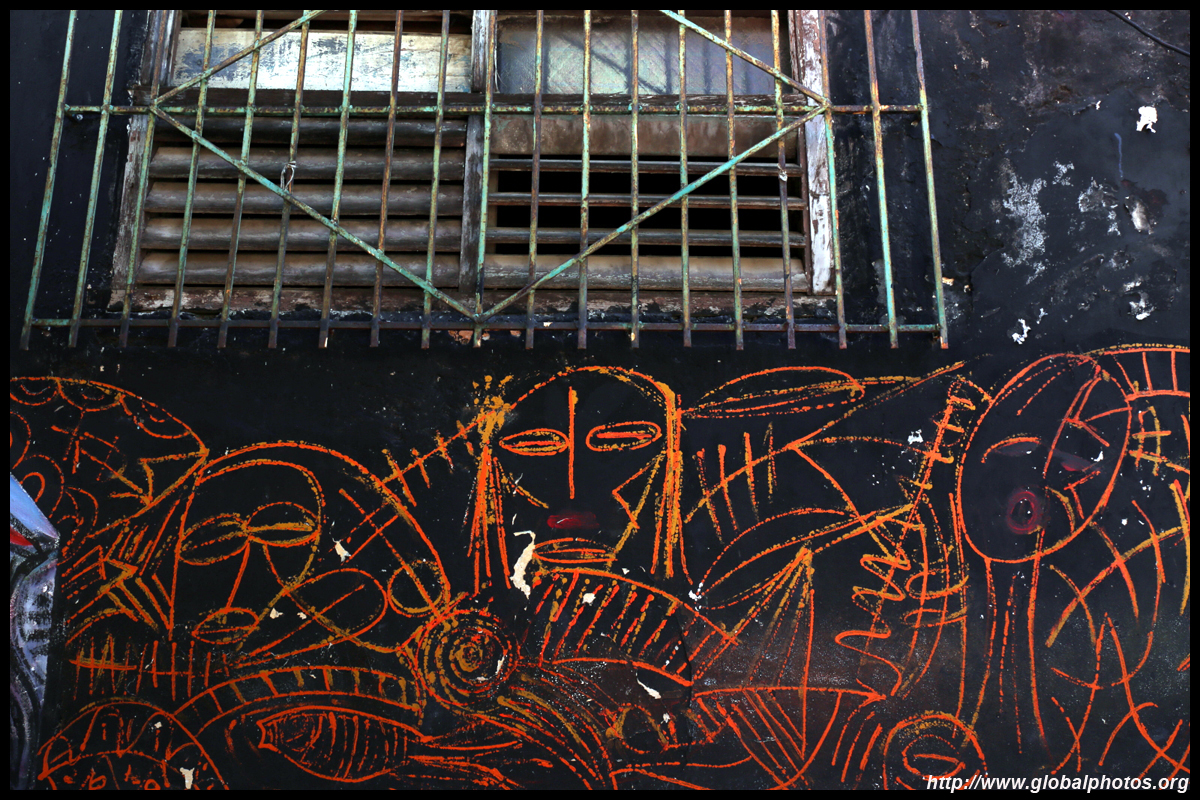
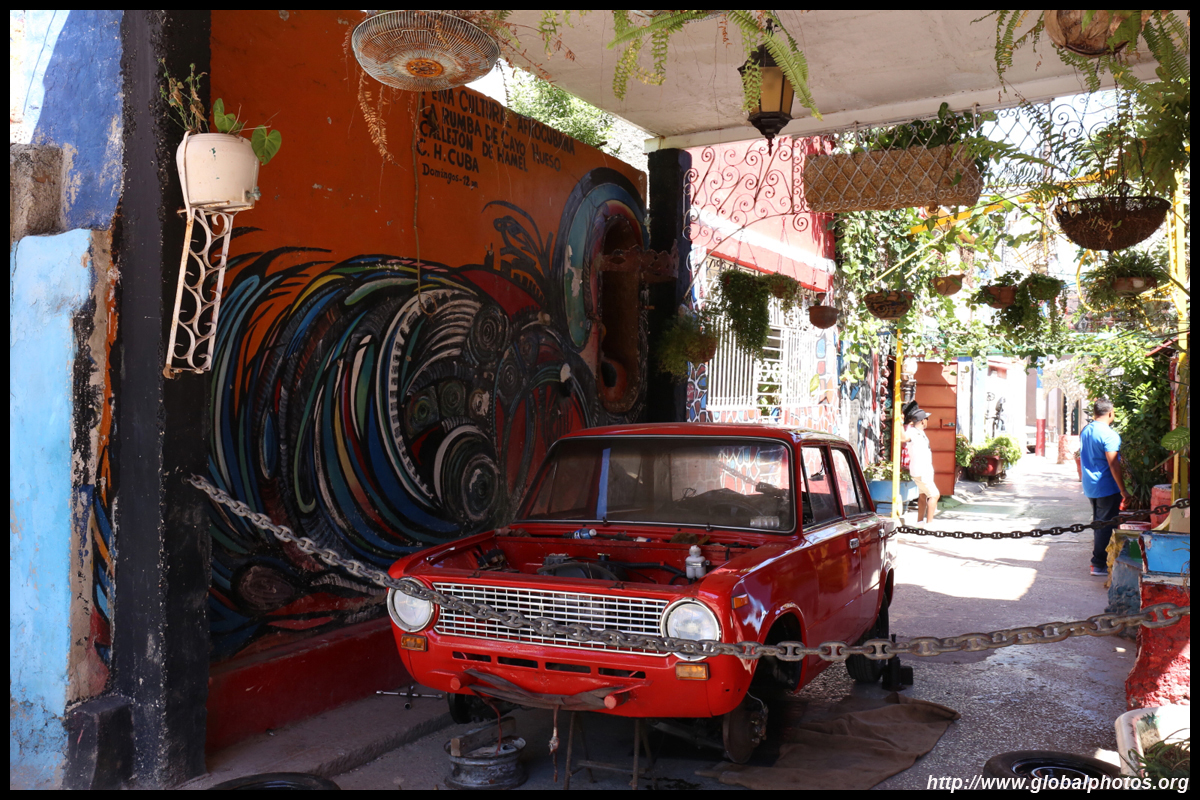
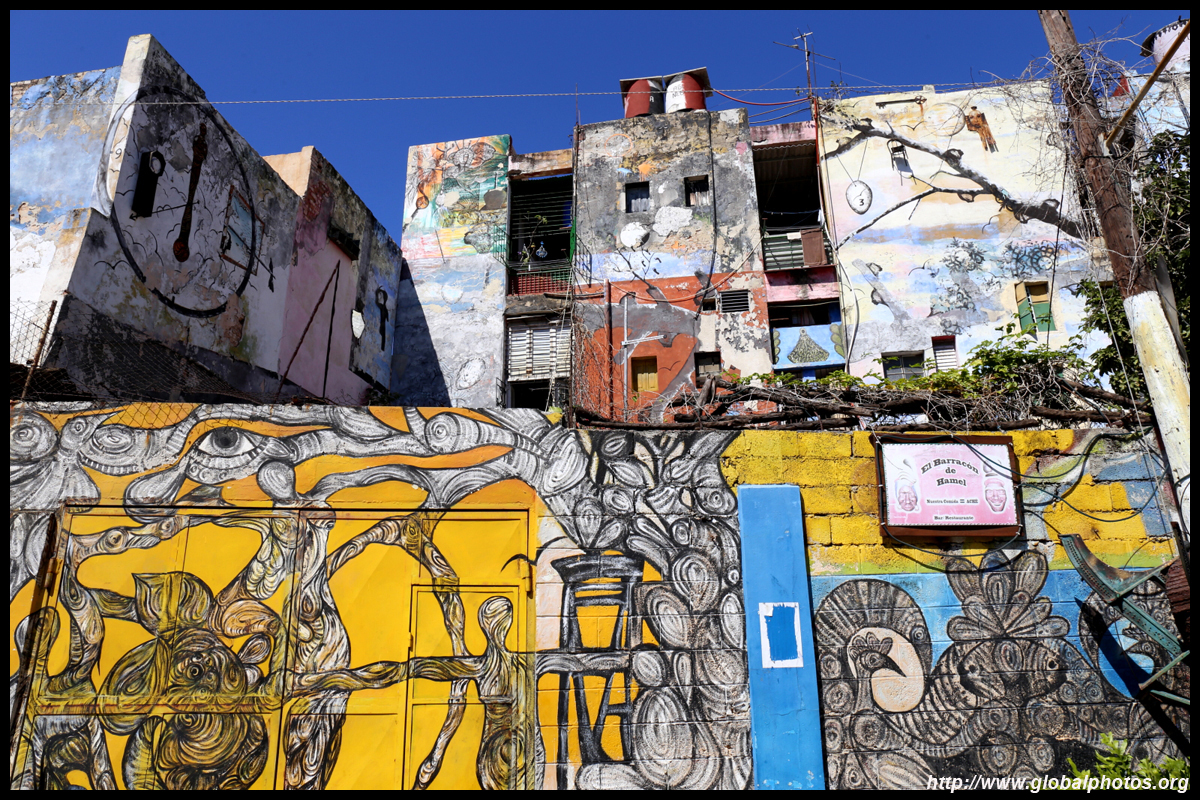
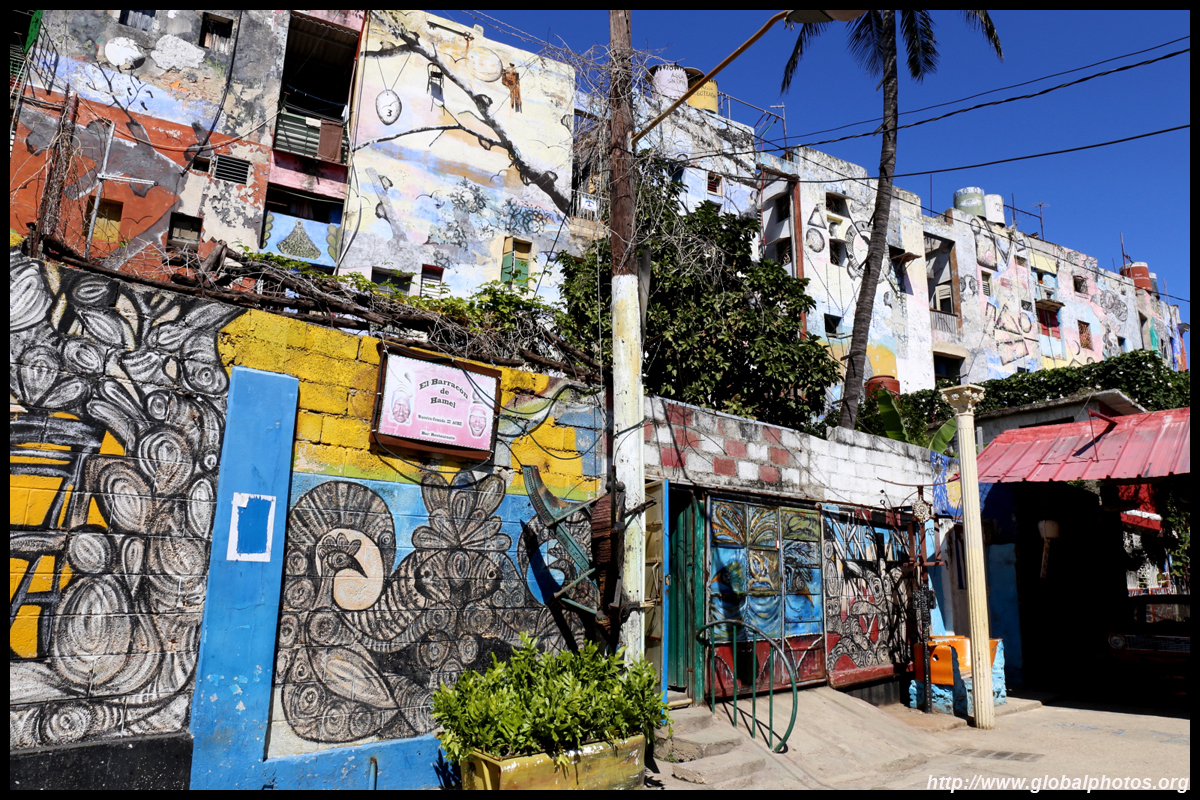
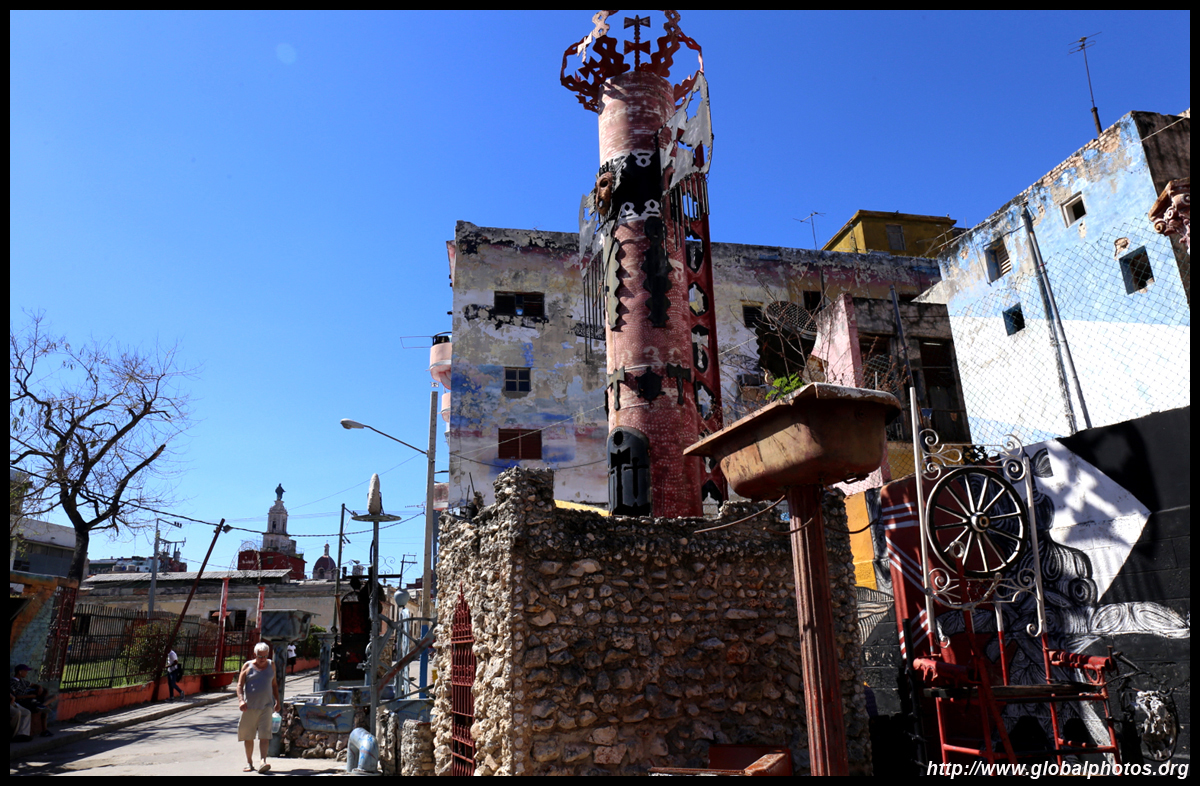
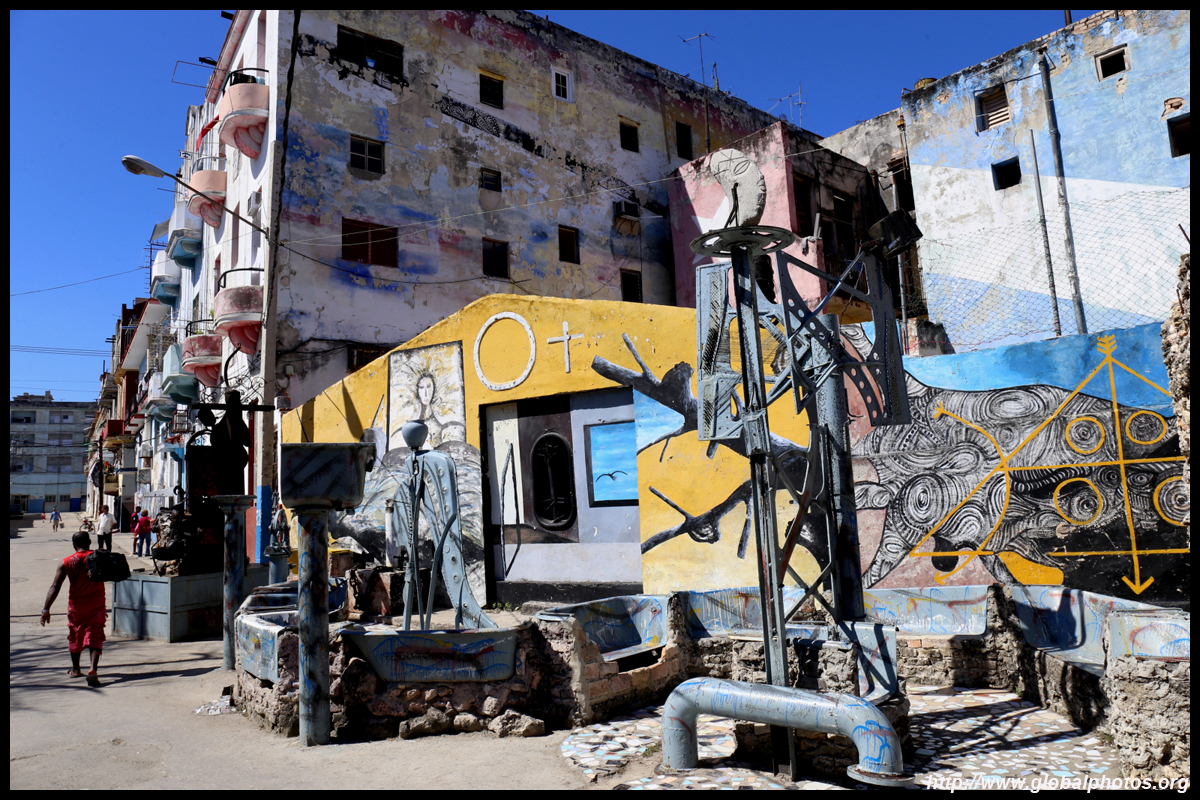
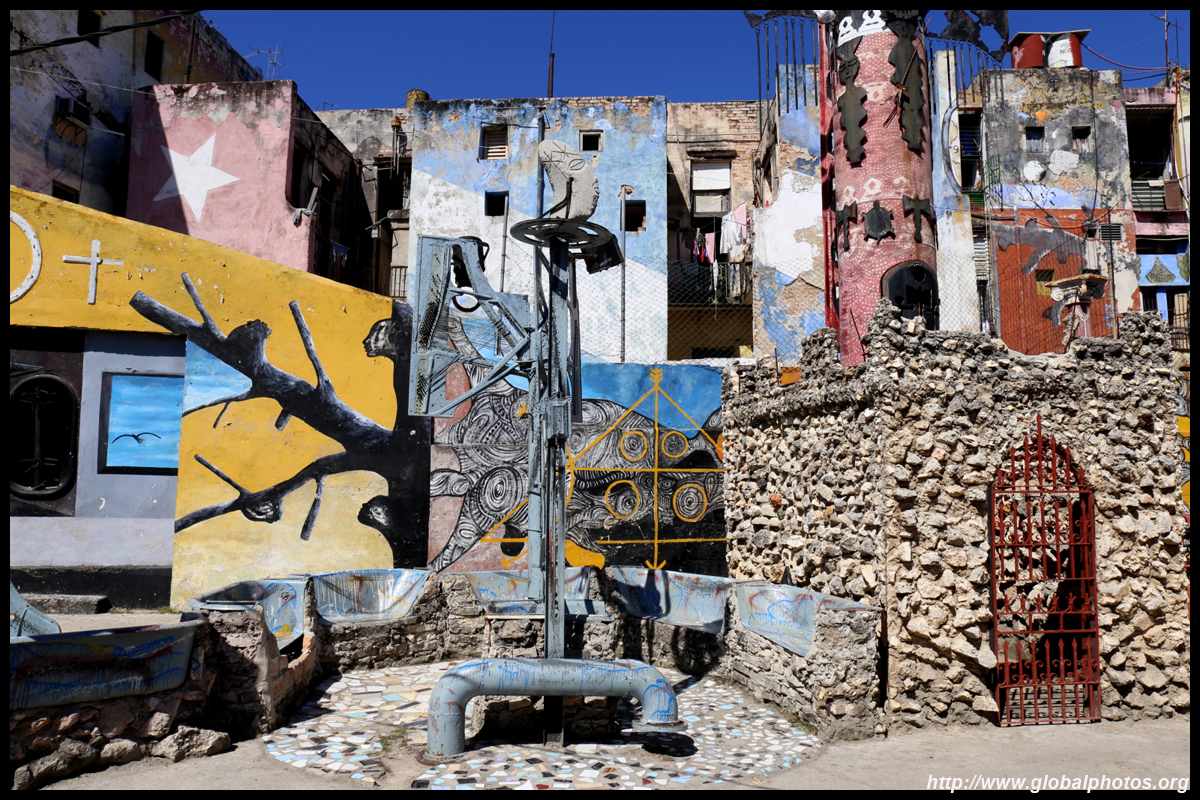
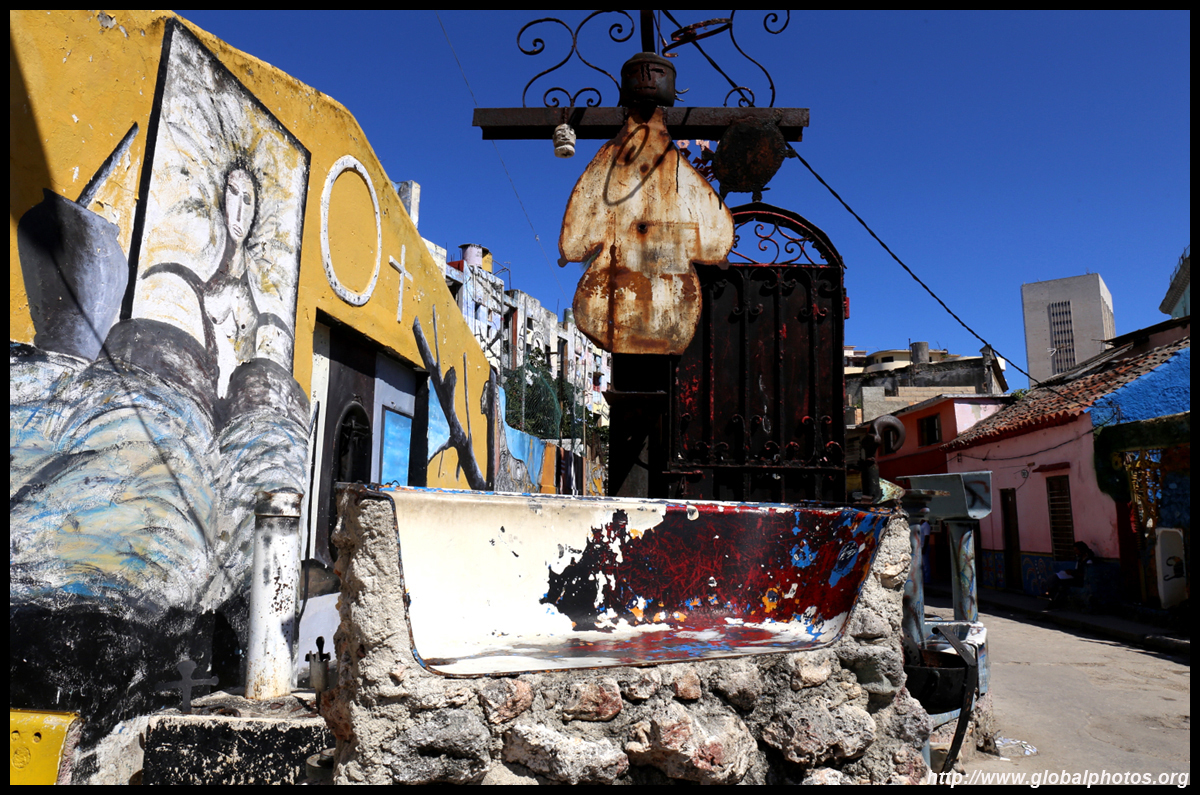
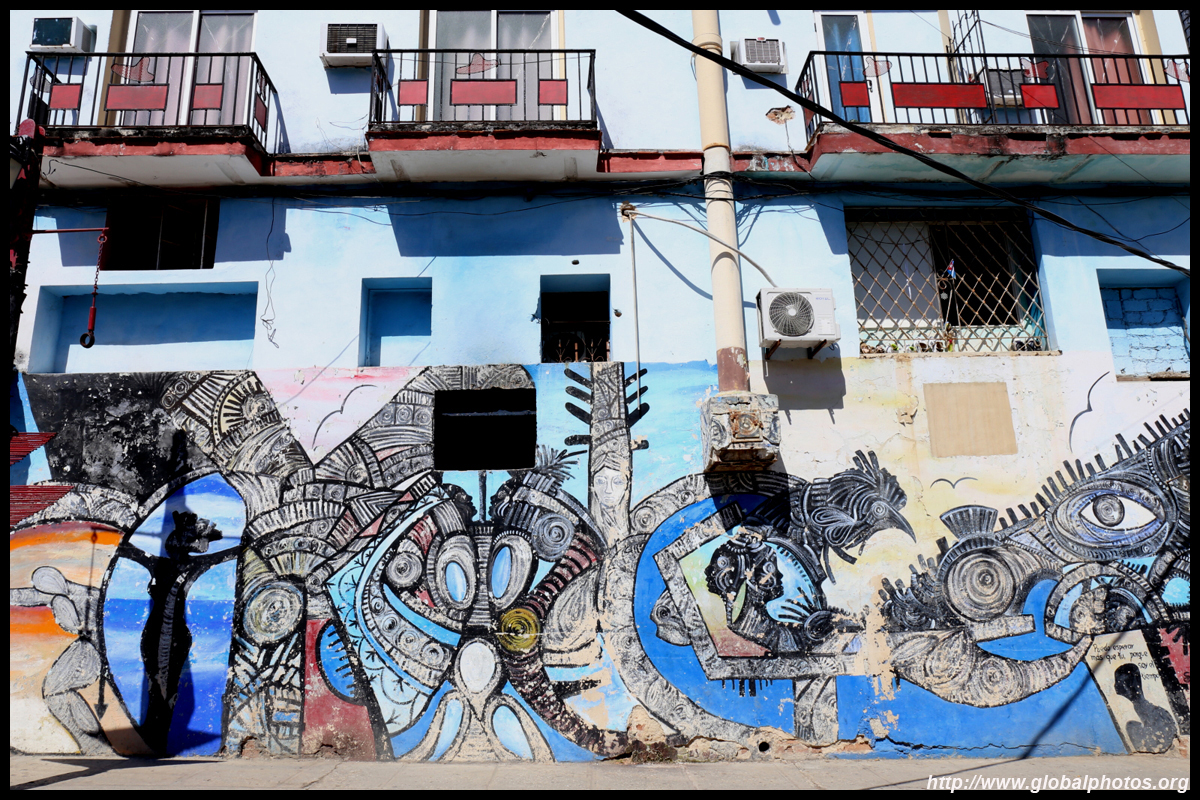
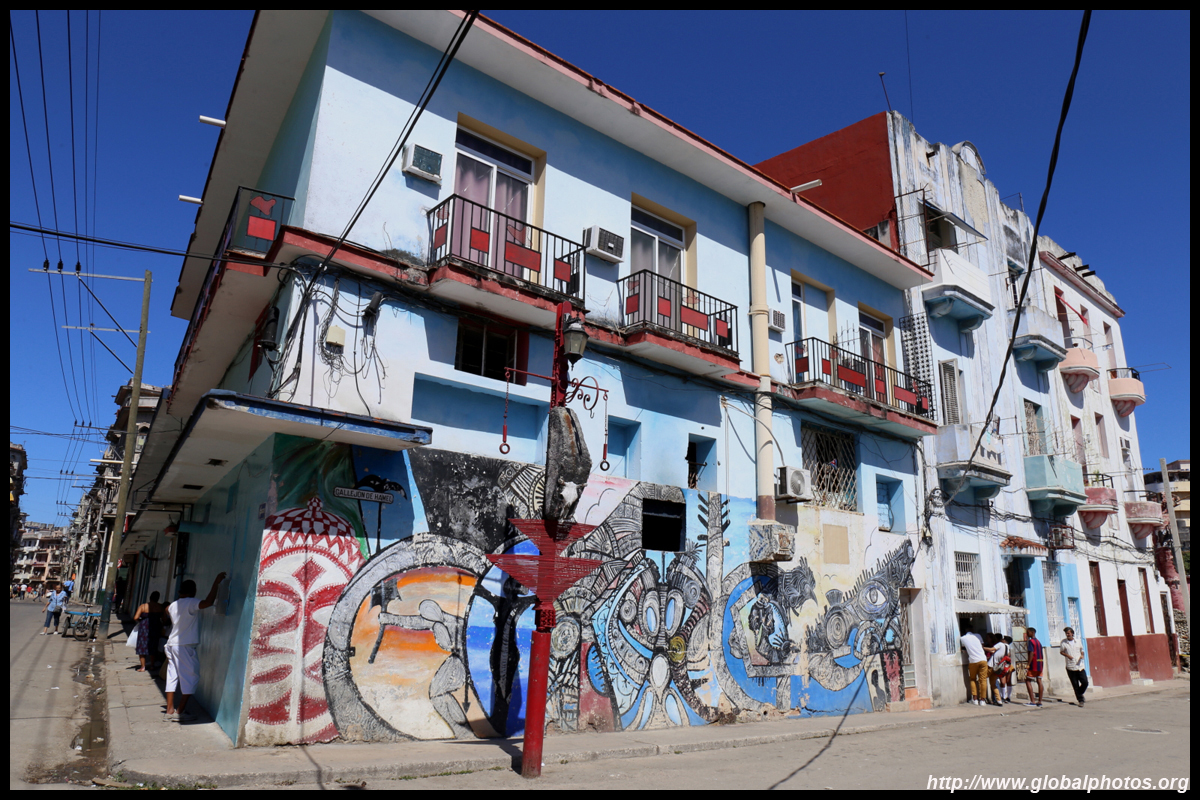
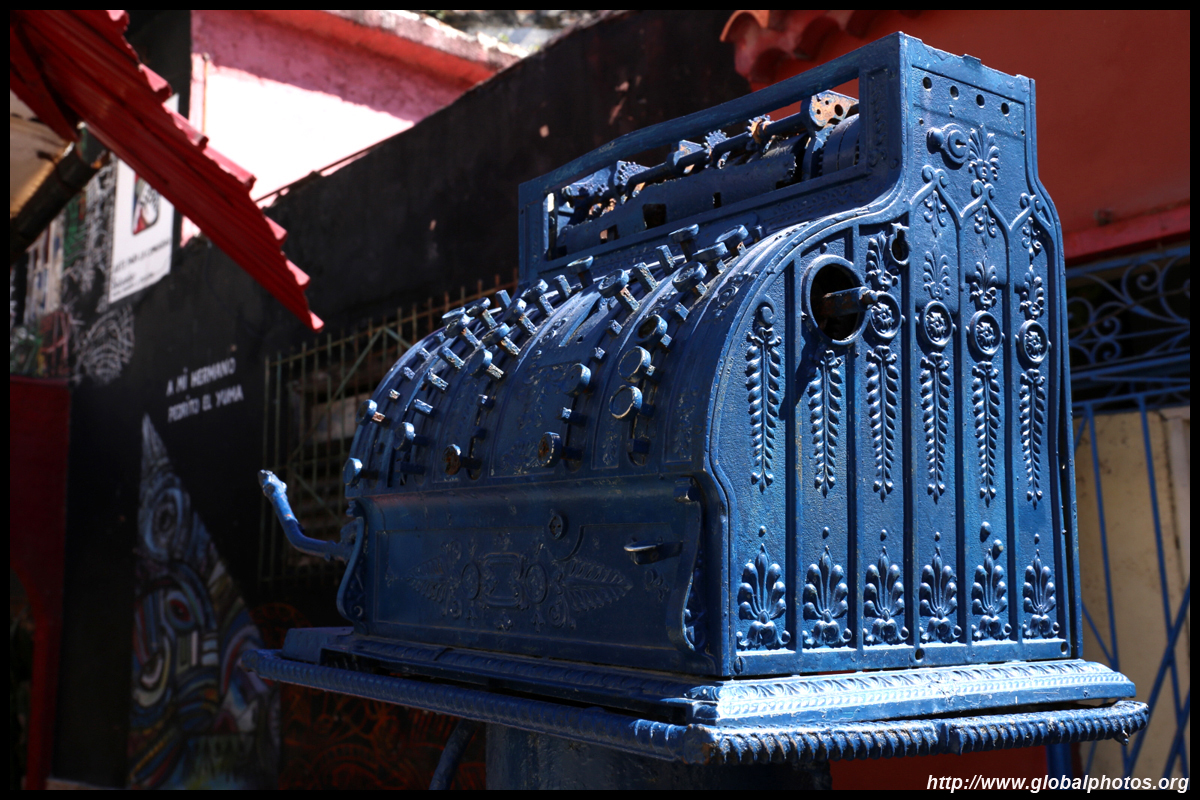
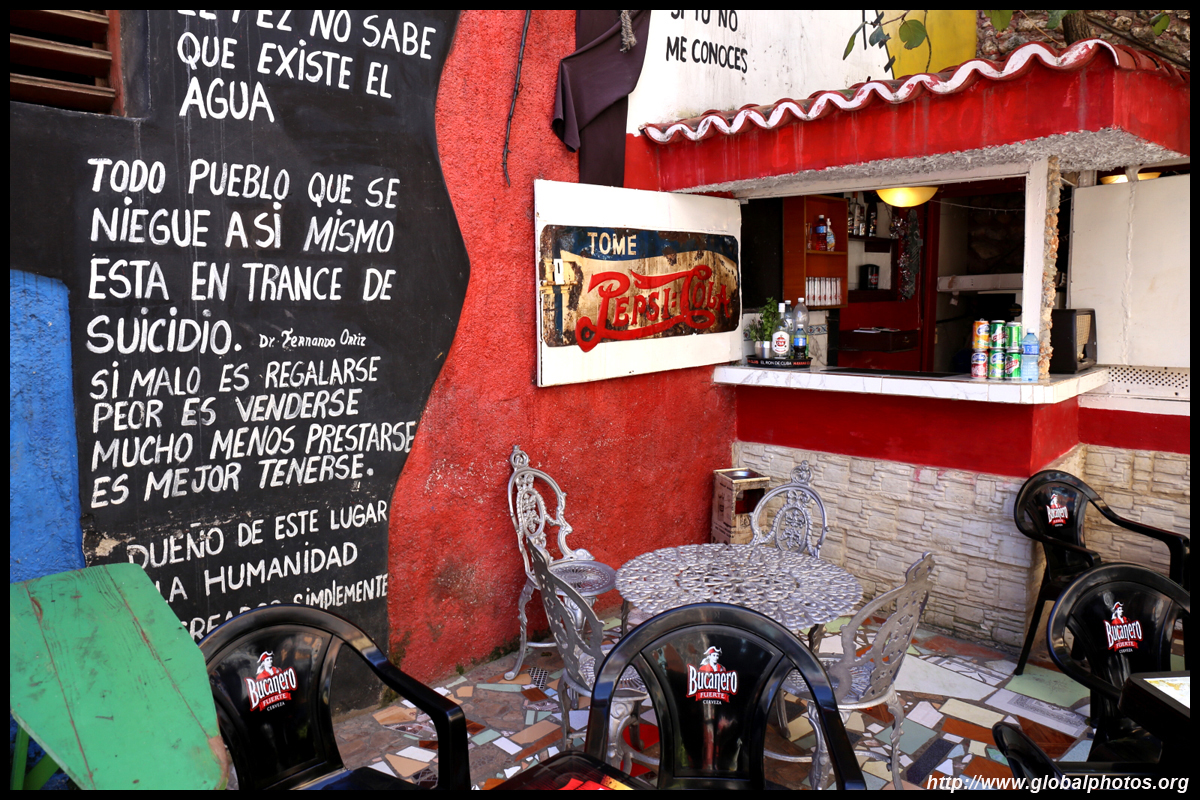
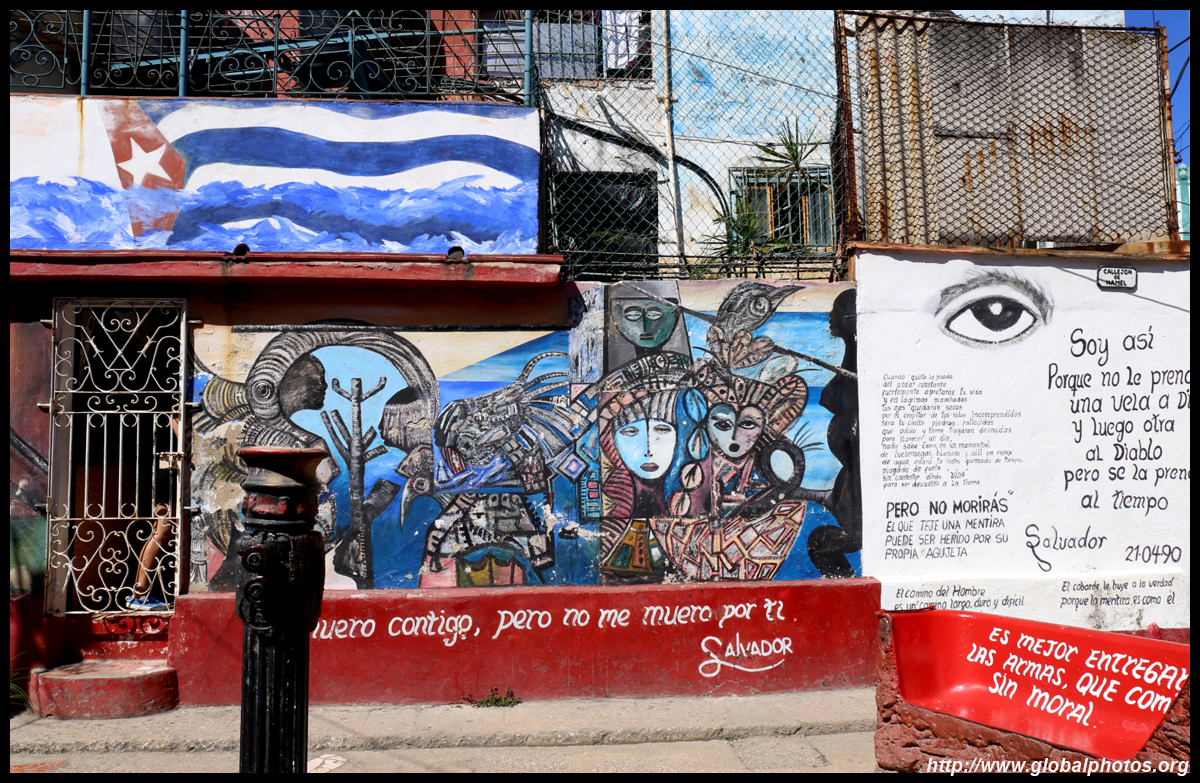
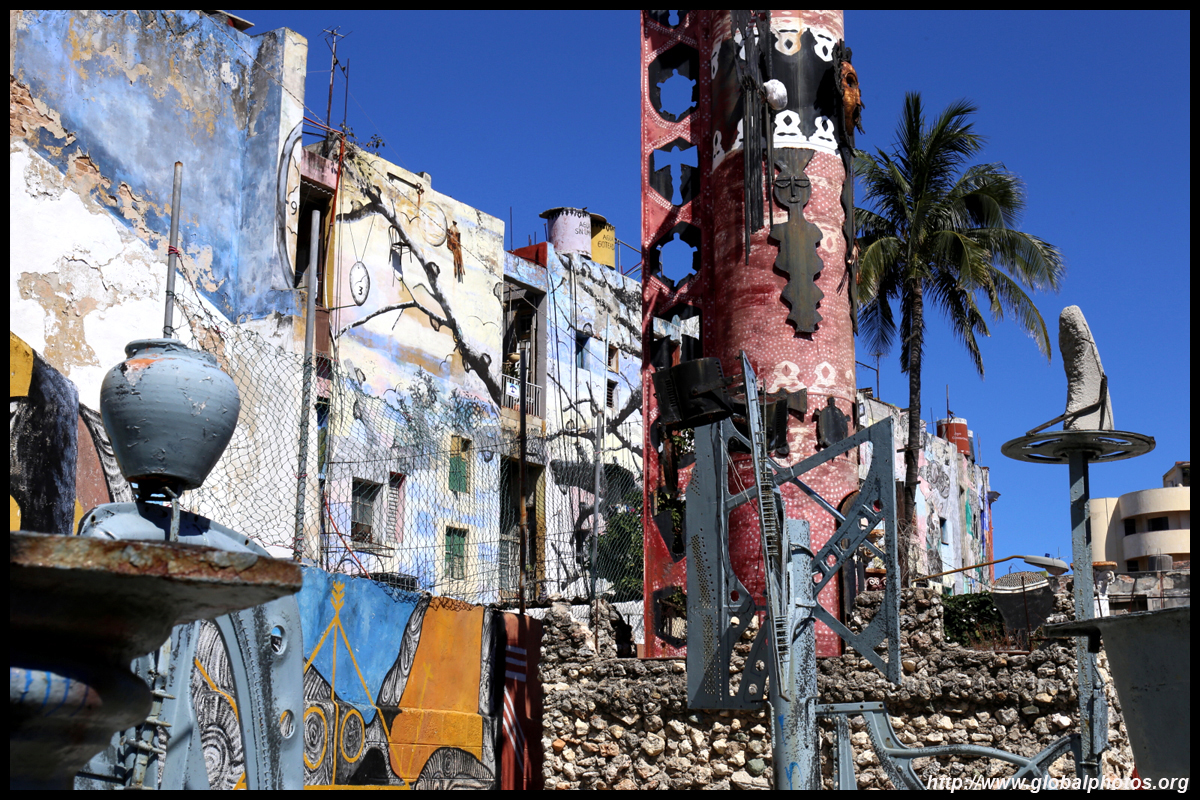
Callejón de Hamel's graffiti-filled building exteriors was a surprise. It is not a long section of murals but there is plenty to look at. Its transformation started in 1990 with an abstract mural by Salvador Gonzalez, when Afro-Cuba culture took hold.
| |||
To re-use these photos or notify of errors, please email me. Thank you.