Hong Kong Photo Gallery - Flagstaff House Museum of Tea Ware

Located in Hong Kong Park, the Flagstaff House Museum of Tea Ware has a collection of about 600 tea vessels from ancient times to the modern era. They are now on display in the former residence of the British Army chief until 1978. The historic building was constructed shortly after Hong Kong became a British colony in the 1840s, and is the oldest surviving example of Western architecture in the city.The black-glazed tea bowl became popular during the Song Dynasty. Some even had poetic inscriptions and landscapes painted in hold on them.
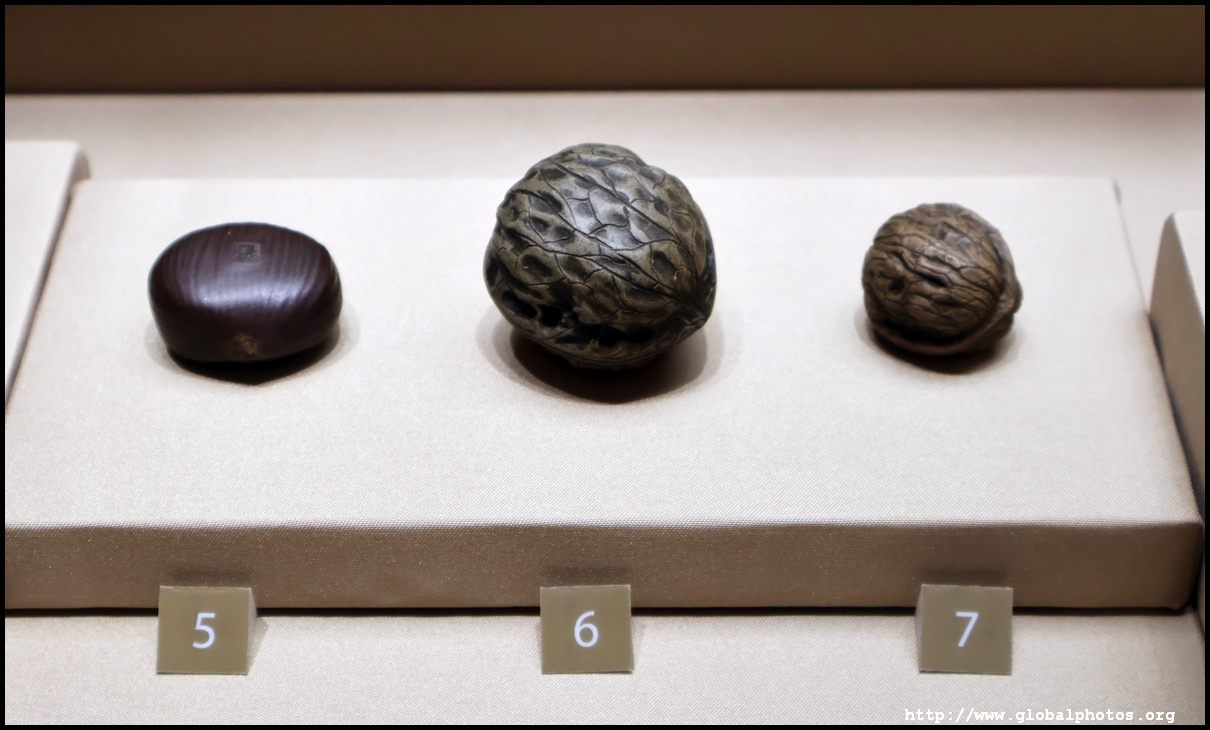
During the Yuan Dynasty (1271-1368), cream was often added to tea, which was probably a practice introduced by the Mongols. The drink was accompanied by different types of nuts.
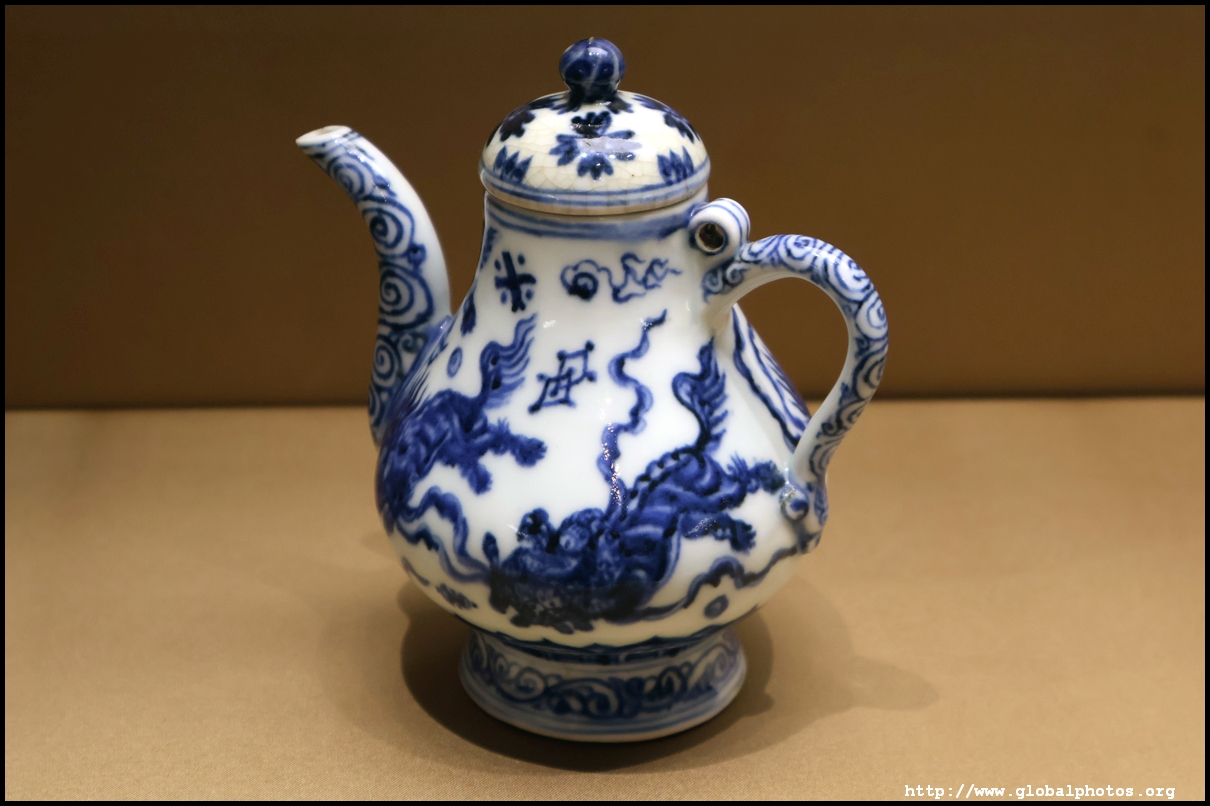
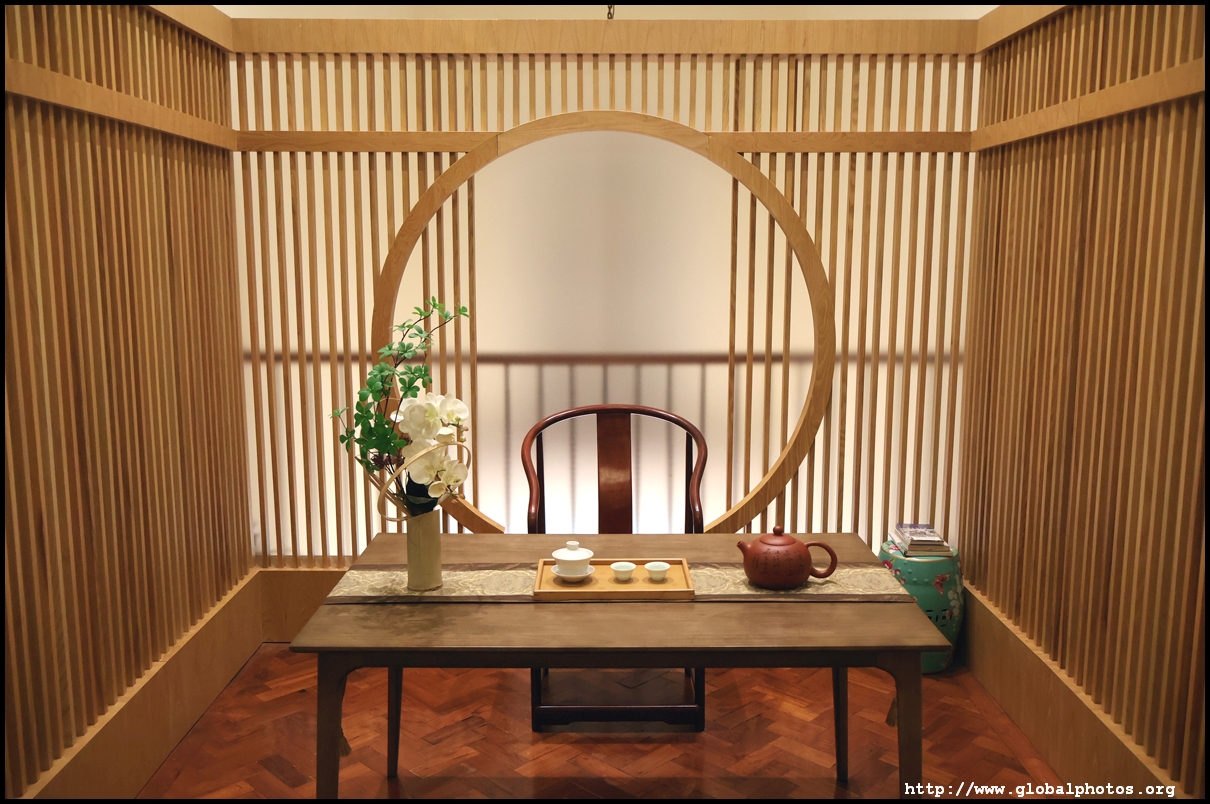
During the Ming Dynasty (1368-1644), people preferred to steep tea leaves in a teapot. Initially, they used large pots to come up with many cups in one go, but they later found that the tea would taste more bitter if the leaves are left to steep too long, so the pots became smaller.
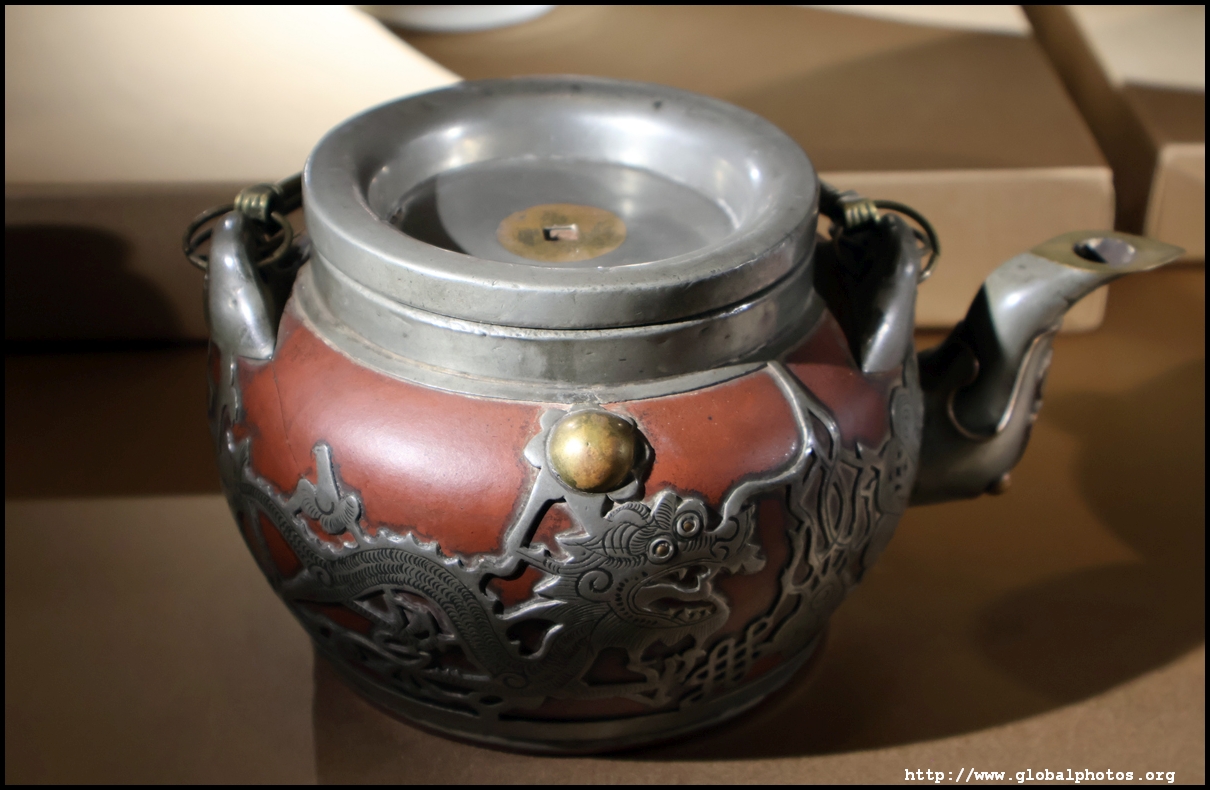
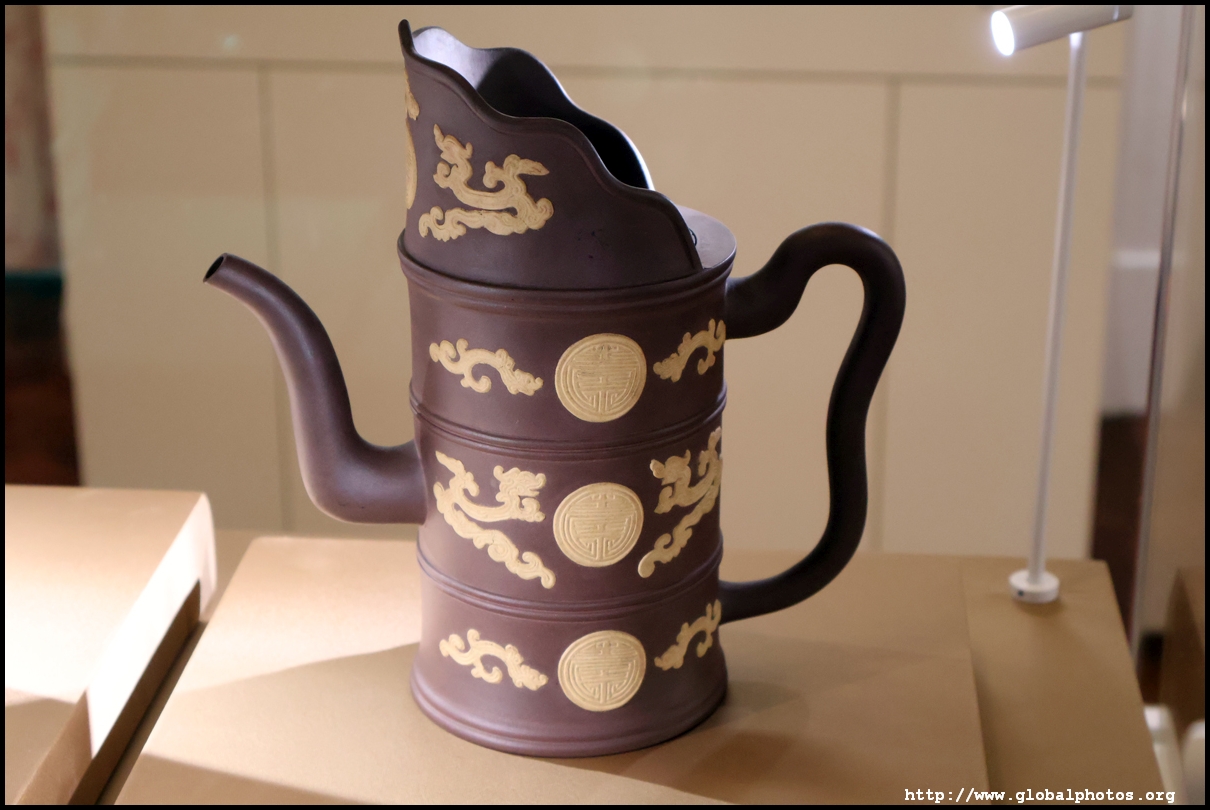
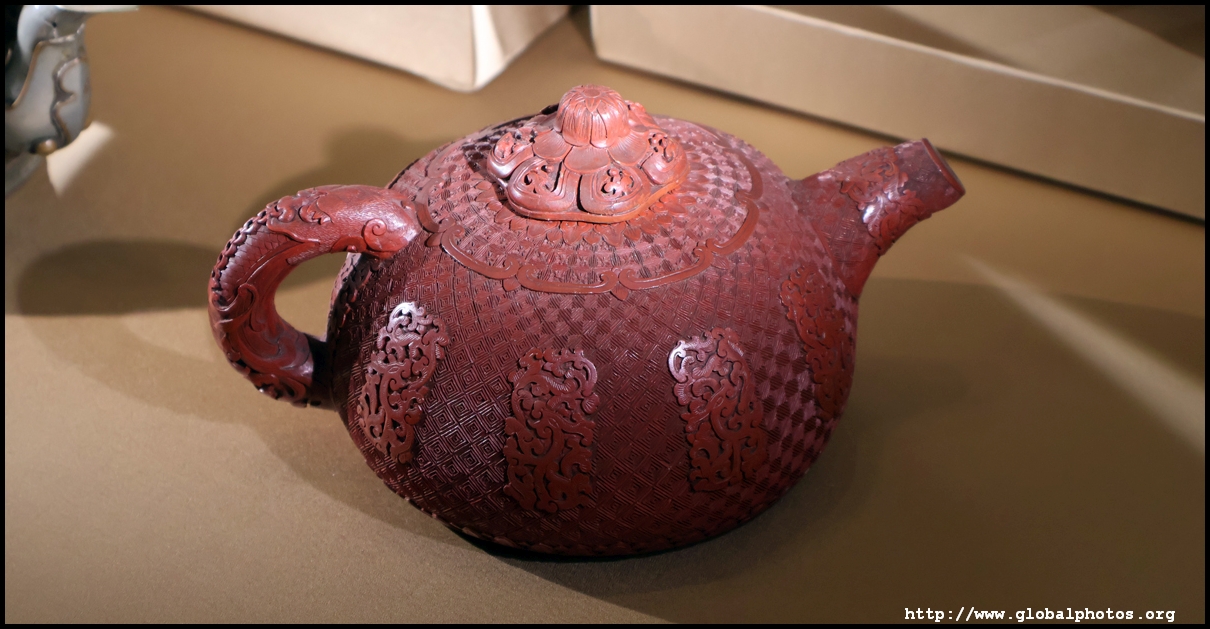
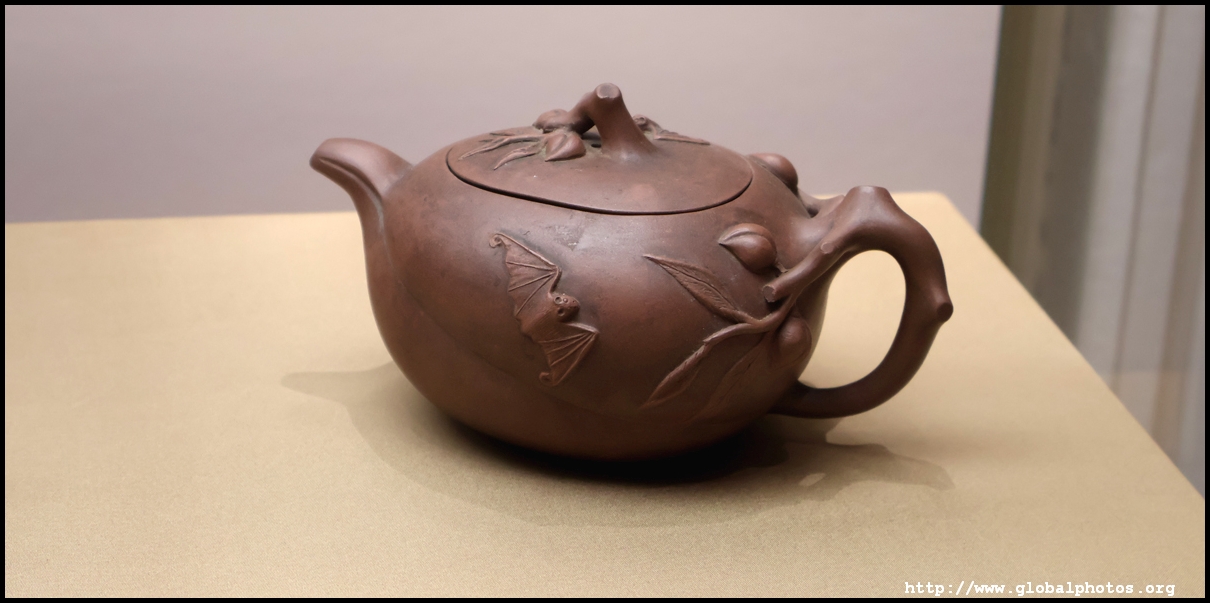
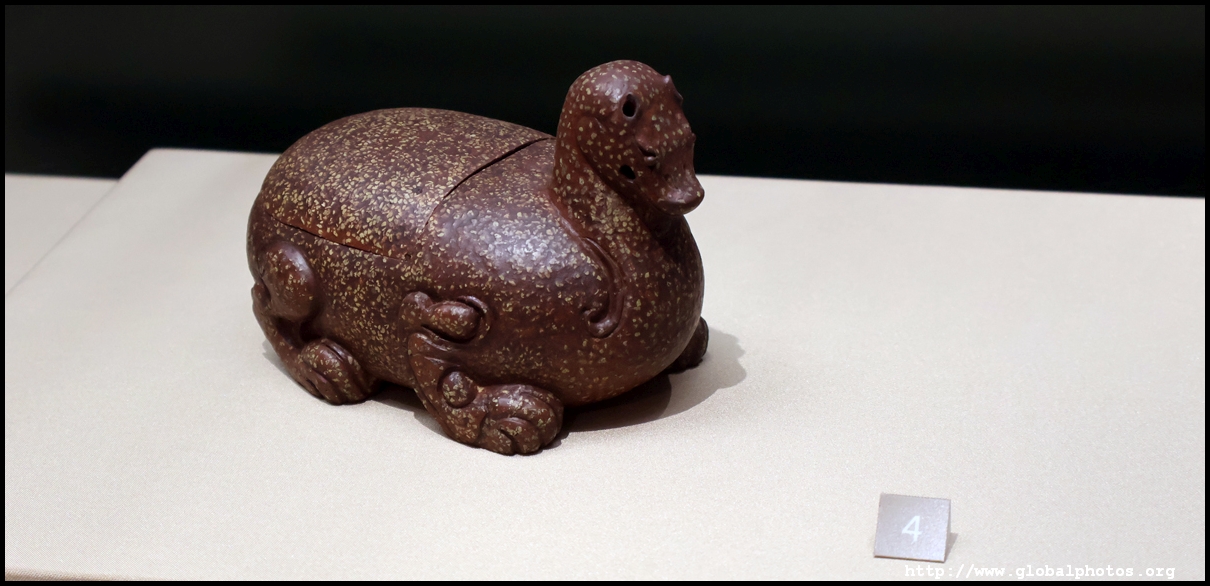
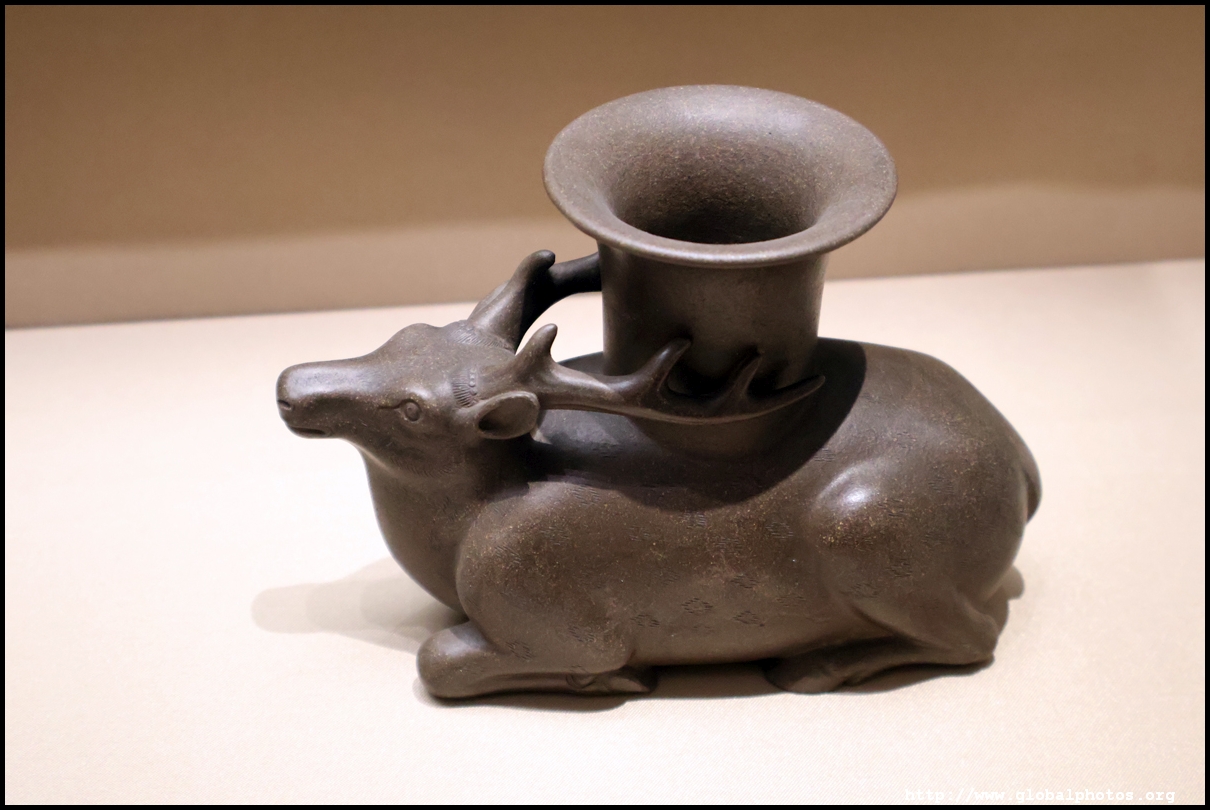
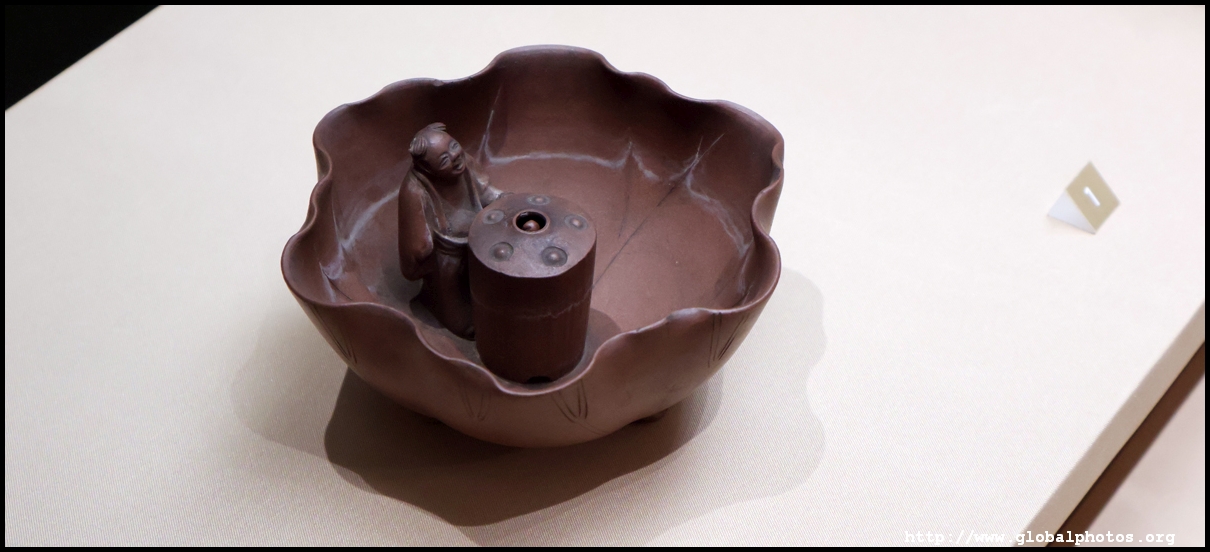
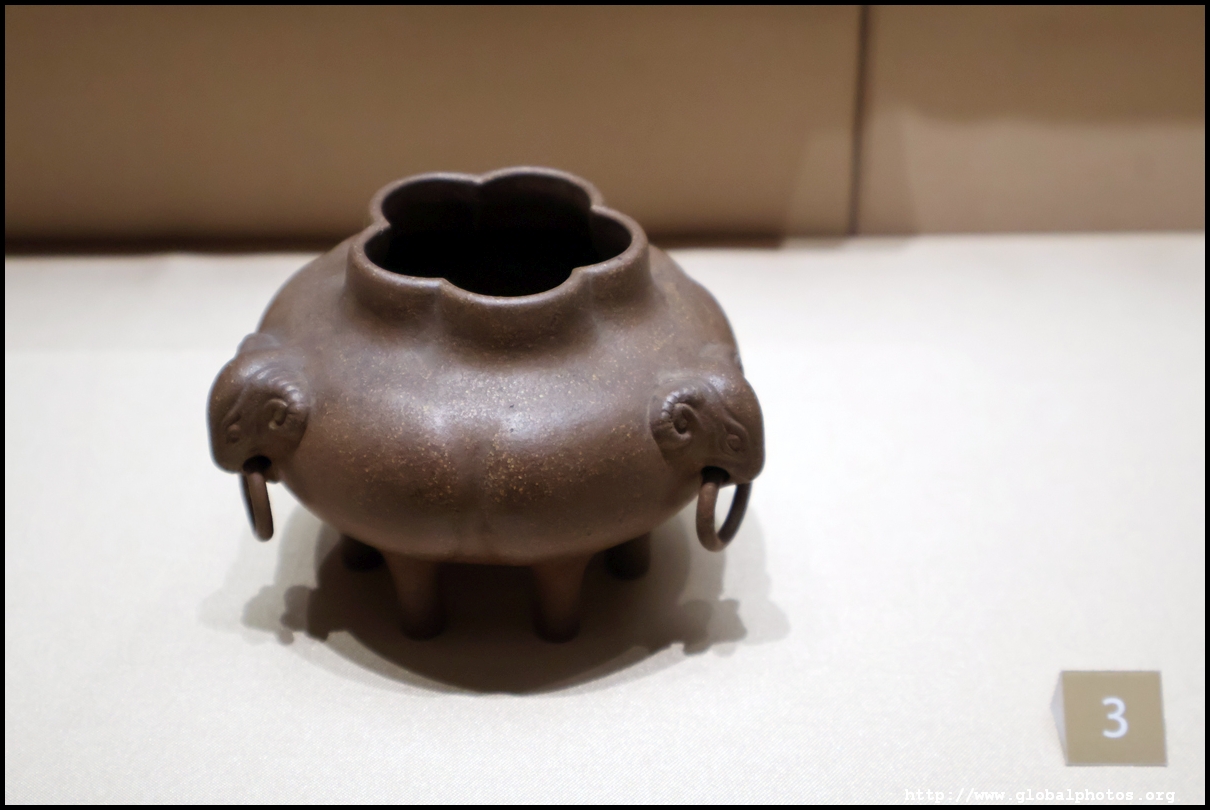
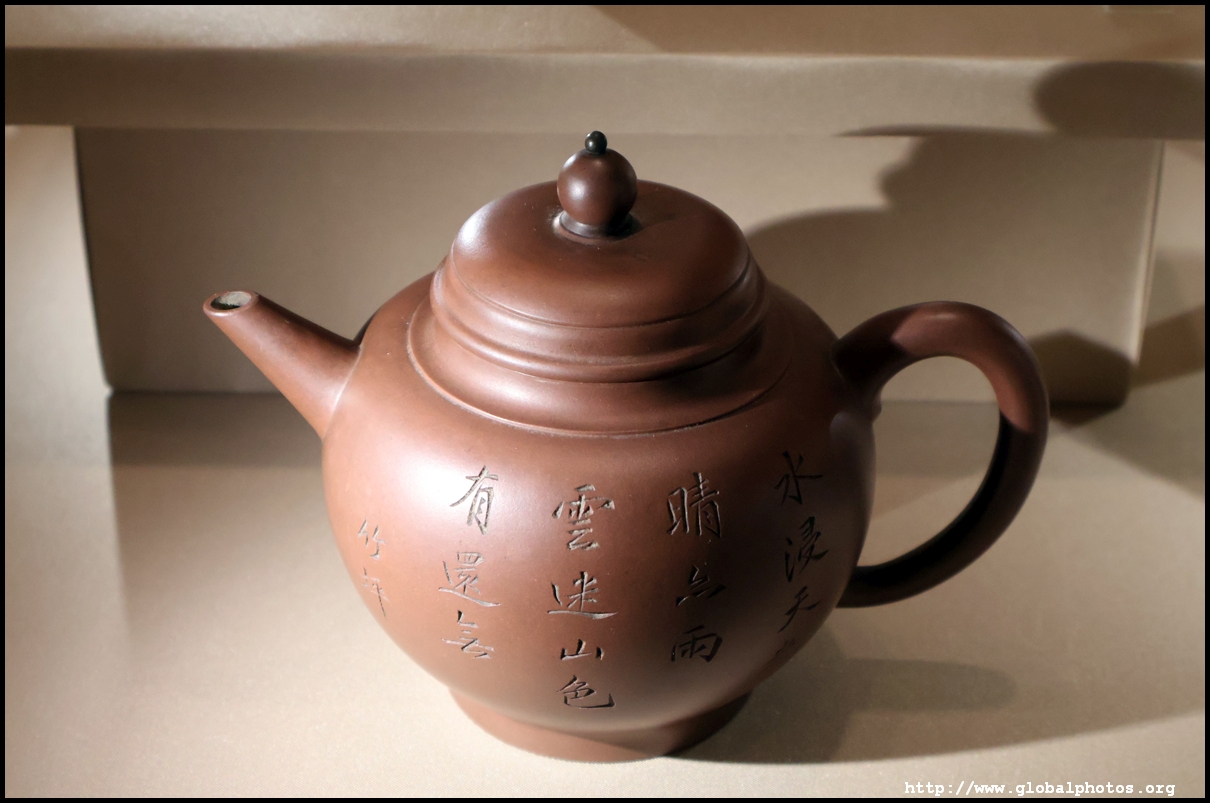
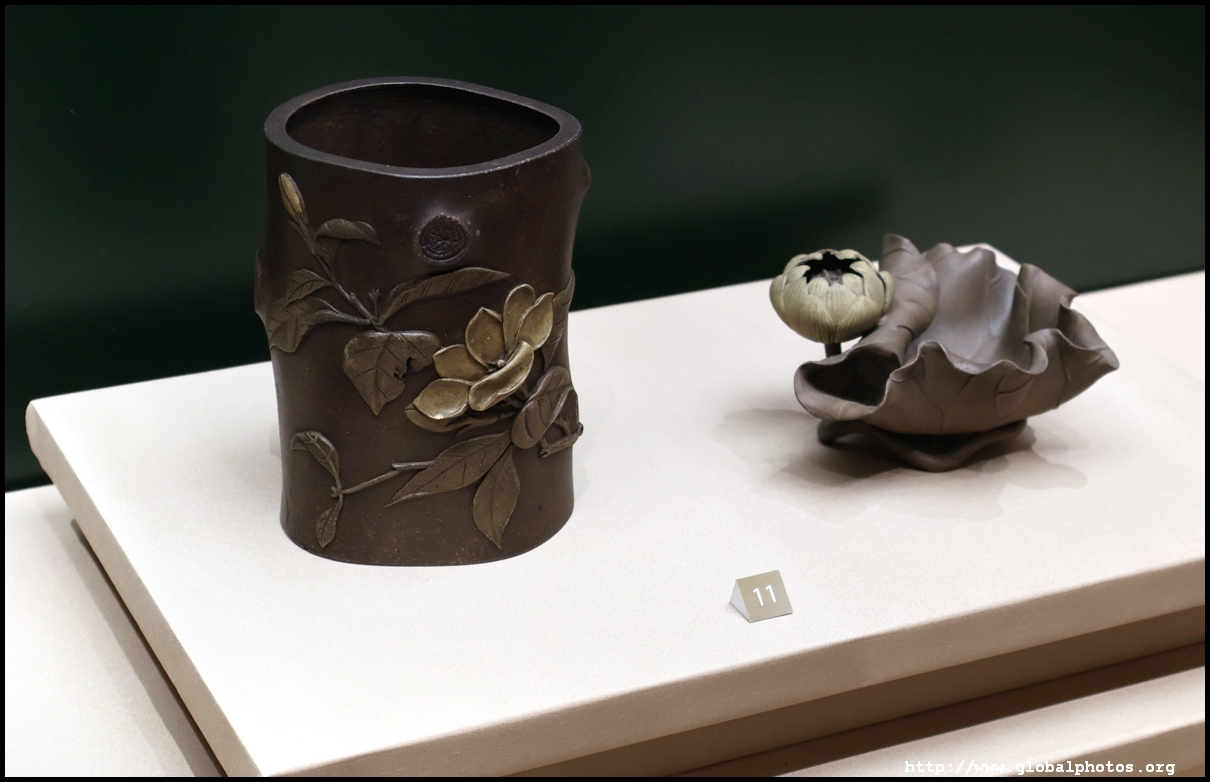
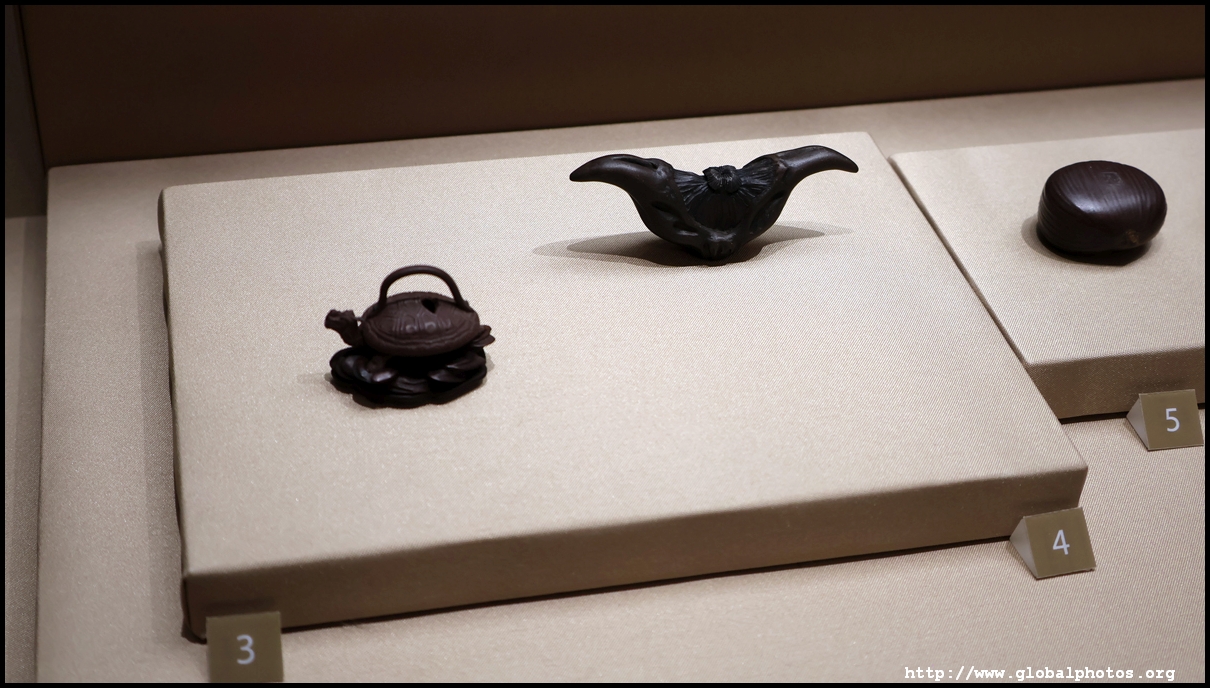
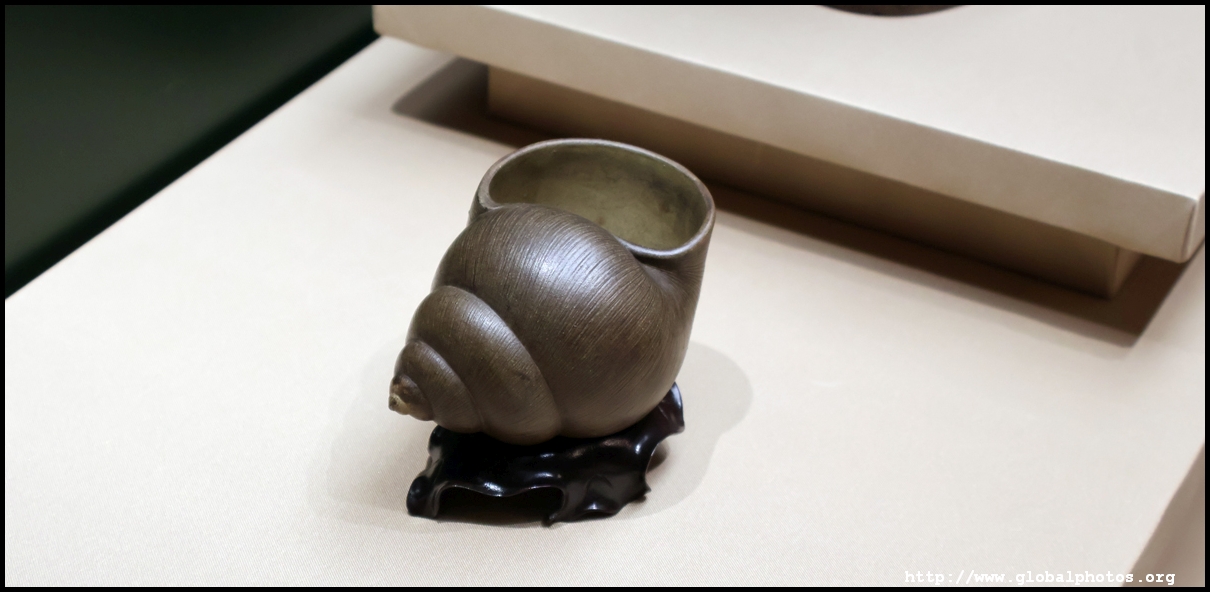
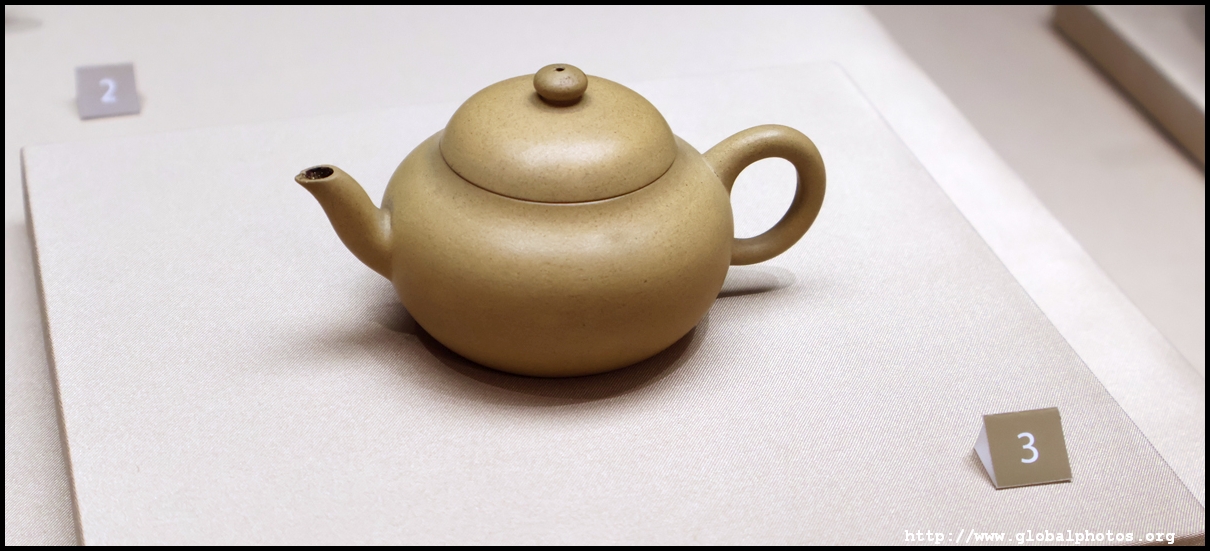
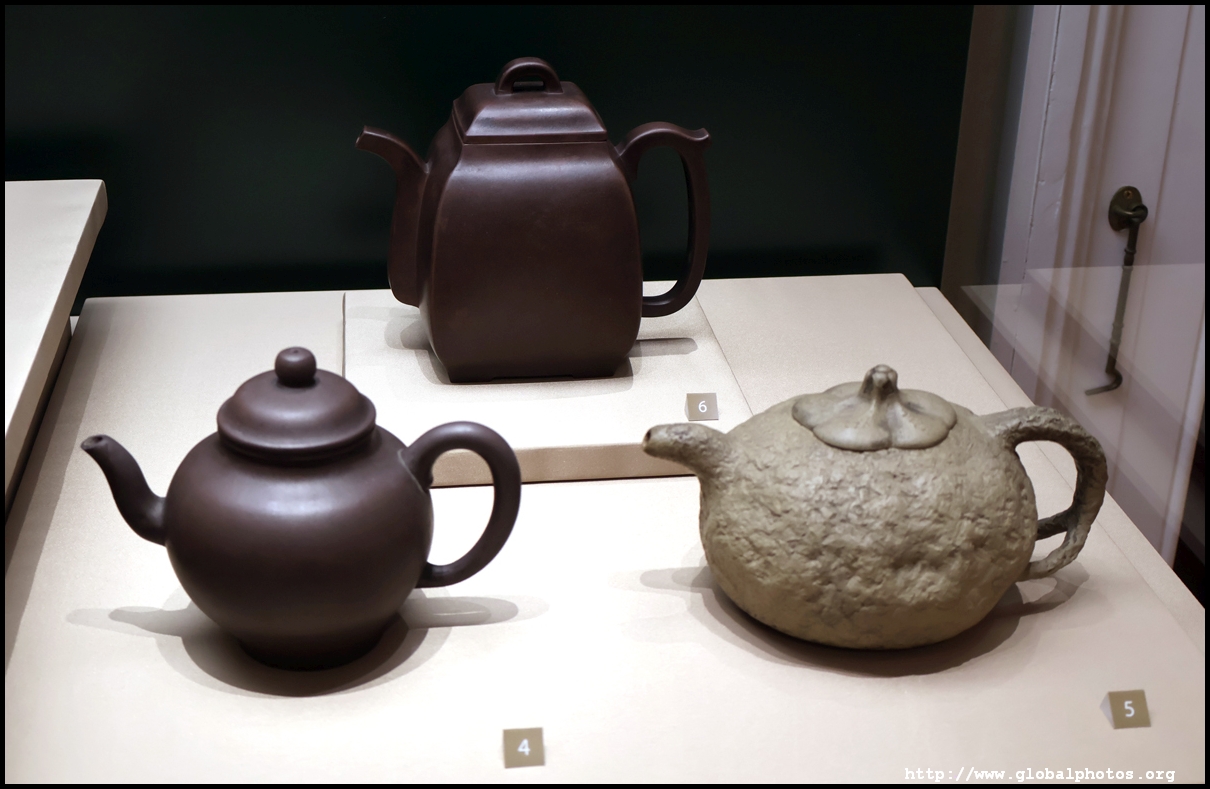
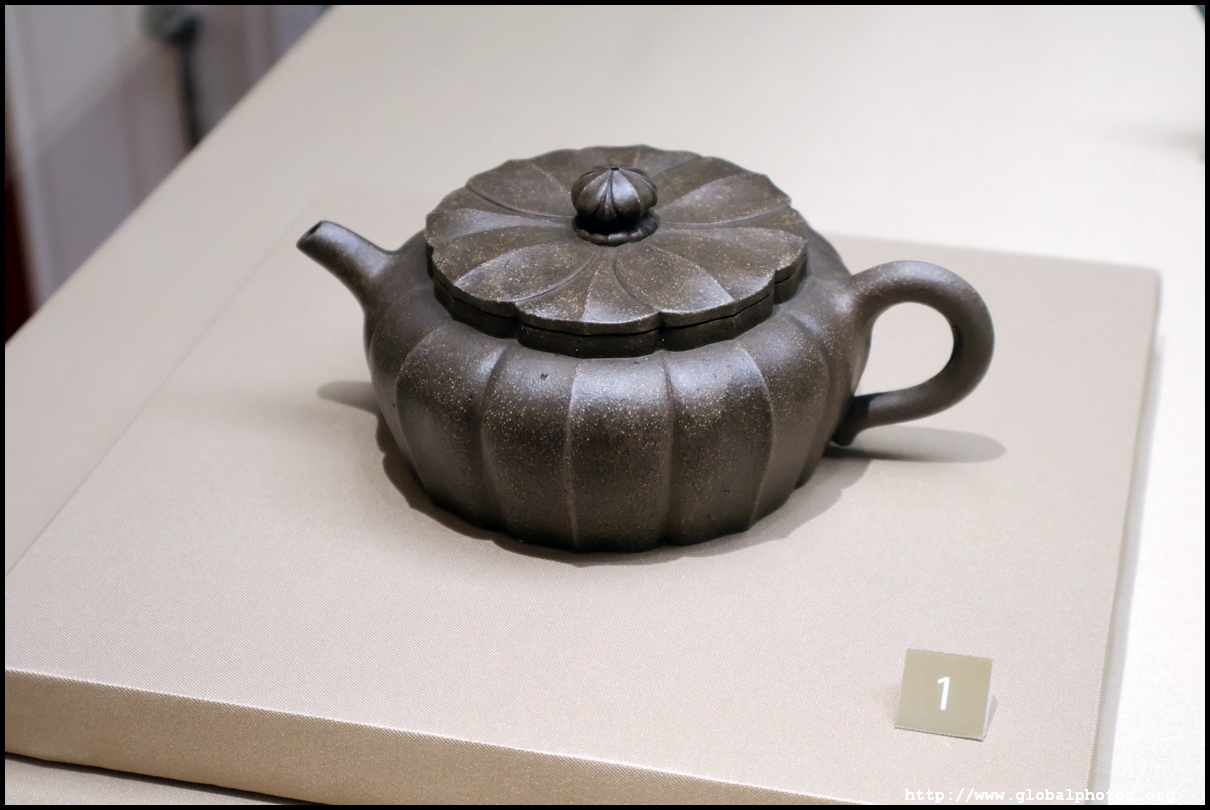
The purple clay teapot was popular during the Ming and Qing dynasties, and creating it became an art form in itself.
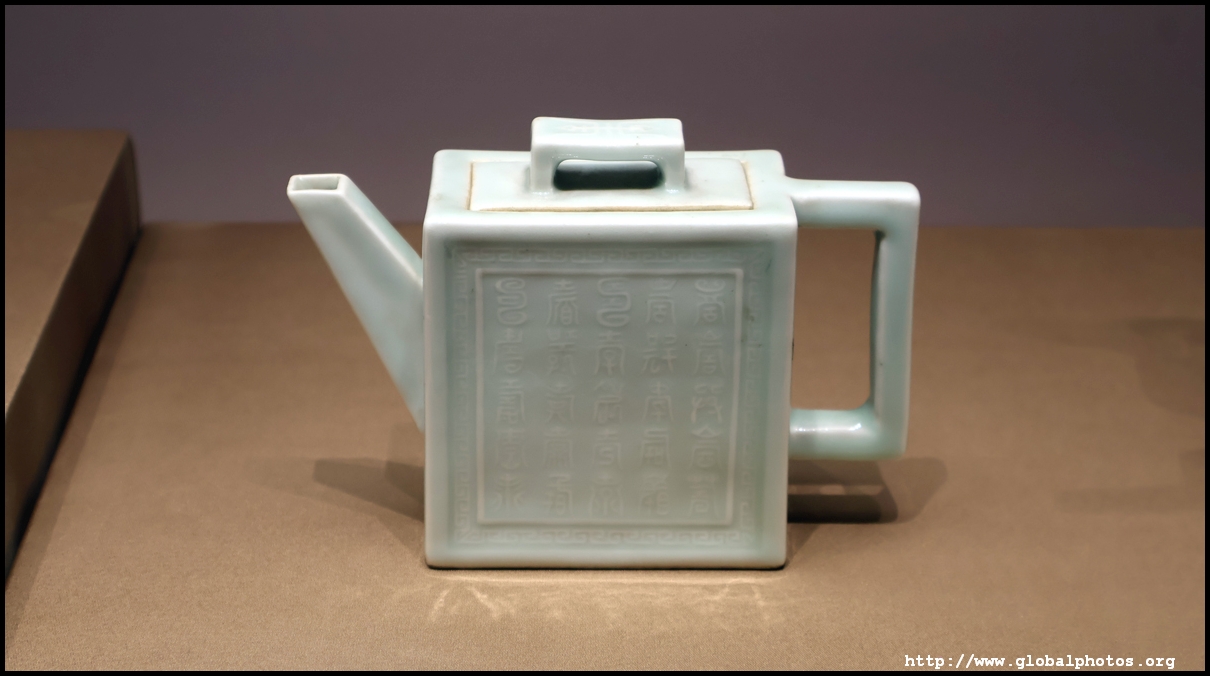
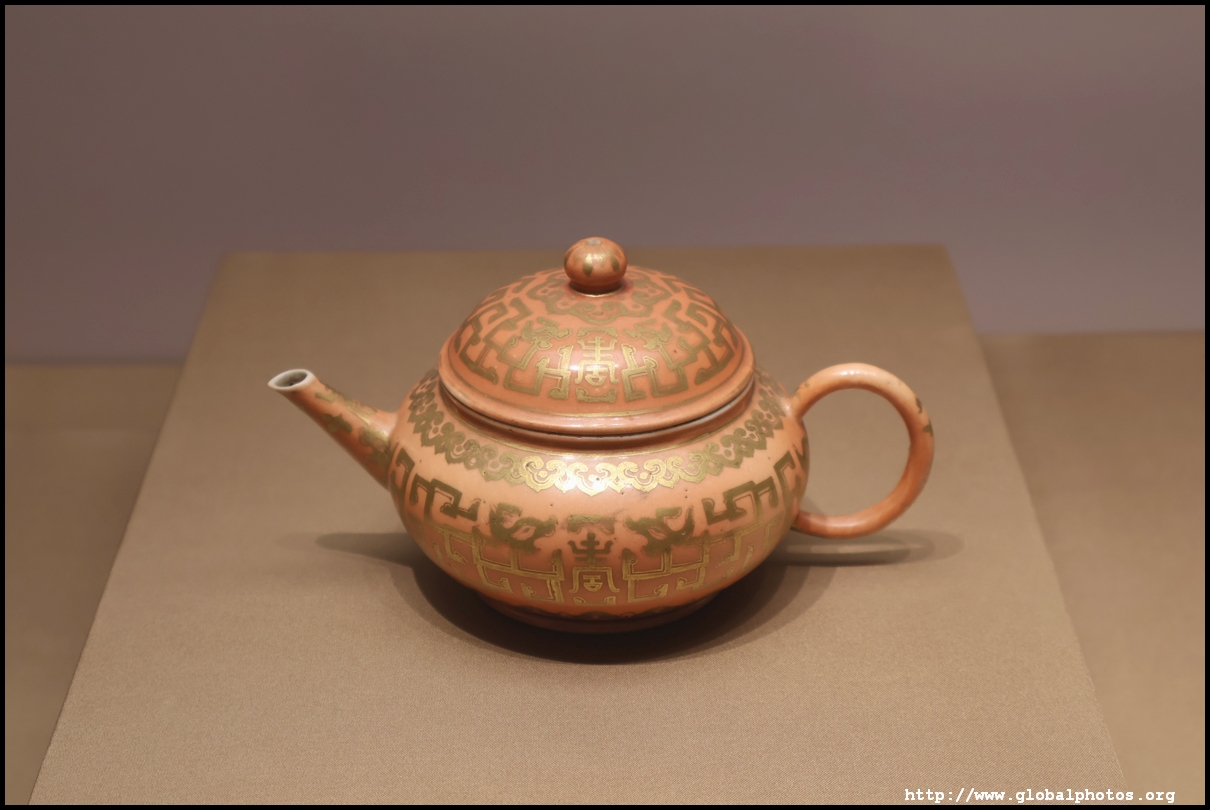
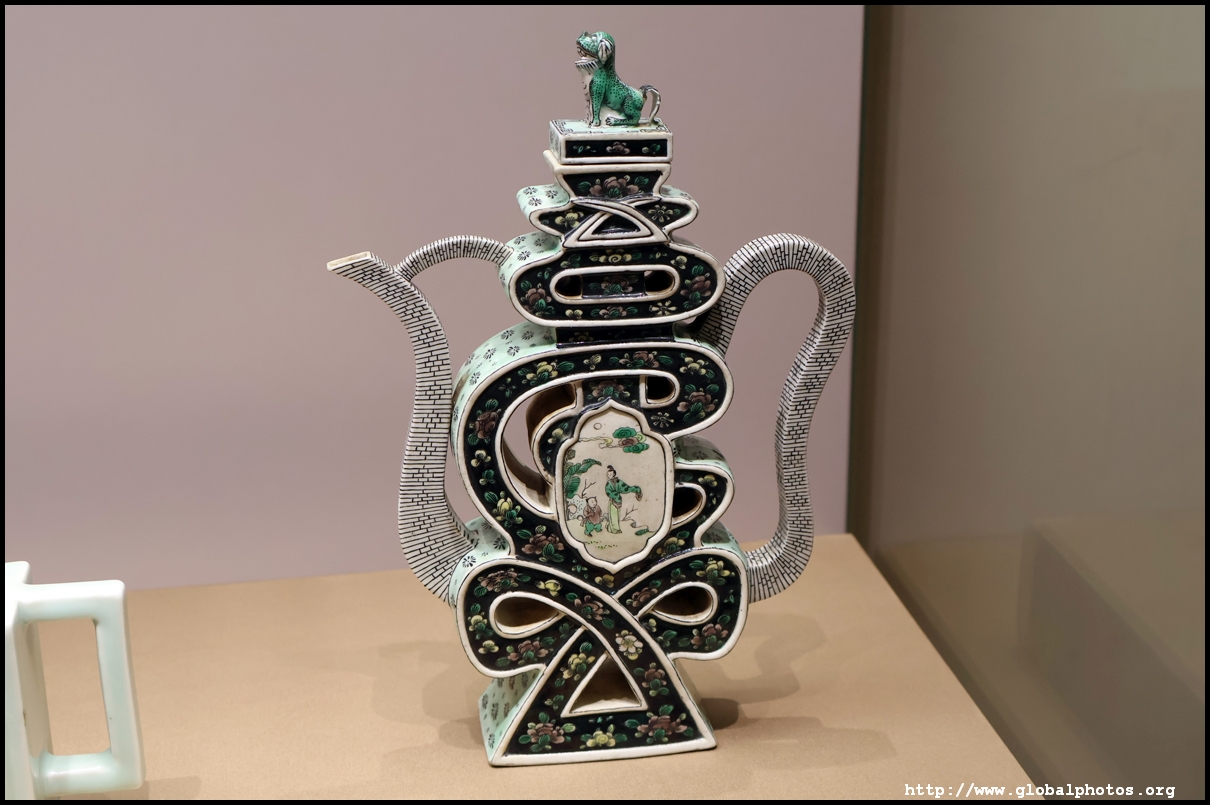
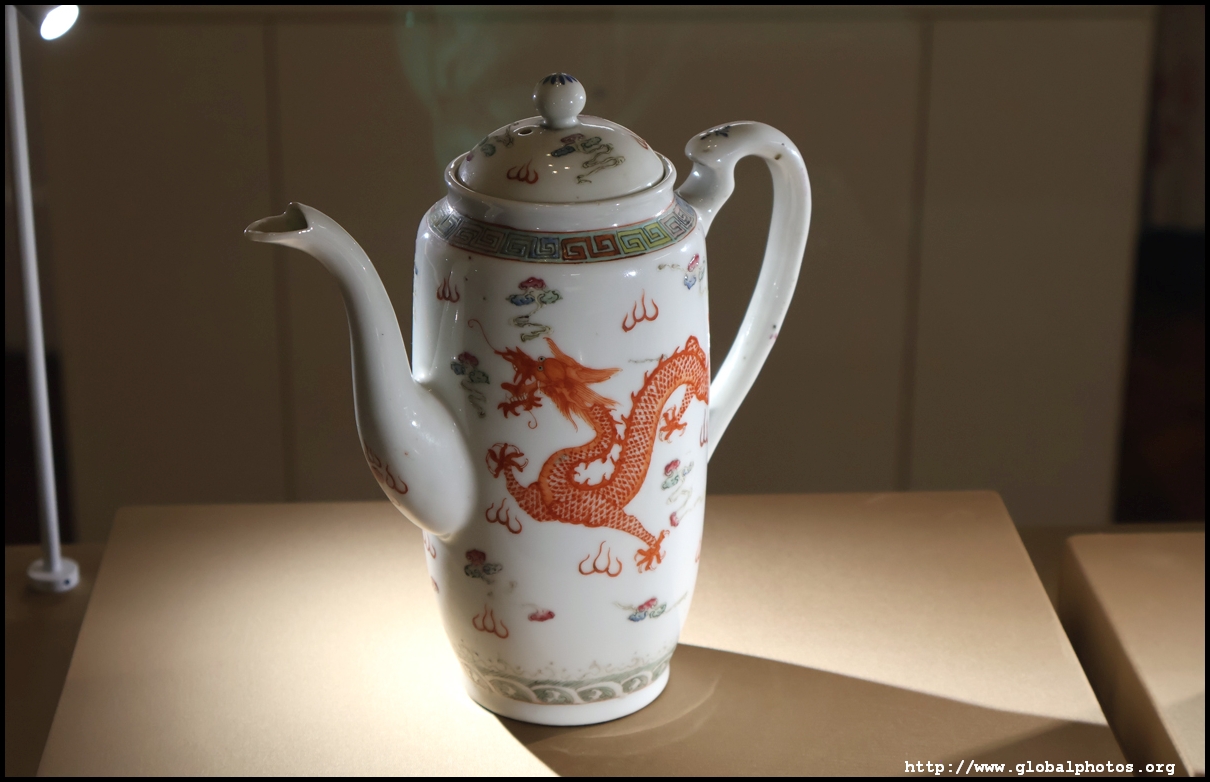
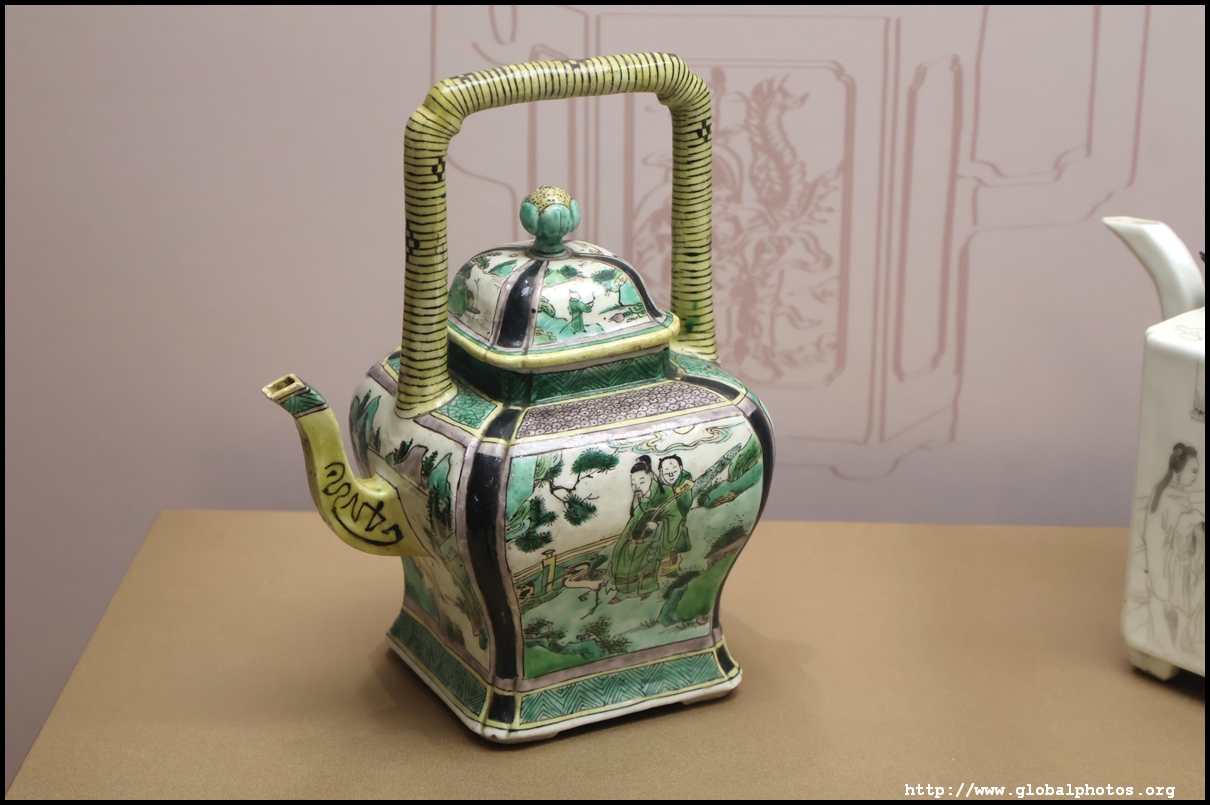
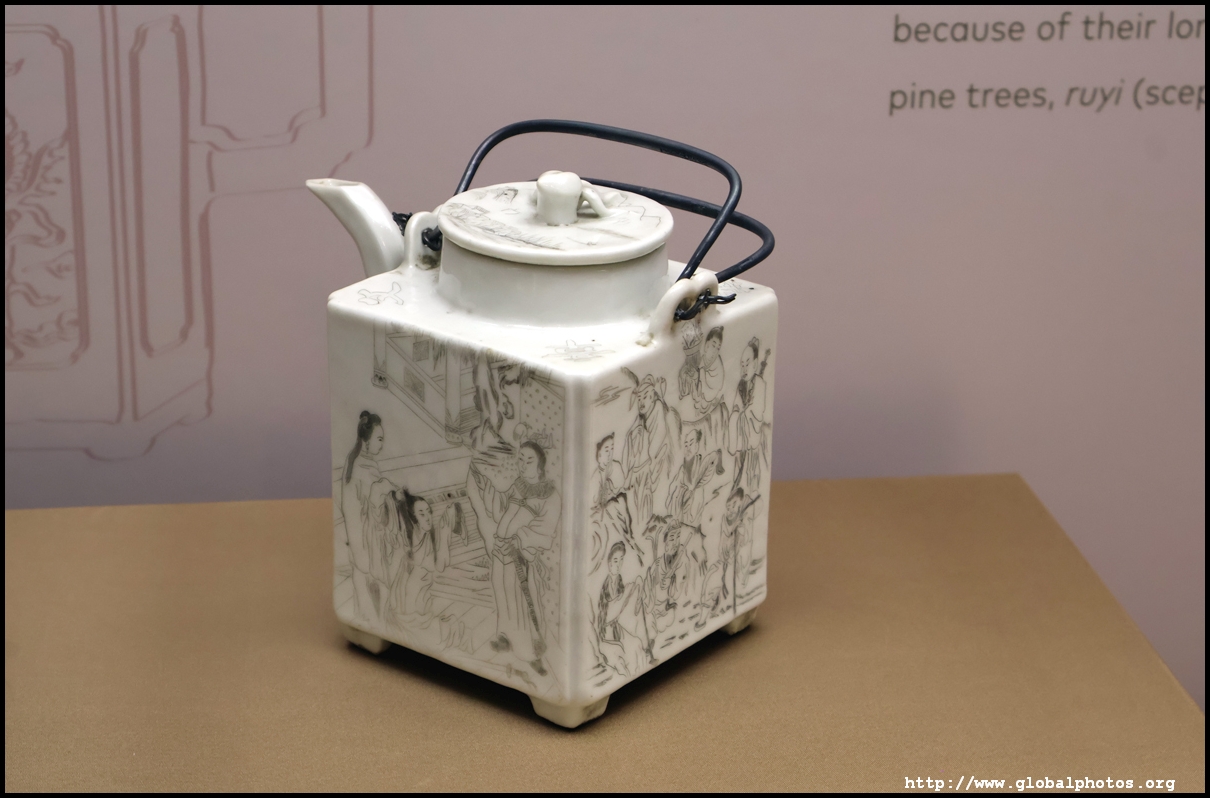
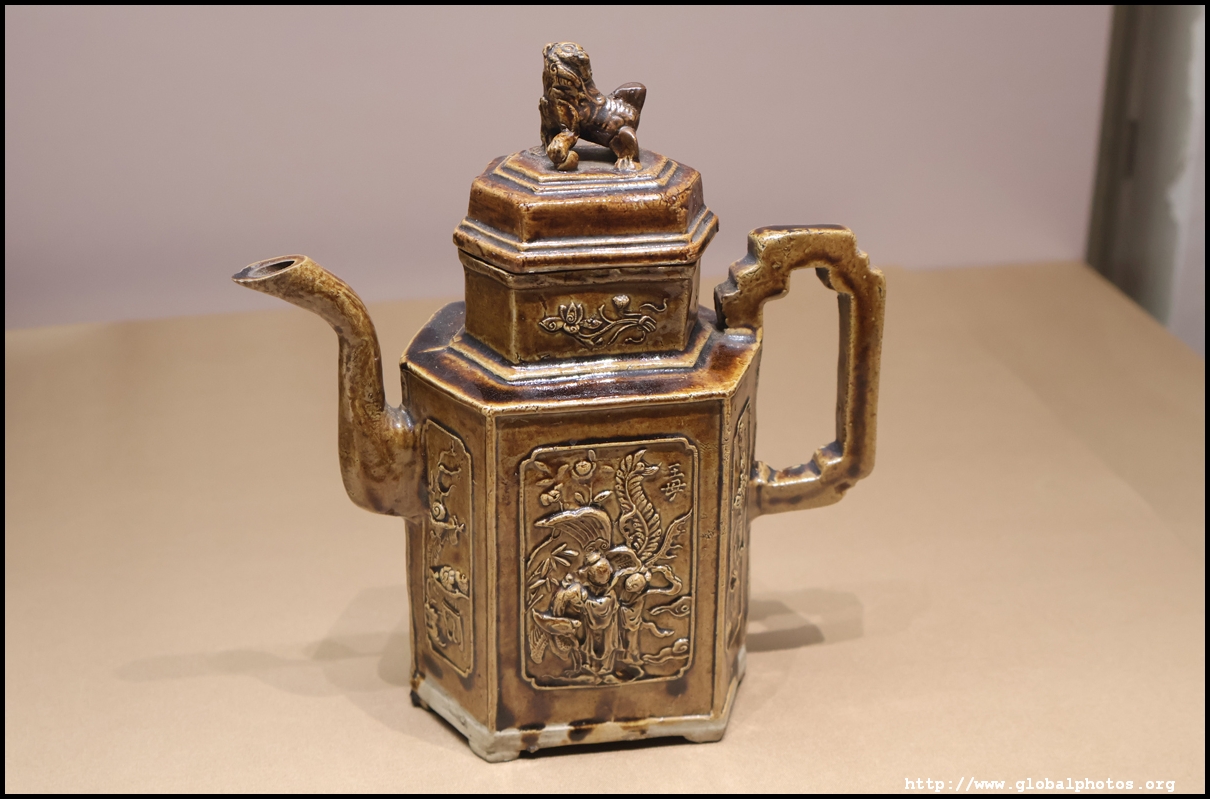
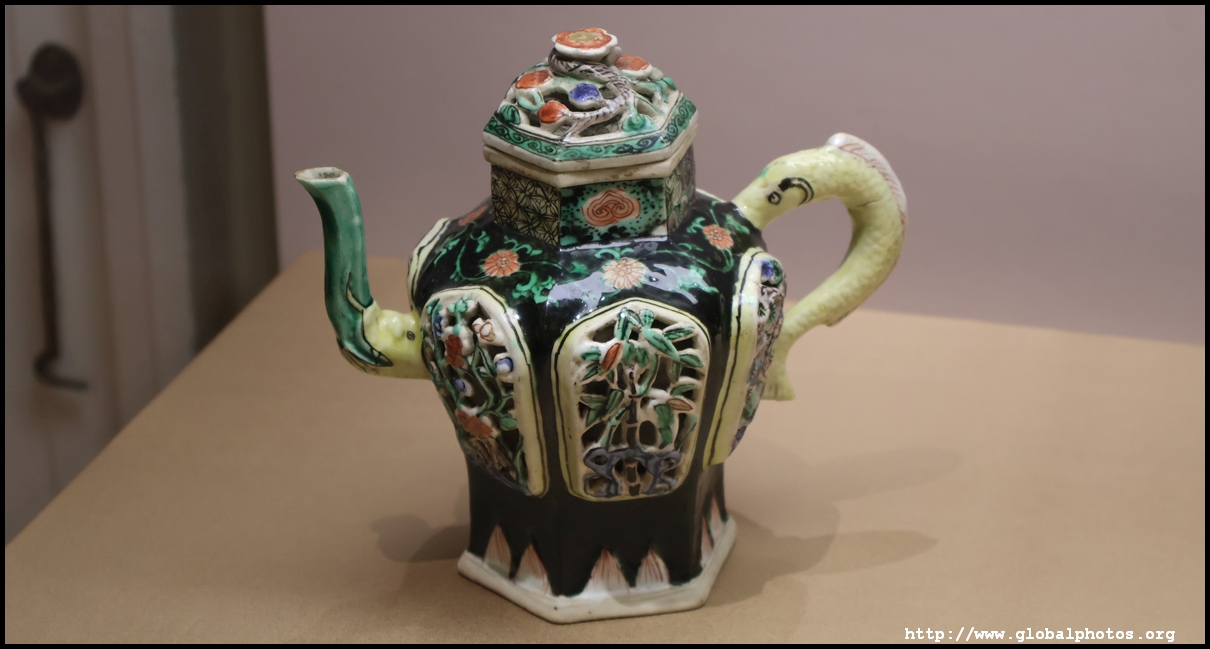
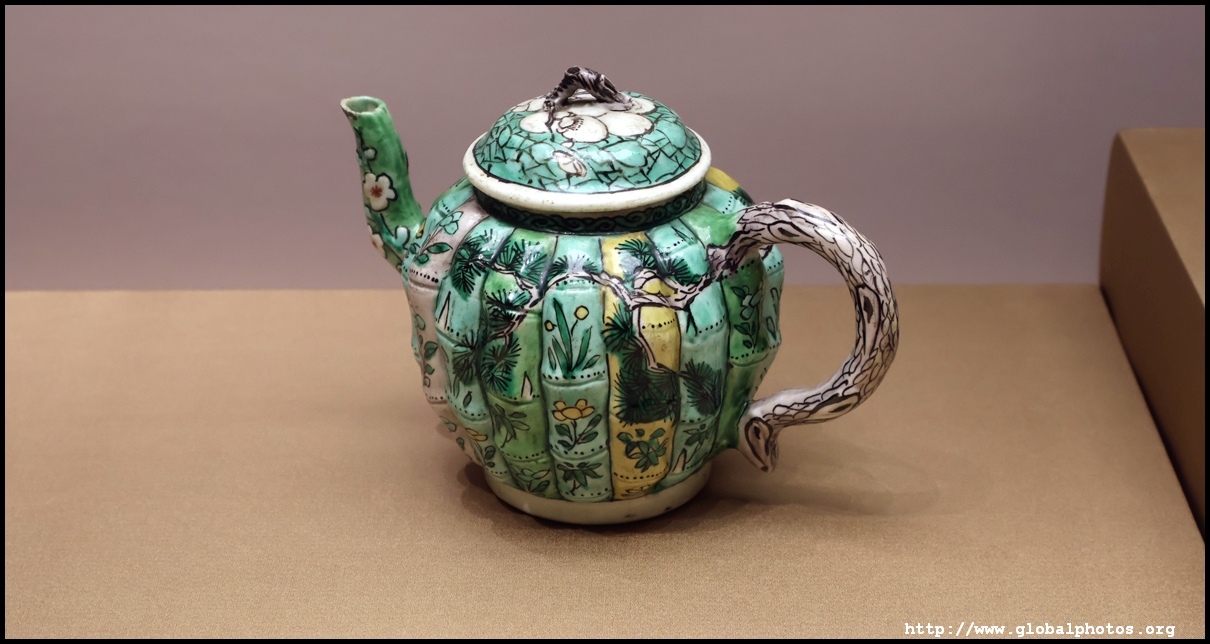
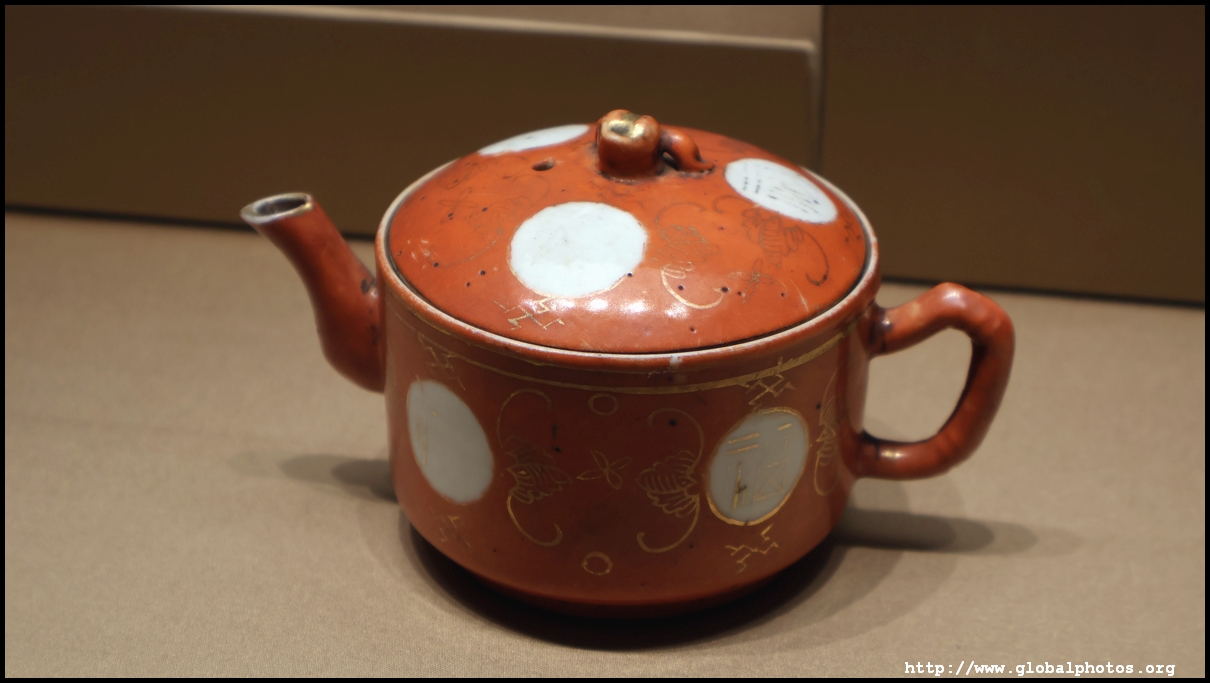
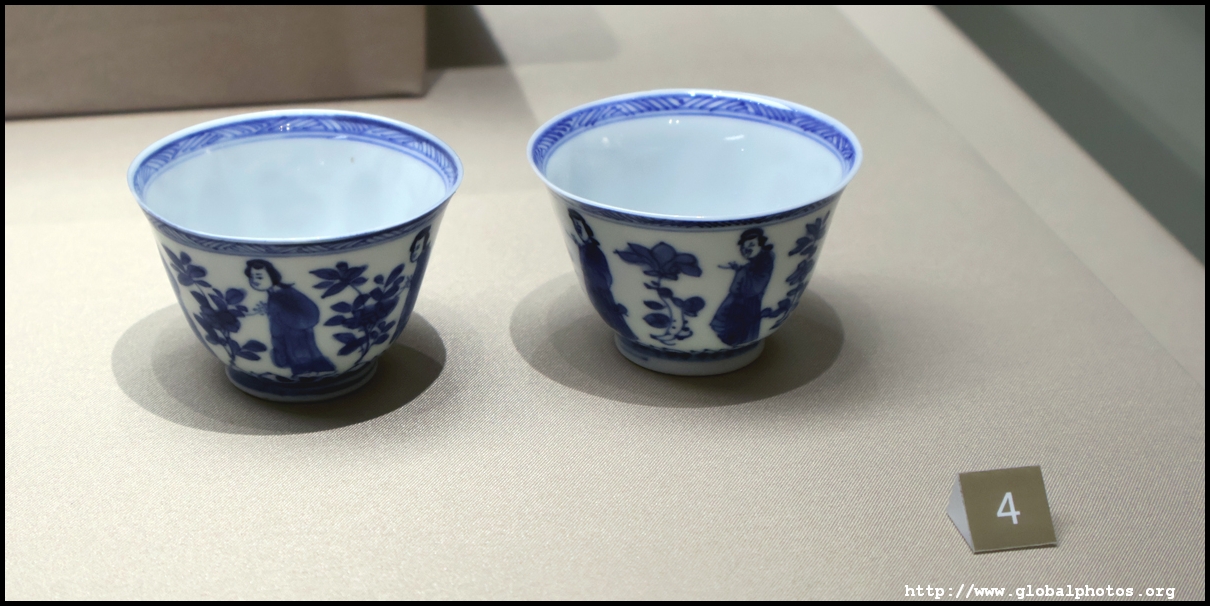
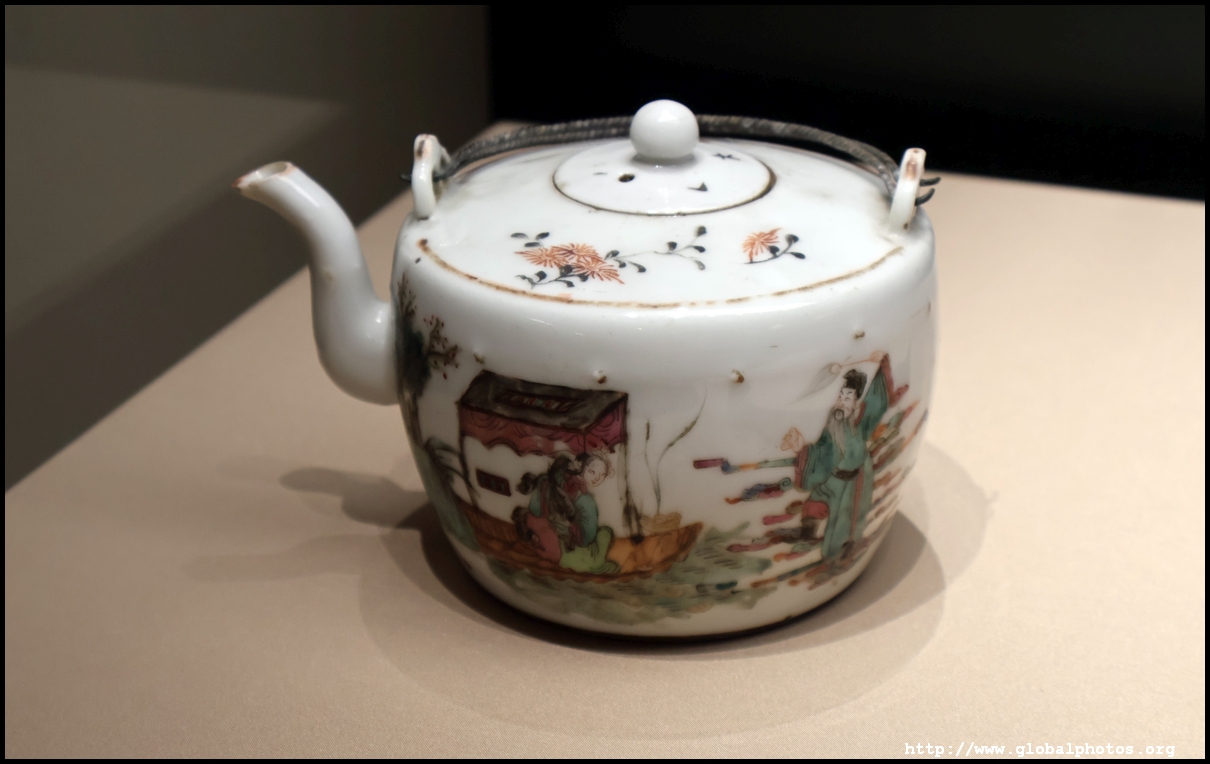
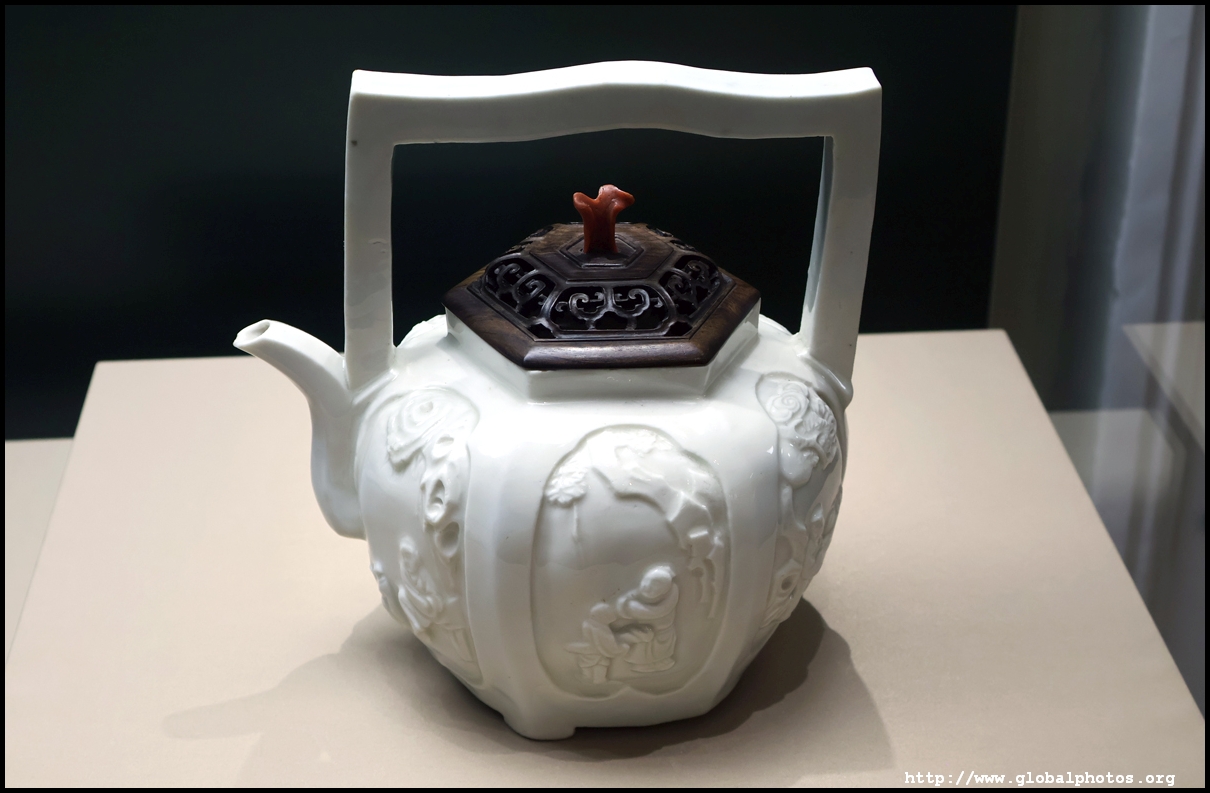
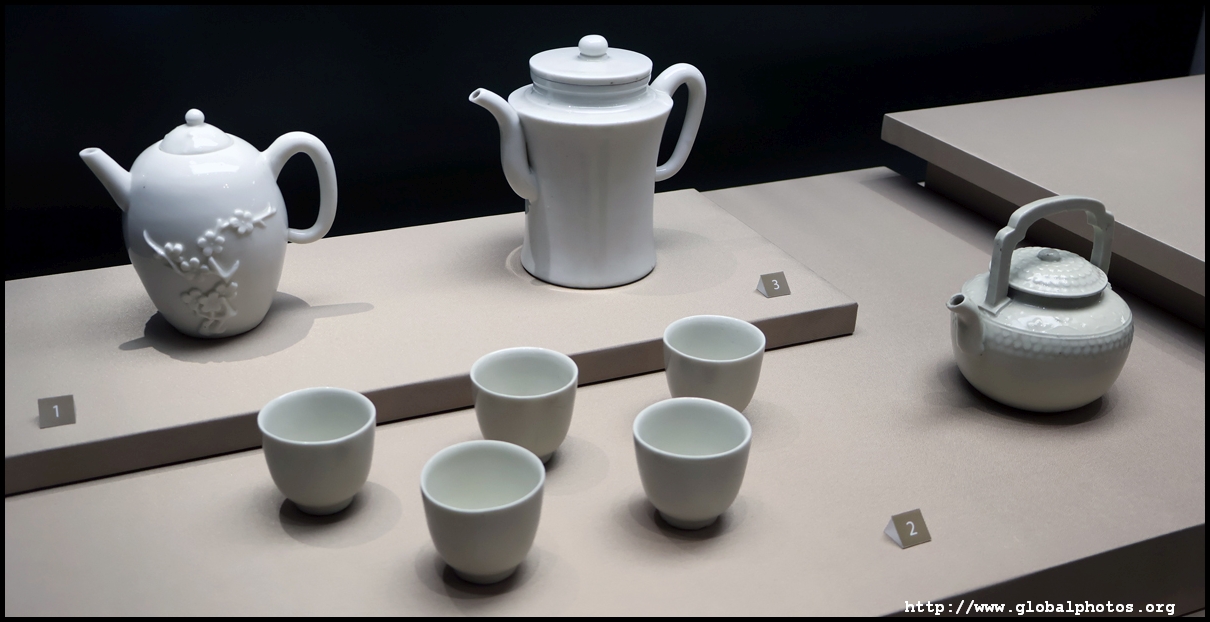
Emperor Qianlong from the Qing Dynasty was a big tea and literature lover. He composed about 200 poems on tea. Here are a few pots from that dynasty.
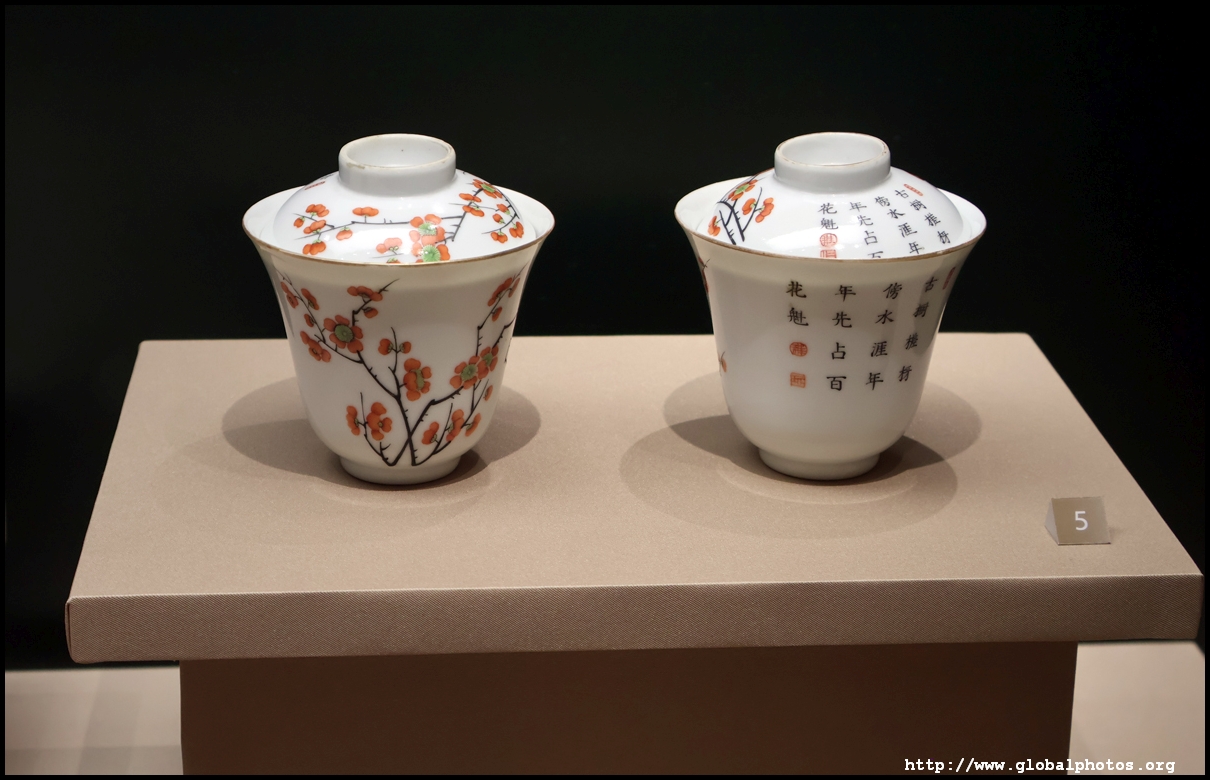
By the early 19th century, teapots were decorated with paintings, poems, names, and seals.
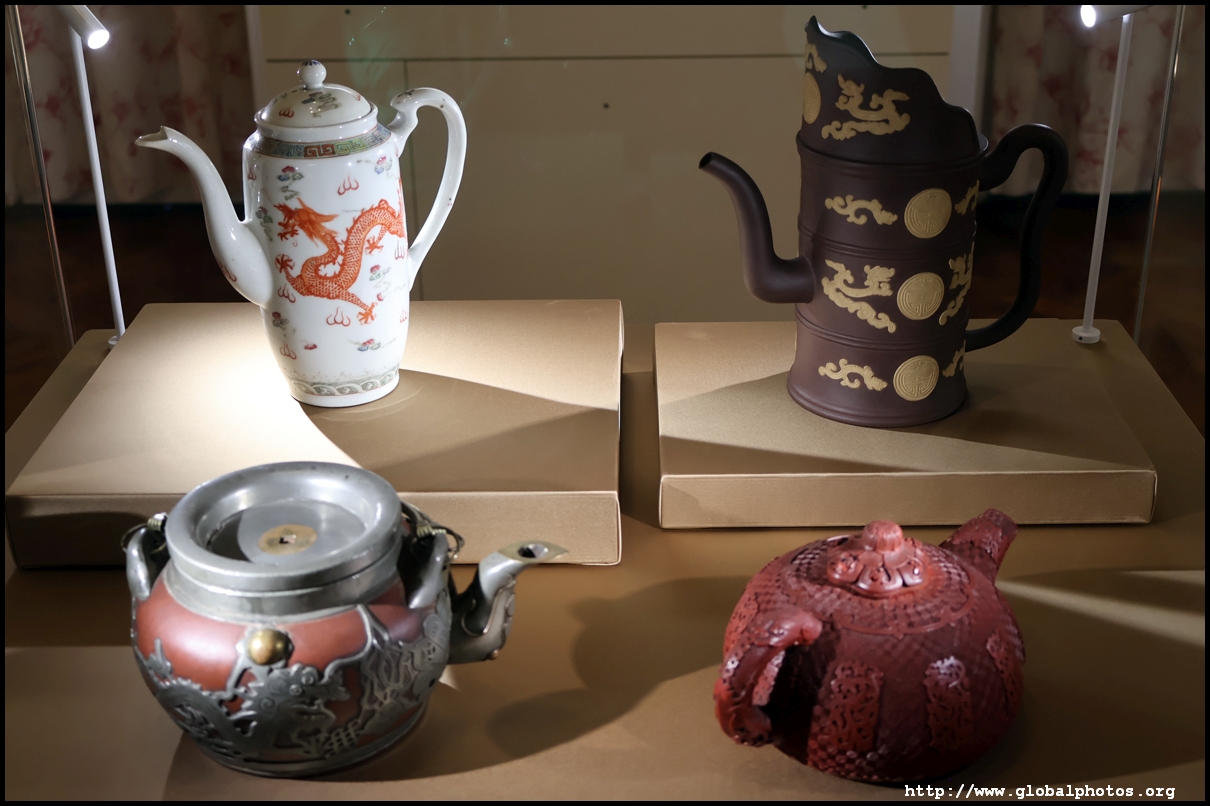
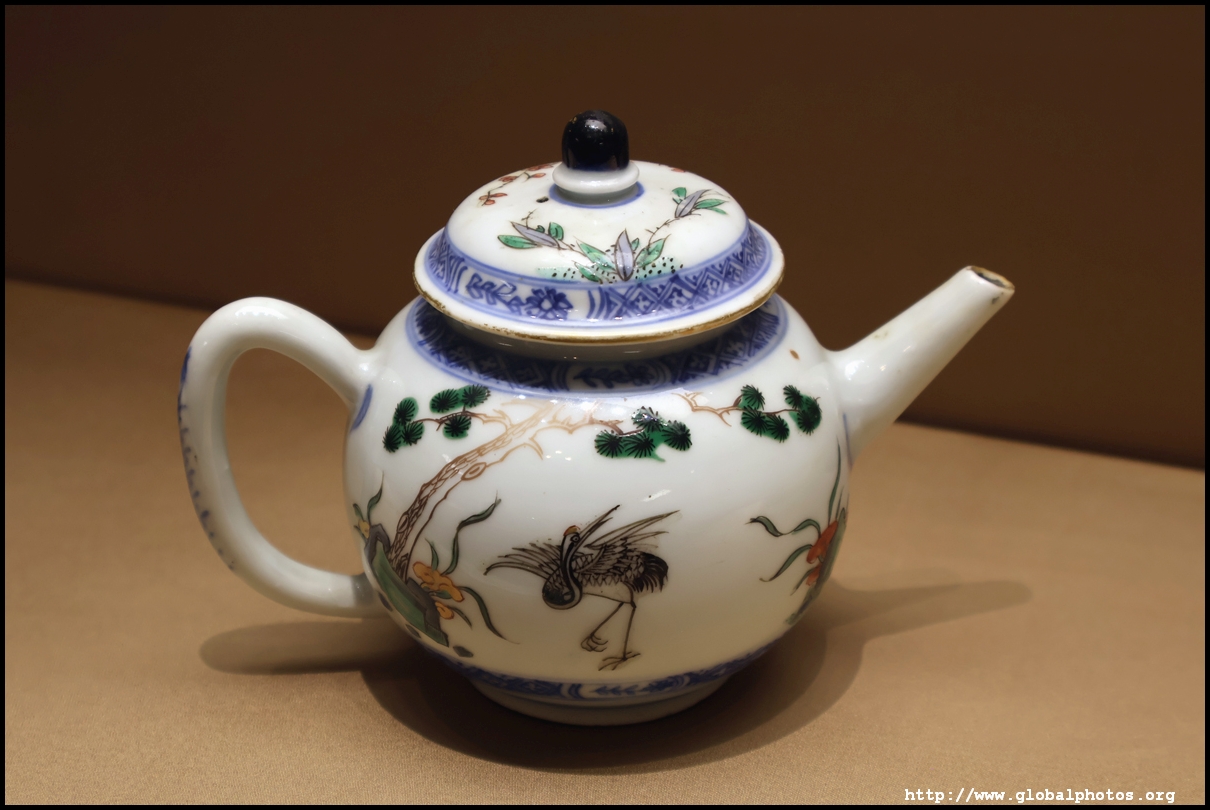
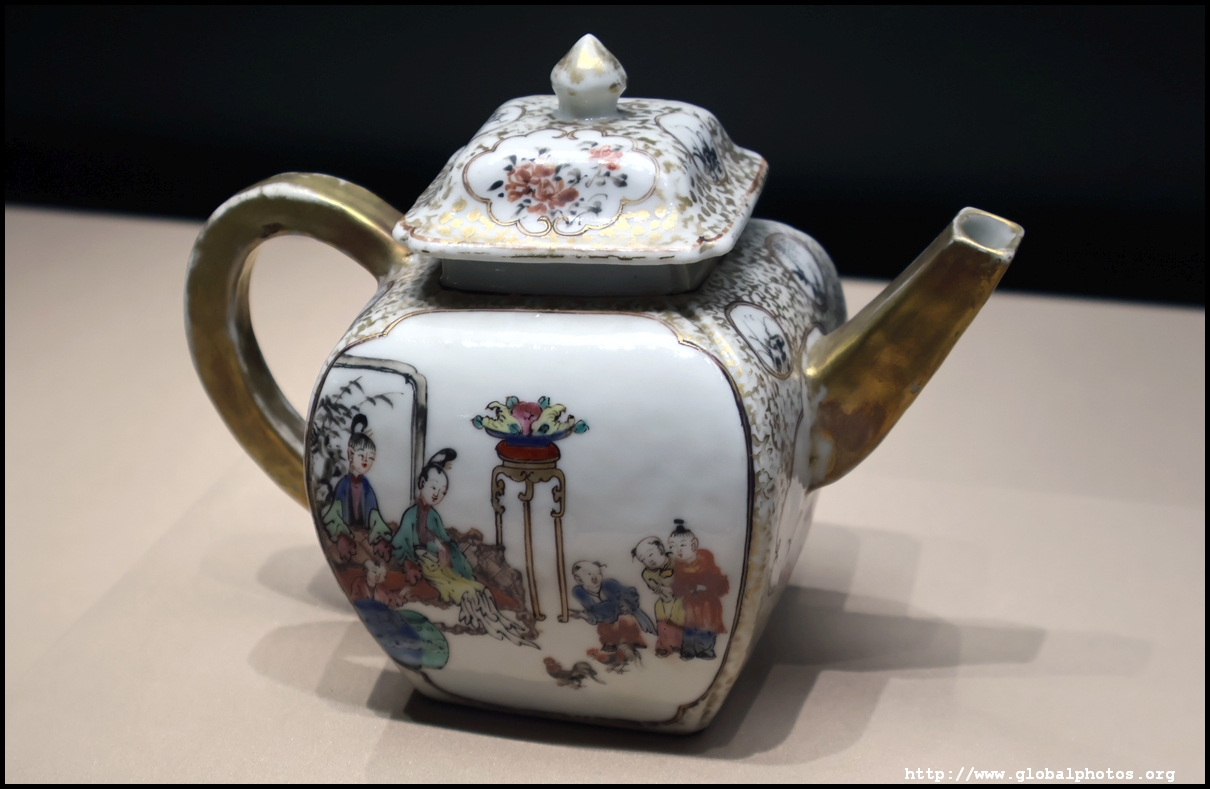
Tea became a popular export item in the Ming Dynasty. Here are some tea utensils from around the world.
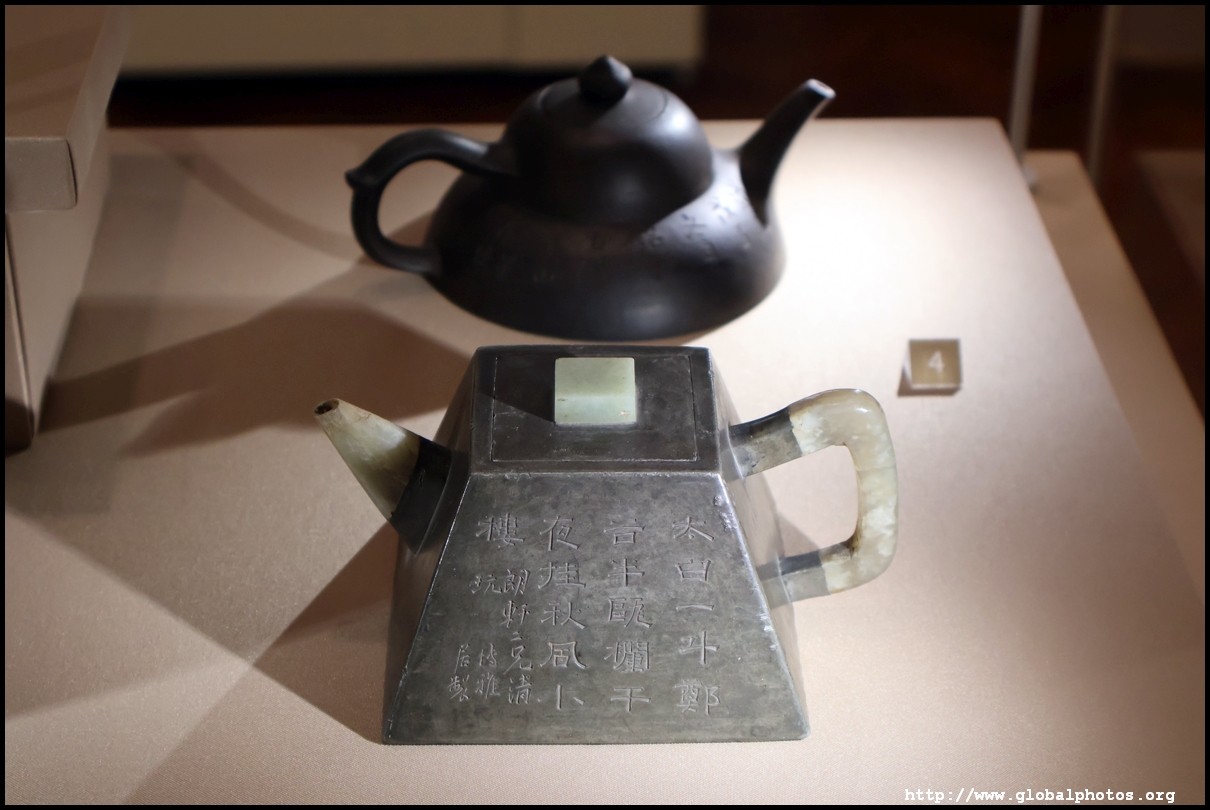
The steeping method of brewing tea continued during the Qing Dynasty, but people also got more discerning with the teapot's quality. Purple clay teapots became a favourite as they were said to bring out the flavour and aroma of the tea. Pewter teapots were also preferred as they could keep the tea warm for a longer time. Tea fermentation control also led to the creation of black and oolong teas.
| |||
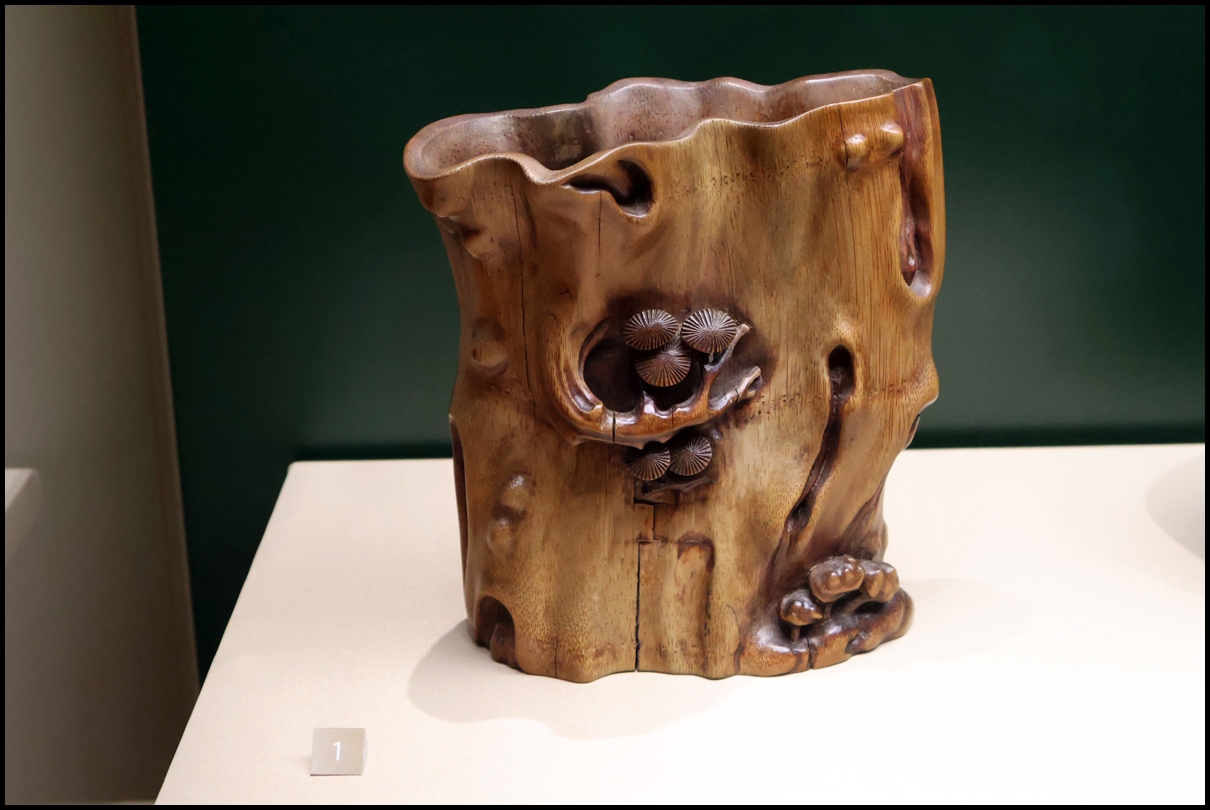
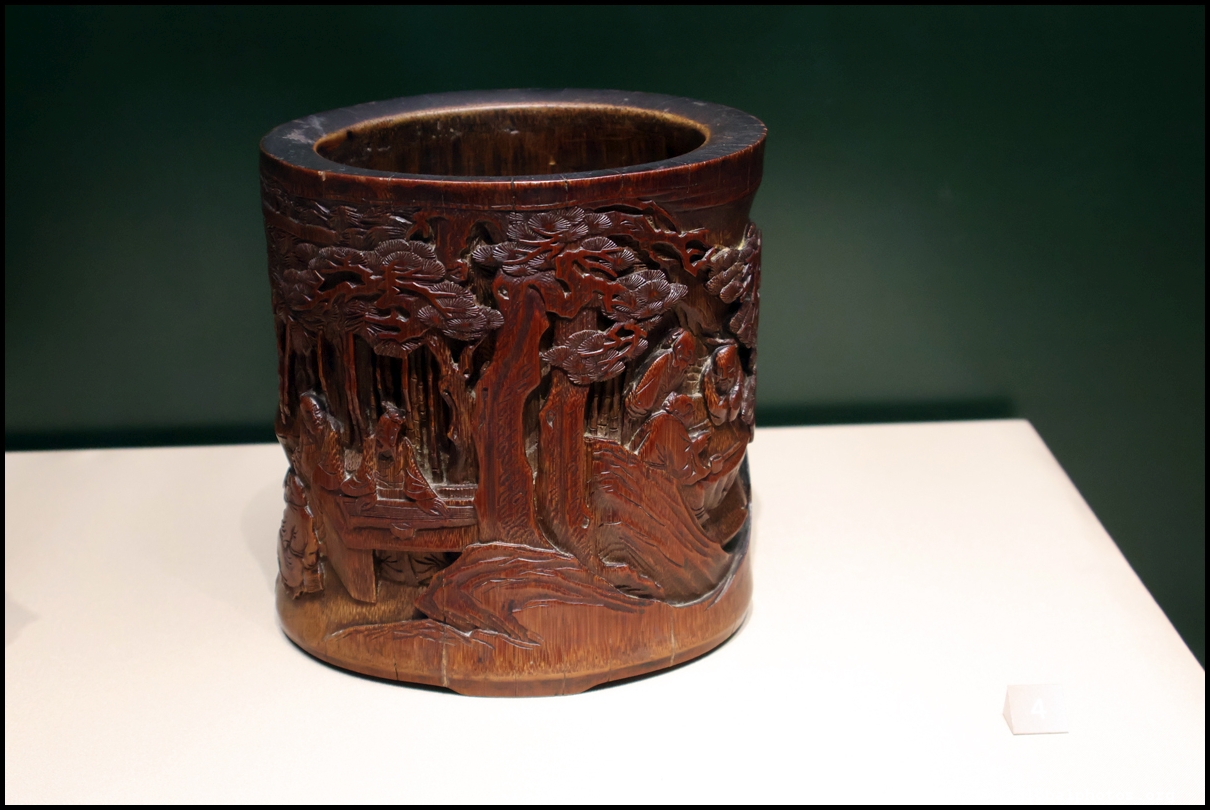
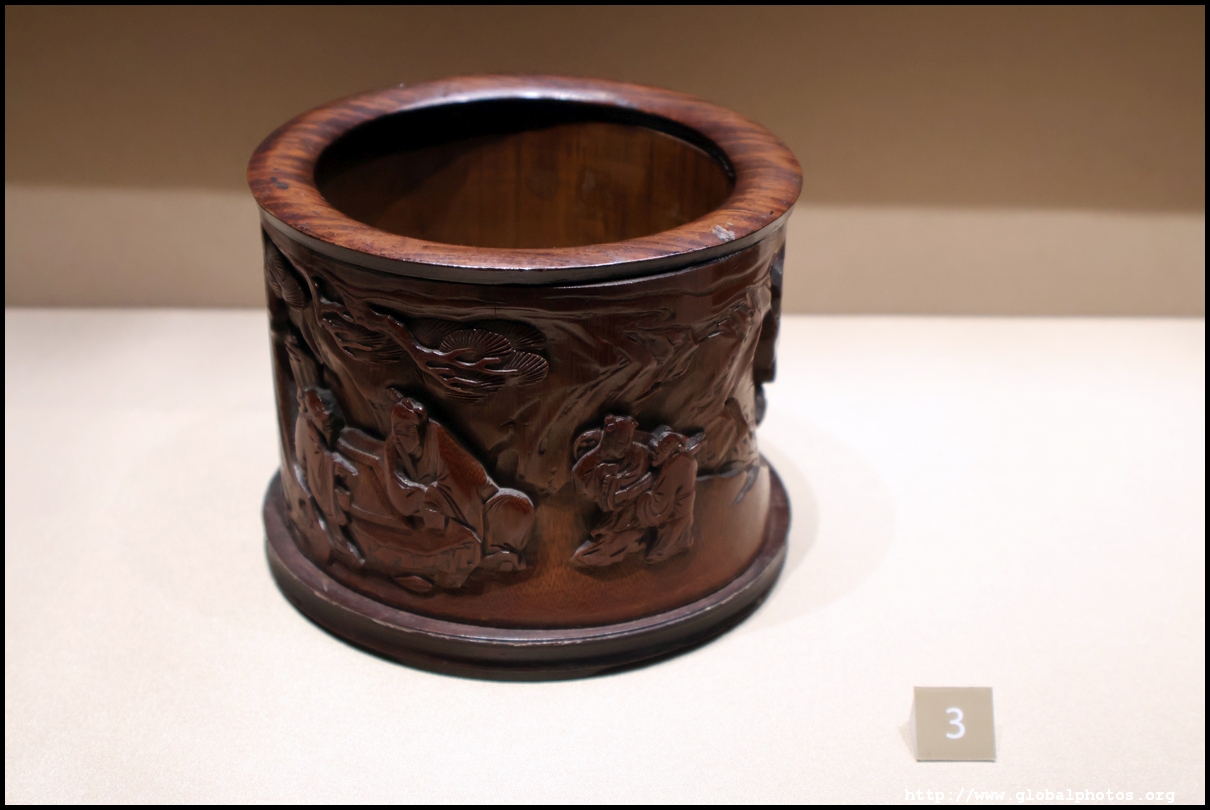
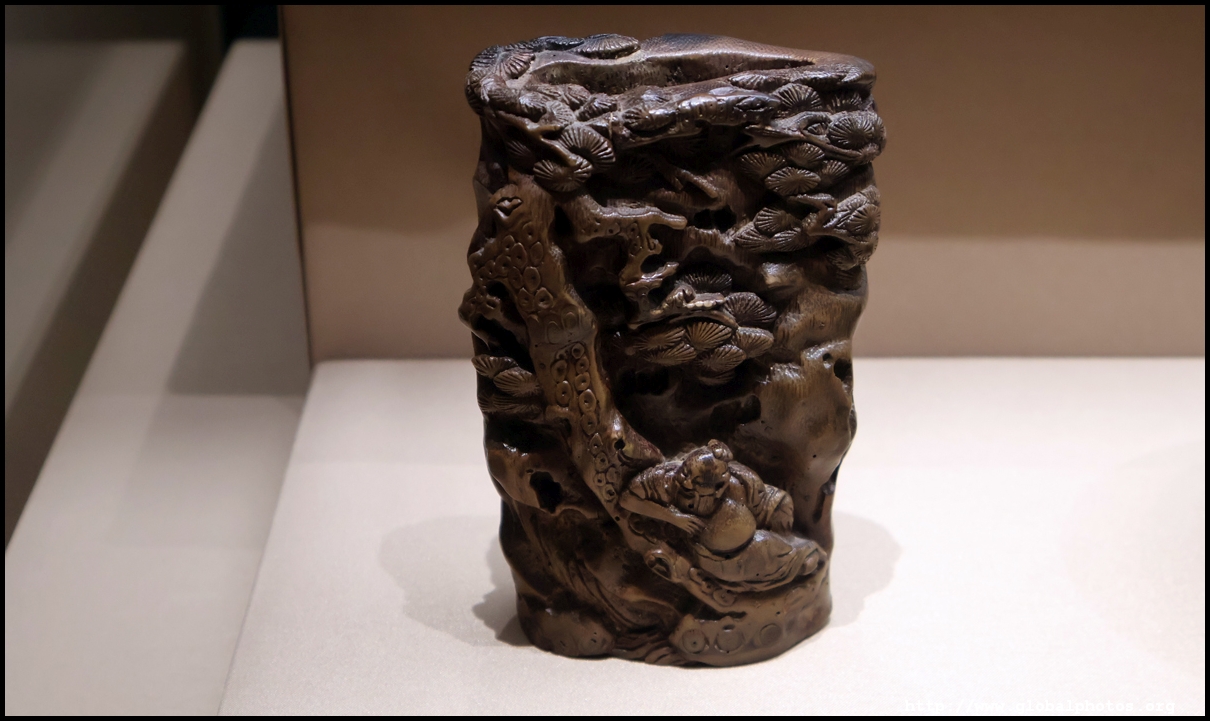
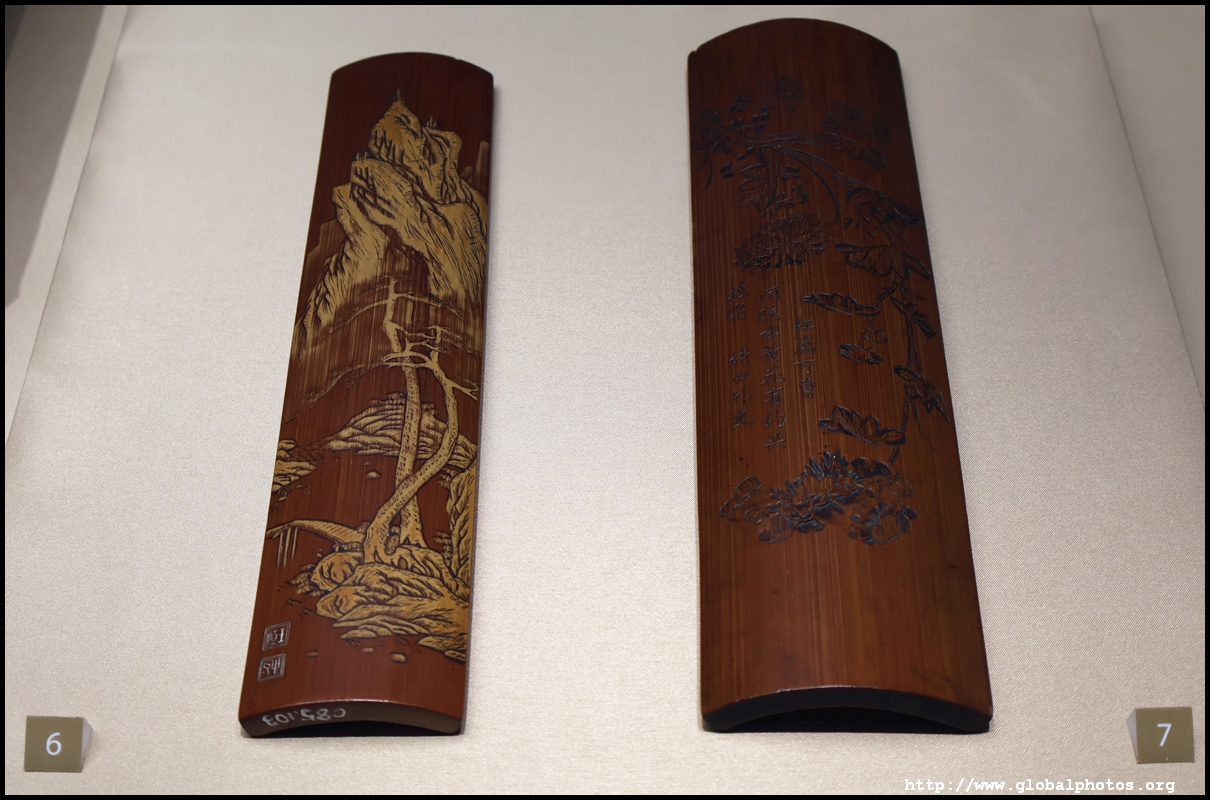
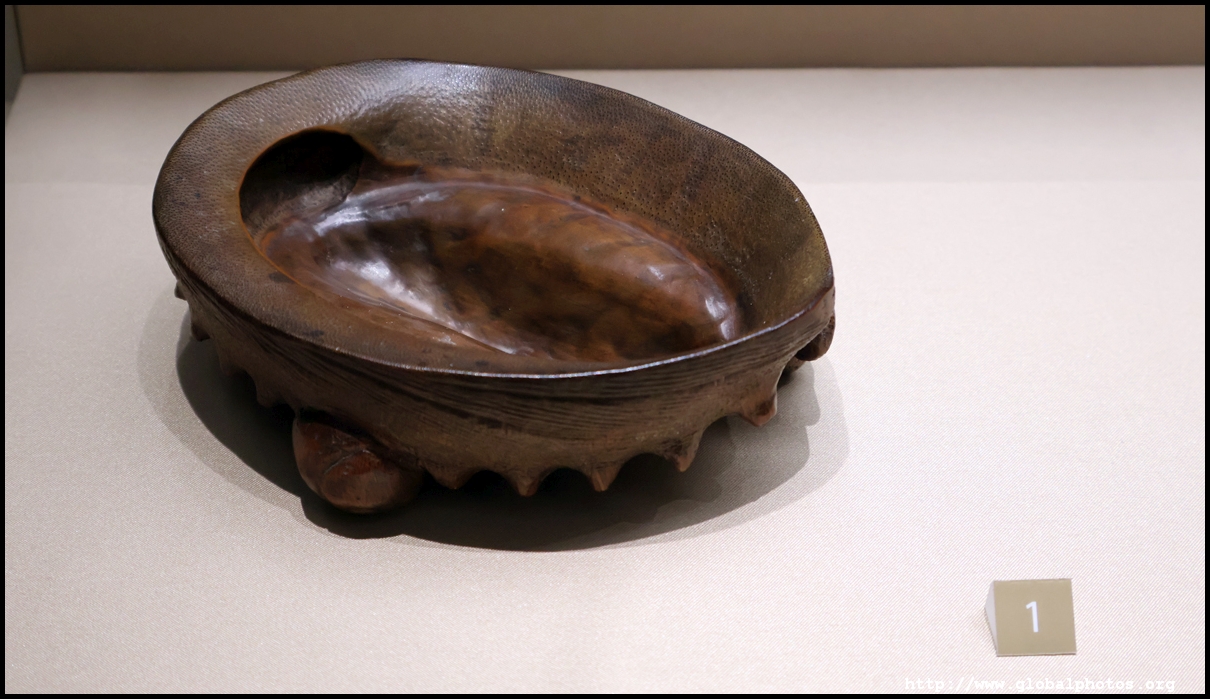
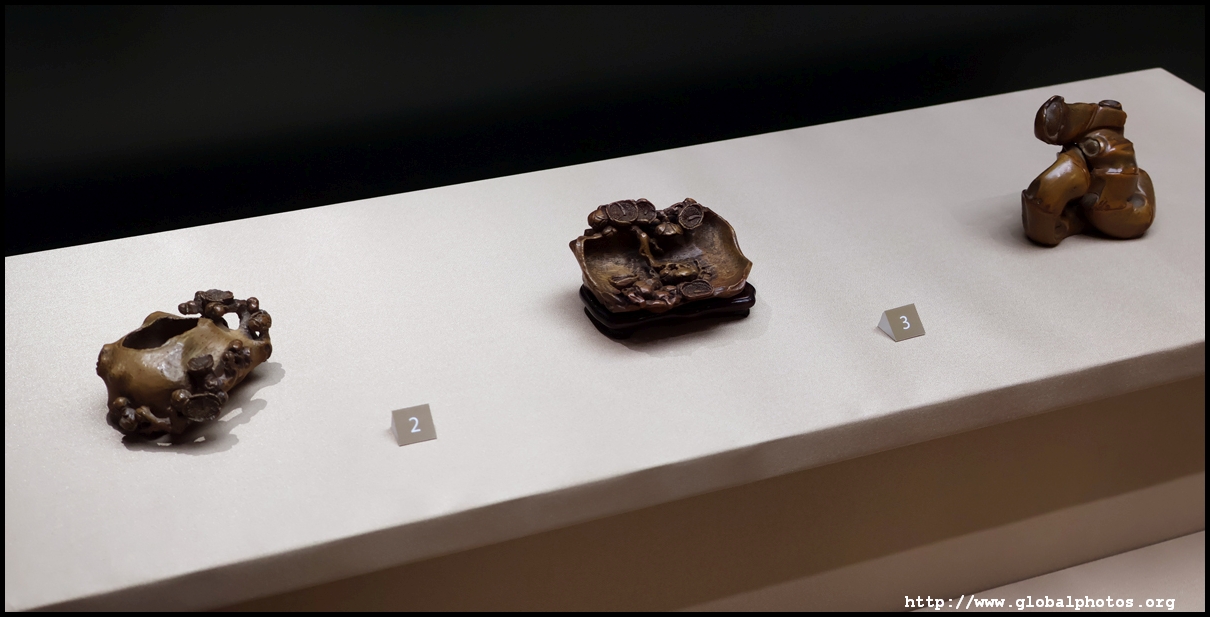
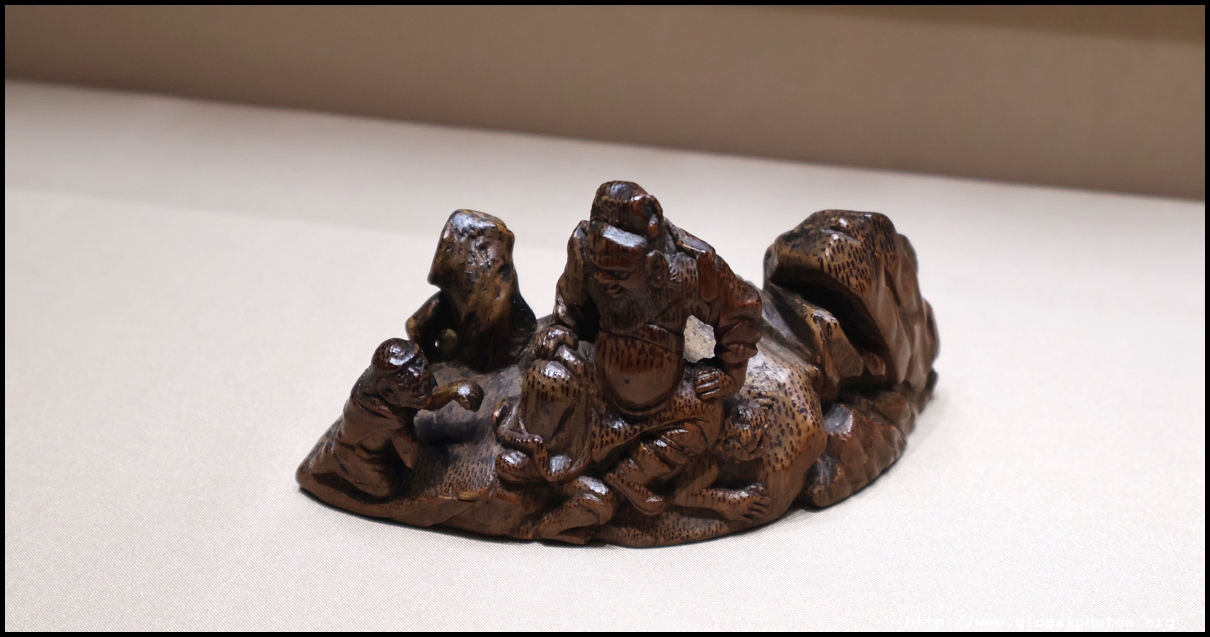
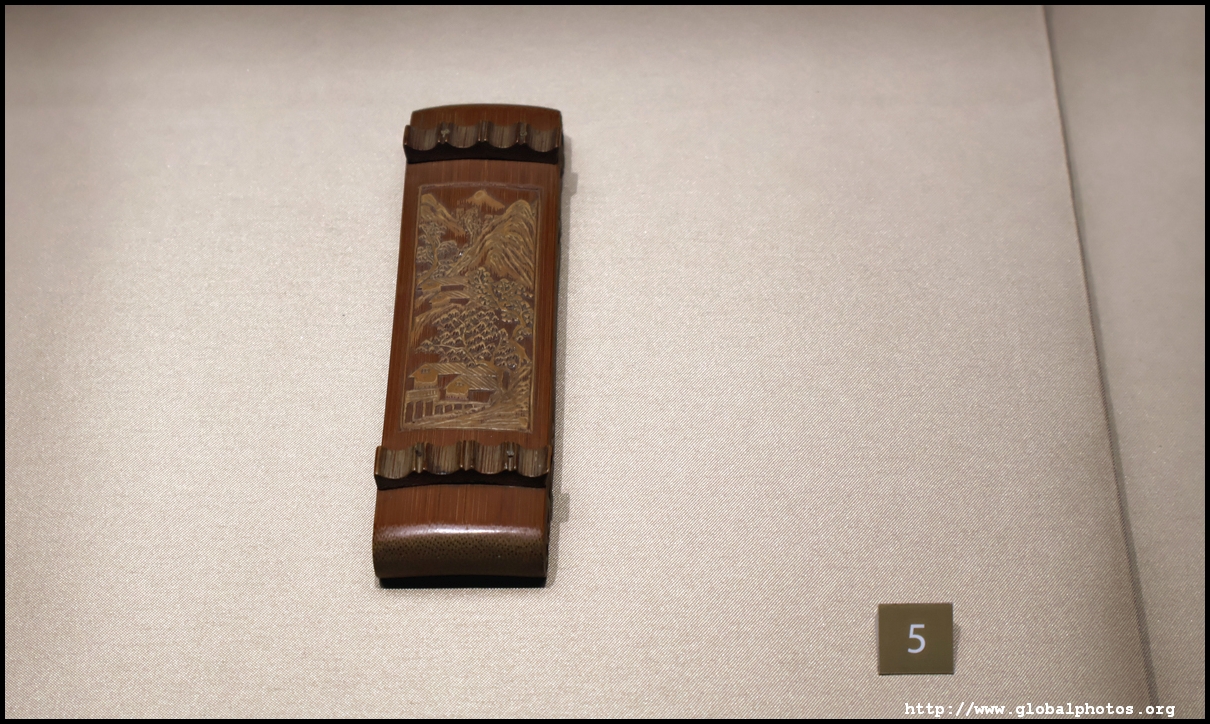
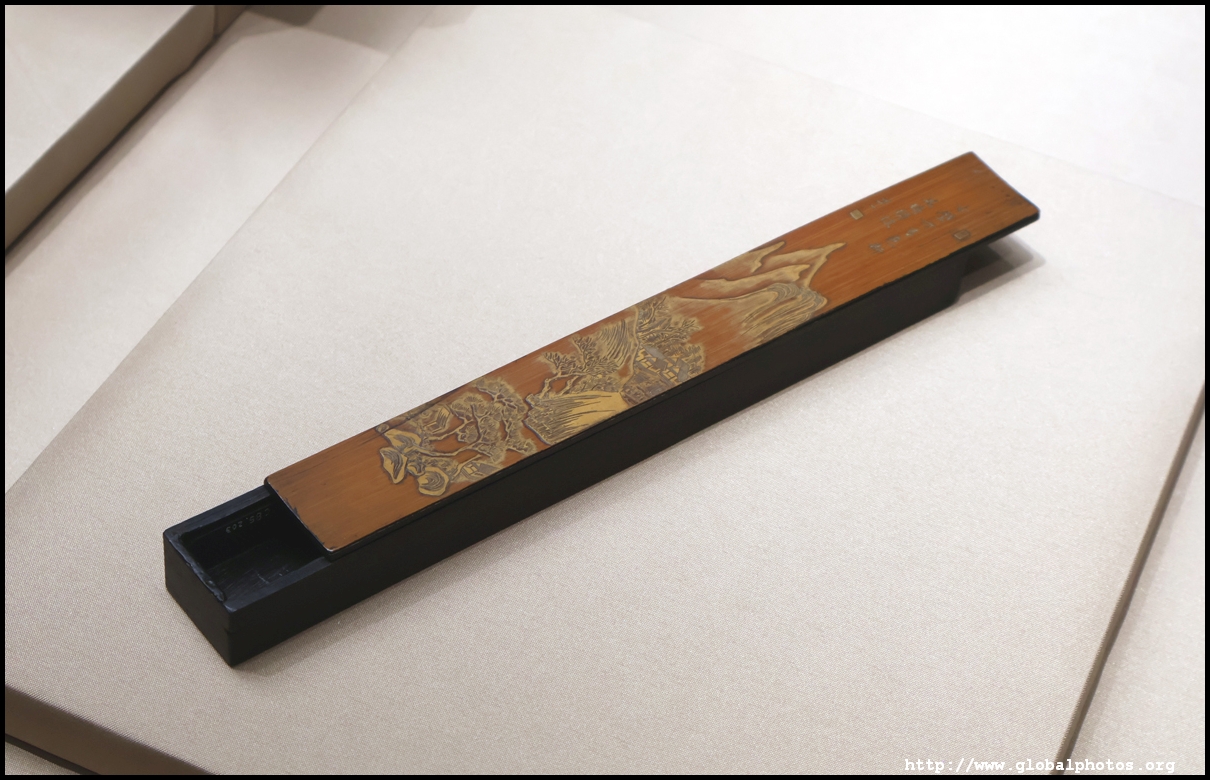
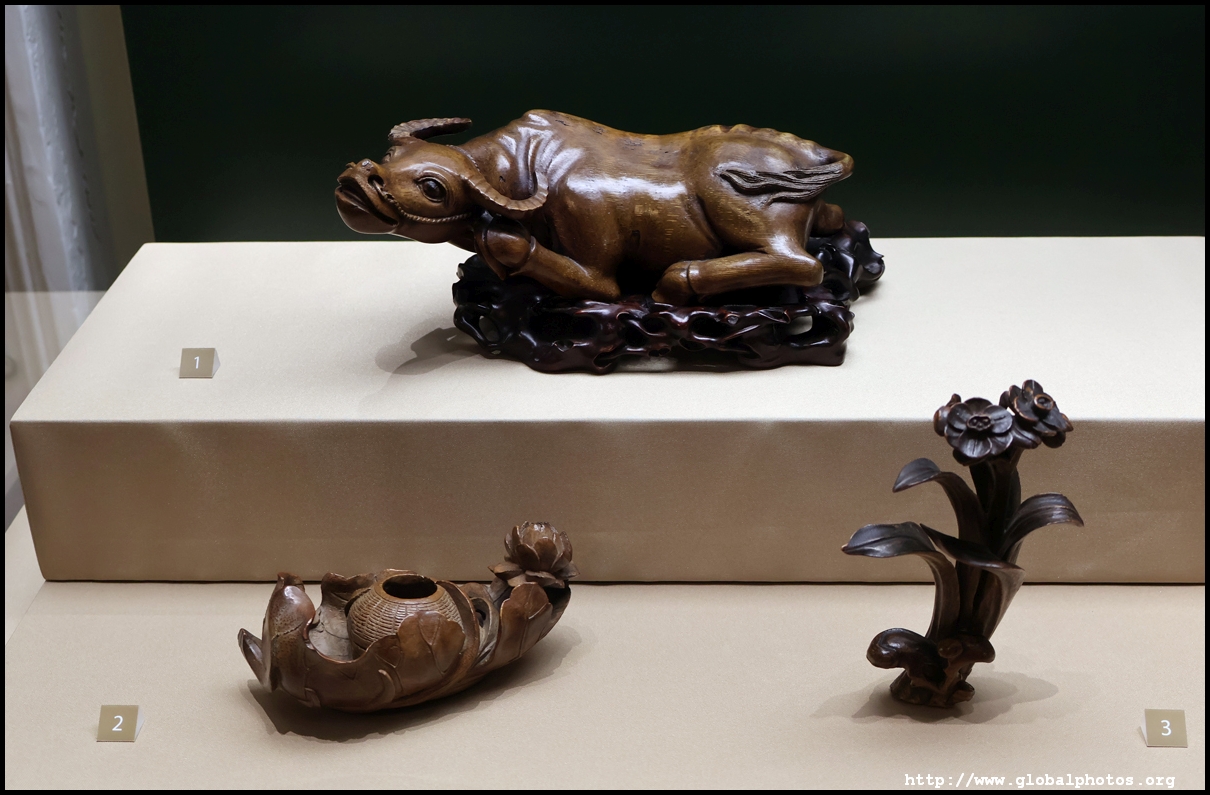
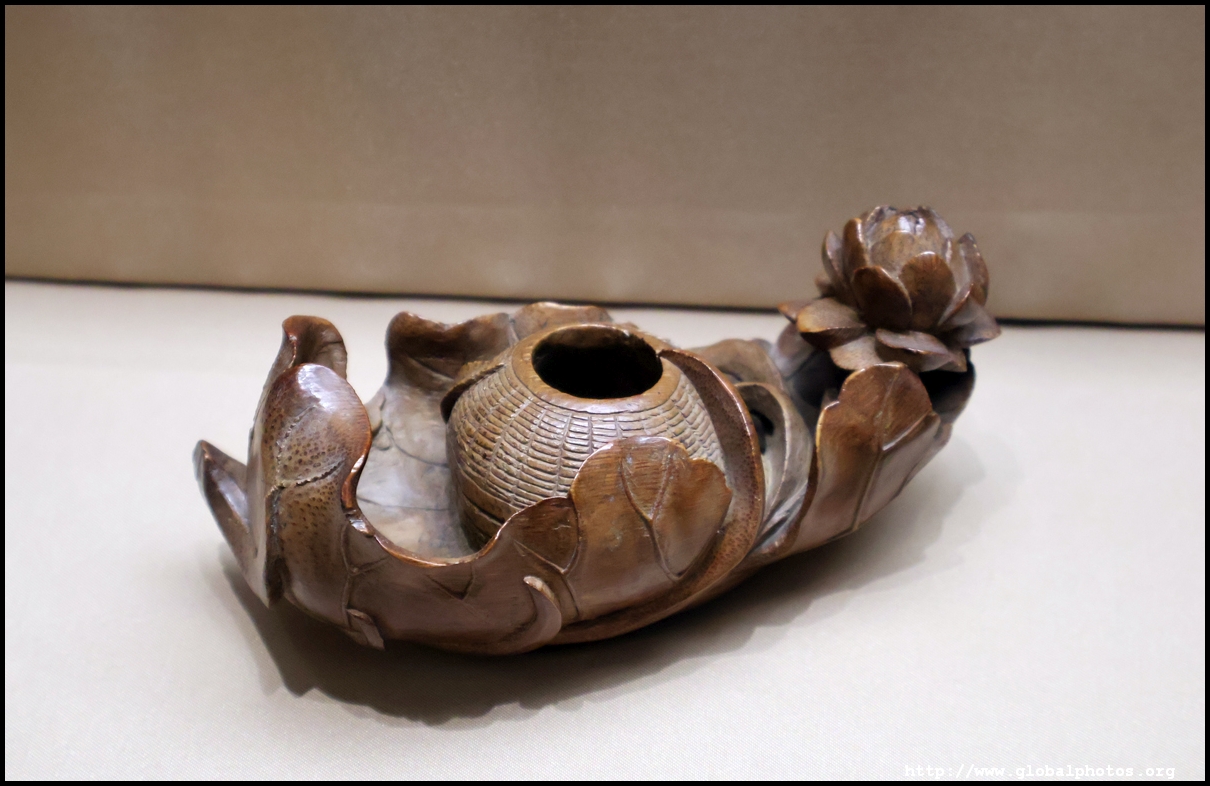
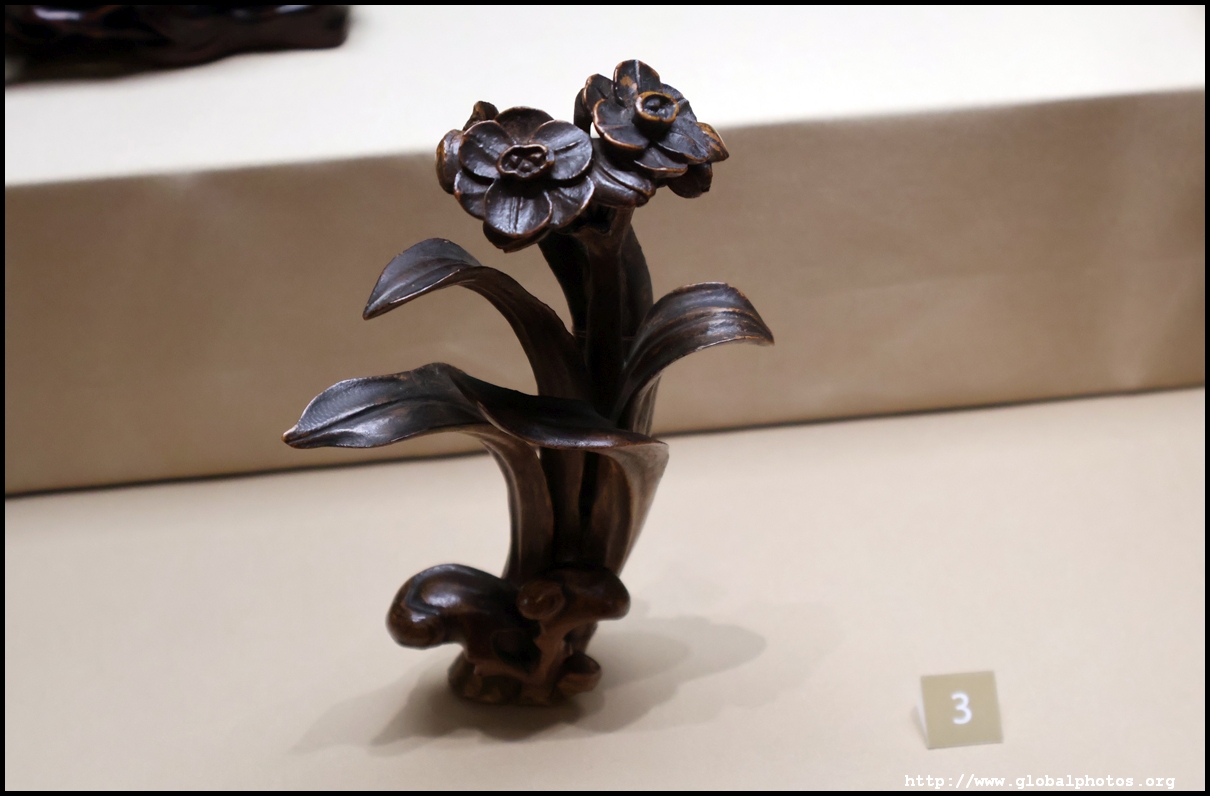
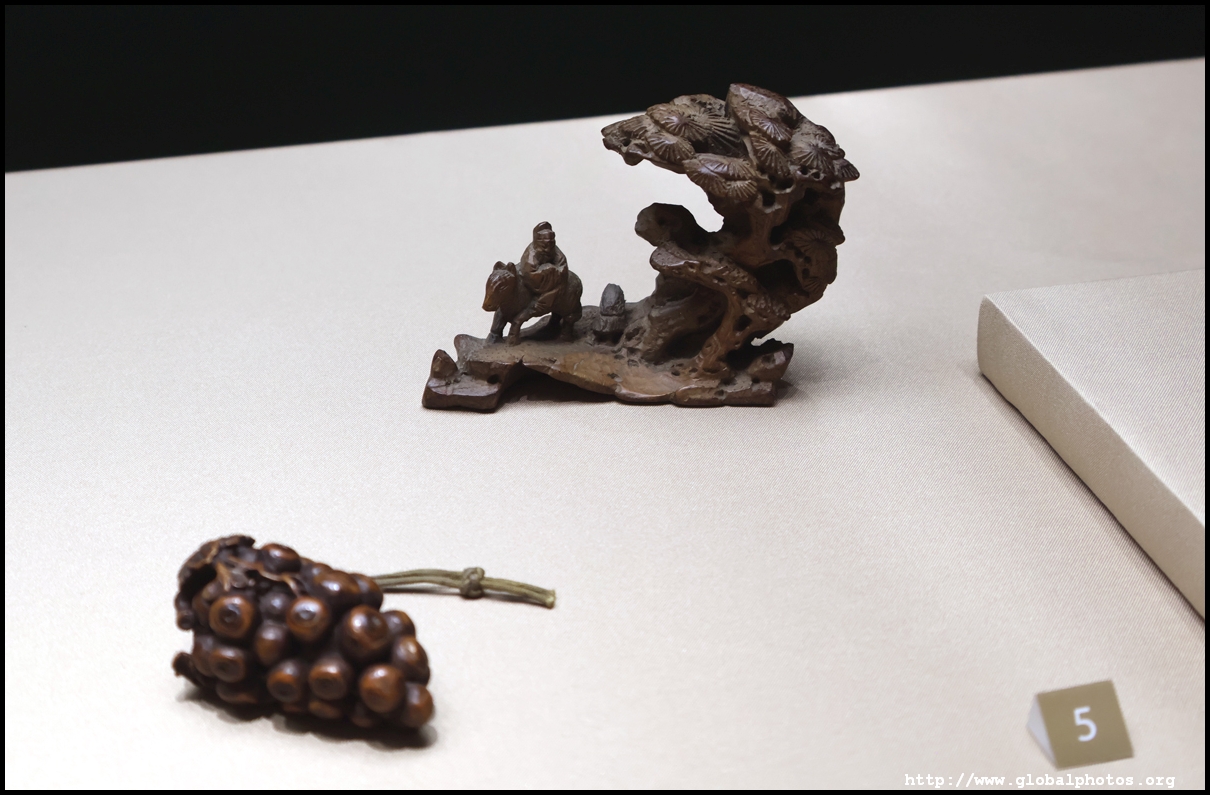
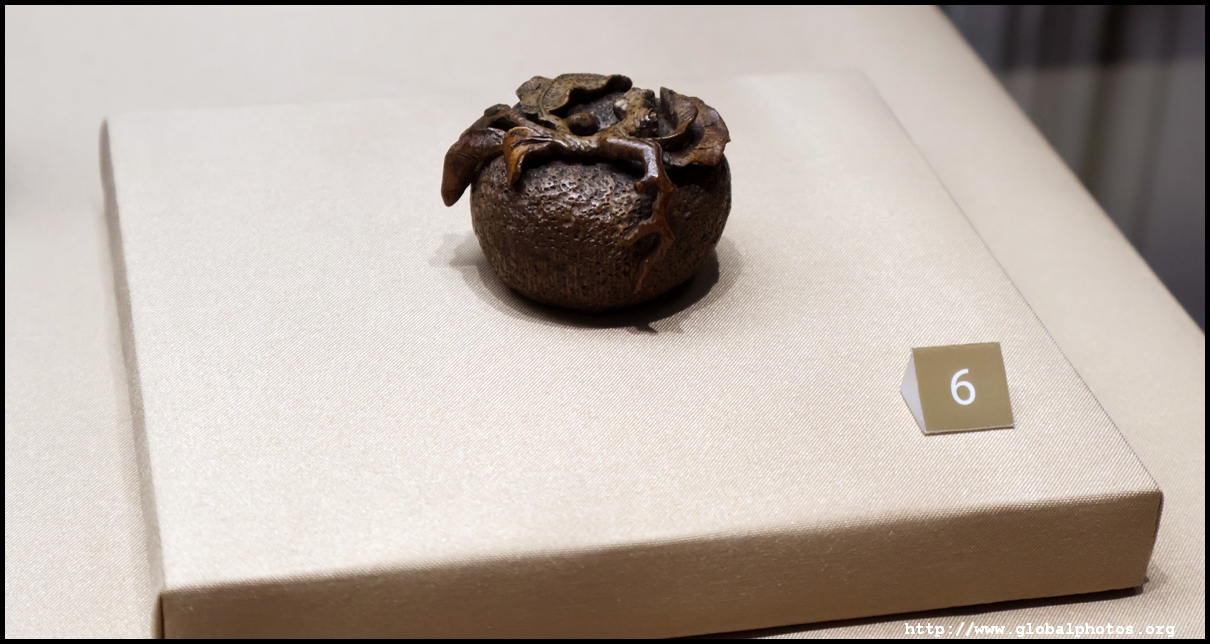
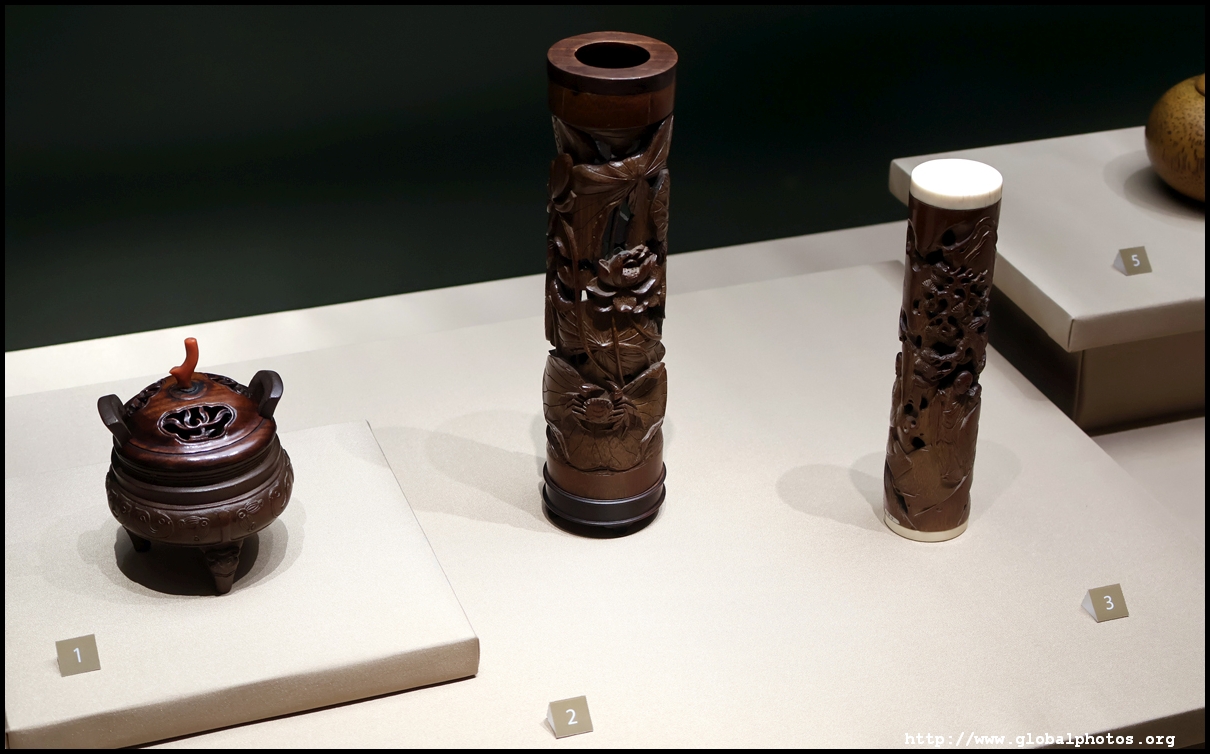
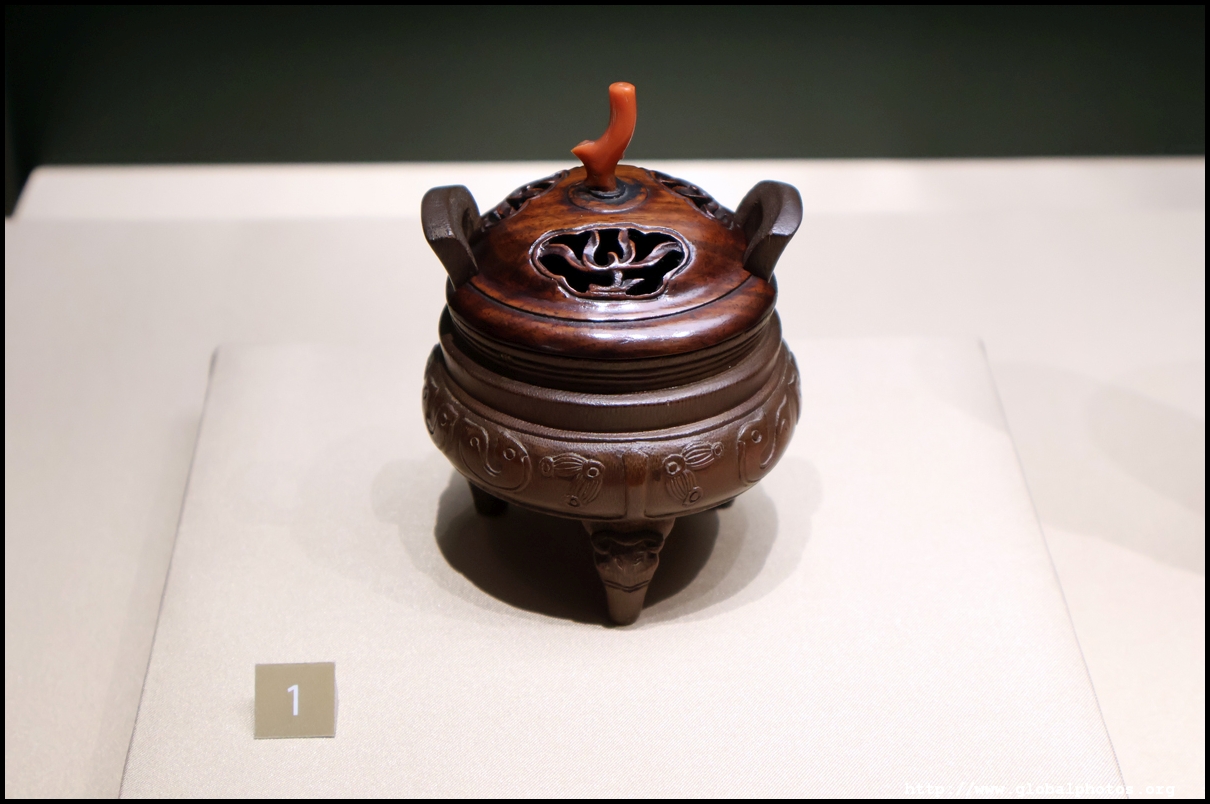
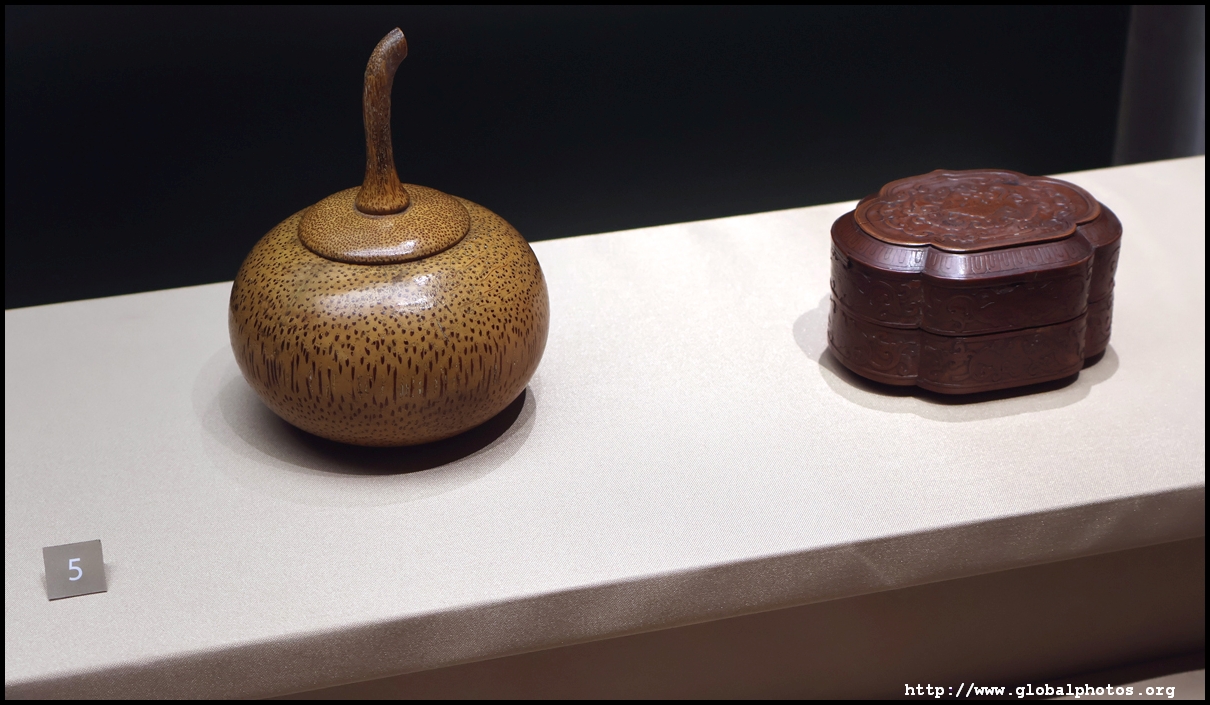
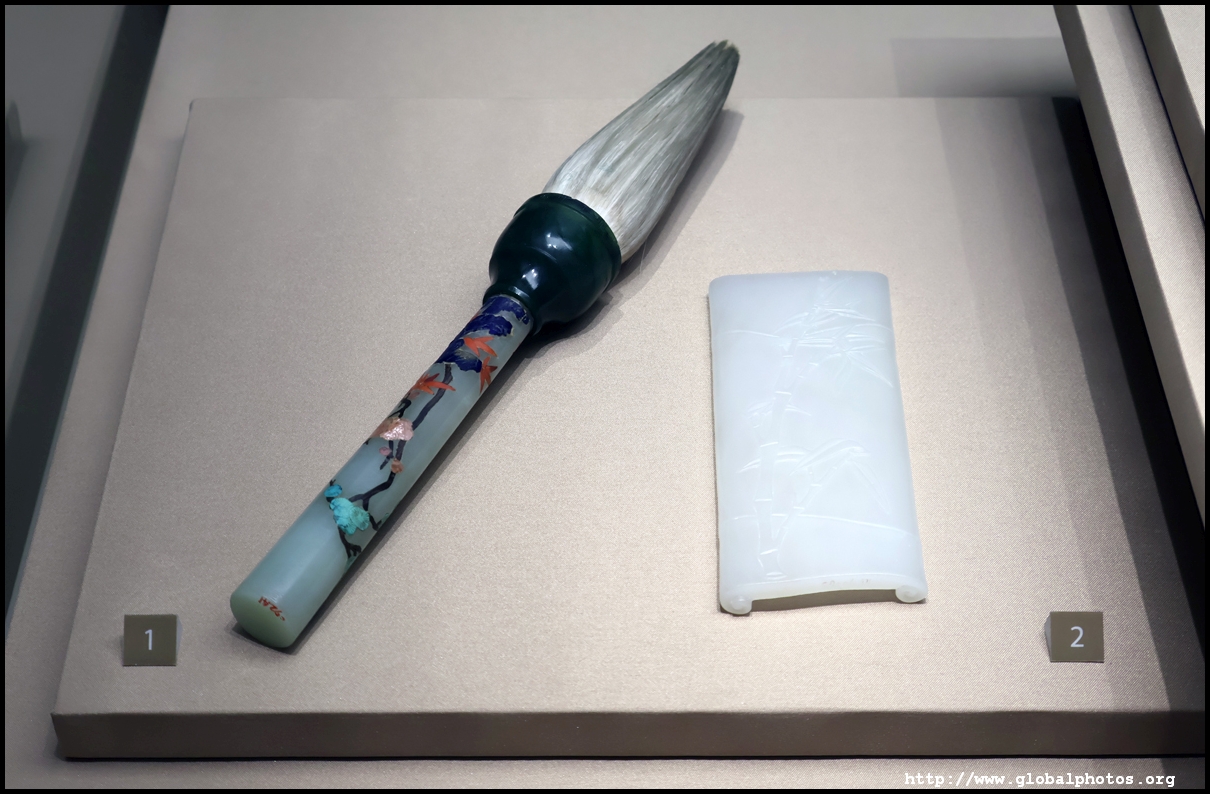
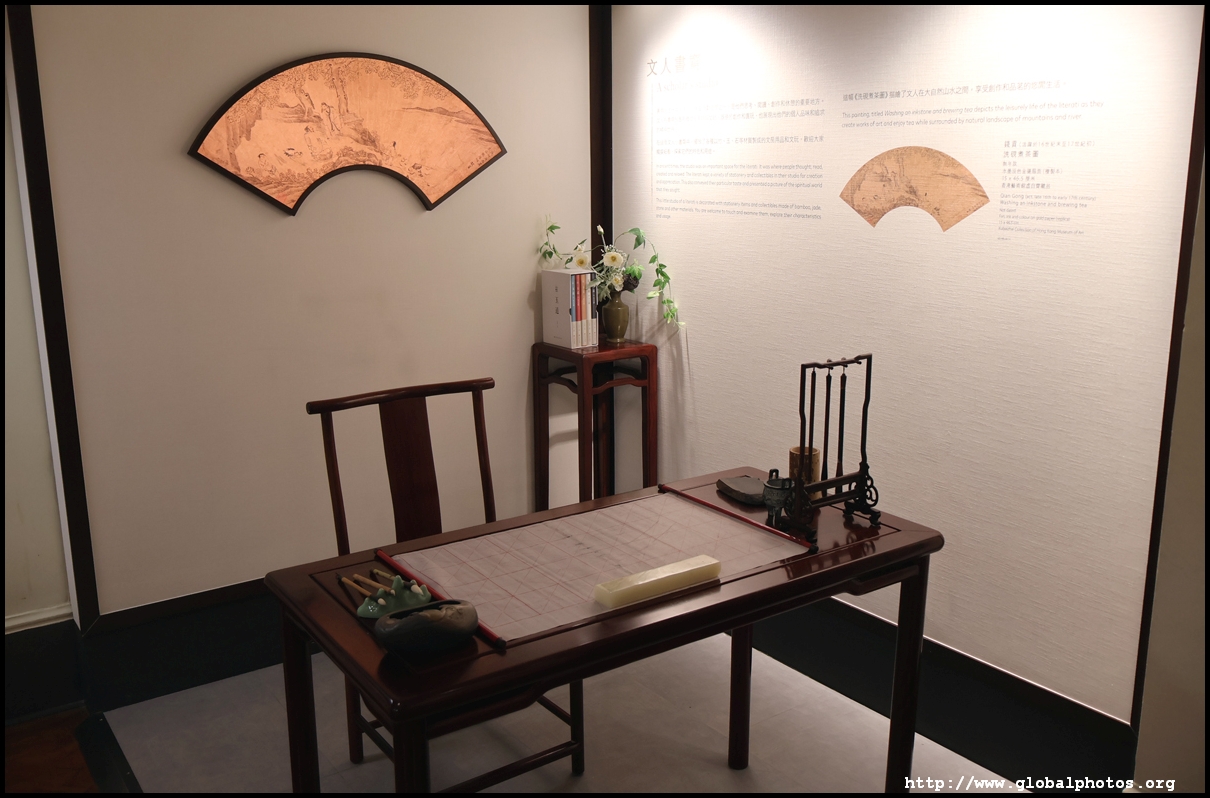
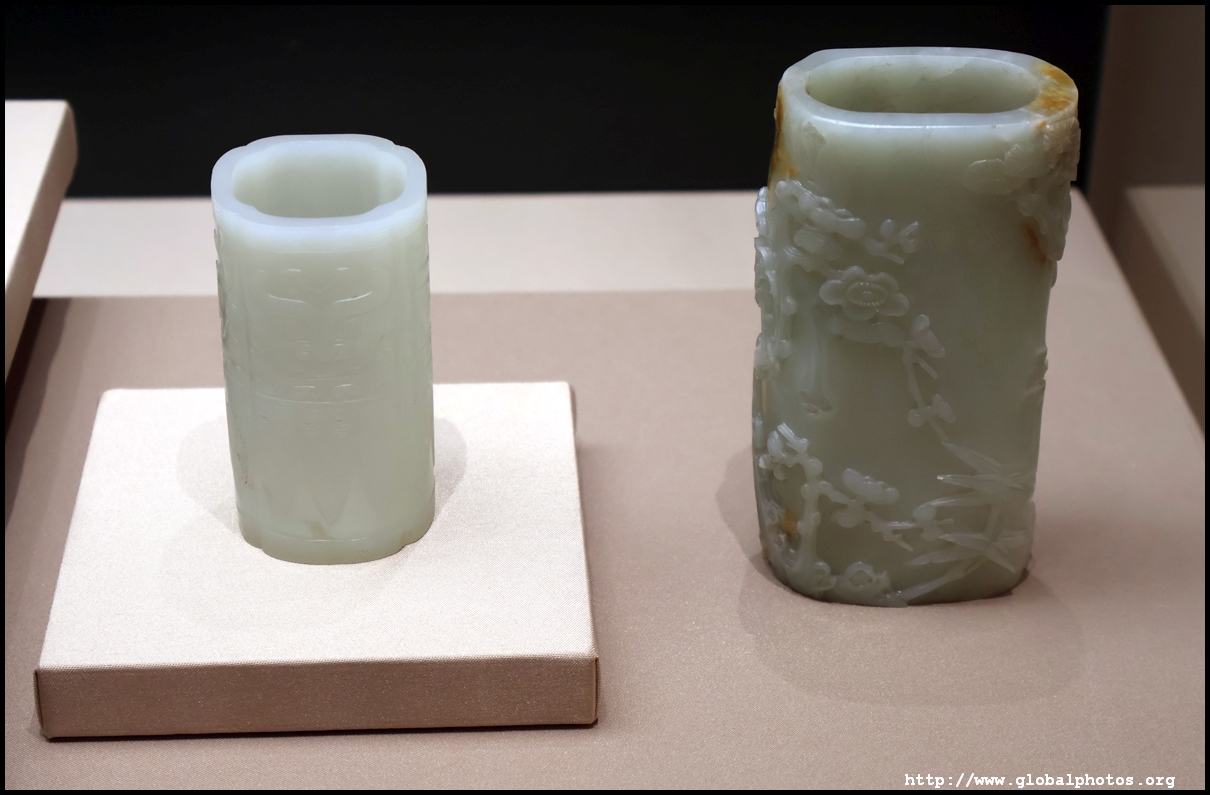
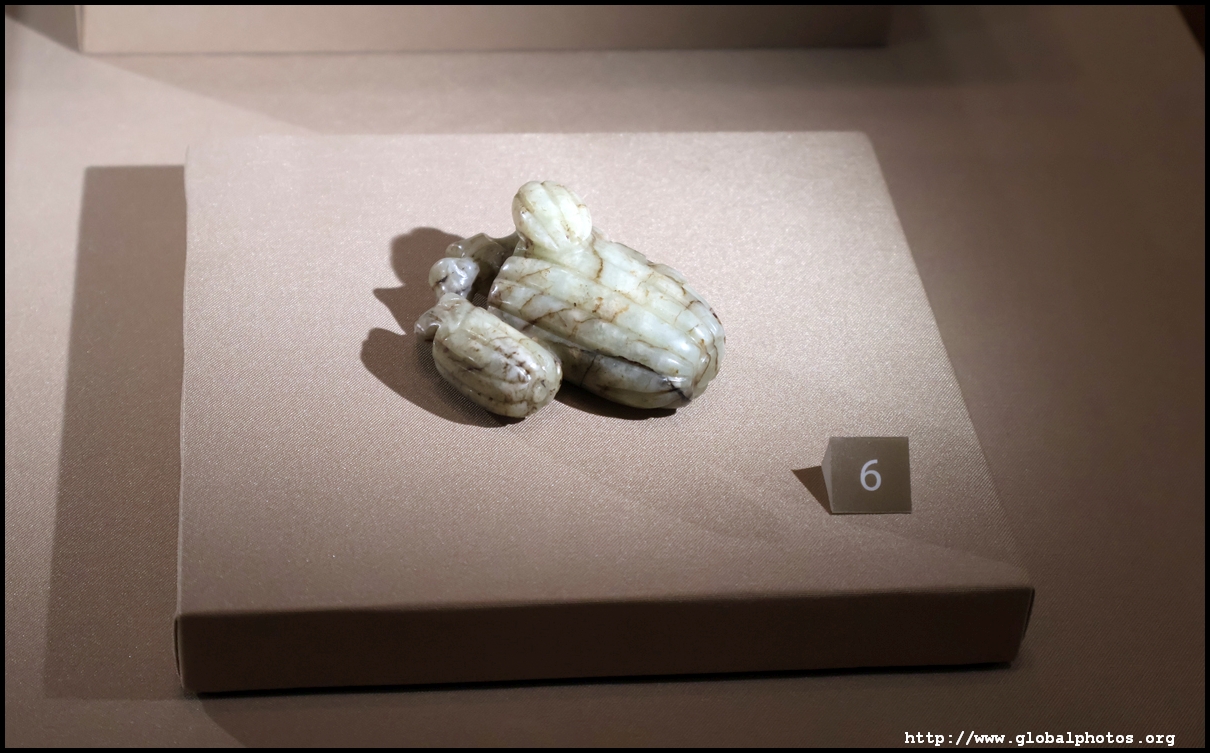
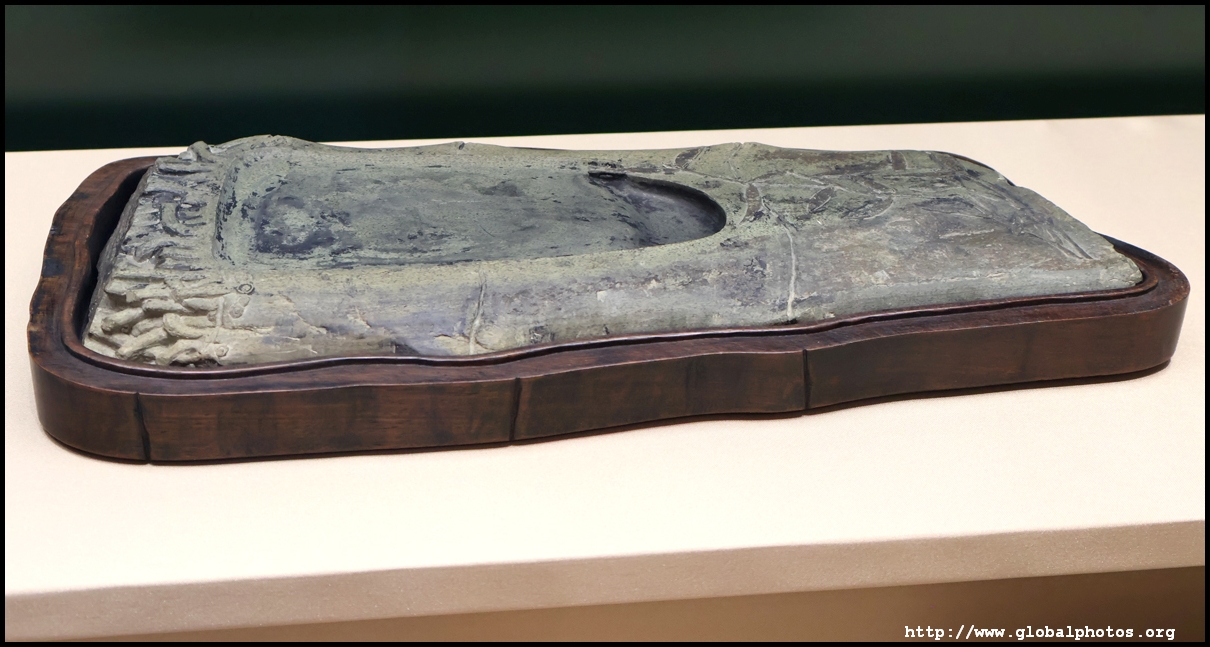
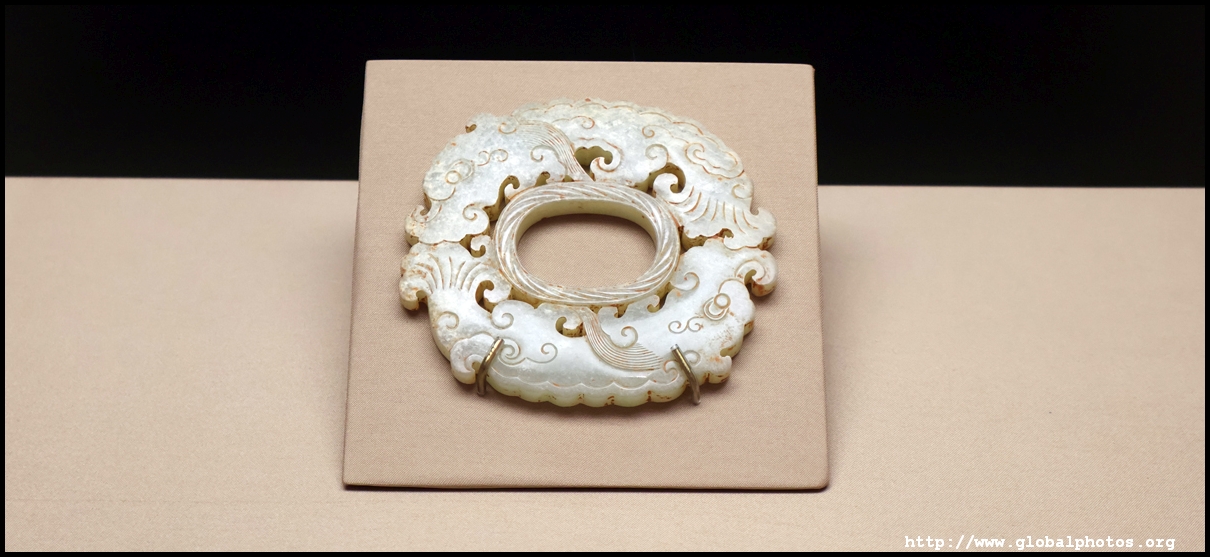
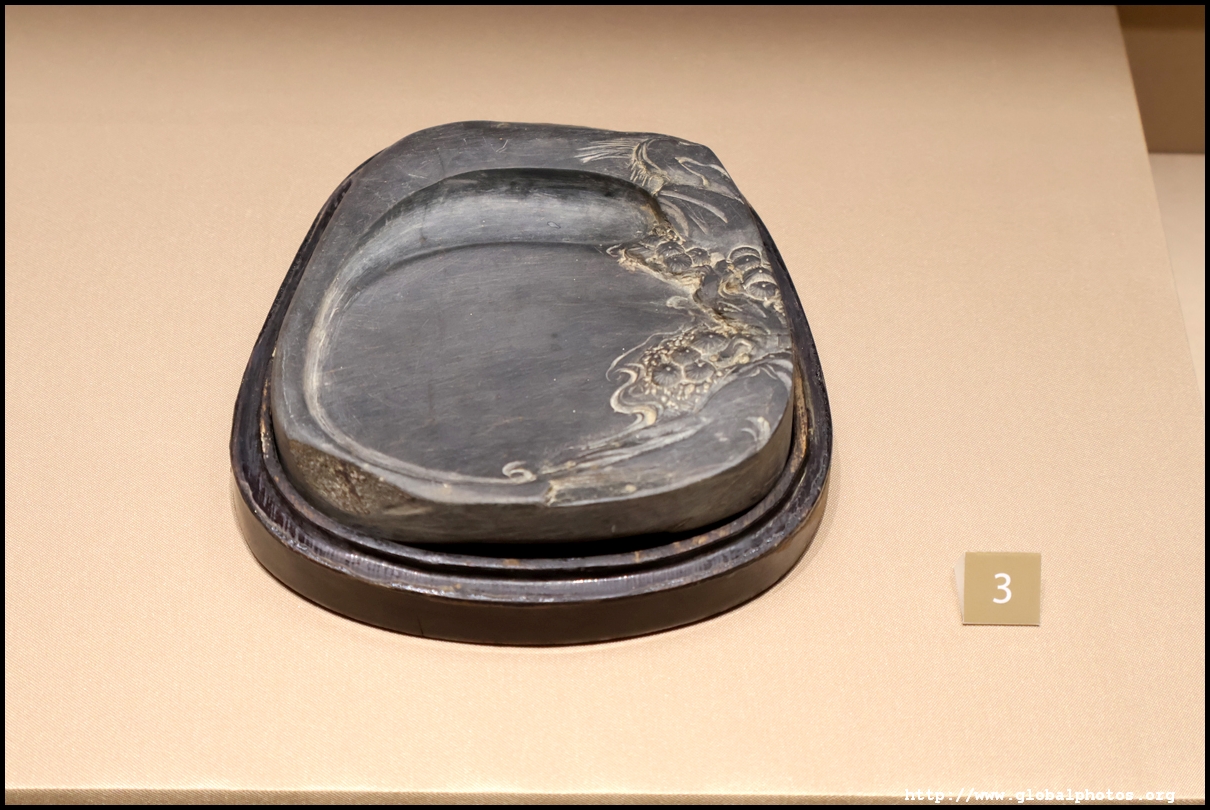
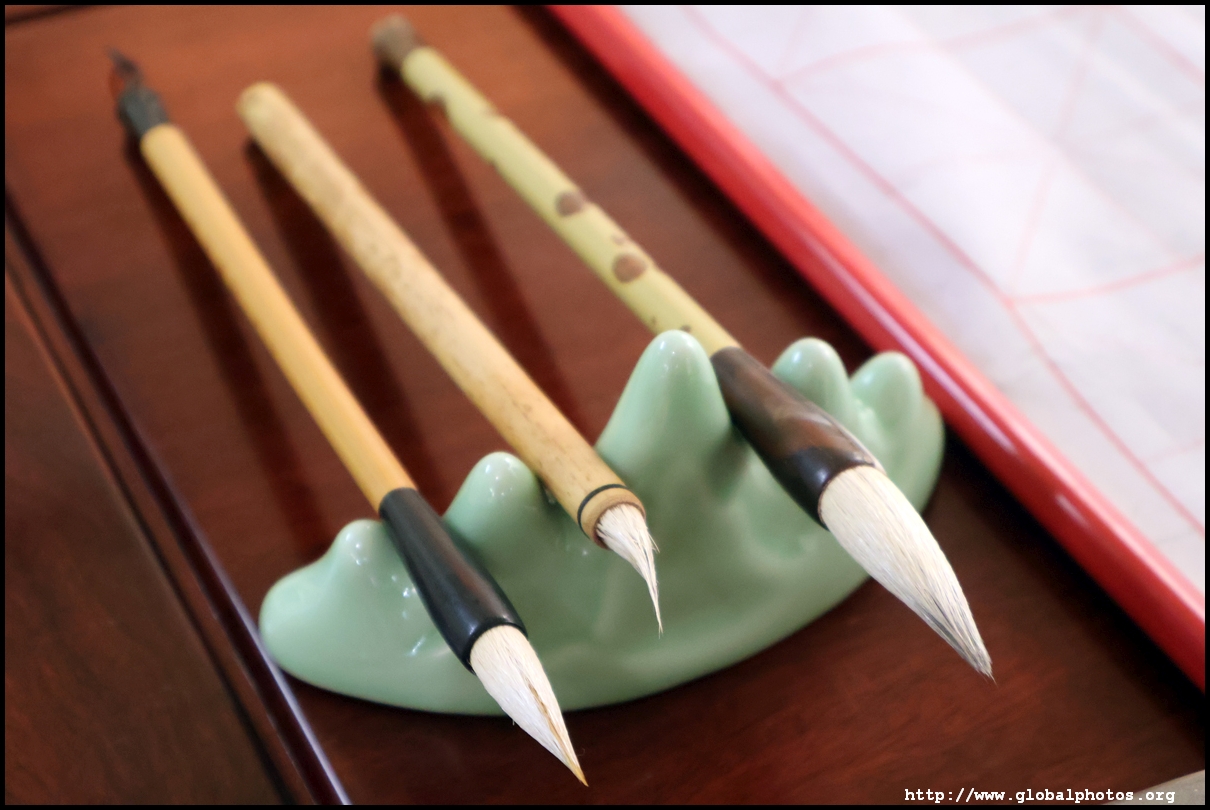
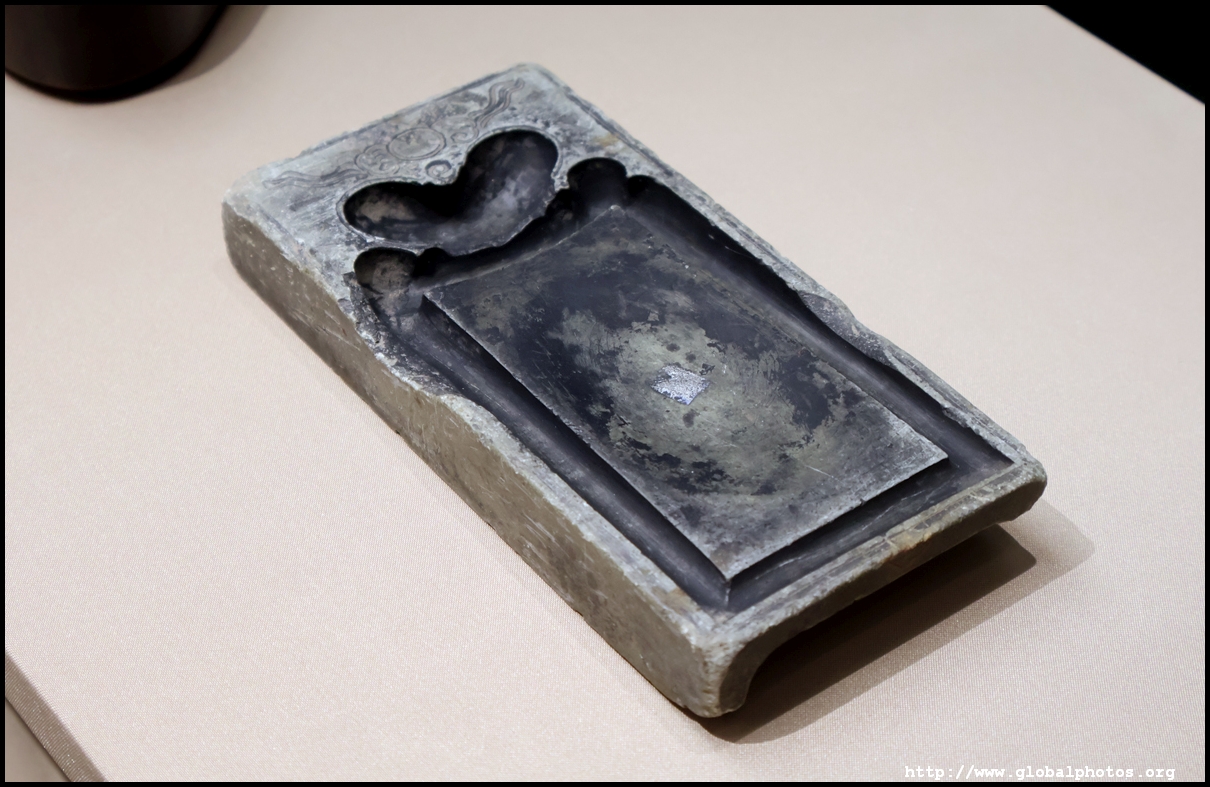
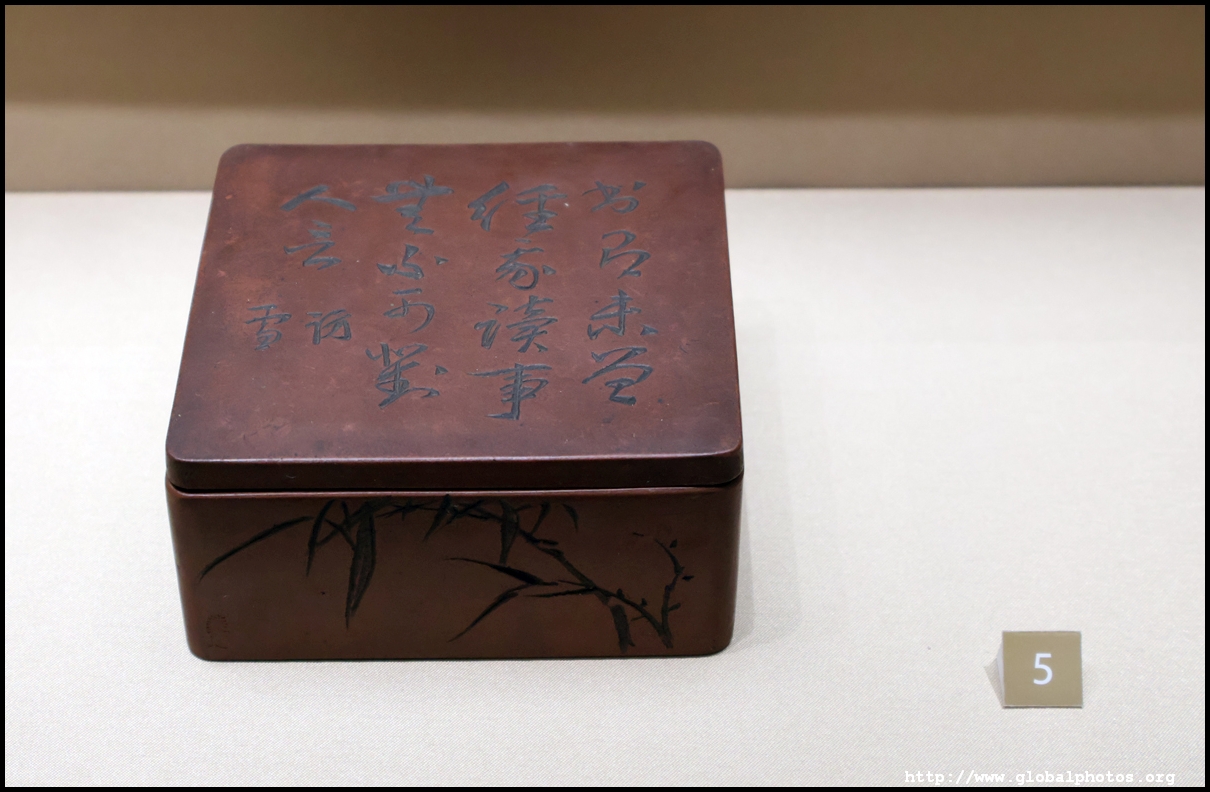
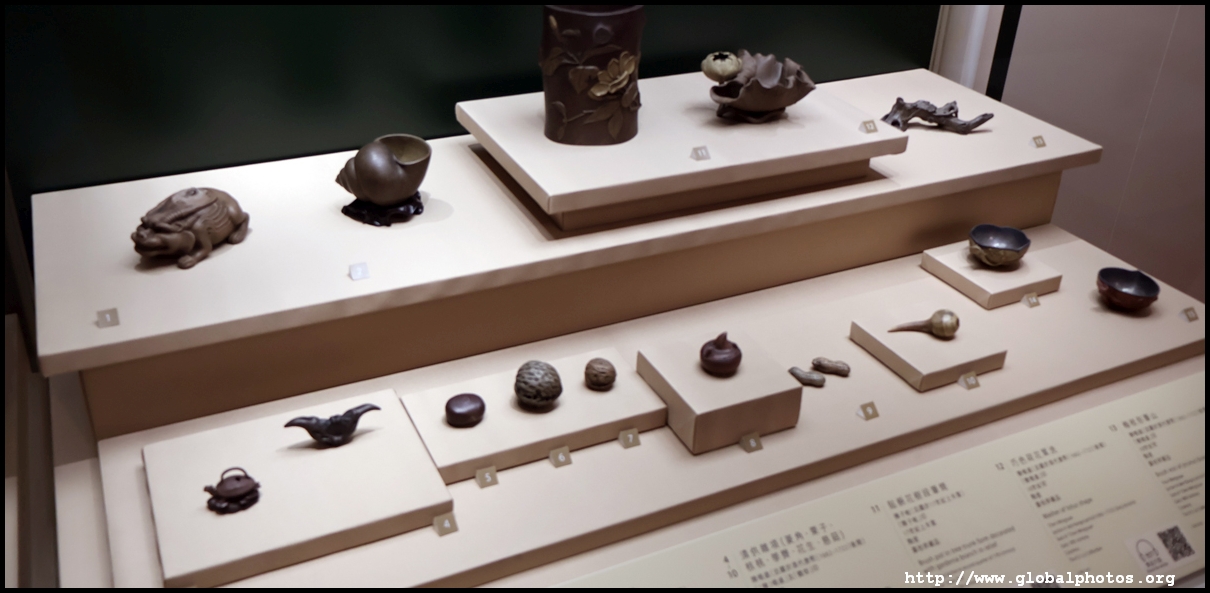
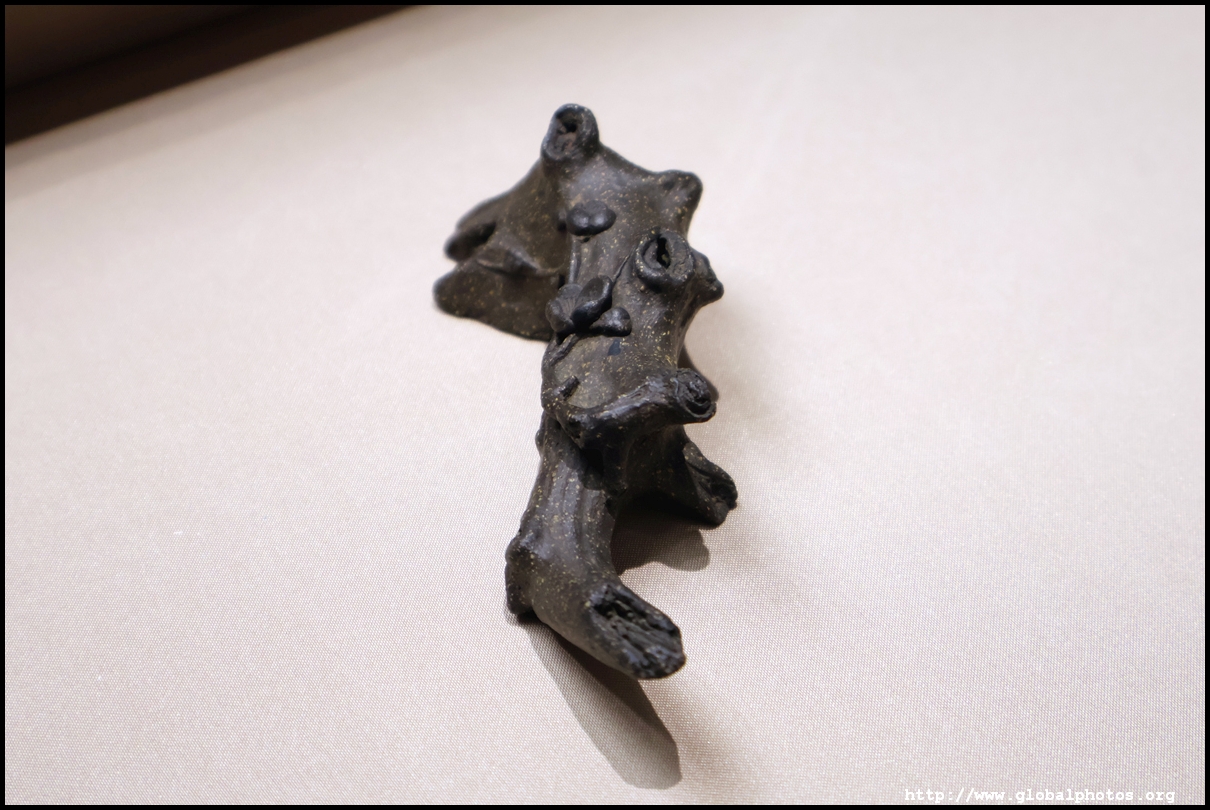
The "four treasures of the Study" refer to paper, brush, ink, and inkstone. Bamboo stationery were typically decorated with pine, bamboo, and prunus, which represents endurance, tenacity, and moral purity as they don't wither during the winter.
| |||