Southern Norway Photo Gallery
Kristiansand Highlights

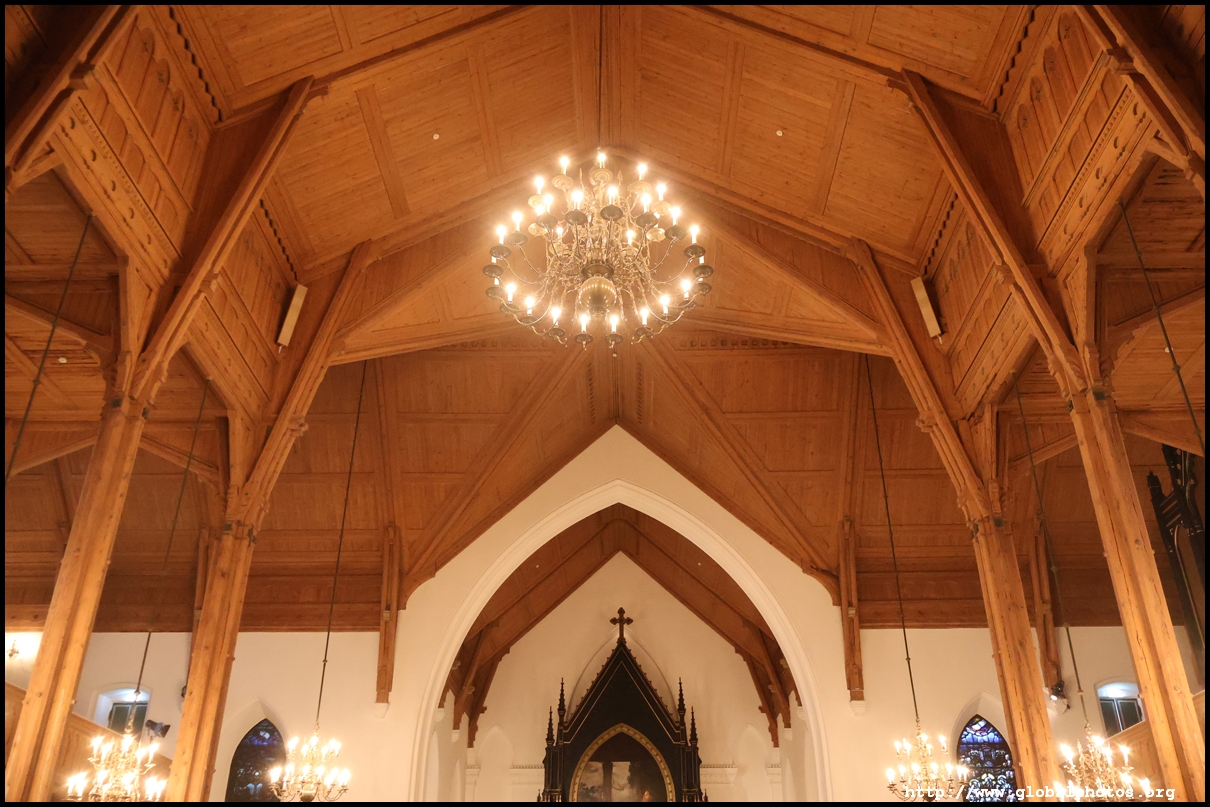
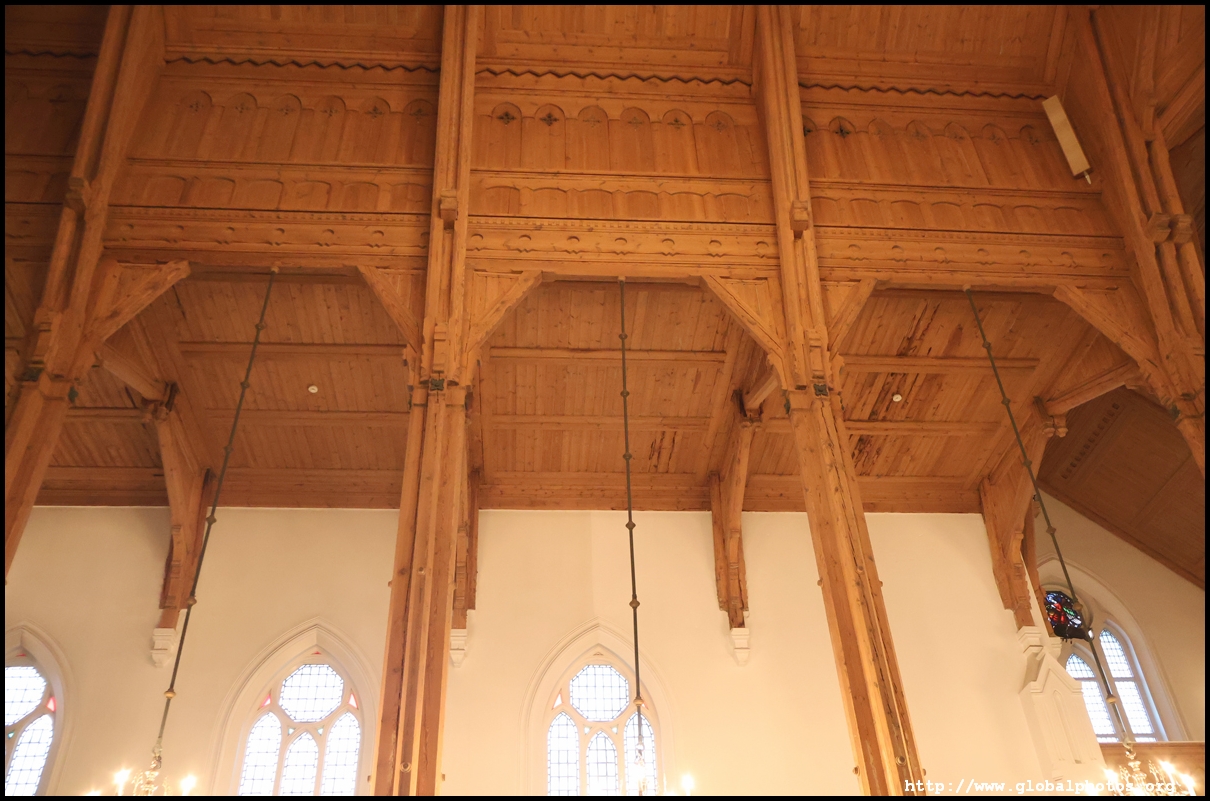
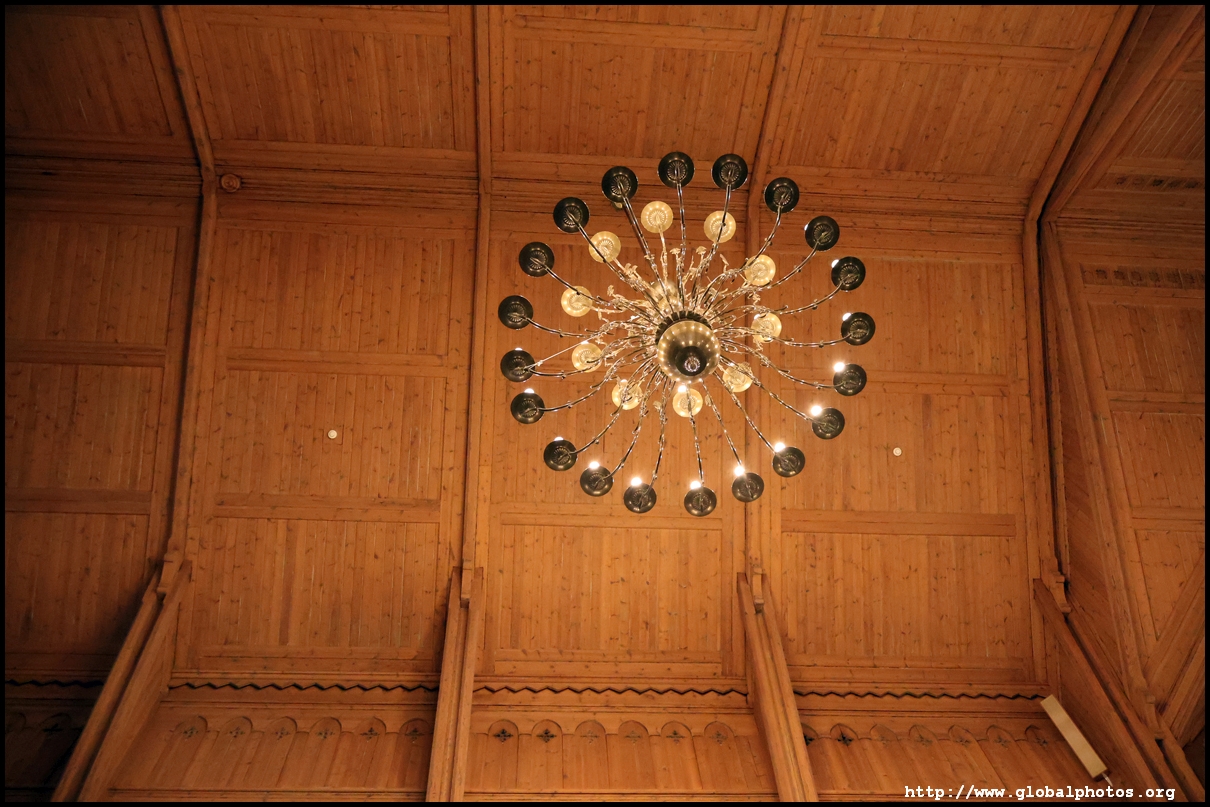
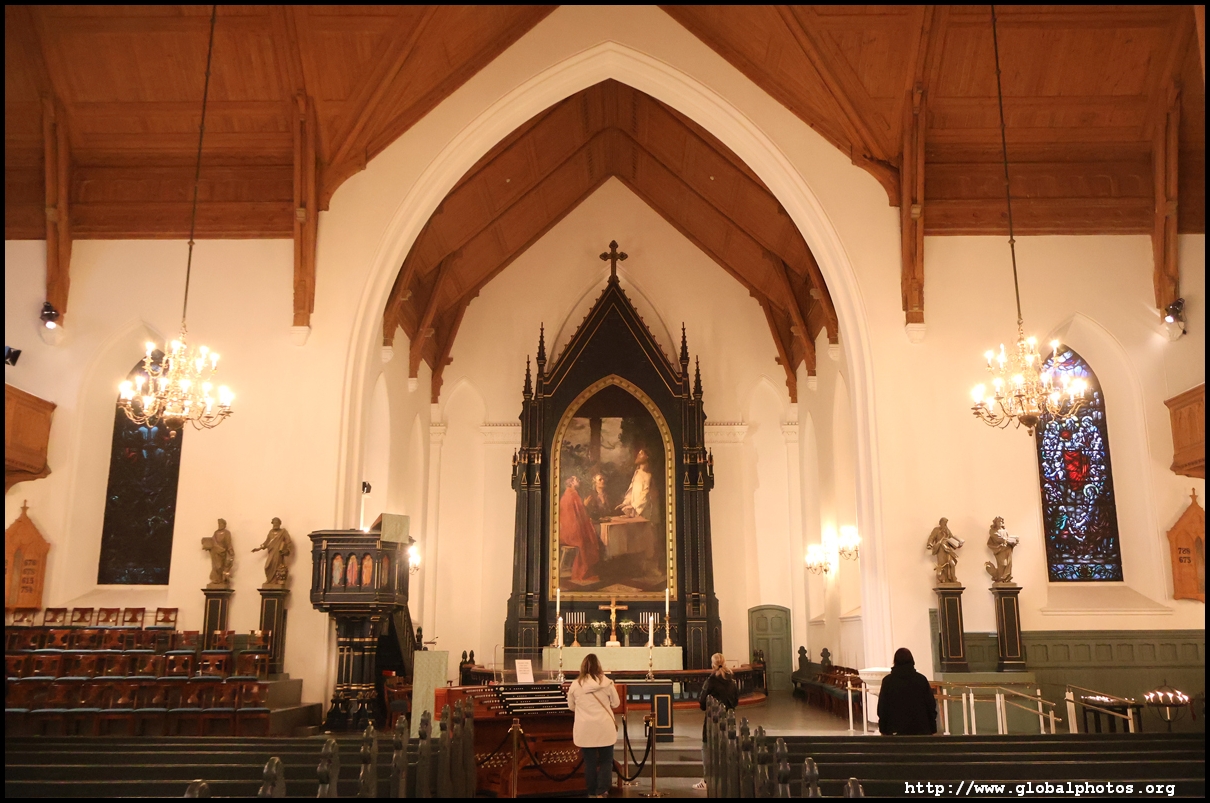
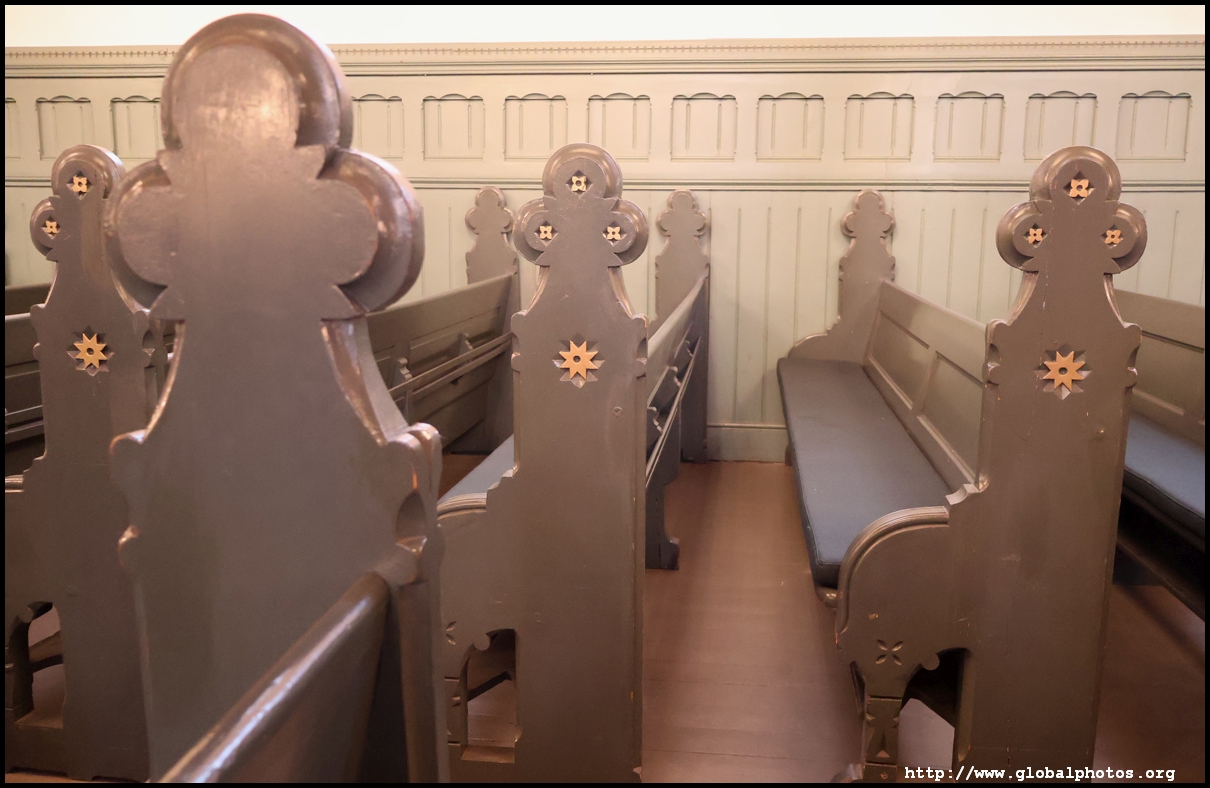
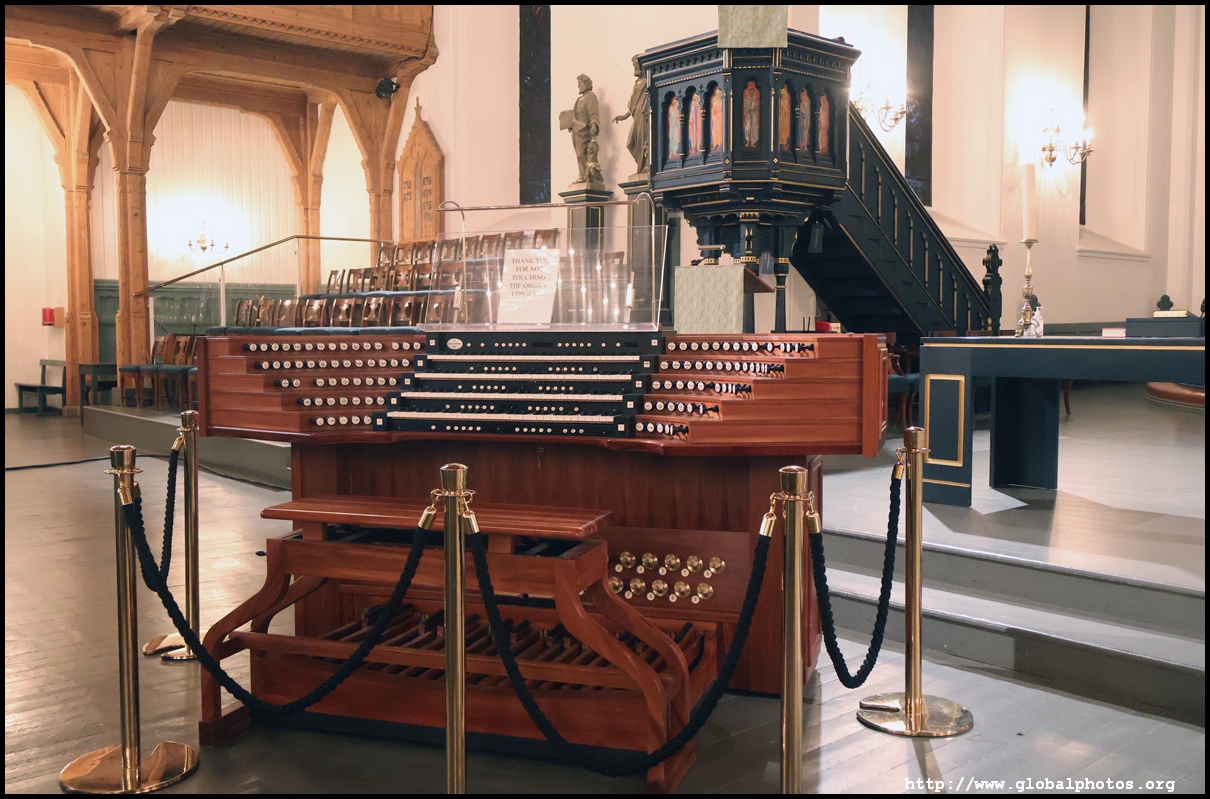
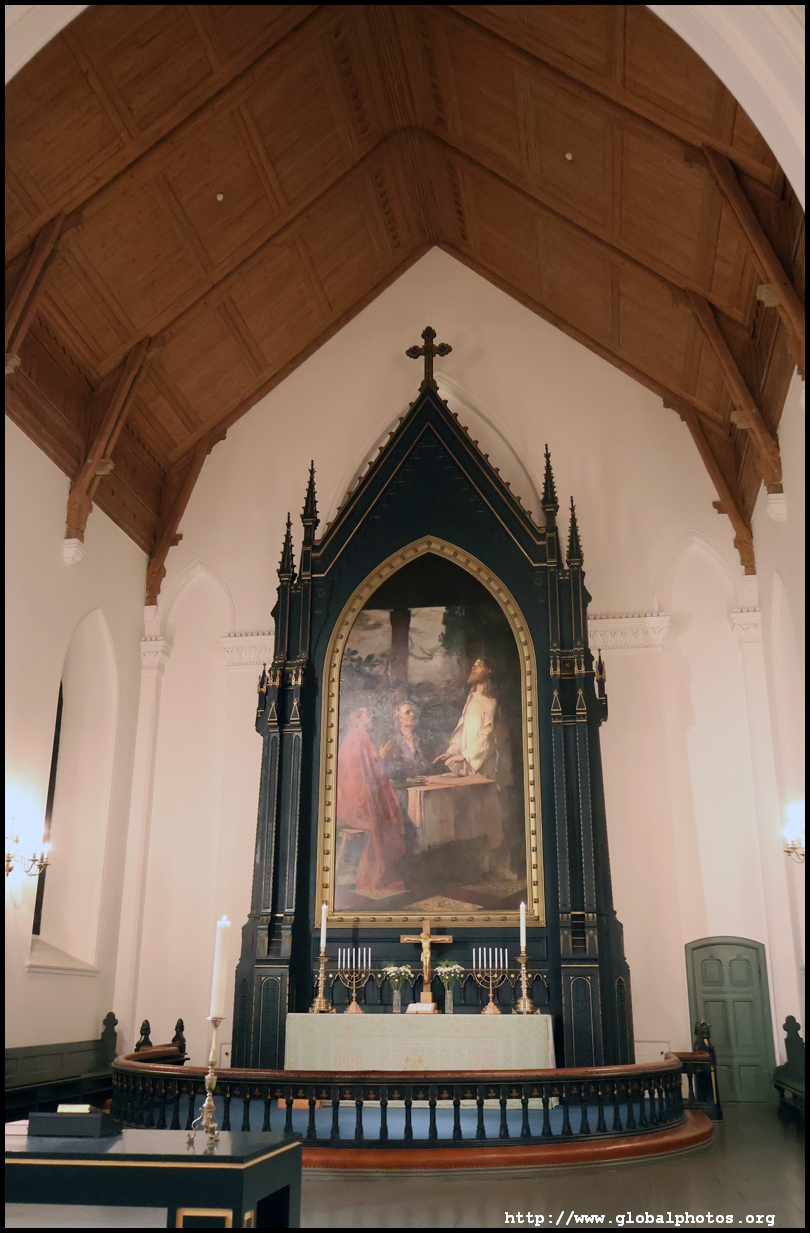
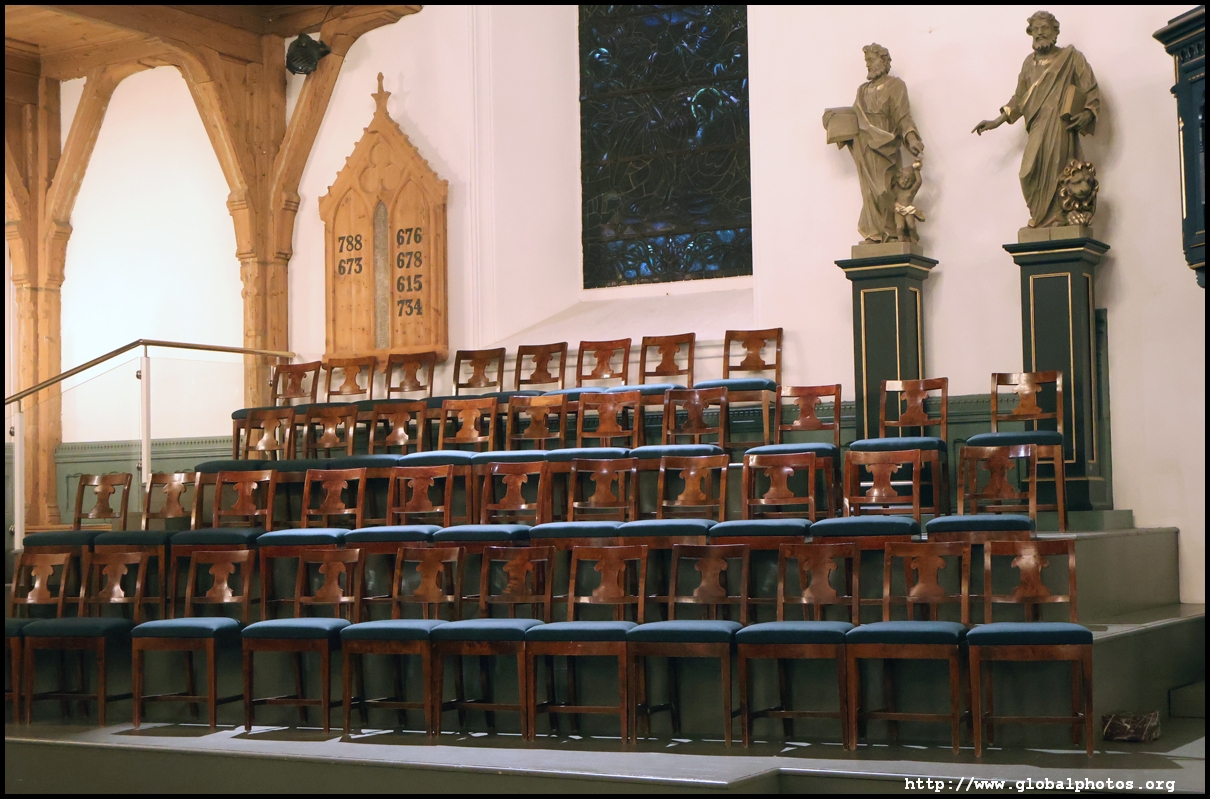
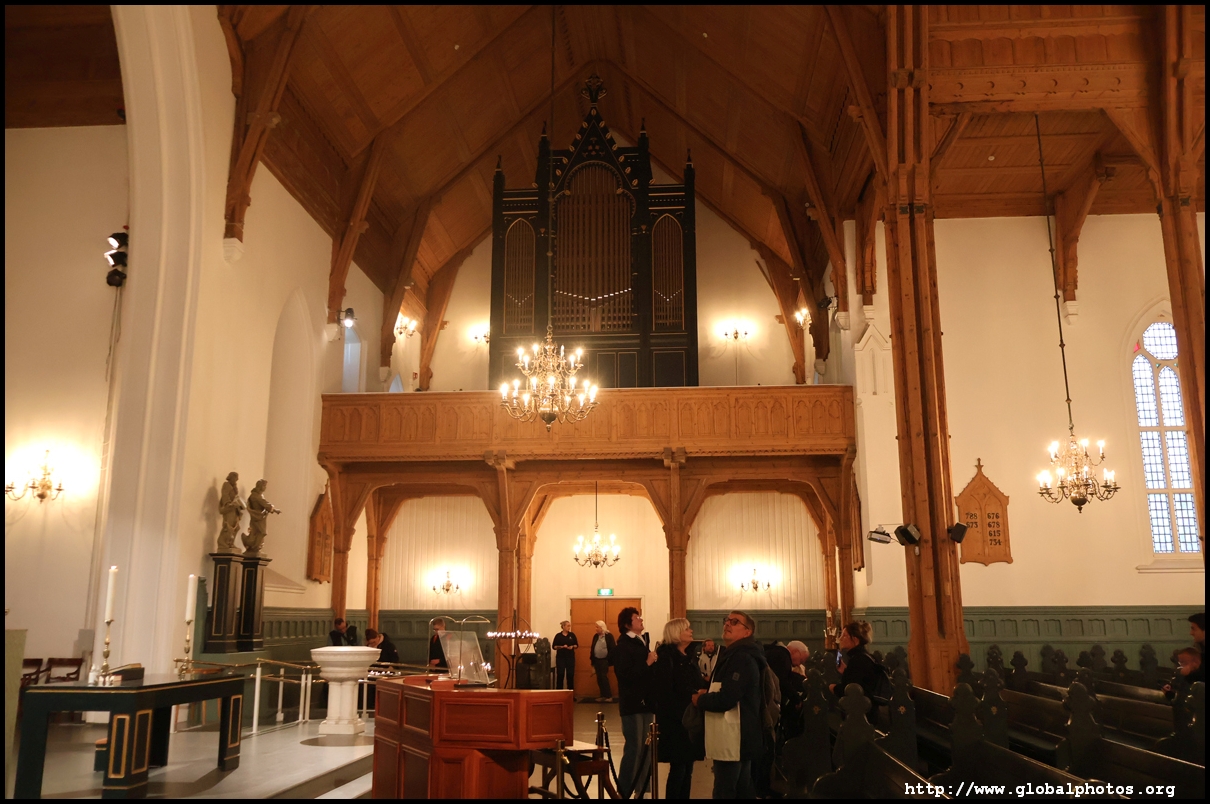
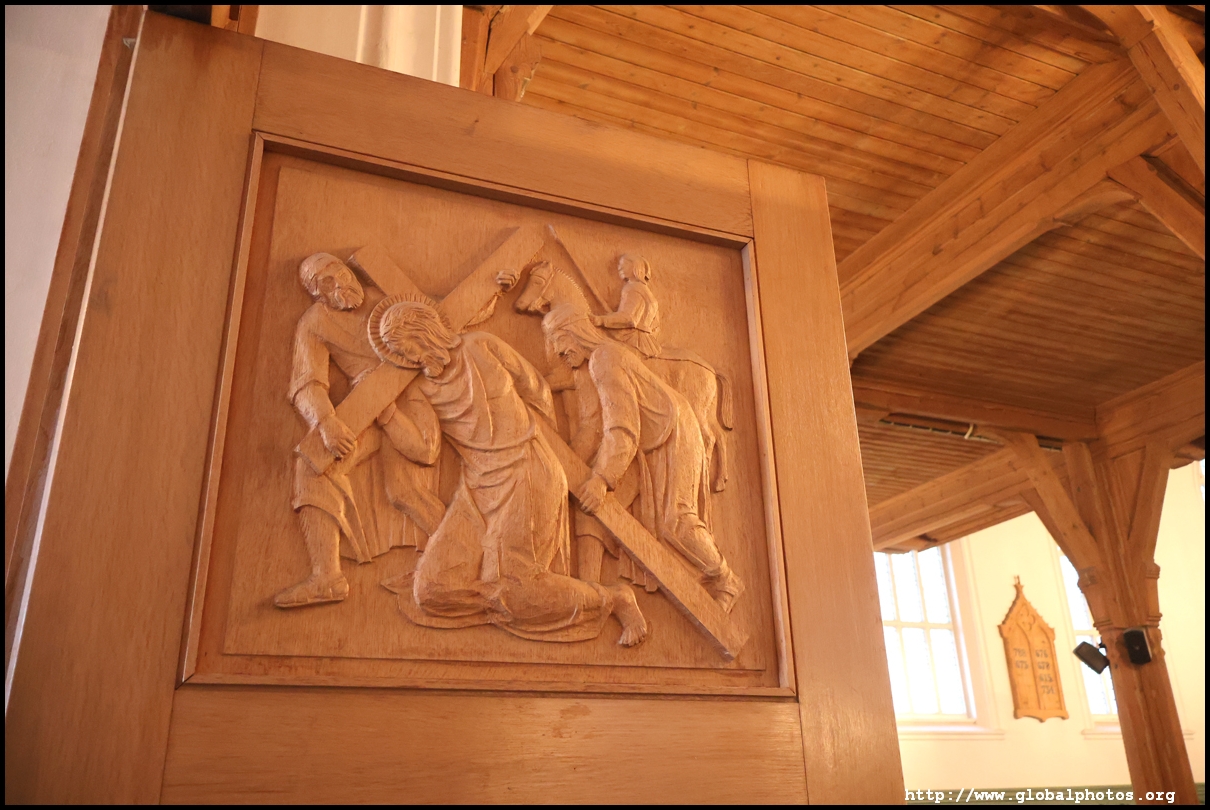
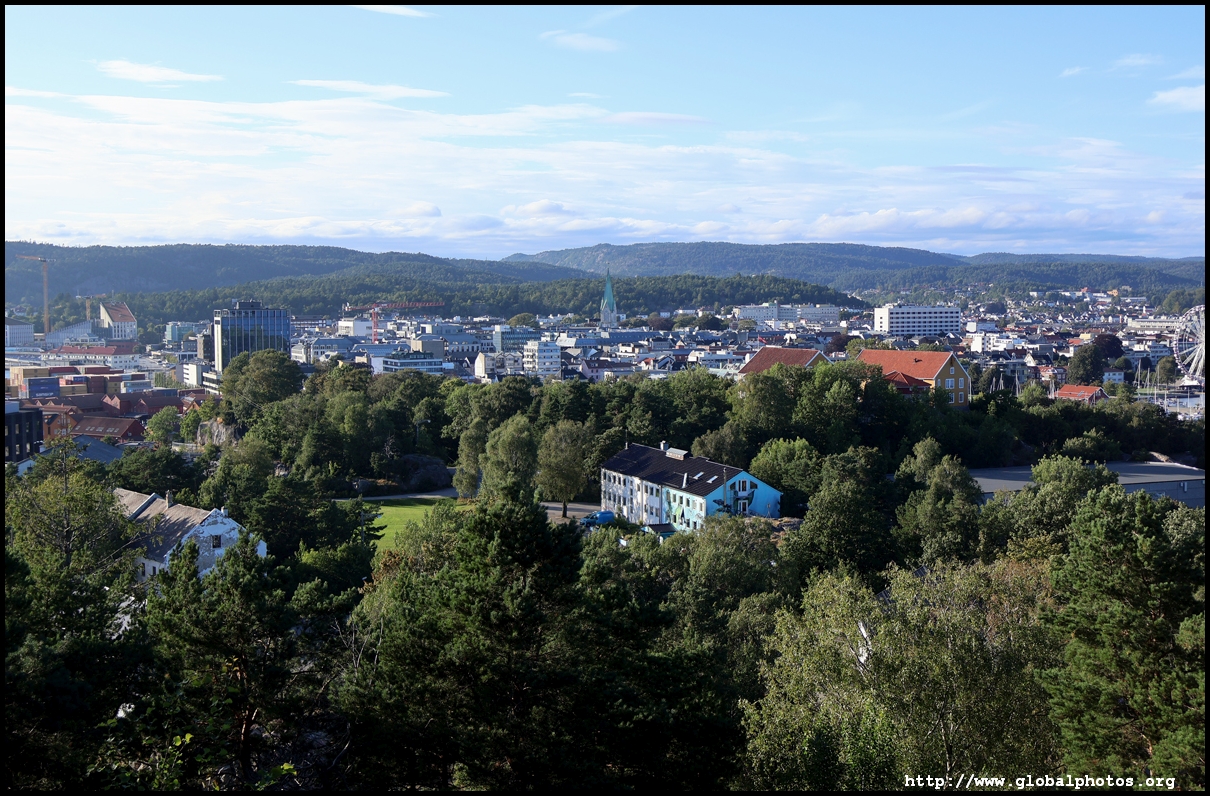
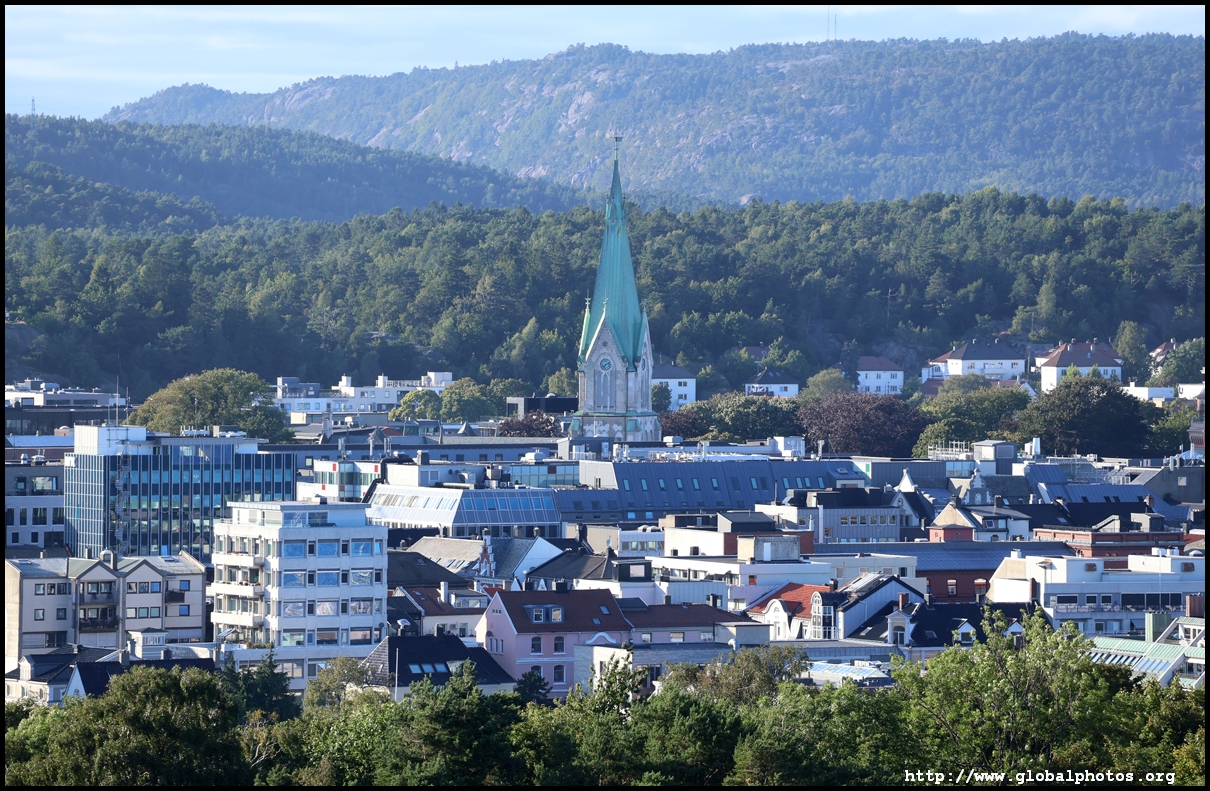
Kristiansand was founded in 1641 by King Christian IV, who ruled both Norway and Denmark. It quickly became a major seaport and was my base to explore the southern coast. The city centre is small and the attractions are easily reachable on foot. There aren't that many things to do here but it's a good base to continue exploring the various towns nearby.Just a block from the pedestrian shopping street is the cathedral, which was built in the 1880s in the late Gothic style. With enough seats for 1800 people, making it the country's 3rd largest.
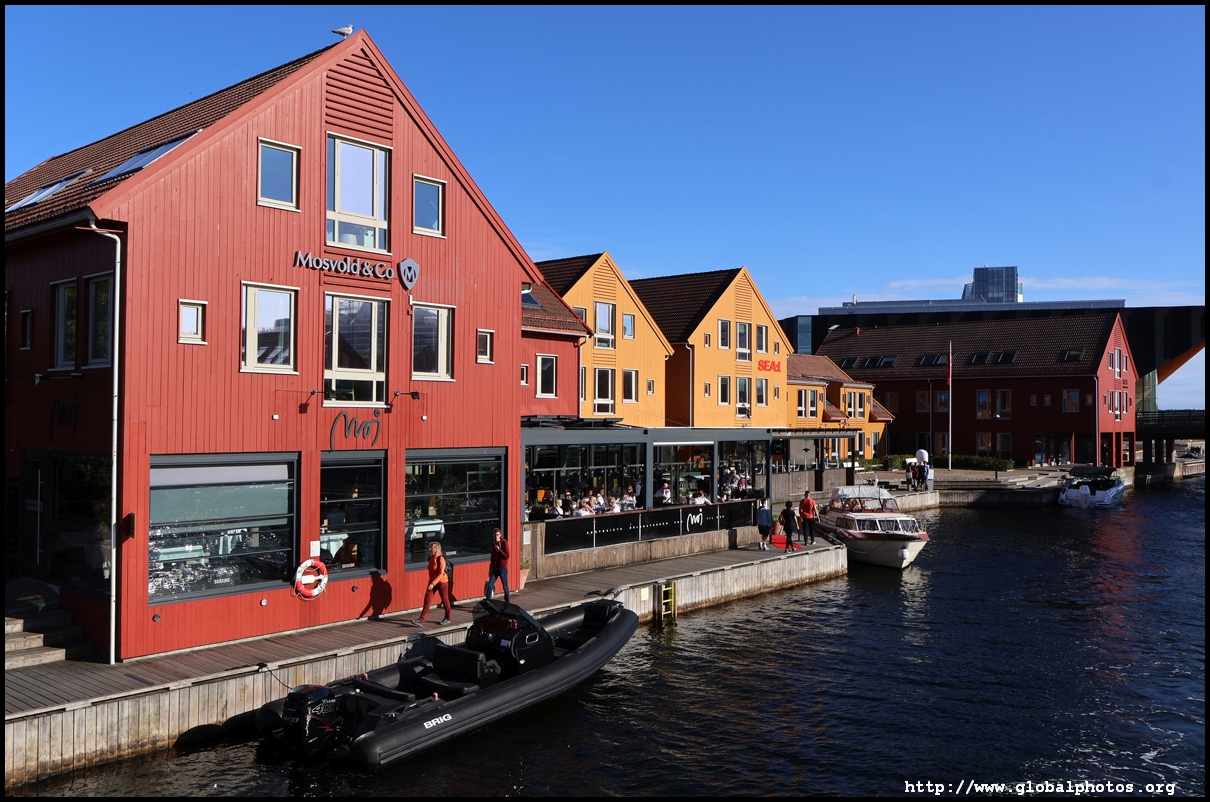
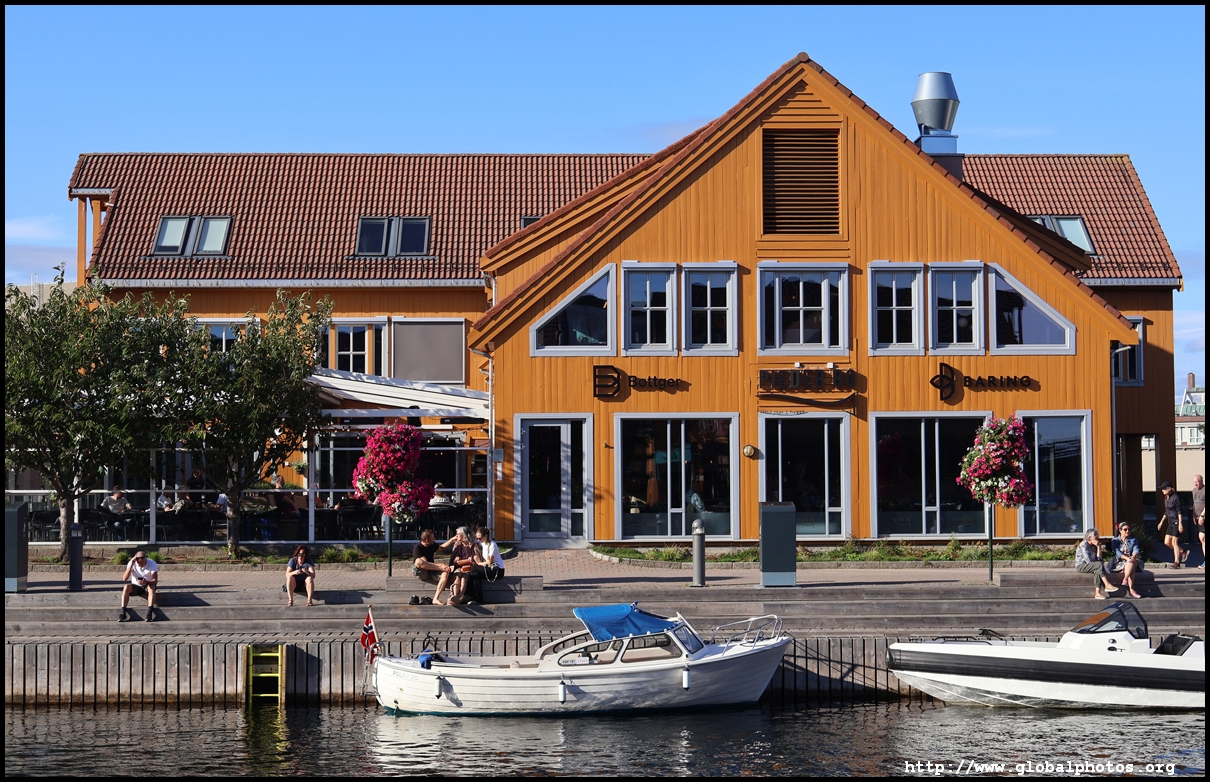
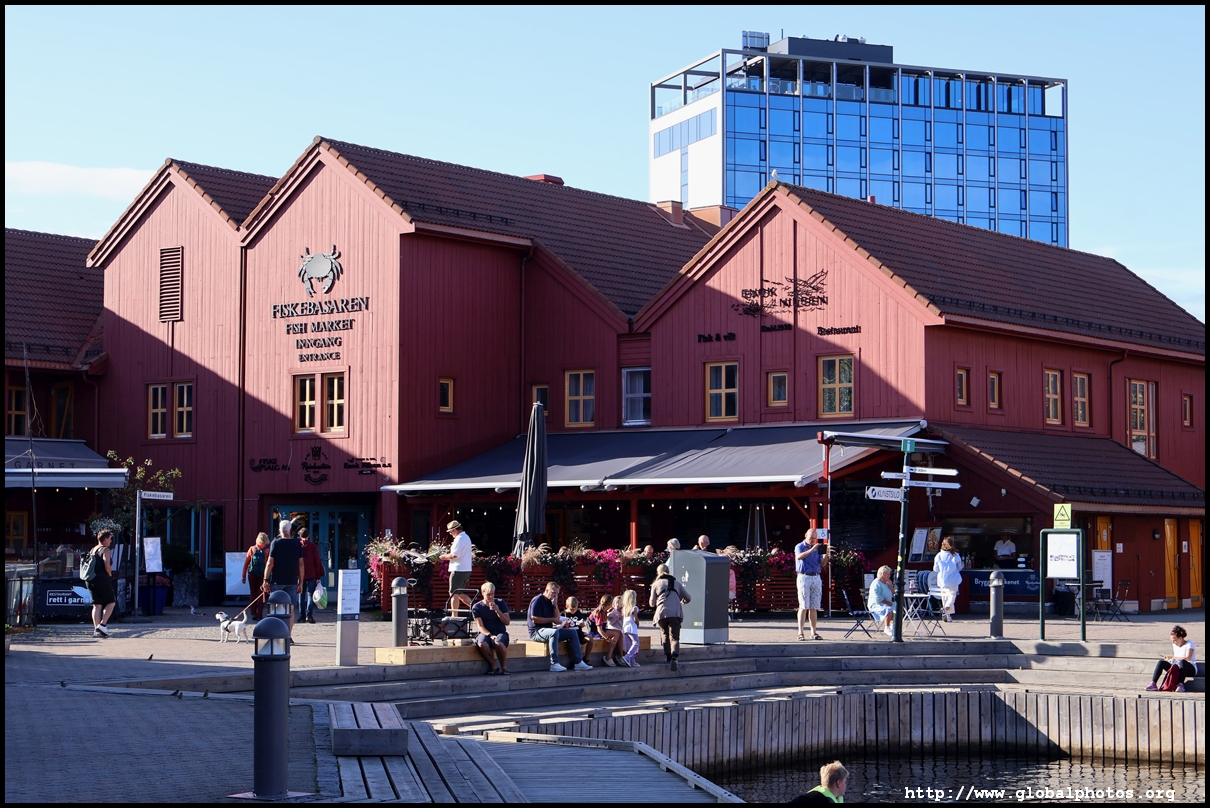
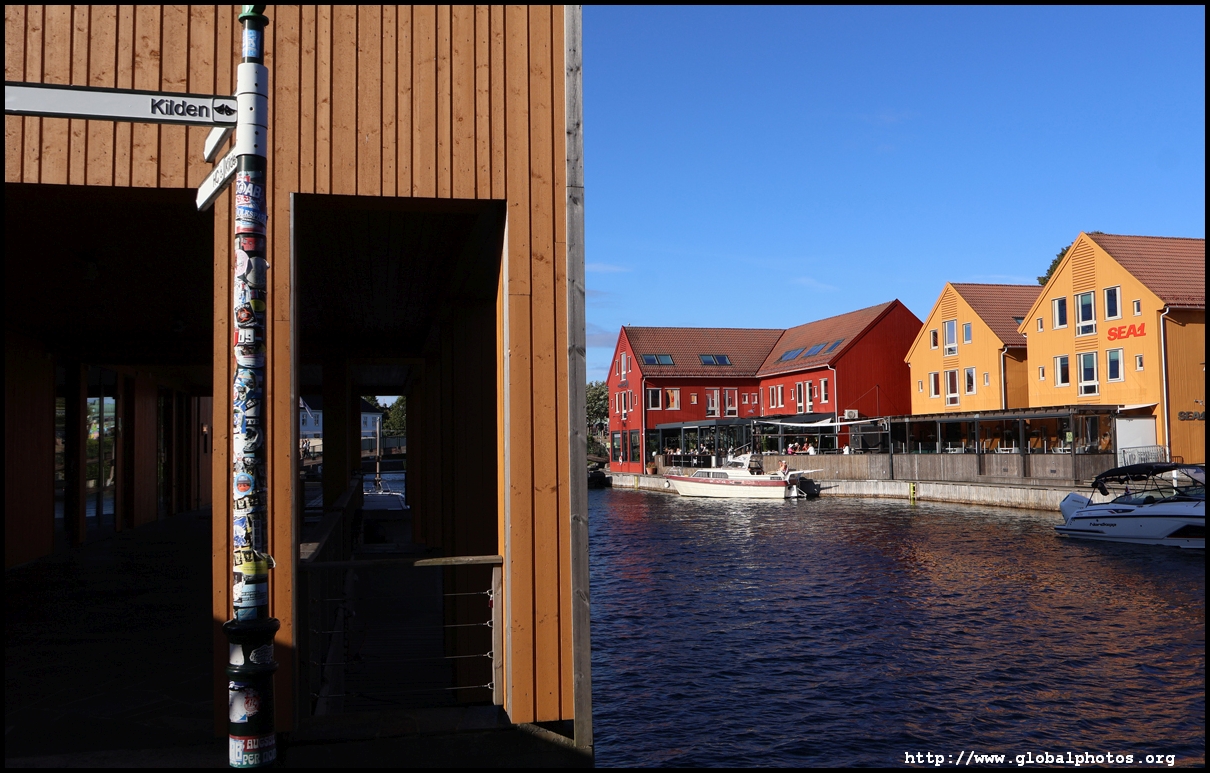
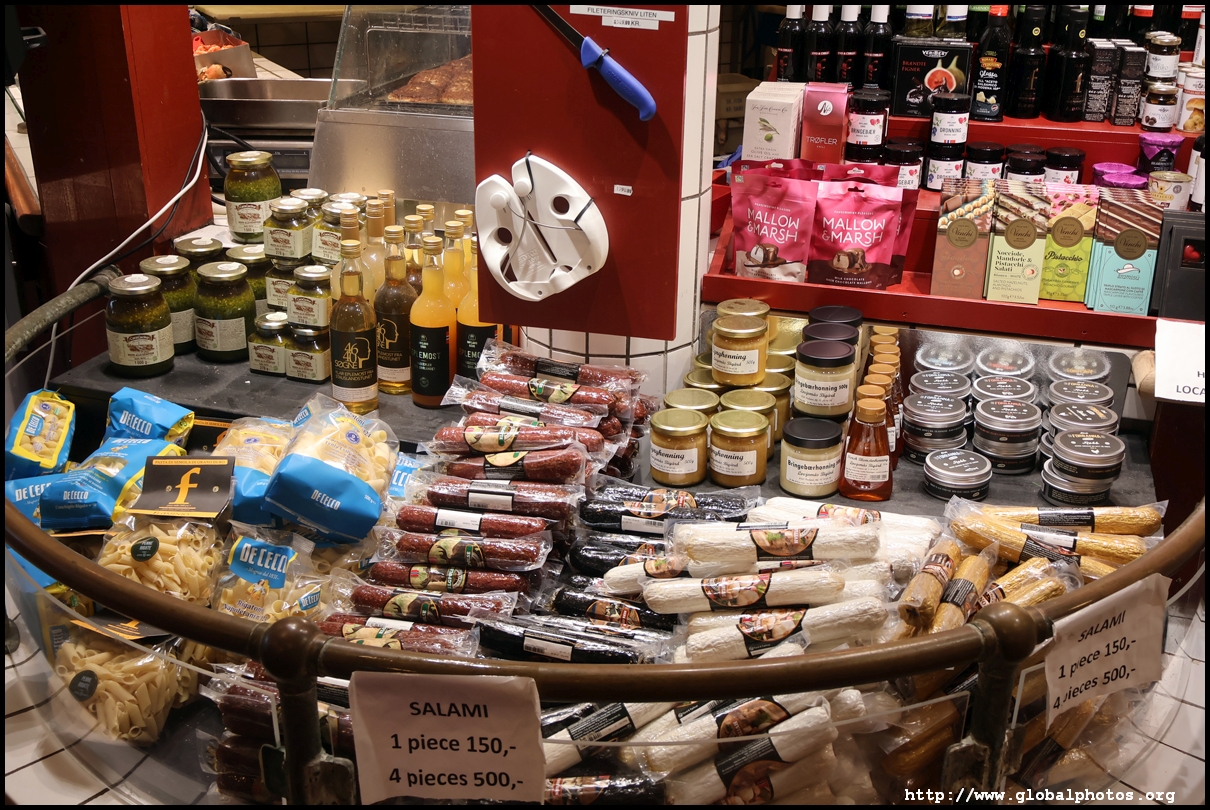
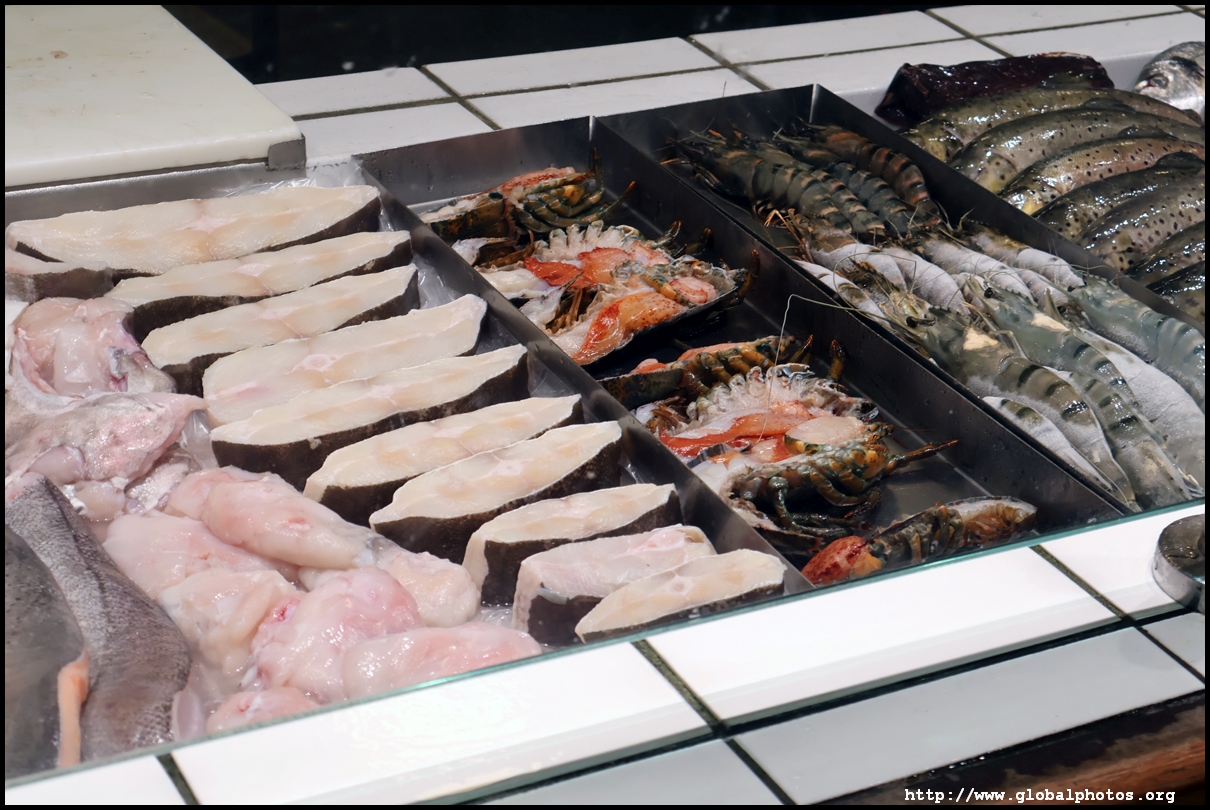
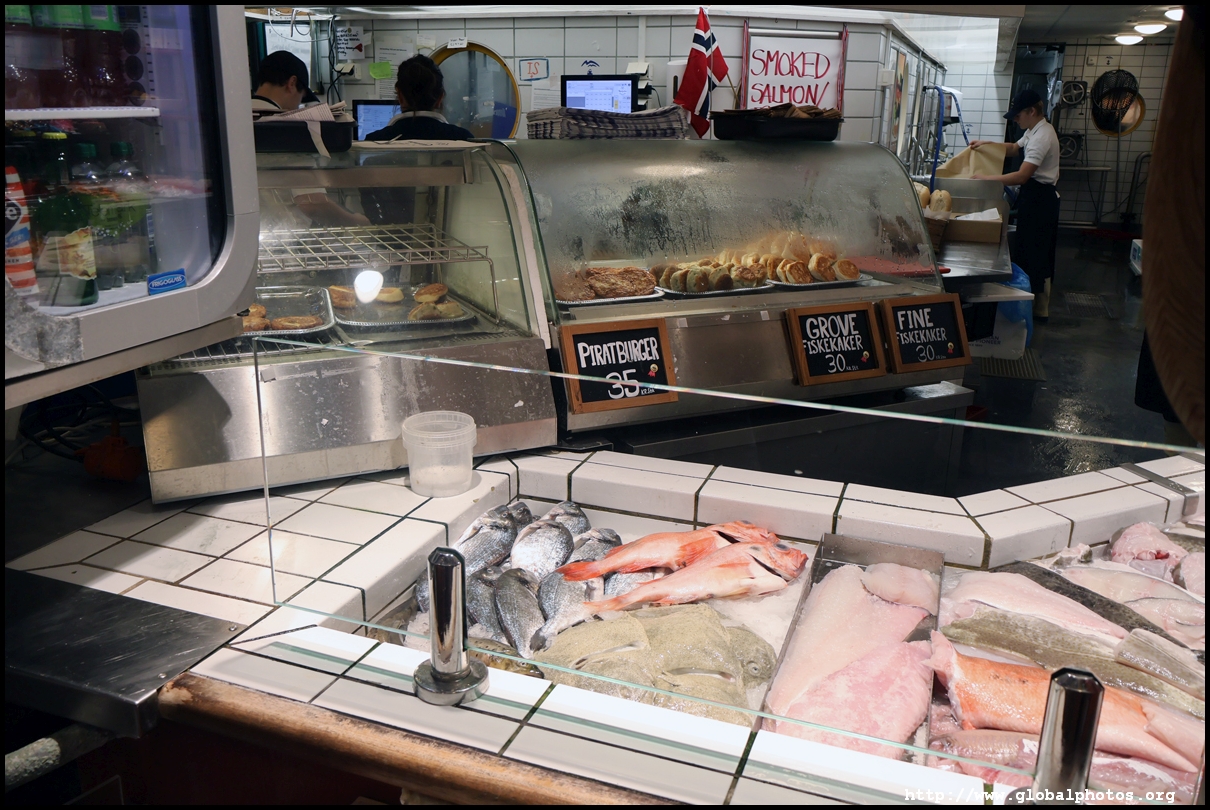
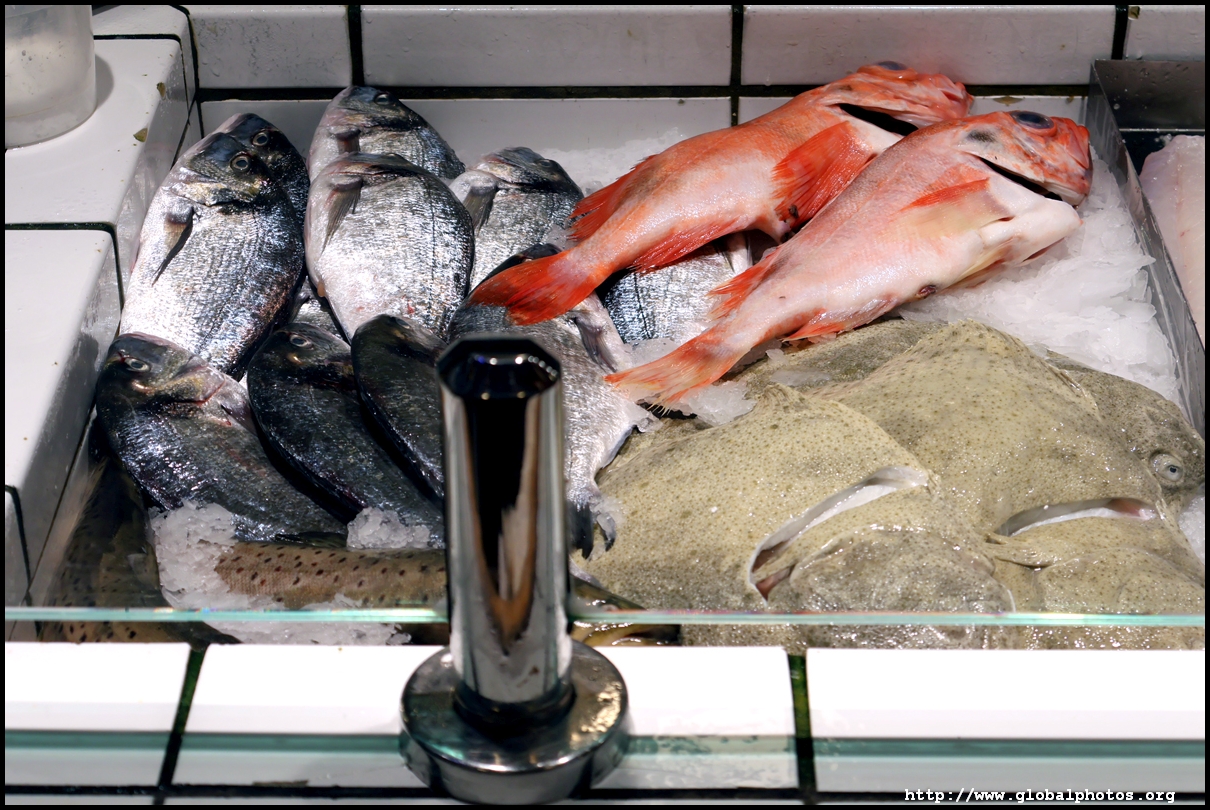
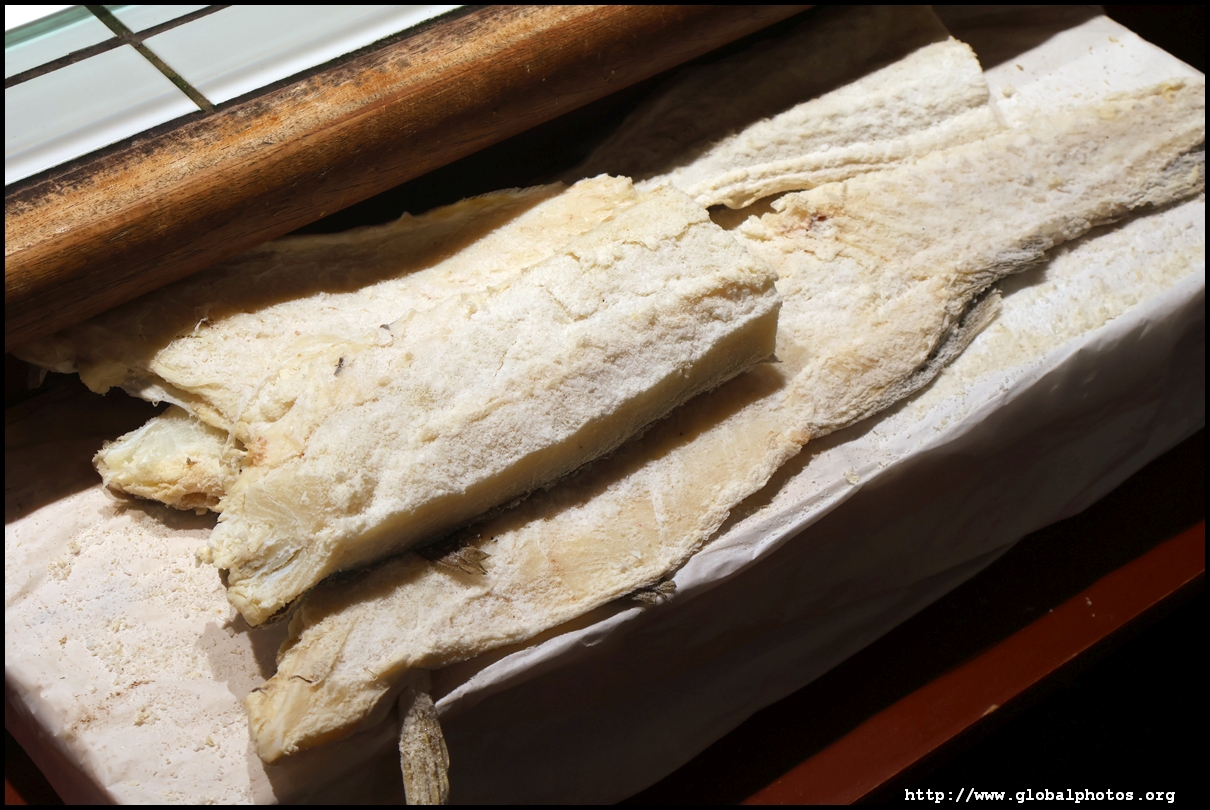
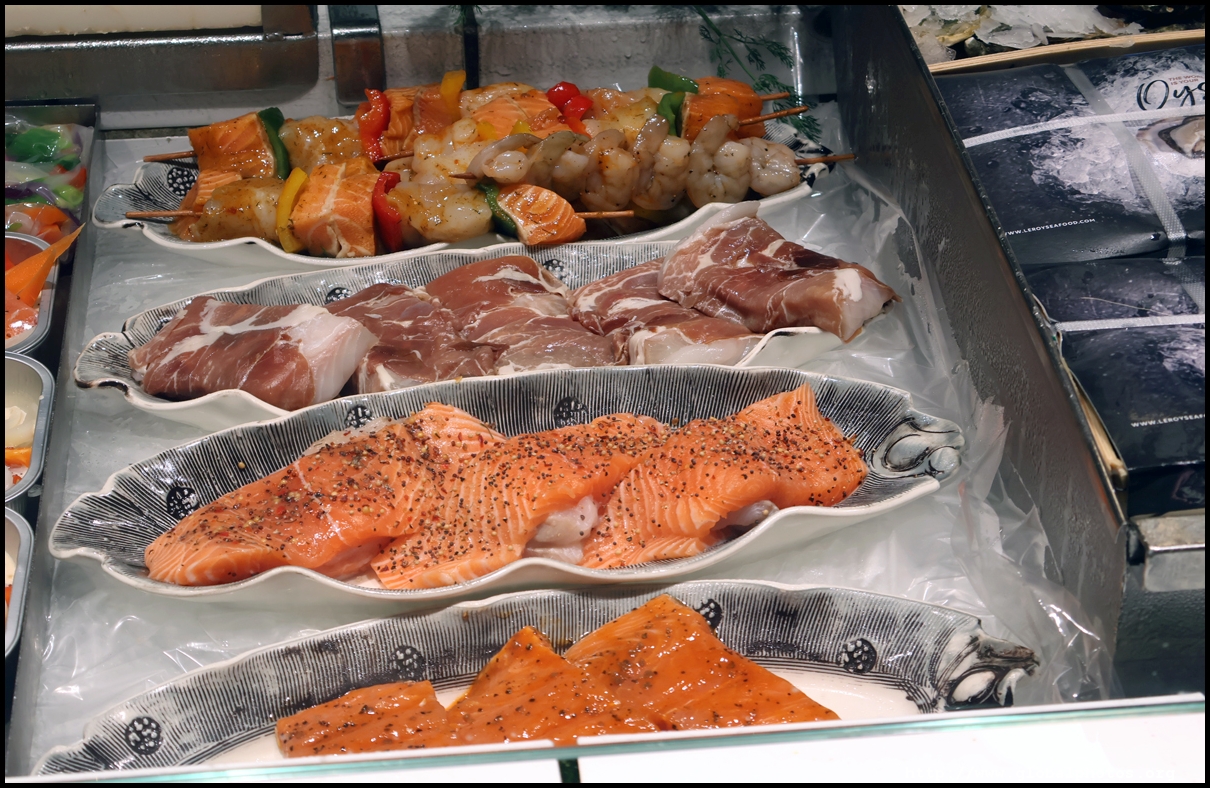
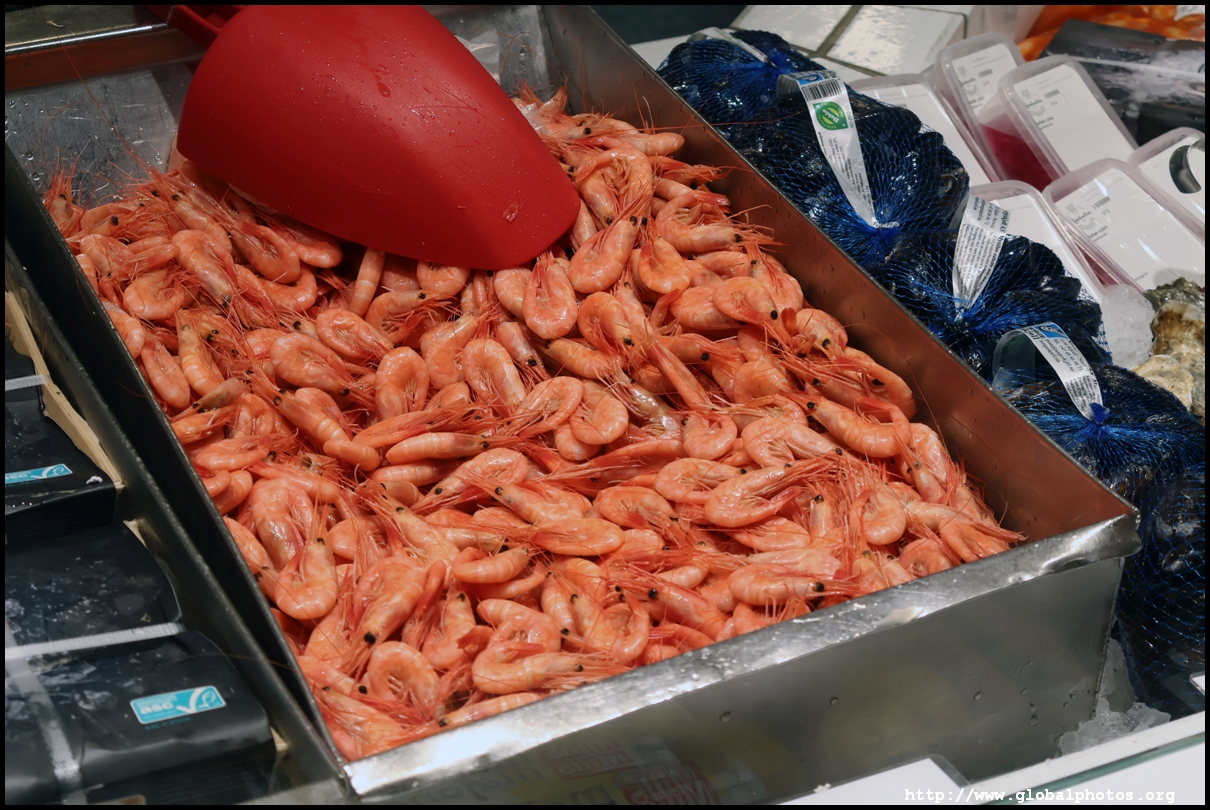
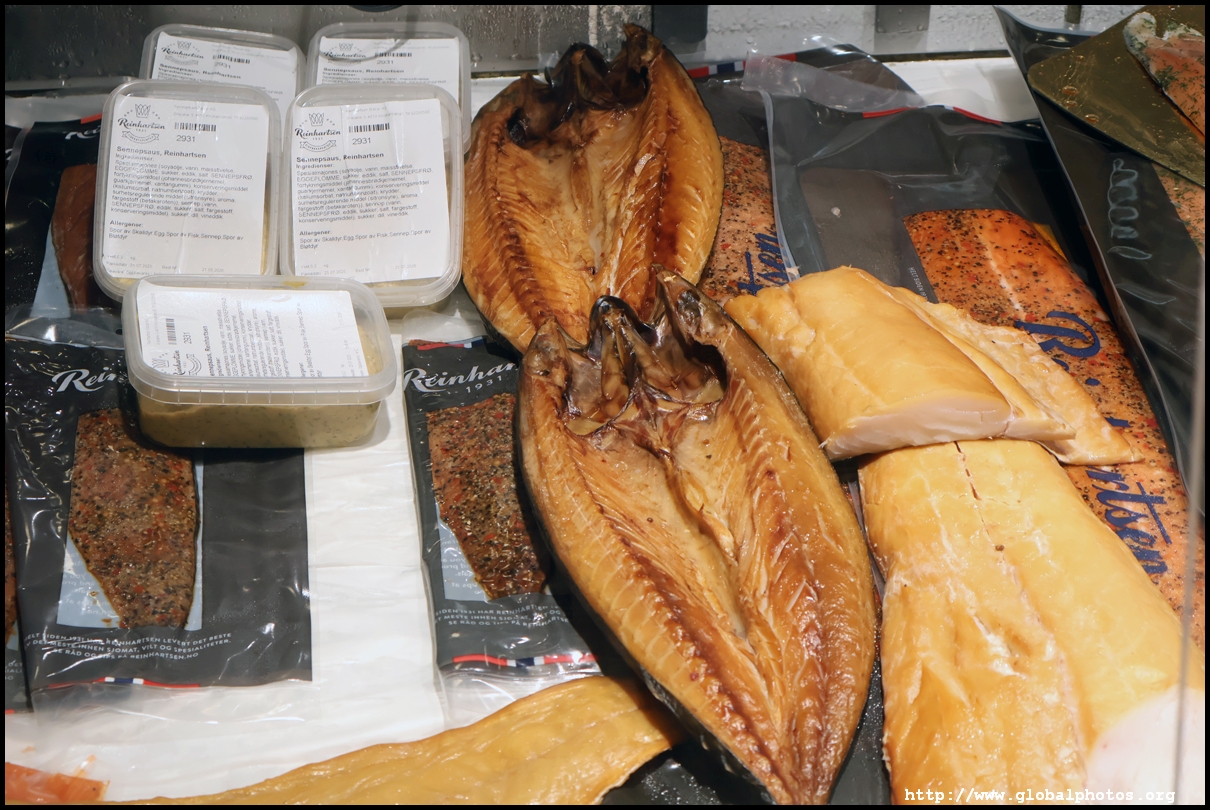
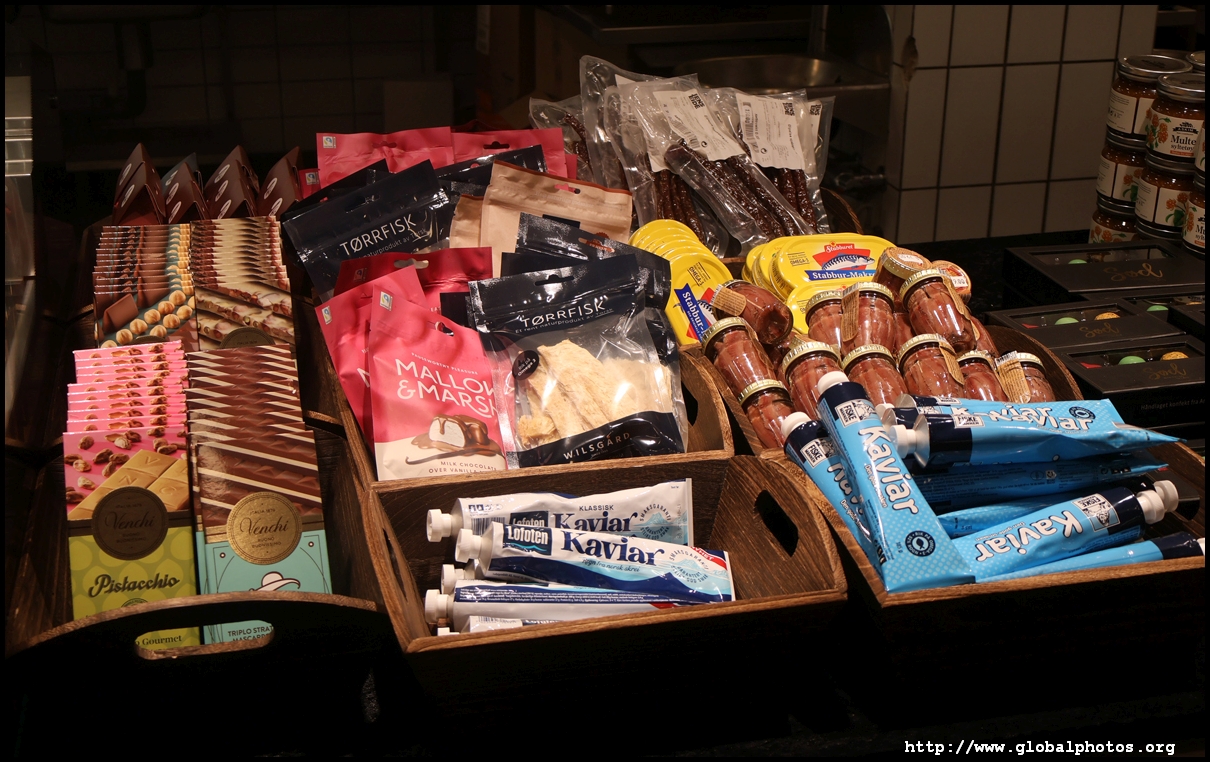
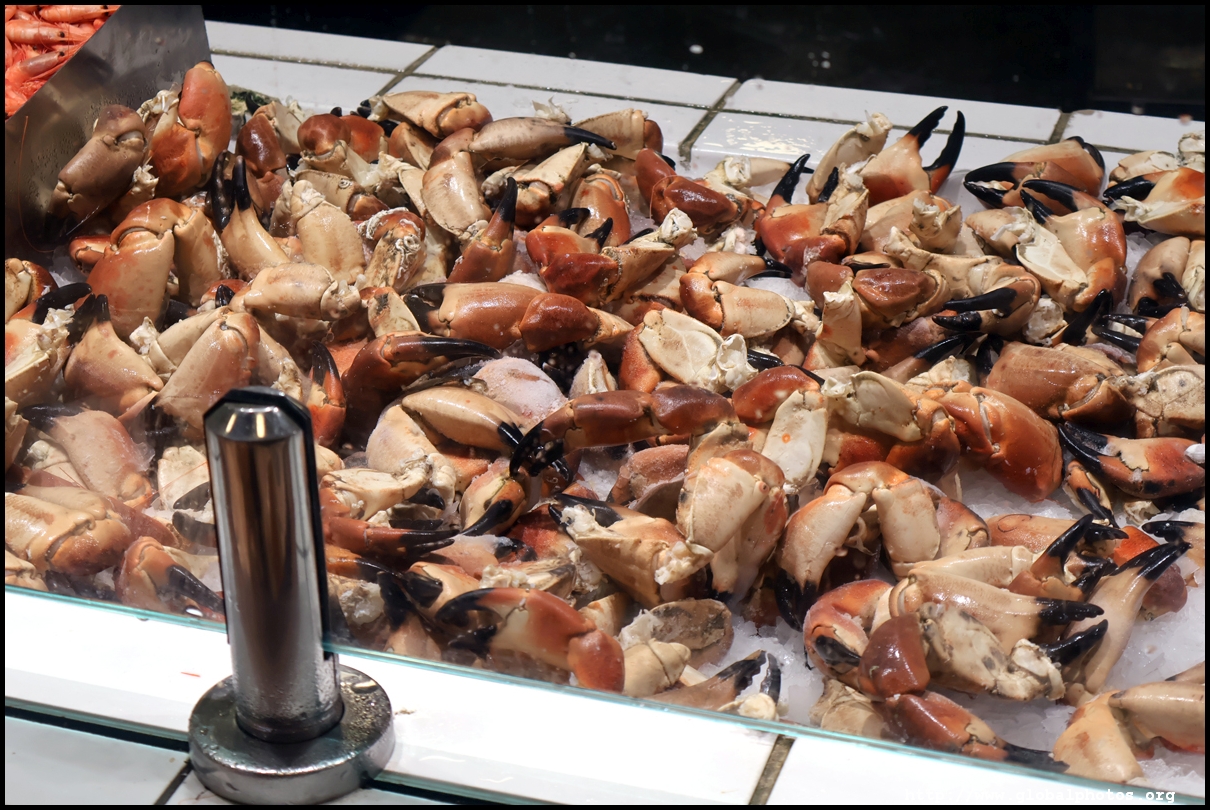
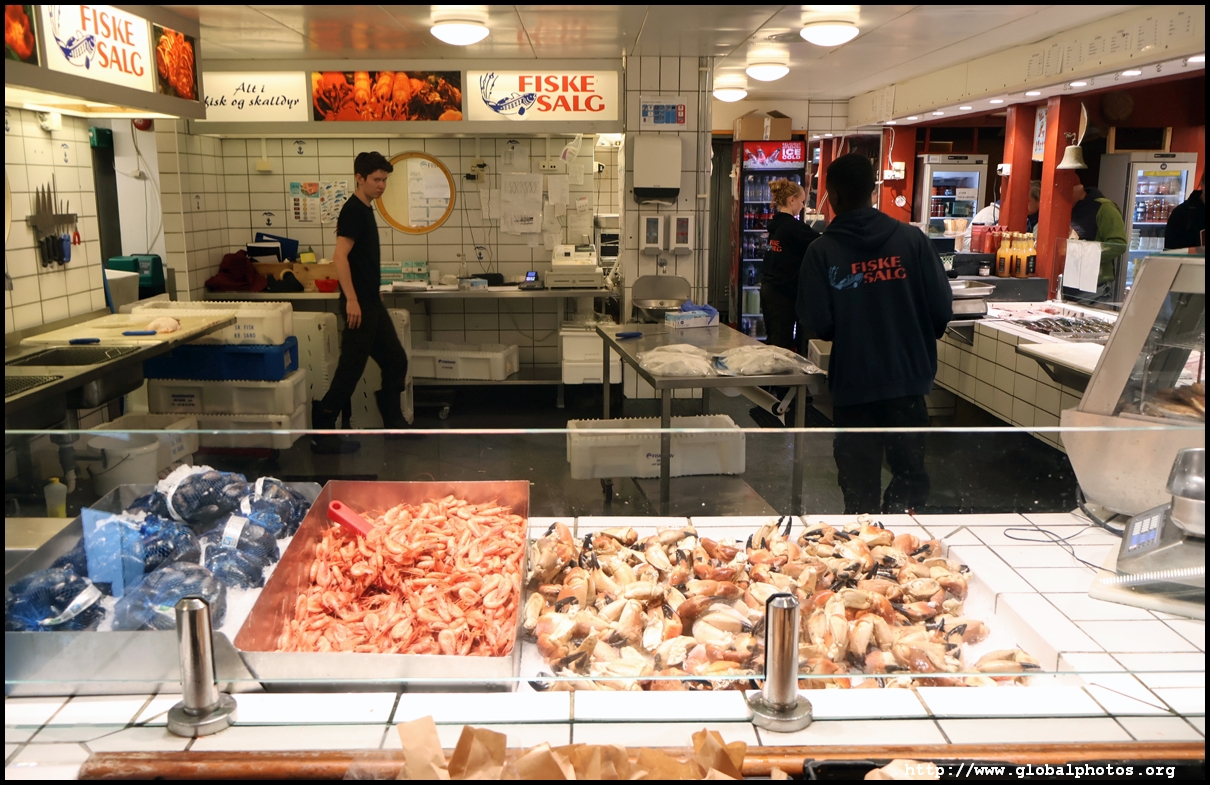
Being on the sea coast, I expected a bustling fish market with lots of choices. I was surprised Fiskebrygga was very organized, quiet, and clean. This is not a wholesale market but more a place for tourists and locals to do their grocery shopping or grab a bite in one of many restaurants.
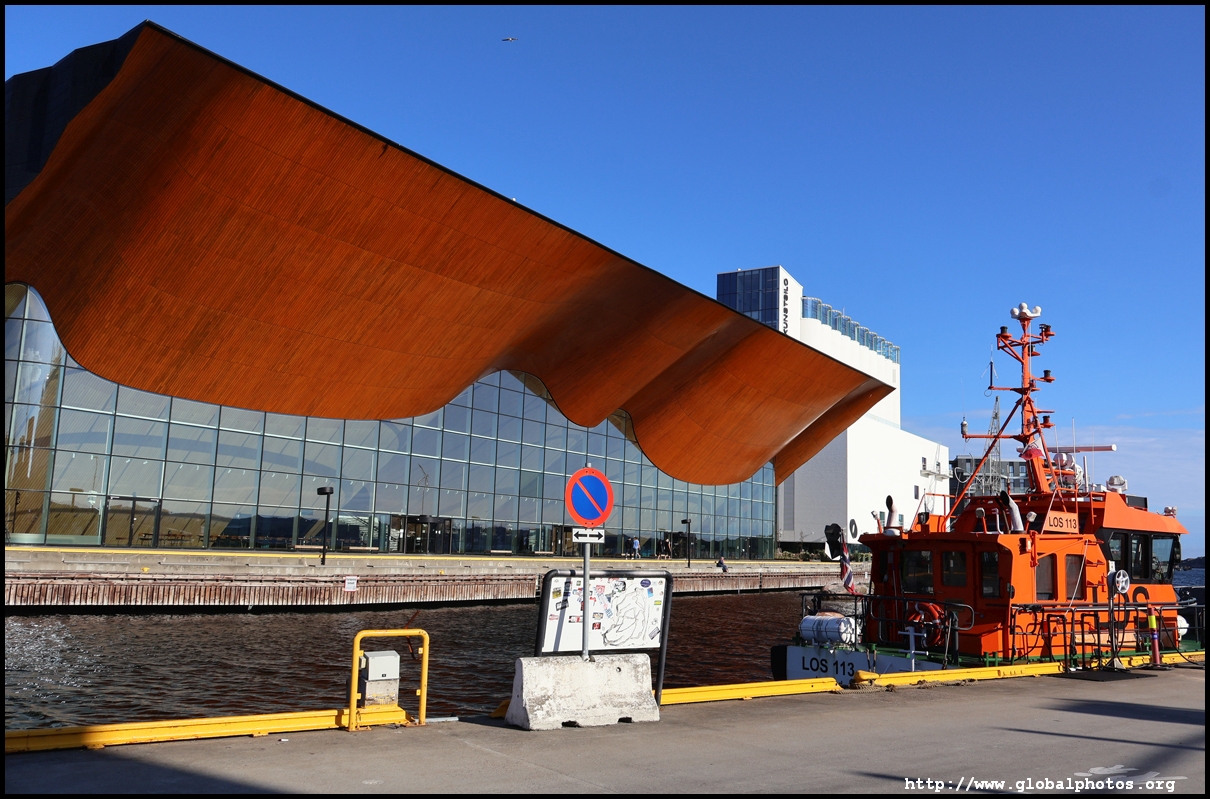
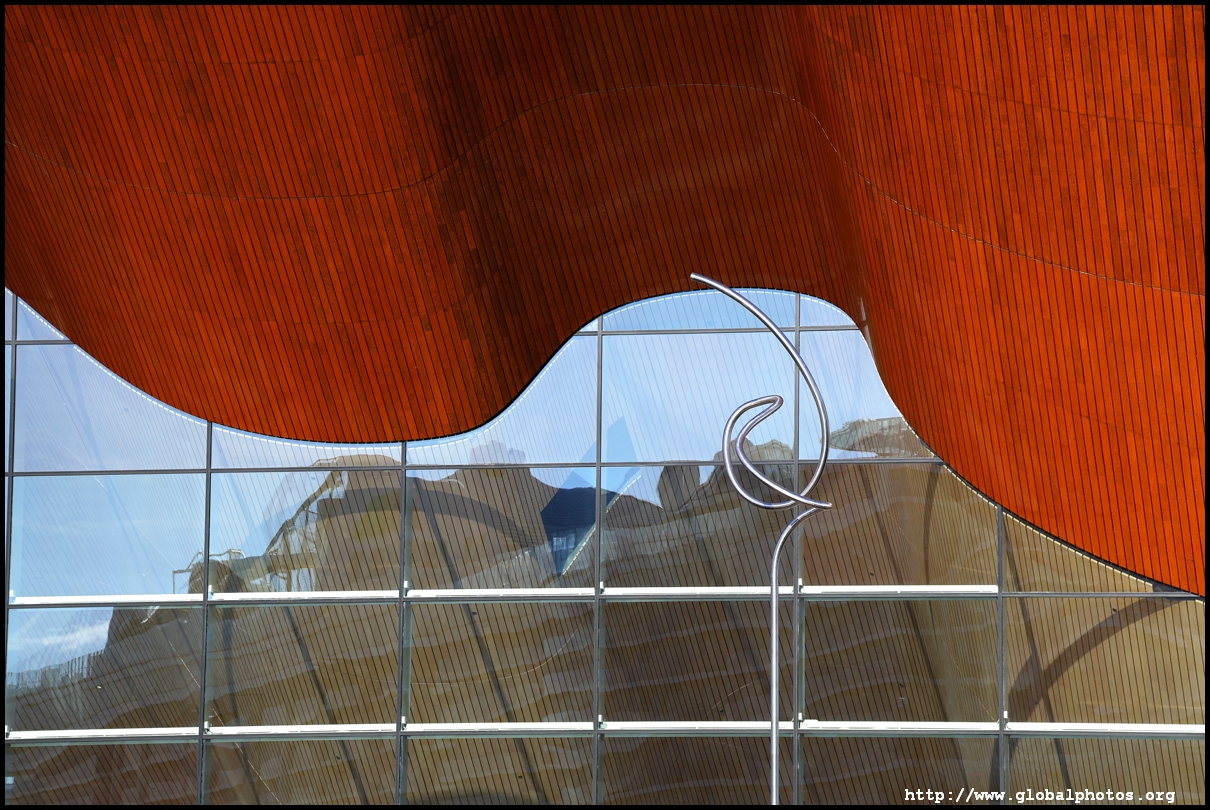
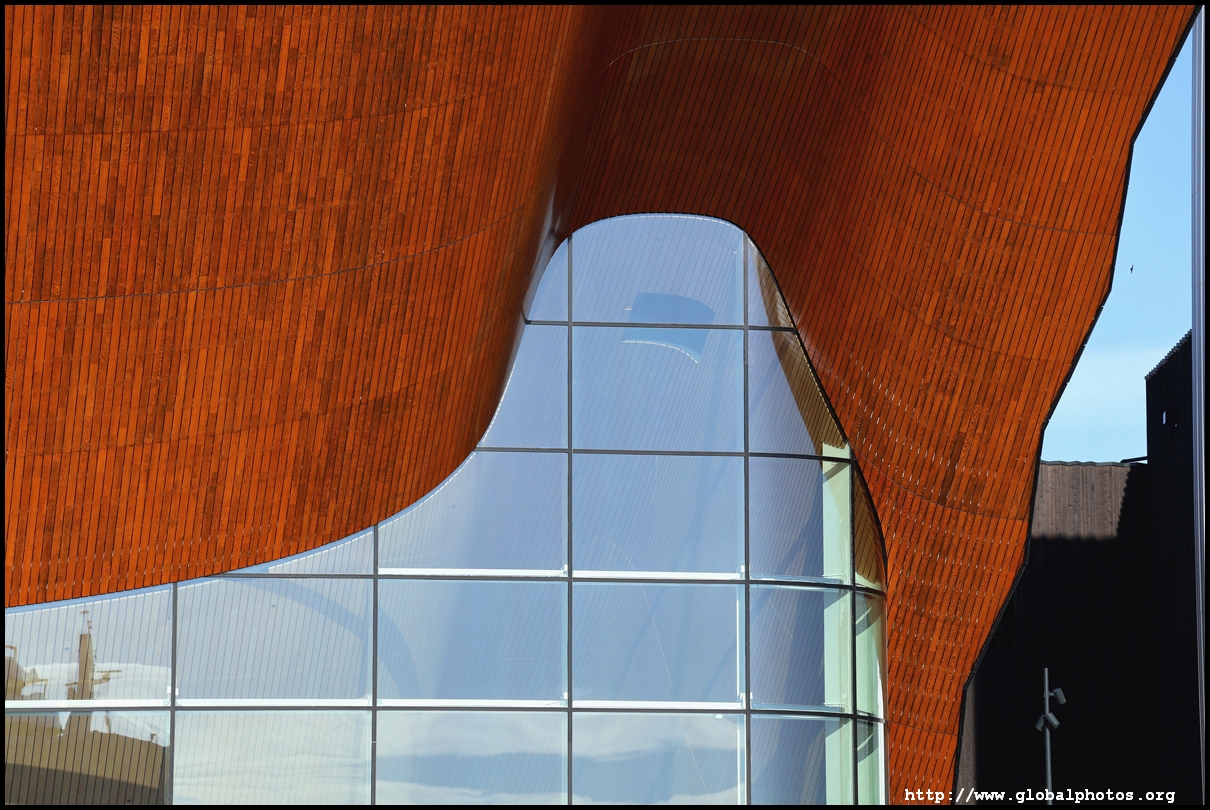
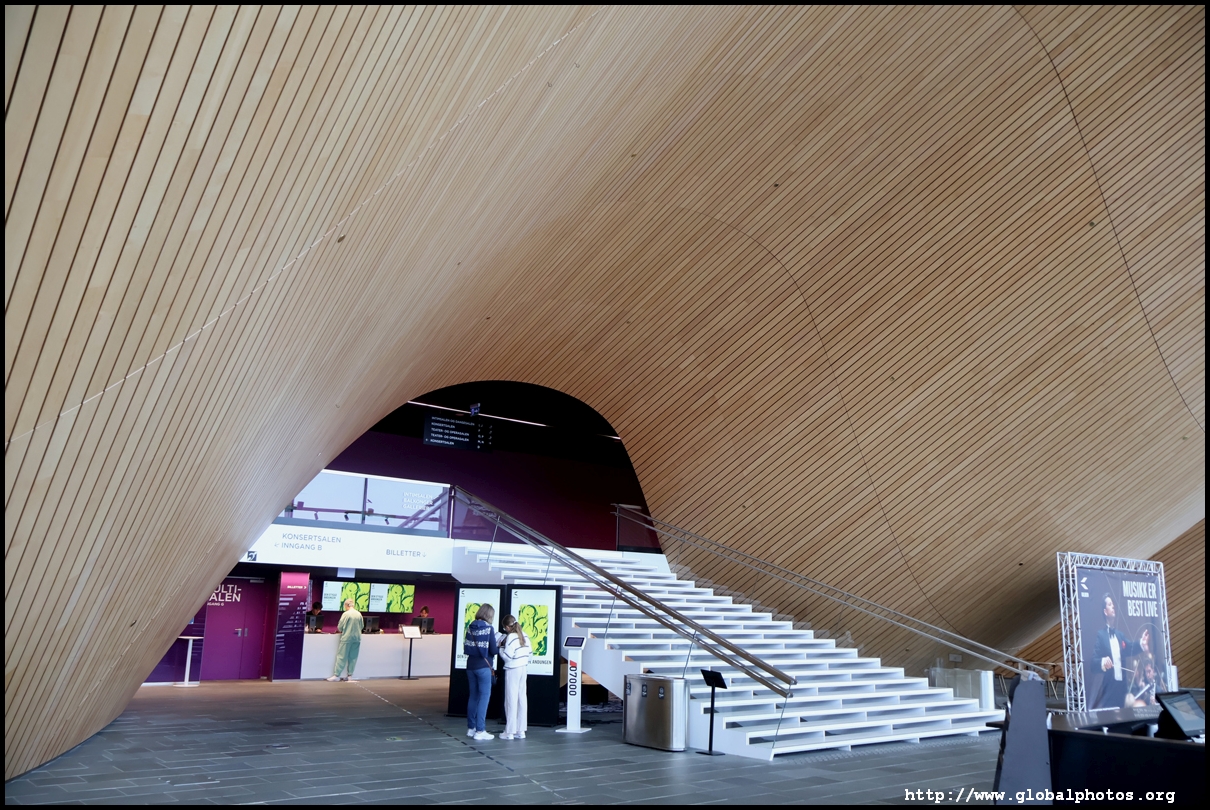
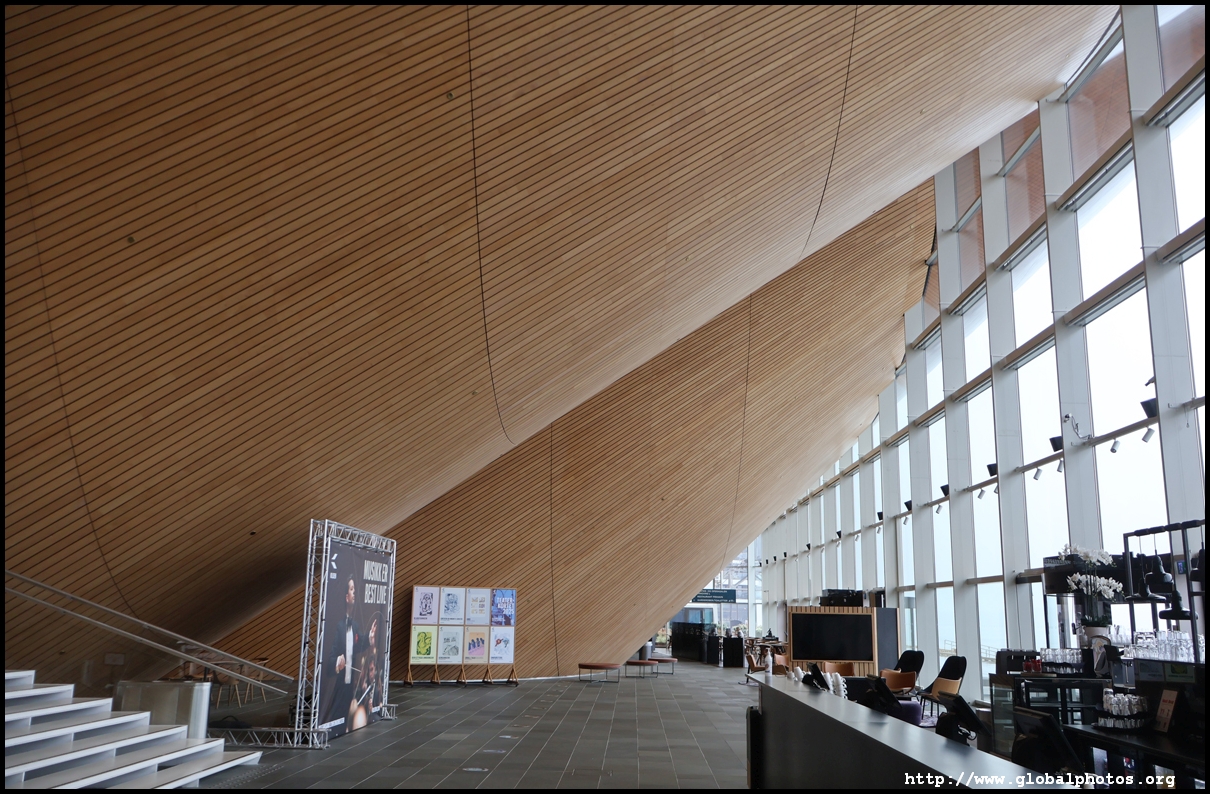
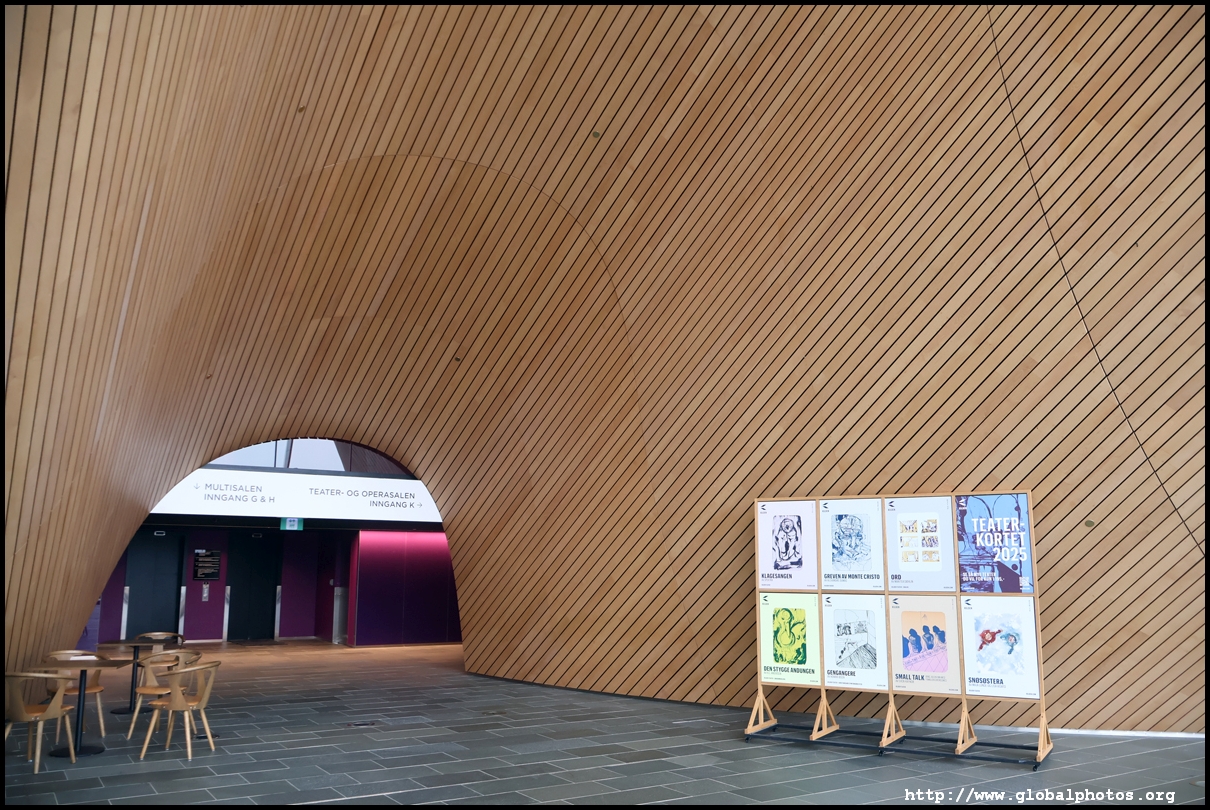
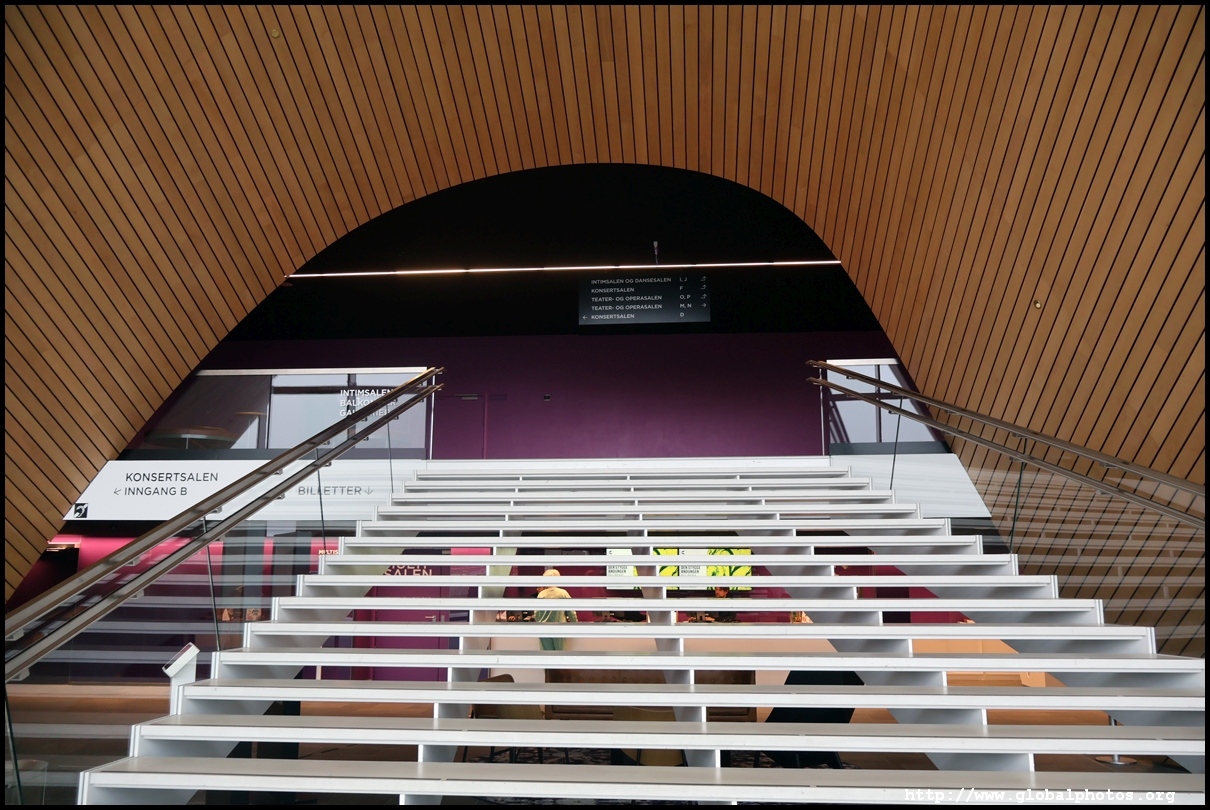
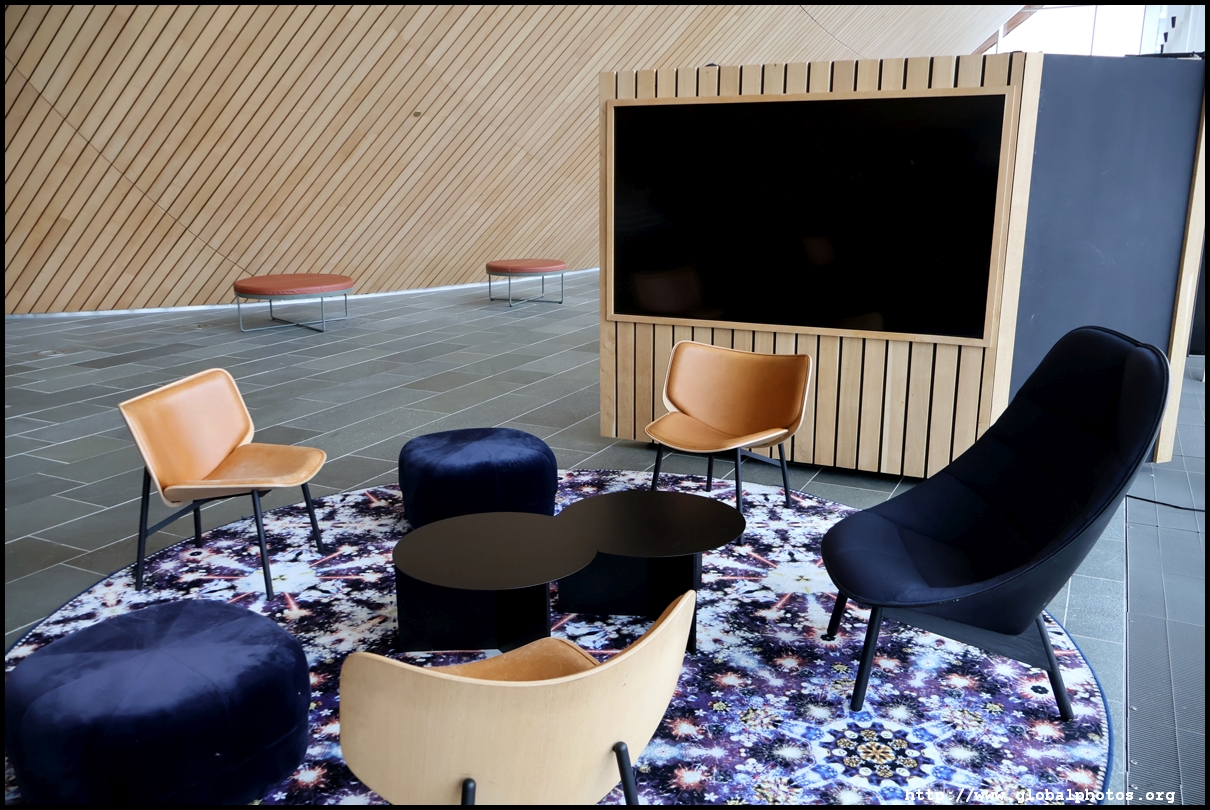
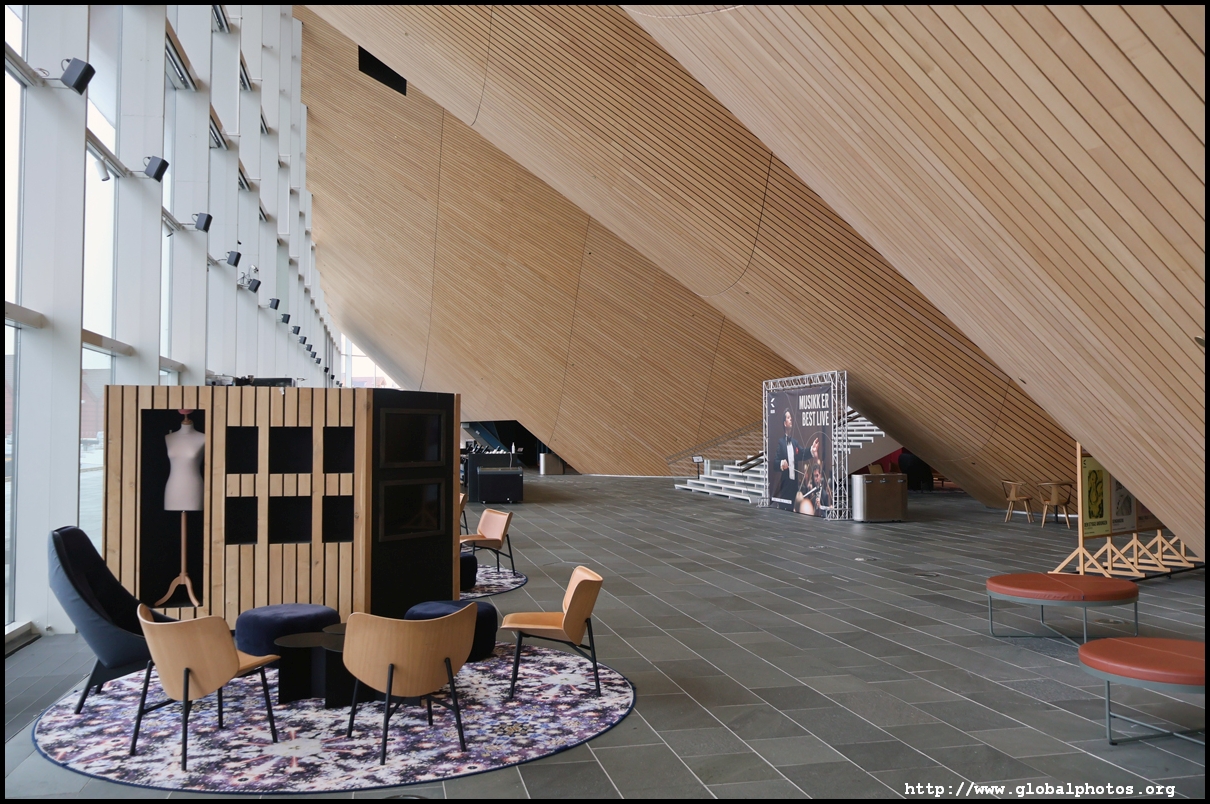
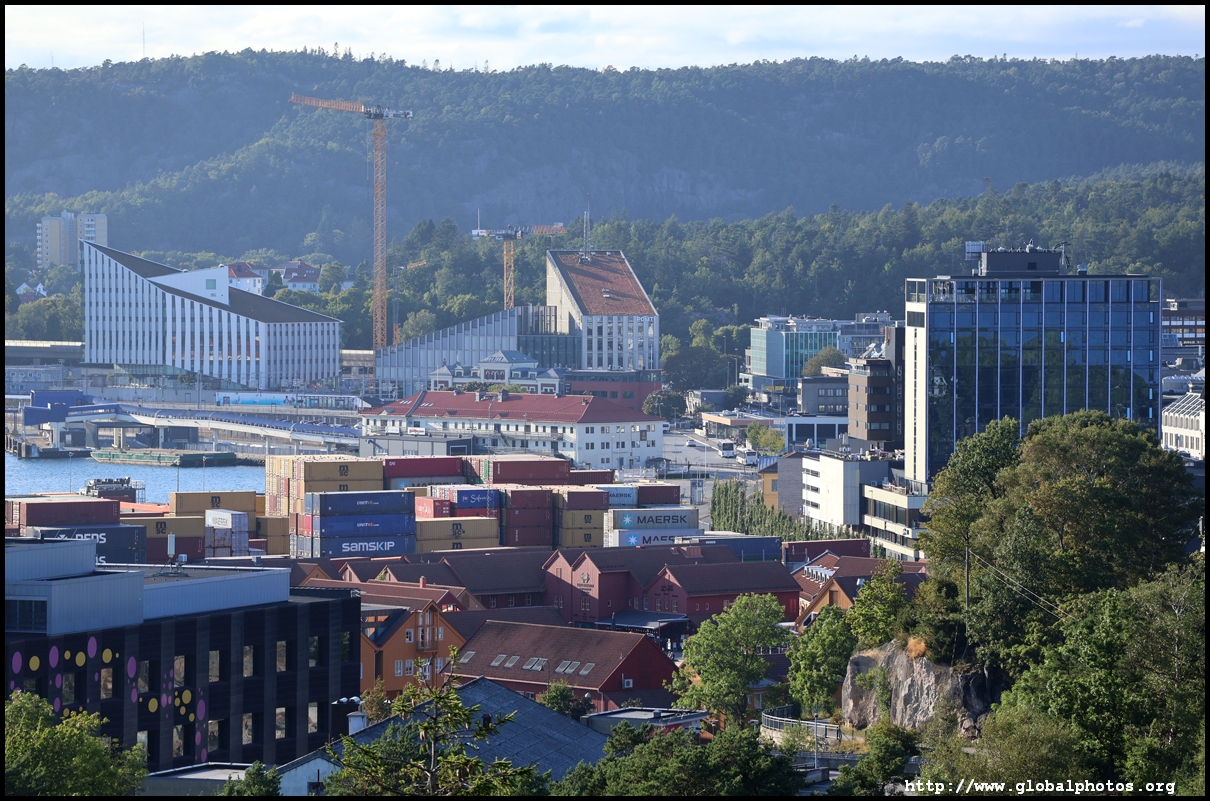
Just a short walk away, Kilden Theater and Concert Hall opened in 2012, featuring undulating wooden walls made of local oak so visitors will move from a natural landscape to an artistic one.
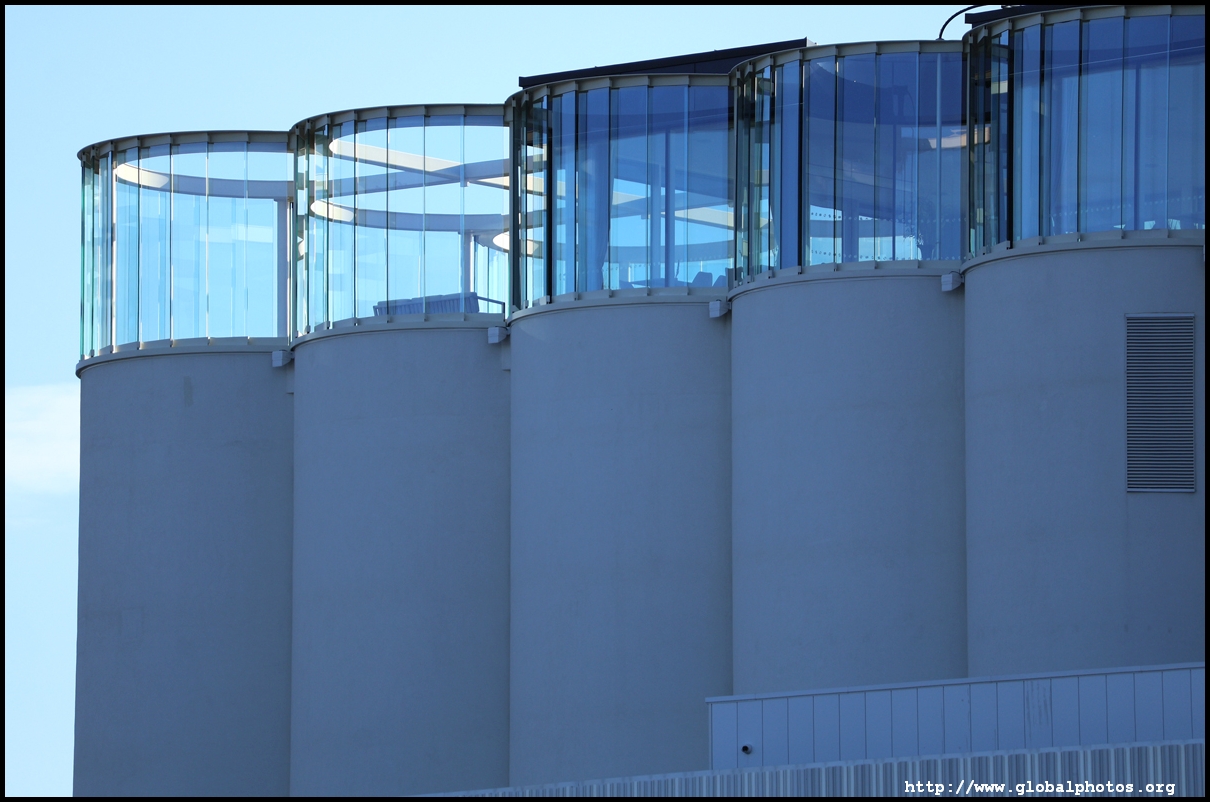
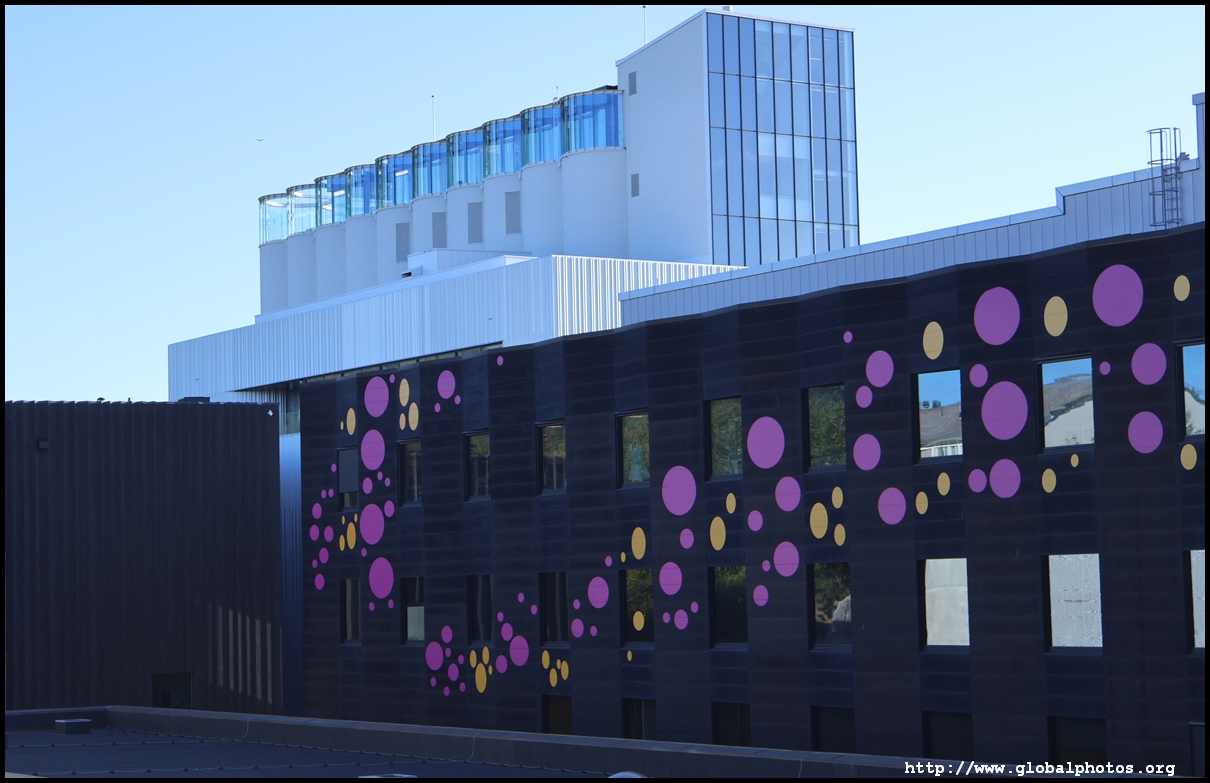
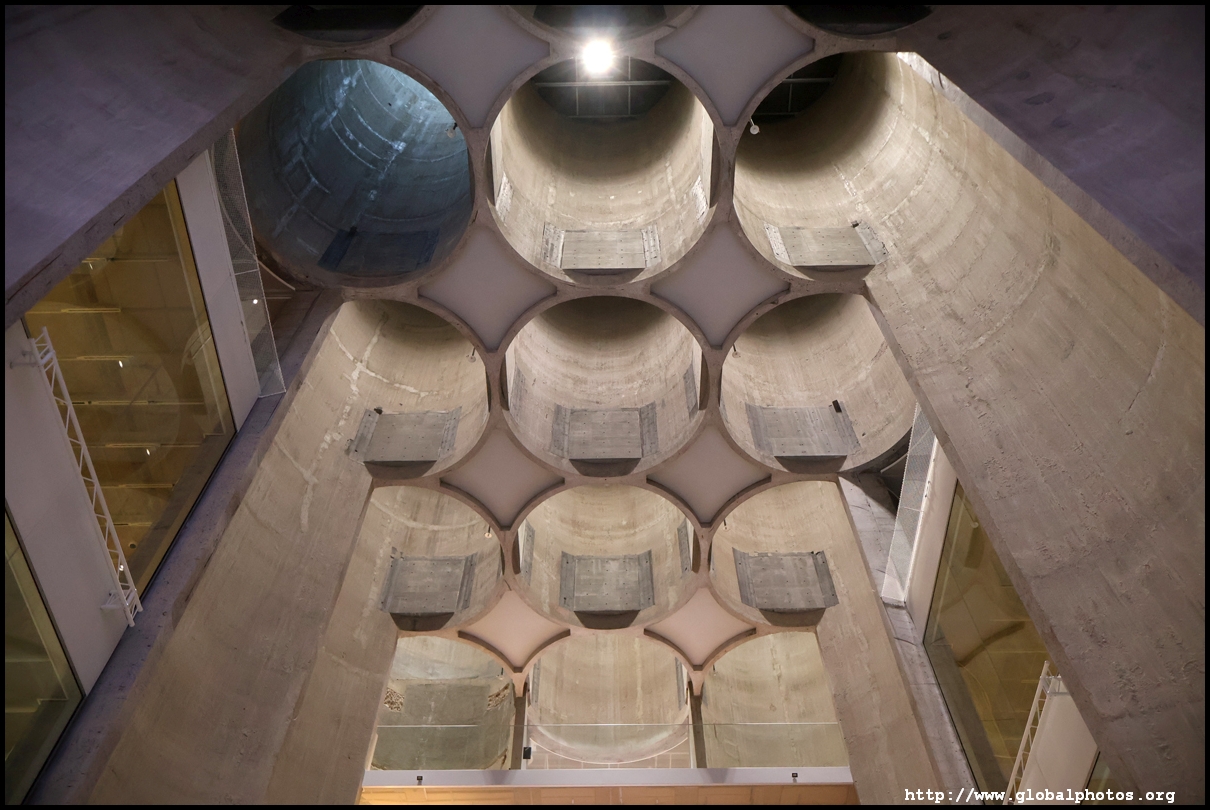
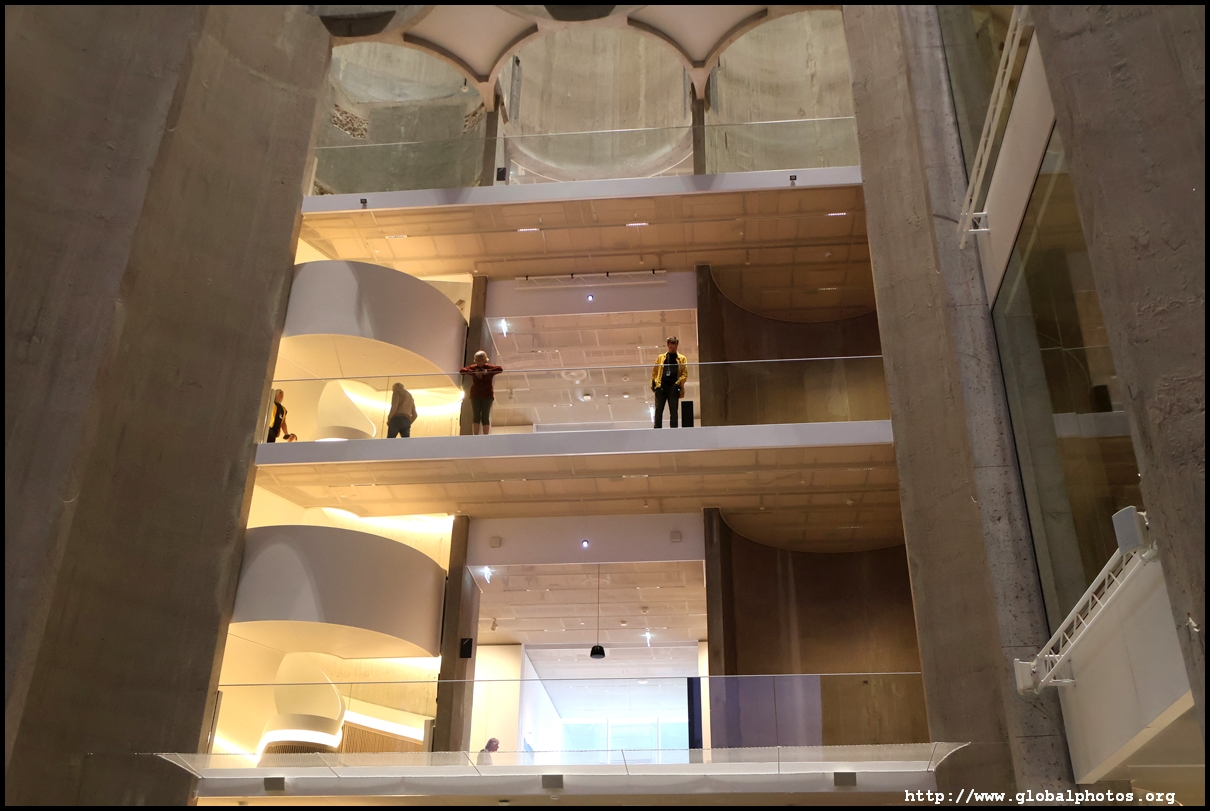
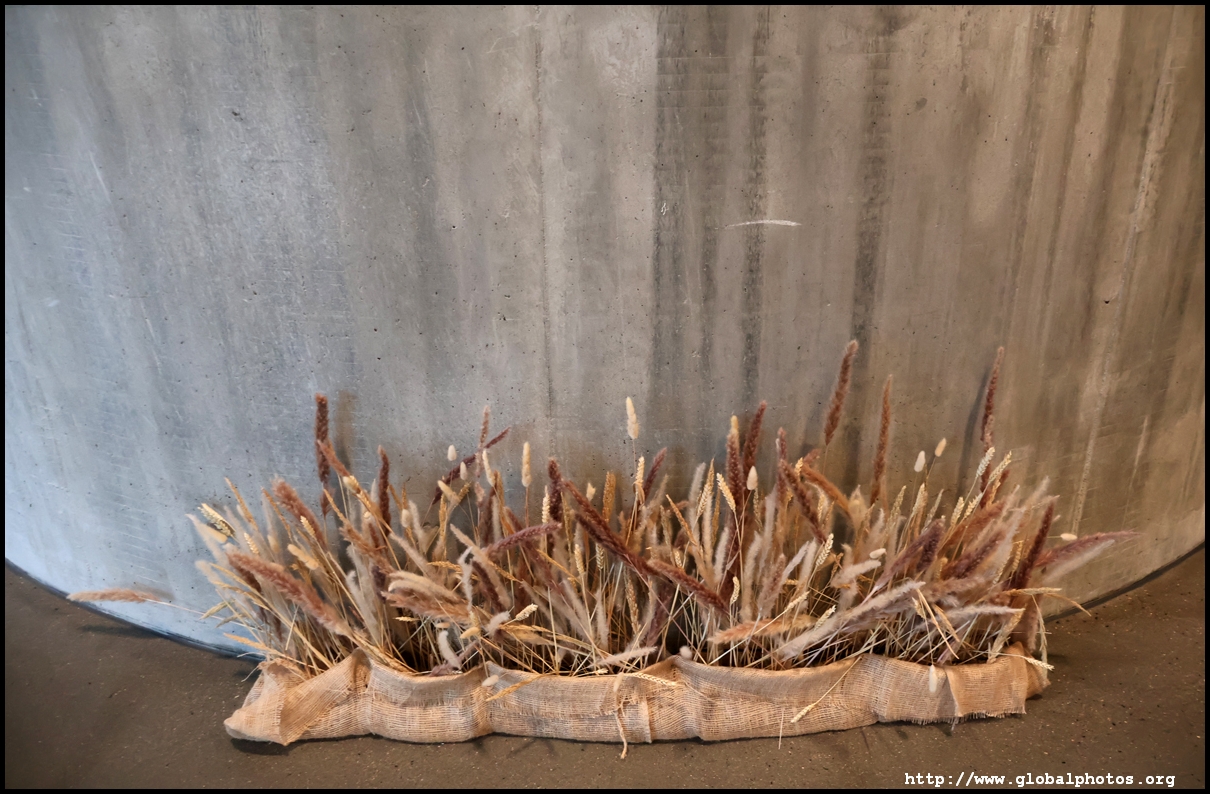
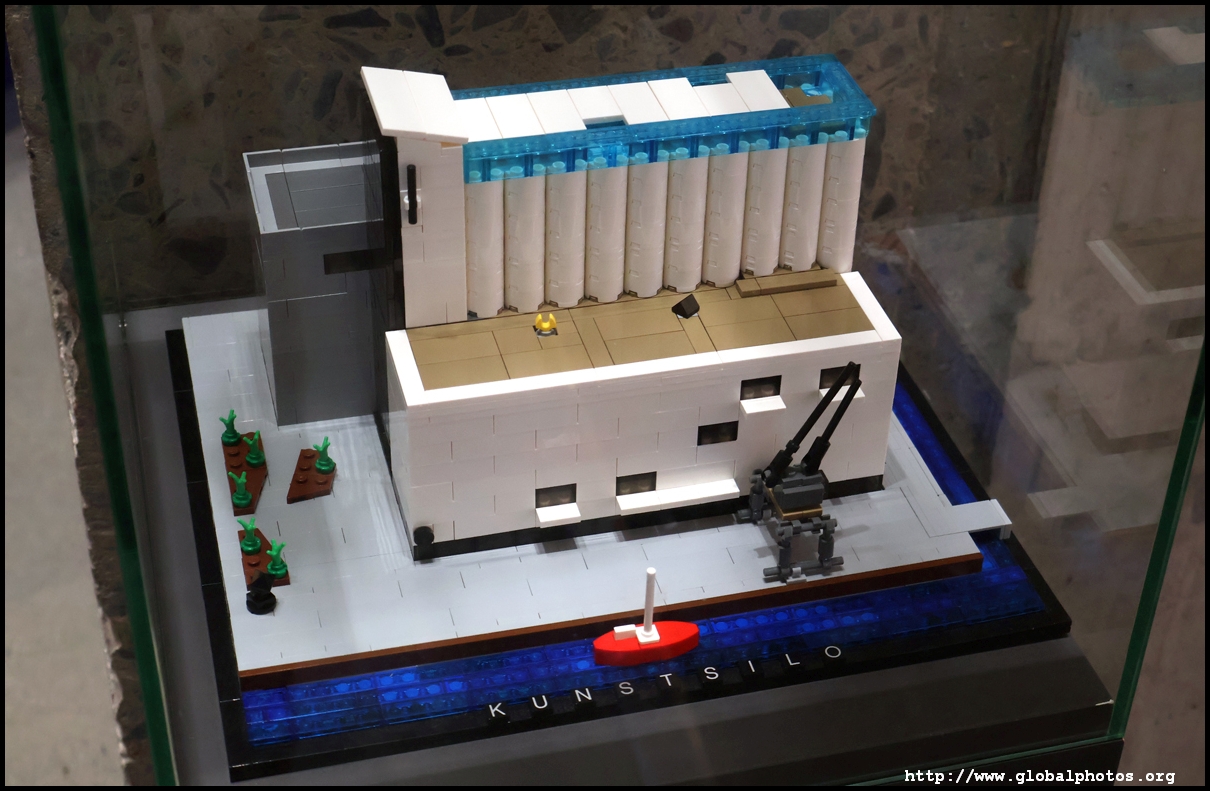
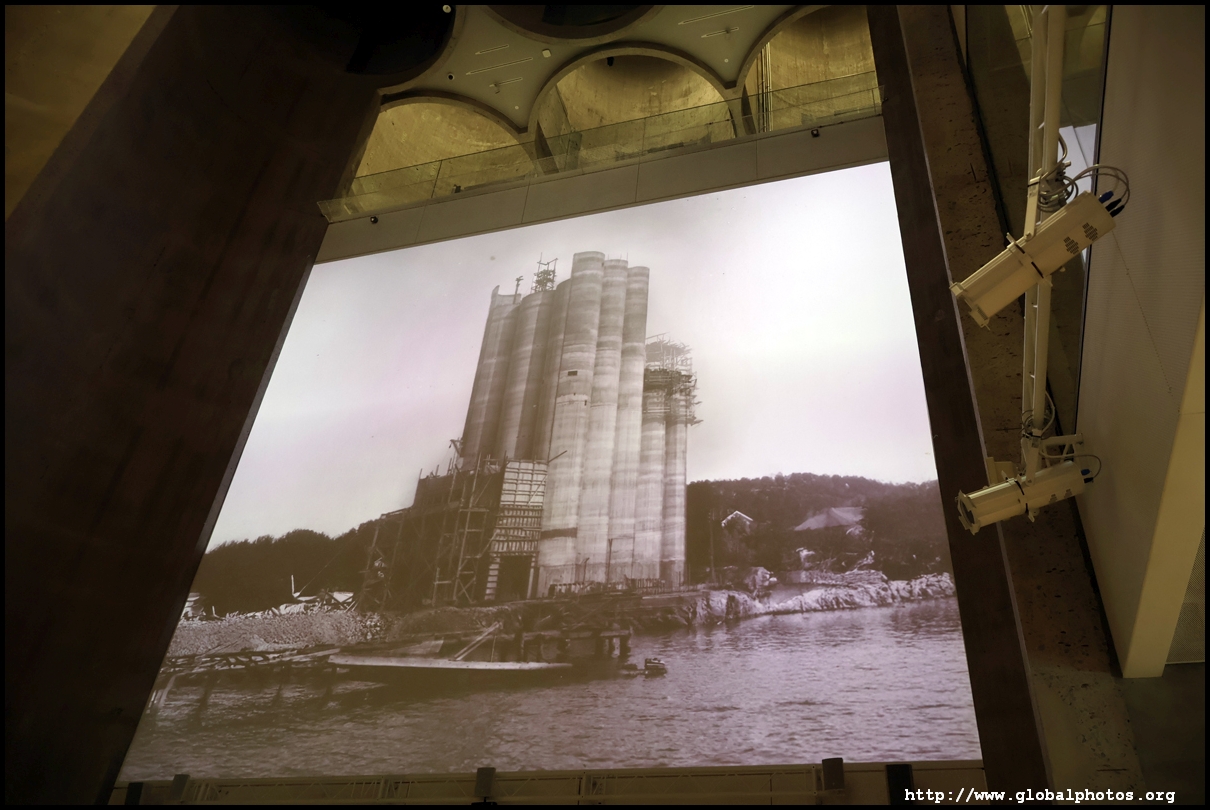
Next door, the national grain authority wanted to build an emergency storage in the city, resulting in the construction of the silo in the 1930s. Grain imported from abroad was stored here with a capacity of 15,000 tons. While the mill that used the grain closed in 2008, the city, in 2016, decided to repurpose the silo into a new art museum, with construction beginning in 2019. Kunstsilo opened in 2024.
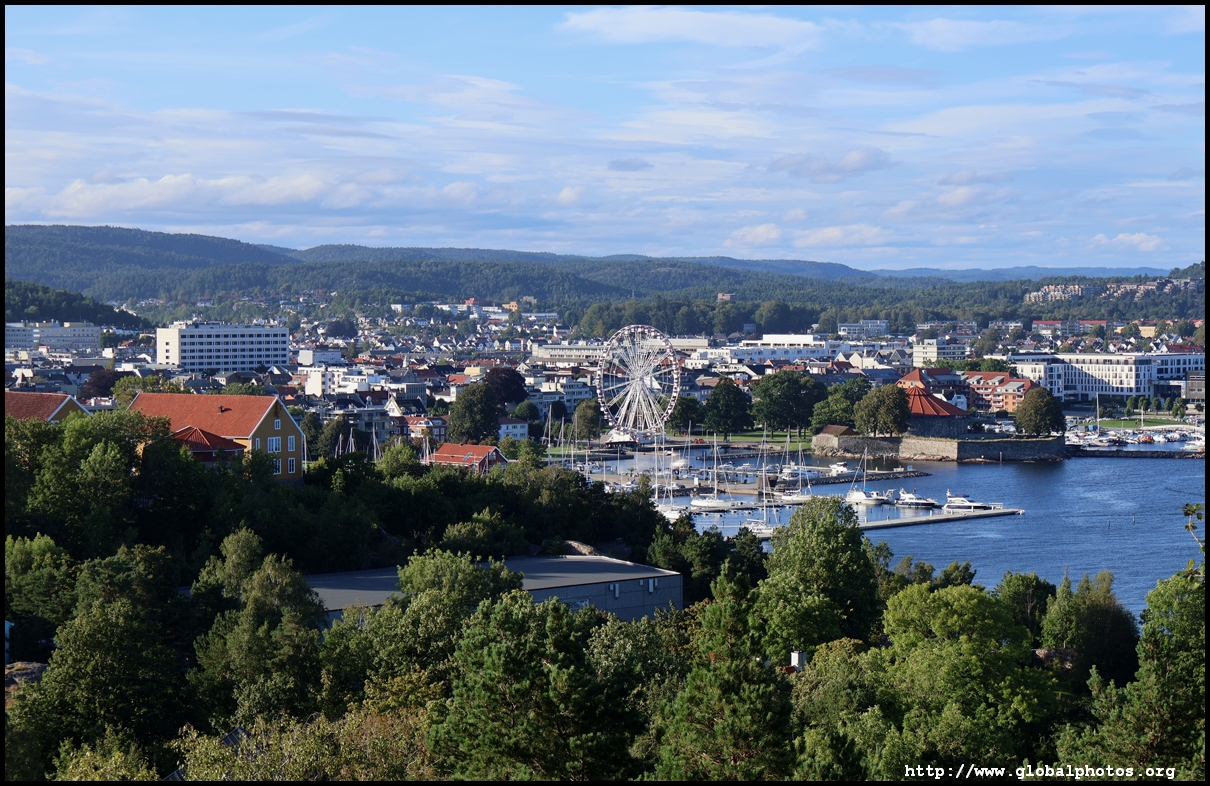
From here, head uphill to Odderoya, a former naval base turned into a park, where panoramic views of the city await.
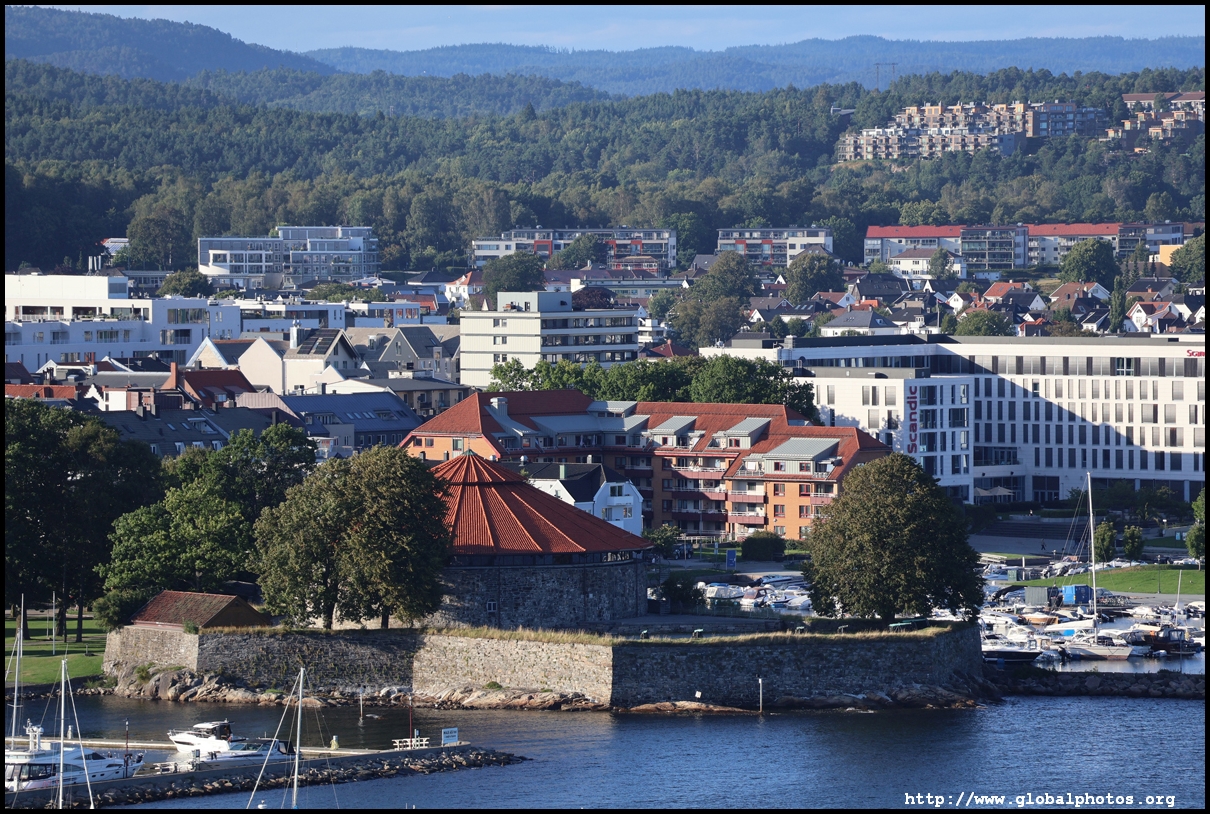
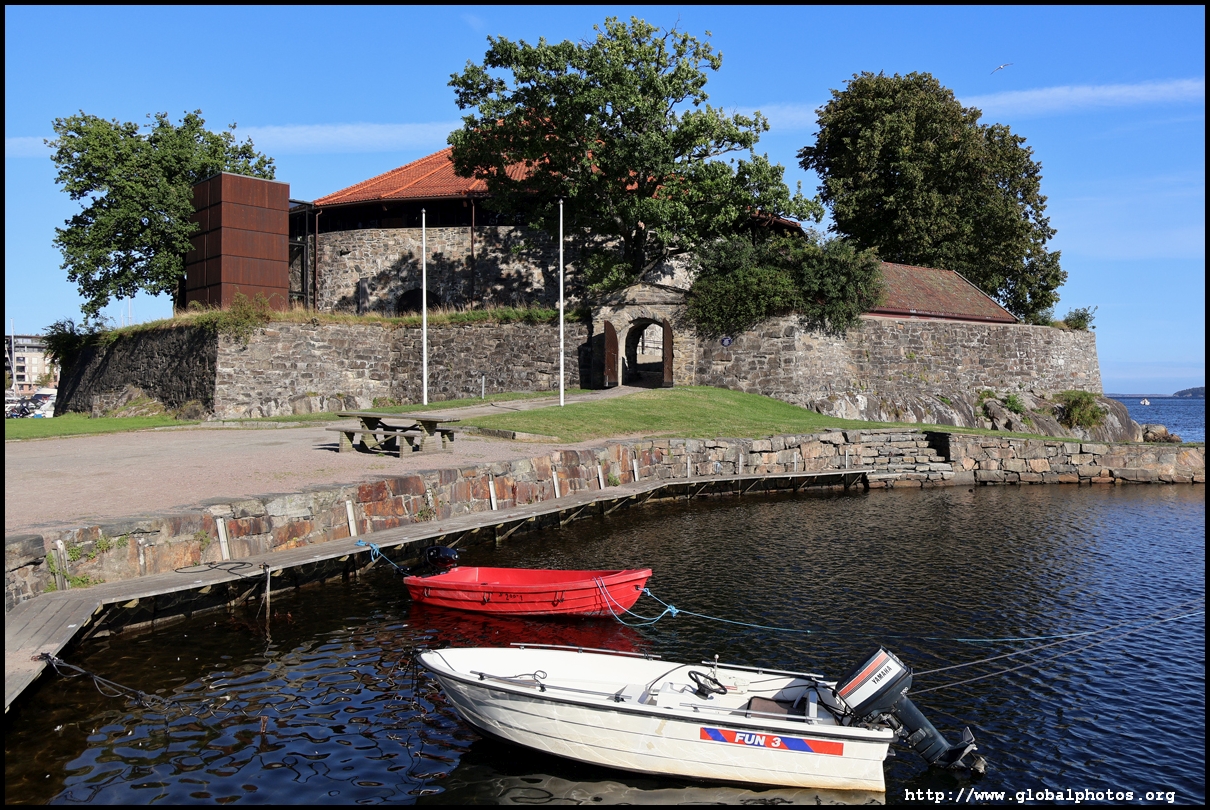
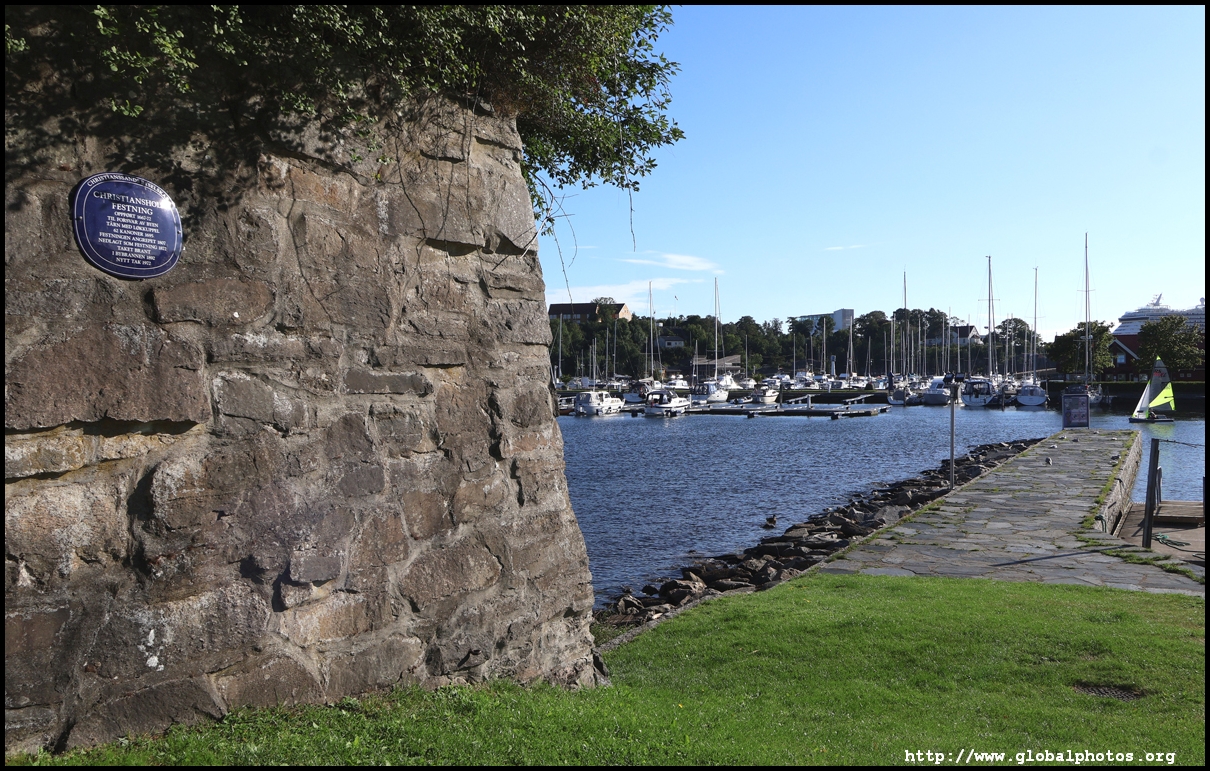
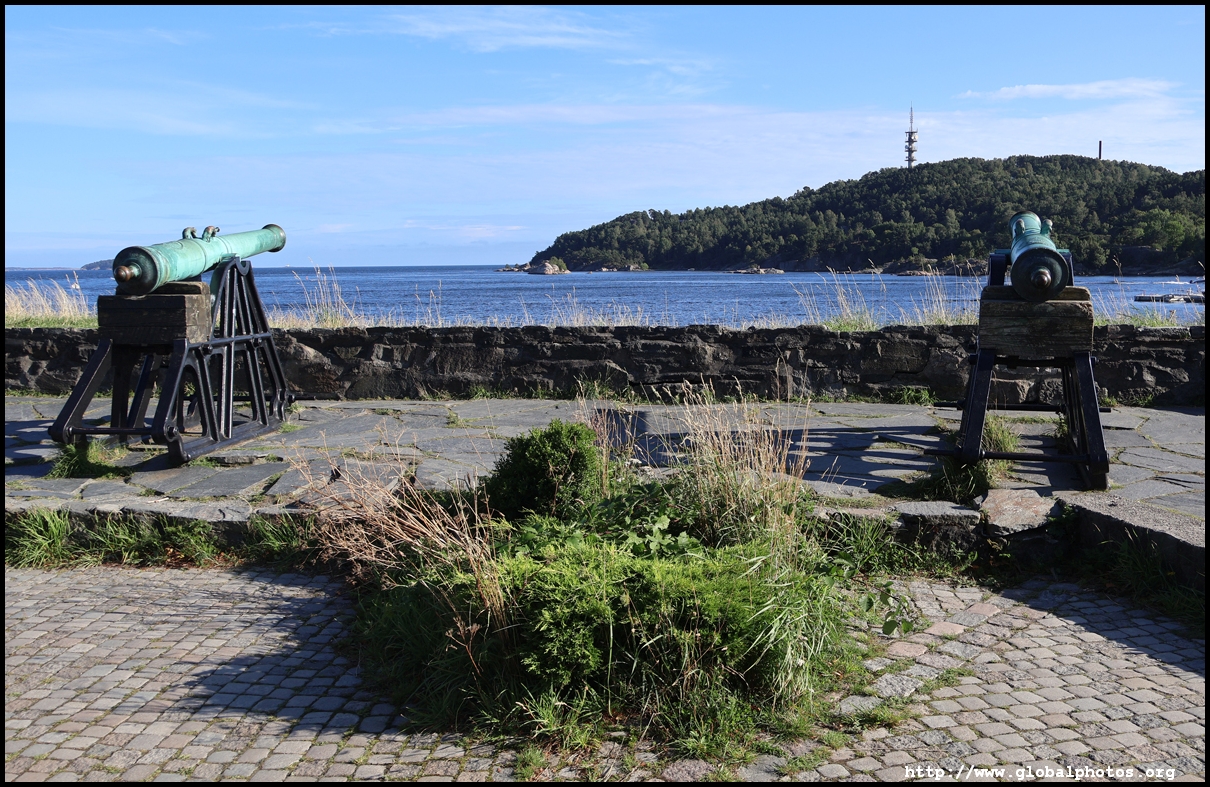
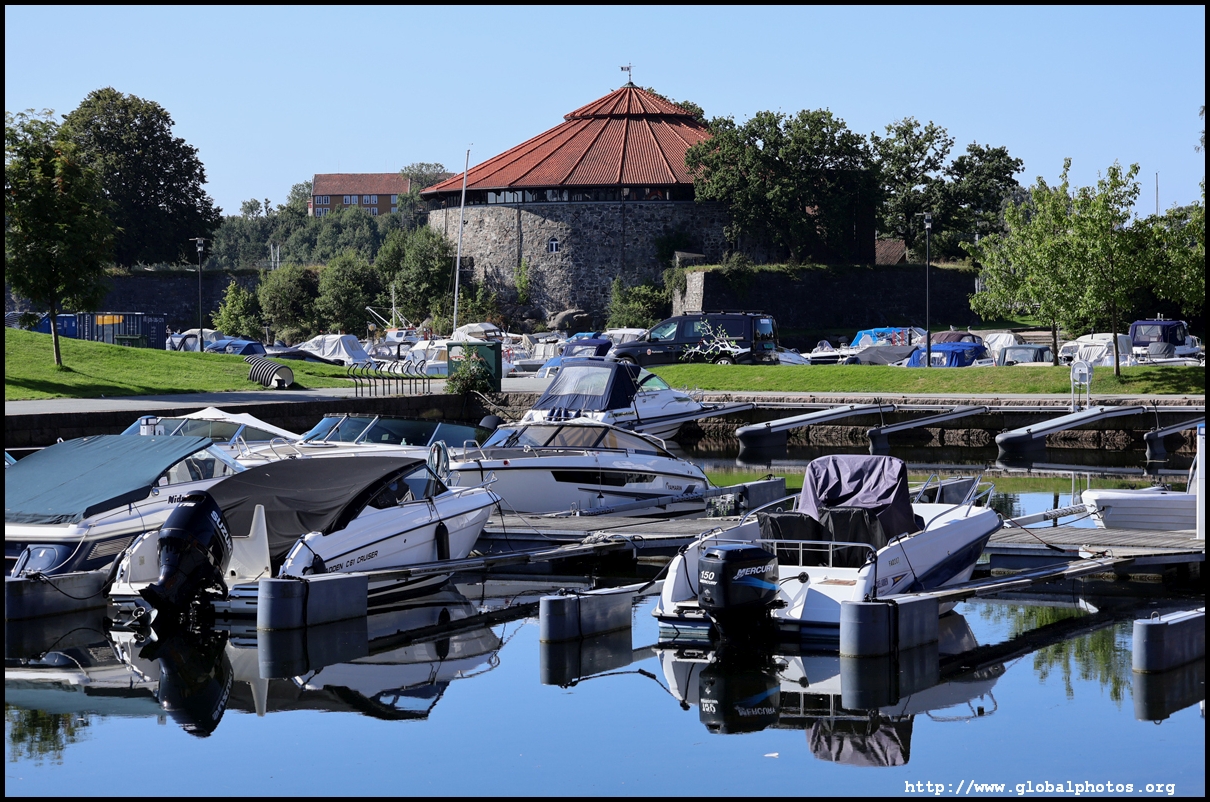
Christiansholm Fortress dates from the 1670s and was part of the city's defenses when Kristiansand was founded in 1641. It was built on a small island just offshore and saw one battle against the British in 1807. Today, it's connected to the mainland and you can enjoy nice sea views inside.
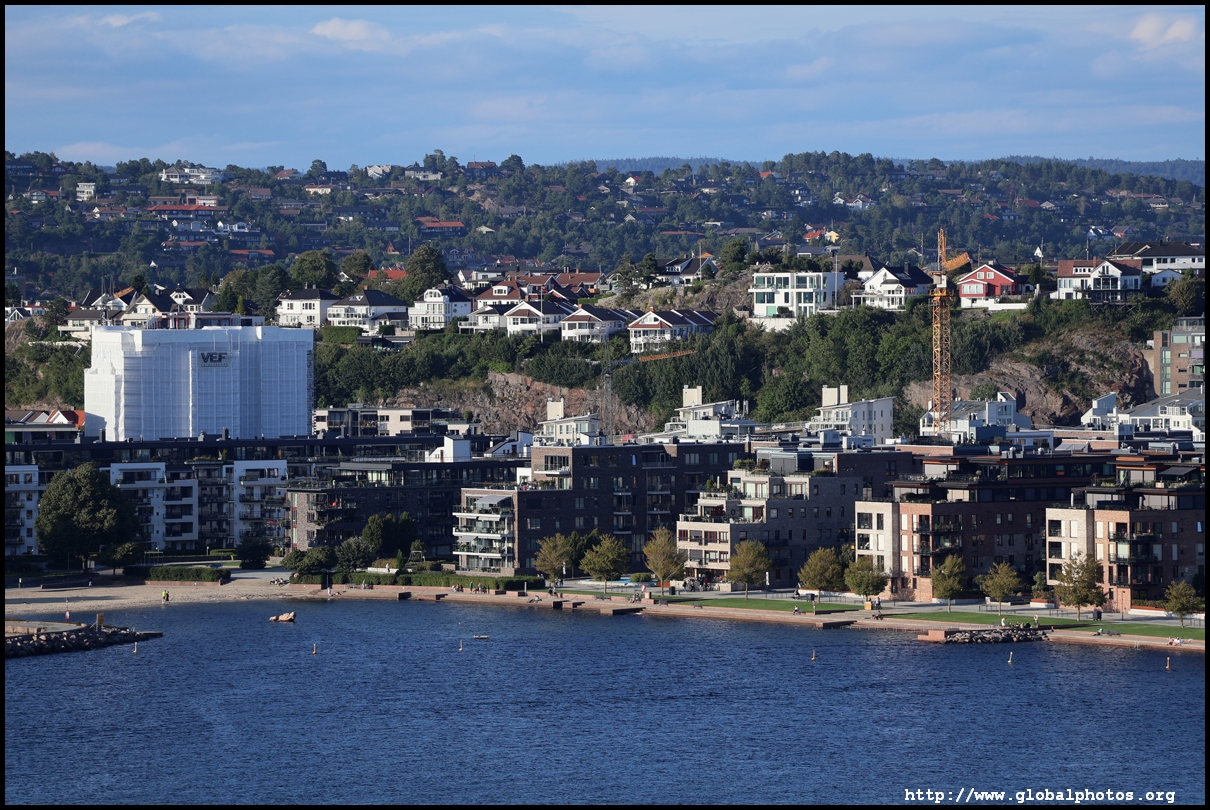
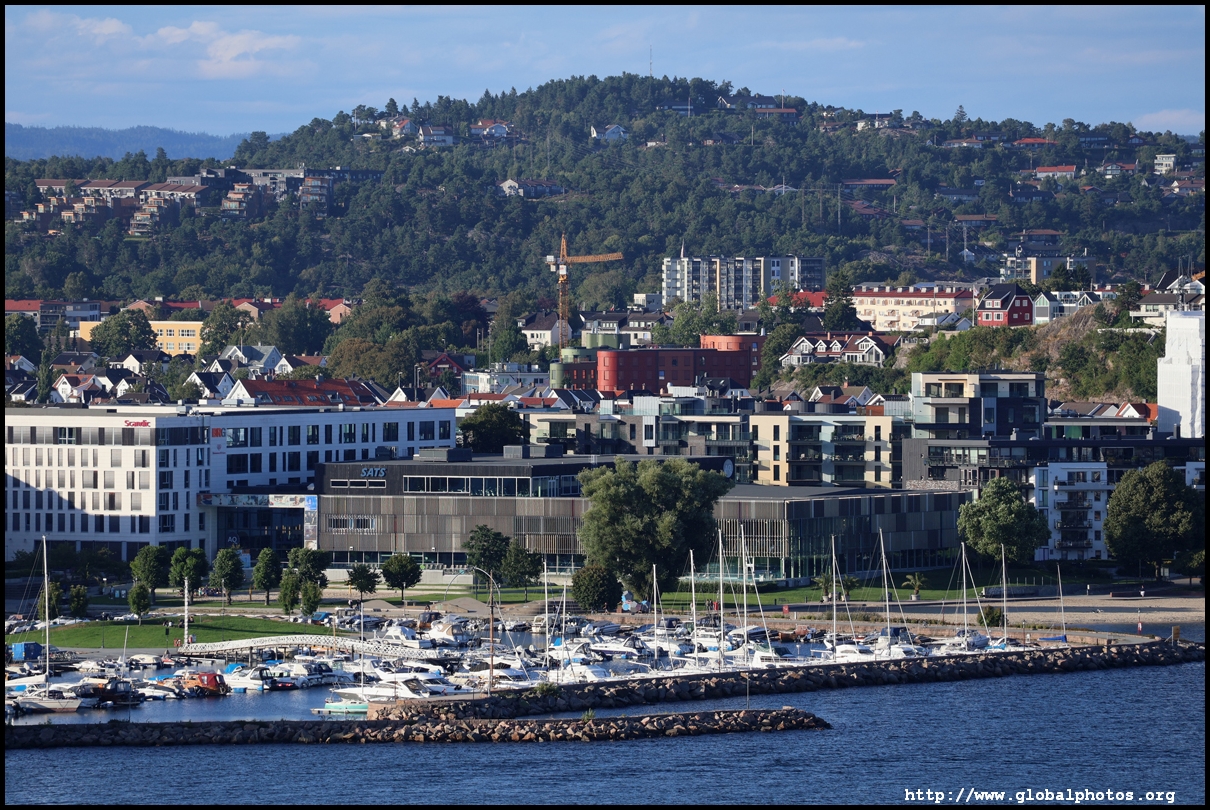
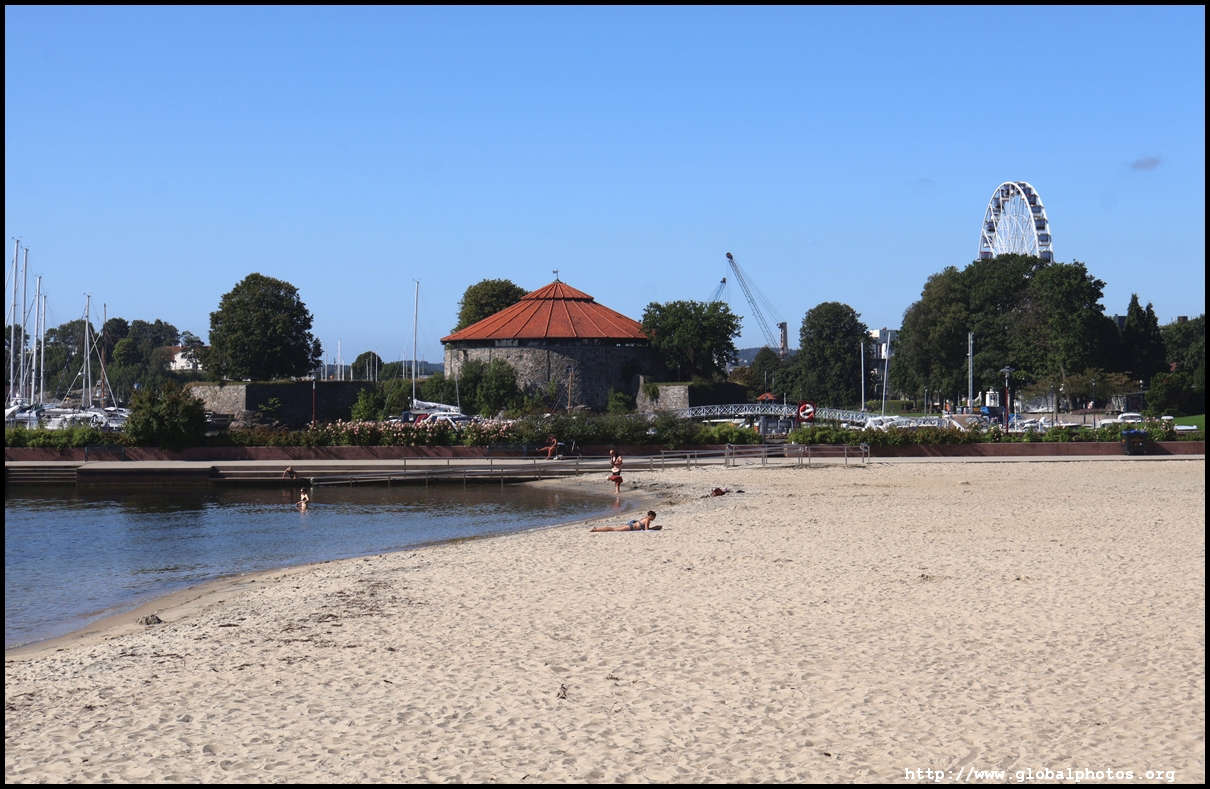
There is even a beach in the heart of the city, Bystranda, with nice apartments overlooking it.
|