London Photo Gallery - Art Exhibitions & Special Events
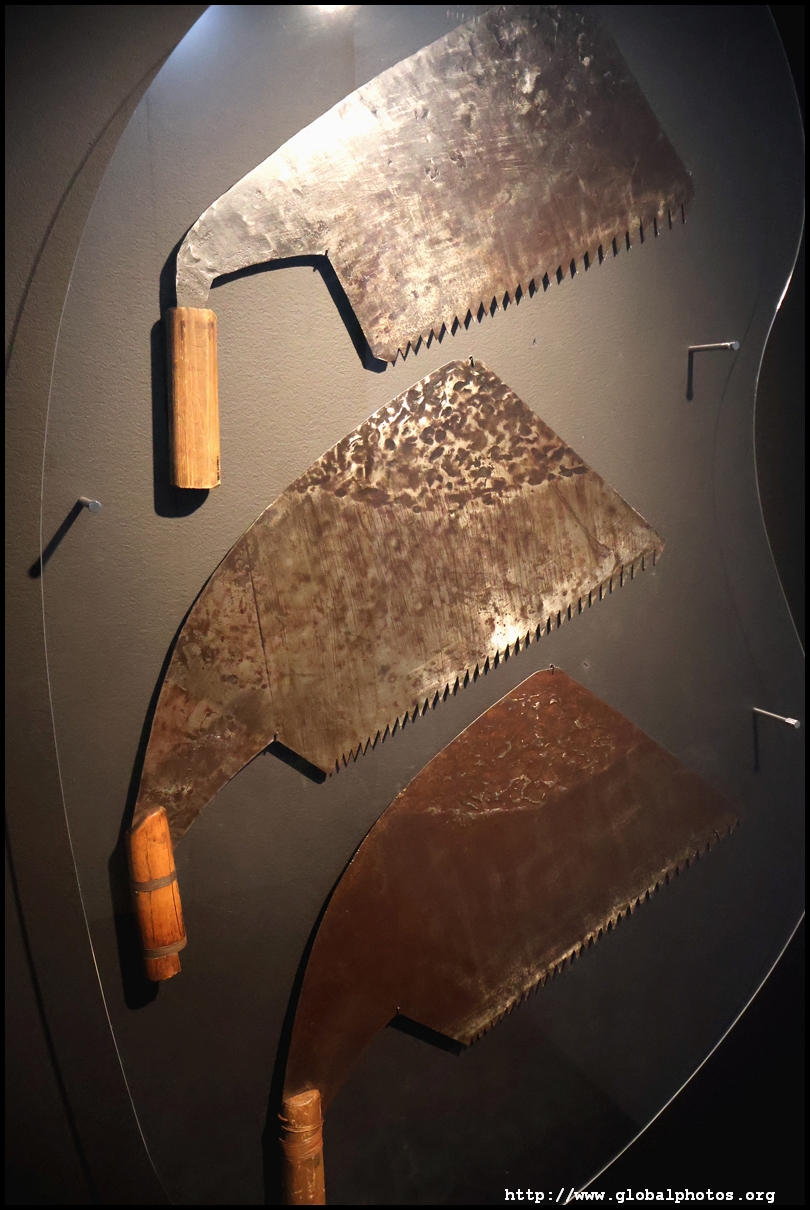
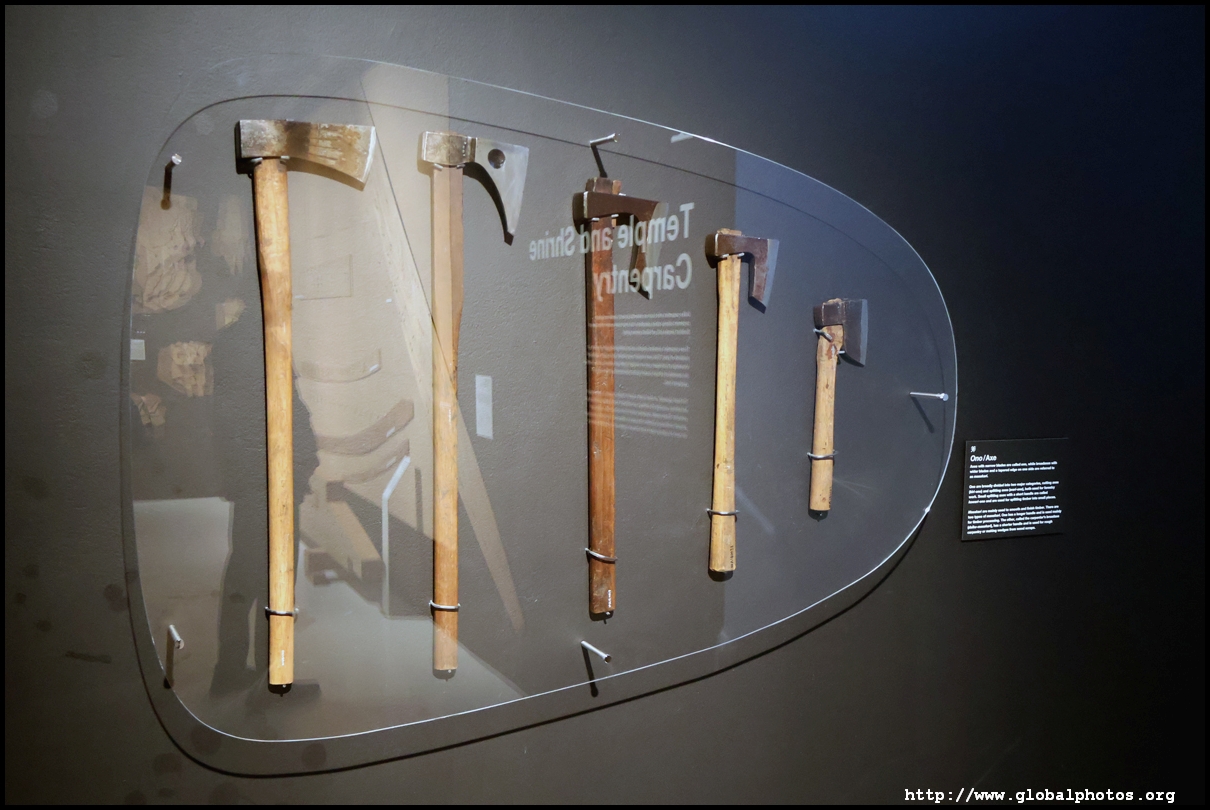
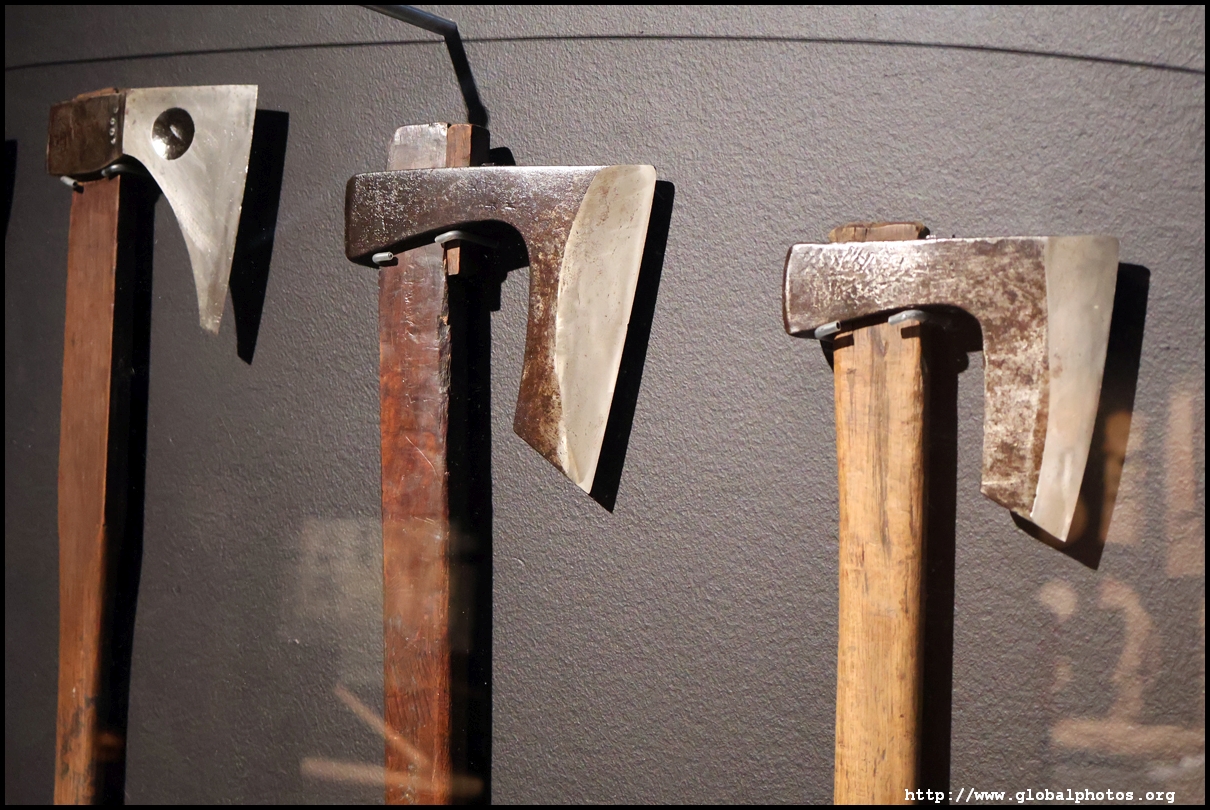
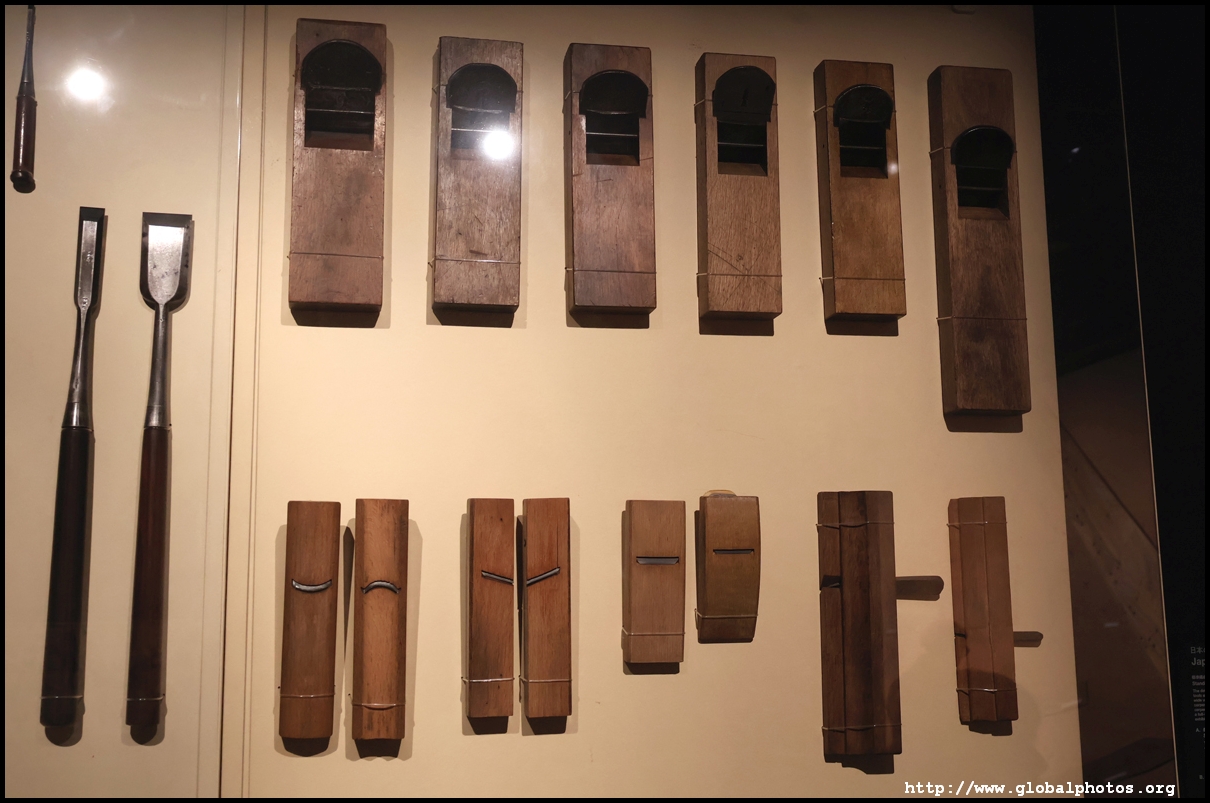
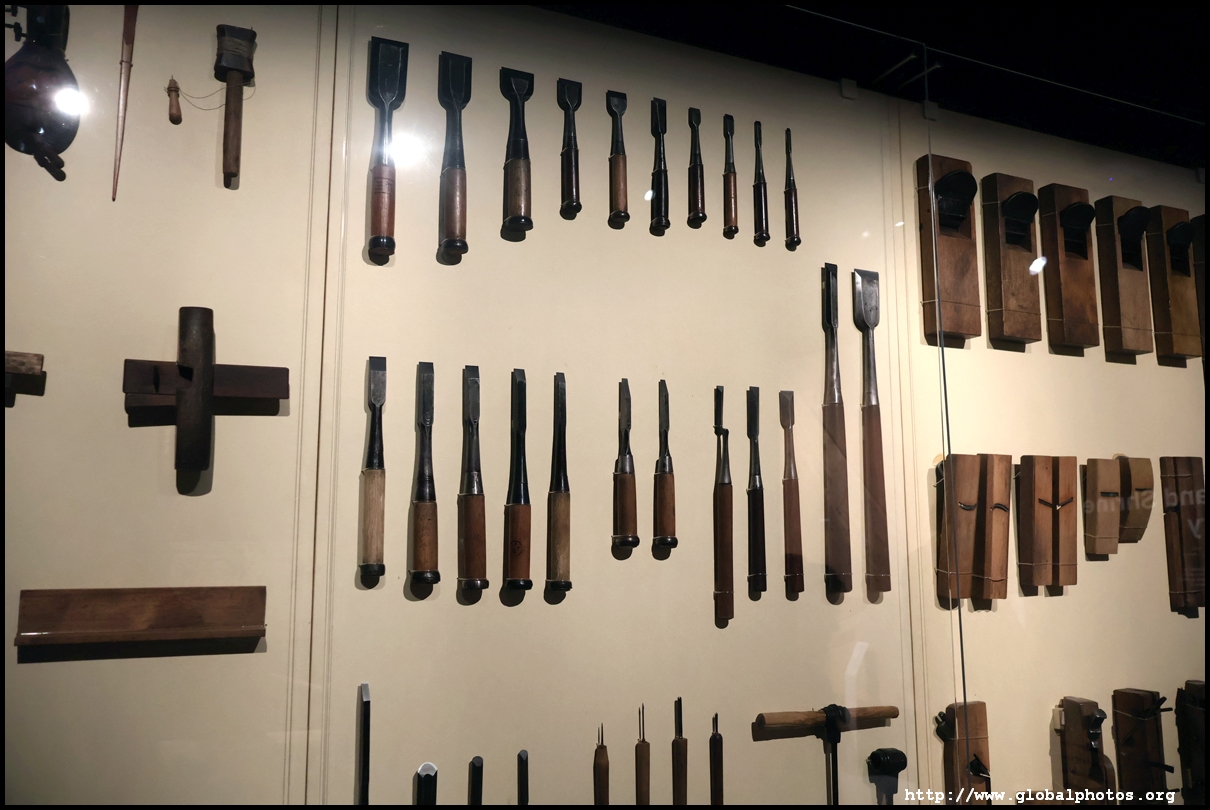
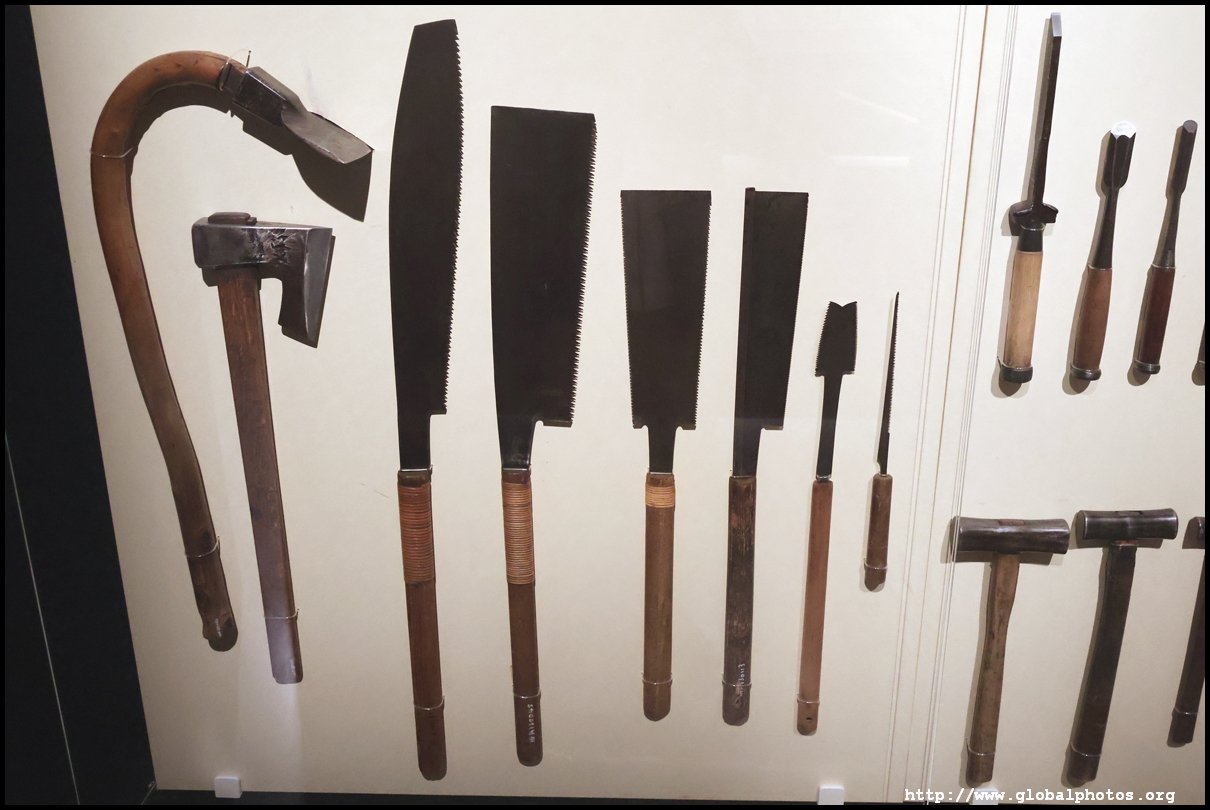
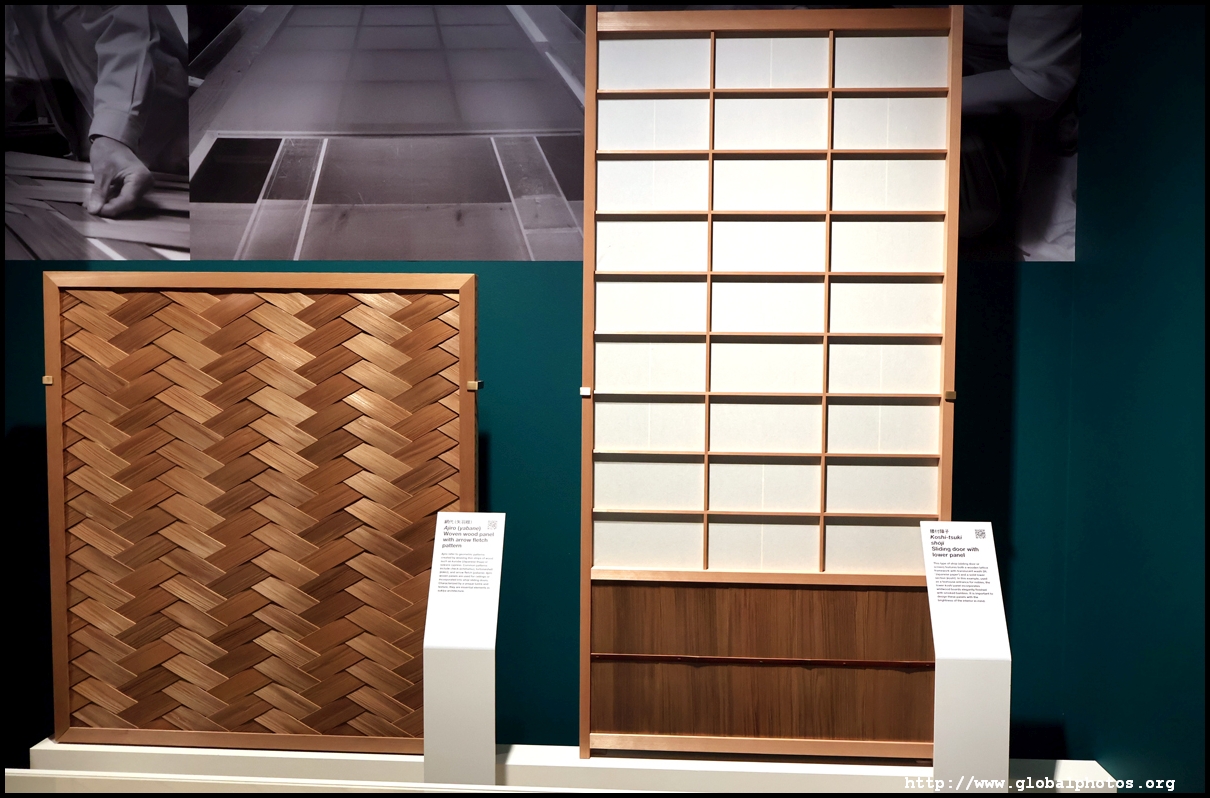
The Craft of Carpentry (March - July 2025)The Craft of Carpentry showcases Japanese carpentry skills in the basement gallery at Japan House in High Street Kensington. Up until the mid-Muromachi period, timber was cut using chisels as there were no vertical saws. Once saws were introduced from the continent, they became the main tool to process timber until the mid-Meiji period.
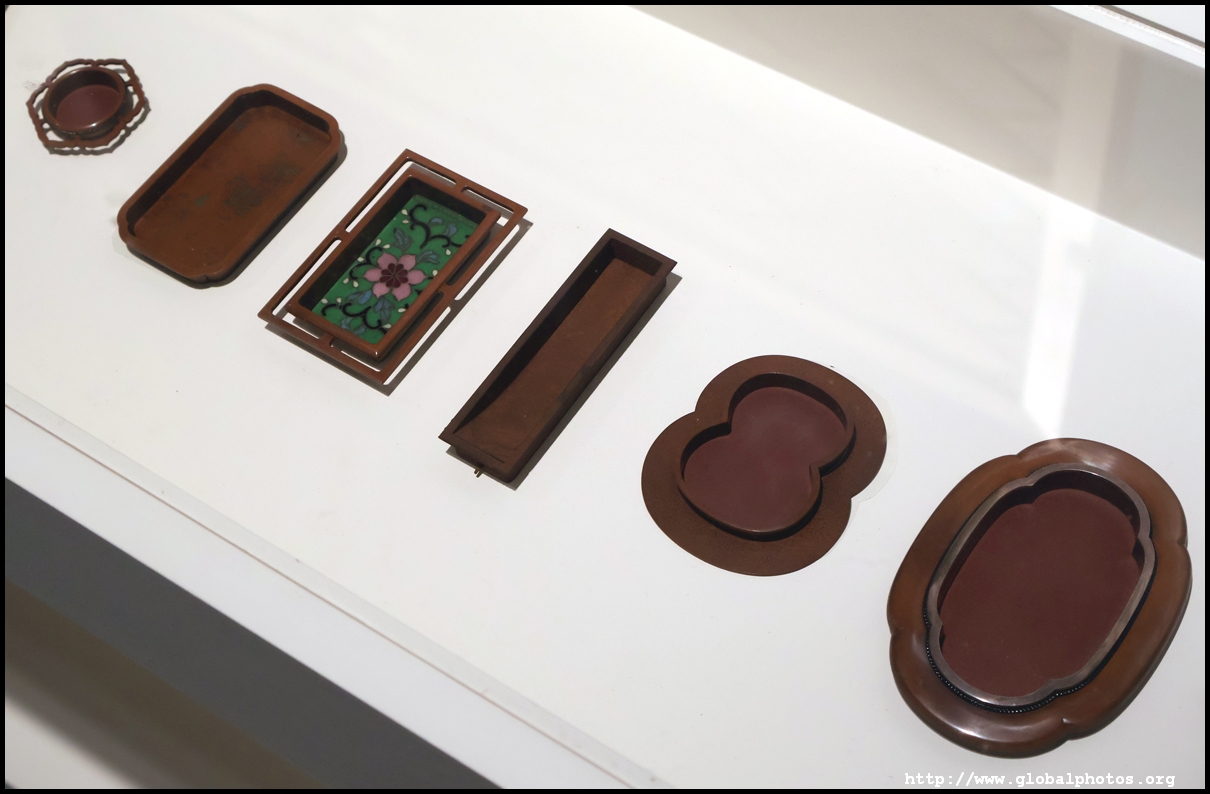
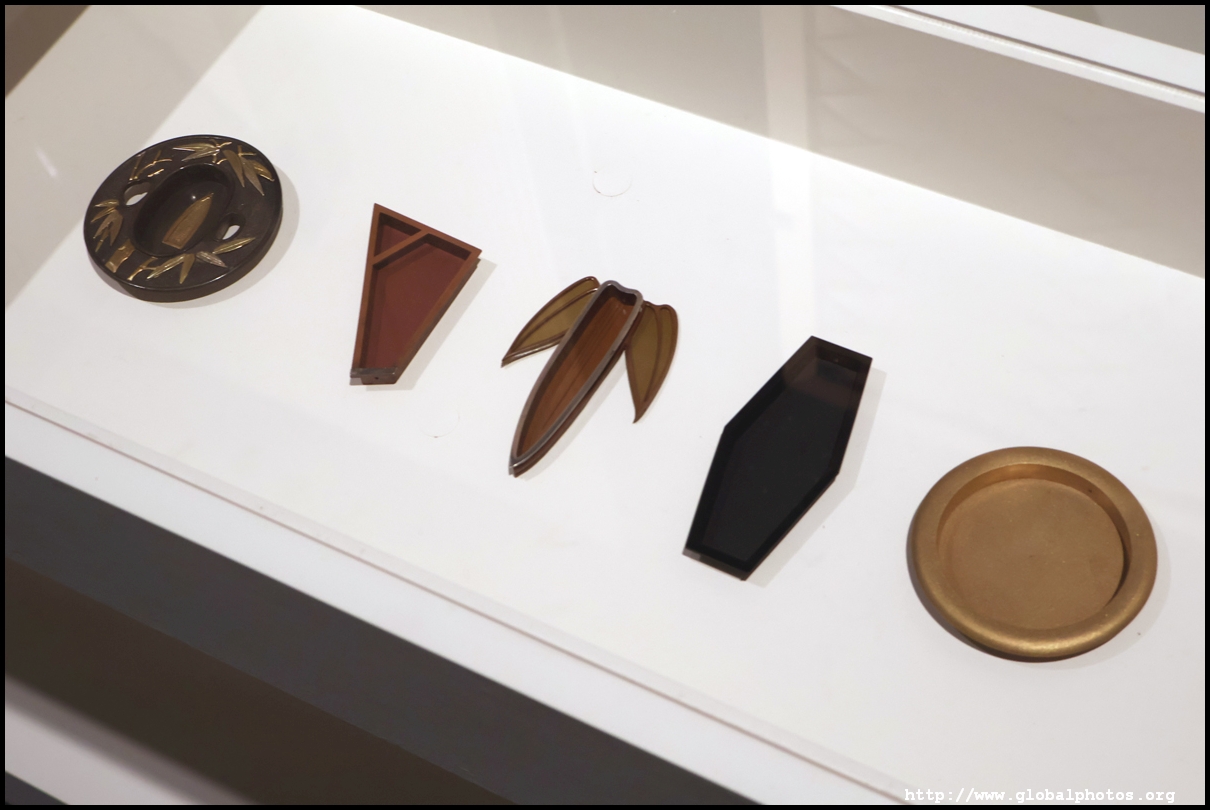
Door handles were decorated depending on the room type. Simple shapes and subdued colours were used in teahouses to promote a peaceful atmosphere.
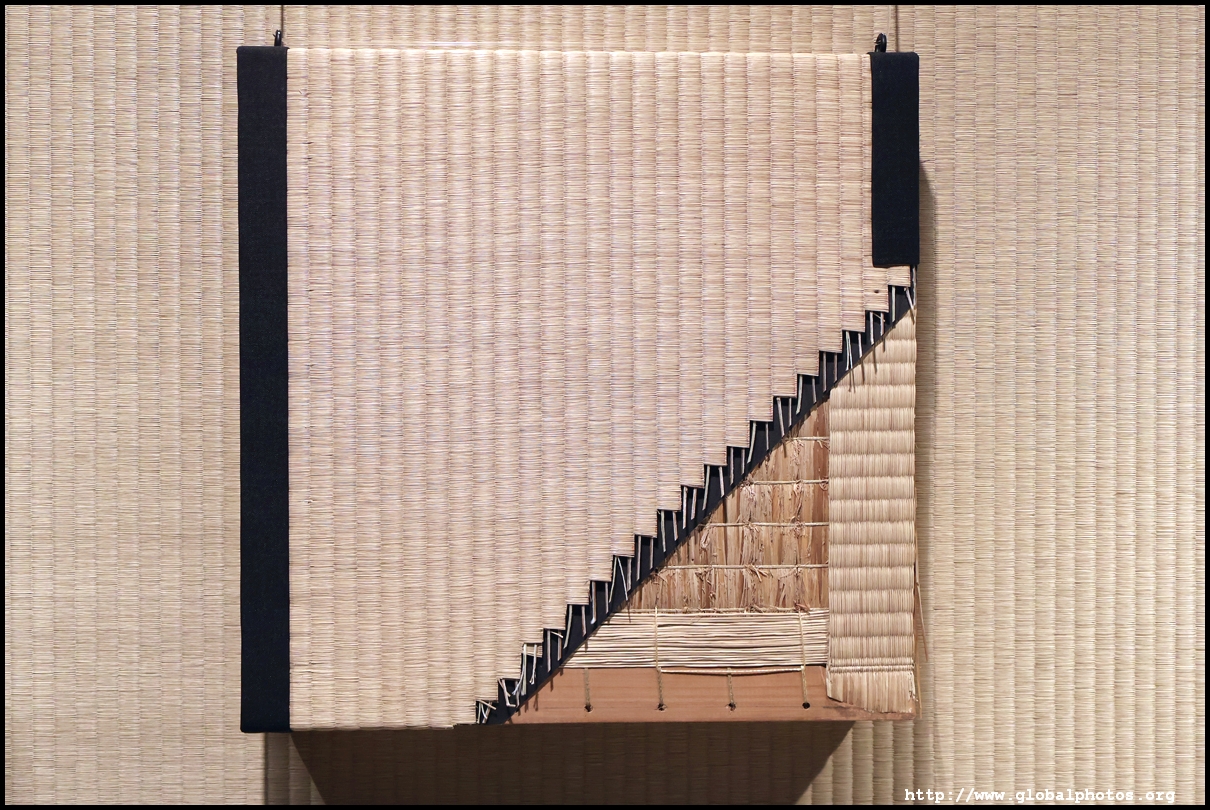
Tatami mats are composed of the base, surface, and edging. The base was typically made of rice straw, with up to 5 layers stacked and compressed for higher quality items. Framing boards were used to keep it in shape.
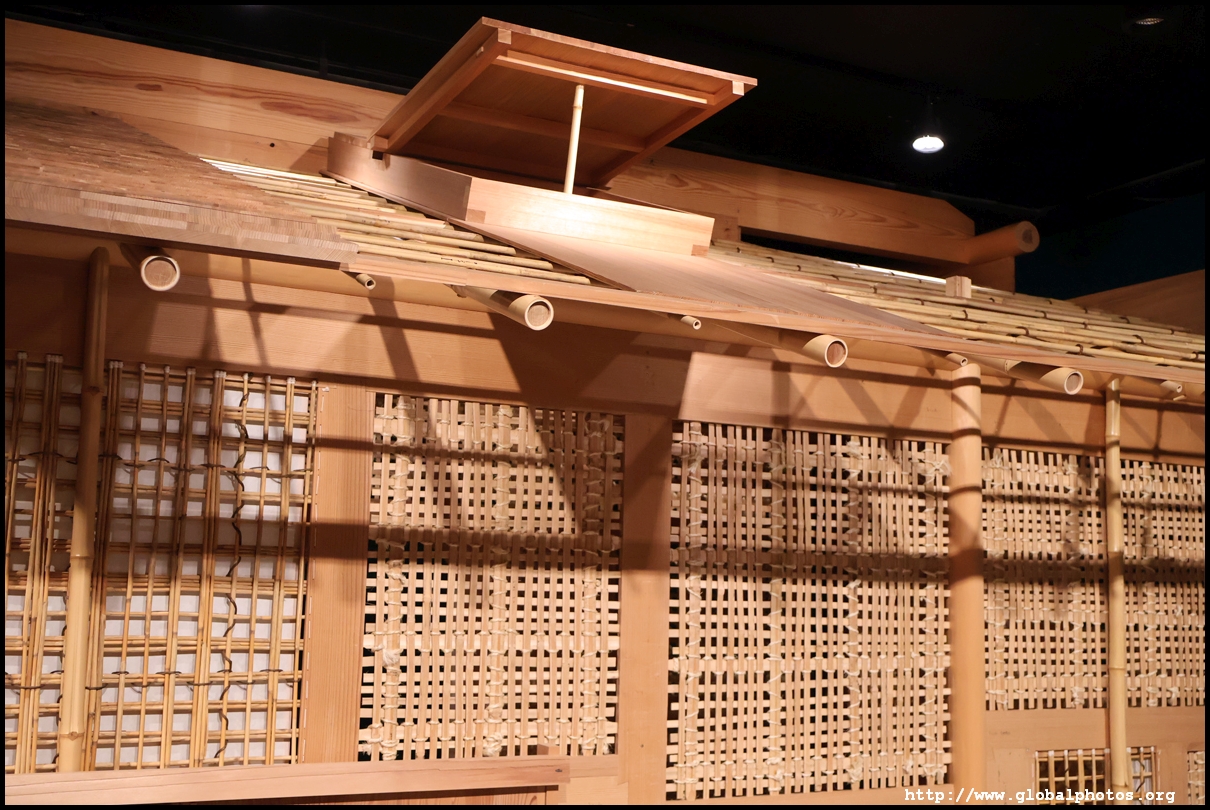
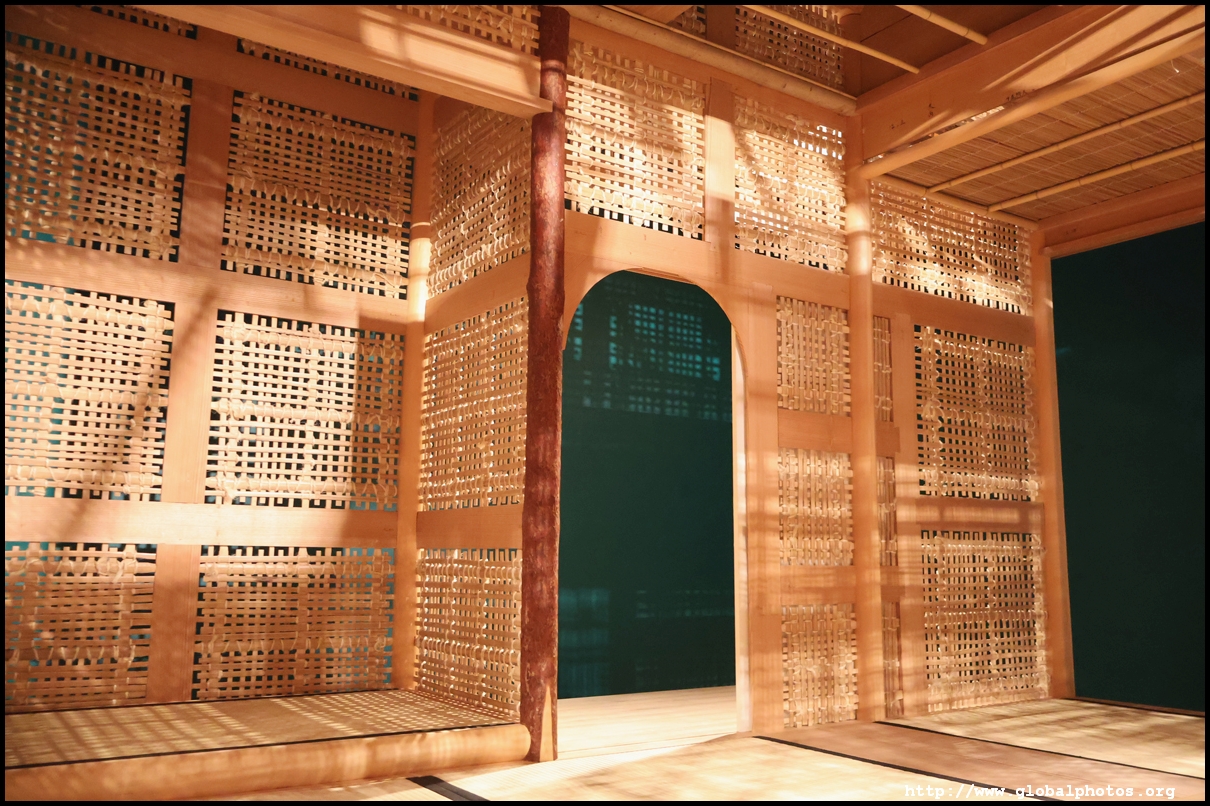
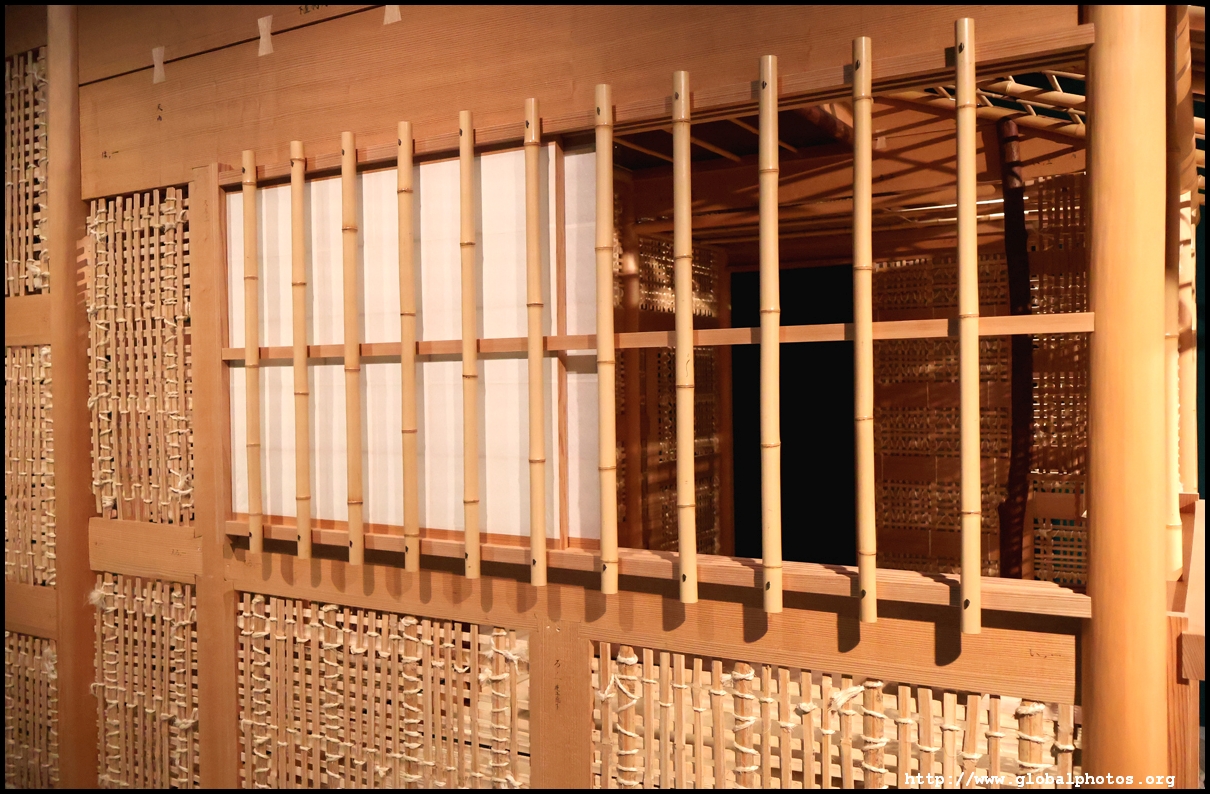
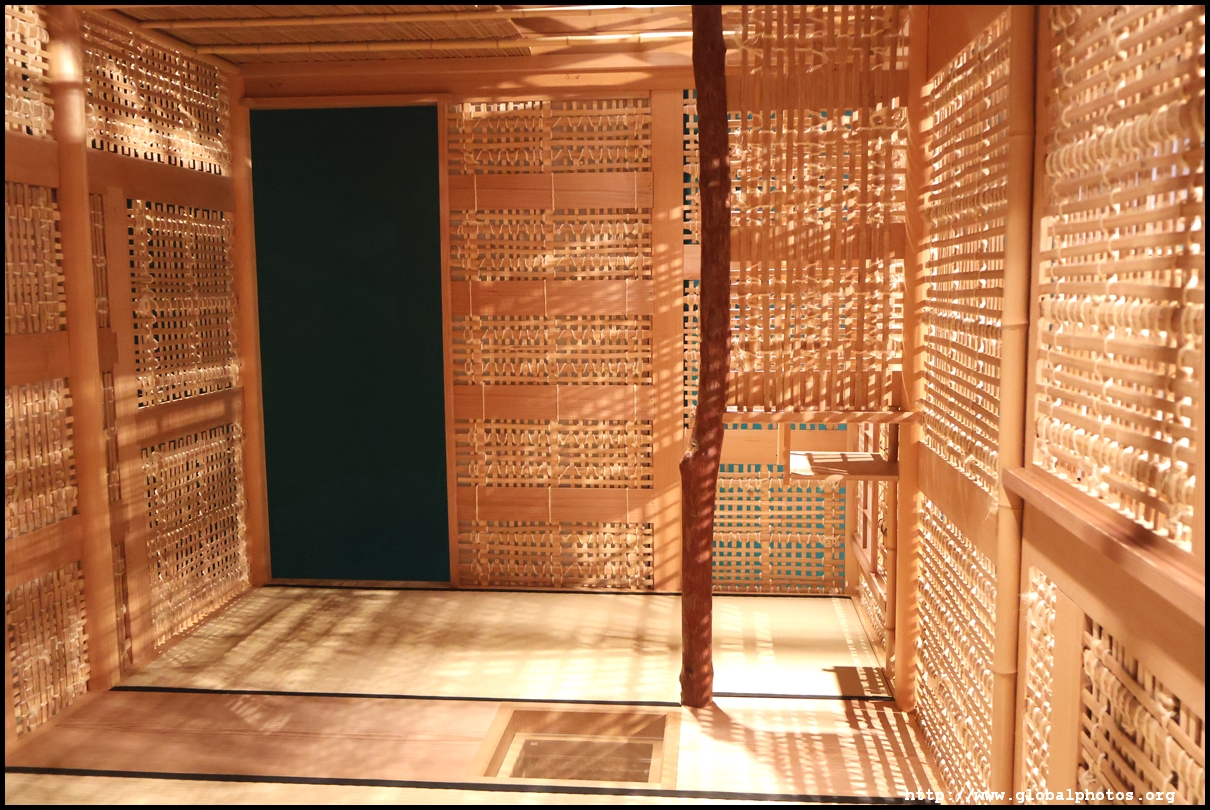
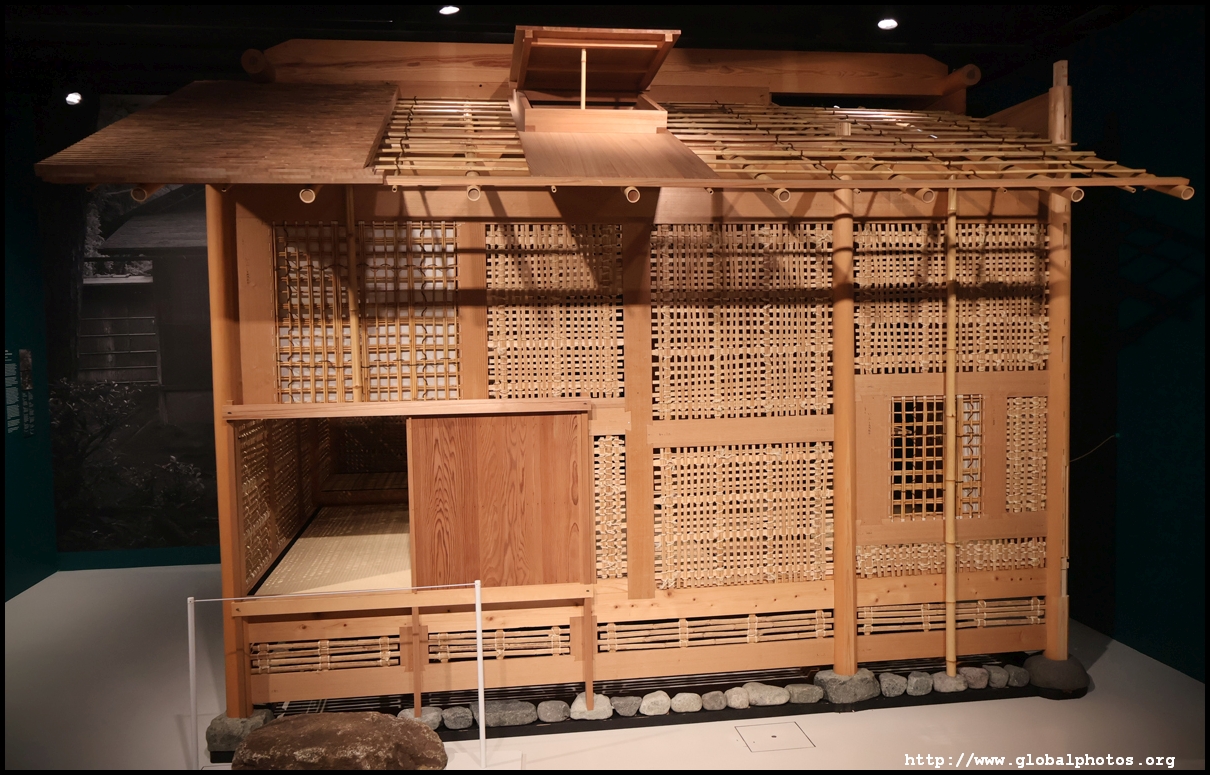
At the centre of the gallery is a model of the Sa-an tea house in Kyoto.
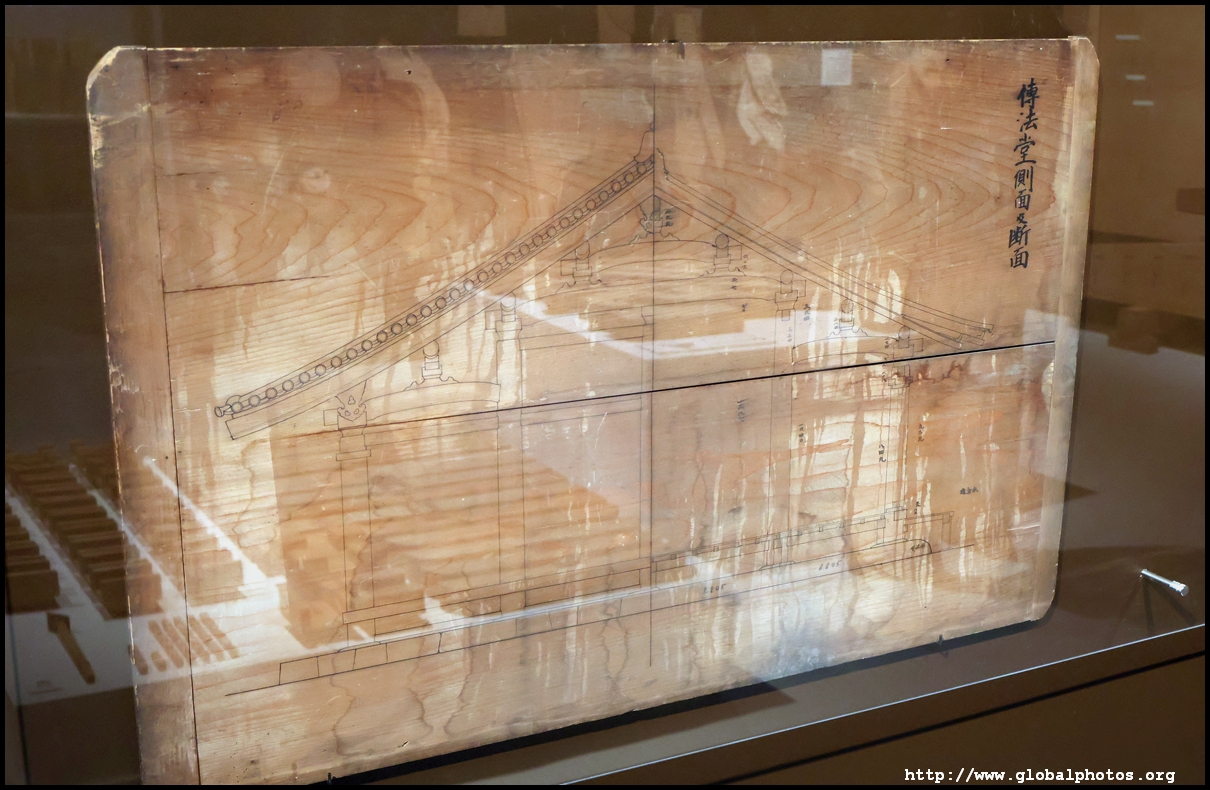
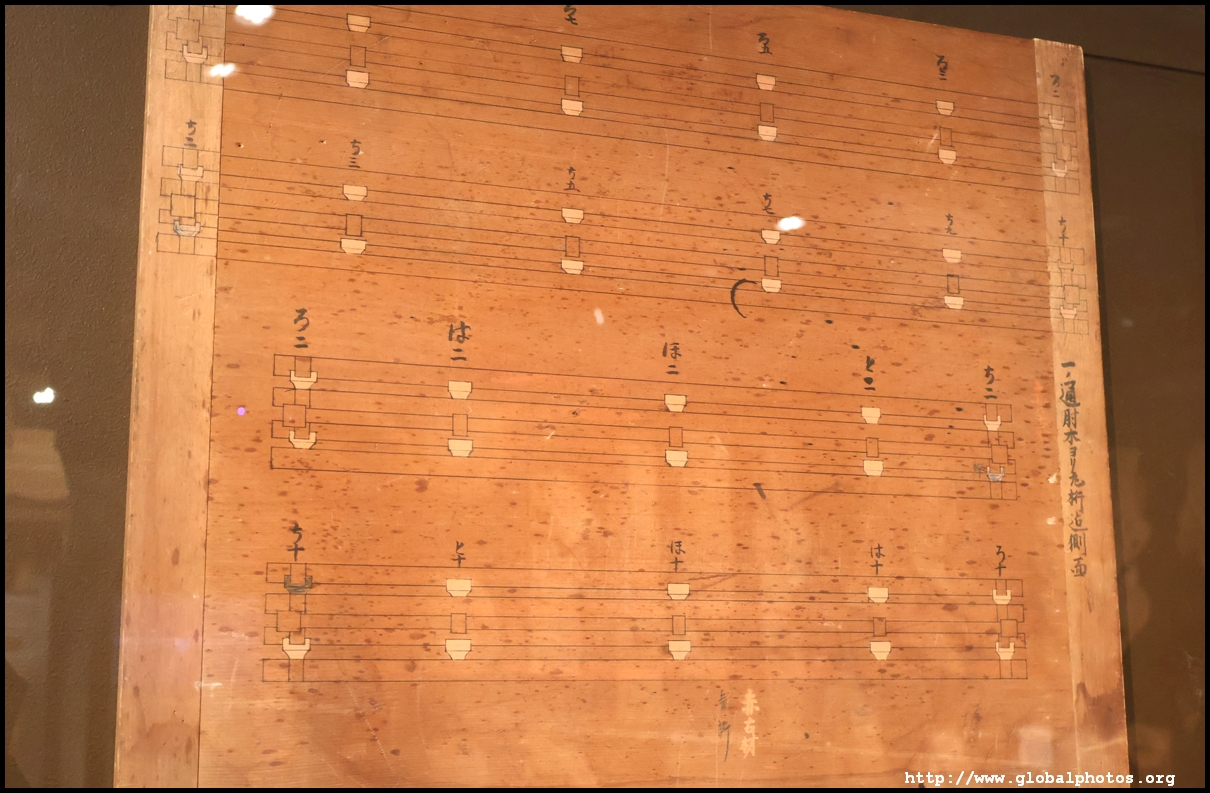
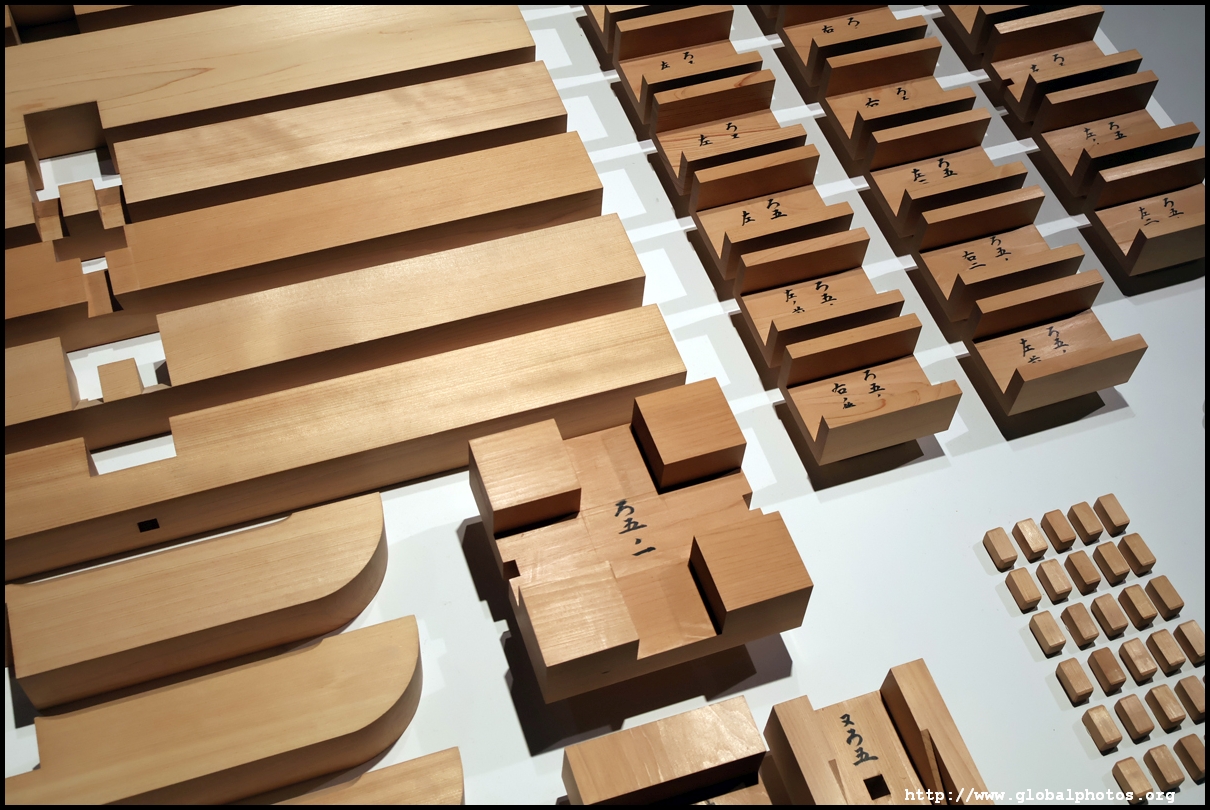
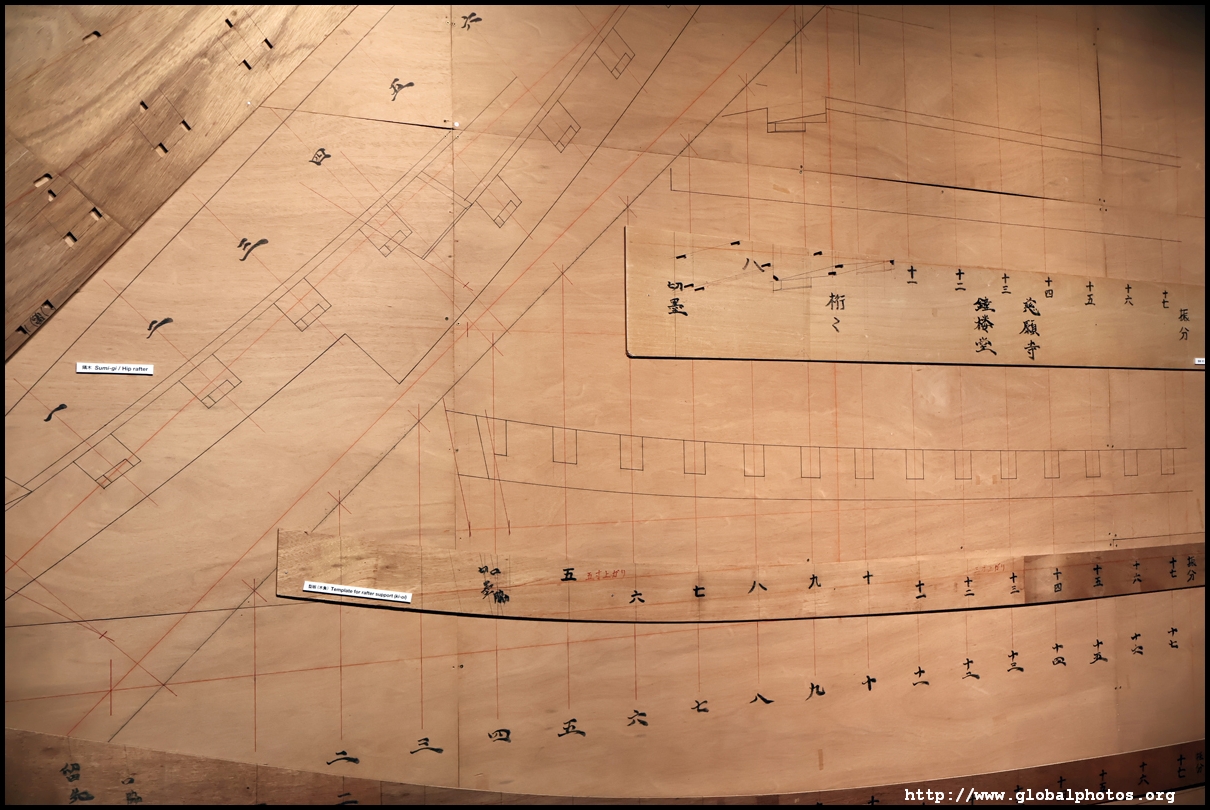
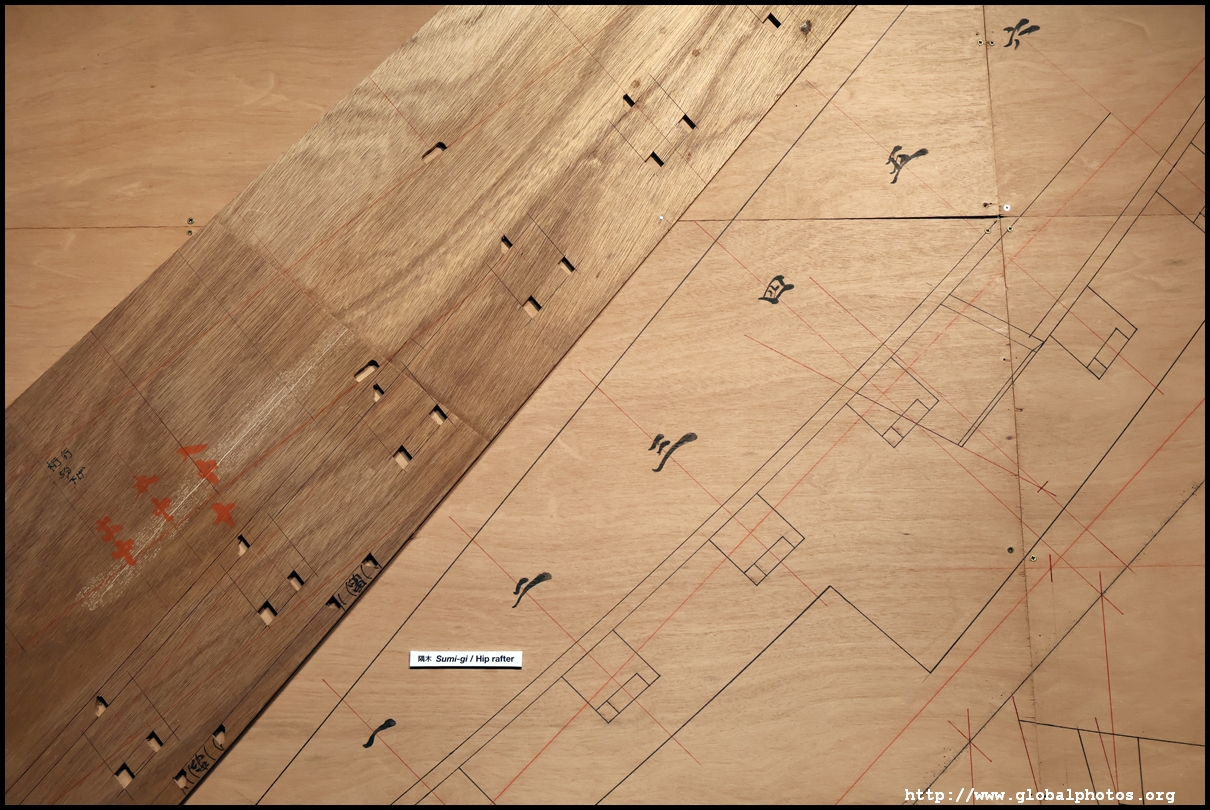
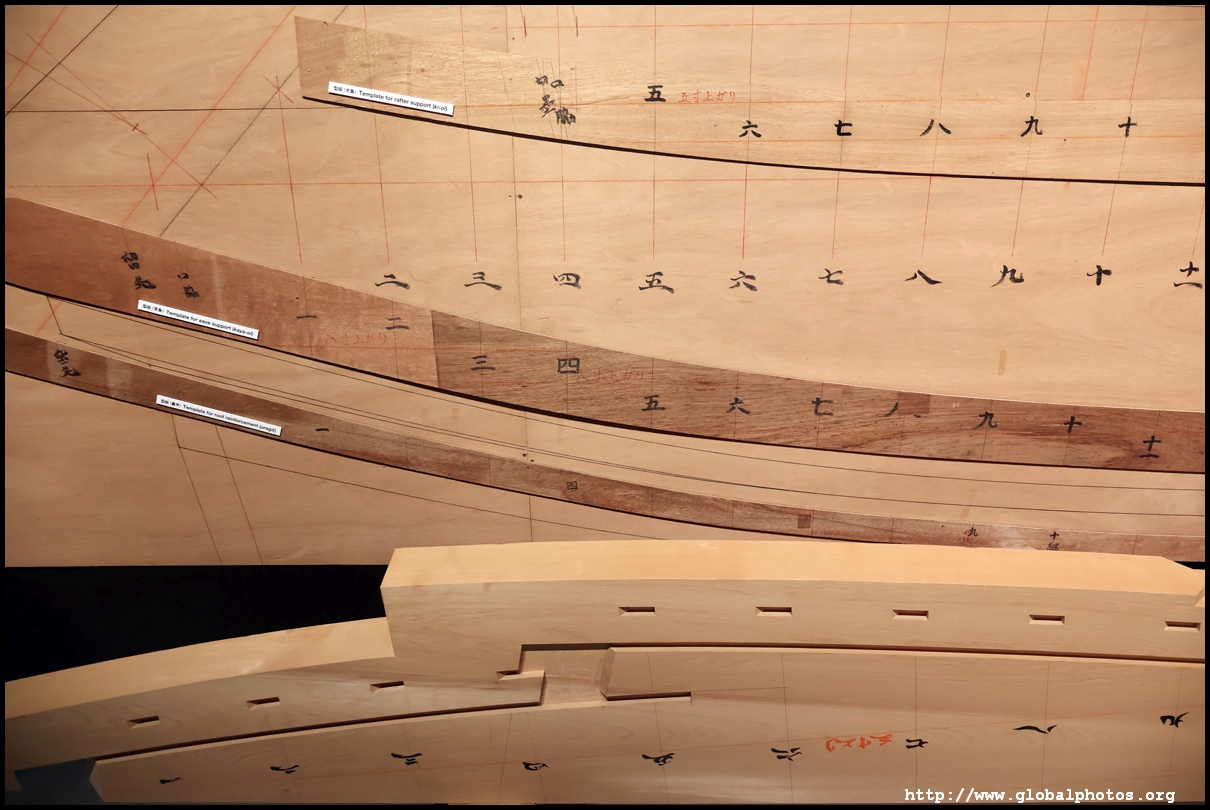
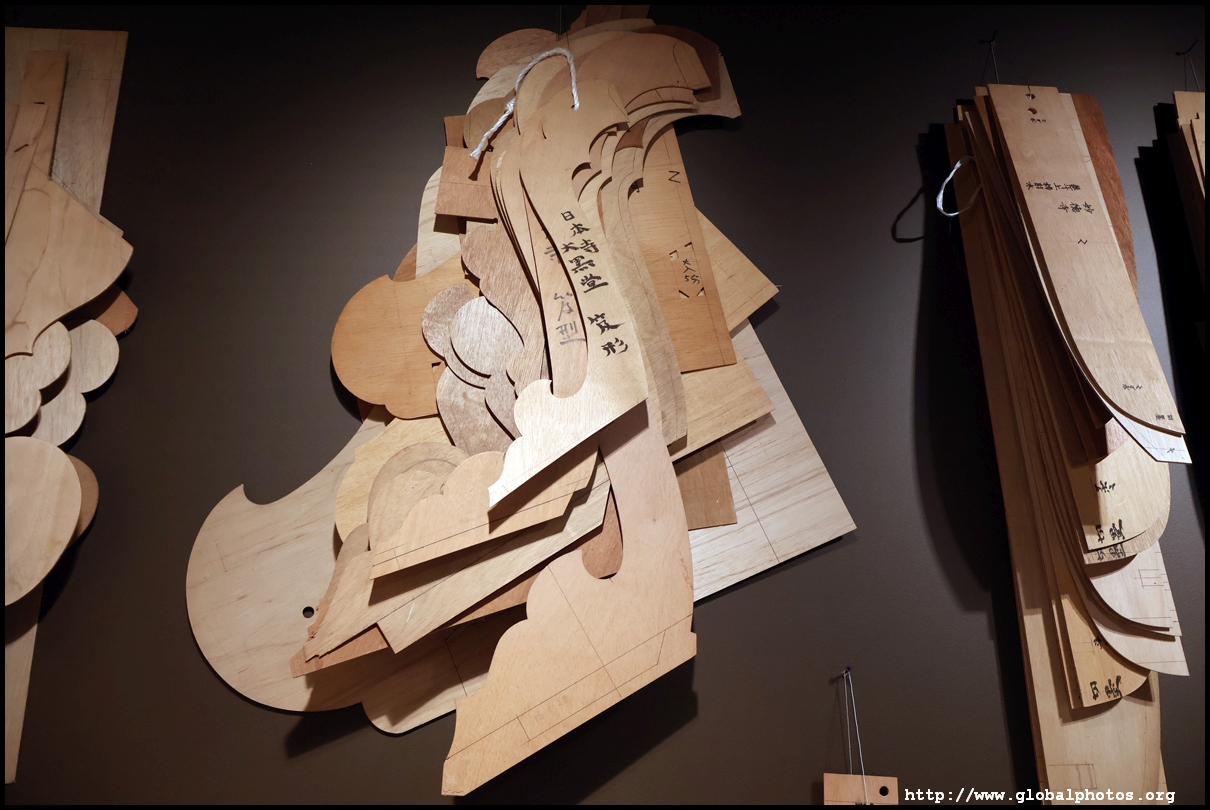
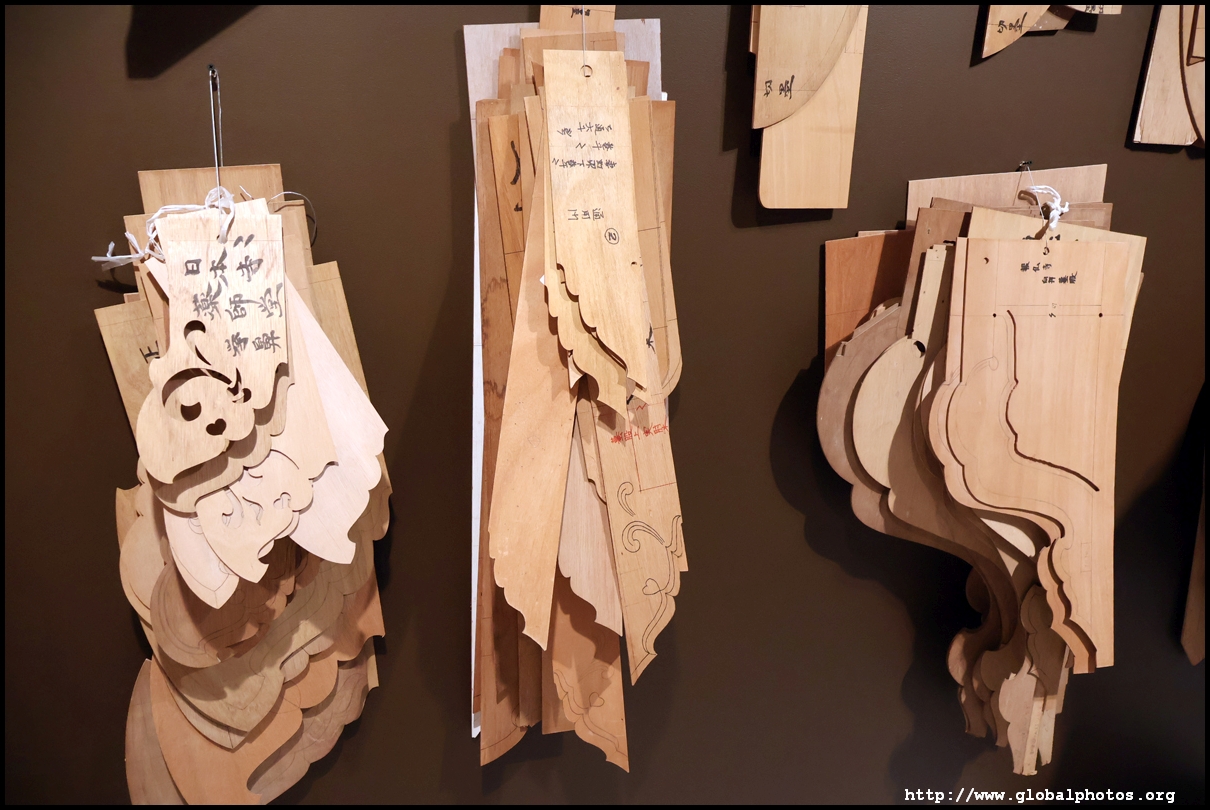
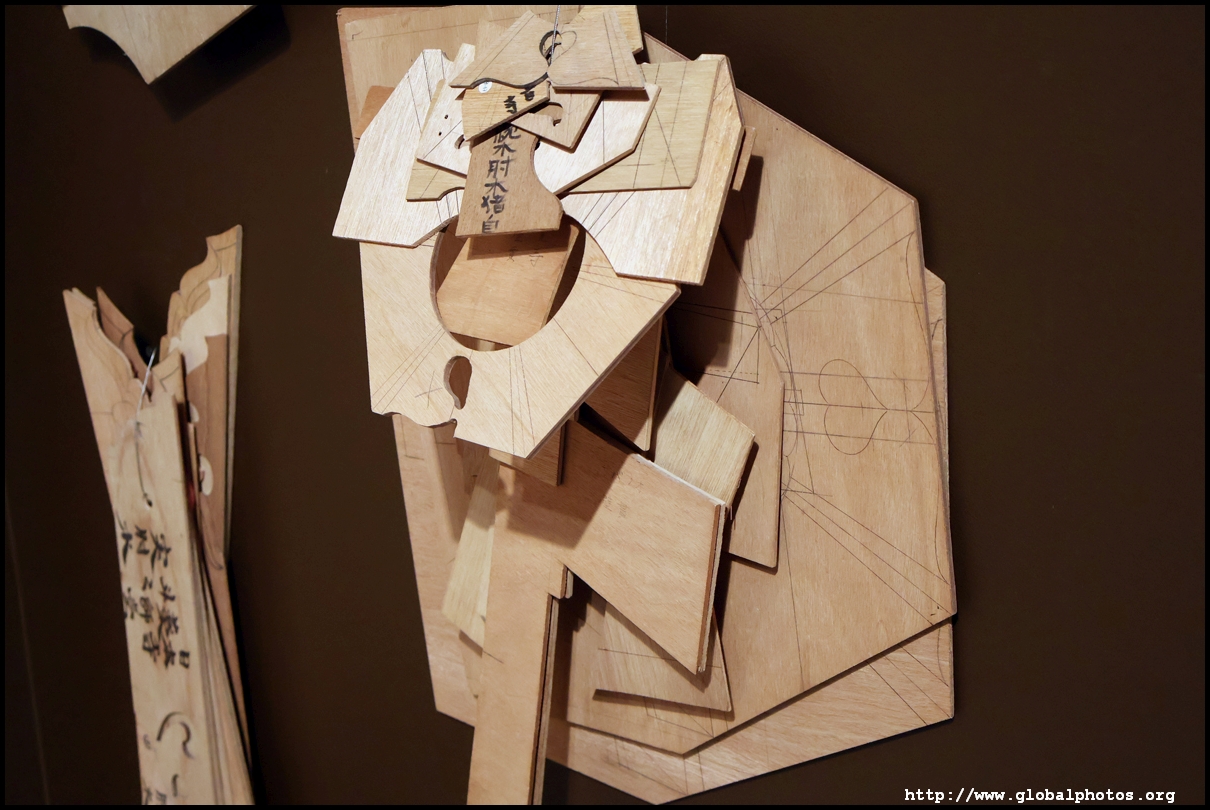
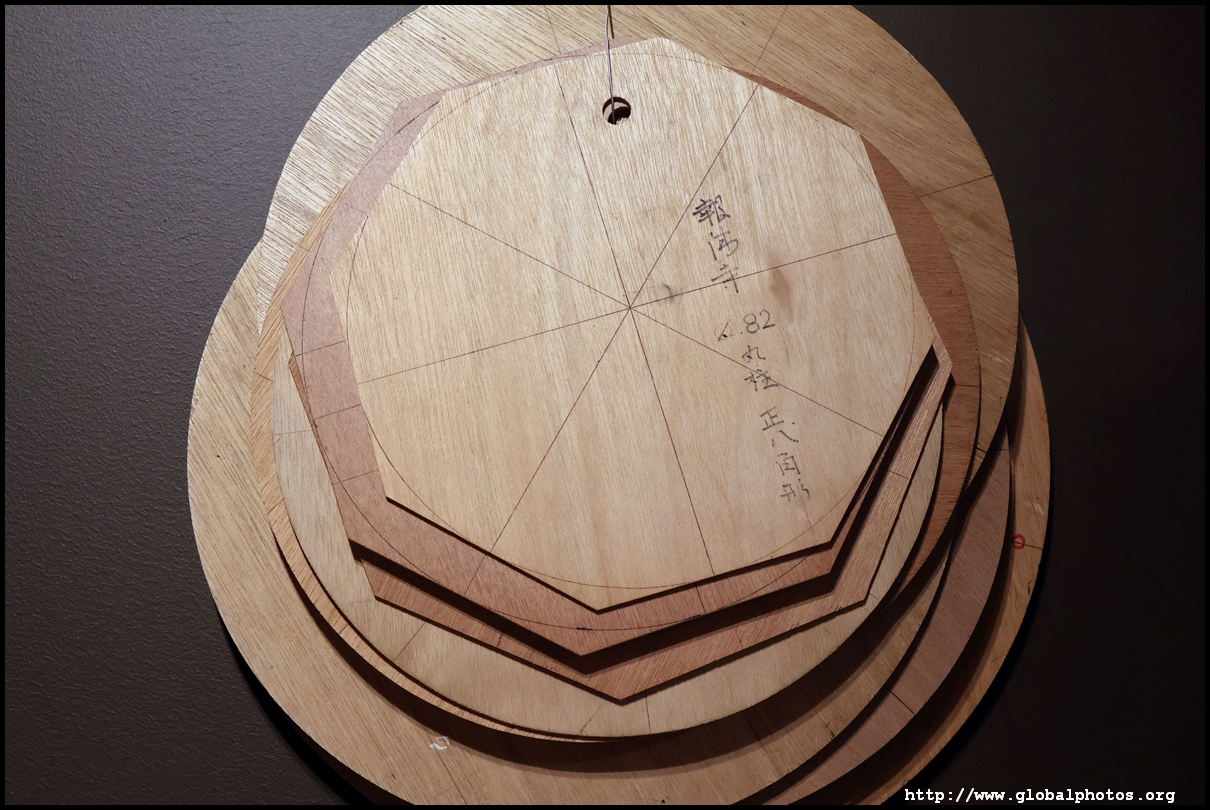
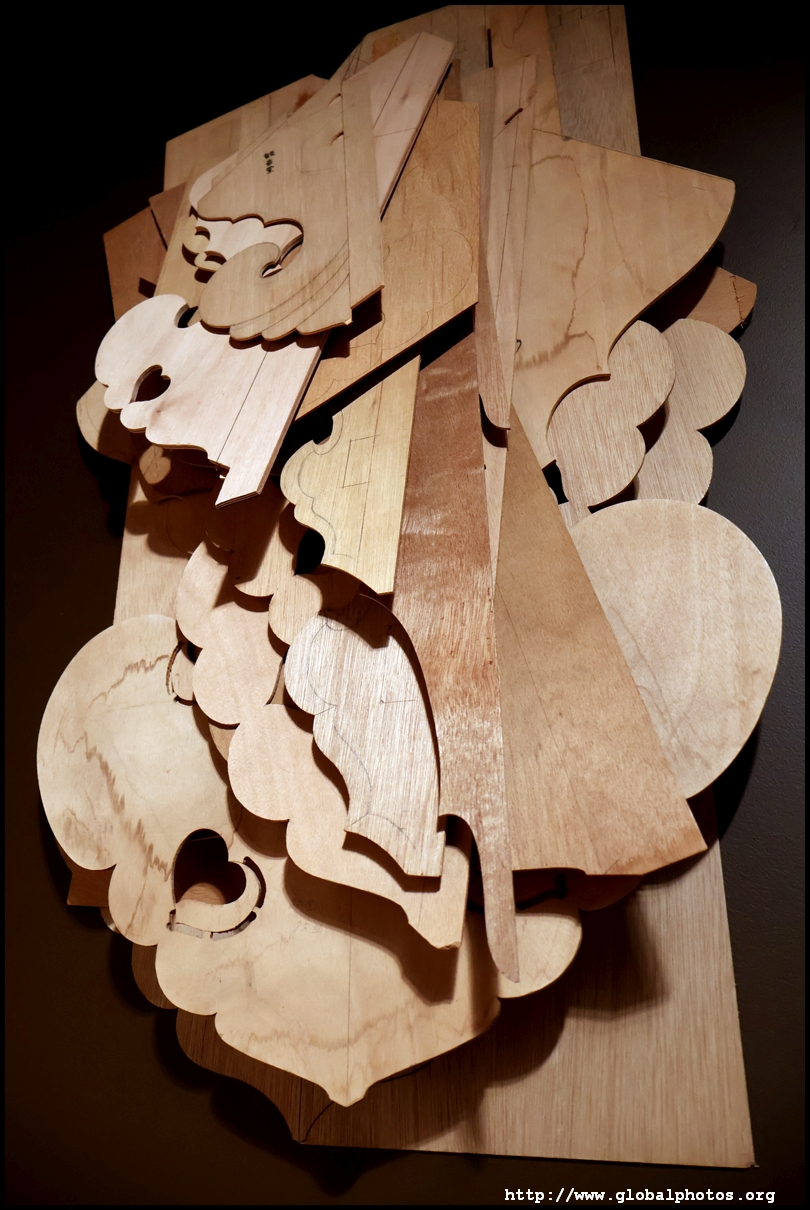
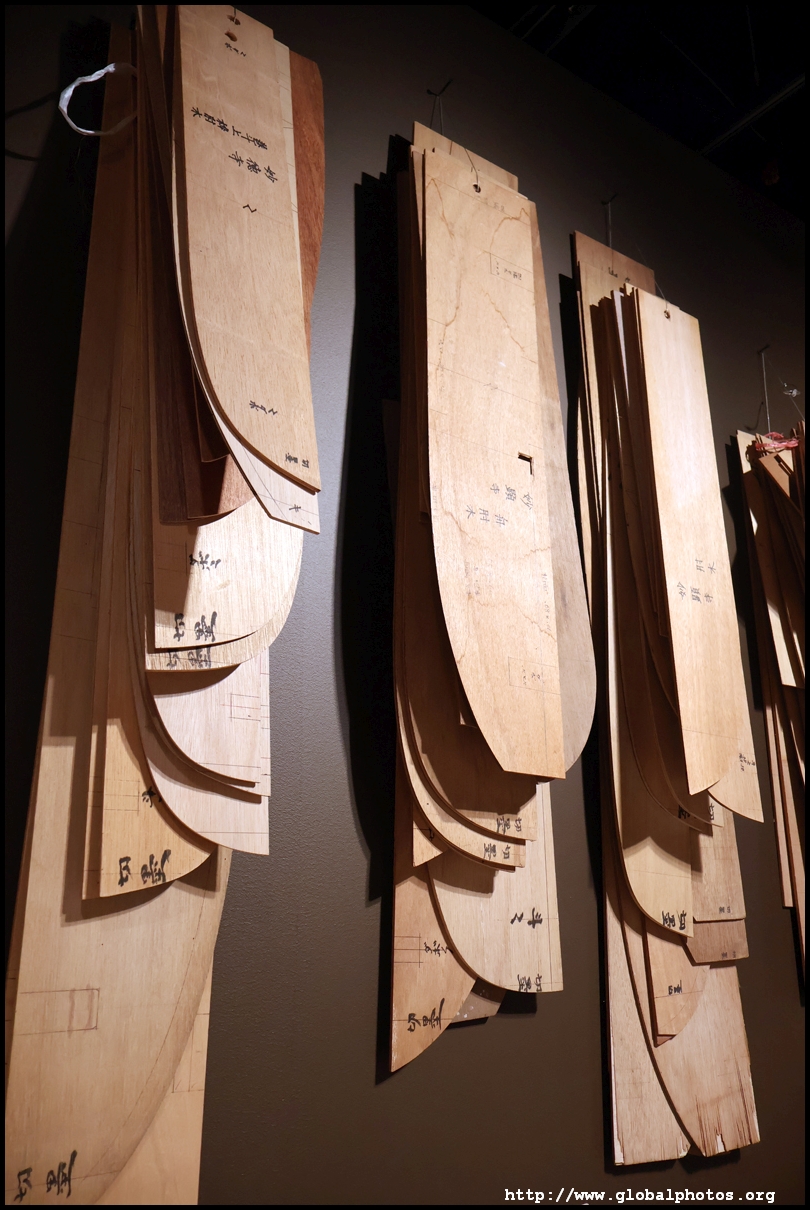
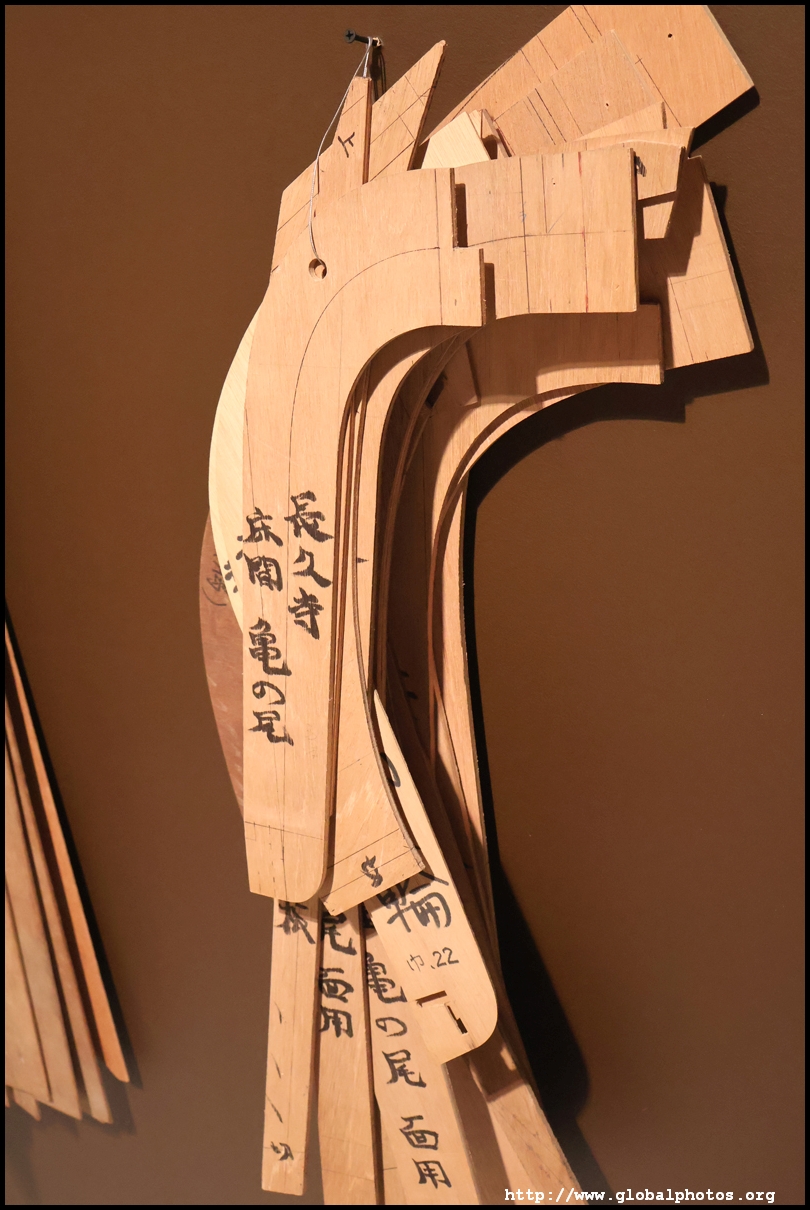
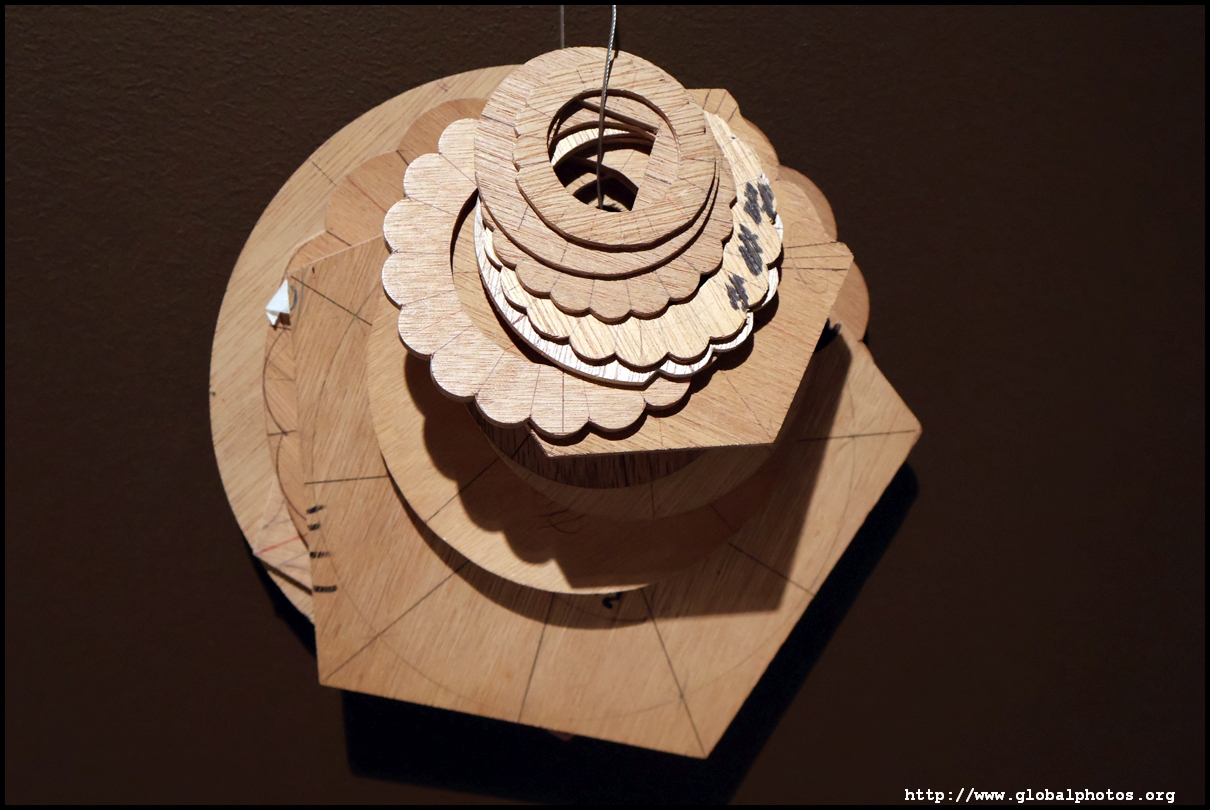
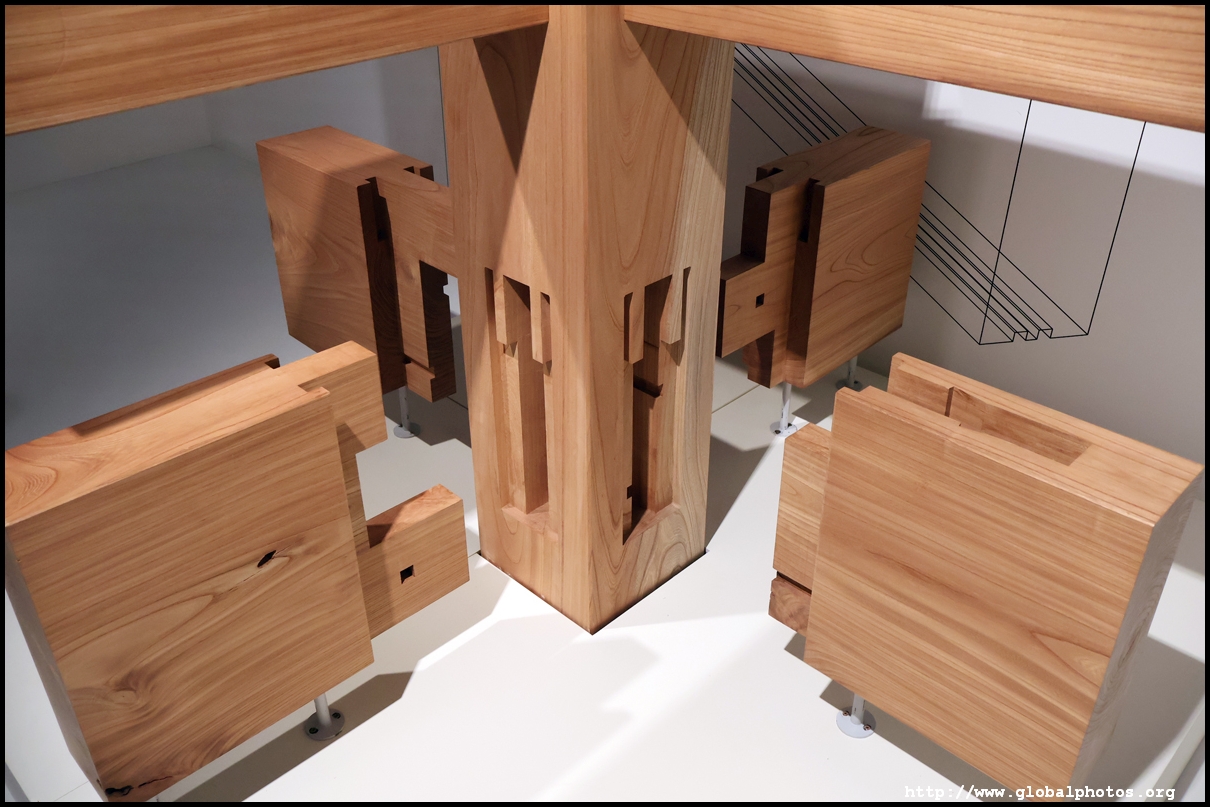
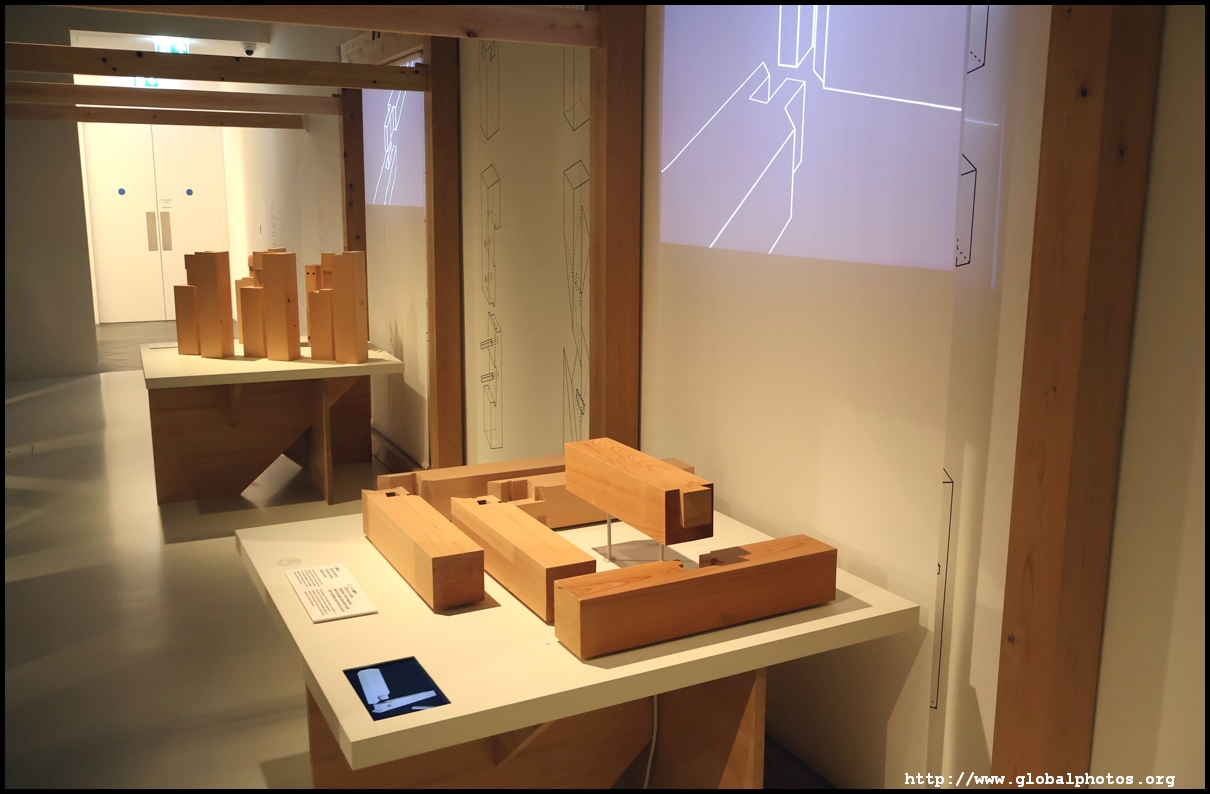
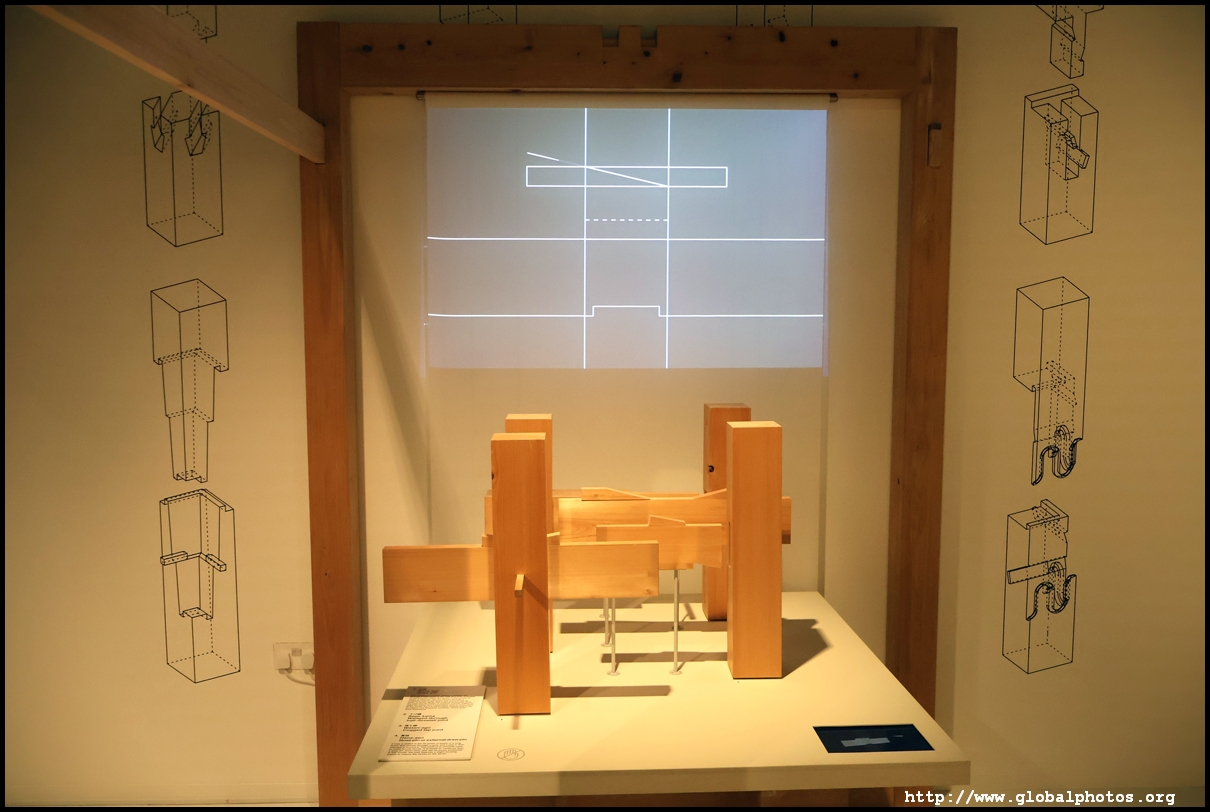
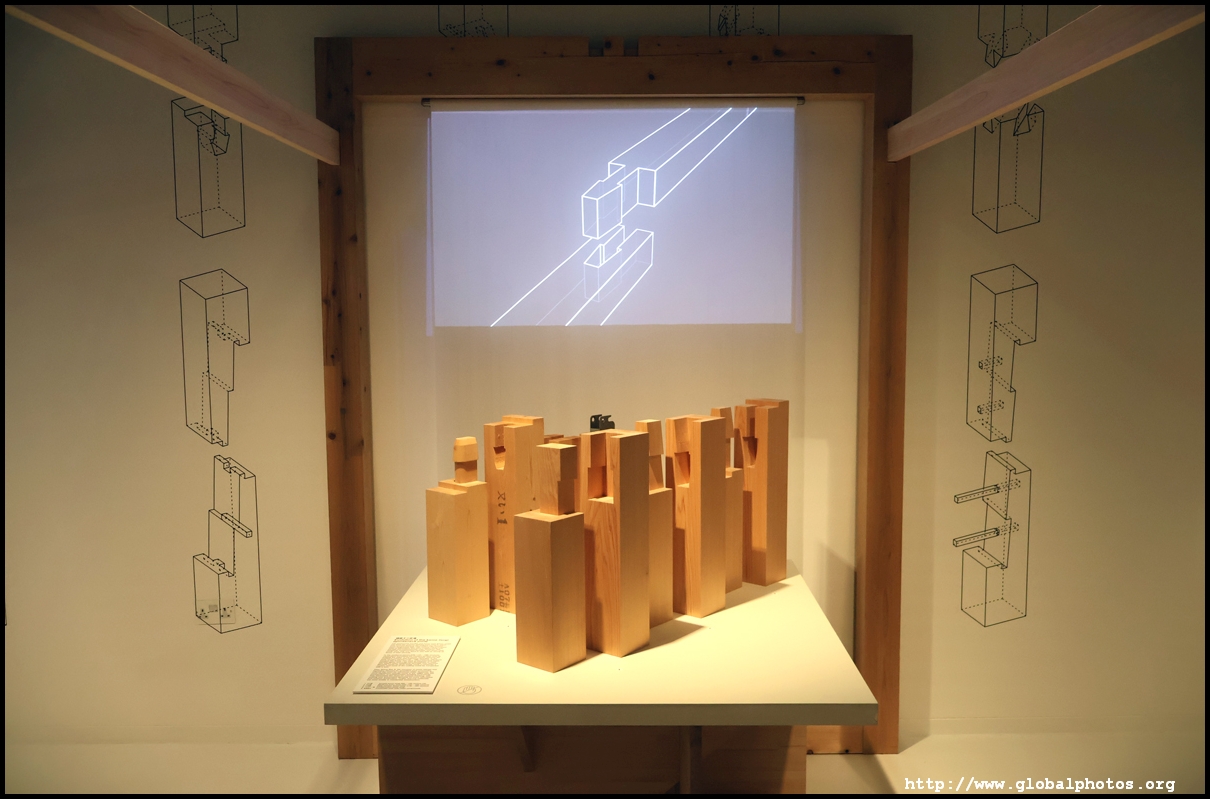
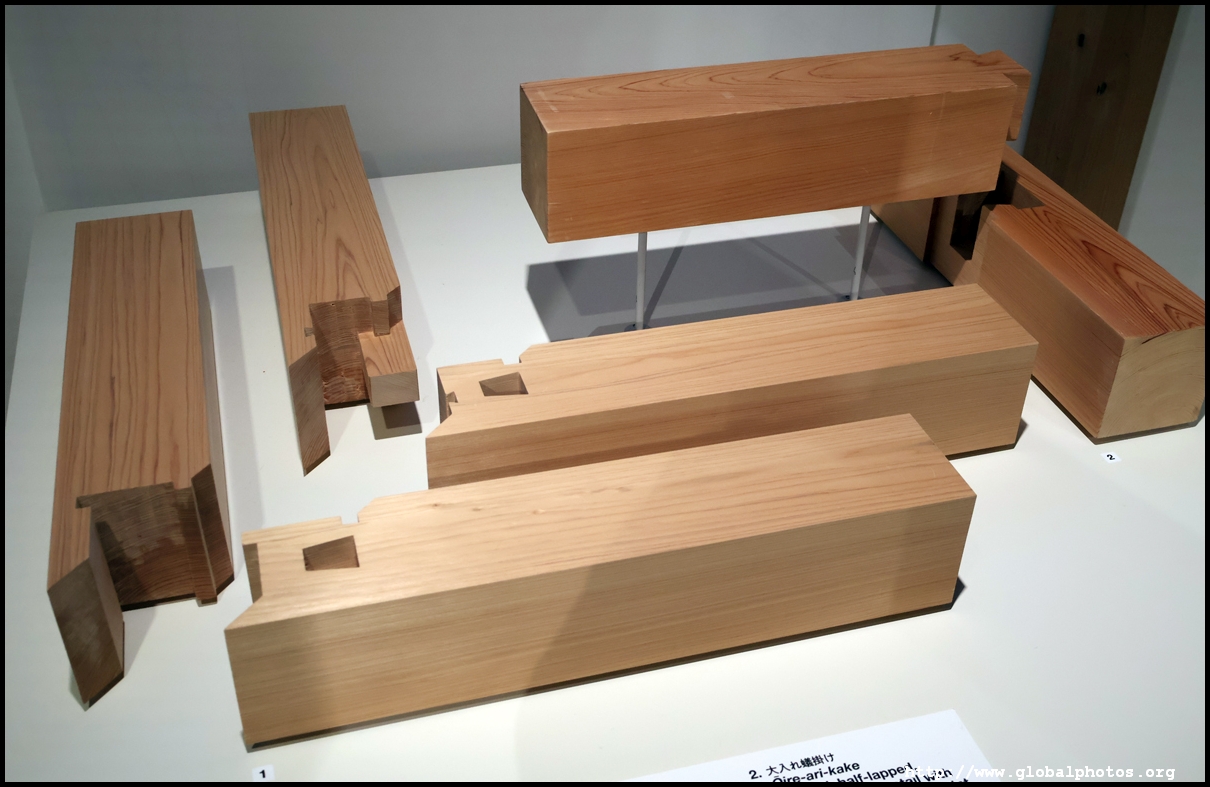
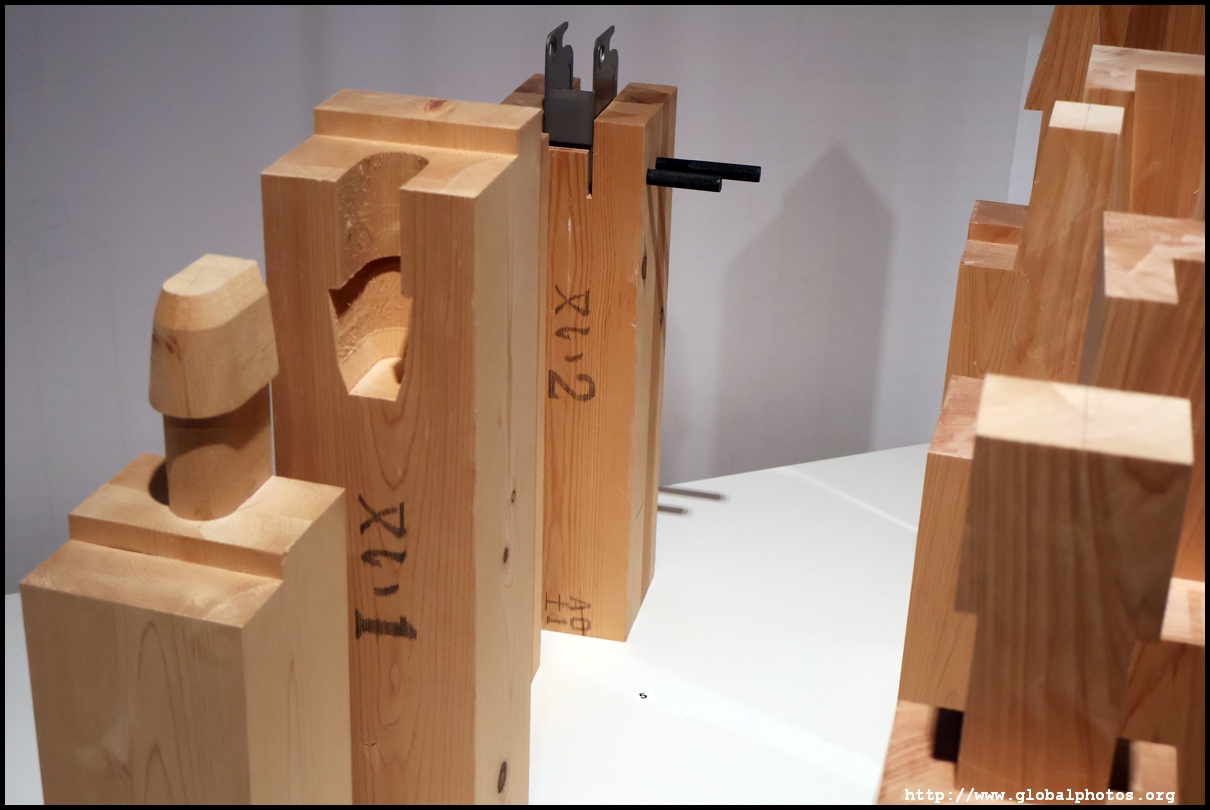
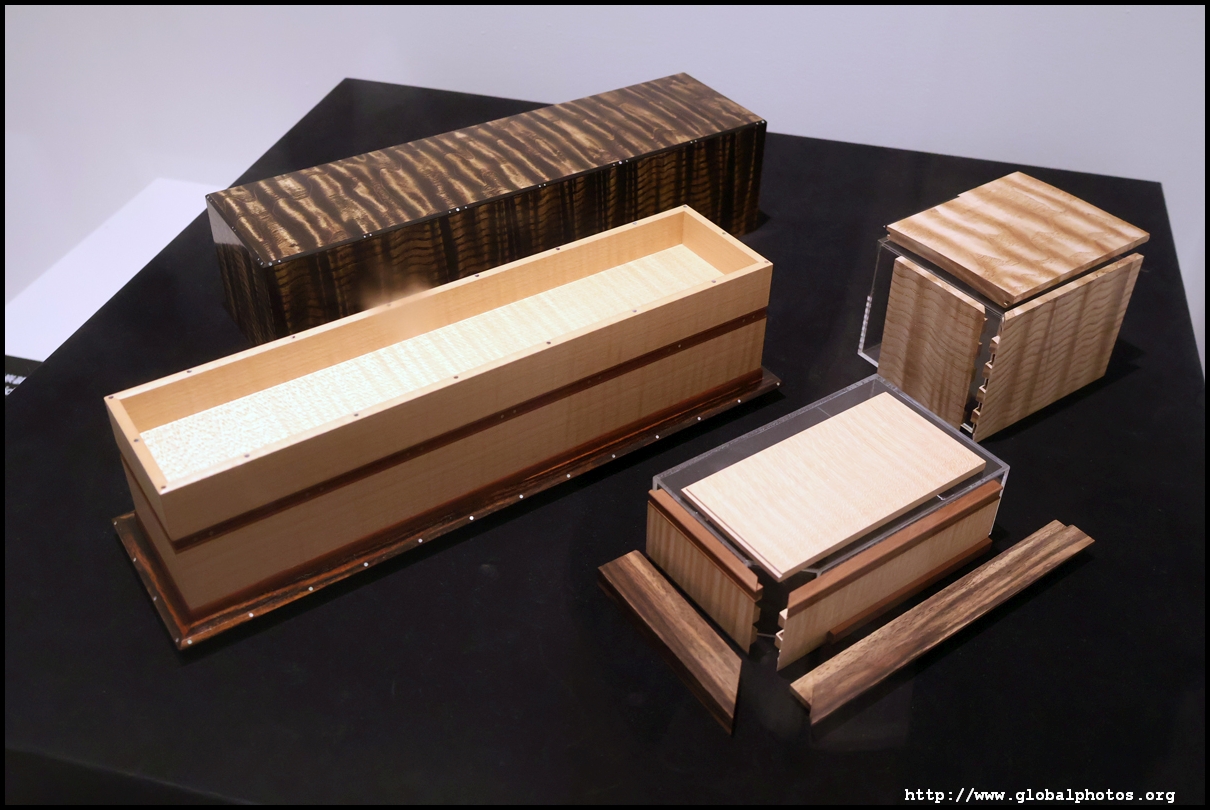
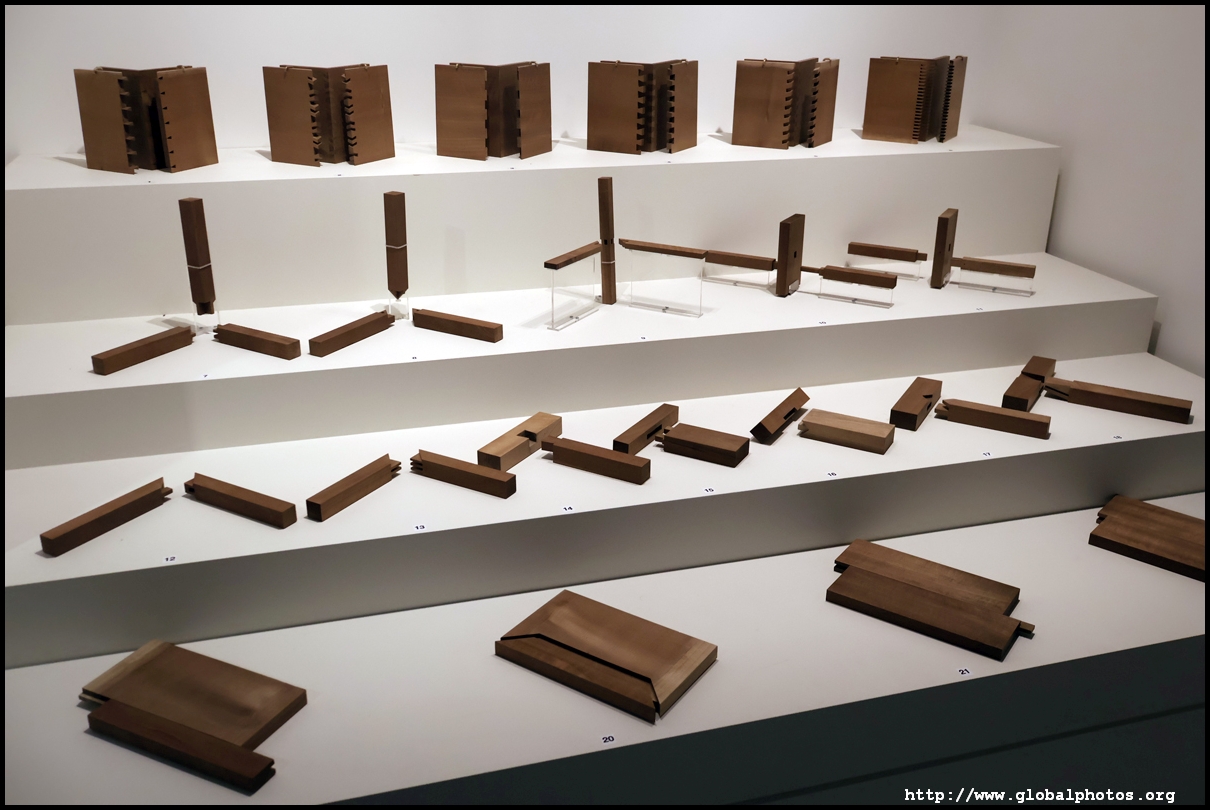
There are many drawings and models showing how complicated joints can be assembled using various shapes. Kata-ita wooden design templates were essential to carpenters working on curved surfaces for their temple and shrine projects.
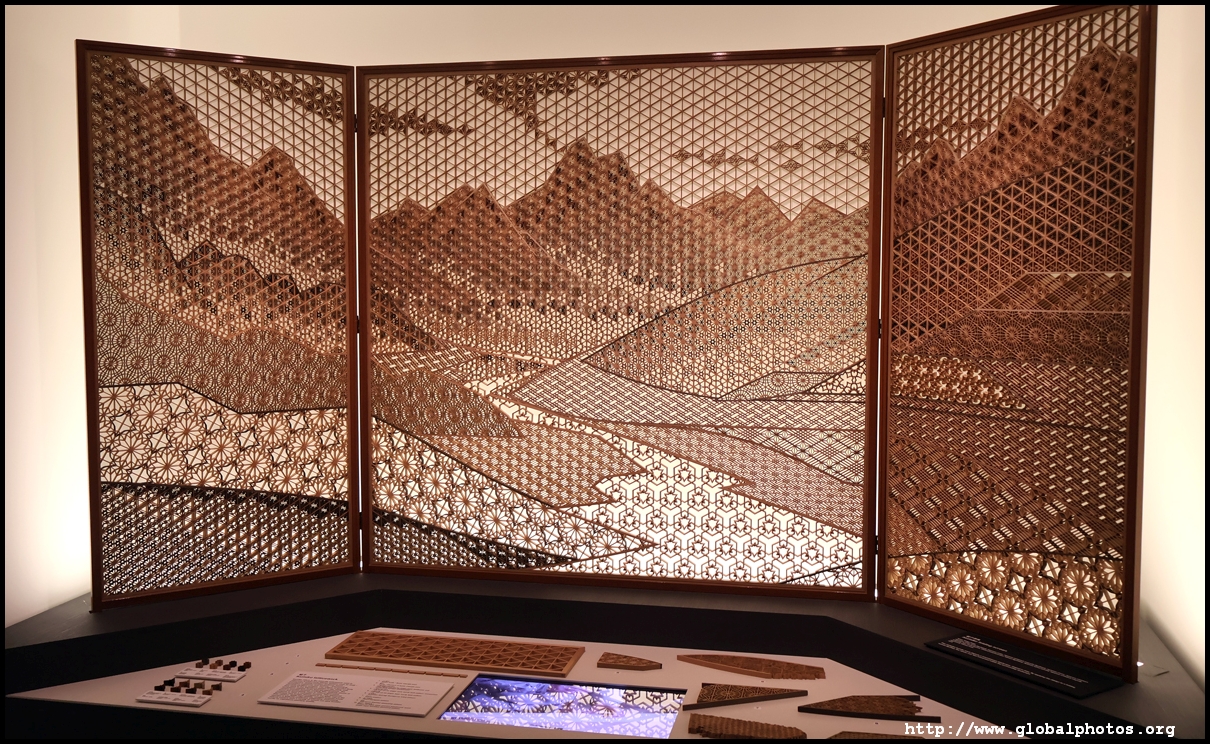
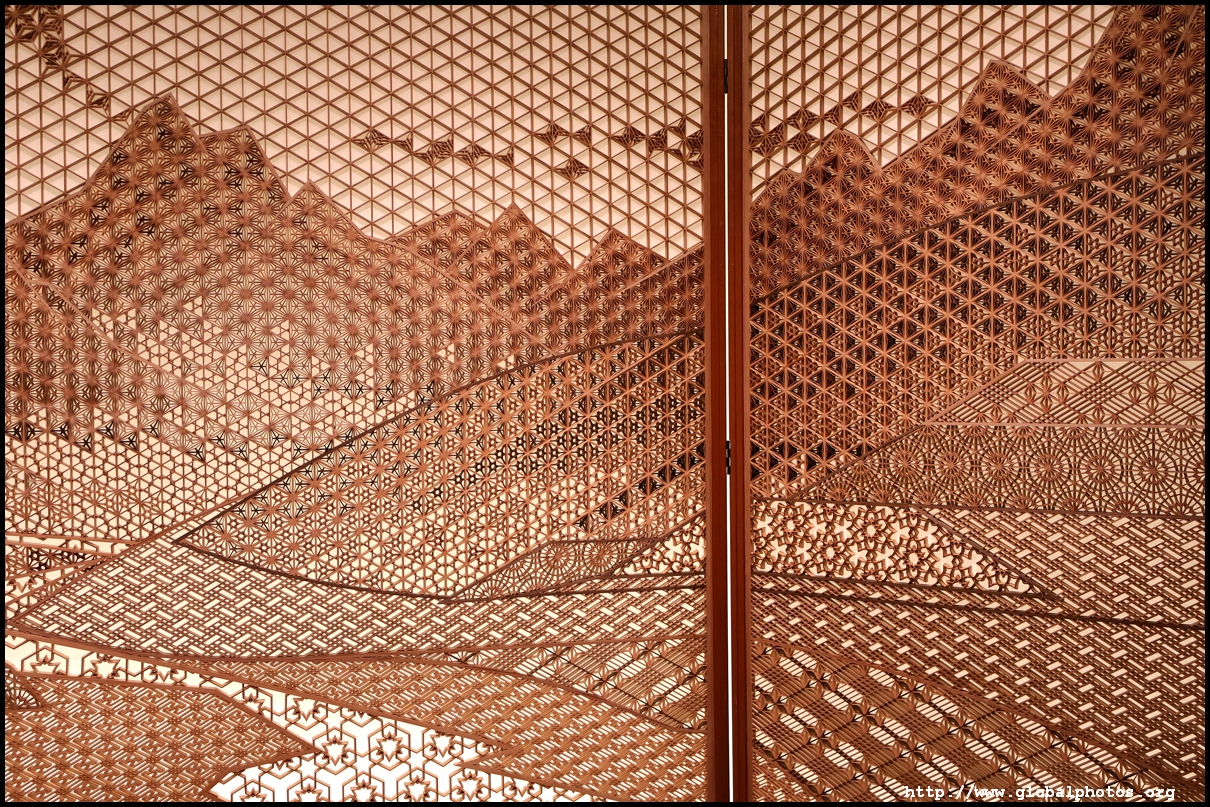
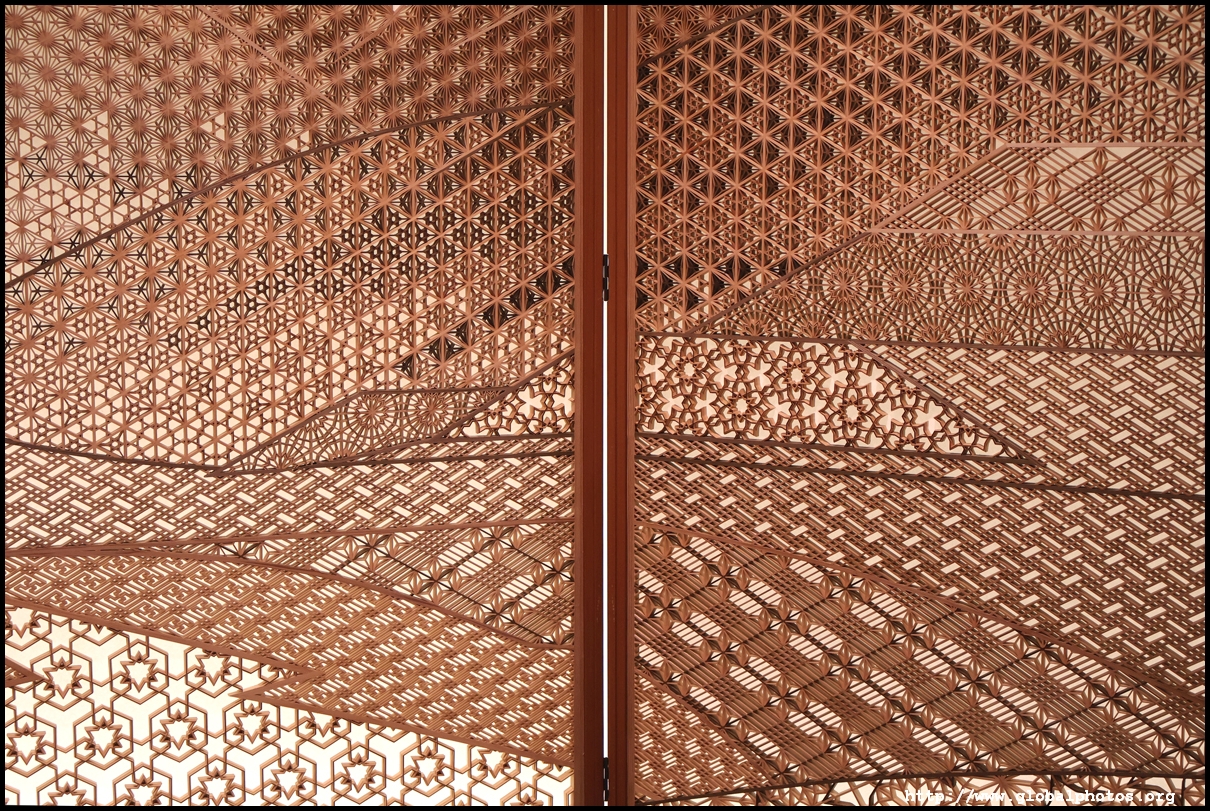
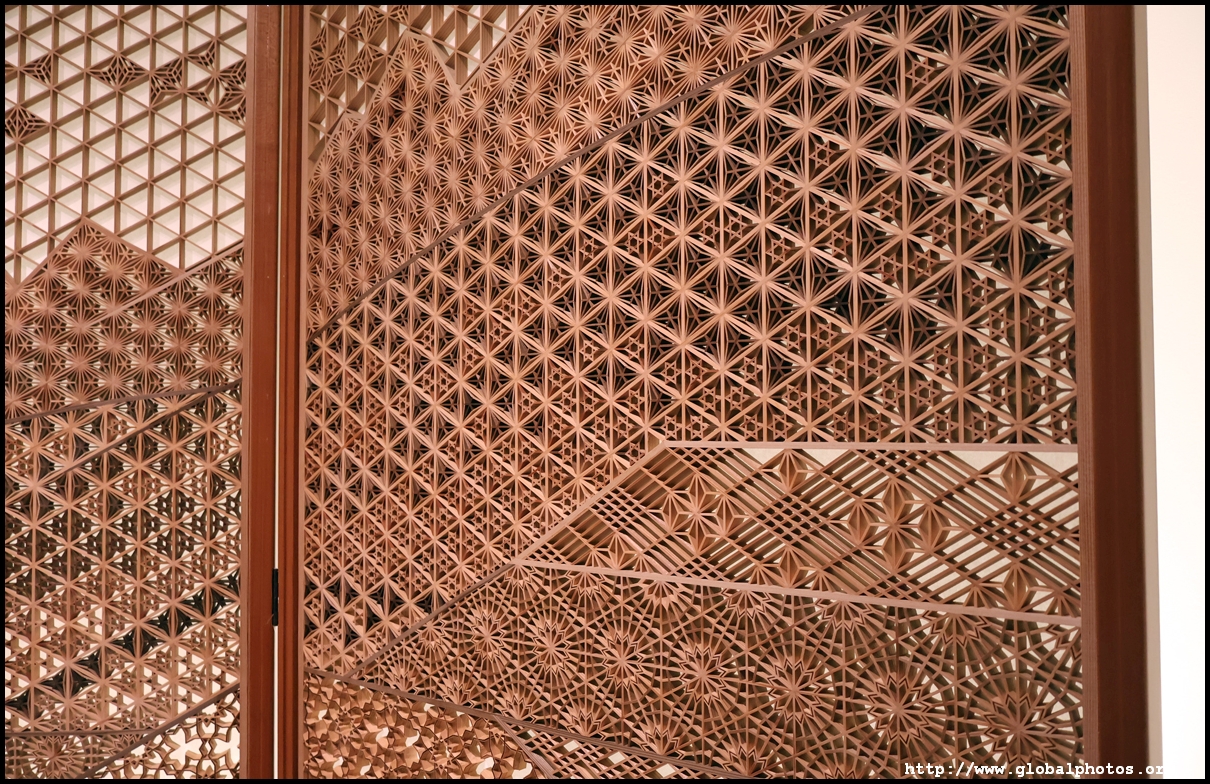
This kumiko folding screen shows a misty mountain landscape. Kumiko refers to lattice work involving thin and delicate pieces of wood arranged in various geometric patterns.
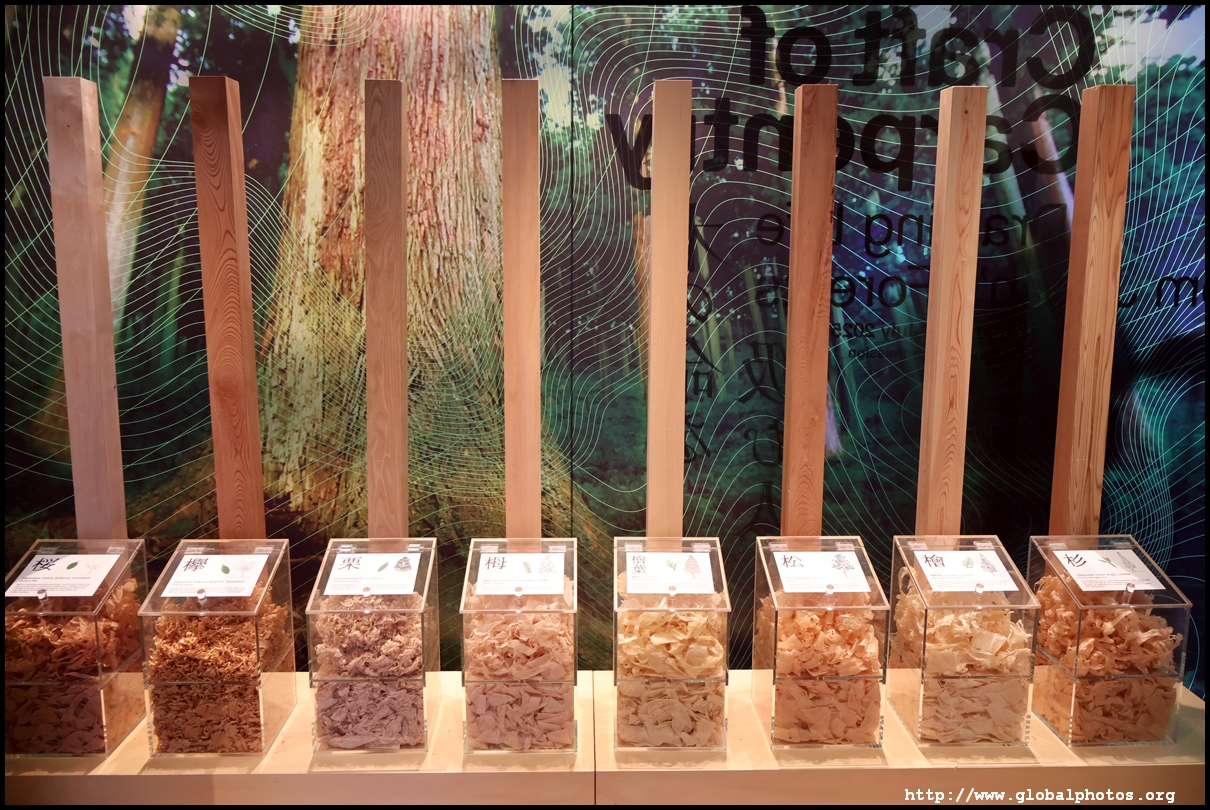
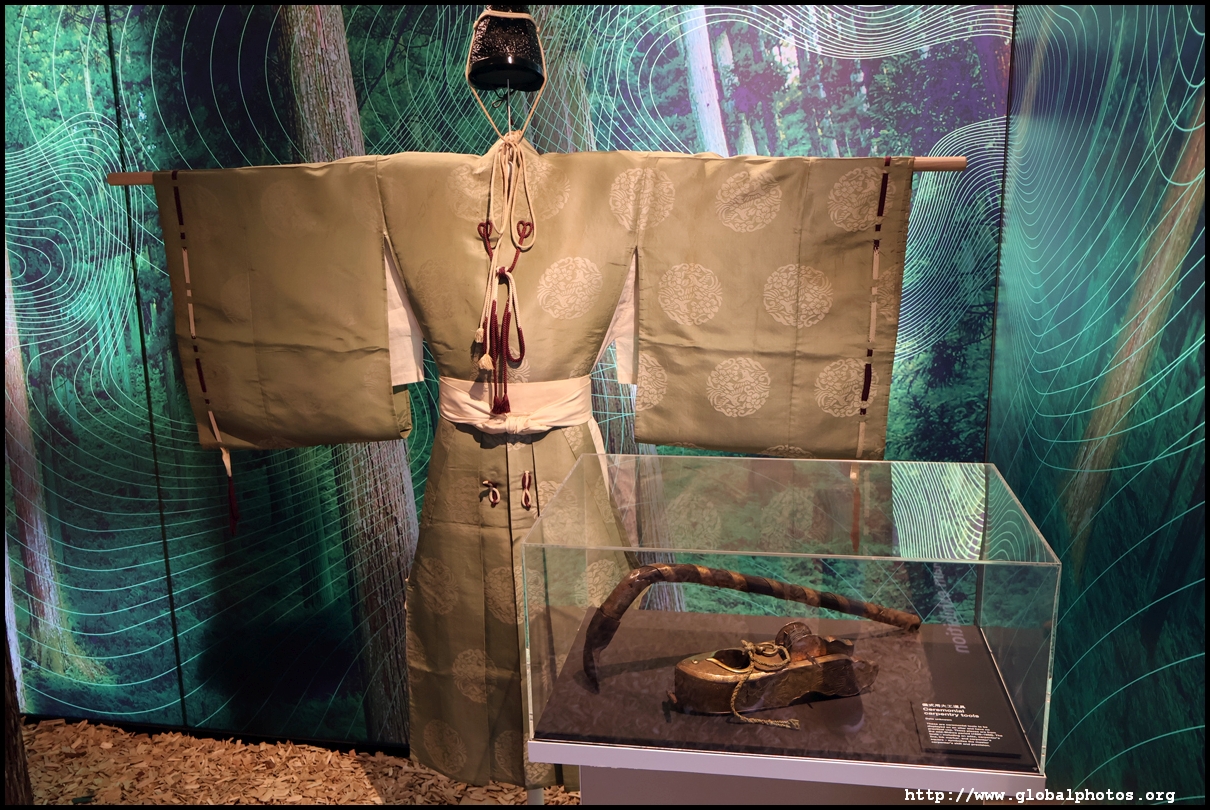
Heading back upstairs, do check out the small display near the entrance where you can smell the different types of wood and the hitatare ceremonial attire used by carpenters for rituals to designate a sacred space or pay respect to forest deities.
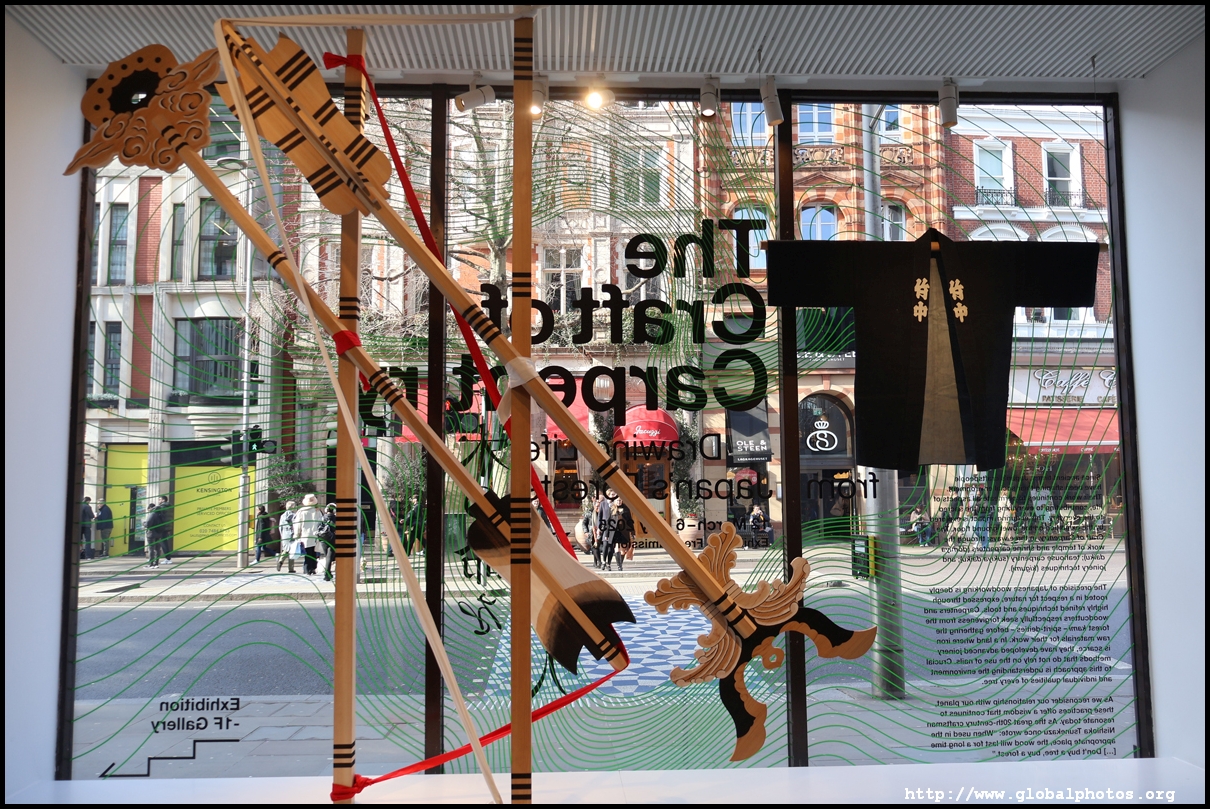
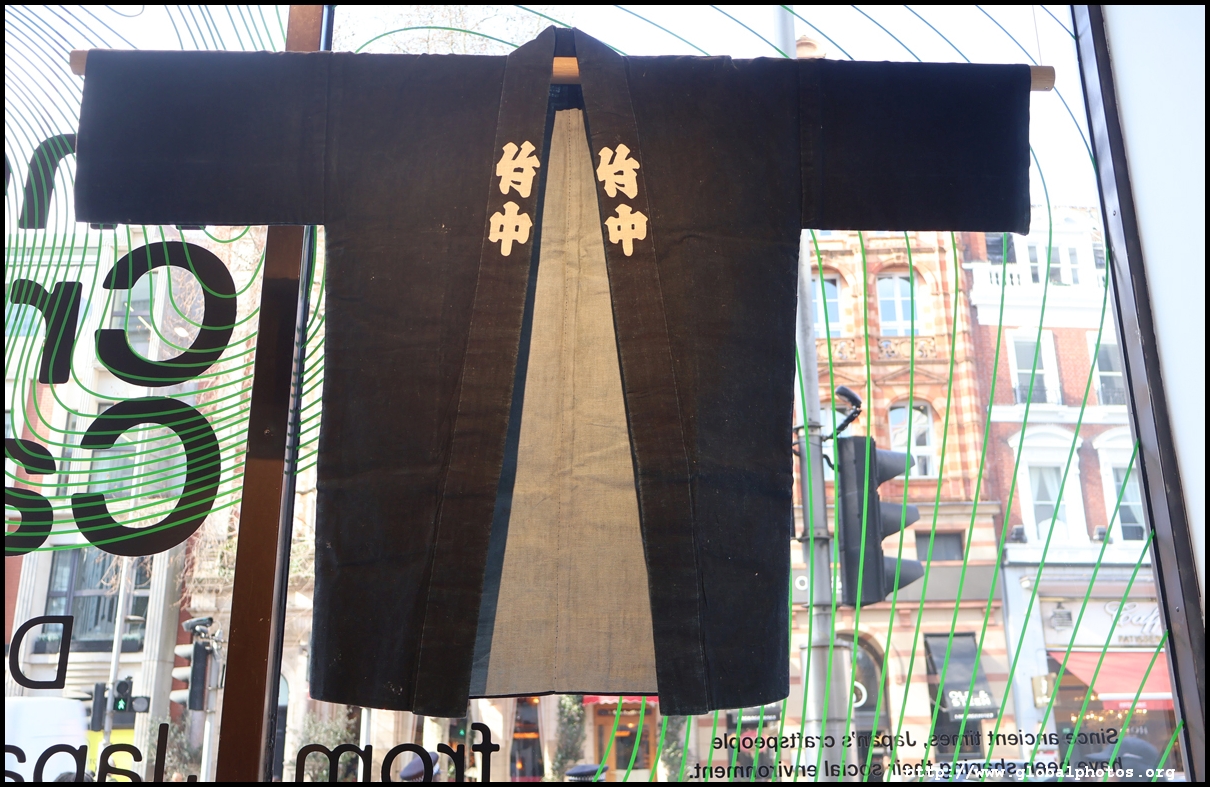
On the left is a whistling arrow used during a ceremony to purify an area from demons before a carpentry project. To the right is a hanten workman's coat that was popular during the late Edo period.
| |
To re-use these photos, please notify me by email : asiaglobe@yahoo.com.hk.