London Photo Gallery - Art Exhibitions & Special Events
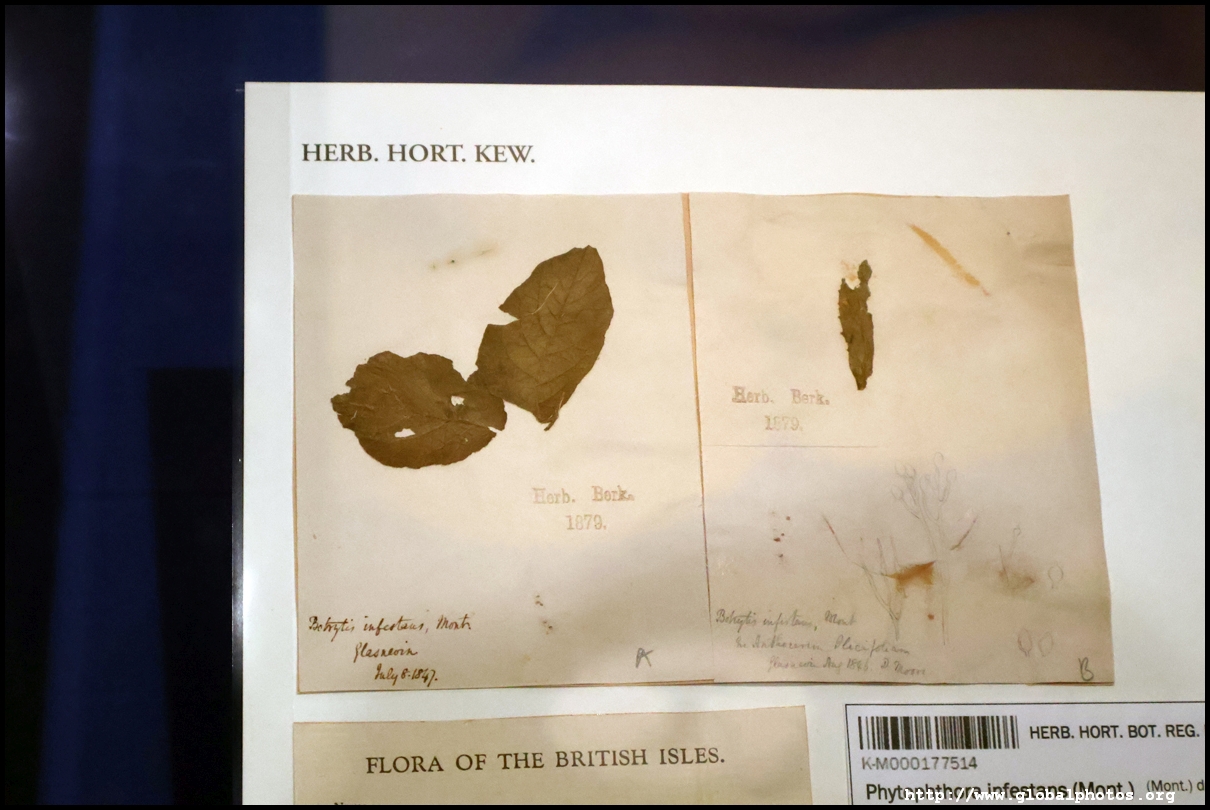
The Future of Food (July 2025)This free but pre-booking required exhibition explores the journey of our food from field to plate. It explores the history of scientific achievements that made feeding the world a bit easier, its side effects, and sustainable concepts that technology is trying to help achieve. This leaf collected during the Irish potato famine in 1847 was infected by a blight disease that caused potatoes to rot. A single variety was planted as crops, which made it susceptible to disaster. This is known as monoculture.
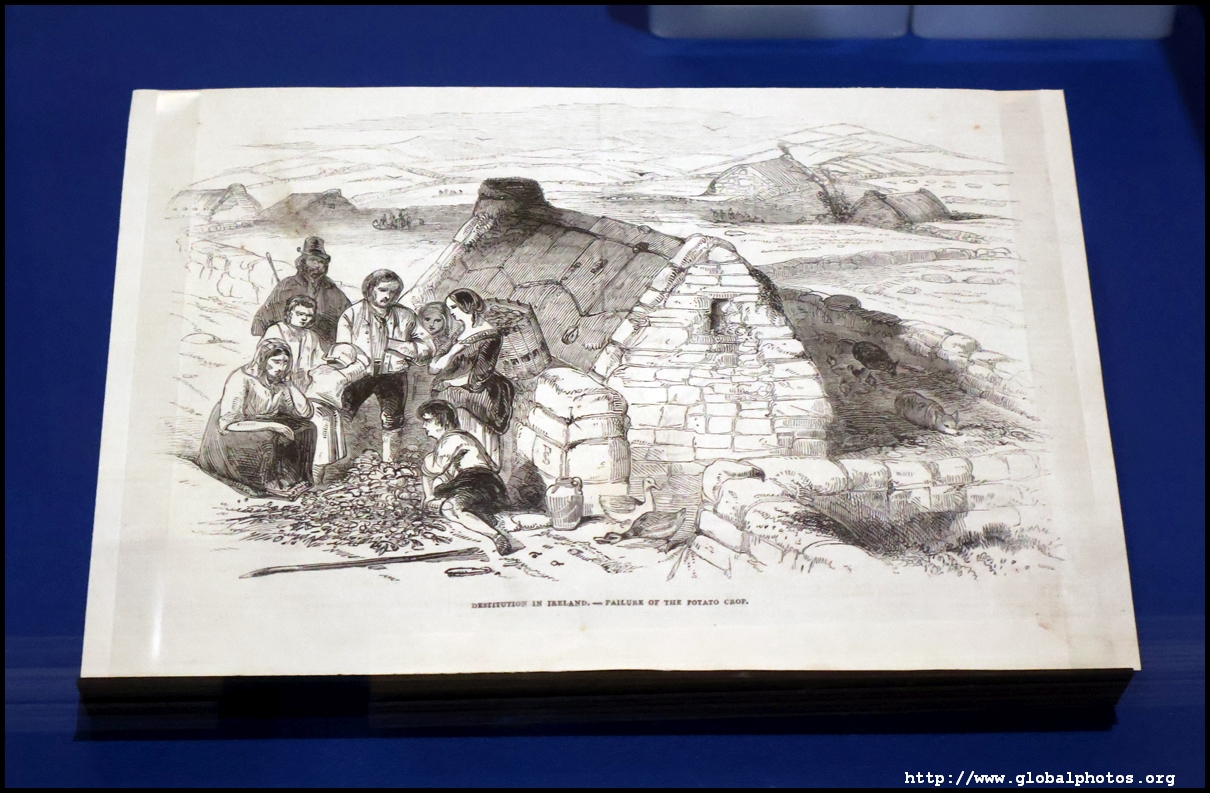
The famine killed a million people and many more Irish left the country. This is a newspaper illustration of the event from 1846.
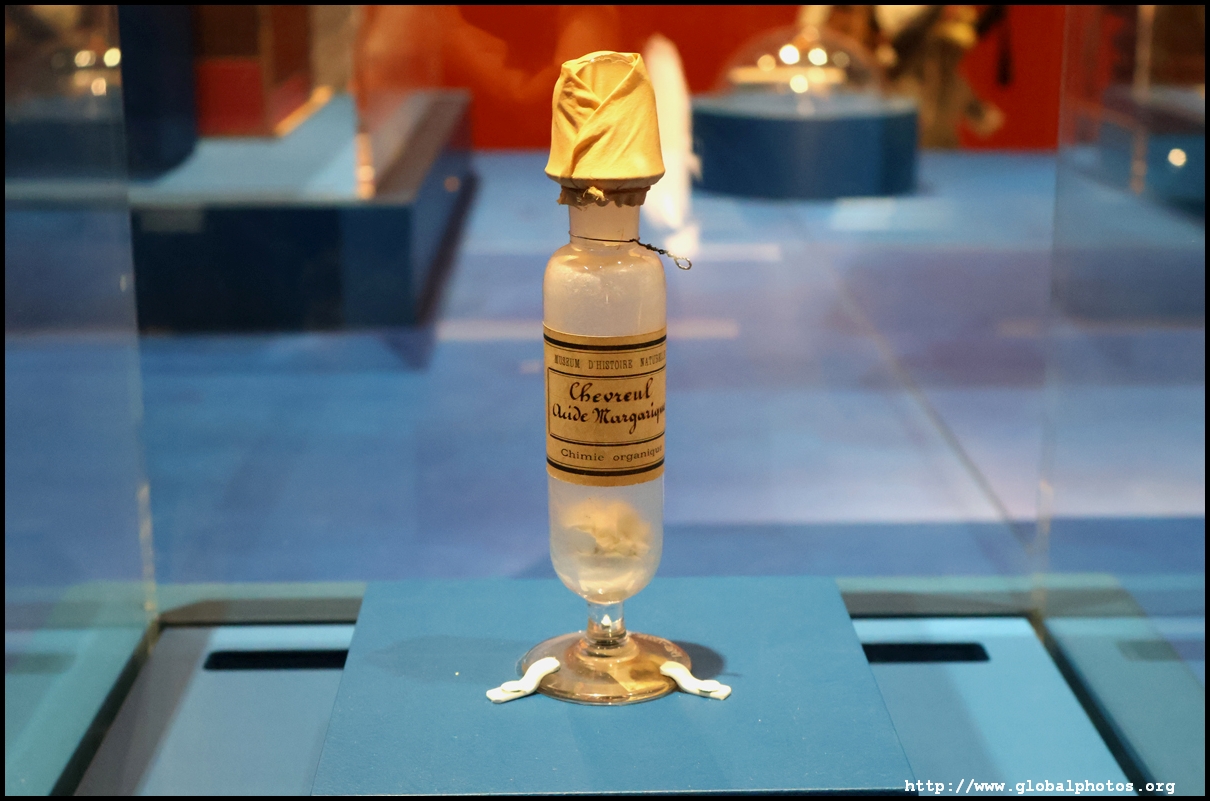
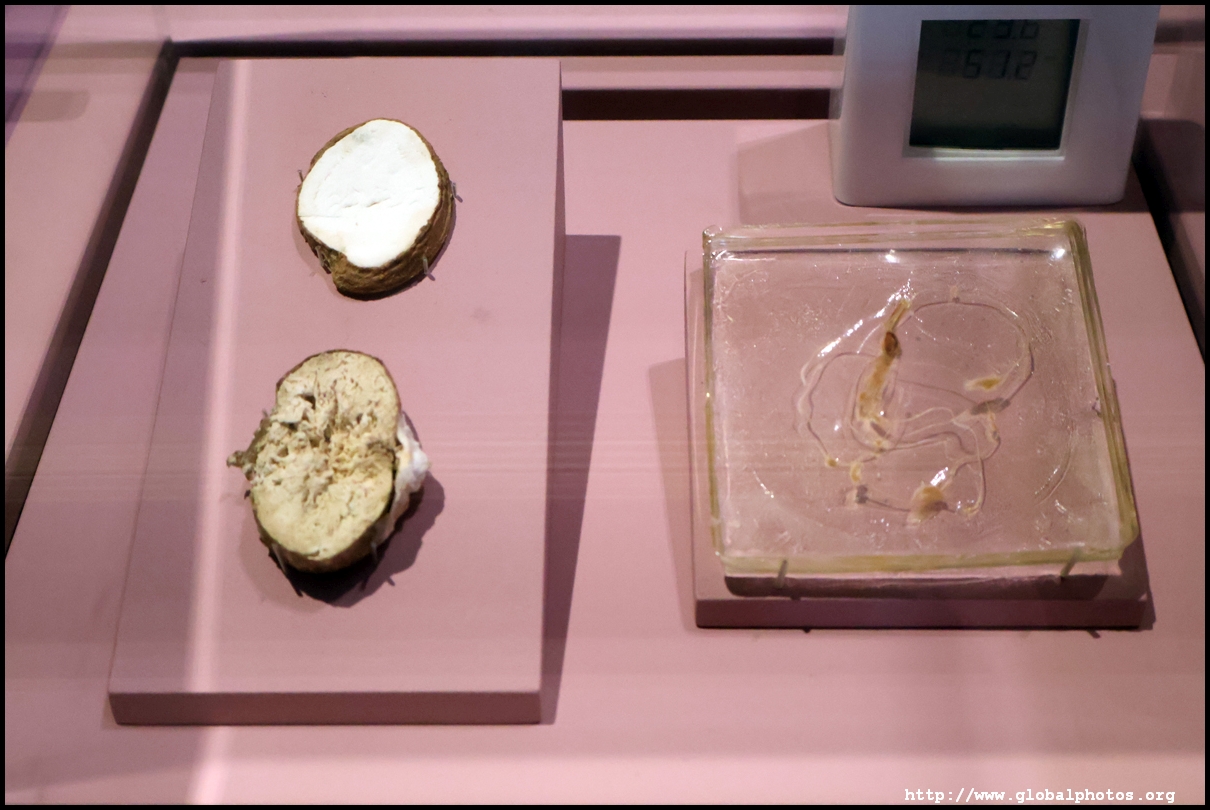
This is a lab specimen of margarine, which was invented in 1869 by French chemist Michel Chevreul.
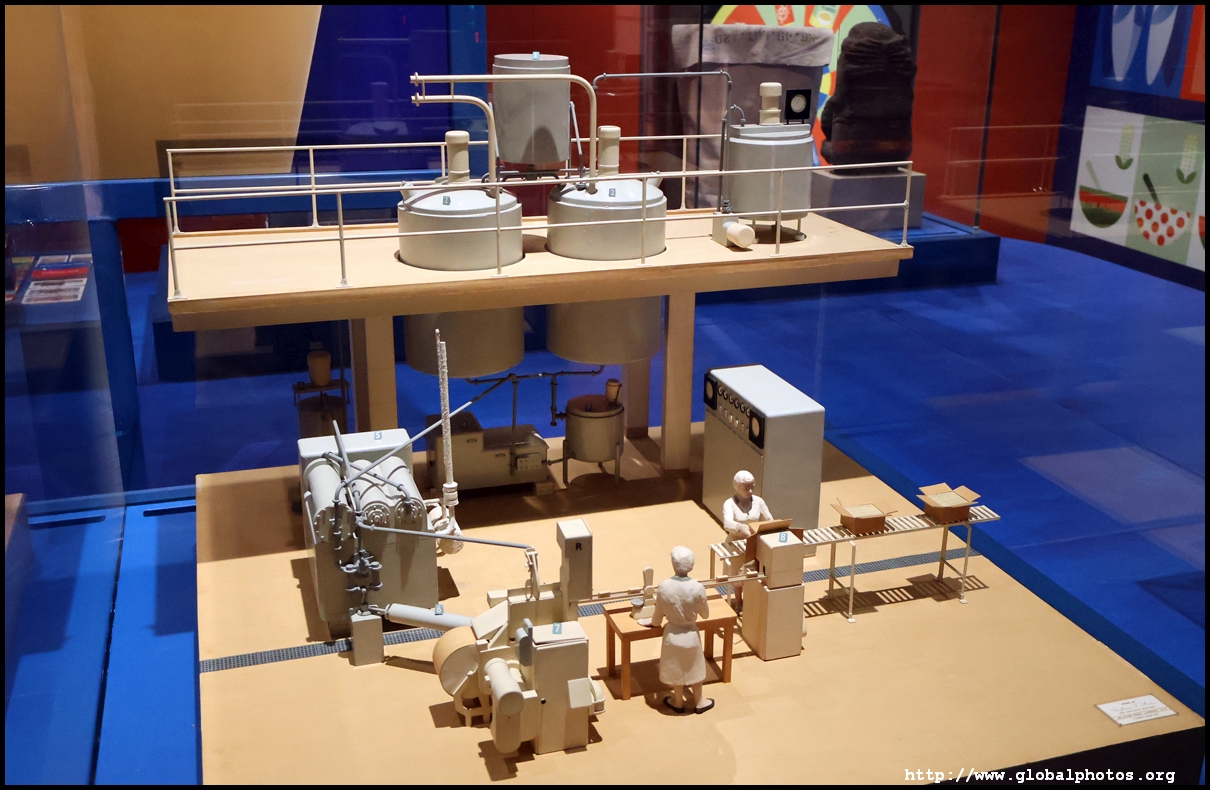
To lower production costs and to increase profits, the margarine industry switched from animal fats to vegetable oils in the 1900s. The invention of hydrogenated fats made this possible, which turned liquid vegetable oil into solid fat, giving margarine a butter-like structure. Below is a model of a Unilever margarine factory in the 1950s.
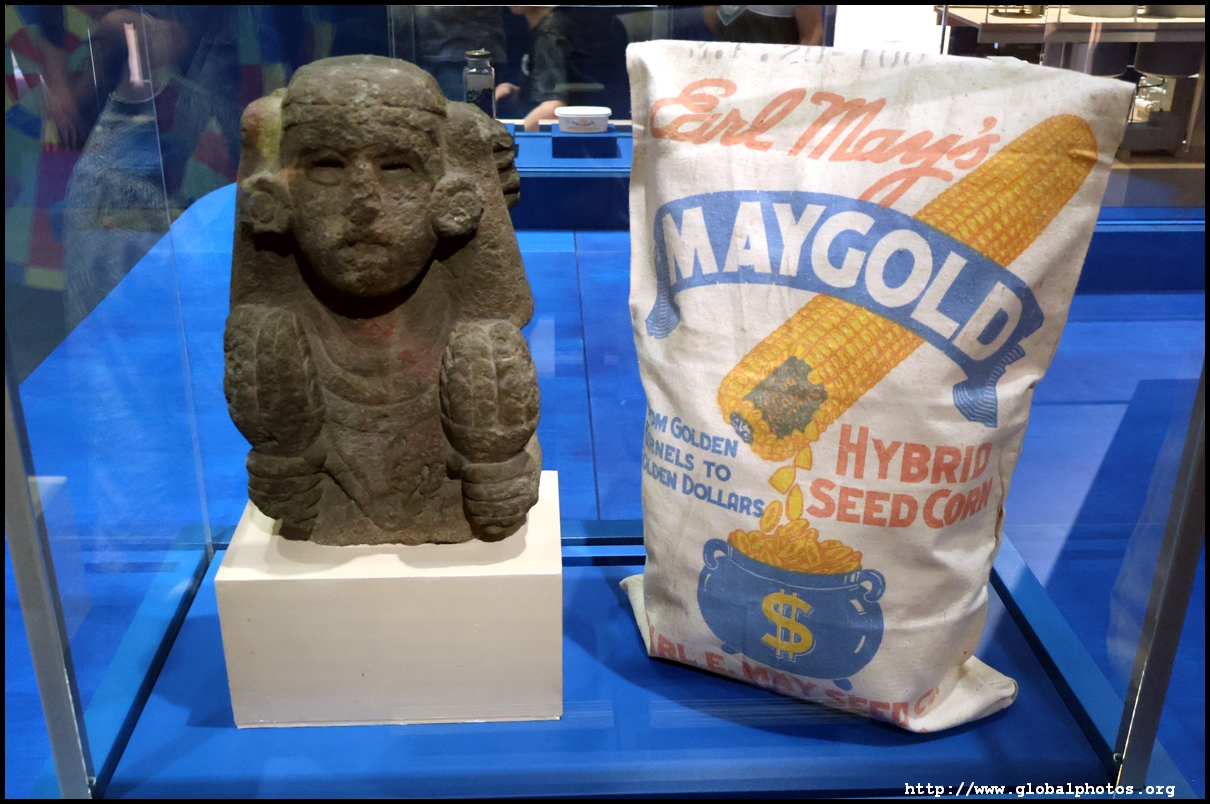
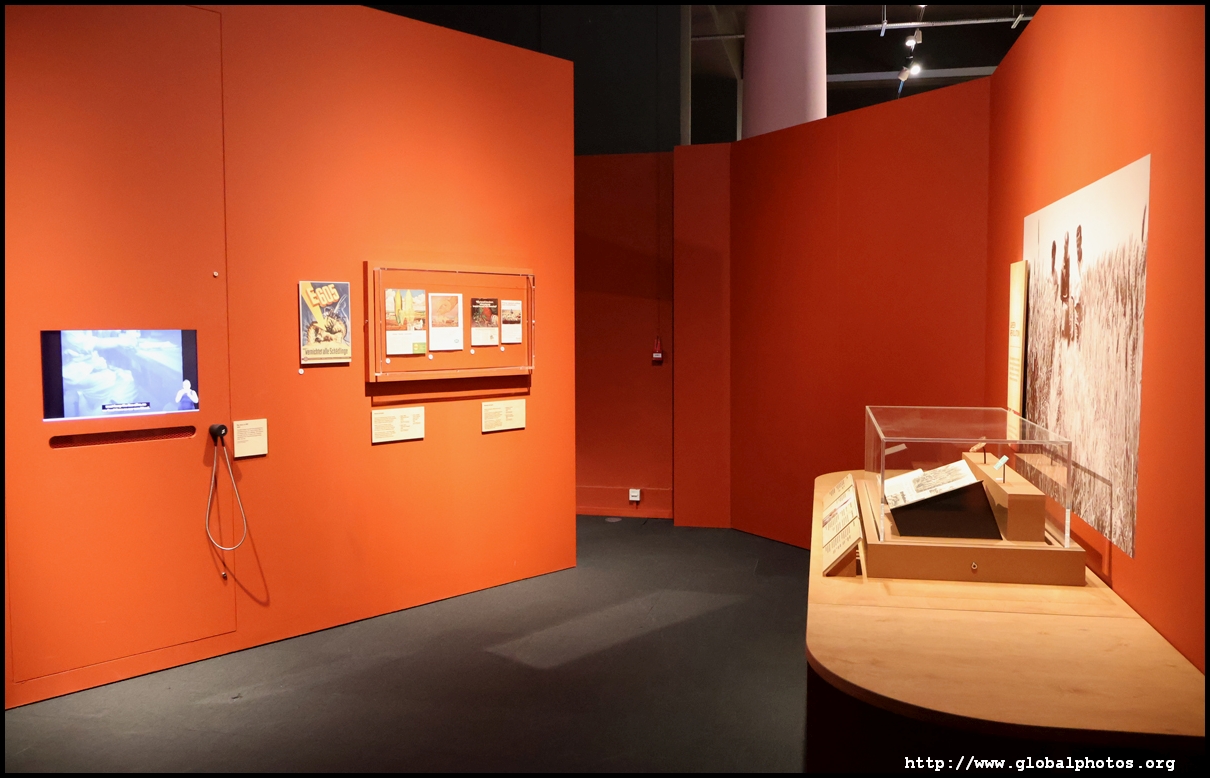
In the 1930s, American farmers adopted hybrid corn created by crossbreeding multiple varieties, which produced more product. The Aztecs considered corn to be sacred, and now it is the US's biggest cash crop.
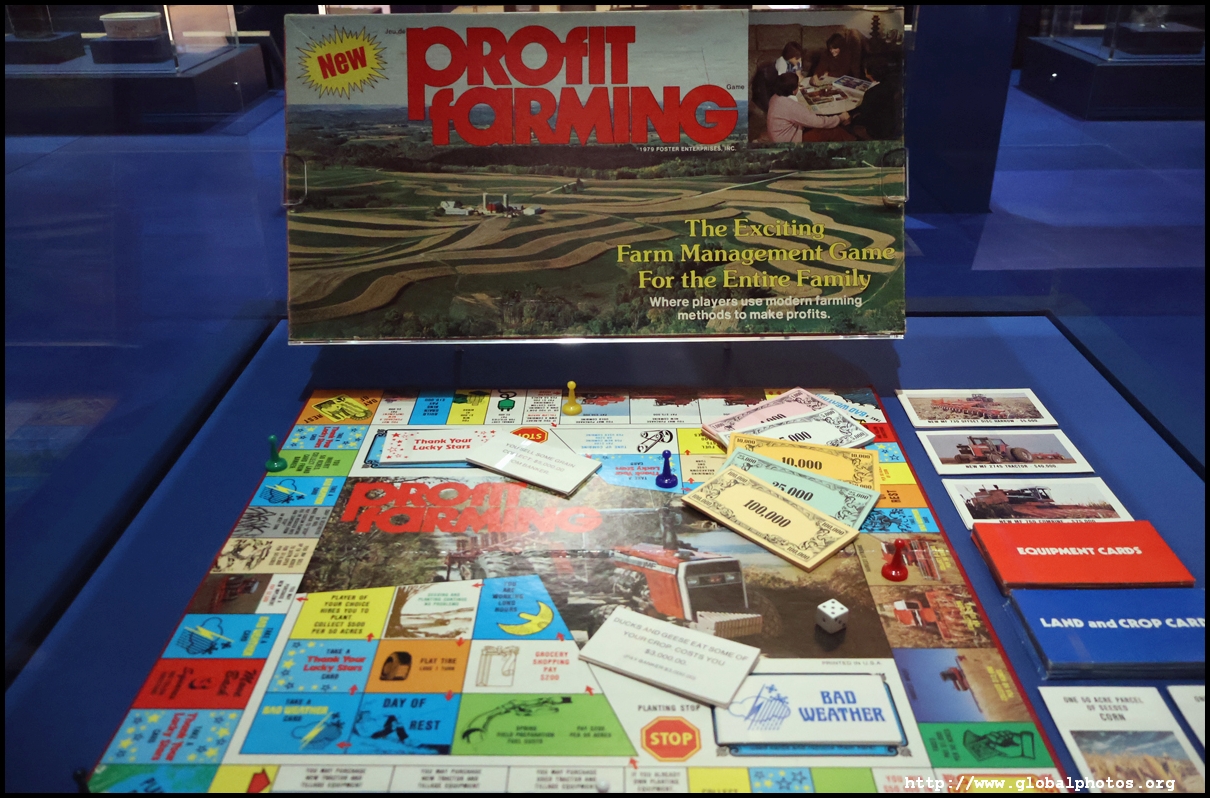
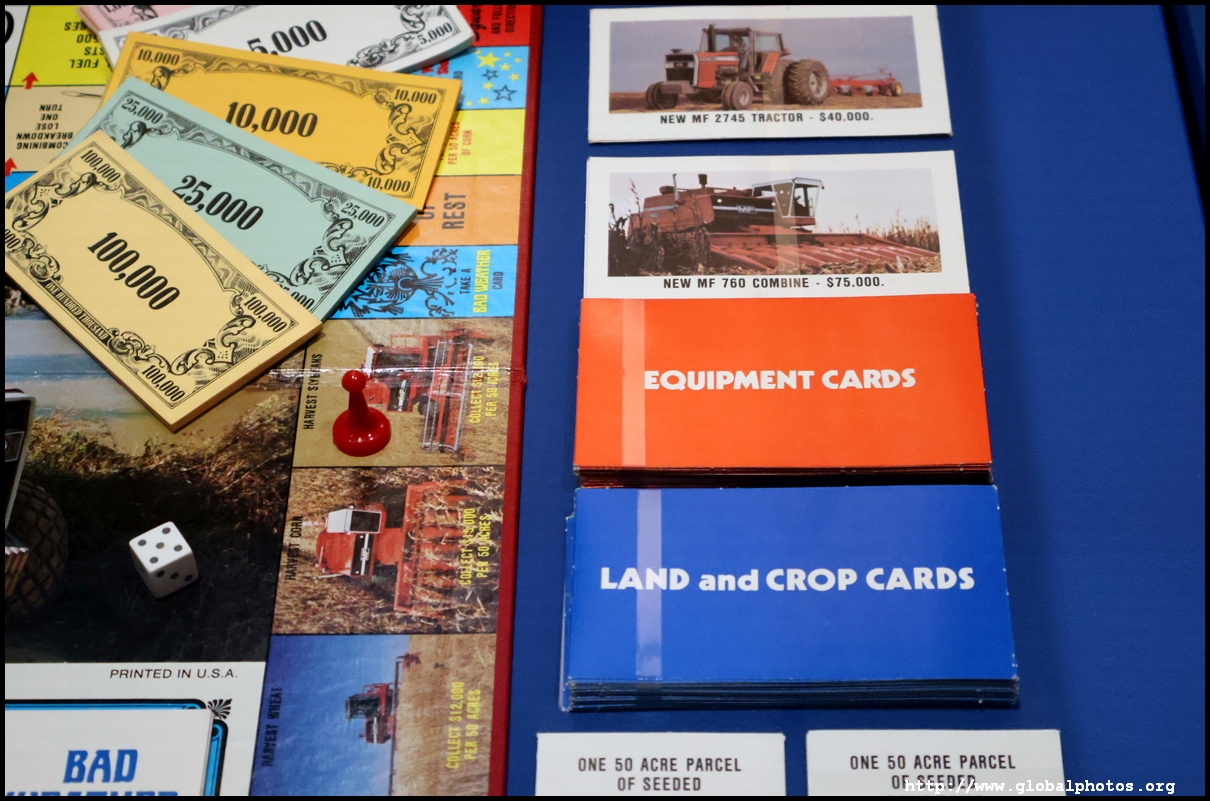
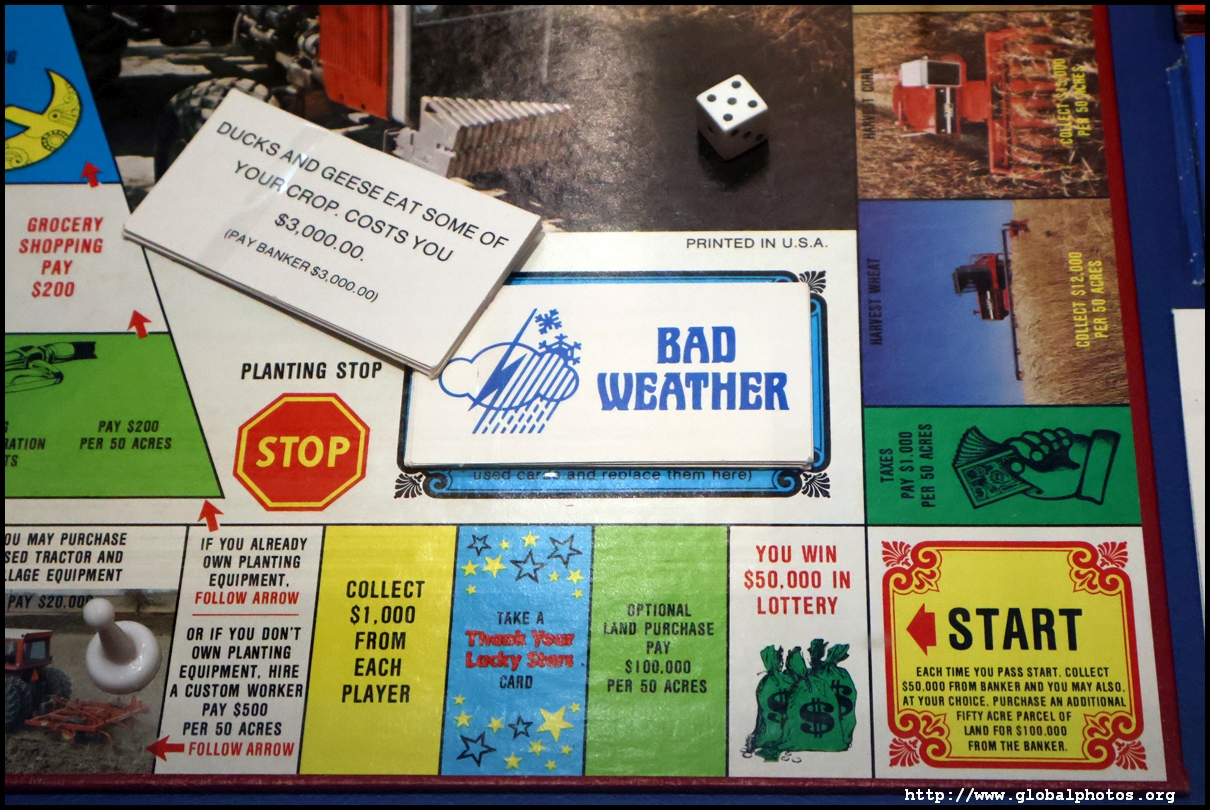
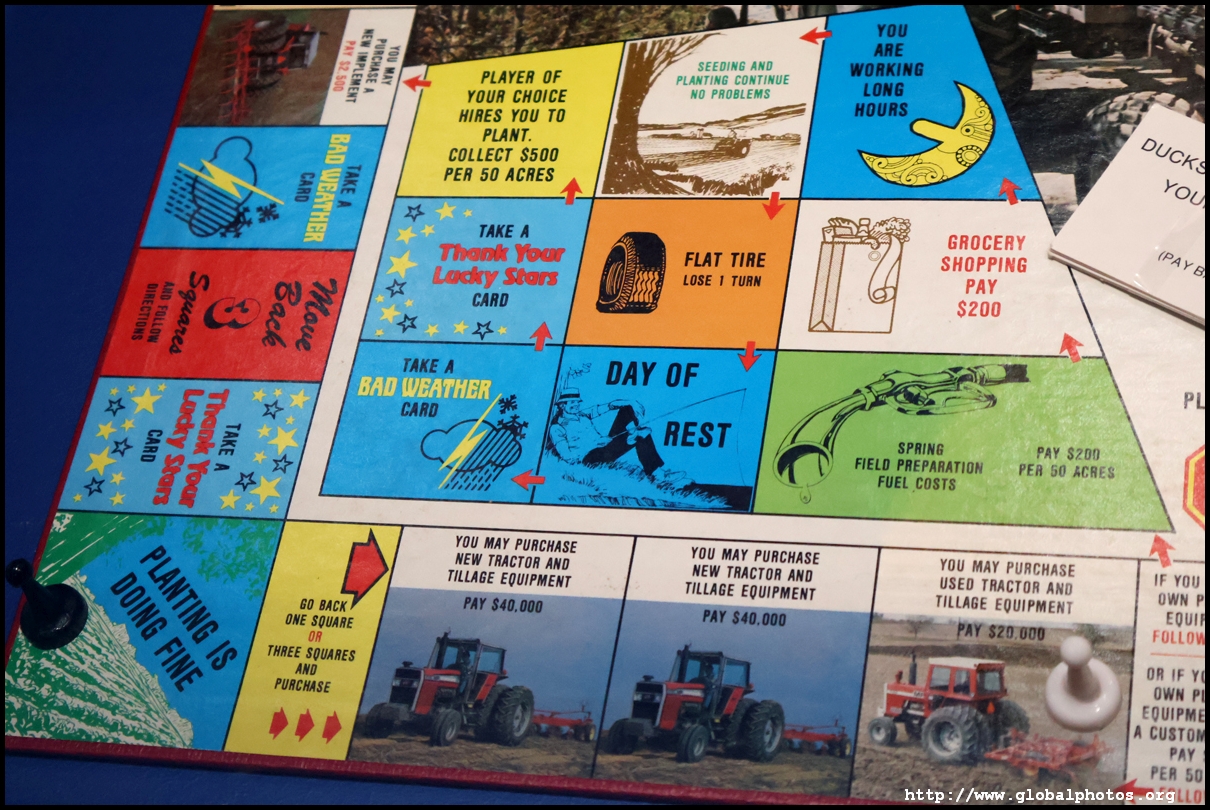
This for-profit farming board game from 1979 reflects the industrialization of food production. This created surpluses and reduced corn prices so much that it became a raw material for the food processing industry.
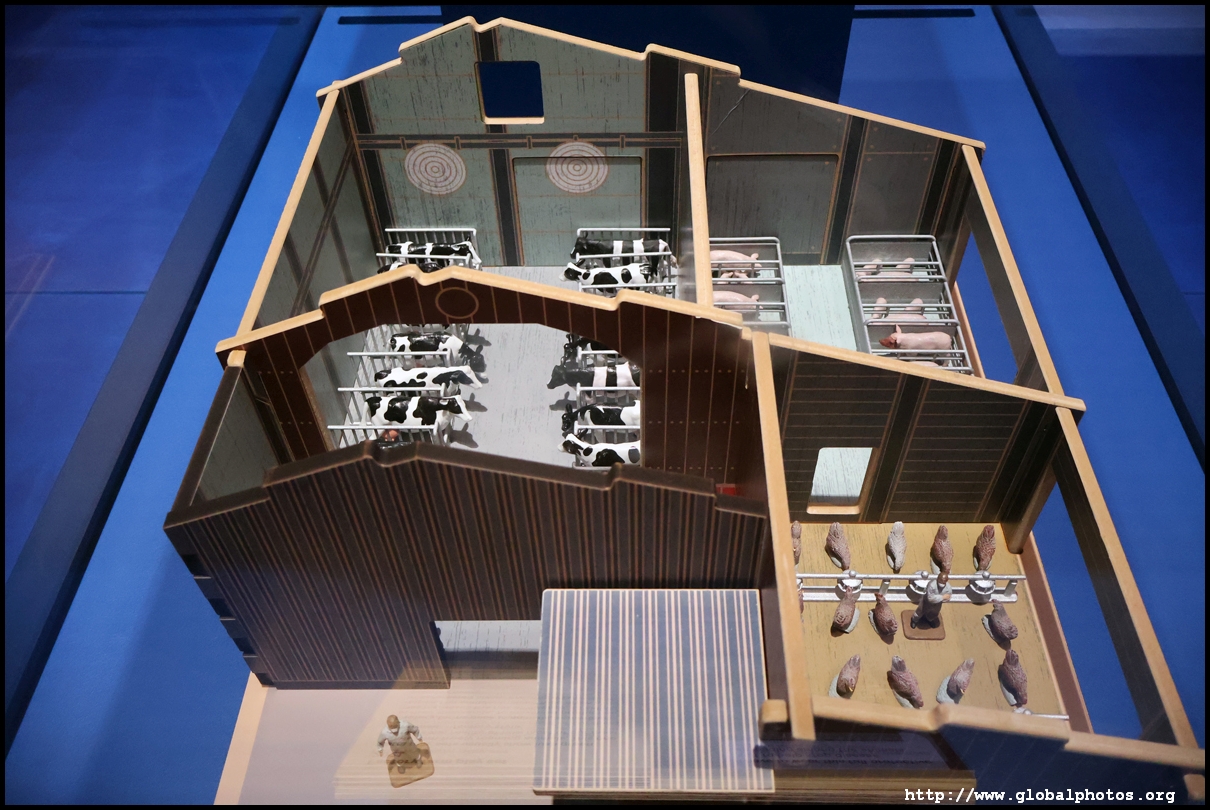
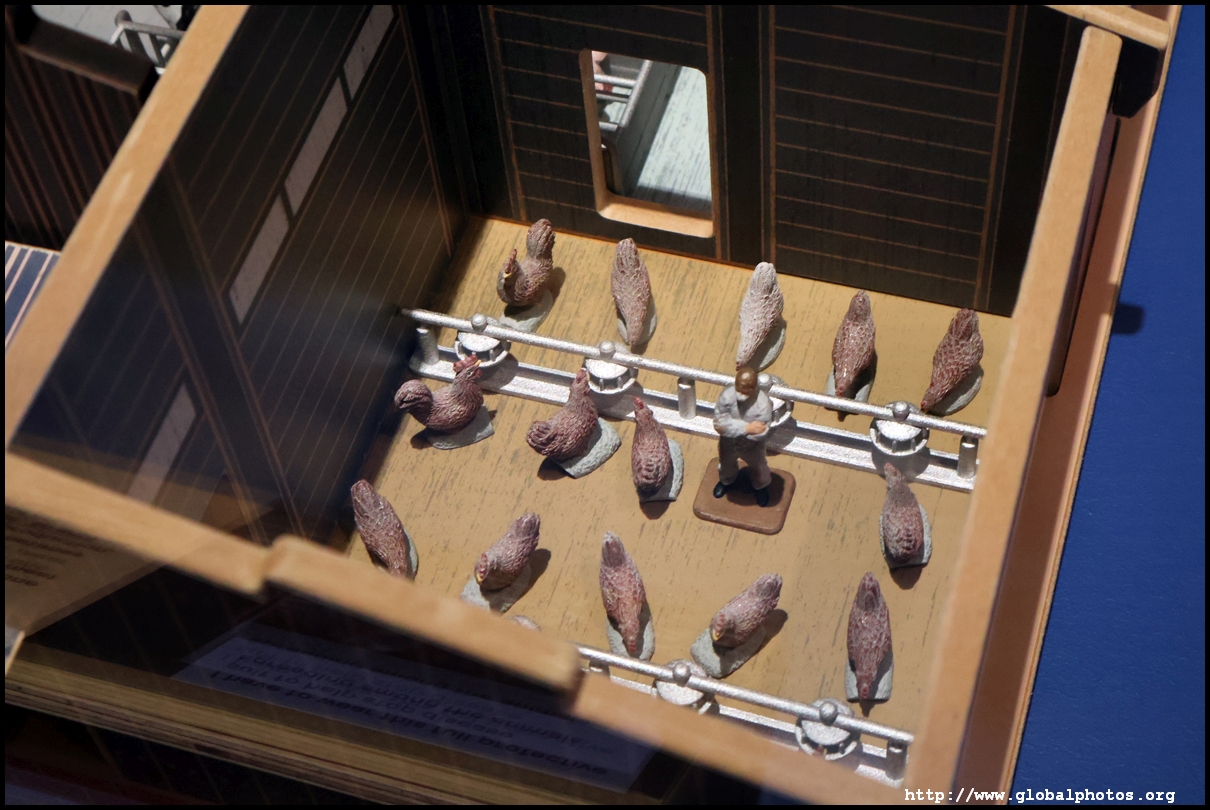
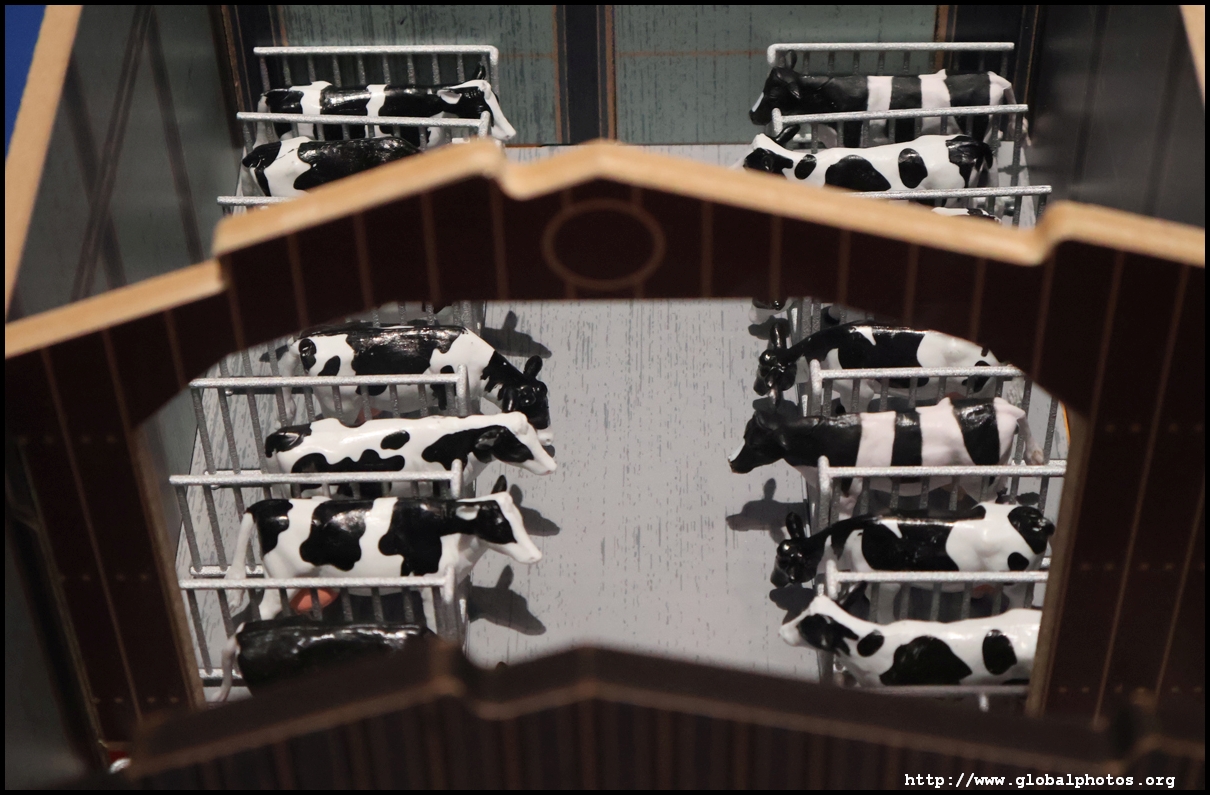
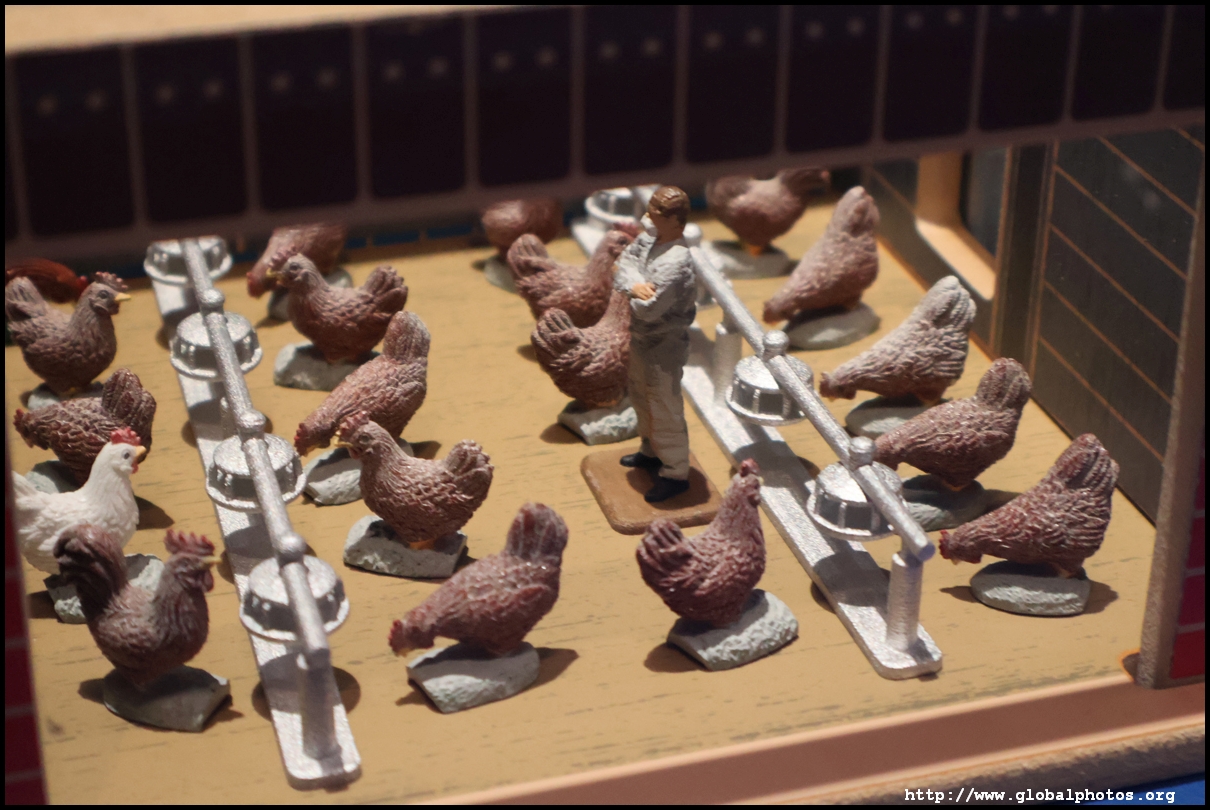
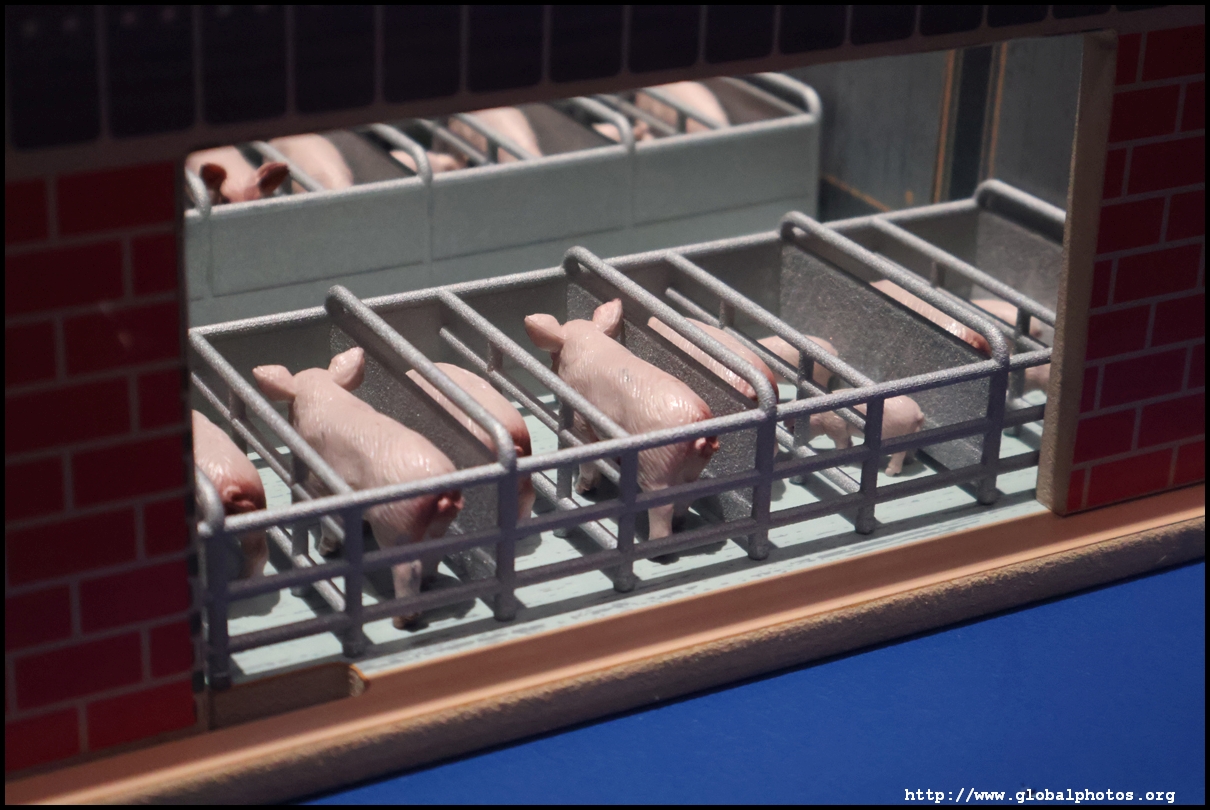
This play set shows the reality of meat production, where farms pack in animals to maximize production. This increases the risk of disease, so owners feed them antibiotic-laced food.
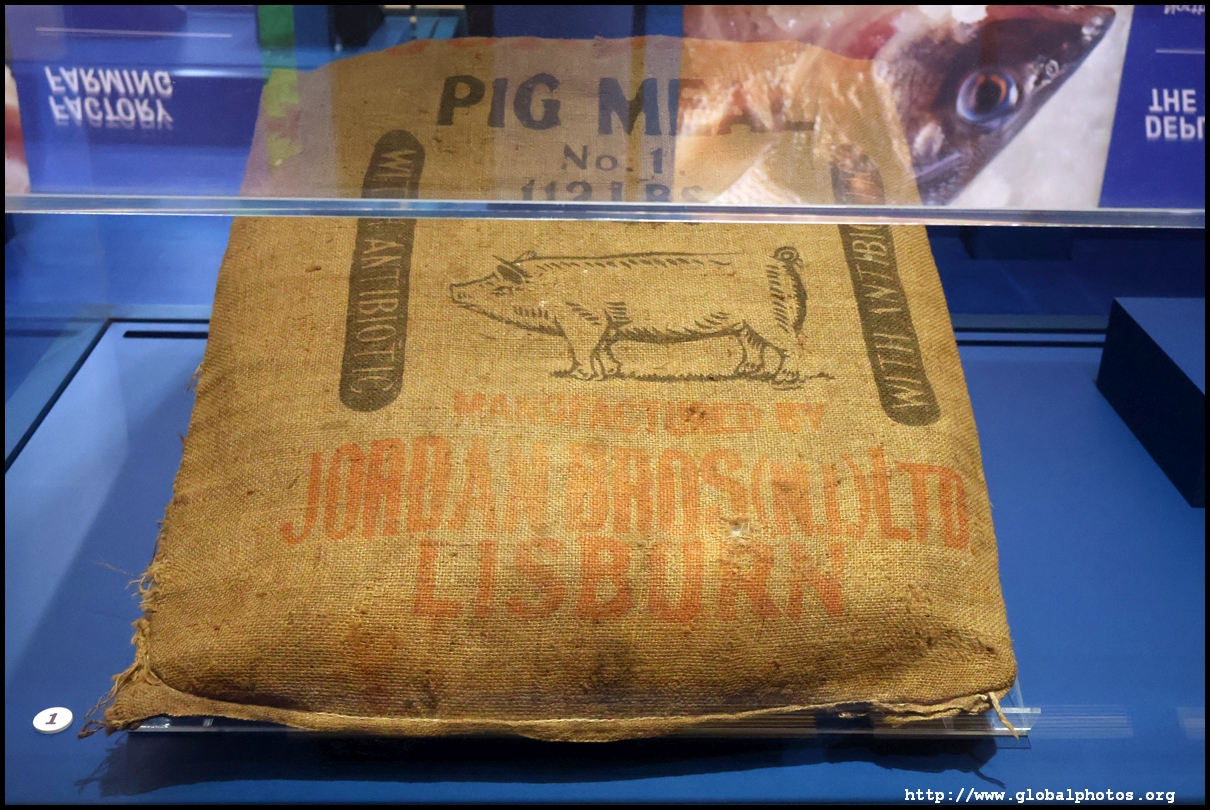
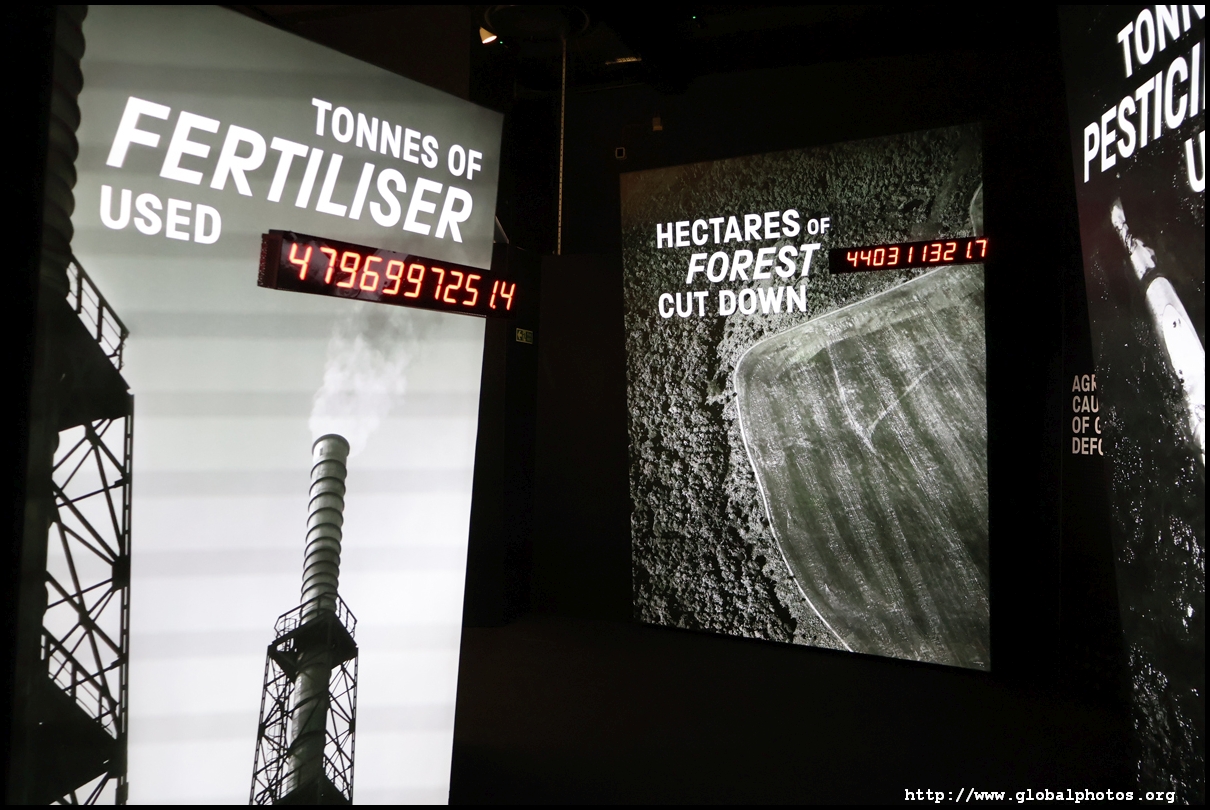
Factory-farmed animals do not graze in pastures but rely on cheap crops such as soya and corn. Millions of acres of grassland and rainforest have been cleared in Brazil to grow soya beans, and the diet is also not good for cows' natural digestion, making them vulnerable to infections. As a result, antibiotics have been added to feed since the 1950s.
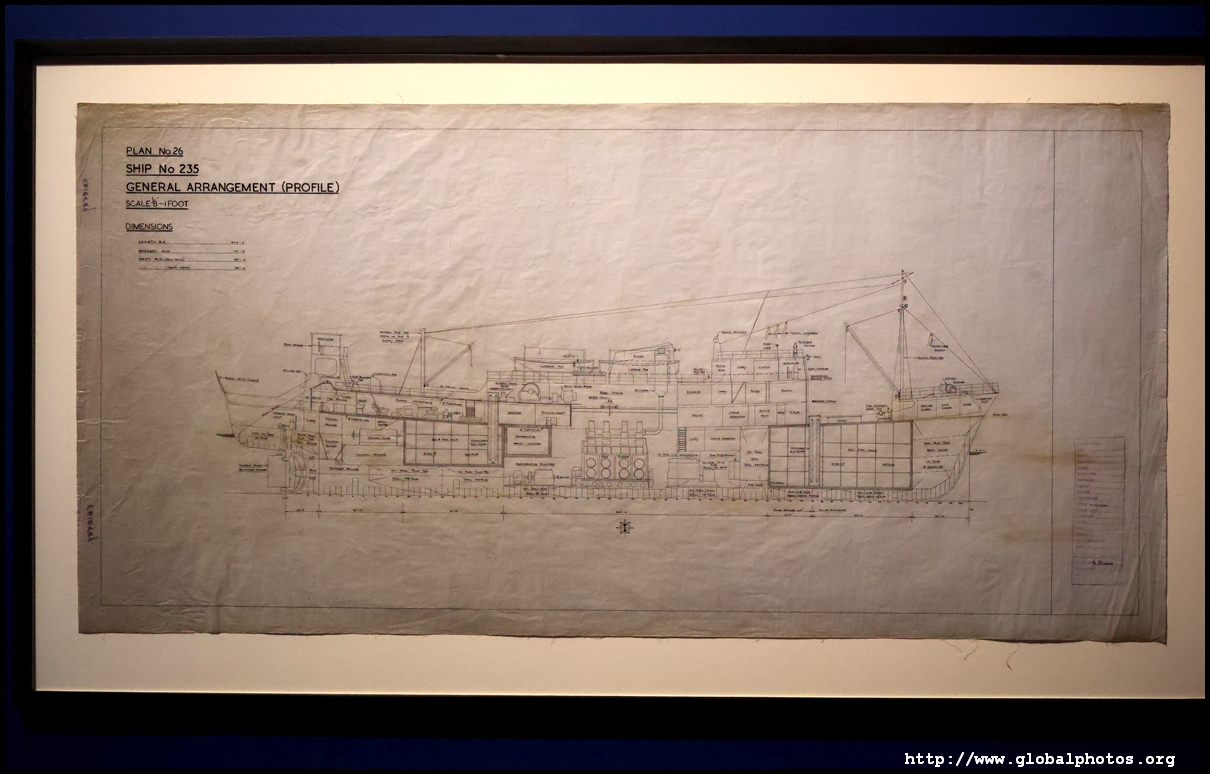
Dating from 1954, this is the fishing ship Fairtry's plan. Fairtry was a new type of industrial fishing vessel with the latest technology, catching, processing, and freezing deep-sea fish such as cod, and able to stay at sea for months.
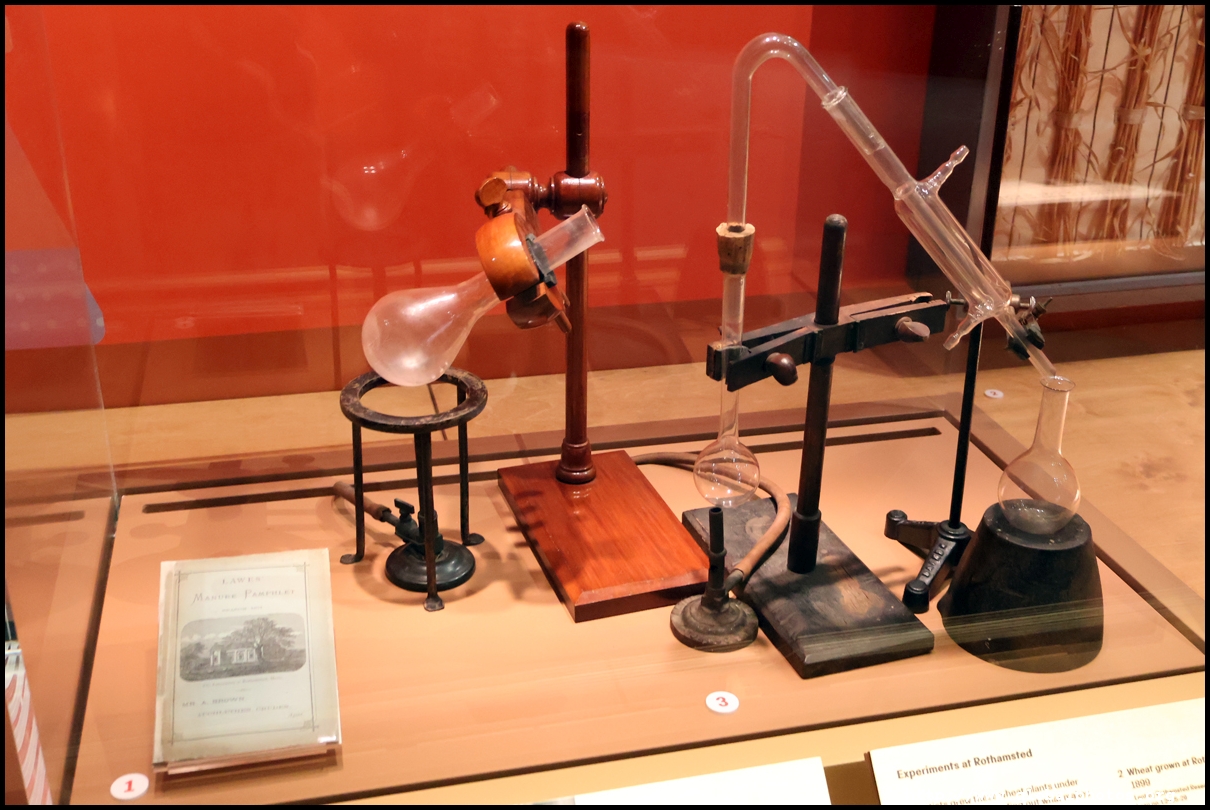
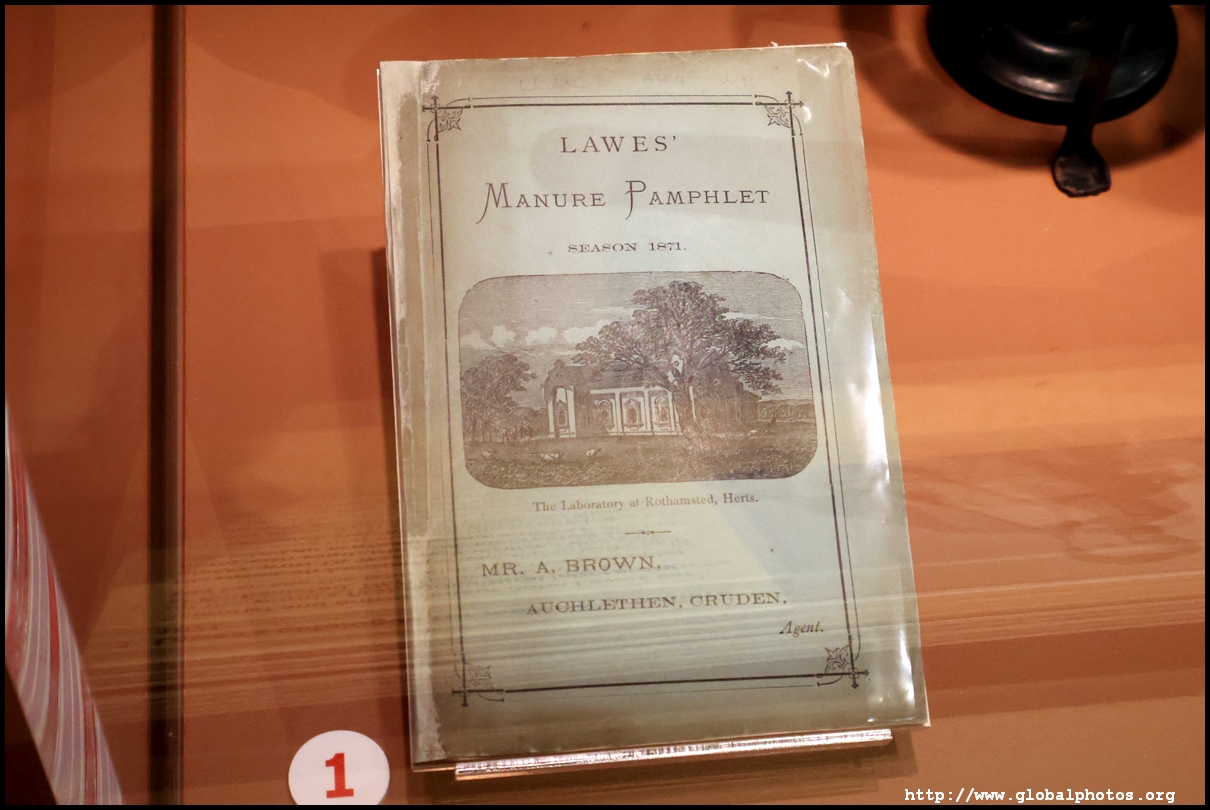
John Lawes set up the world's first agricultural laboratory in Hertfordshire in 1843, researching which nutrients help plants grow. He created and patented an artificial manure rich in phosphorus, with this 1871 catalogue showcasing various manure products.
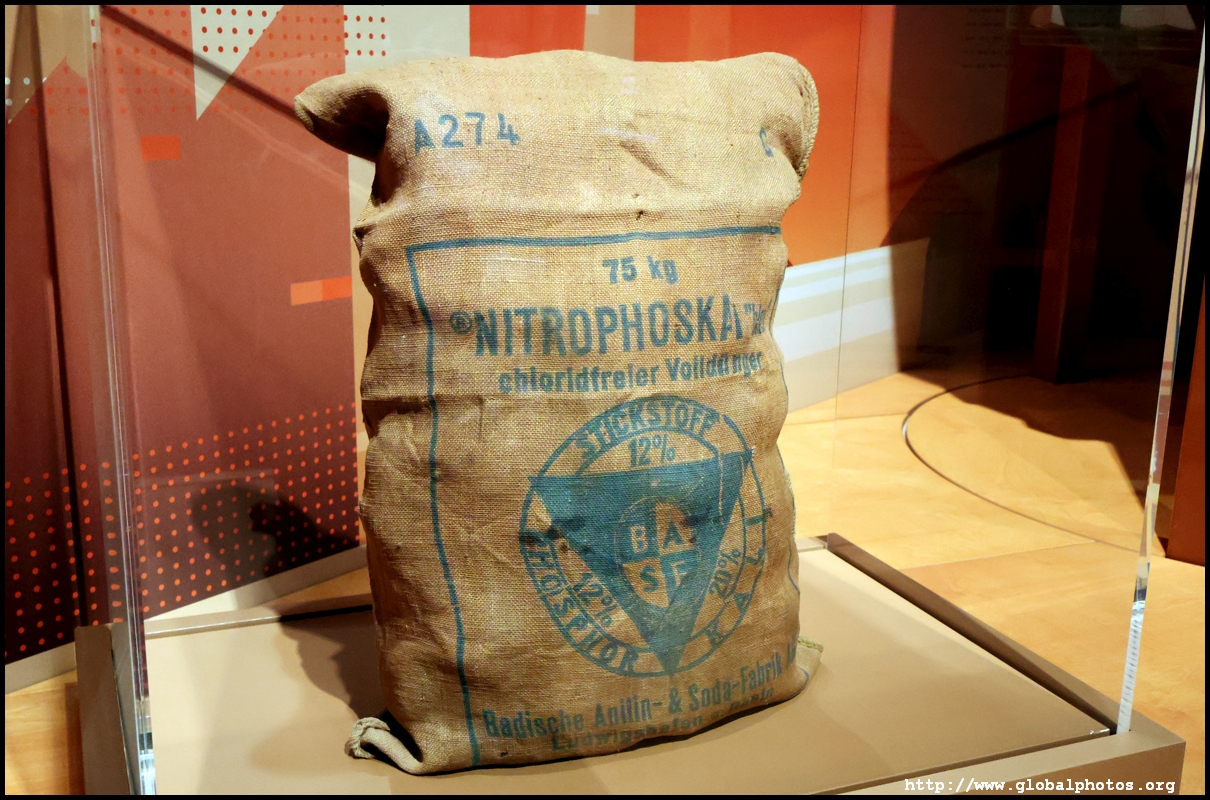
BASF released the first synthetic nitrogen fertilizer in 1926, with this sack being one of its earlier products. The mix contains nitrogen, phosphorus, and potassium, which became the industry standard.
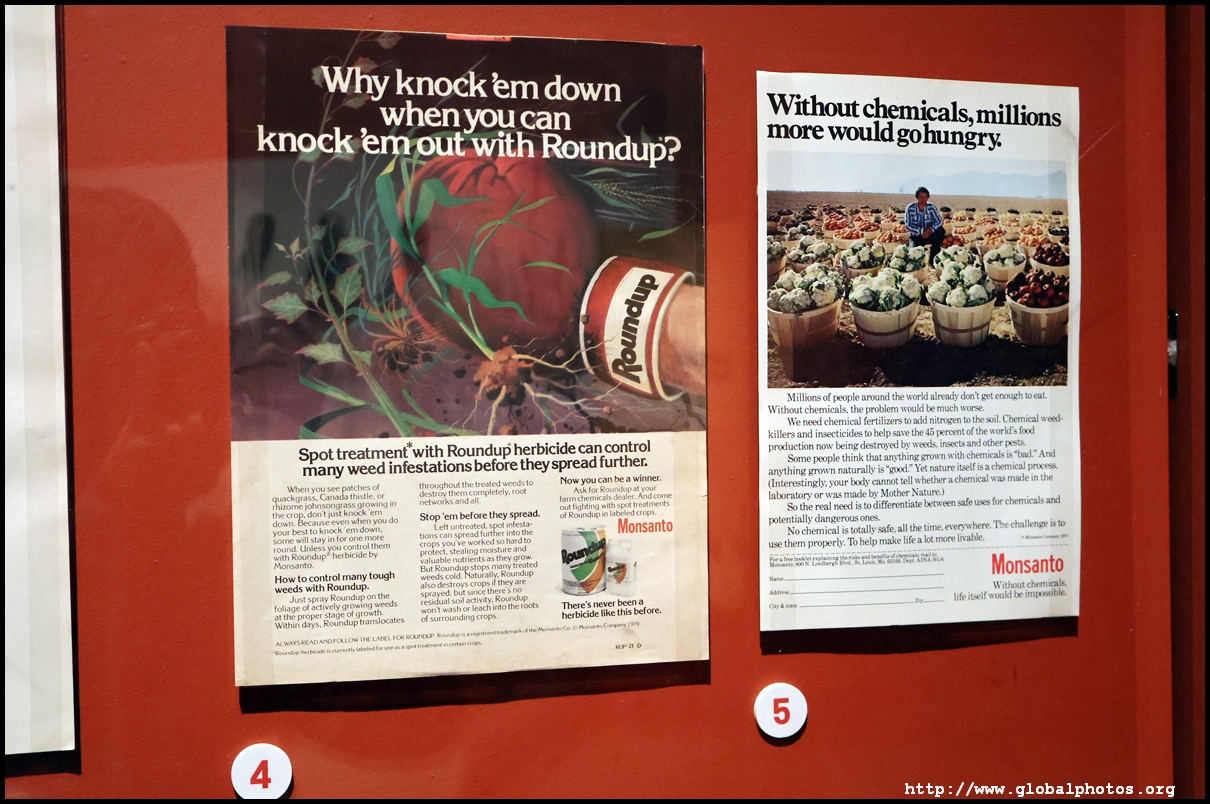
Monsanto was one of the biggest producers of pesticides, introducing Roundup in 1970, a glyphosate-based weedkiller that works by interfering with plant biological processes. Farmers can spray fields instead of ploughing through weeds with machines.
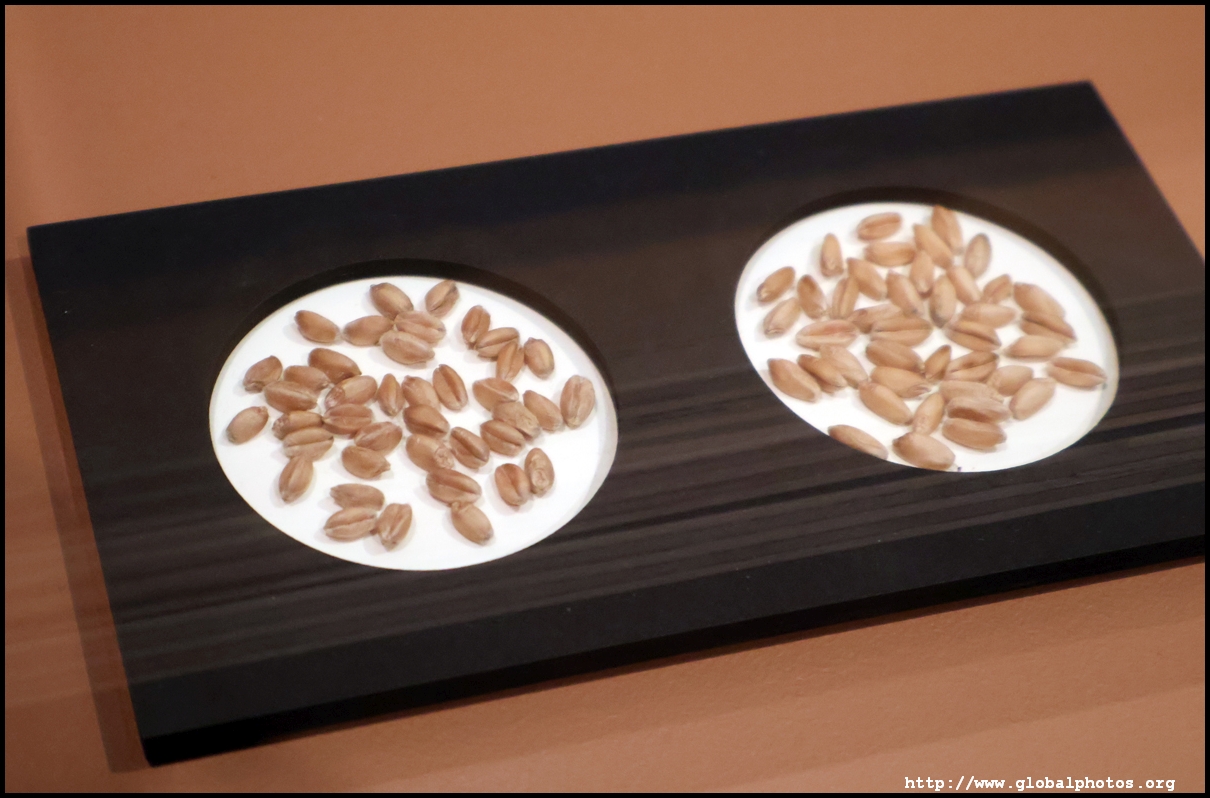
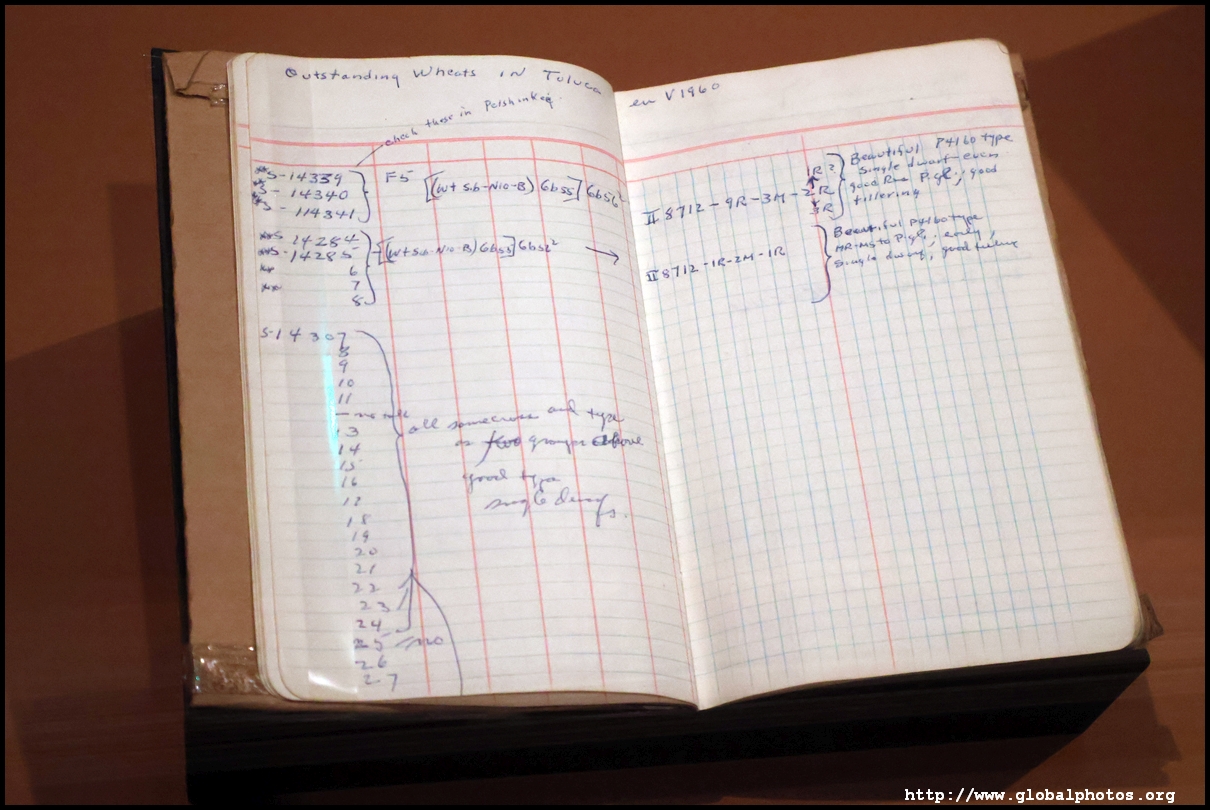
Scientist Norman Borlaug created these wheat seed varieties that thrived with fertilizers, pesticides, and irrigation, leading to big harvests. It was his answer to concerns the world's growing population would run out of food. This green revolution started in Mexico but expanded to South Asia, and further broadened to rice as well.
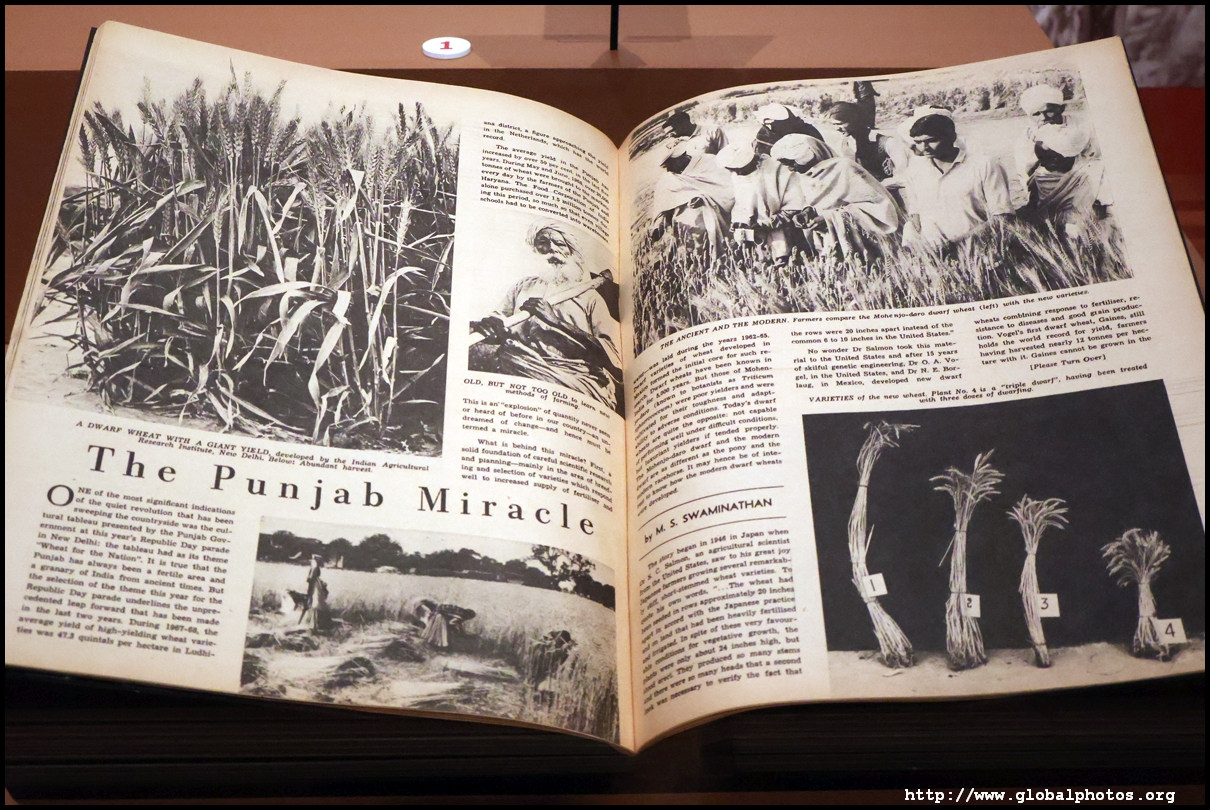
The new dwarf wheat varieties were introduced in India in 1967 following years of bad harvests. This magazine article from 1969 praised its introduction.
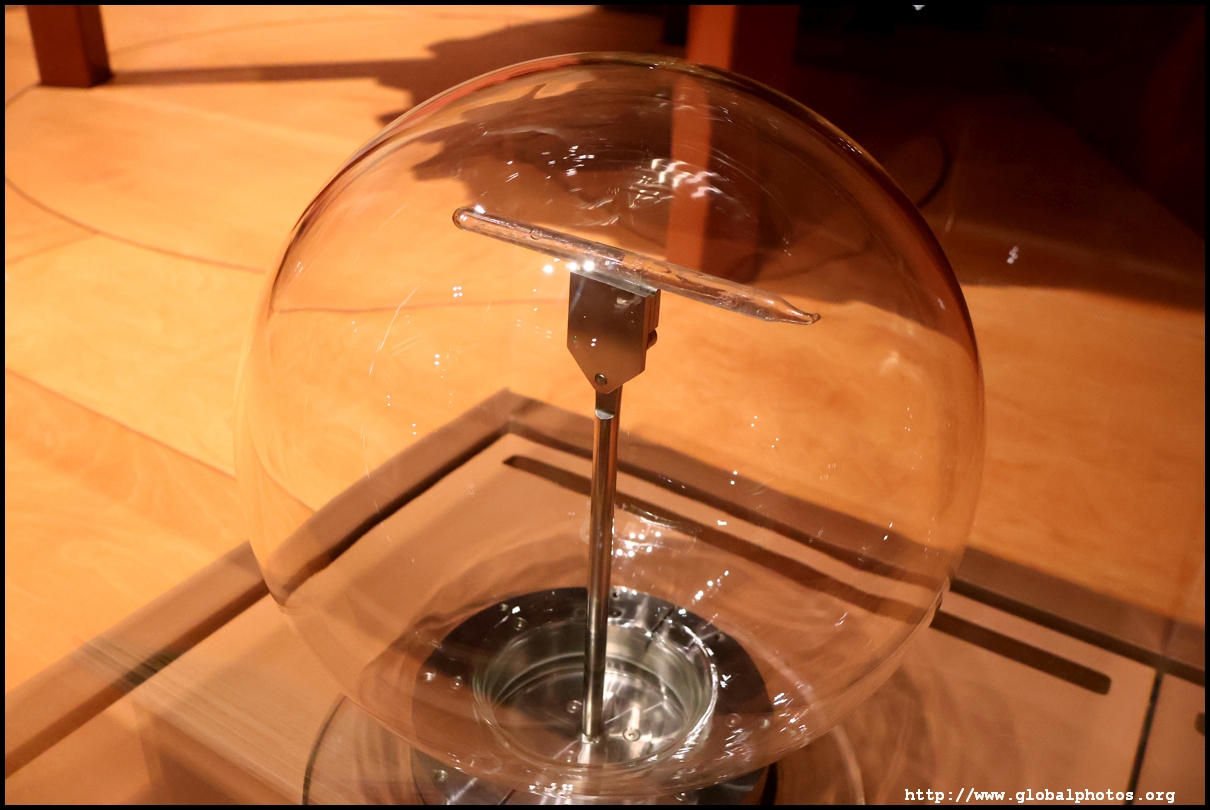
This glass tube contains the first sample of liquid ammonia made from converting nitrogen gas in the air. This was invented by German scientist Fritz Haber in 1909, which led to synthetic nitrogen fertilizers.
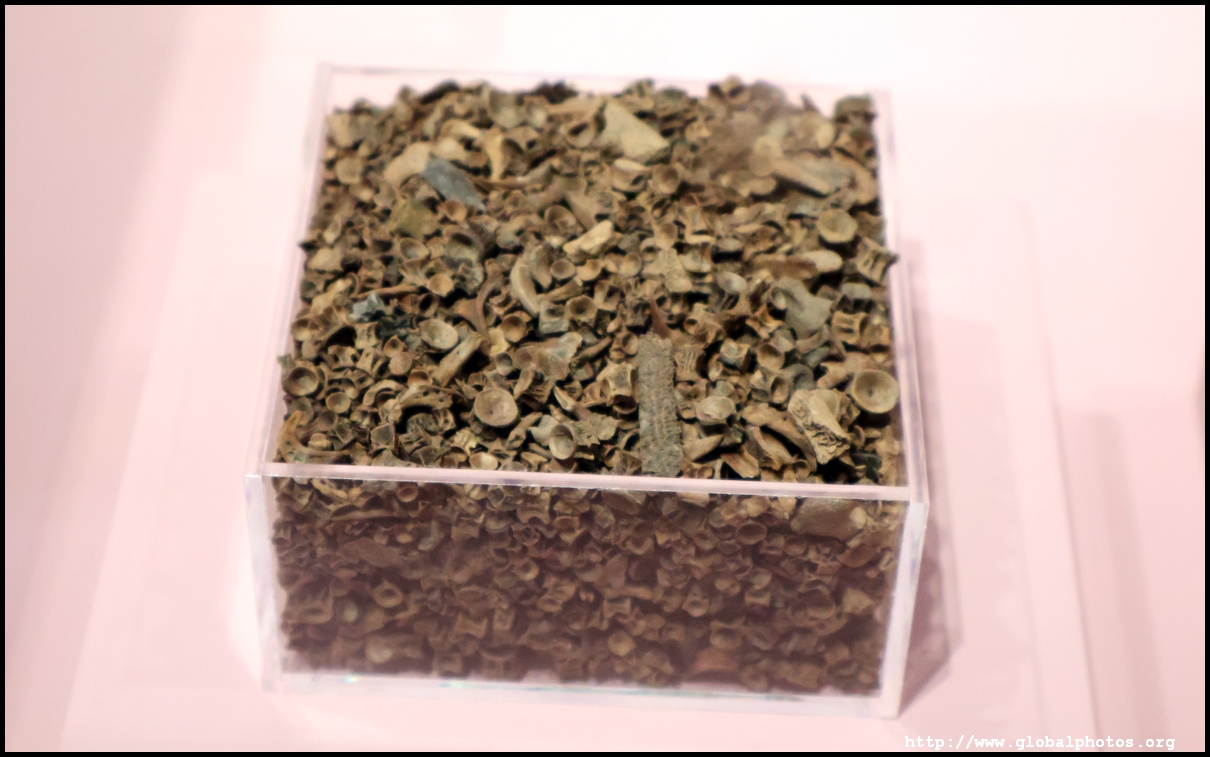
These fish bones are the earliest known evidence of food that humans intentionally ferment, dating from 7200 BC. Prehistoric humans in today's Sweden covered fish in seal fat and skin, then buried them in a pit to ferment and preserve.
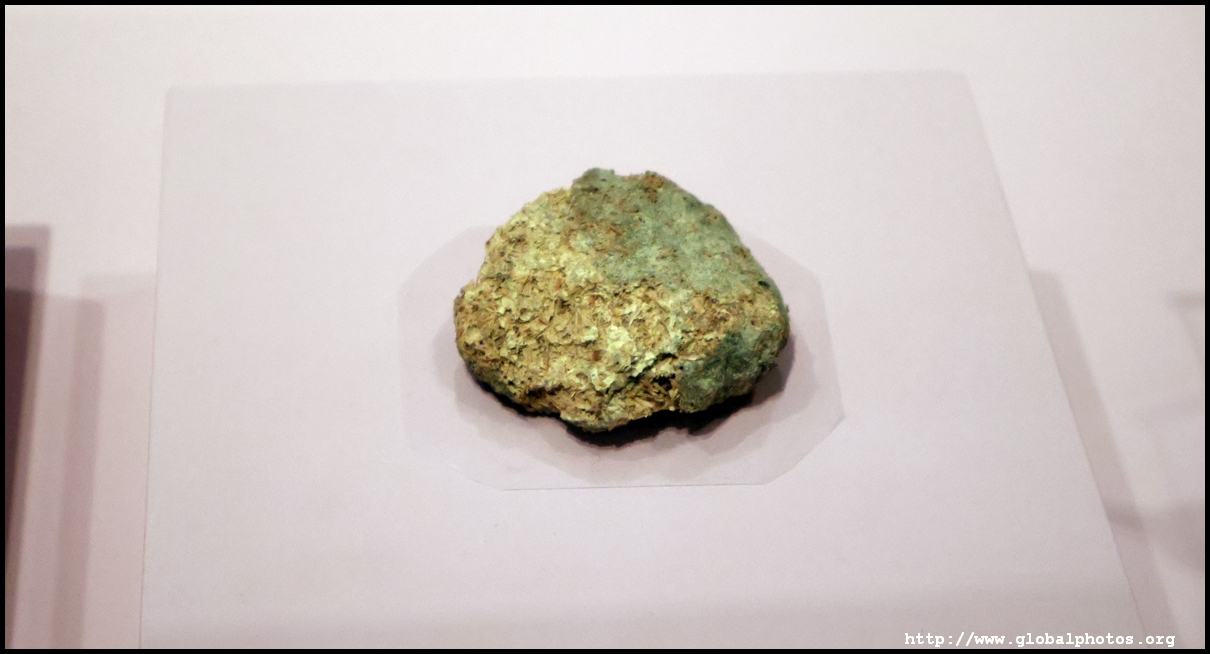
The Egyptians made beer and bread by fermenting wheat, with this loaf found in a tomb being over 3500 years old.
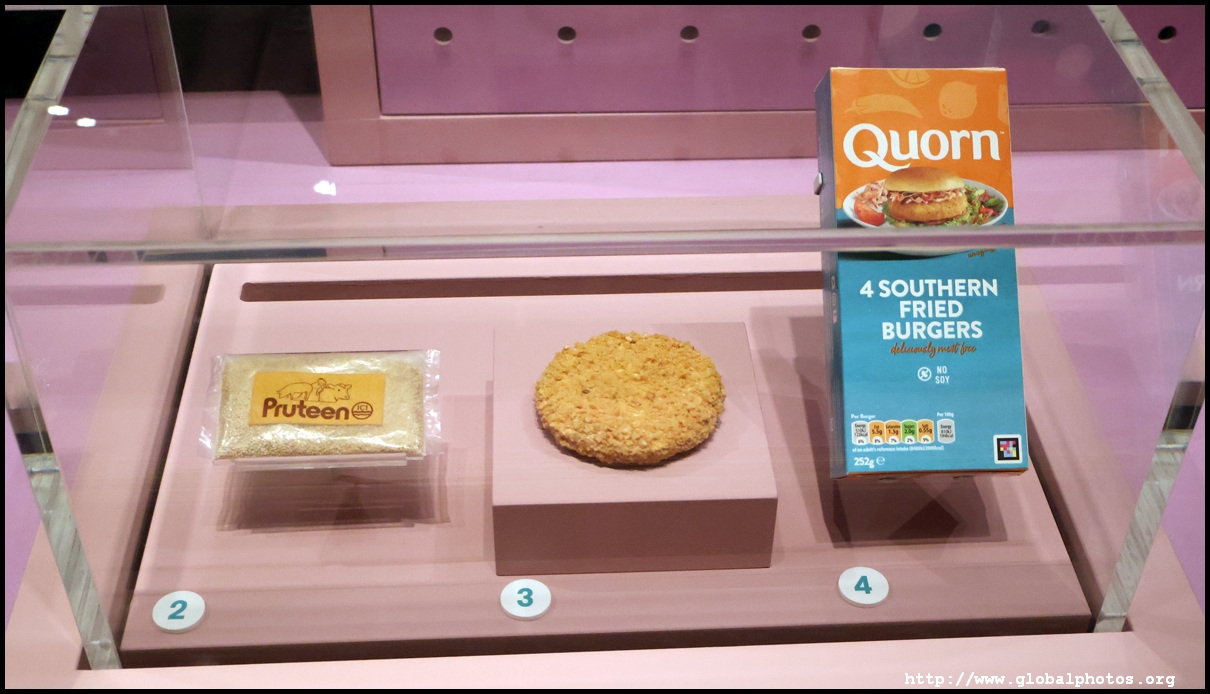
Quorn is a meat substitute created from fermenting a fungus, lowering the carbon footprint compared to industrially-produced meats. The 1981 breadcrumbed burger is the oldest sample of Quorn.
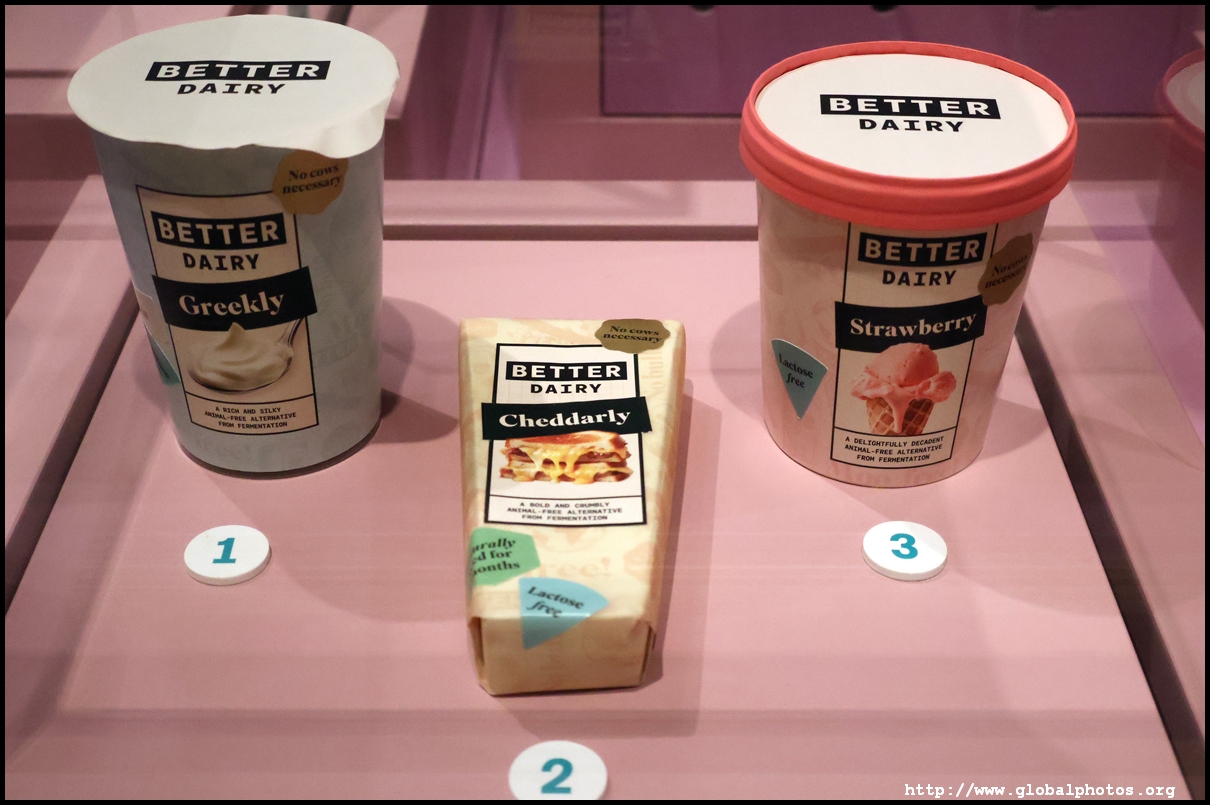
Dairy products can also be made without animals by using microbes, with these prototype products made from the same protein as farmed dairy milk with the same taste but a lower carbon footprint.
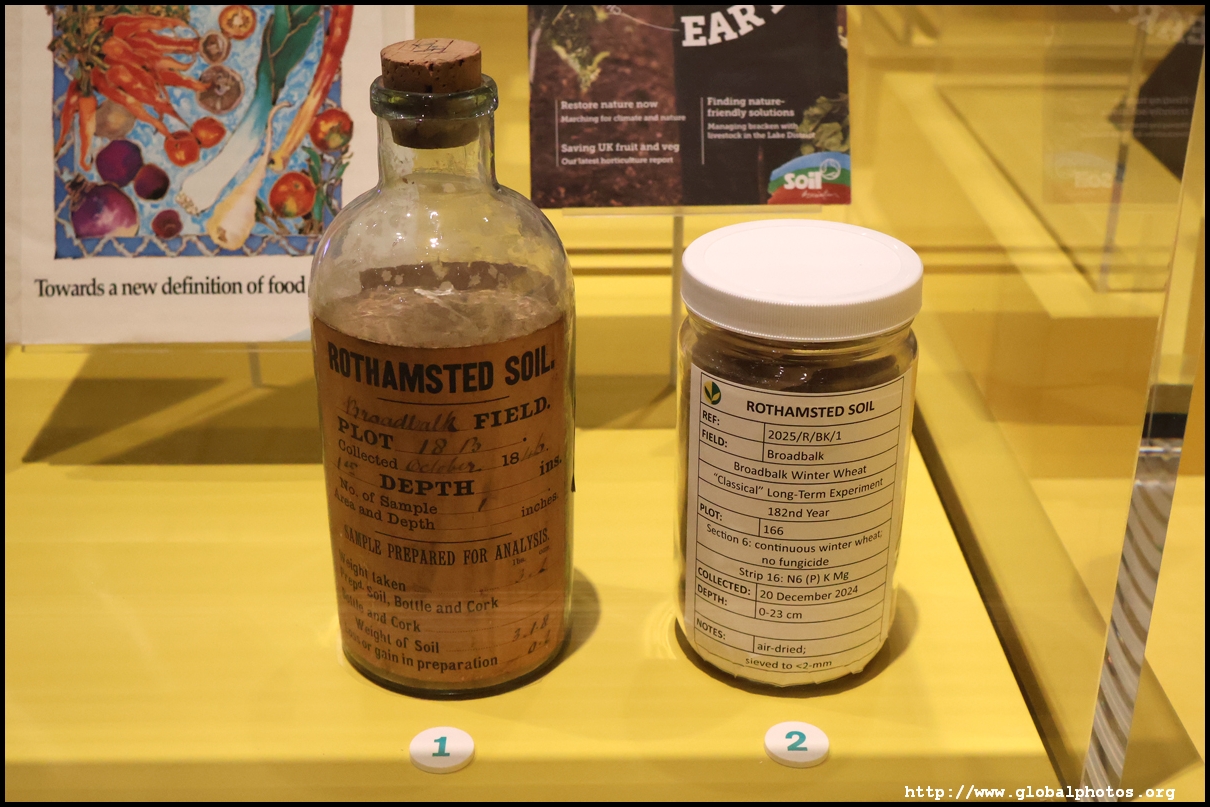
The soil archive in Hertfordshire dates back to 1843 with these samples of Broadbalk wheat collected 178 years apart (1846 and 2024) from the same field. Scientists have found synthetic fertilizers reduce the amount of bacteria that are beneficial to plants.
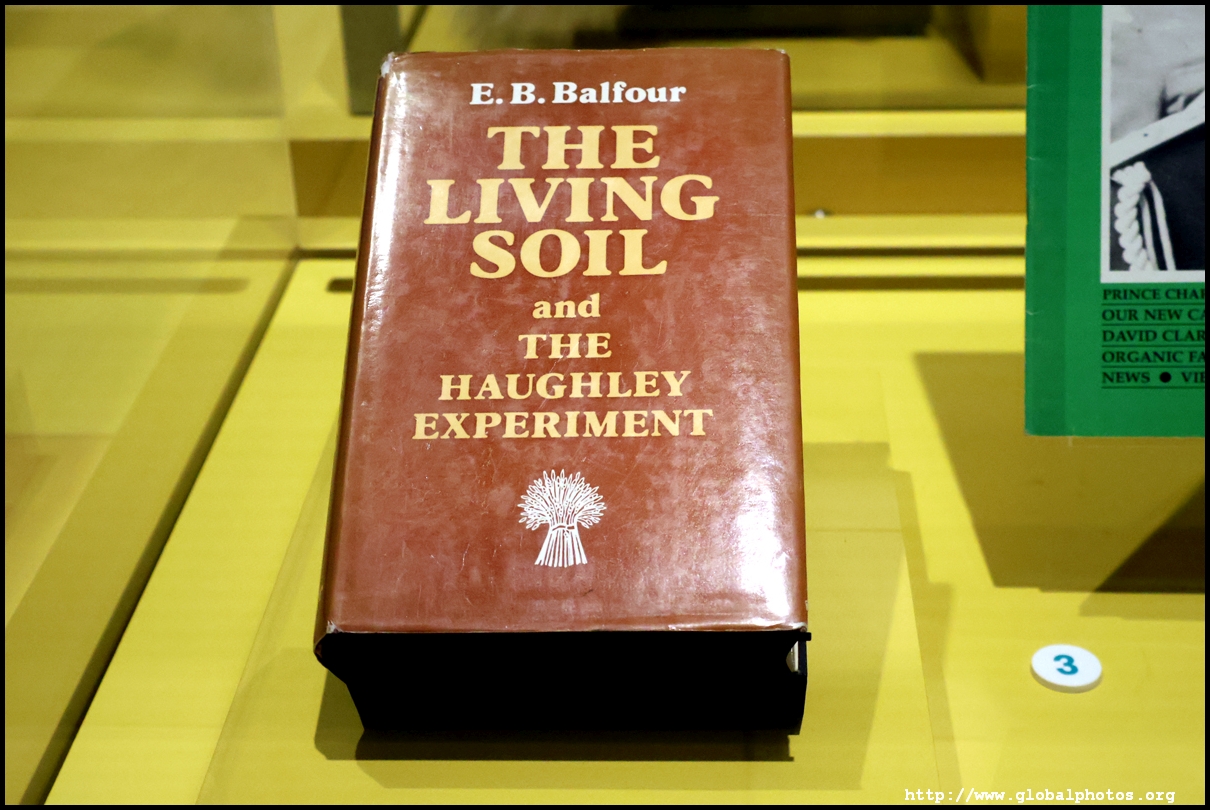
Eve Balfour sowed the seeds to the organic food movement, writing this book in 1943.
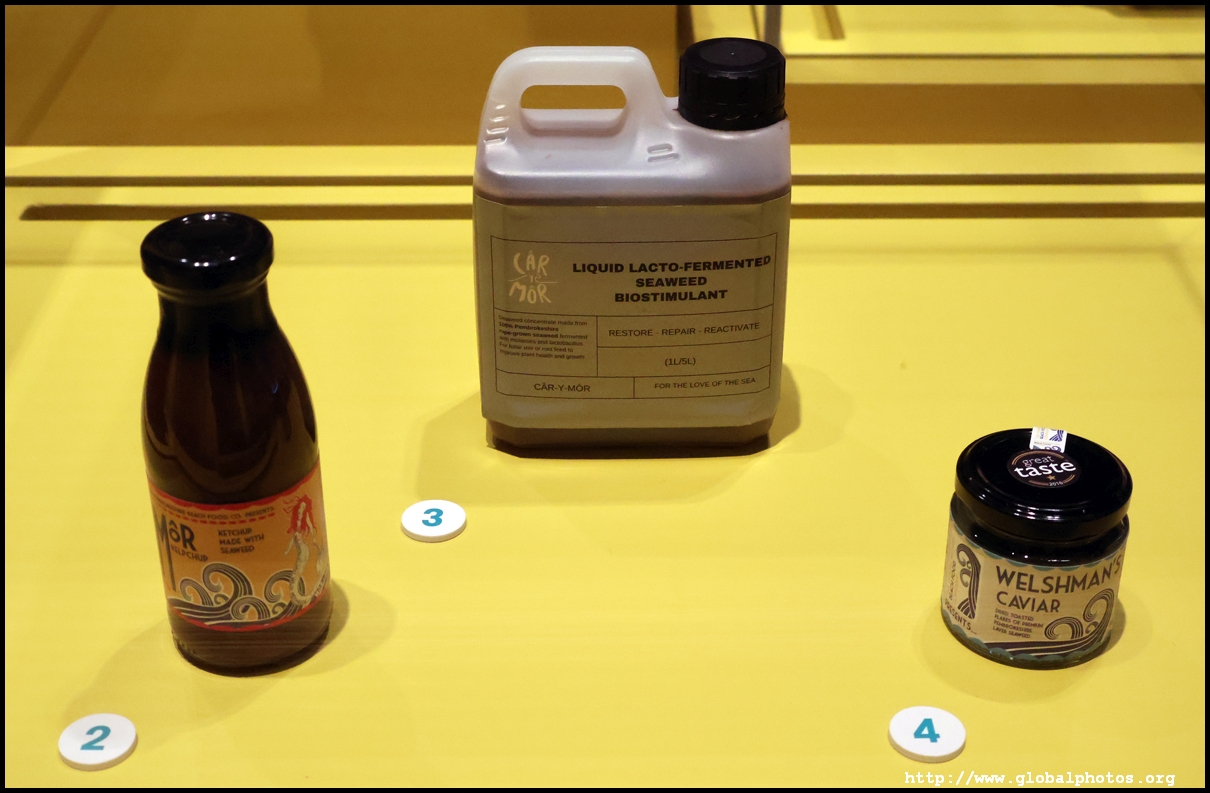
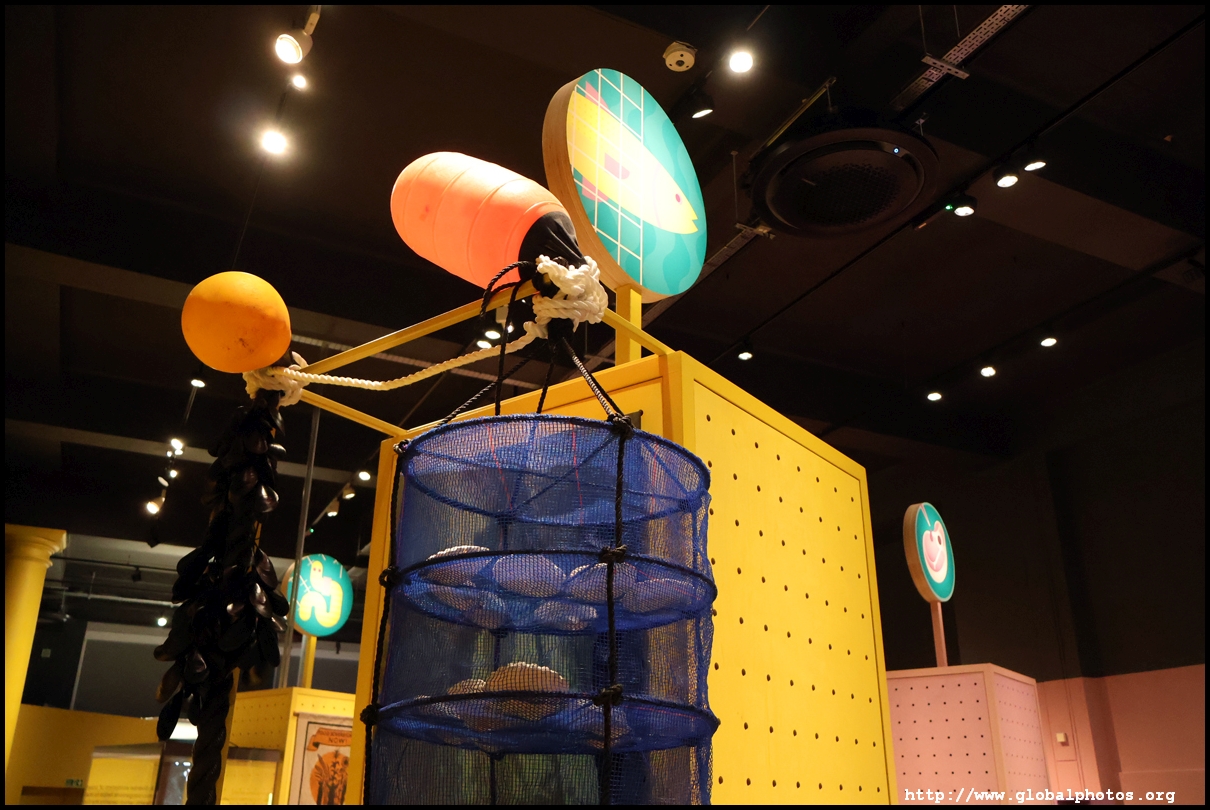
Seaweed can be used to make ketchup and fertilizer. Vertical underwater gardens help the ecosystem with the seaweed capturng carbon from seawater. Climate change is increasing the amount of carbon in the sea, causing acidification, which threatens marine life.
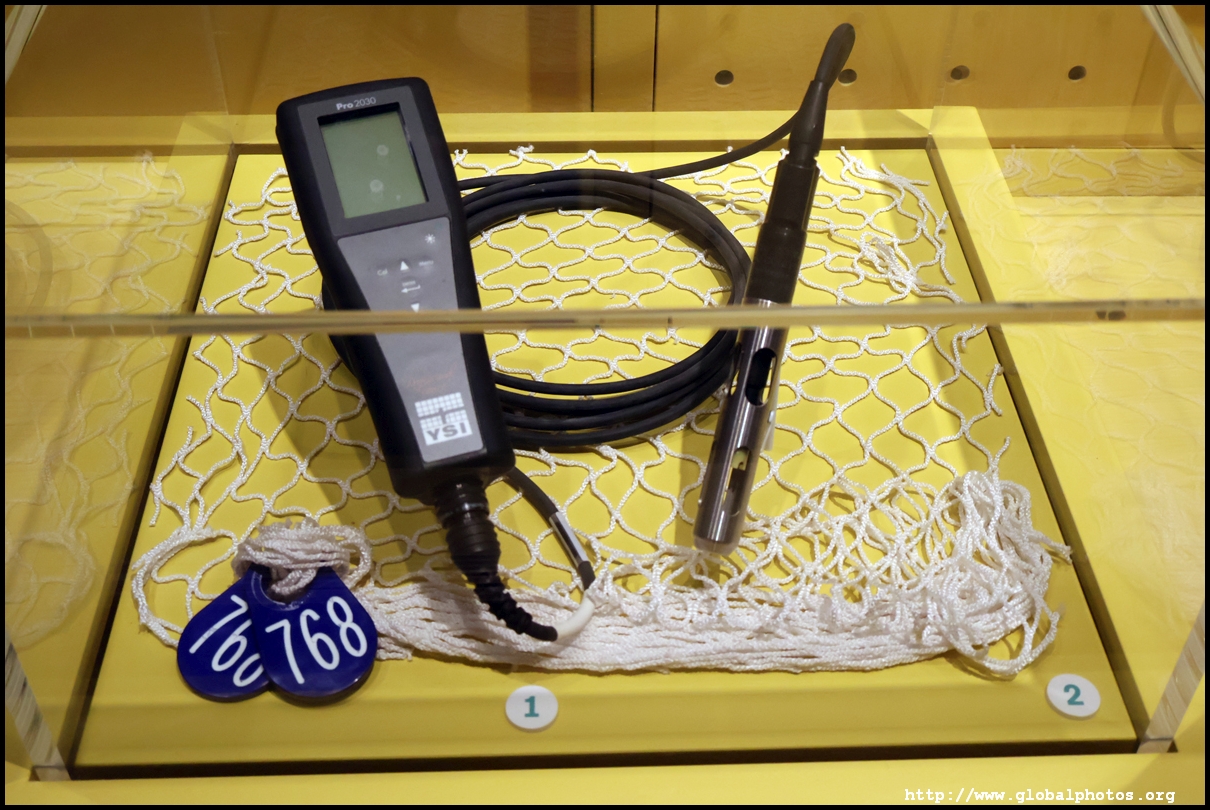
This instrument monitors water quality in a multi-species fish farm off Ireland's west coast. This trial includes algae, shellfish, and salmon, mimicking the ocean environment and hopefully minimizing pollution as compared to single species fish farms.
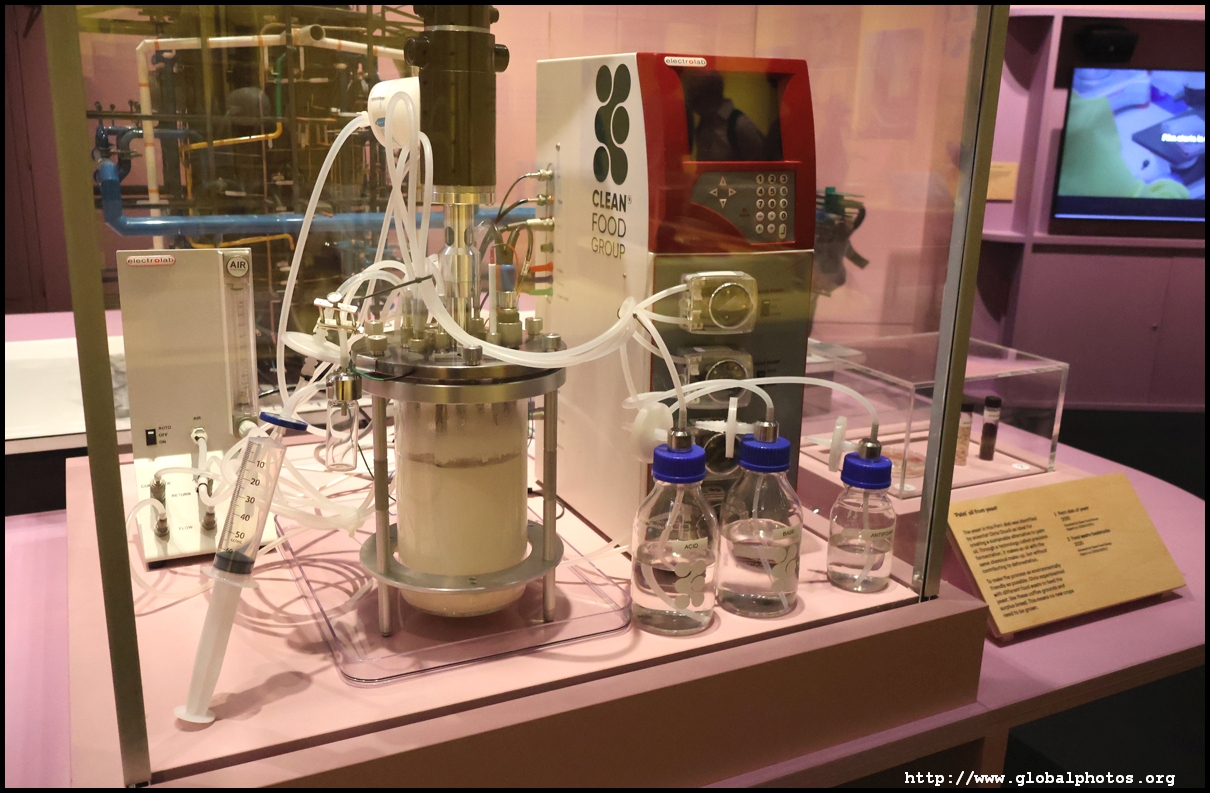
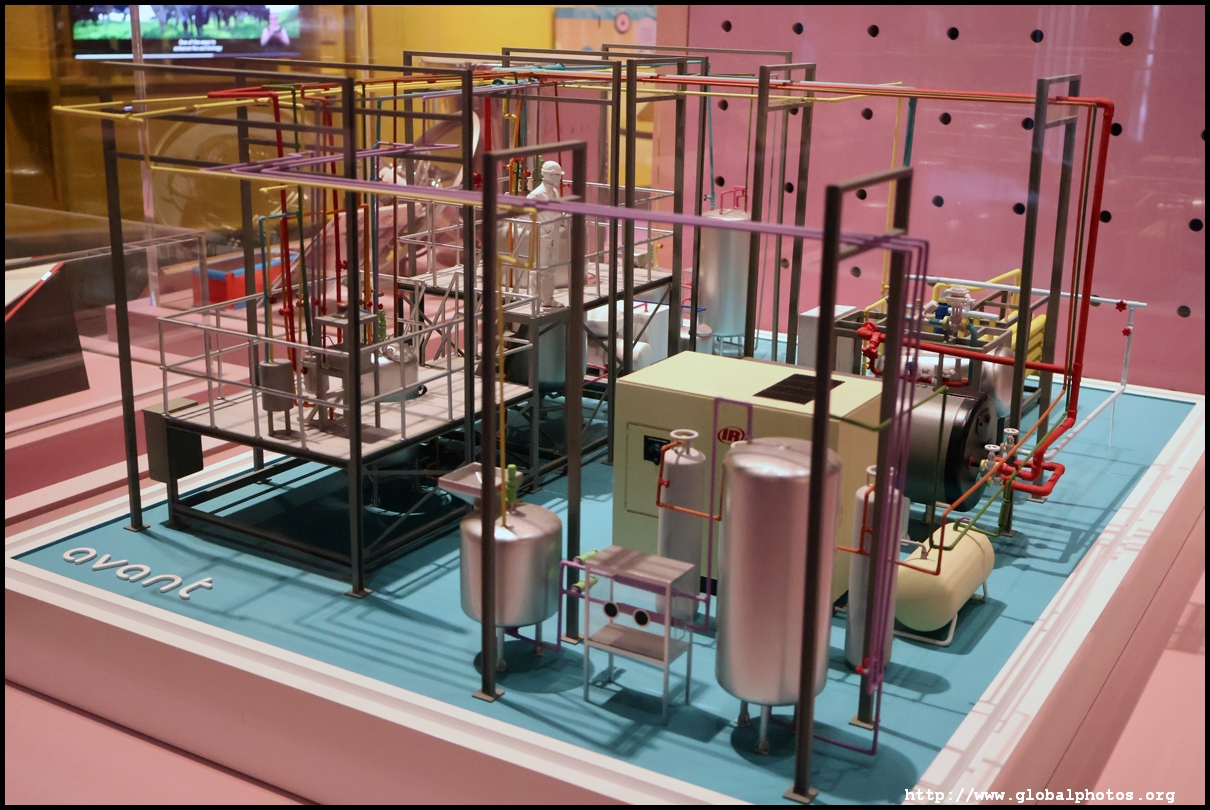
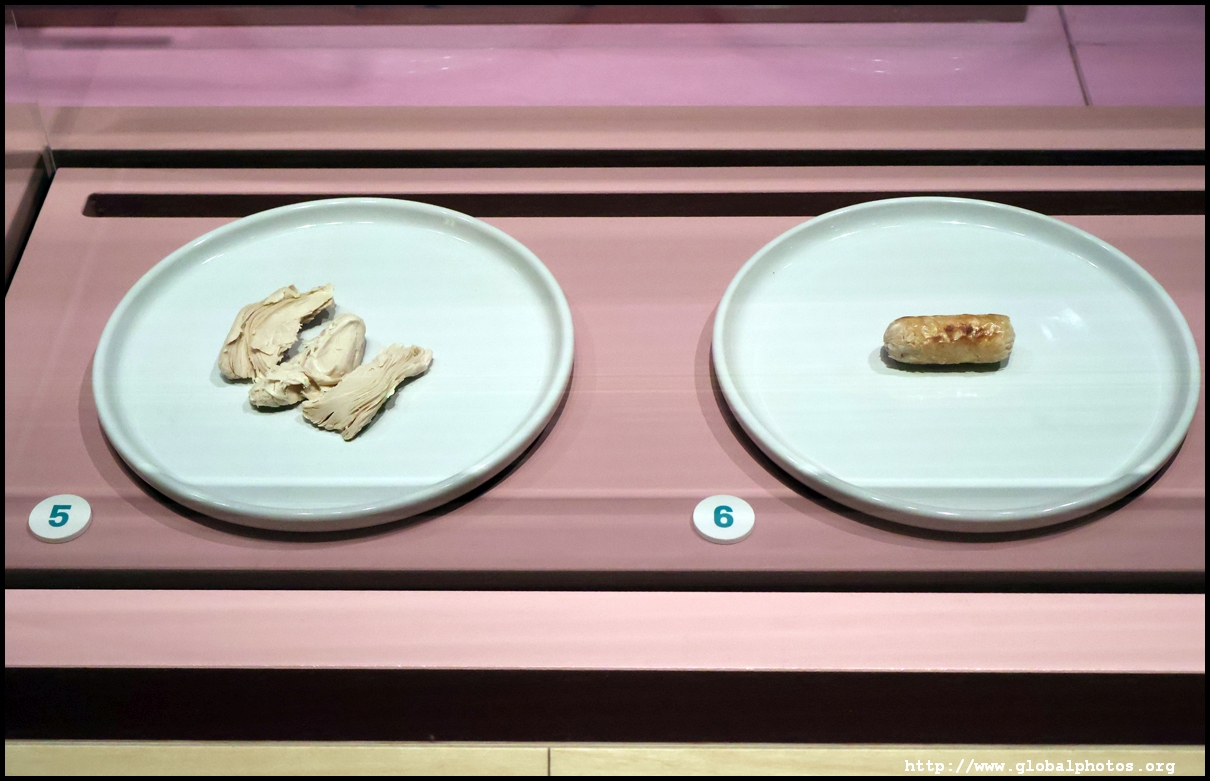
This is a model of a factory being built in Hong Kong where white fish cells are harvested from the bioreactor. This industrial-scale production can help avoid overfishing, but cell-grown meat currently accounts for a miniscule fraction of global production.
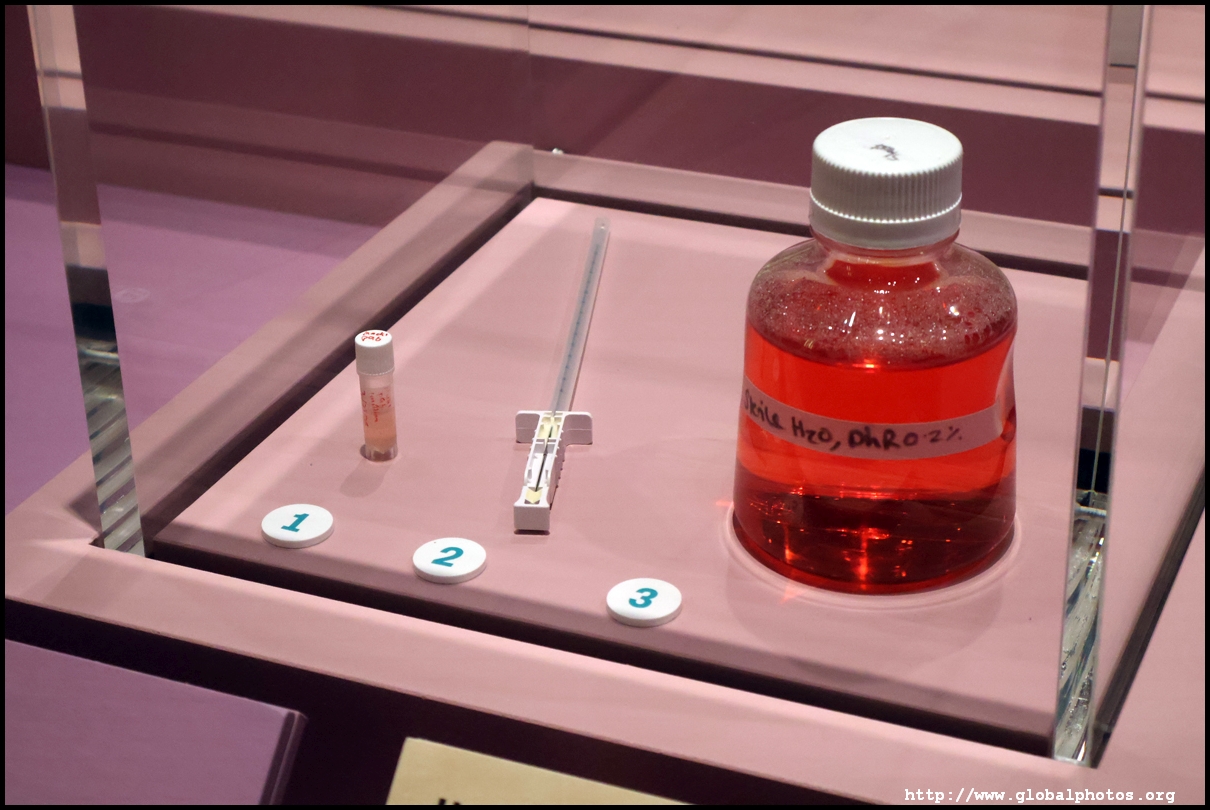
Lab-grown meat starts with extracting tissue from the animal, then putting it in a liquid medium to grow it.
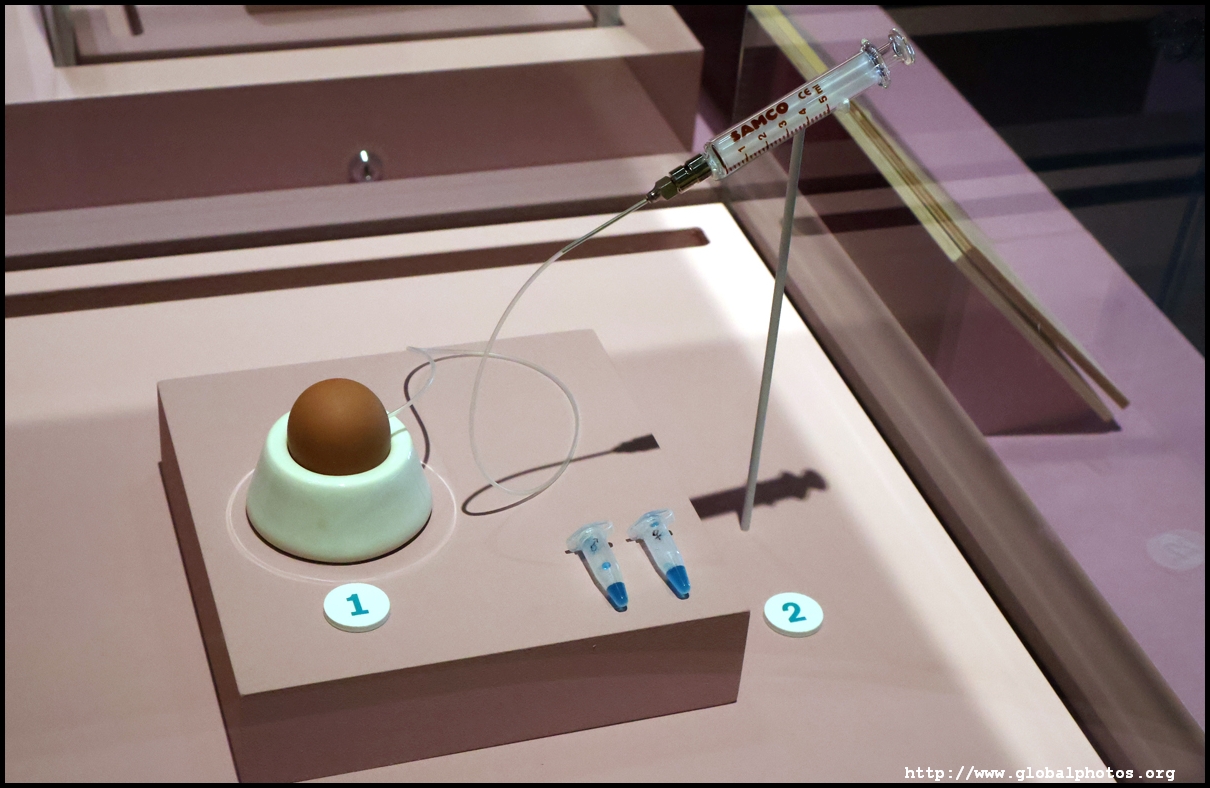
Scientists at the Roslin Institute used this syringe and egg cup to inject DNA-edited cells into an egg to give it immunity from bird flu.
Scientists add genes from a nightshade plant to potatoes to be blight resistant, reducing the need for fungicides.
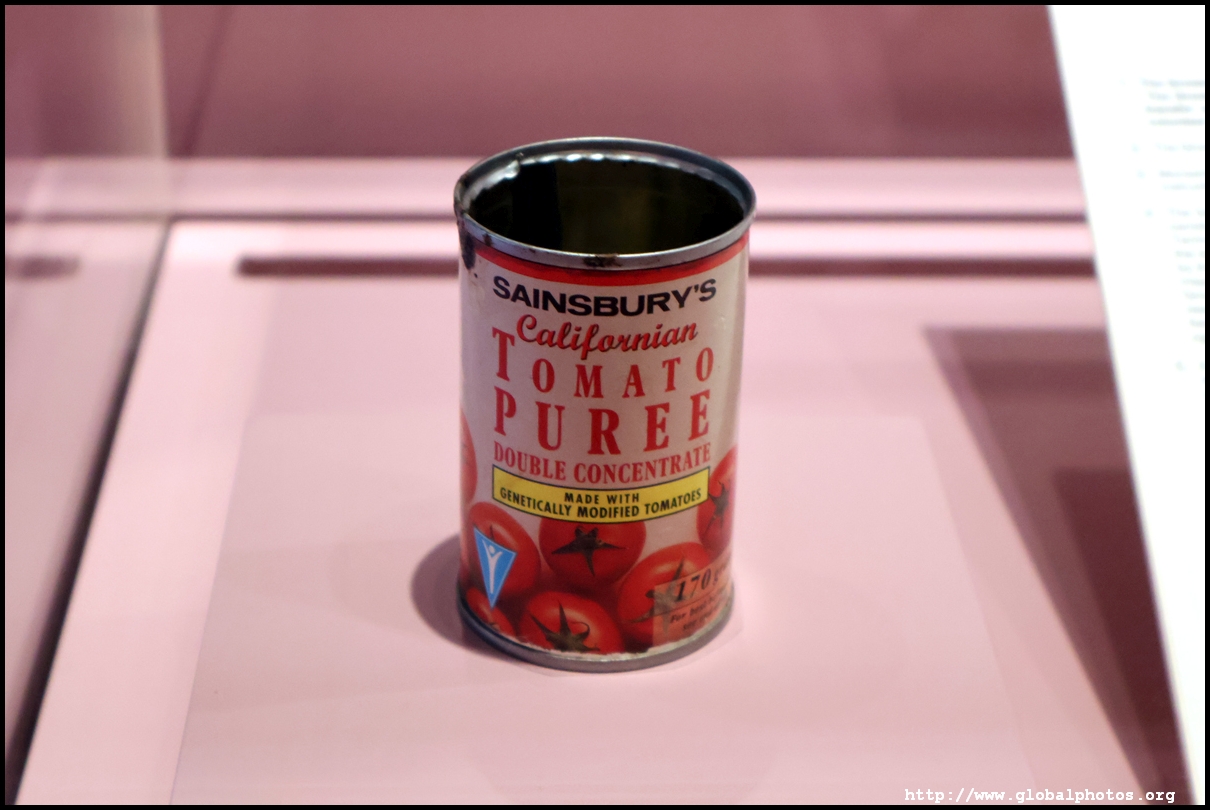
This tomato puree is the first GM product in UK supermarkets. The tomatoes were engineered to stay firmer so they can sustain damage.
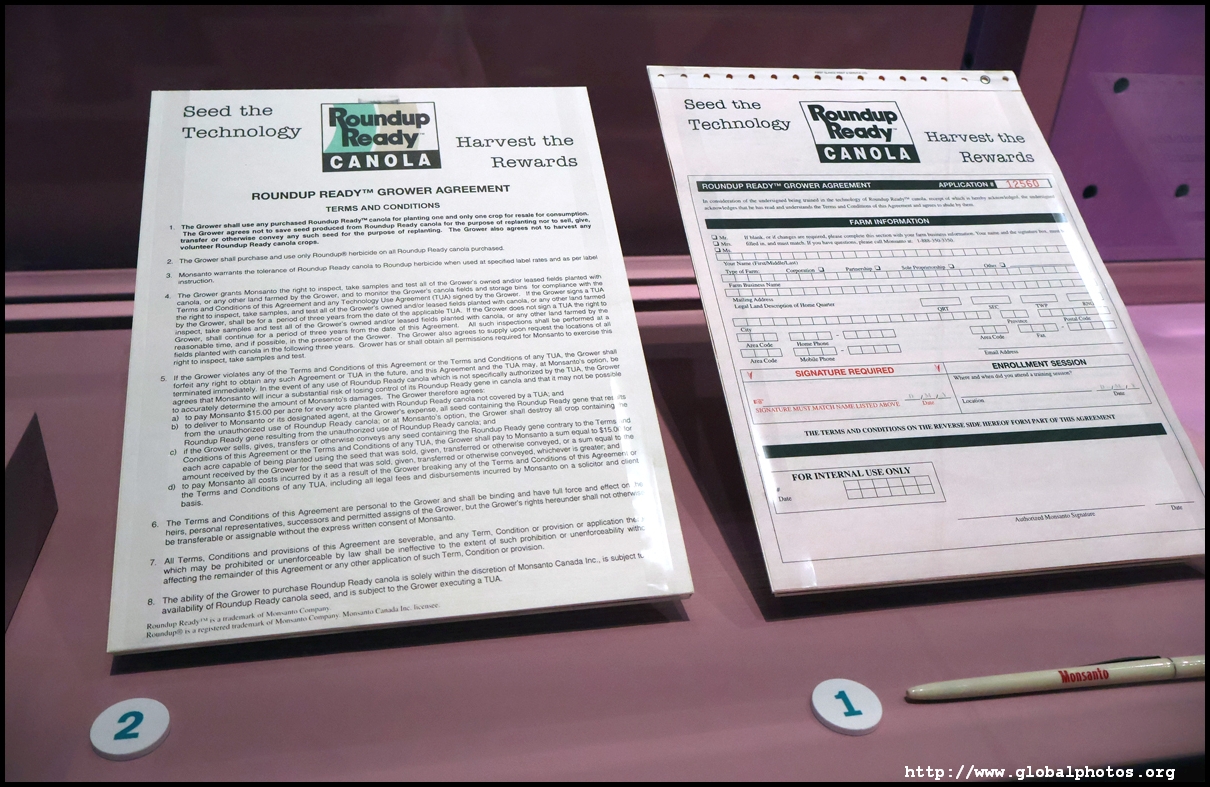
Roundup Ready crops were genetically modified to withstand the weedkiller. Monsanto patented these seeds and forced farmers not to use seeds obtained from their first harvest. These practices raised concerns about corporate control over food production.
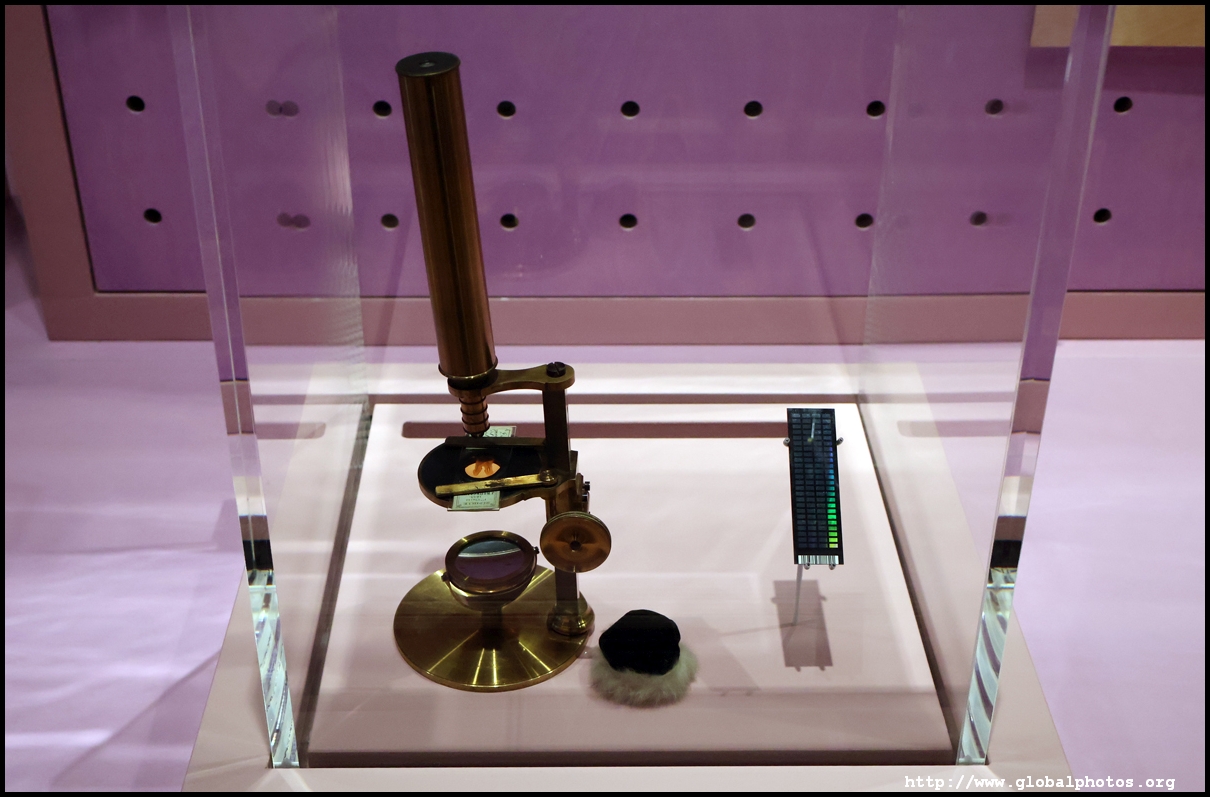
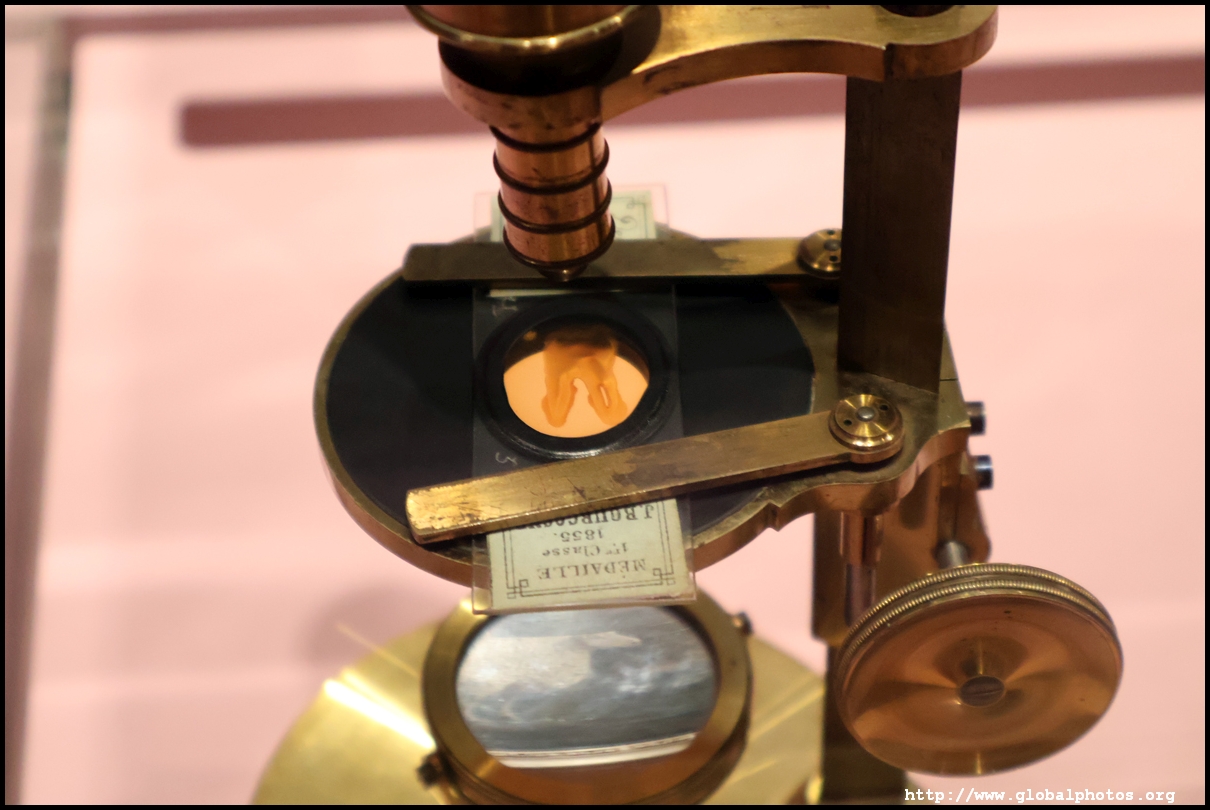
Austrian monk Gregor Mendel used this microscope in his work that established genetics as a science. He examined pea plants and how their traits were passed to their offspring.
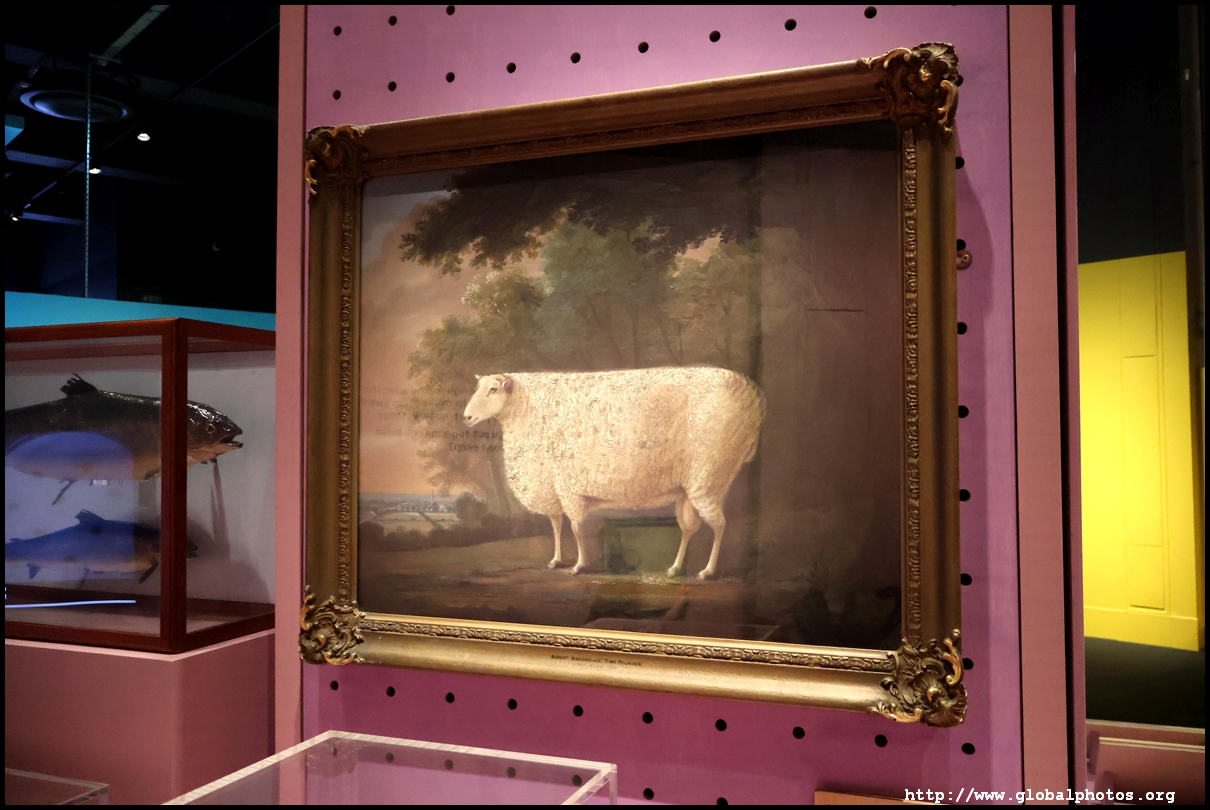
This big two-pounder sheep was bred by Robert Bakewell in the late 18th century, who used scientific methods to breed with specific traits.
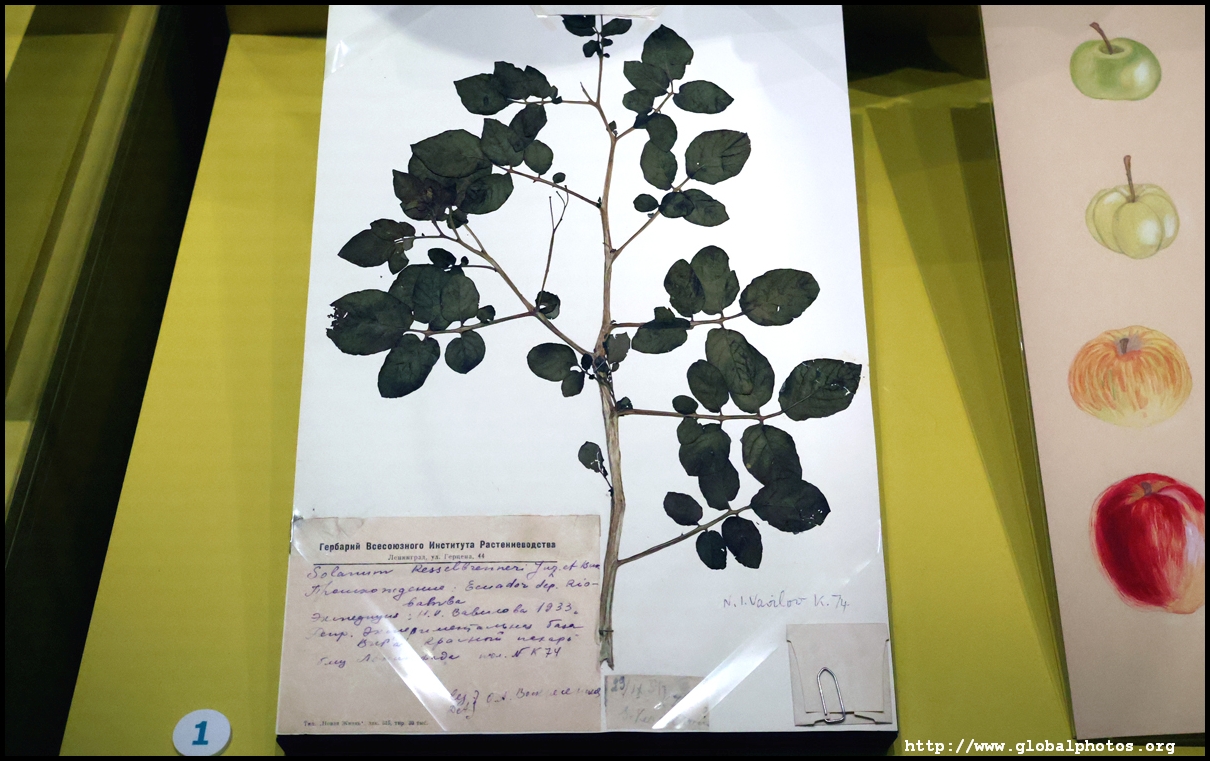
Nikolai Vavilov travelled around the world in the 1920s to collect plants, setting up the first seed archive in Leningrad. This African potato plant was one of his specimens.
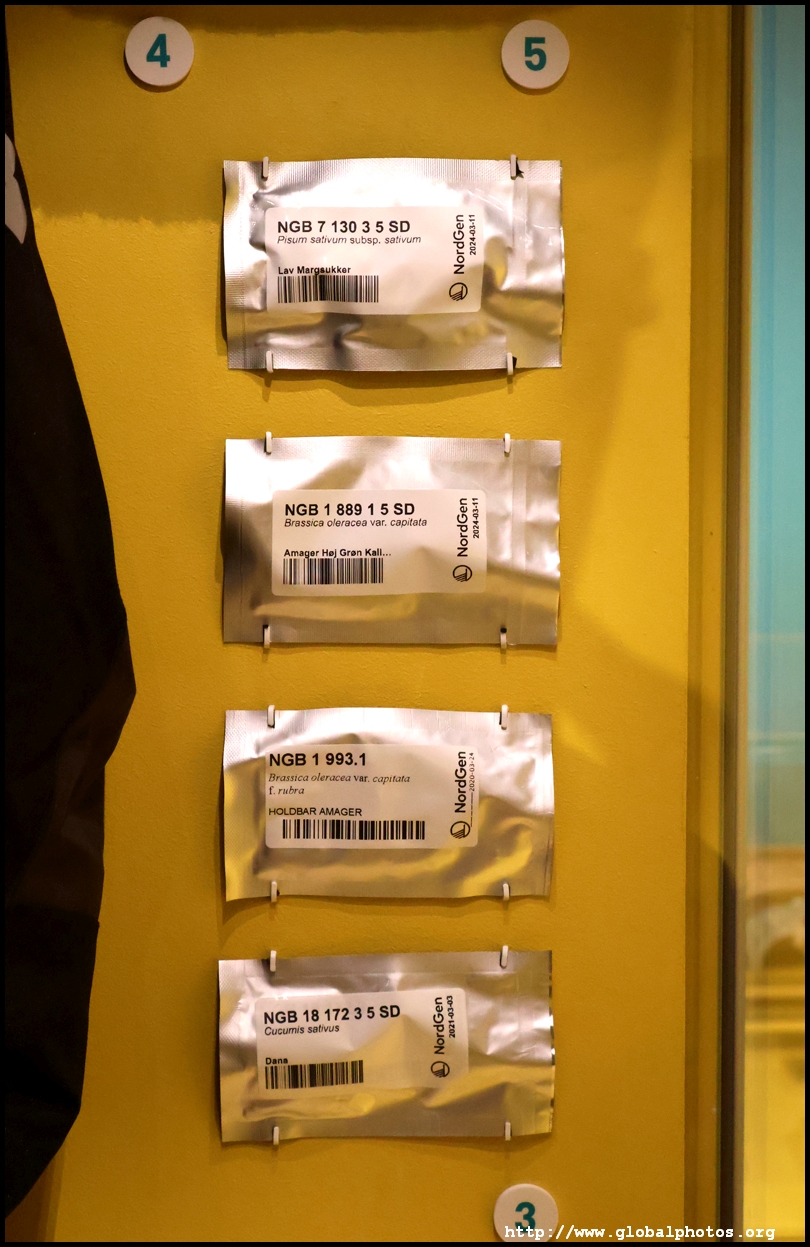
Svalbard is home to over 1.2 million seed samples in its freezer vaults, which is designed to protect our food supply from threats such as climate change and conflict.
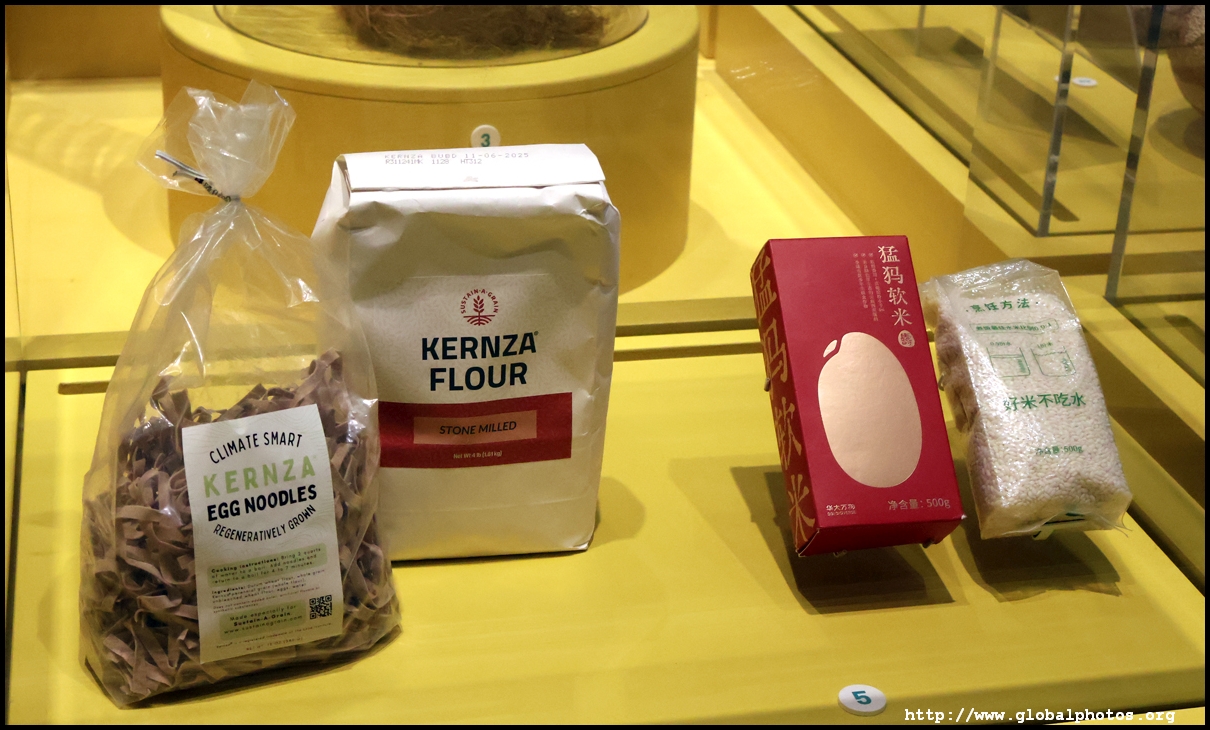
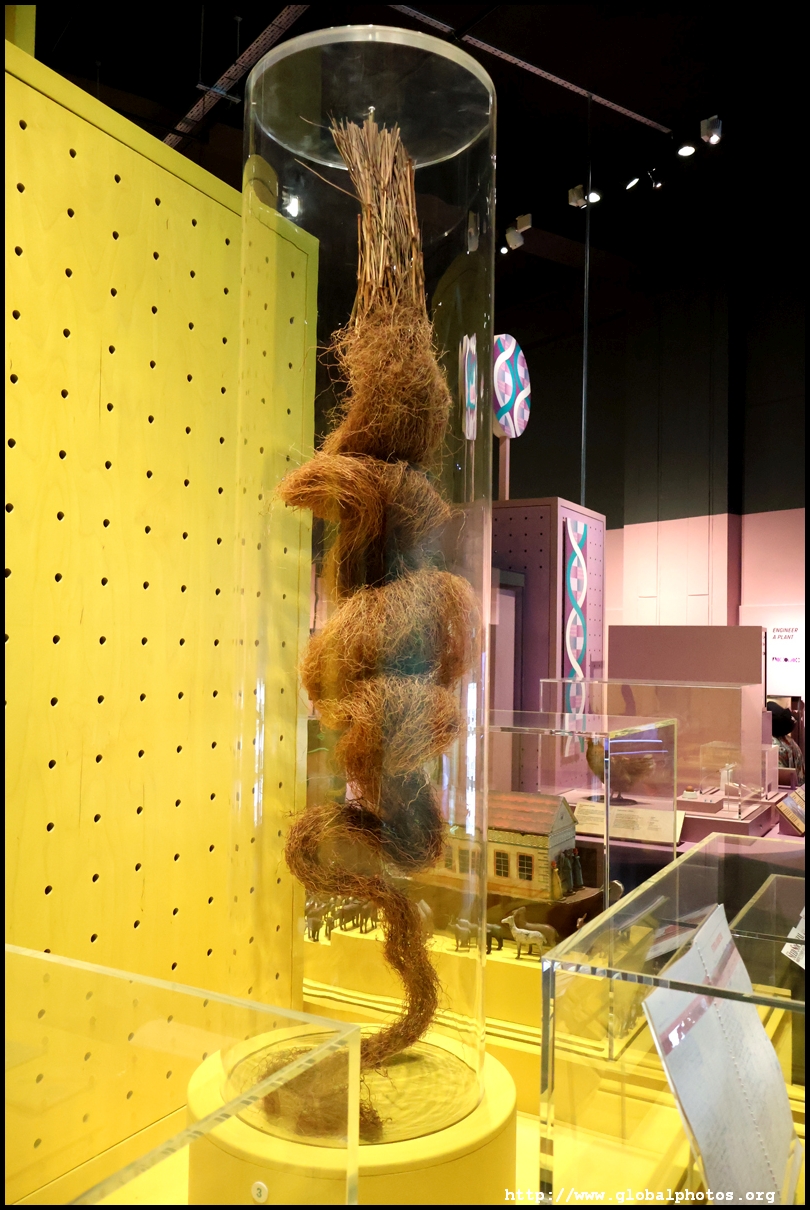
Scientists are developing perennial versions of wheat and rice so farmers don't need to re-plant them every year. This variety has deeper roots to access more water and nutrients than their annual counterparts.
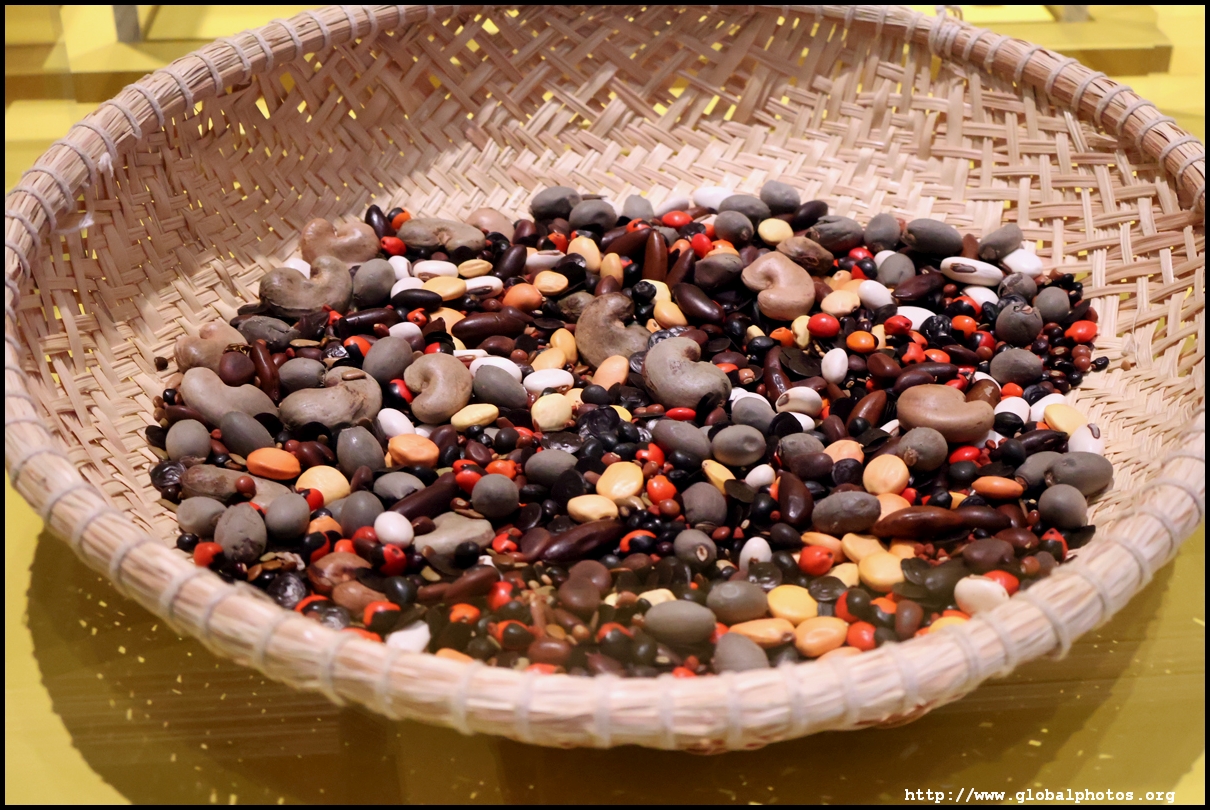
This indigenous group living in southern Brazil collect and mix seeds in ceremonies and plant them across the land.
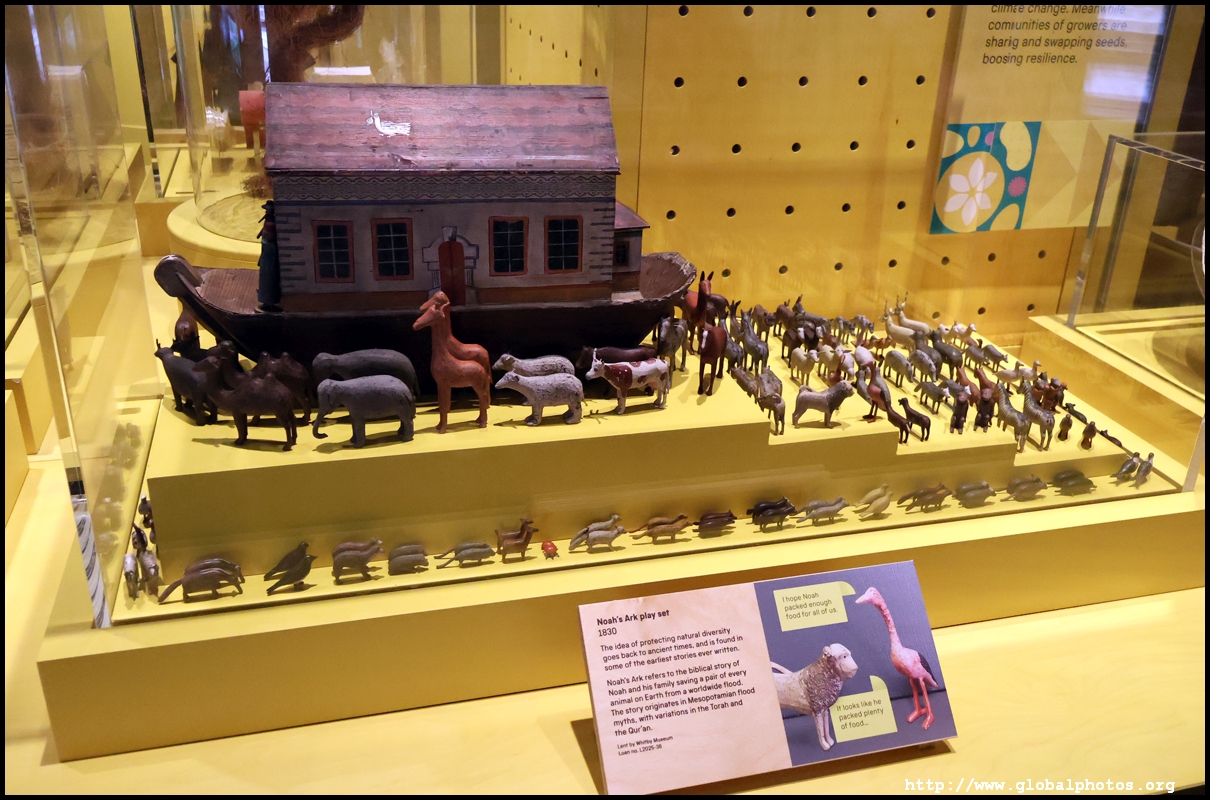
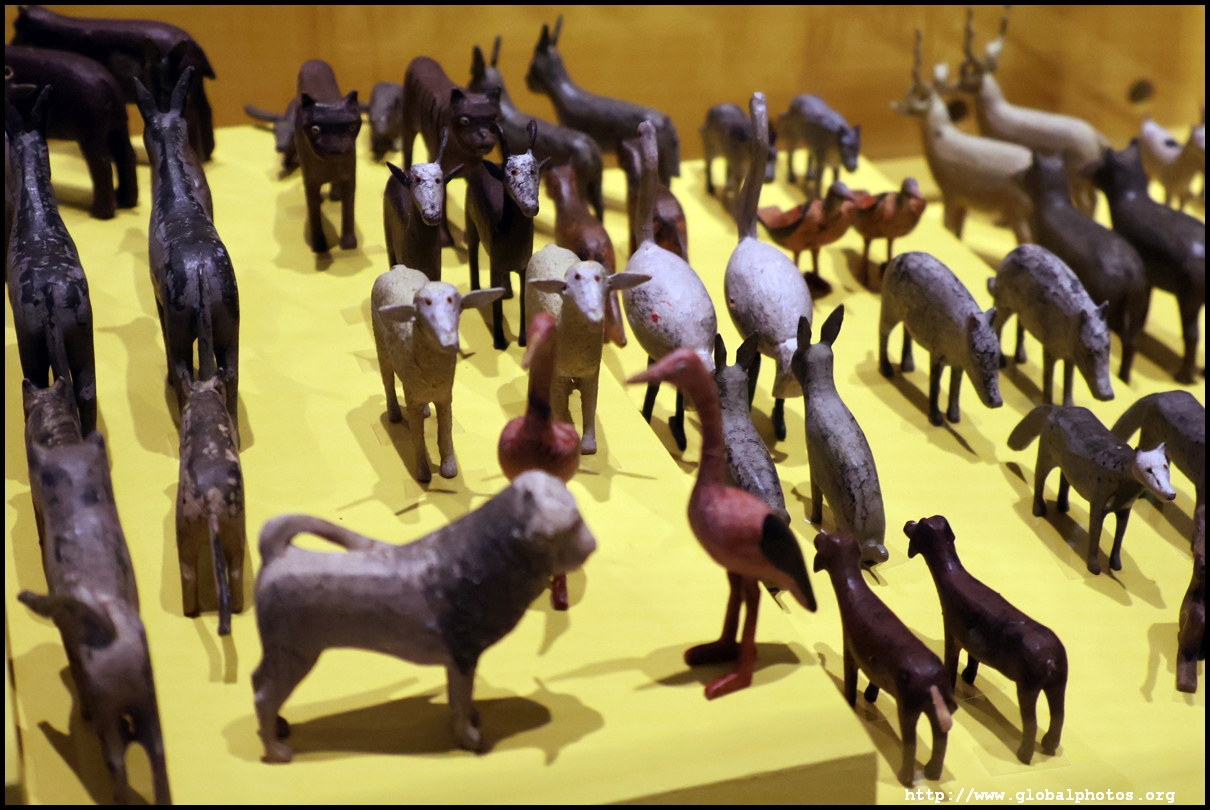
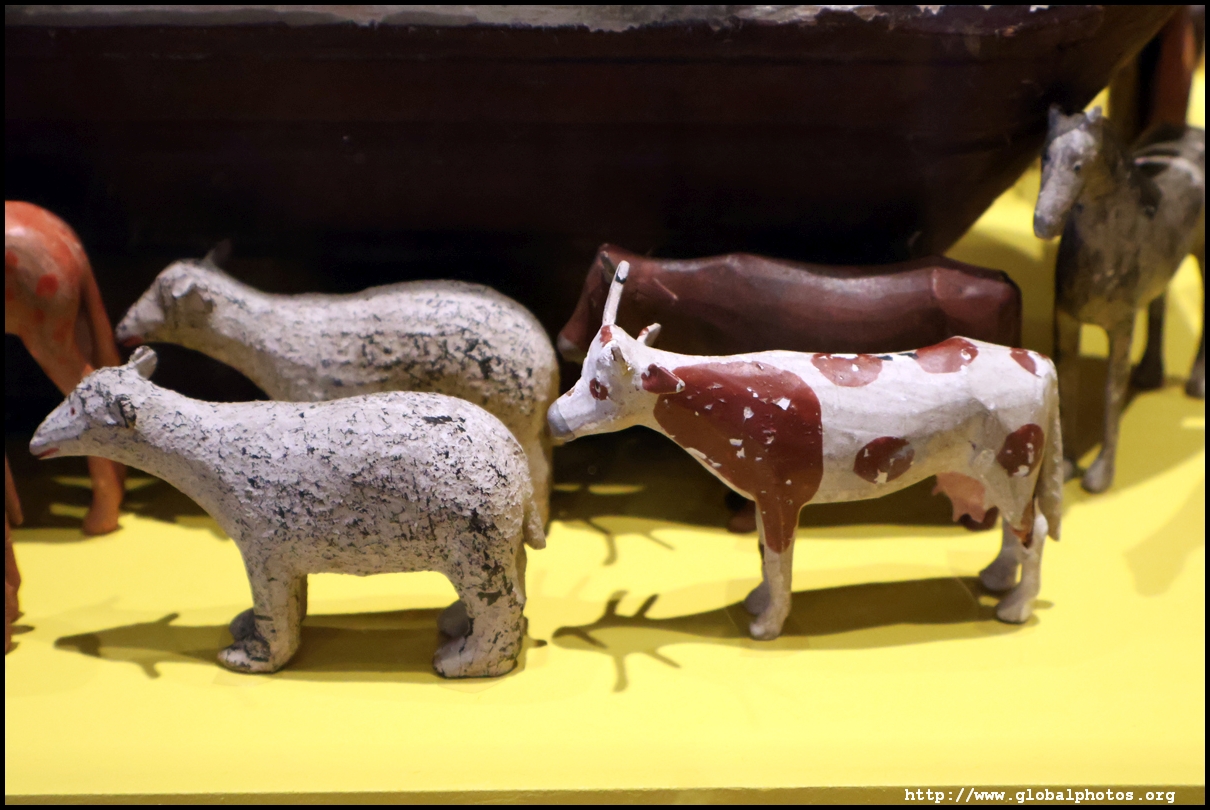
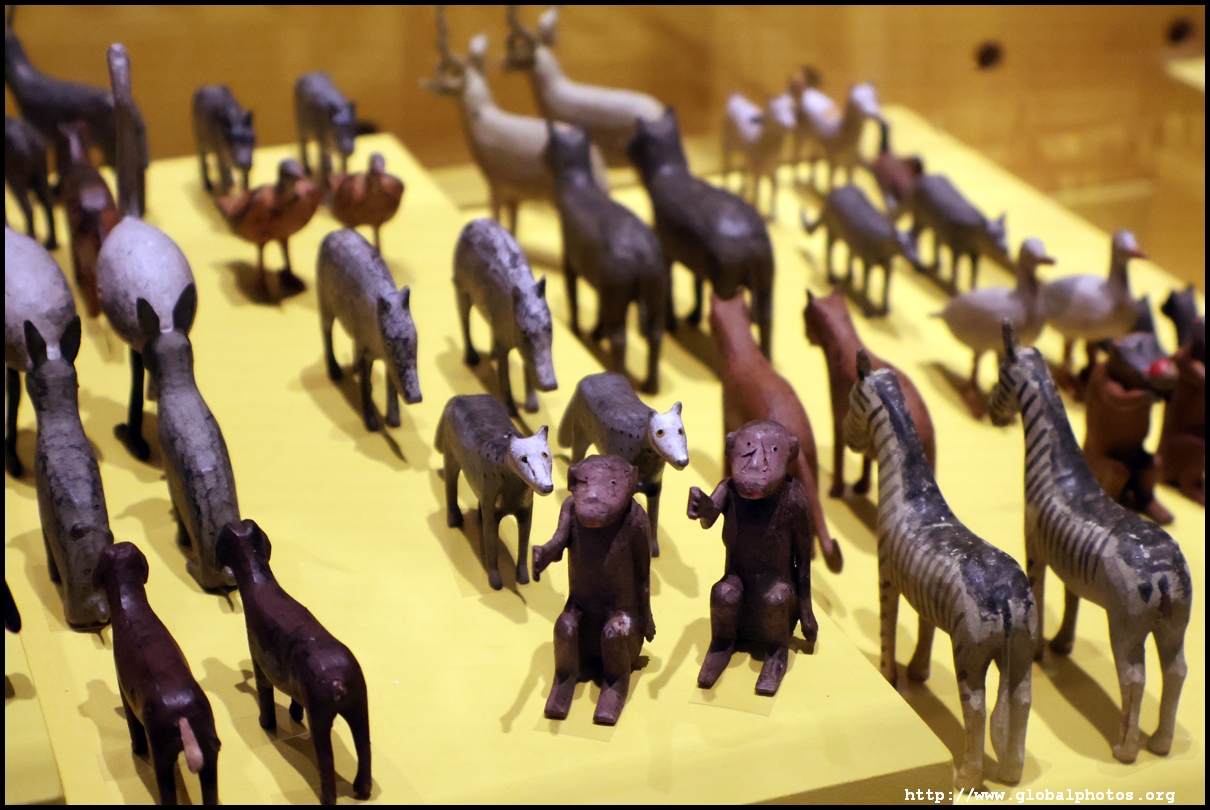
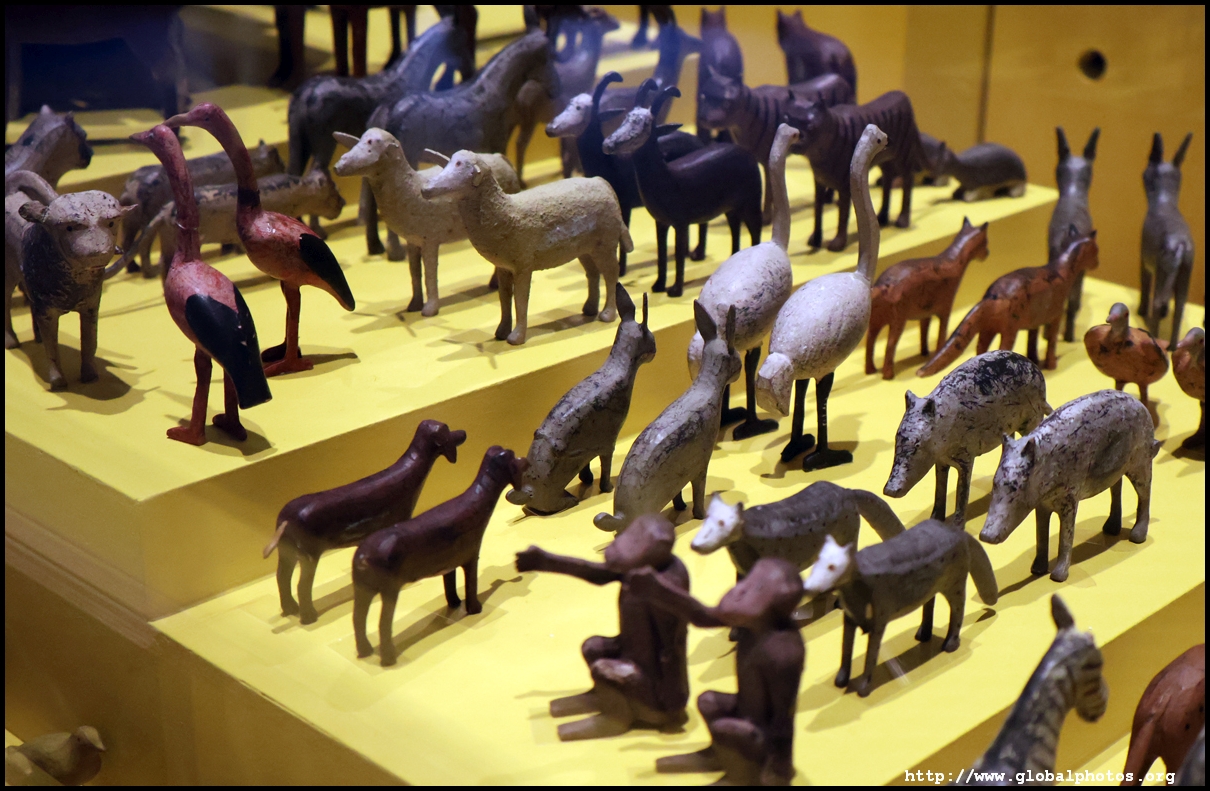
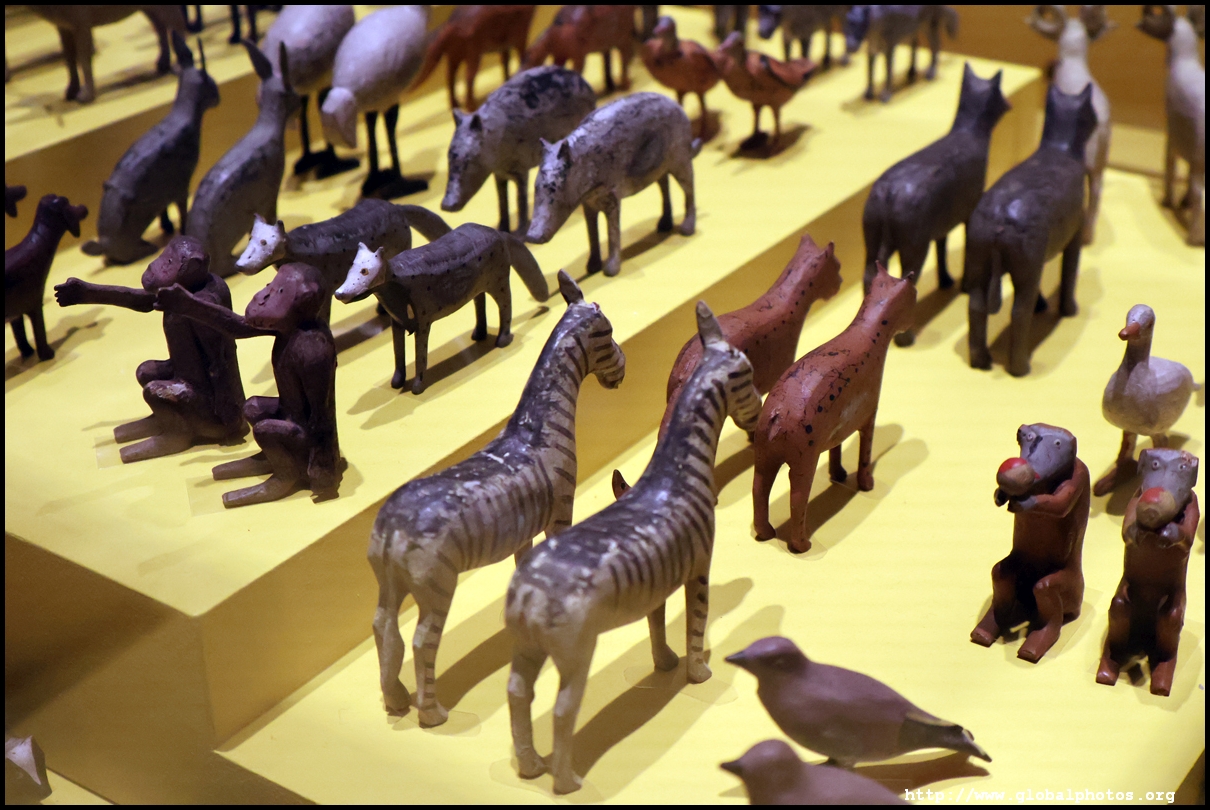
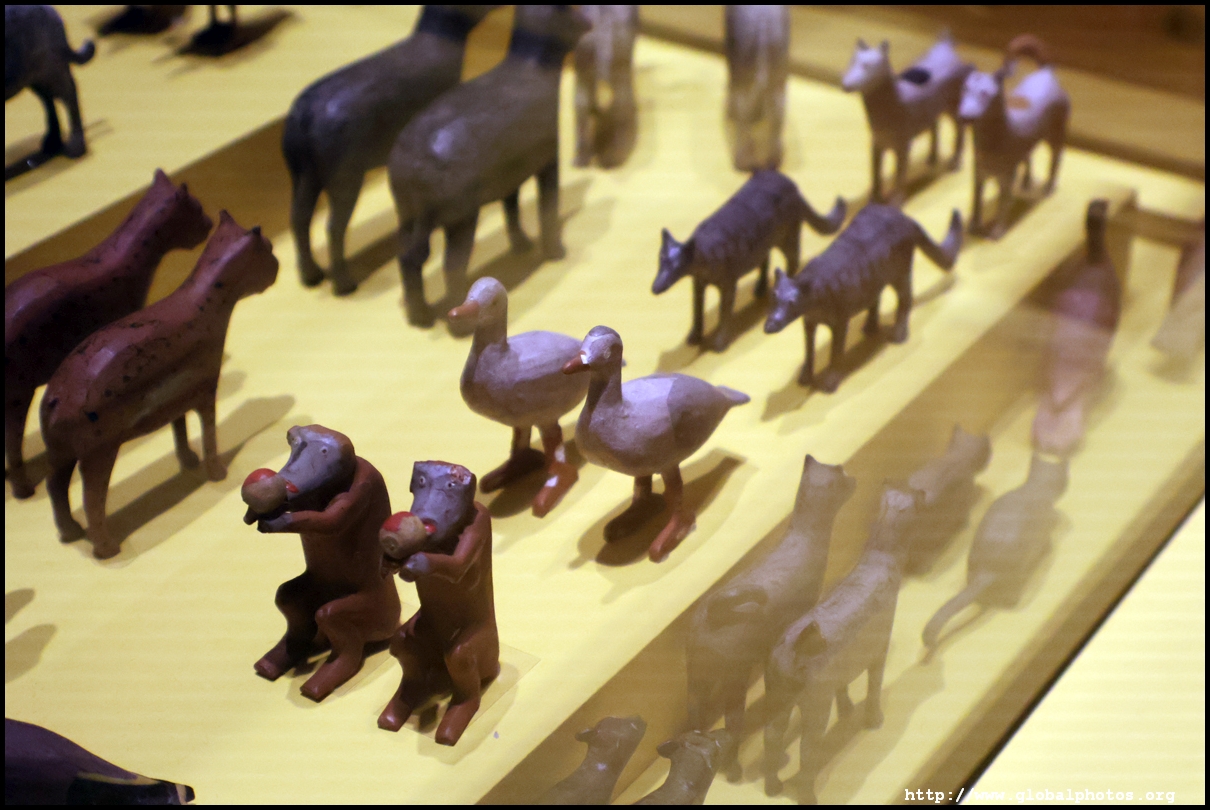
This Noah's Ark play set dates from 1830.
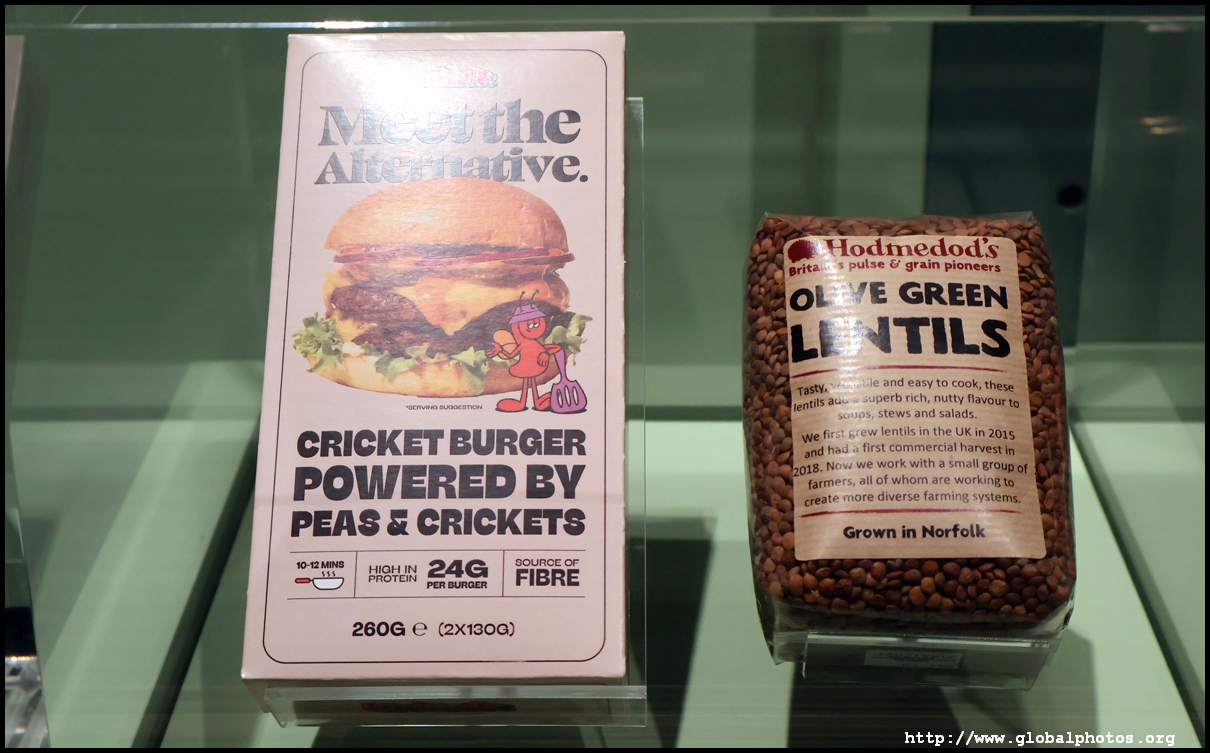
Insects have a much smaller carbon footprint than meat and have been promoted as a sustainable alternative protein in the West. Lentils are also high in protein and fertilize the soil as well.
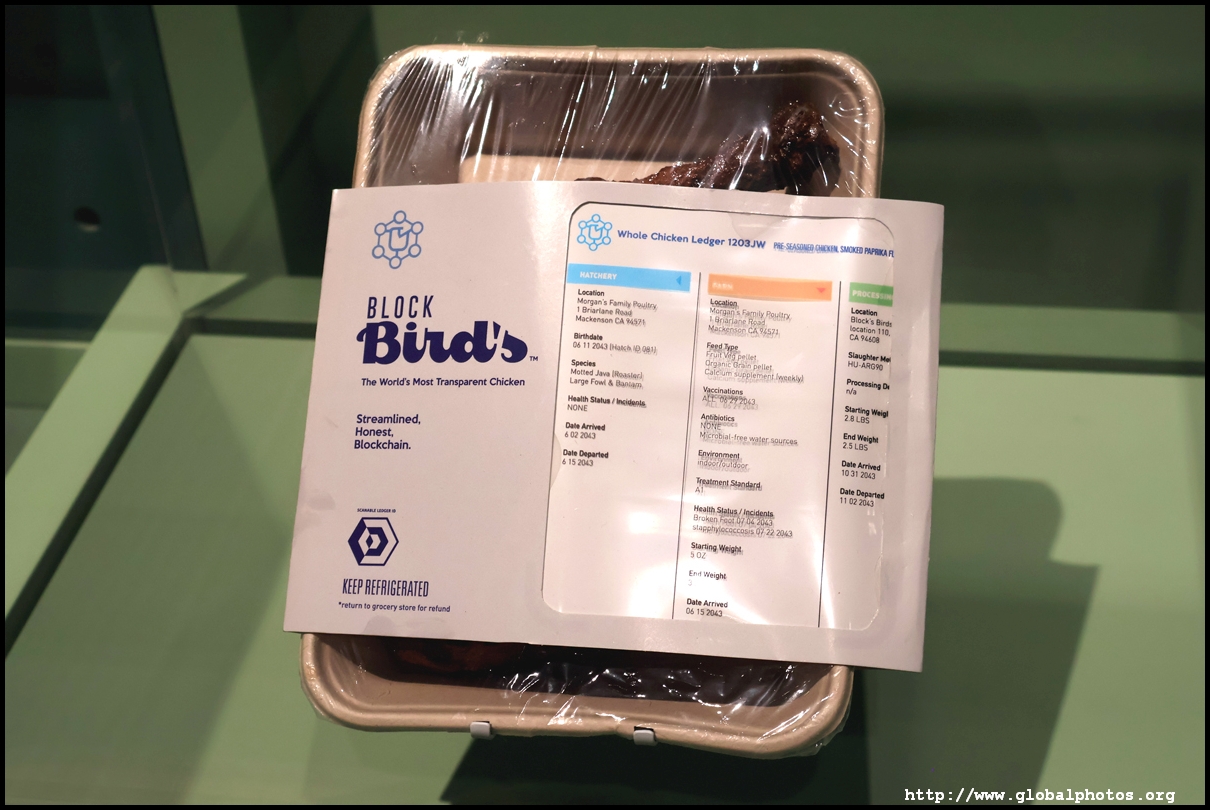
You can scan a code with your phone to see every step of this product's journey. Blockchain technology can be used to give consumers more information about where their food comes from.
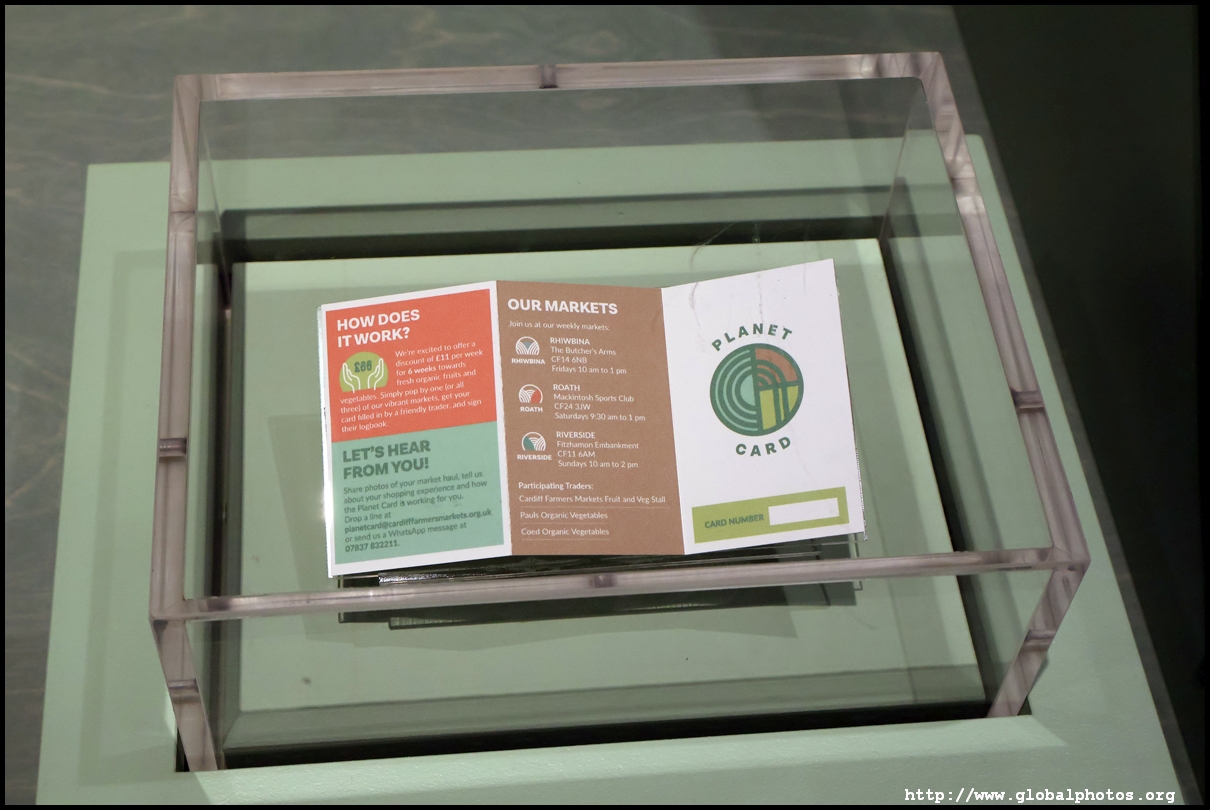
Cardiff trialled this card that gives lower-income communities 11 pounds a week to buy organic food from farmers' markets.
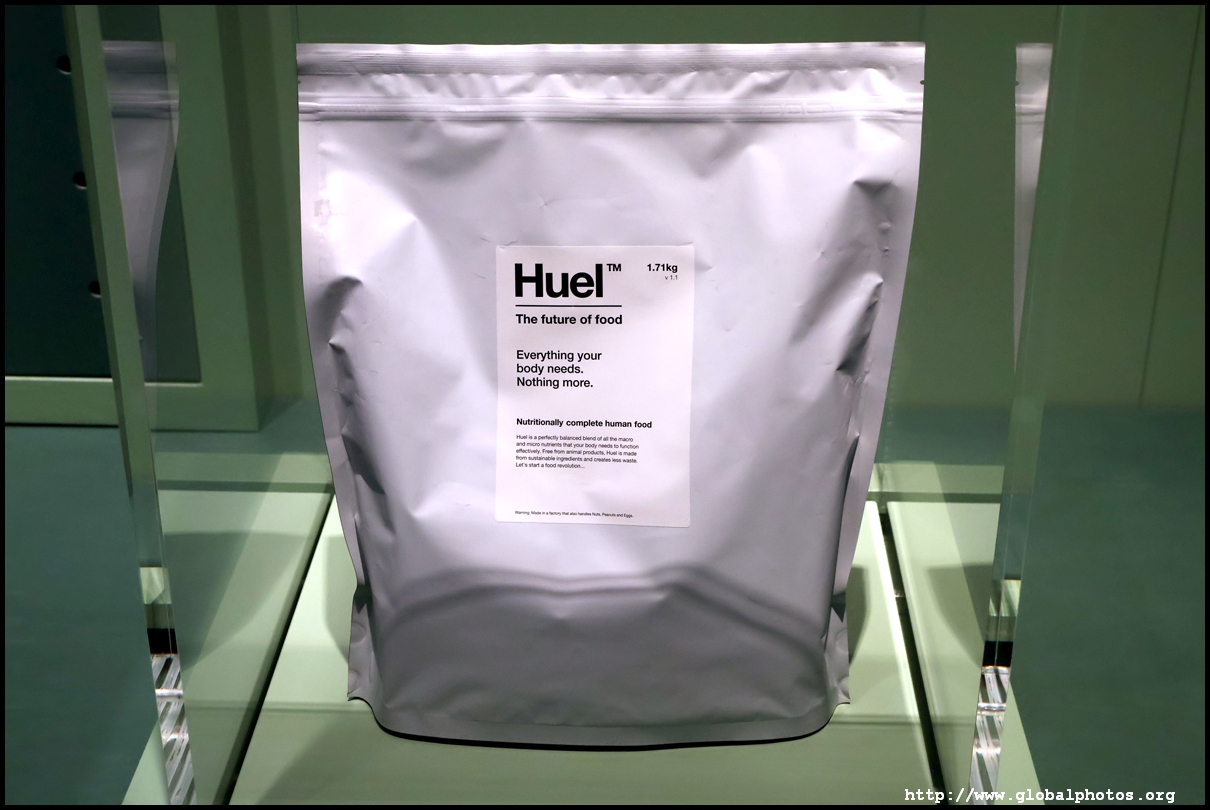
This is the first packet of Huel (human fuel) meal that comes entirely in powder form, dating from 2015. The plant-based ingredients are cooked on an industrial scale to minimize carbon emissions and waste, and you just need to add water to consume.
| |
To re-use these photos, please notify me by email : asiaglobe@yahoo.com.hk.