London Photo Gallery - Art Exhibitions & Special Events
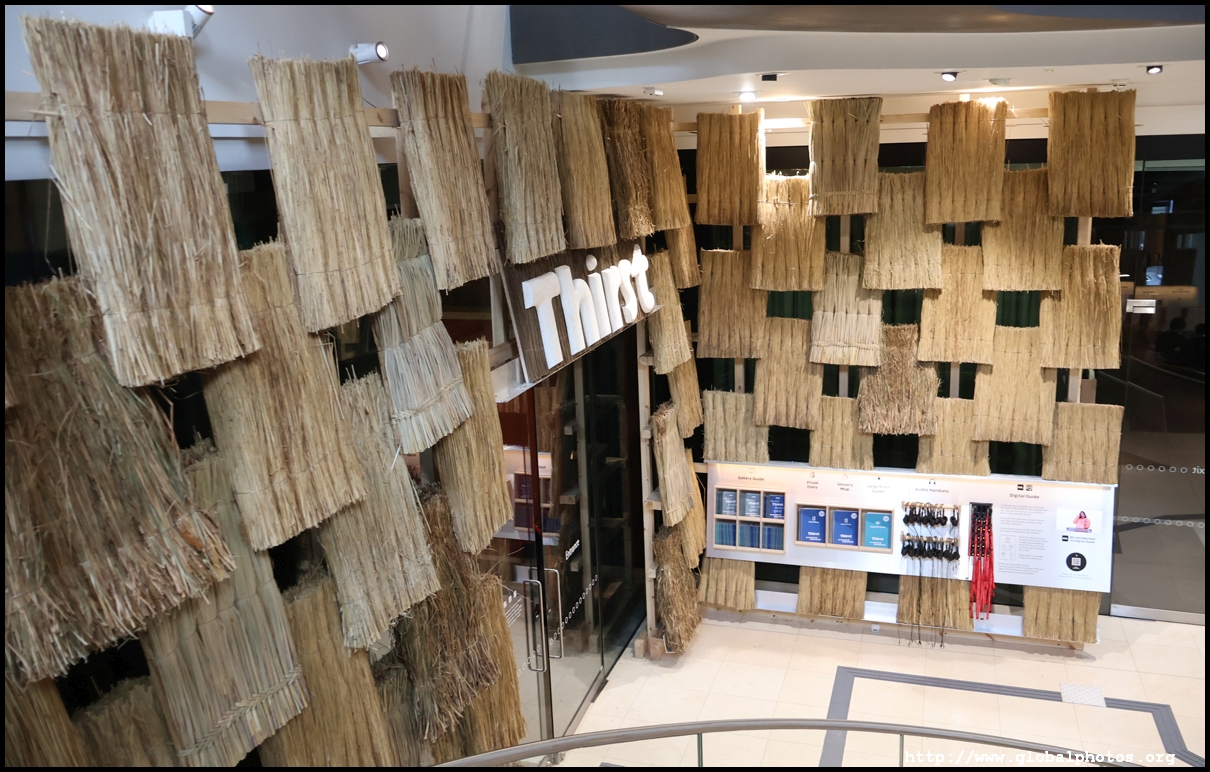
Thirst: In Search of Freshwater (July 2025)Freshwater only accounts for 3% of the Earth's water supplies. Being an essential source of life, this exhibition highlights its importance, mismanagement, and solutions.
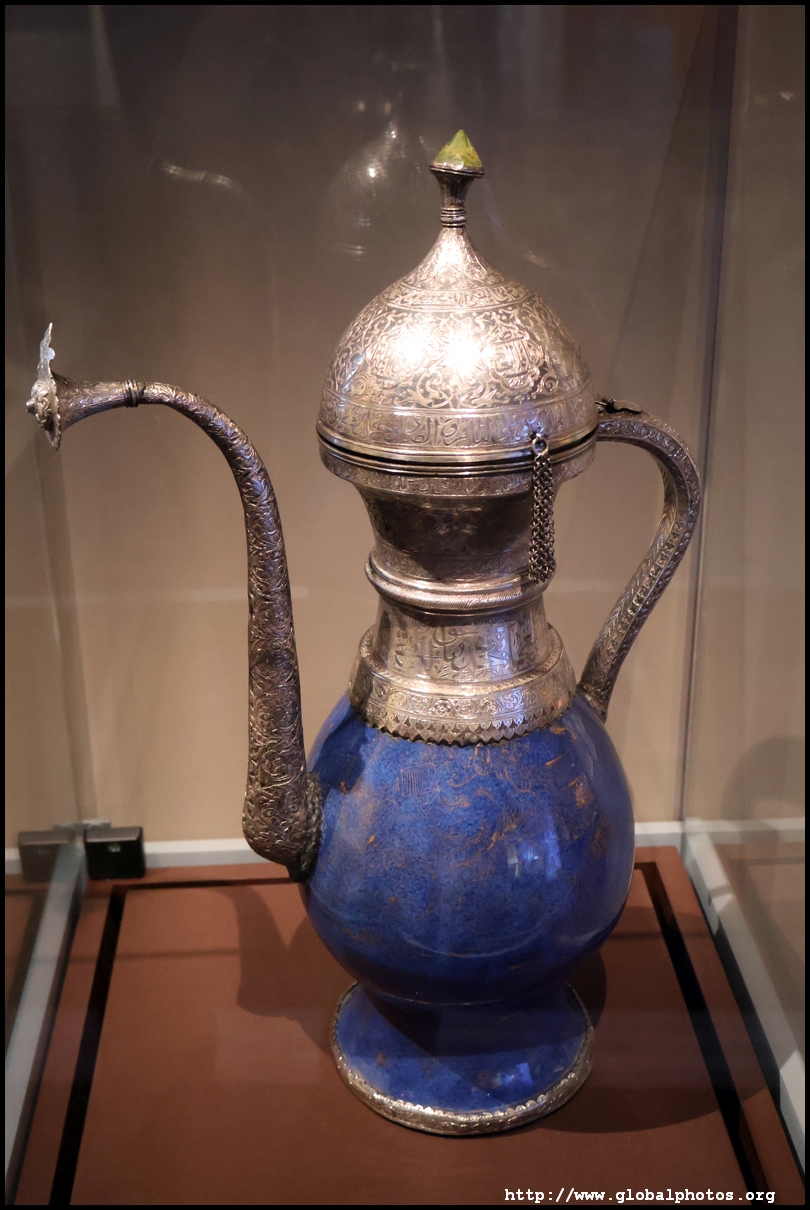
A Chinese powder-blue porcelain vase was exported to Iran and adapted to chill drinks.
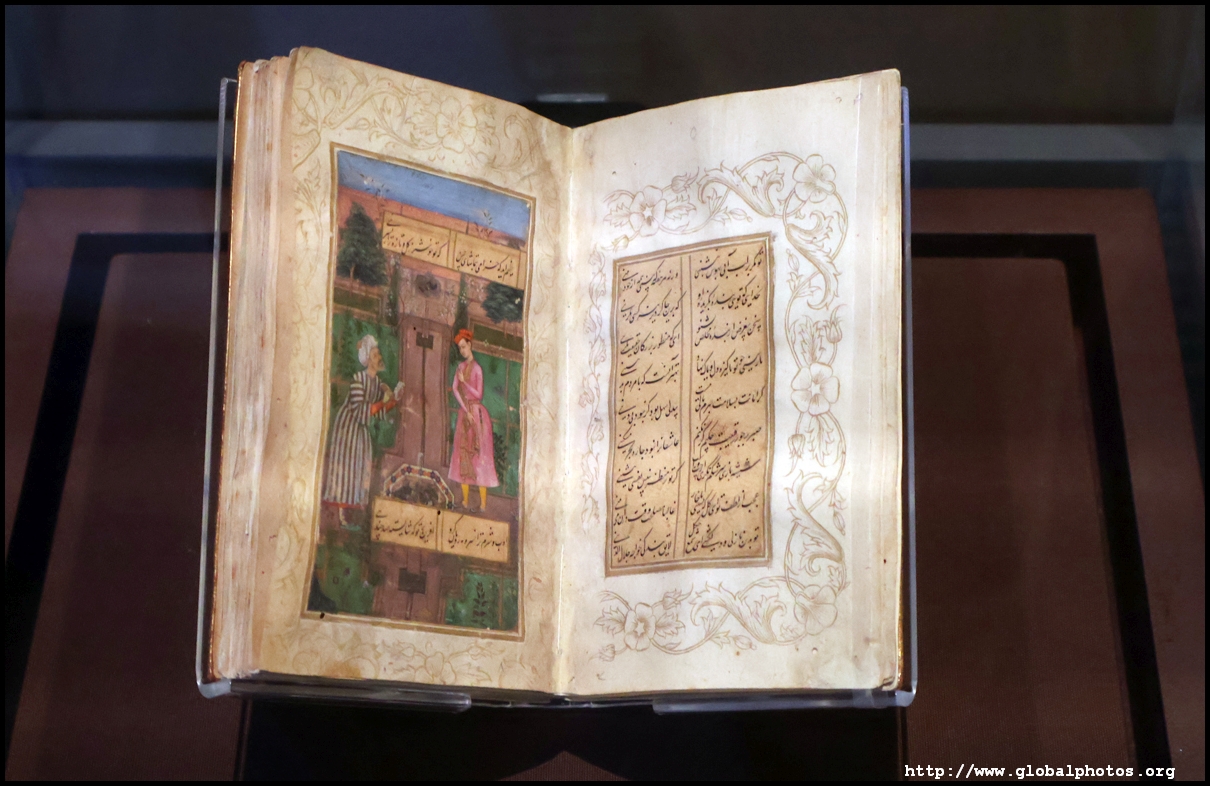
This portrait shows a poet in a symbolic paradise garden, which shows the importance of water control in the Persian world.
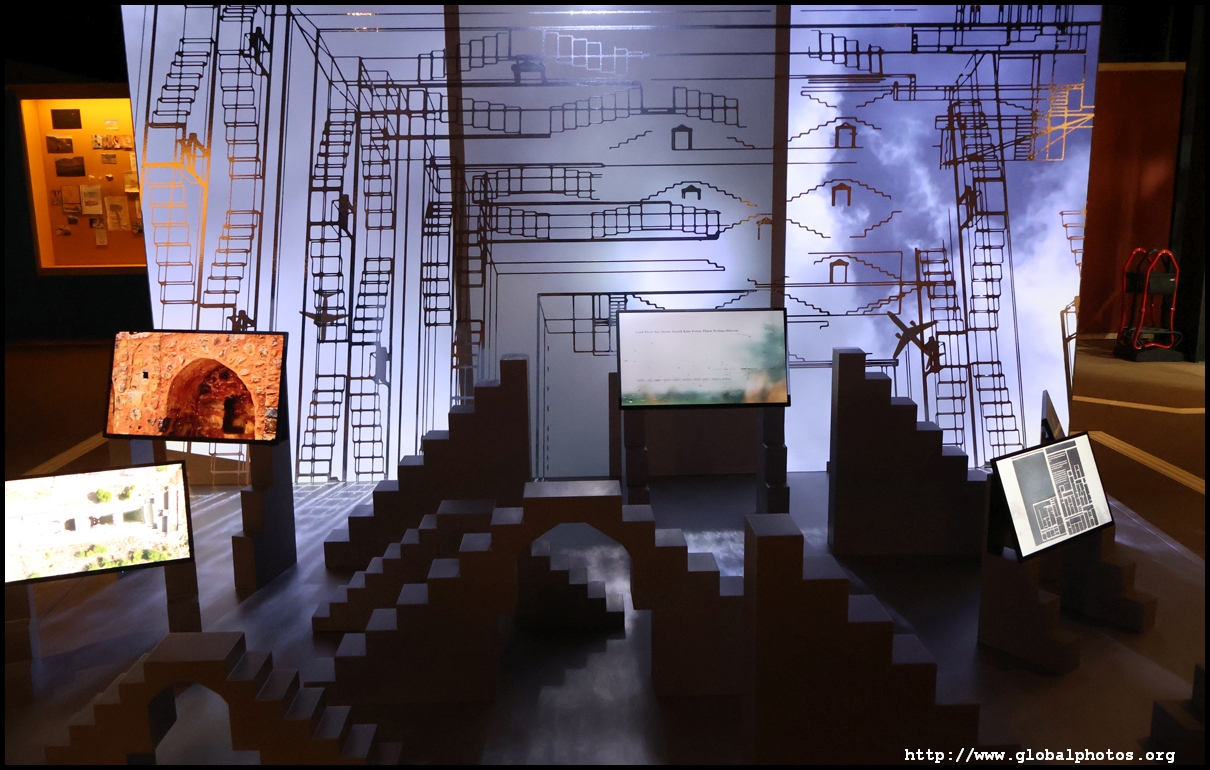
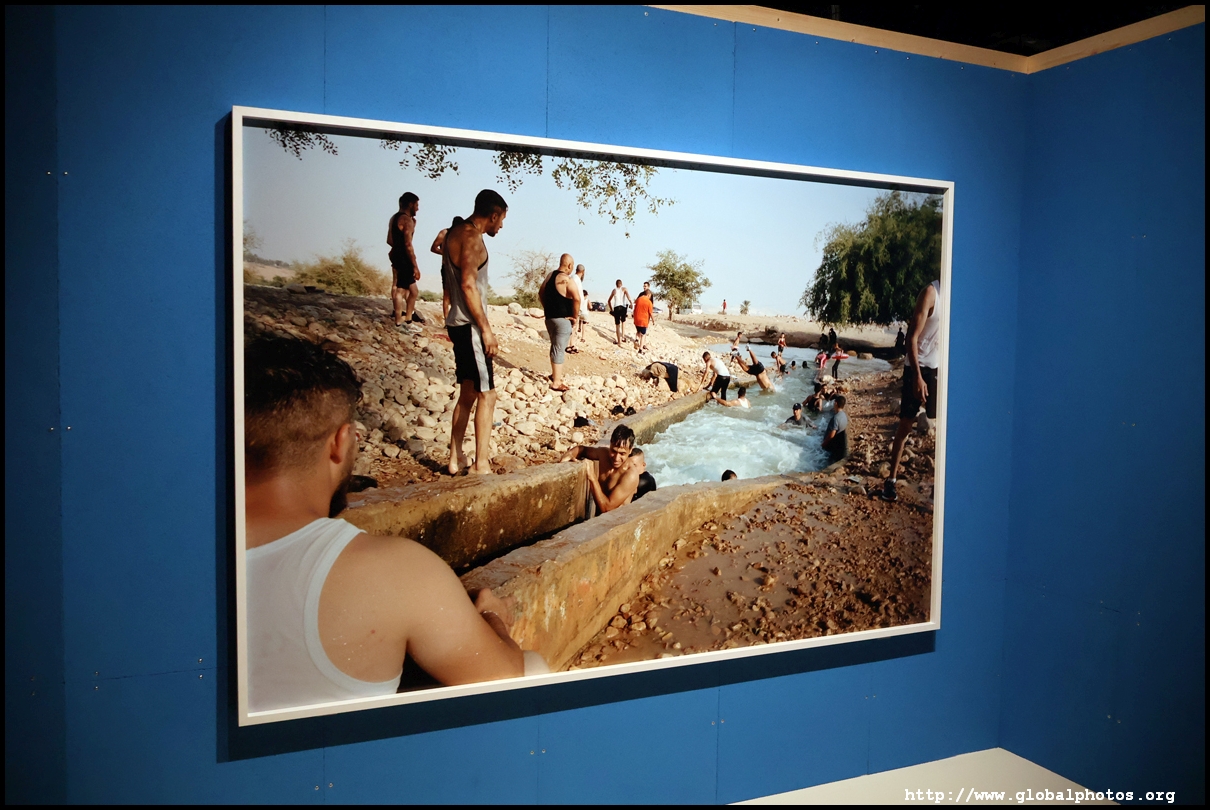
Seasonal rains in 2022 brought water to this West Bank wadi, triggering celebrations.
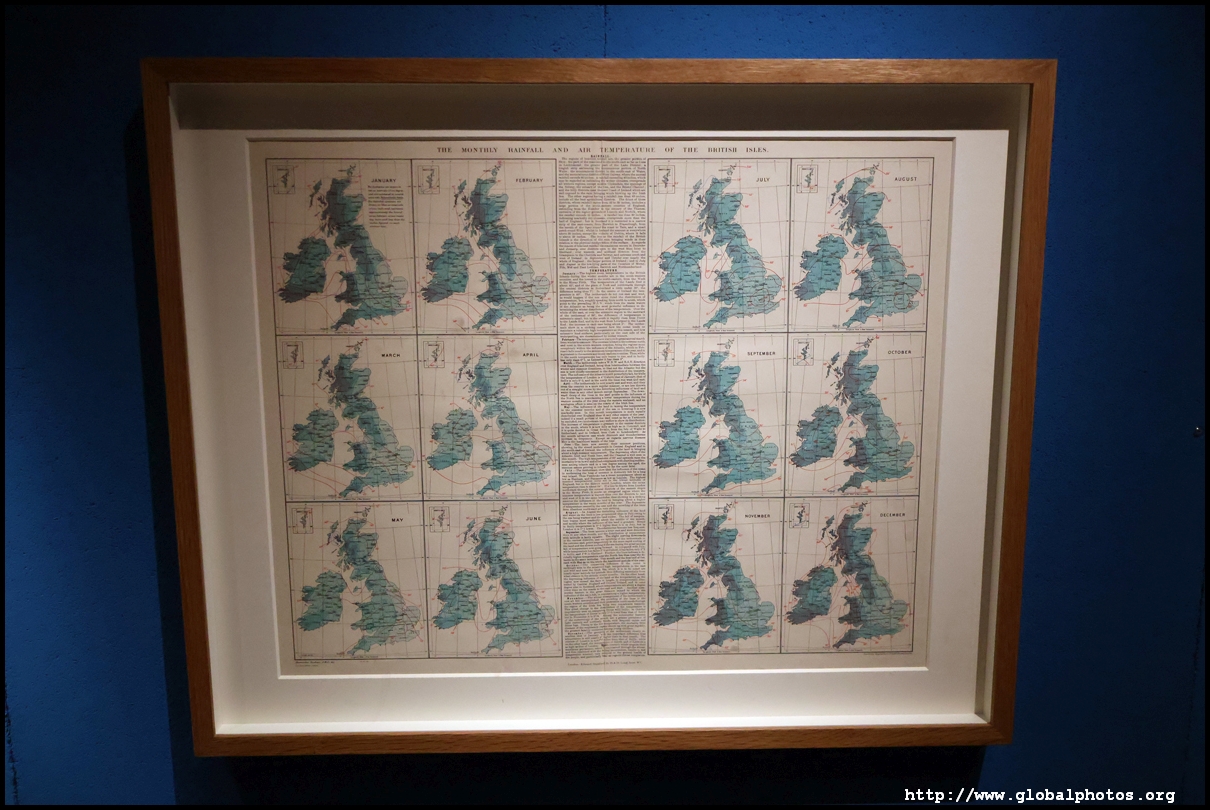
The first rainfall atlas for the UK was published in 1920. Climate change is believed to increase total rainfall in the country by about 15%.
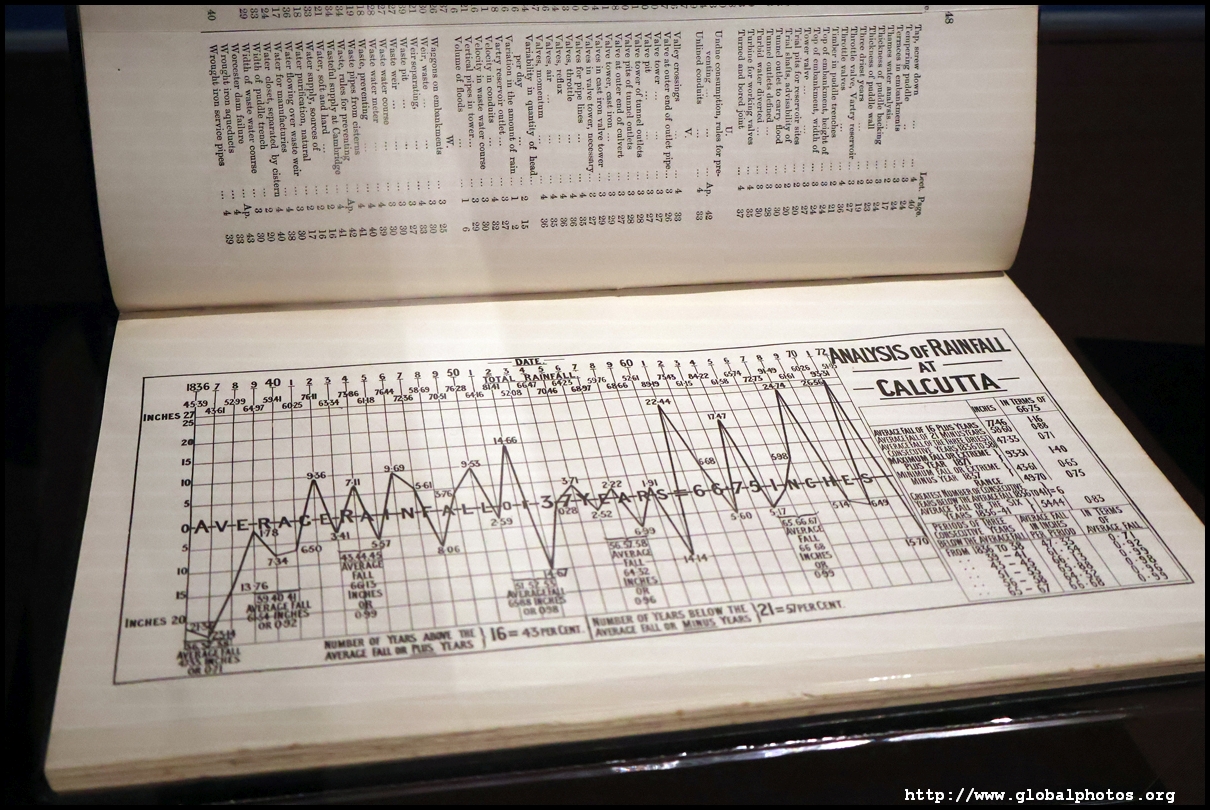
British colonial rulers prioritized growing water-intensive cash crops in India. However, monsoon failures and drought in 1876-7 prompted meterological studies to understand weather patterns.
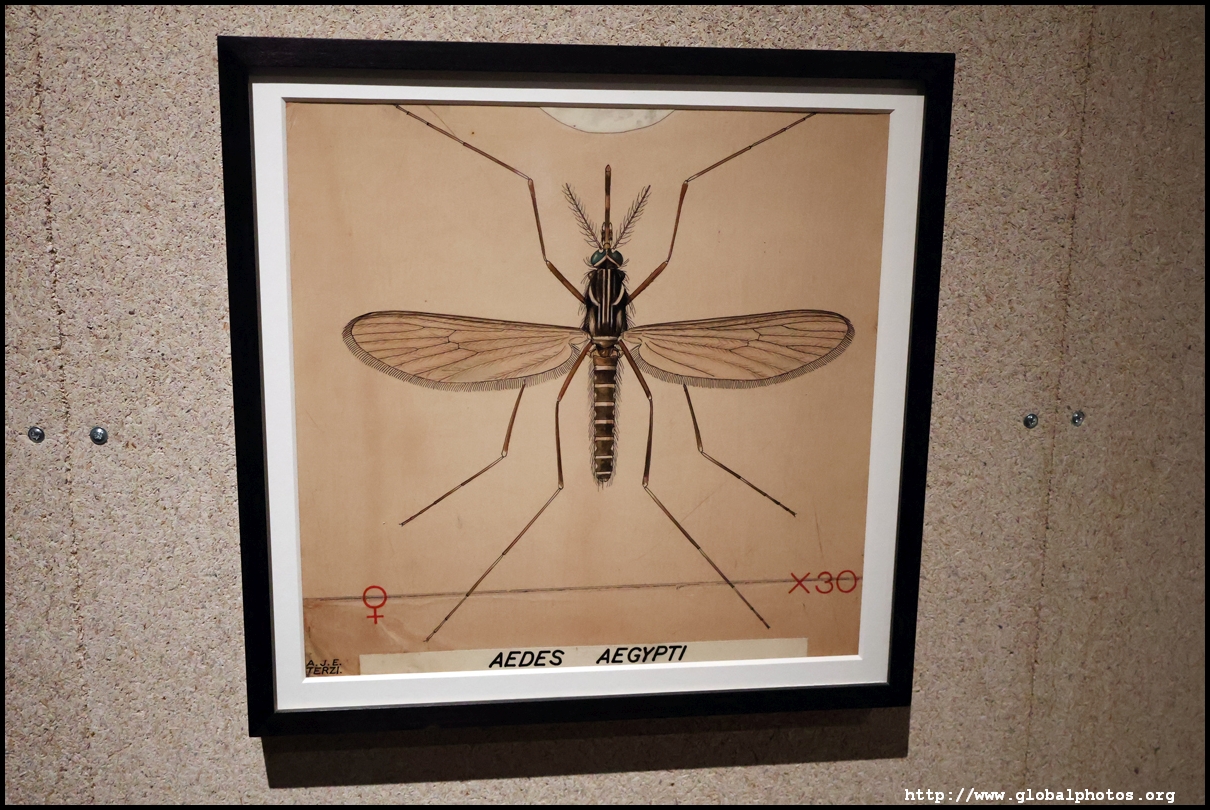
The aedes aegypti mosquito transits several diseases, including dengue fever. This 1901 drawing was produced by A.J.E. Terzi, who produced these types of materials for the London School of Tropical Medicine that was established in 1899.
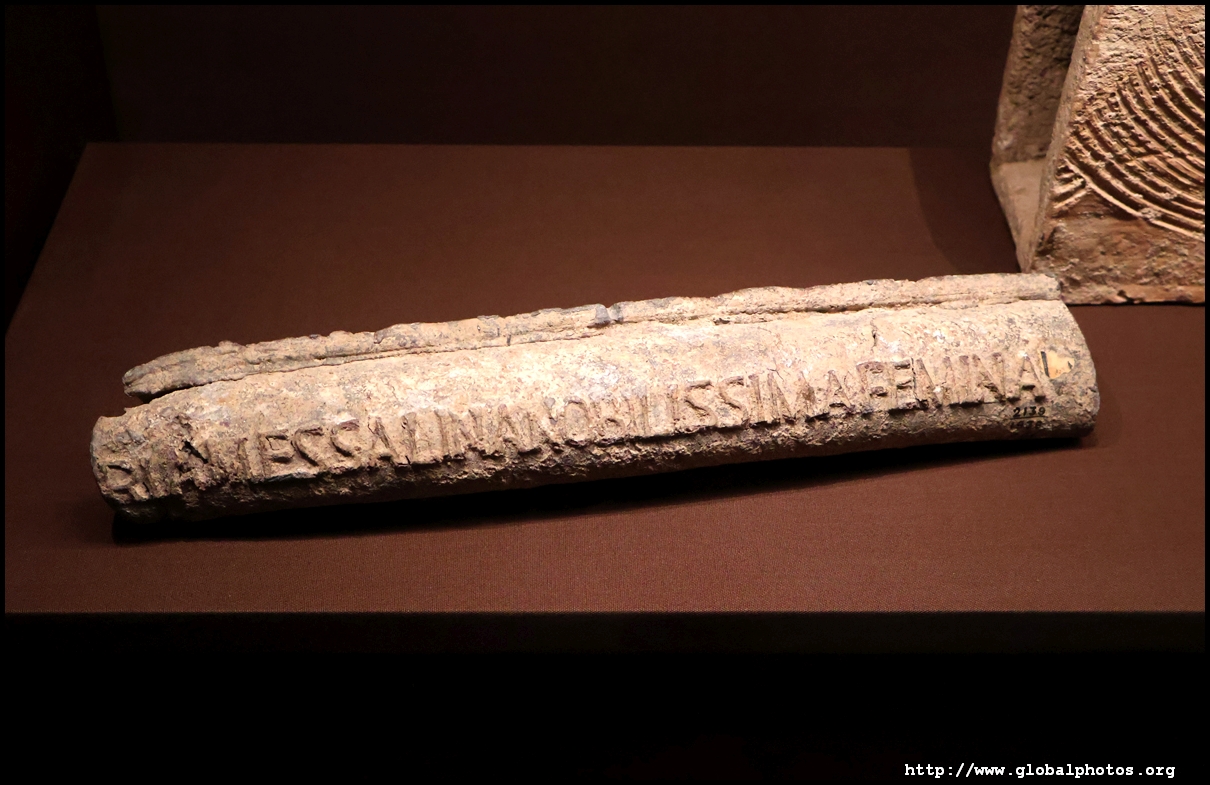
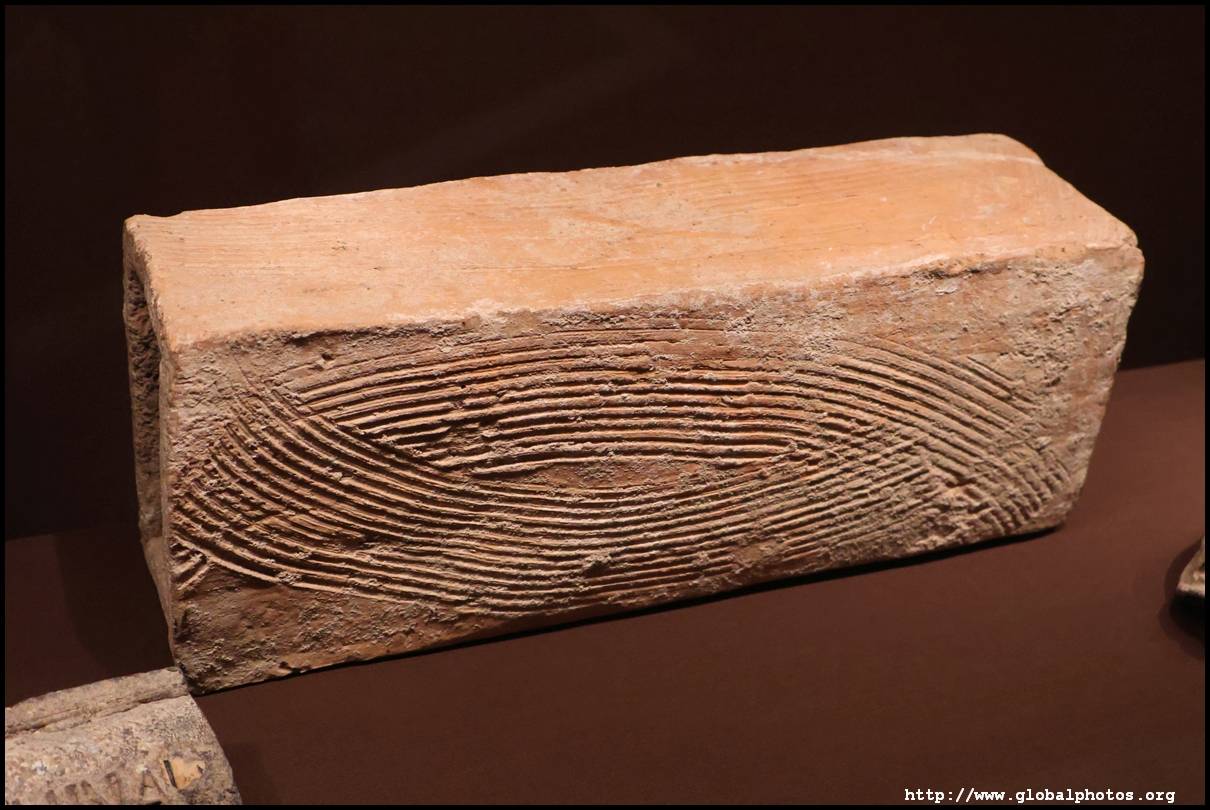
Wealthy Romans had water systems using lead water pipes, often with the patrons' names on them. Elsewhere, cheaper terracotta pipes were used.
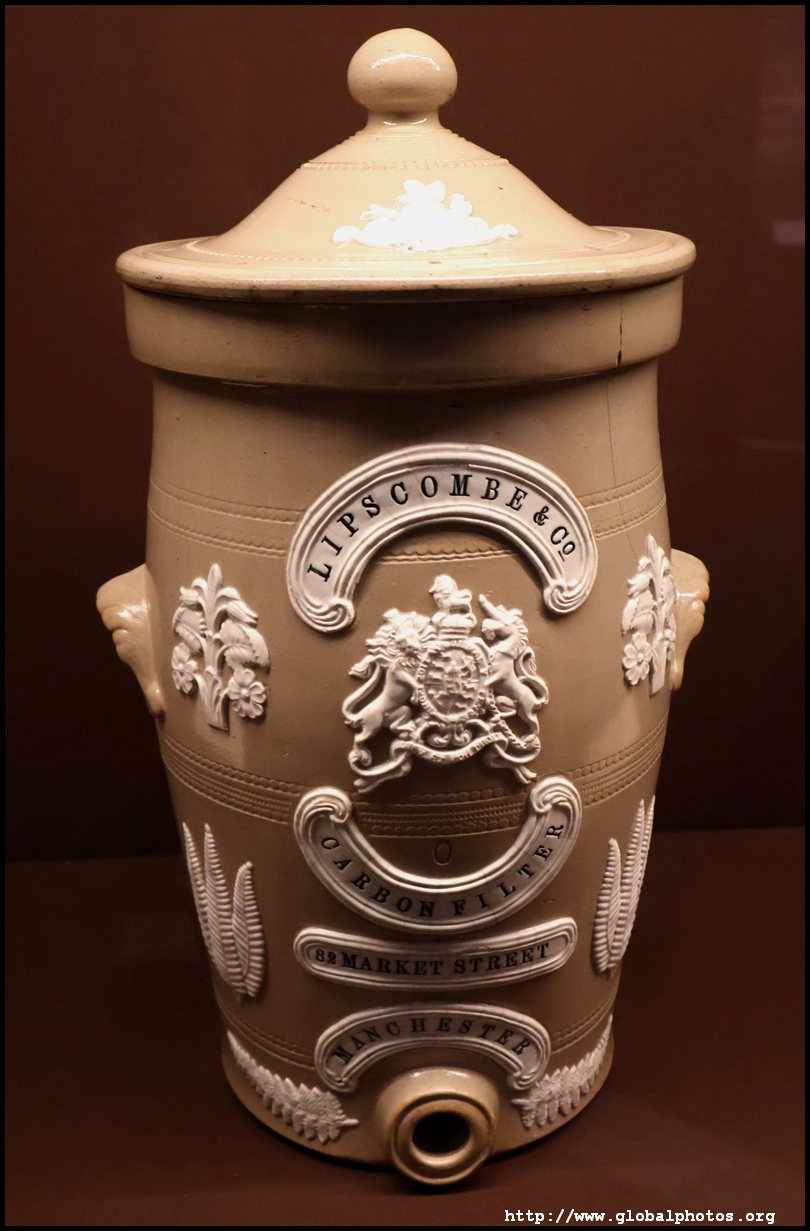
The carbon water filter from Lipscombe & Company absorbs bacteria, making the water safer to drink. It dates from the 1880s and was one of the first filtration systems used in the urban environment.
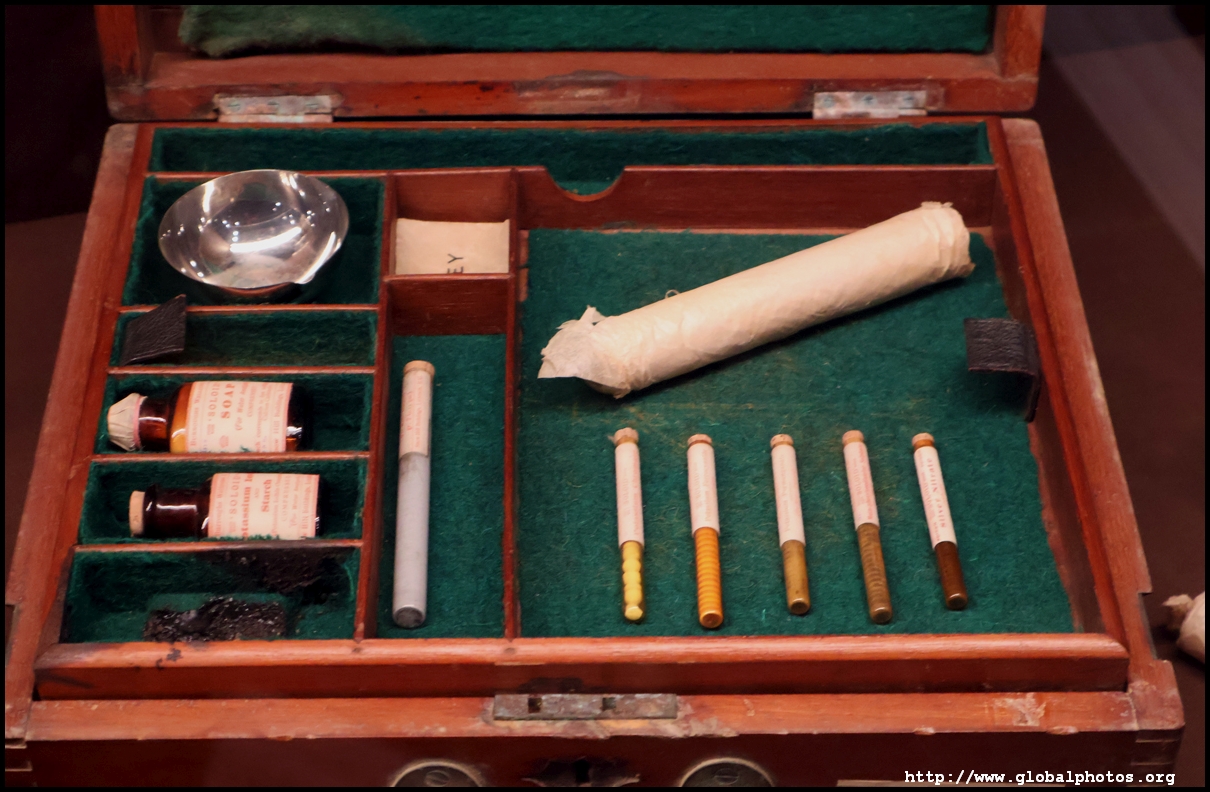
This portable water testing kit was used in Nigeria in 1908.
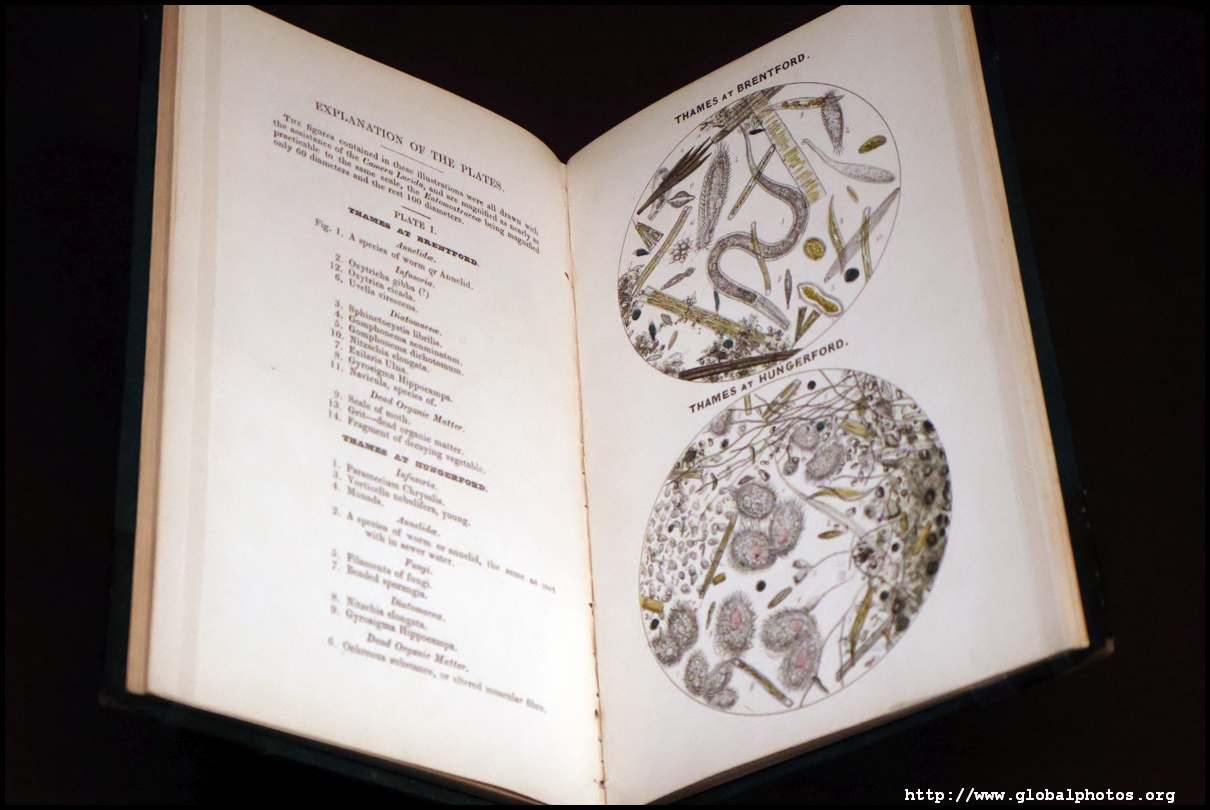
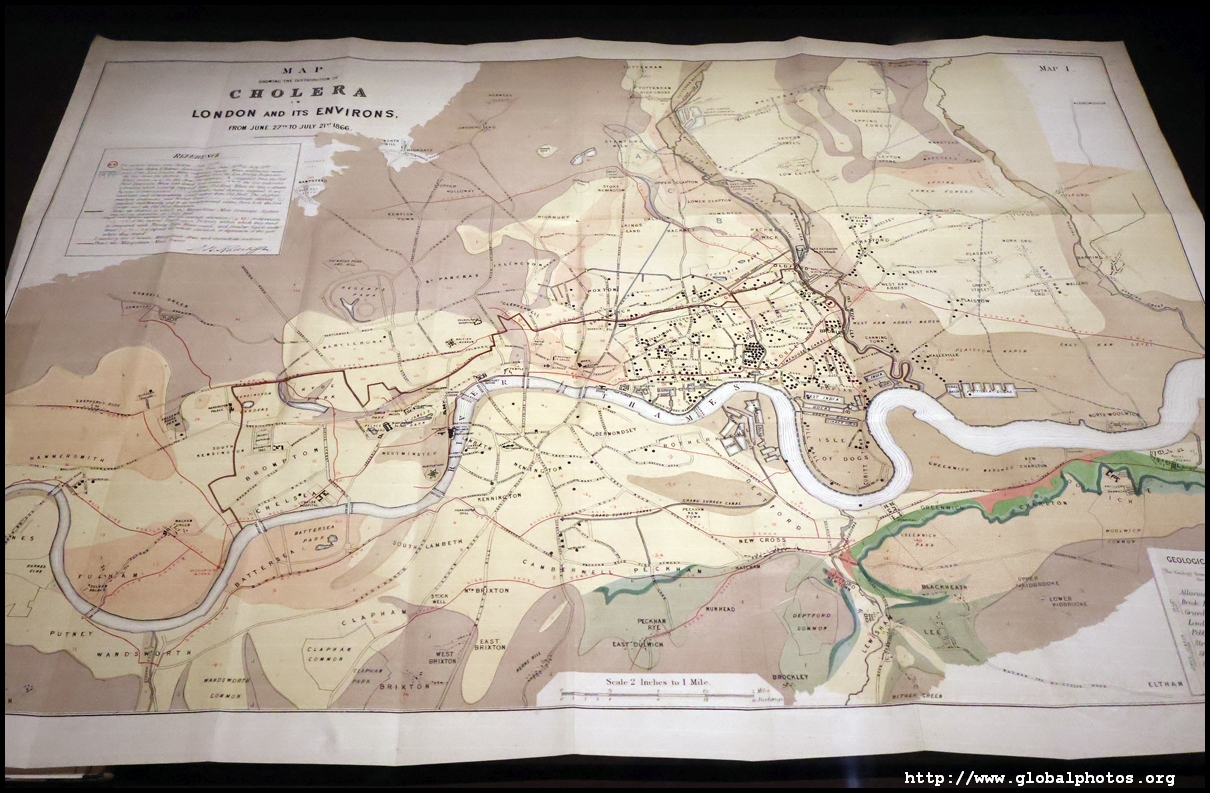
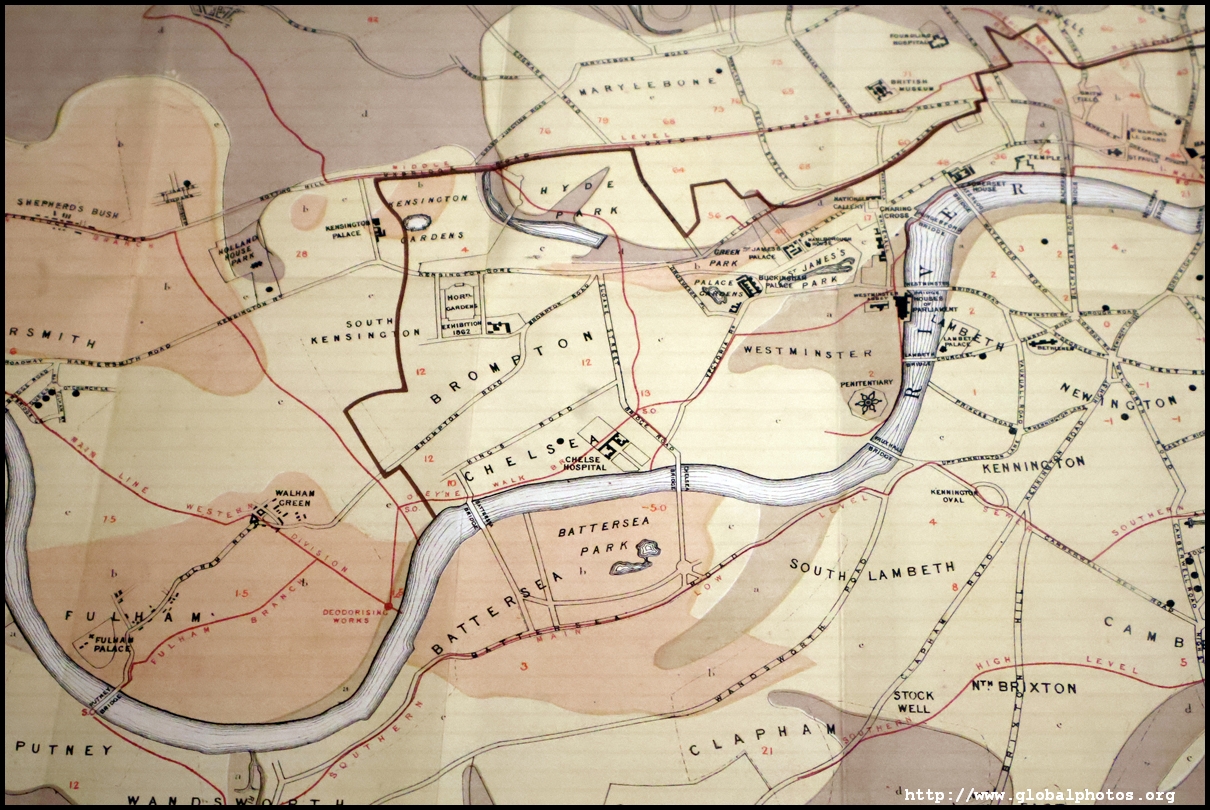
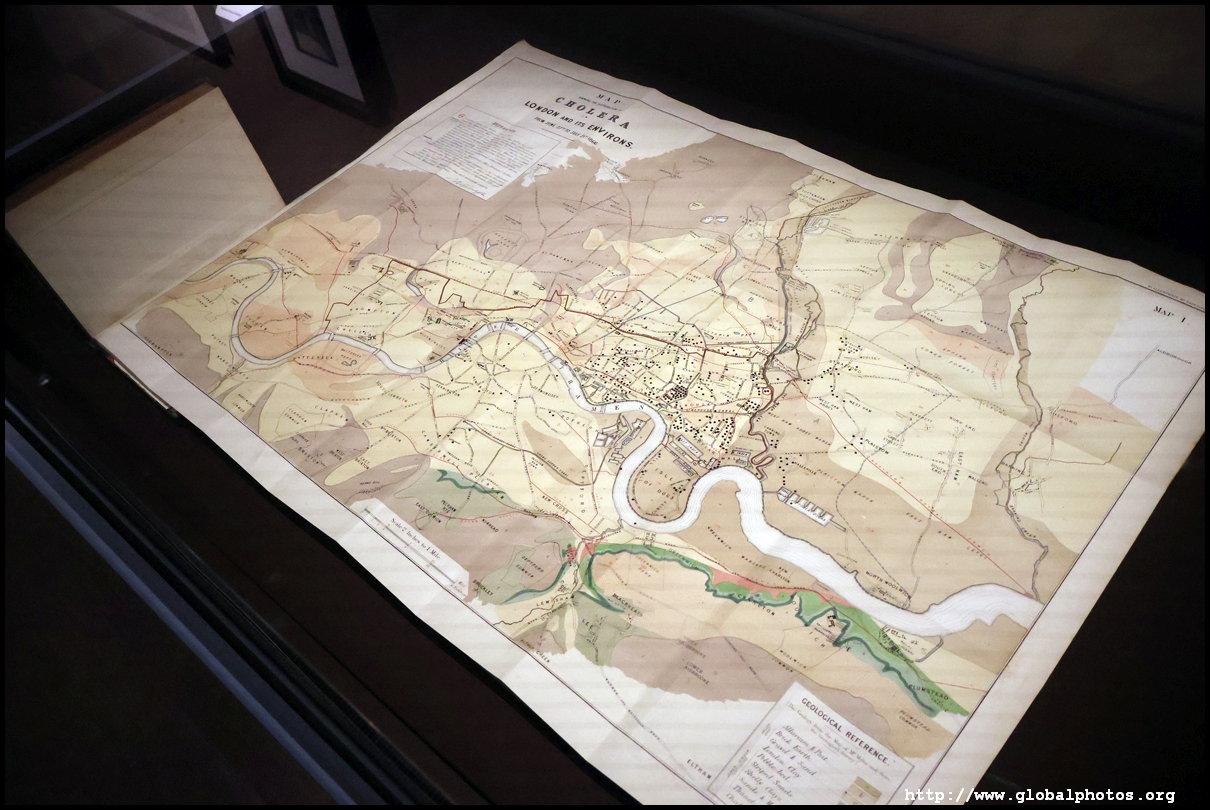
London suffered its last cholera outbreak in 1866, which affected areas with poor sanitation, such as the East End. Mapping helped find infection hotspots and contaminated water sources, and the city installed the current sewer system in the 1860s.
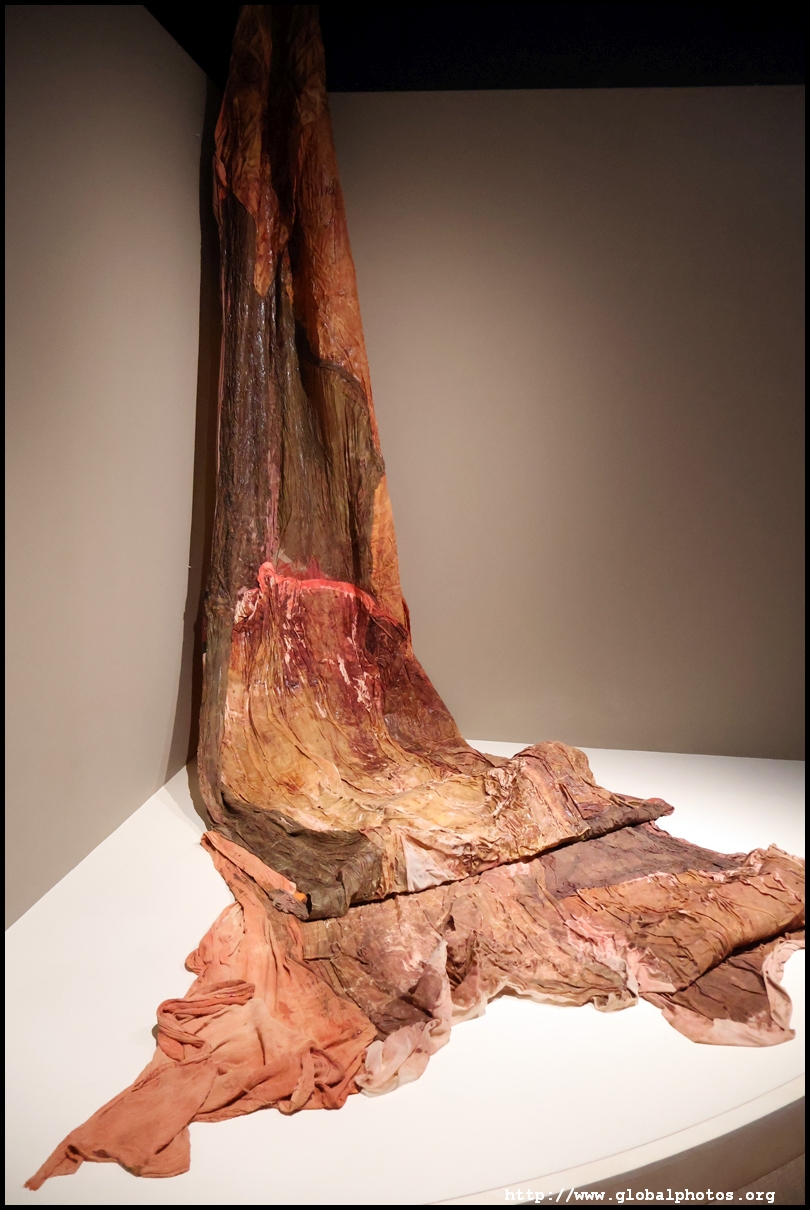
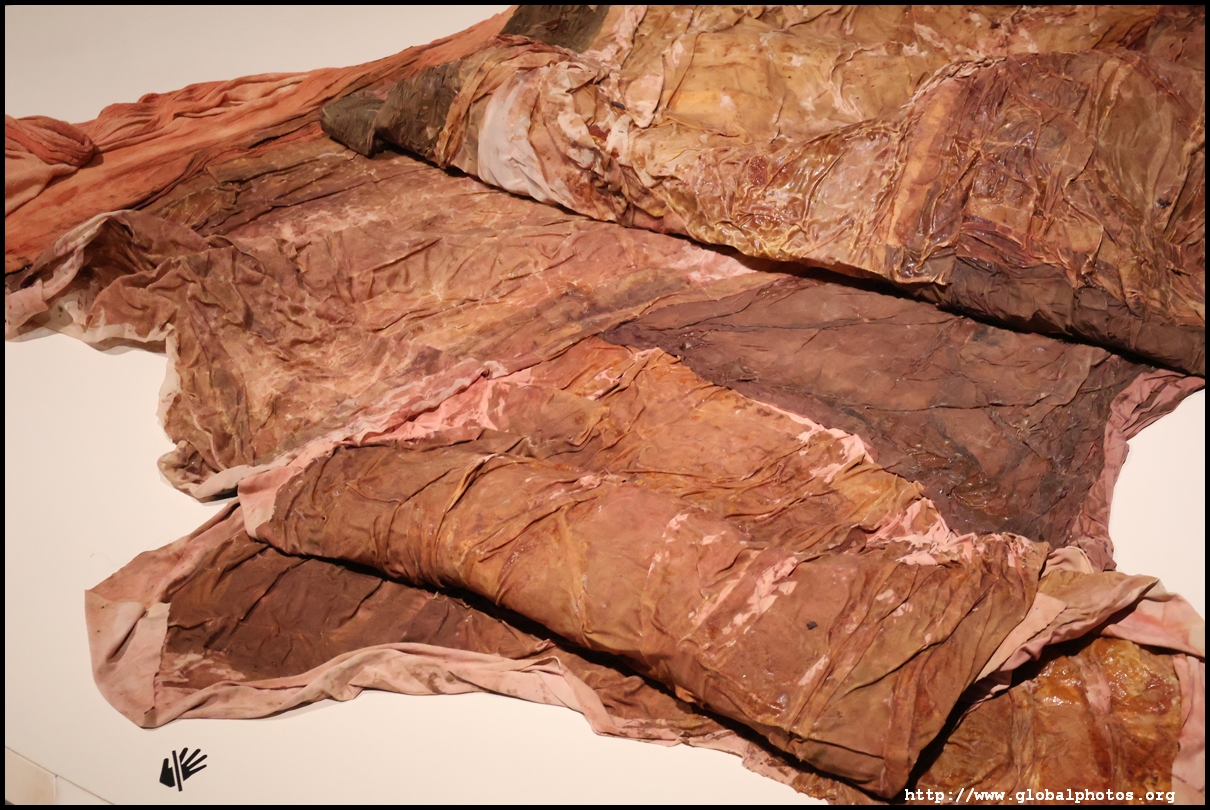
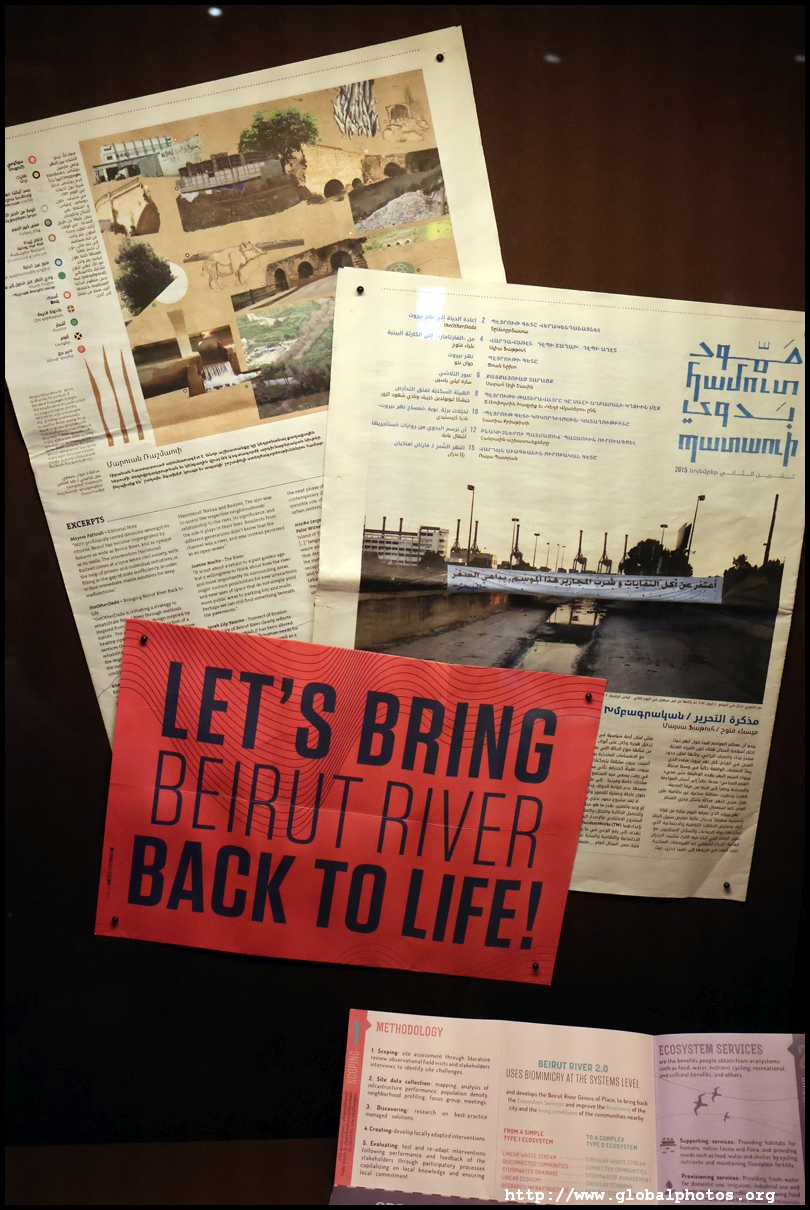
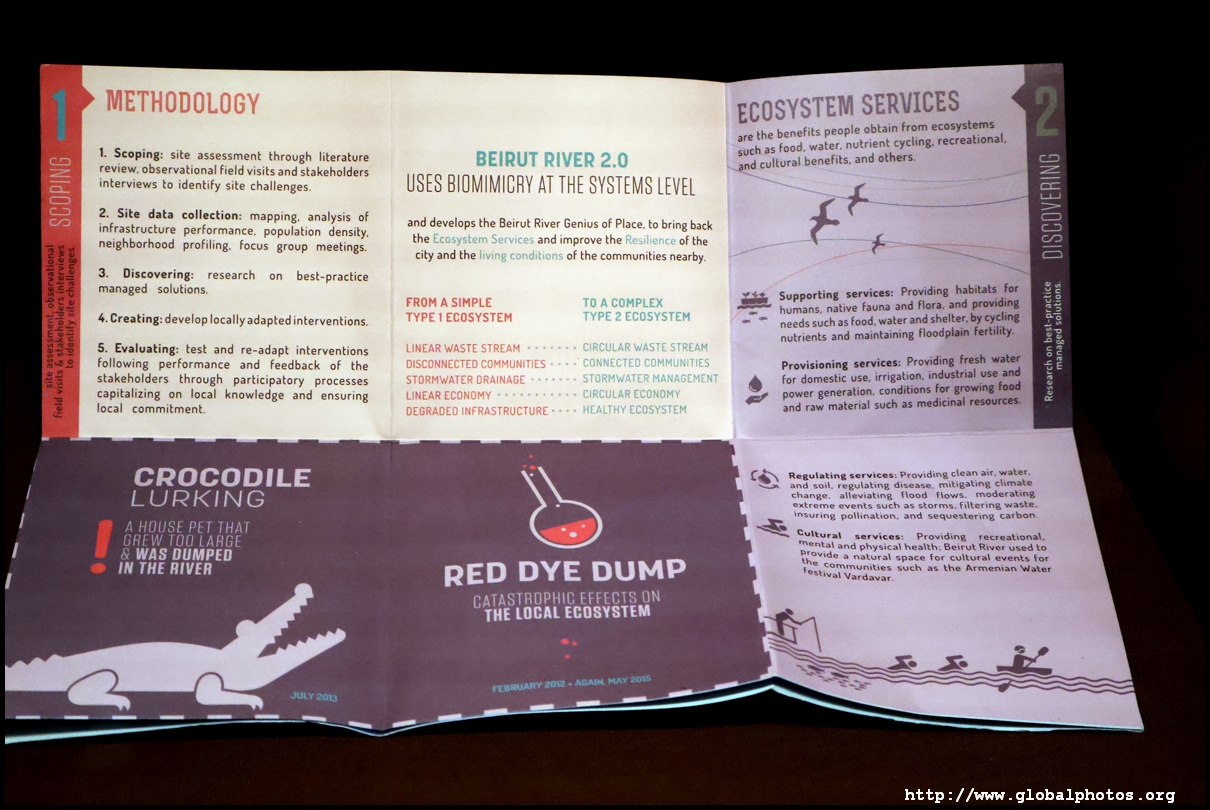
Beirut has seen its public water infrastructure collapse and residents need to pay for private rooftop water tanks. This Lebanese artist collected water samples from the city, mixed them with dye and rock salt, and dipped pieces of fabric into them. The result shows different levels of acidity and salinity.
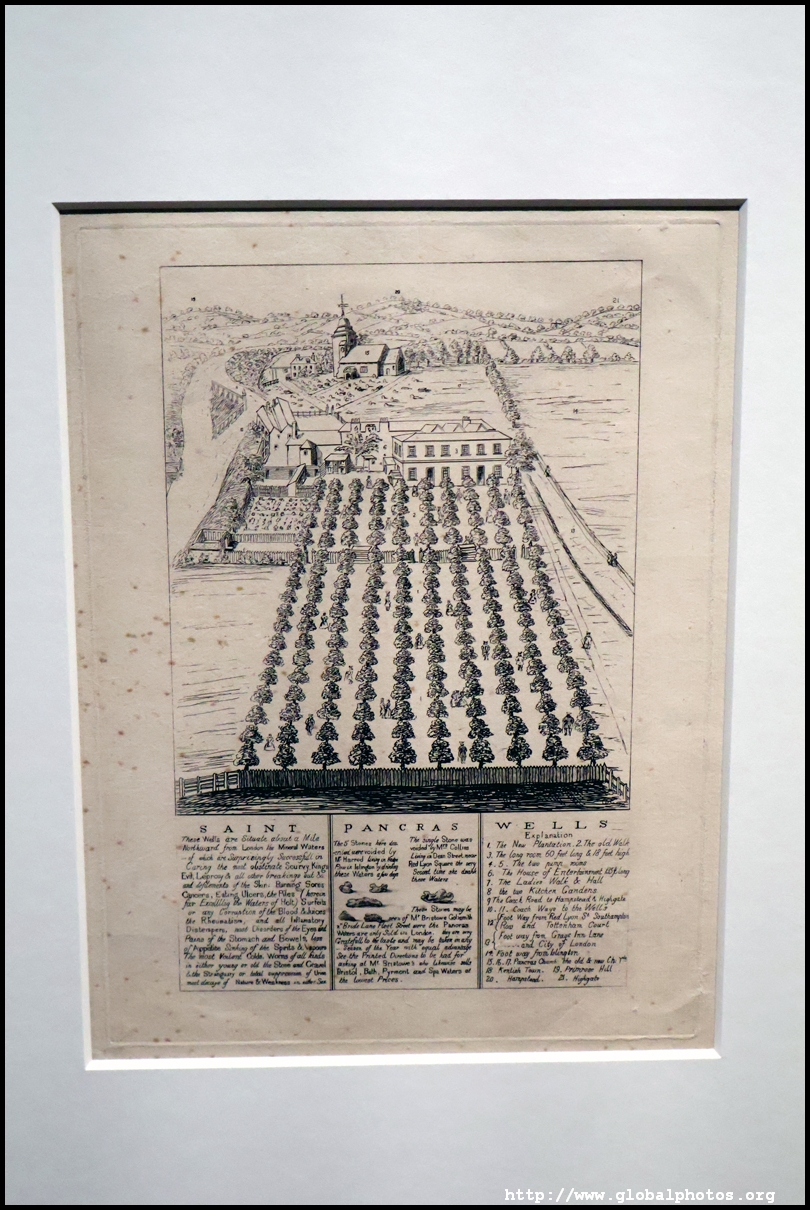
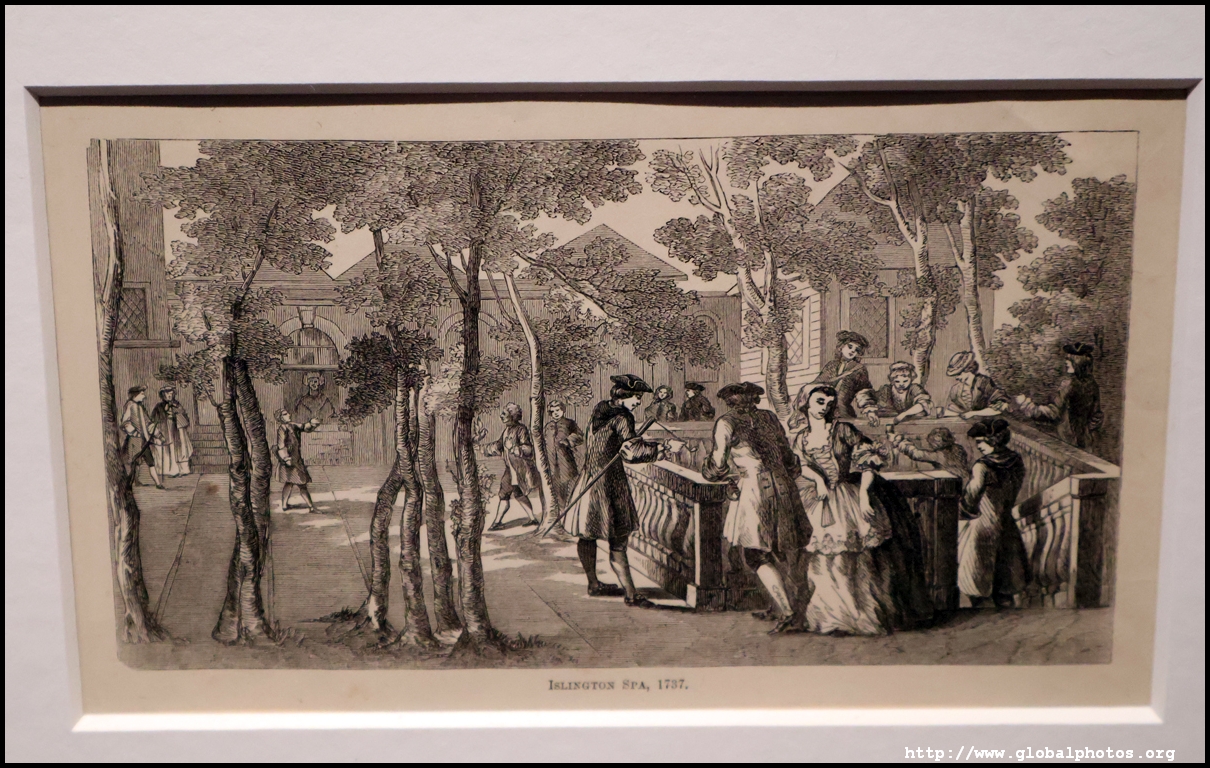
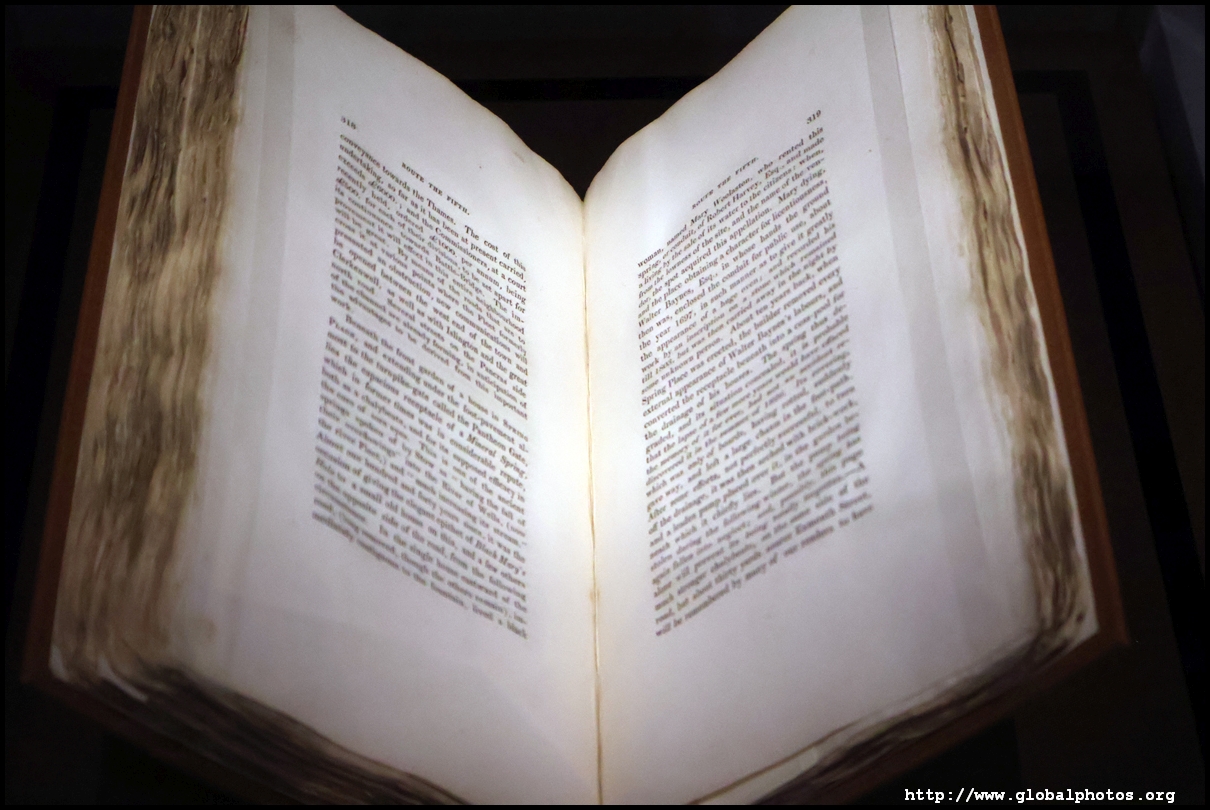
King's Cross and St. Pancras were famous for its healing wells in the 17th and 18th centuries. Believed to contain medicinal properties, residents came looking for cures to their digestive and skin problems. Small businesses then grew out of the demand. Medical advancements reduced their popularity by the 19th century.
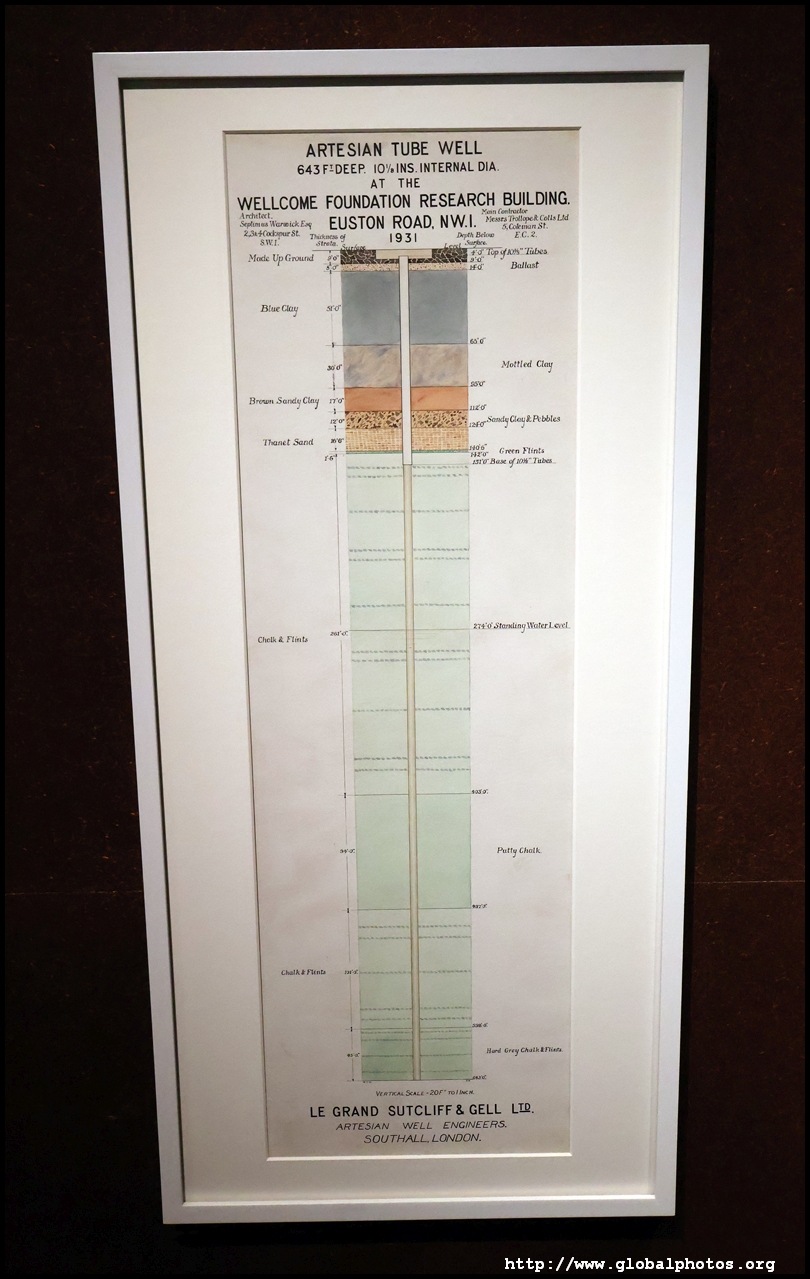
This drawing shows an artesian tube well beneath the exhibition building in the 1930s. The technology arrived in the UK in 1867.
| |
To re-use these photos, please notify me by email : asiaglobe@yahoo.com.hk.