London Photo Gallery - Art Exhibitions & Special Events
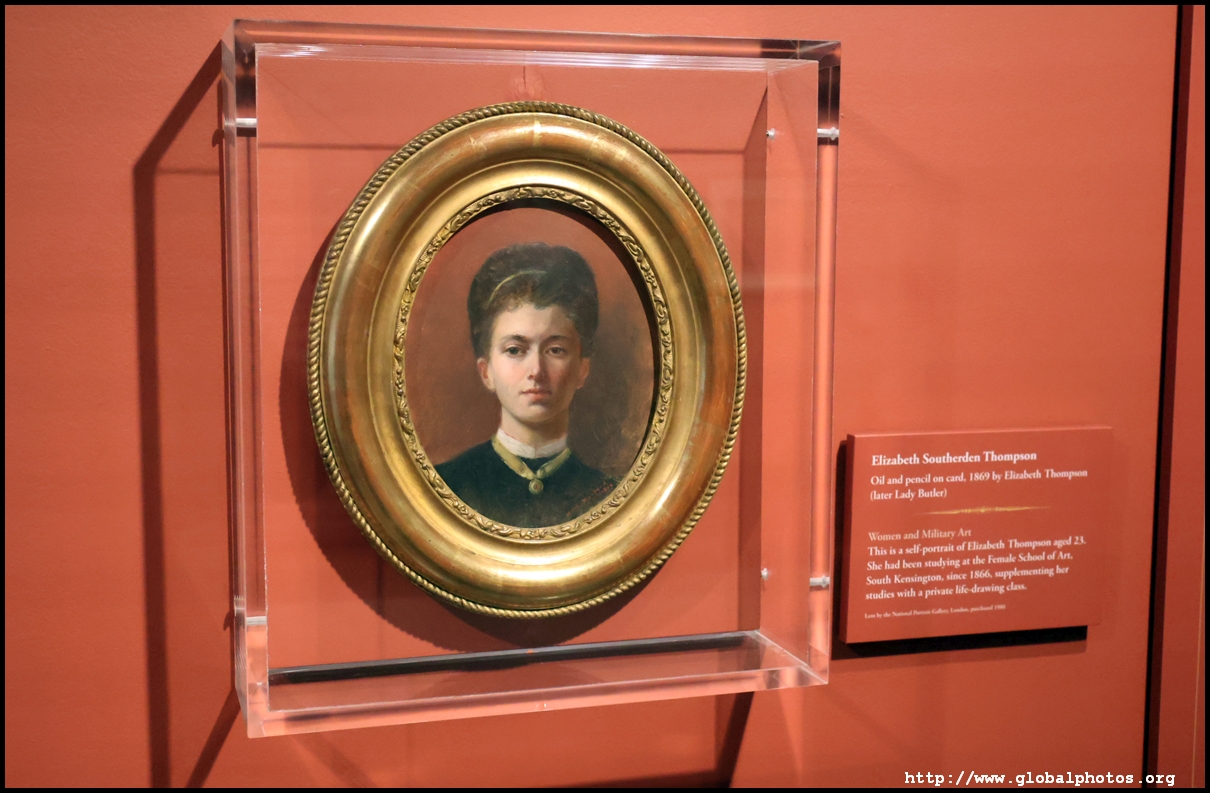
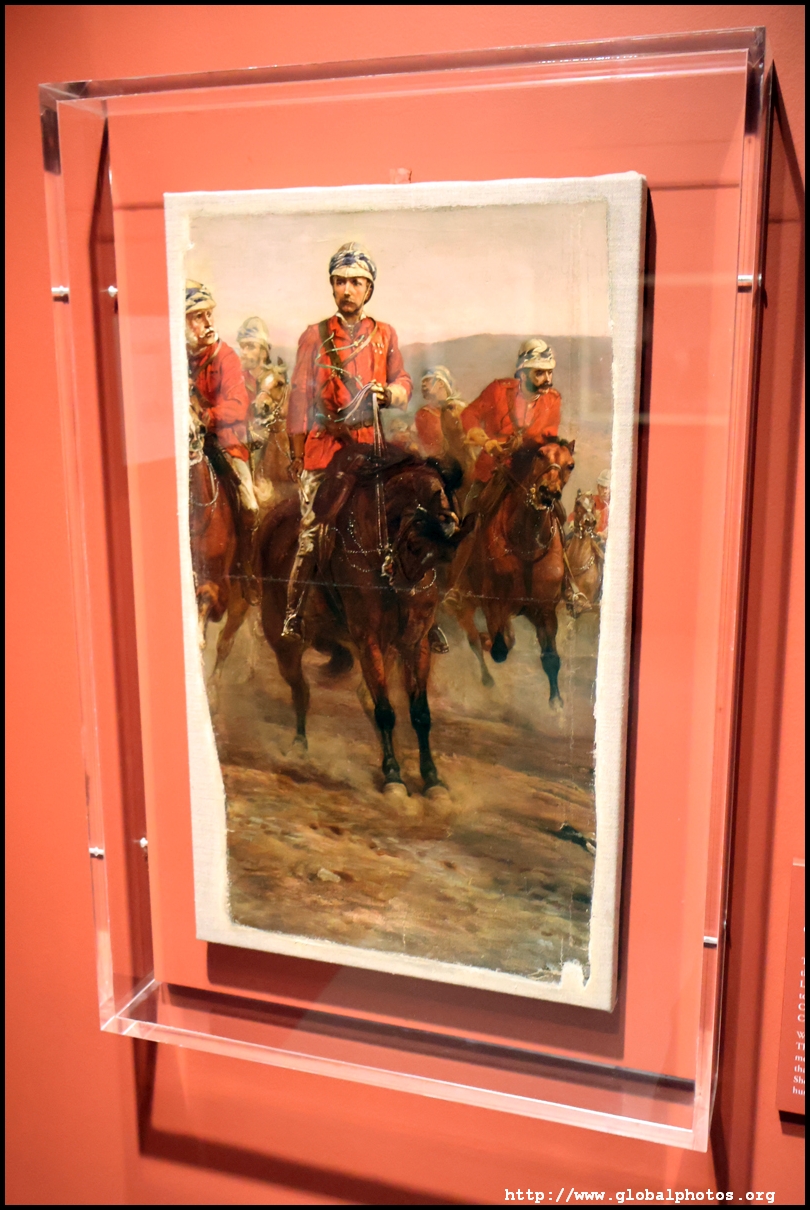
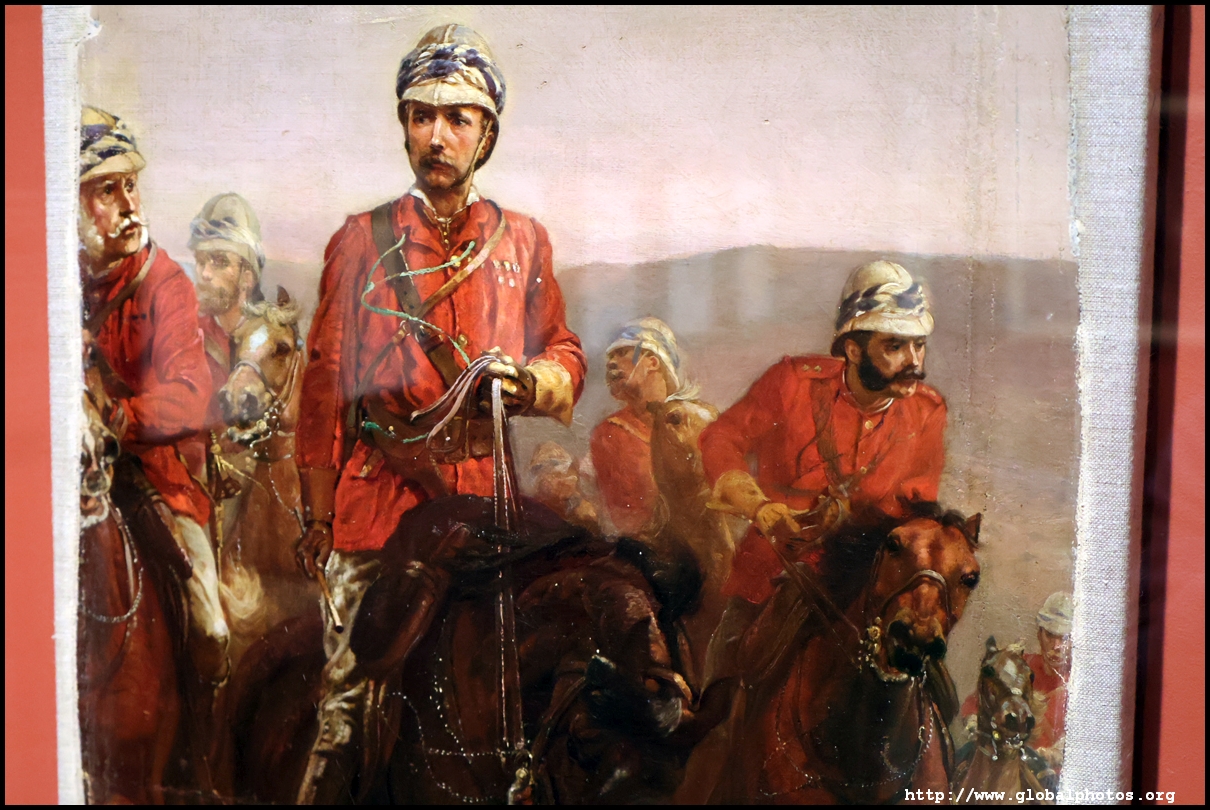
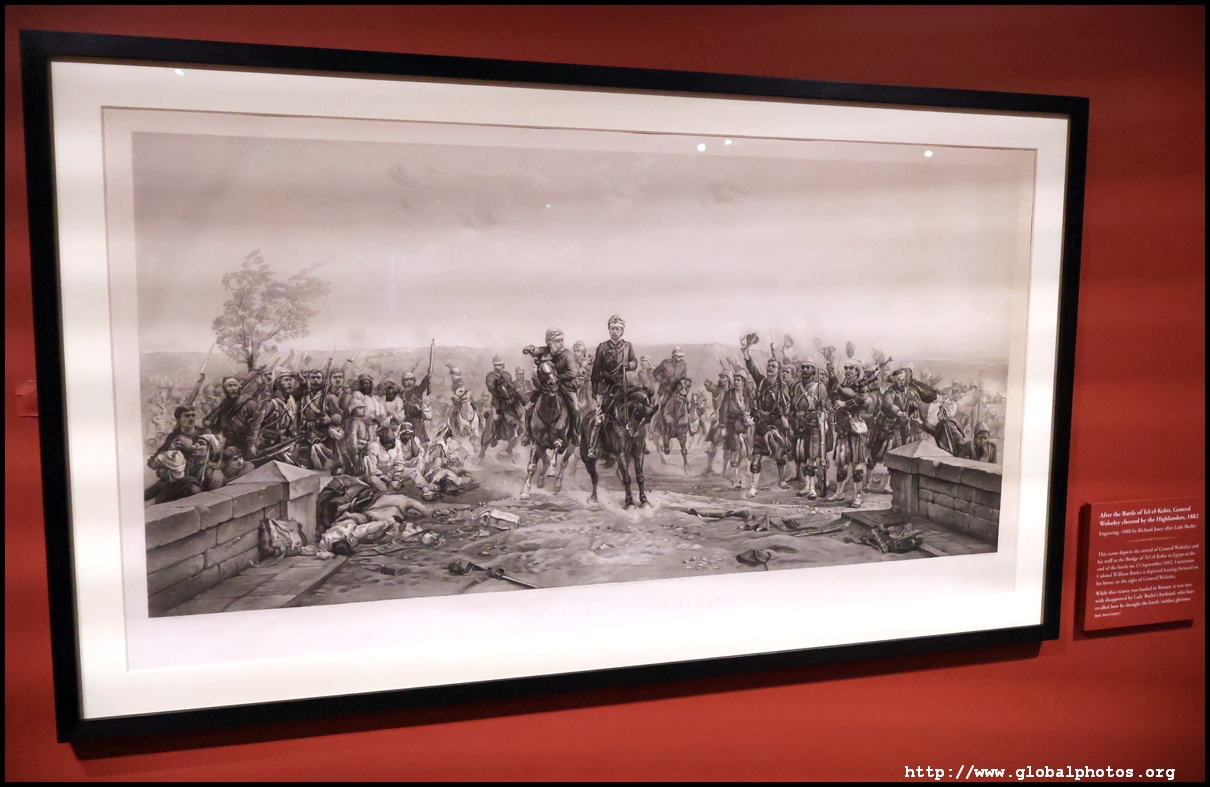
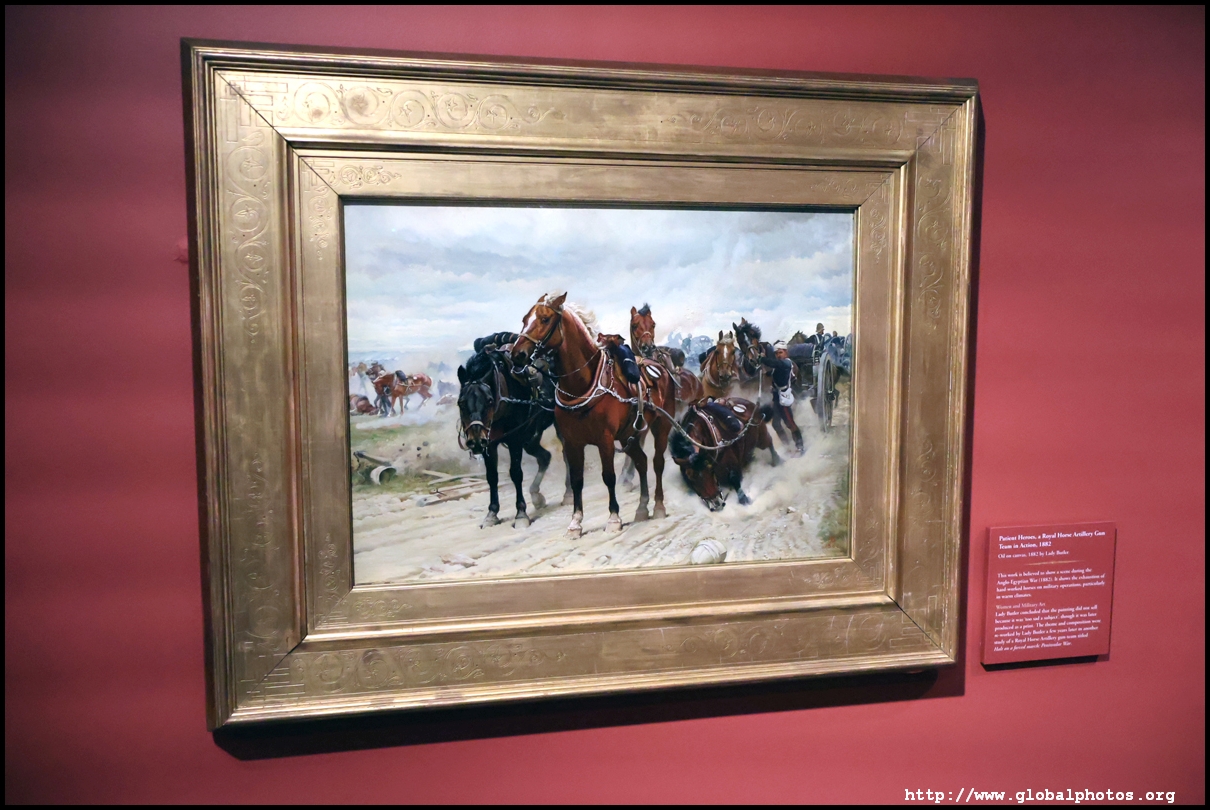
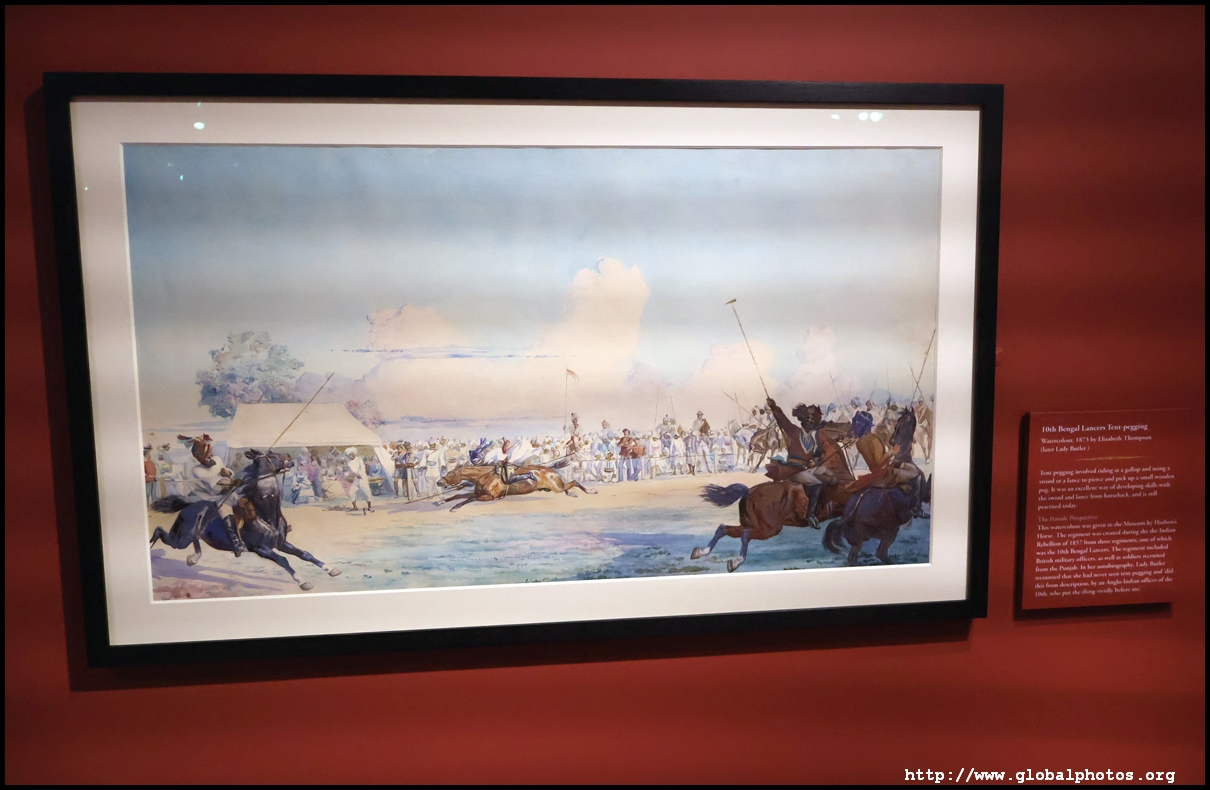
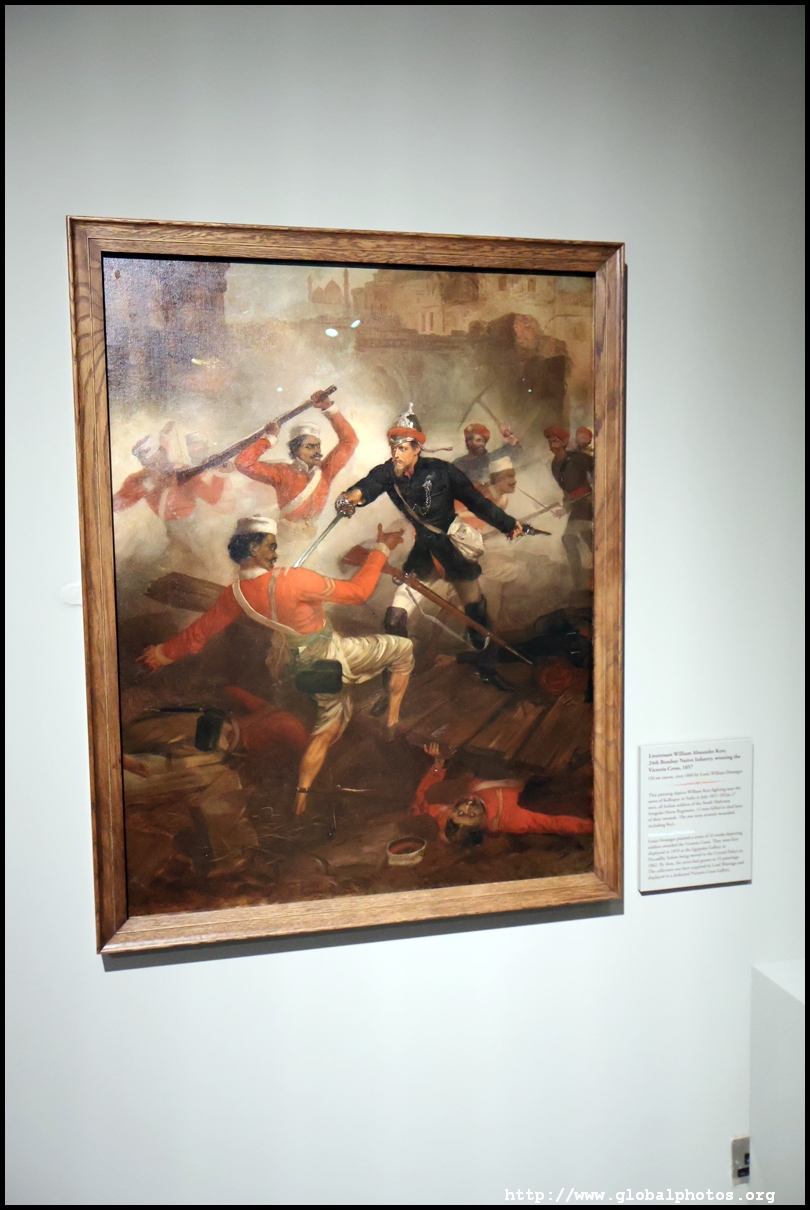
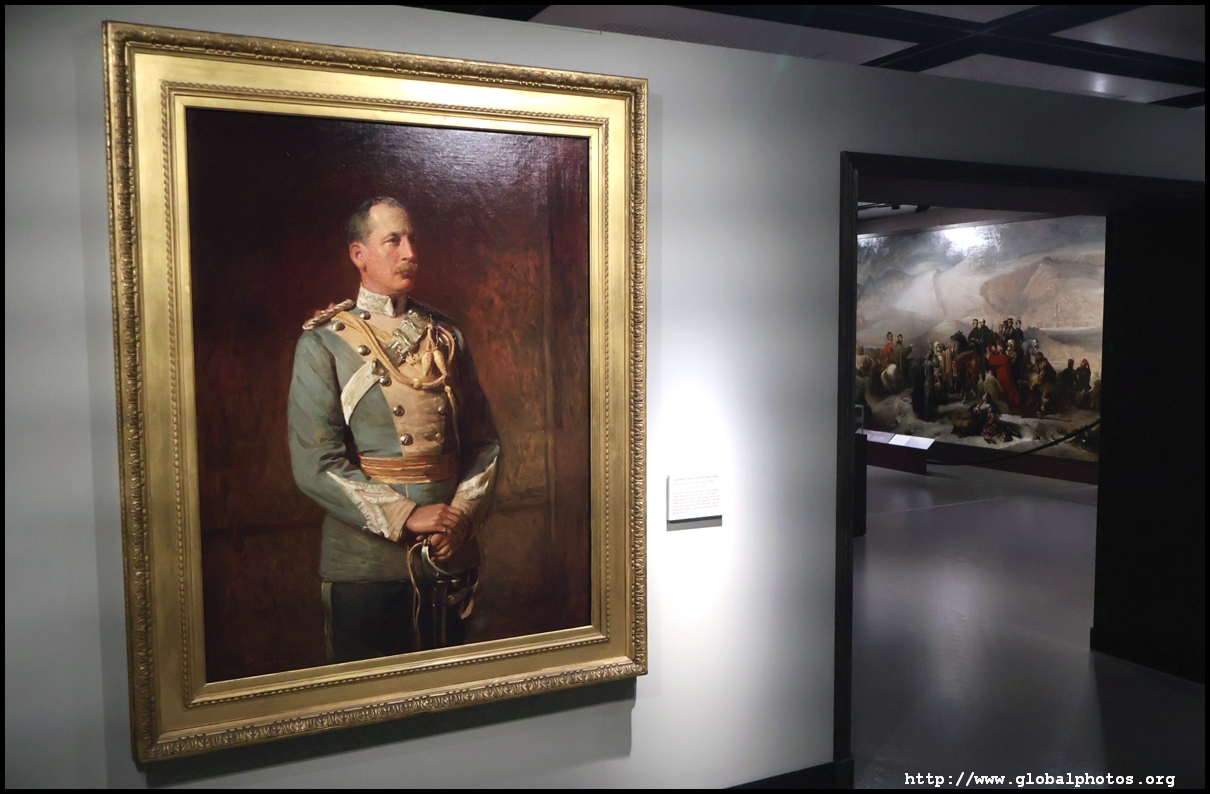
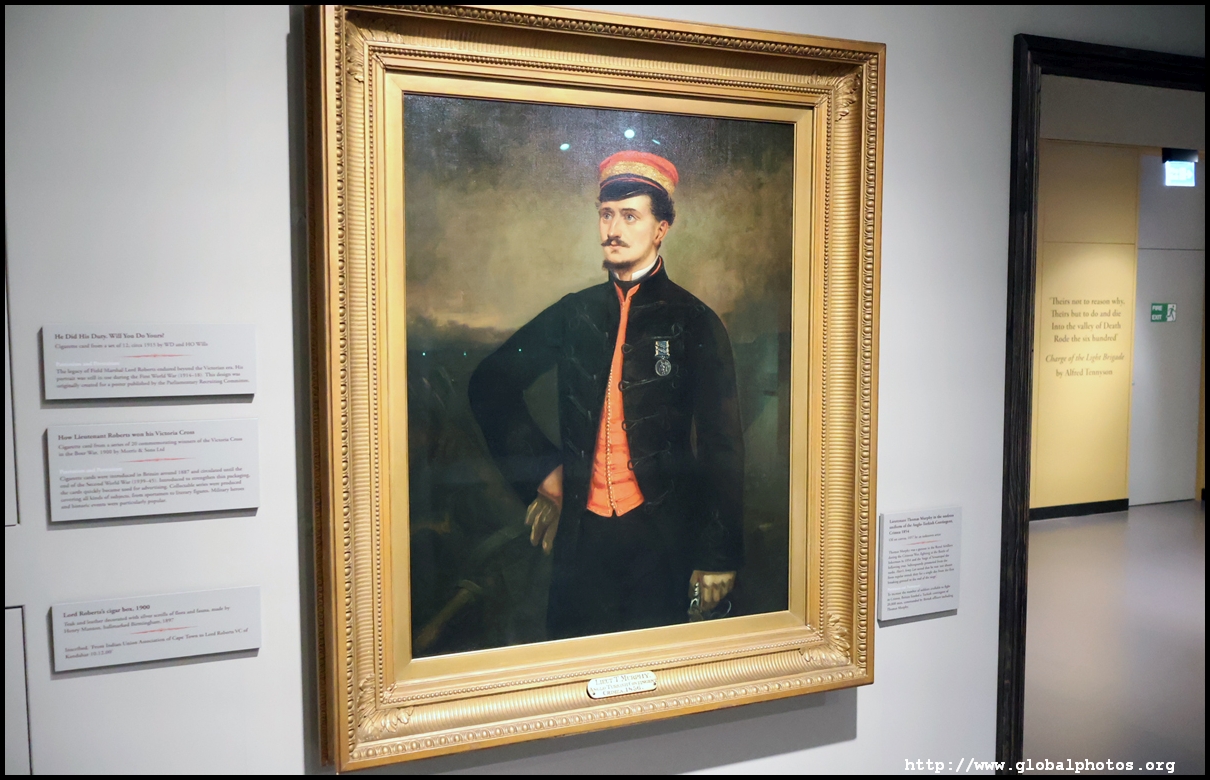
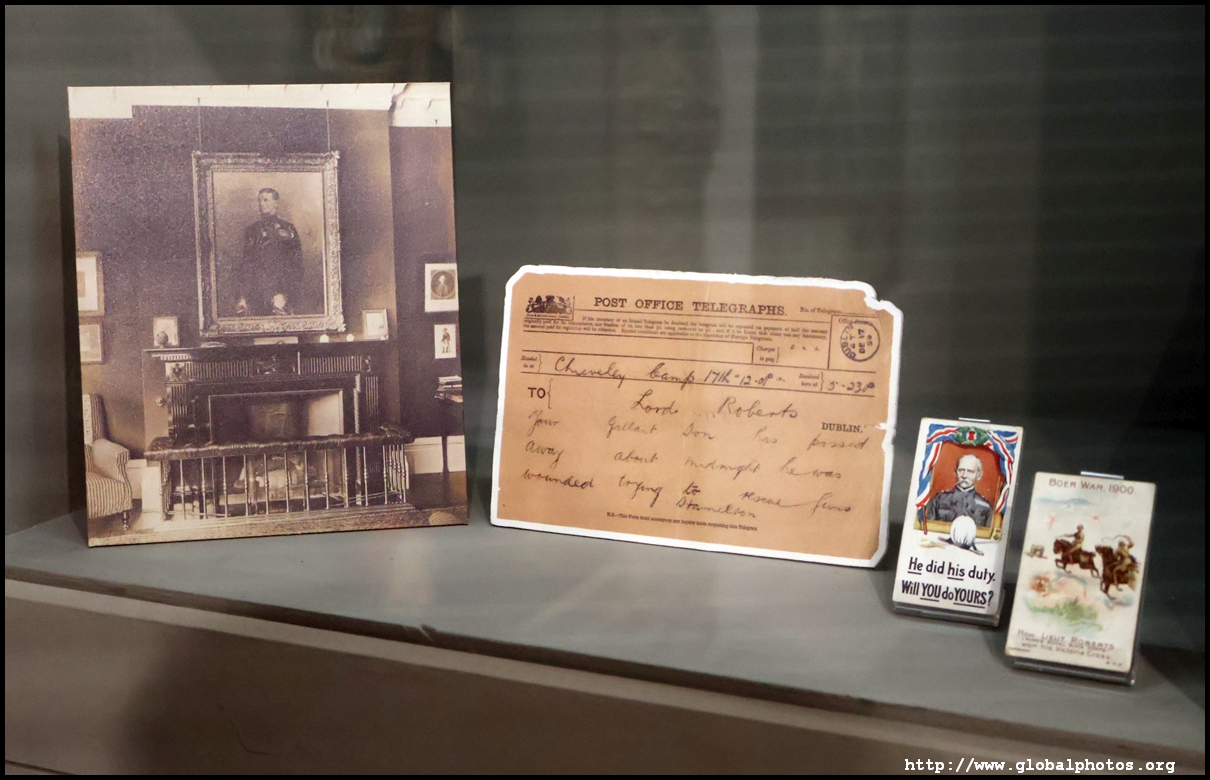
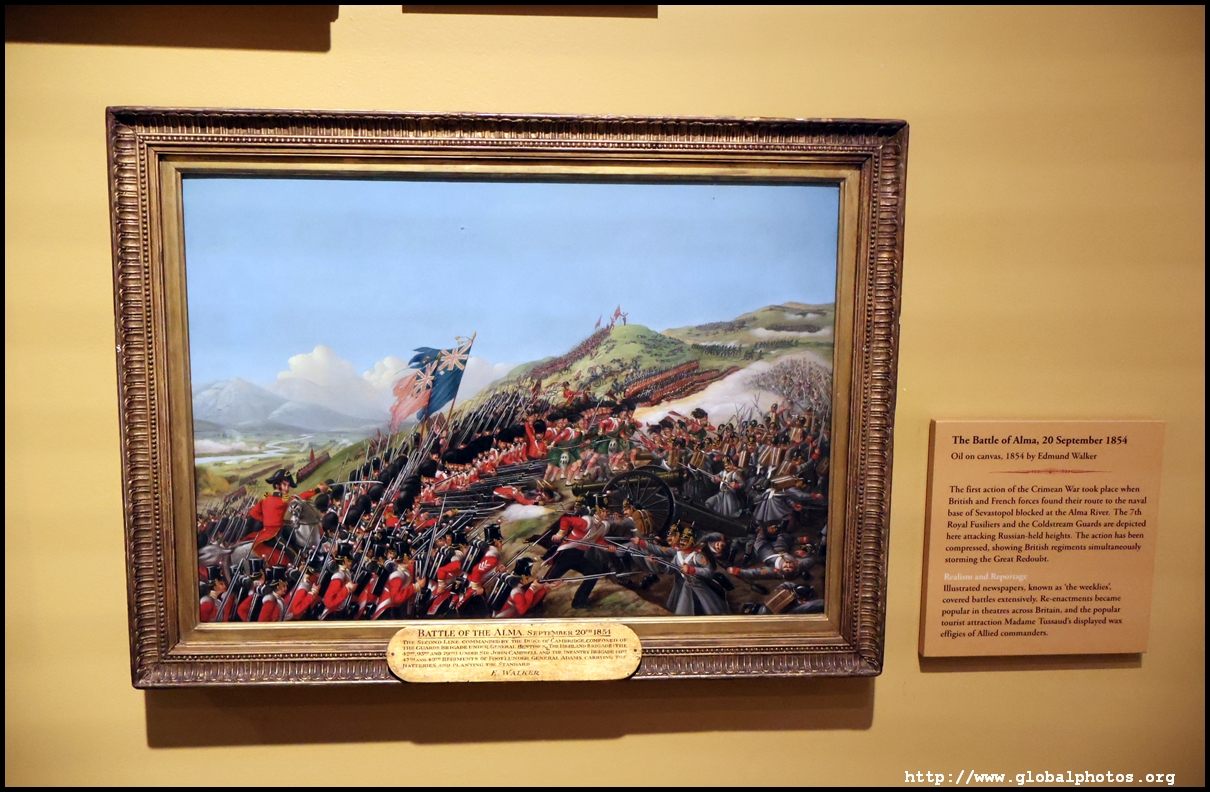
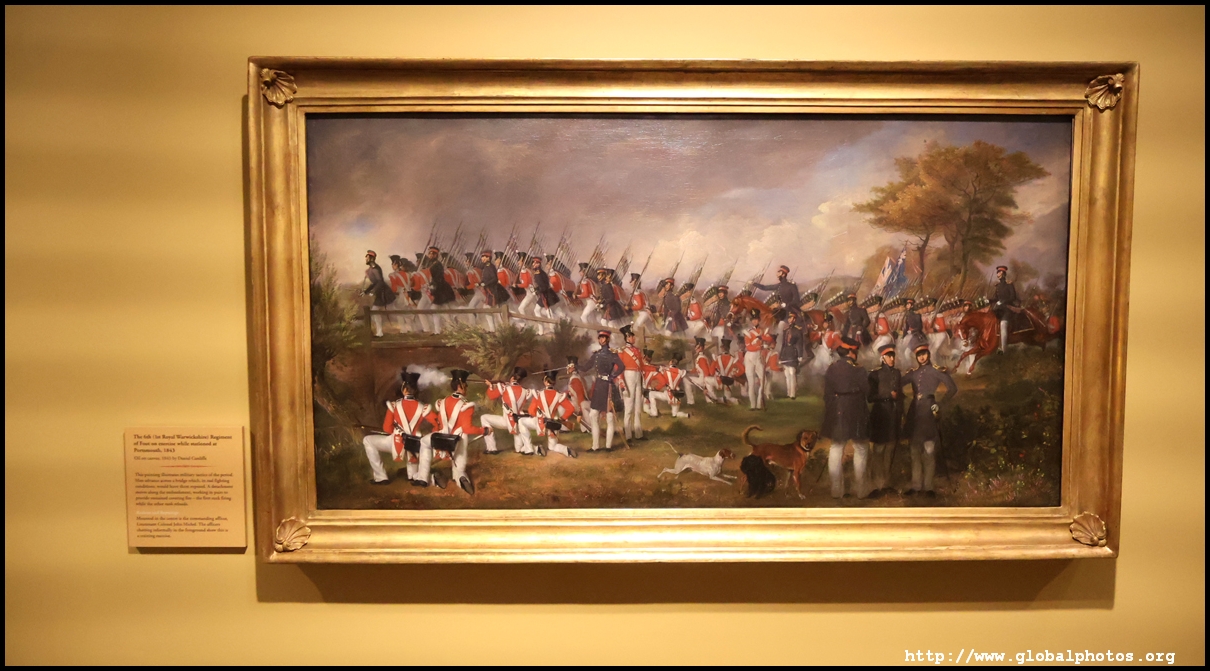
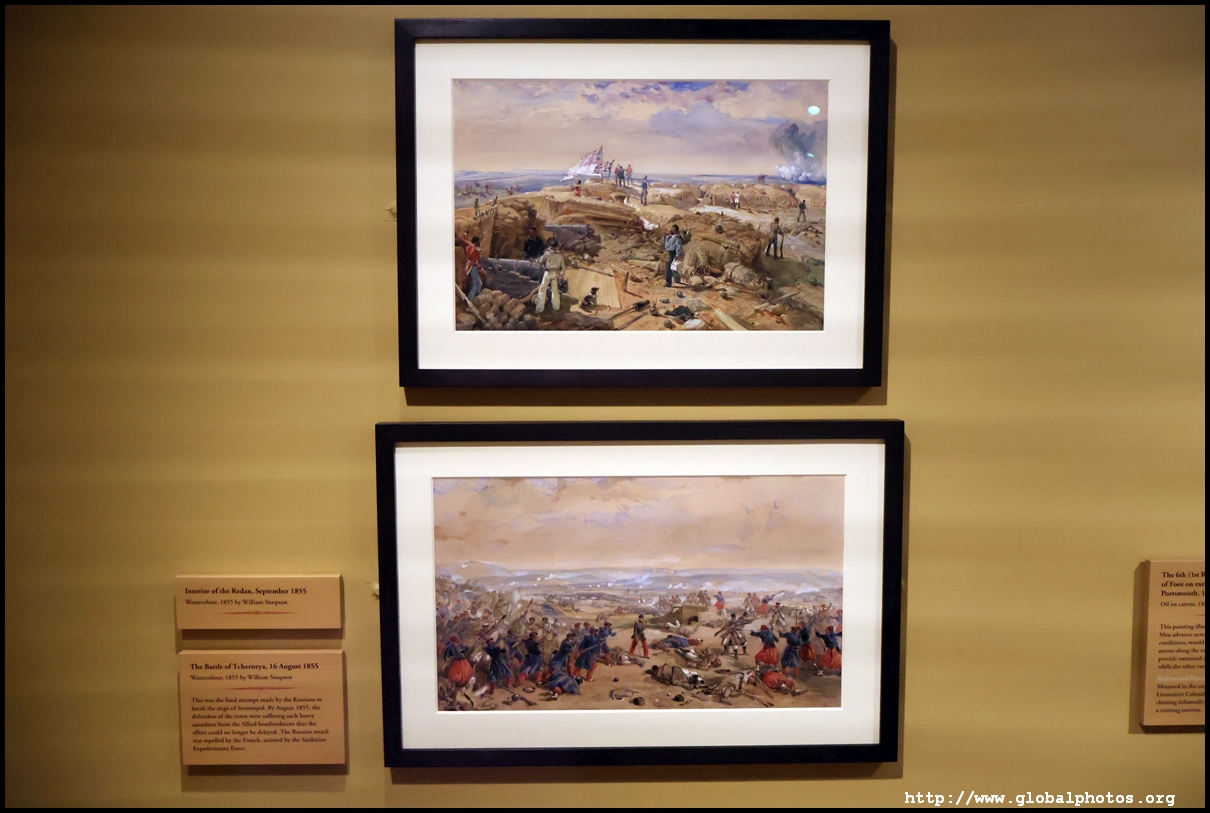
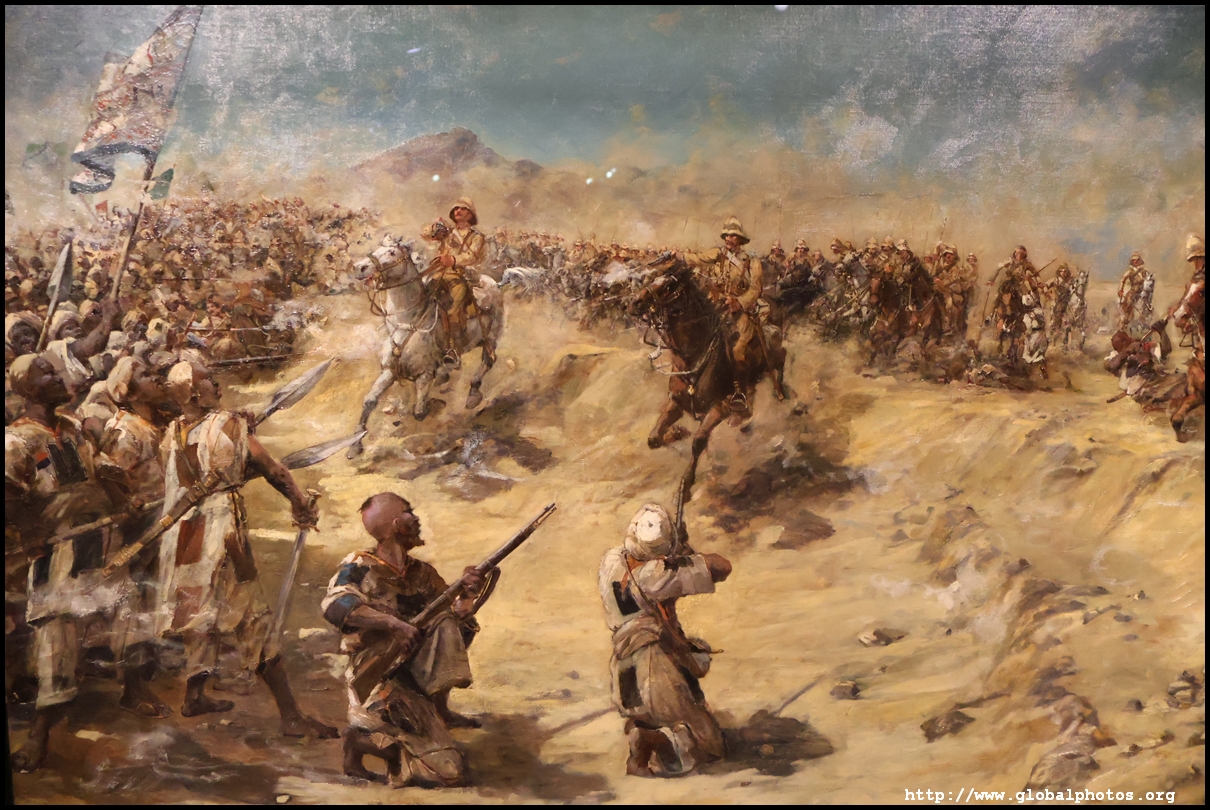
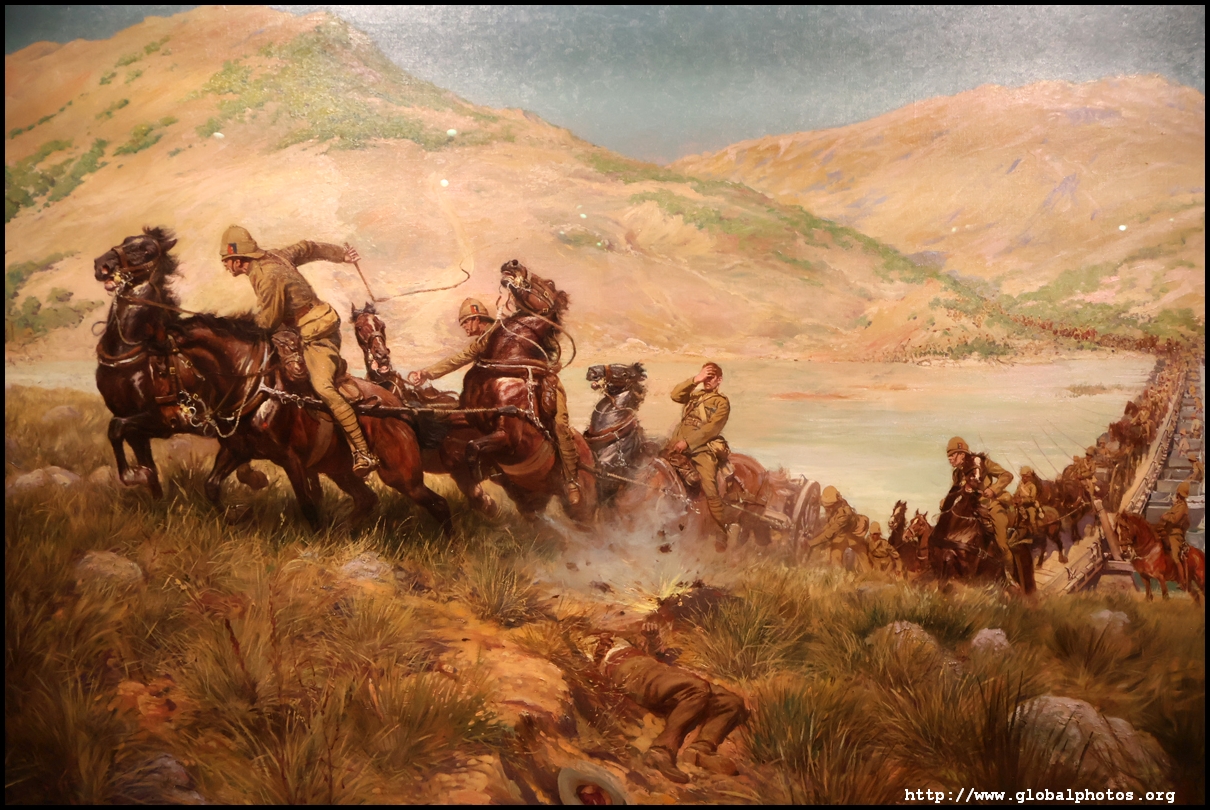
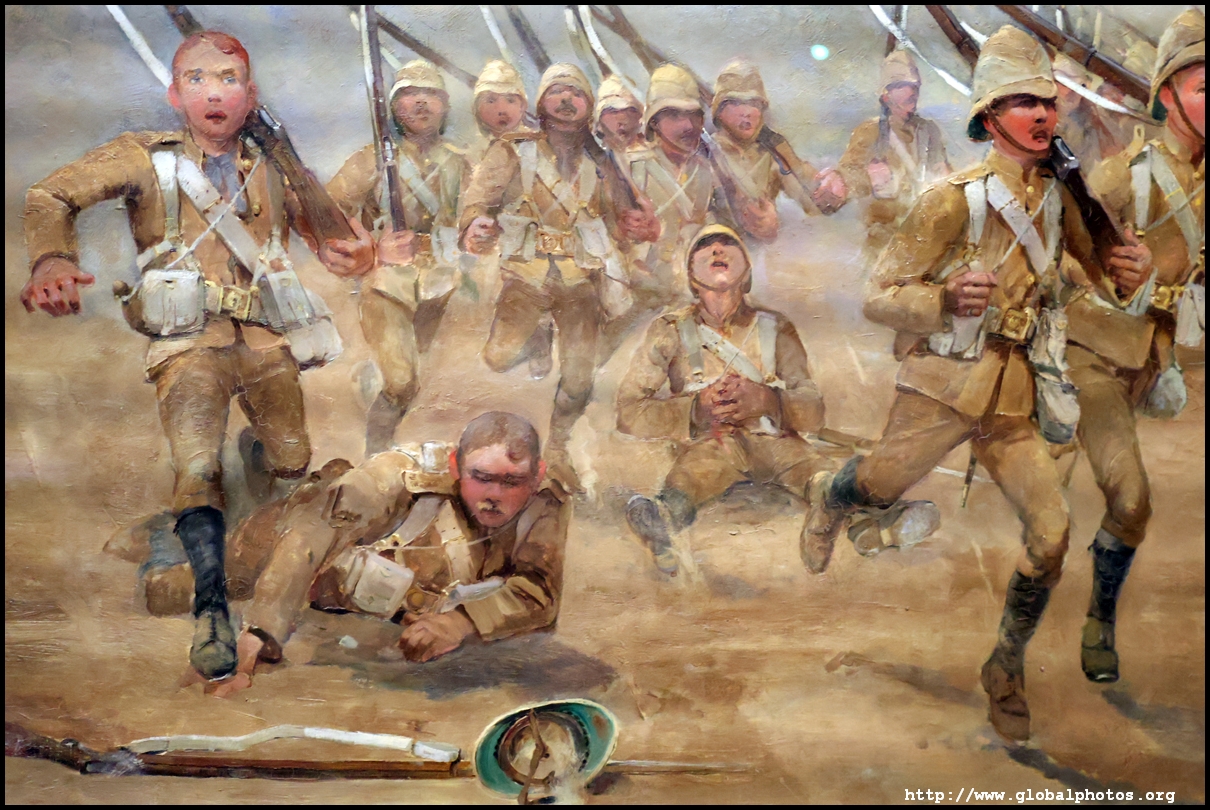
Myth and Reality: Military Art in the Age of Queen Victoria (September 2025)Photography was still a new invention during Victorian times, so people relied on artists drawing battle scenes to know what was happening on the front. Their works were showcased in exhibitions that drew immense public interest, although inevitably some had a propaganda motive behind it to inspire pride and public support. Elizabeth Thompson (Lady Butler) was specially featured here, although not all works on display came from her. She specialized in battle portraits and rose to fame in 1874 when her Crimean War work met a good response at the Royal Academy.
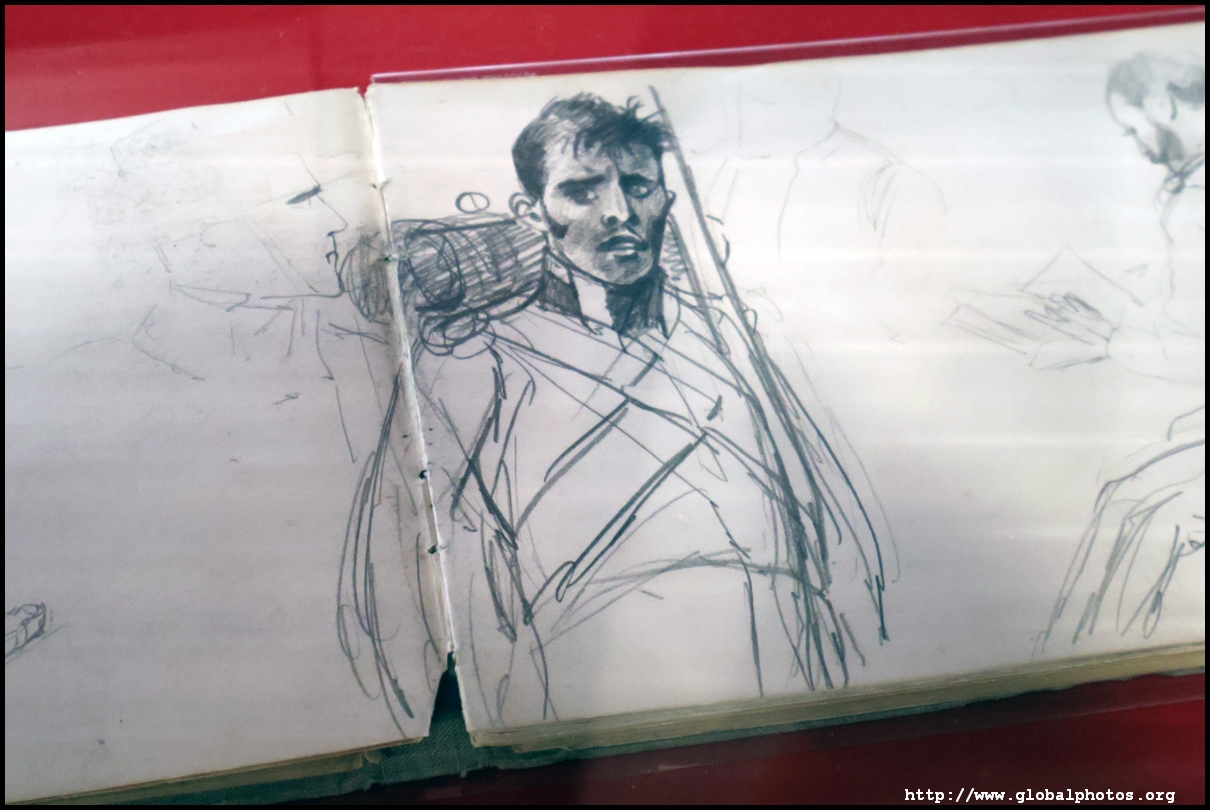
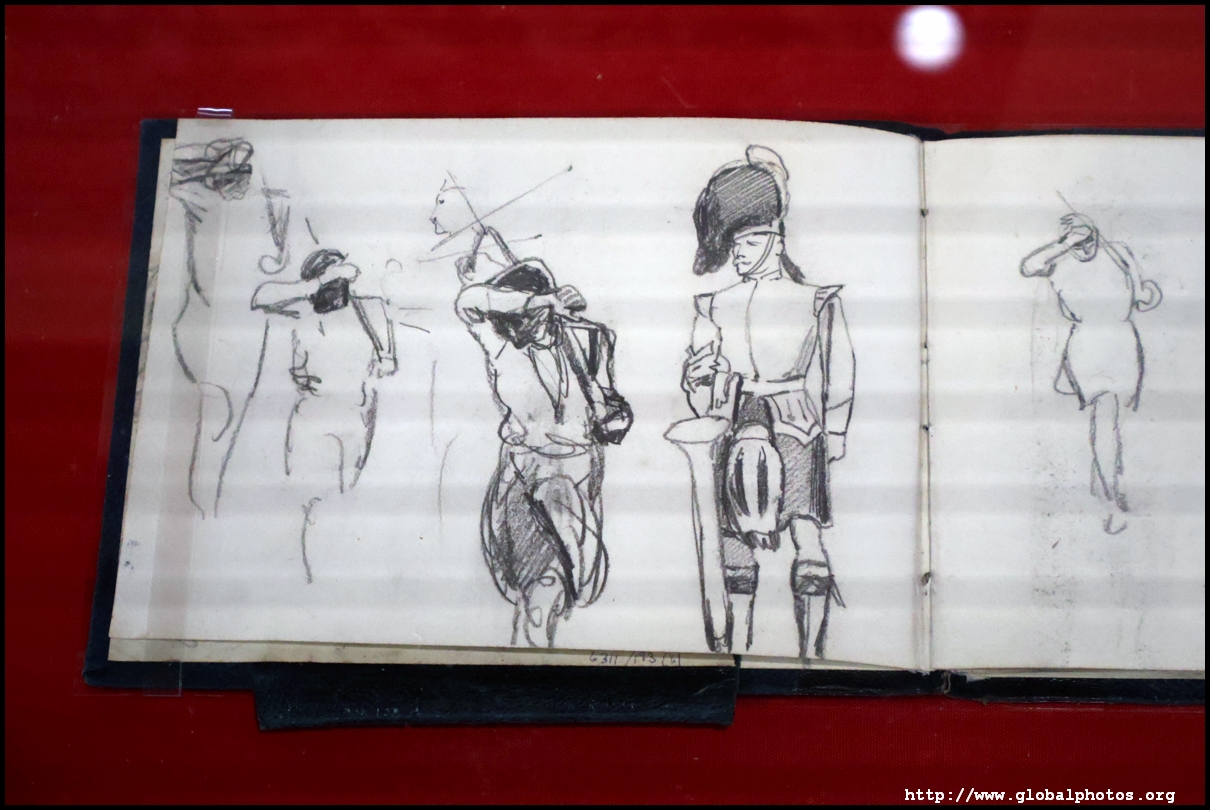
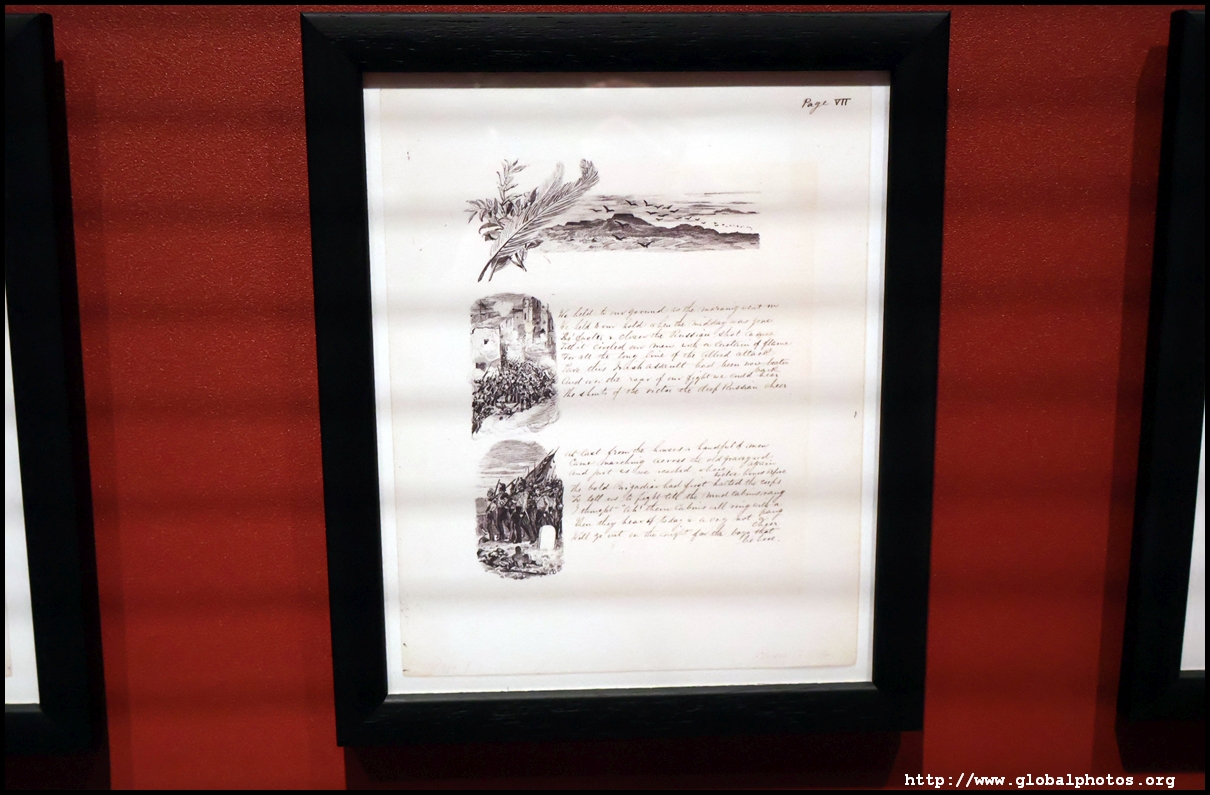
These are sketches from Lady Butler dated 1893. She lived in Aldershot with her husband, who commanded the 2nd infantry brigade.
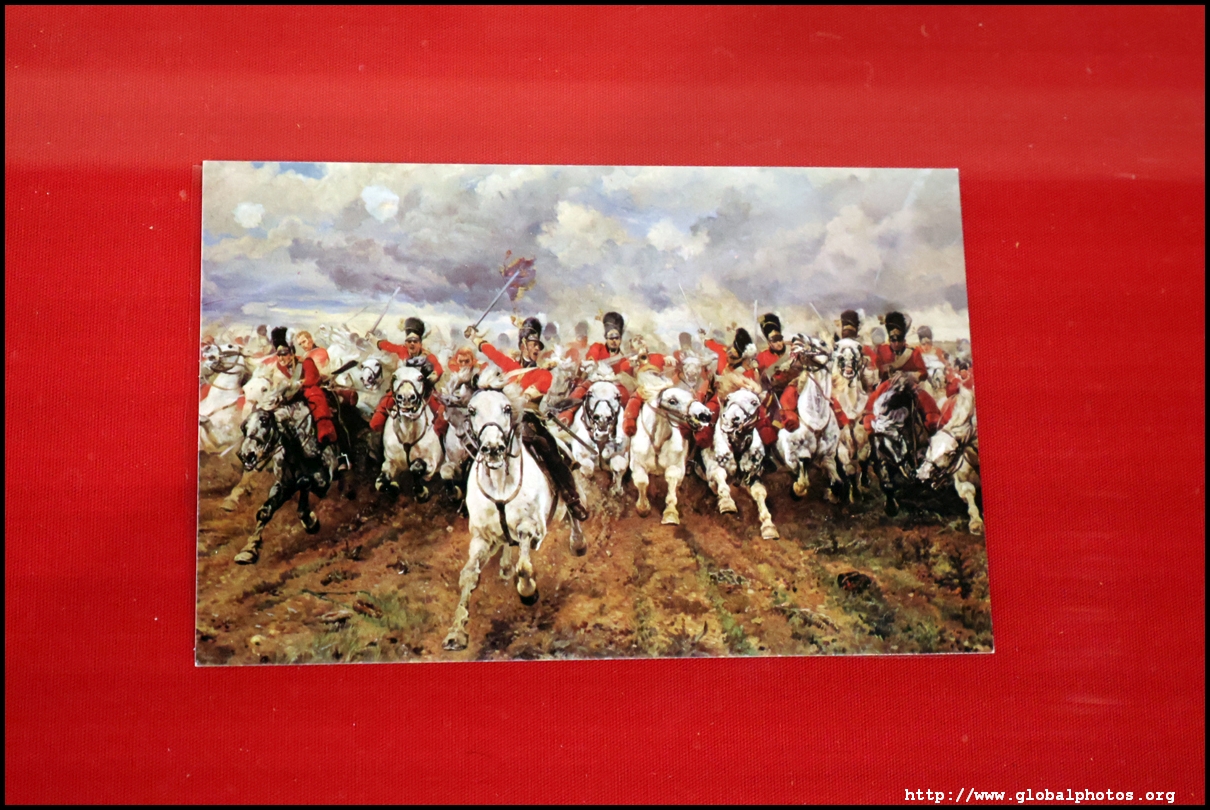
This postcard depicts a Lady Butler painting with the 2nd Dragoons charging at Waterloo in 1815. This type of illustrated postcard was popular in the mid-1890s.
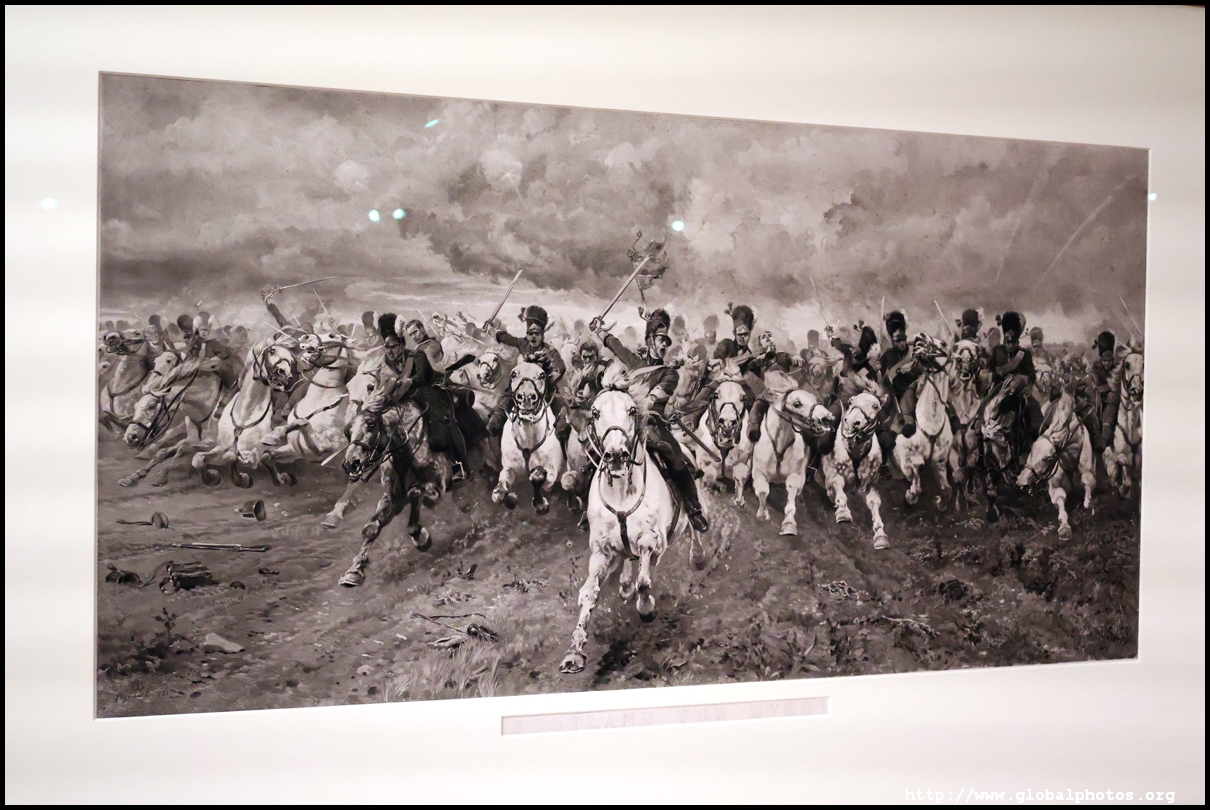
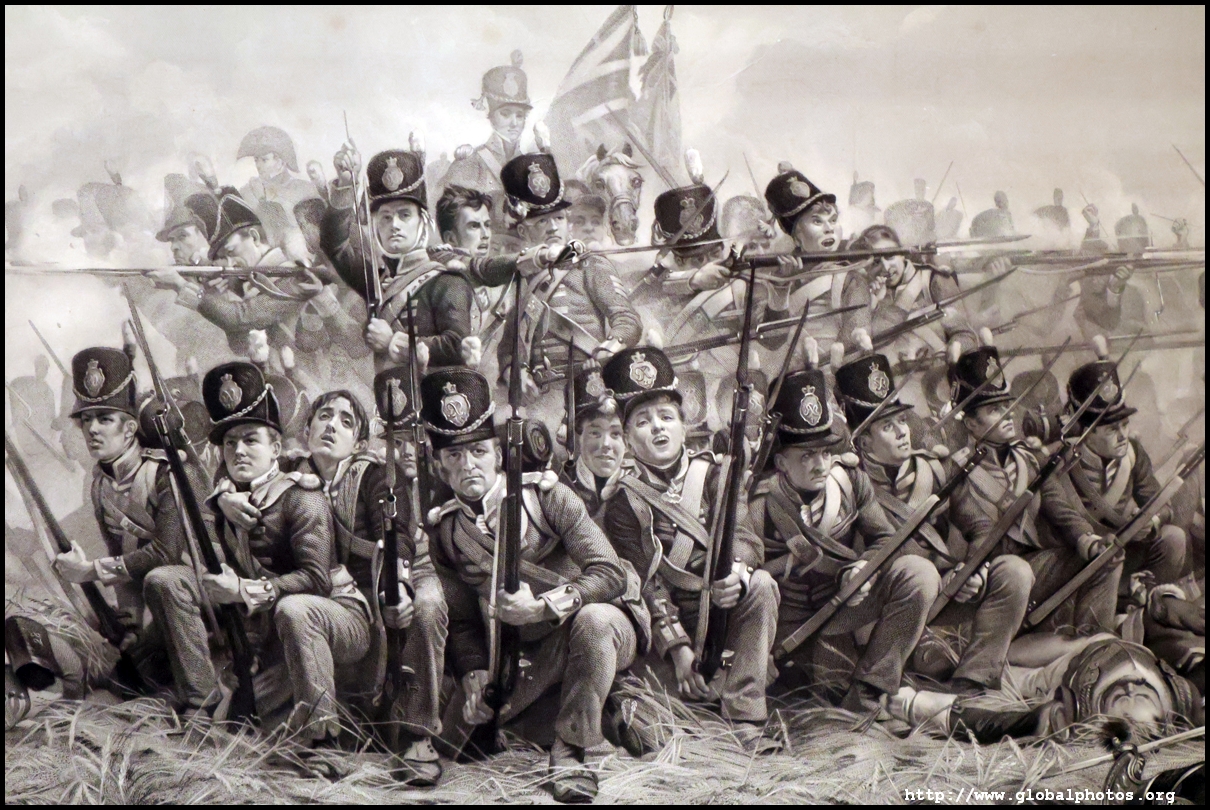
Engravings like this was mass produced in newspapers and prints so the can be displayed in homes. Lady Butler sought the help of 300 soldiers to re-create the scene in a rye field as part of her research.
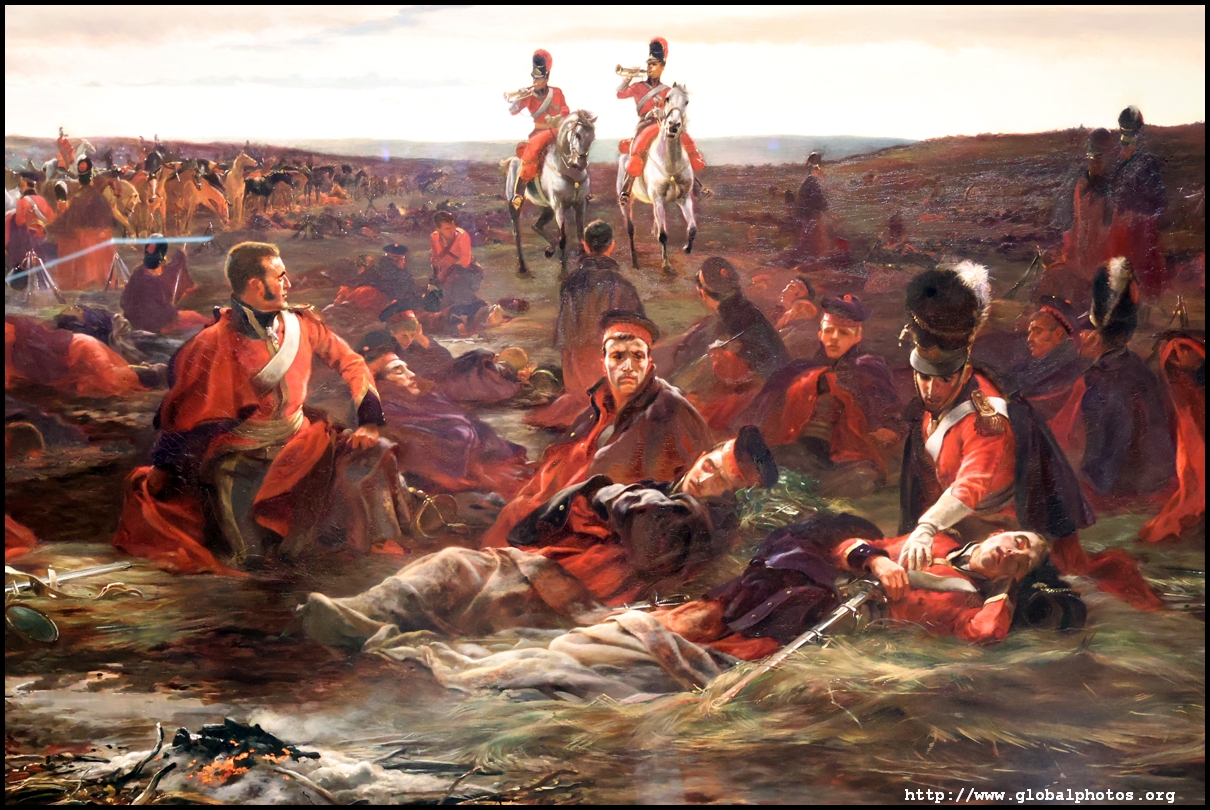
This painting is also about the 2nd Dragoons at Waterloo in 1815, with the soldiers waking up after a night of thunderstorms and heavy rain.
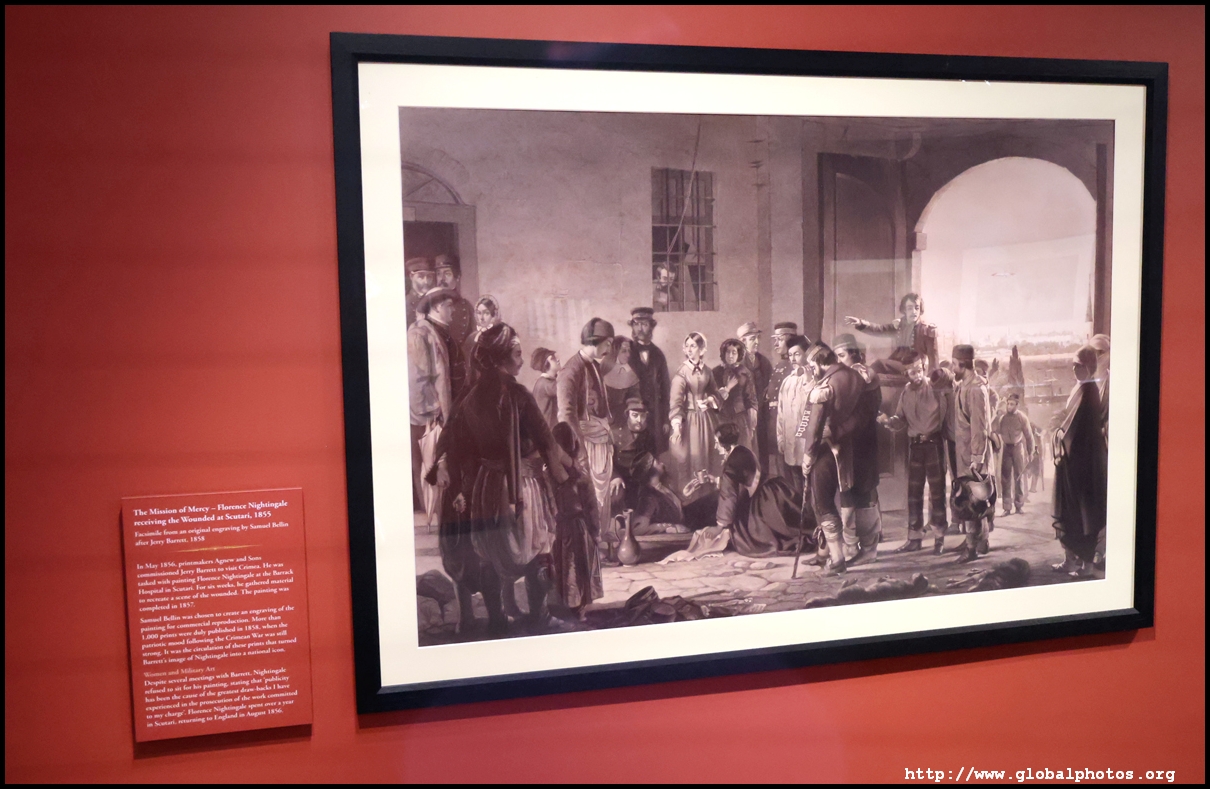
Jerry Barrett was commissioned to visit Crimea in 1856 to paint Florence Nightingale in Scutari, with this work completed a year later. Samuel Bellin then created an engraving of it and over 1000 prints were made.
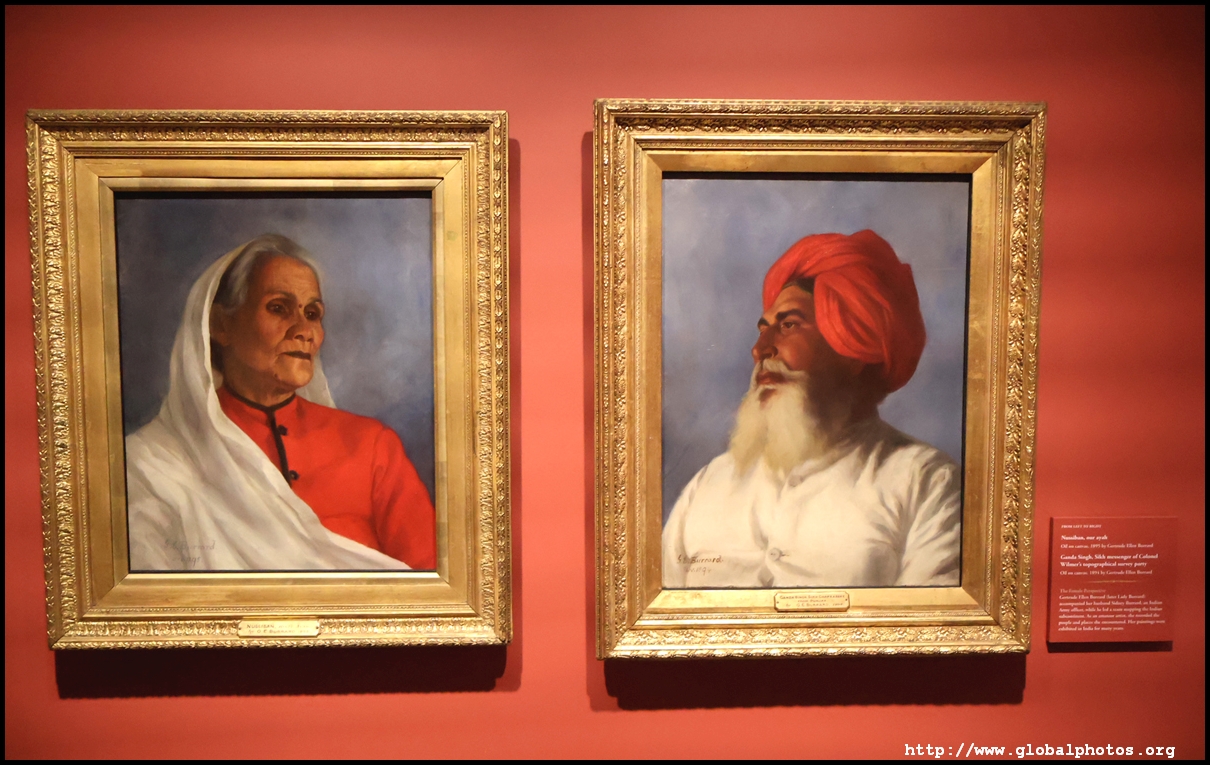
Gertrude Ellen Burrard accompanied her husband, an Indian Army officer, to map the subcontinent. She was an amateur artist and recorded her encounters.
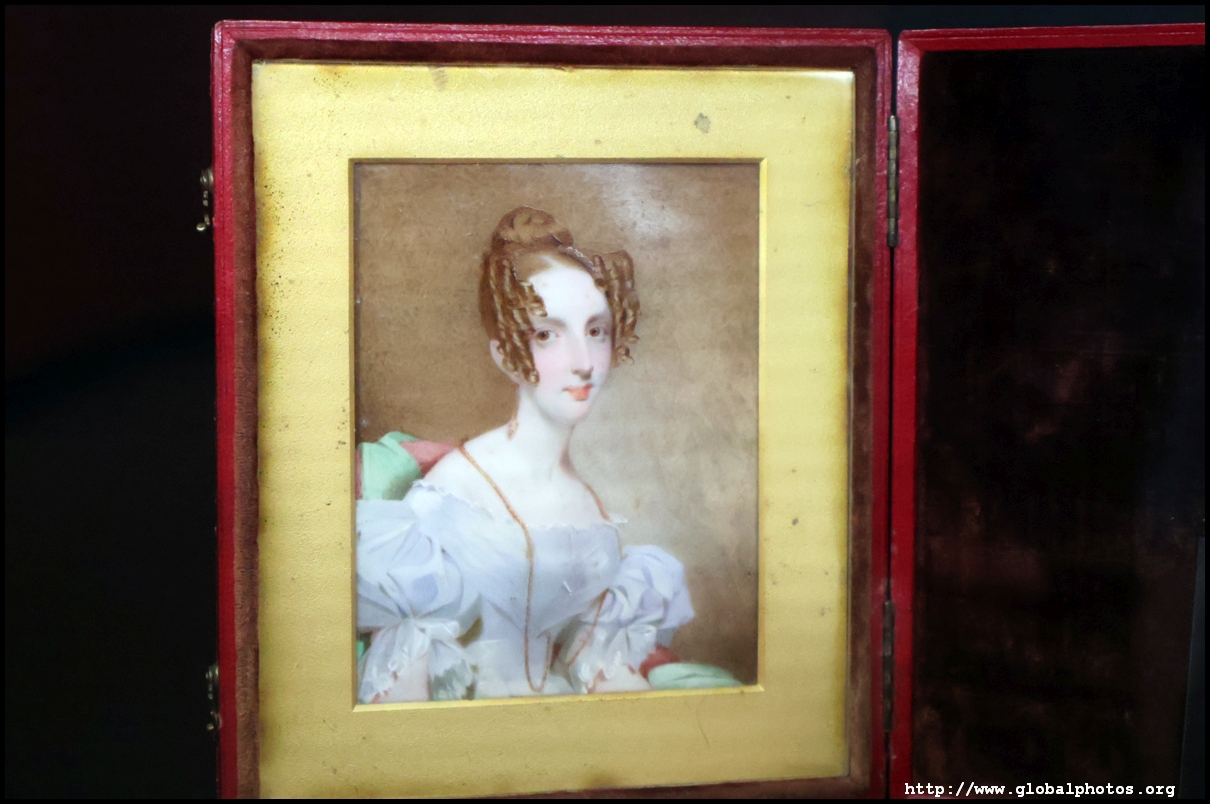
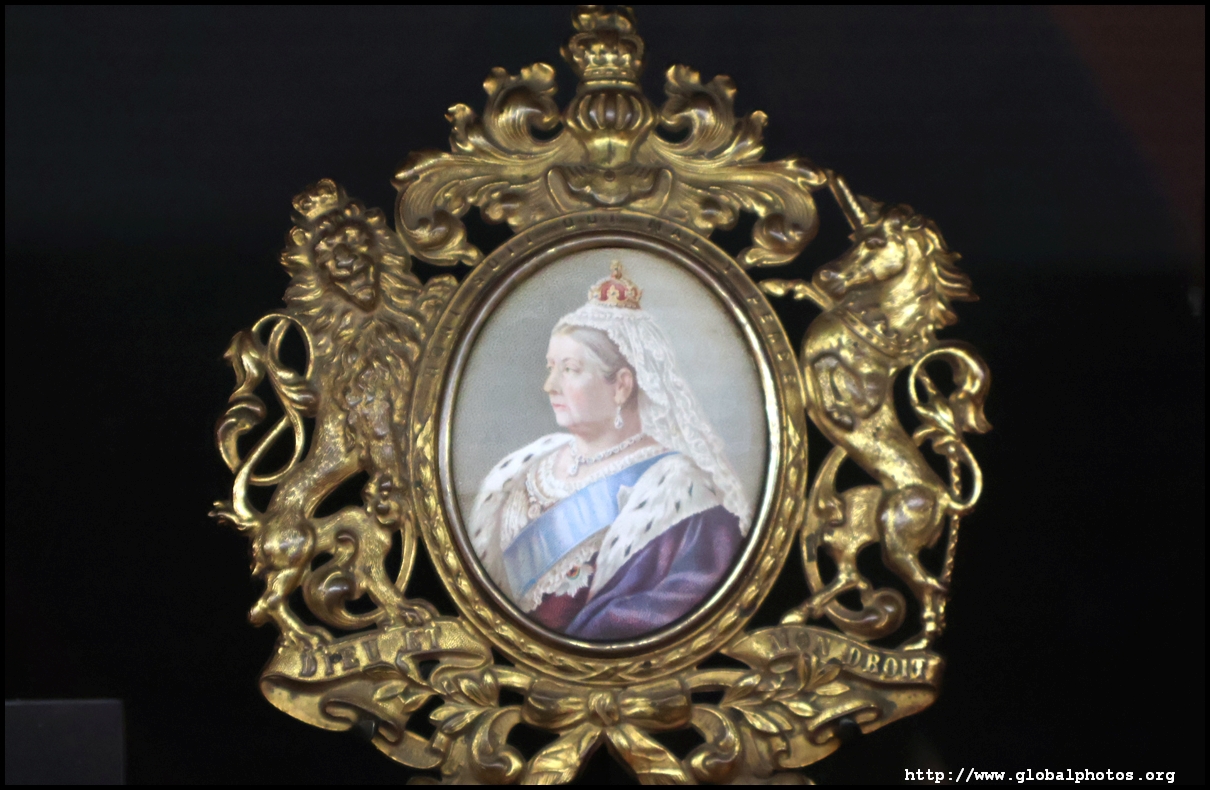
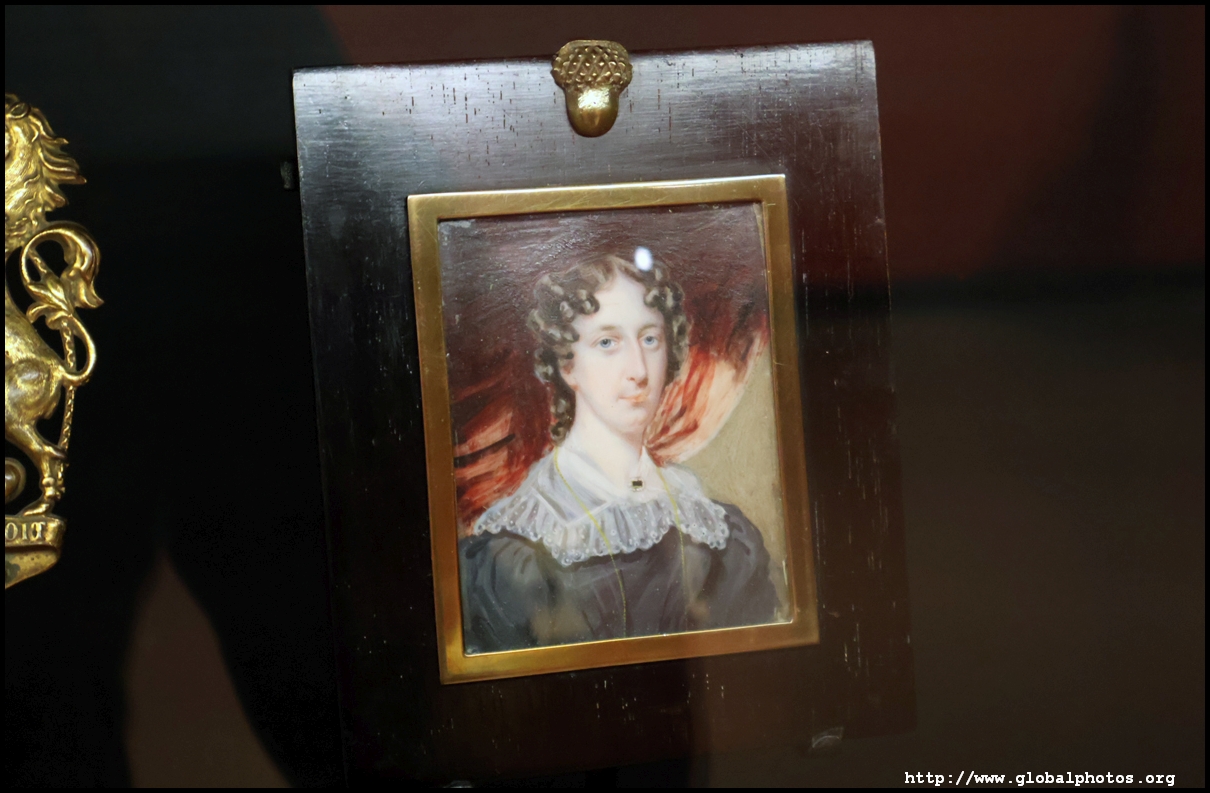
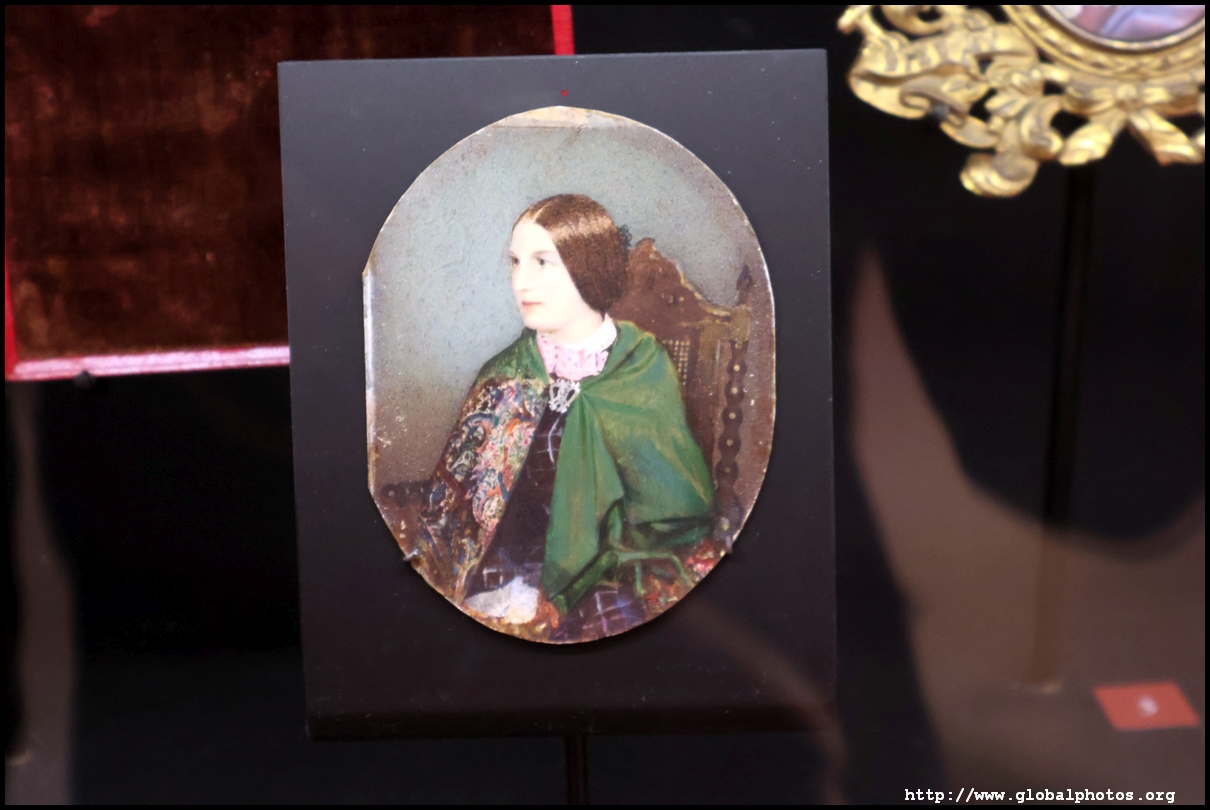
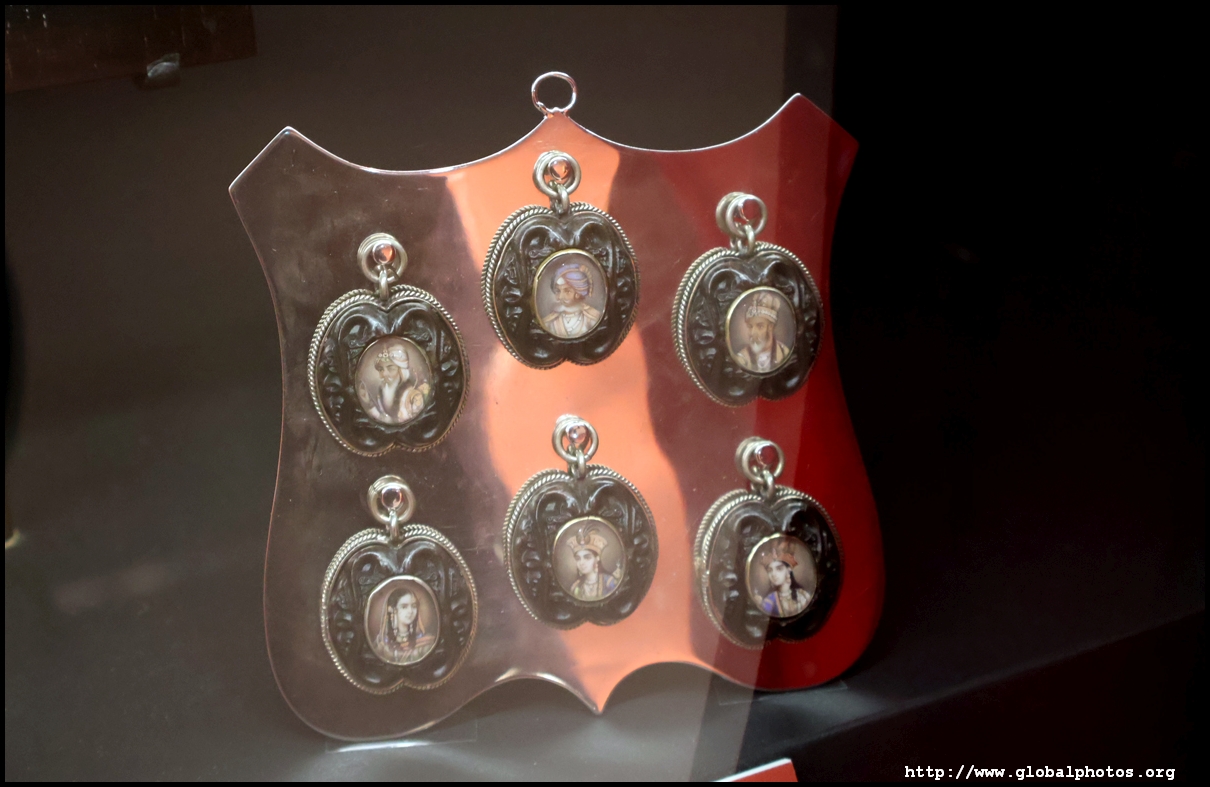
Tucked away behind a small curtain that automatically opens and lights up after pressing a button, these miniature military portraits from the Victorian era symbolize loyalty, friendship, or love. They were often commissioned by loved ones.
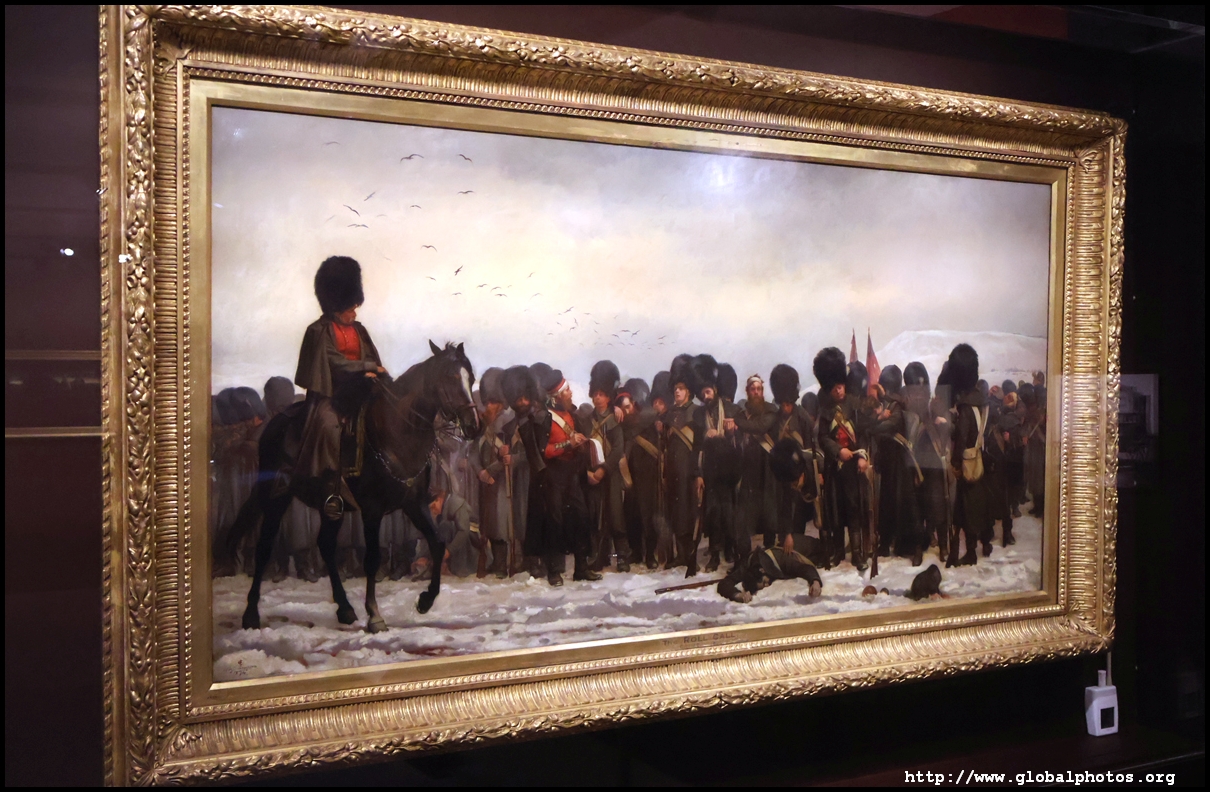
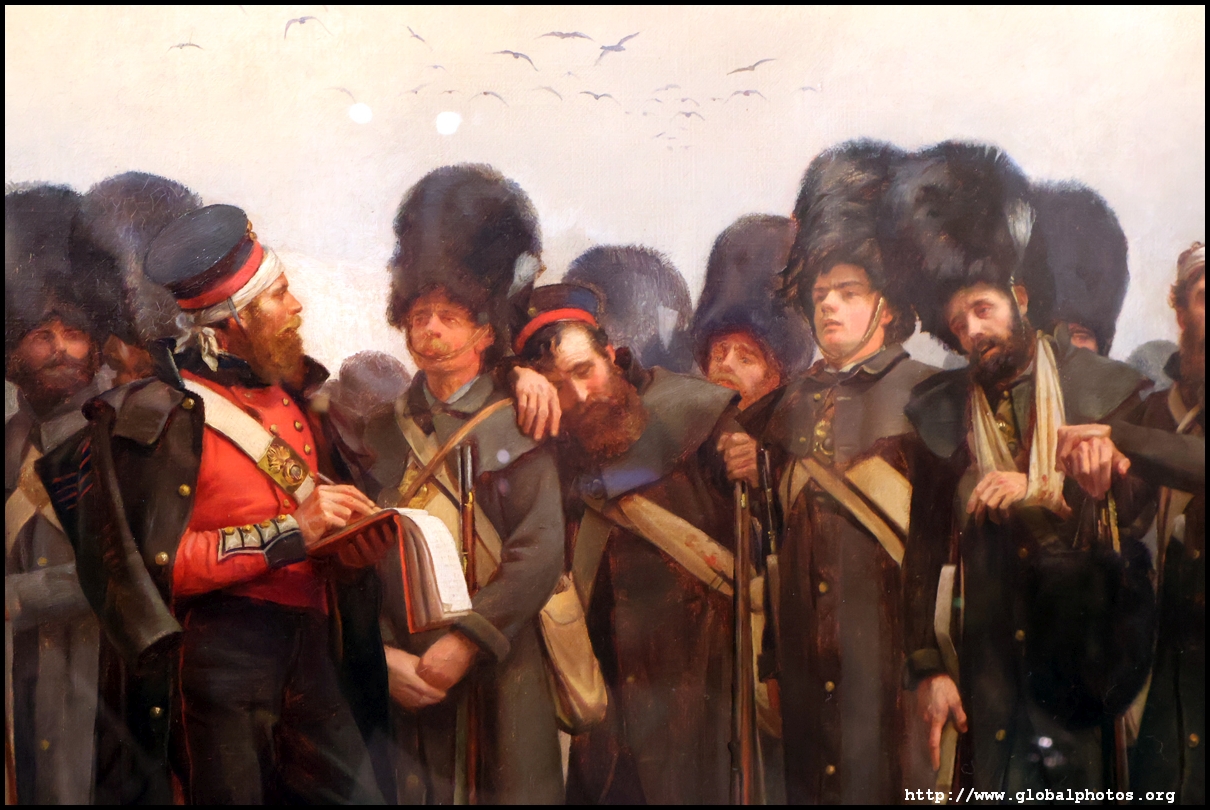
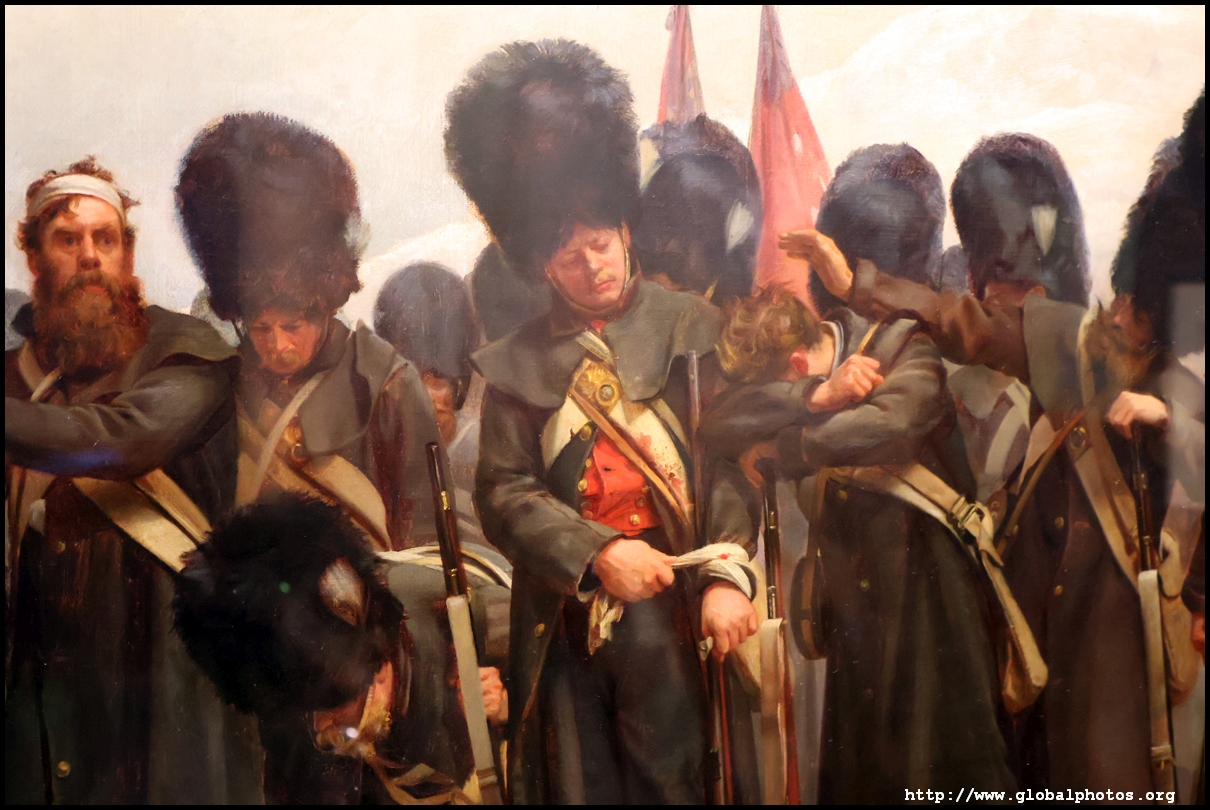
"The Roll Call" shows the battalion after battle during the Crimean winter. Elizabeth Thompson was only 27 when she painted this, which became a huge success.
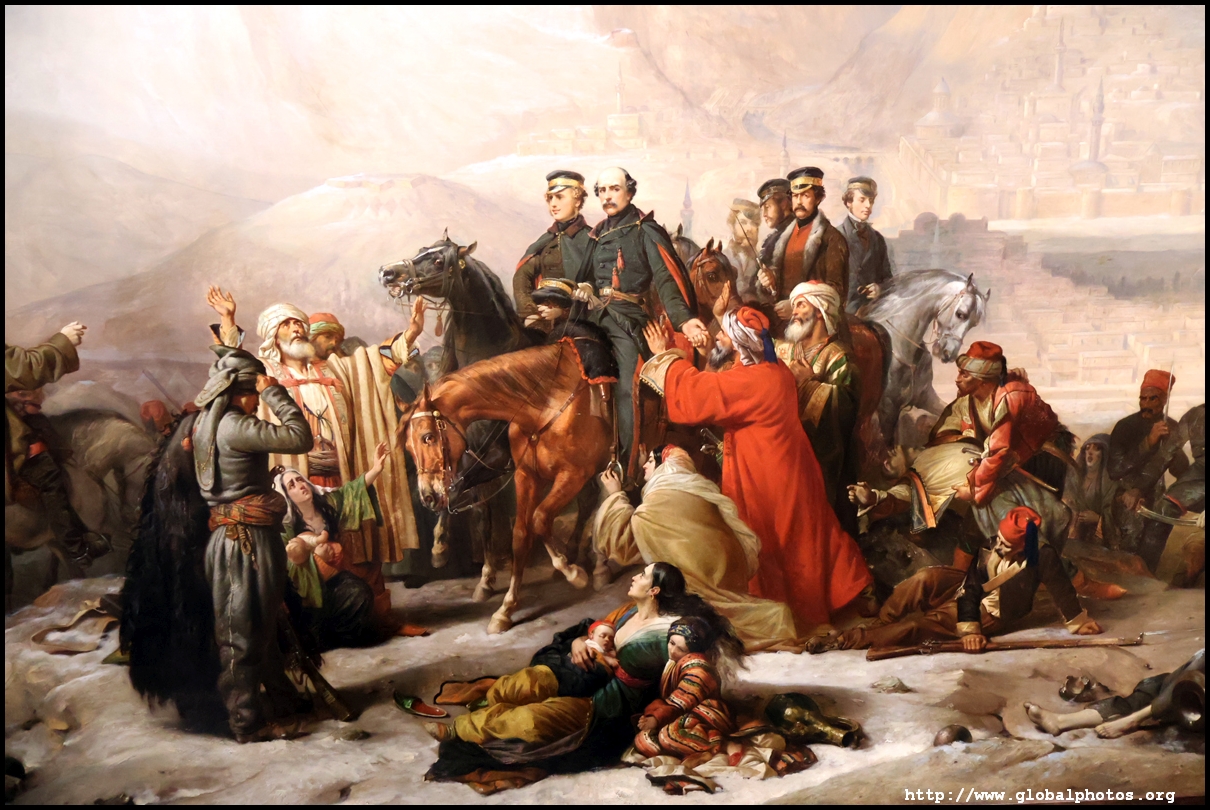
Thomas Jones Barker painted this work on the Turkish army's defeat from the Russians in 1855 due to disease, famine, and an ammunition shortage.
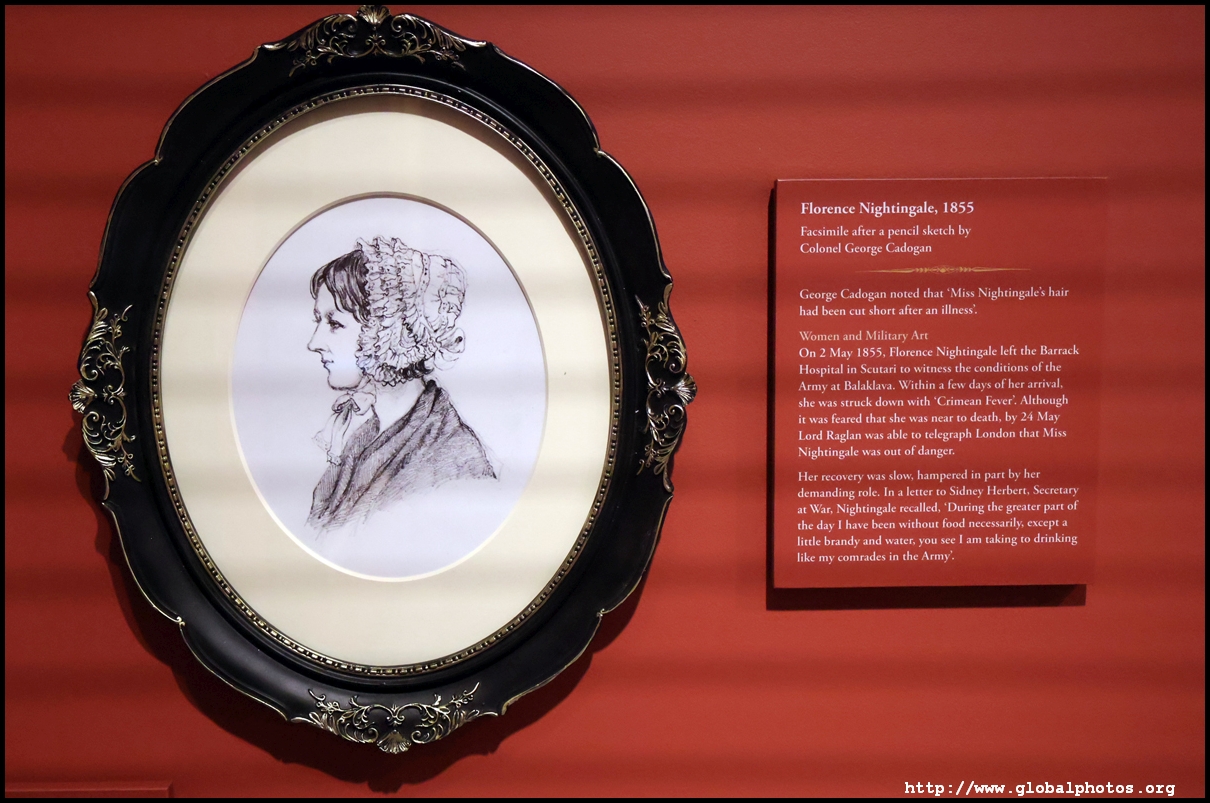
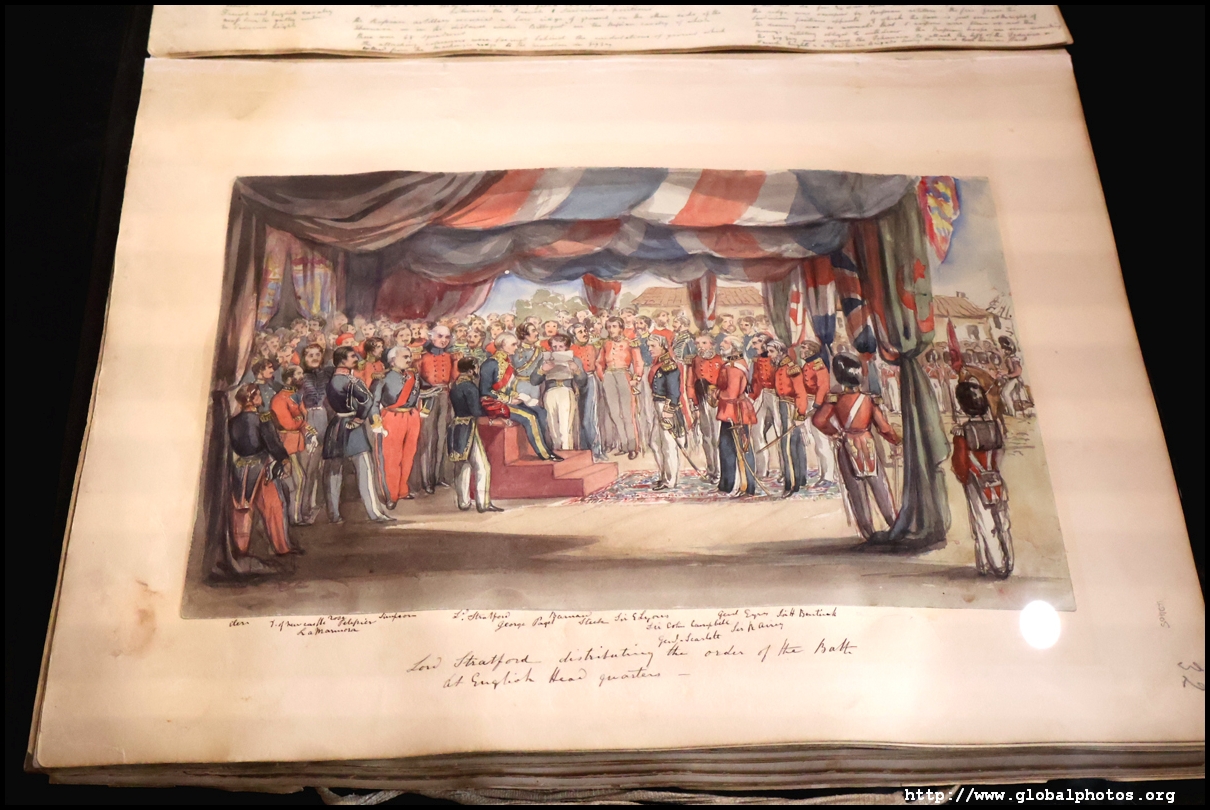
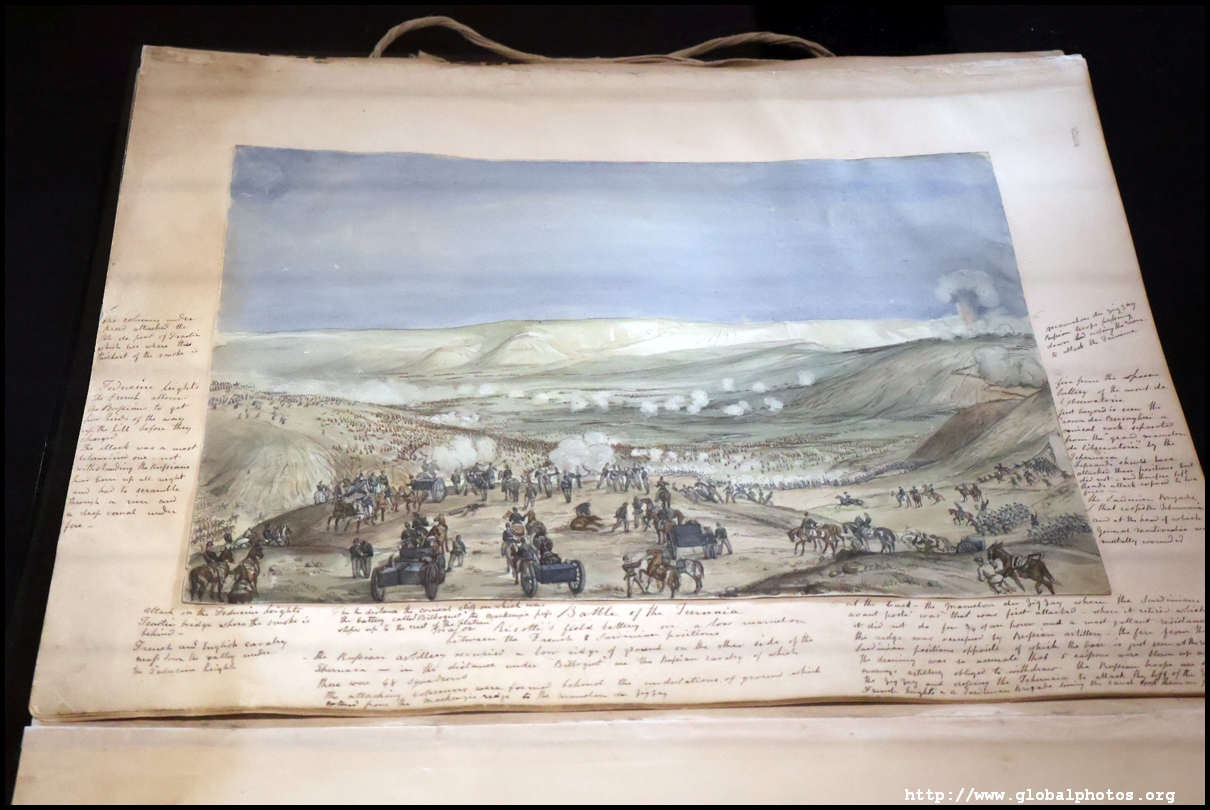
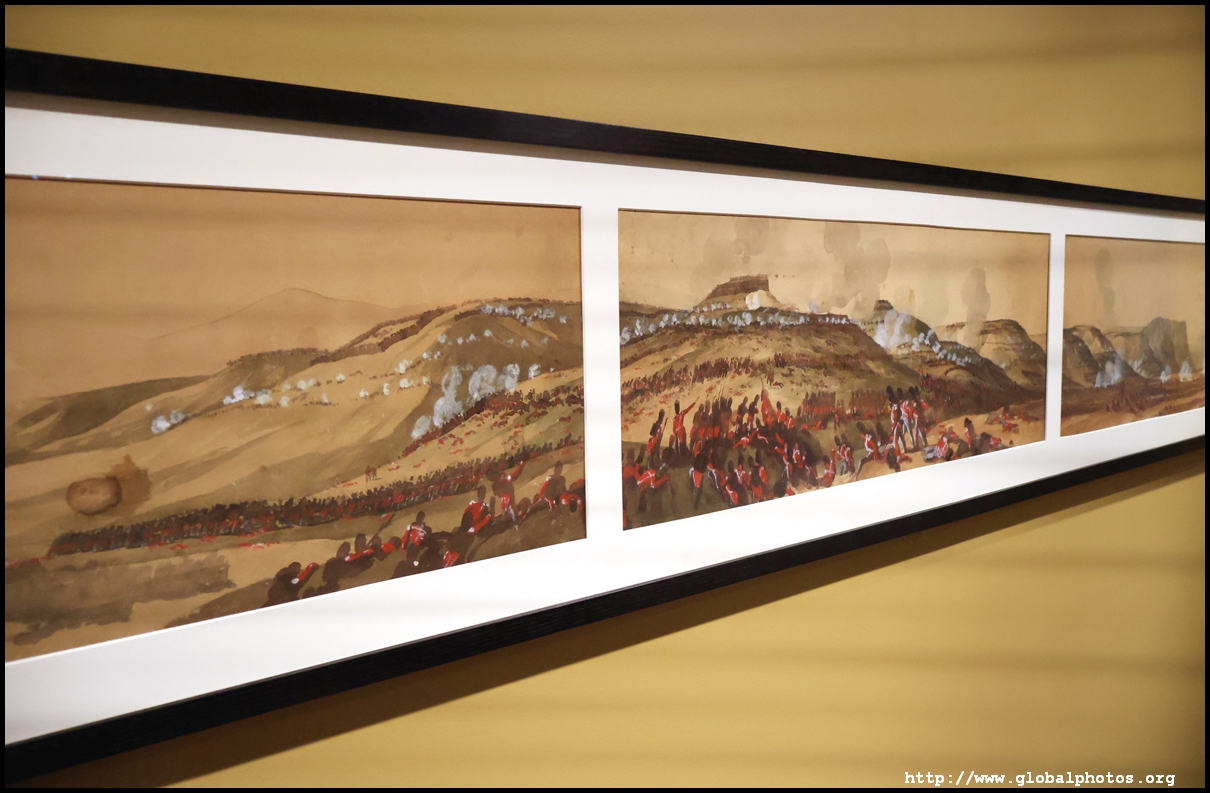
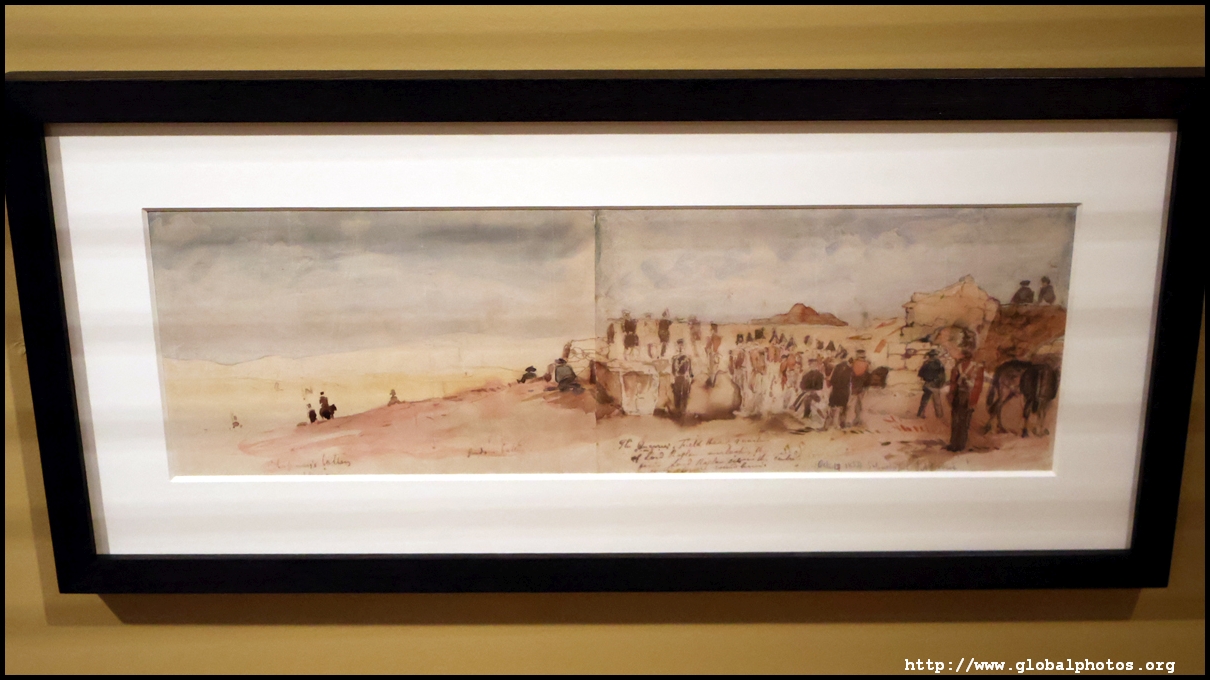
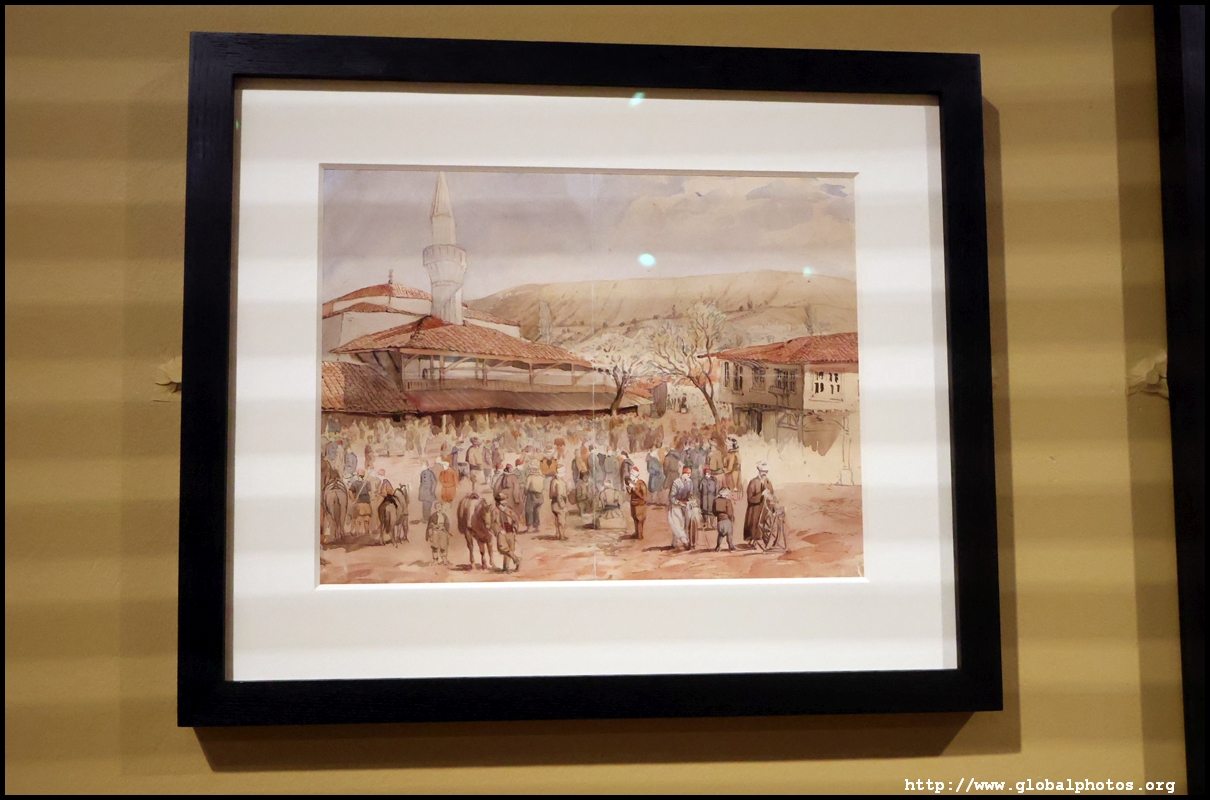
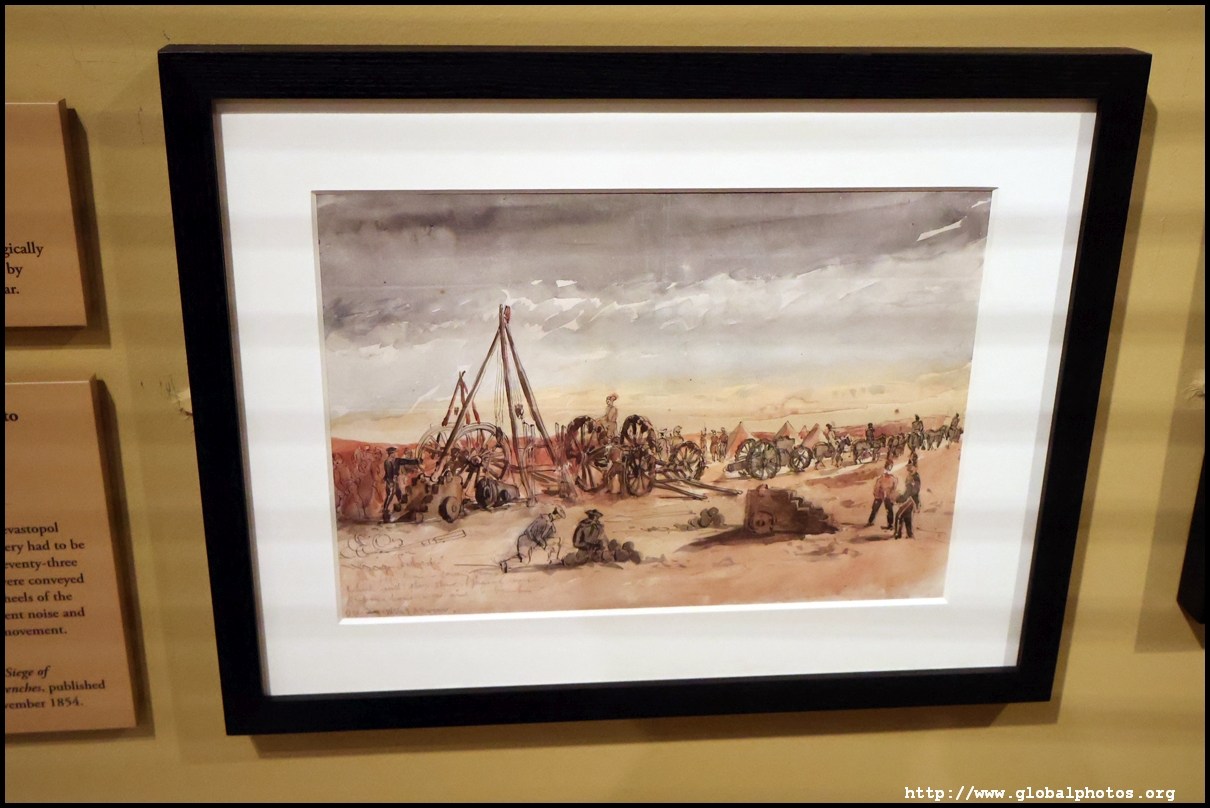
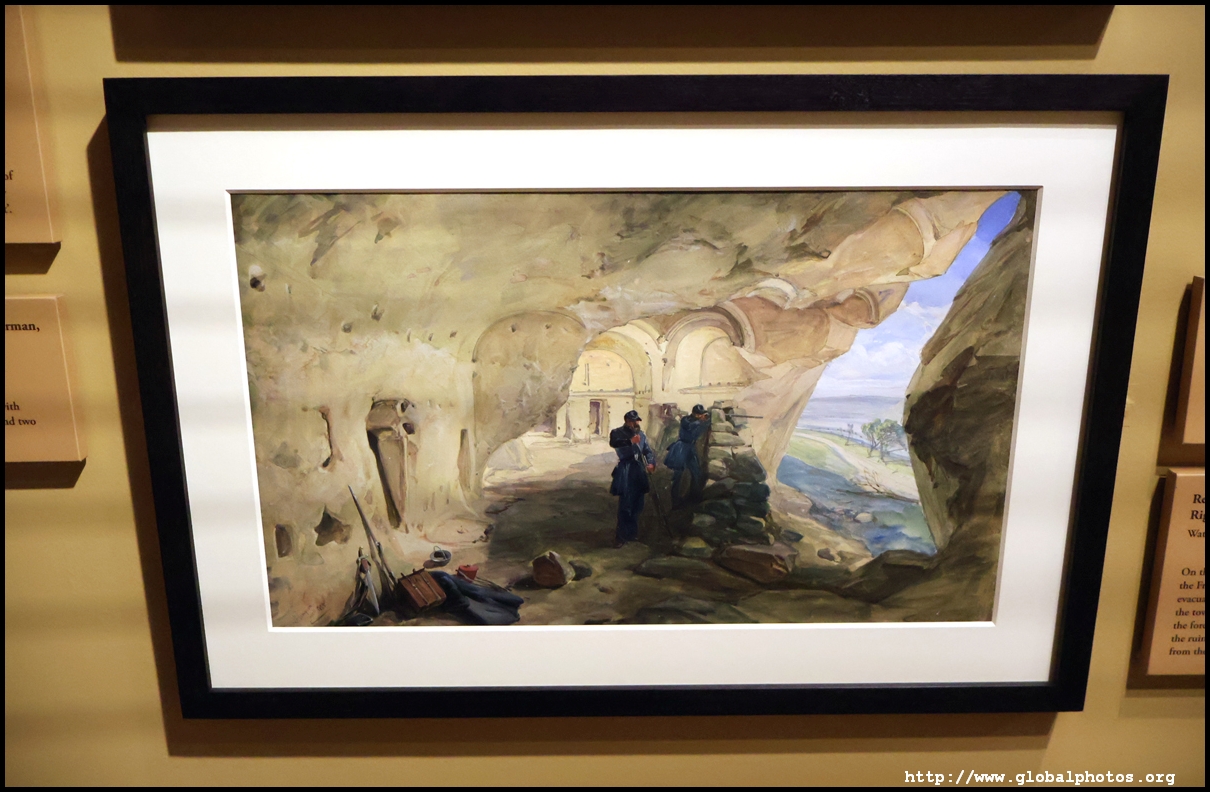
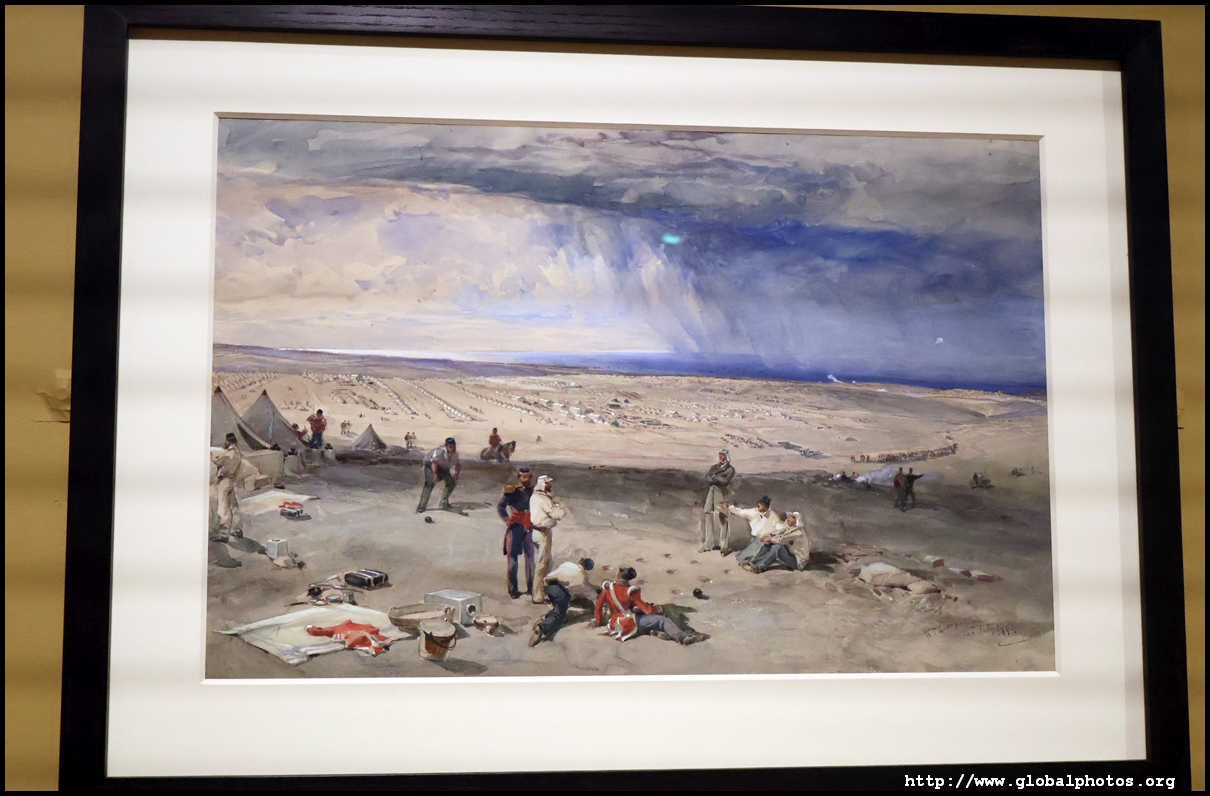
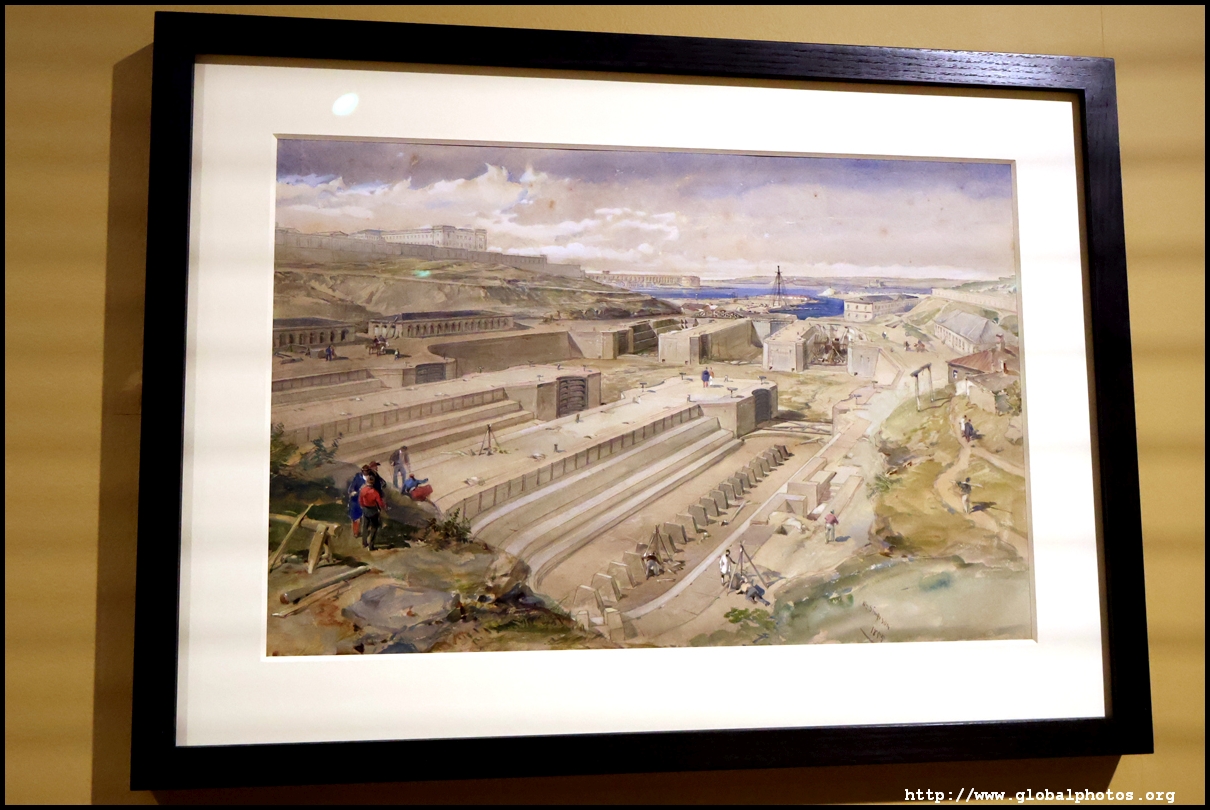
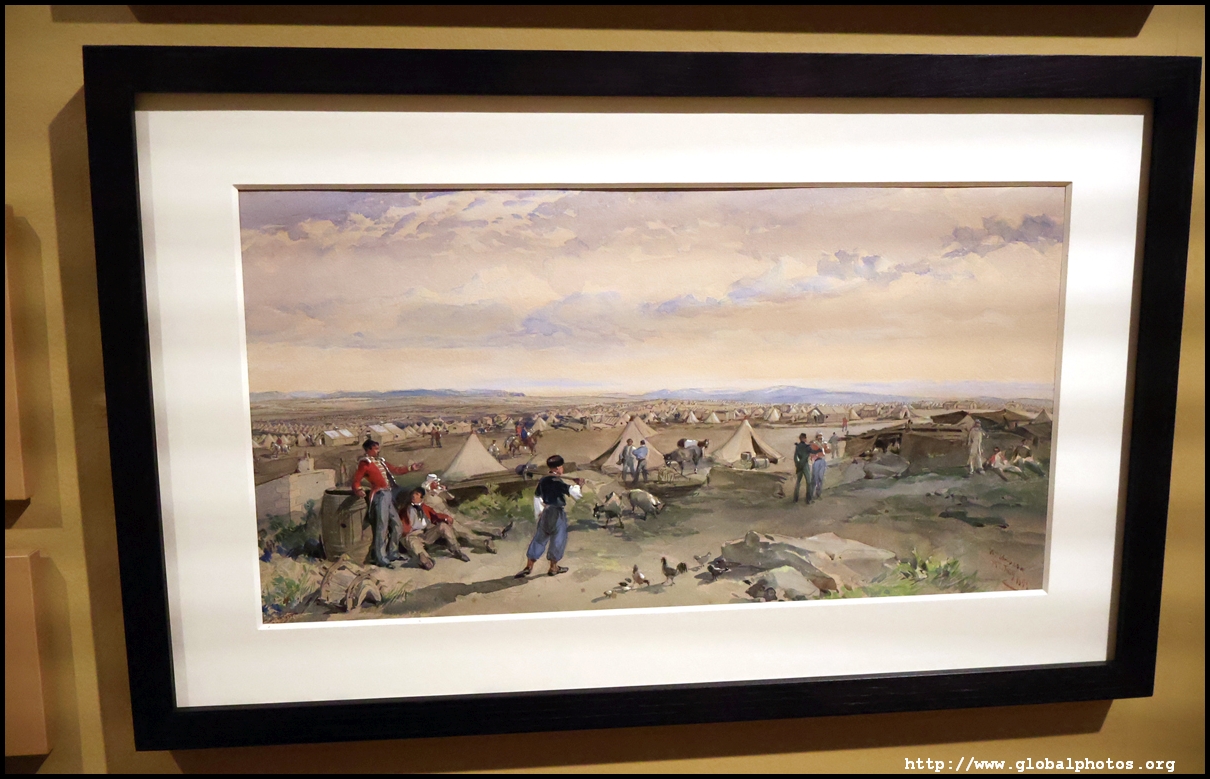
George Cadogan served in the Crimean War and painted many watercolours depicting the landscape, uniforms, and soldiers' camps.
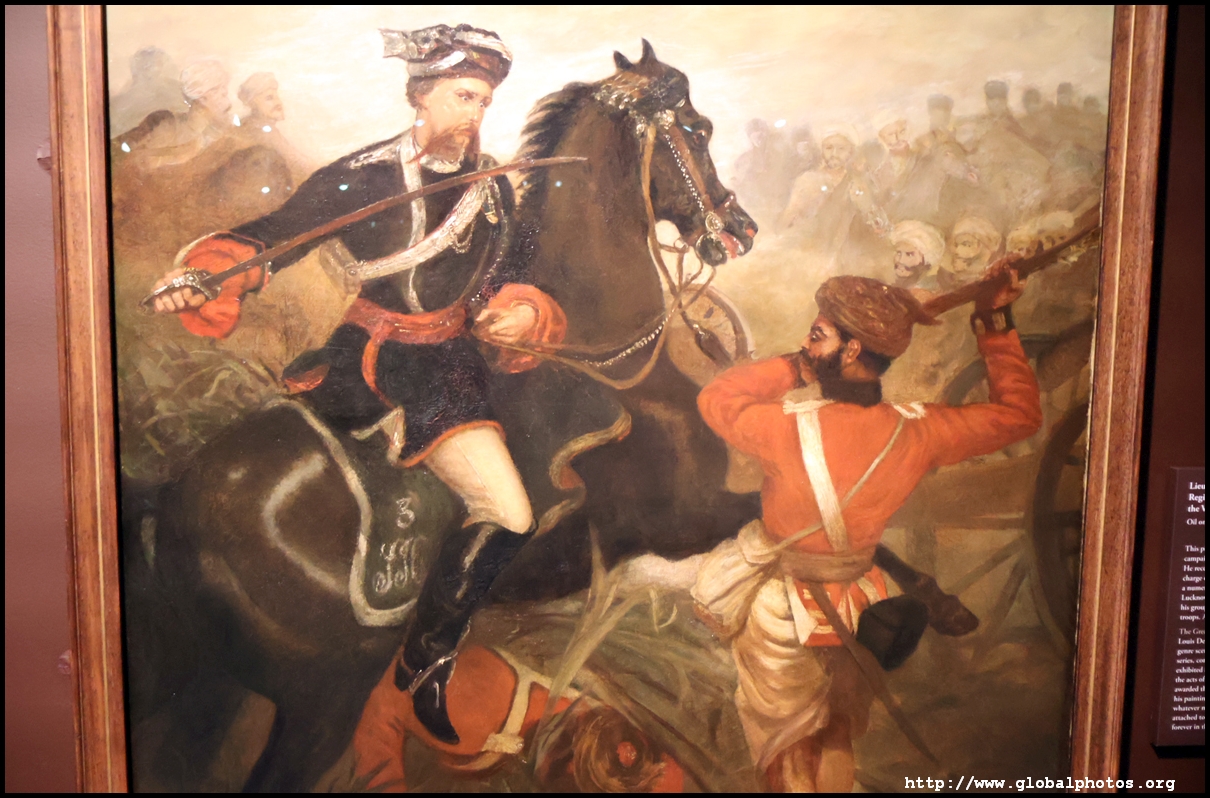
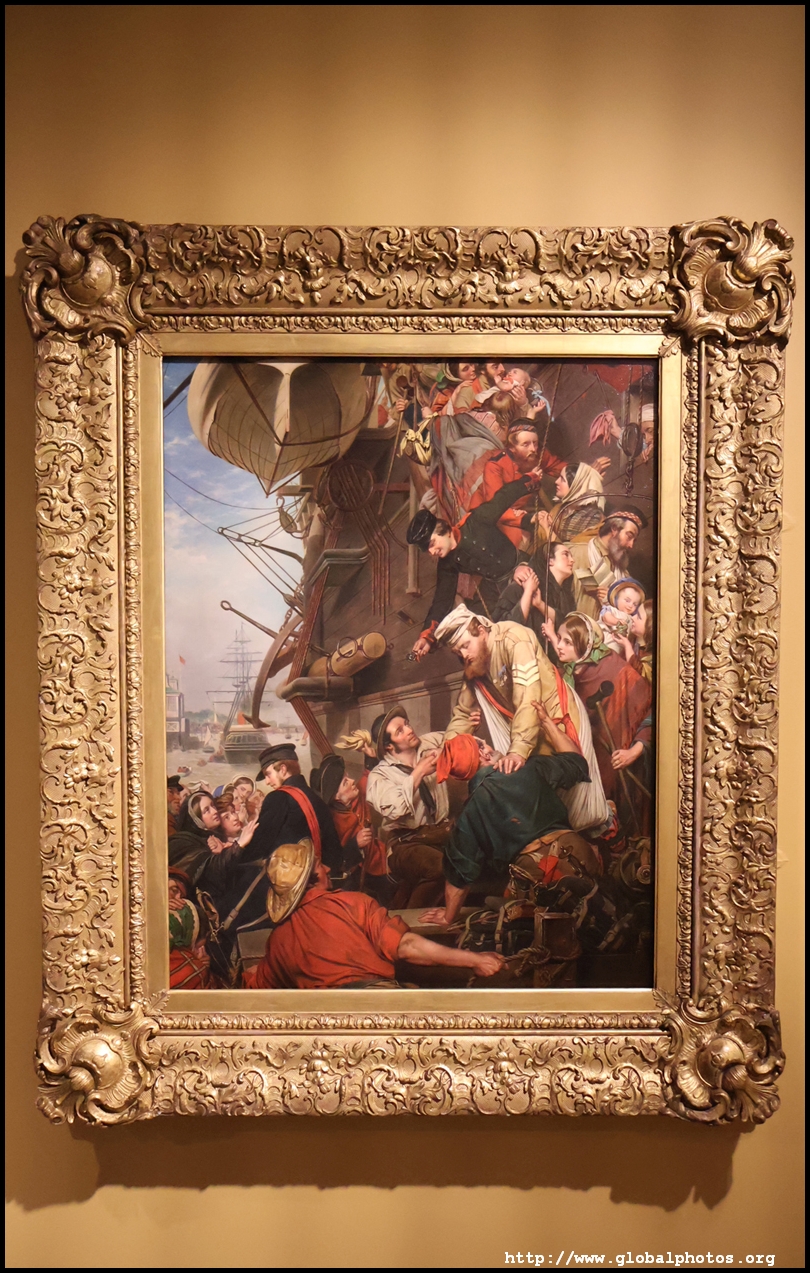
About 40,000 British troops quashed the Indian Rebellion of 1857, with this painting showing some of these soldiers coming home.
| |
To re-use these photos, please notify me by email : asiaglobe@yahoo.com.hk.