St Bartholomew's Hospital - Barts North Wing
The Great Hall & Hogarth Stair
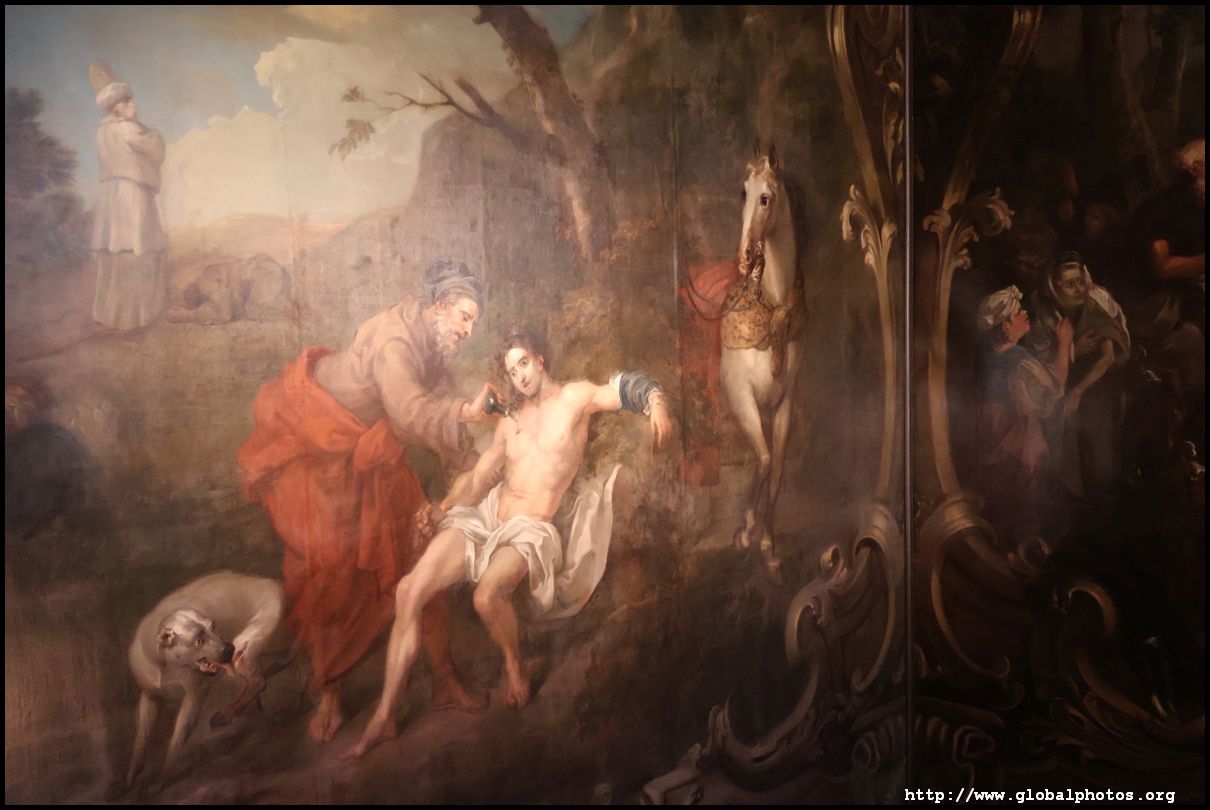
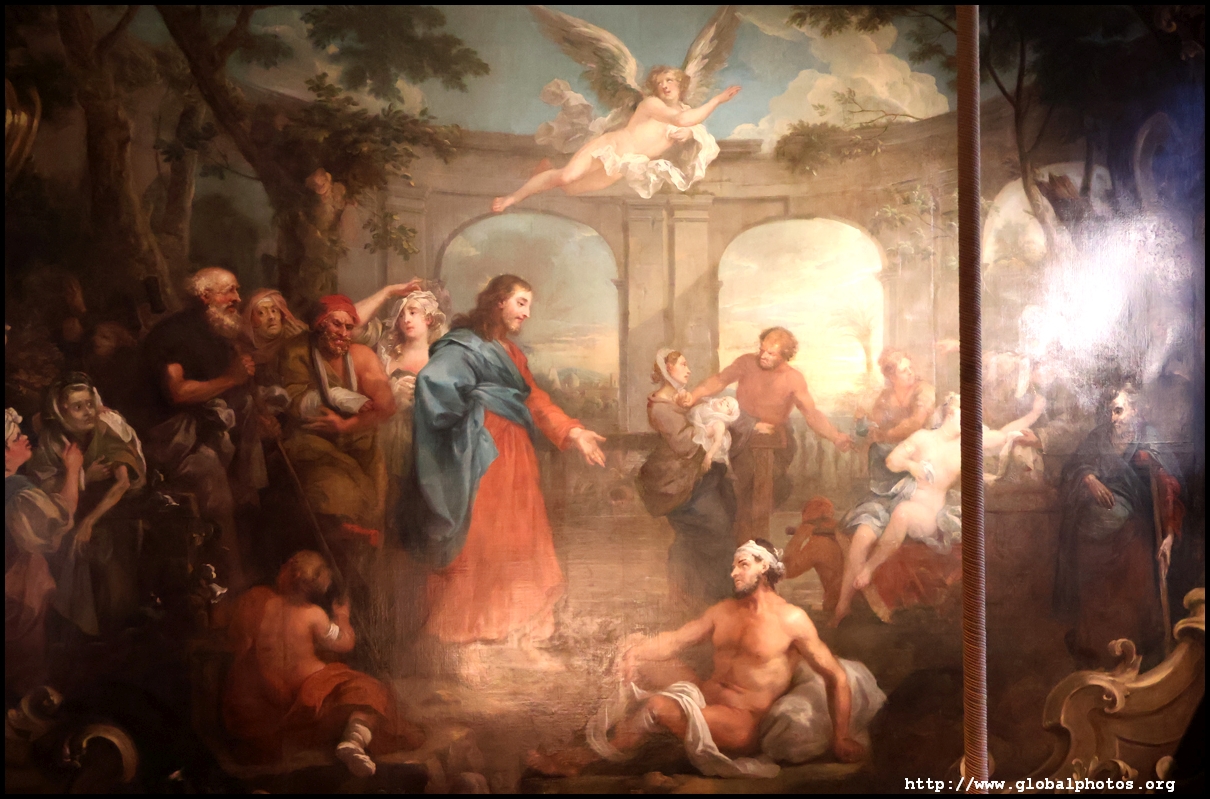
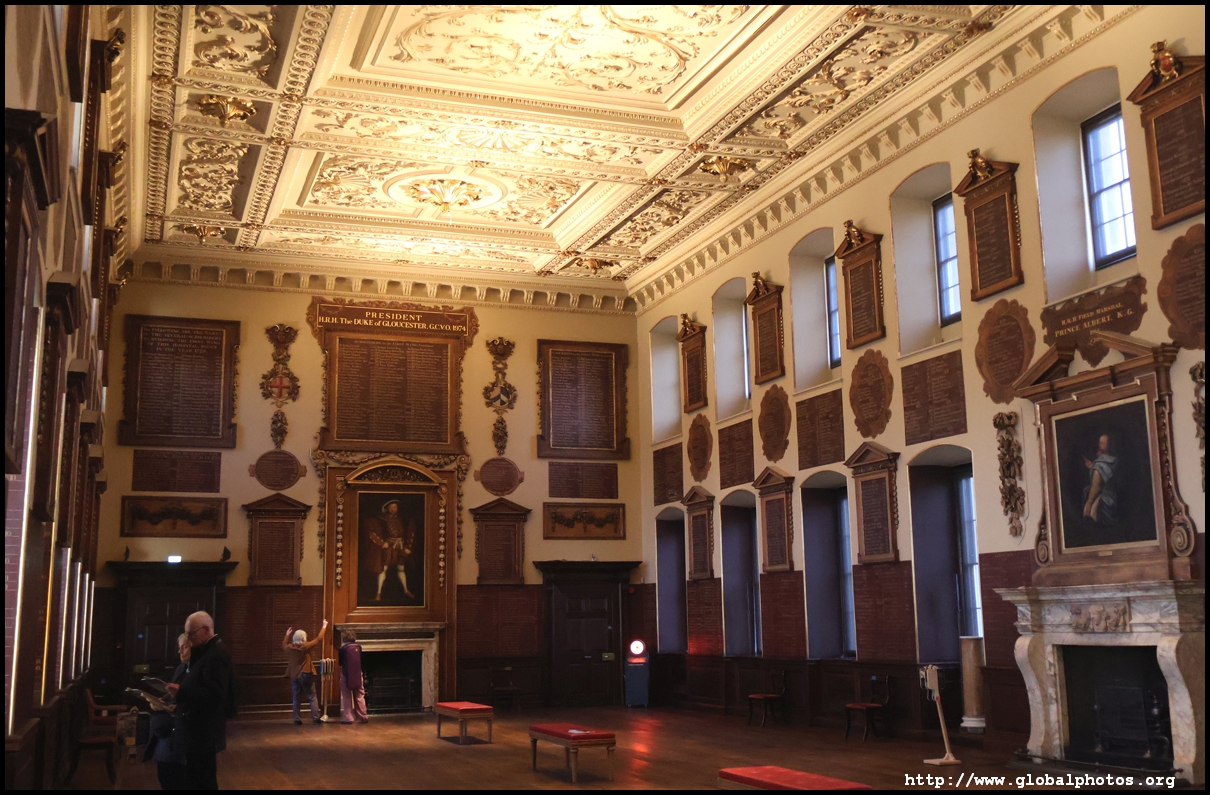
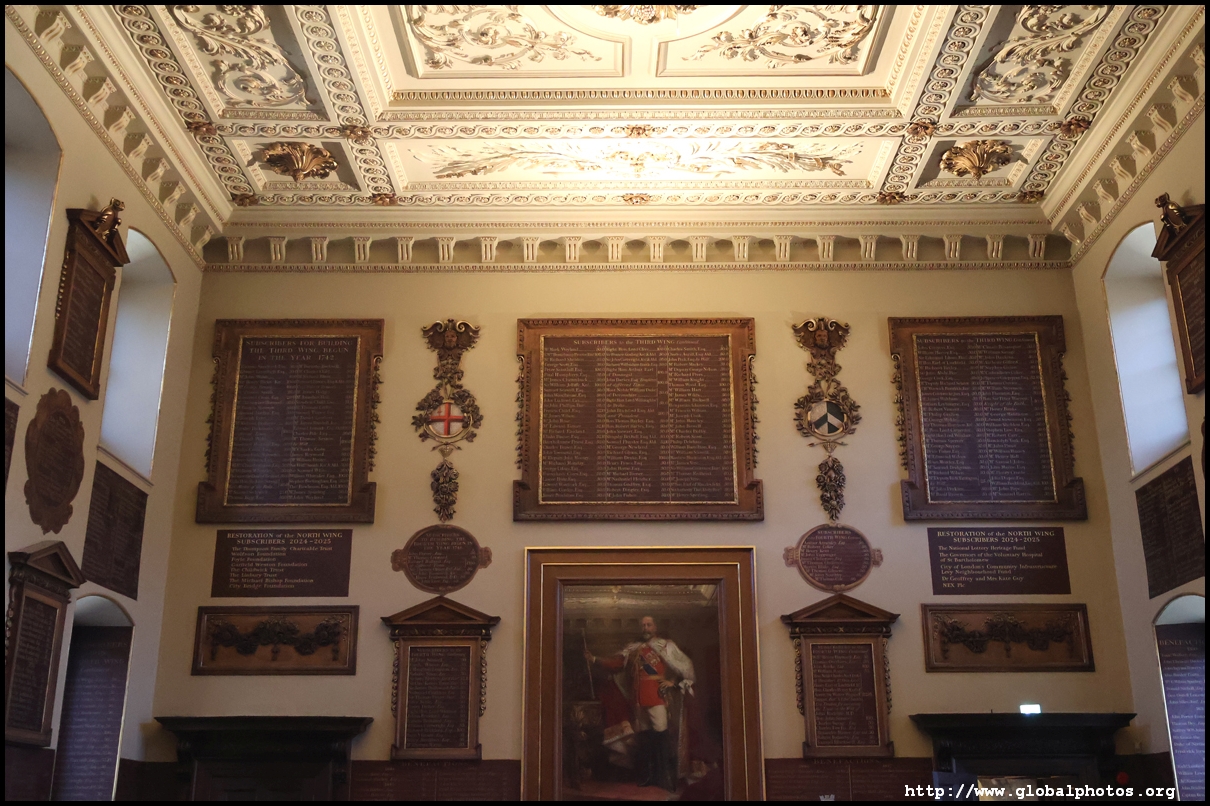
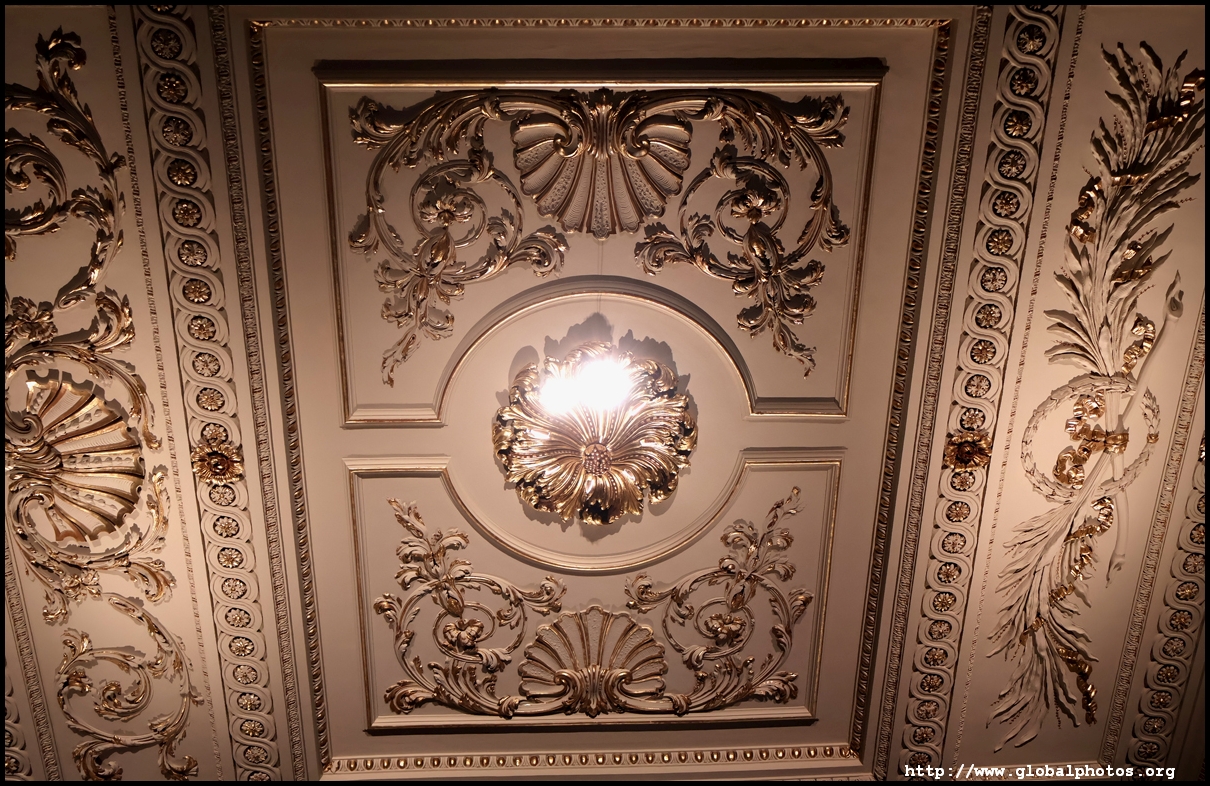
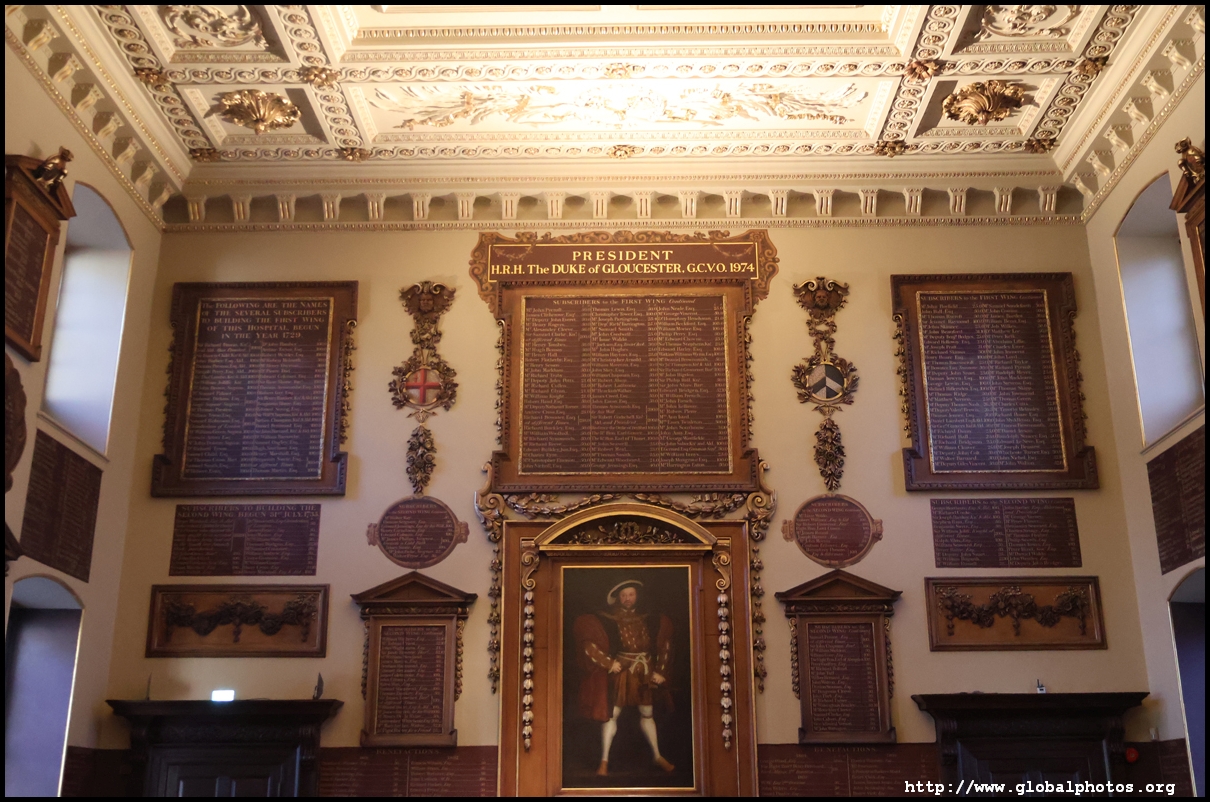
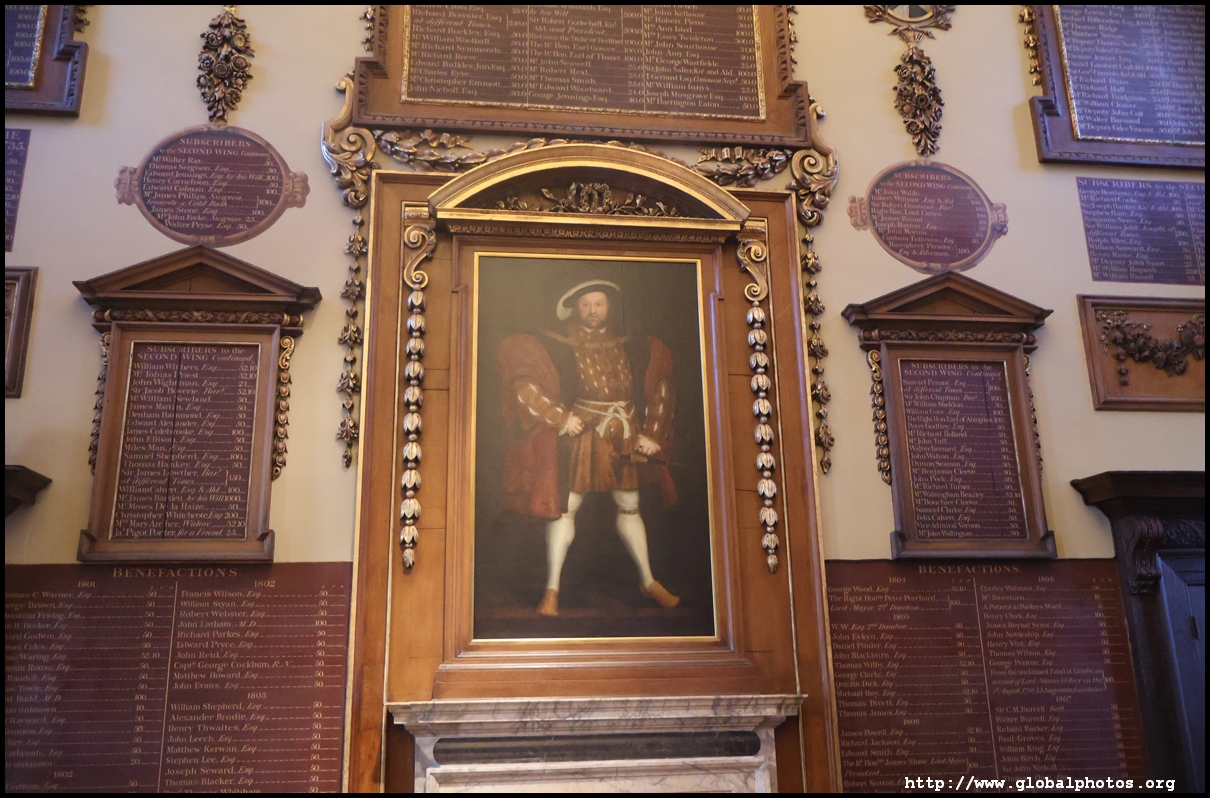
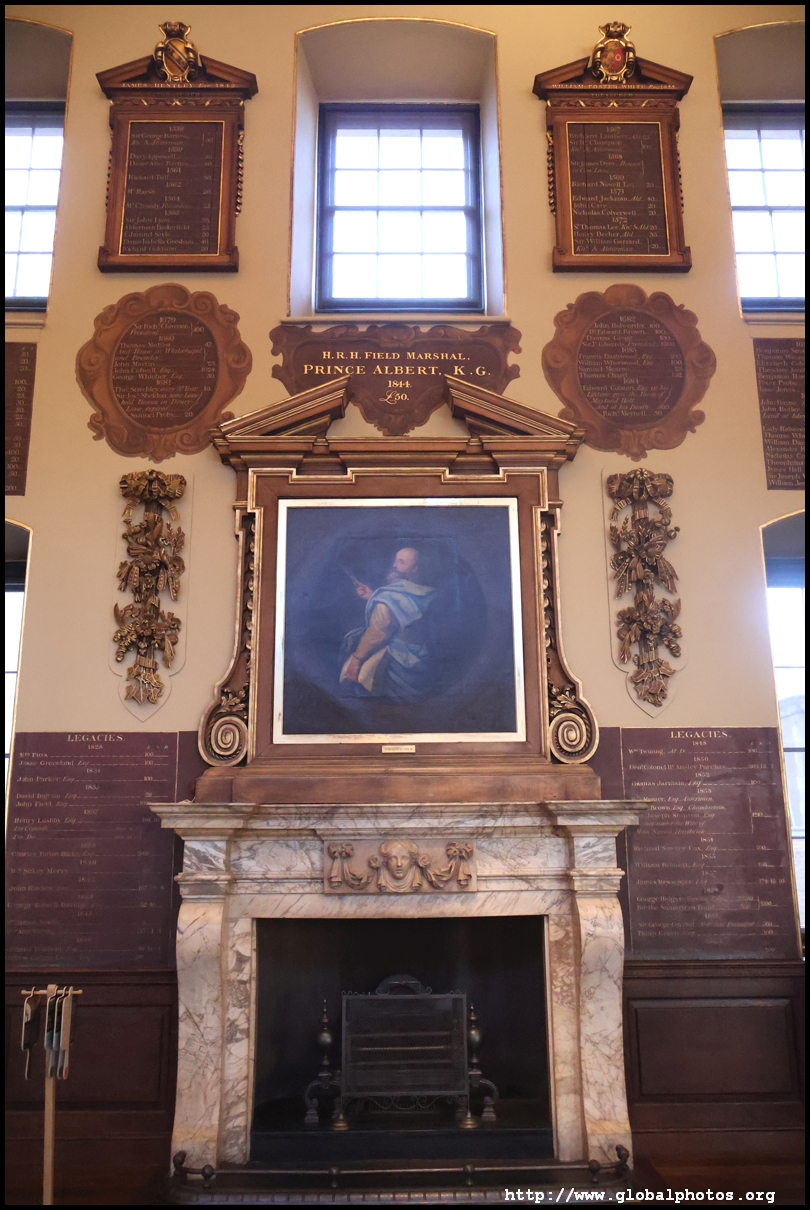
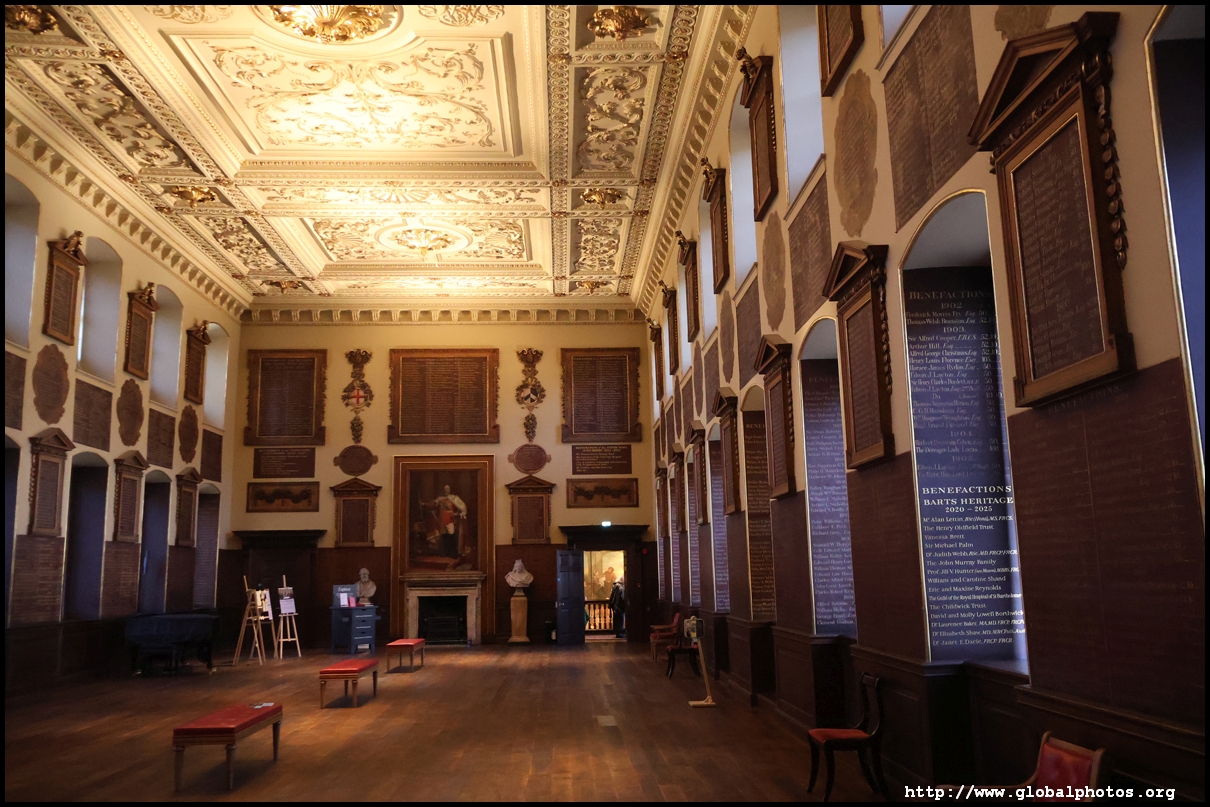
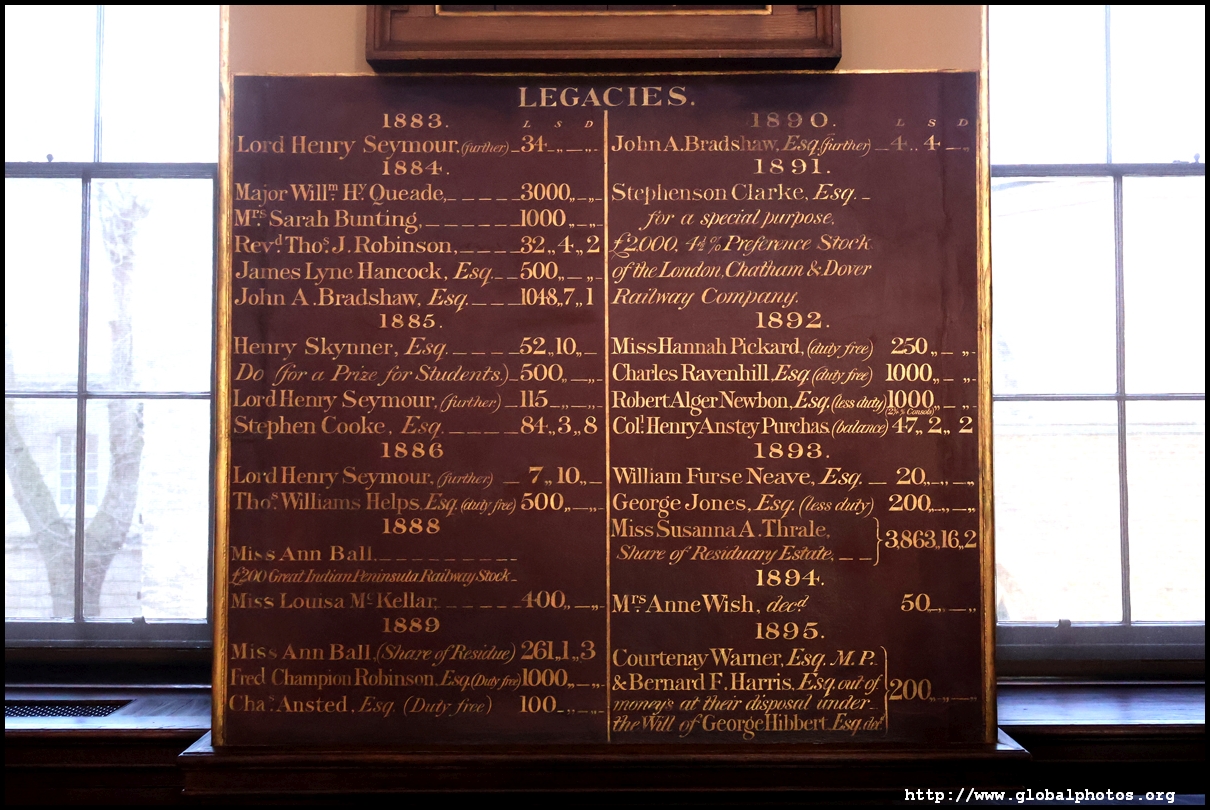
In late 2025, London's oldest working hospital opened to the public its Great Hall and Hogarth Stair following a 9.5 million pound restoration that took almost 2 years.
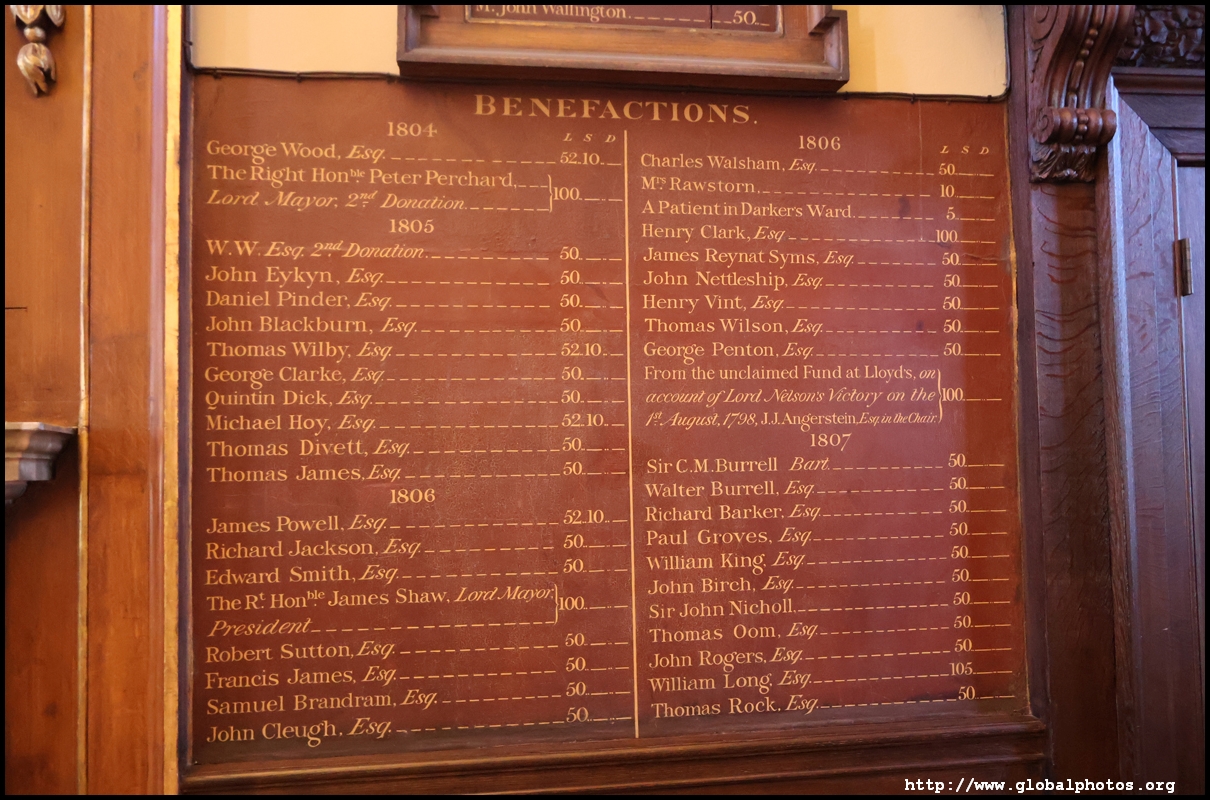
The hospital has a history of some 900 years, with the North Wing built in 1732. William Hogarth offered to paint the hall and staircase for free to prevent another Italian artist from doing so and demonstrate an English artist could do as good a job.
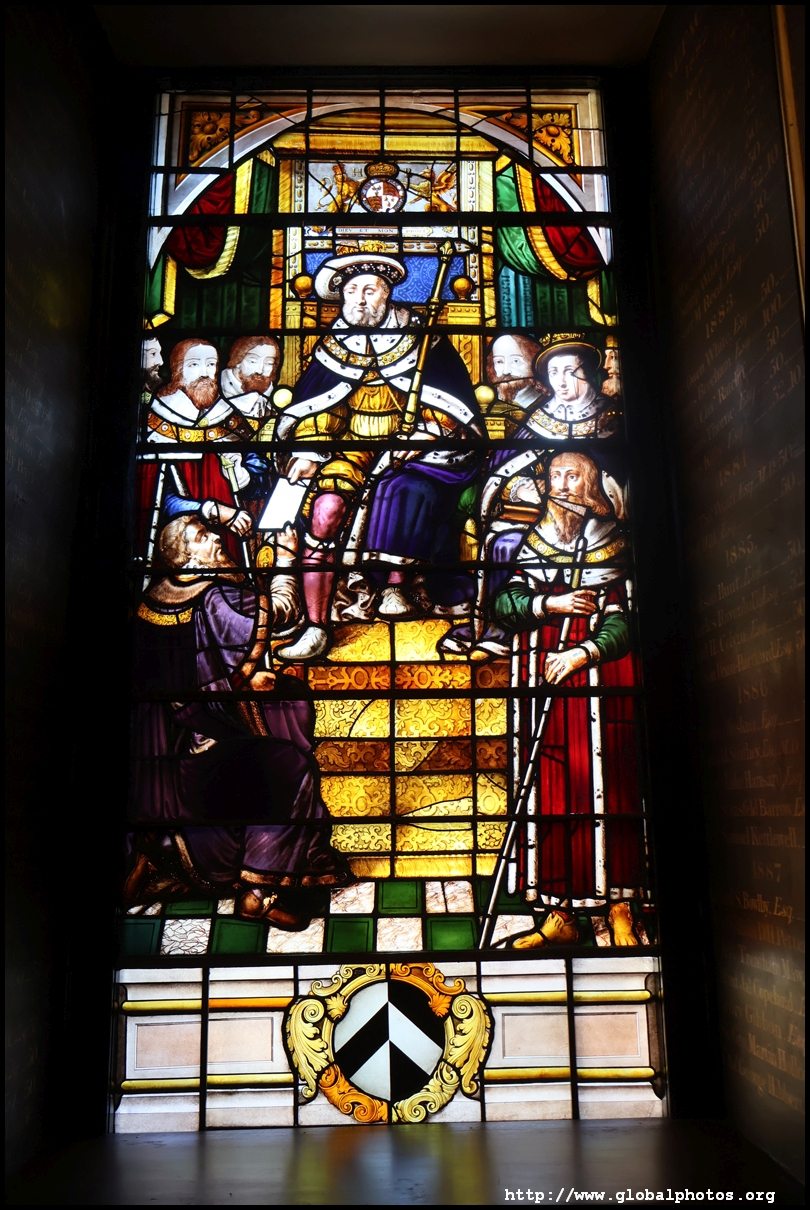
The Great Hall has portraits of 3 significant figures to the hospital - Henry VIII, the first royal president, Edward VII, and Saint Bartholomew.
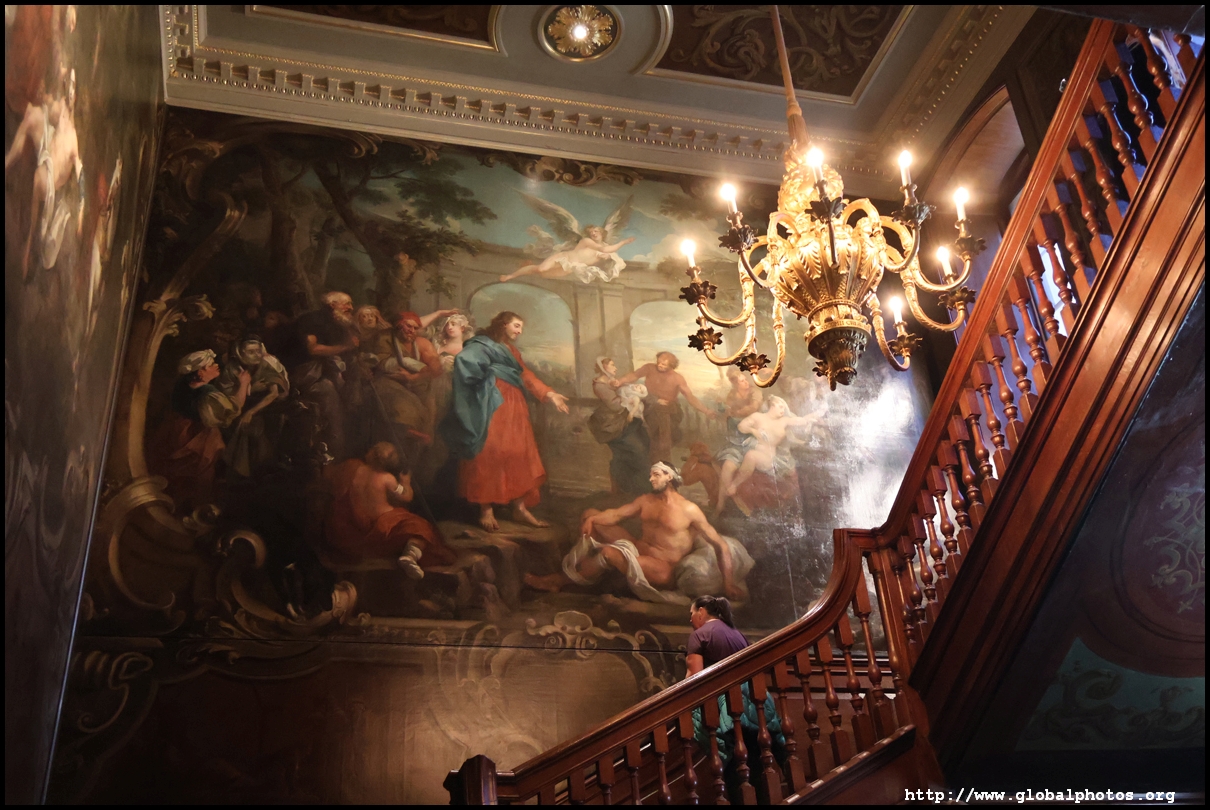
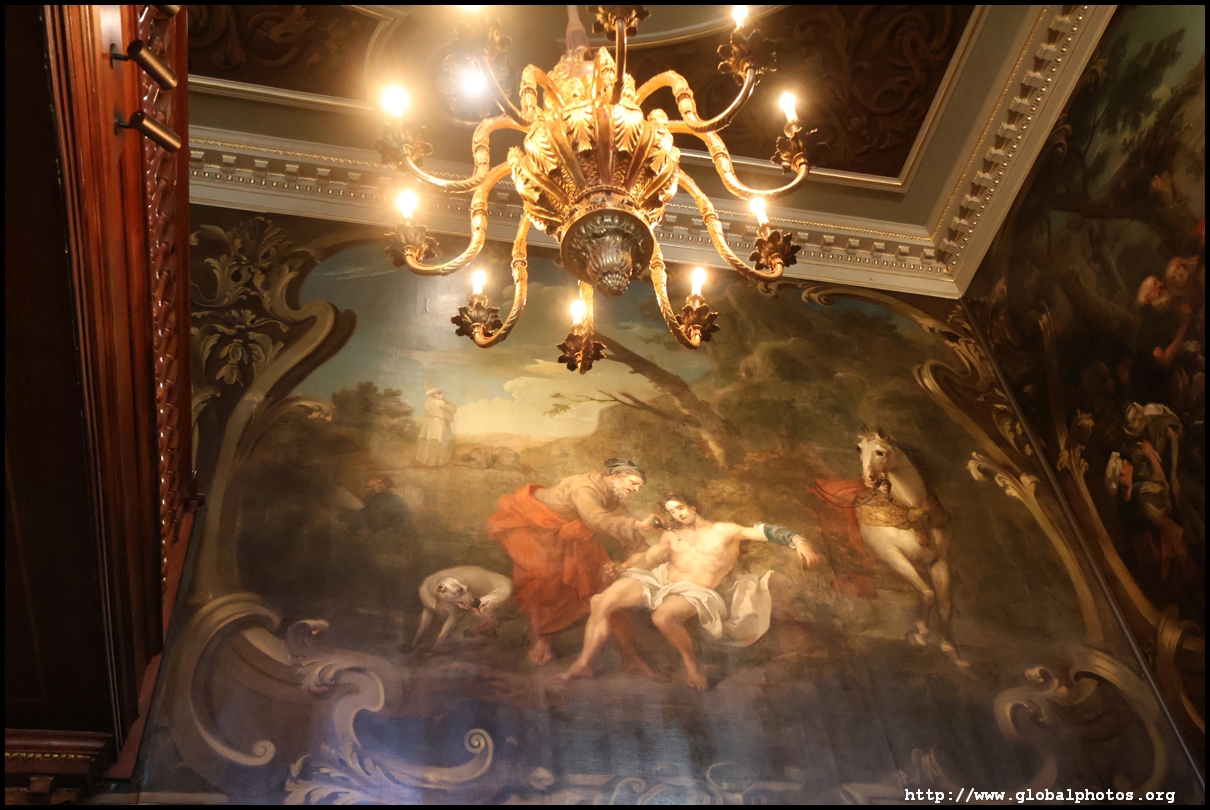
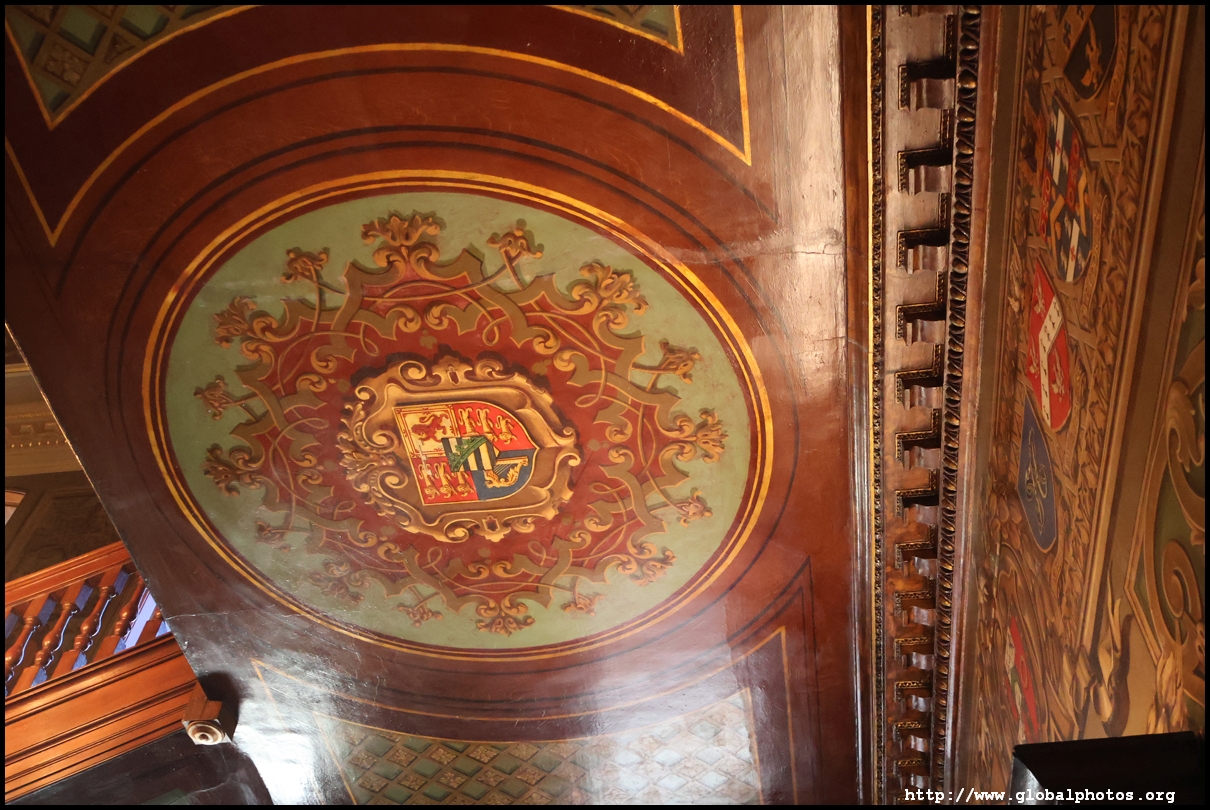
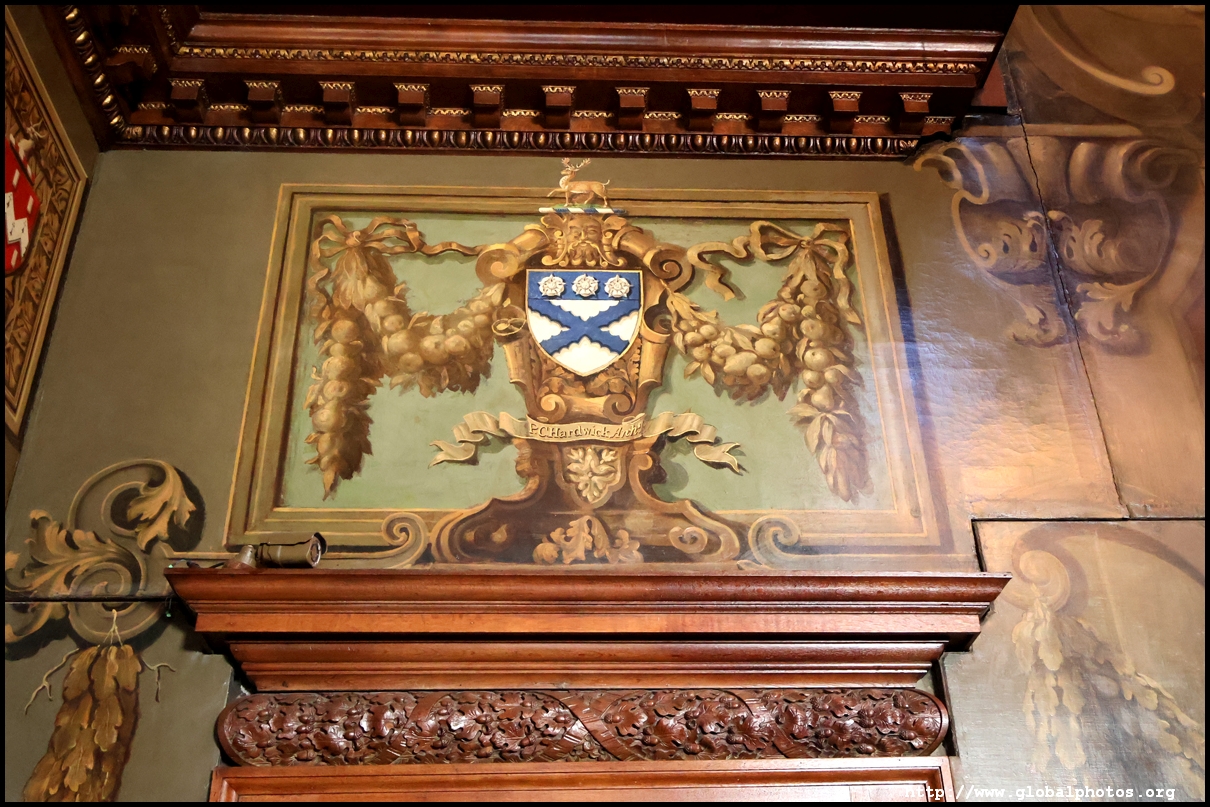
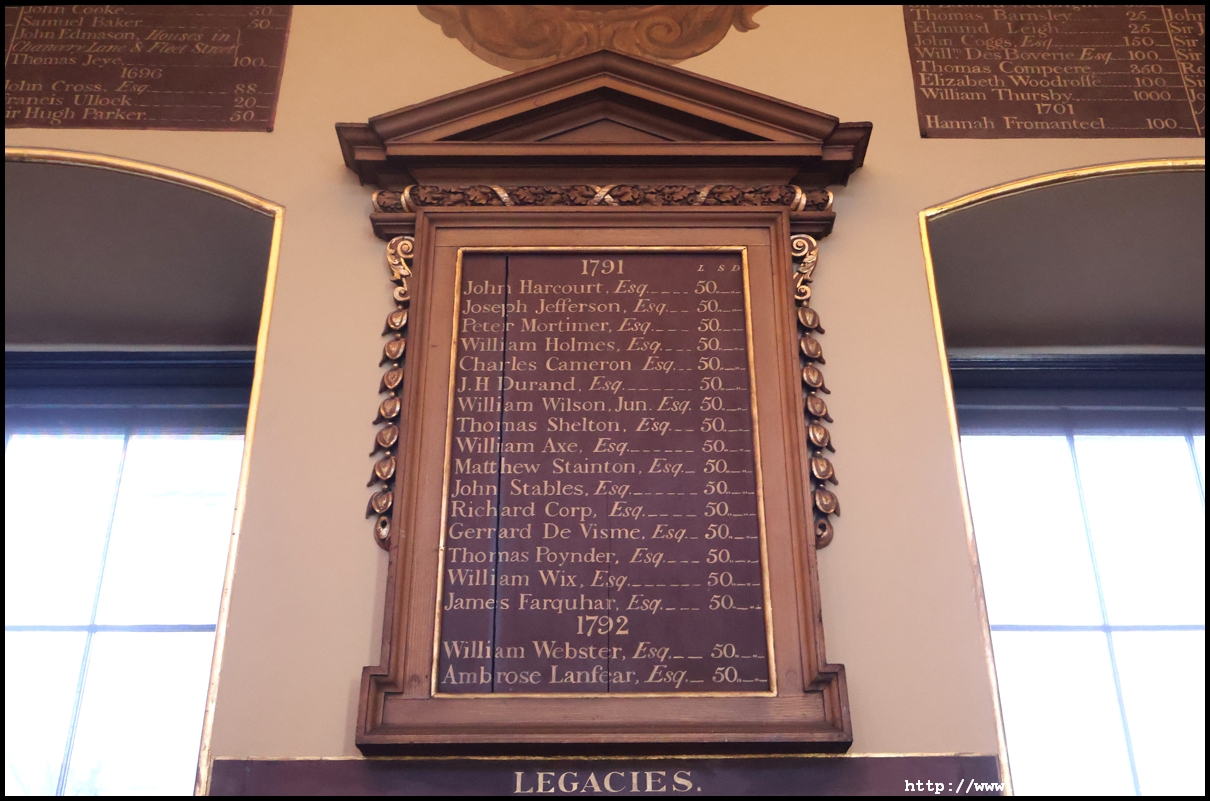
Exiting the building and heading around the corner, there is also a small museum worth taking a look that explores the hospital's long history. It begins with a video on how everything started.
The hospital was founded in 1123 by Rahere, a former courtier of Henry I who fell sick while on a pilgrimmage to Rome. He had a vision from St. Bartholomew to create a hospital and priory for the sick and poor.
While the priory was shut as part of Henry VII's dissolution of the monasteries in the 1500s, the hospital continued to operate and was taken over by the city. The medieval buildings were in disrepair and outdated by the 18th century and it was decided to rebuild the hospital entirely on the existing site.
The rebuilt hospital was designed by James Gibbs, who envisioned 4 wings arranged symmetrically around a square. 3 of these will accommodate patients, with the last (the North Wing) being mainly offices. The redevelopment plan finished in 1769.
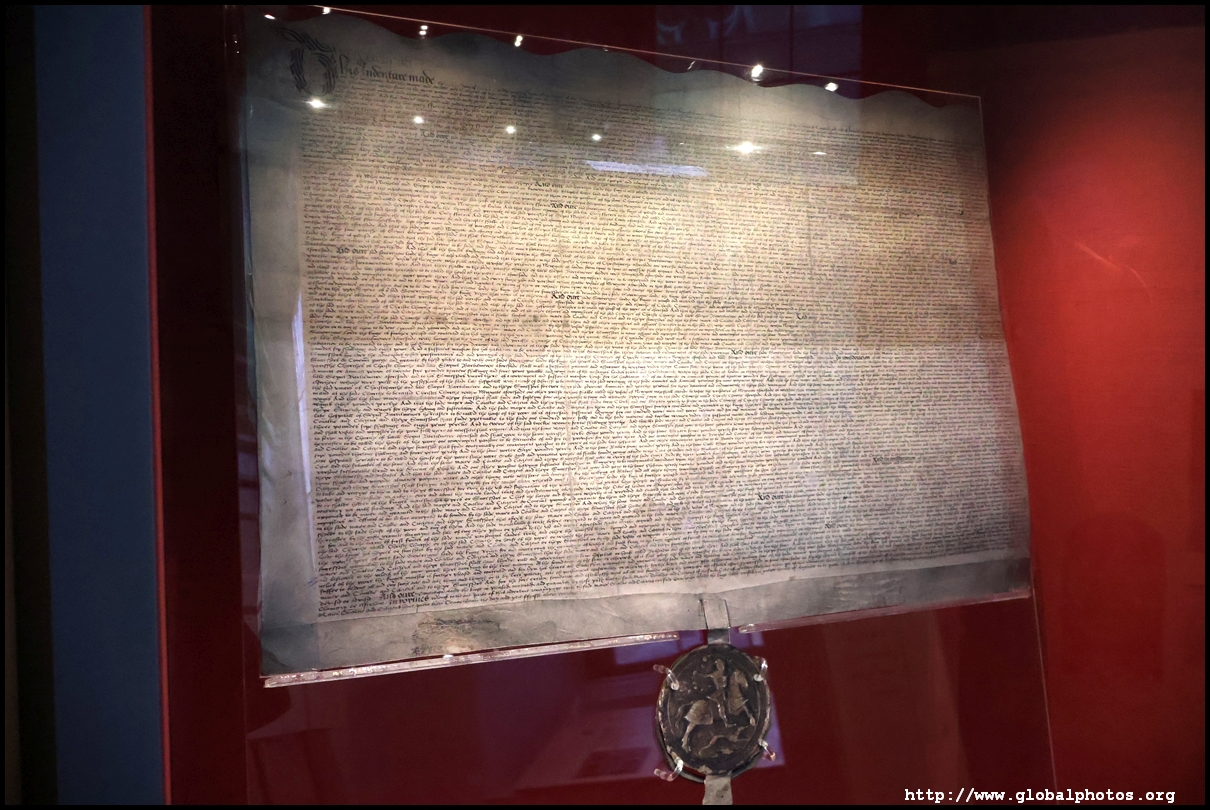
Thisagreement between Henry VIII and the City of London in 1546 gives the hospital to the city to care for the poor and sick.
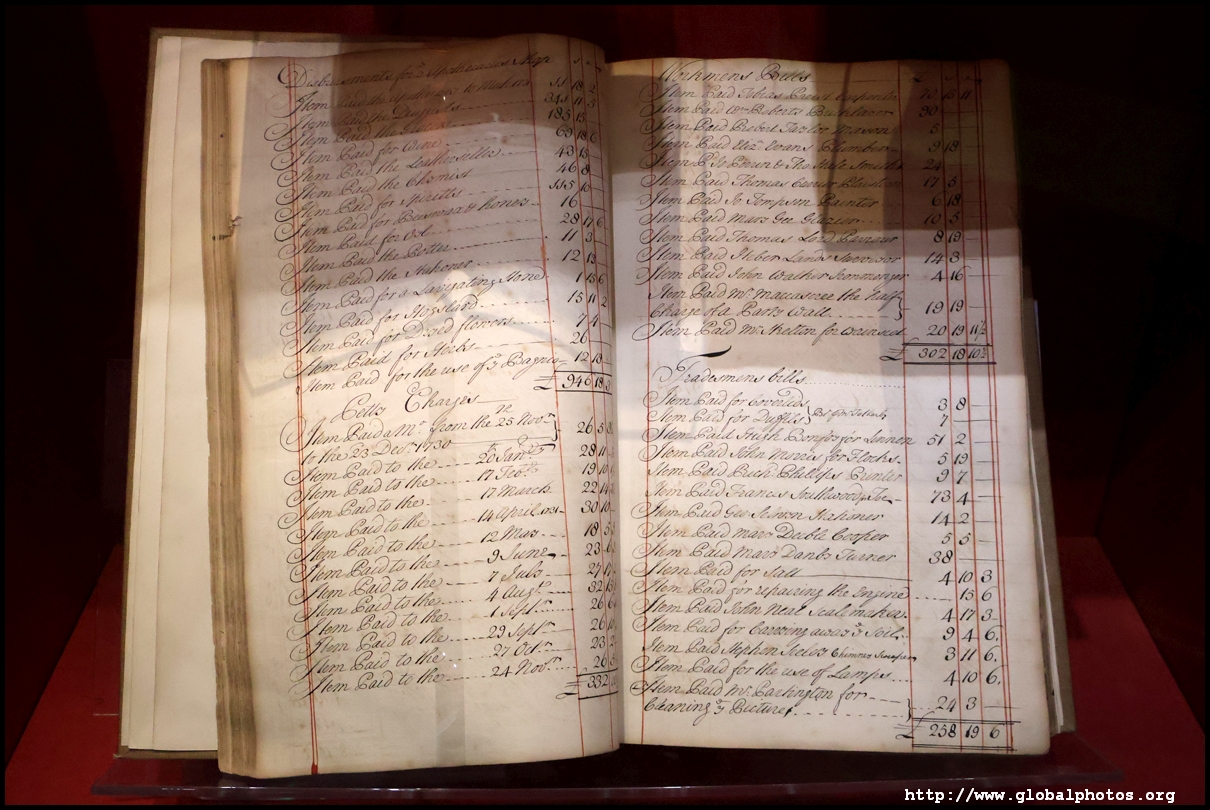
This ledger shows the hospital's expenditures in 1730-1, including payments to craftspeople to build the North Wing, purchases of wine, oil, dried flowers, and herbs.
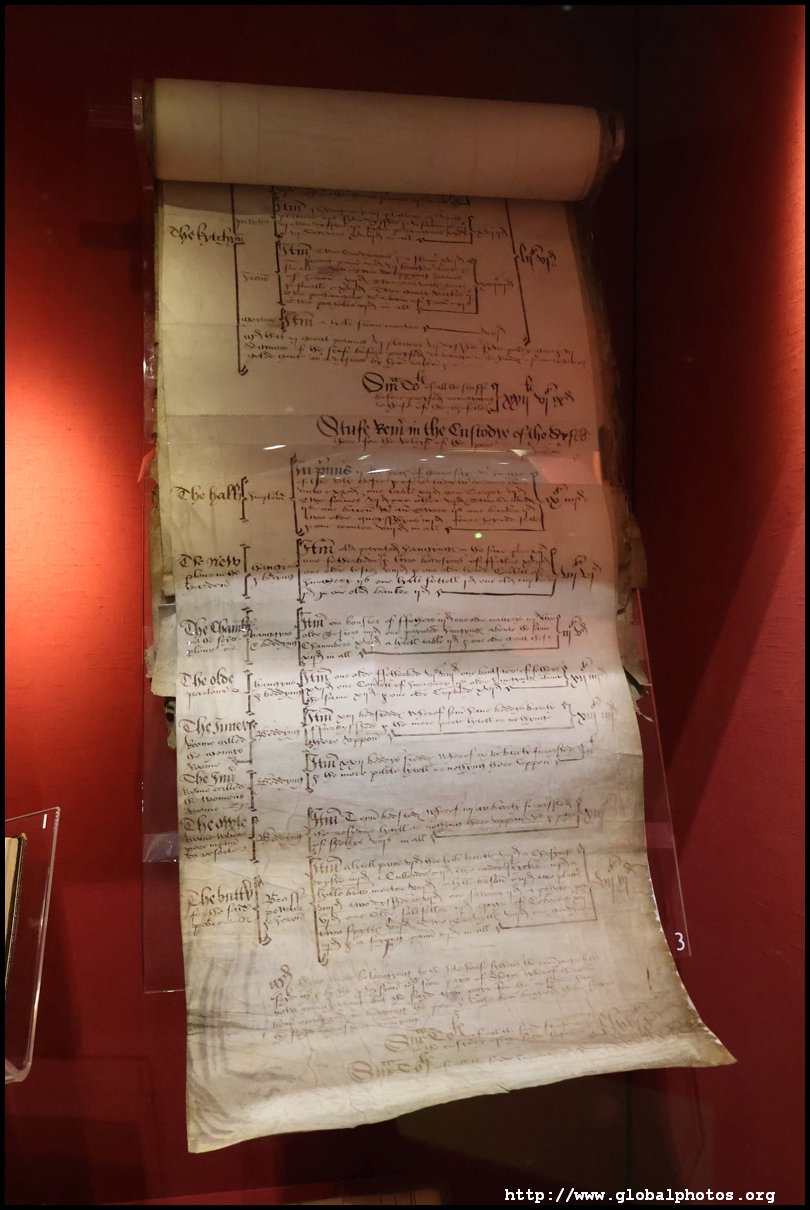
This is a section of the hospital's property inventory in 1546 was probably compiled in relation to the dissolutions of the monasteries. It lists the men's and women's wards with a remark they are in poor repair.
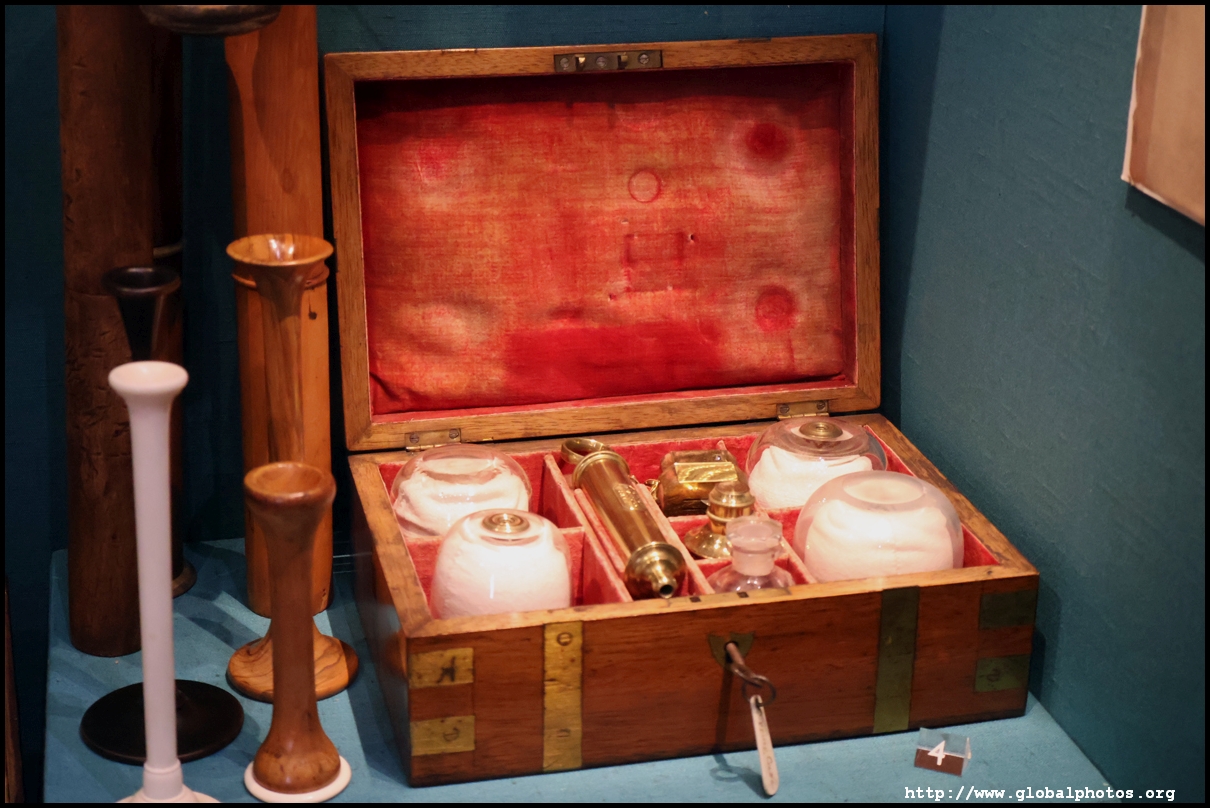
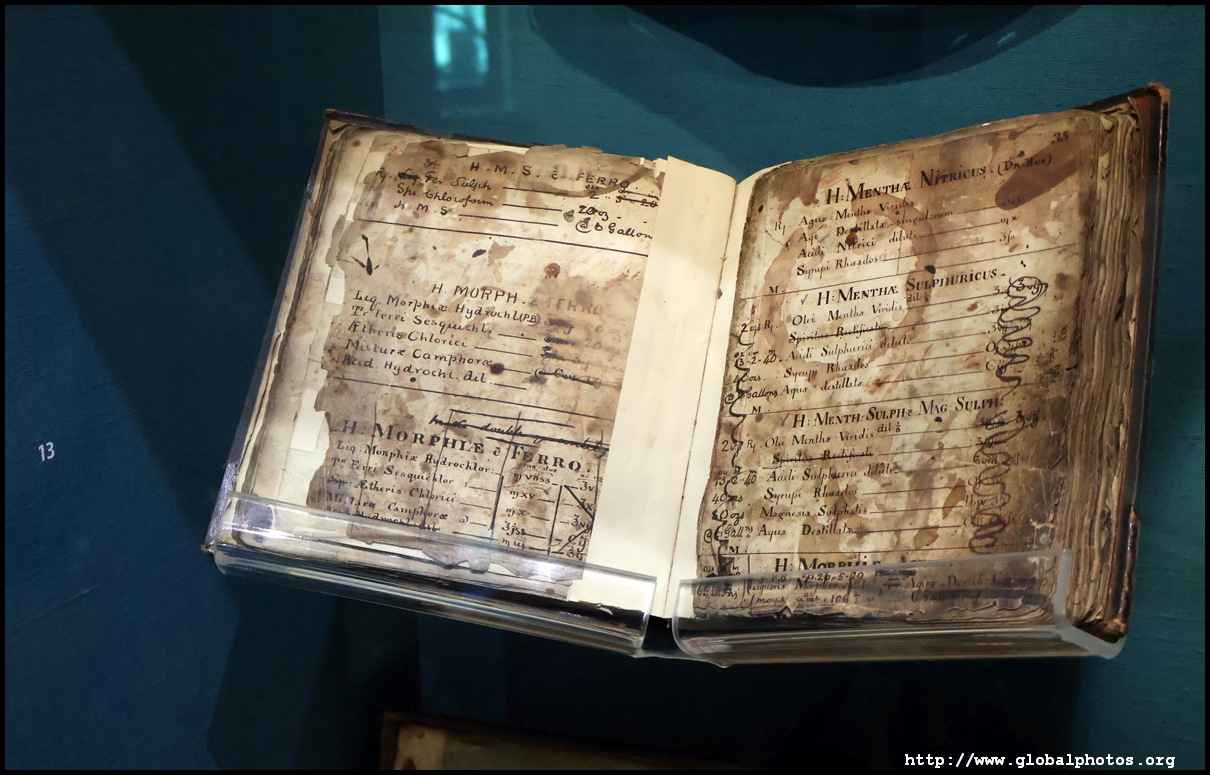
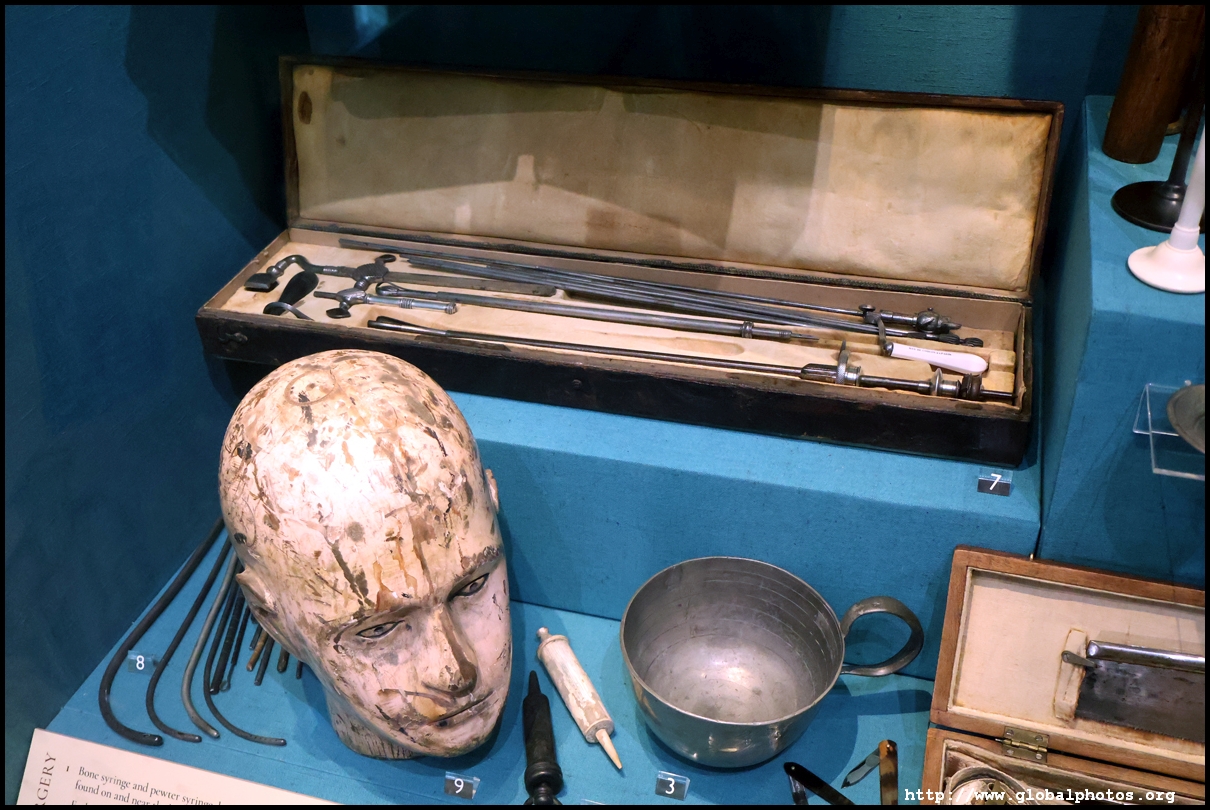
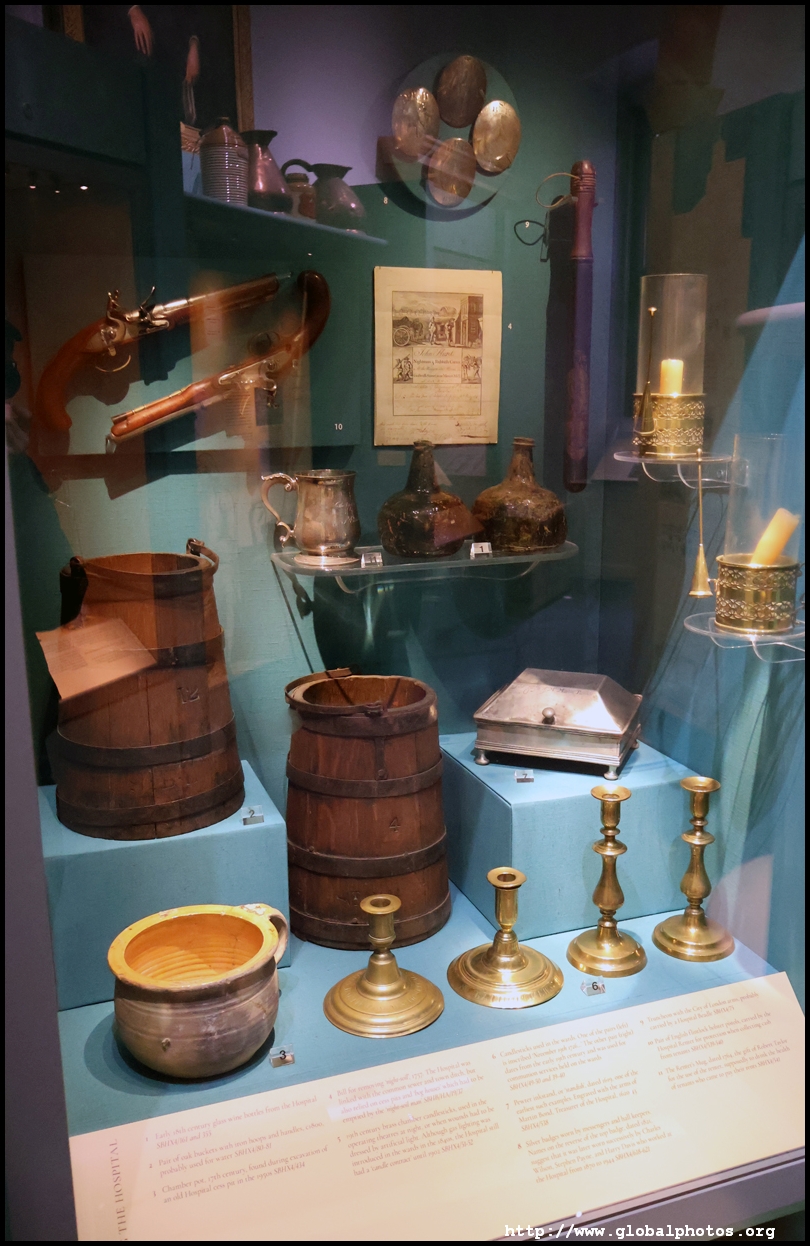
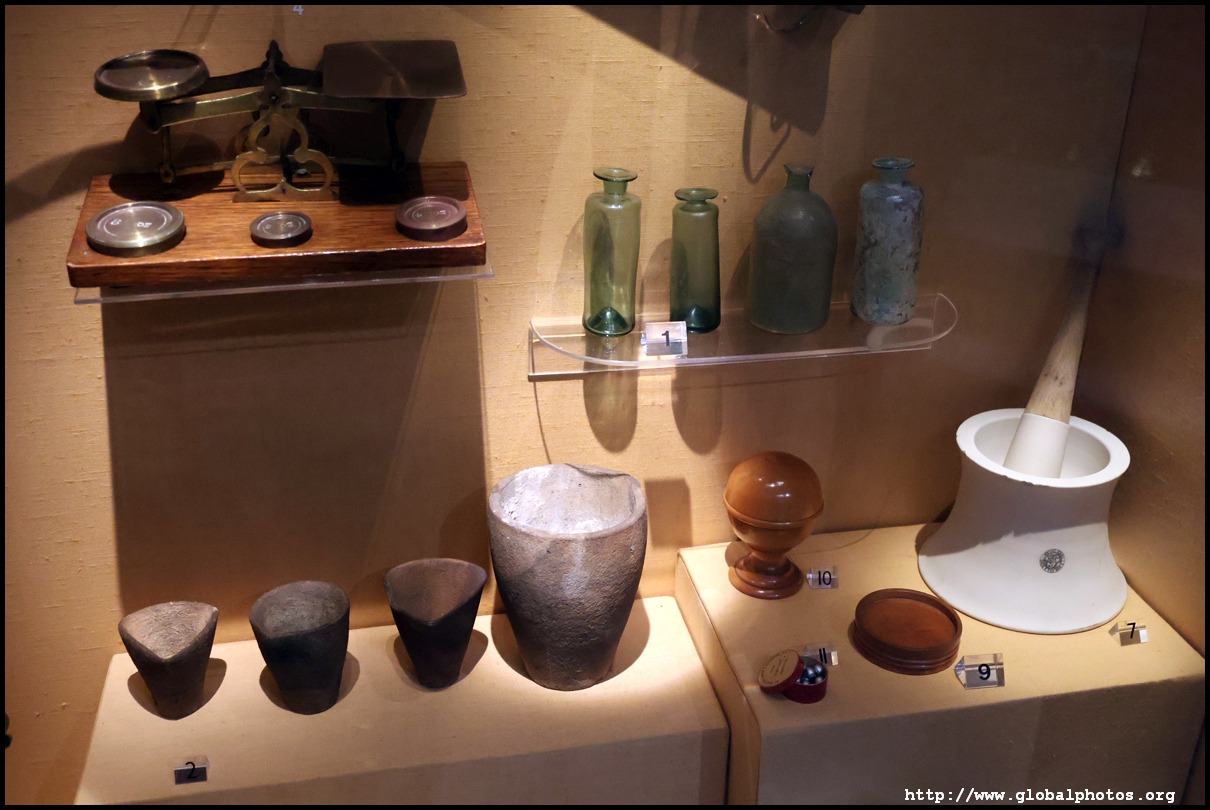
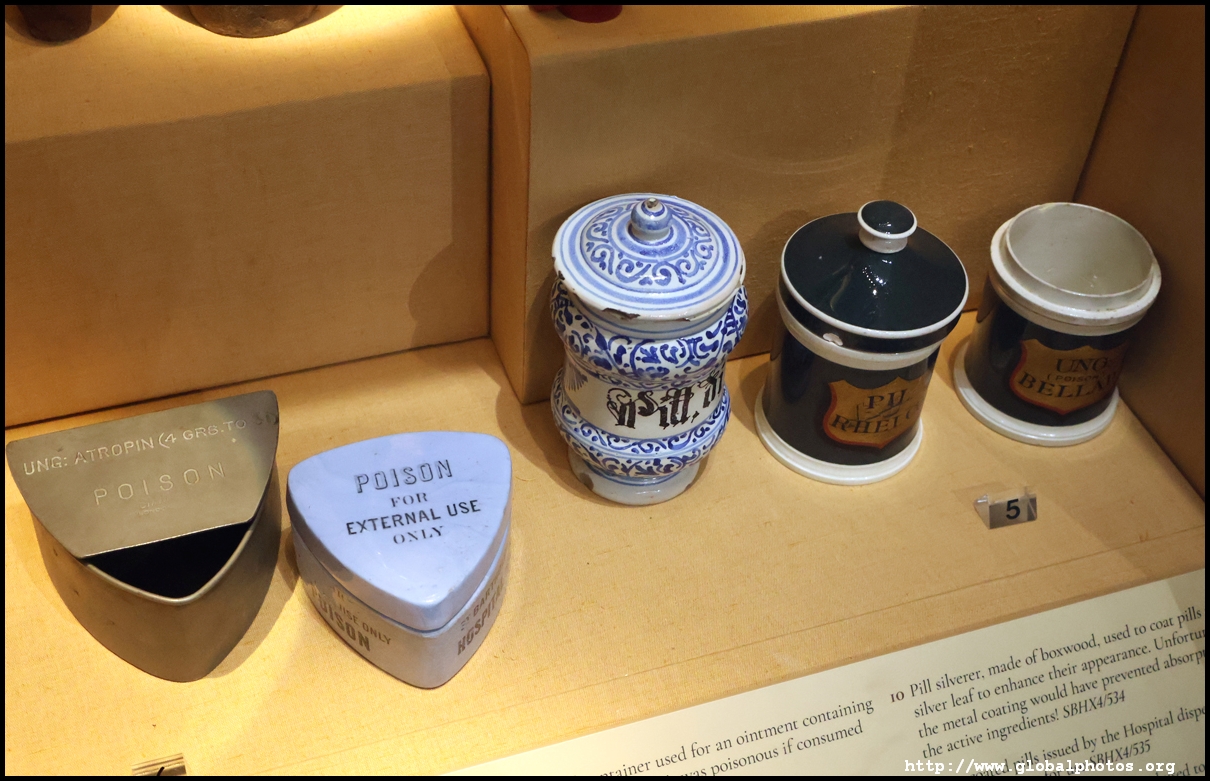
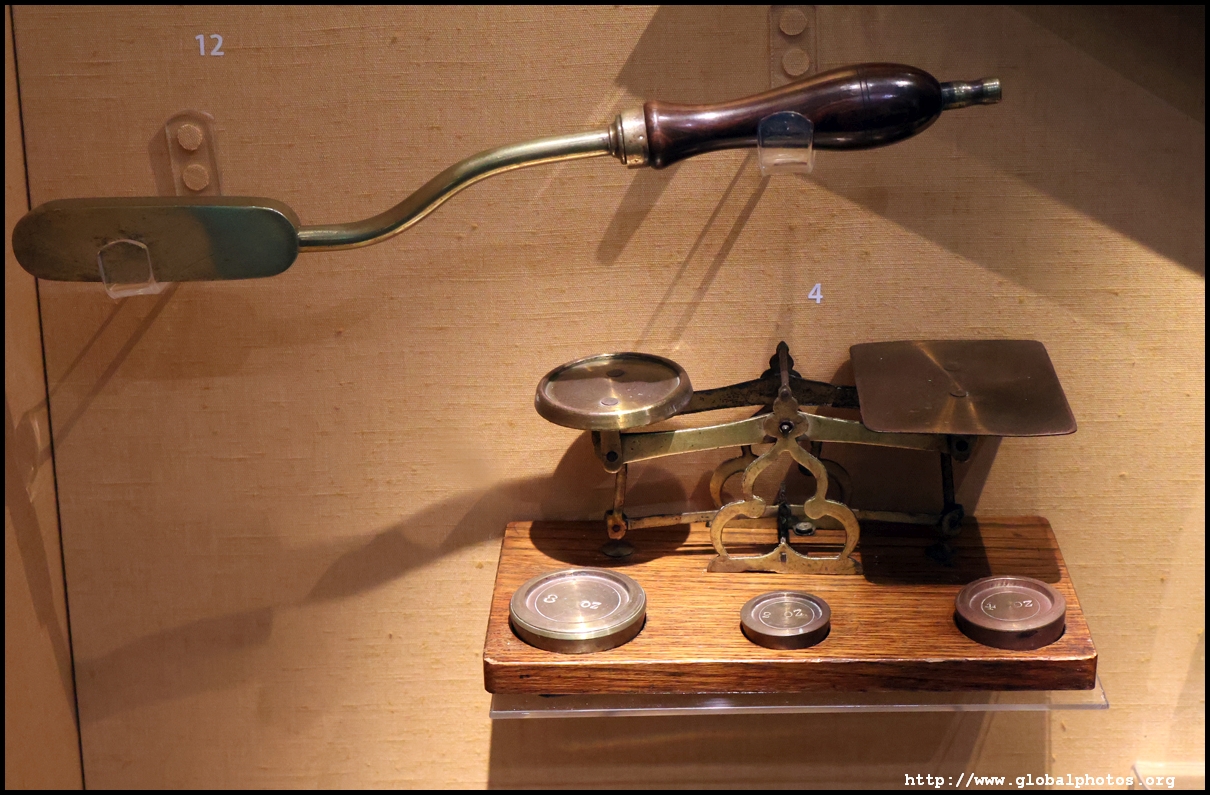
These jars stored various pills and ointments. Until the 17th century, most drugs were made from plants and spices. The first London Pharmacopoeia was published in 1618 with a list of approved drugs and how to make them.
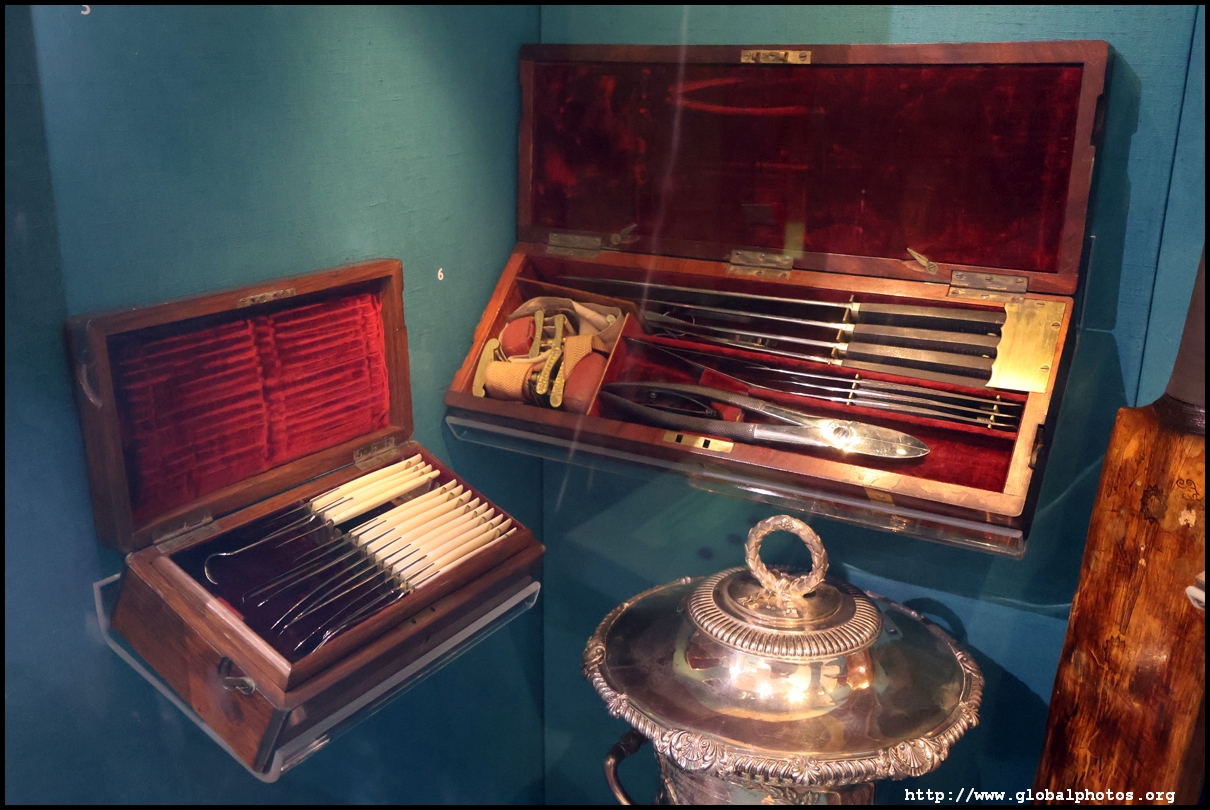
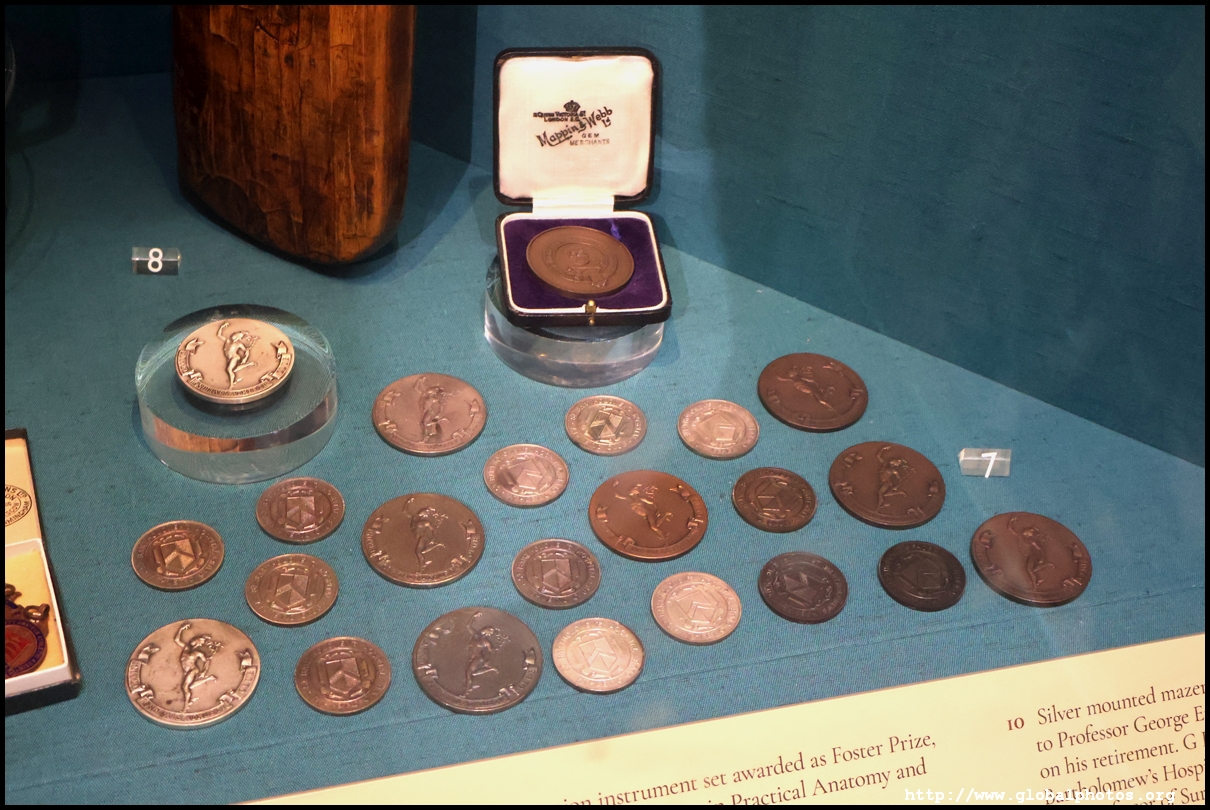
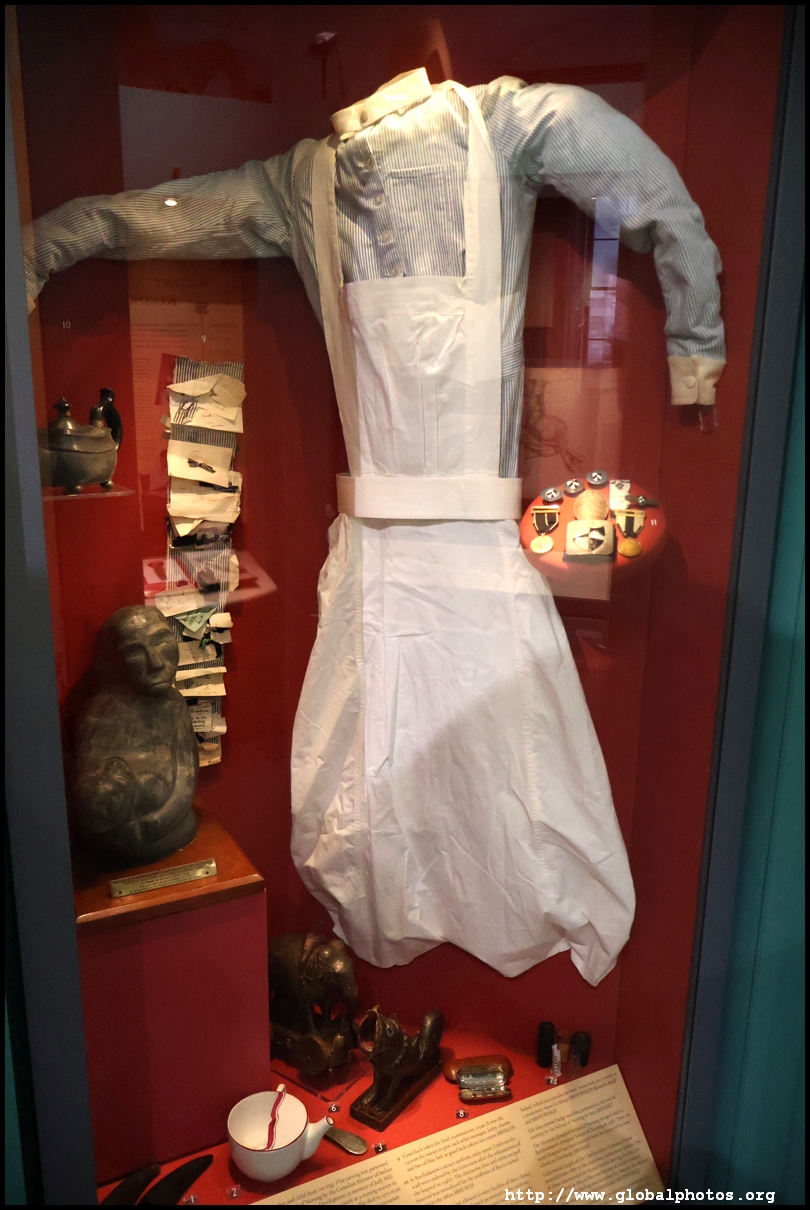
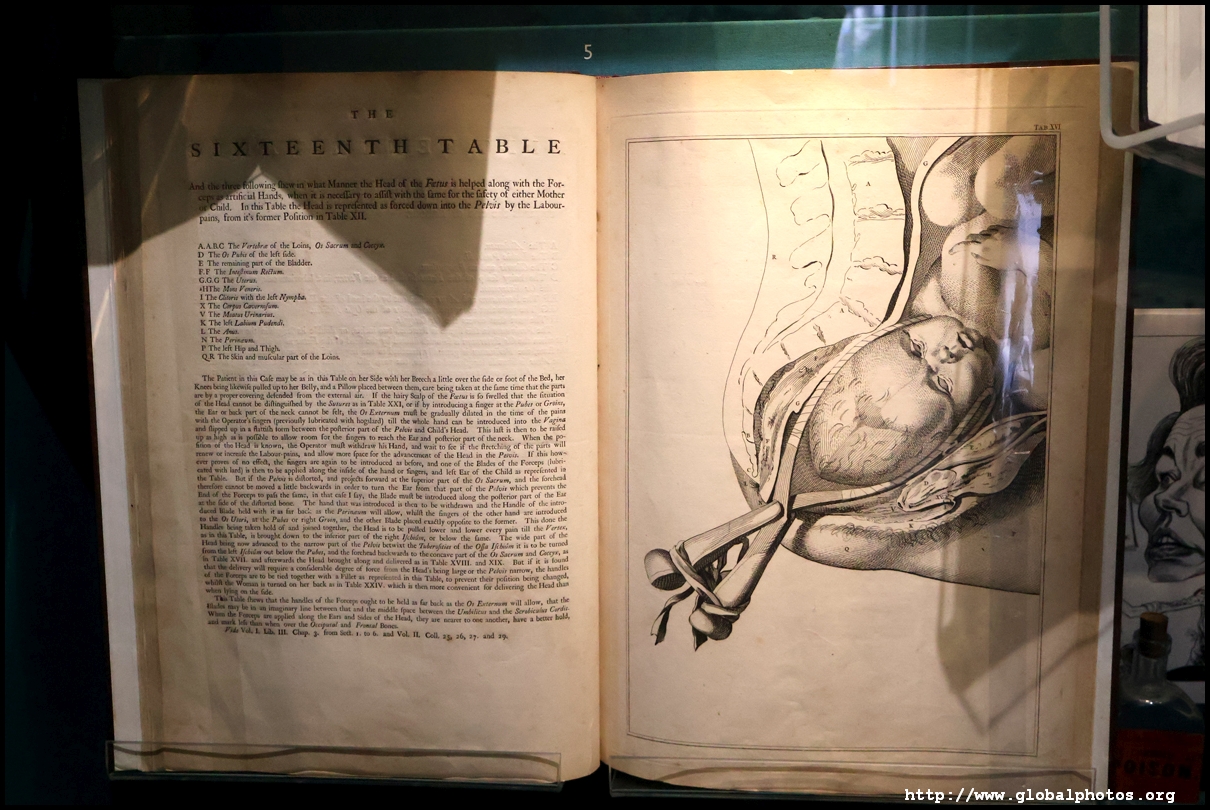
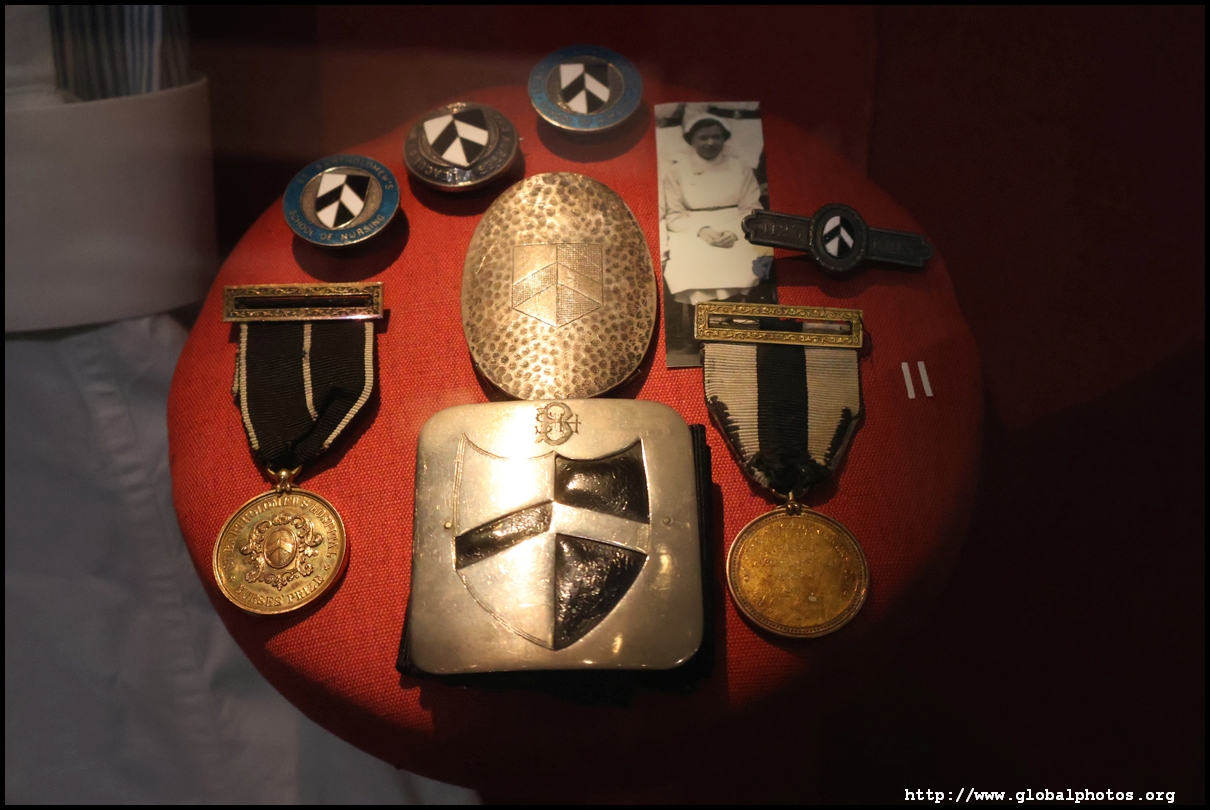
Qualified nurses can wear their choice of buckles with their uniforms. The black and white badge was given to the League of St. Bartholomew's Nurses.
The Guardian article