Kiso Valley Photo Gallery

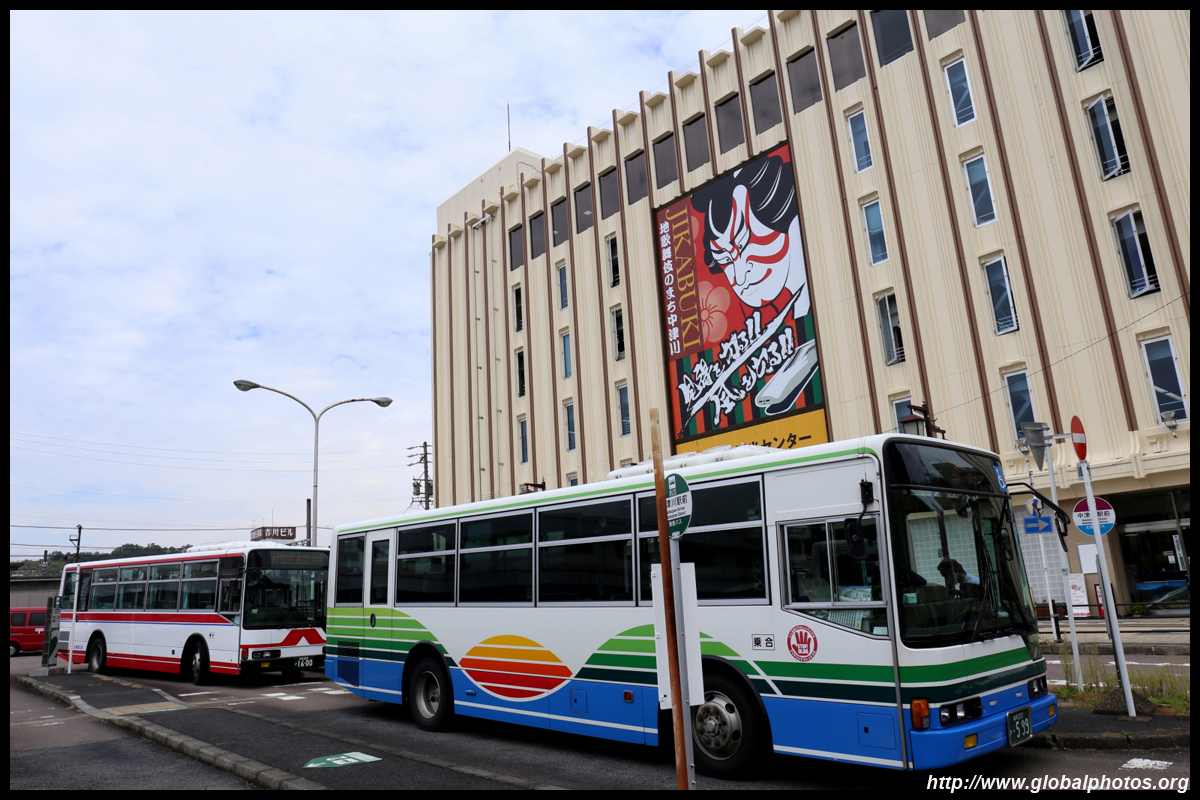
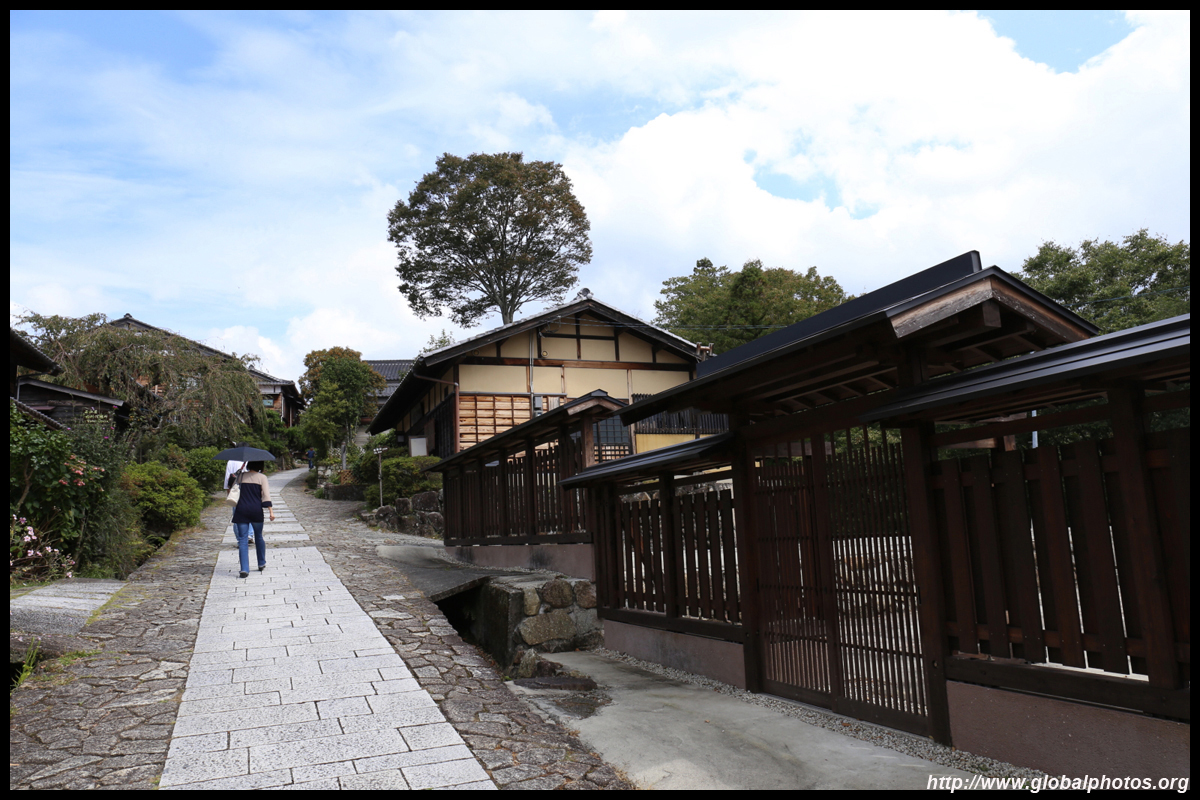
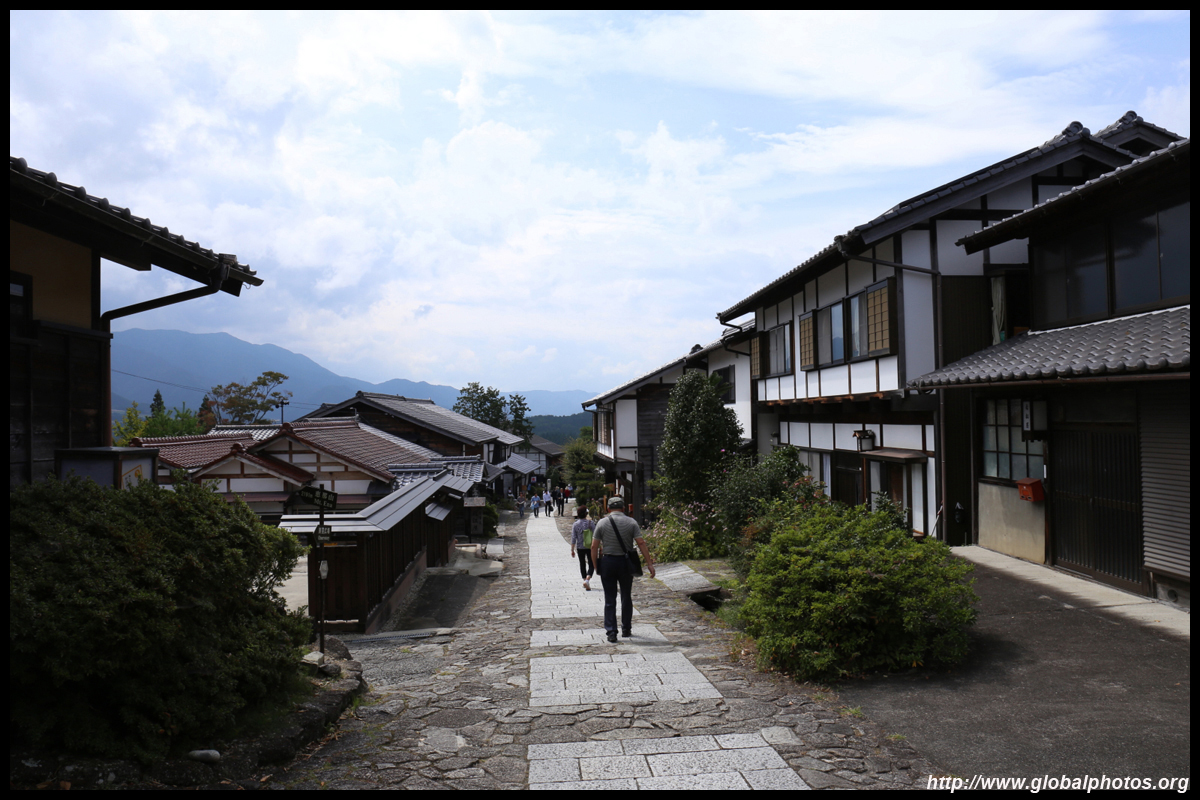
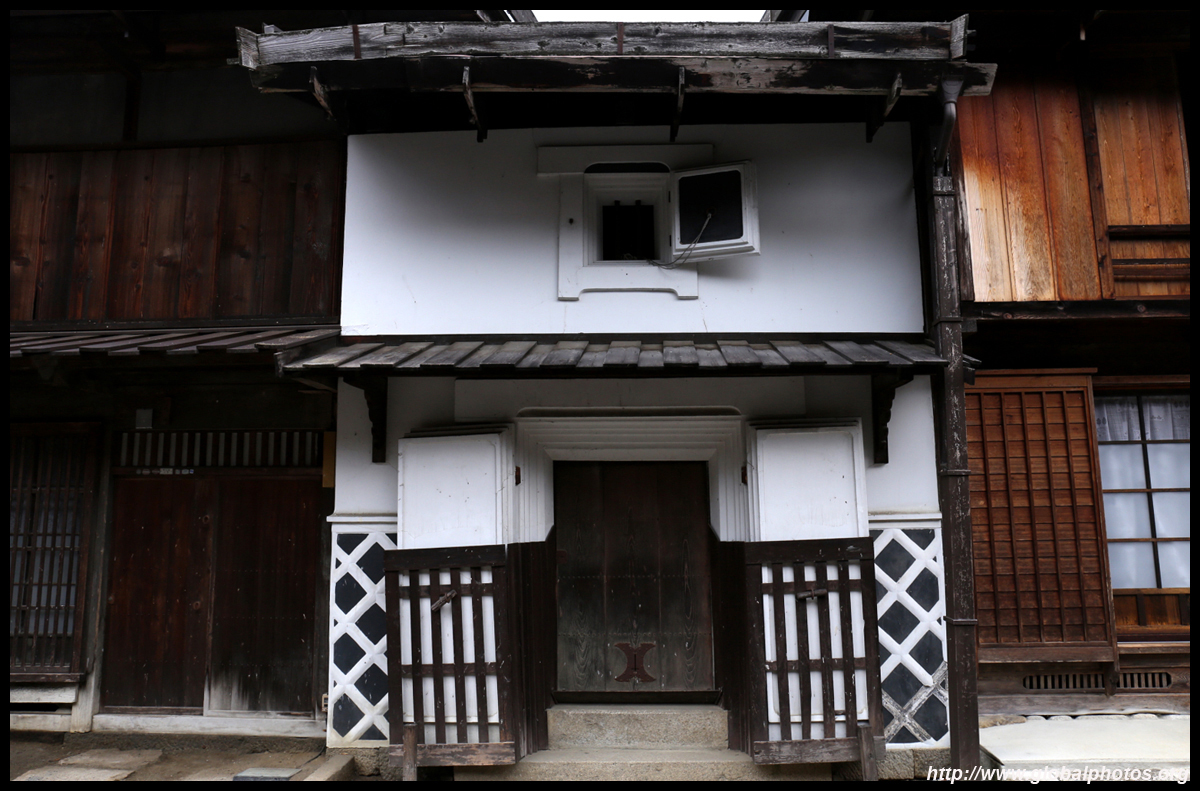
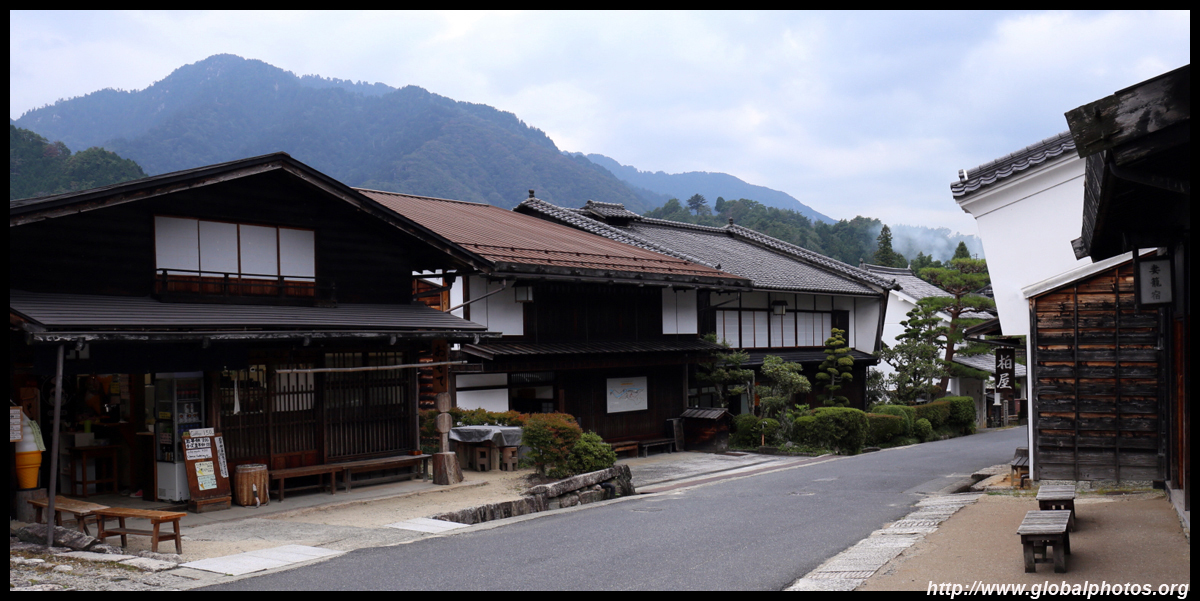
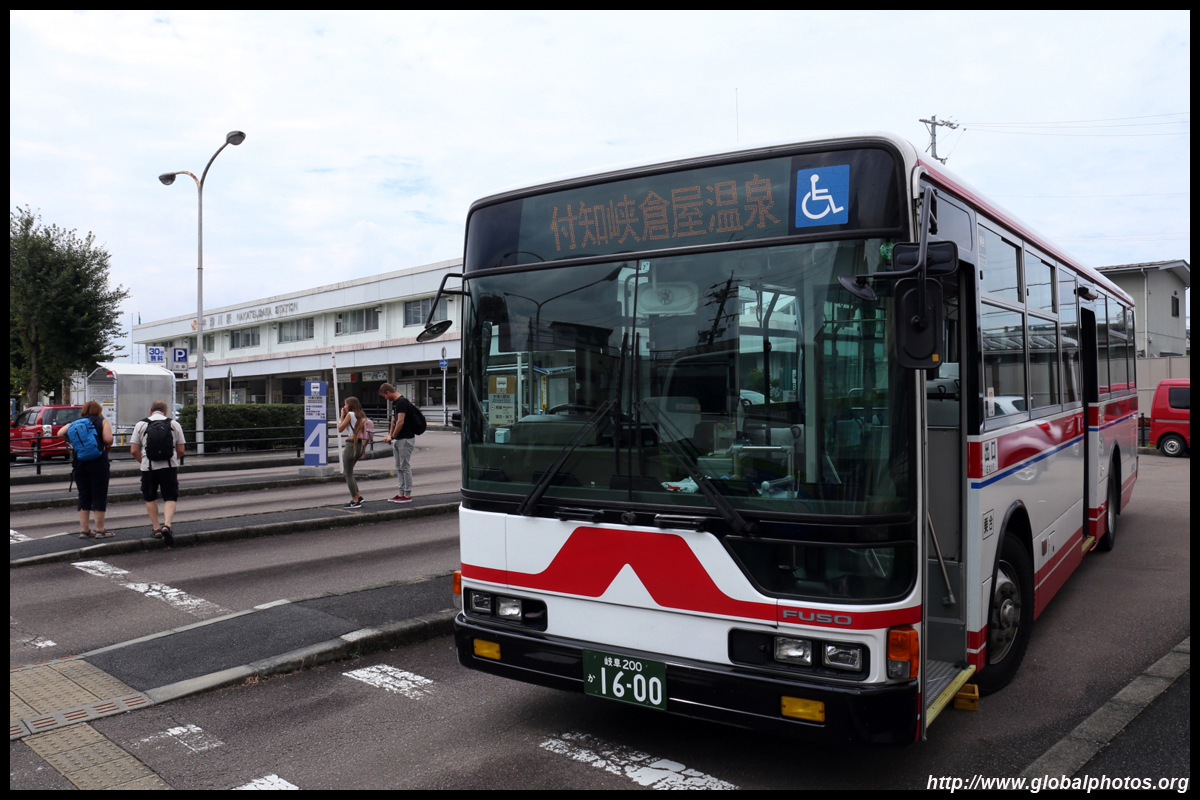
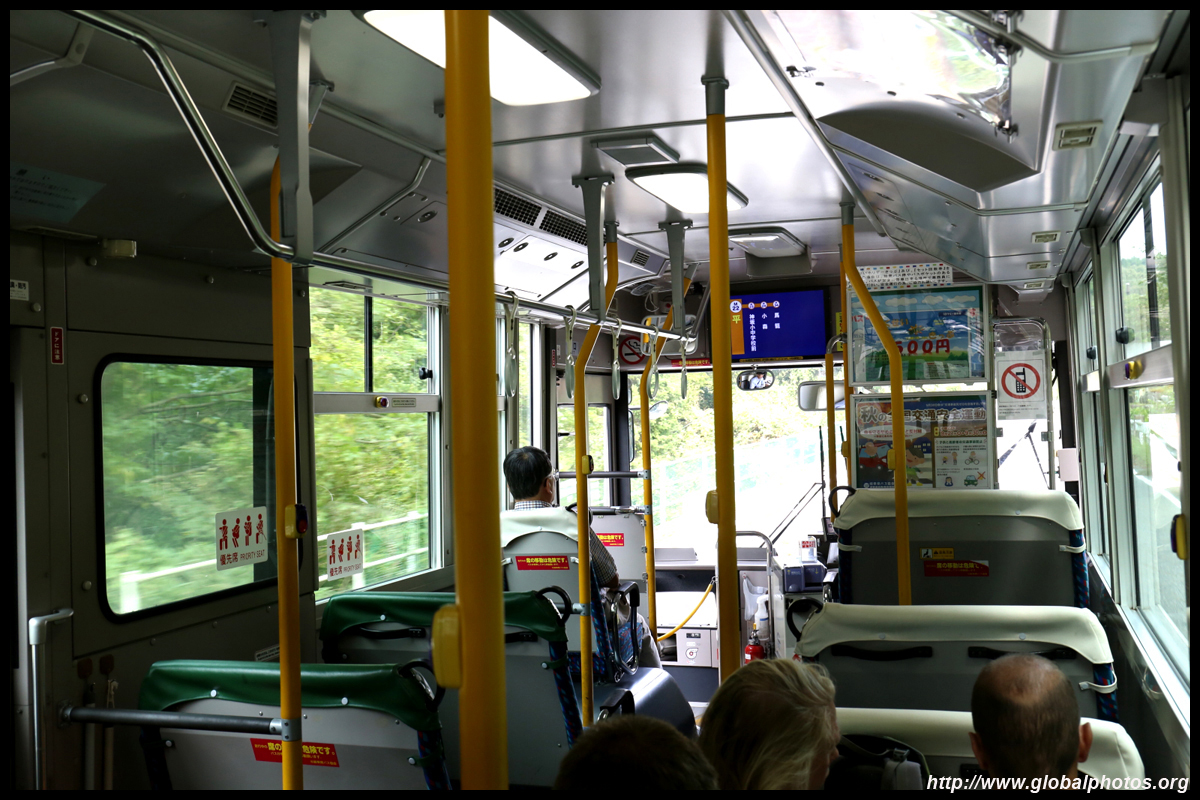
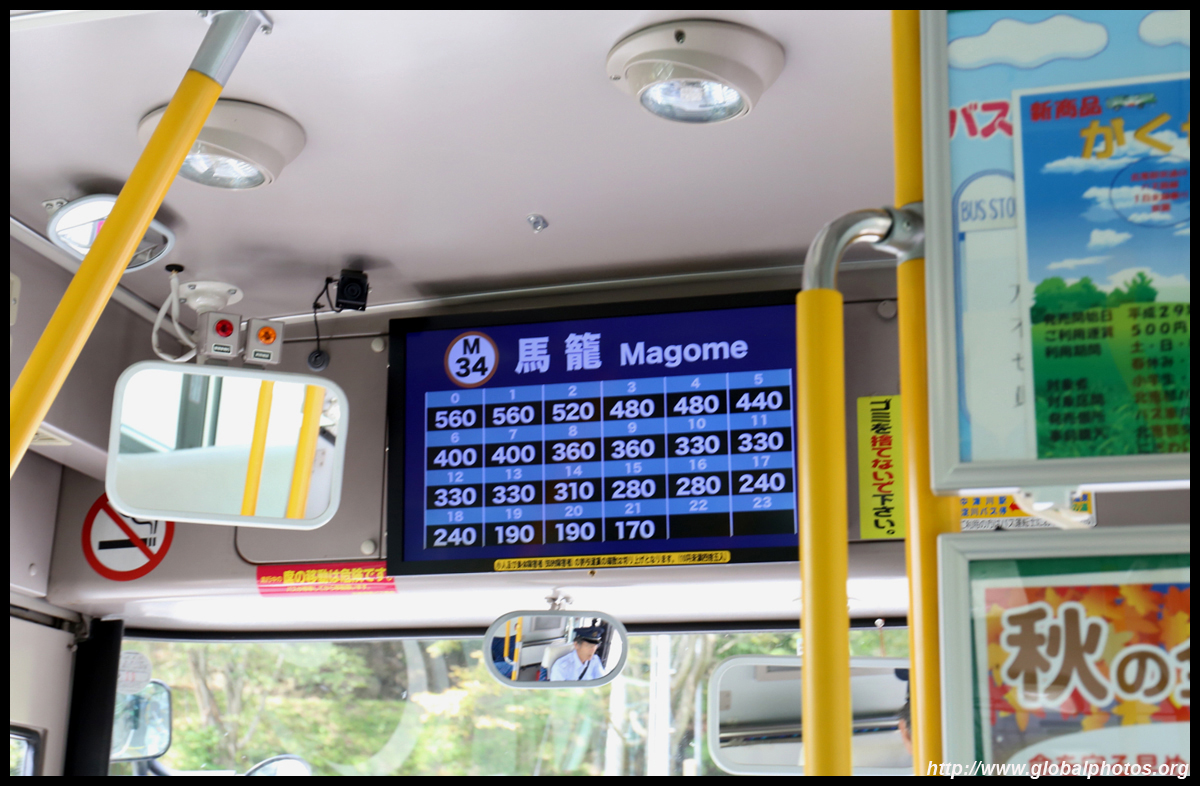
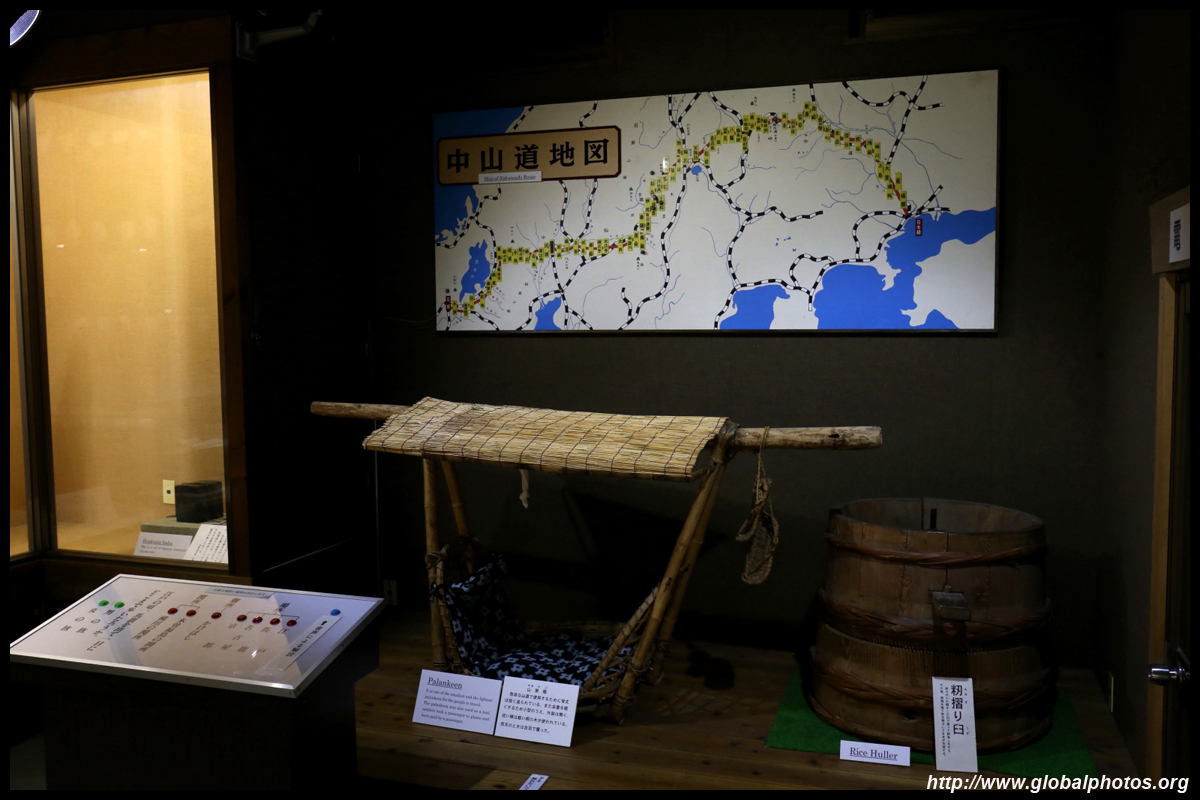
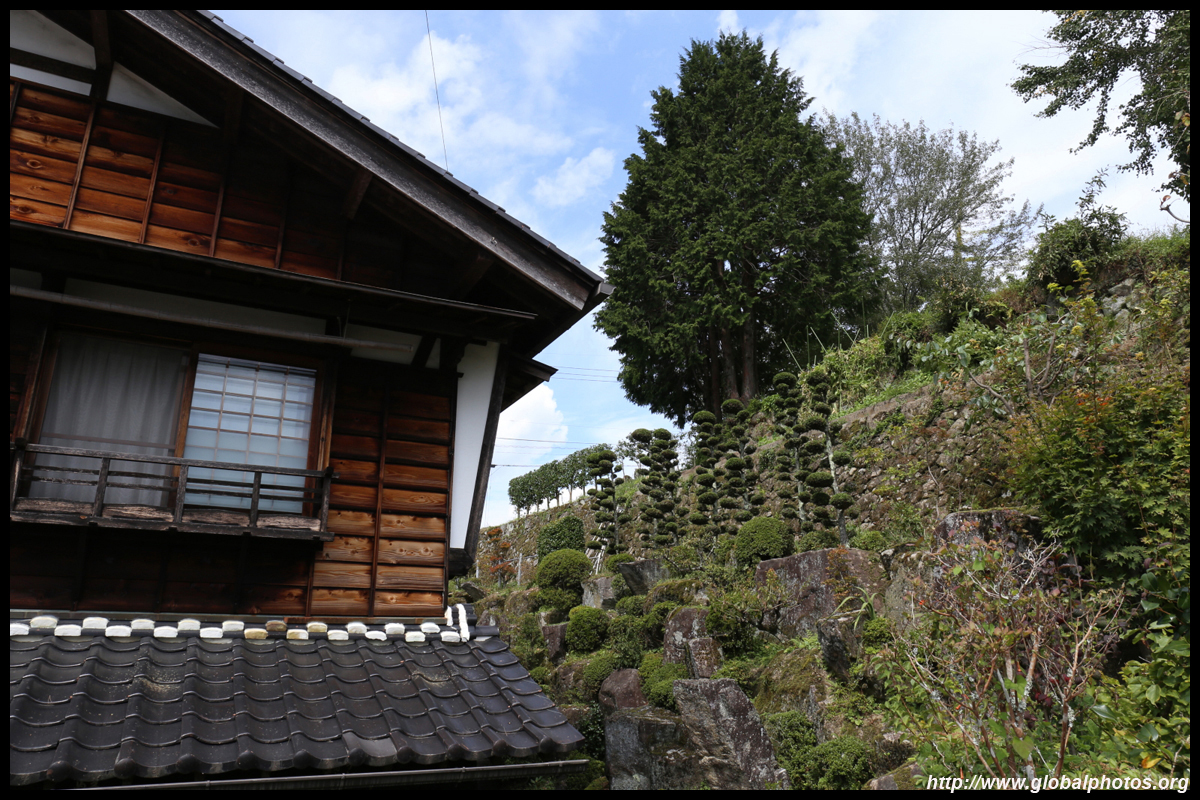
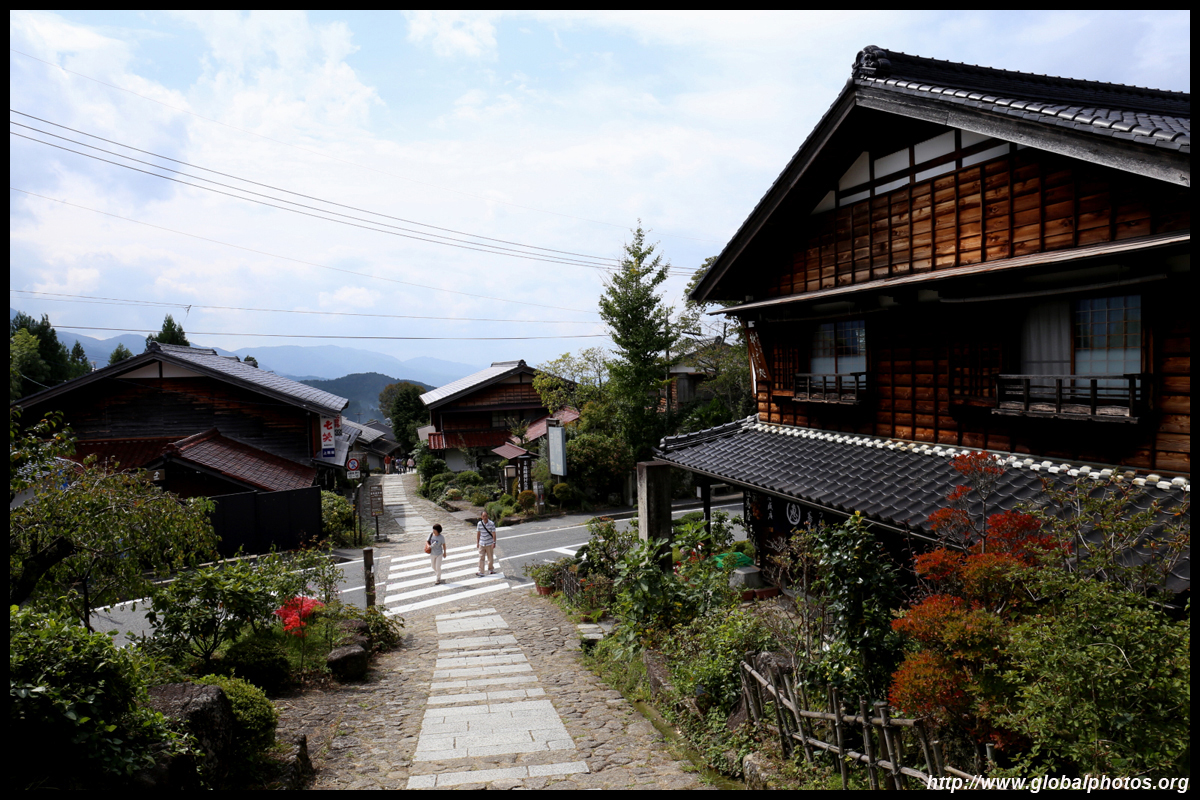
During Edo times, travelers walked along the Nakasendo Road between Kyoto and Edo, which passed through the Kiso Valley. 69 post towns lined the route offering accommodations and food, of which 11 were in this valley. The route from Magome to Tsumago takes about 3 hours to cover the 8km and is a pleasant hike.From Nagoya, take the JR train to Nakatsugawa. Local trains take almost an hour and a half while faster trains take less than an hour. Transfer to a local bus to the town of Magome. Buses don't run too frequently so do your research on the bus schedules beforehand.
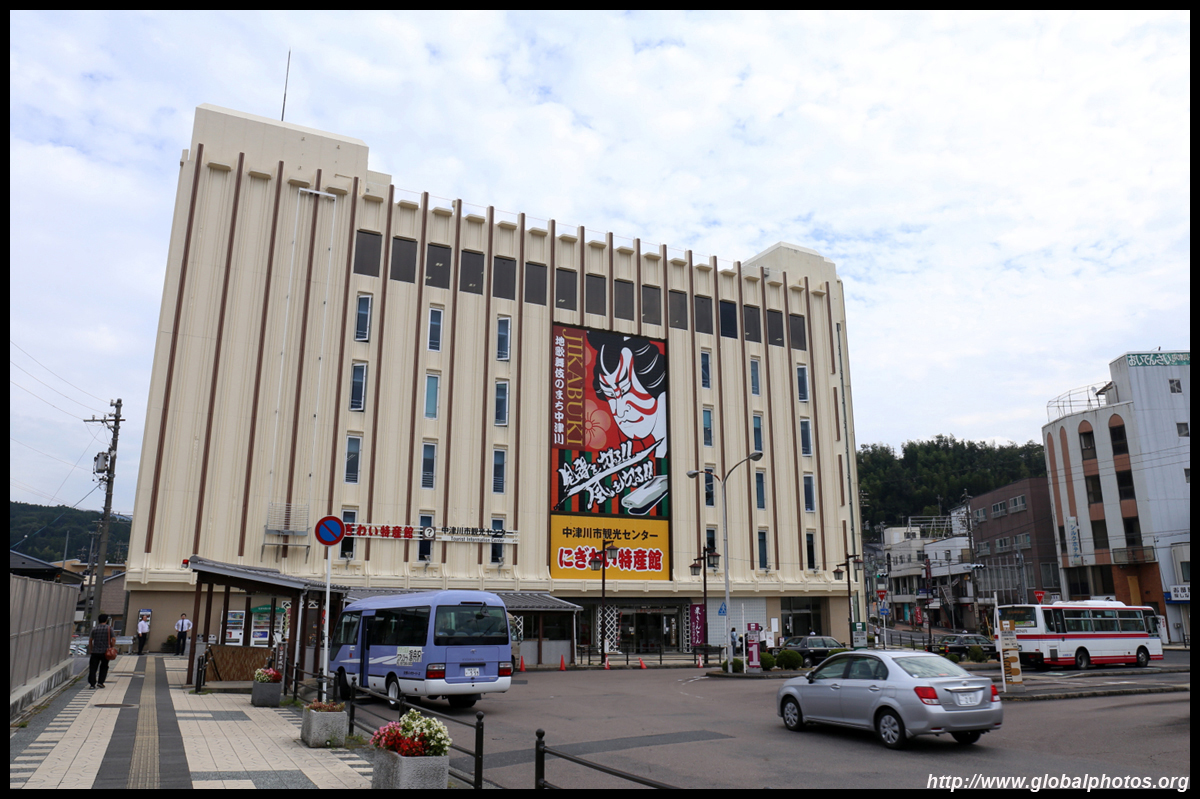
There is a tourist information centre to the left of the train station's exit. Pick up some maps and stock up on some snacks for the hike.
| |||
 |
 |
 |
 |
 |
 |
 |
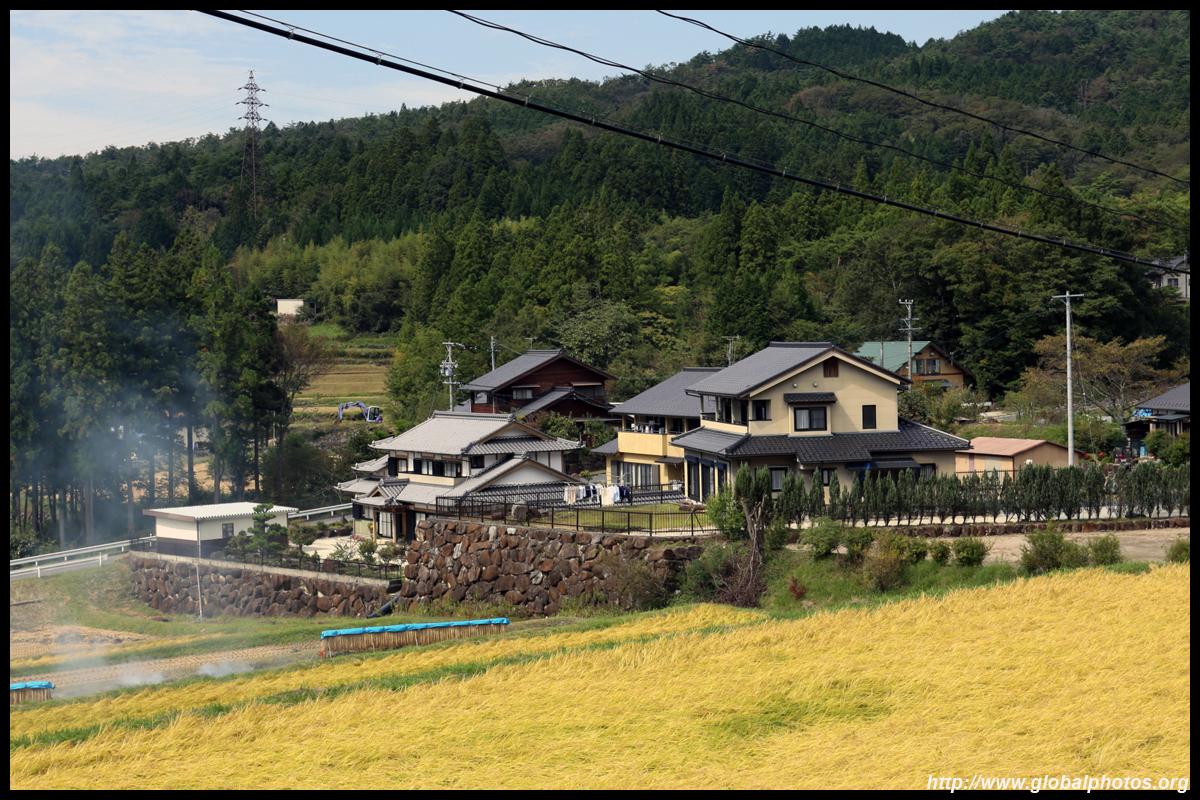 |
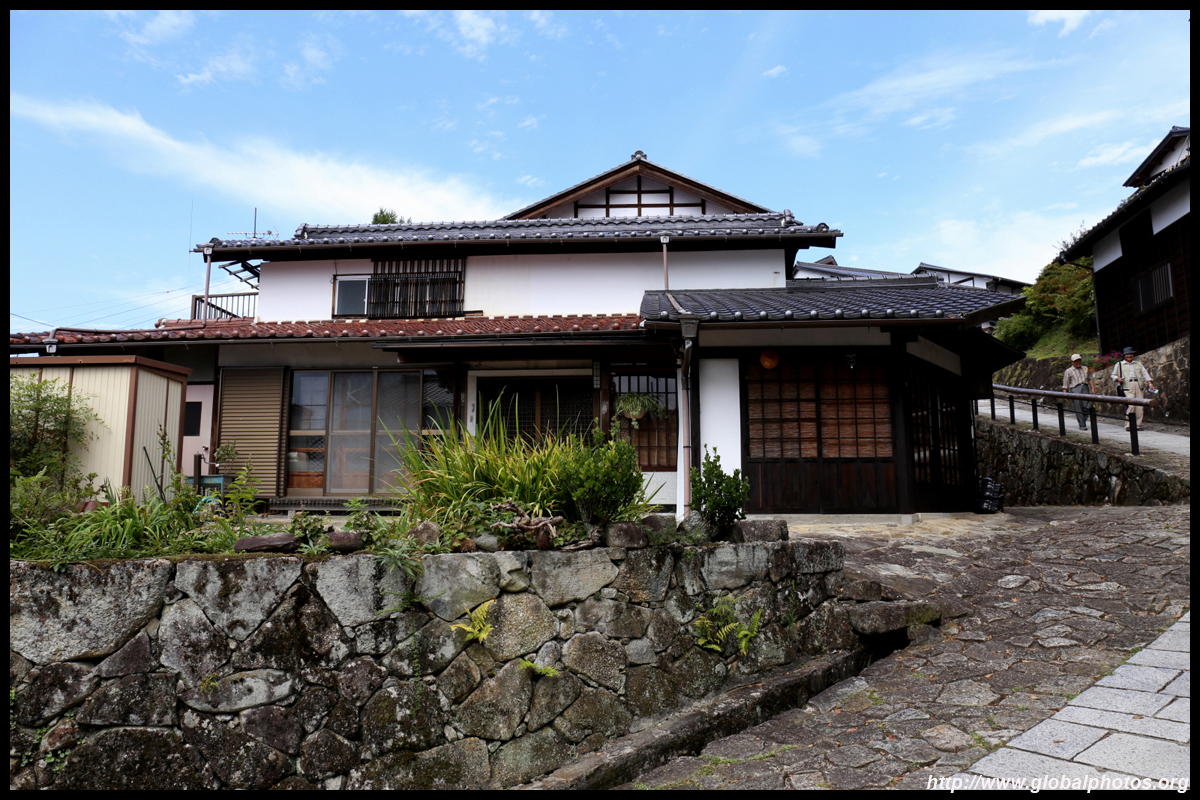
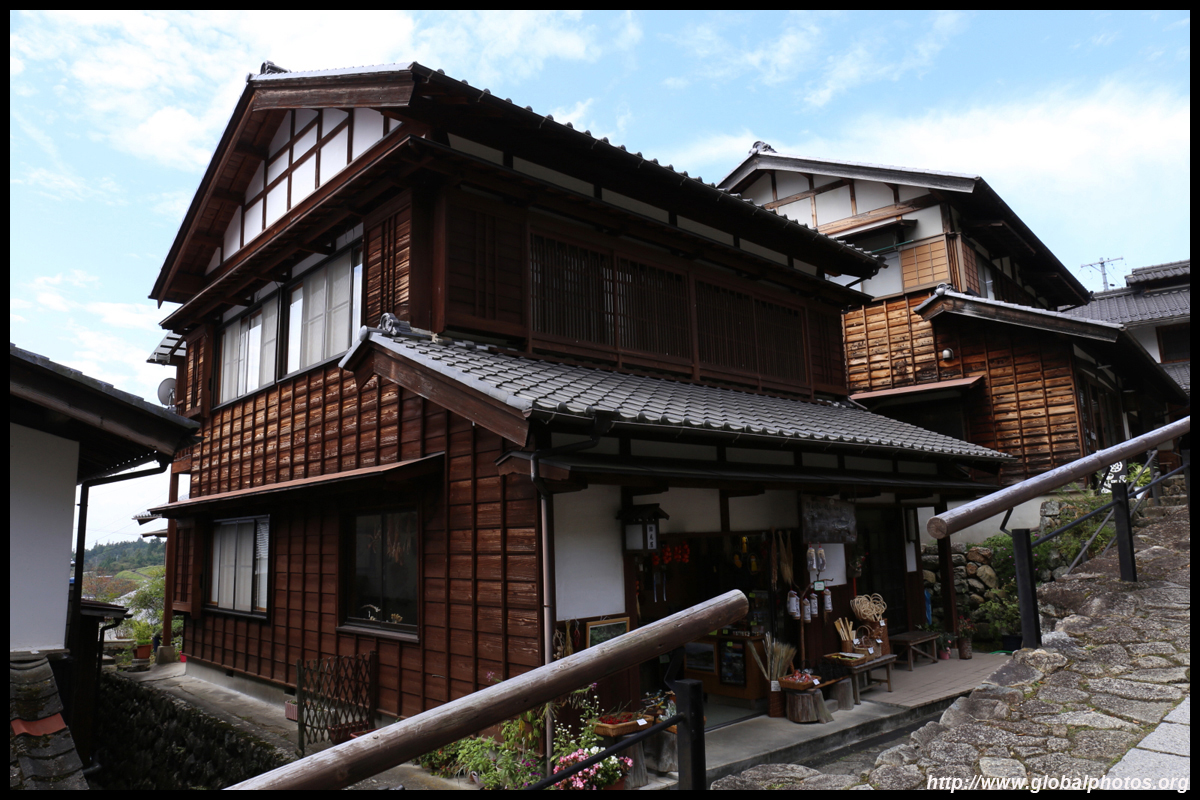
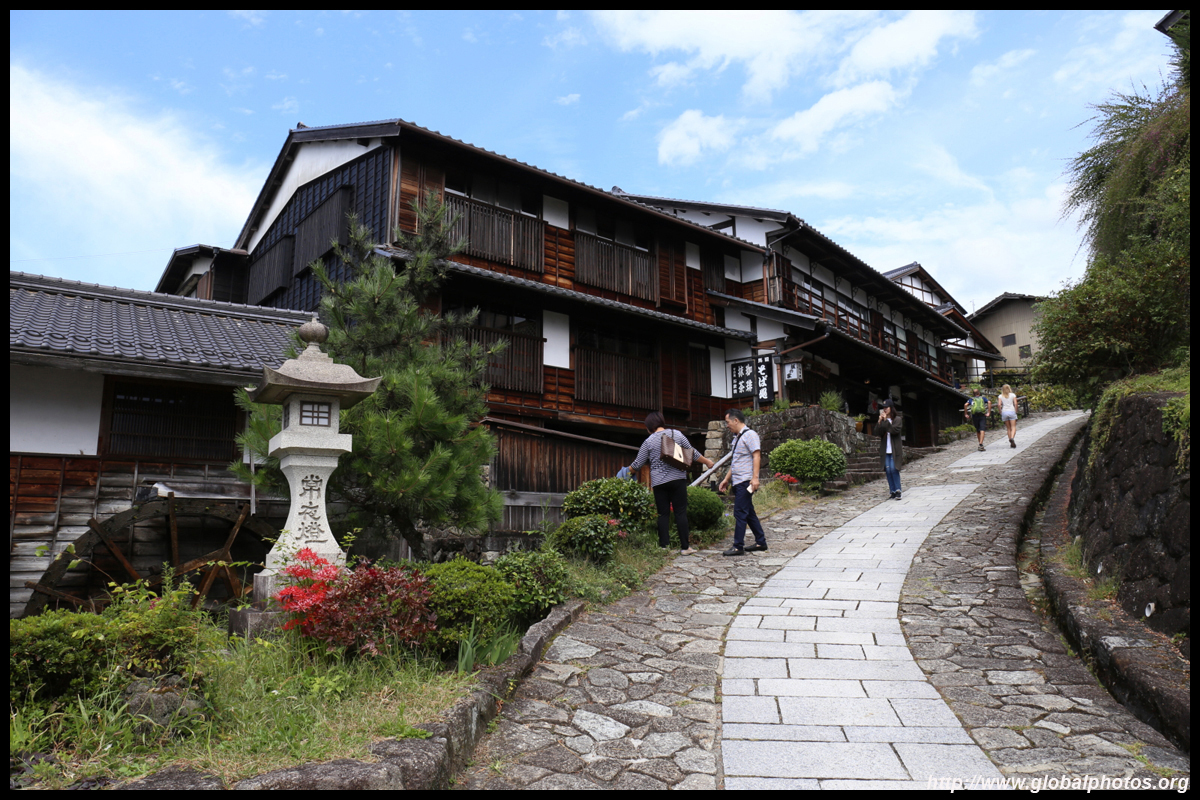
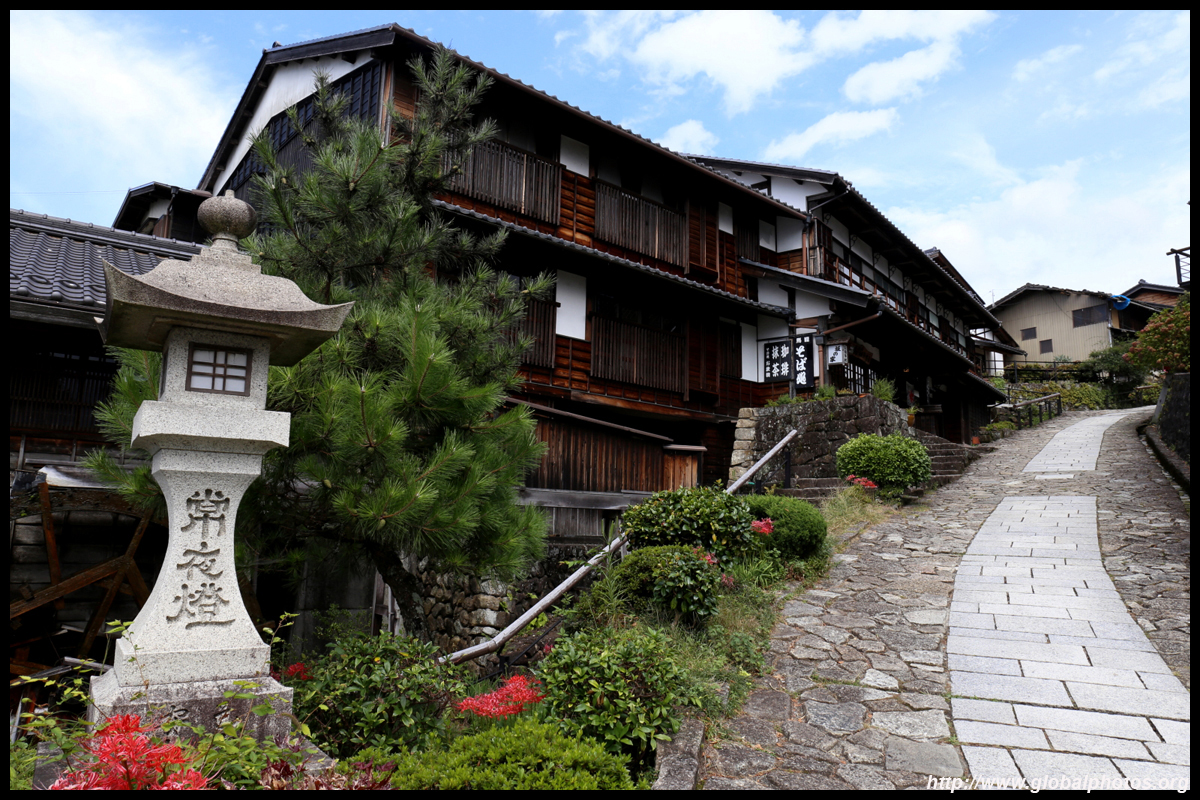
The bus drops off just below the town and it is a short walk uphill.
| |||
 |
 |
 |
 |
 |
 |
 |
 |
 |
 |
 |
 |
 |
 |
 |
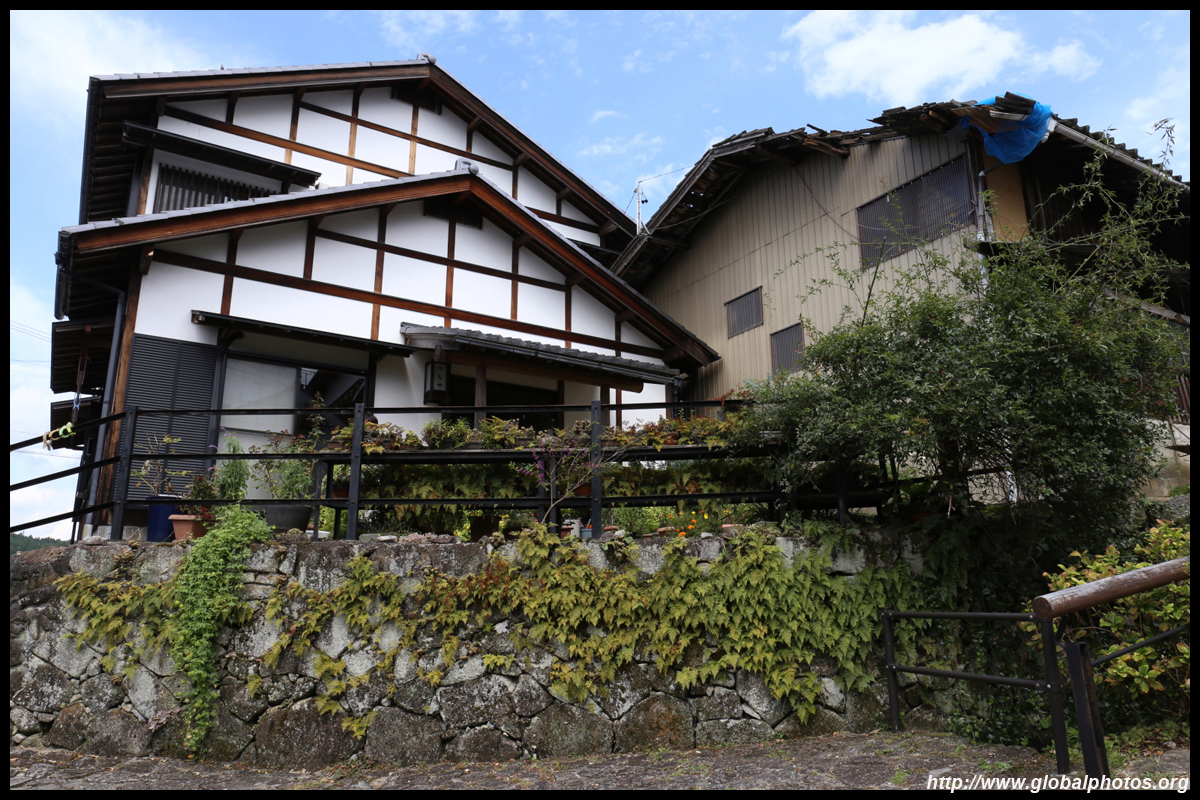 |
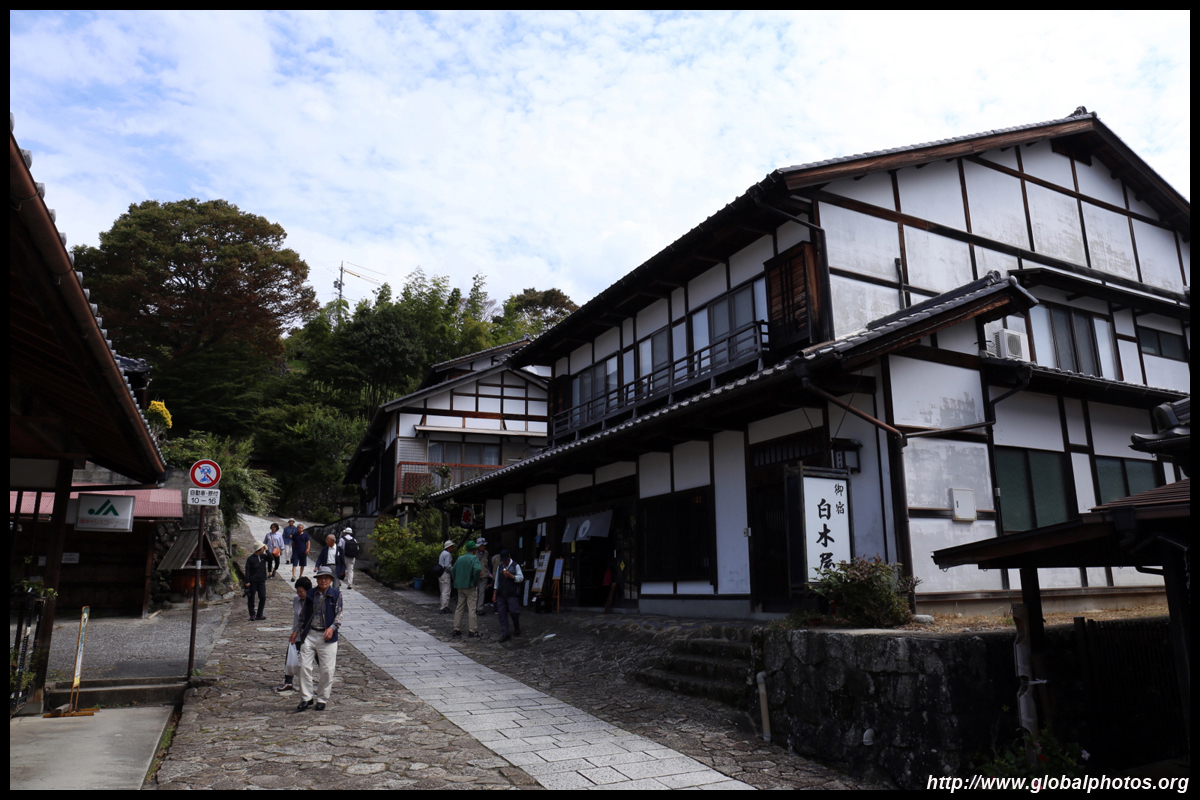
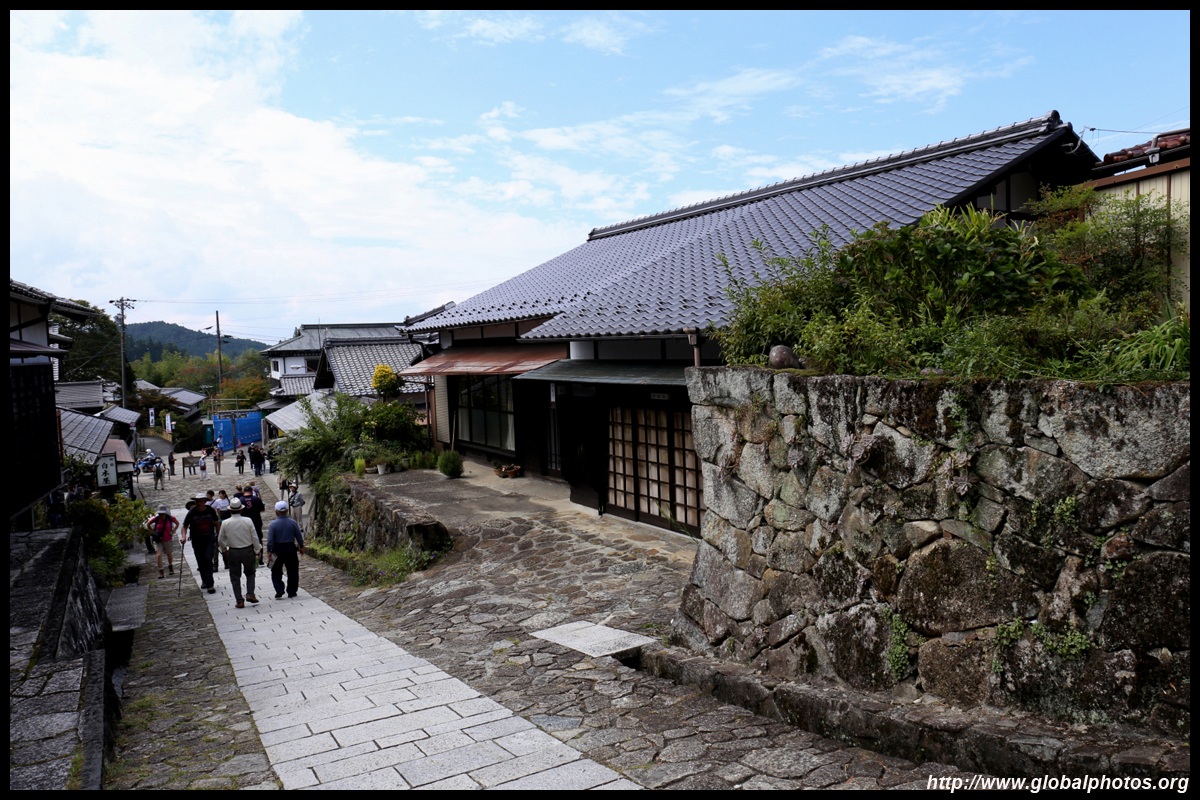
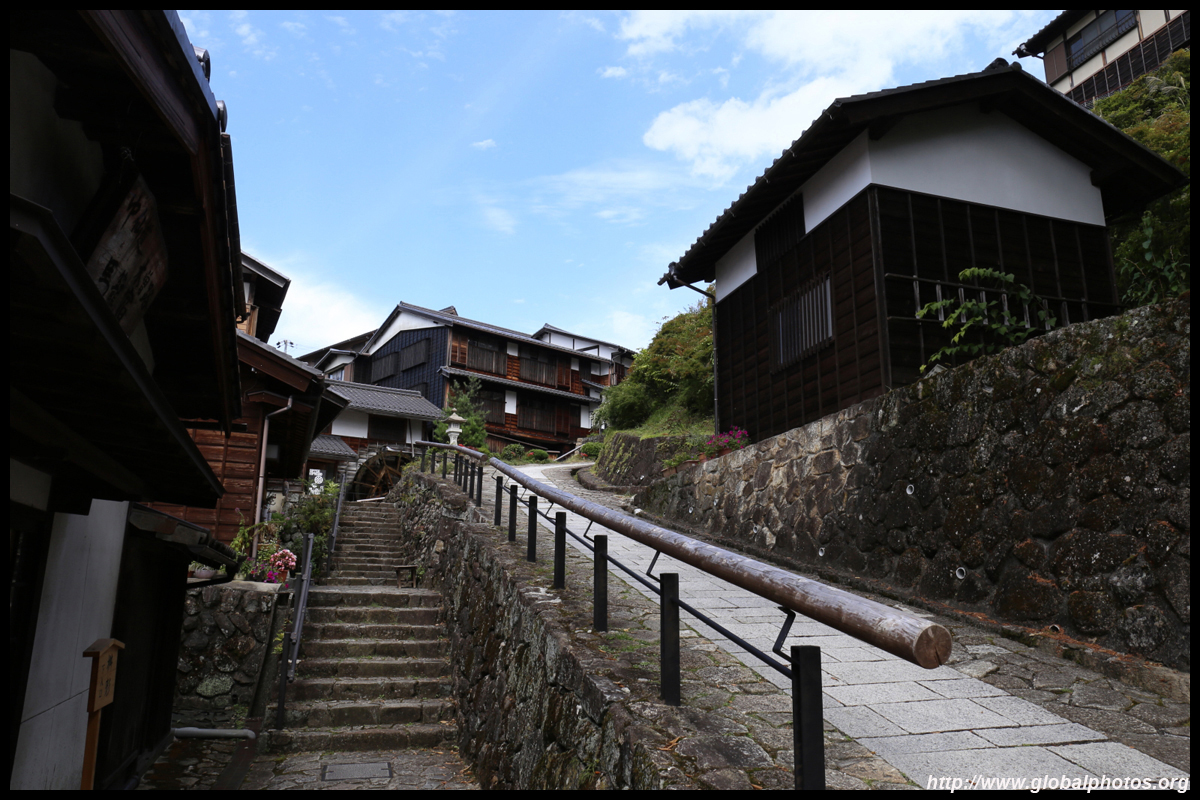
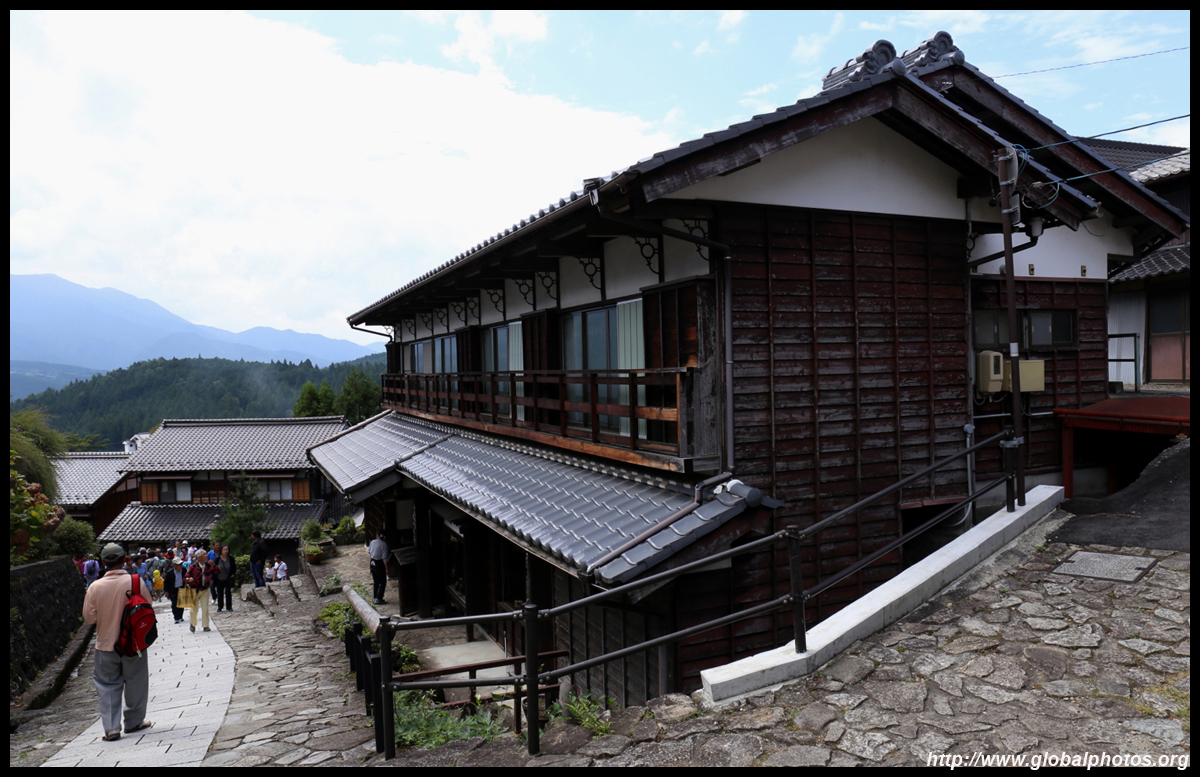
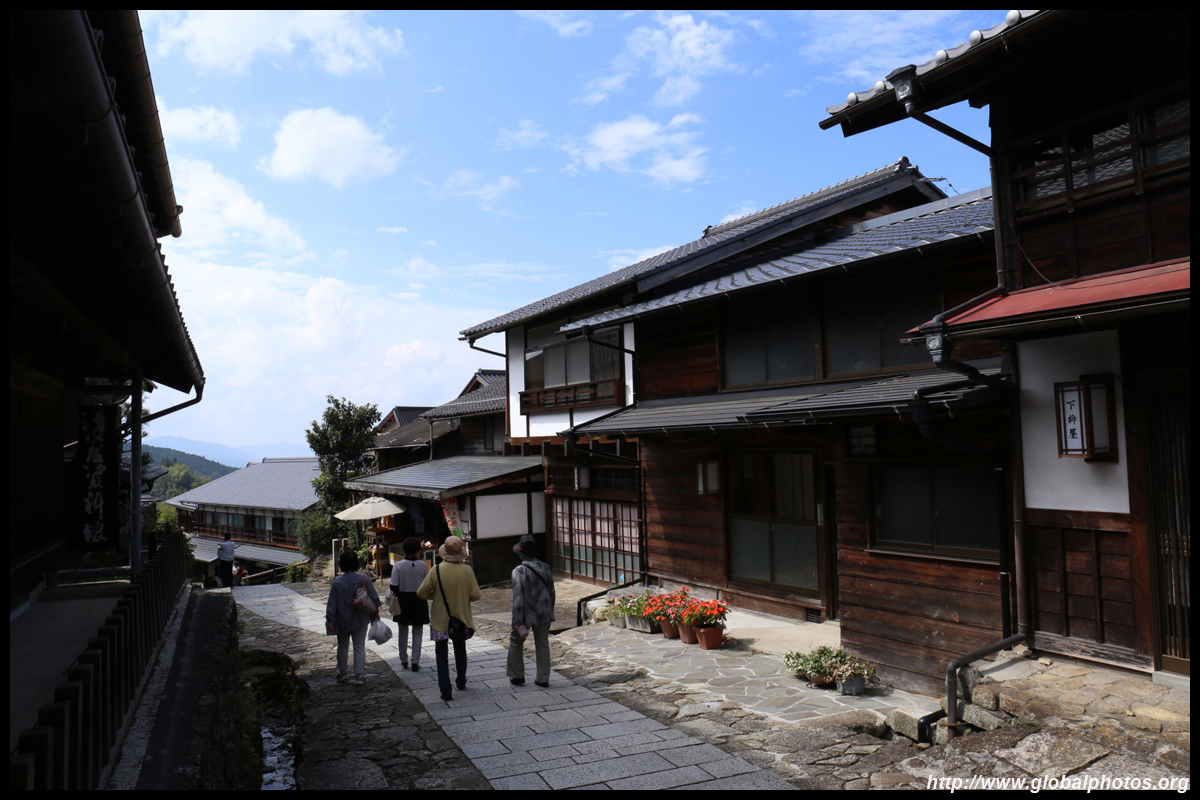
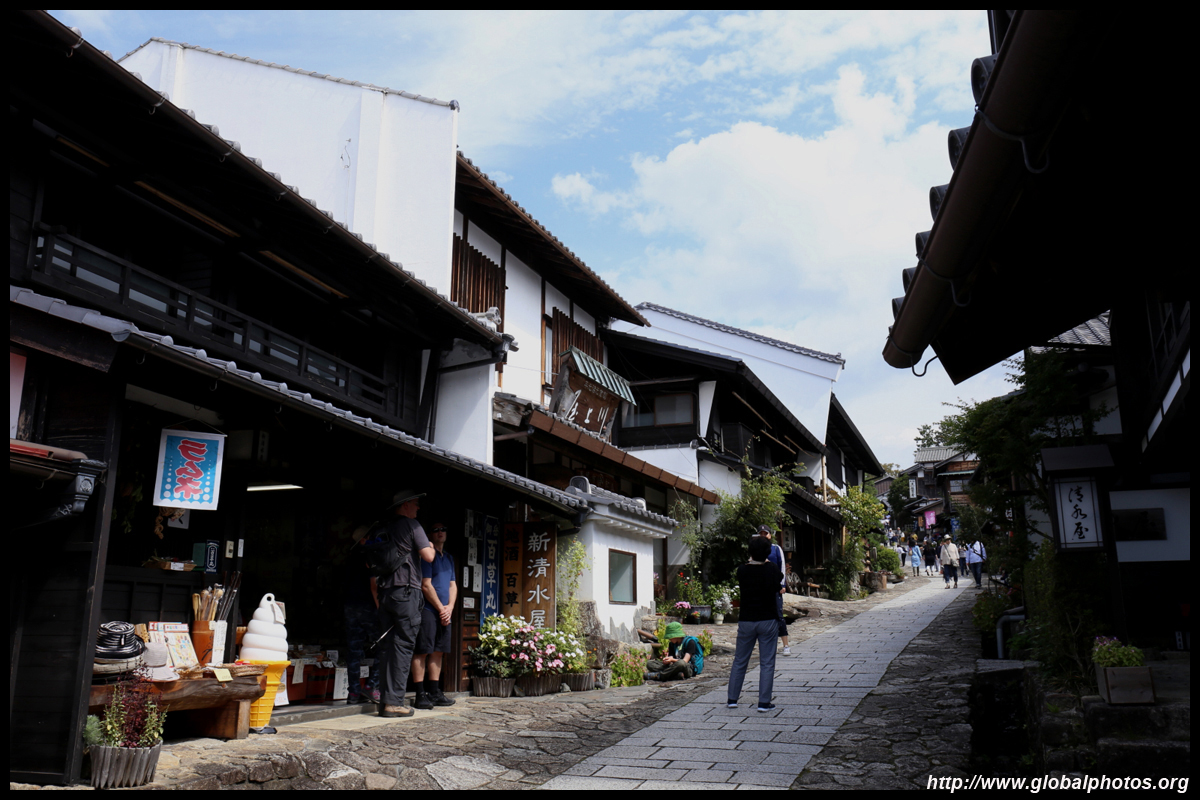
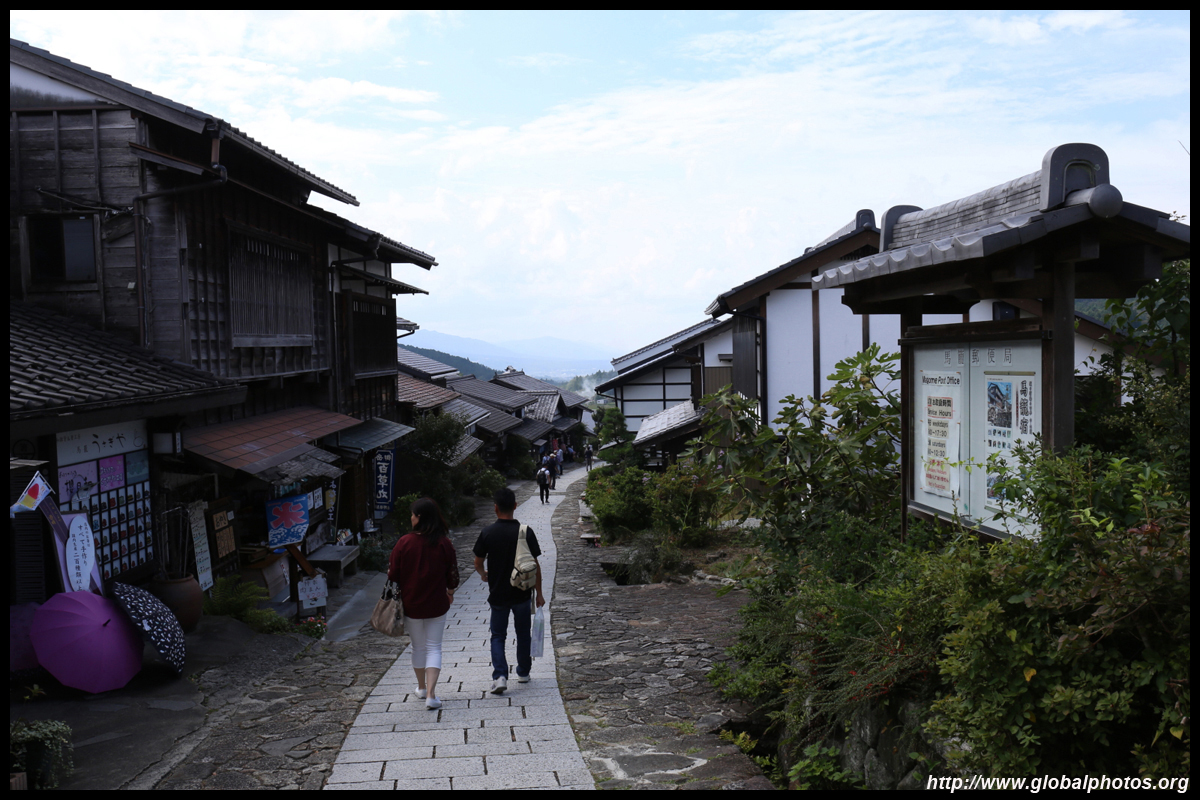
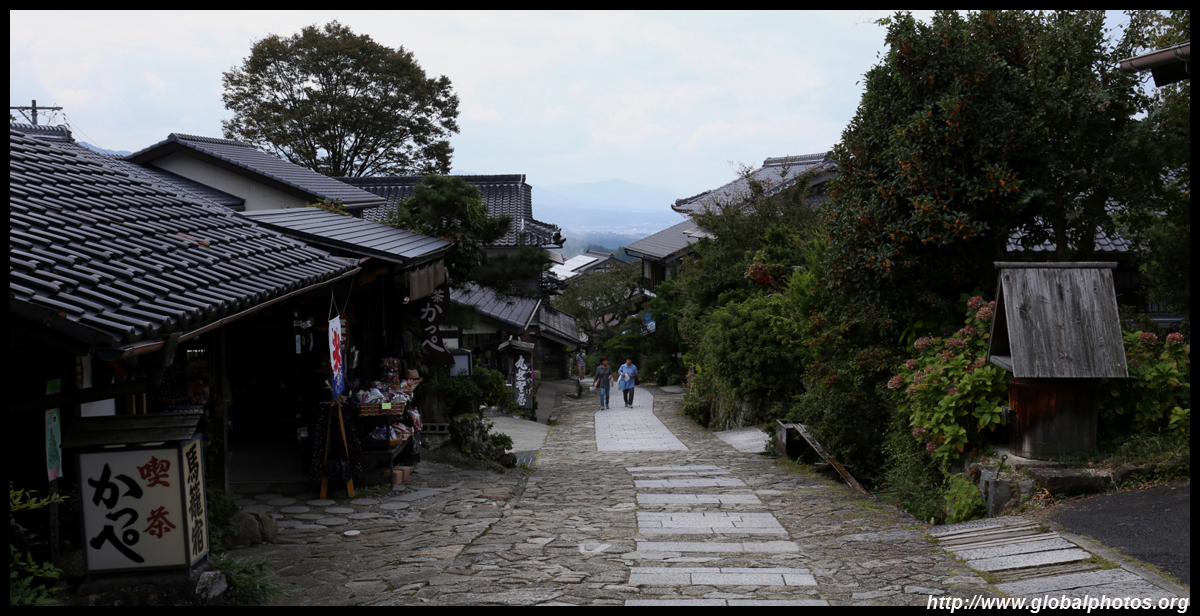
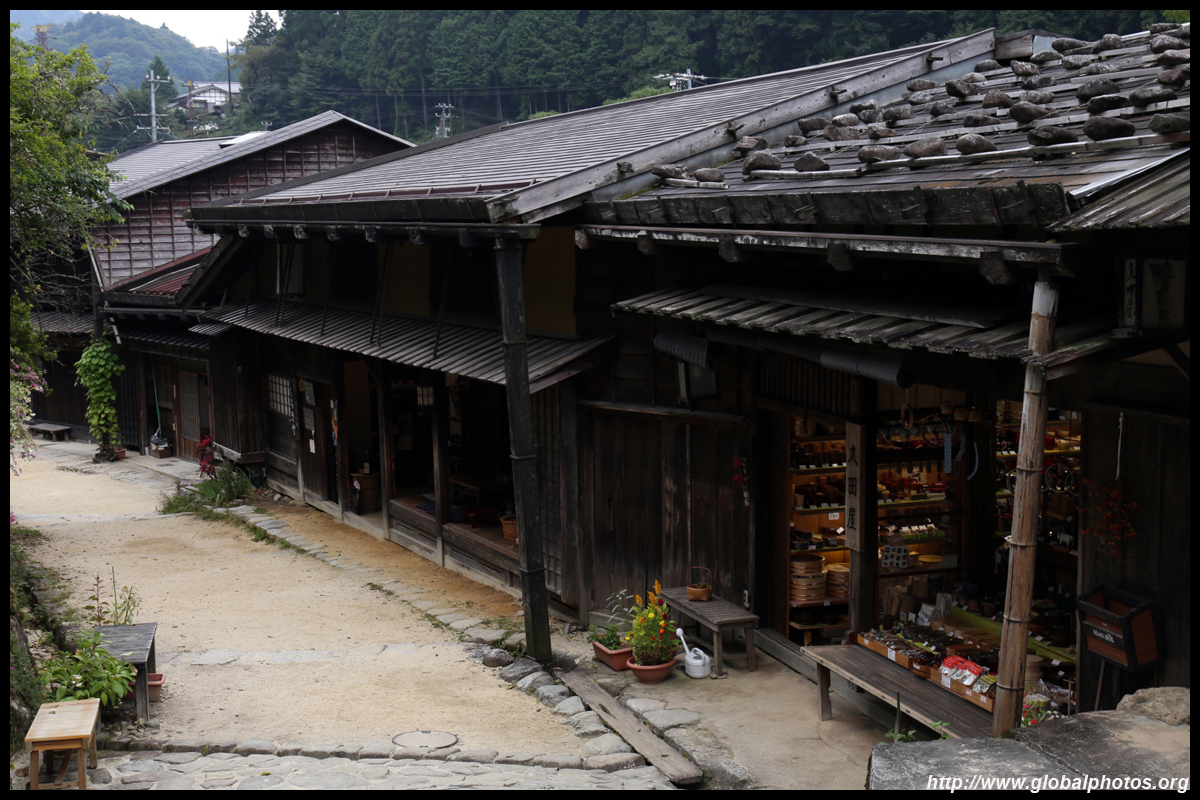
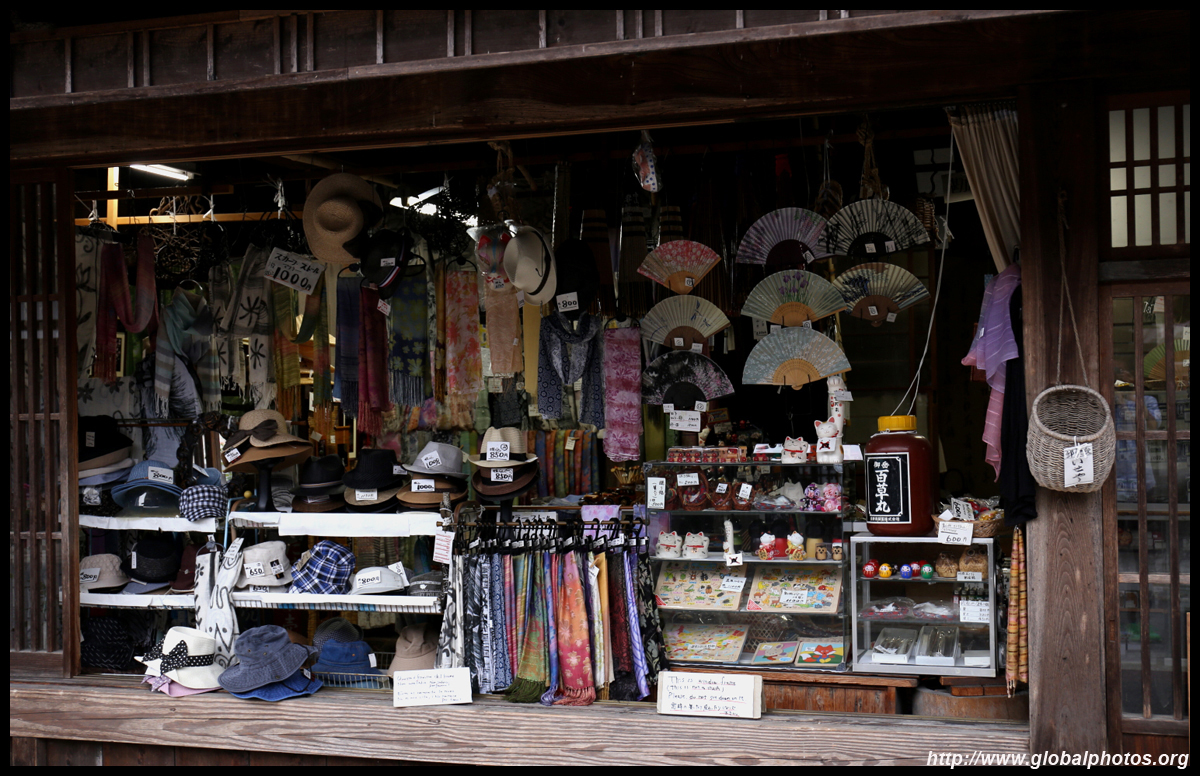
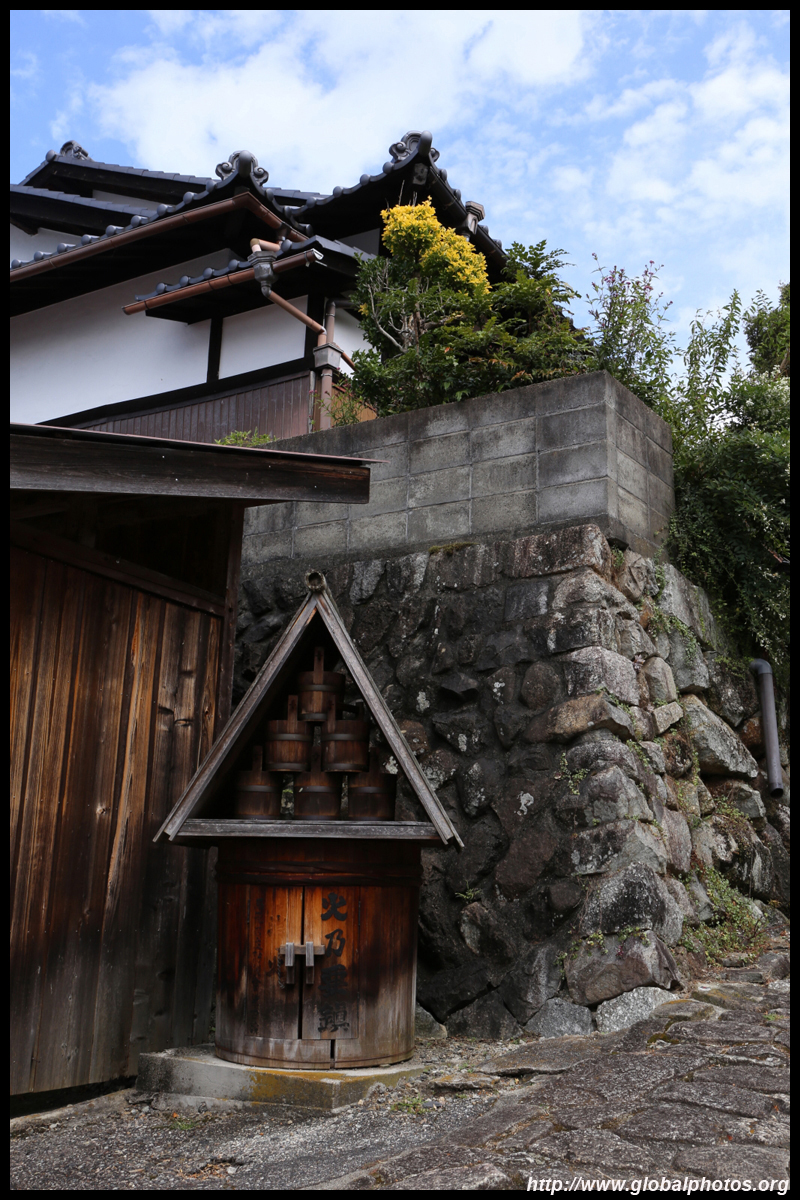
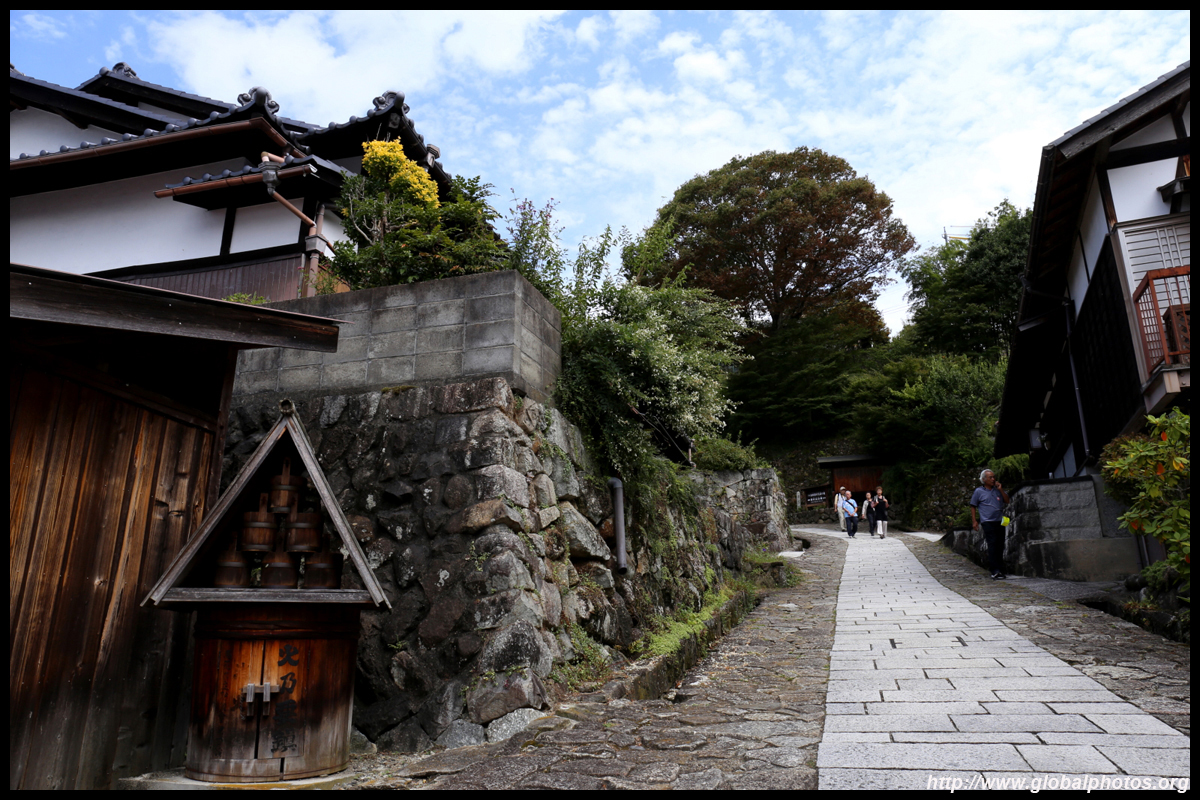
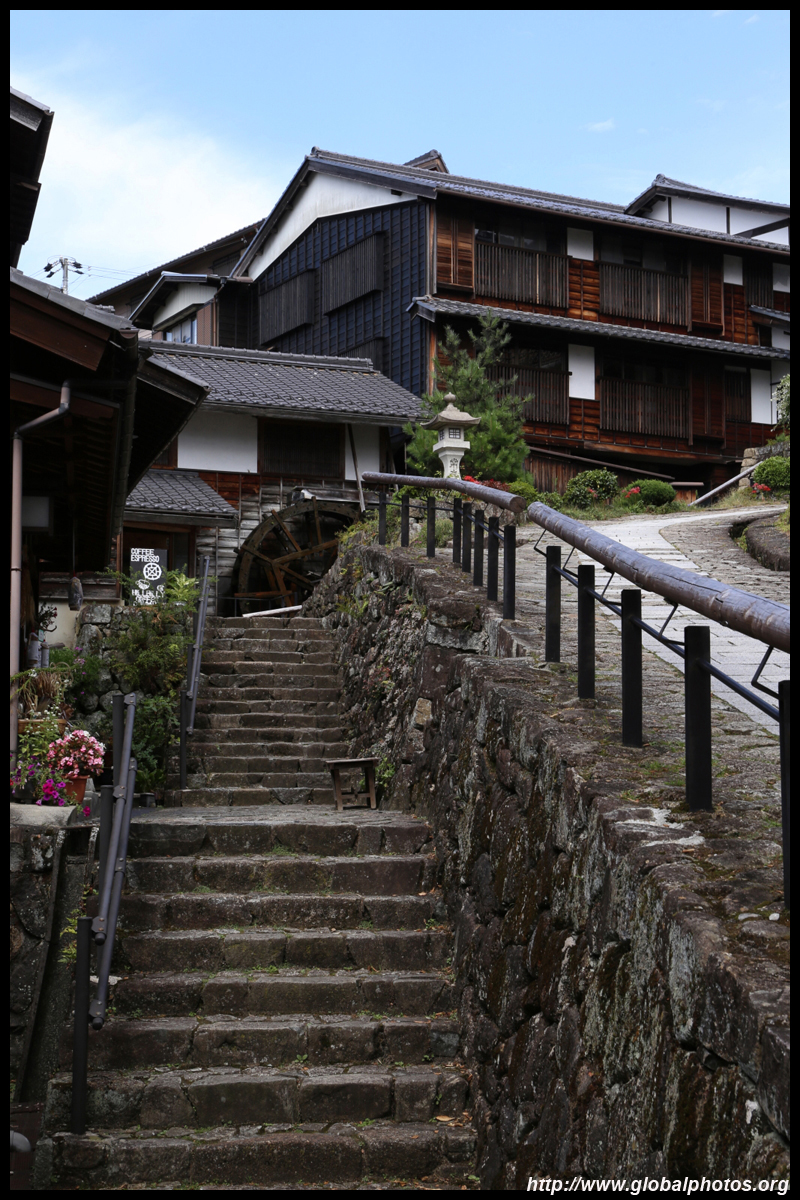
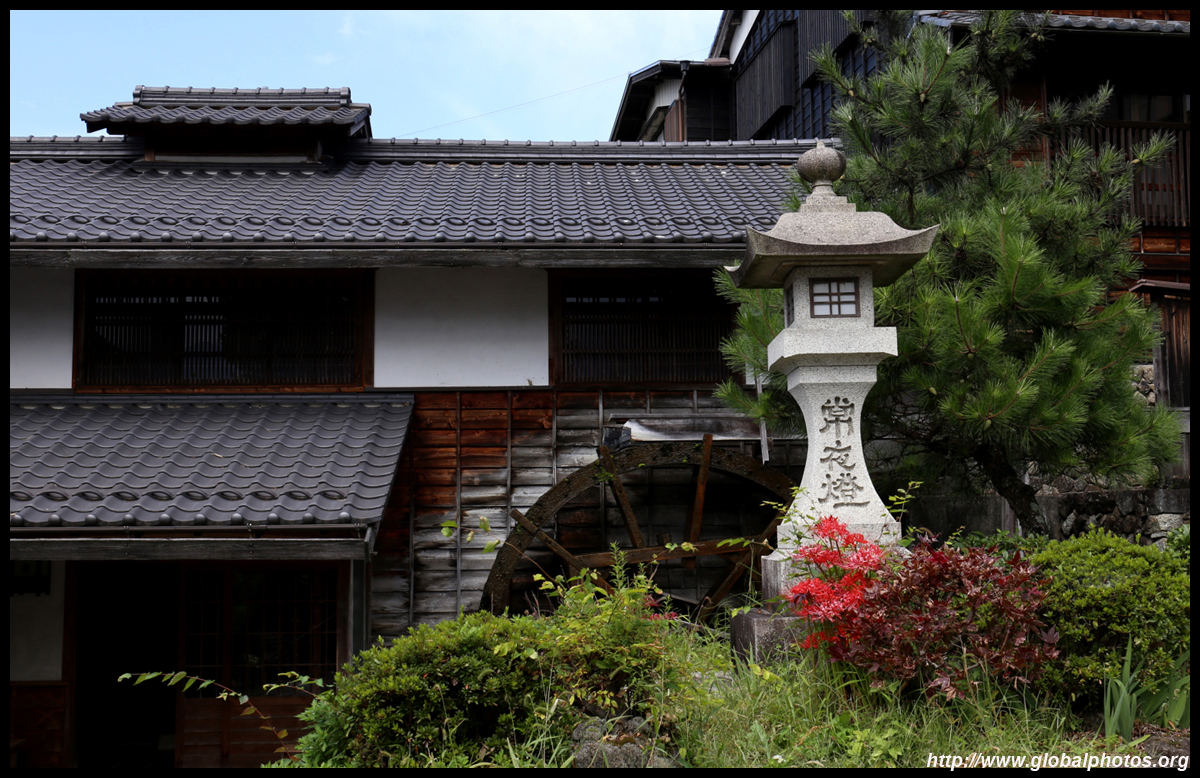
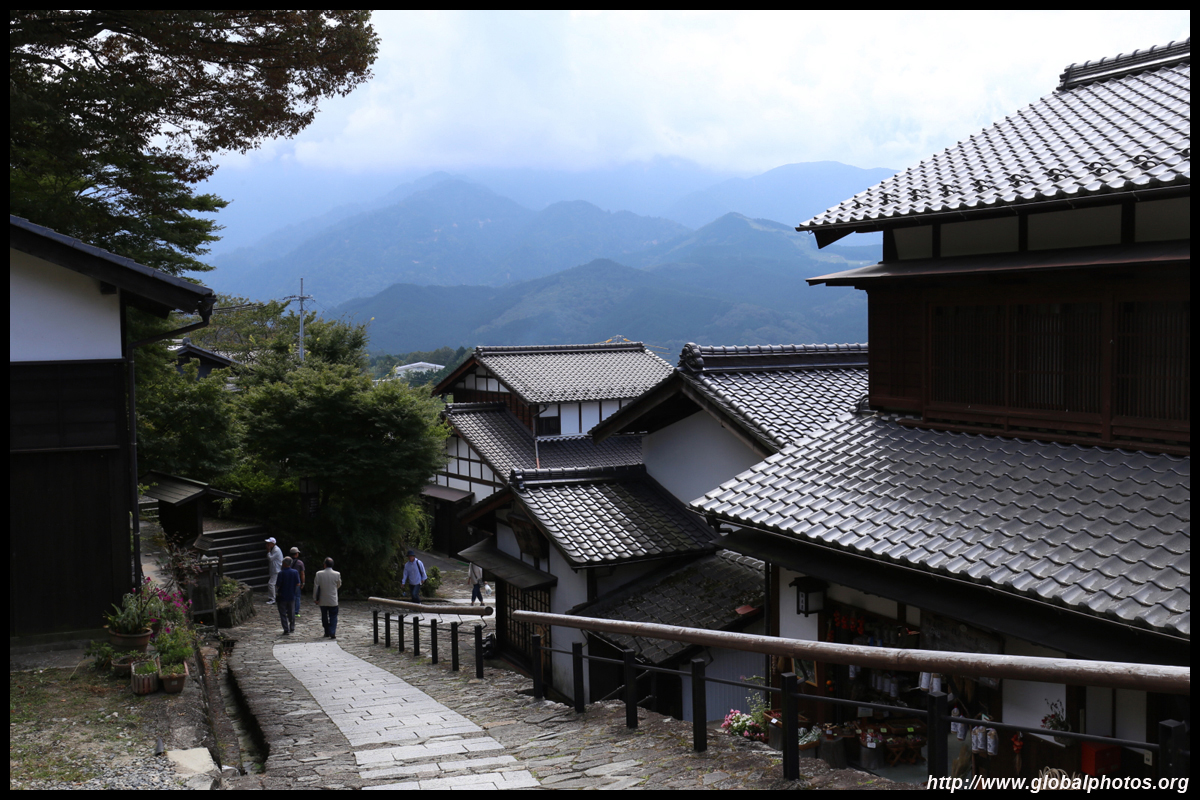
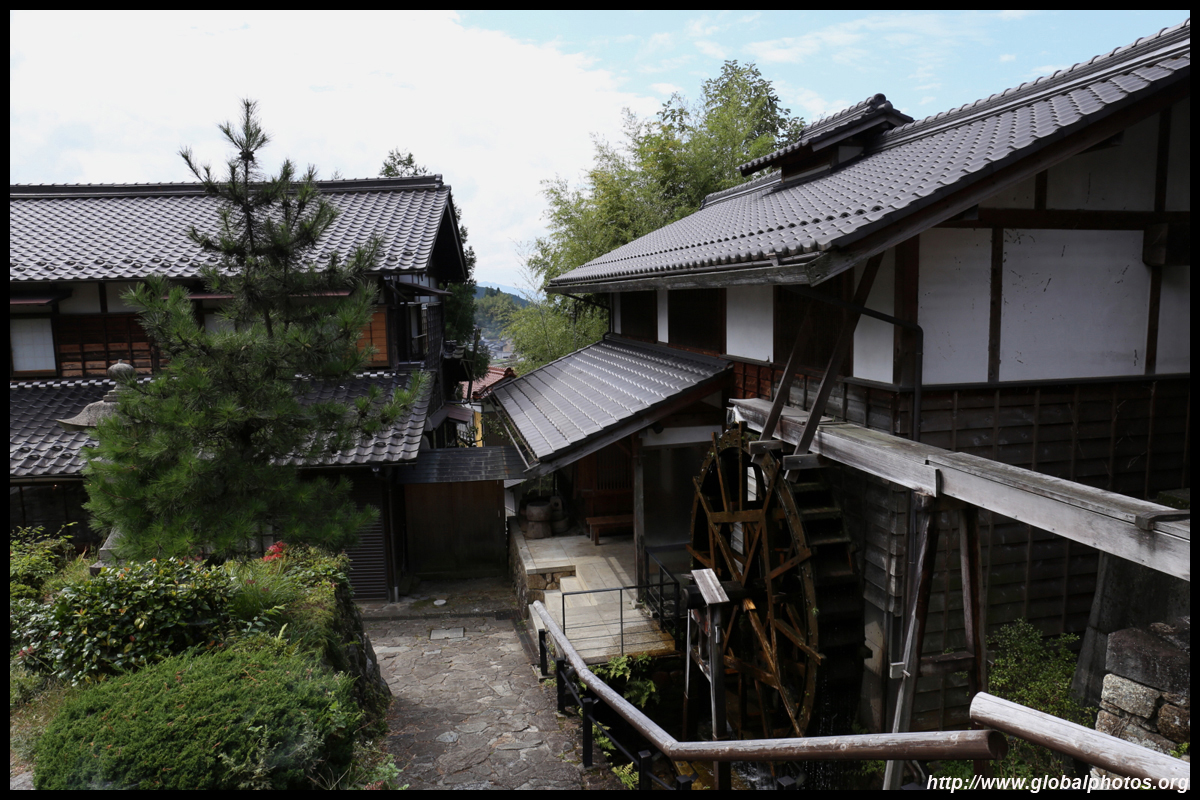
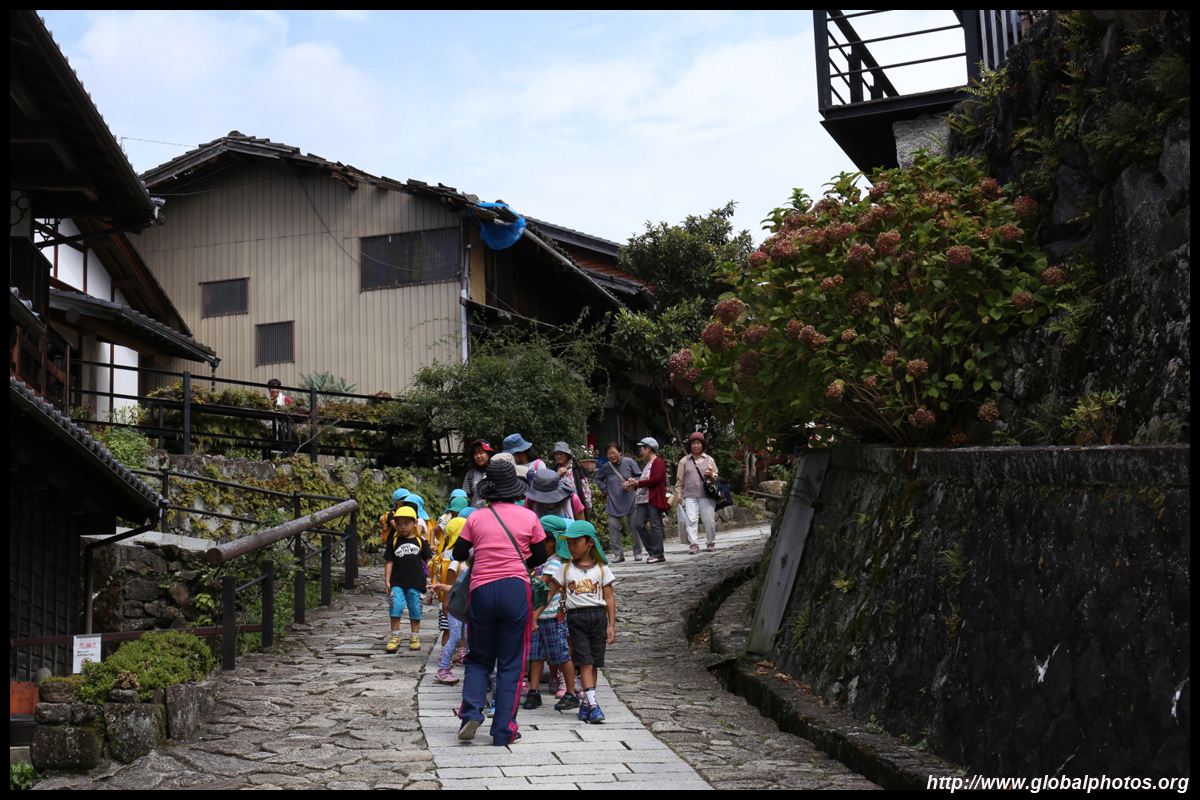
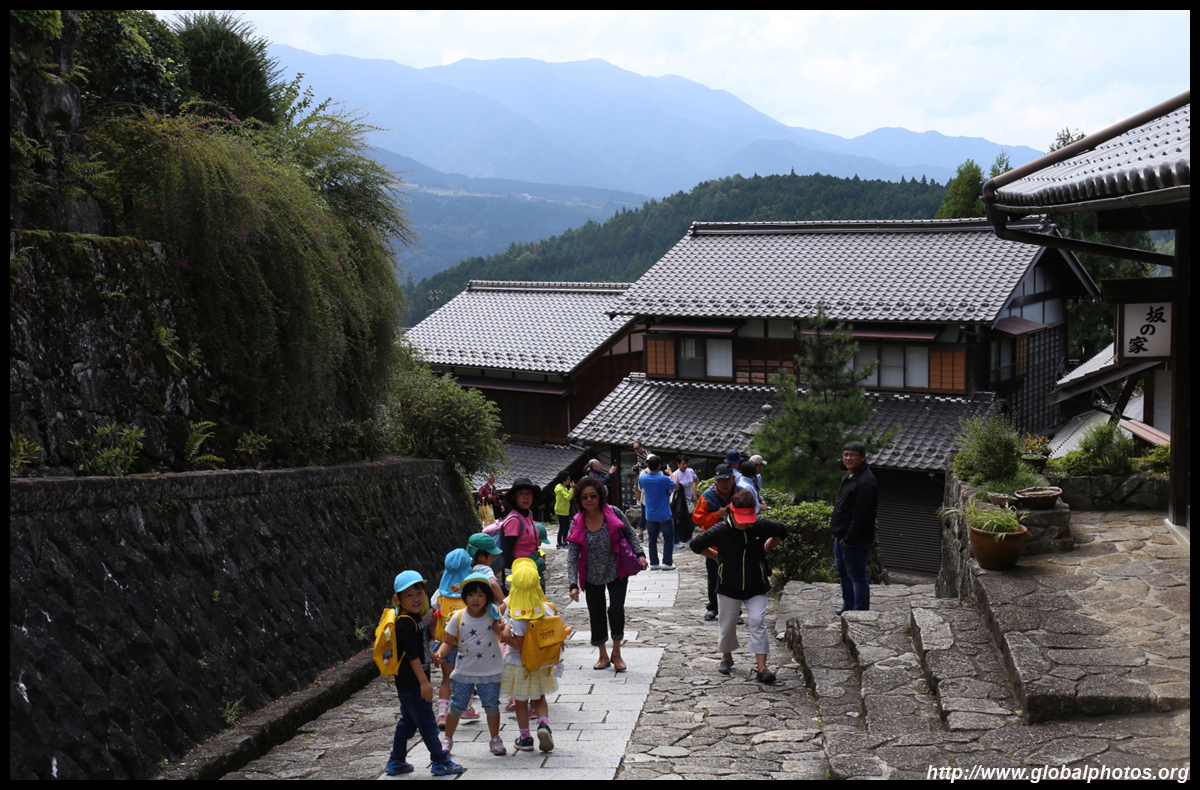
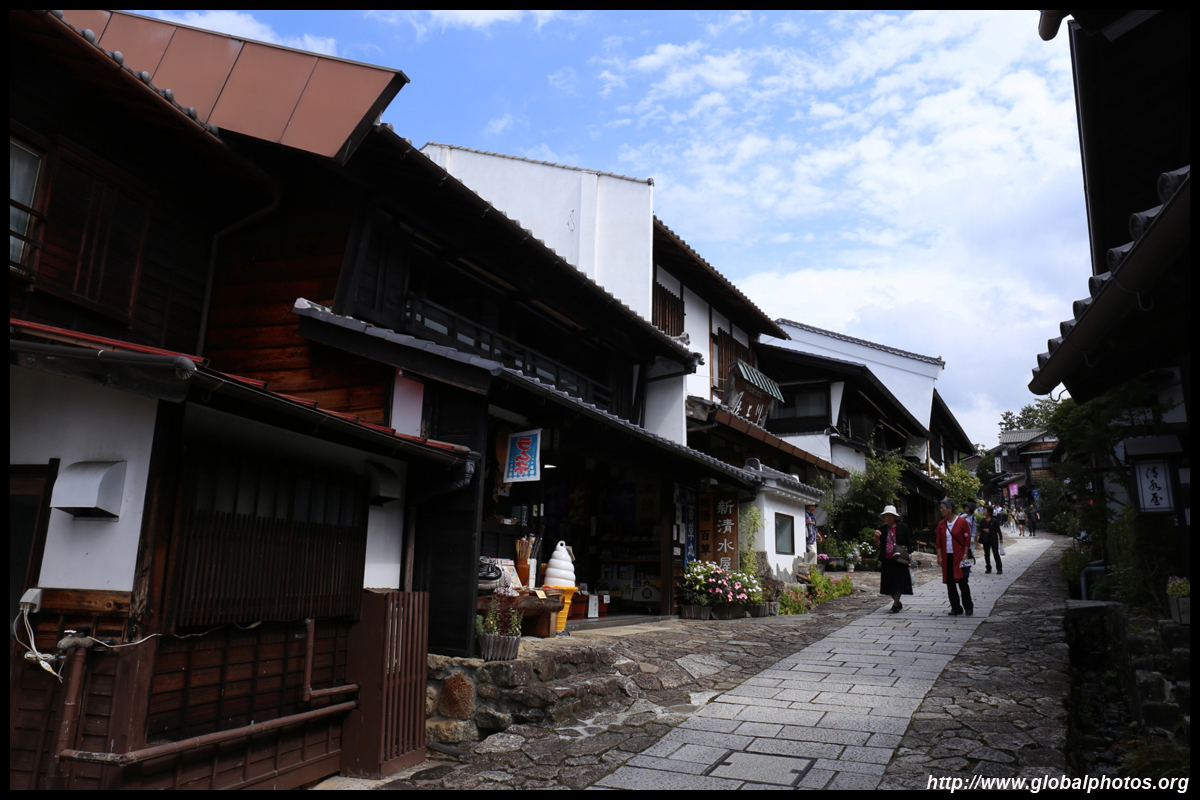
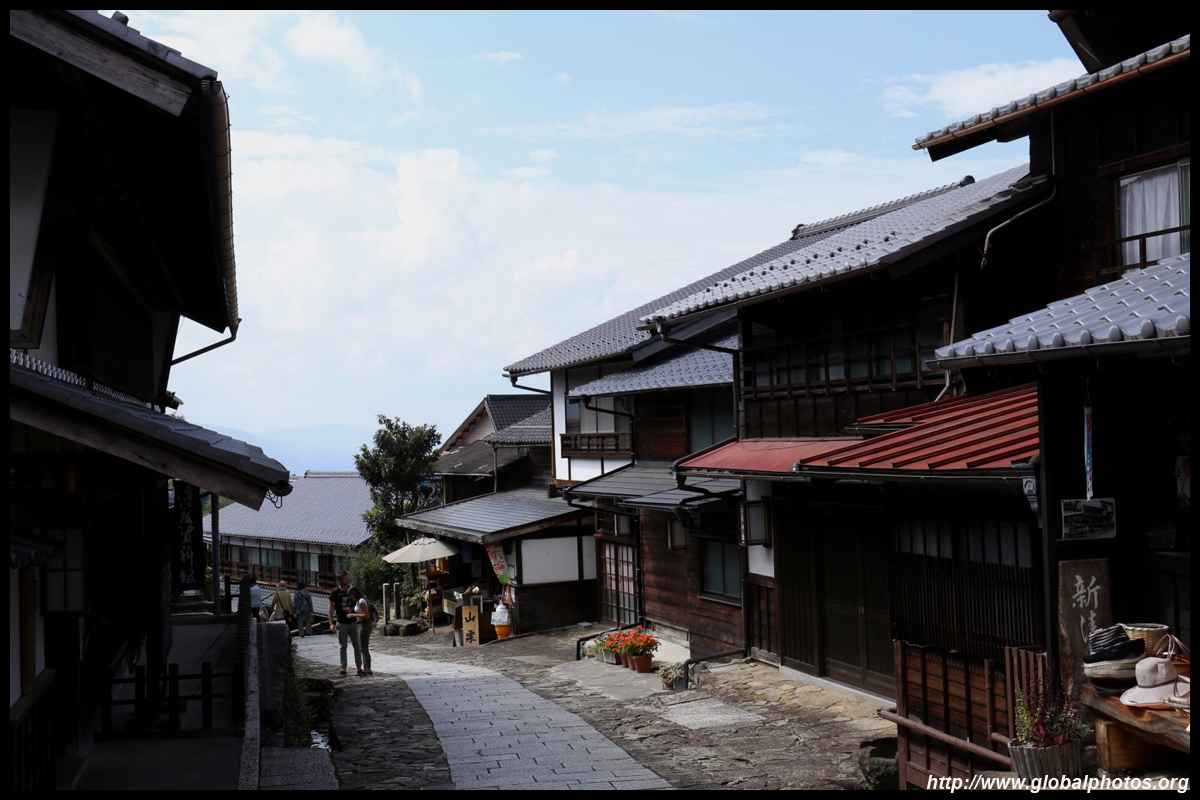
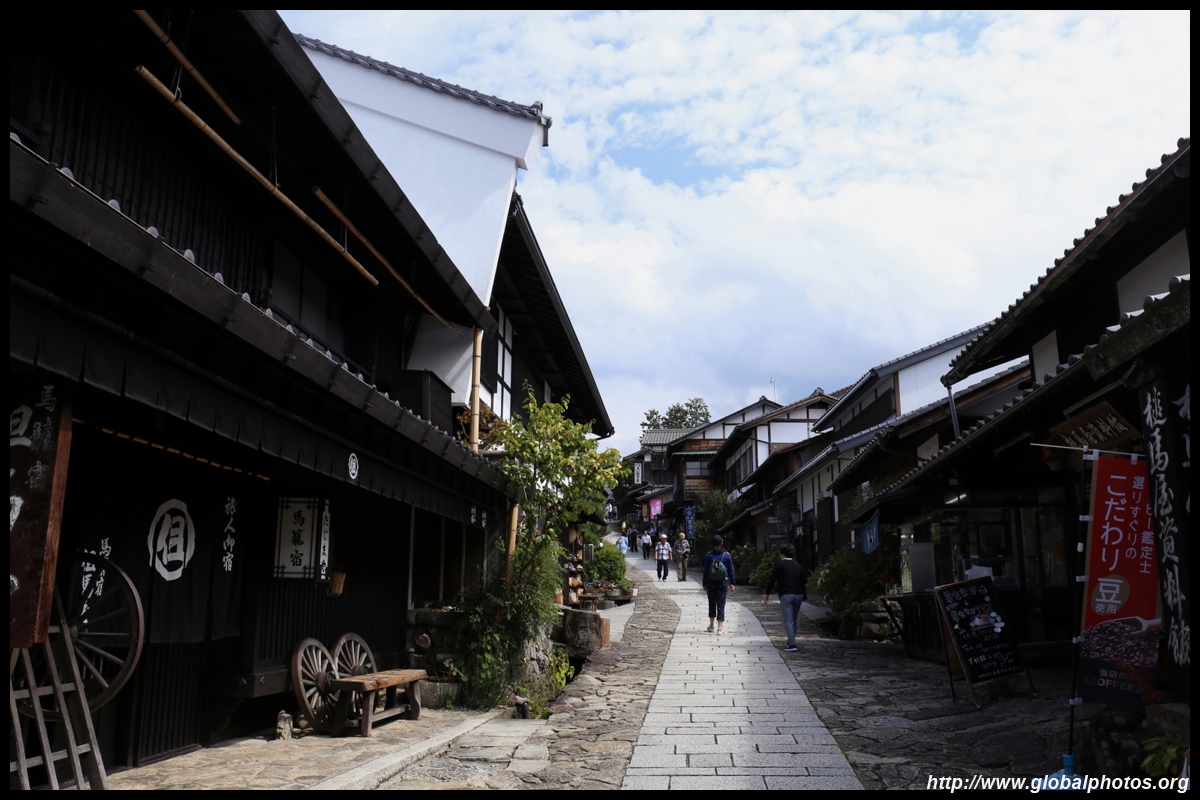
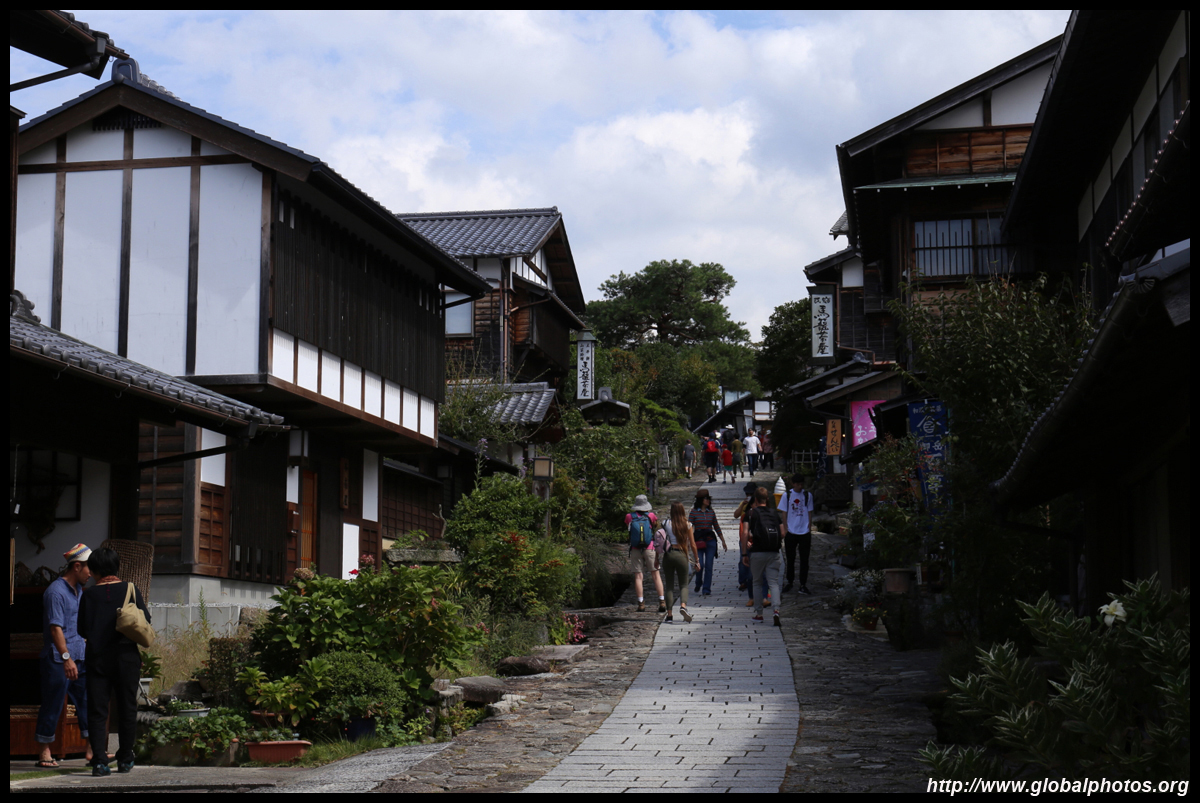
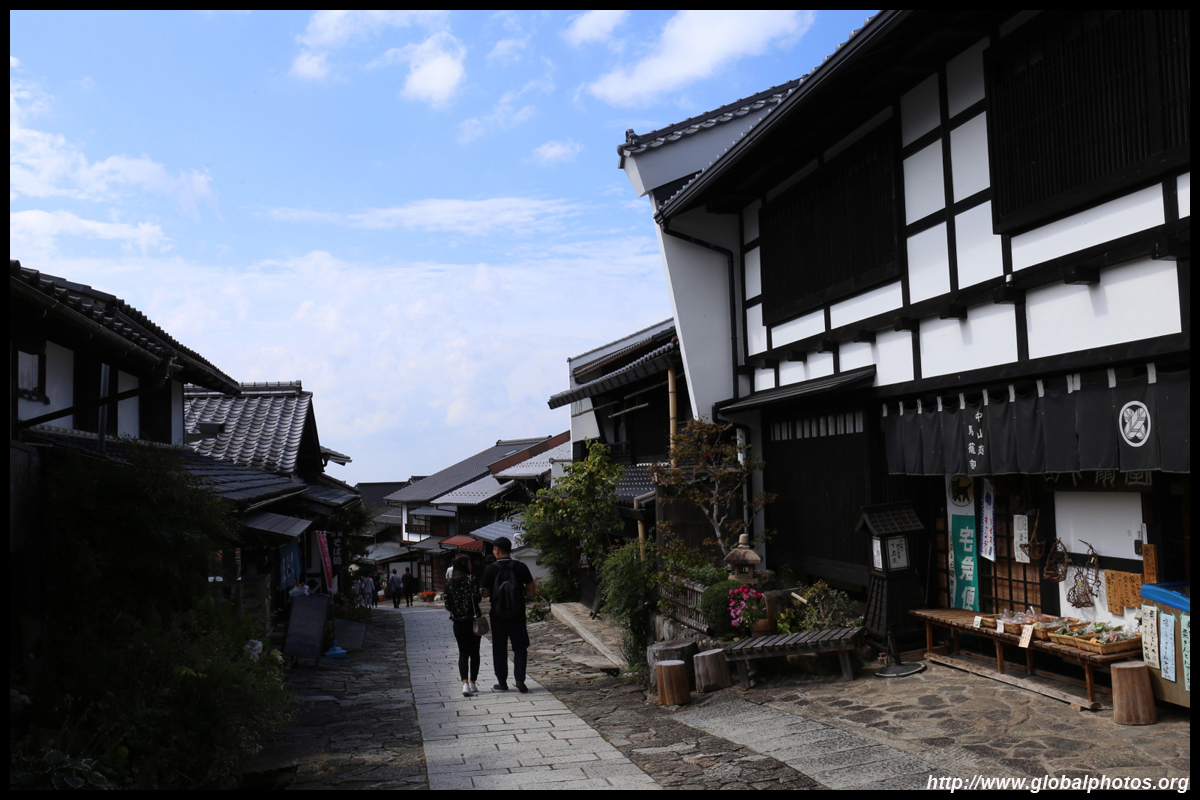
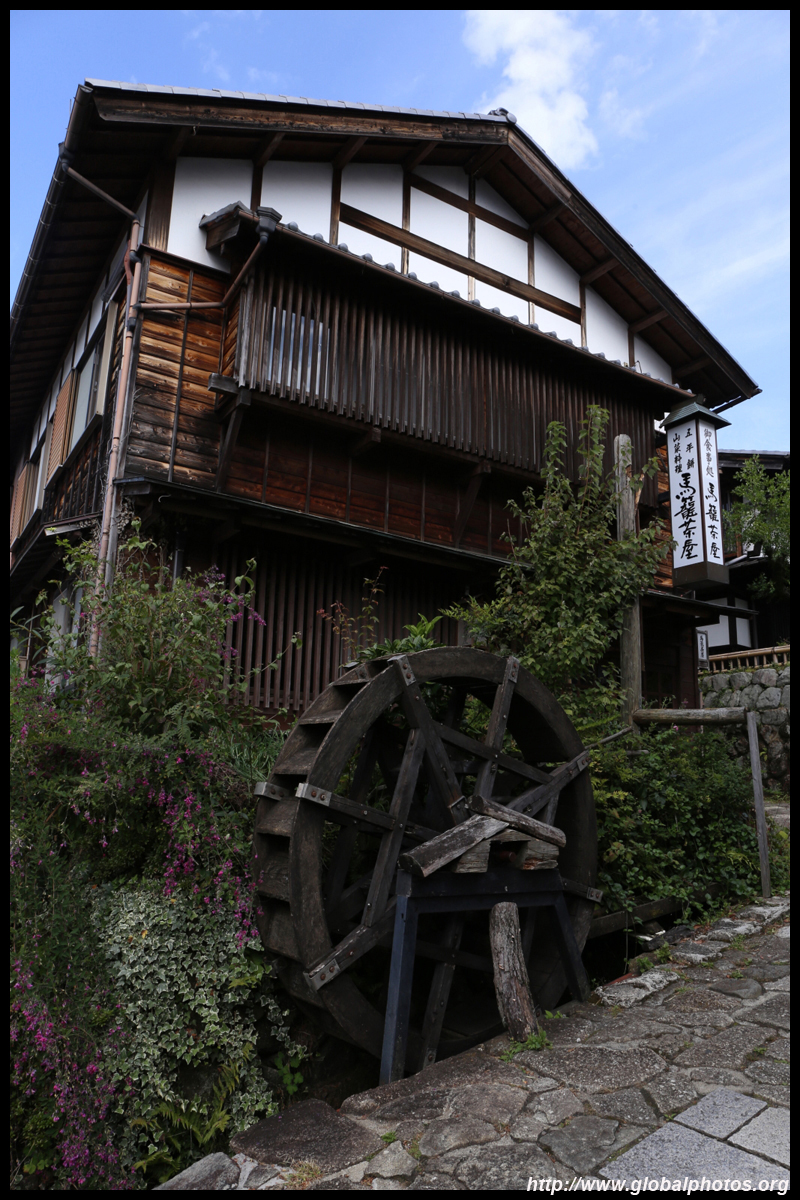
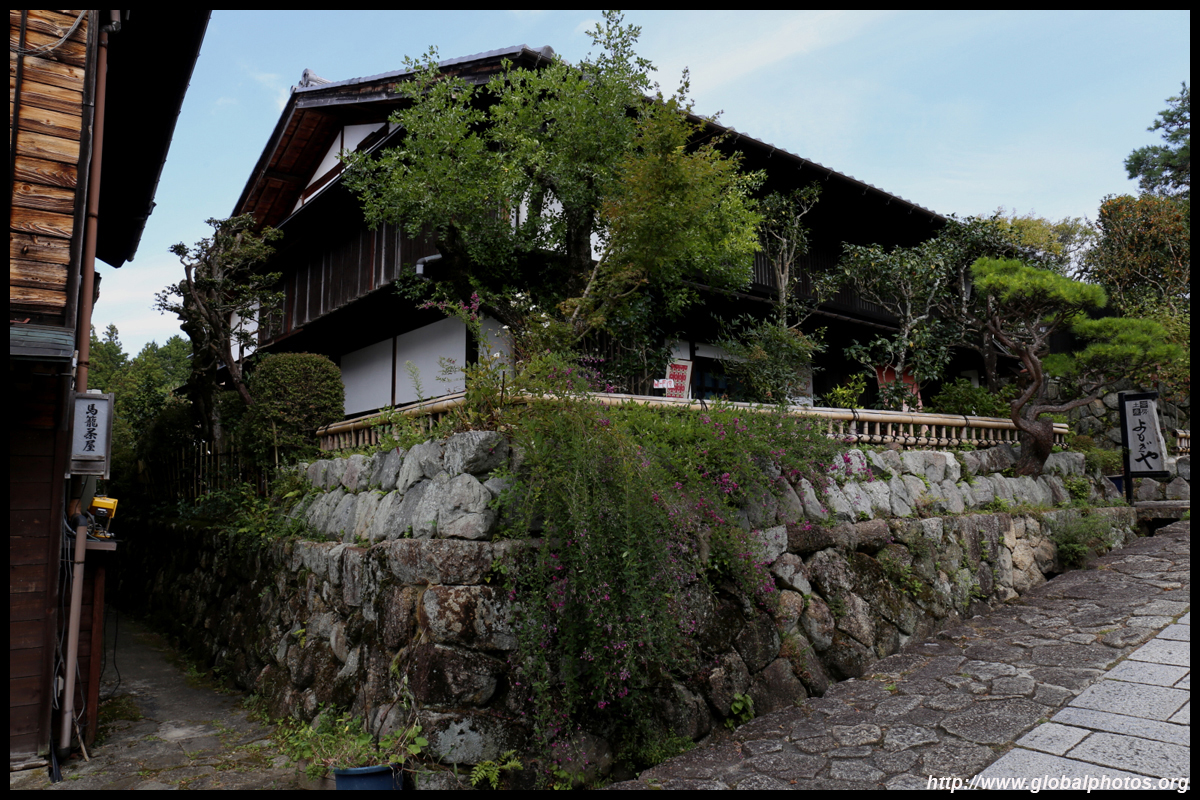
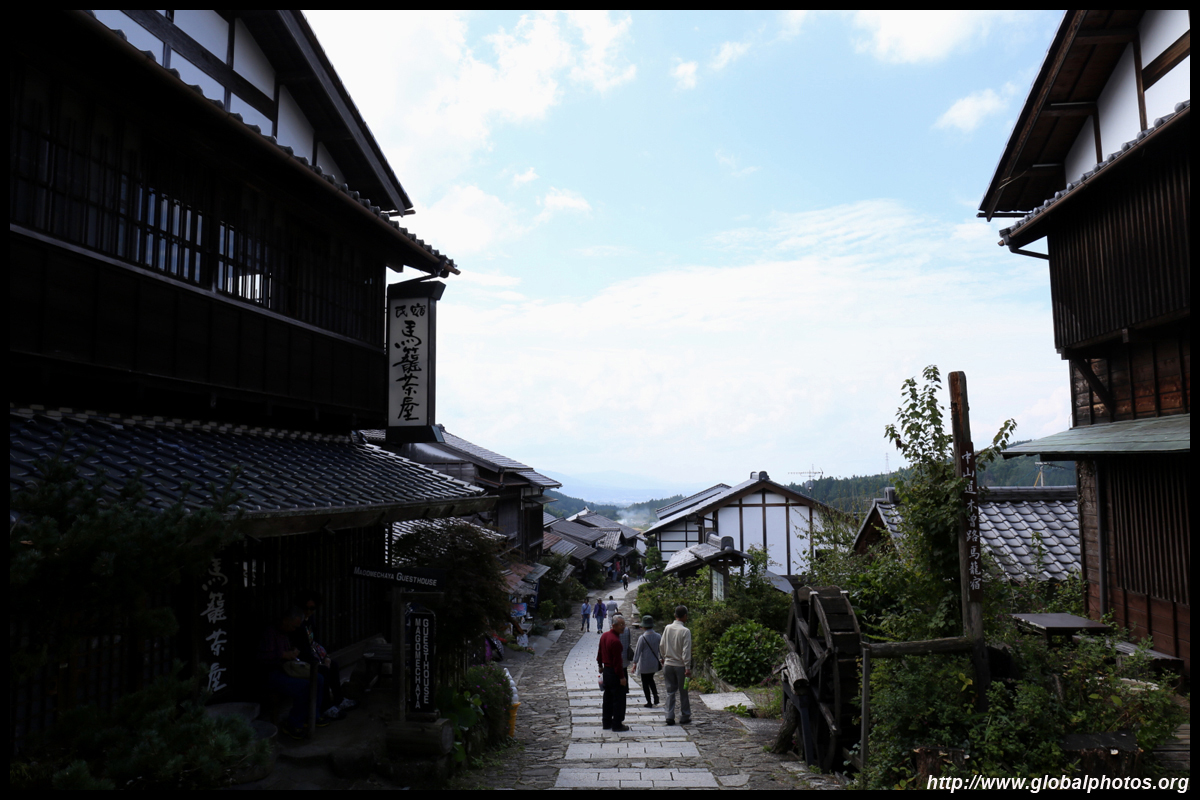
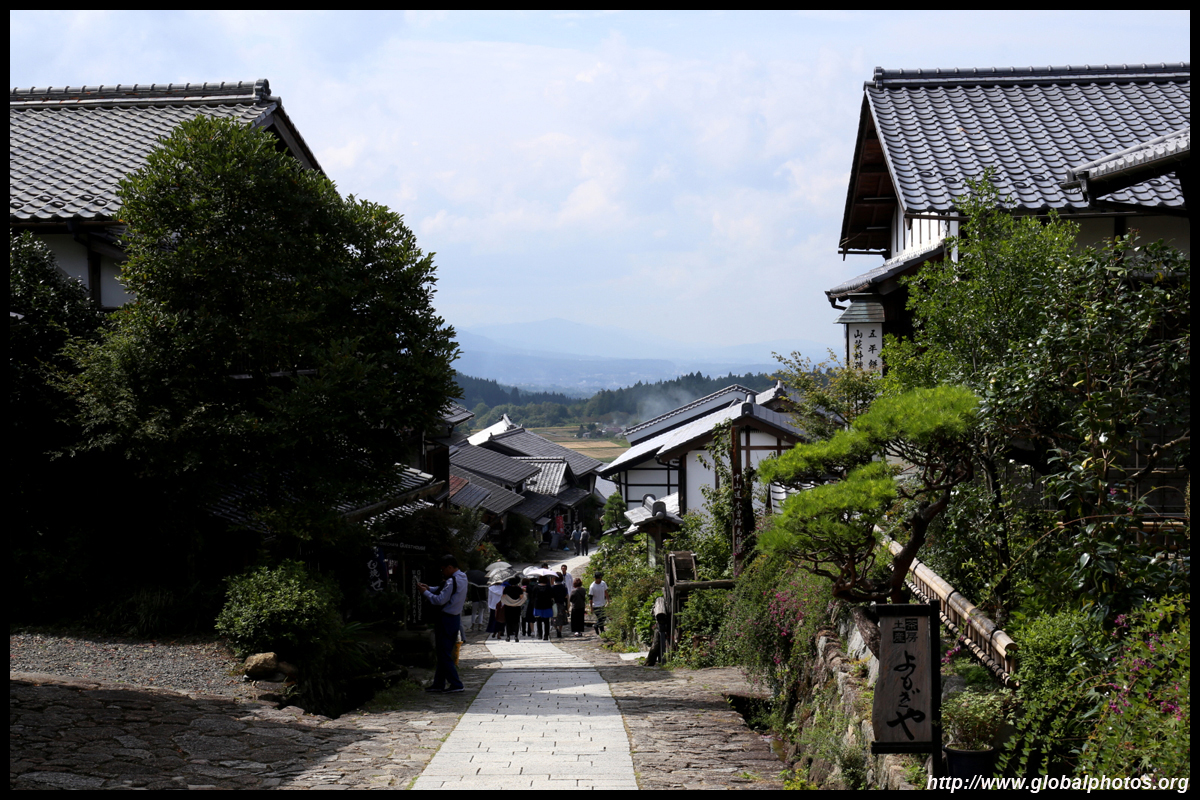
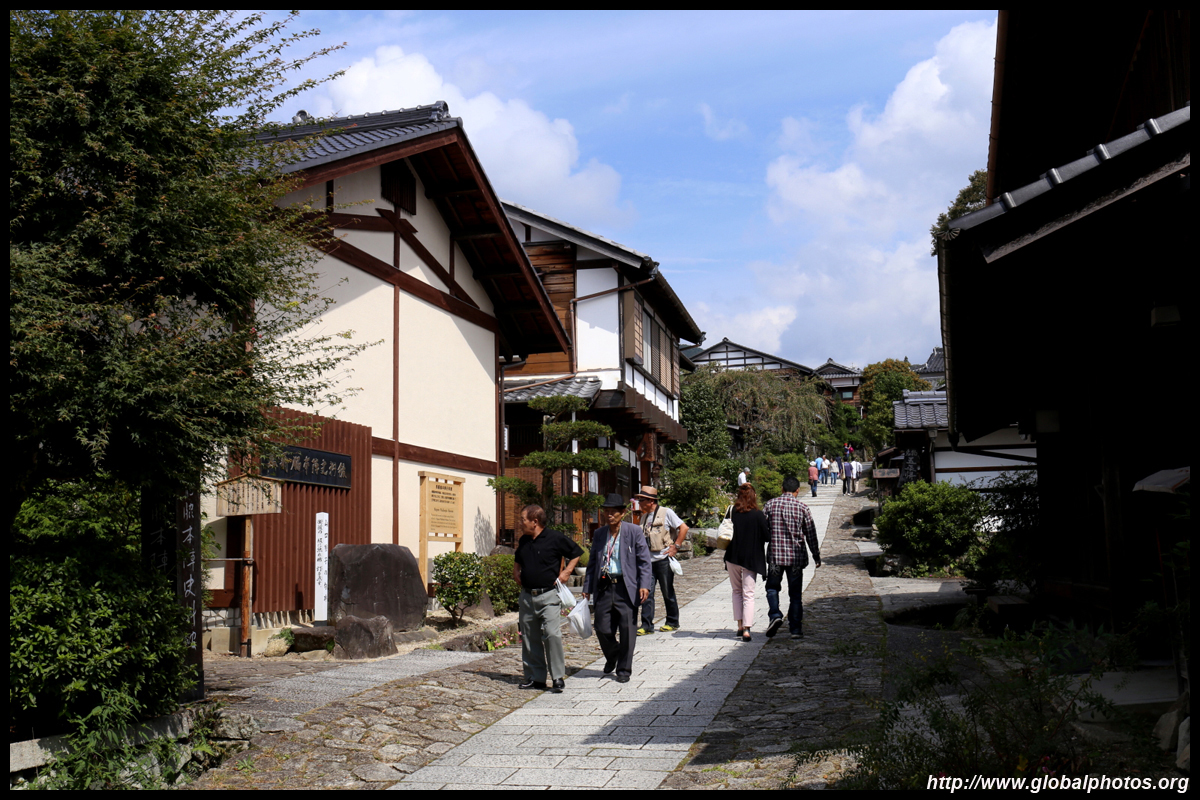
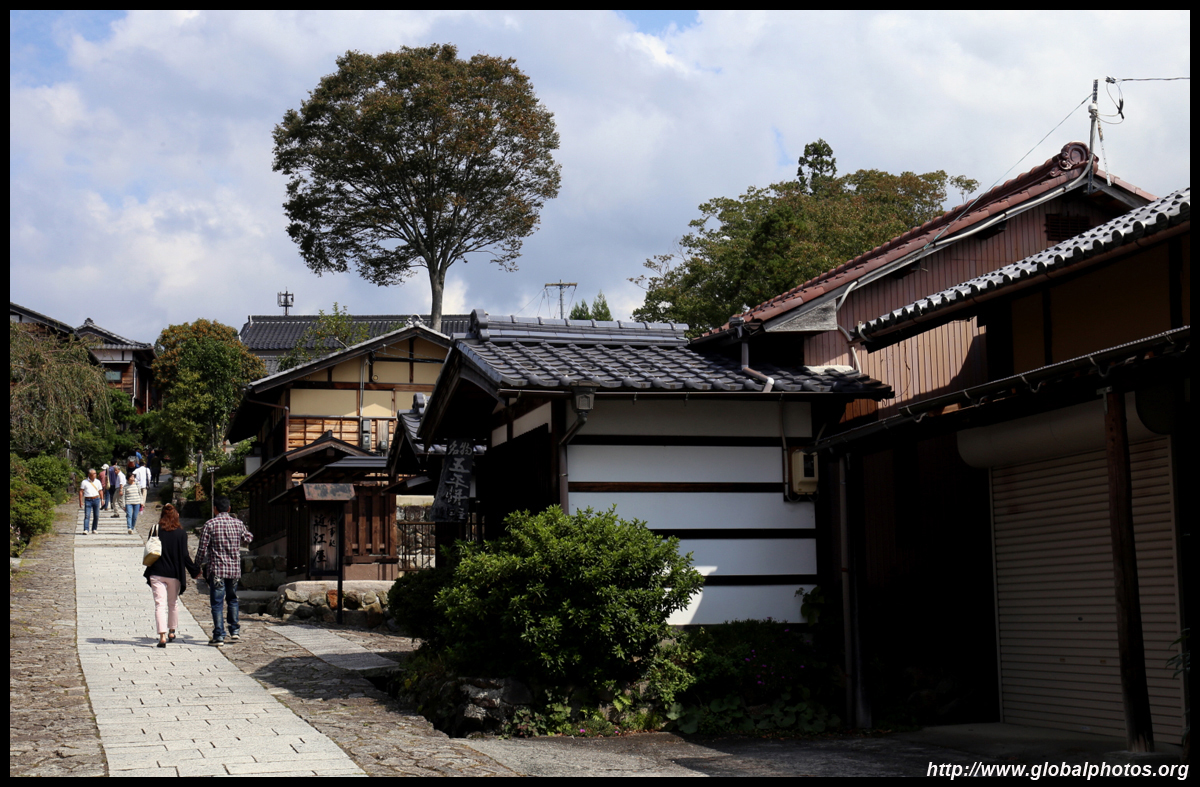
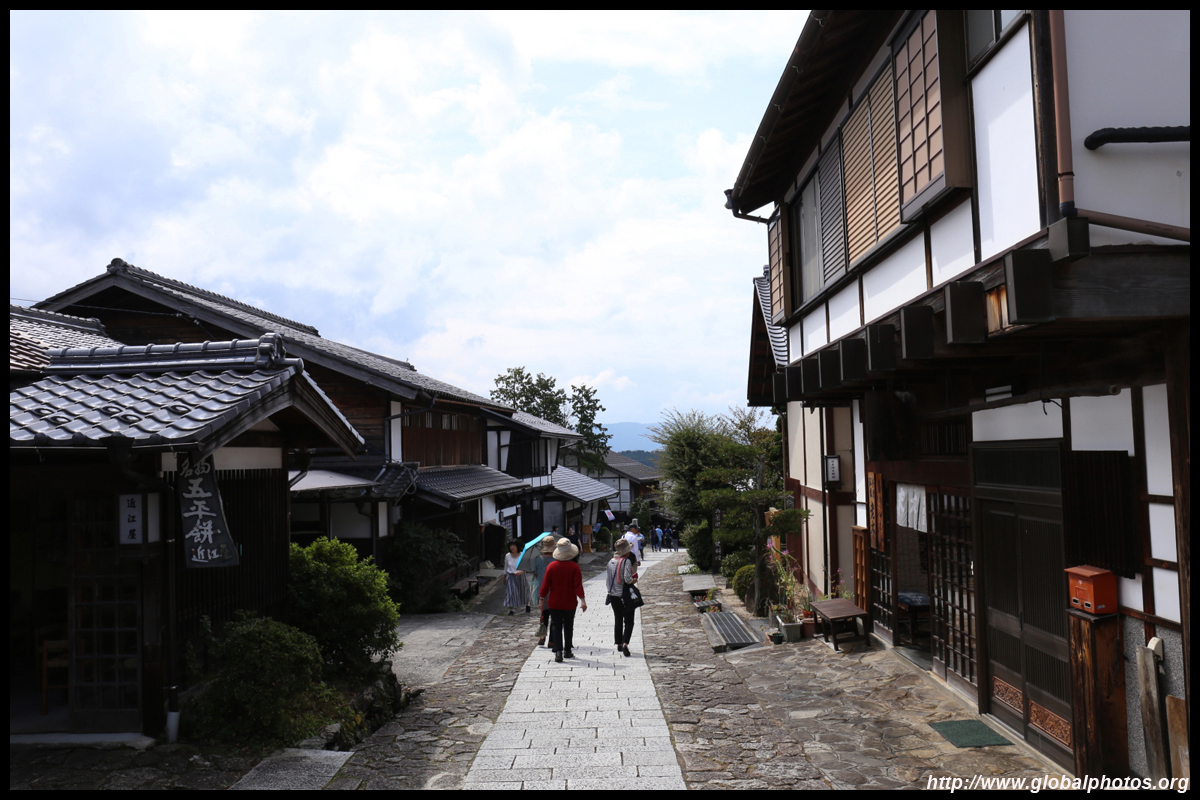
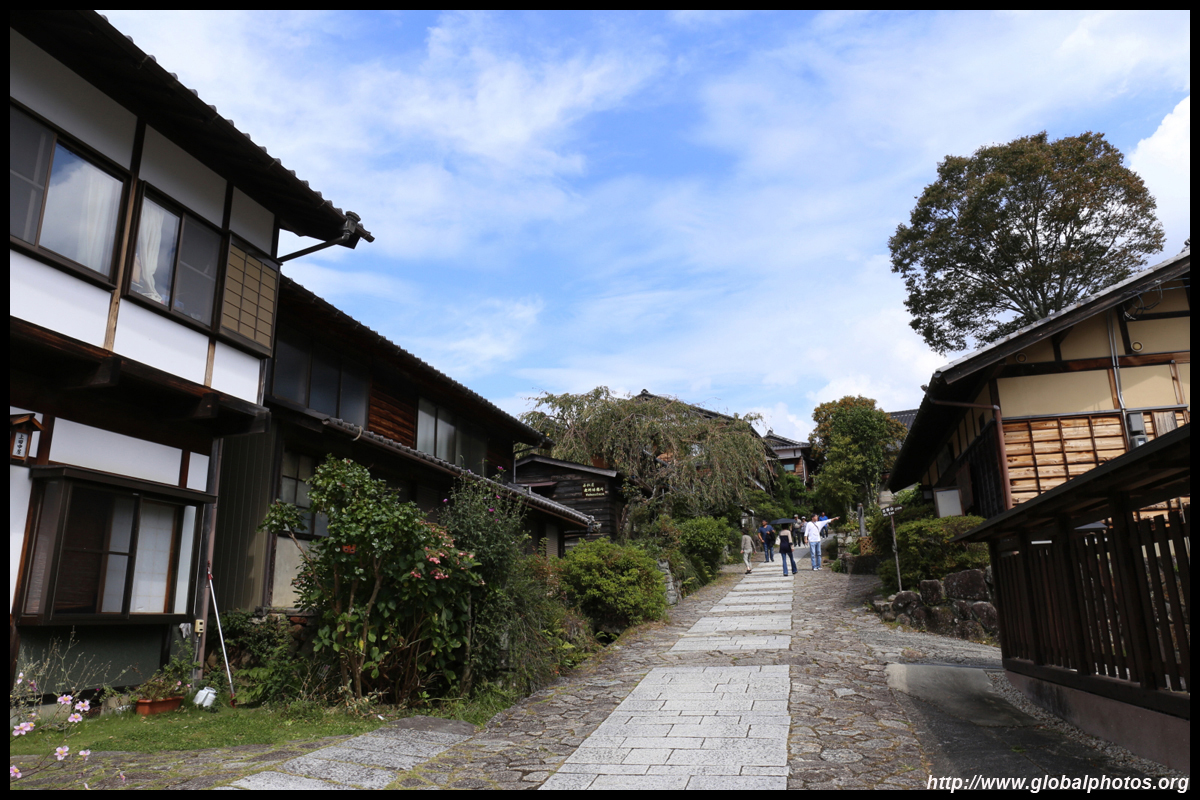
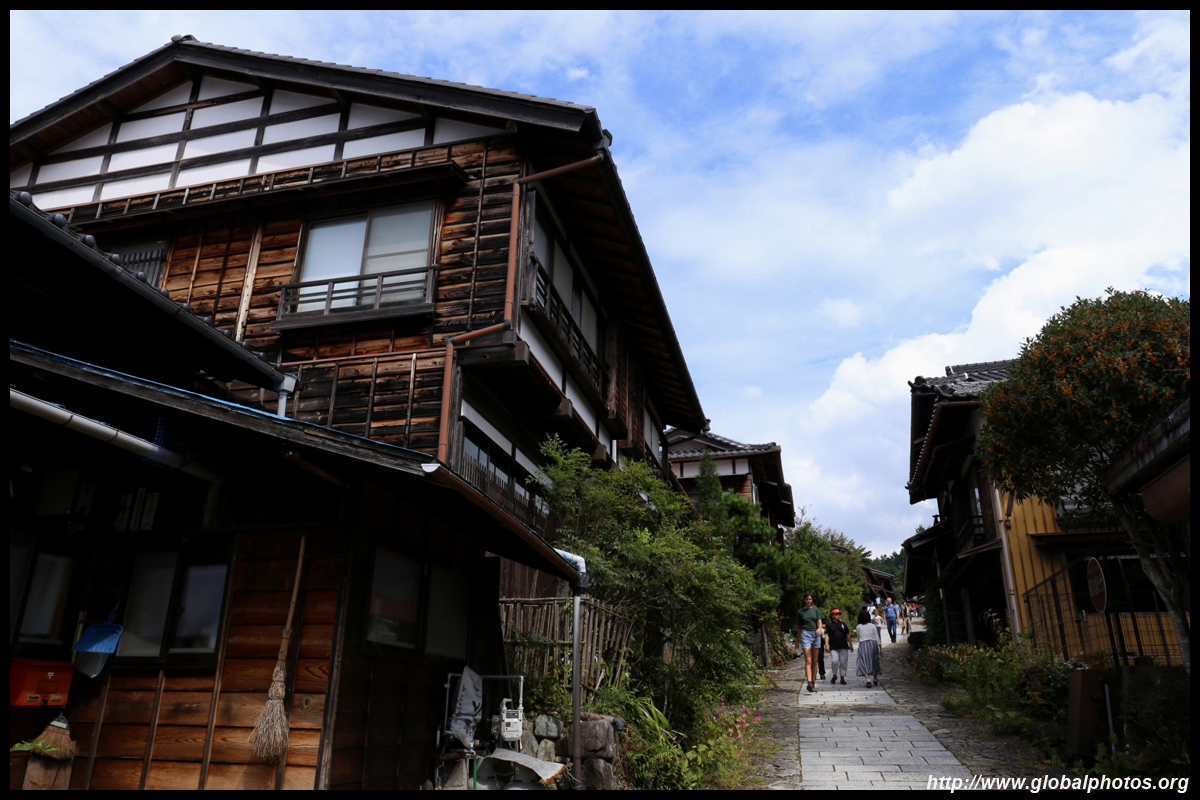
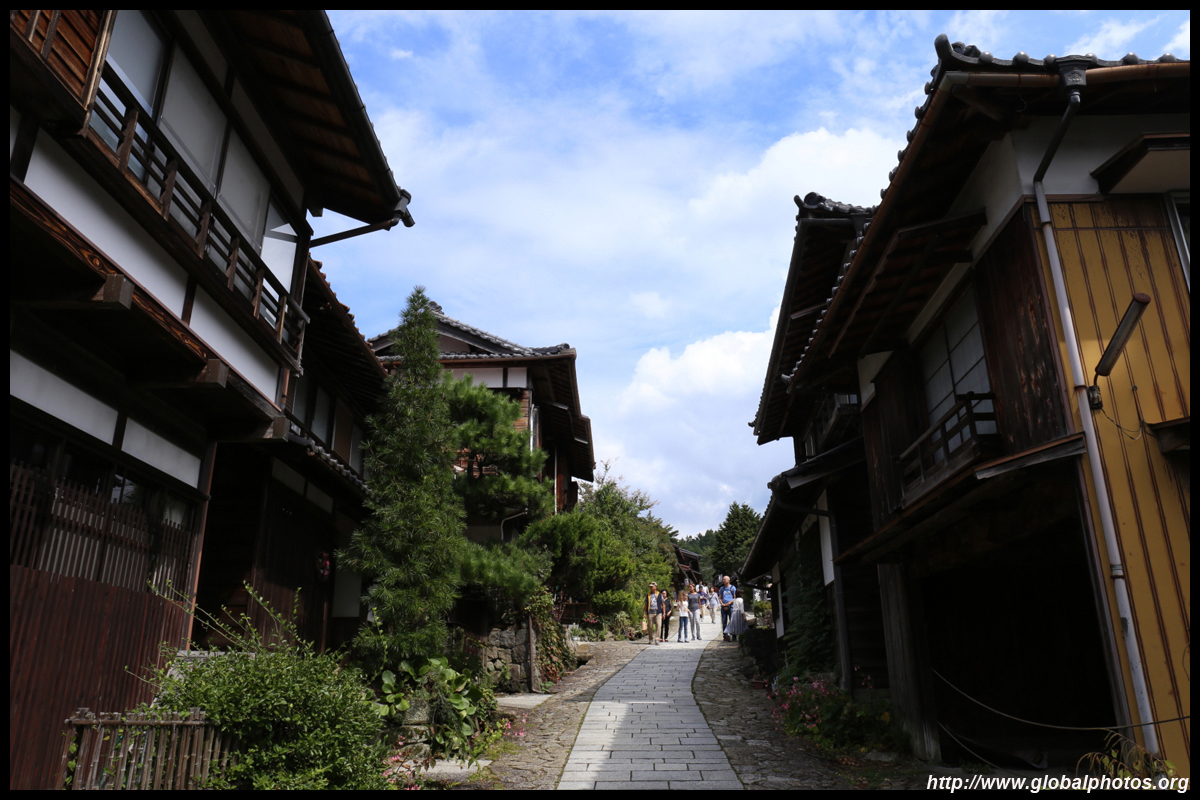
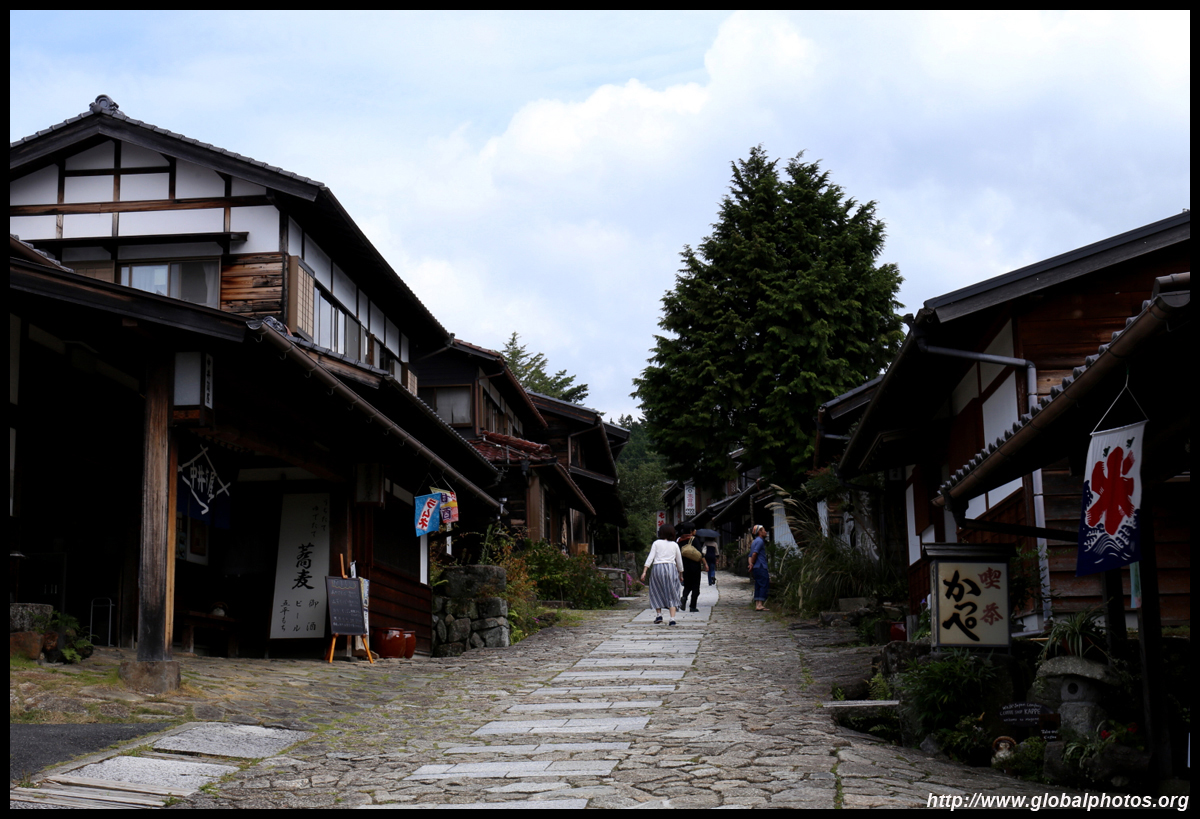
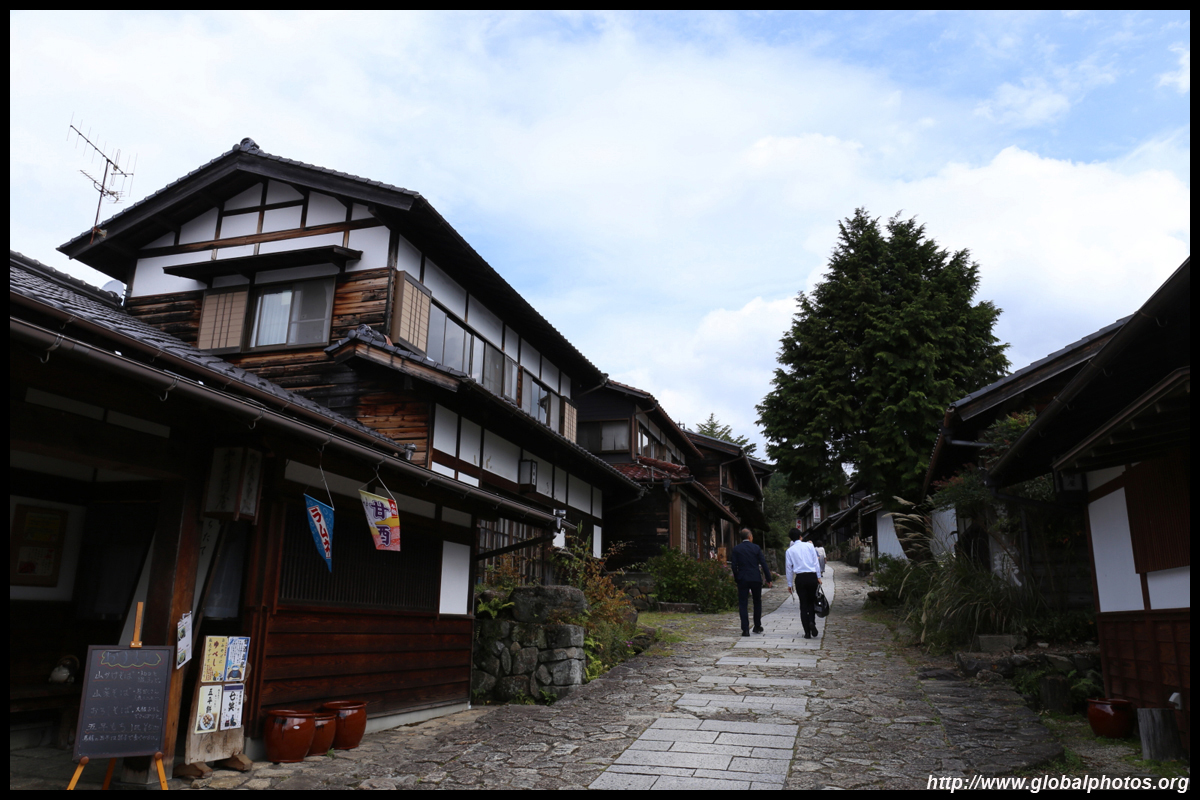
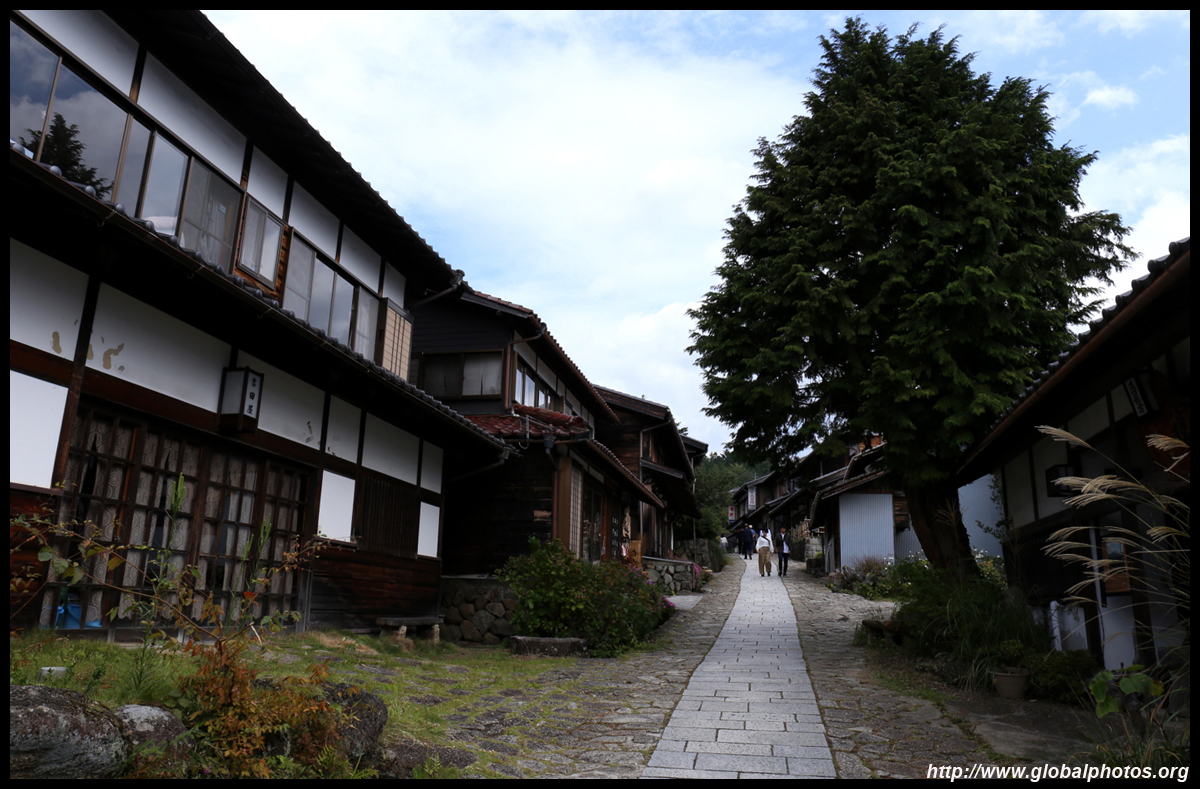
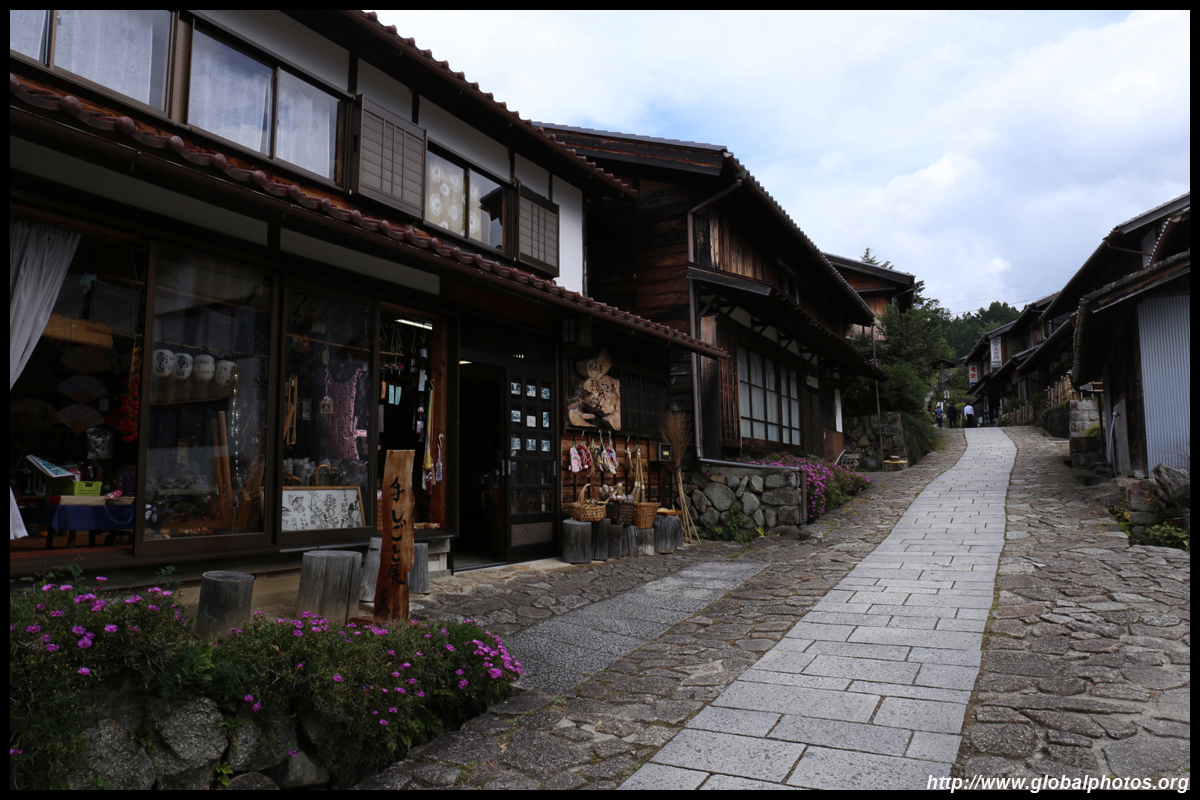
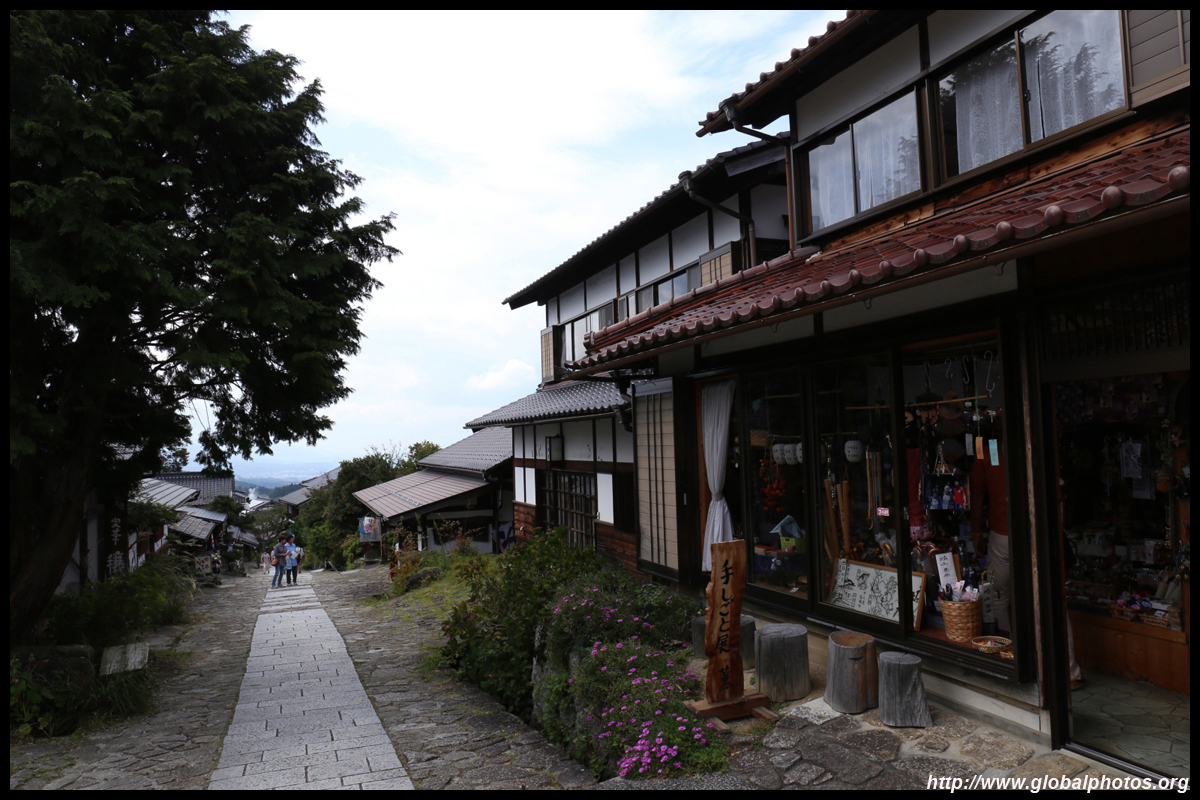
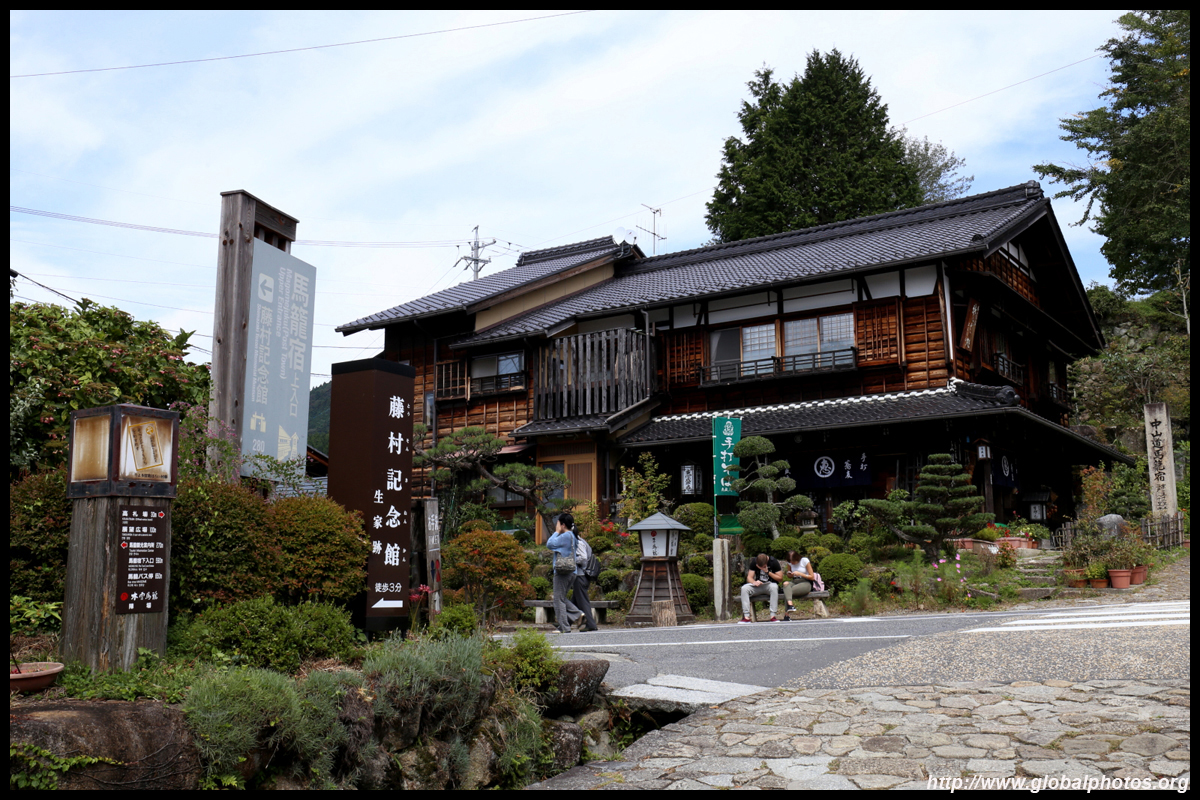
There were a lot of shops and tourists roaming around. But as the path led higher, the crowds thinned out.
| |||
 |
 |
 |
 |
 |
 |
 |
 |
 |
 |
 |
 |
 |
 |
 |
 |
 |
 |
 |
 |
 |
 |
 |
 |
 |
 |
 |
 |
 |
 |
 |
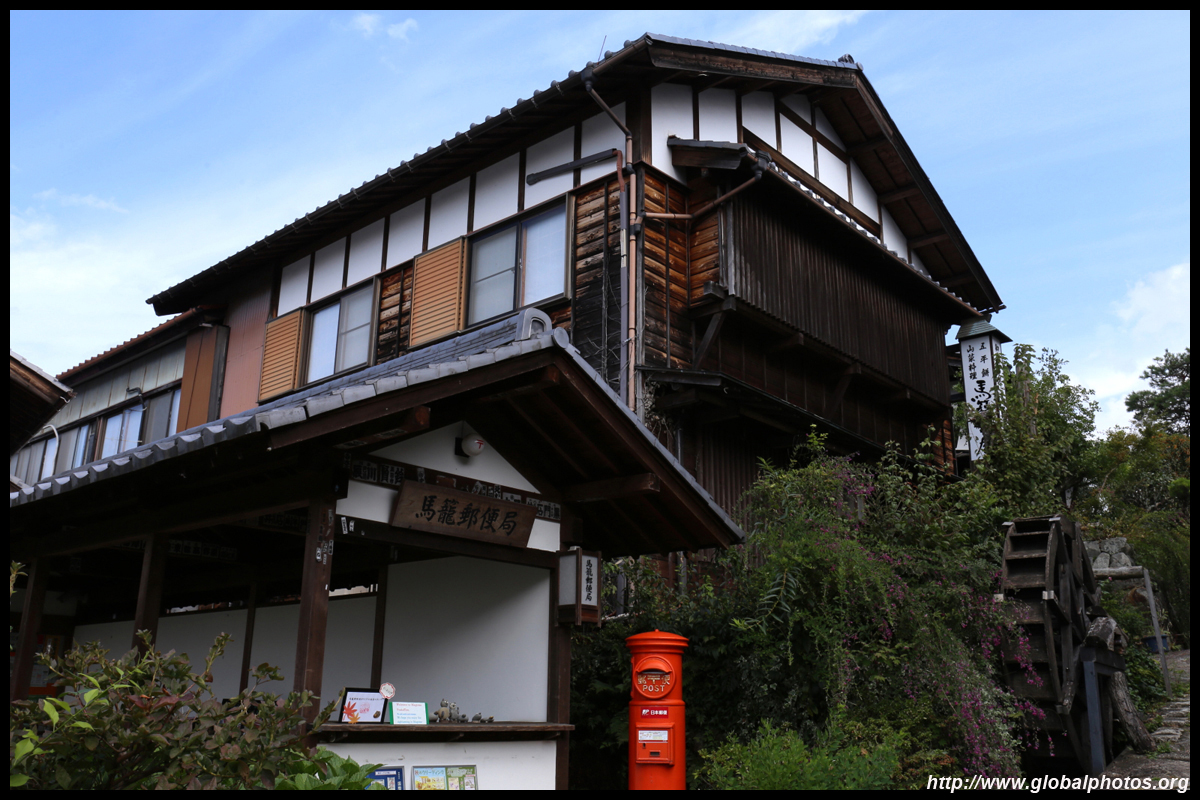 |
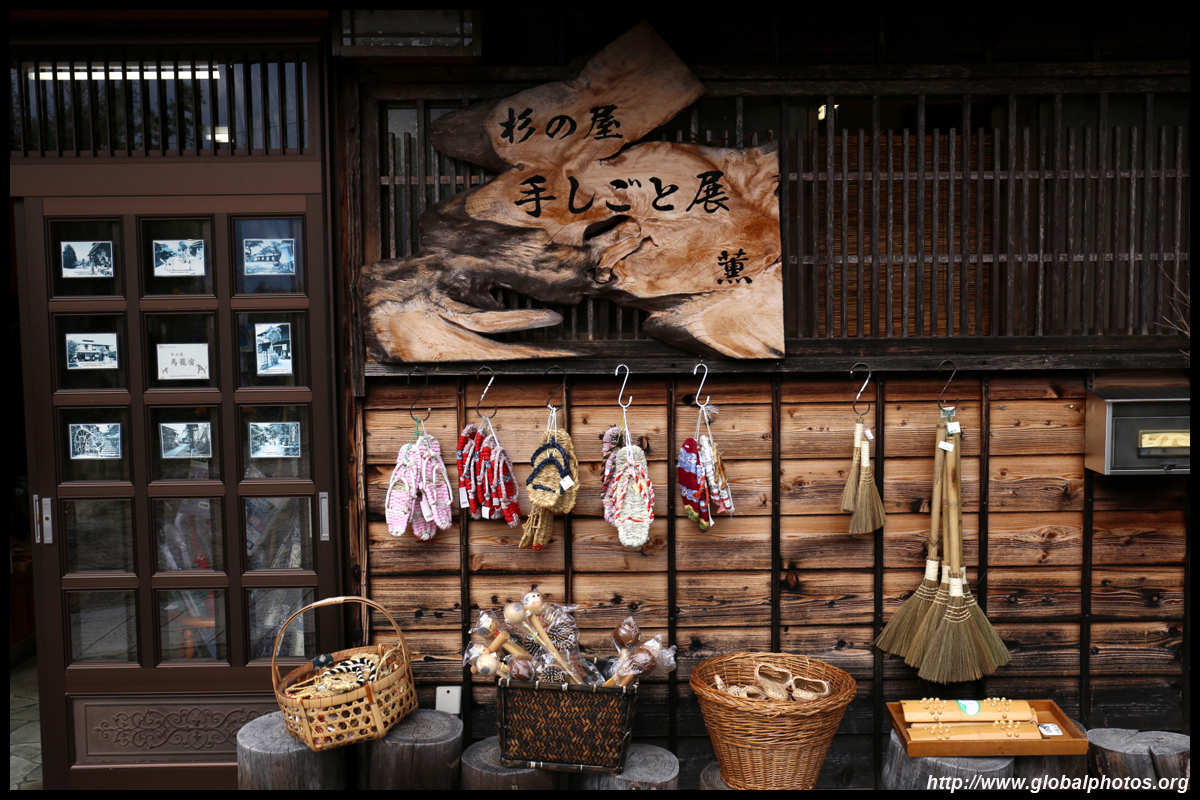
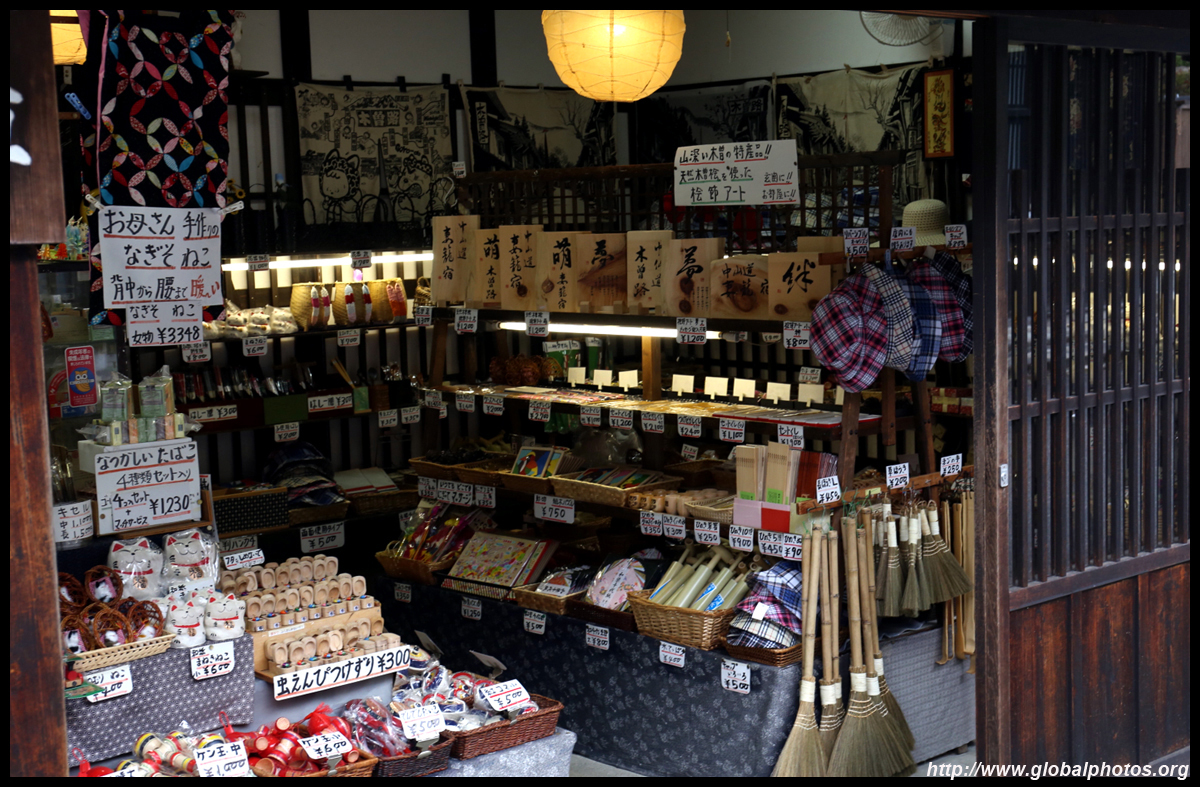
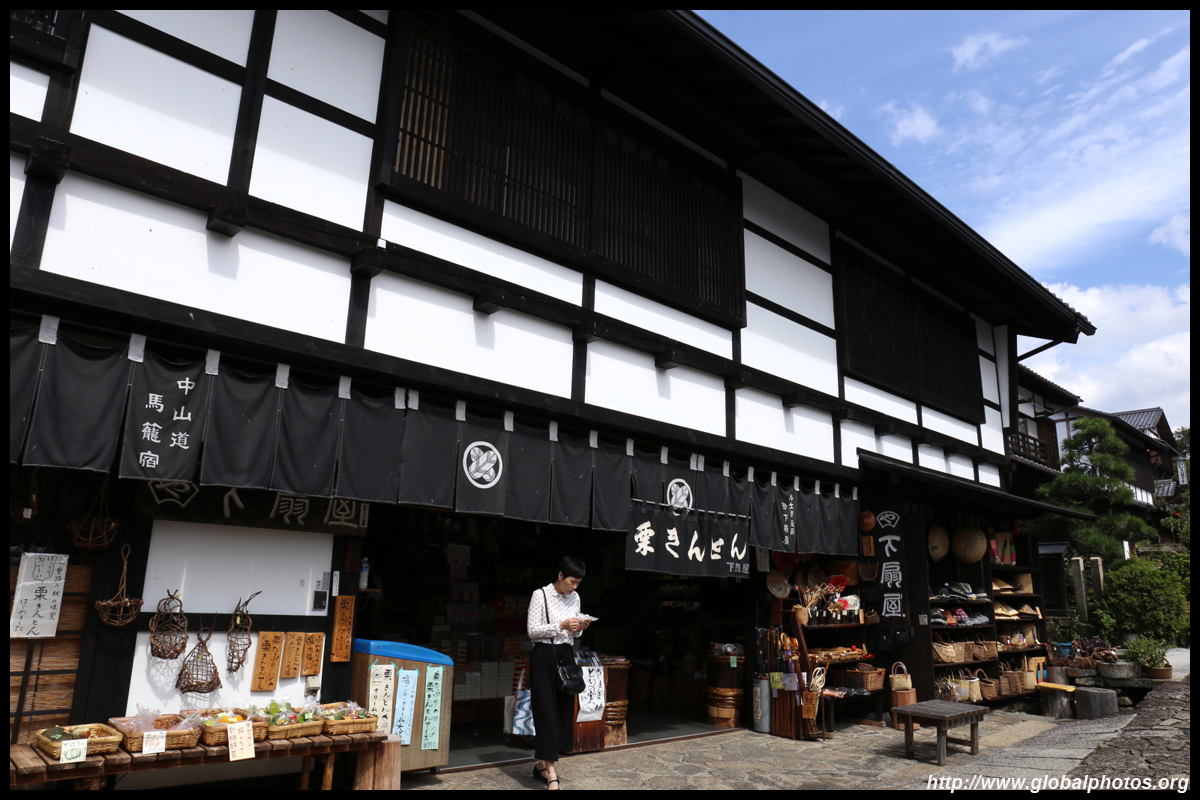
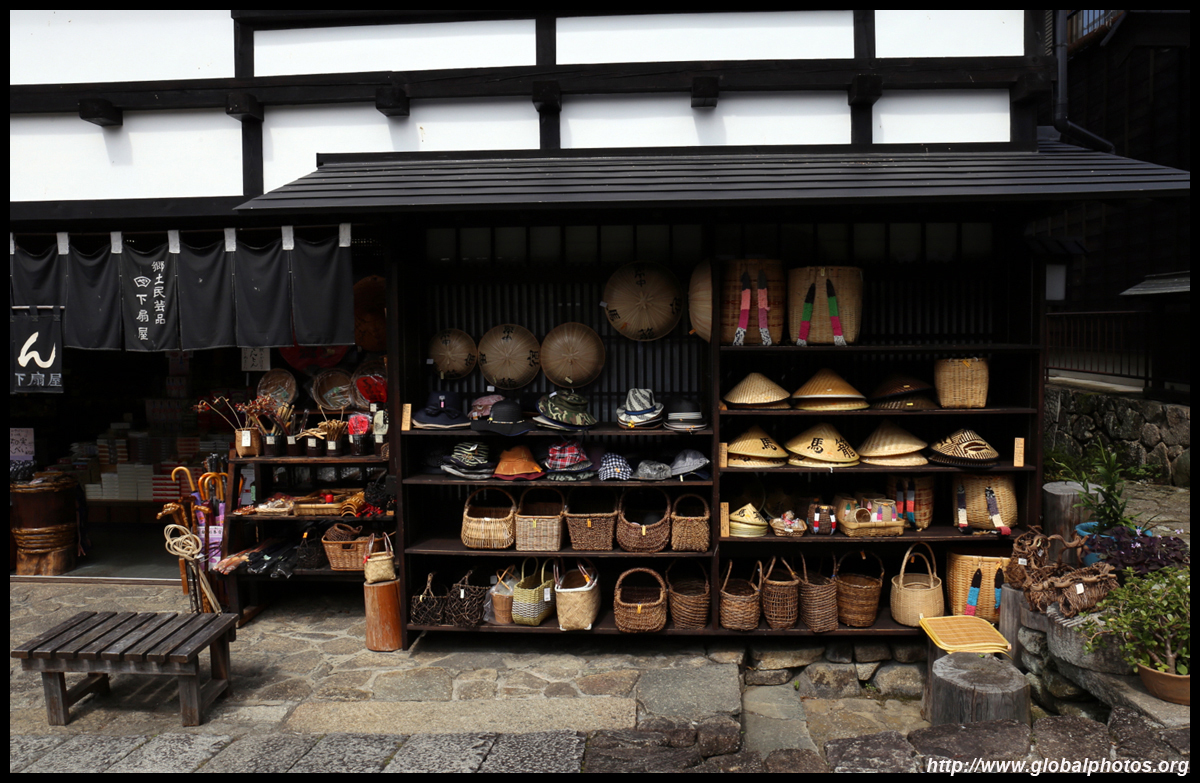
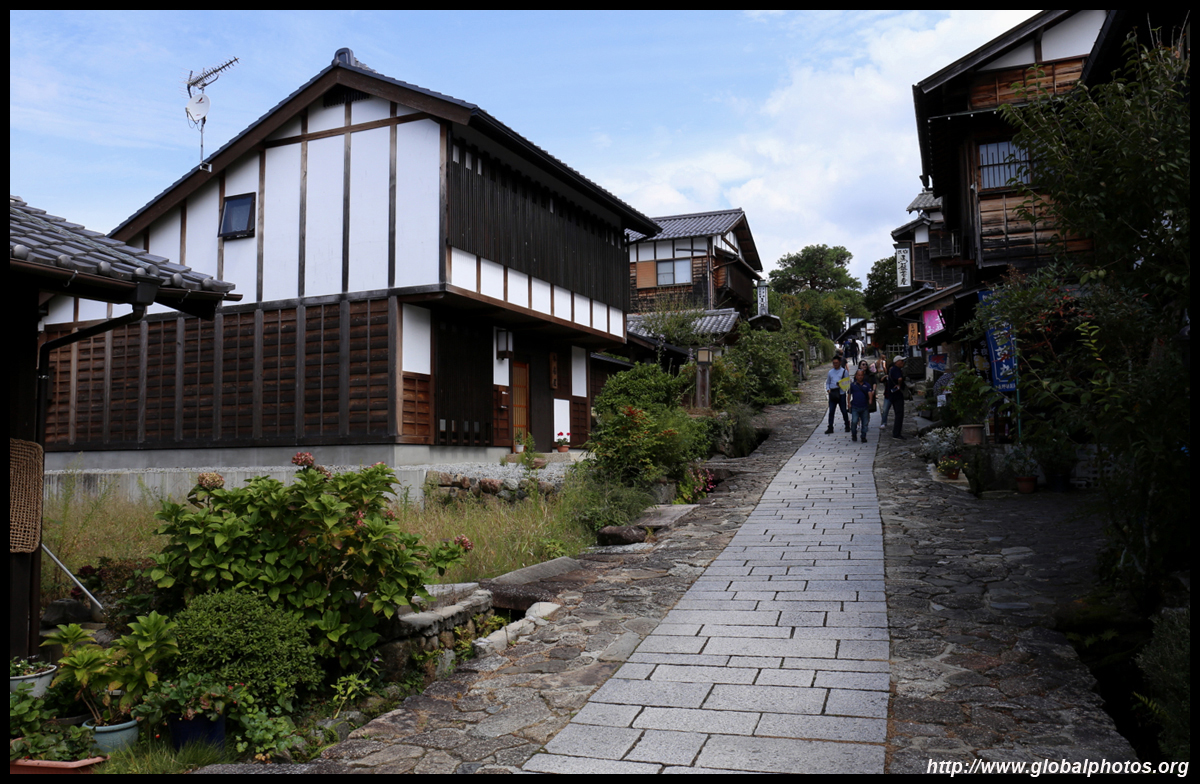
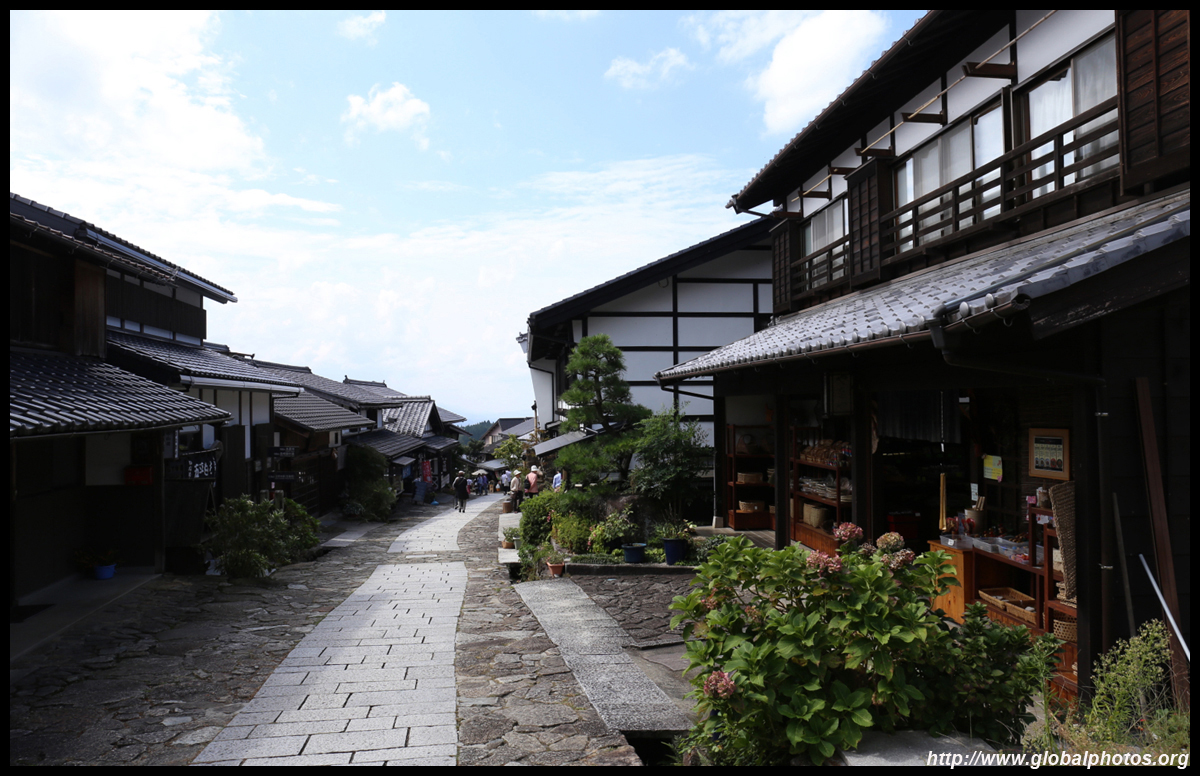
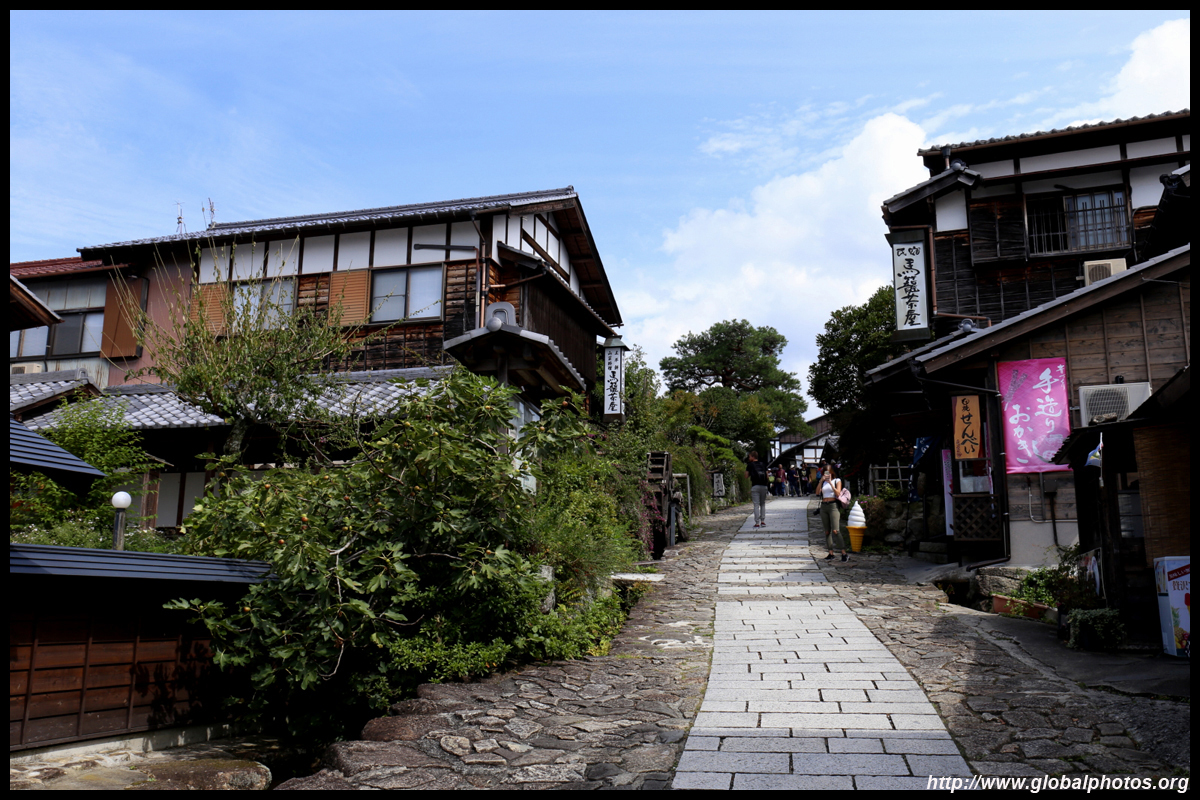
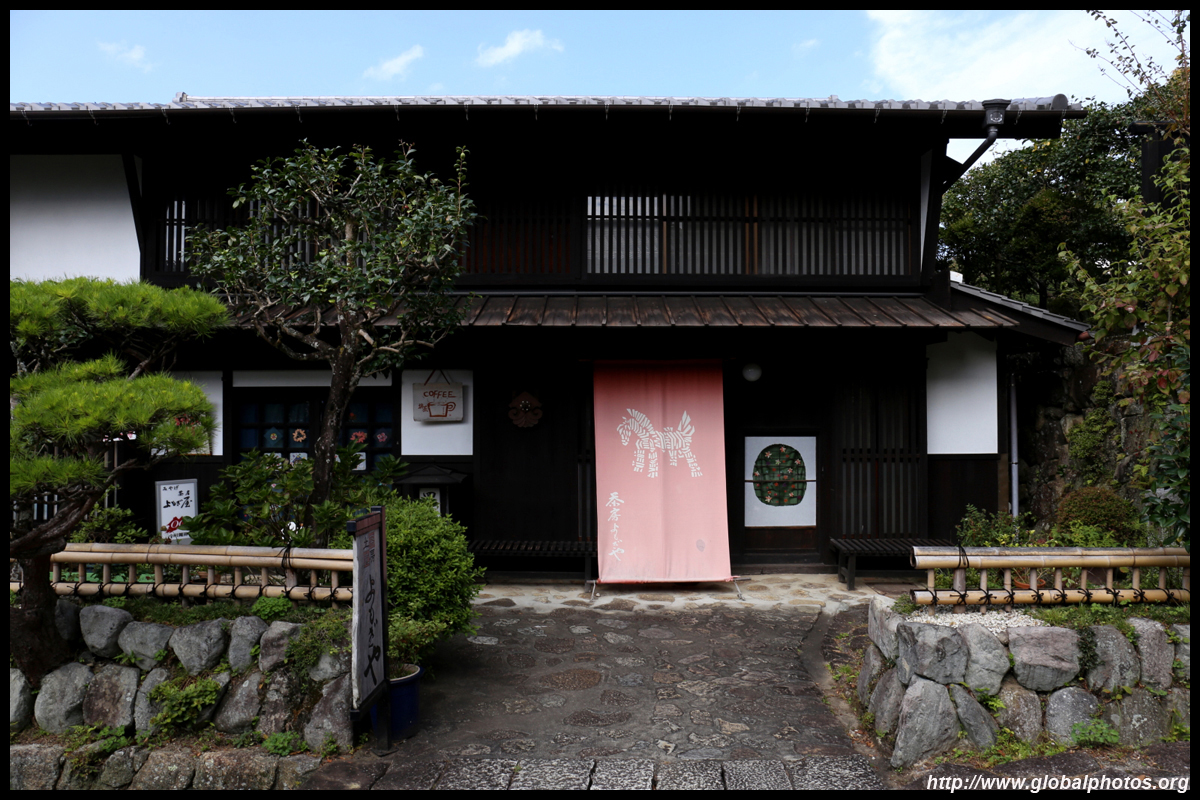
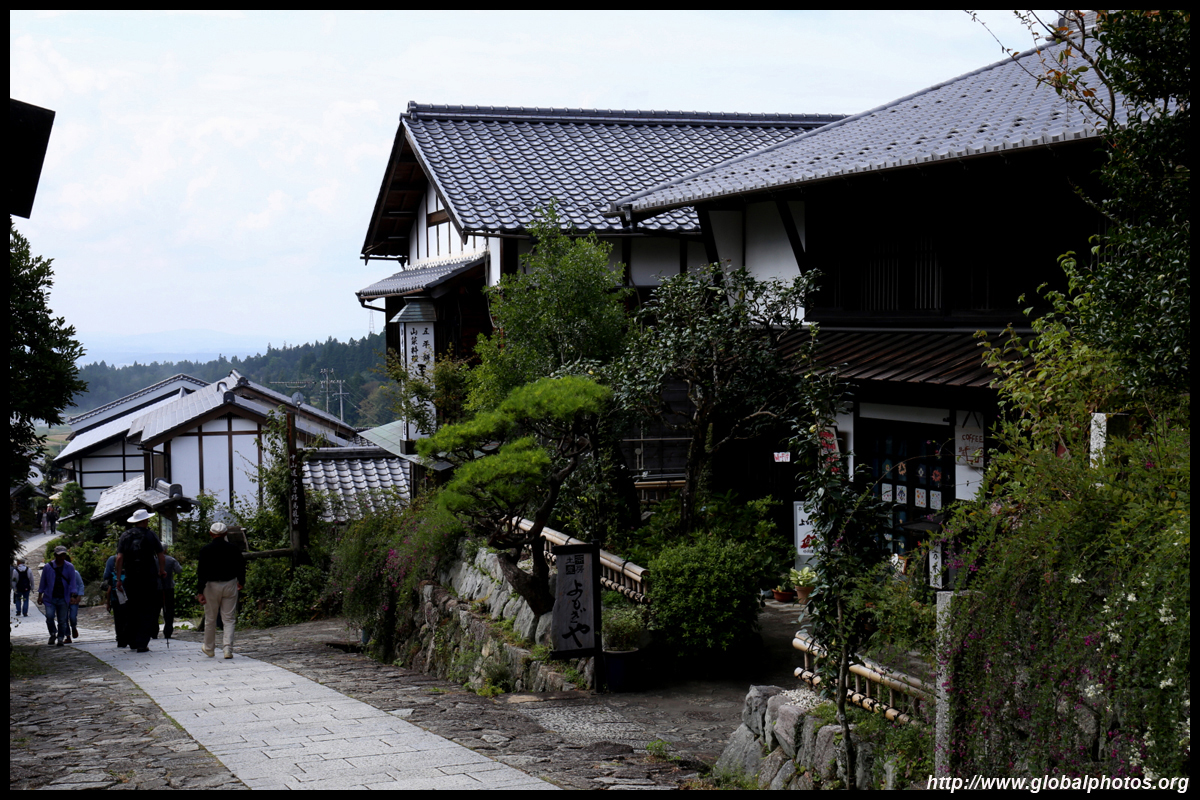
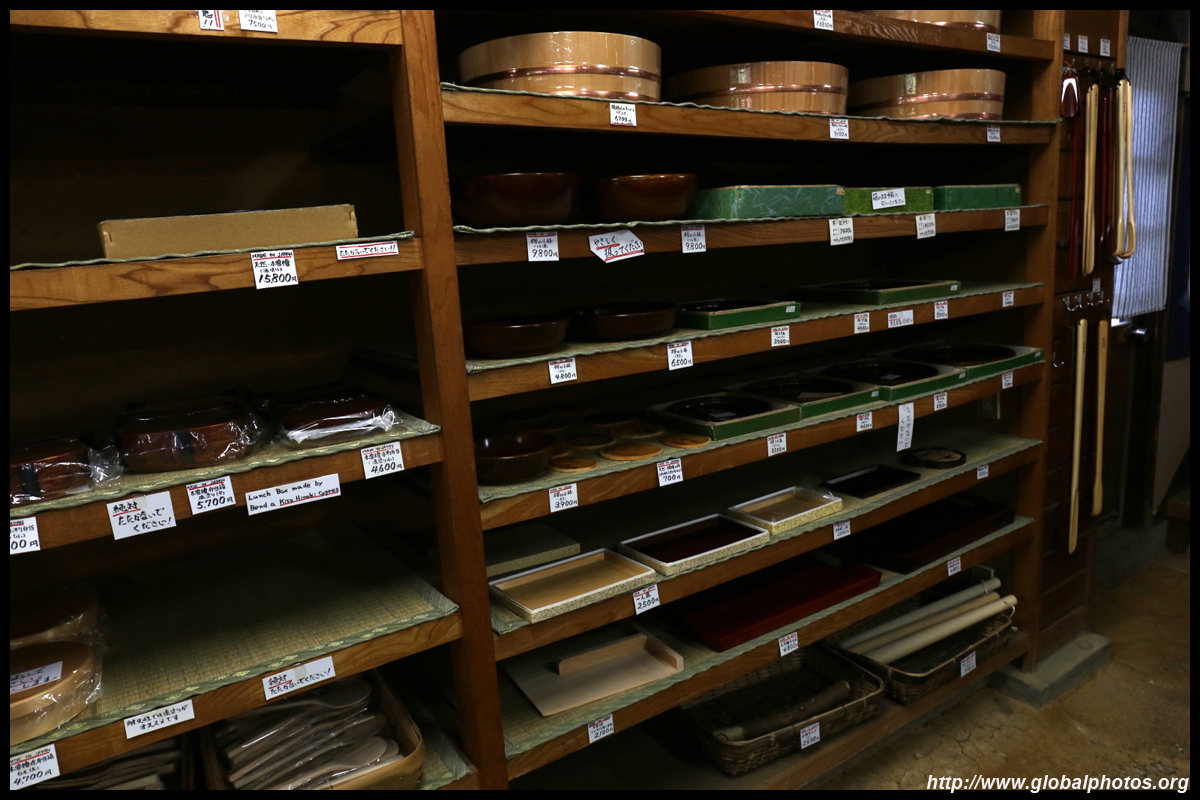
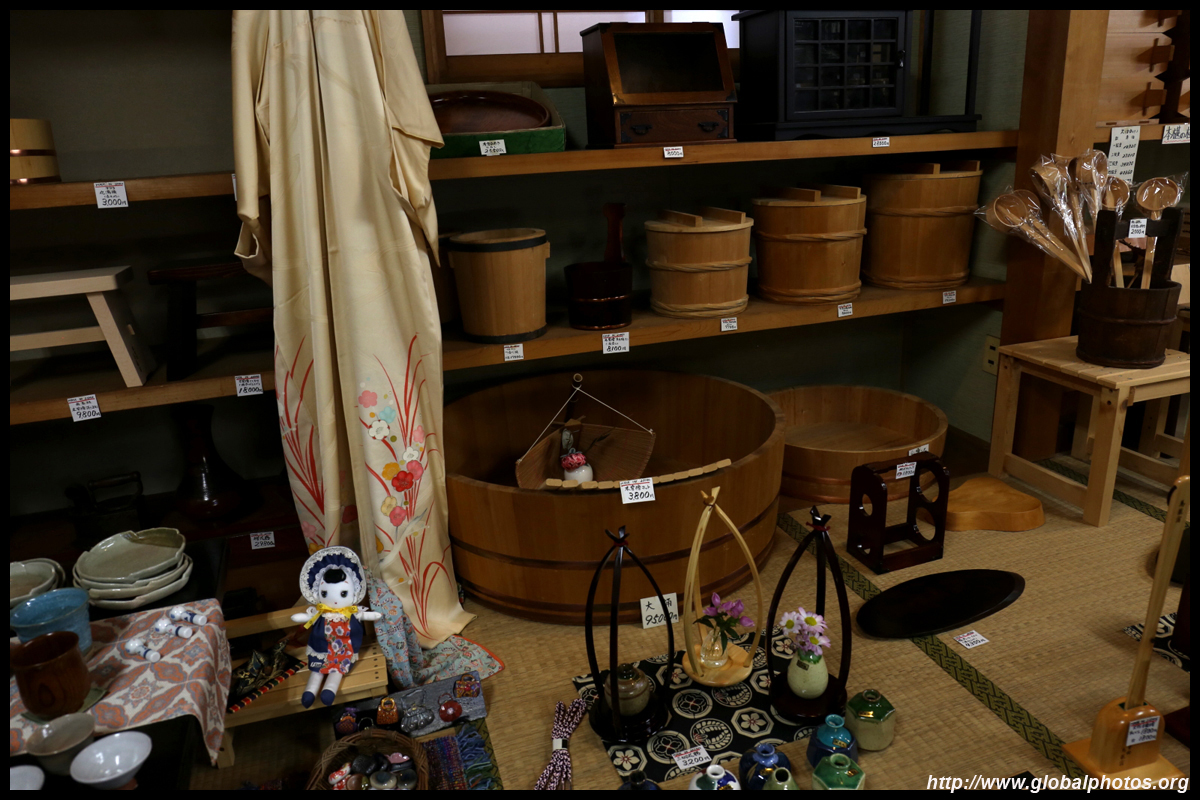
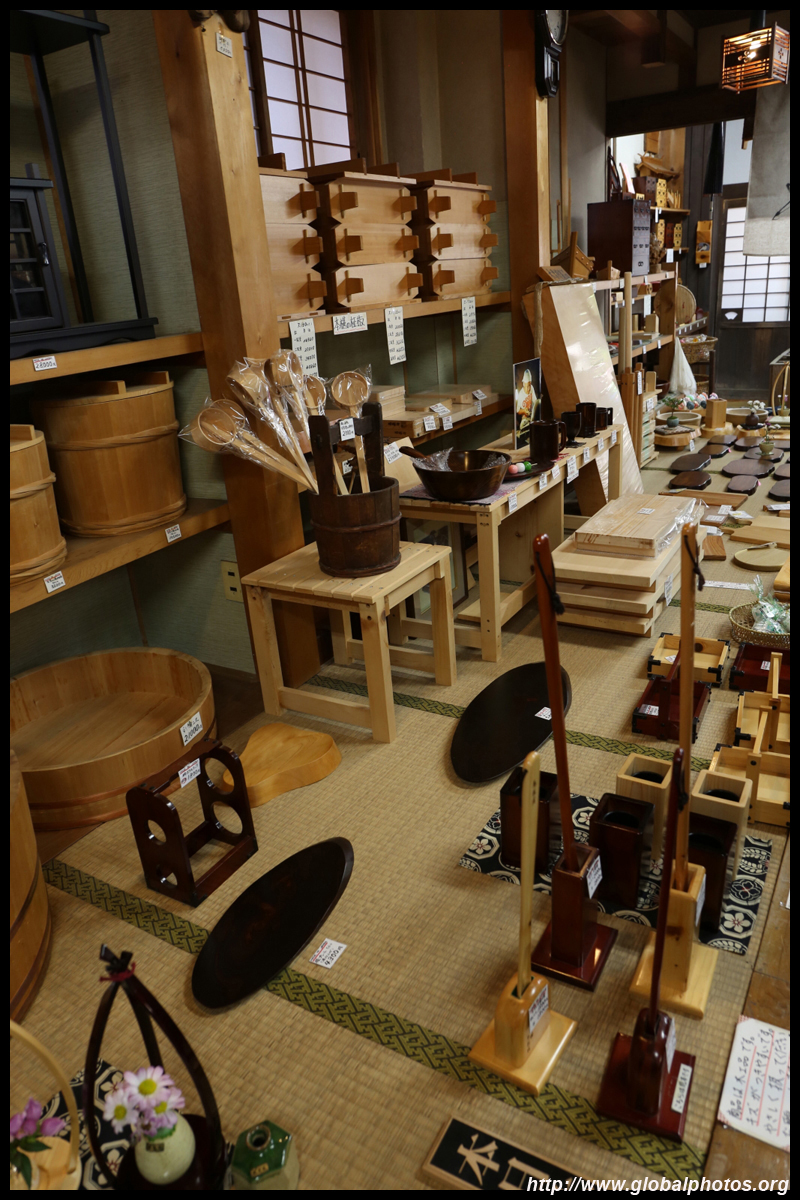
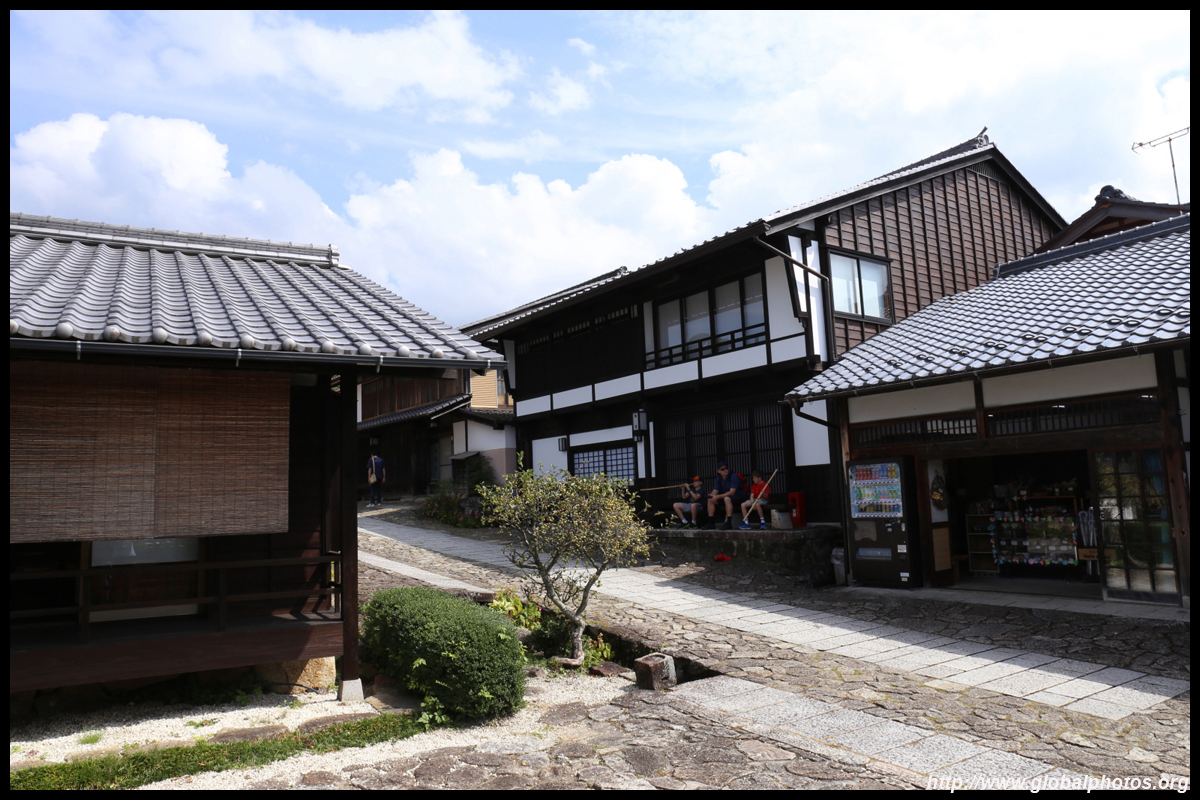
With English signs in stores, this town is definitely touristy and no longer off-the-beaten-track.
| |||
 |
 |
 |
 |
 |
 |
 |
 |
 |
 |
 |
 |
 |
 |
 |
 |
 |
 |
 |
 |
 |
 |
 |
 |
 |
 |
 |
 |
 |
 |
 |
 |
 |
 |
 |
 |
 |
 |
 |
 |
 |
 |
 |
 |
 |
 |
 |
 |
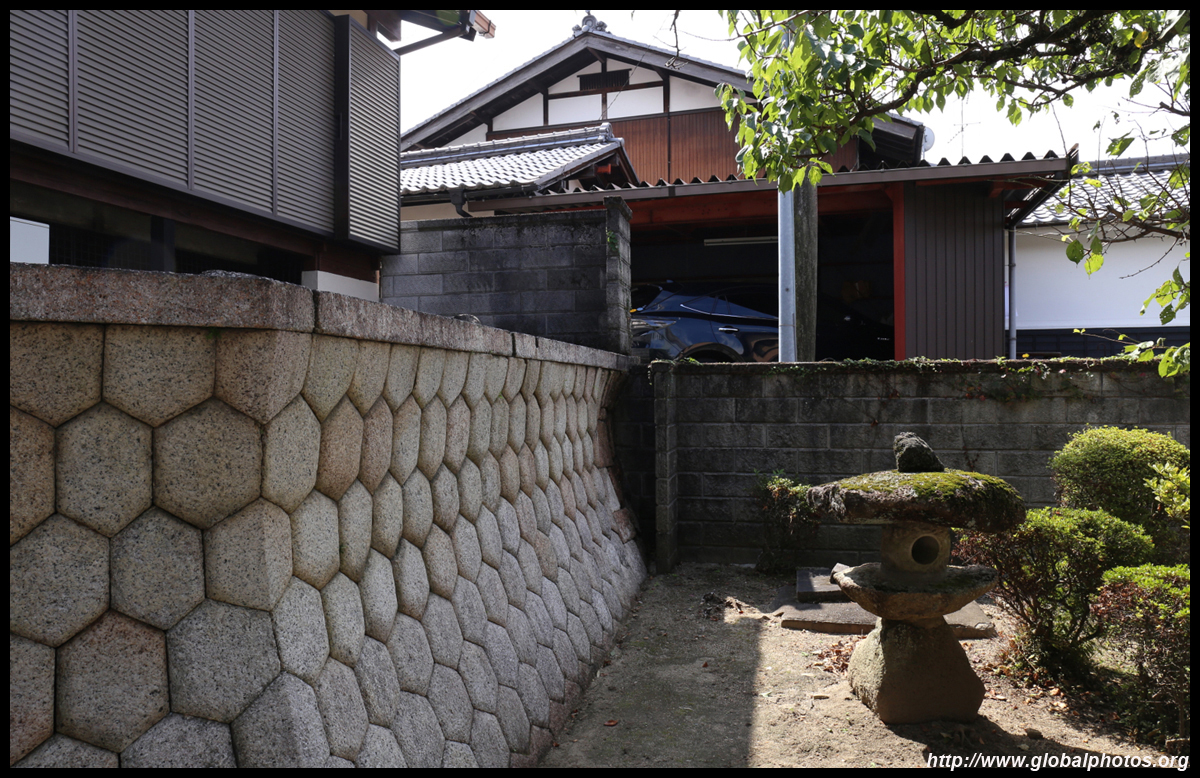
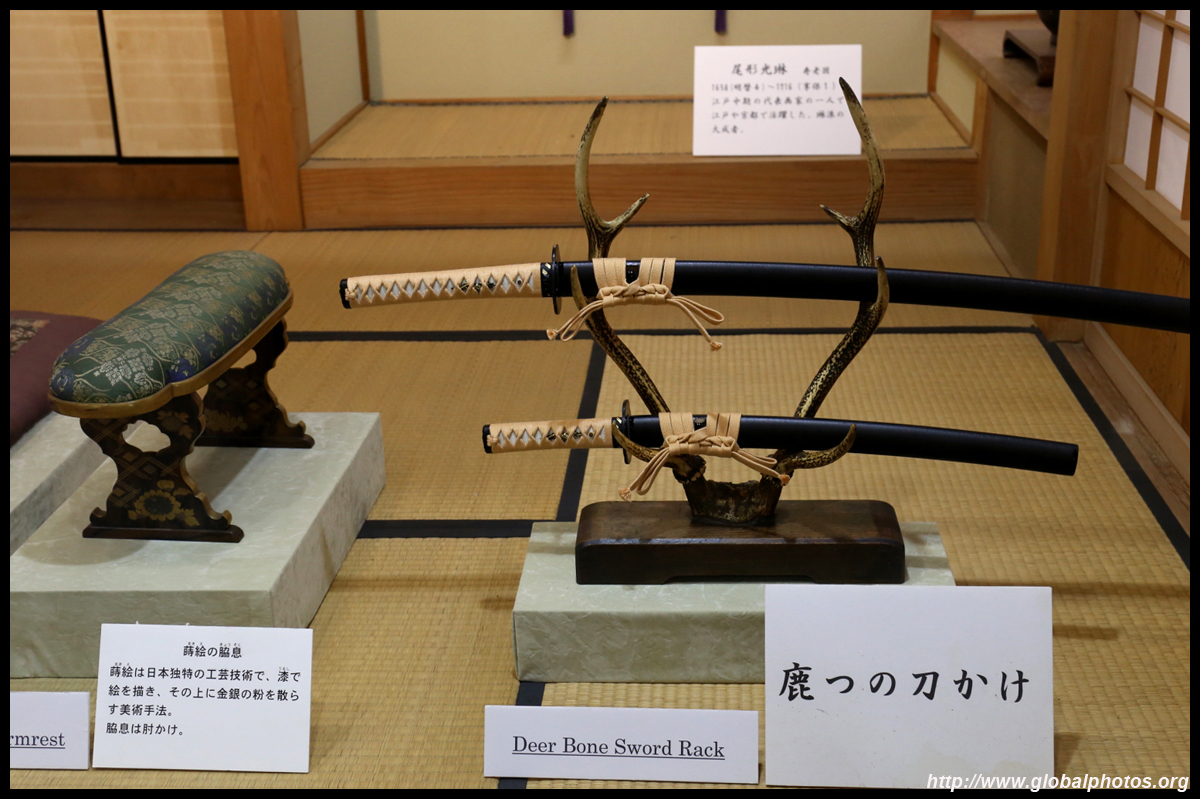
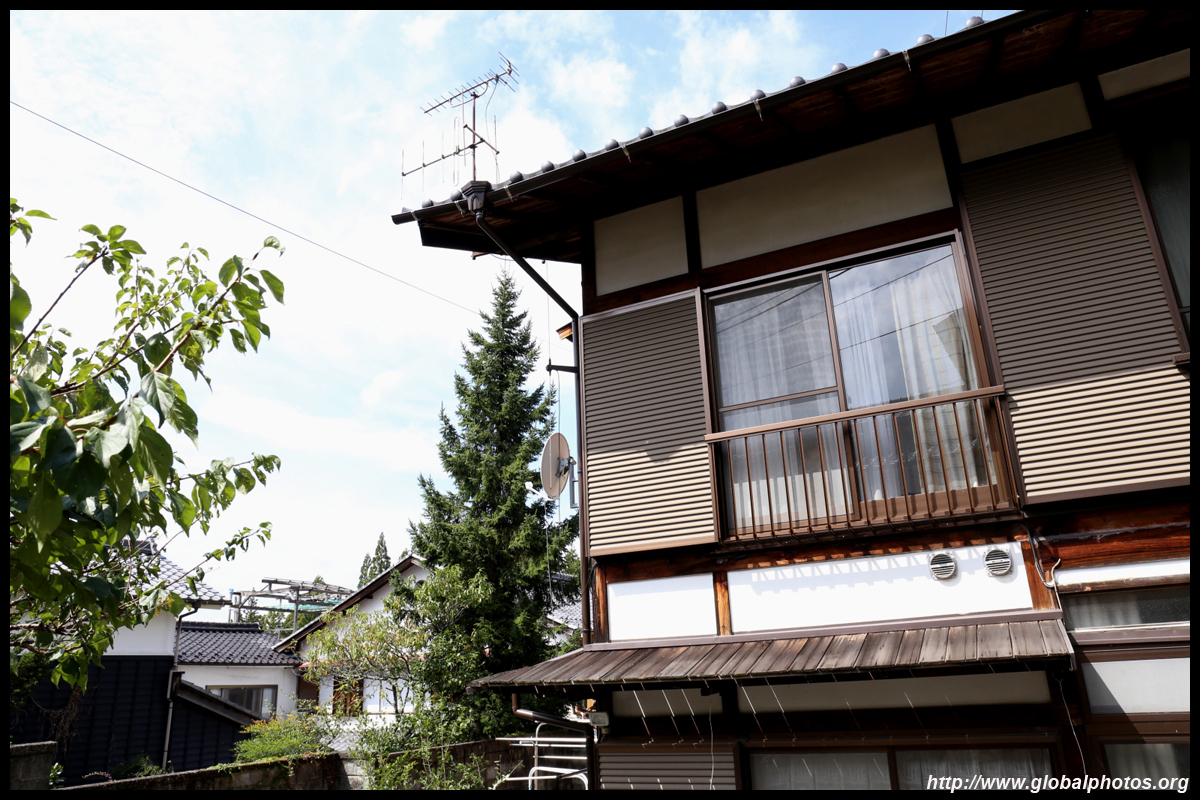
The Genbu stone walls in the courtyard dating from 1753 survived the fire. The hexagonal granite blocks look like turtle shells.
| |||
 |
 |
 |
 |
 |
 |
 |
 |
 |
 |
 |
 |
 |
 |
 |
 |
 |
 |
 |
 |
 |
 |
 |
 |
 |
 |
 |
 |
 |
 |
 |
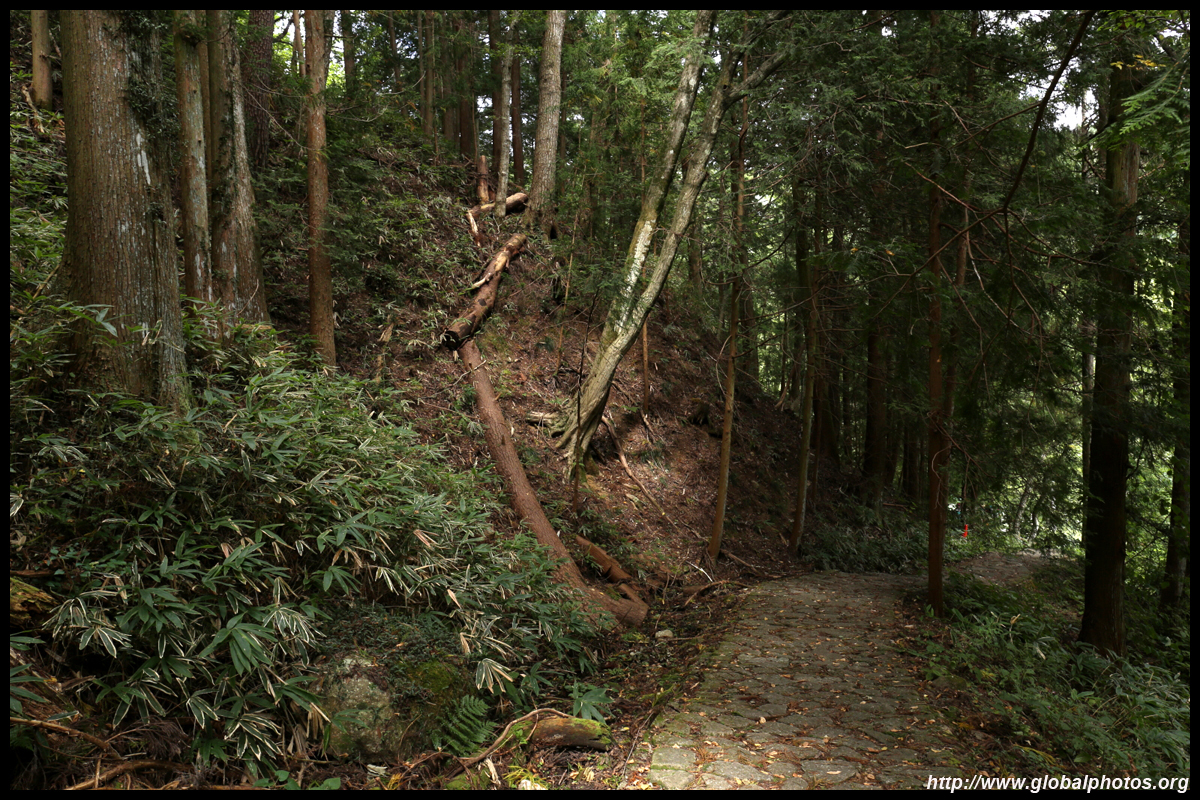 |
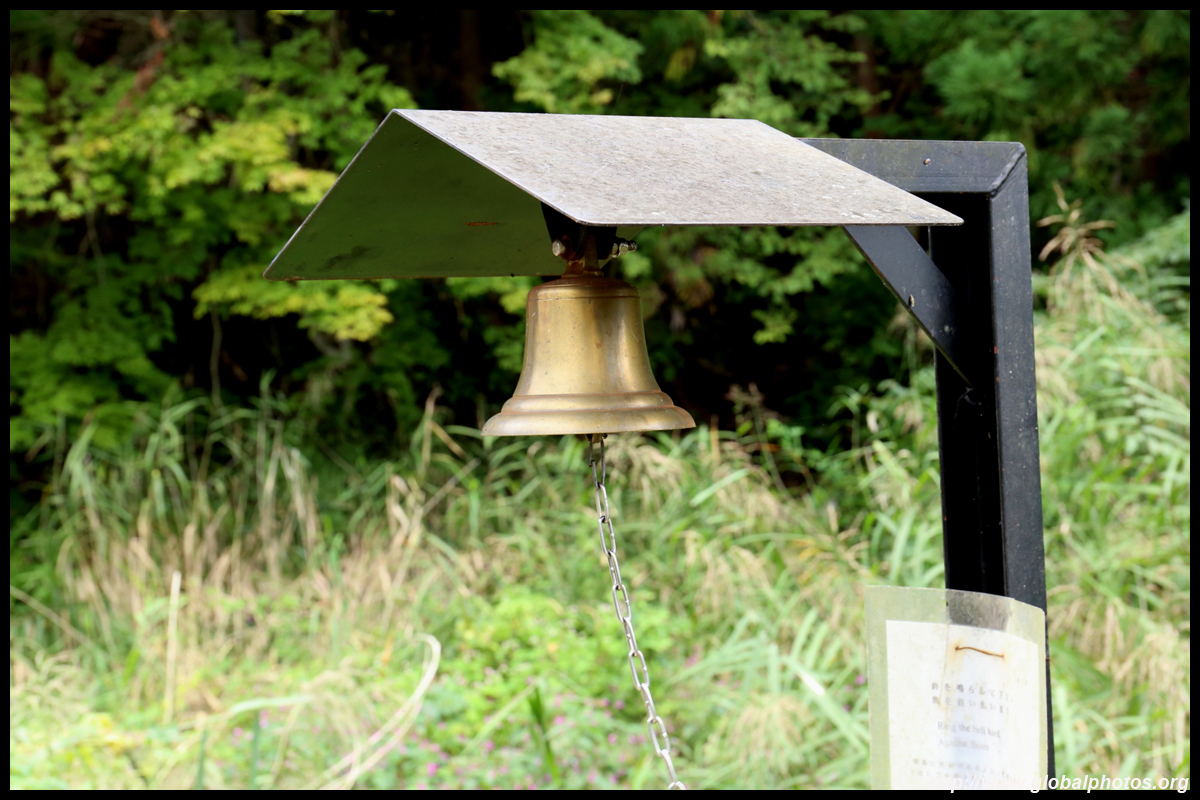
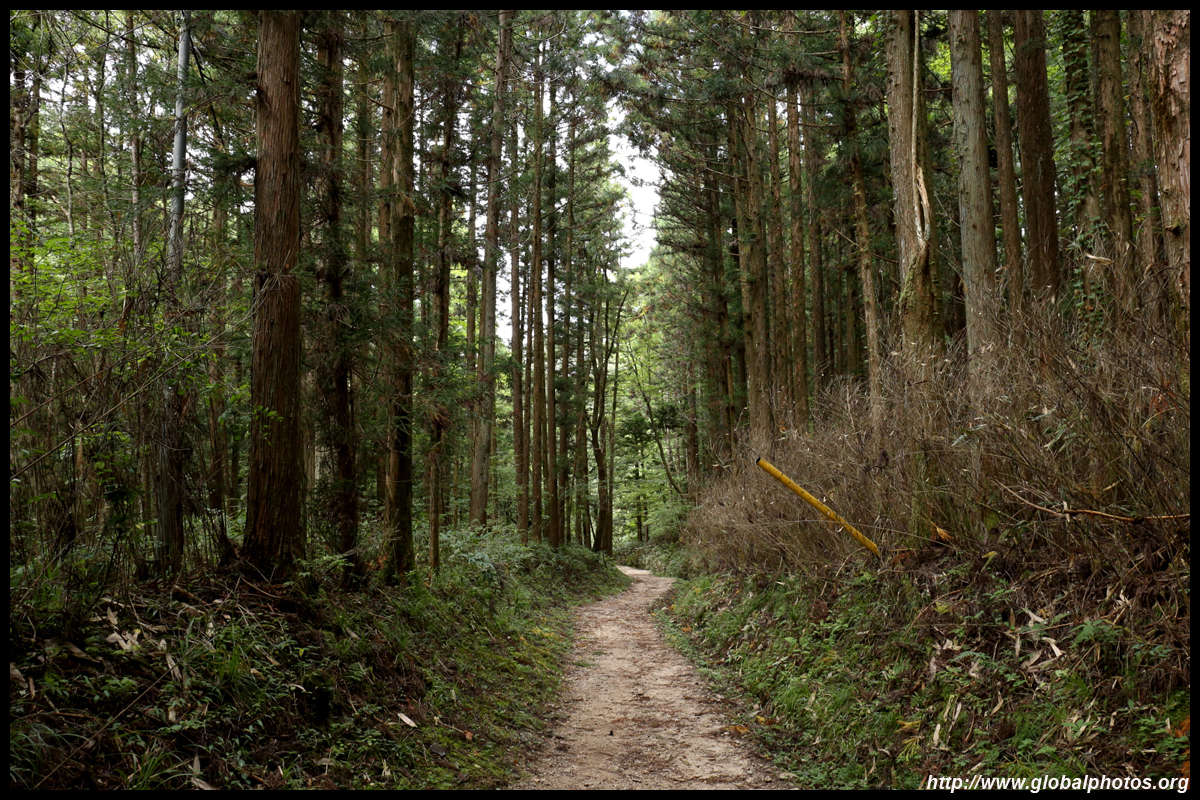
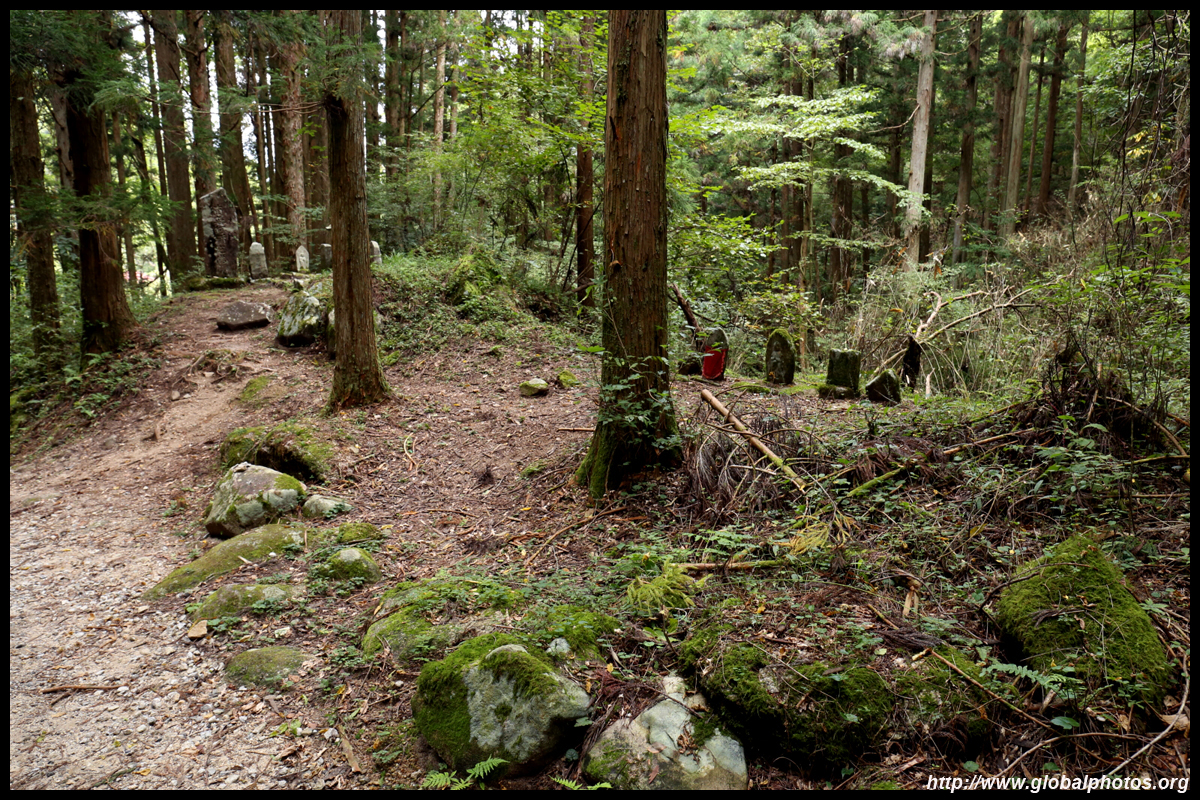
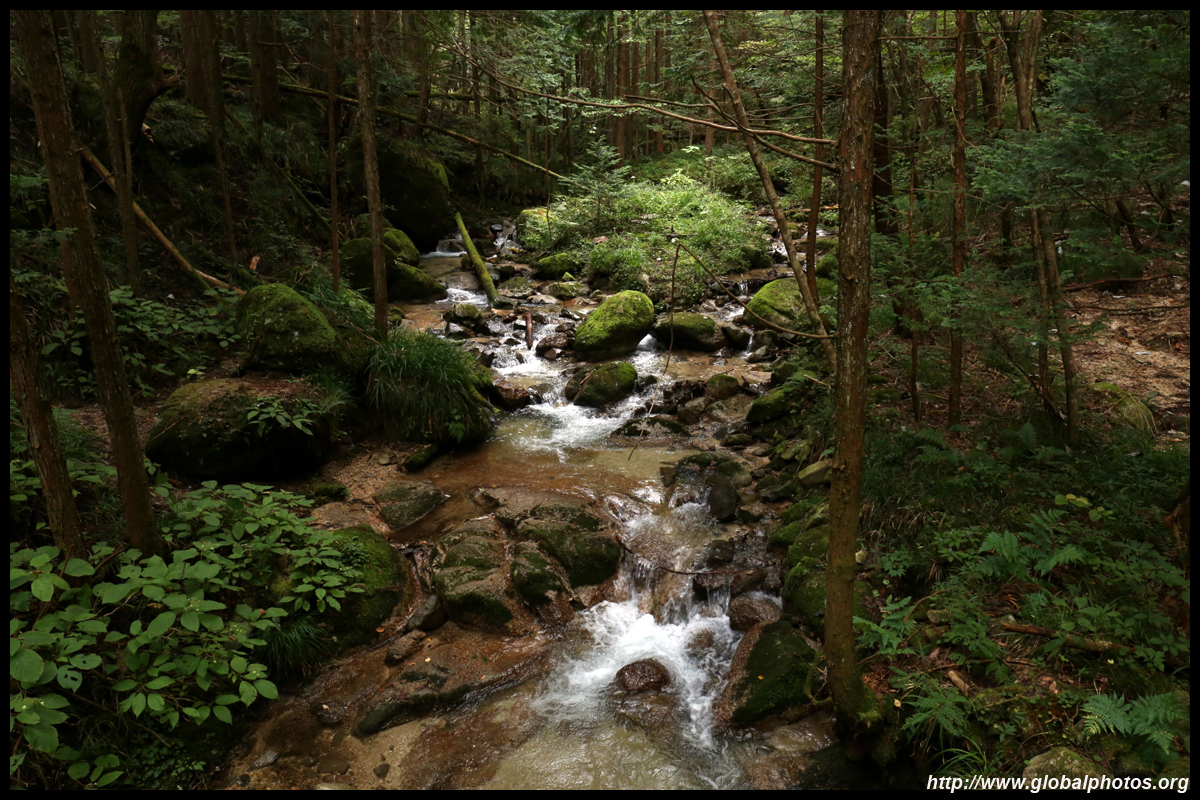
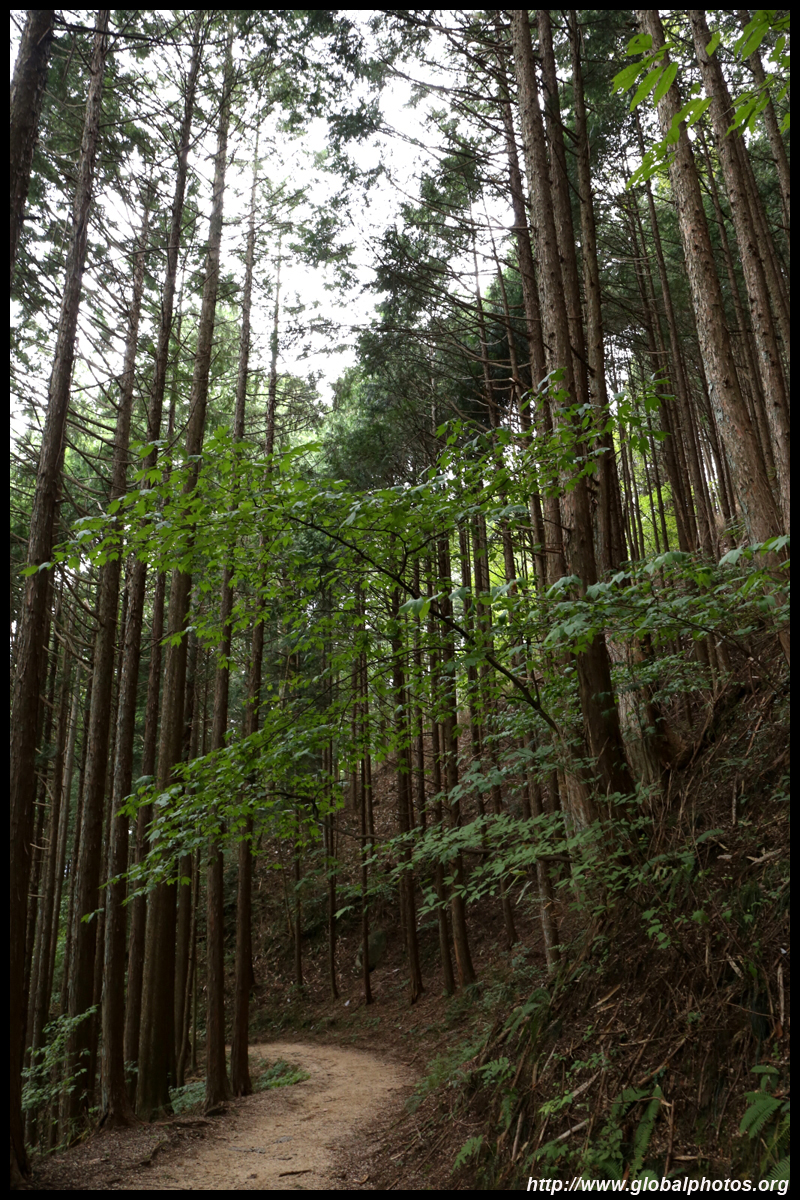
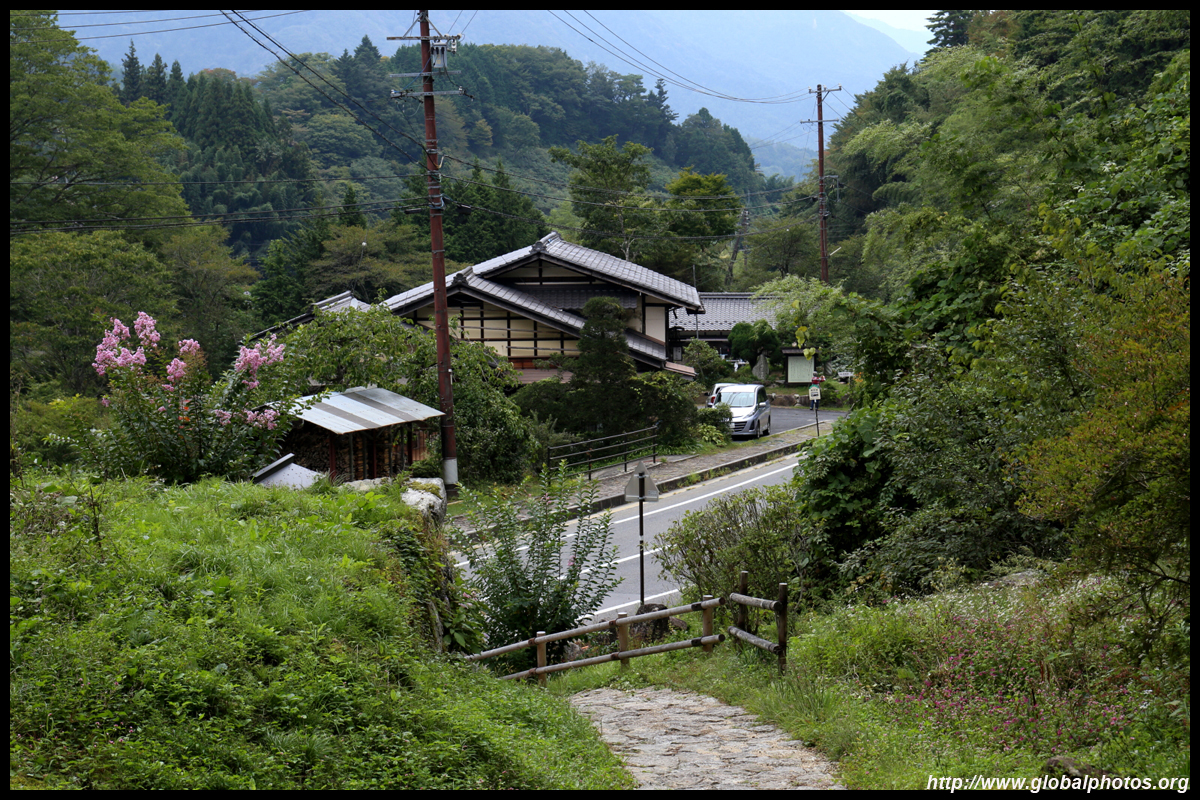
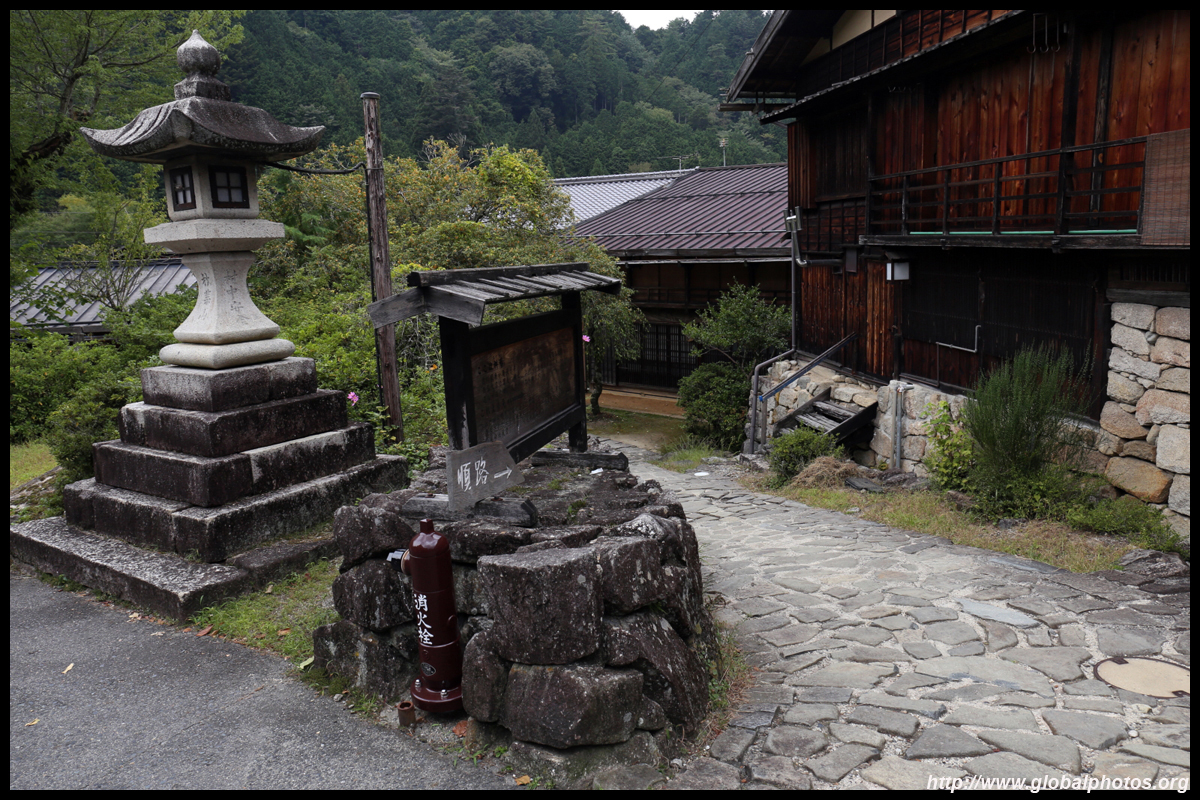
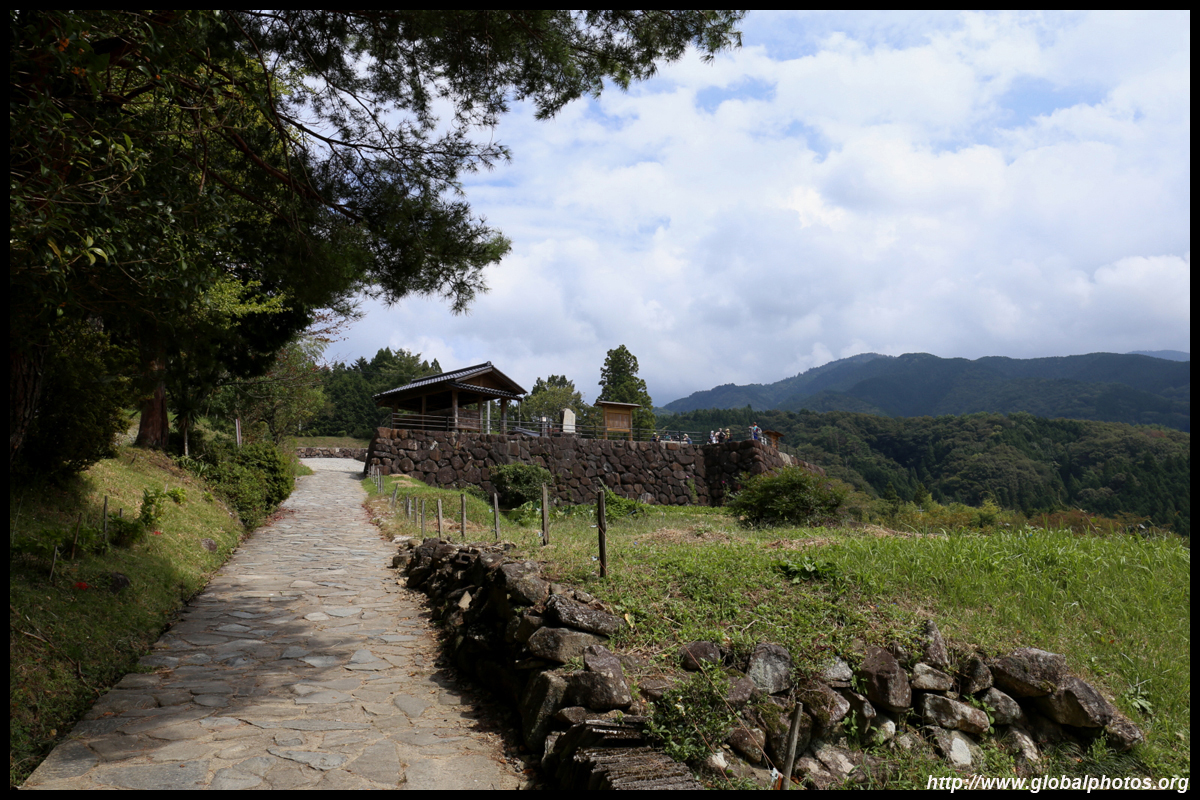
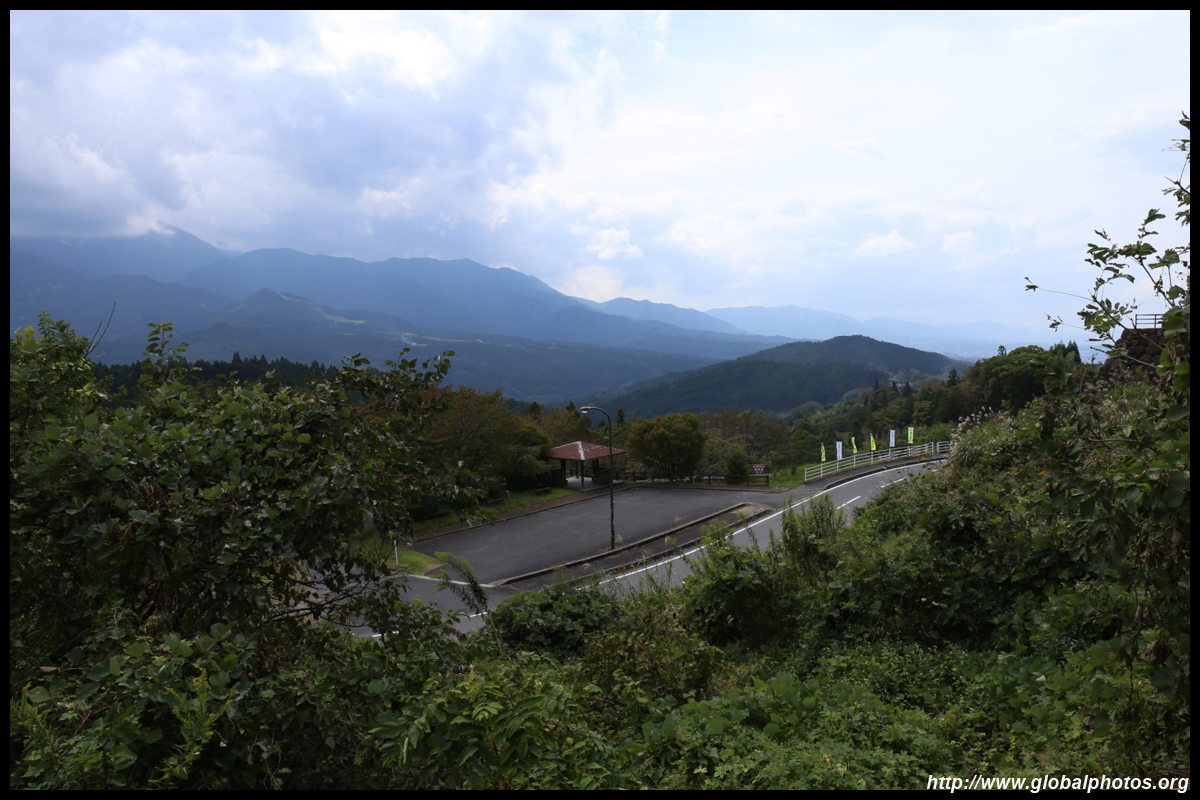
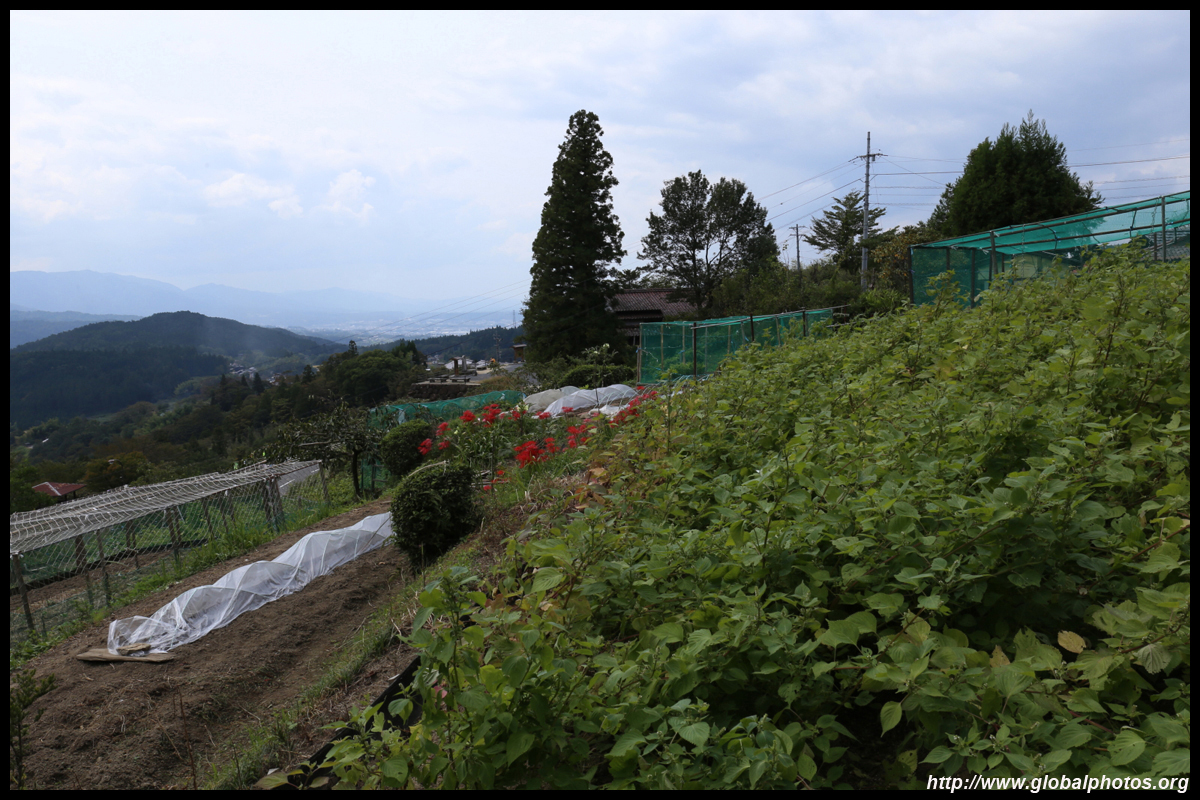
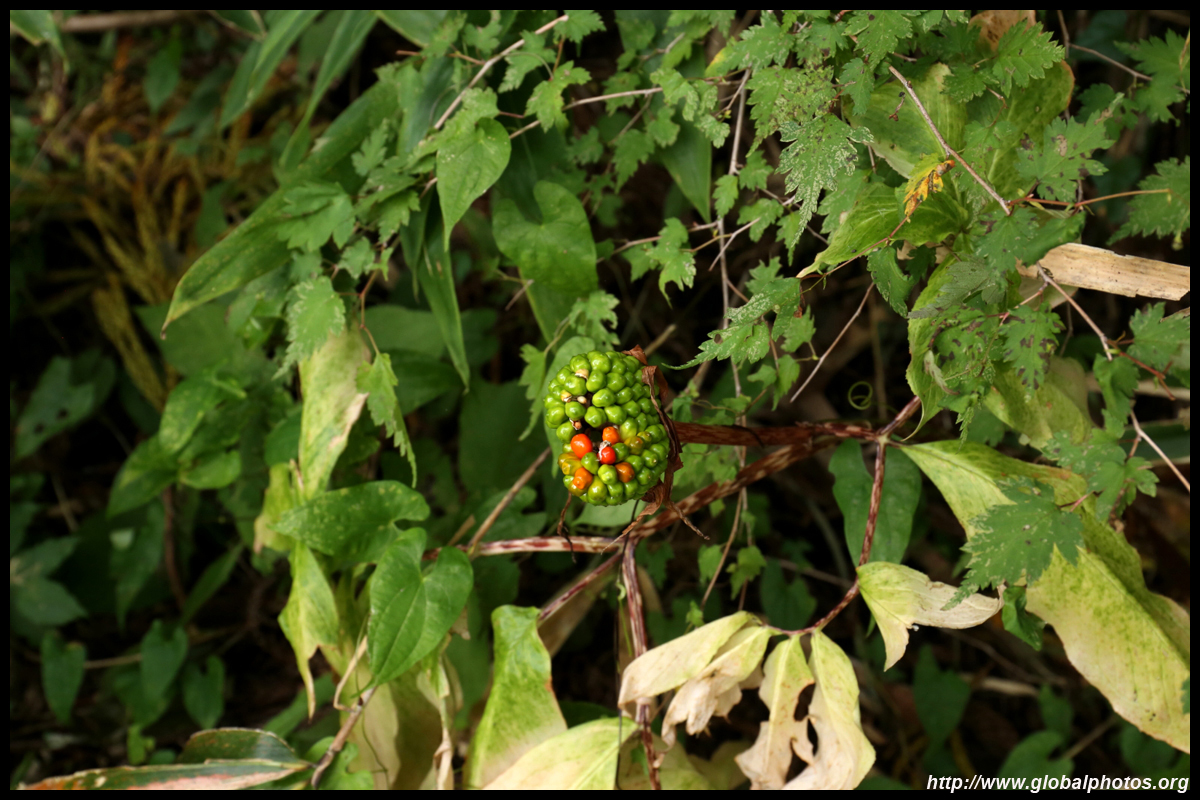
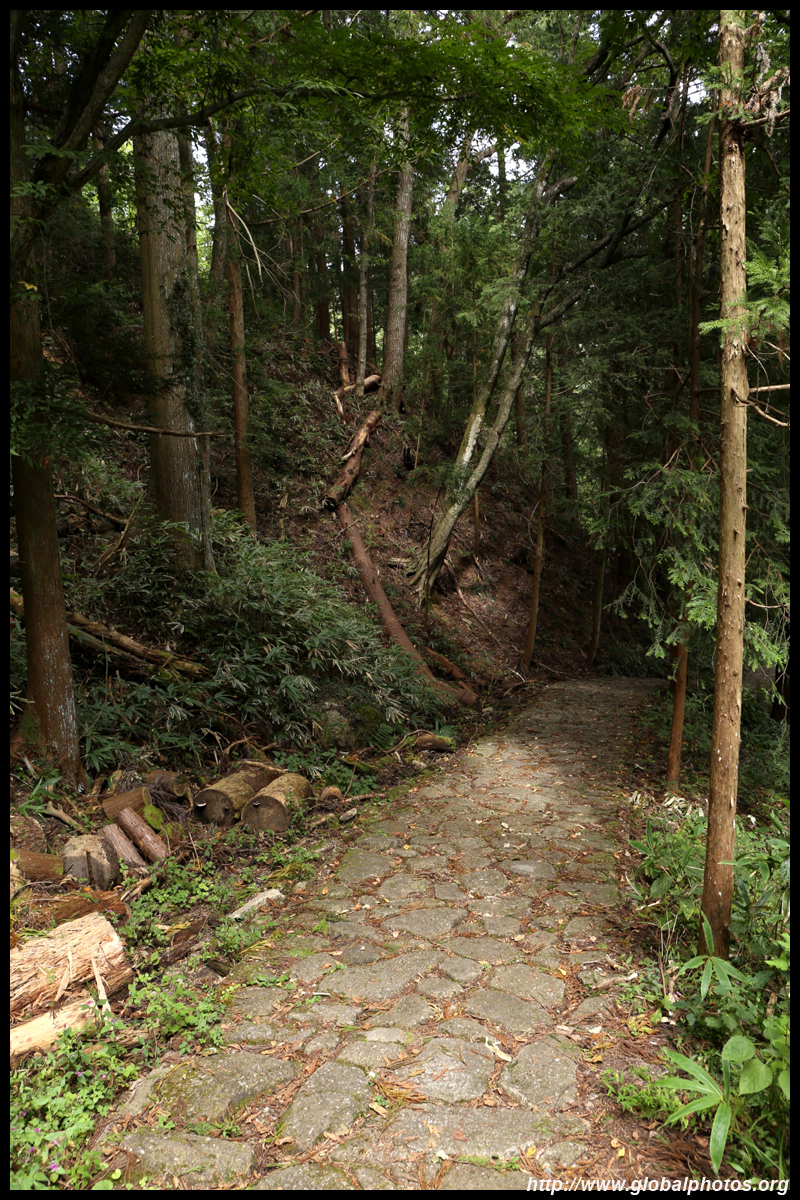
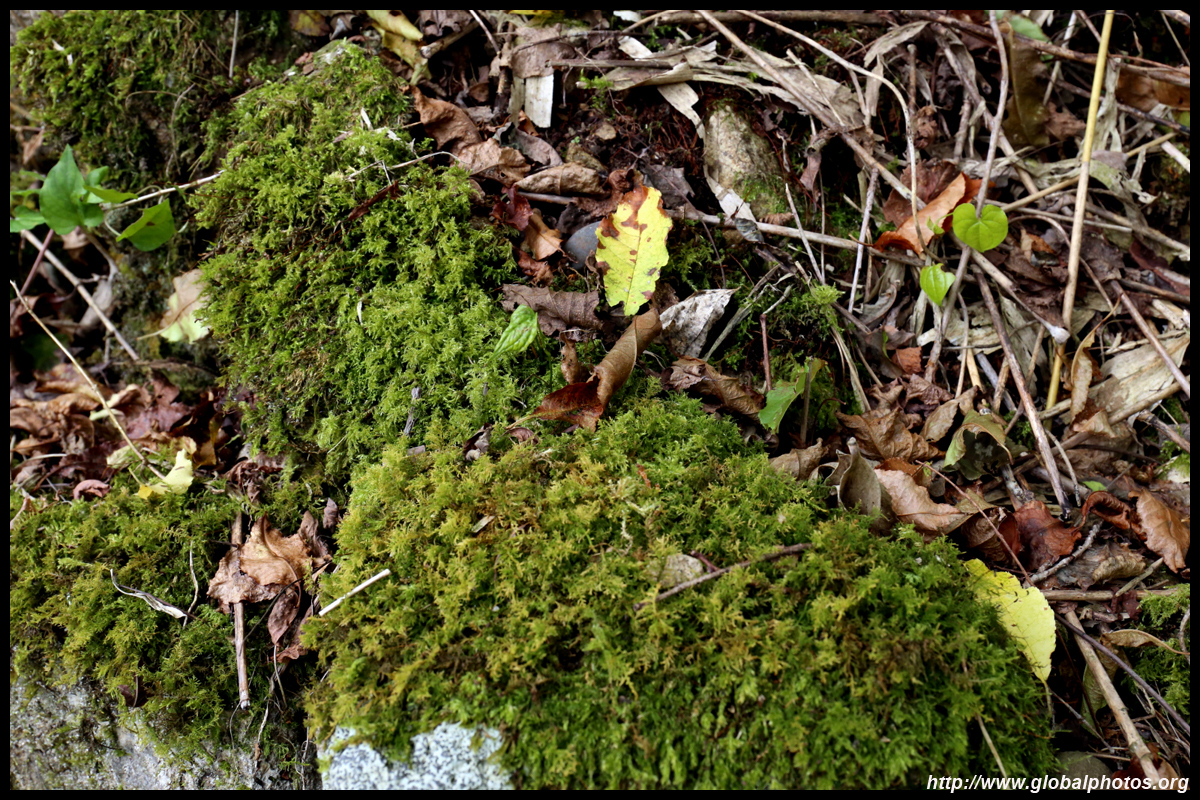
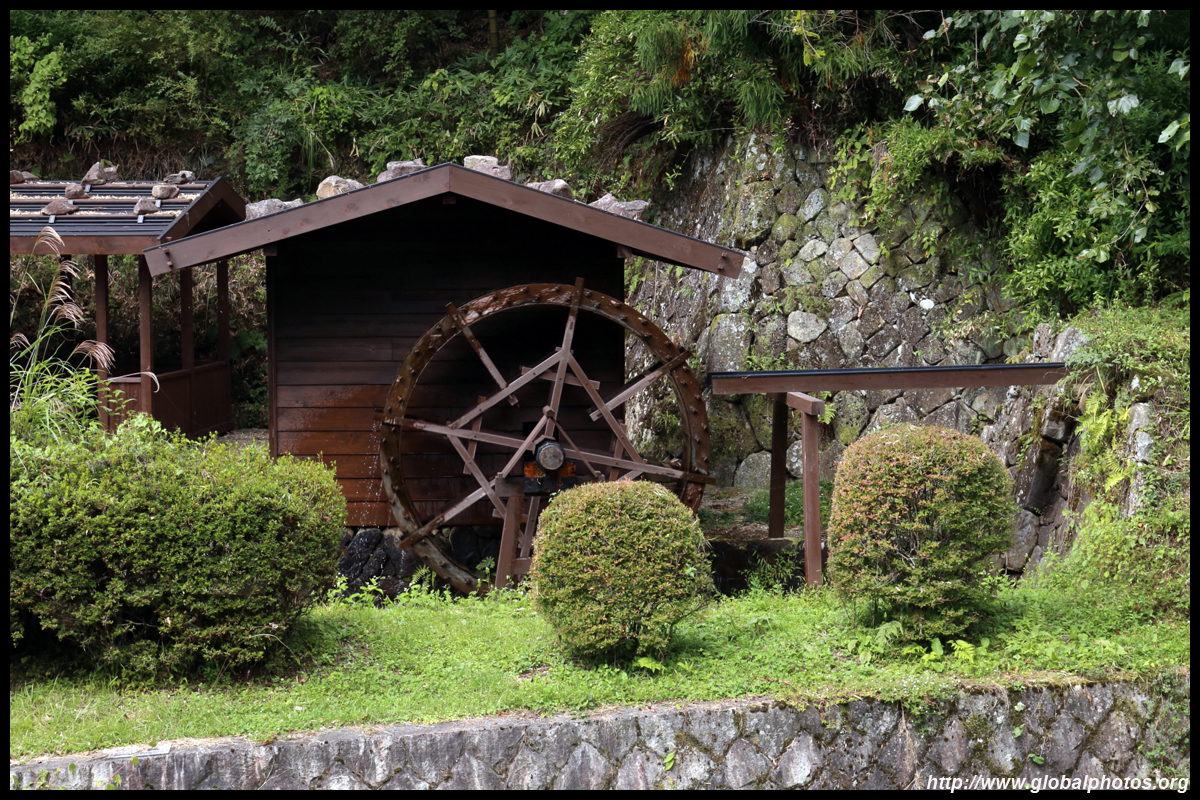
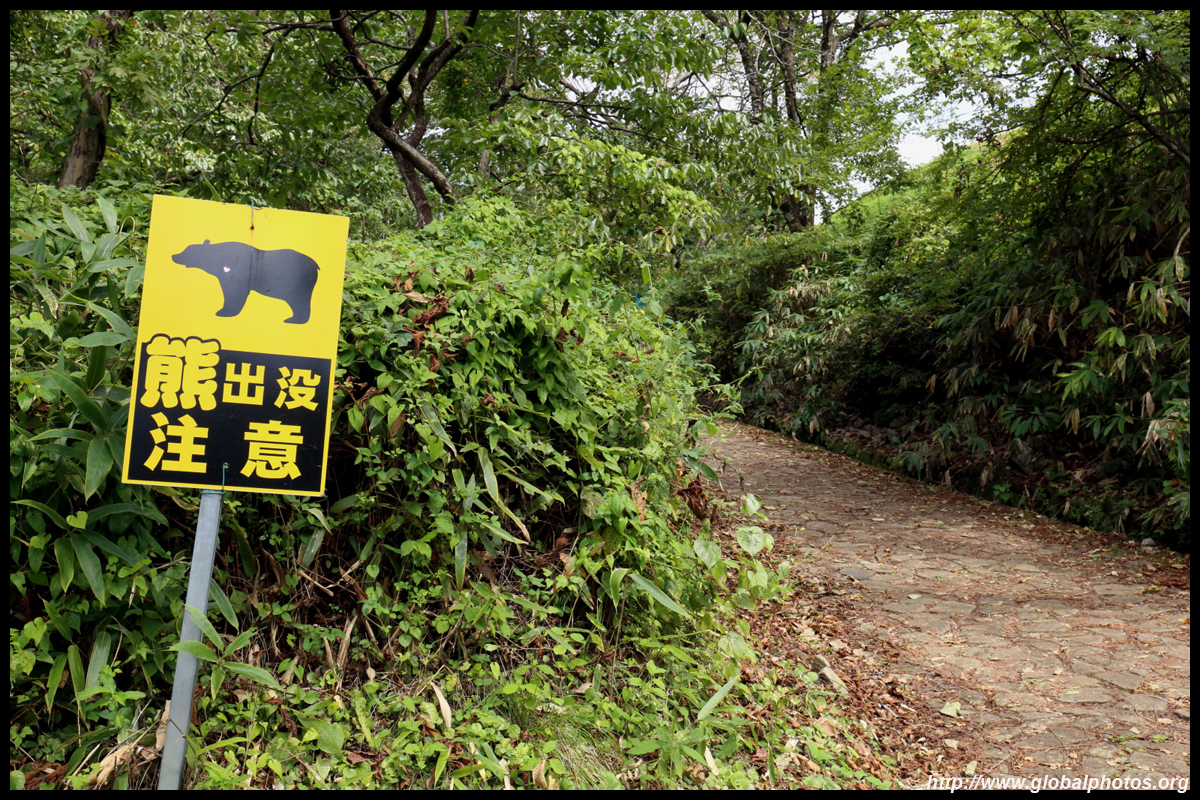
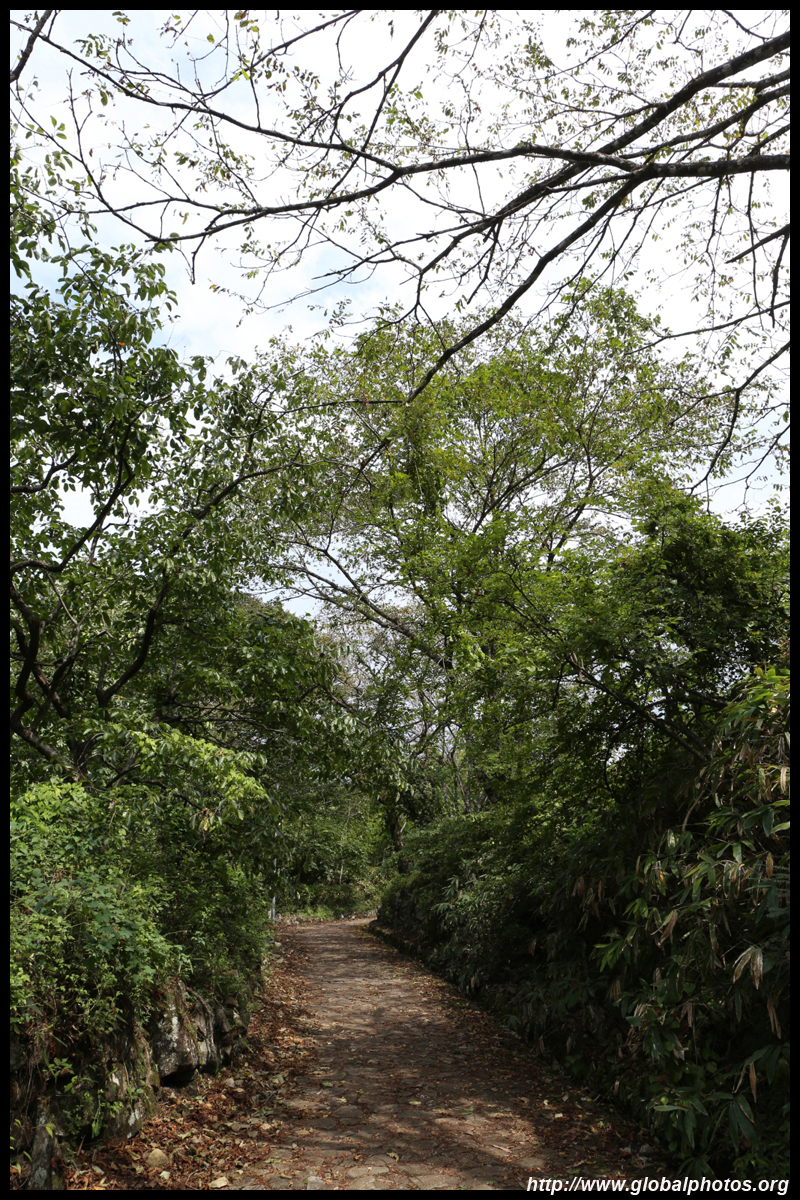
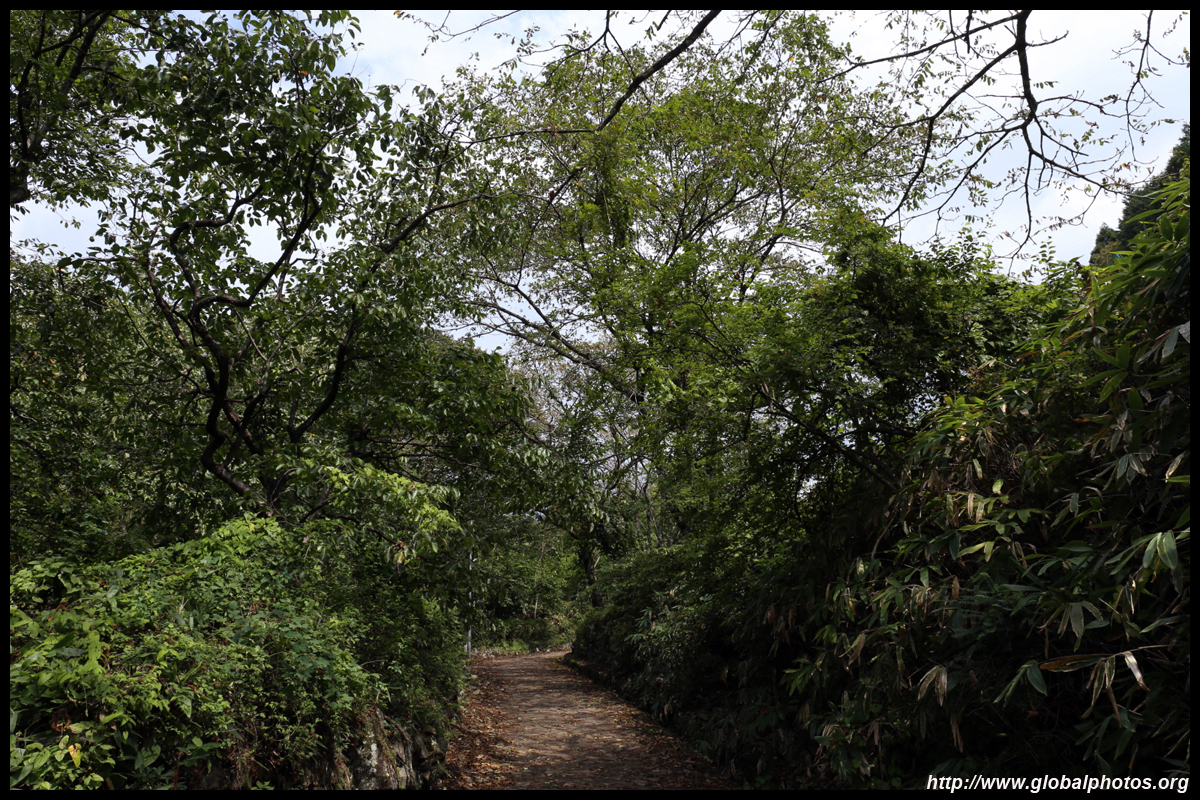
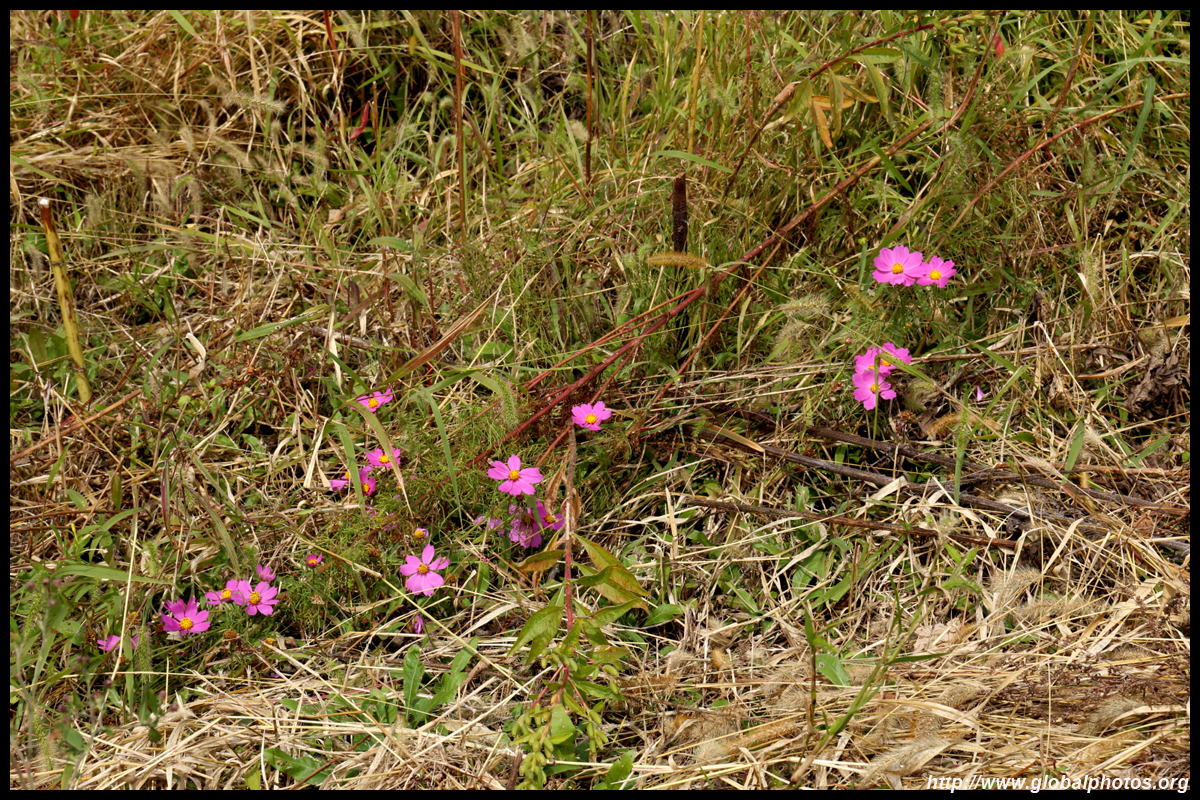
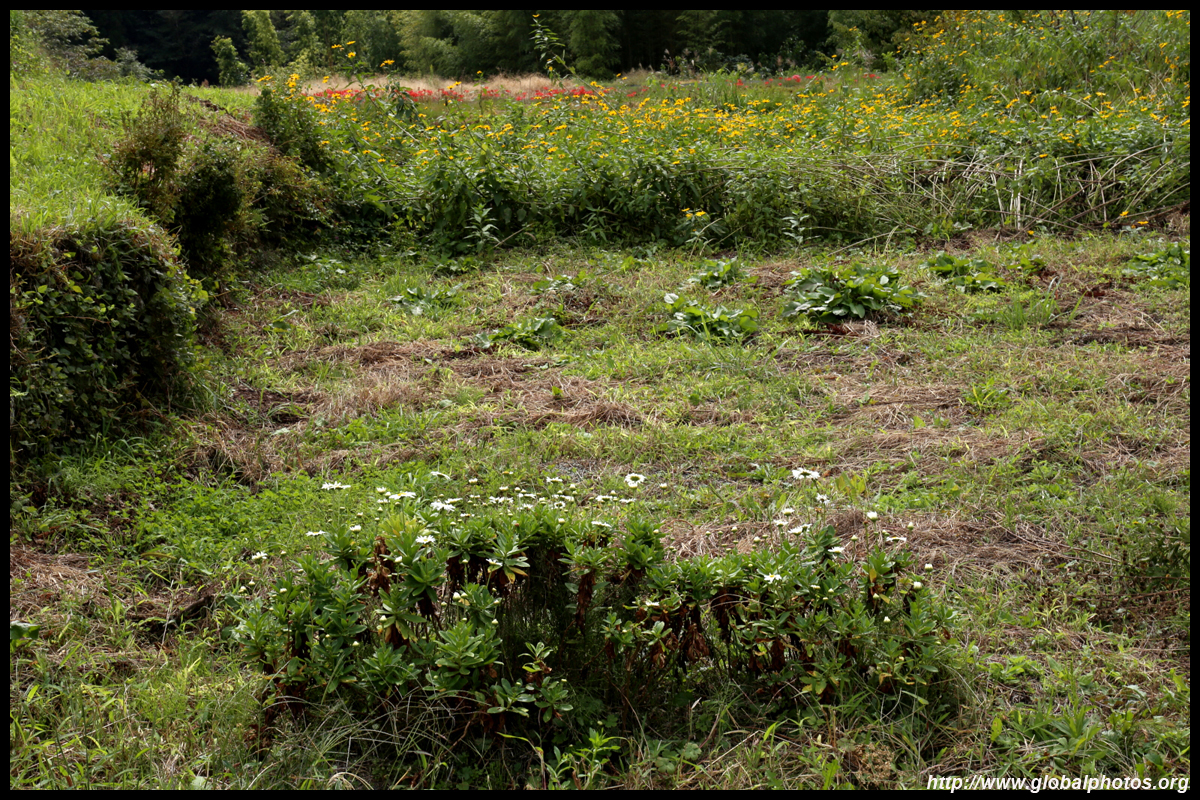
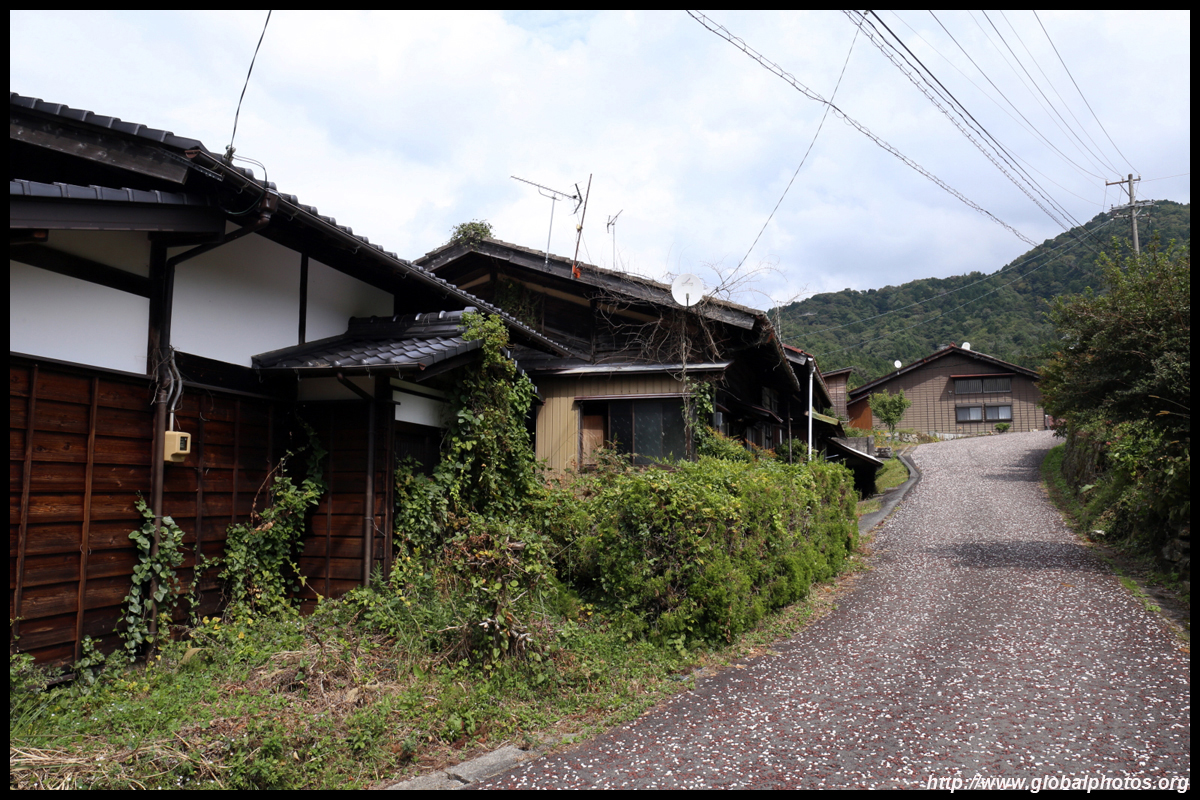
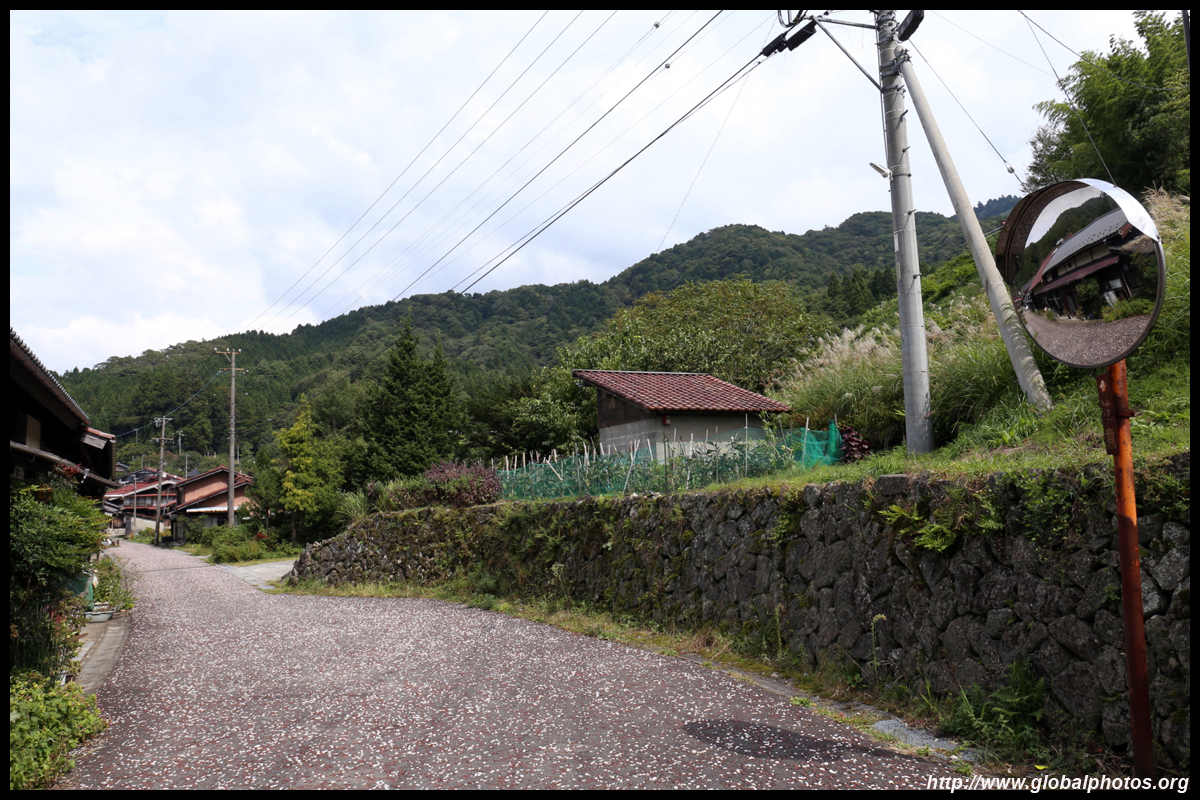
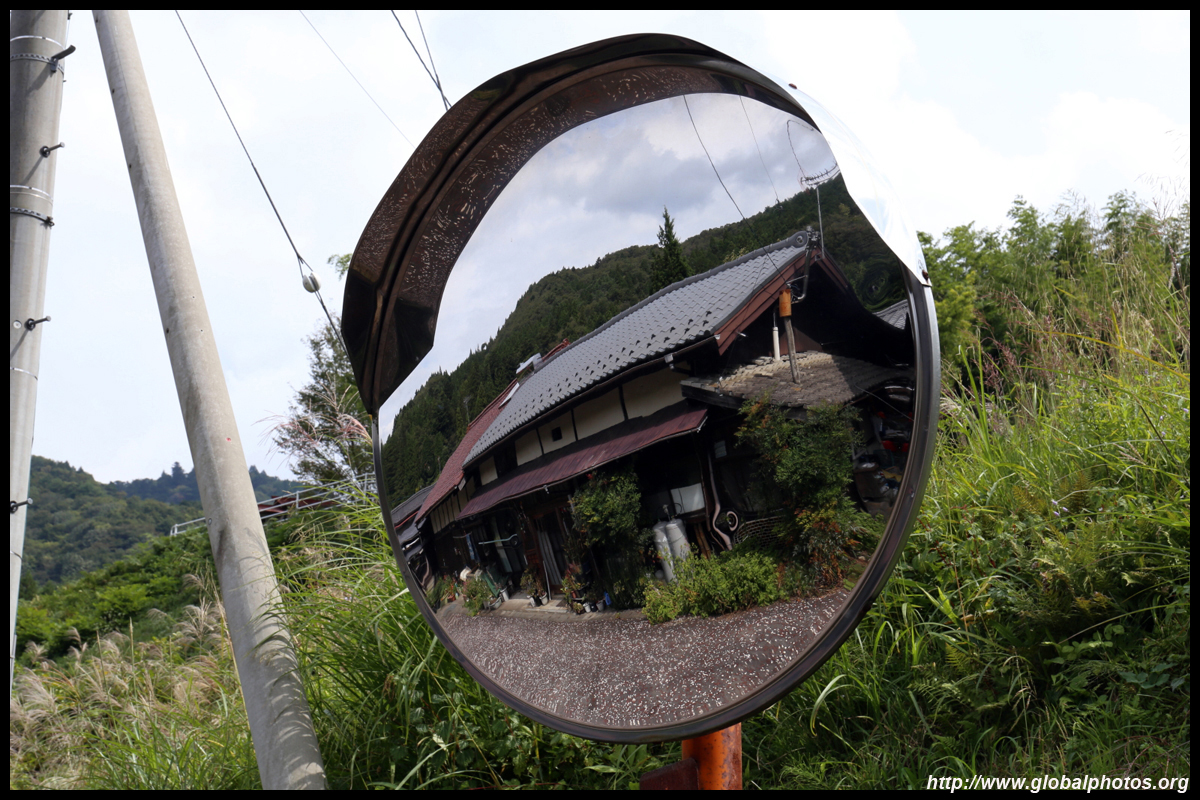
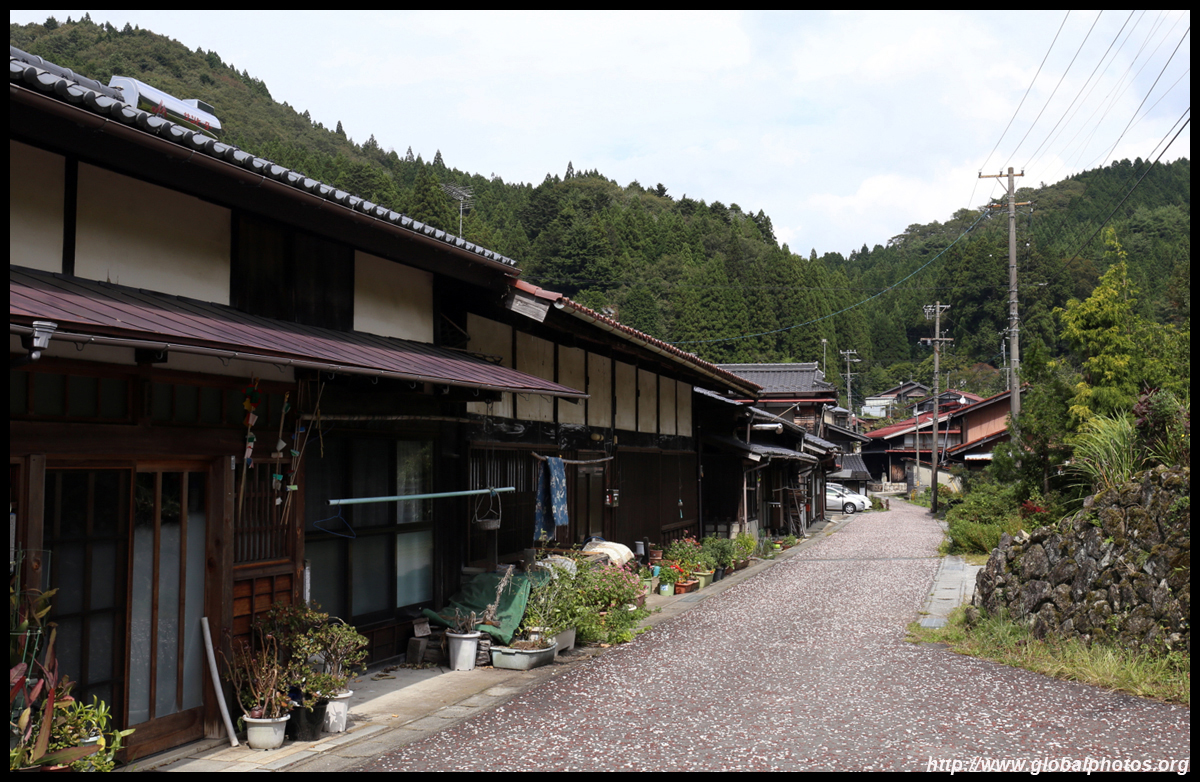
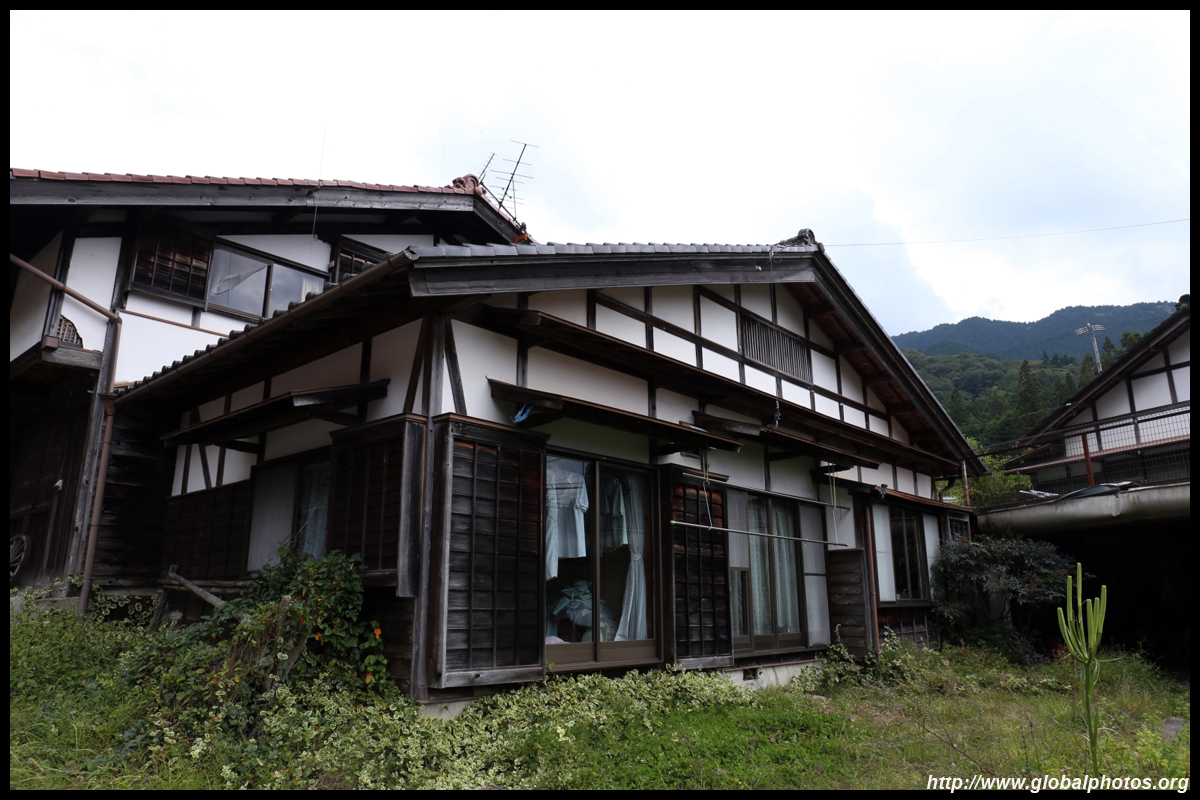
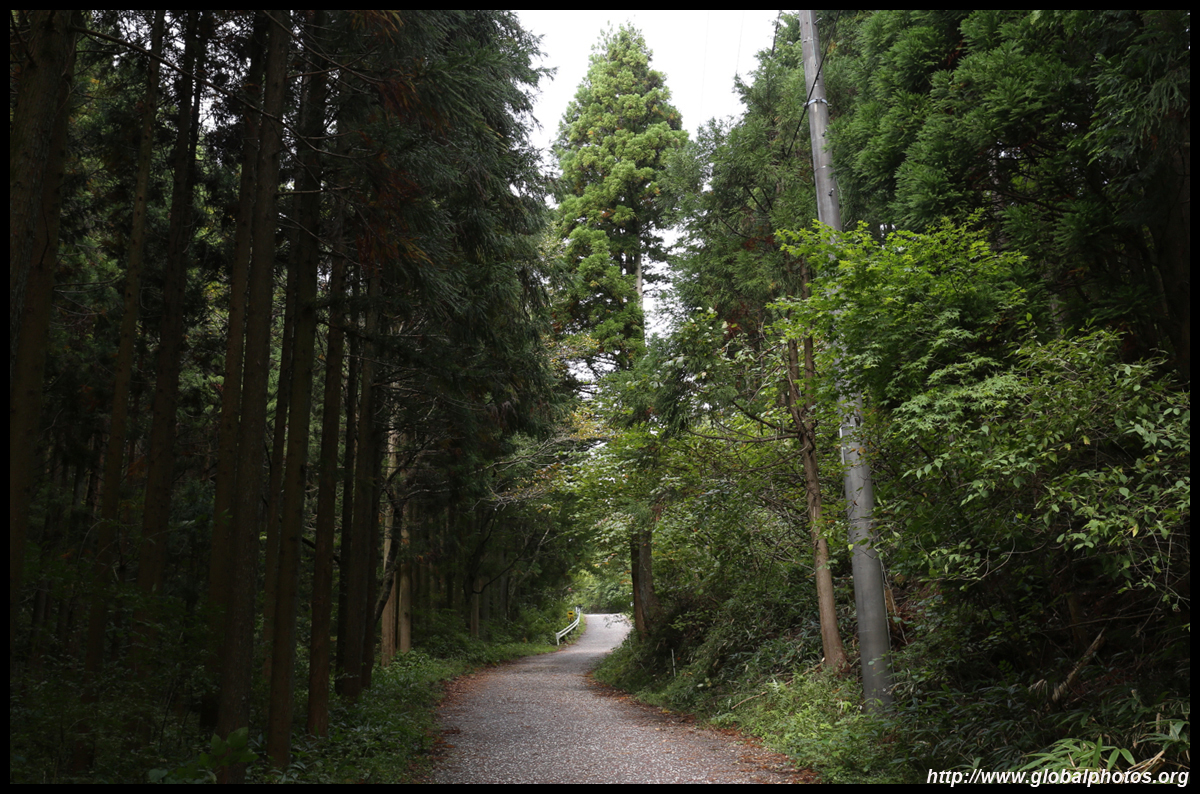
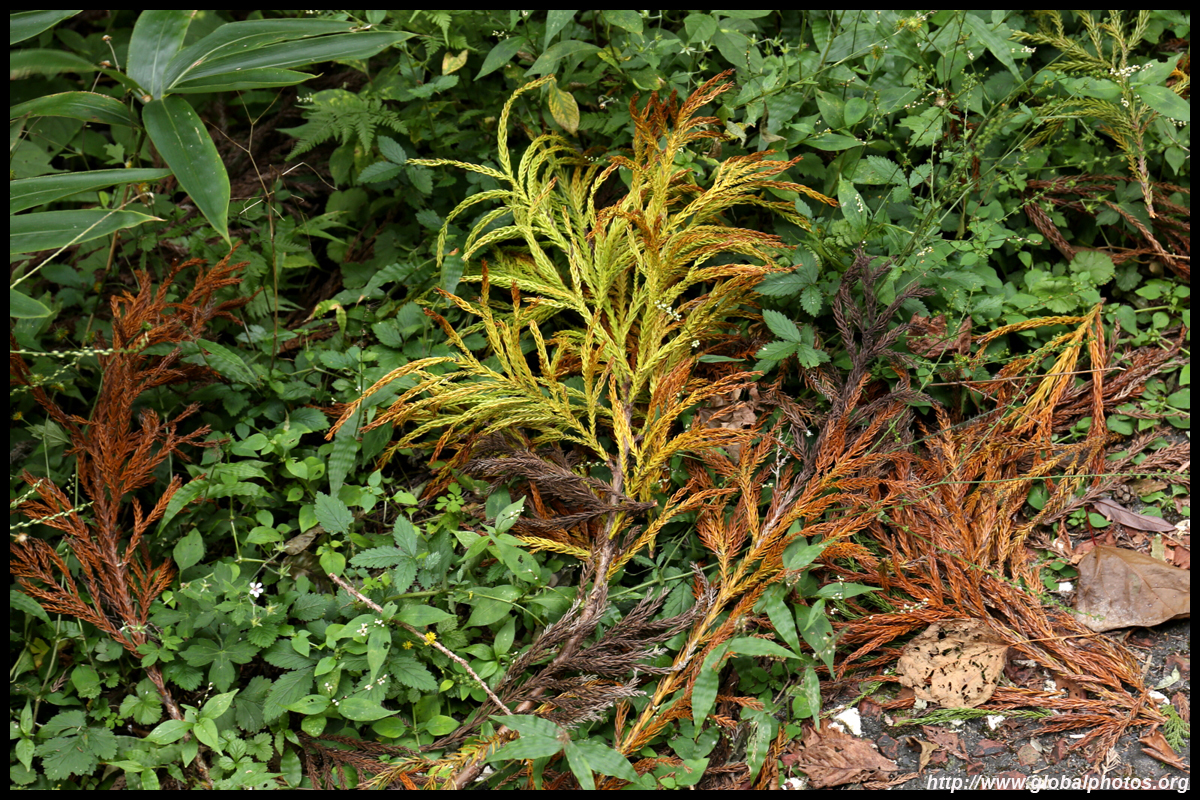
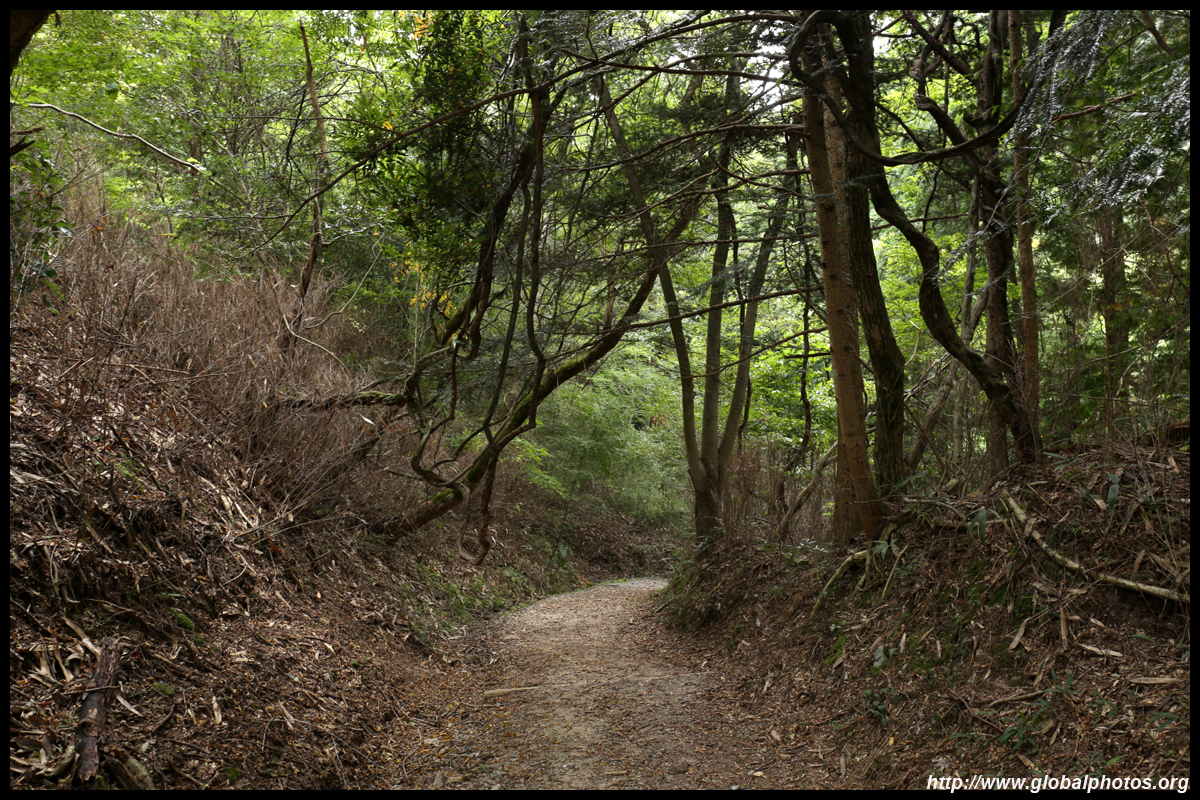
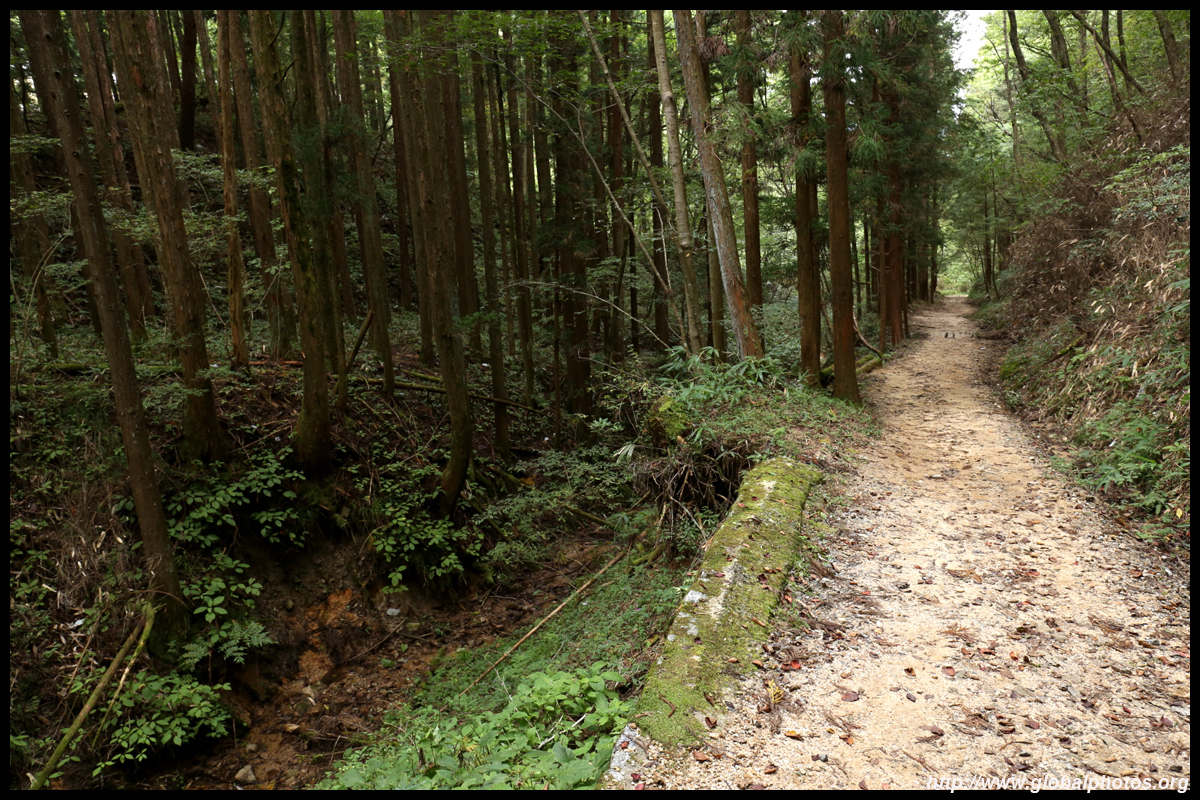
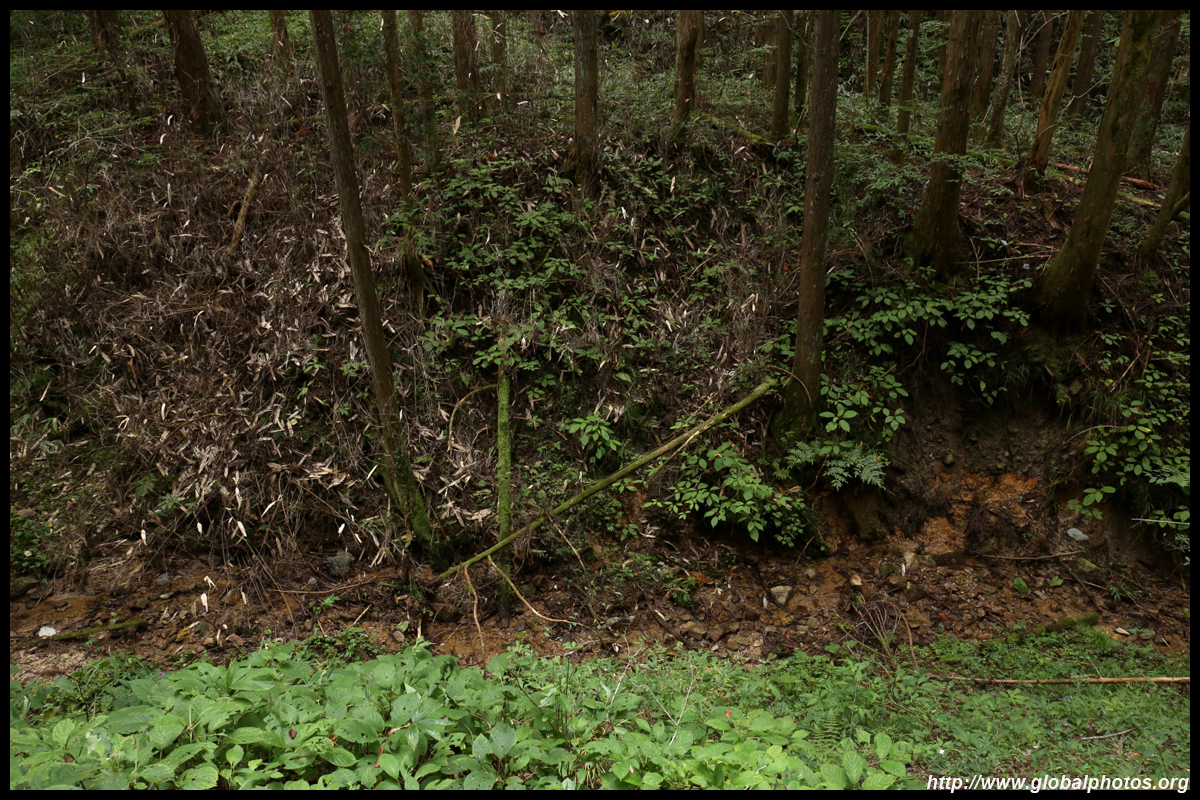
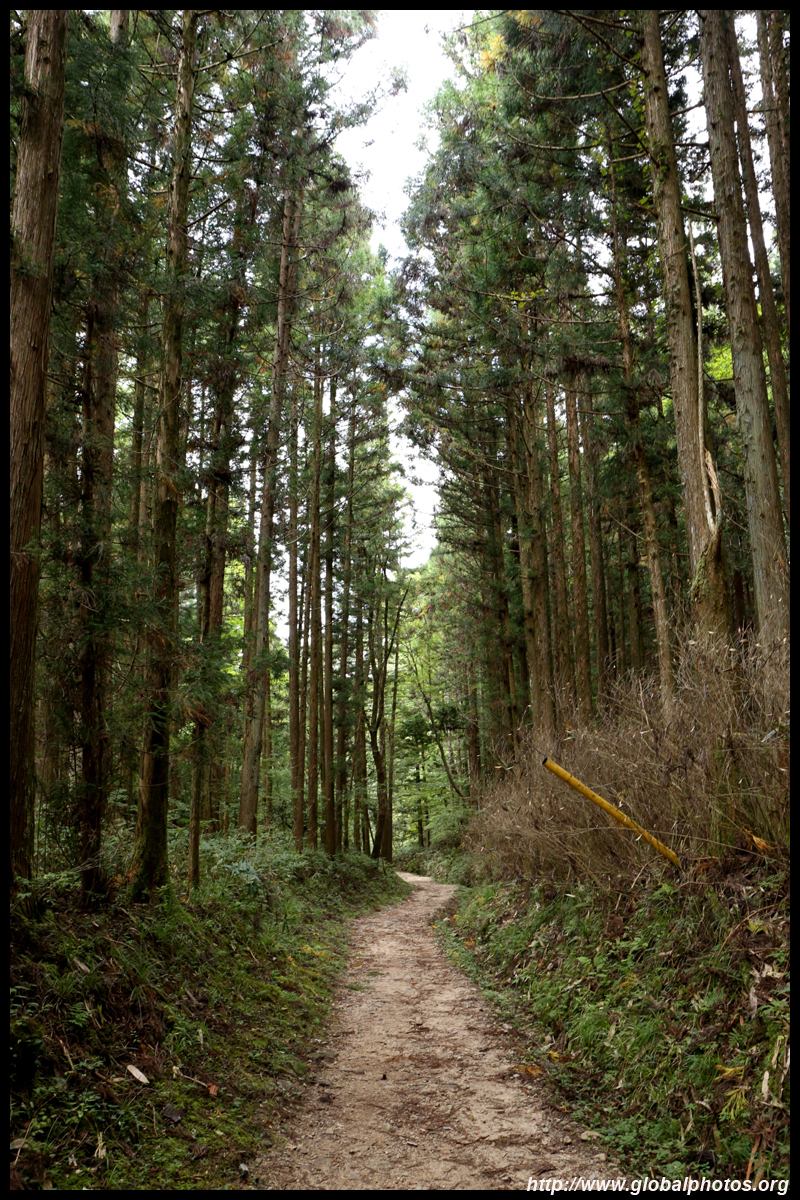
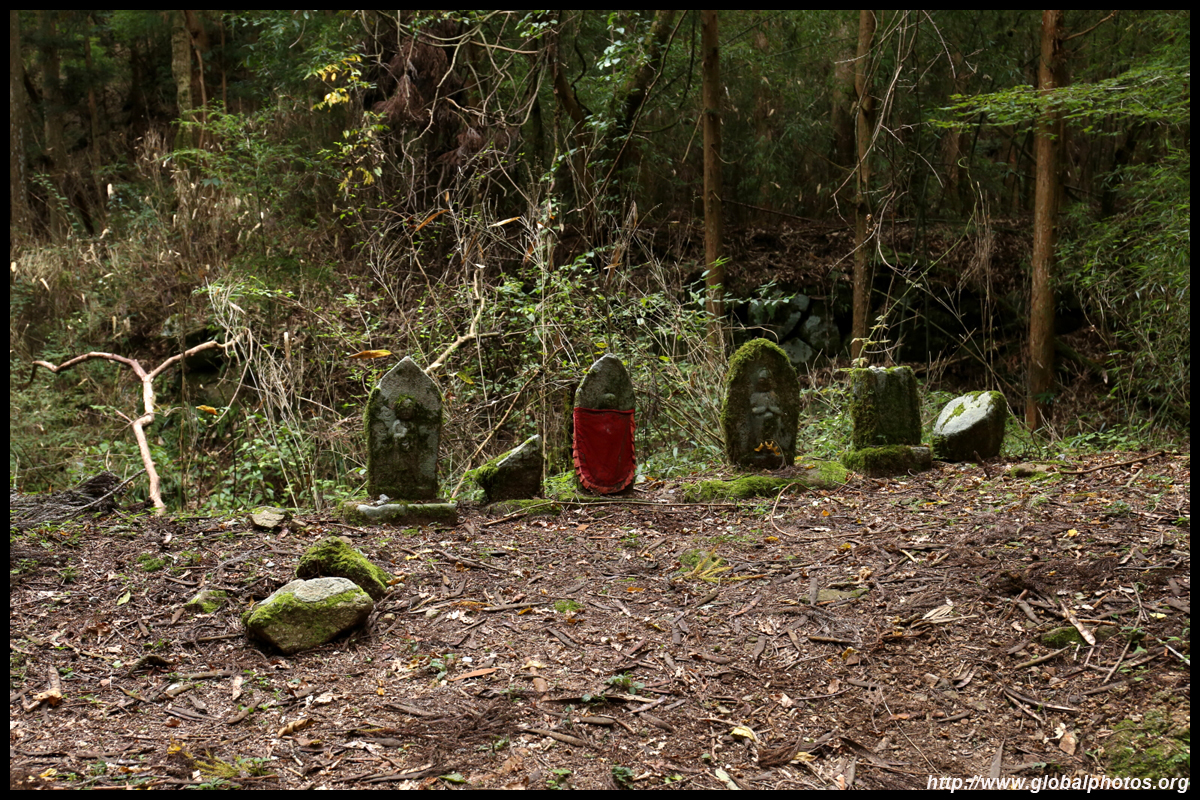
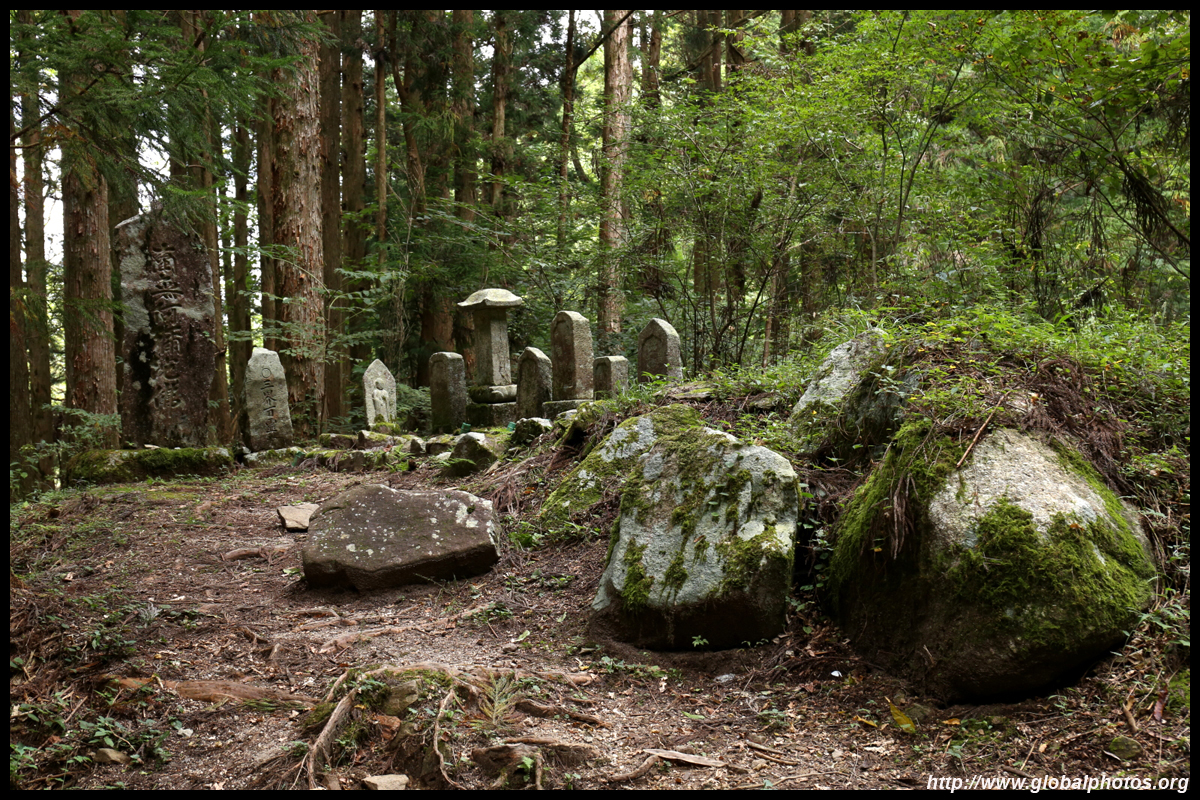
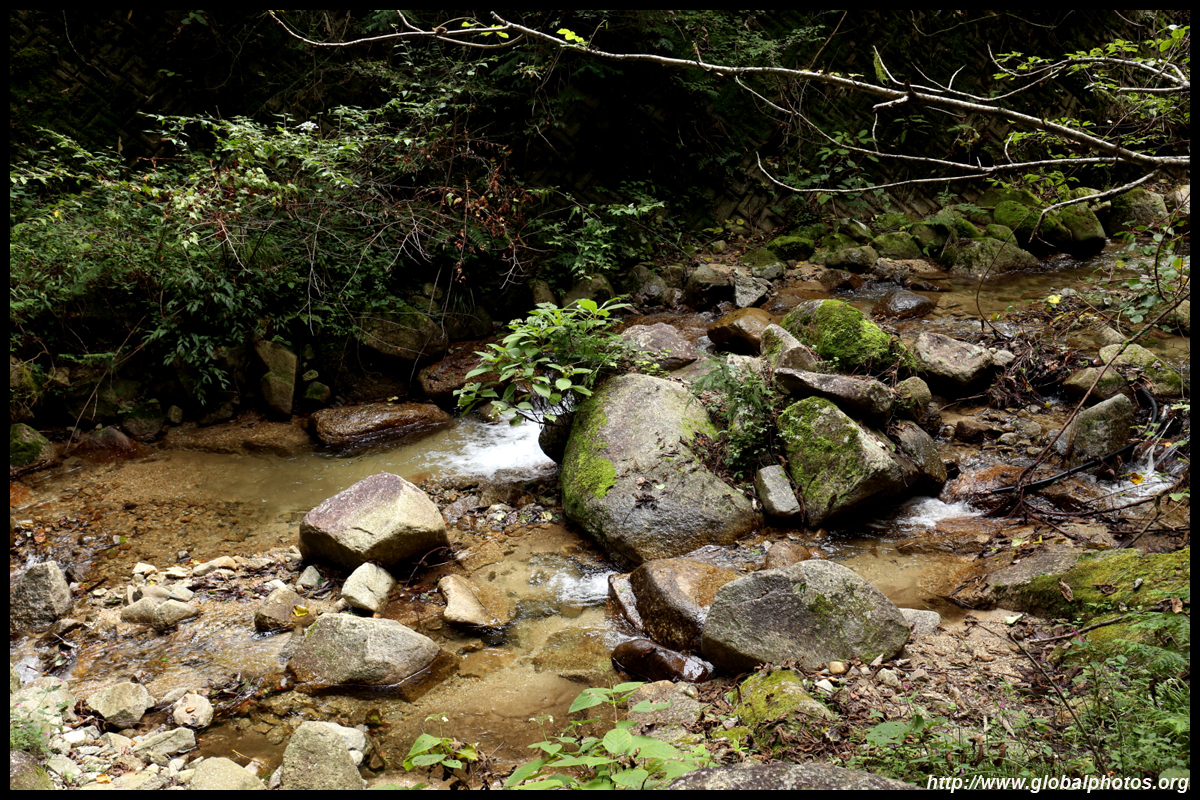
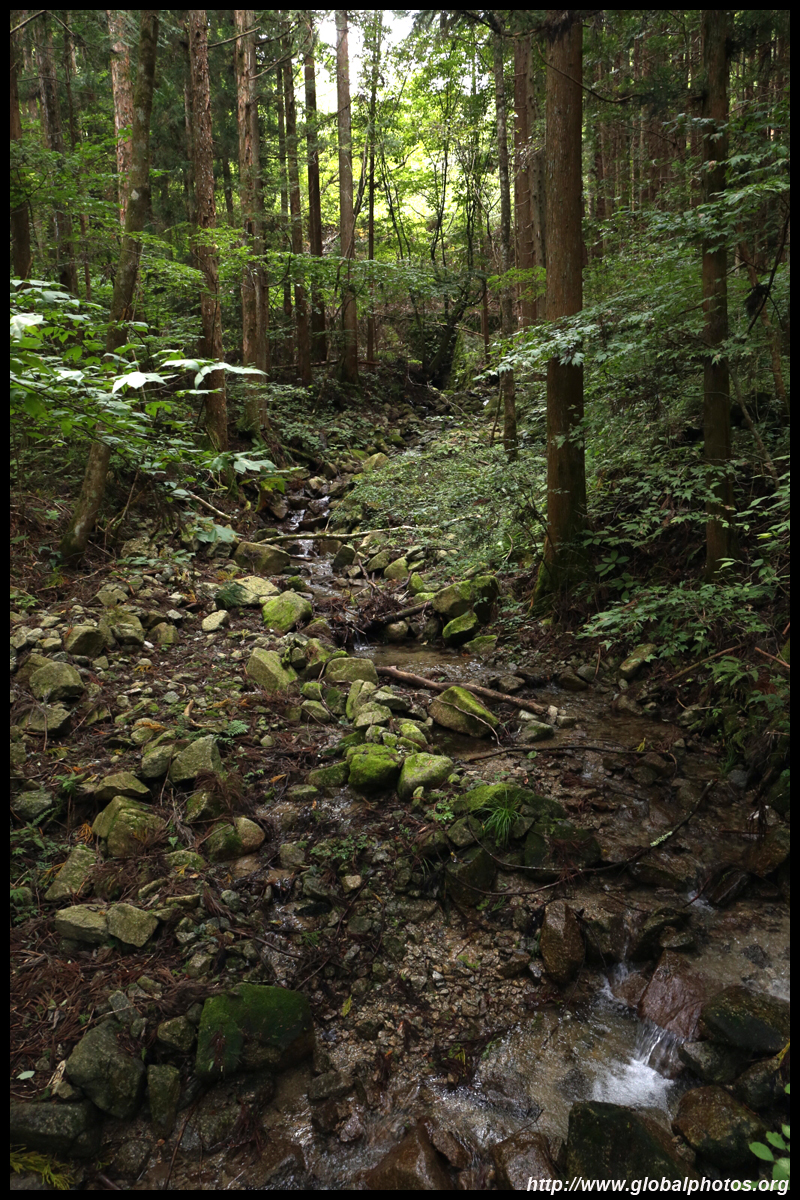
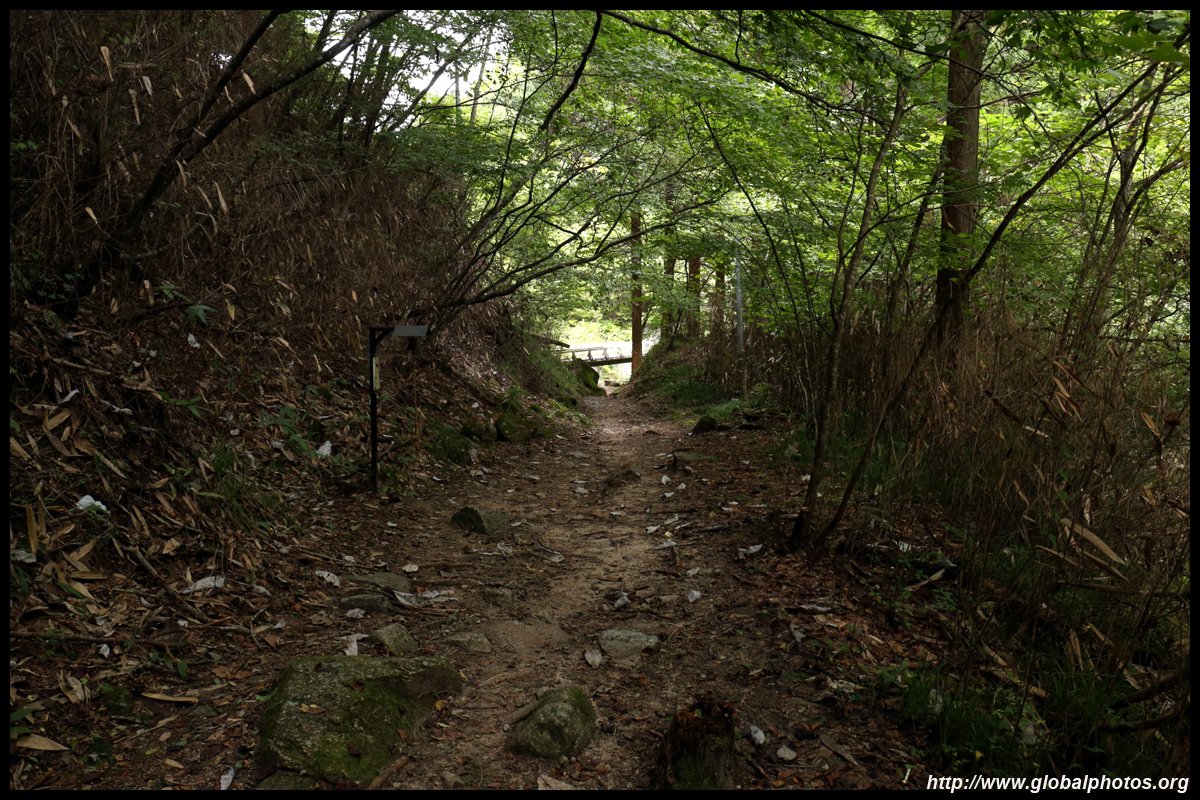
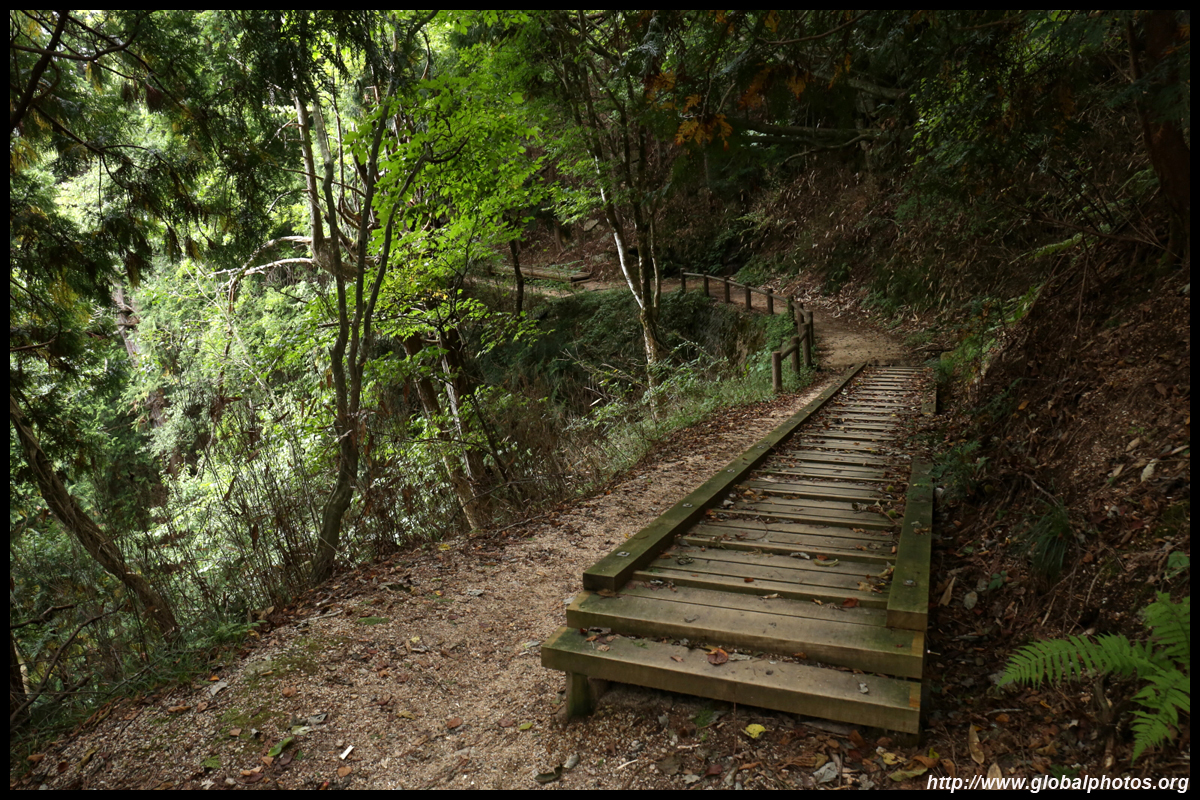
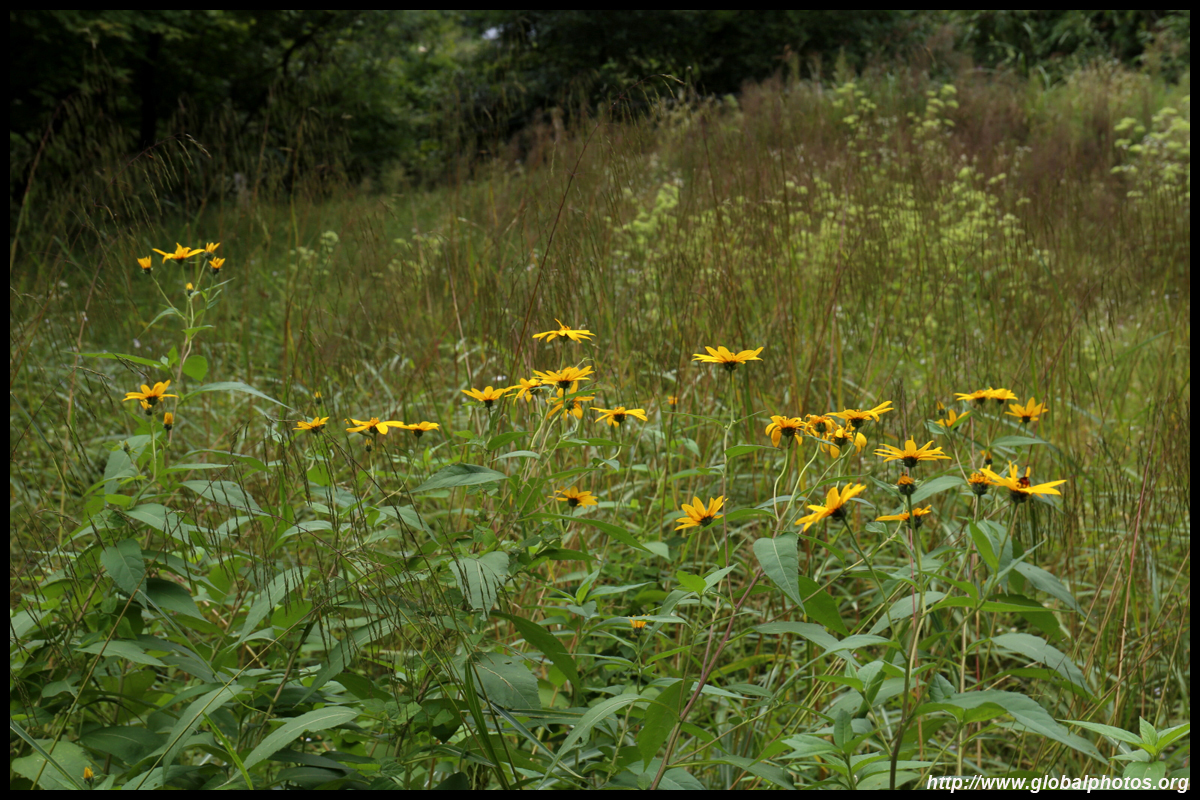
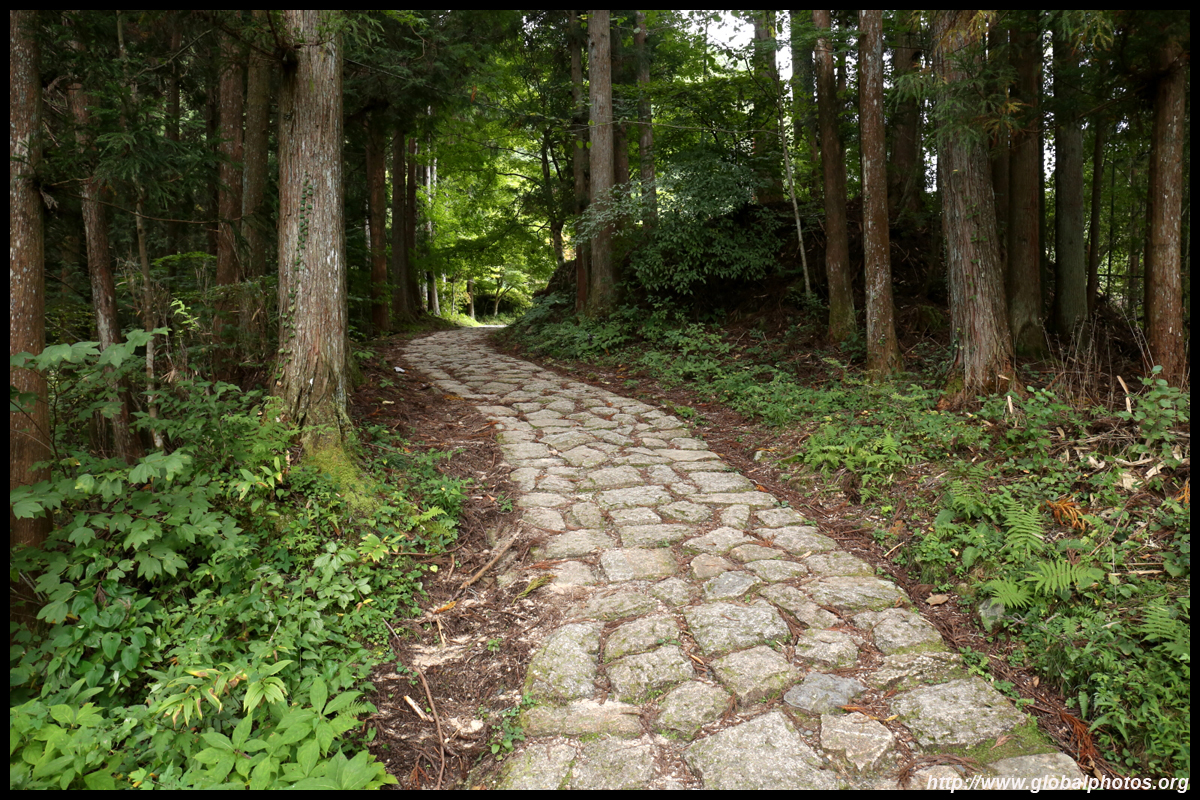
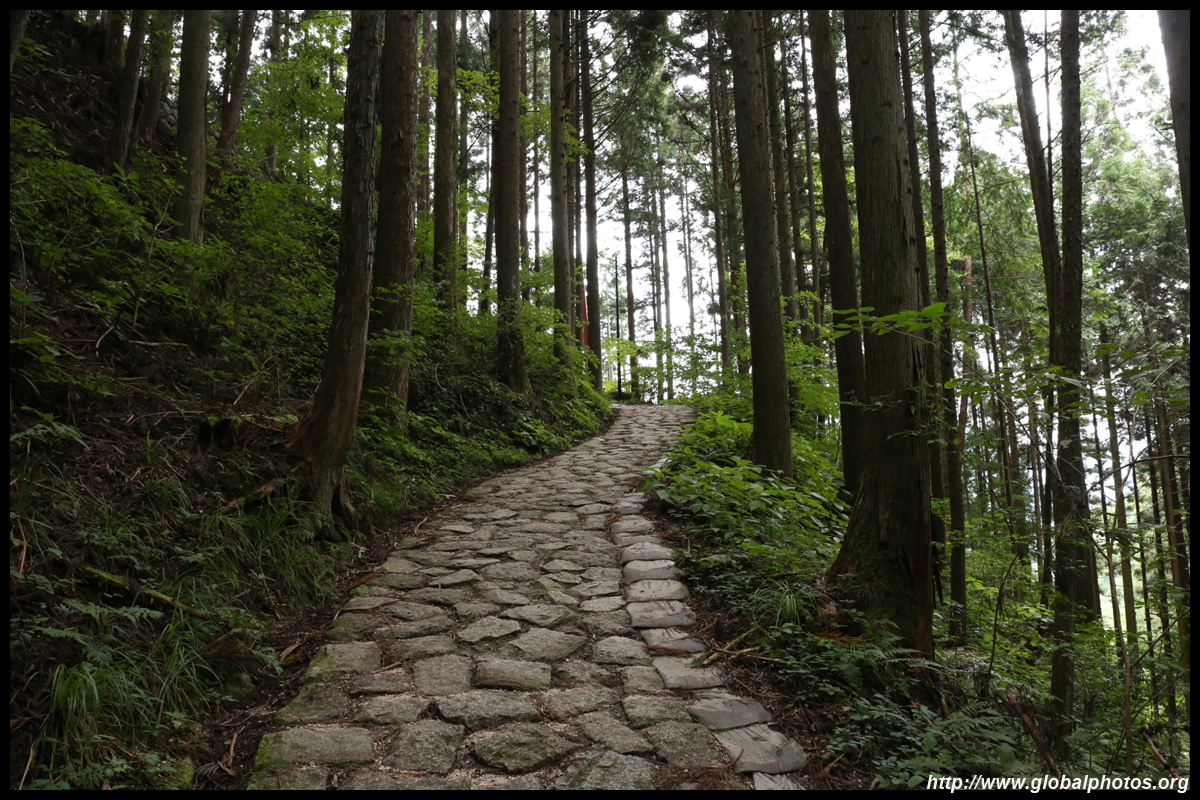
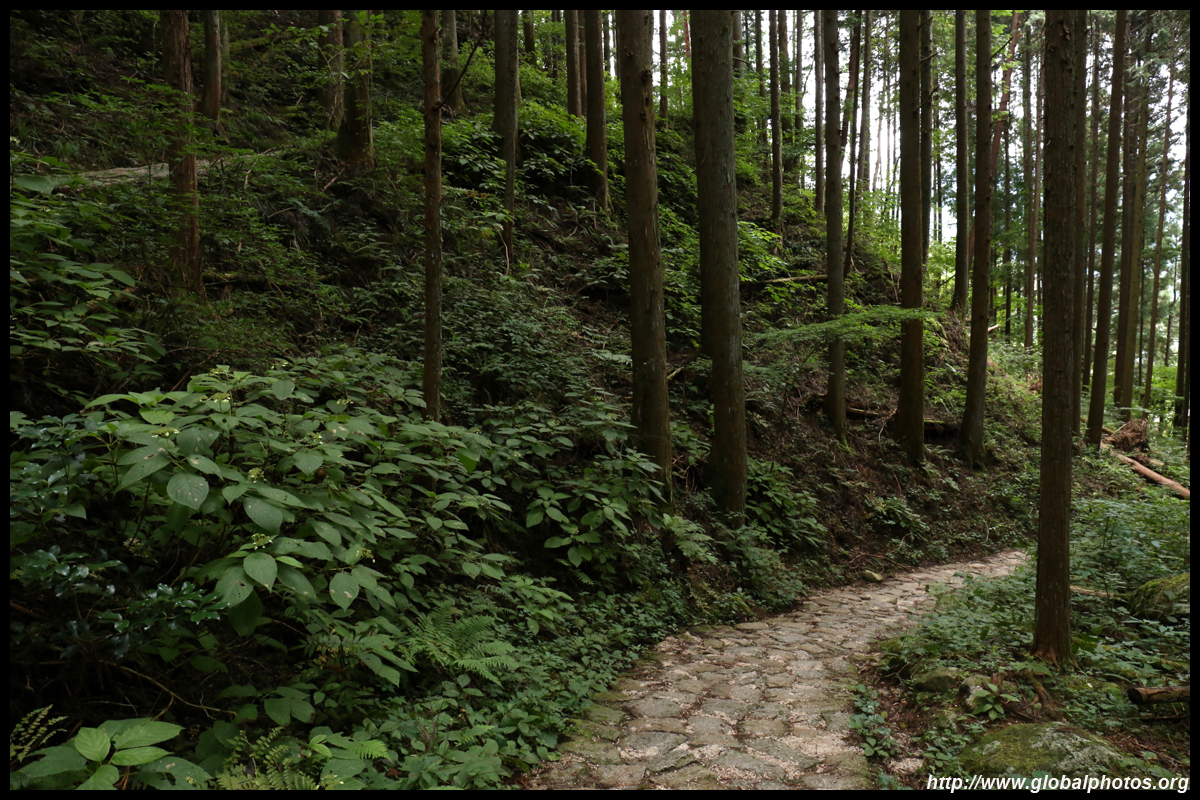
With the town behind me, there were not too many hikers heading downhill to Tsumago. The trail is well sign-posted and even had bear bells to ring to scare these critters away. Parts were deep in the woods so it was a bit unnerving to expect wild bears around. Note Magome is at 600m above sea level while you will rise to 801m before heading down to Tsumago at 420m.
| |||
 |
 |
 |
 |
 |
 |
 |
 |
 |
 |
 |
 |
 |
 |
 |
 |
 |
 |
 |
 |
 |
 |
 |
 |
 |
 |
 |
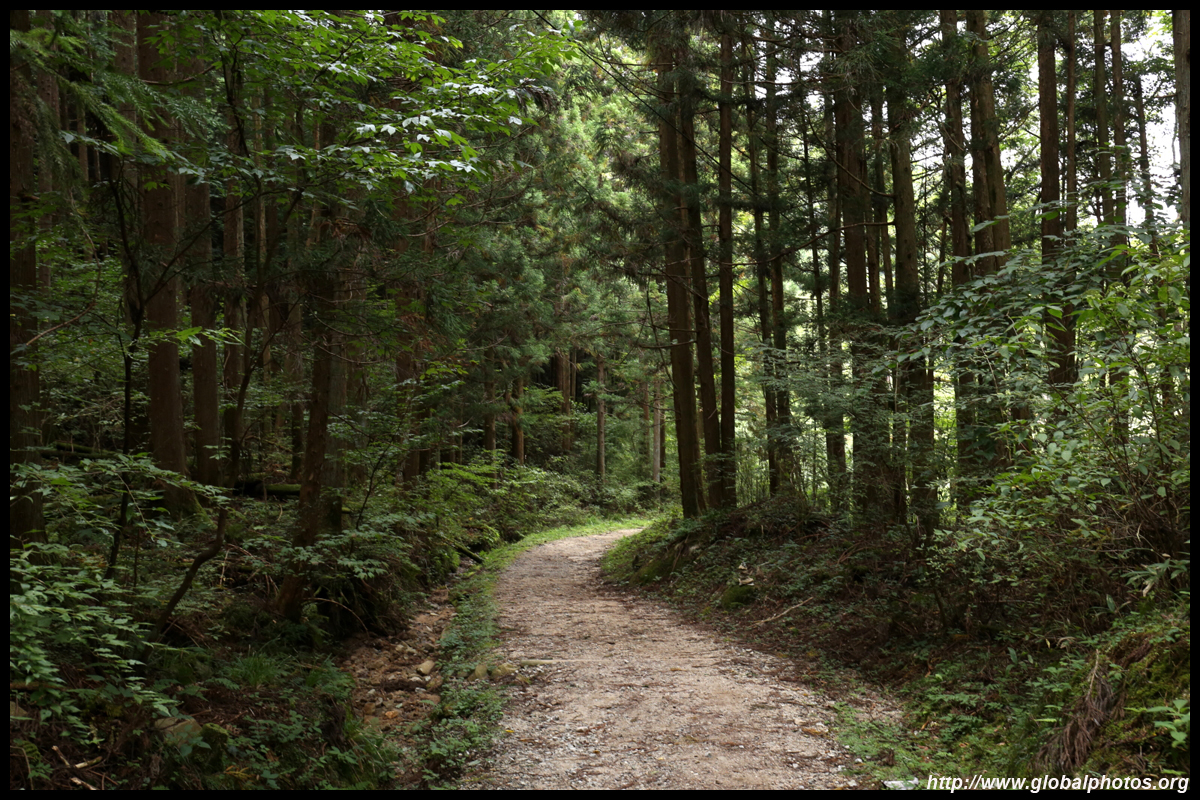 |
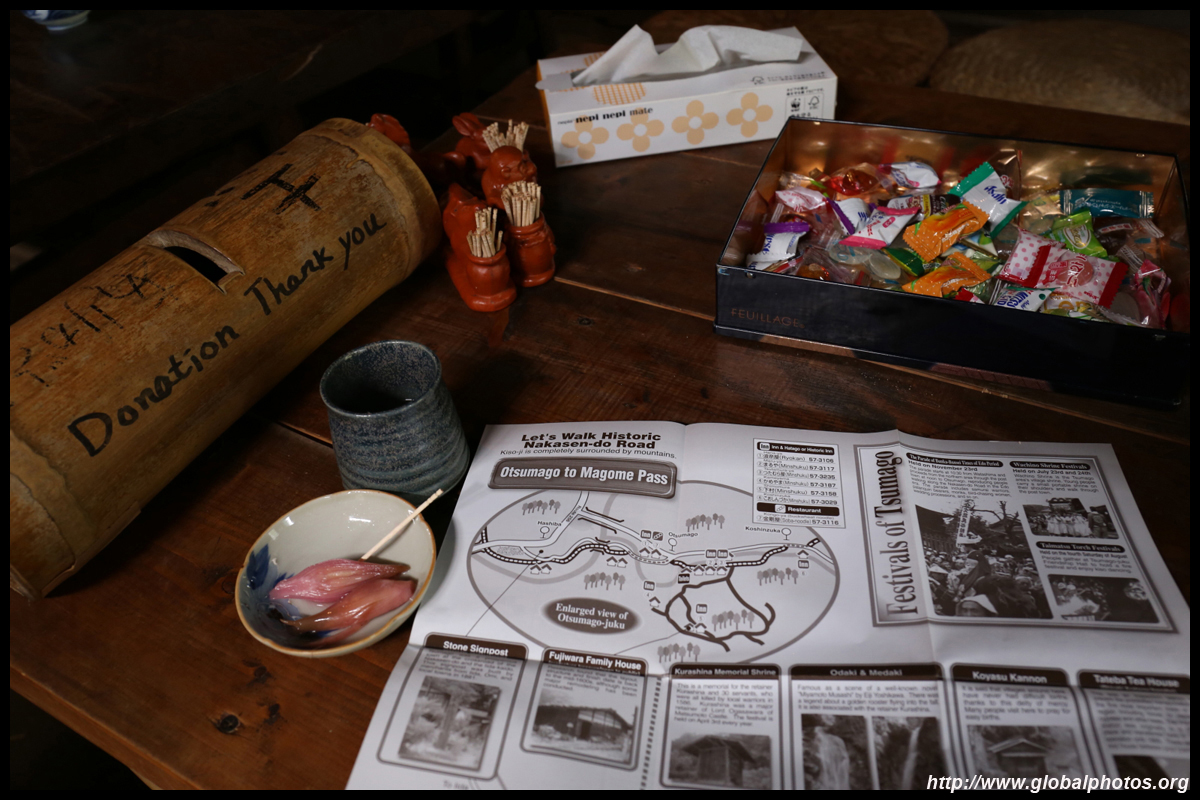
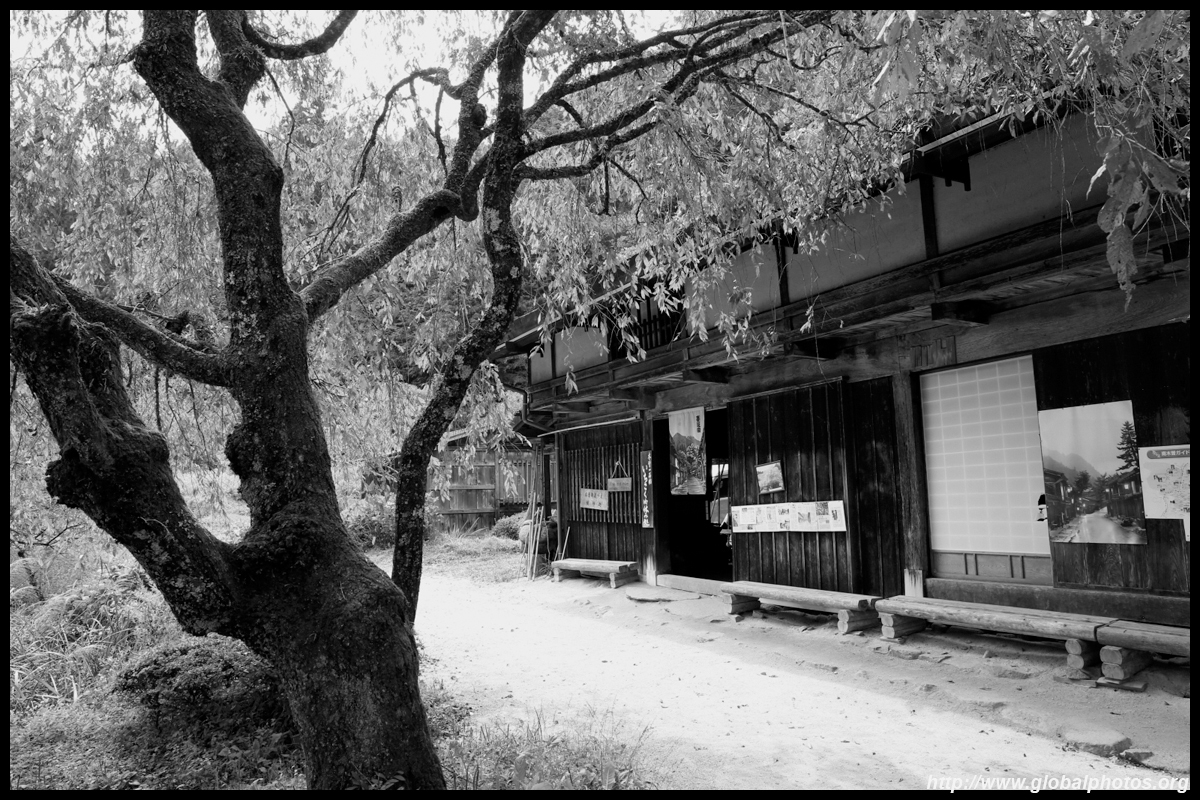
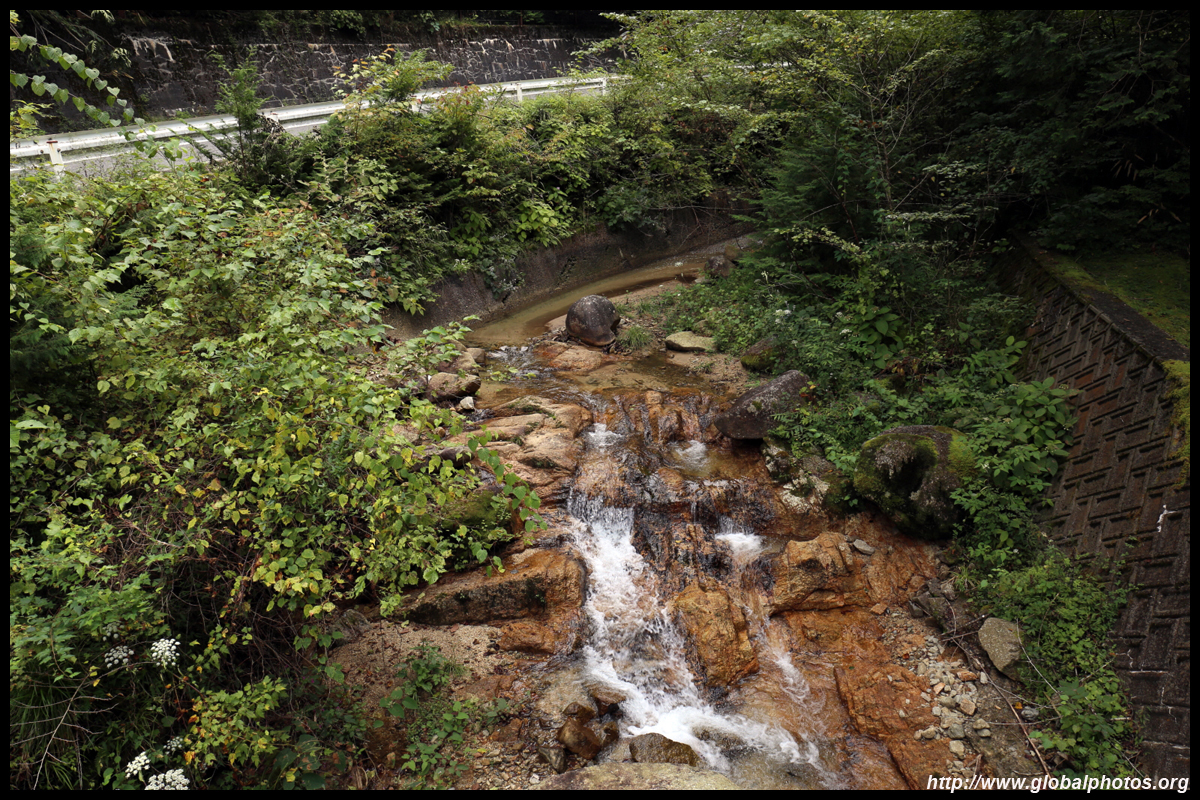
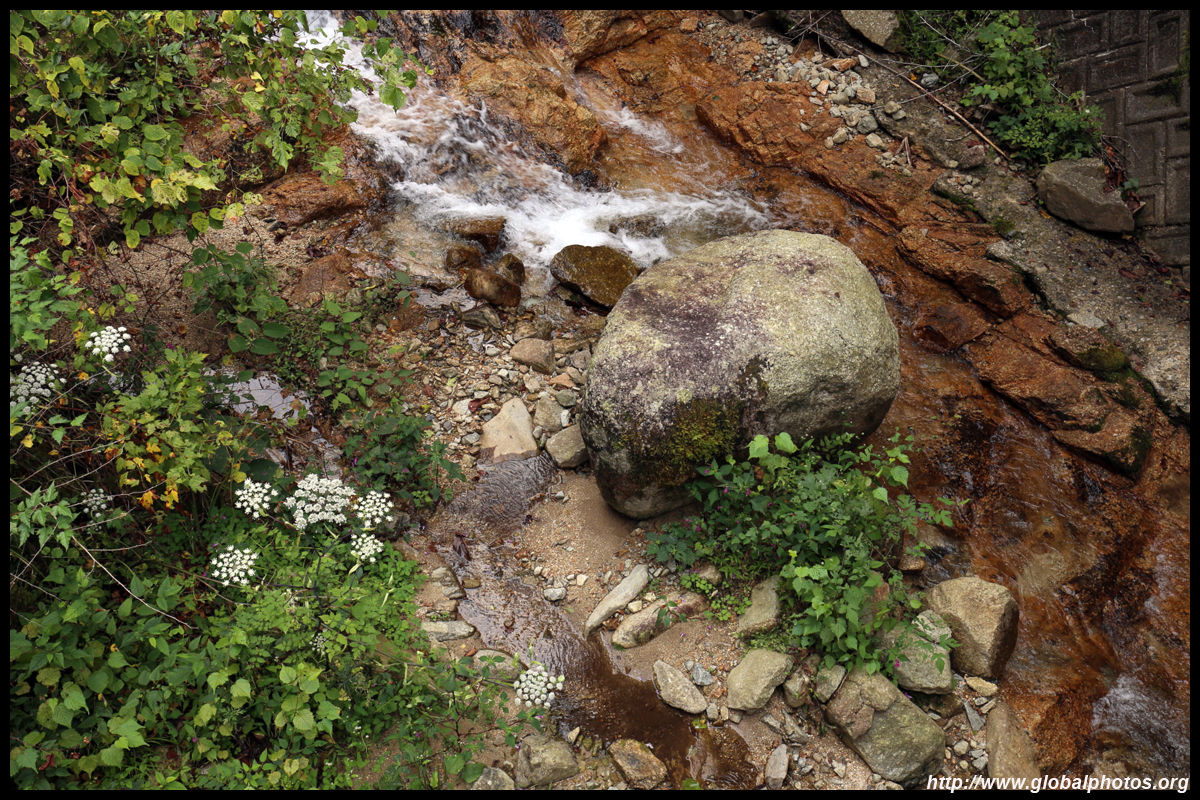
After initial fears of being eaten by bears, I arrived at a rest stop where free tea and snacks were offered, as well as tourist information.
| |||
 |
 |
 |
 |
 |
 |
 |
 |
 |
 |
 |
 |
 |
 |
 |
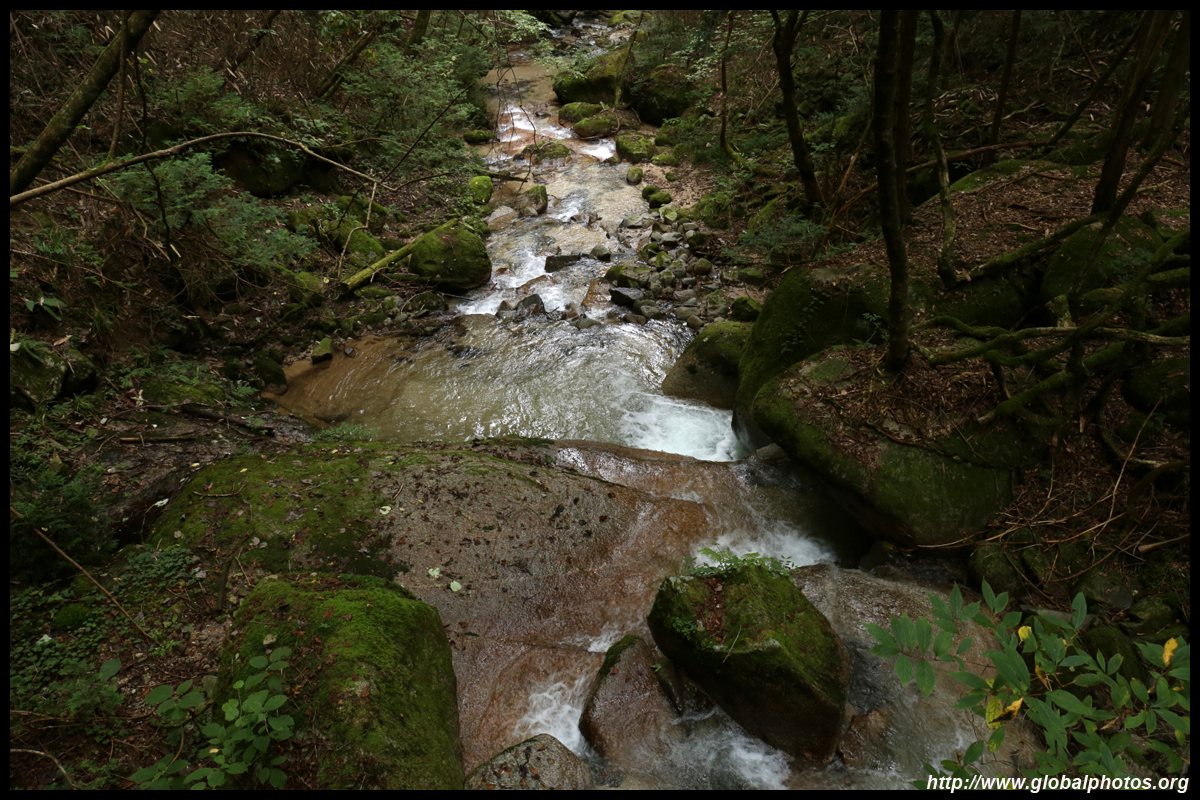 |
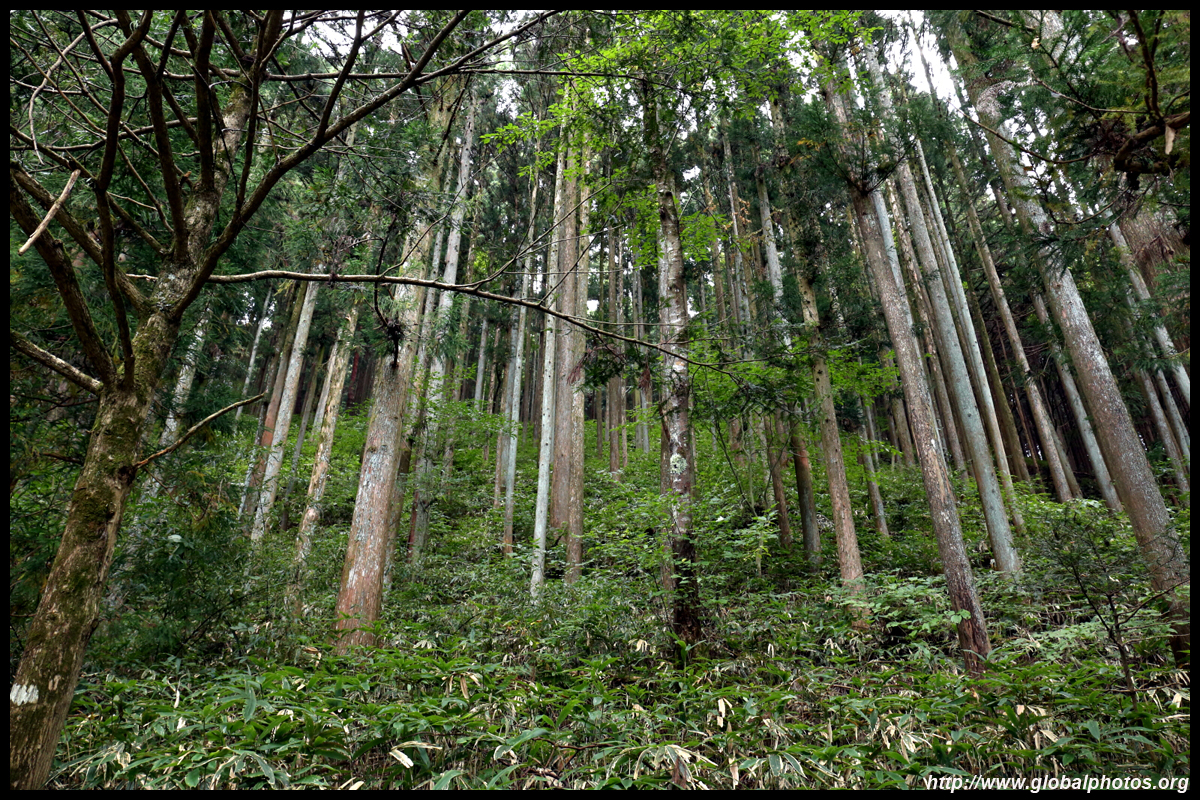
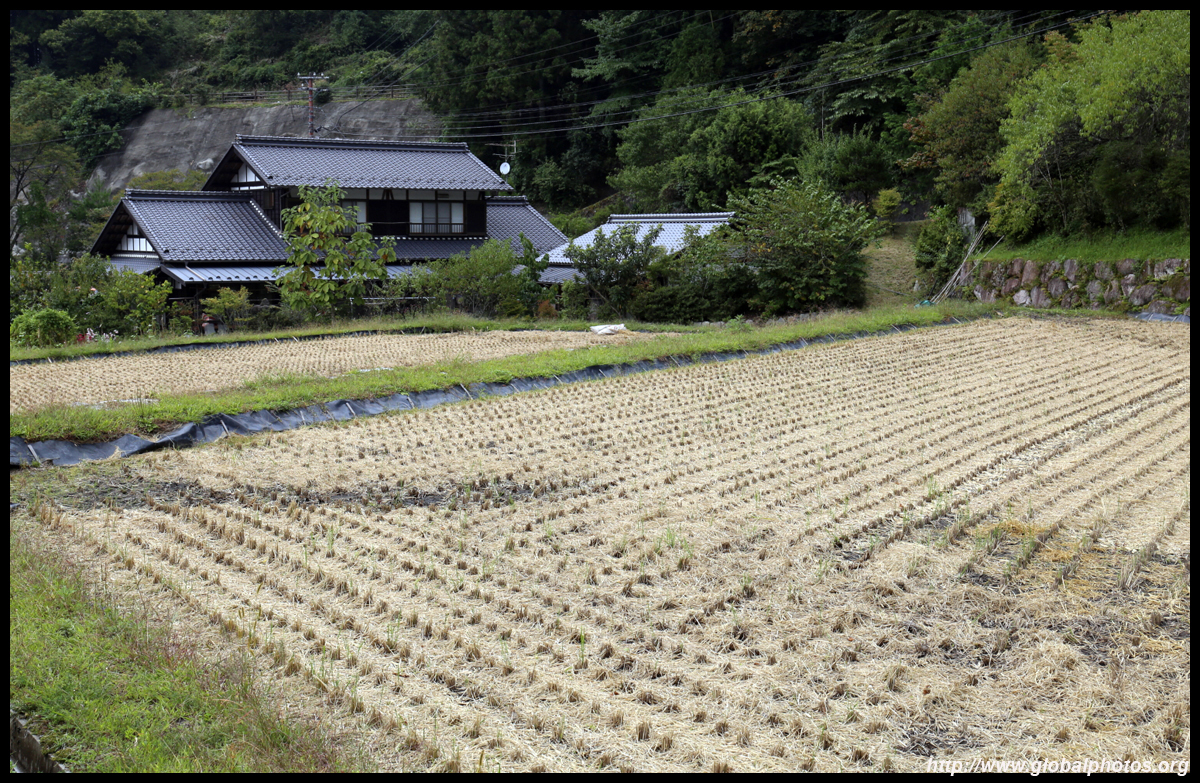
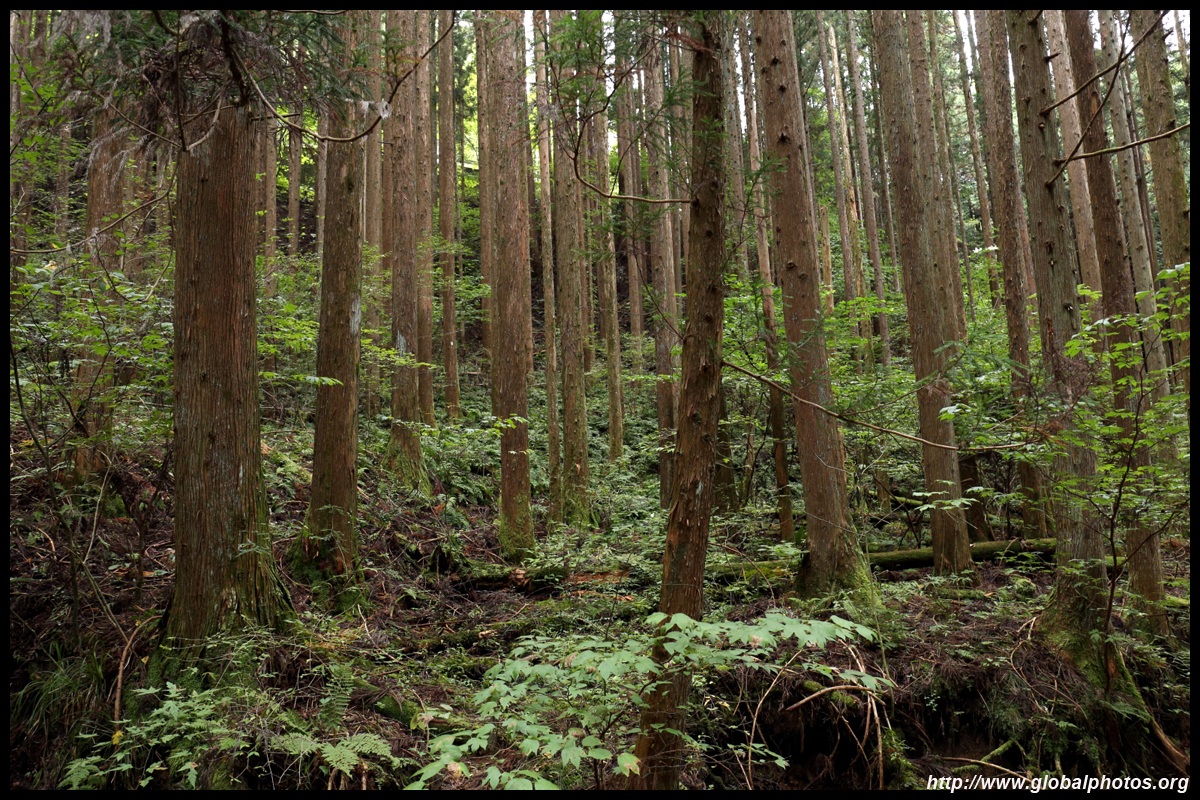
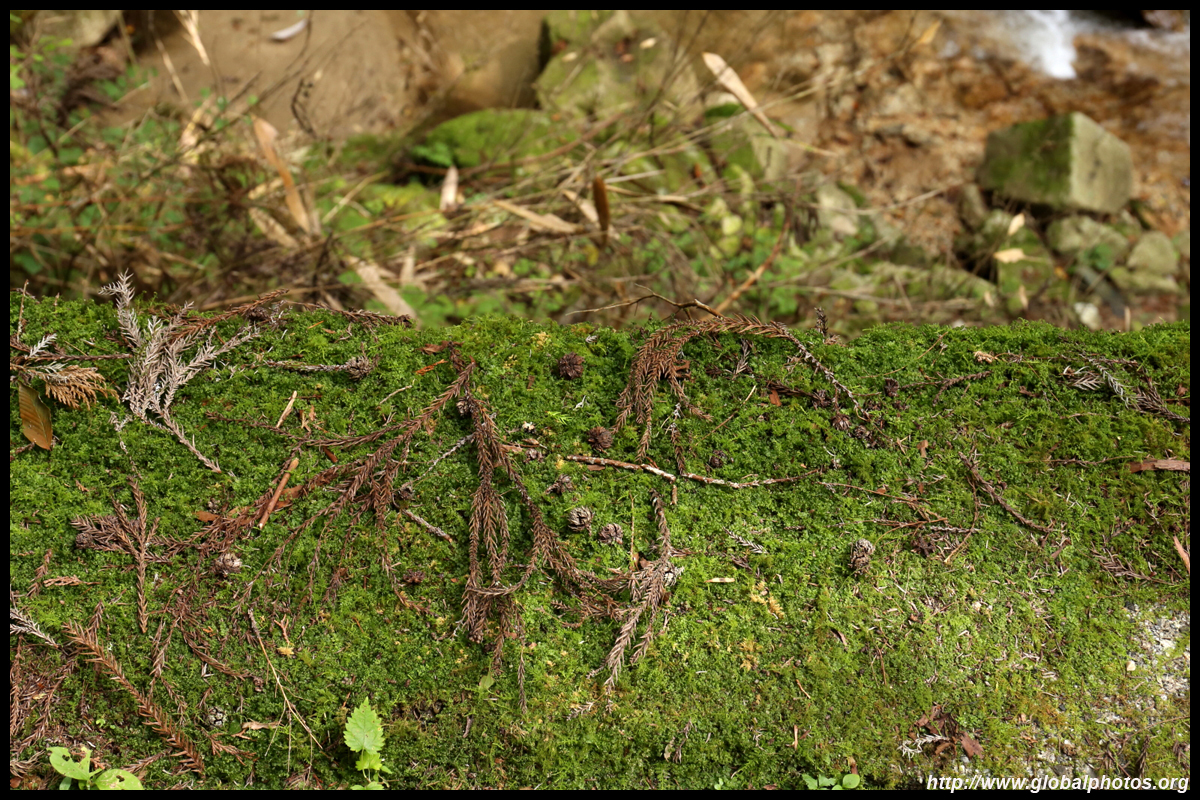
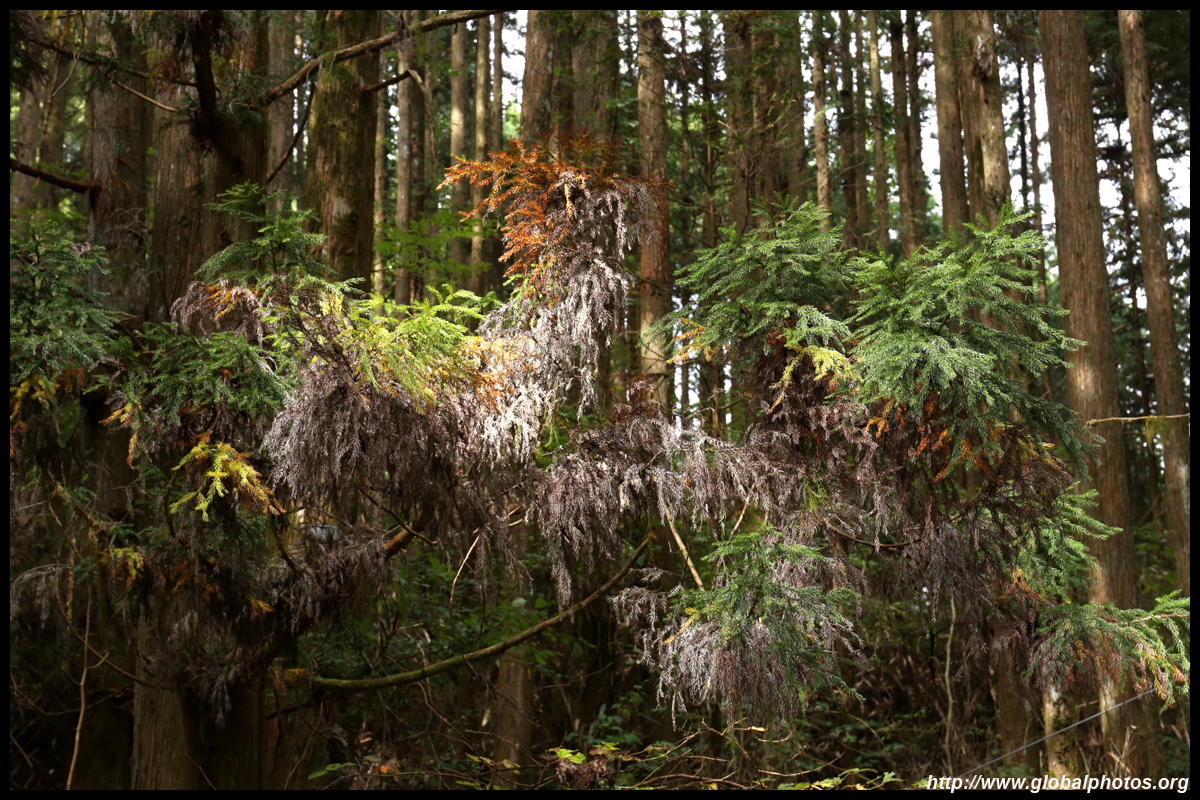
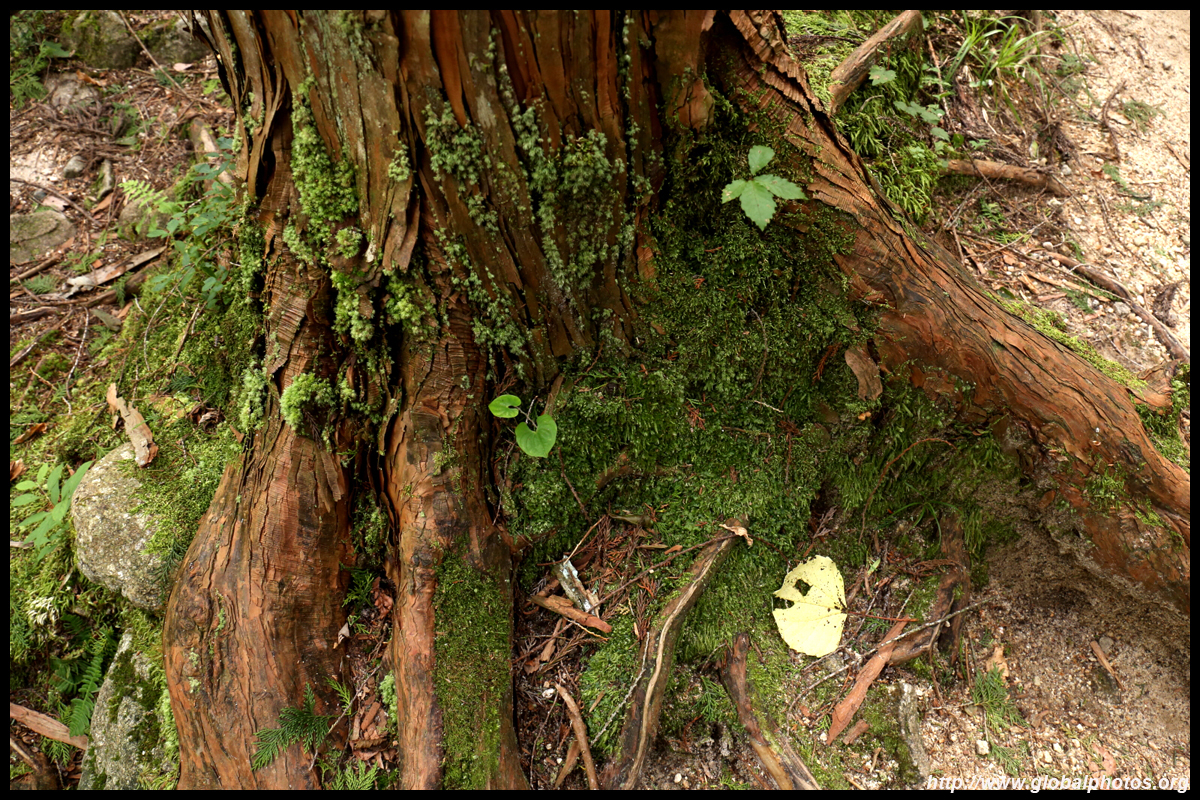
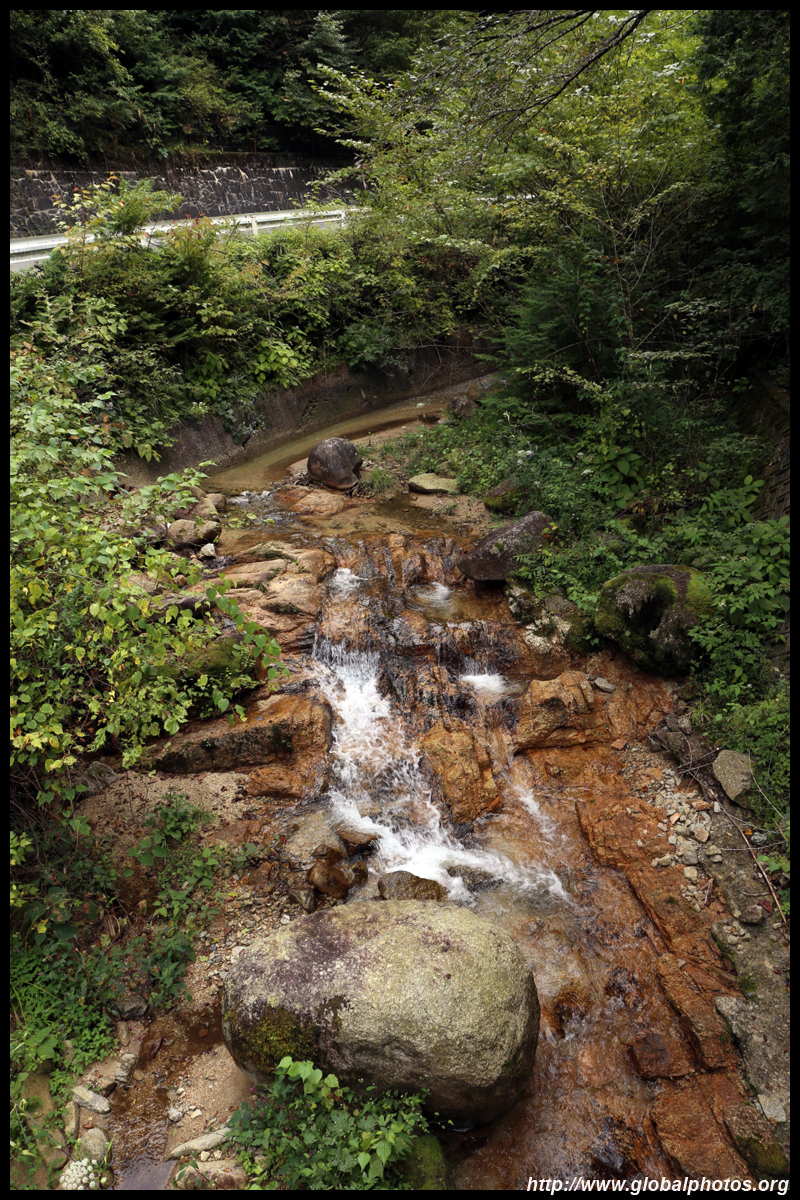
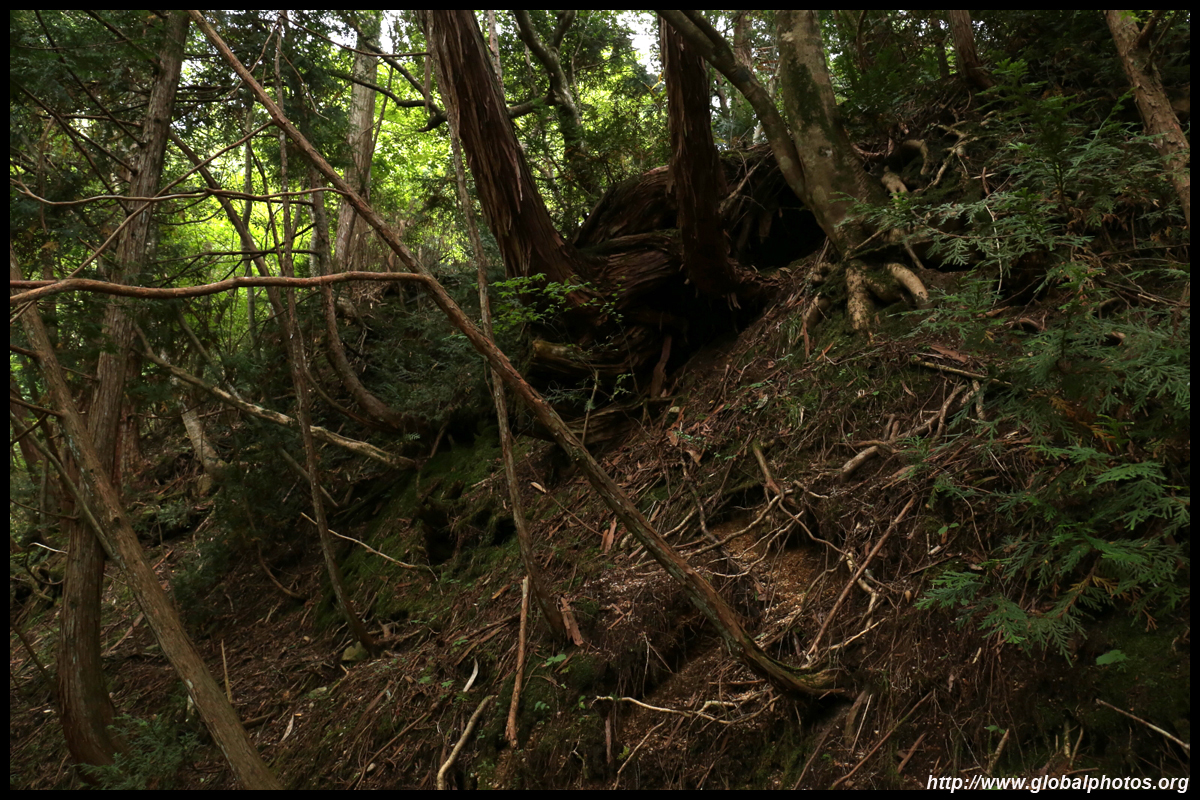
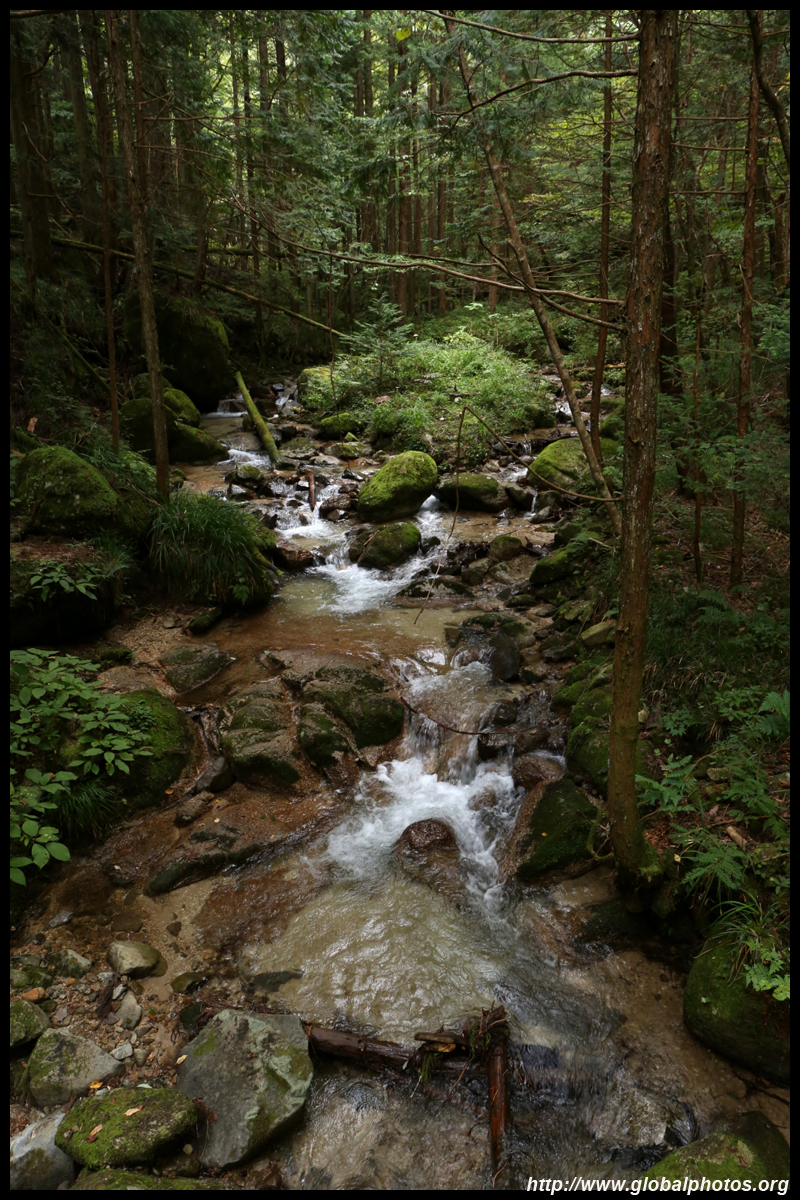
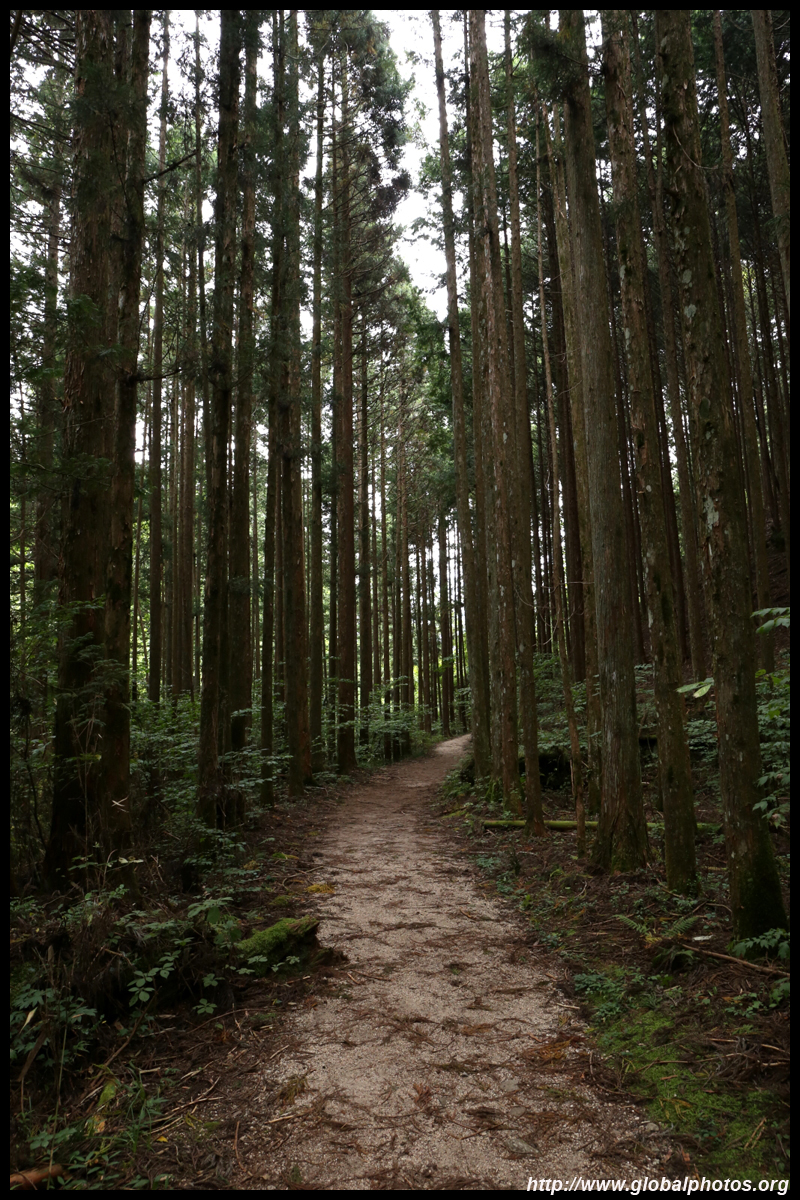
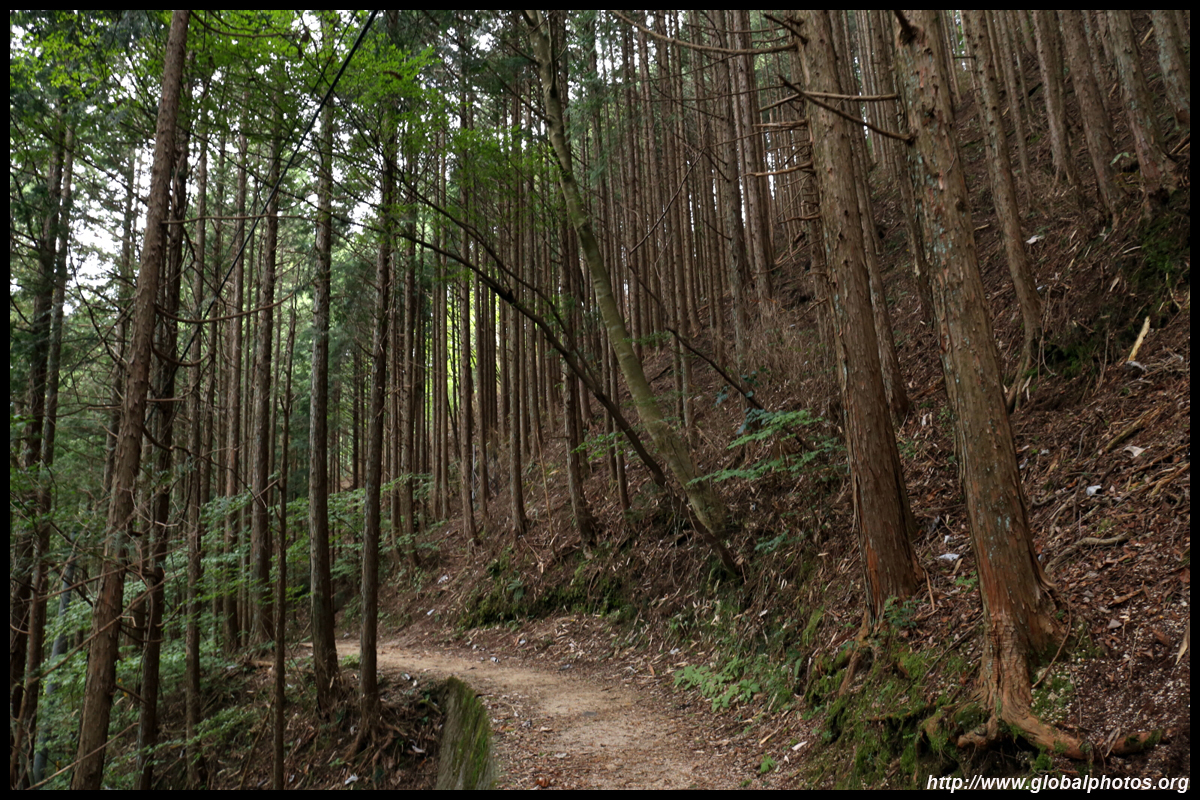
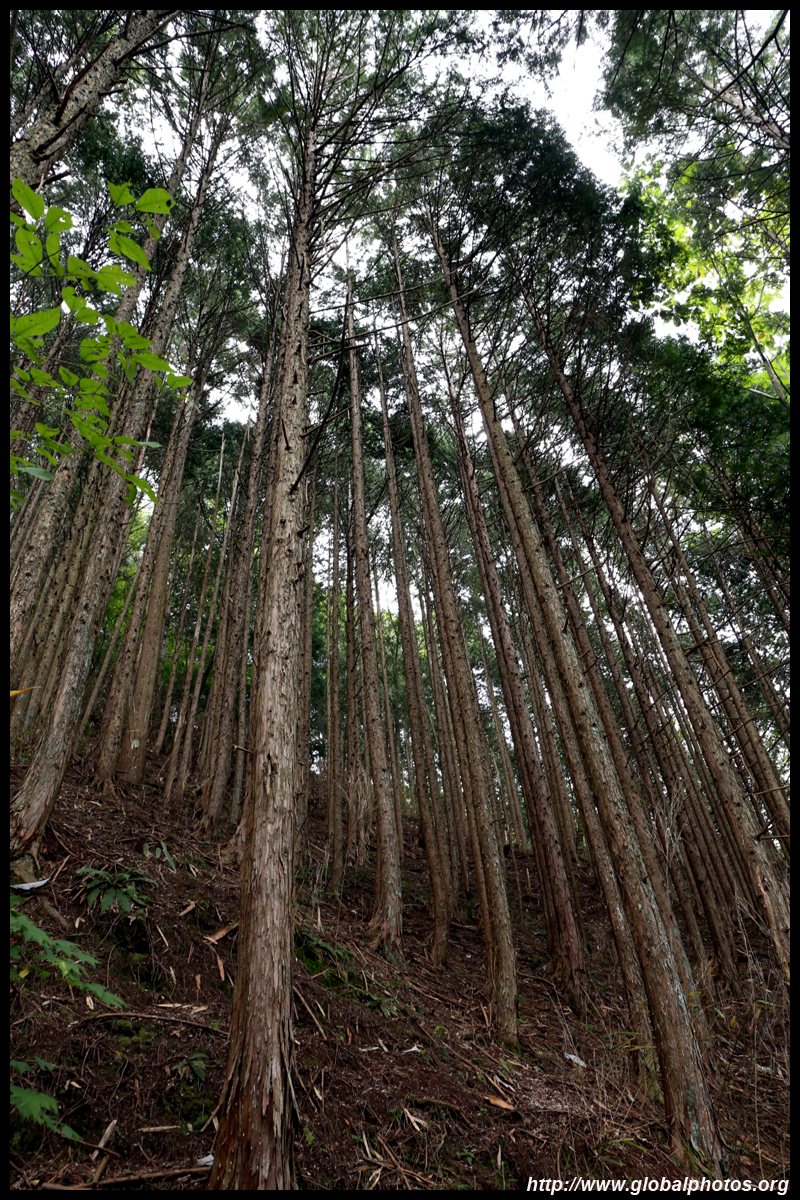
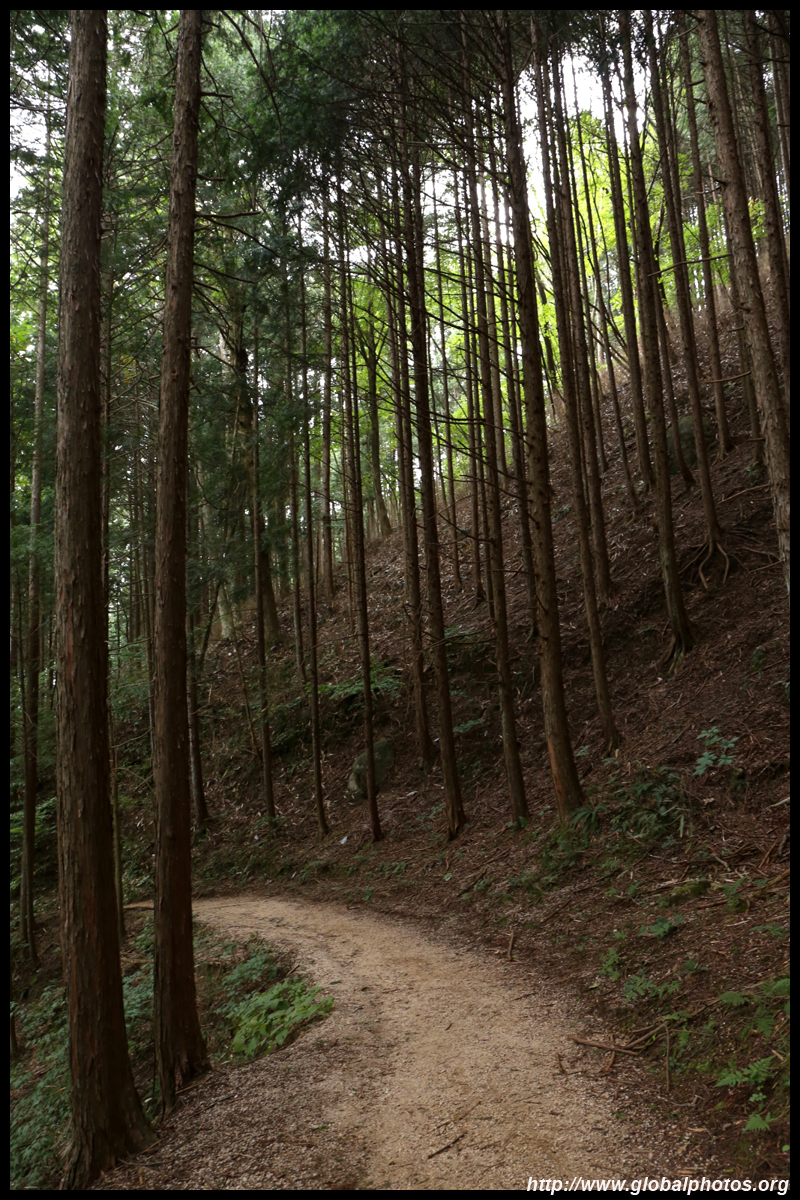
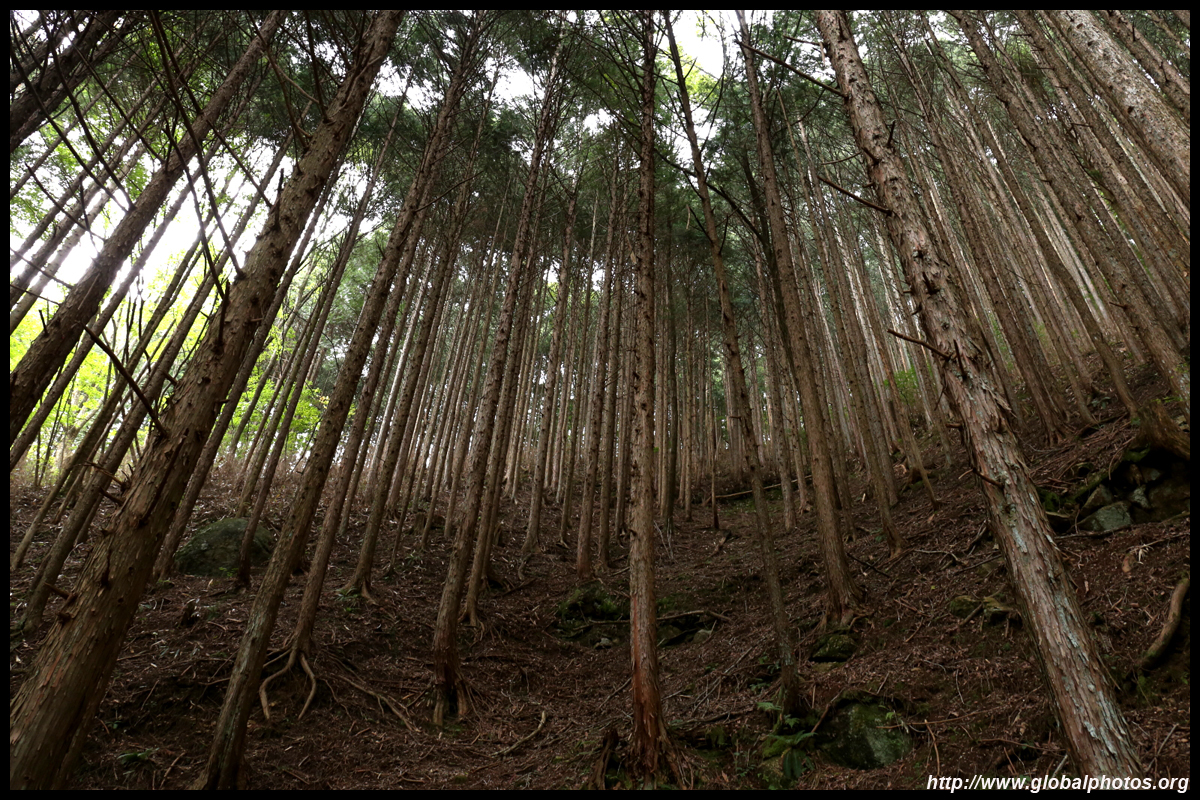
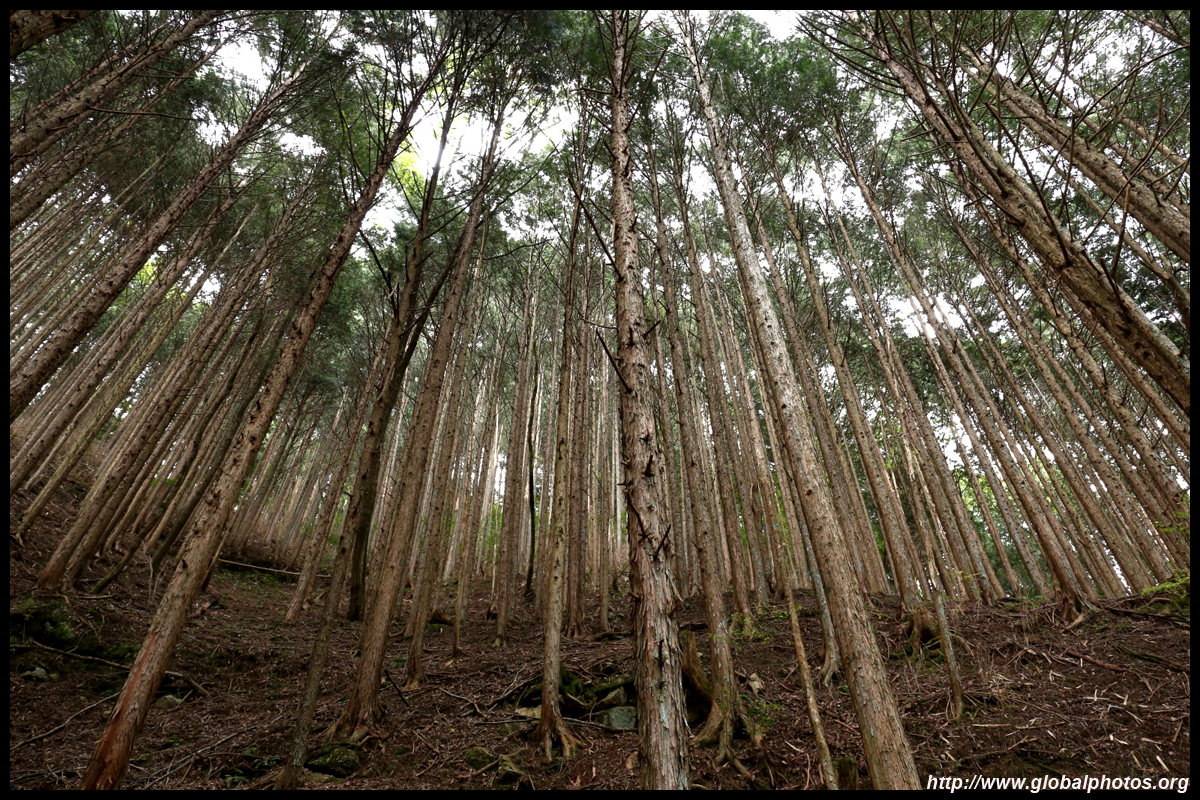
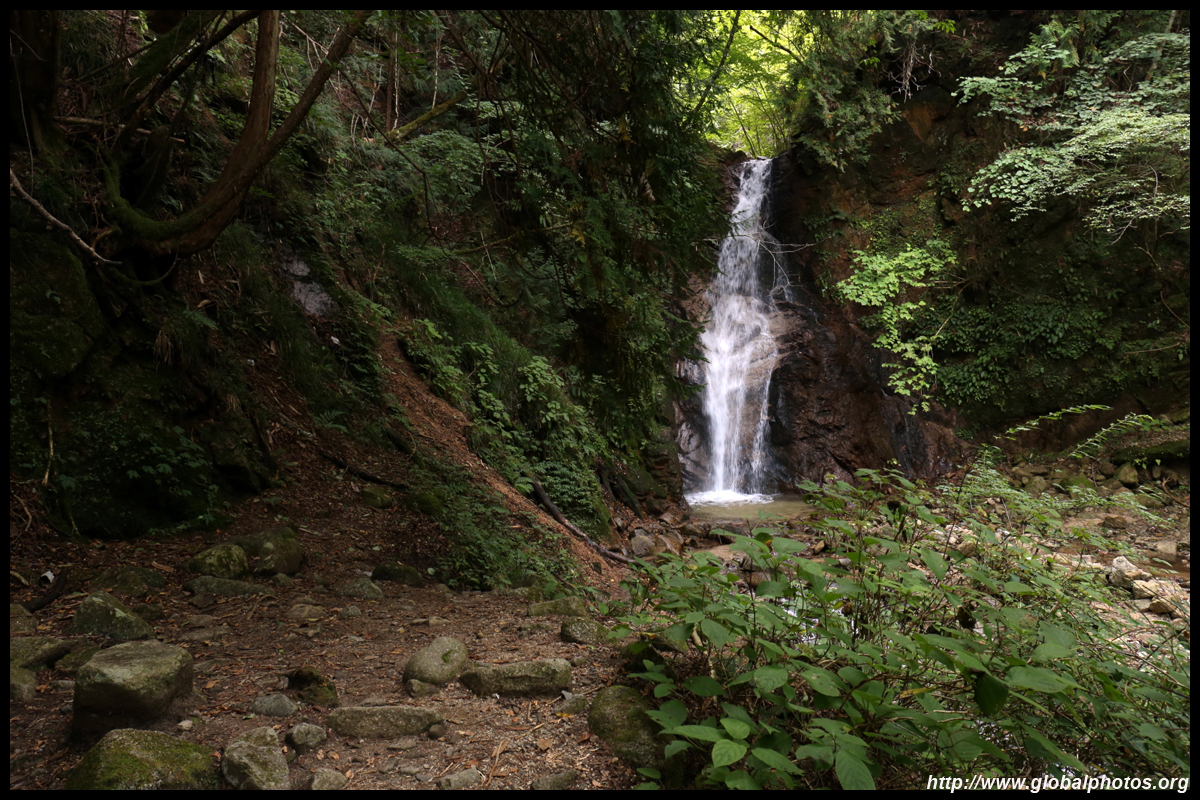
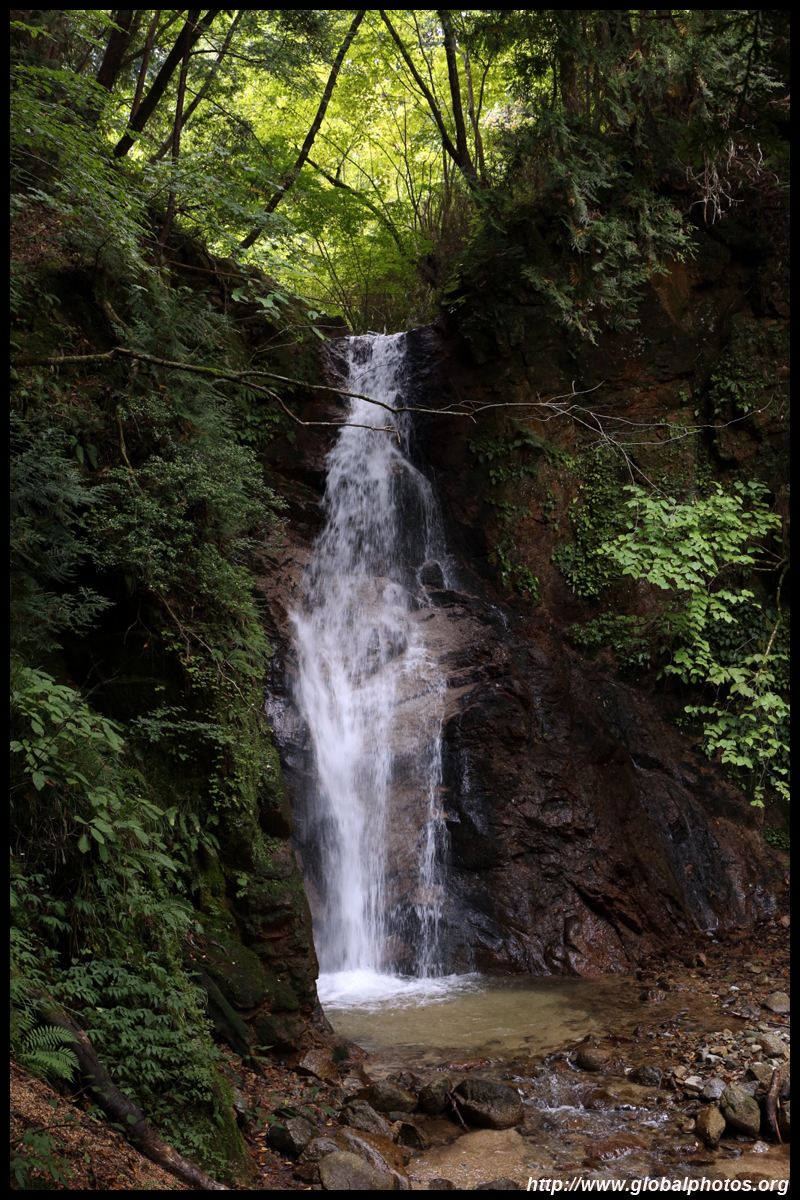
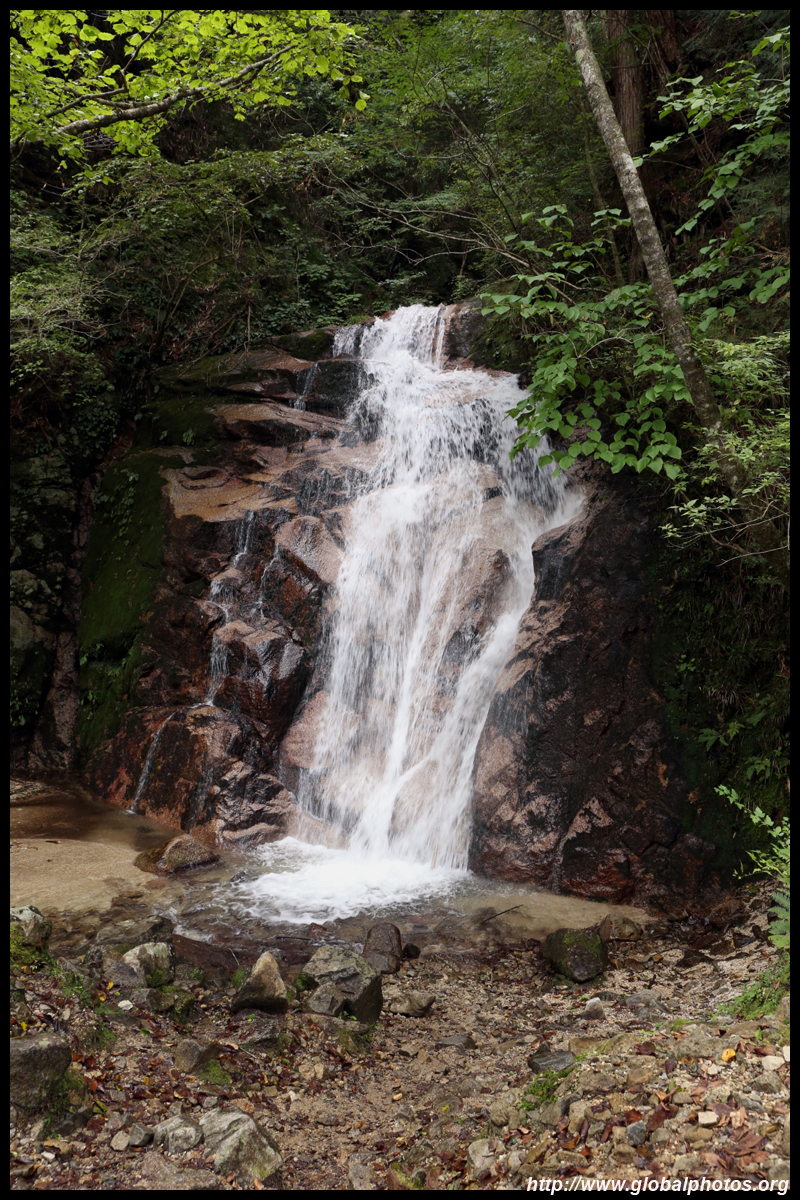
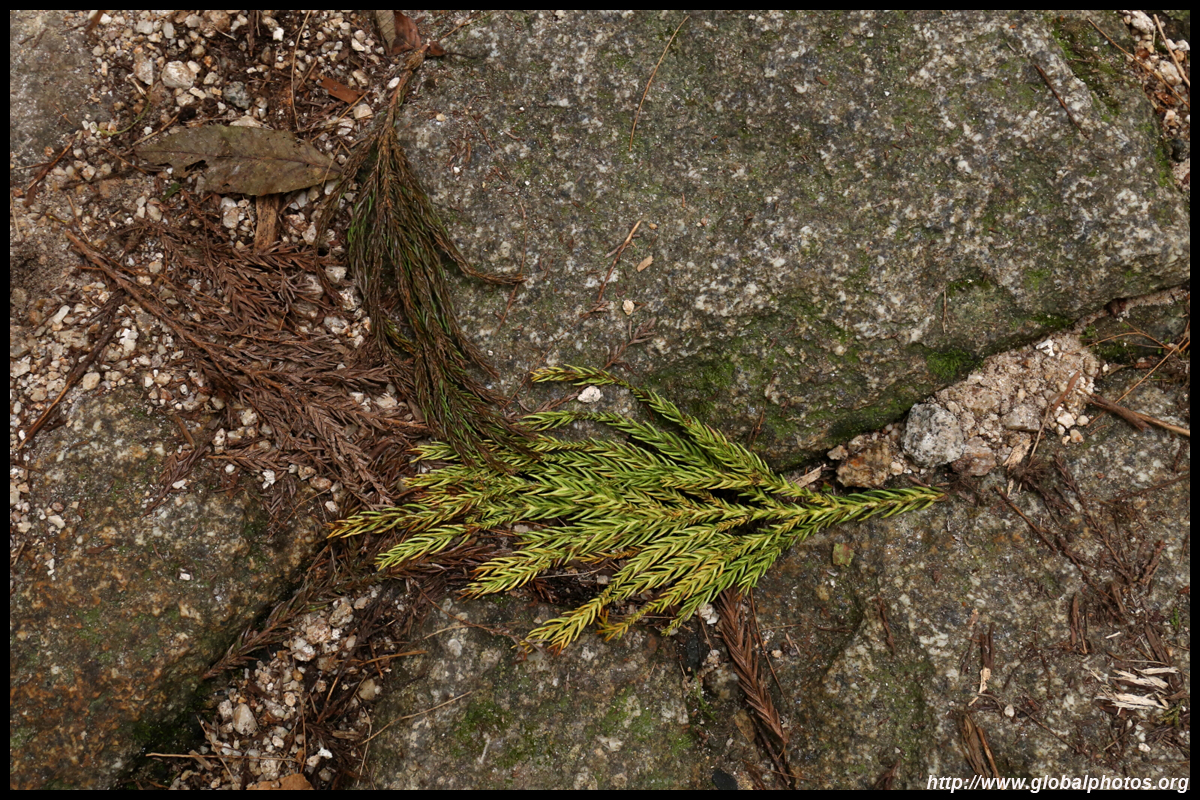
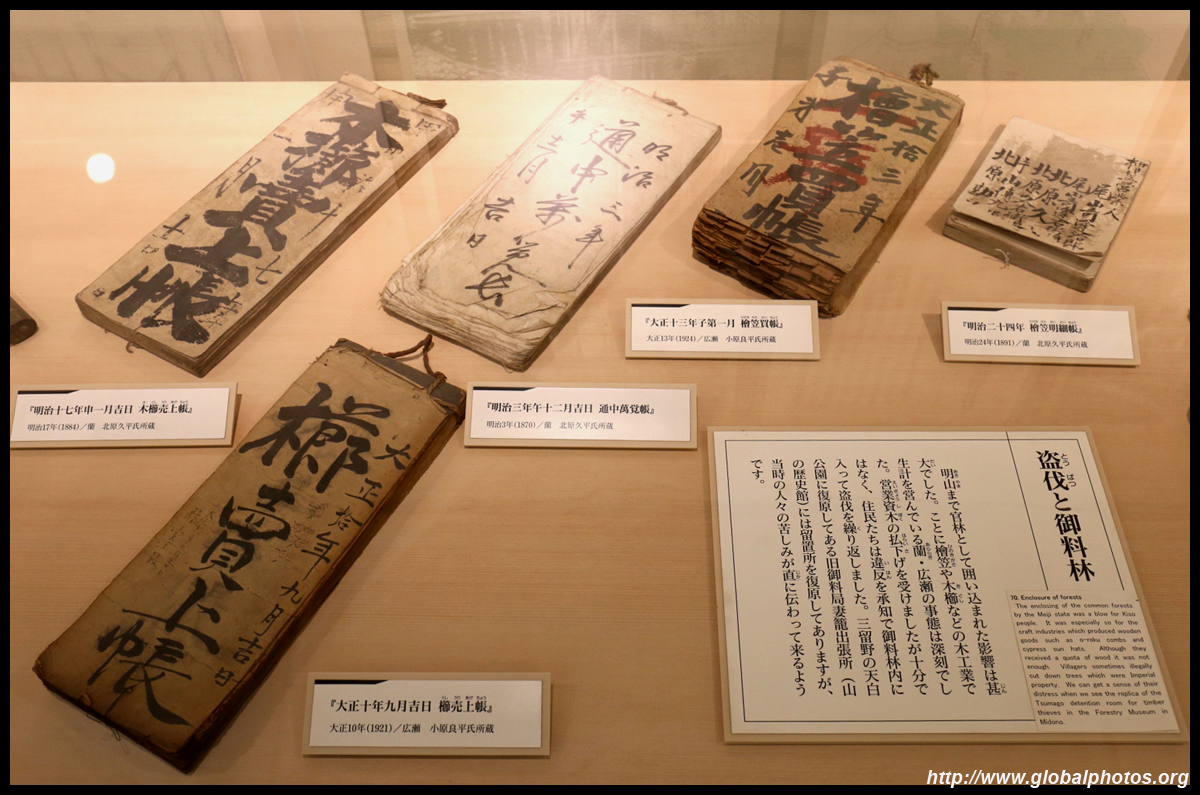
Kiso Valley is about 90% covered by forest, with valuable local cypress being favoured in temple and shrine construction. Deforestation threatened the industry in the early Edo period and the rulers imposed strict logging policies at the time, greatly impacting residents' earnings.
| |||
 |
 |
 |
 |
 |
 |
 |
 |
 |
 |
 |
 |
 |
 |
 |
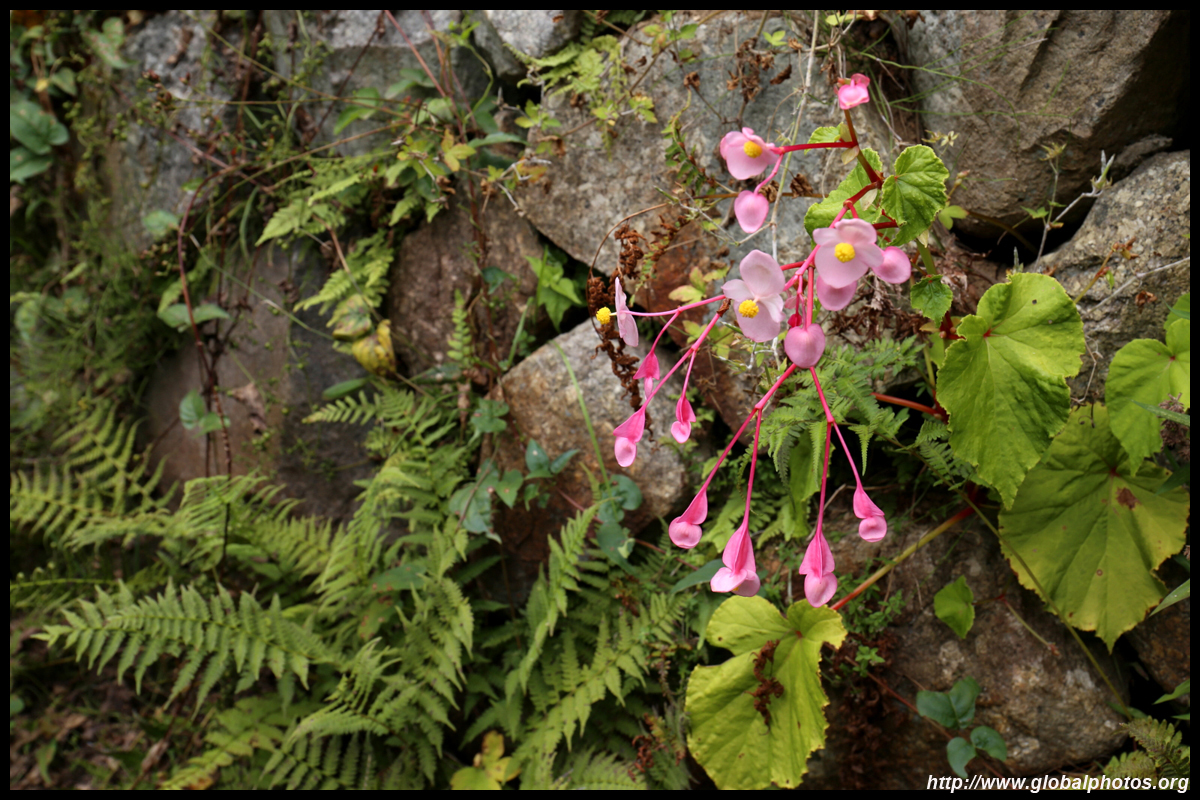 |
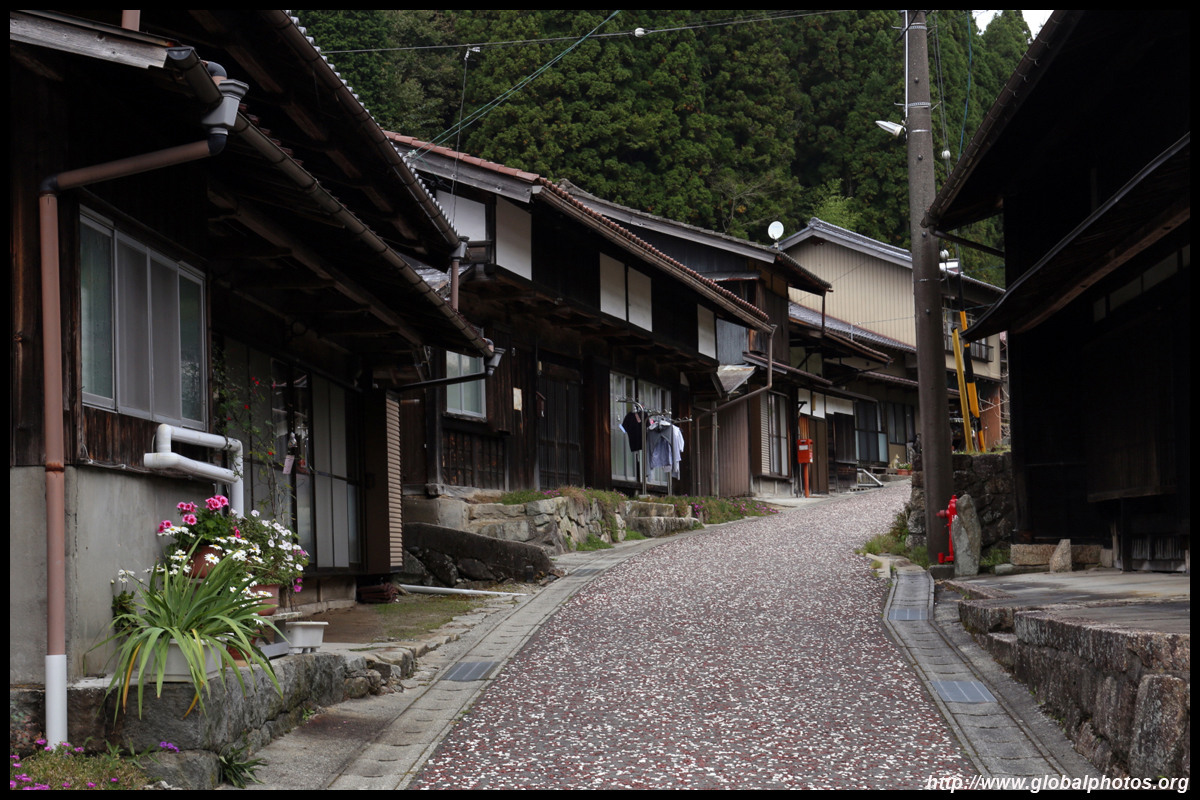
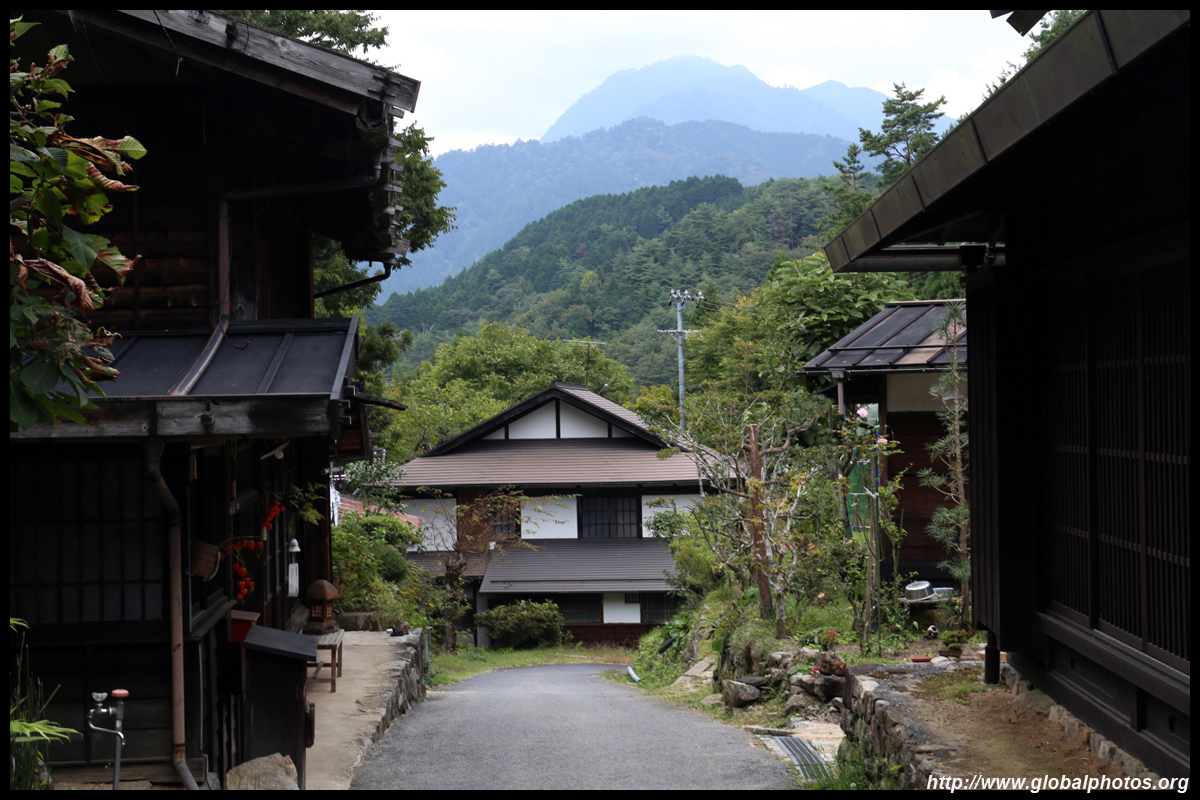
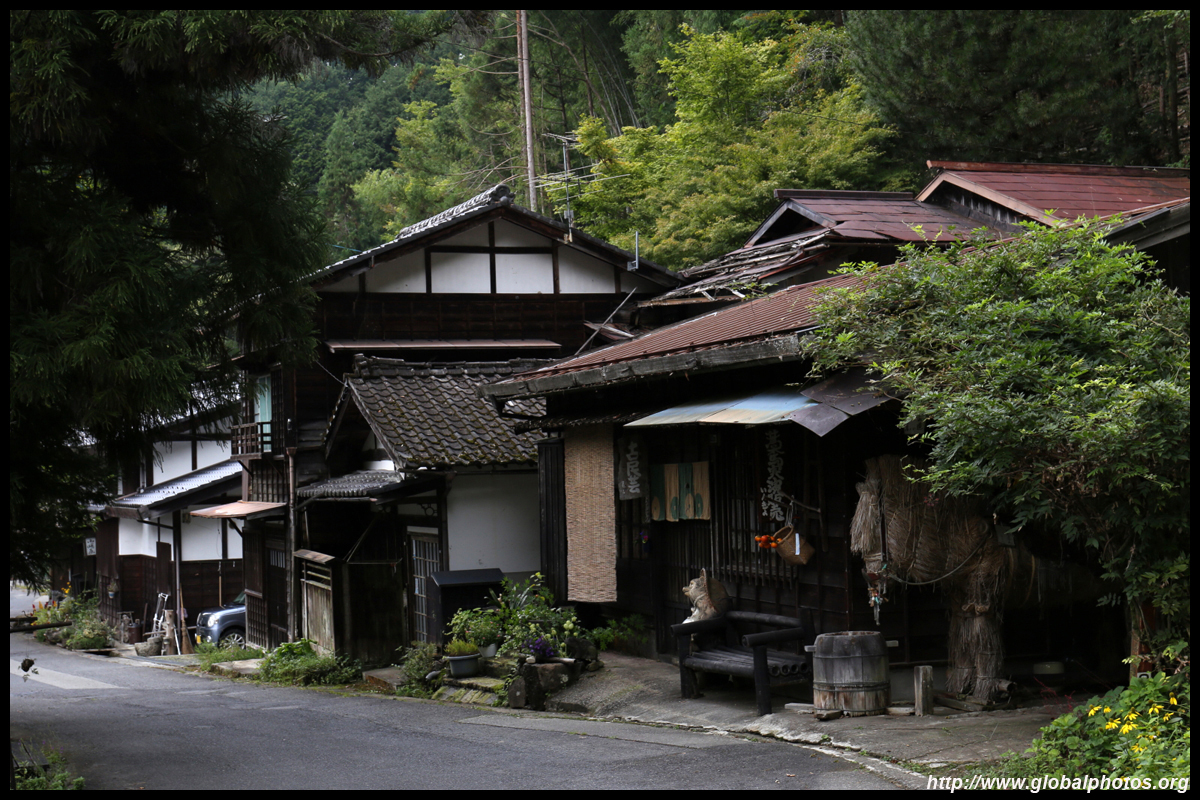
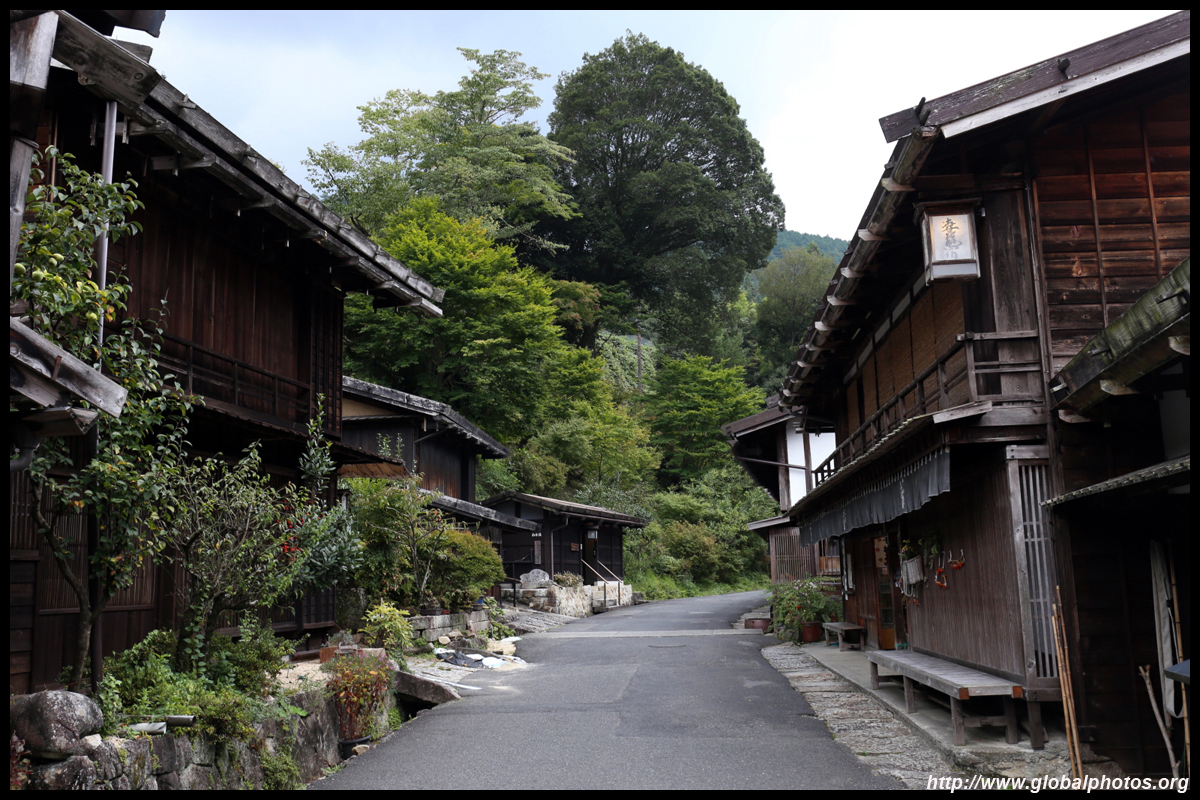
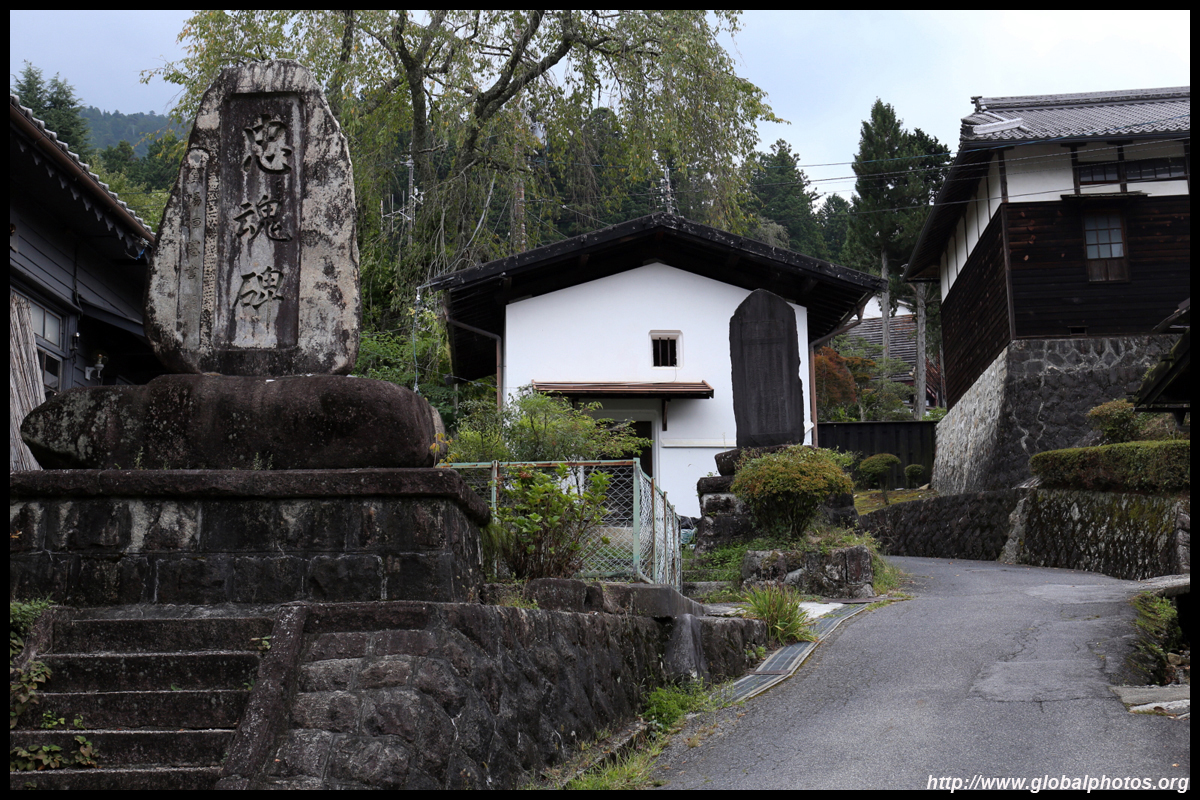
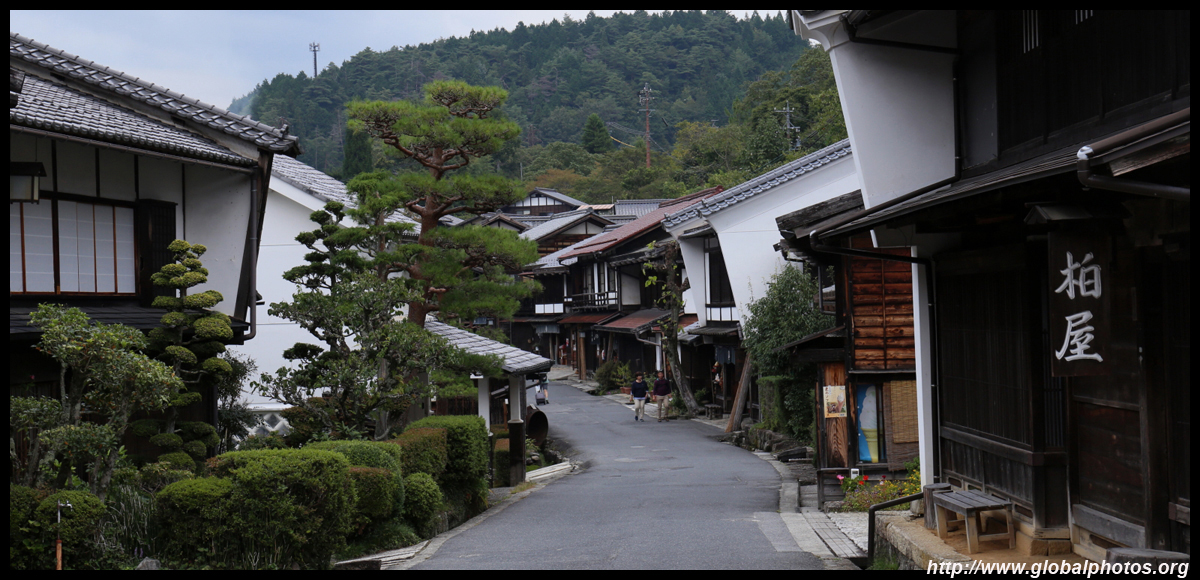
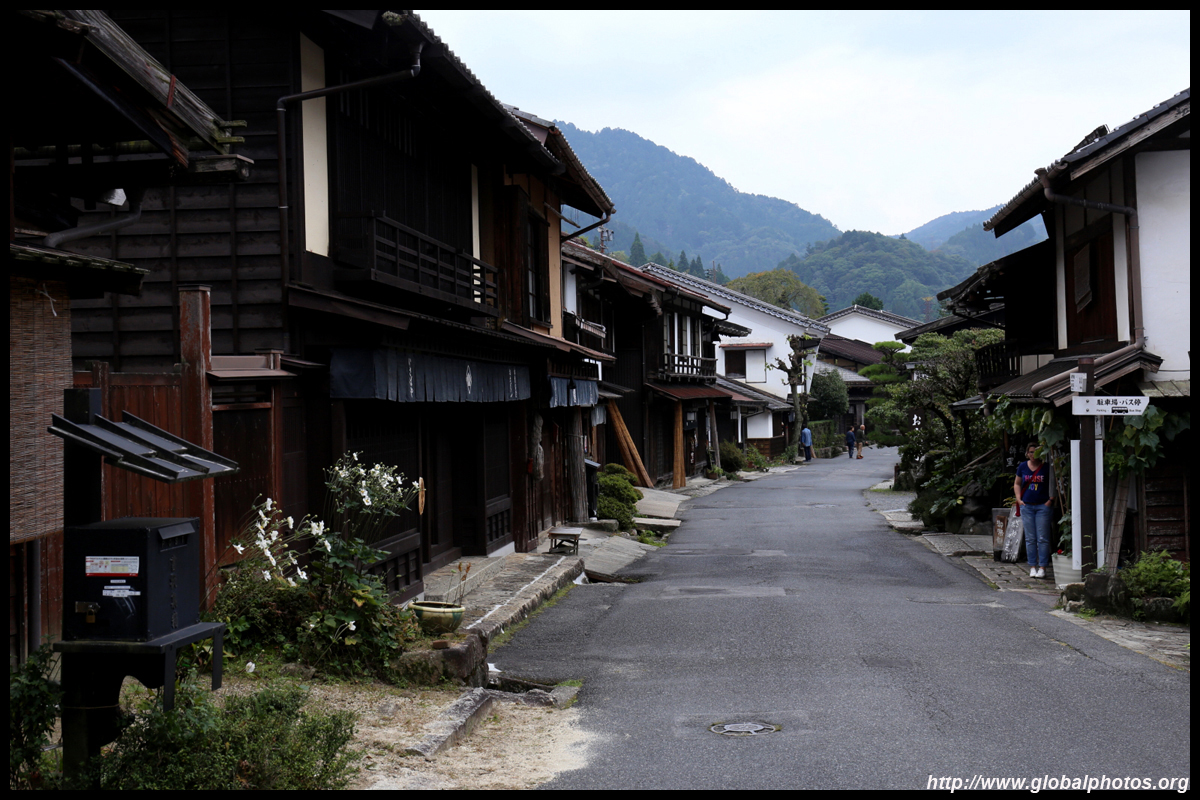
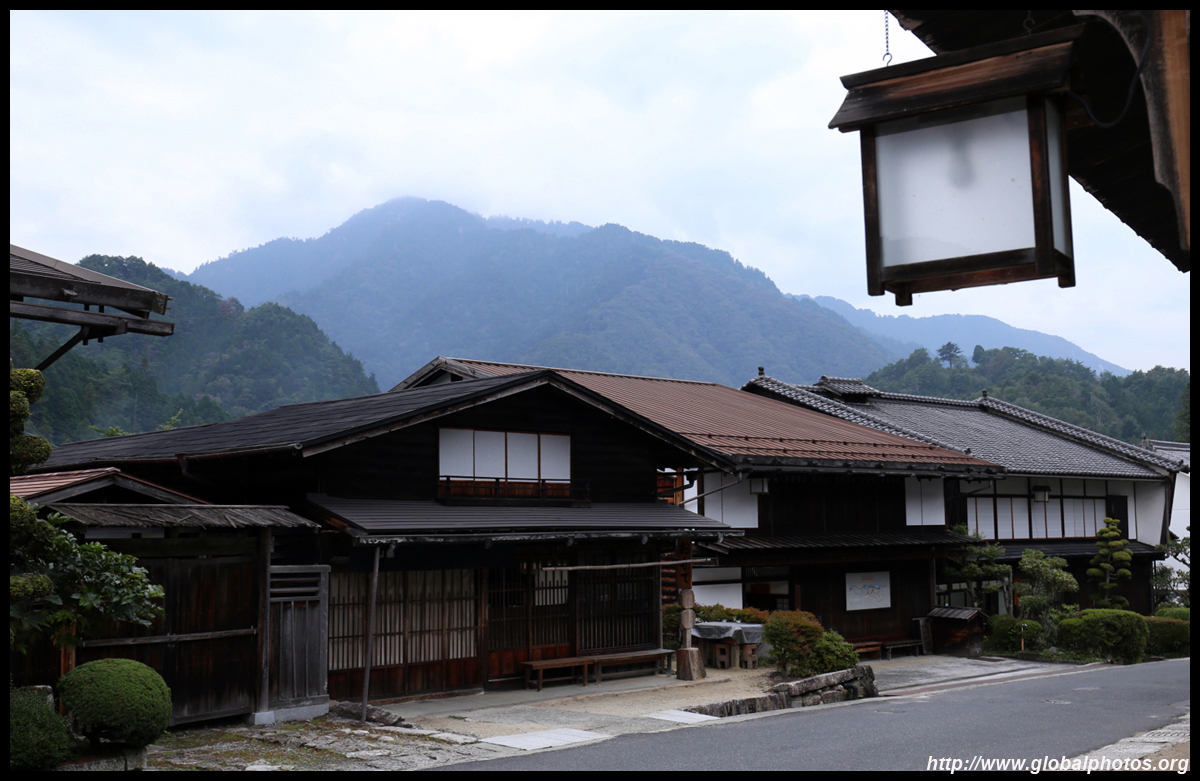
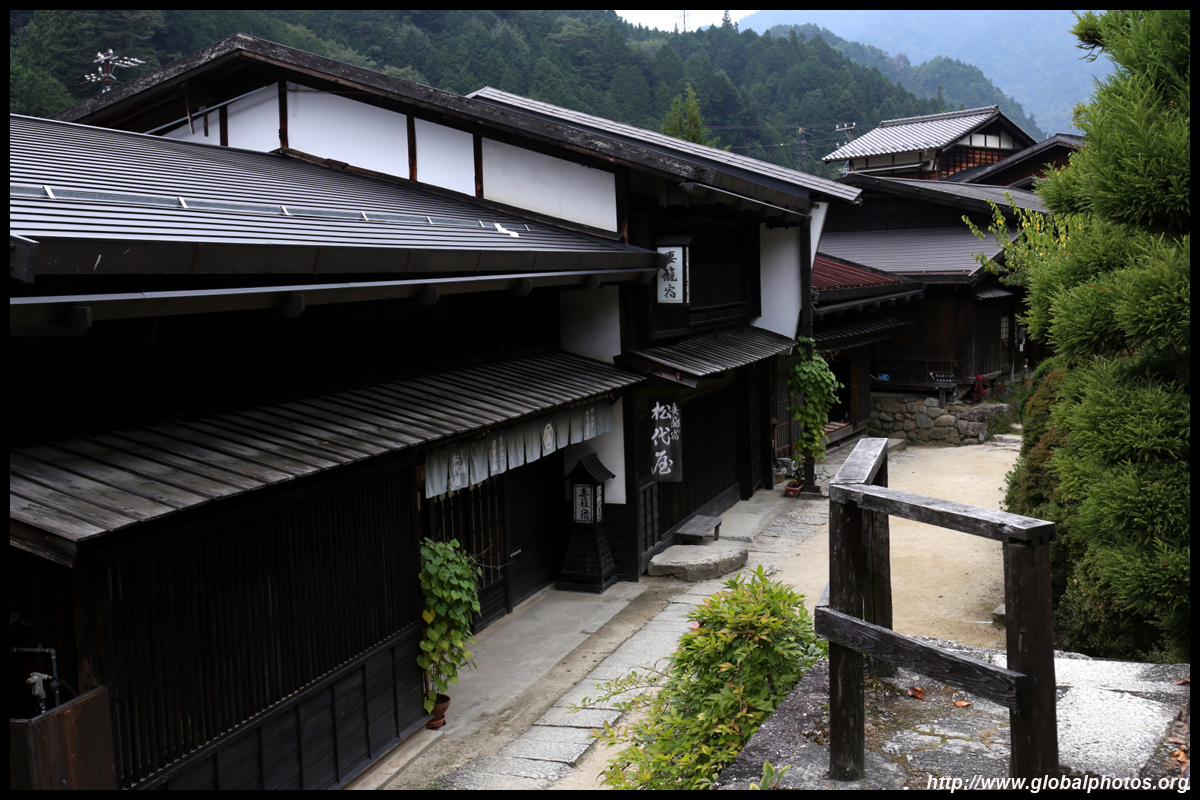
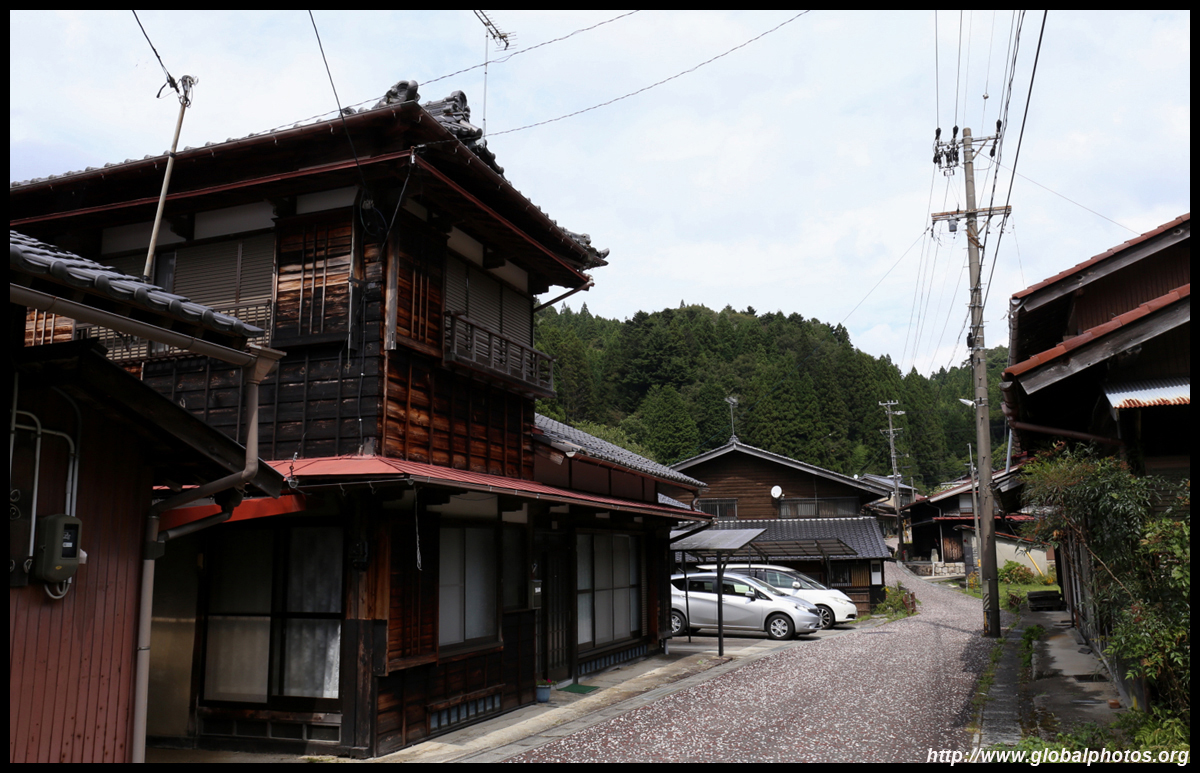
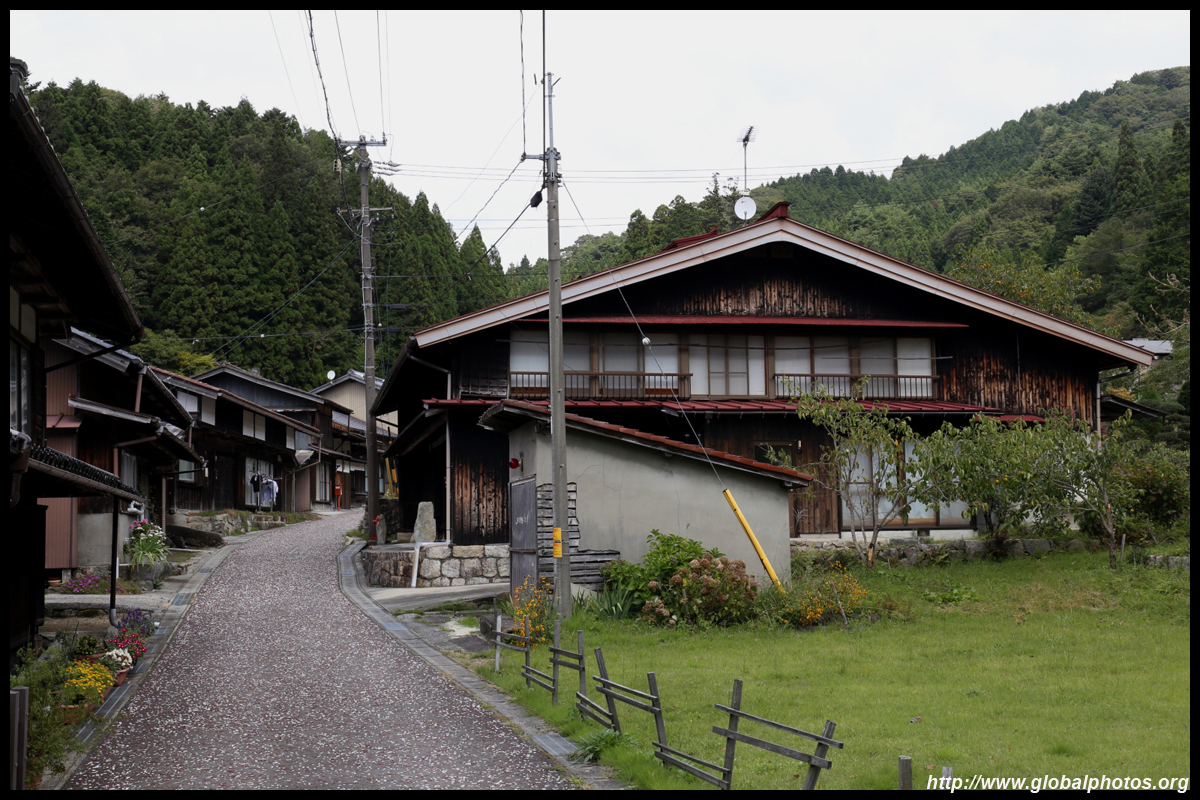
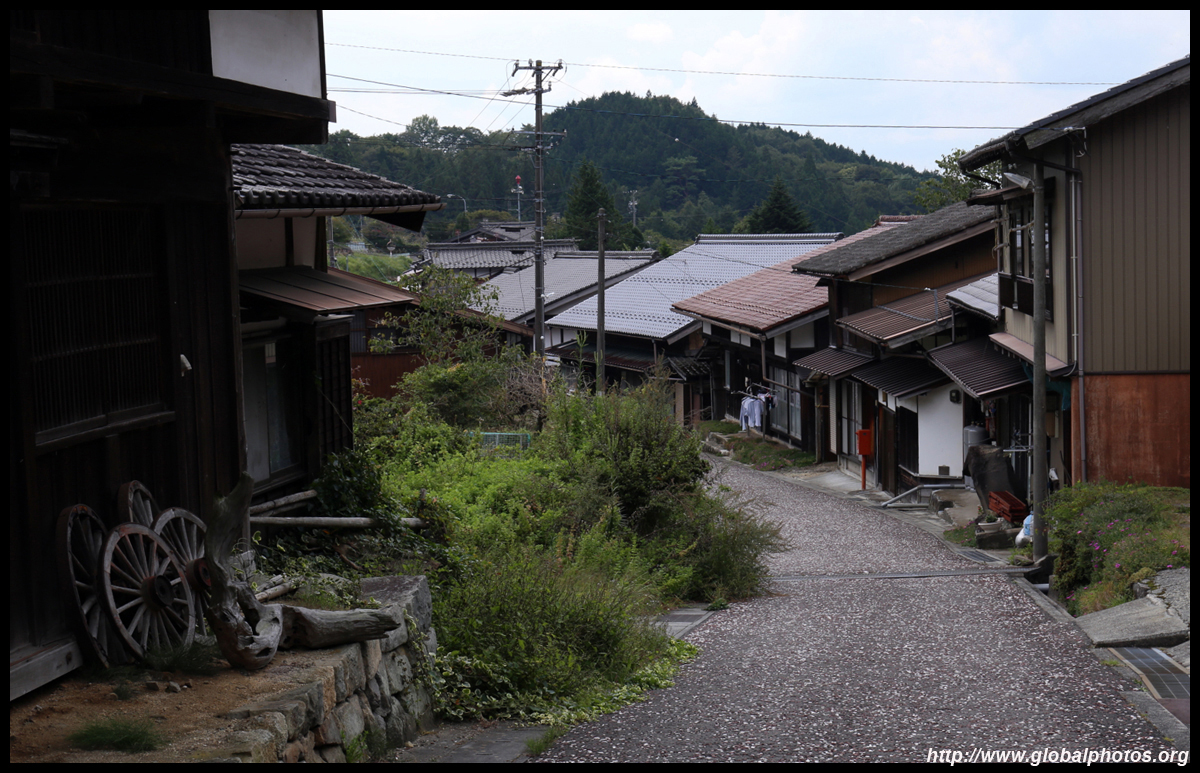
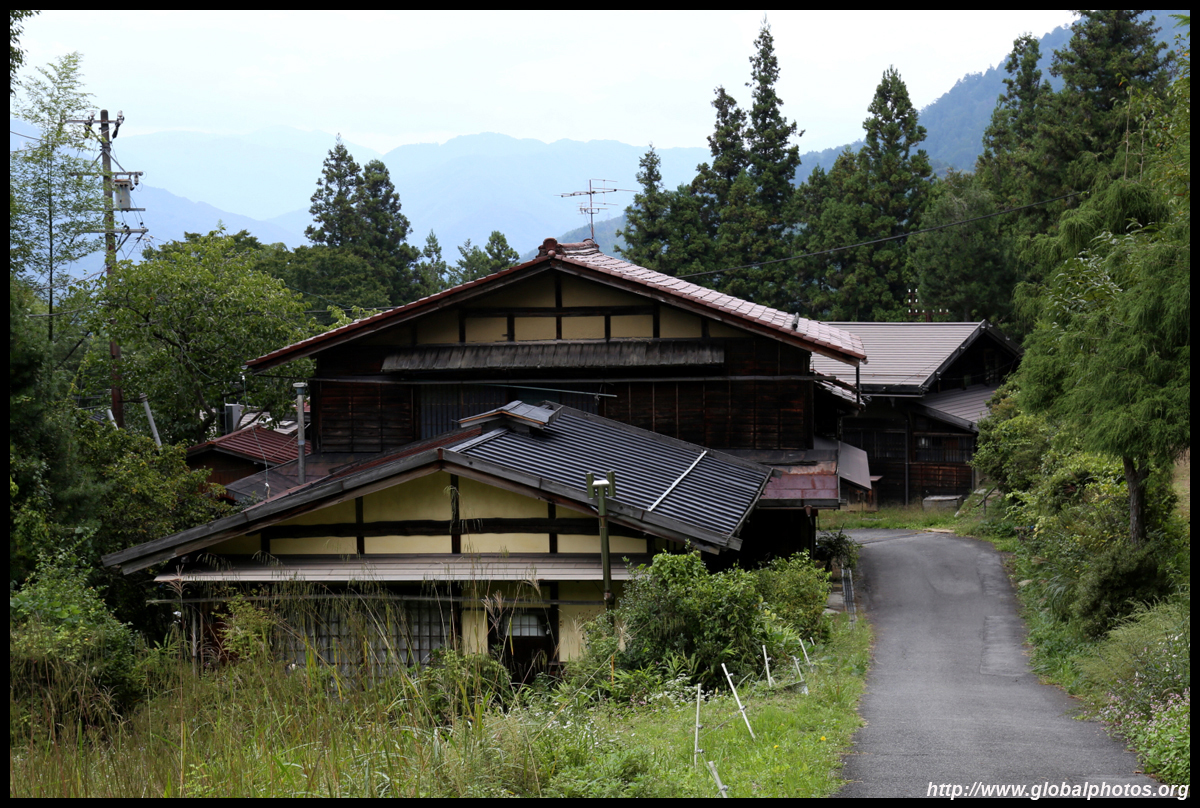
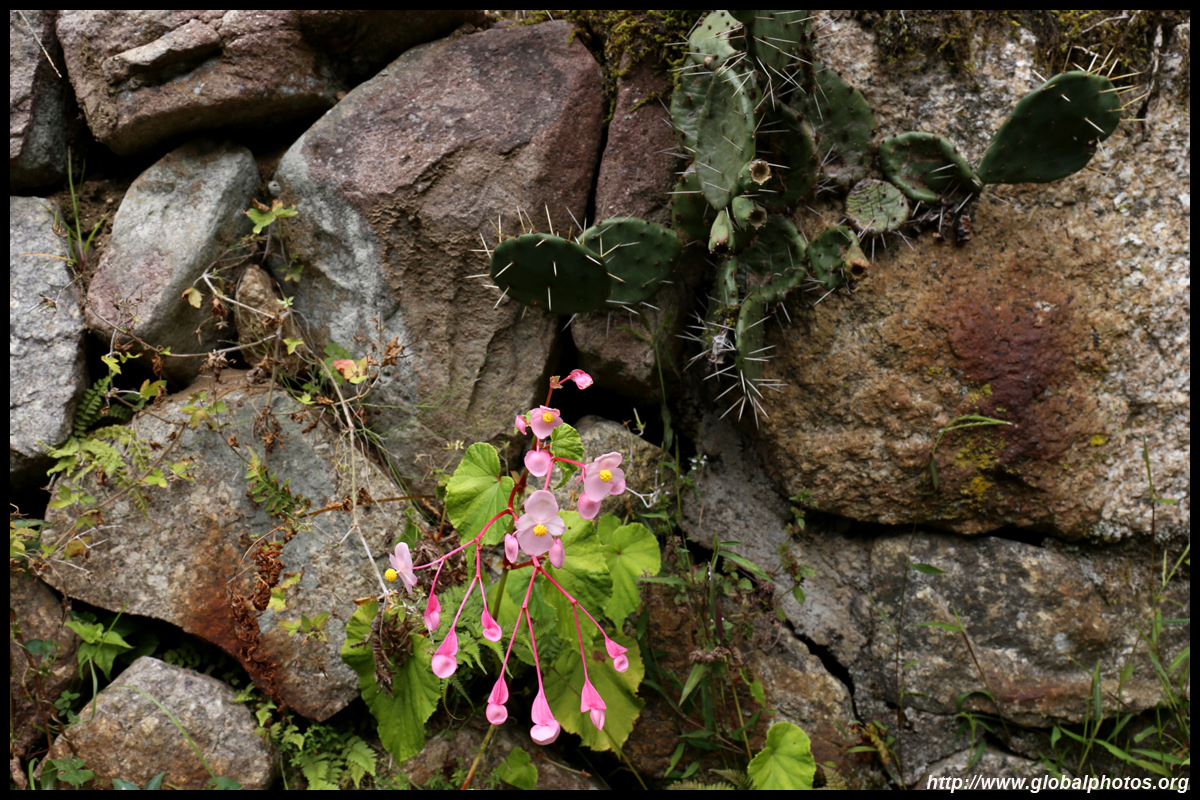
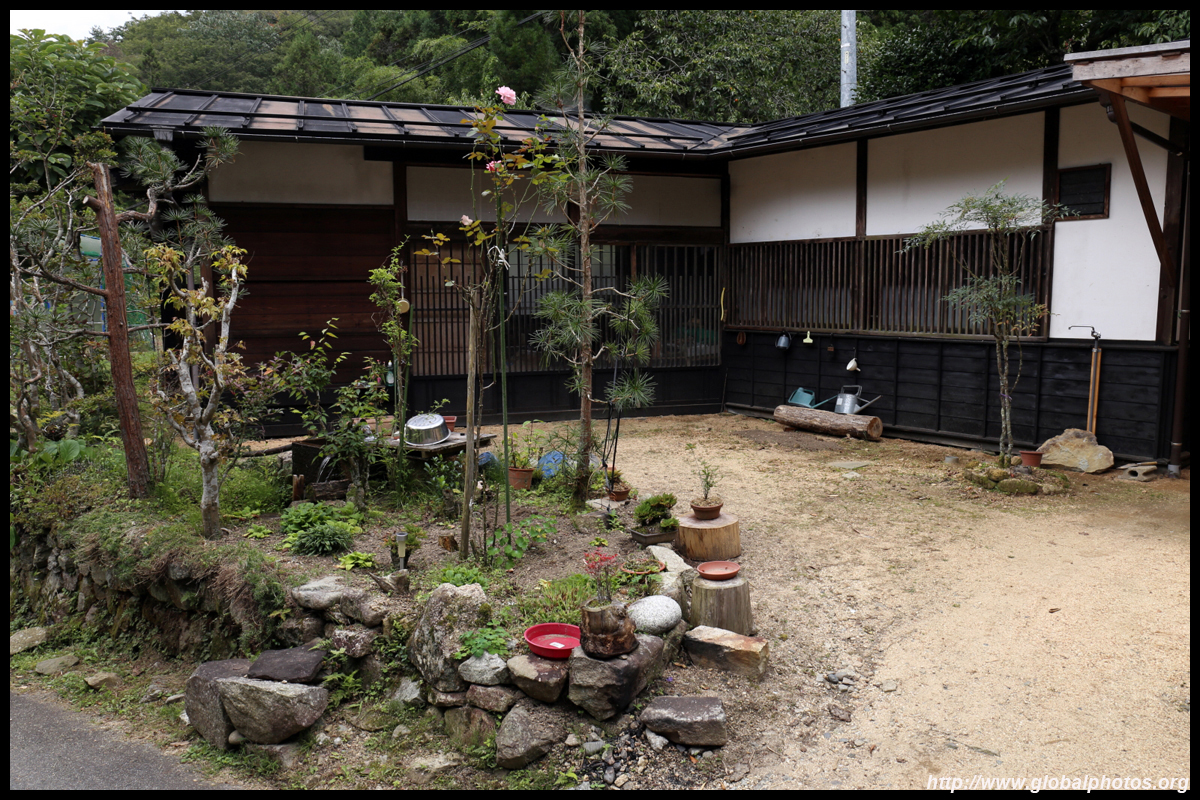
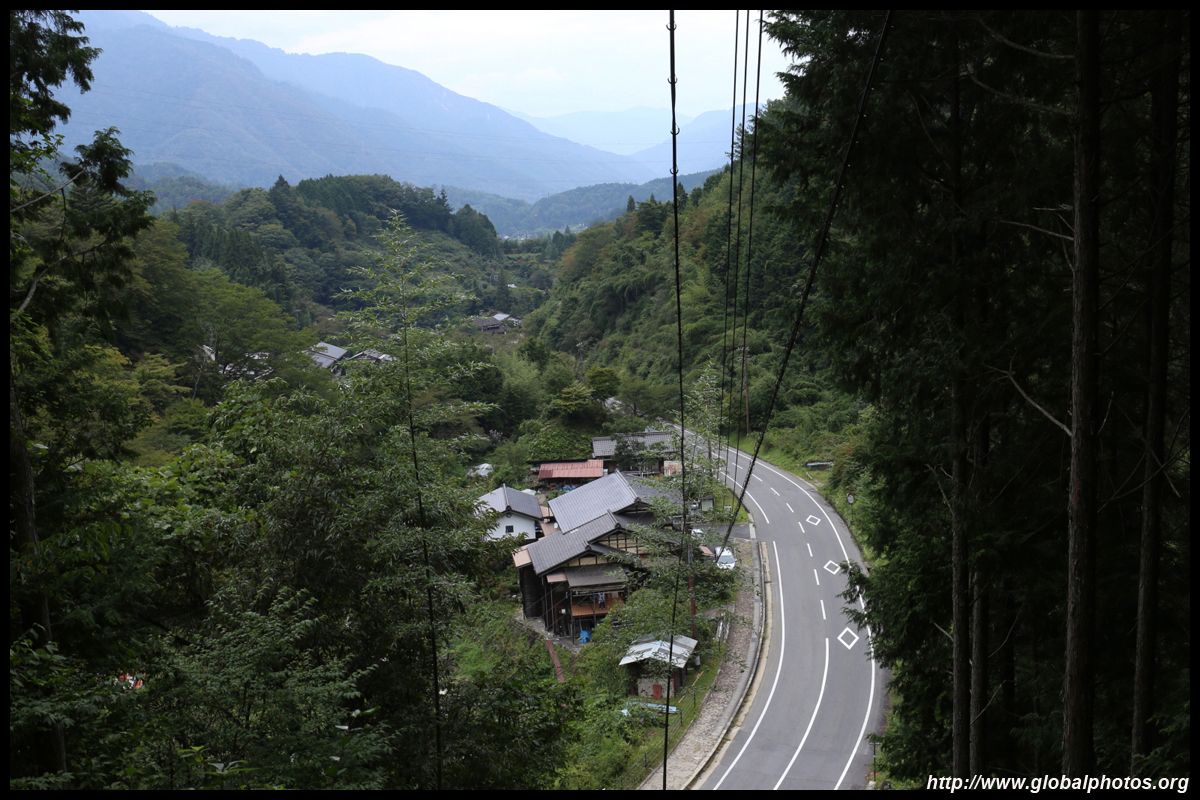
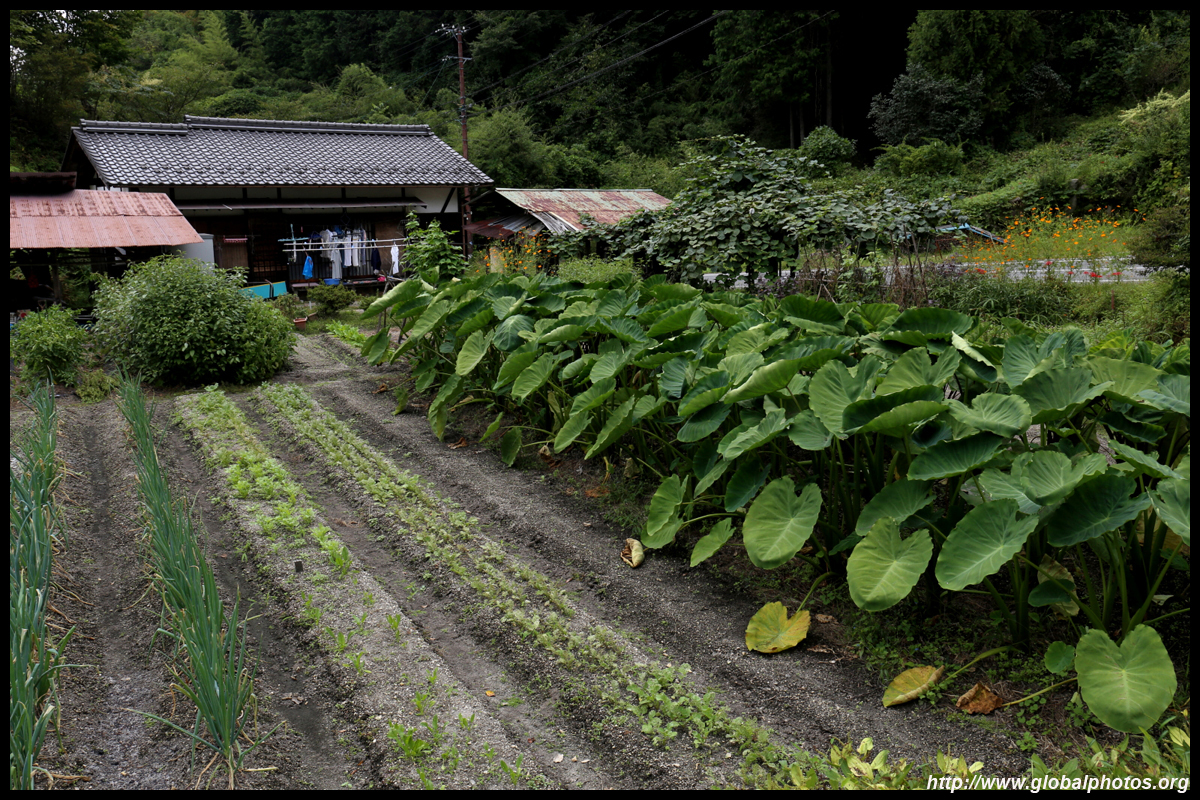
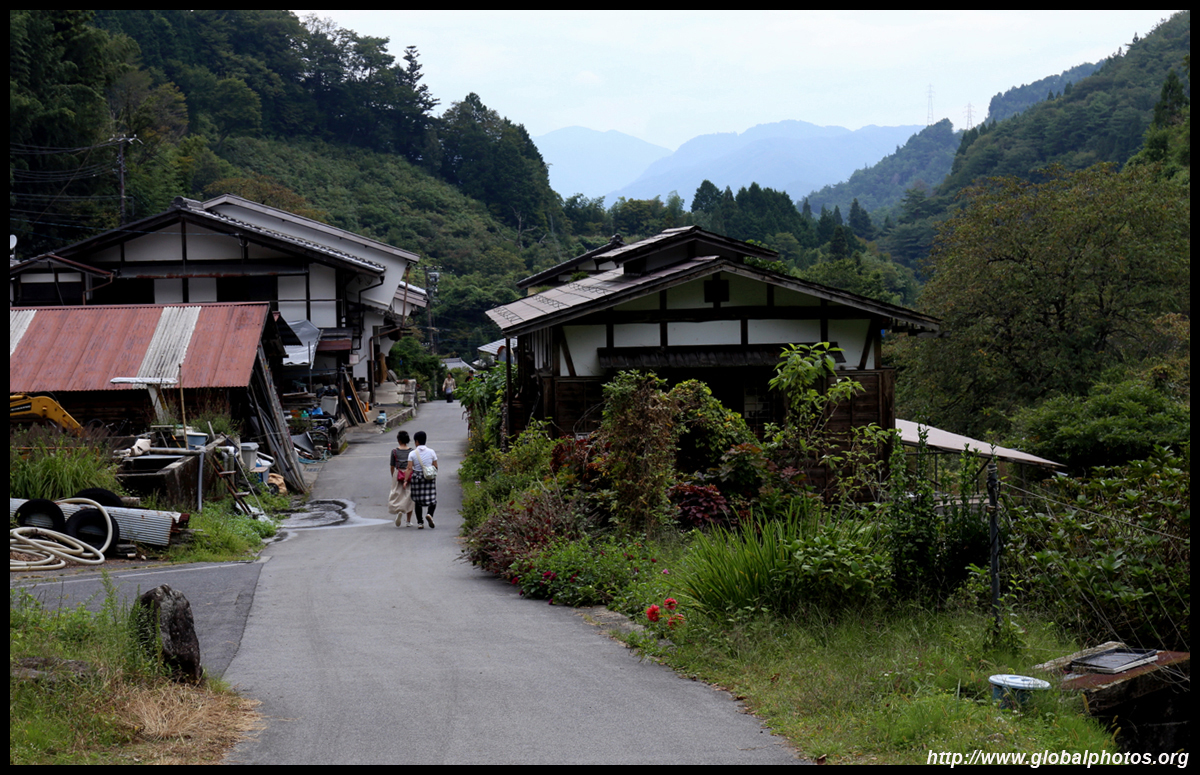
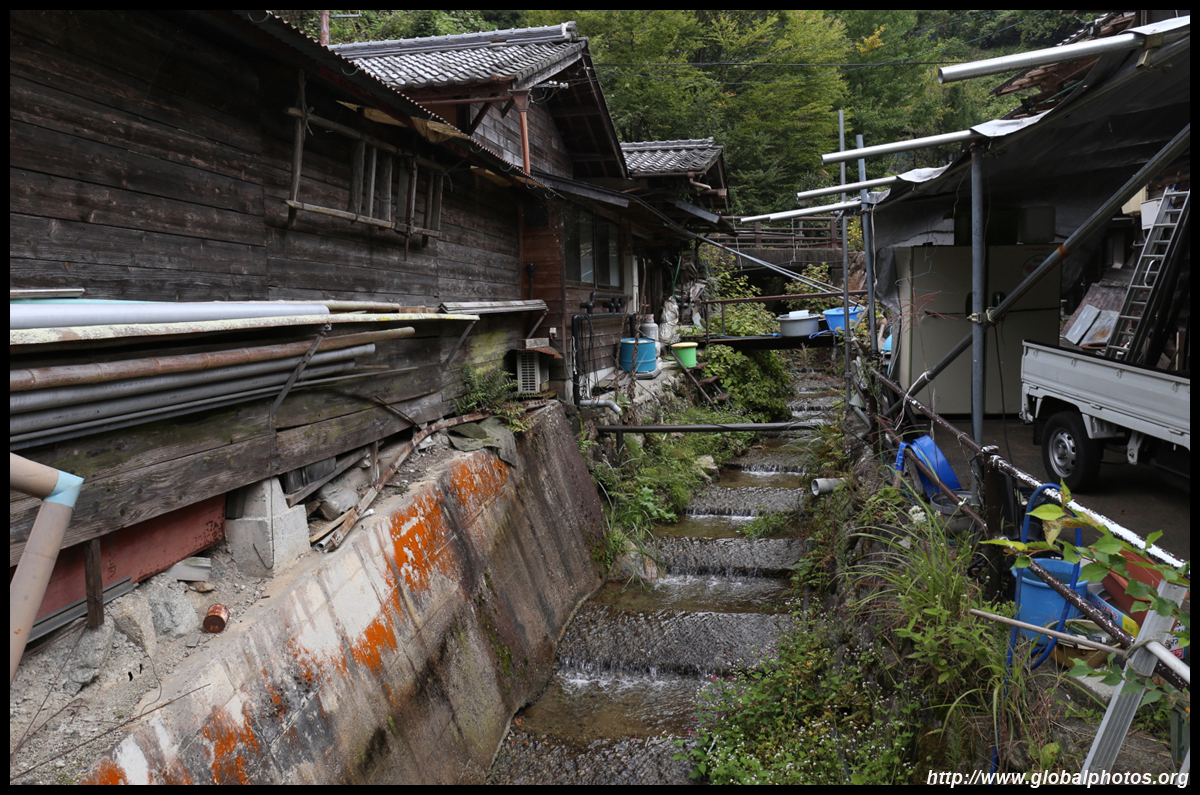
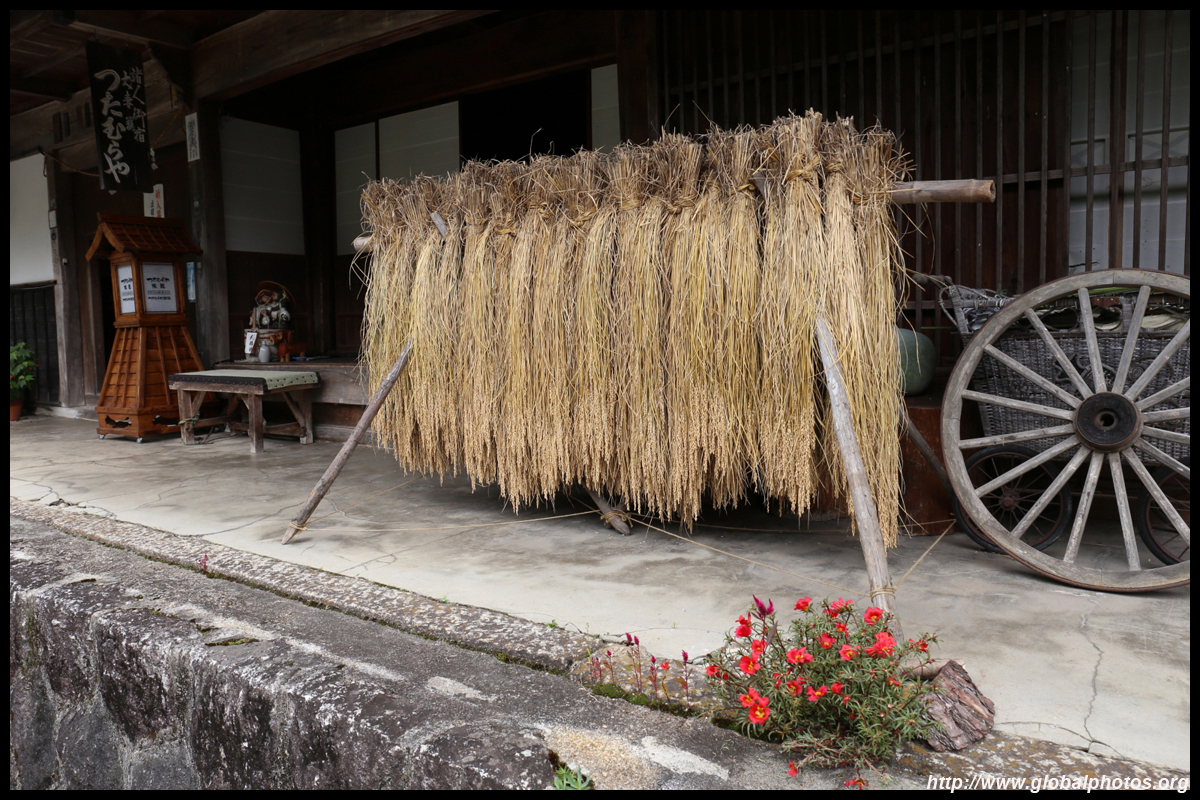
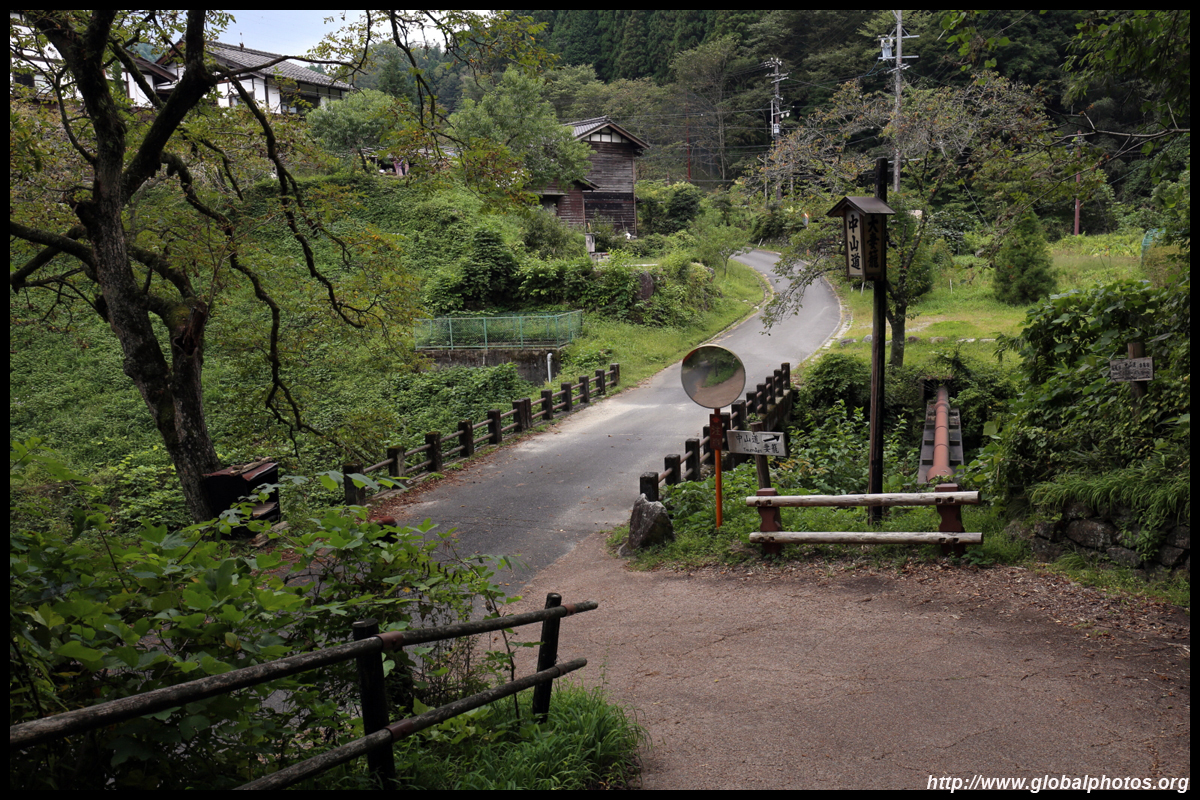
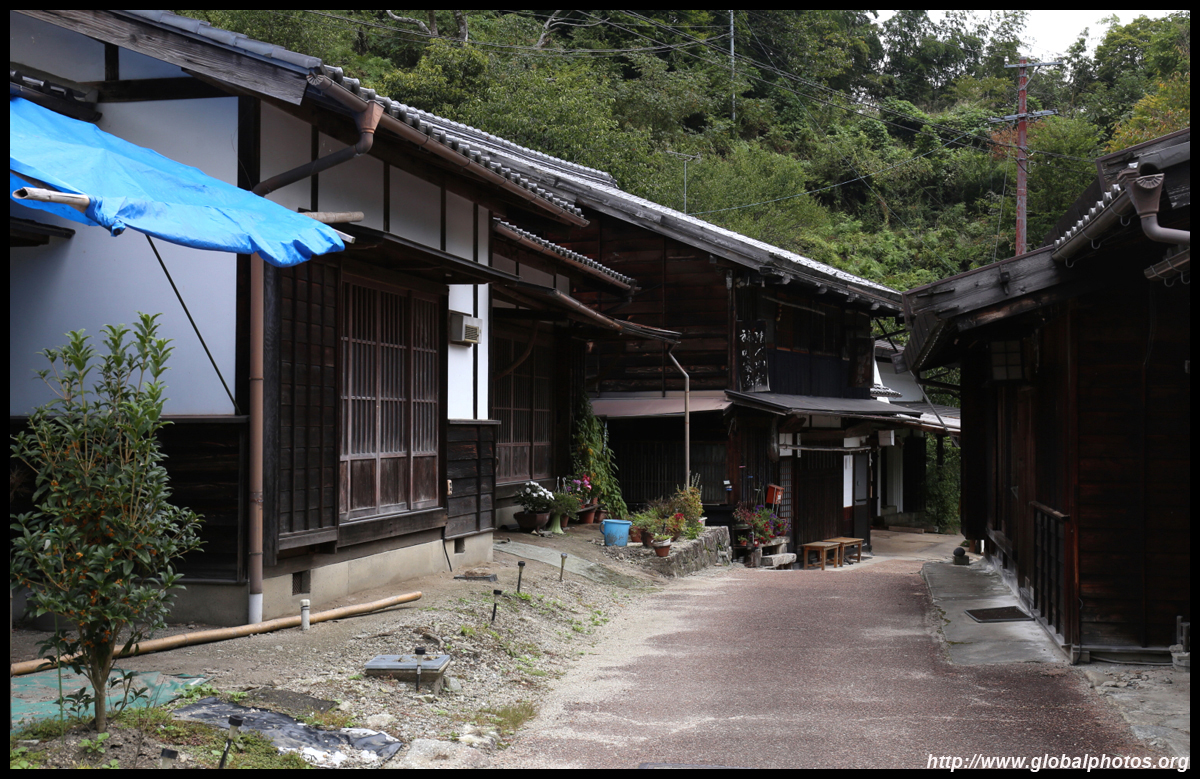
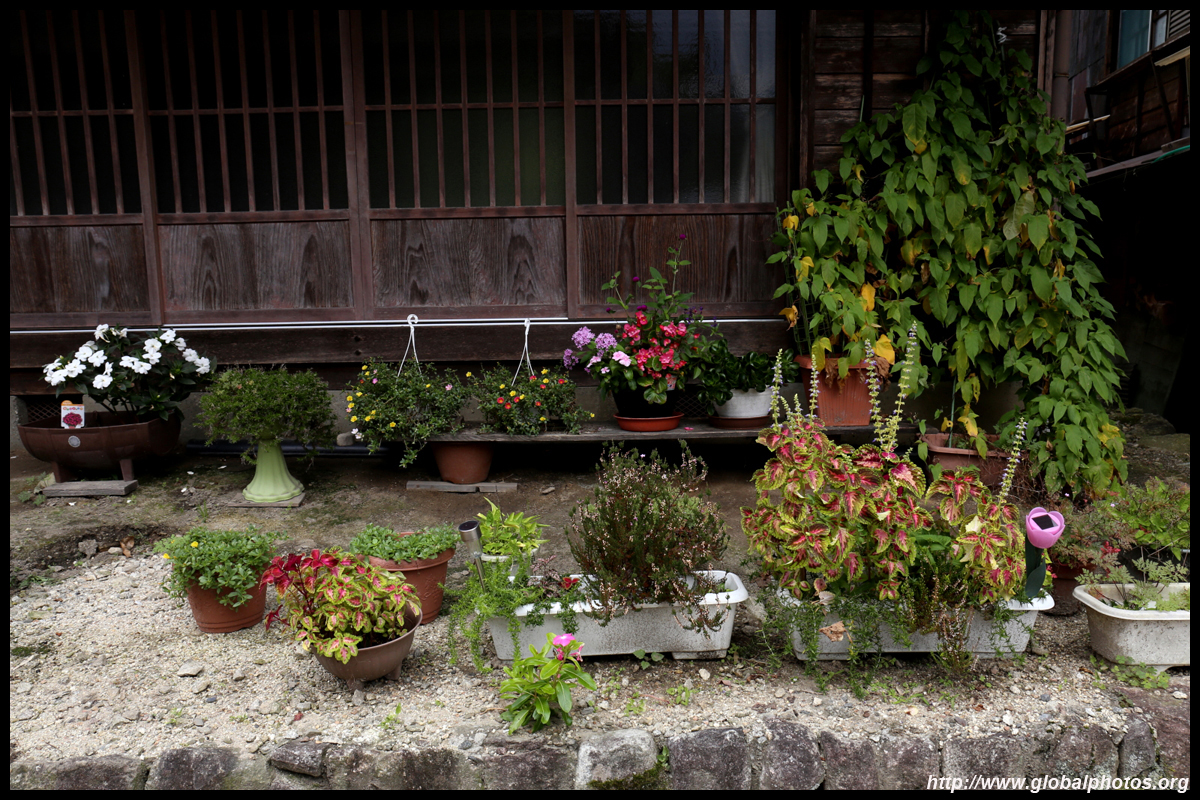
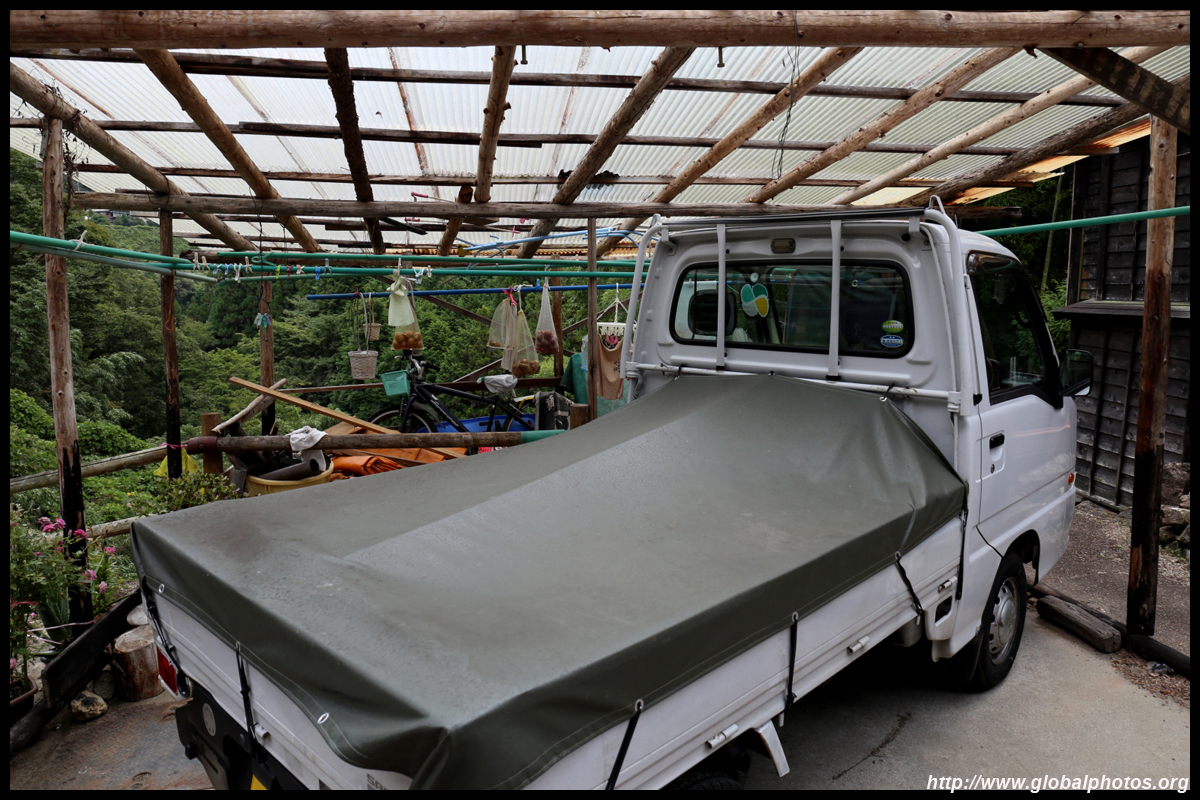
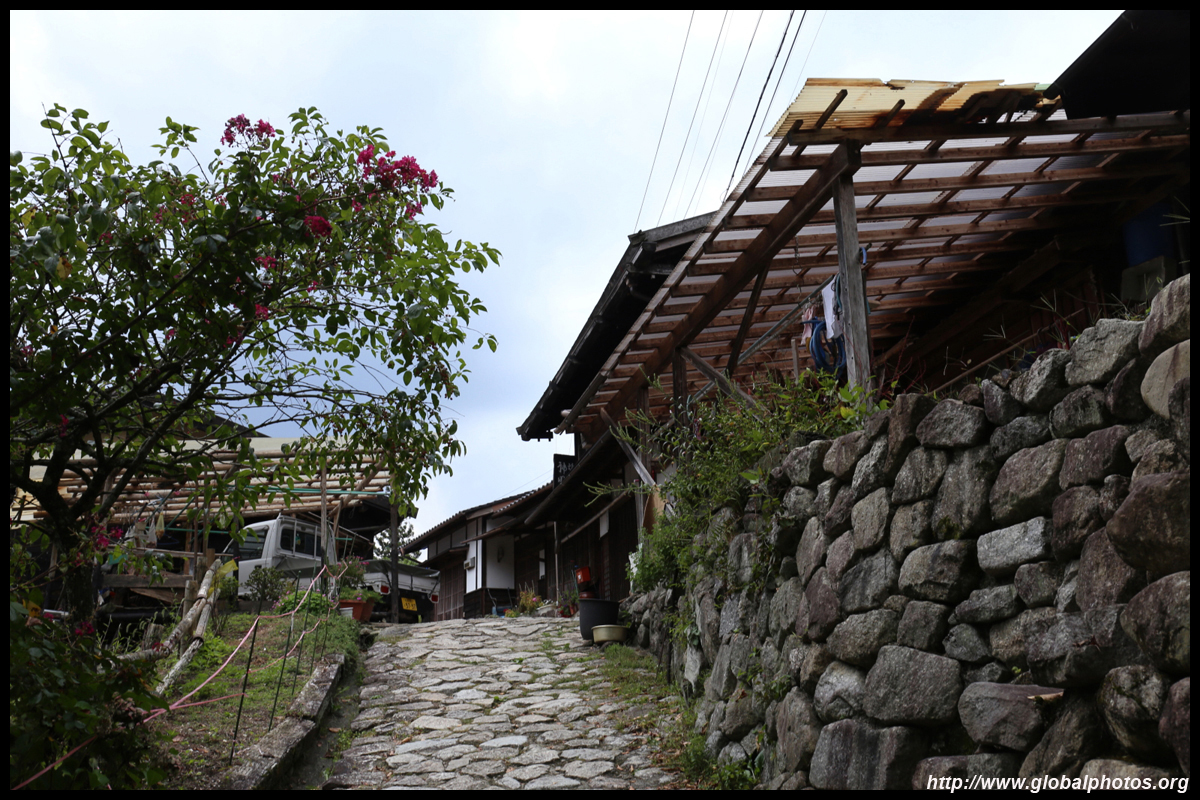
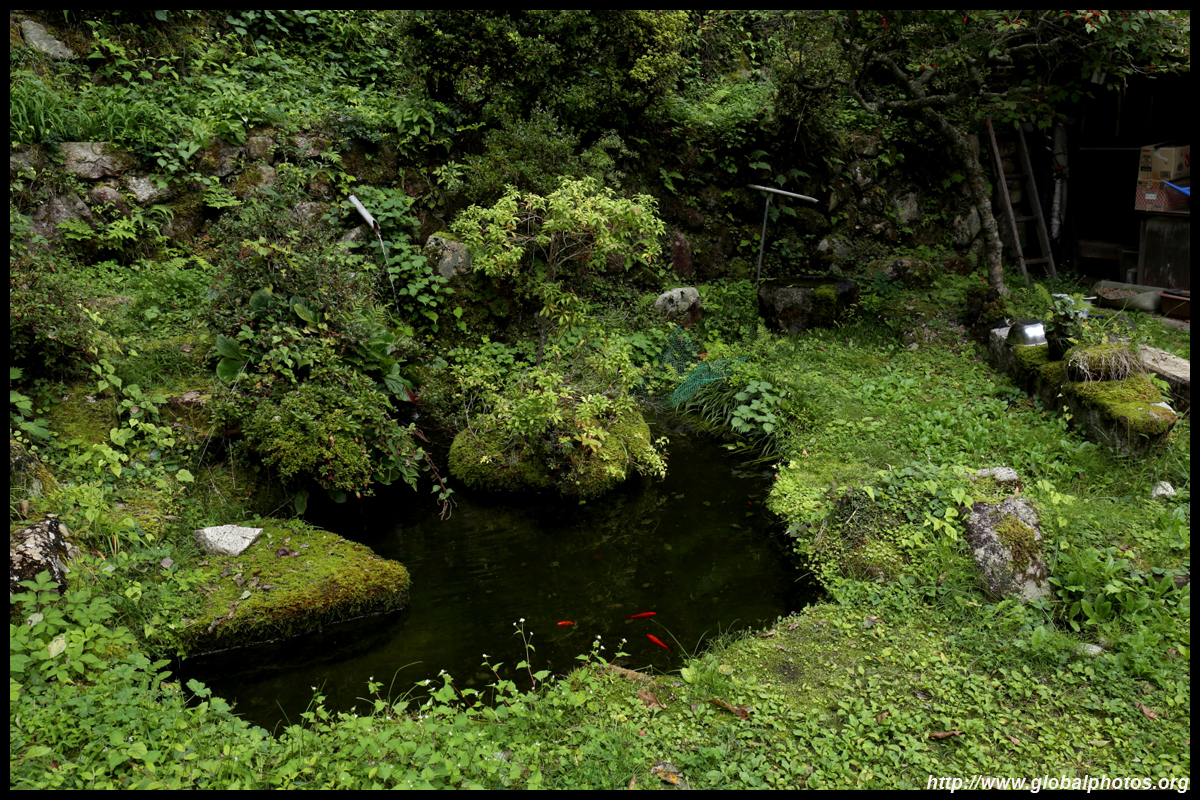
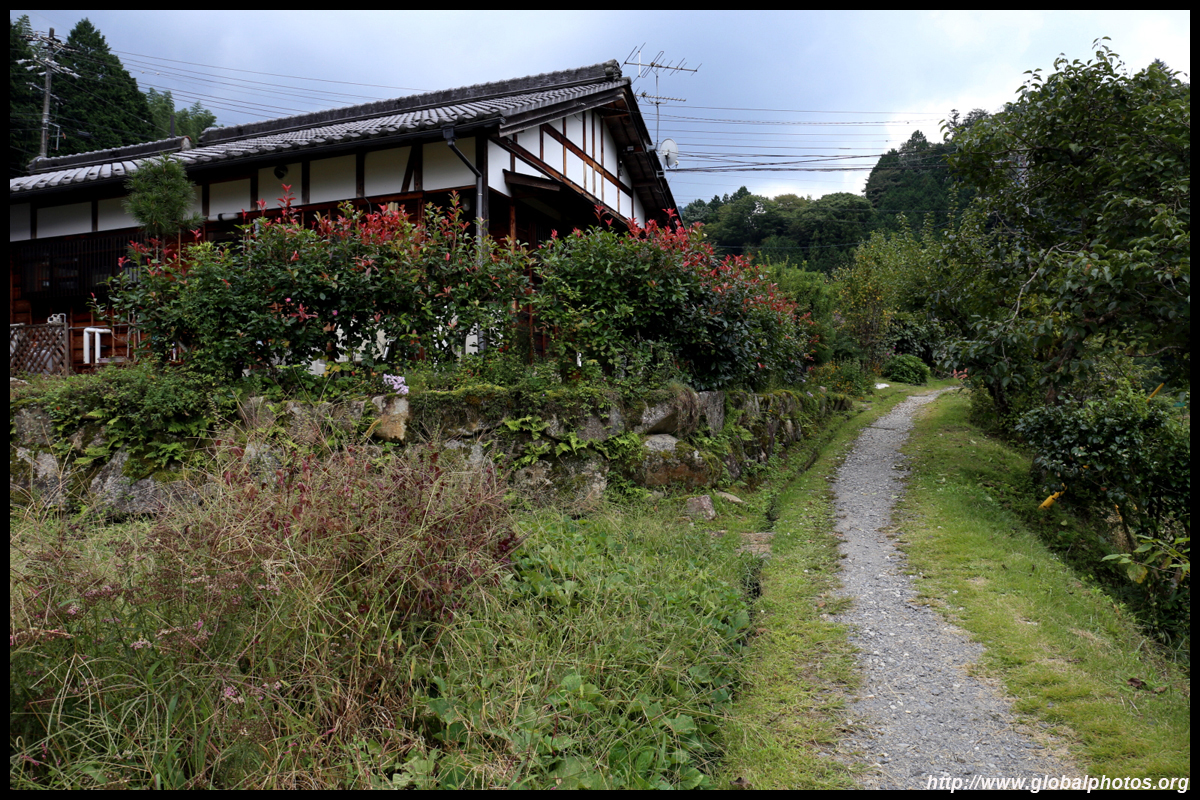
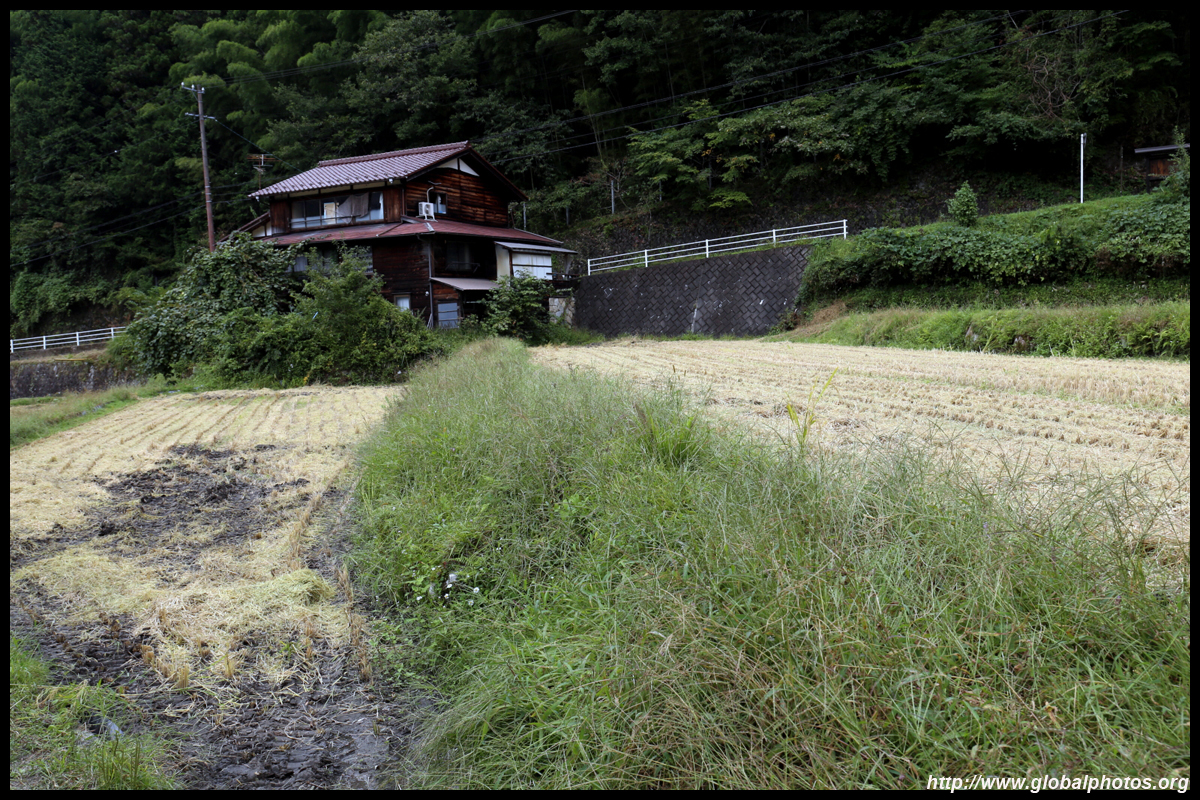
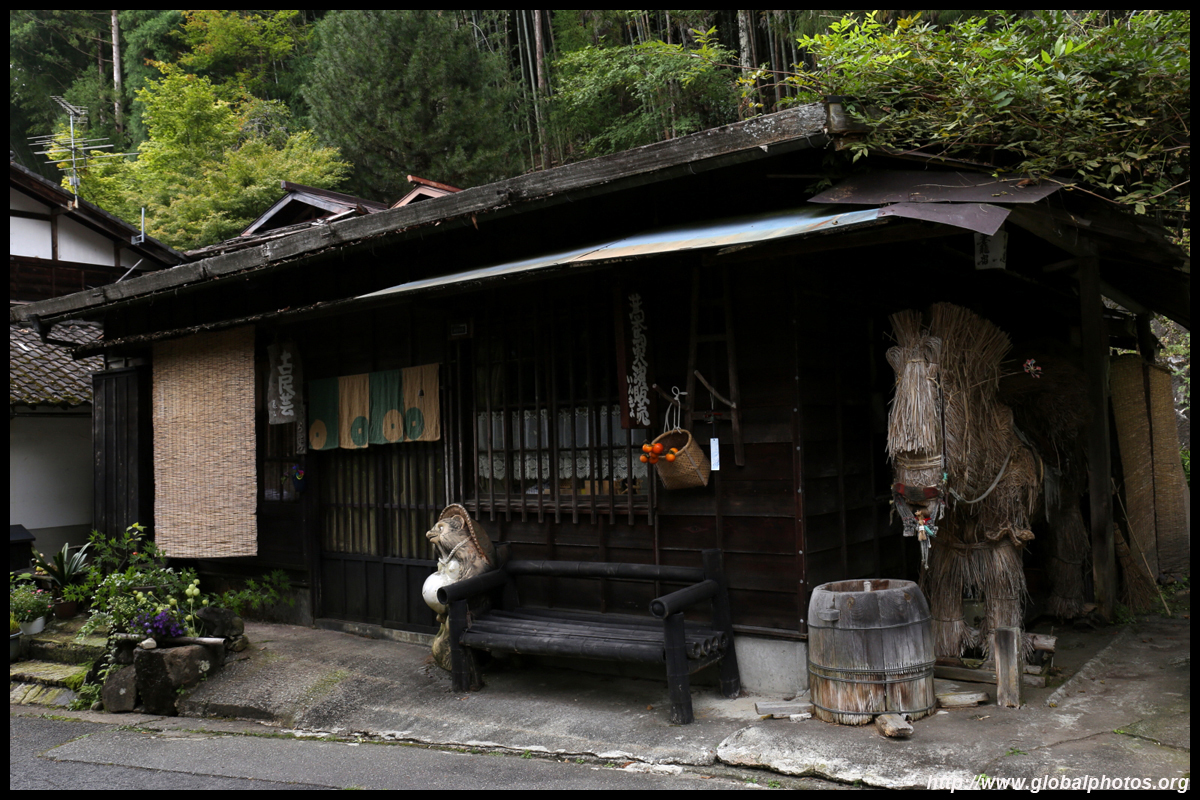
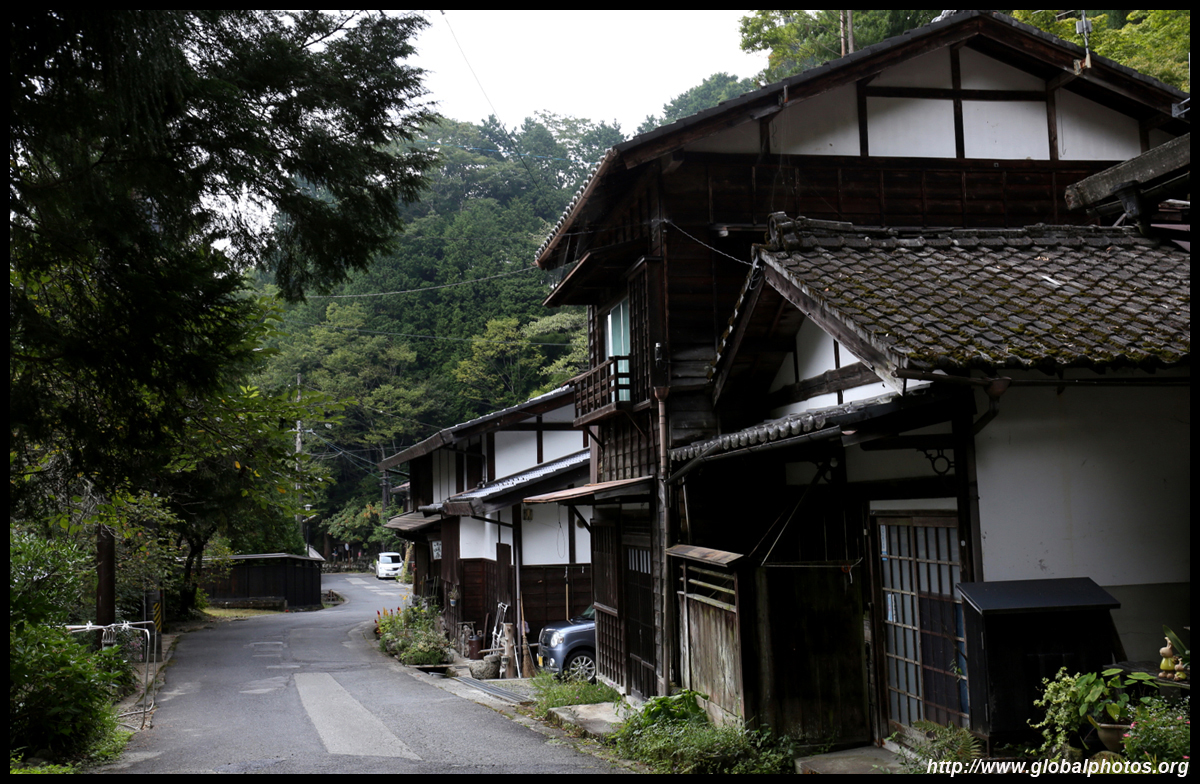
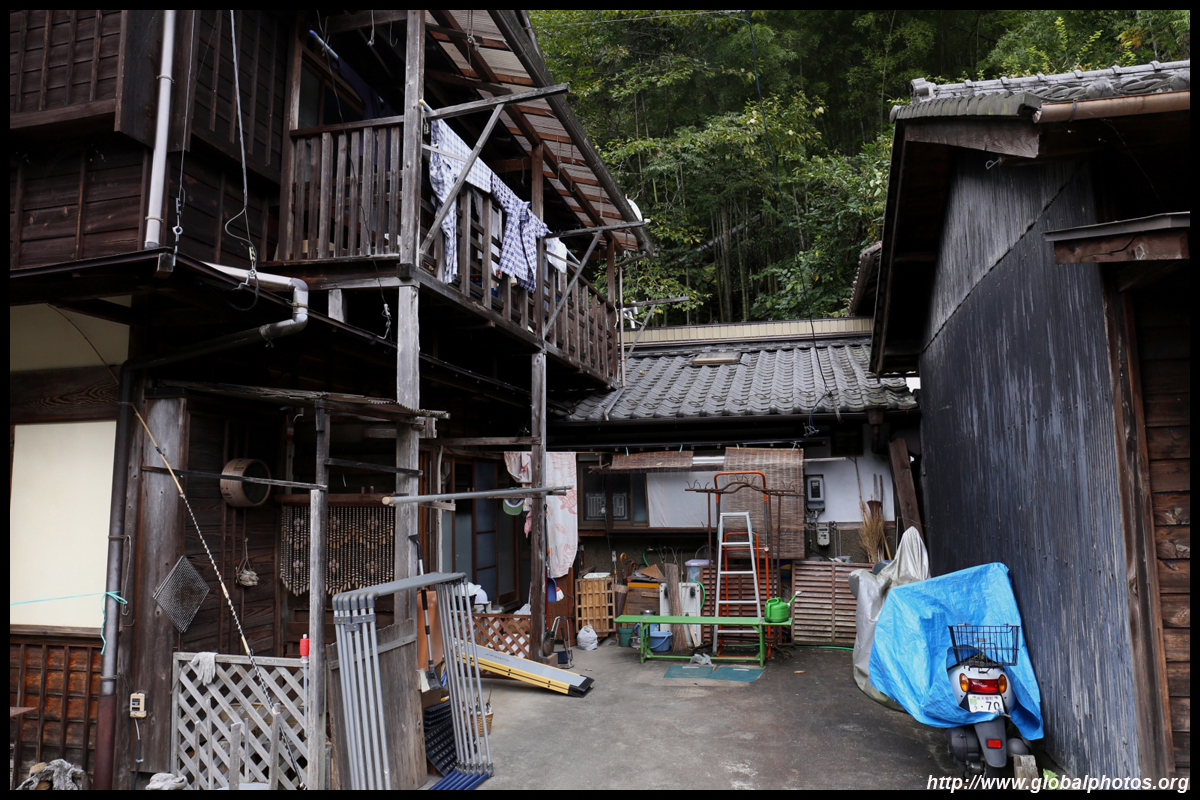
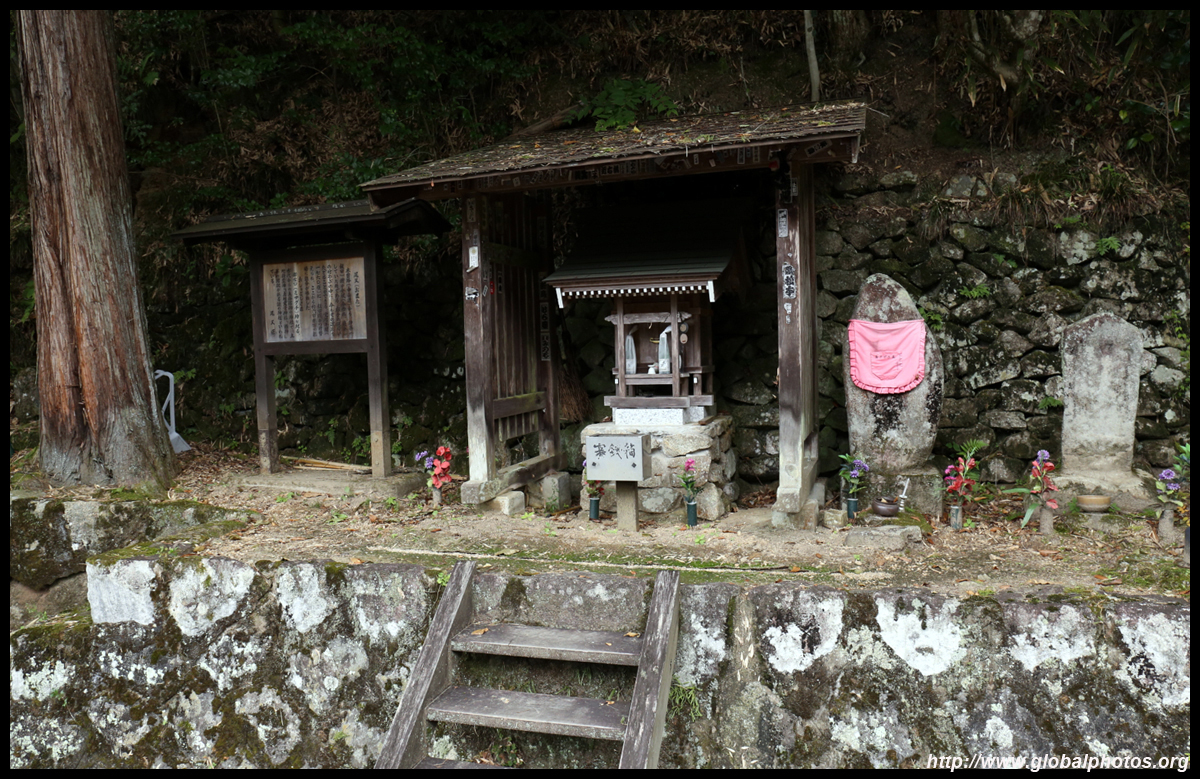
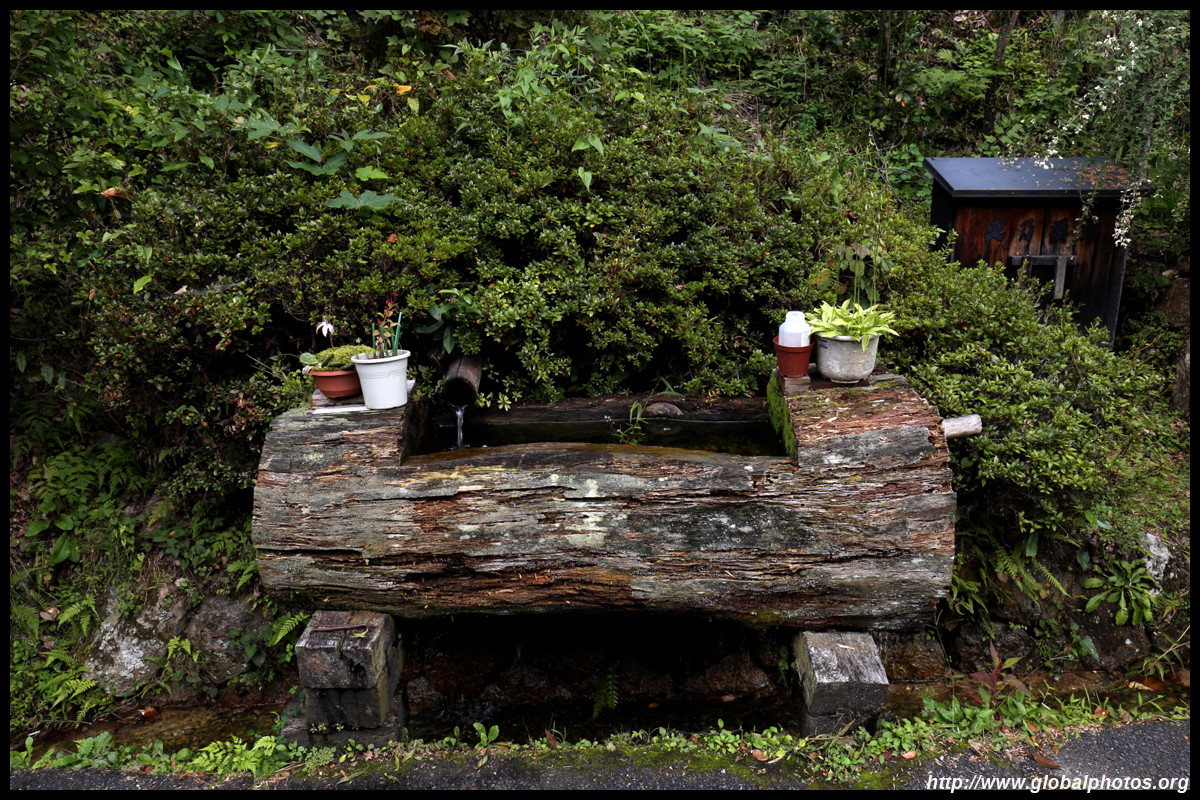
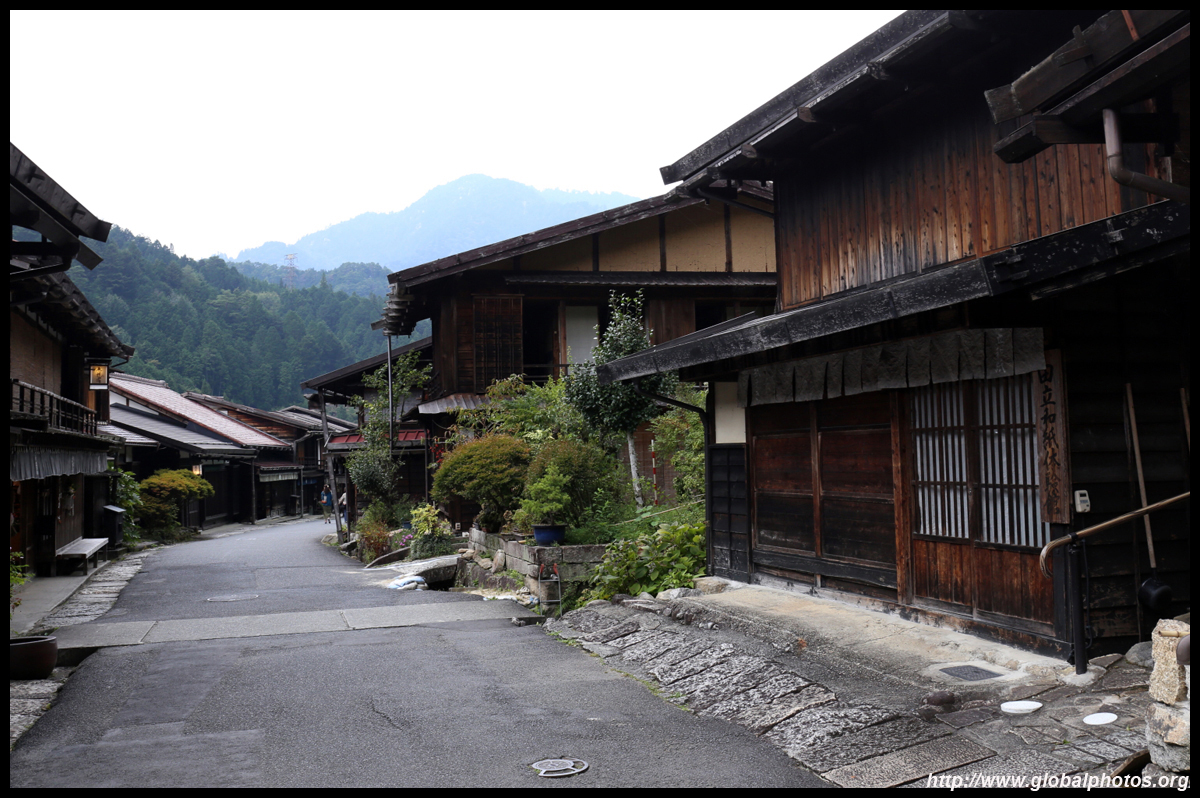
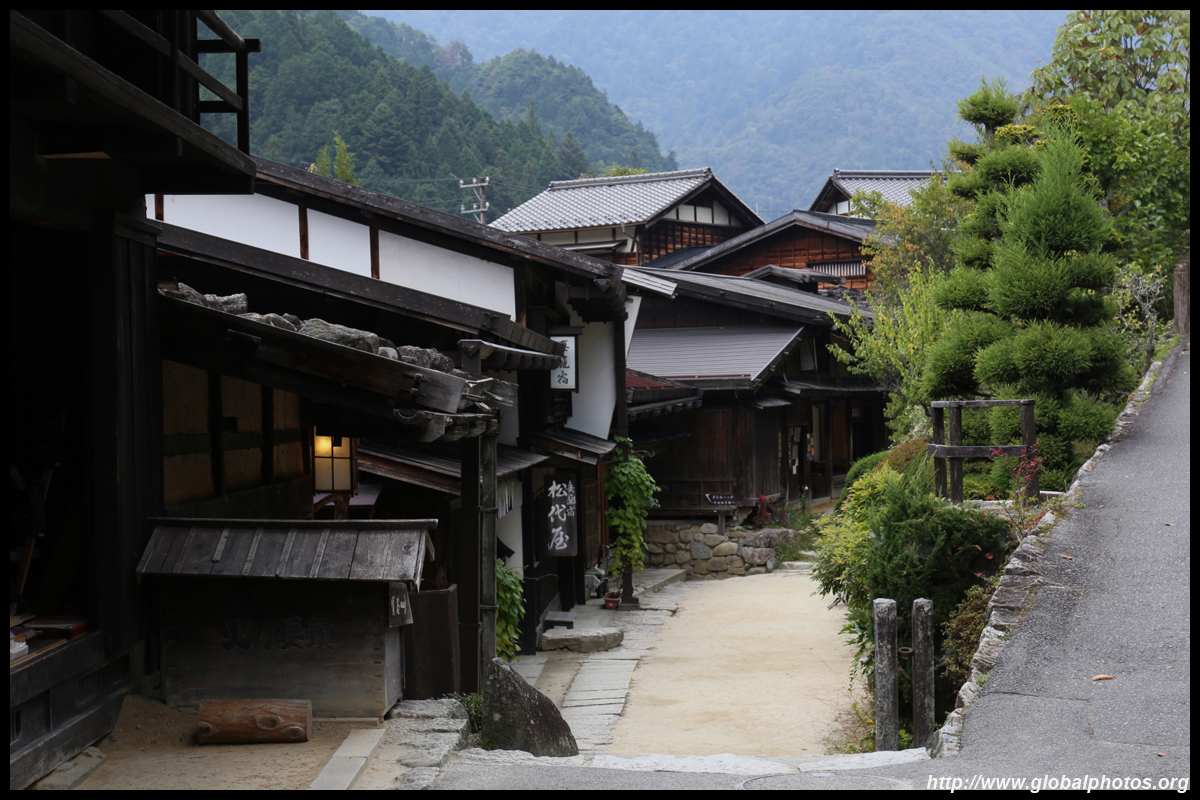
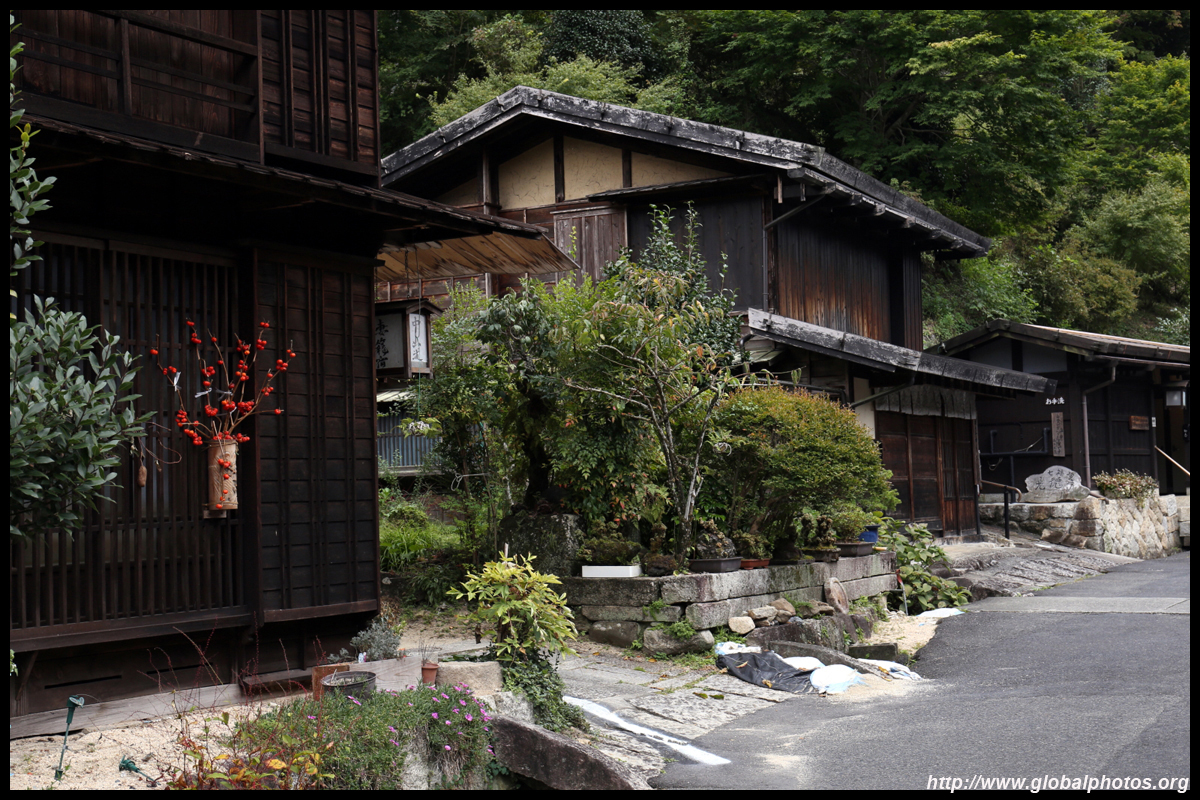
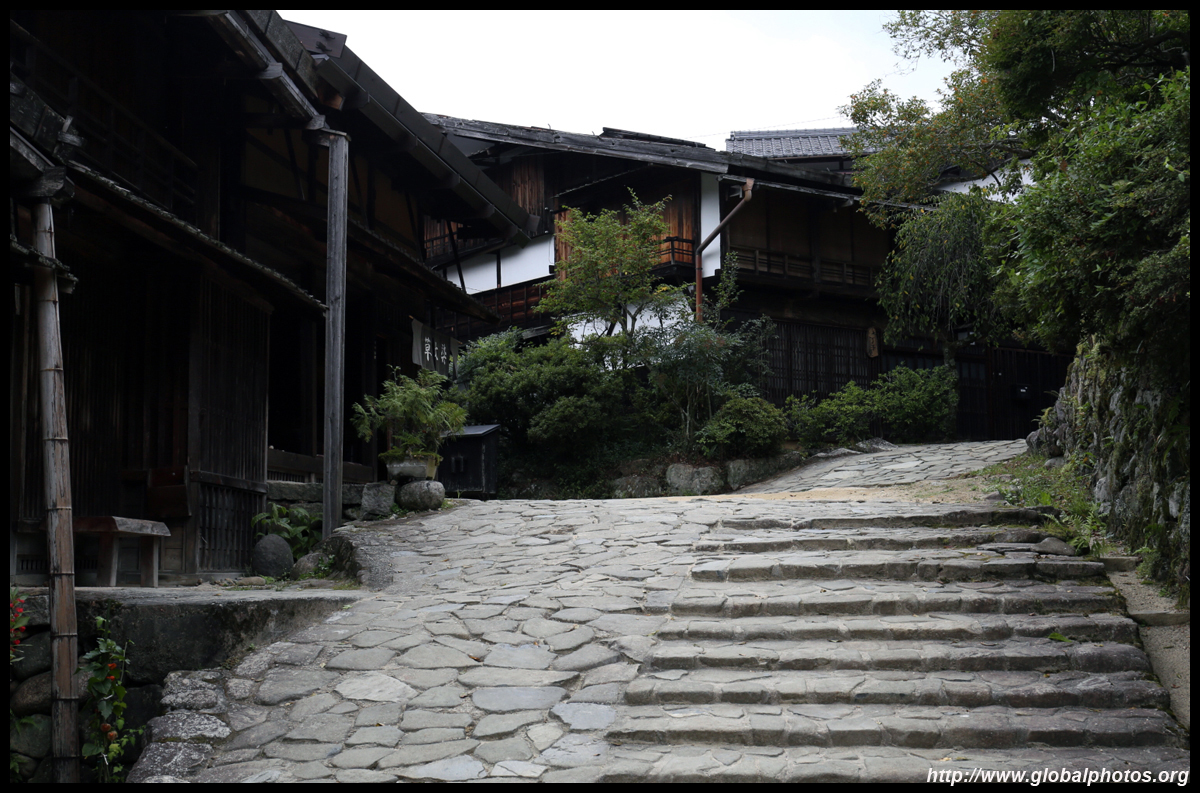
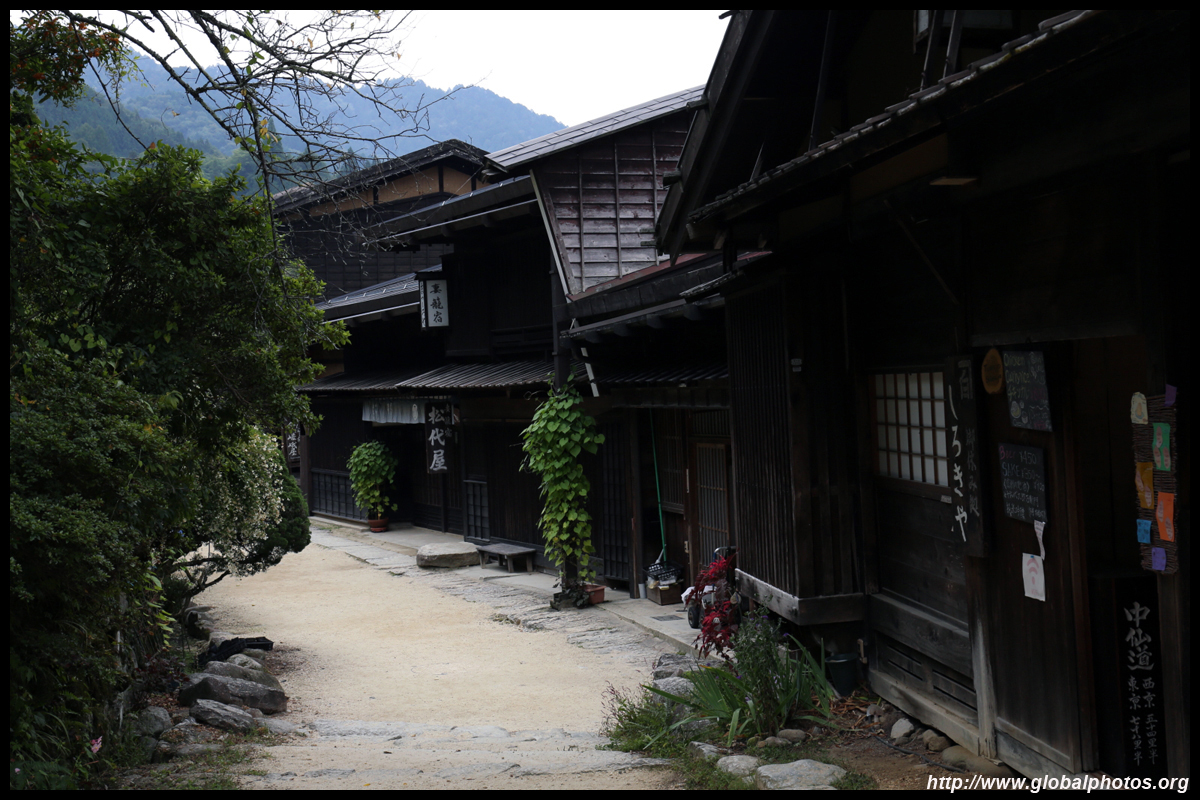
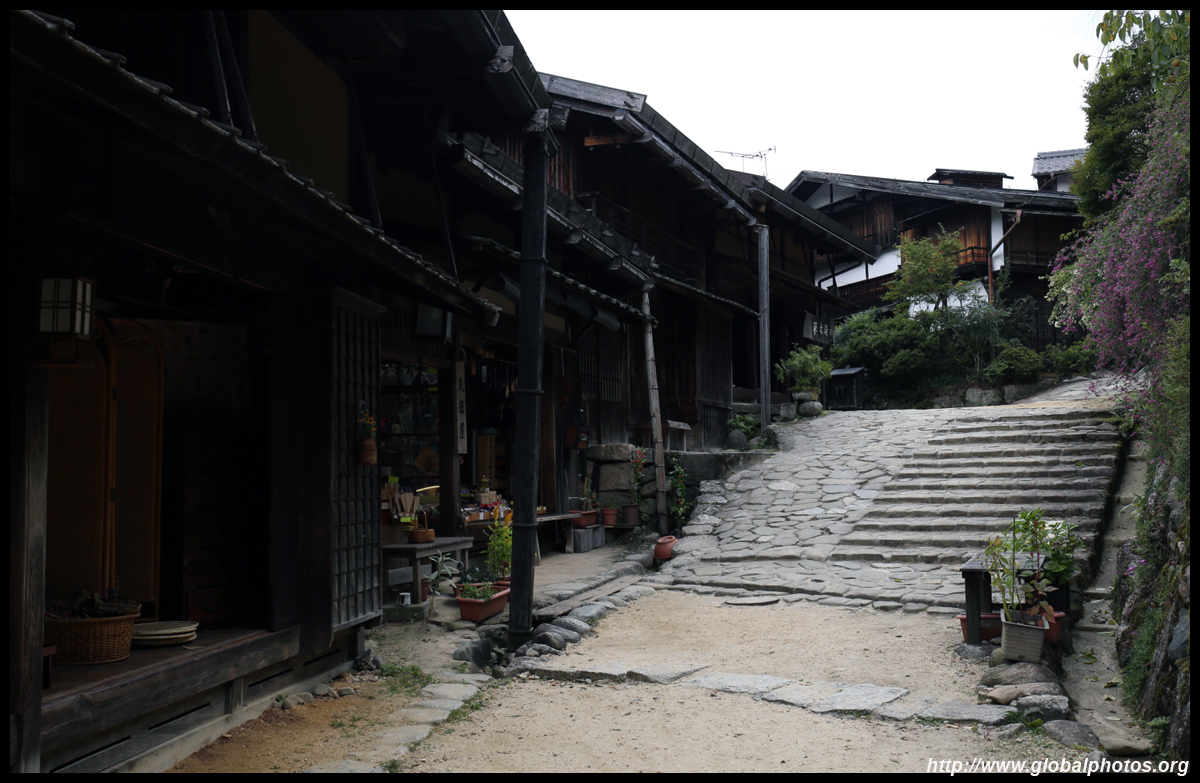
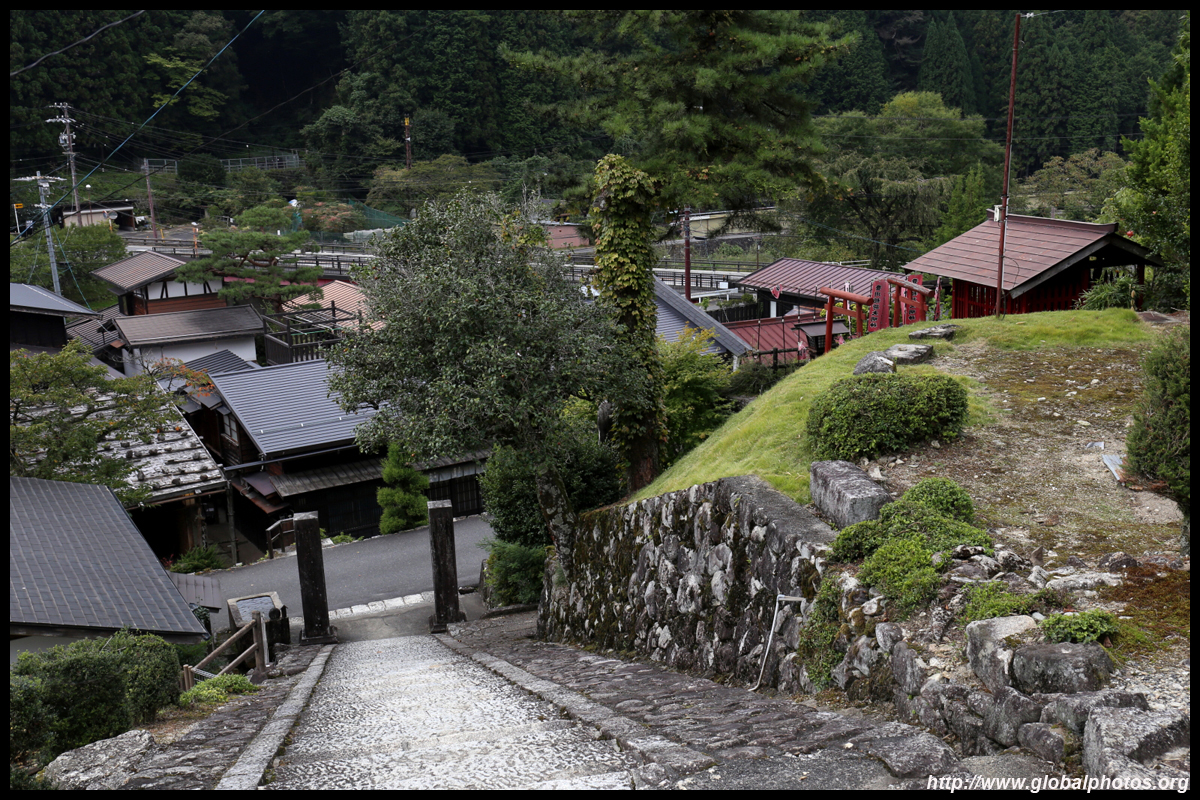
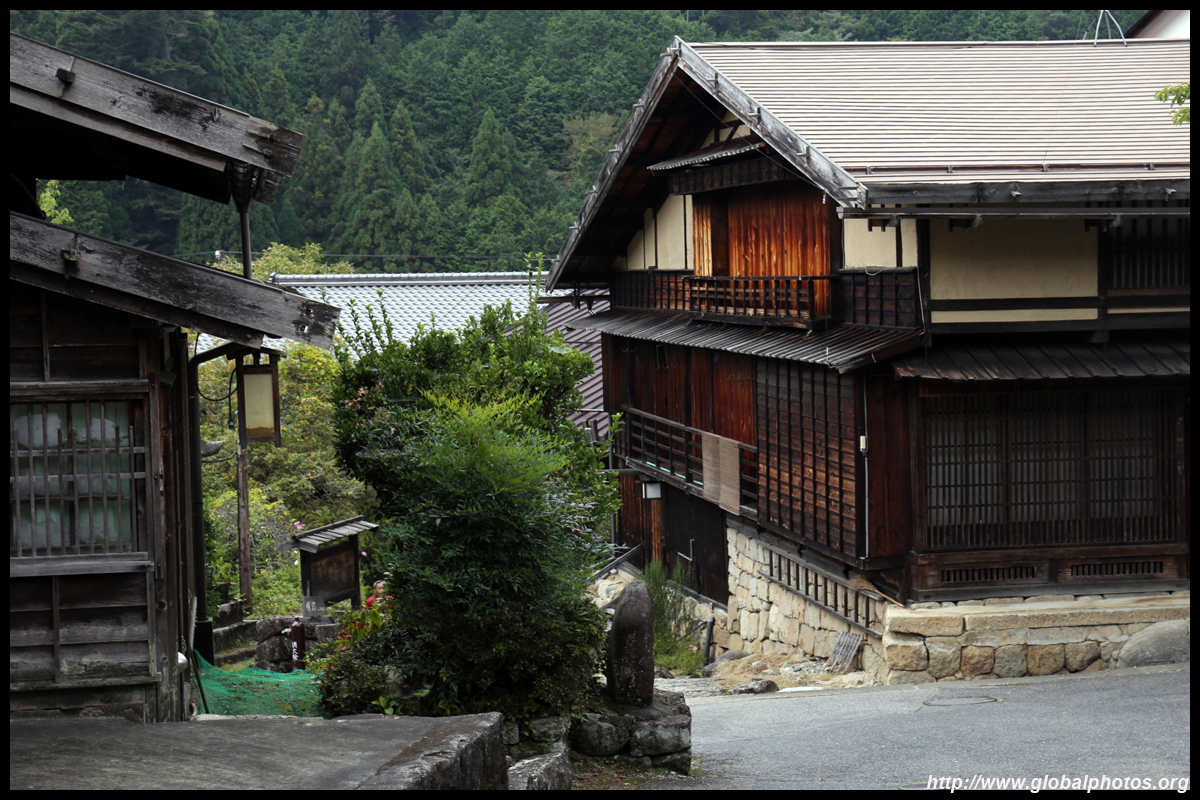
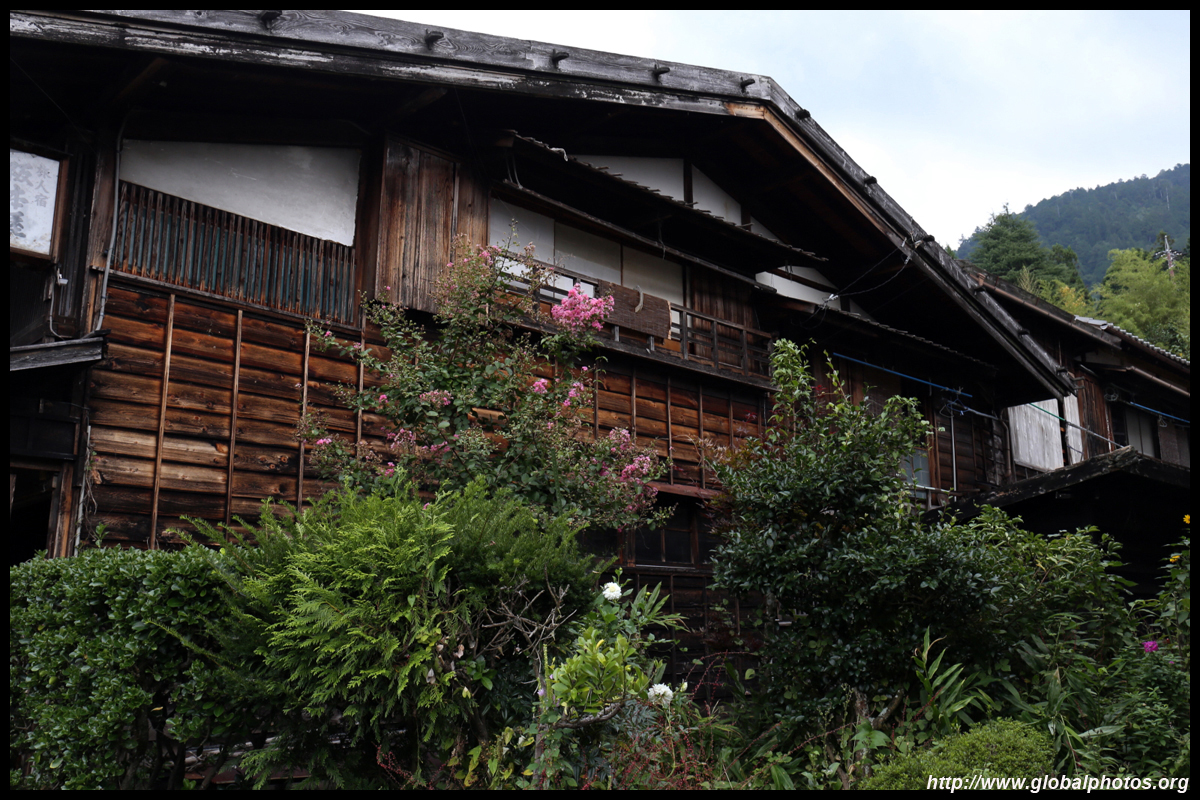
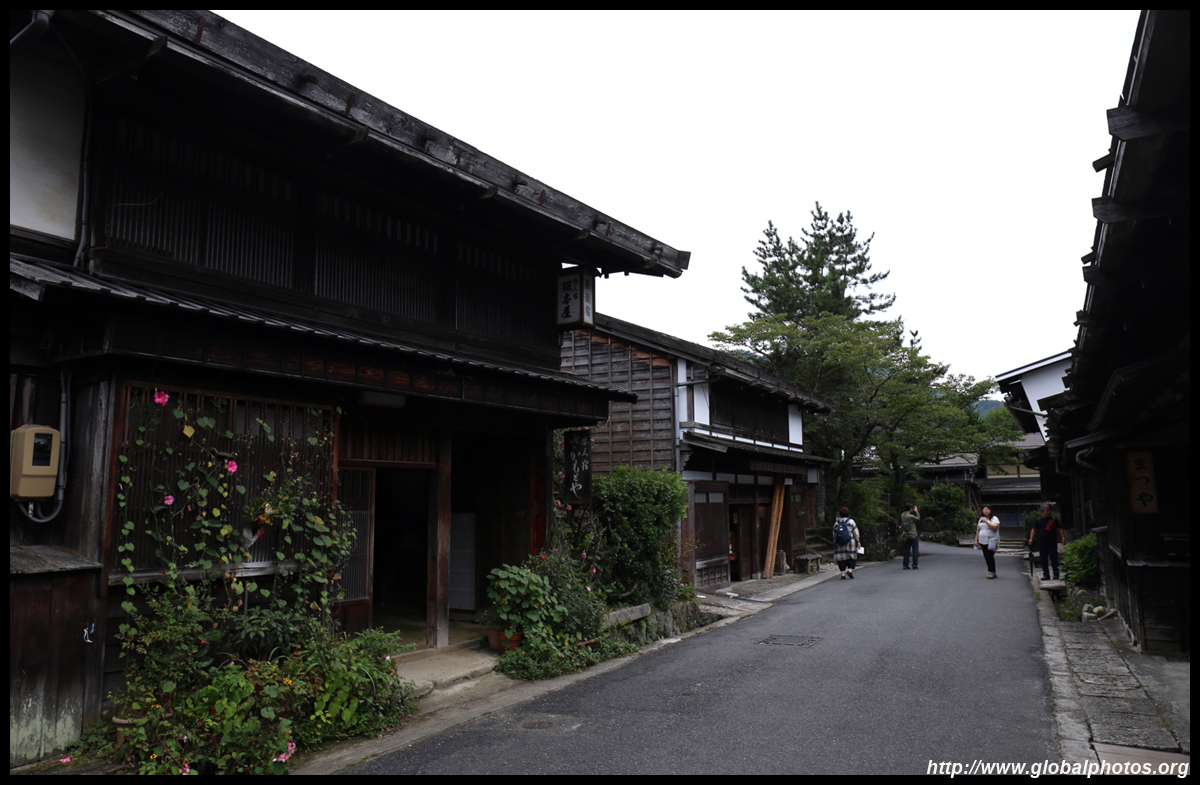
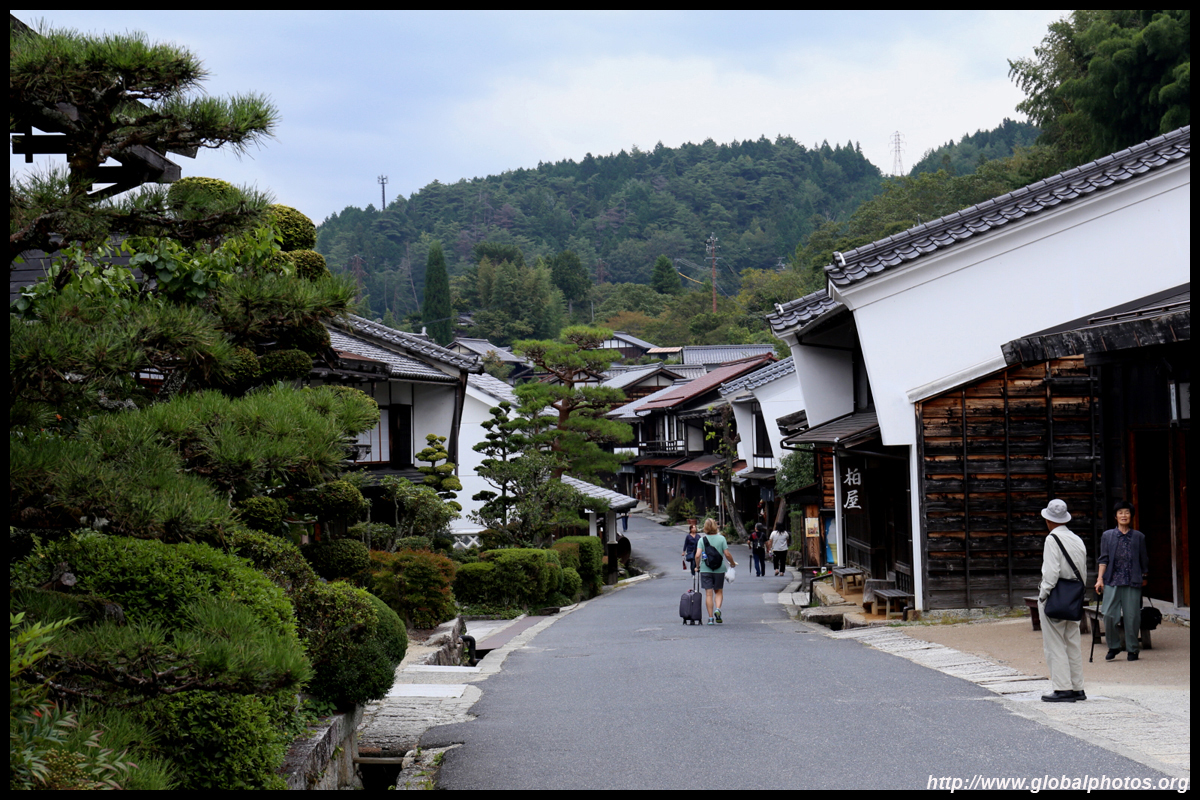
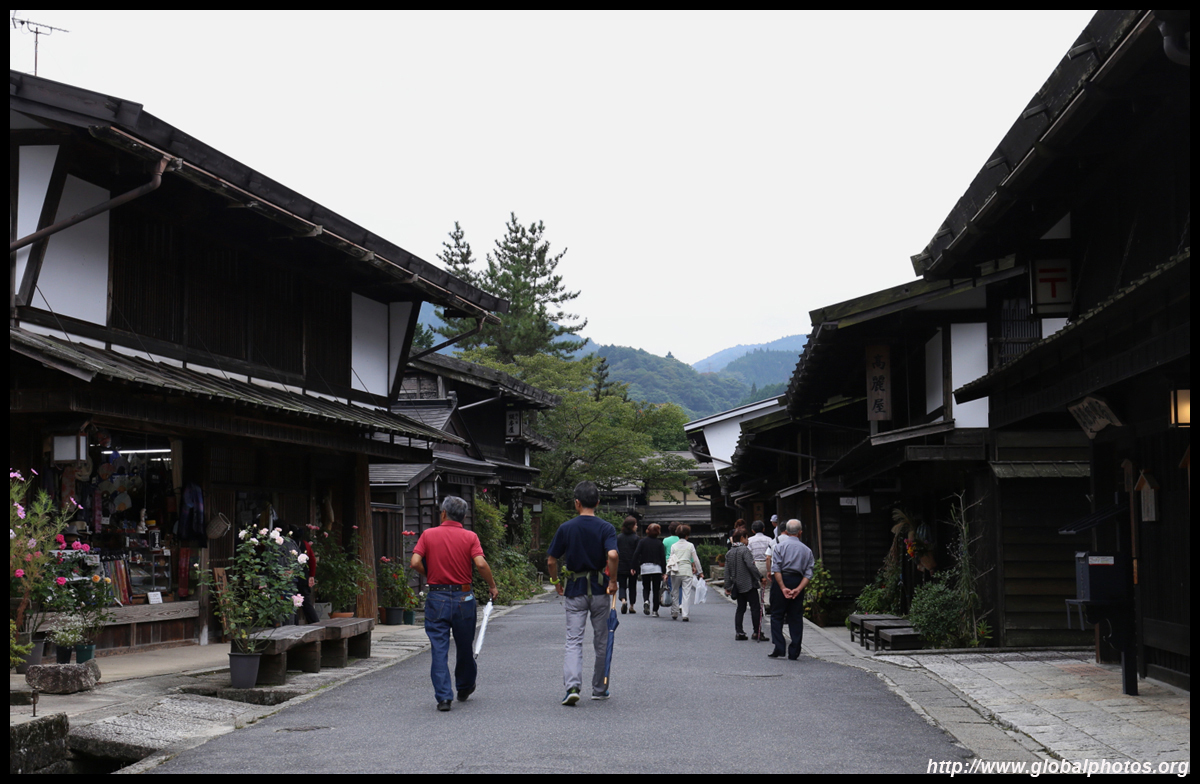
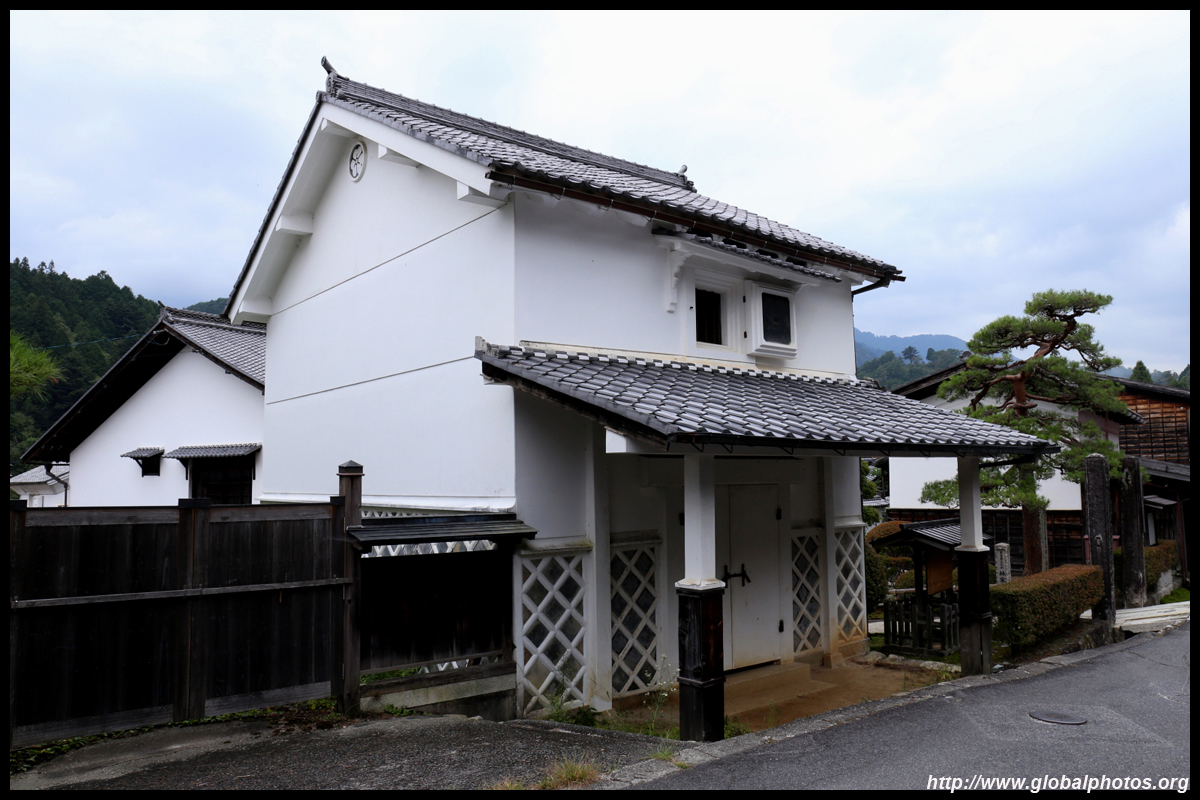
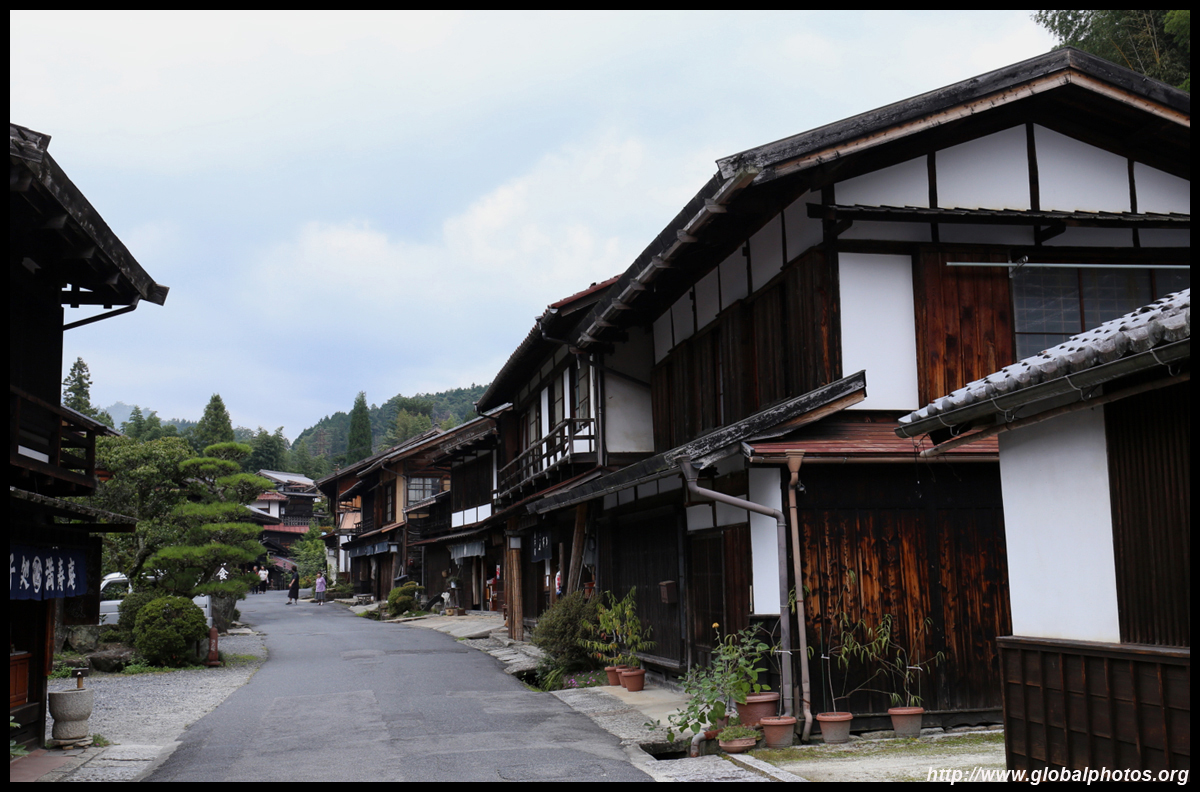
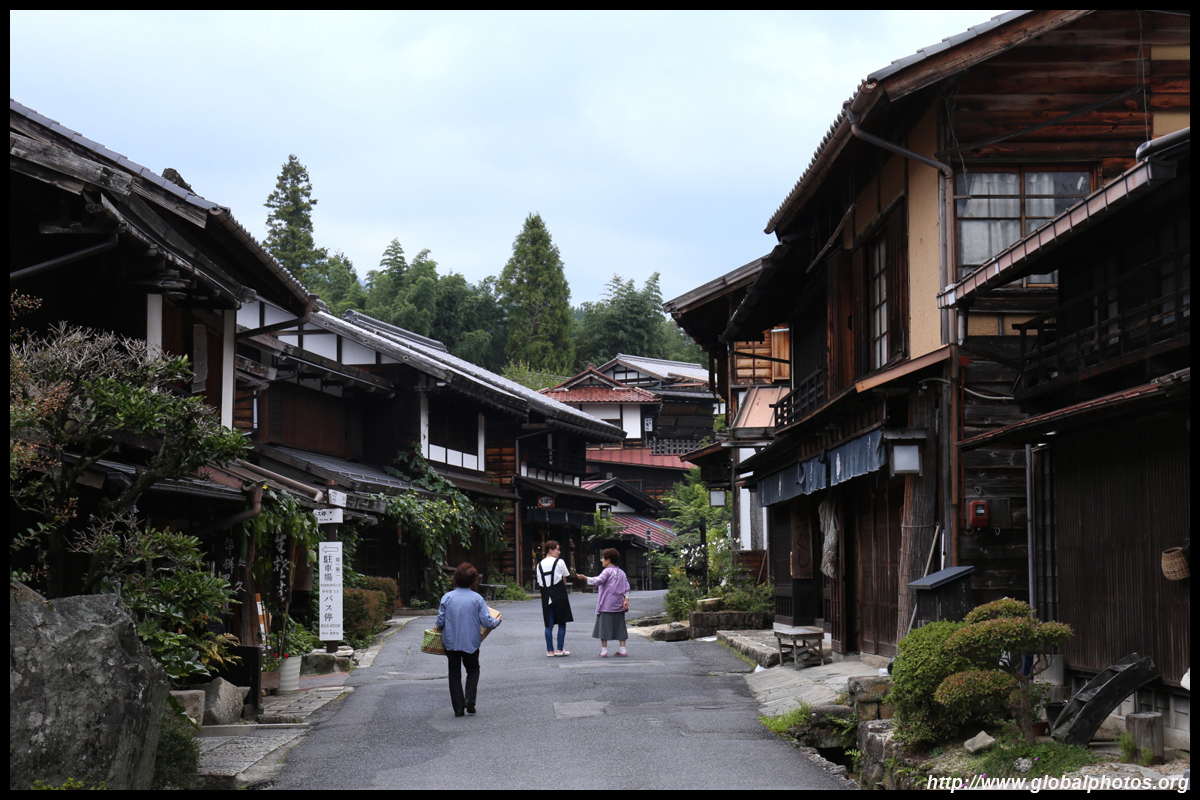
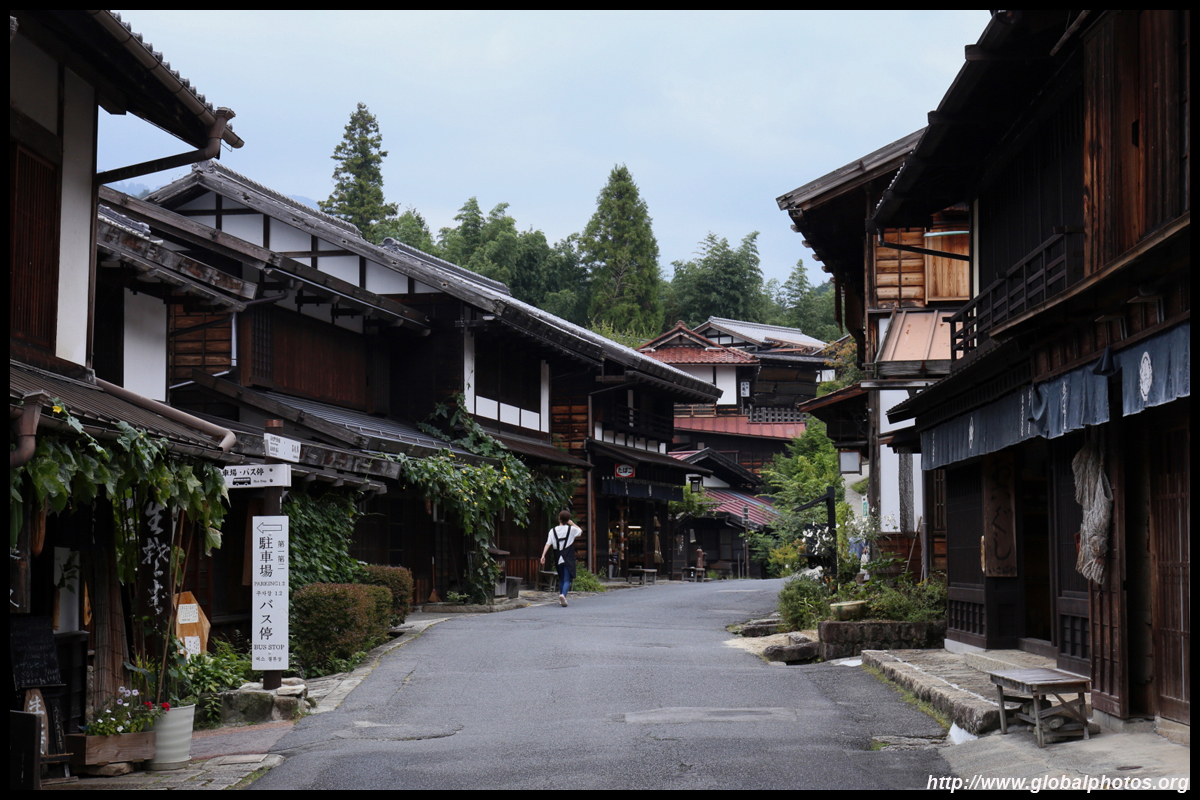
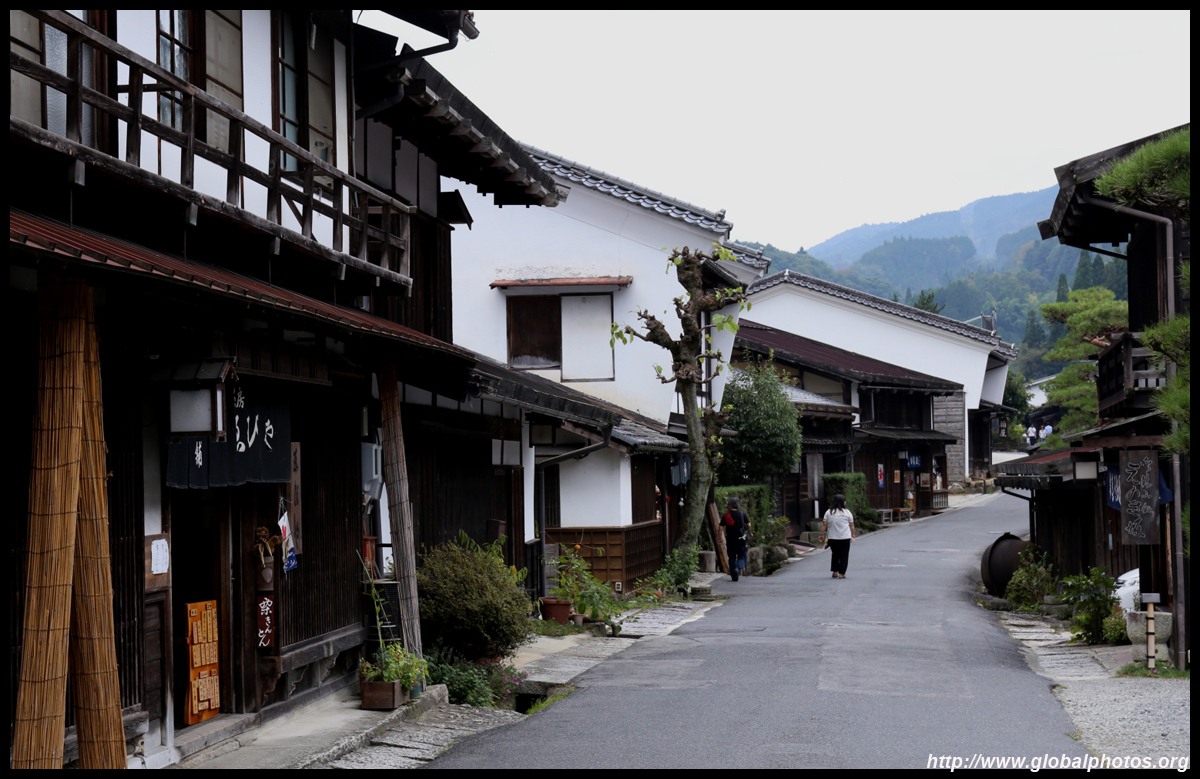
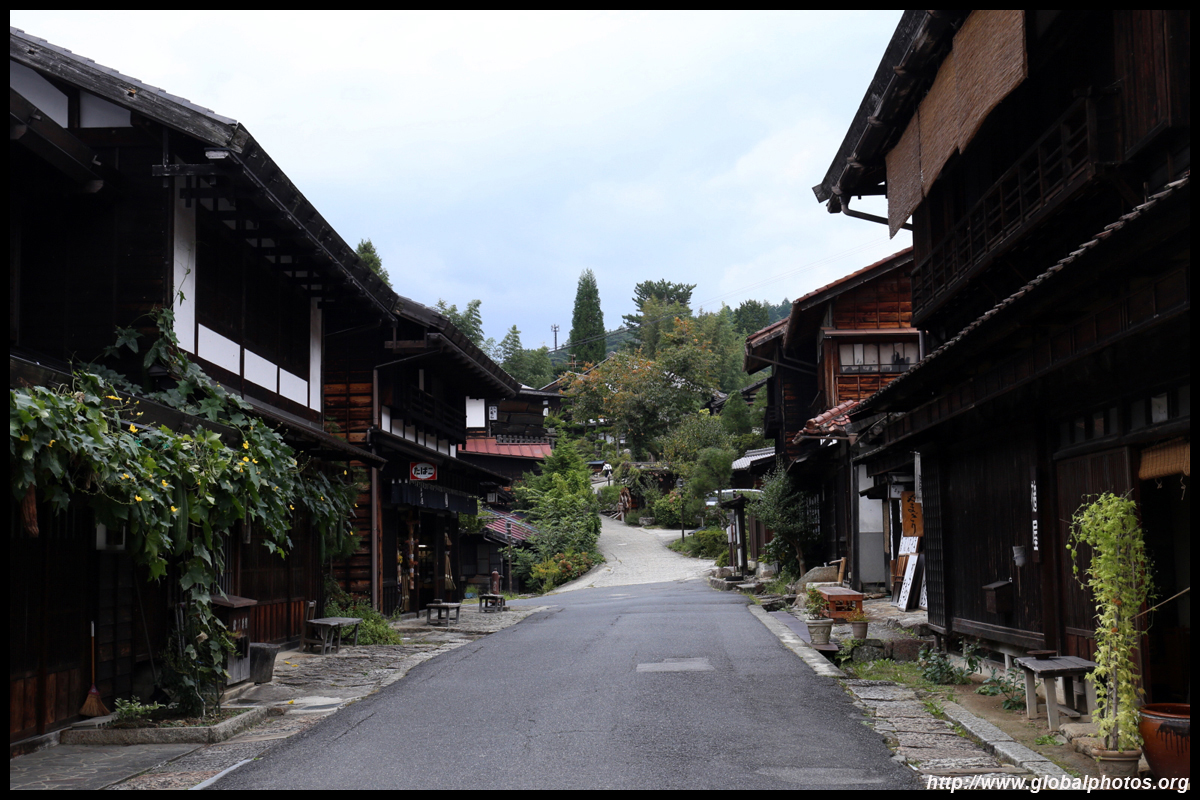
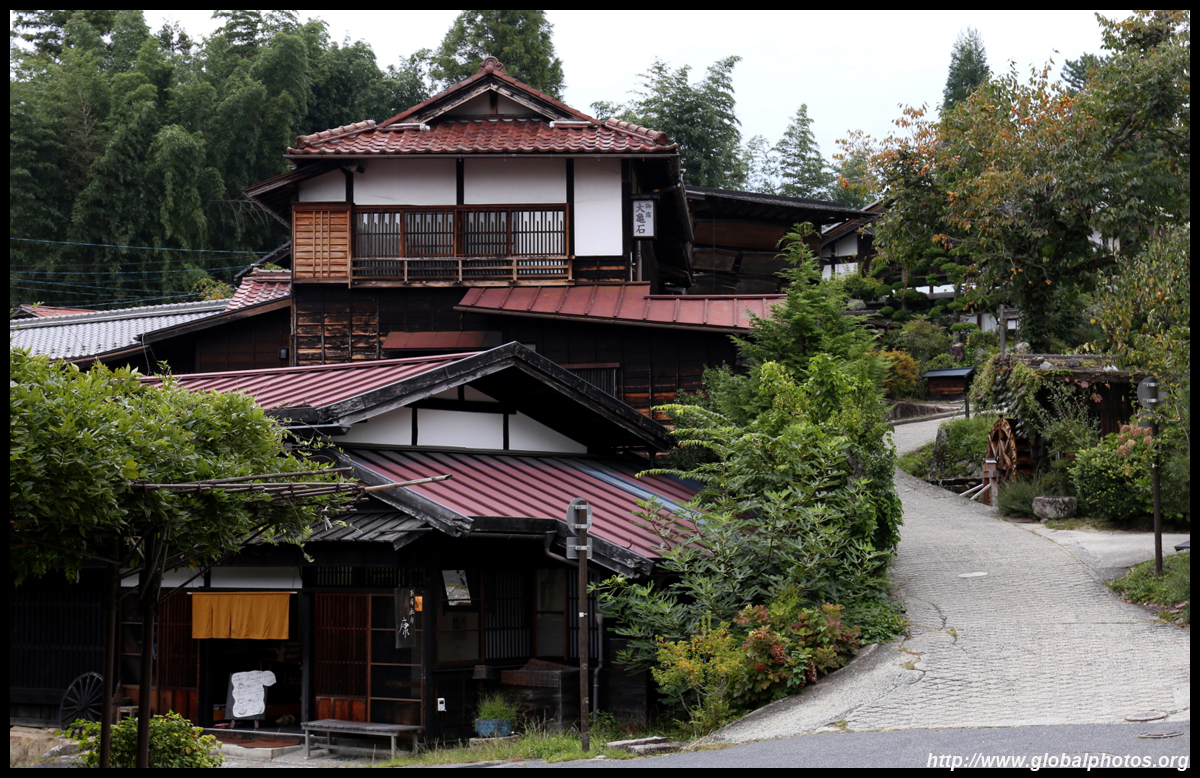
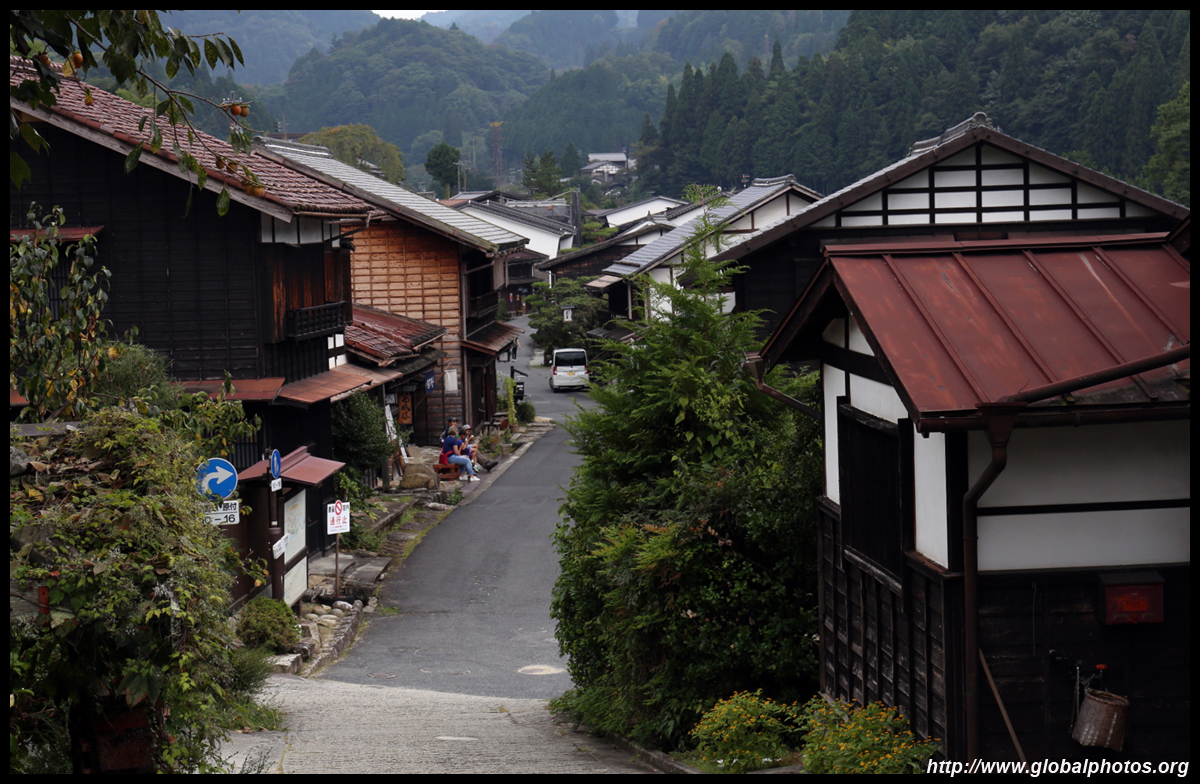
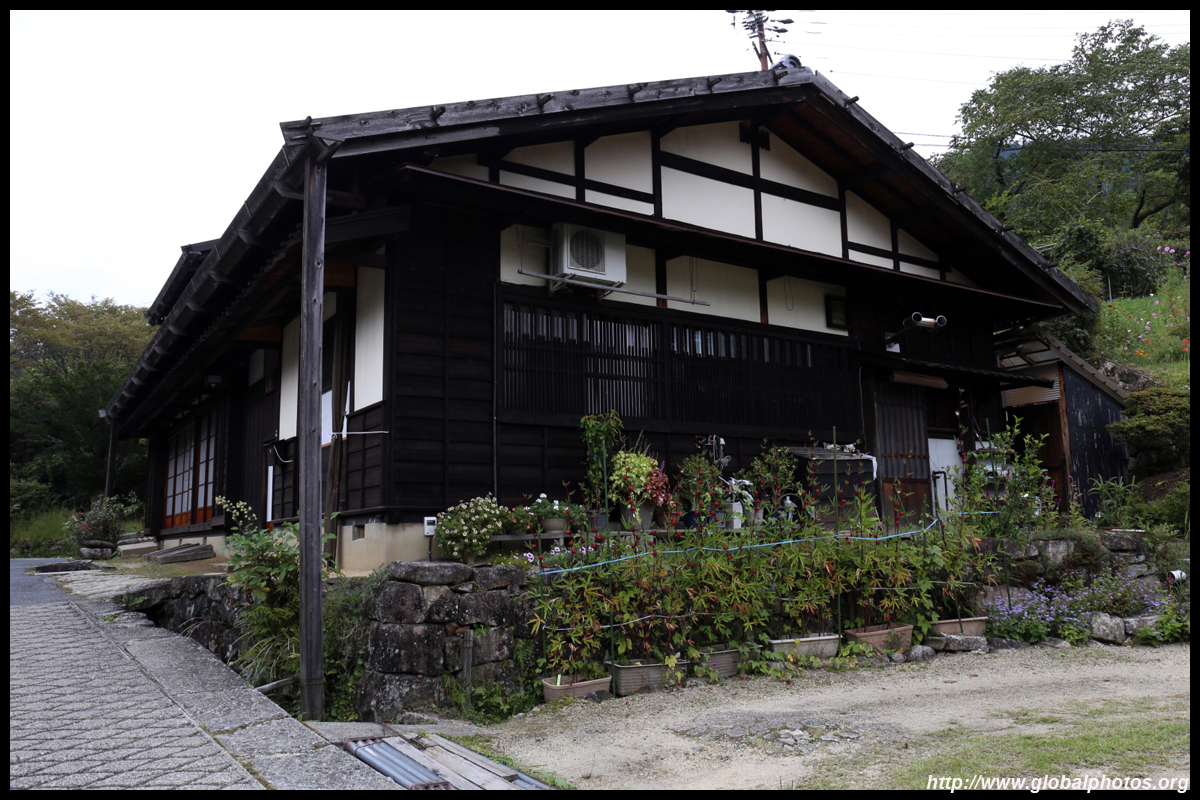
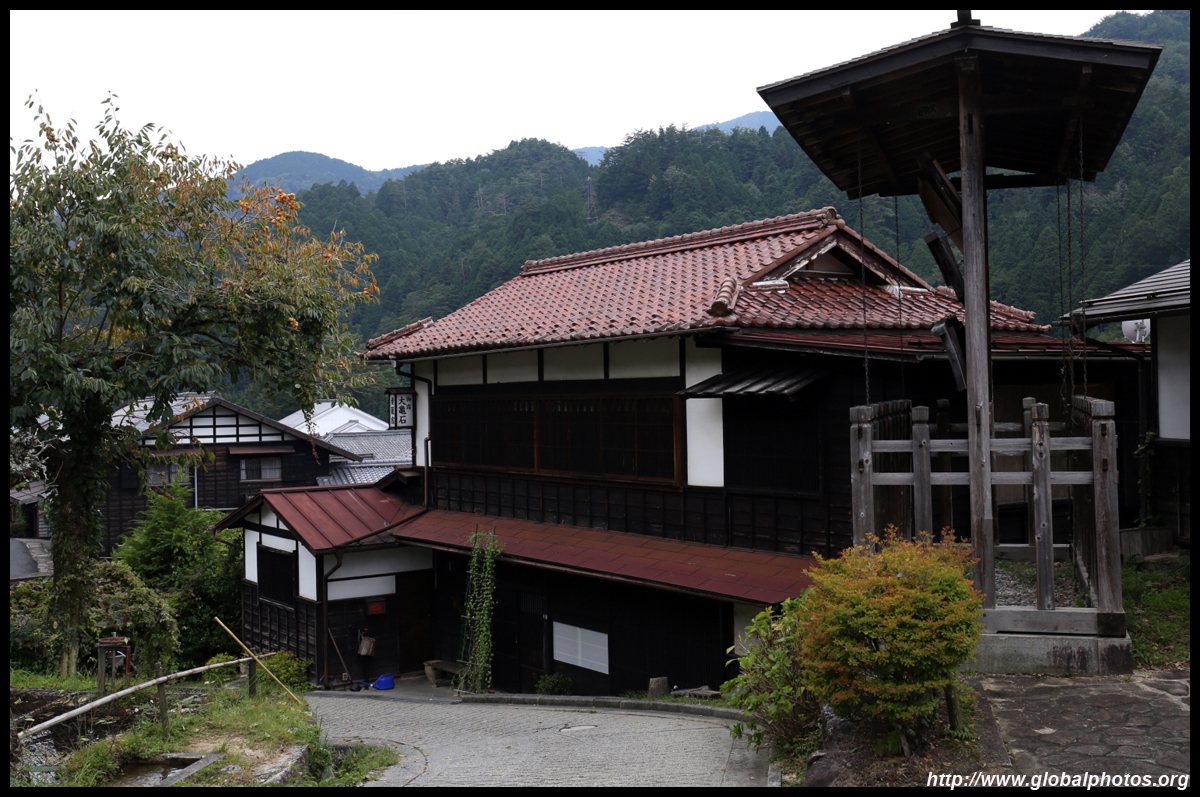
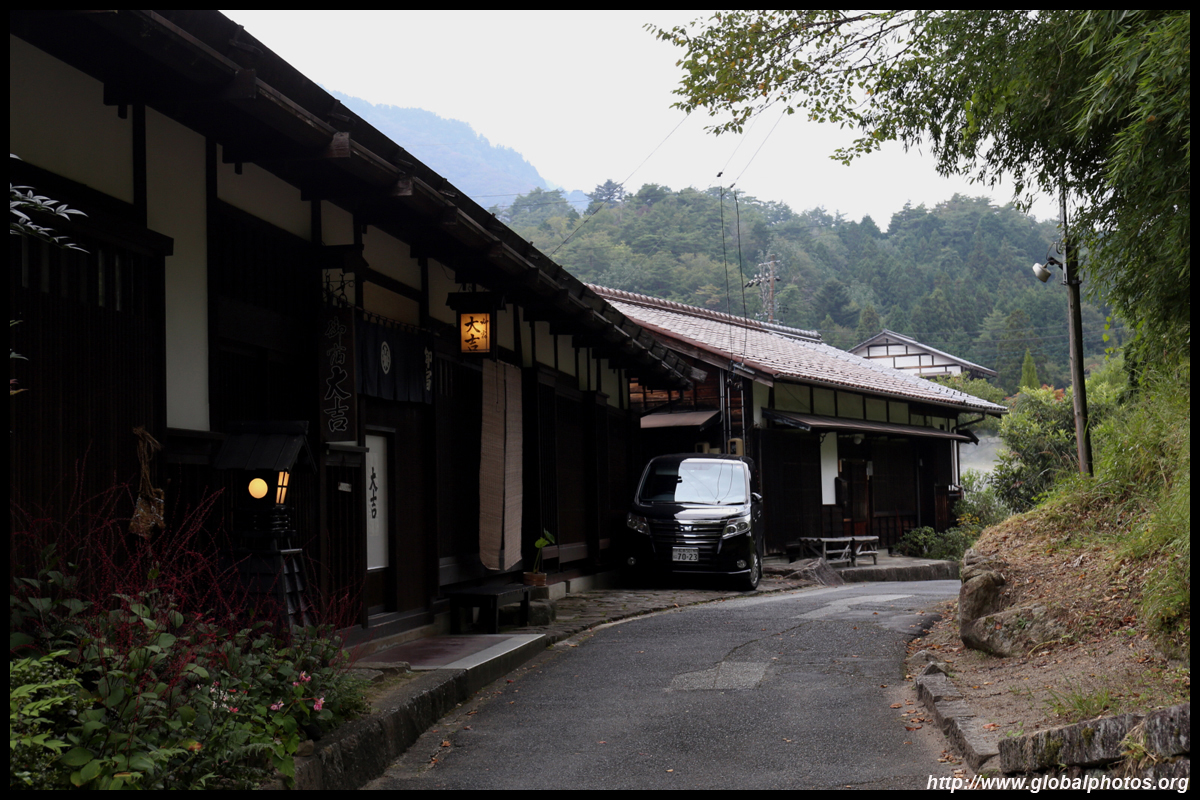
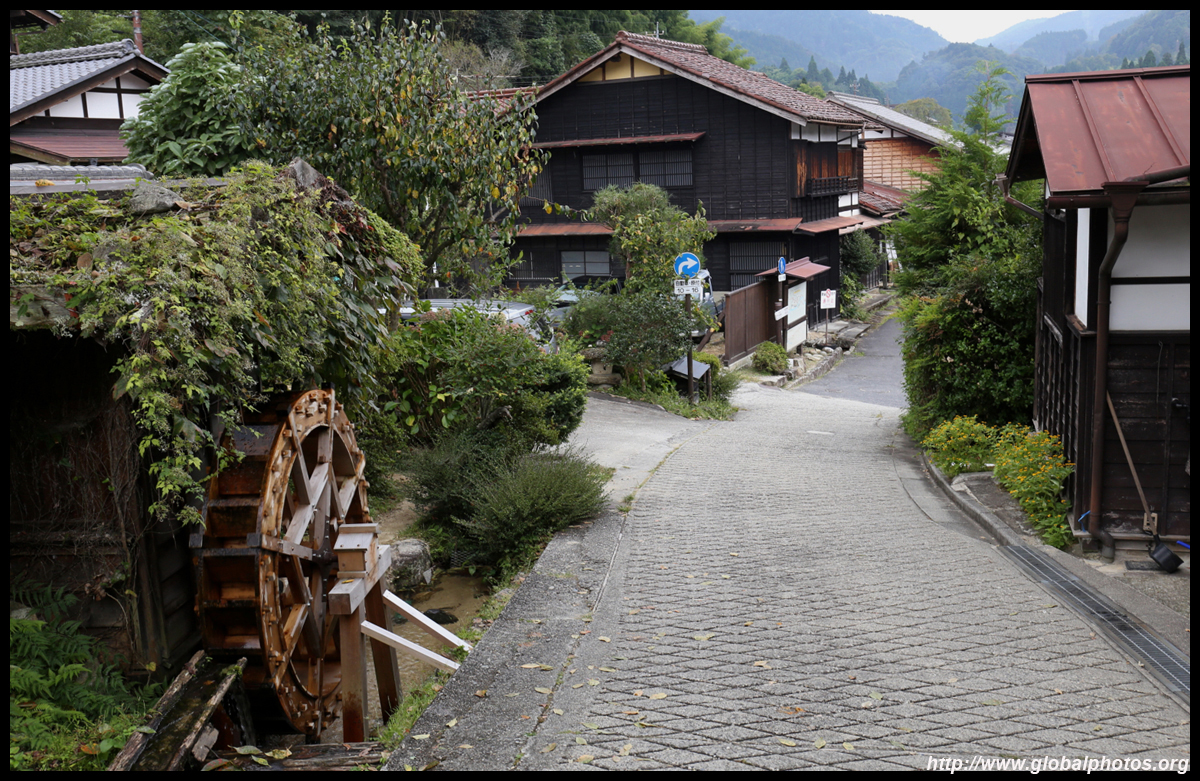
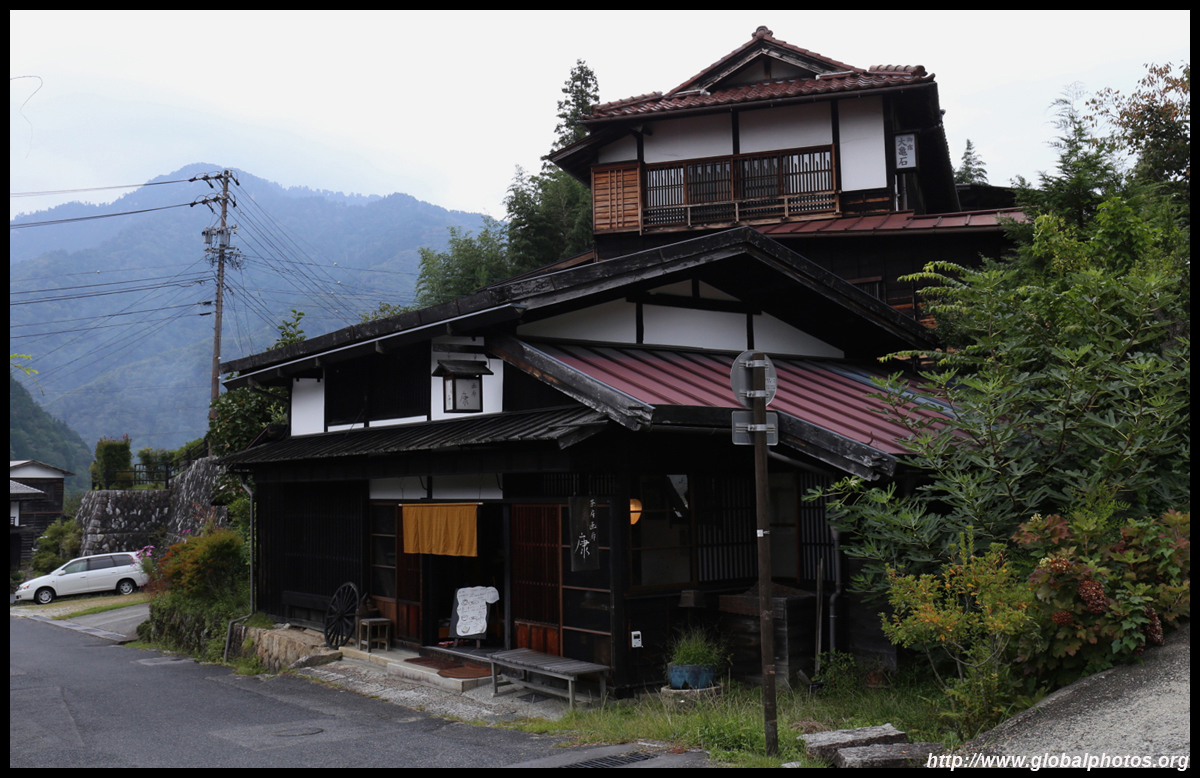
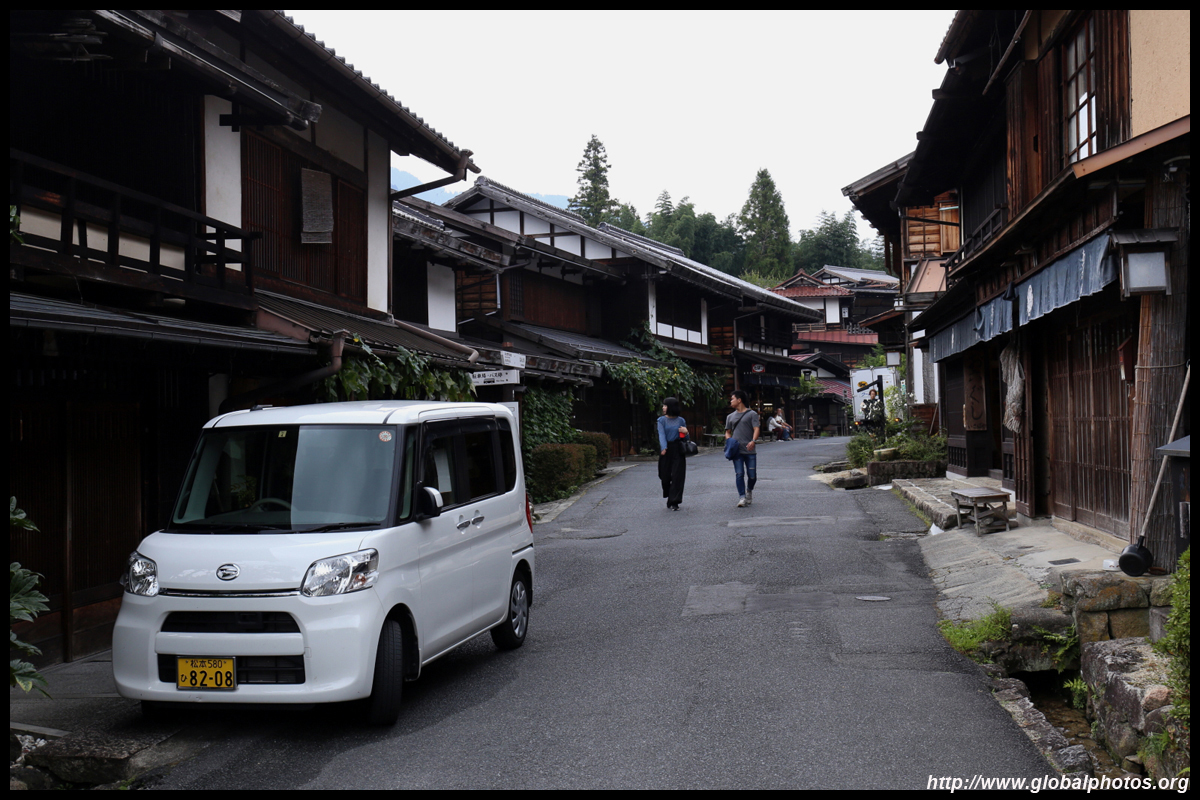
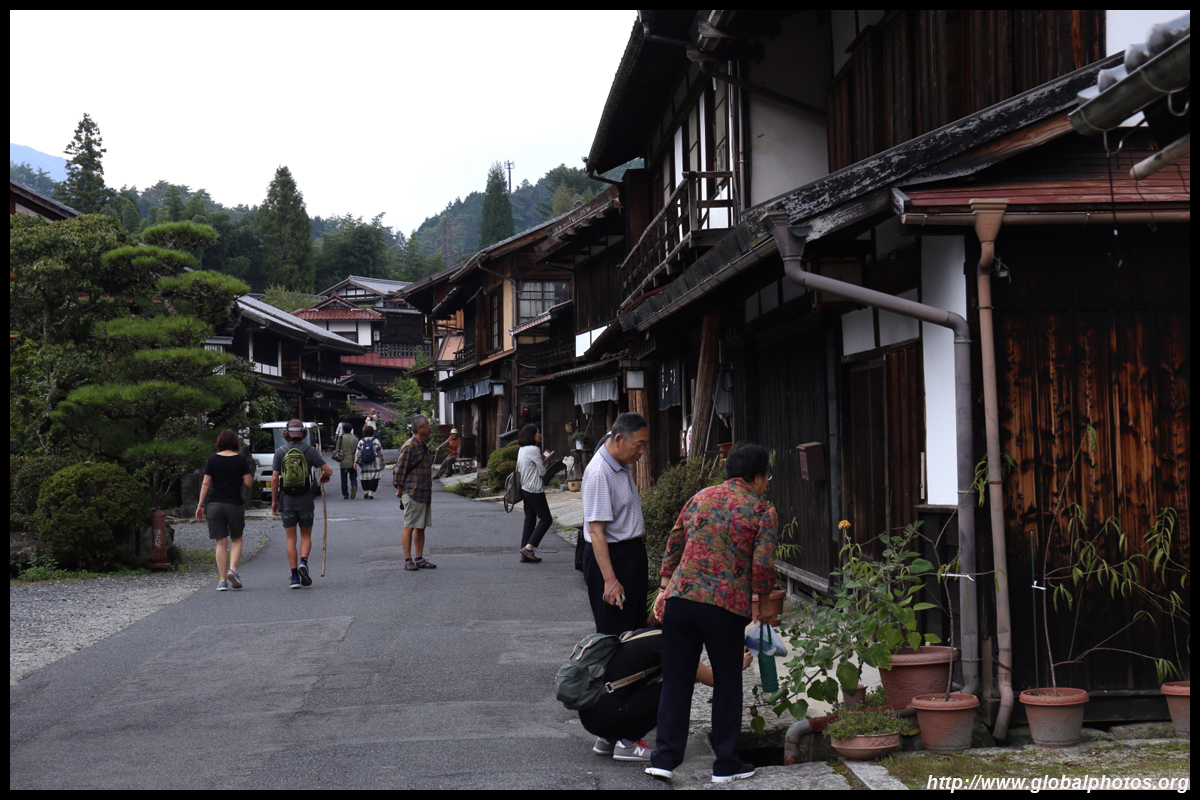
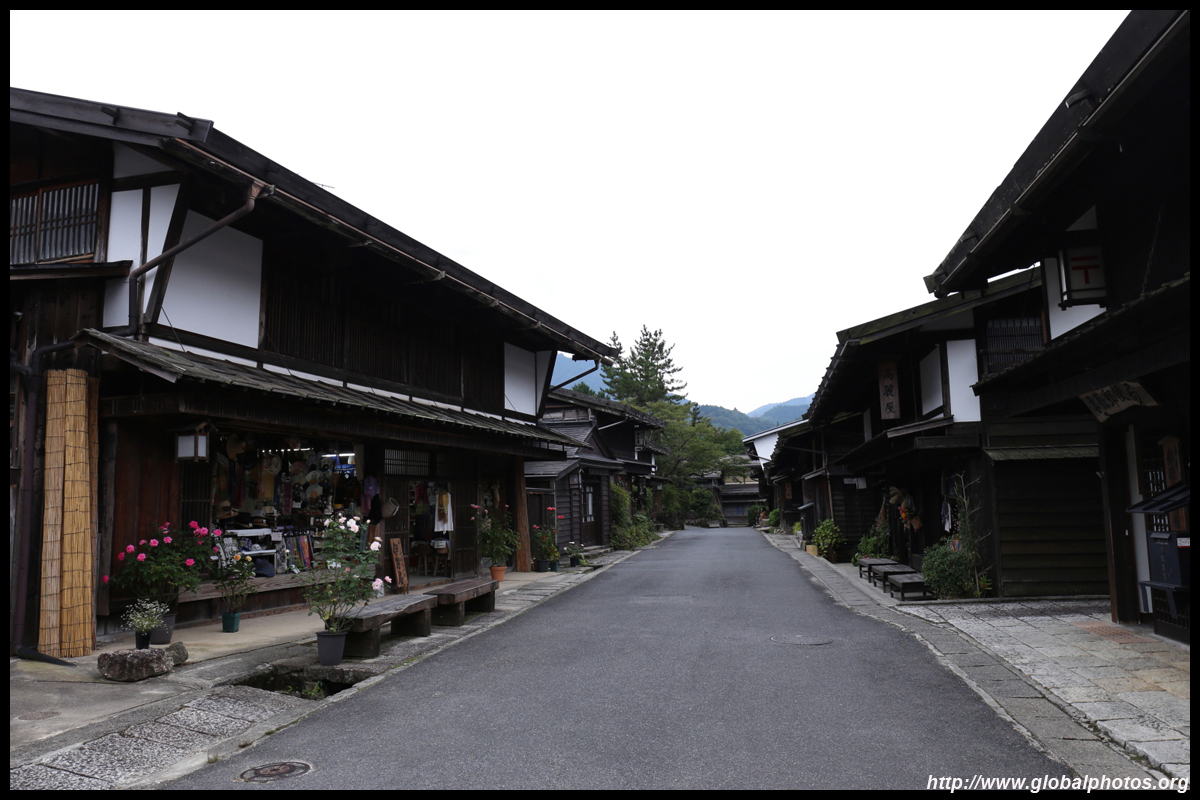
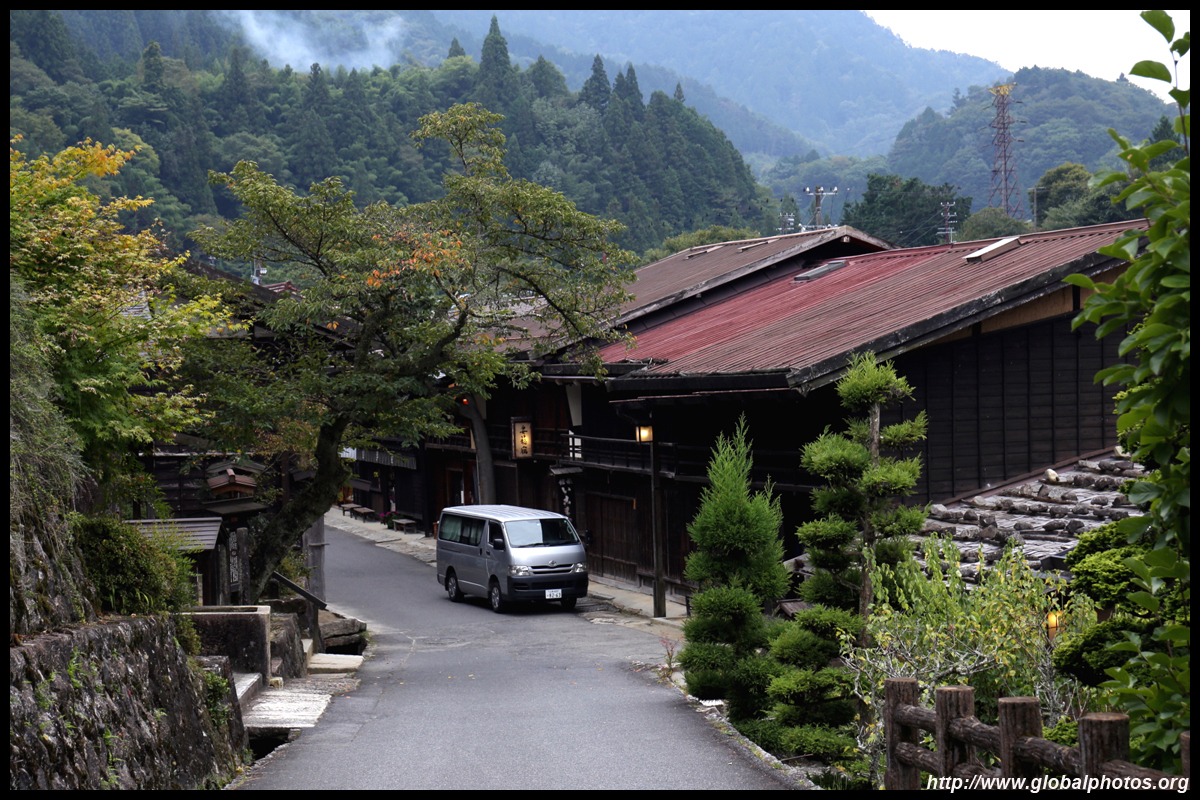
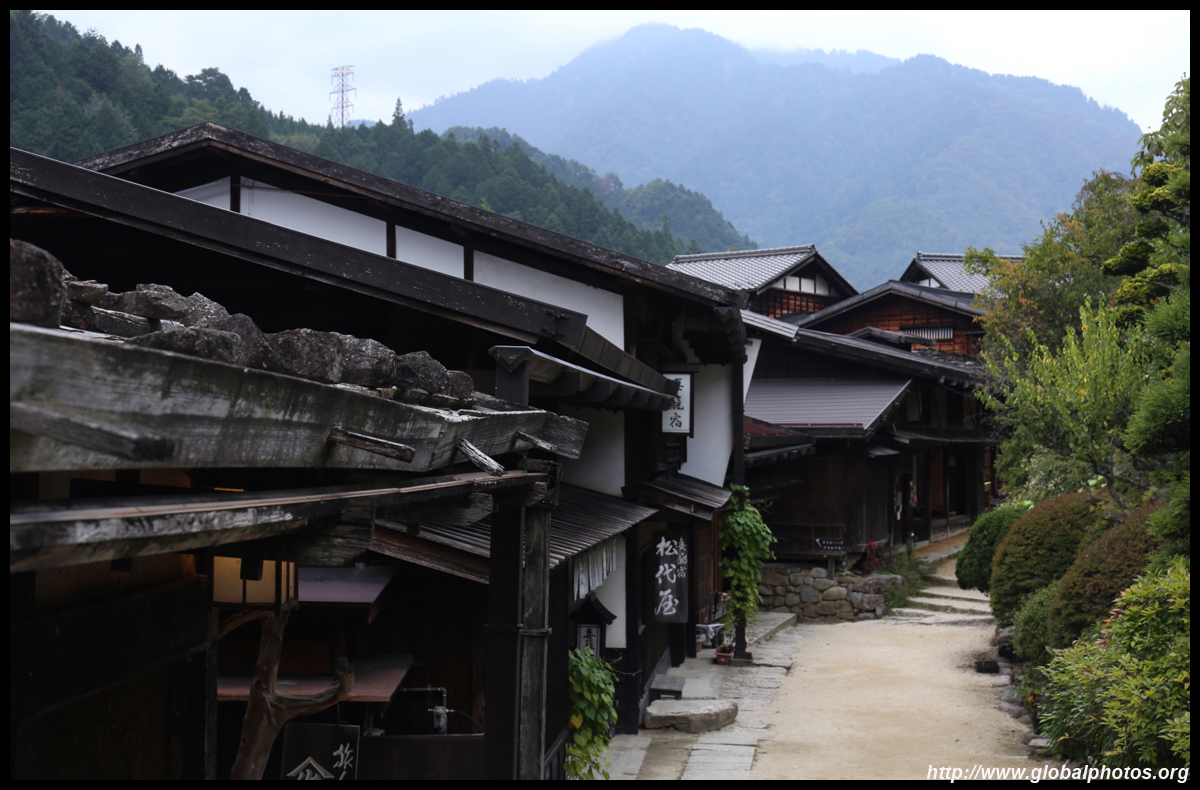
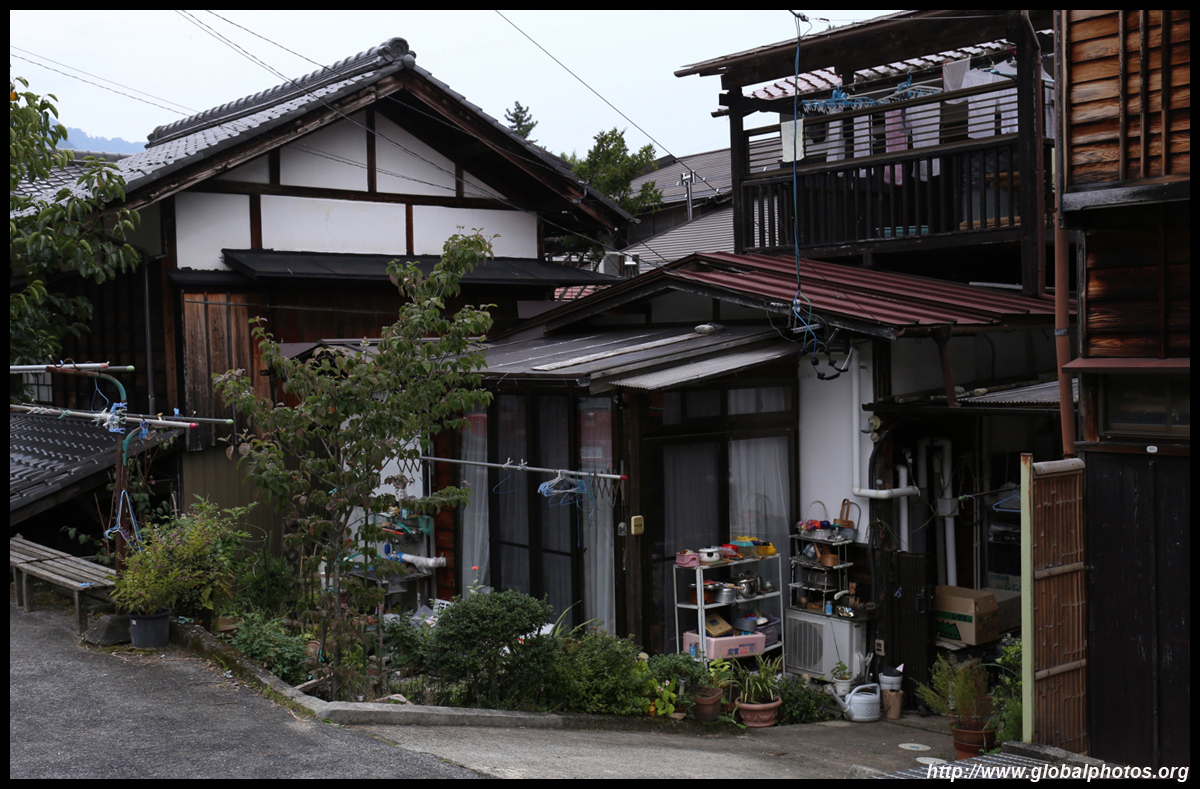
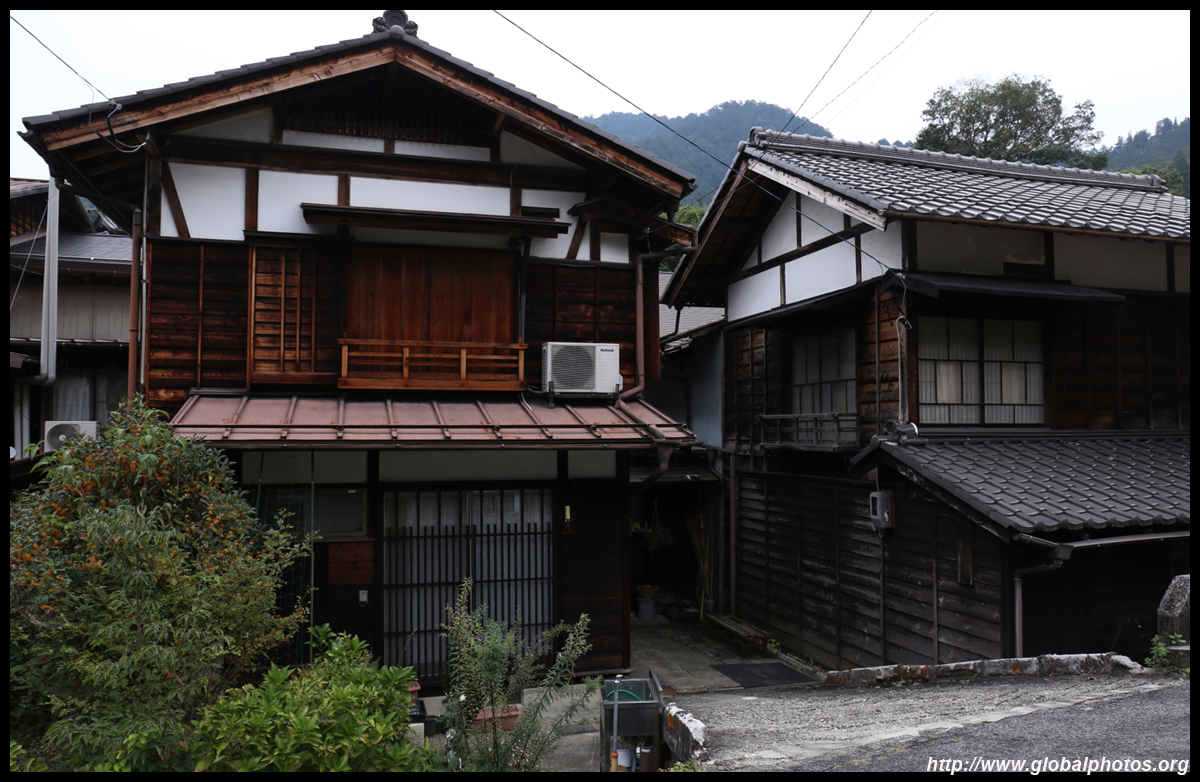
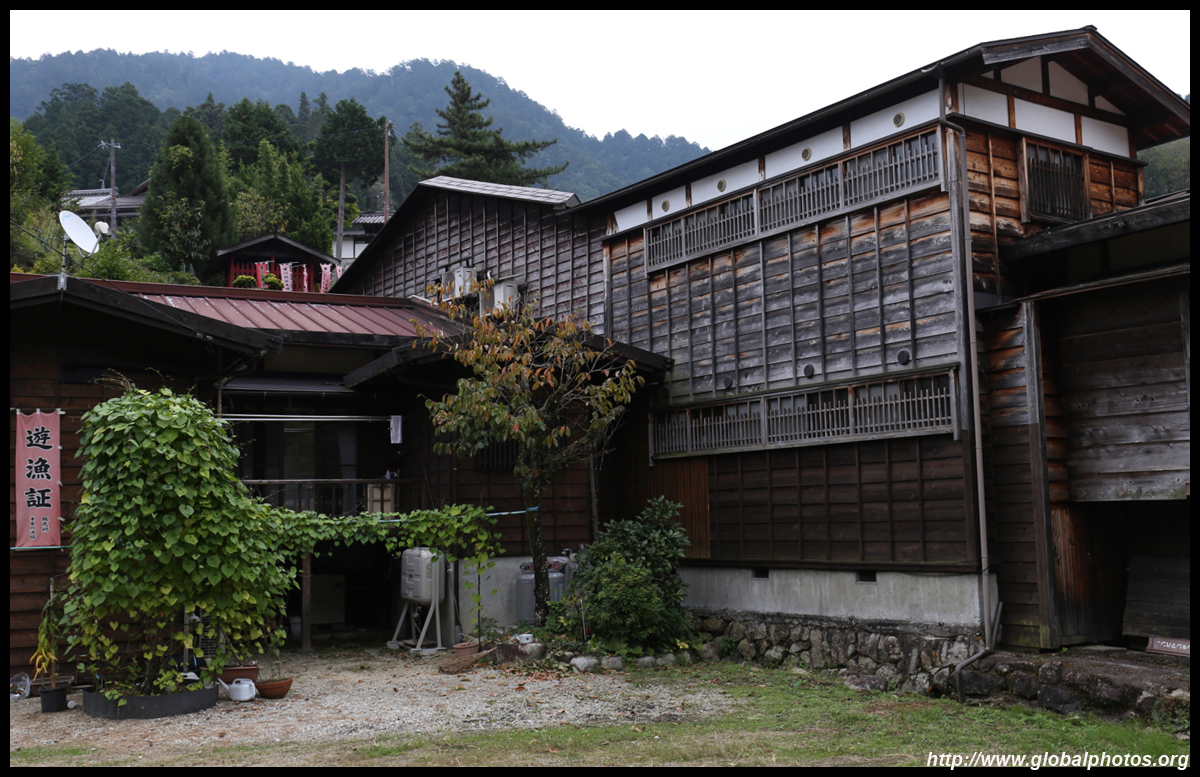
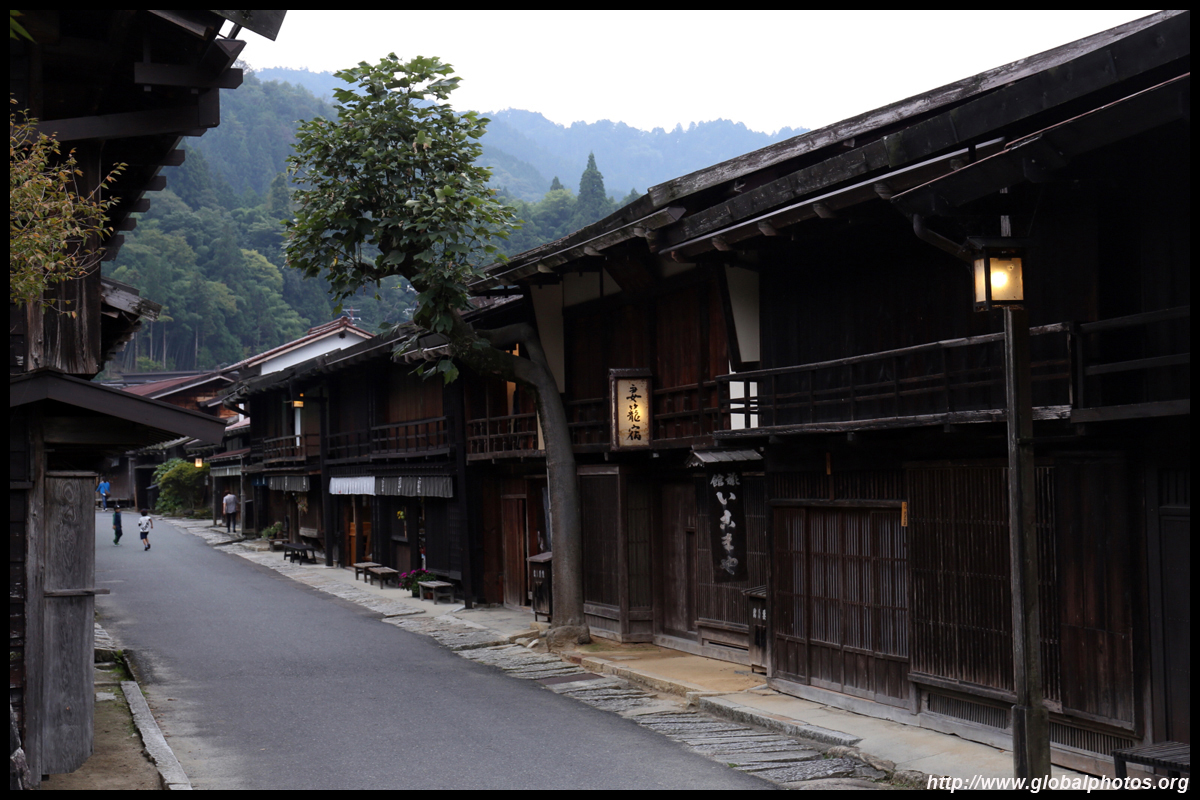
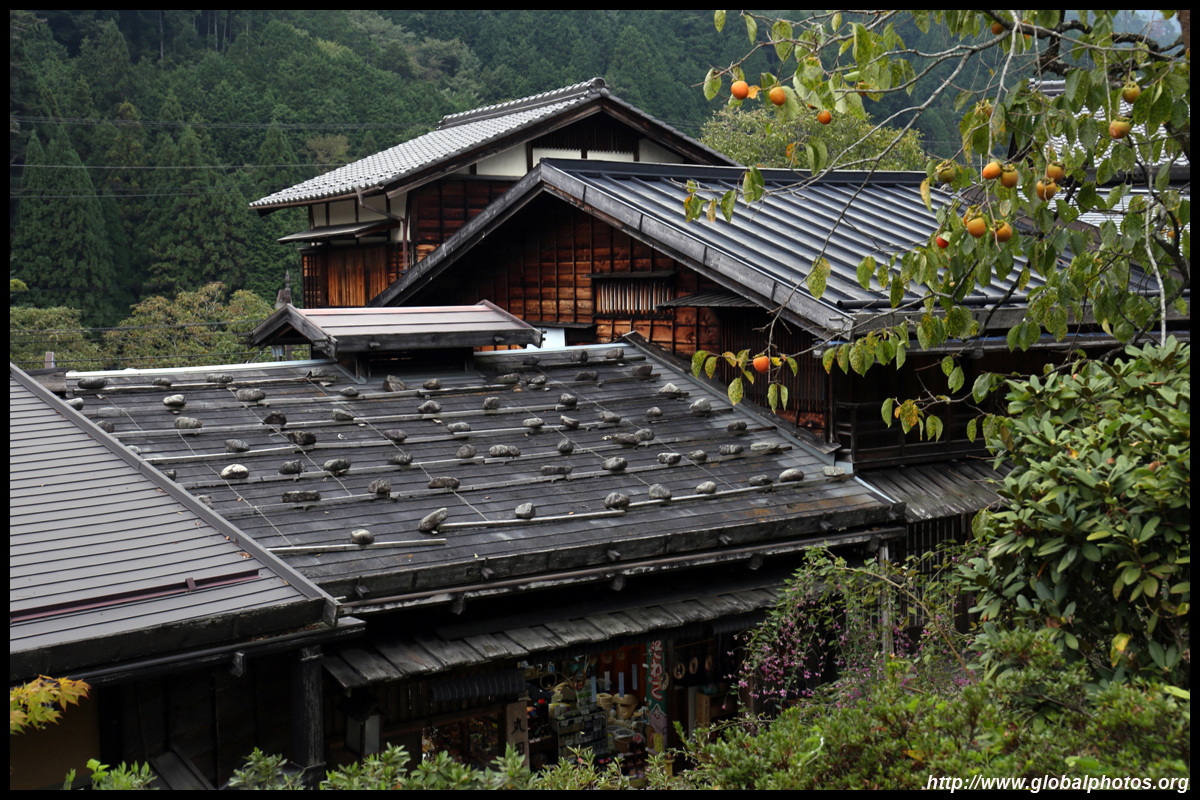
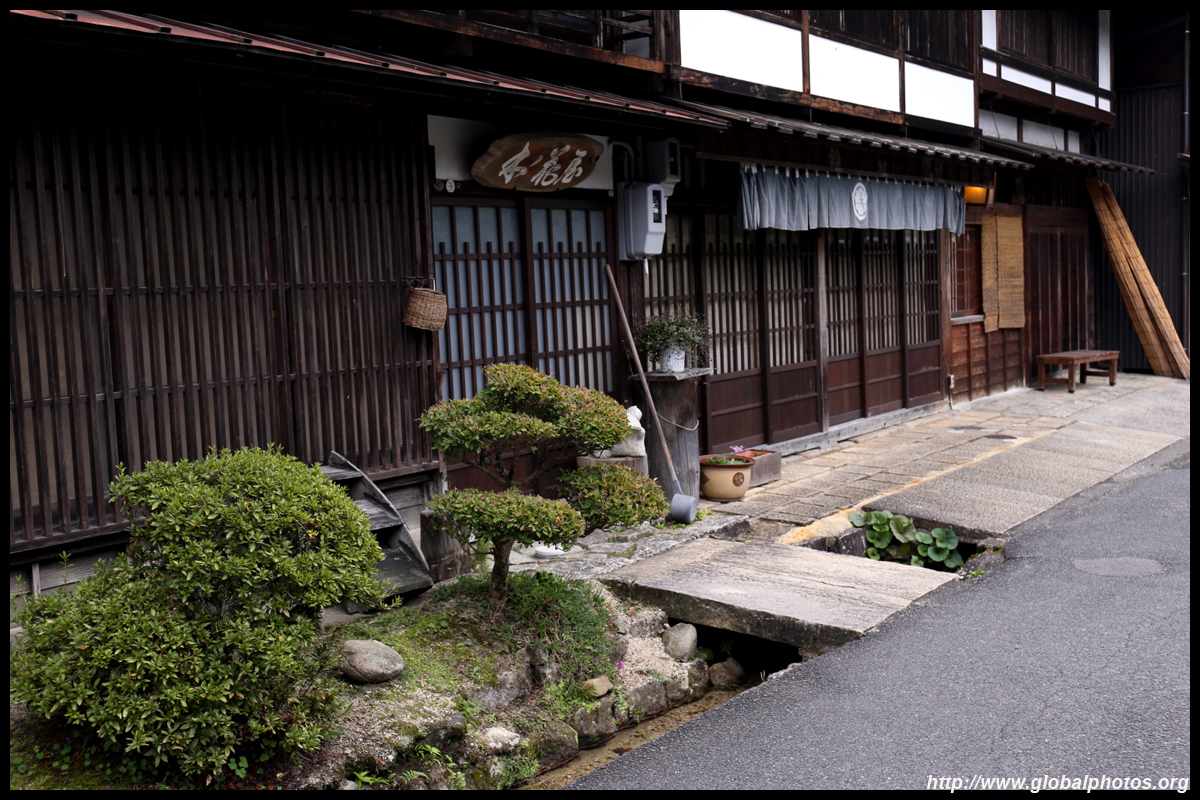
After passing through a scary section where bear bells appeared every hundred metres or so through the winding forest, I was relieved to see a town downhill. I made it to Tsumago. In the 1960s, residents decided to restore its historic wooden buildings and rid modern amenities that would distract its character.
| |||
 |
 |
 |
 |
 |
 |
 |
 |
 |
 |
 |
 |
 |
 |
 |
 |
 |
 |
 |
 |
 |
 |
 |
 |
 |
 |
 |
 |
 |
 |
 |
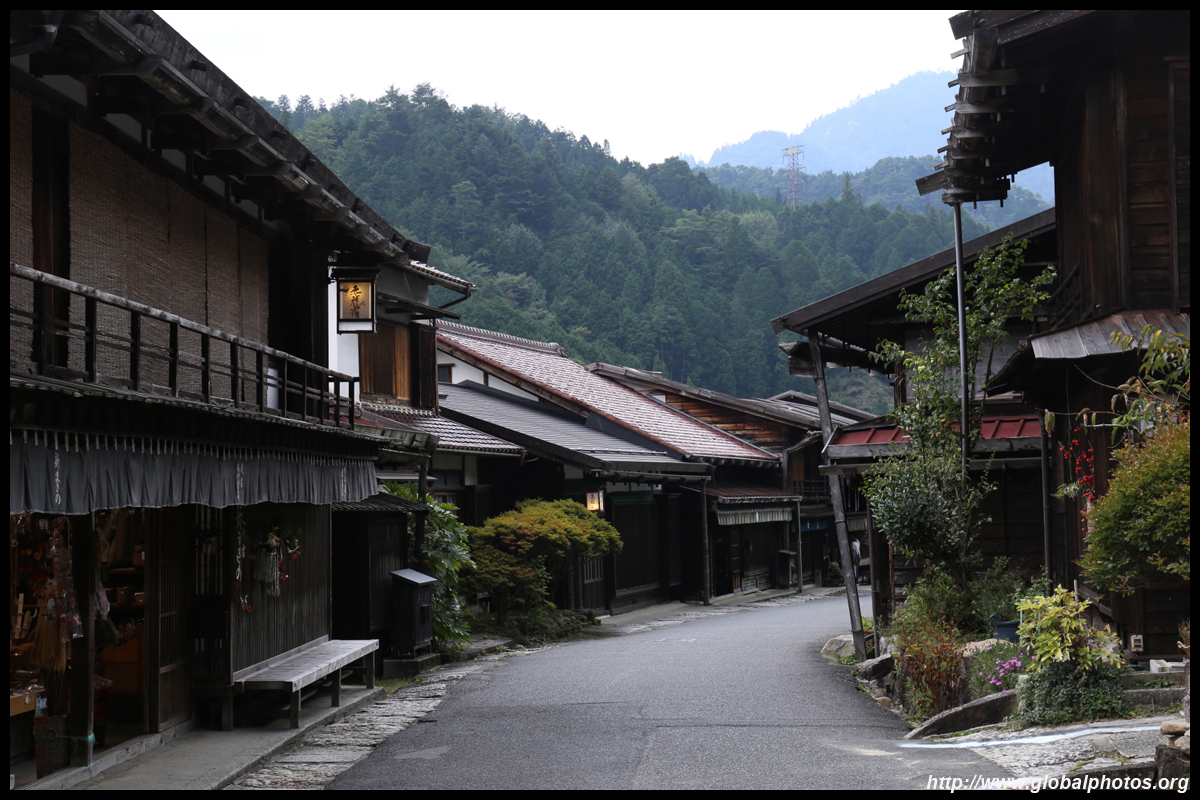 |
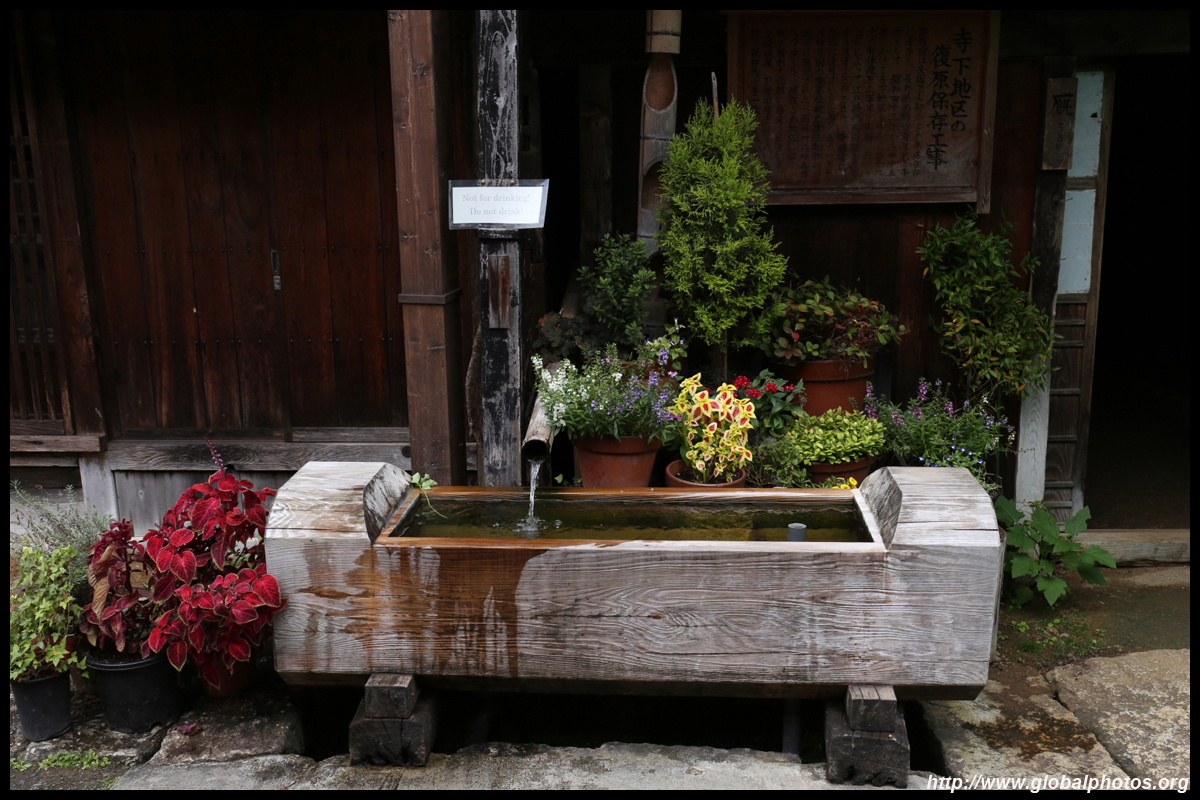
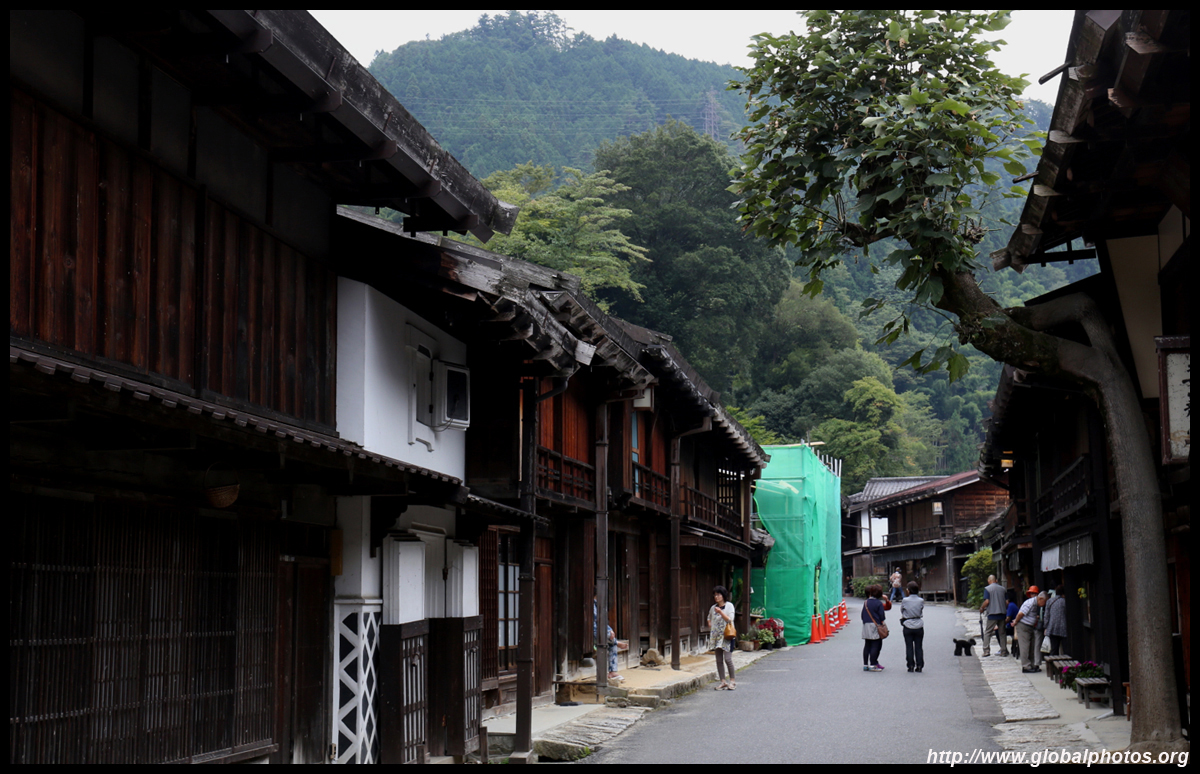
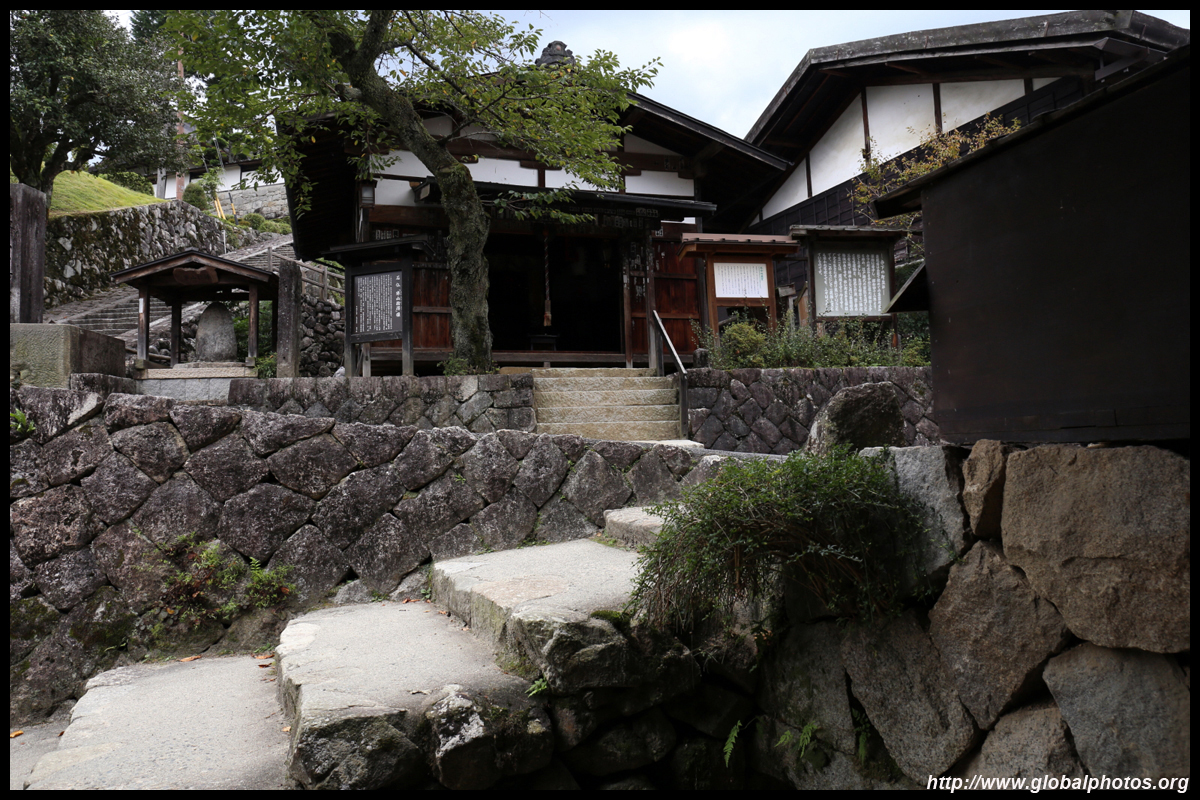
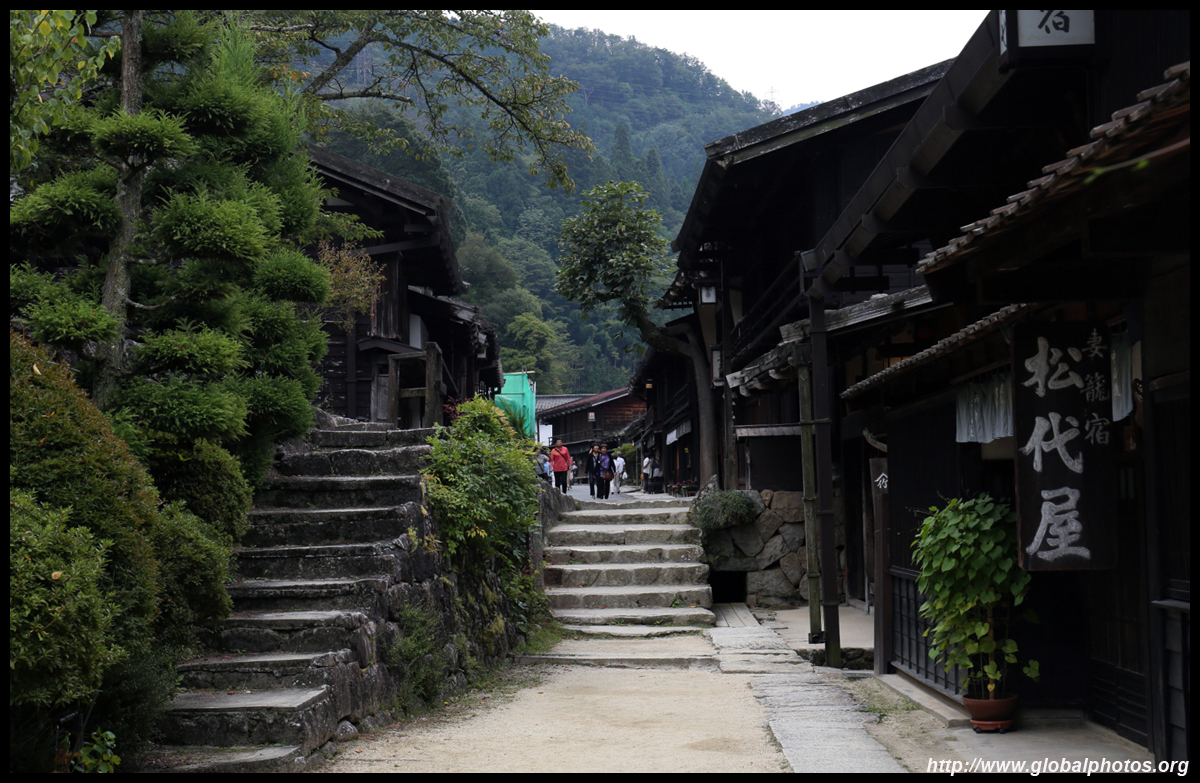
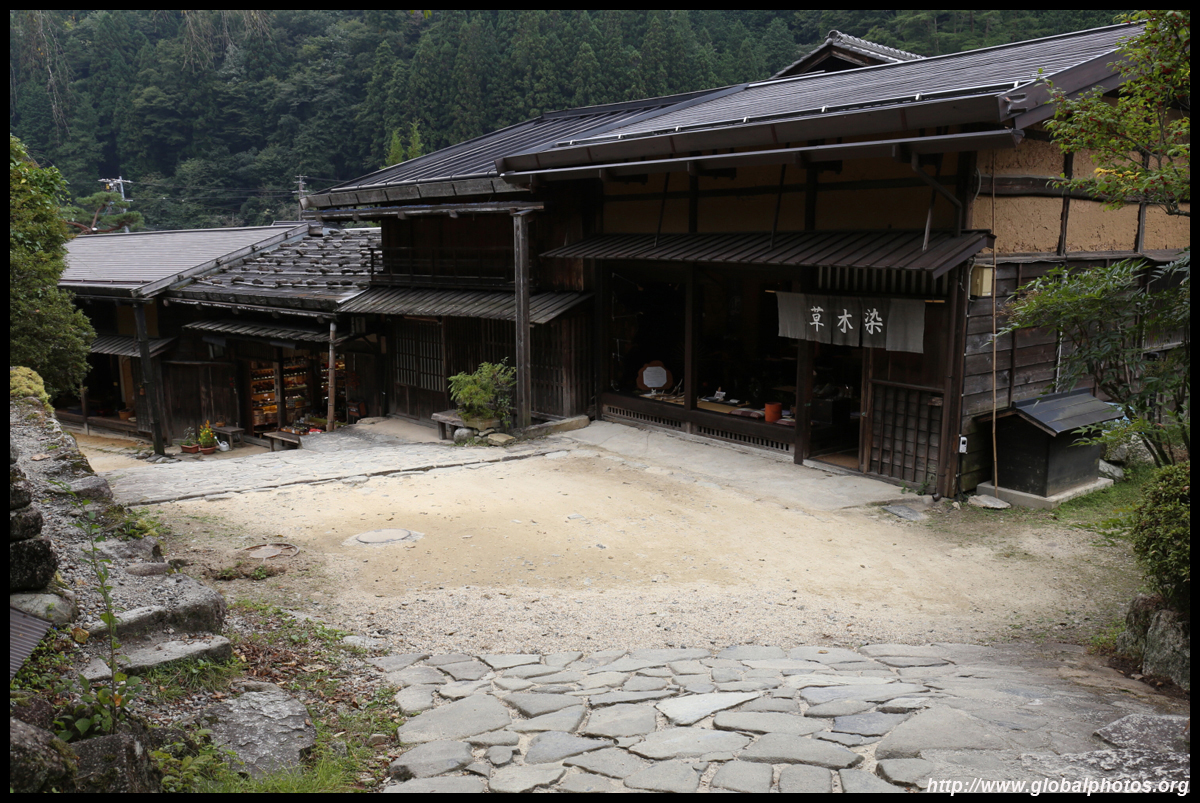
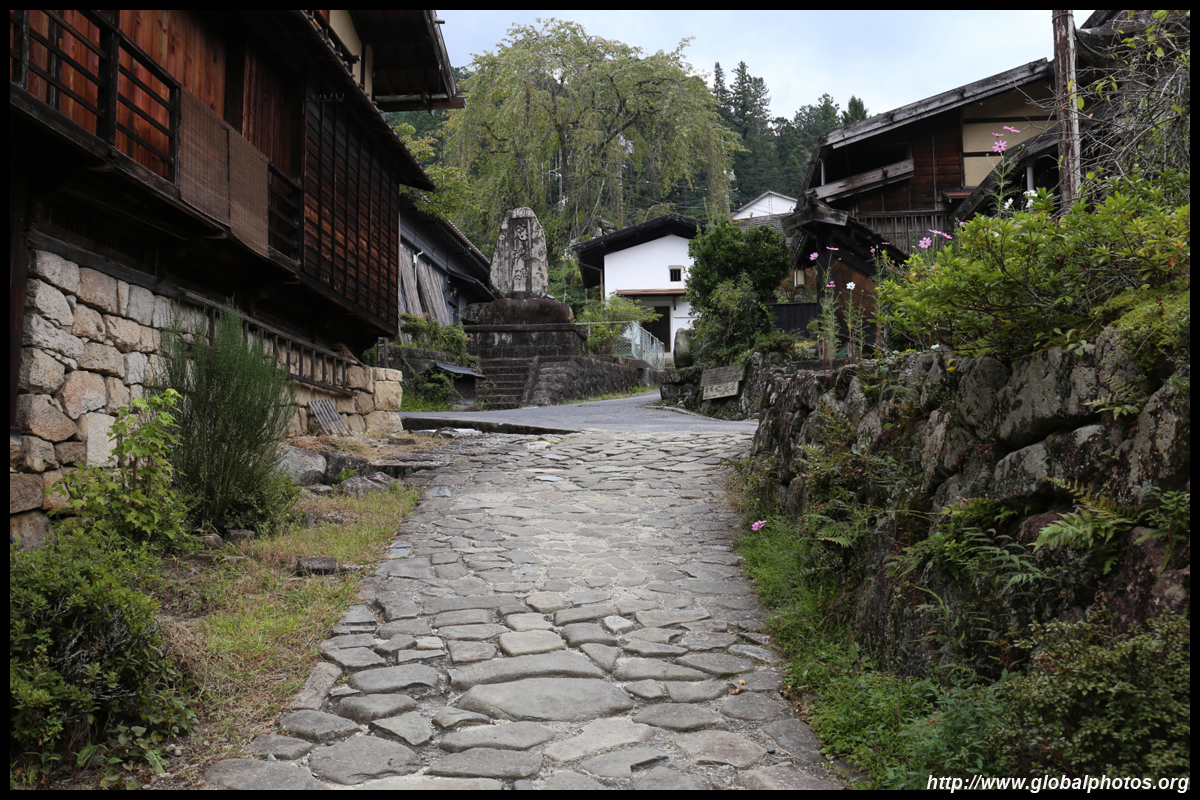
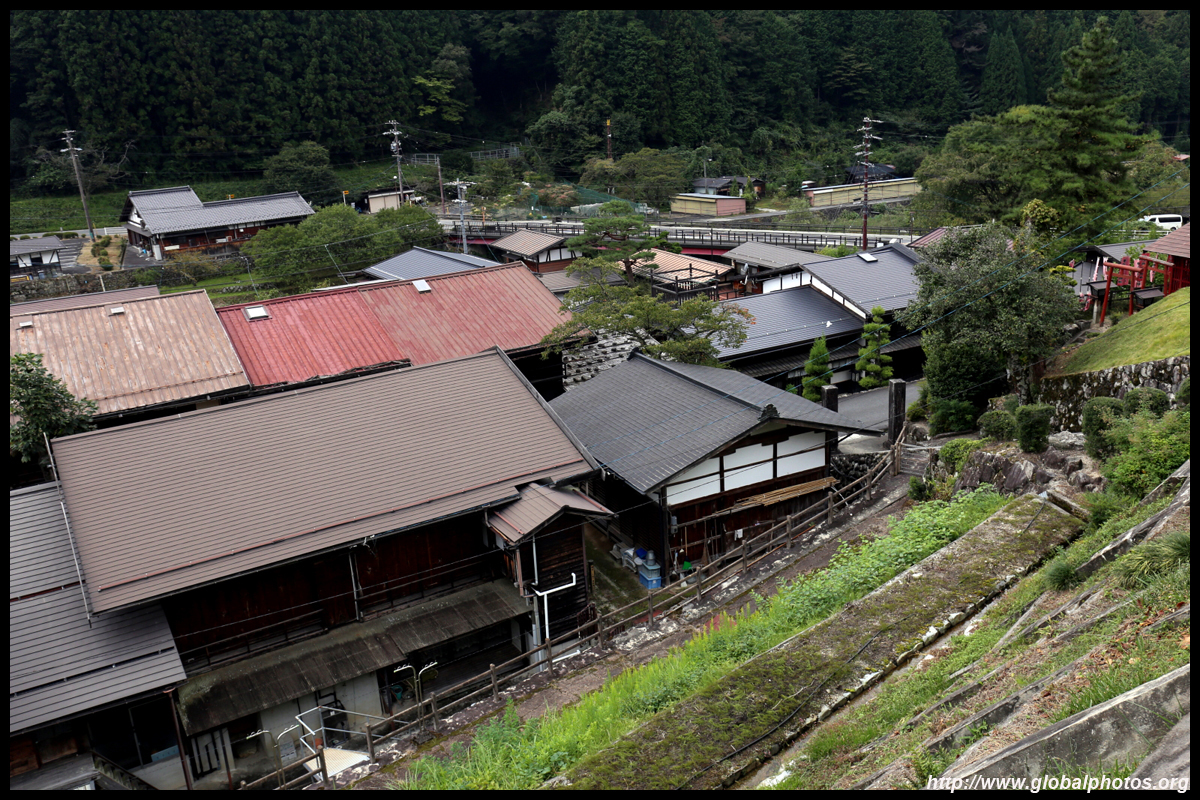
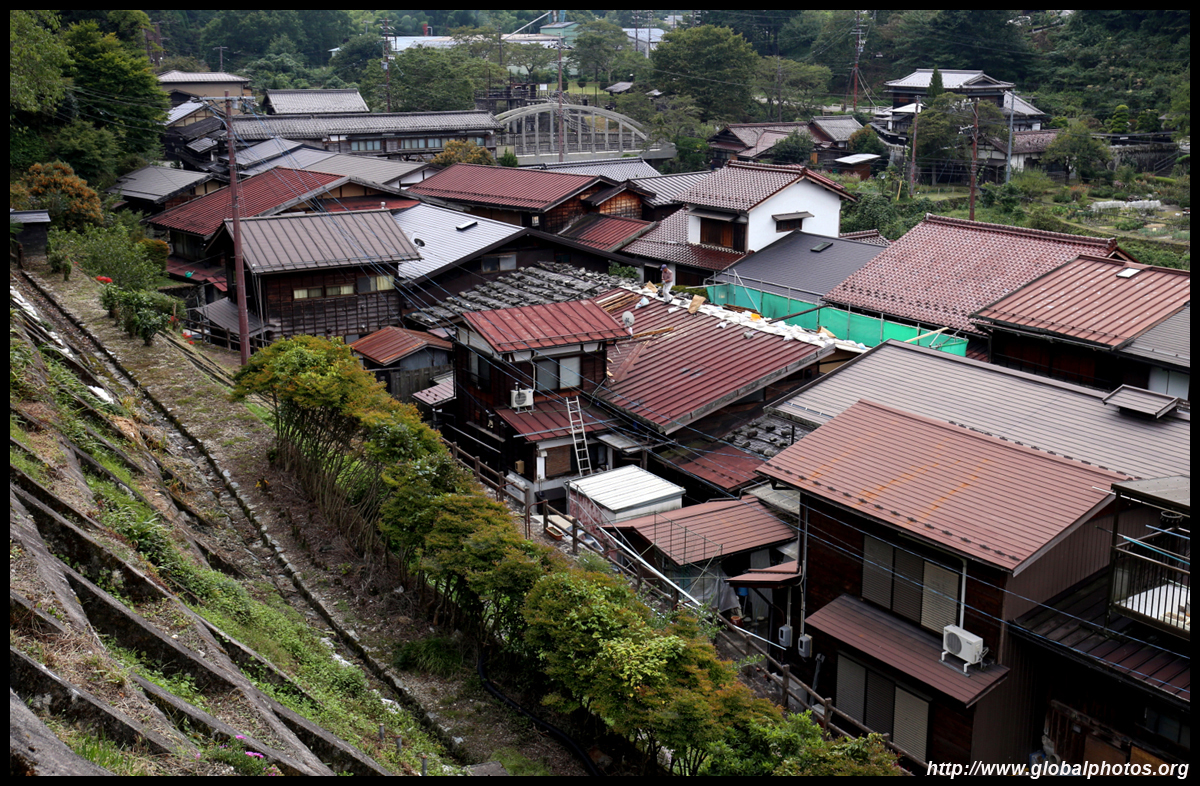
Tsumago was the country's first preservation district, being the 42nd post town from Edo.
| |||
 |
 |
 |
 |
 |
 |
 |
 |
 |
 |
 |
 |
 |
 |
 |
 |
 |
 |
 |
 |
 |
 |
 |
 |
 |
 |
 |
 |
 |
 |
 |
 |
 |
 |
 |
 |
 |
 |
 |
 |
 |
 |
 |
 |
 |
 |
 |
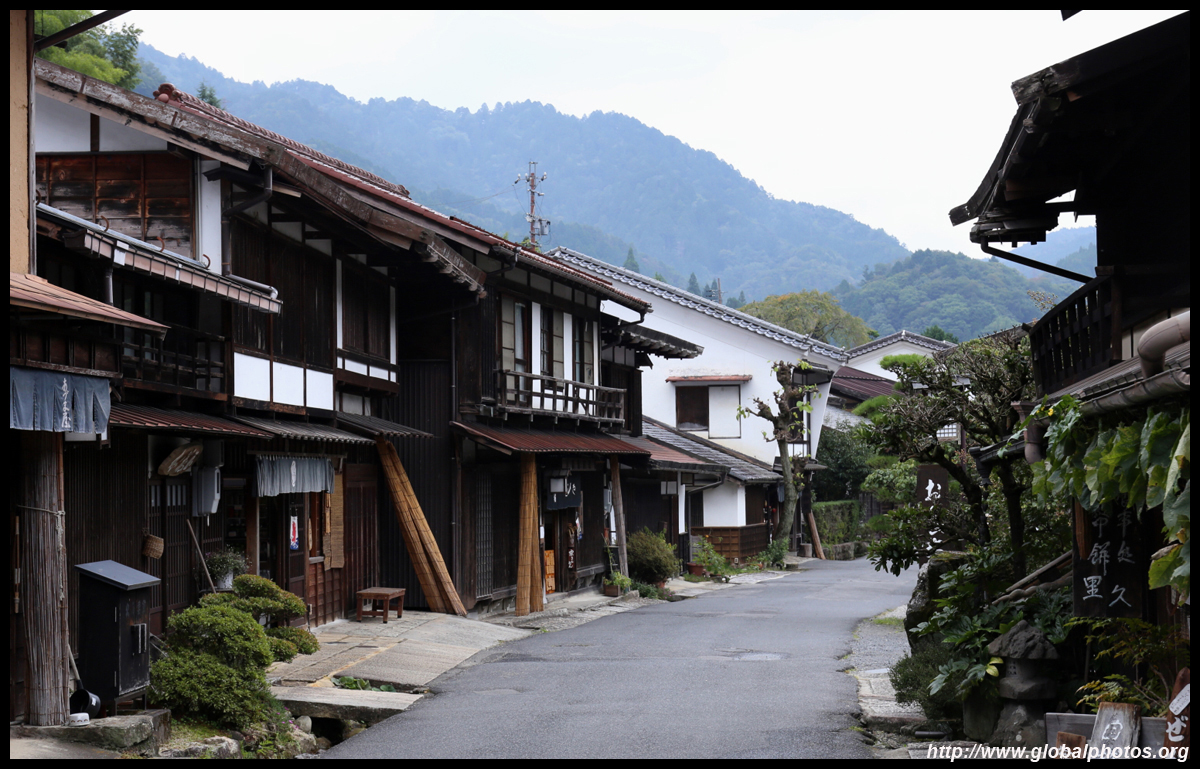 |
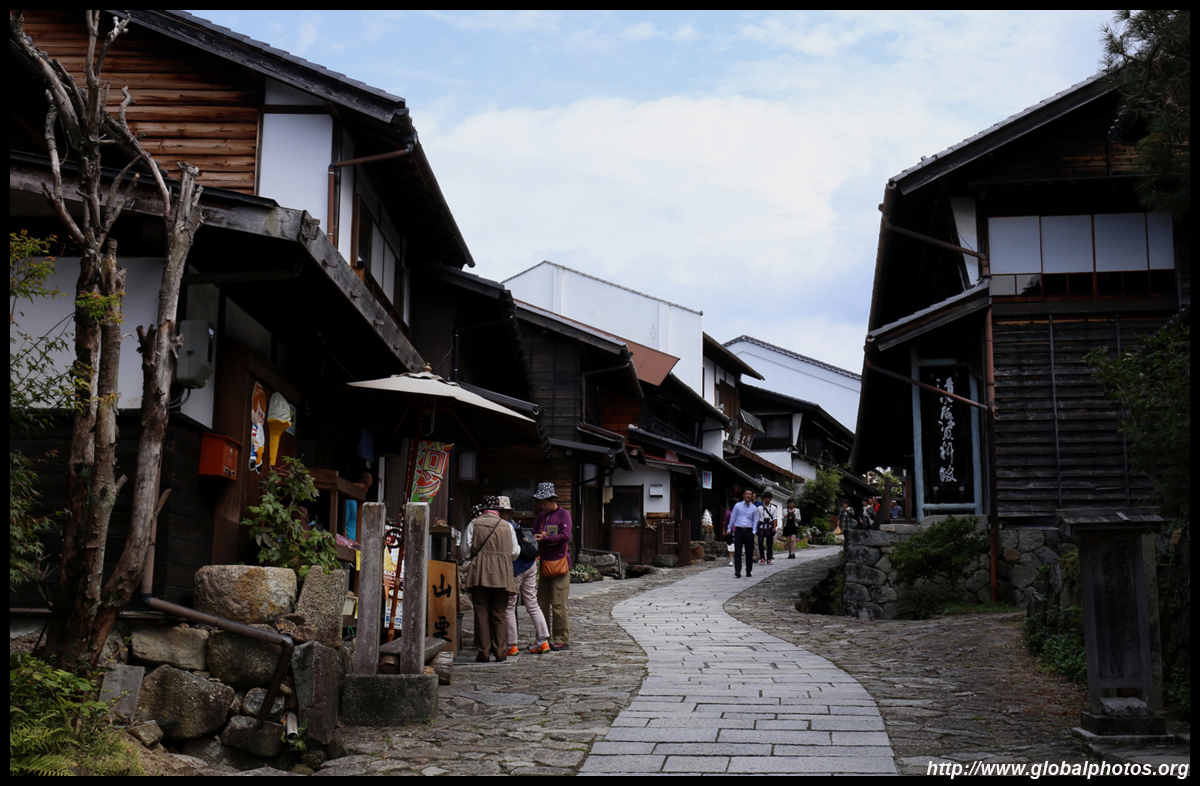
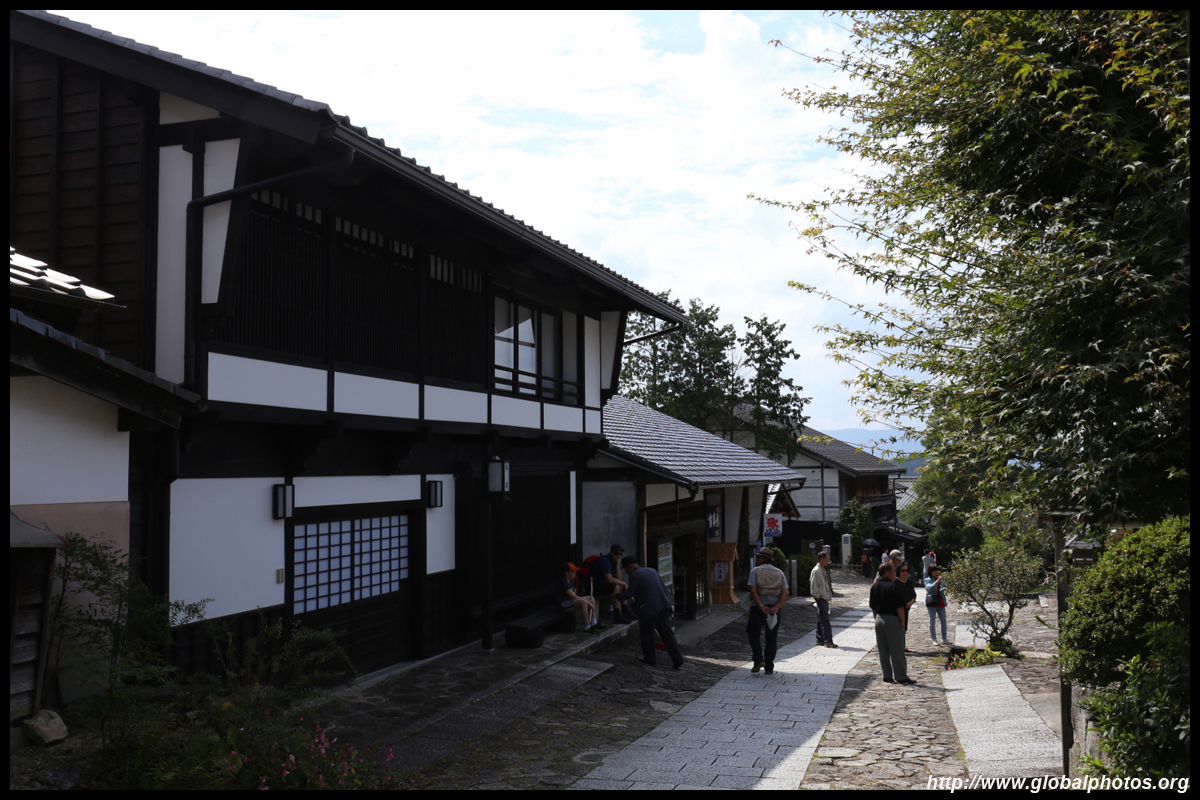
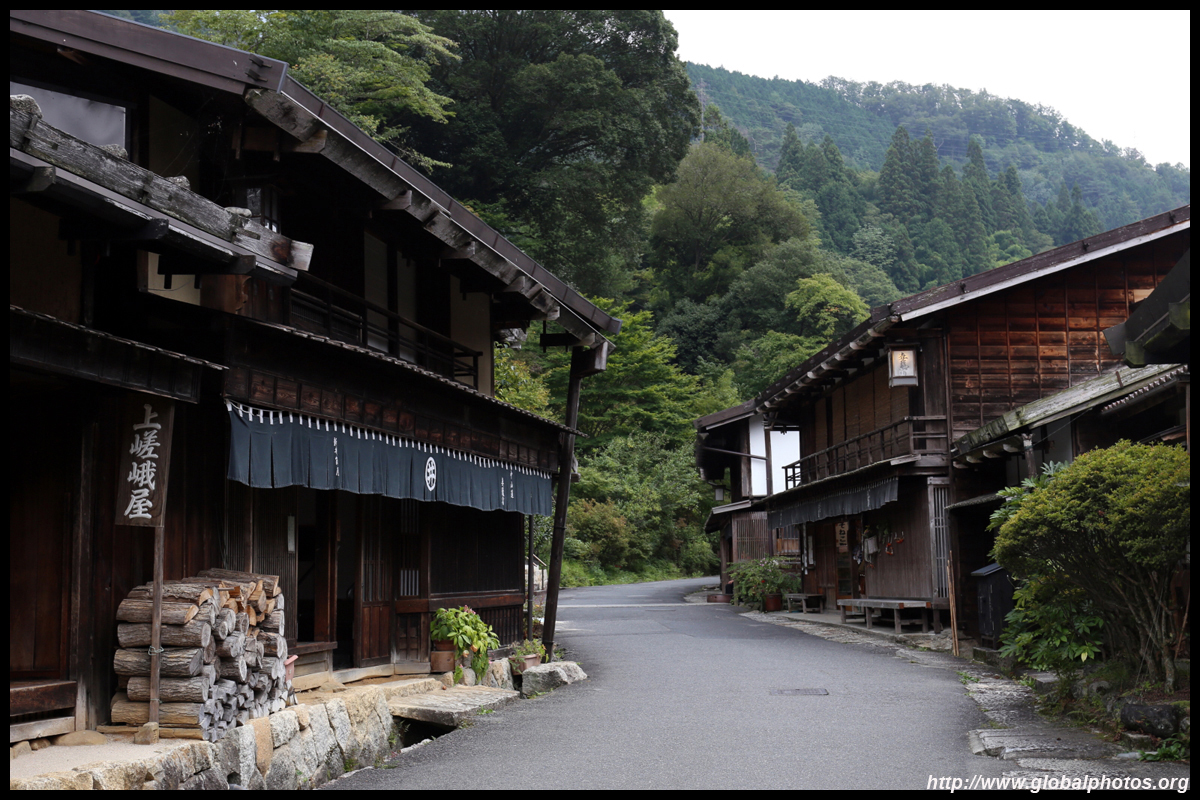
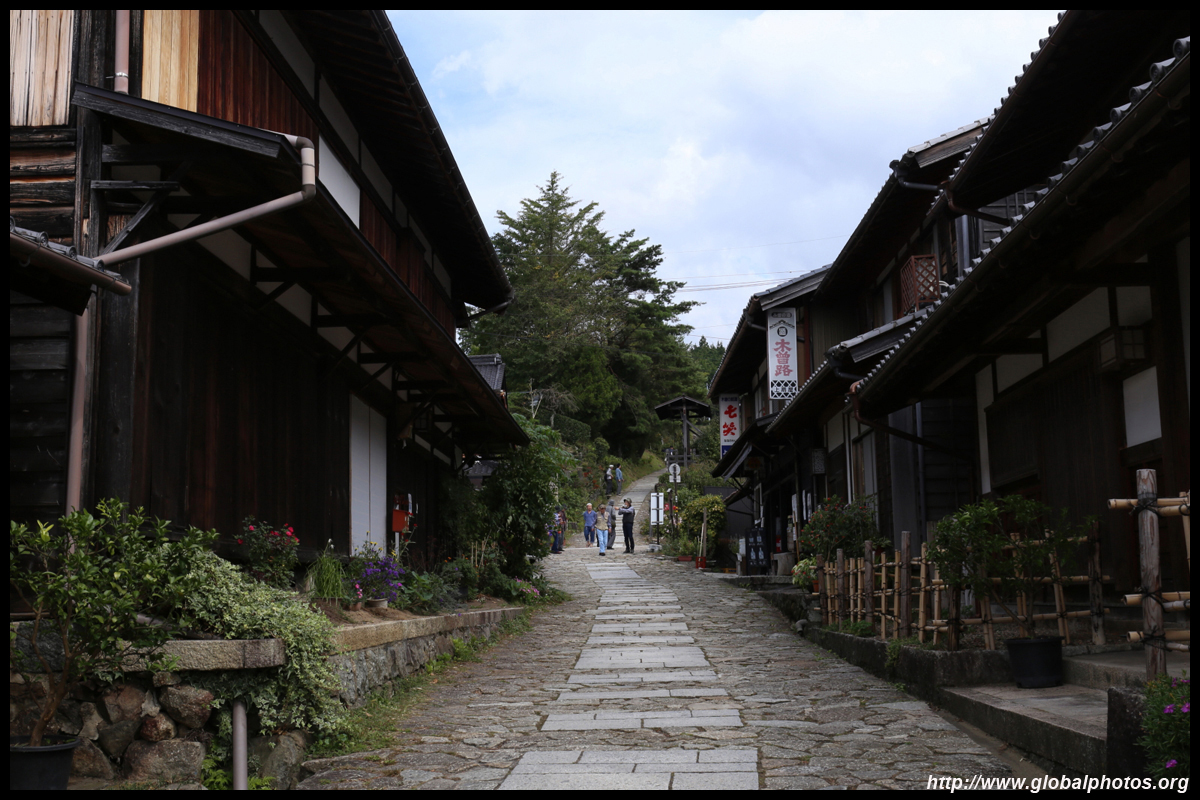
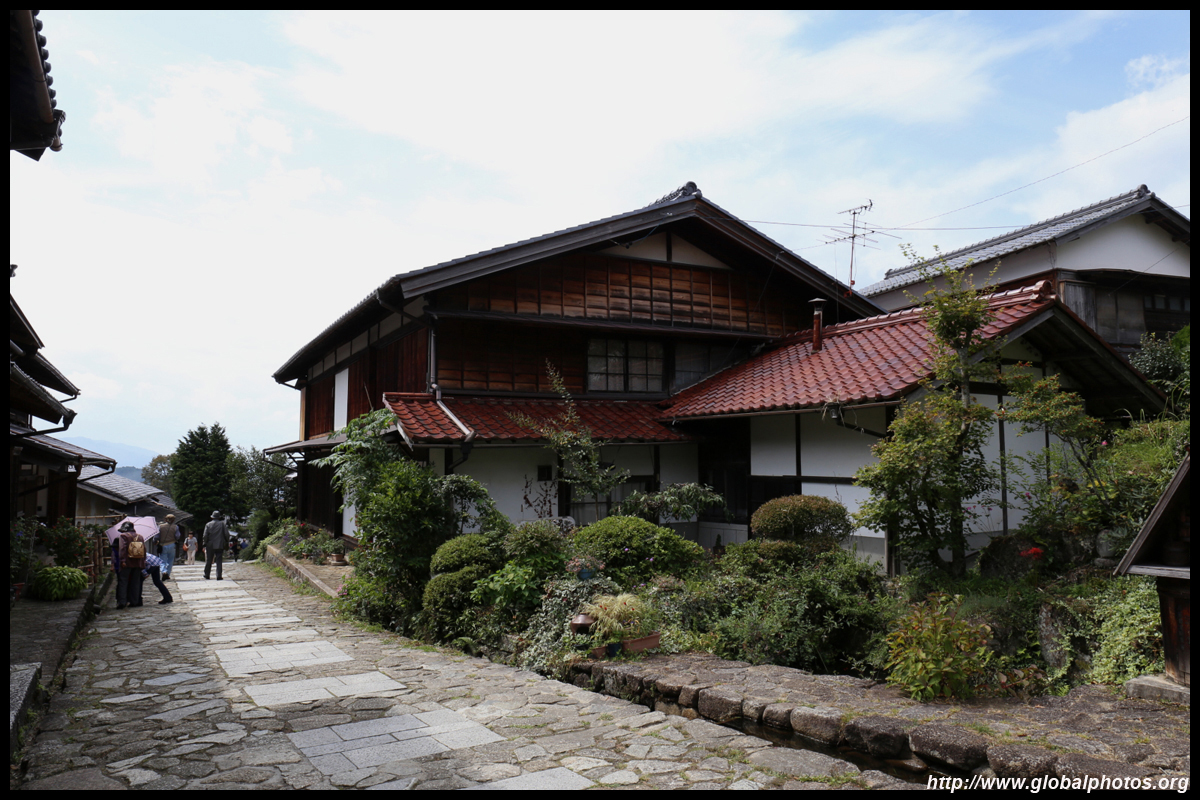
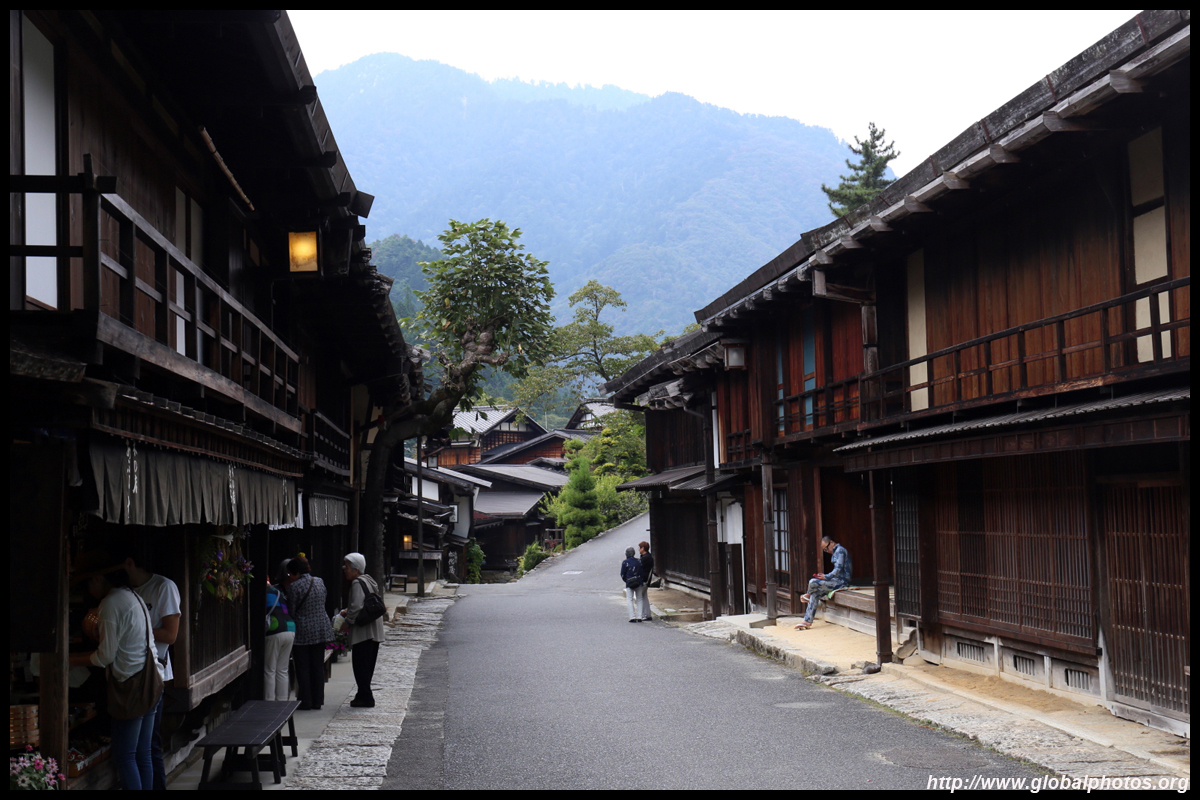
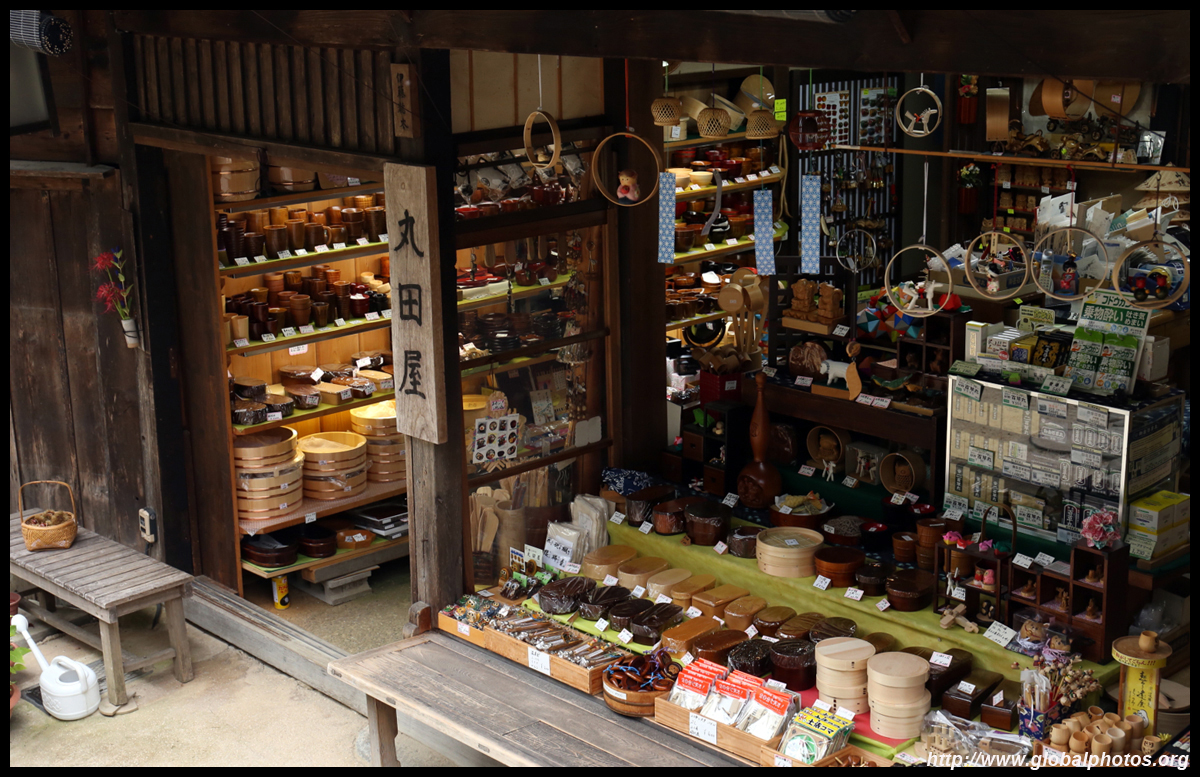
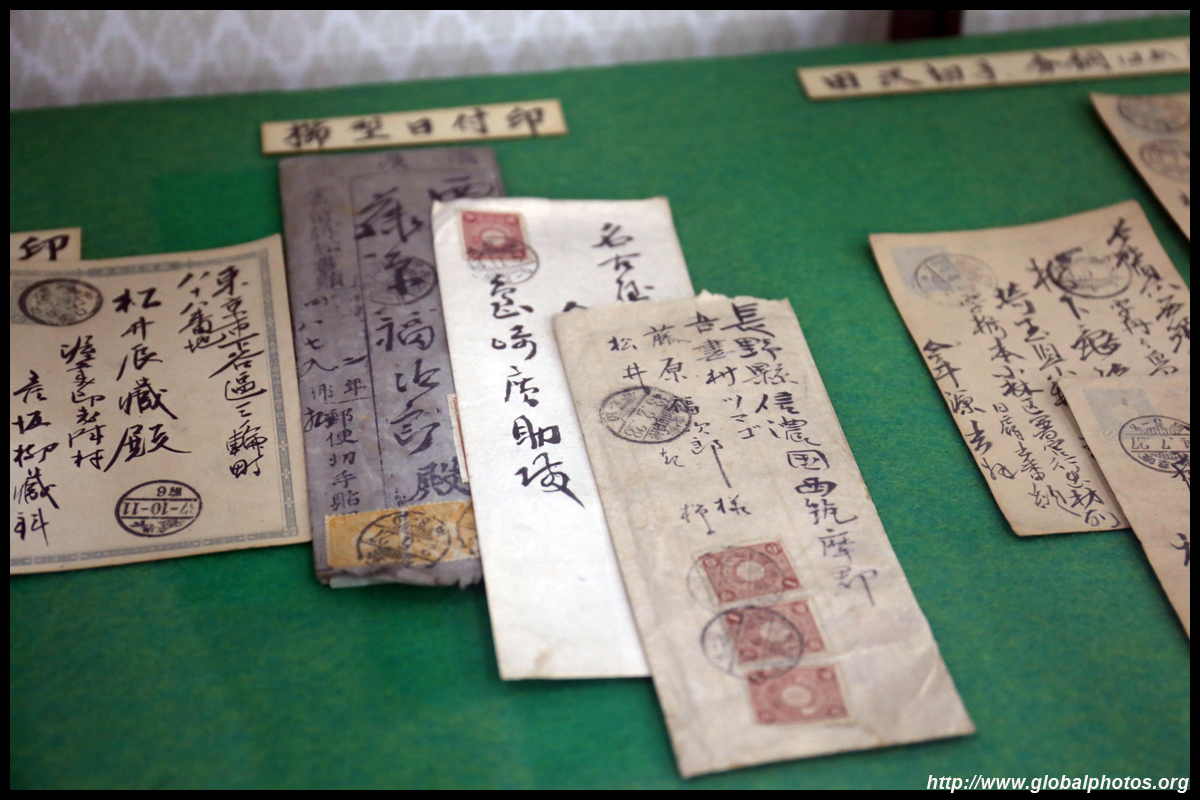
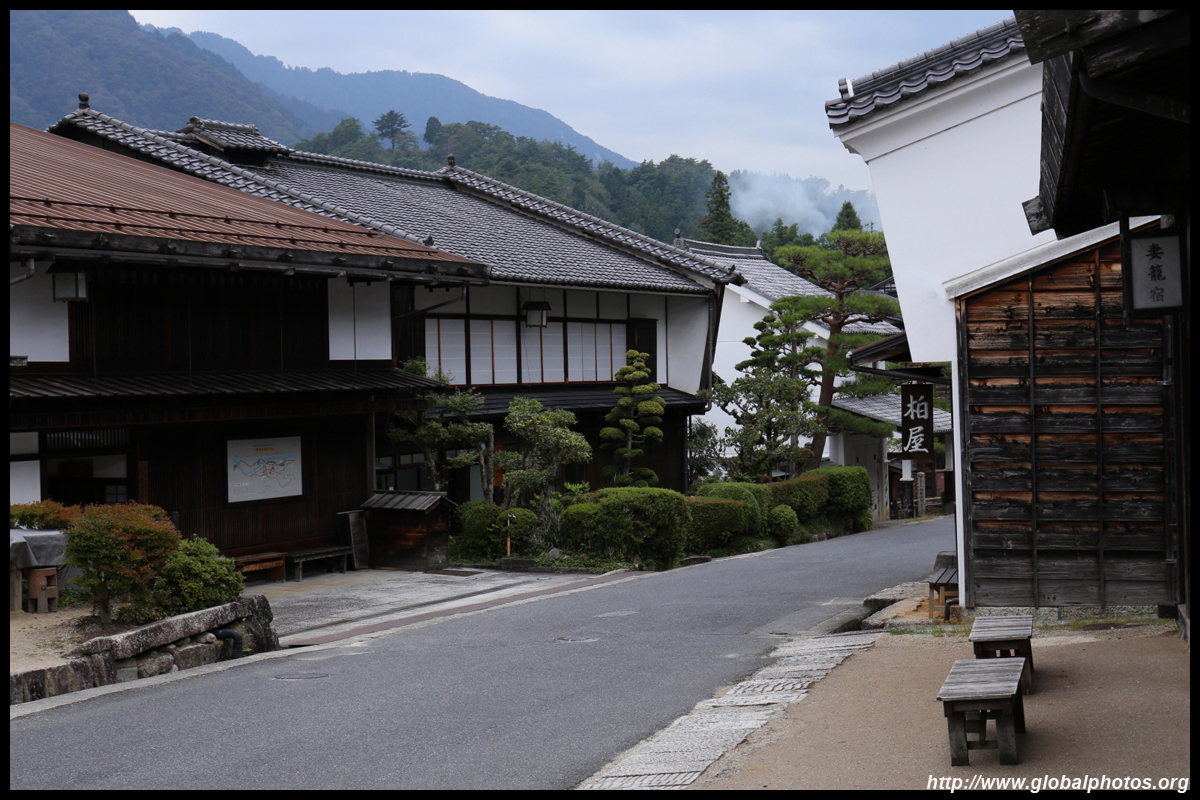
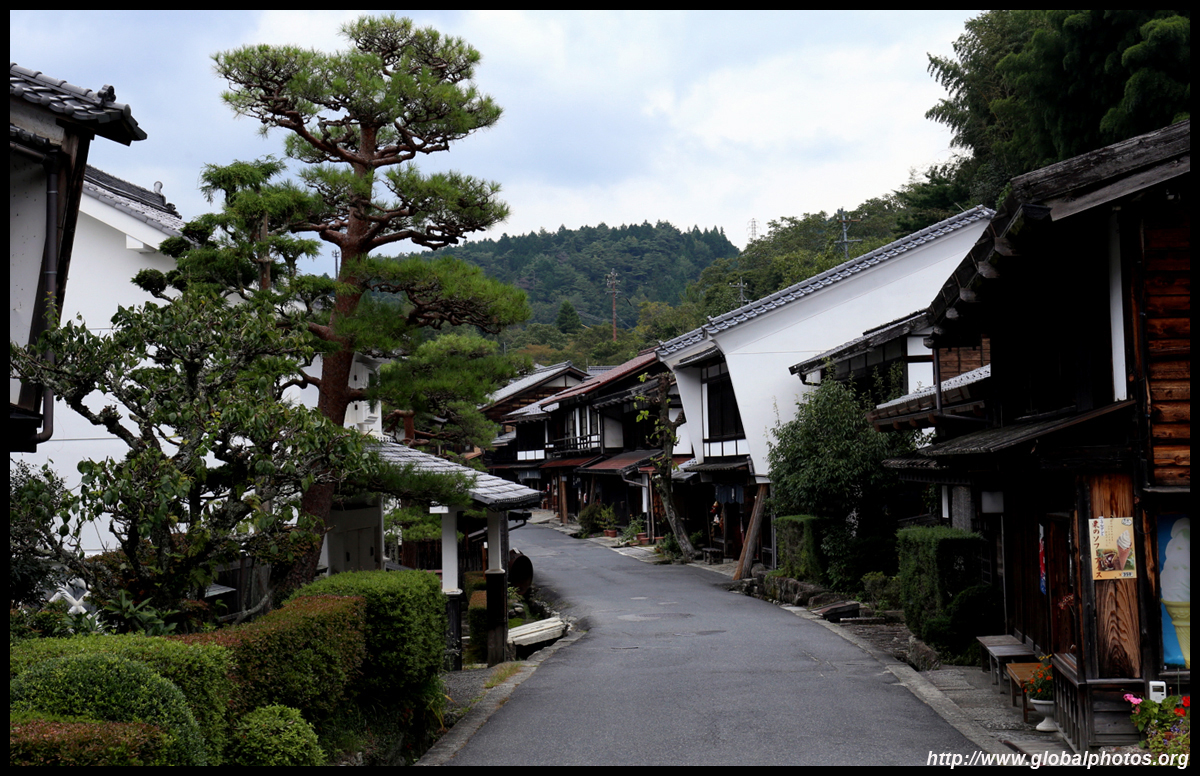
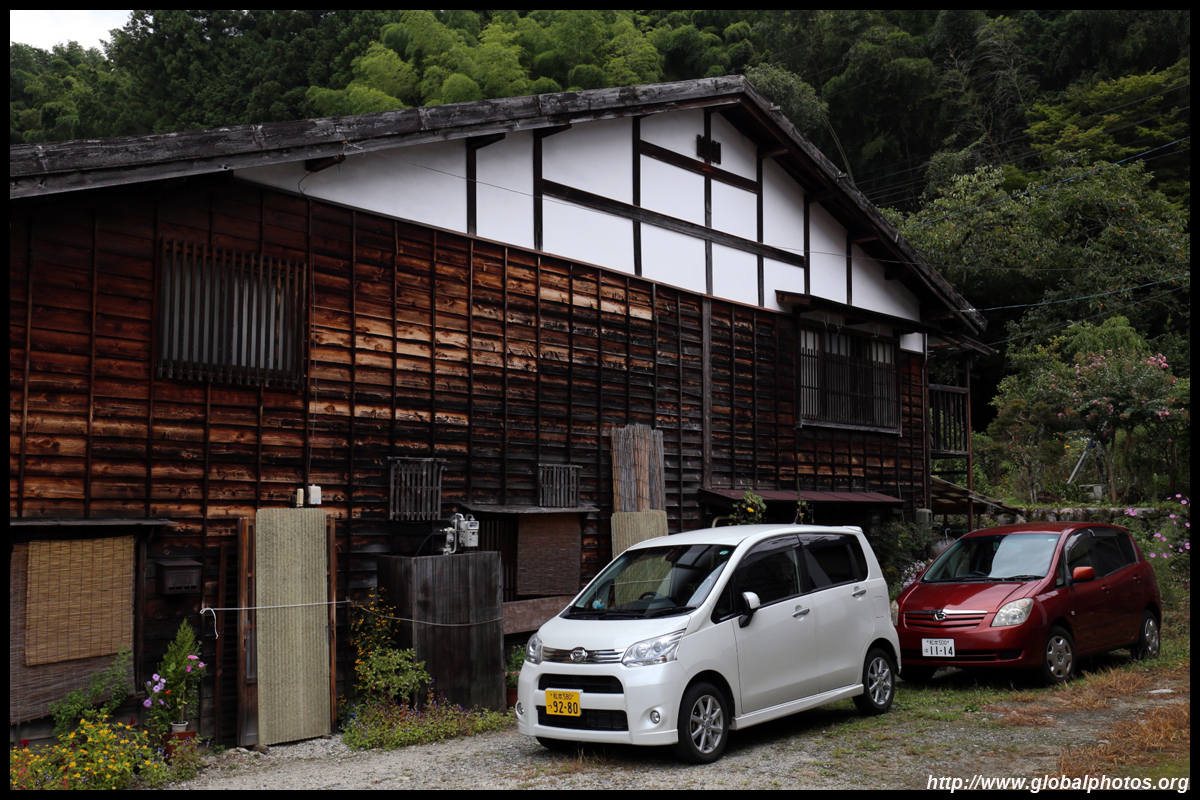
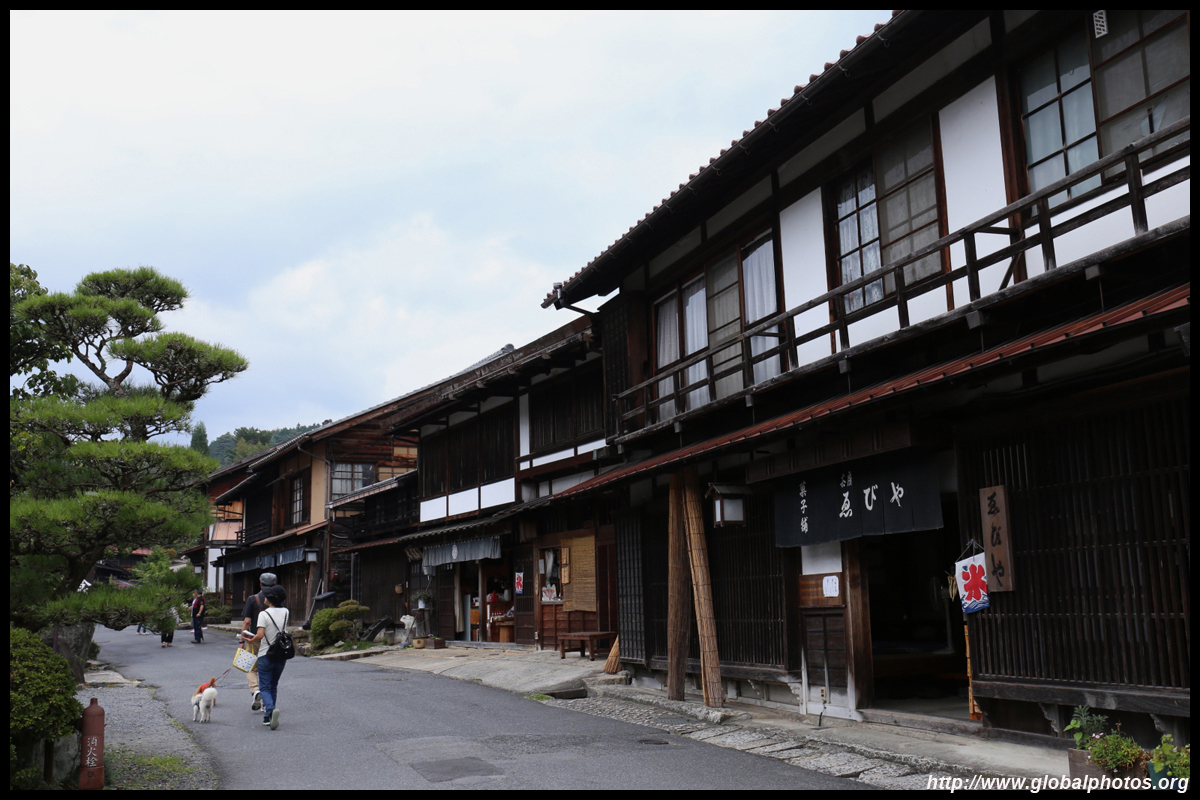
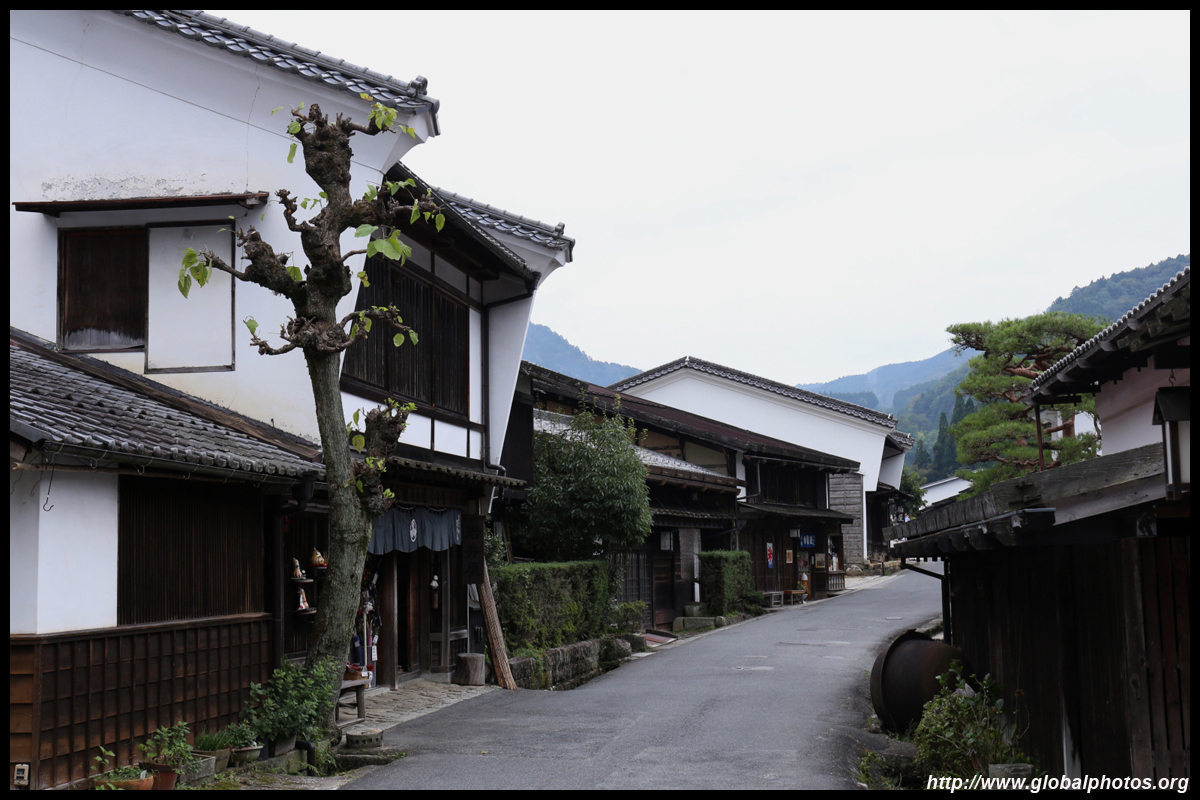
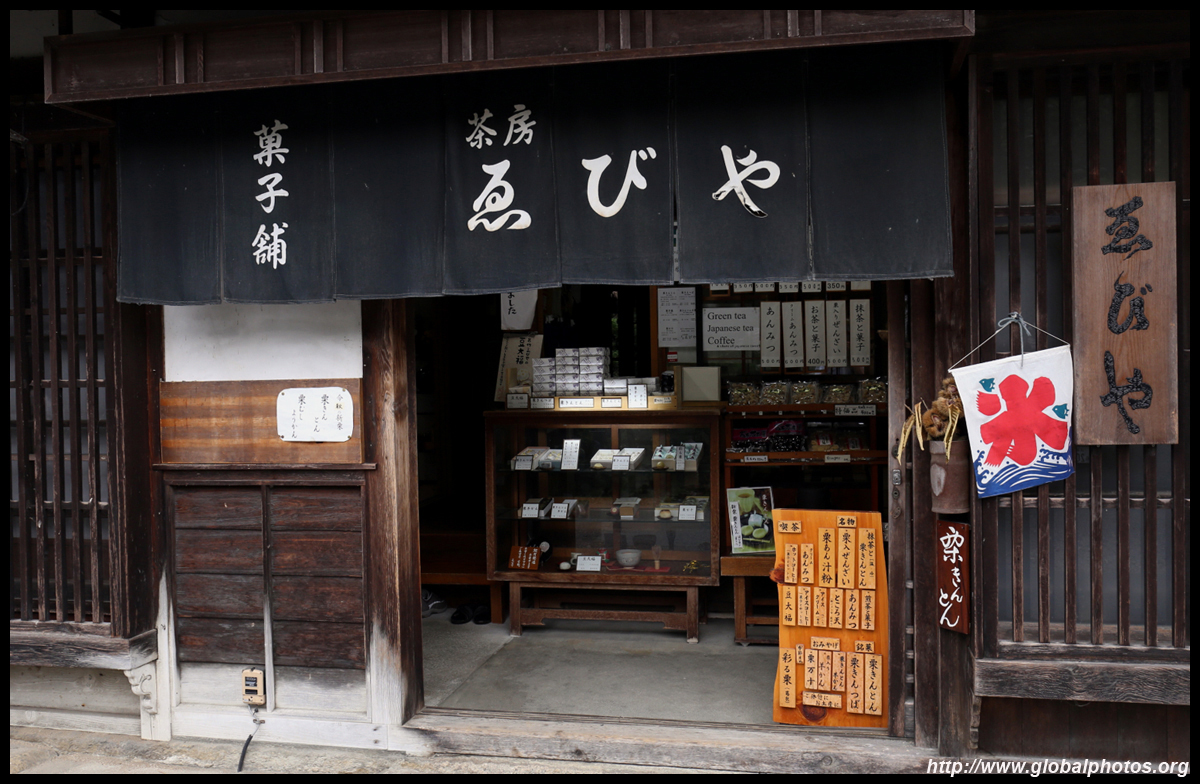
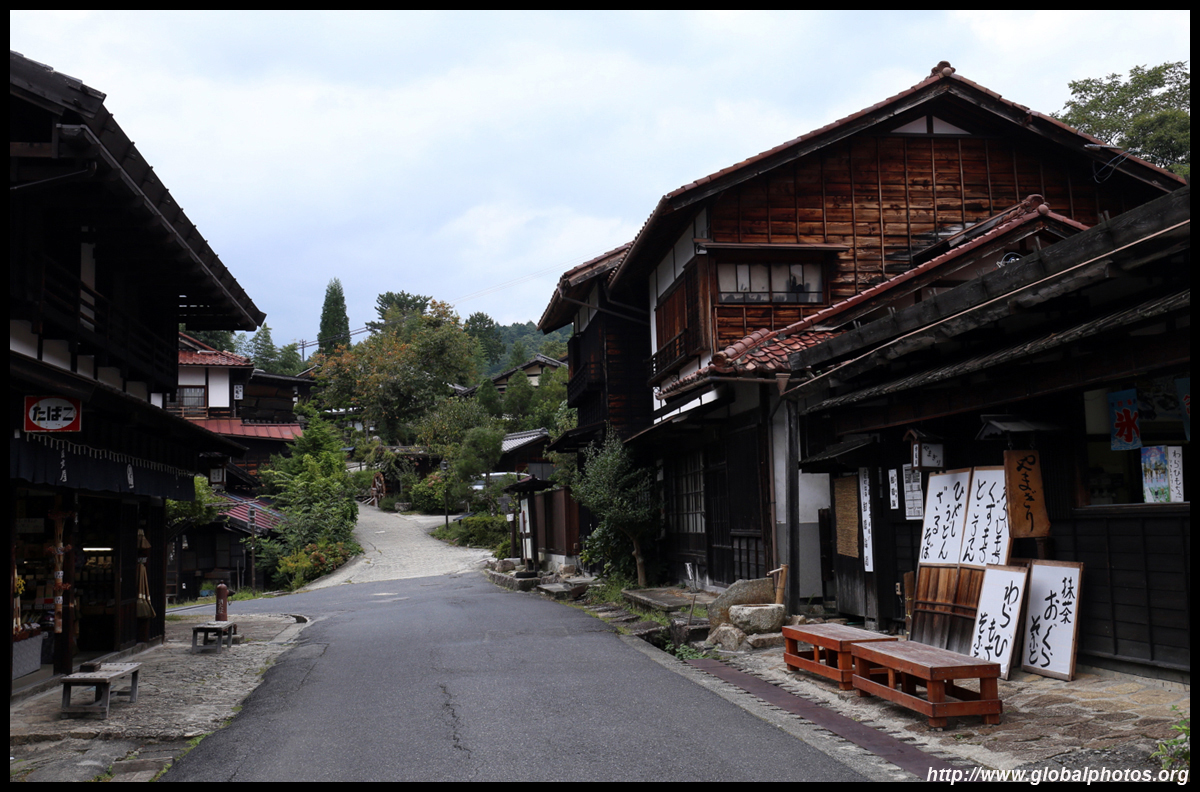
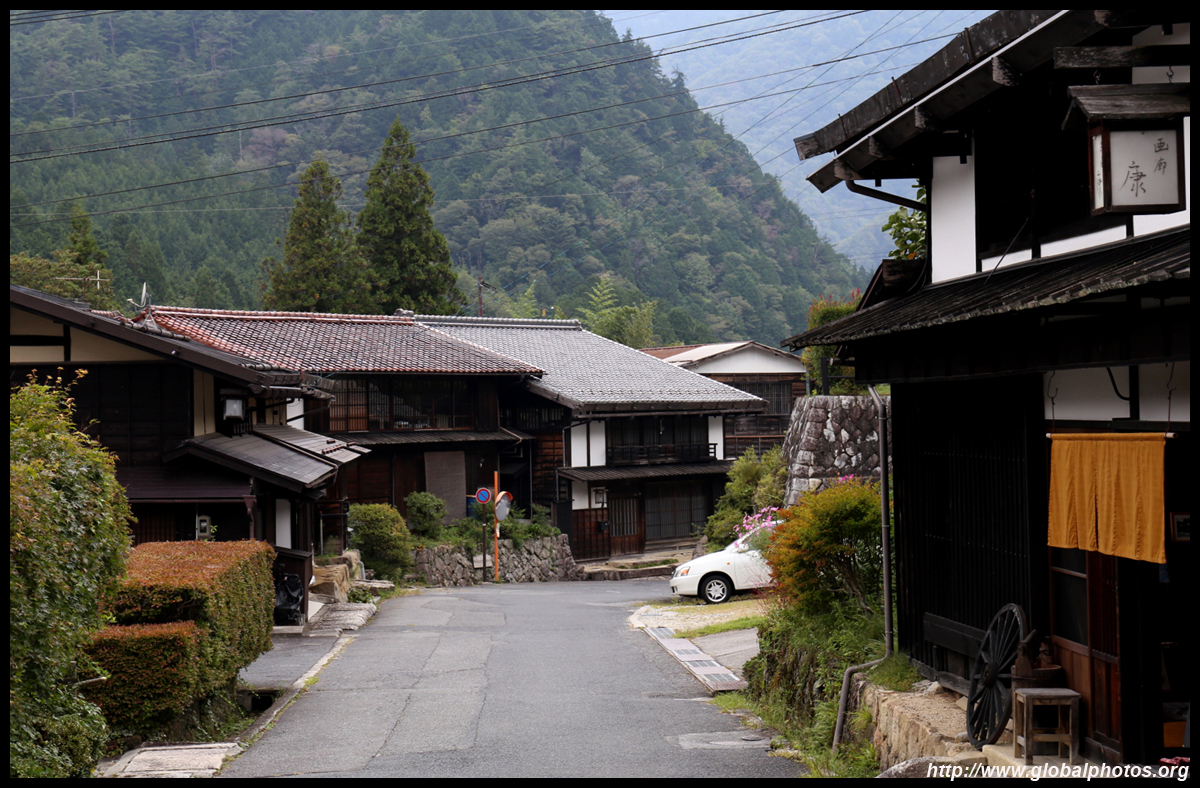
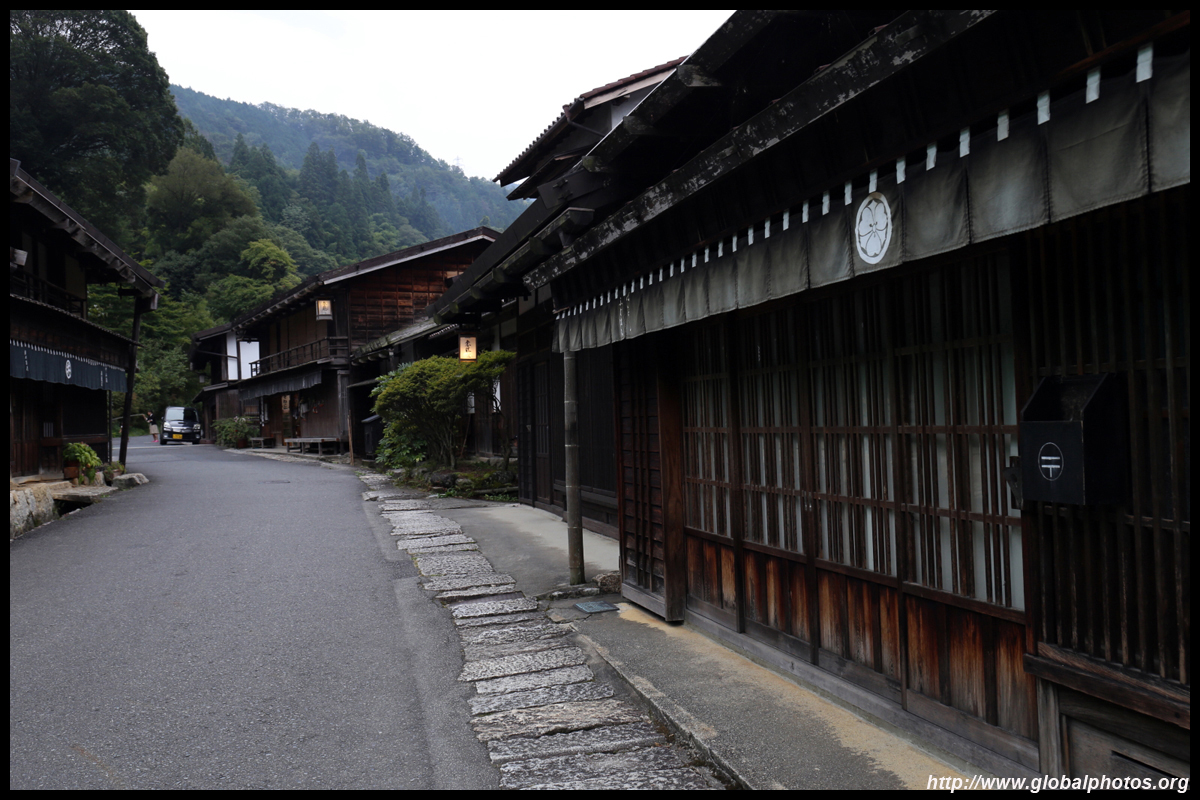
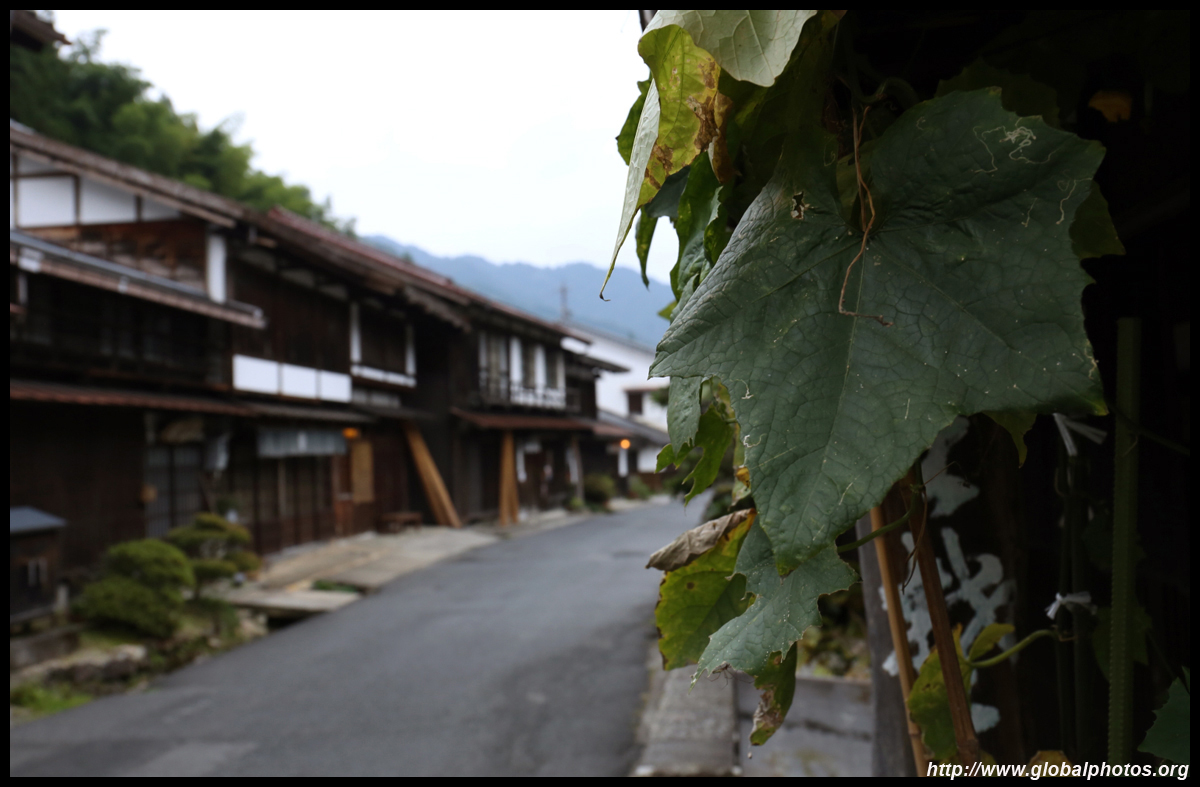
Even by mid-afternoon, the streets were surprisingly quiet.
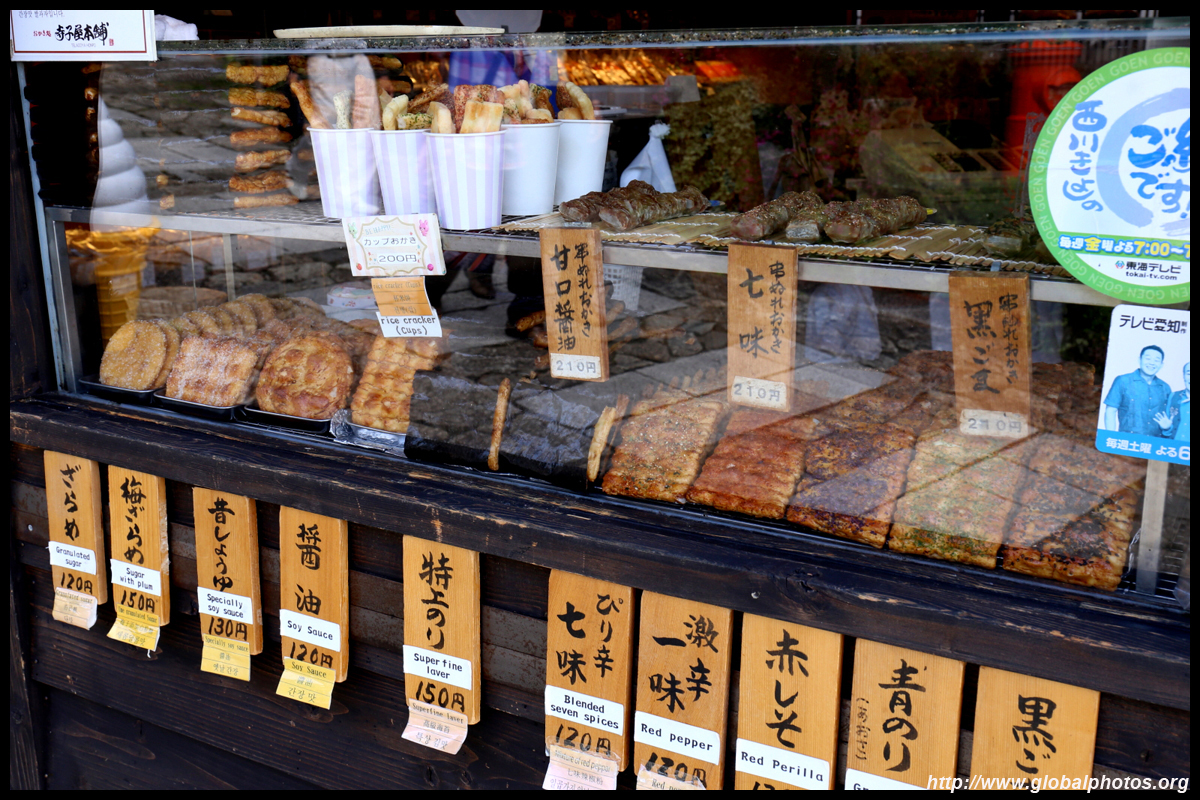
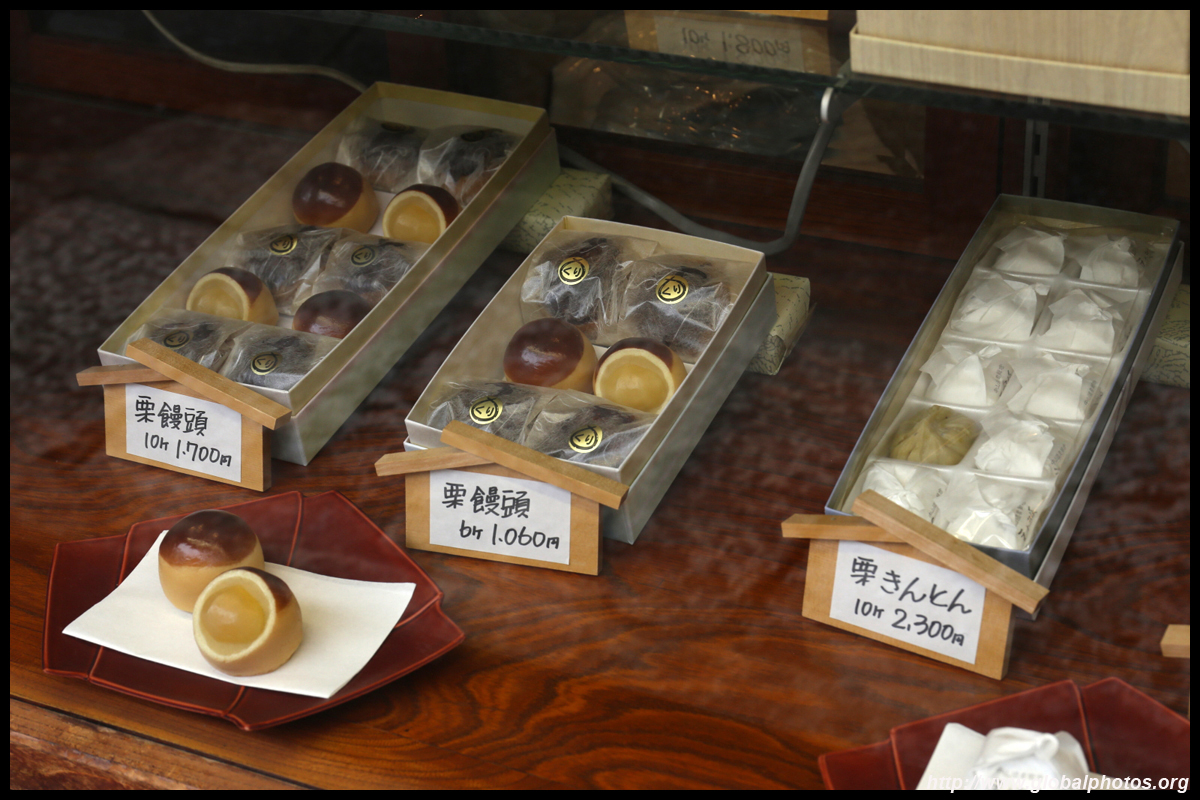
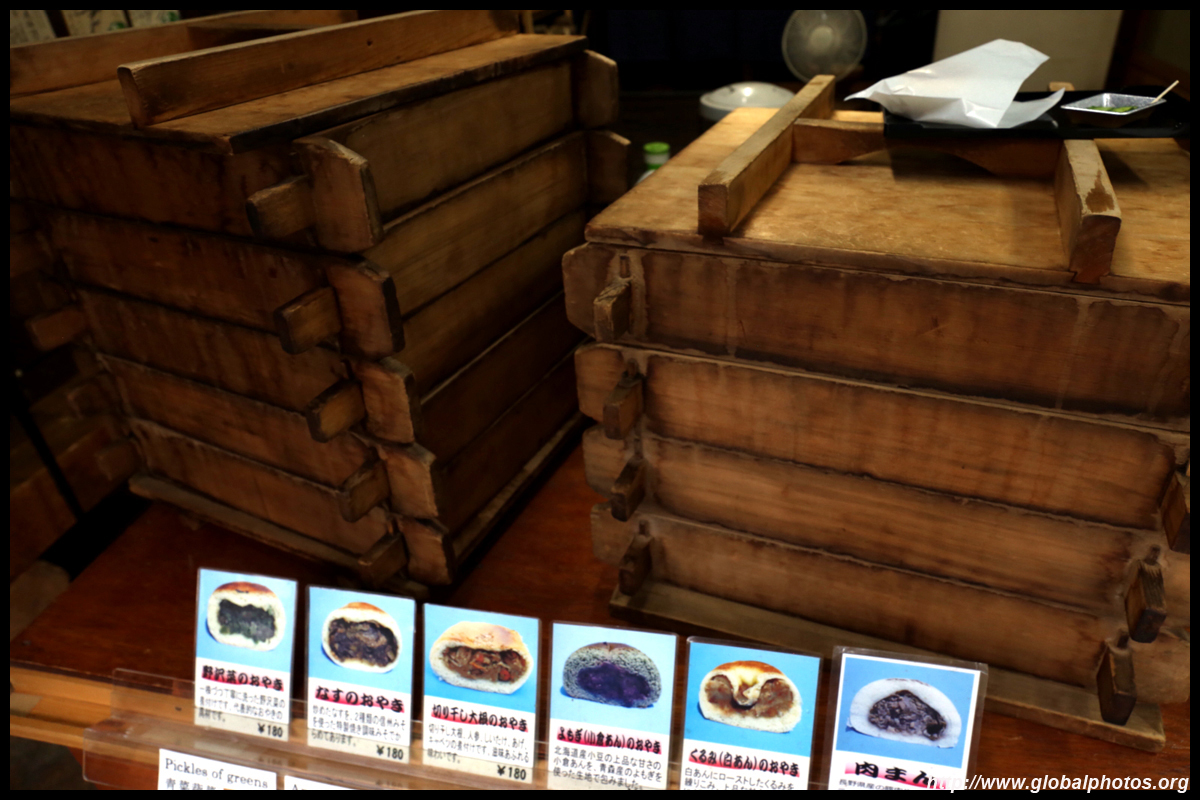
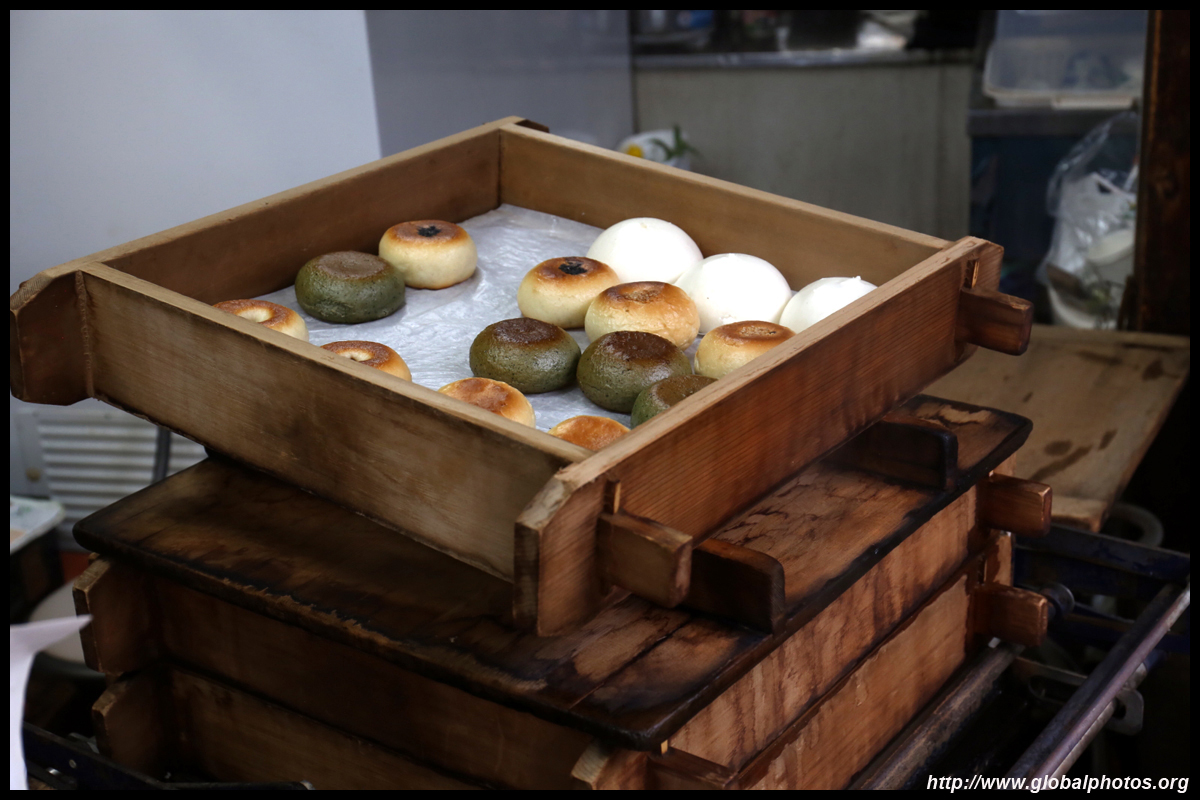
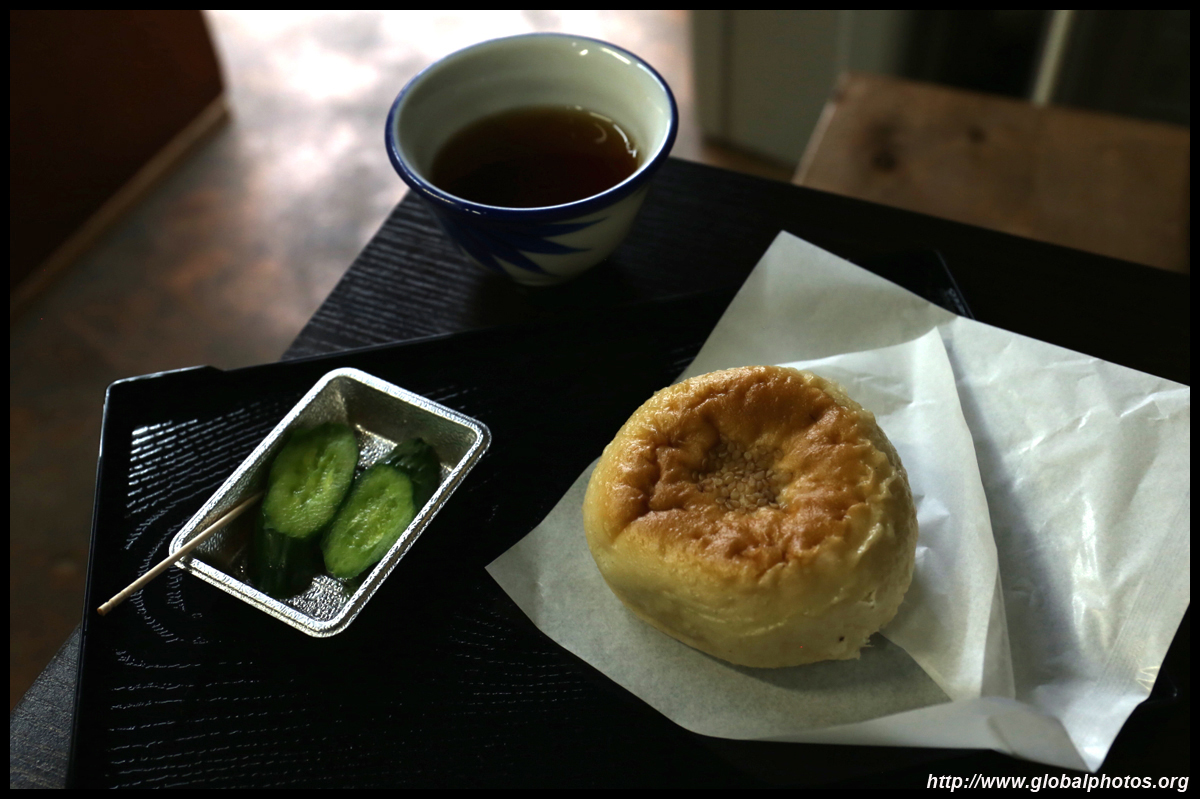
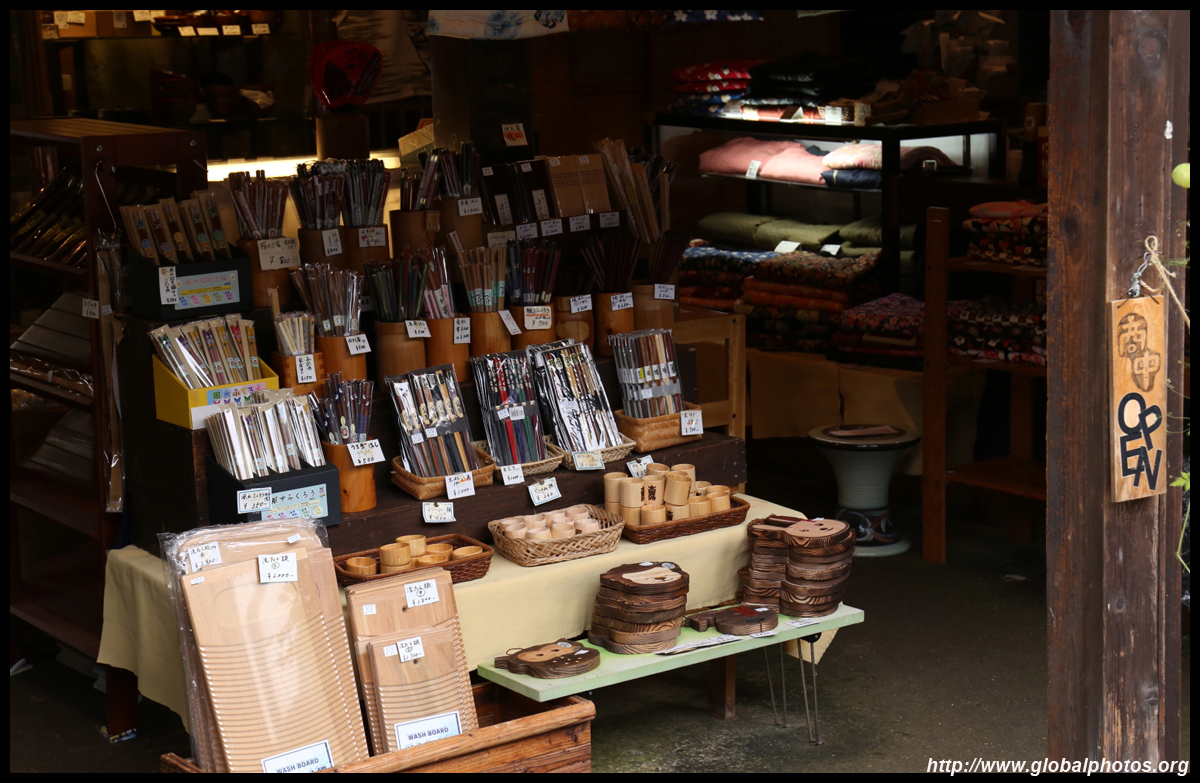
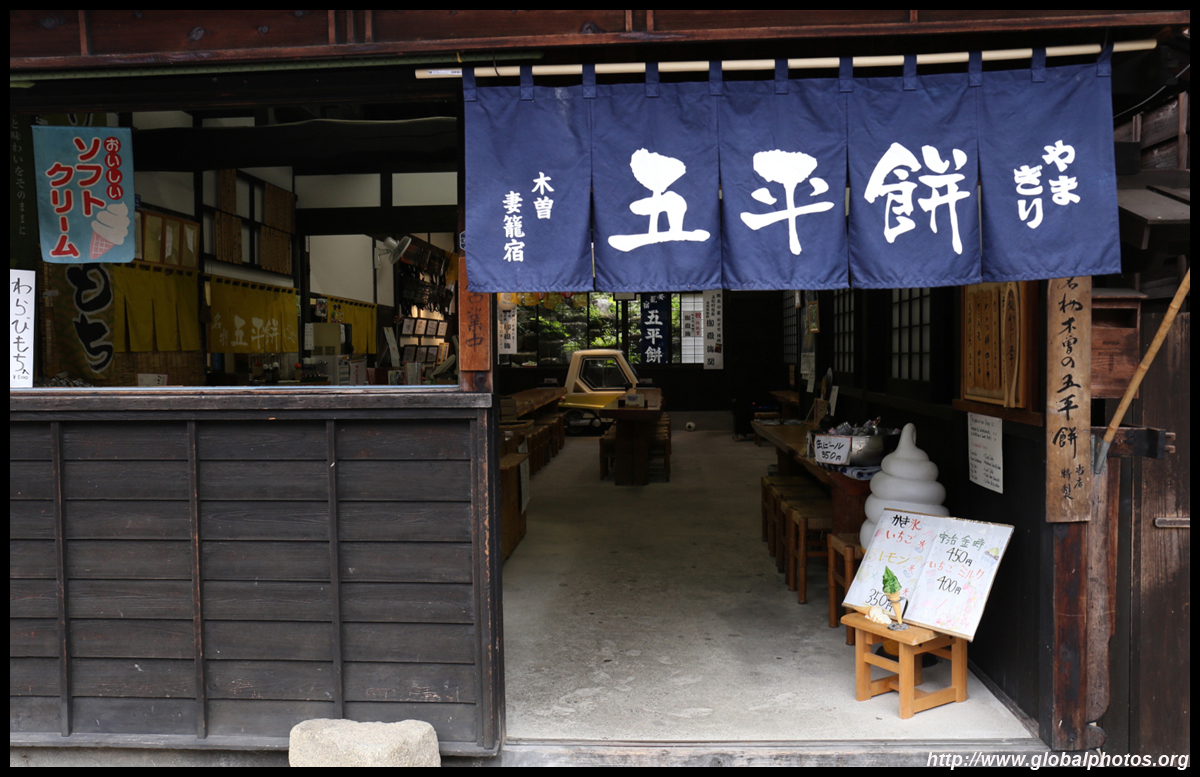
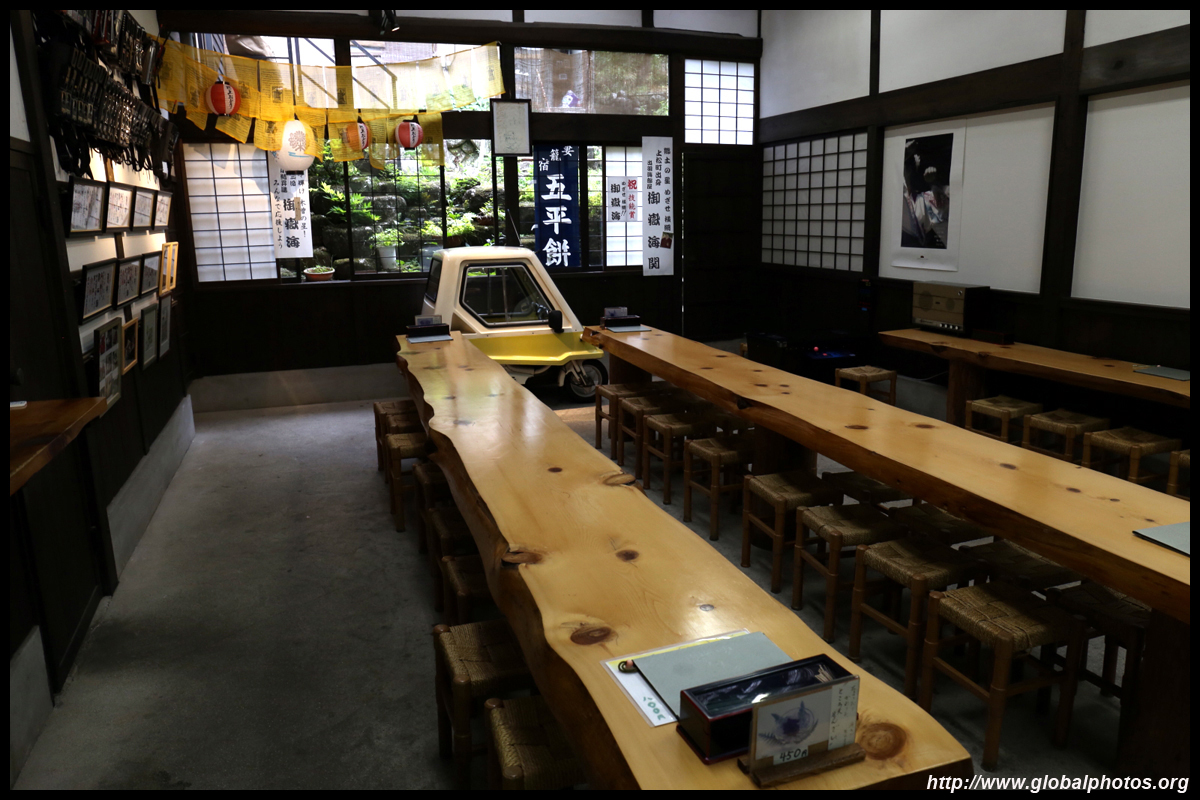
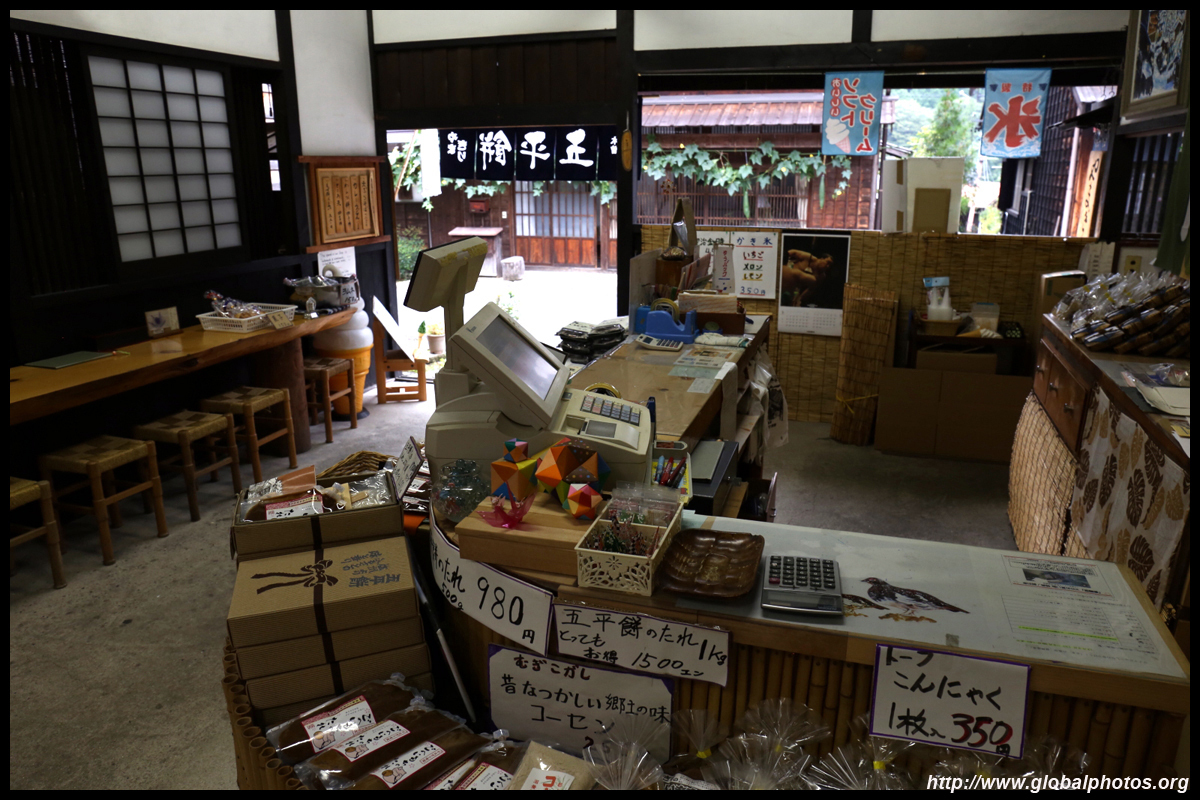
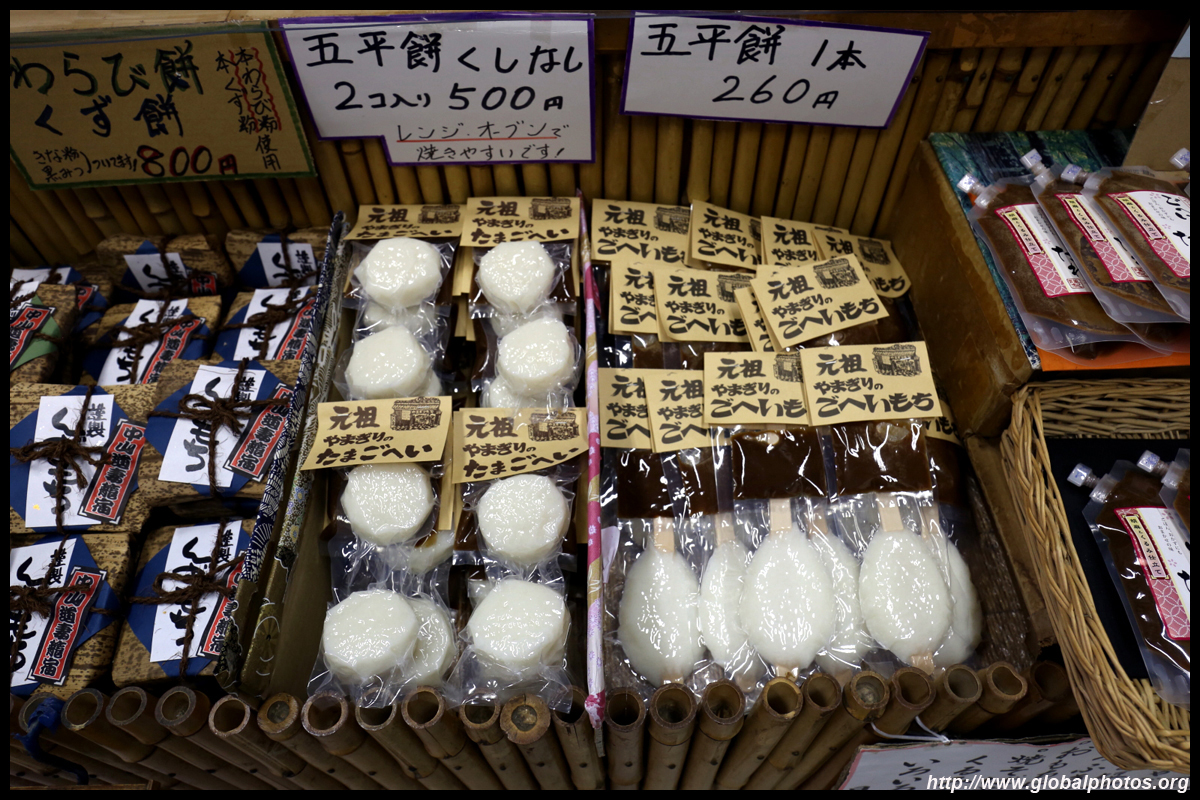
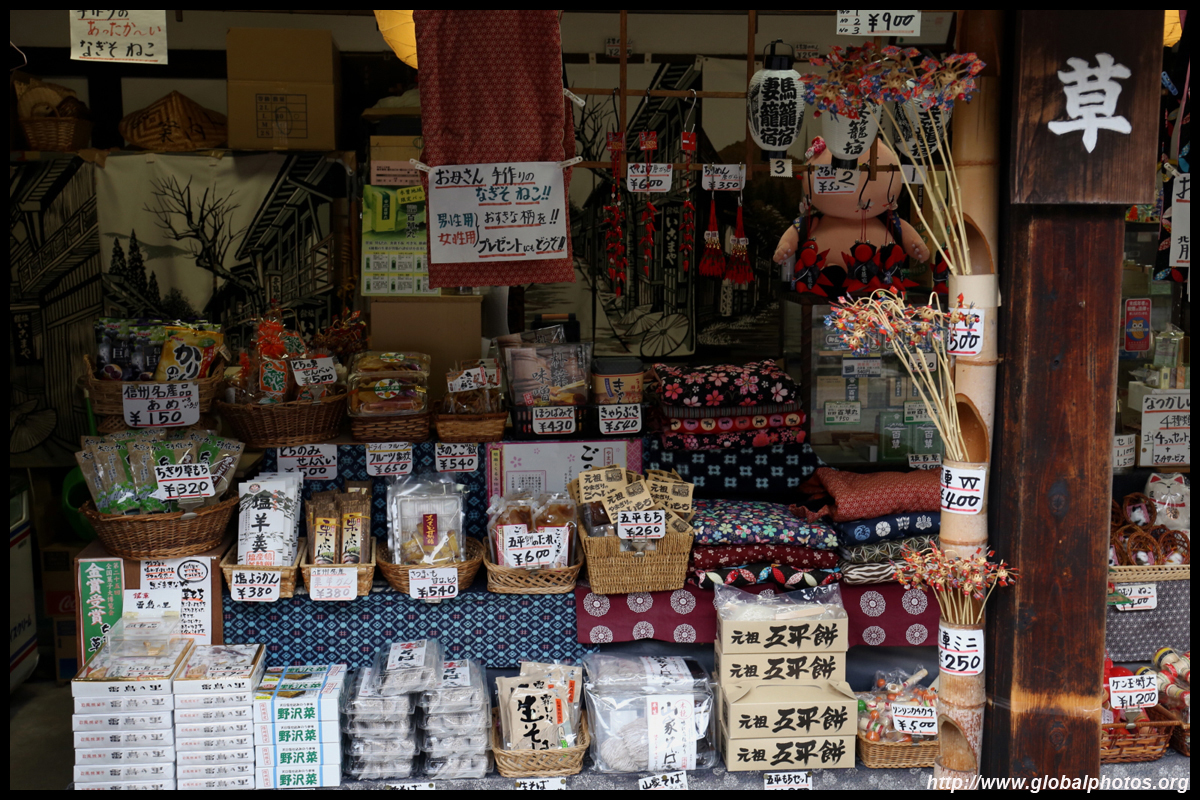
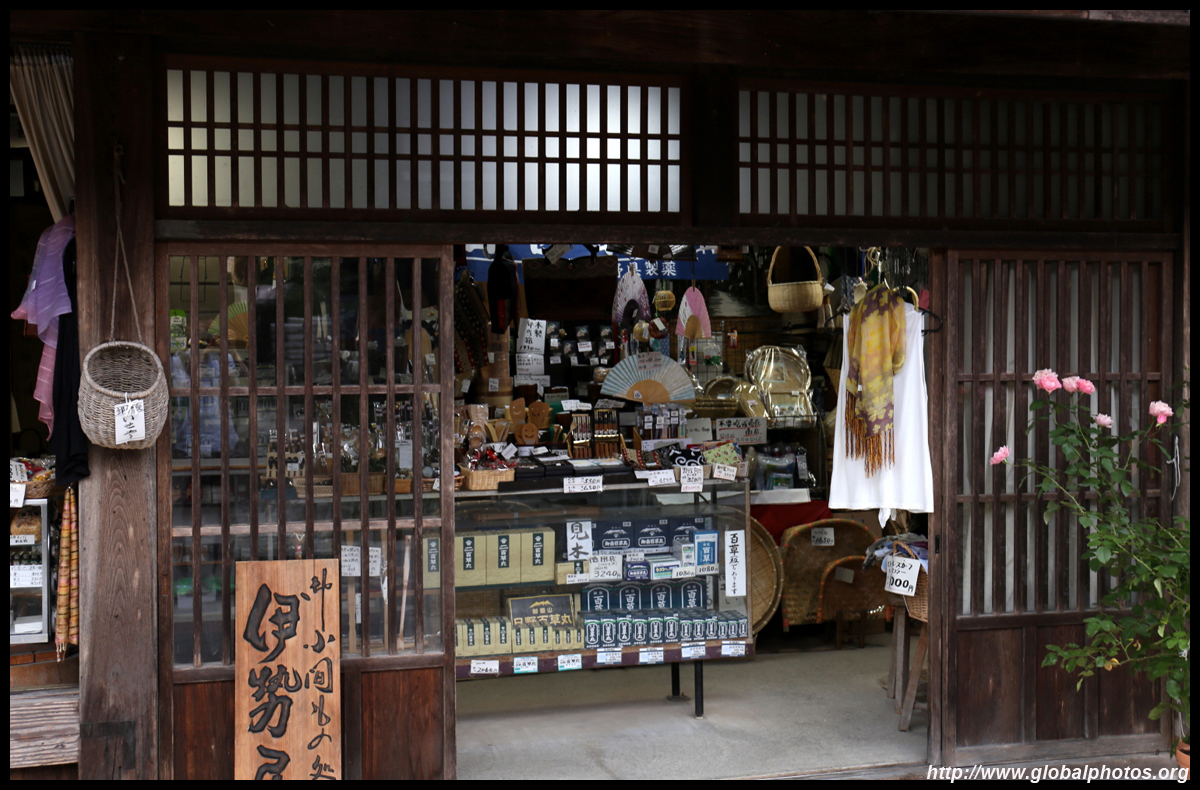
So I wasn't surprised when I was all alone in the restaurant enjoying a local snack.
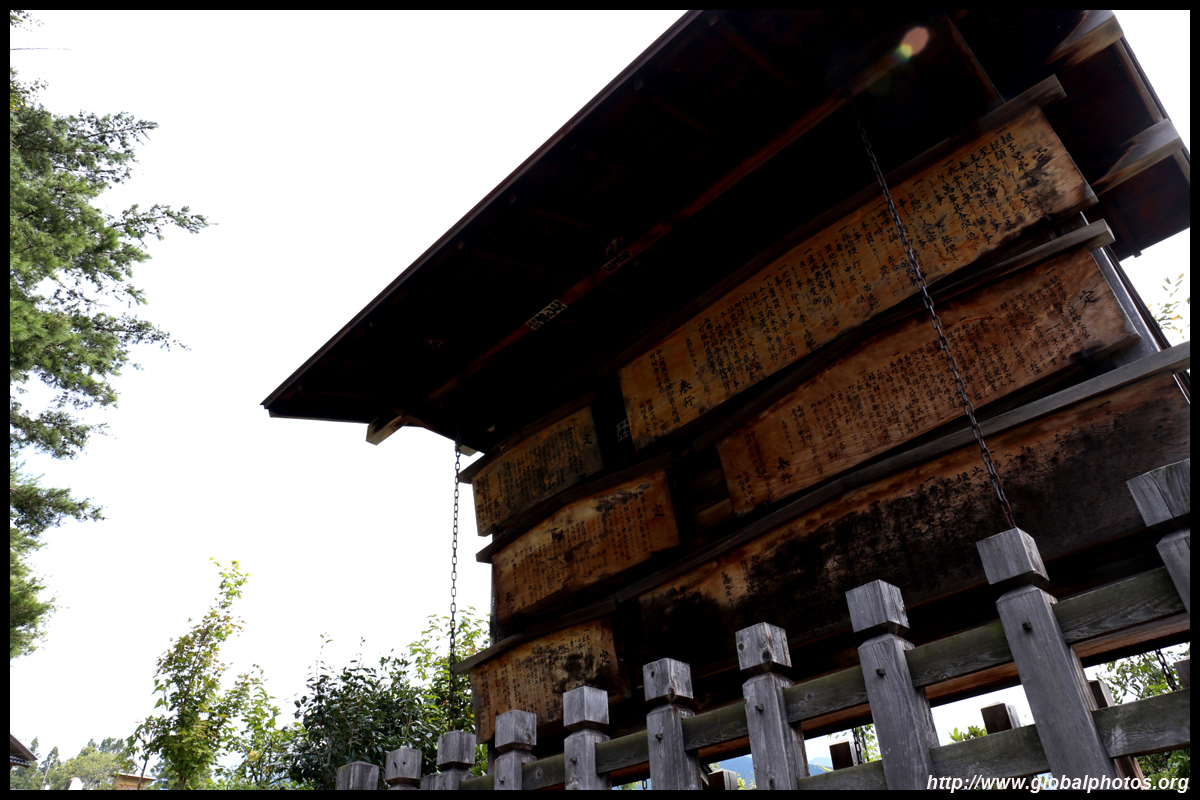
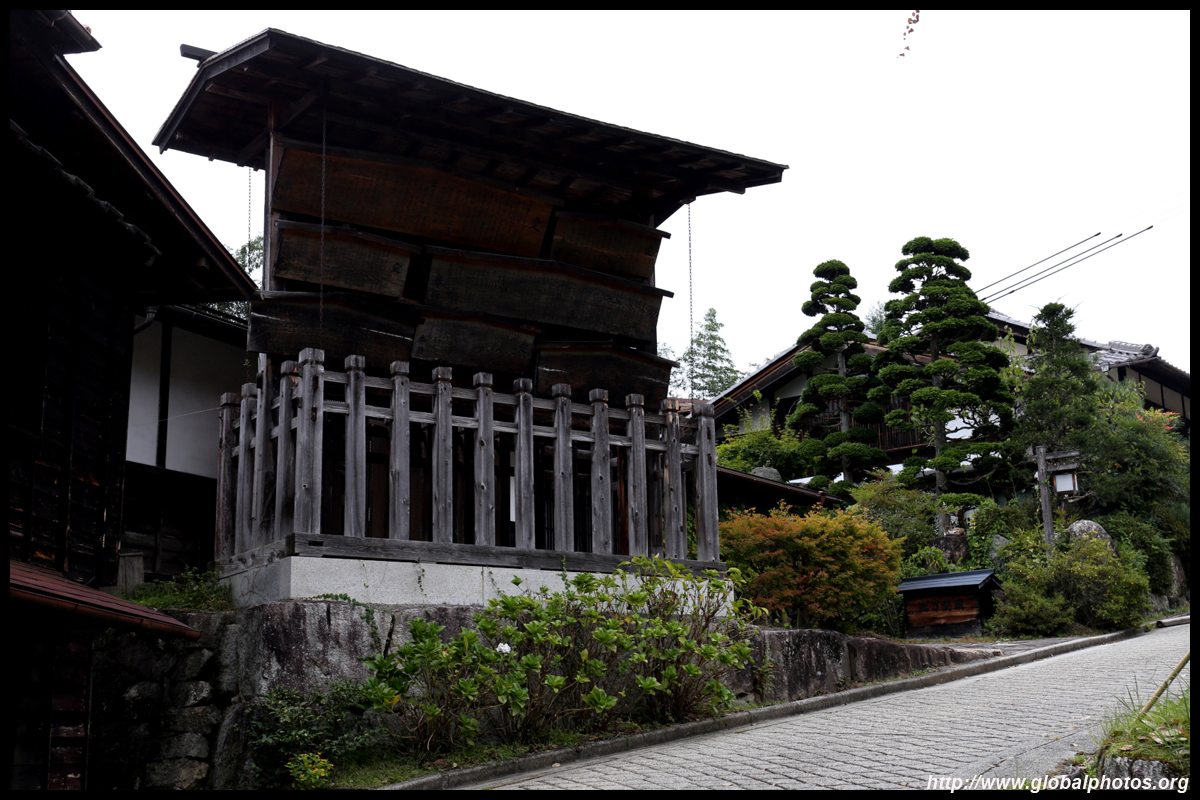
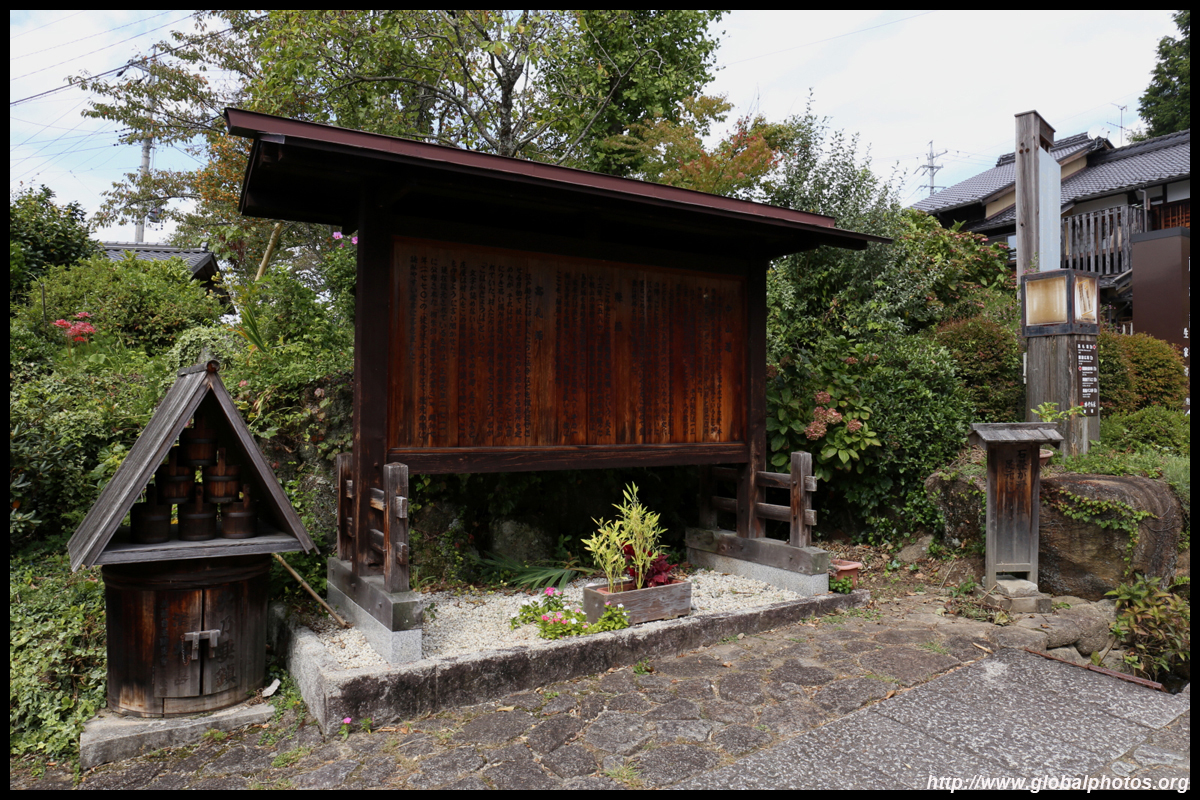
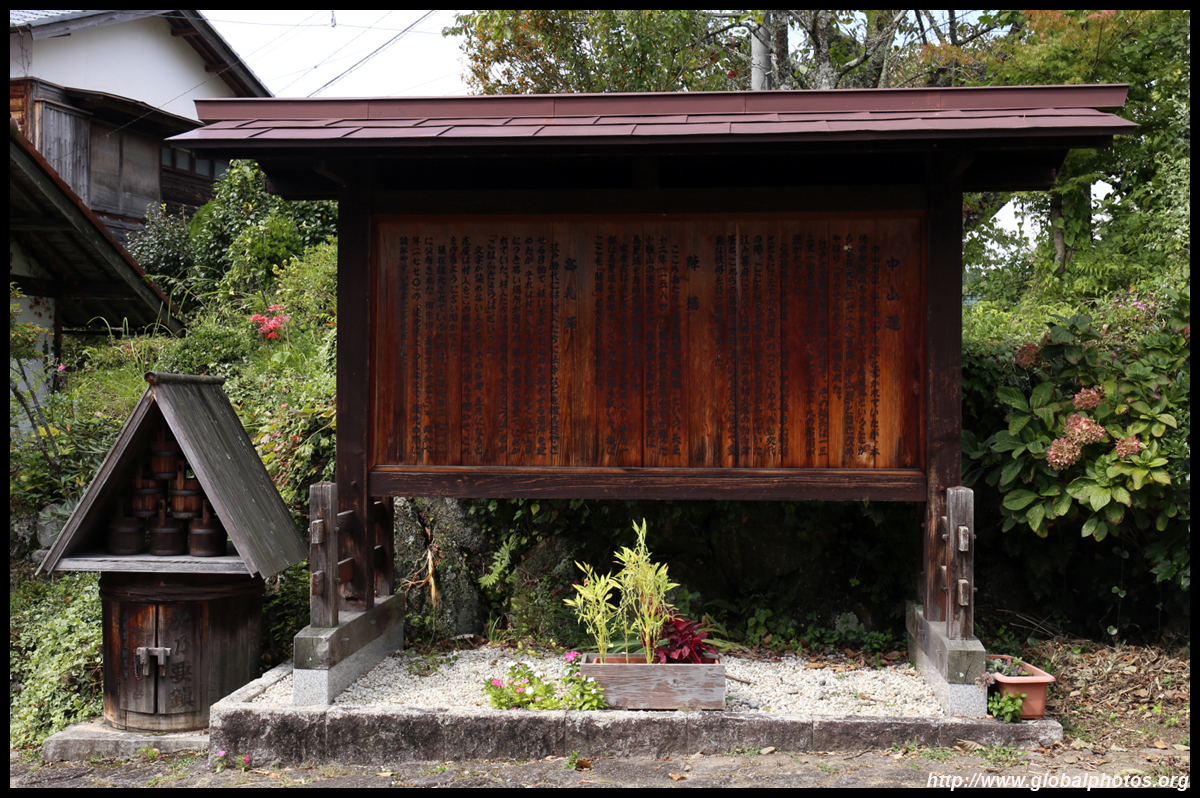
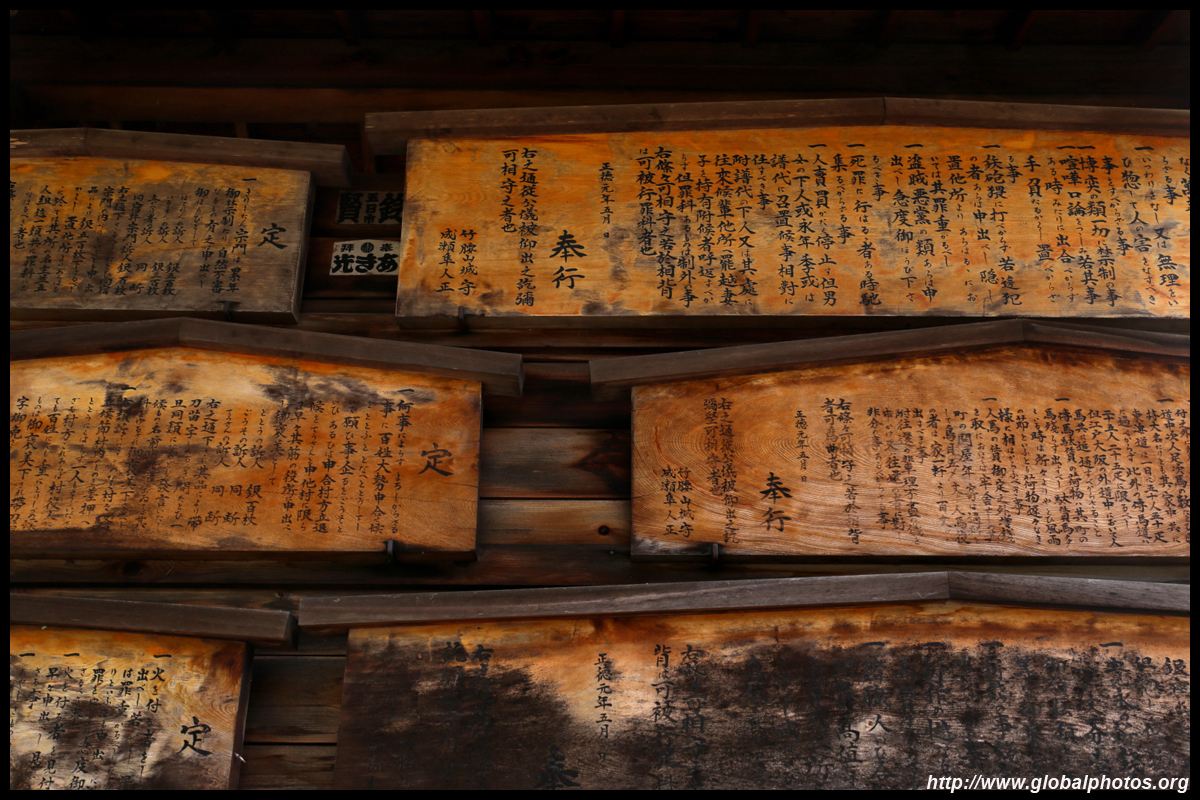
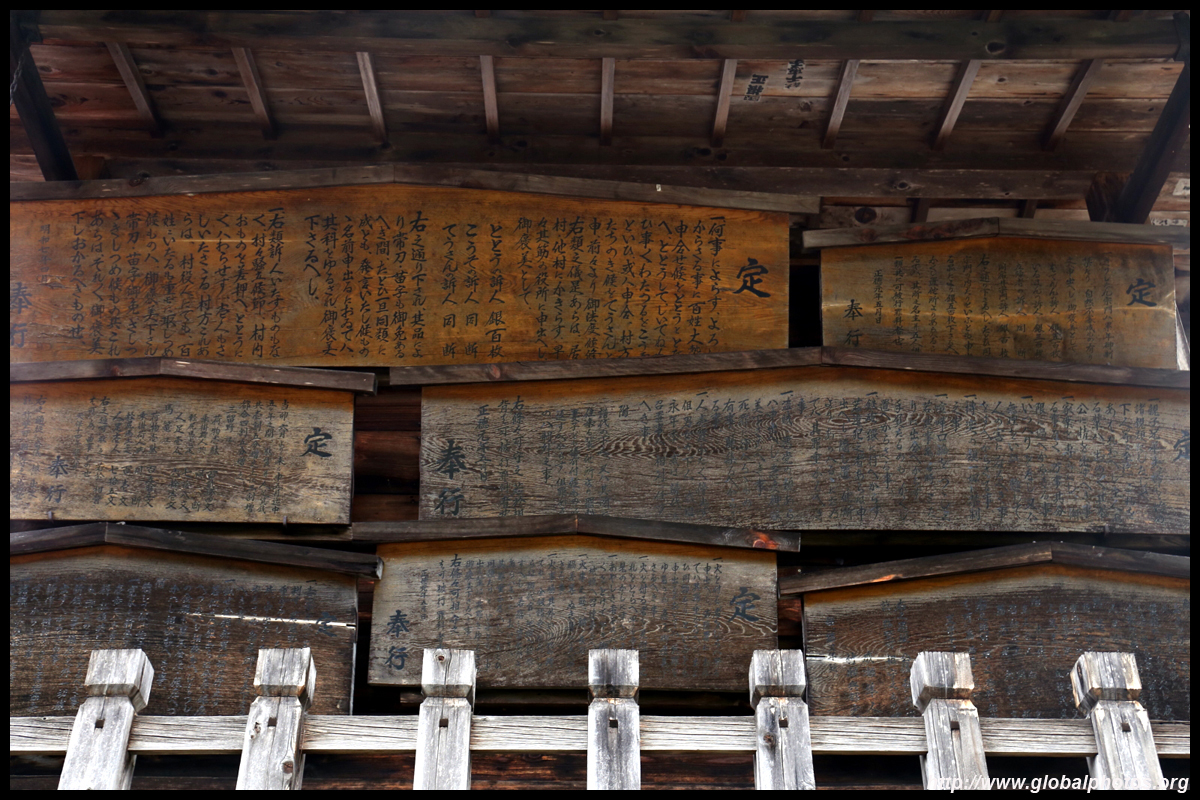
The kosatsu-ba is the town's announcement board for the government. This is a reproduction of what one would look like during the Edo period.
| |||
 |
 |
 |
 |
 |
 |
 |
 |
 |
 |
 |
 |
 |
 |
 |
 |
 |
 |
 |
 |
 |
 |
 |
 |
 |
 |
 |
 |
 |
 |
 |
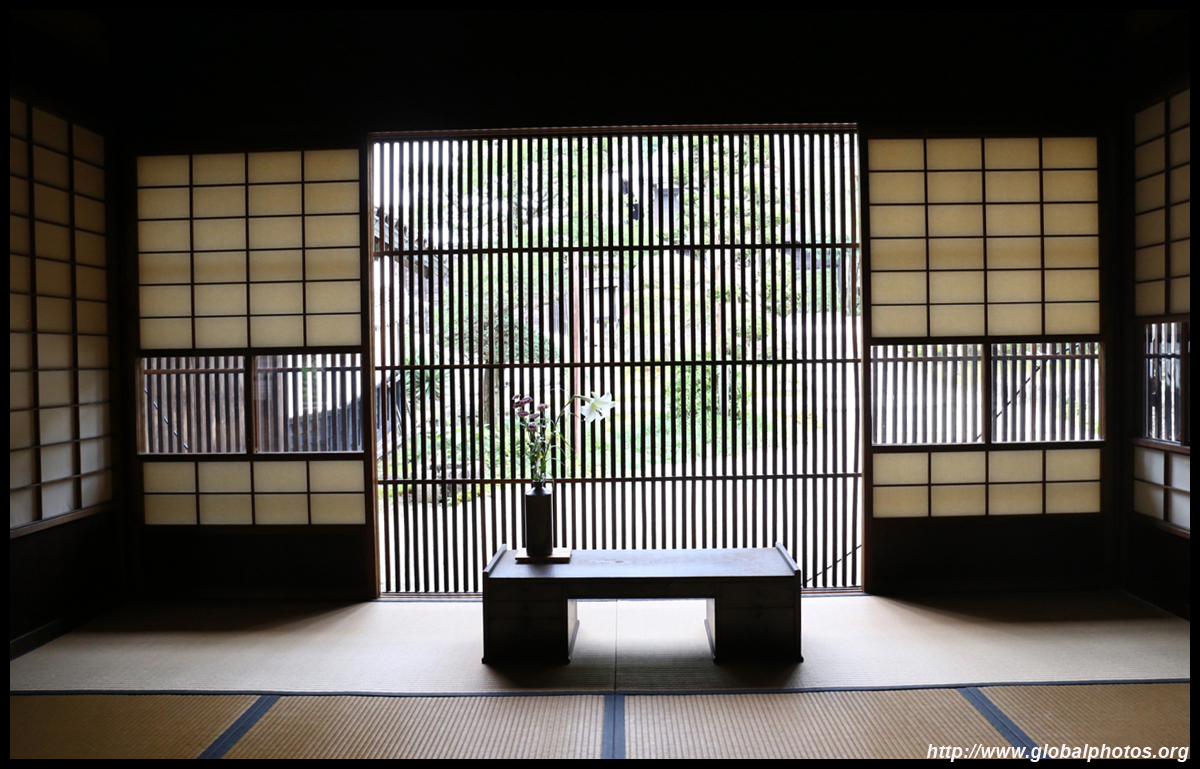 |
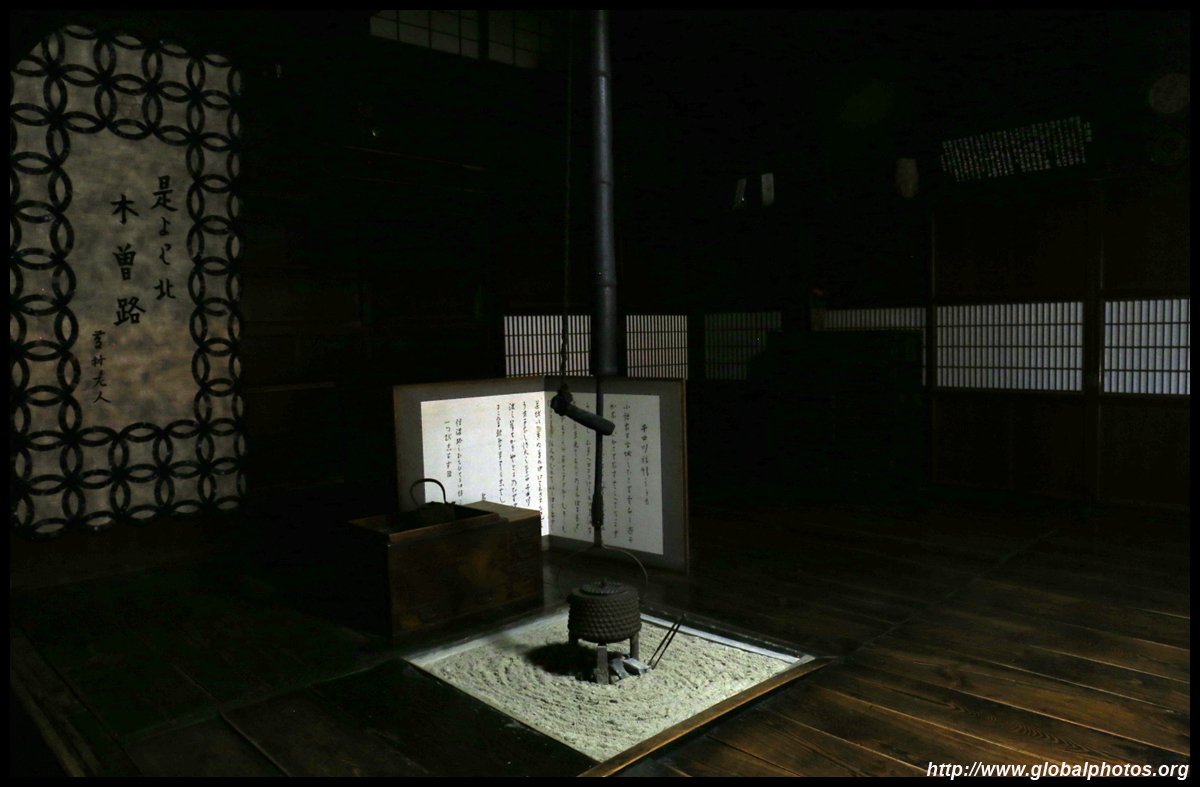
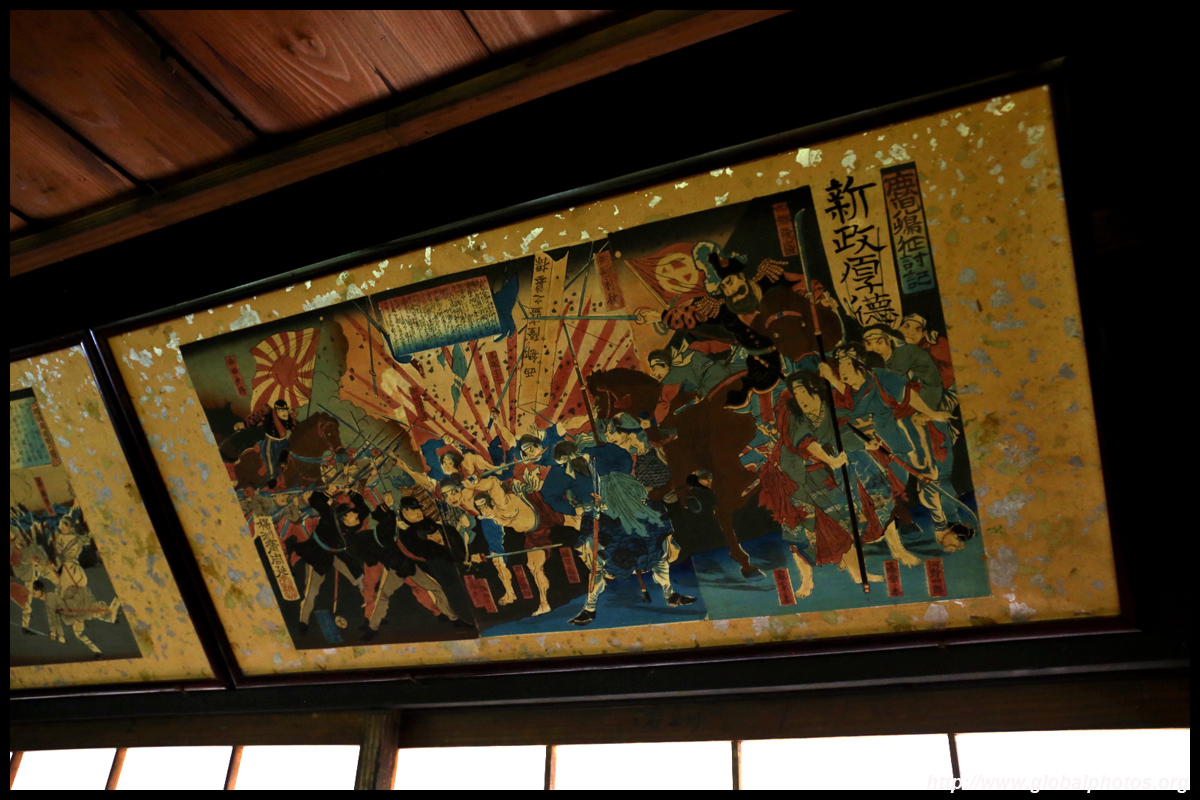
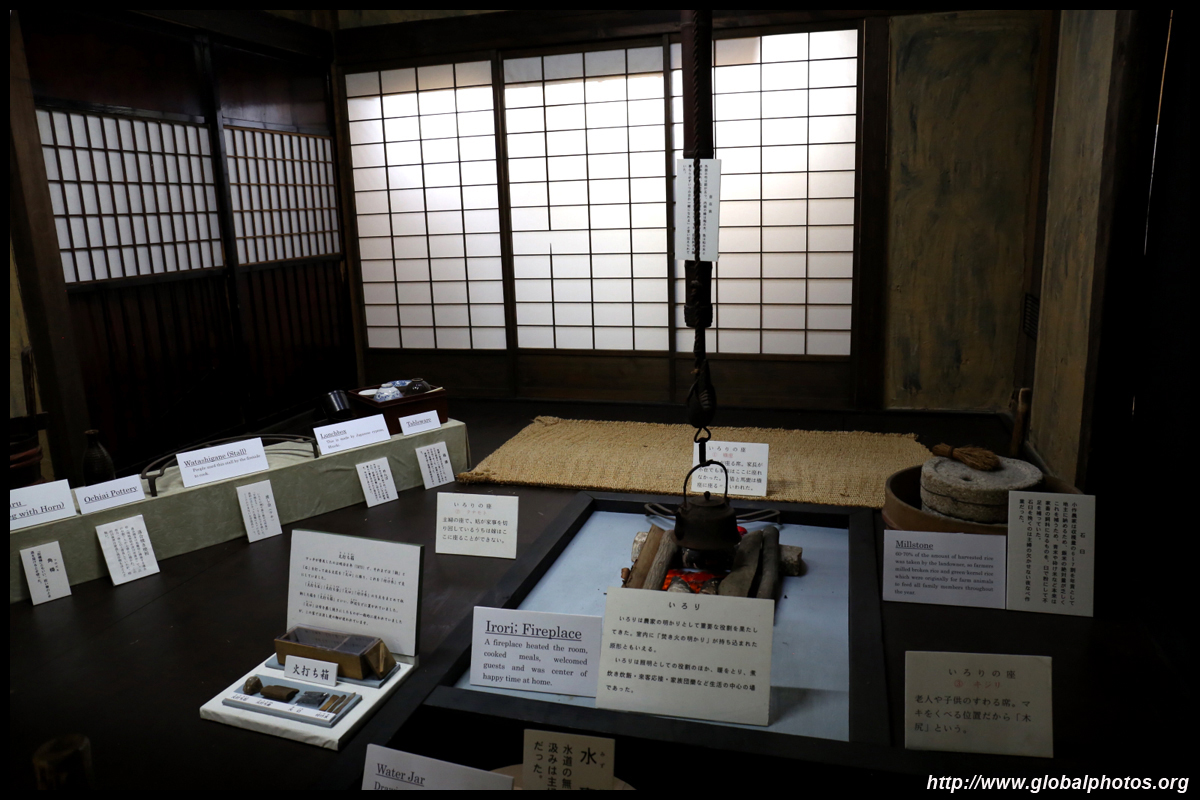
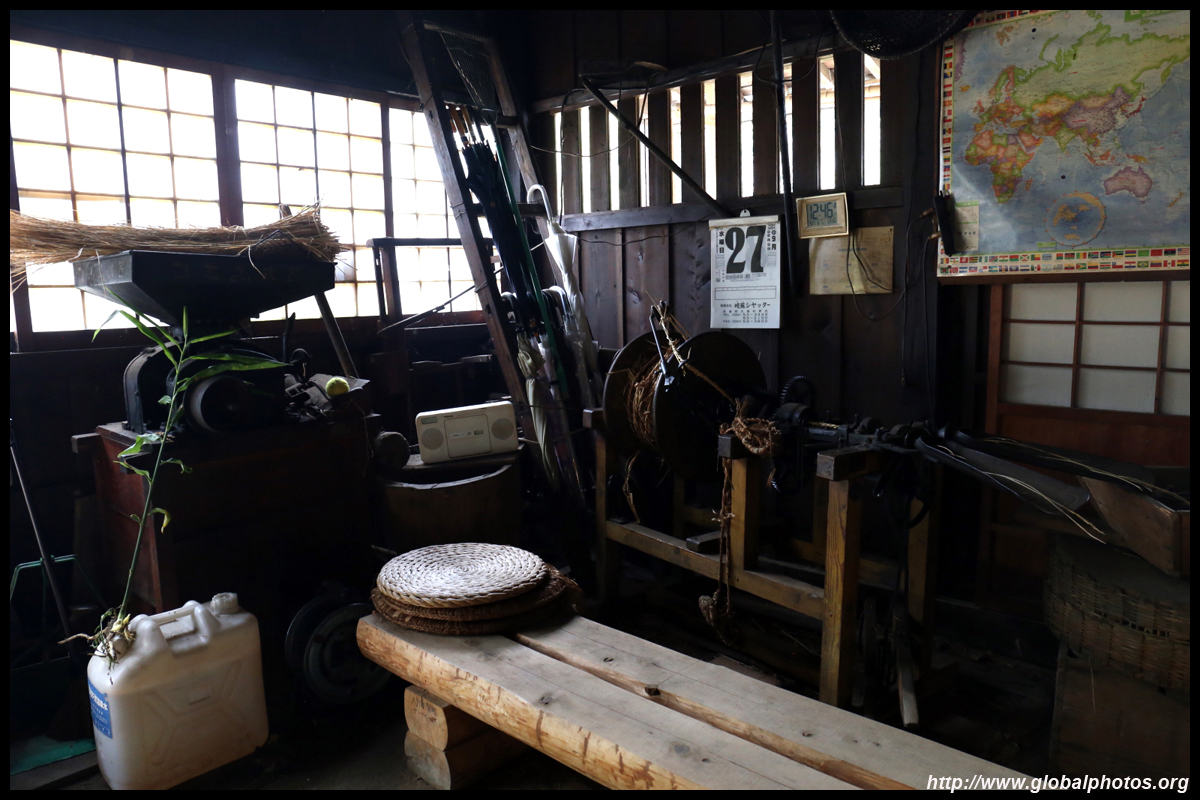
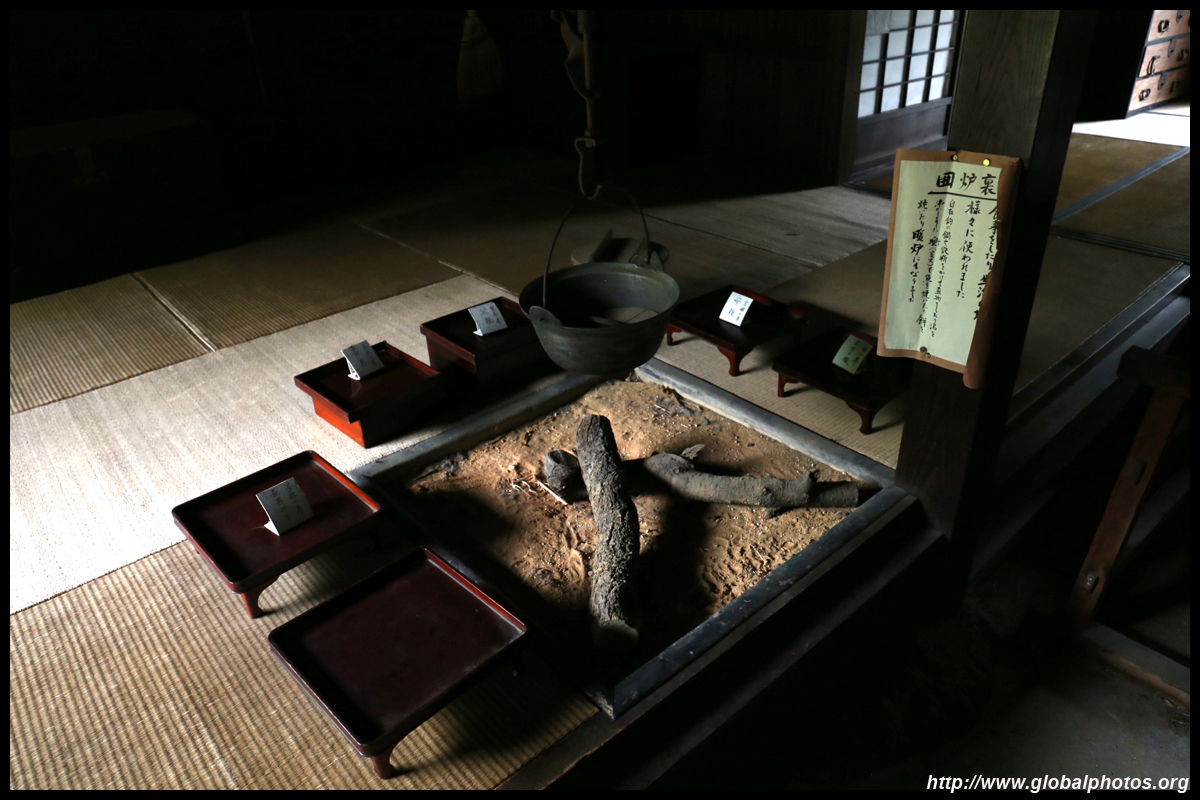
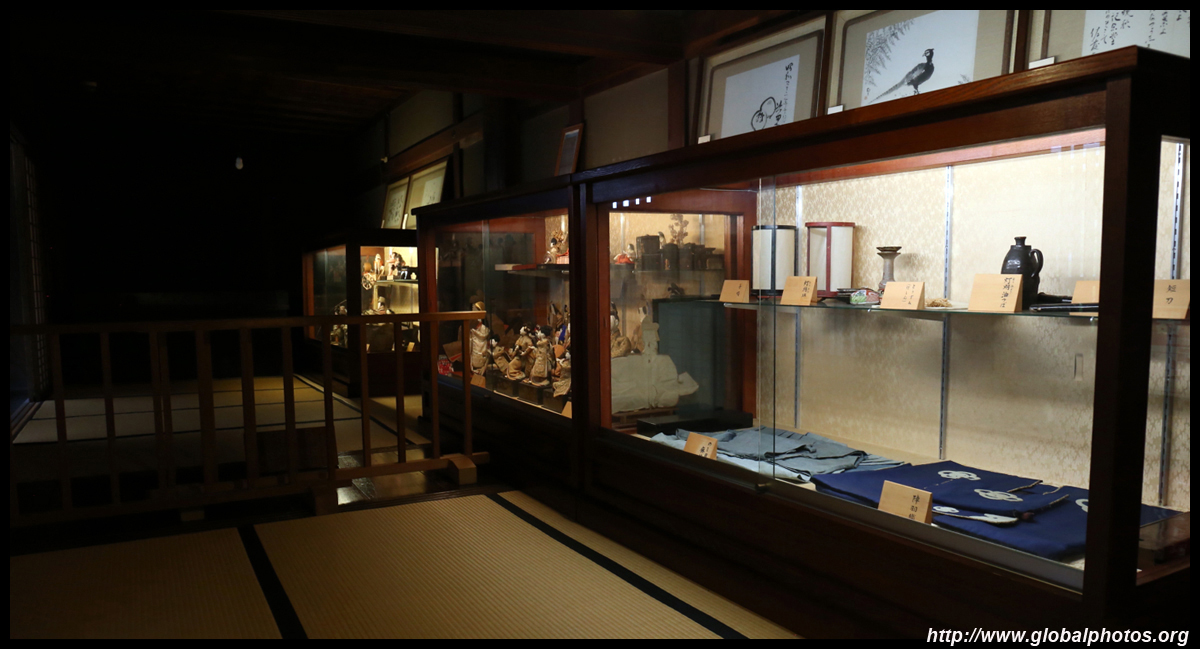
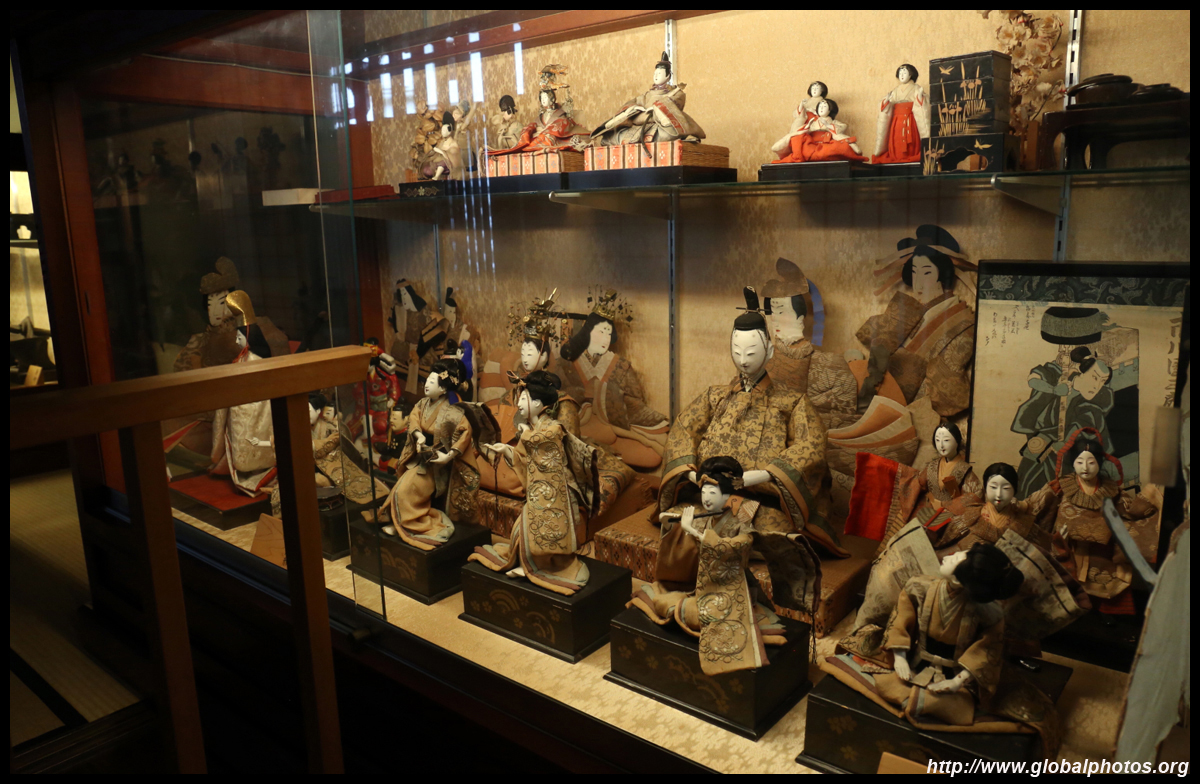
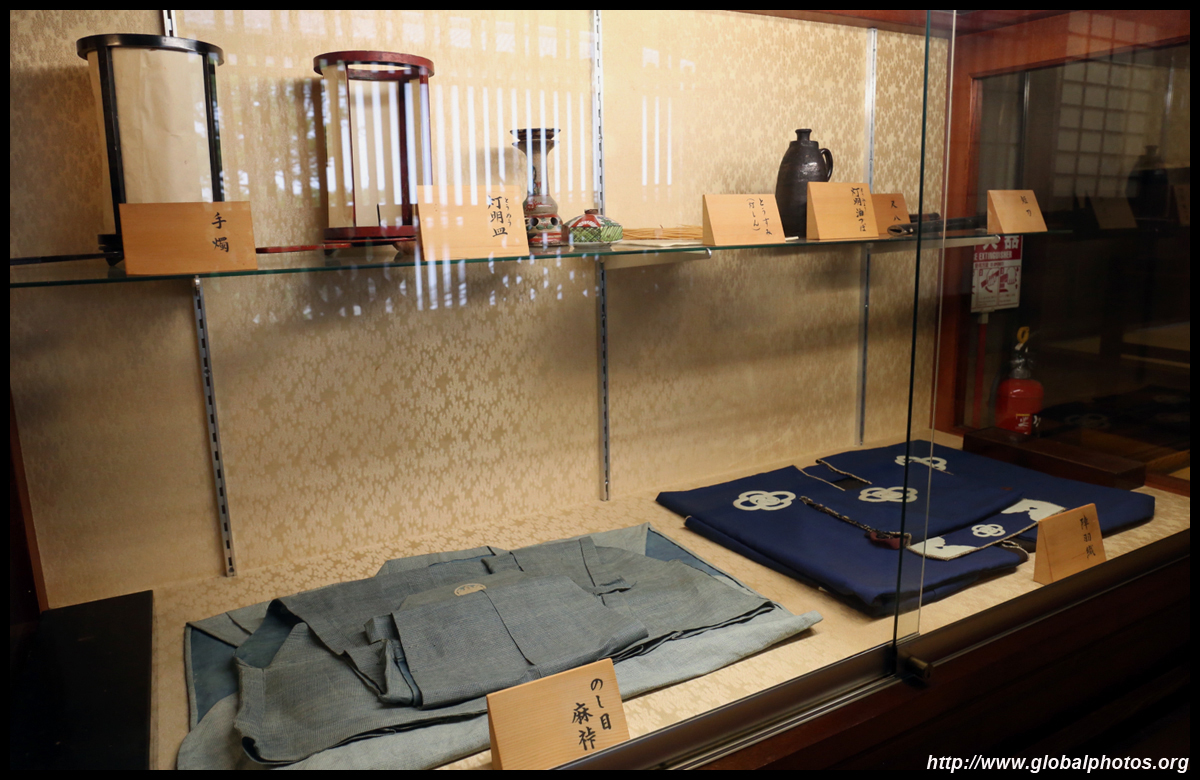
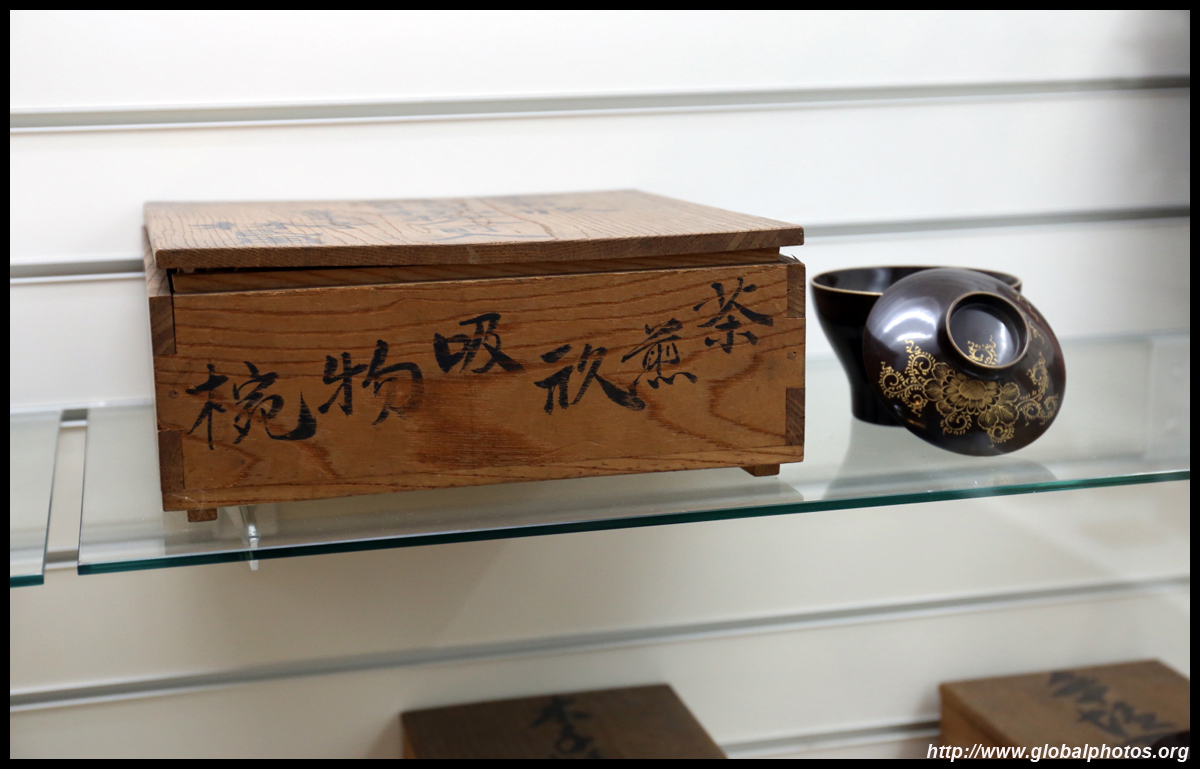
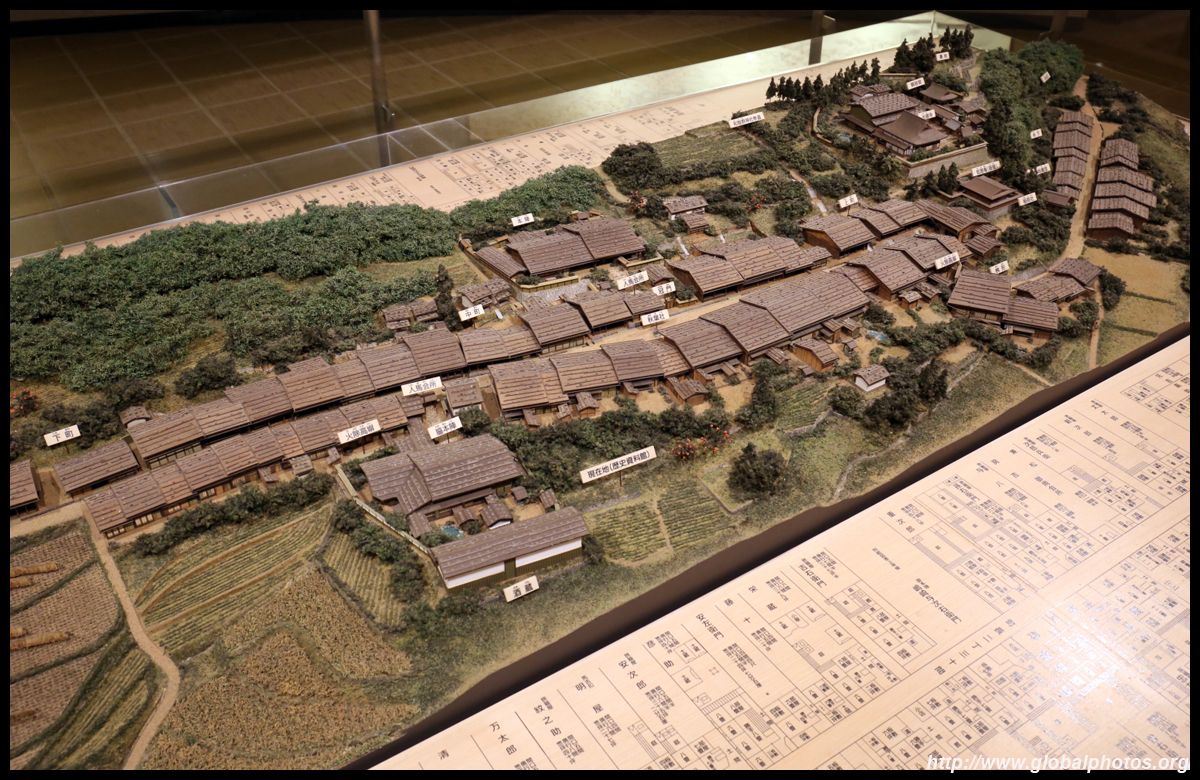
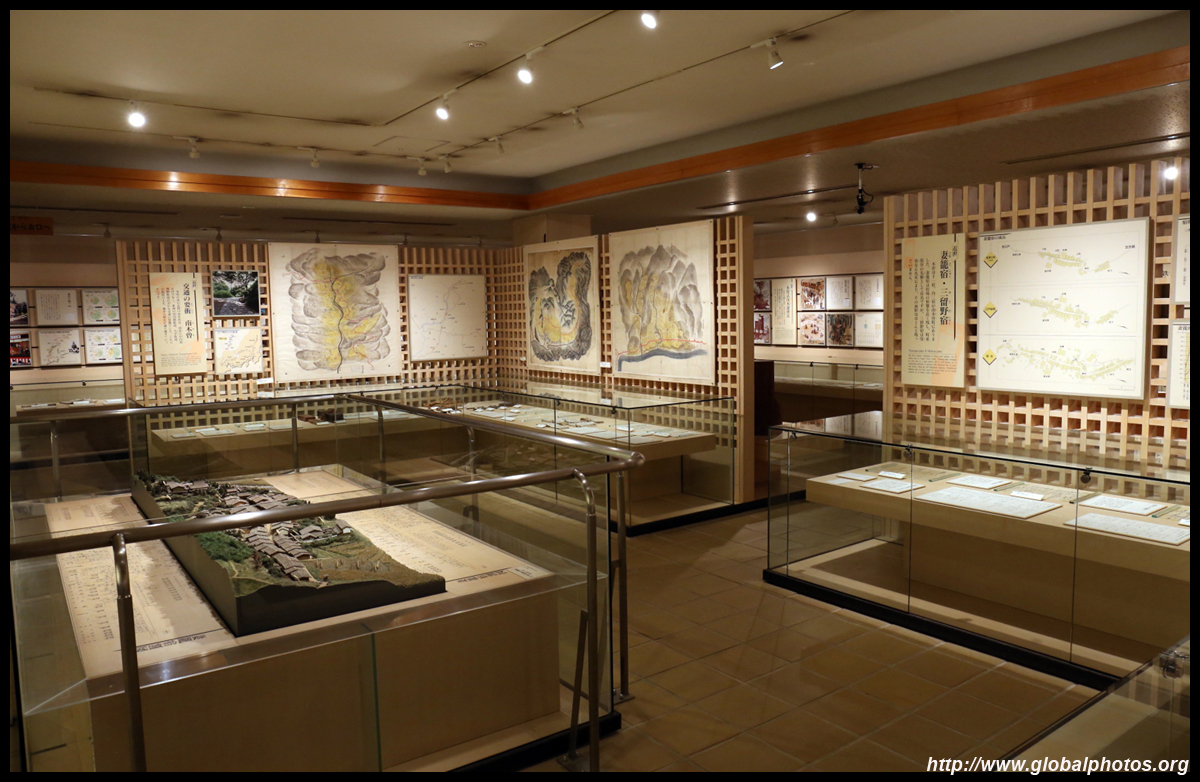
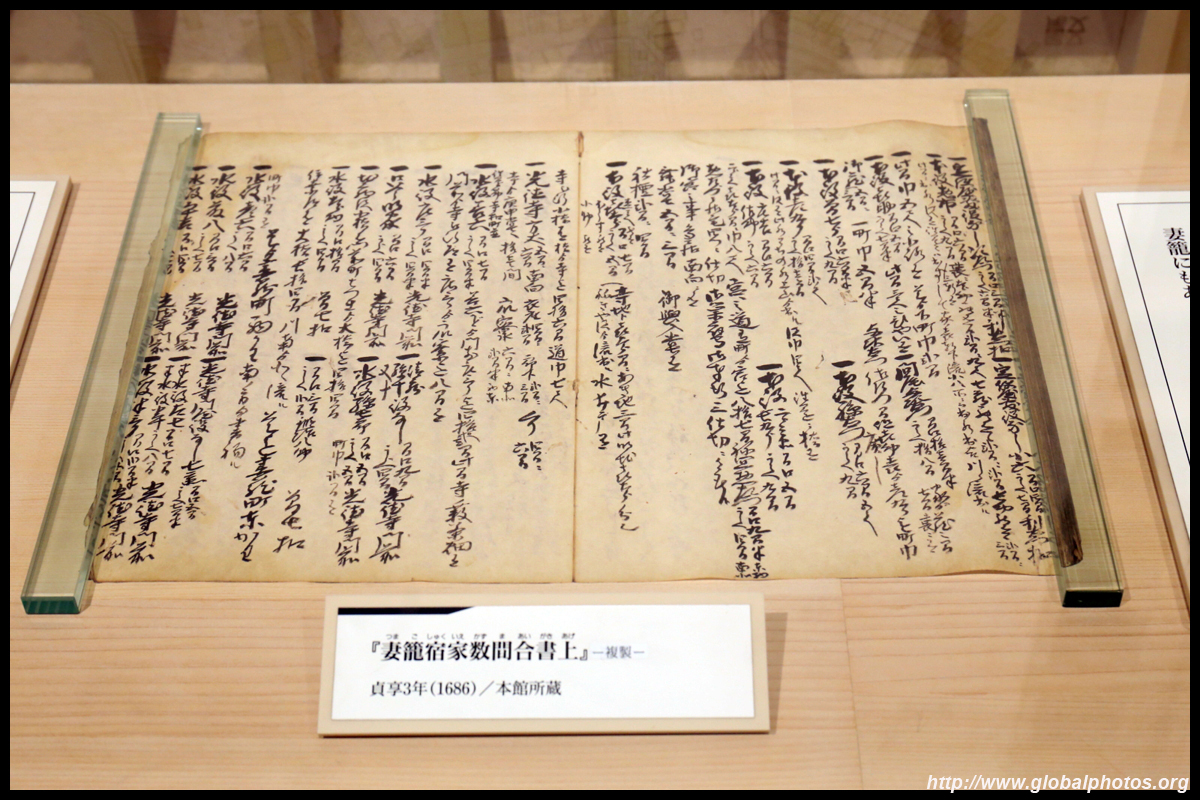
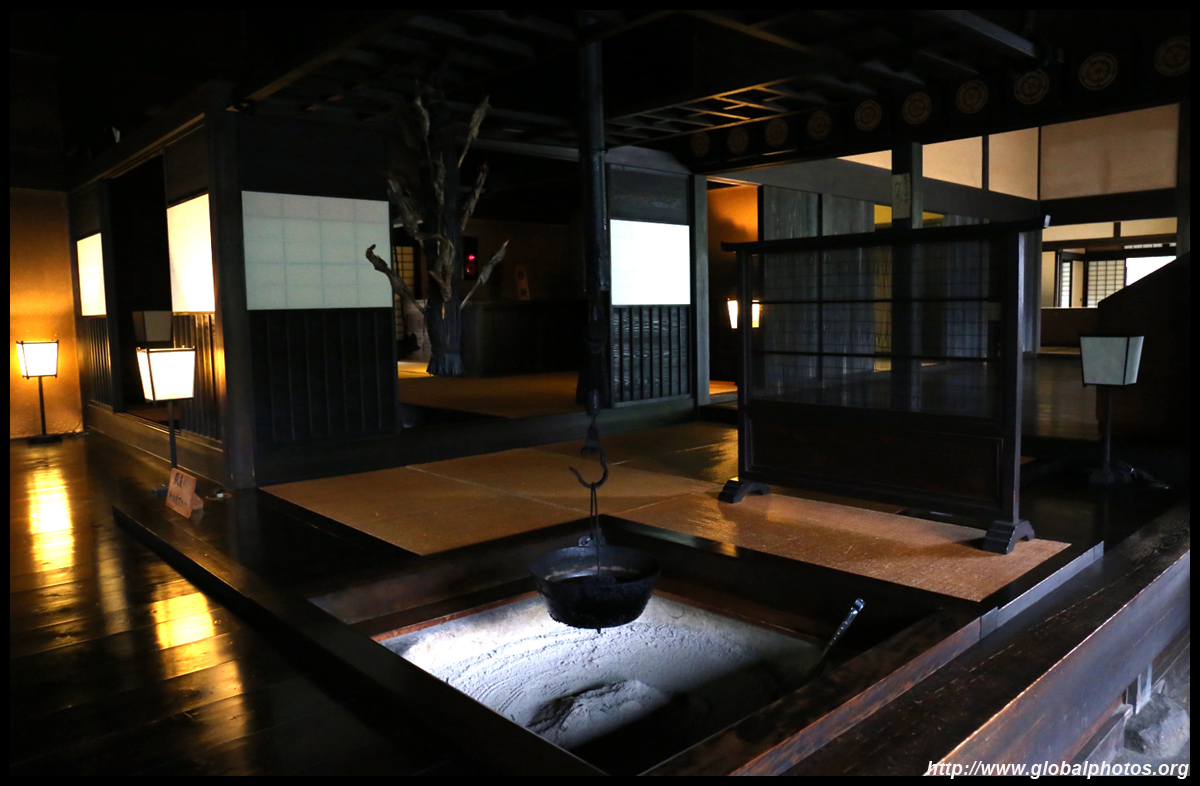
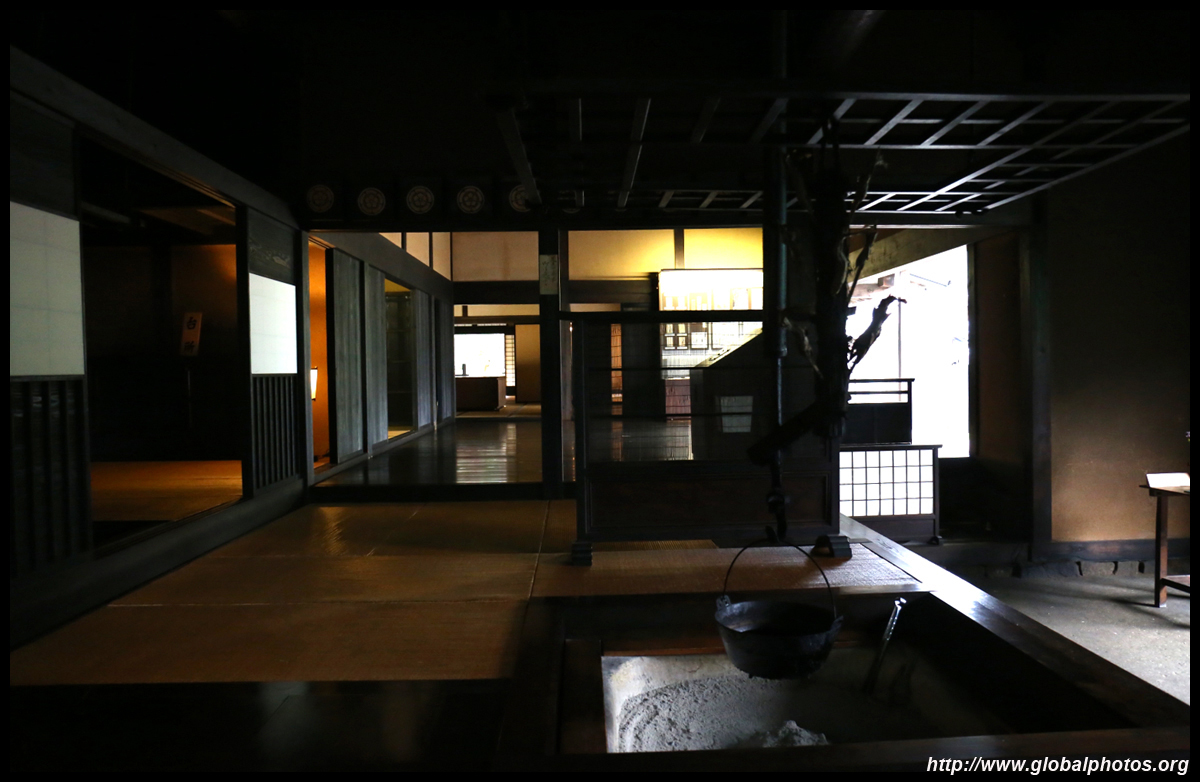
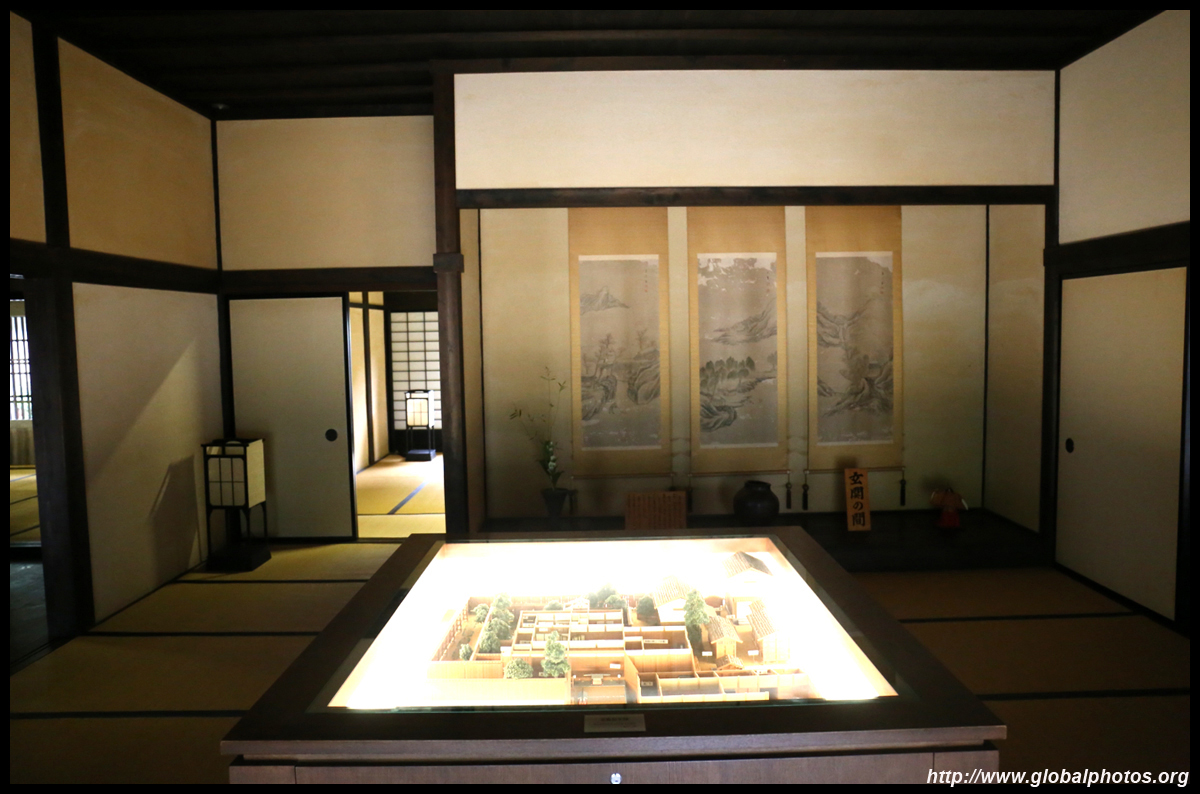
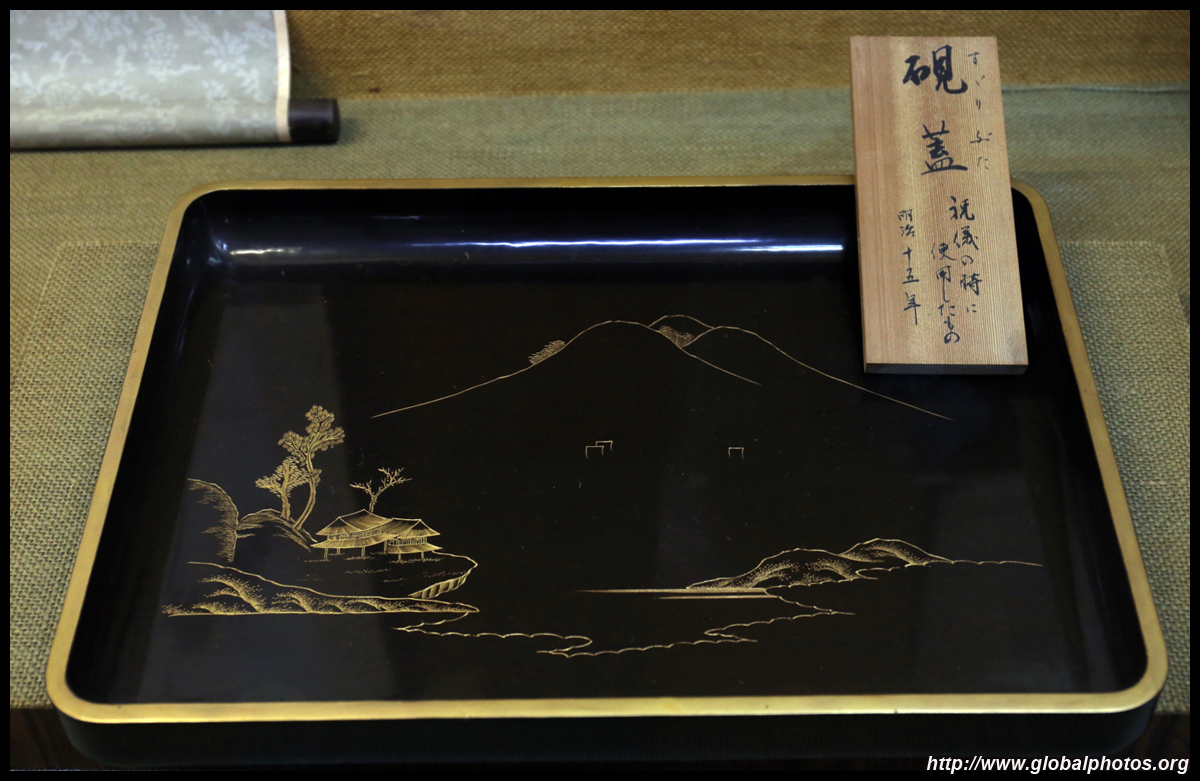
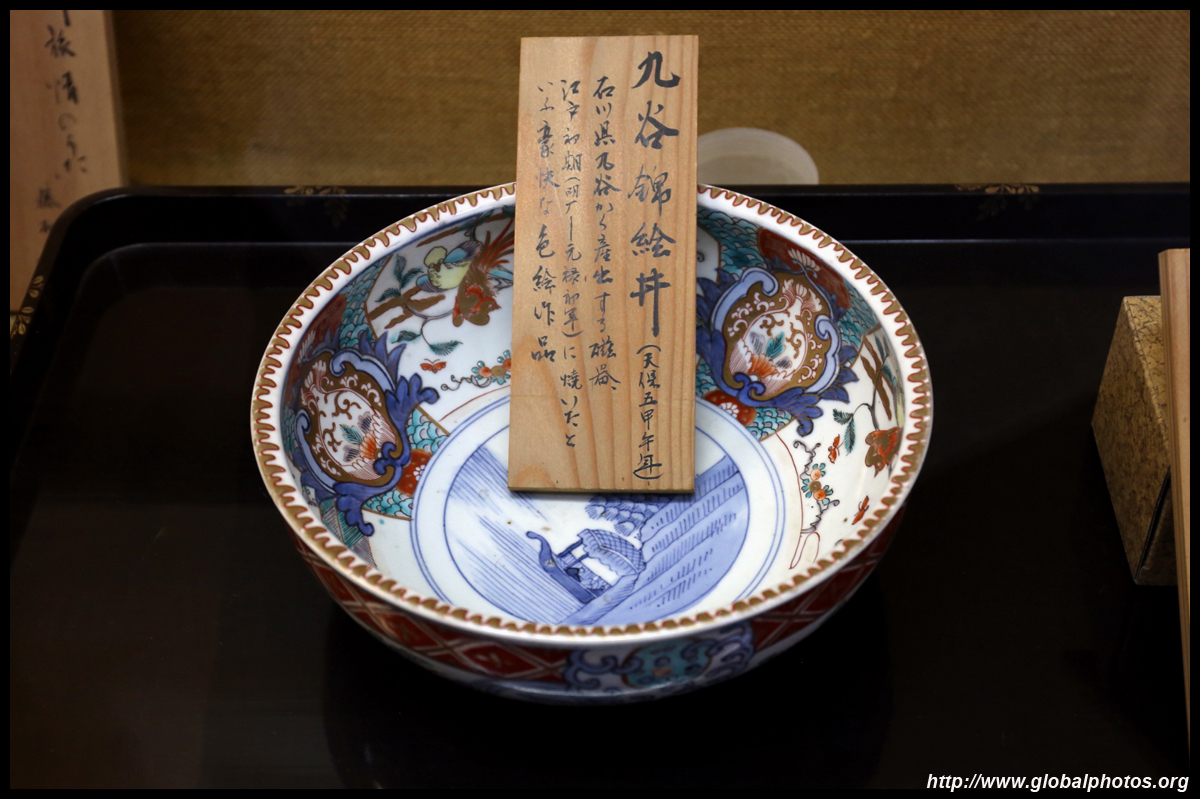
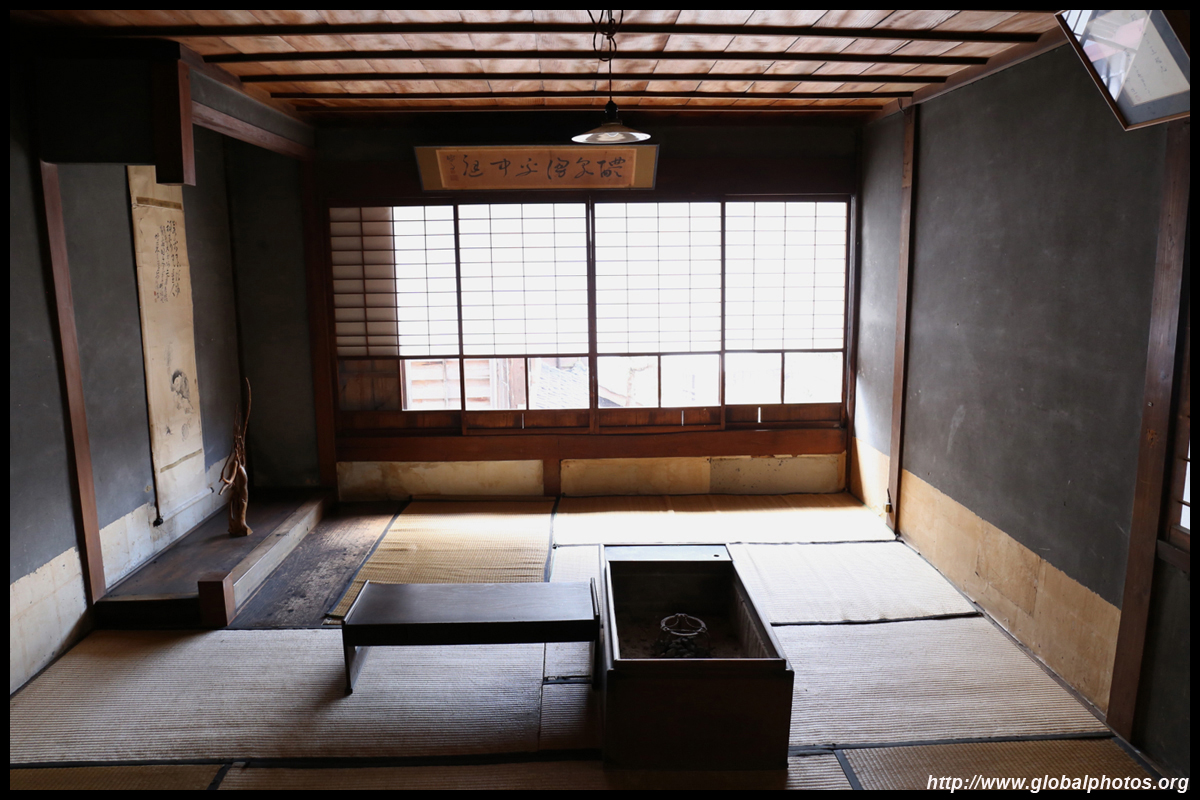
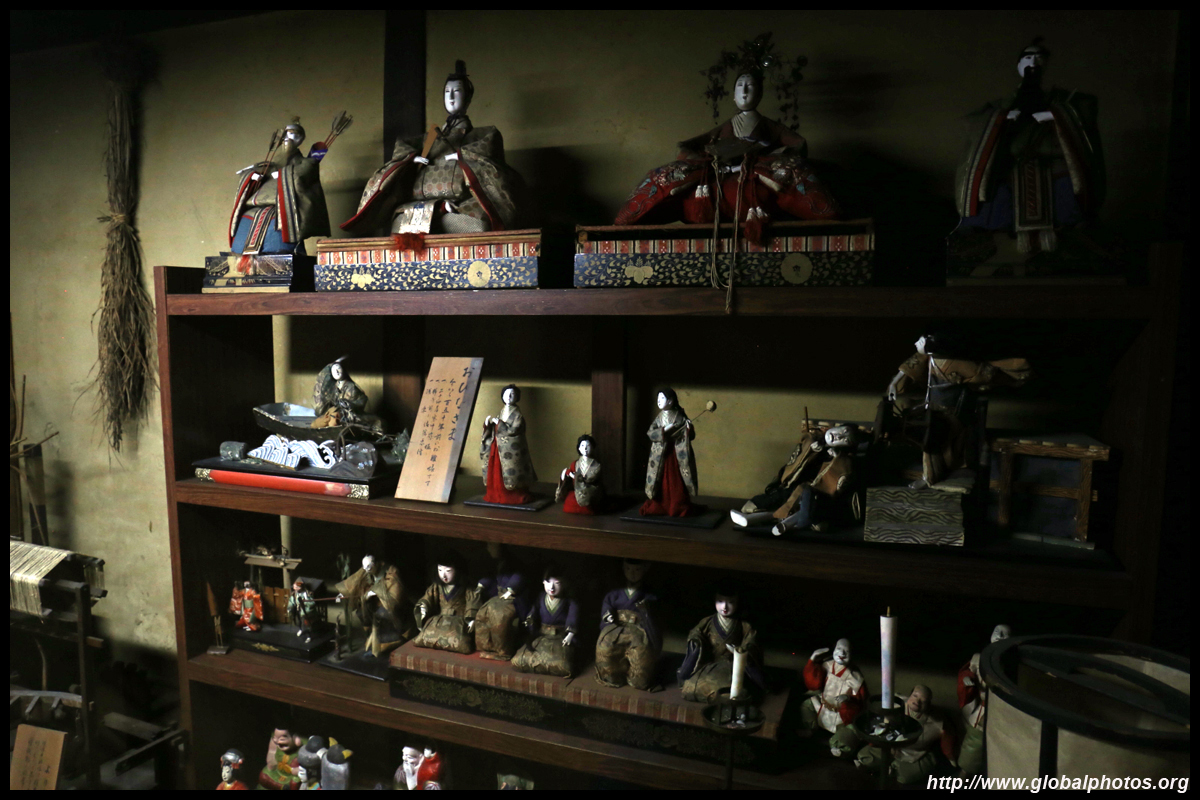
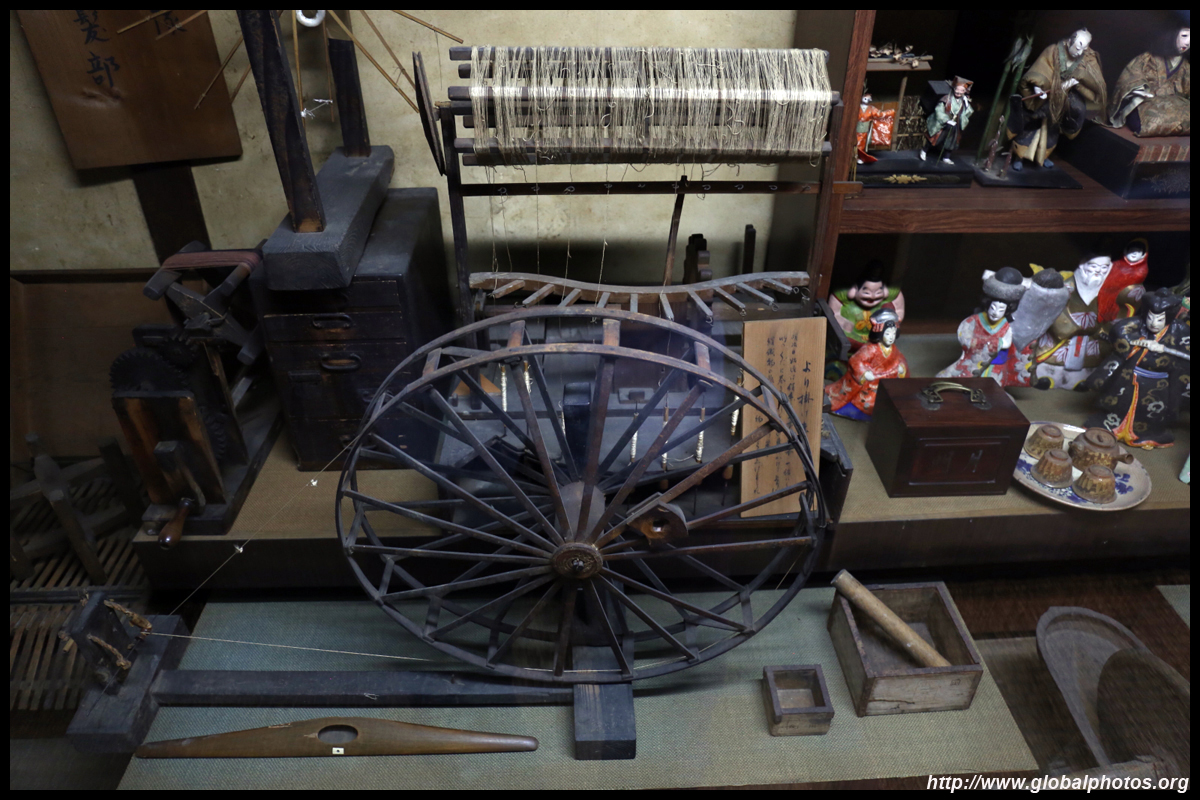
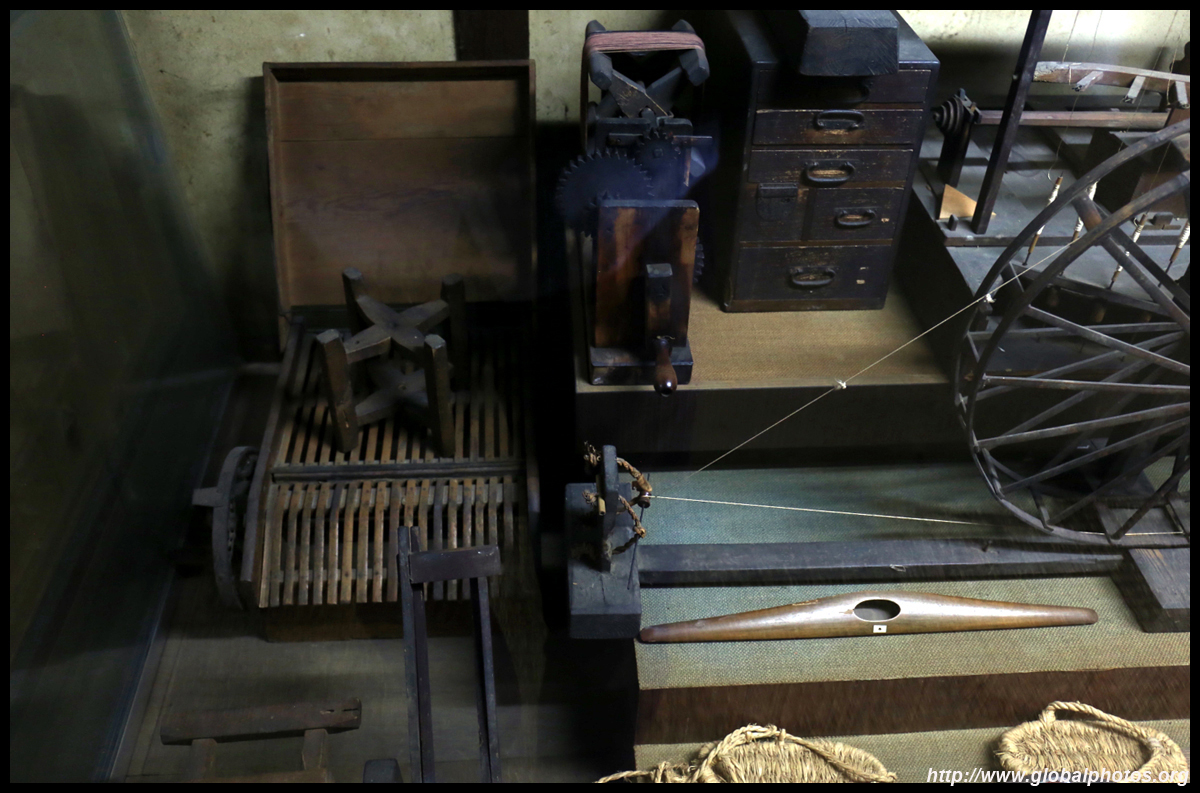
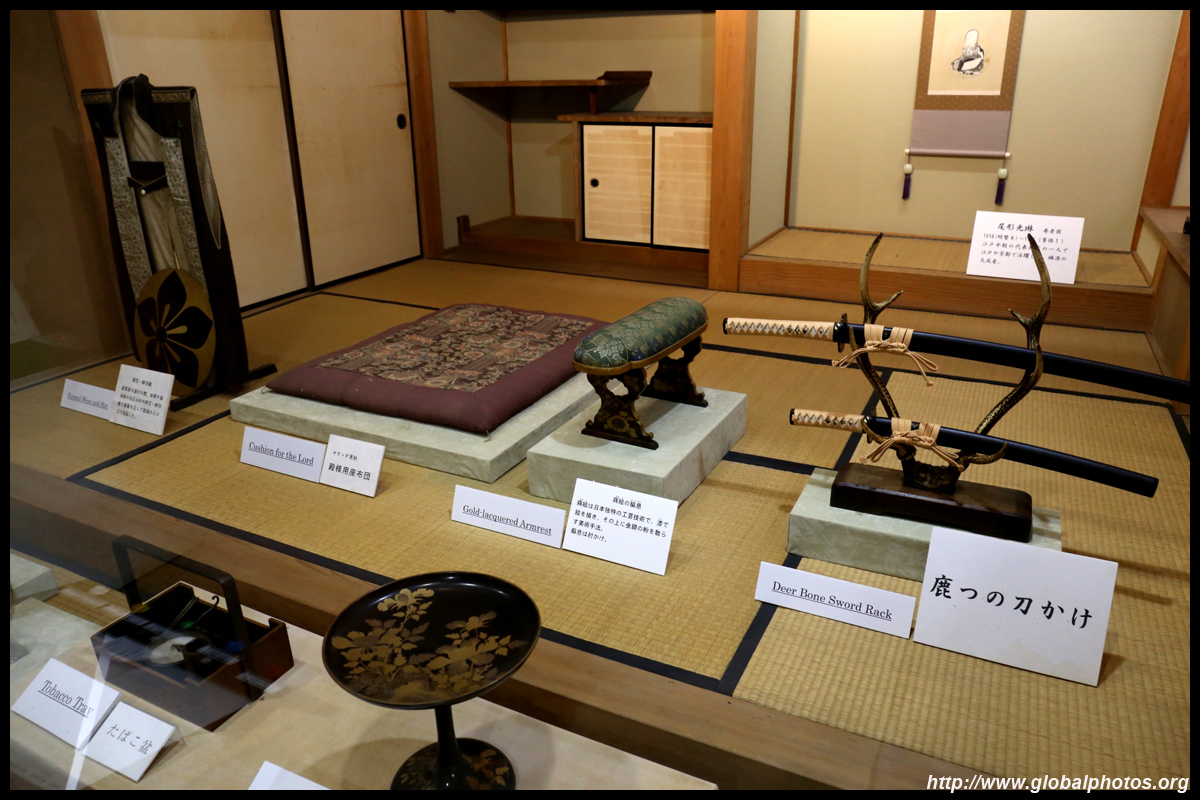
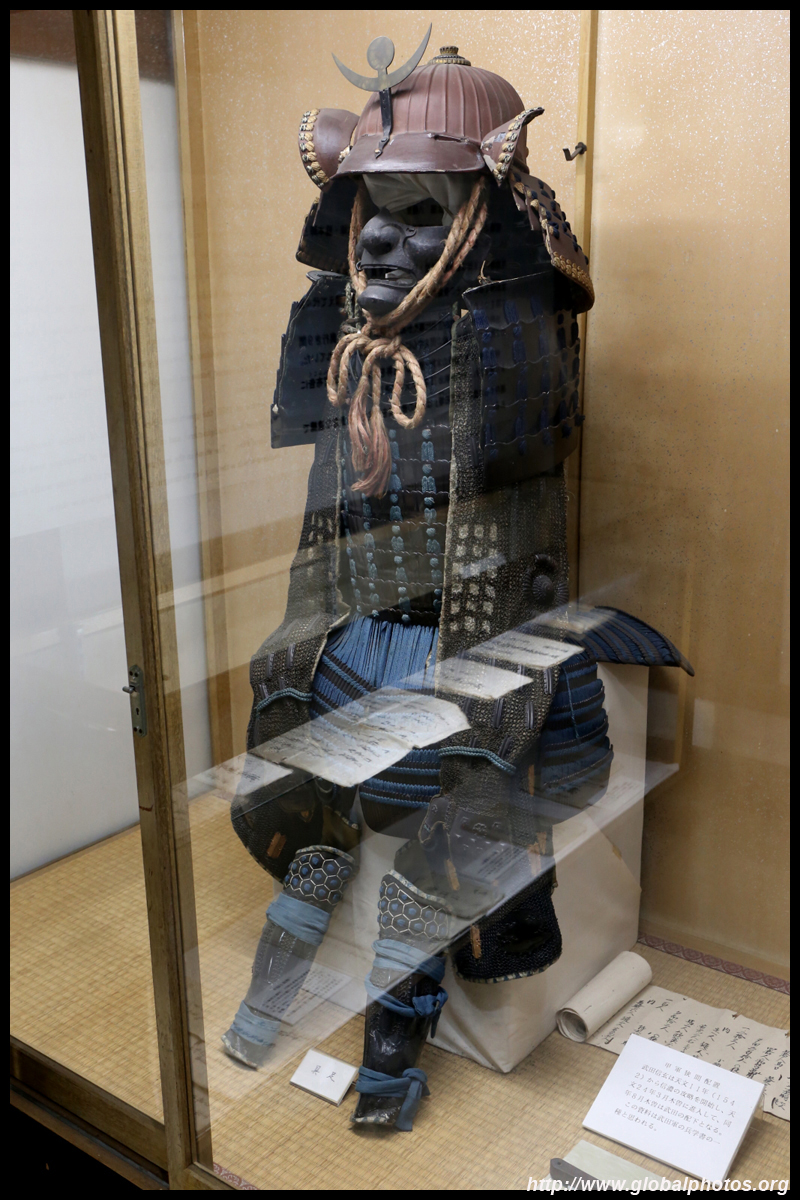
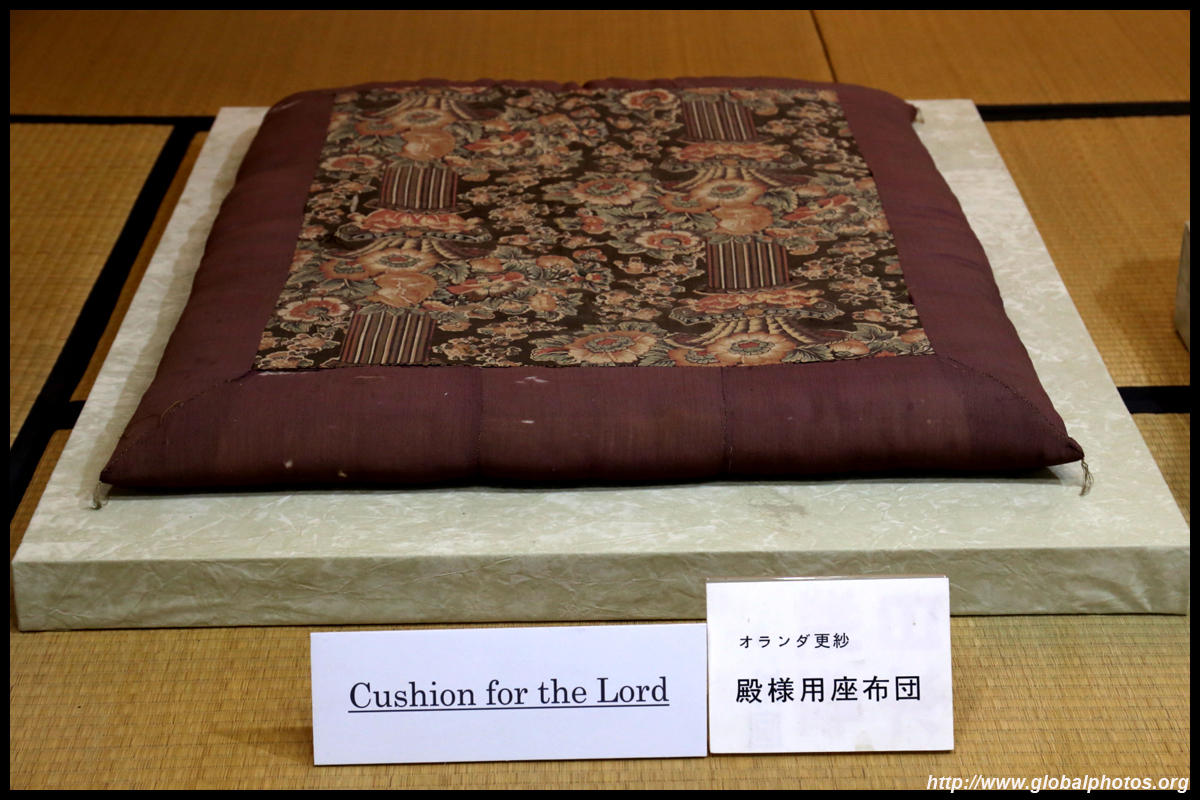
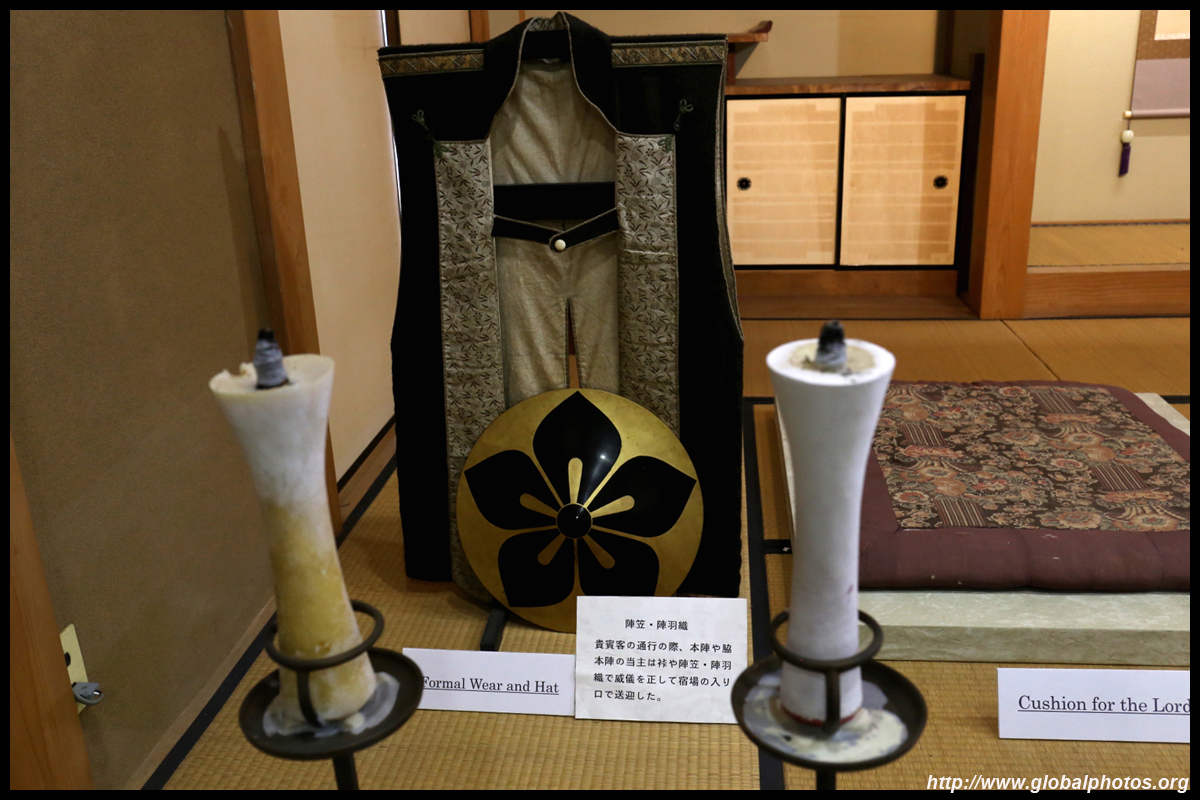
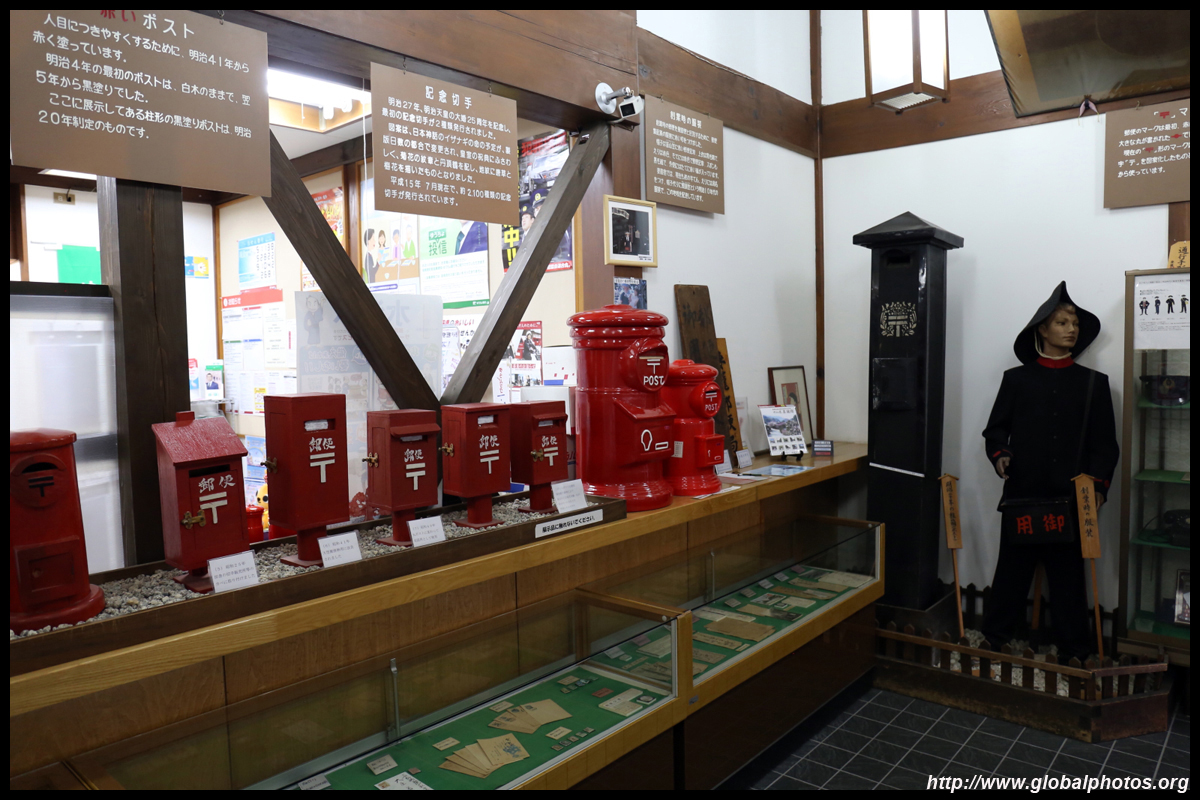
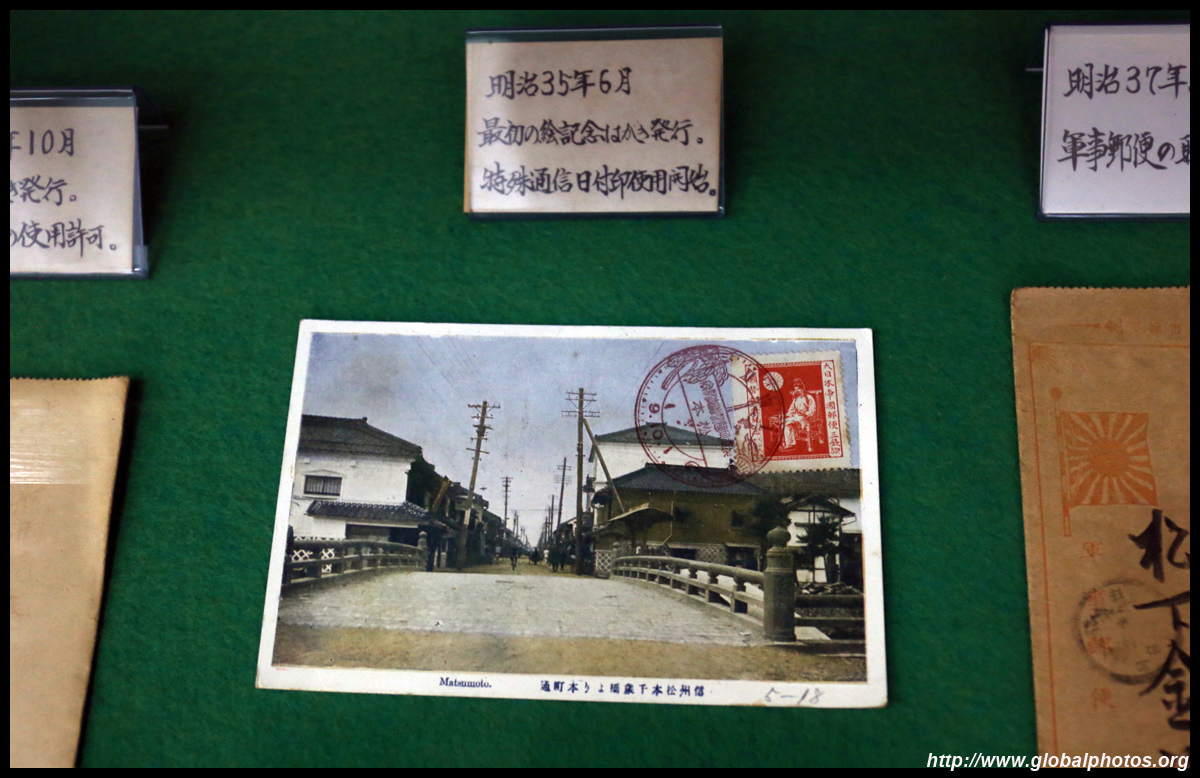
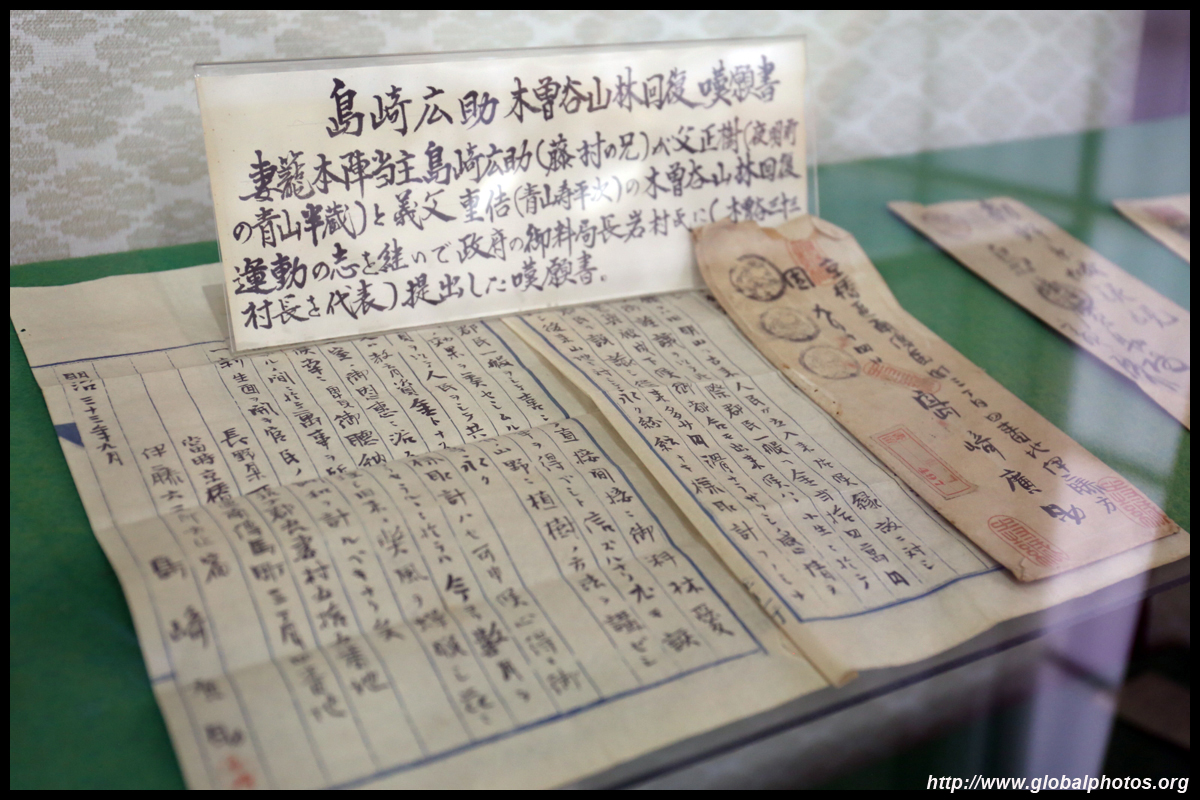
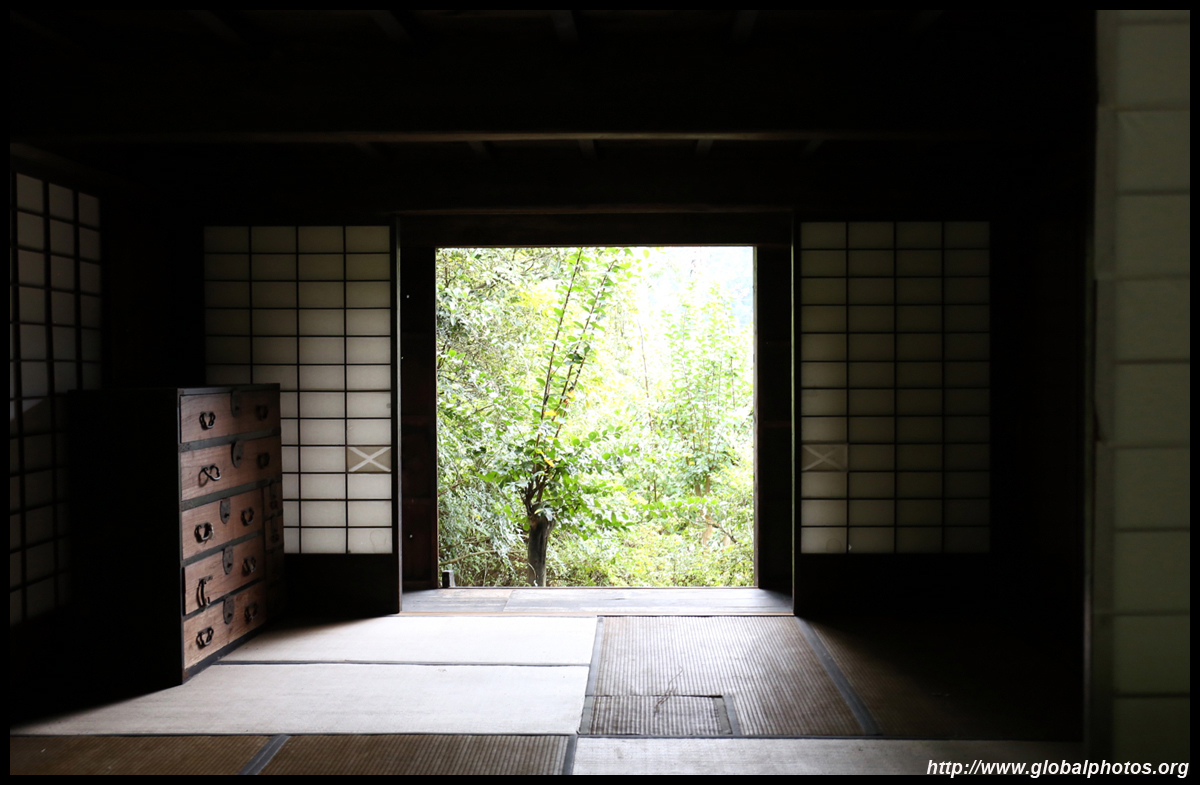
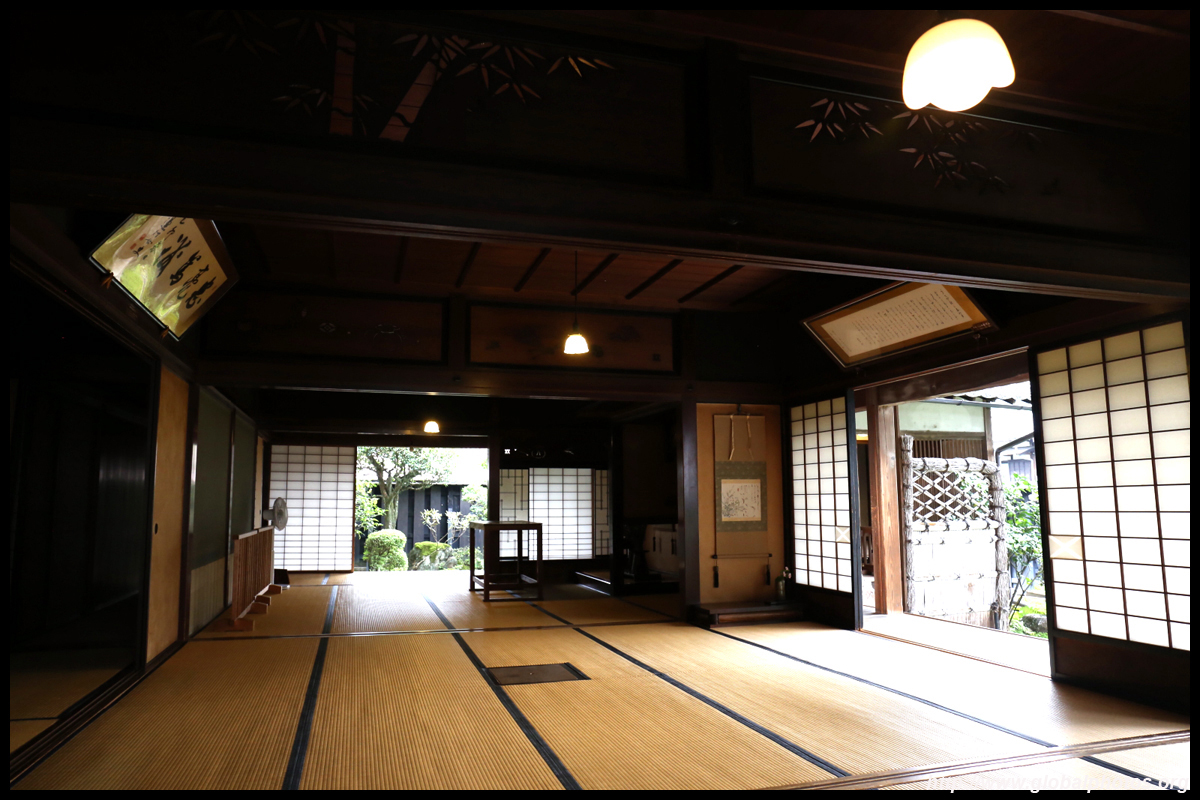
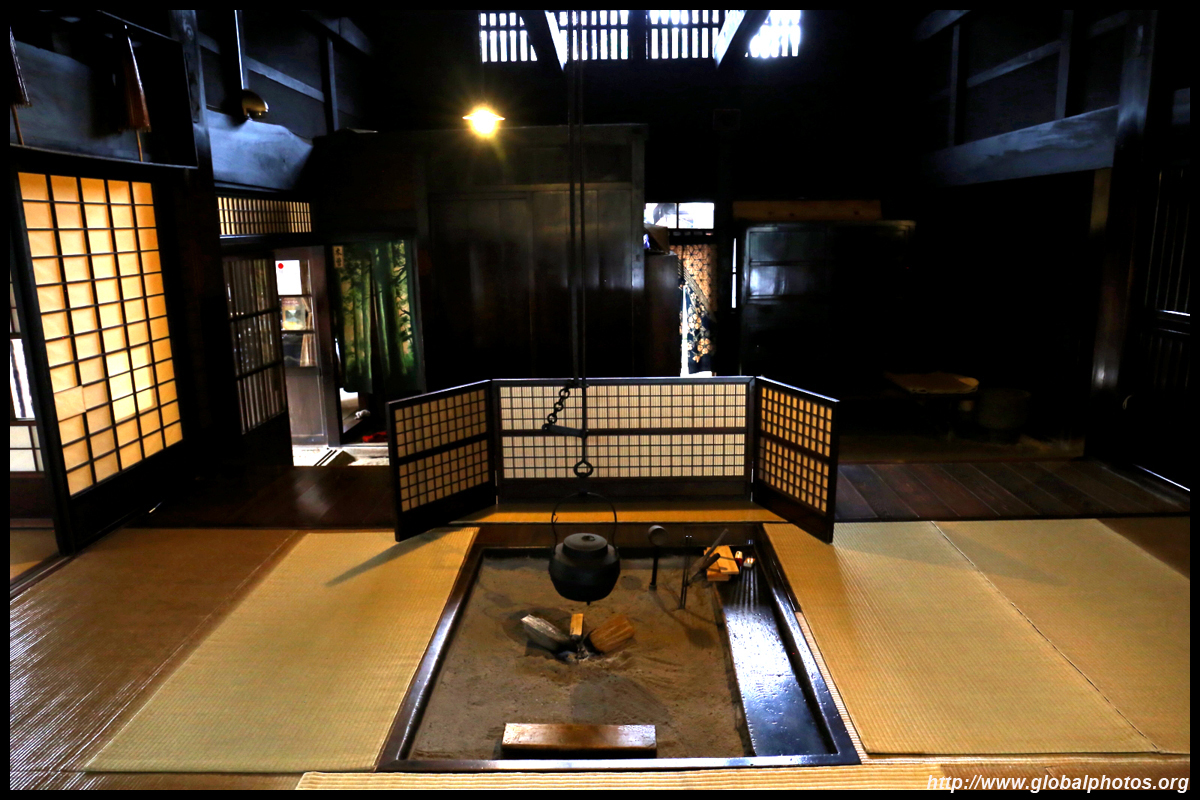
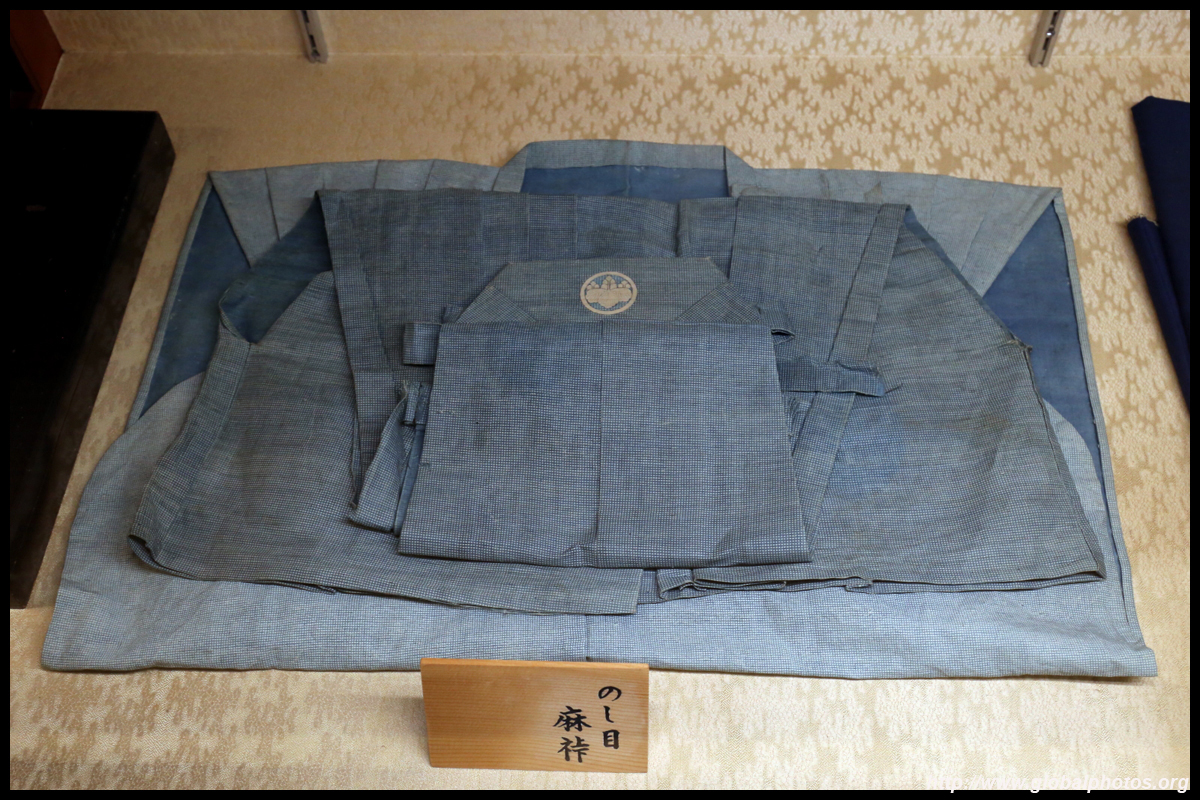
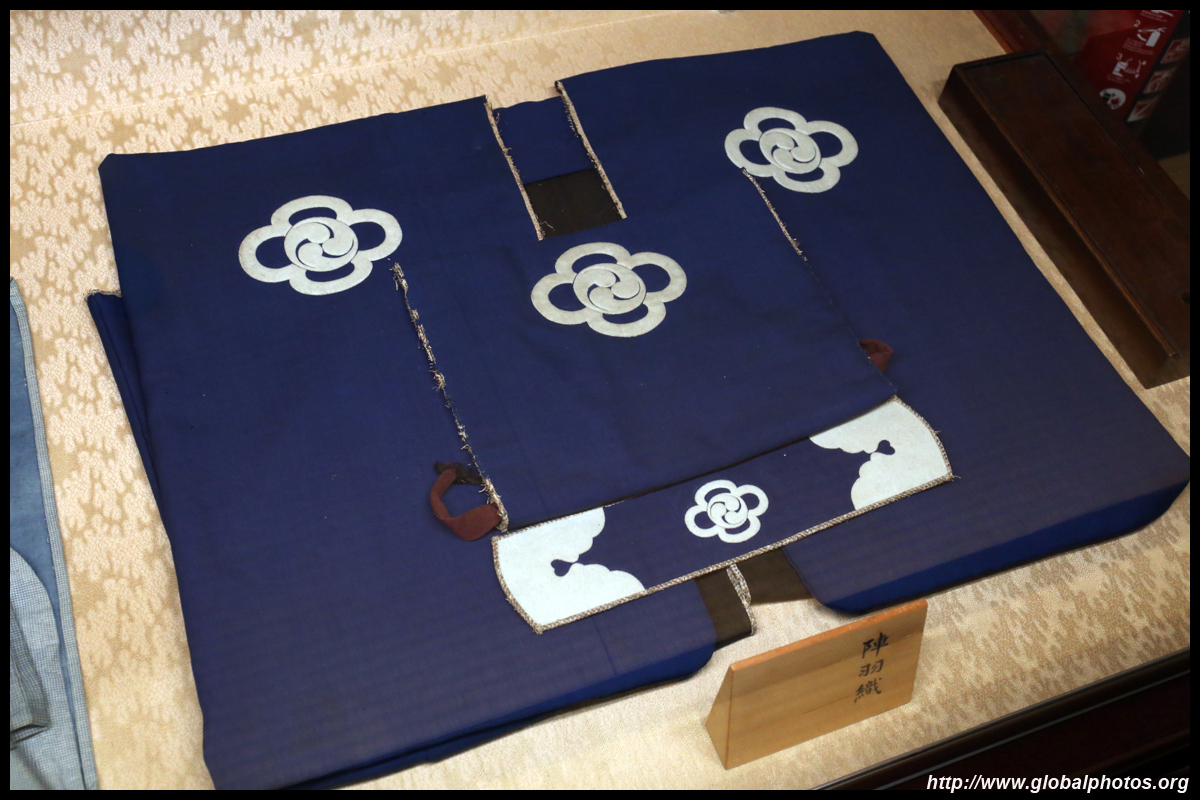
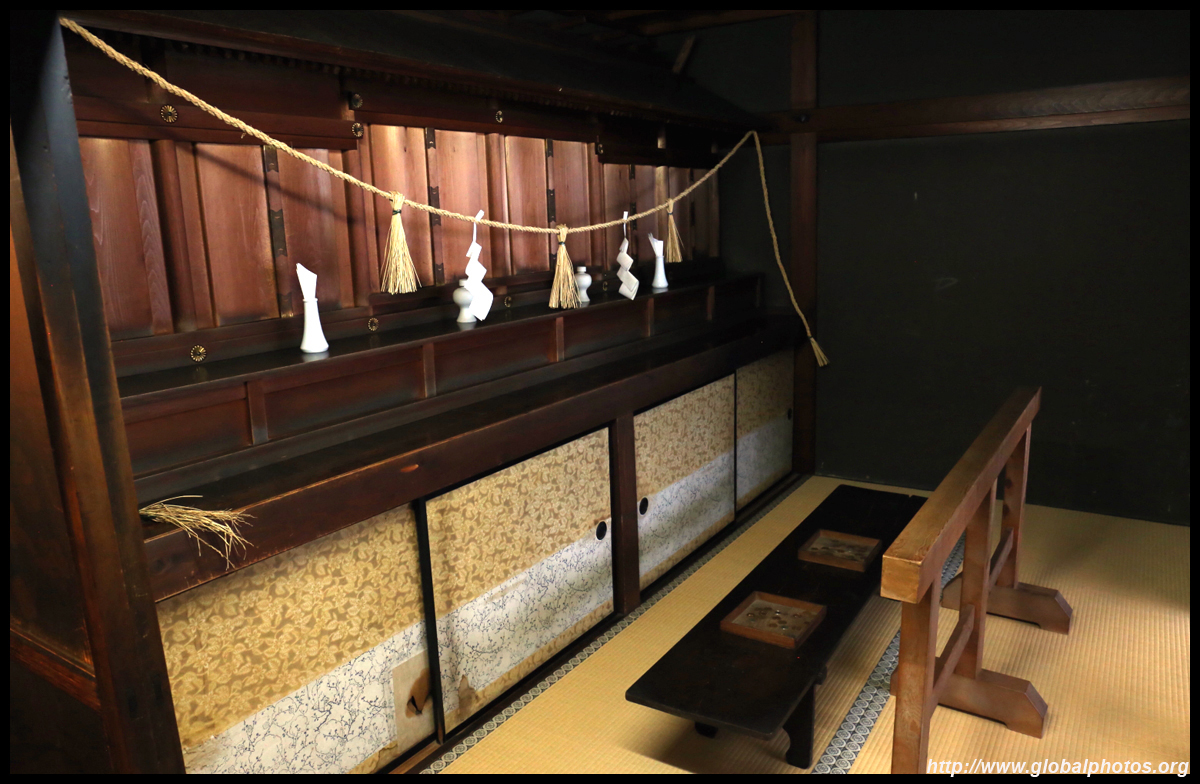
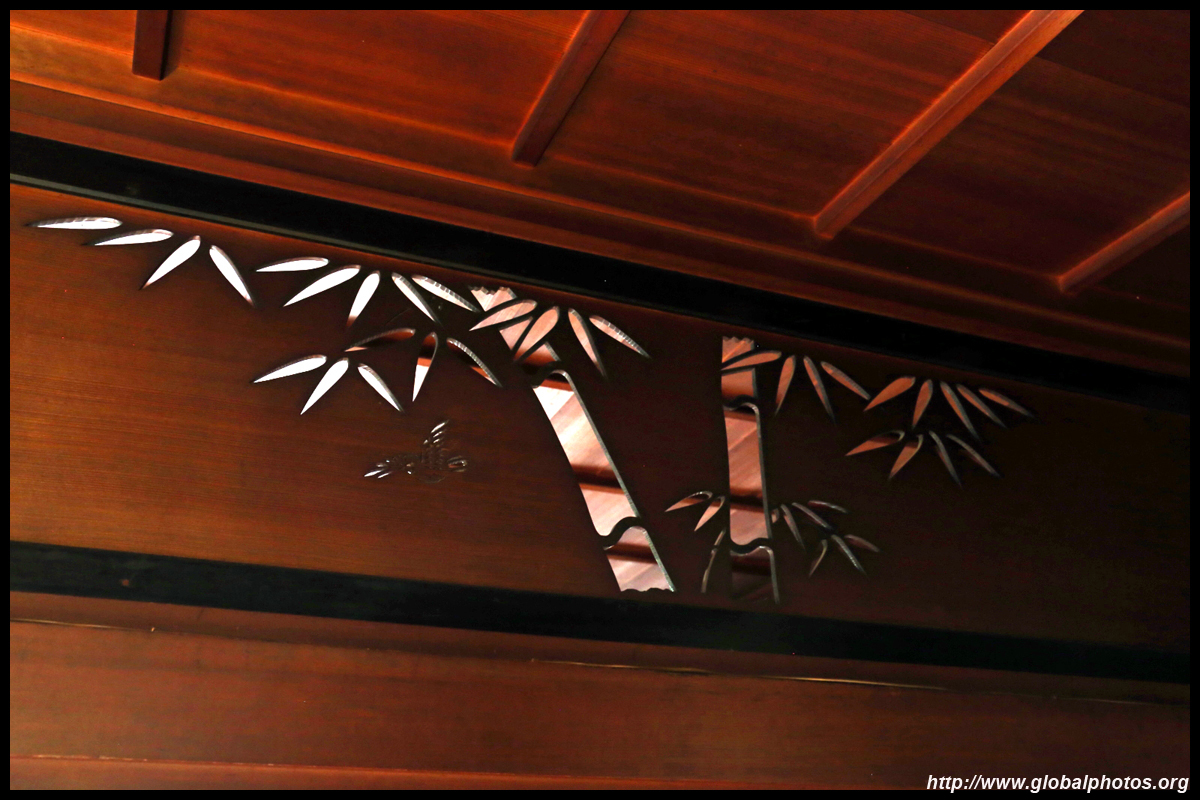
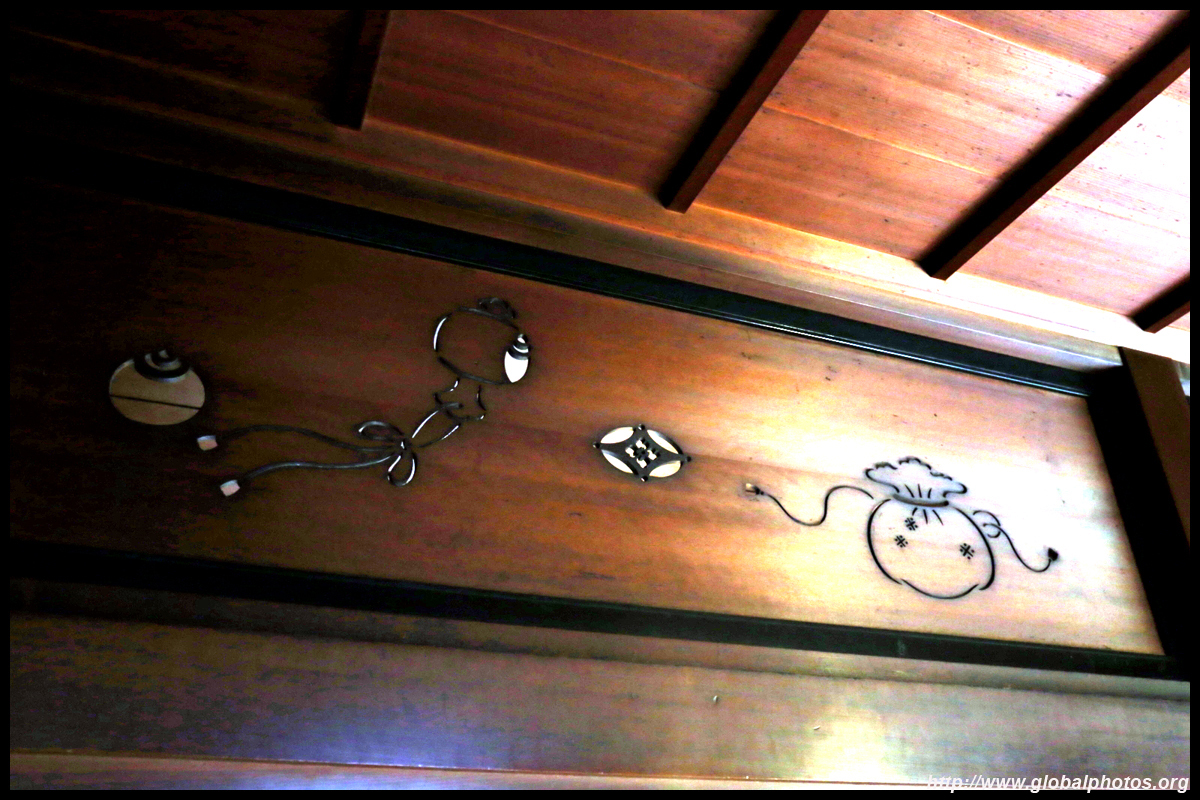
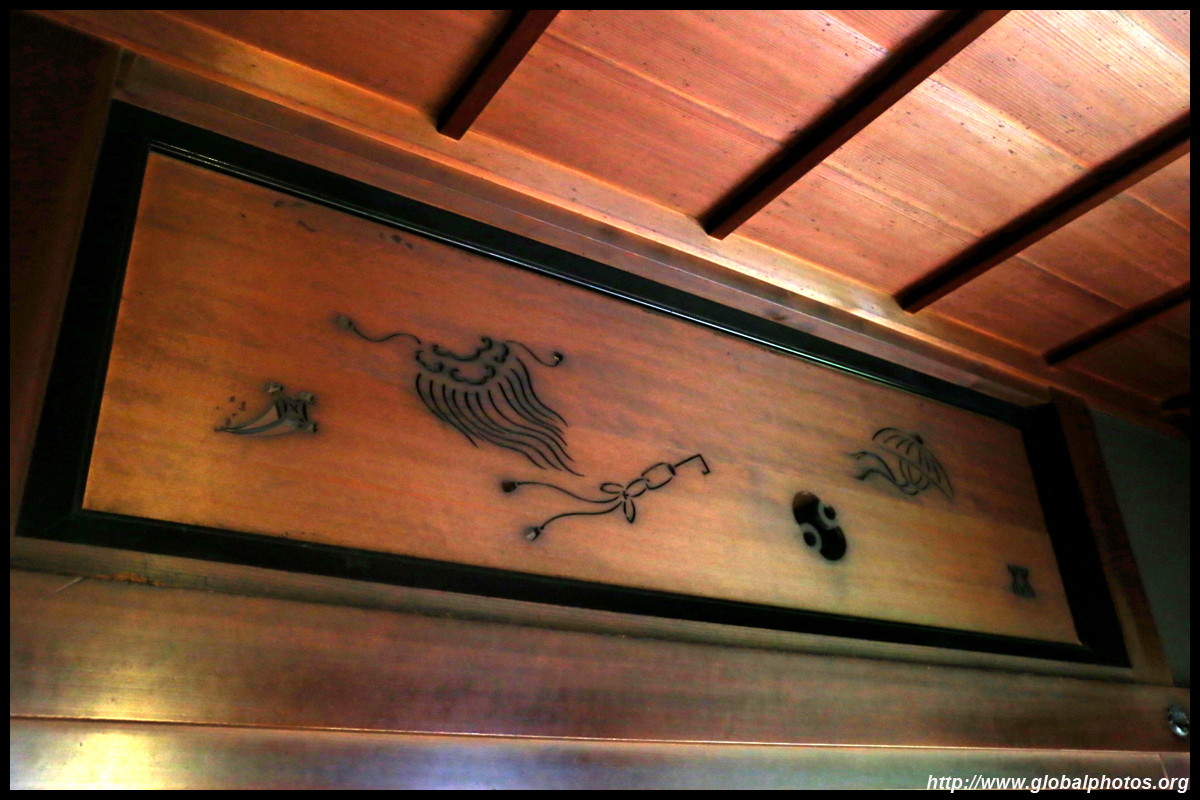
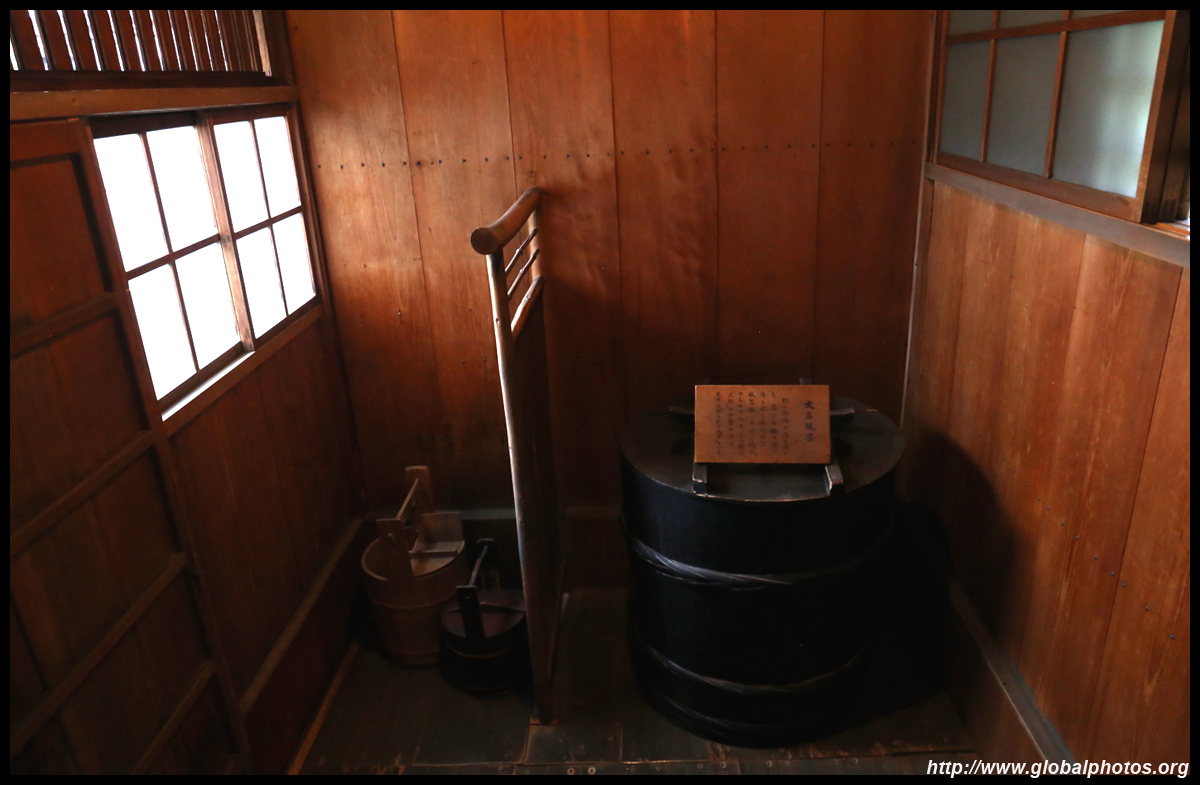
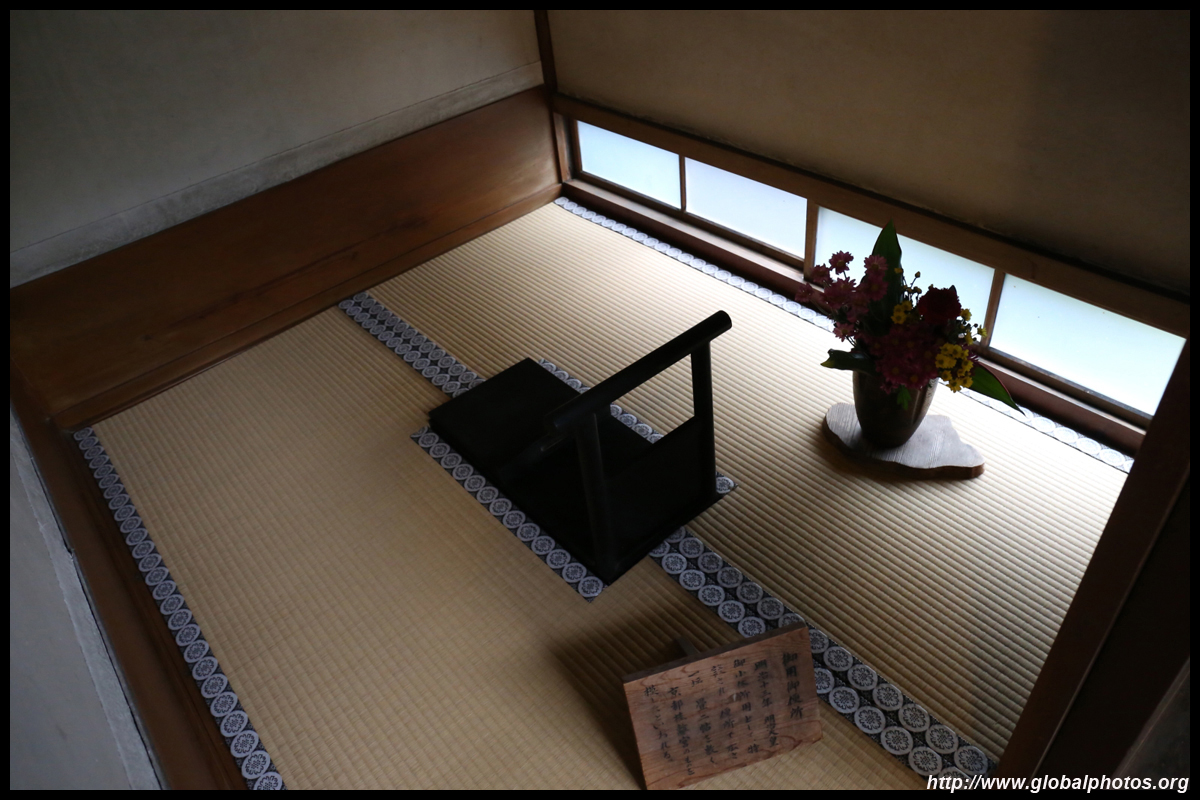
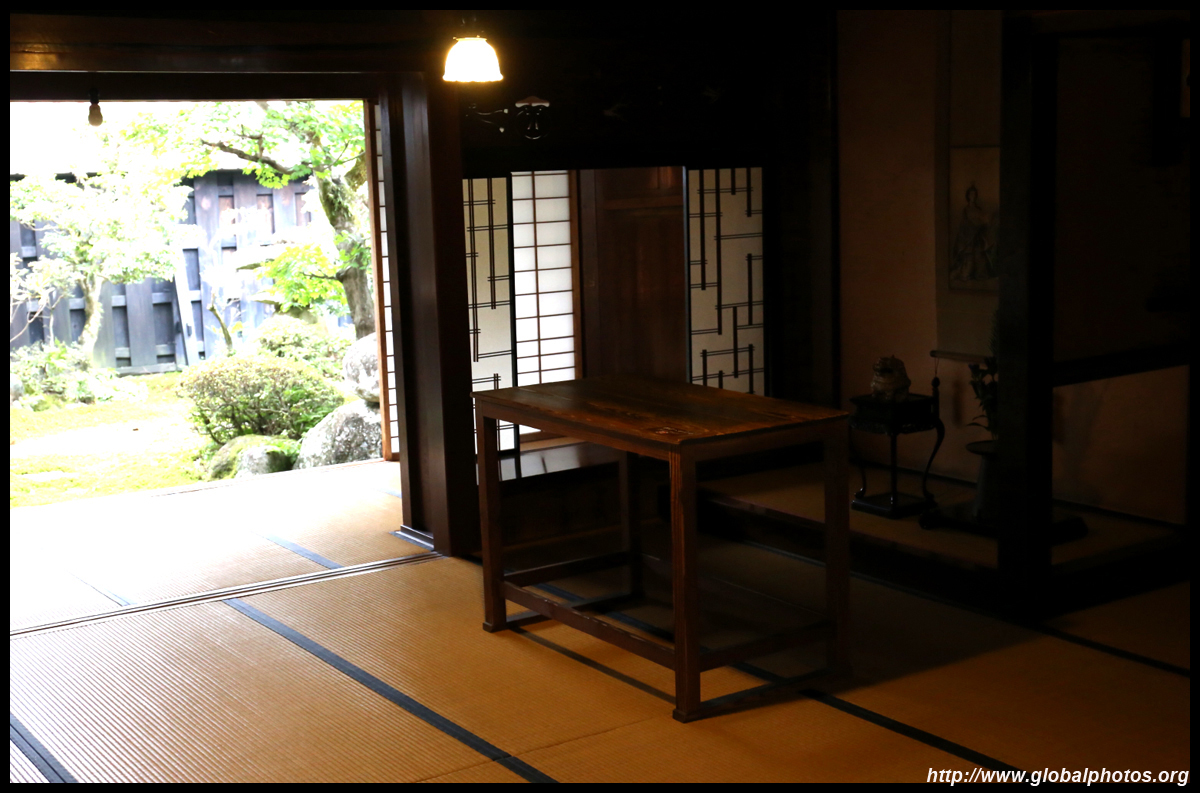
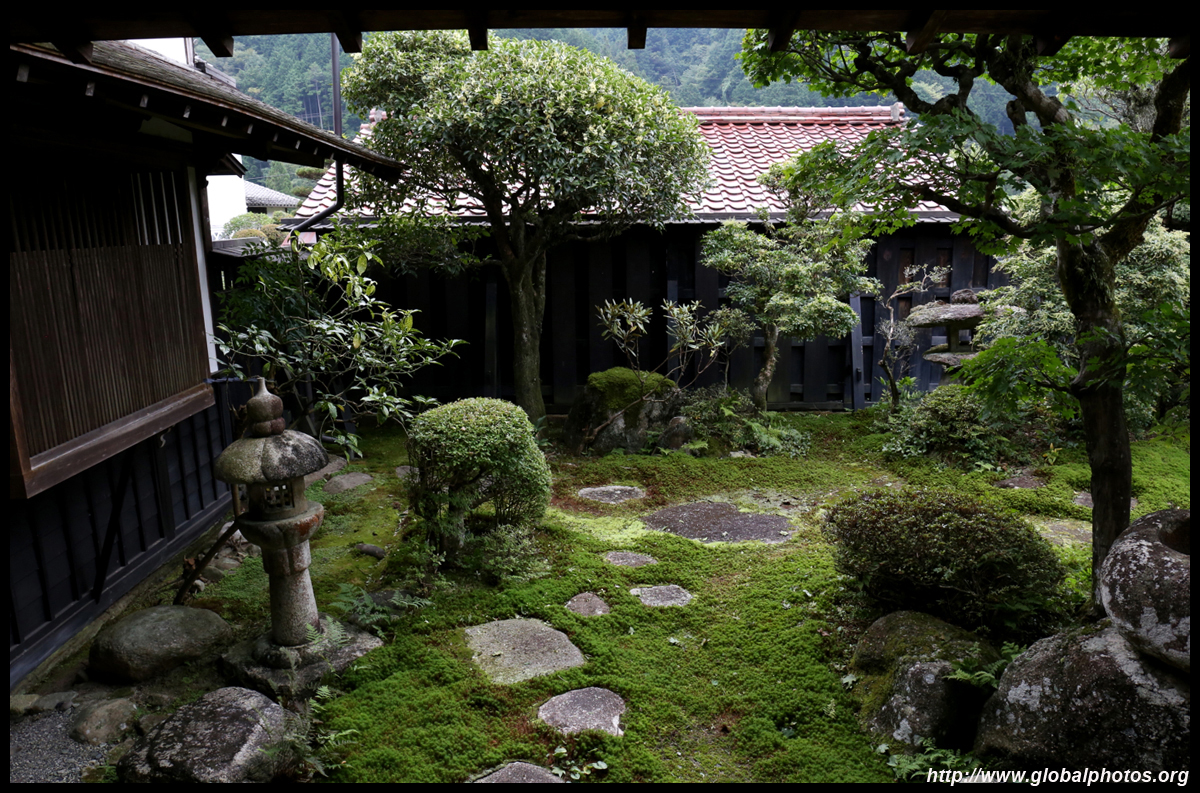
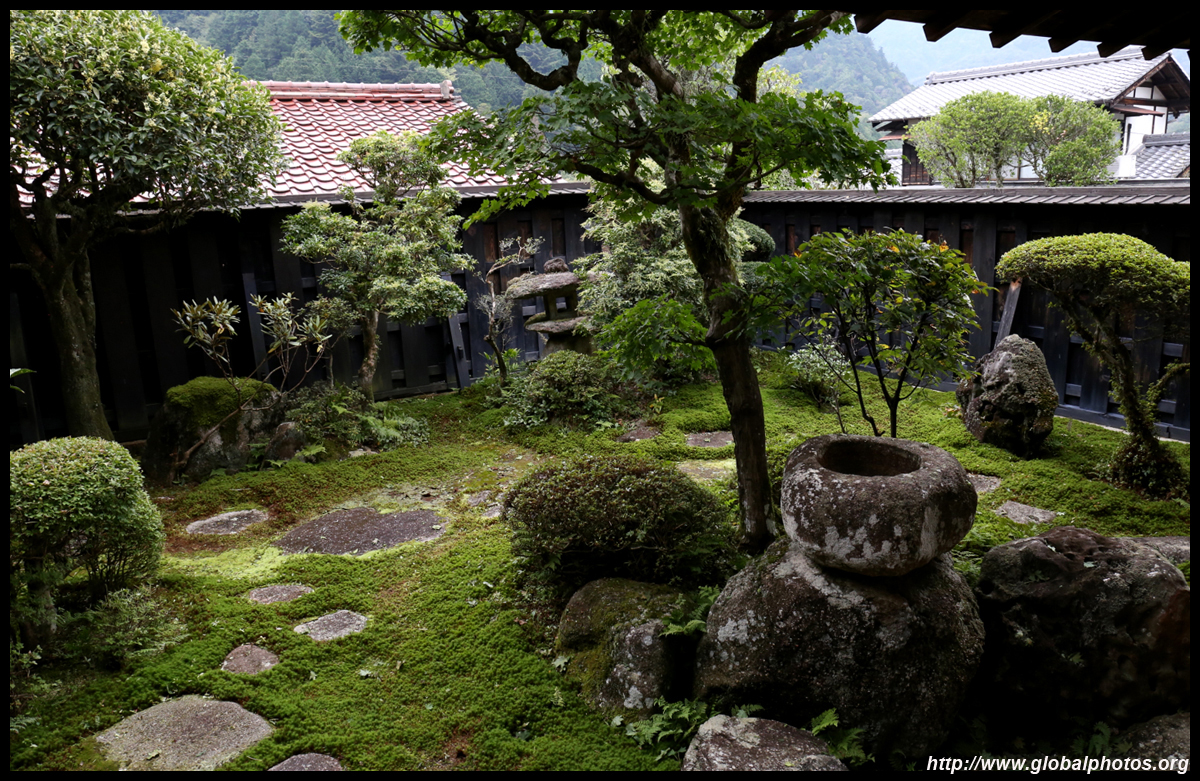
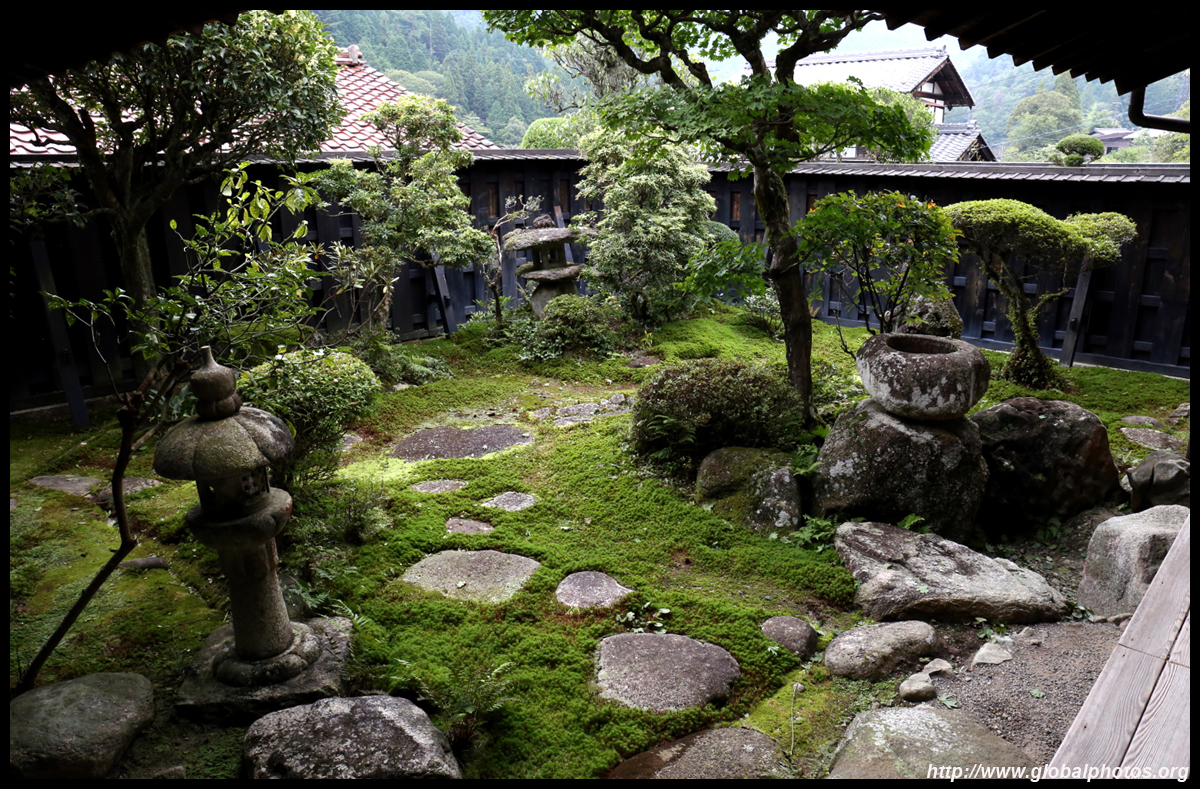
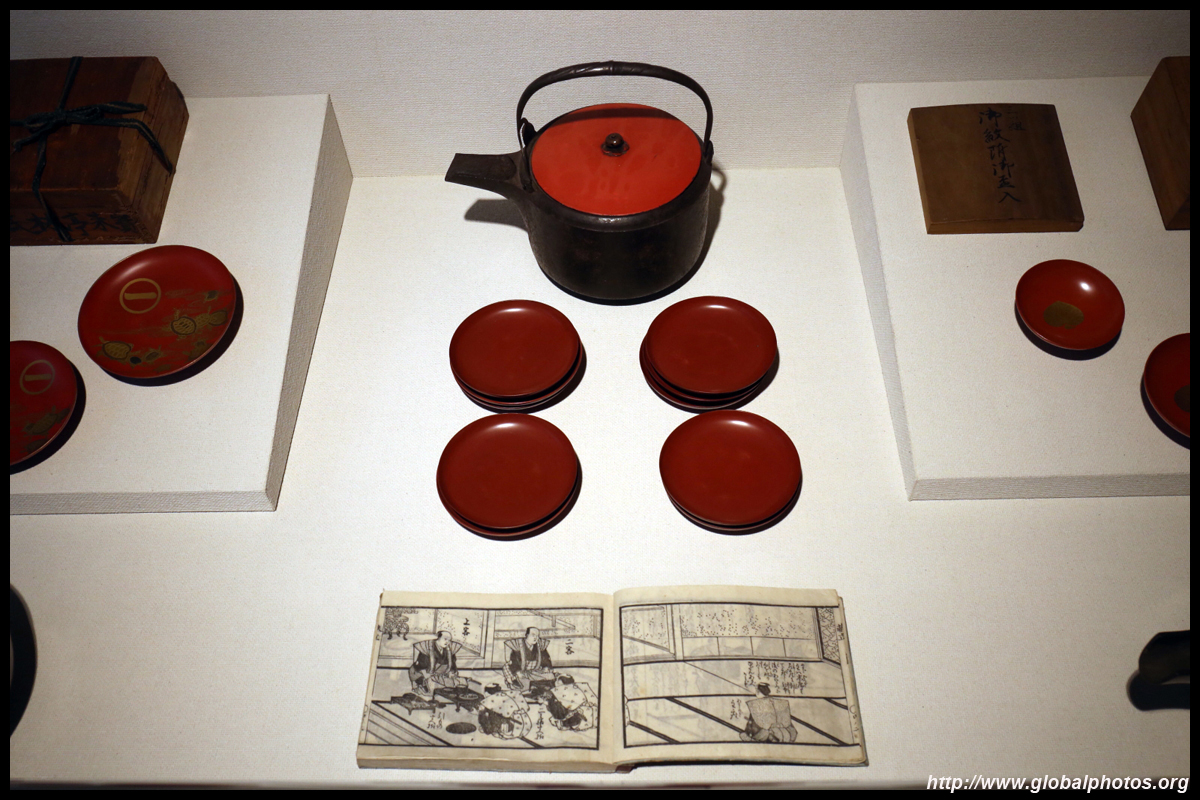
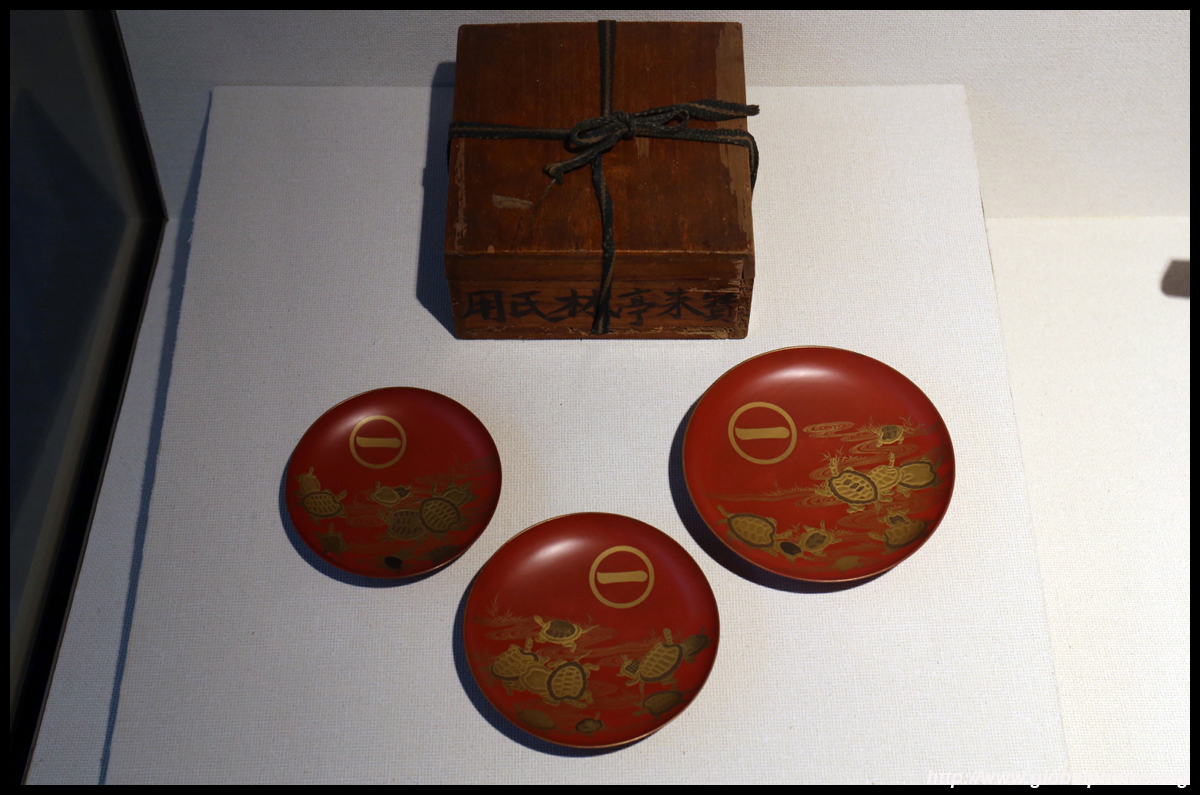
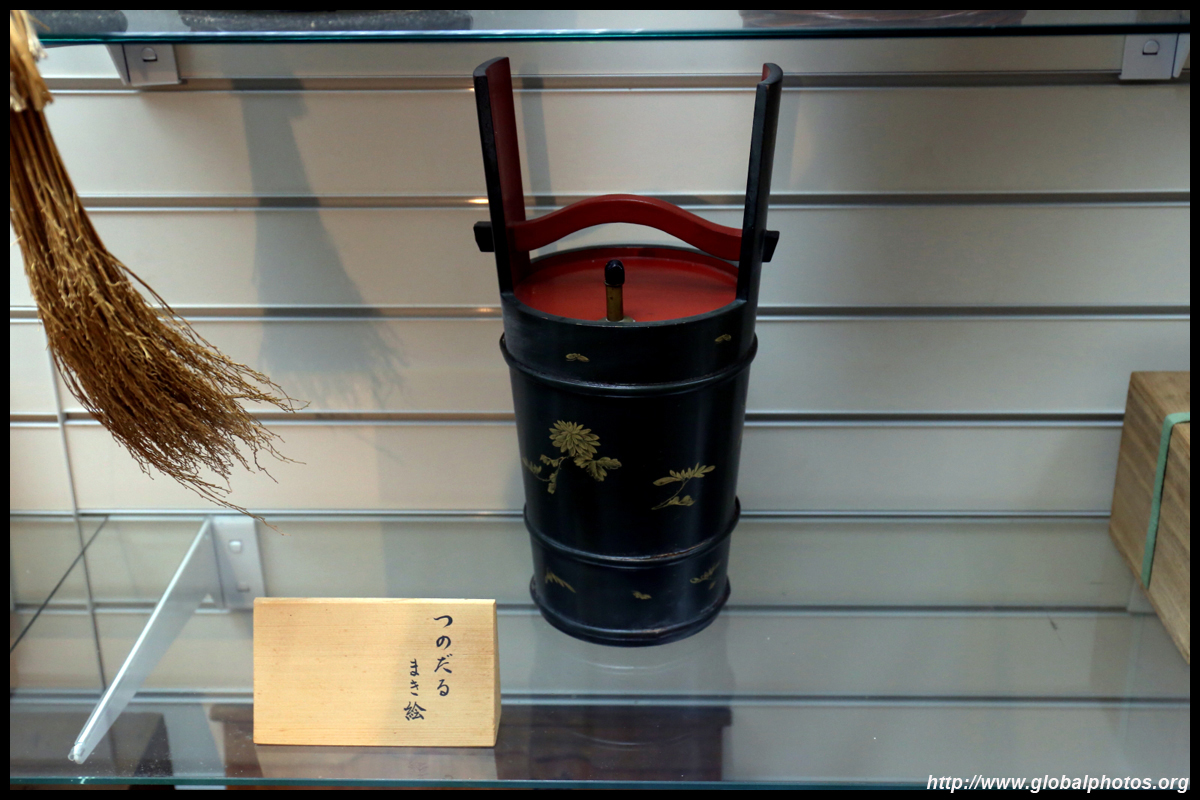
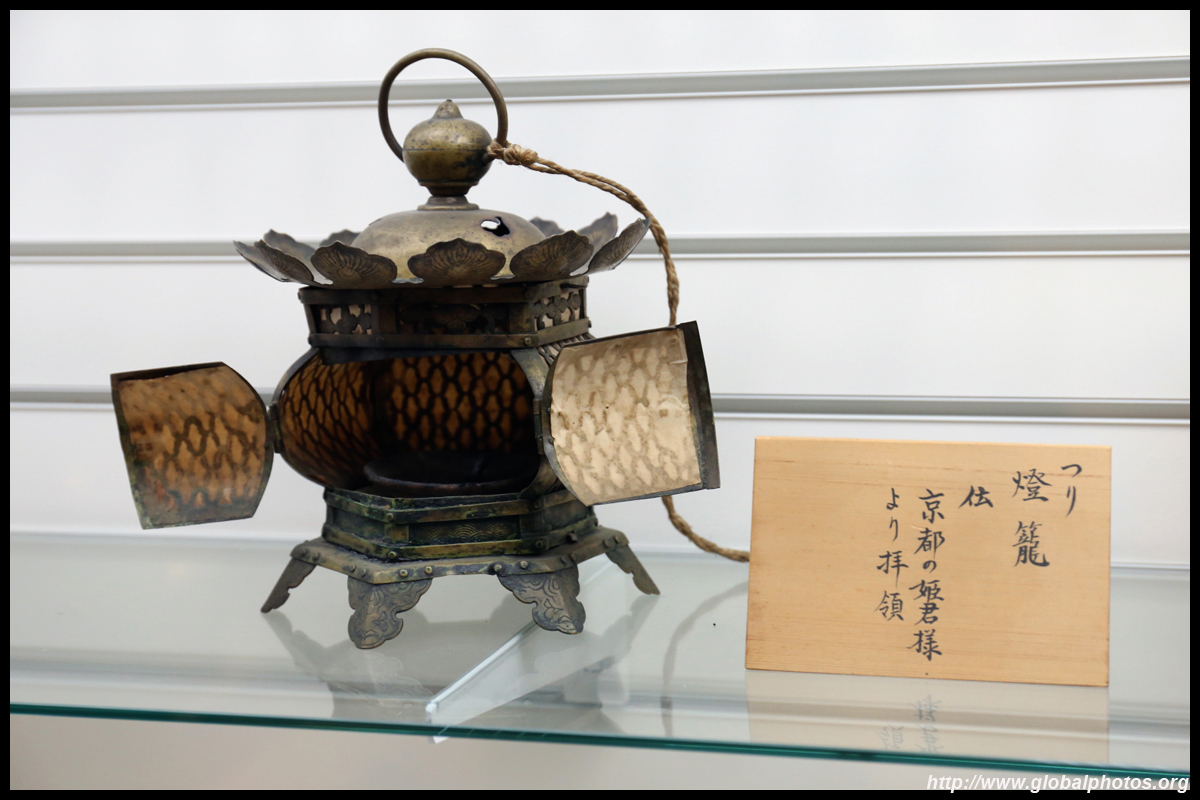
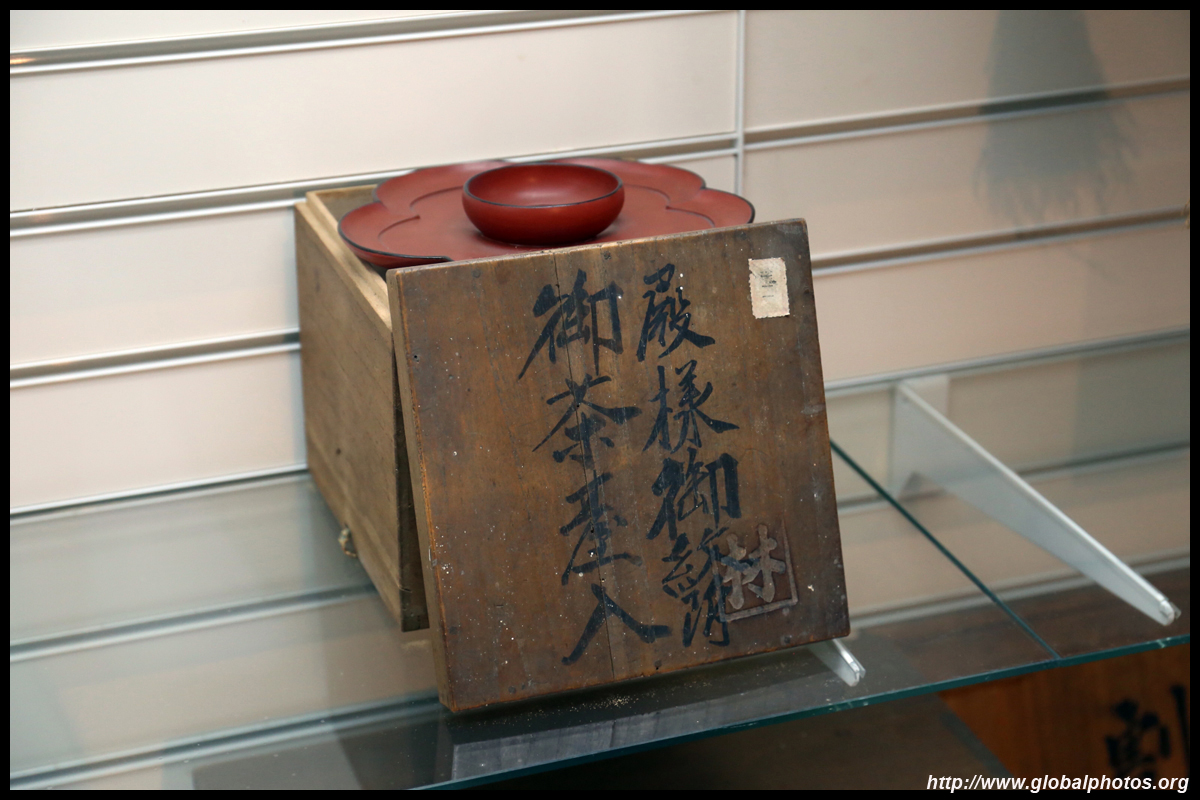
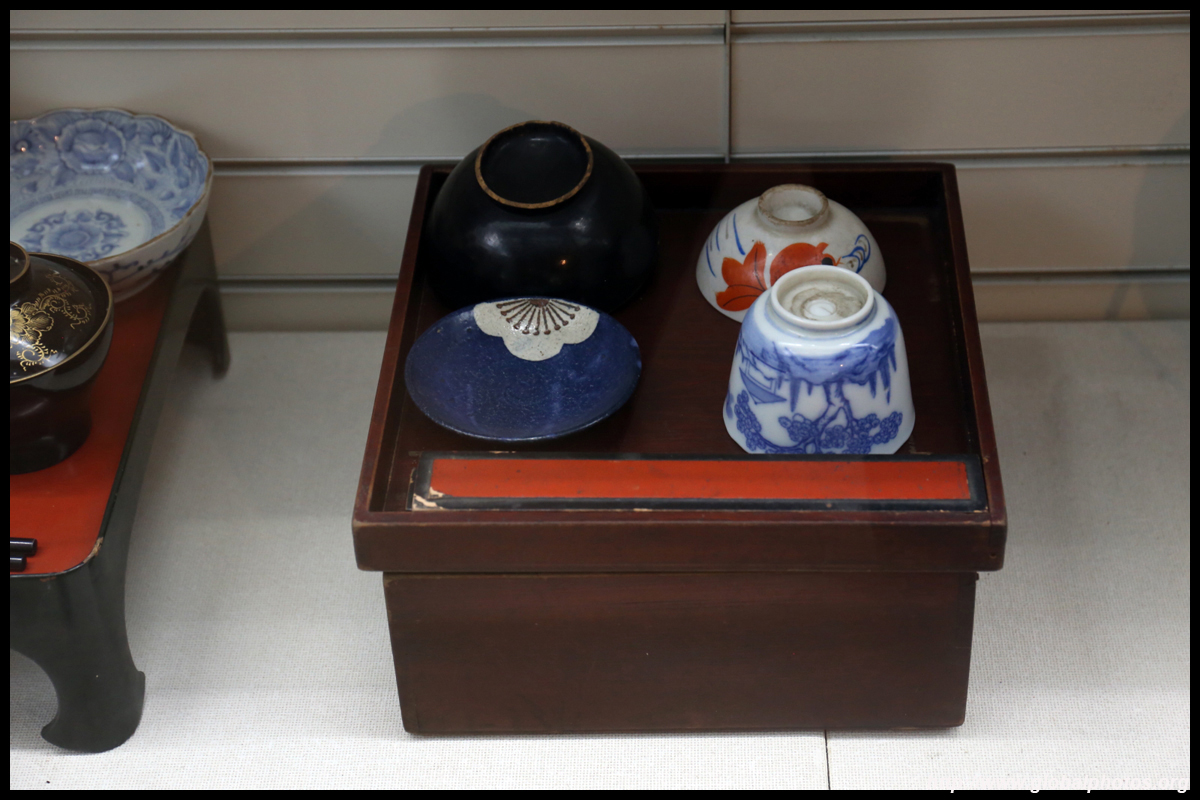
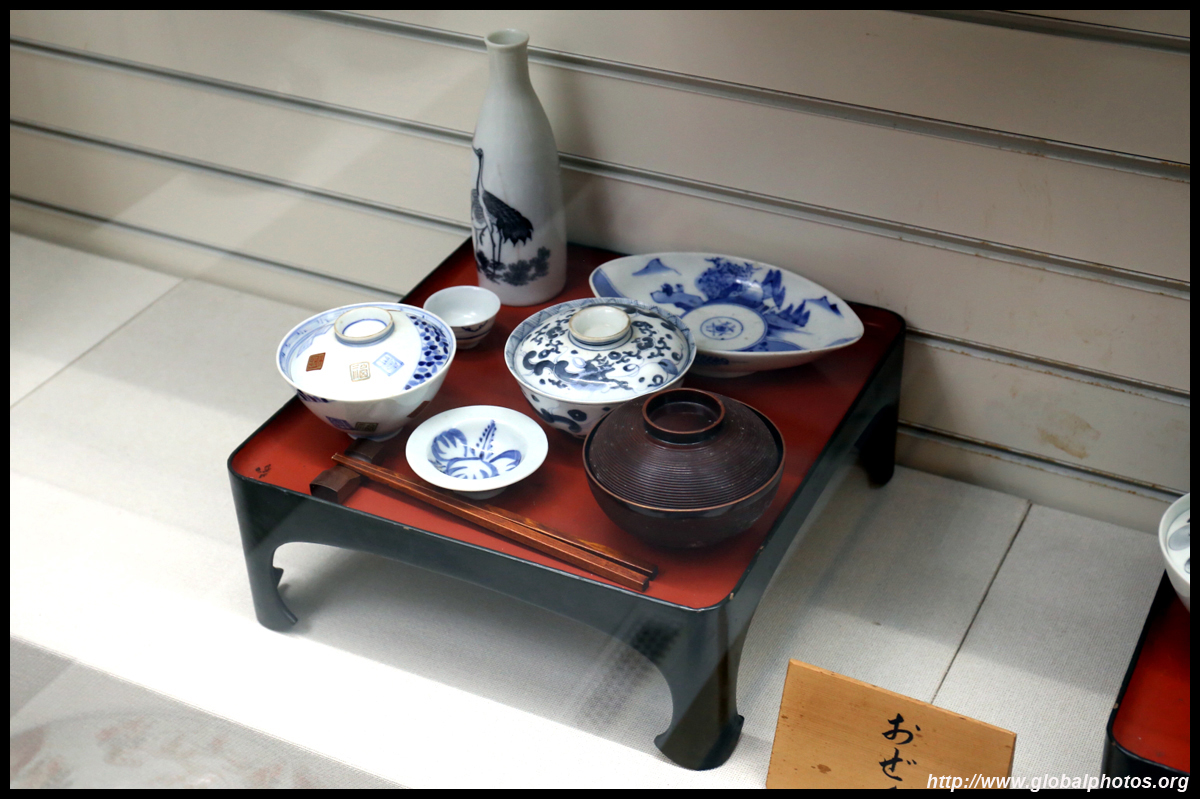
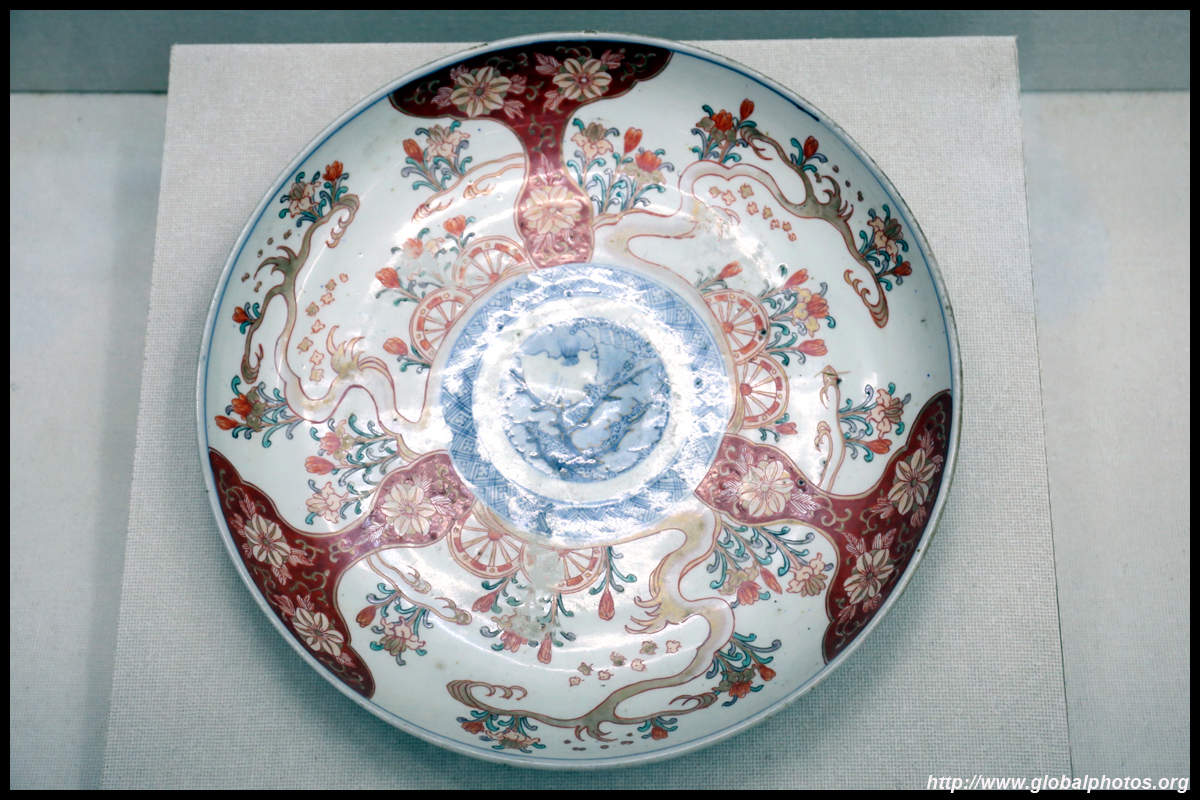
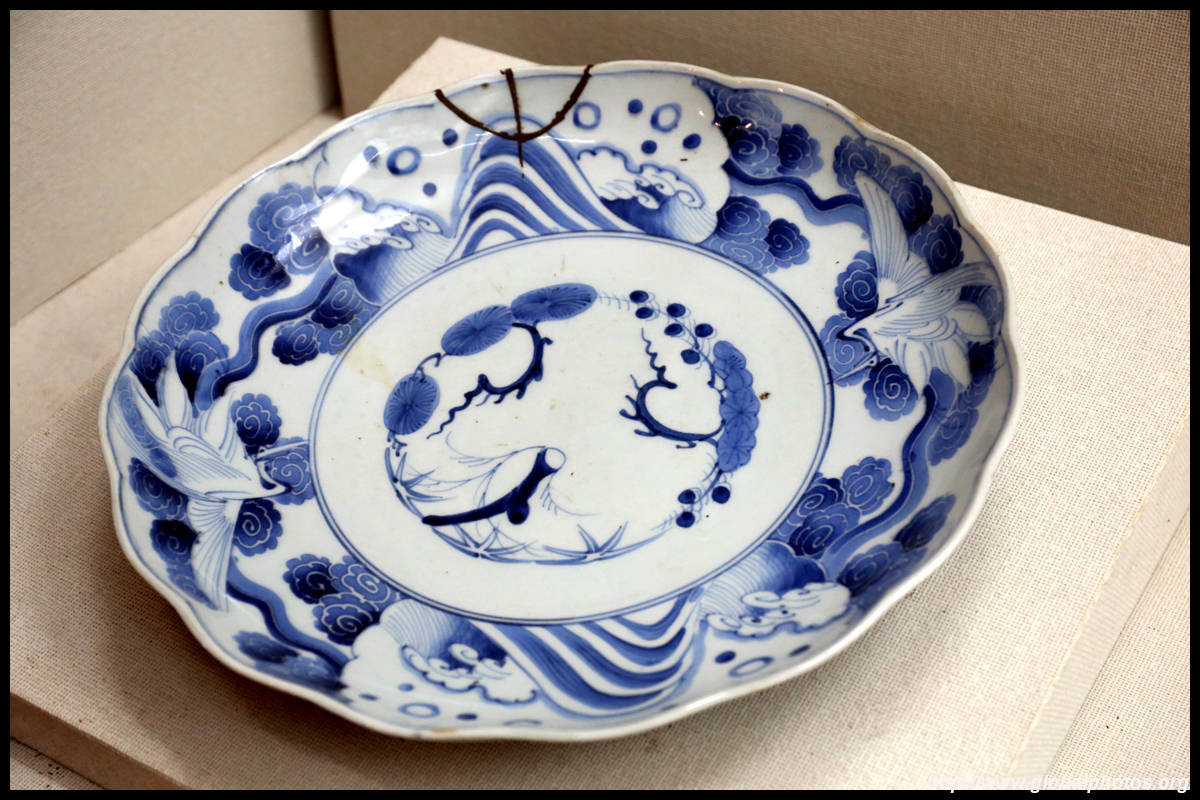
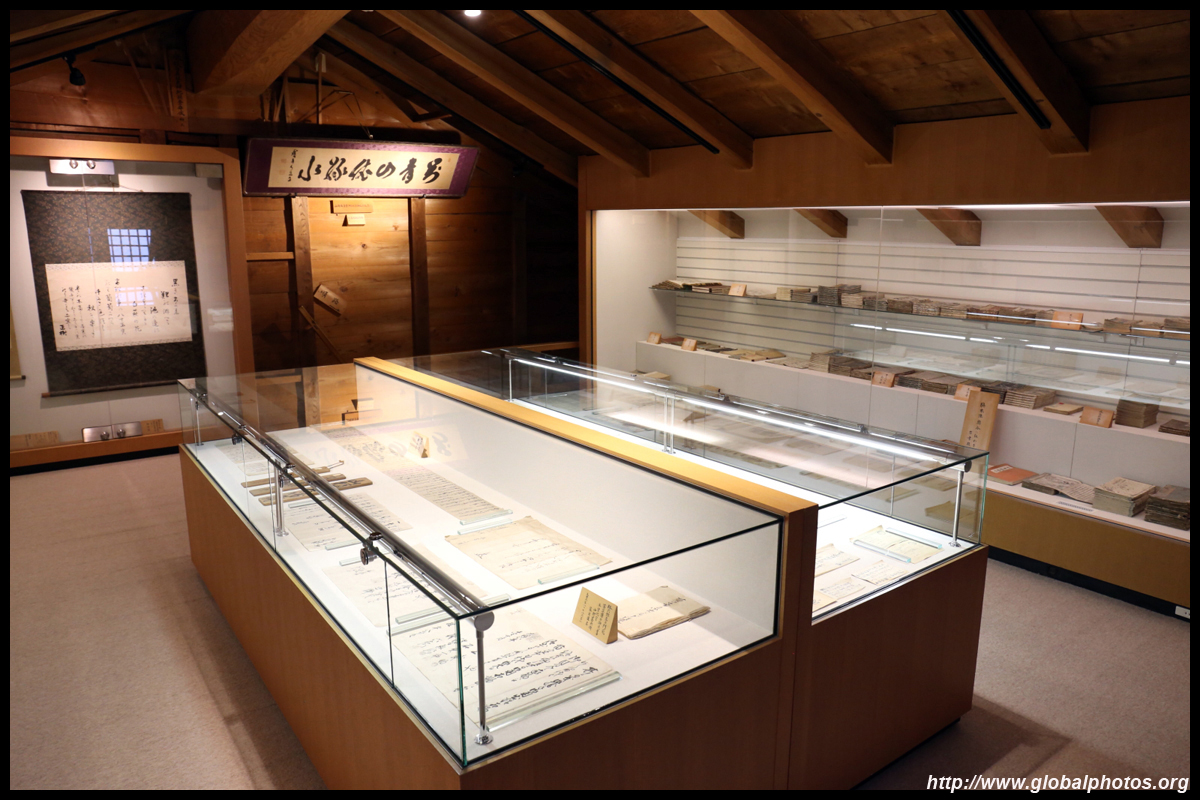
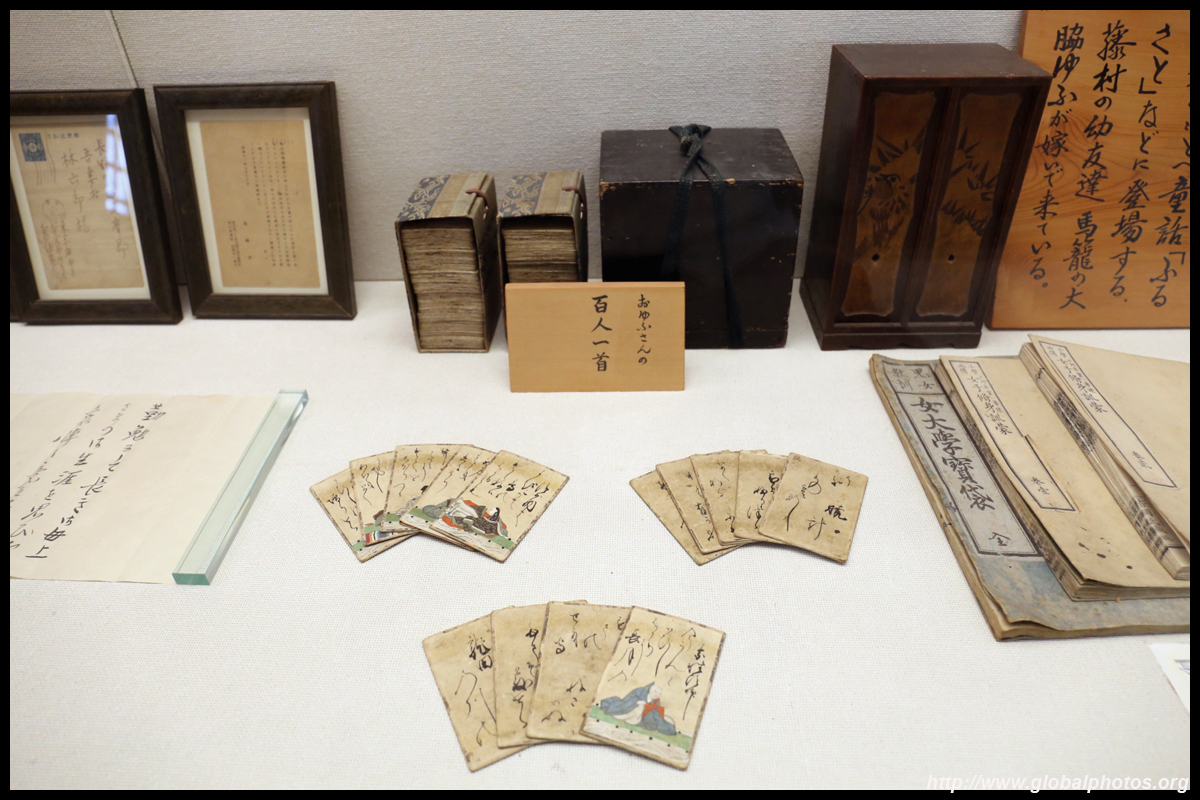
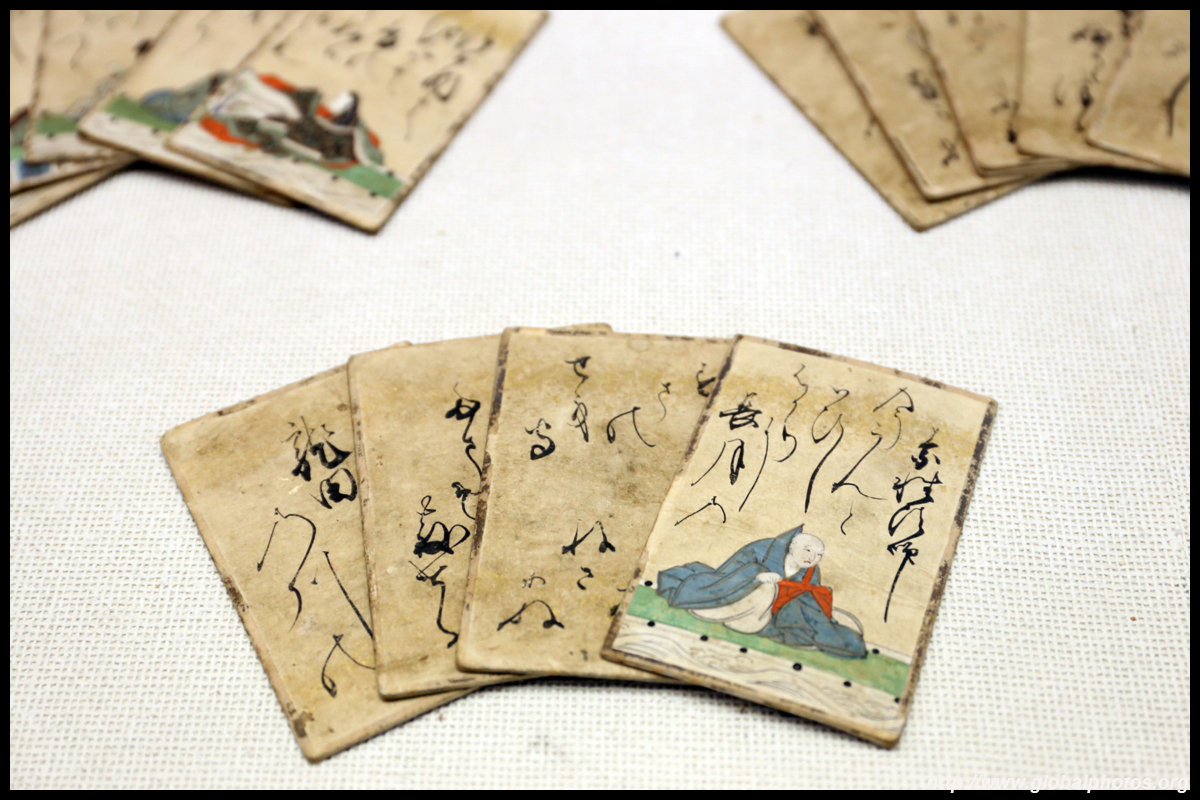
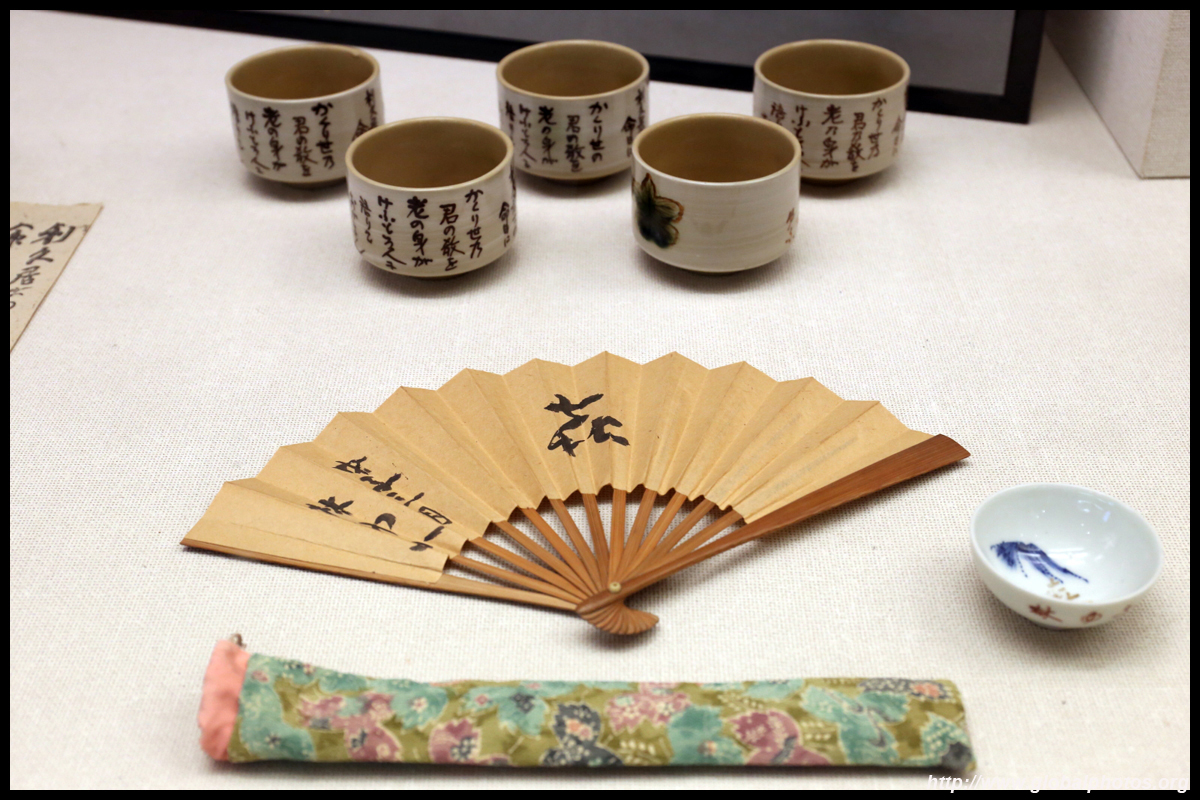
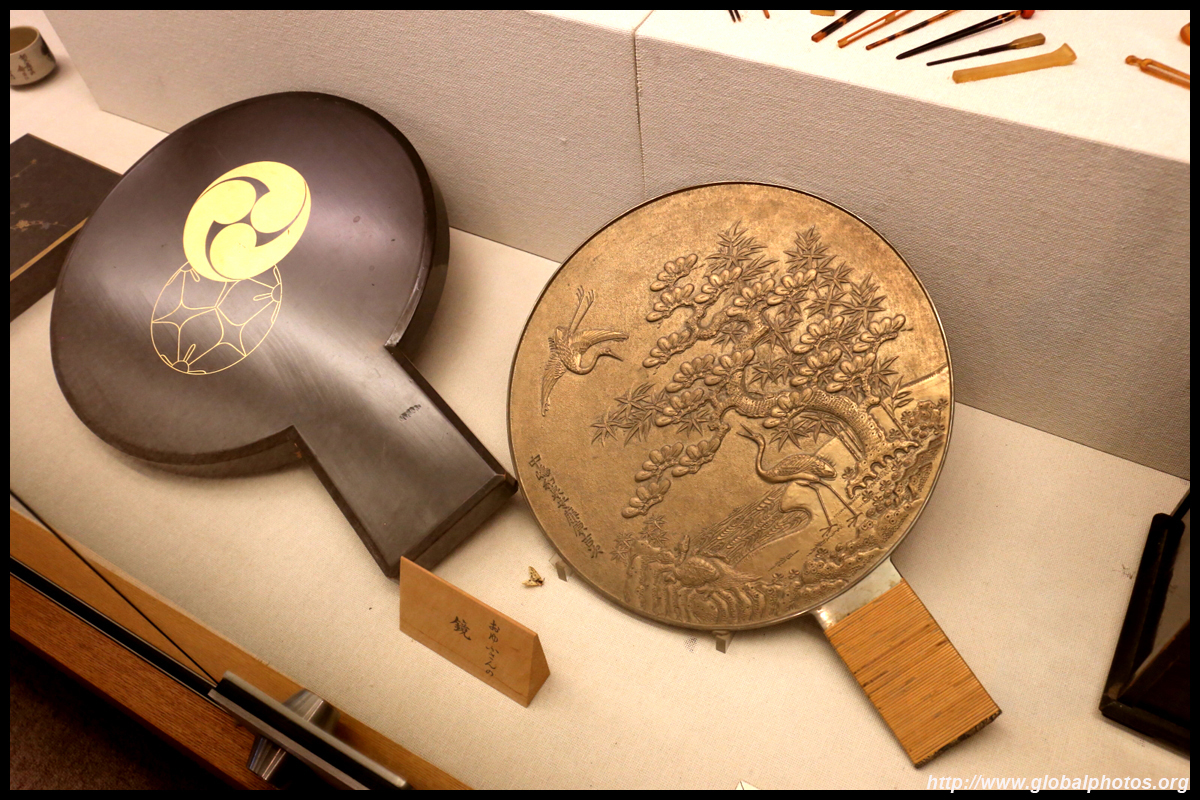
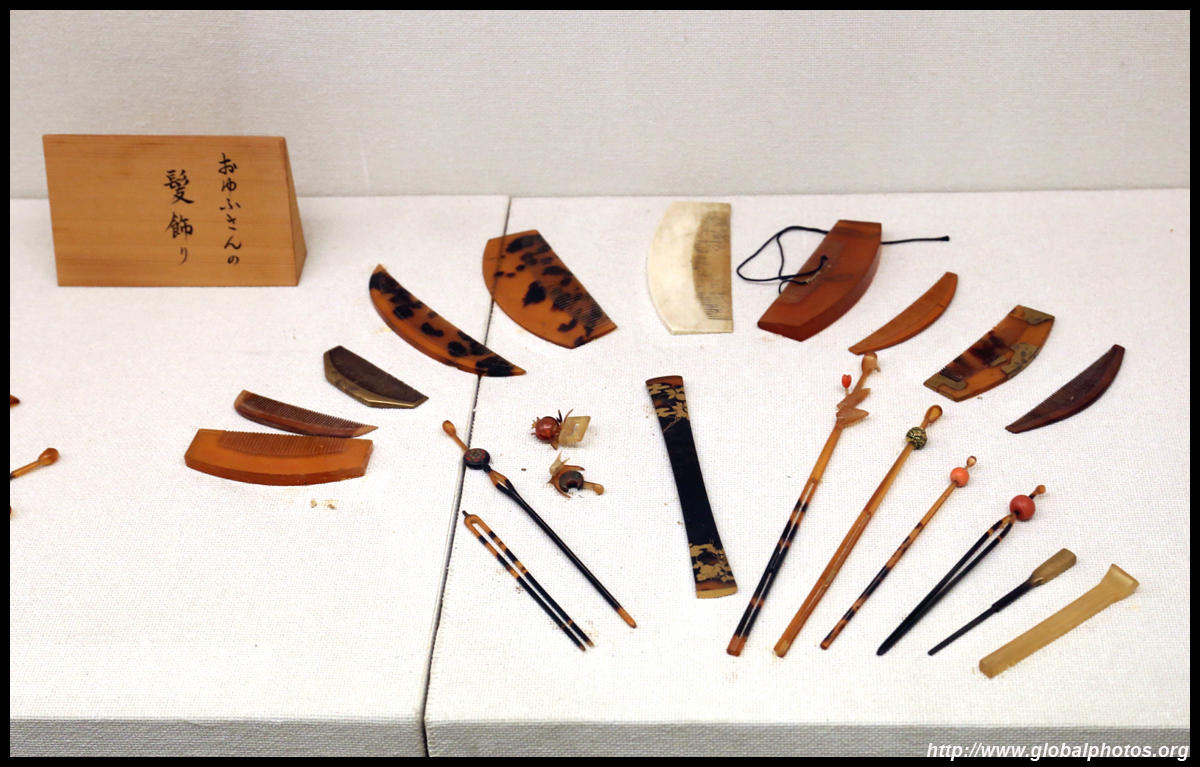
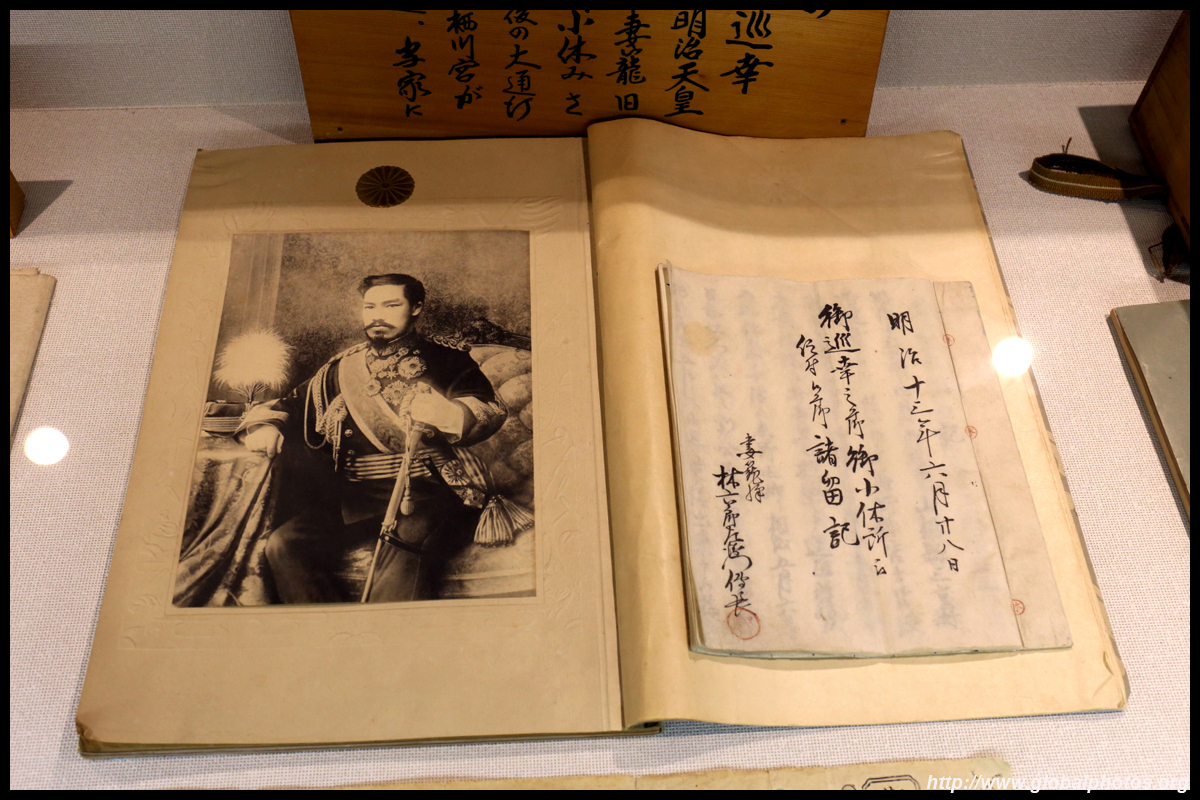
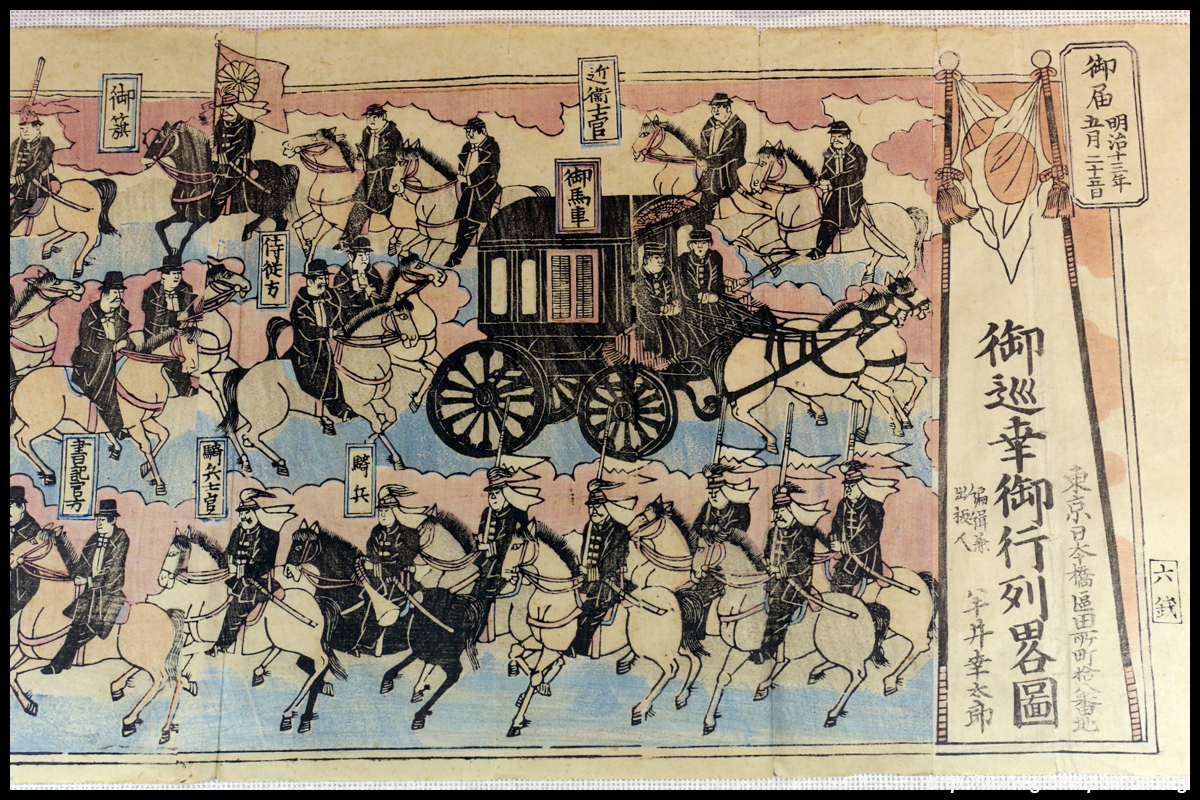
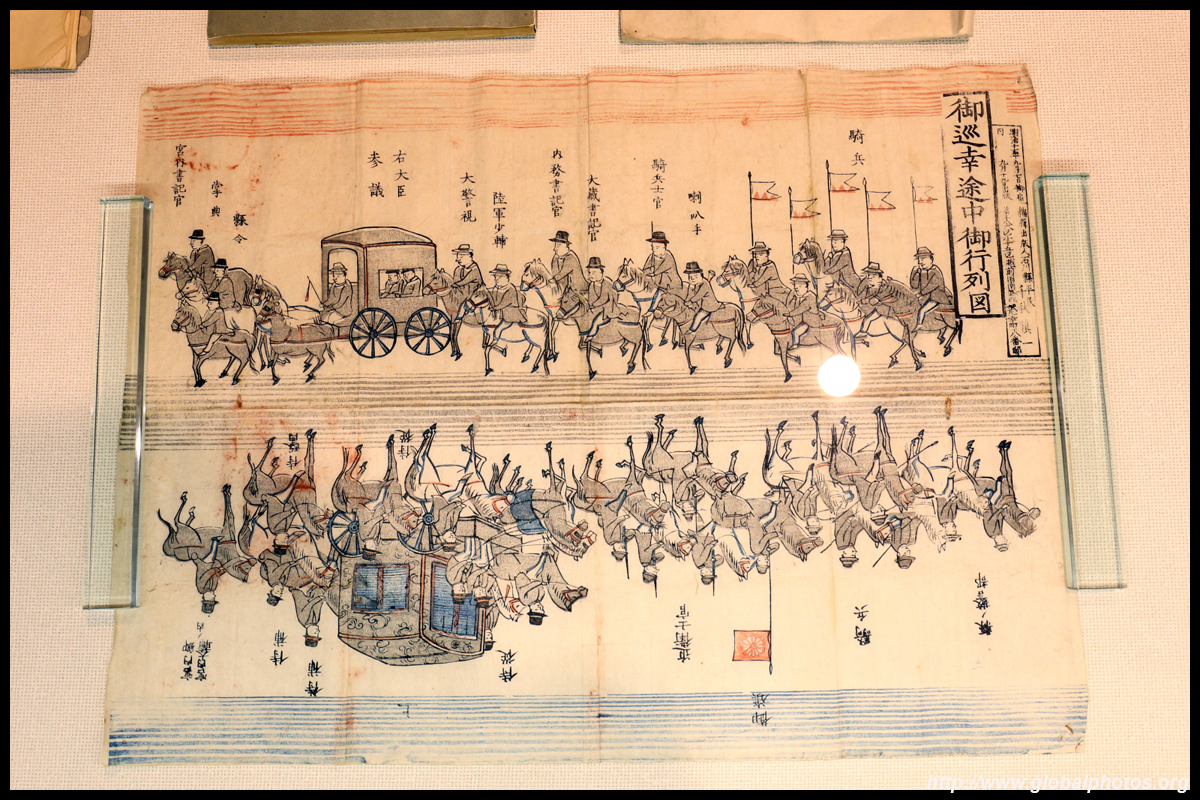
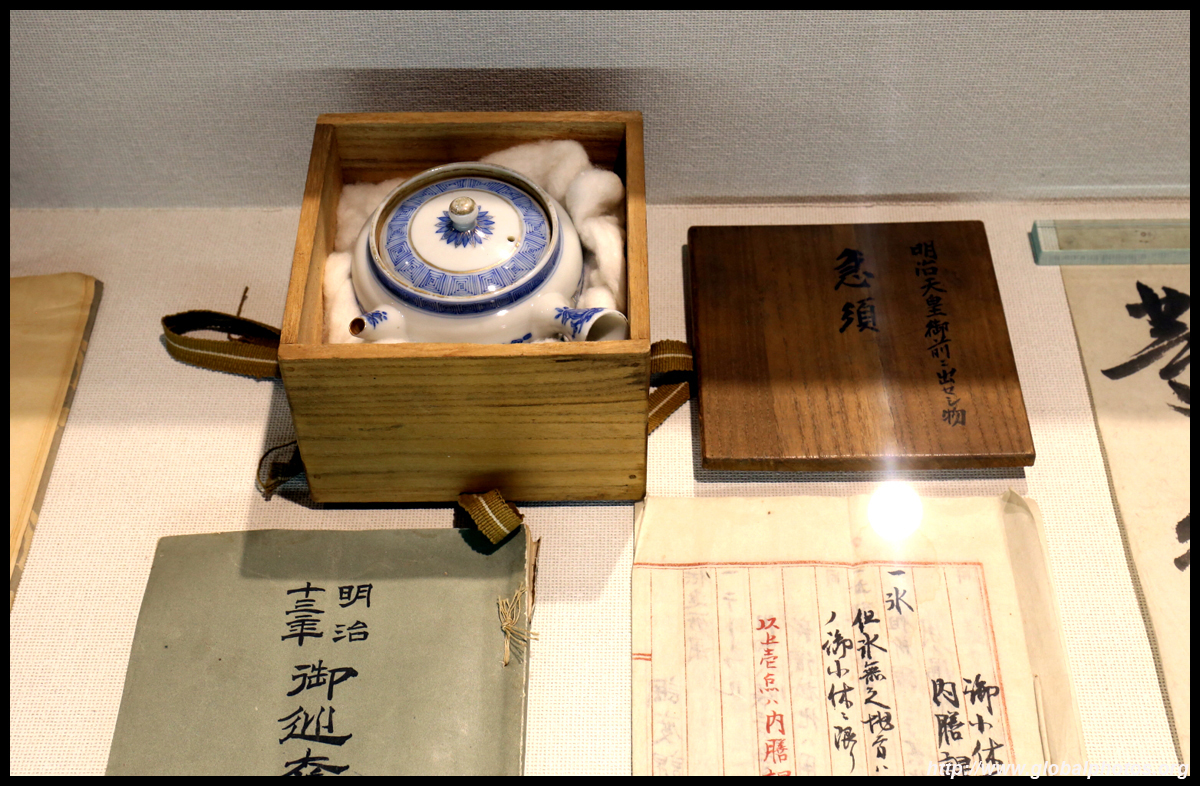
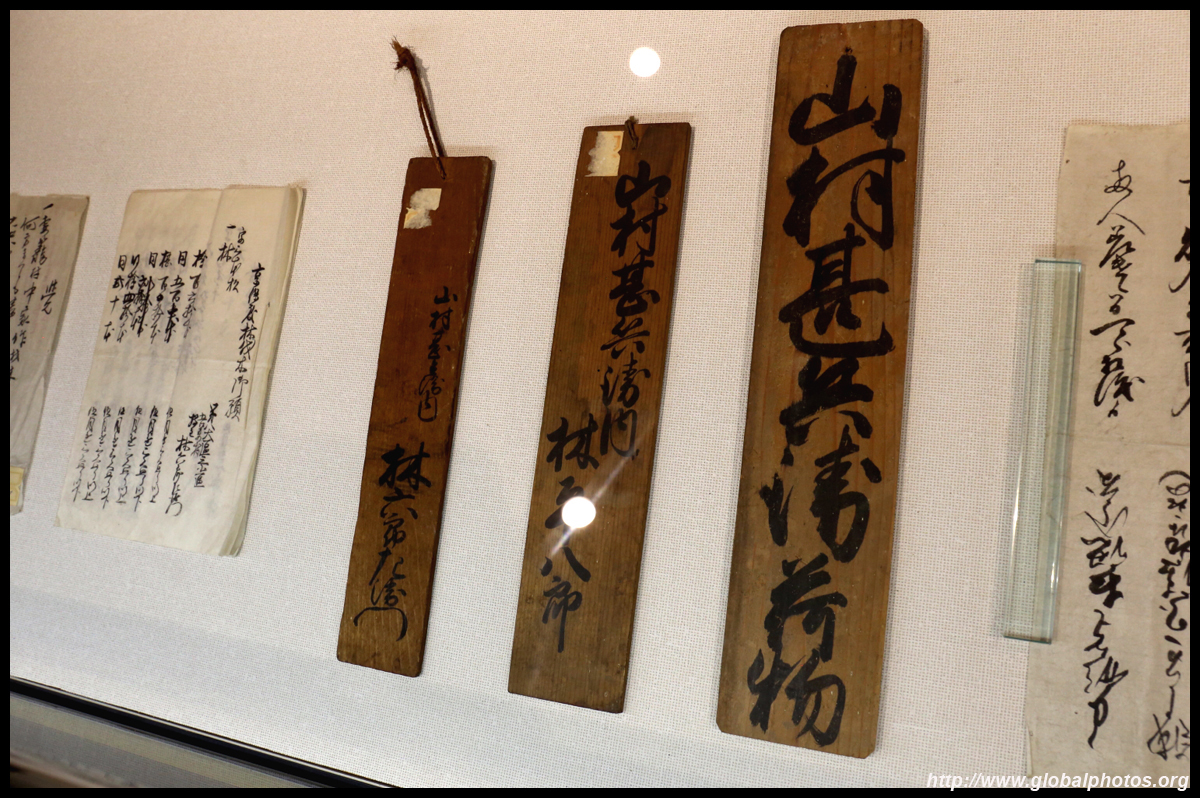
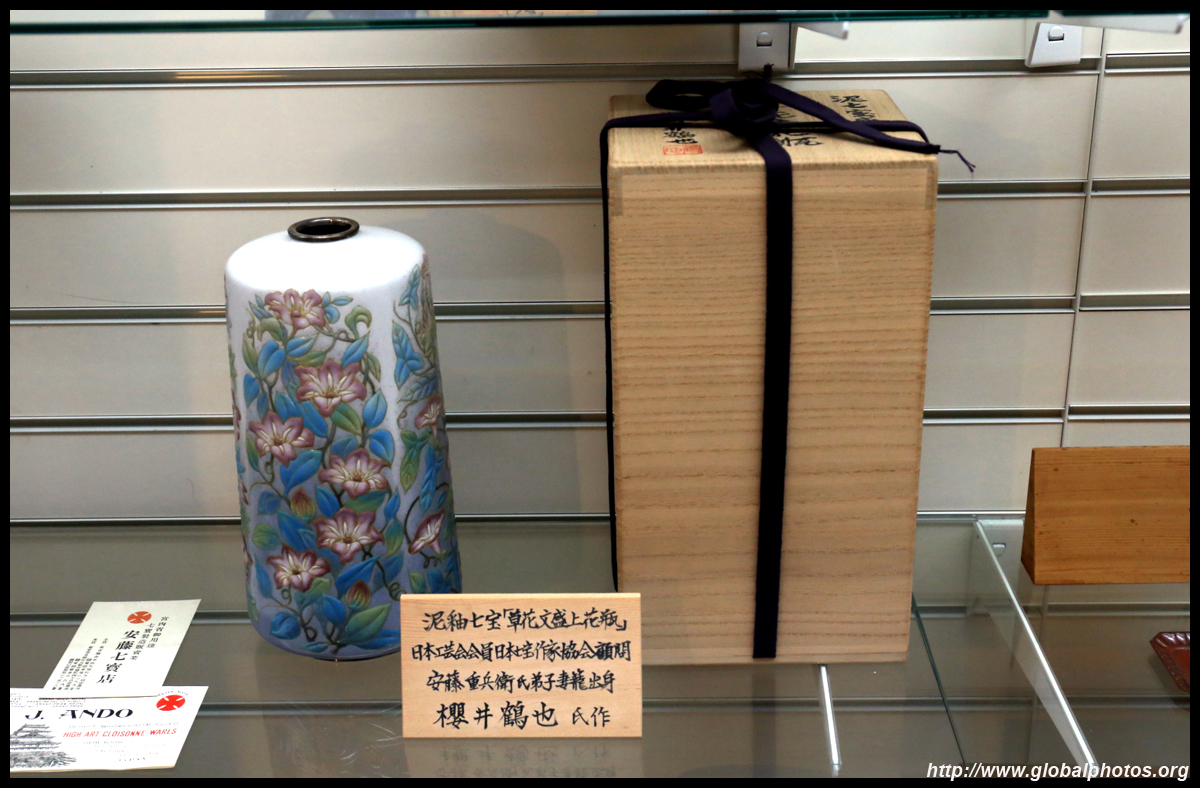
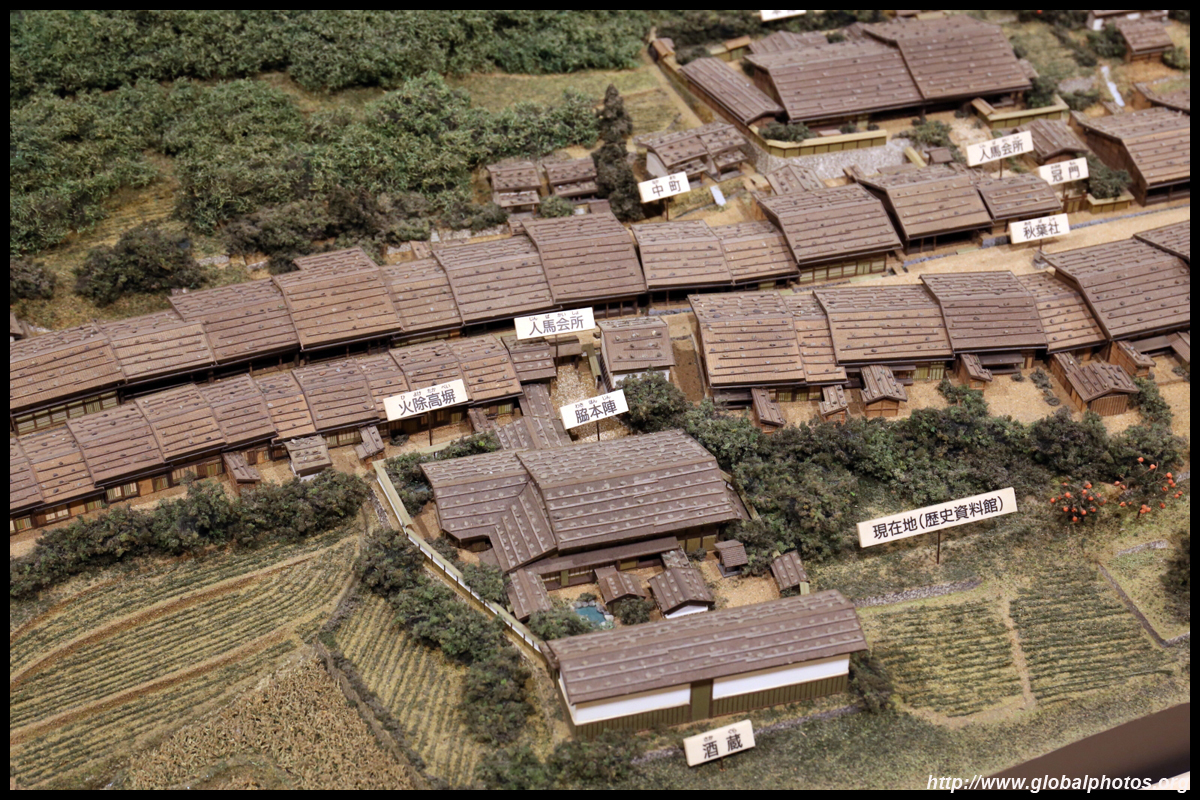
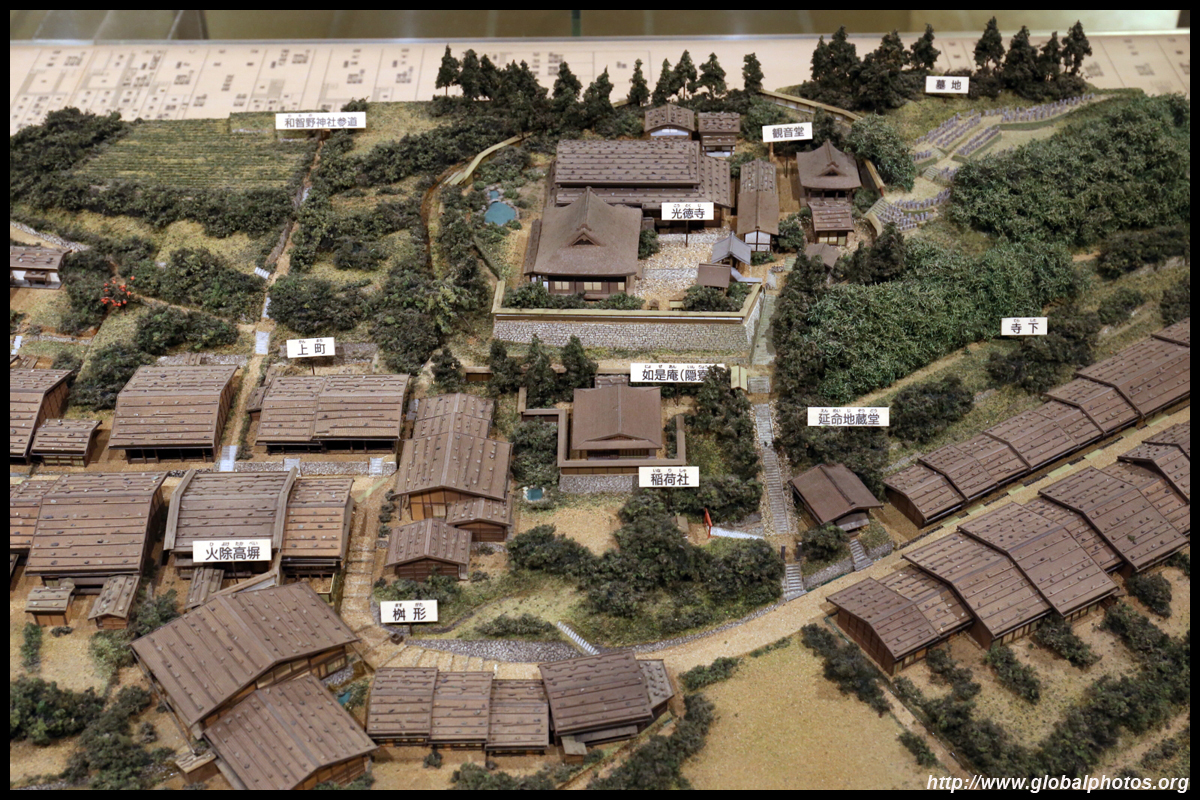
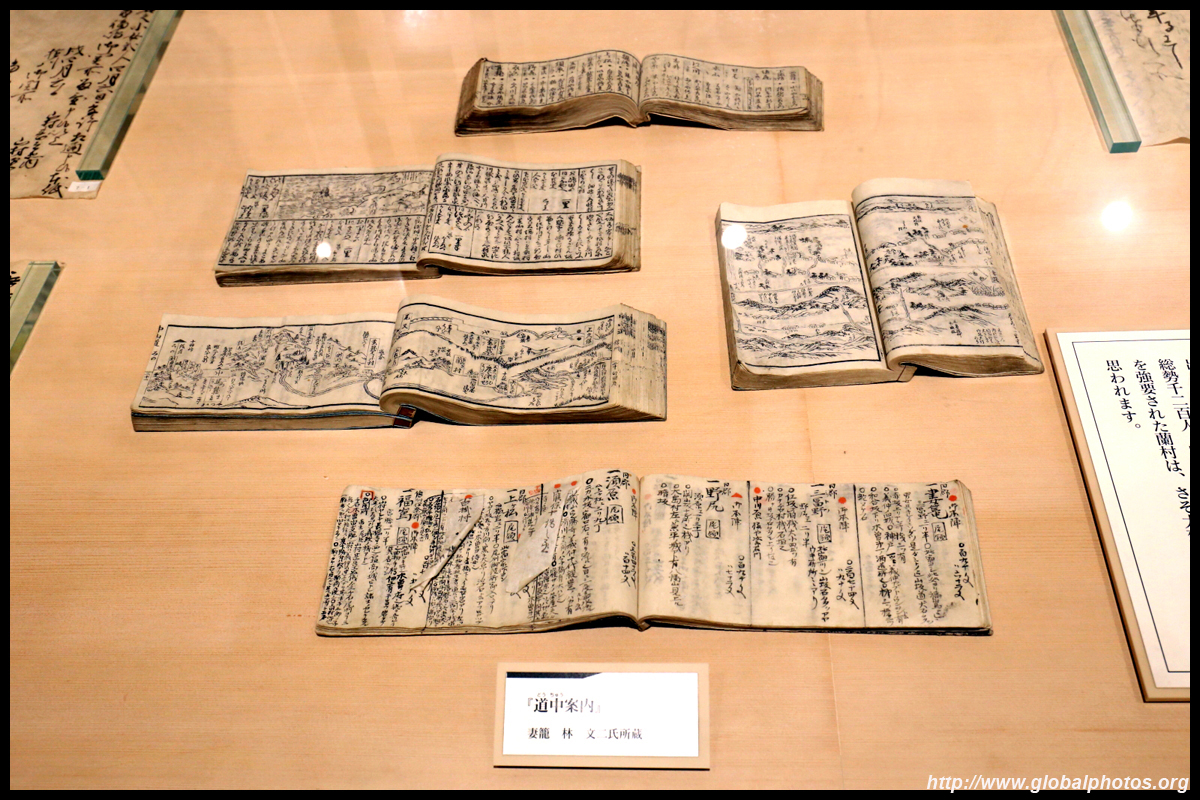
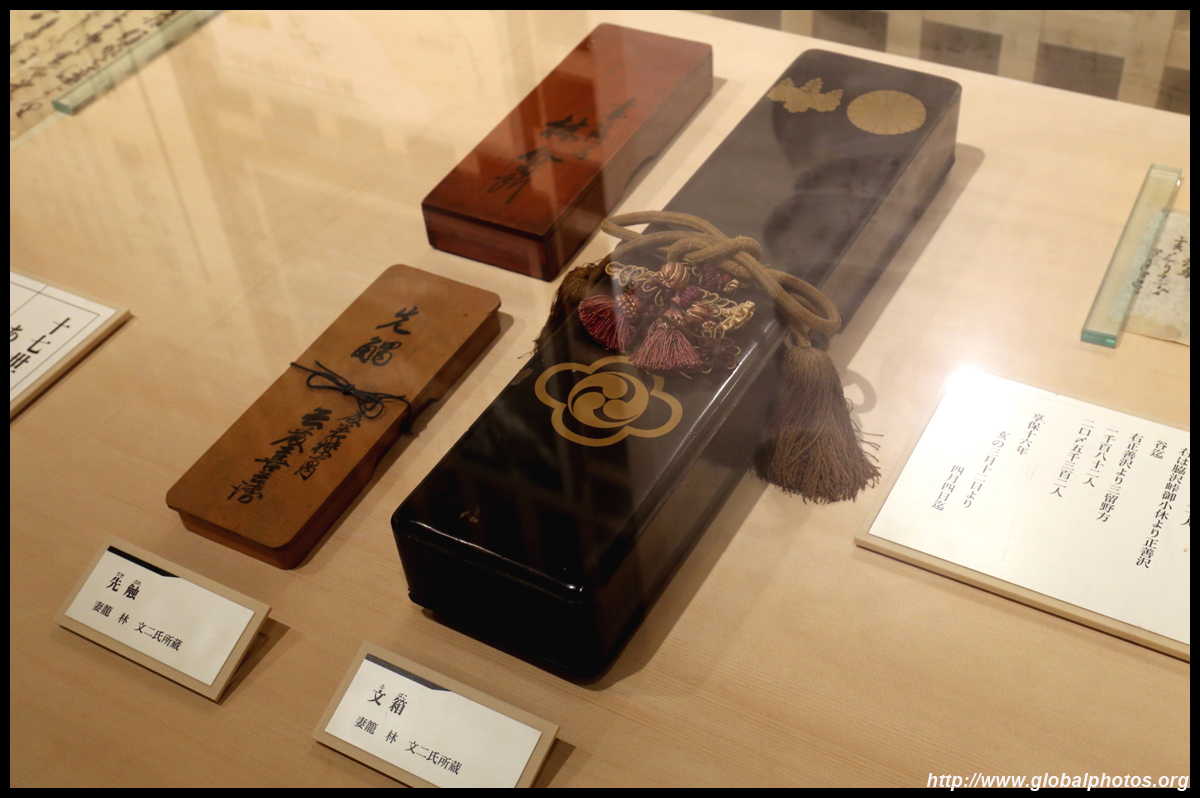
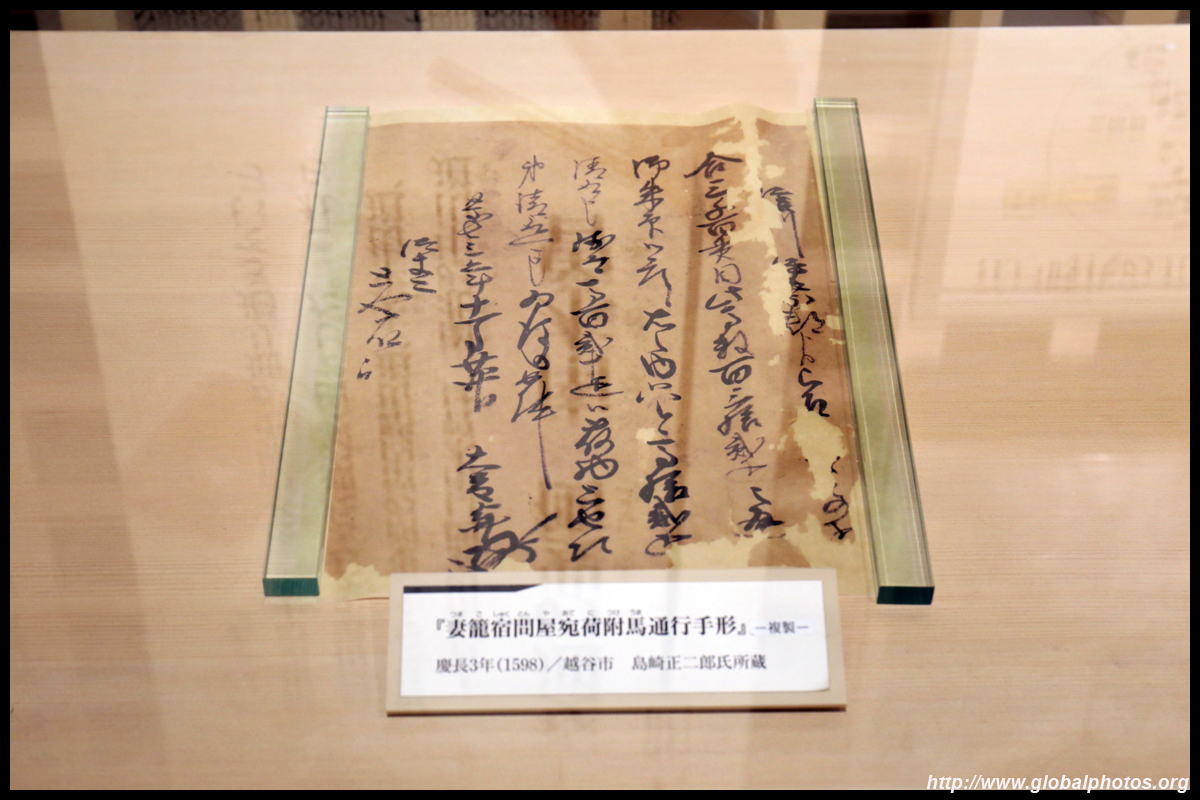
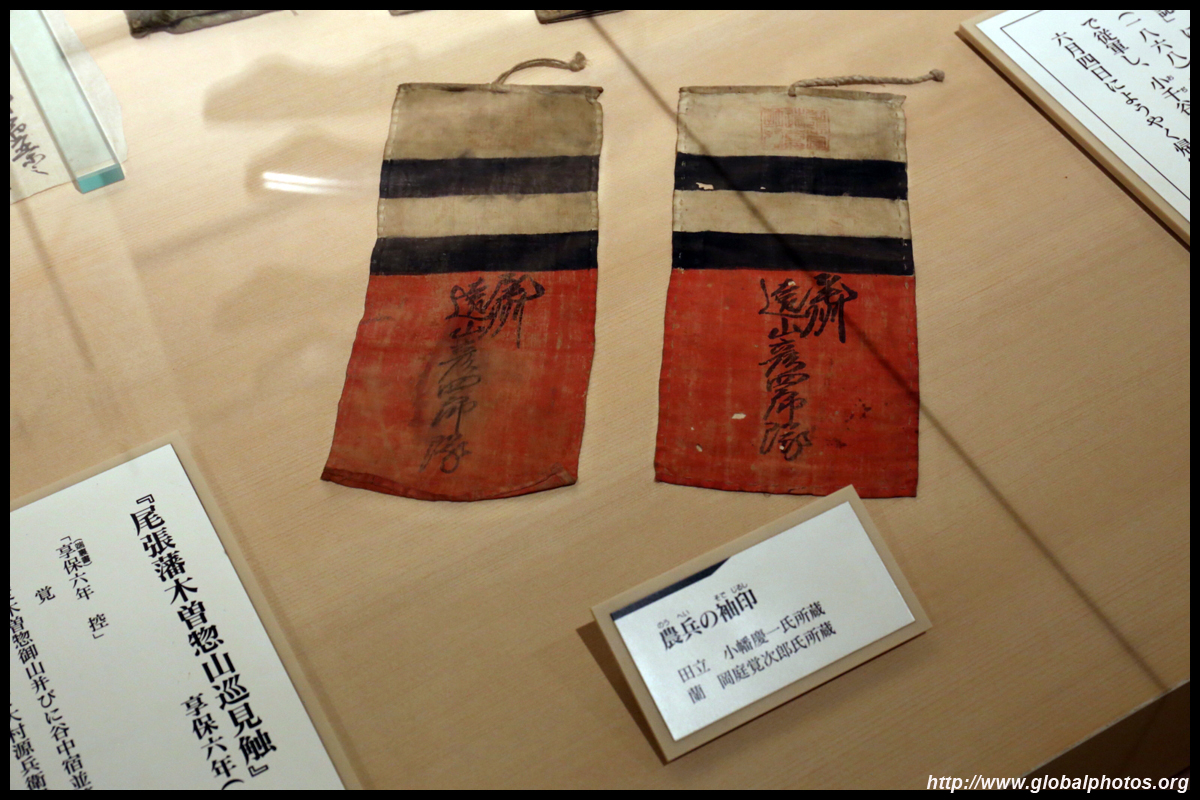
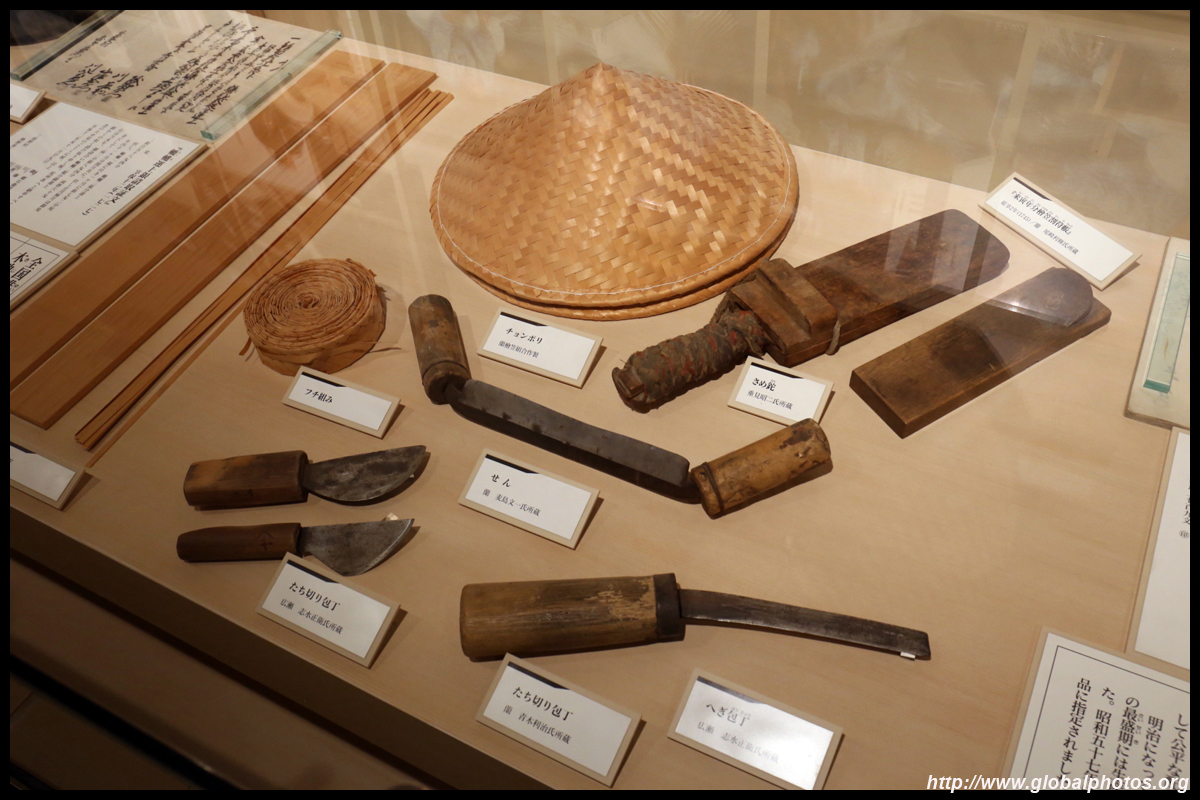
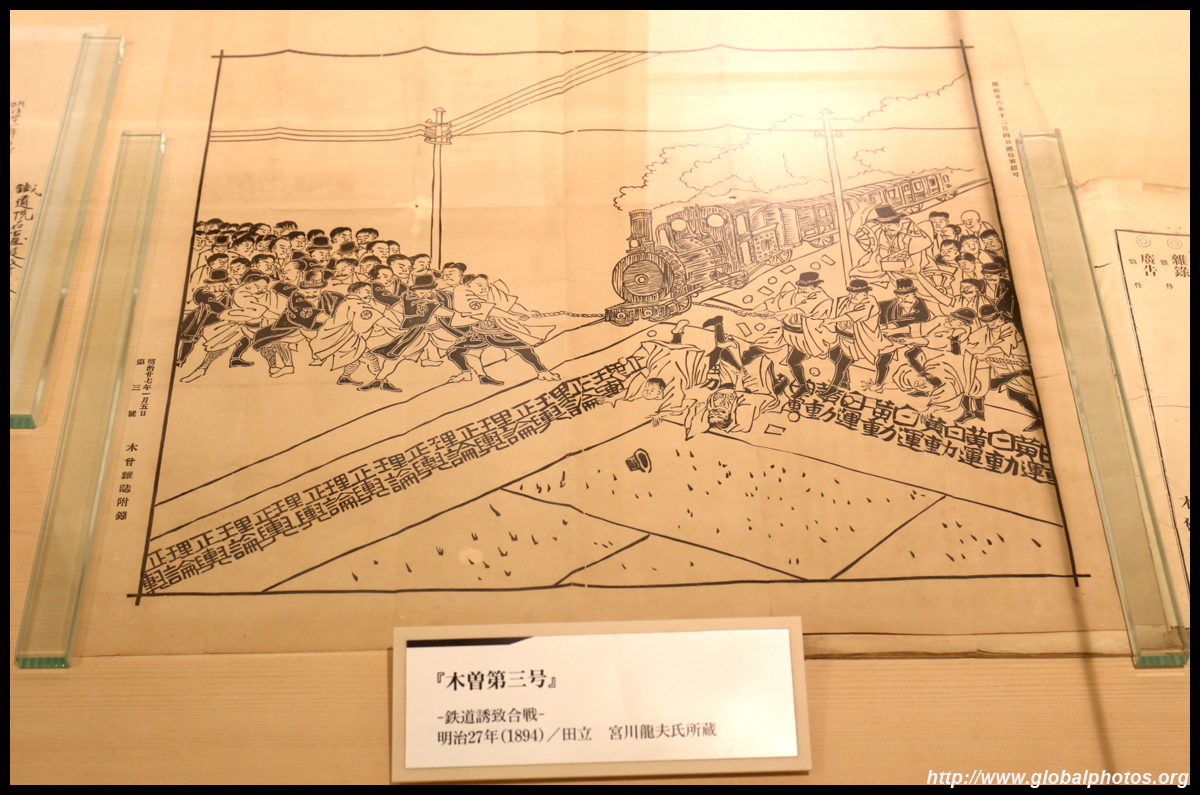
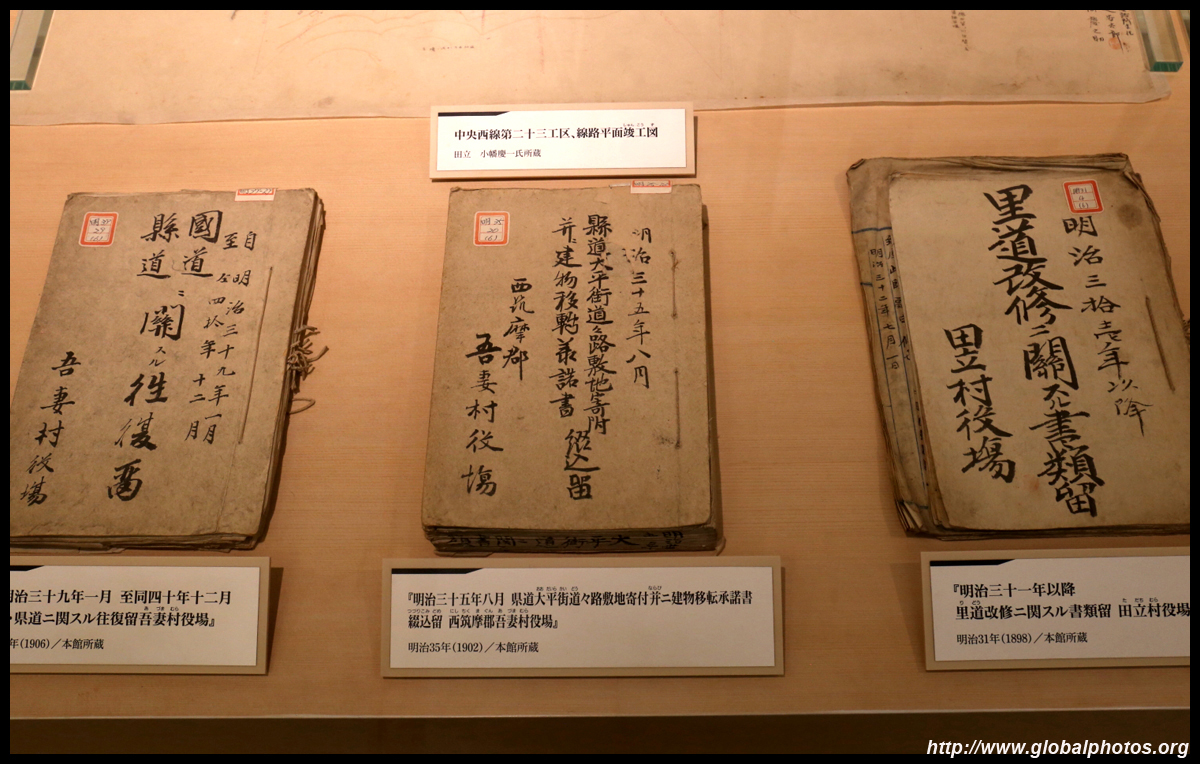
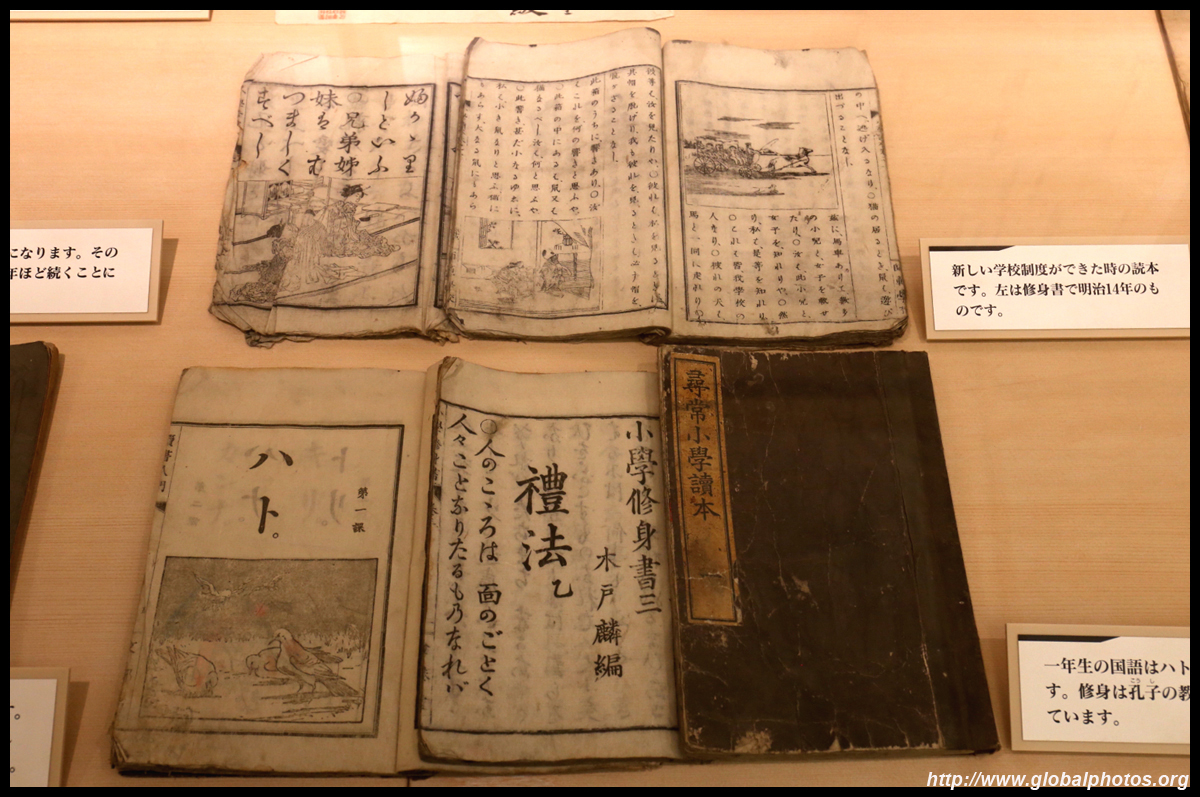
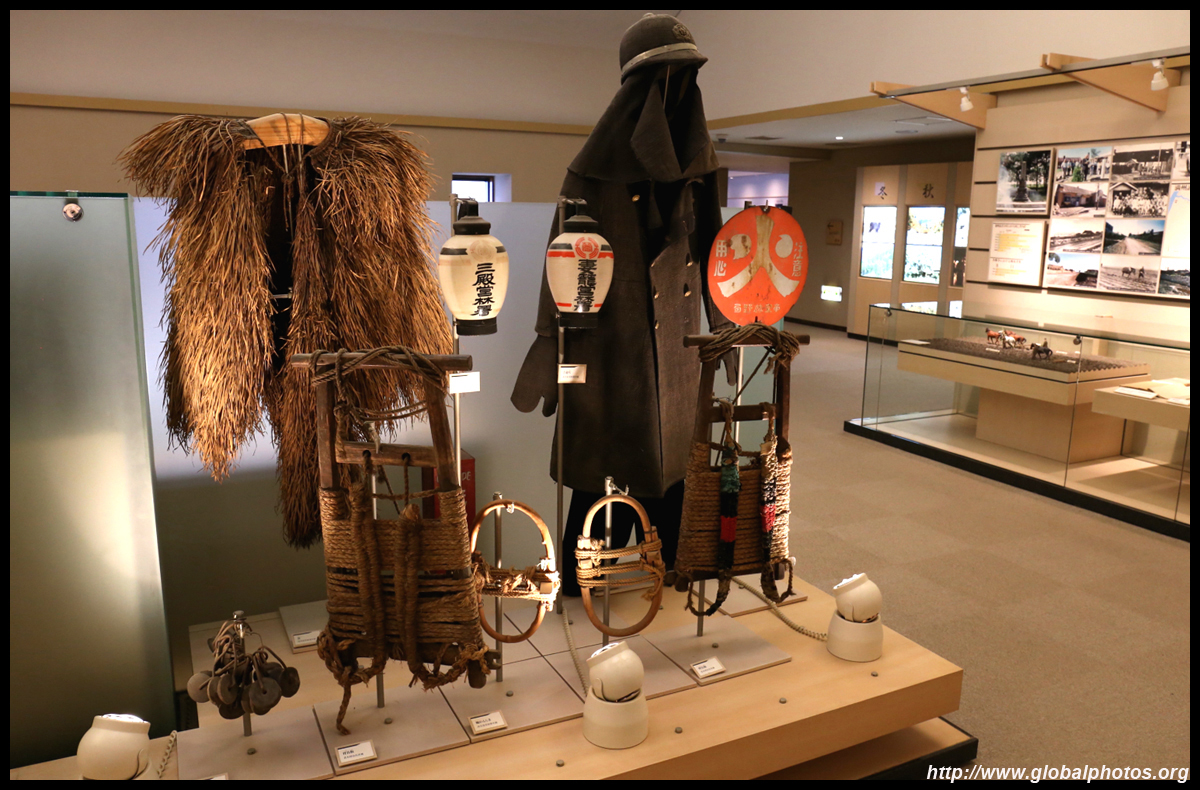
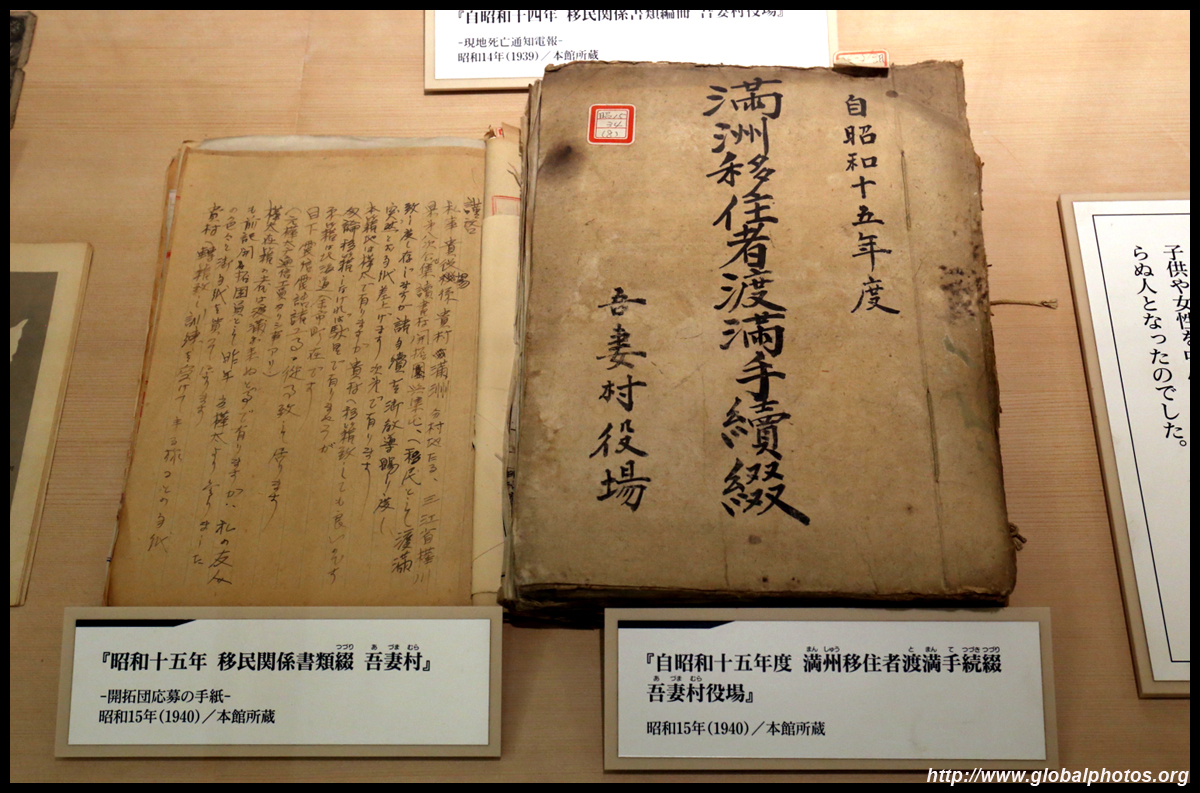
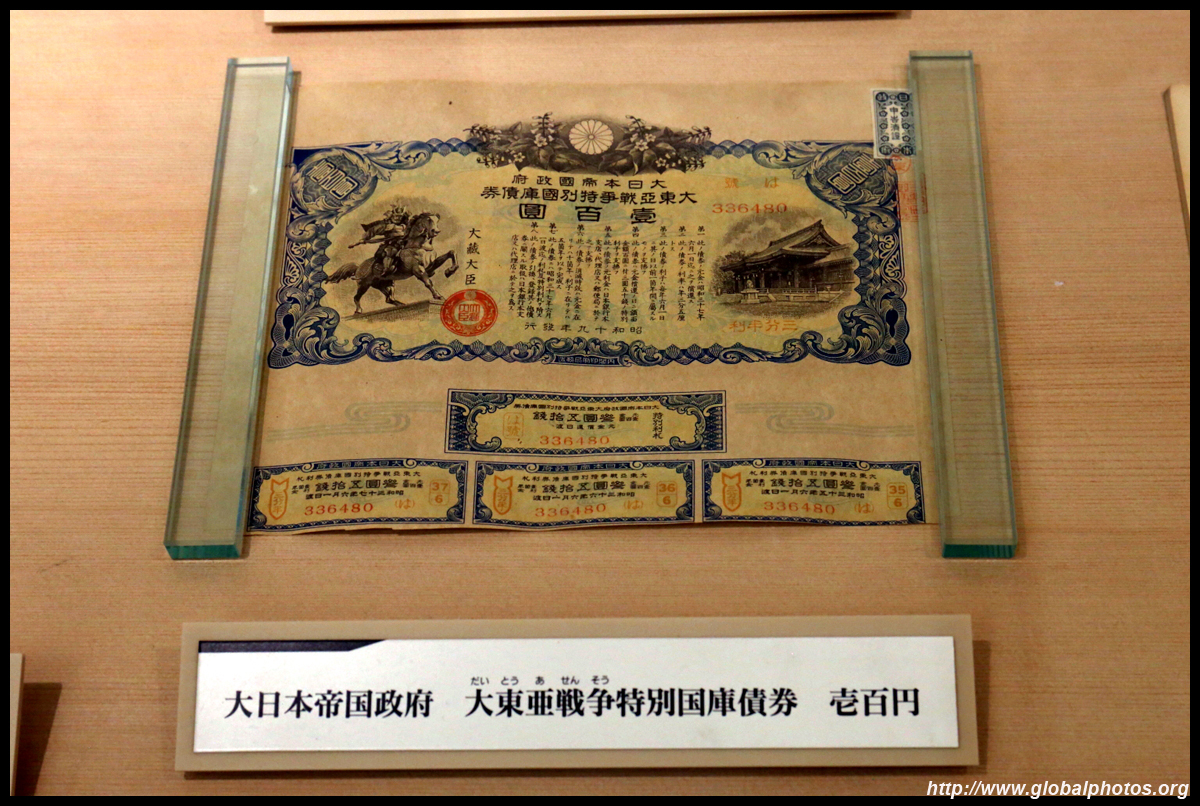
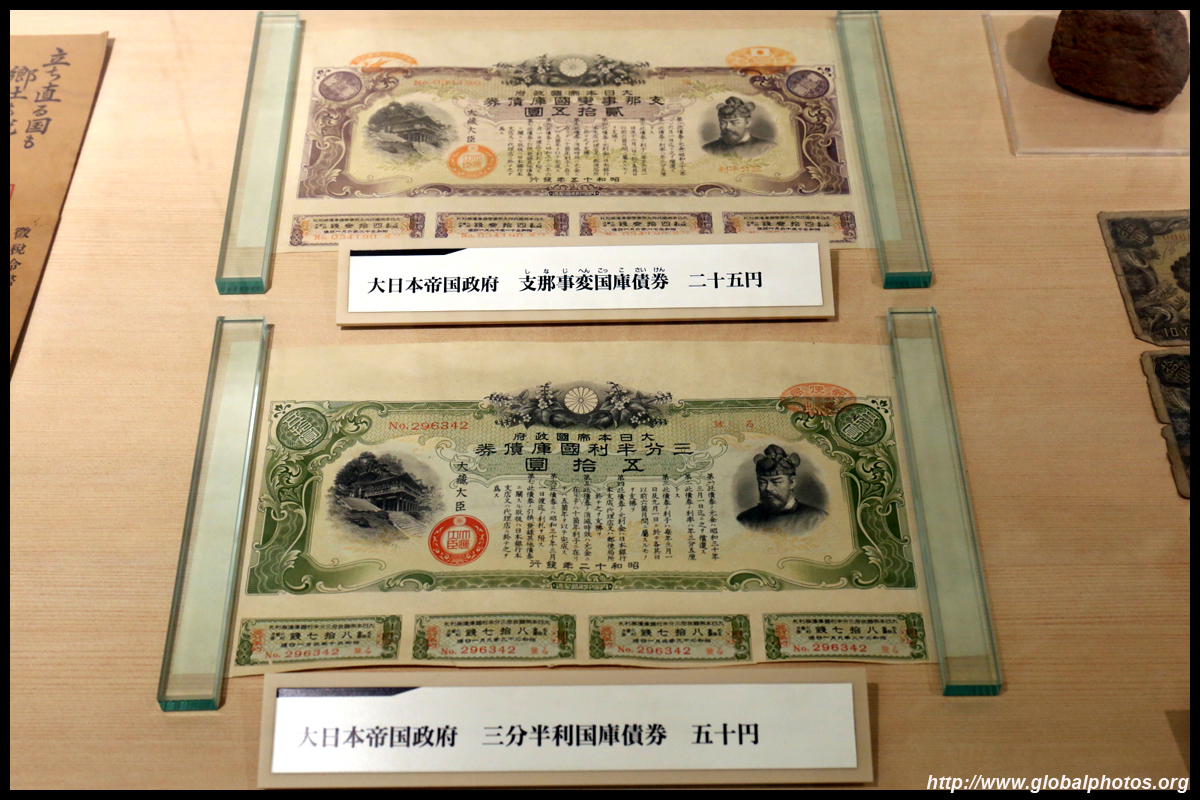
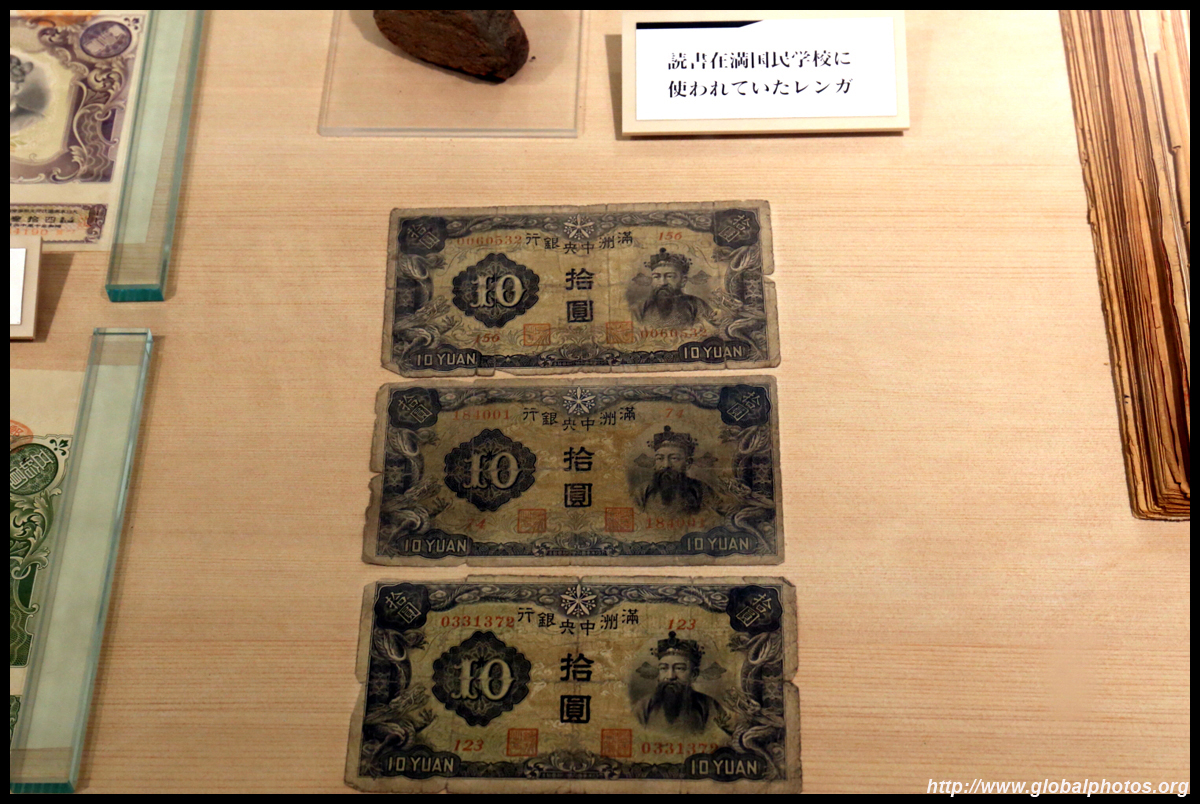
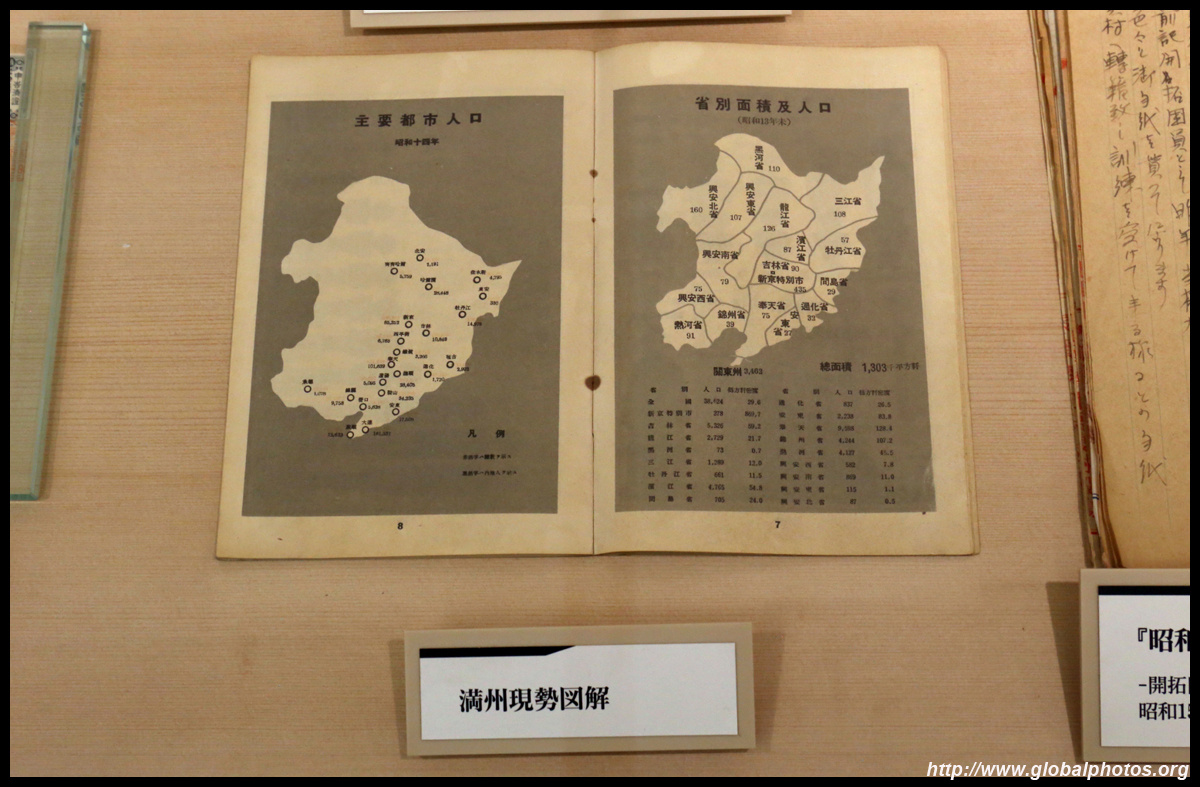
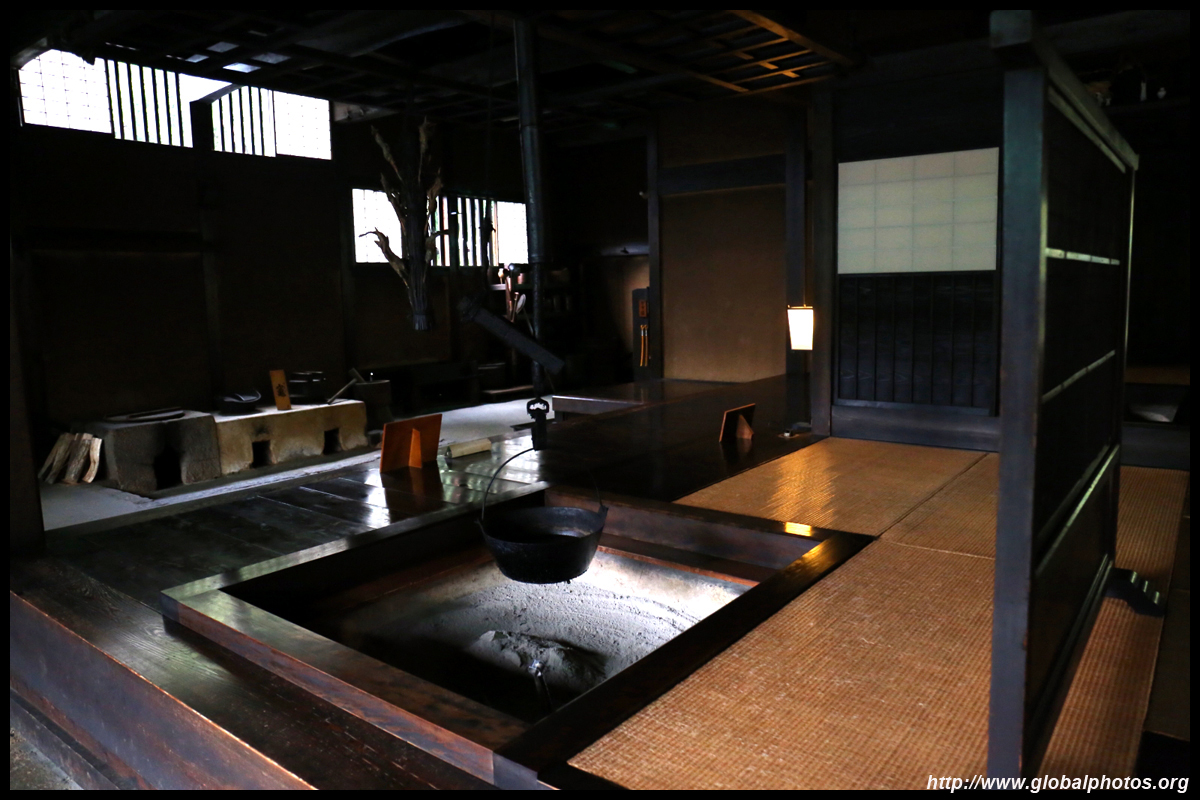
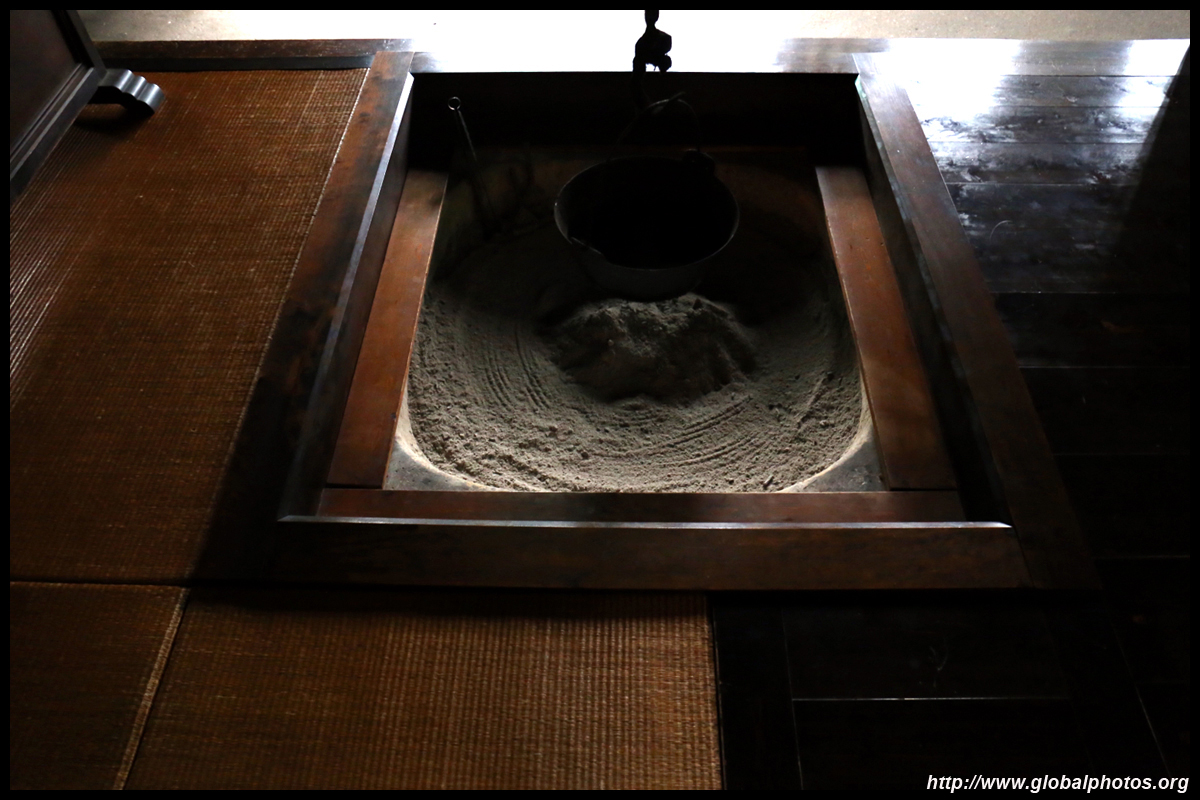
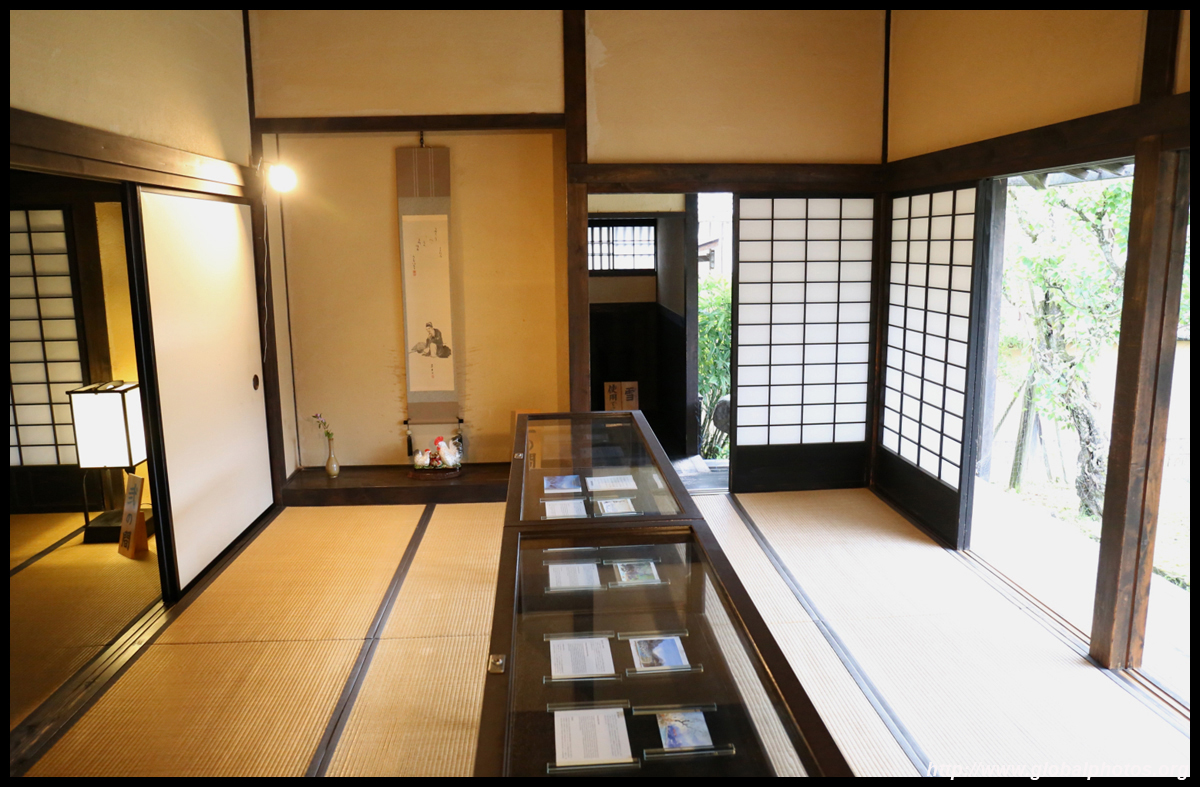
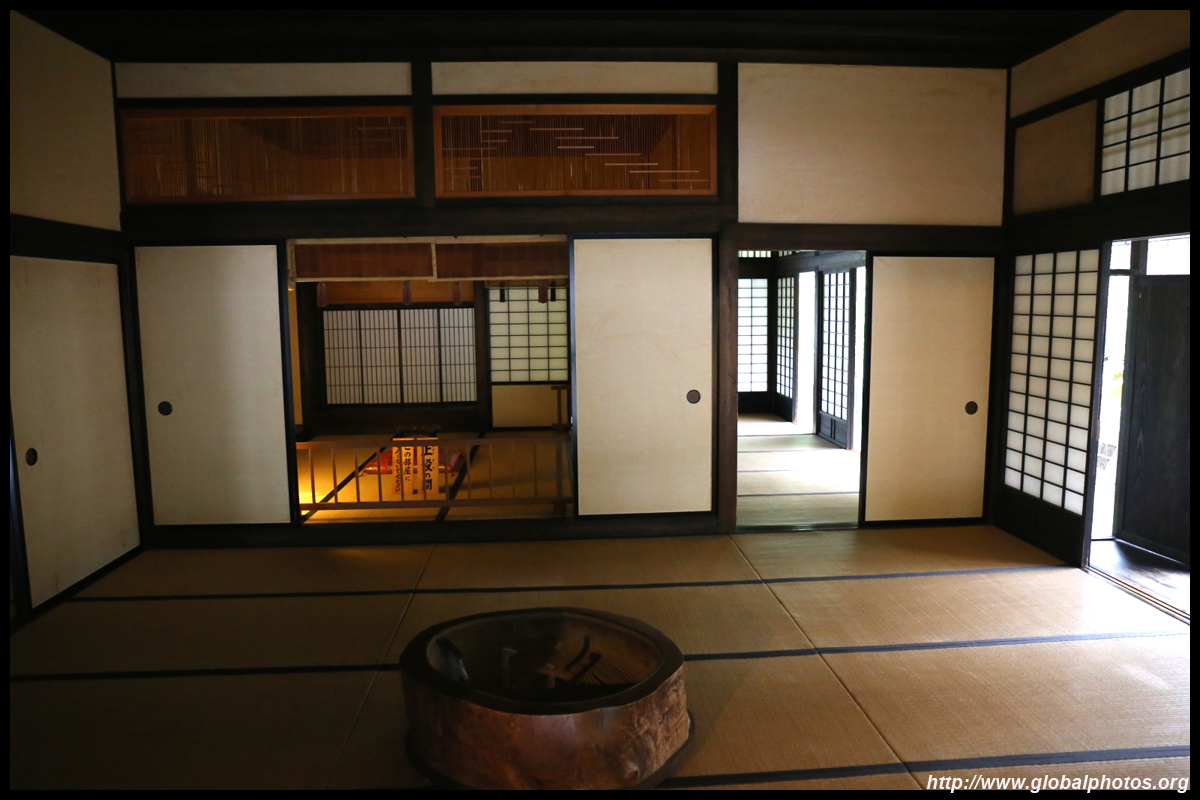
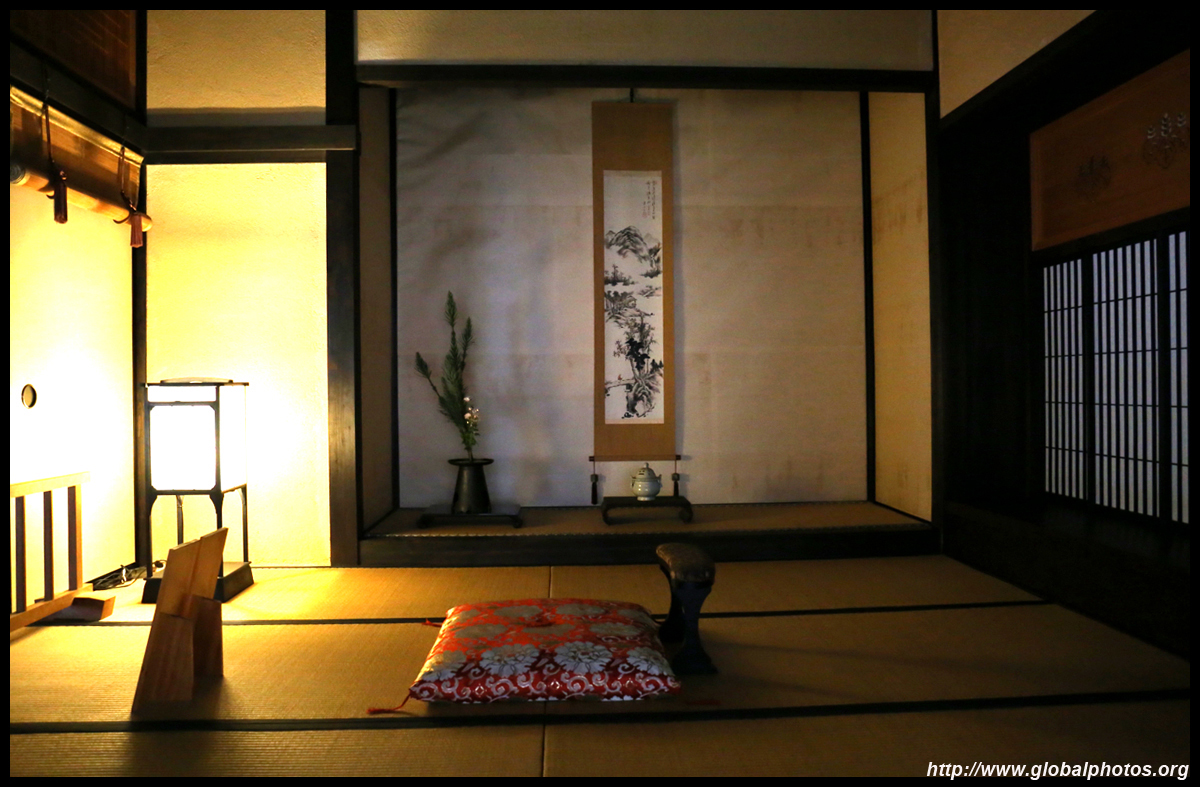
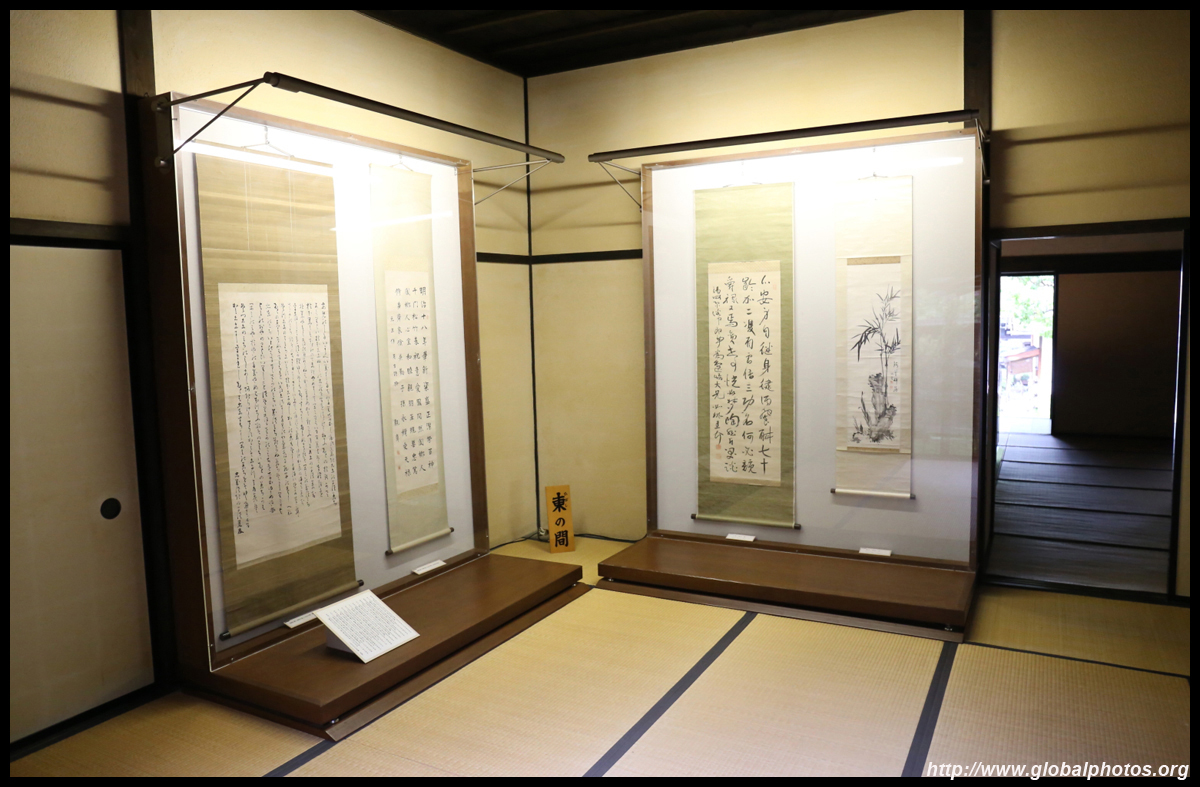
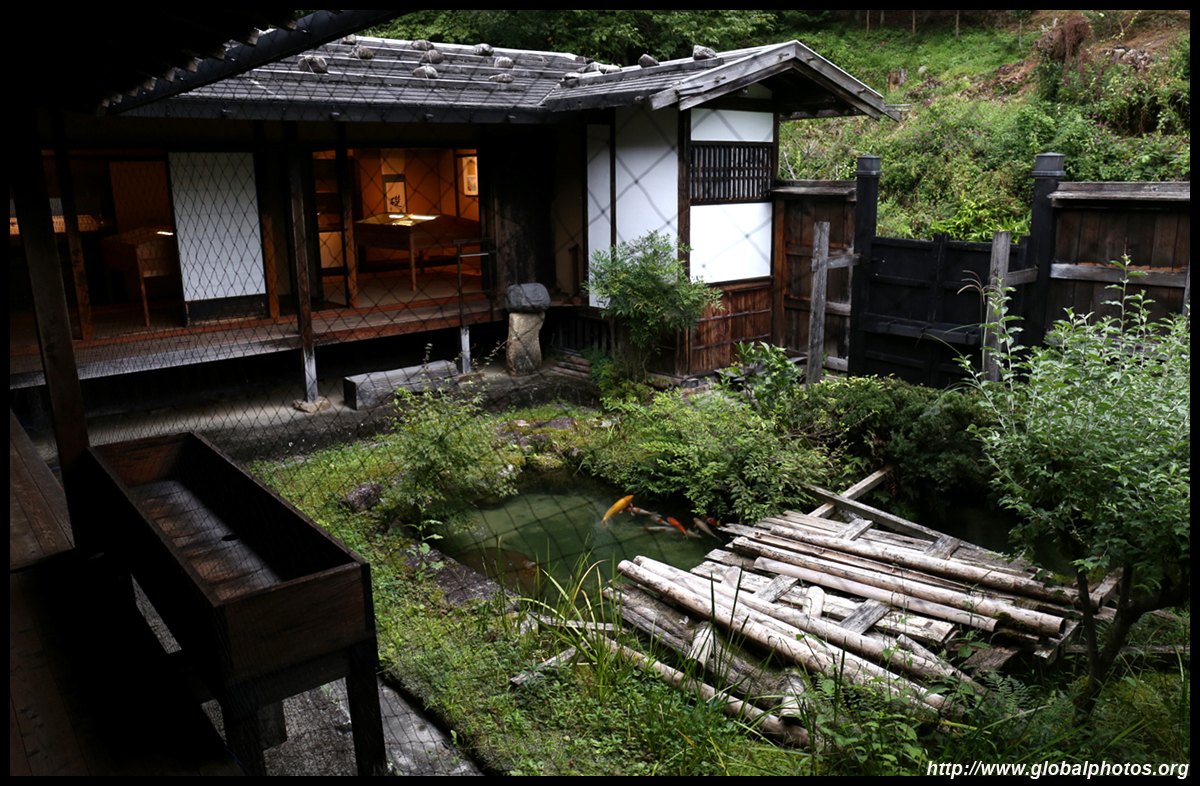
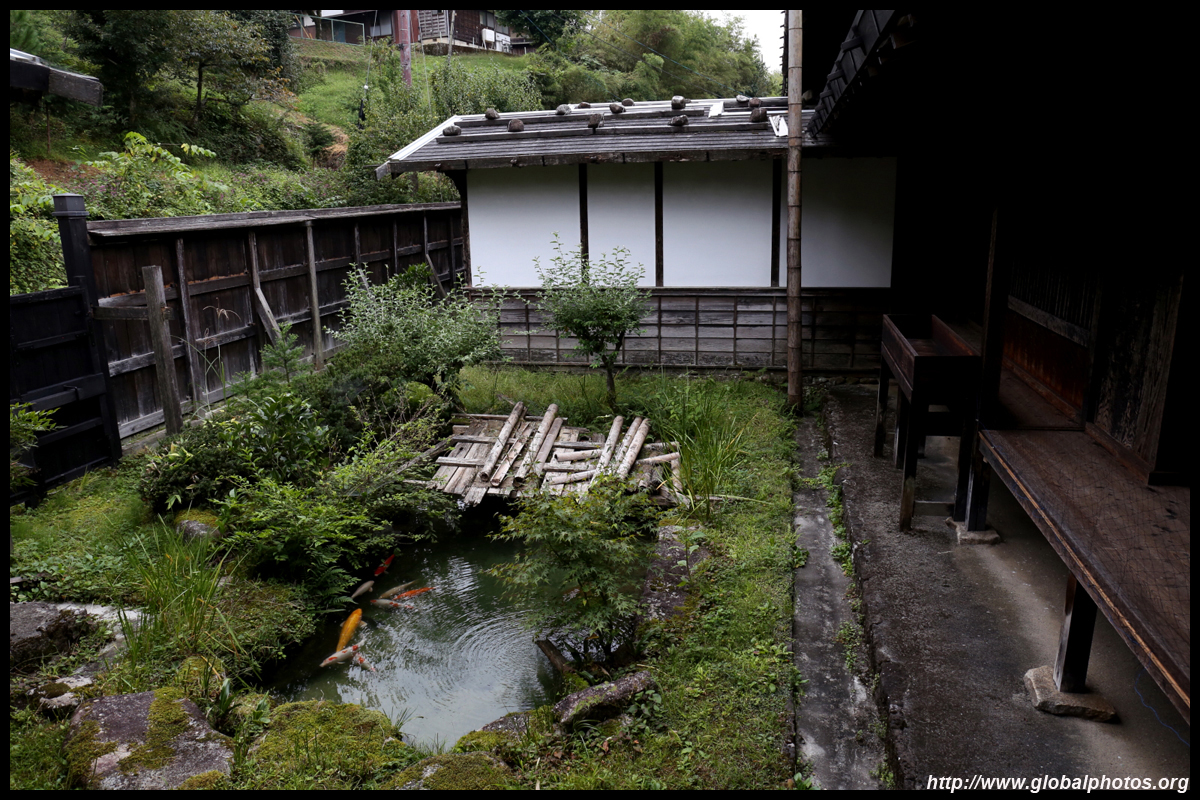
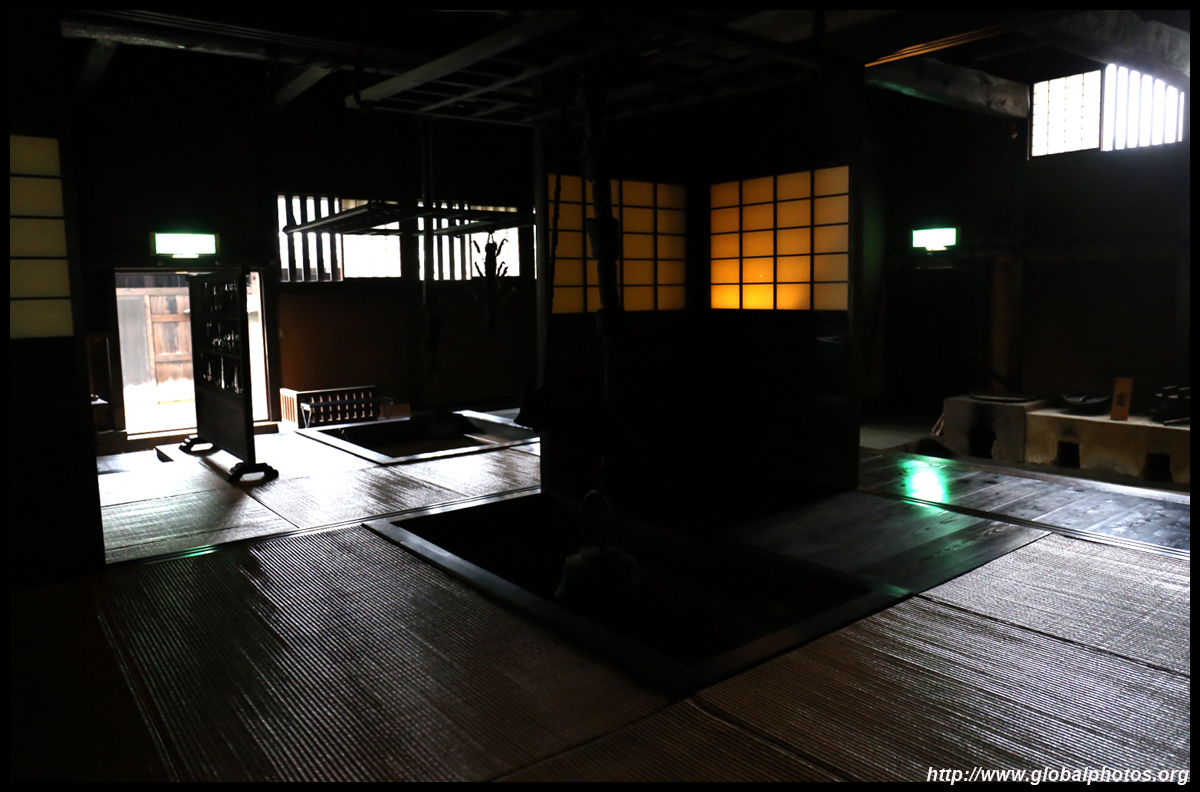
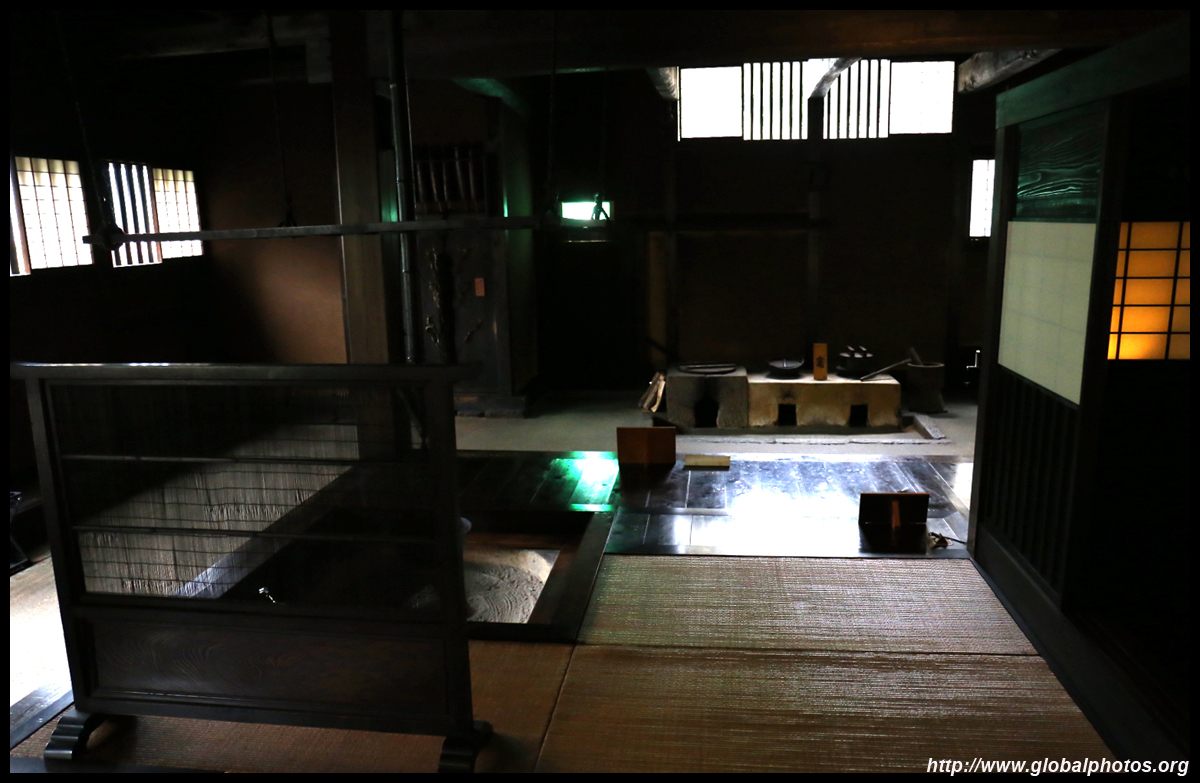
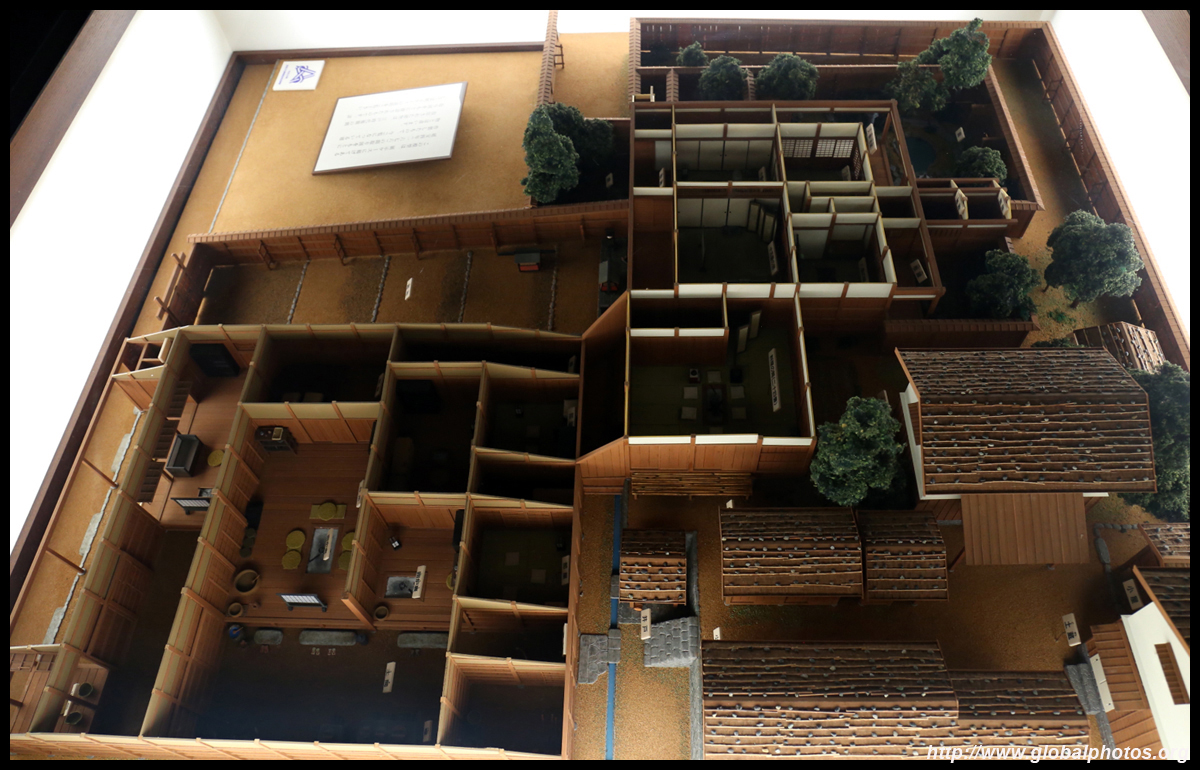
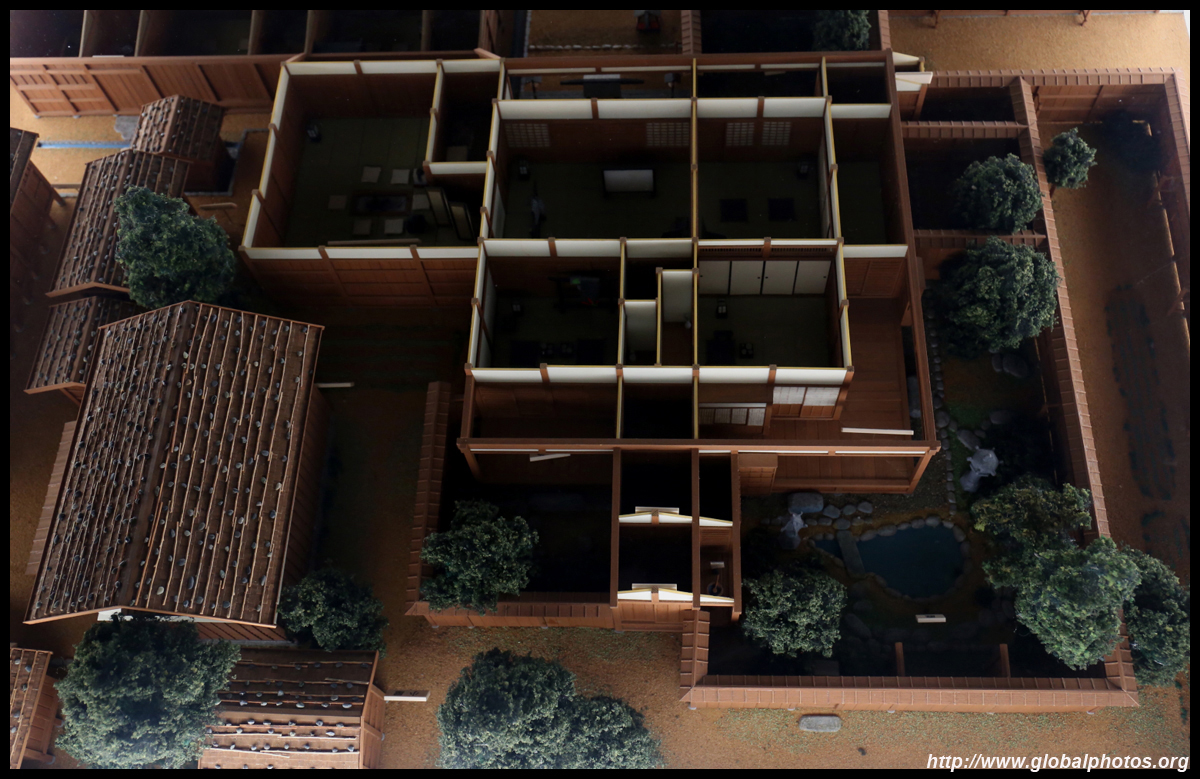
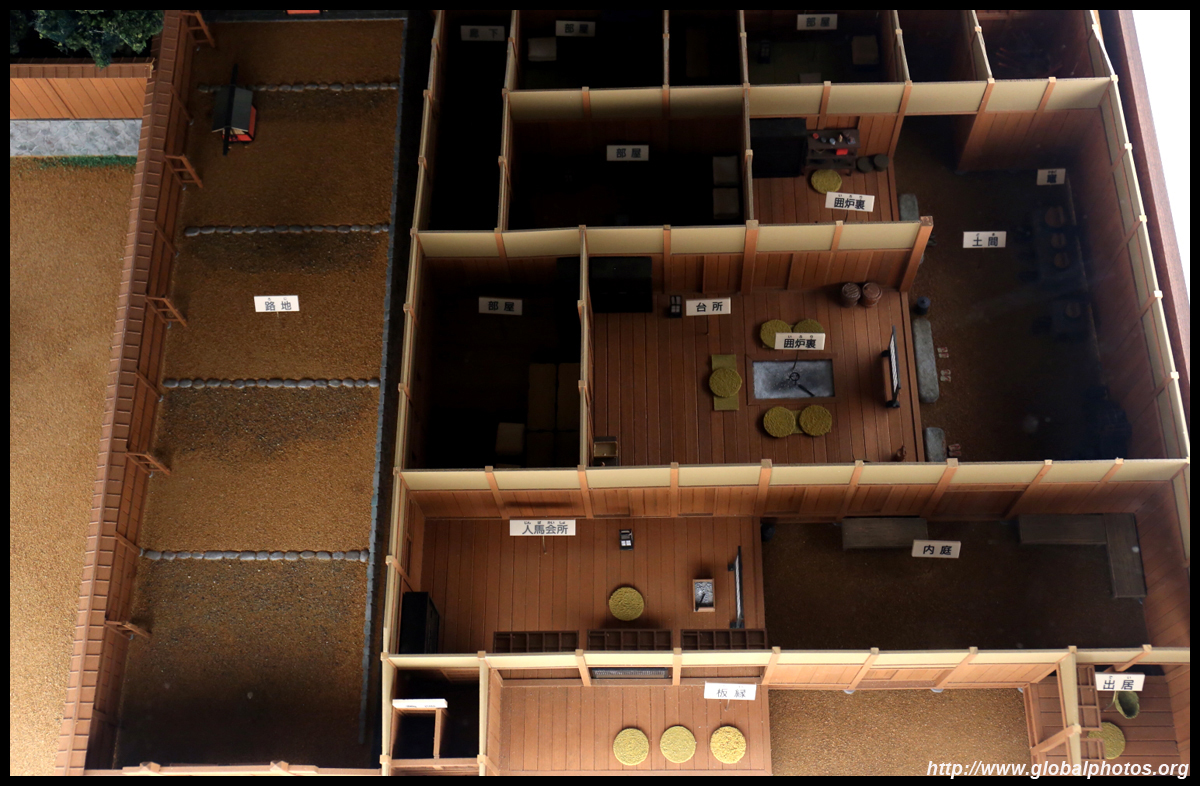
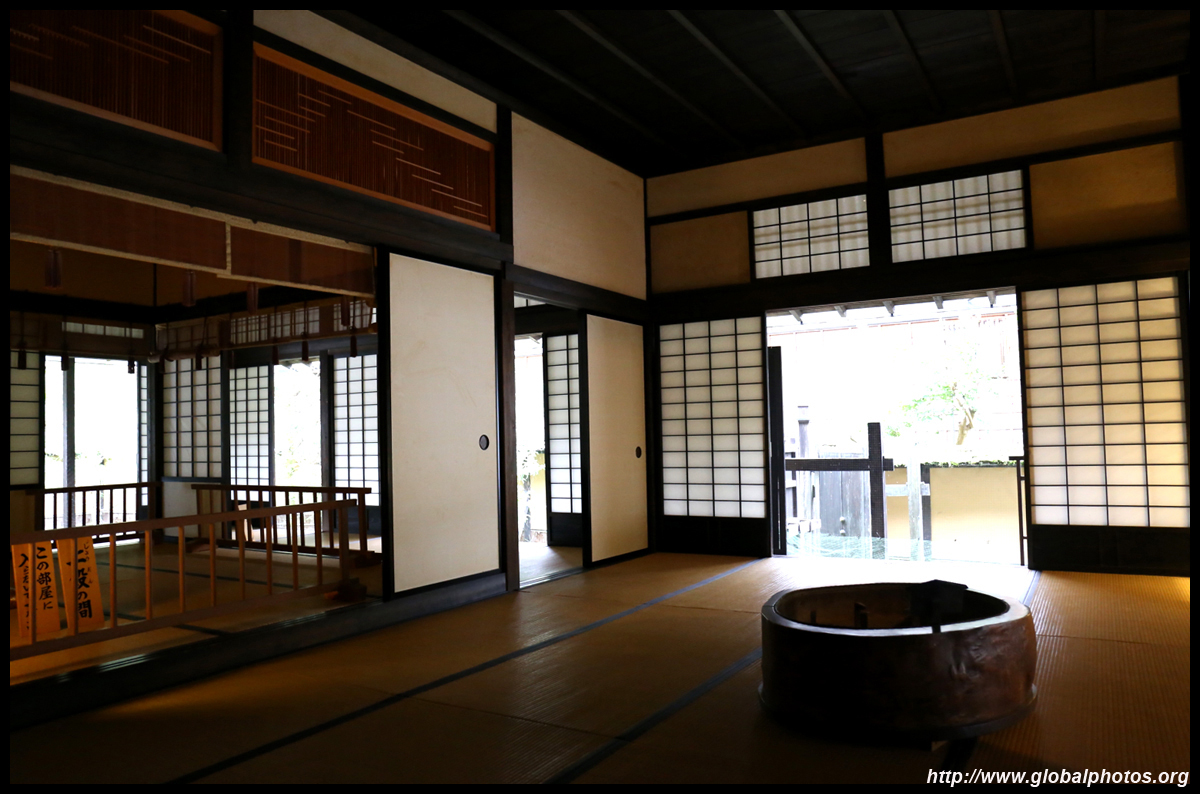
The Nagiso-machi Museum exhibits an old cypress wood house dating from 1877 as well as a historical museum.
| |||
 |
 |
 |
 |
 |
 |
 |
 |
 |
 |
 |
 |
 |
 |
 |
 |
 |
 |
 |
 |
 |
 |
 |
 |
 |
 |
 |
 |
 |
 |
 |
 |
 |
 |
 |
 |
 |
 |
 |
 |
 |
 |
 |
 |
 |
 |
 |
 |
 |
 |
 |
 |
 |
 |
 |
 |
 |
 |
 |
 |
 |
 |
 |
 |
 |
 |
 |
 |
 |
 |
 |
 |
 |
 |
 |
 |
 |
 |
 |
 |
 |
 |
||
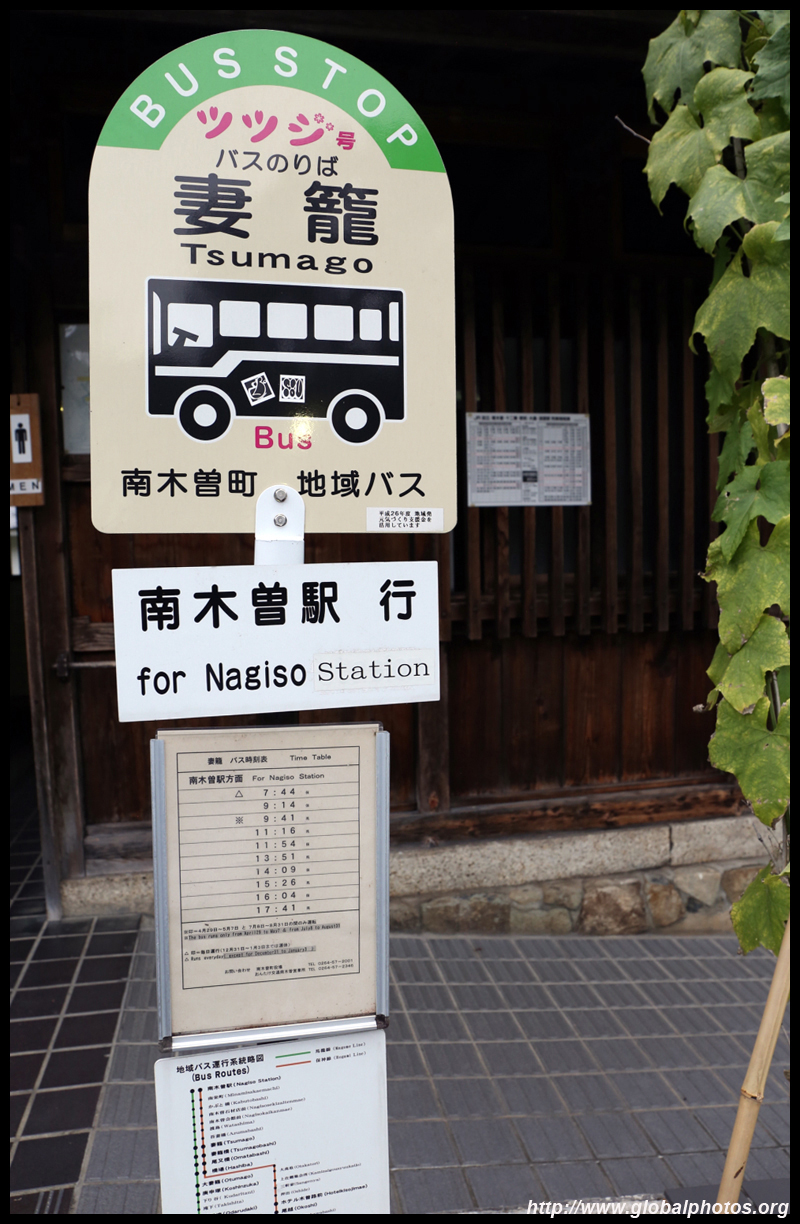
Just off the main historic street is a large parking lot with the bus stop back to the JR Nagiso train station. Similar to Magome, buses don't leave too frequently, so check the bus schedules to make sure you won't get stranded. You can see from the photo below that the last bus leaves at 5:41pm.
| |||