Rotterdam Photo Gallery - City Centre
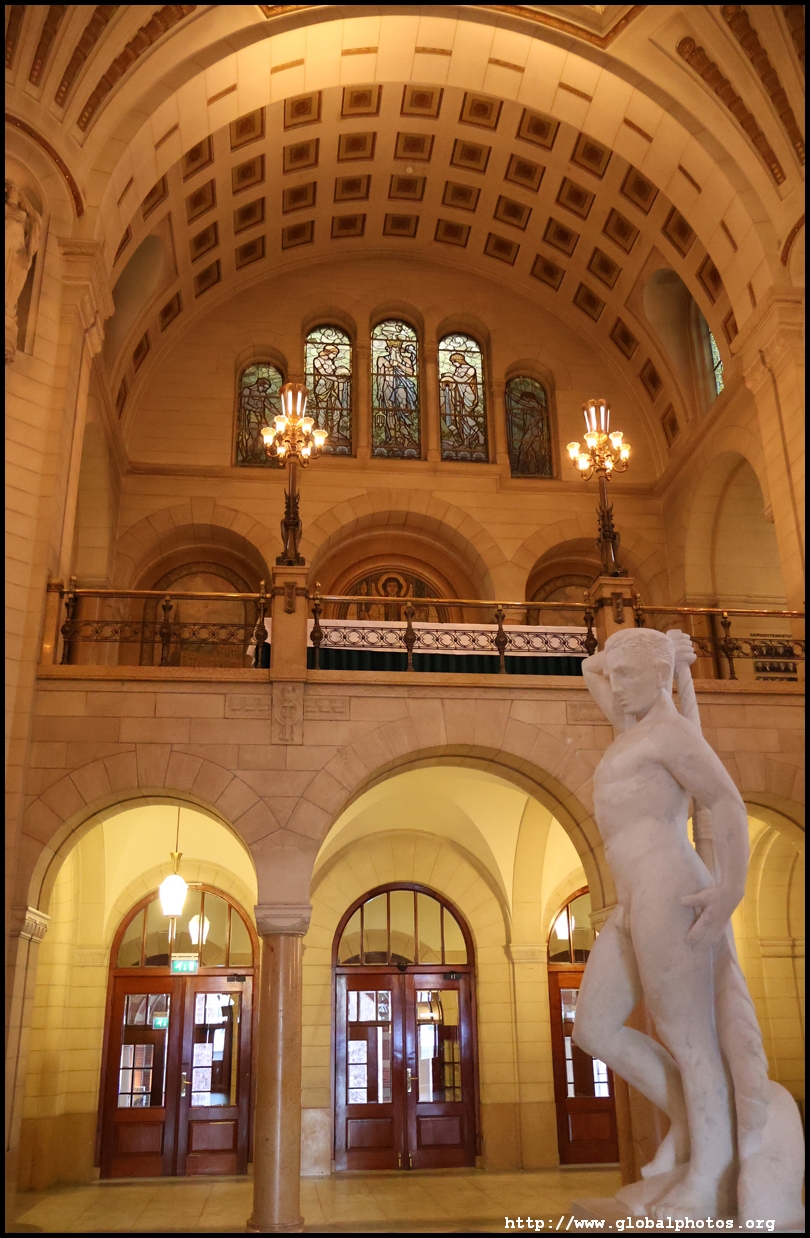
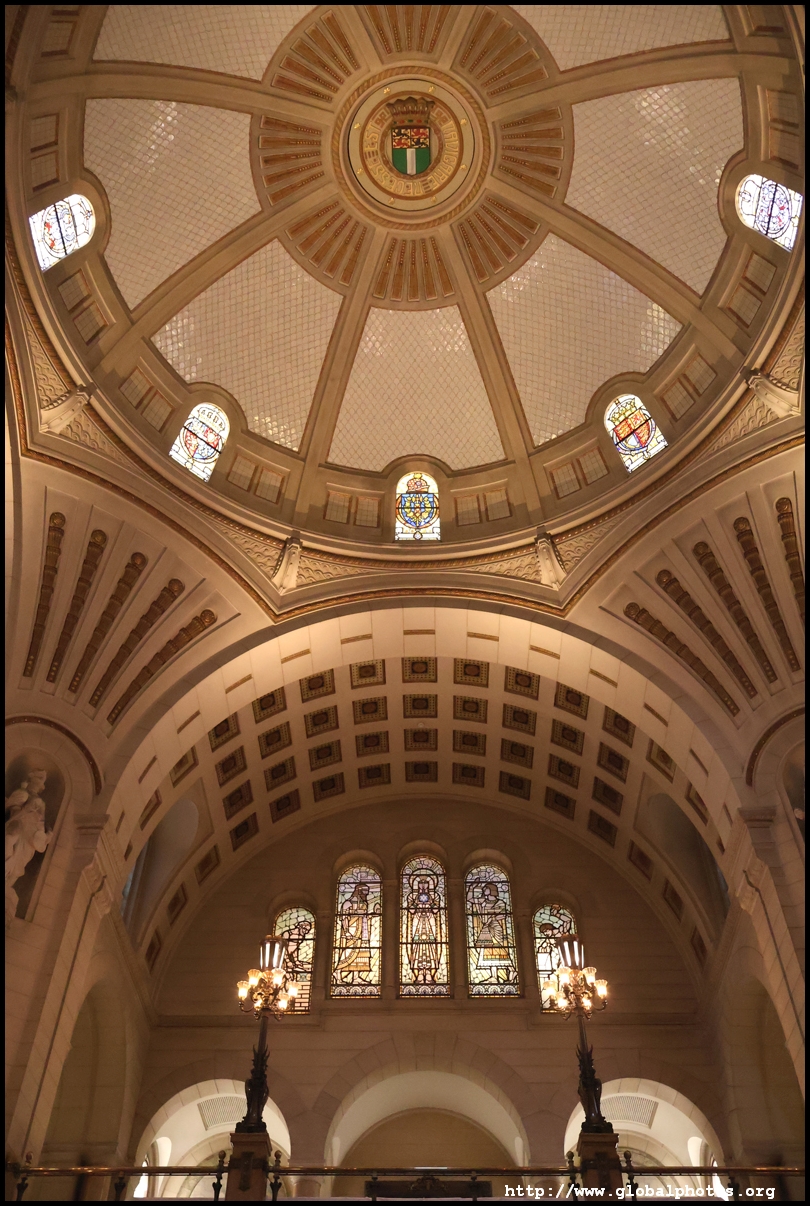
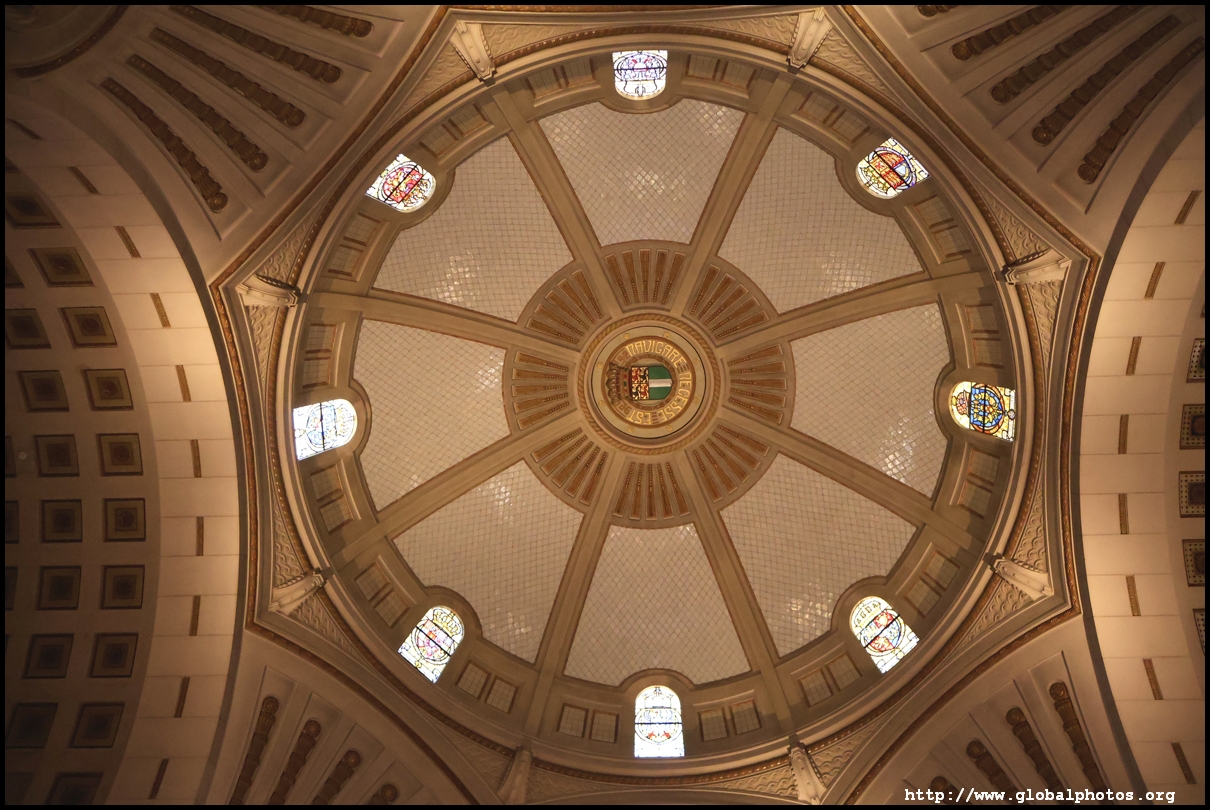
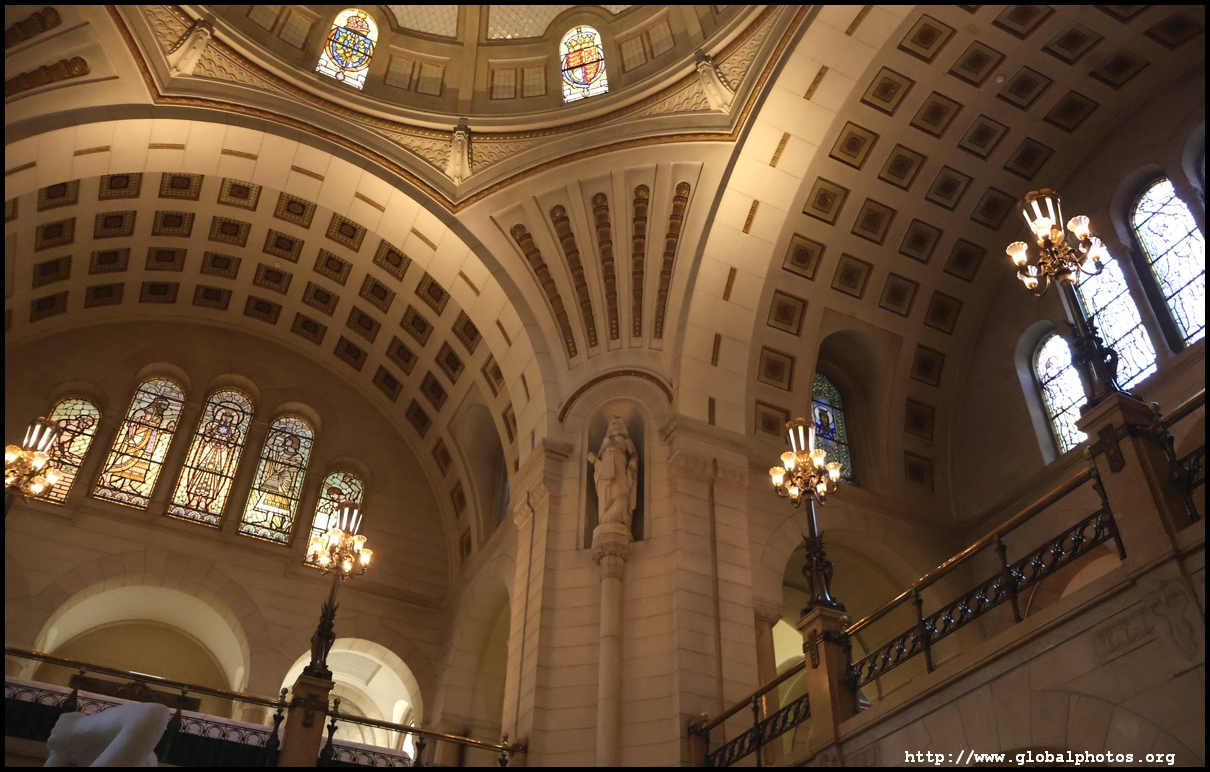
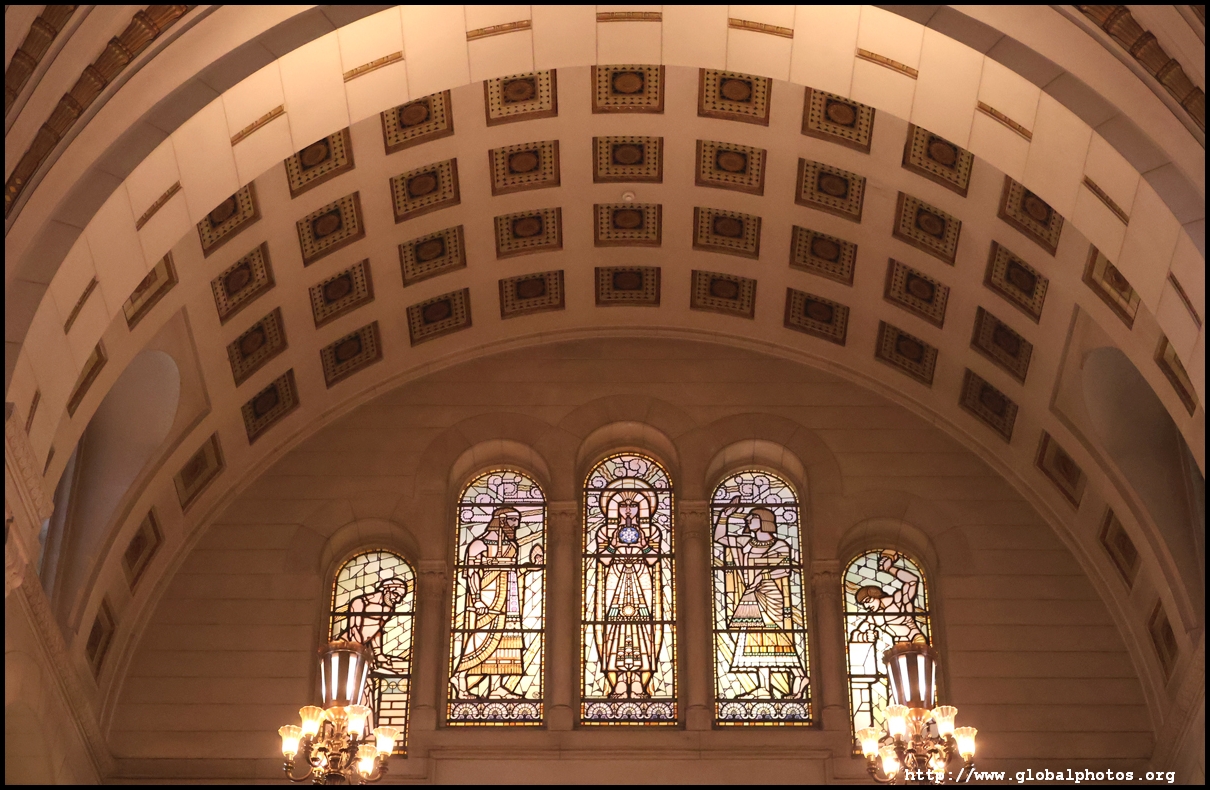
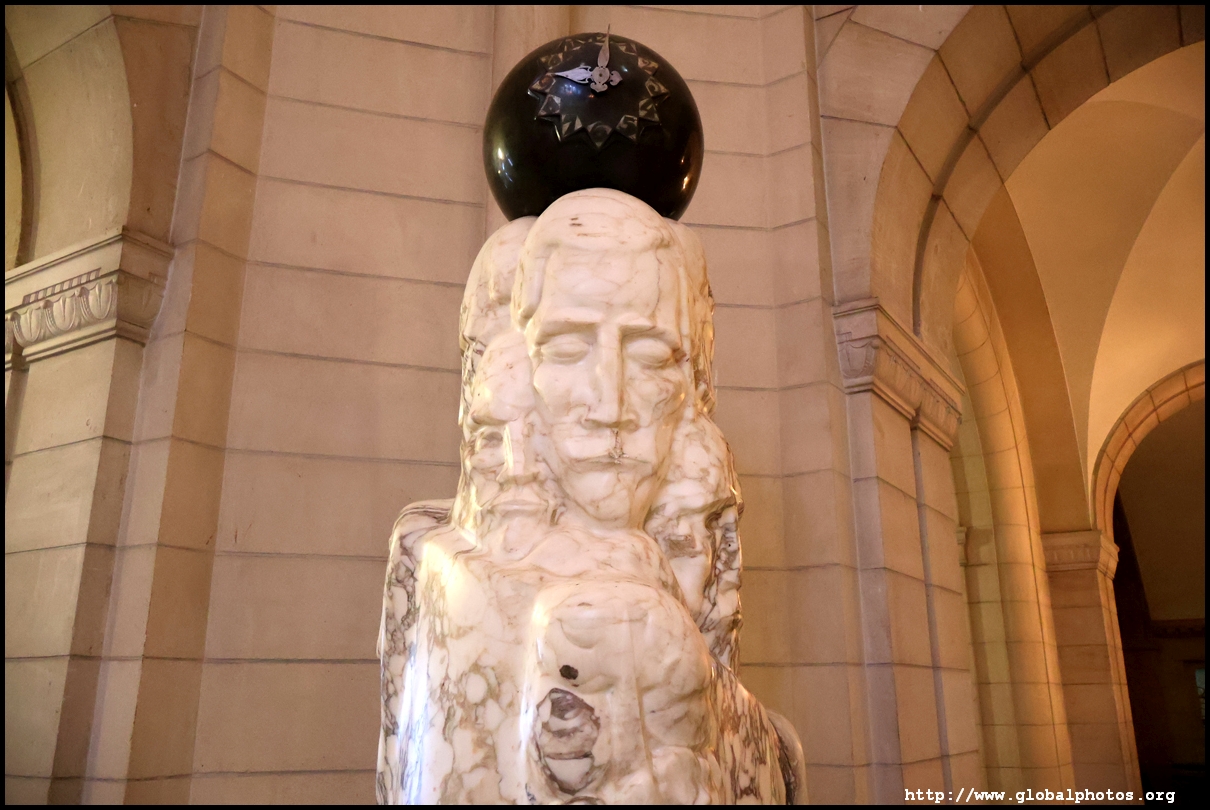
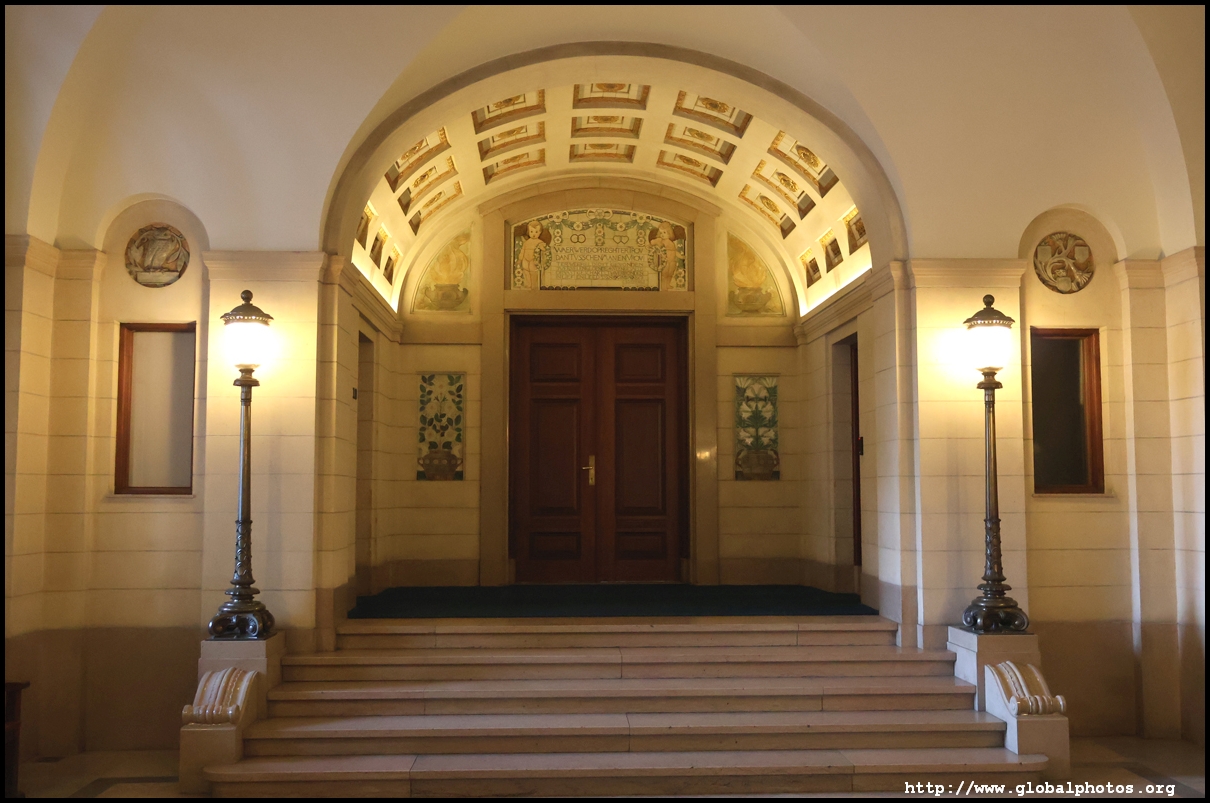
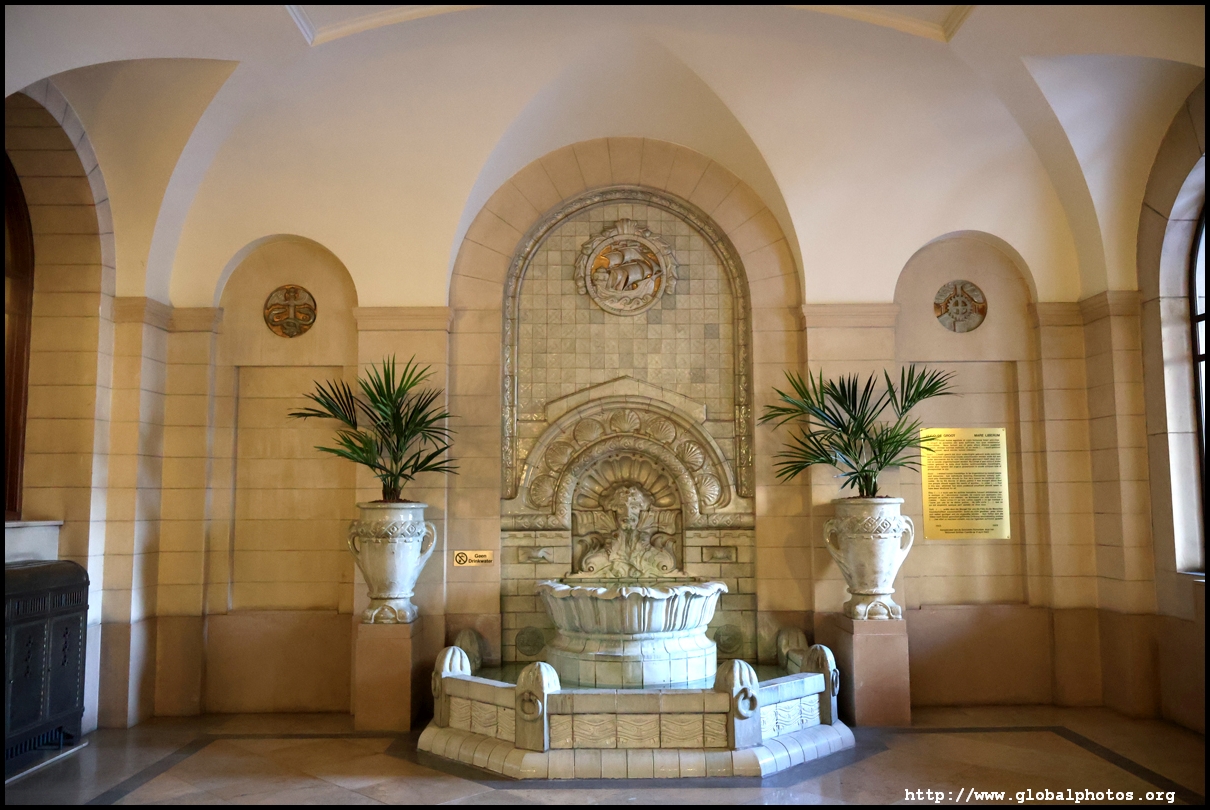
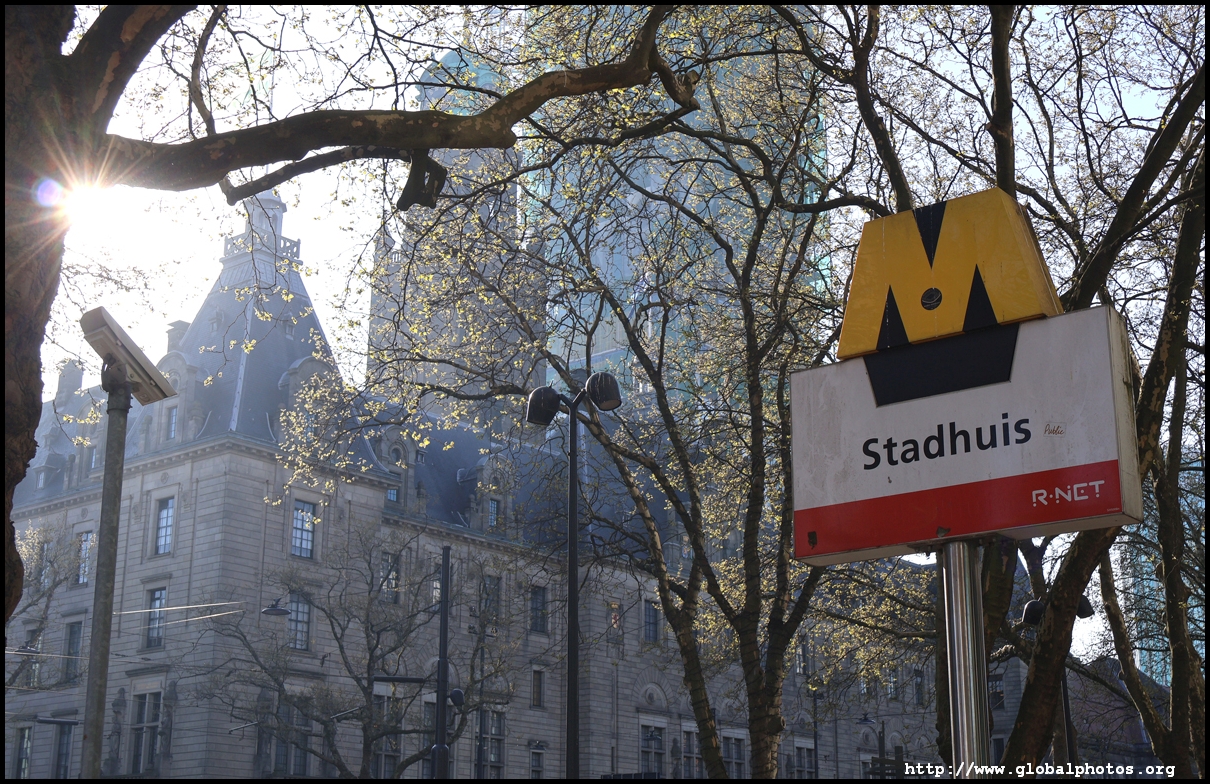
While Rotterdam is a city of architecture with lots of eye-catching structures on Kop van Zuid and in the city centre, there are less popular places to explore and they're easily reachable on foot with a downtown walking tour.While much of the city centre was destroyed in World War II, the historic Stadhuis is one of a few that survived. Built in the 1910s with 4 wings around a centre court, it is possible to go inside the main lobby for a peek.
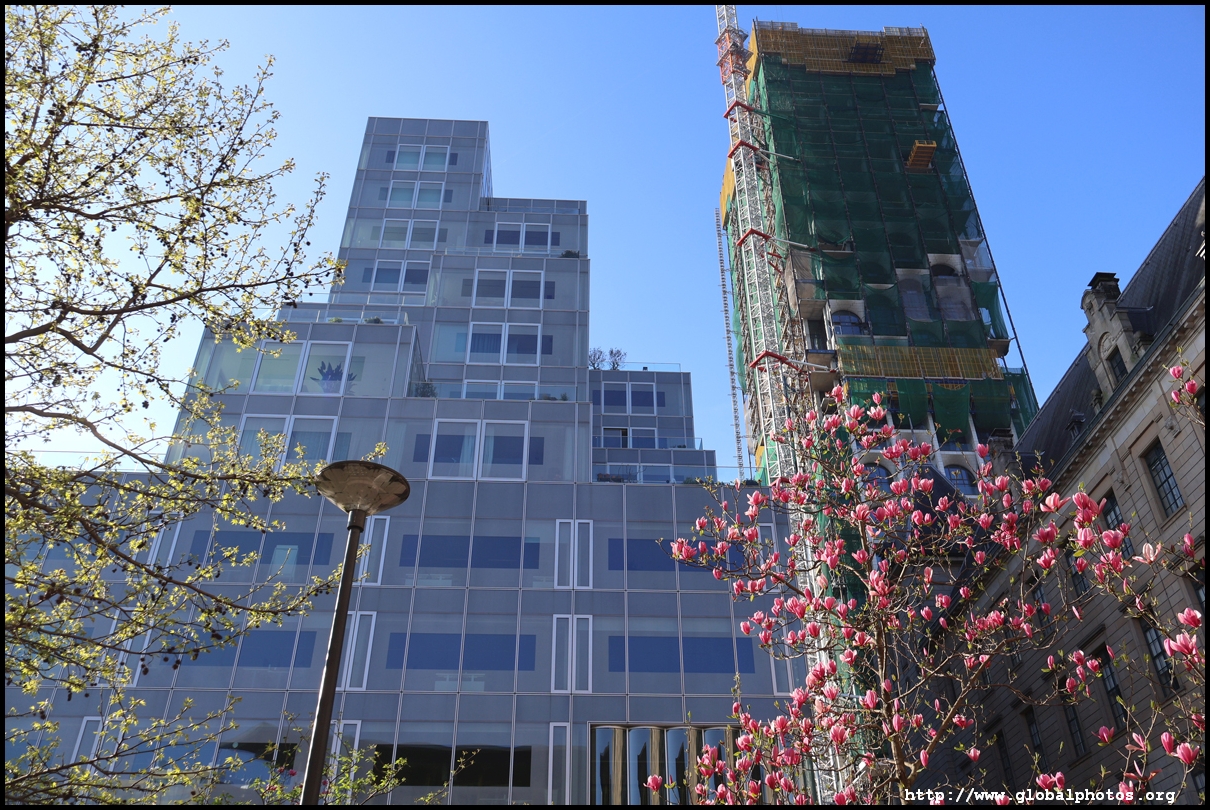
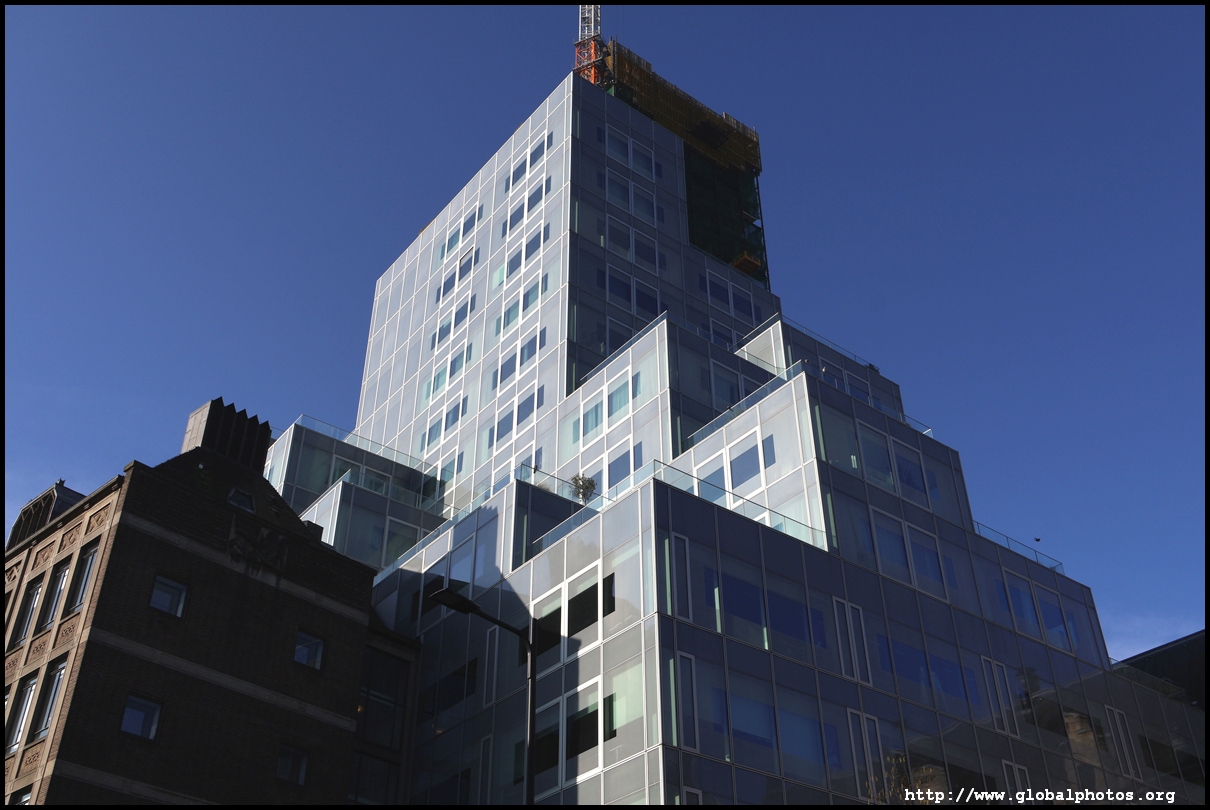
Just a short walk away is Timmerhuis, a mixed use building designed by OMA that is attached to a municipal building from the 1950s. Made of modular units that rise into irregular peaks, it was completed in 2015.
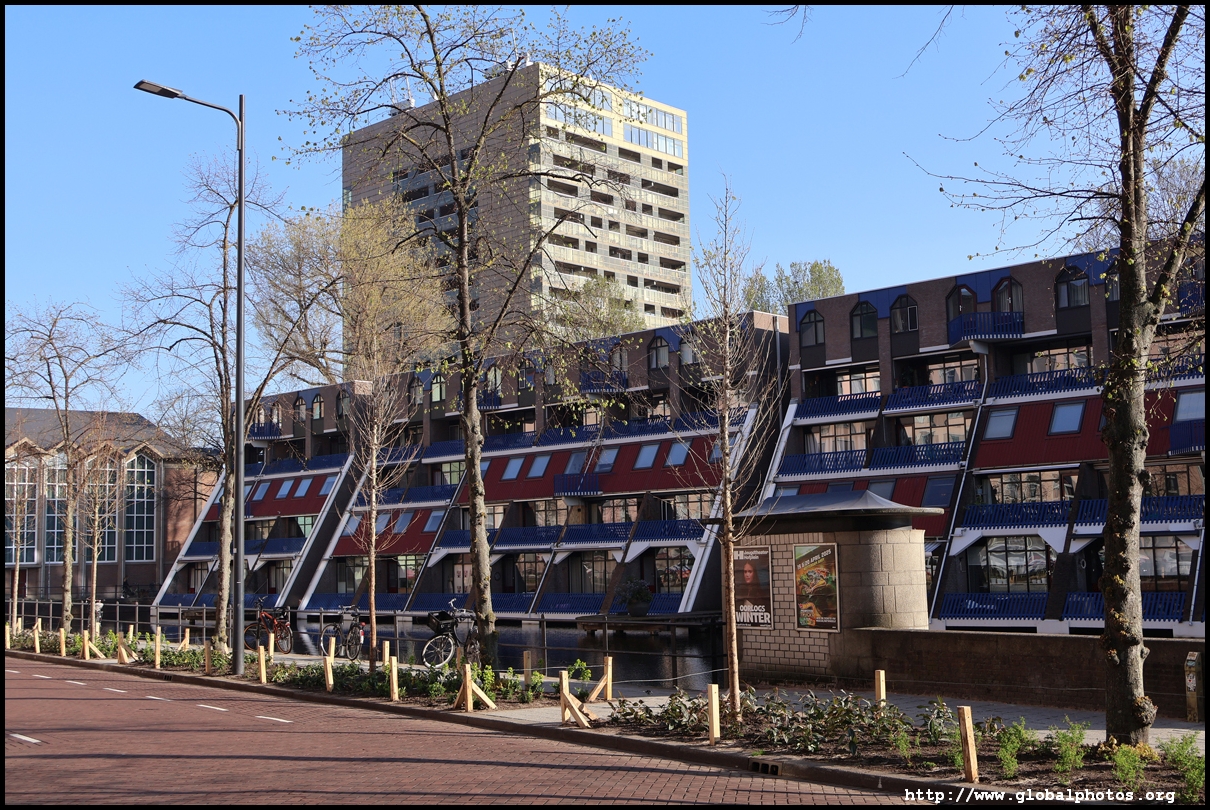
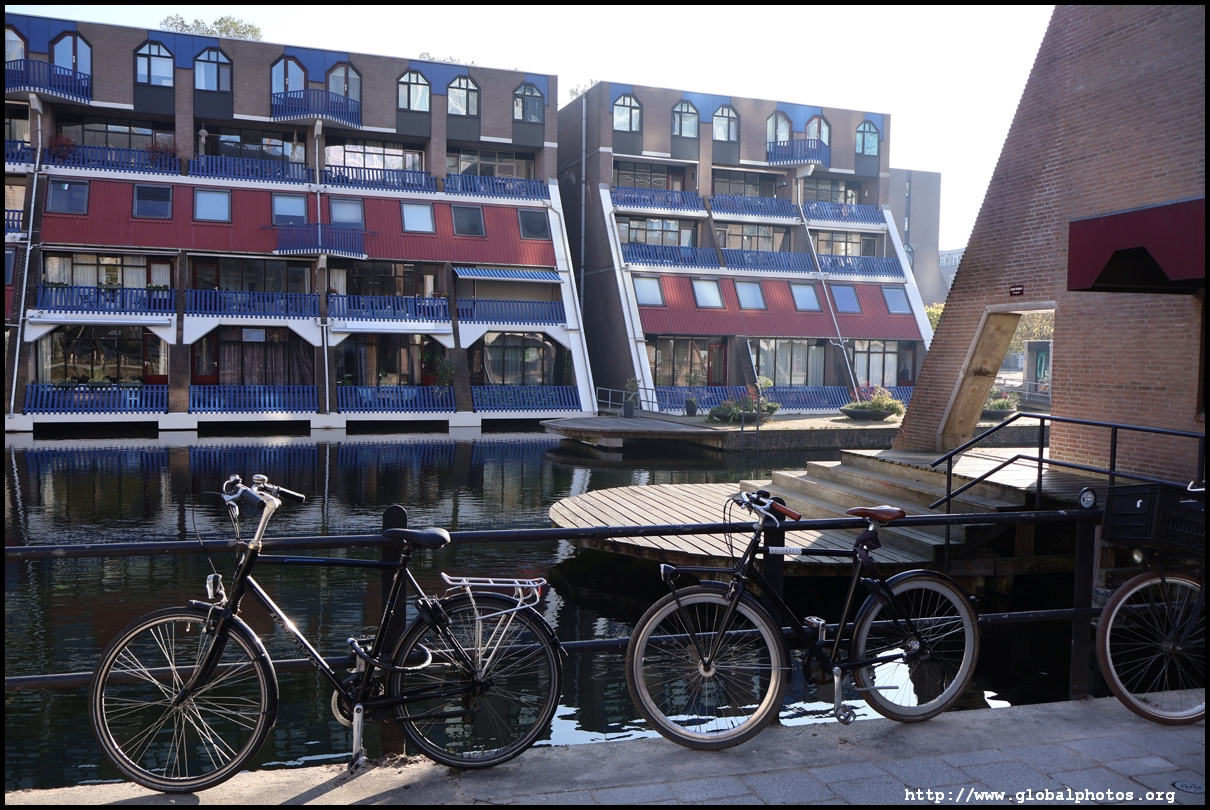
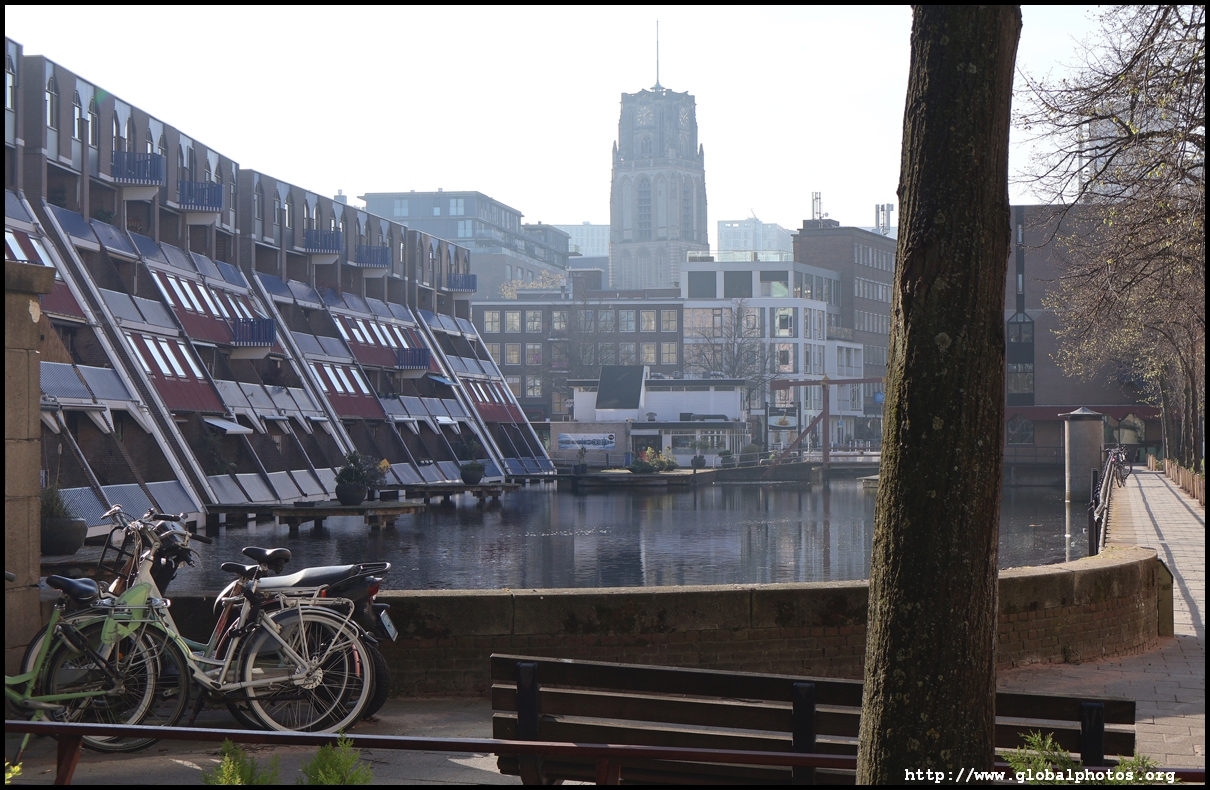
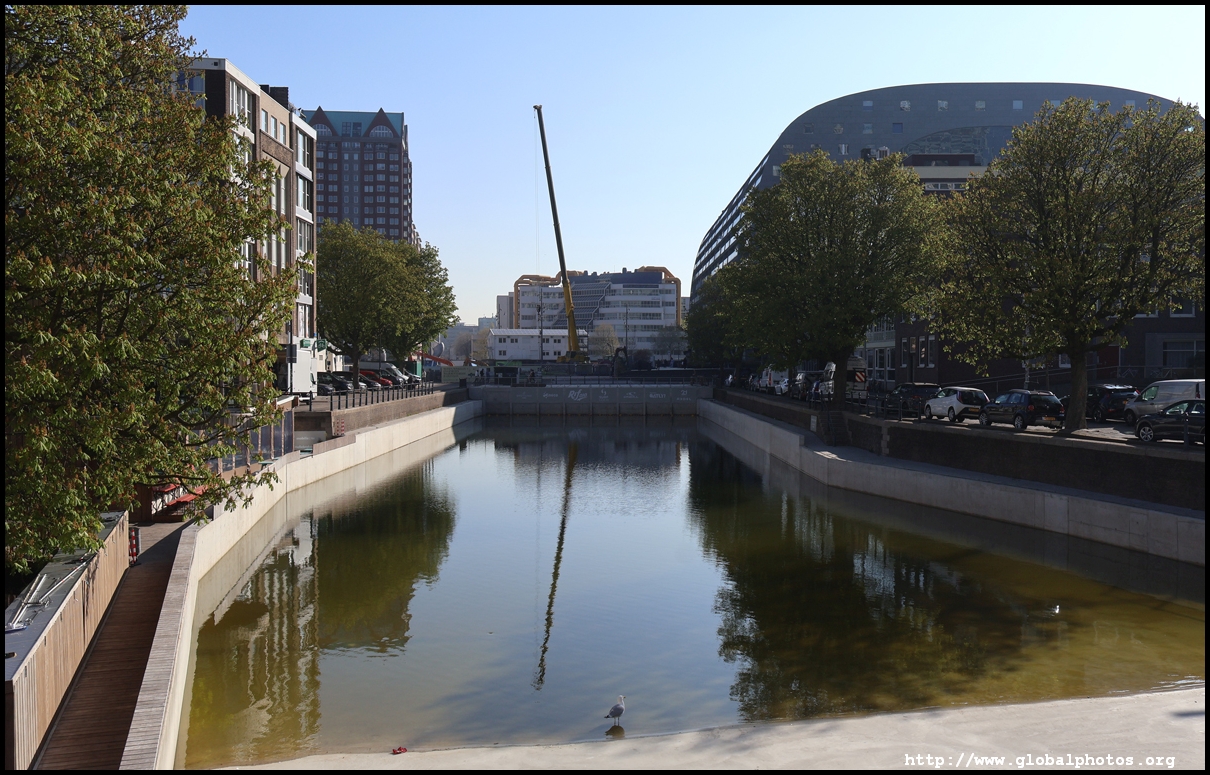
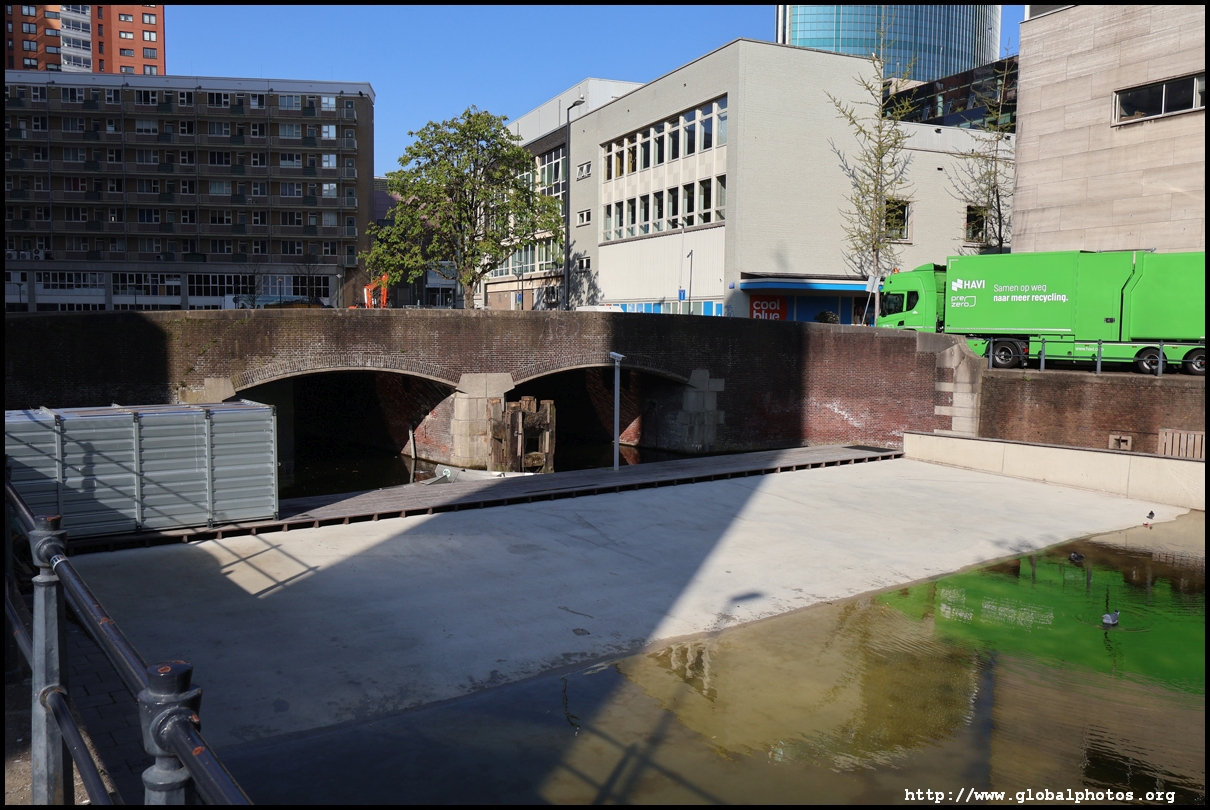
Beside it is Delftsevaart, a small body of water with many residential buildings clustered around it.
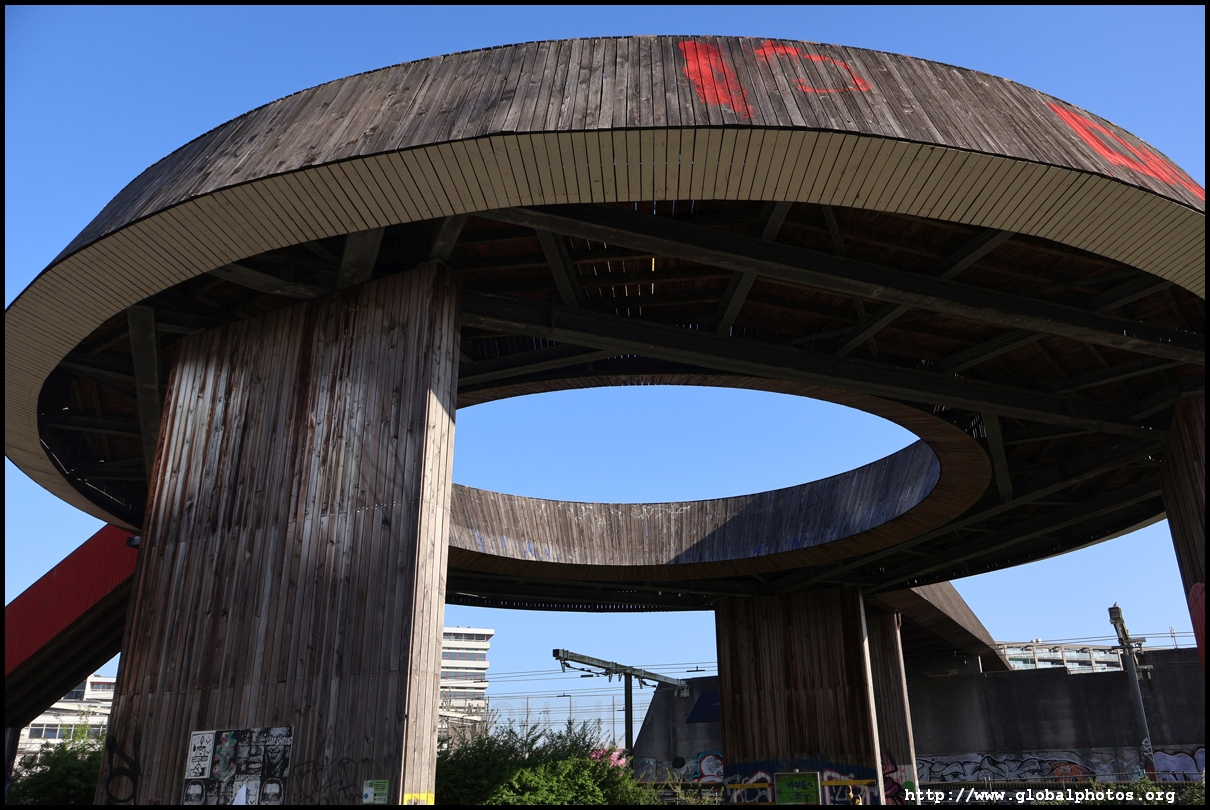
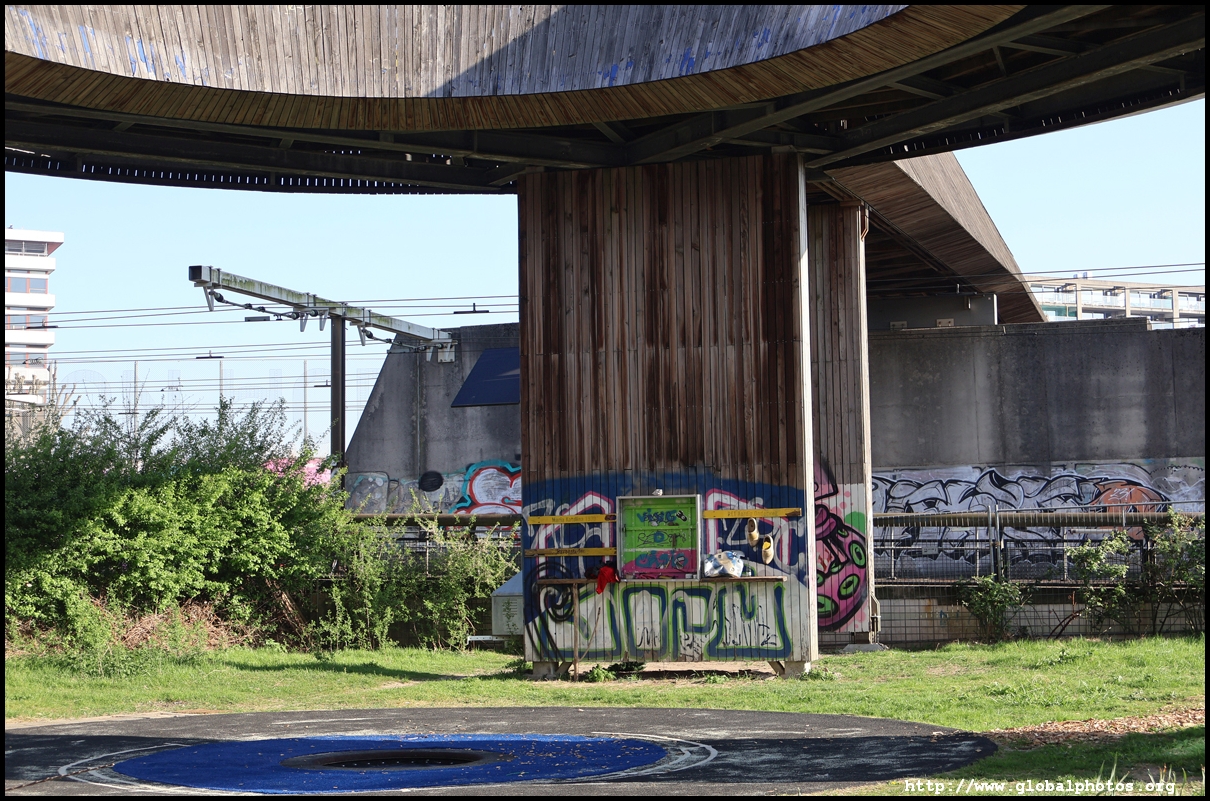
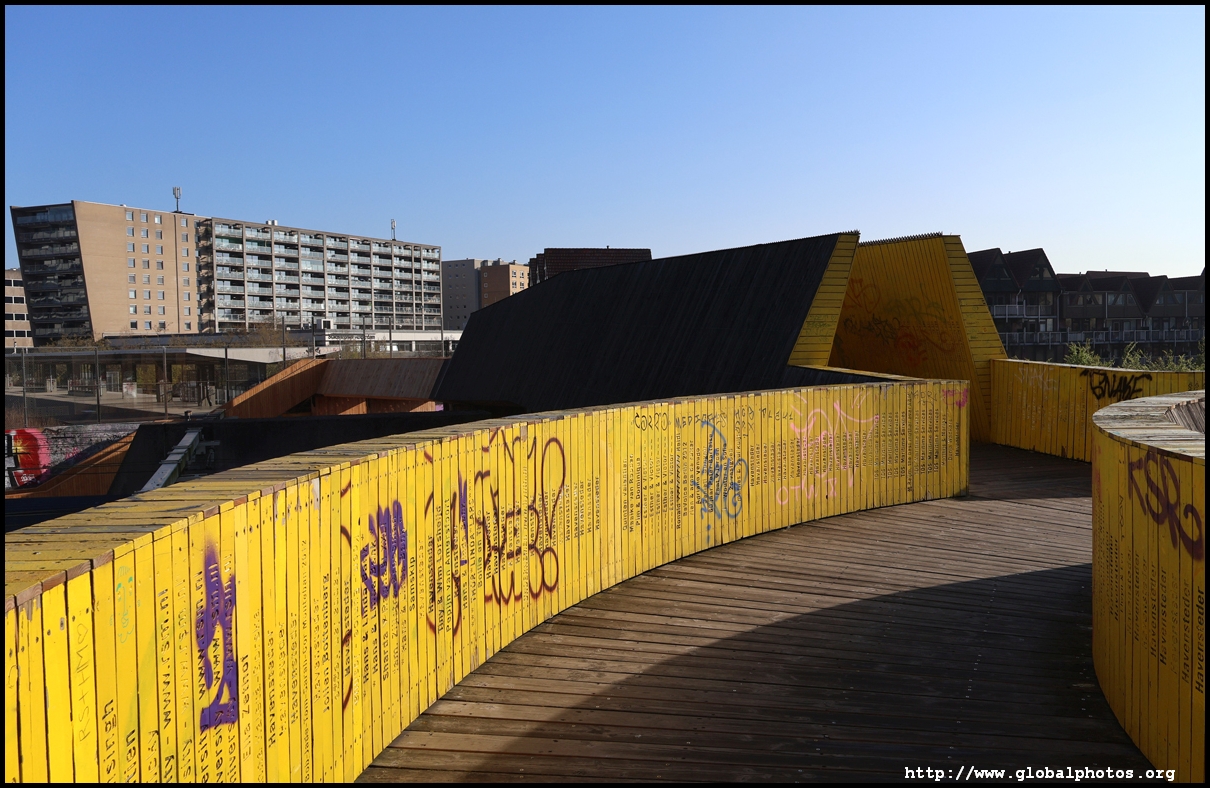
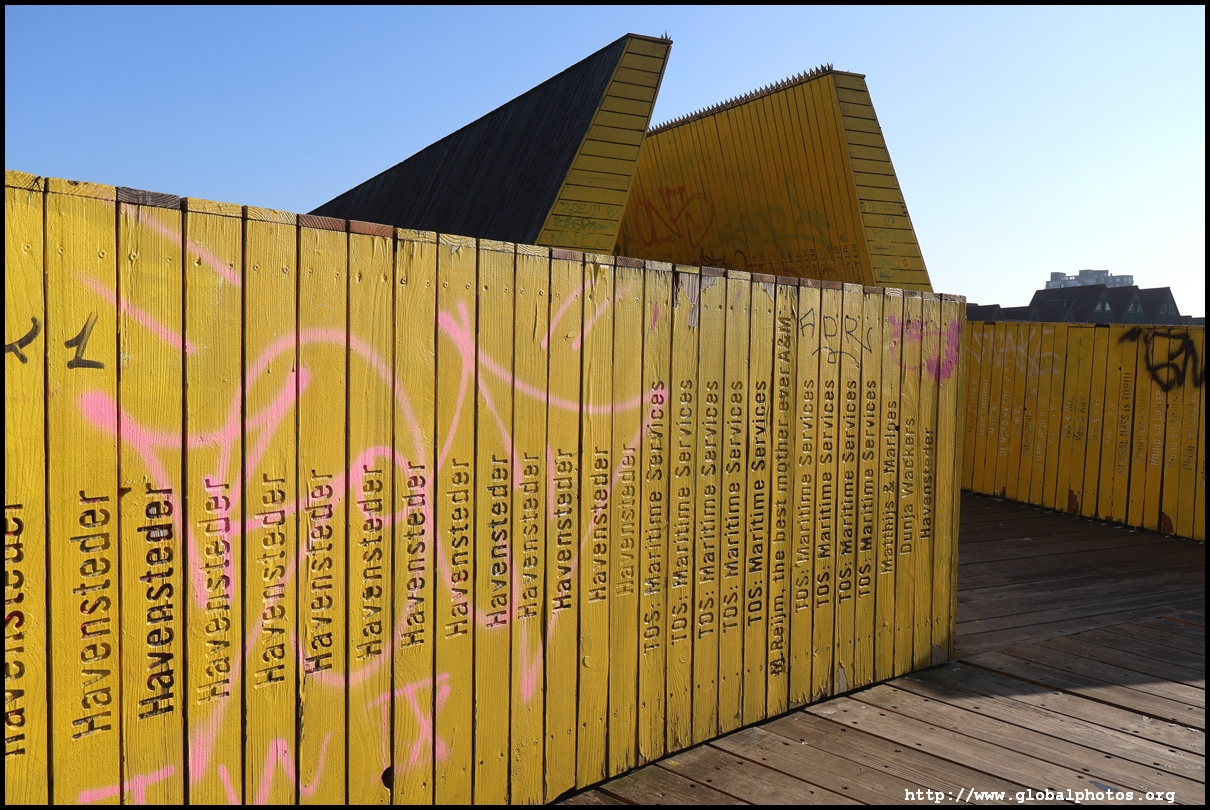
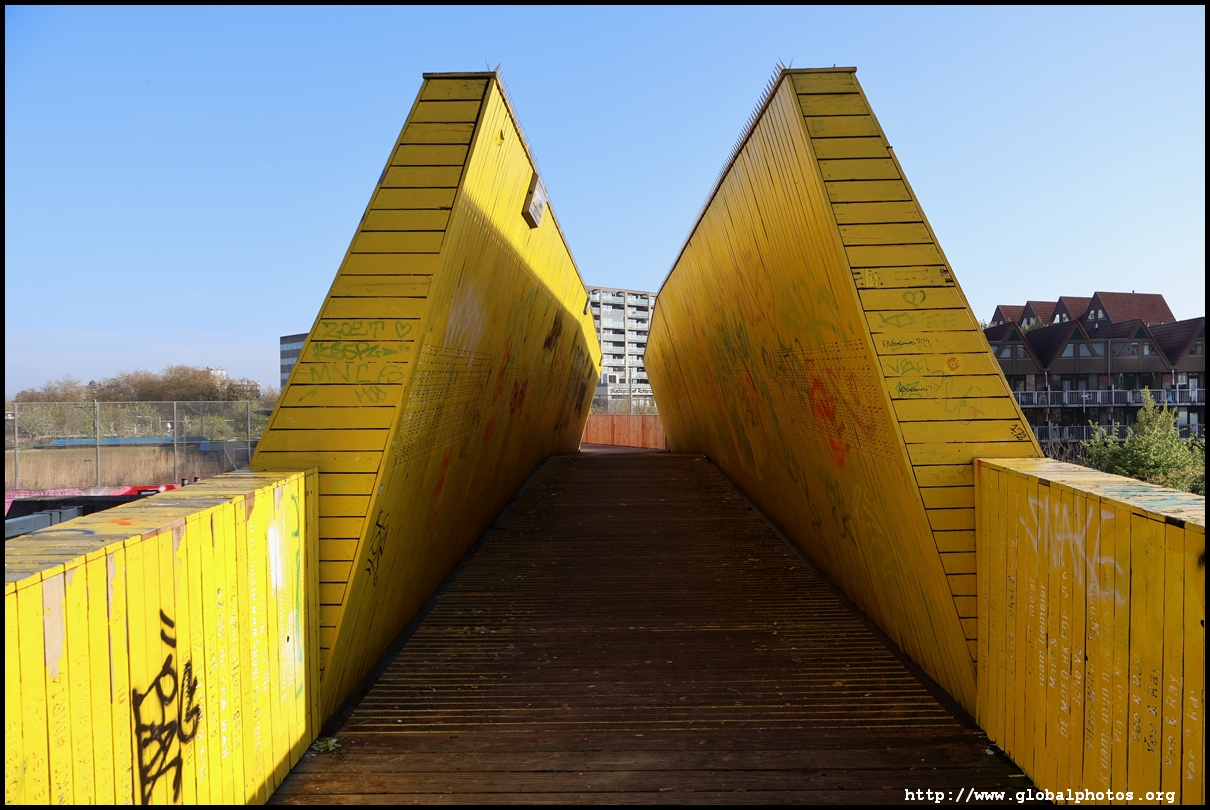
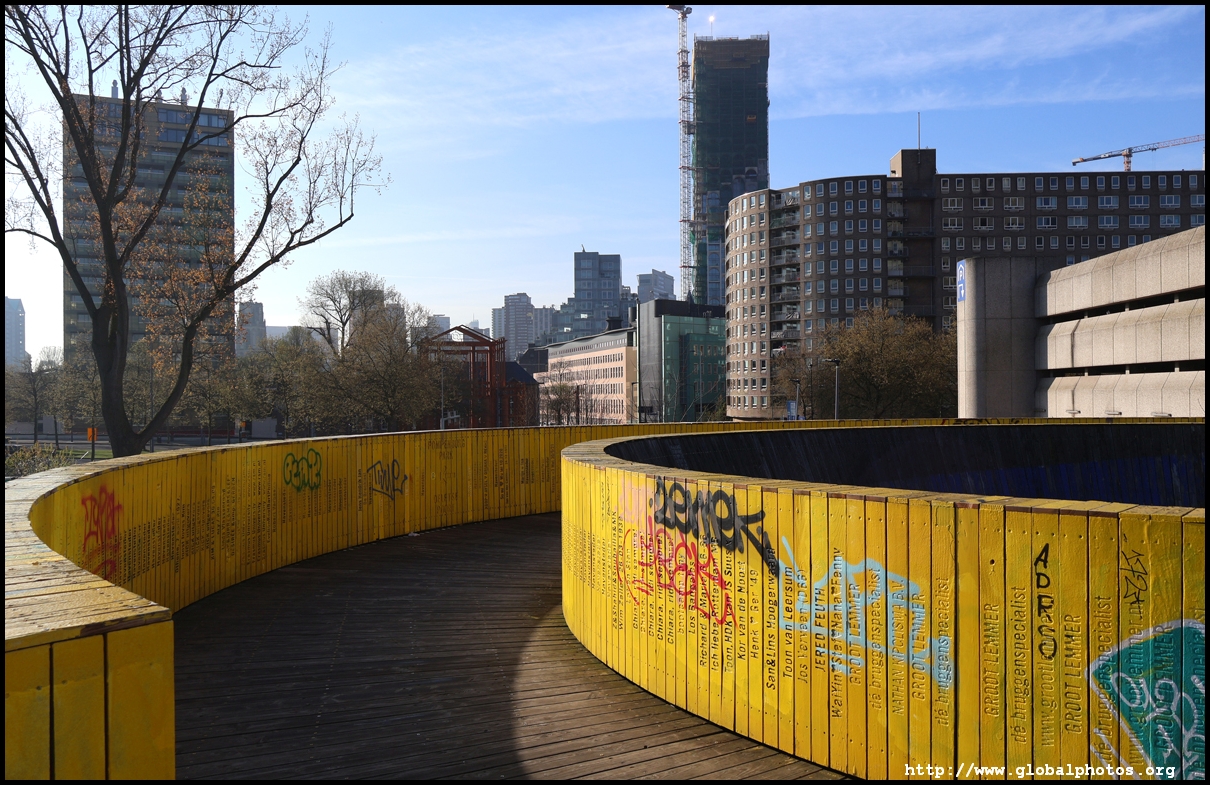
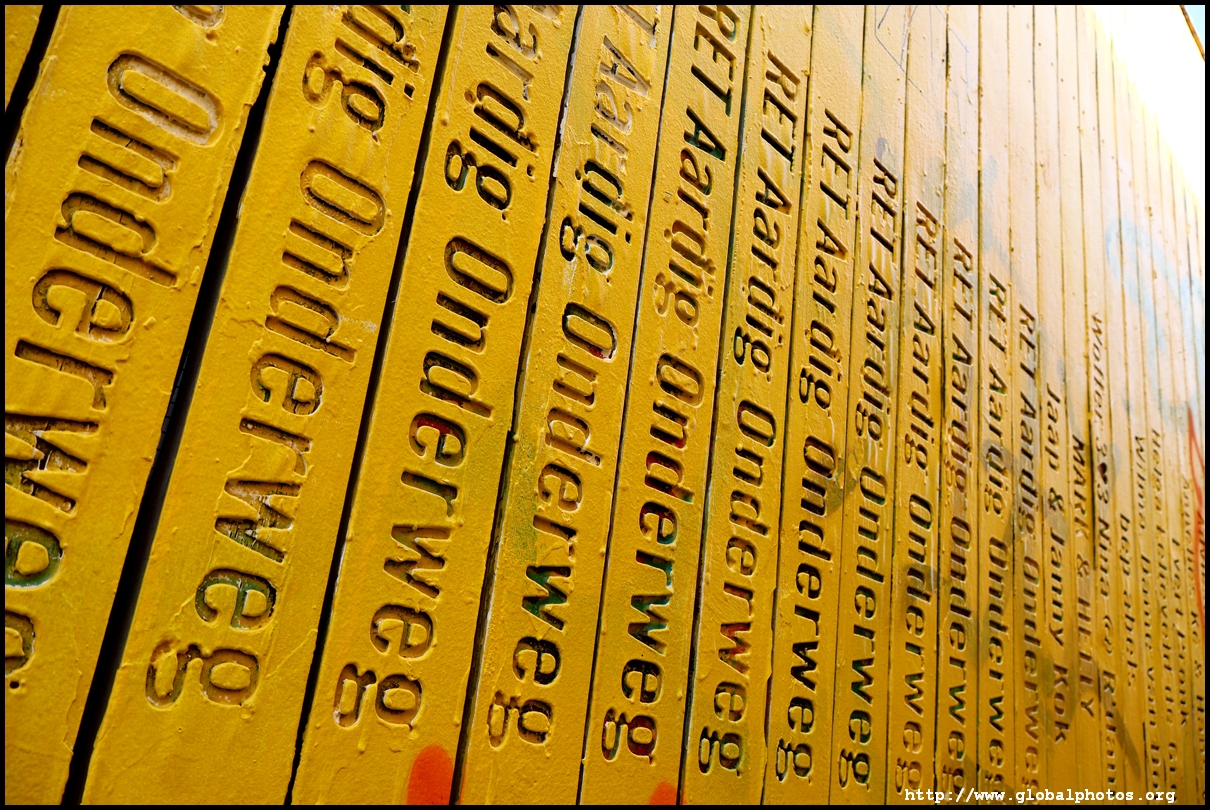
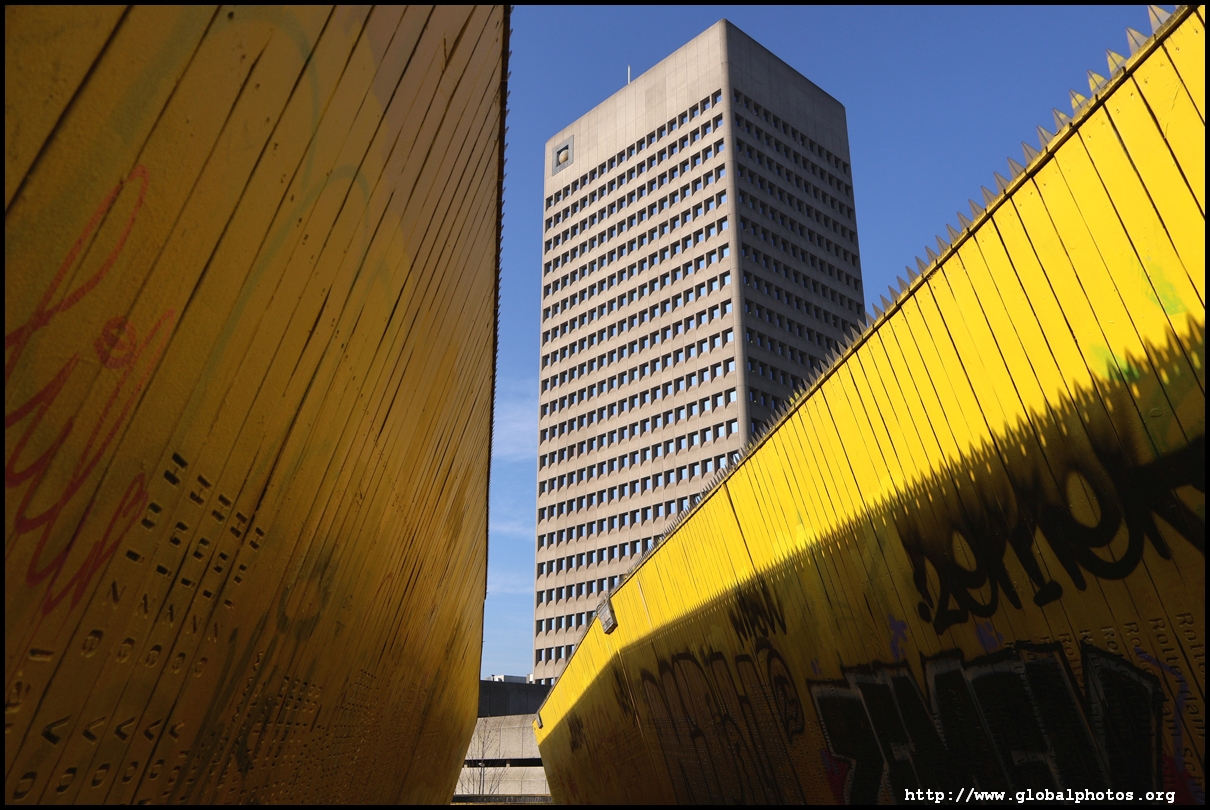
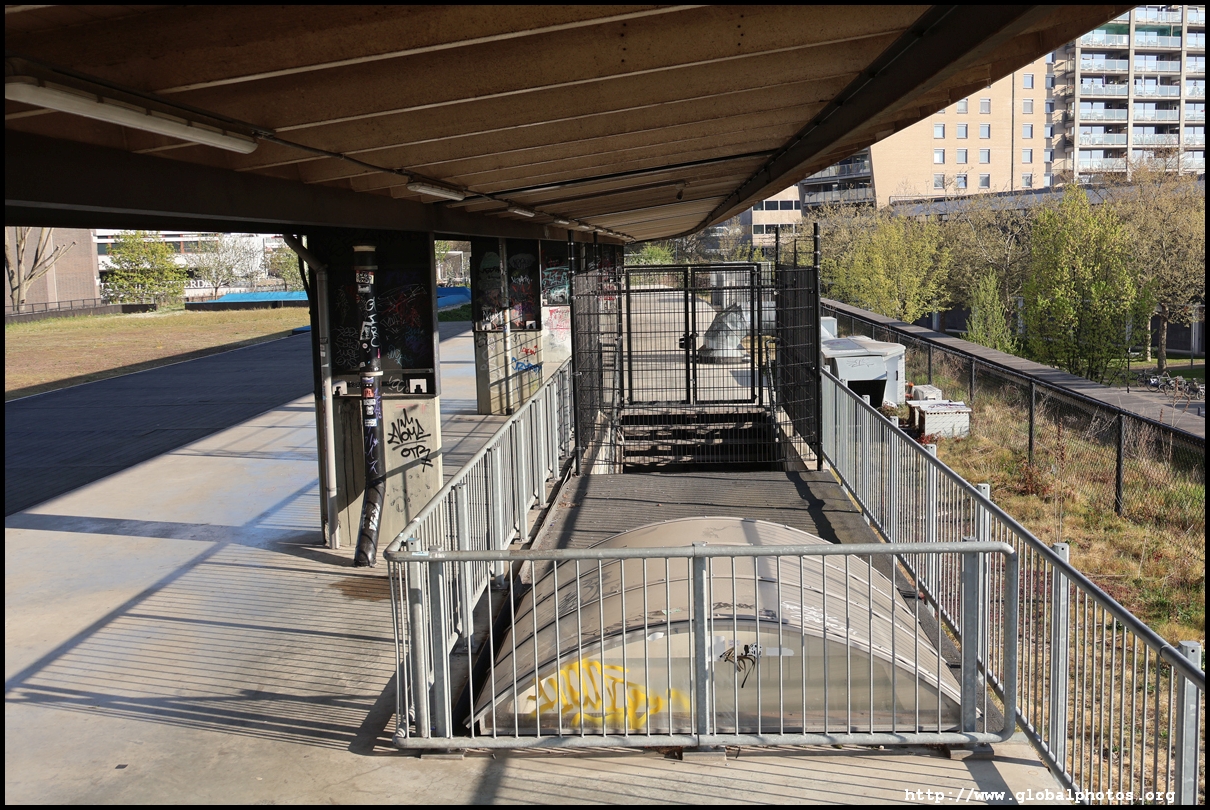
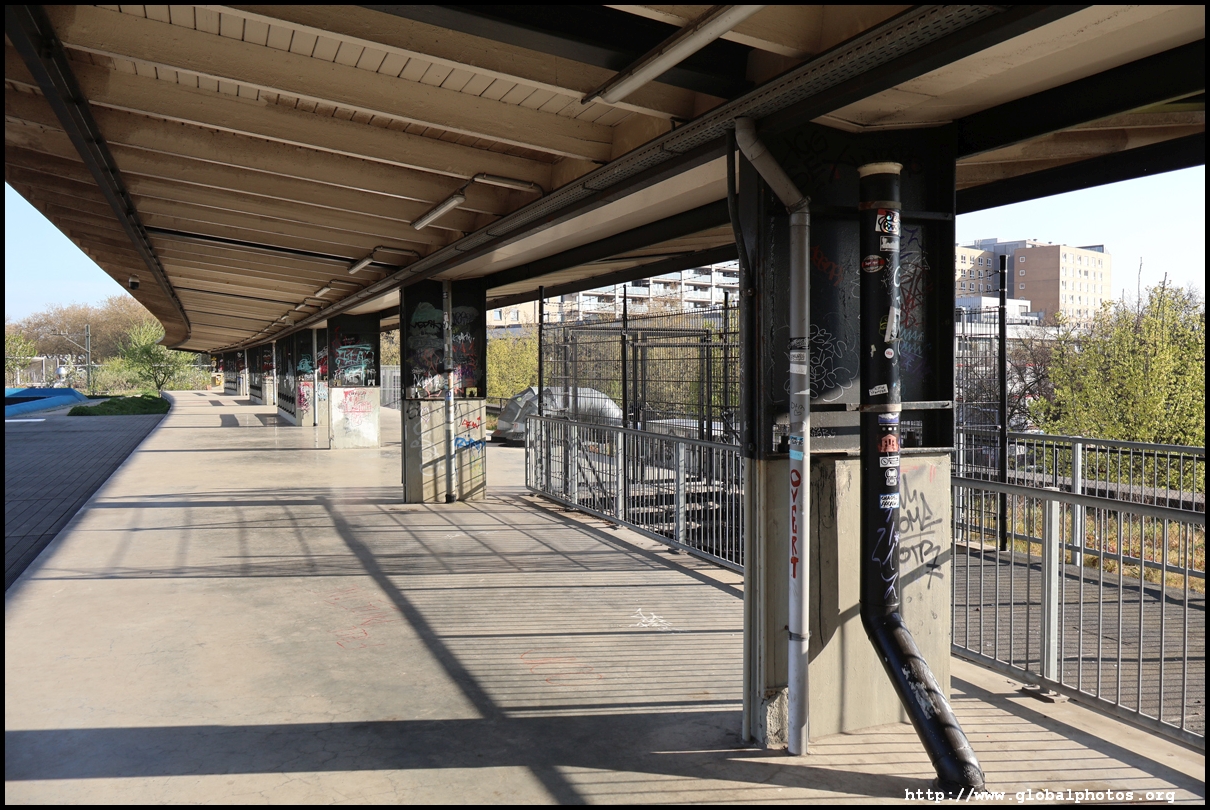
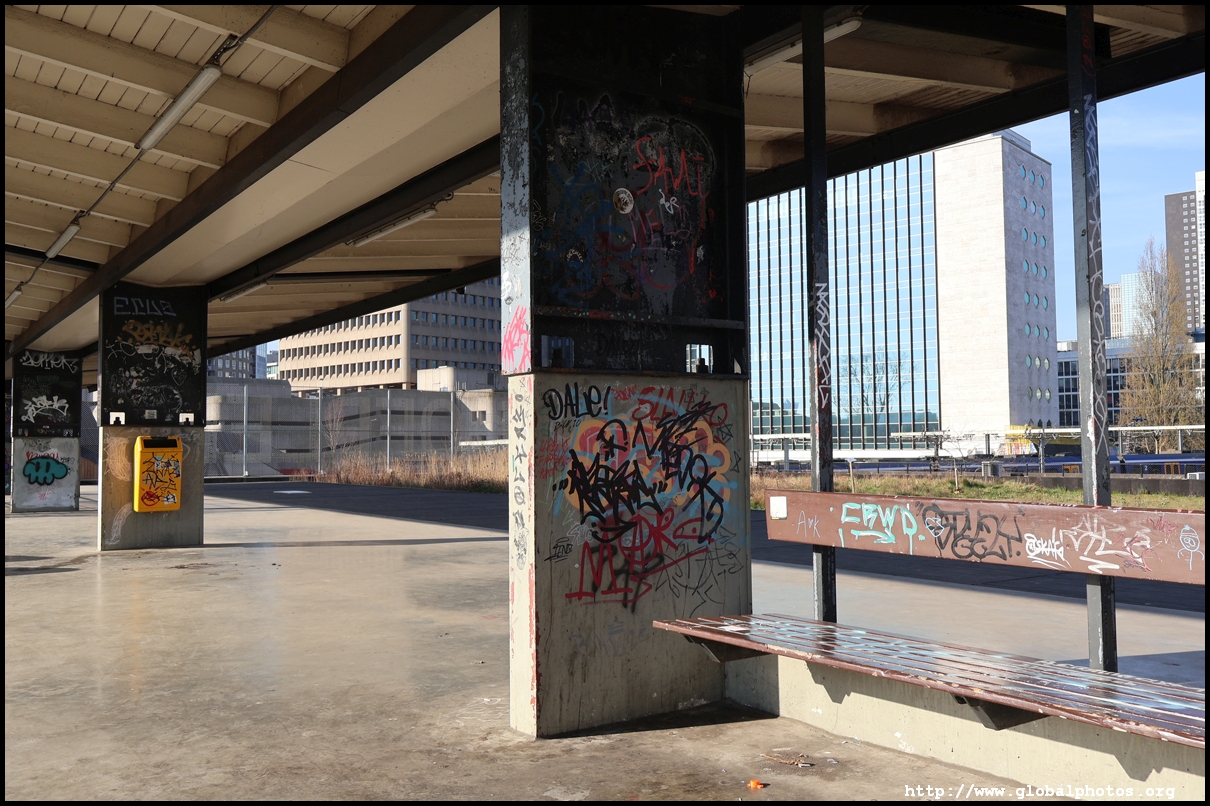
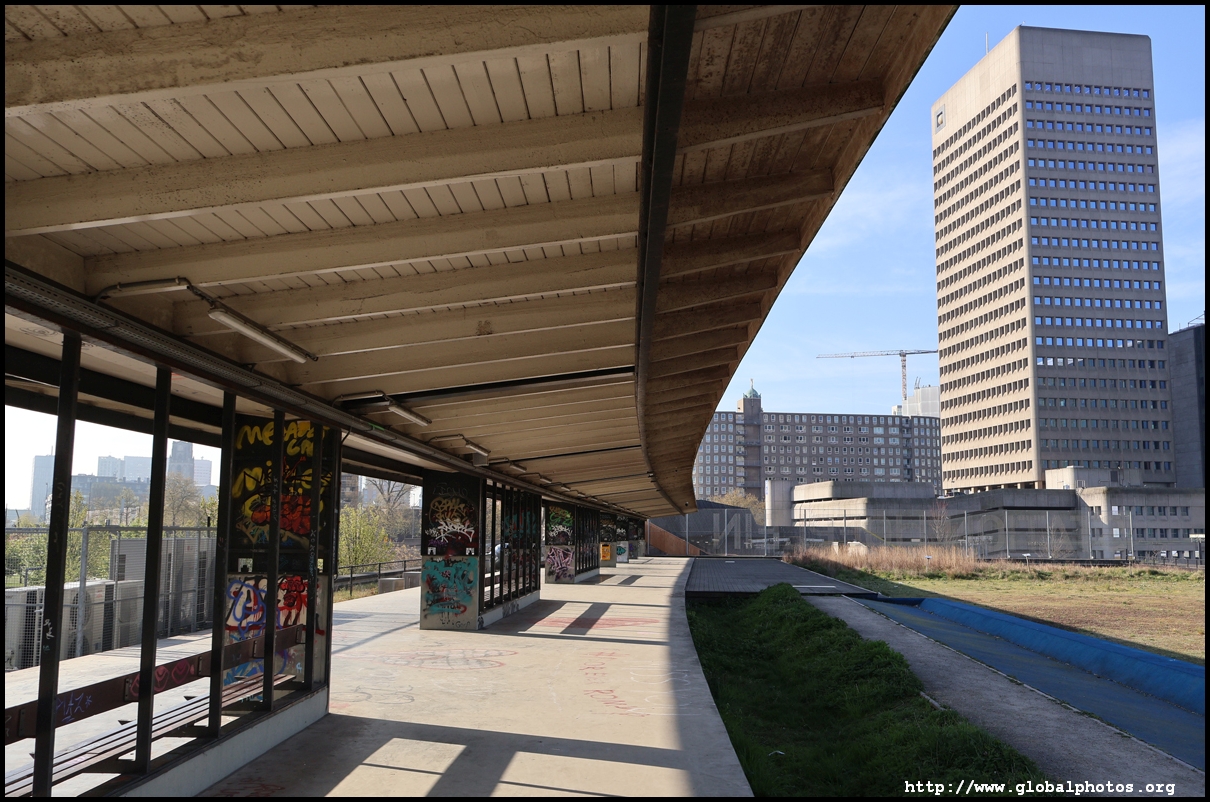
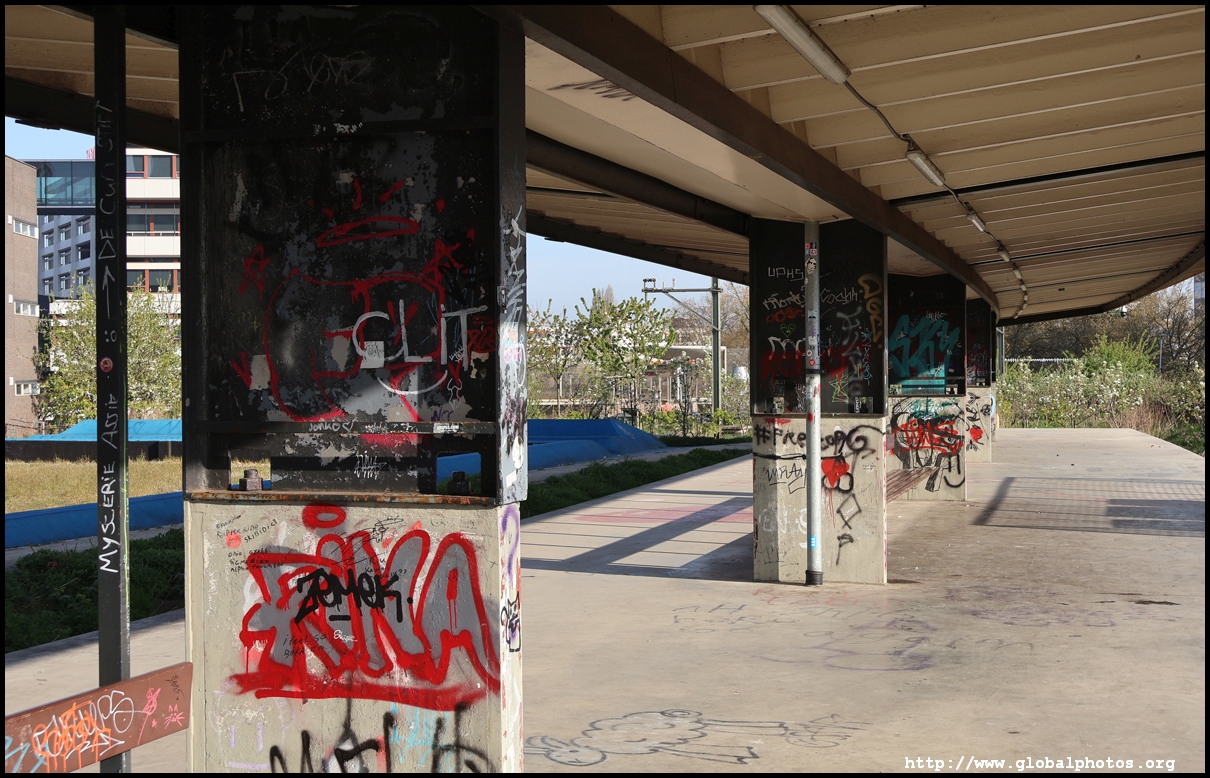
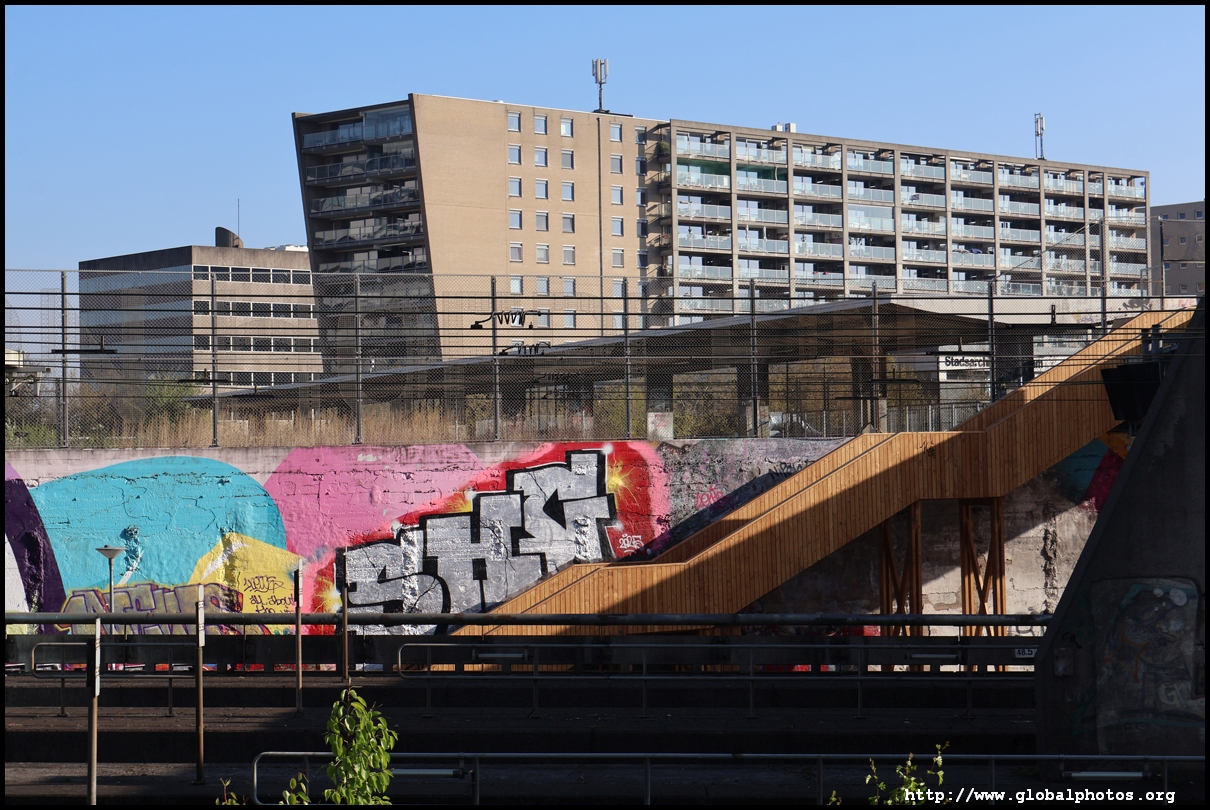
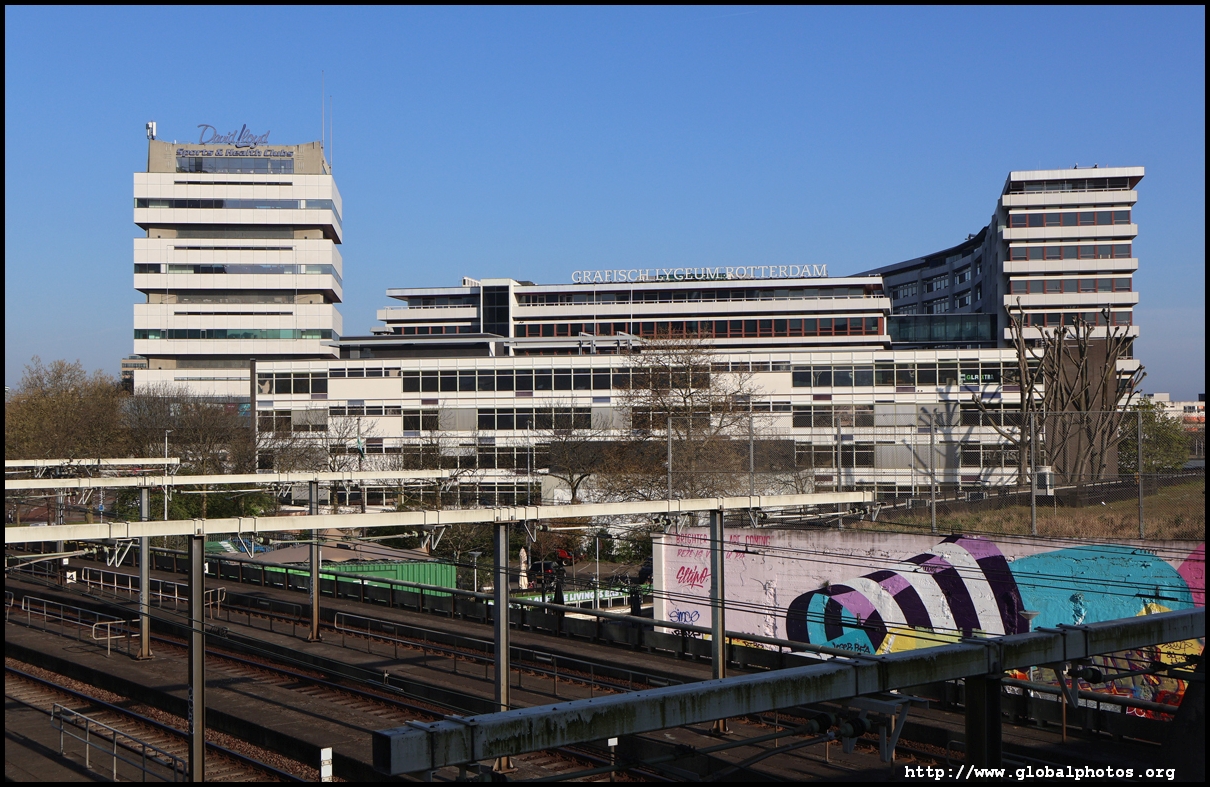
Further north, the Hofpleinviaduct was once part of the 28.5km railway to The Hague and Scheveningen, the first electrified railway in the country. It attracted residents who wanted to reach the beaches and became quite busy on weekends. The viaduct spanned 1.9km and was made entirely of reinforced concrete, a new concept at the time. There were 2 stations in the area, both of which were destroyed in the war and rebuilt. Hofplein Station was then demolished again in 1990 for a railway tunnel Today, the former train station's roof is a public park. To get there, head up the yellow wooden pedestrian bridge that crosses the tracks, which was built thanks to crowdfunding.
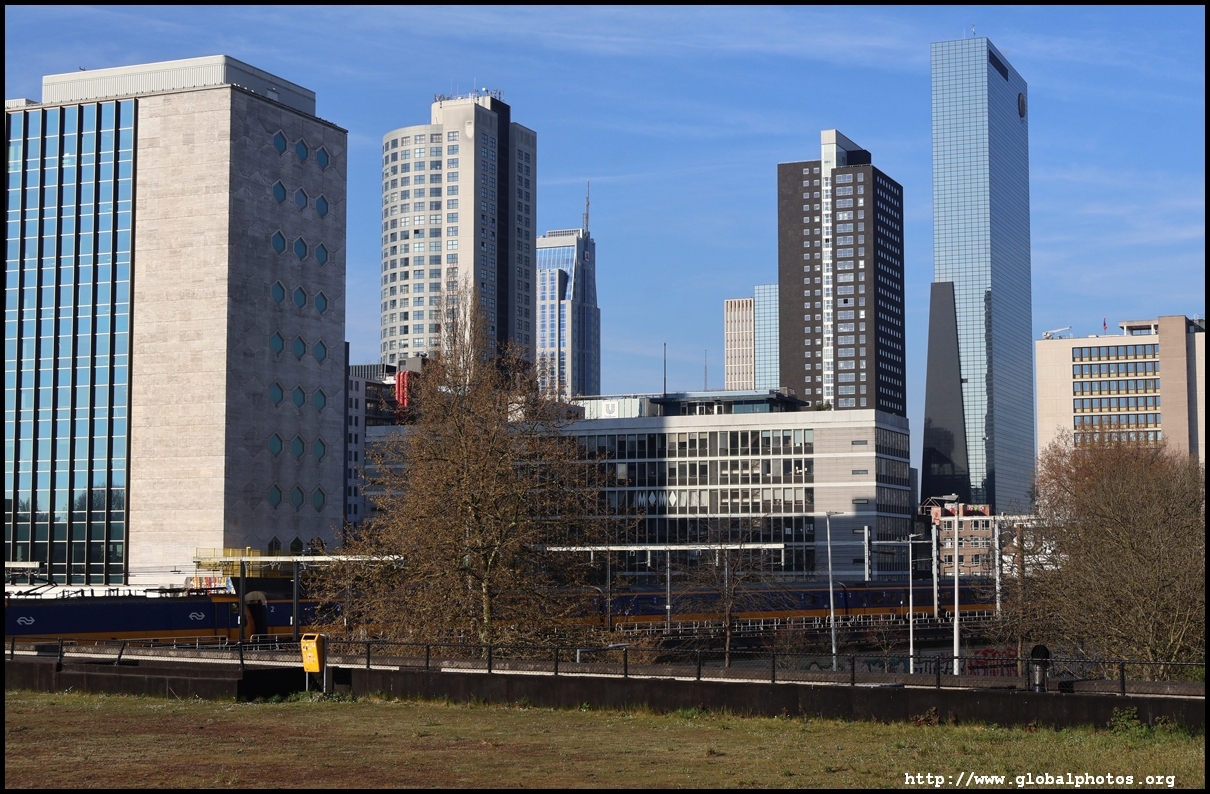
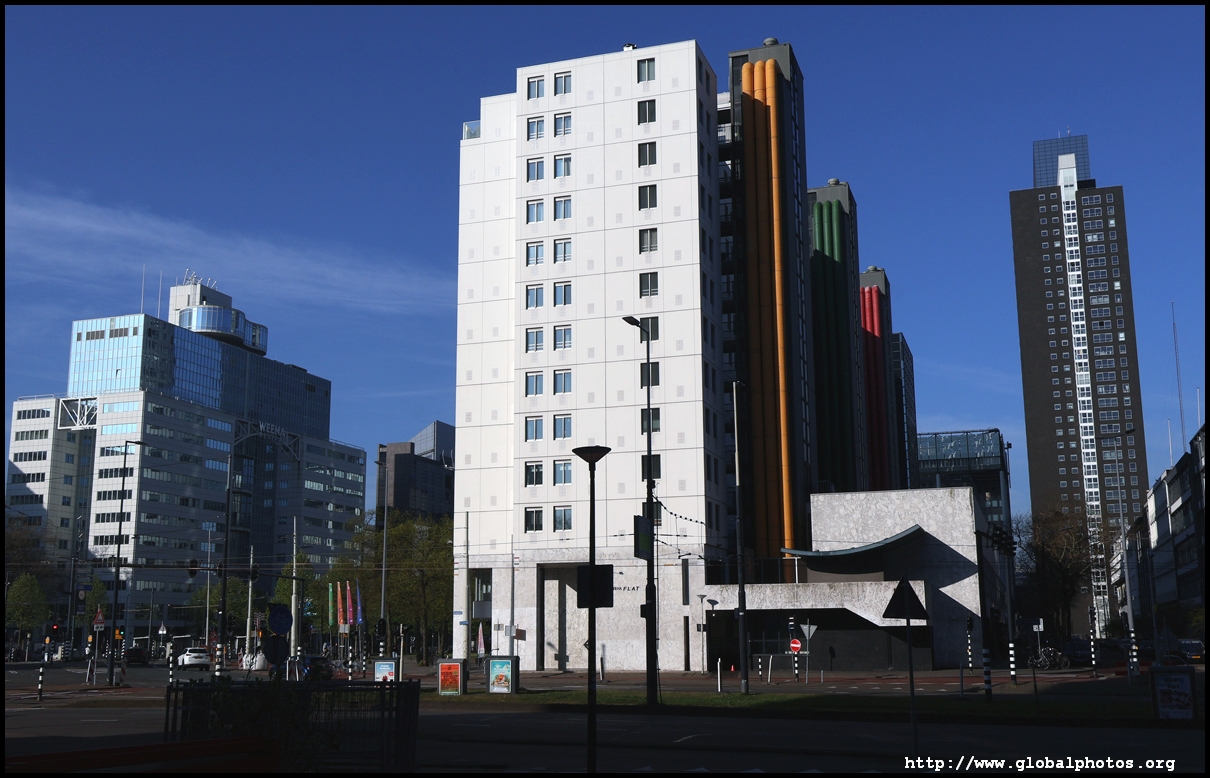
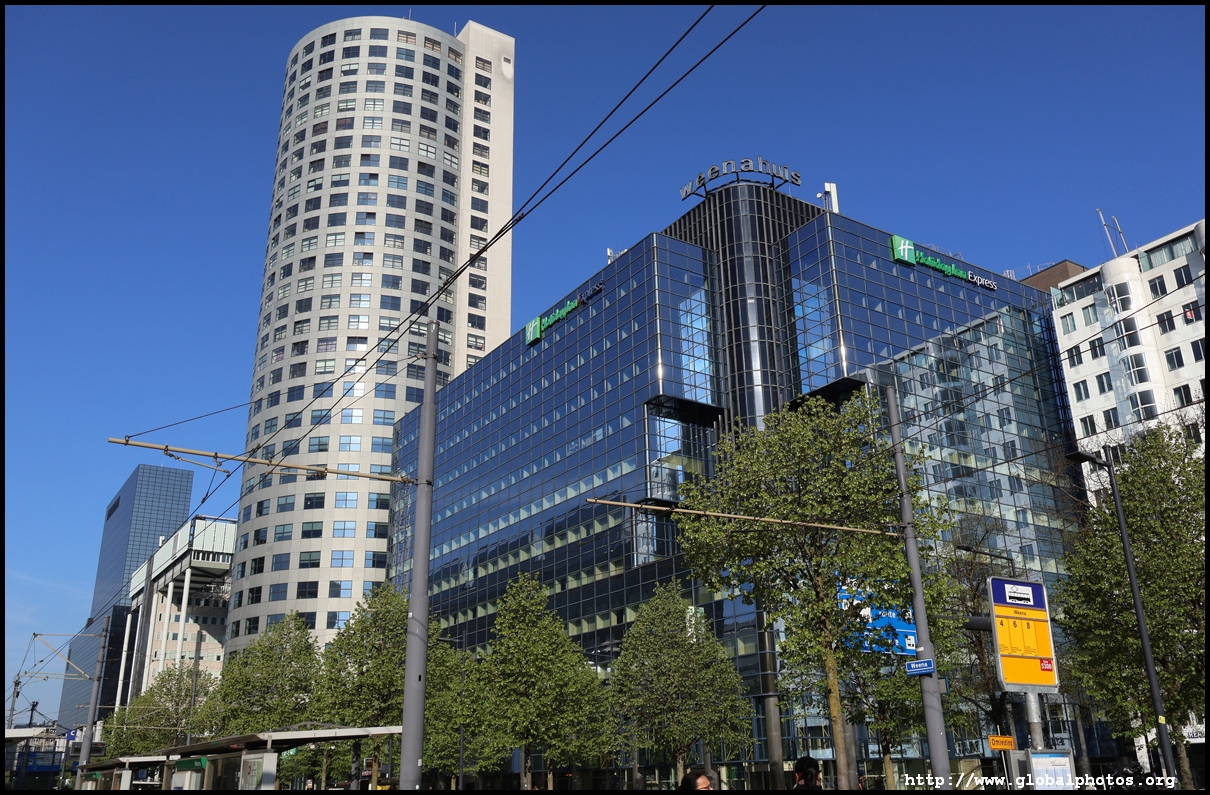
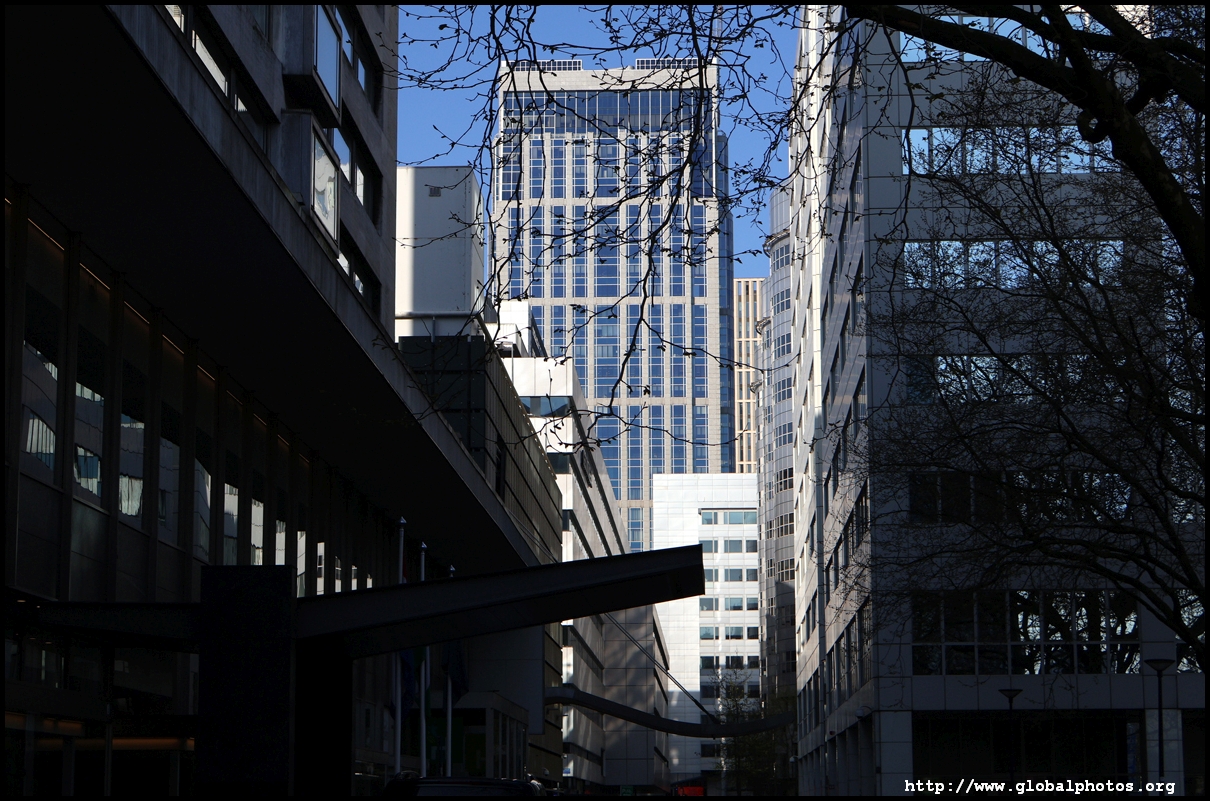
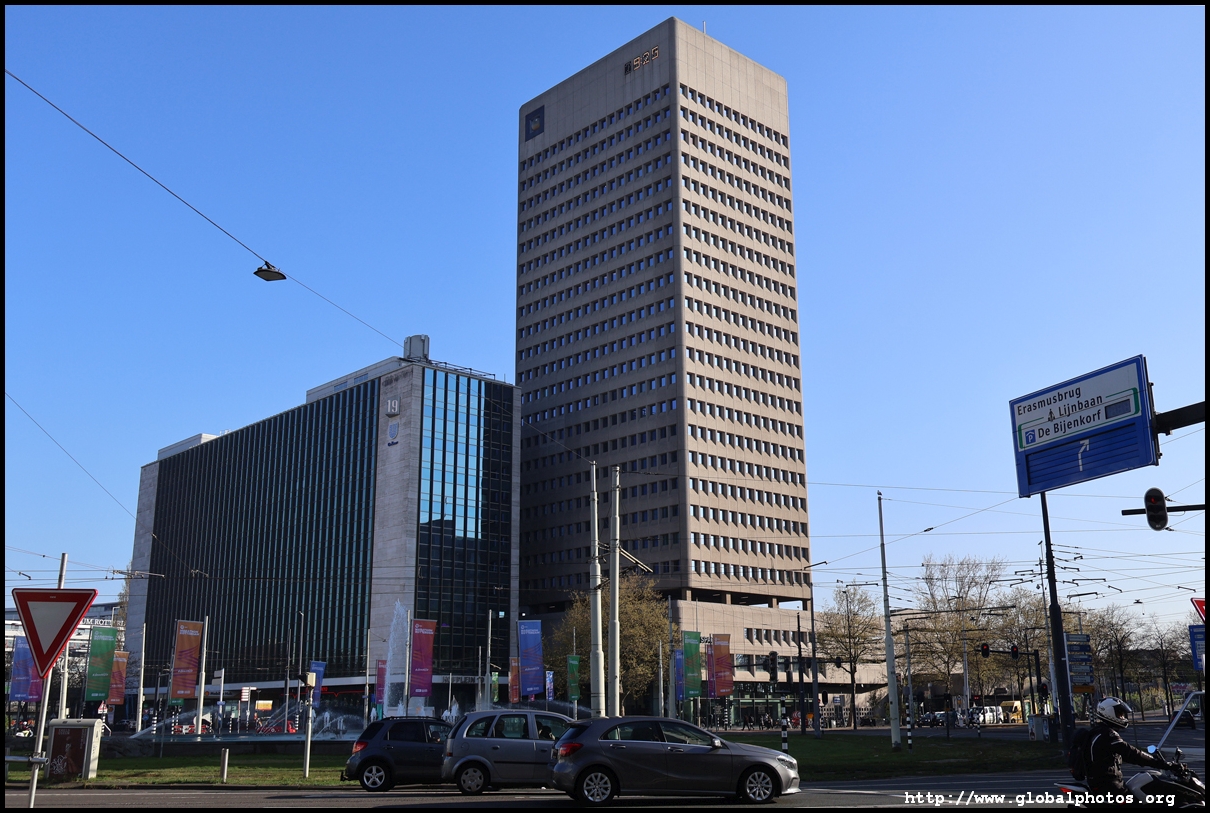
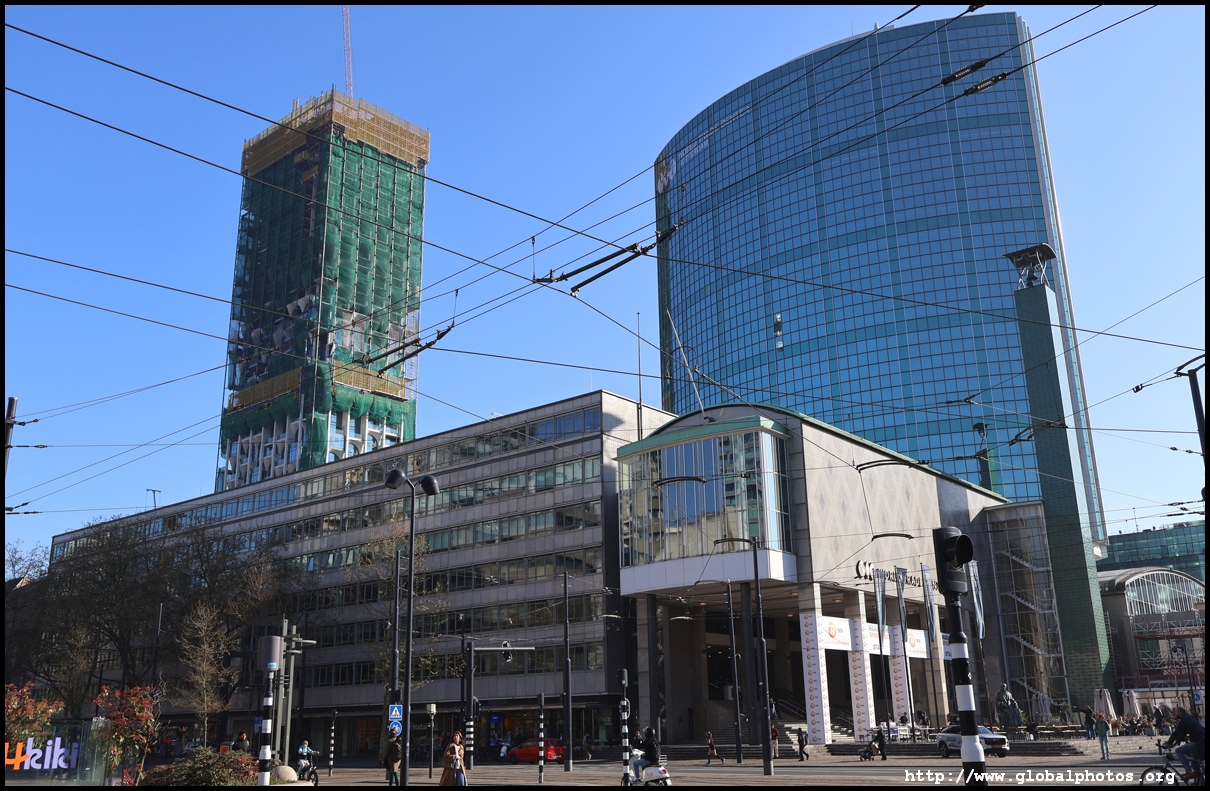
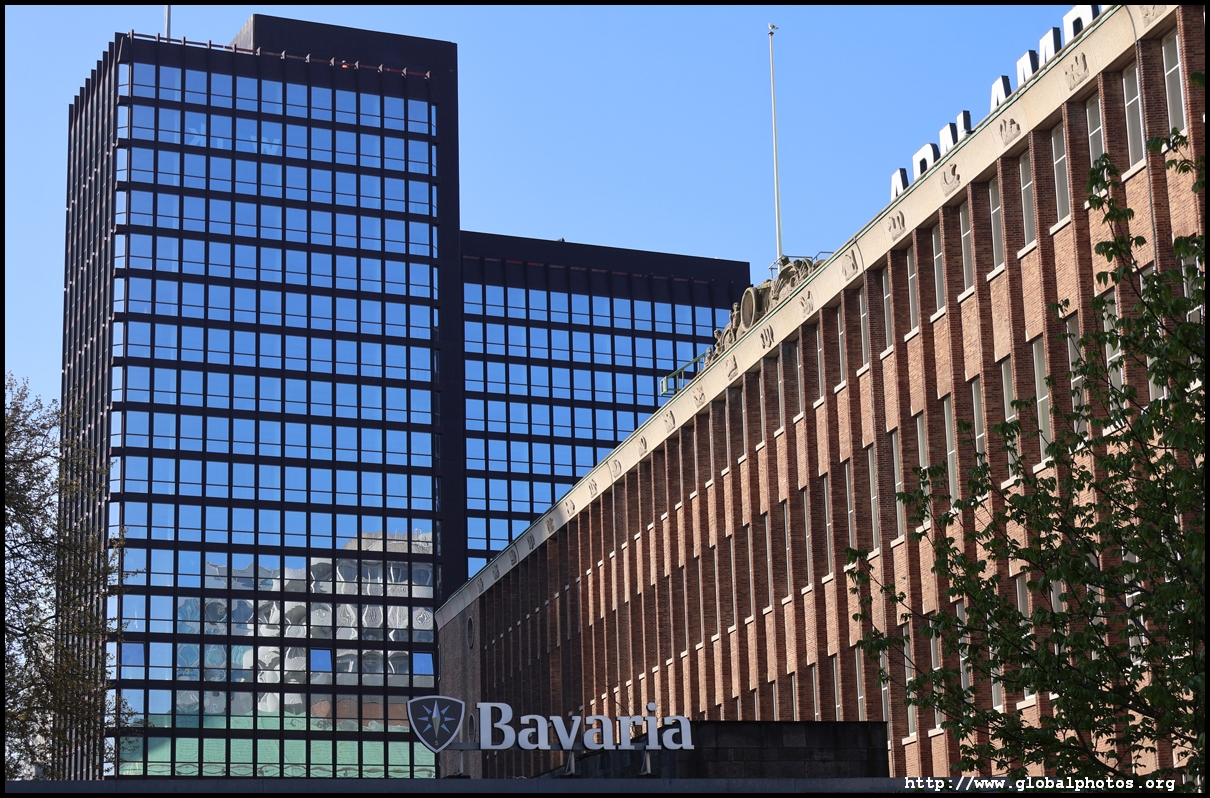
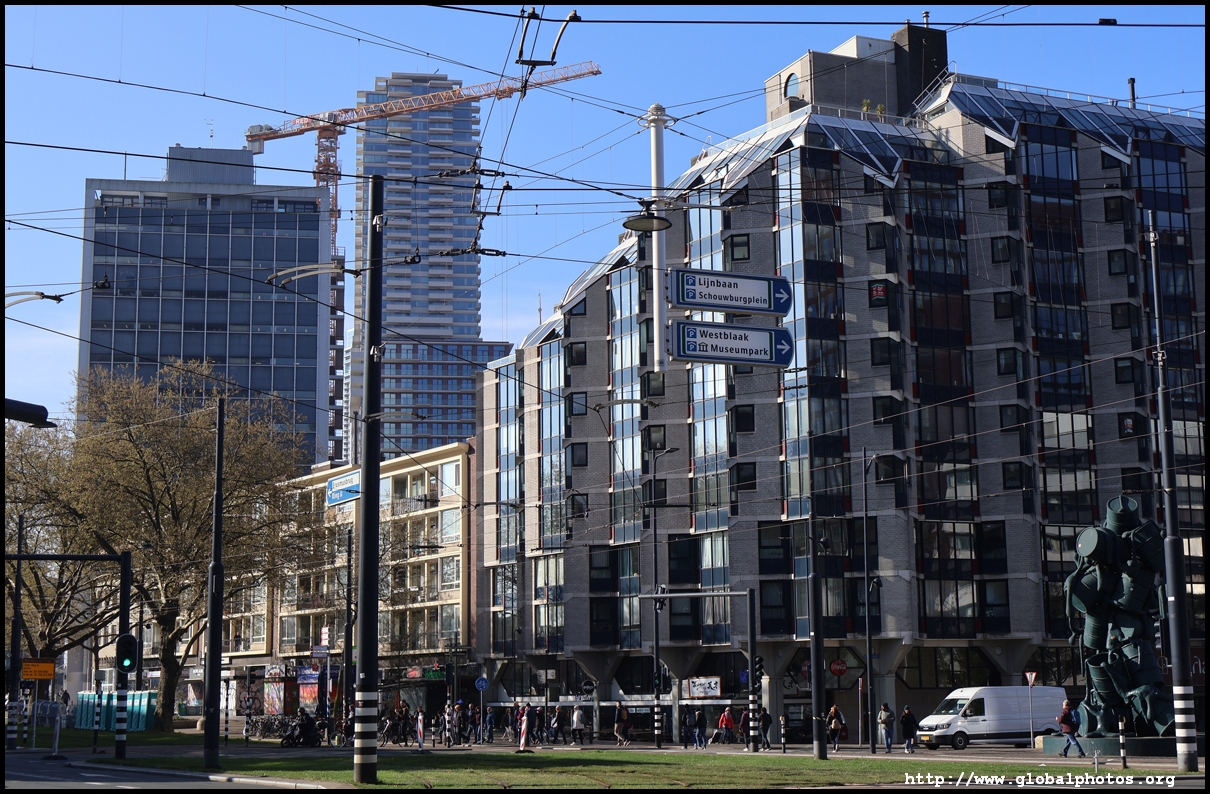
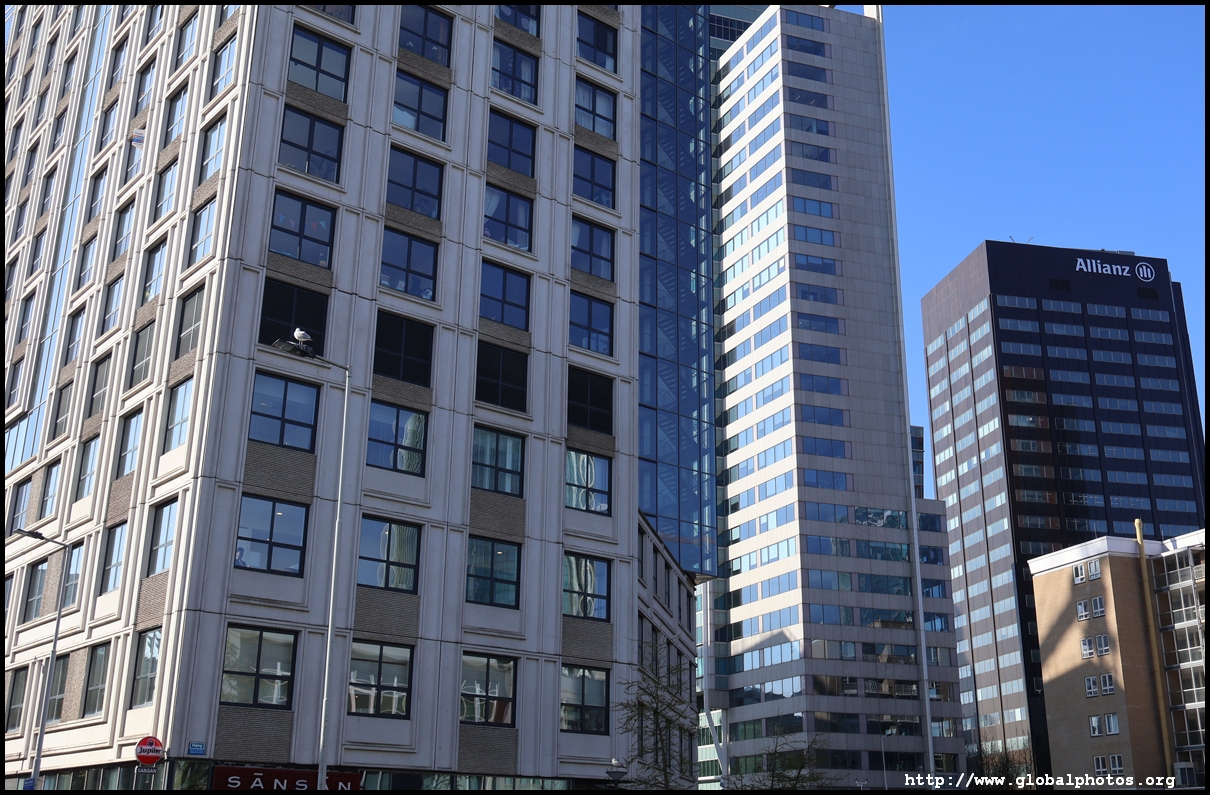
The downtown core has a good mix of skyscrapers in all shapes and sizes.
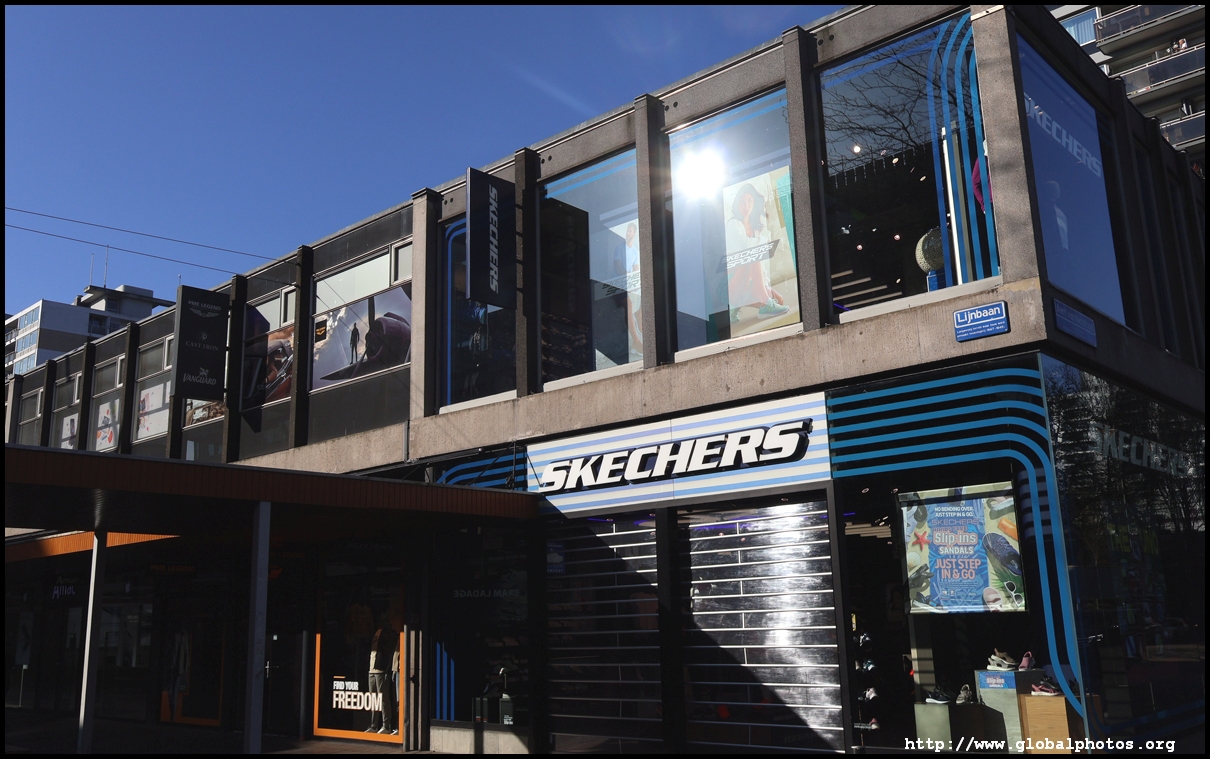
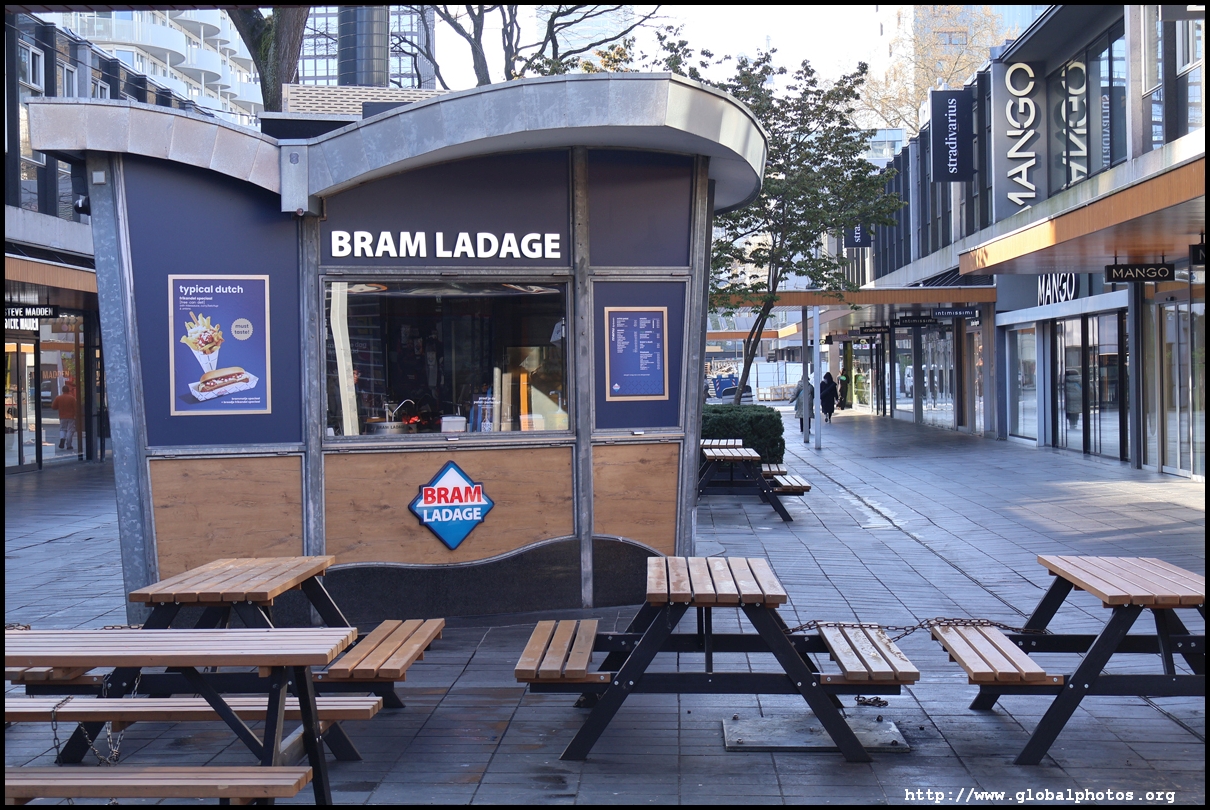
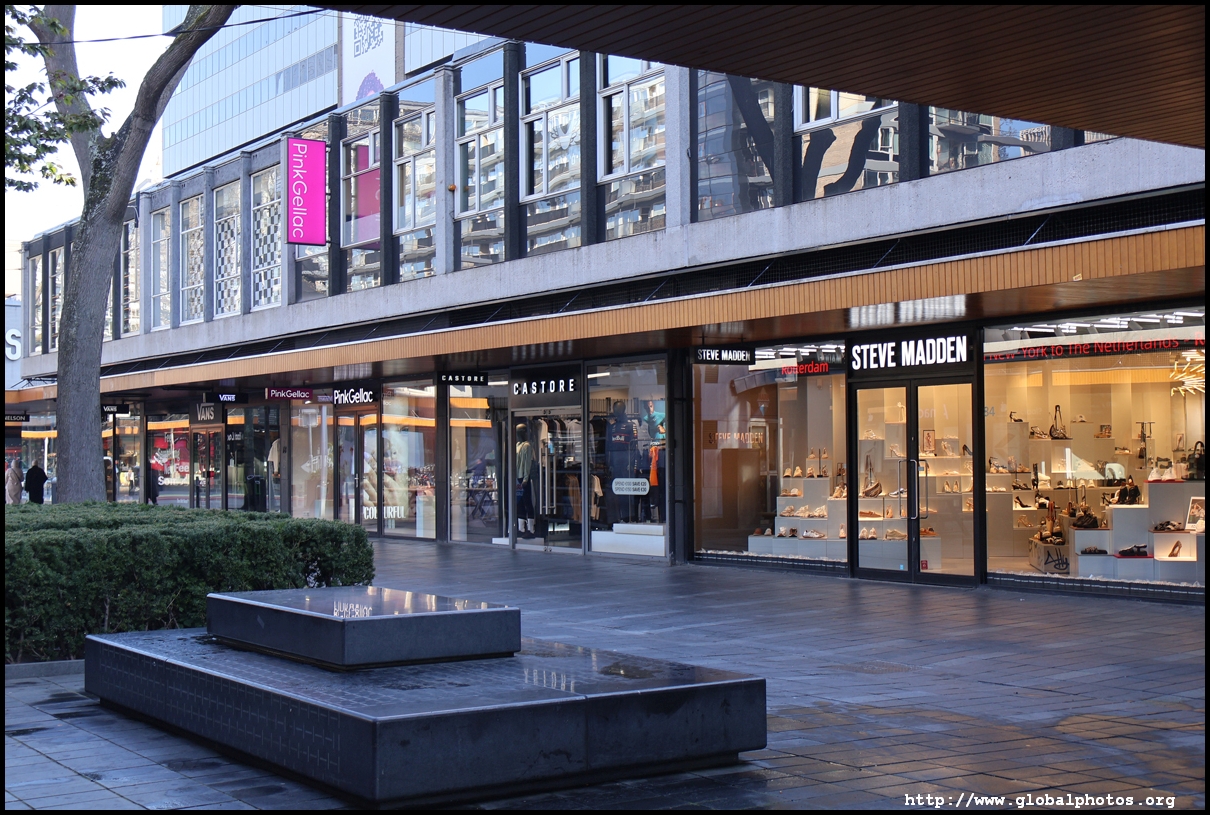
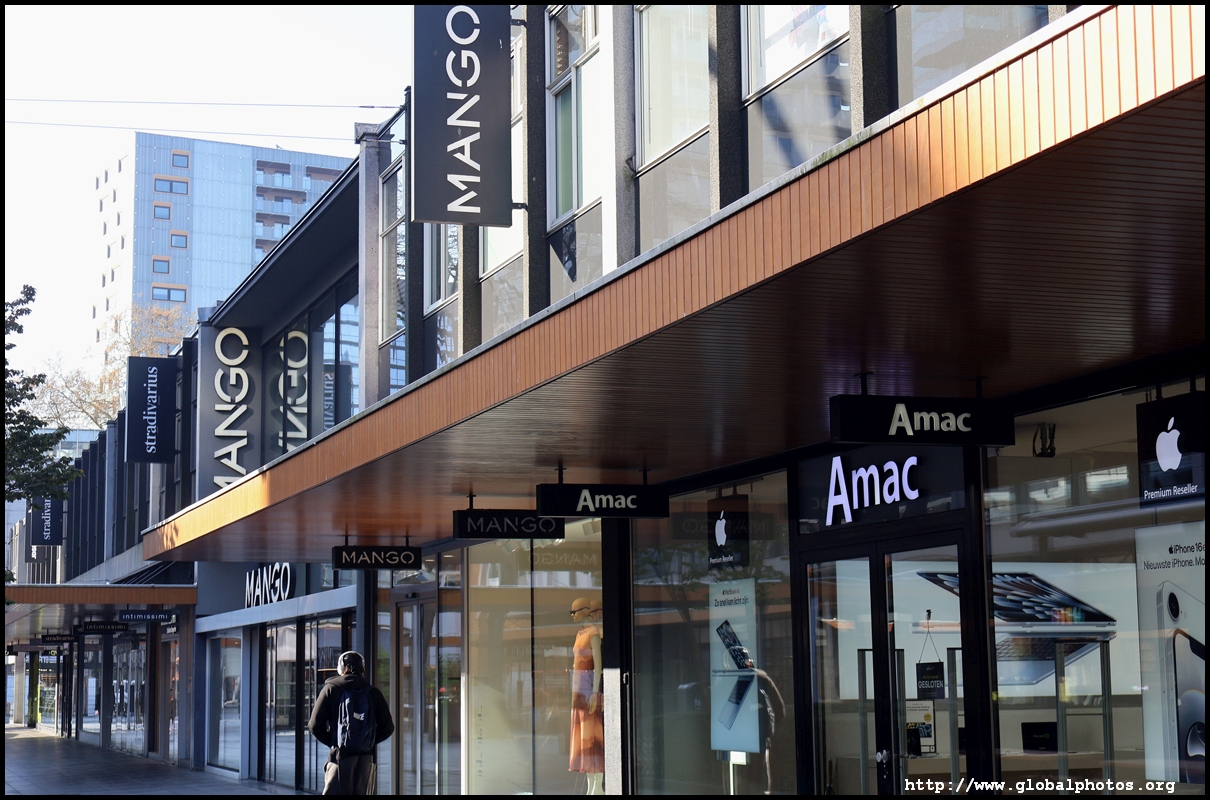
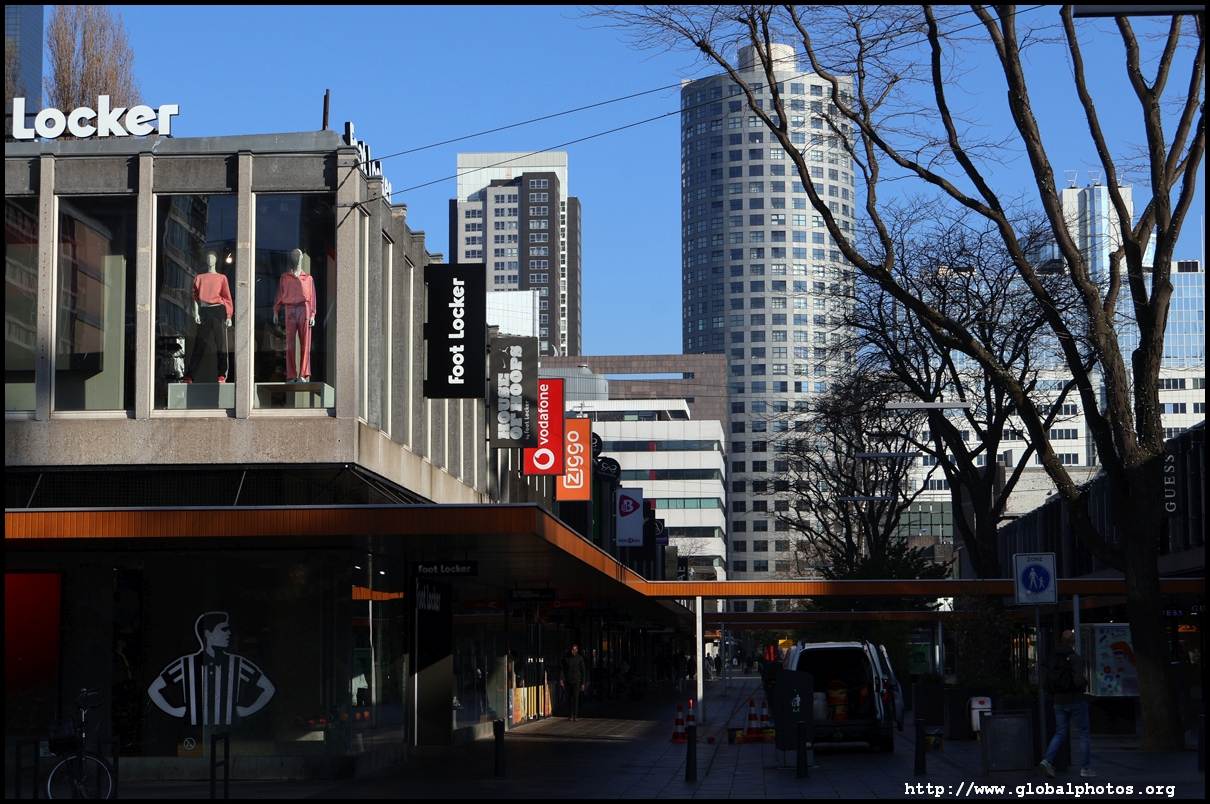
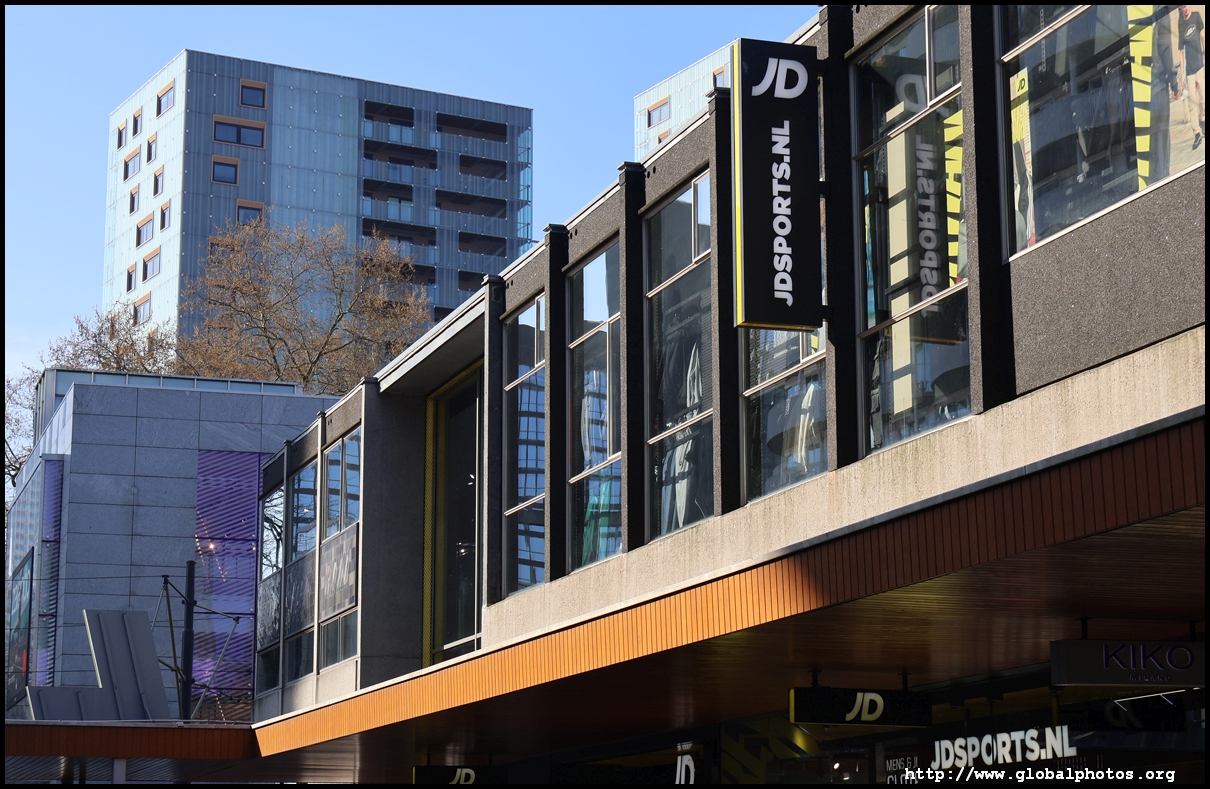
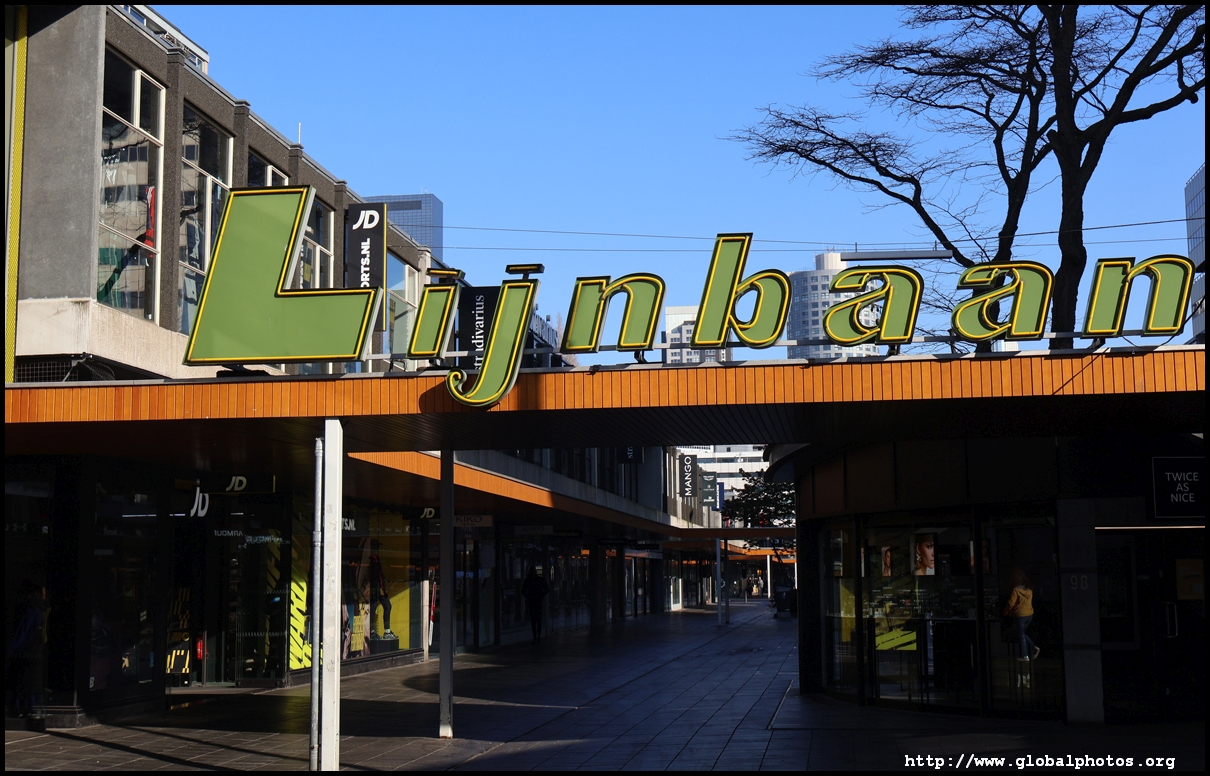
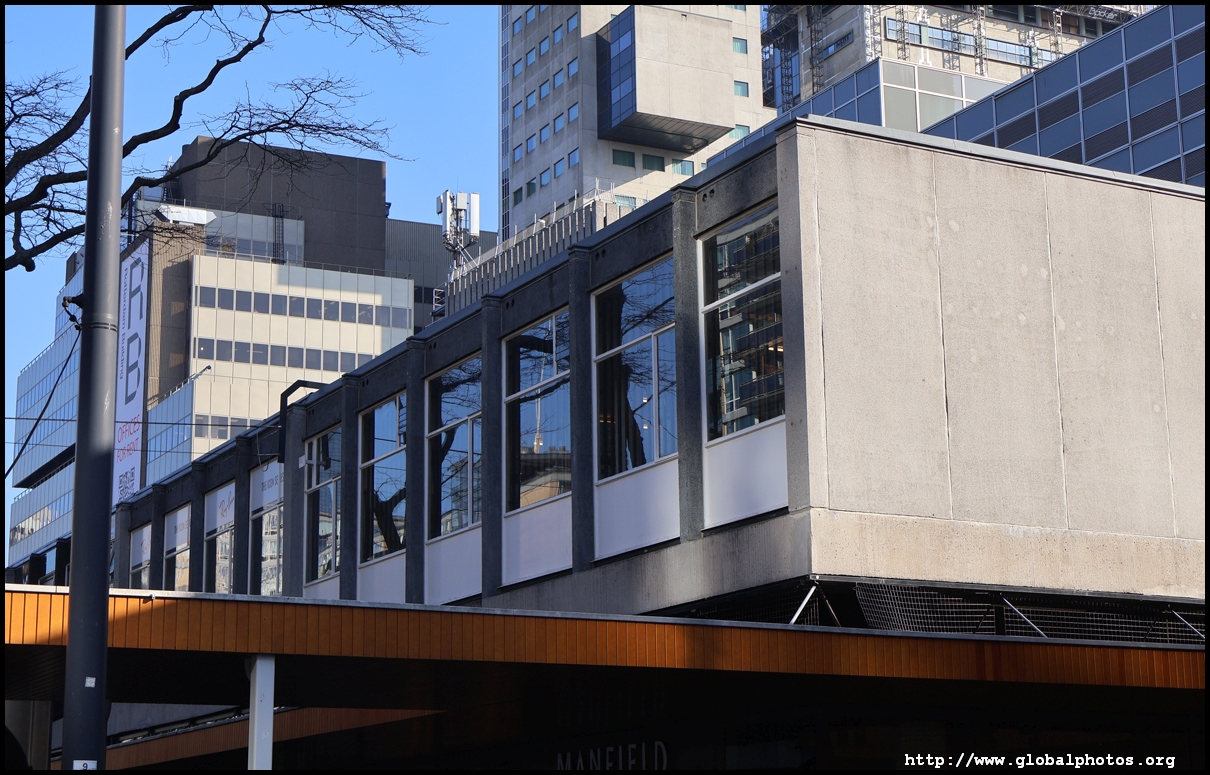
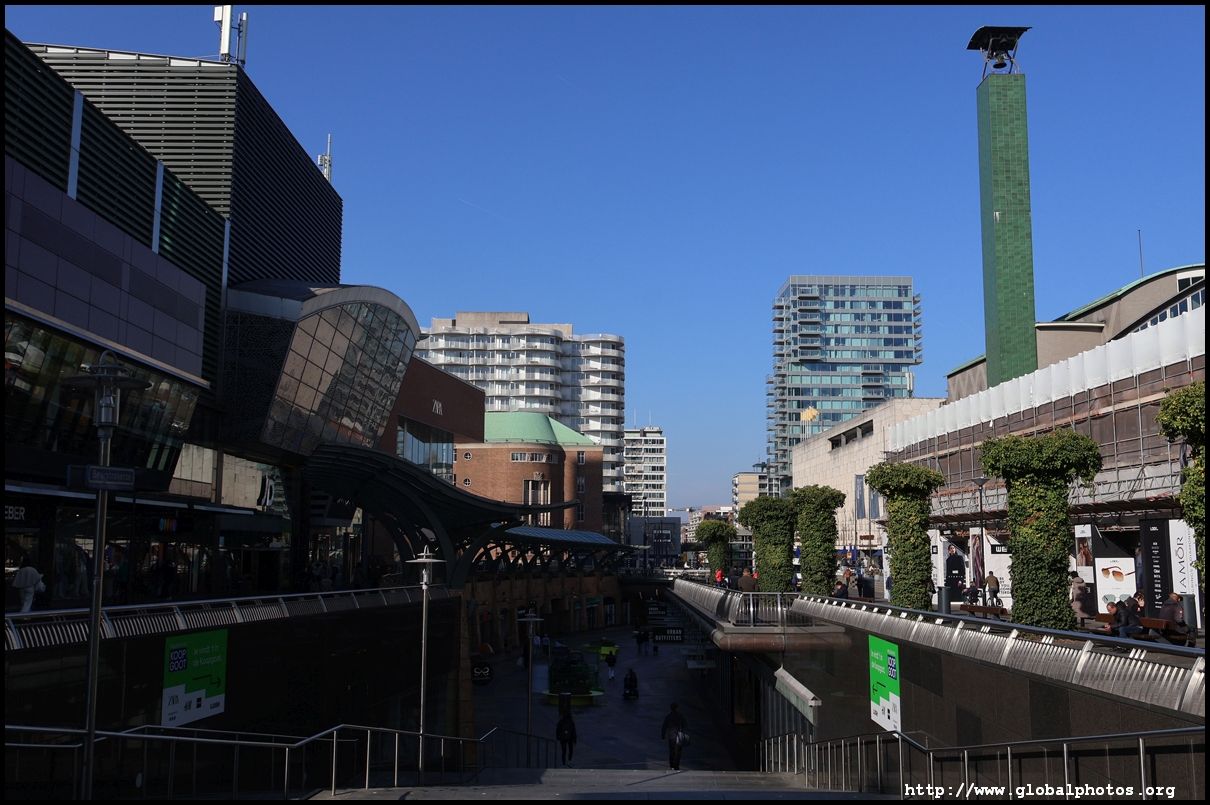
Lijnbaan opened in 1953 as Europe's first purpose-built pedestrian street with no cars. A marvelous concept at the time, retailers were skeptical to set up shop here worried that their customers cannot arrive in their cars. However, it won over shoppers and became popular with beautiful landscaping and protective coverings from the rain, inspiring other cities to follow suit. However, the street fell into decline in the 1980s when the original shops were replaced by the chains, sending the higher-end selection tumbling, and soon the area became unsafe. Change for the better arrived once the street received national heritage status in 2010.
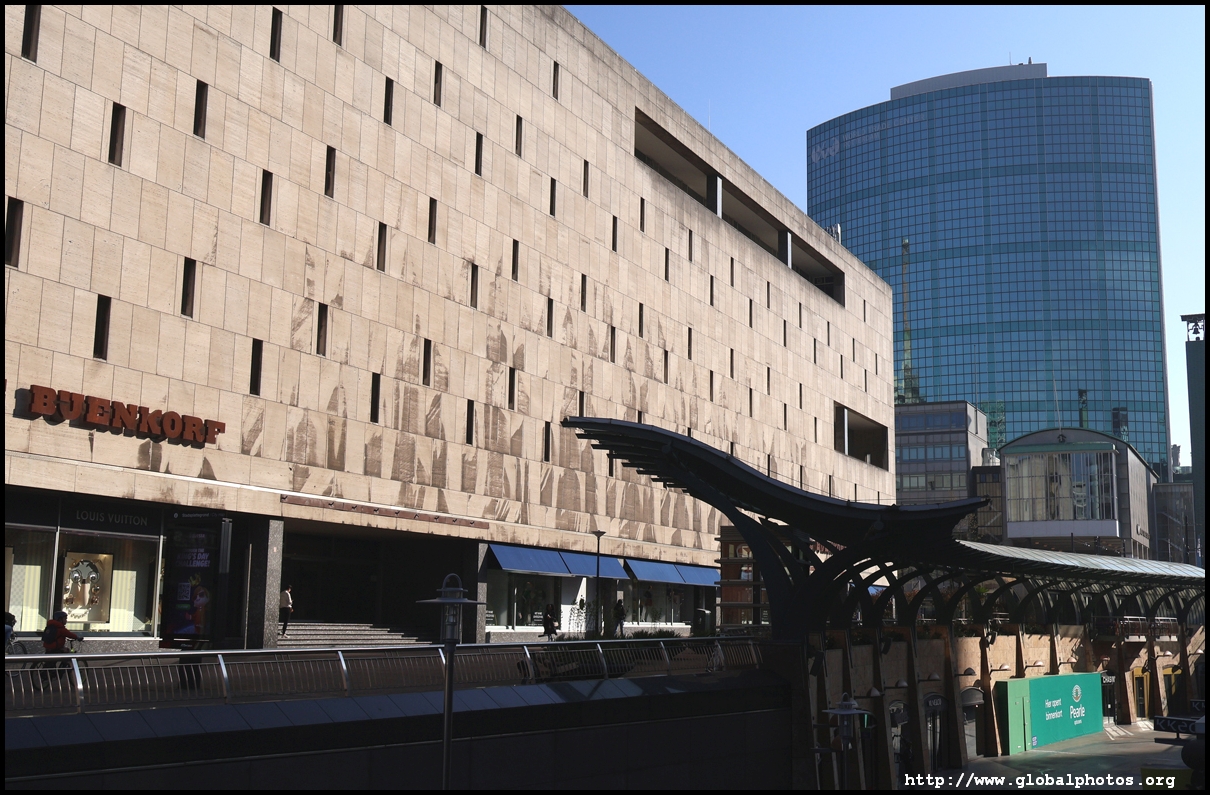
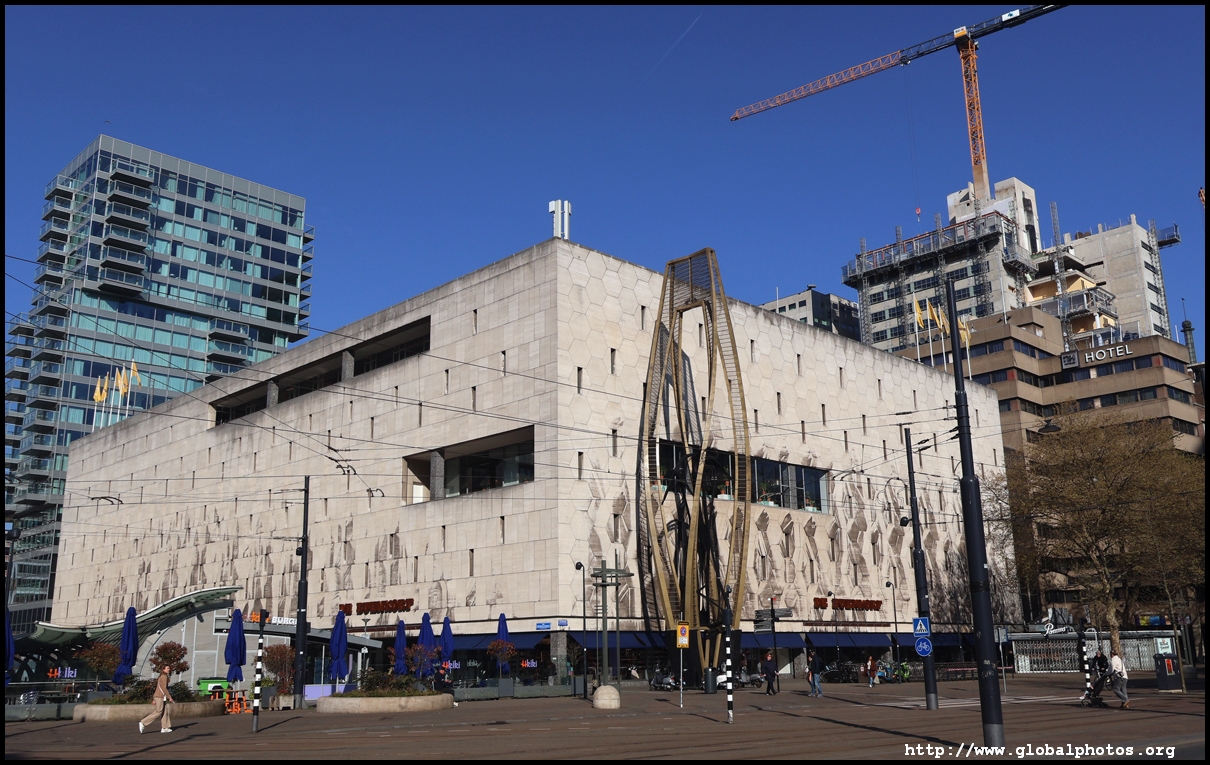
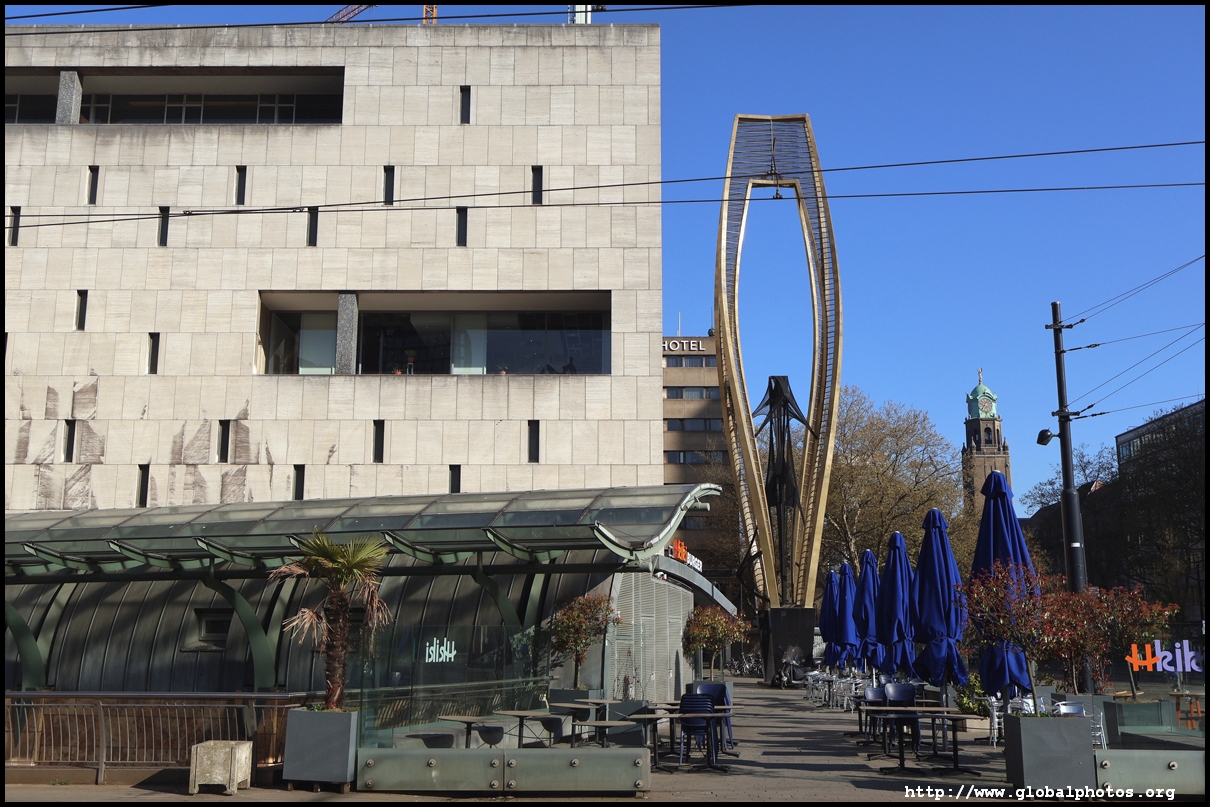
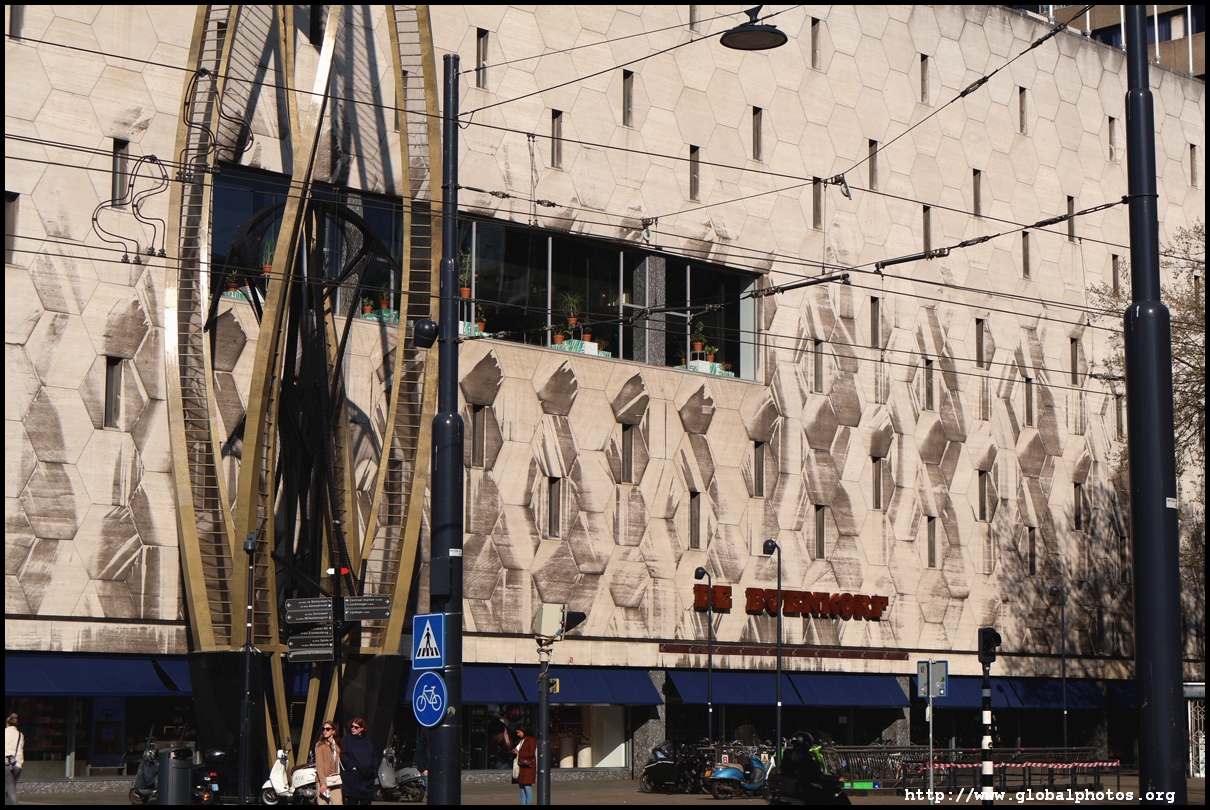
The surrounding areas have plenty of retail, such as the luxury department store De Bijenkorf. Designed by Abraham Elzas, the building opened in 1957 with a hexagonal exterior that looks like a honeycomb, a match to the store's name "beehive".
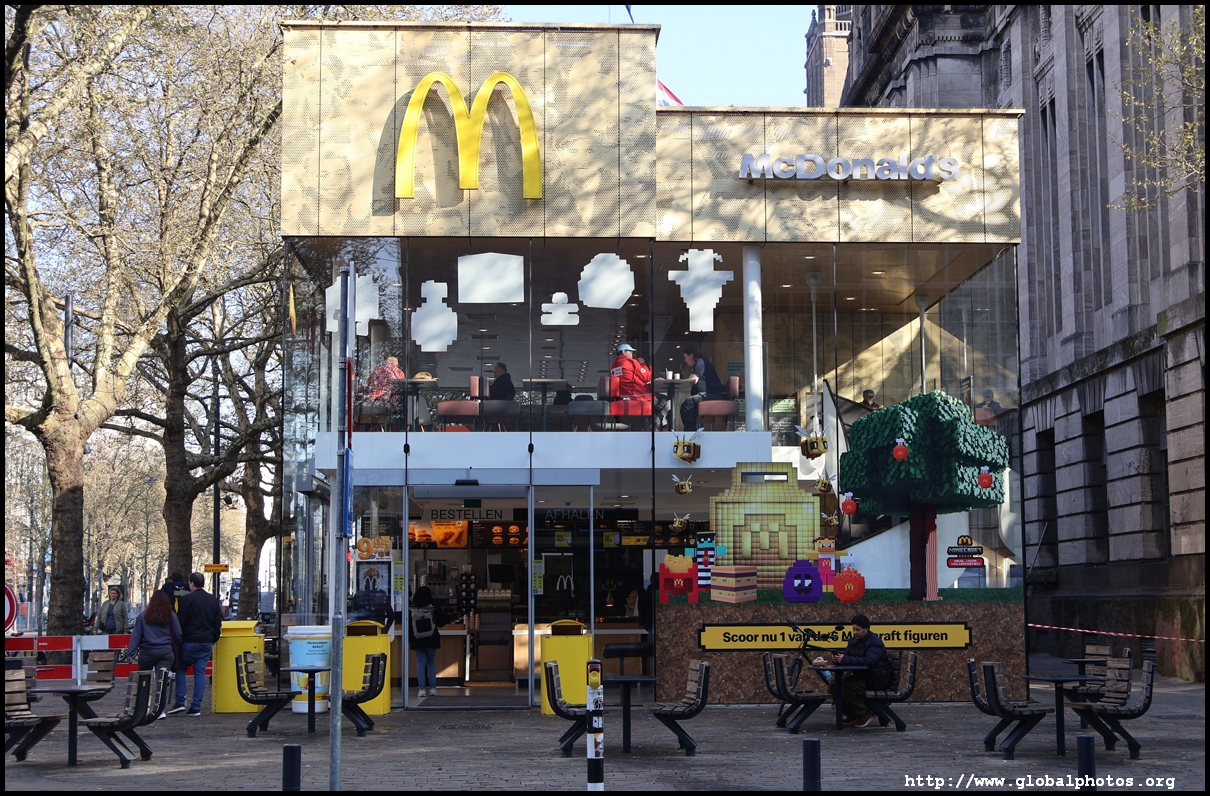
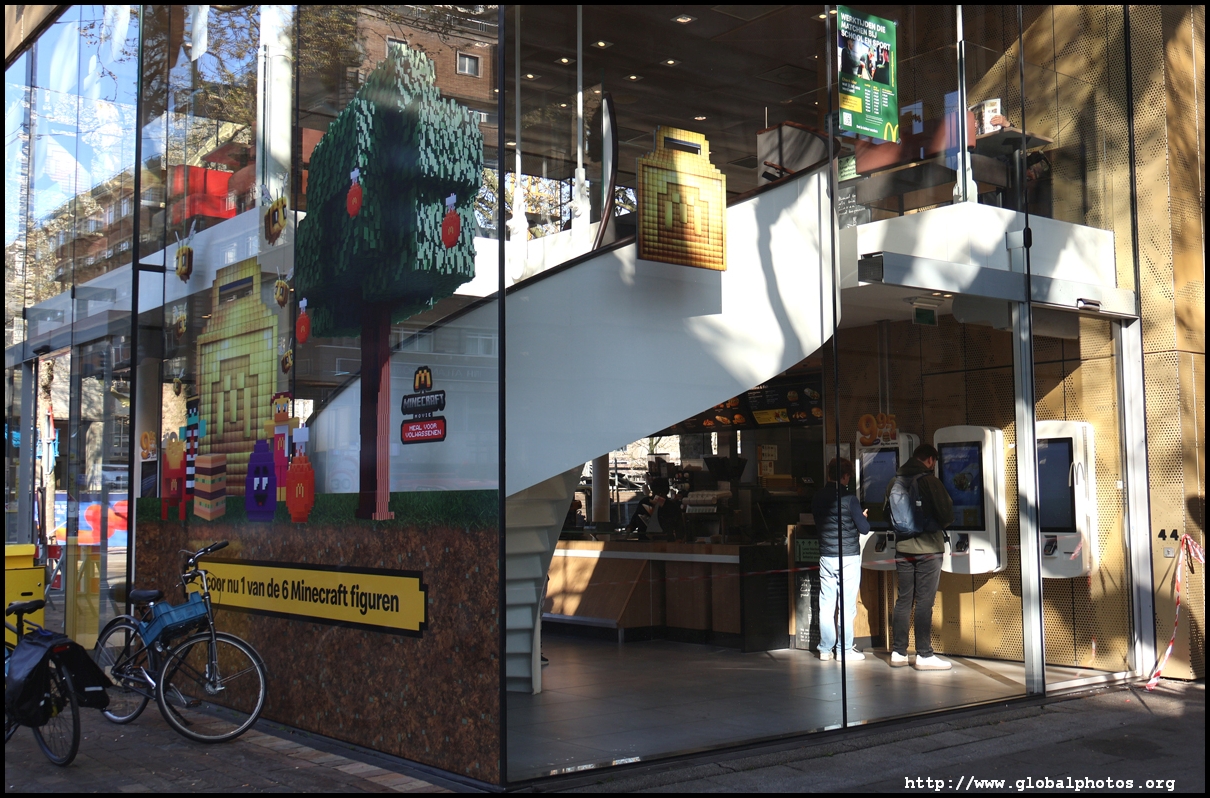
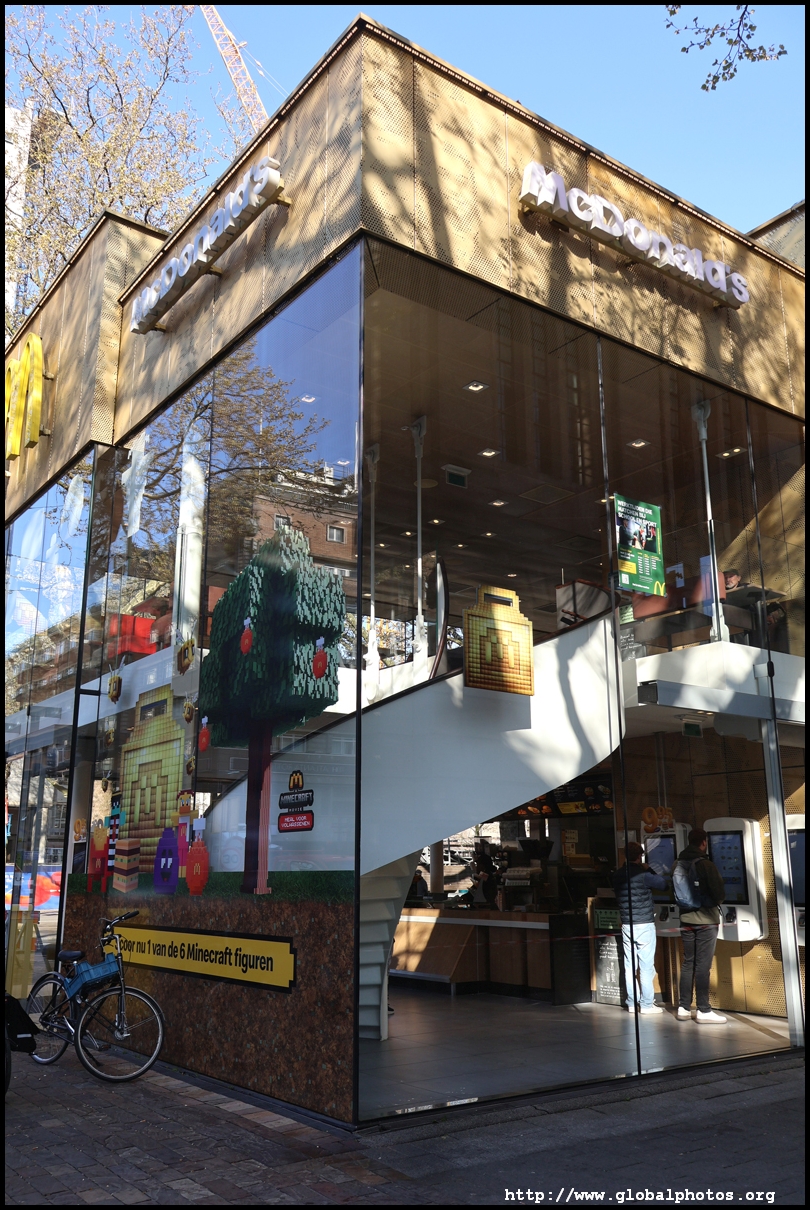
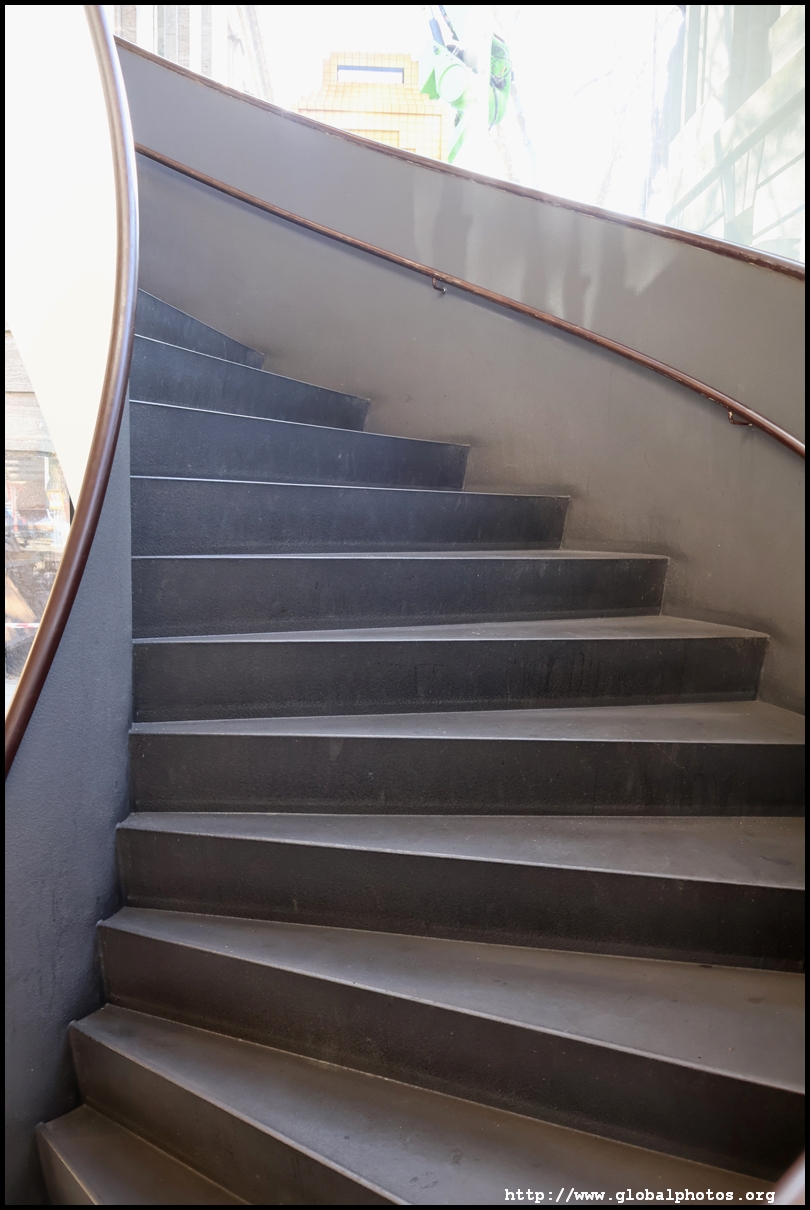
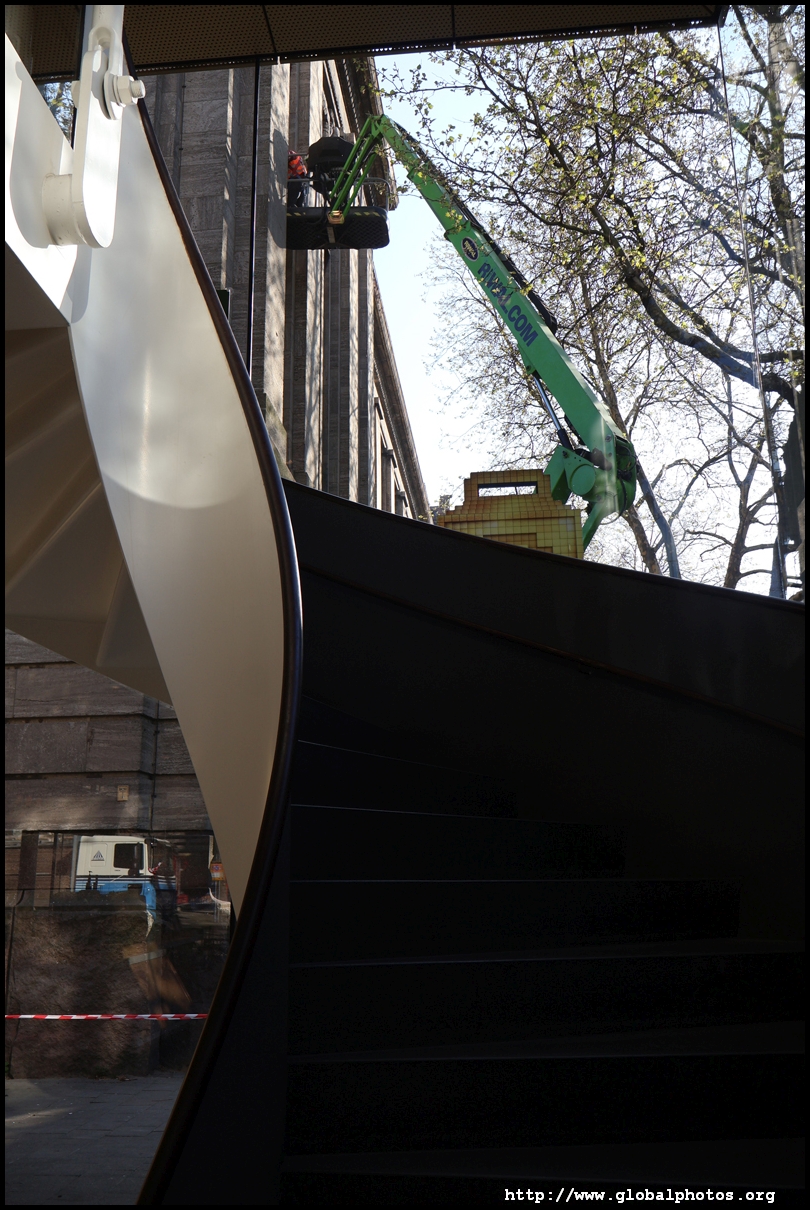
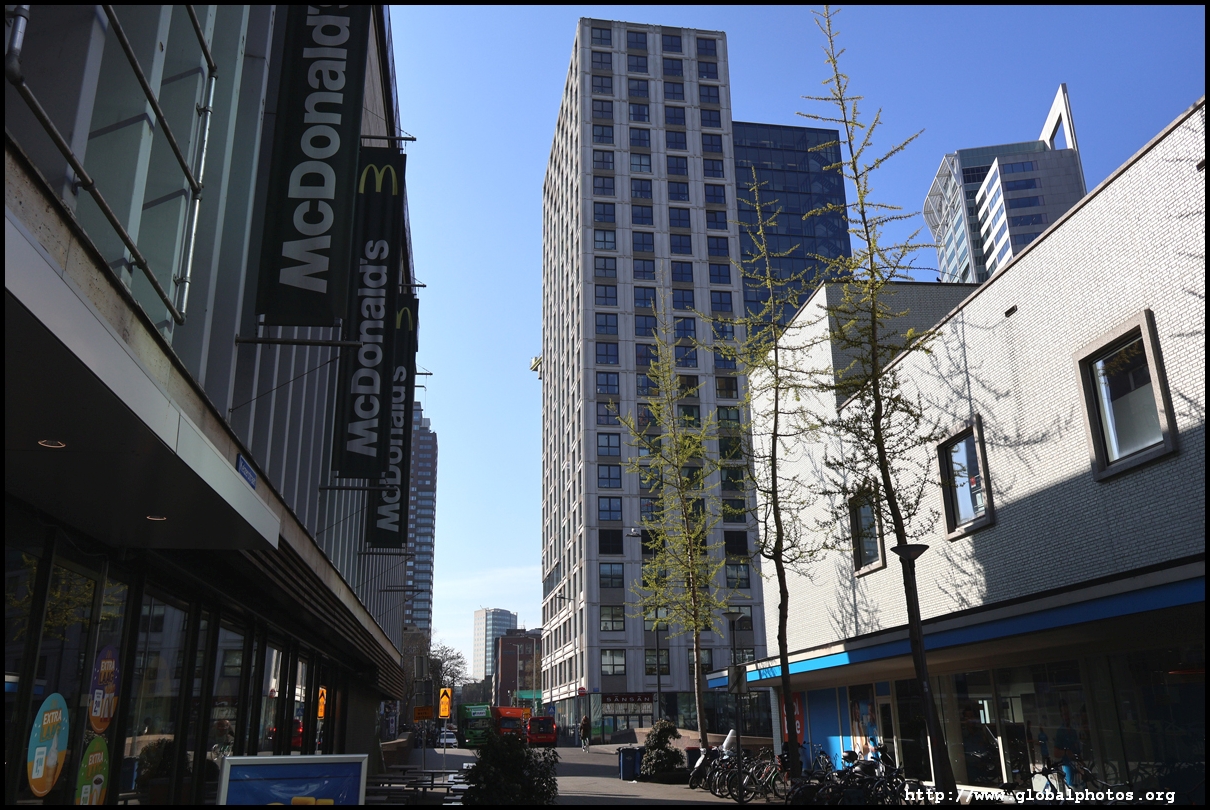
Even the McDonald's has a spiral staircase. They have been at this site for many decades and was once voted the ugliest building in the city. Mei Architects designed the 2-storey replacement where you order and cook downstairs and dine upstairs.
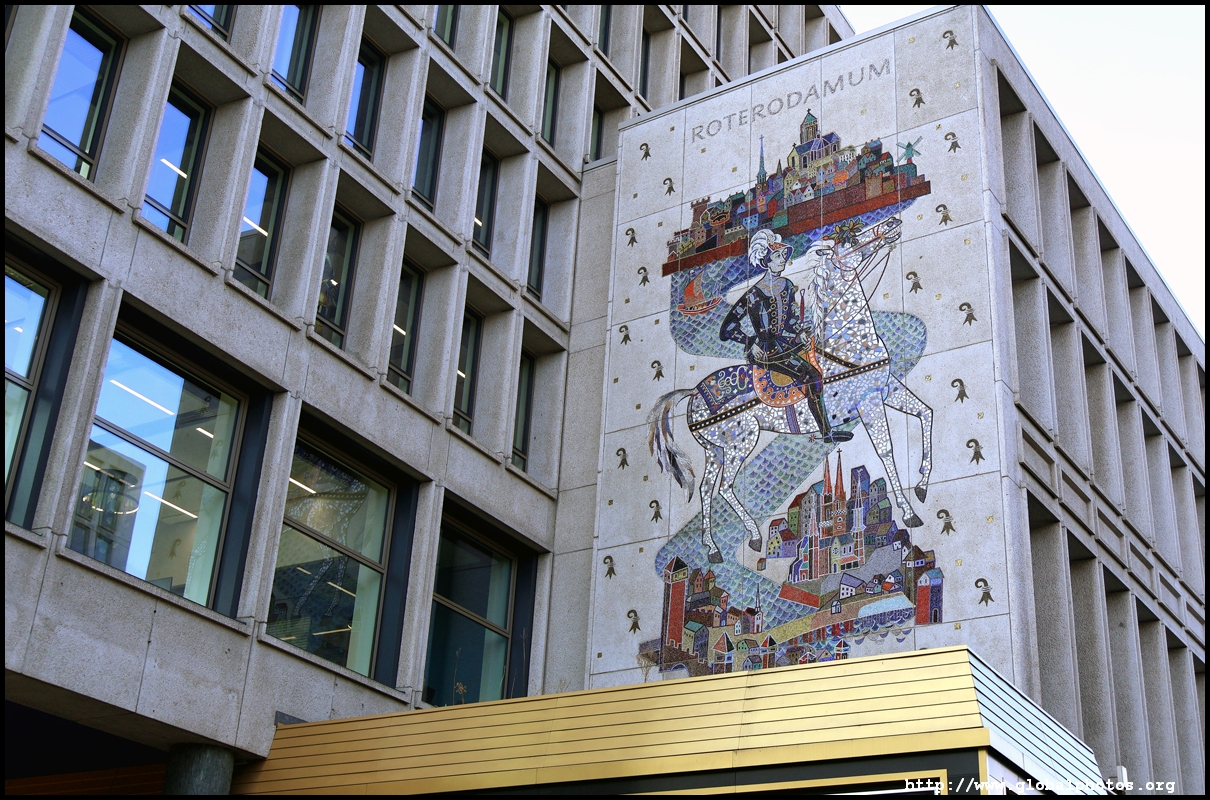
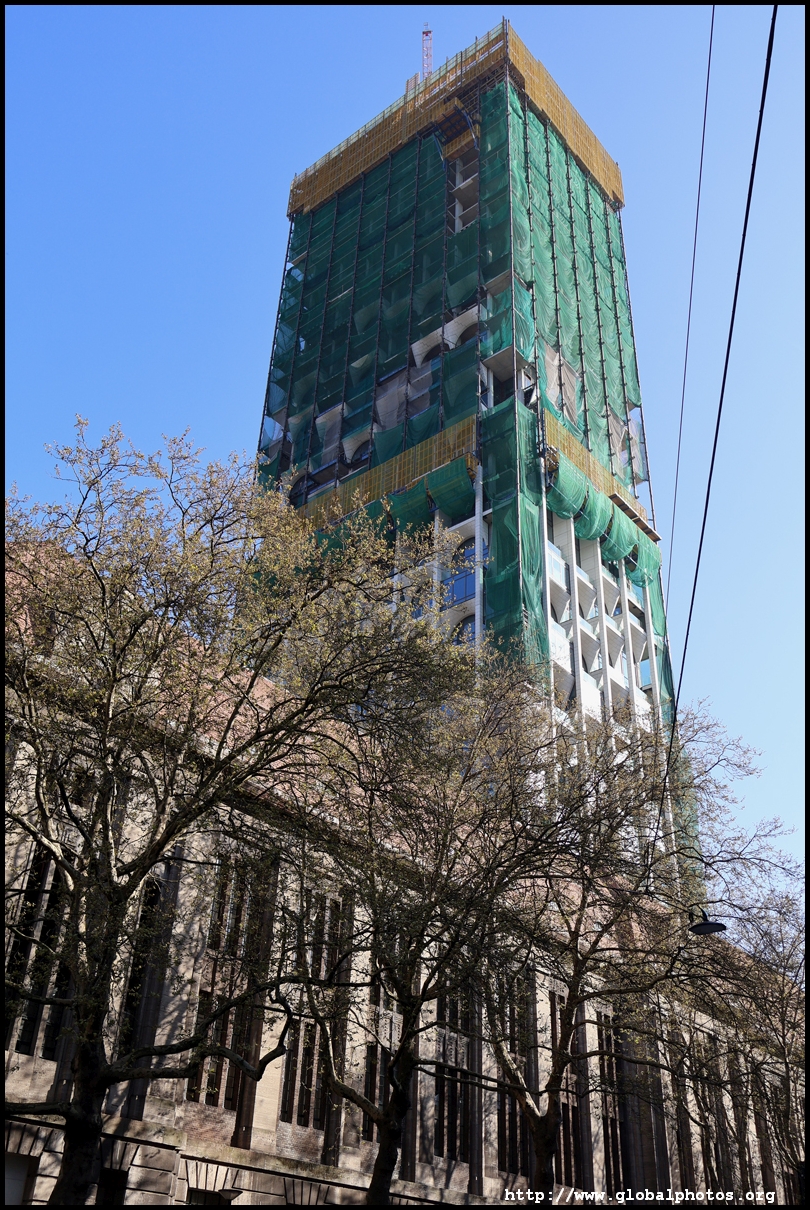
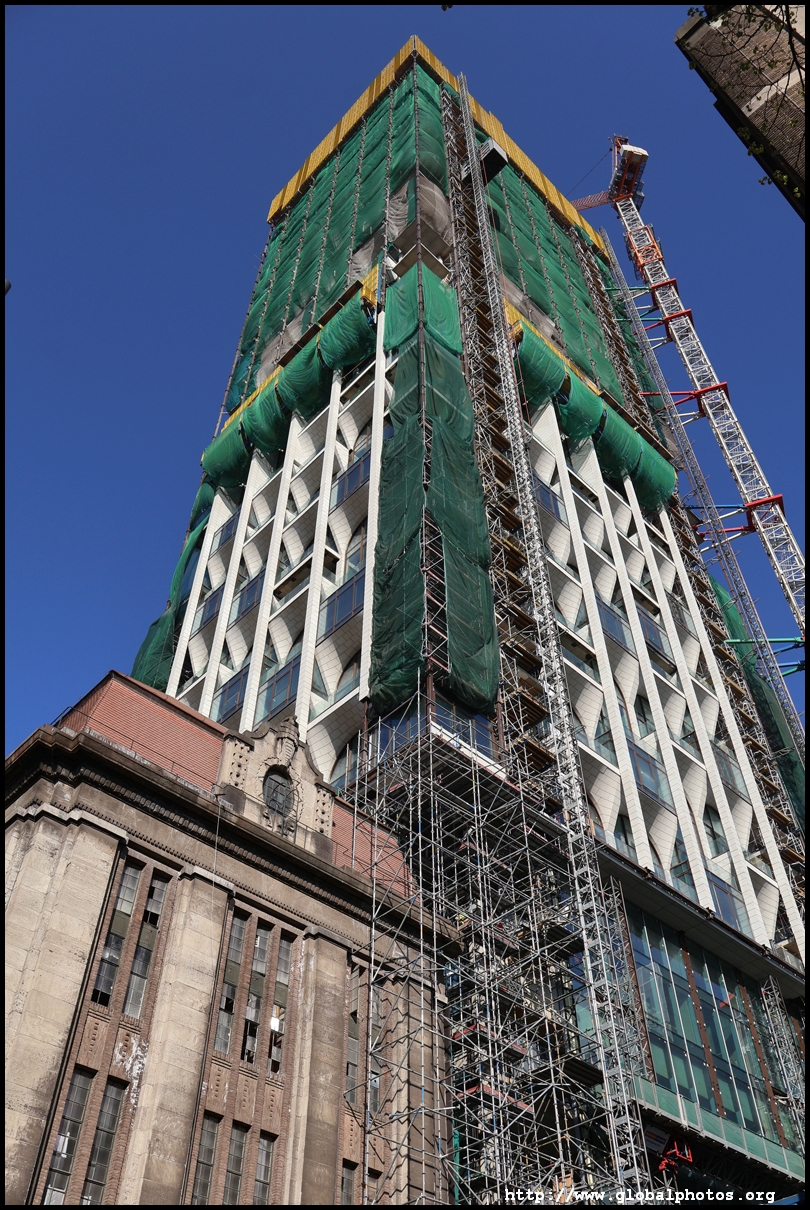
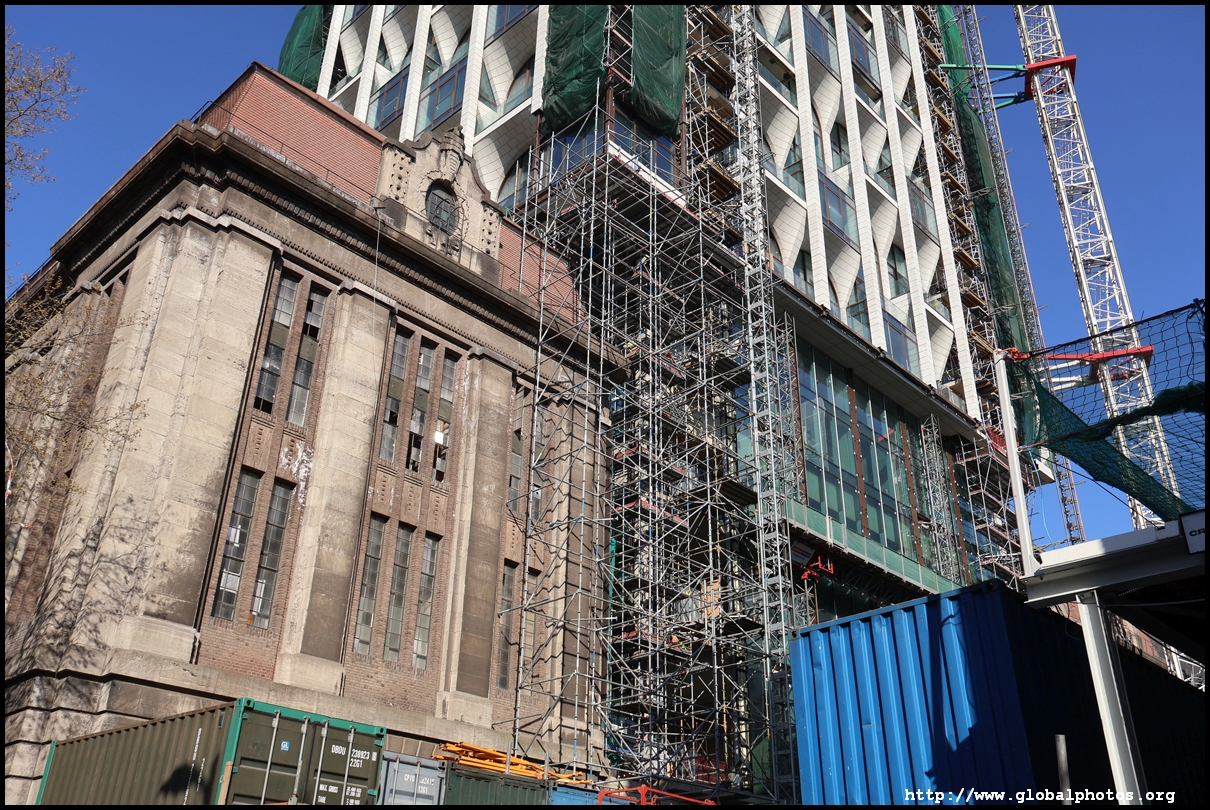
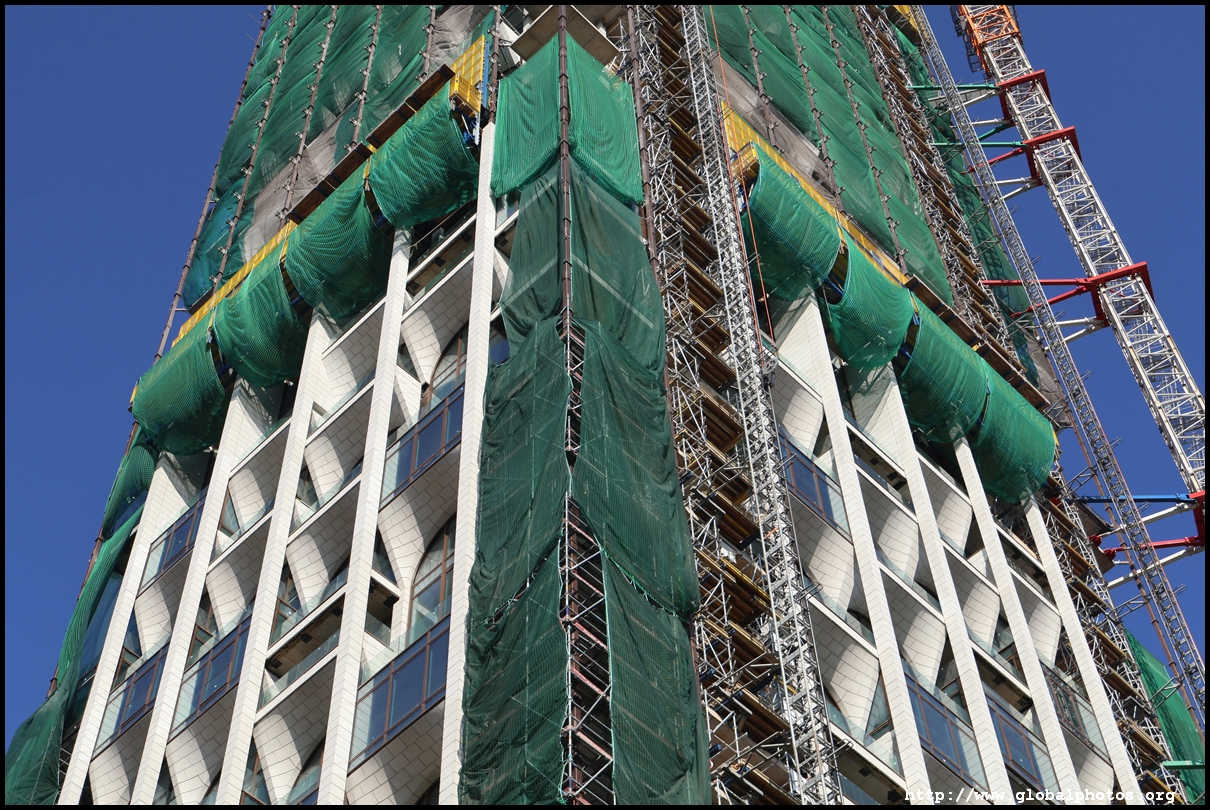
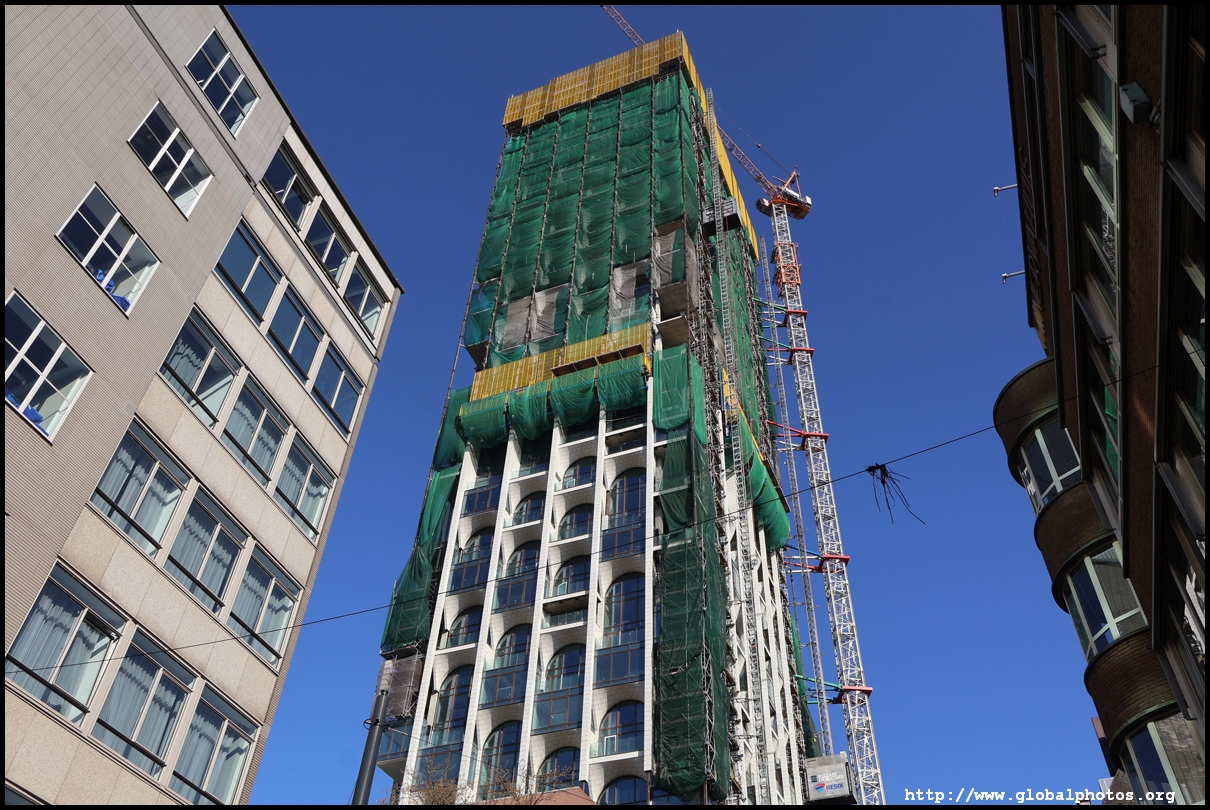
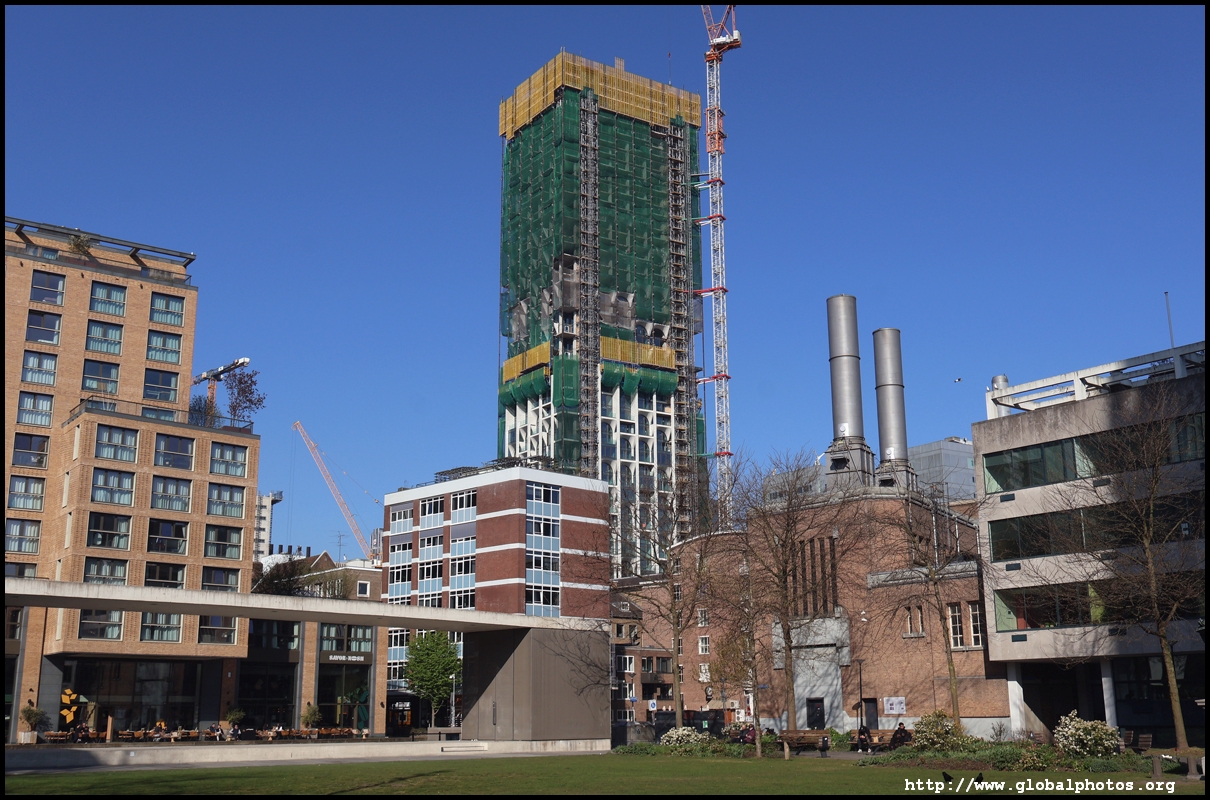
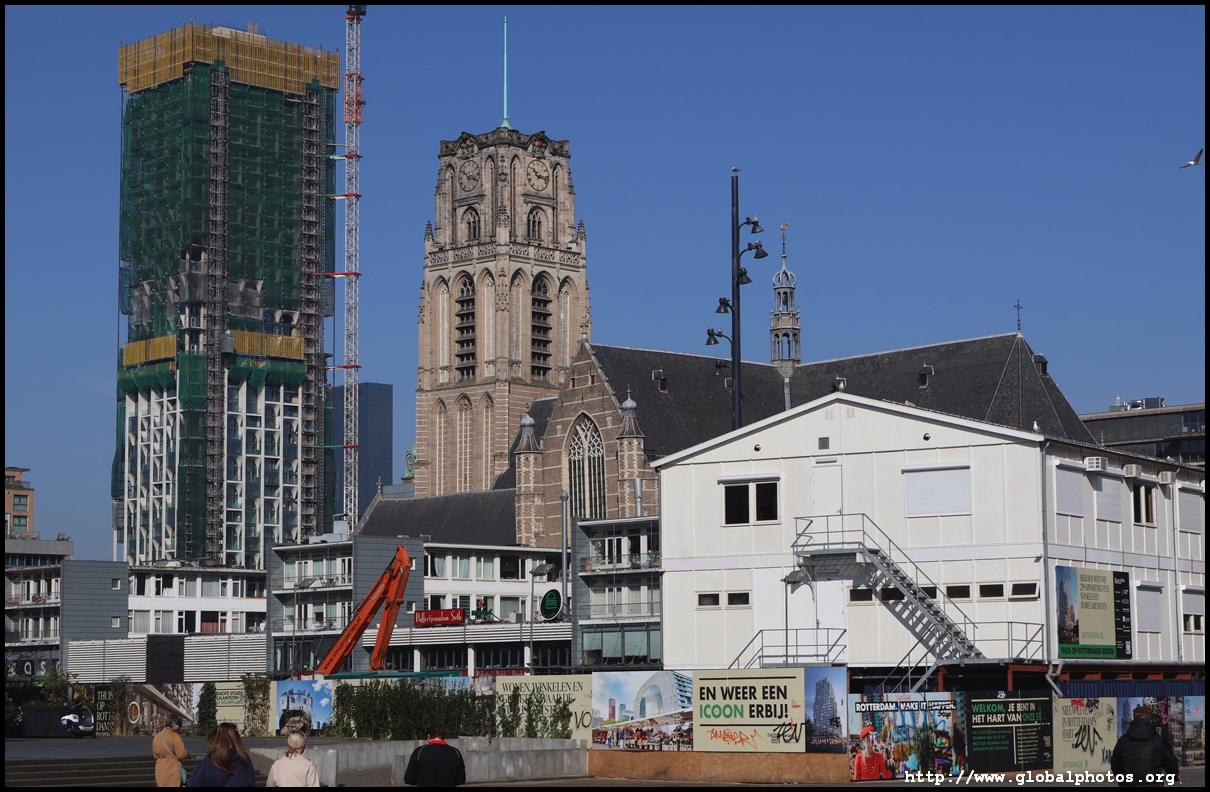
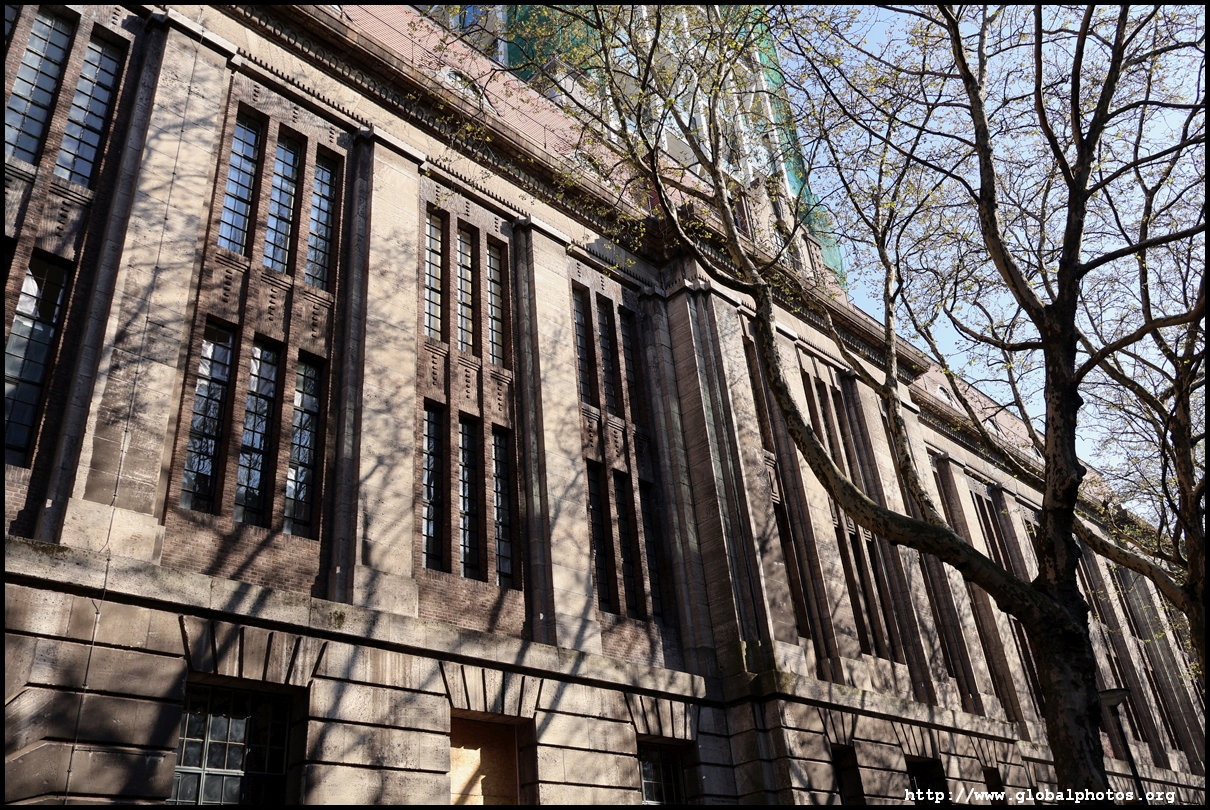
The Post Rotterdam was one of the few survivors from World War II. Built in 1916, its Great Hall rises 22.5m and is being restored with a 150m residential building under construction next door.
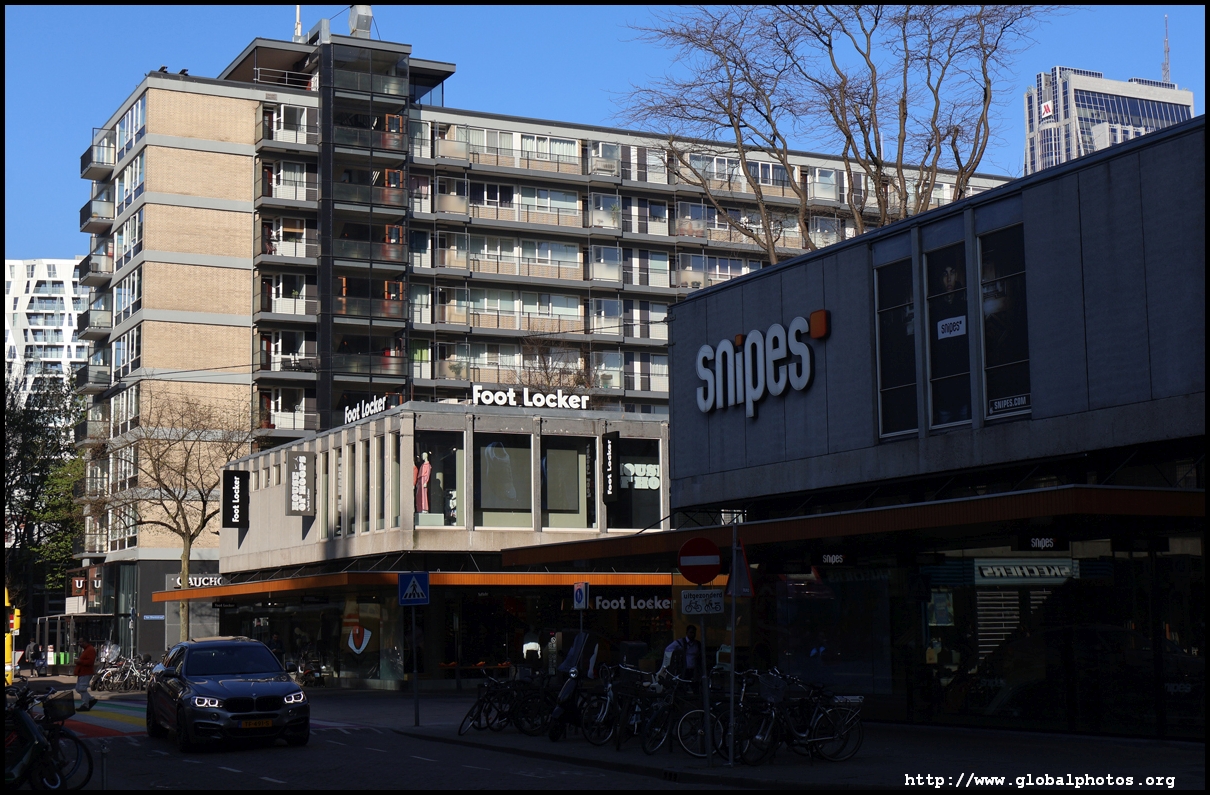
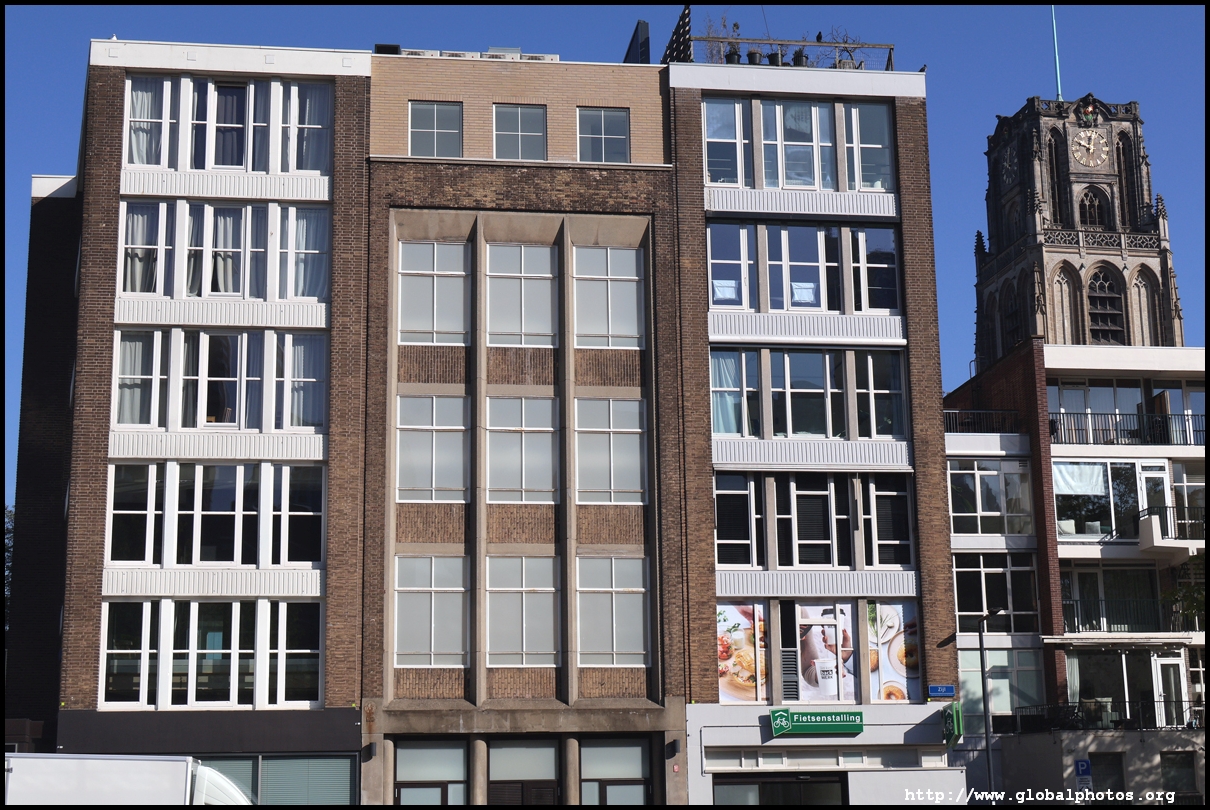
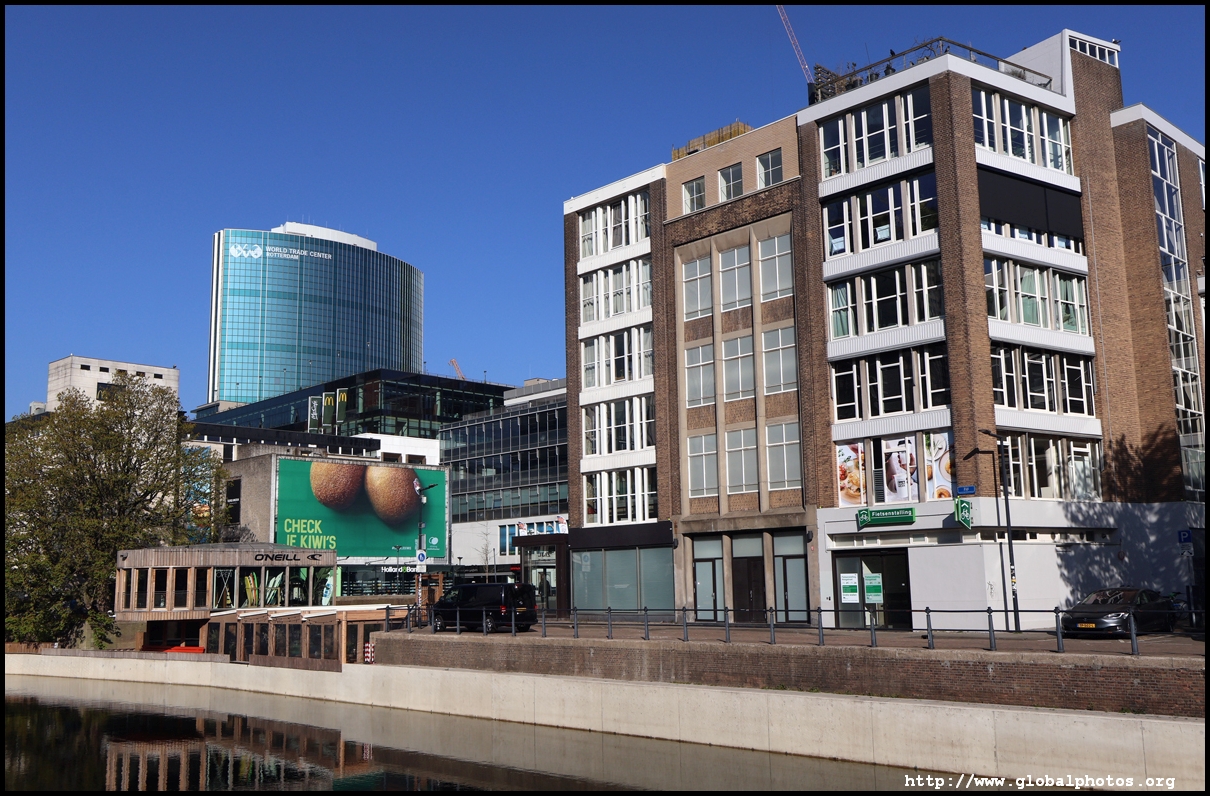
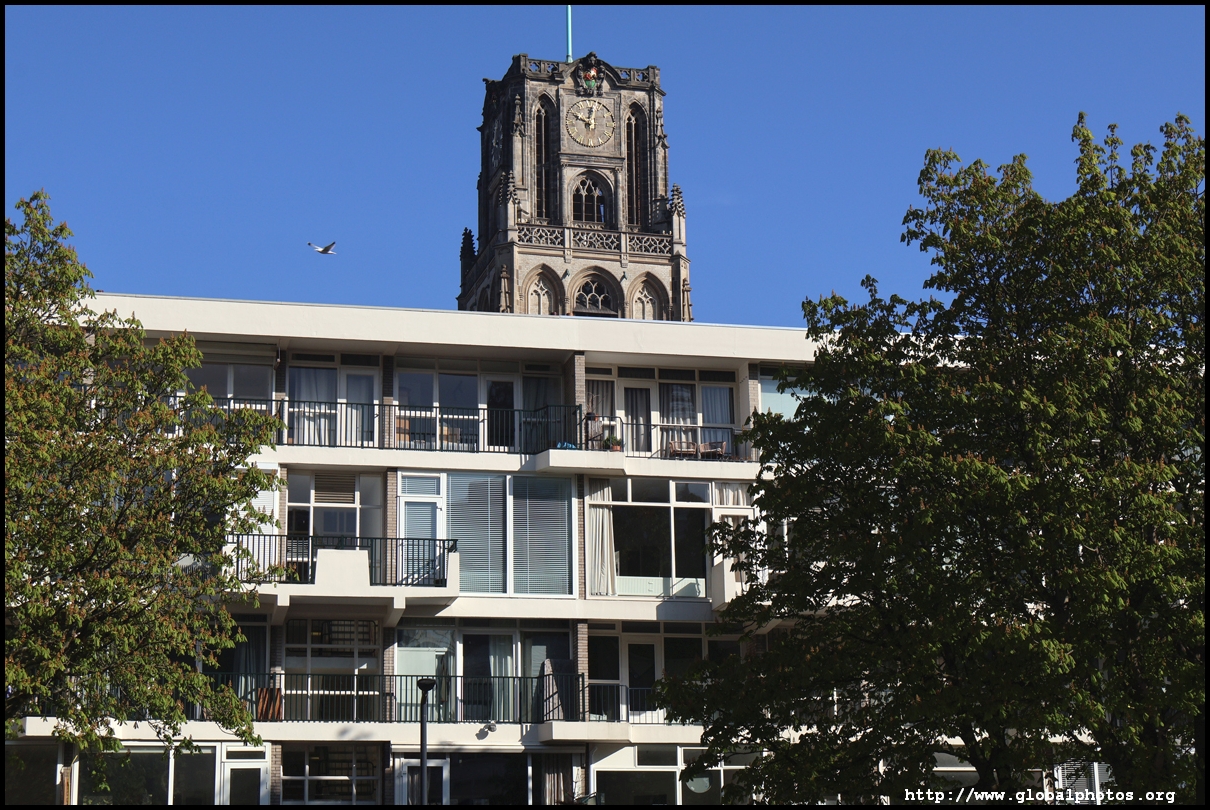
Here are other buildings in the area as I continued my walk east towards Markthal :
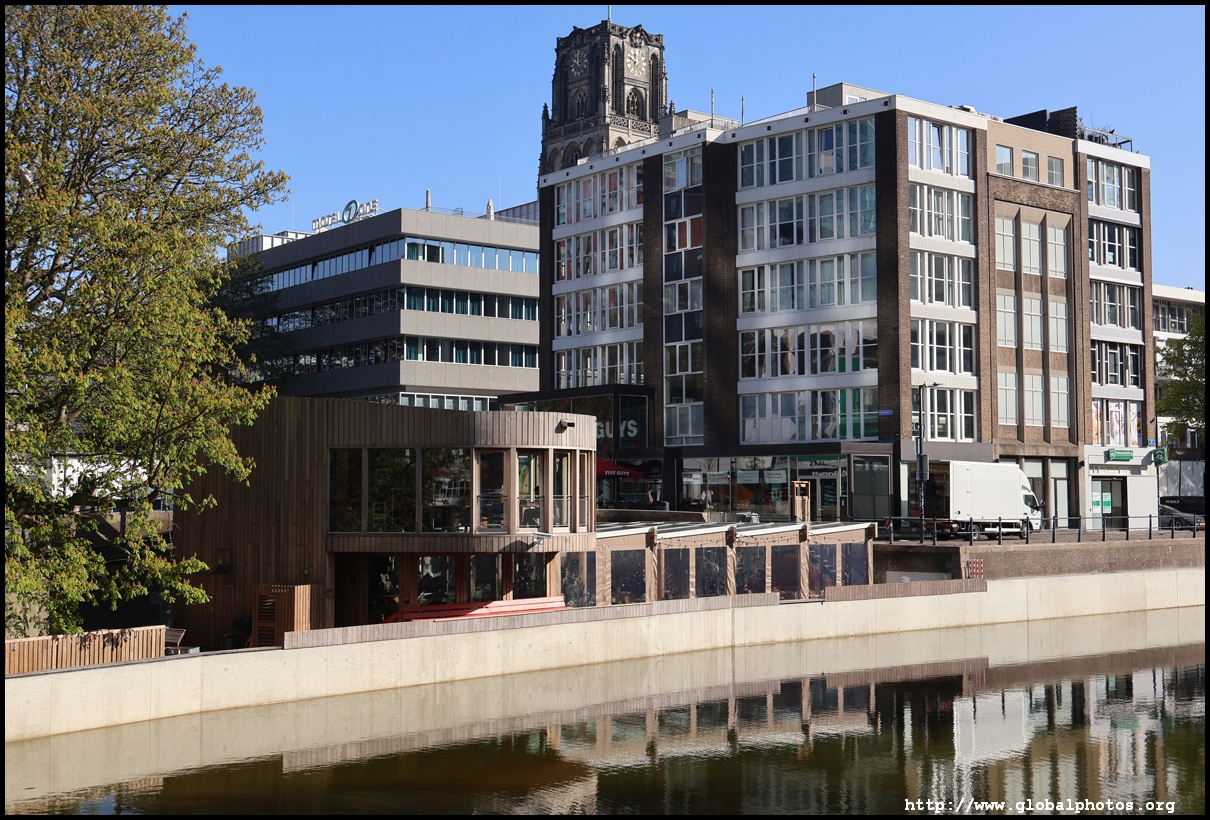
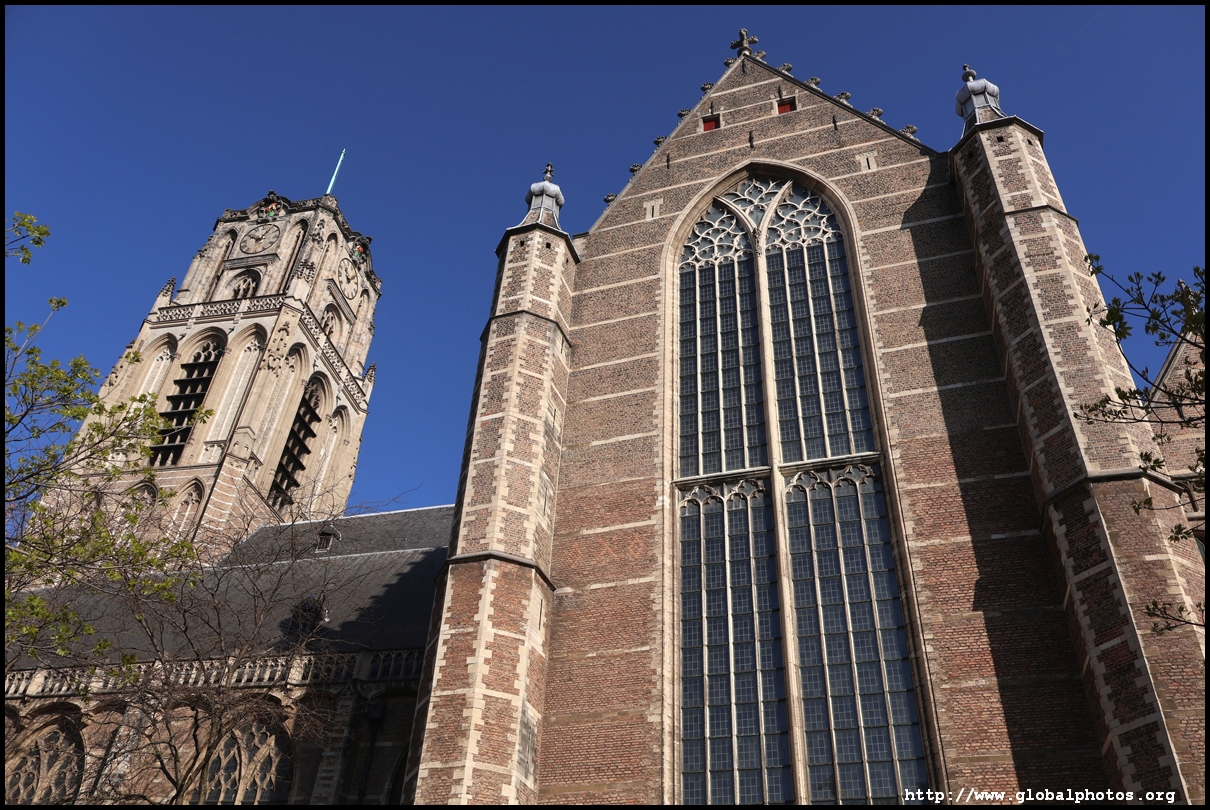
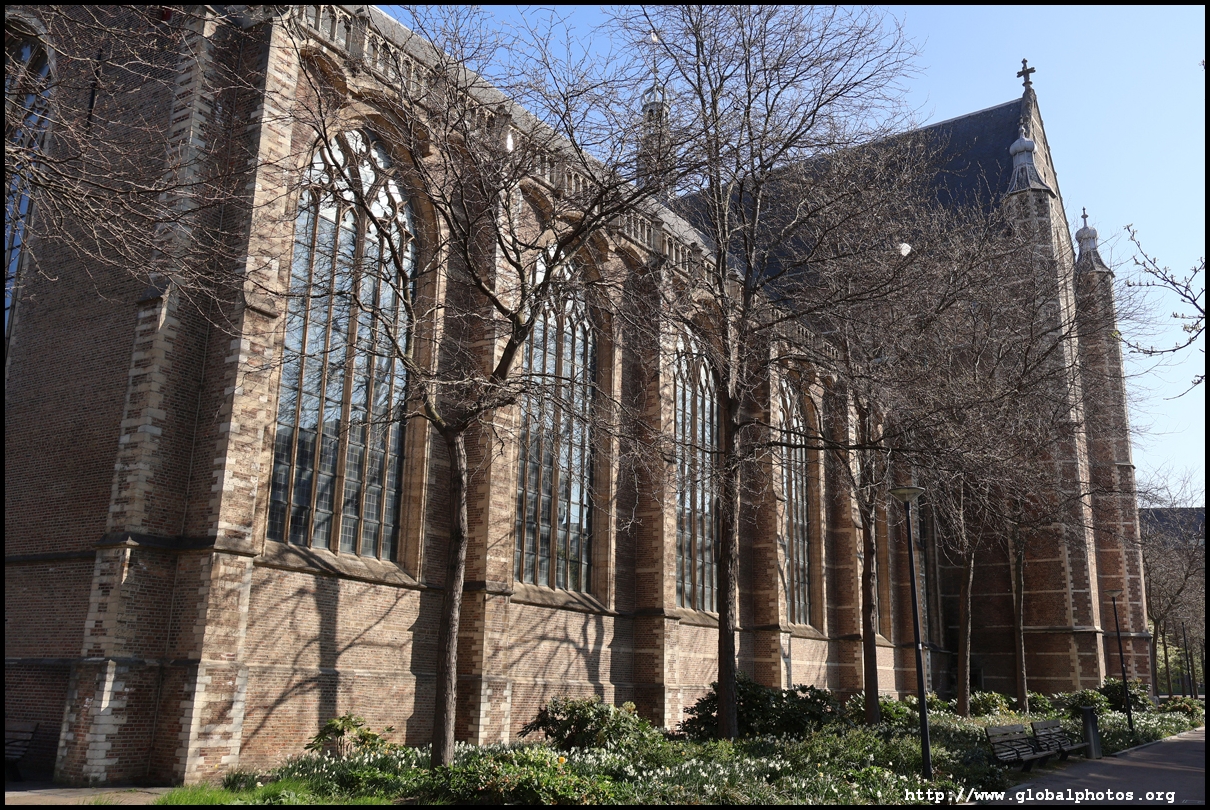
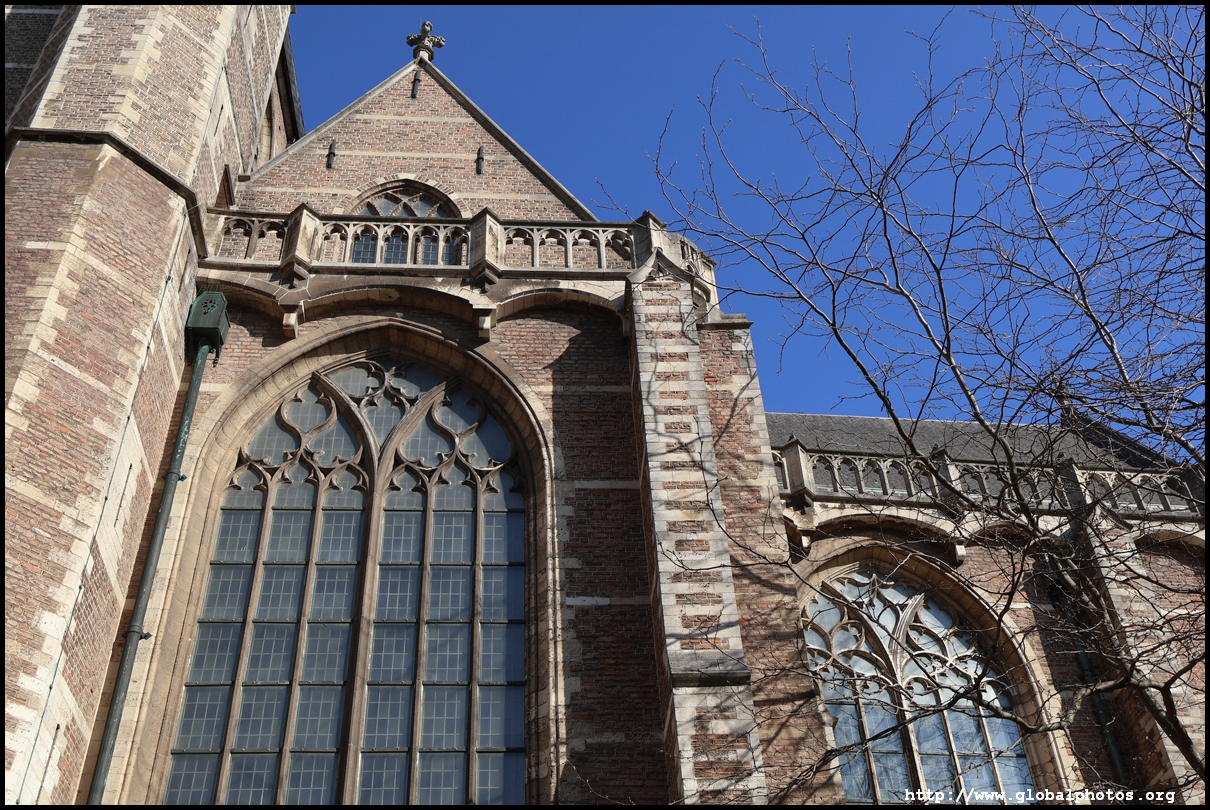
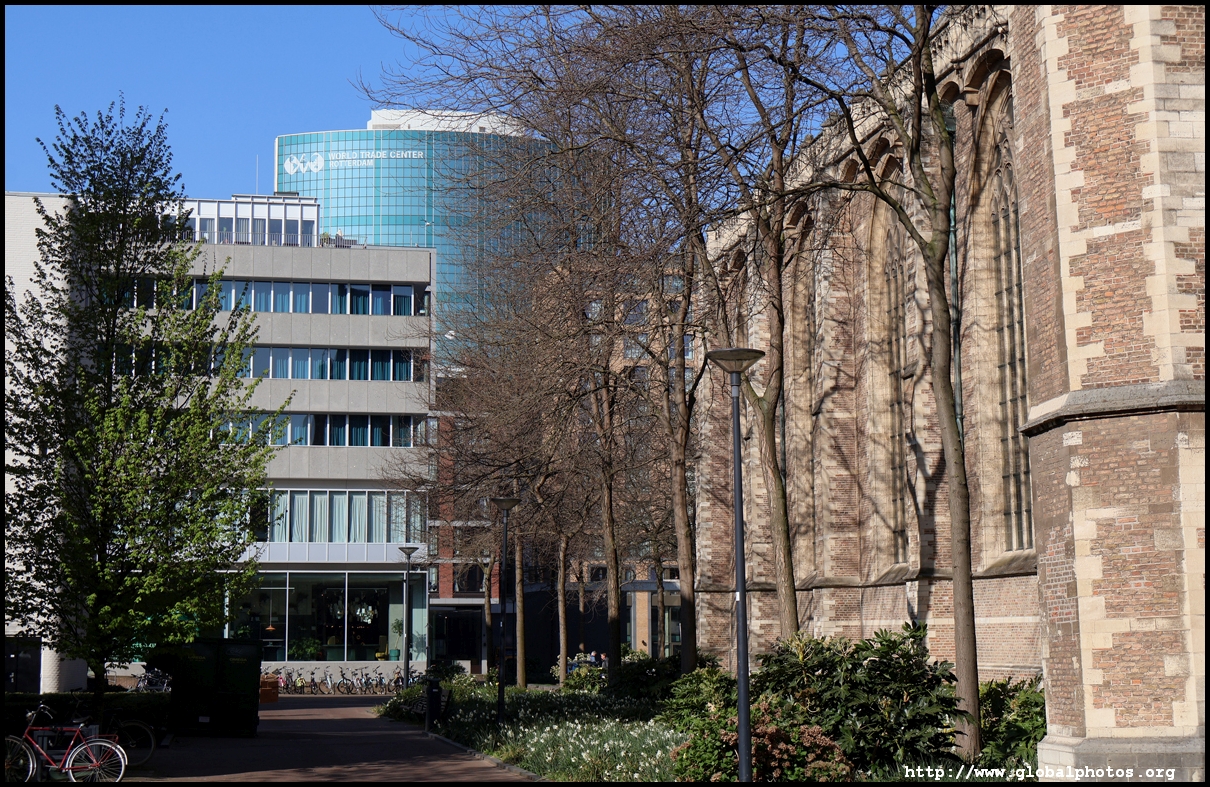
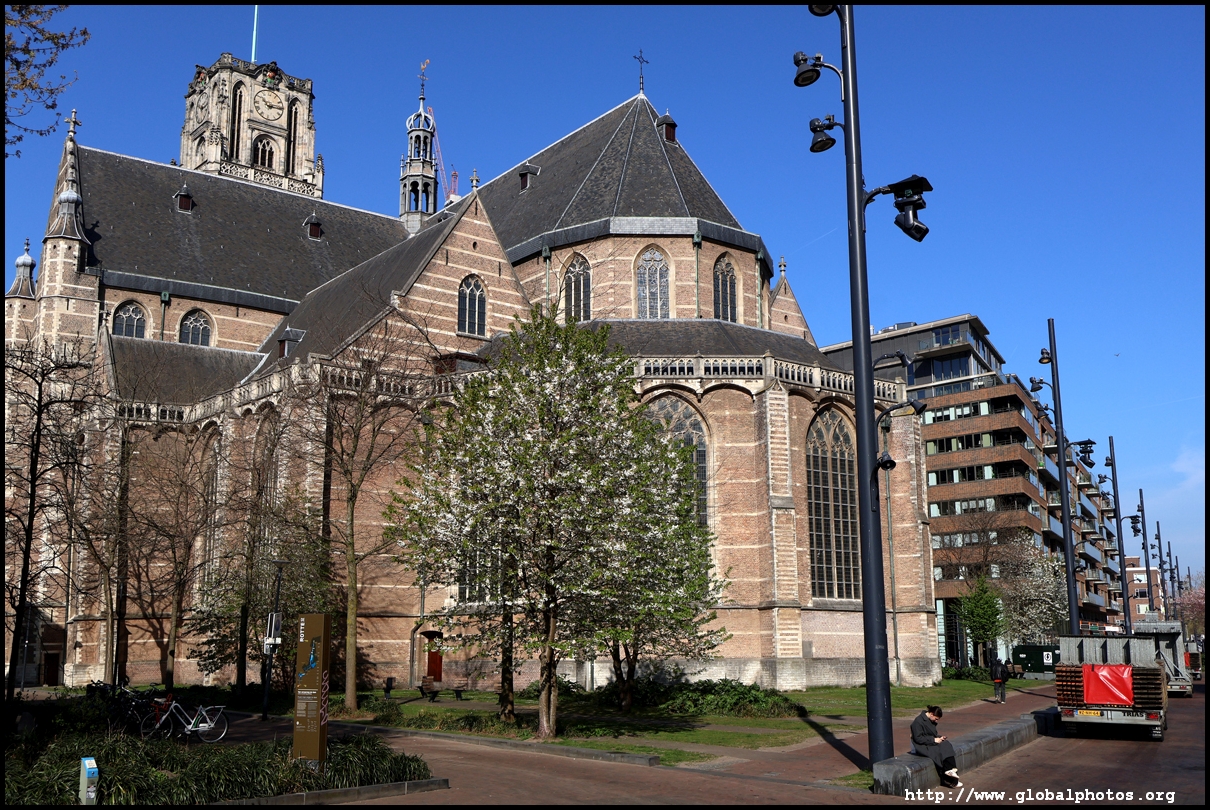
The Laurenskerk is the only remaining medieval building in the city. A church has stood here as early as Rotterdam was a small settlement in the swamp. As the town grew, a bigger church was needed, and construction started in the mid-15th century, funded by new residents who had to donate 3000 bricks. The new church was completed in 1525. World War II bombings heavily damaged the church and part of the tower collapsed. It was one of few buildings rebuilt afterwards to its original state and restoration finished in 1968.
|
To re-use these photos, please notify me by email : asiaglobe@yahoo.com.hk.