Rotterdam Photo Gallery - Leuvehaven
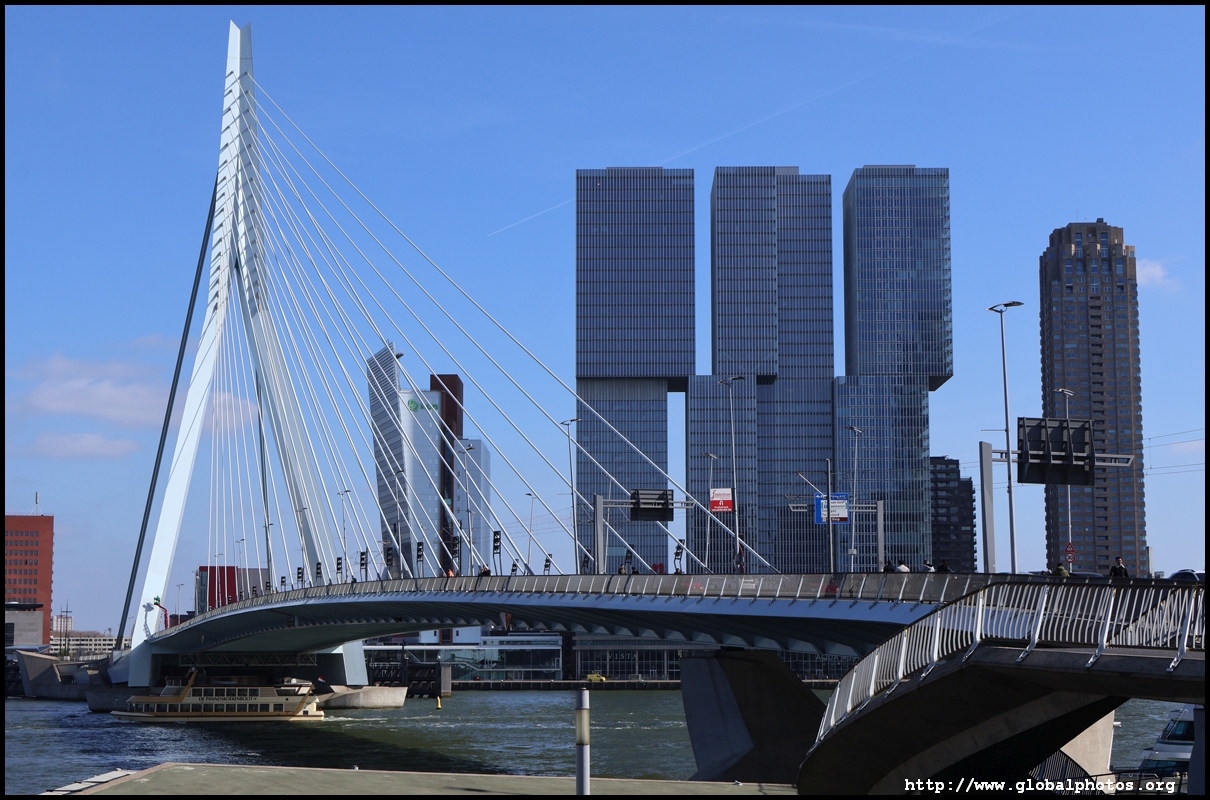
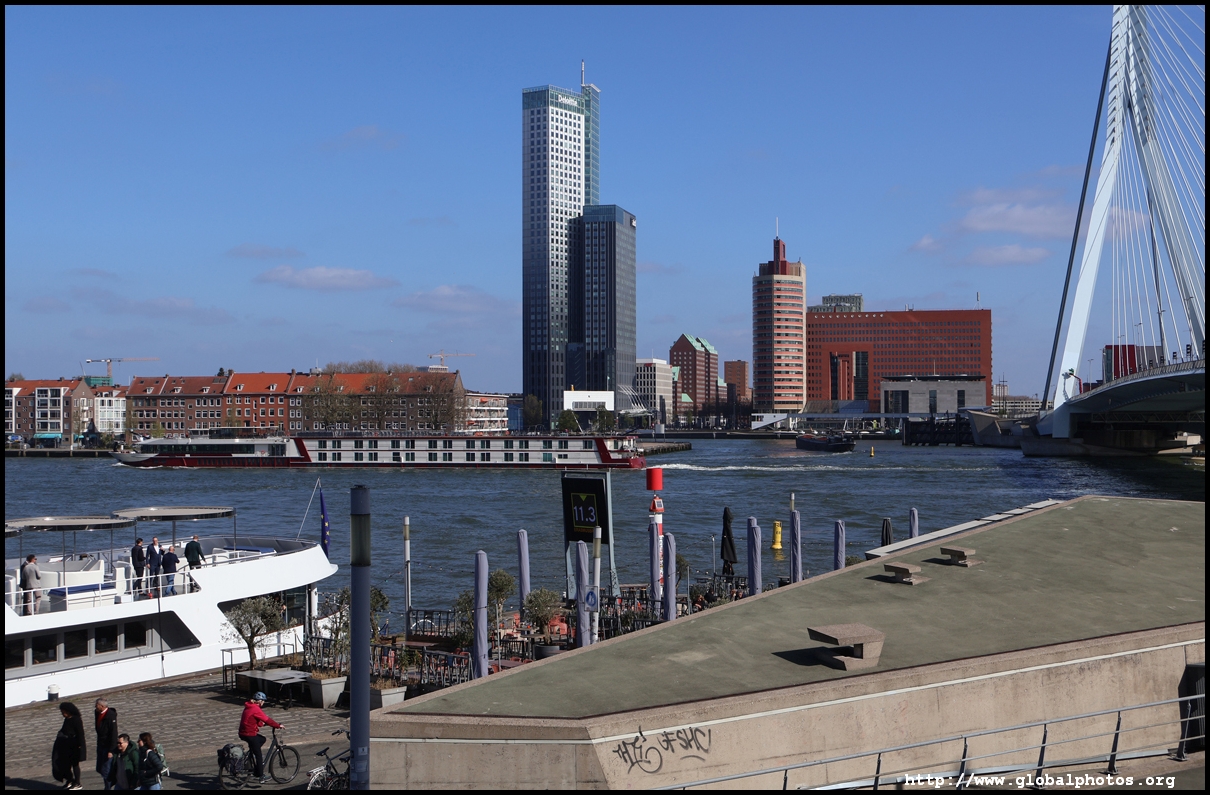
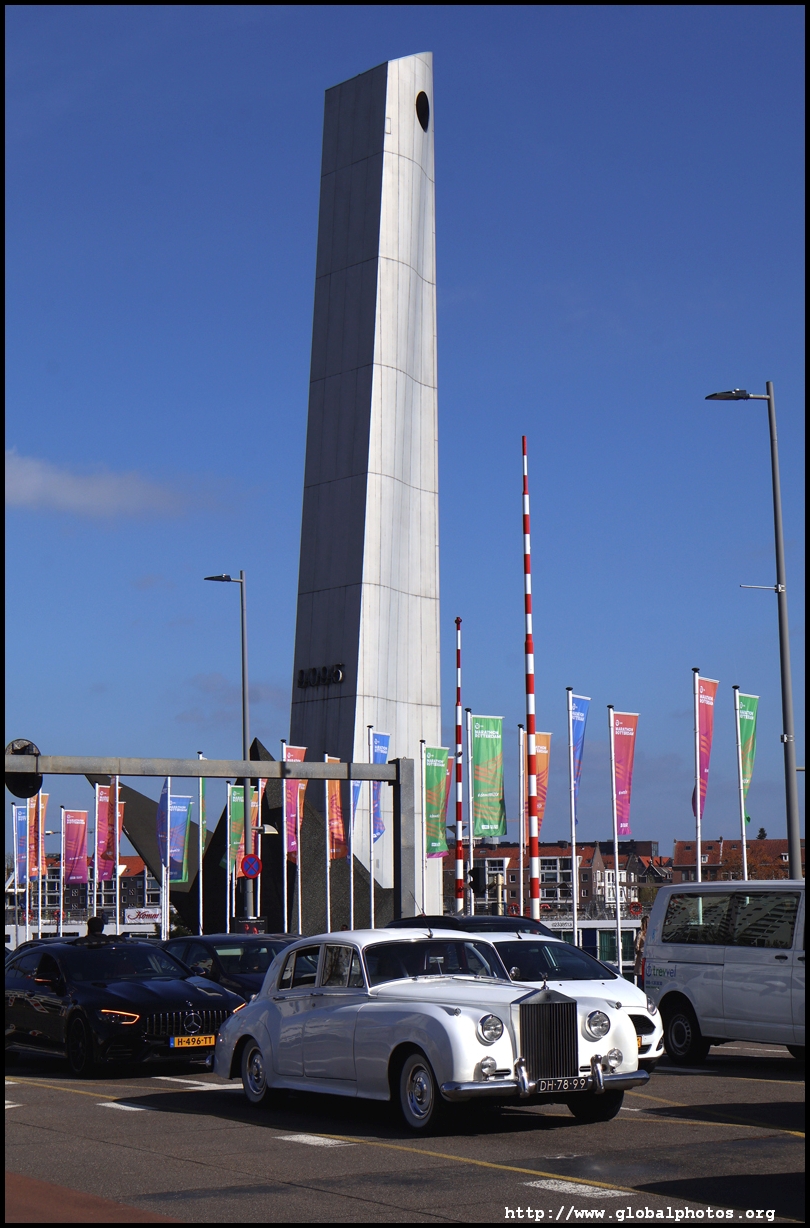
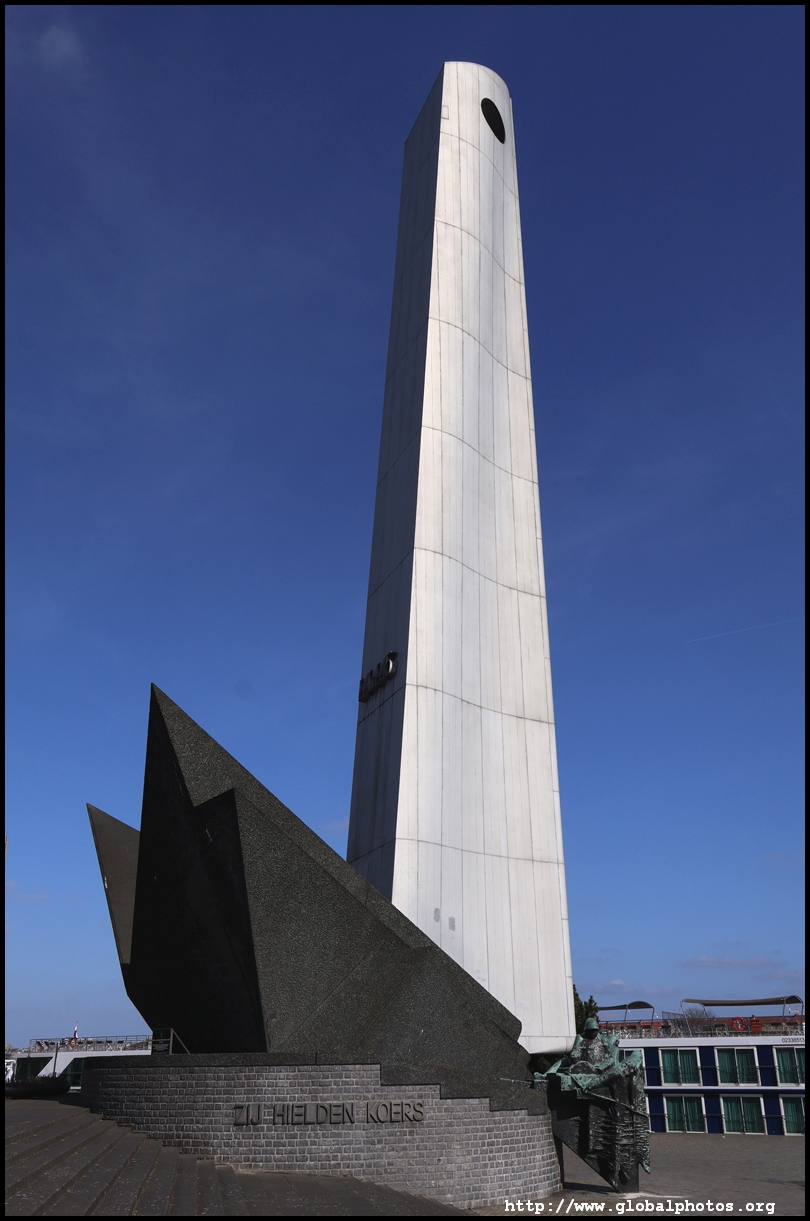
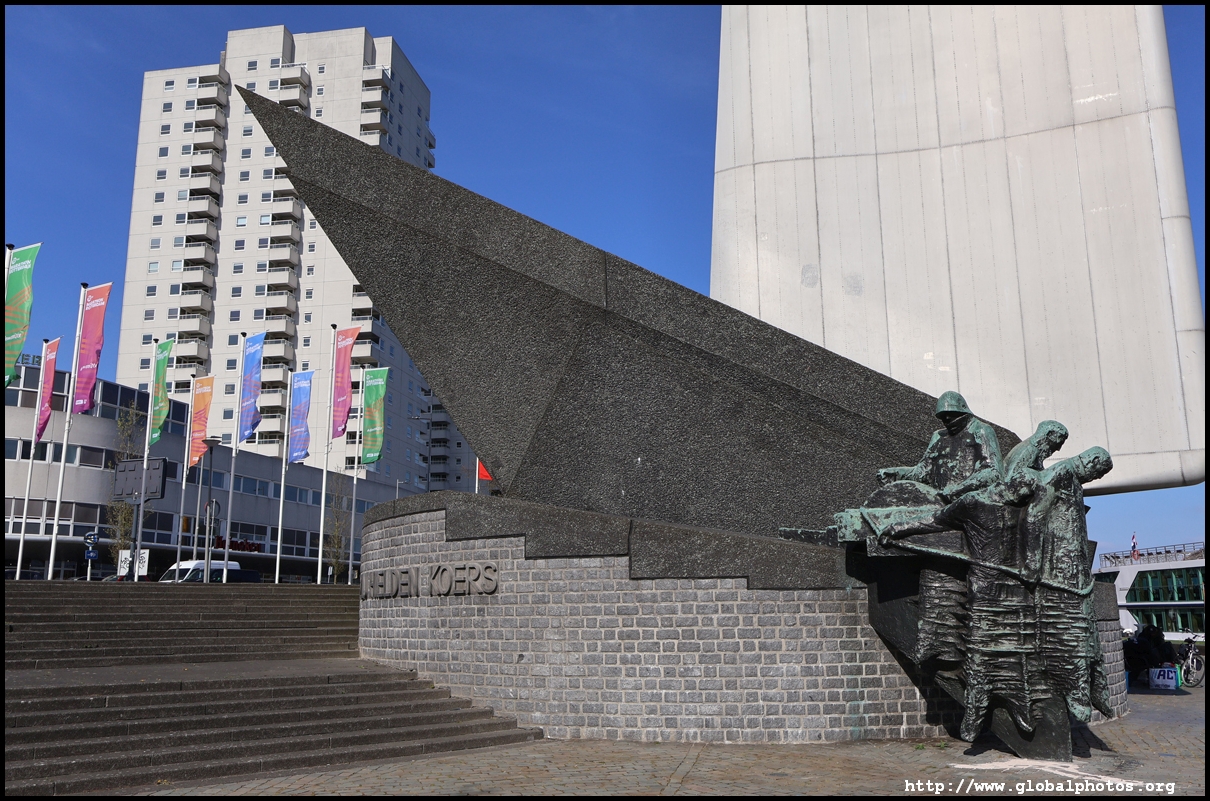
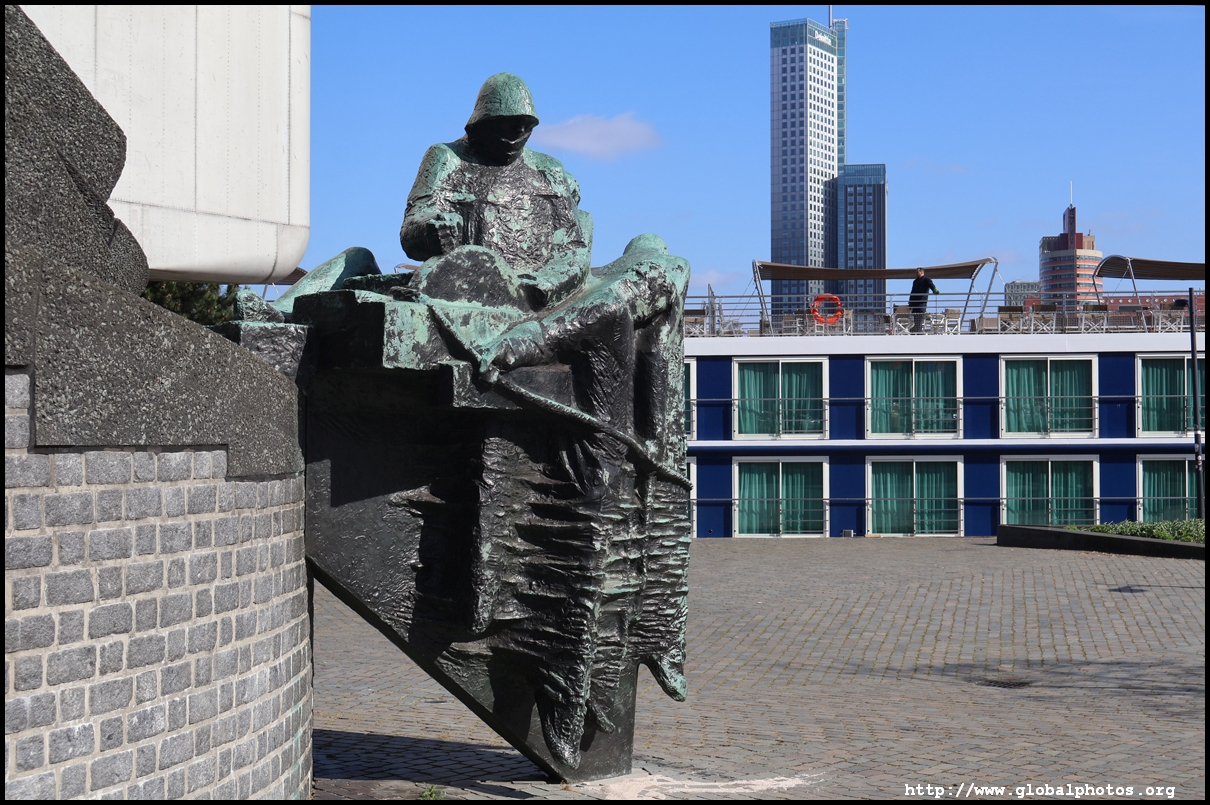
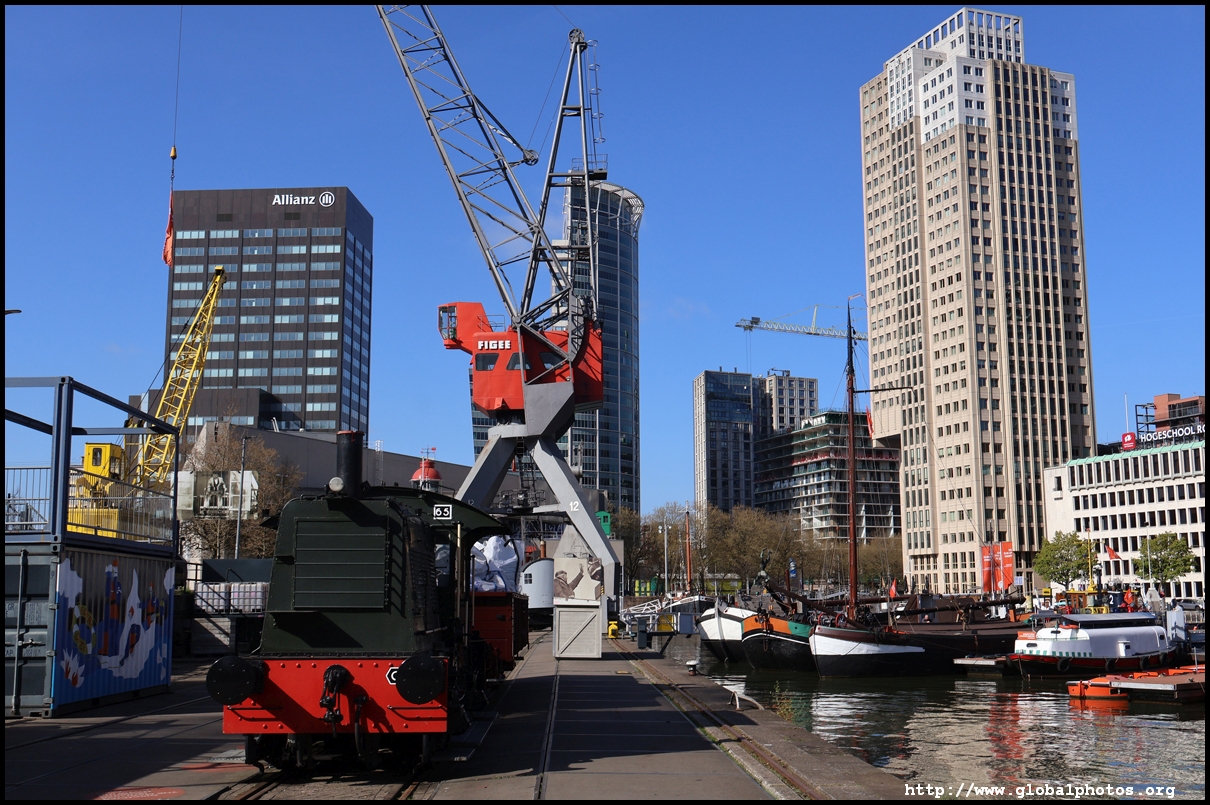
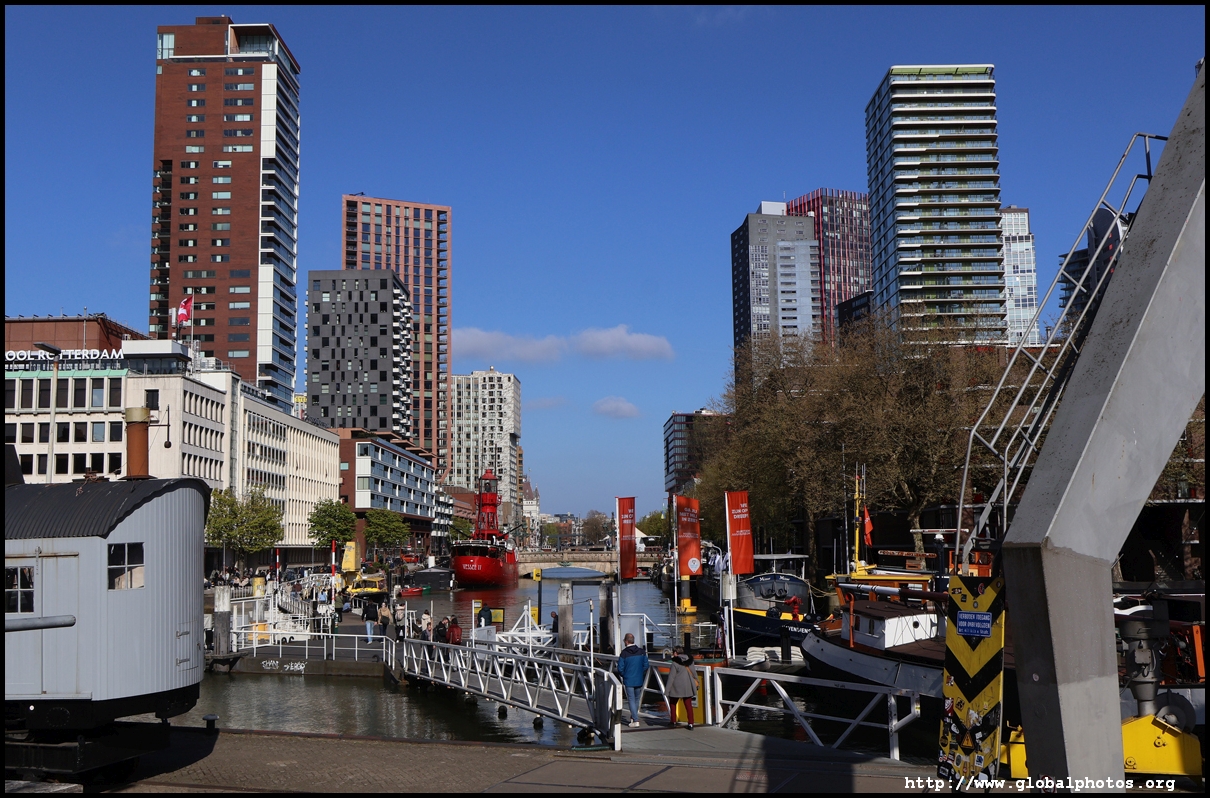
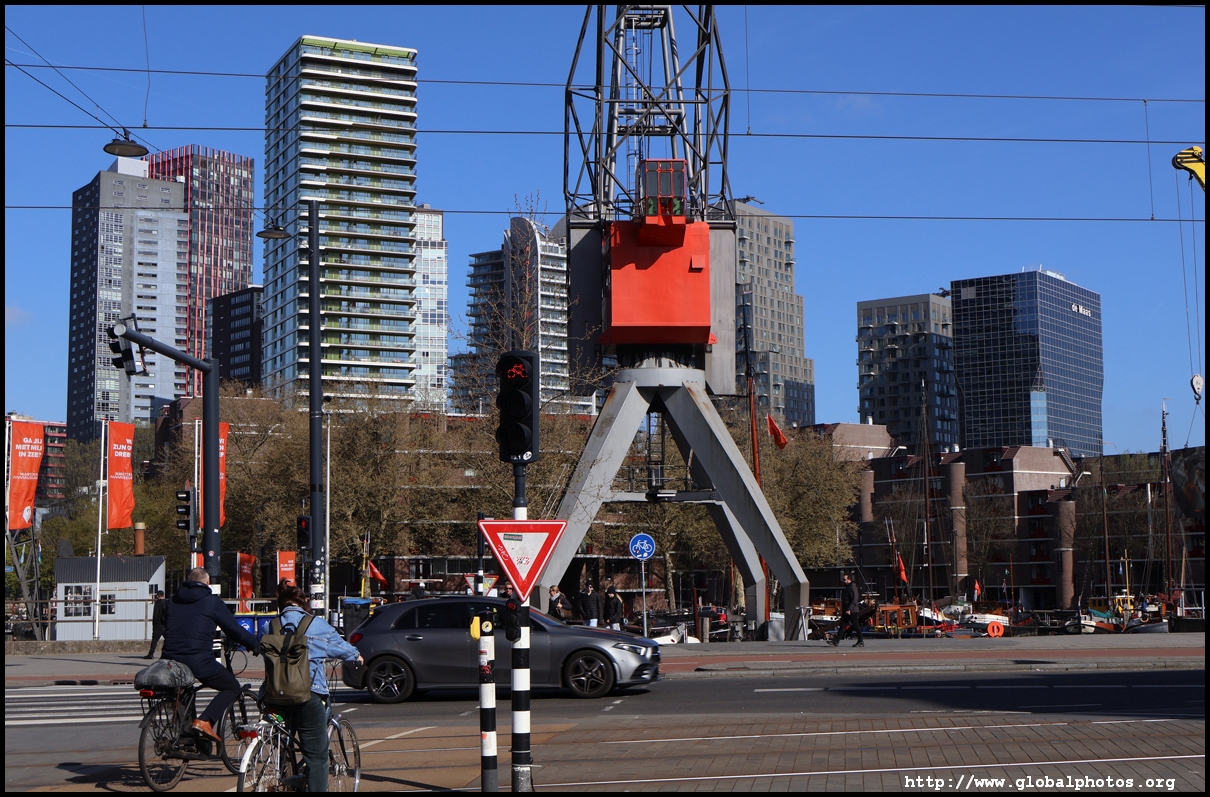
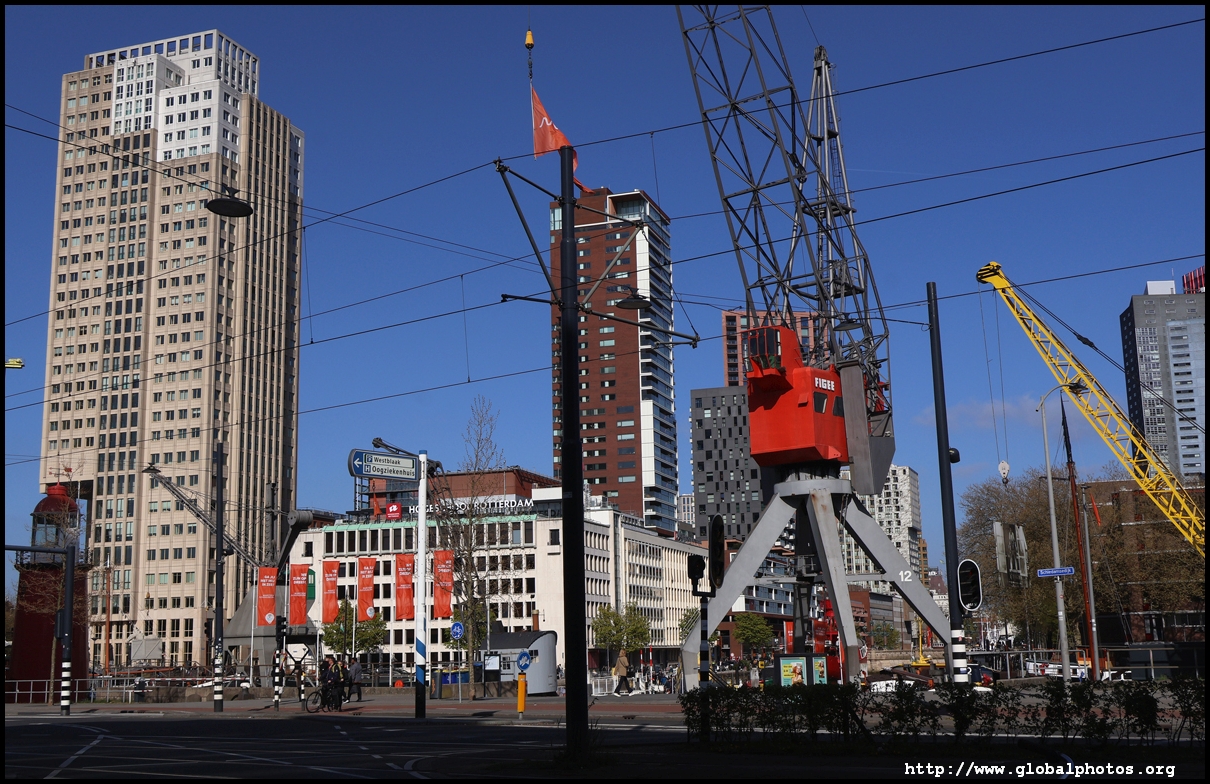
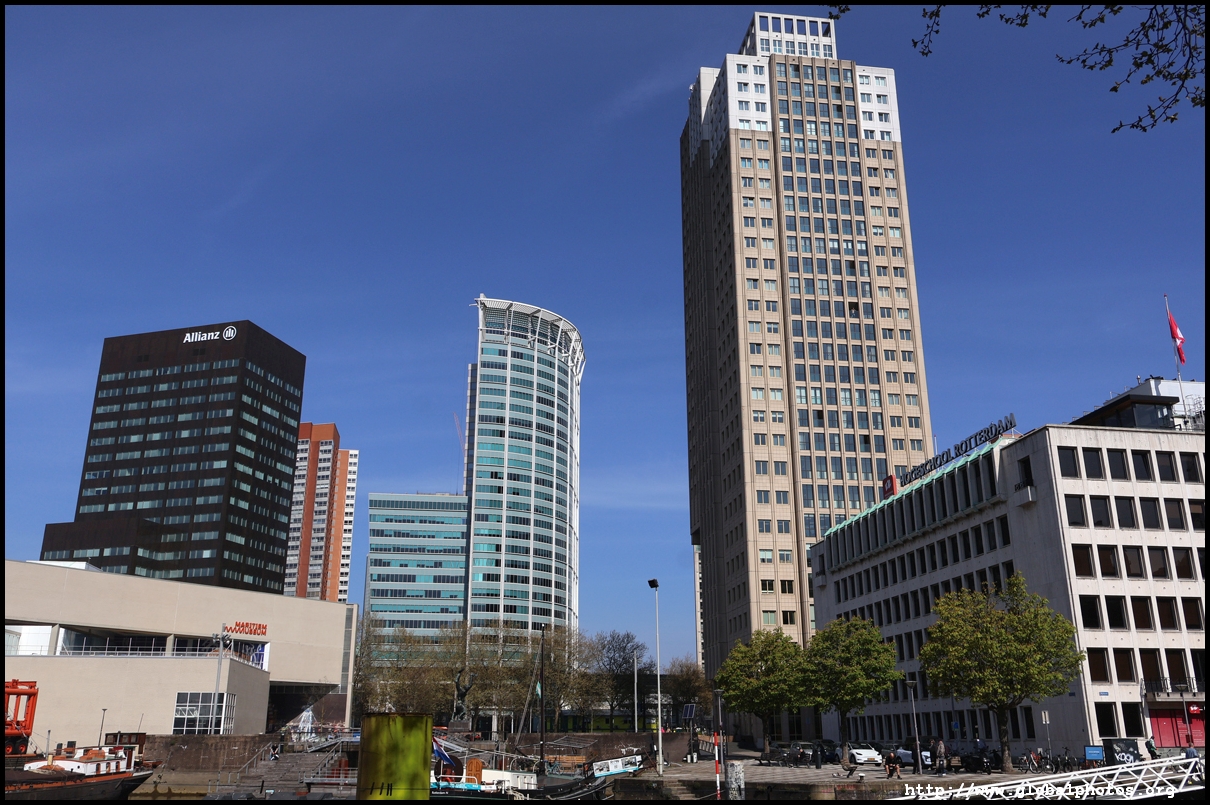
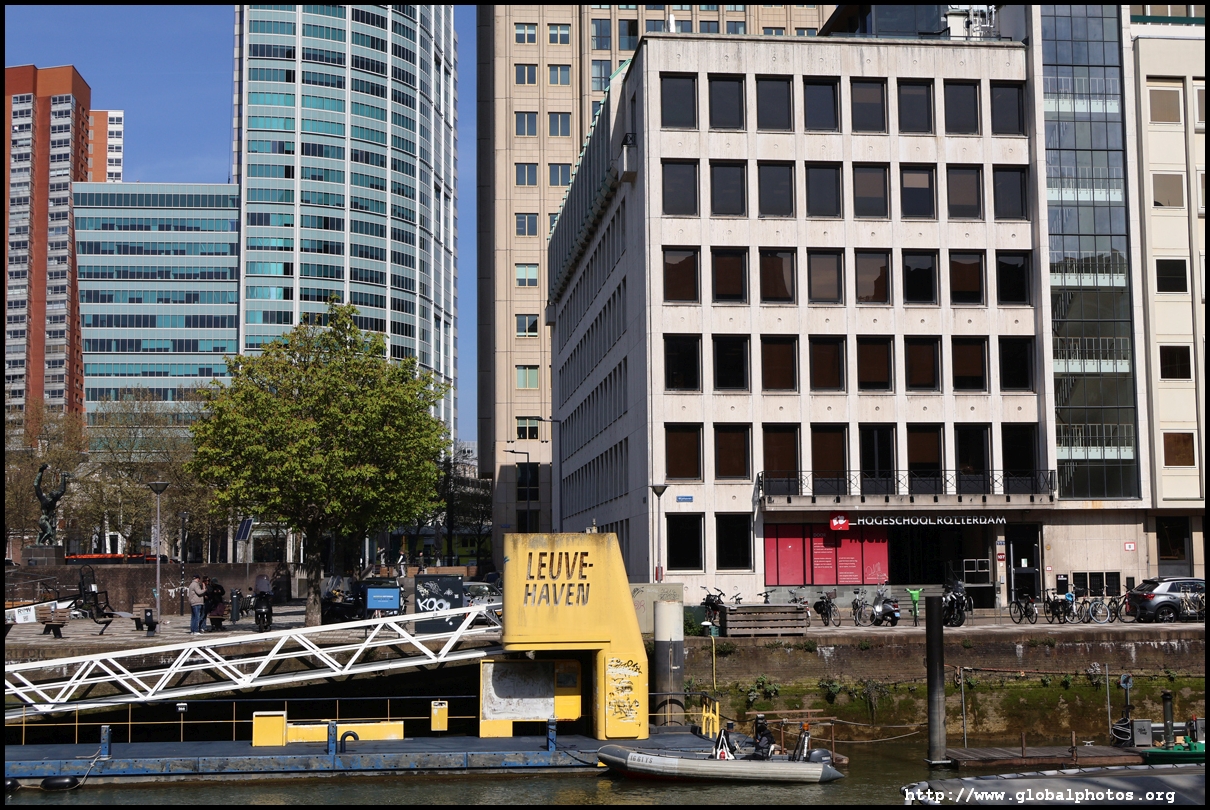
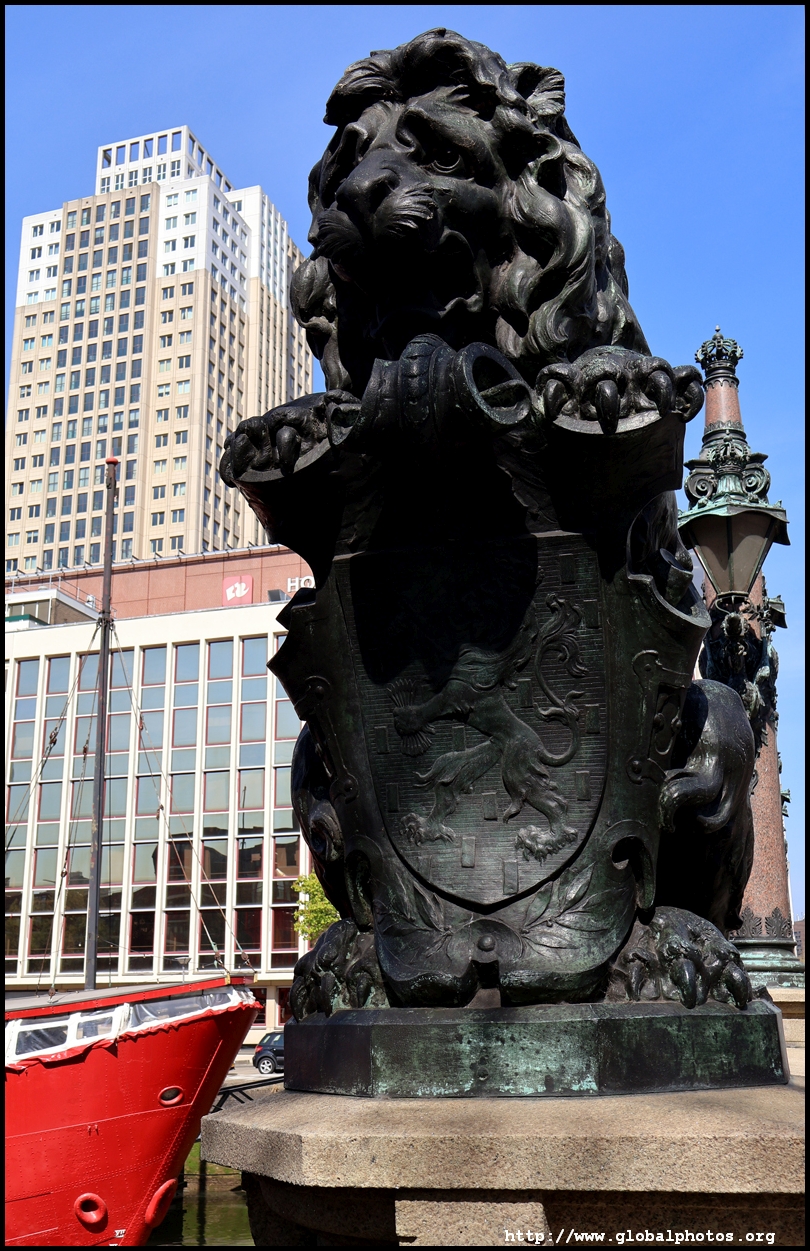
During the 17th century, Leuvehaven was a busy place where ships came and left for distant lands, bringing back exotic goods such as sugar, coffee, cocoa, and spices. The transatlantic trade triangle involved loading ships in Rotterdam with textiles, alcohol, and weapons destined for Africa, then slaves to the Americas, and finally plantation products back to Europe.Starting from the end of the Erasmusbrug, the National Merchant Navy Monument (De Boeg) along the waterfront stands 45m high and was unveiled in 1957. It honours the 2134 Dutch and 1414 foreign sailors who died in World War II.
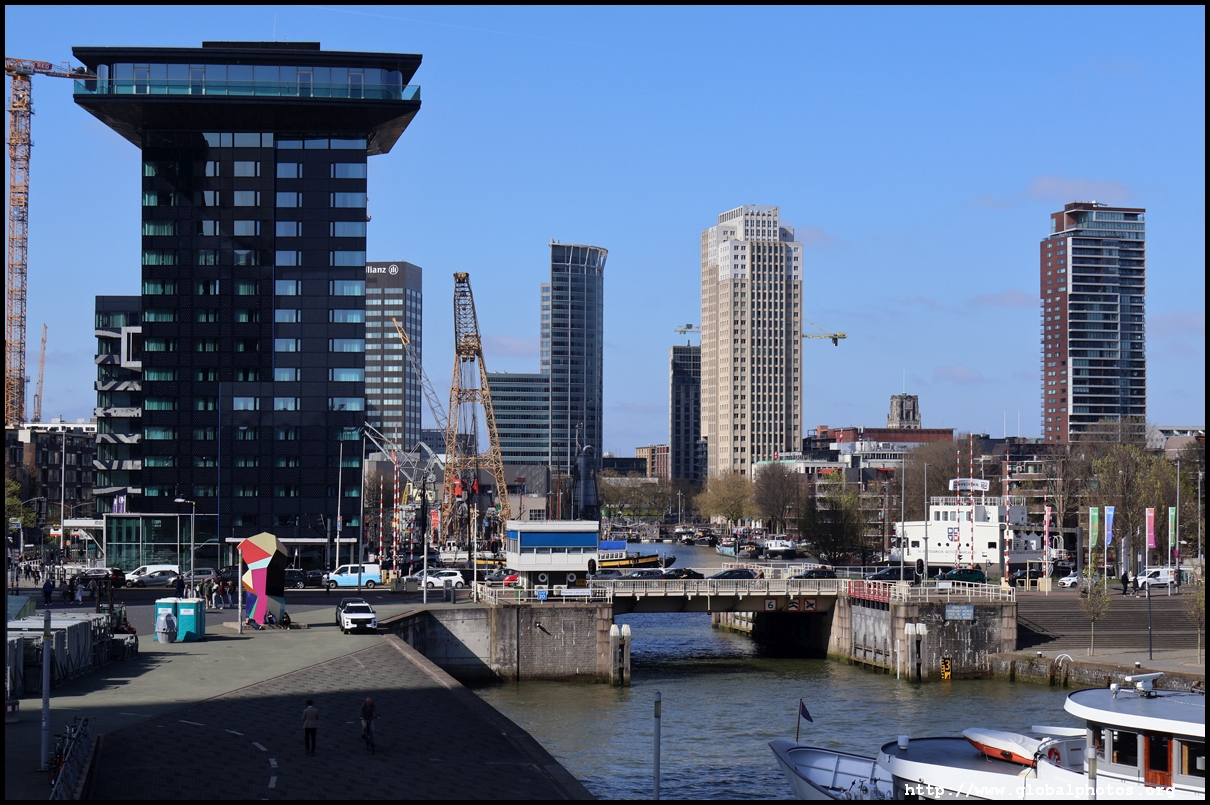
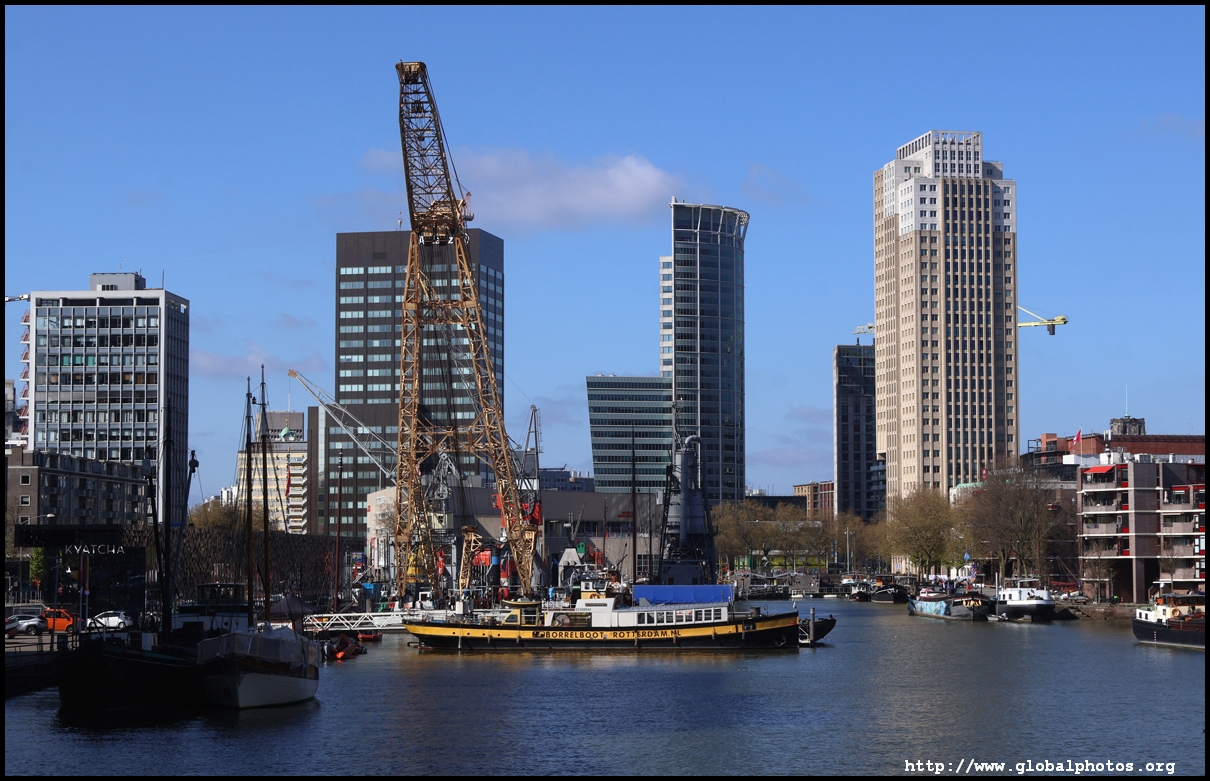
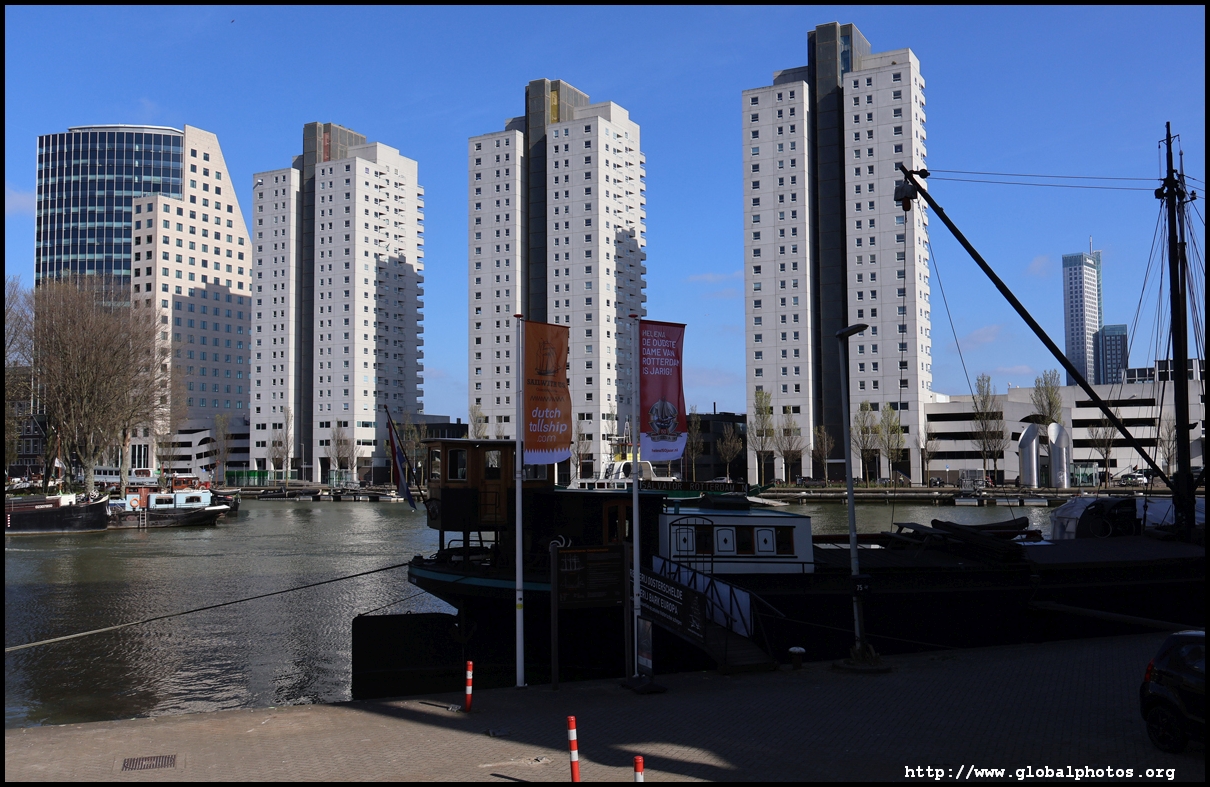
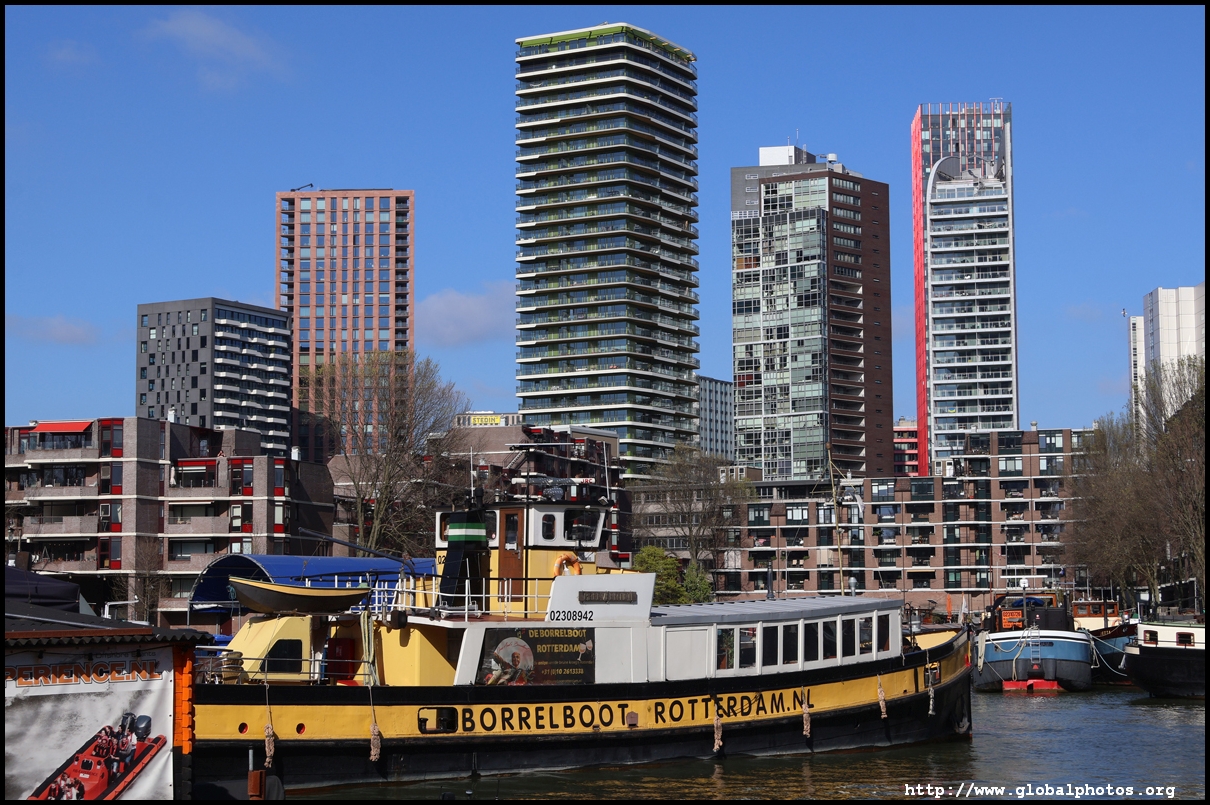
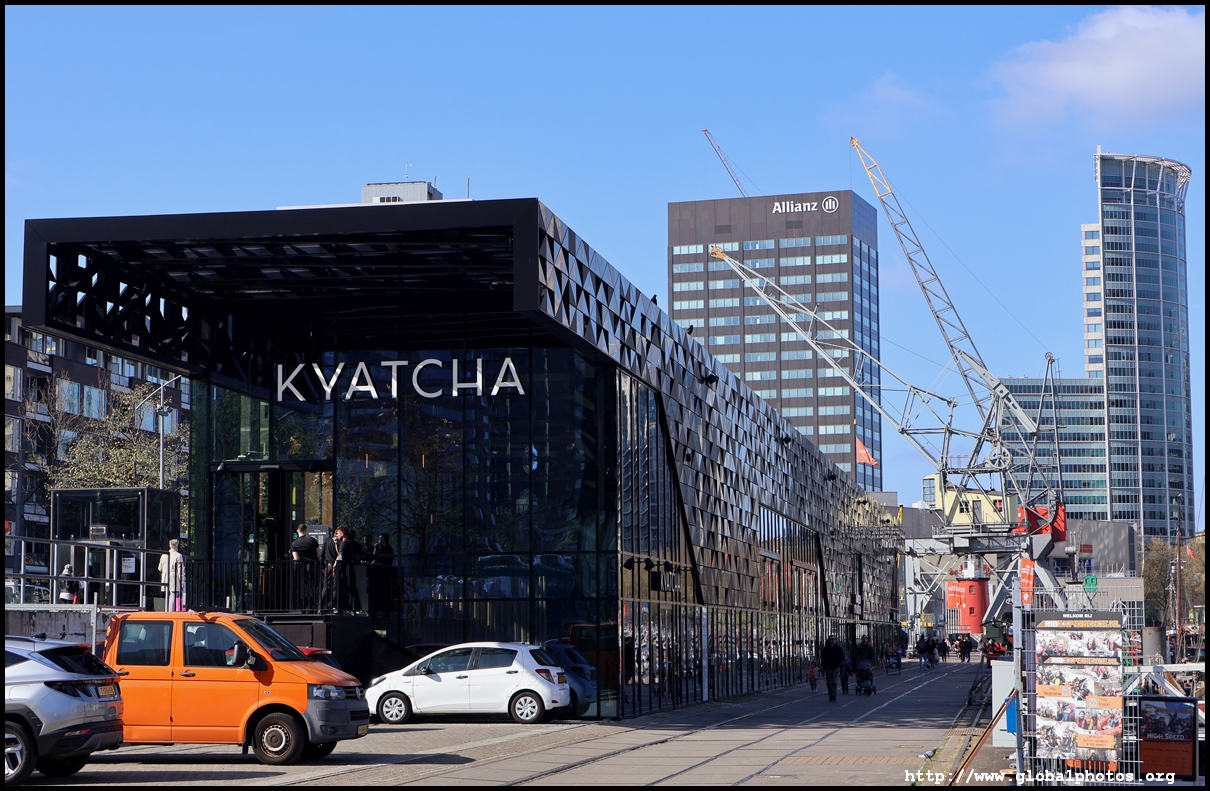
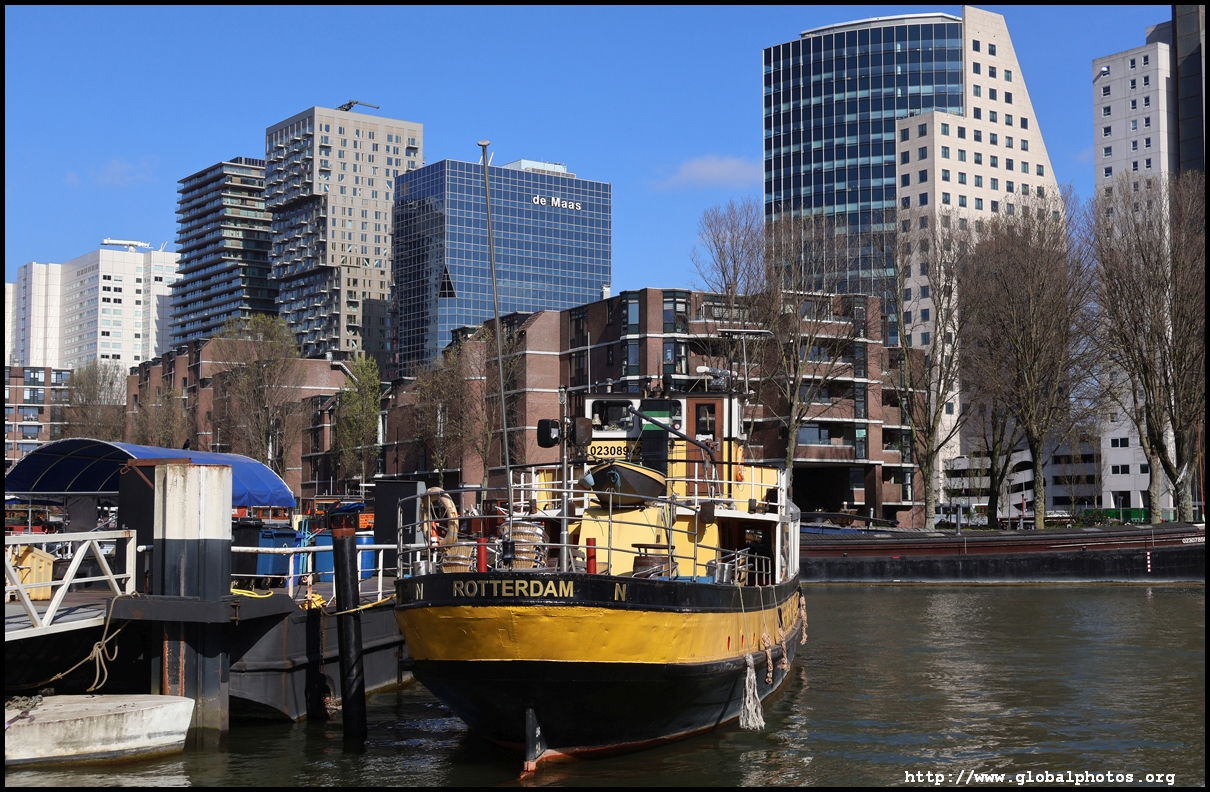
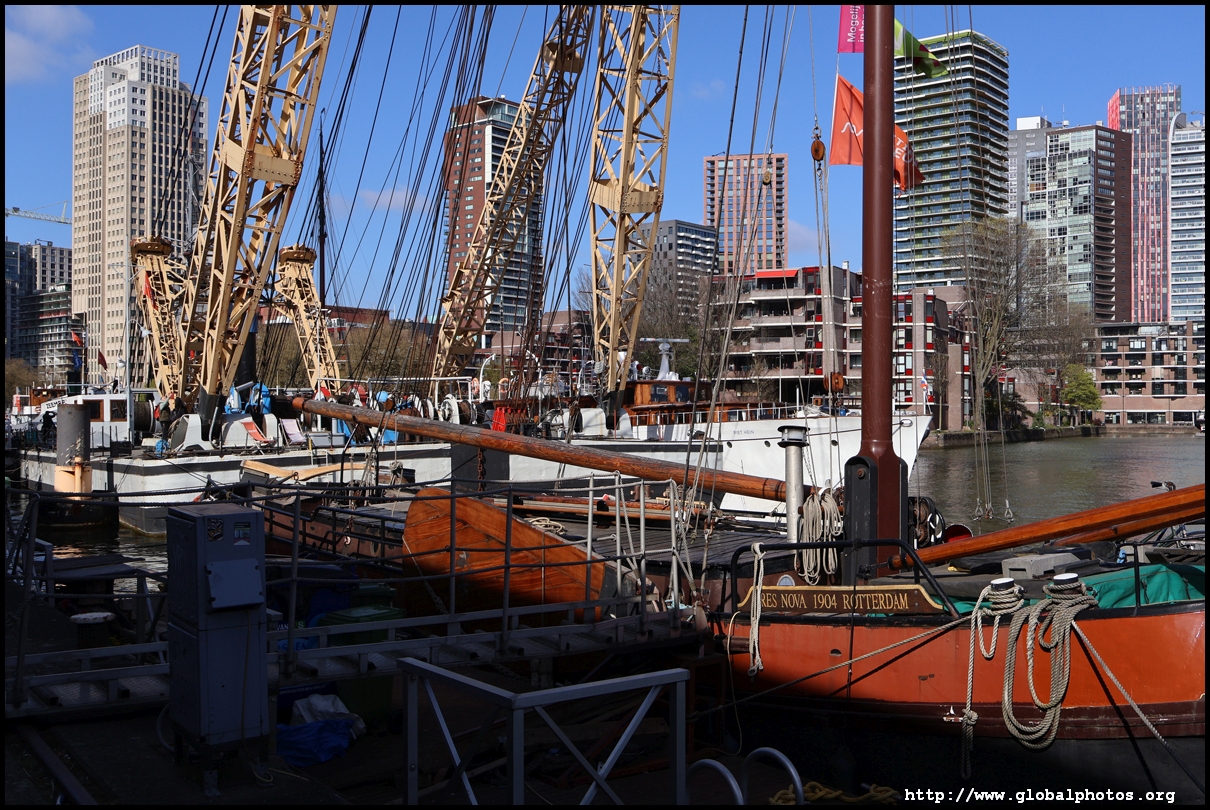
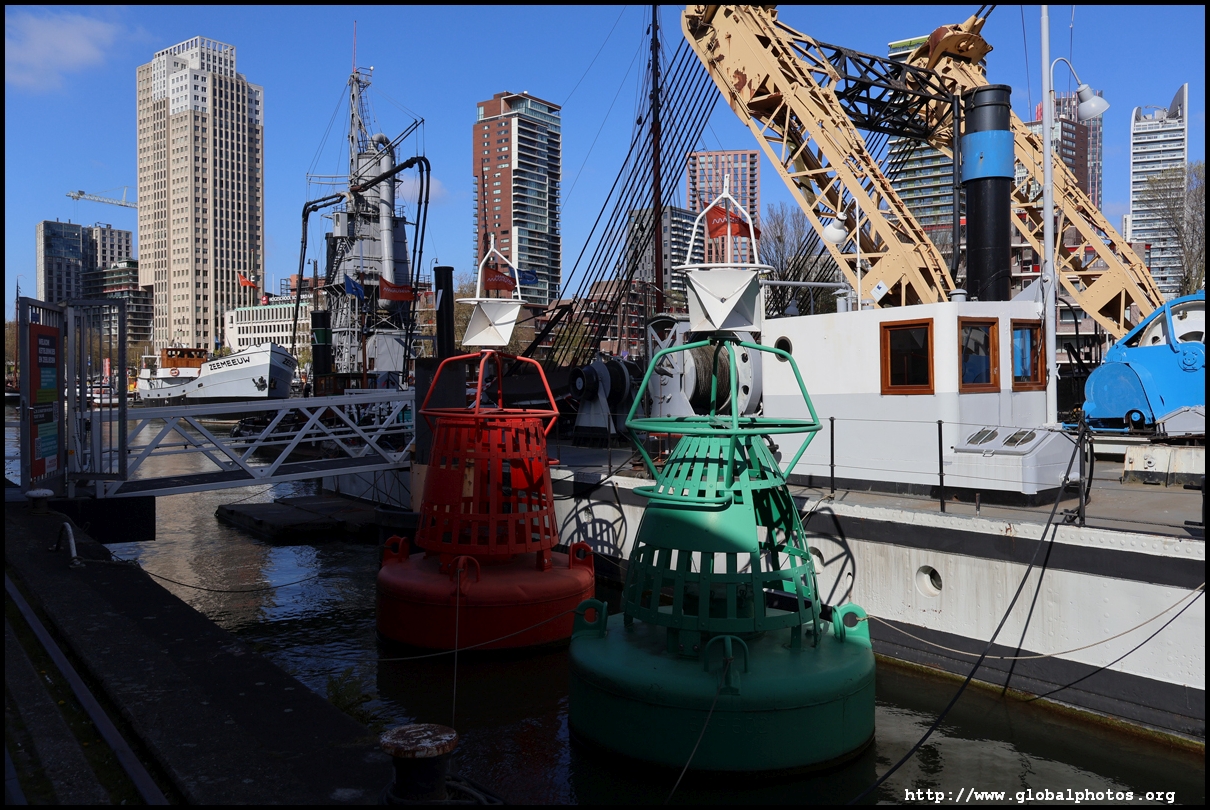
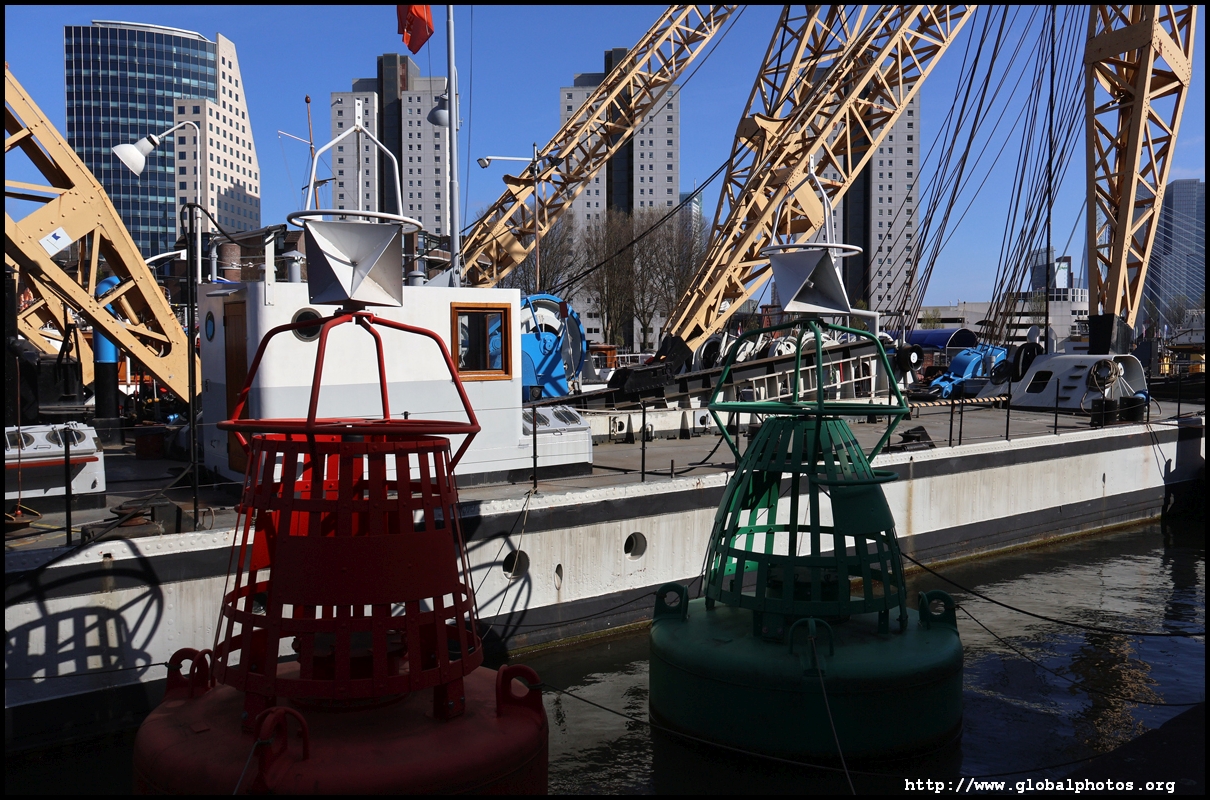
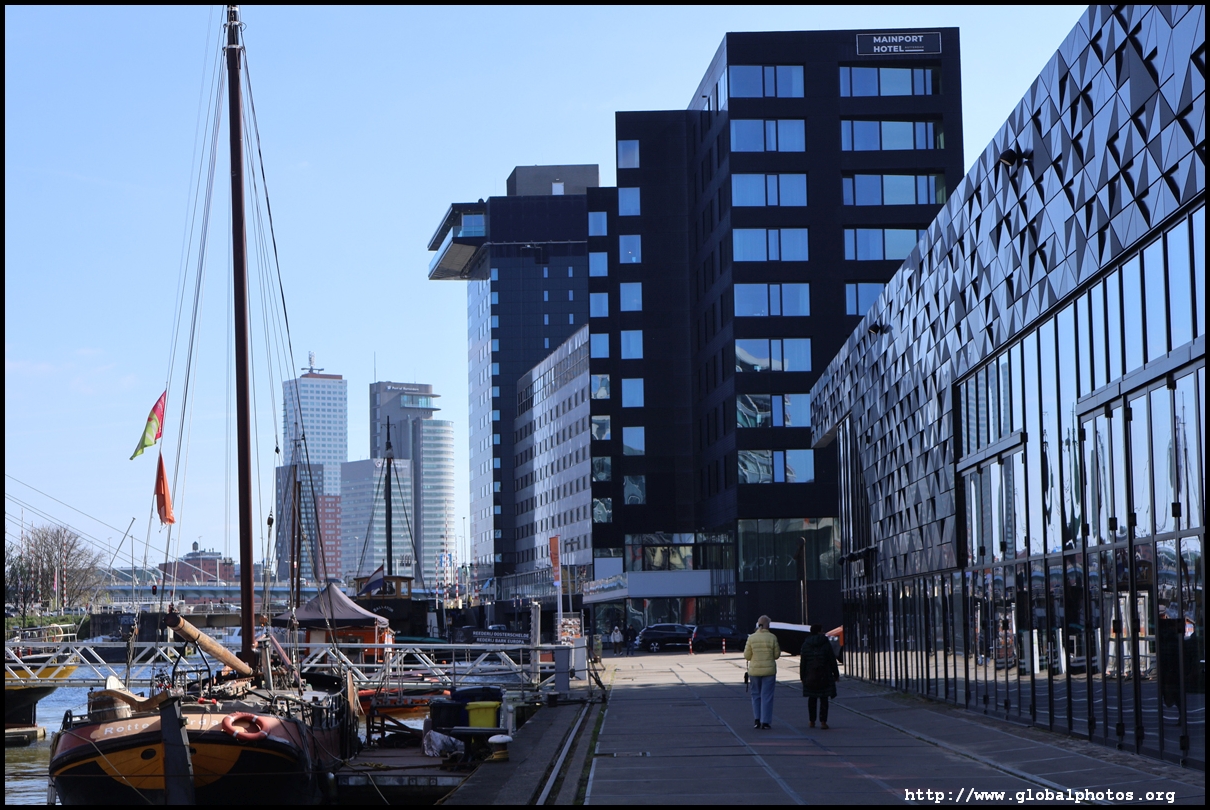
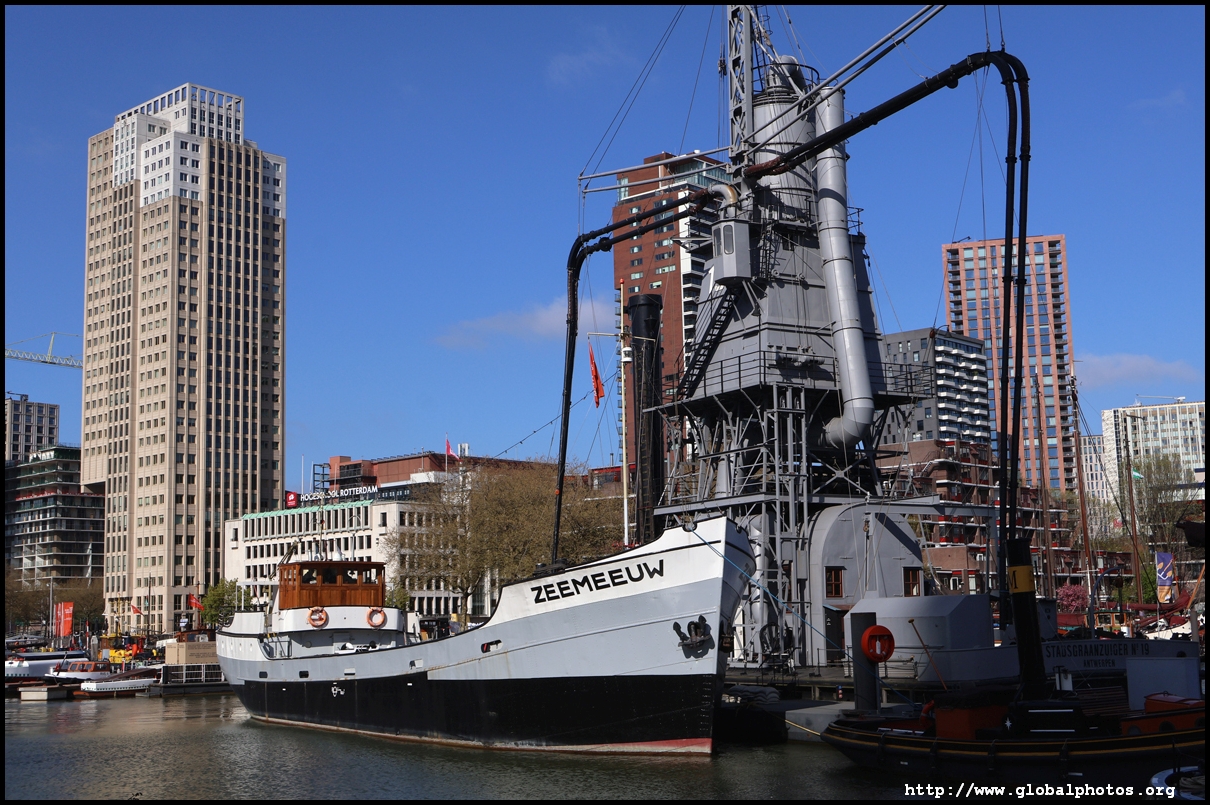
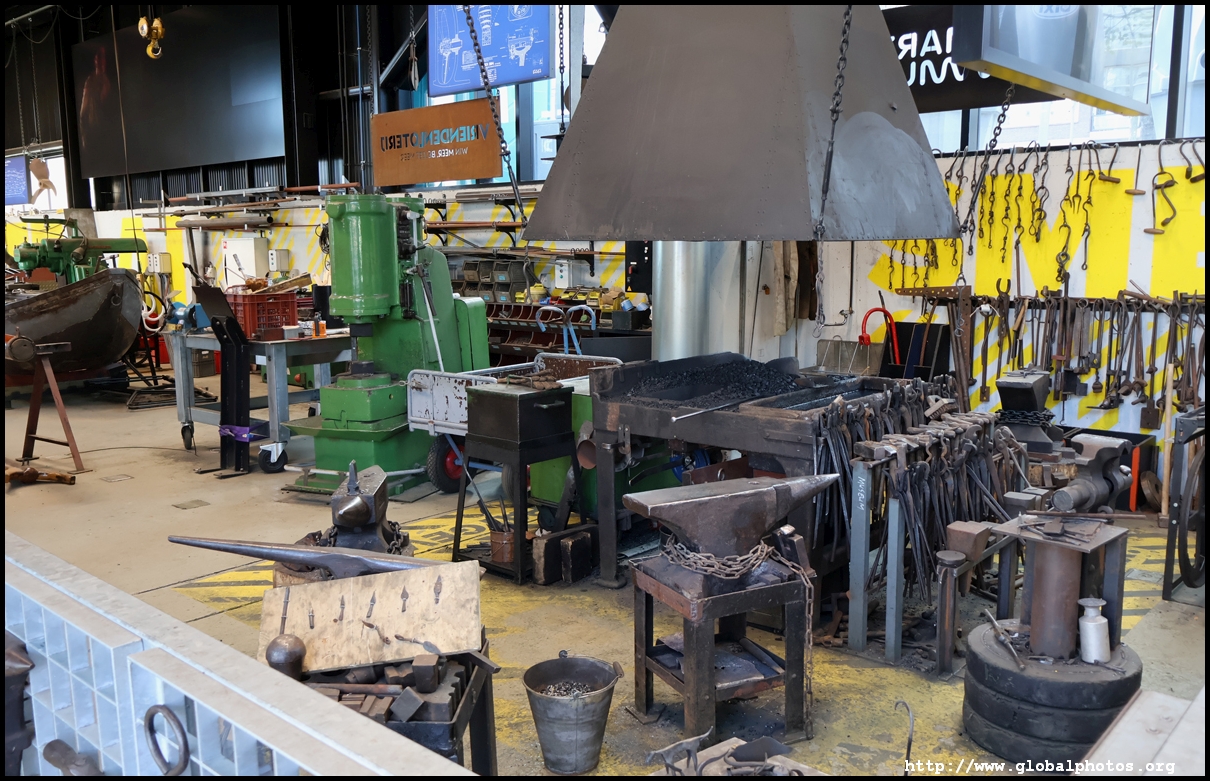
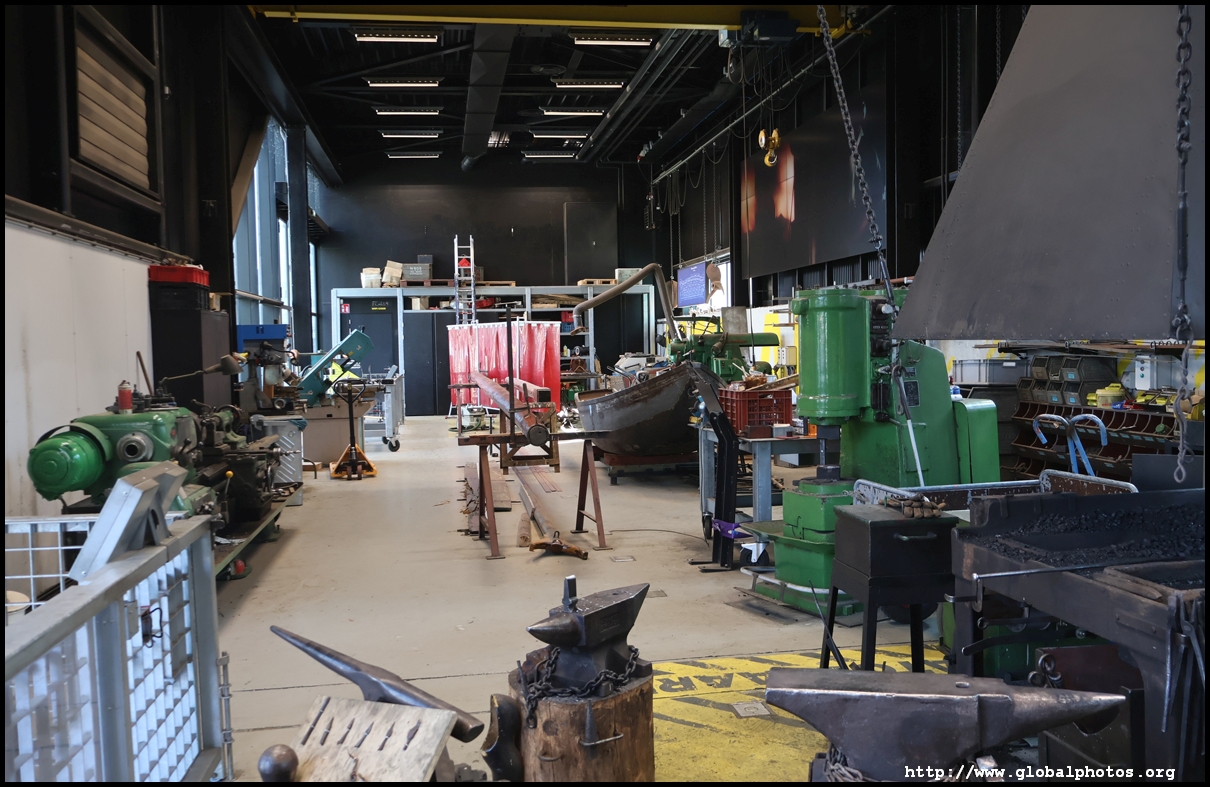
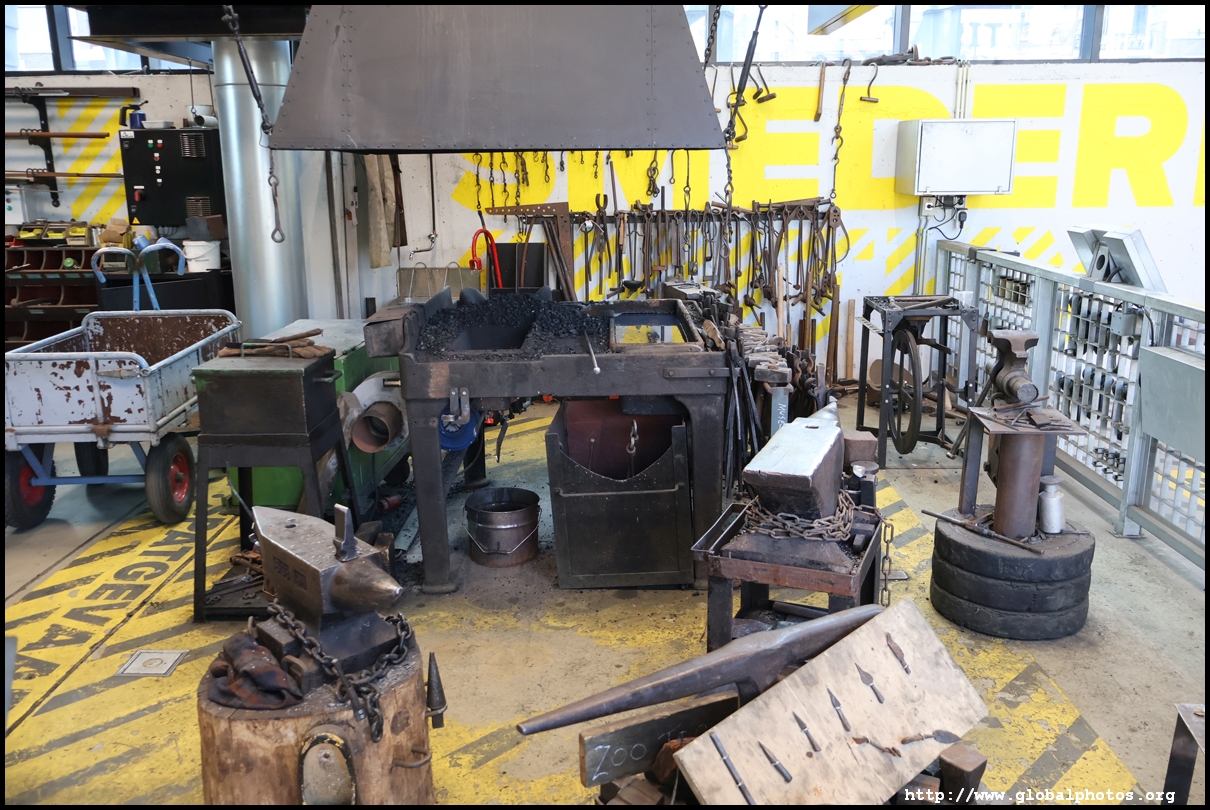
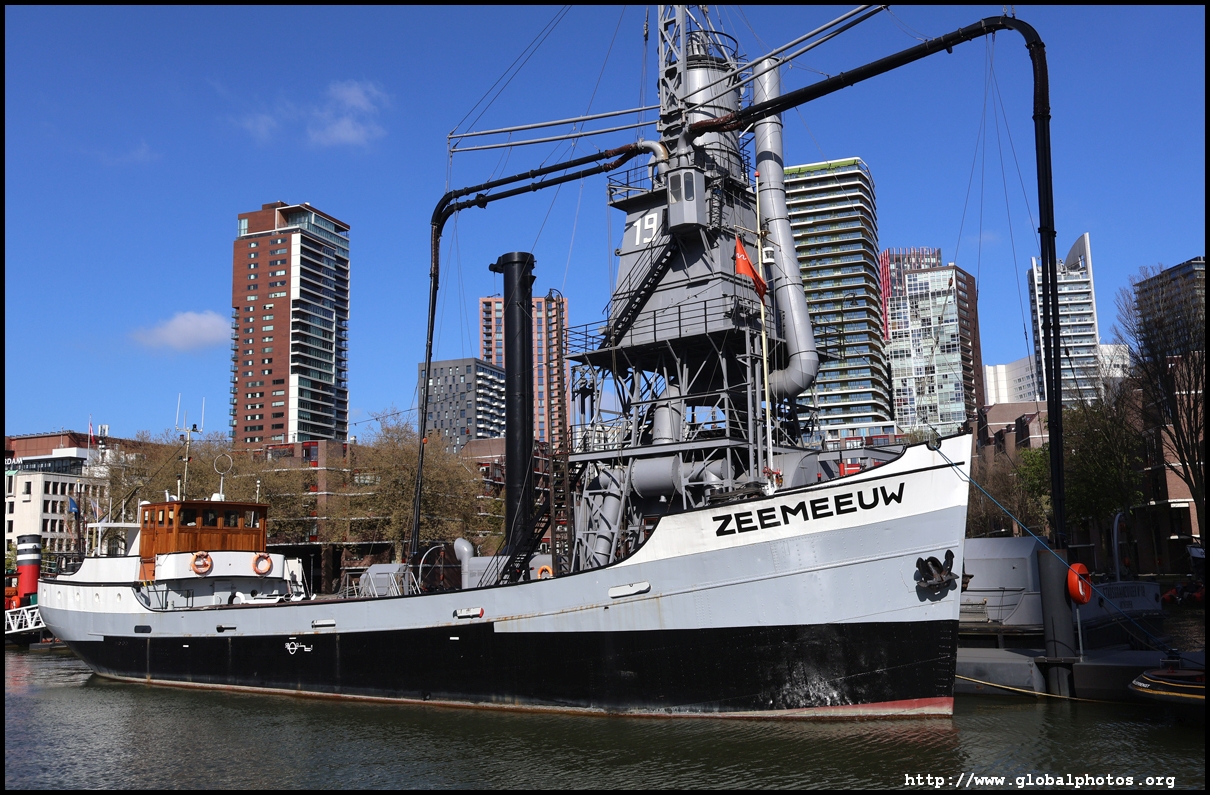
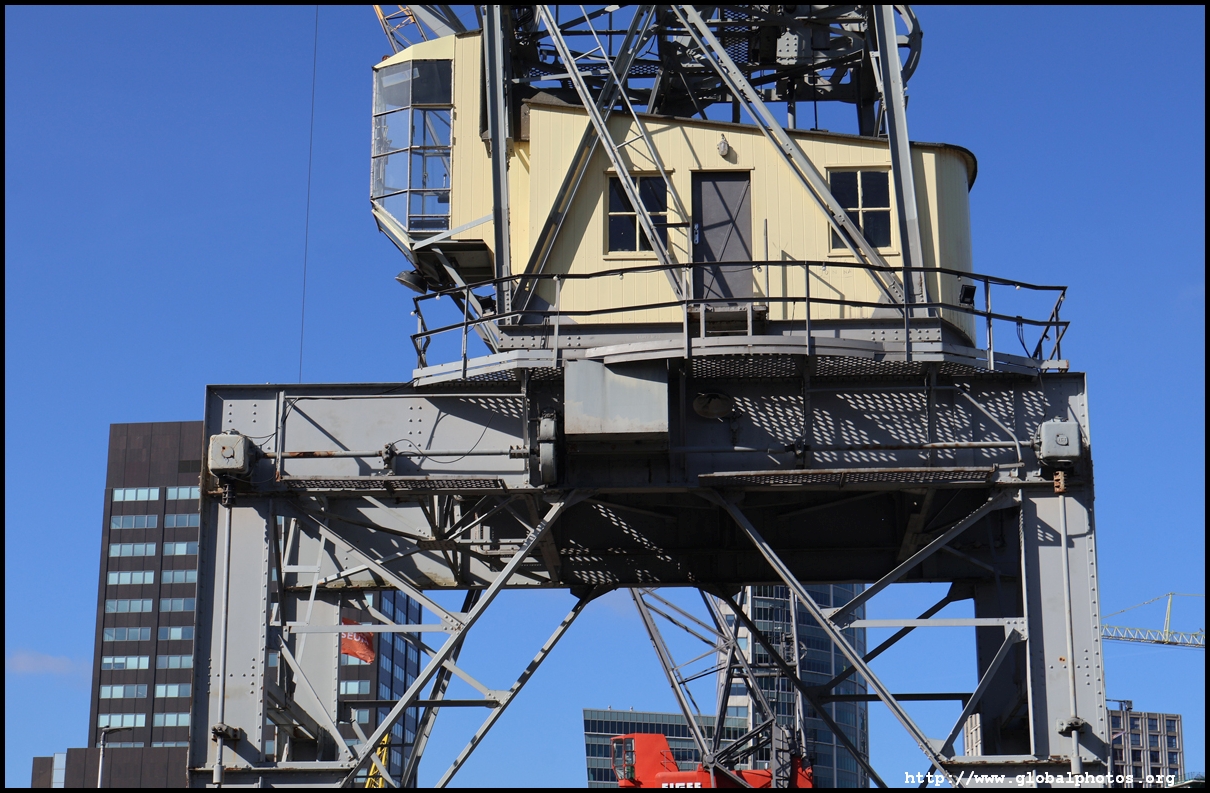
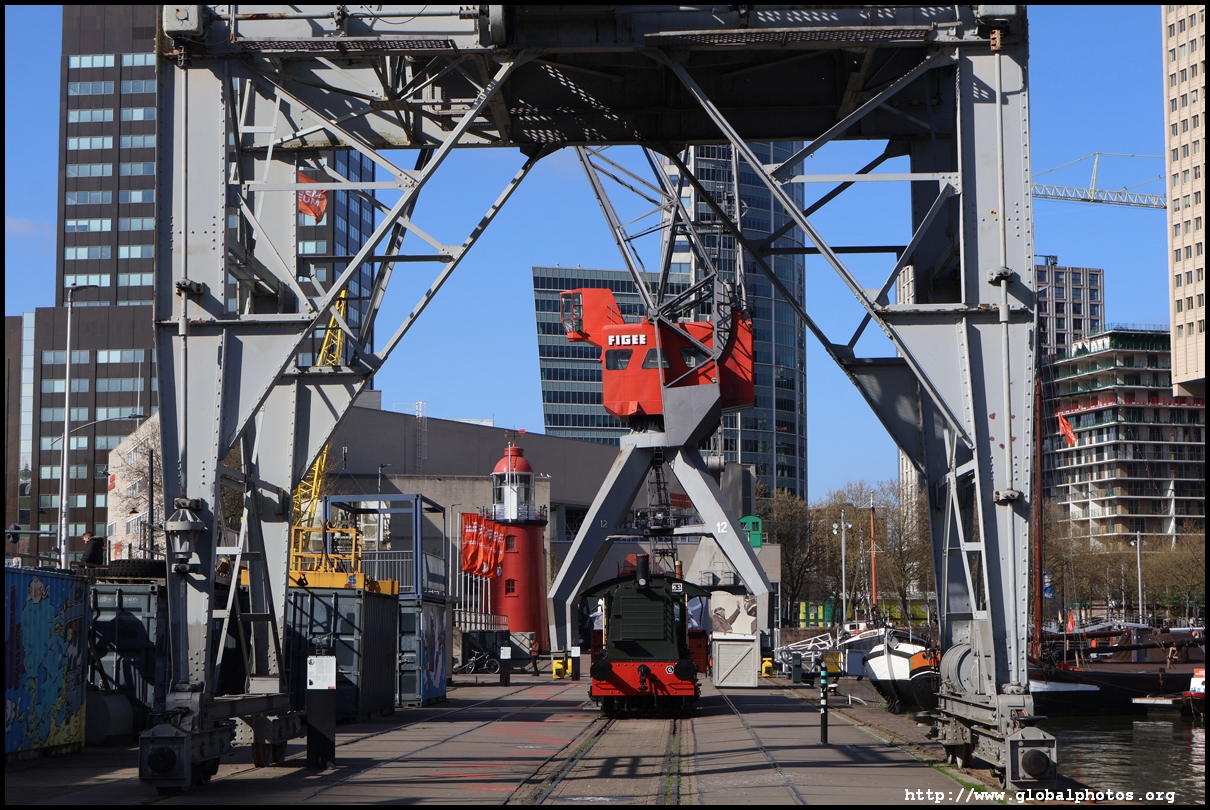
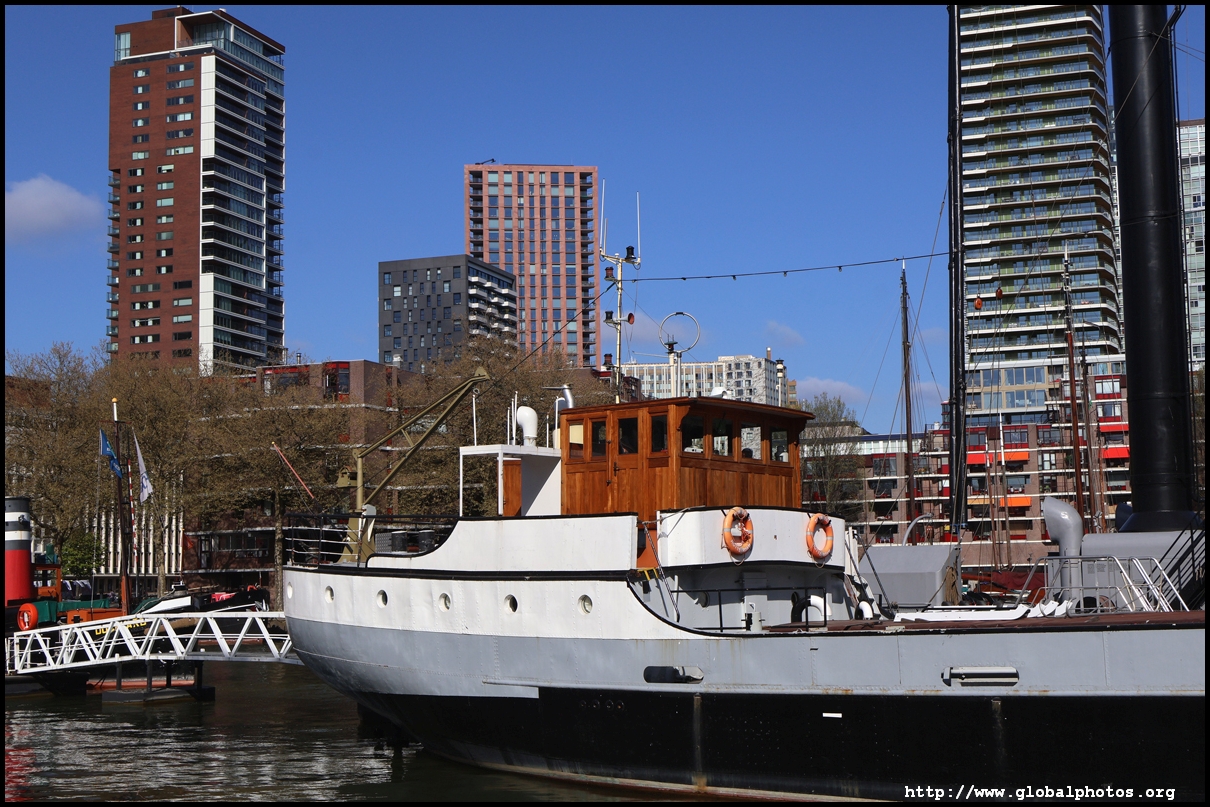
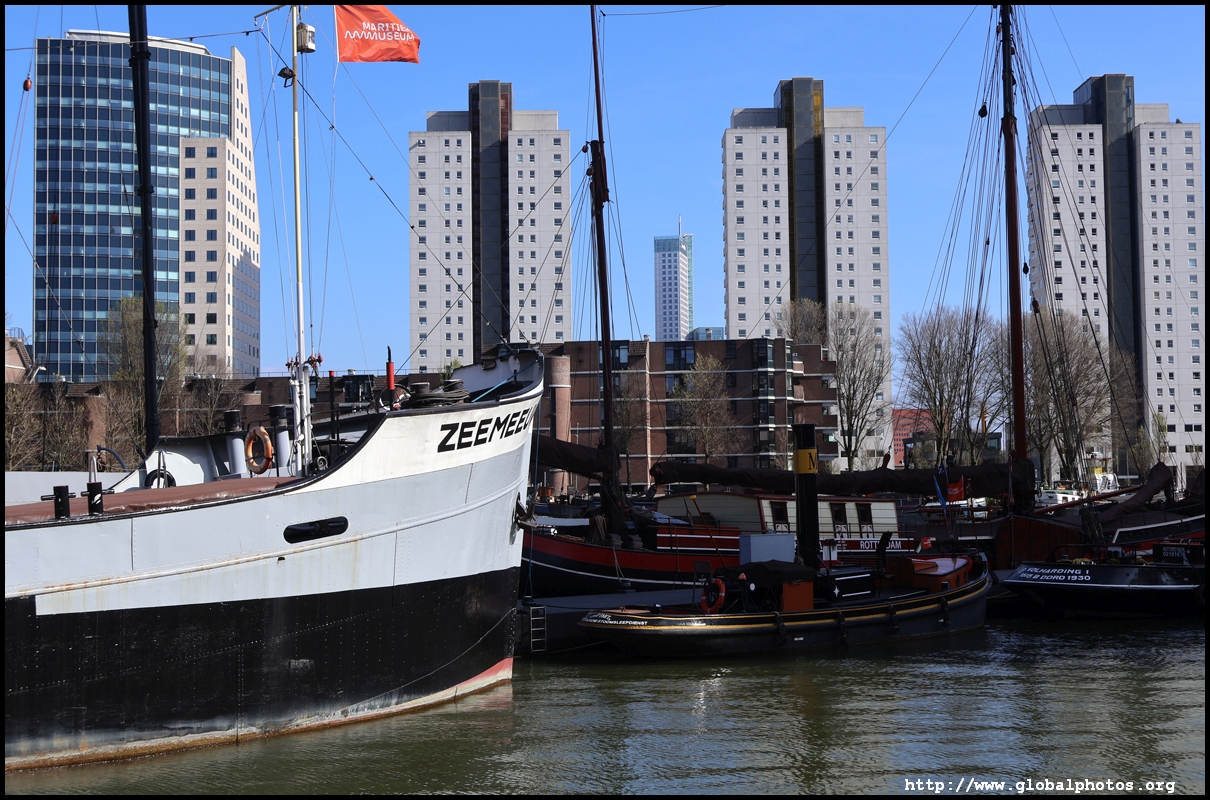
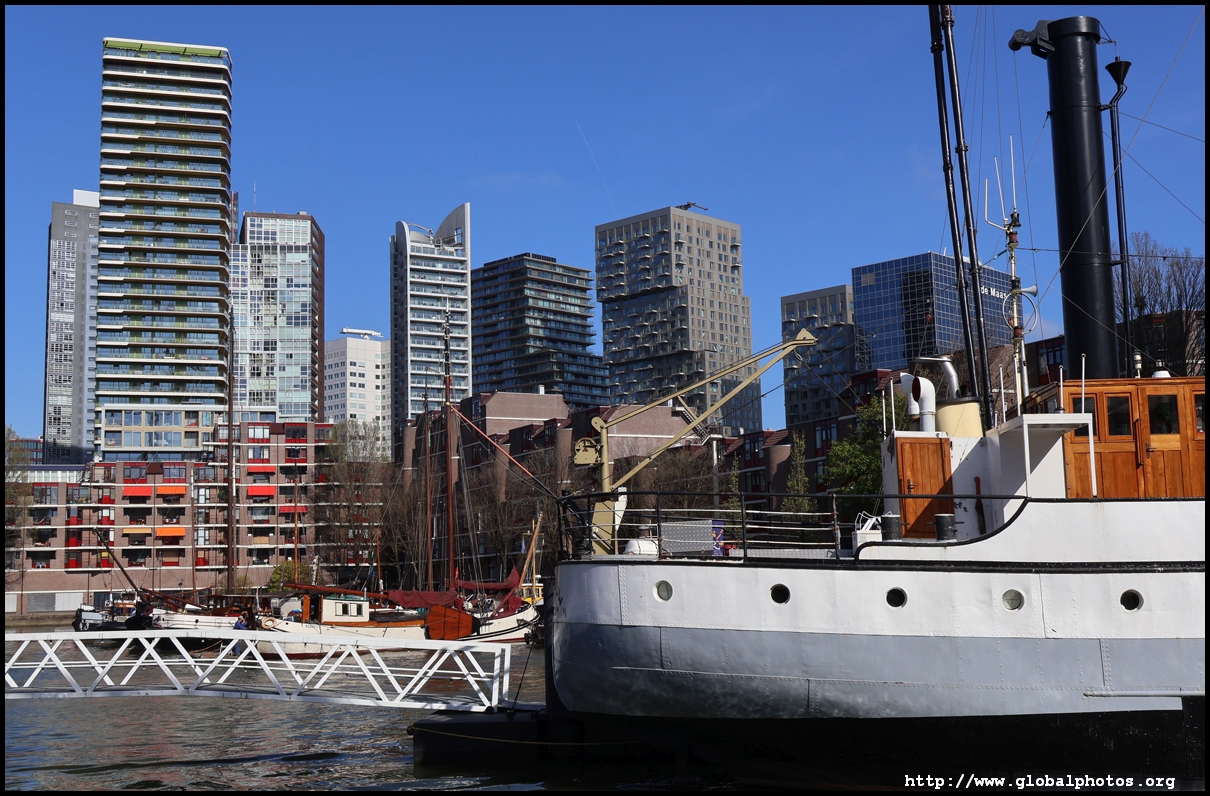
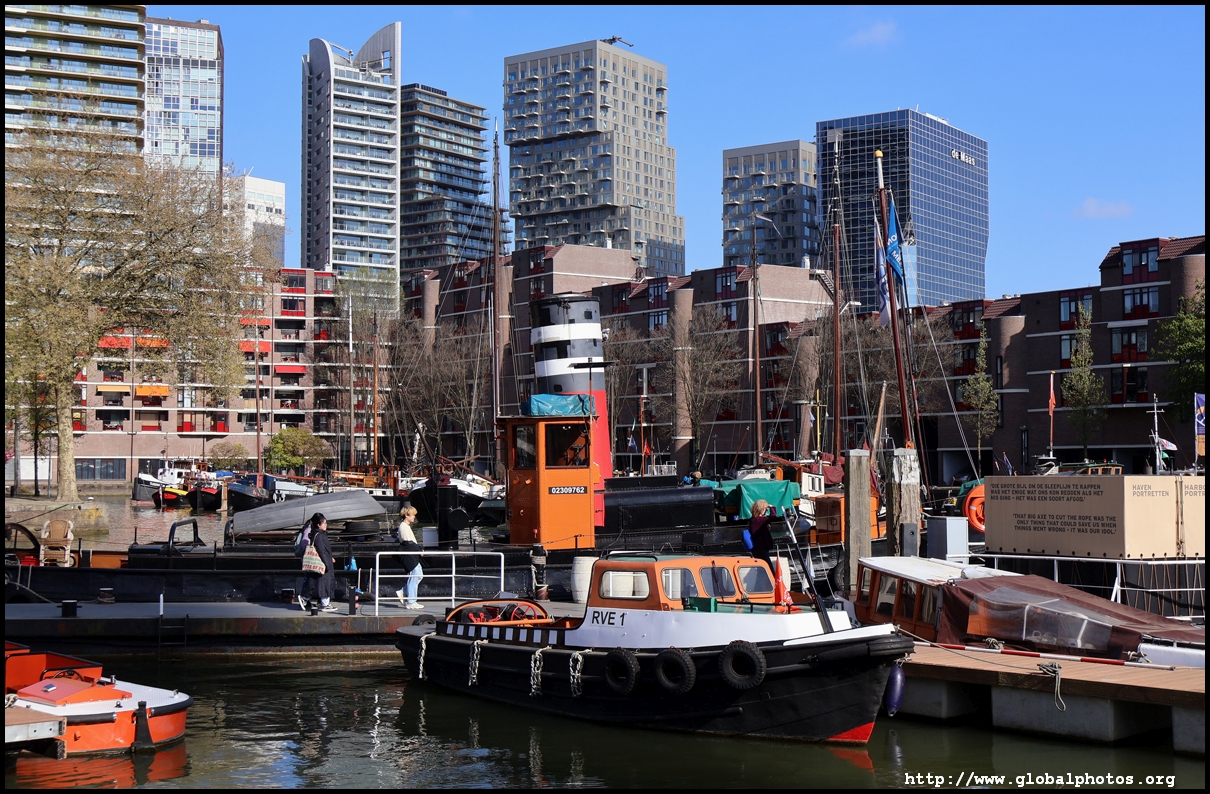
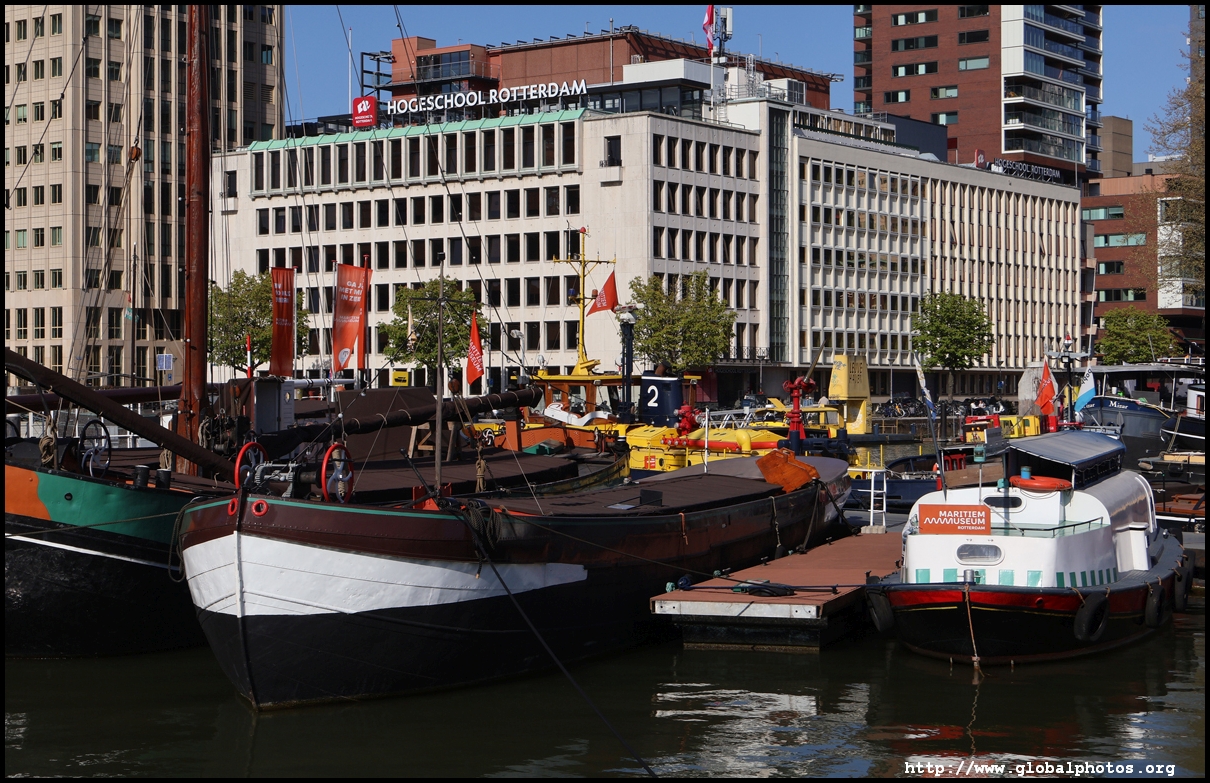
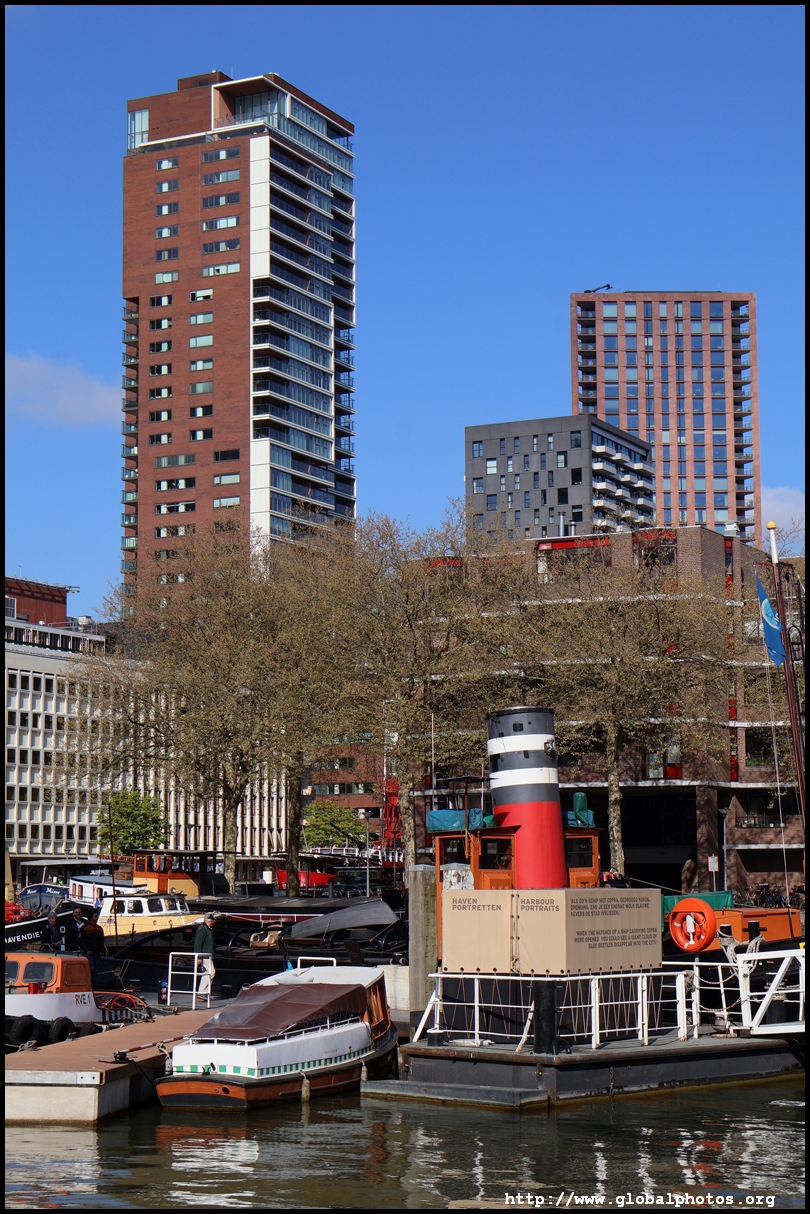
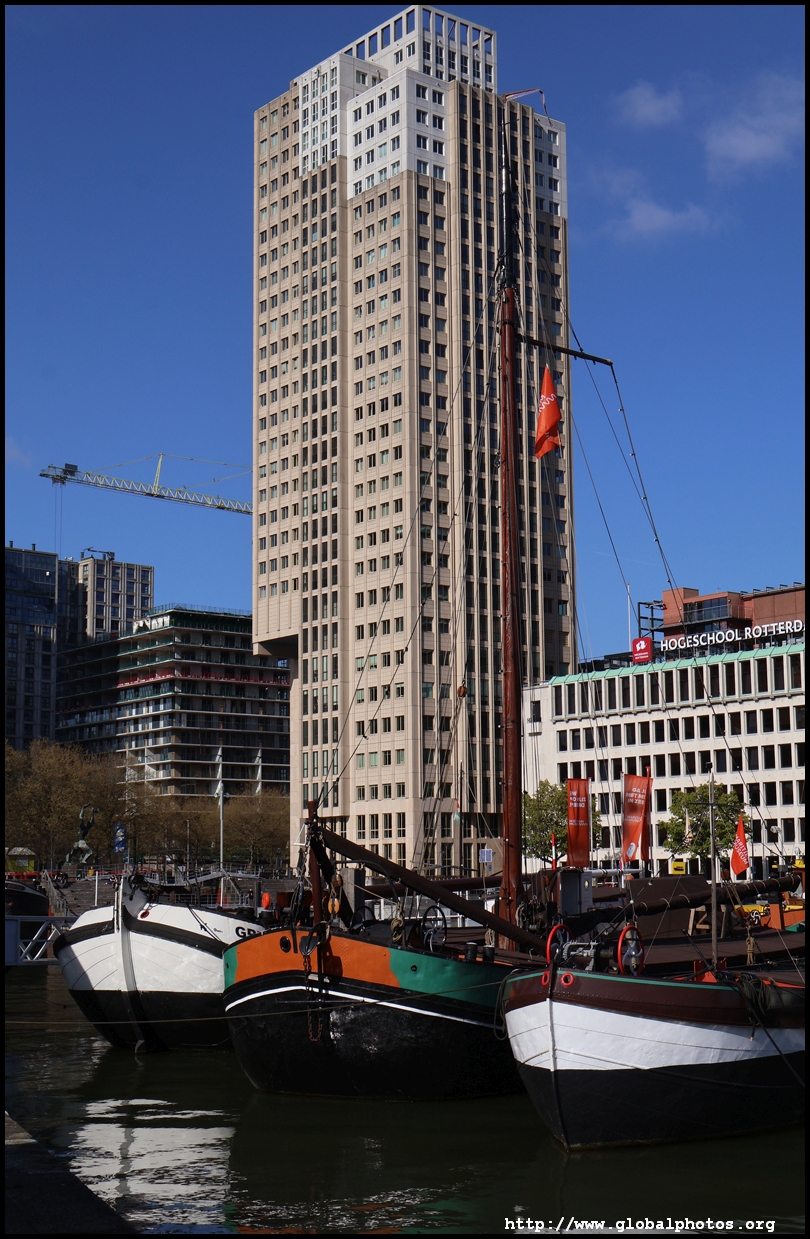
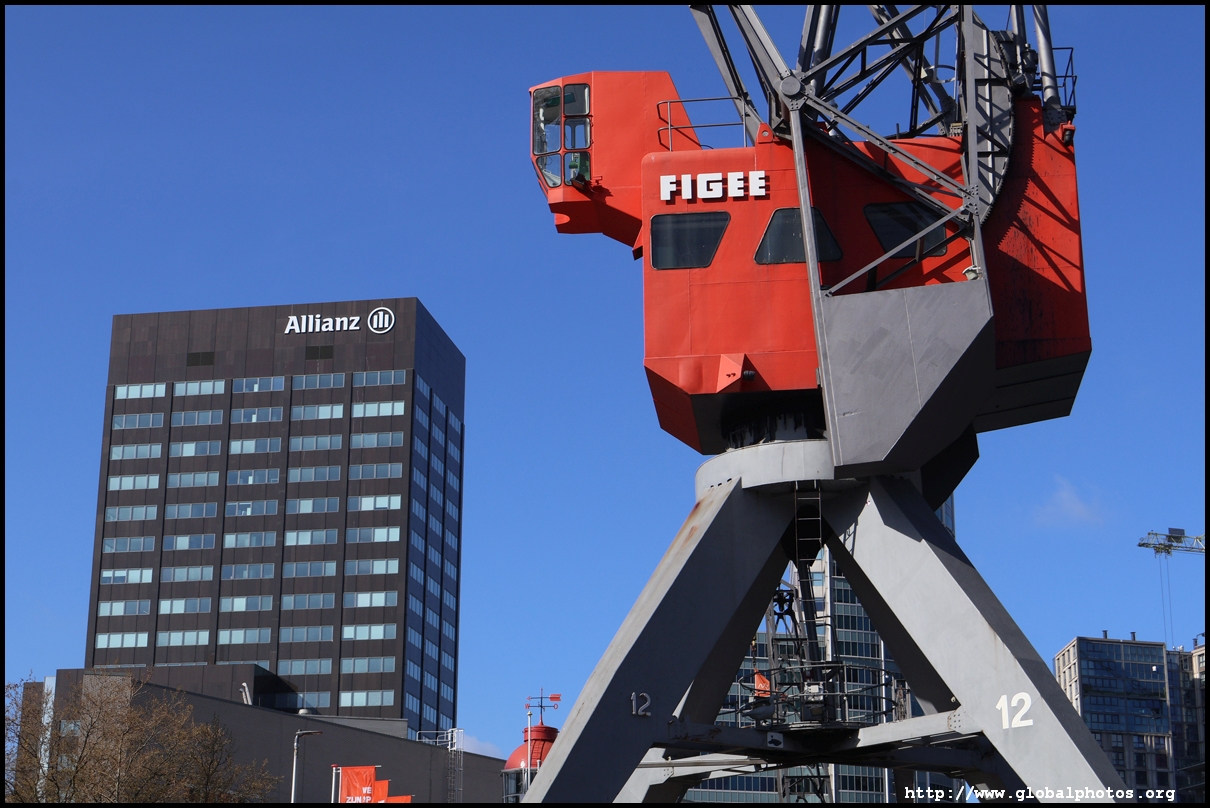
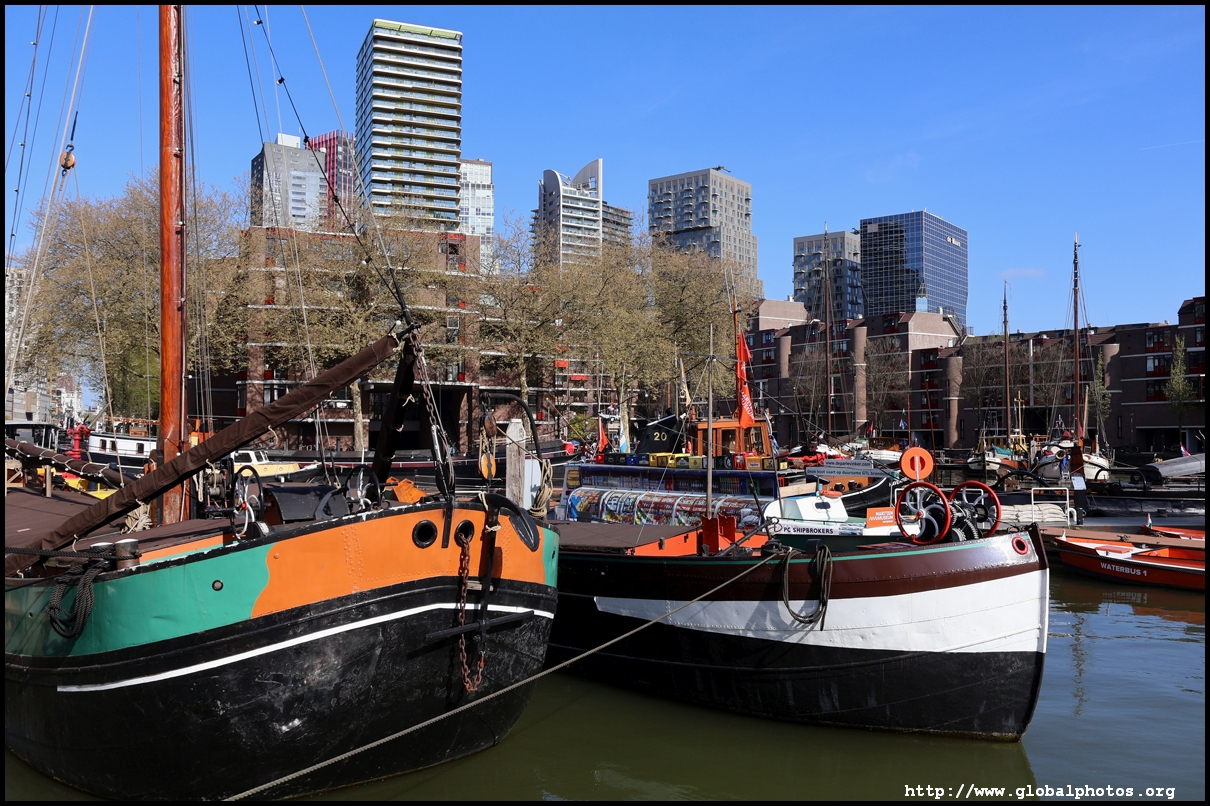
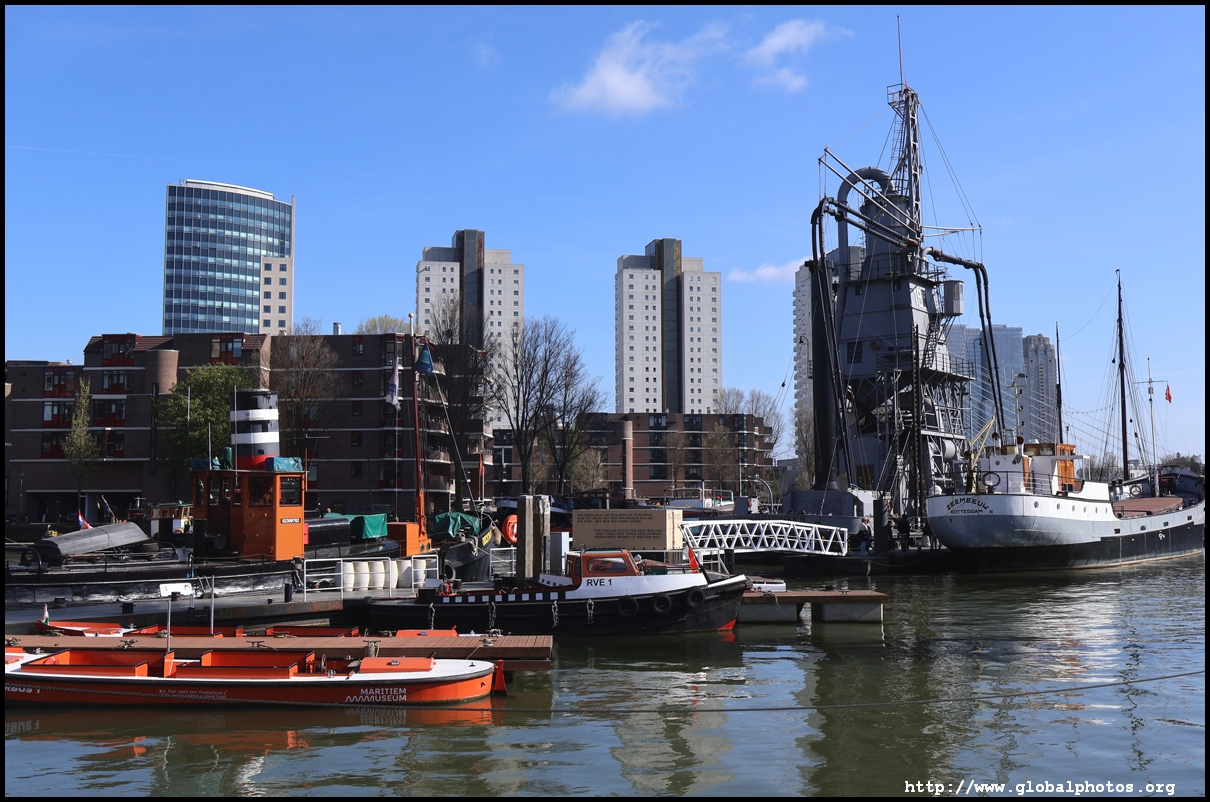
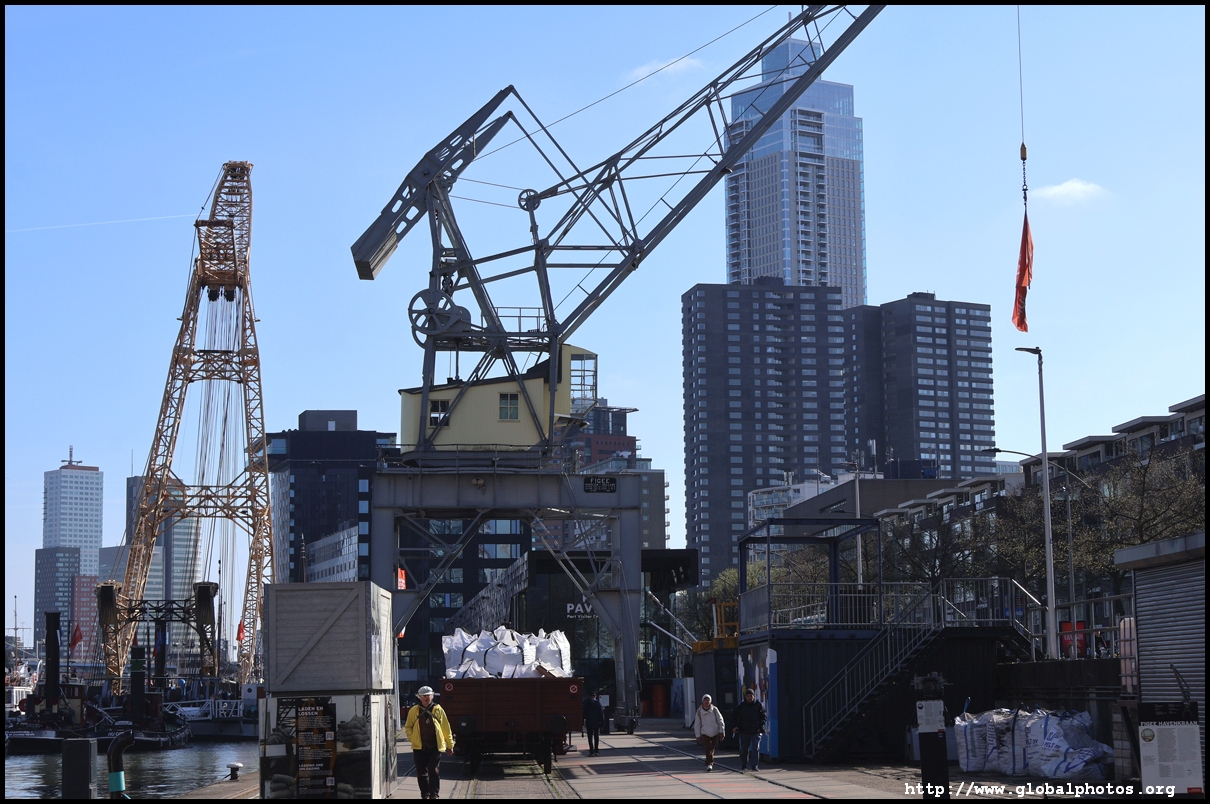
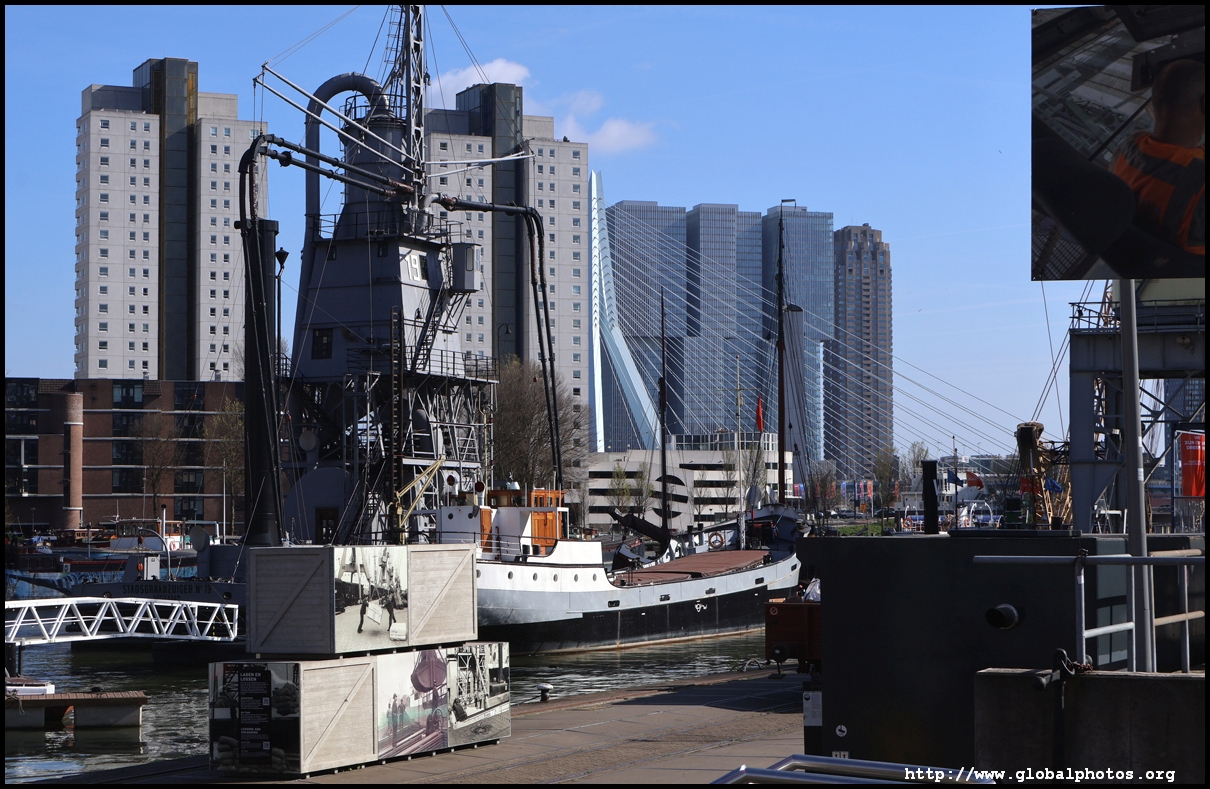
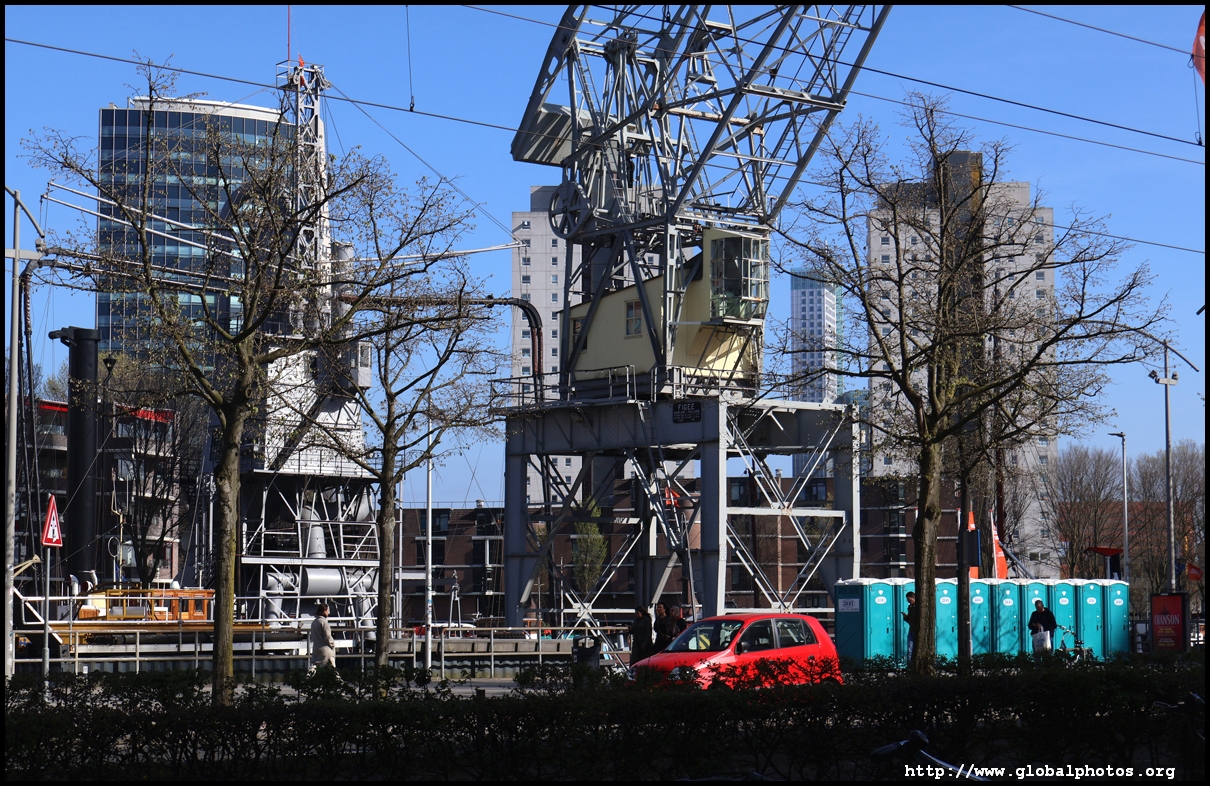
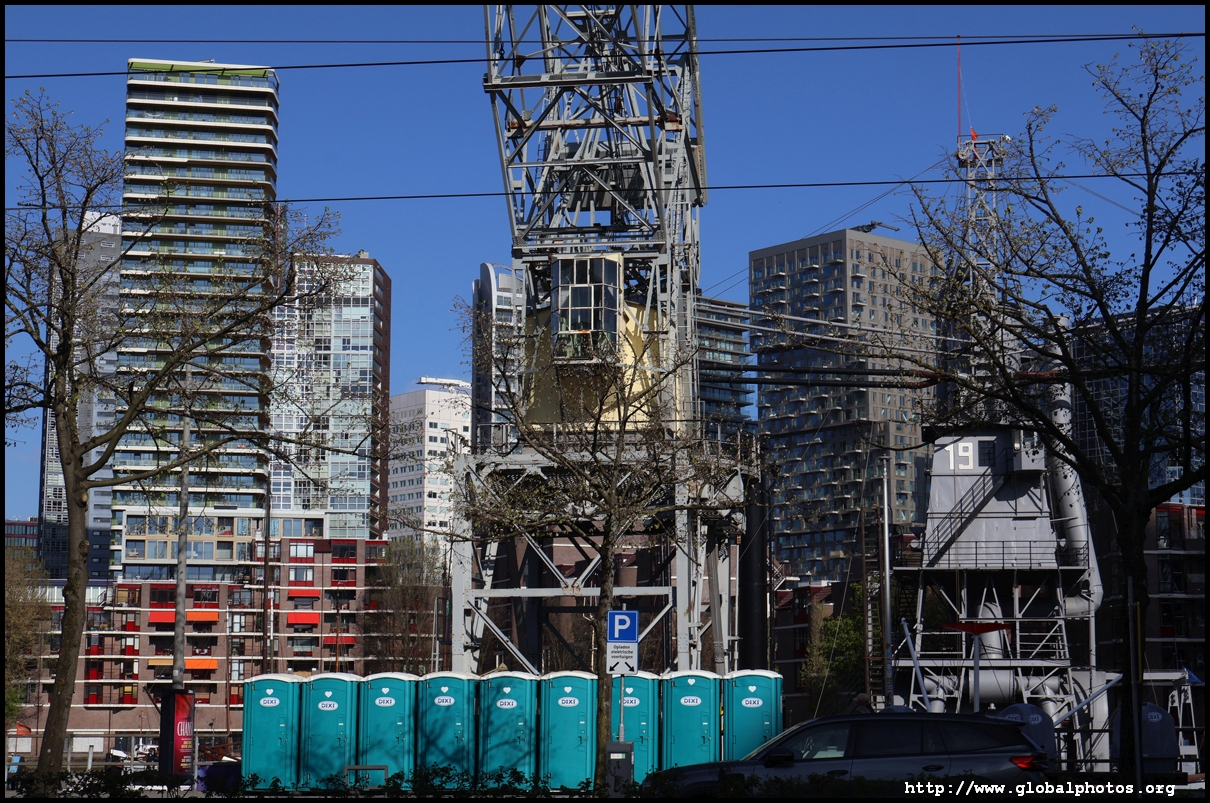
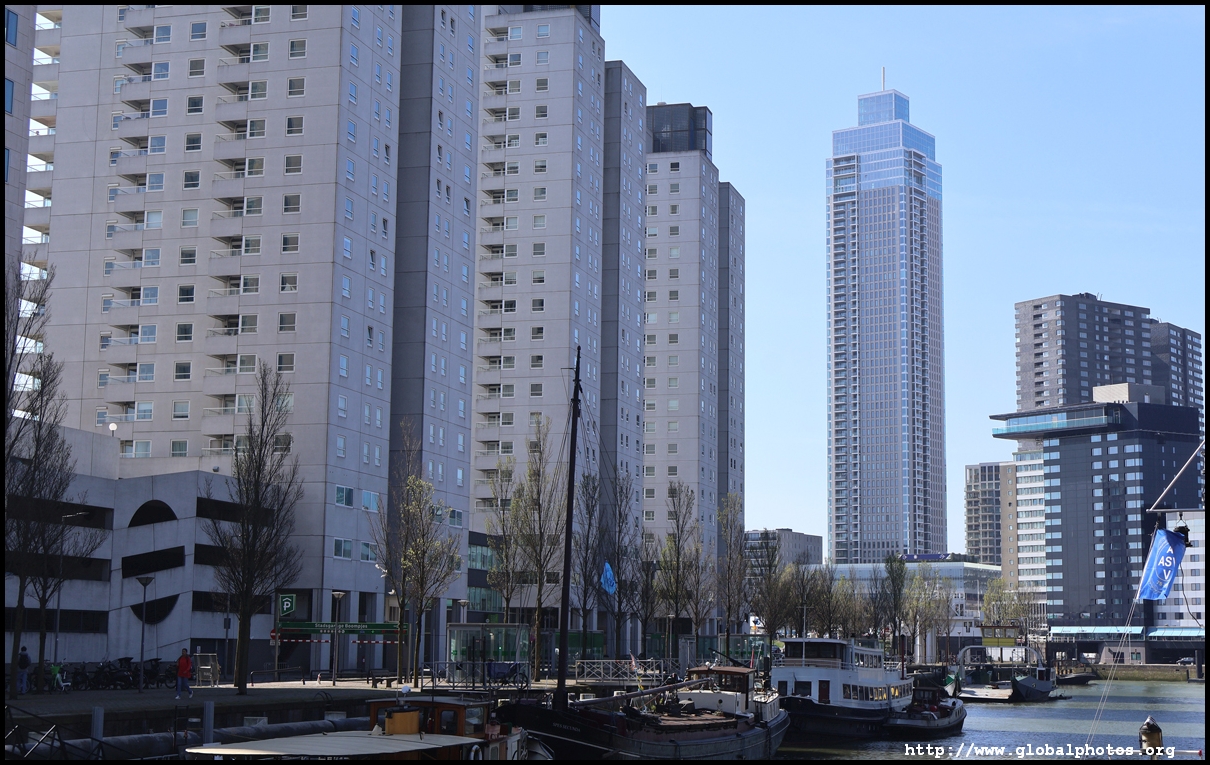
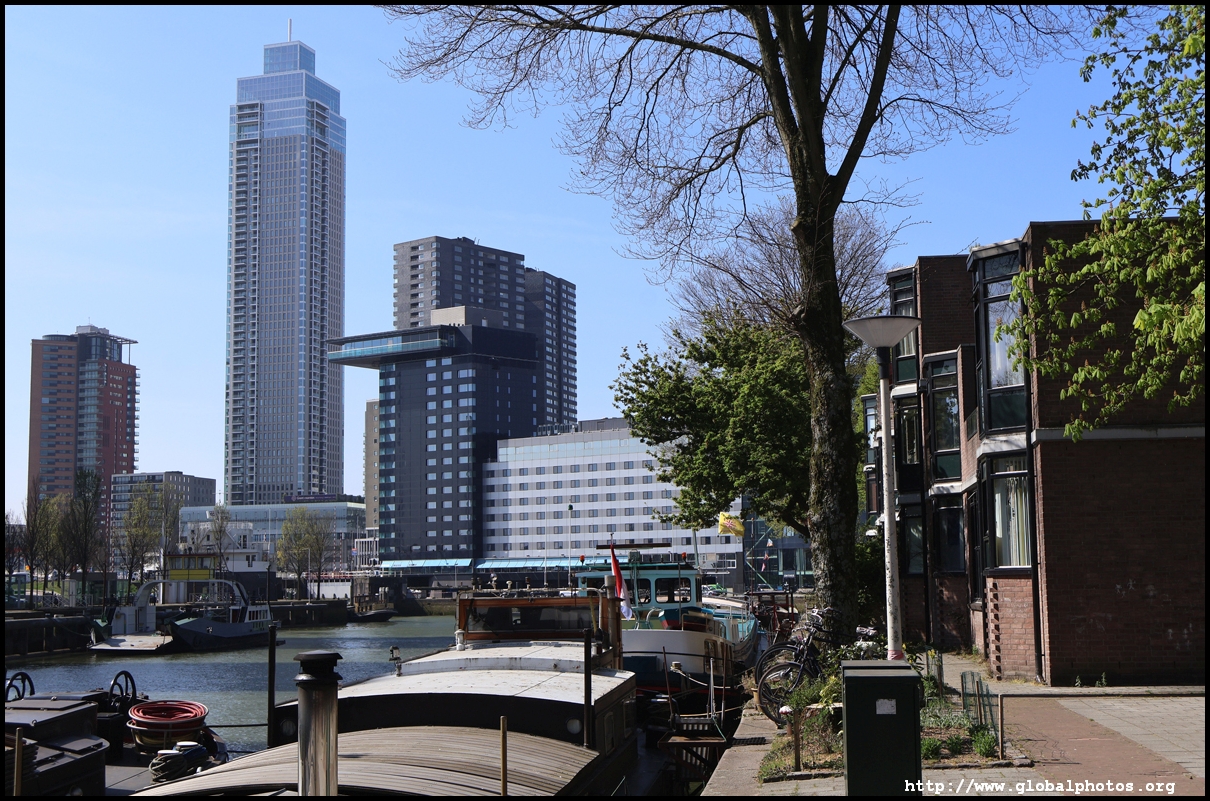
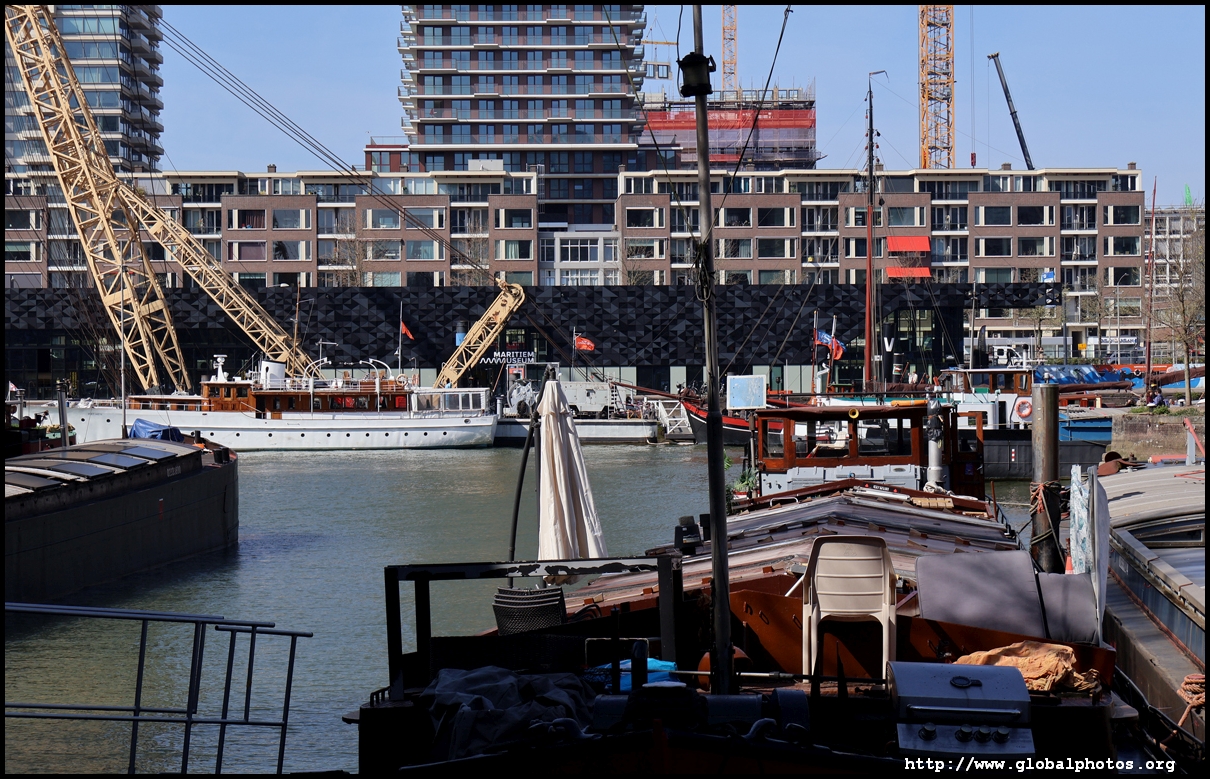
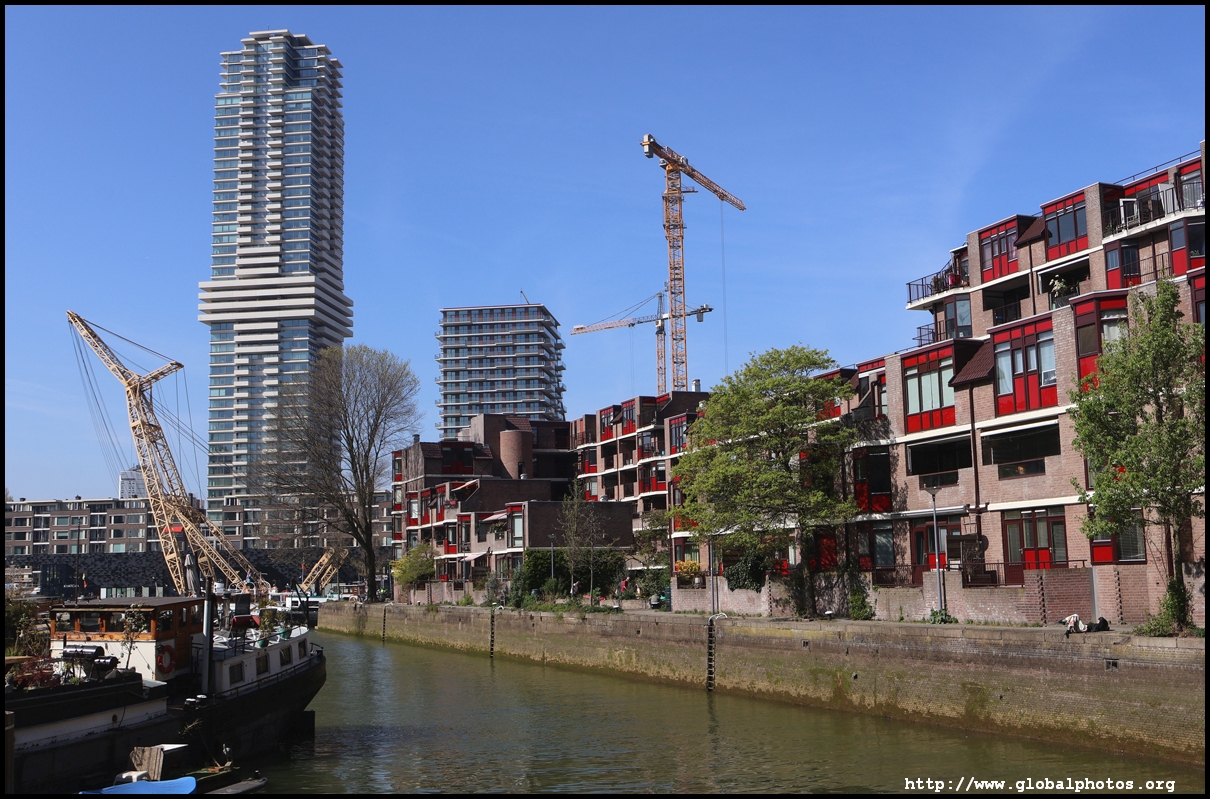
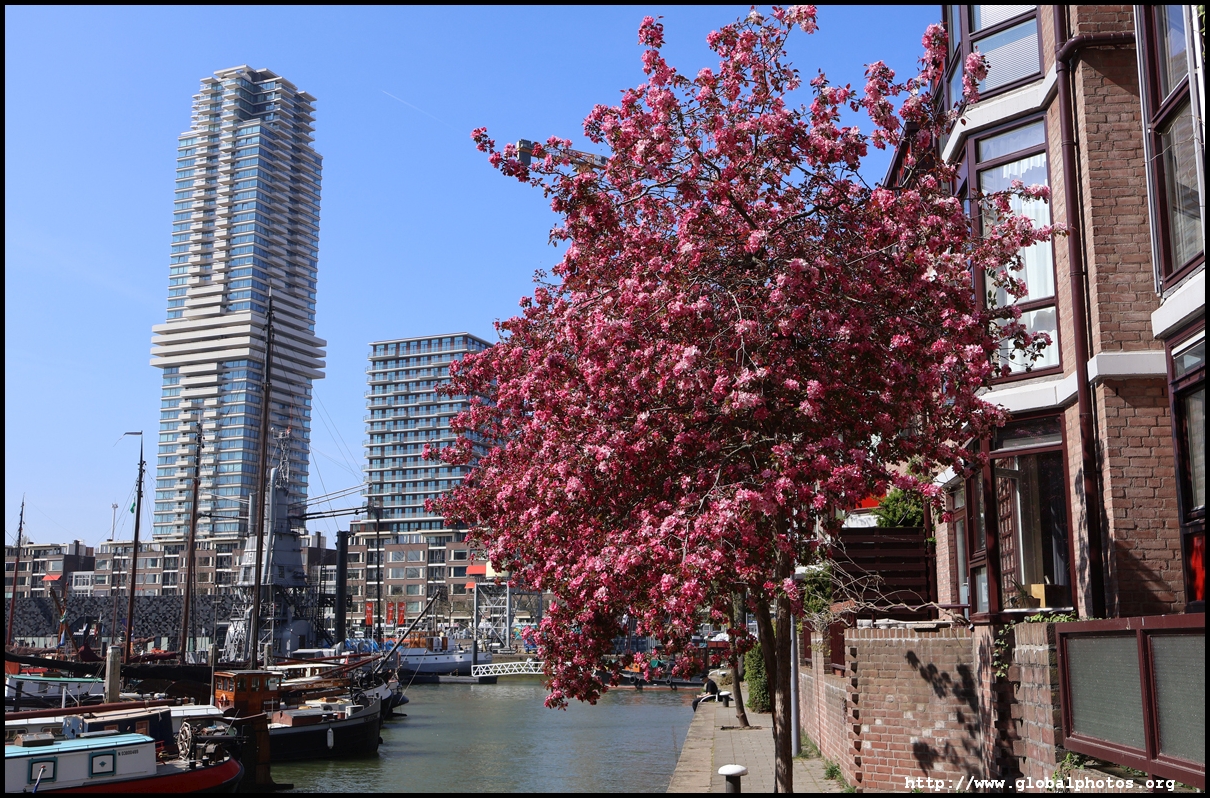
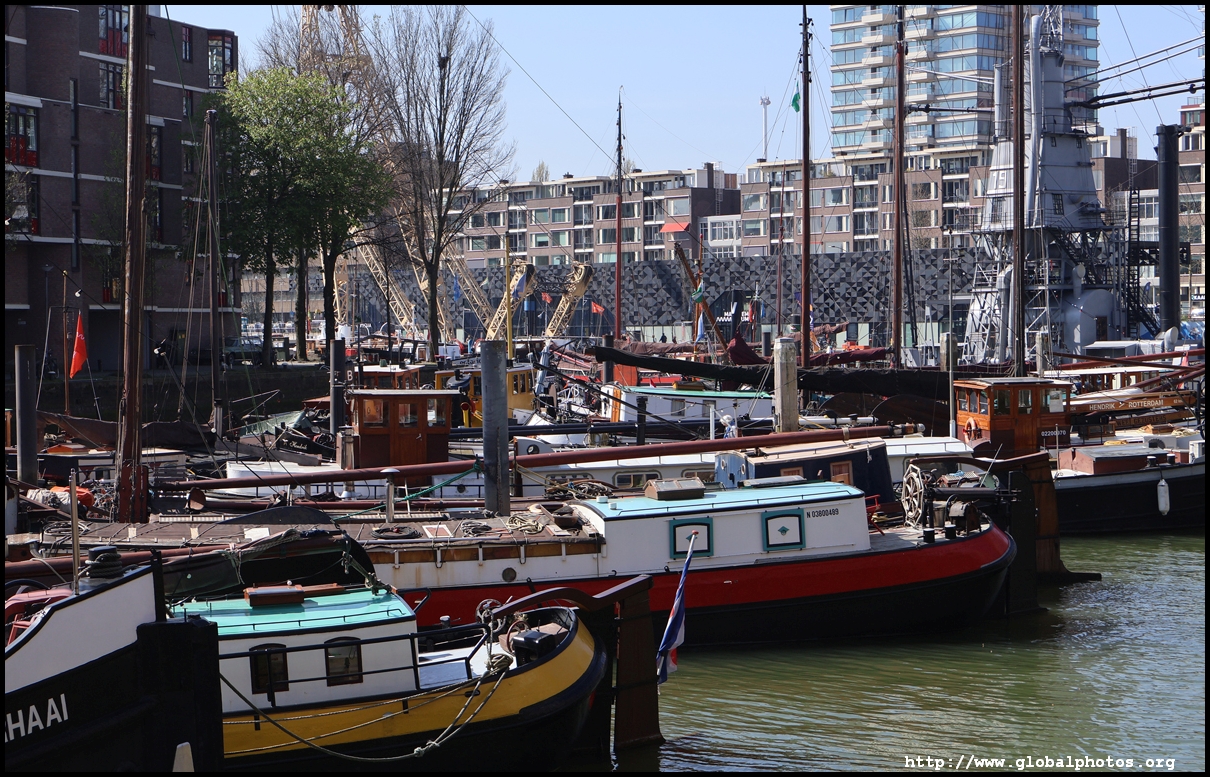
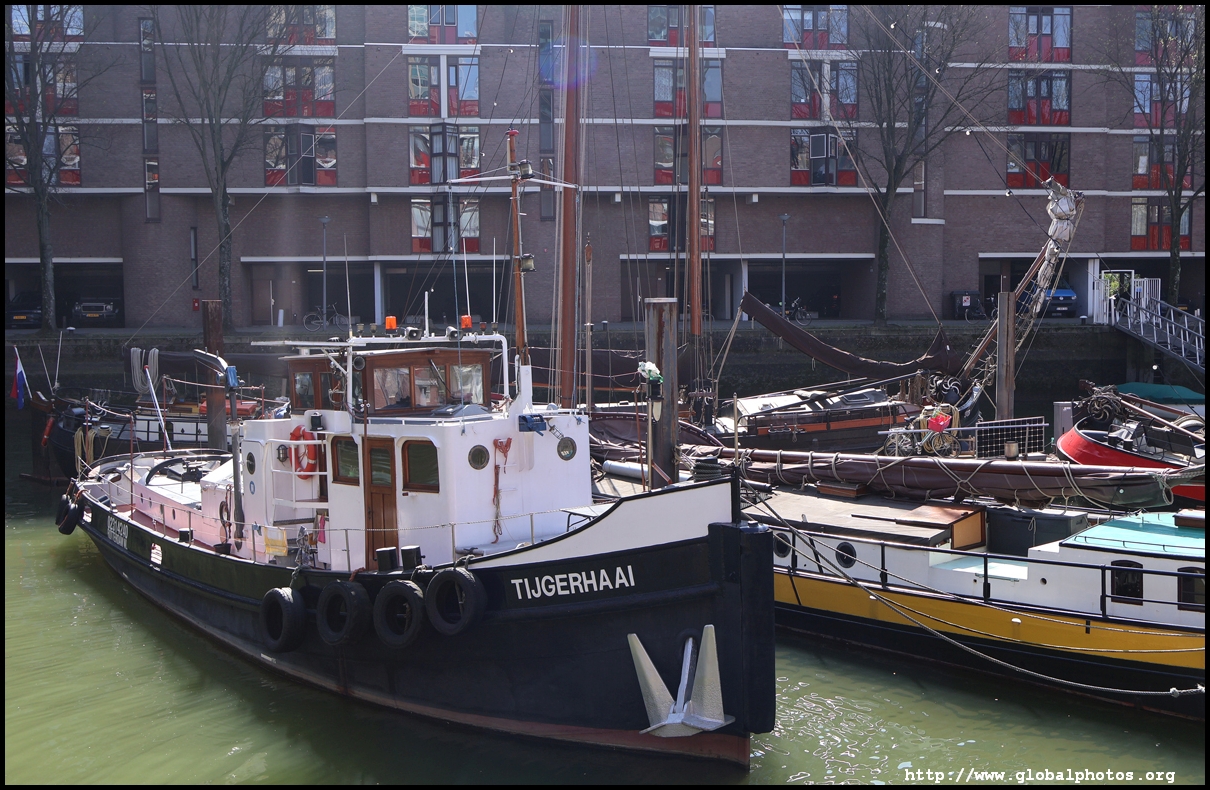
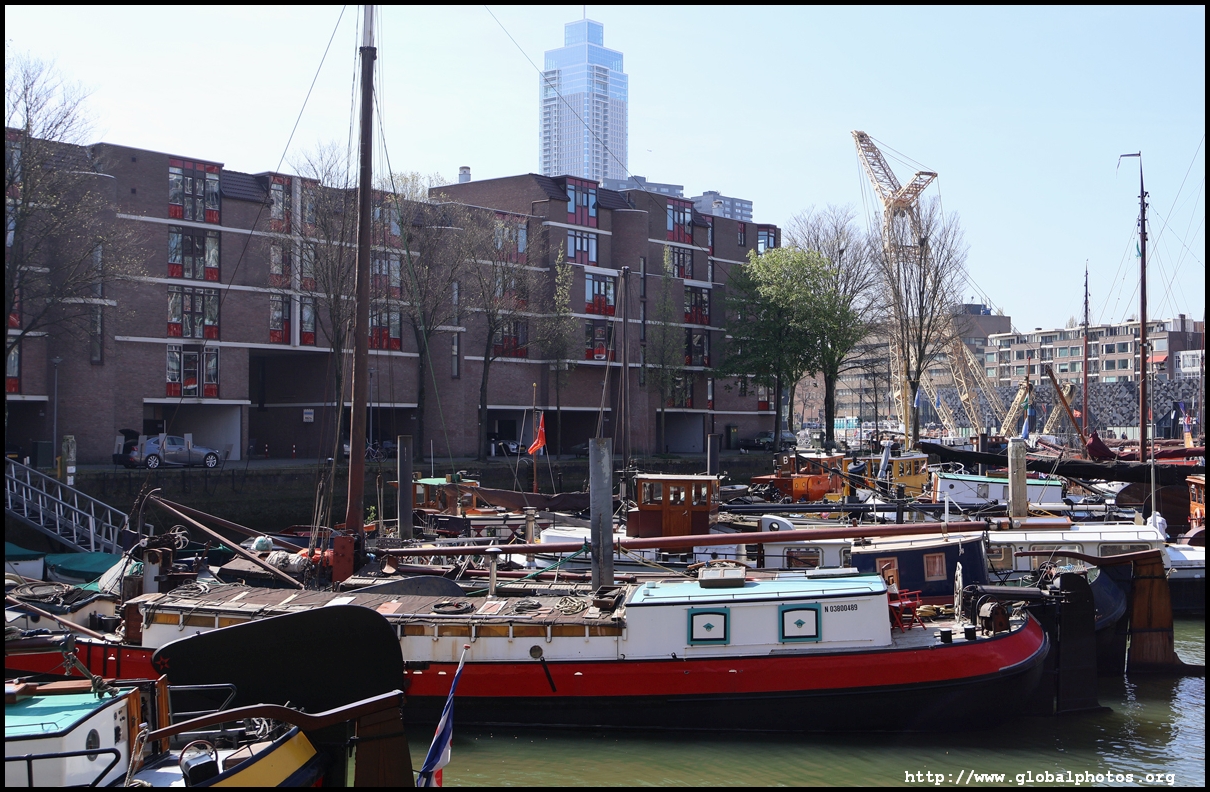
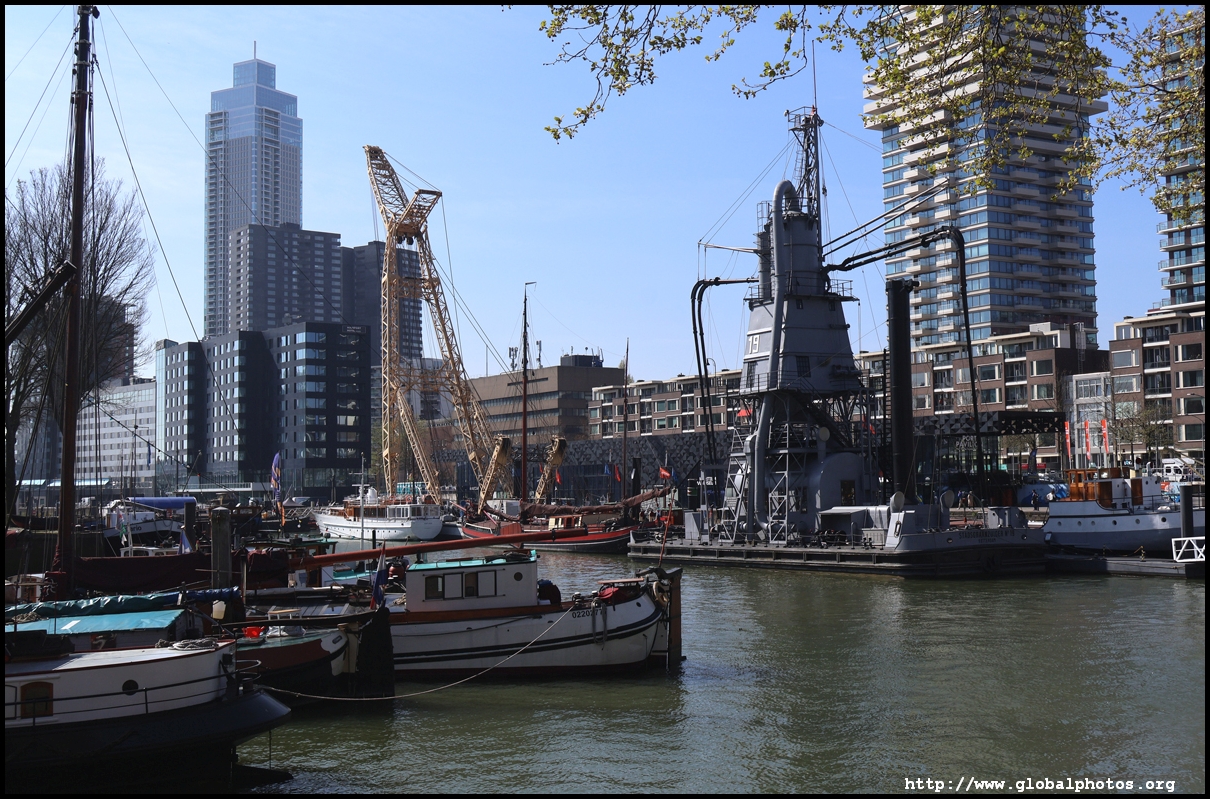
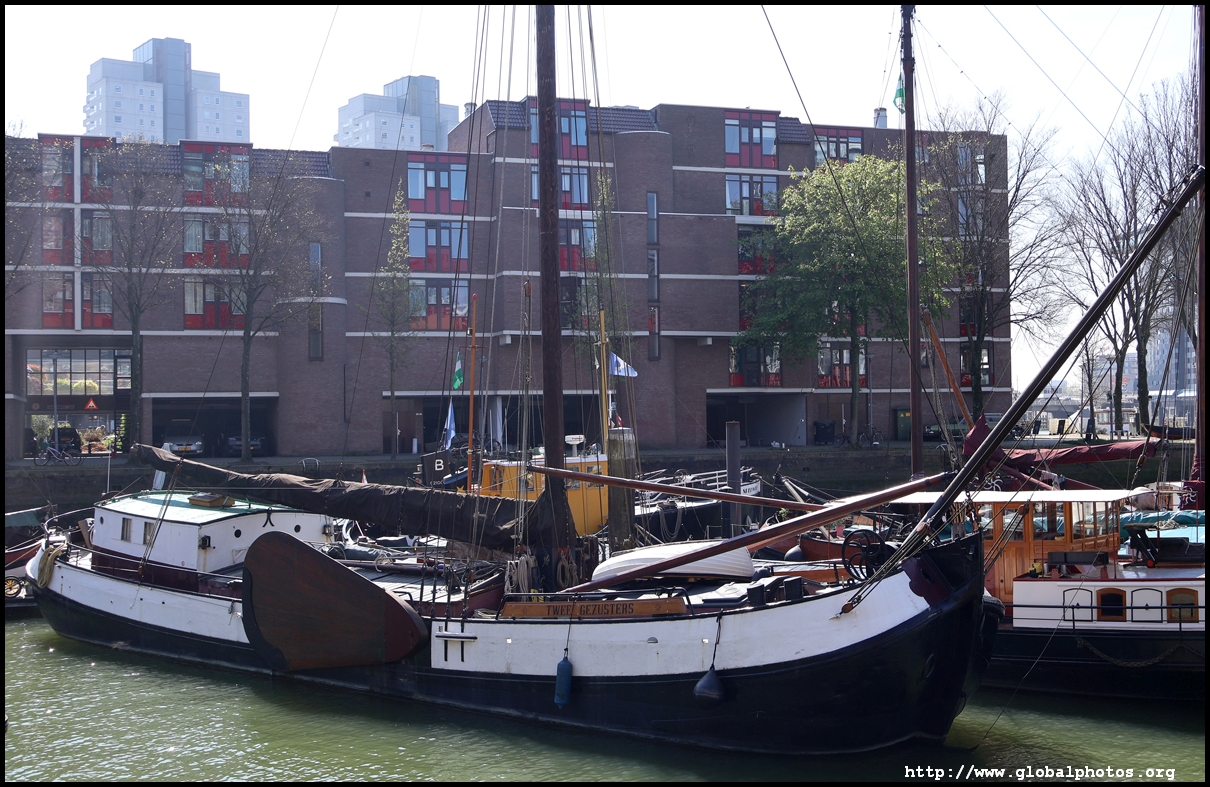
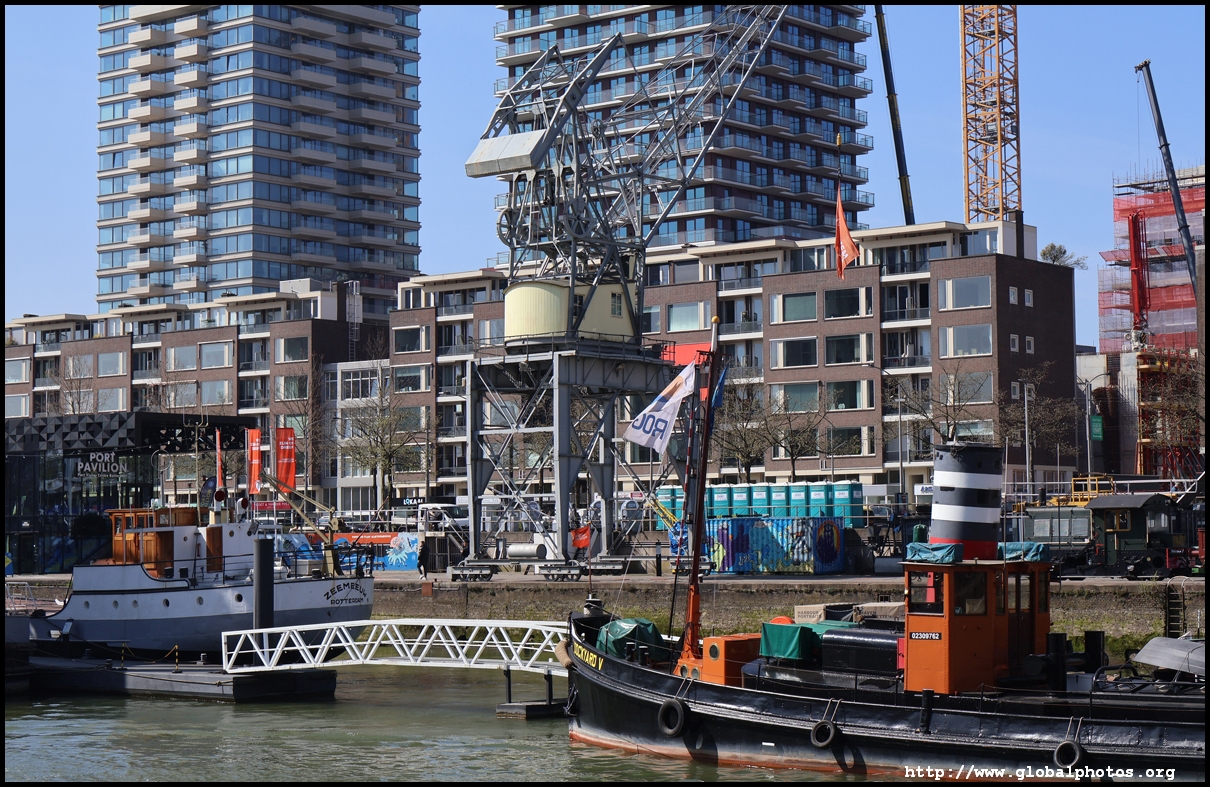
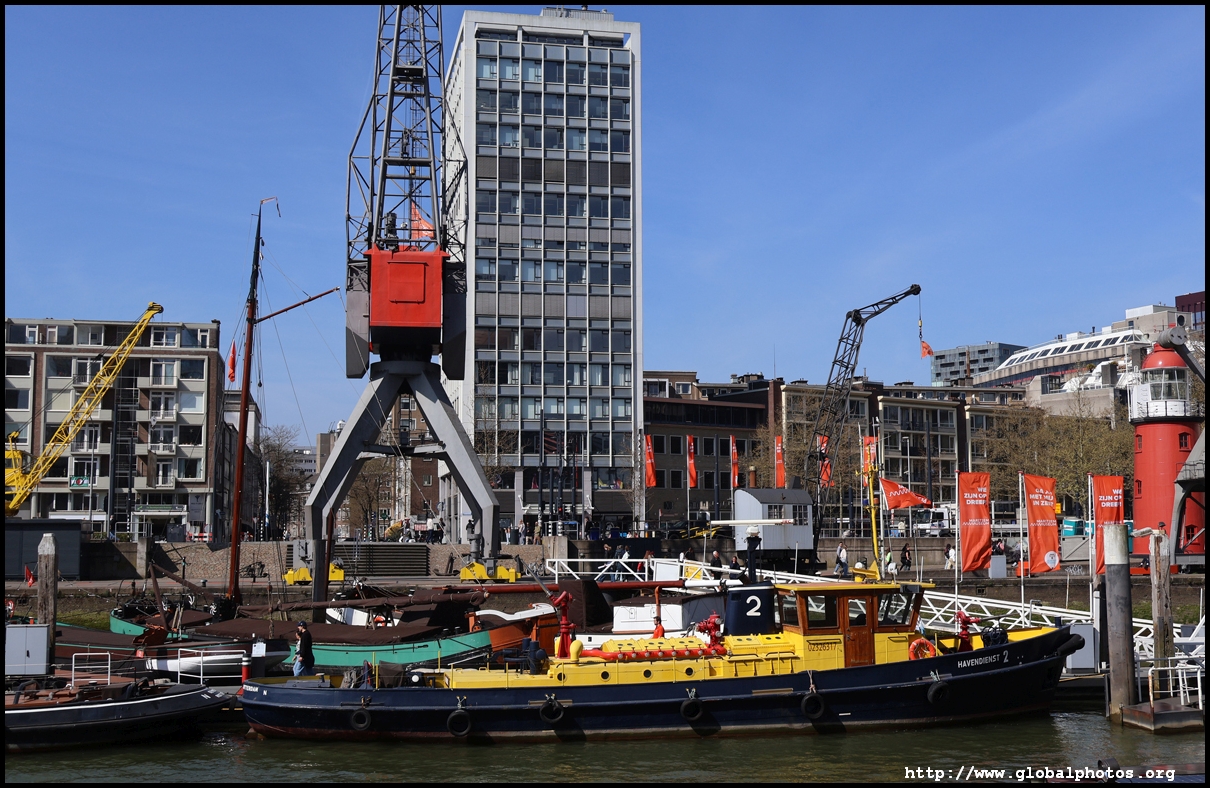
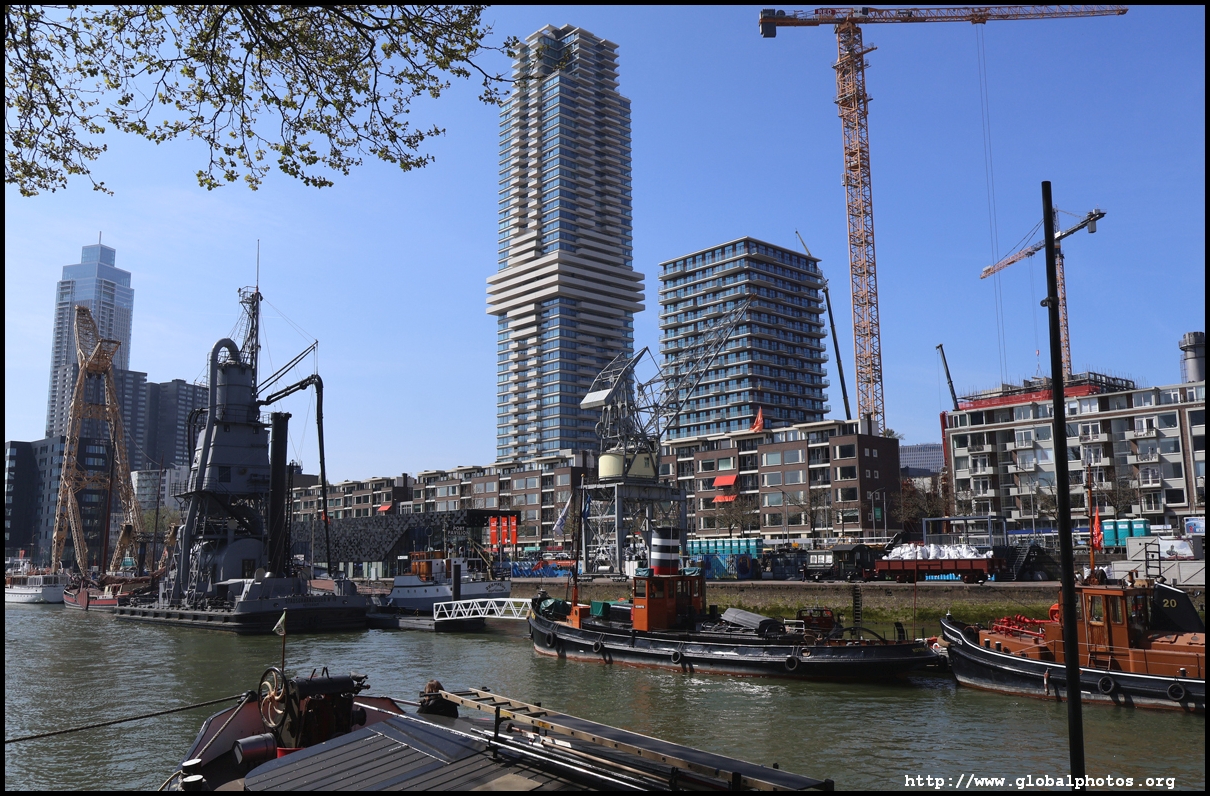
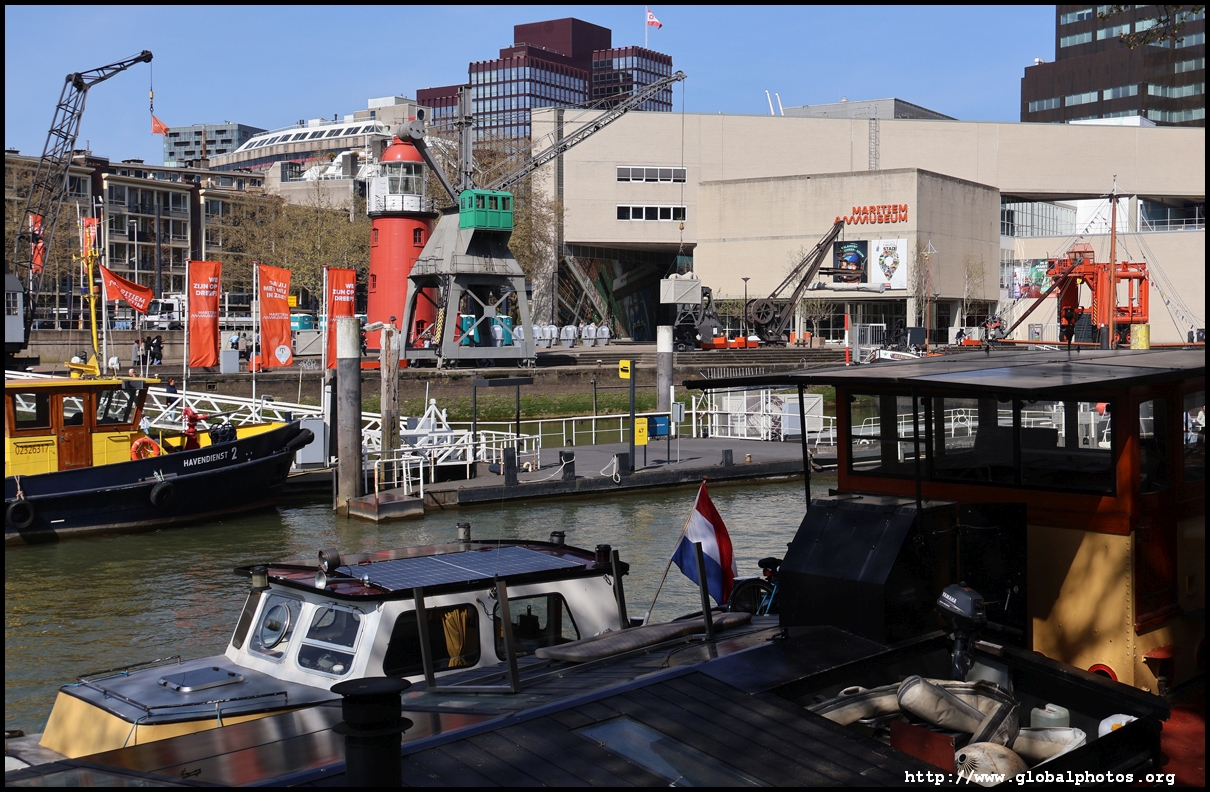
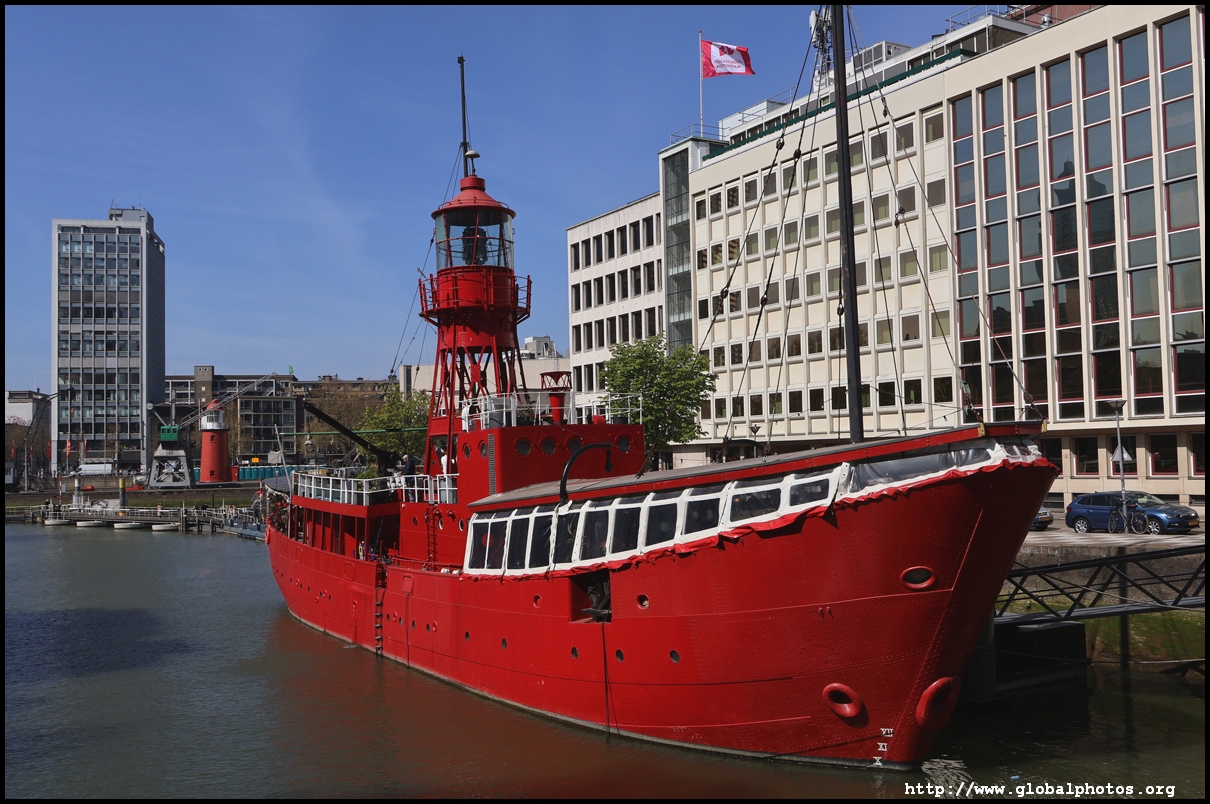
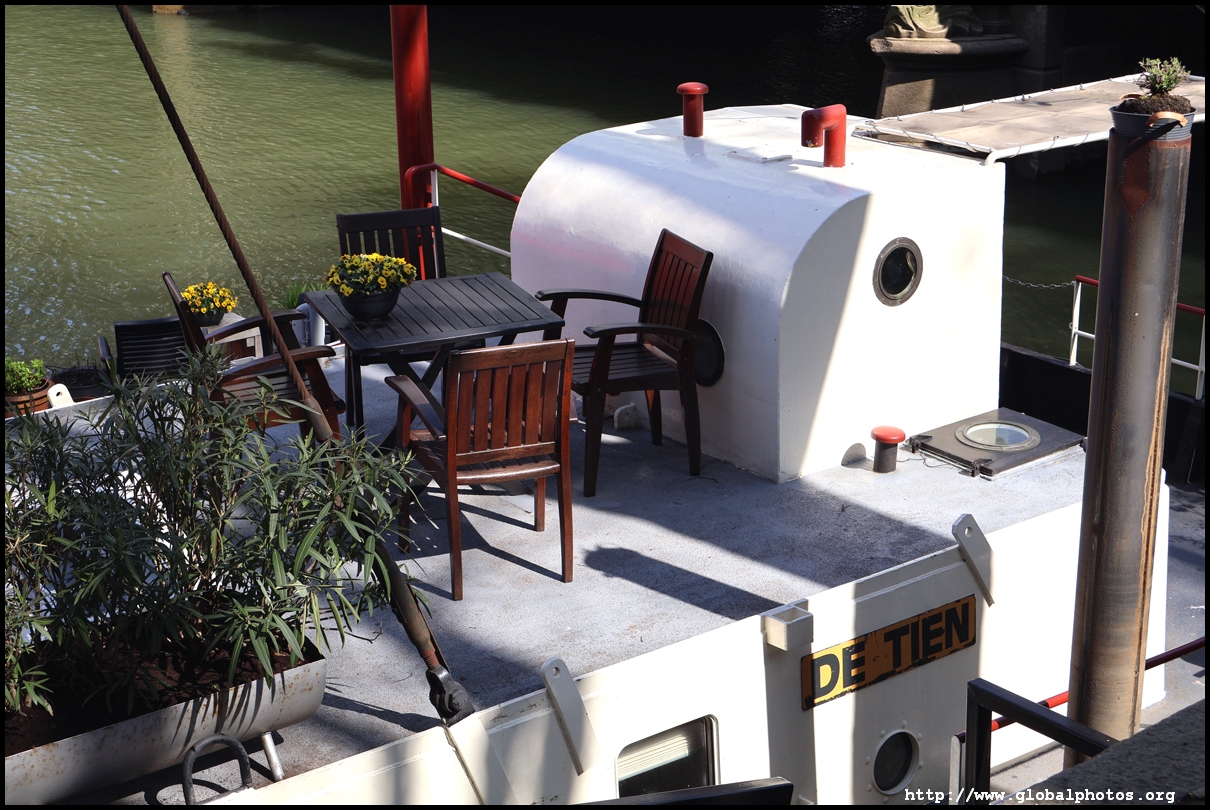
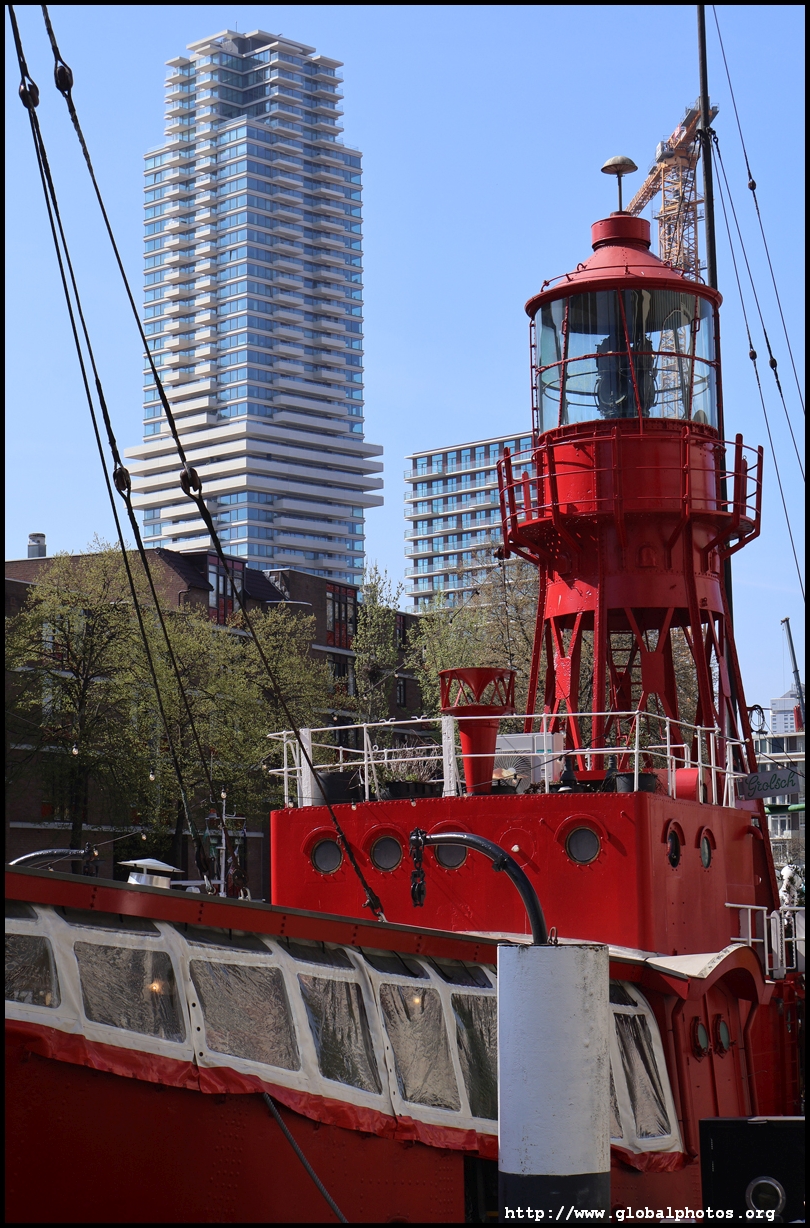
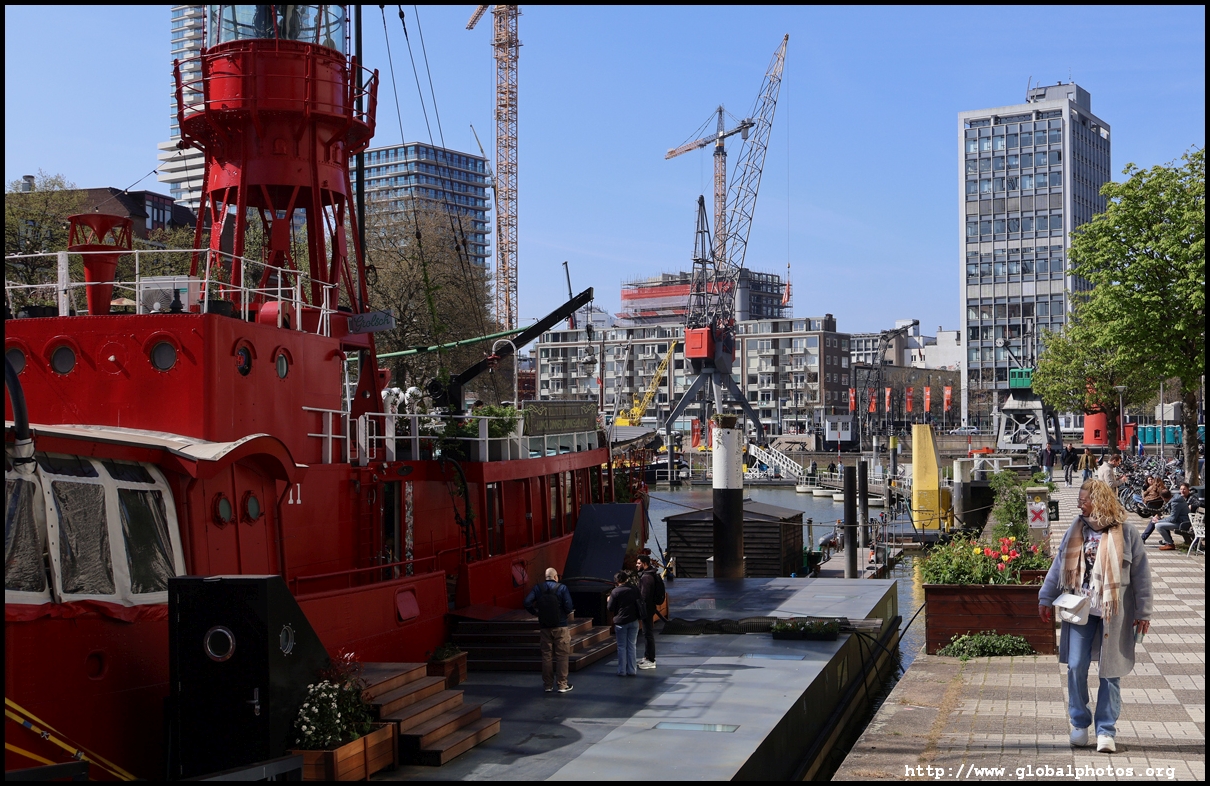
Many of the Maritiem Museum's boats are moored here along the western edge of Leuvehaven that you can see for free. There are also small work areas that are open to the public without admission. The unloaded cargoes were stored in warehouses along the harbour, which is where the wealthy merchants live.
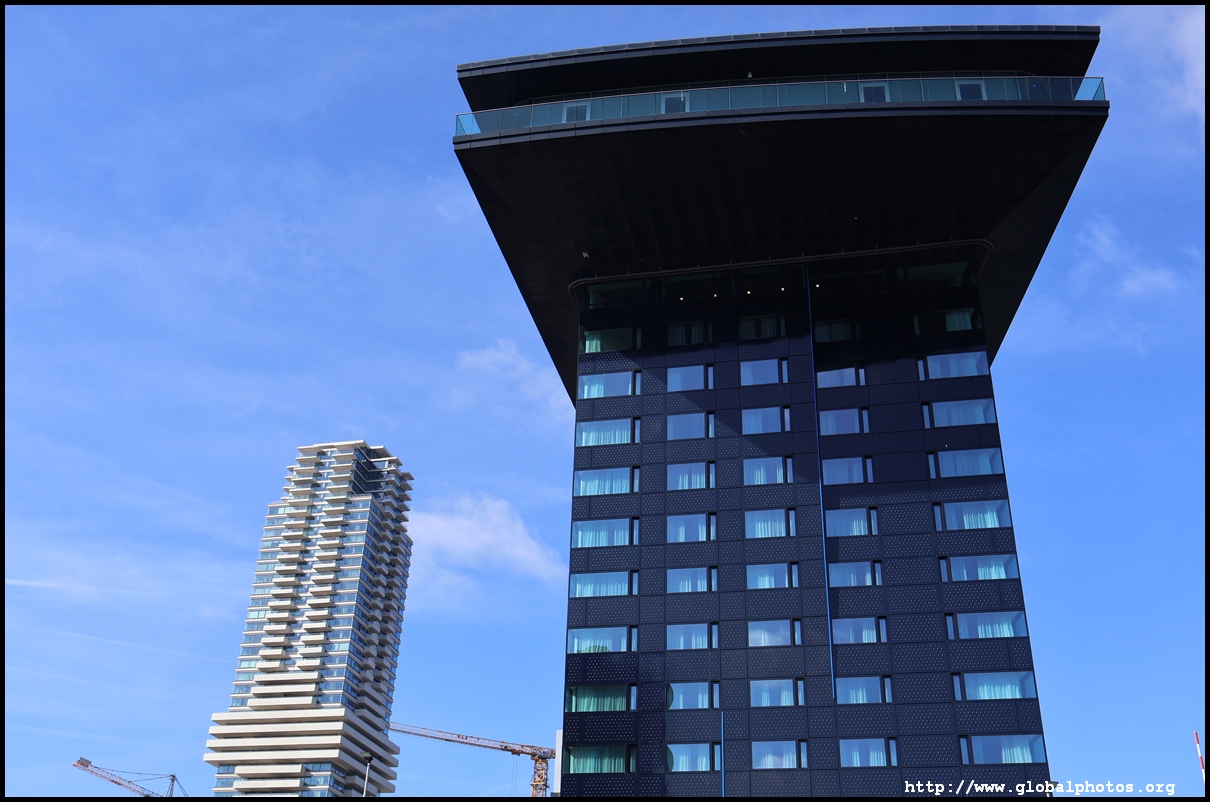
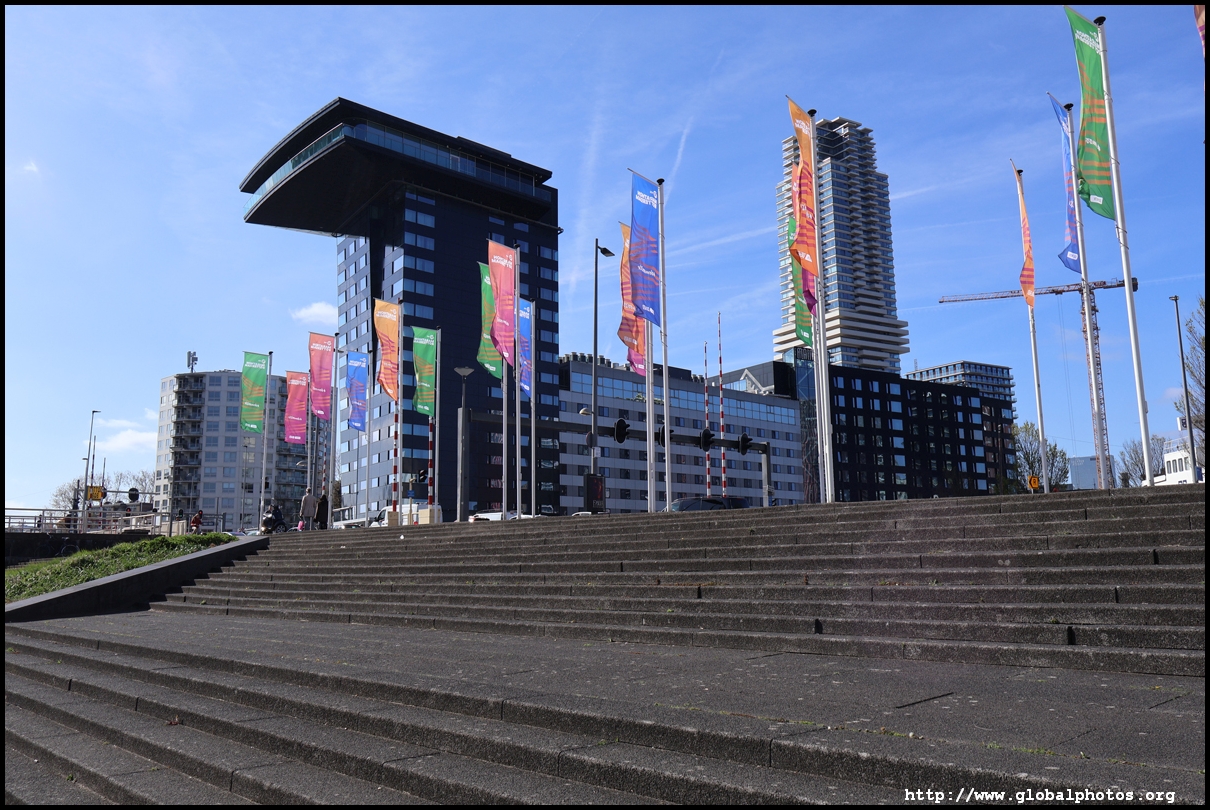
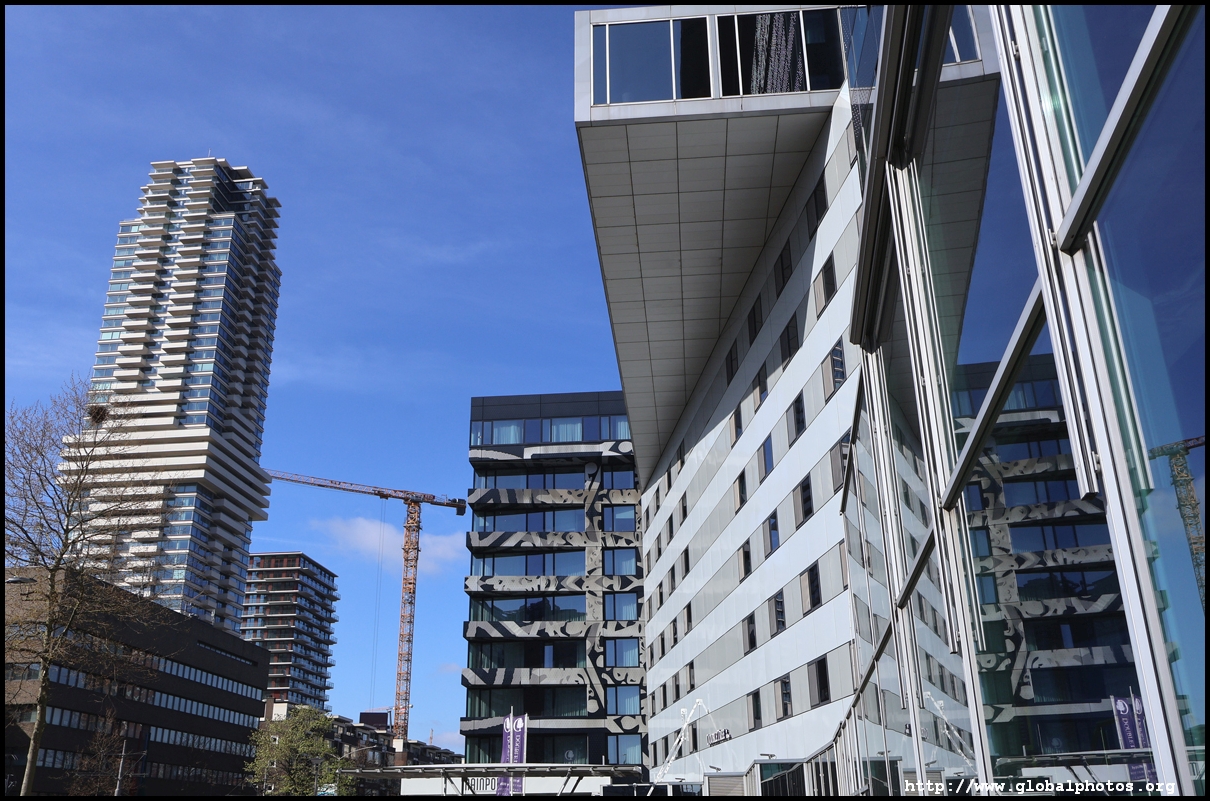
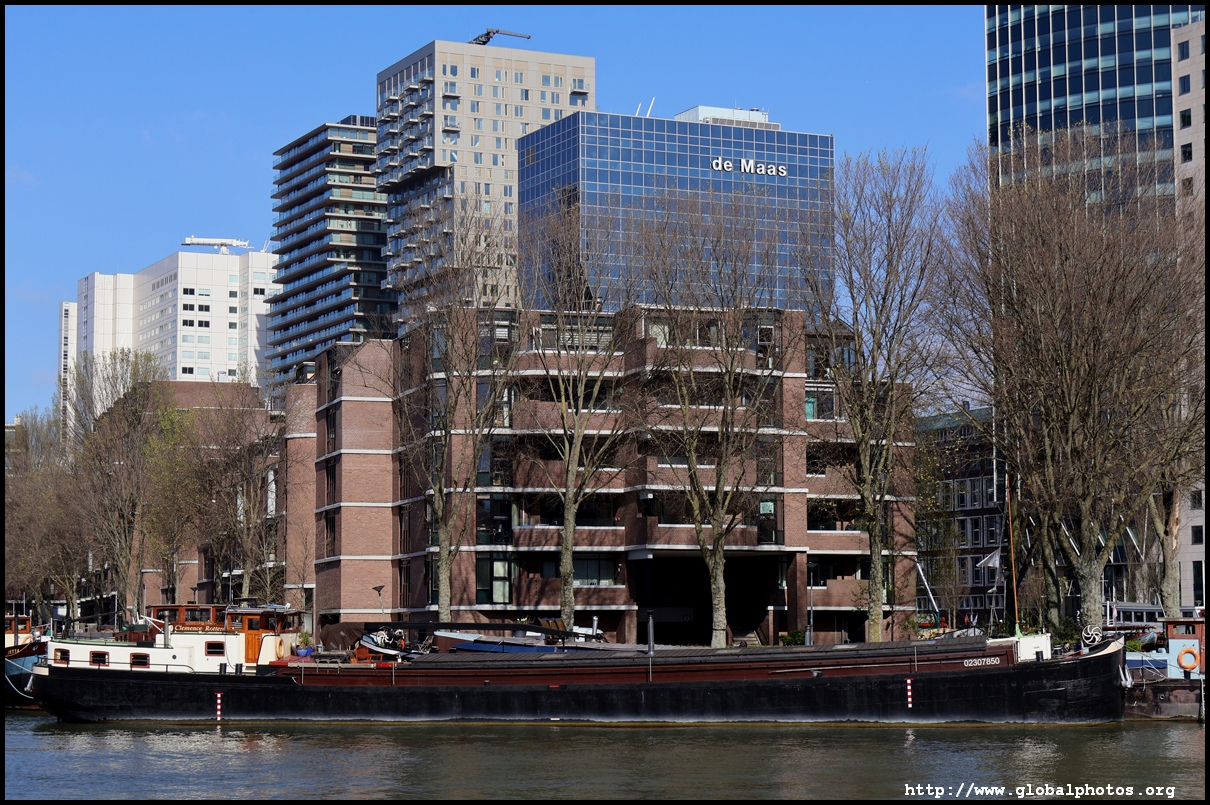
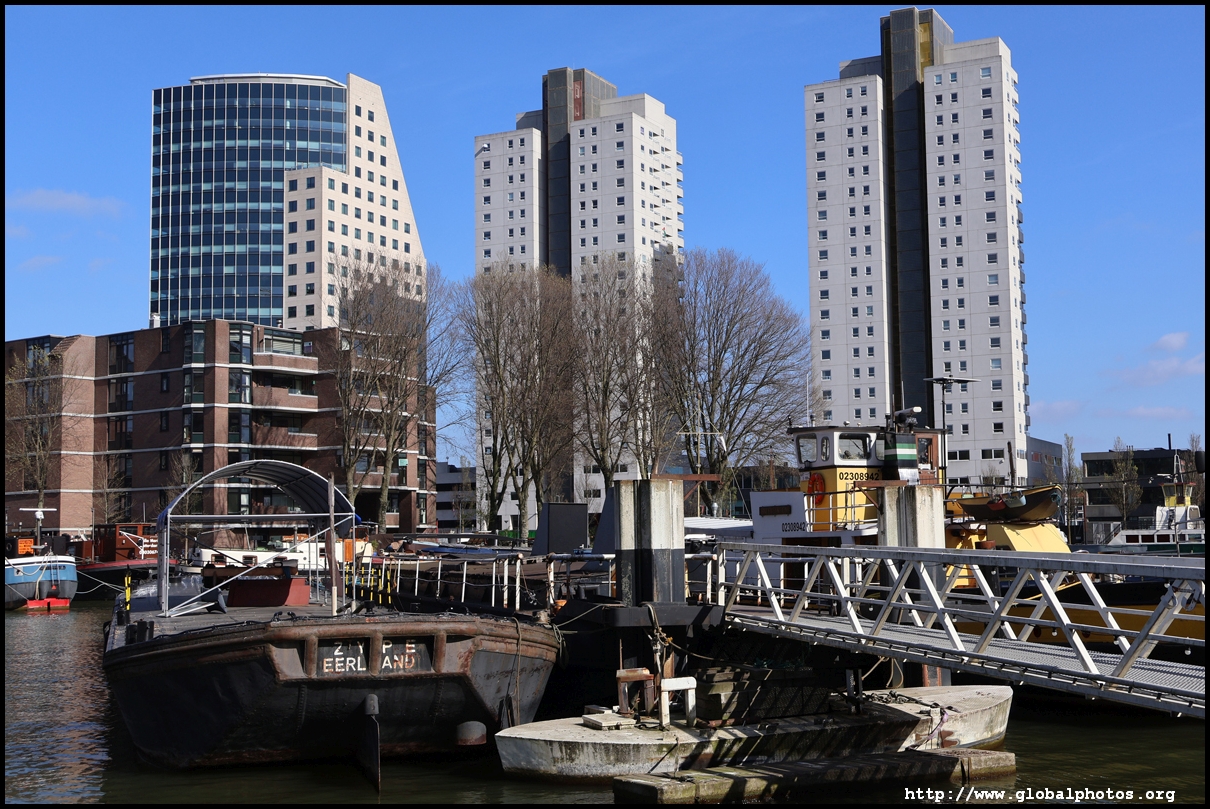
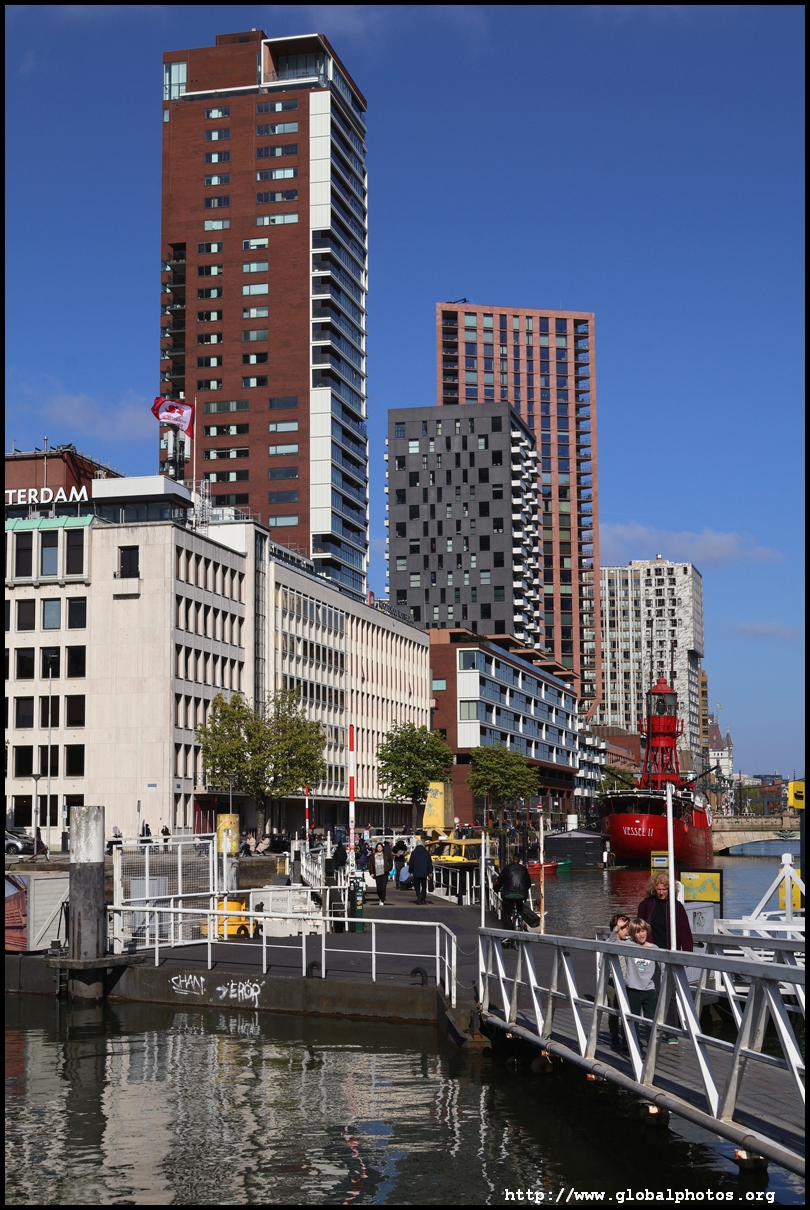
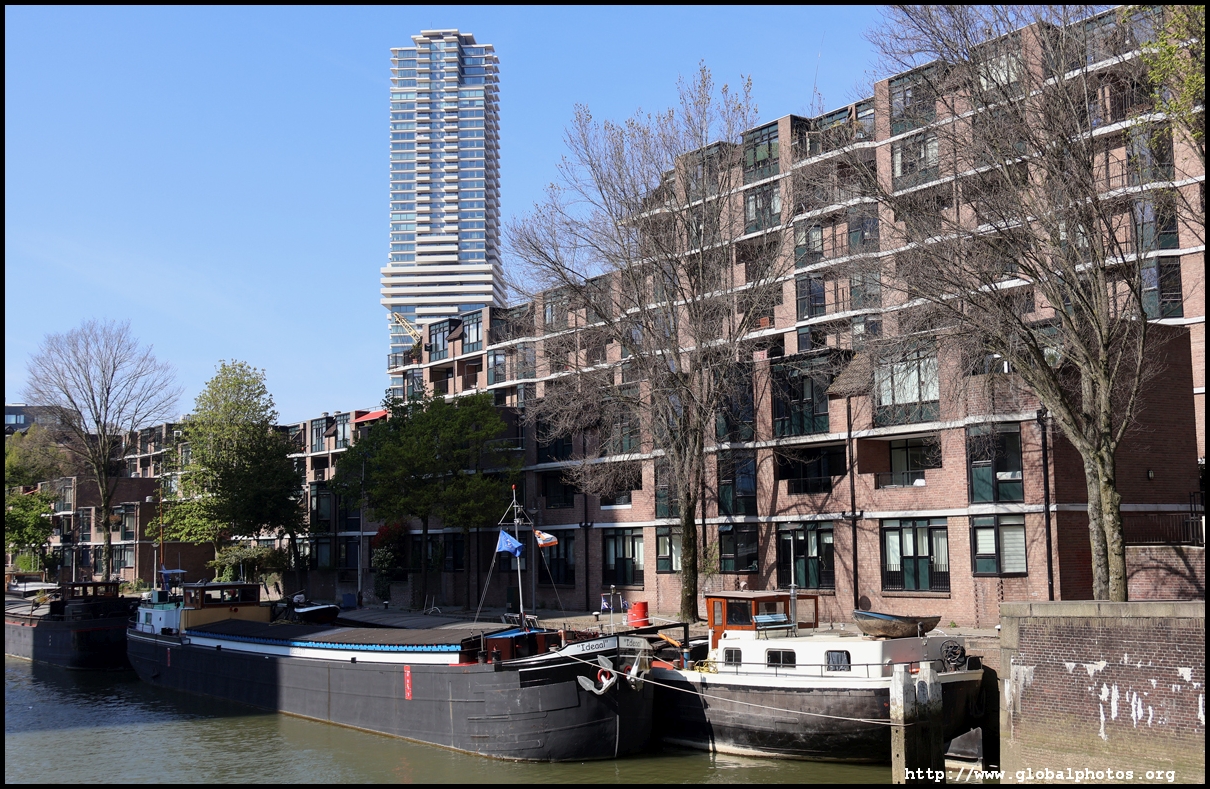
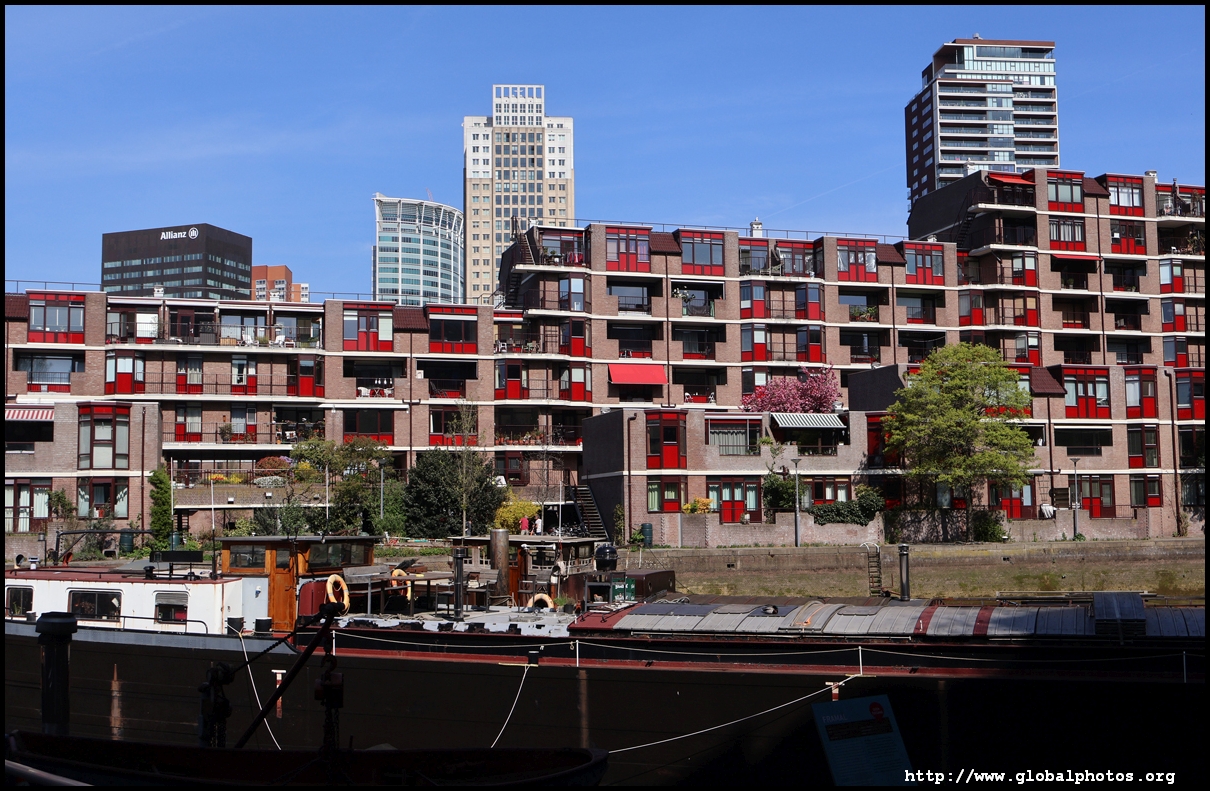
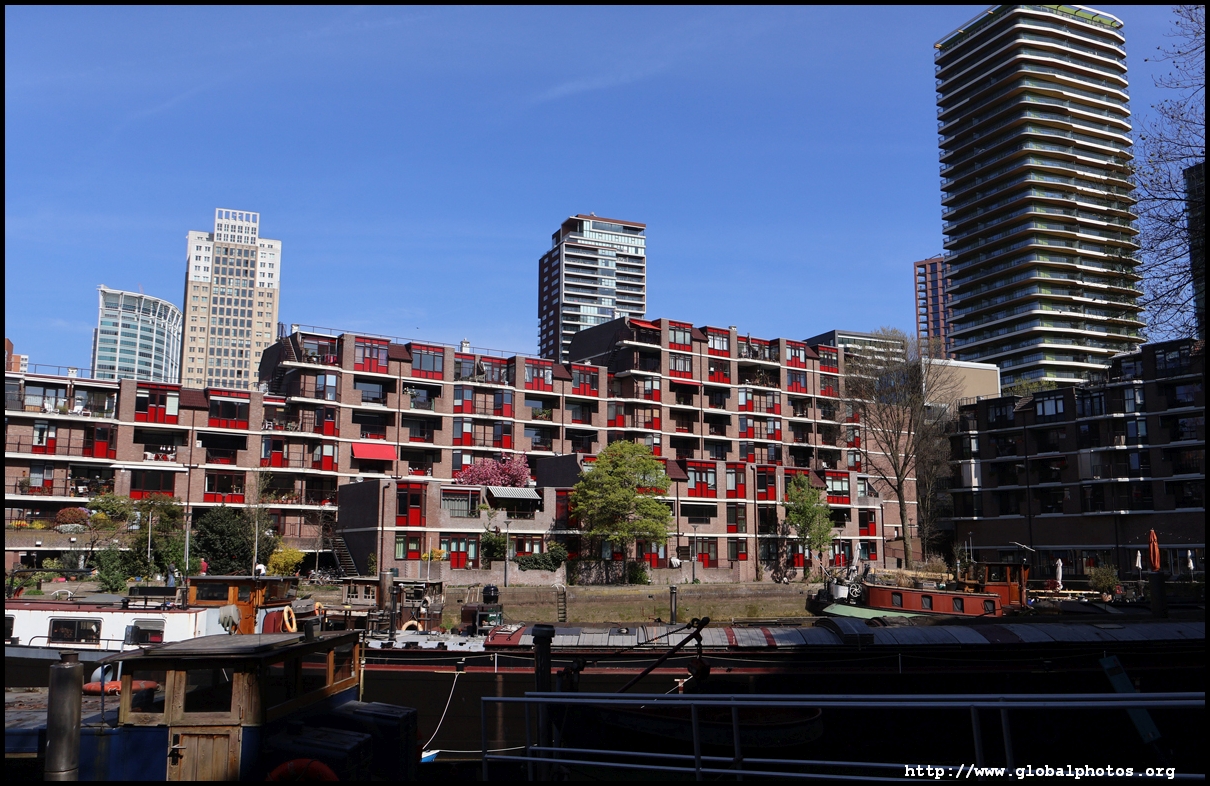
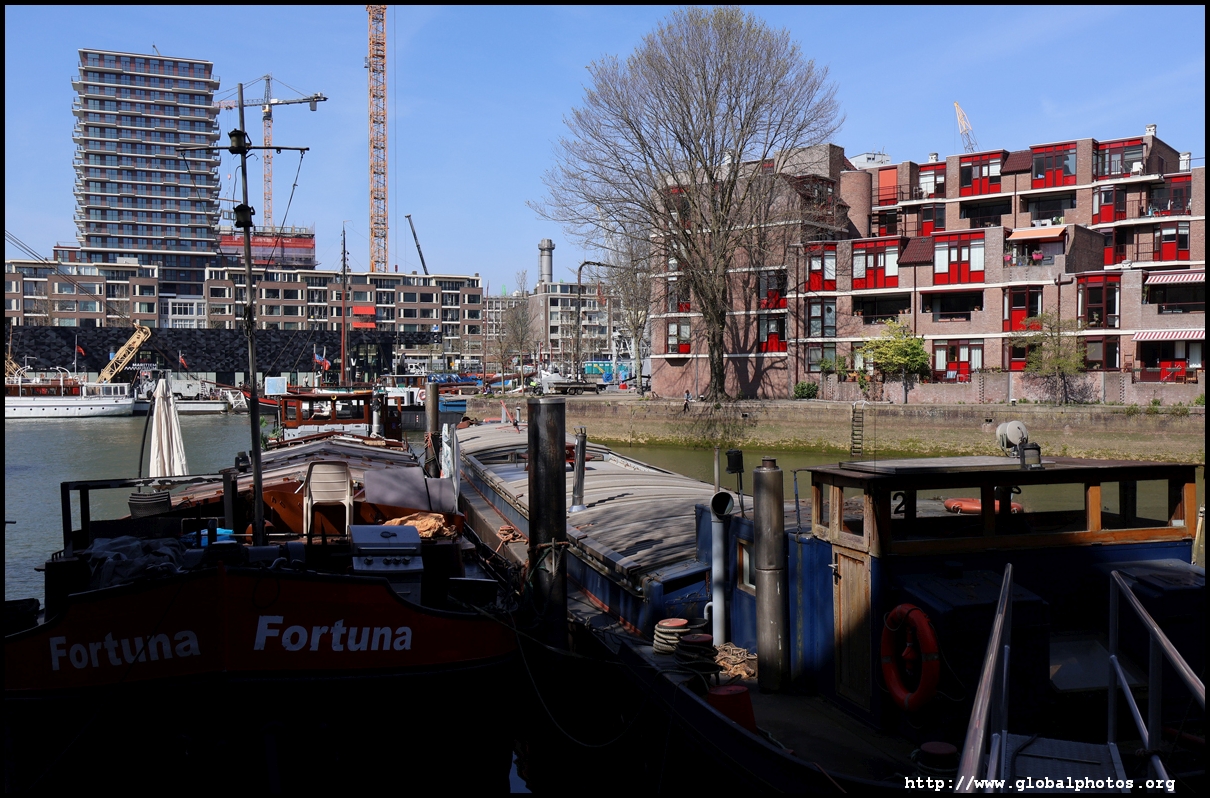
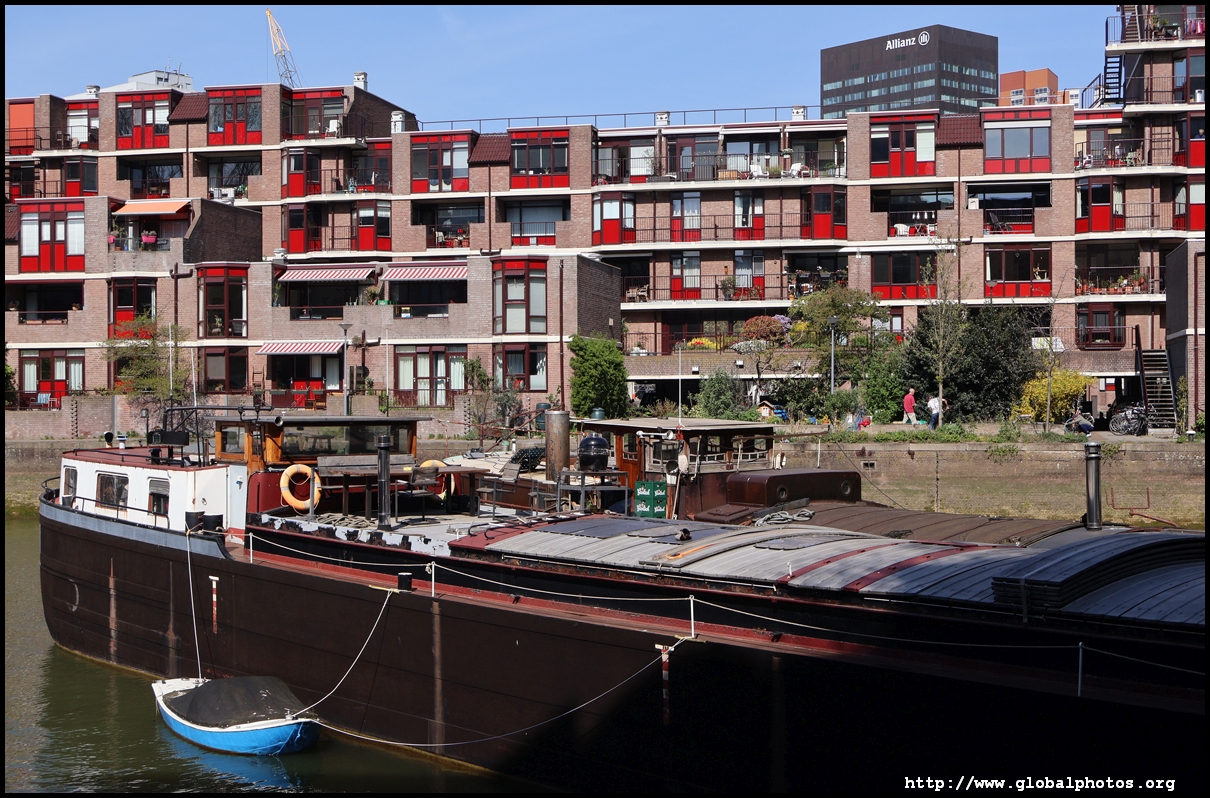
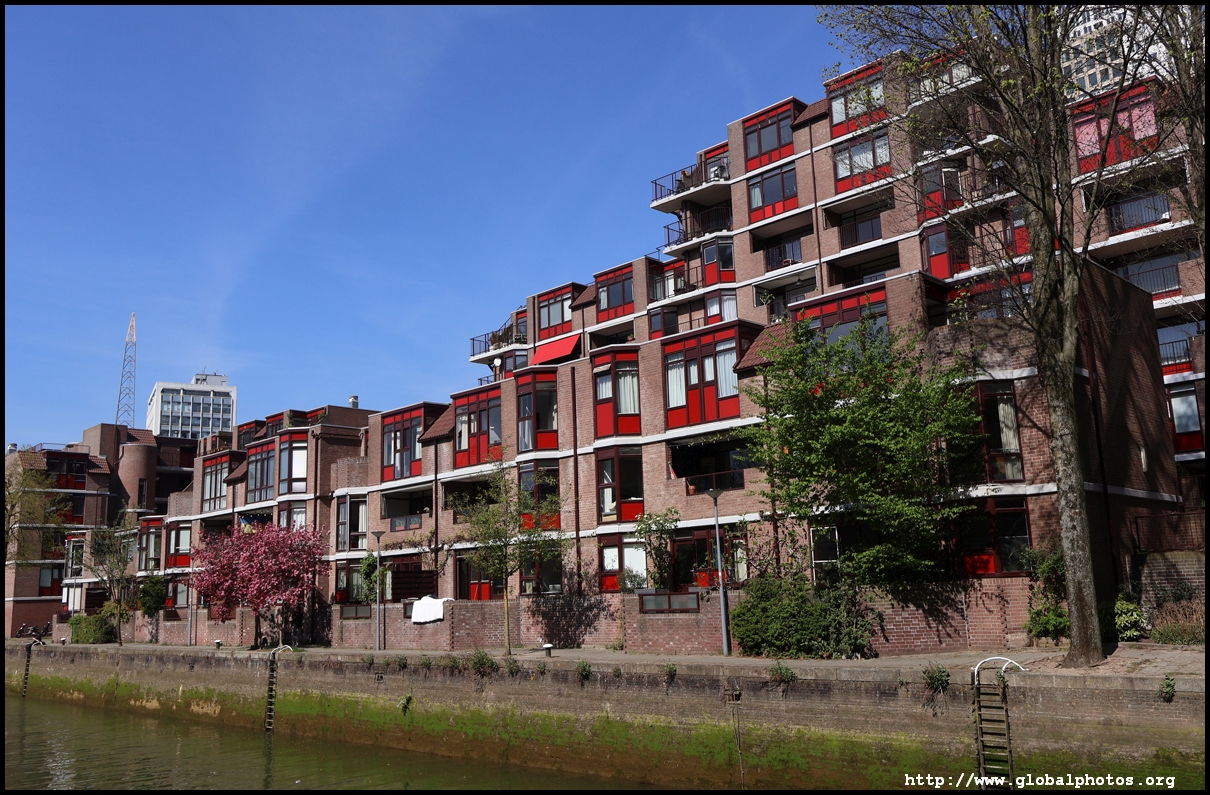
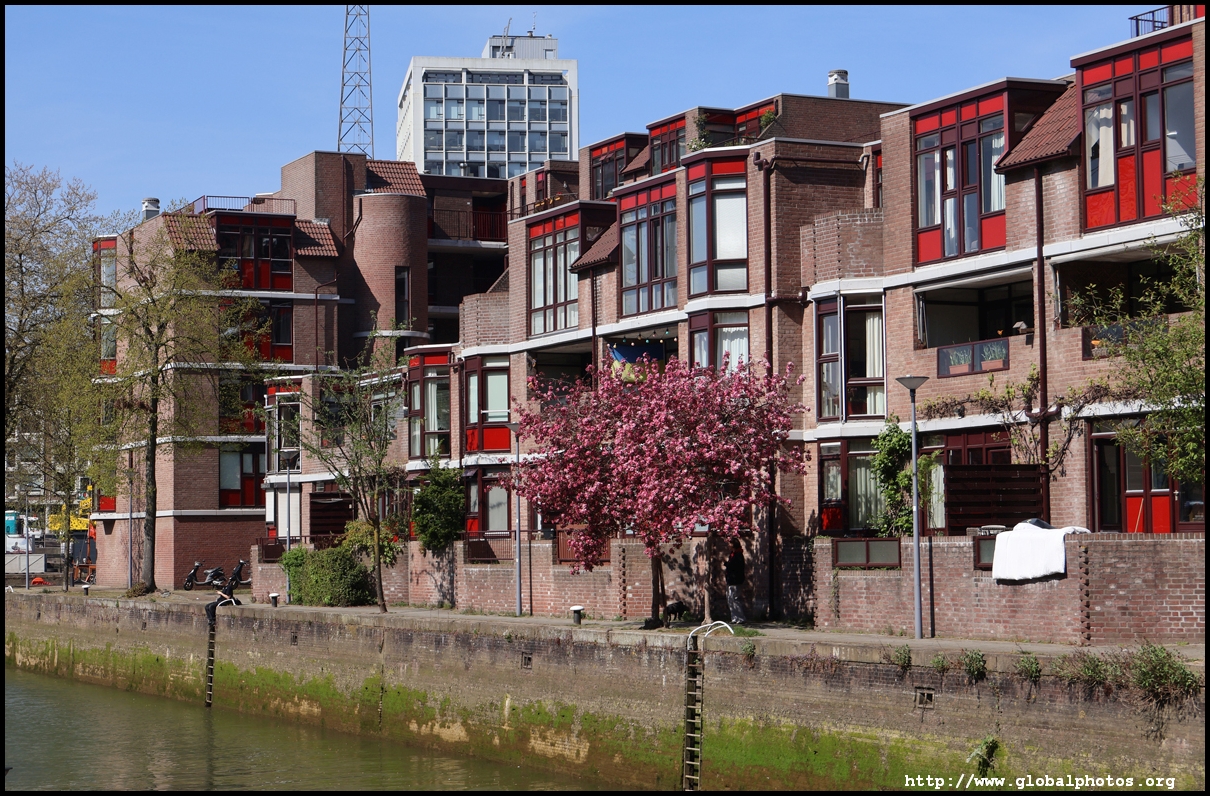
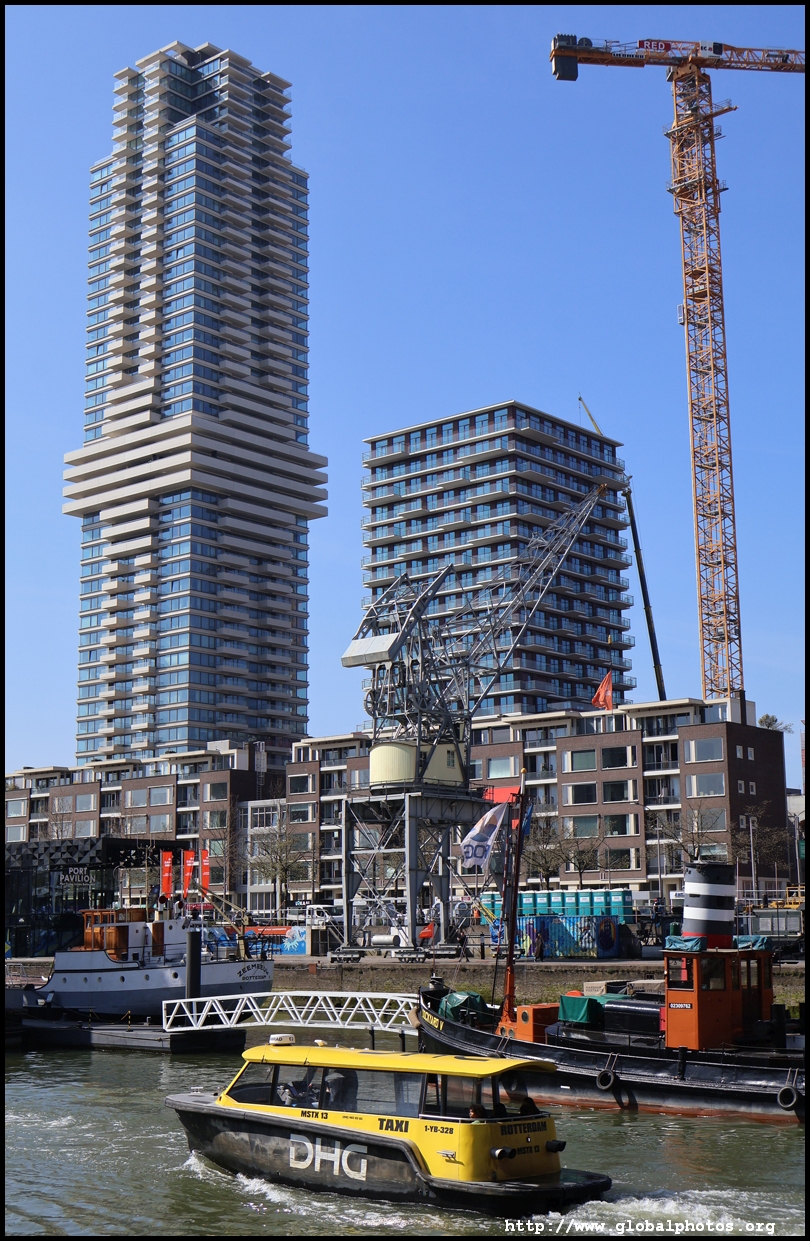
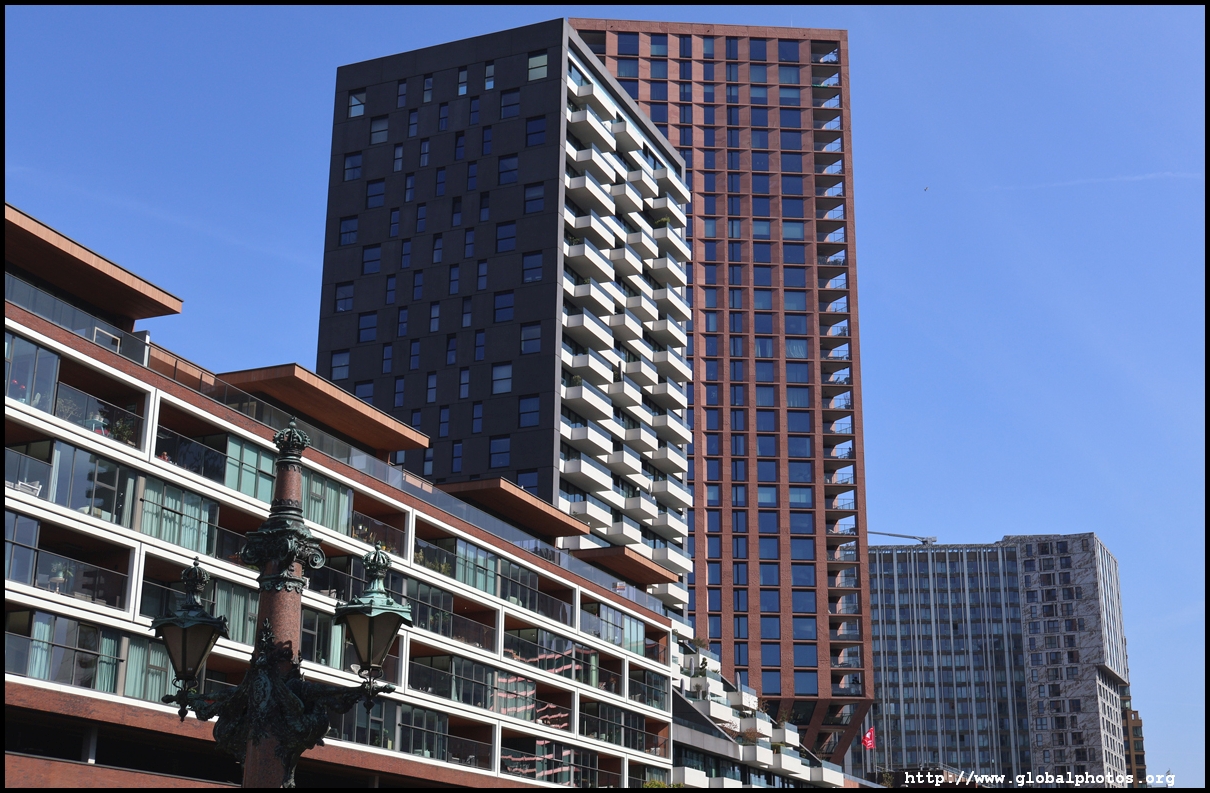
On the eastern side of Leuvehaven are residential buildings where residents enjoy the views in very serene surroundings. There won't be much tourist traffic here.
|
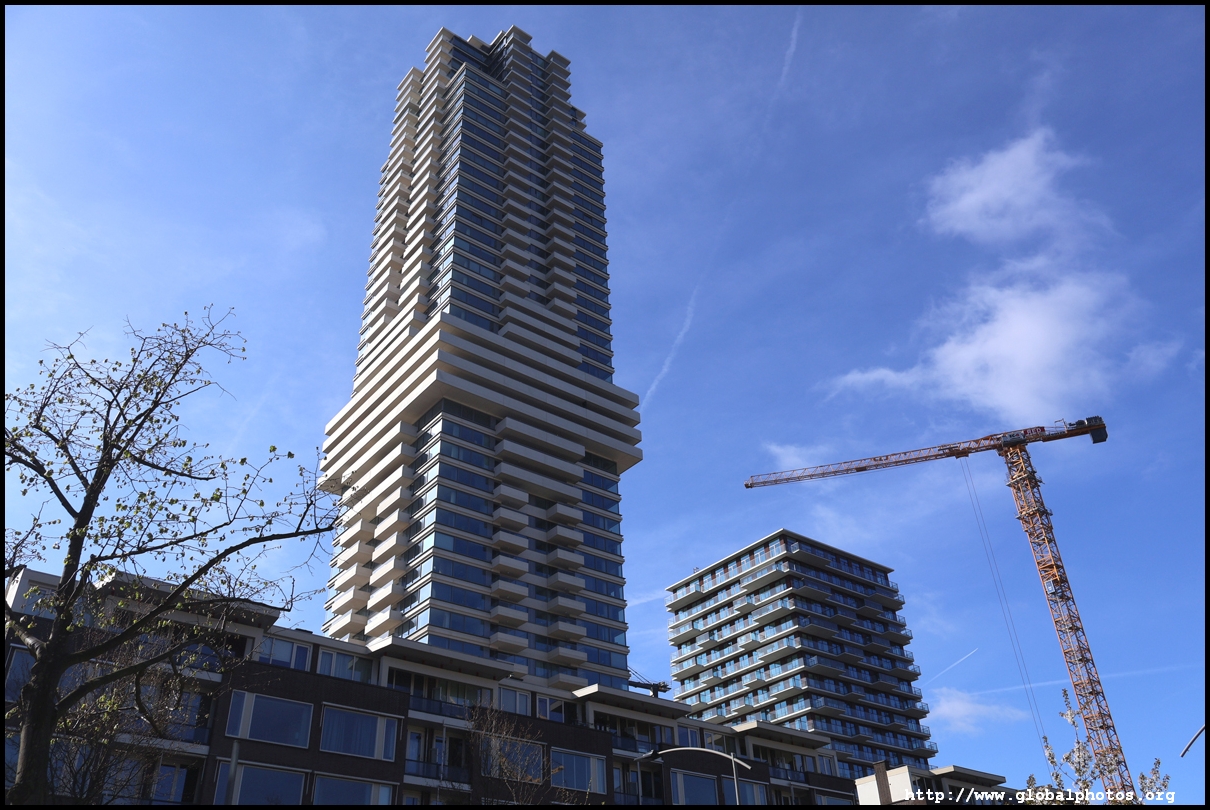
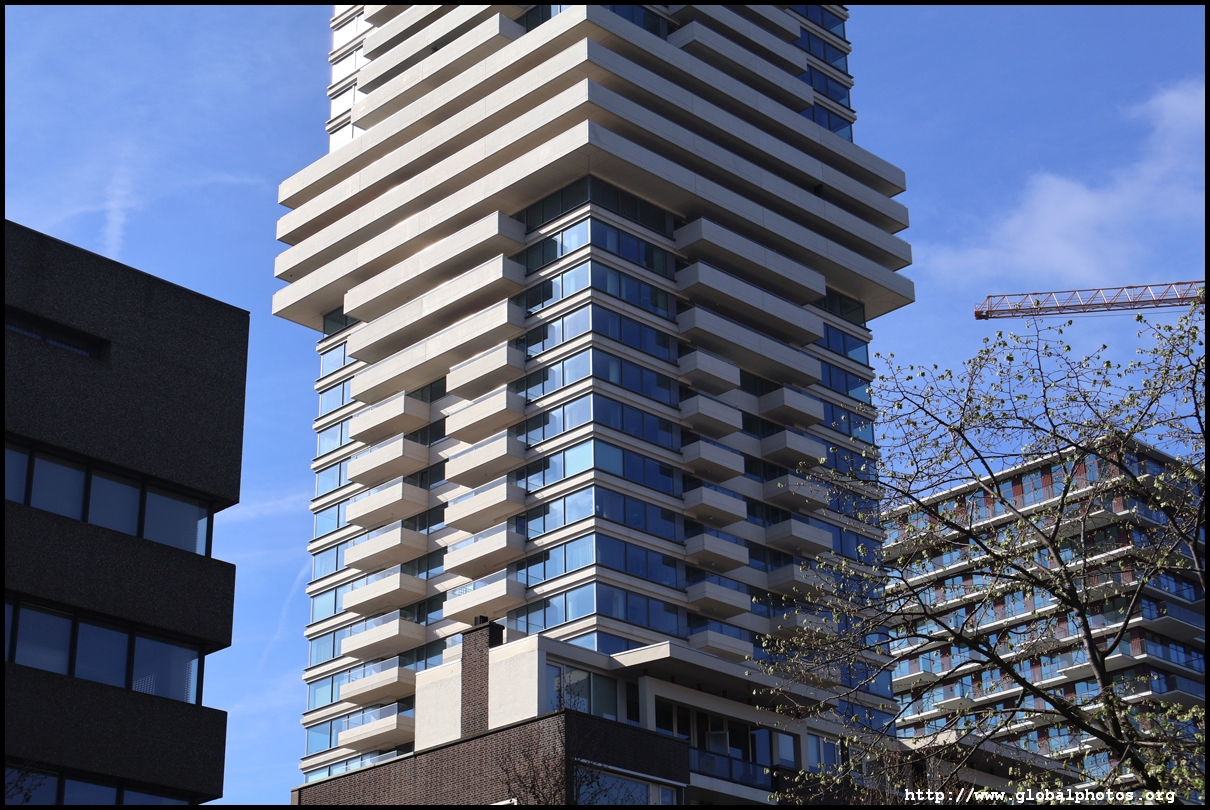
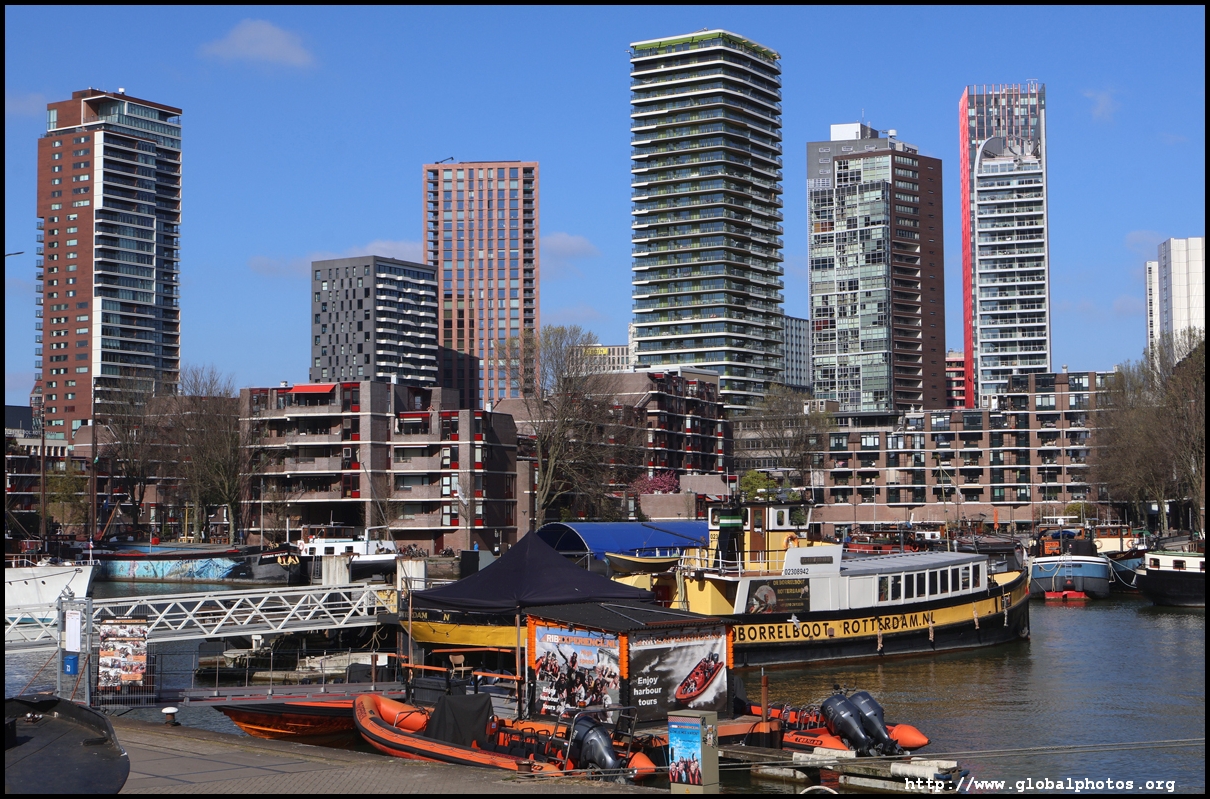
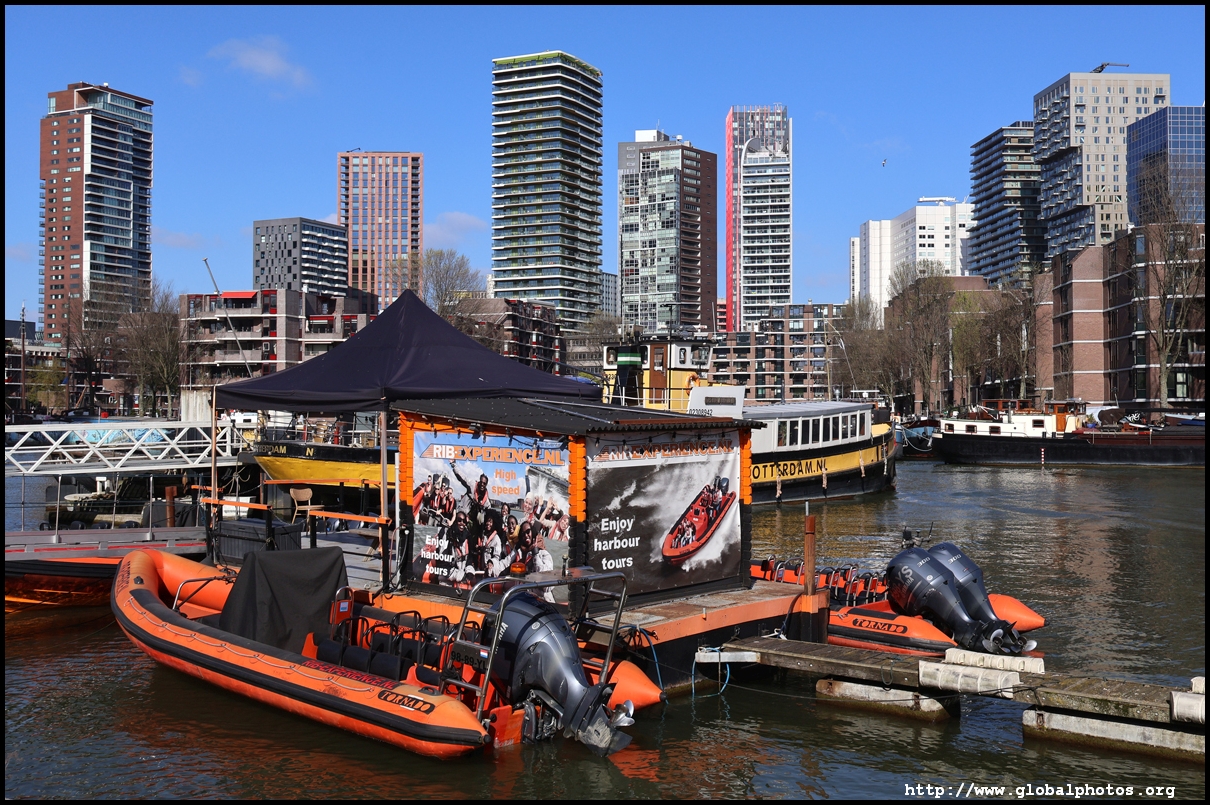
To re-use these photos, please notify me by email : asiaglobe@yahoo.com.hk.