This part of western Tokyo came to fame after the 1923 earthquake. It was a newer part of the city, with Shibuya and Harajuku becoming a fashionable area favoured by the young. Harajuku was in particular more international thanks to the Olympic village that was placed here for the 1964 Olympics.
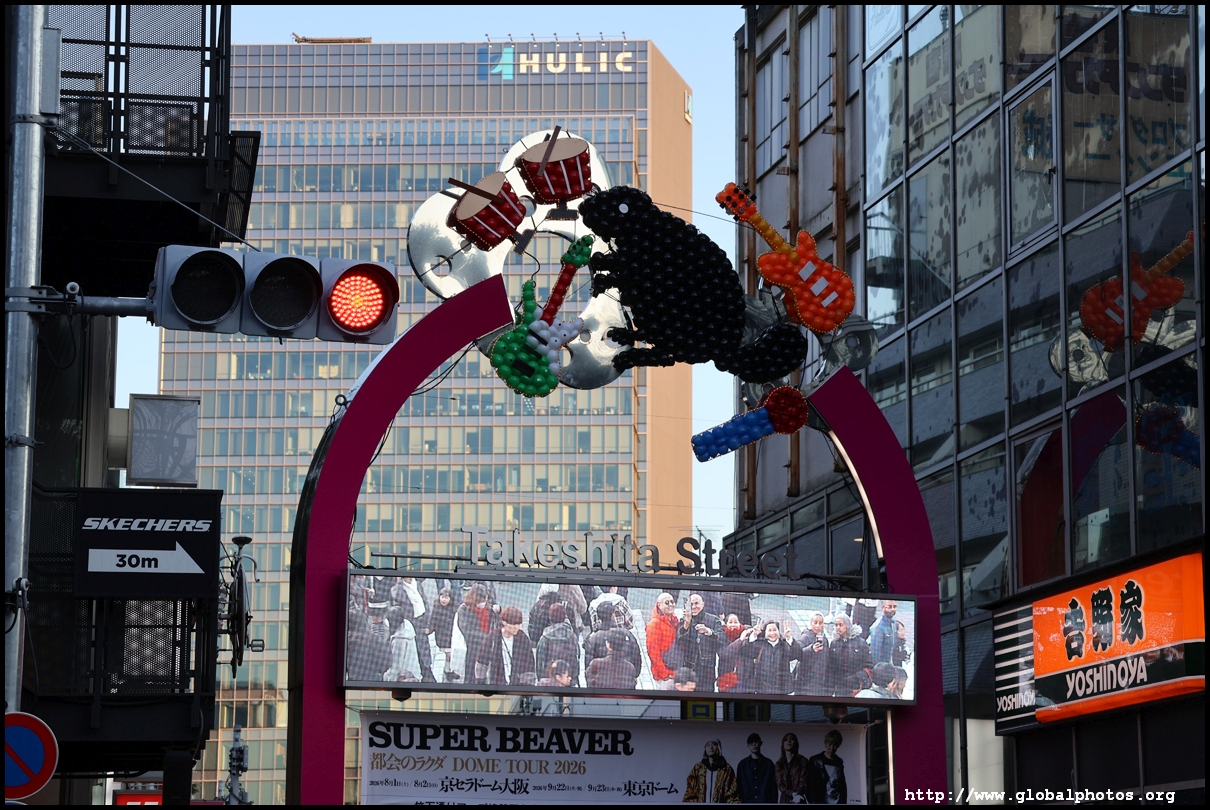
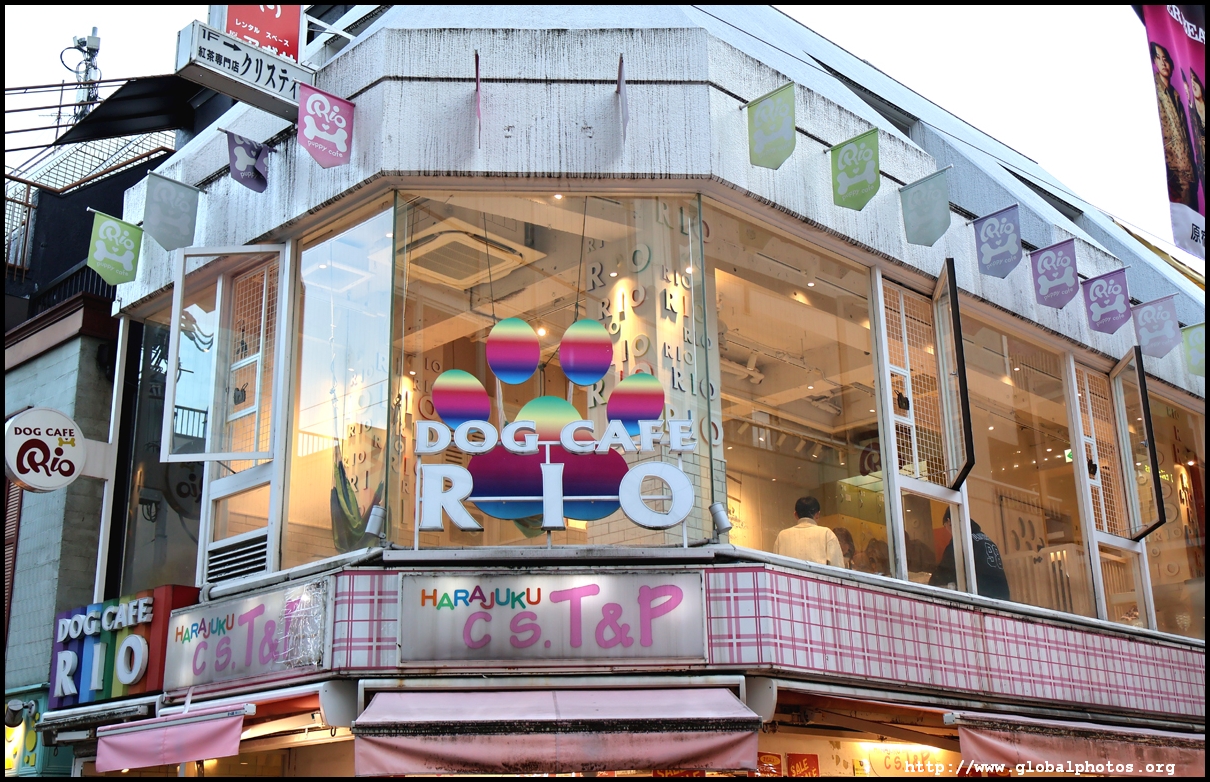
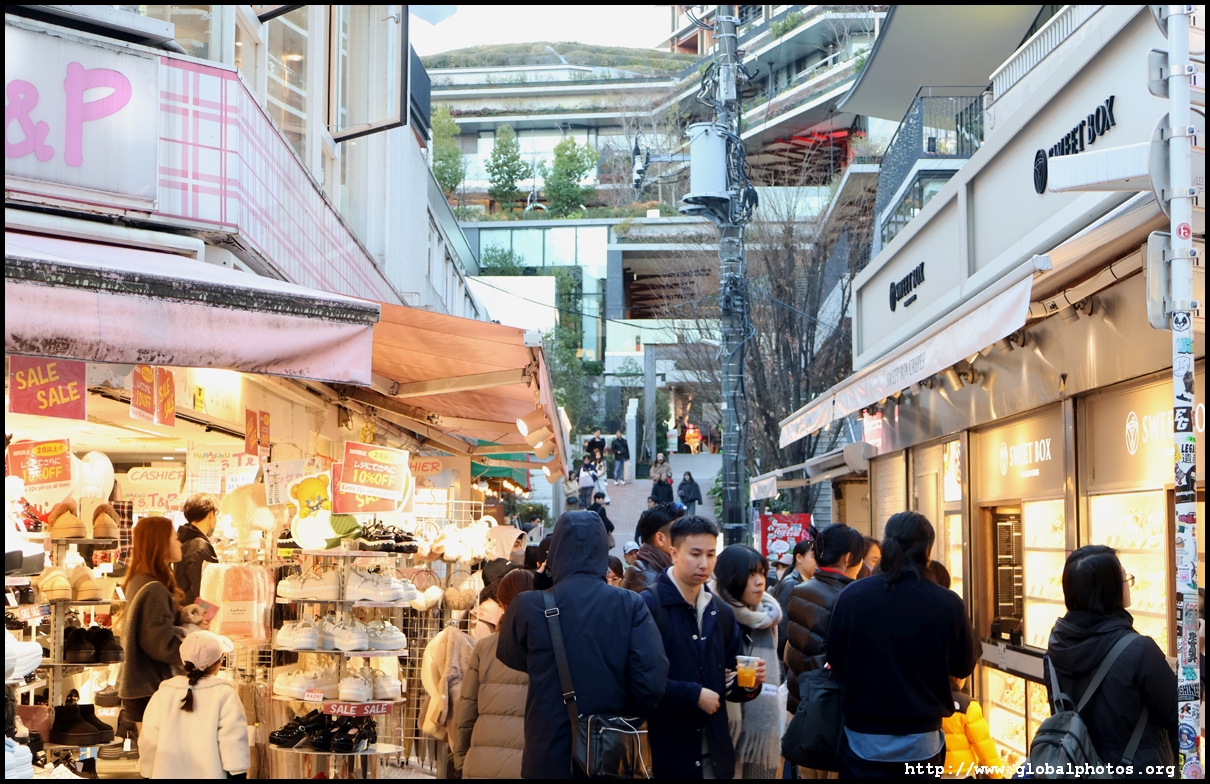
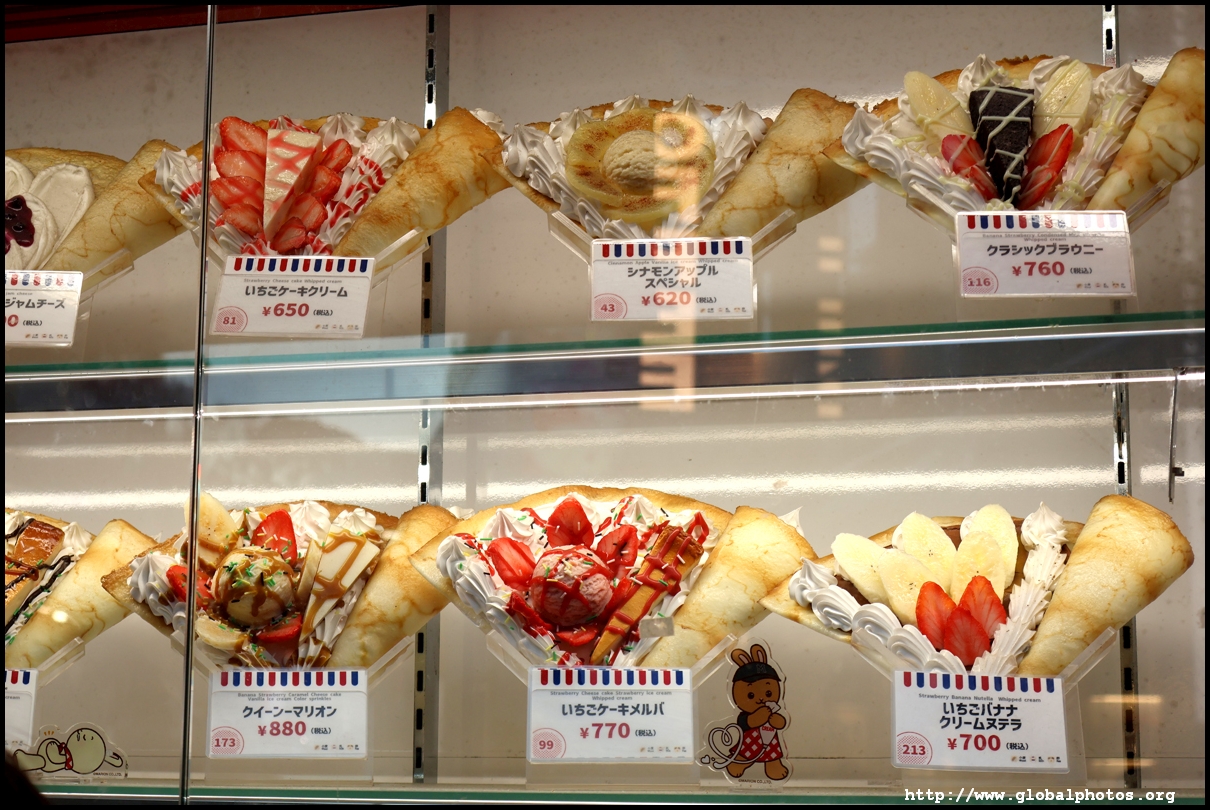
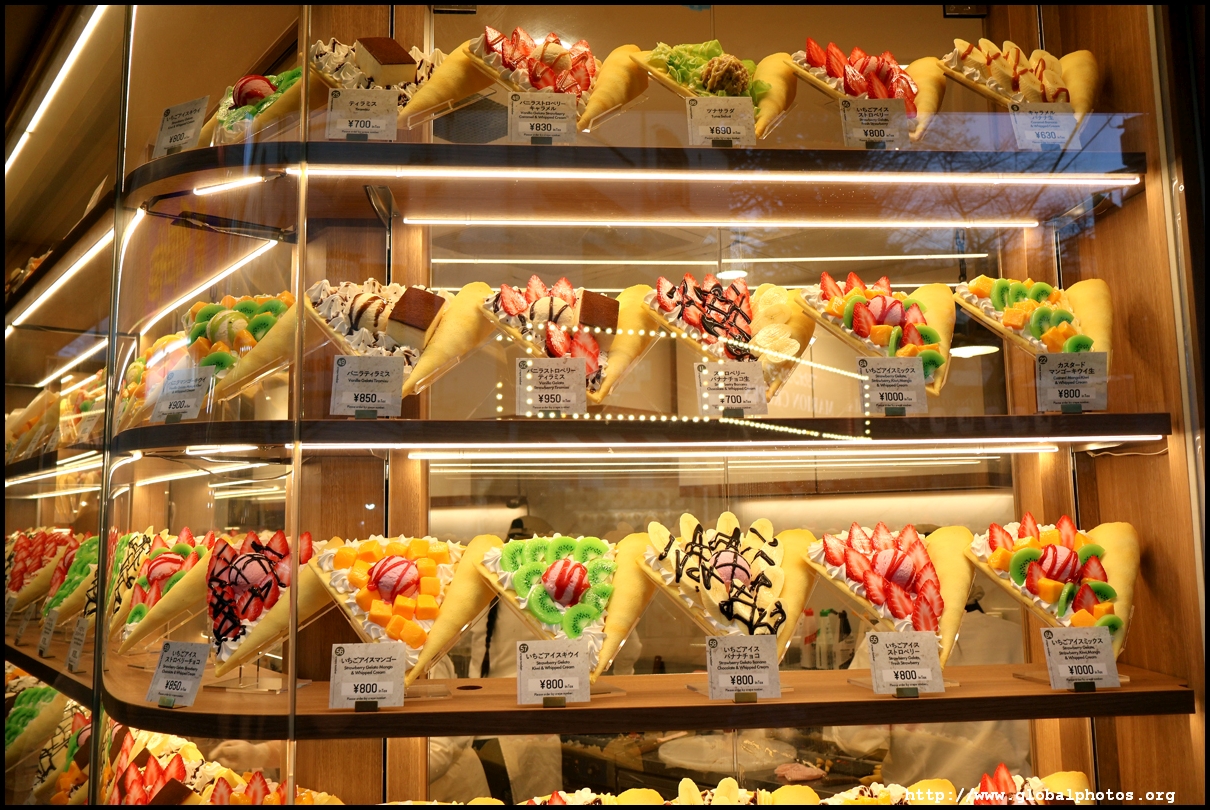
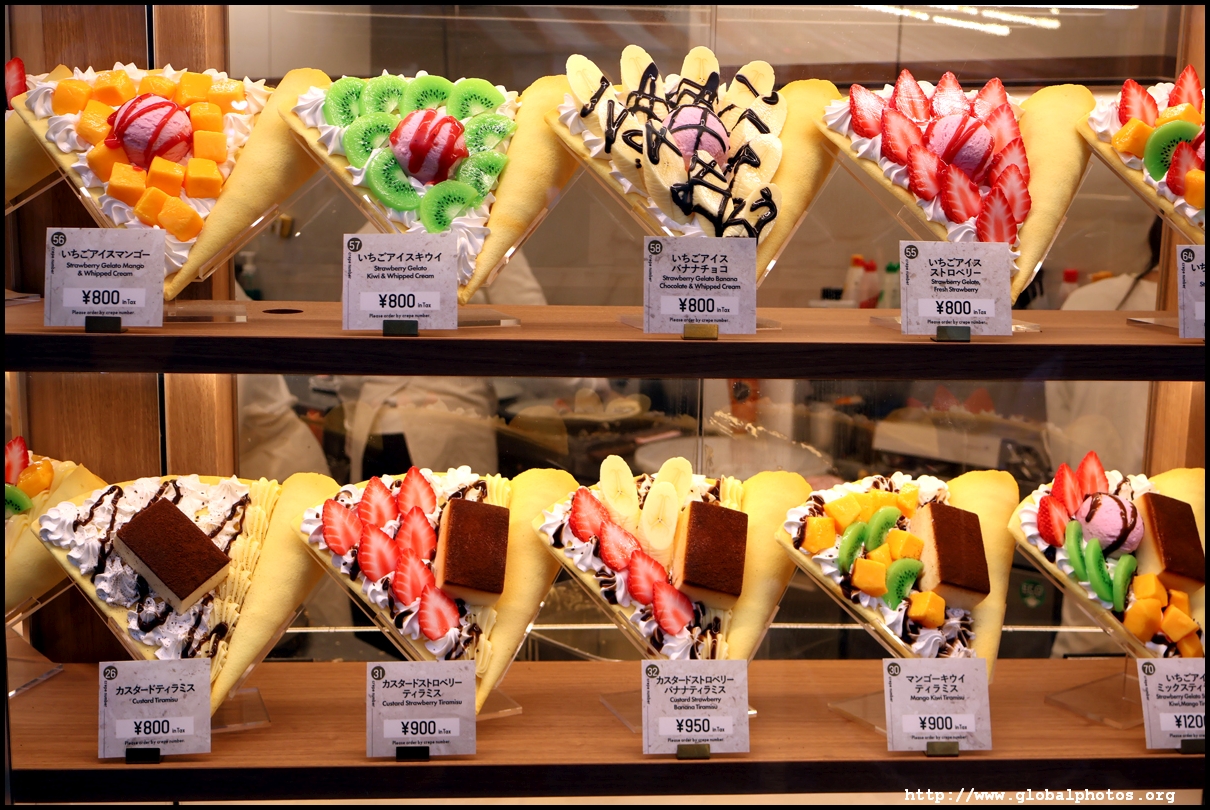
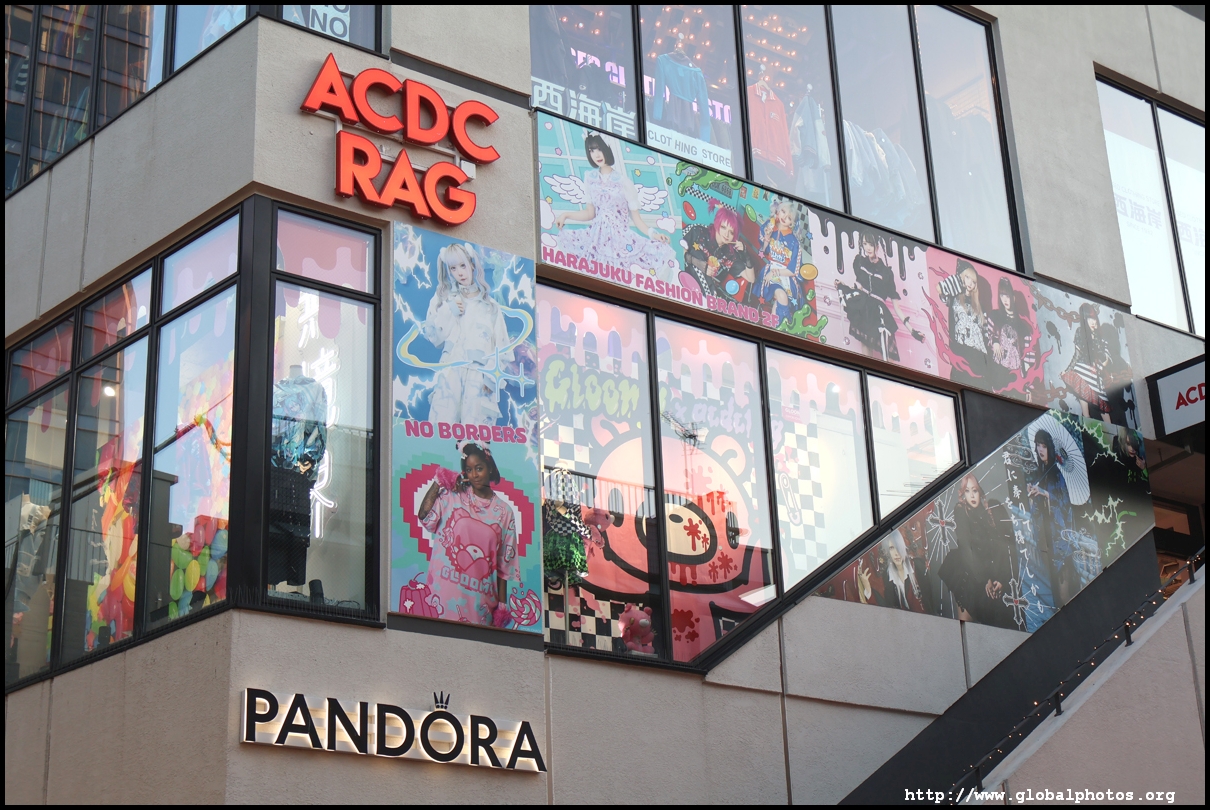
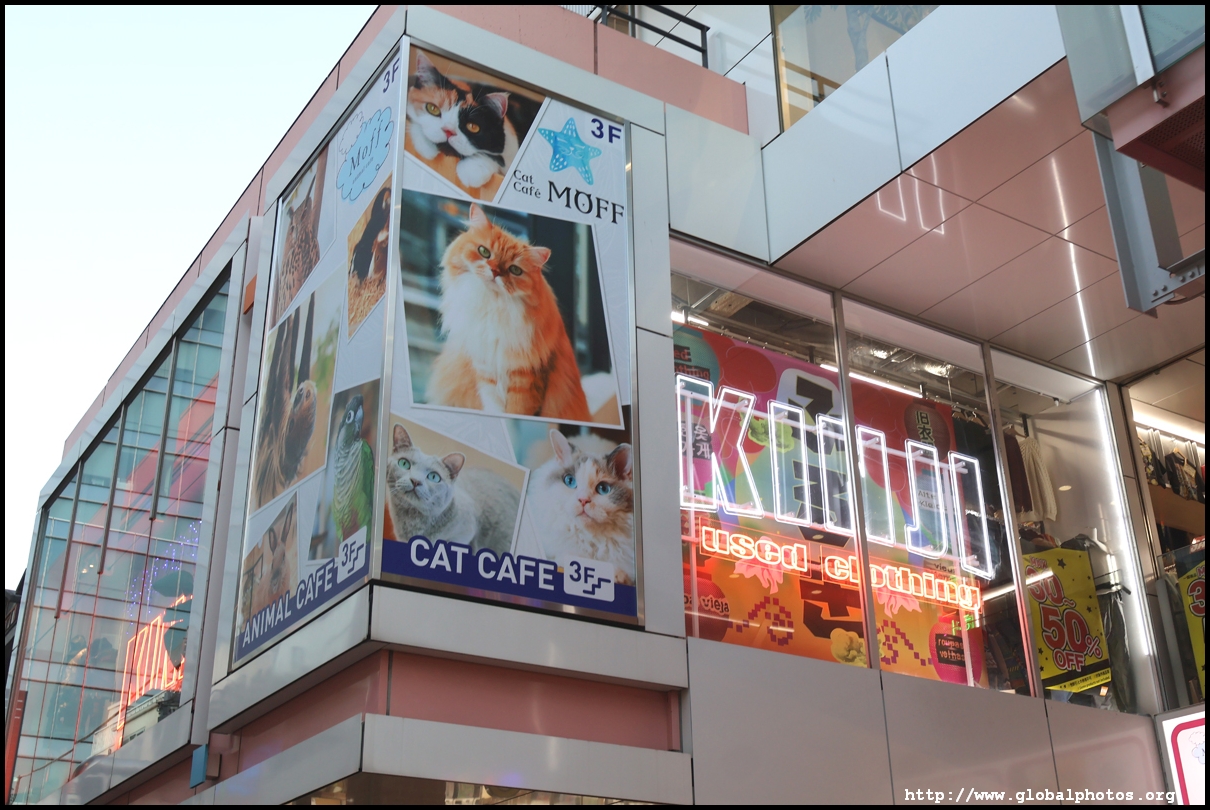
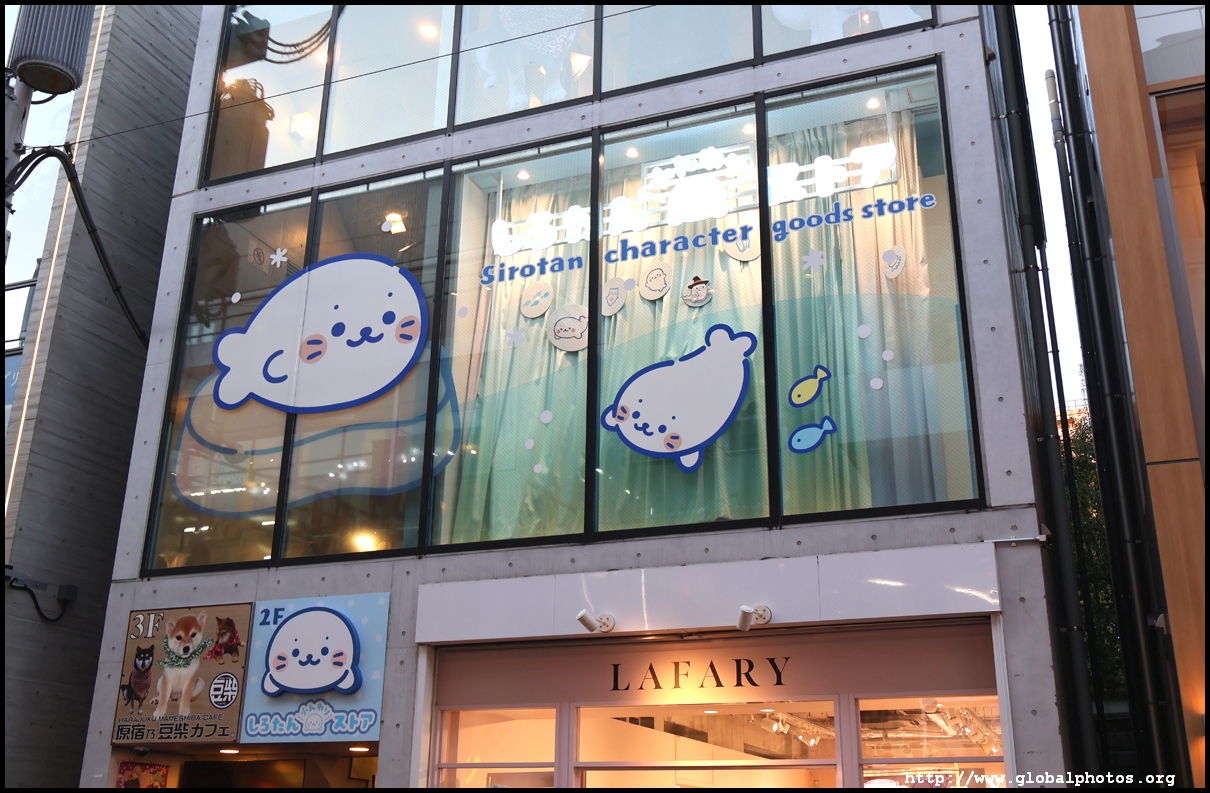
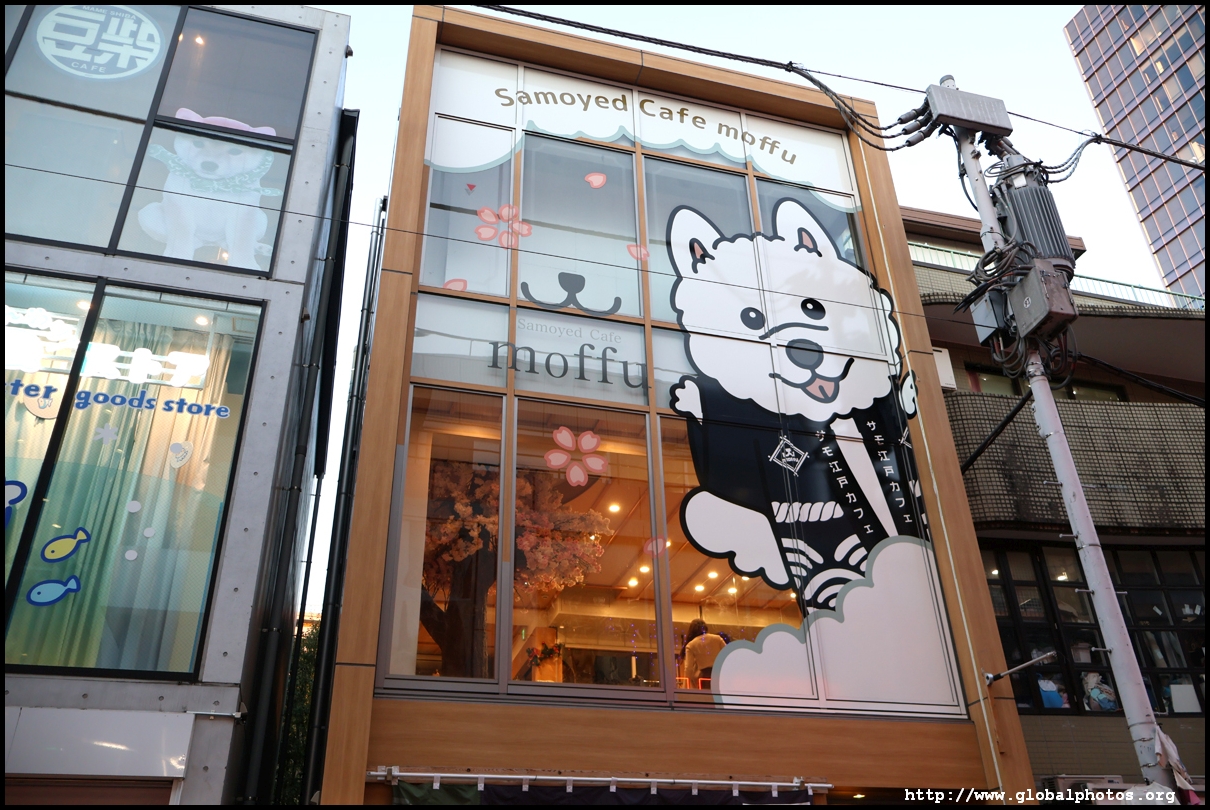
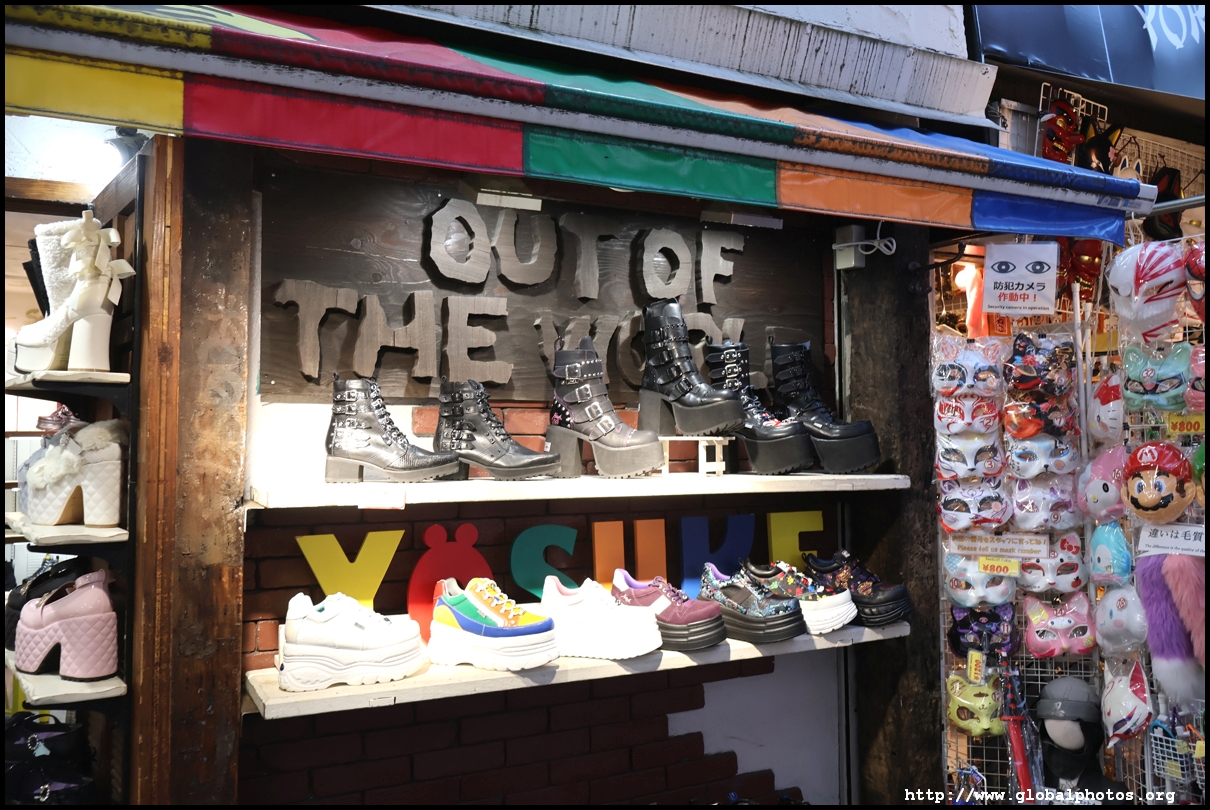
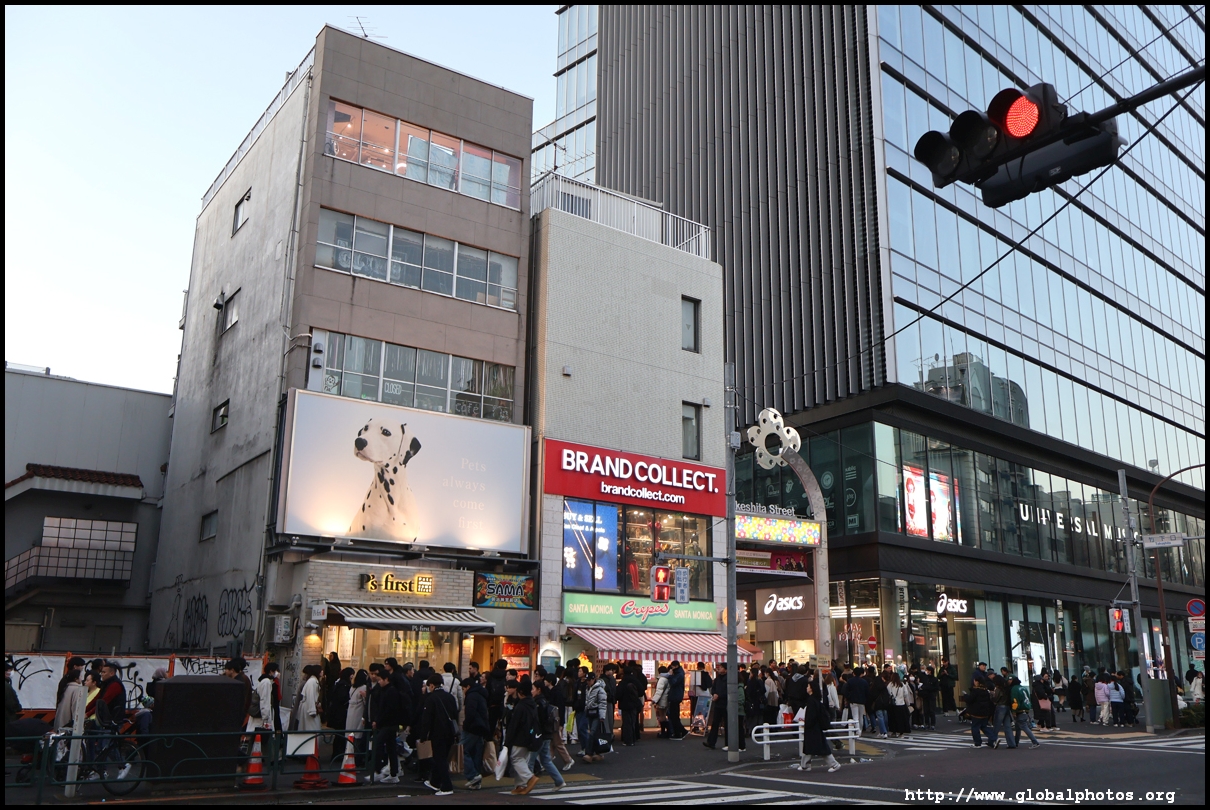
The travel guides have long described Harajuku as a fashion destination where trends are set and bought. However, the main Takeshita-dori pedestrian shopping street was choked with tourists and I saw a lot of shops but few were fashion-related. You can buy crepes, visit a pet cafe, and savour fast food instead.
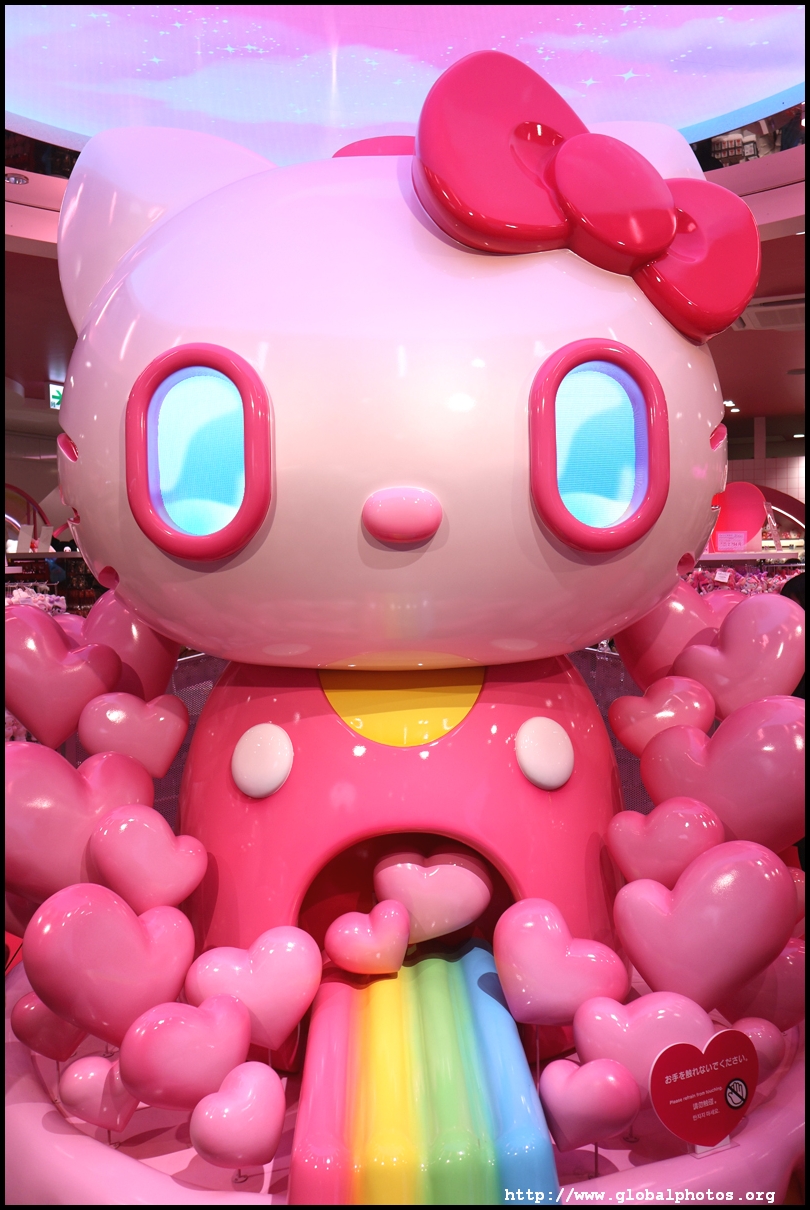
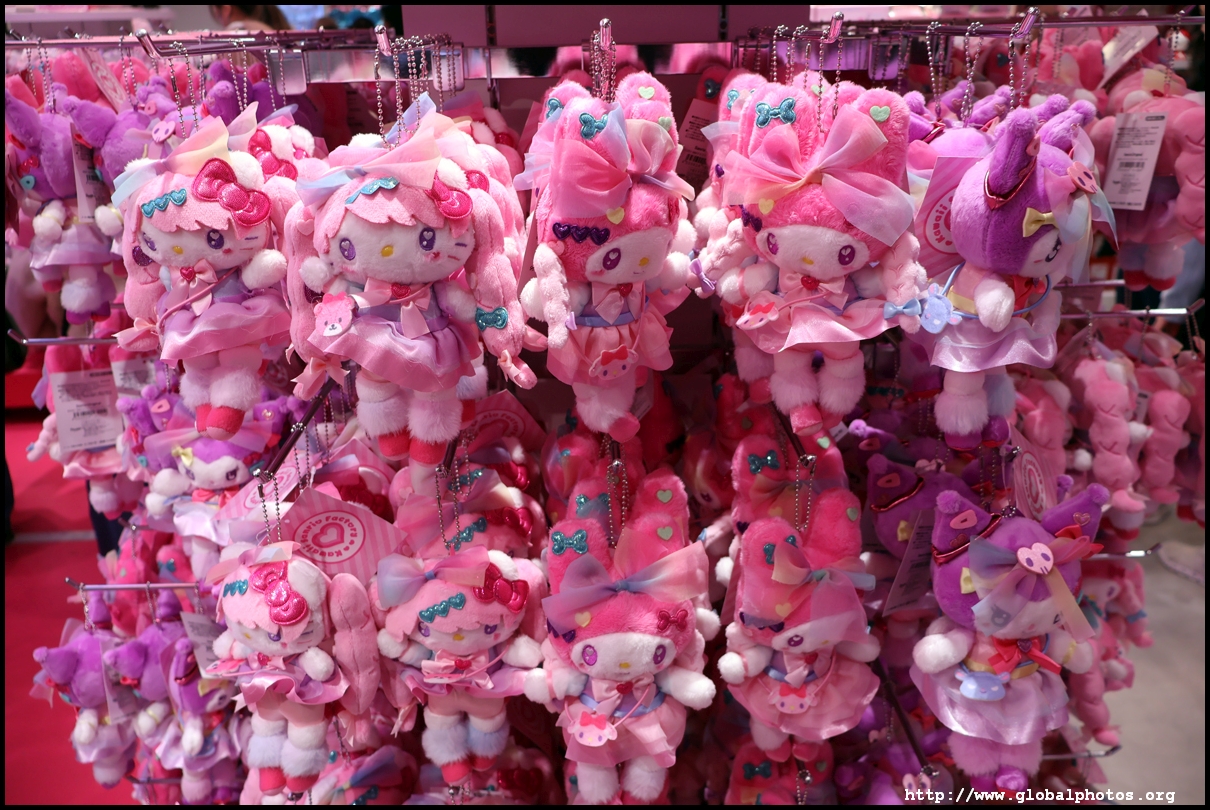
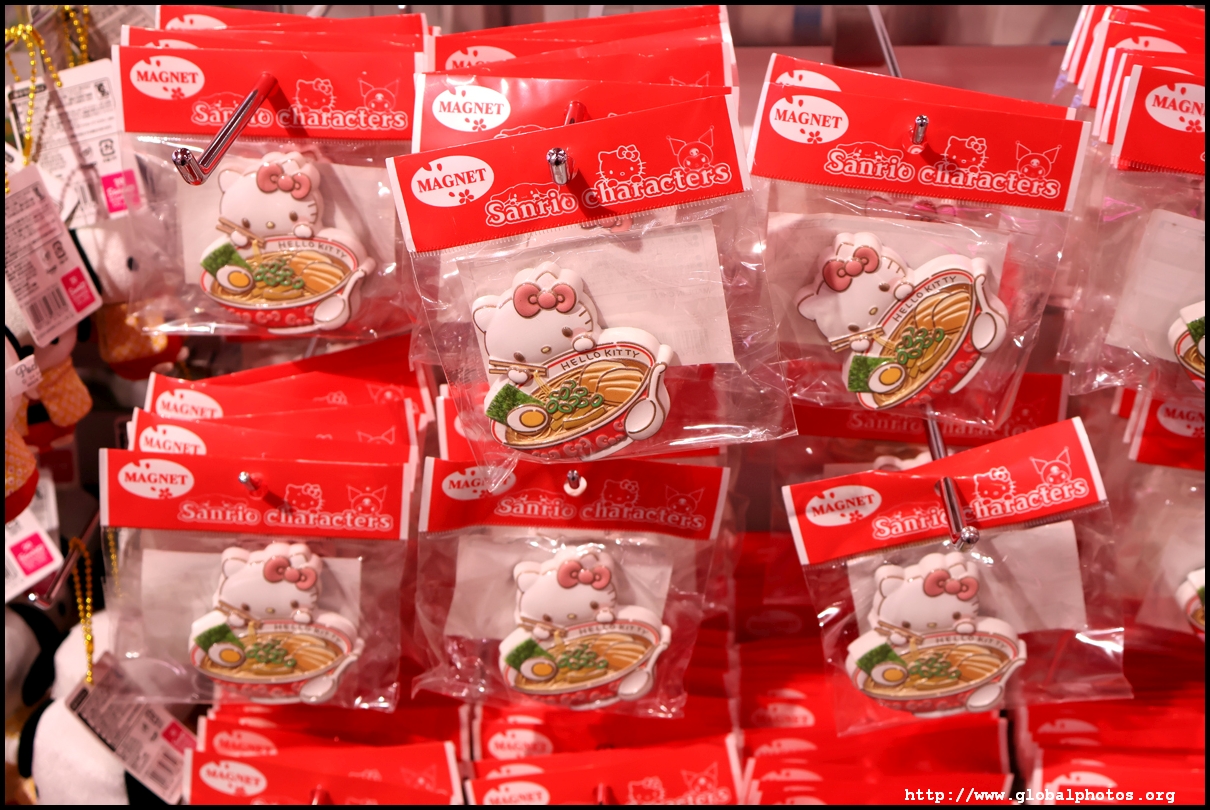
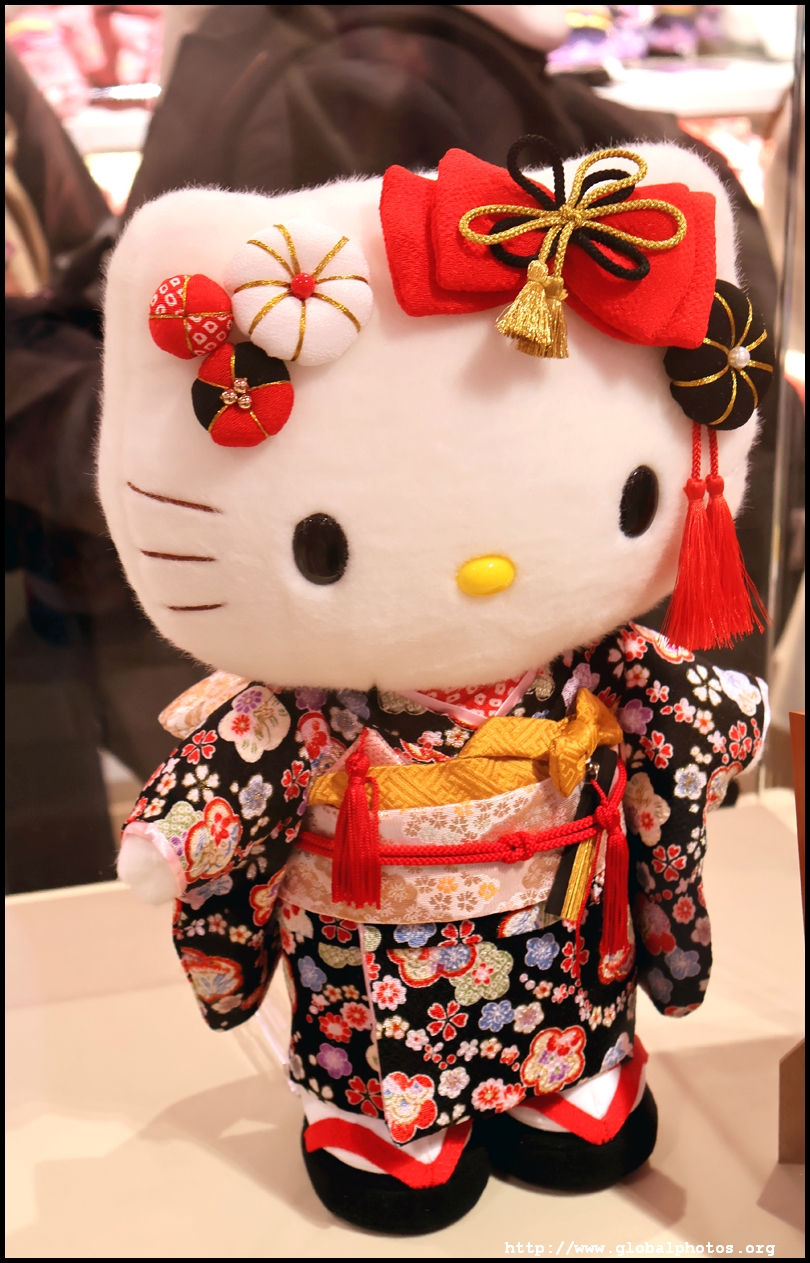
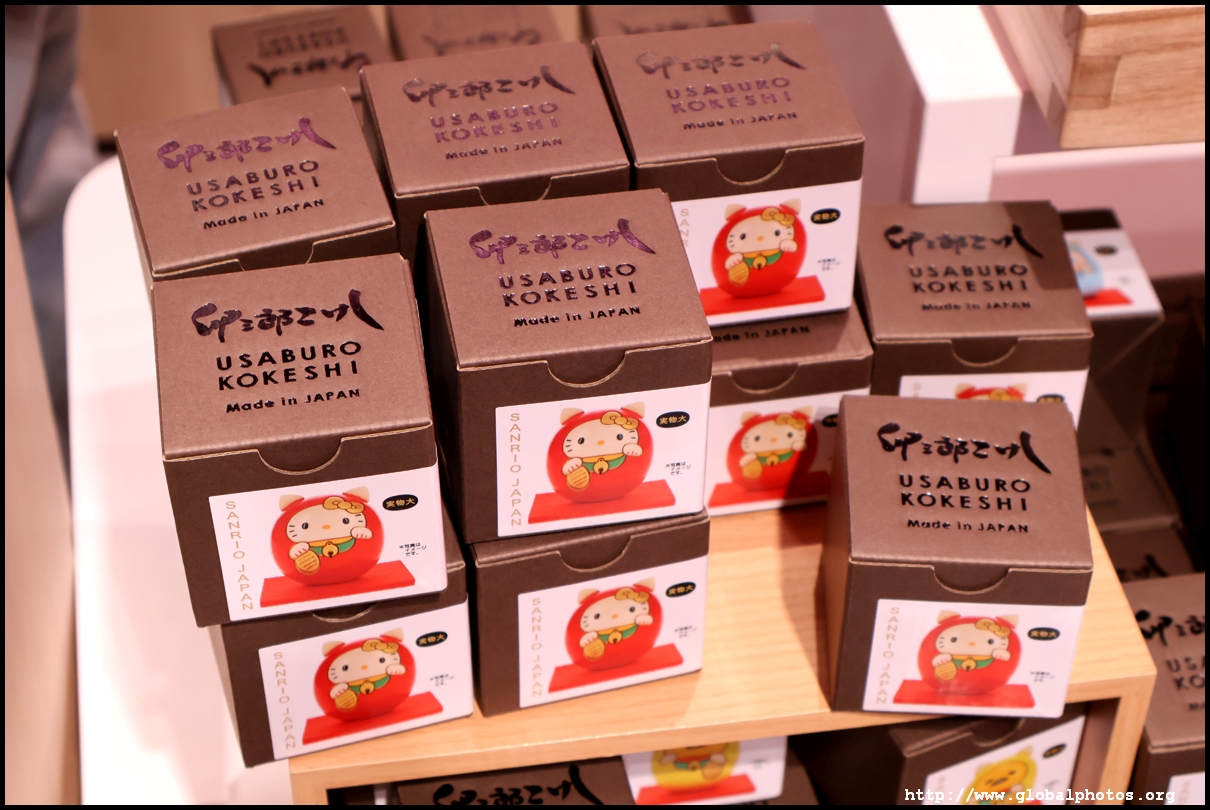
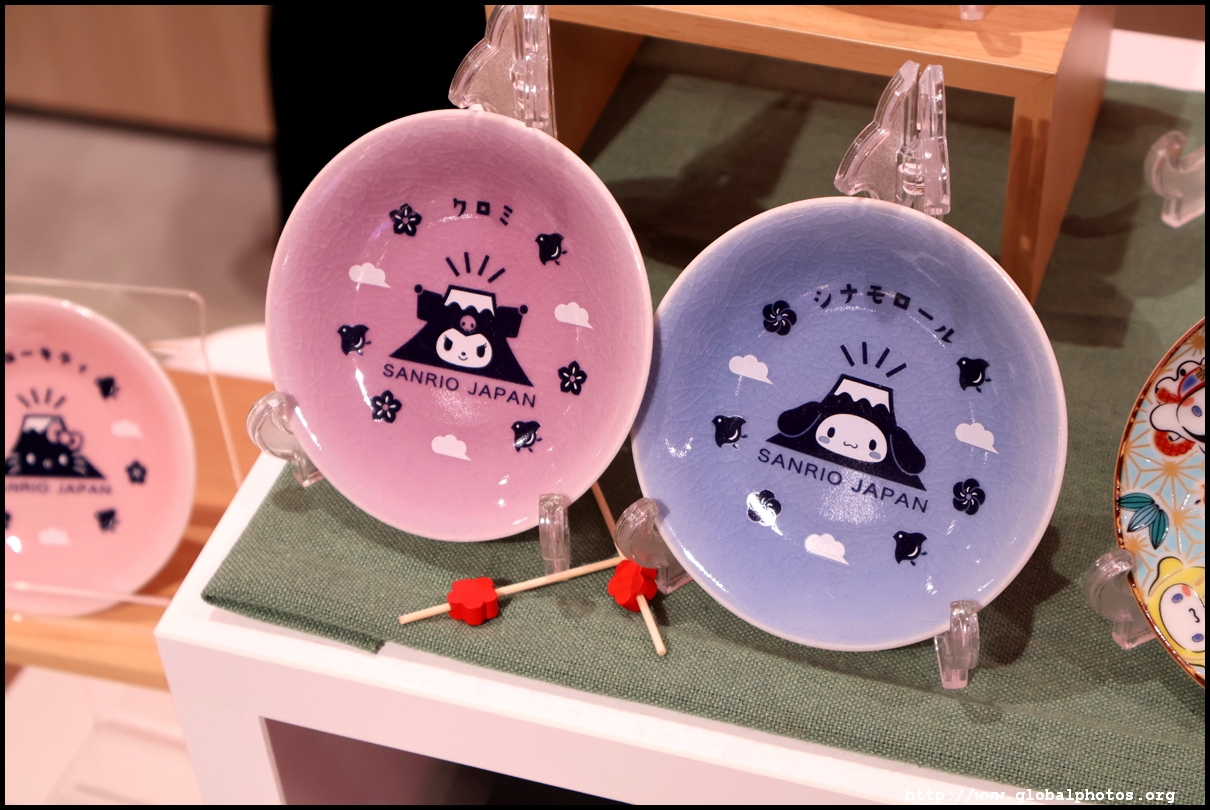
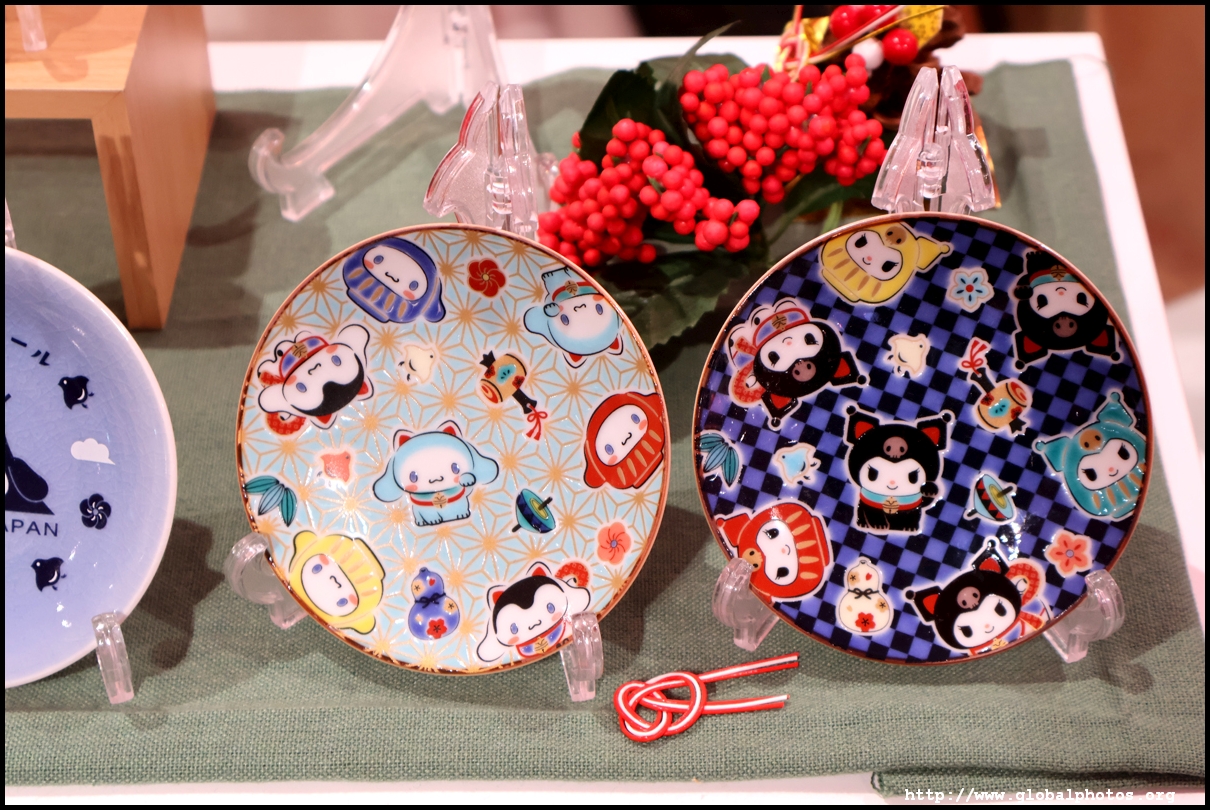
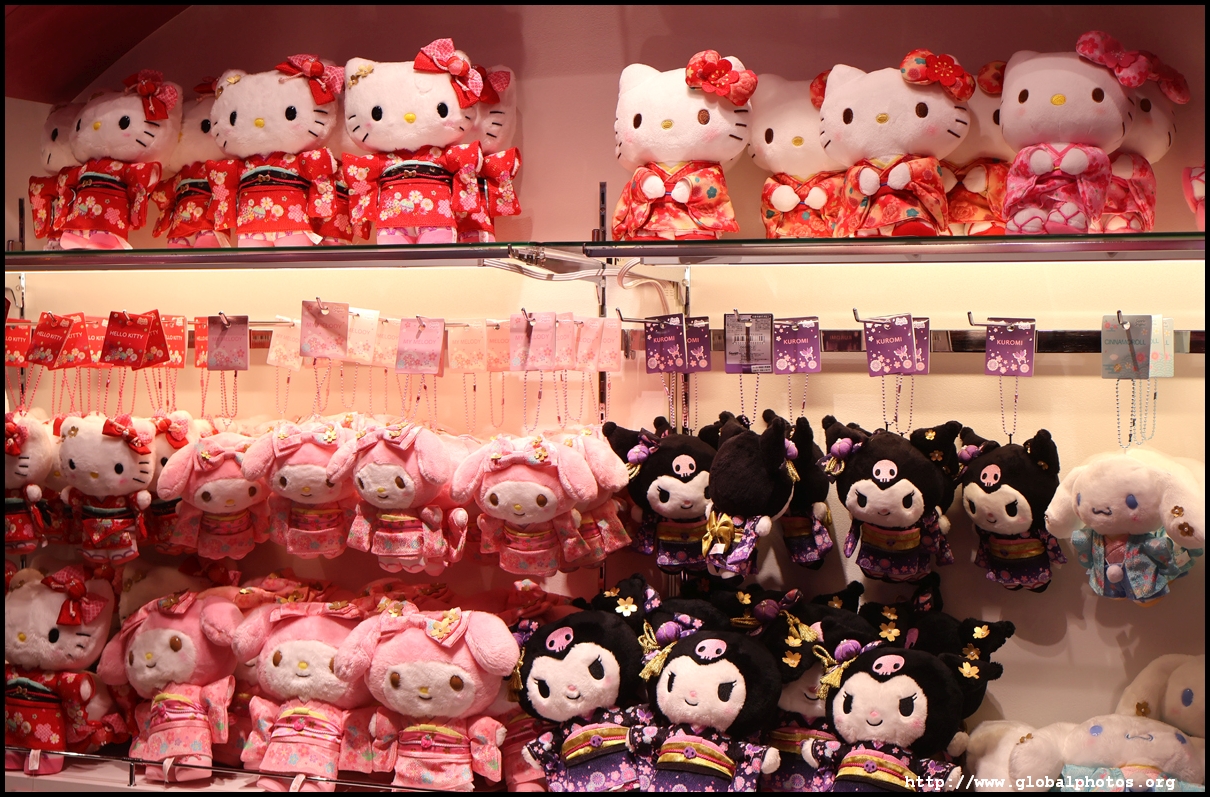
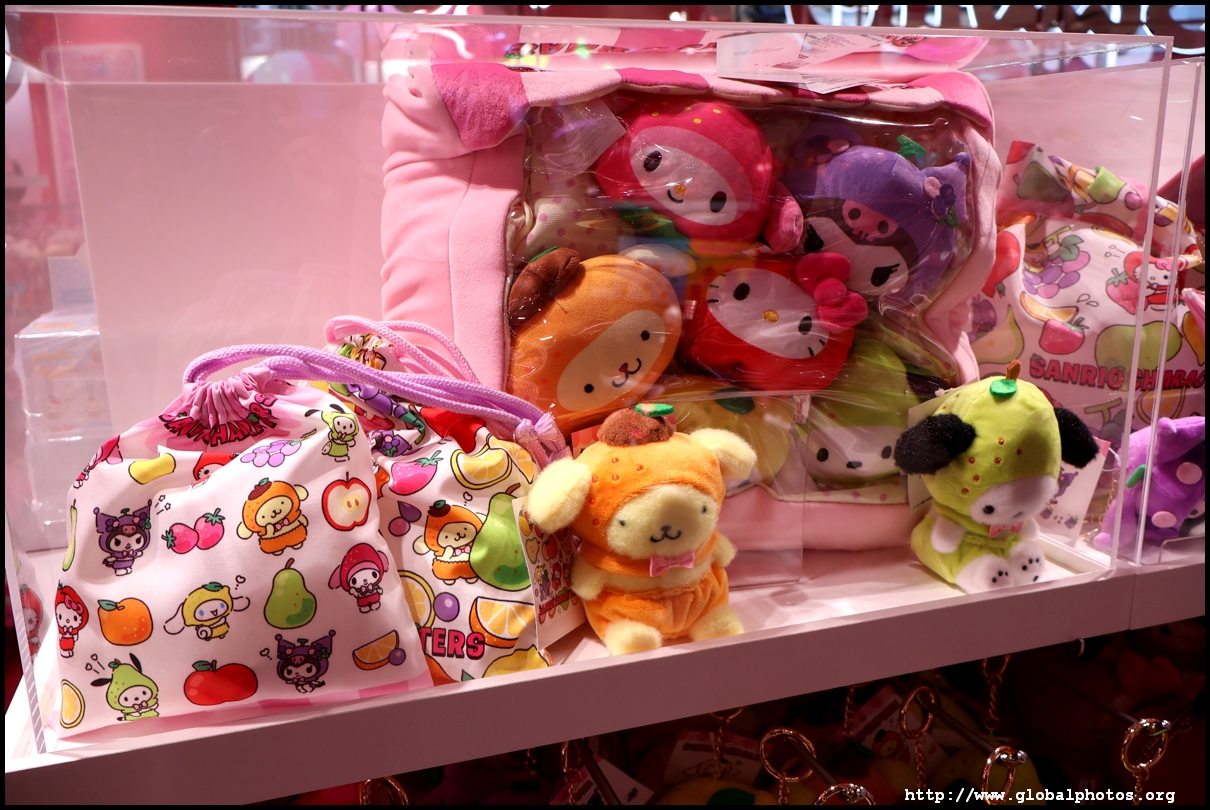
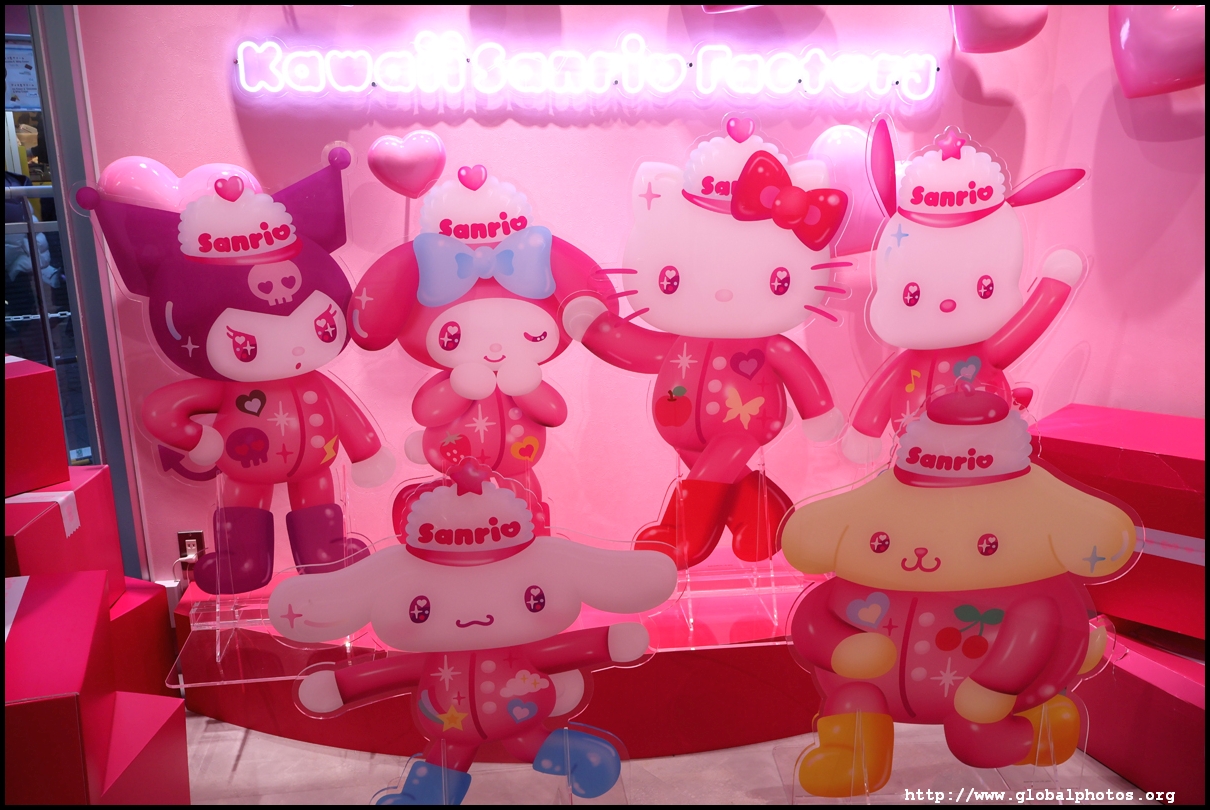
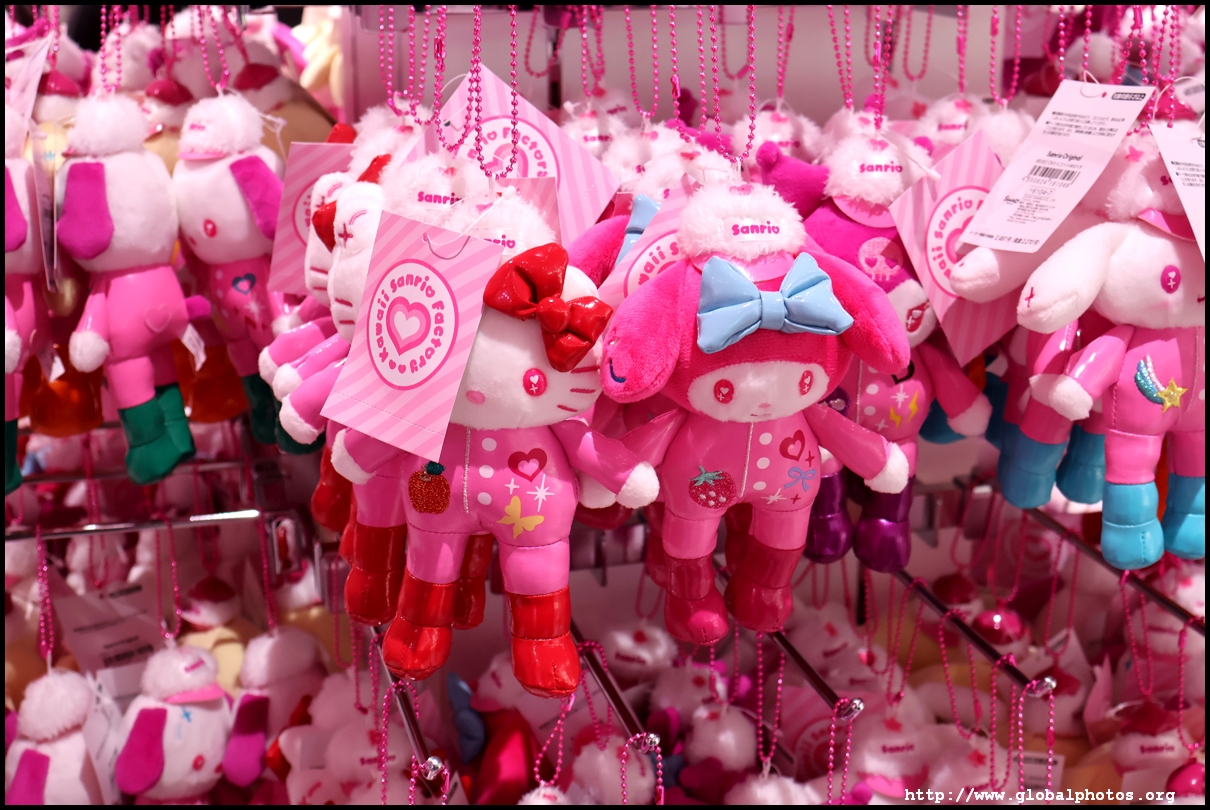
For Hello Kitty fans, there is a huge Sanrio store with all sorts of merchandise you probably haven't seen outside Japan.
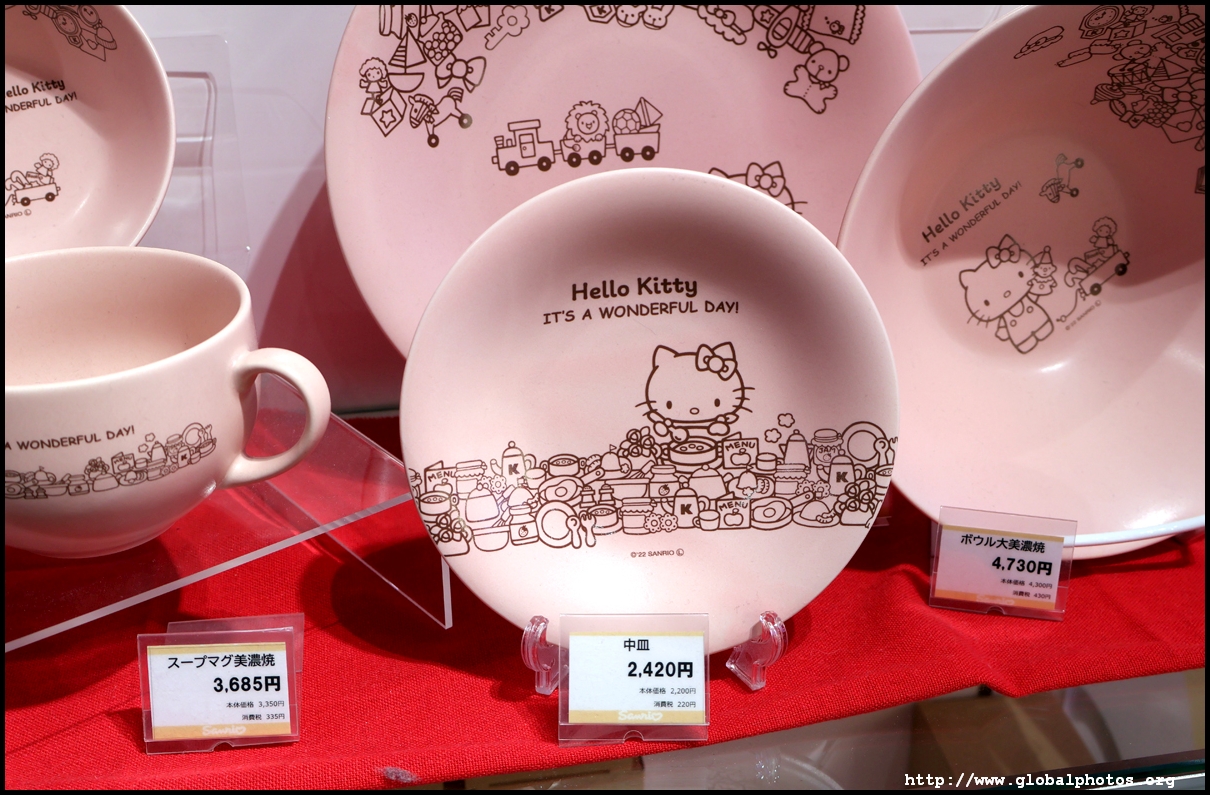
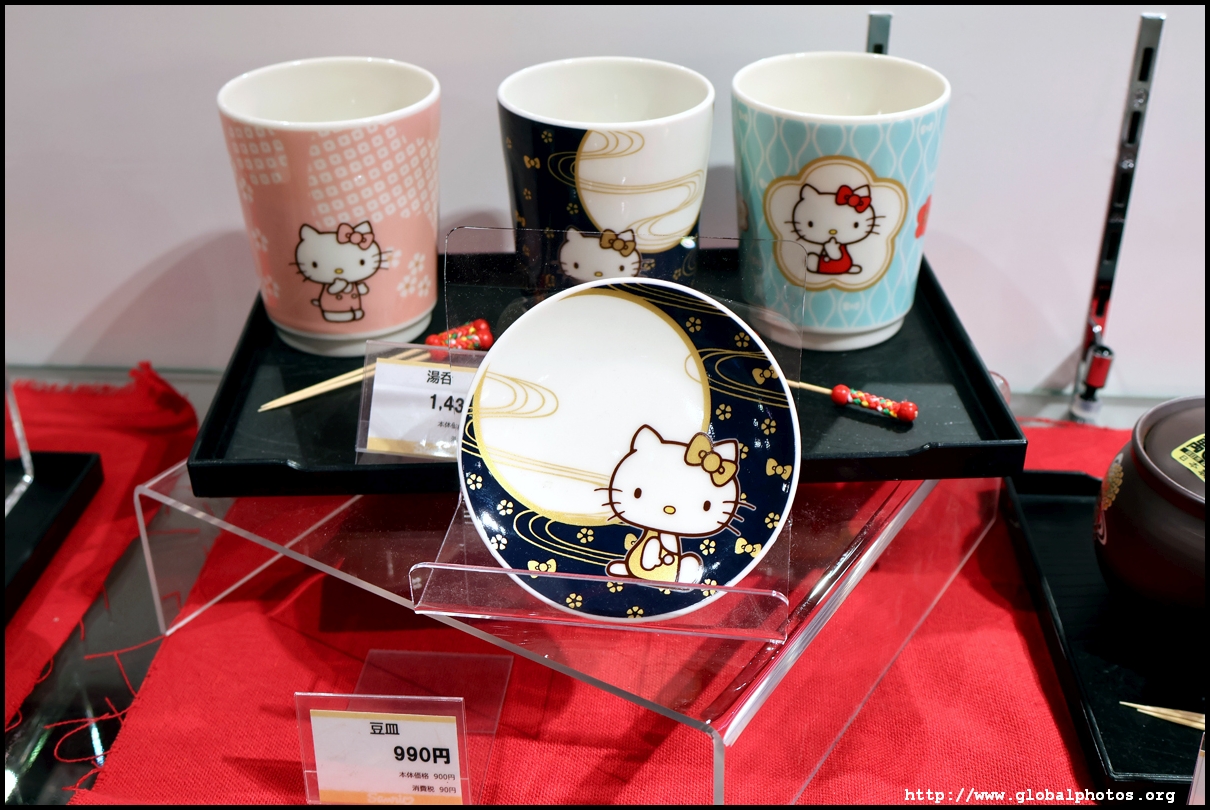
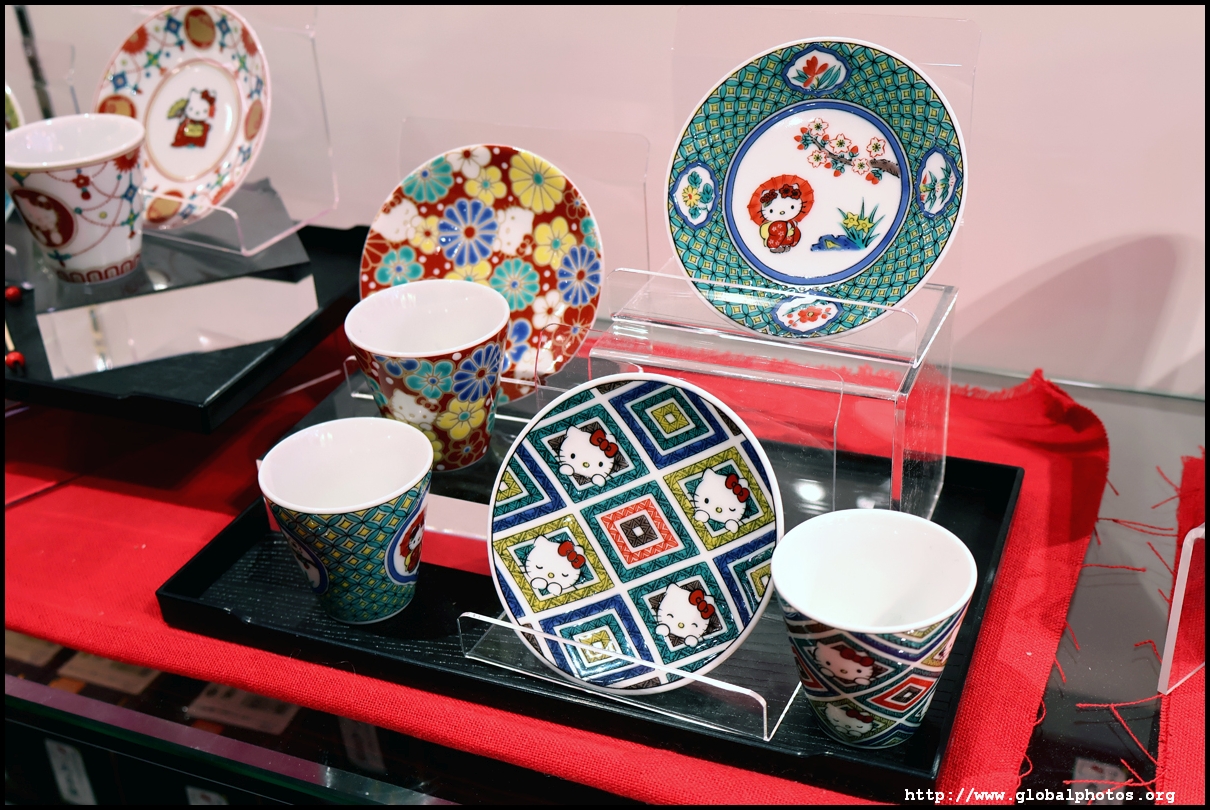
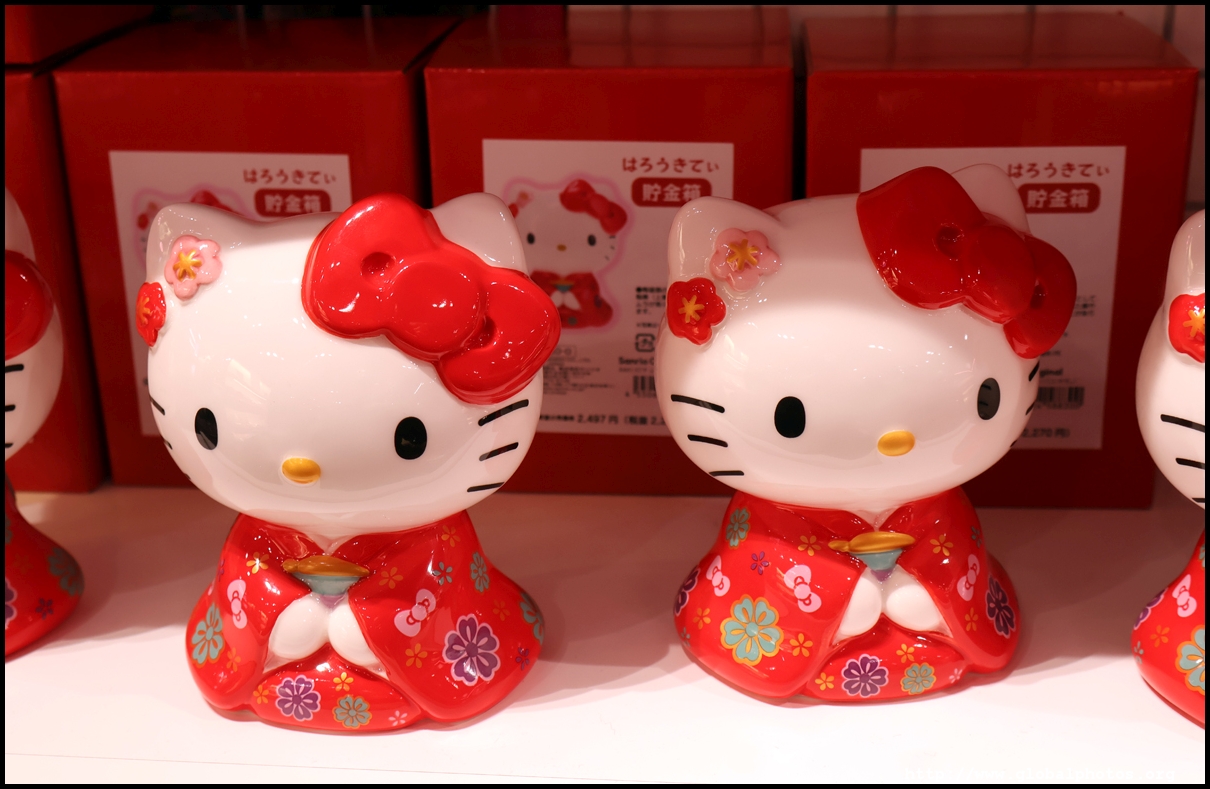
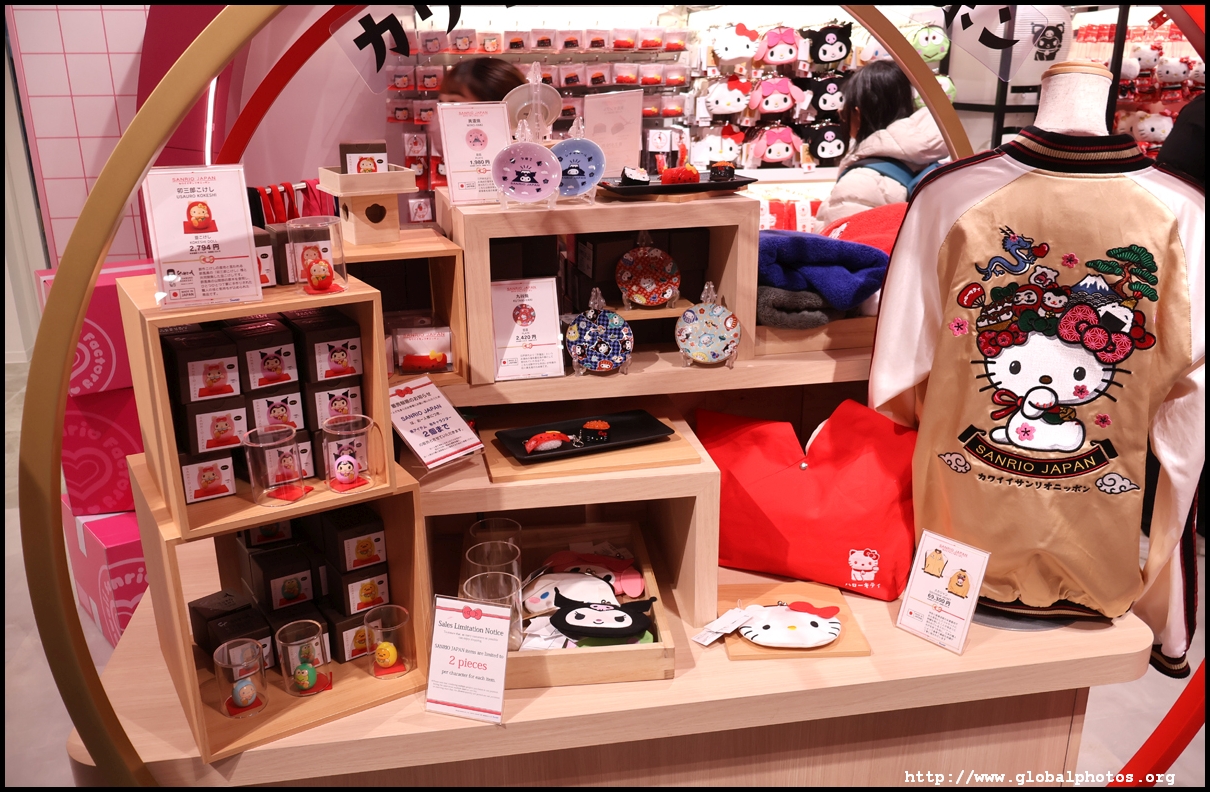
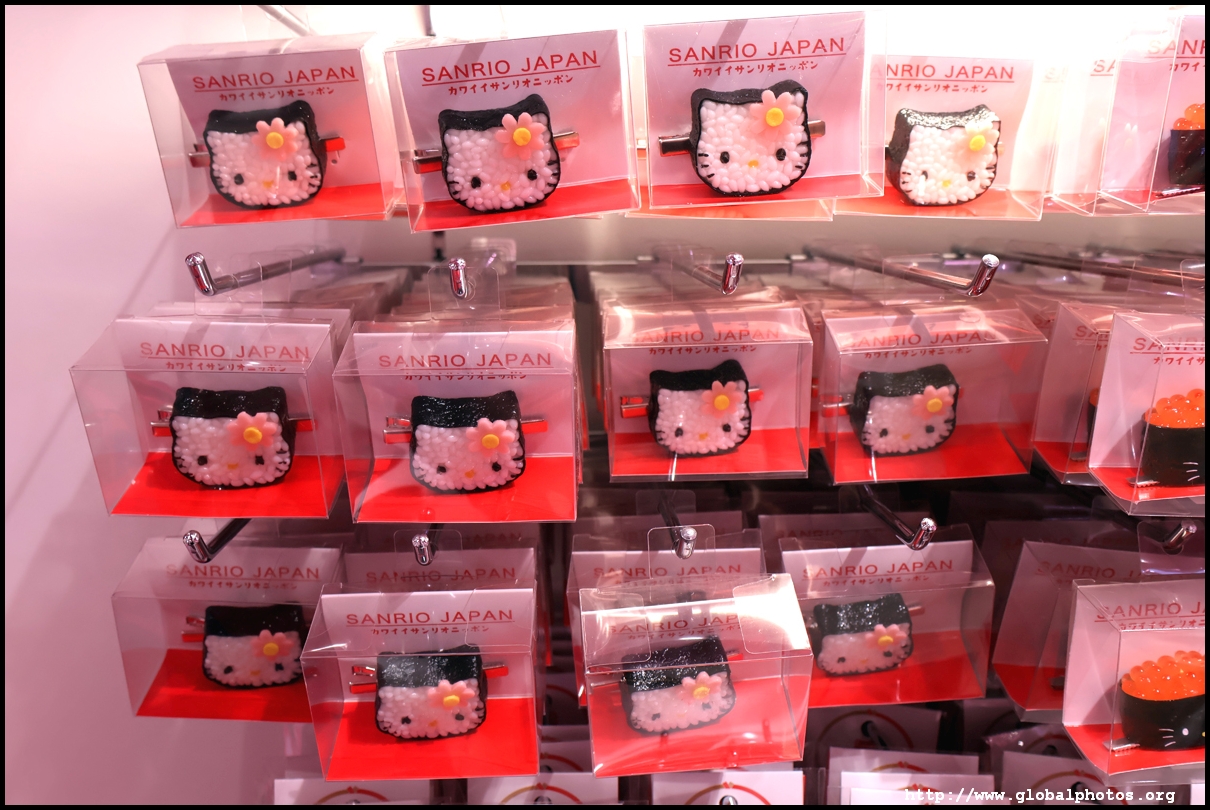
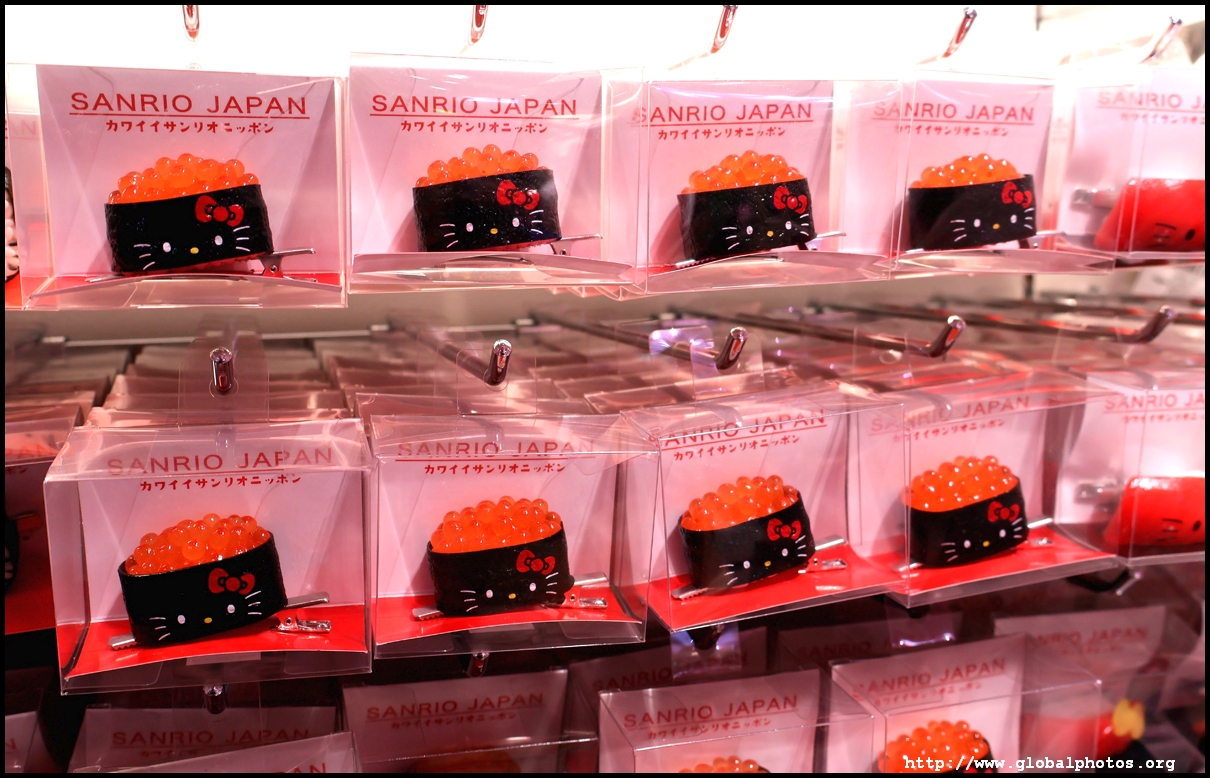
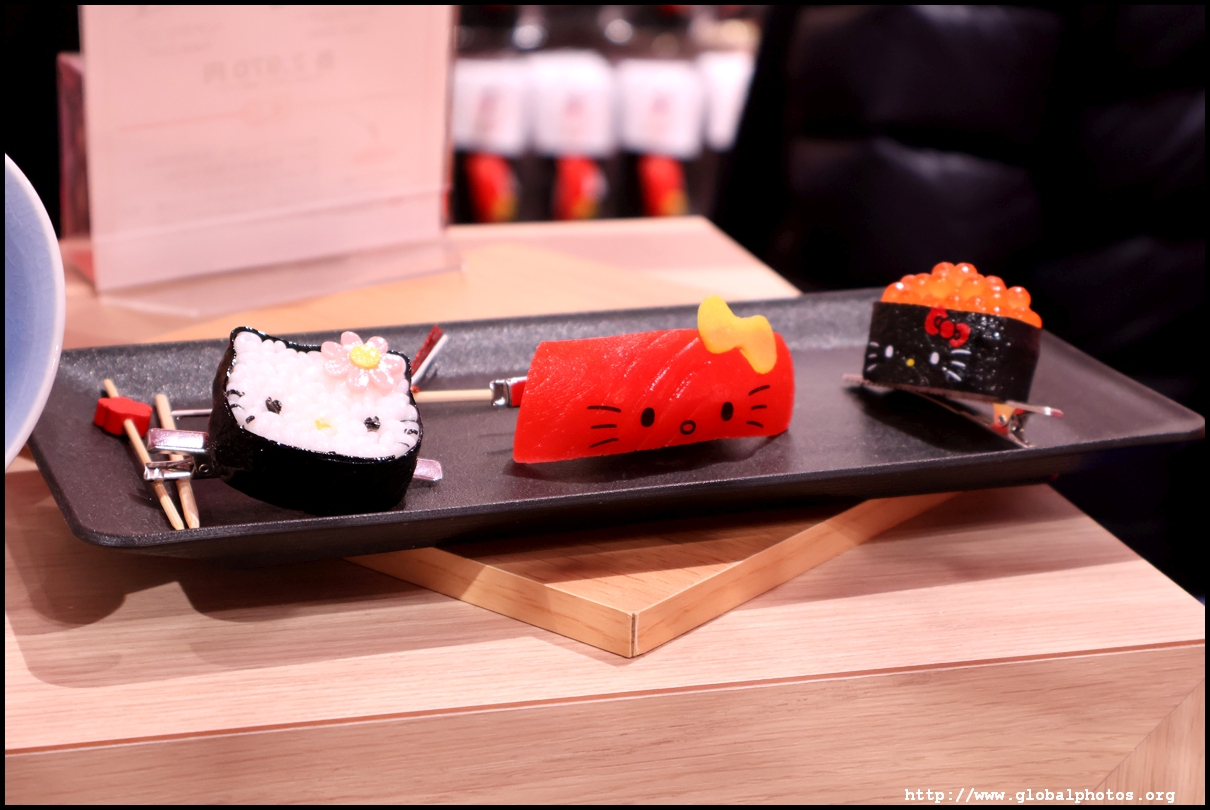
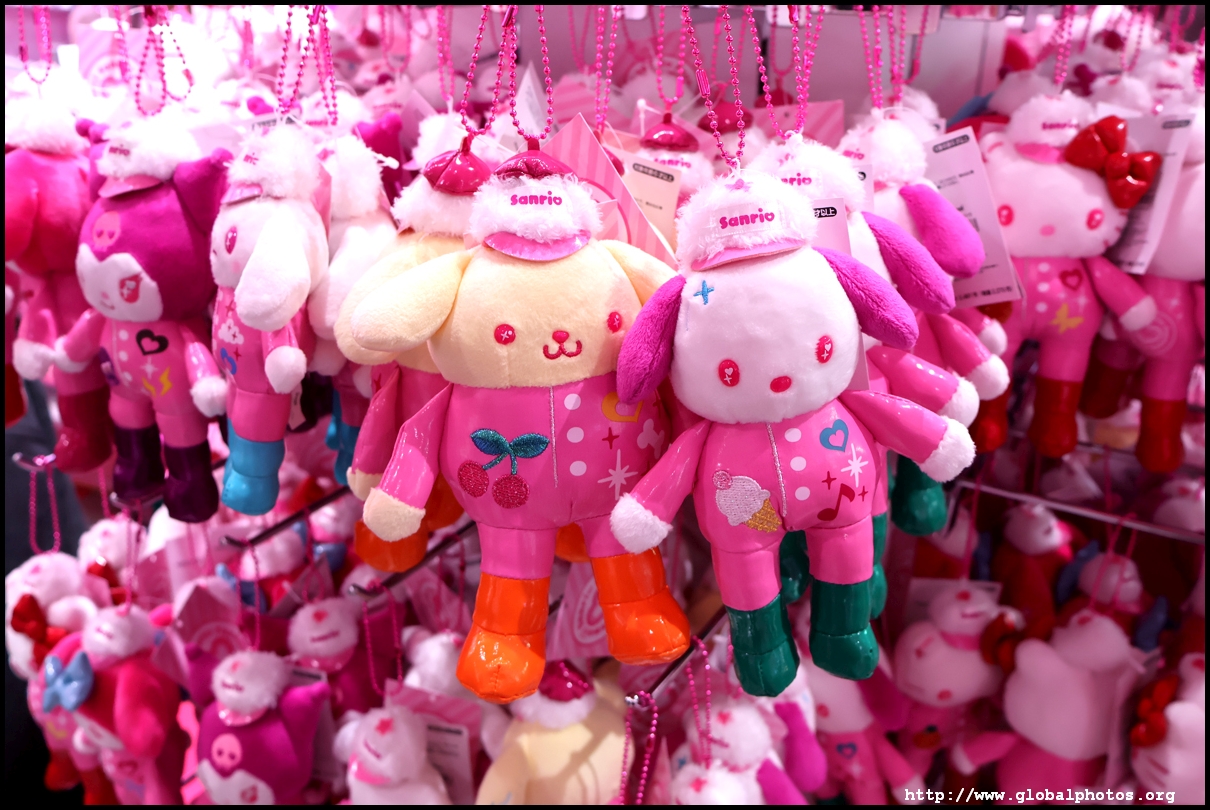
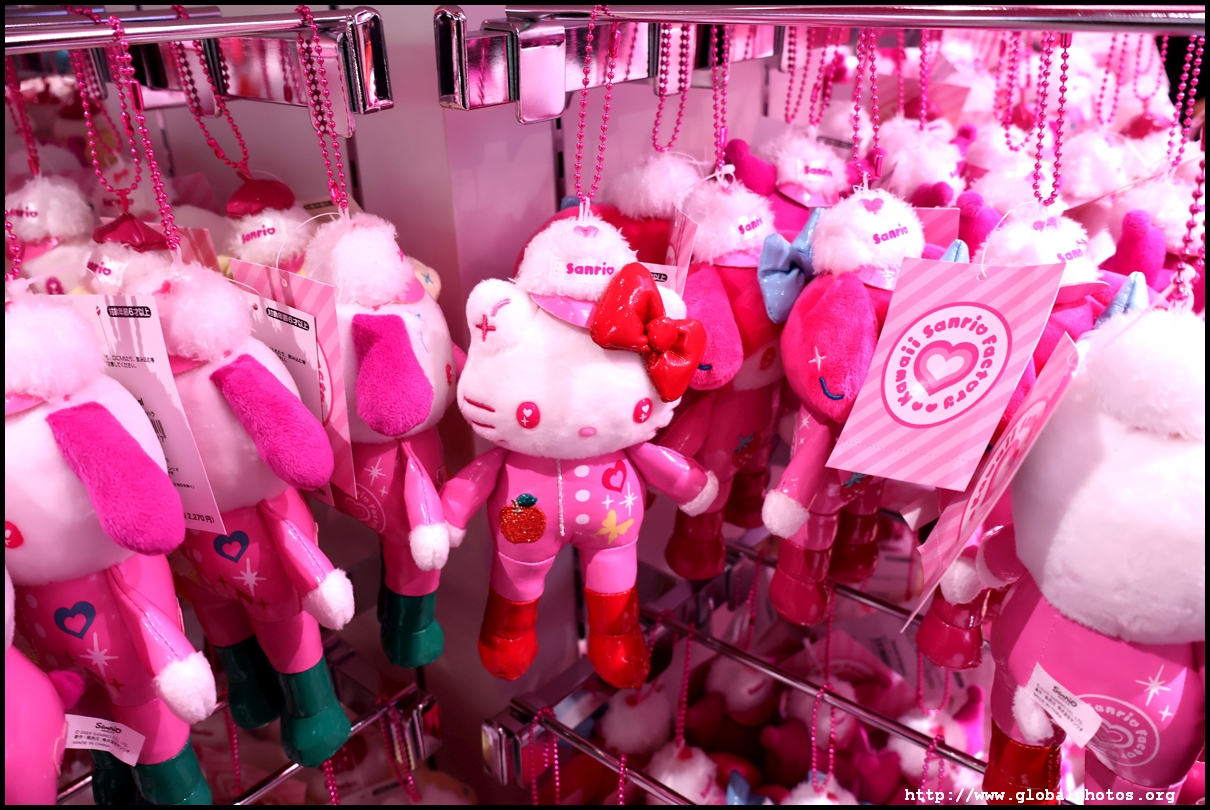
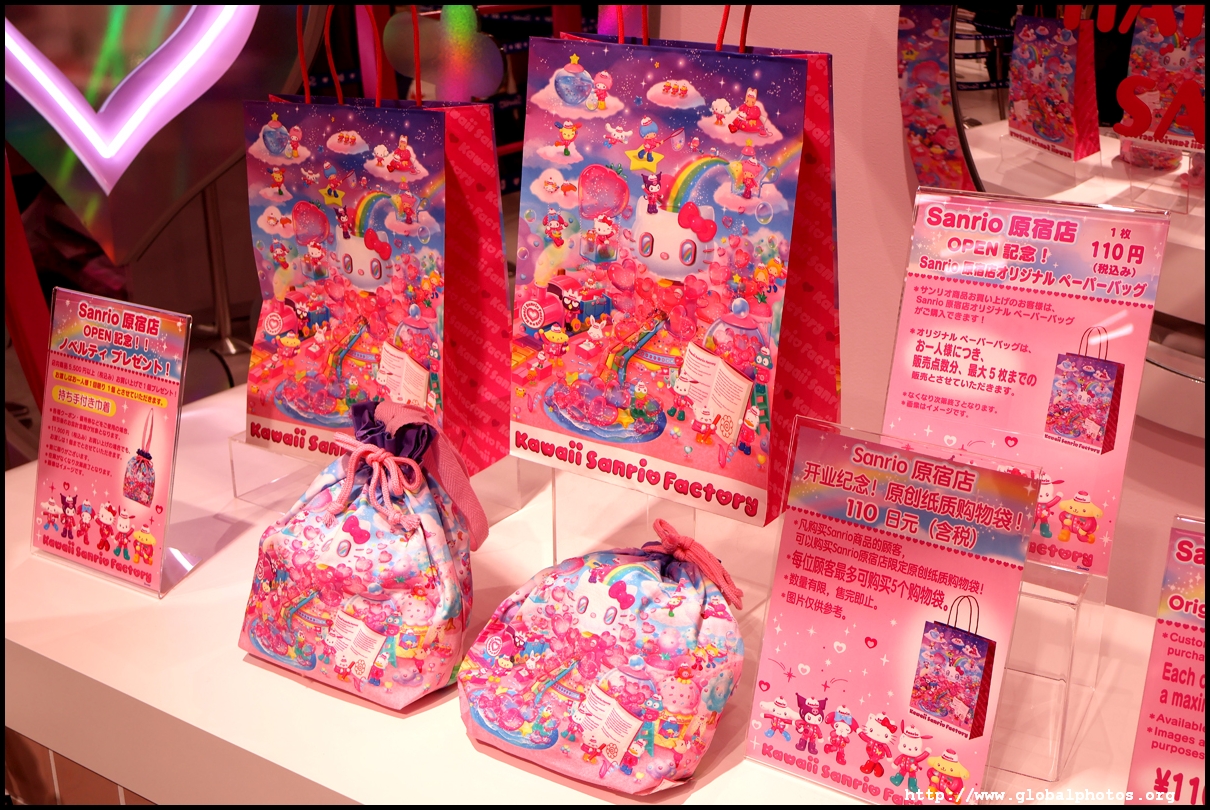
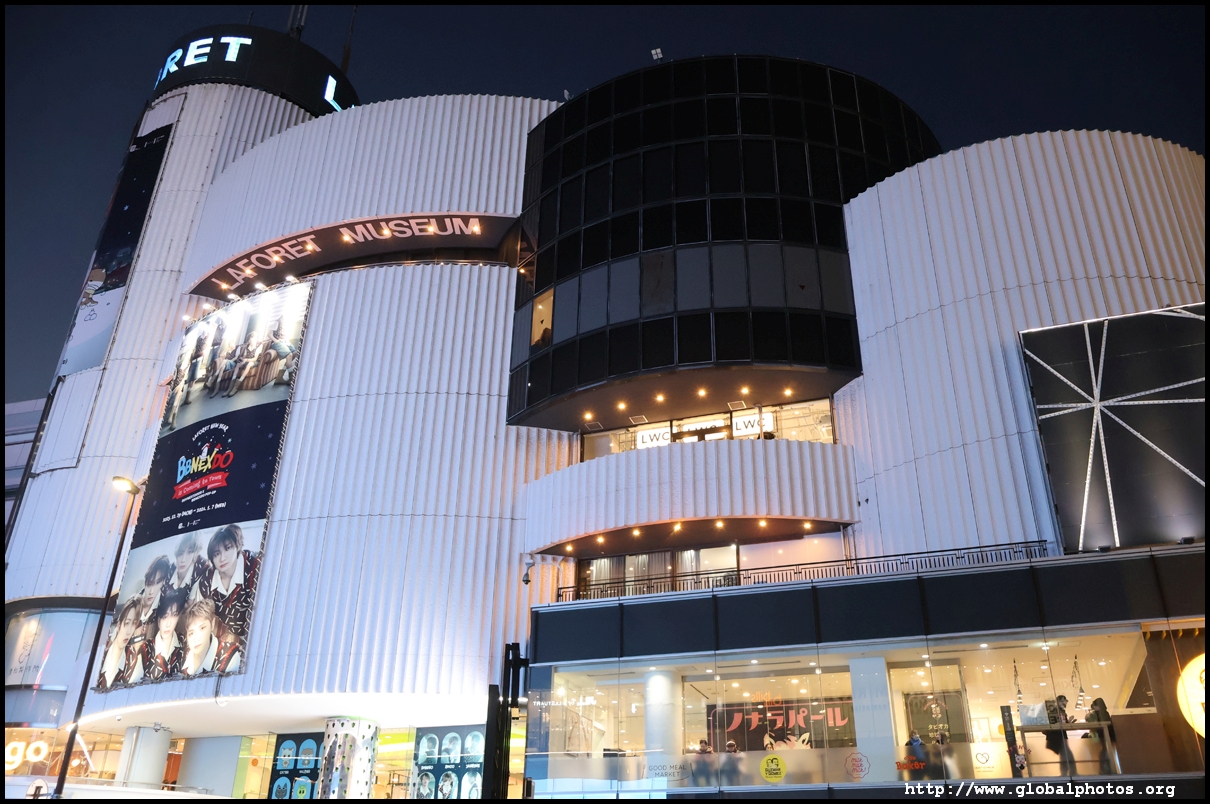
I exited the eastern end of the narrow street unimpressed. I turned south along Meiji-dori, which is lined with shops as I headed towards Shibuya.
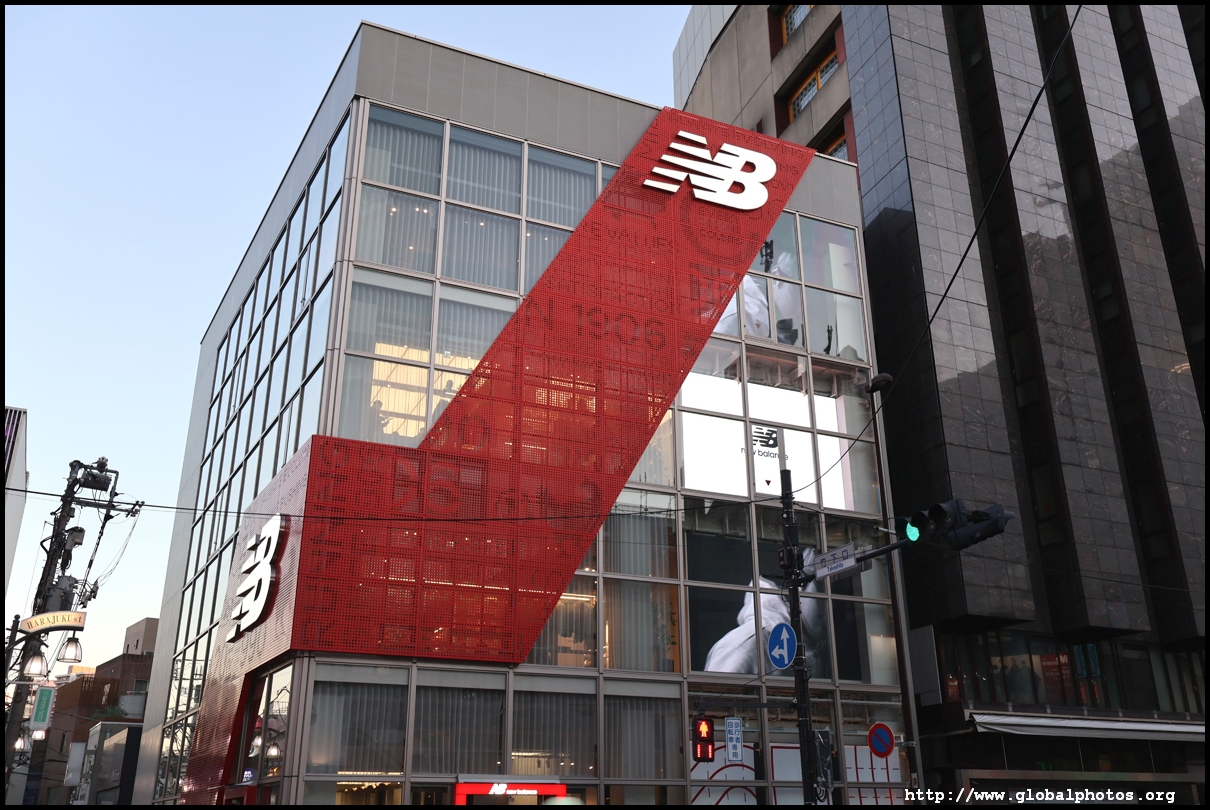
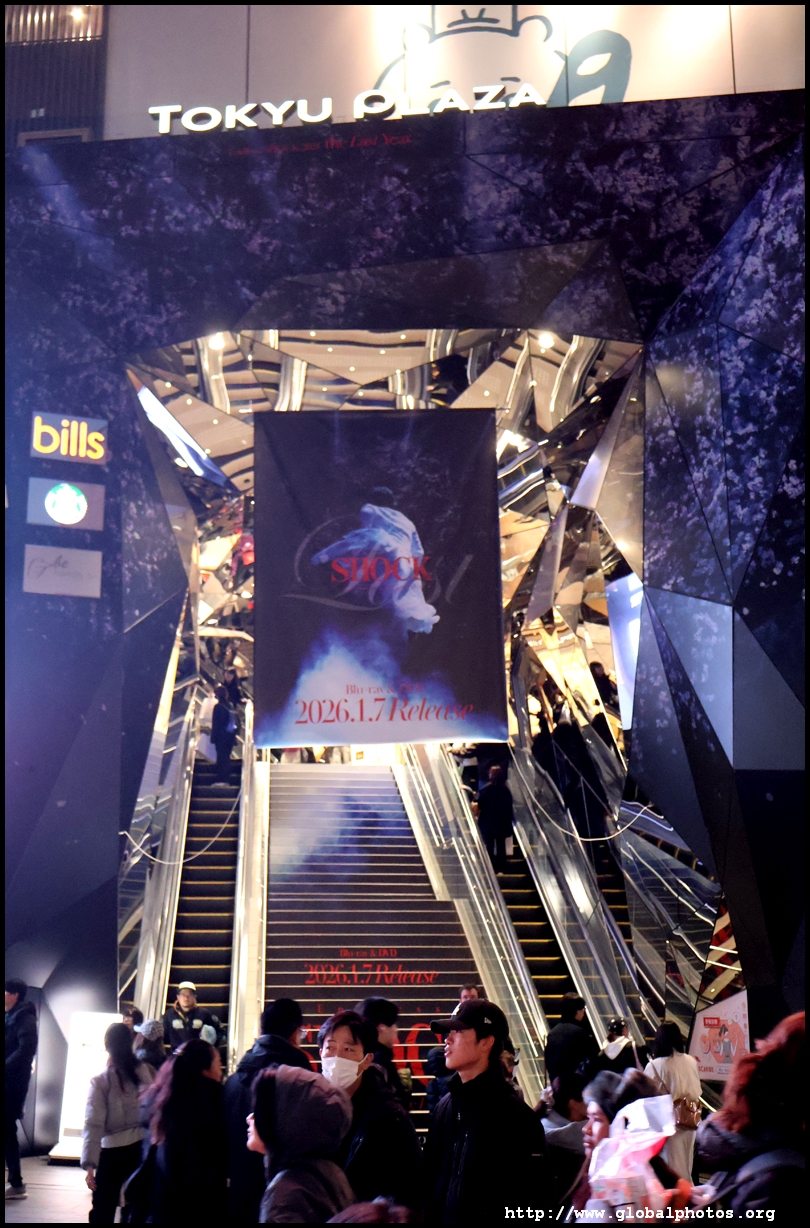
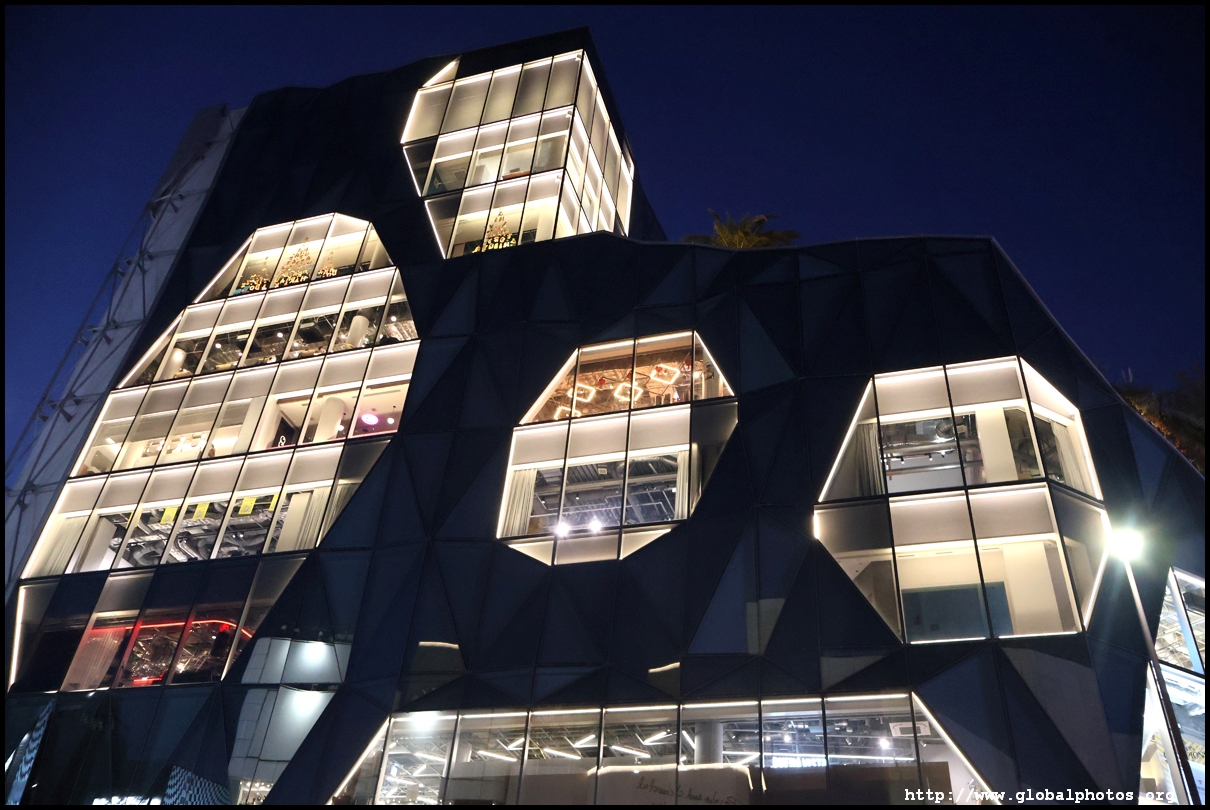
Harakado opened in 2024 with an eye-catching crystal-like geometric design for your retail therapy needs.
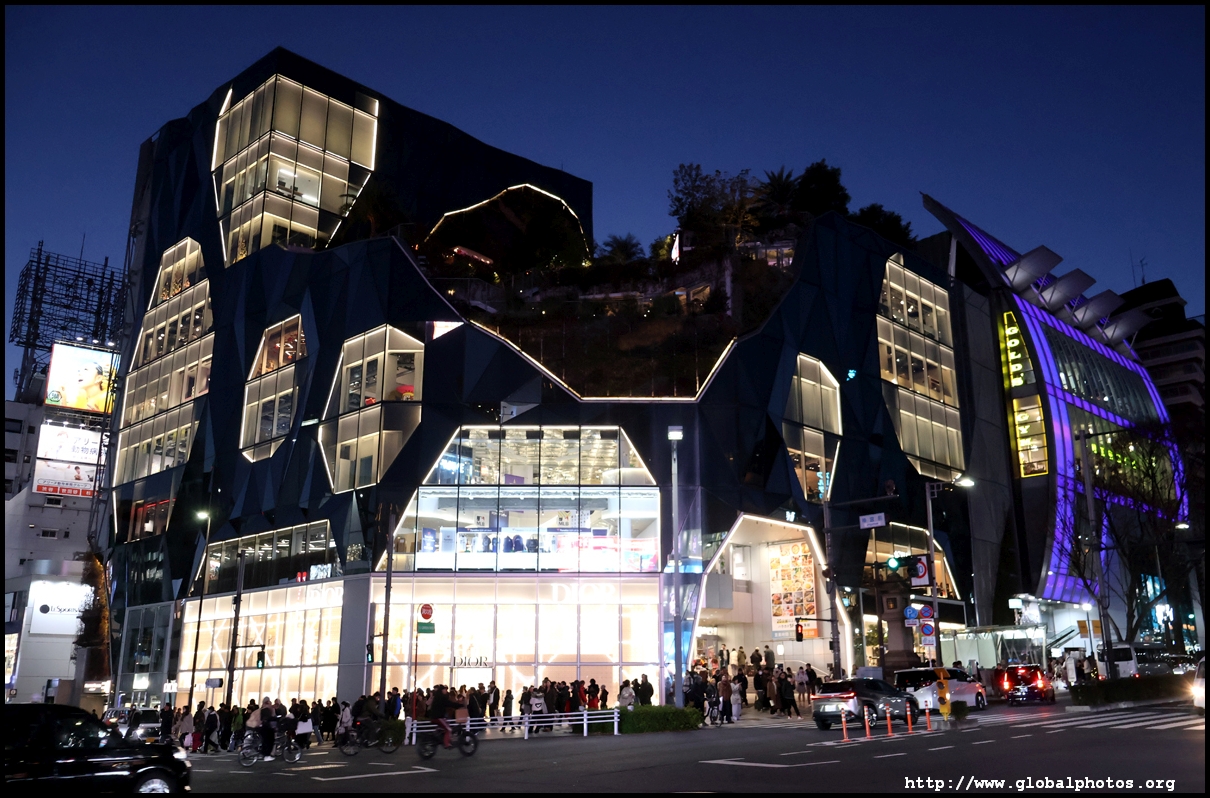
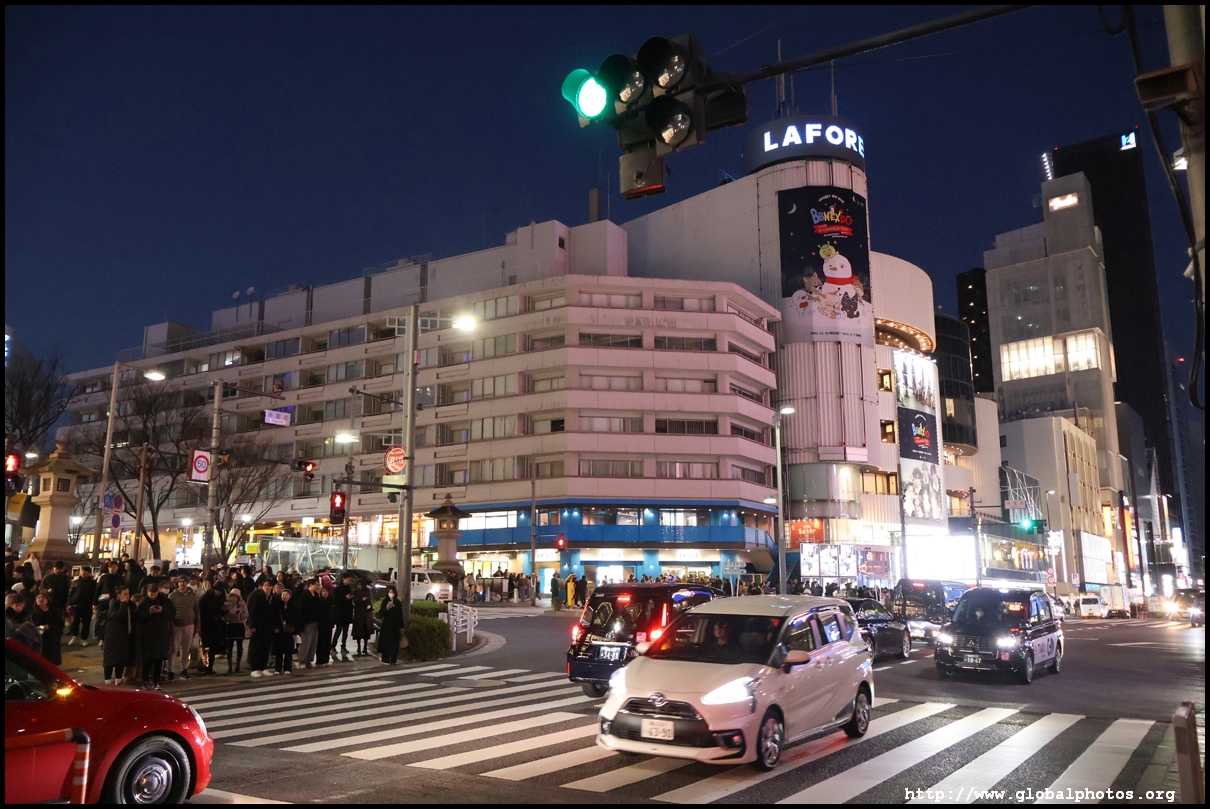
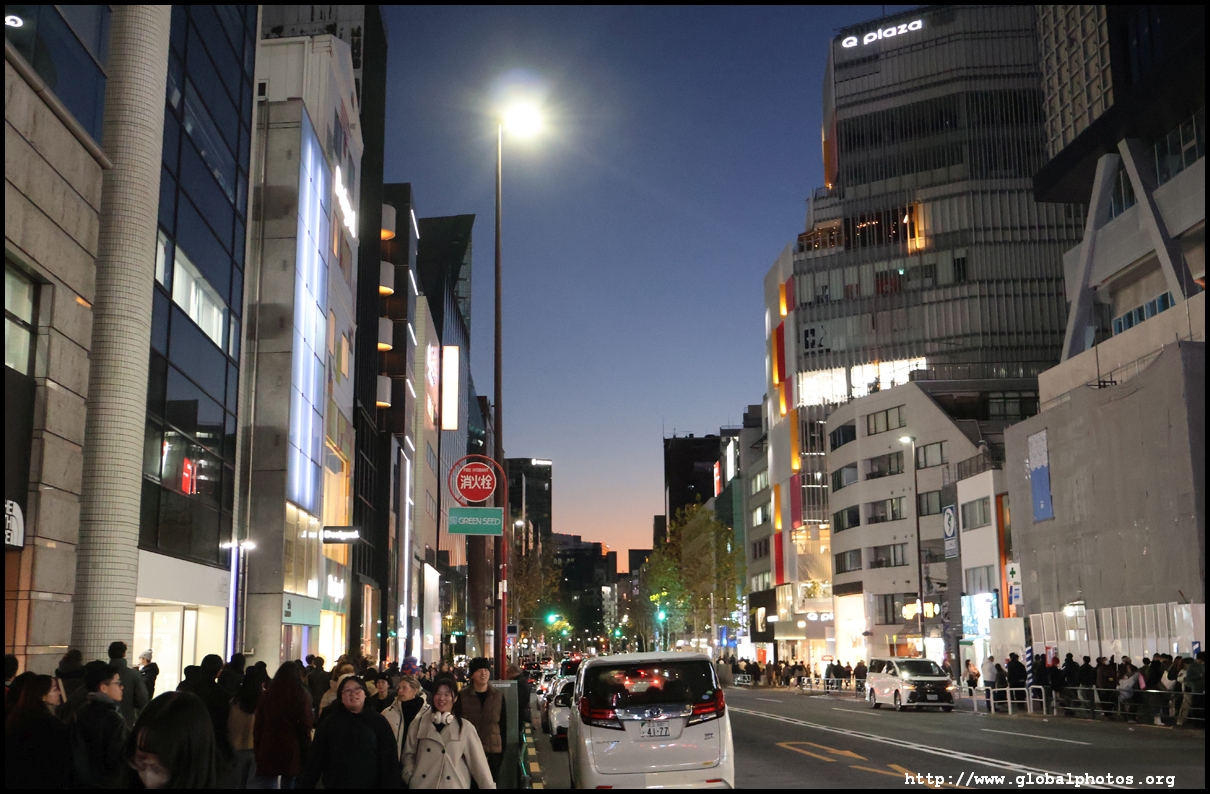
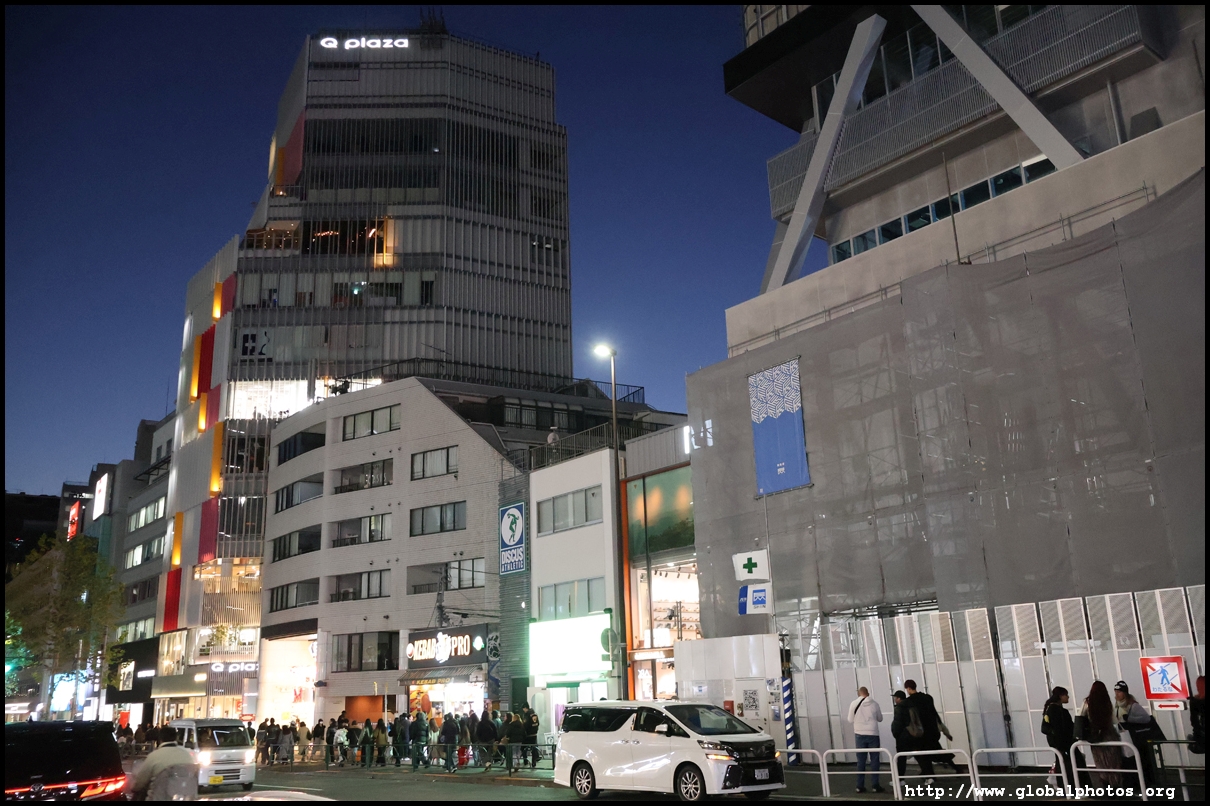
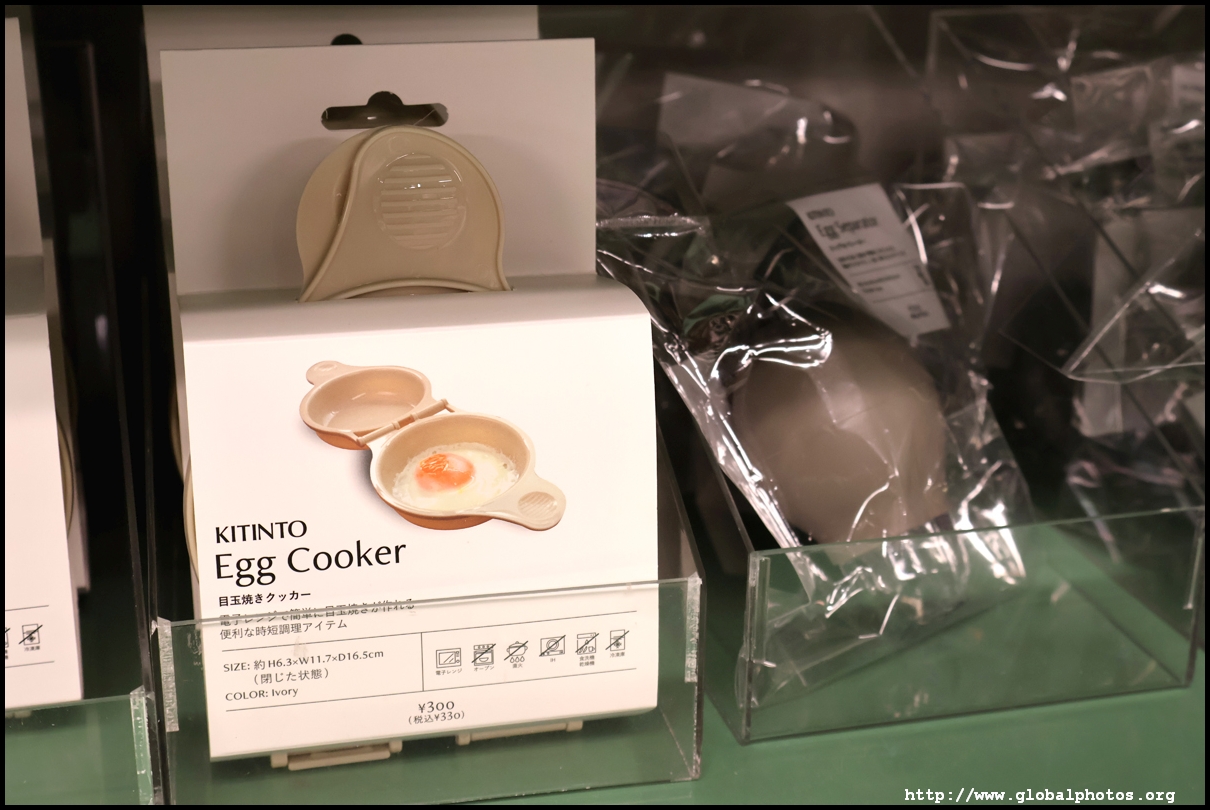
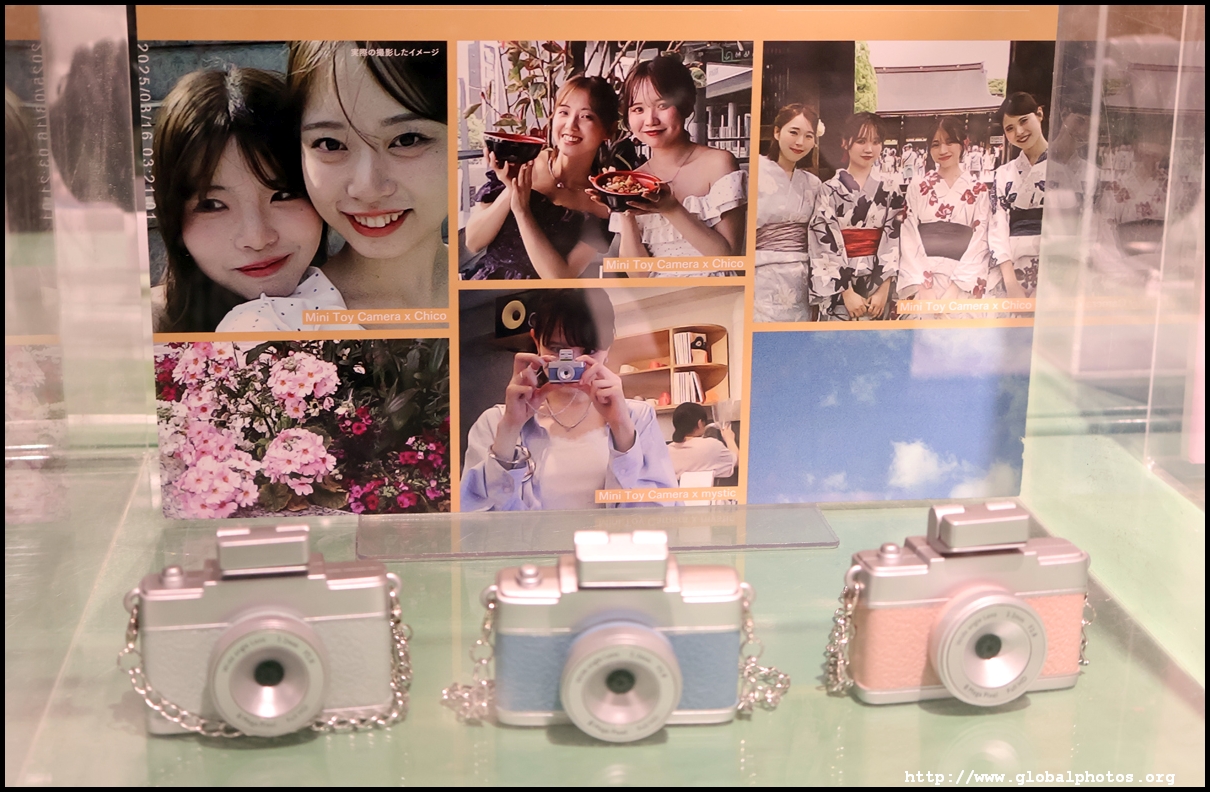
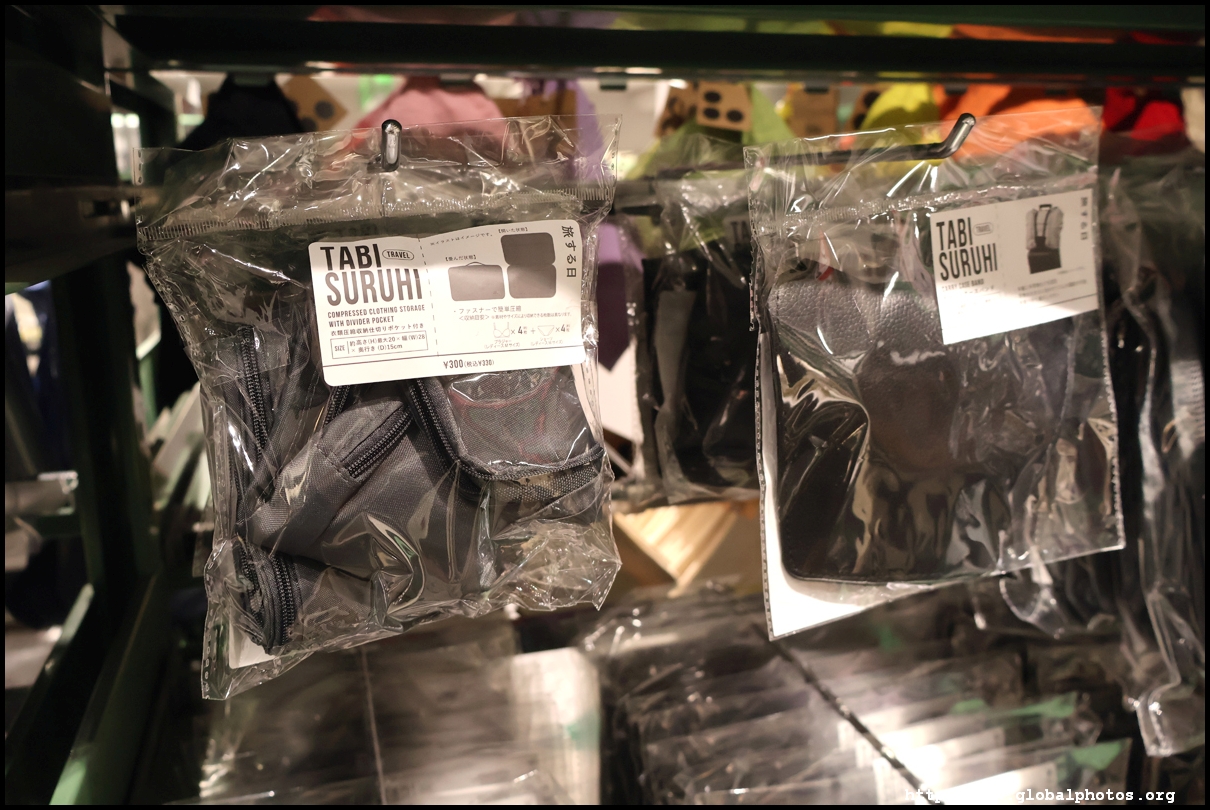
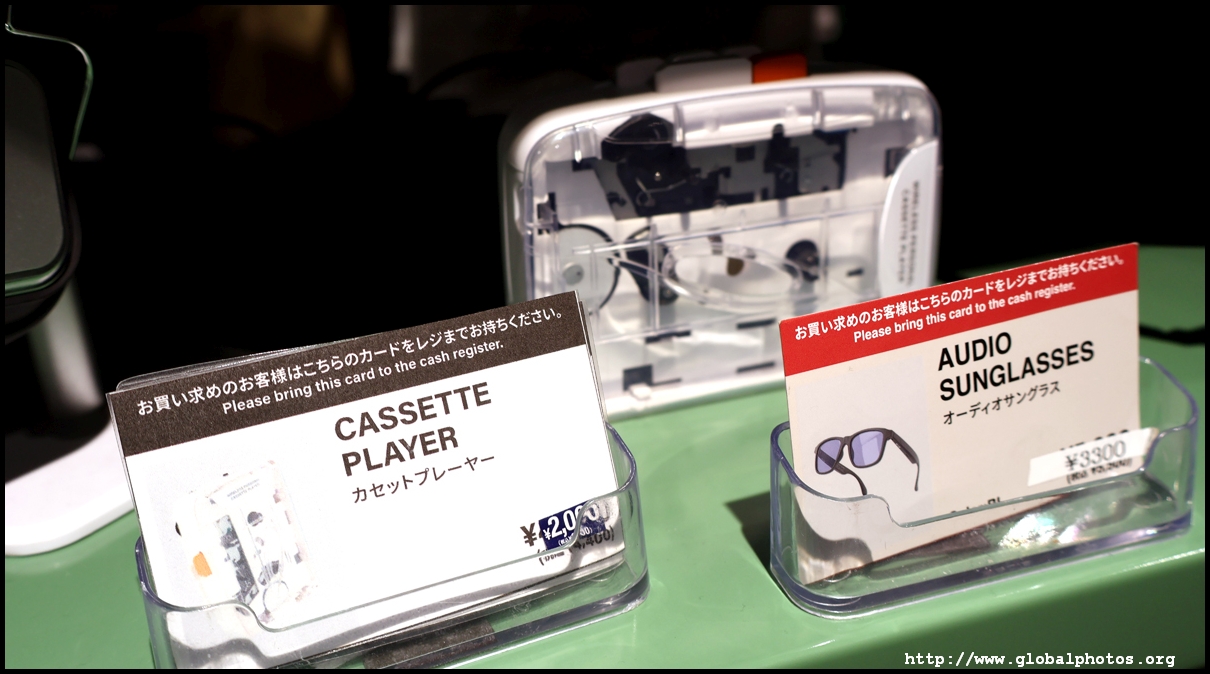
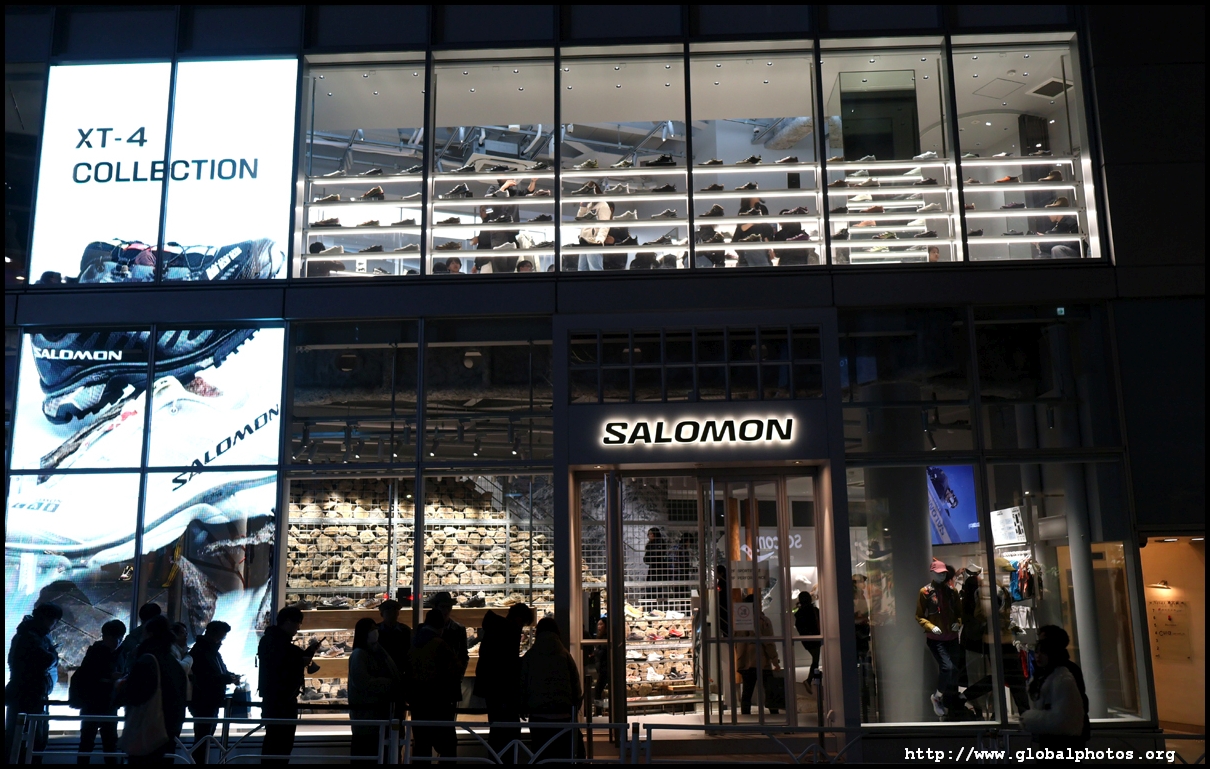
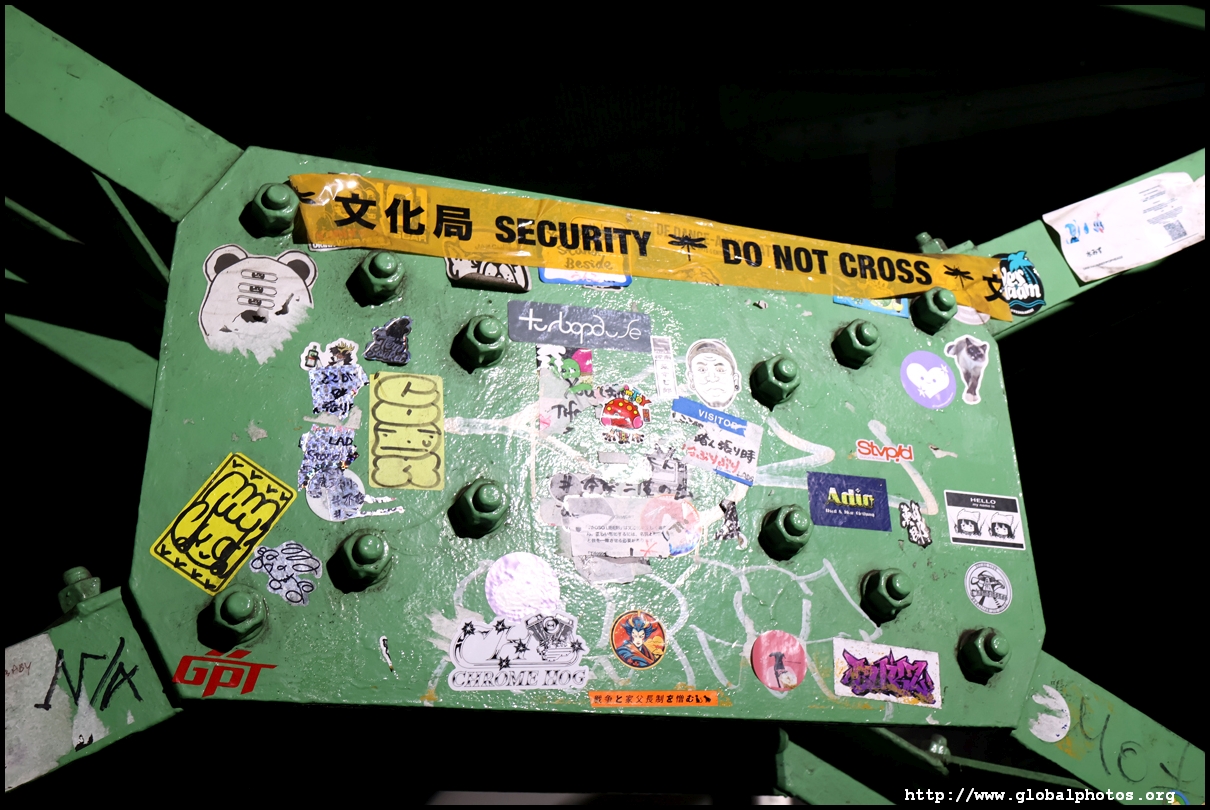
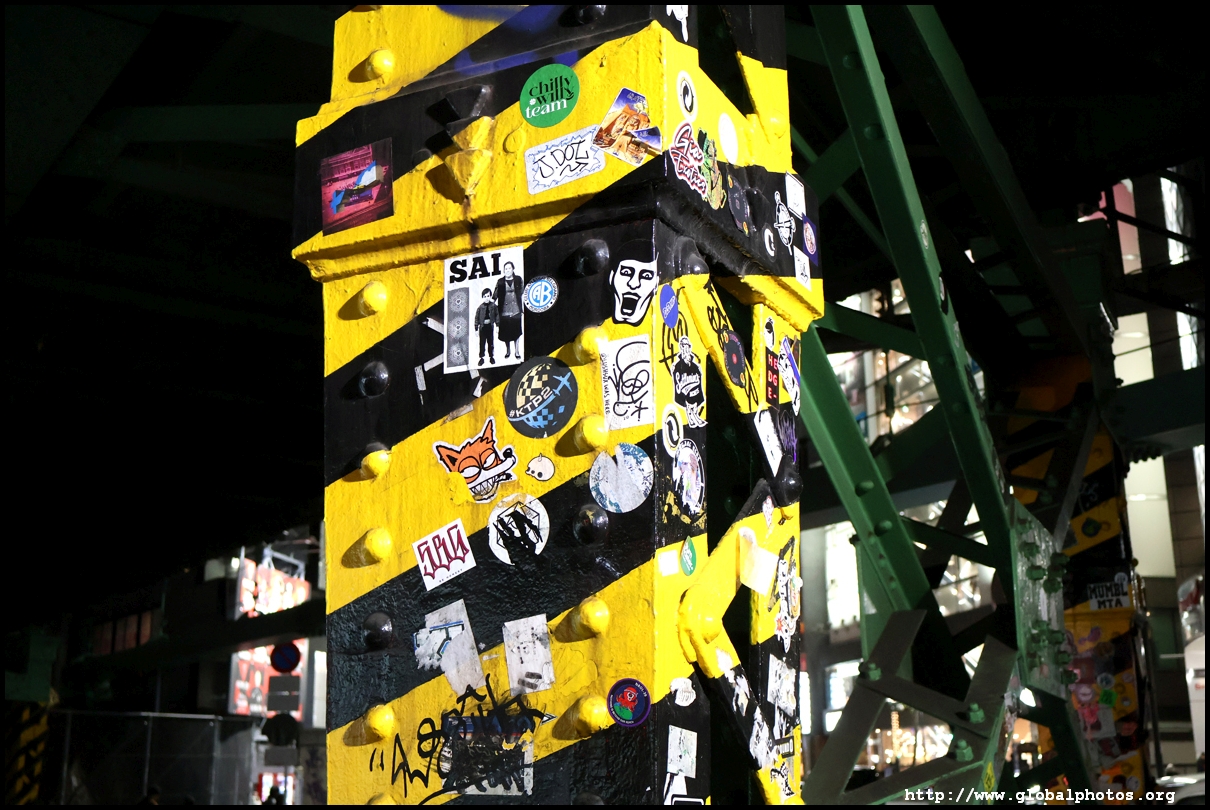
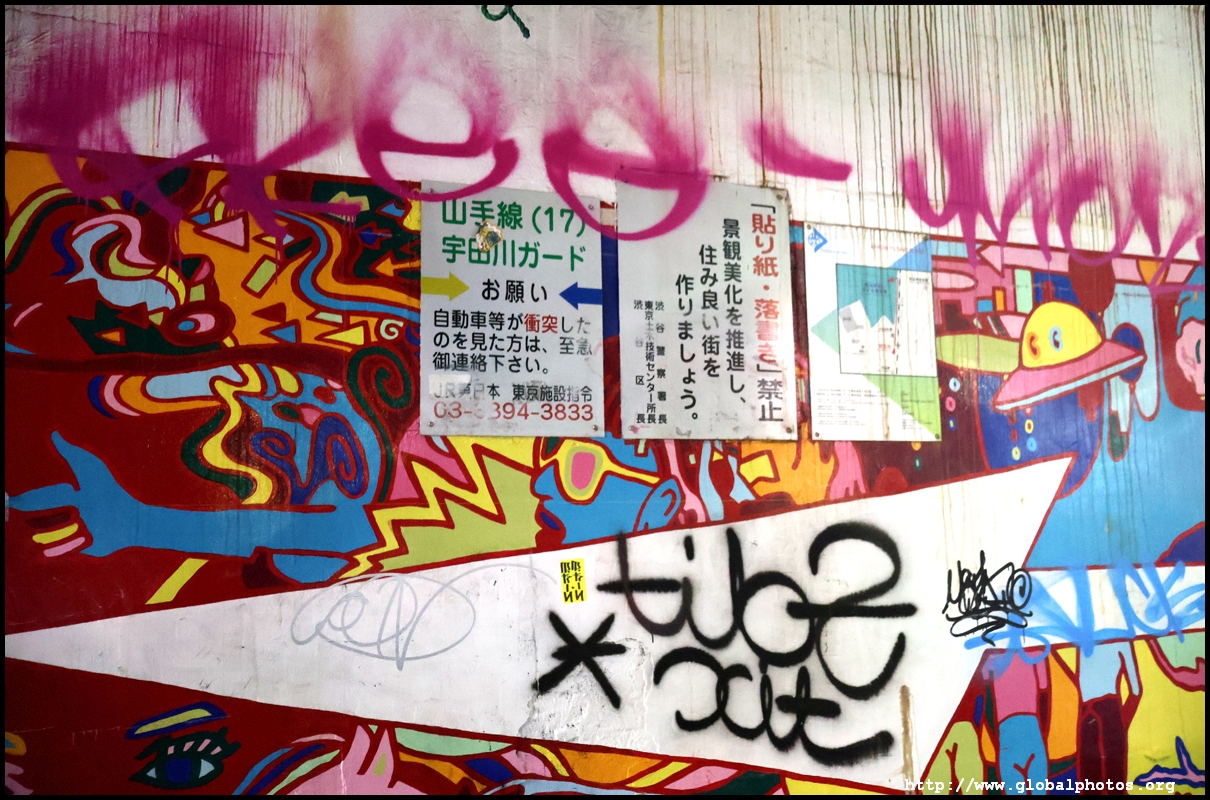
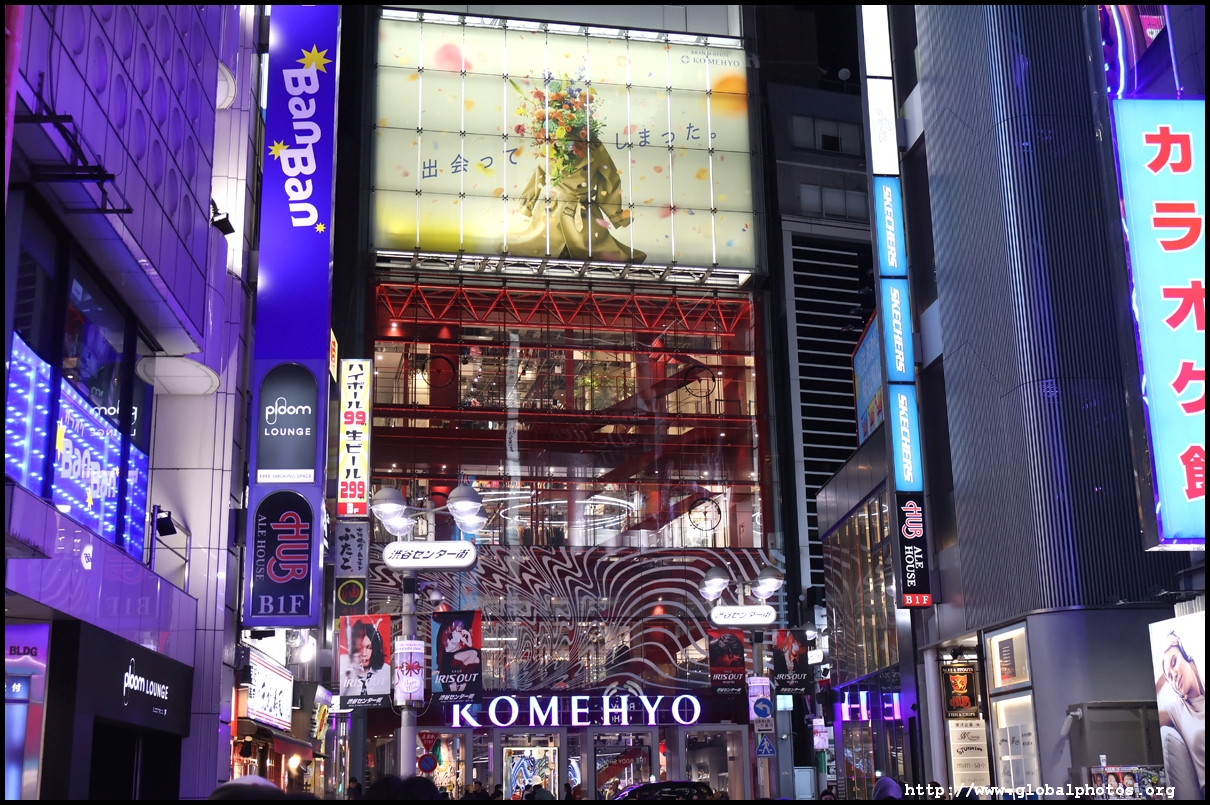
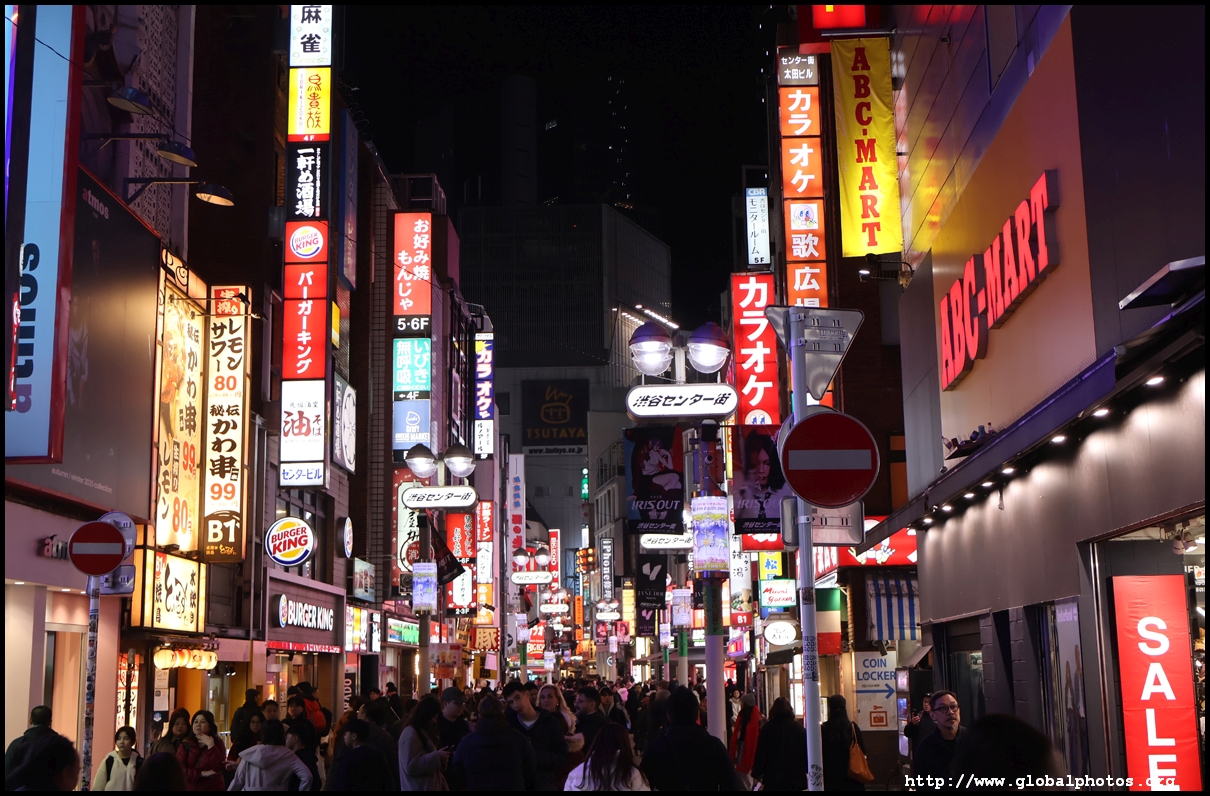
Retail therapy continues in Shibuya, where there are streets of shops as well as larger department stores. There was trash on the streets as well as graffiti, things you don't typically see in orderly Japan.
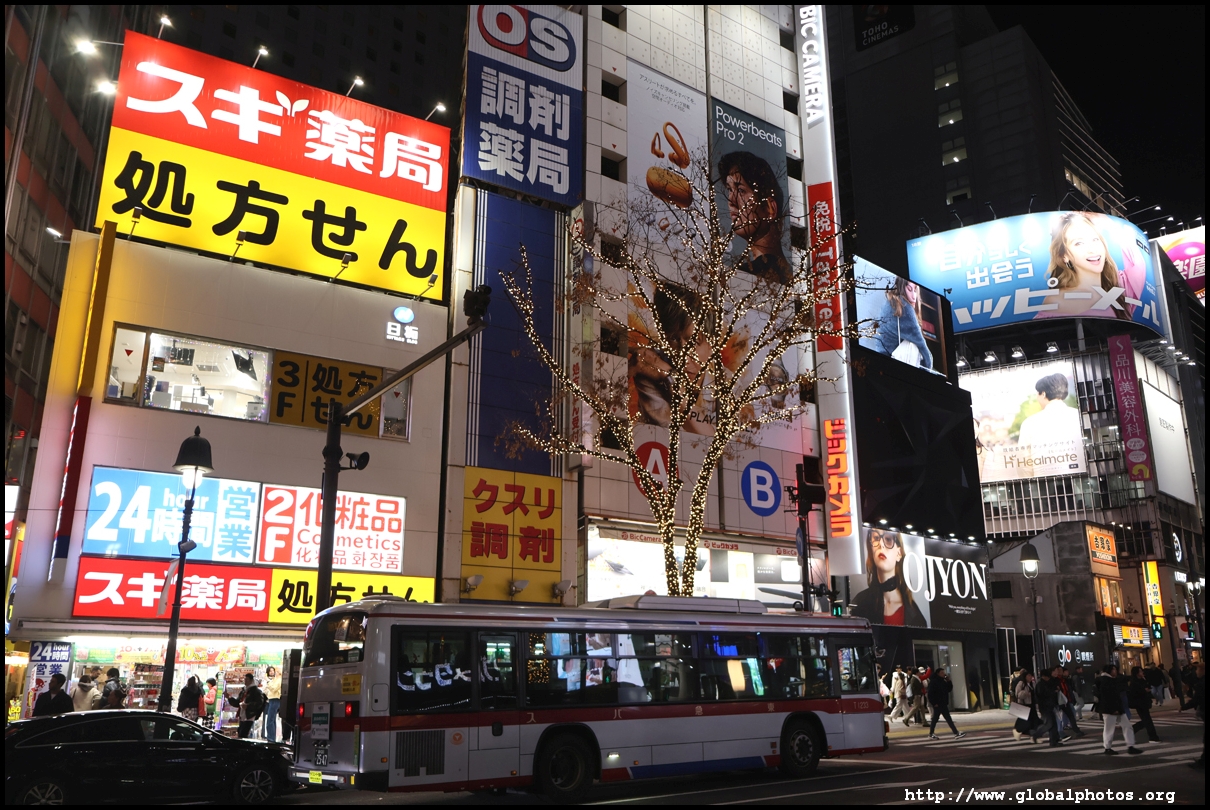
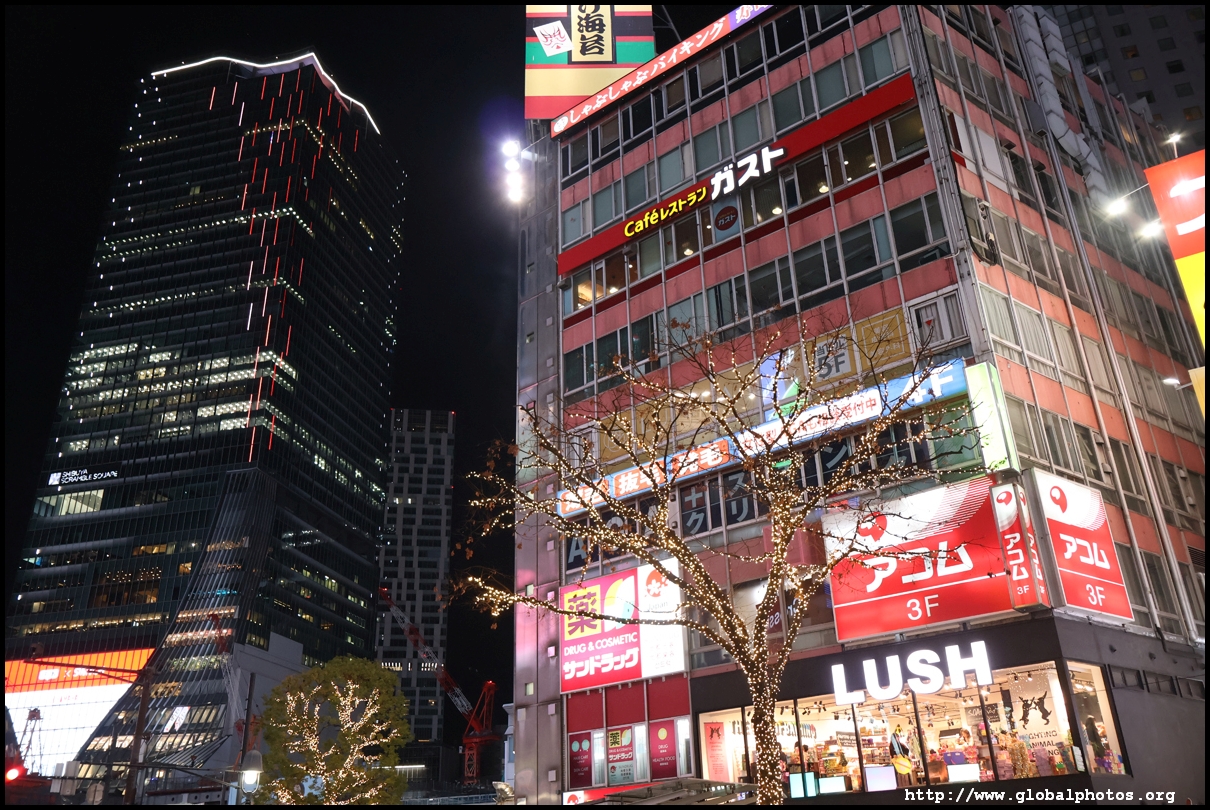
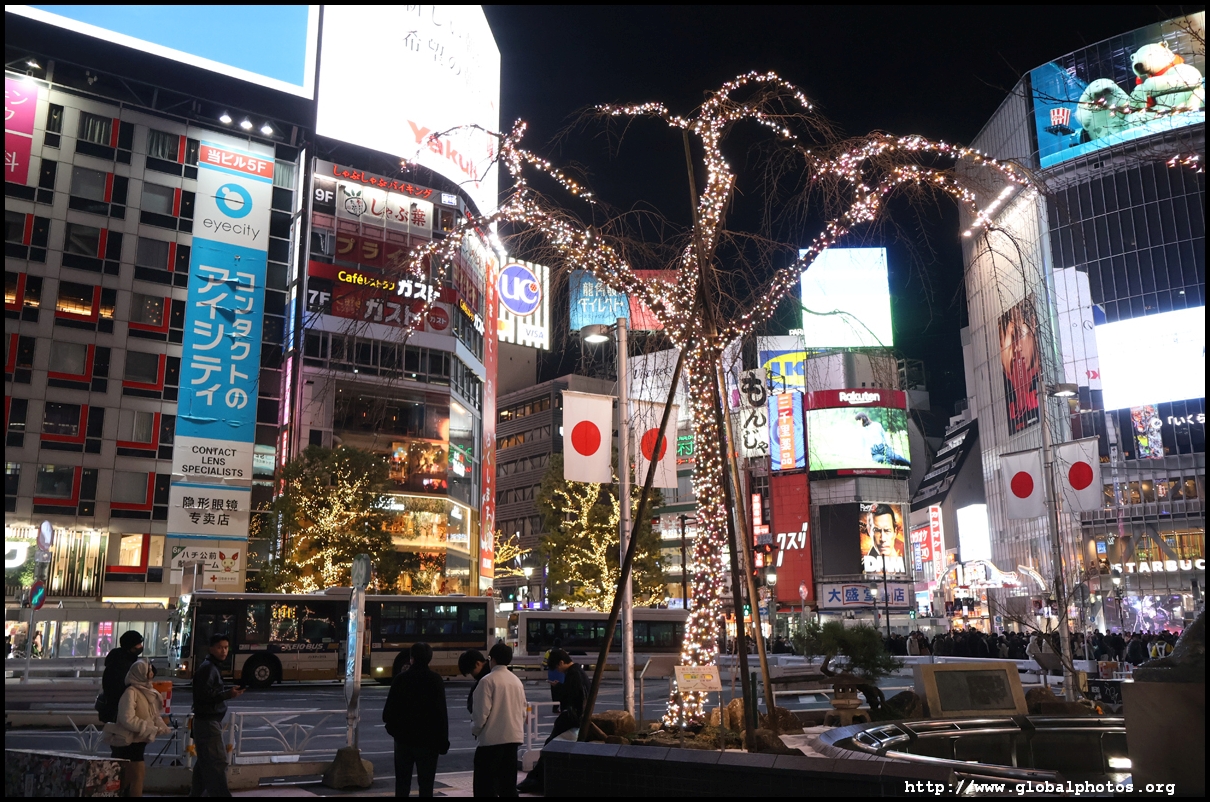
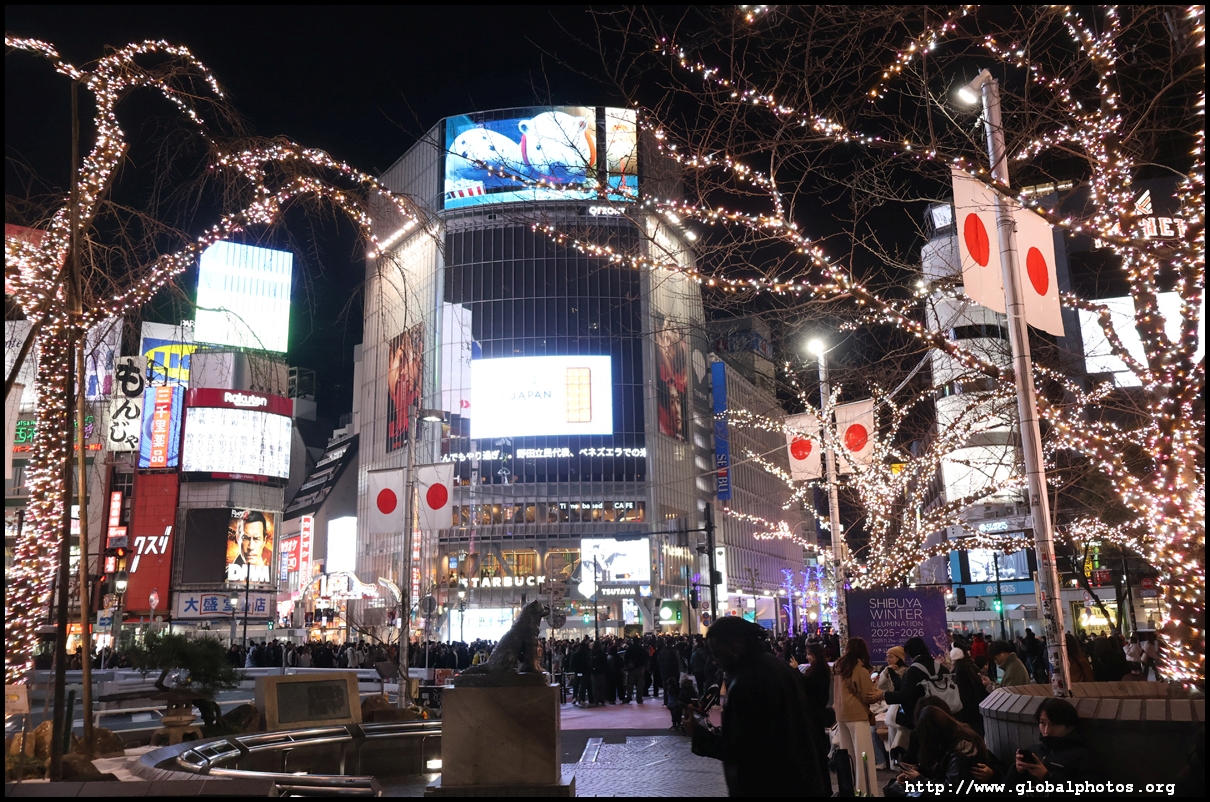
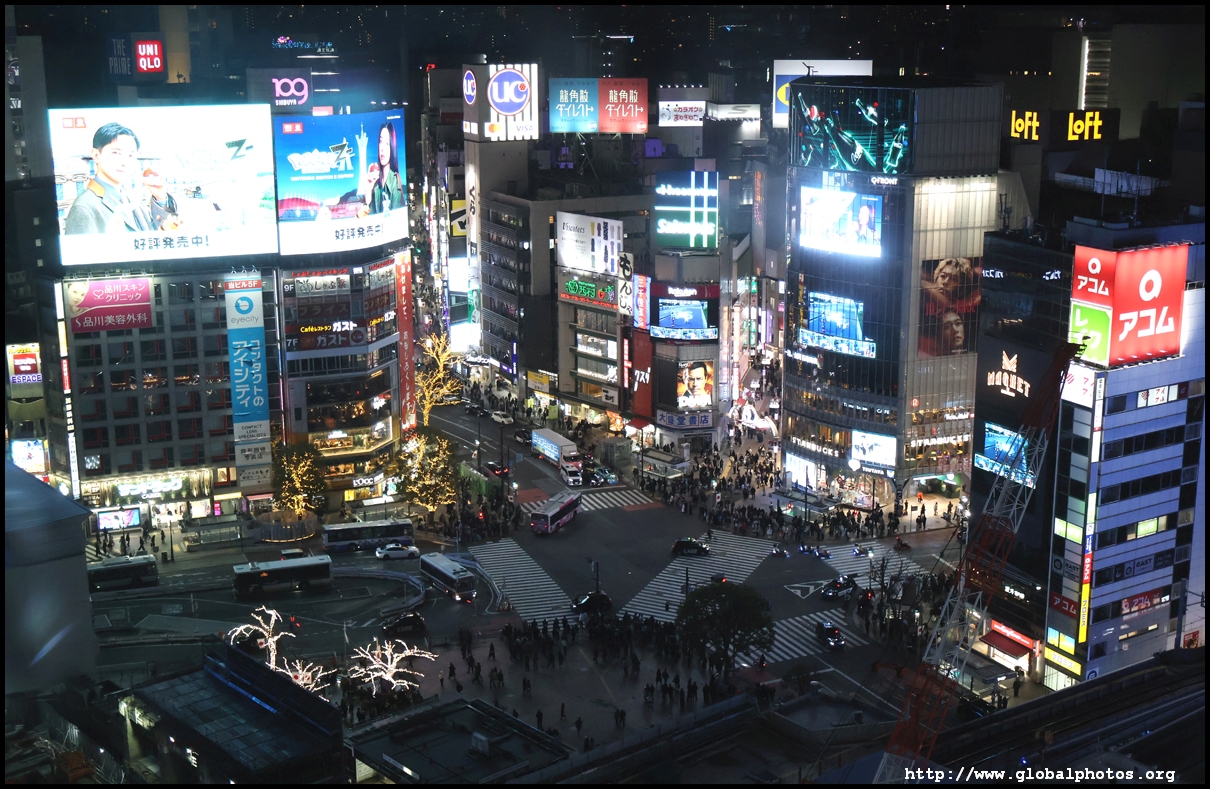
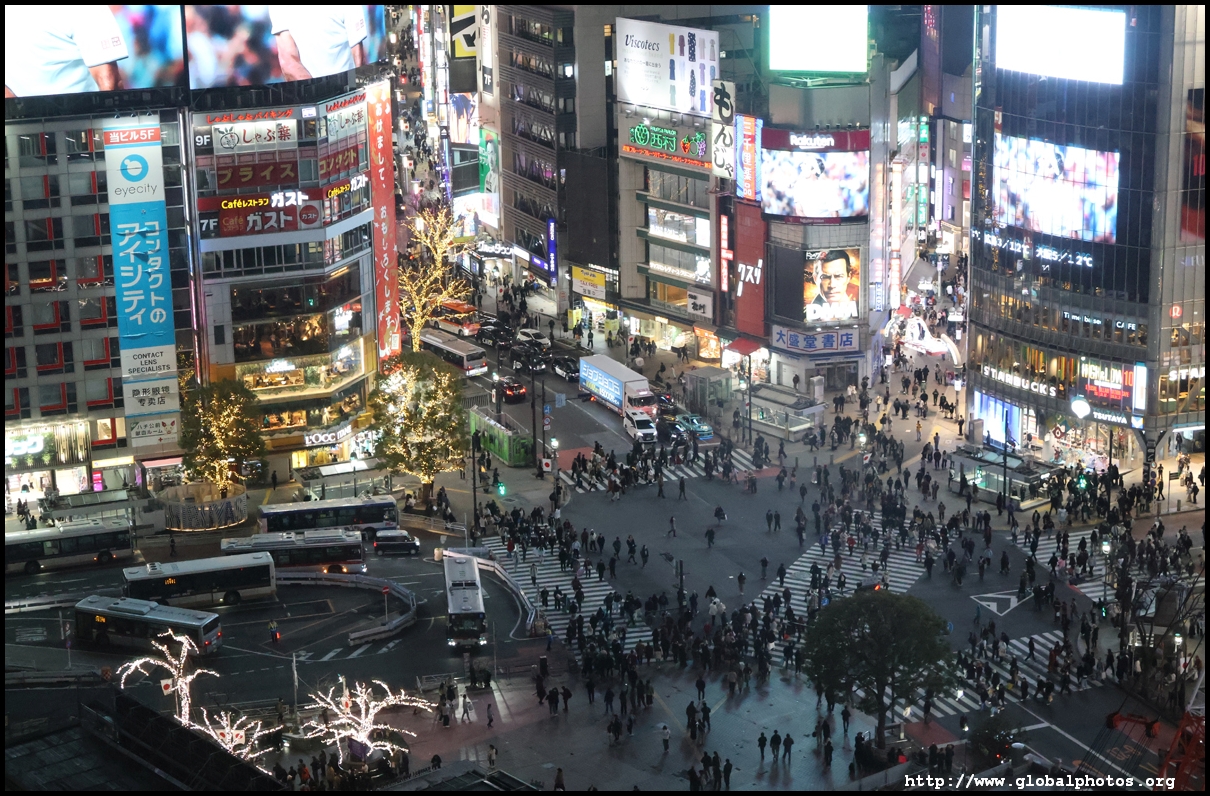
Many tourists come to experience the famous intersection, Shibuya Crossing. During peak hours, it can handle up to 2500 people crossing at the same time. The current form dates to 1932 when the Tokyo Toyoko Line opened and Shibuya became a major stop between Yokohama and Tokyo.
A good place to observe the wave of humanity in action is from Shibuya Scramble Square a short walk away. There are a set of windows on the restaurant floor (12/F) accessible to the public with a full view of the crossing. You don't need to go all the way up to the observation deck on the rooftop for a good view.