Valencia Photo Gallery - Part 6

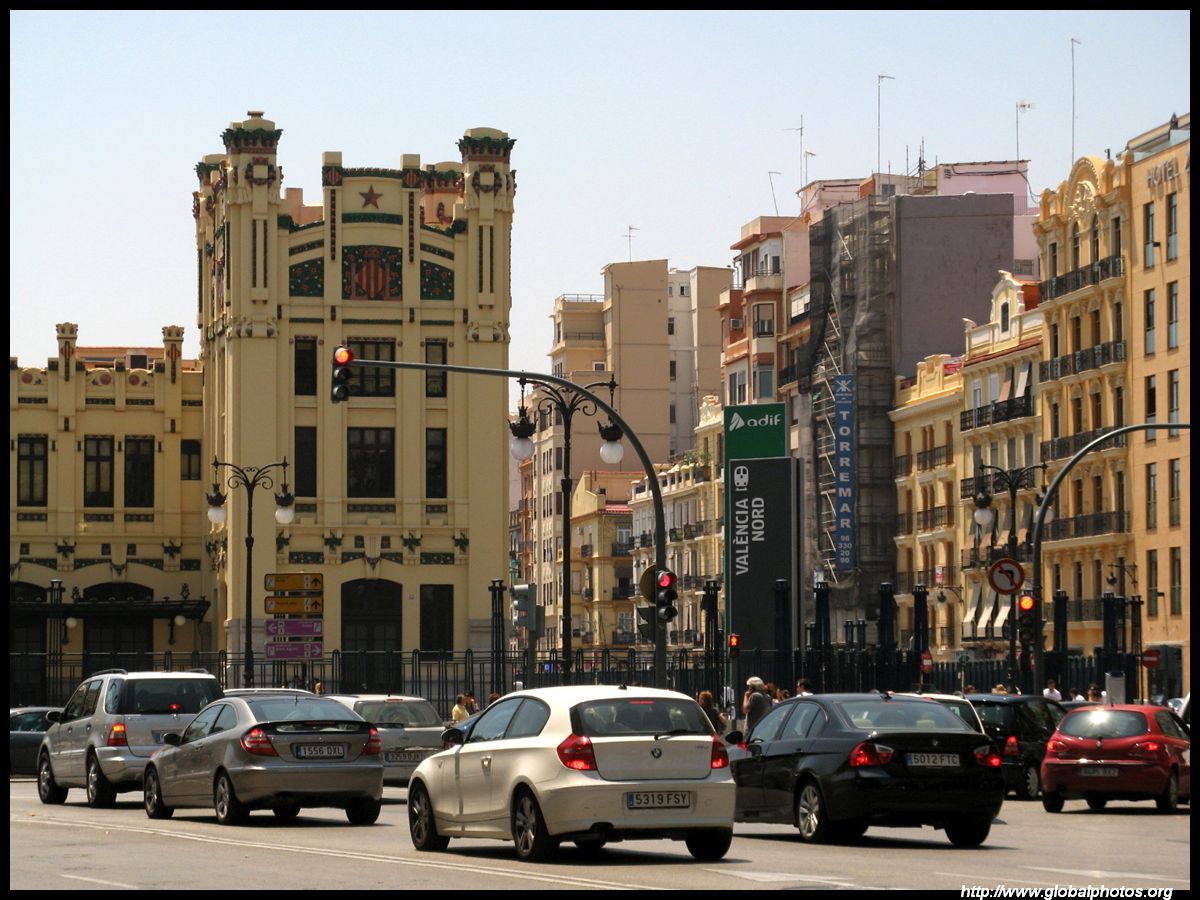
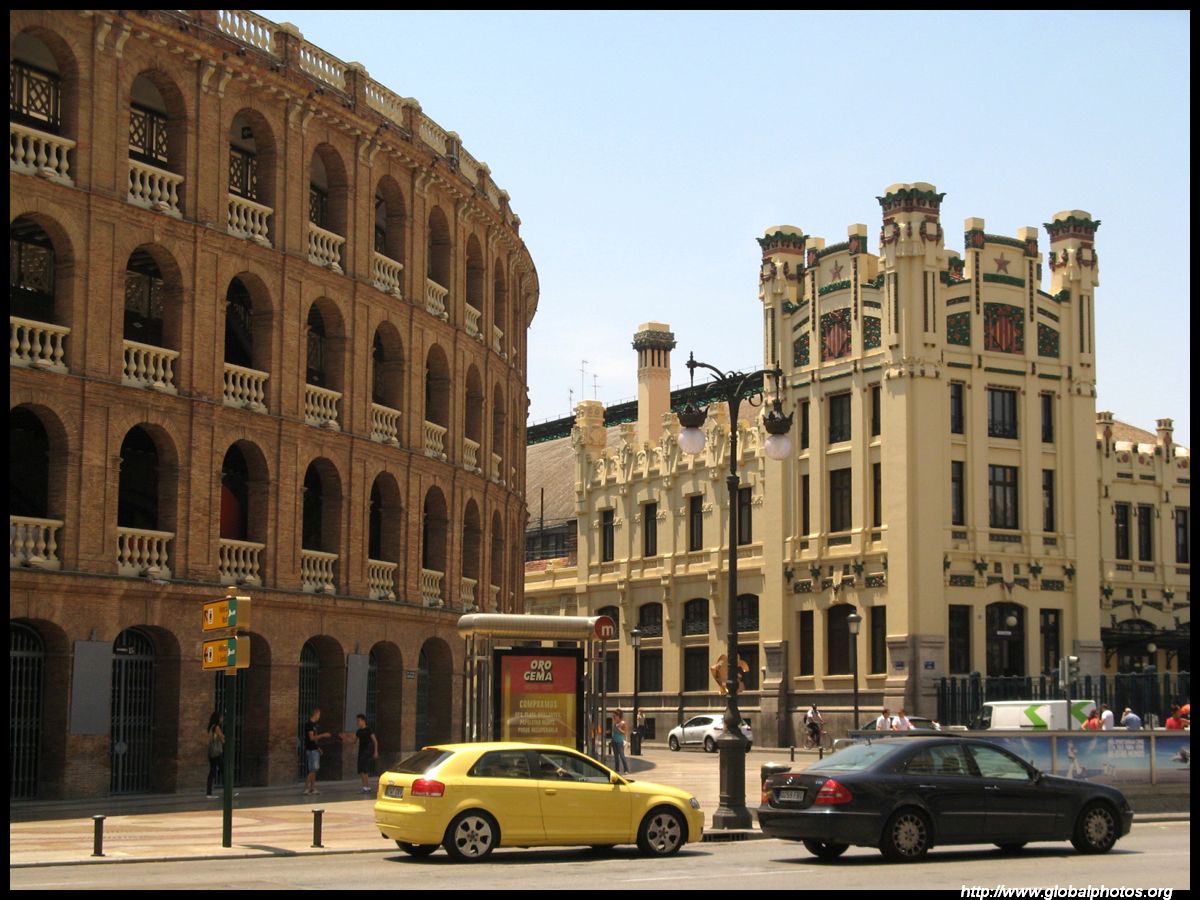
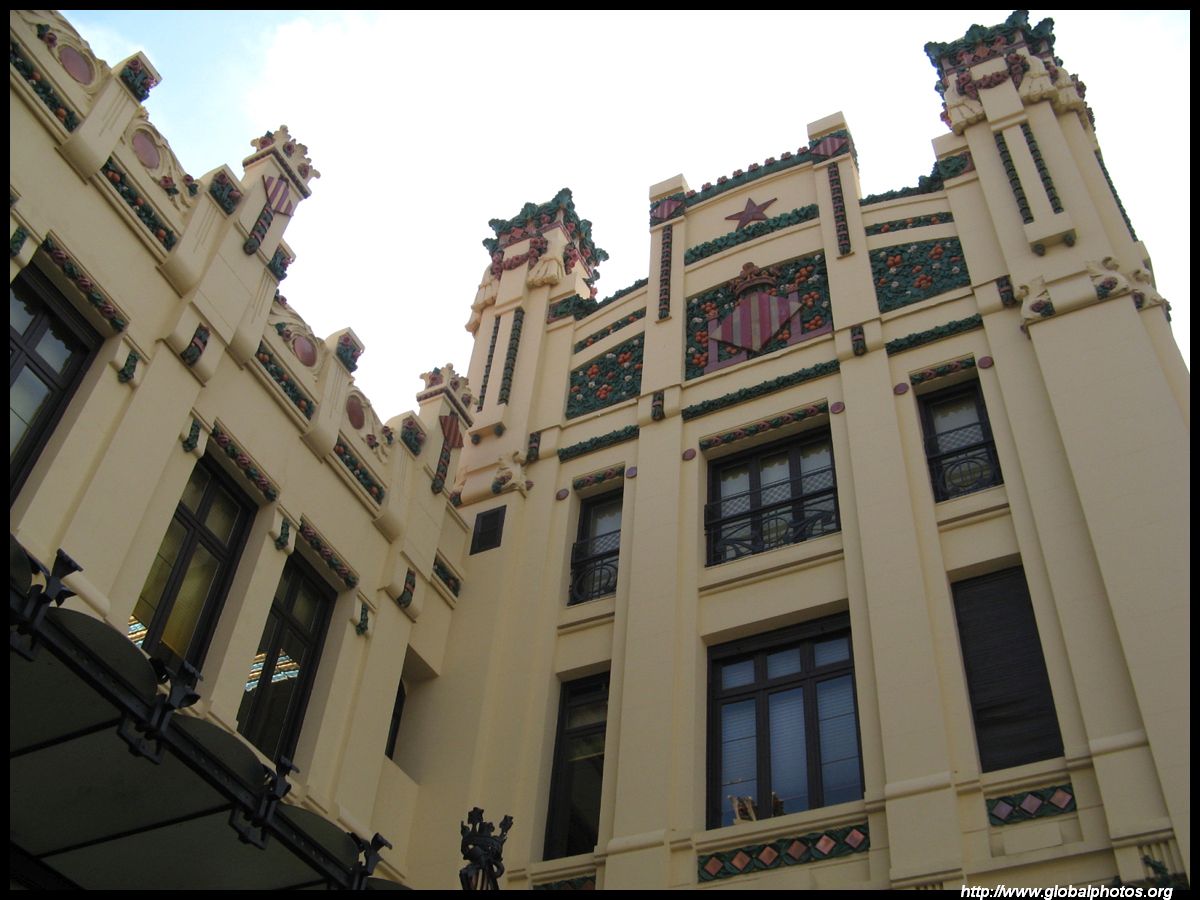
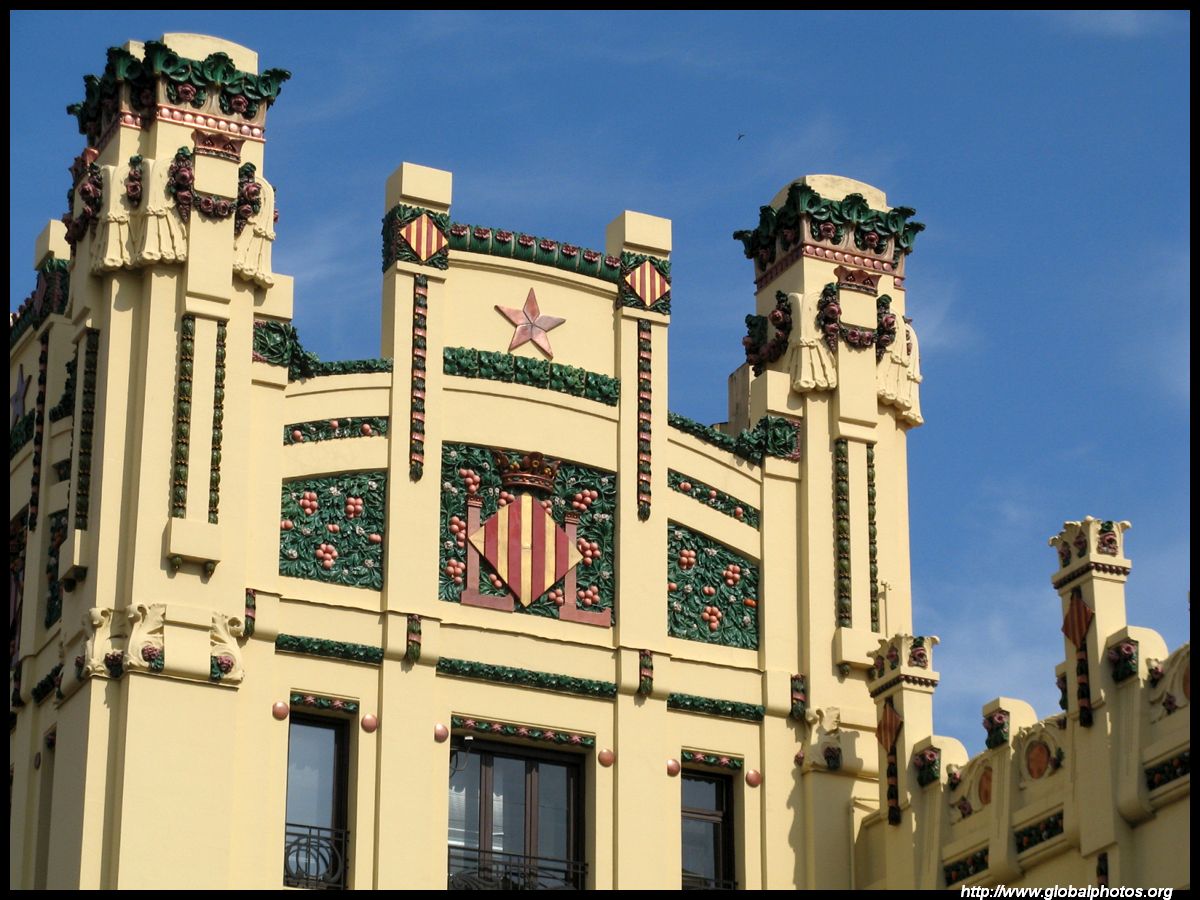
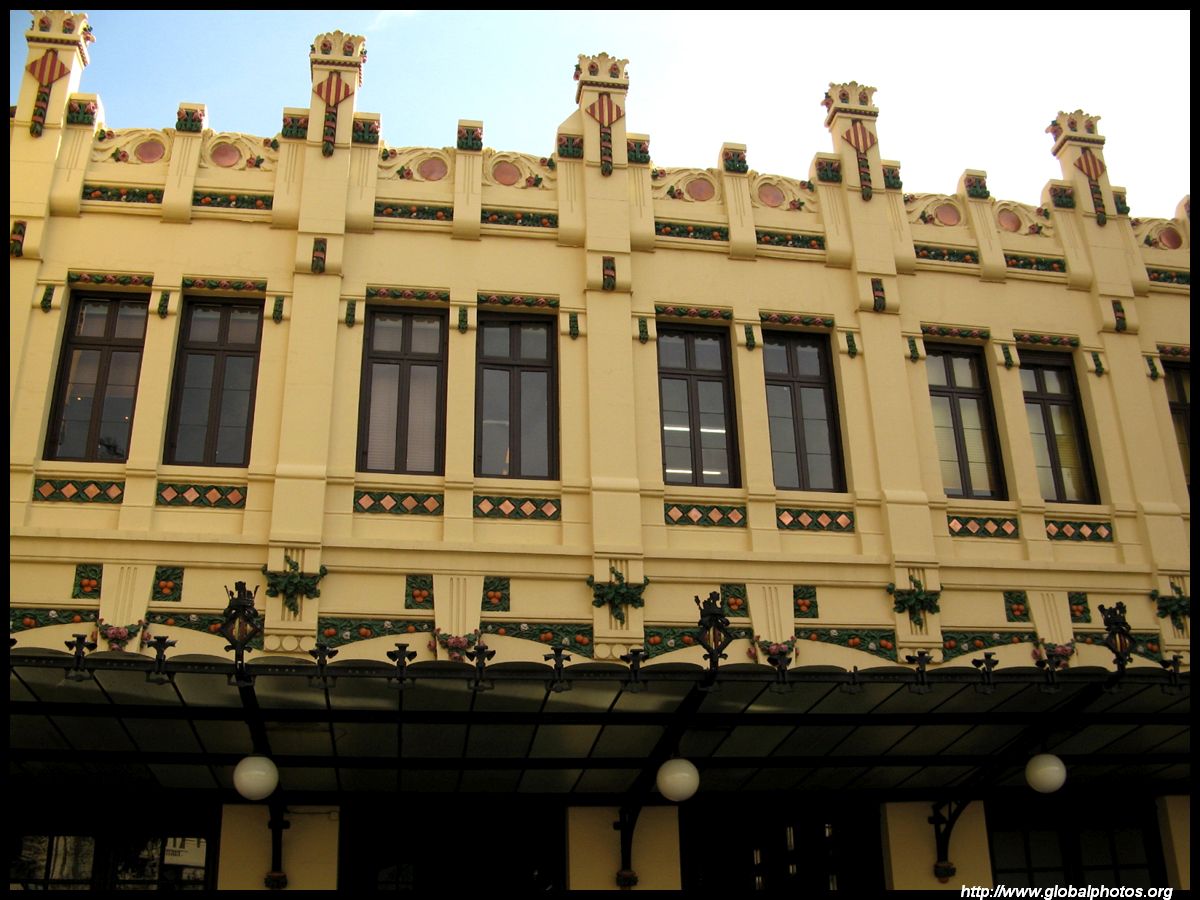
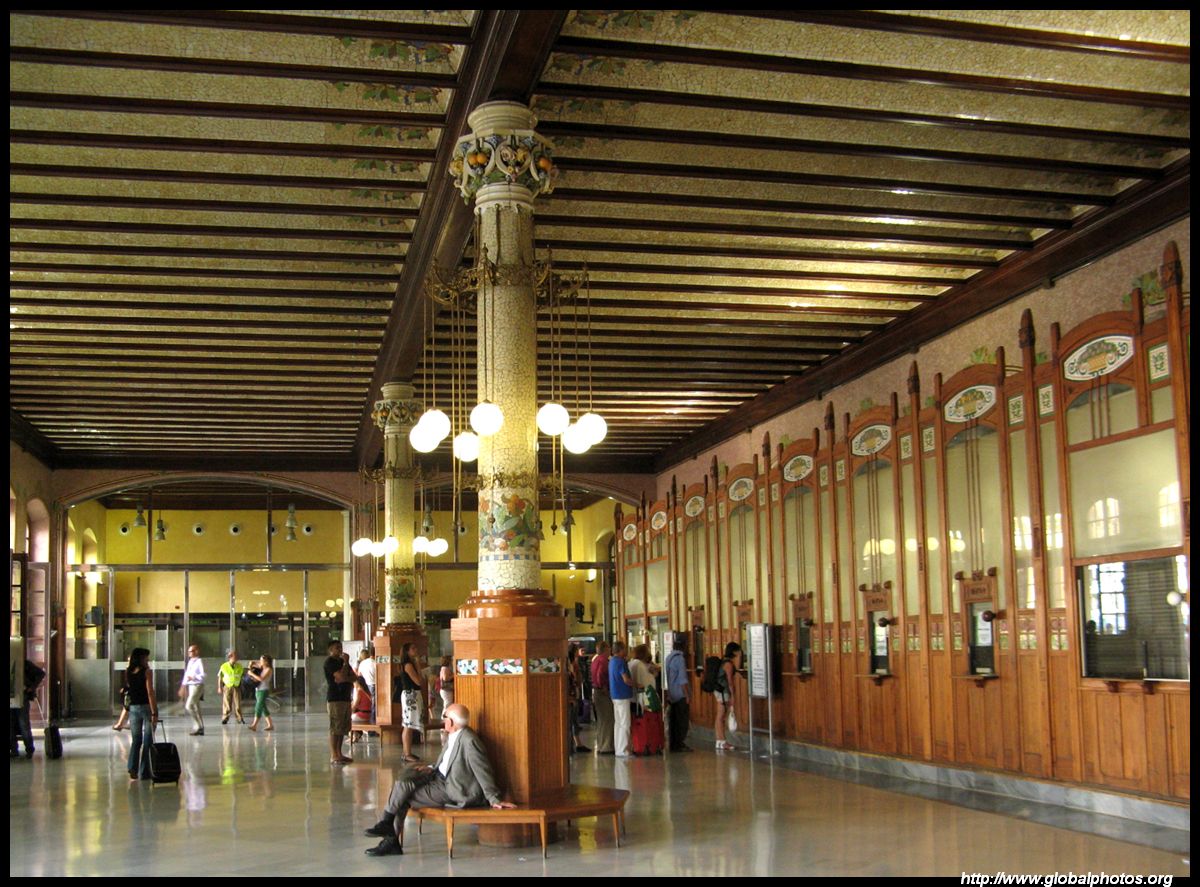
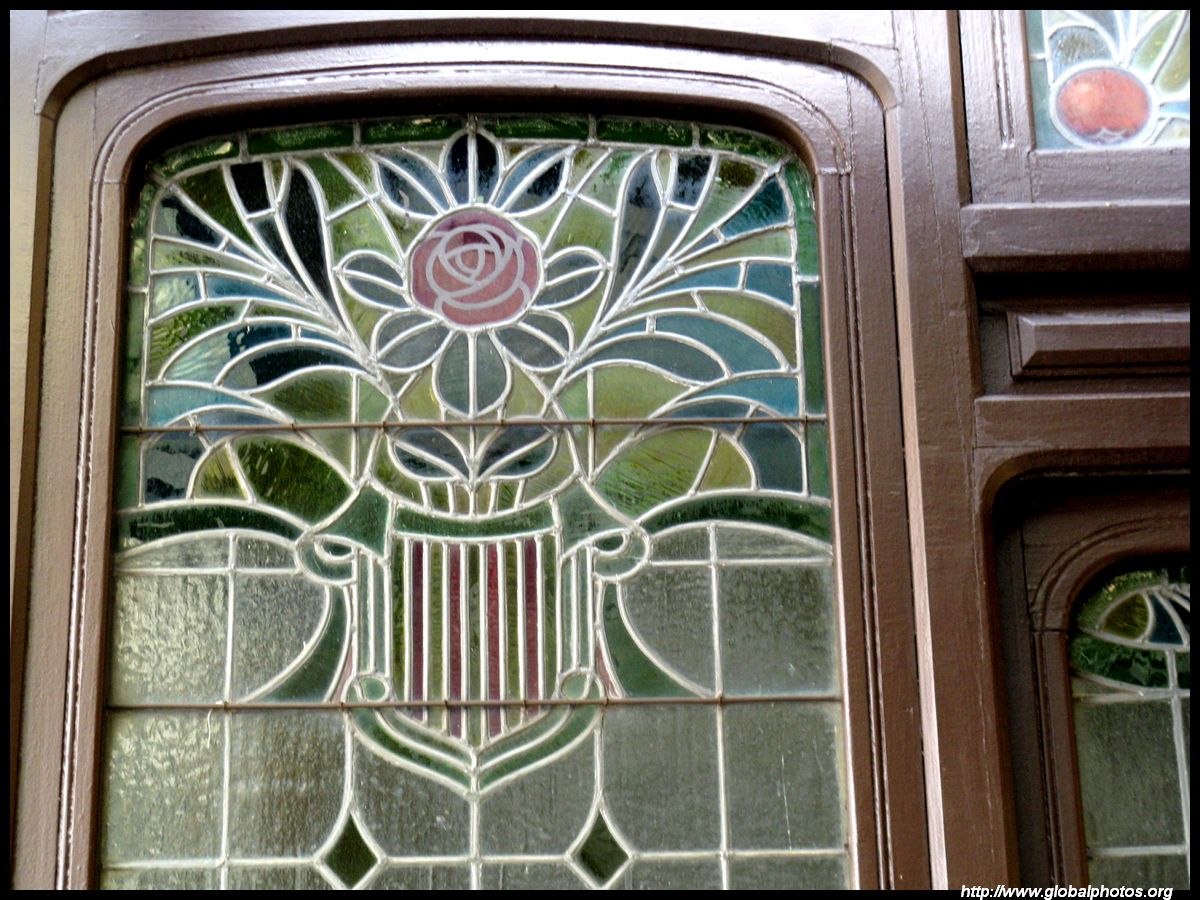
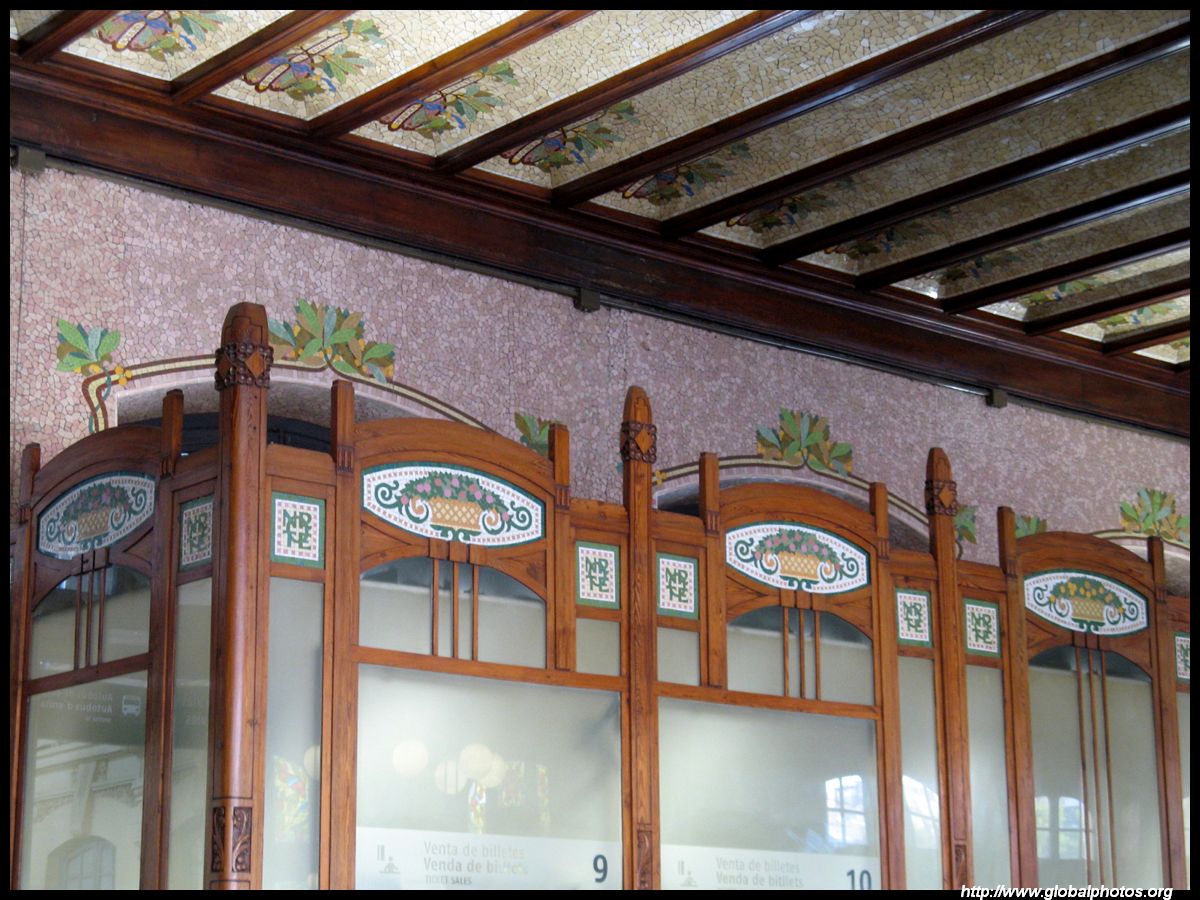
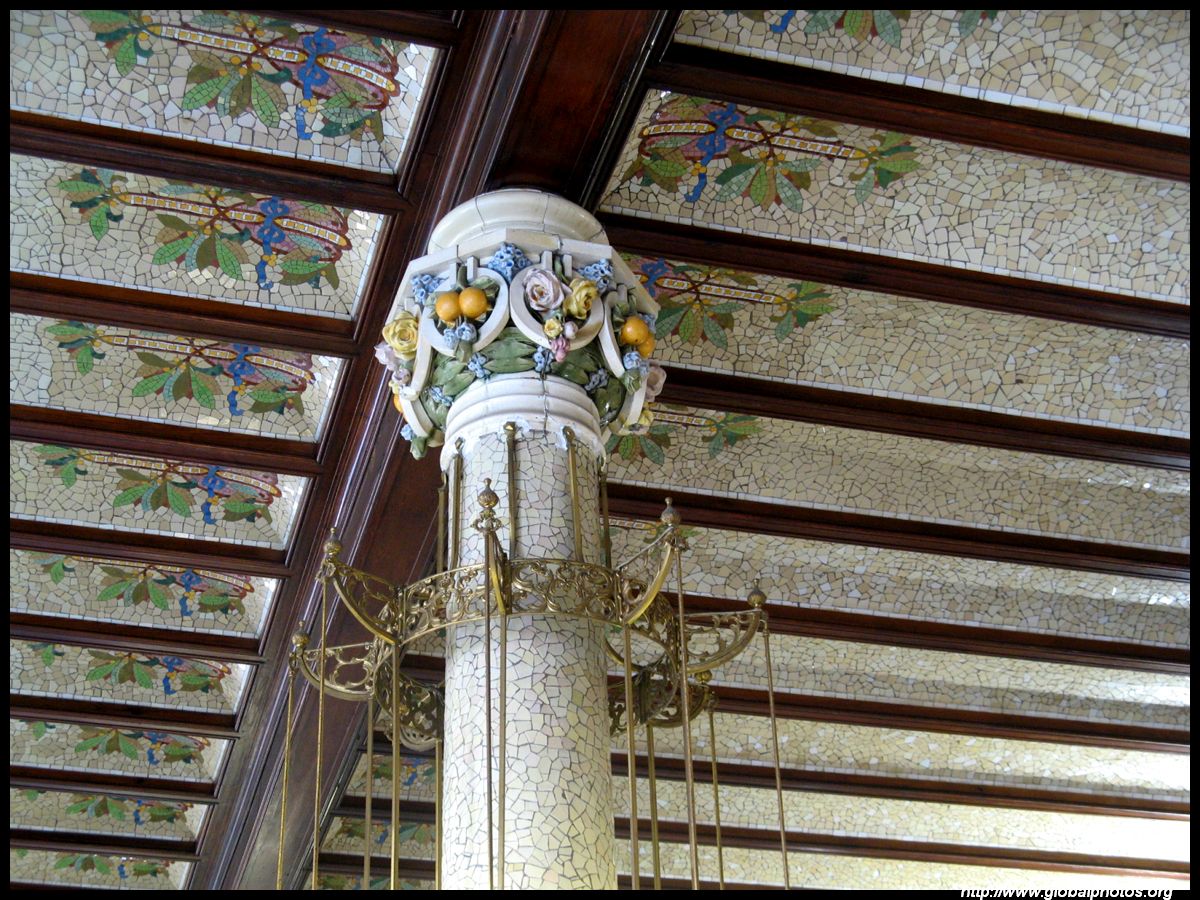
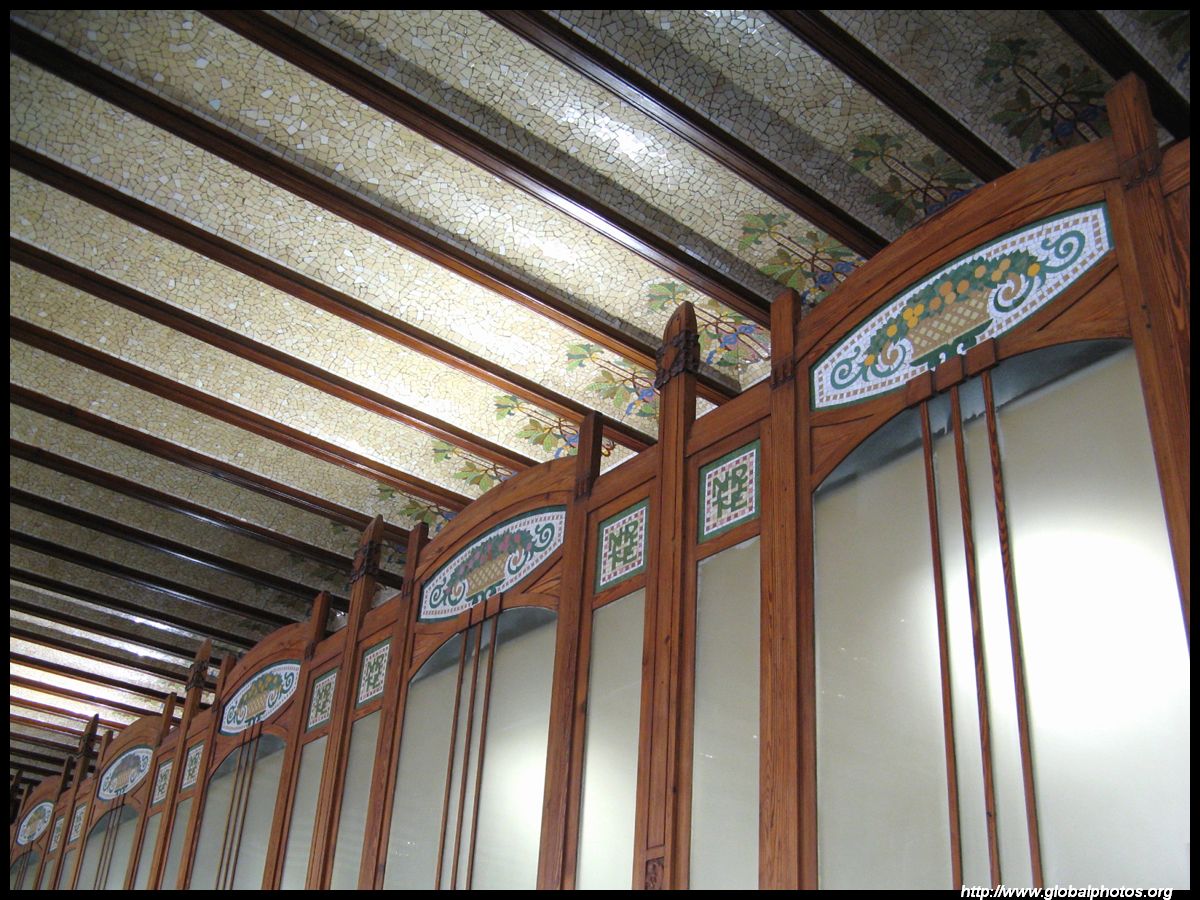
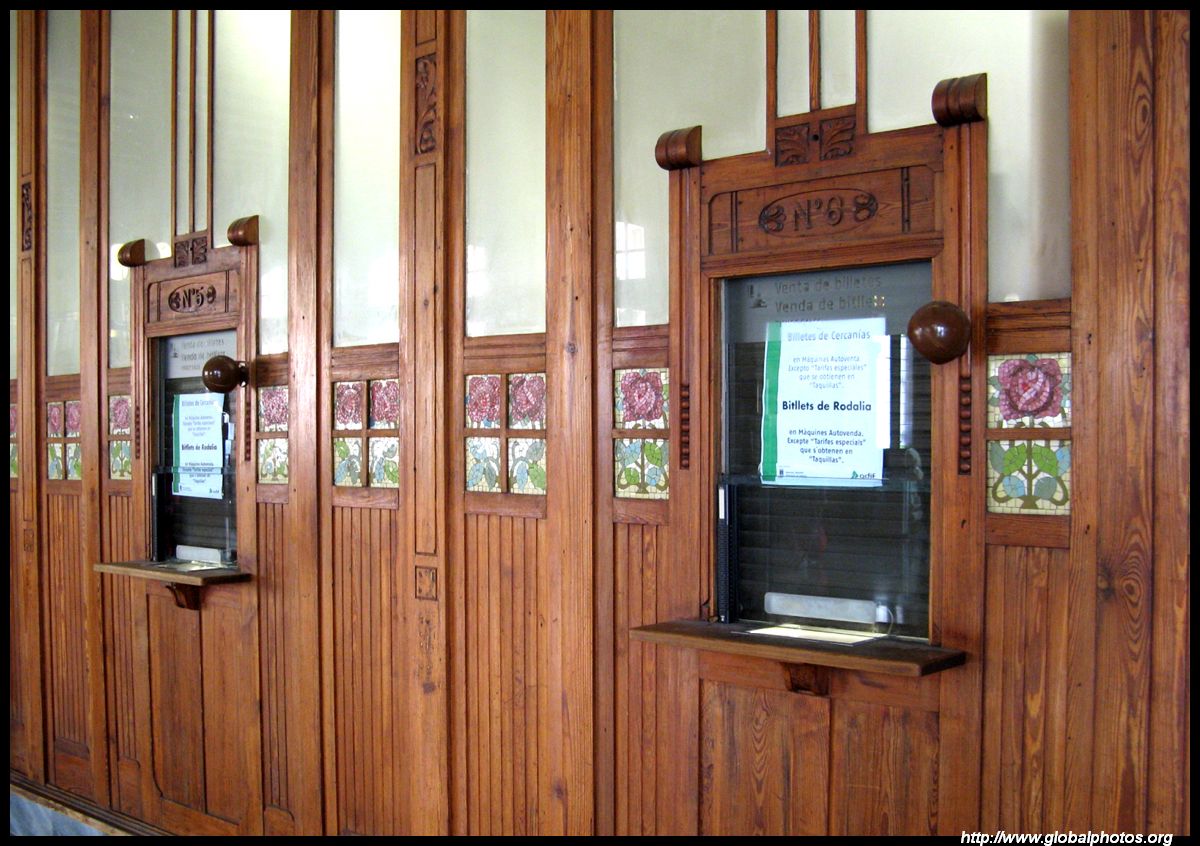
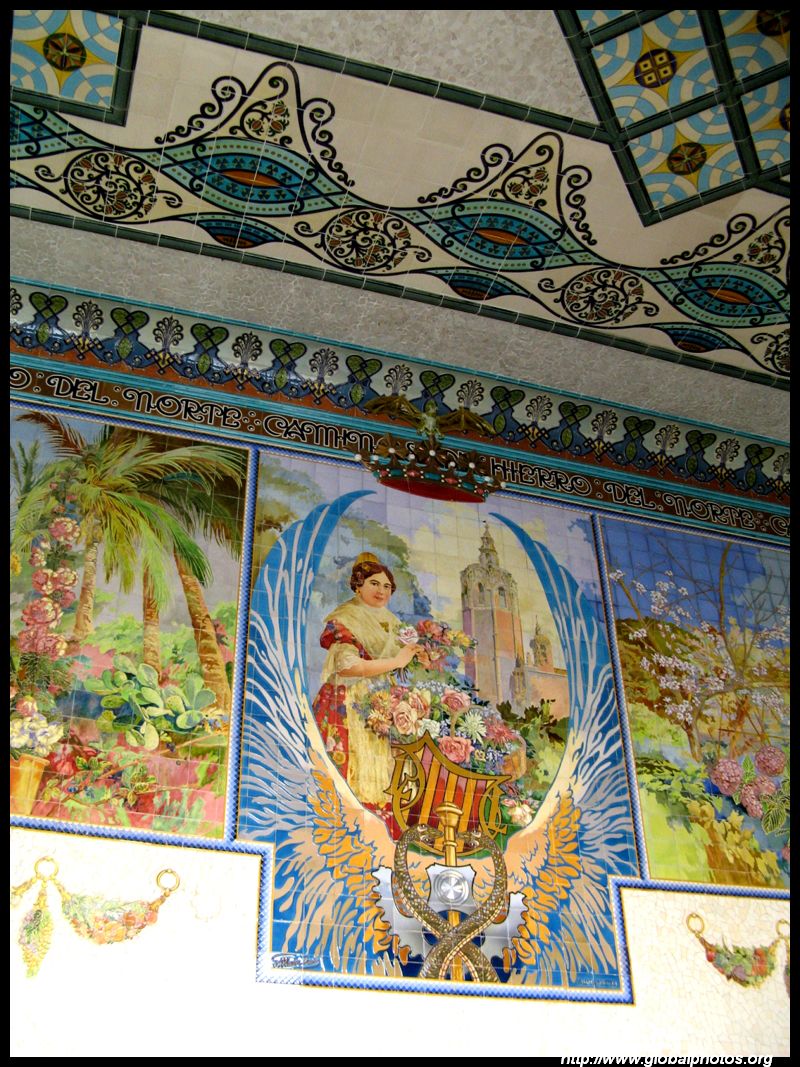
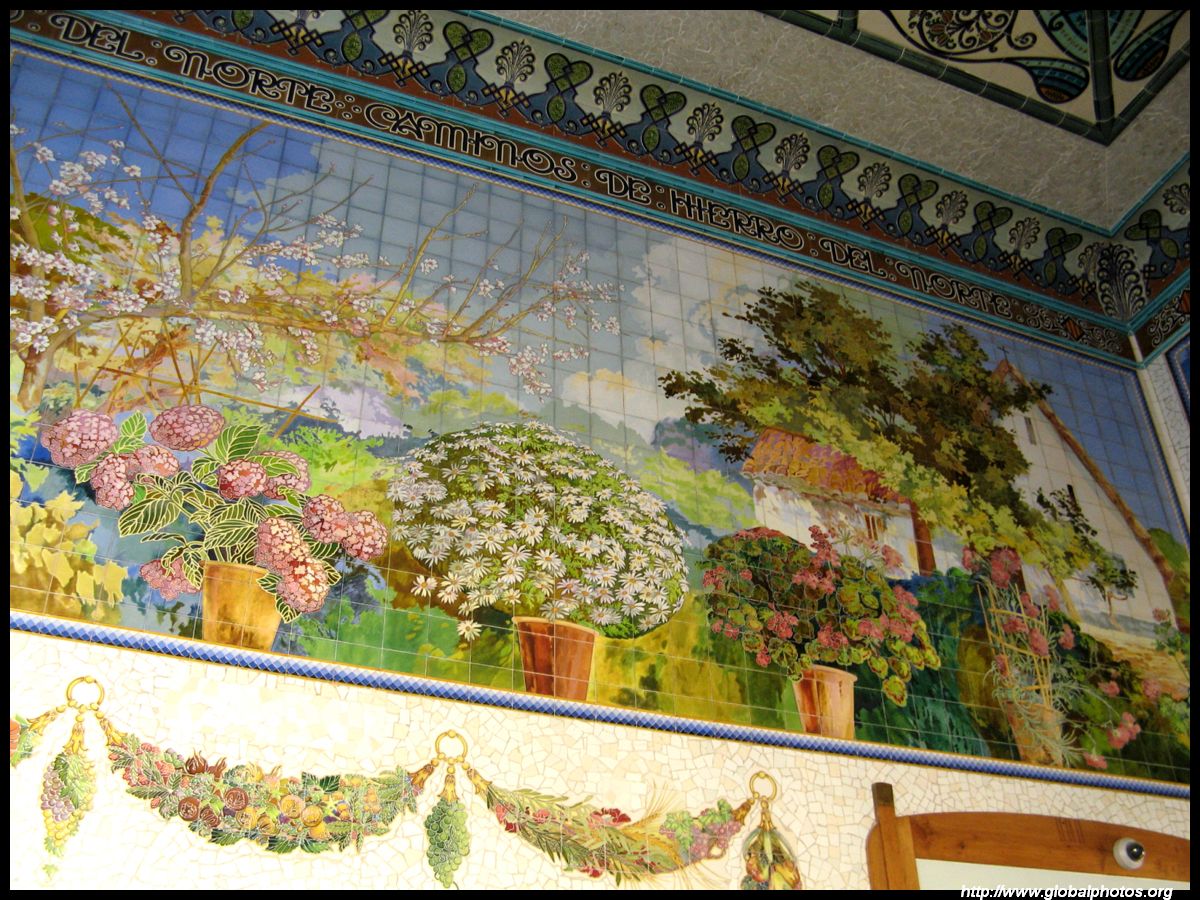
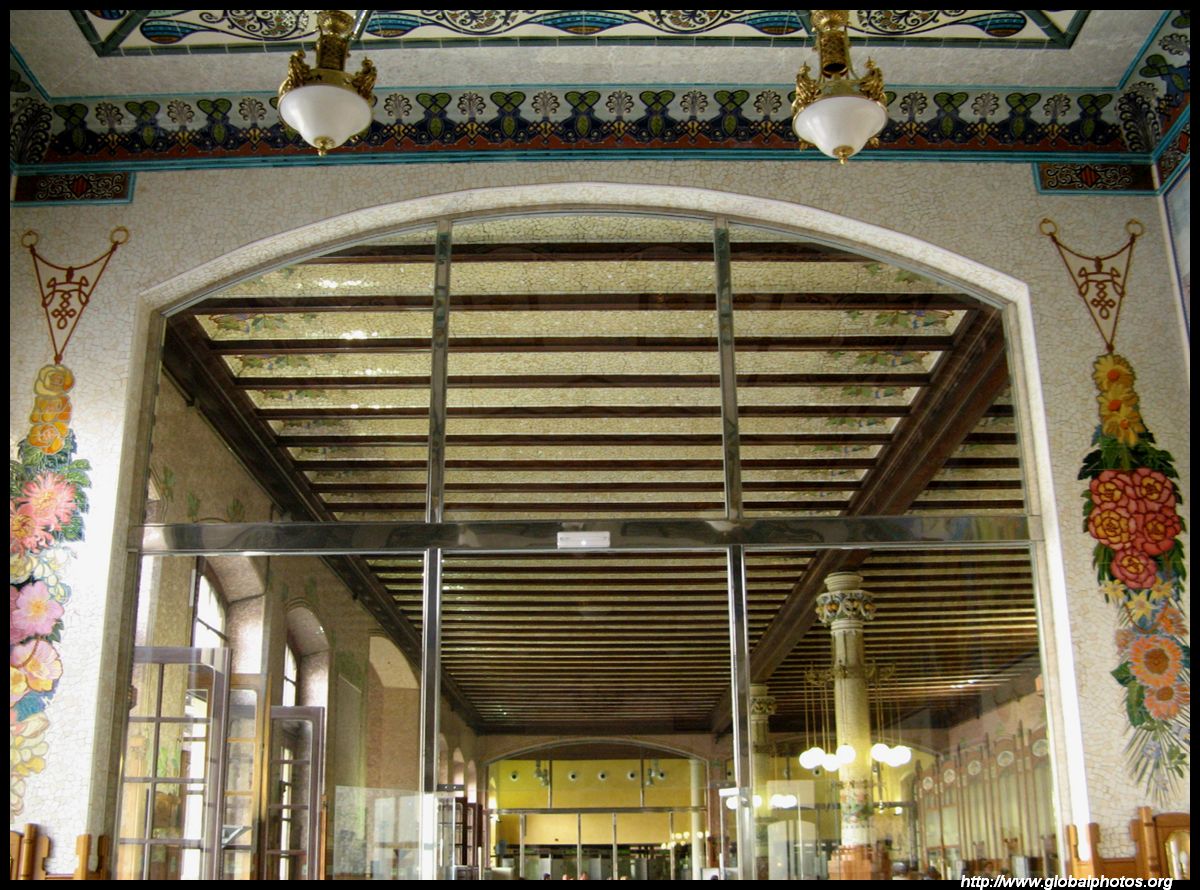
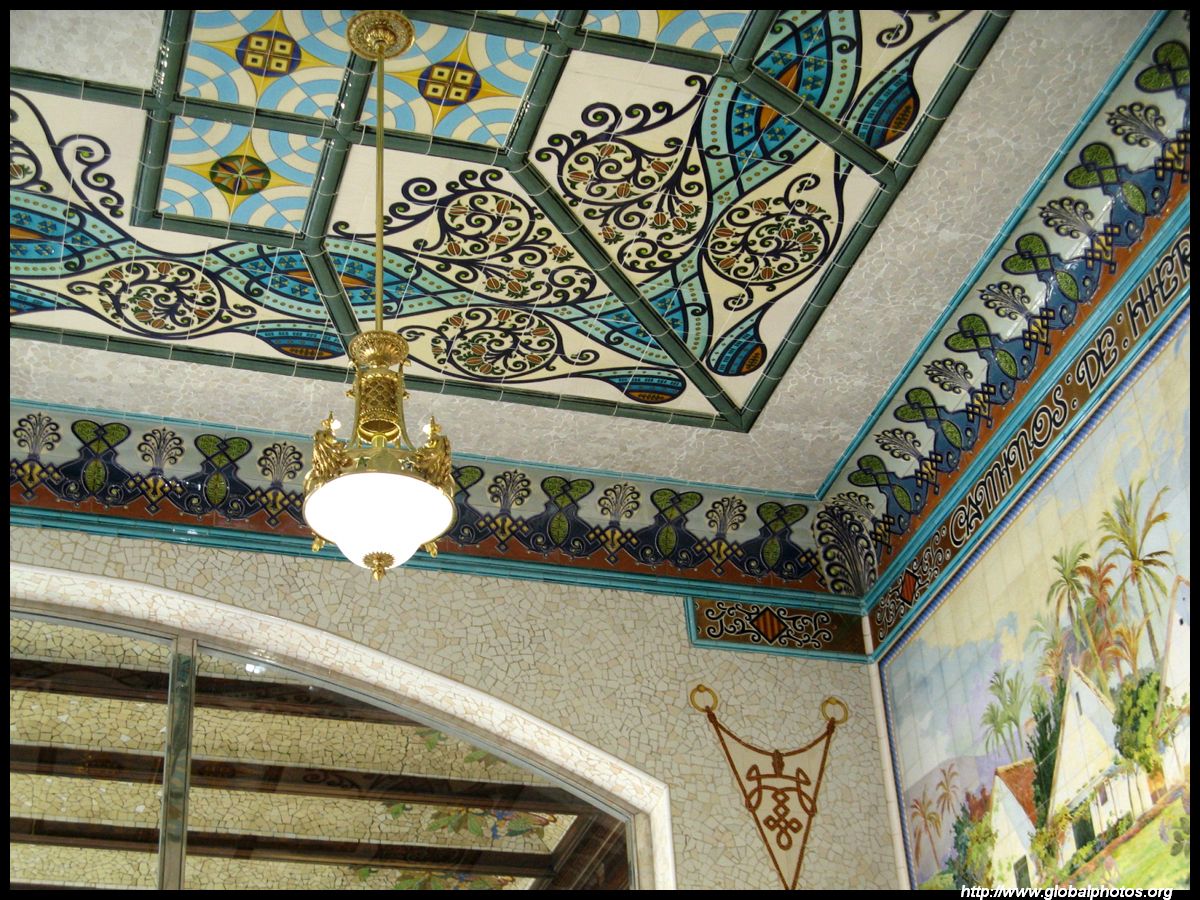
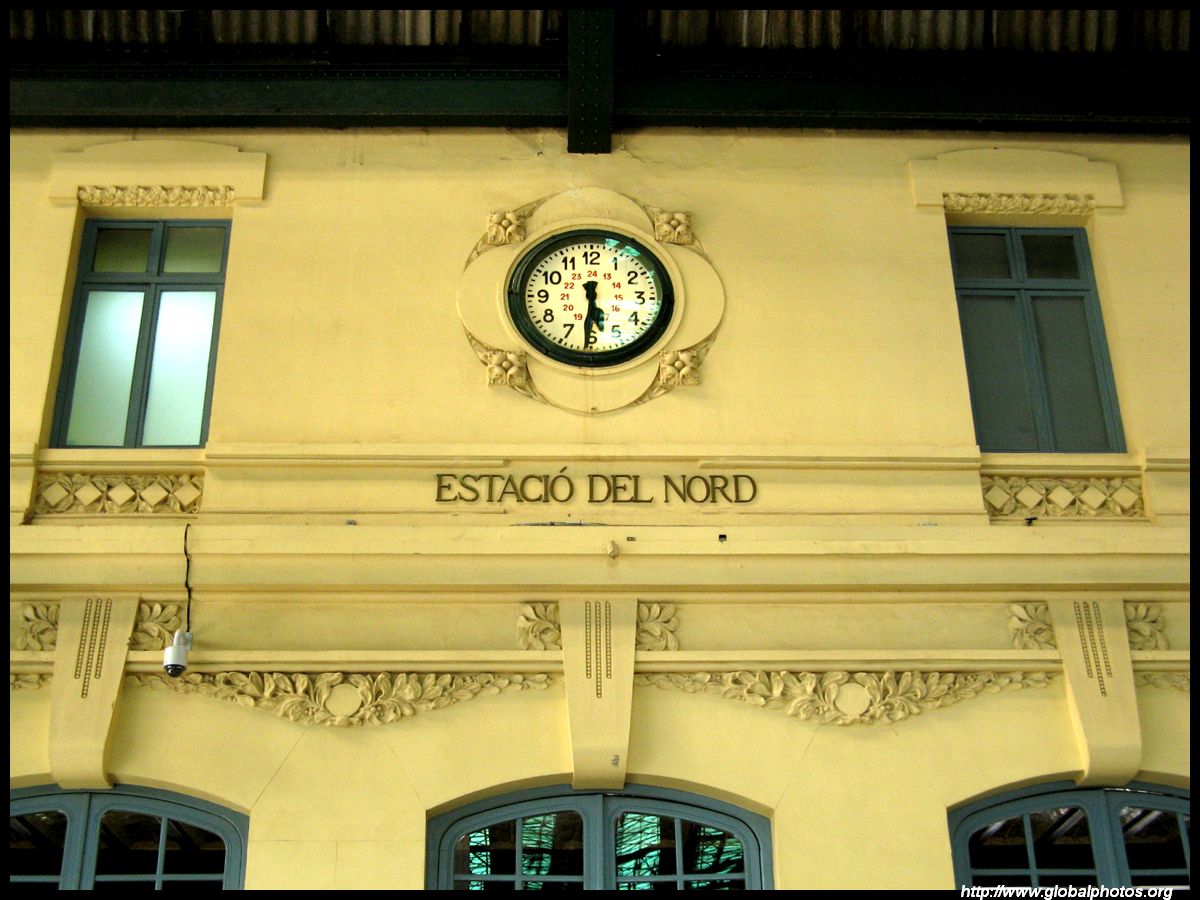
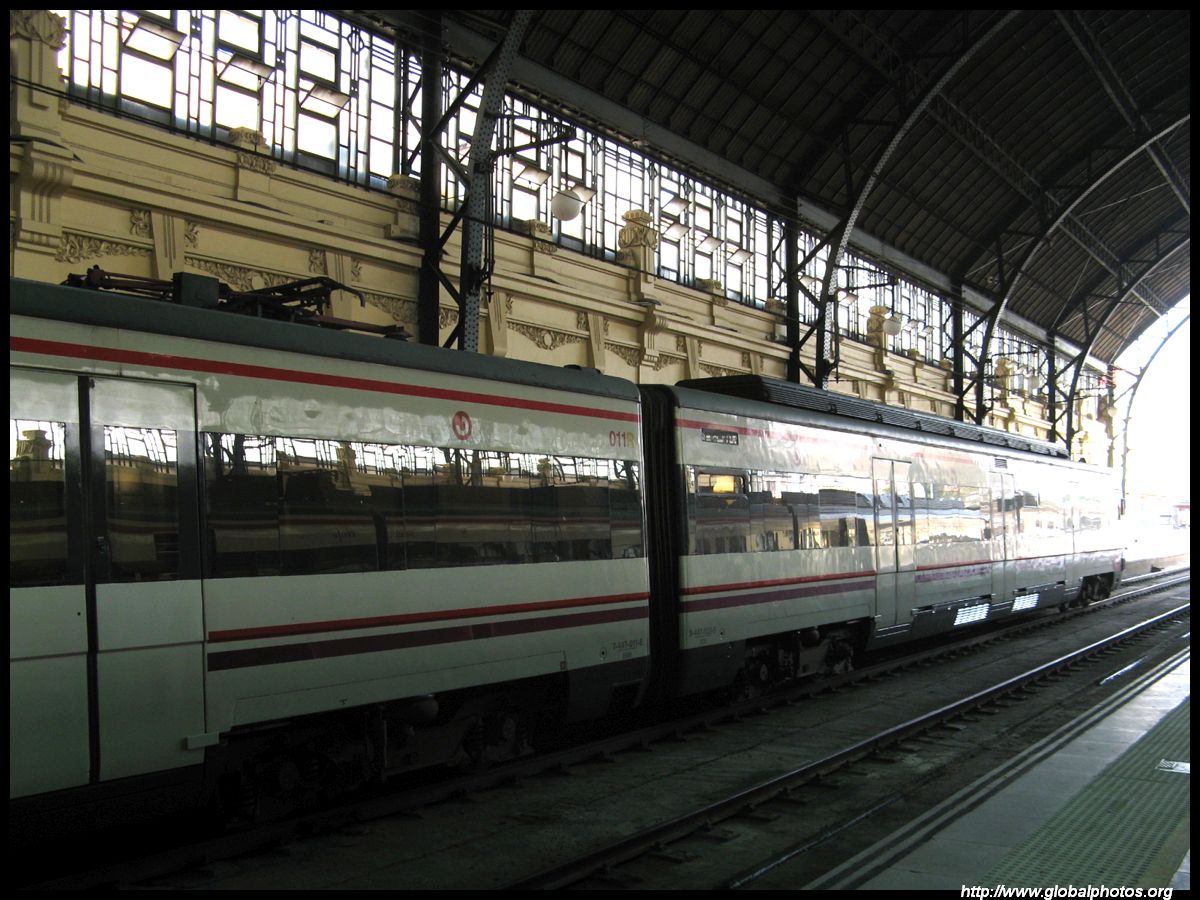
The historic centre is easily walkable and the key sights are never far from each other. Estacion del Norte is elaborately decorated outside and inside to celebrate the orange trade. Opened in 1917, the wood ticket booths and ceramic paintings are particularly notable. It is still a working station; the train ride to my next destination, Alicante, would leave from here.
Booking fast trains in Spain is quite easy online thanks to a user-friendly RENFE website.
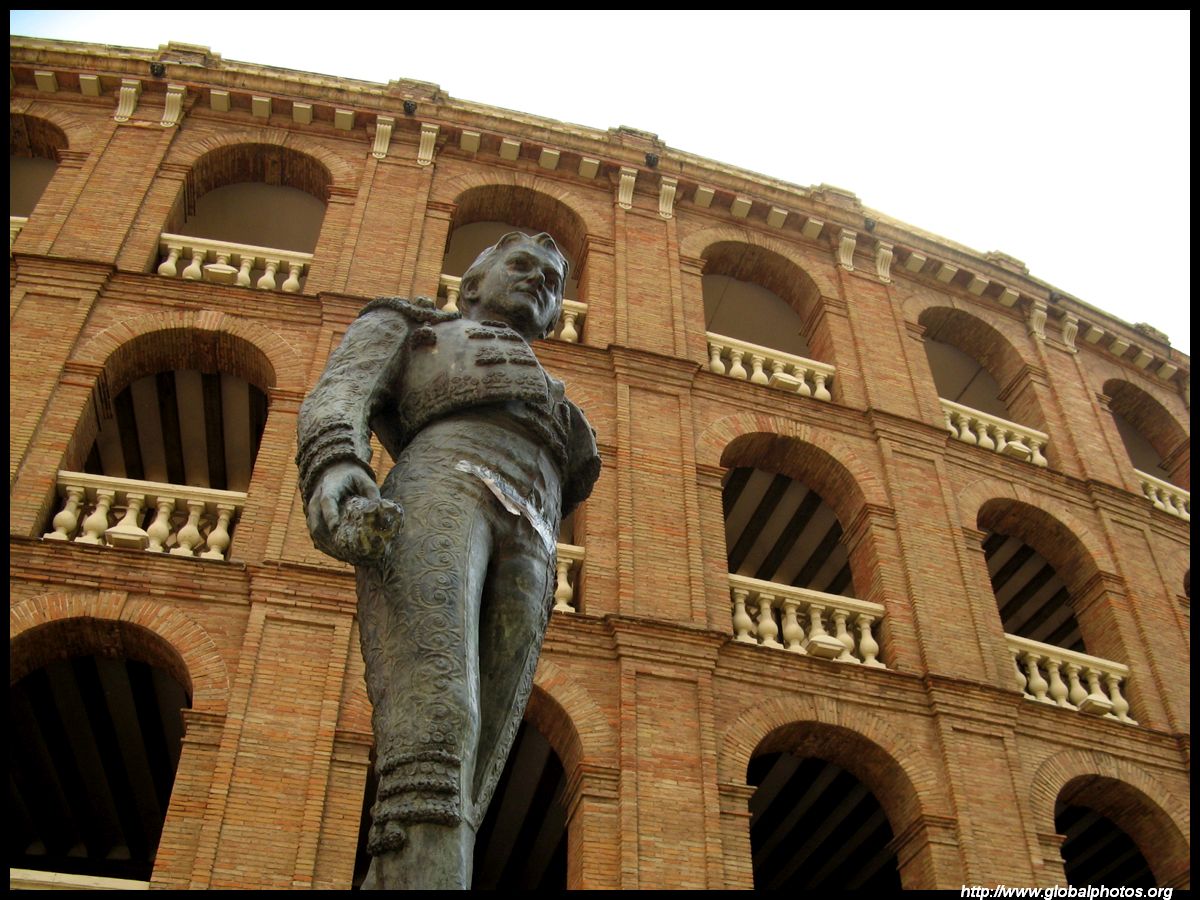
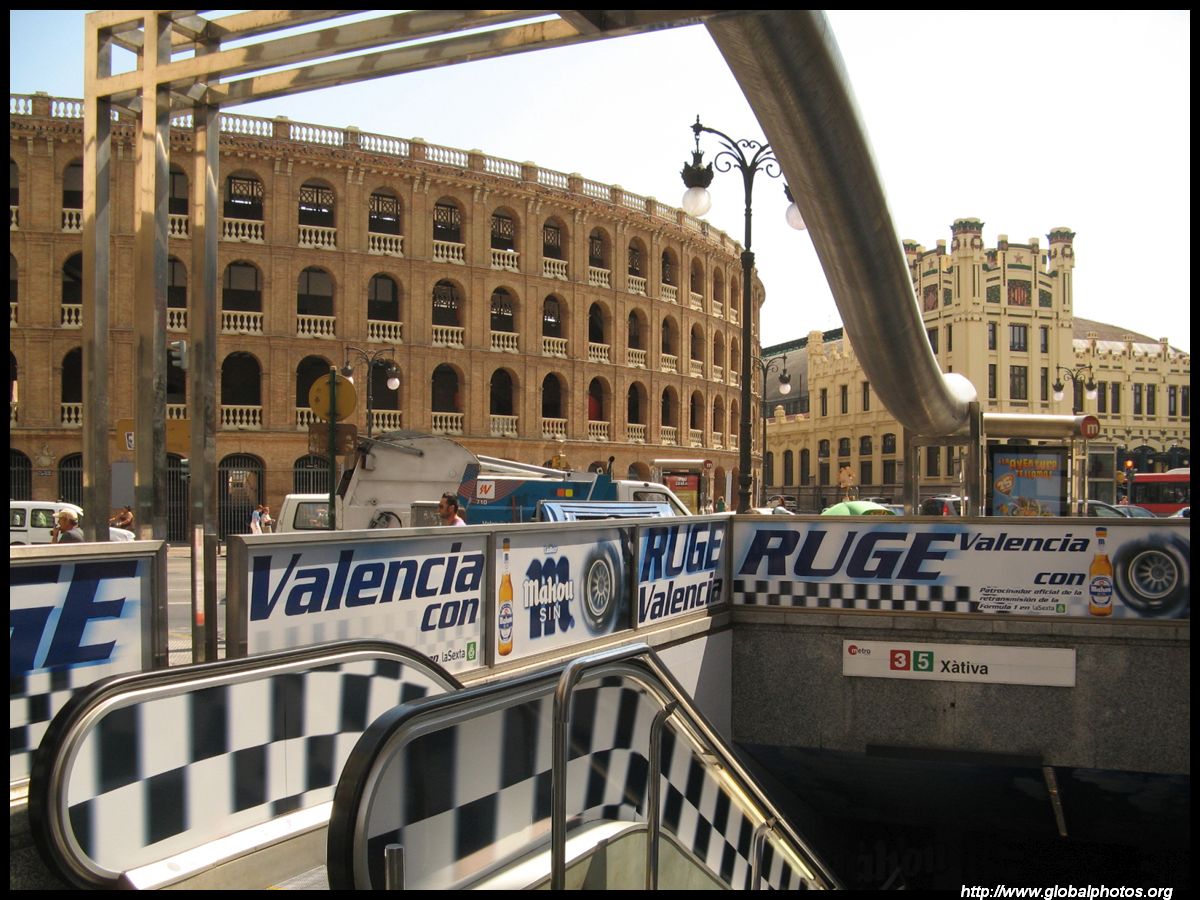
Next door, Plaza de Toros is the city's bullring. Built from 1850-1860, it is over 17m high across 4 stories and the ring's diameter is 52m.
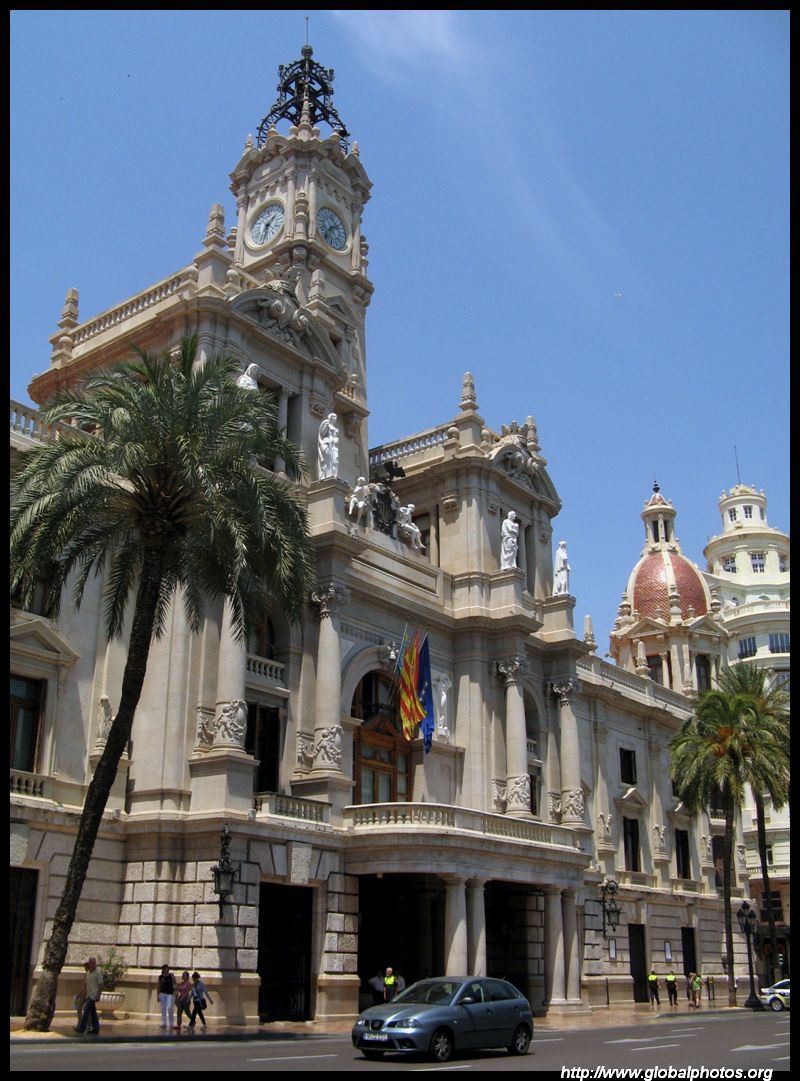
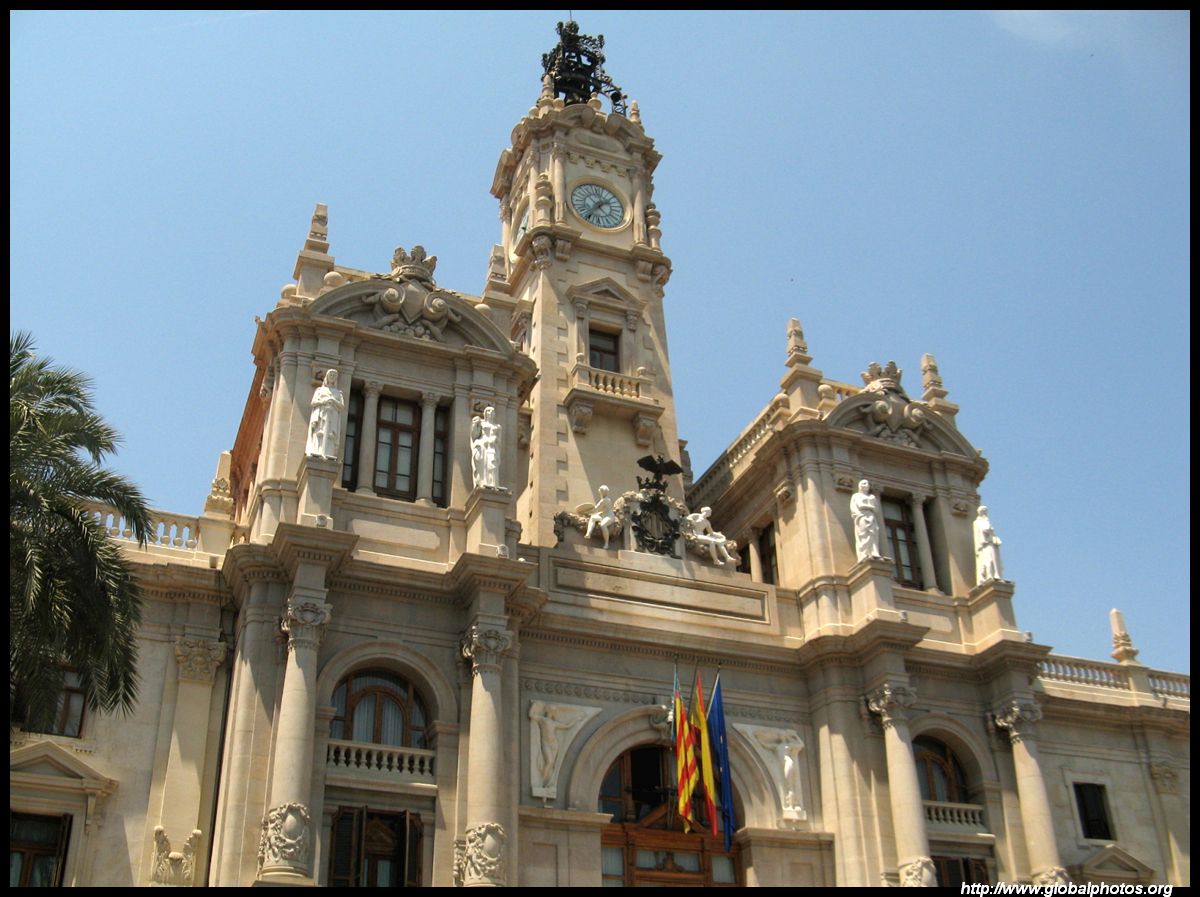
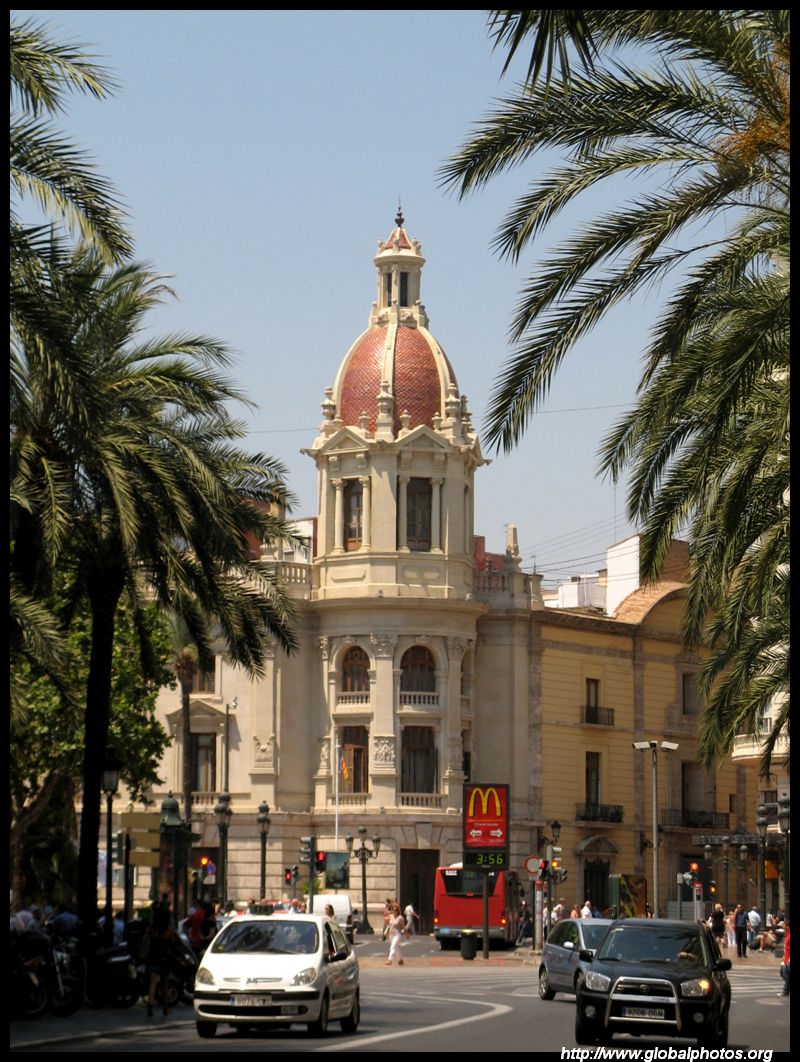
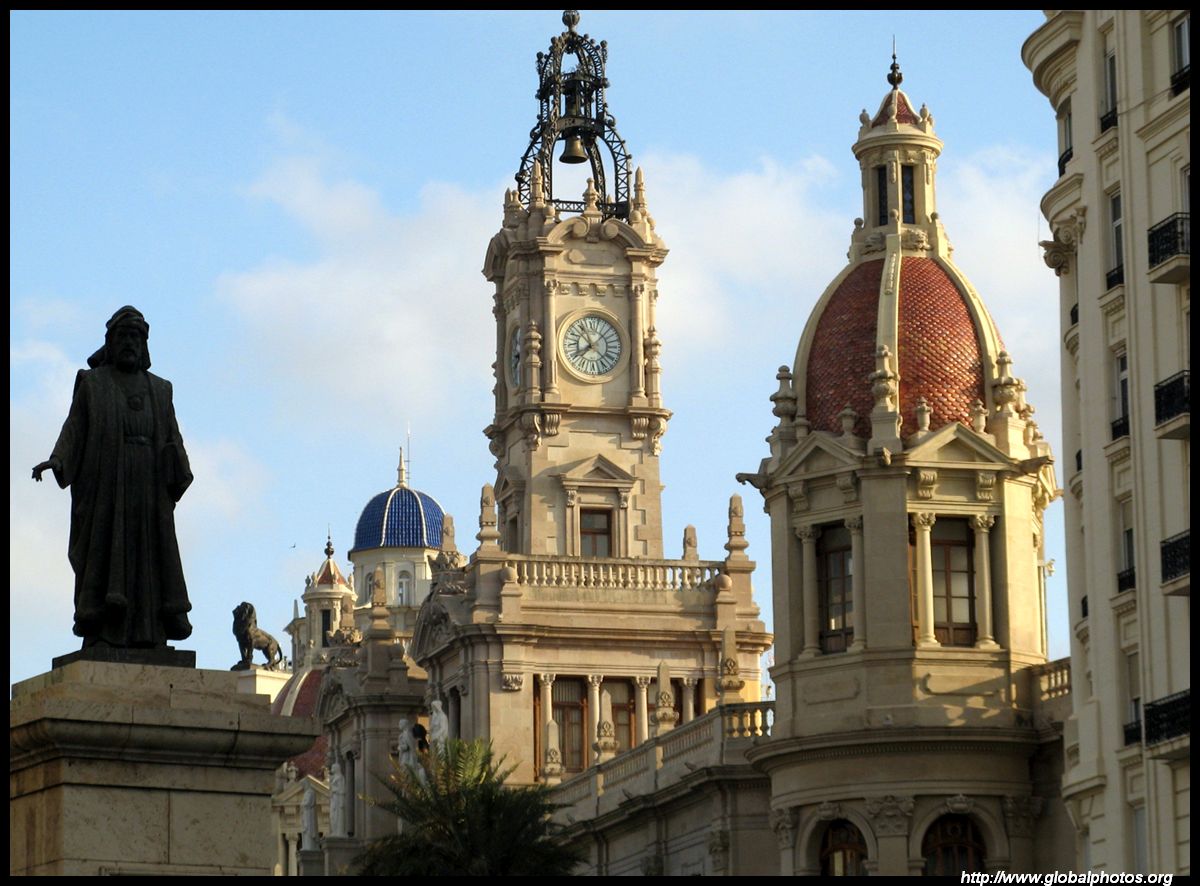
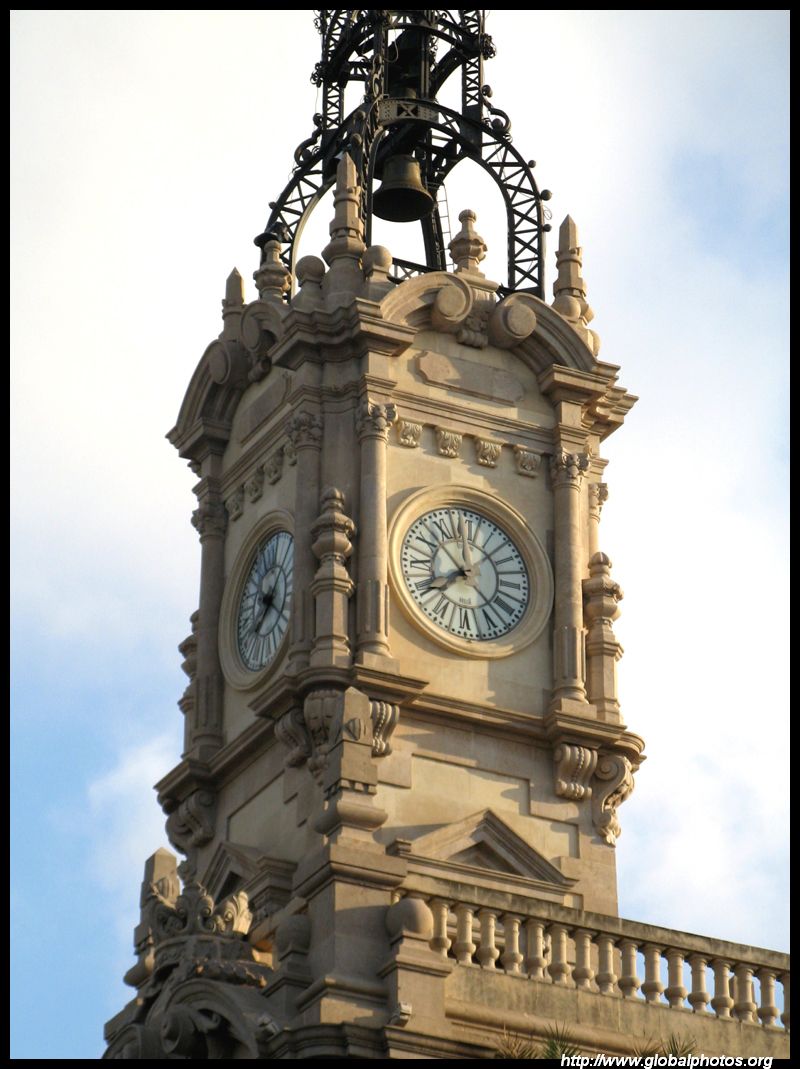
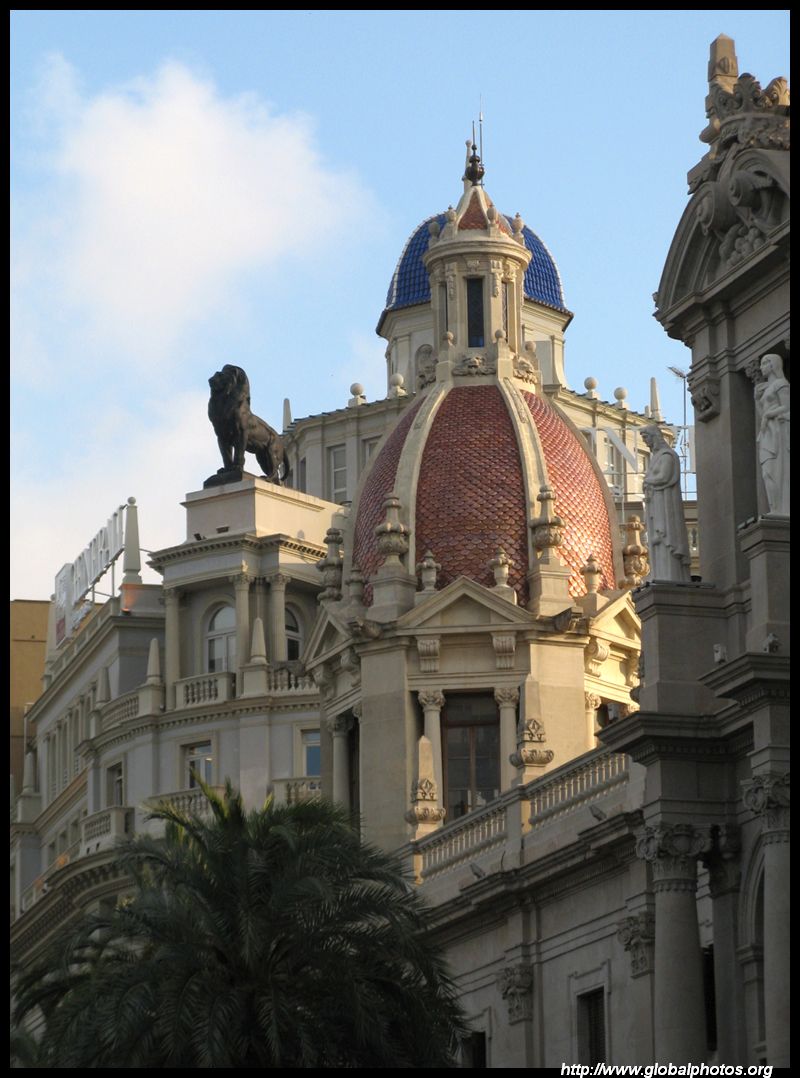
The Ayuntamiento, or City Hall, has been home to the City Council since 1934.
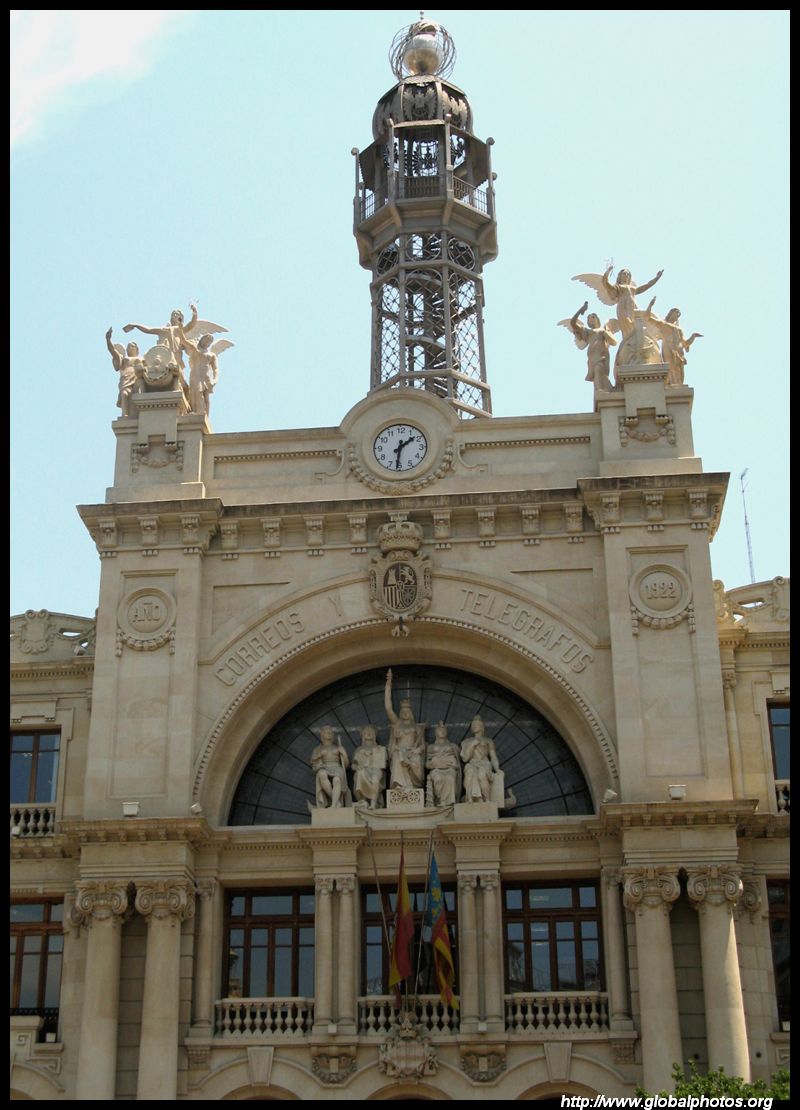
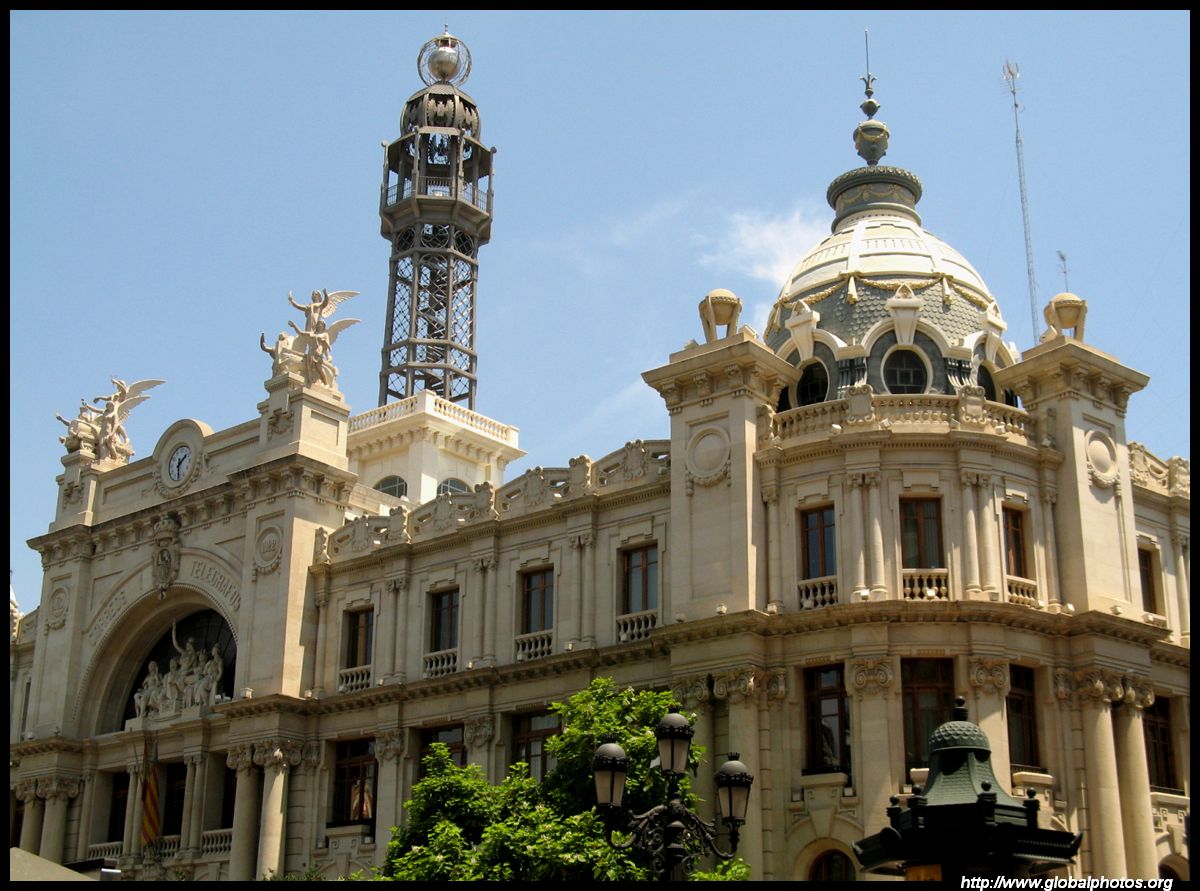
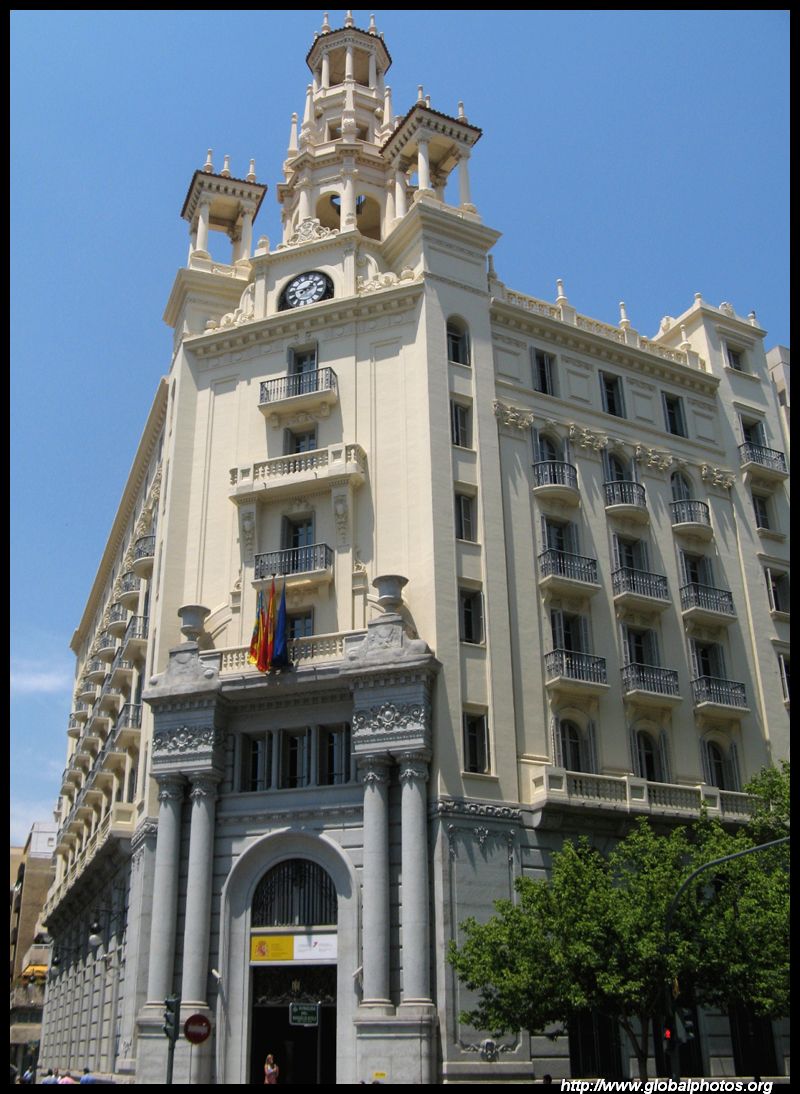
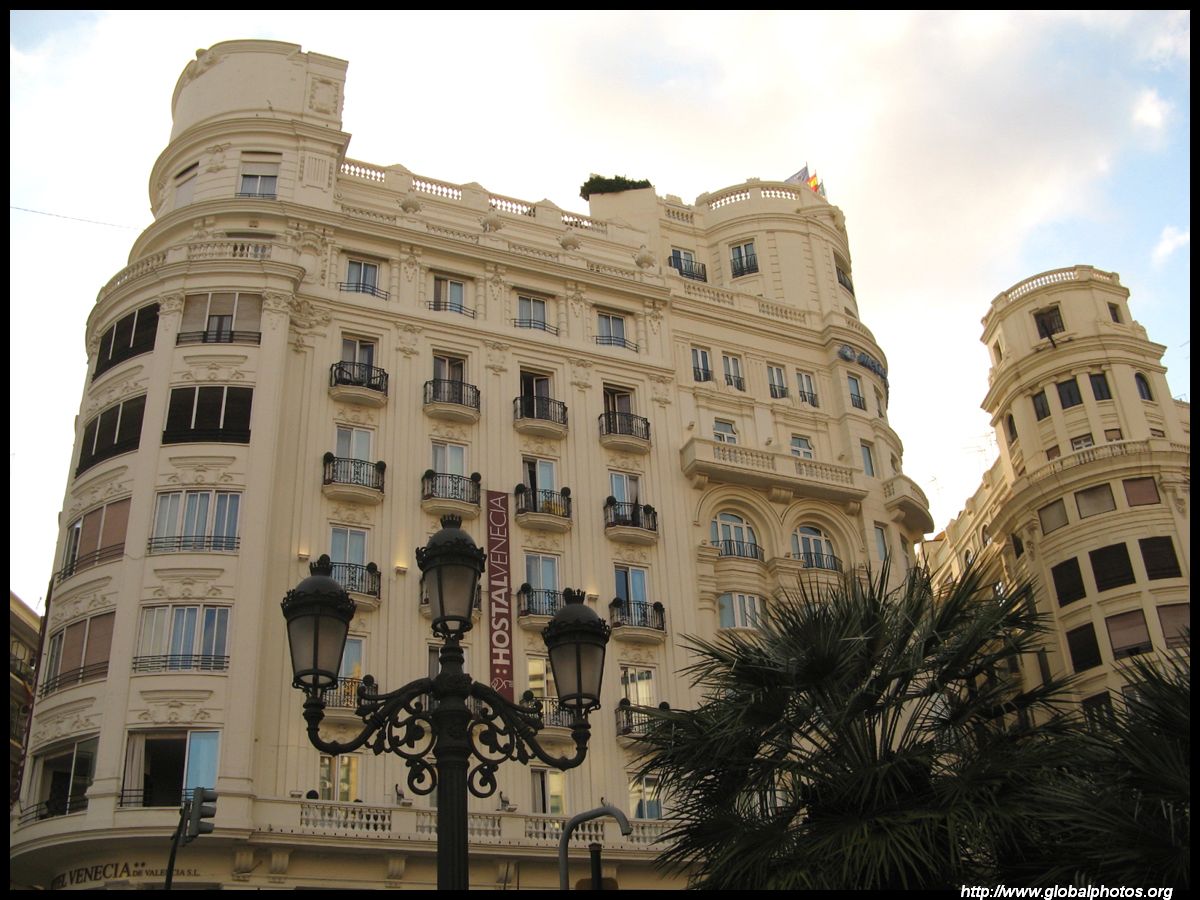
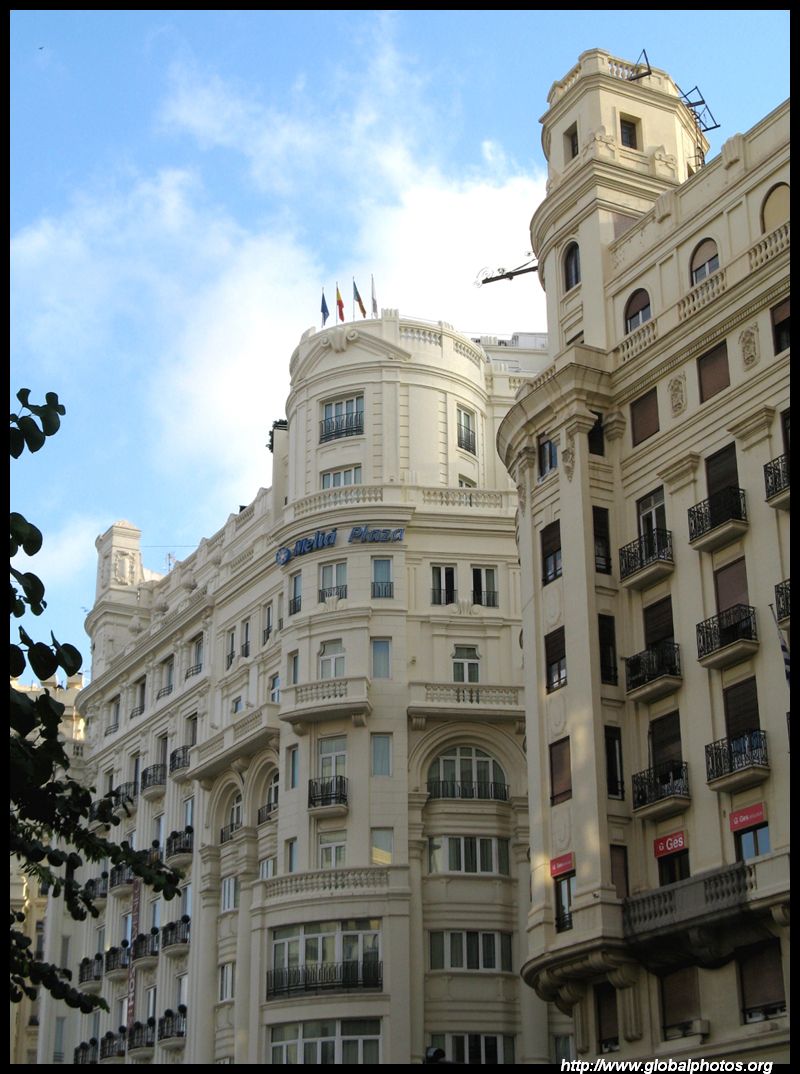
Other stately buildings line around the plaza in front of it.
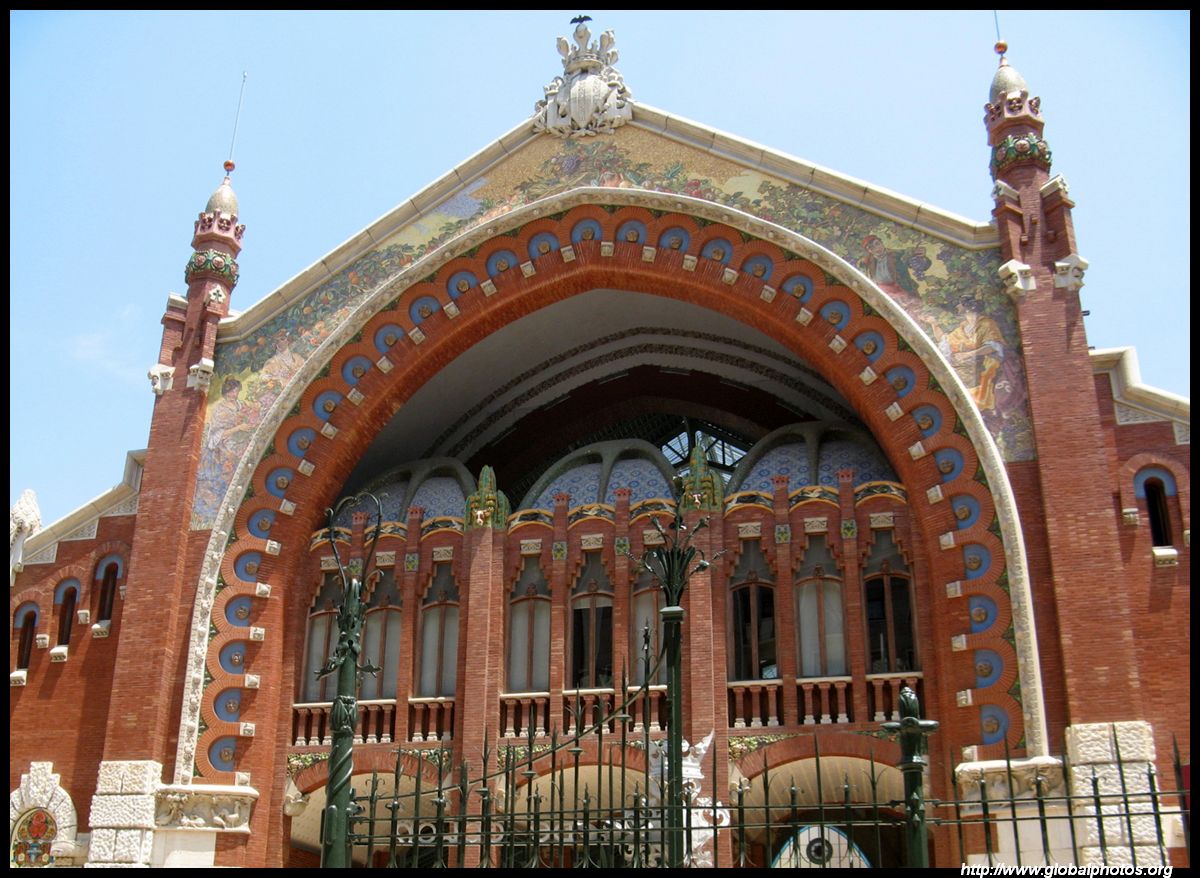
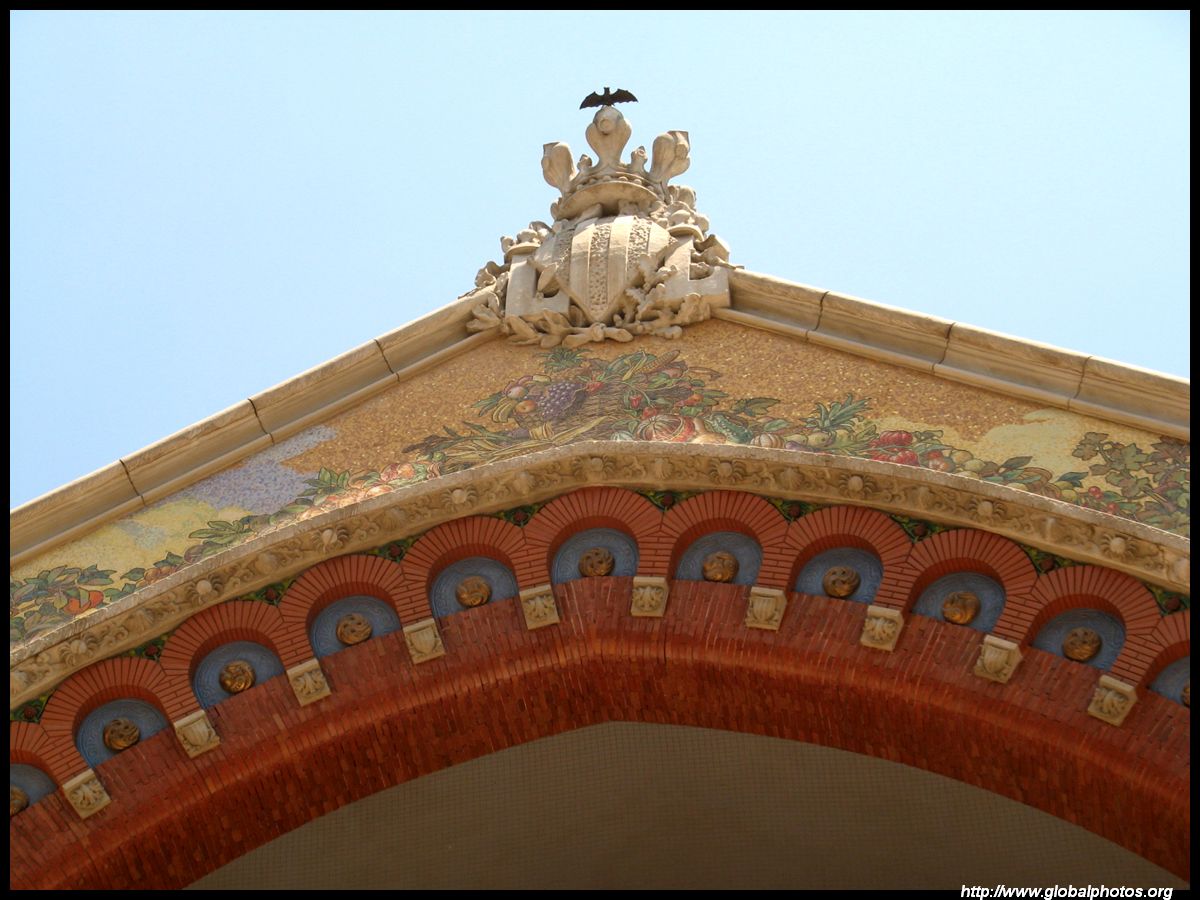
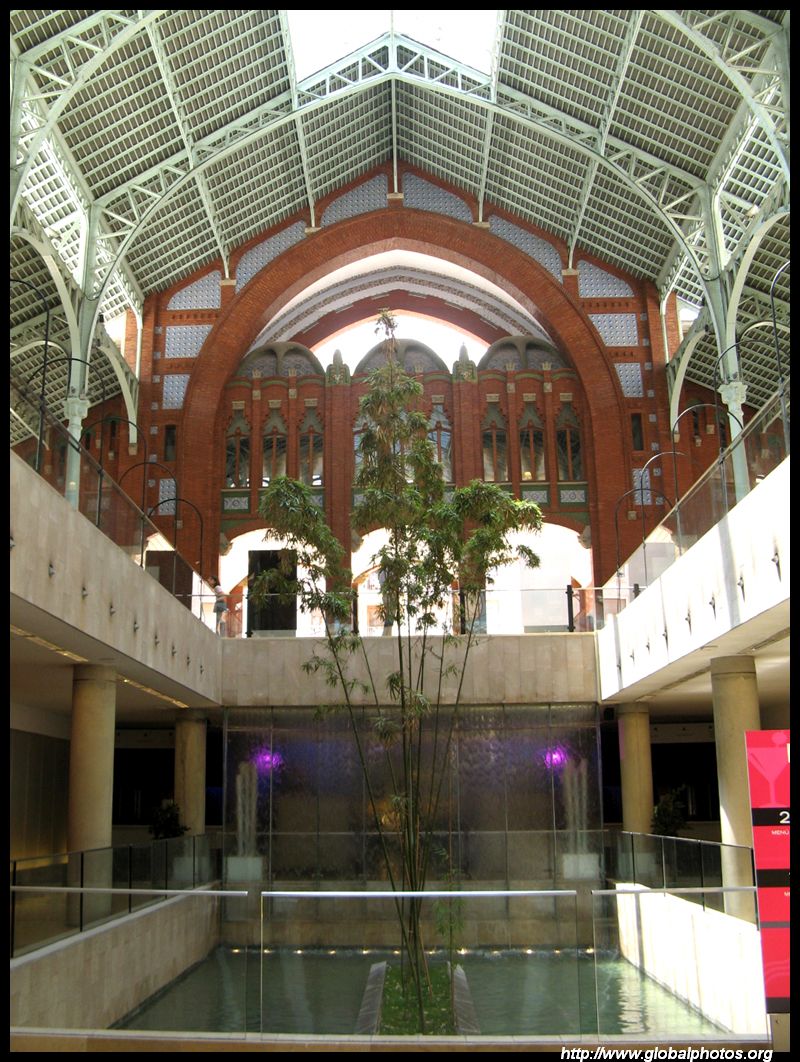
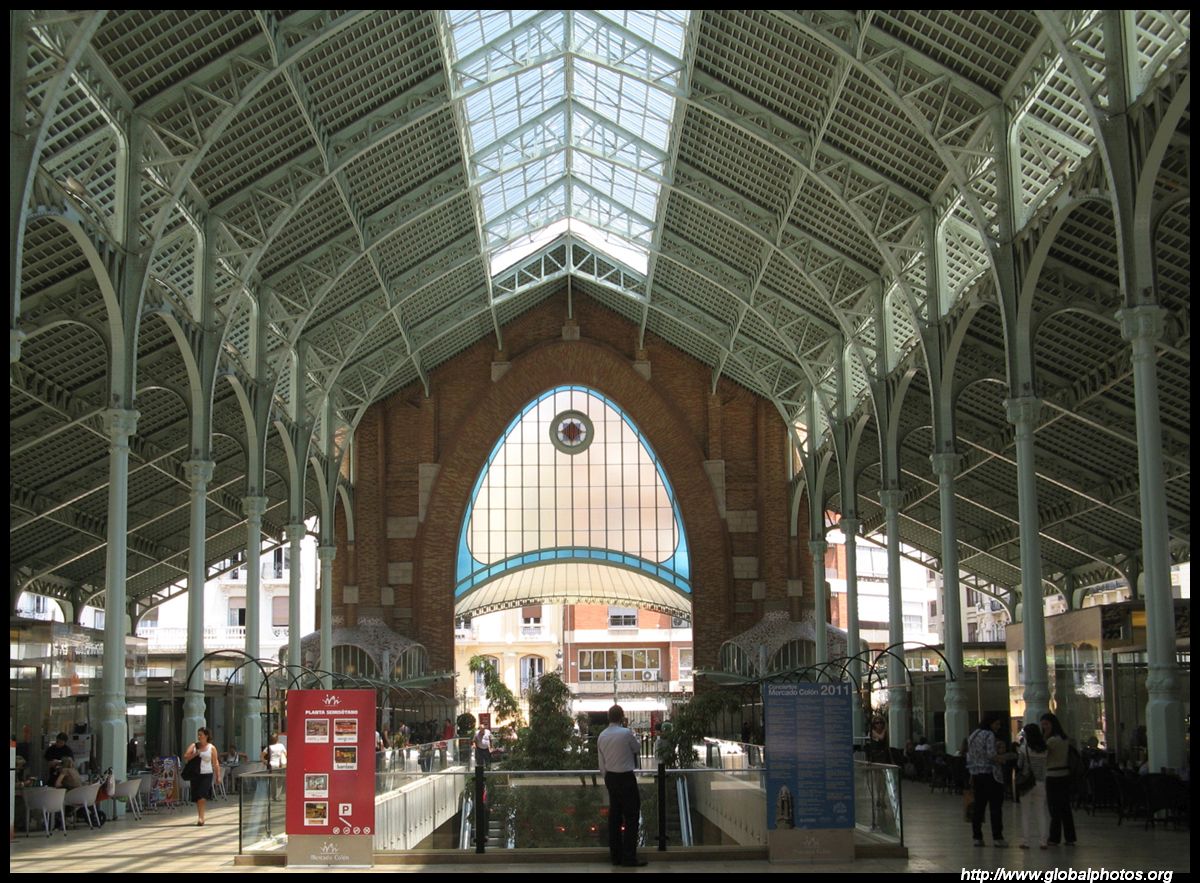
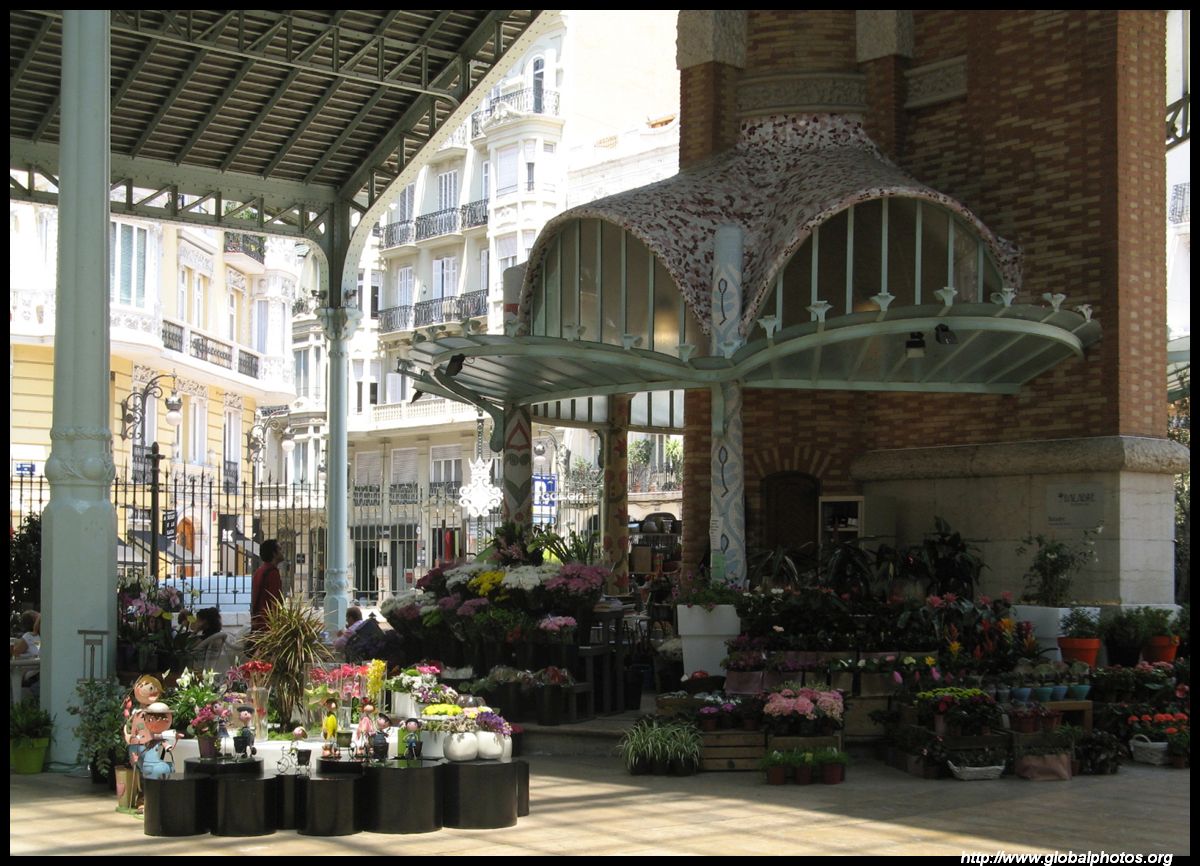
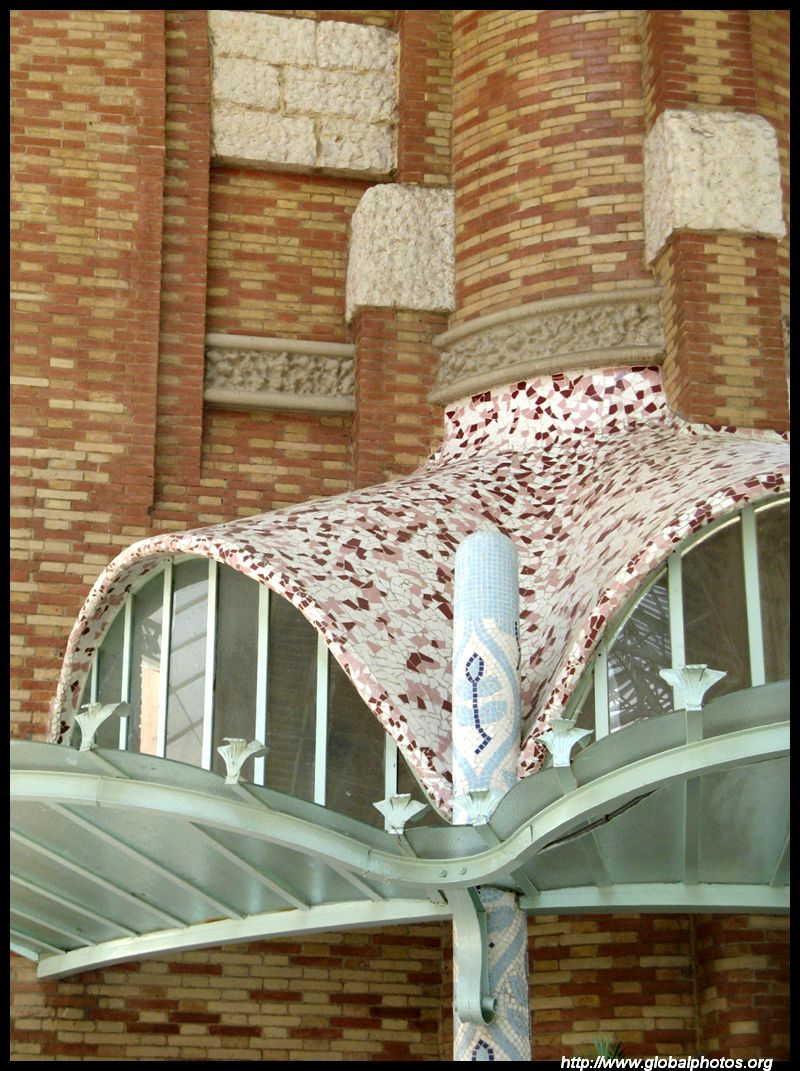
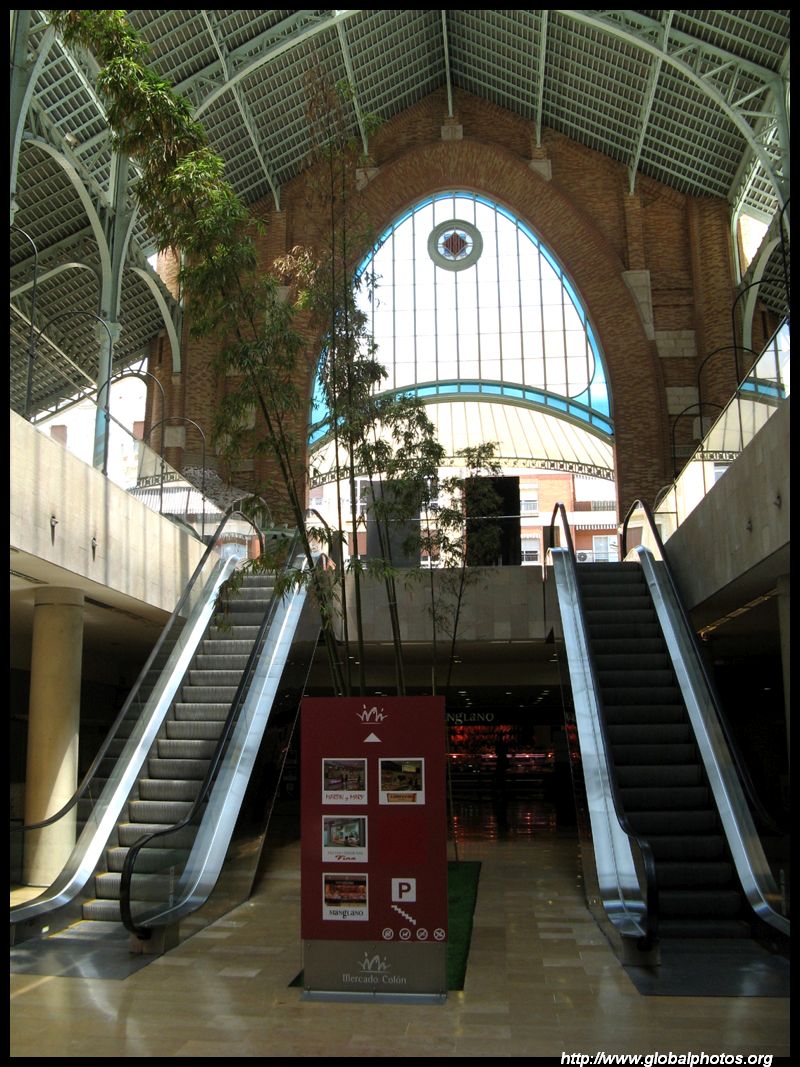
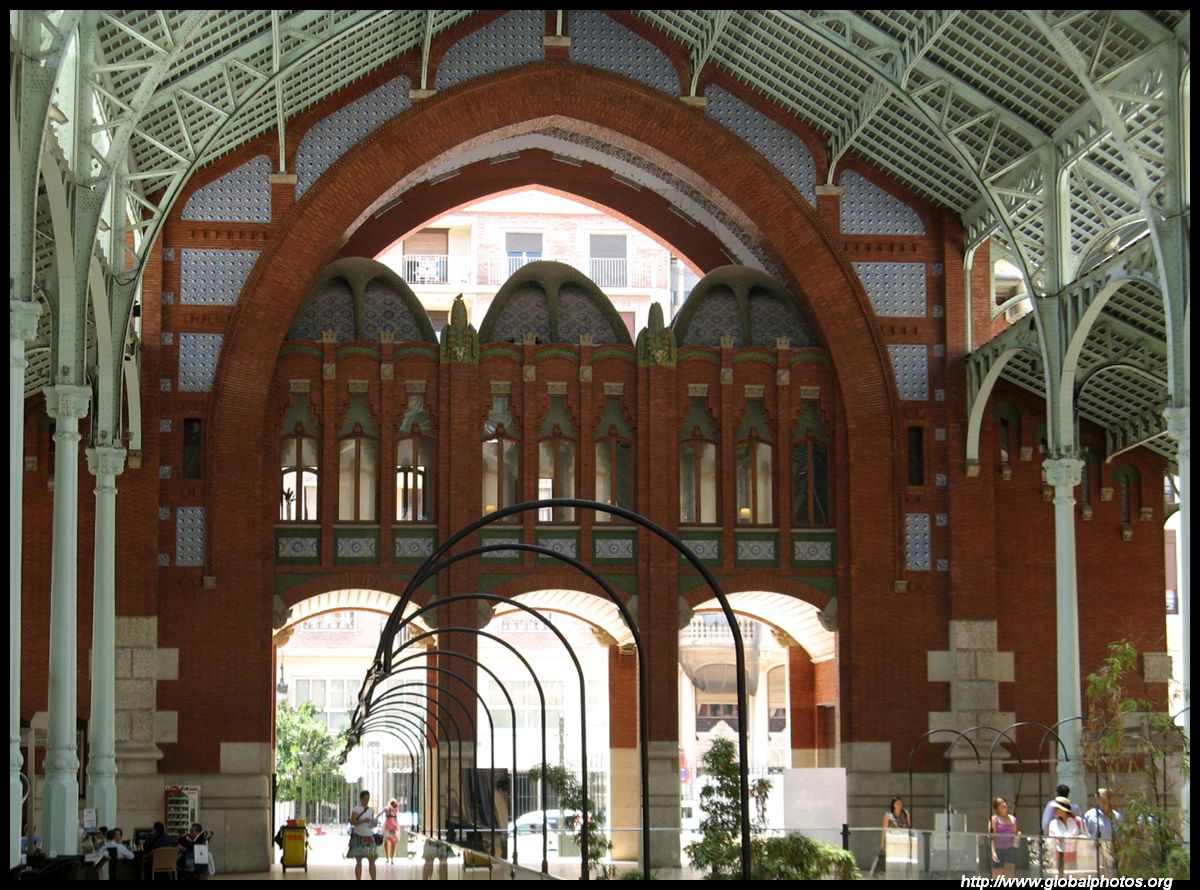
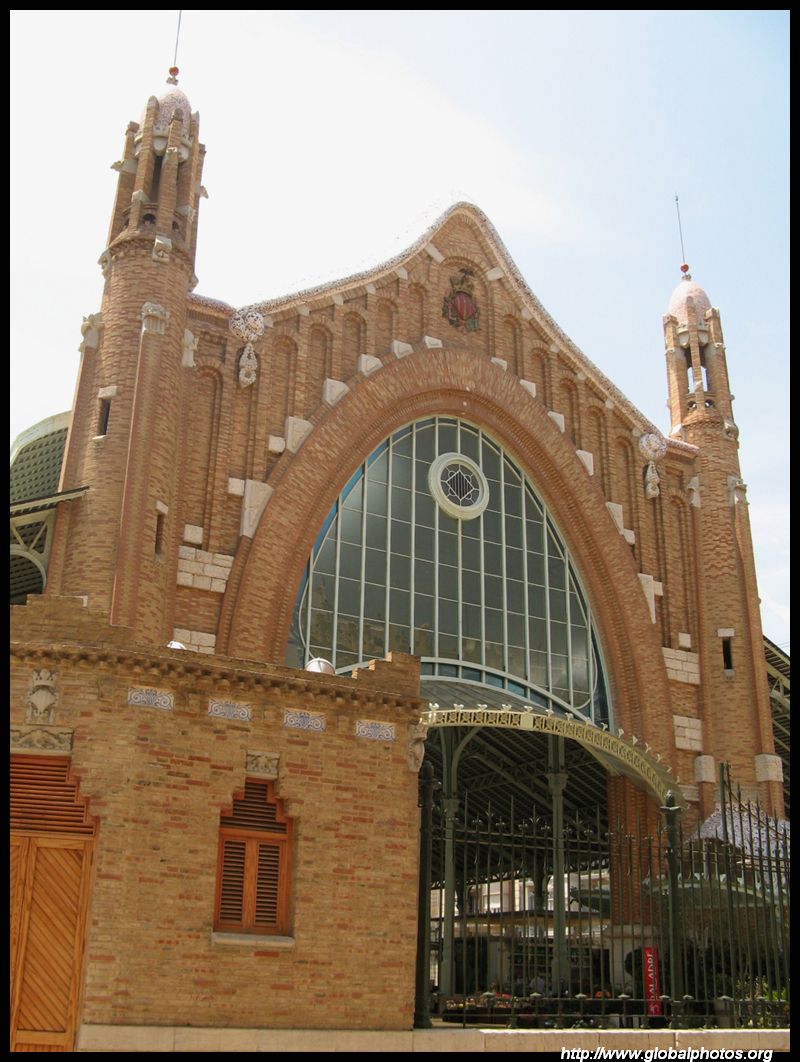
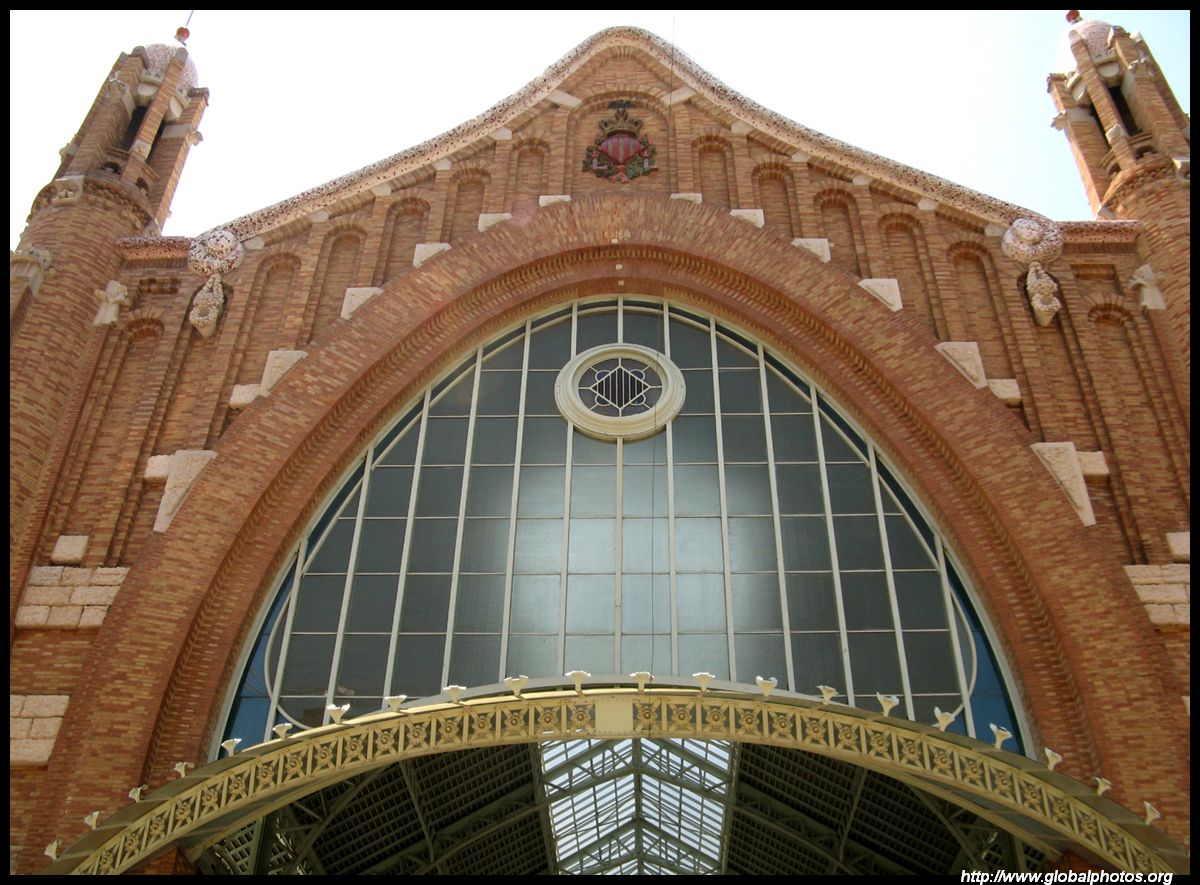
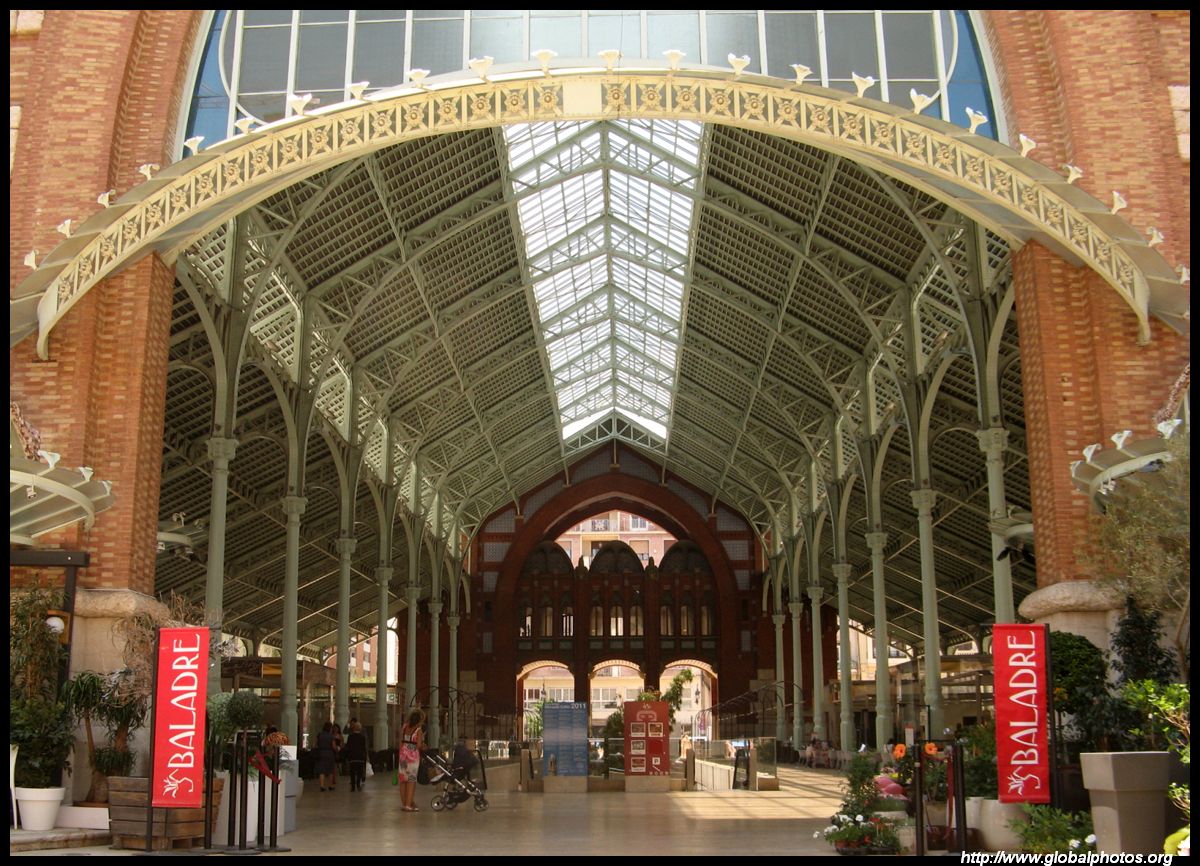
Mercado de Colon was built in 1914 with a modernist design. Today, it's no longer a traditional grocery market. The interiors have been renovated into a modern facility of cafes and restaurants on the ground floor, and a supermarket in the basement.
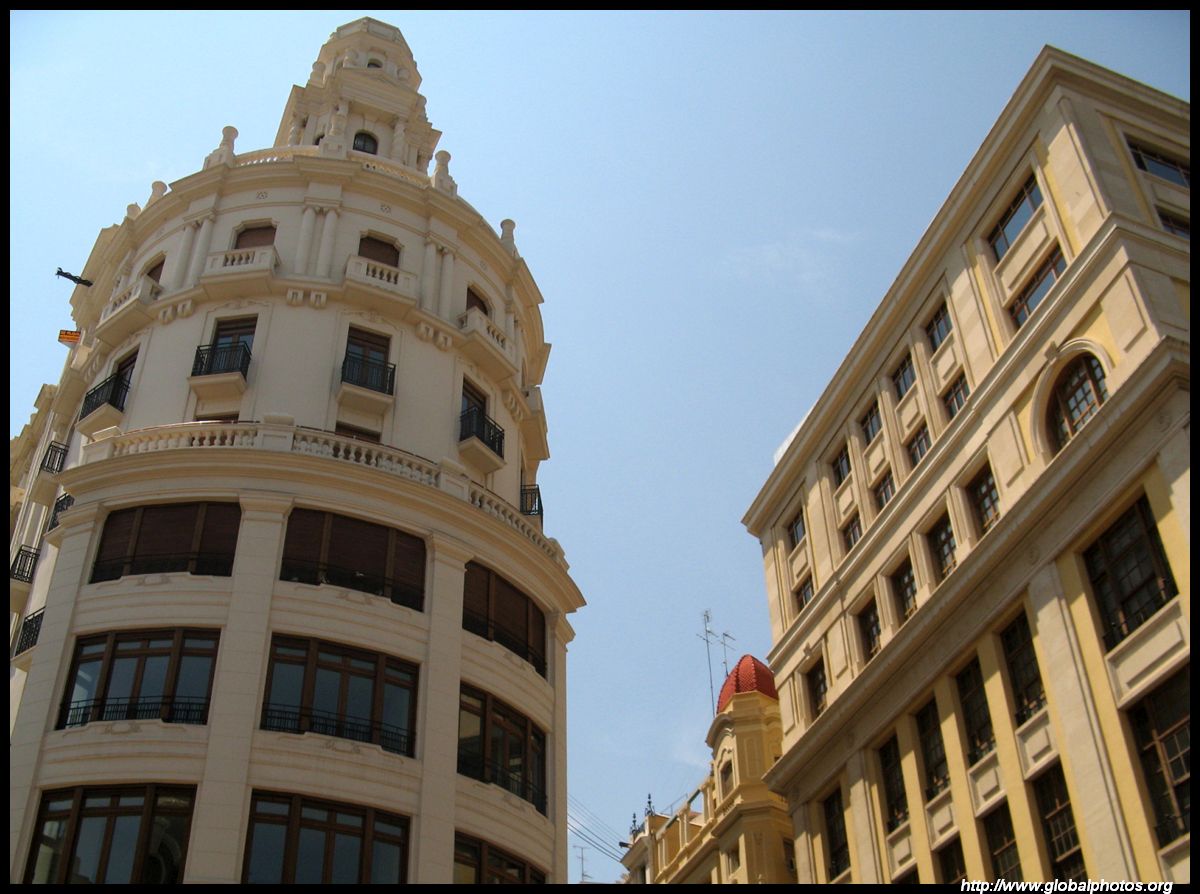
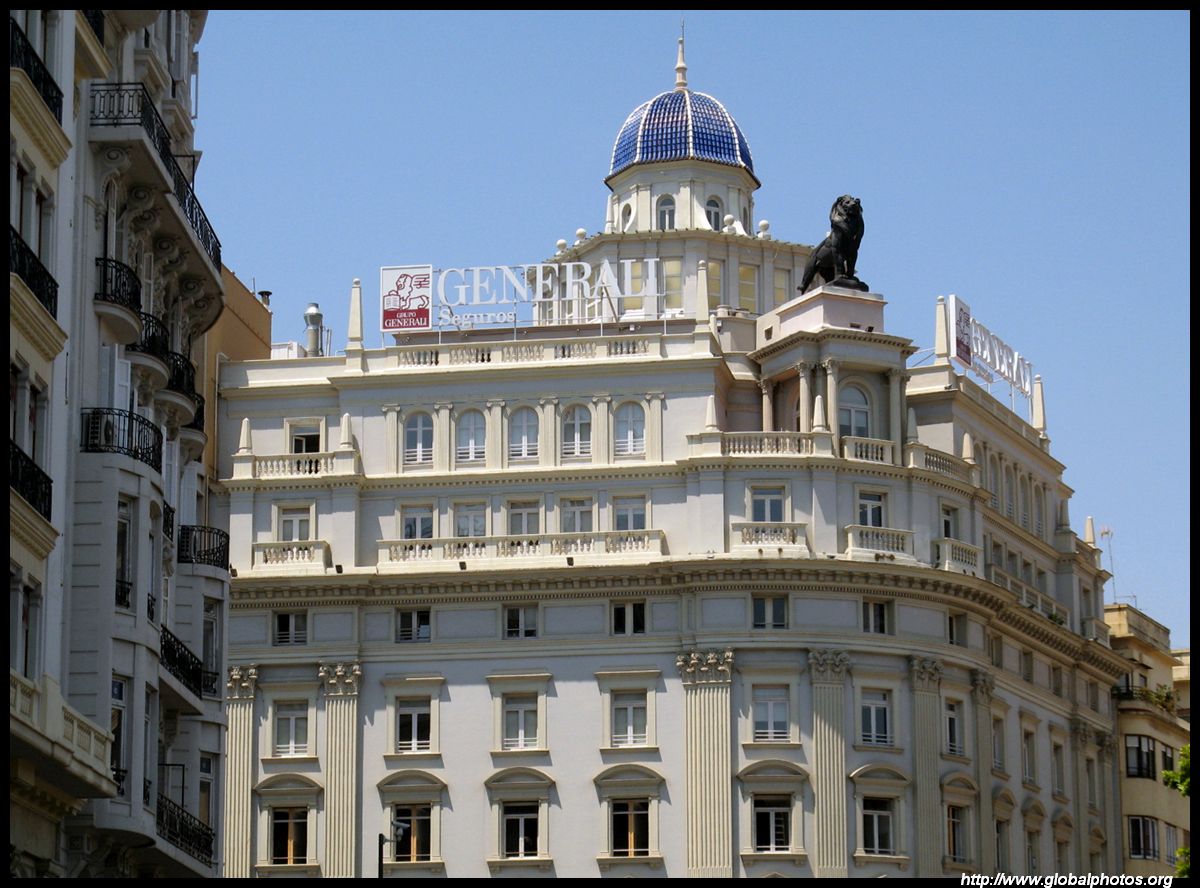
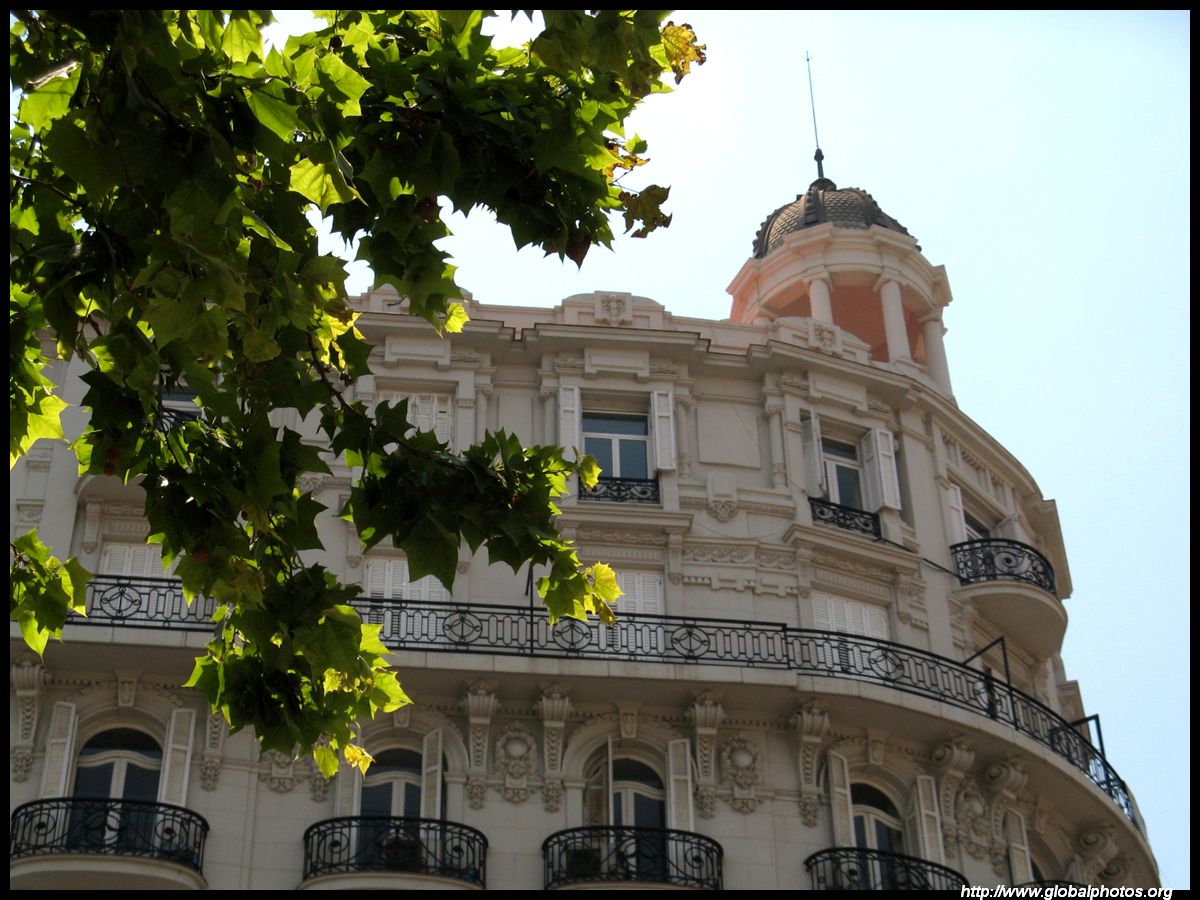
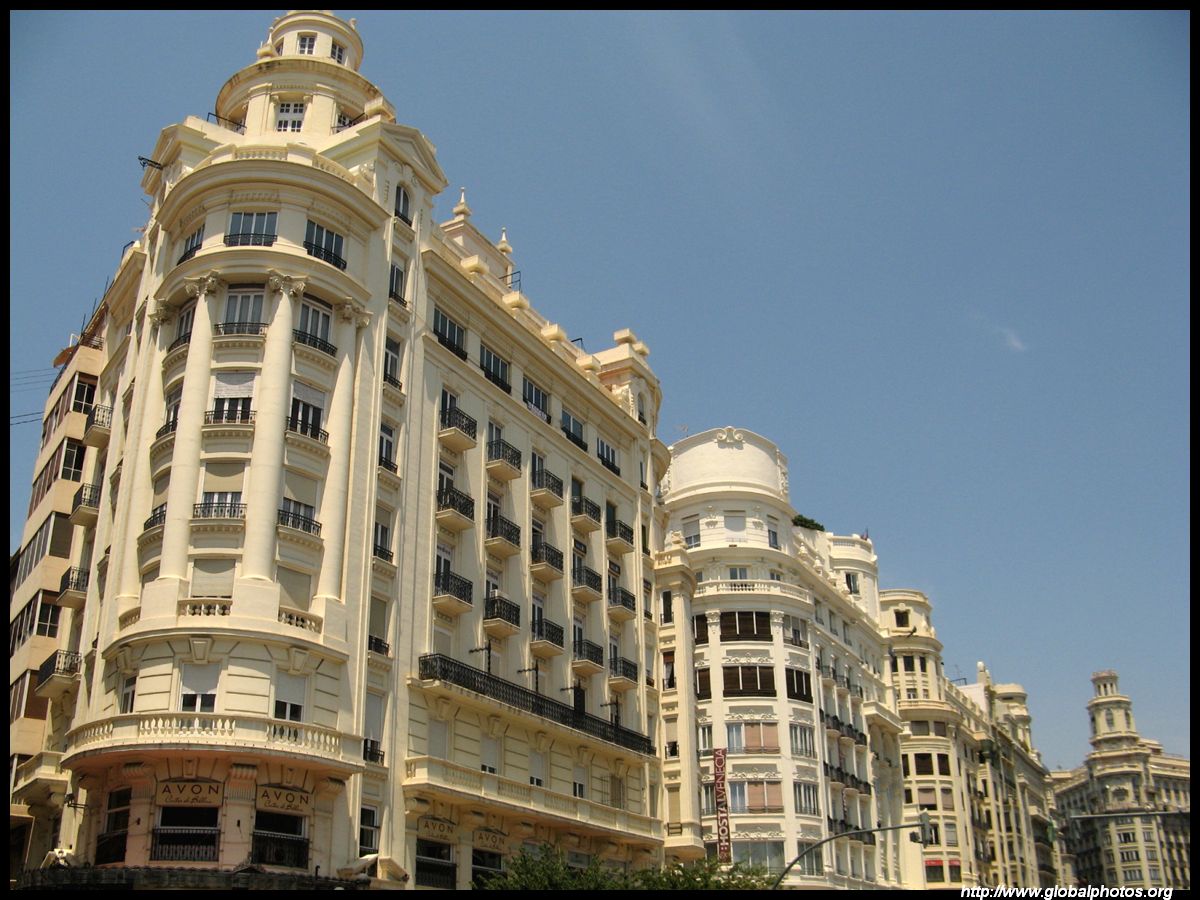
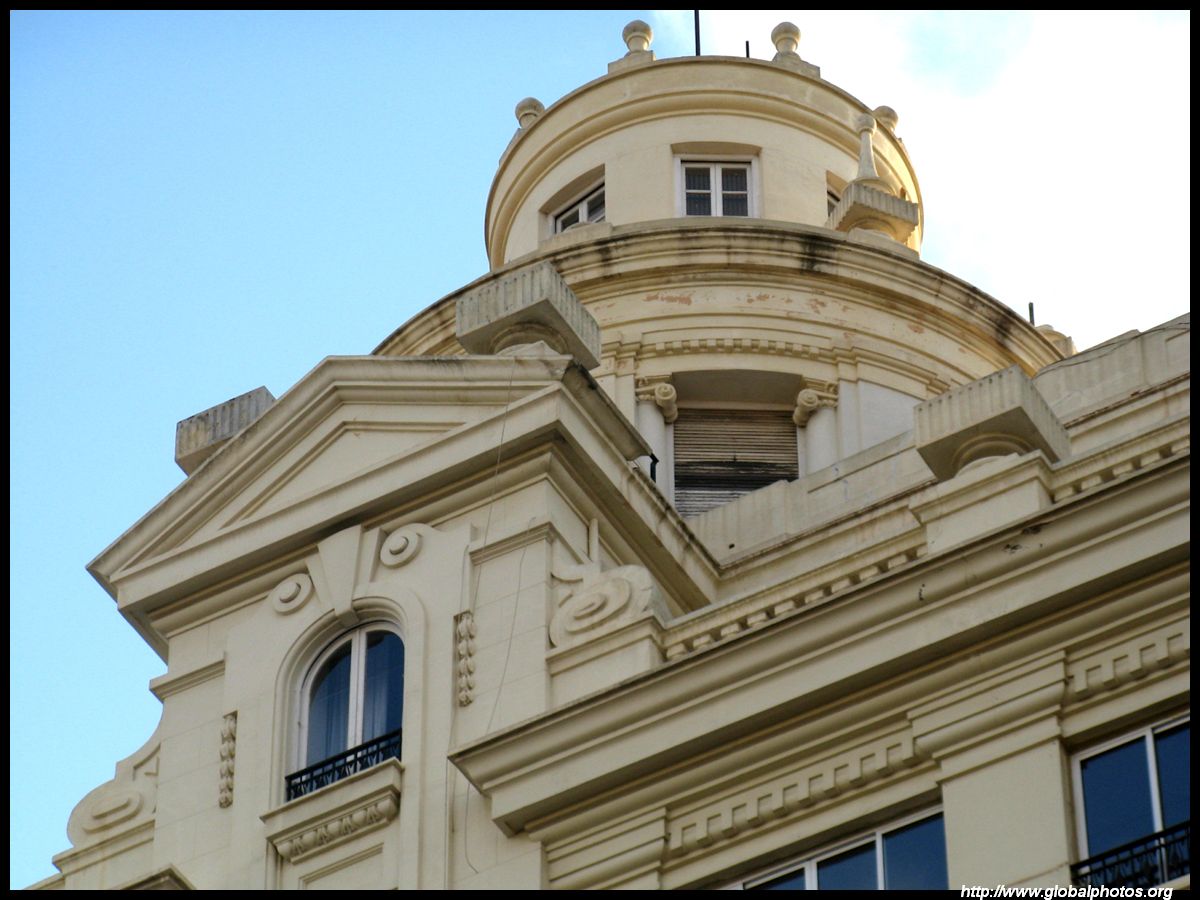
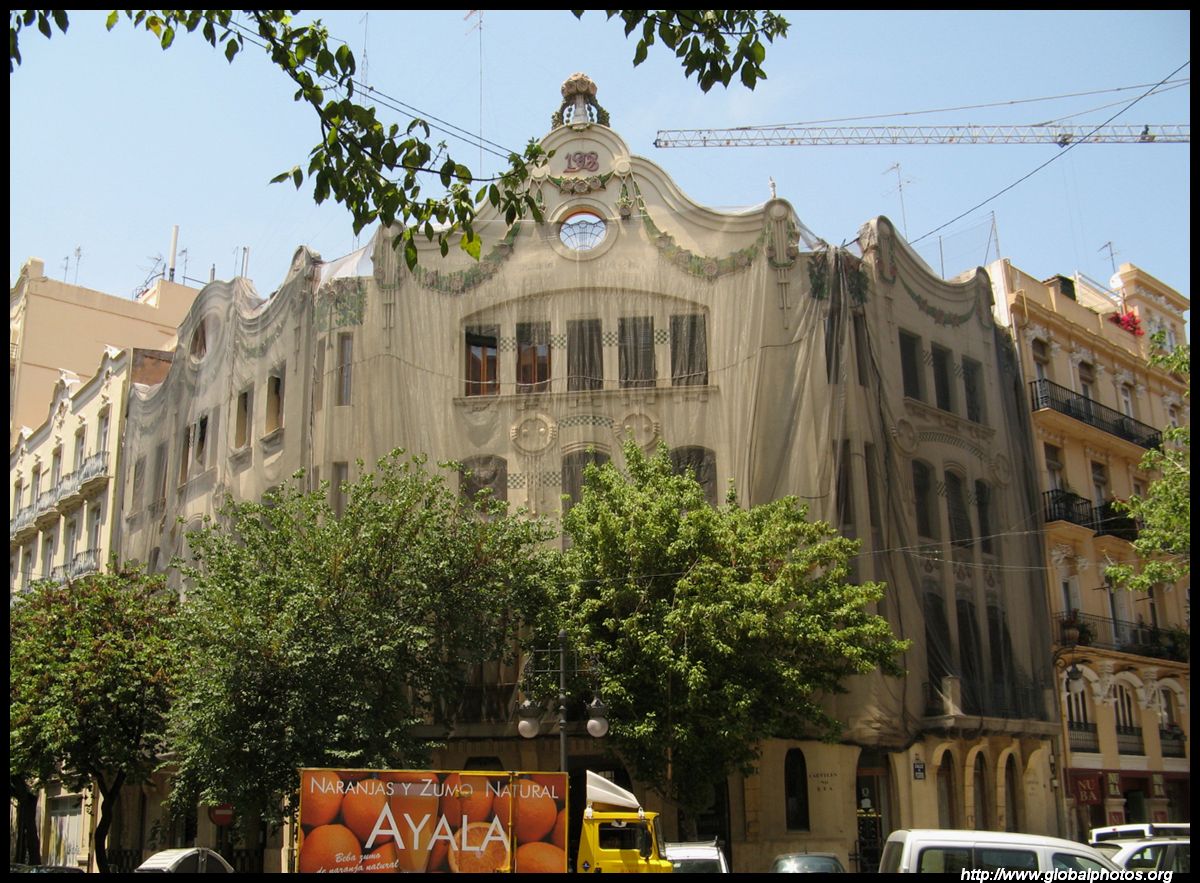
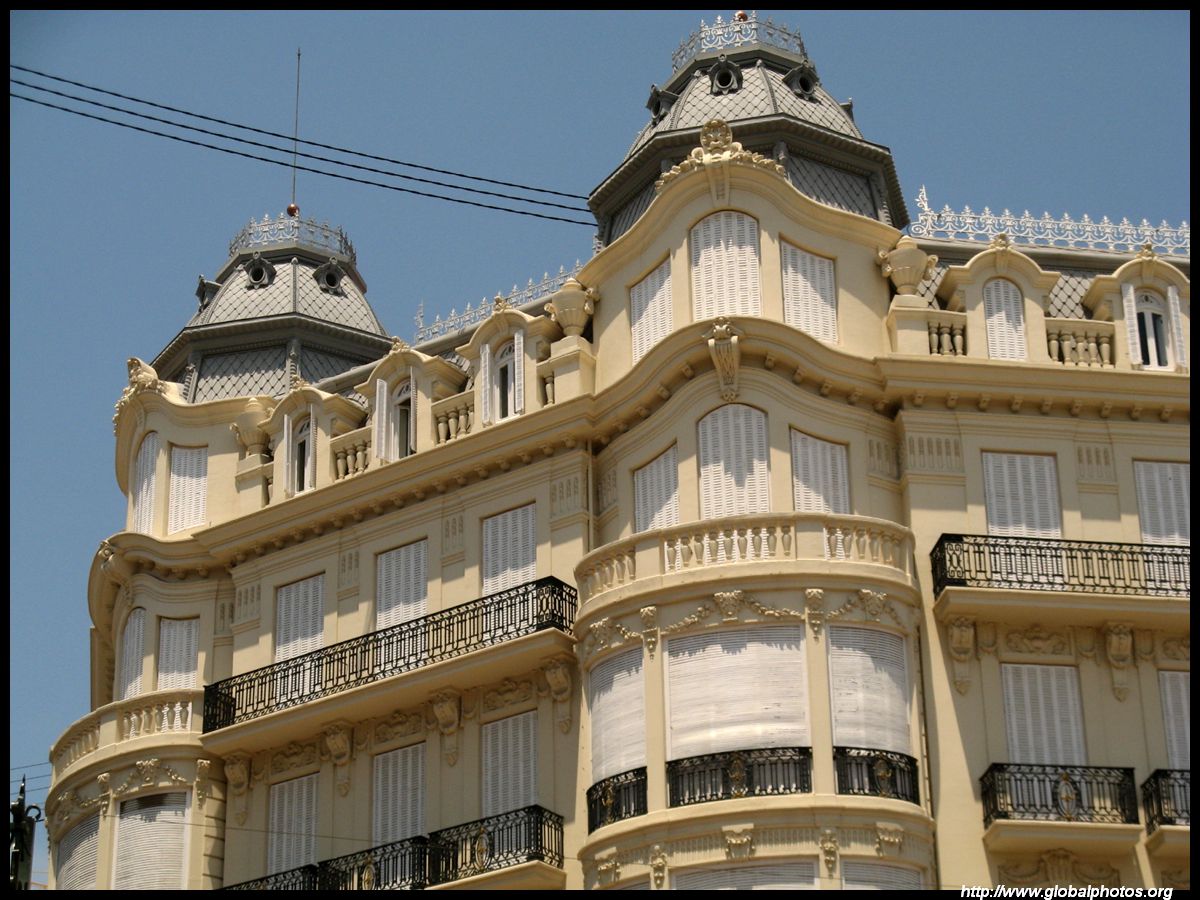
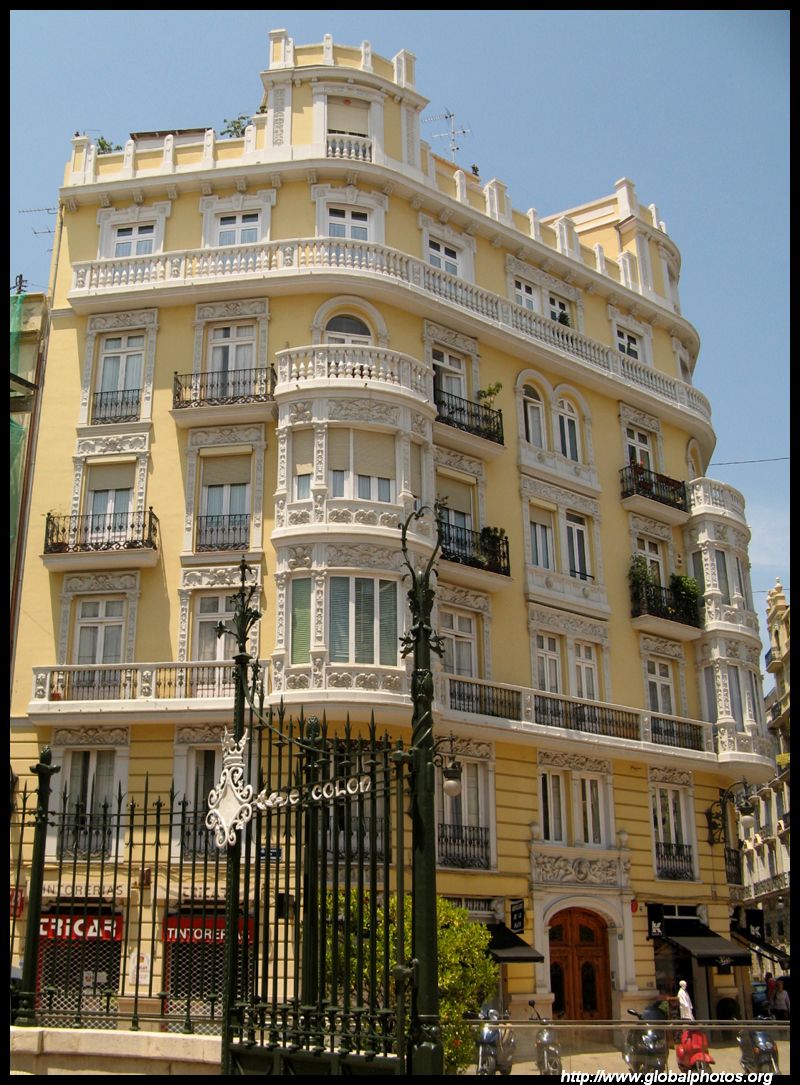
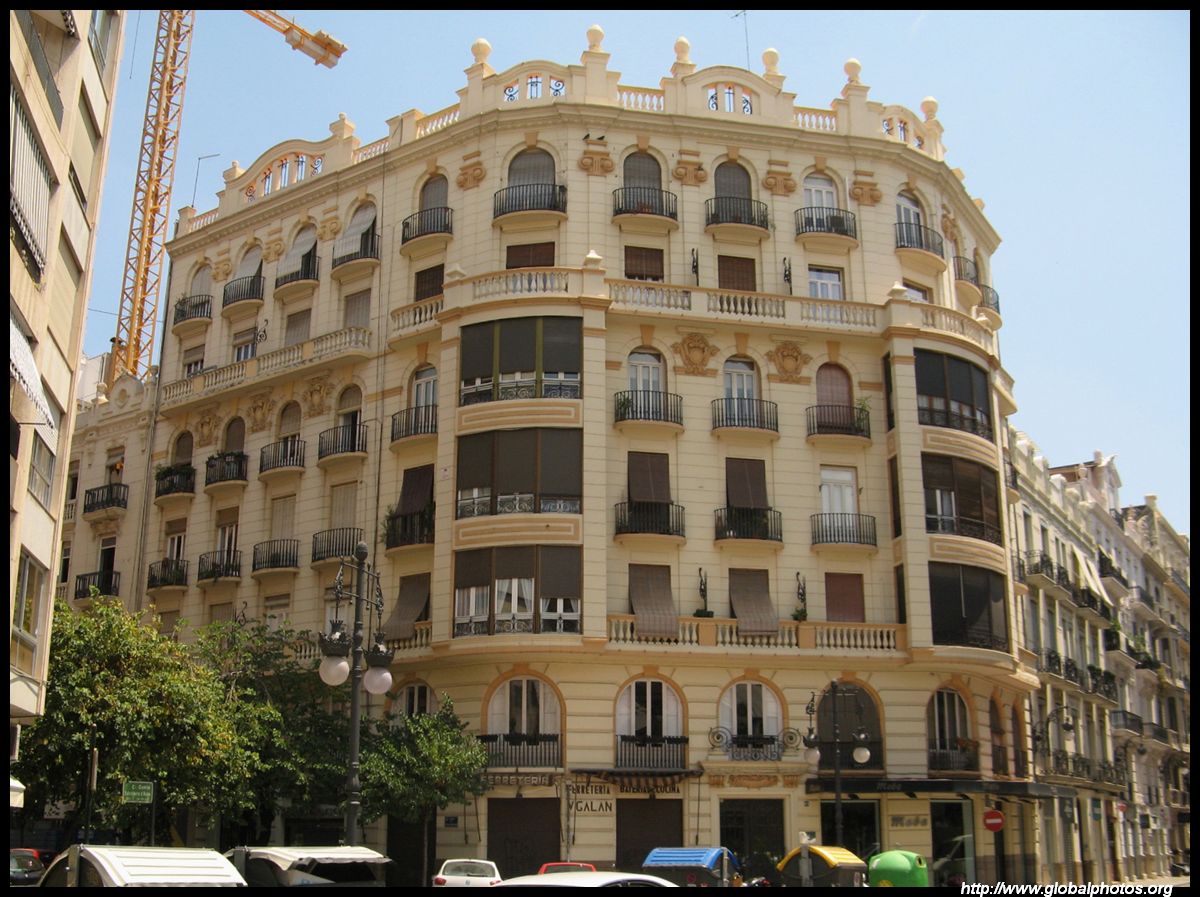
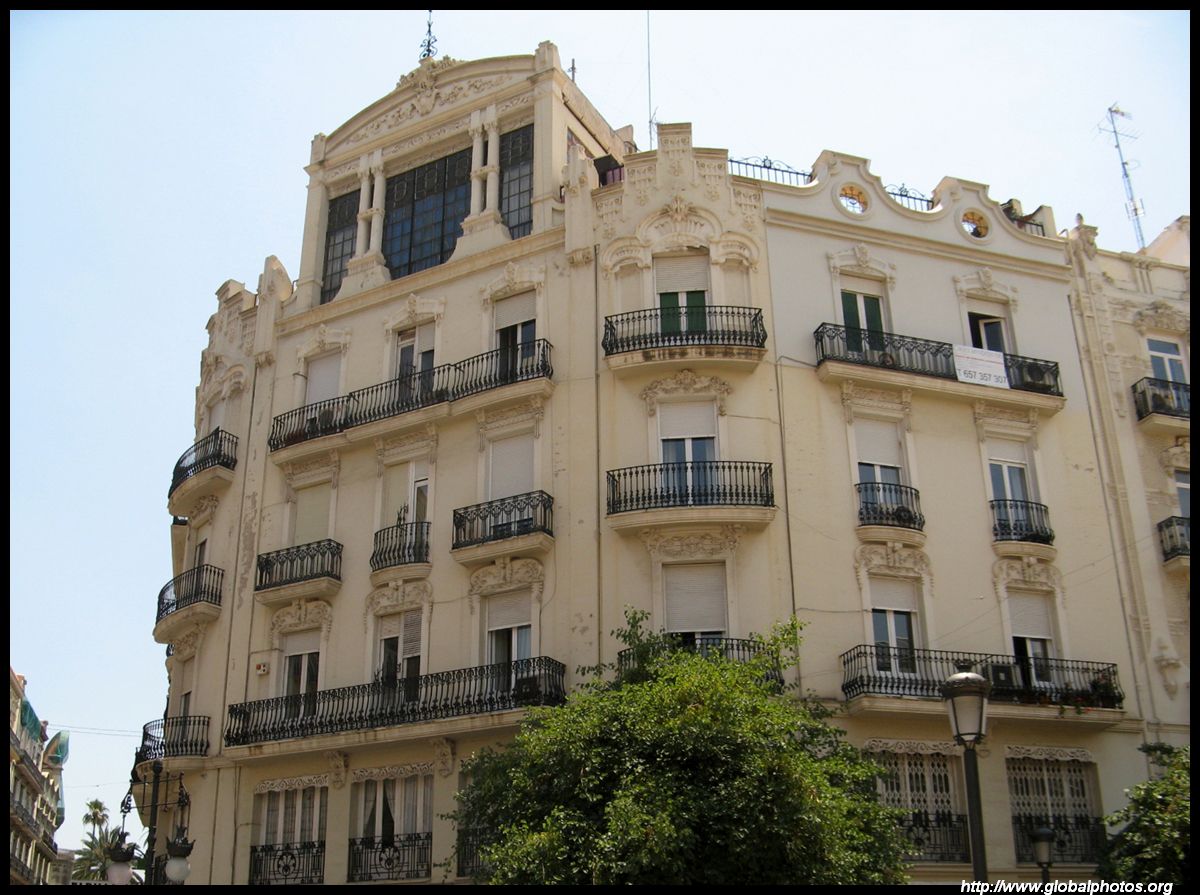
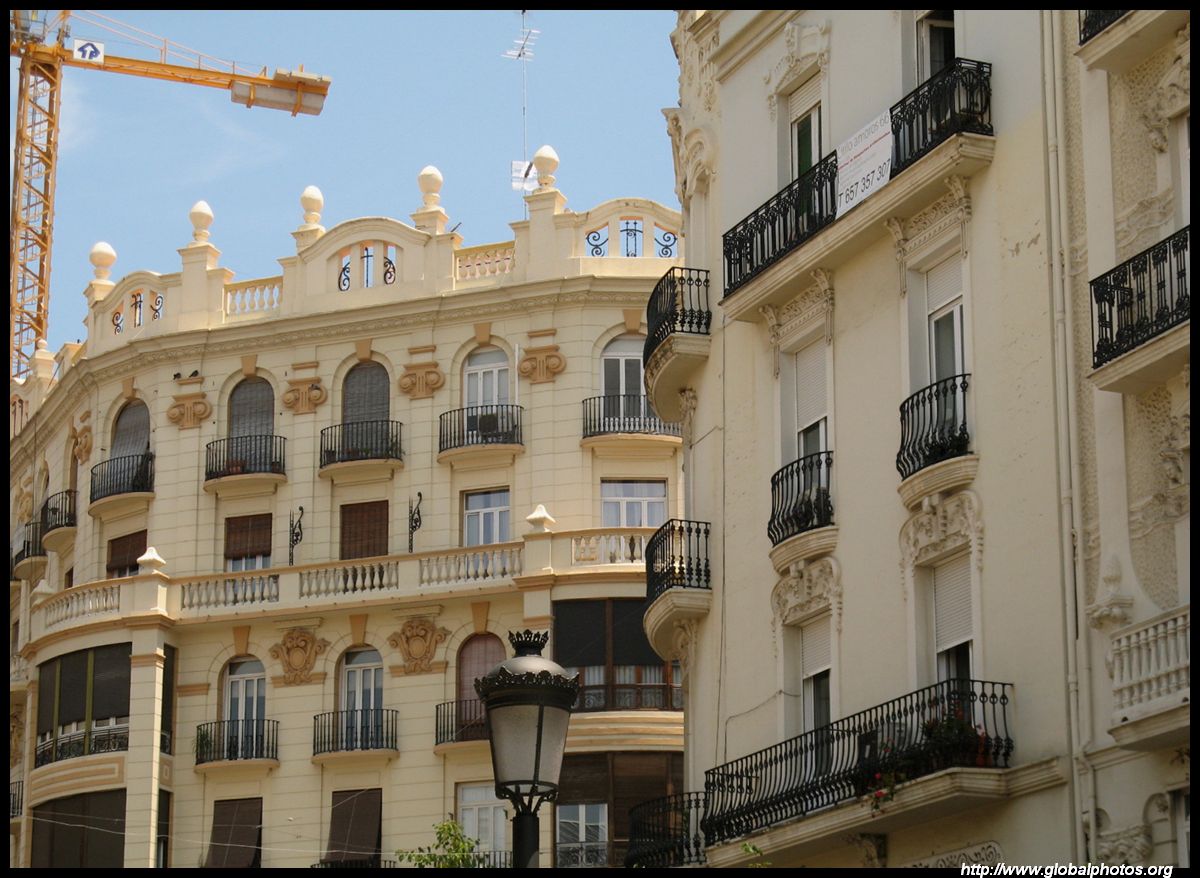
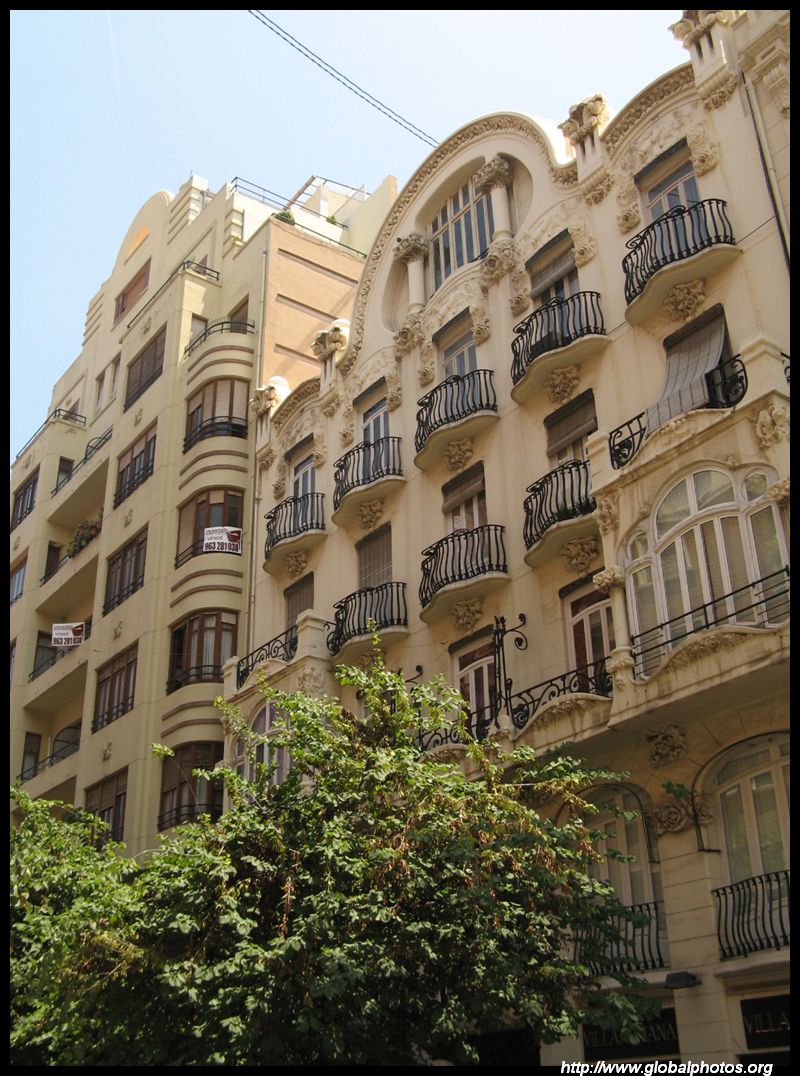
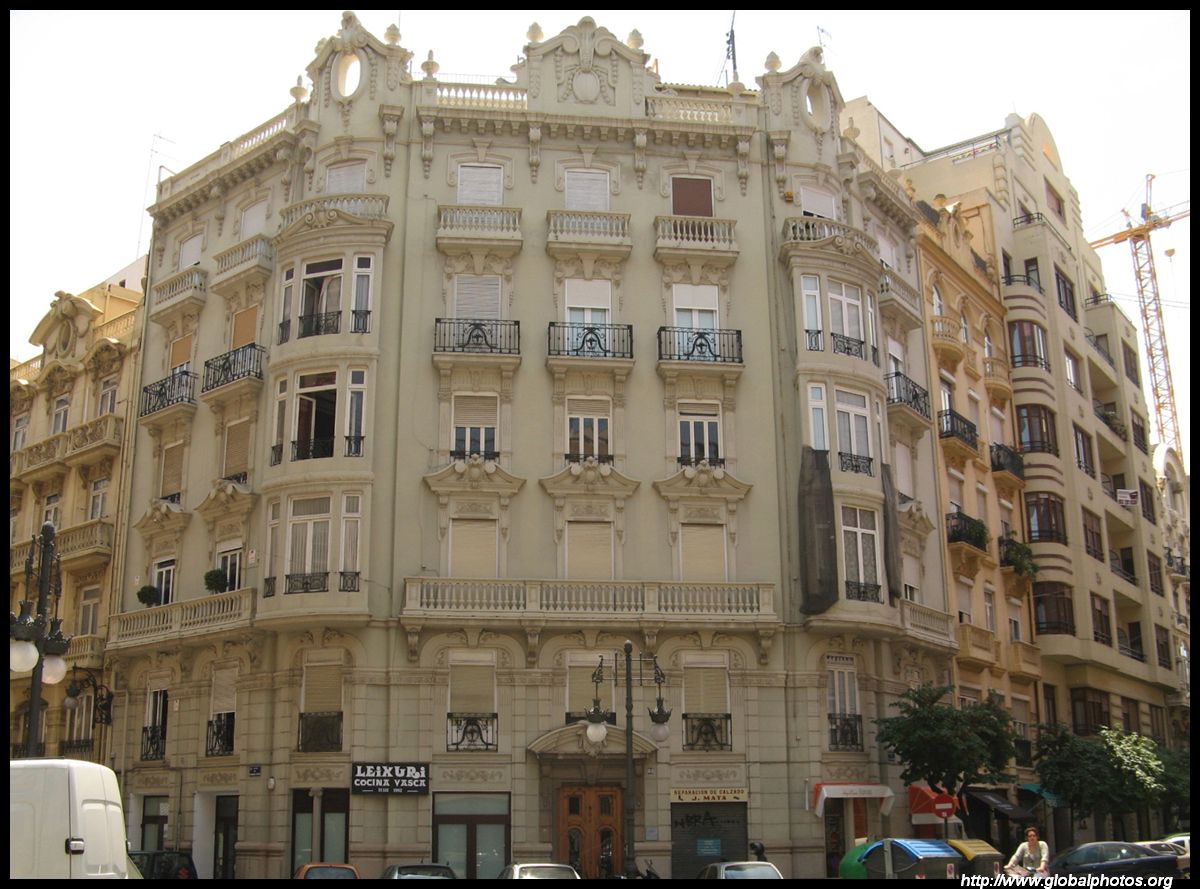
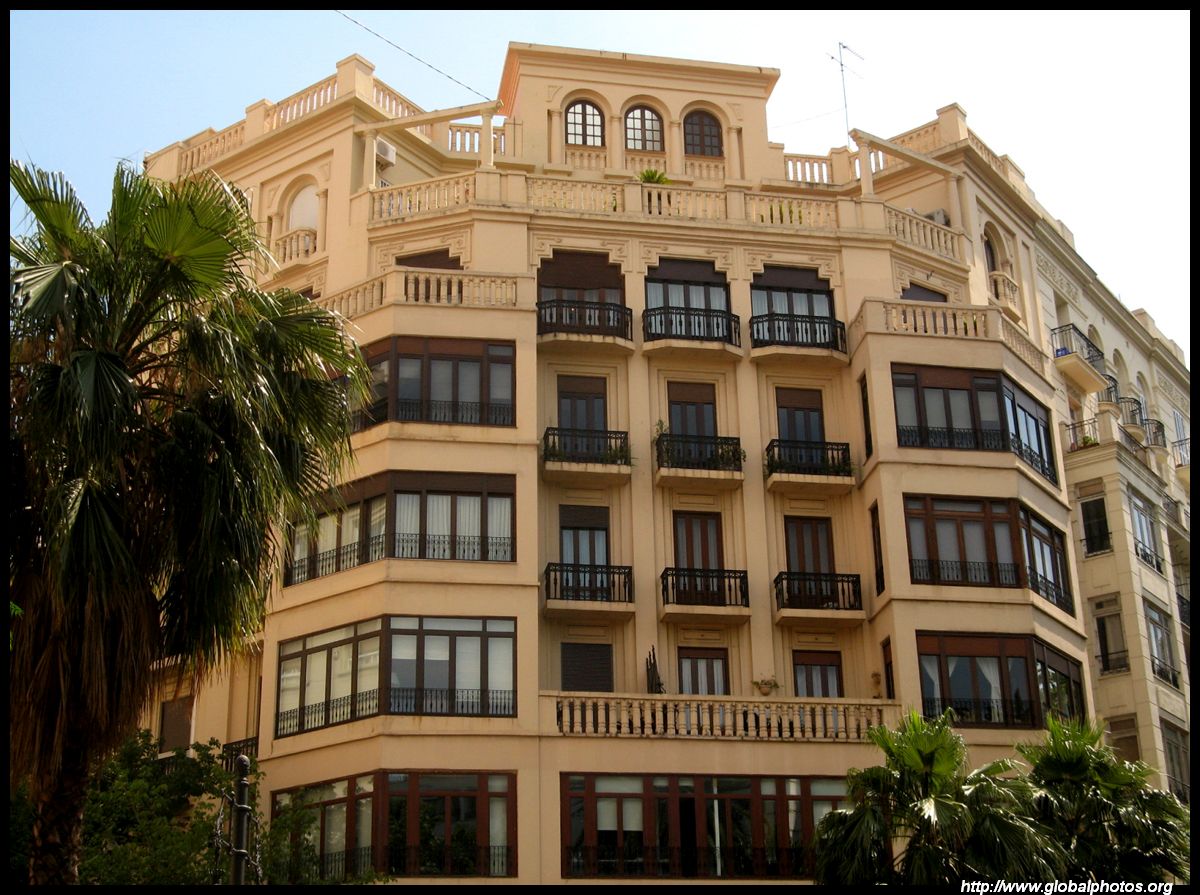
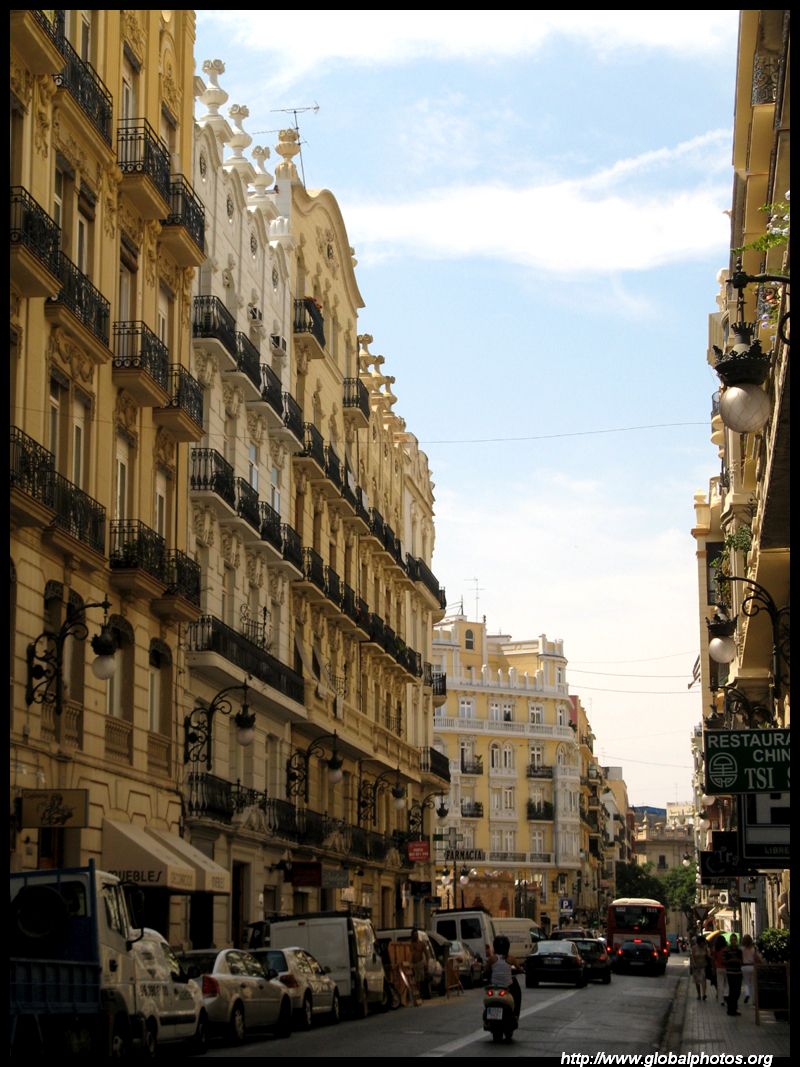
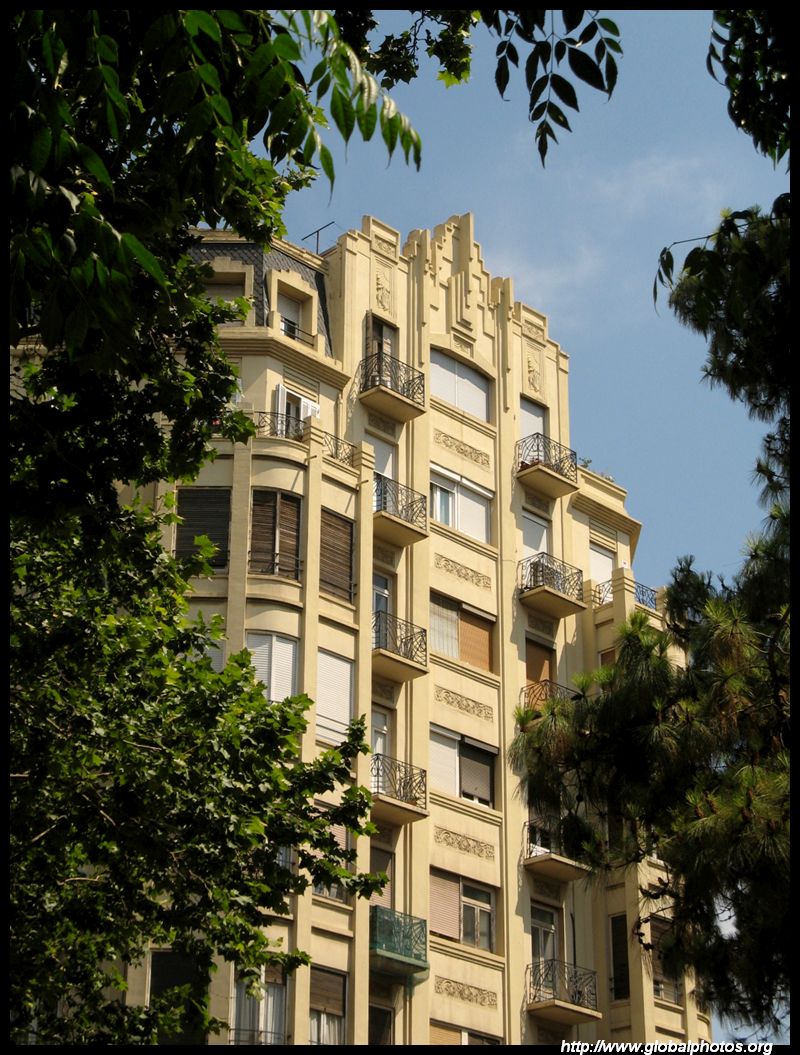
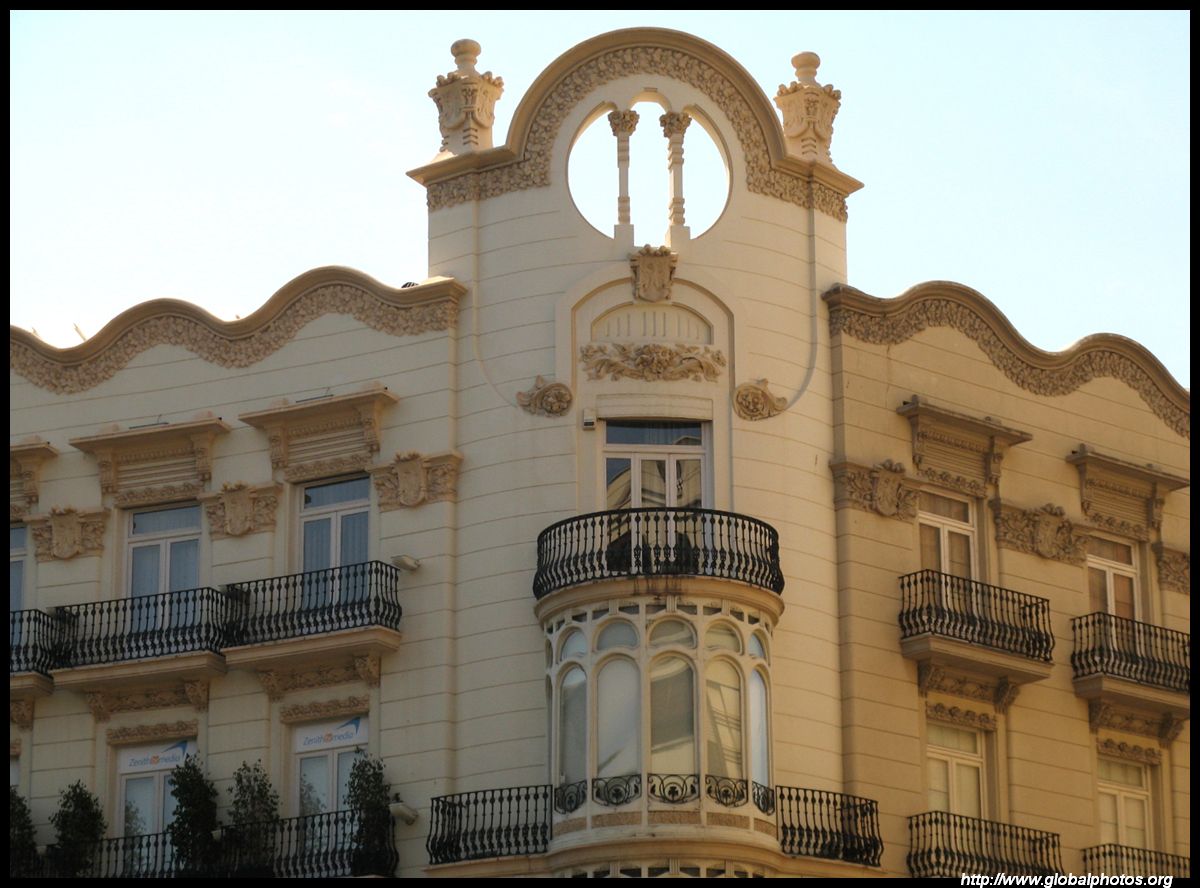
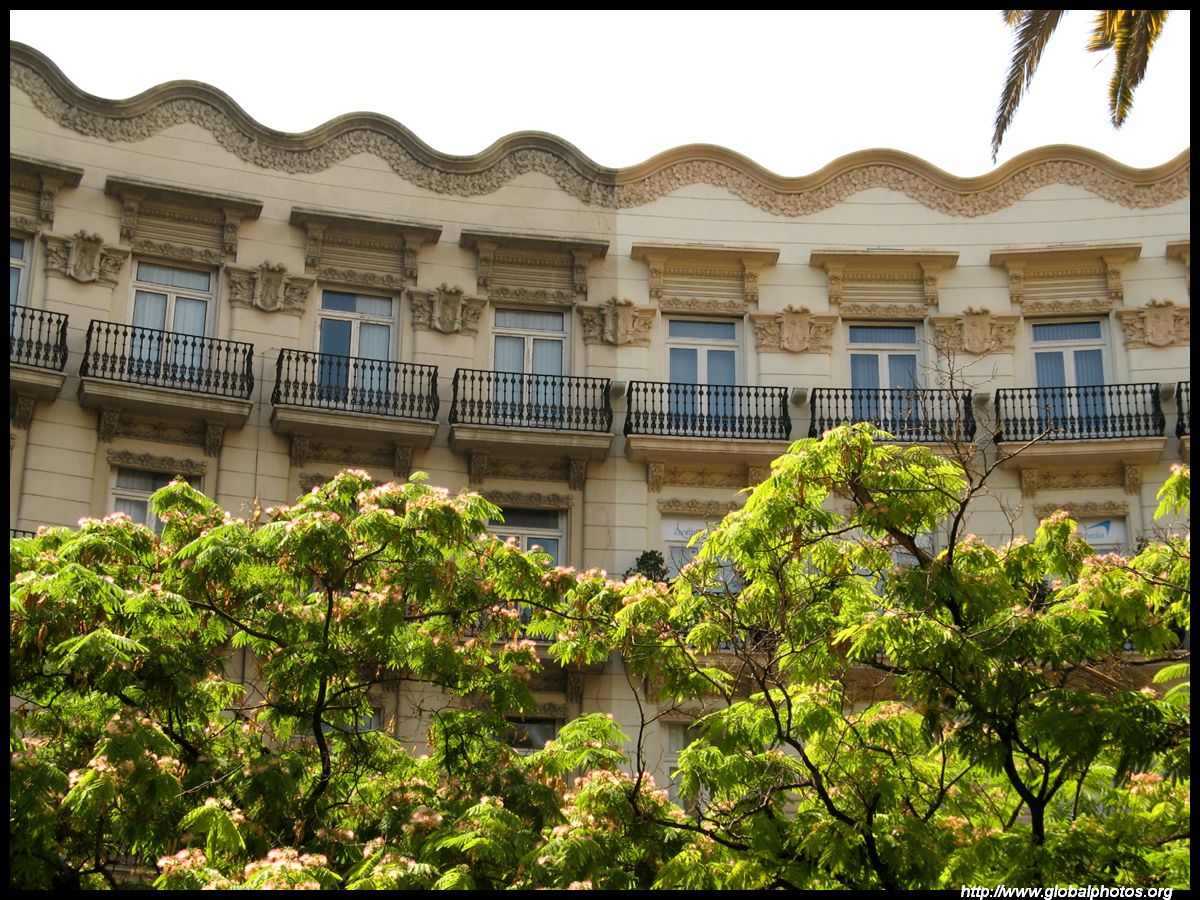
L'Eixample is the expansion district built in the 19th century once Valencia needed to move beyond its walls. The streets are wide and elegant as are the buildings.
|
|||