Belfast Photo Gallery - Titanic Belfast
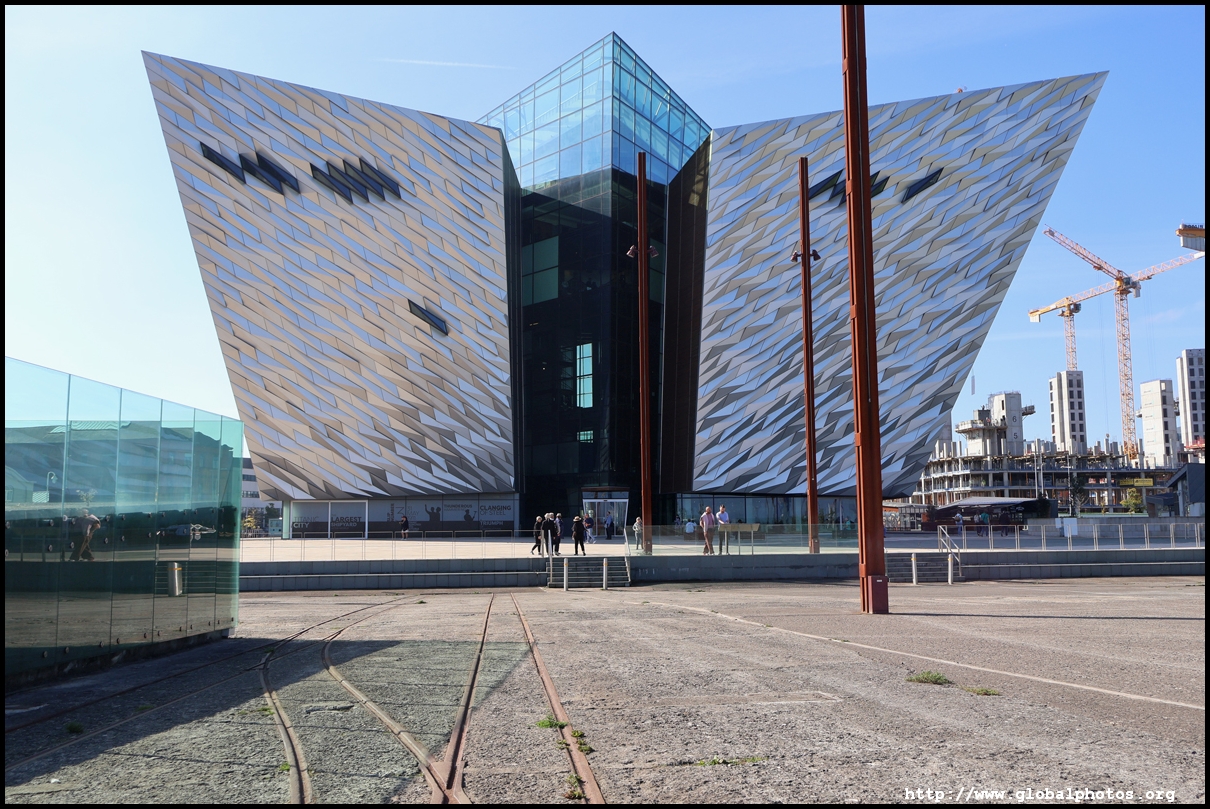
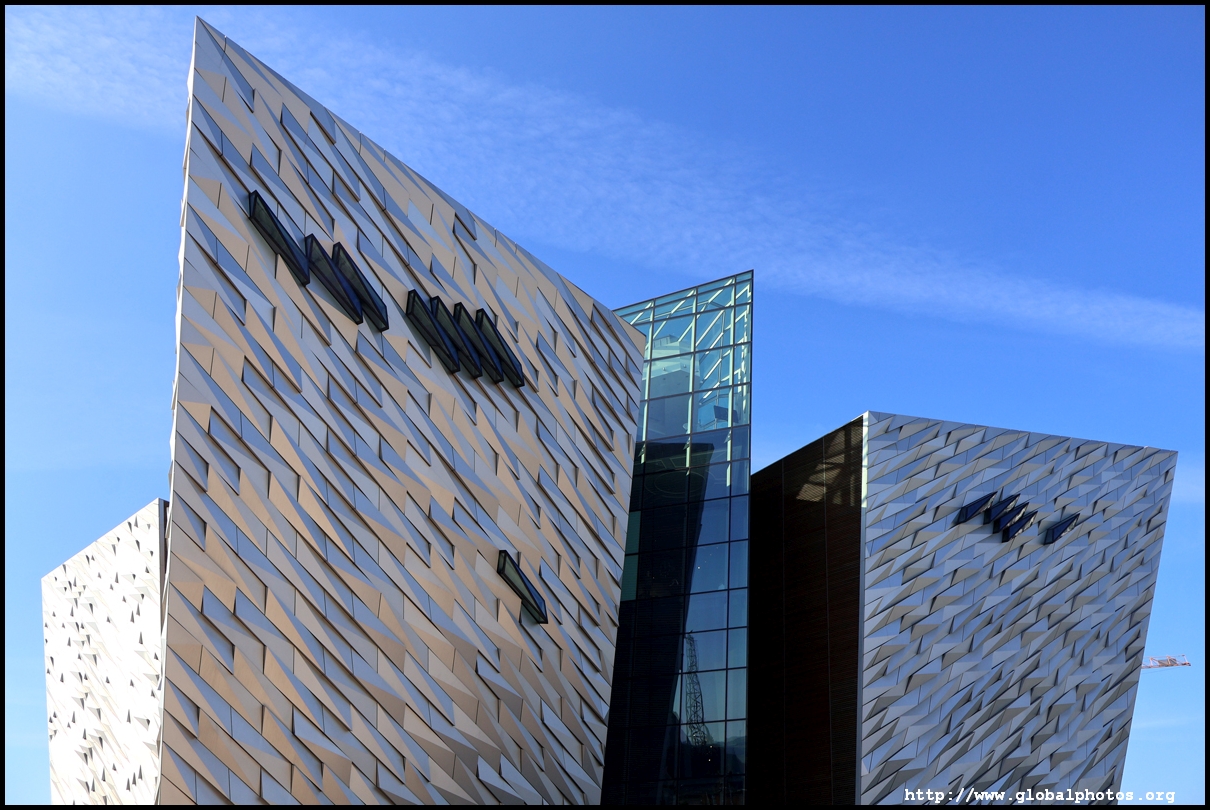
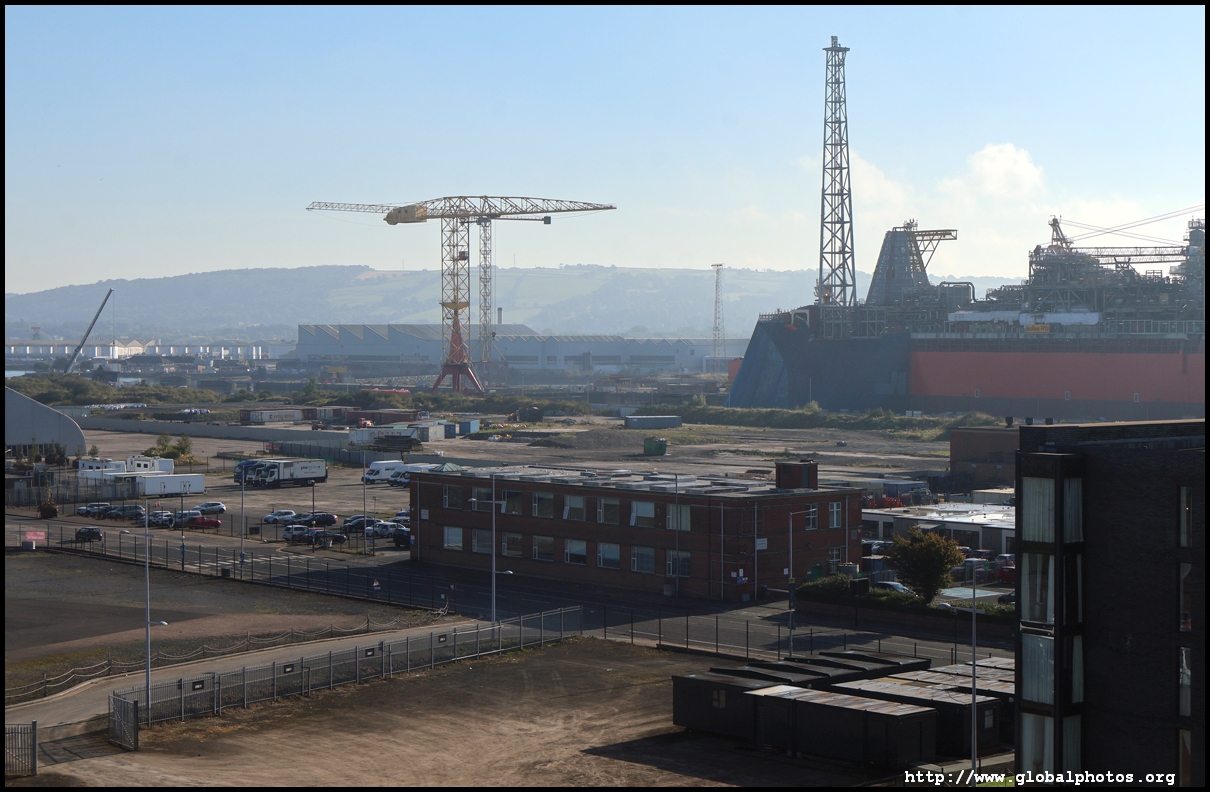
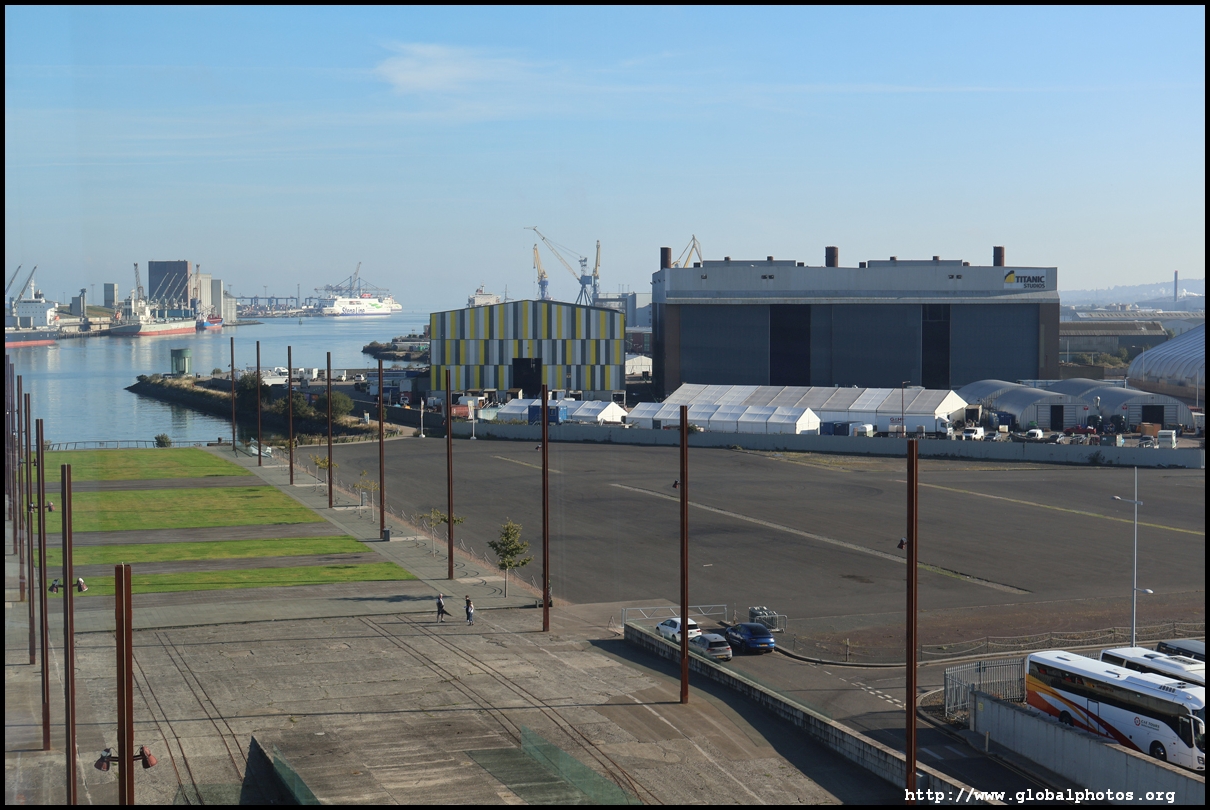
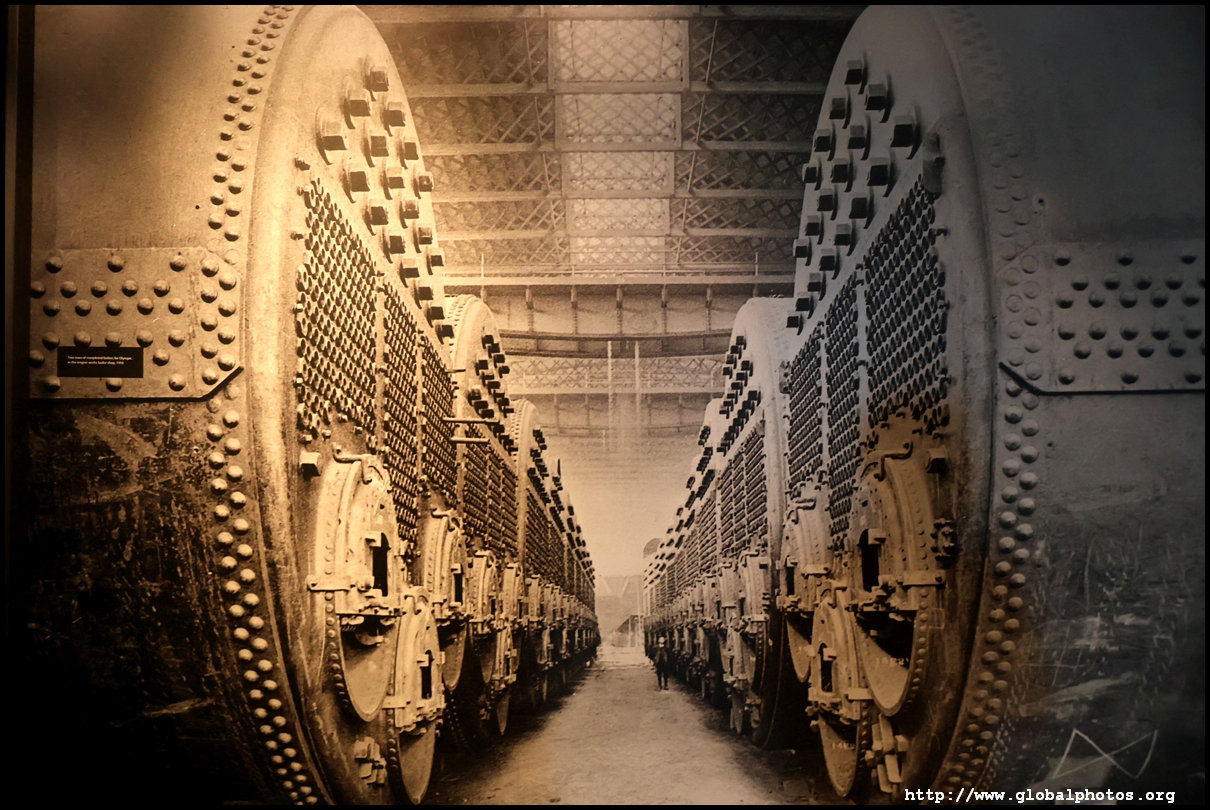
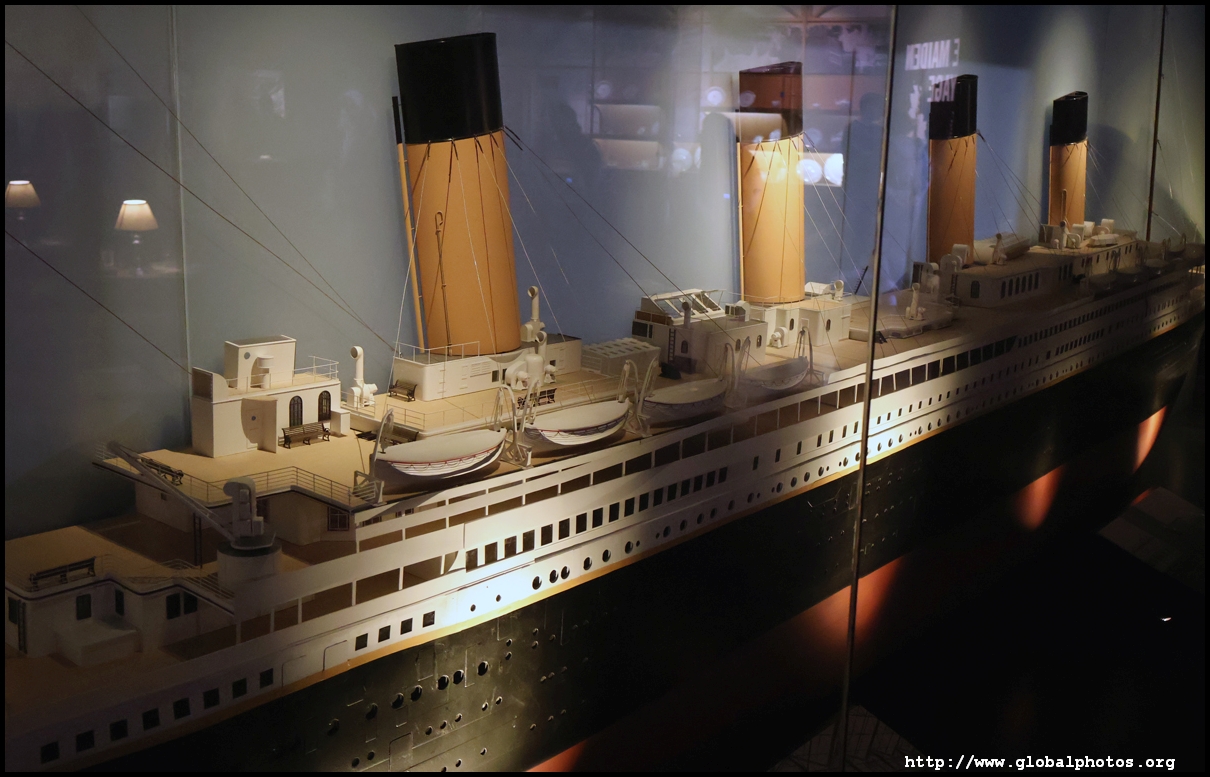
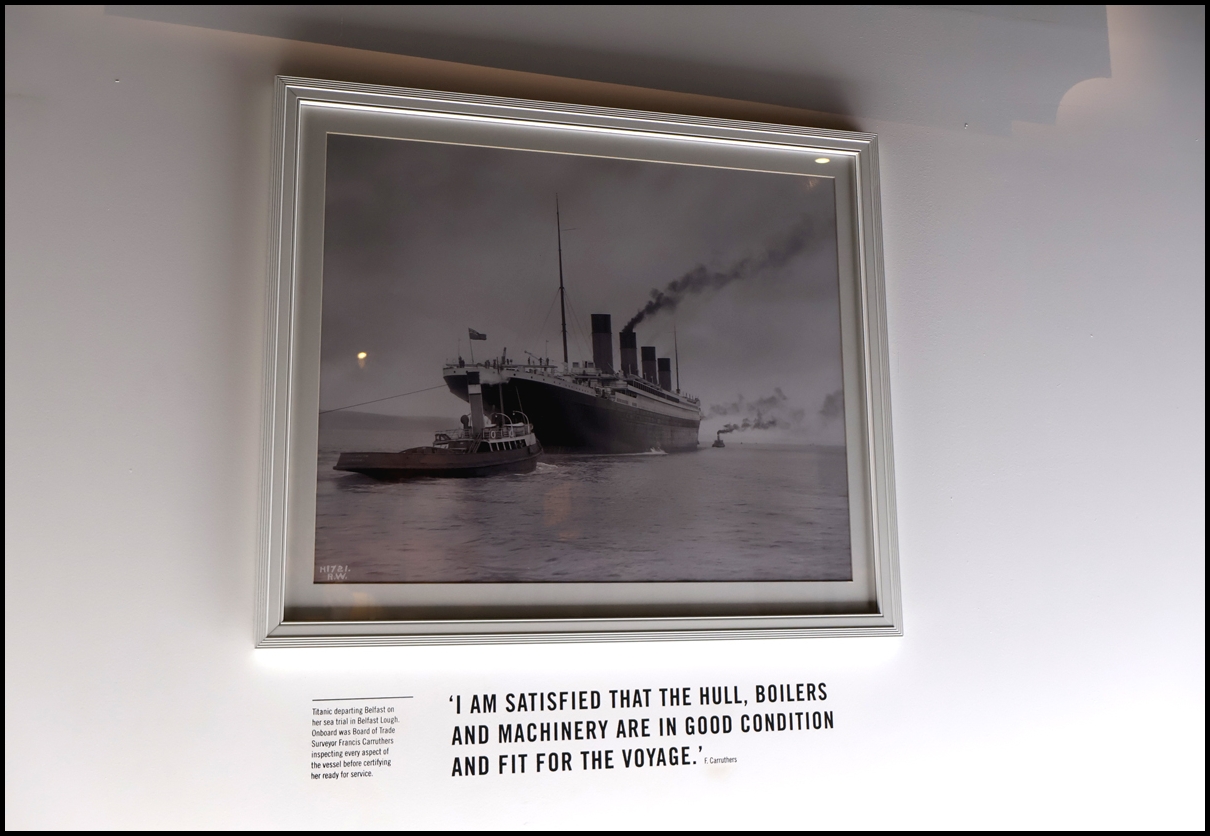
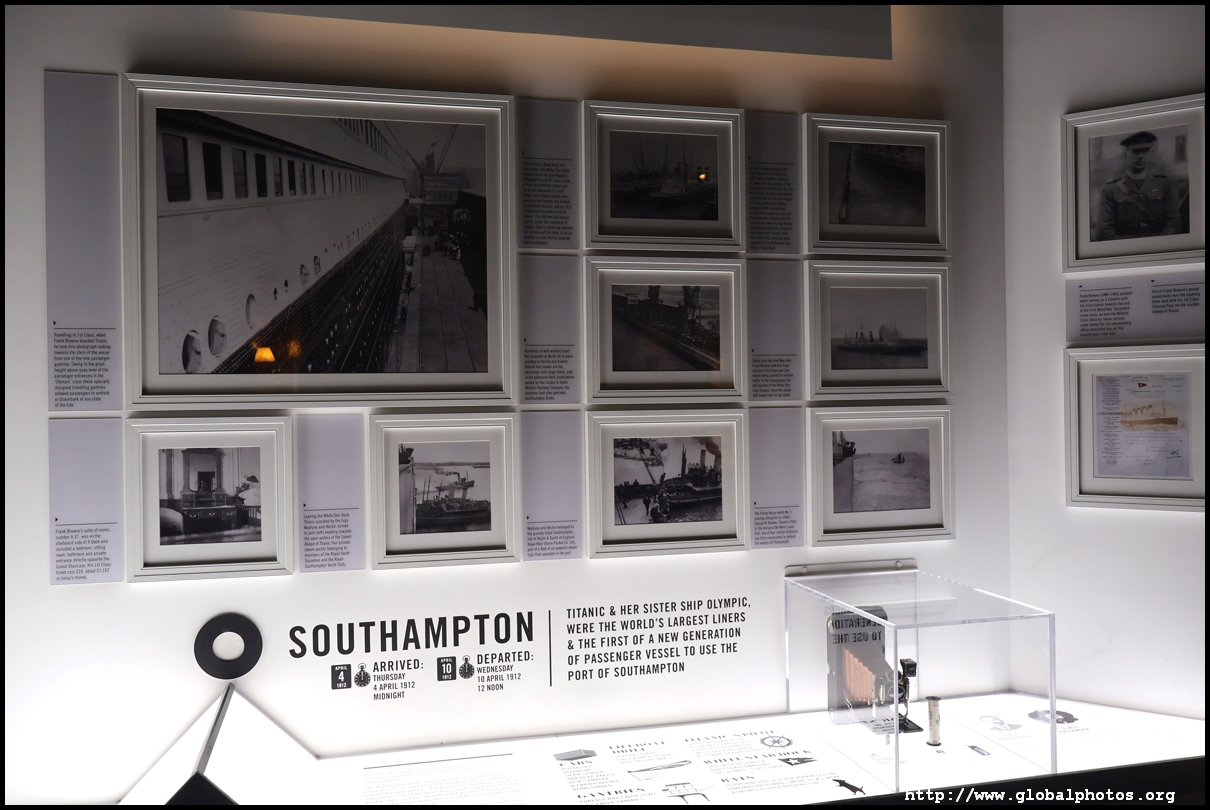
The Titanic Quarter is a huge regeneration project that started in 2005 with a plan to bring new life to former shipyards. It now has new homes, offices, and a huge museum dedicated to the Titanic, which was conceived, designed, and built here at Harland & Wolff's shipyards.Titanic Belfast is the key attraction in the area, showcasing the famous luxury liner's creation and construction. However, DO NOT expect a vast collection of salvaged items from the bottom of the Atlantic from the slew of explorers who have reached the wreck site over the decades. The Titanic was built in Belfast by Harland & Wolff, launching in 1911 and setting sail on its maiden voyage from Southampton to New York in 1912. At the time, the transatlantic market was dominated by White Star and Cunard. Cunard launched the Mauretania and the Lusitania, both large liners, in 1907. White Star responded by building a class of ships that would be known for their comfort, with 3 constructed. Titanic was one of them. Construction began in 1909. The Titanic would have 29 giant boilers to power its 2 steam engines. It had 15 water-tight bulkhead compartments, which deemed it "practically unsinkable". There were only enough lifeboats to accommodate about a third of the passengers and crew which totalled over 3300 people. At the time, this ratio already met British regulations.
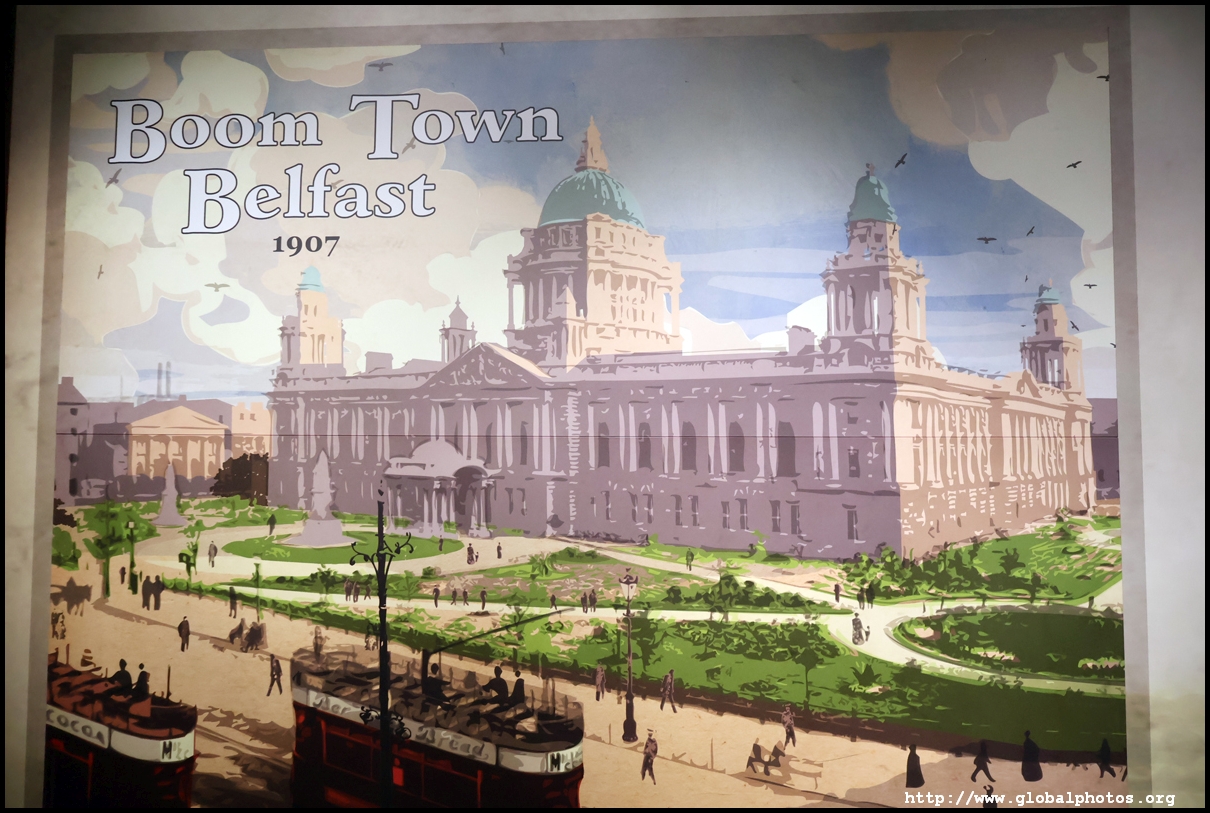
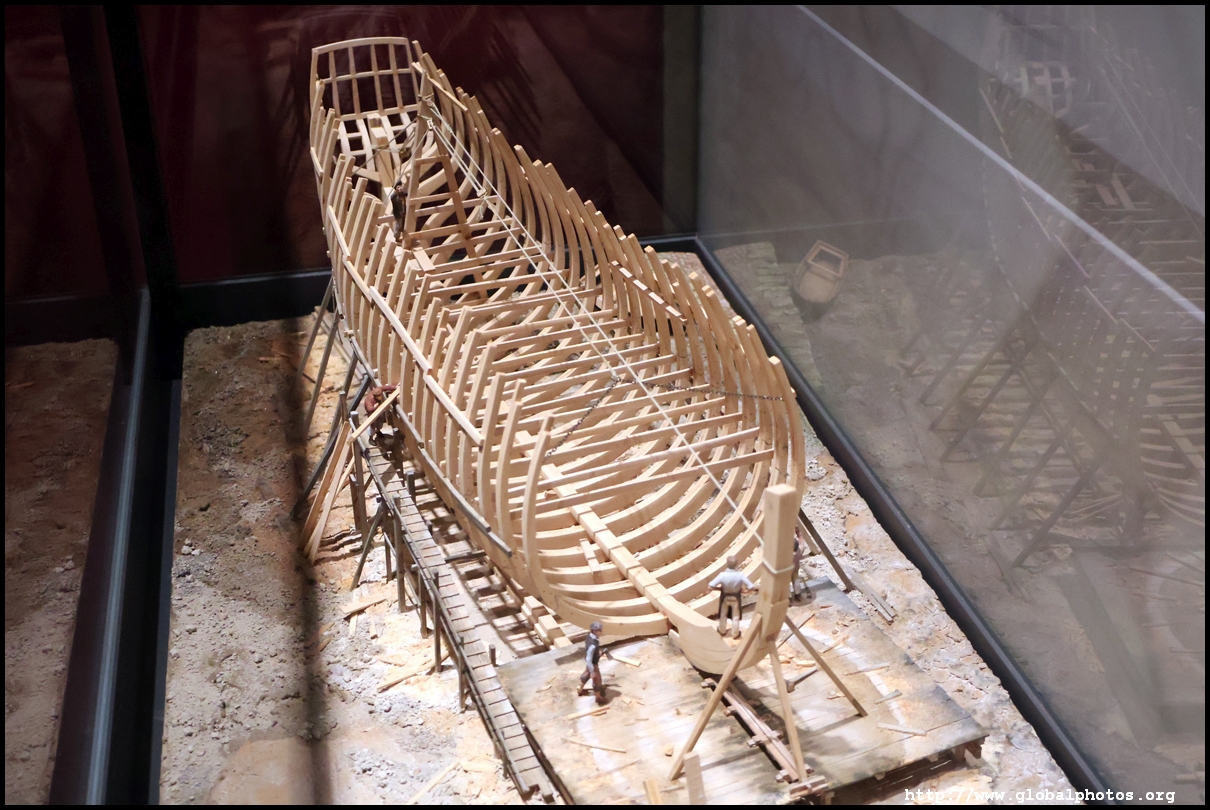
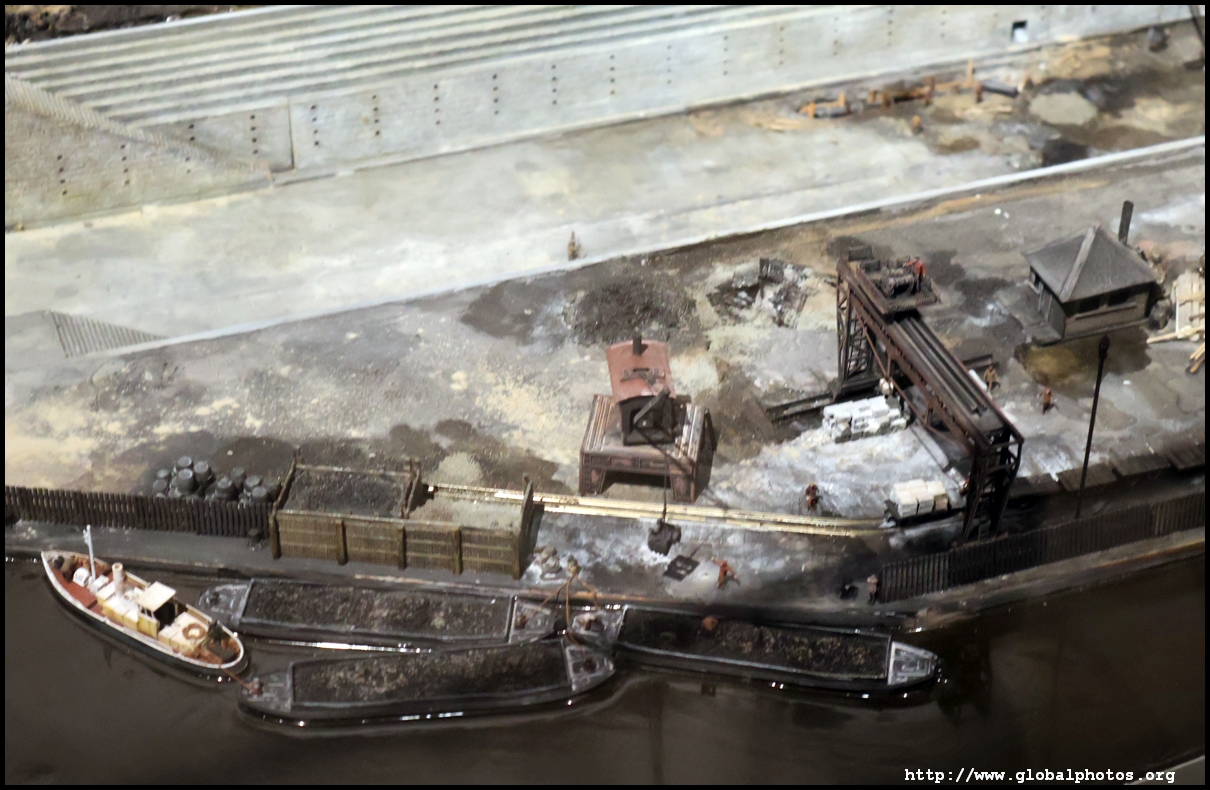
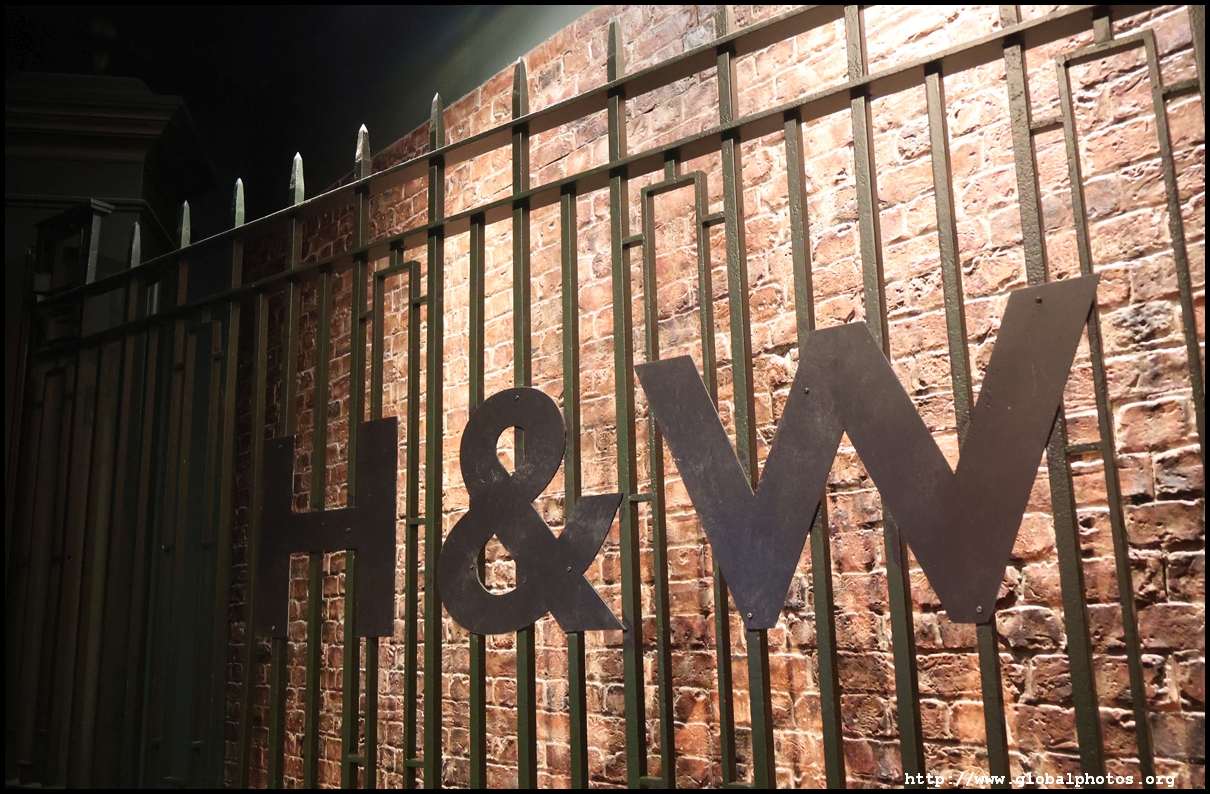
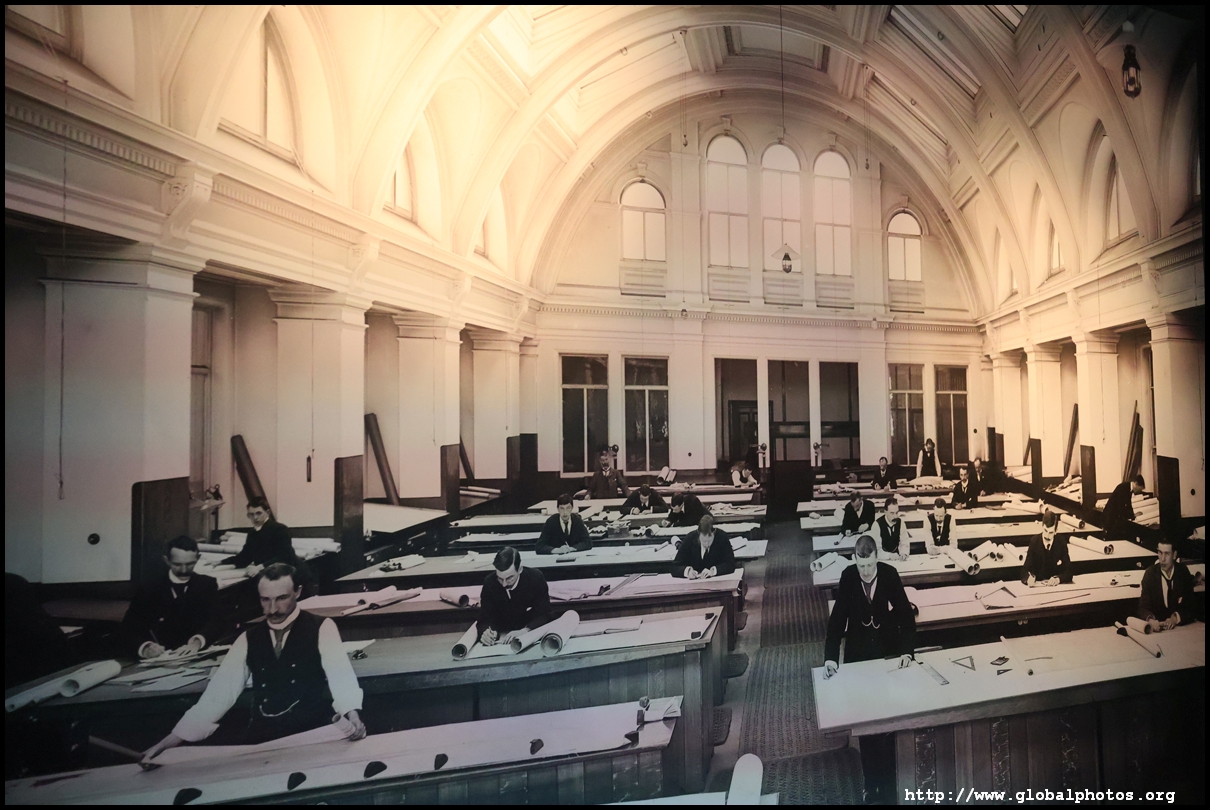
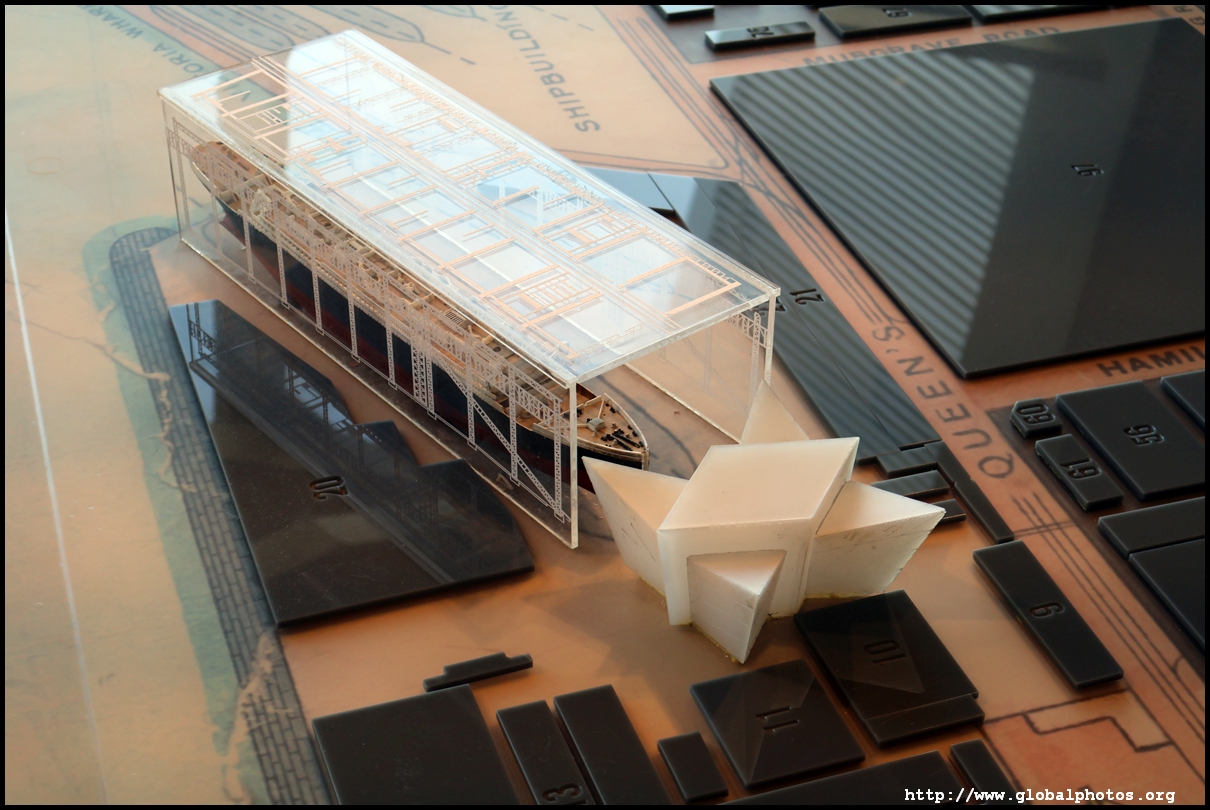
The museum begins by setting the scene on Belfast's port and its history. The earliest records of ship-building here date from the 1660s. By the 2nd half of the 19th century, Belfast was famous for its iron and steel ships. By the mid-1880s, Harland & Wolff was the most important shipbuilding firm in the country, and it employed almost 10,000 people by 1900 across their 80-acre site.
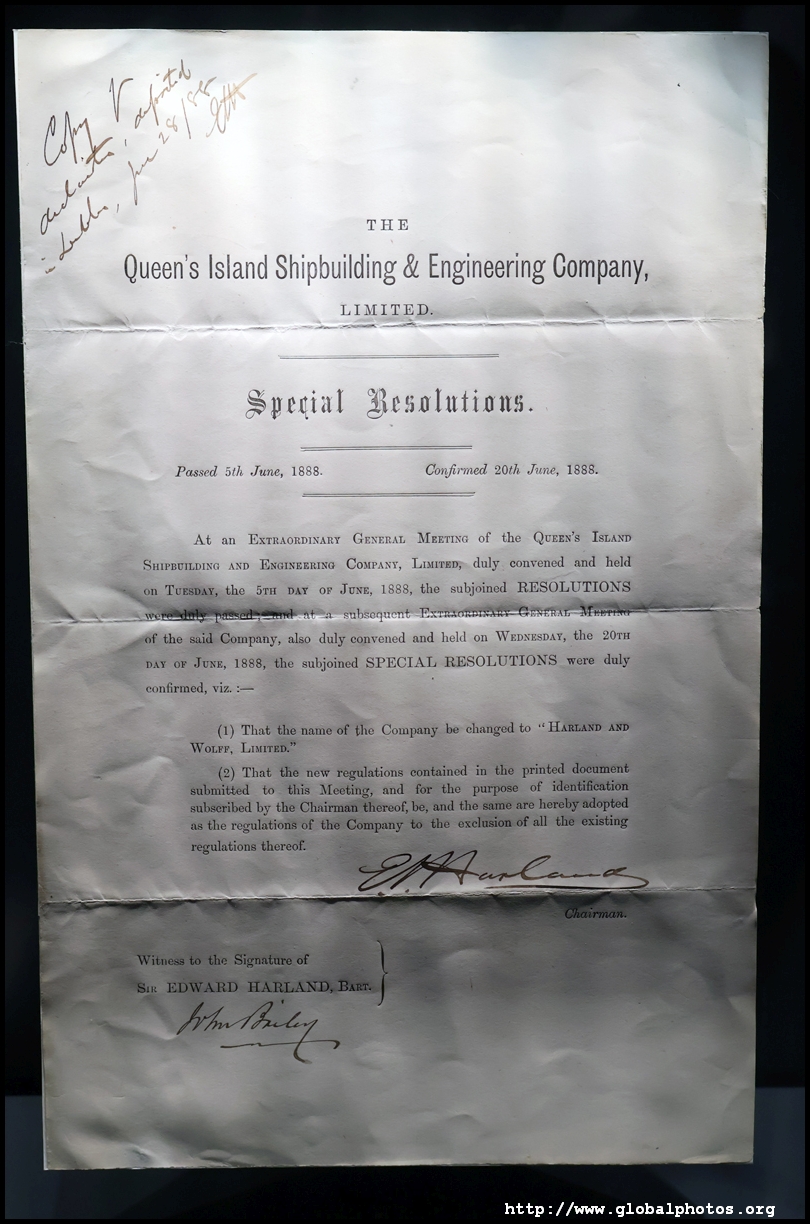
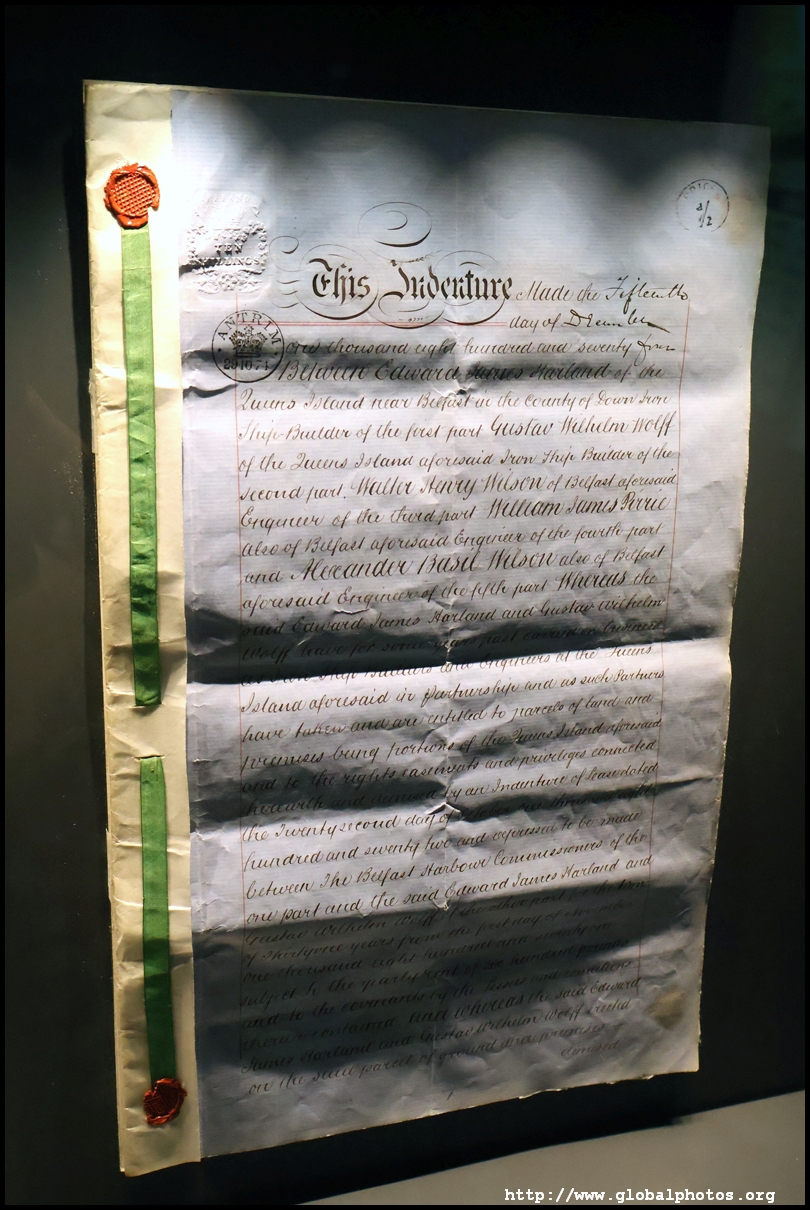
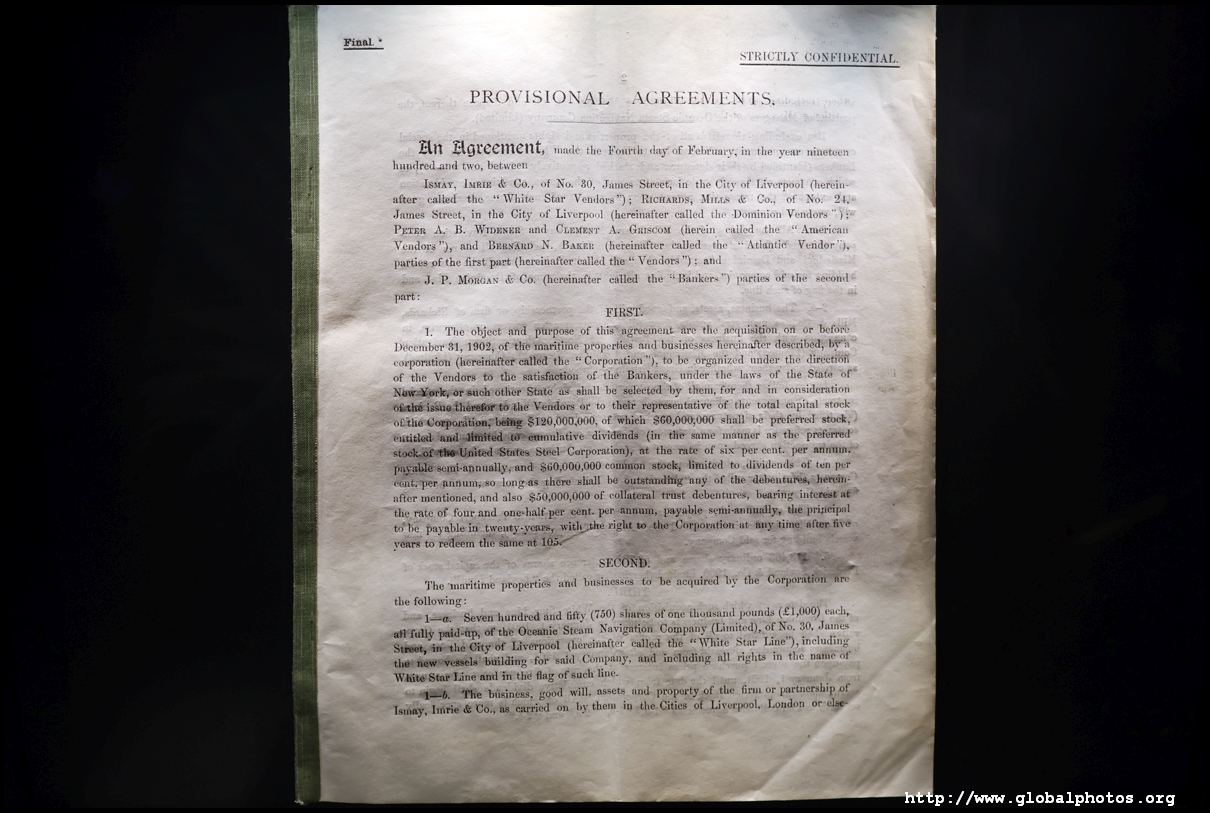
In 1888, the Queen's Island Shipbuilding and Engineering Company changed its name to Harland & Wolff Limited. On the right is the deed of partnership from 1874.
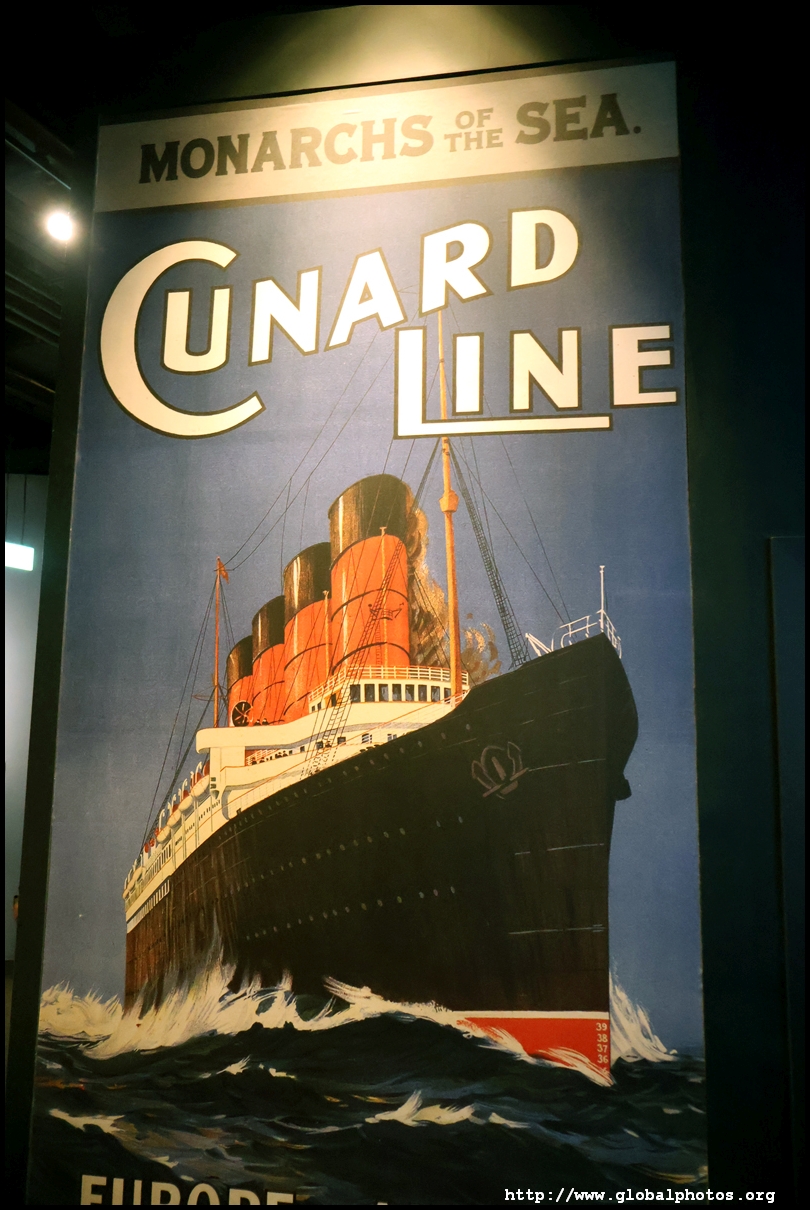
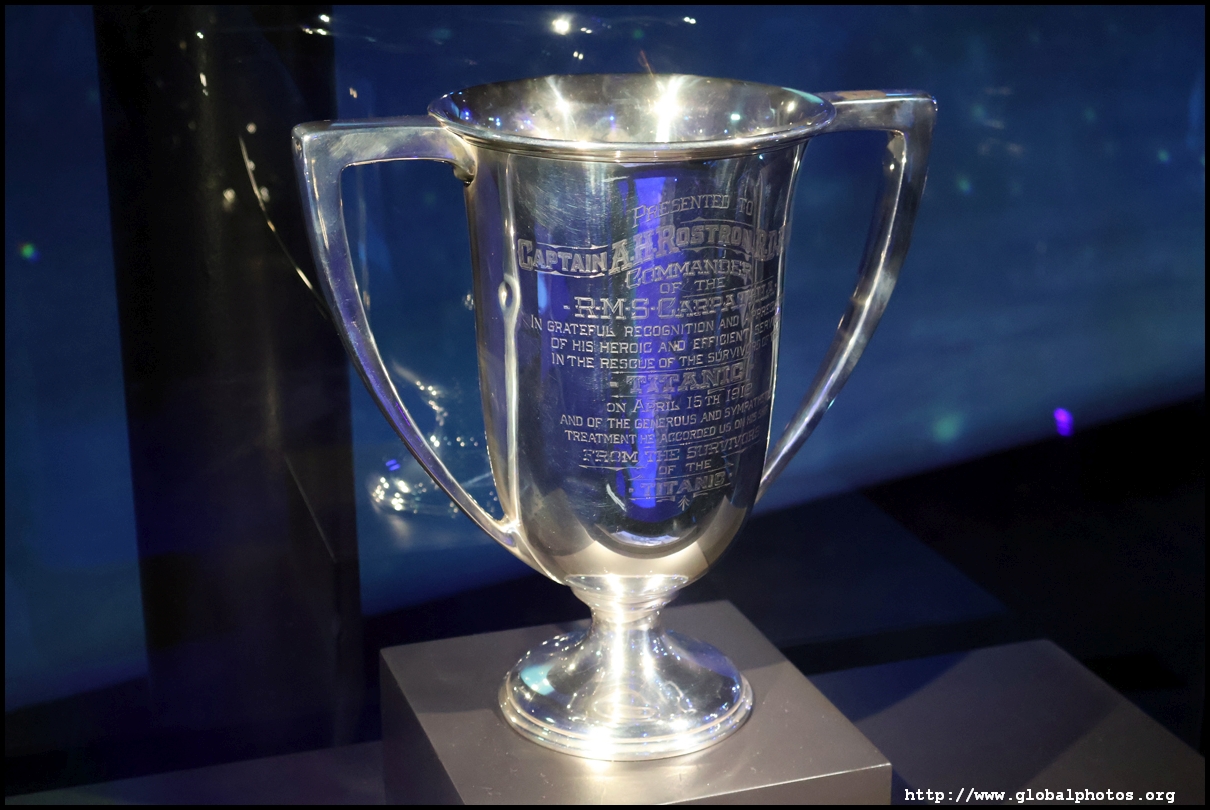
Cunard Line was established in 1840 by Samuel Cunard with steam-powered ferries. They expanded to the transatlantic trade, taking over a million people across to settle in the United States in the 1880s. When the Titanic sank, Cunard's Carpathia reached the scene to rescue survivors. The company became part of the Carnival group in 1999.
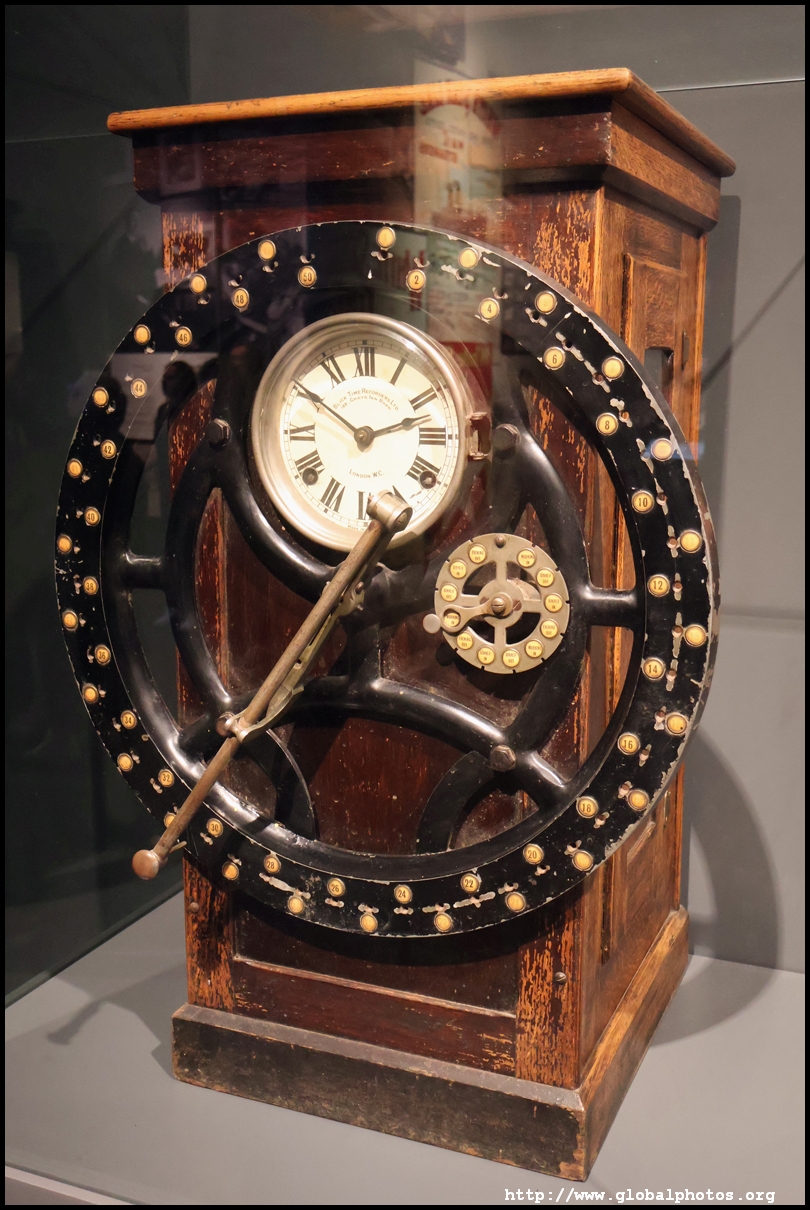
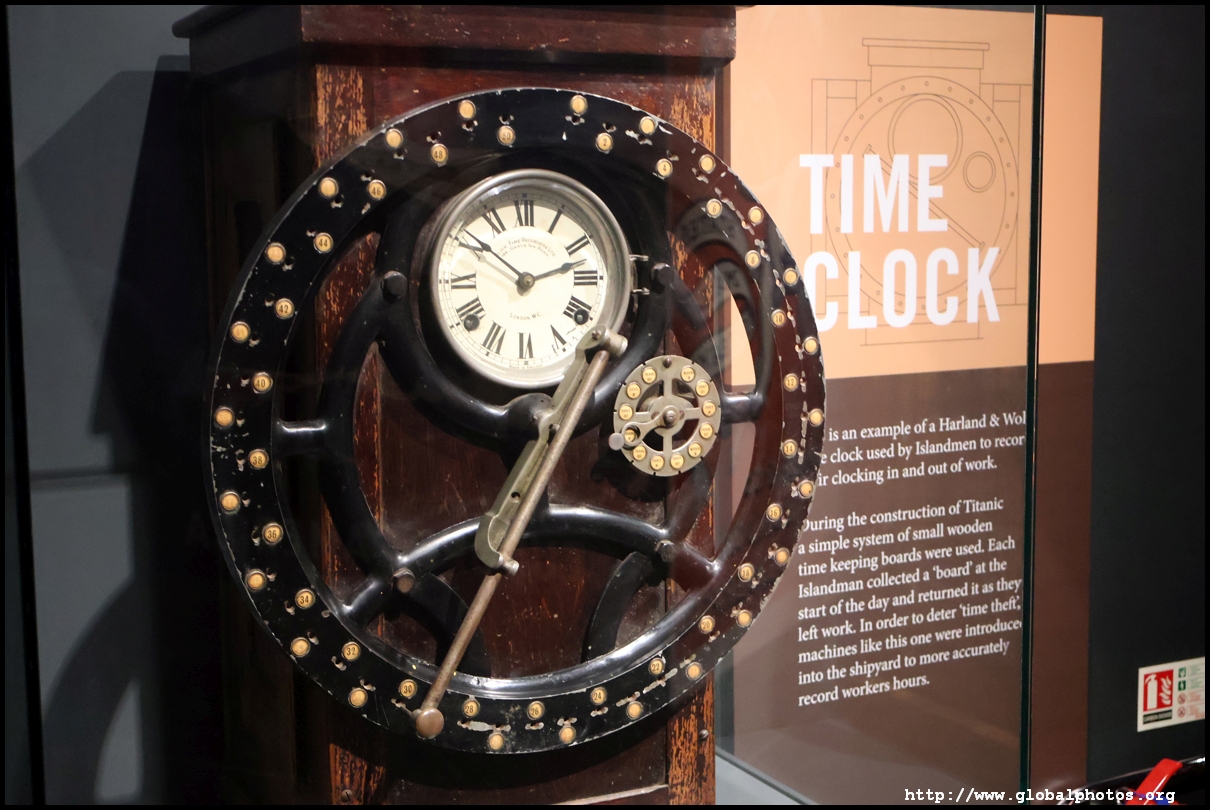
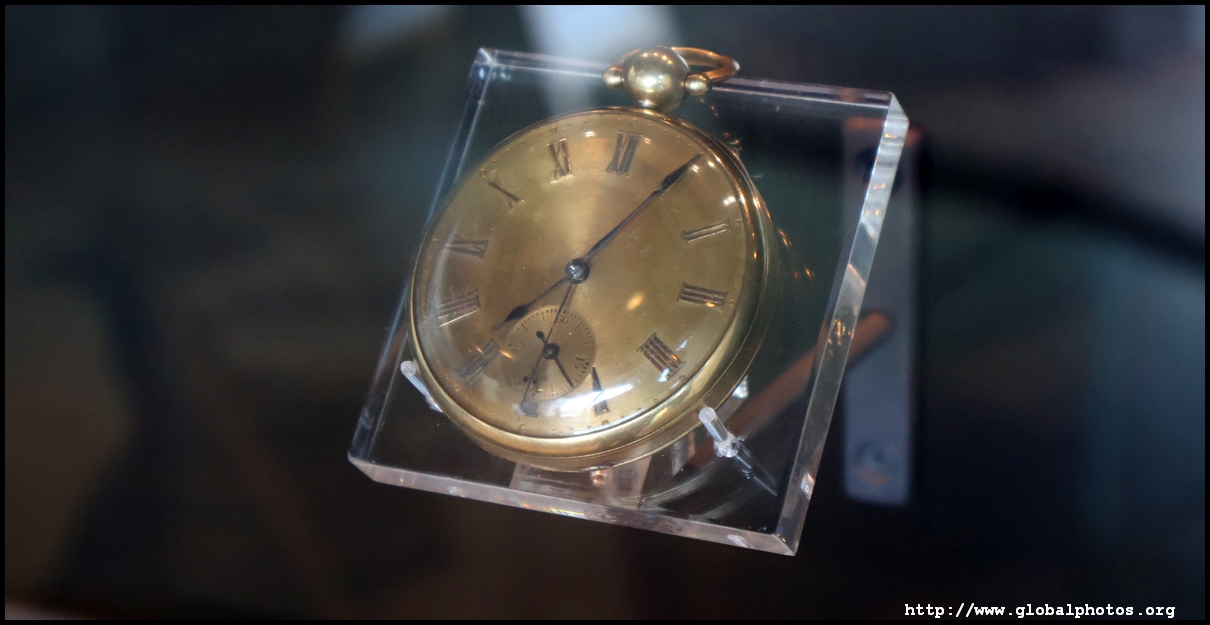
This time clock was used to accurately record worker hours.
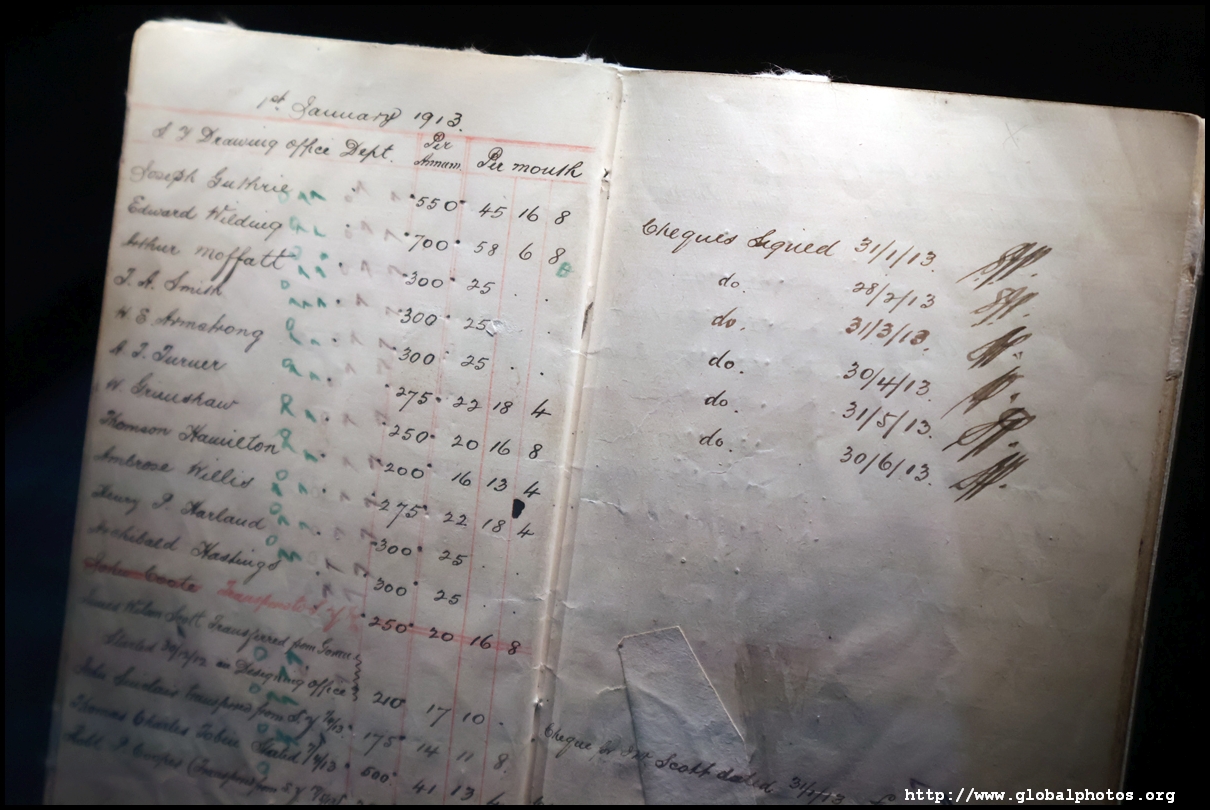
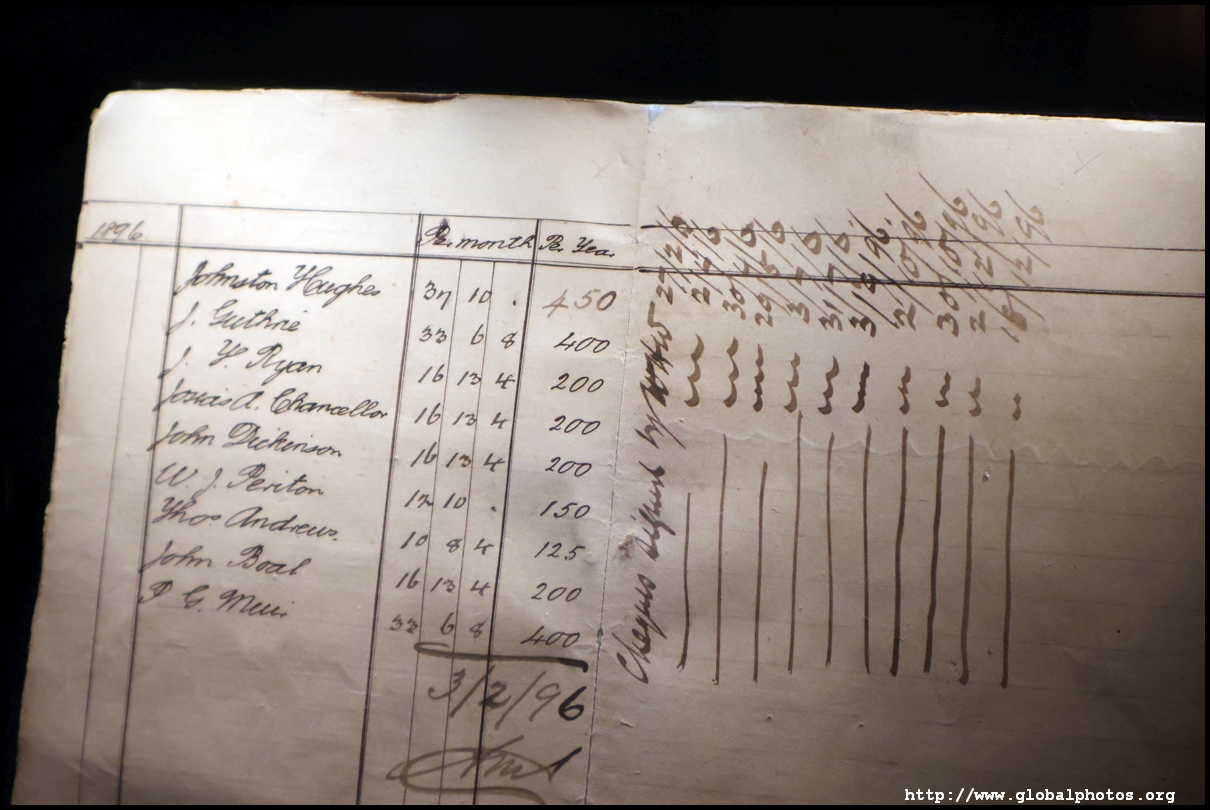
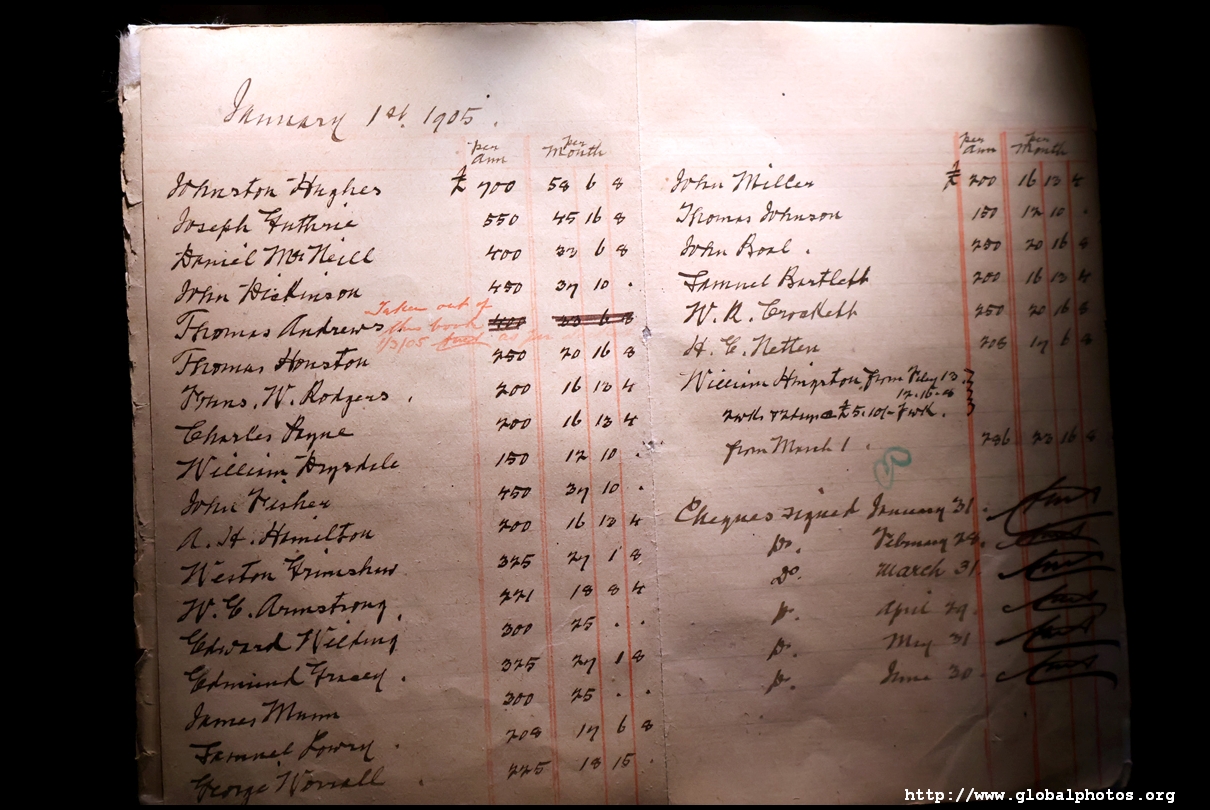
These notebooks recorded shipyard salaries.
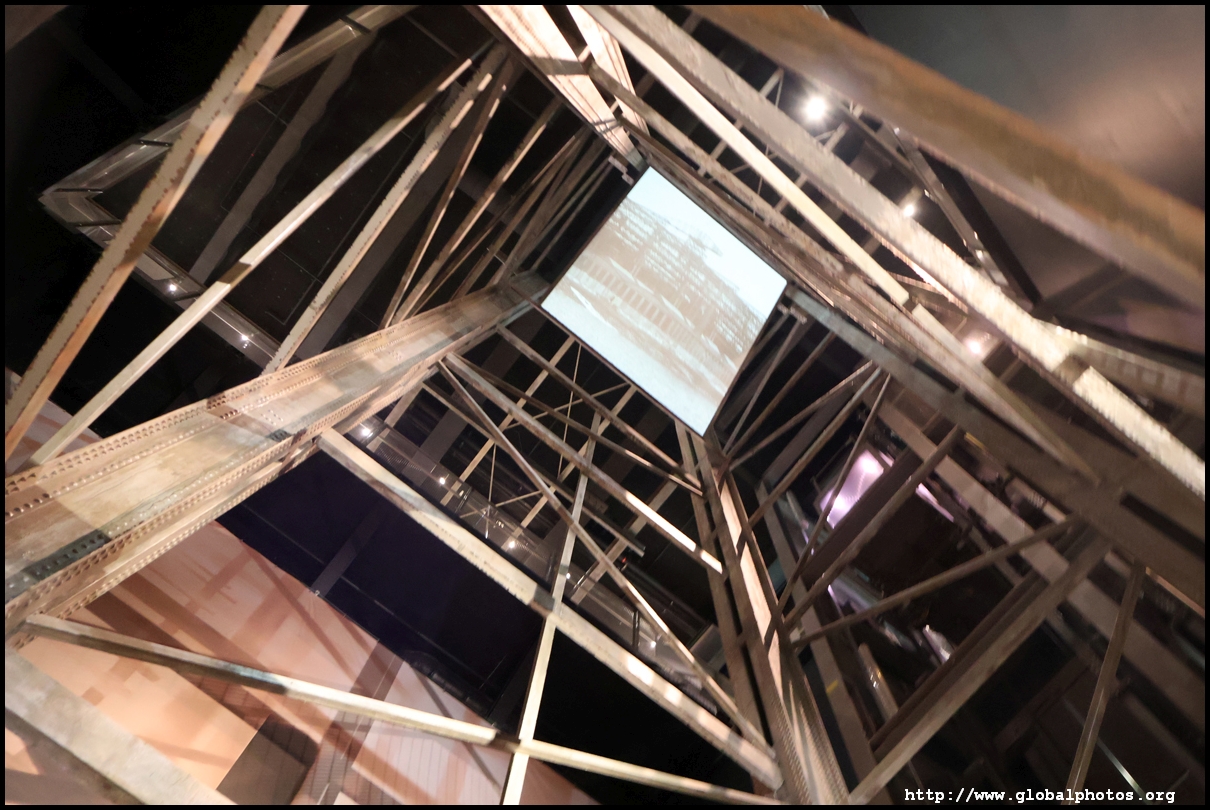
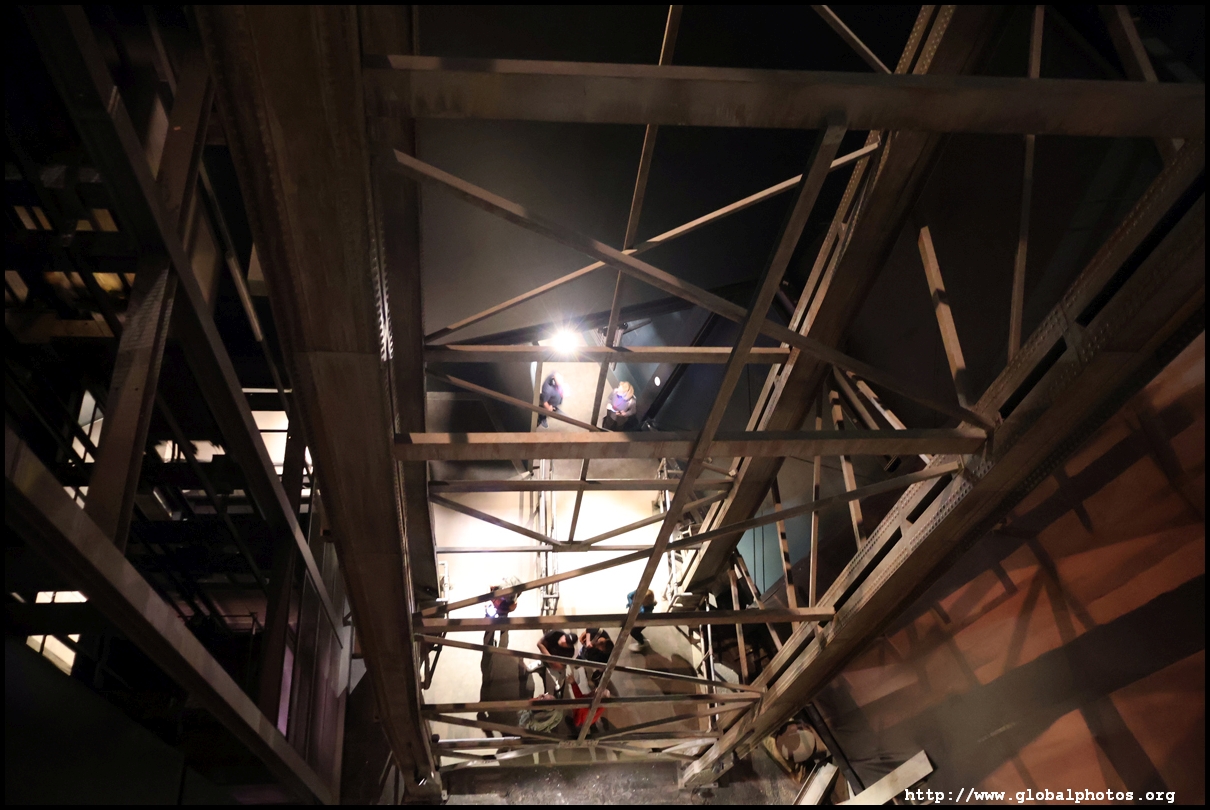
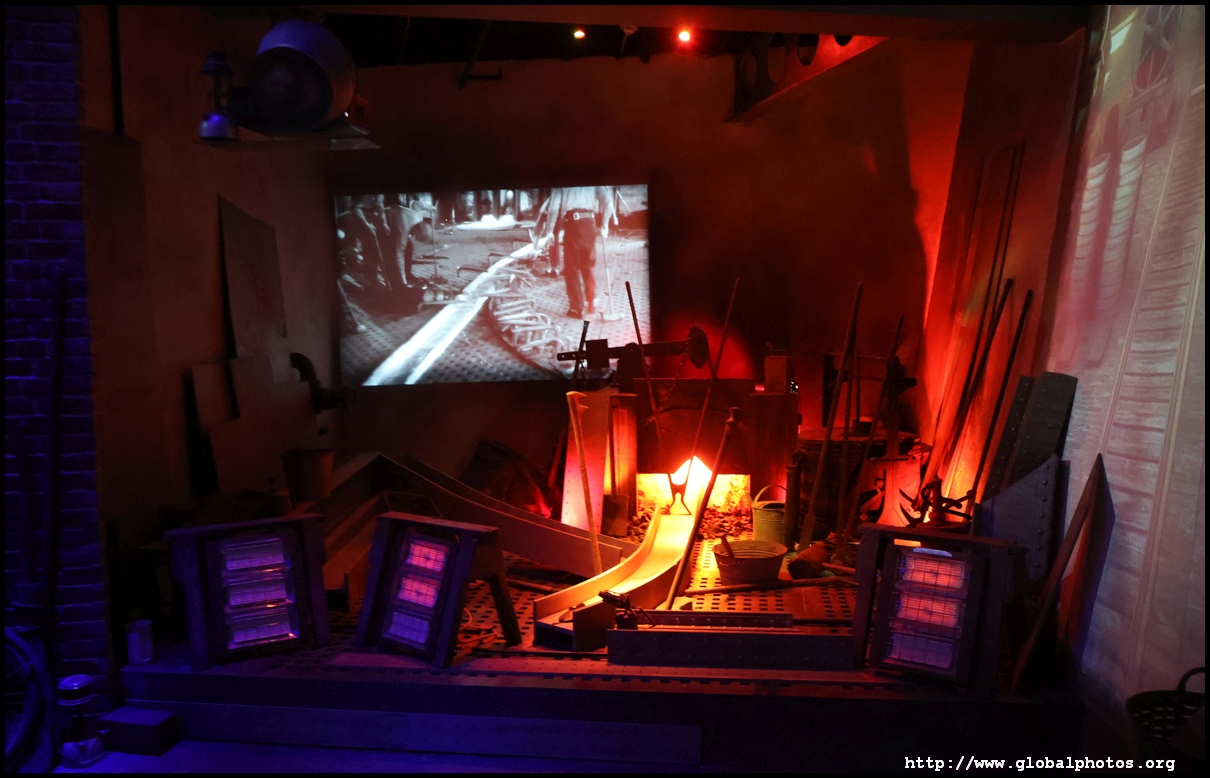
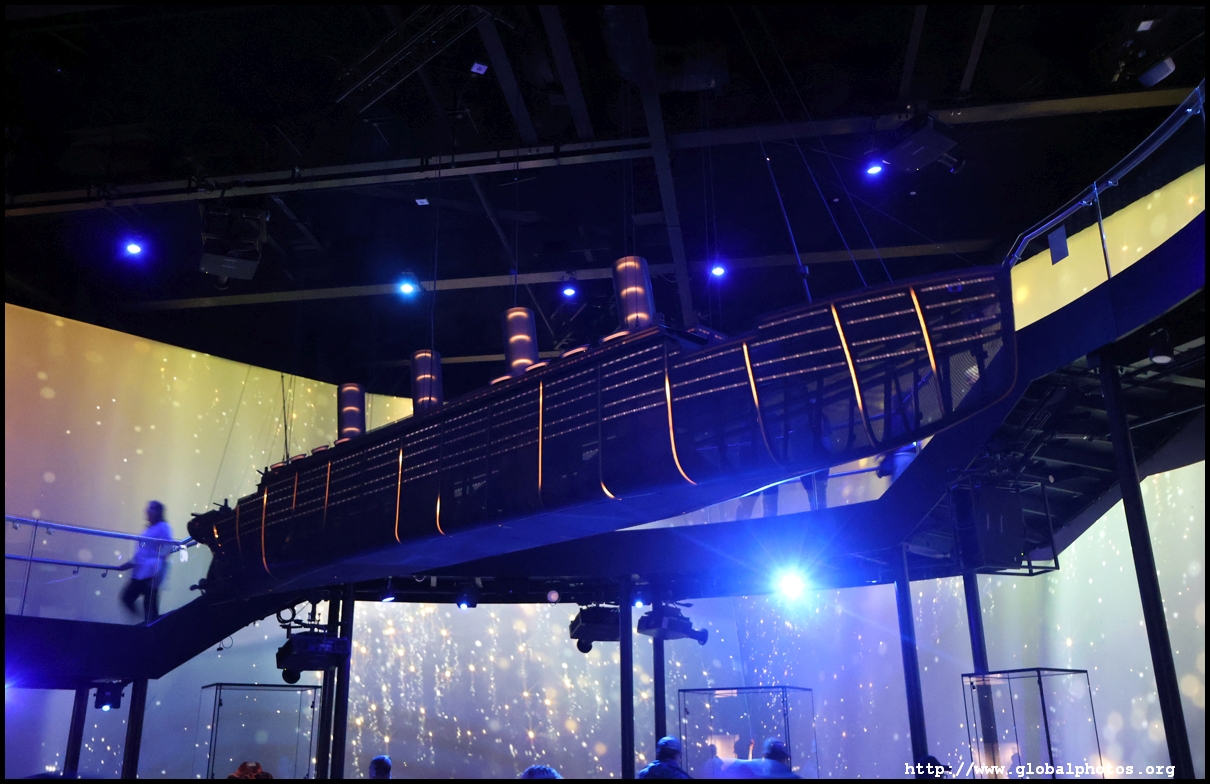
The interior decor opens up and it feels like you are at the shipyard. Head upstairs and be sure to board the amusement park ride for a journey through the model factory.
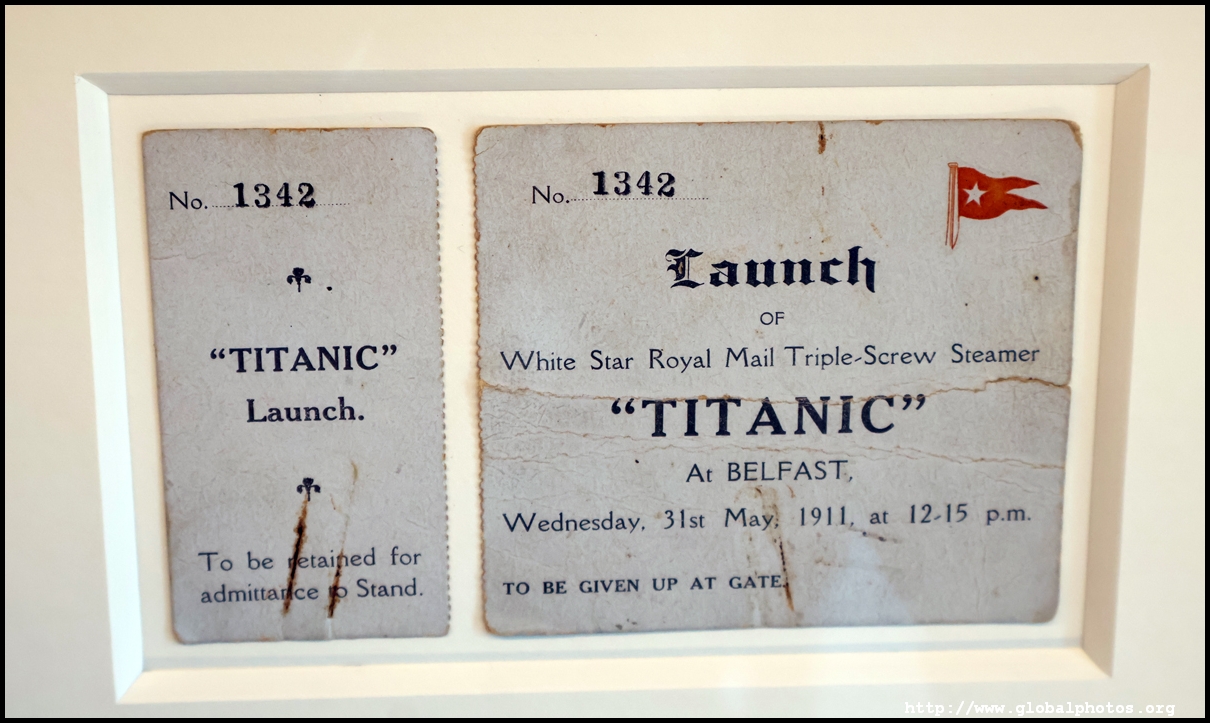
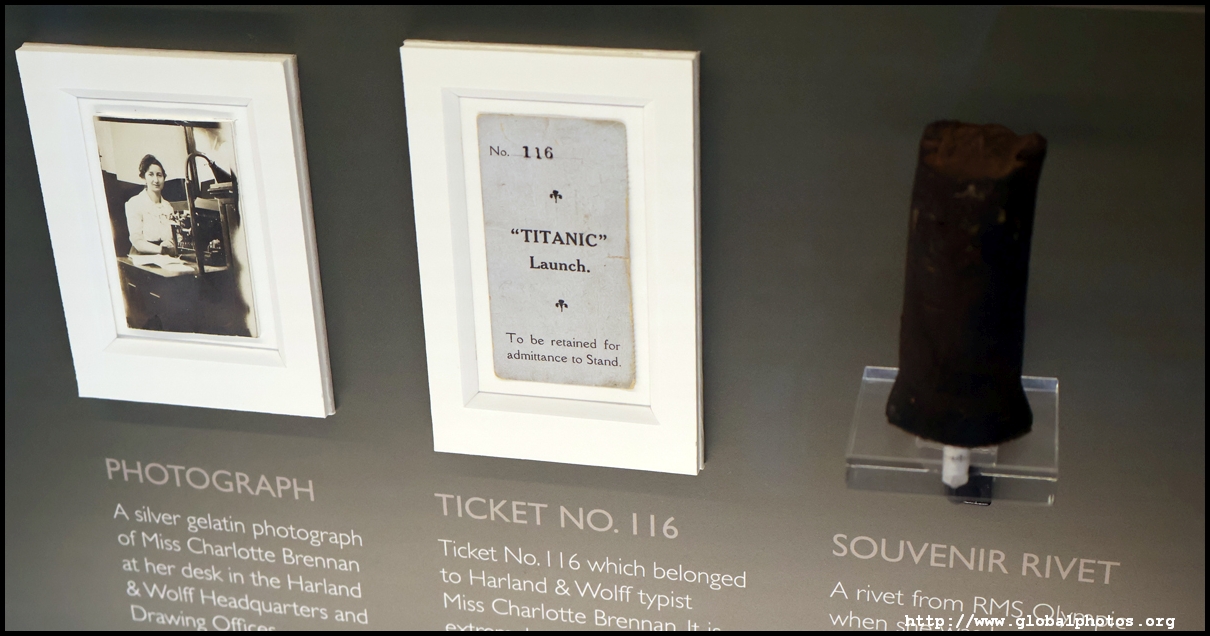
Titanic's launch was a huge affair, and only ticket holders could enter the shipyard that day. It would cost 1 shilling for the public to buy a ticket, although the sales proceeds went to charity.
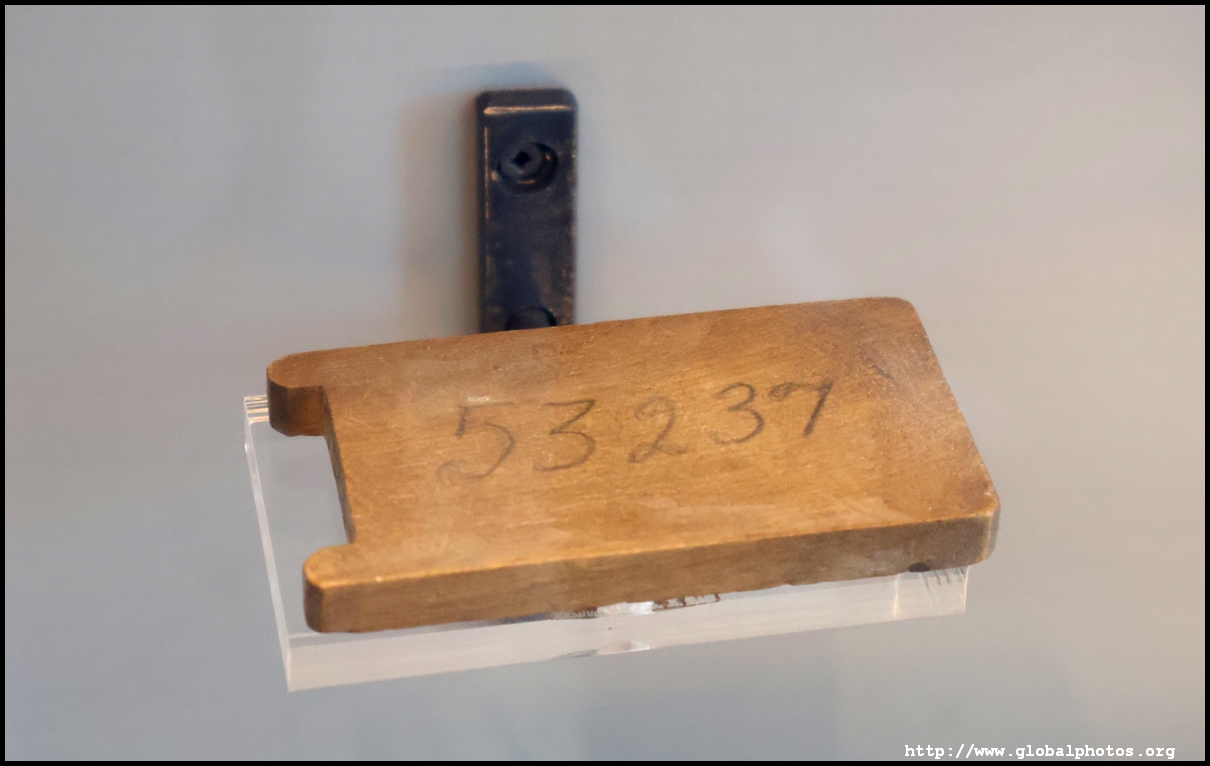
Time boards were used to record workers' hours. Each board had a number and corresponded to the work location in the yard. The worker collects the board at the start of the day, and returned at day-end to record the hours.
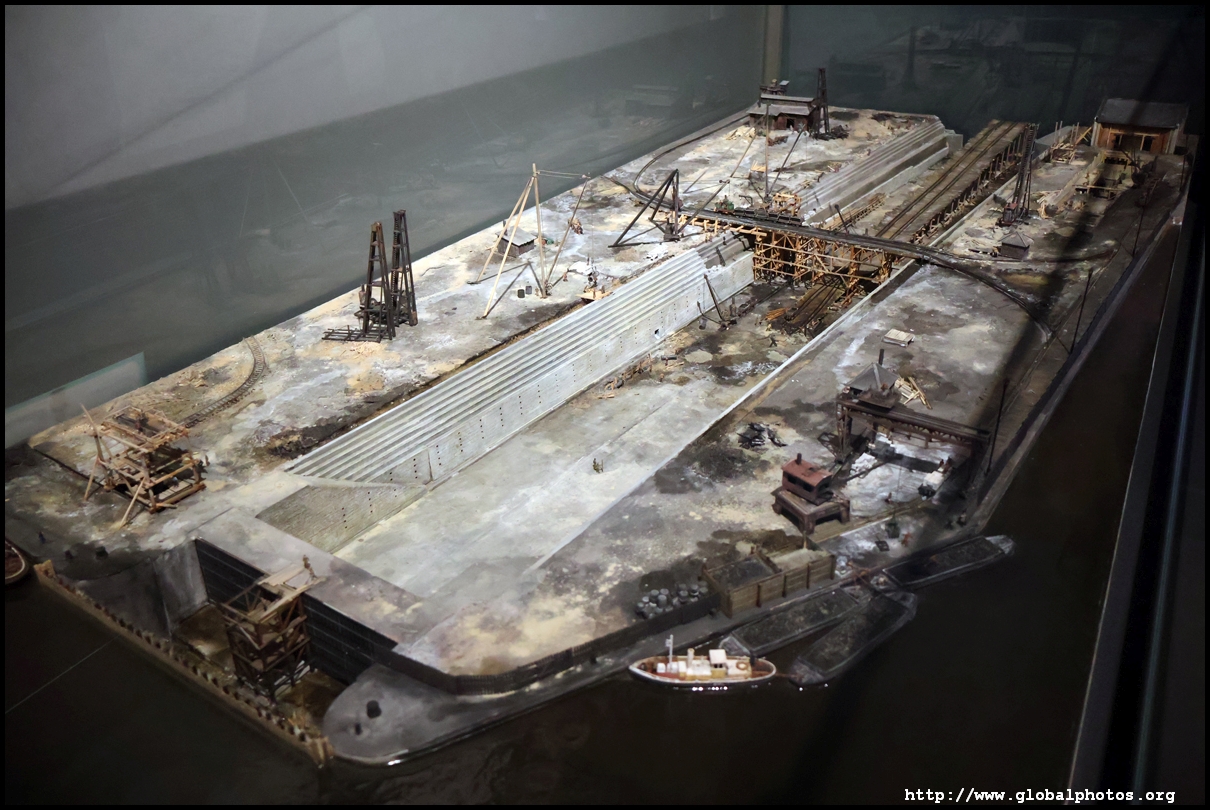
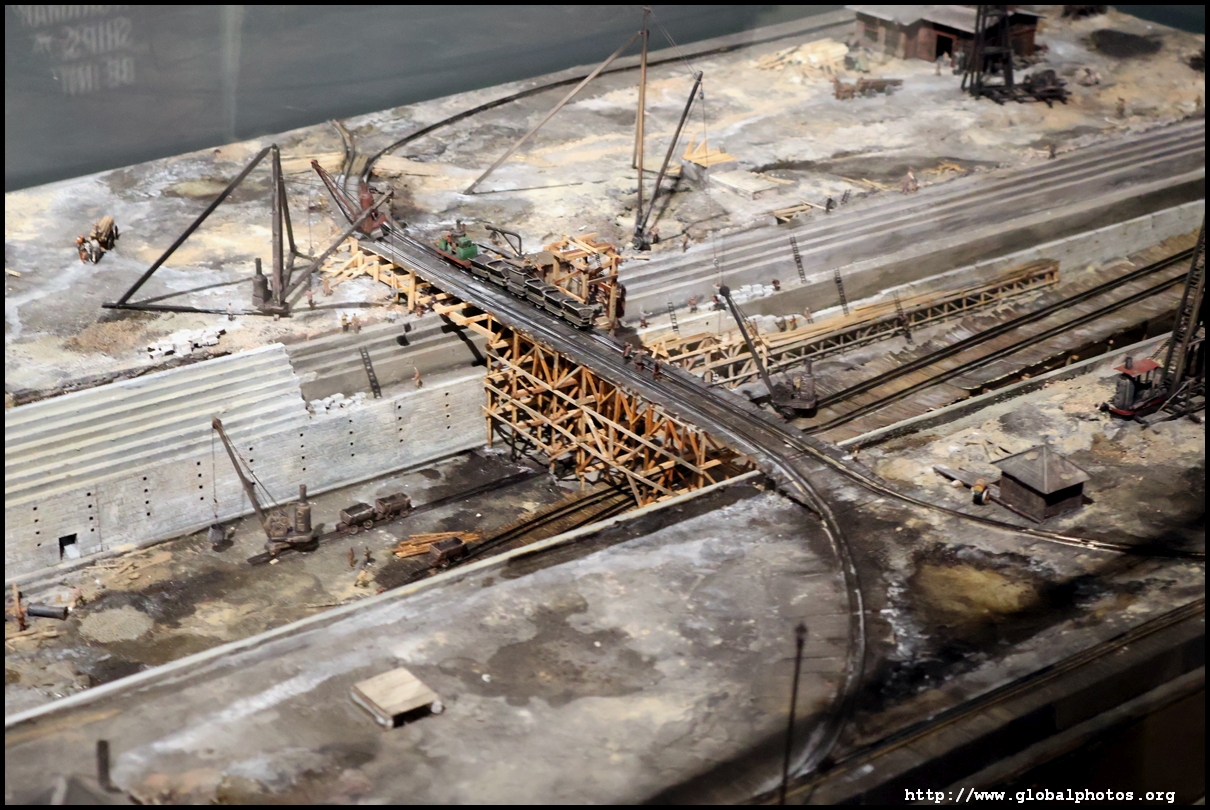
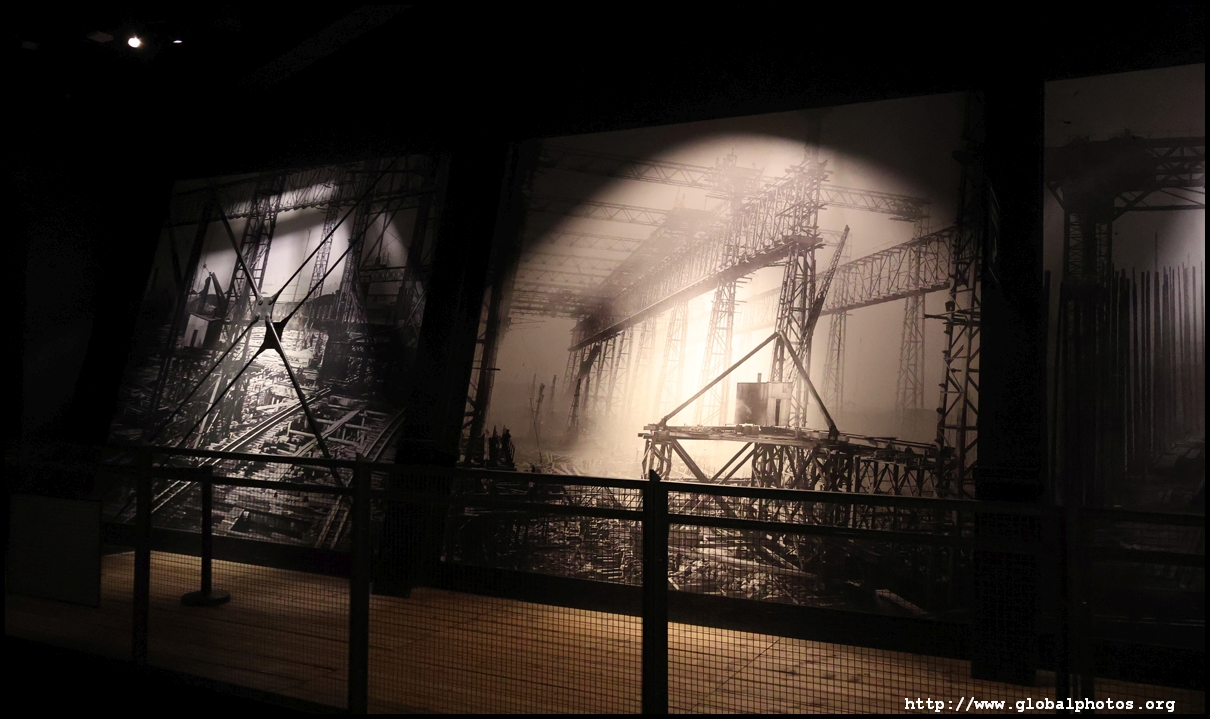
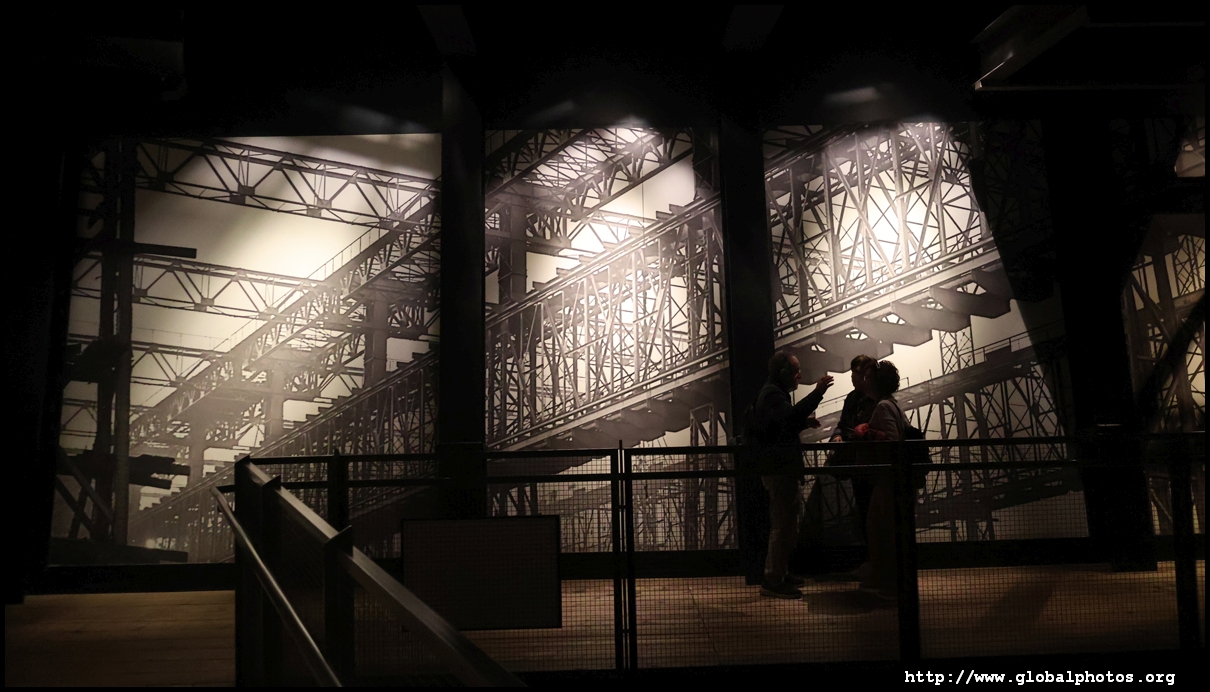
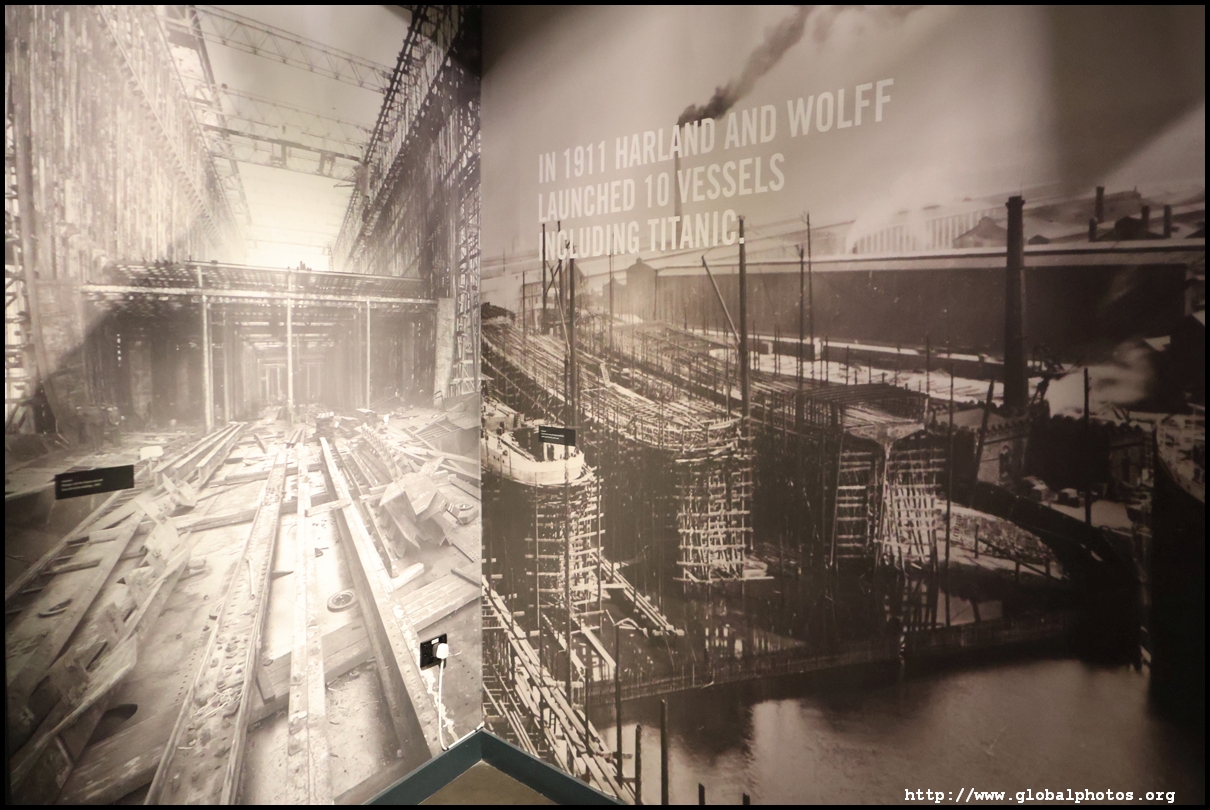
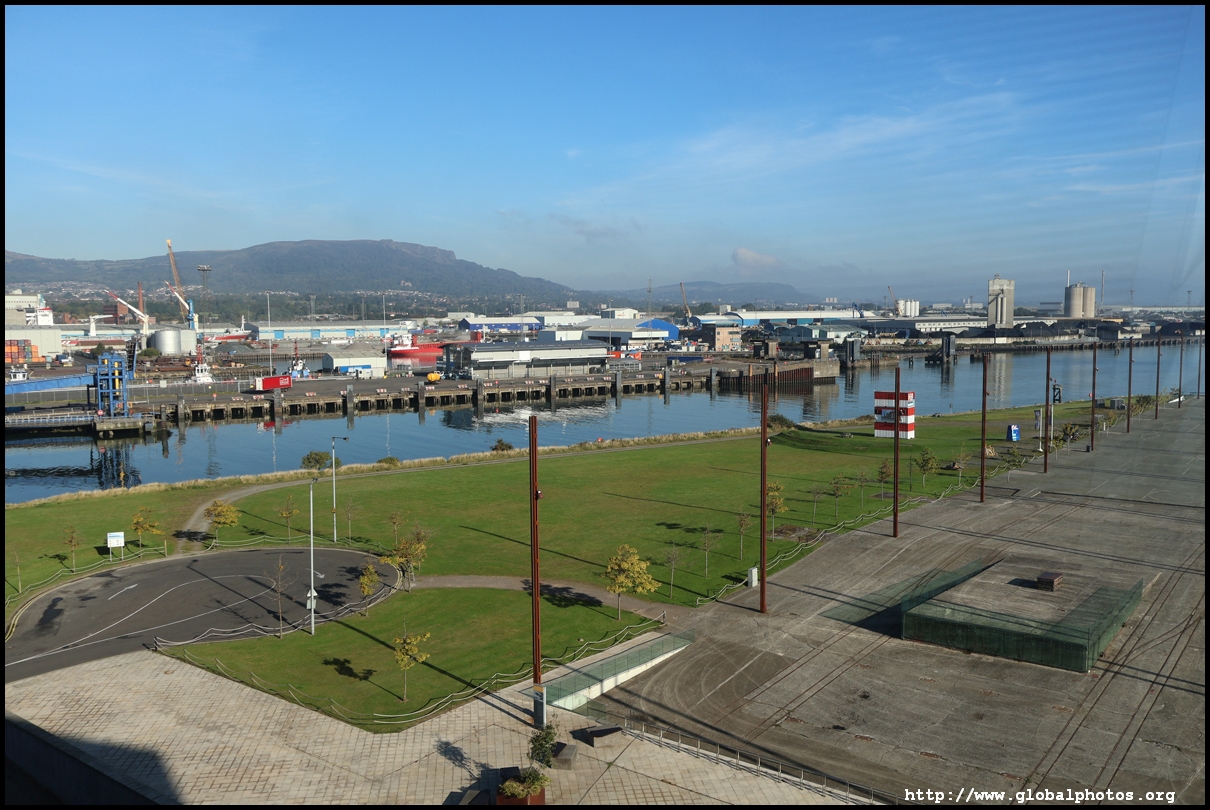
Taking a break after the model factory ride, the windows open up to see where the Titanic was built.
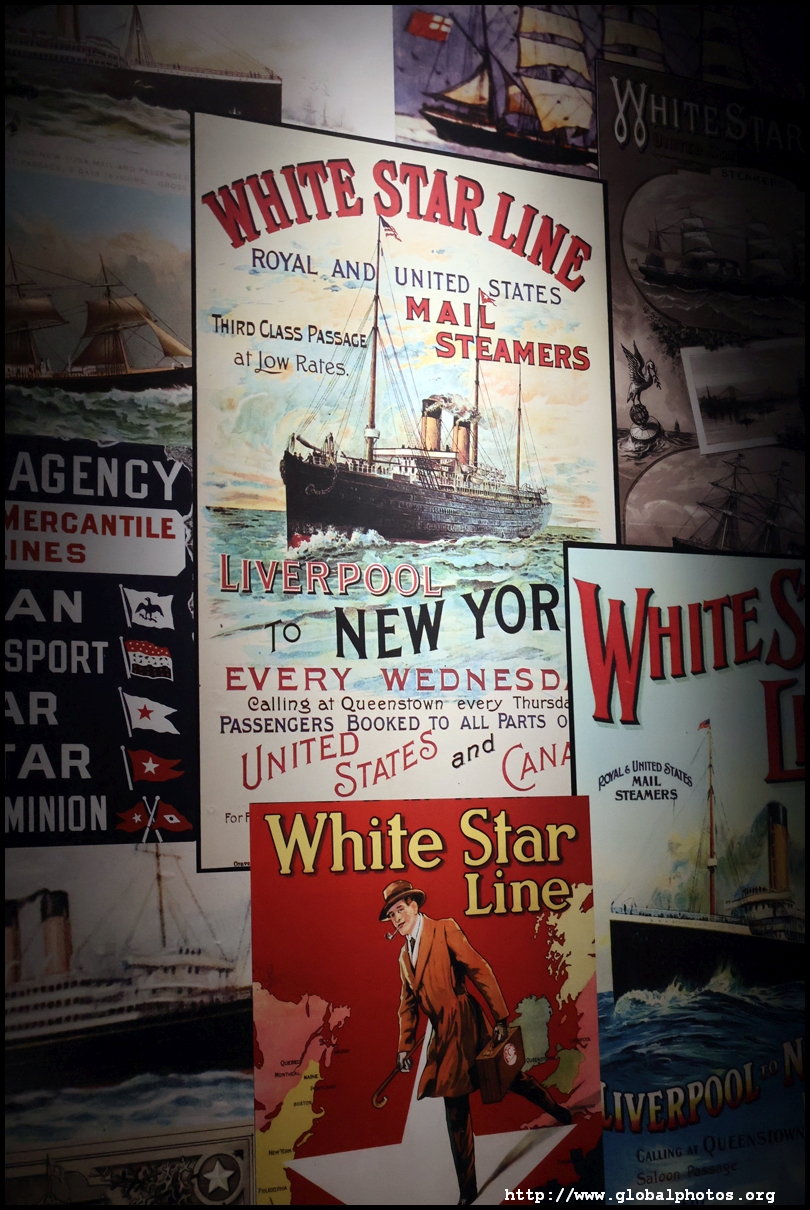
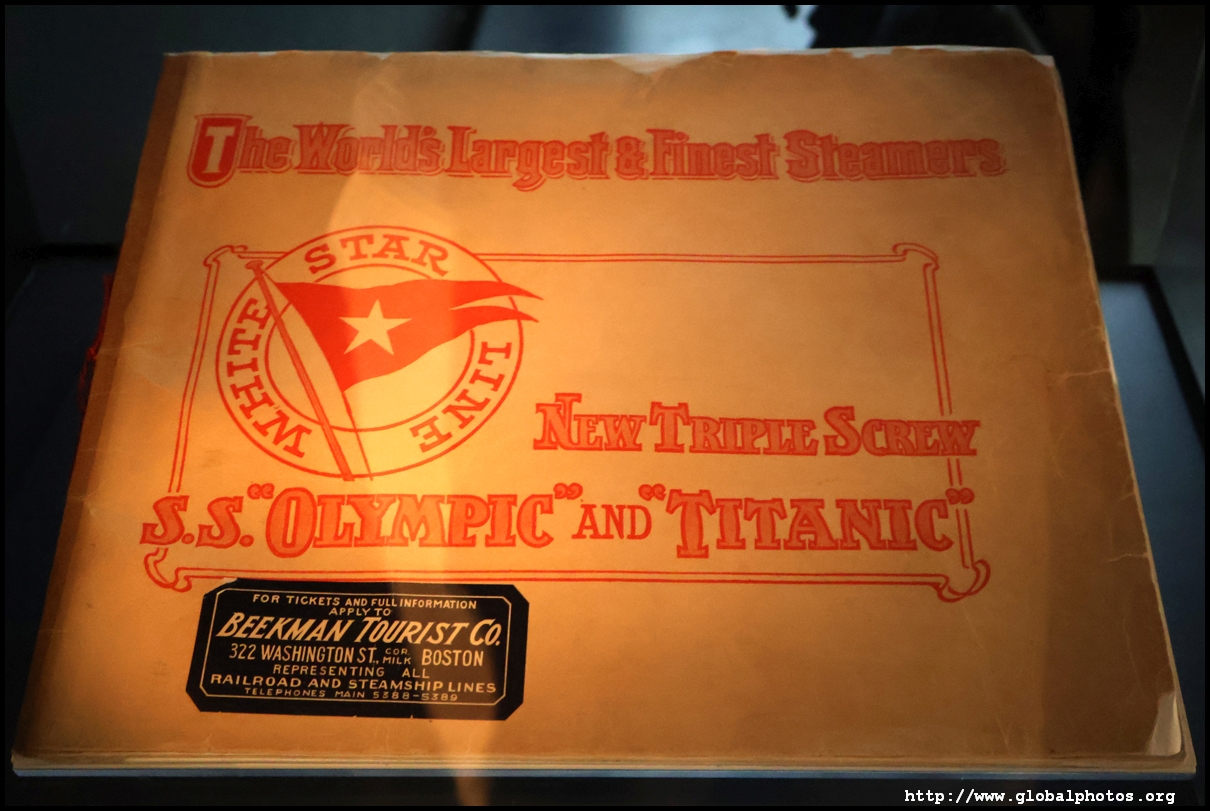
White Star Line produced this brochure to promote the Olympic and Titanic ships in 1911.
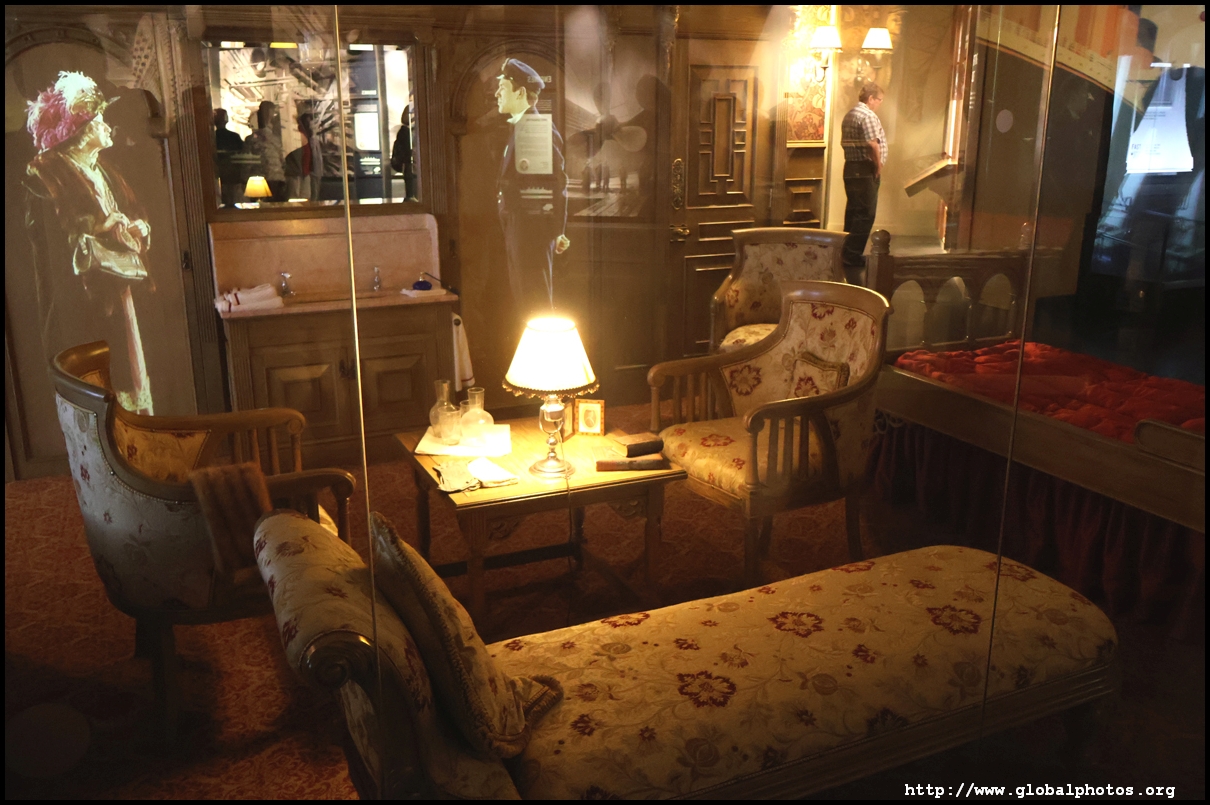
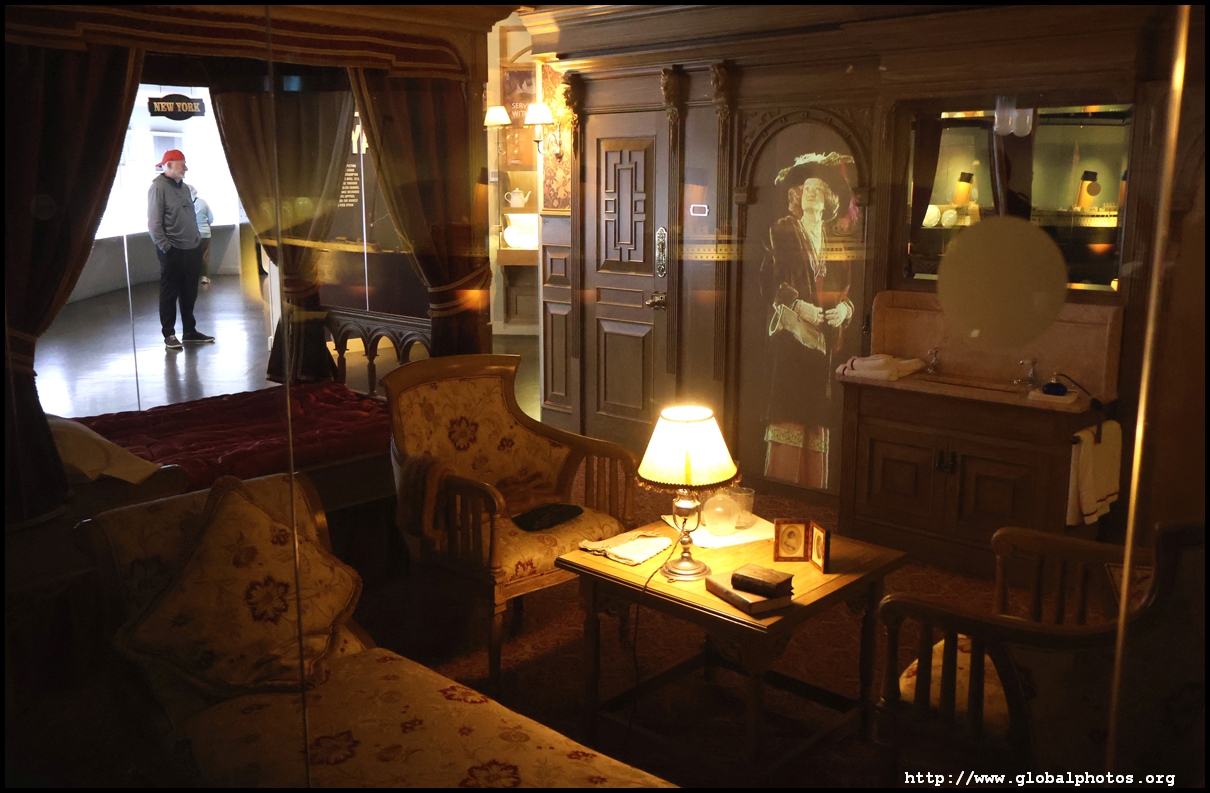
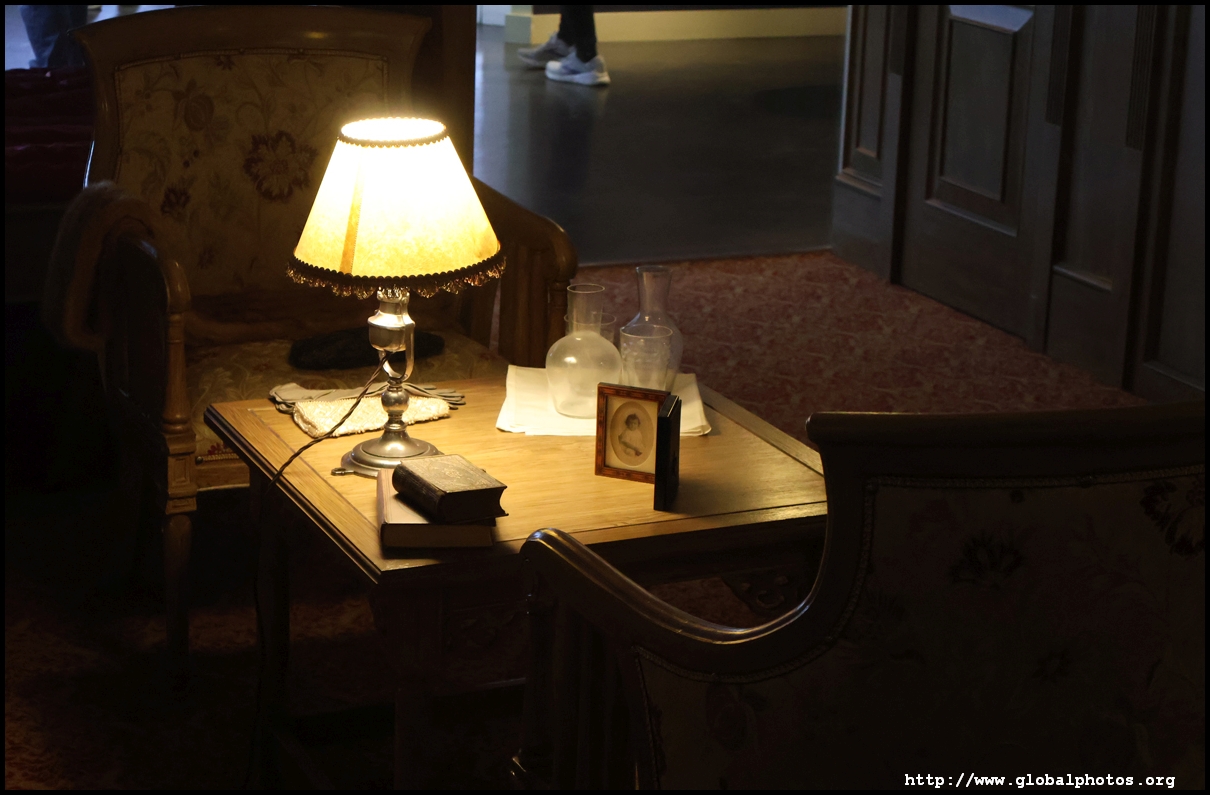
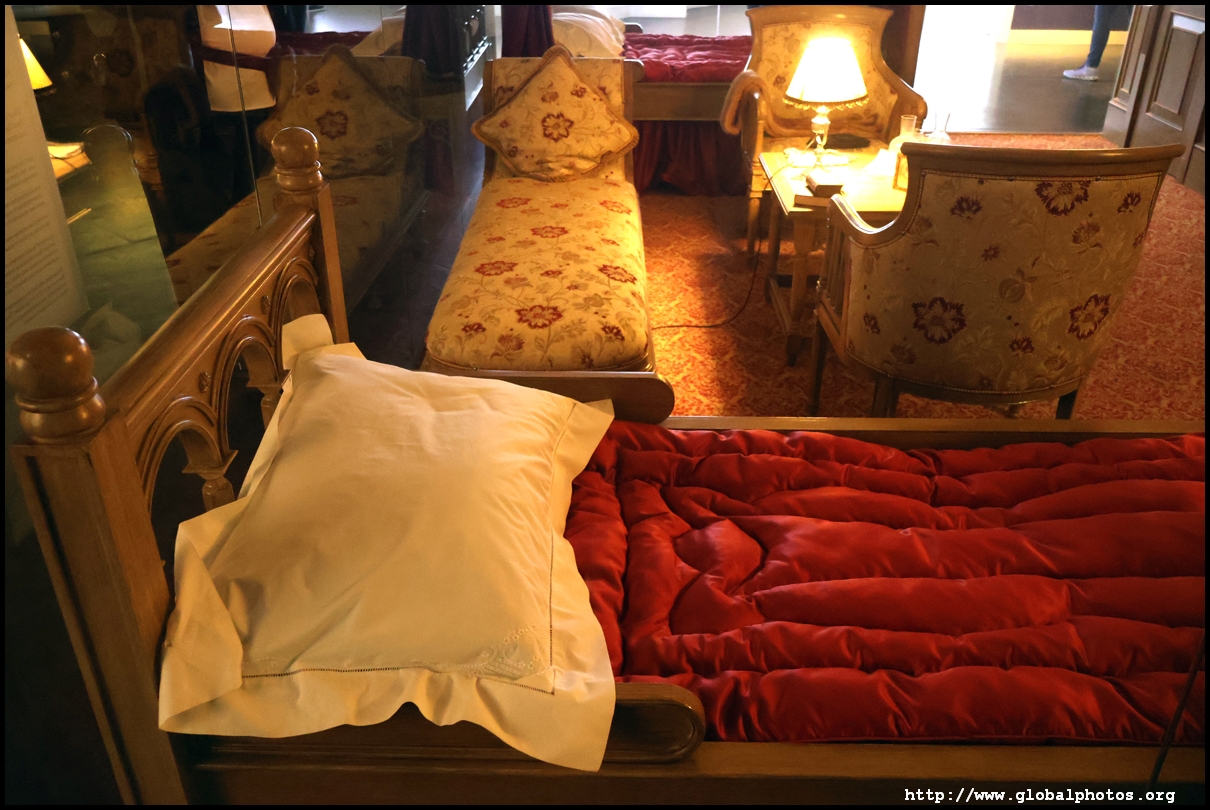
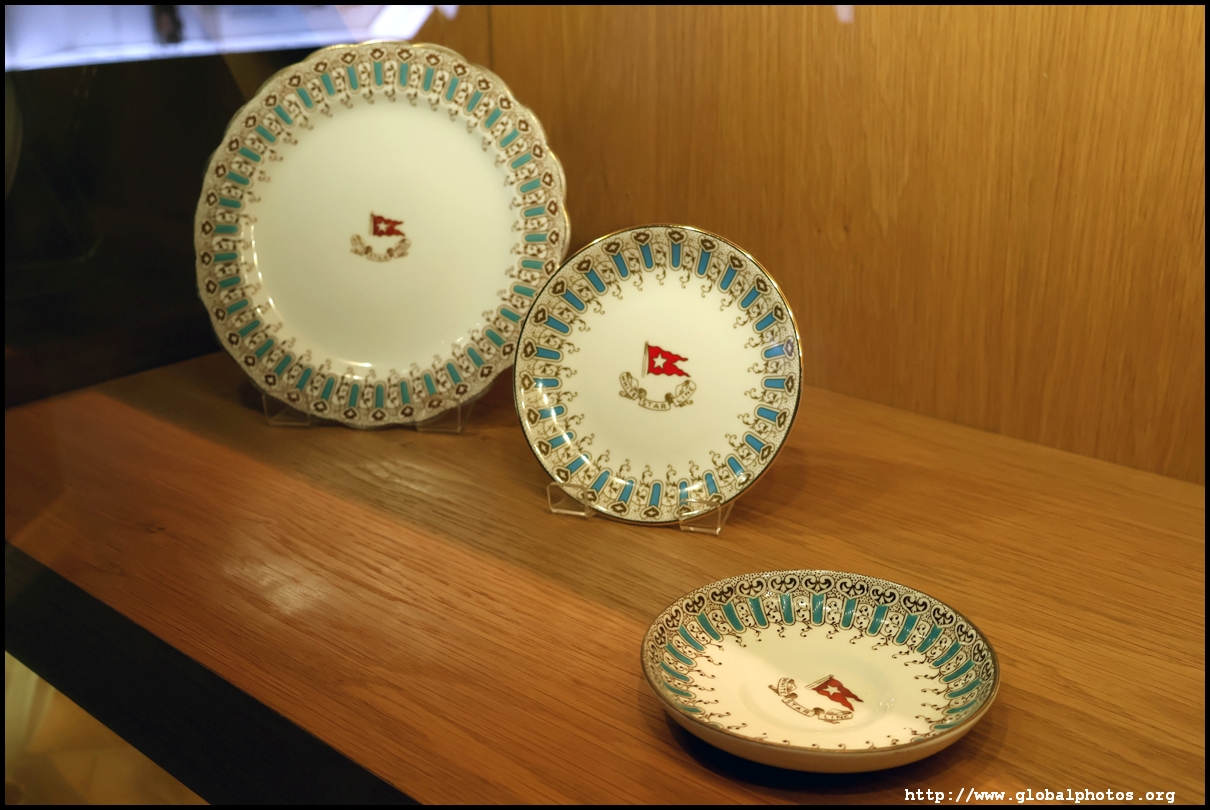
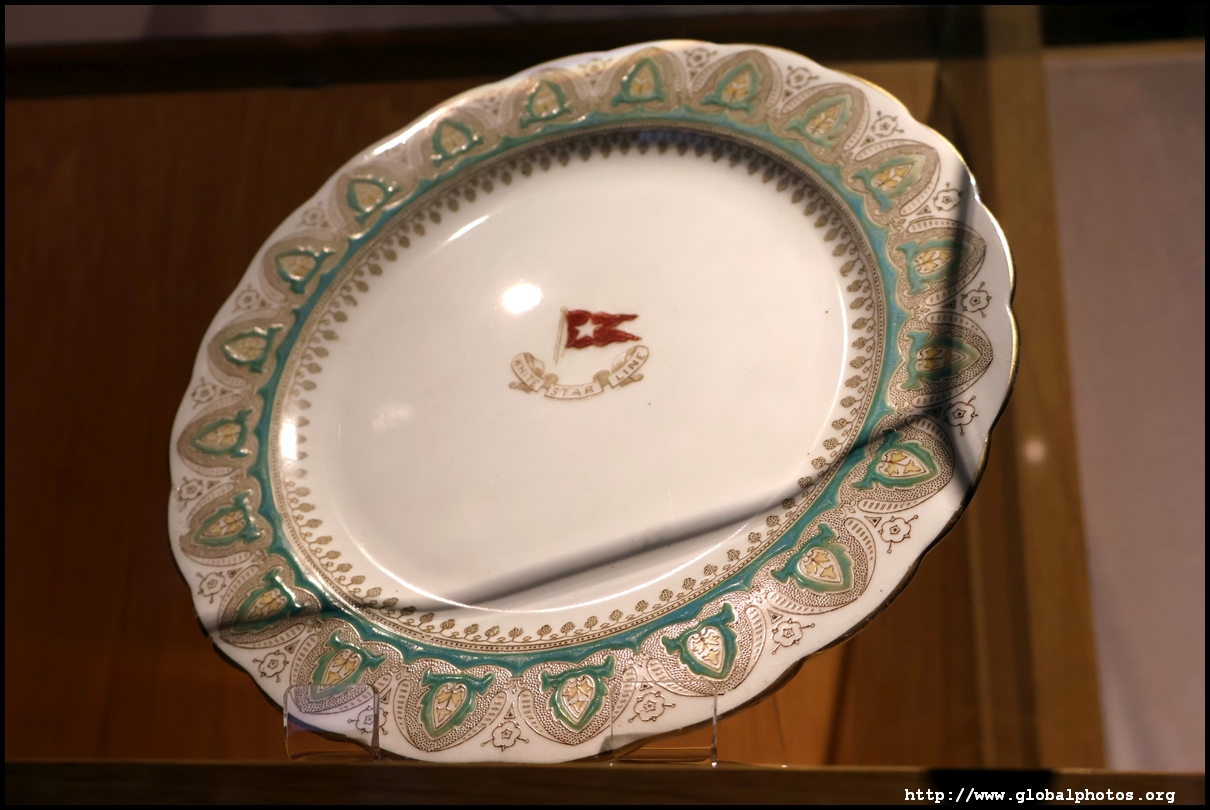
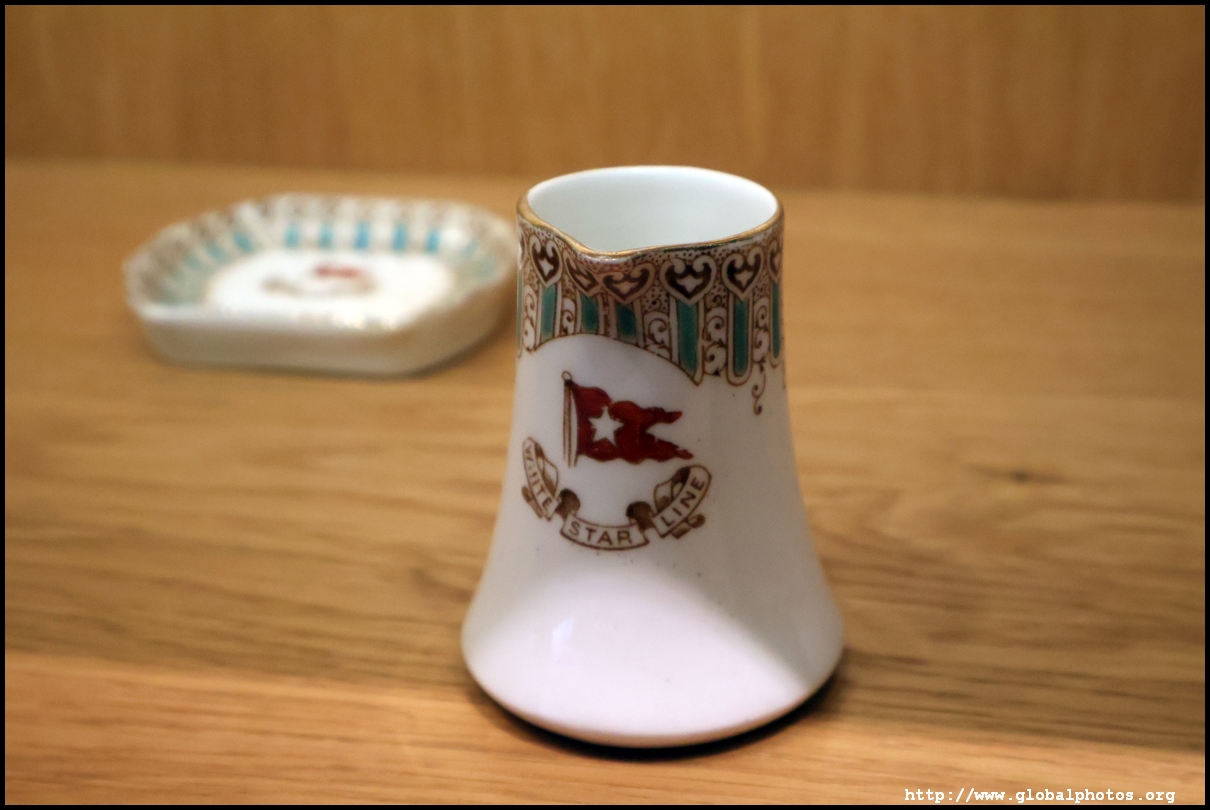
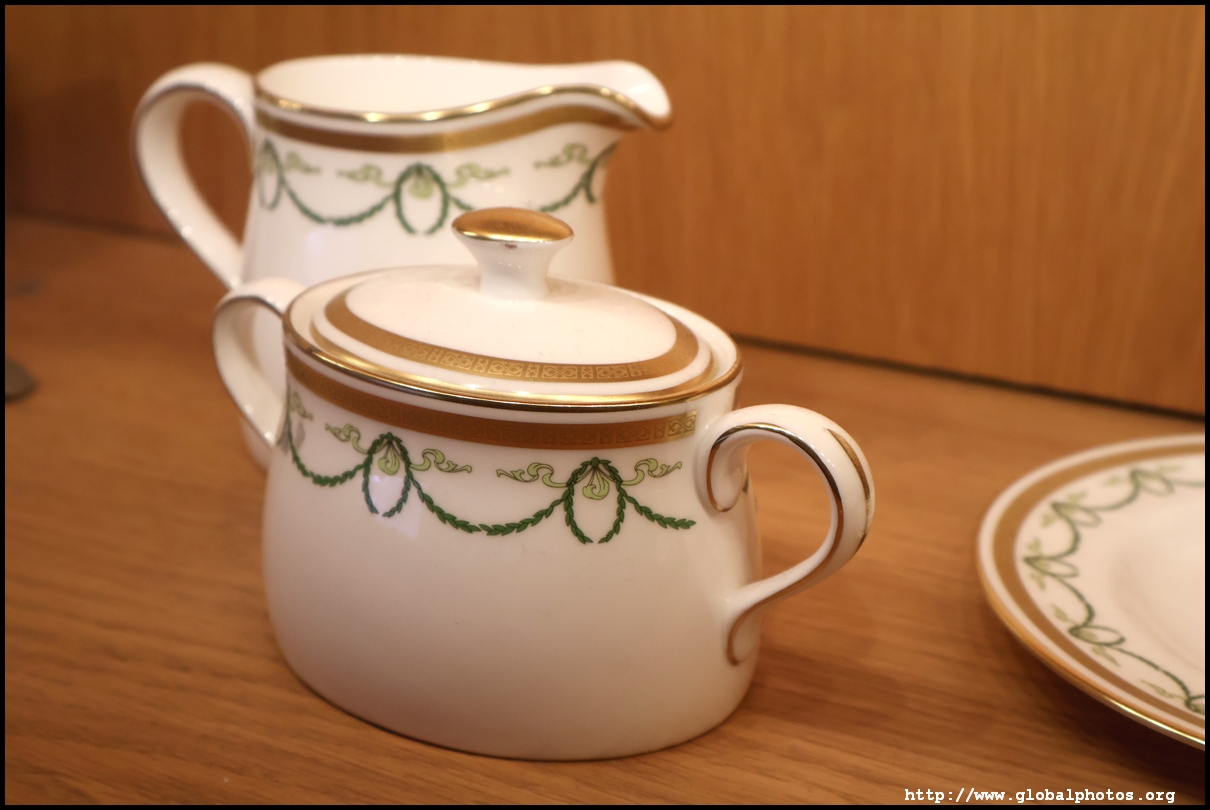
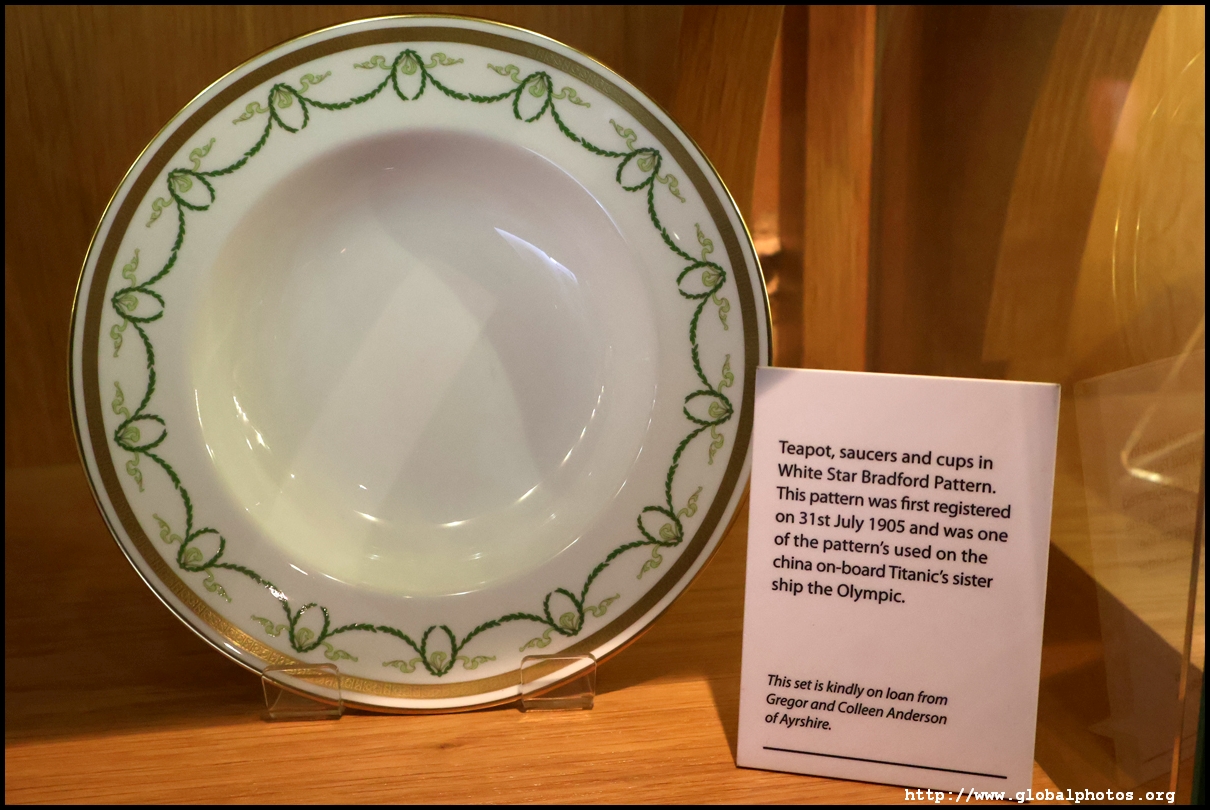
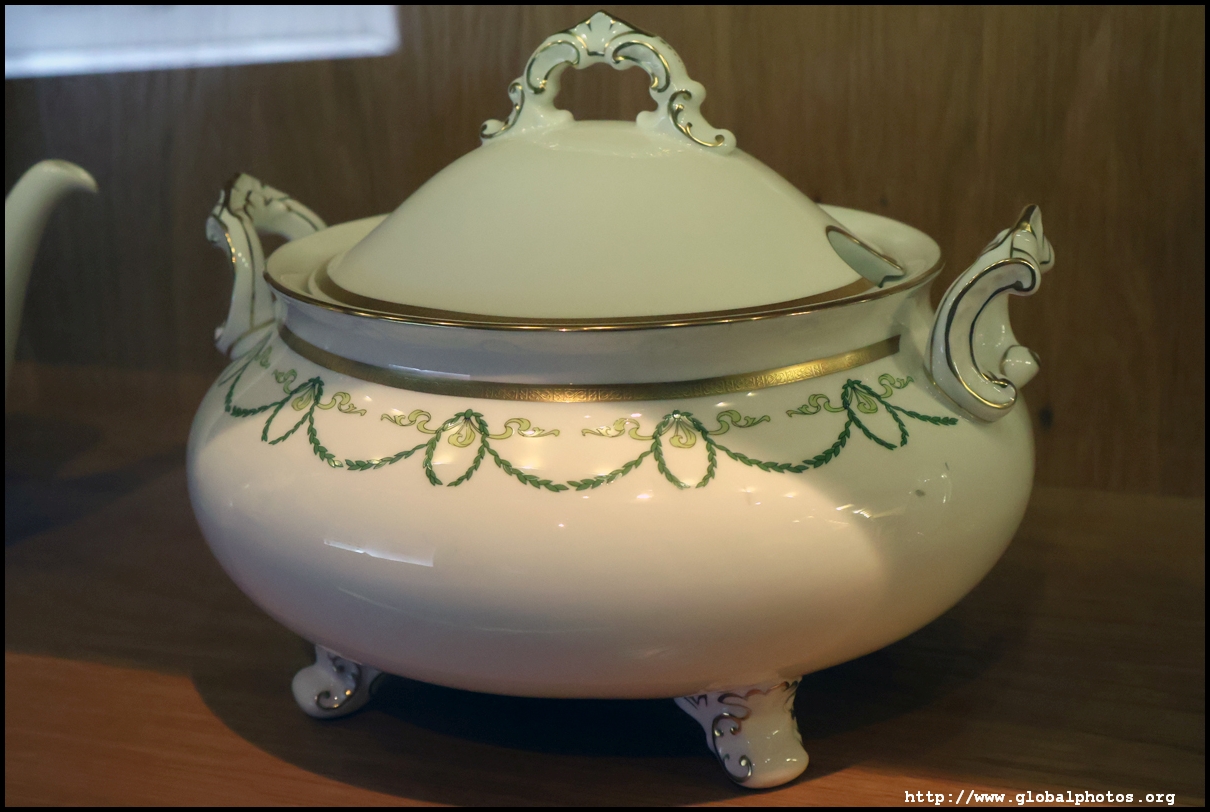
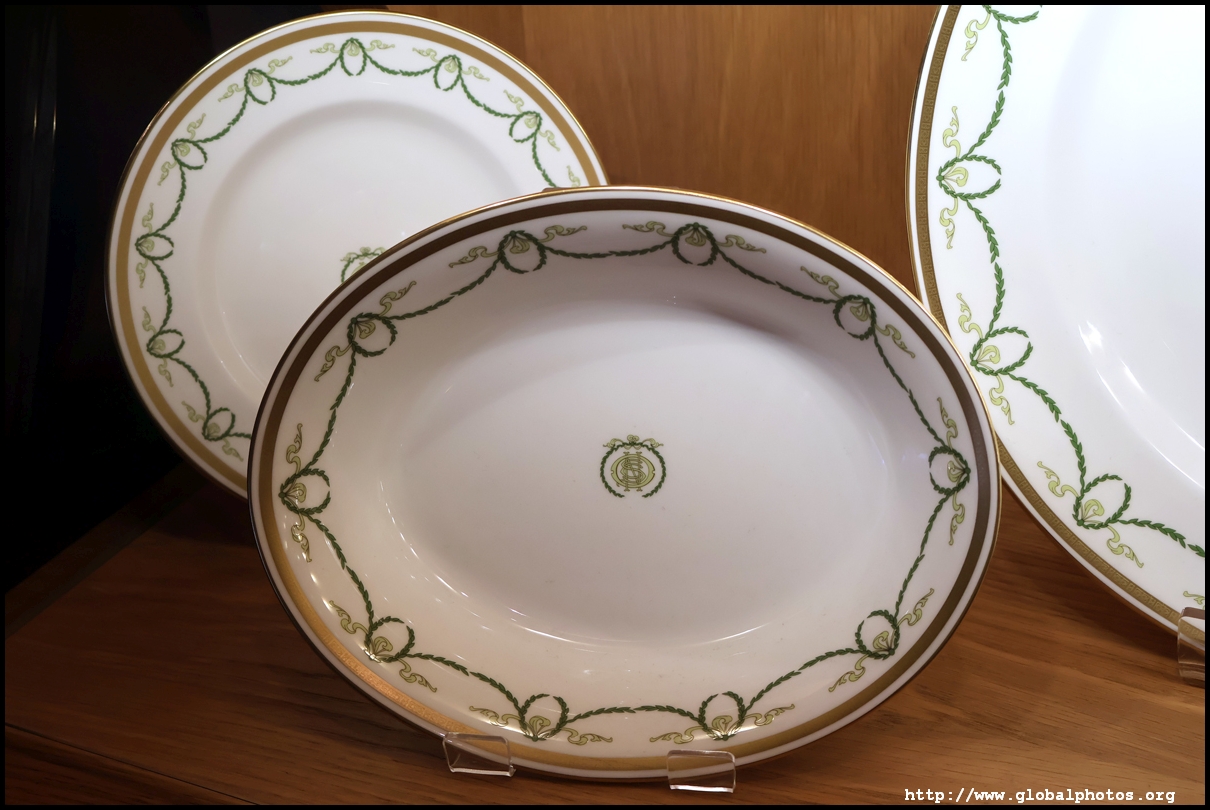
There are a few mock-ups of the interiors and close-ups of the luxurious items used on board. The First Class cabin exceeded even hotels of the time, with electric lights, washbasin, oak wardrobe, and a lounge set.
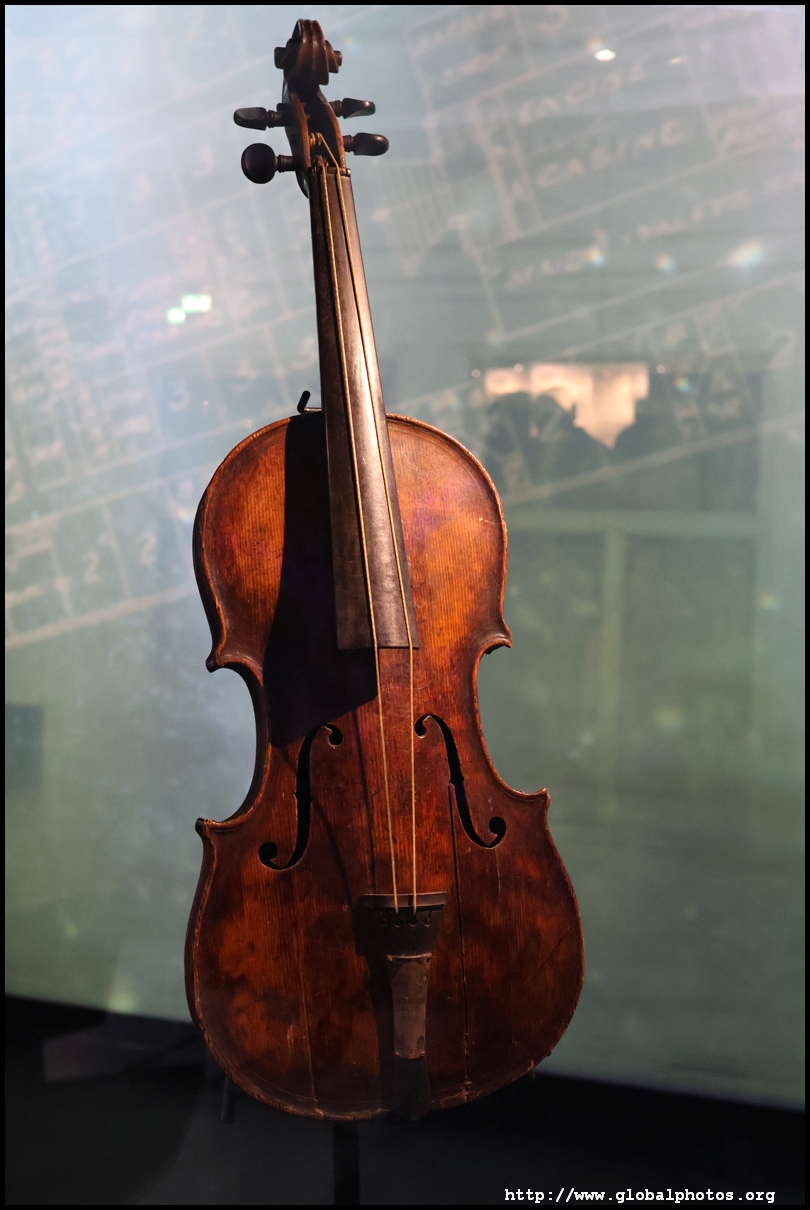
The ship's musicians were called to play music in the first class lounge shortly after the ship struck an iceberg to calm the passengers. They also performed on the boat deck as passengers were loaded onto lifeboats. A violin and its case were recovered after the sinking. The owner was accommodated in this type of Second Class cabin on board.
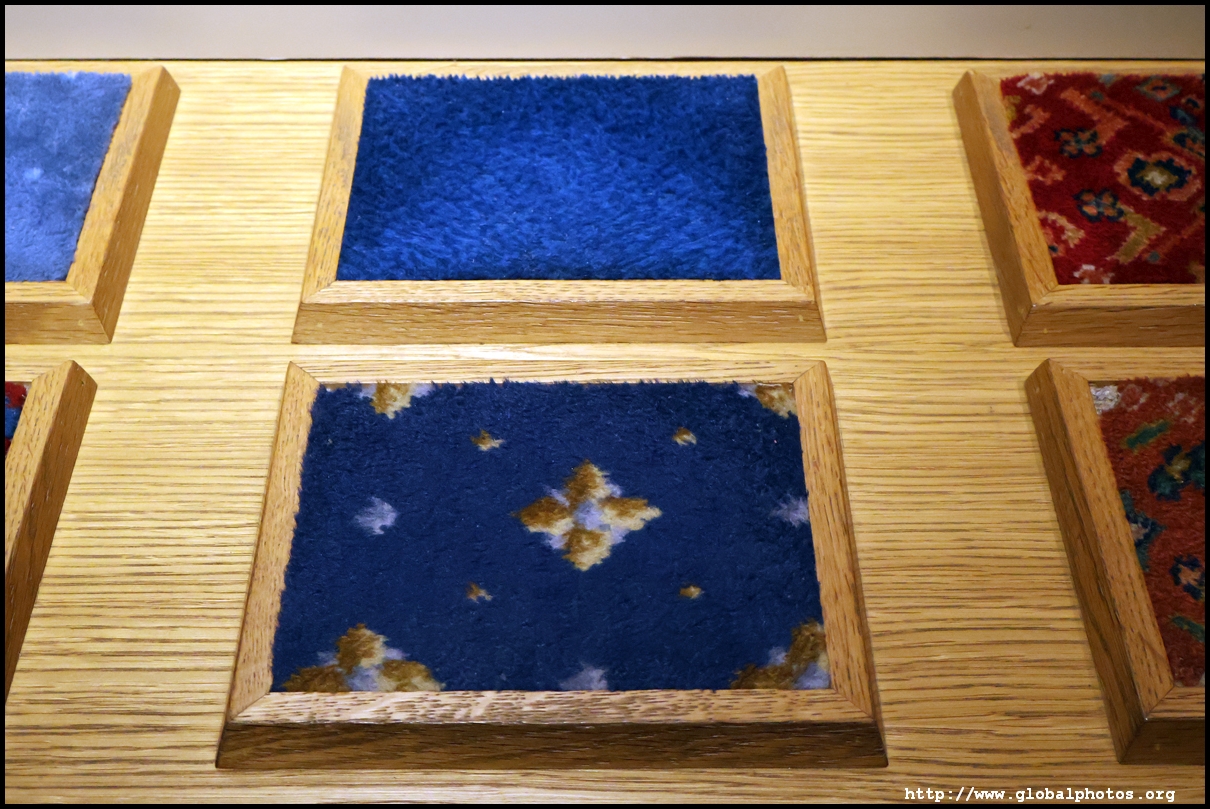
Most of the carpet used on the ship was made in England and Scotland. They are classified into 3 types - Axminster, Wilton, and Hair.
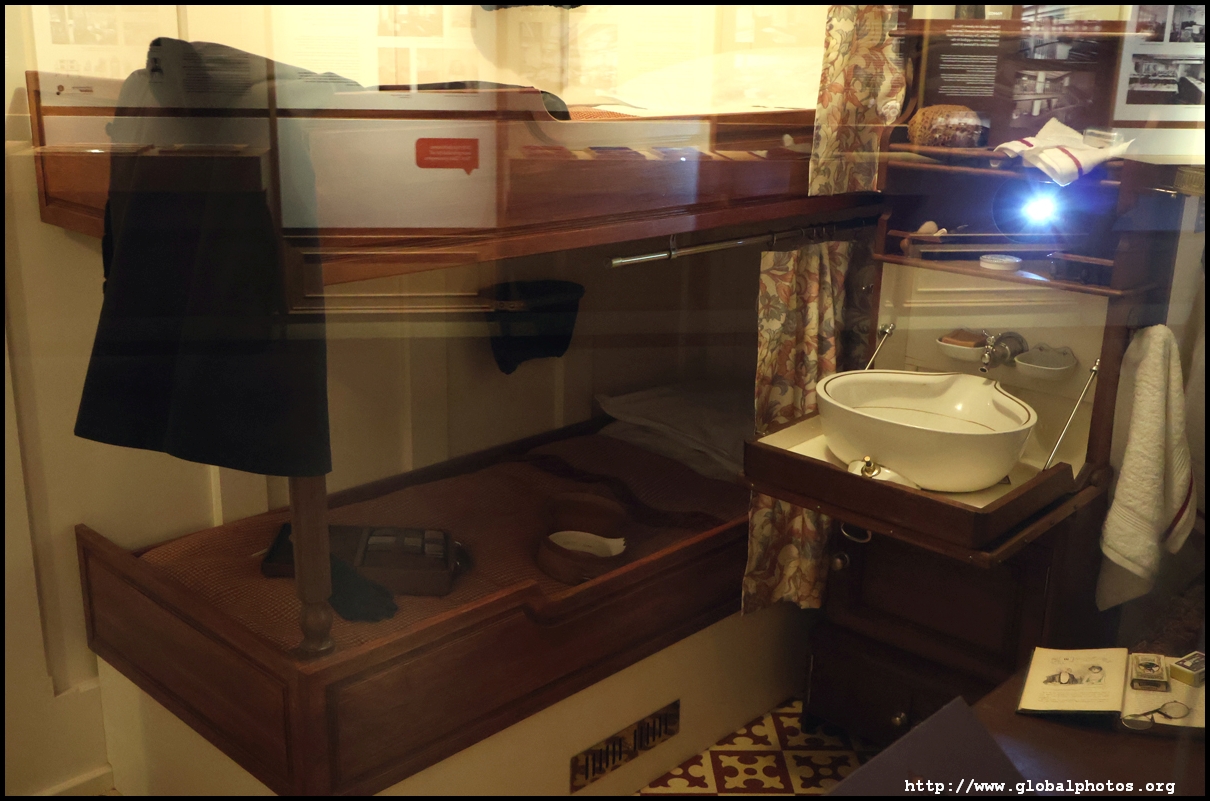
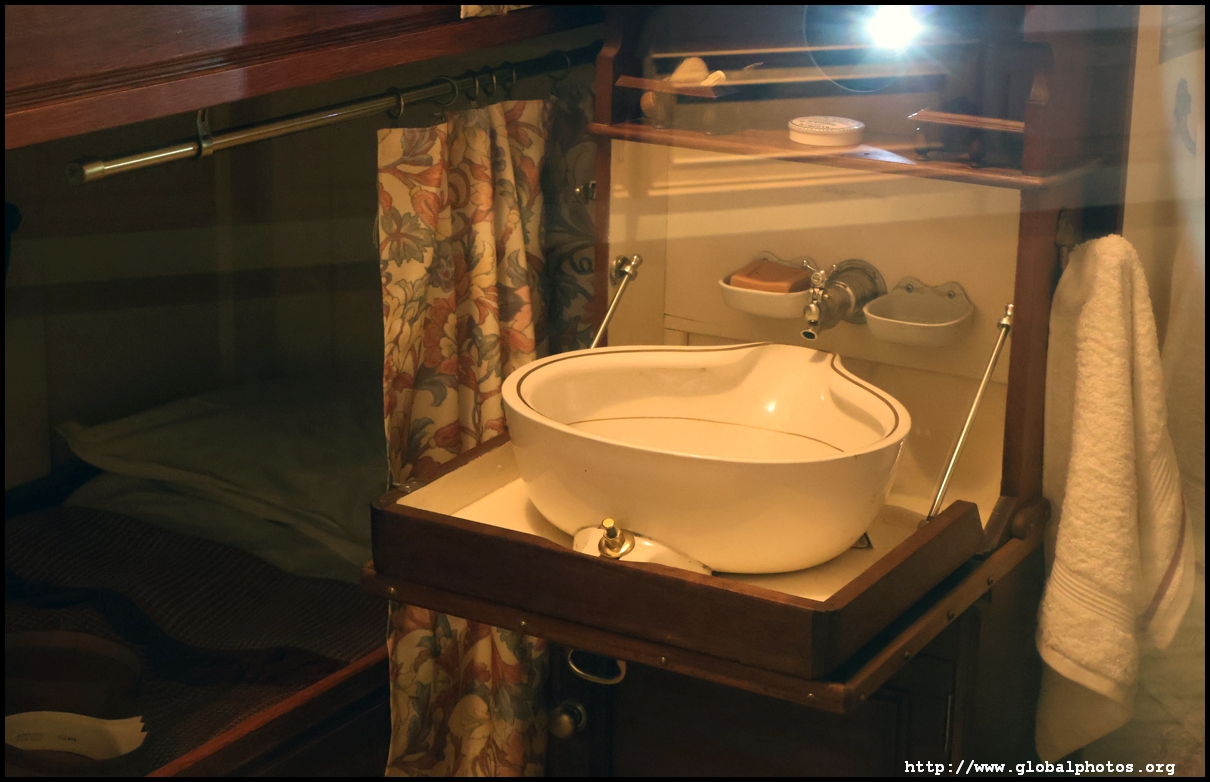
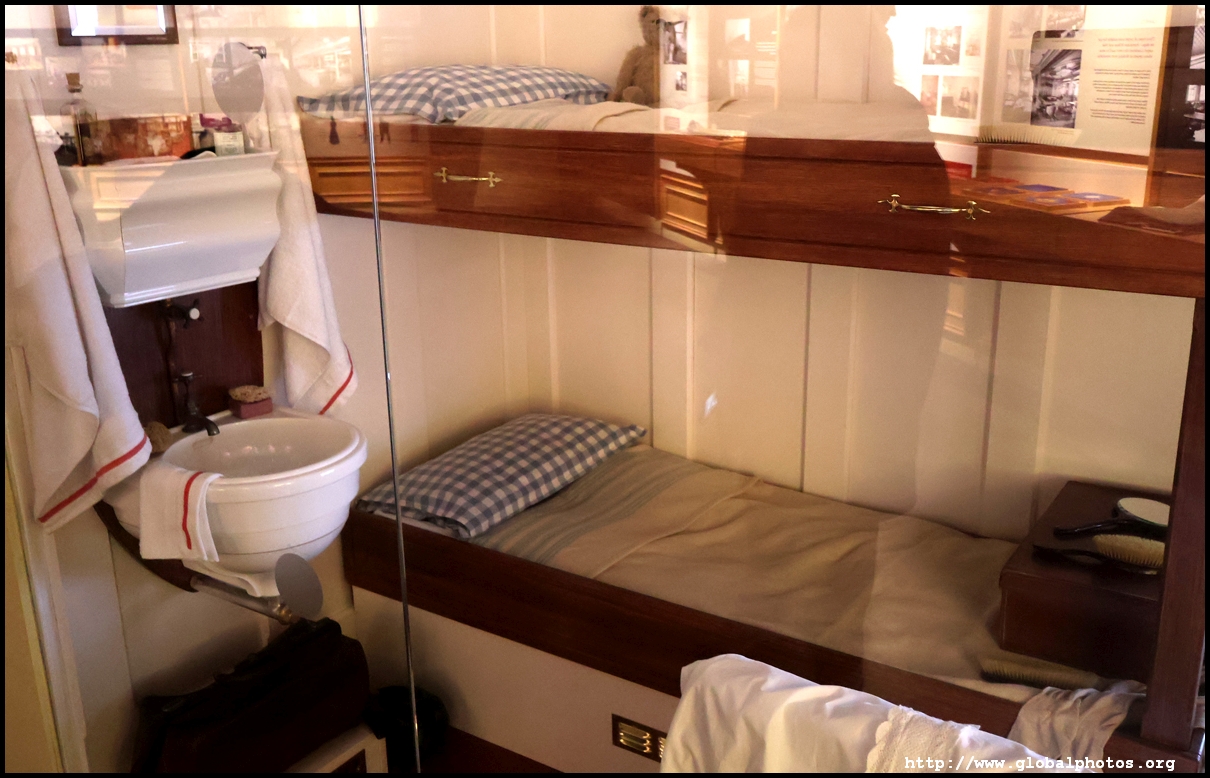
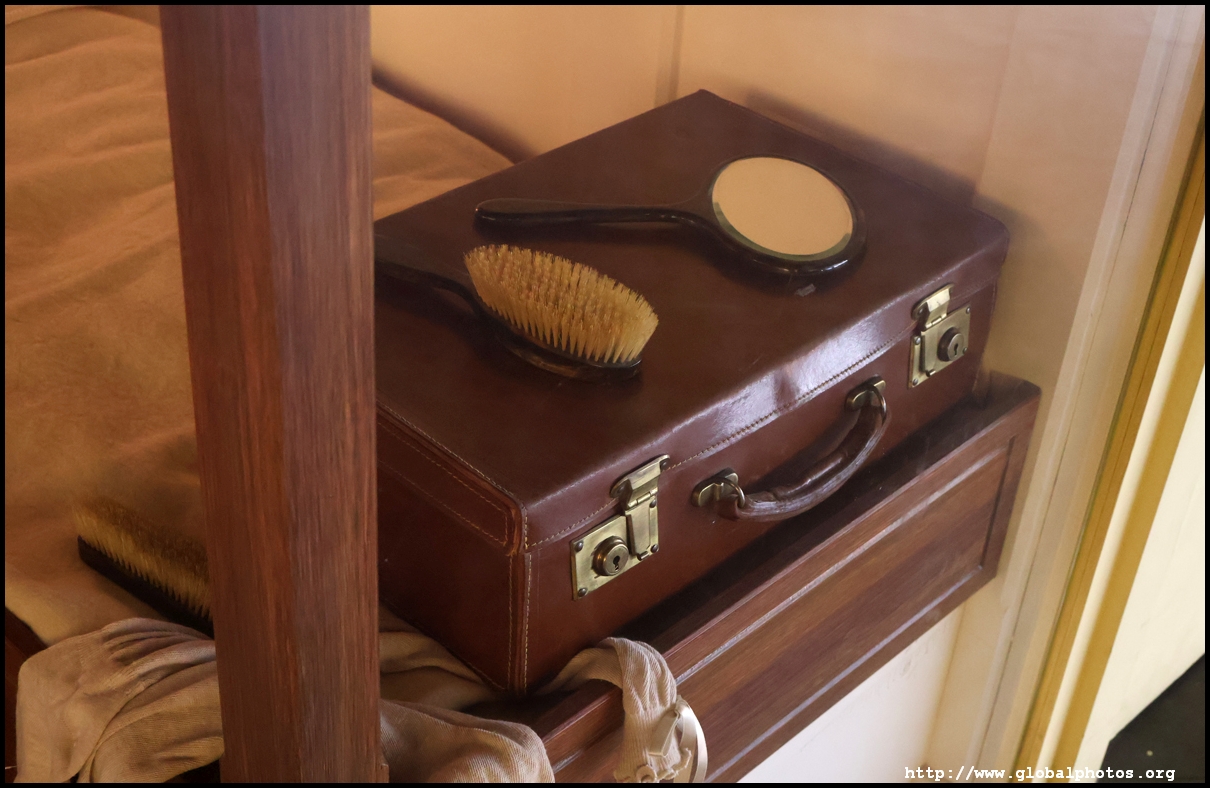
This Third Class cabin had a double bunk and a washbasin, although other rooms included up to 10 berths. Public toilets were shared. Most of these passengers were emigrants heading to the US, with a one-way ticket costing at least the equivalent of a month's wage for skilled shipyard workers. Ironically, Third Class was a major profit source for the shipping lines, although what Titanic offered was better than other ships of the time.
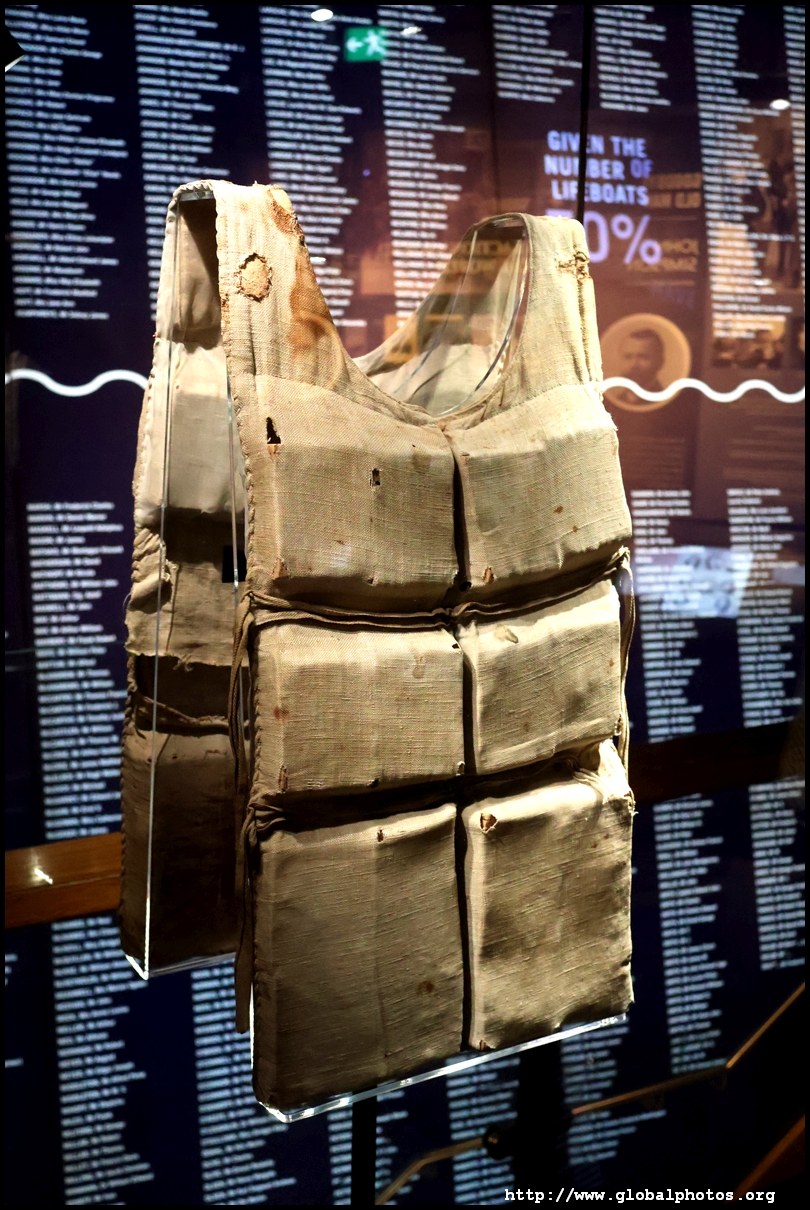
White Star Line chartered ships to look for bodies after the sinking. This Fosbery lifejacket was recovered from the operation. Only 12 of these remain in the world out of over 3500 that were on board.
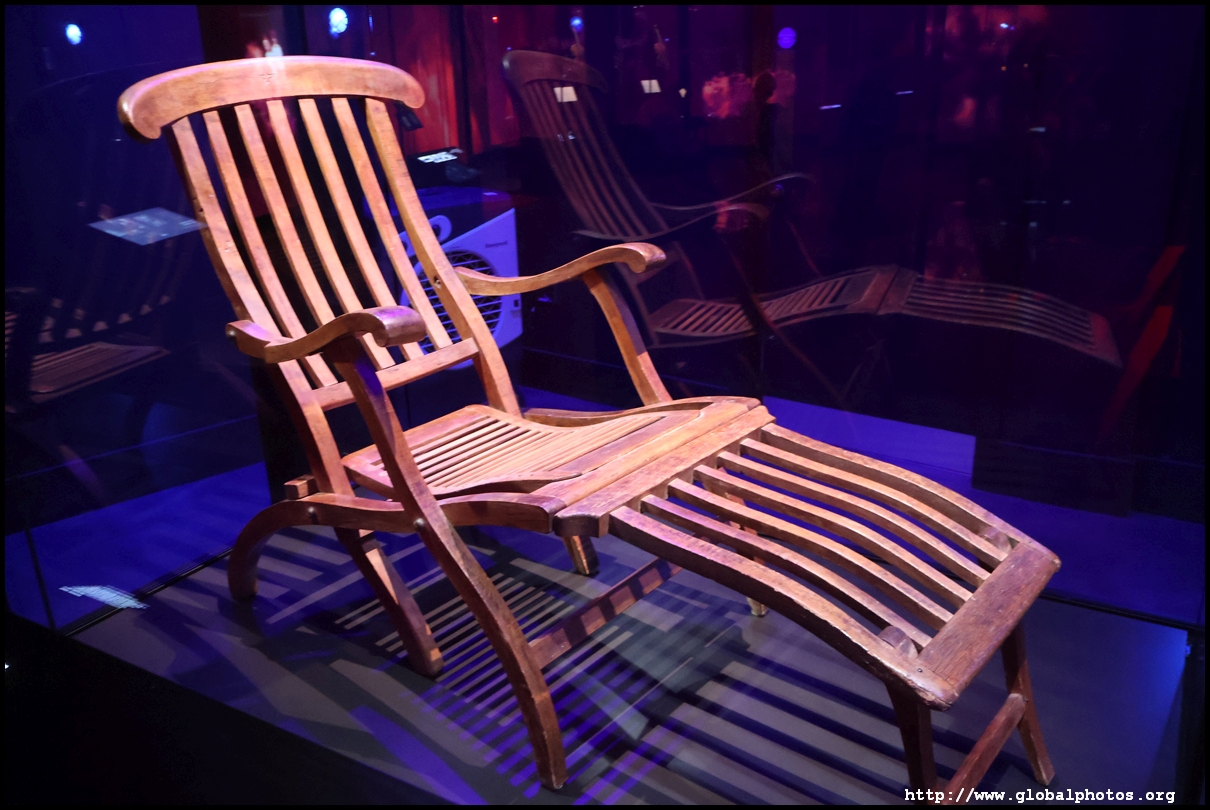
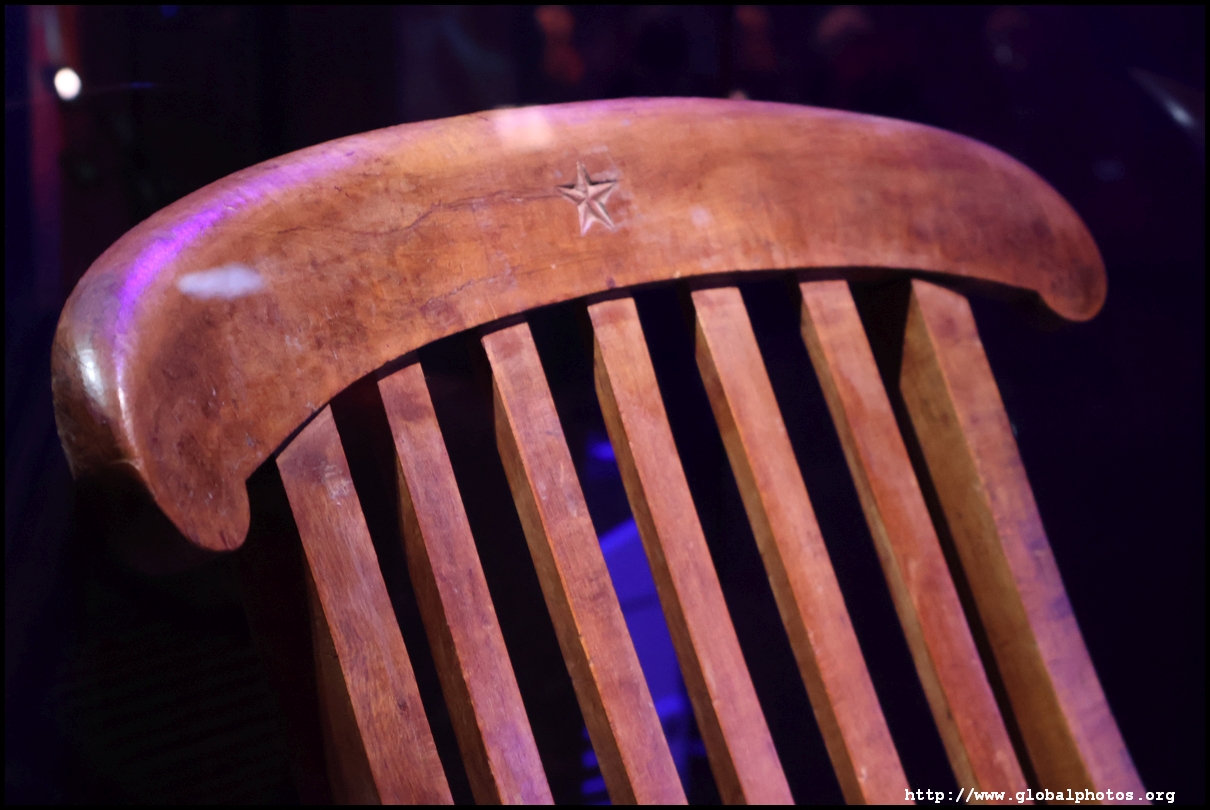
This original deck chair was also recovered with the White Star Line insignia on the headrest.
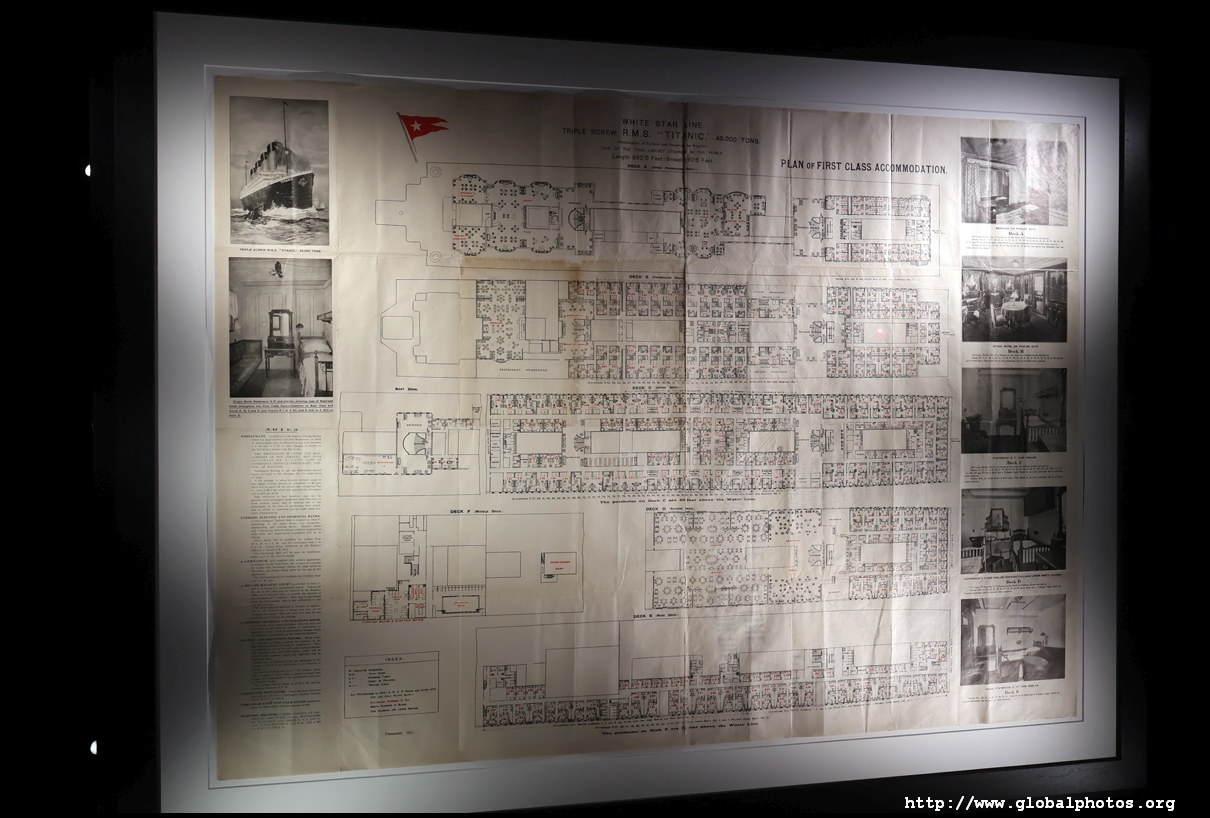
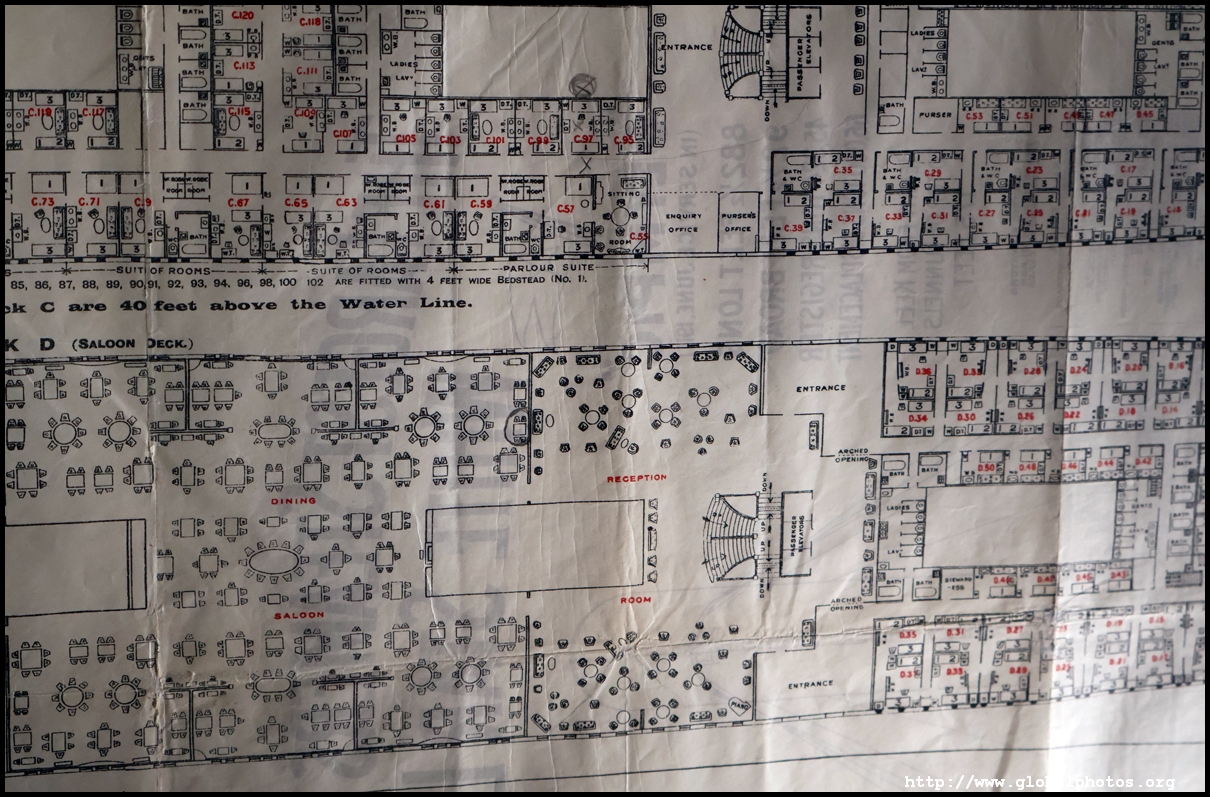
First Class passengers received a plan of their accommodation. This one belonged to Ellen Bird, a maid who managed to get on a lifeboat and survived the sinking. Her employer, the couple who owned Macy's department store owner, perished.
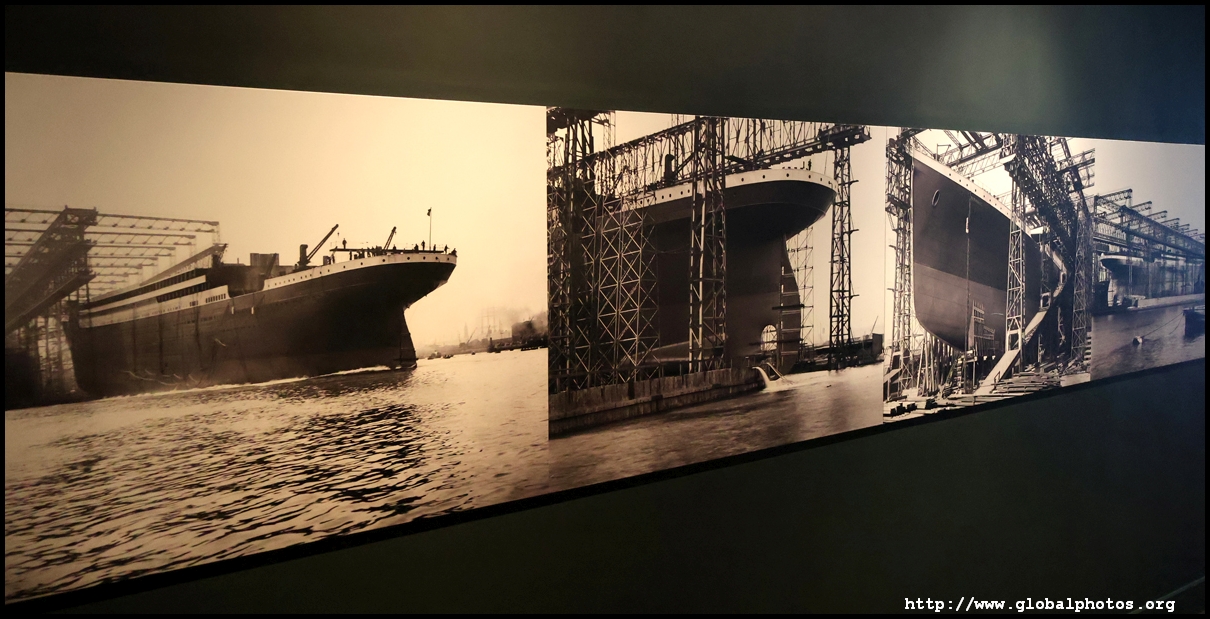
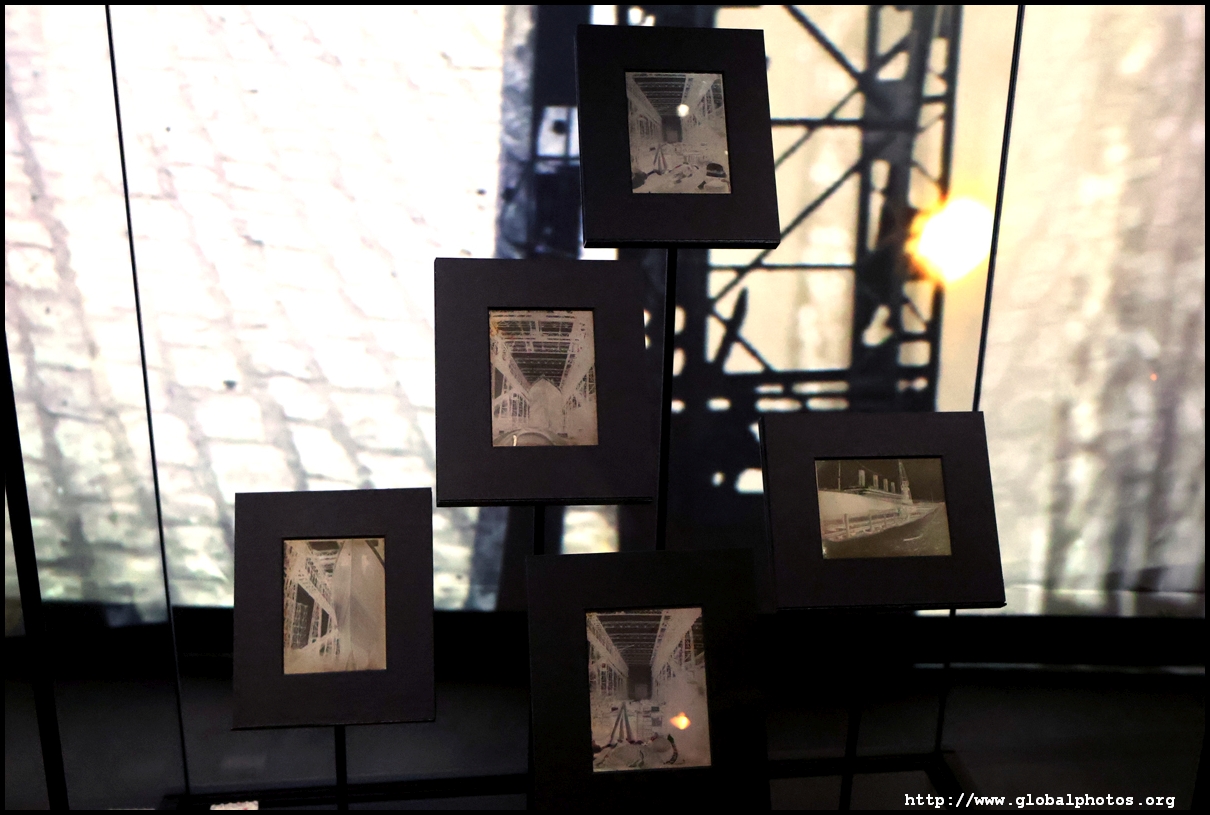
These are original photos of the ship's launch on May 31, 1911.
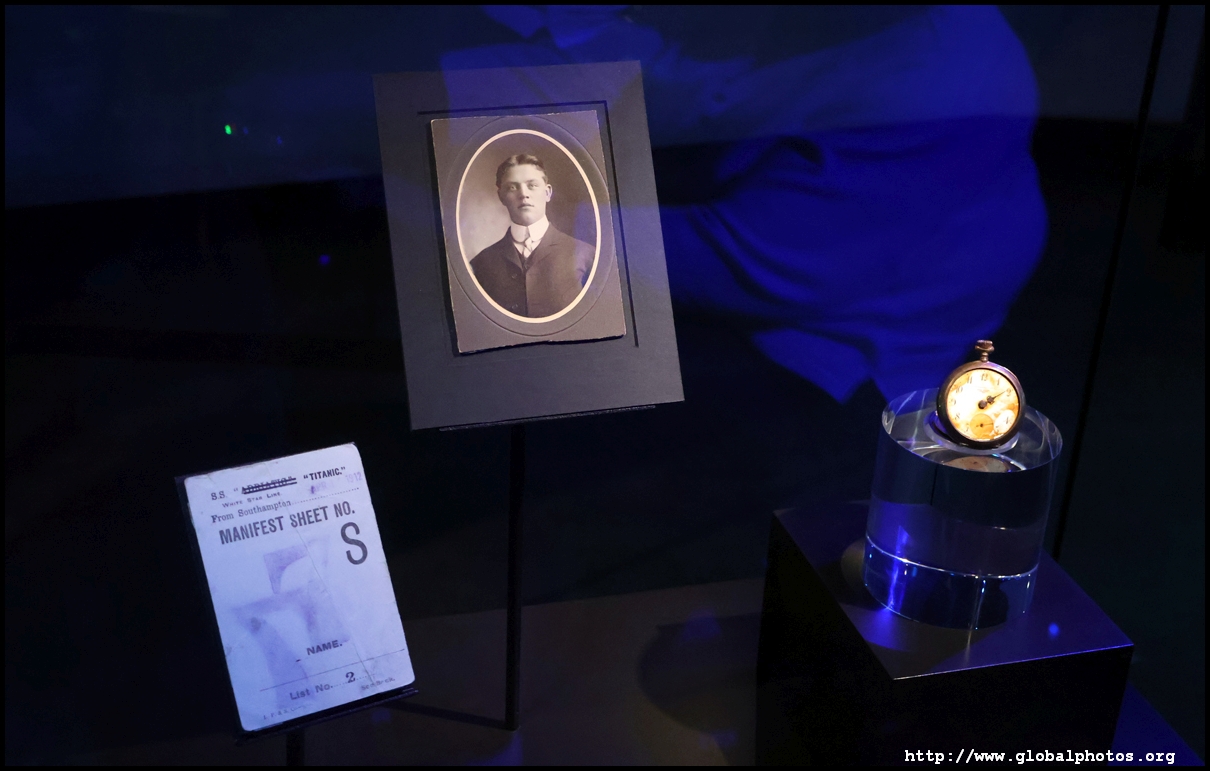
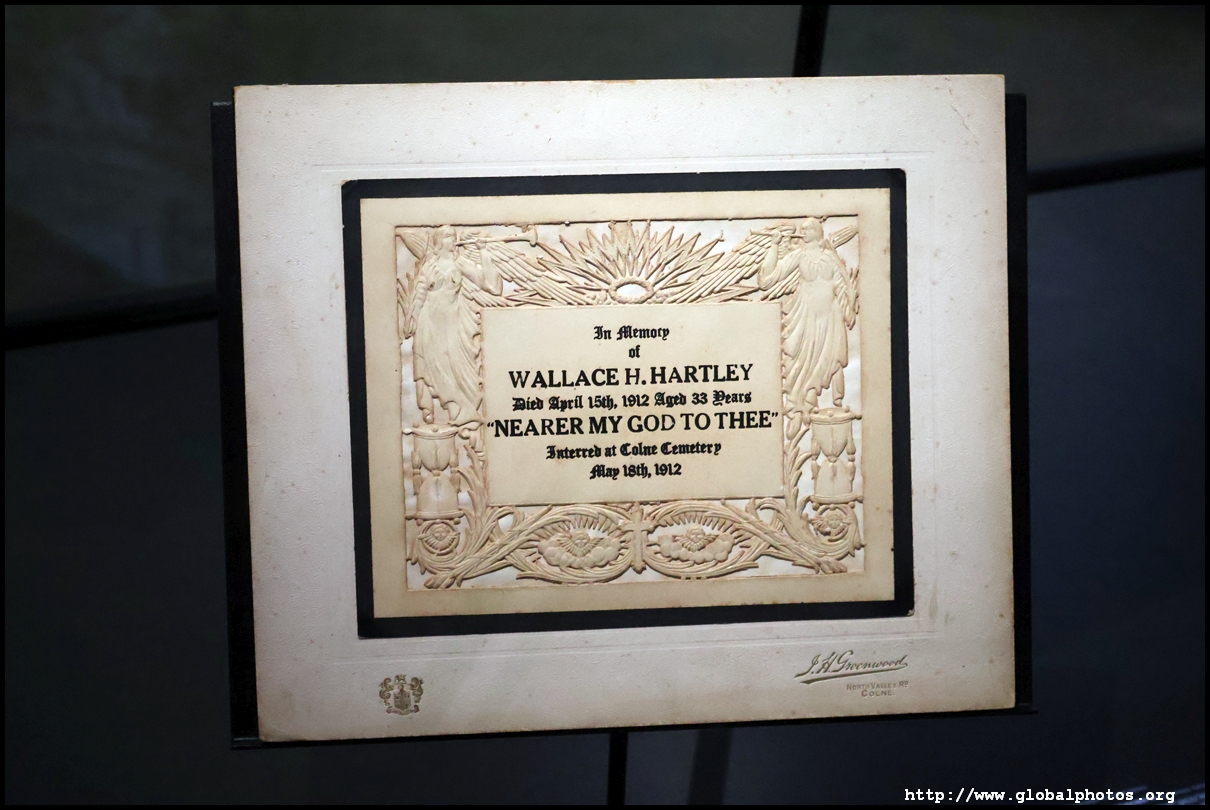
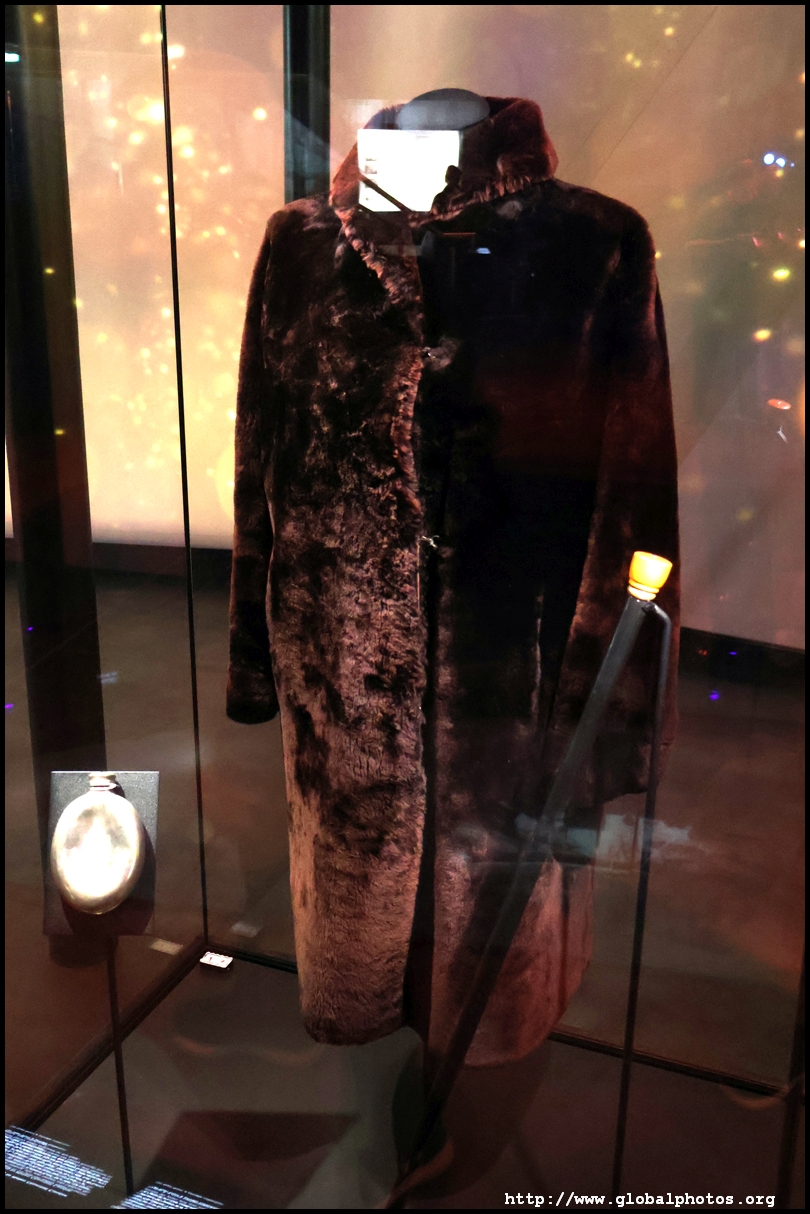
Wallace Hartley was a musician on board, part of the band that kept playing music until thevery end. His violin is a German product from around 1880 and was a gift from his fiancee. On the right is Mable Bennett's sheepskin coat. She was a stewardess on board and grabbed this coat as she boarded a lifeboat.
| ||
Belfast Photo Gallery
To re-use these photos or notify of errors, please email me. Thank you.