Budapest Photo Gallery - Andrassy Avenue

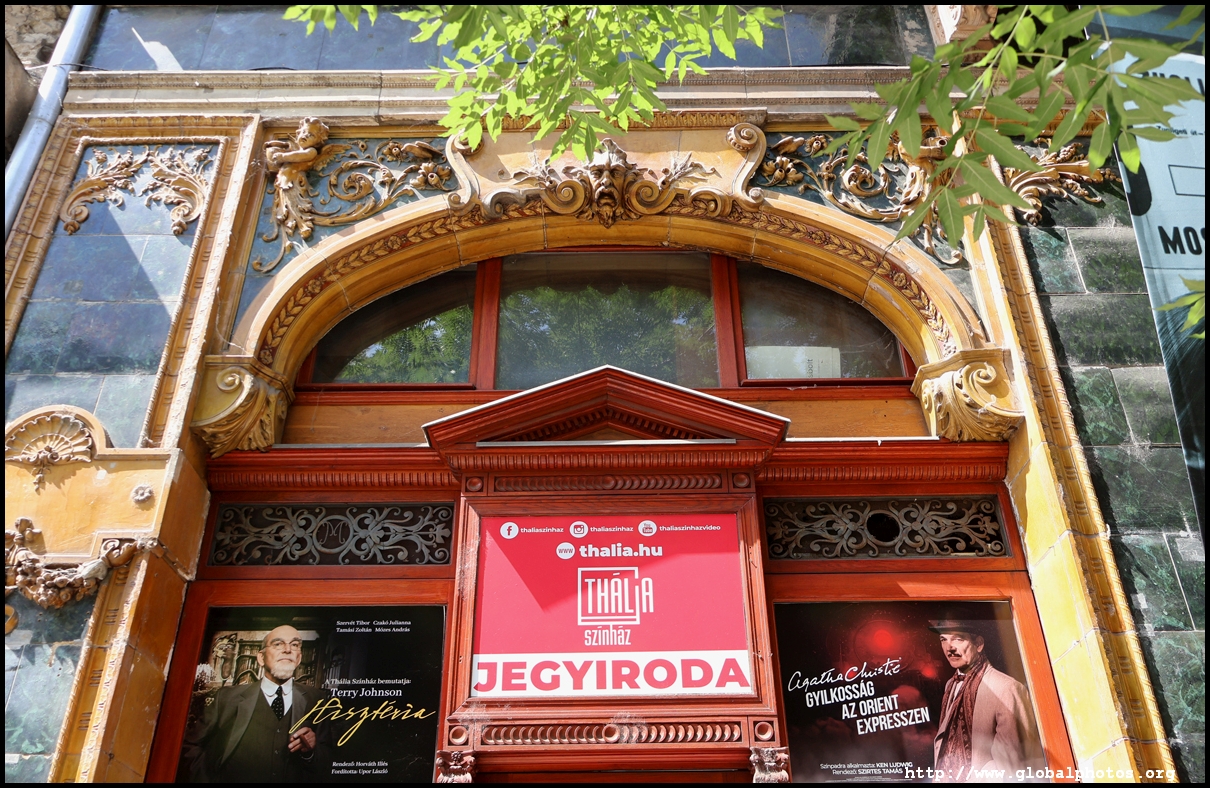
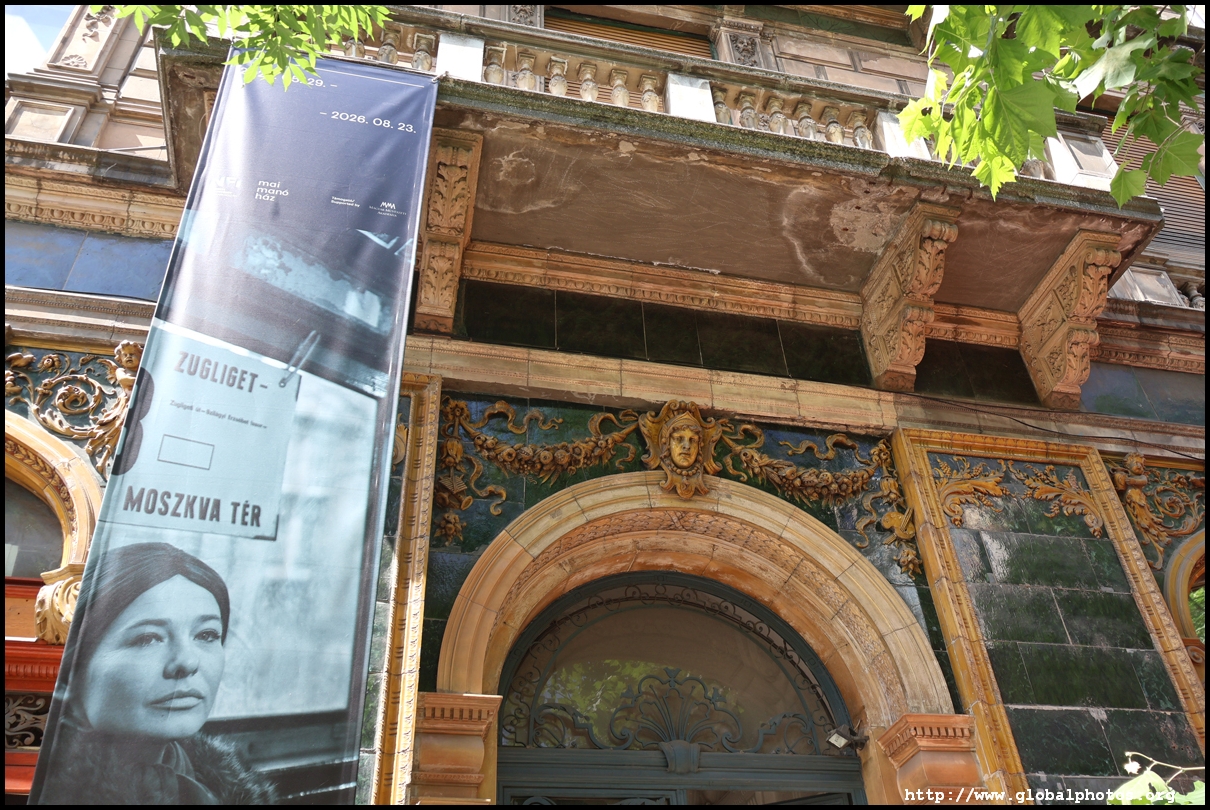
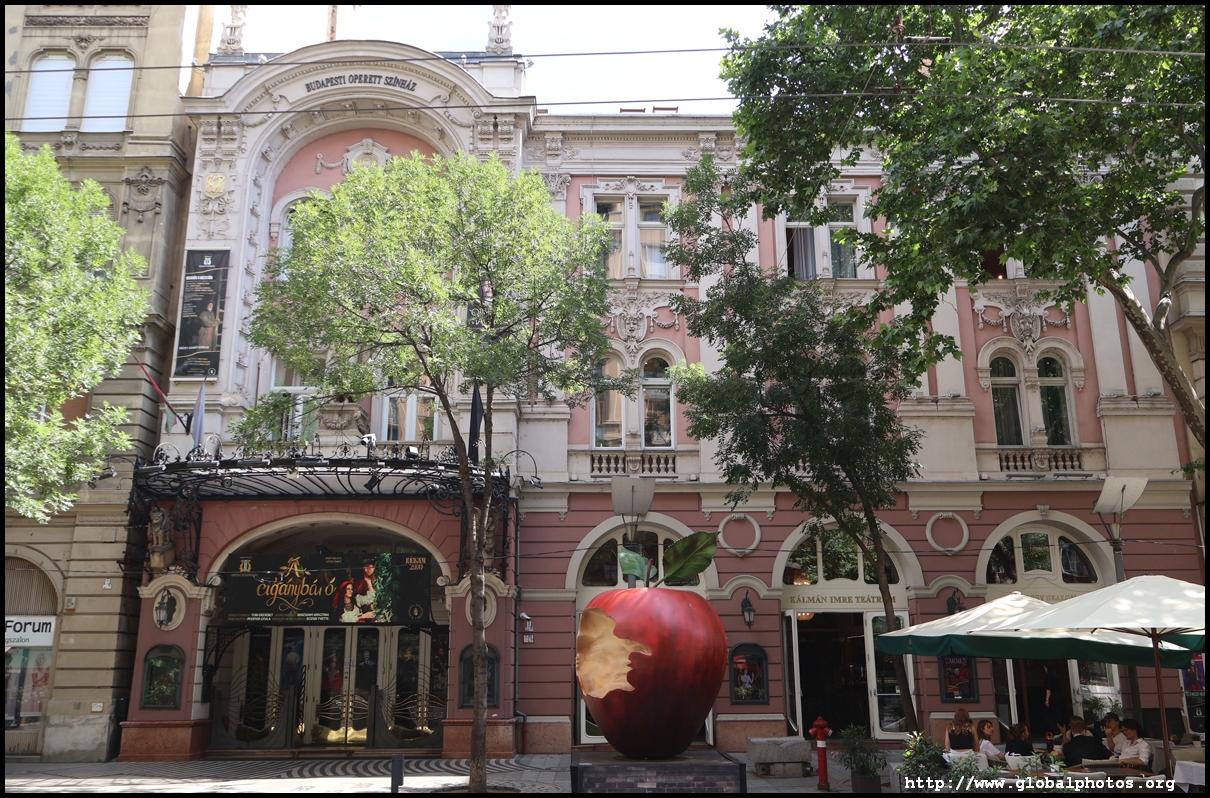
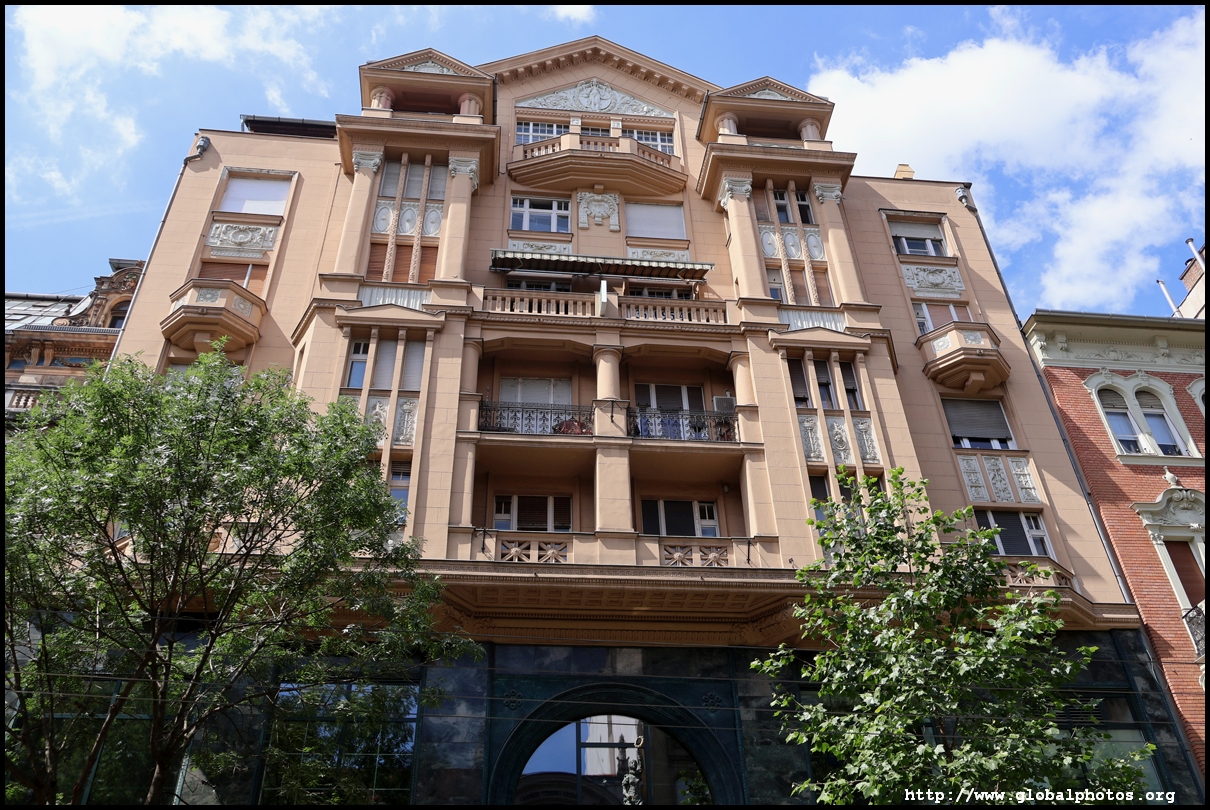
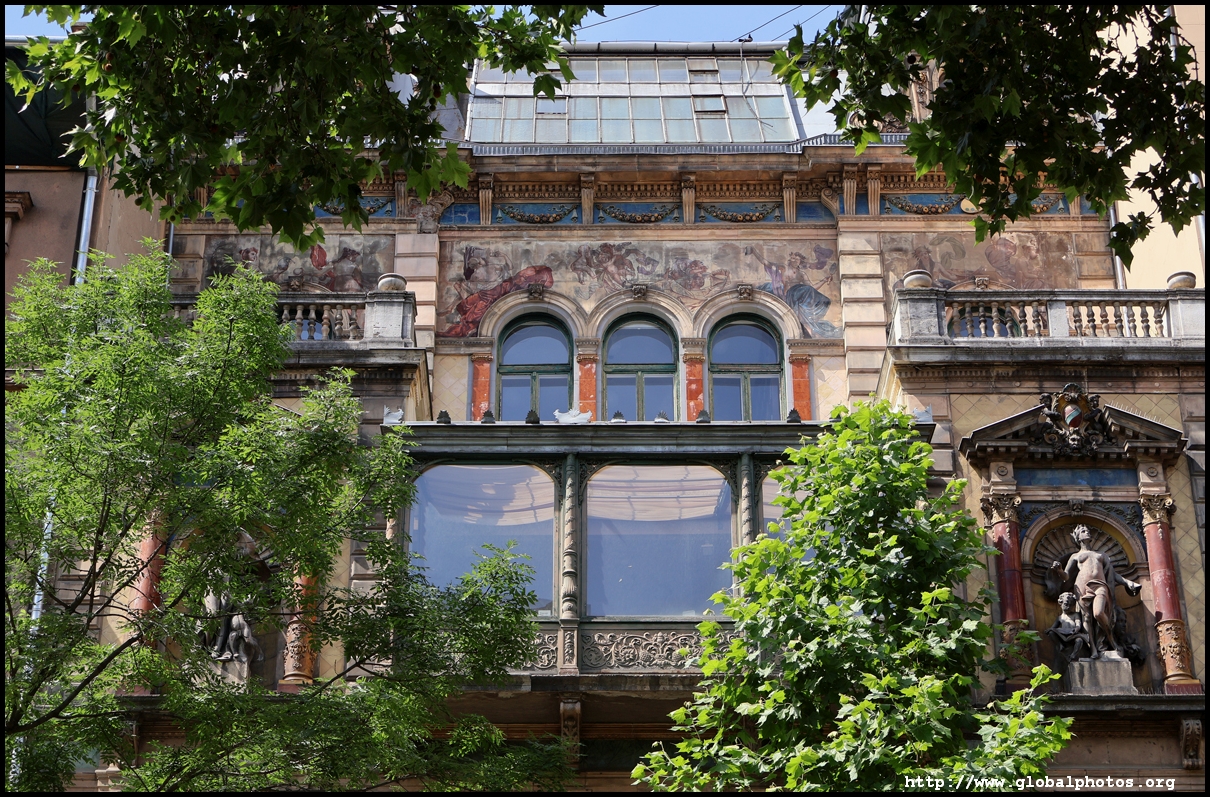
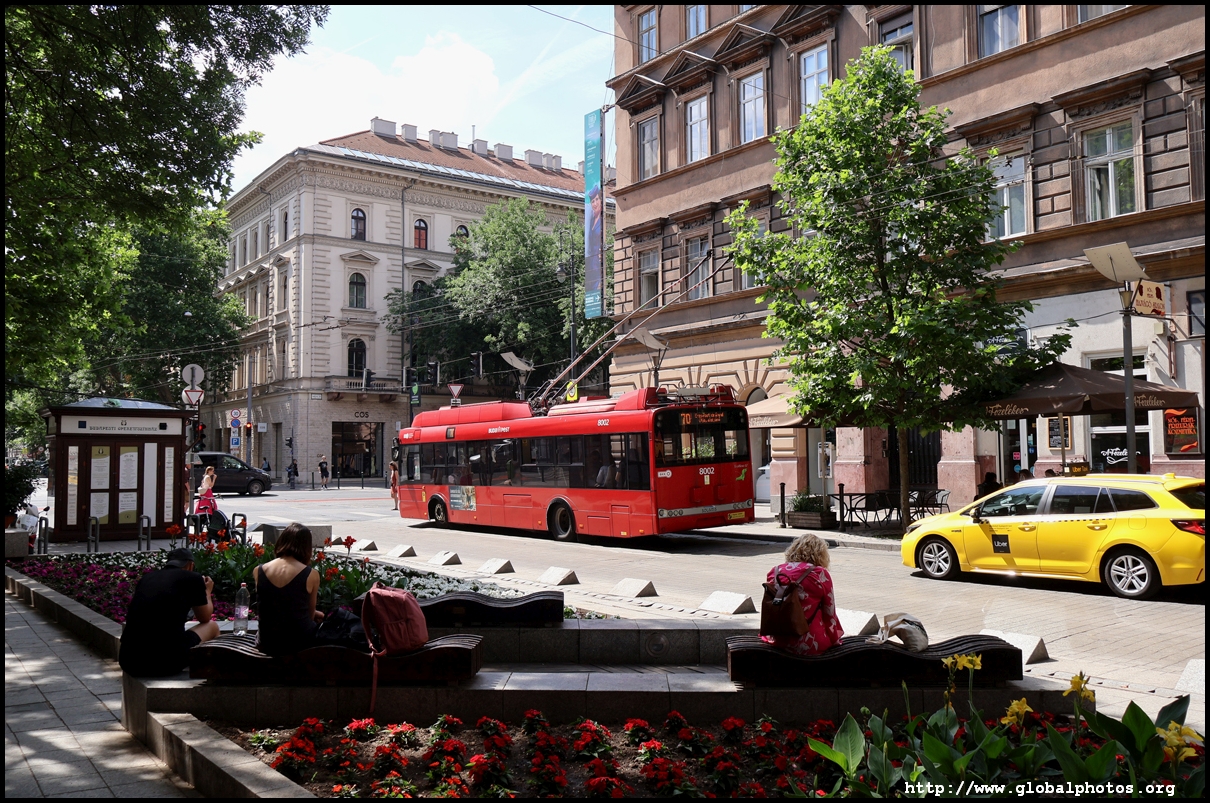
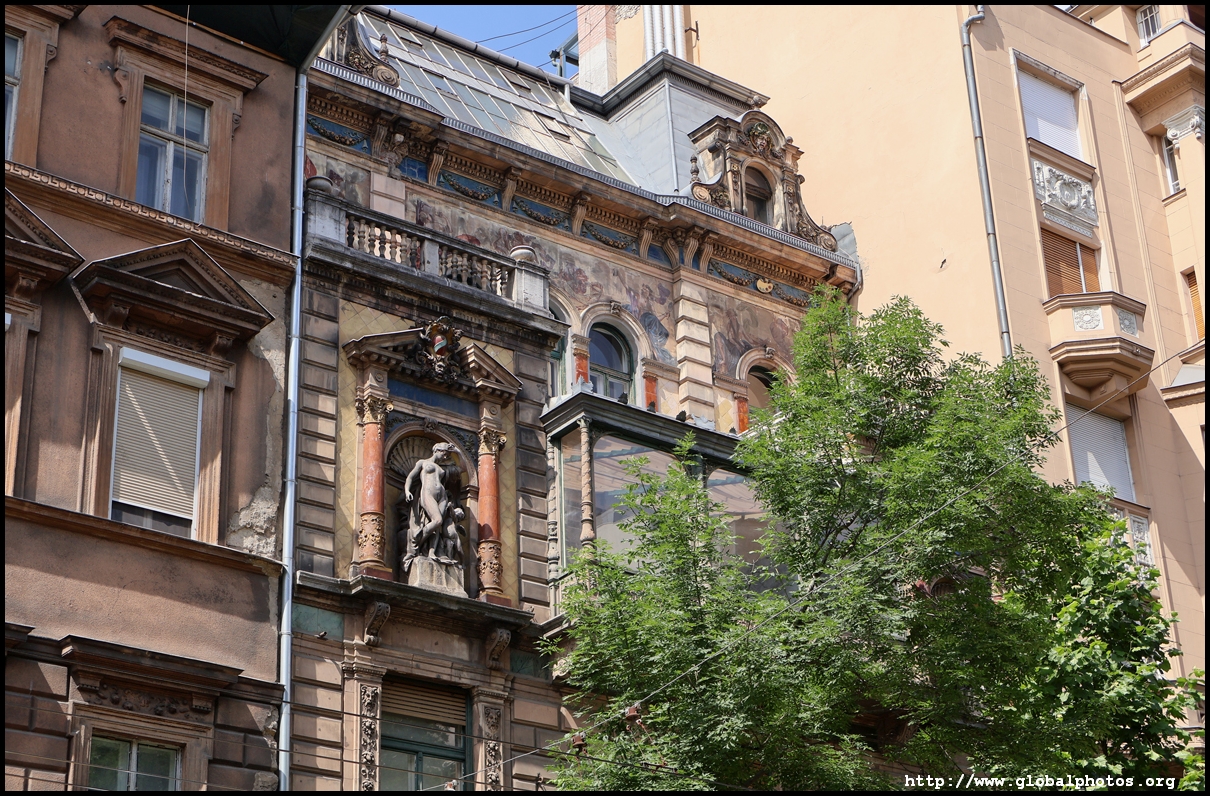
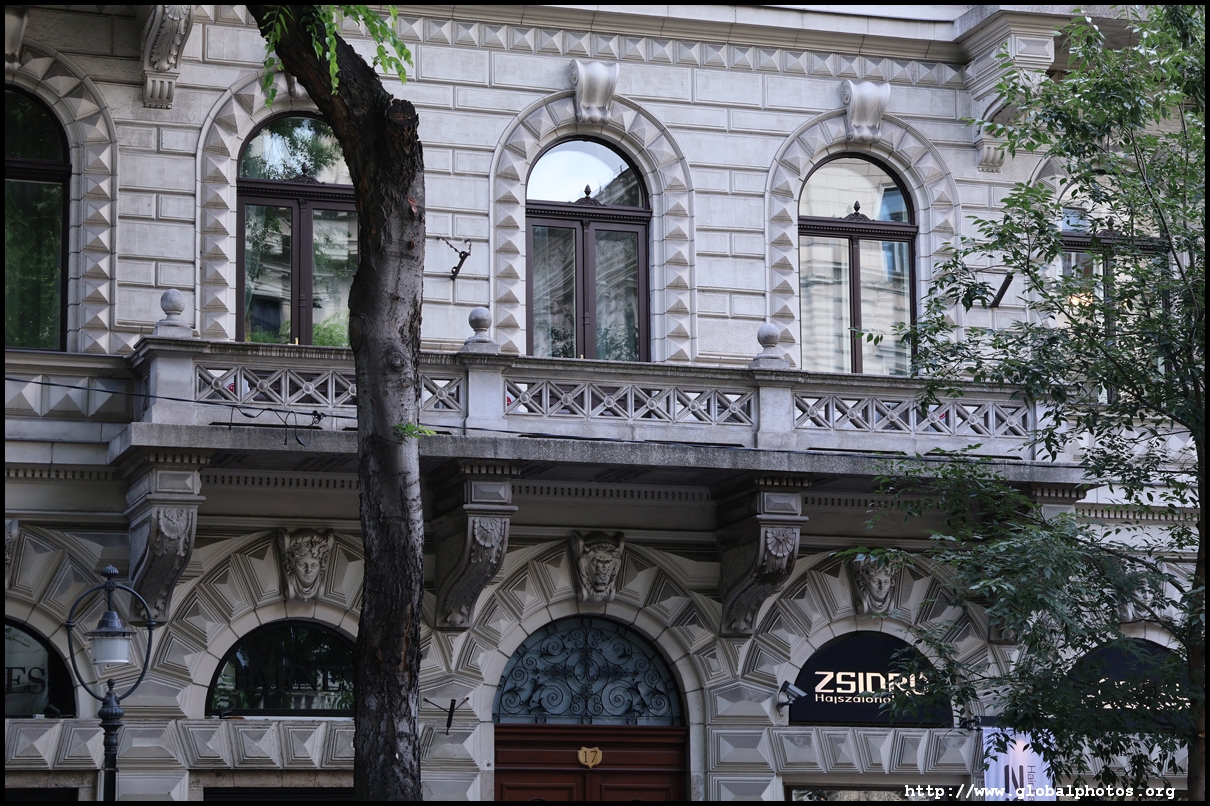
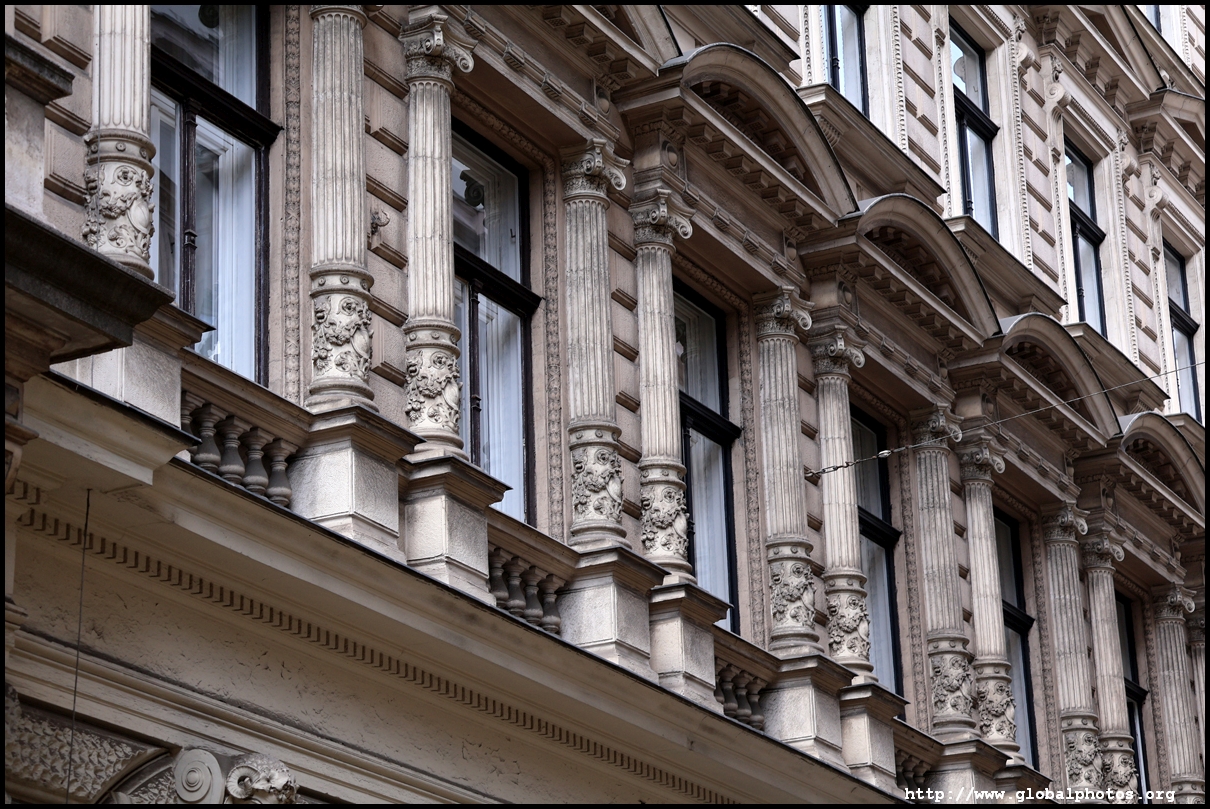
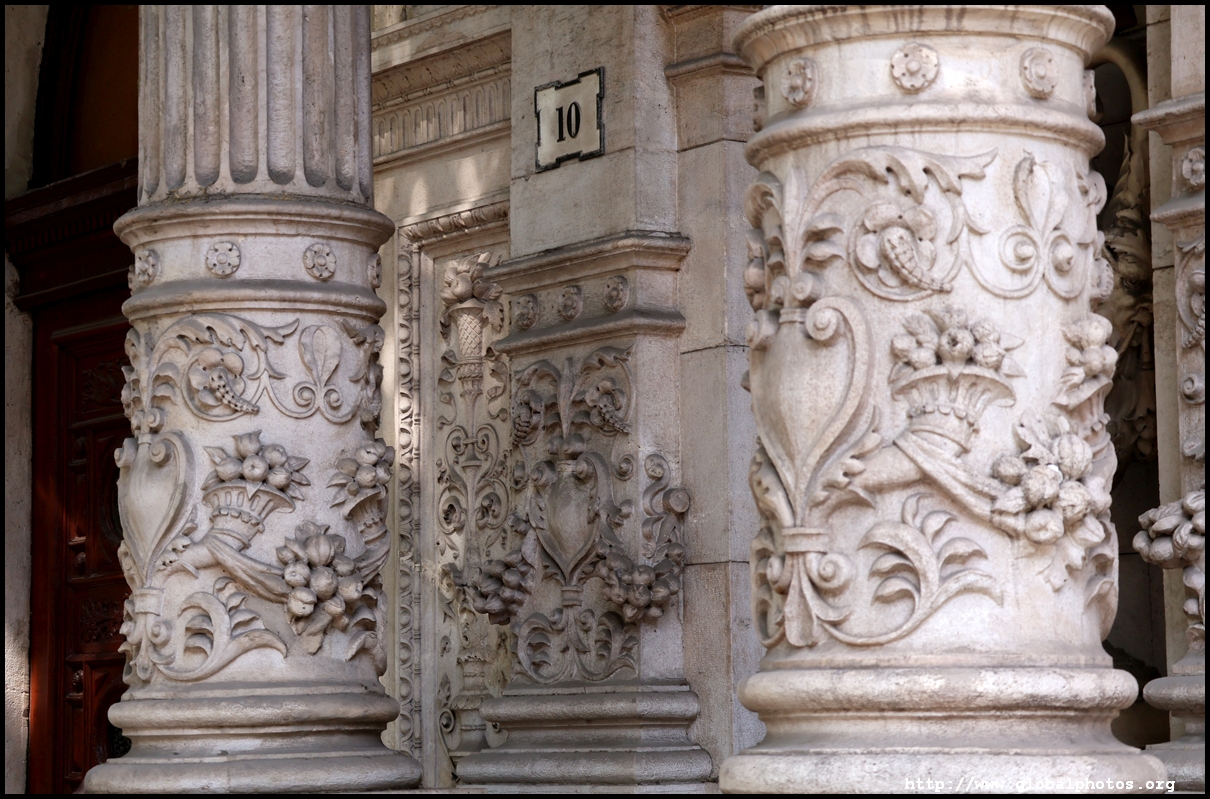
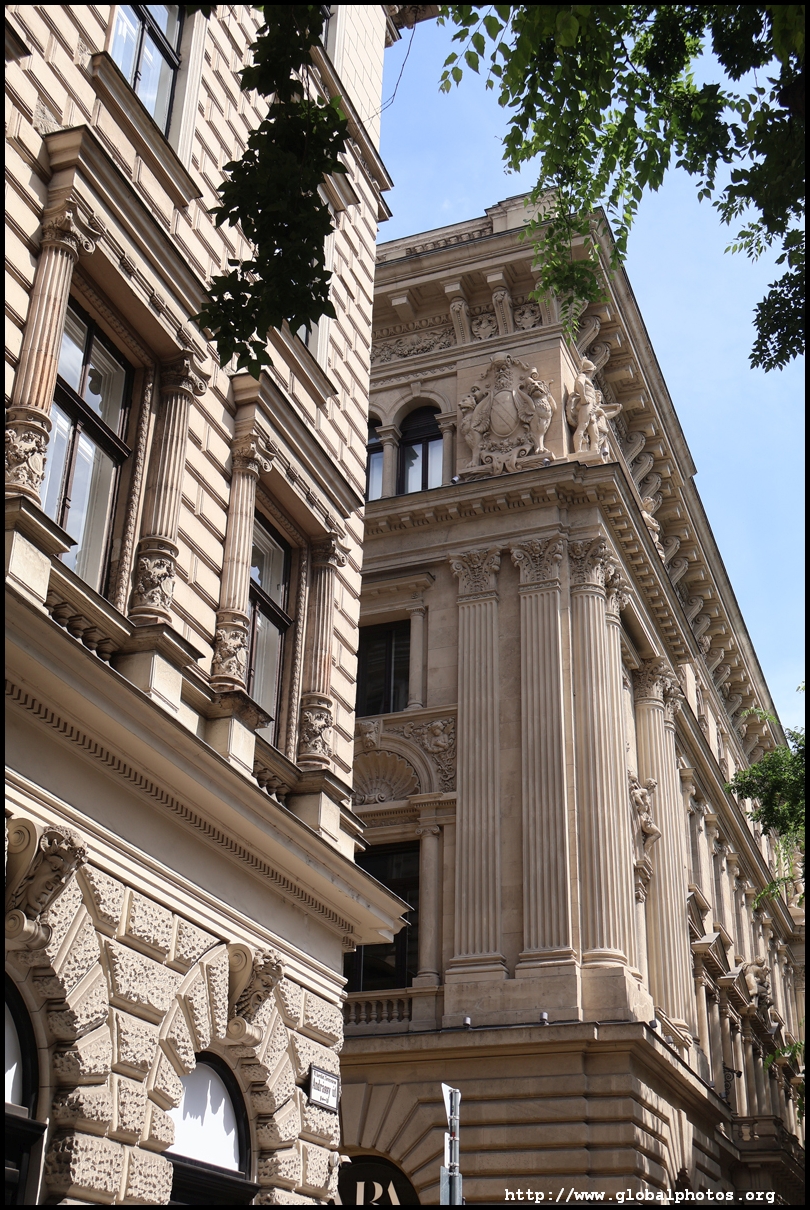
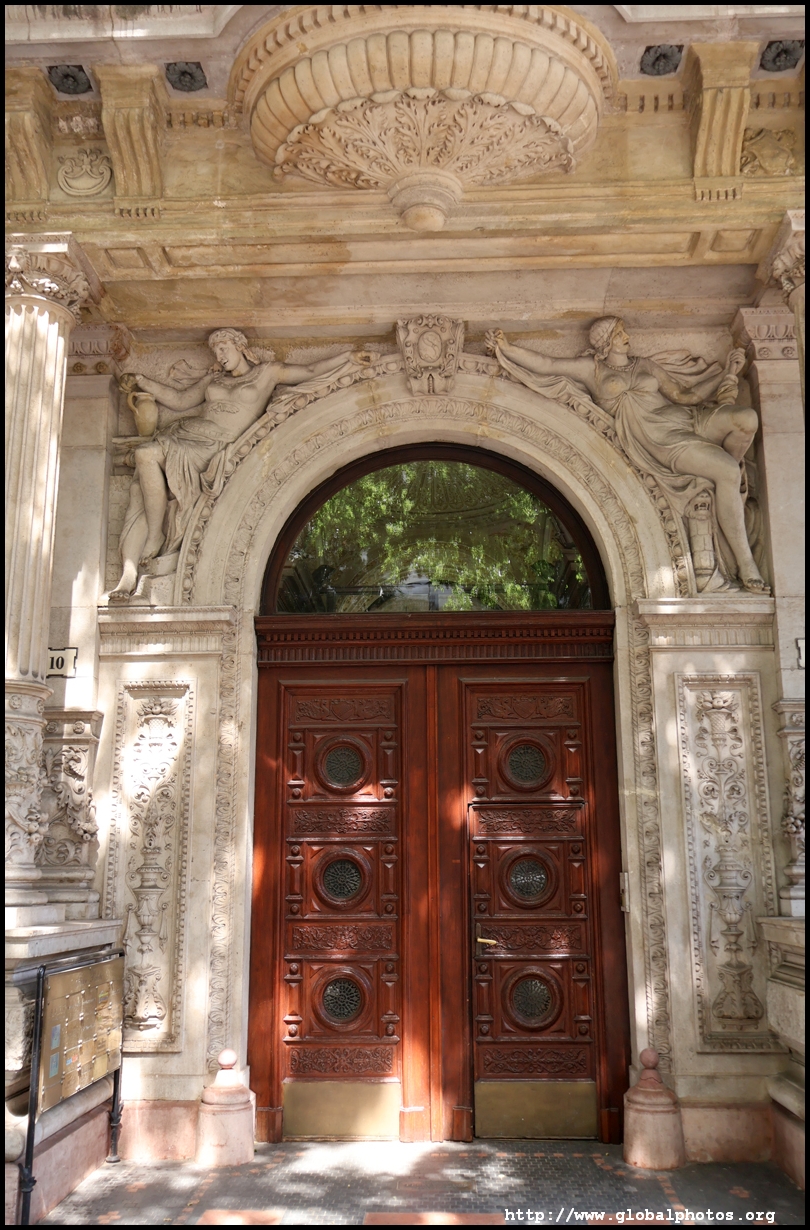
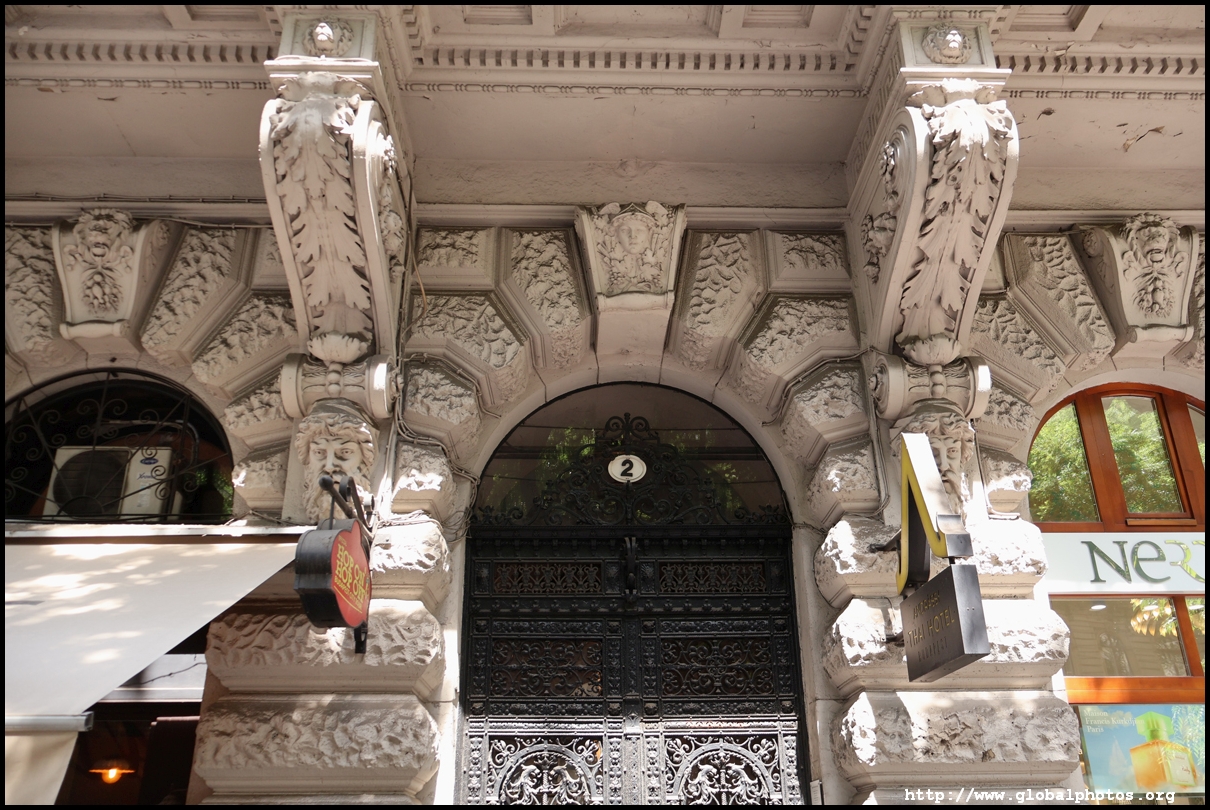
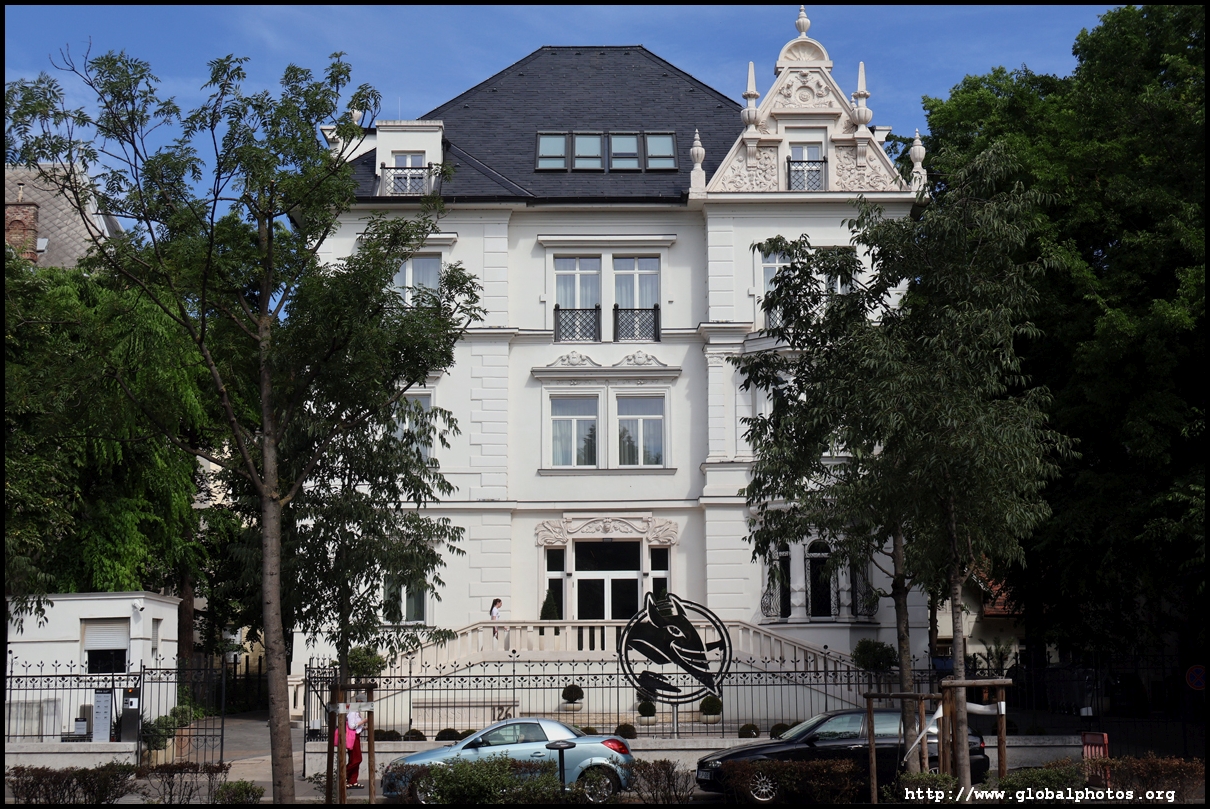
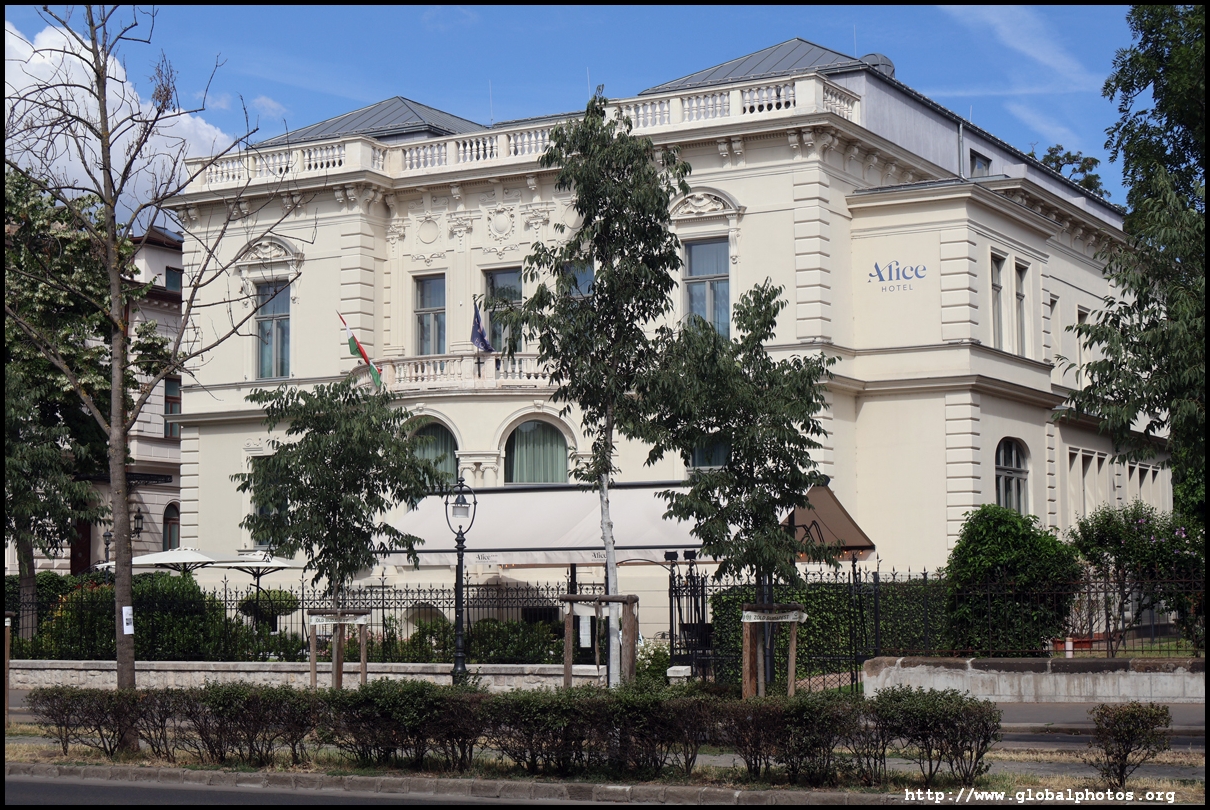
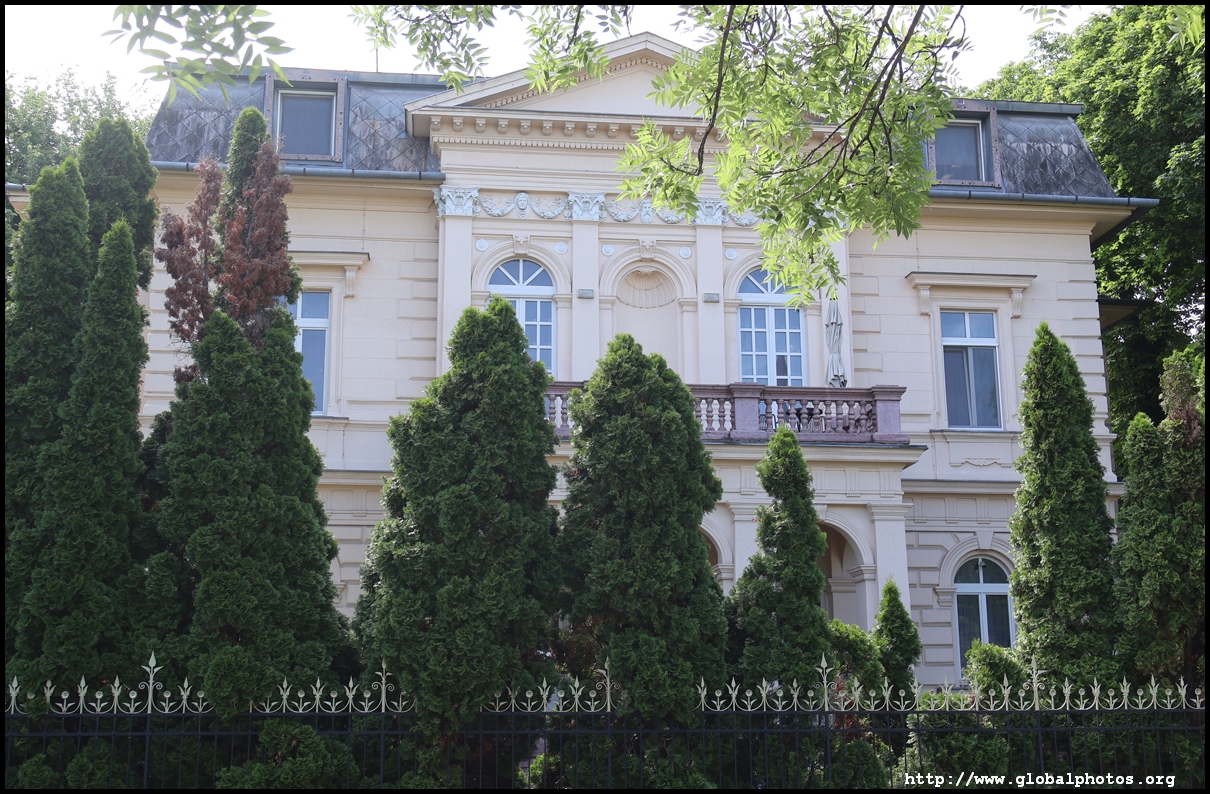
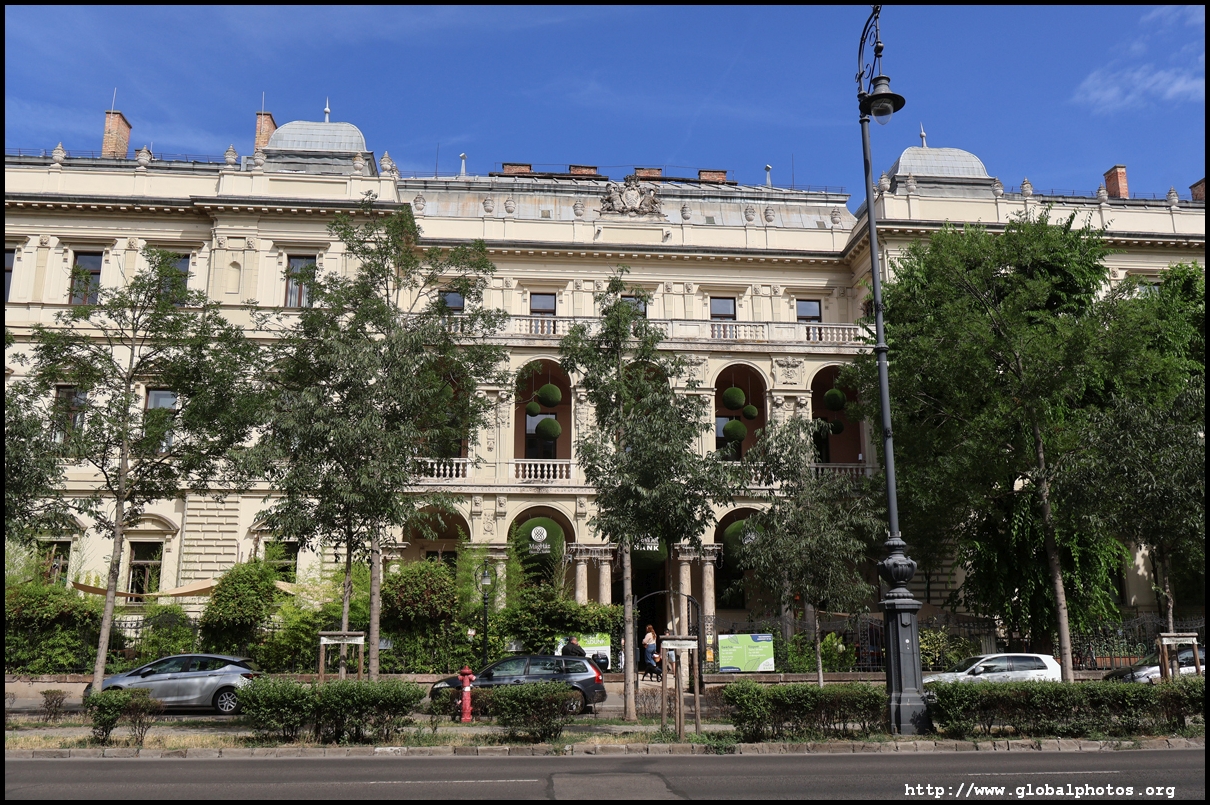
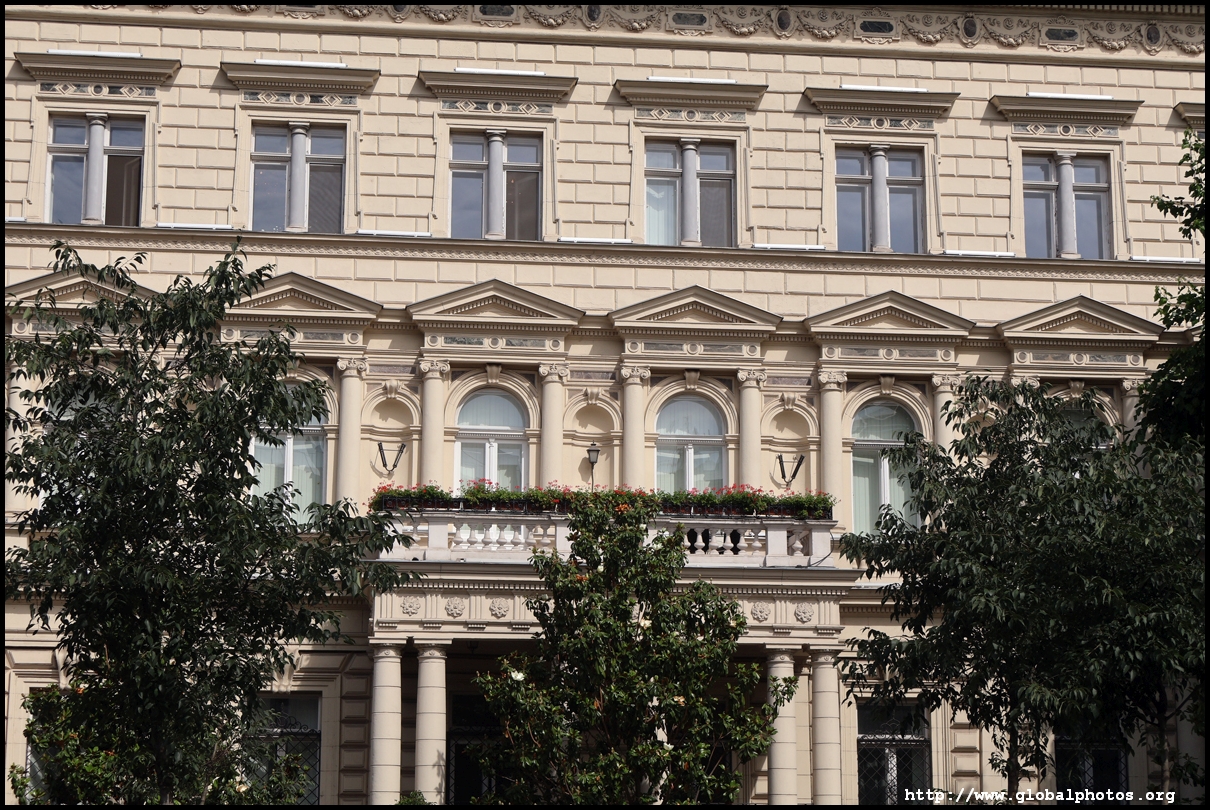
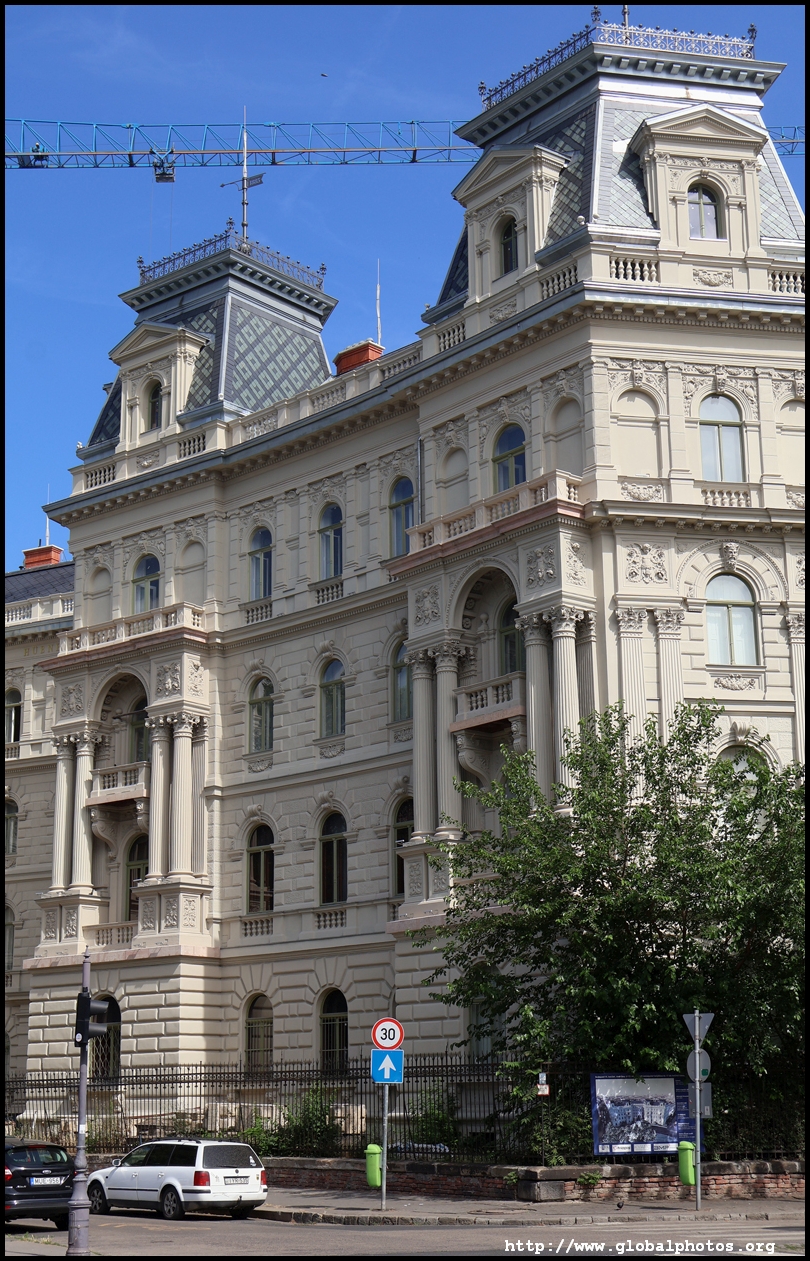
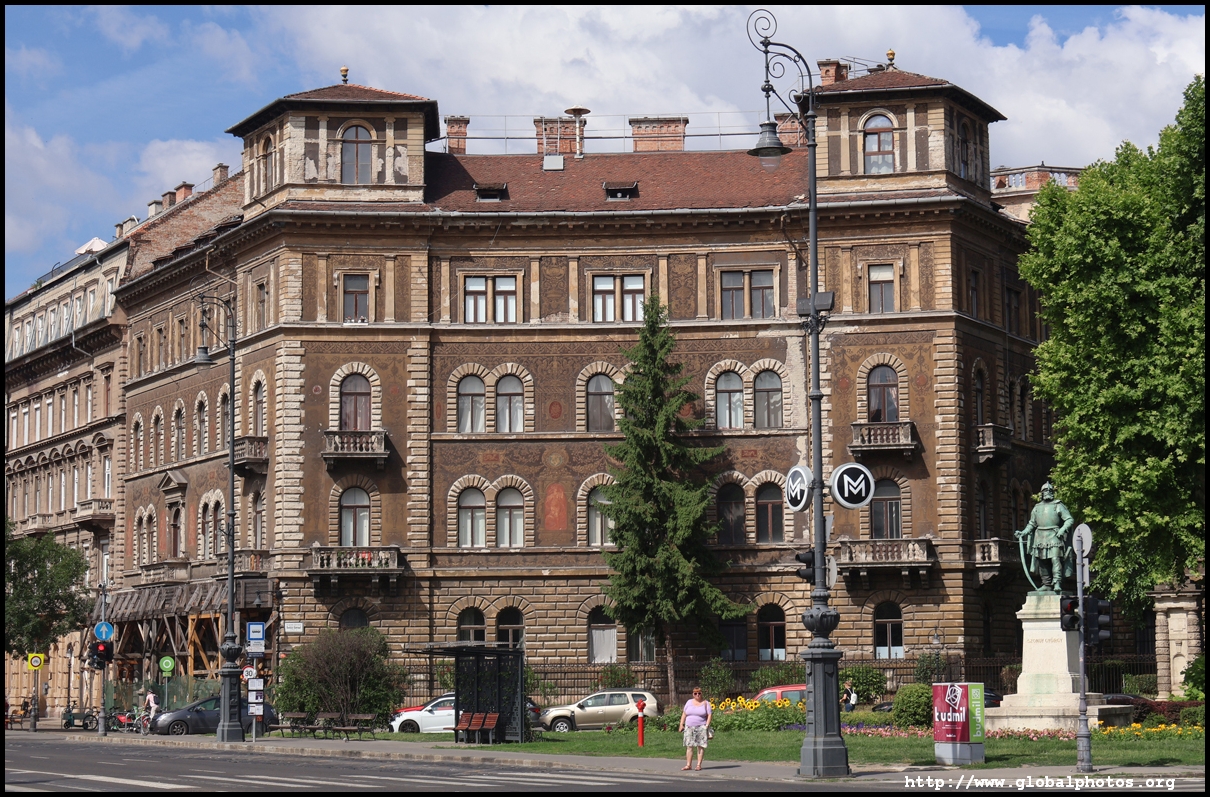
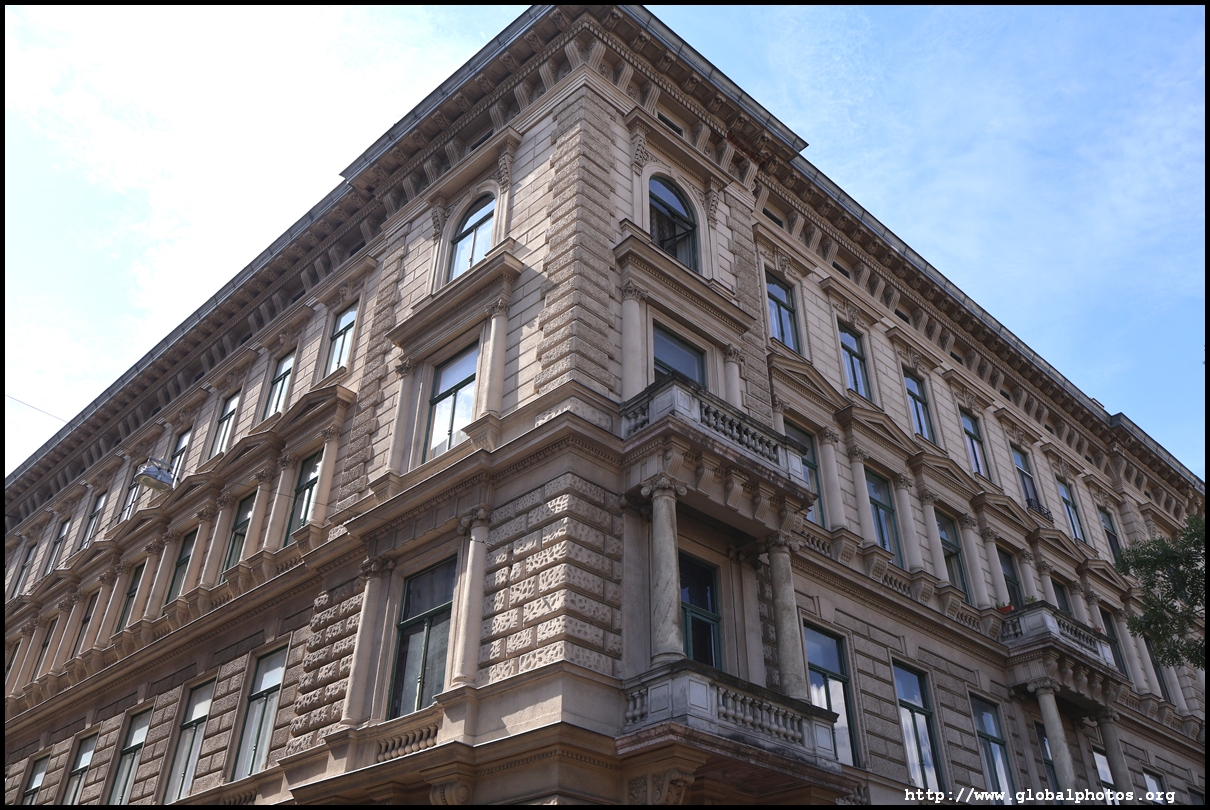
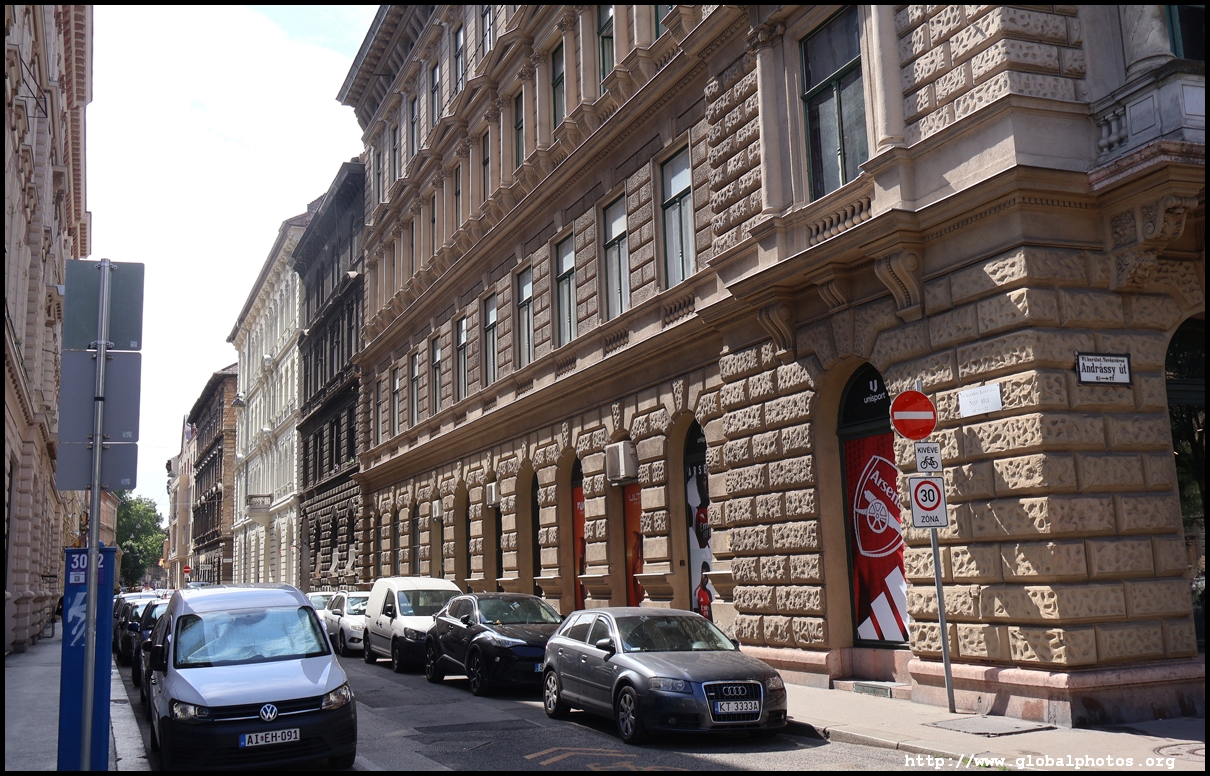
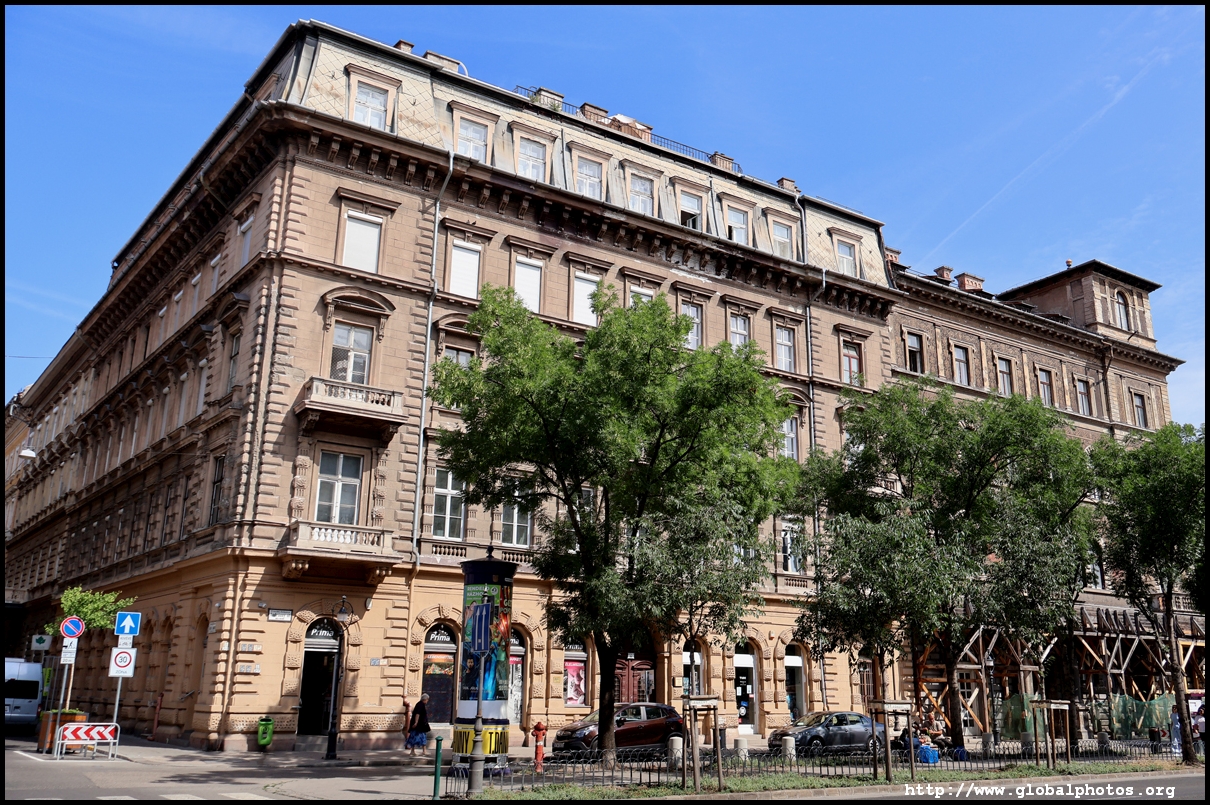
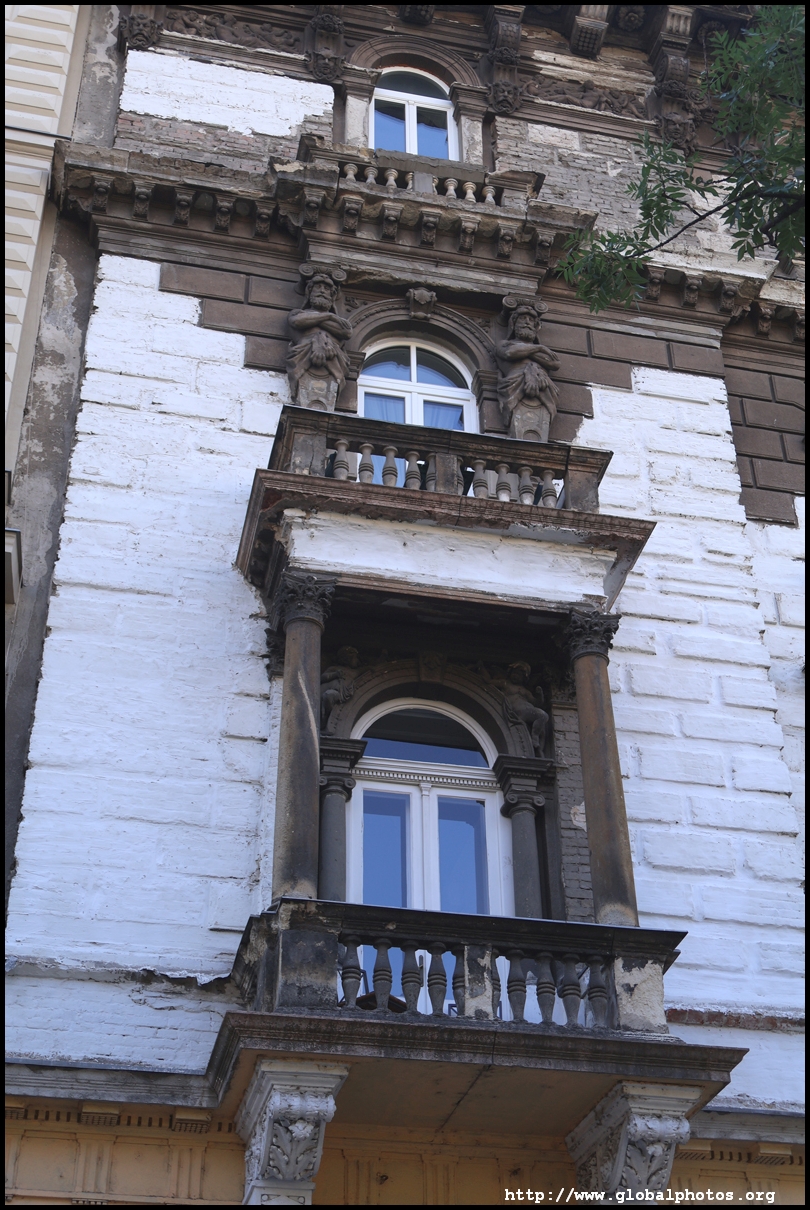
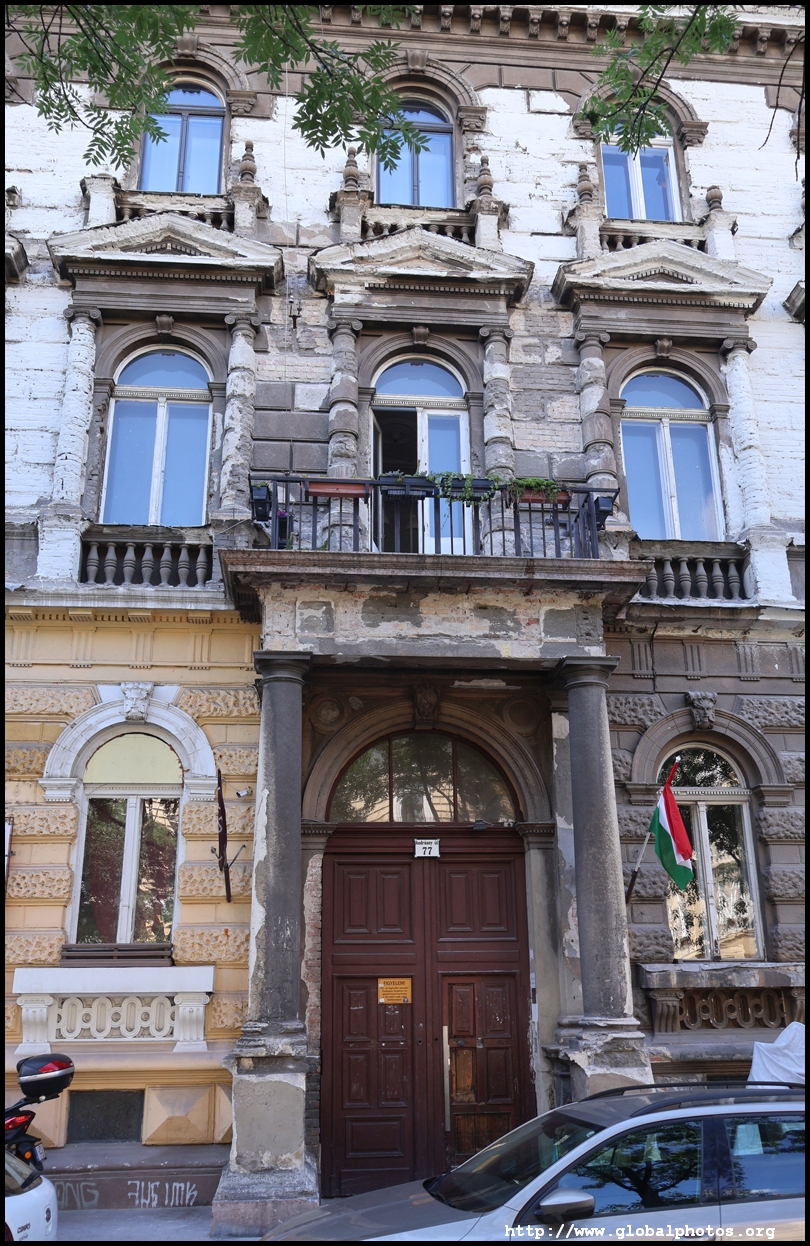
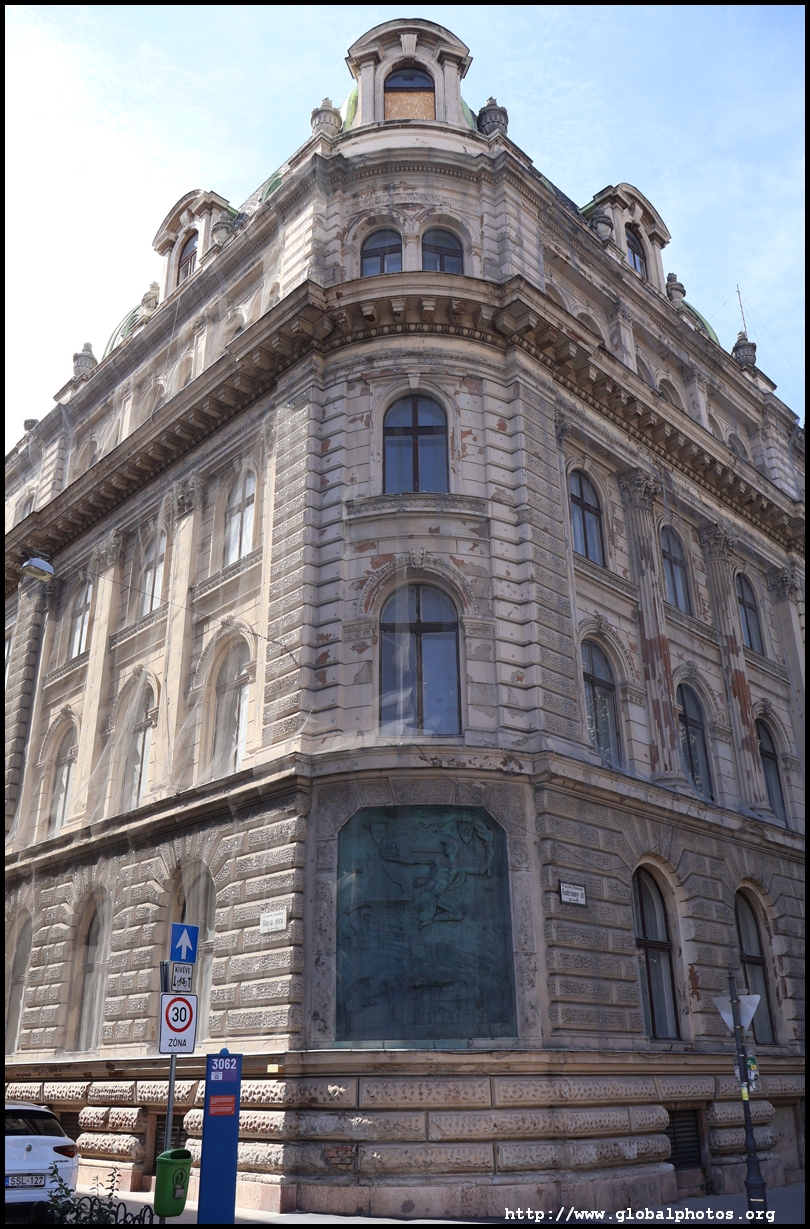
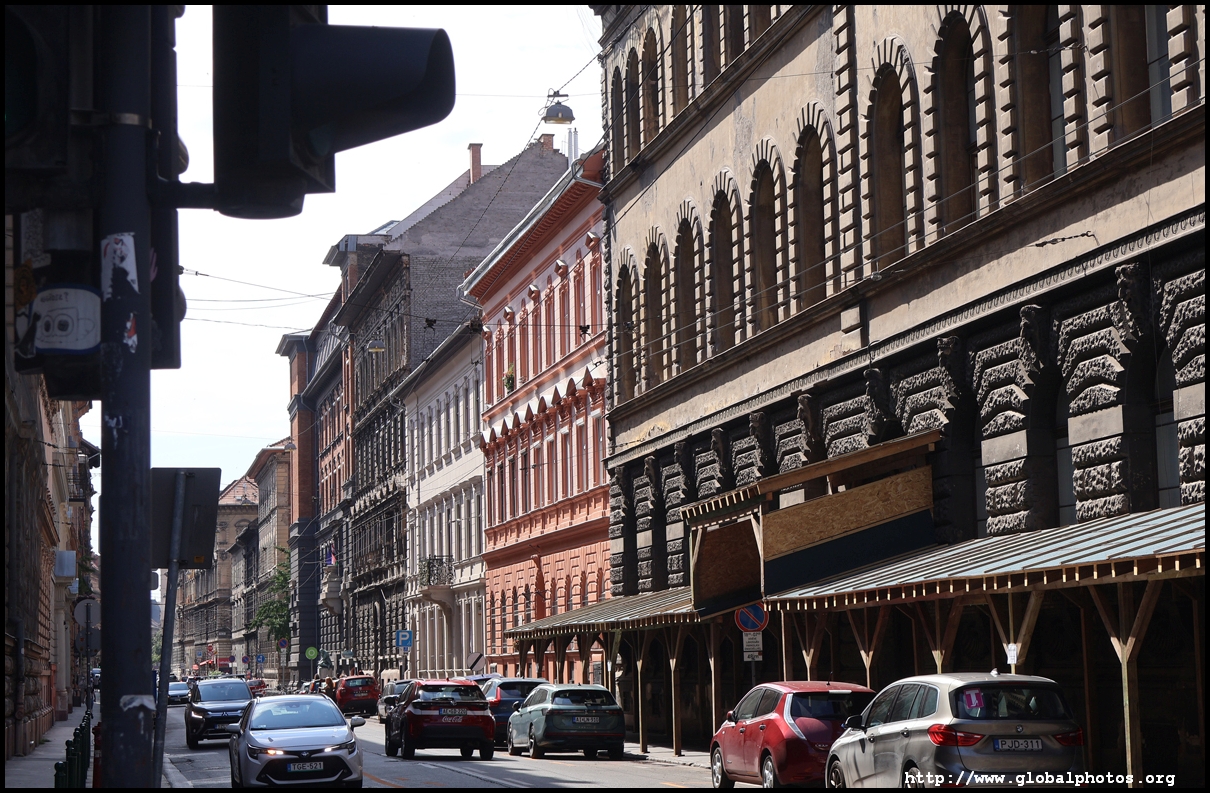
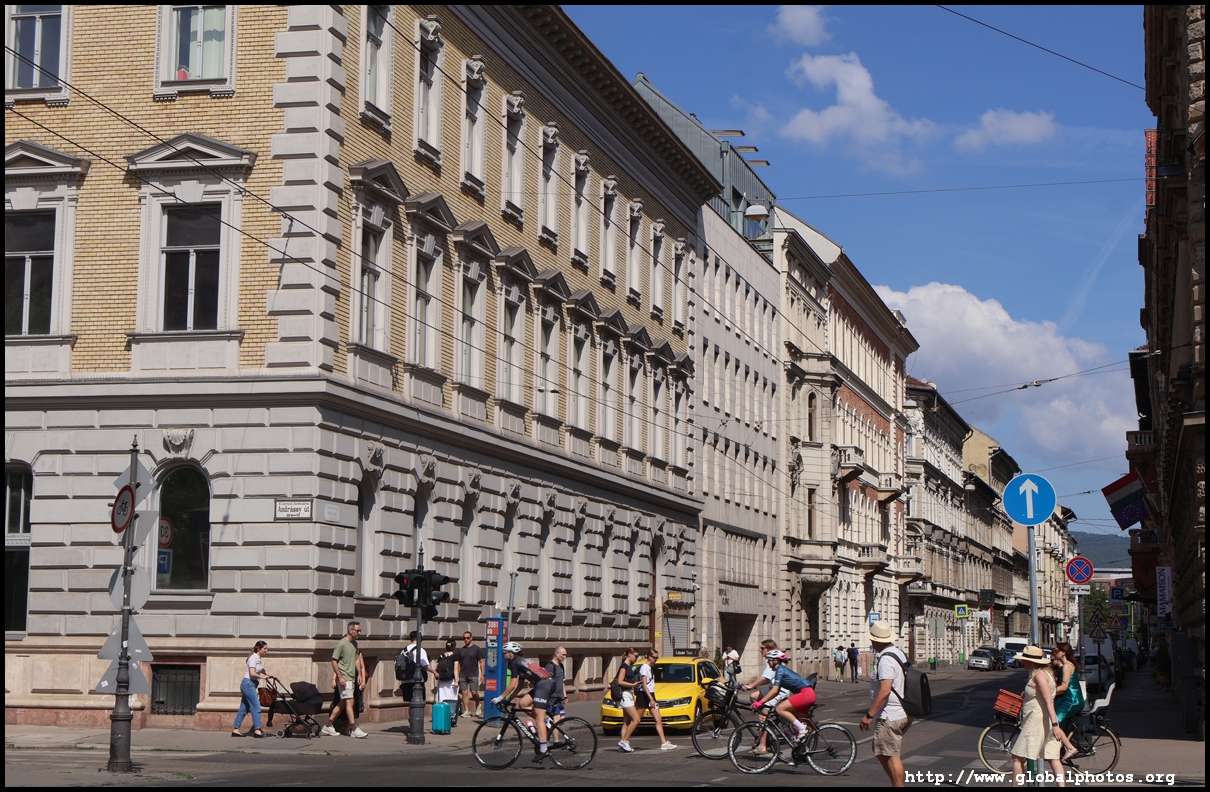
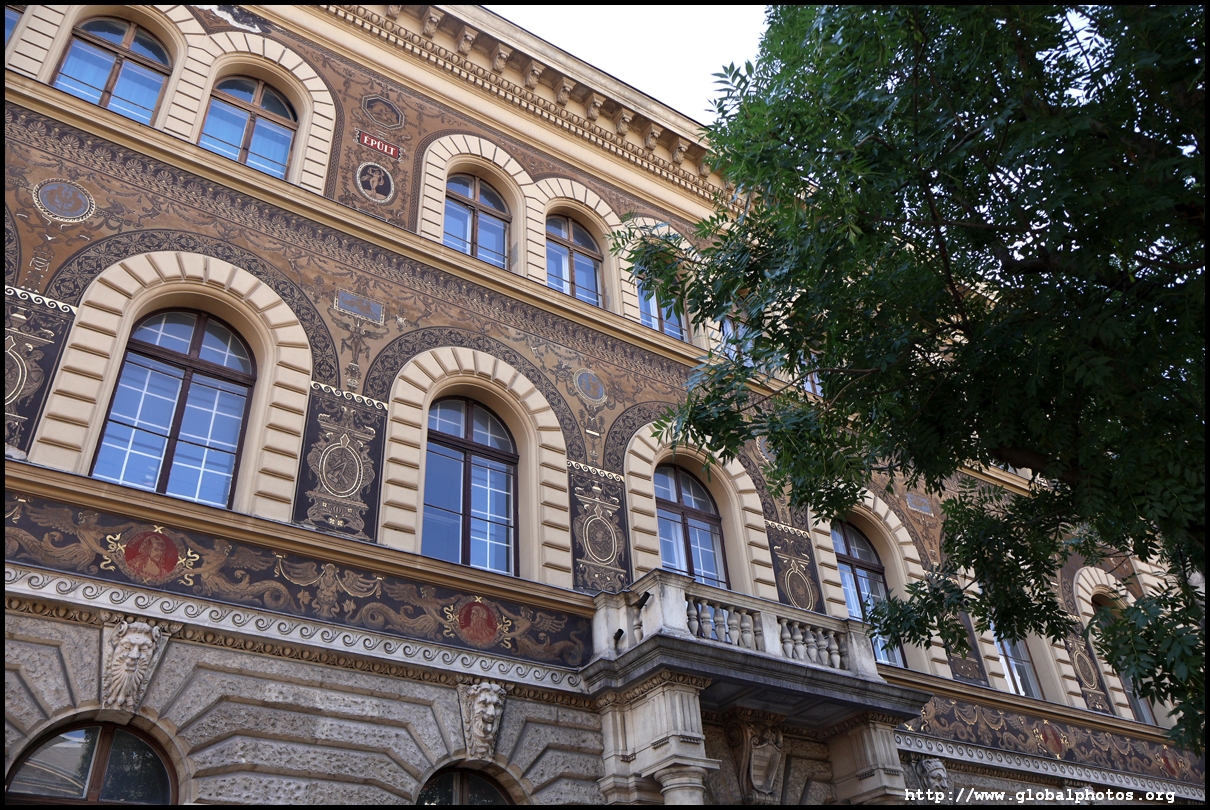
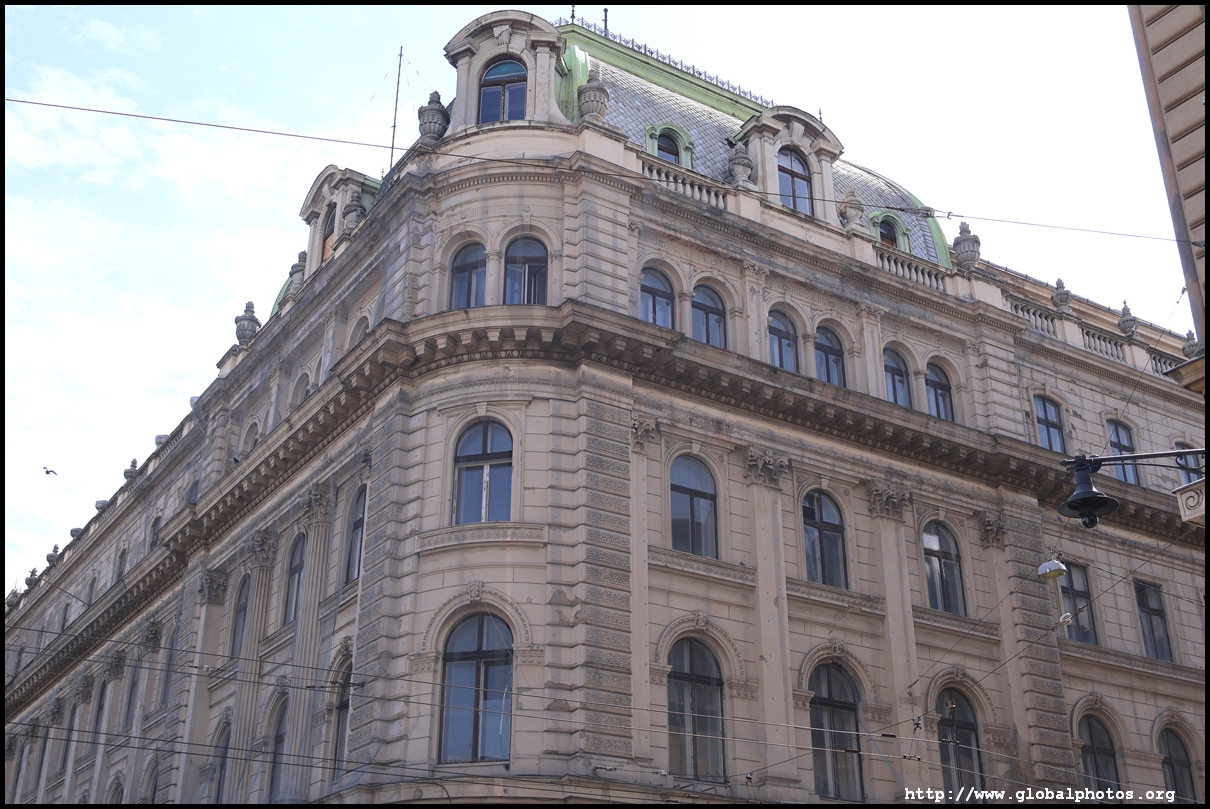
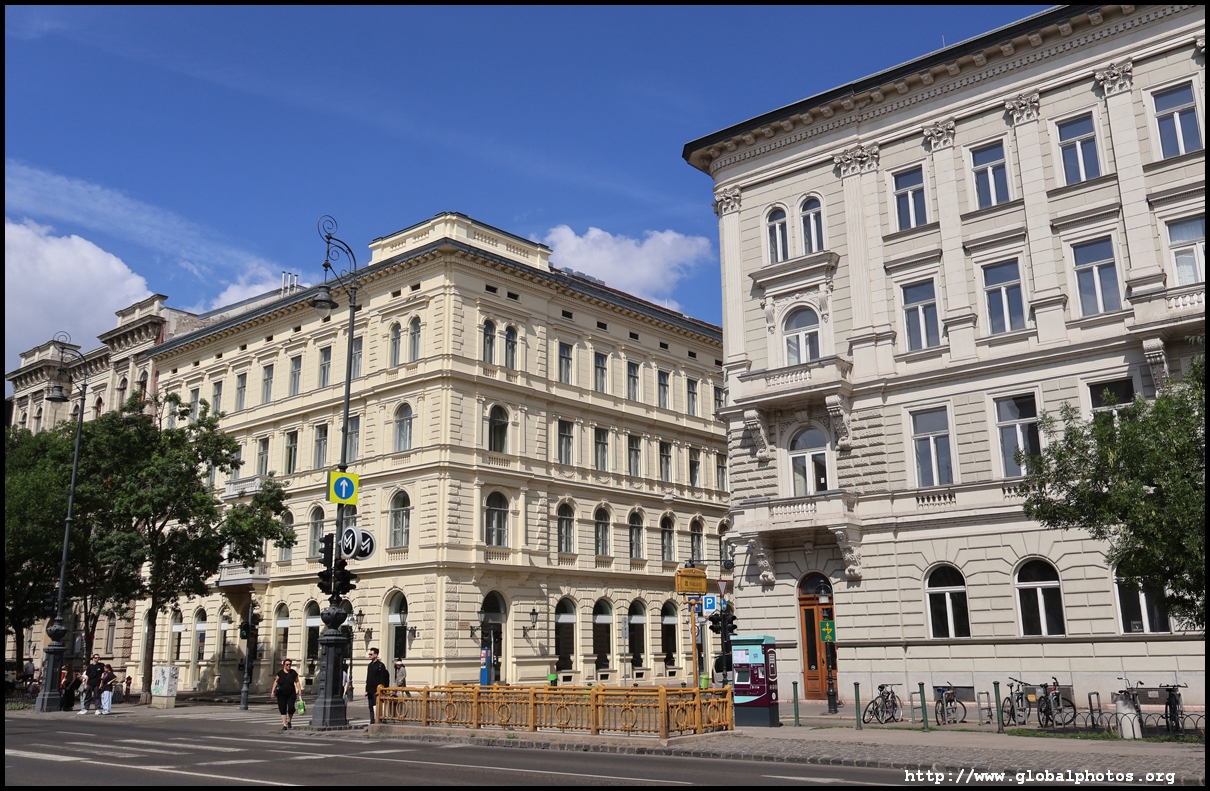
Budapest's answer to the Champs Elysees, Andrassy Avenue was inaugurated in 1884, not long after Hungary won autonomy from the Hapsburg empire through the dual monarchy. Palatial residences sprung up along this grand boulevard.
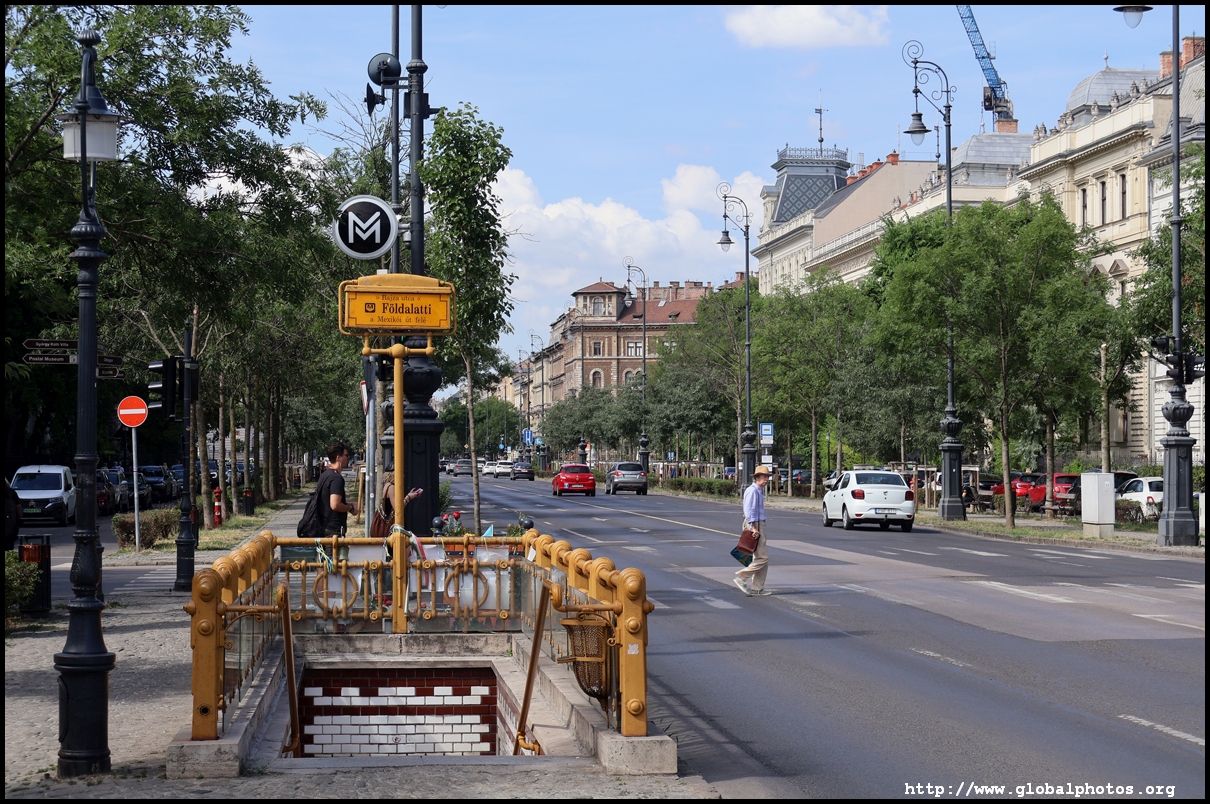
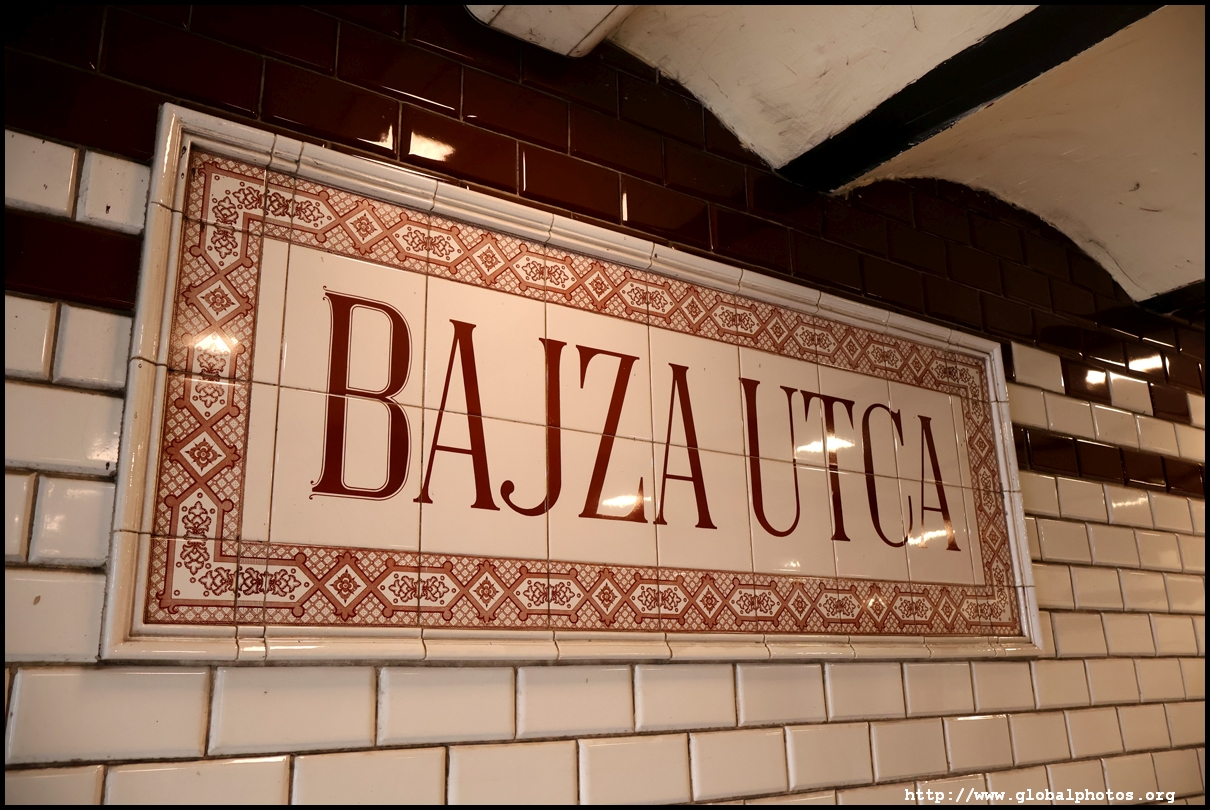
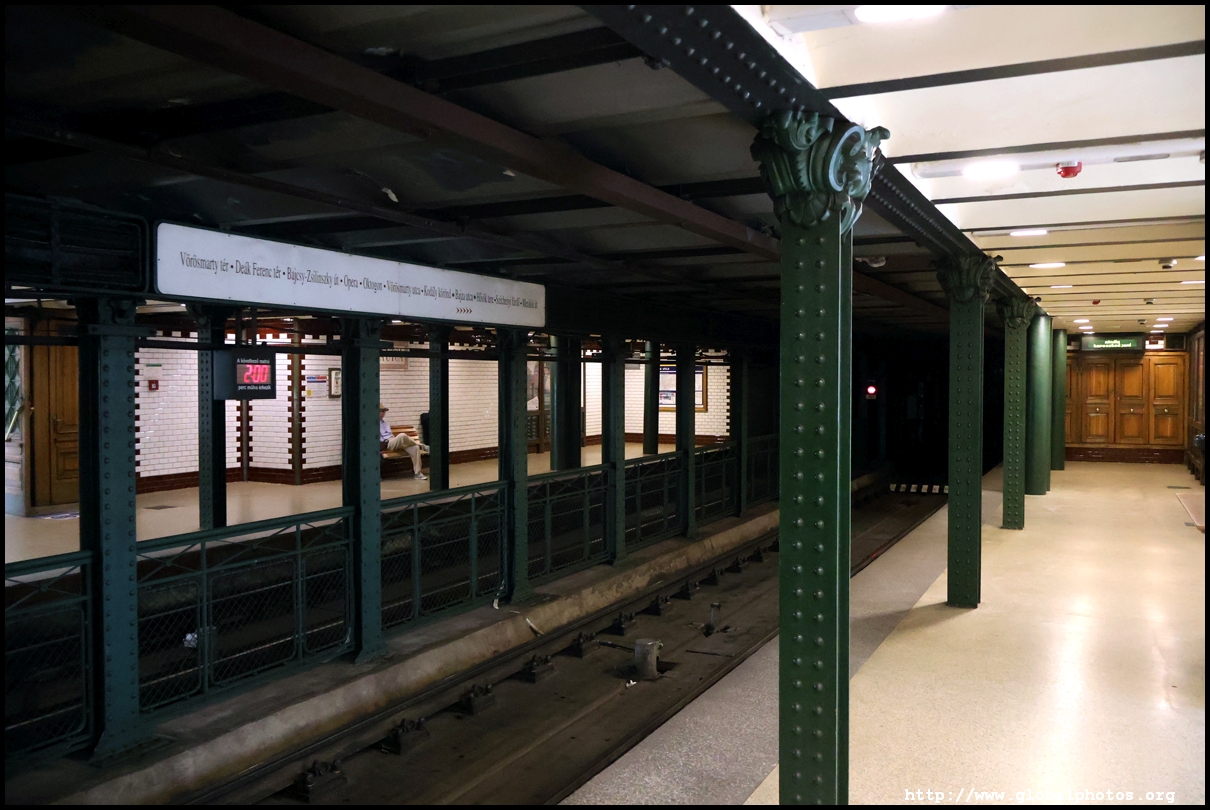
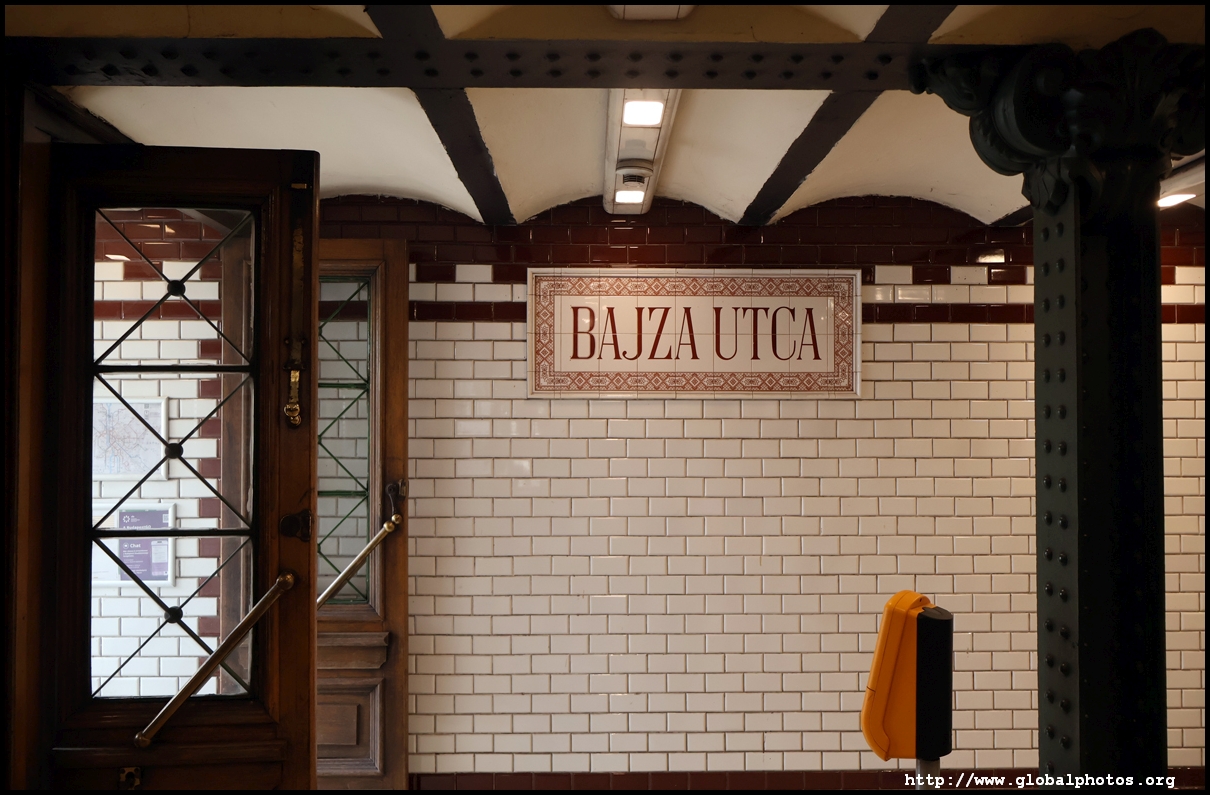
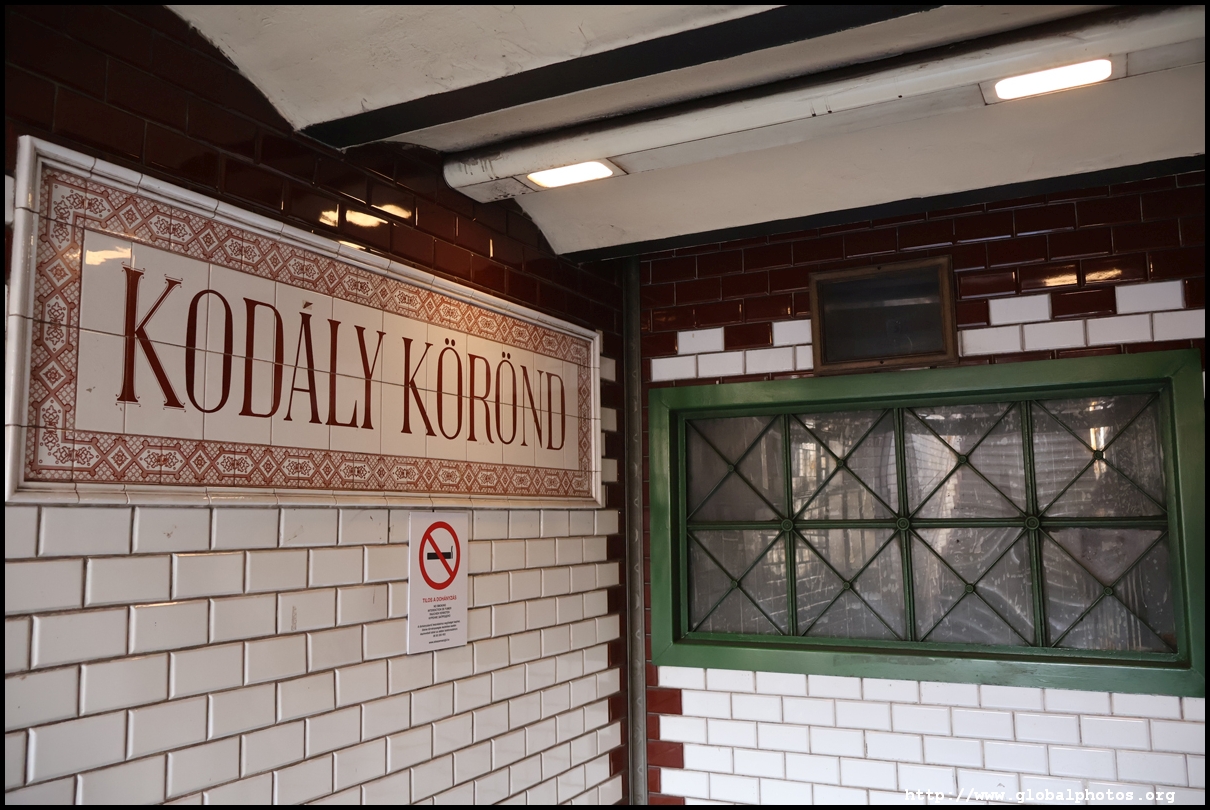
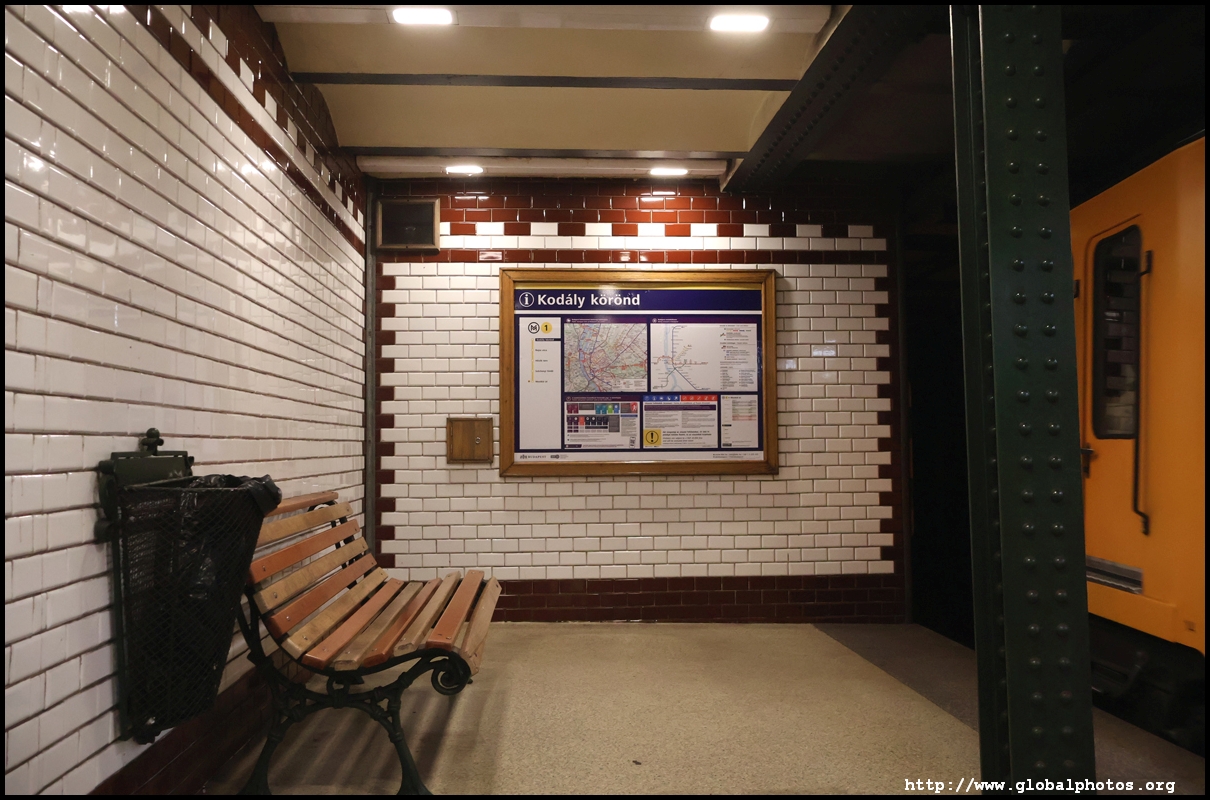
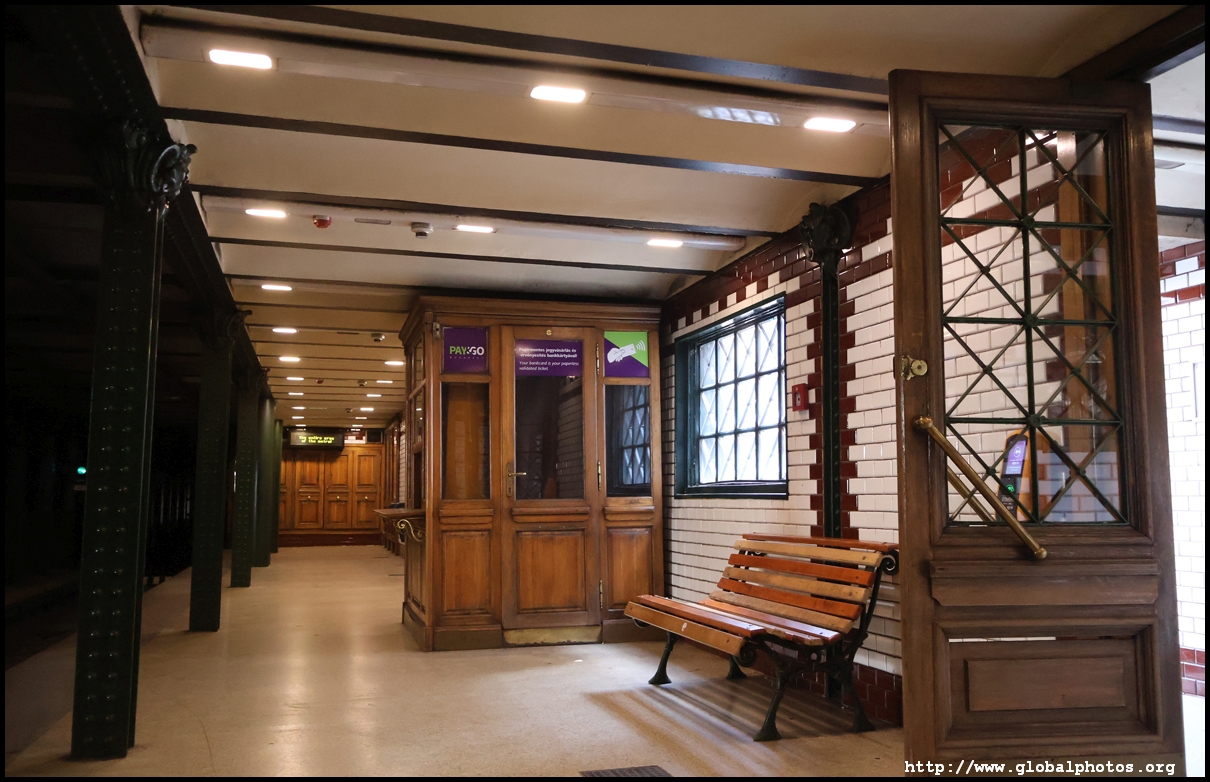
This walk begins just off the City Park back towards the city centre, roughly 2.5km. I also explored the Millennium Underground Railway, which runs under the boulevard with many stations along the way. It is not named after the year 2000 though, but to celebrate 1000 years of Hungarian settlement back when it opened in 1896, the first such railway in continental Europe.
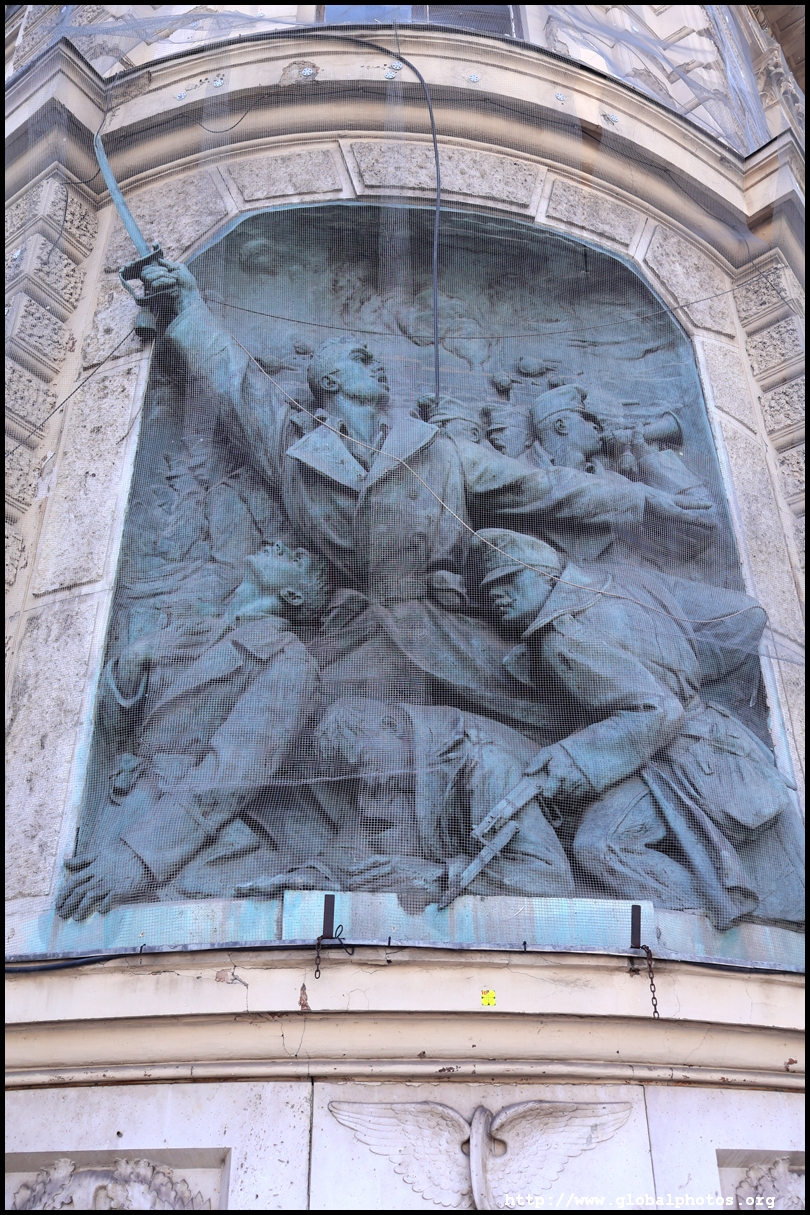
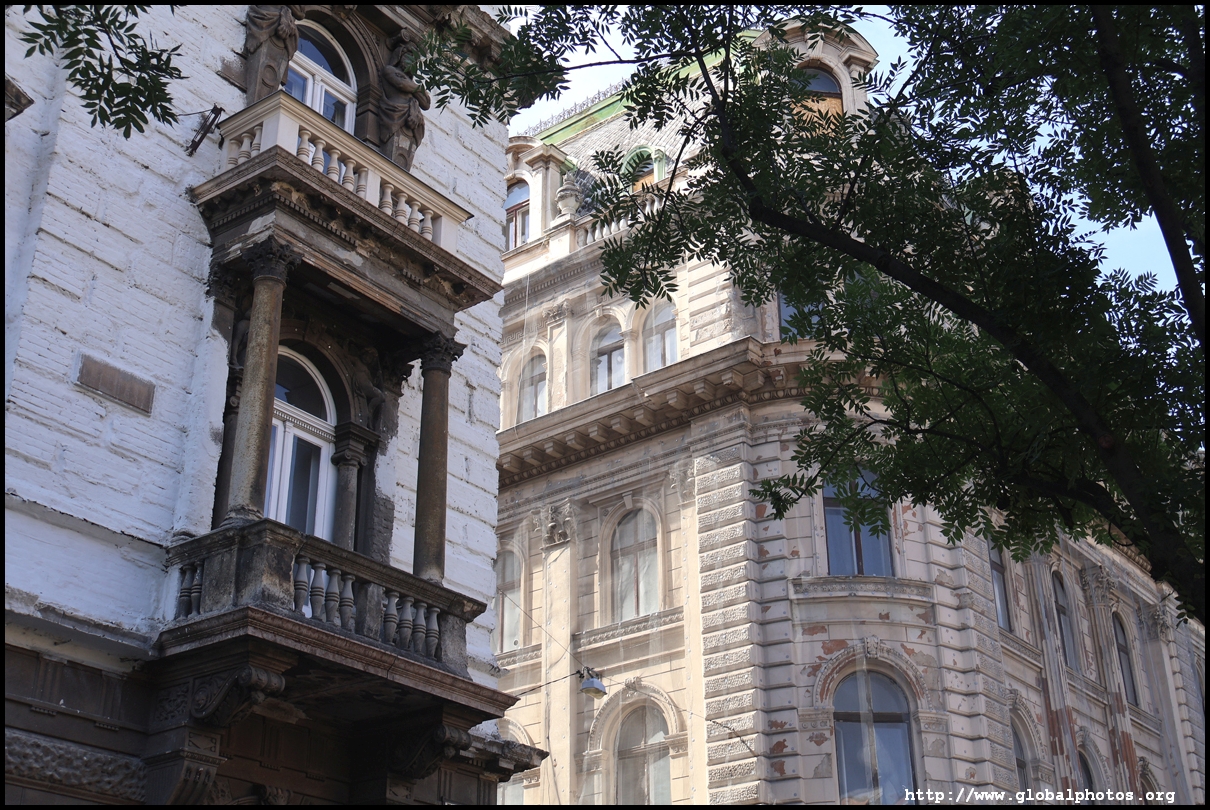
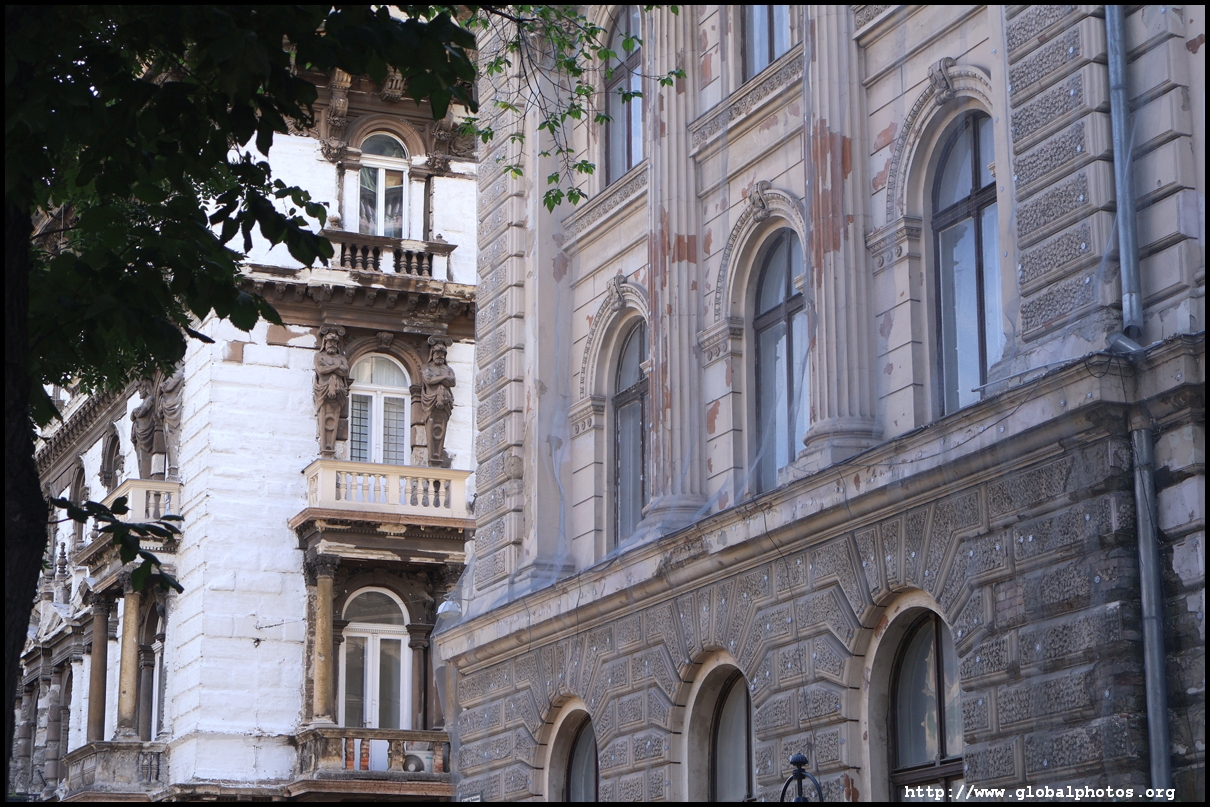
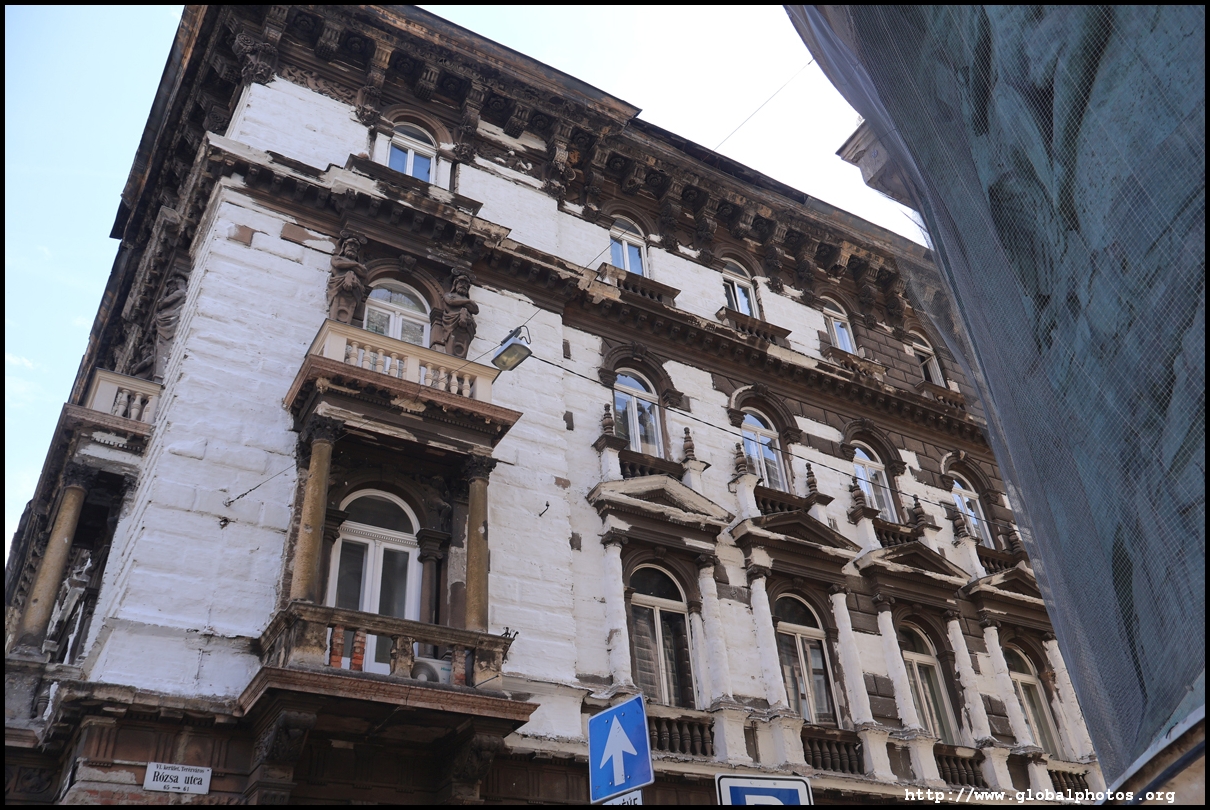
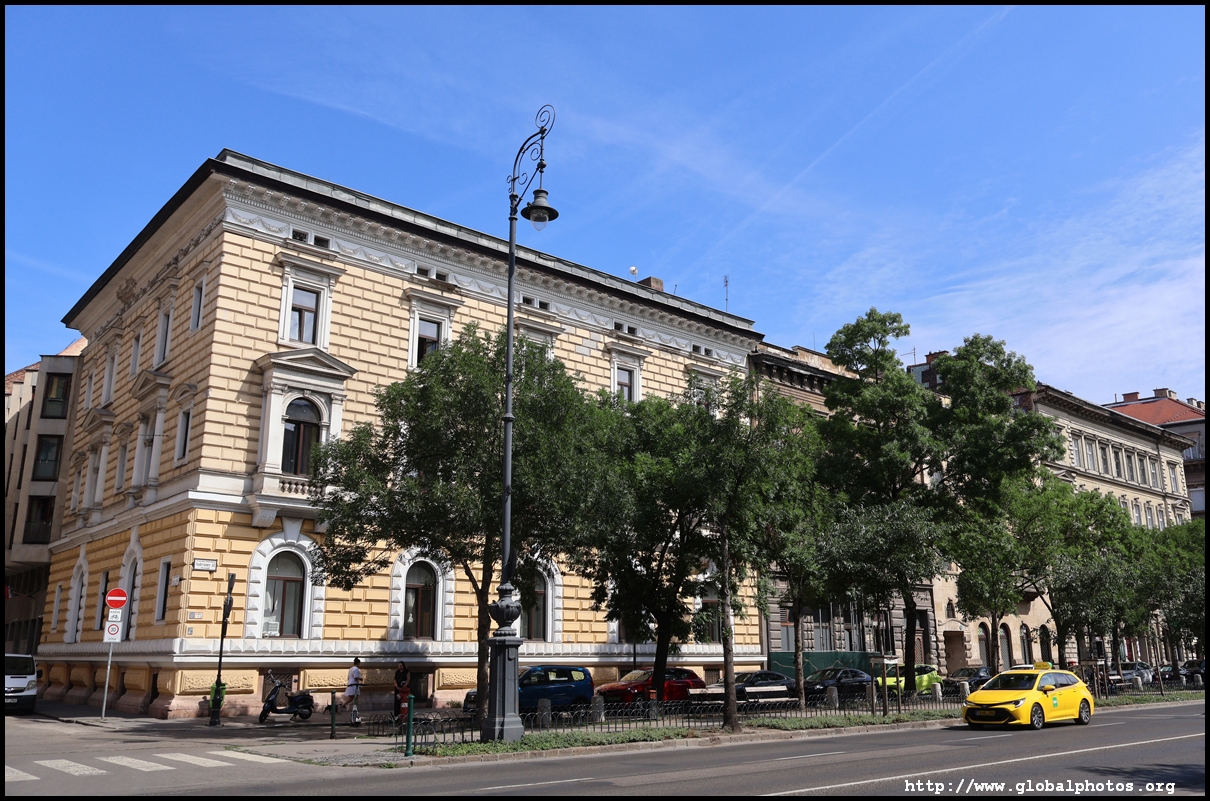
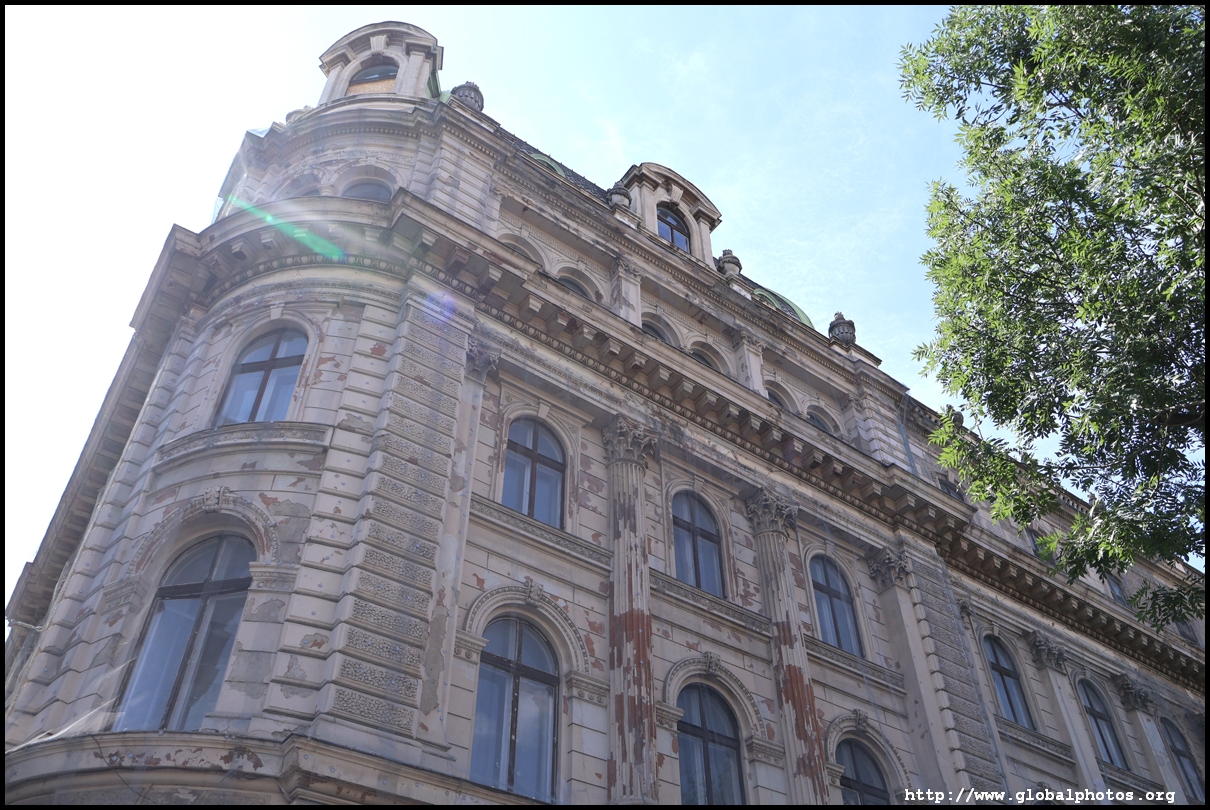
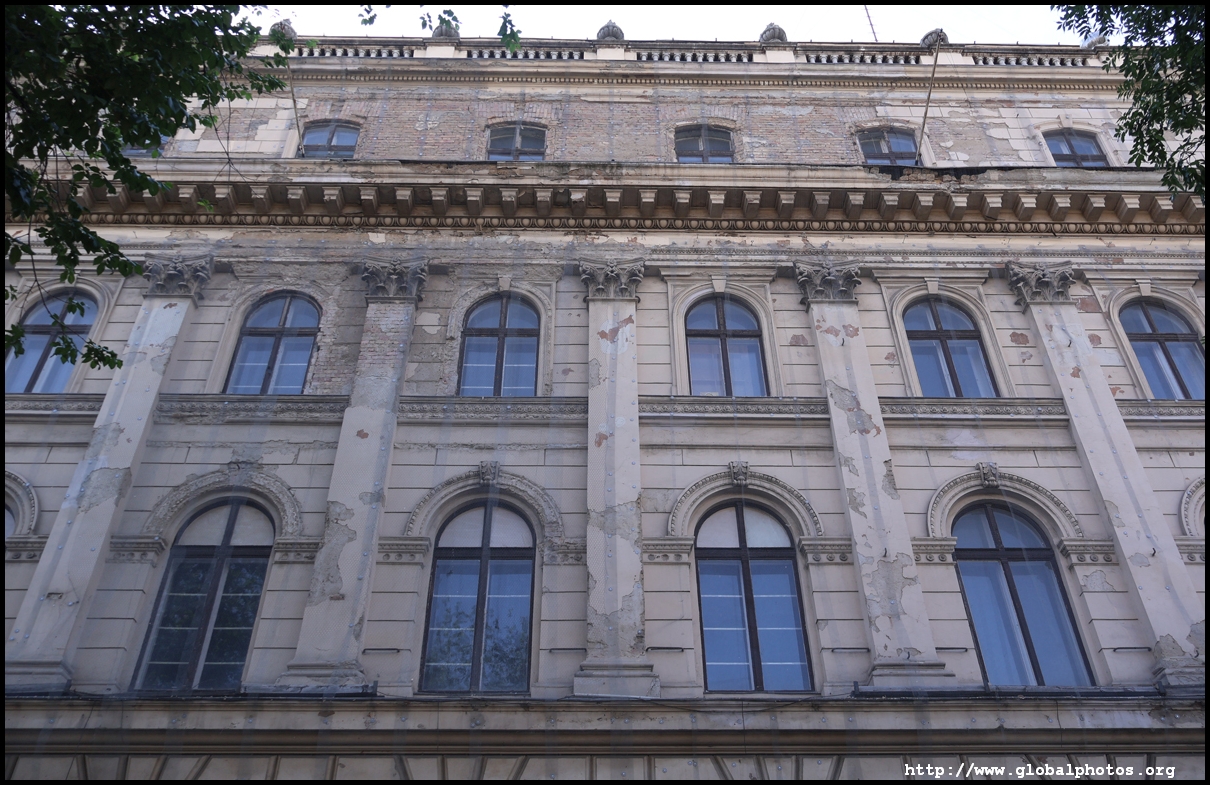
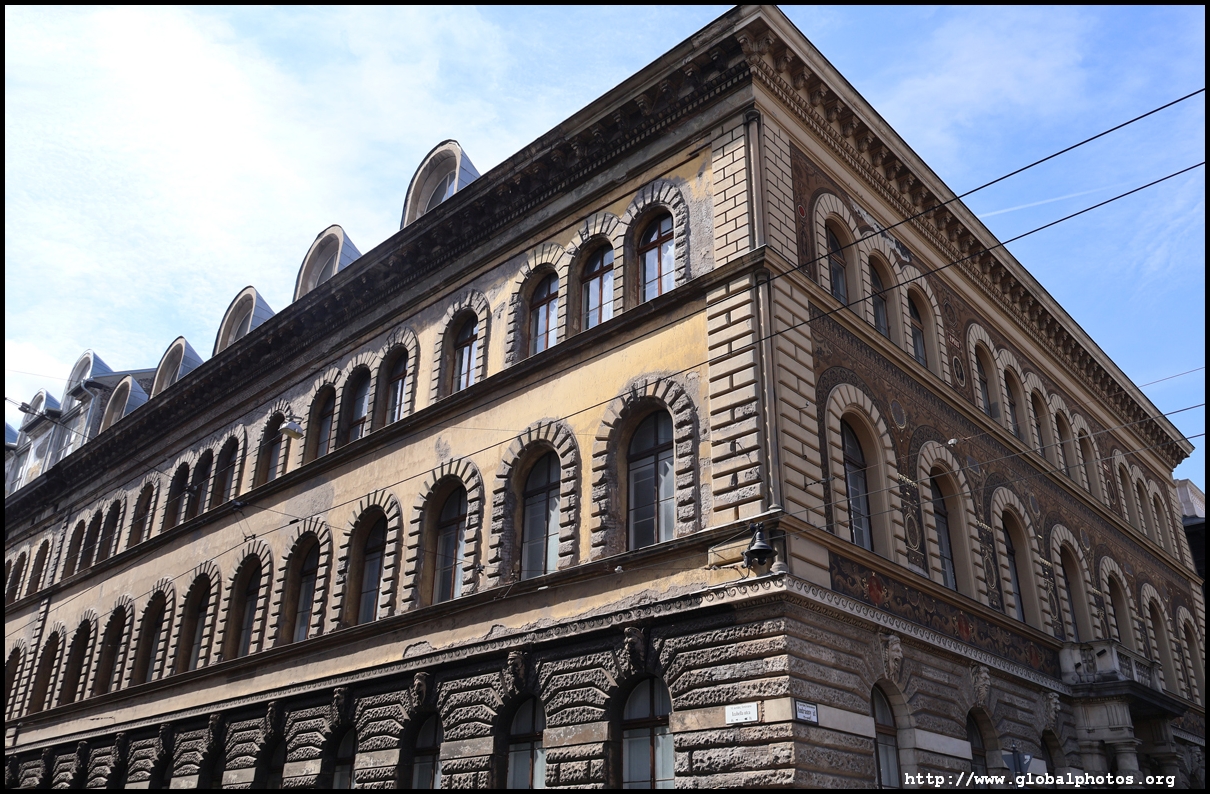
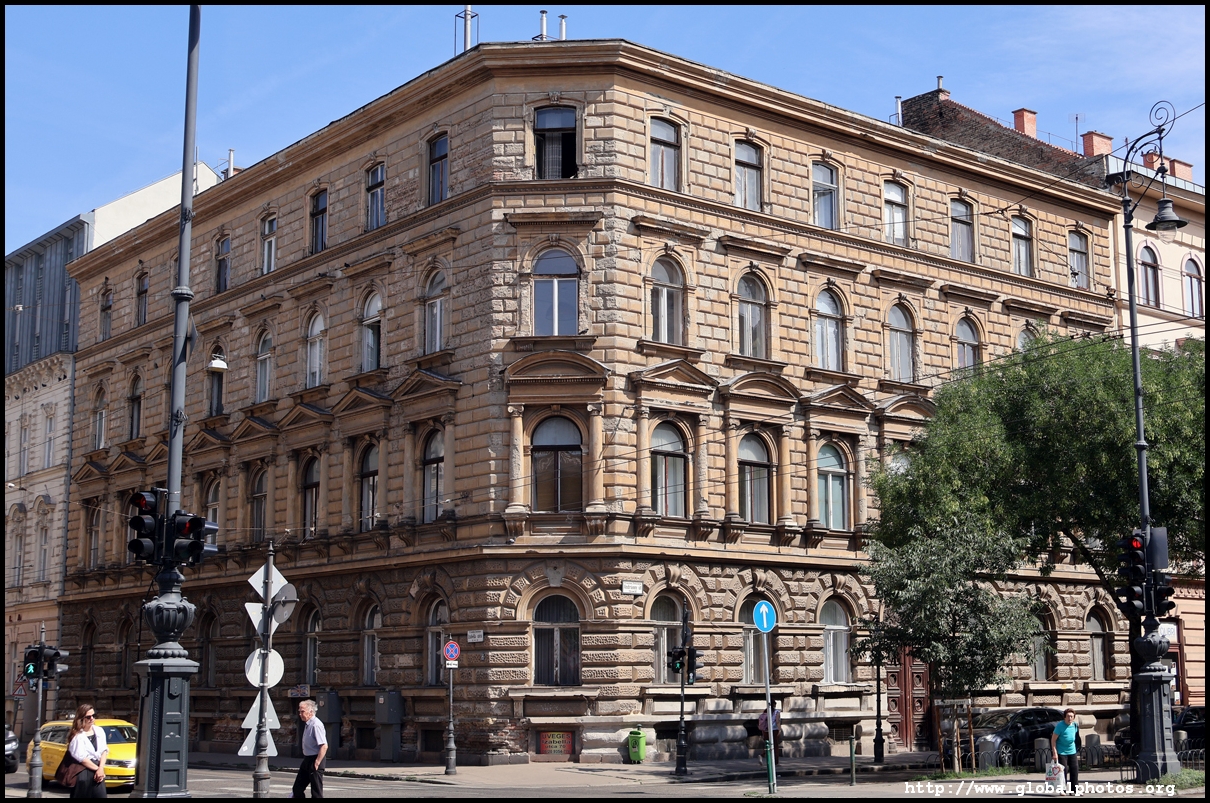
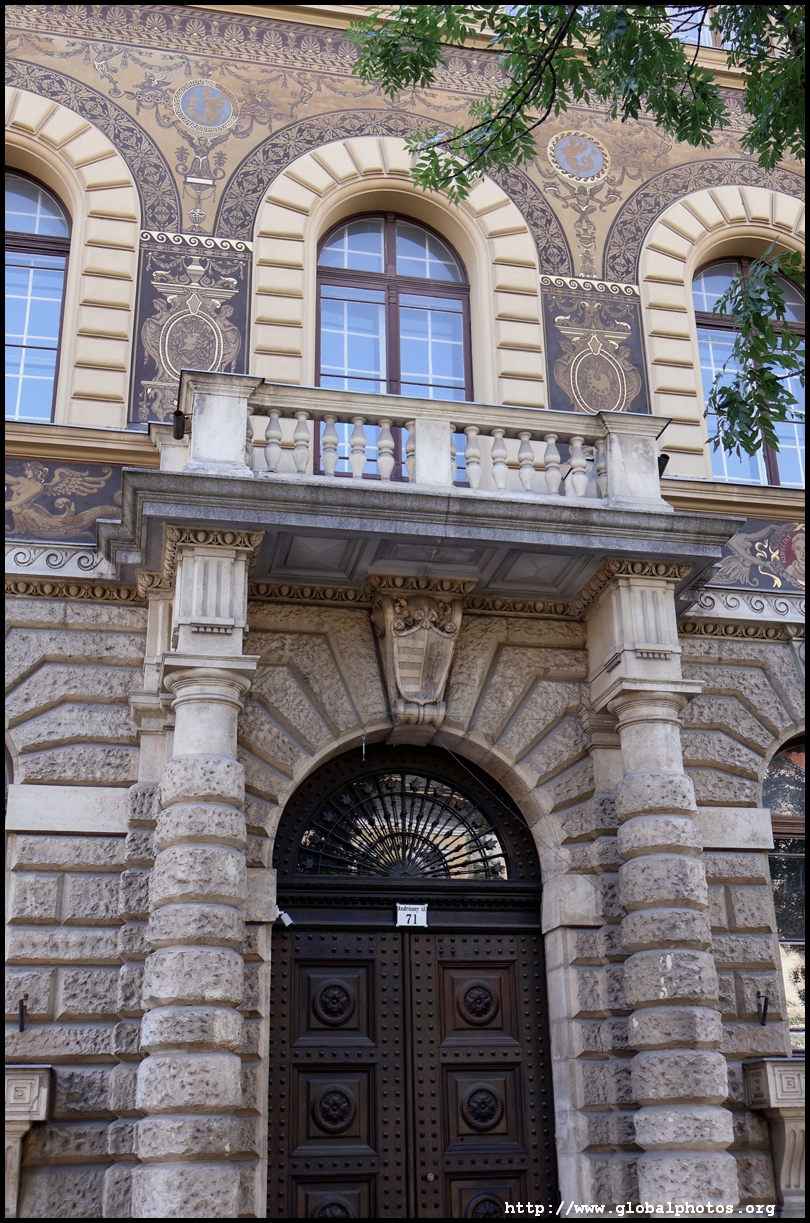
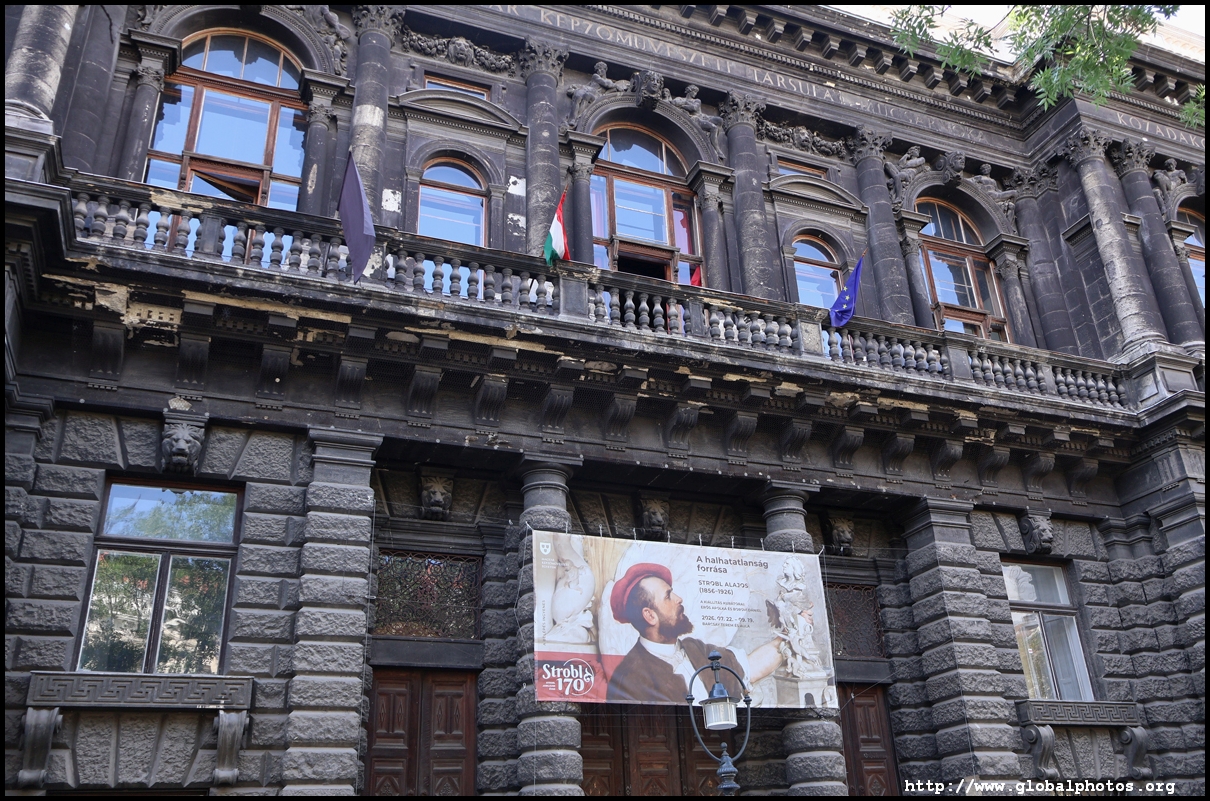
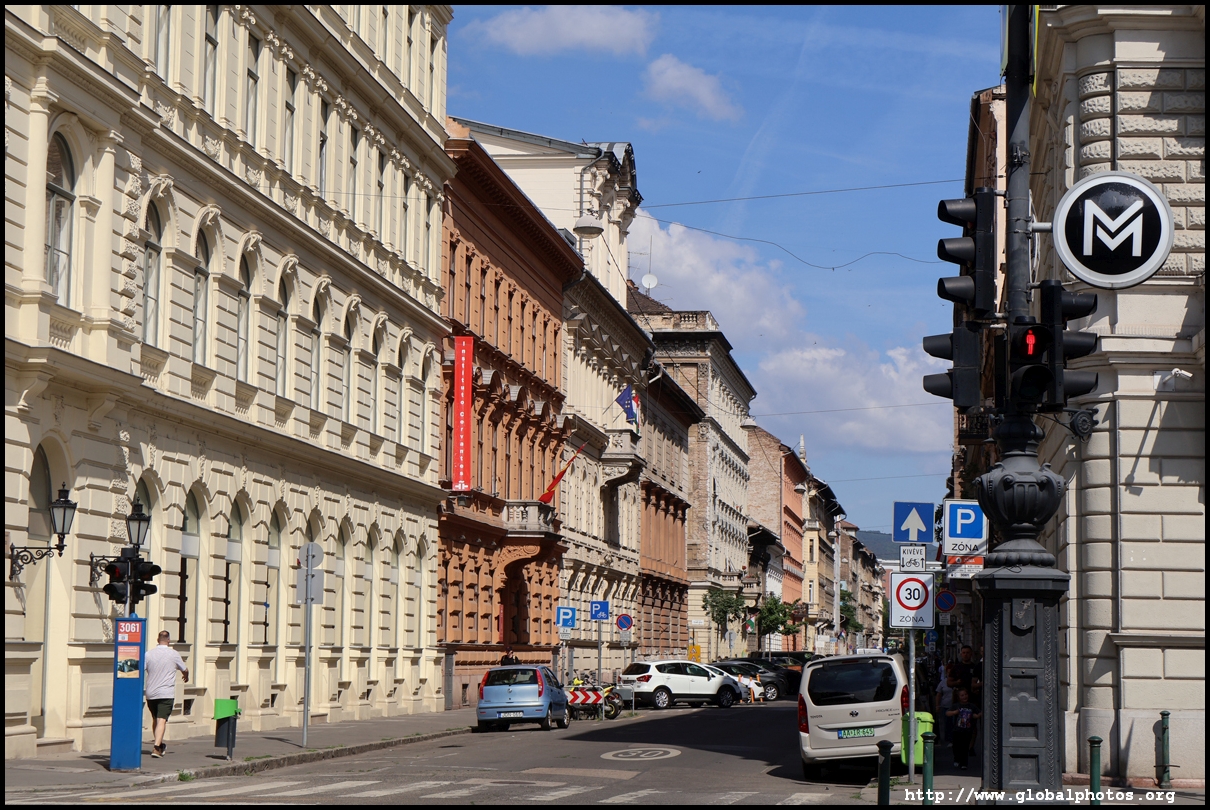
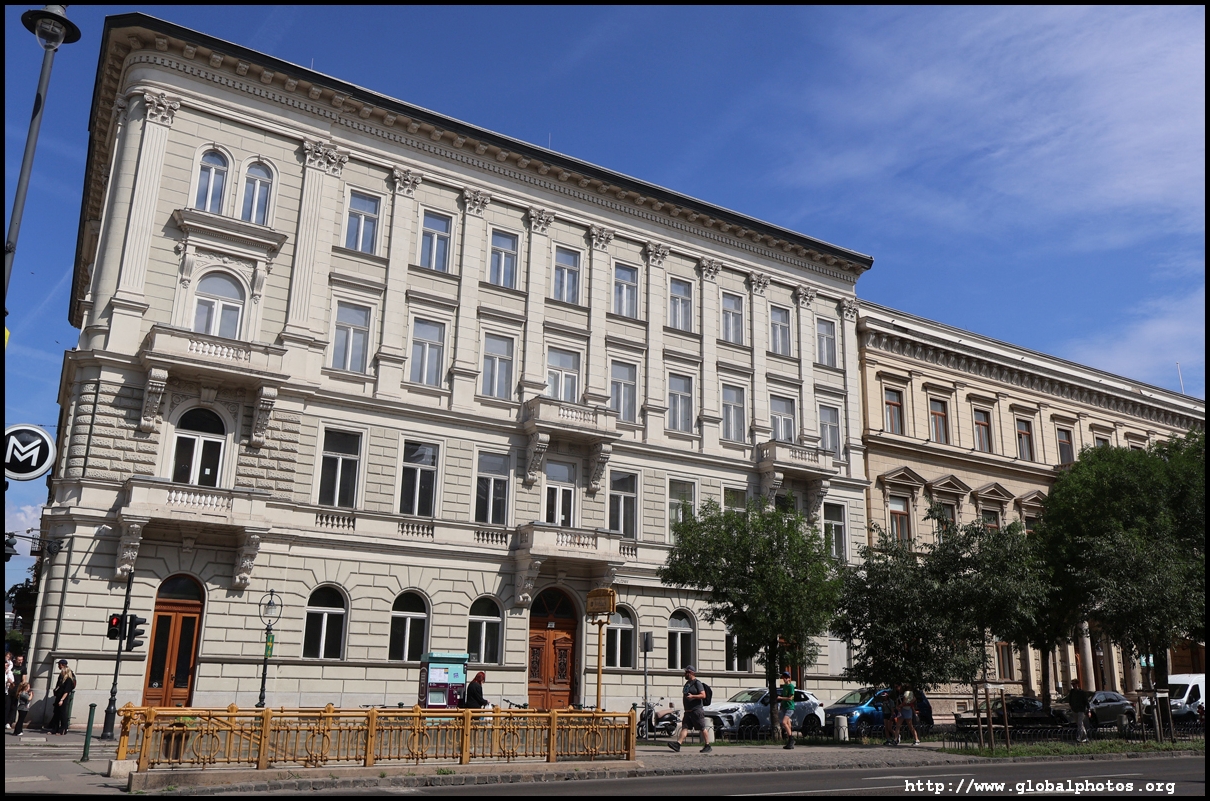
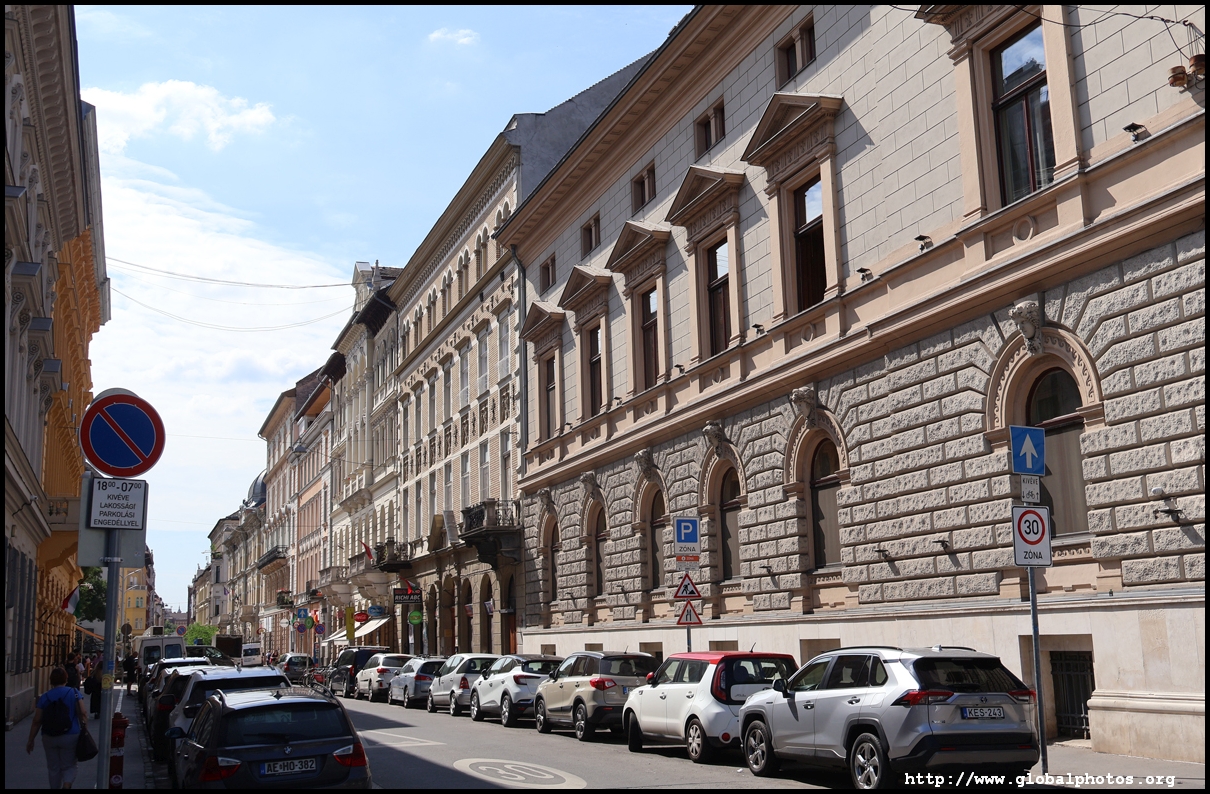
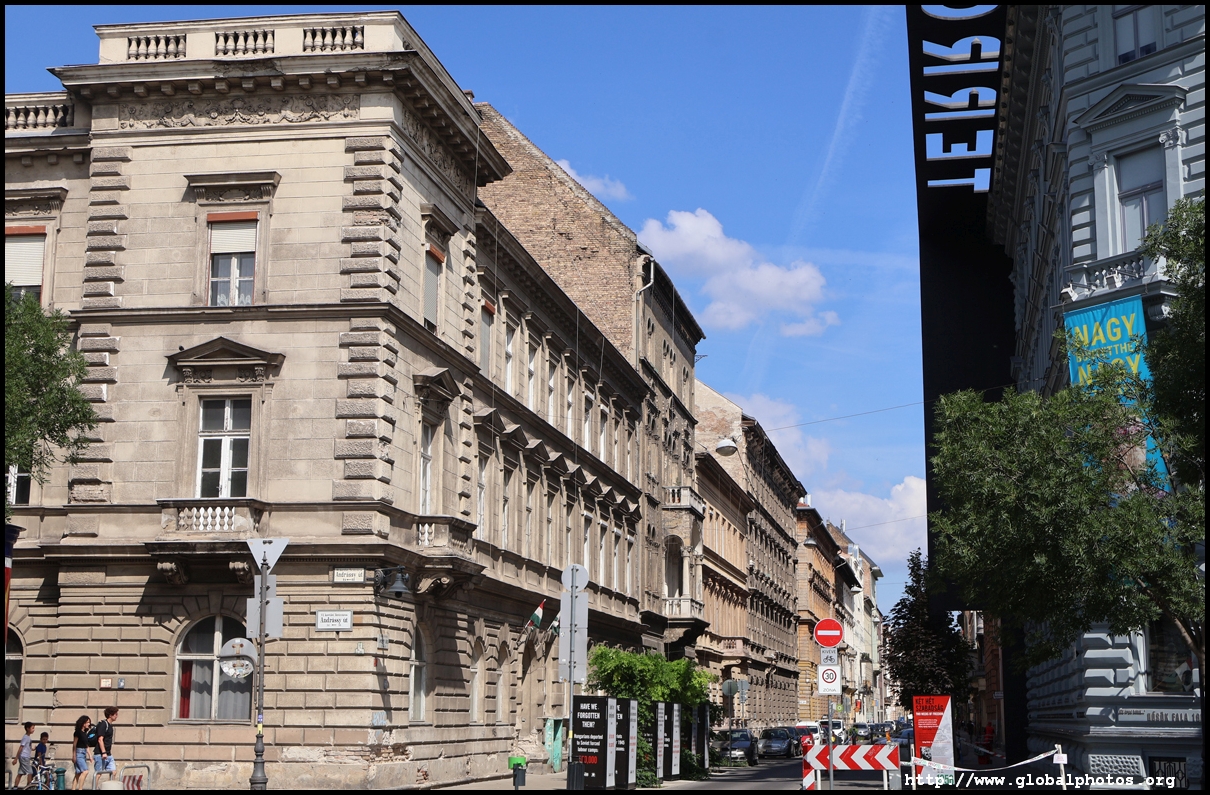
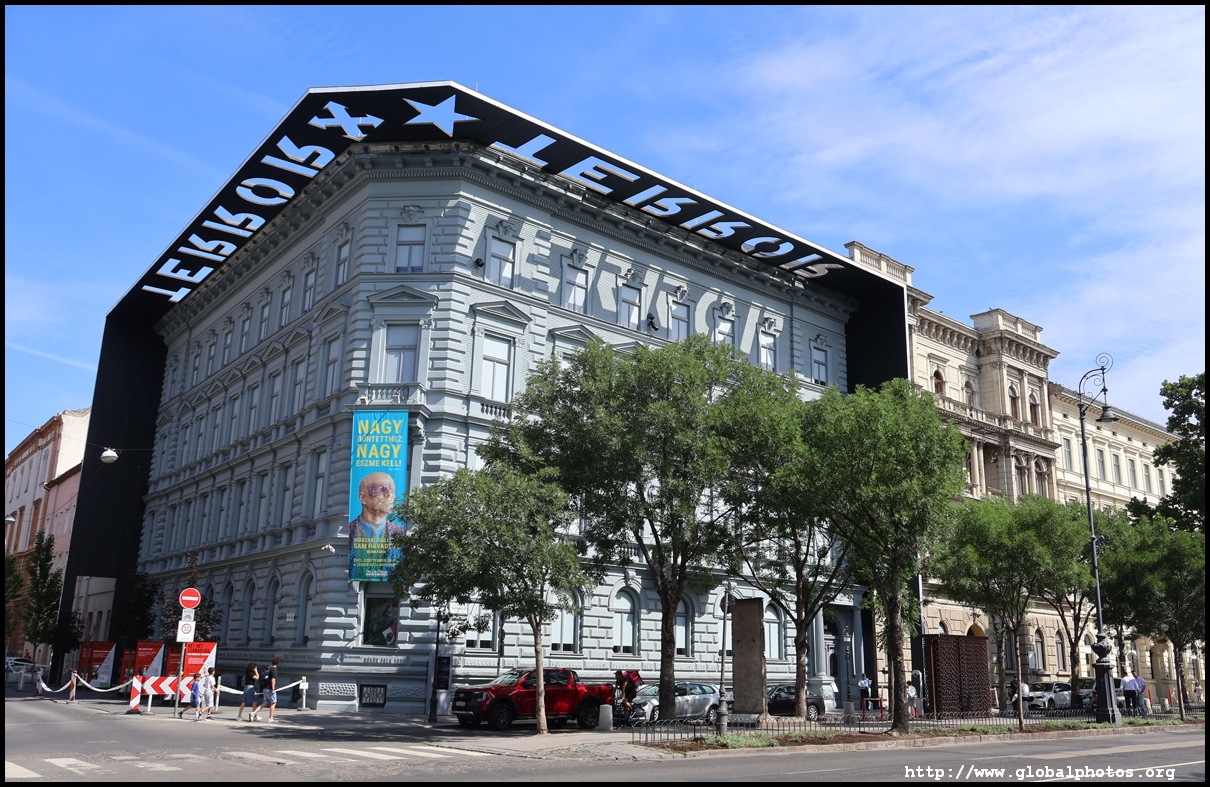
The building at #60 has a roof ornament that projects the word "Terror" out. The House of Terror was previously the headquarters of the Nazi-supported Arrow Cross Party, followed by the secret police during the Communist era. It is a sombre piece of history as people were once tortured and murdered here.
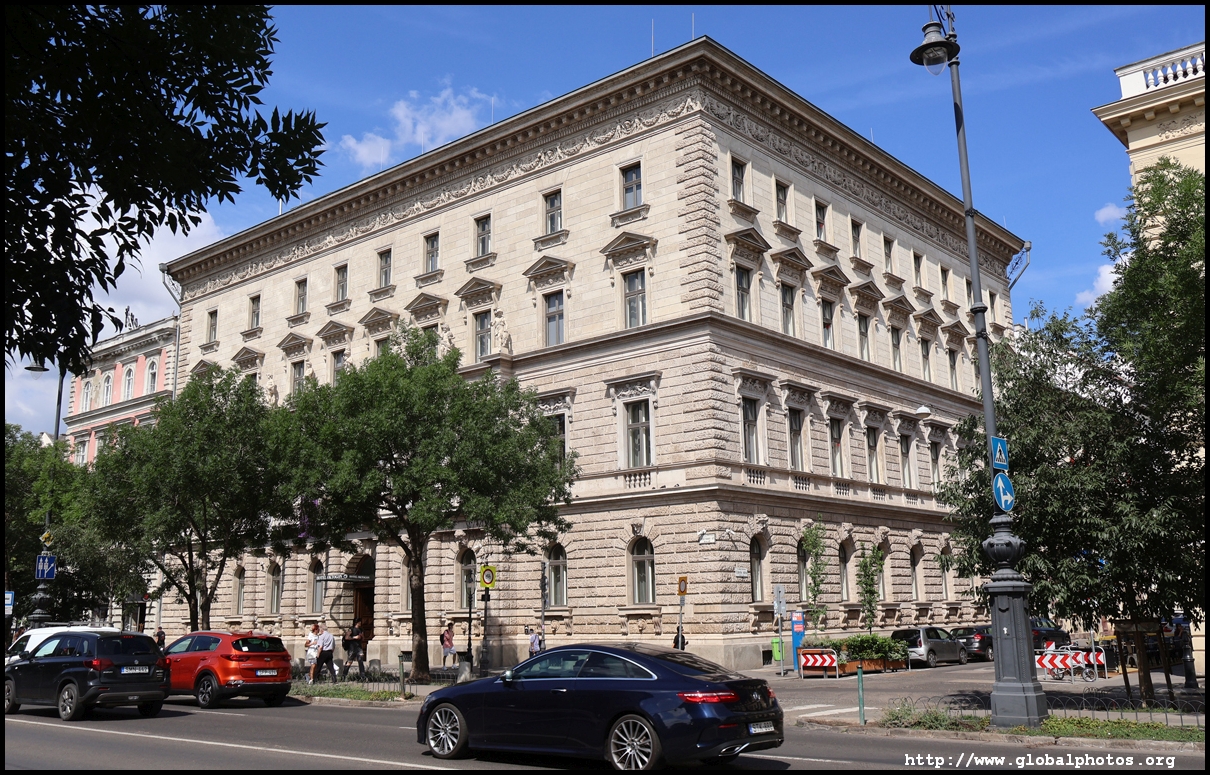
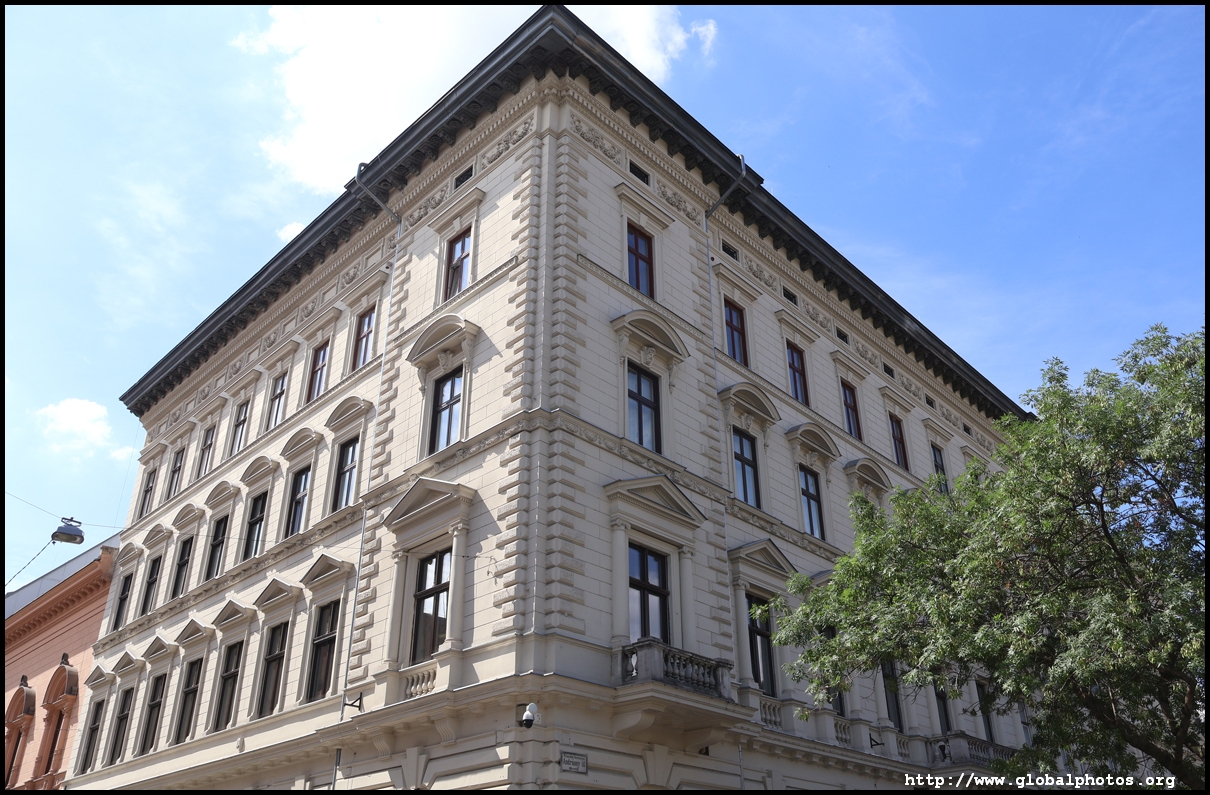
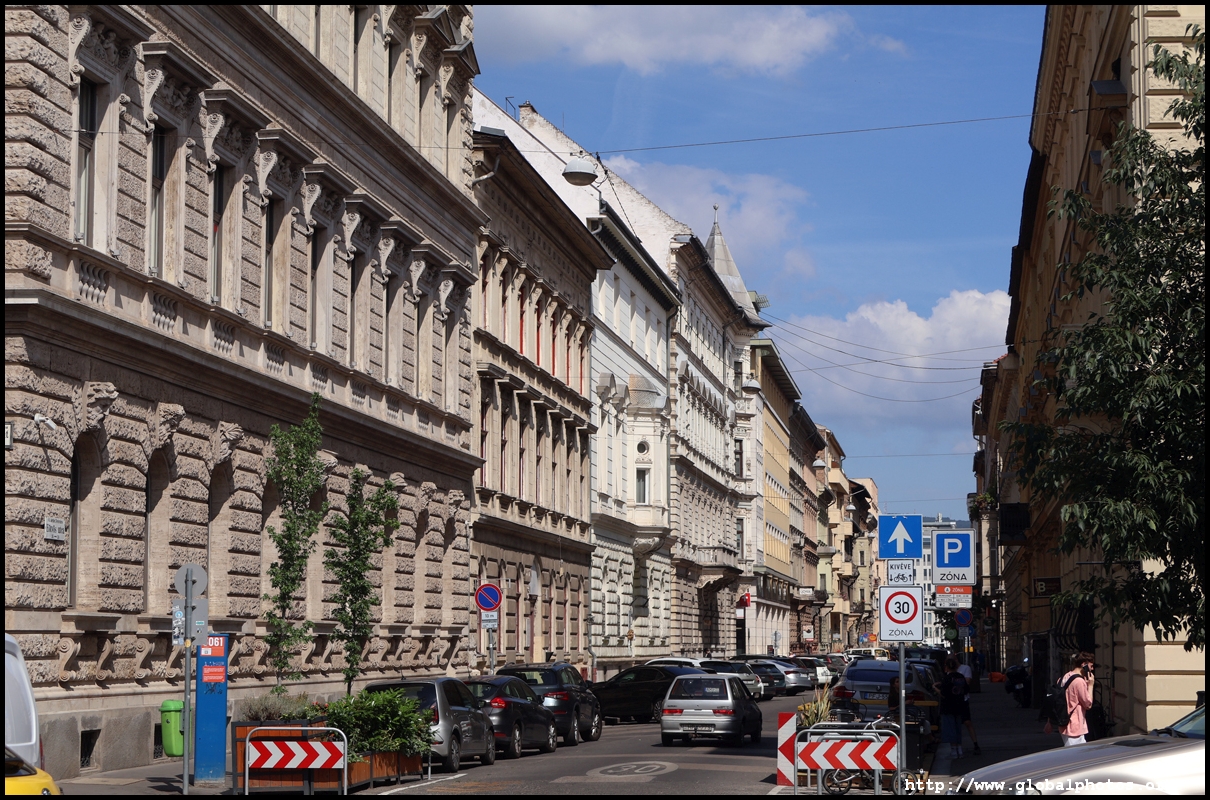
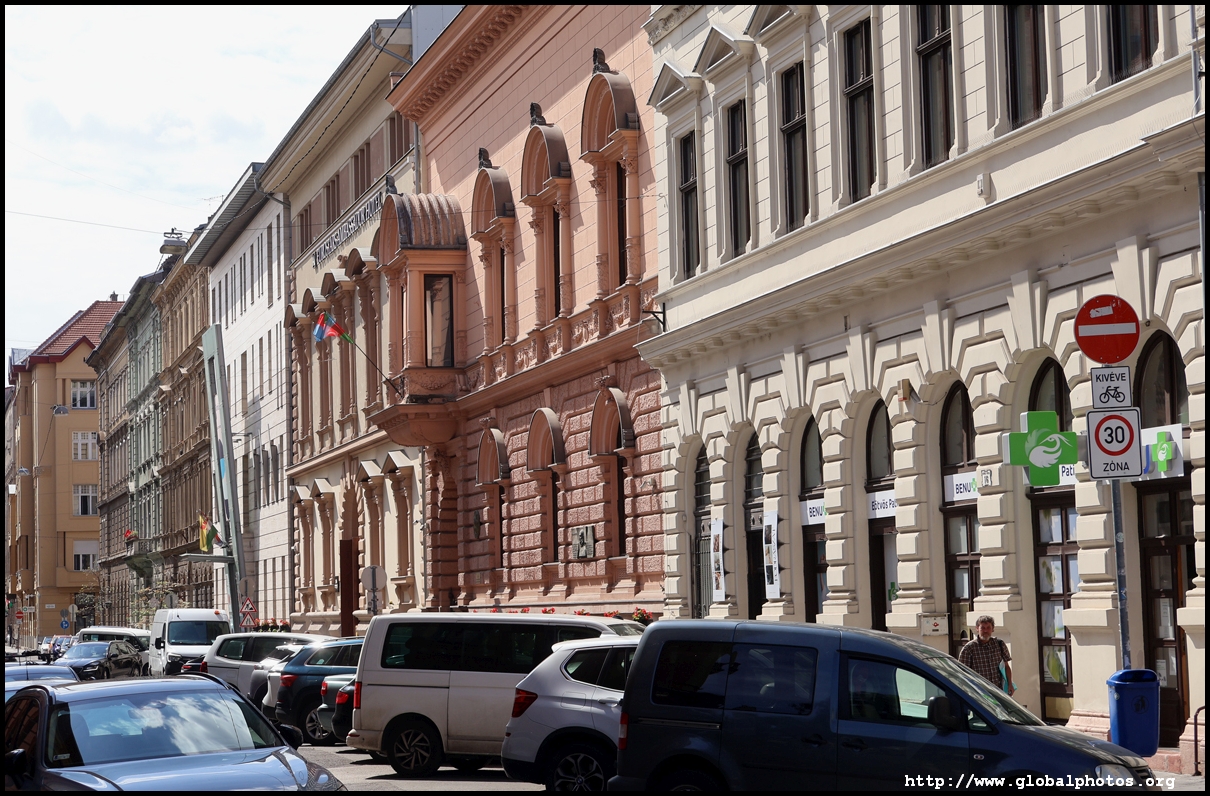
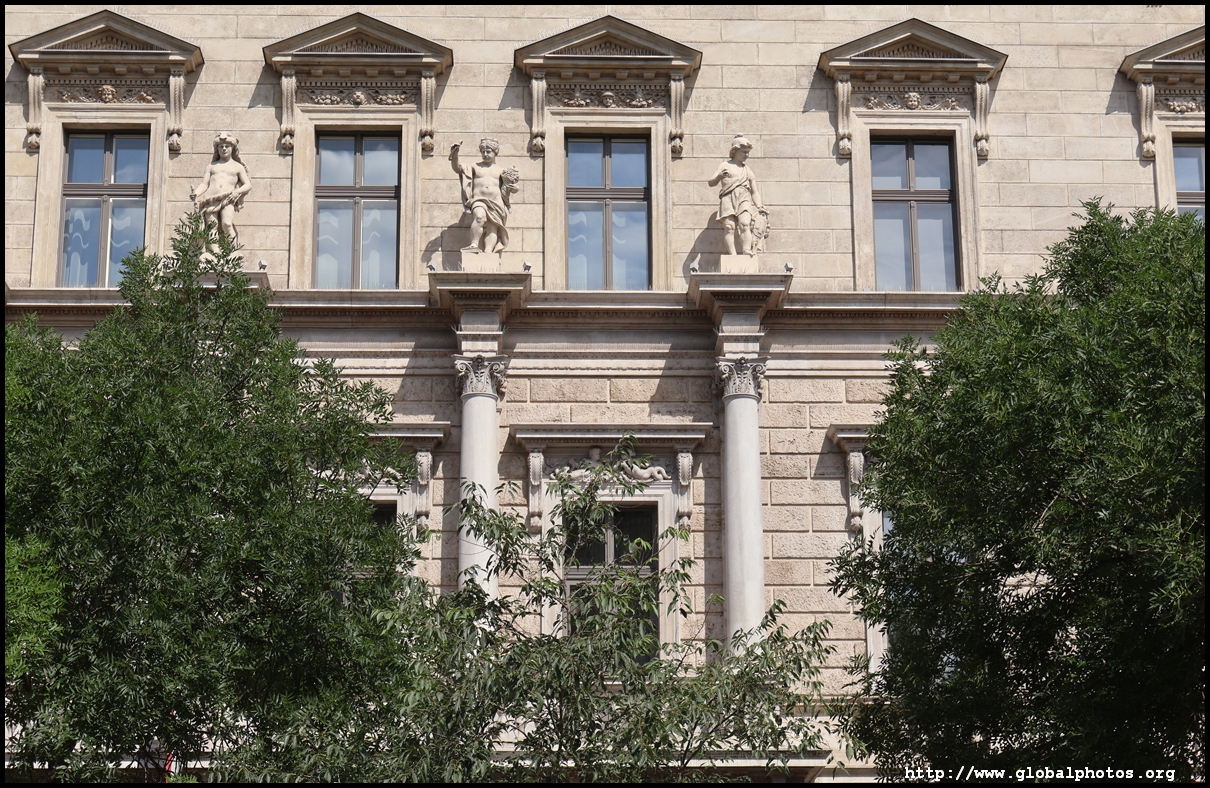
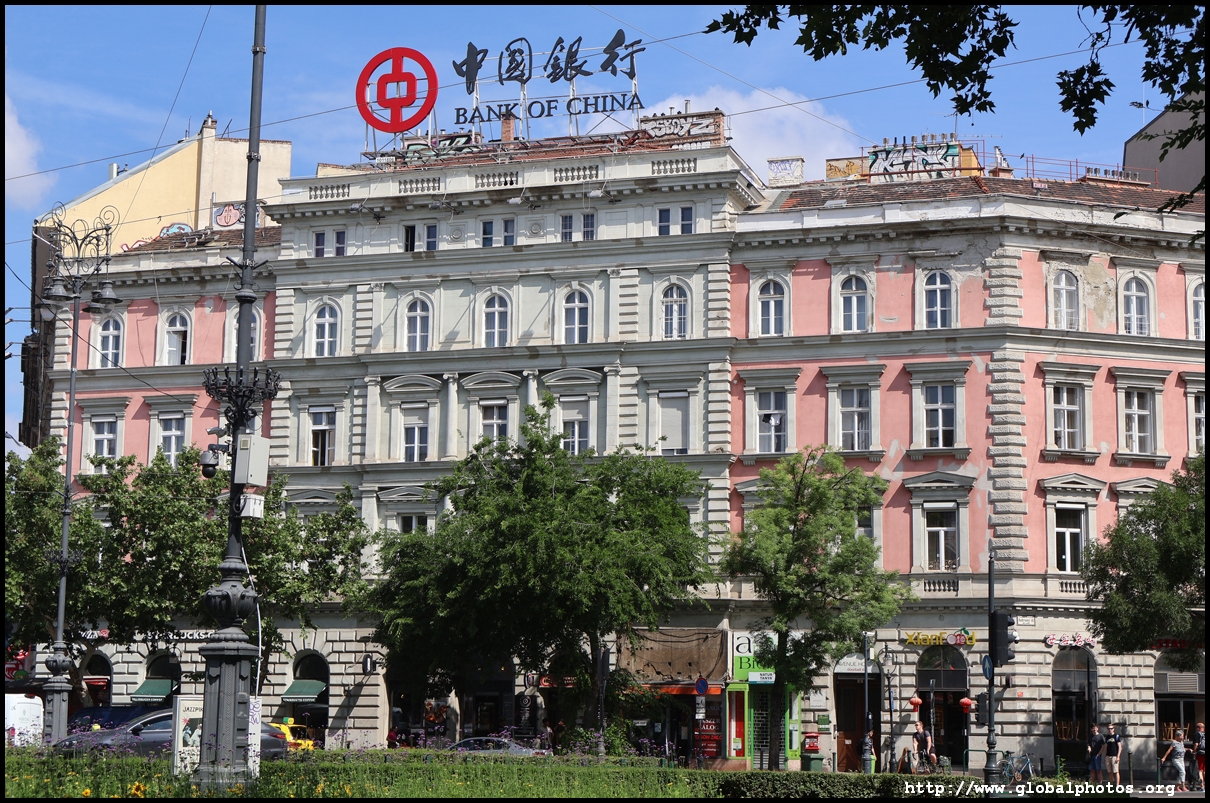
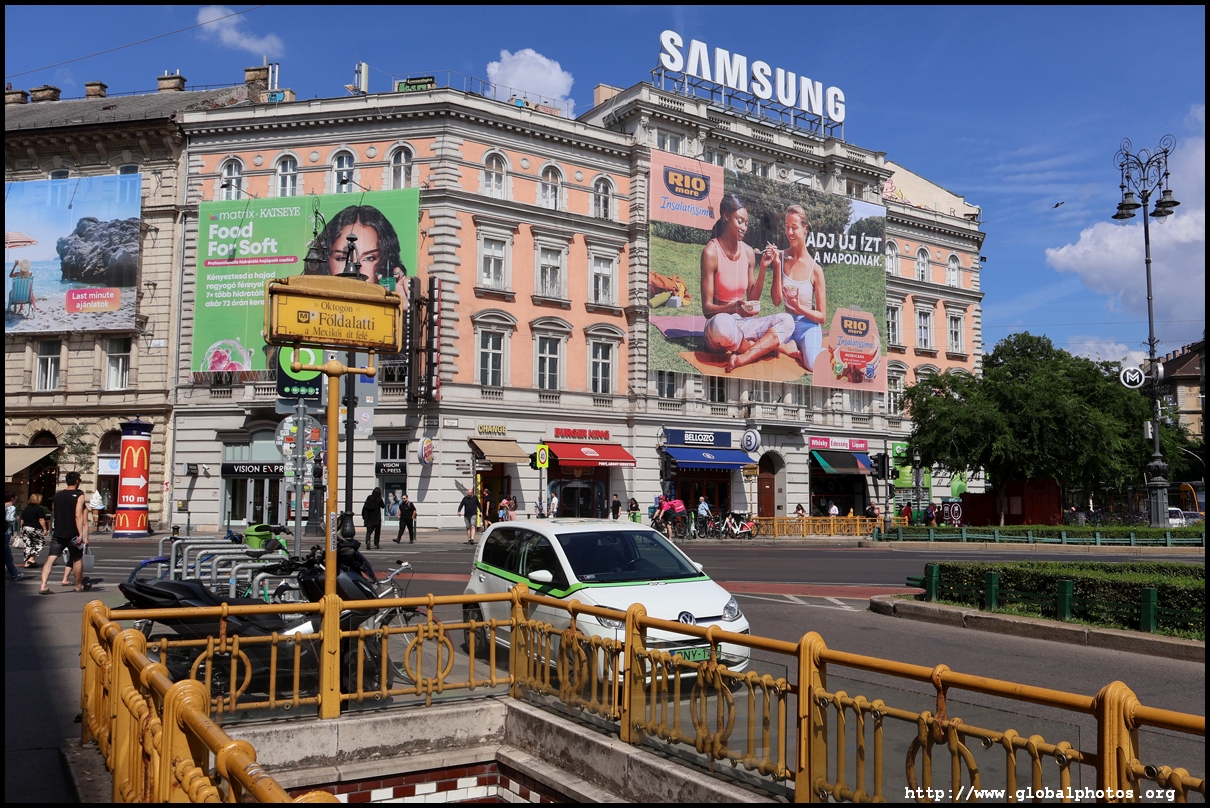
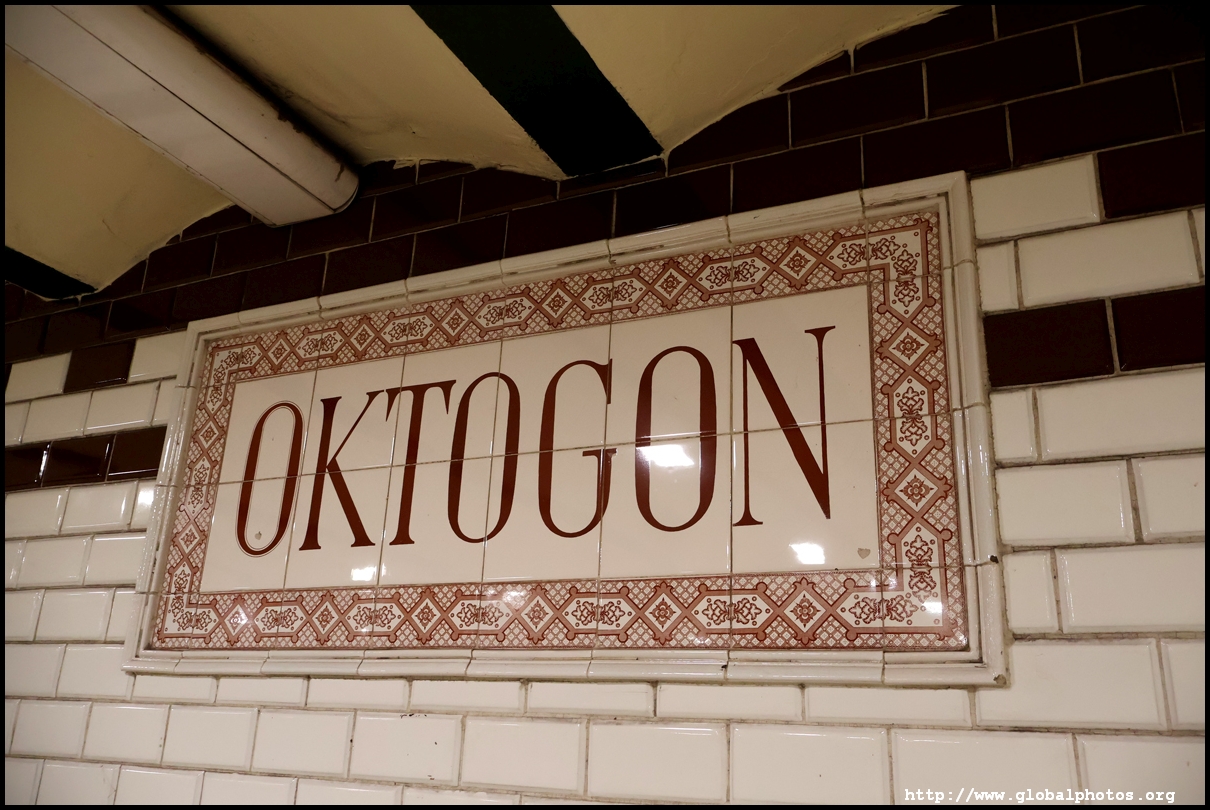
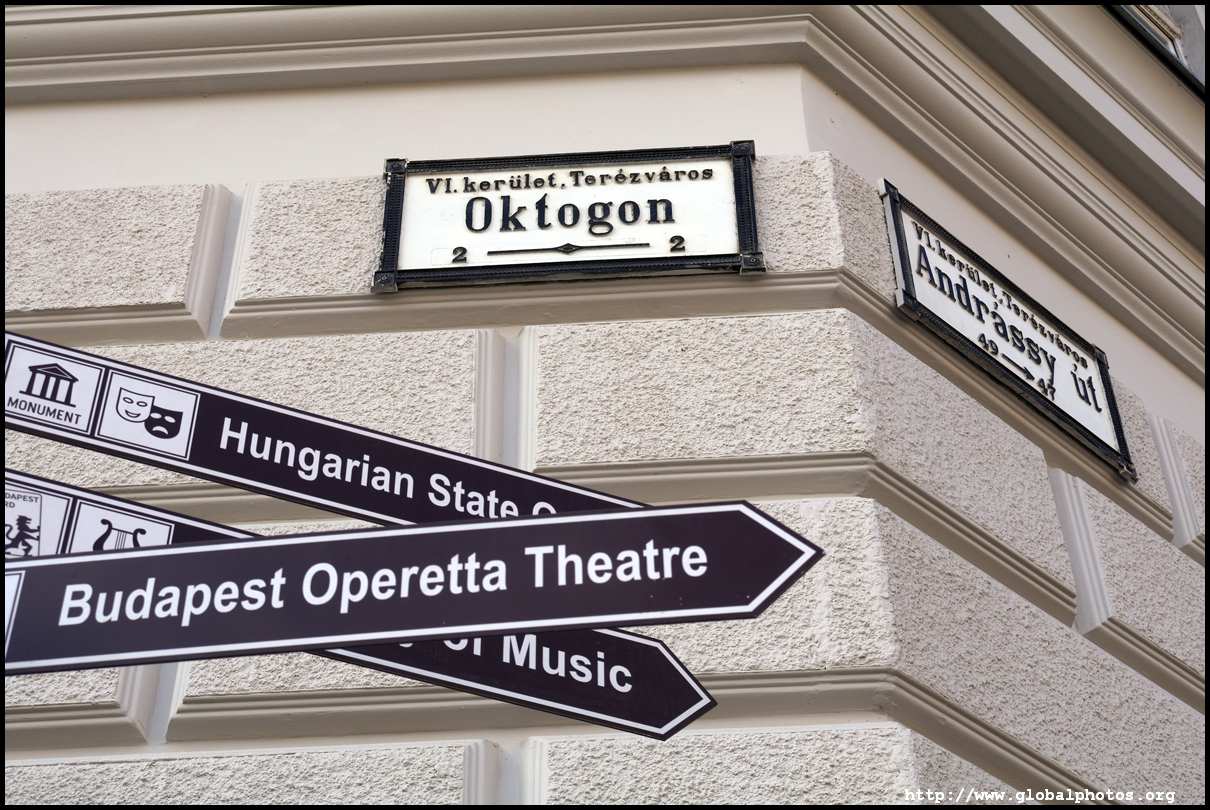
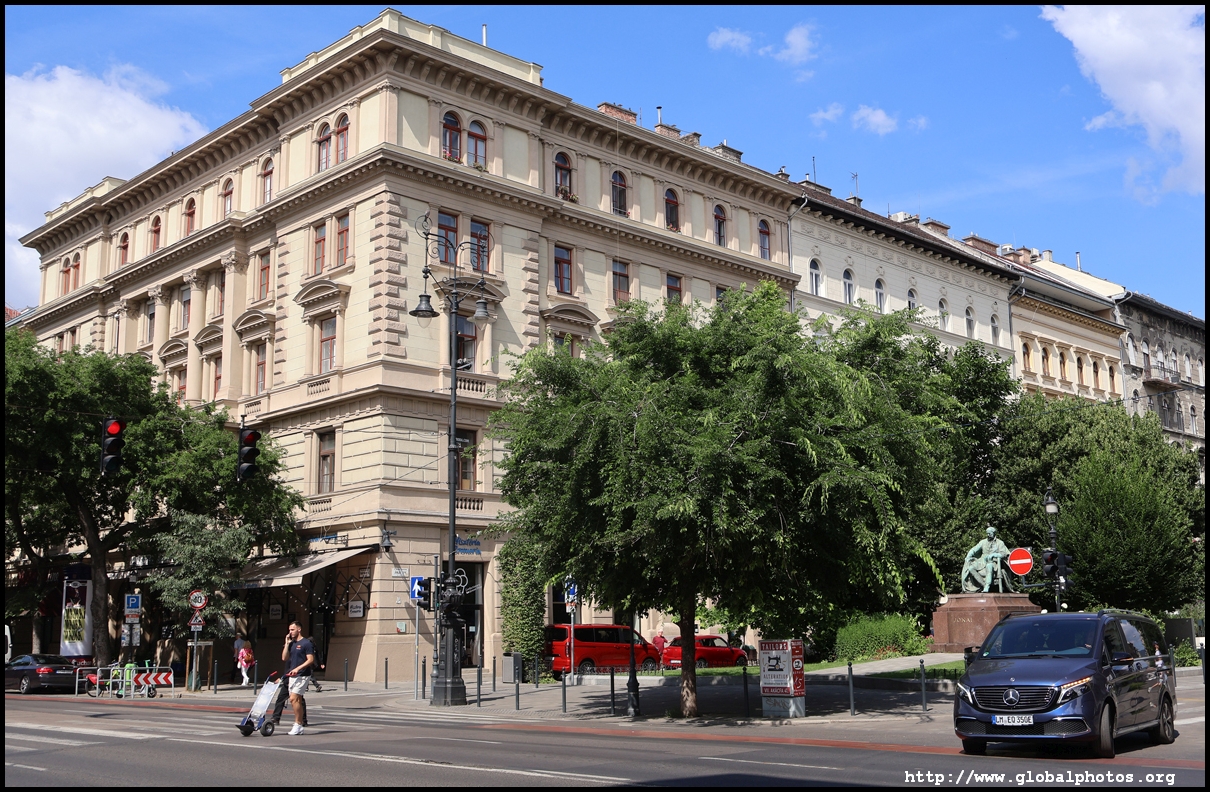
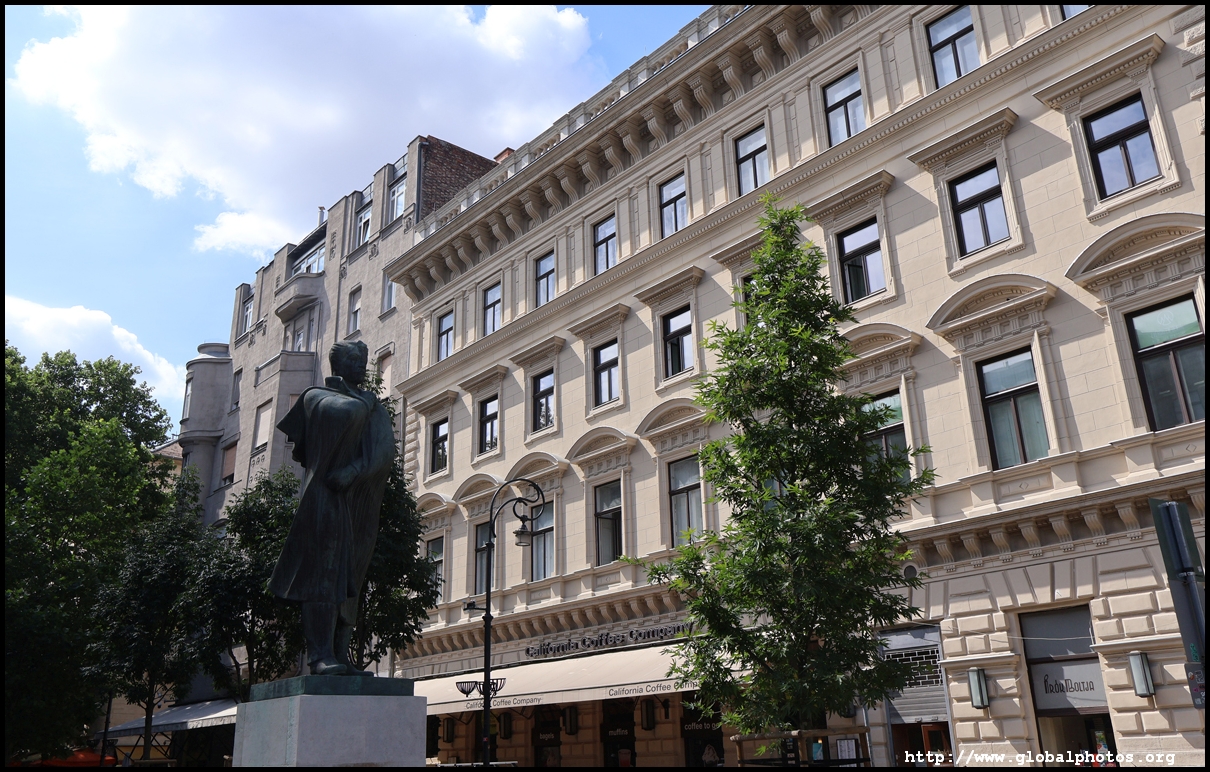
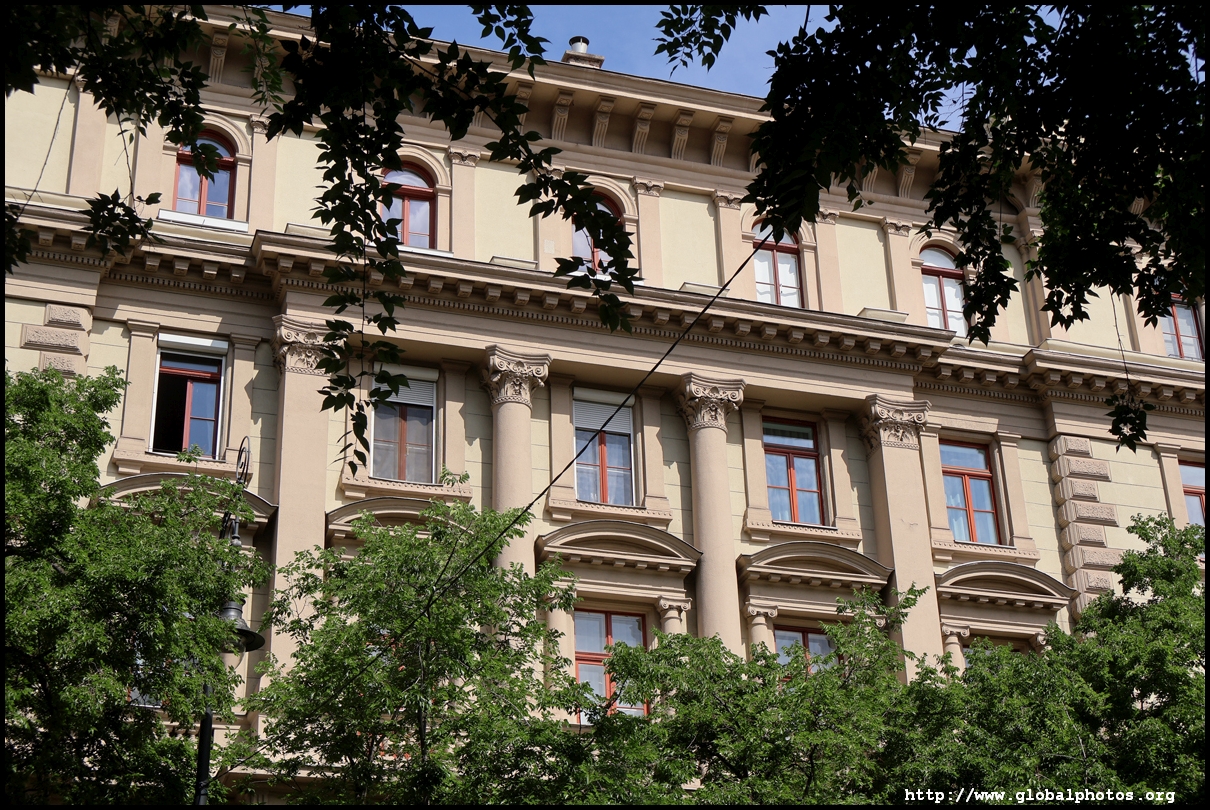
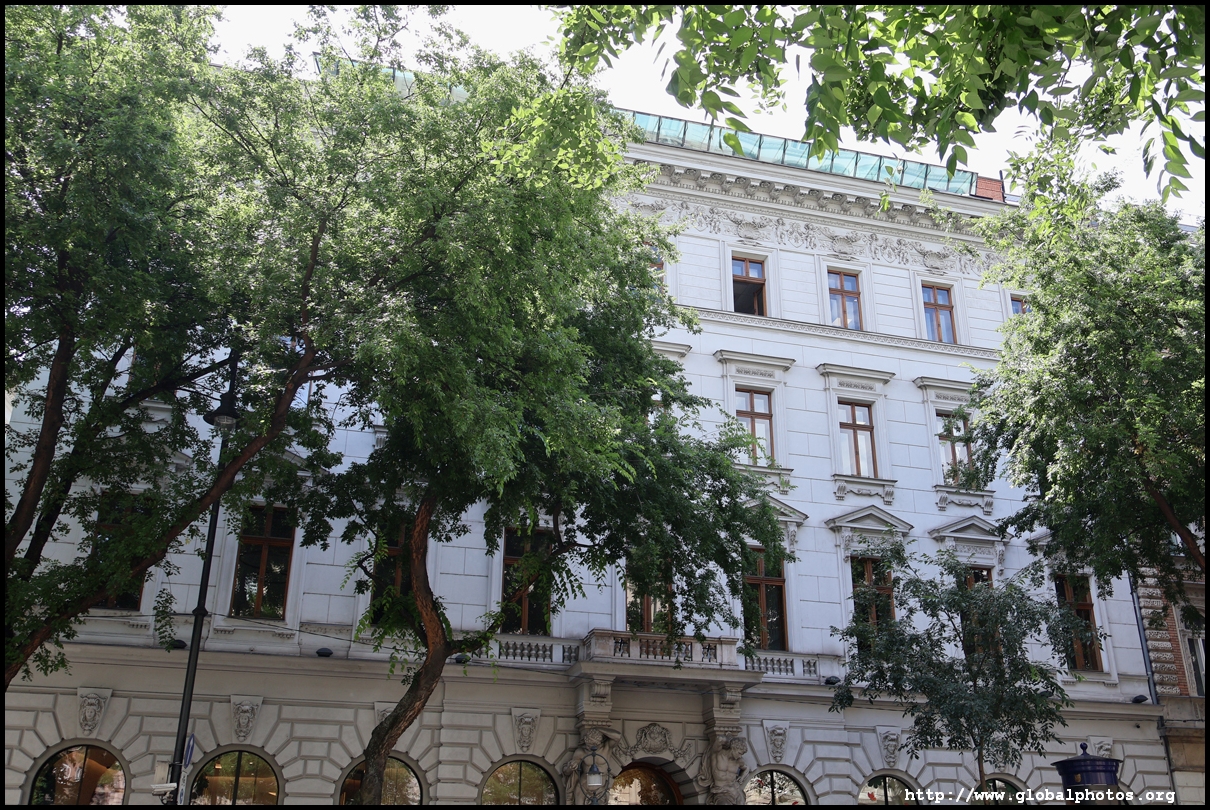
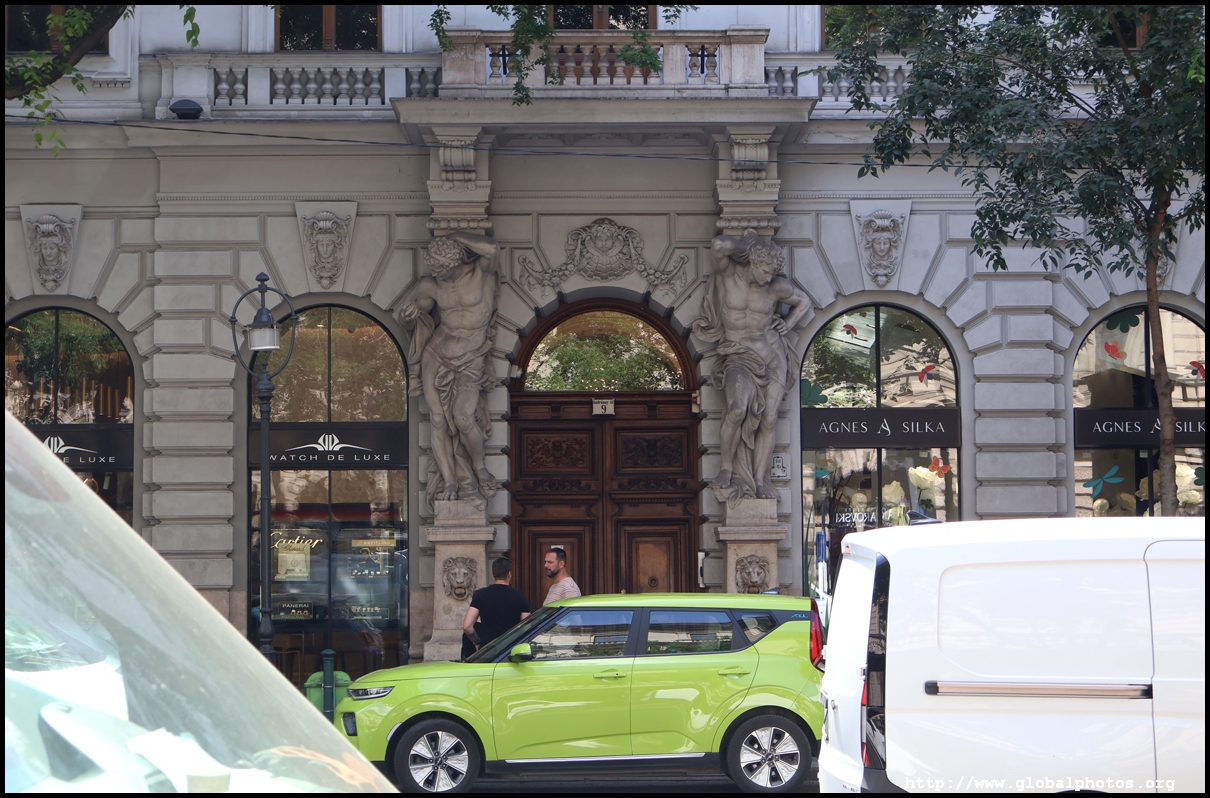
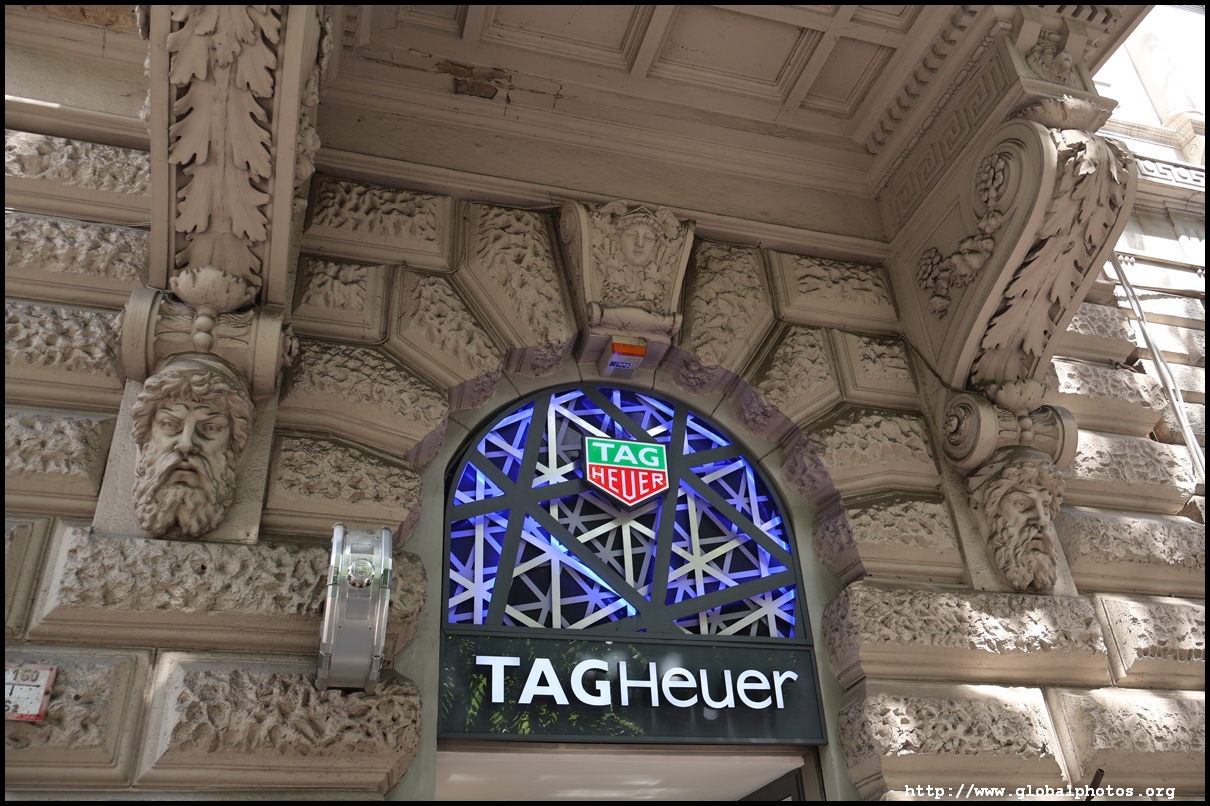
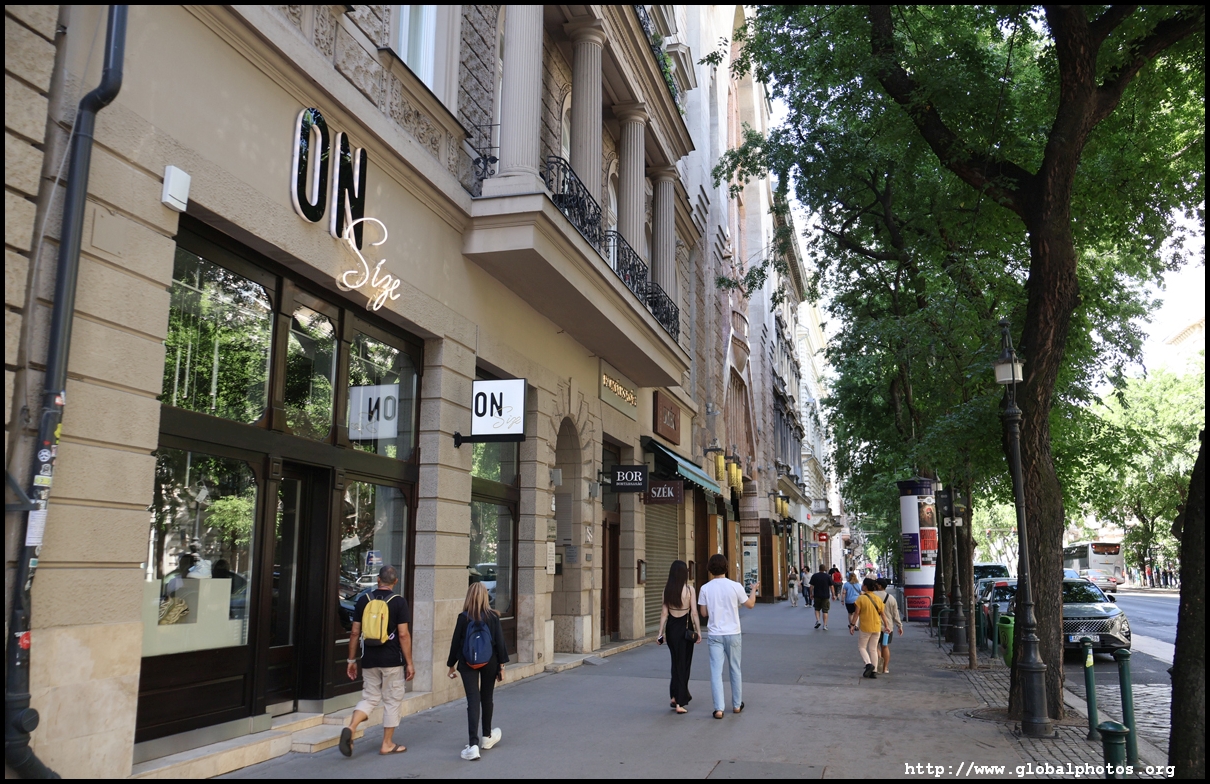
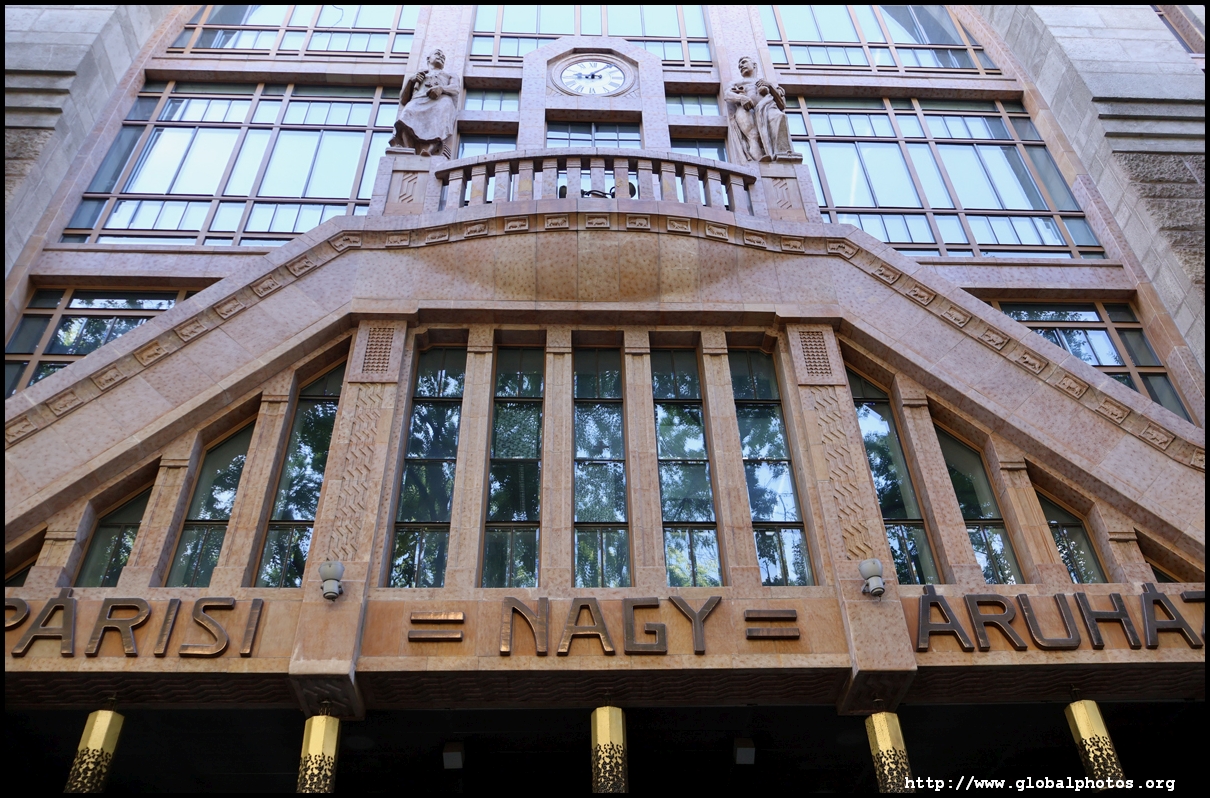
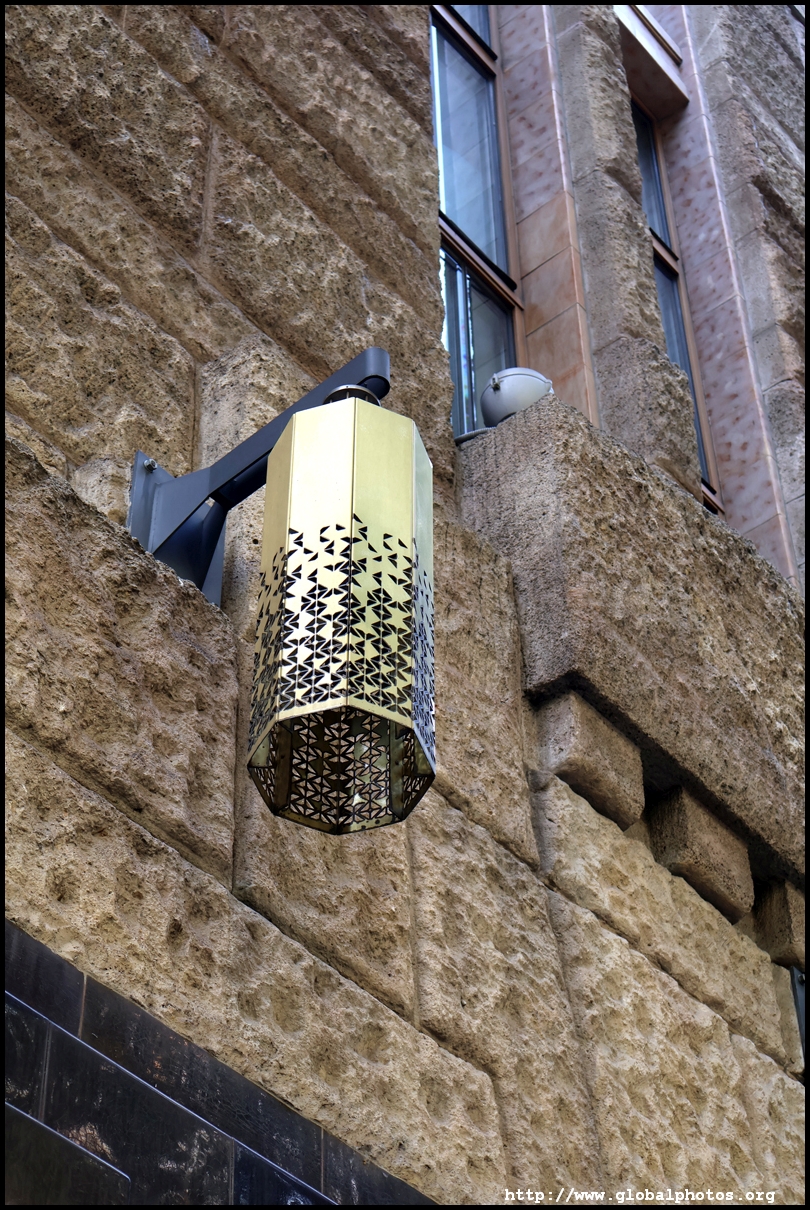
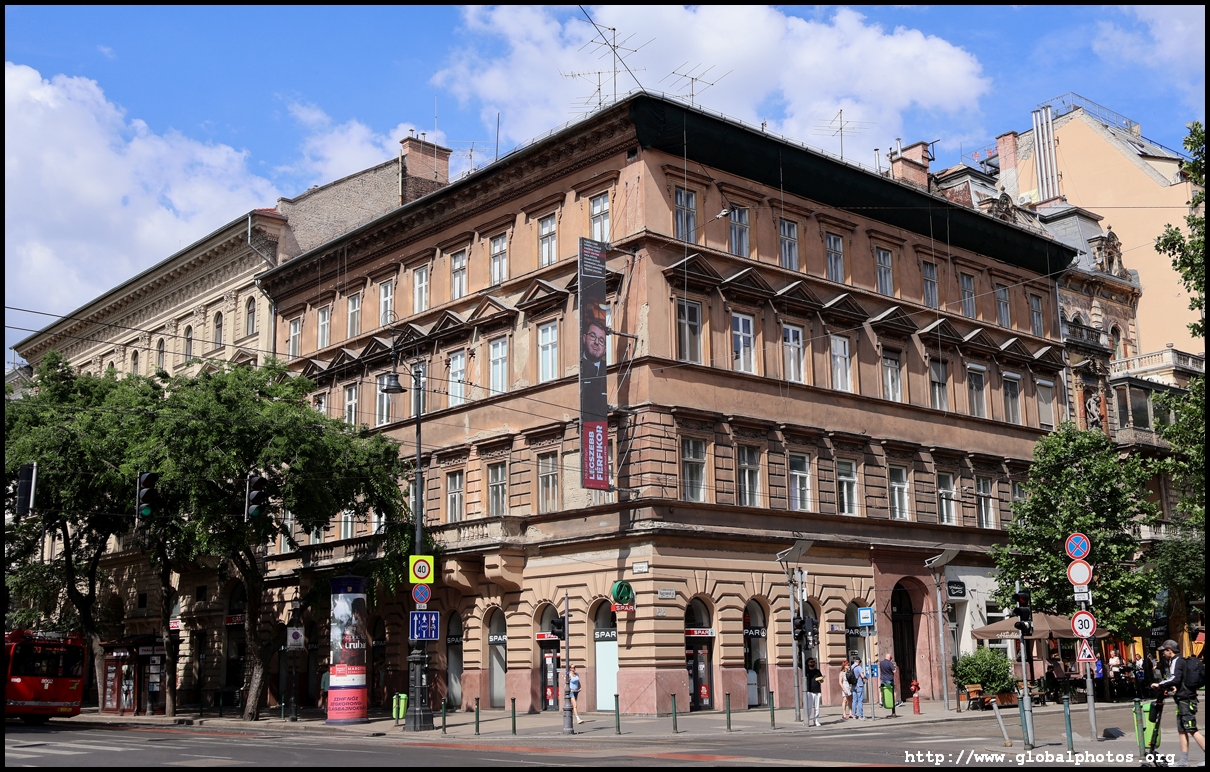
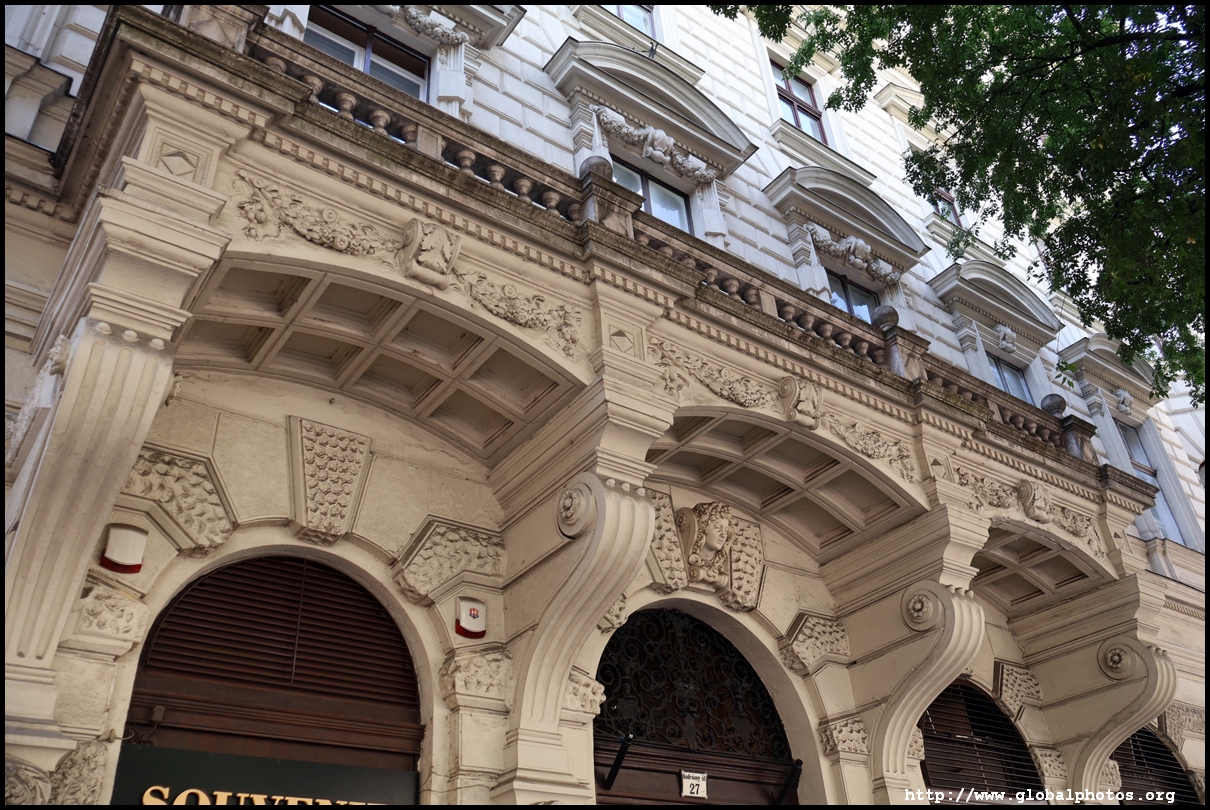
Approaching the opera house, luxury retailers dominate the street-level shops and the sidewalks are well shaded by the greenery. Of particular interest is the Paris Department store, which opened in 1911 with Art Deco and Art Nouveau architectural styles.
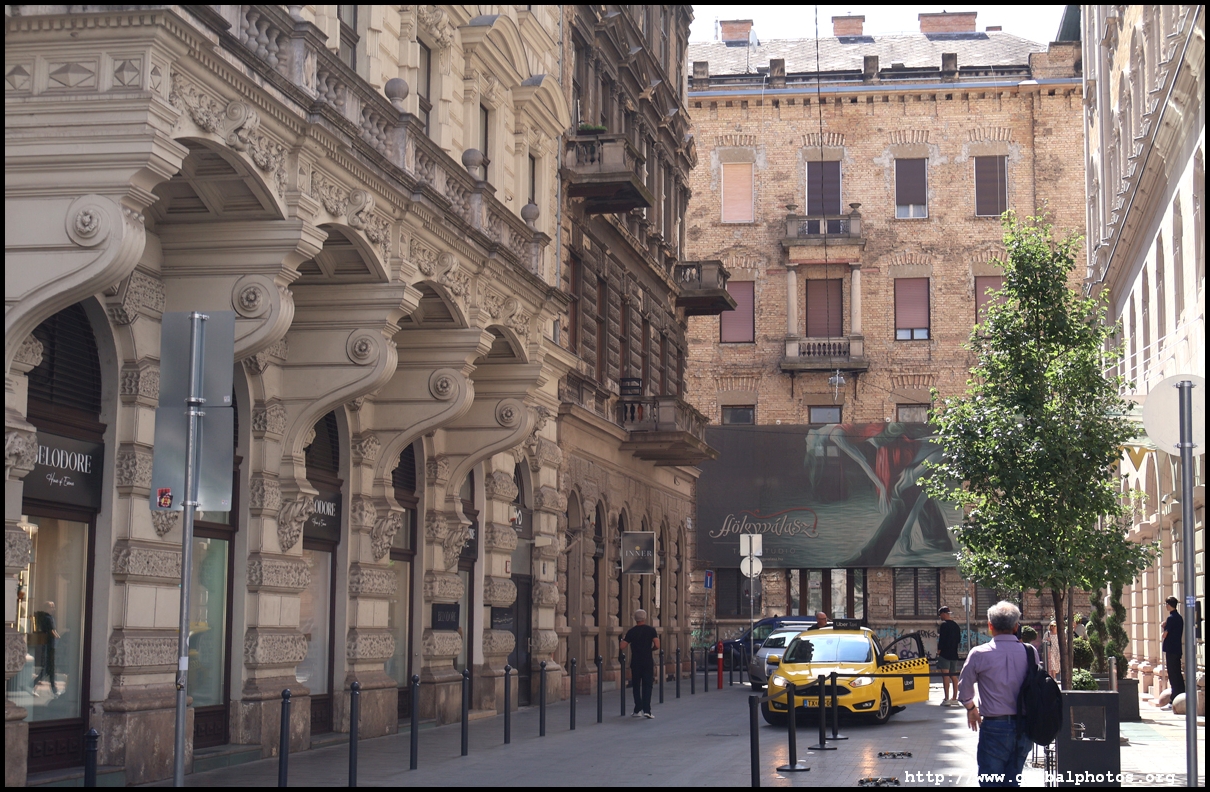
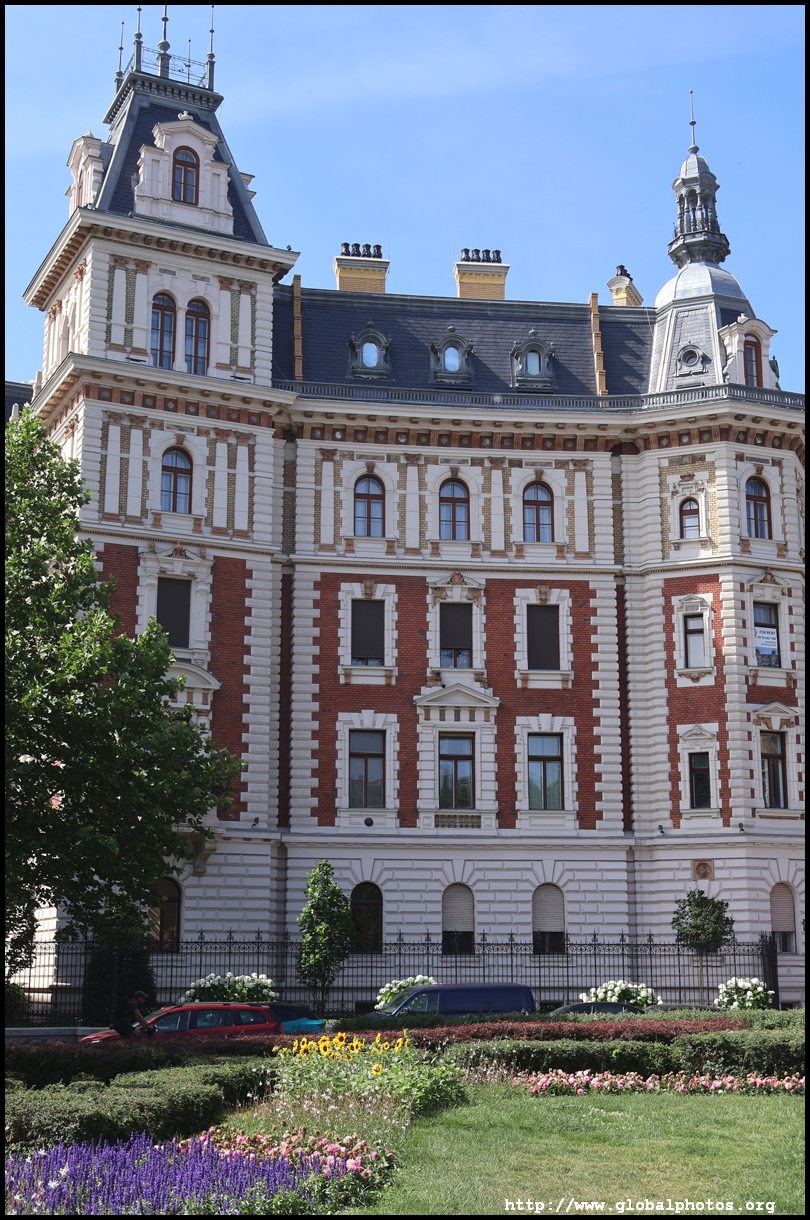
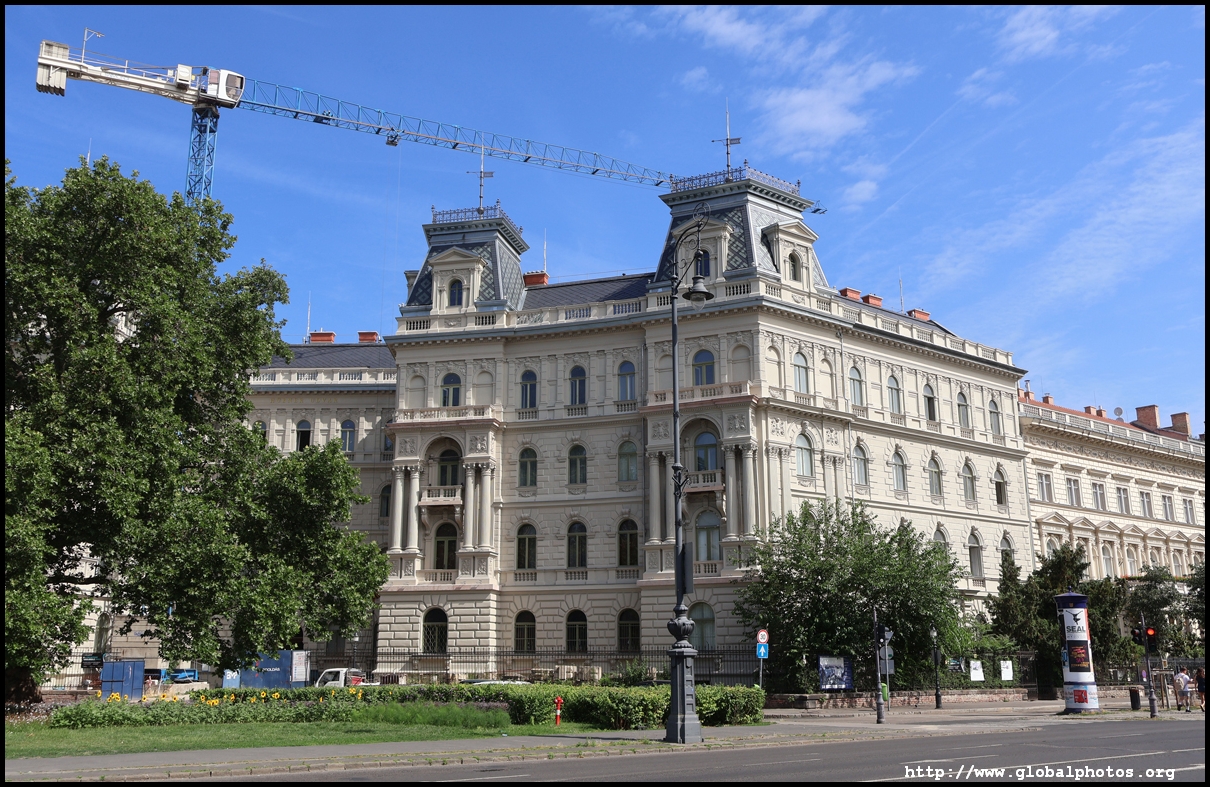
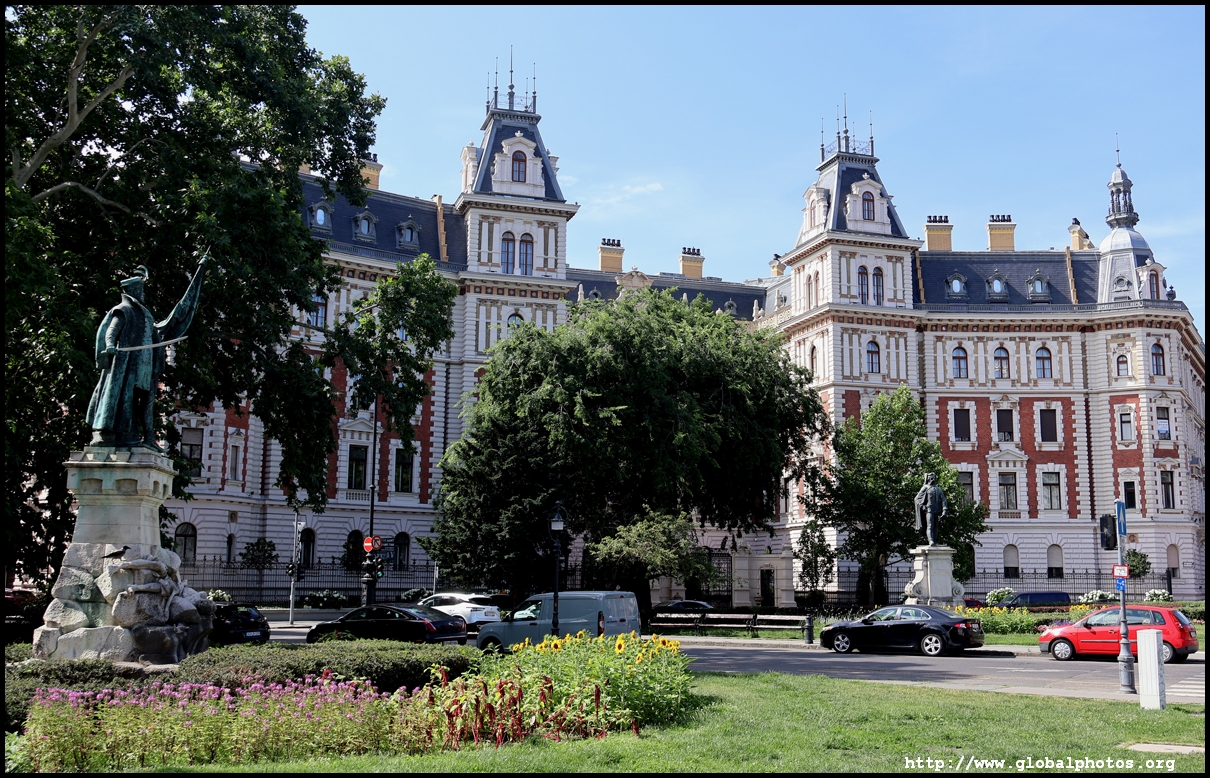
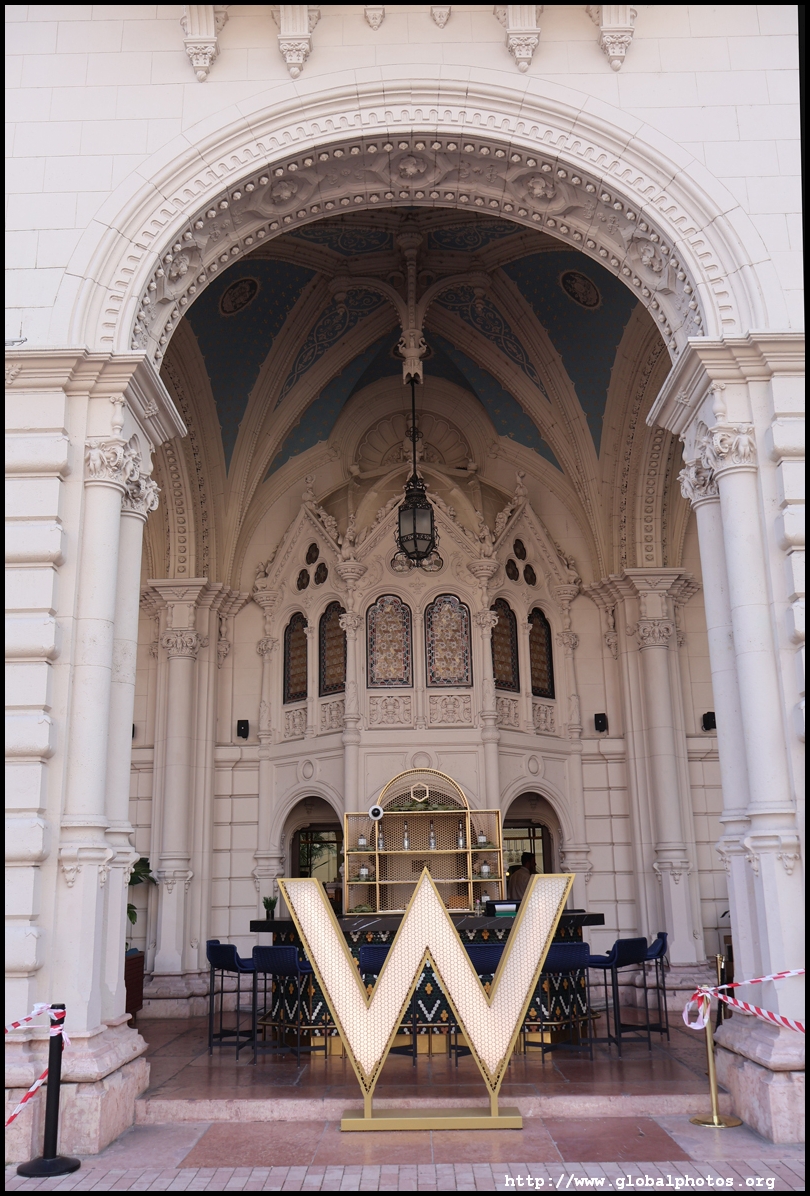
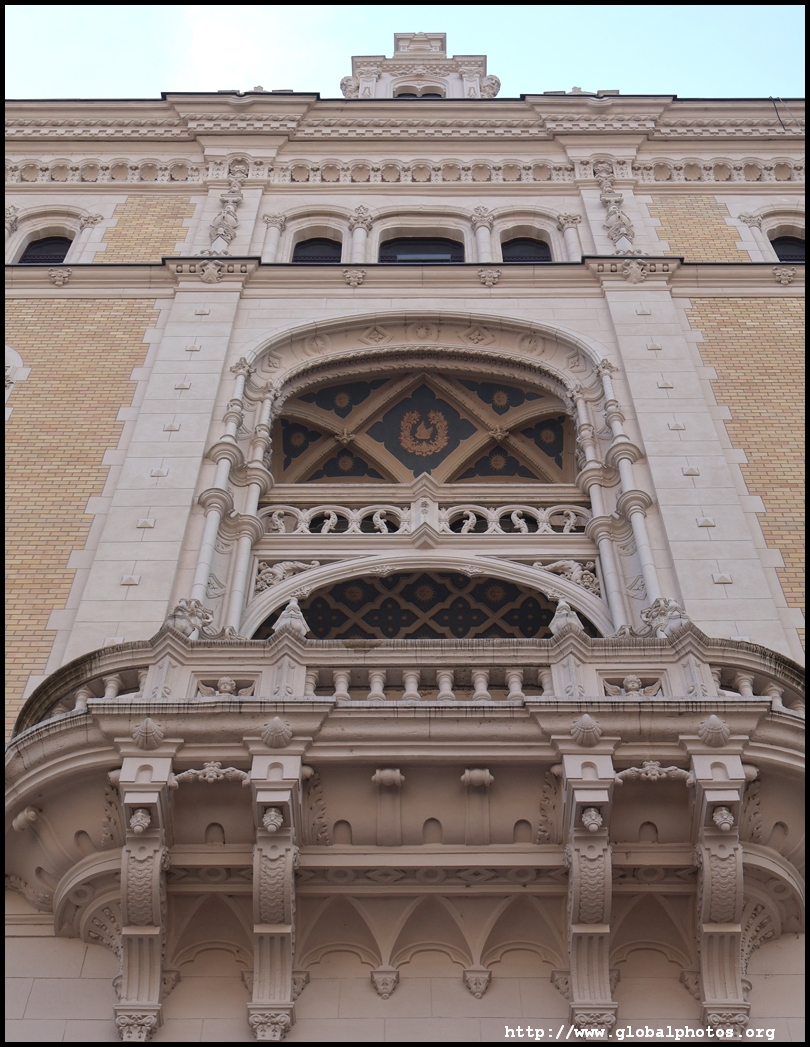
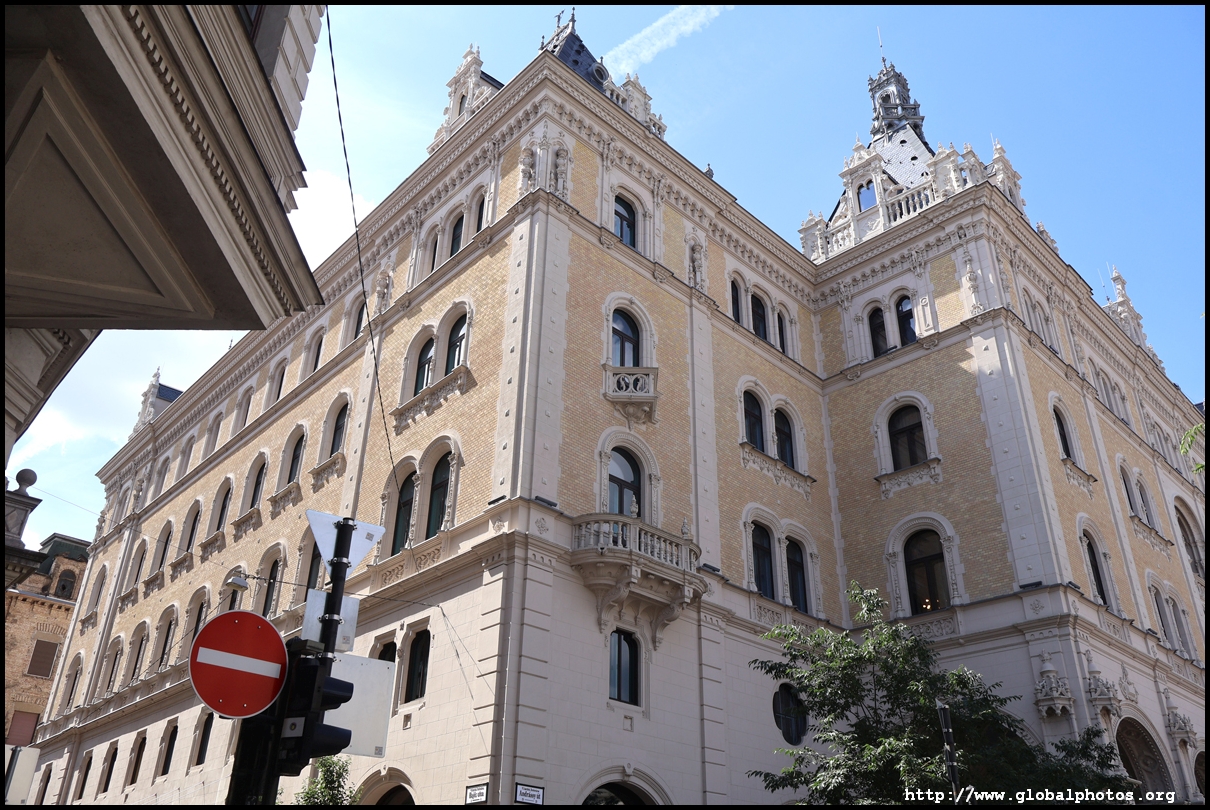
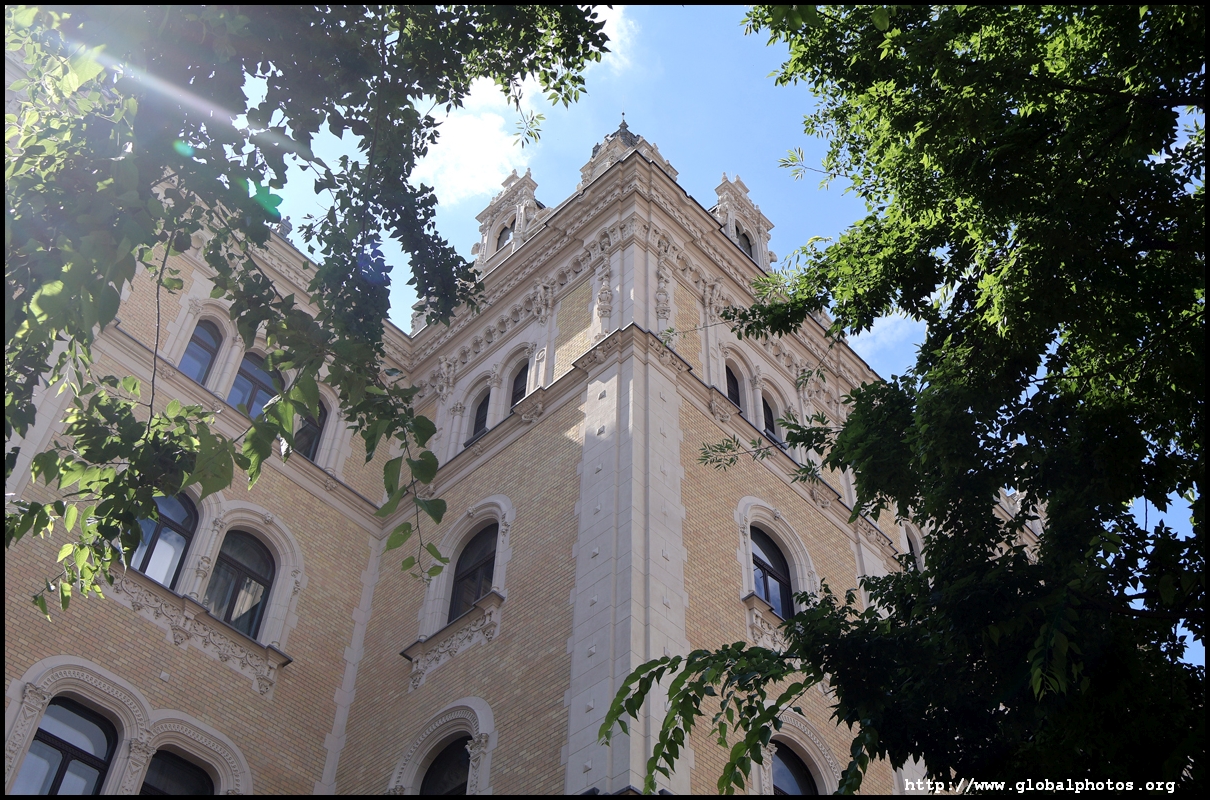
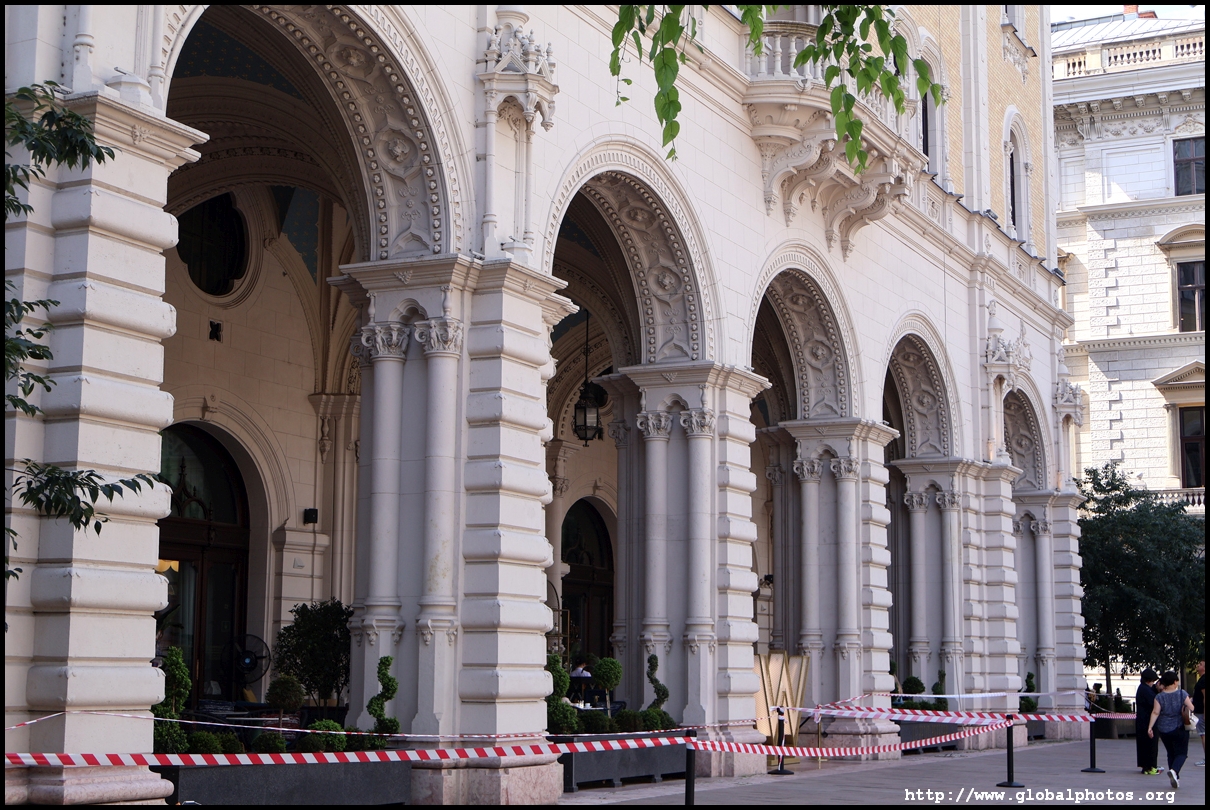
The W now occupies the Drechsler Palace, a neo-Gothic building from the 1880s that was originally a luxury apartment with a cafe. Over time, it also housed the National Balley Institute. Standing empty for some 15 years, the building was restored into a luxury hotel that opened in 2023.
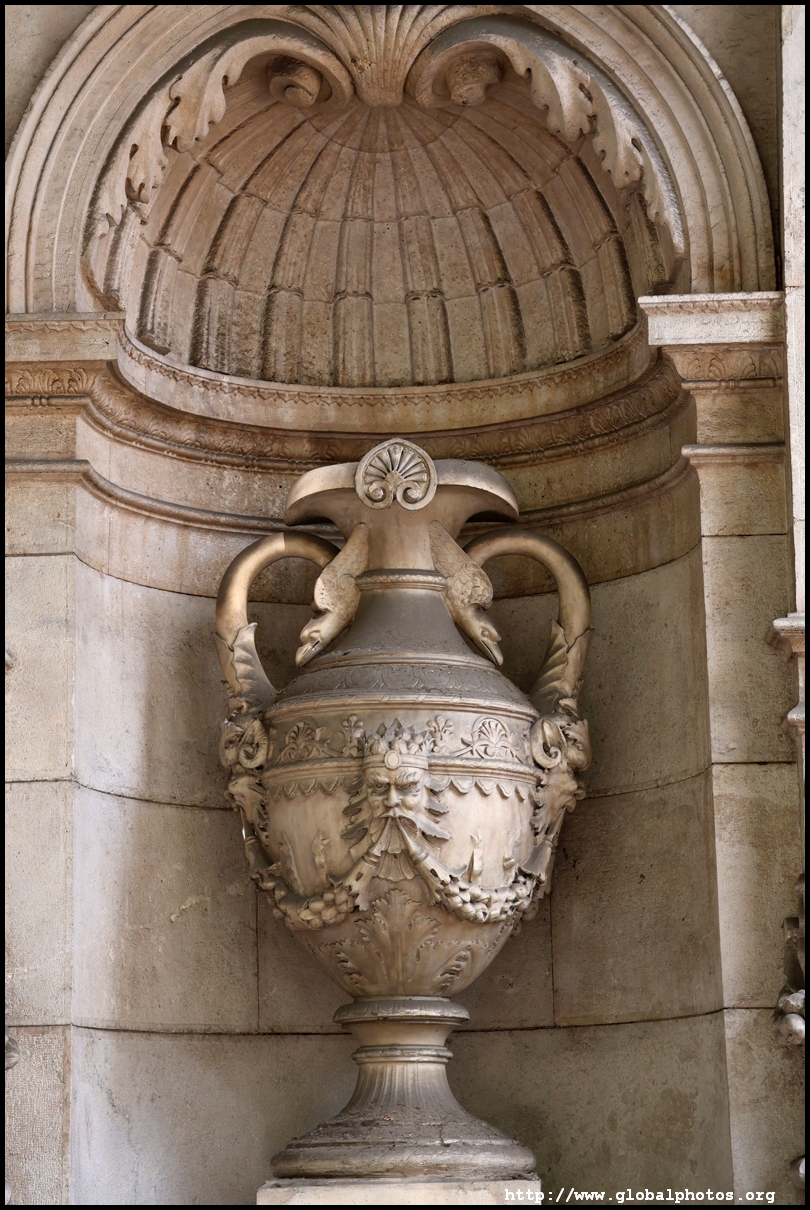
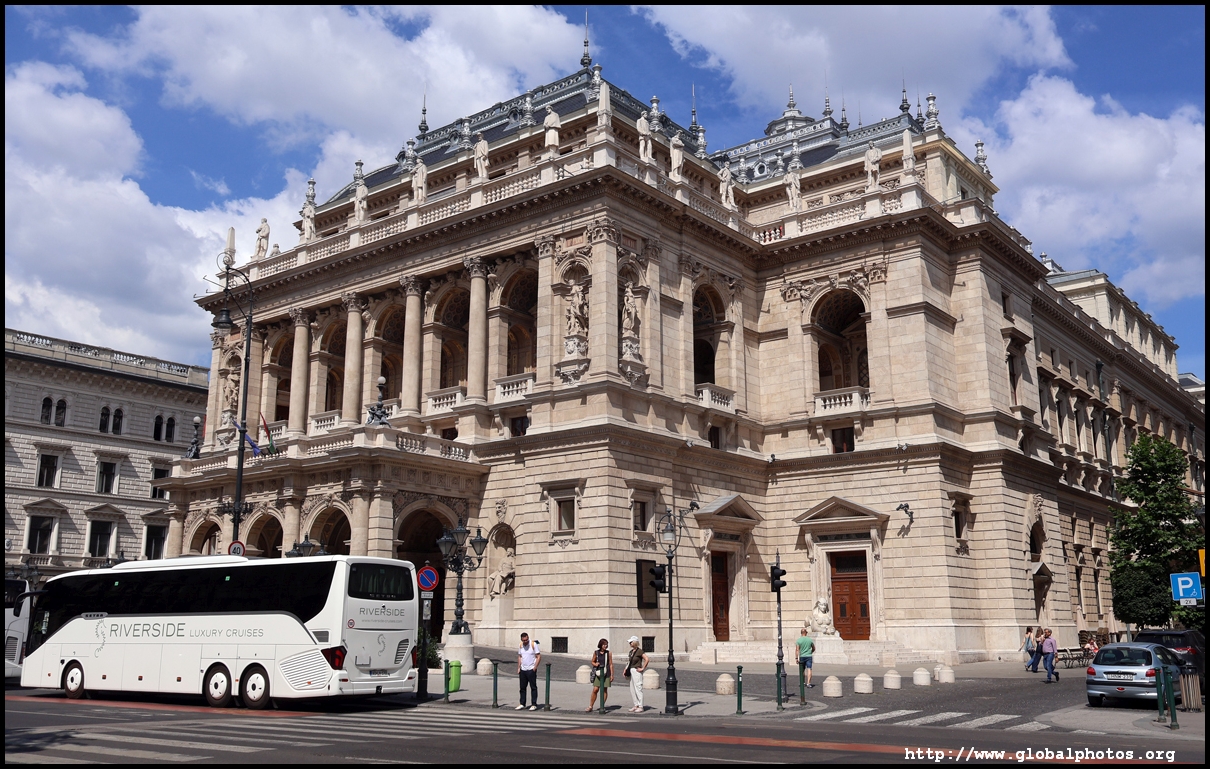
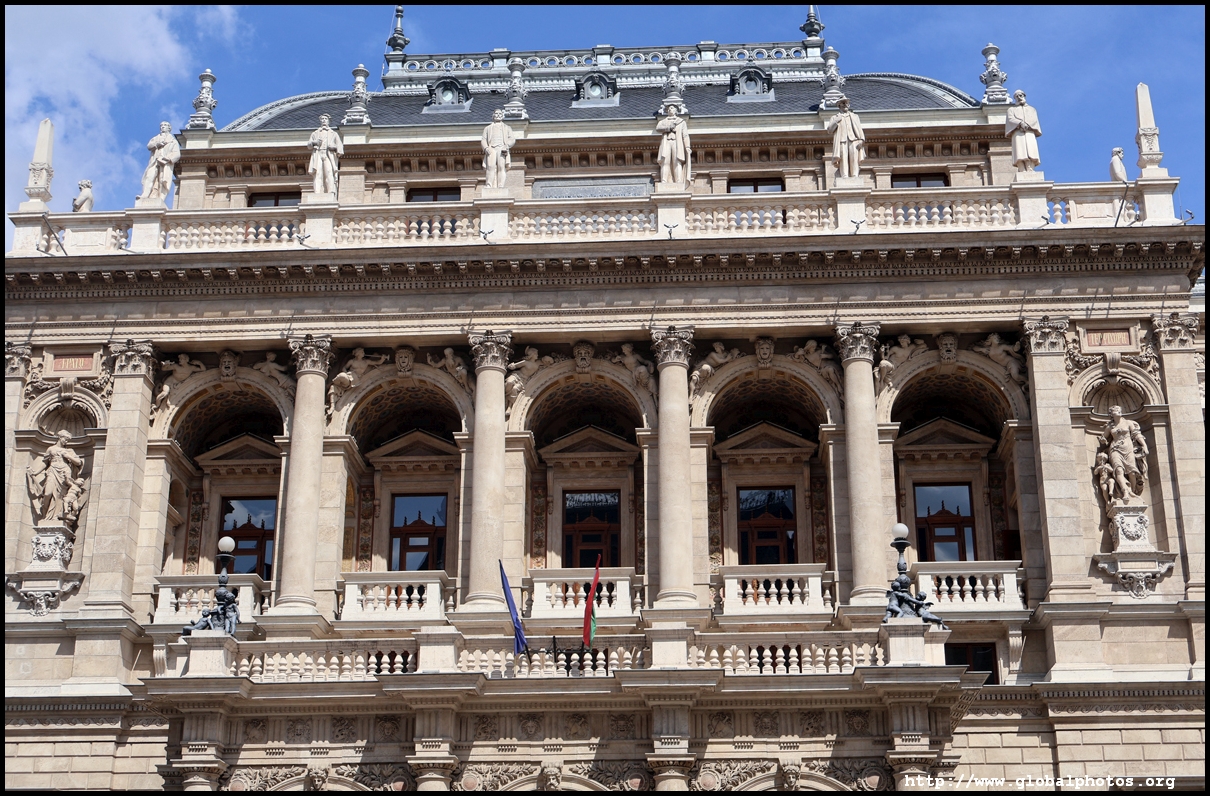
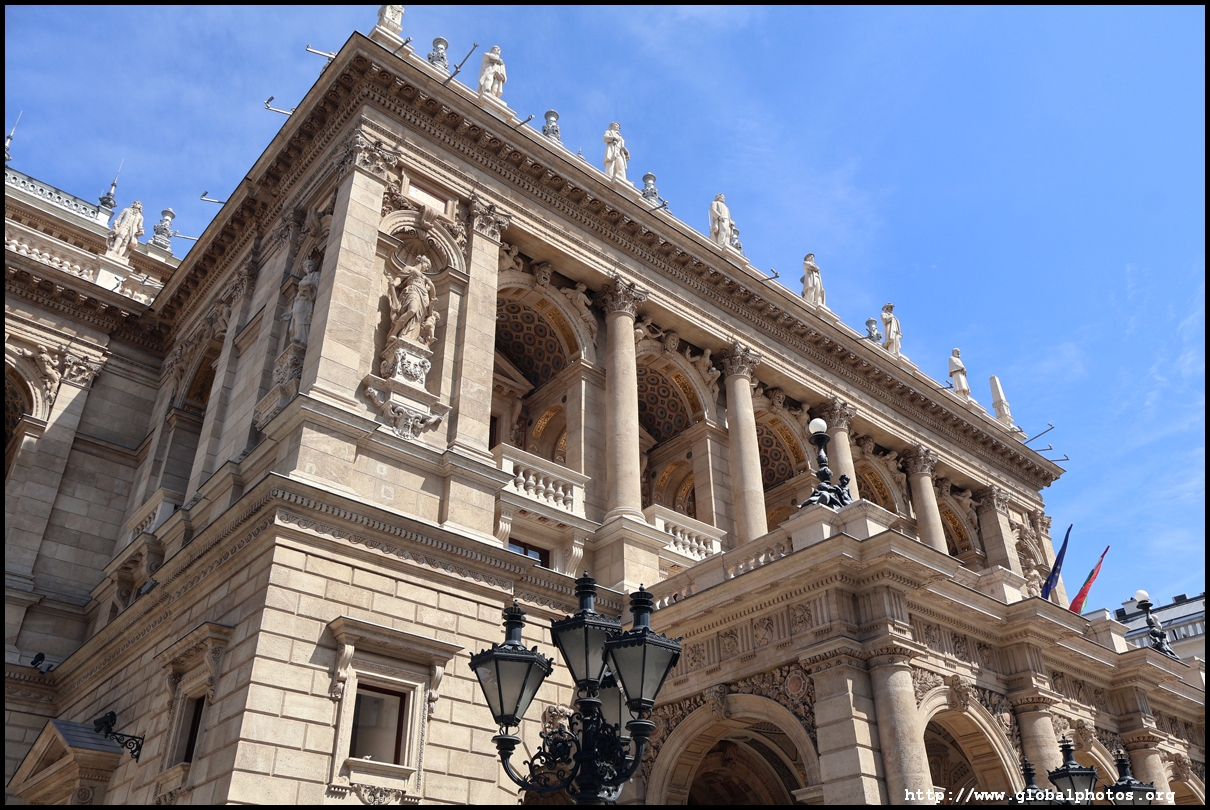
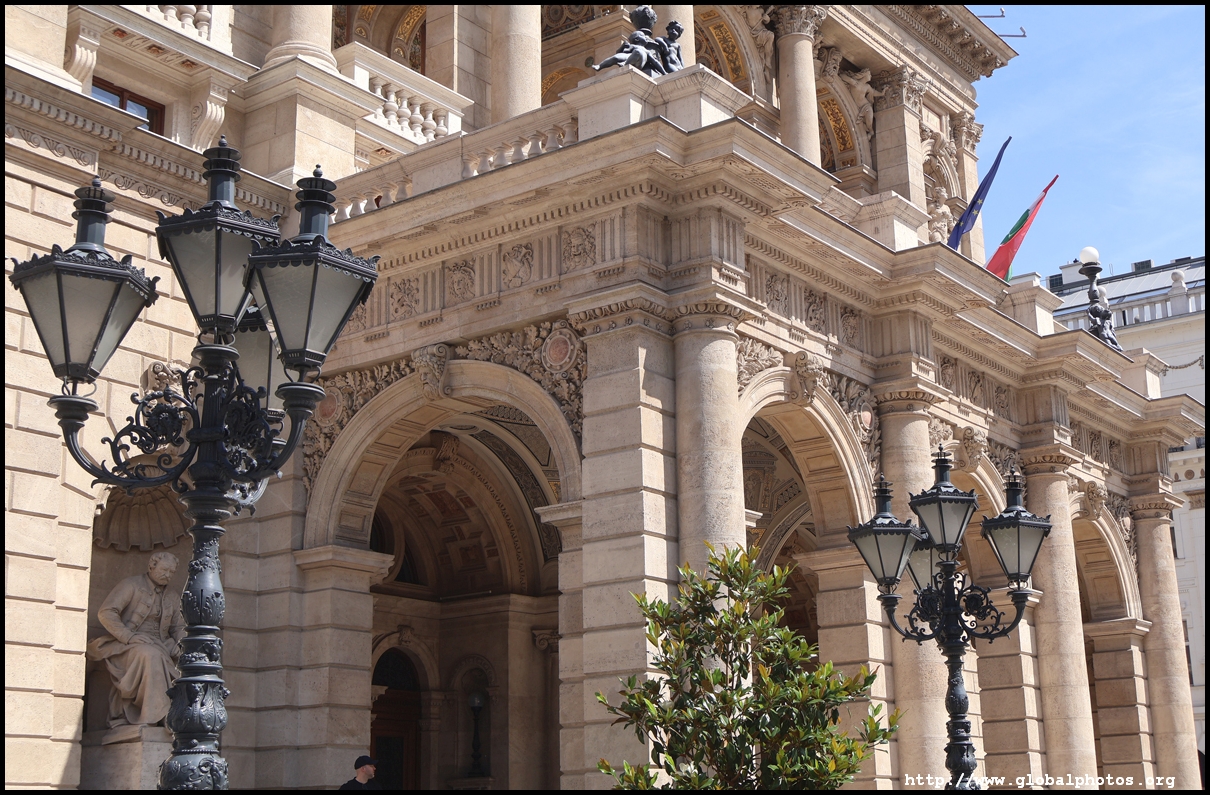
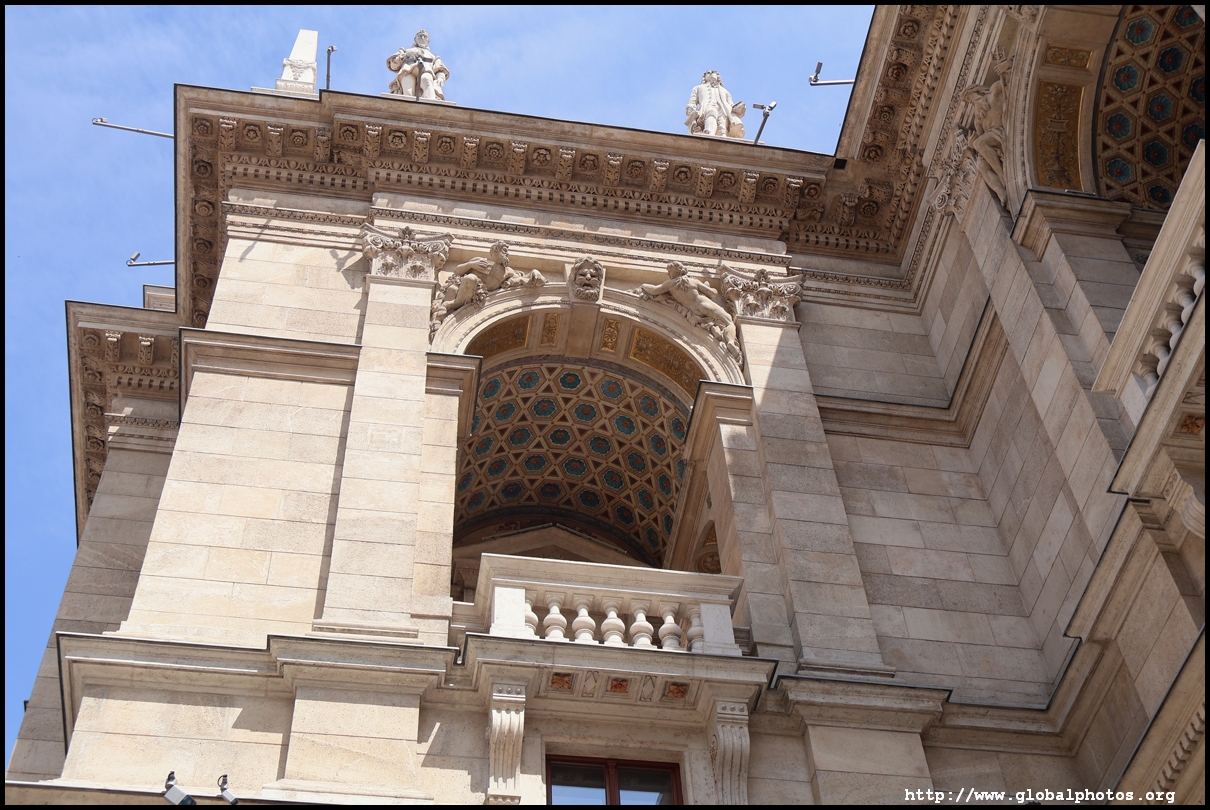
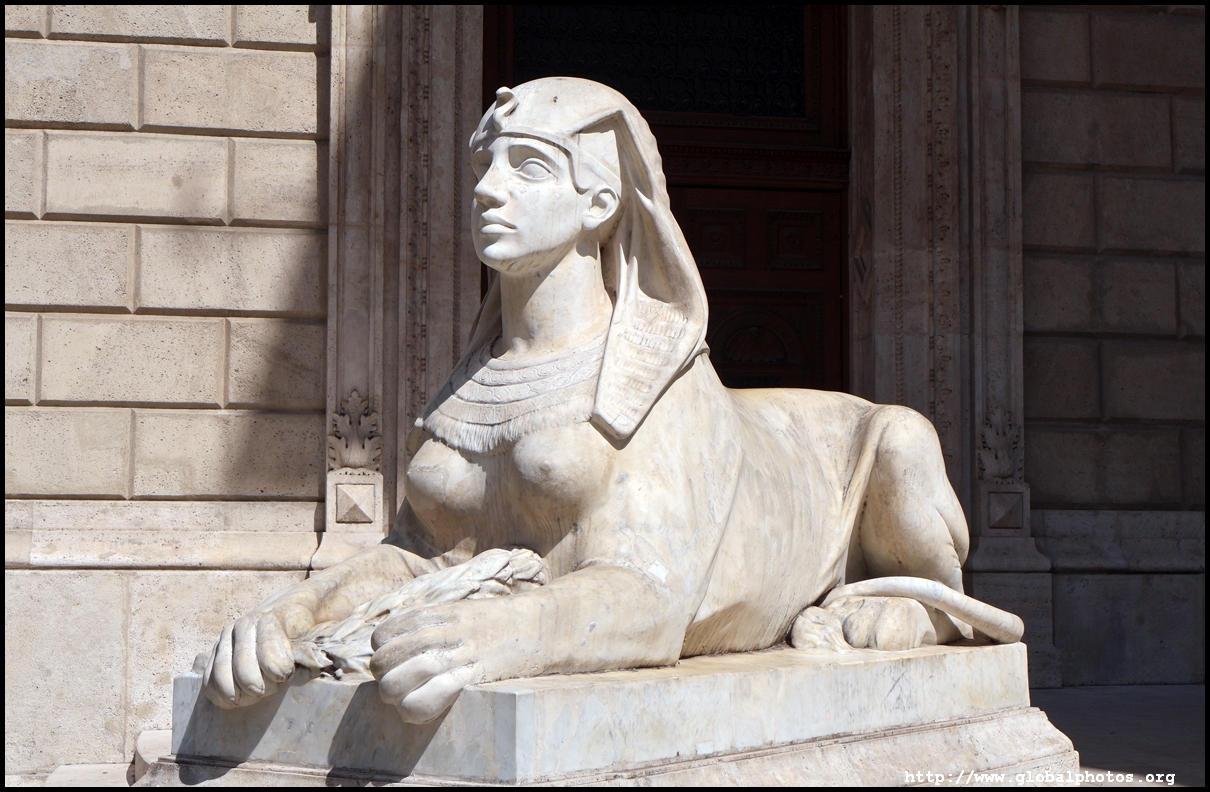
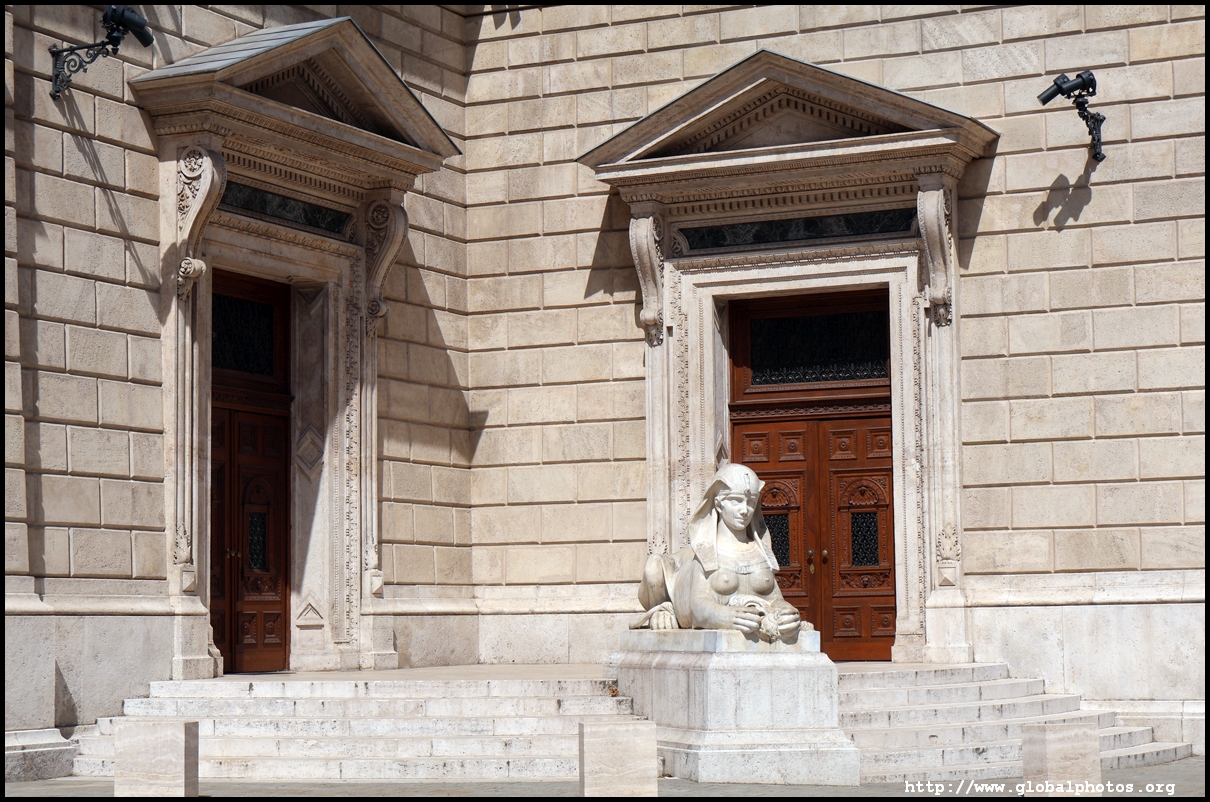
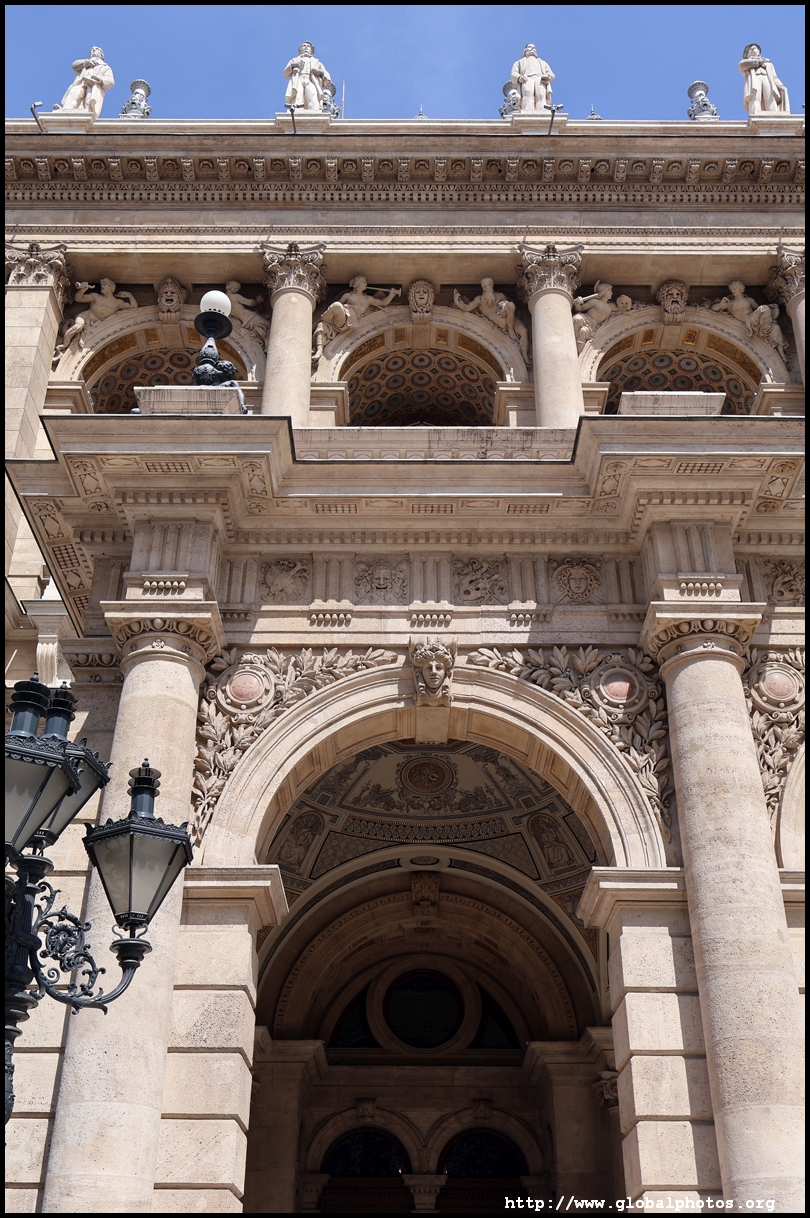
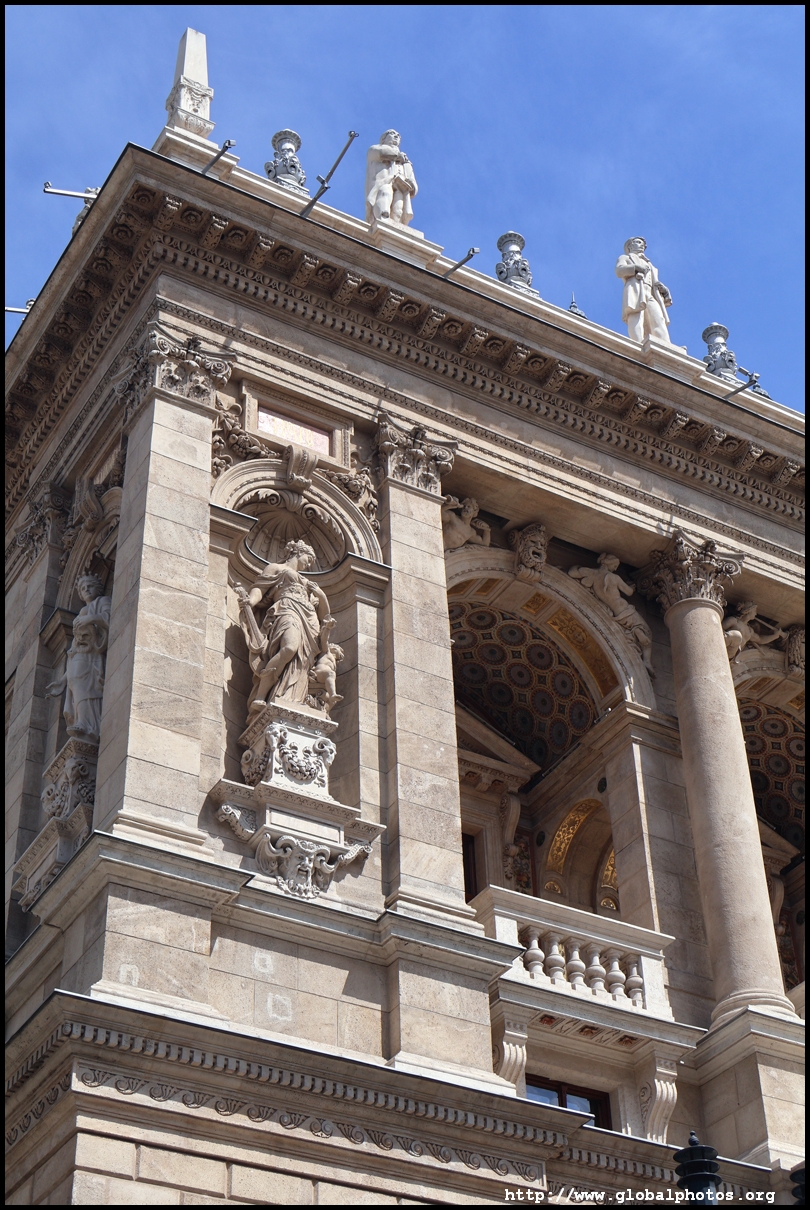
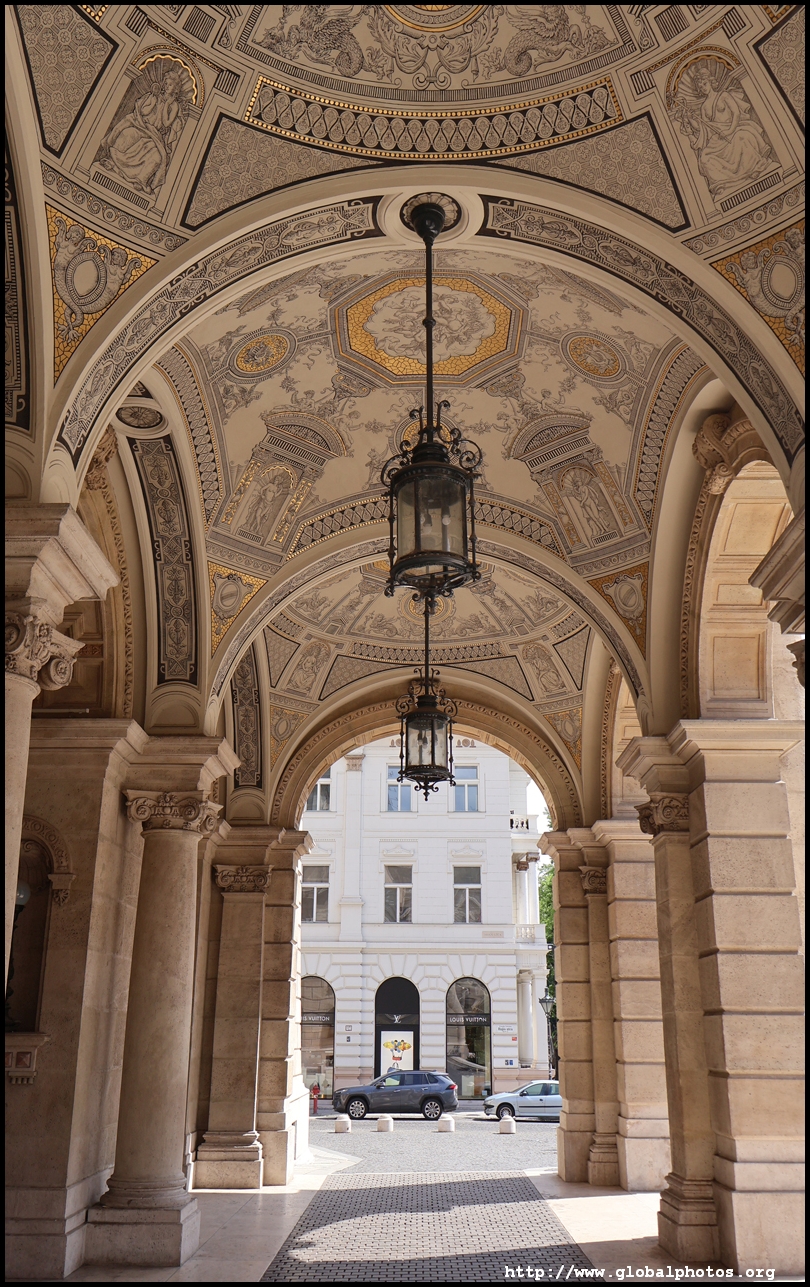
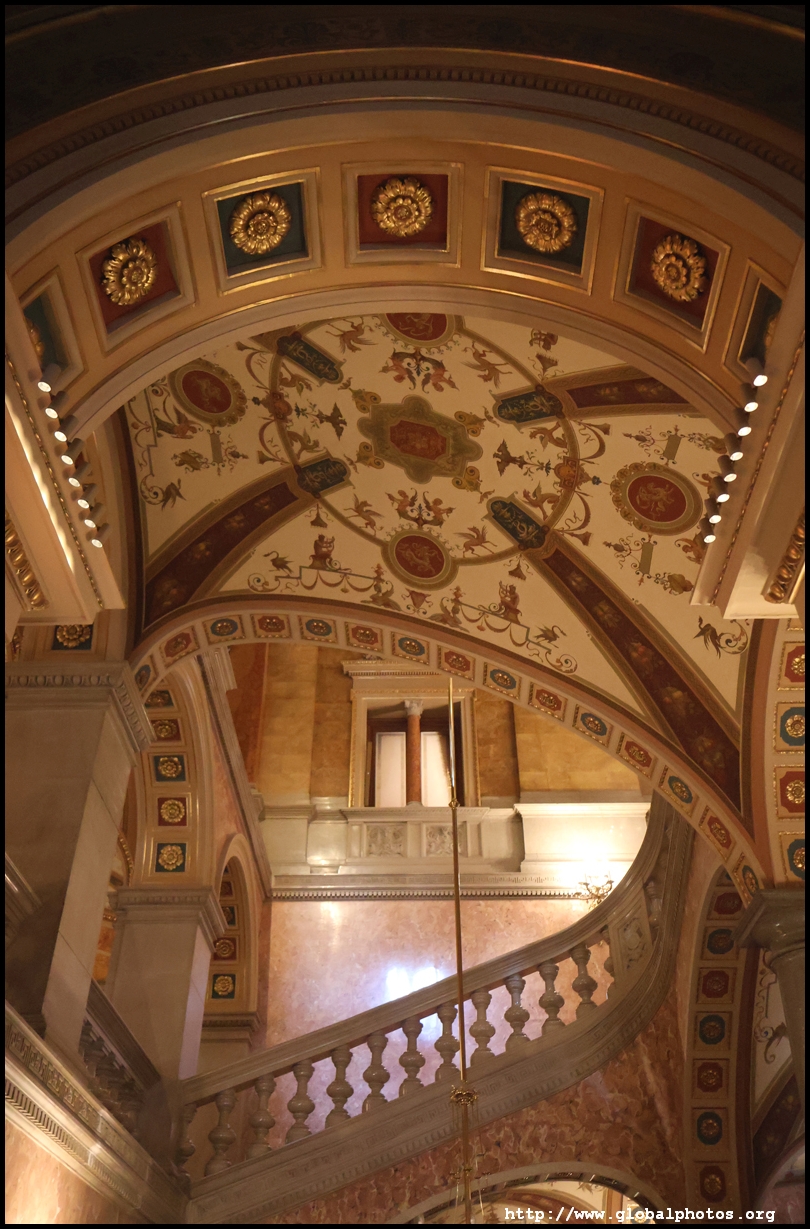
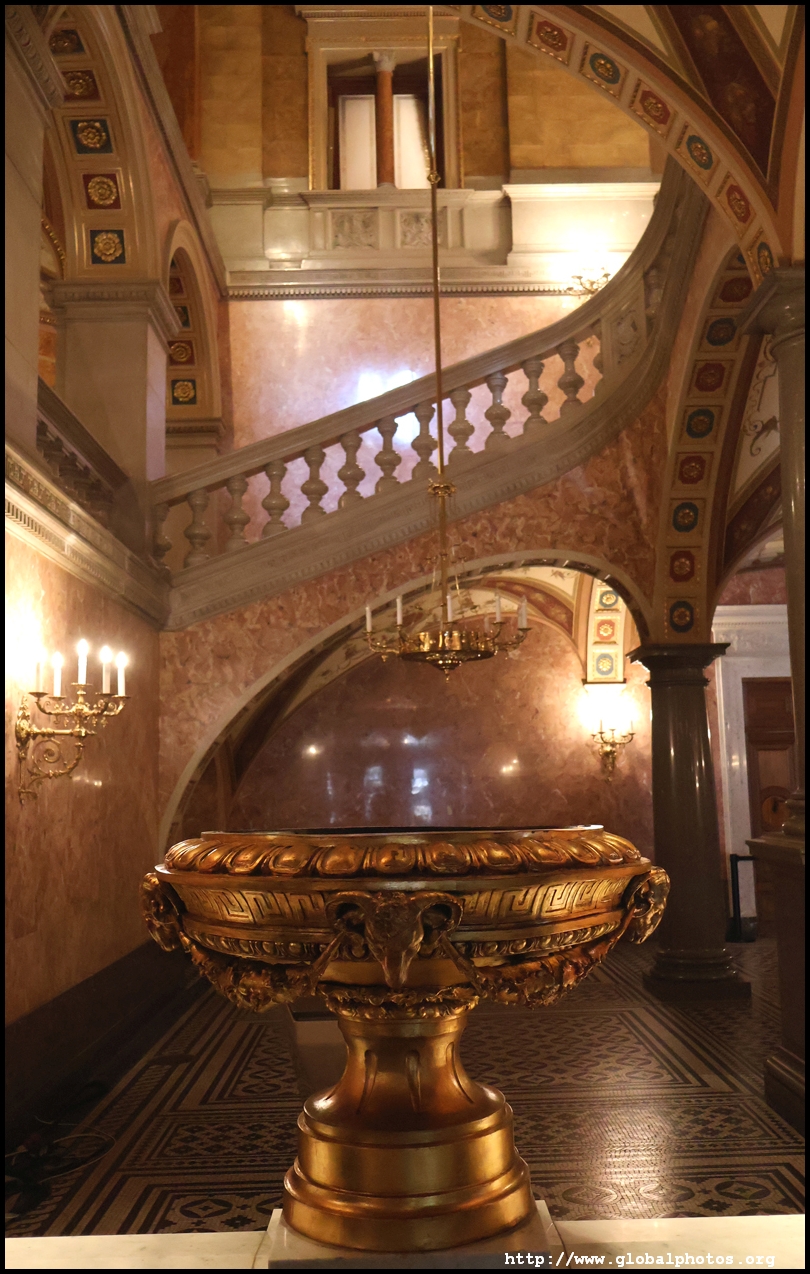
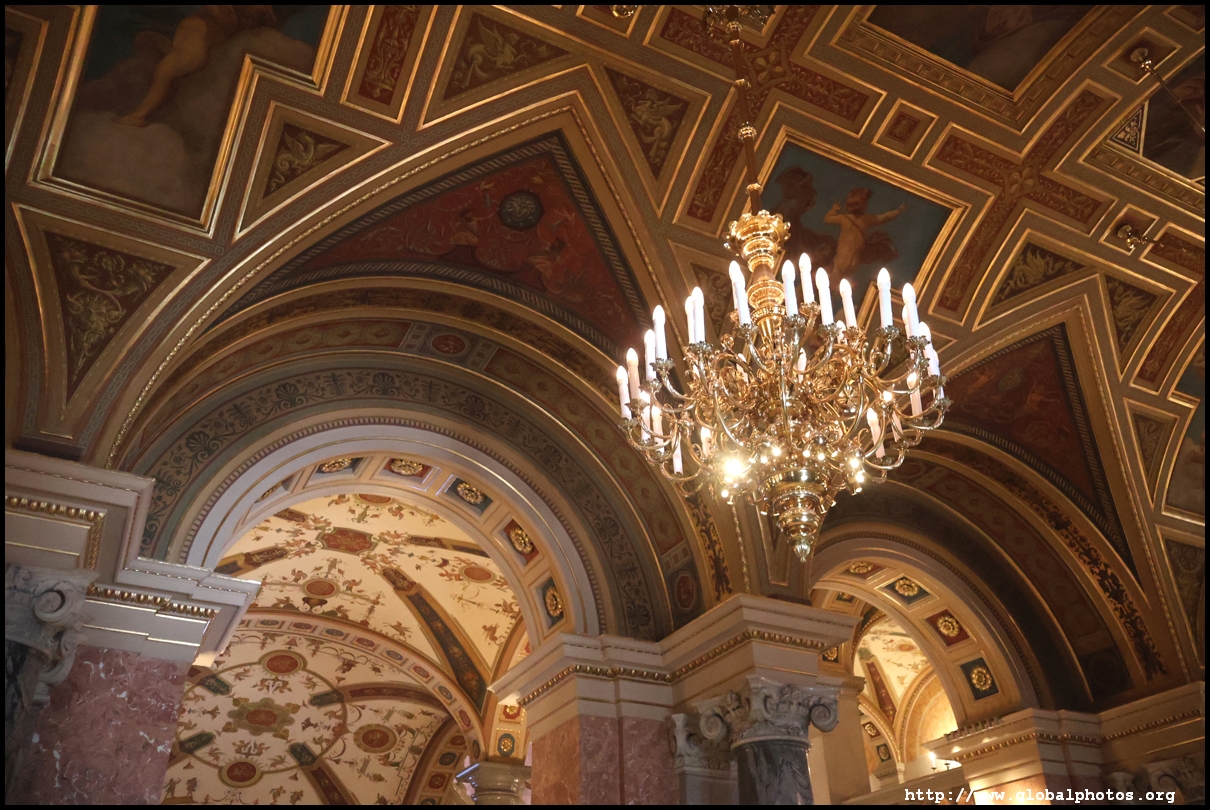
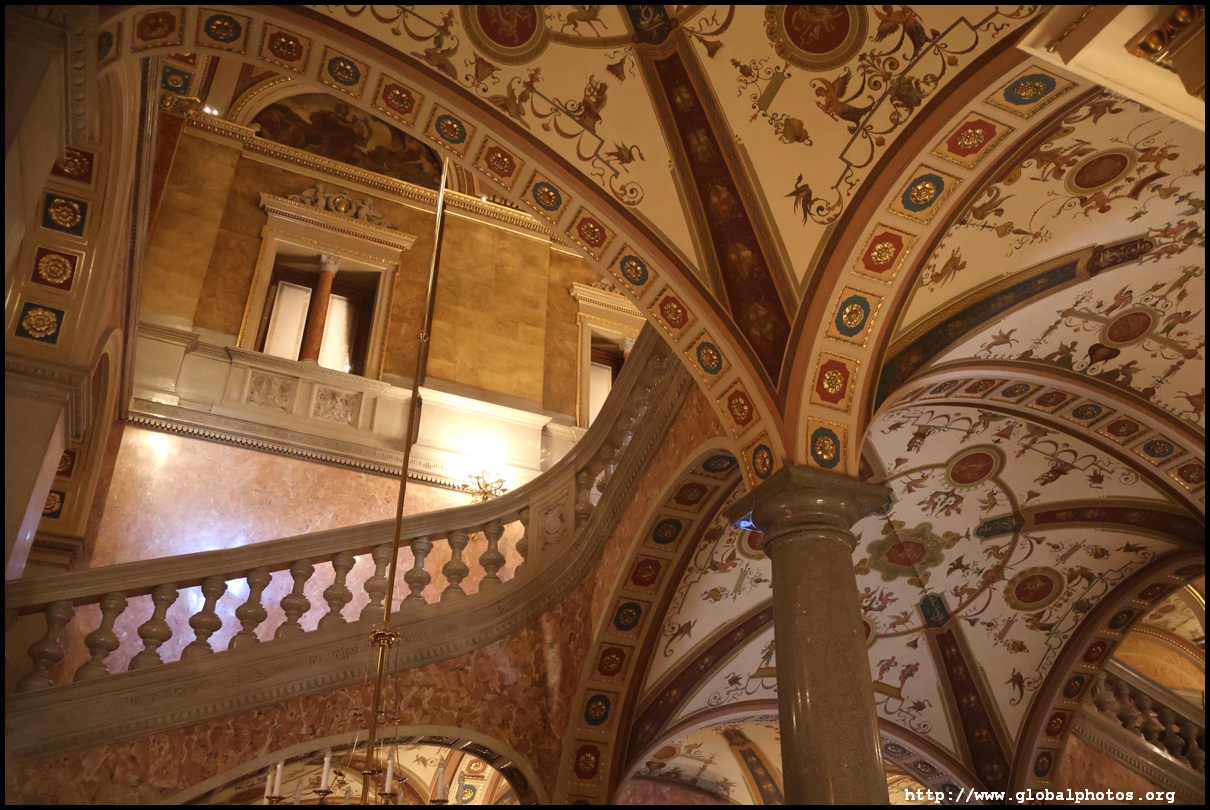
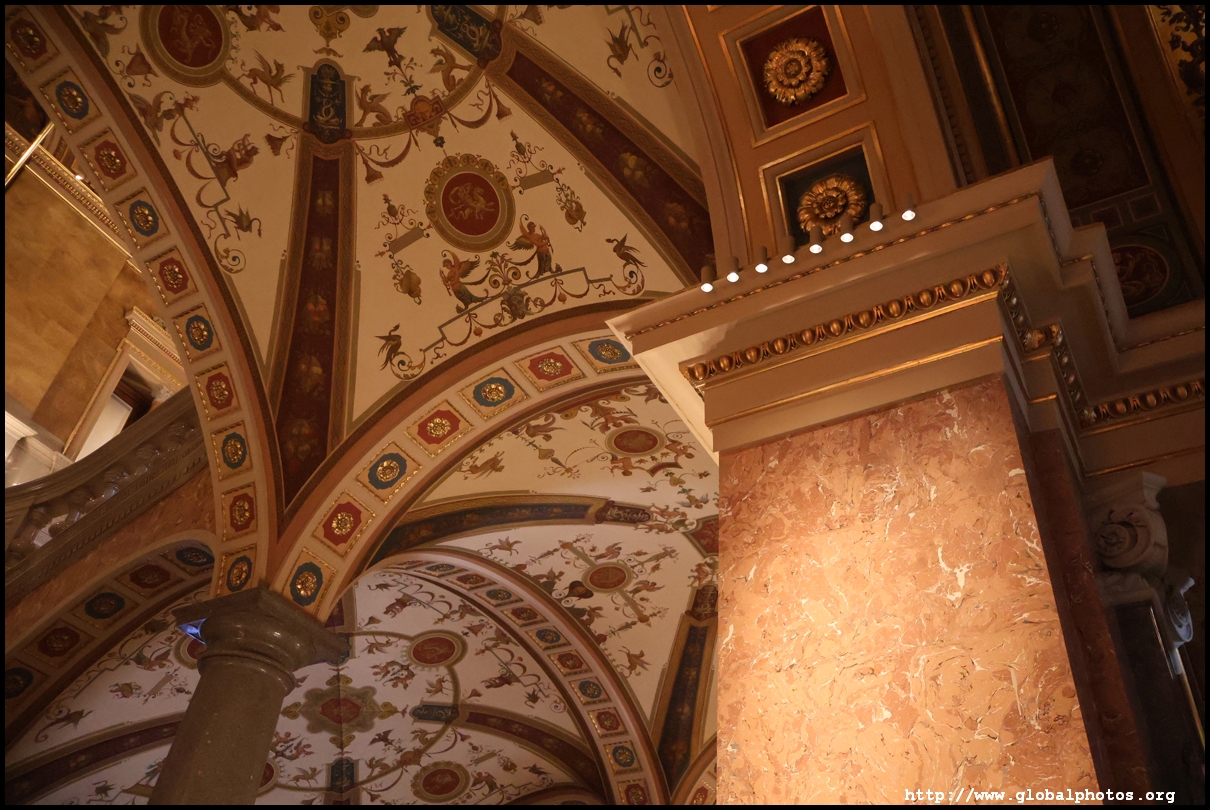
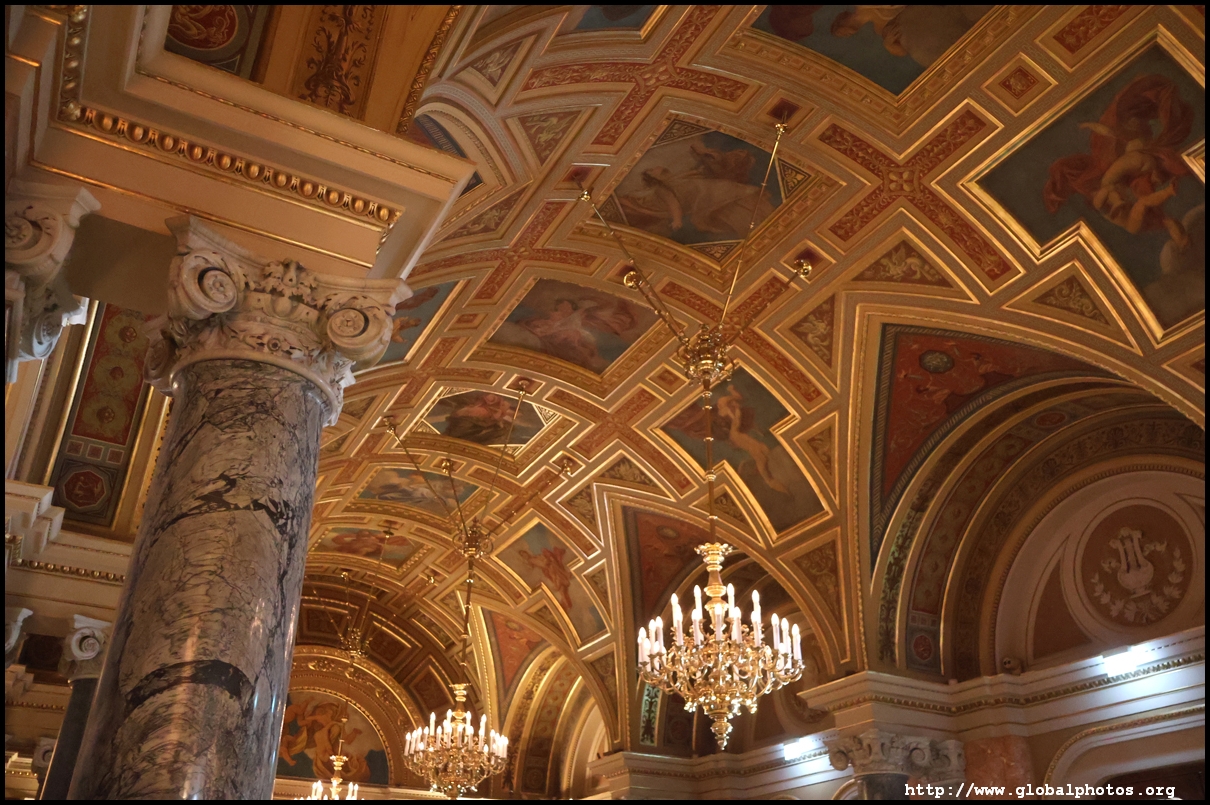
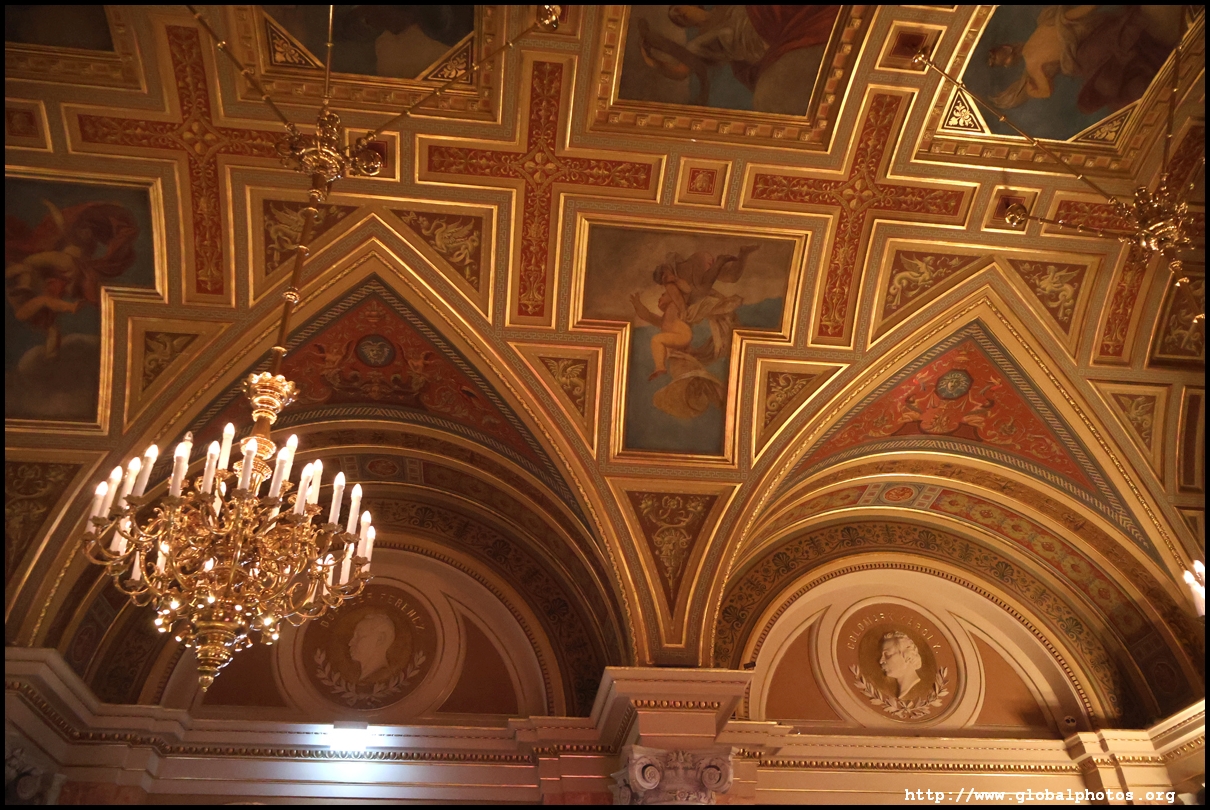
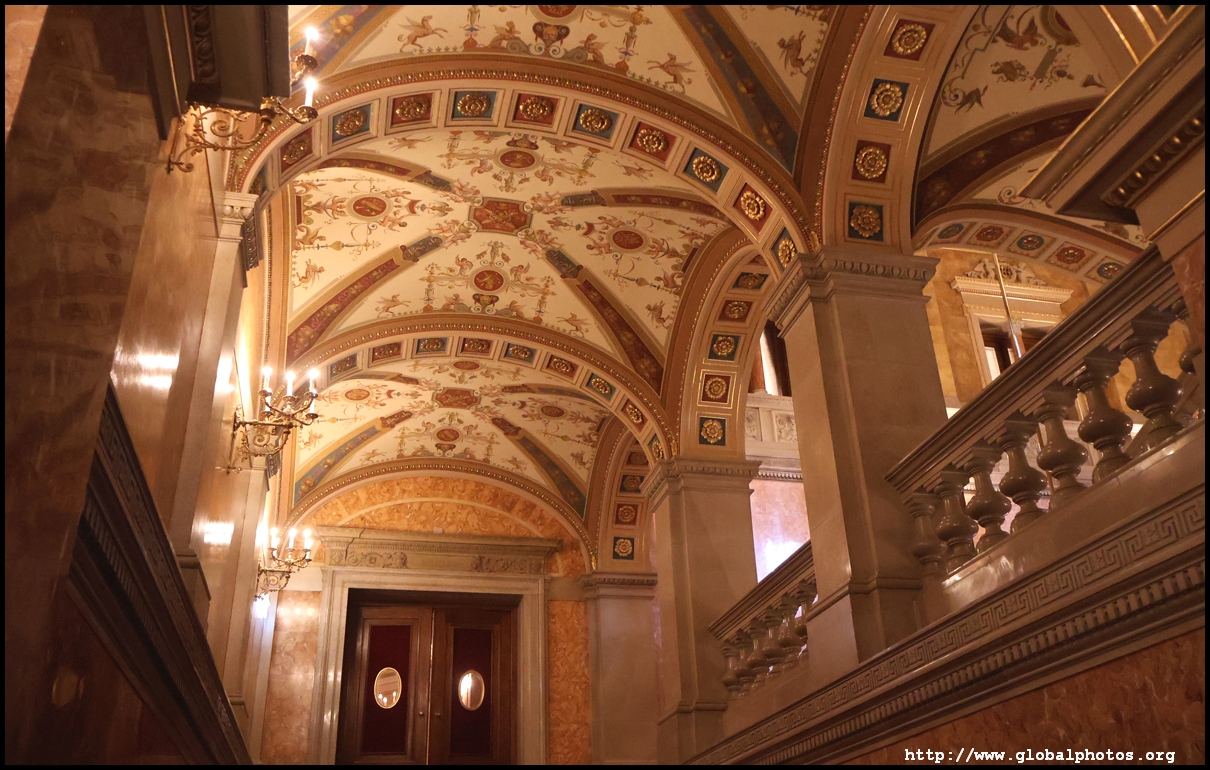
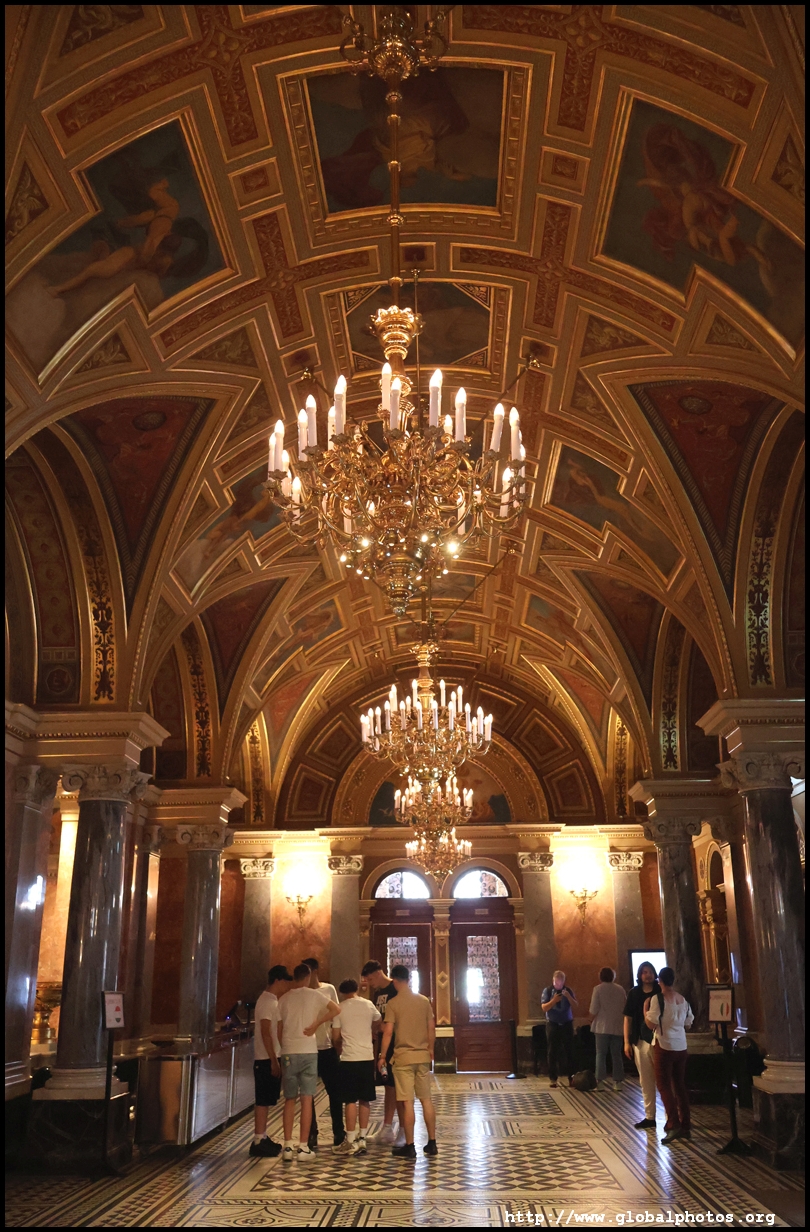
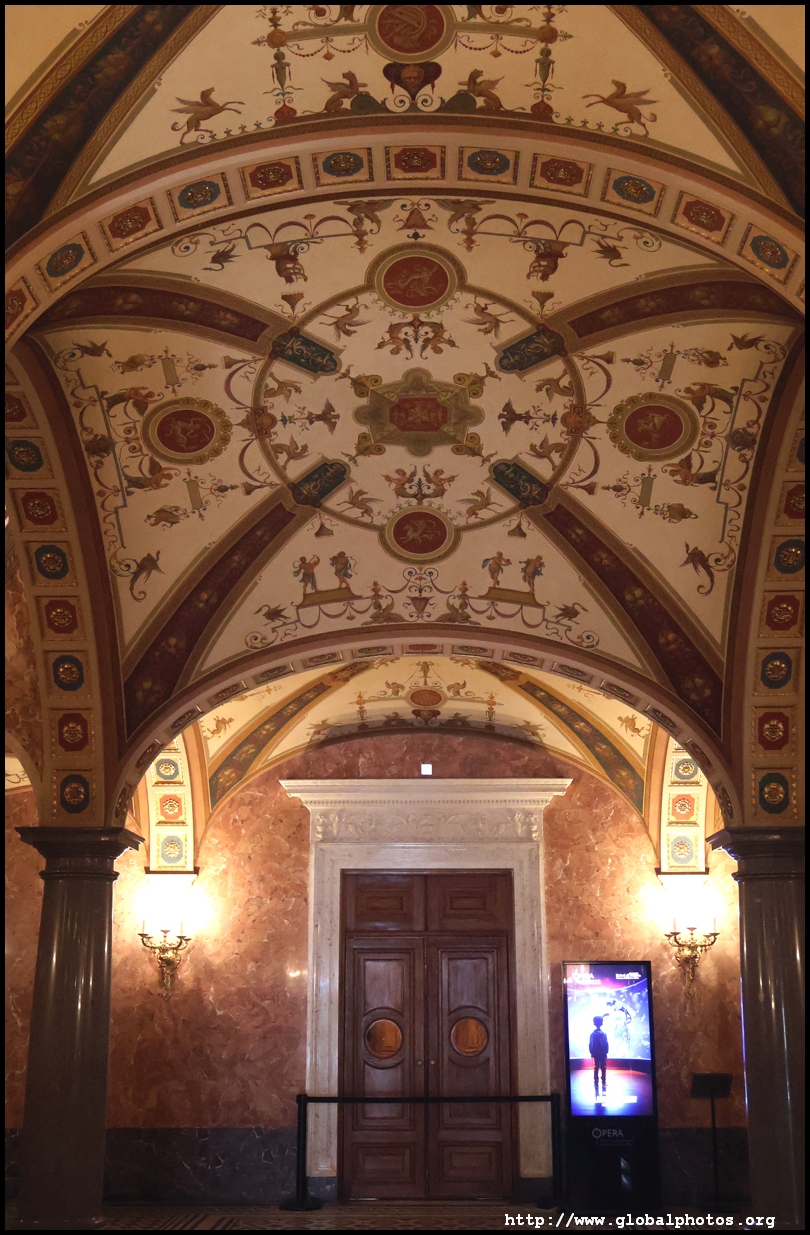
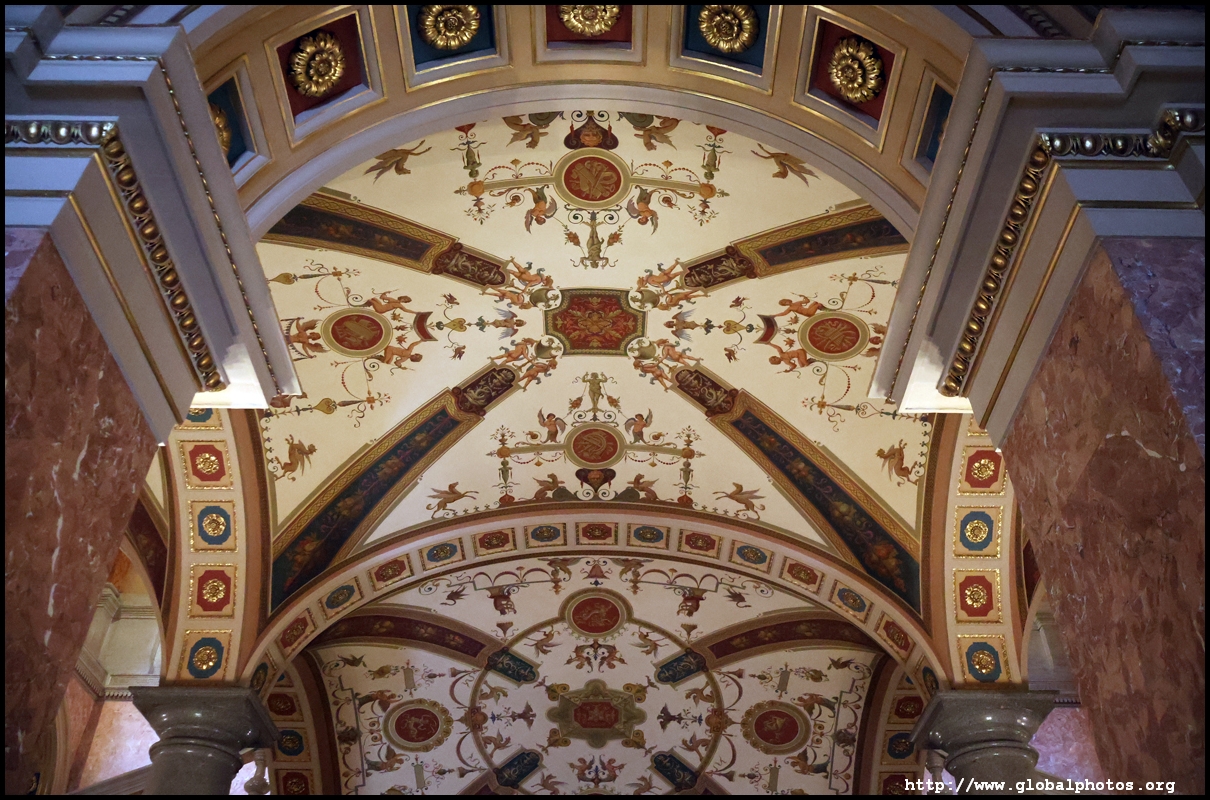
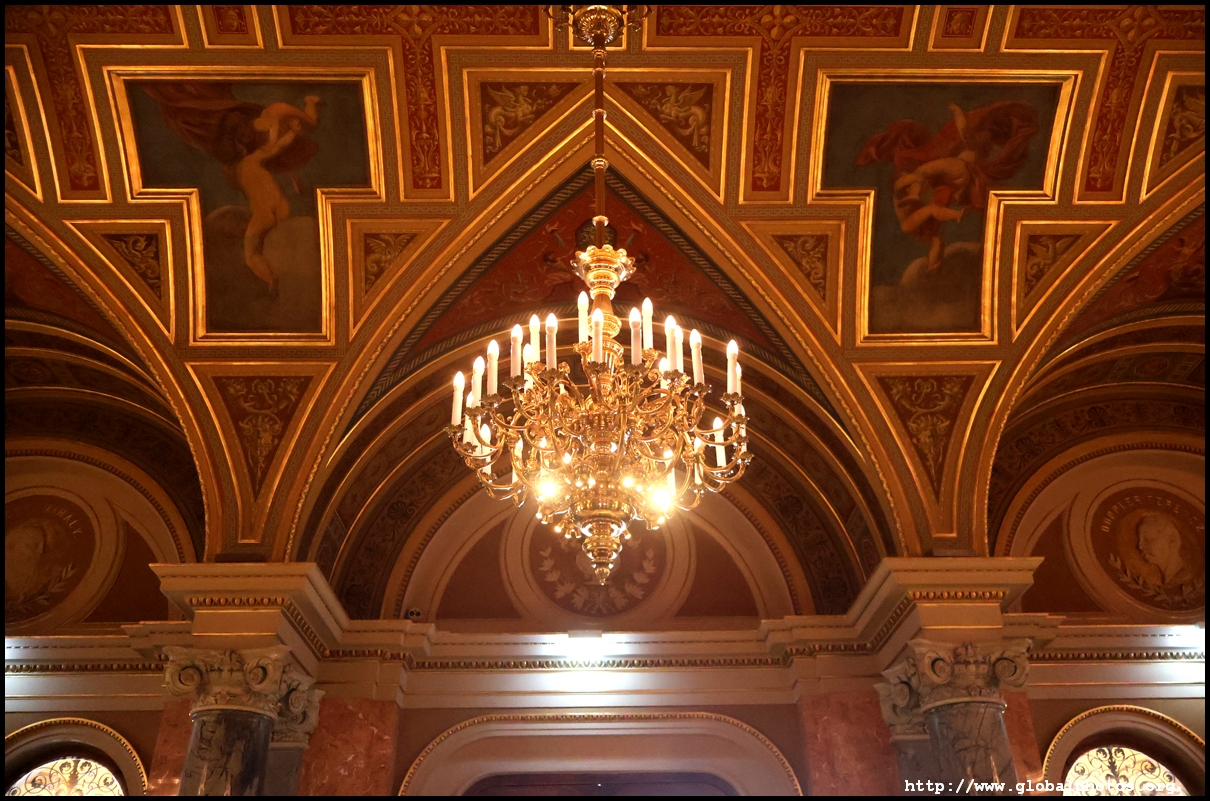
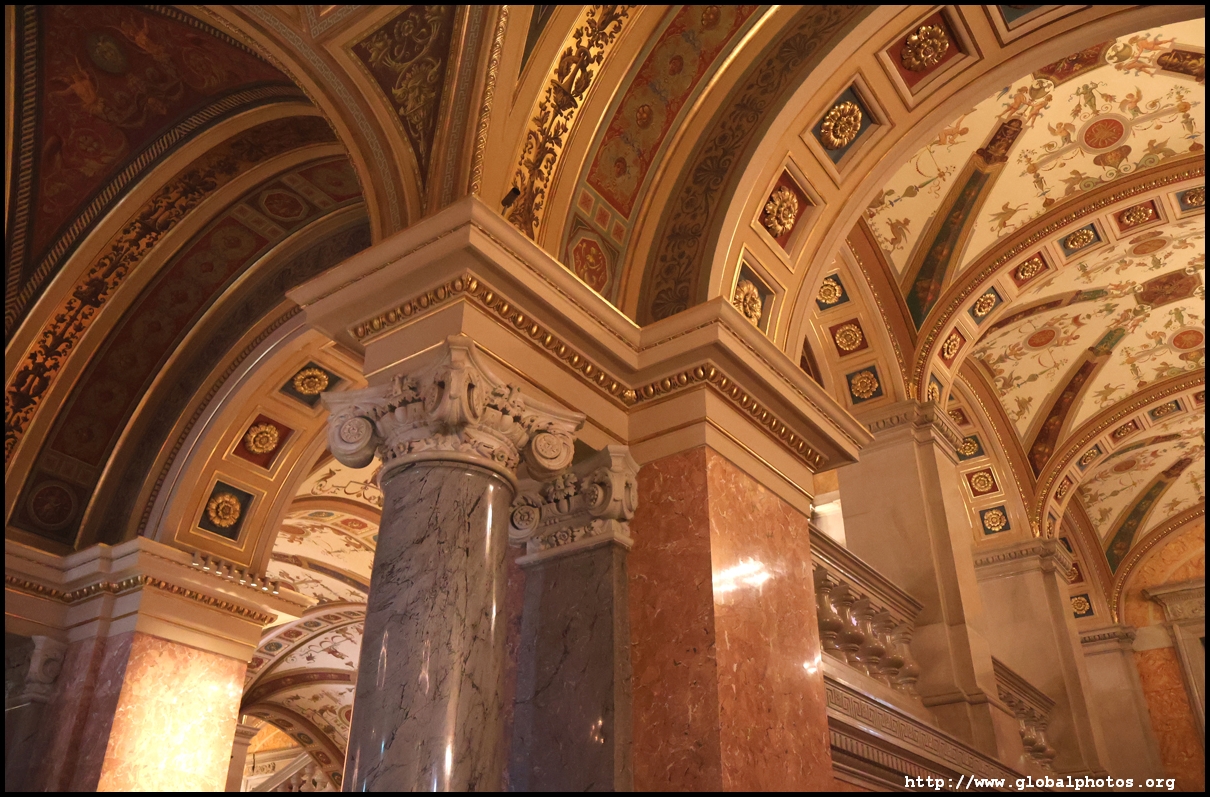
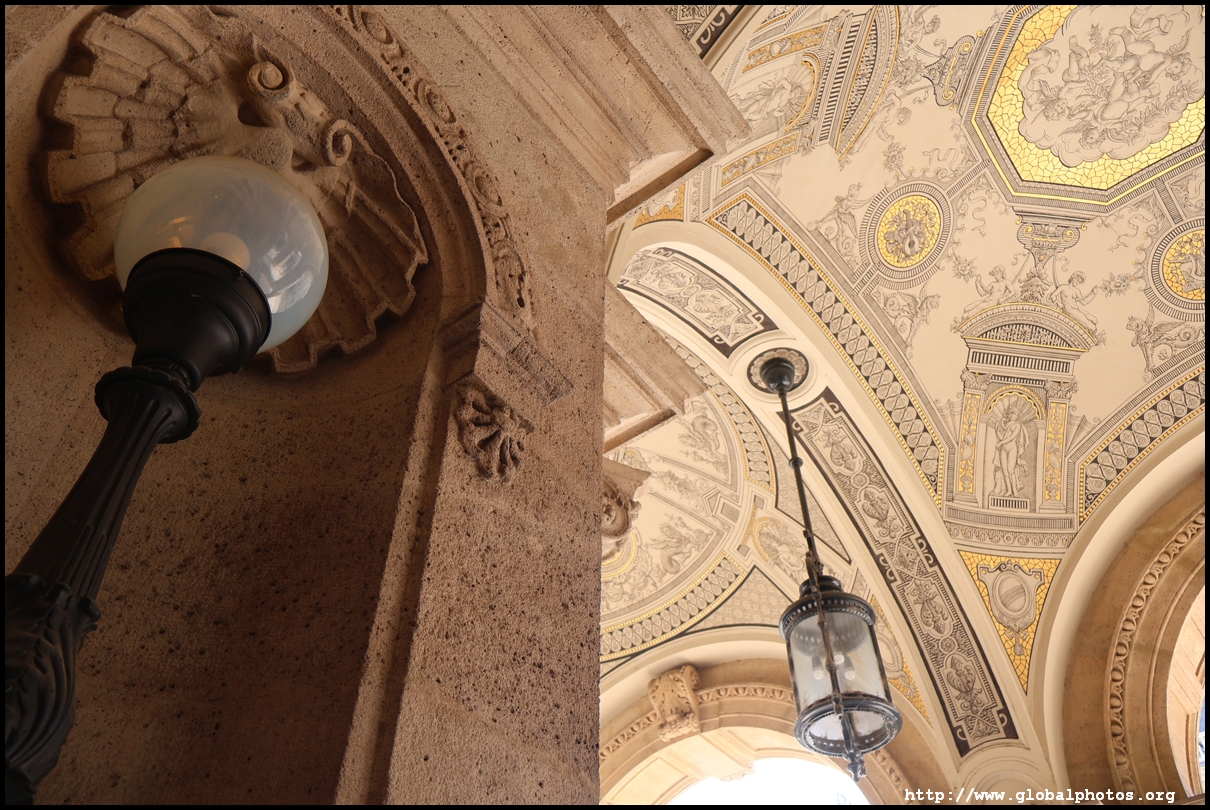
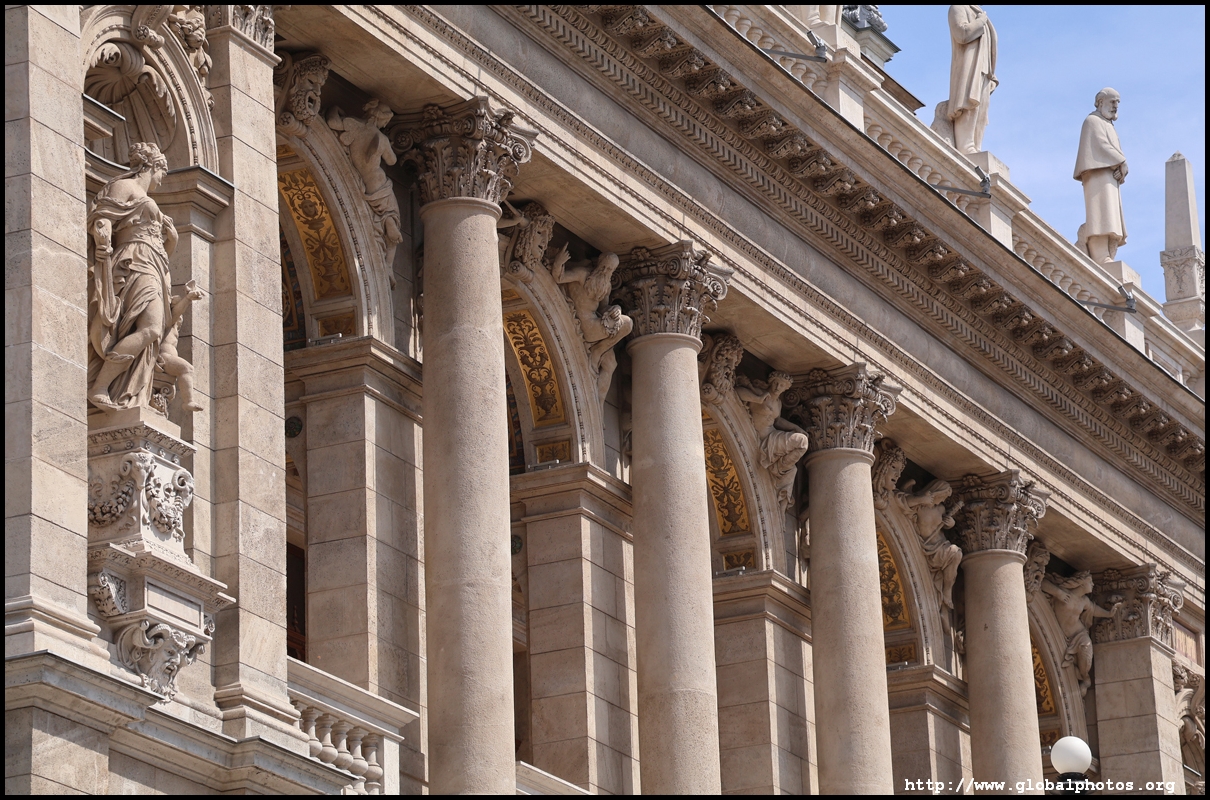
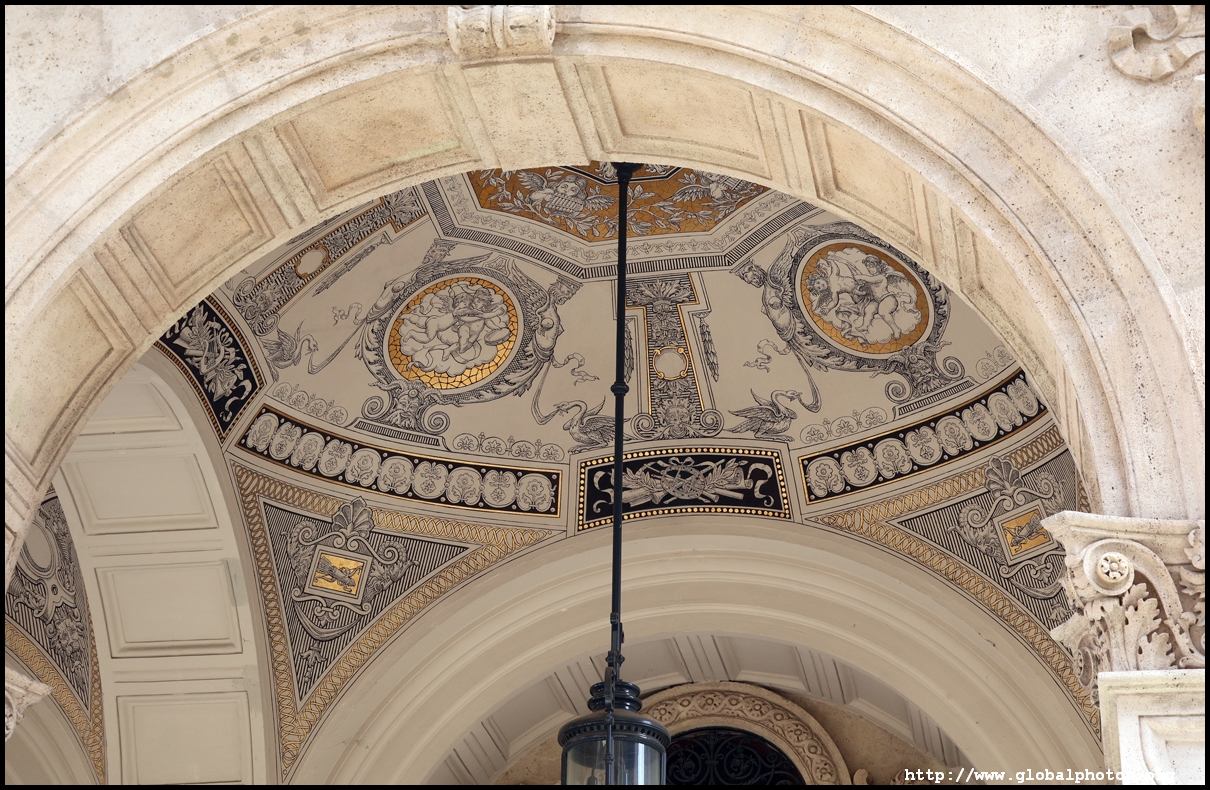
Across the street is the State Opera, which was built in the Neo-Renaissance style and opened in 1884. 6 architects were invited to participate in the design, with great Hungarian architect Mikl s Ybl being the winner. However, the Emperor of Austria had instructed this venue could not be larger than the opera in Vienna, so it can only seat 1300 people.
The final stretch of the grand boulevard would be a luxury shopping zone towards Deak Ferenc ter.