Budapest Photo Gallery - Public Transport

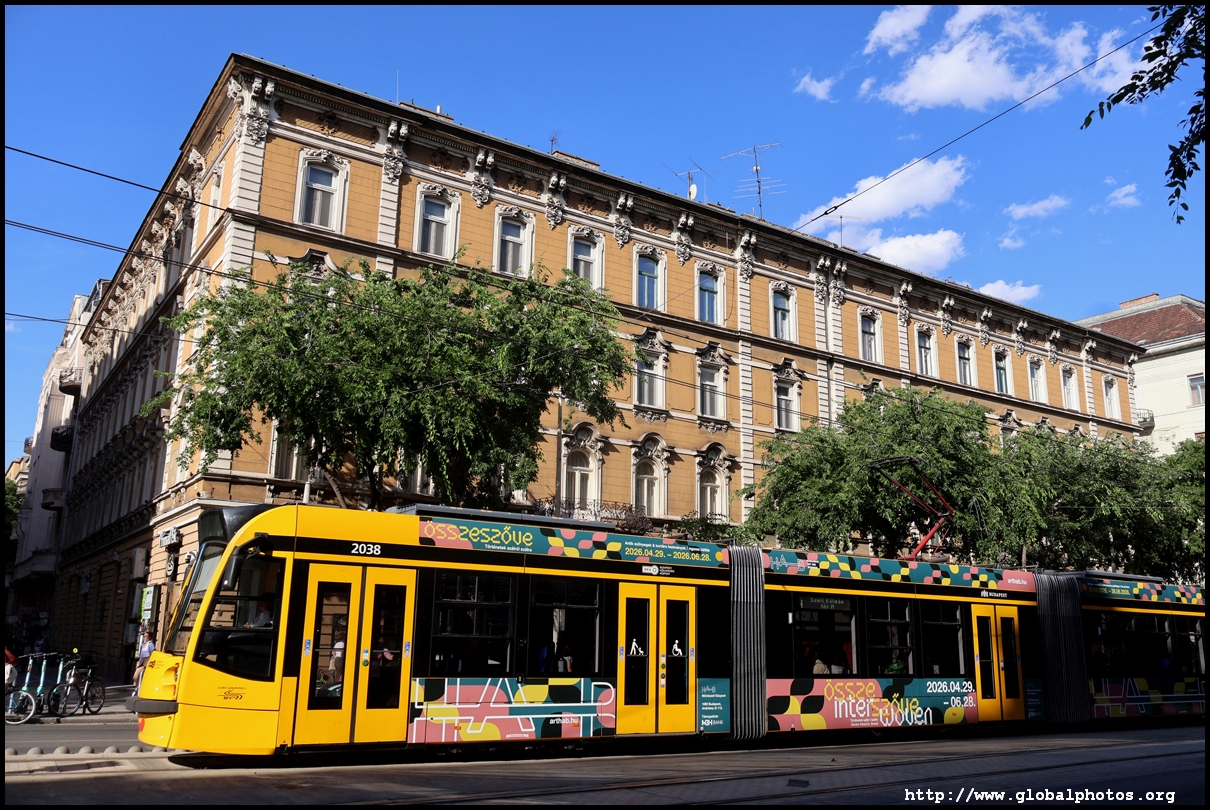
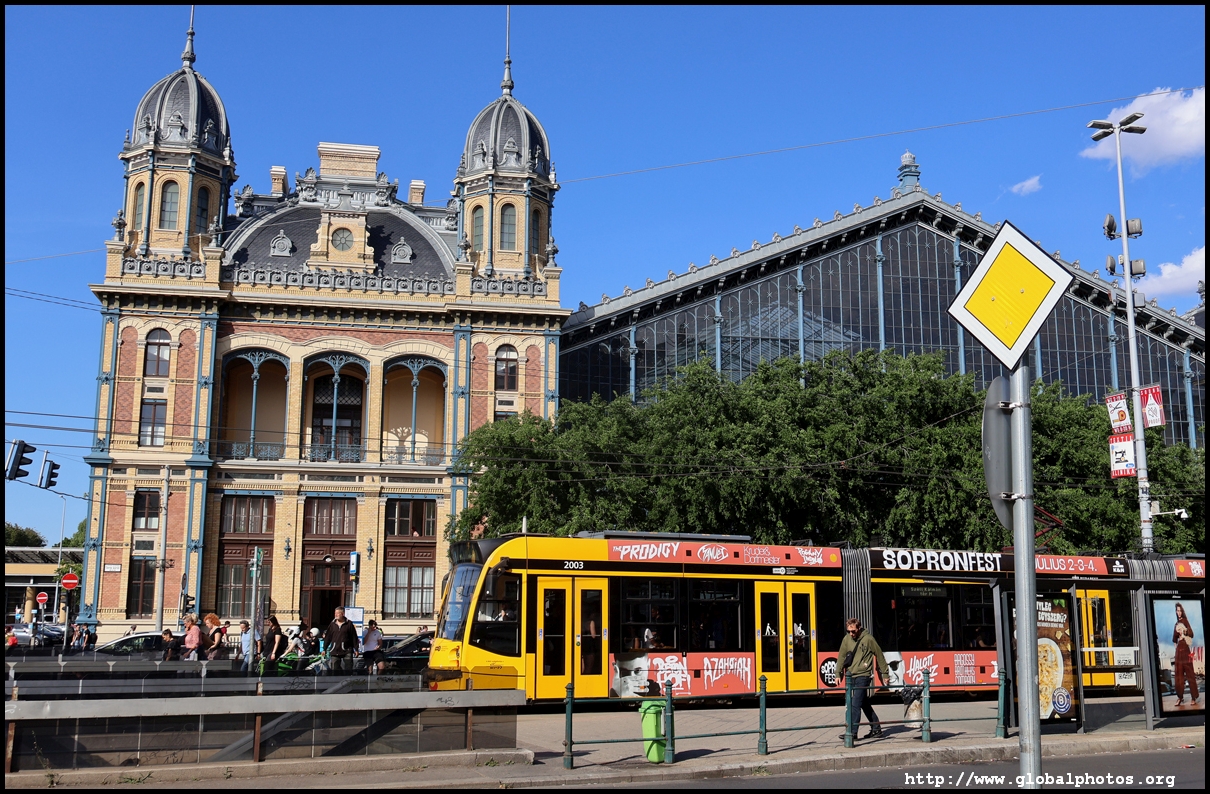
The municipality-owned BKK operates public transport in the city, which includes the metro, trams, and buses.
Most transit lines operate on an honour system but there are plenty of fare inspectors around to check that you have a validated ticket. You can use paper tickets as well as an app ticket, but the validation procedure can be cumbersome and some journeys involving transfers may require validating a second ticket, so for visitors, I would suggest getting a pass instead.
During my 2026 visit, a 72-hour pass costed 5750 forints, which means 12 single journeys (500 forints each) during this period would make it profitable. The pass validity countdown is based on when you first validate the pass and not by calendar days.
The only major exception that visitors should know about is the pass does not work on the 100E Airport Express into the city, but the pass is valid for the 200E bus from the airport to the nearby metro station and the train journey into the city, a slower way.
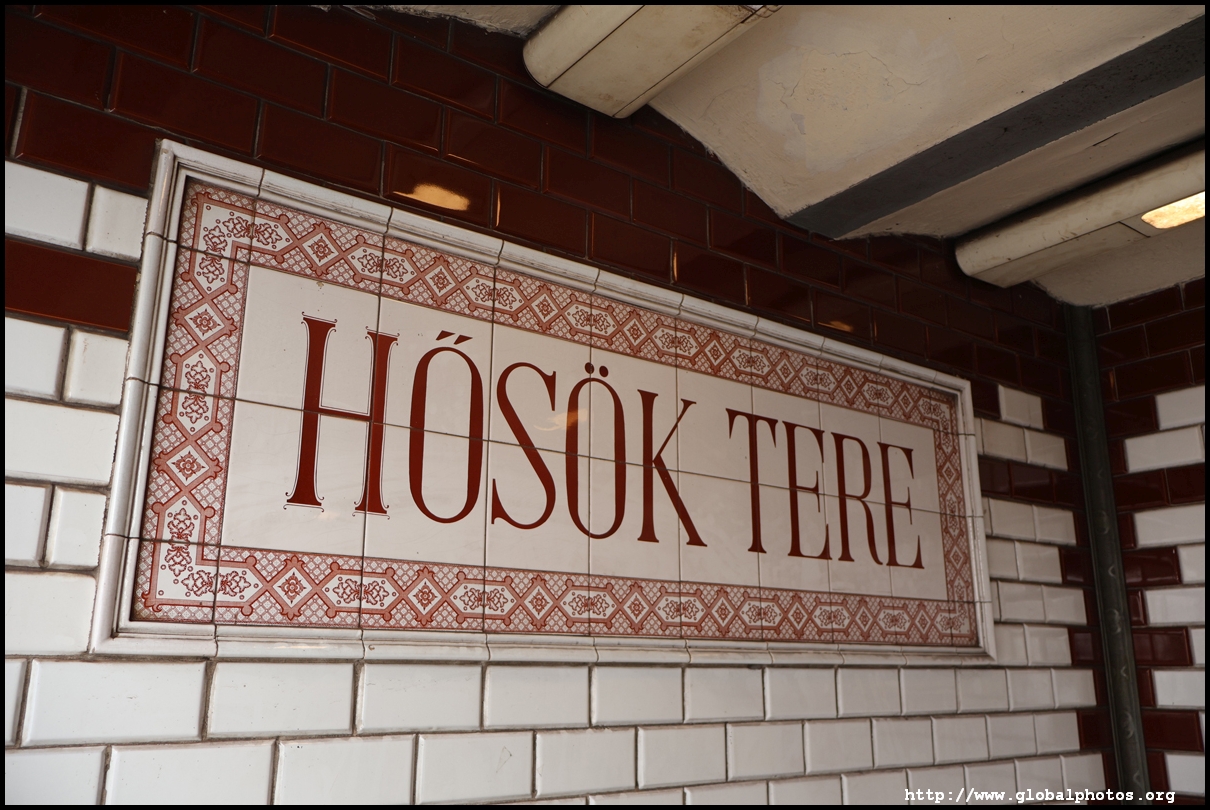
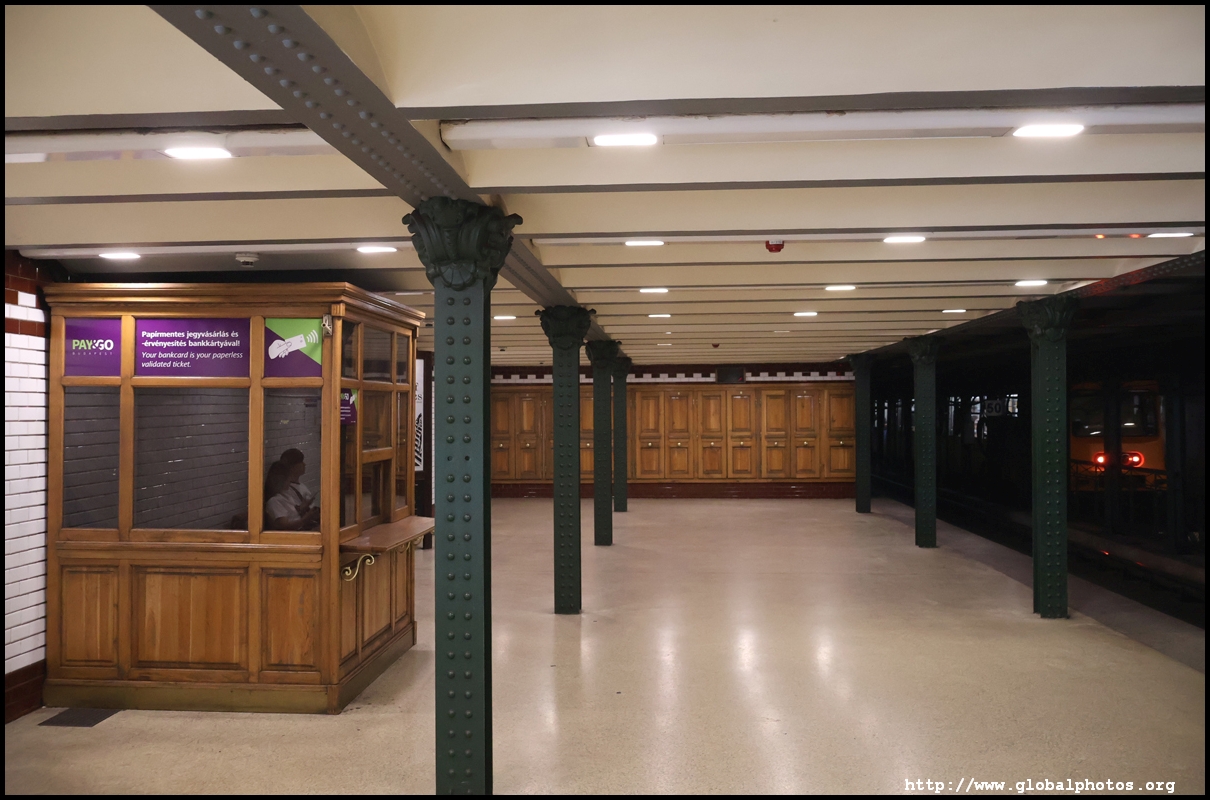
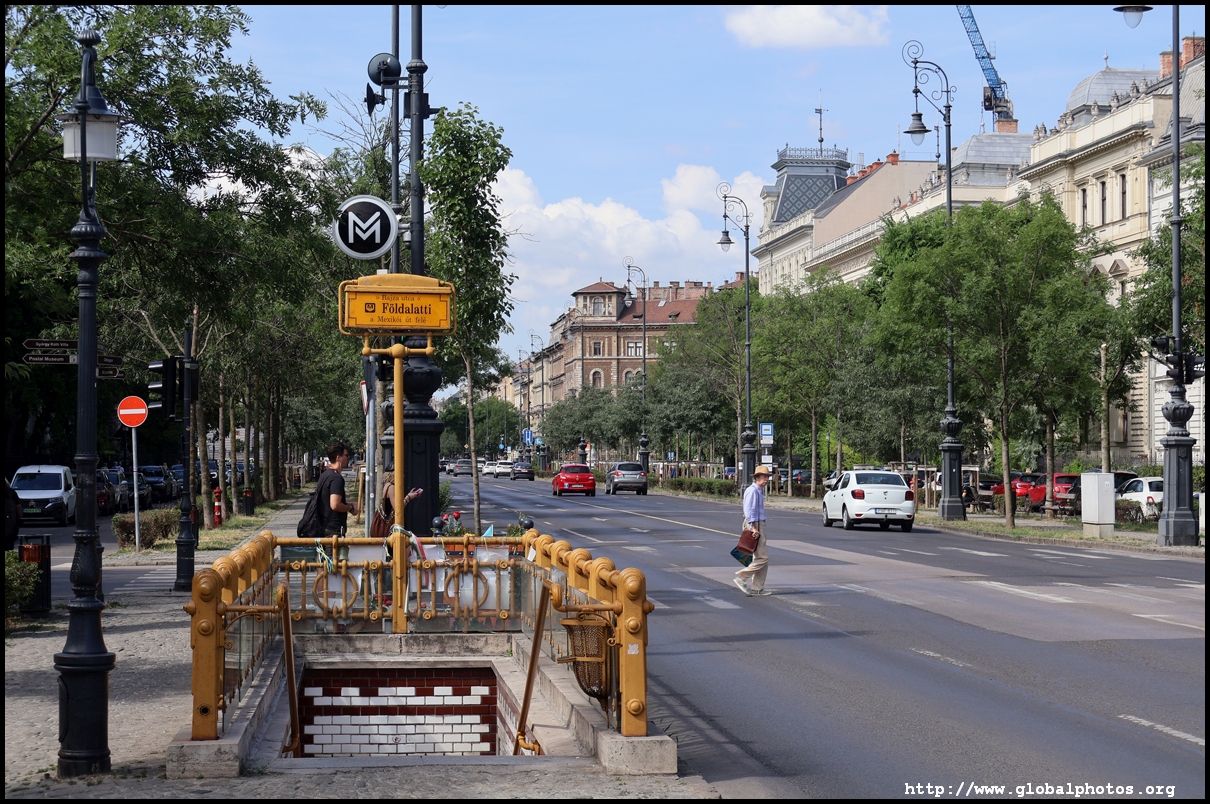
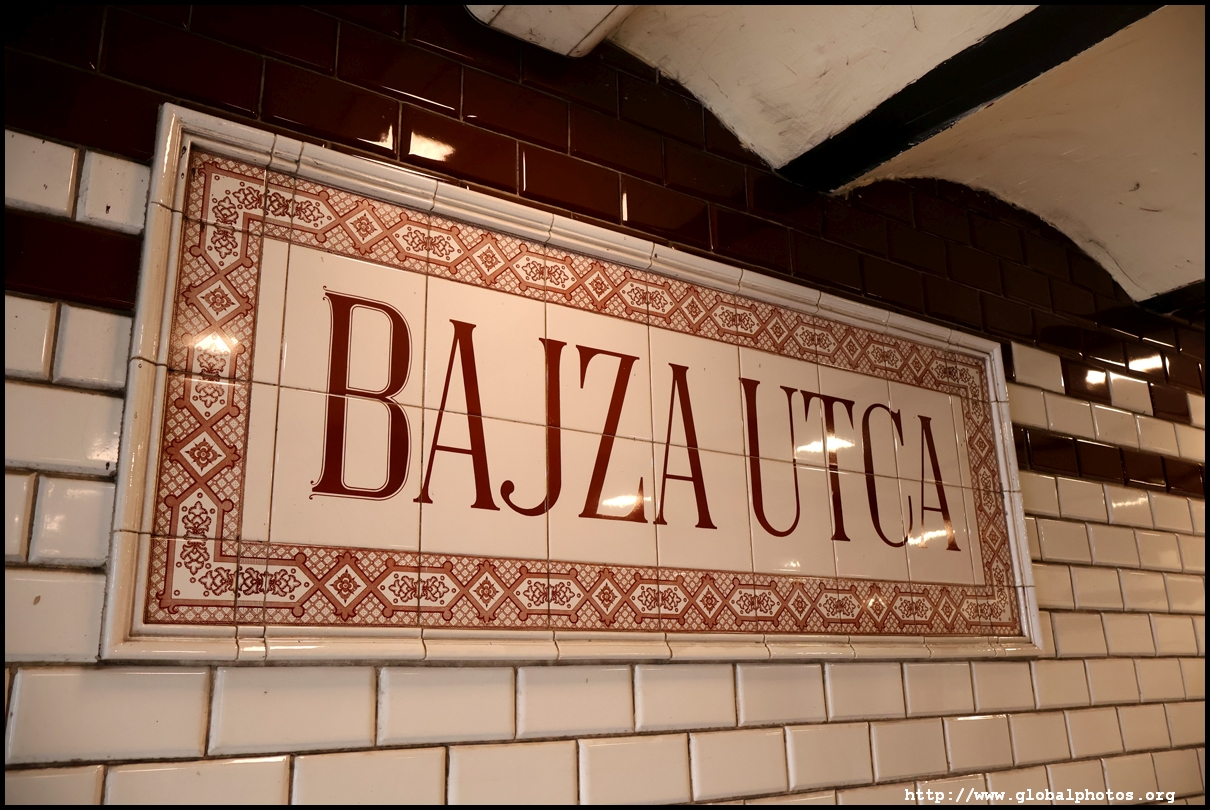
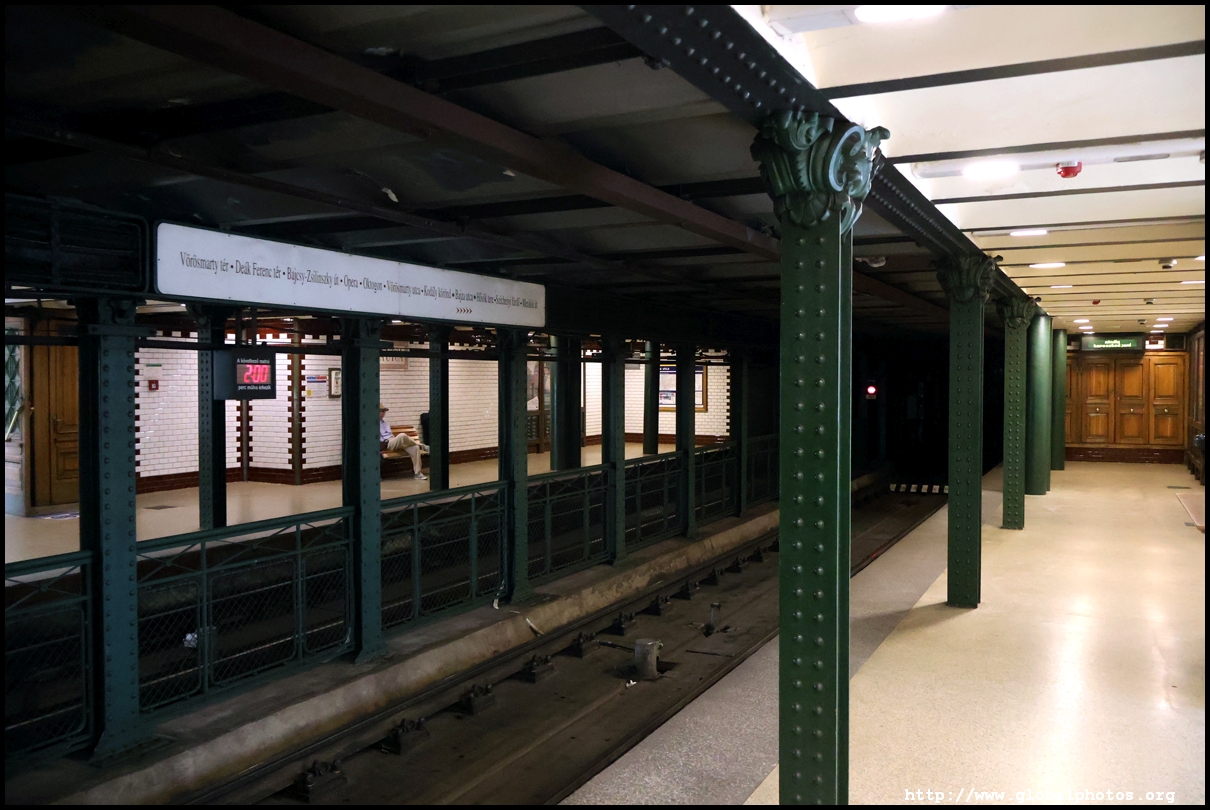
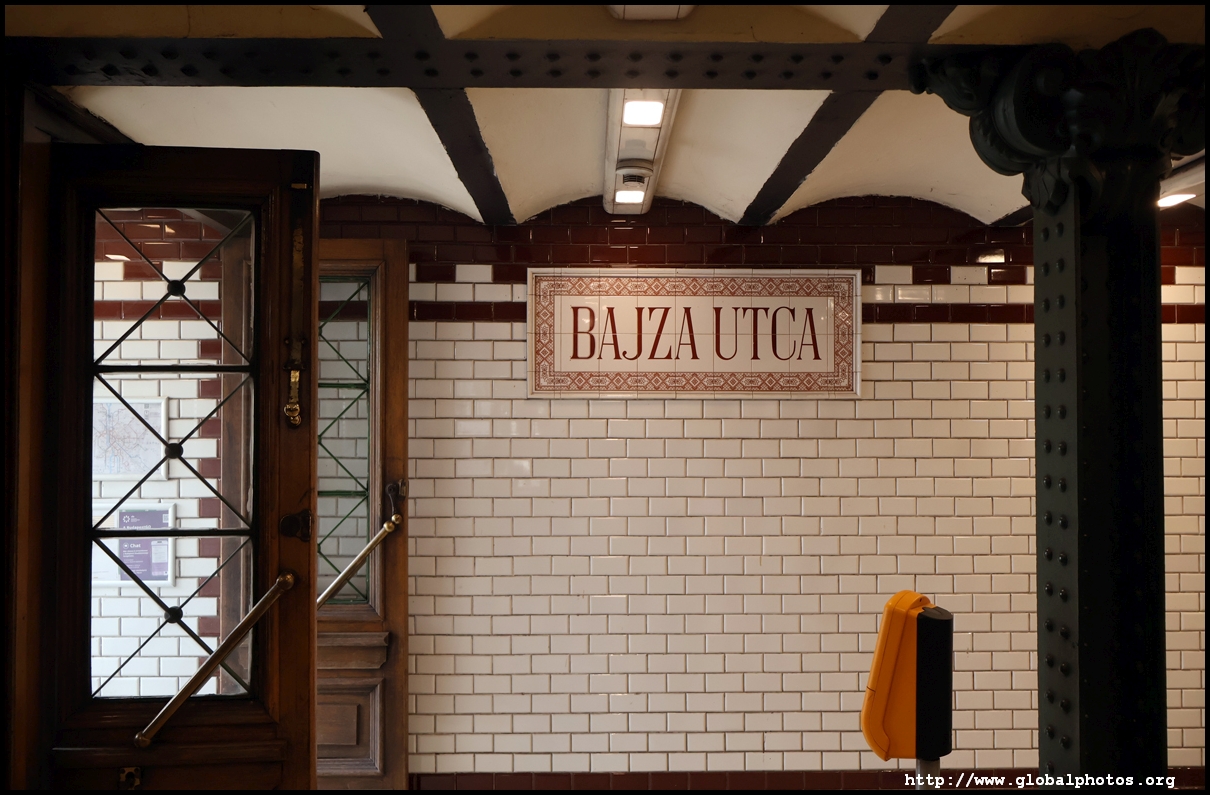
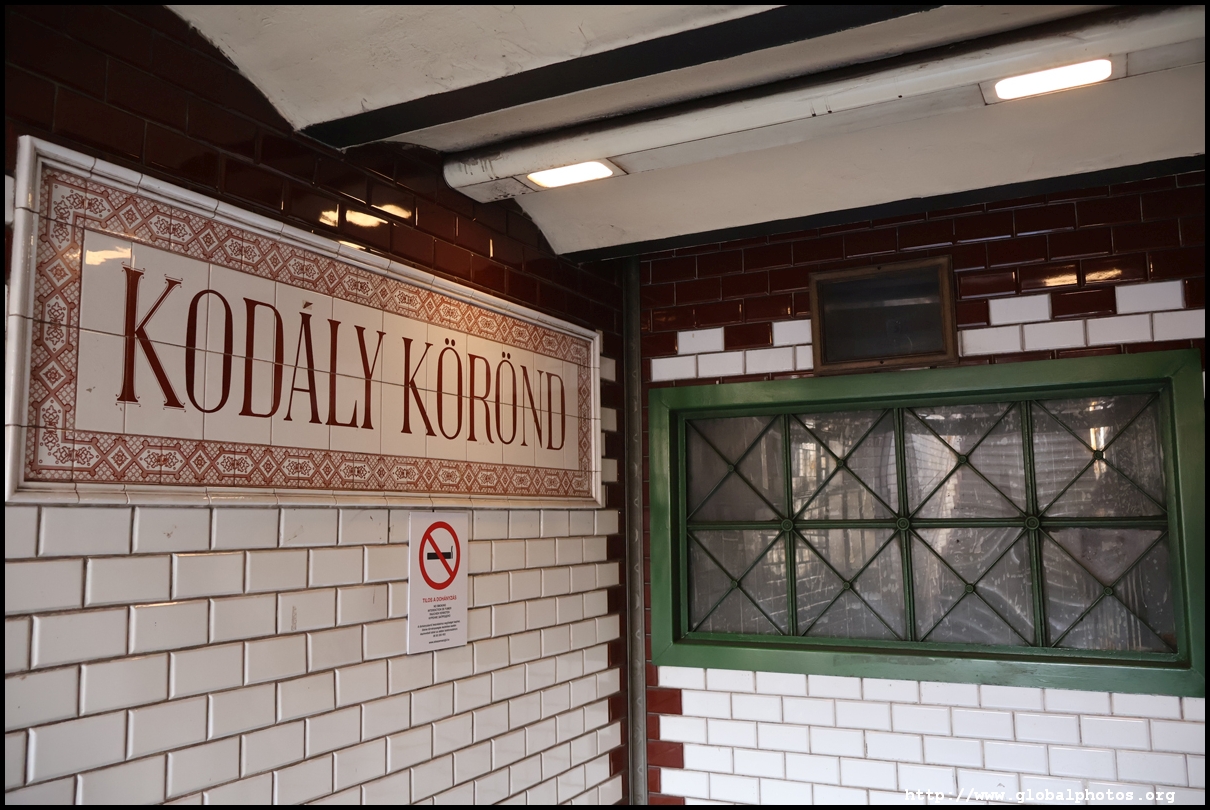
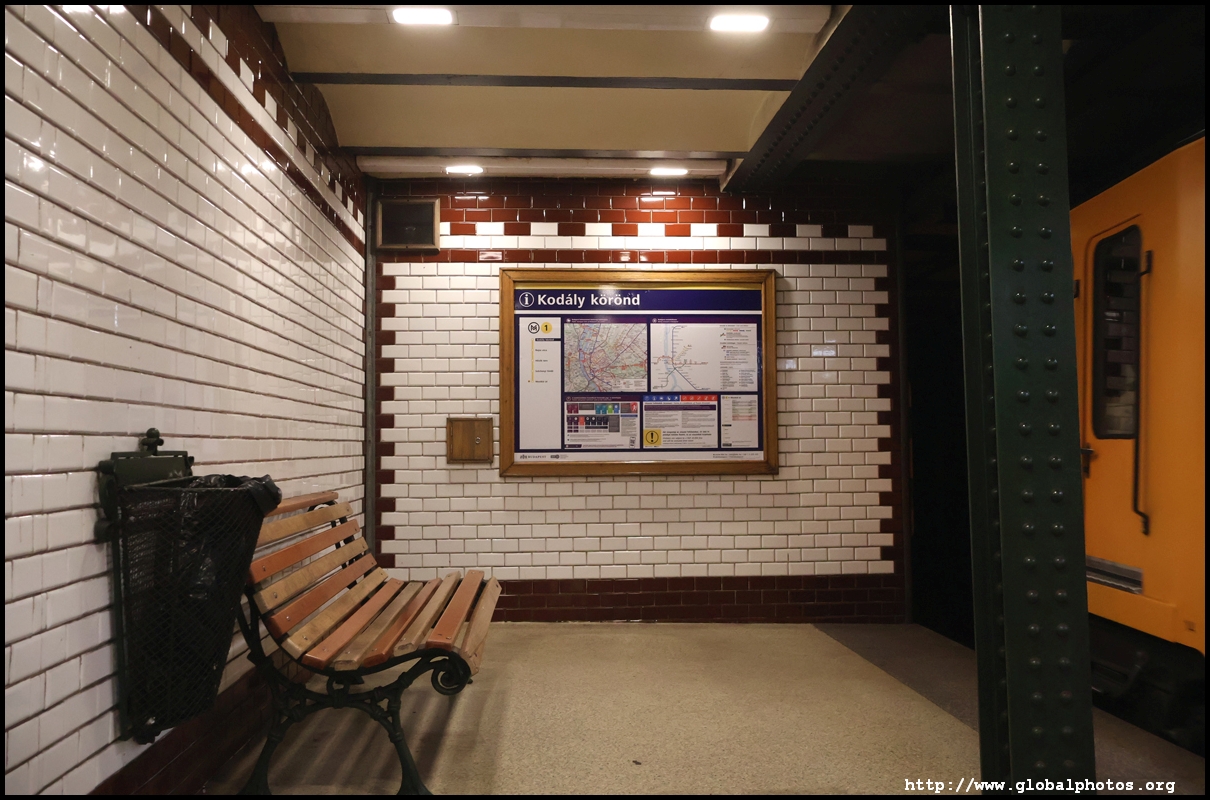
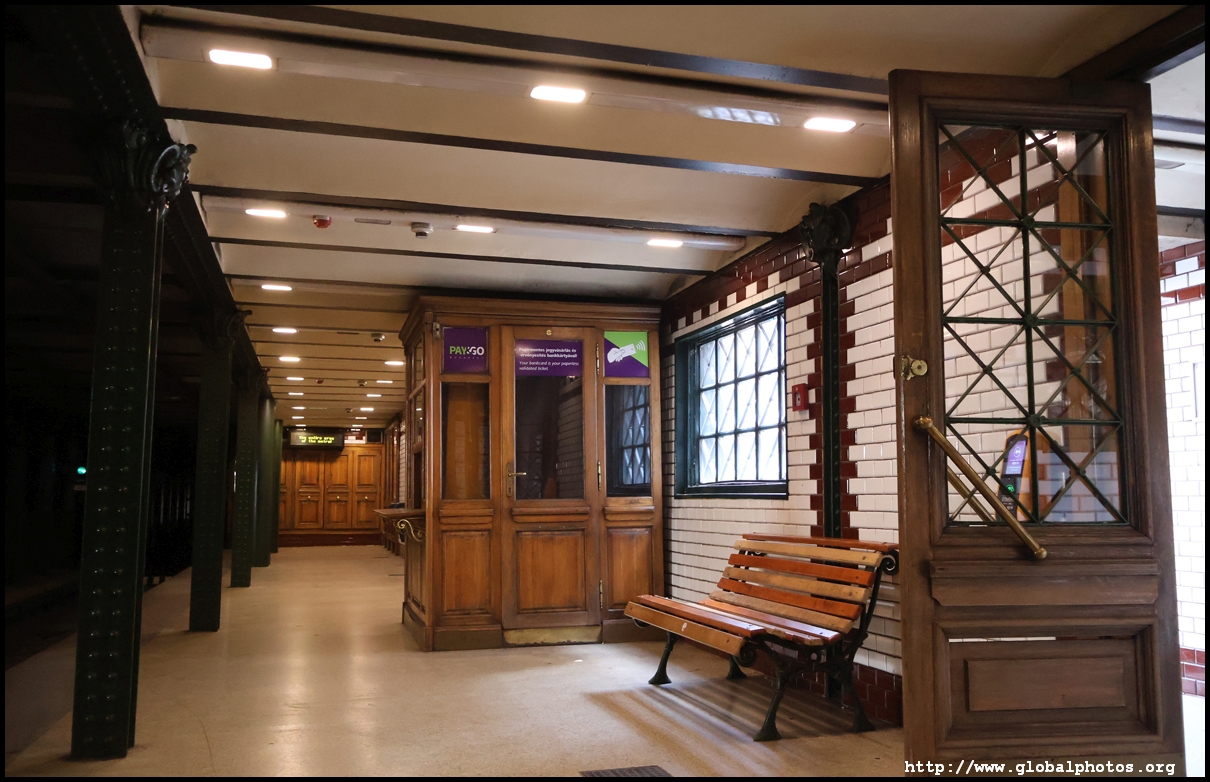
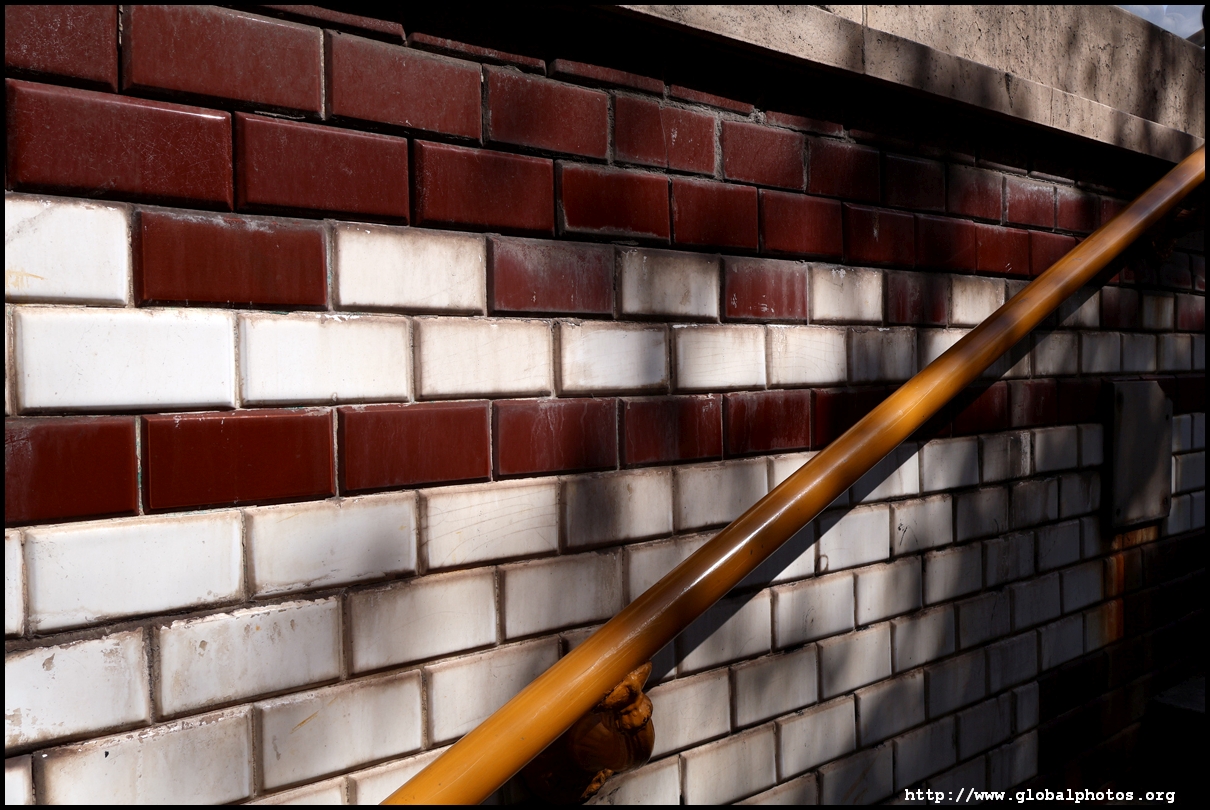
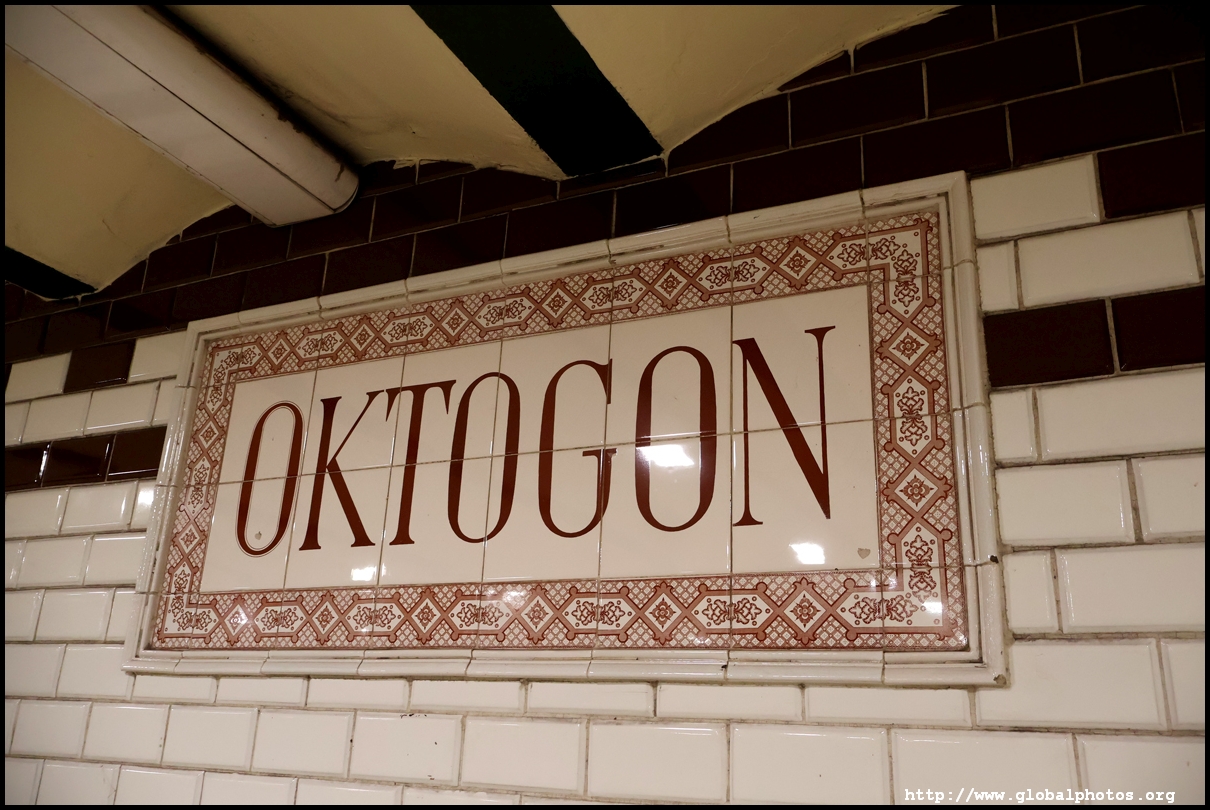
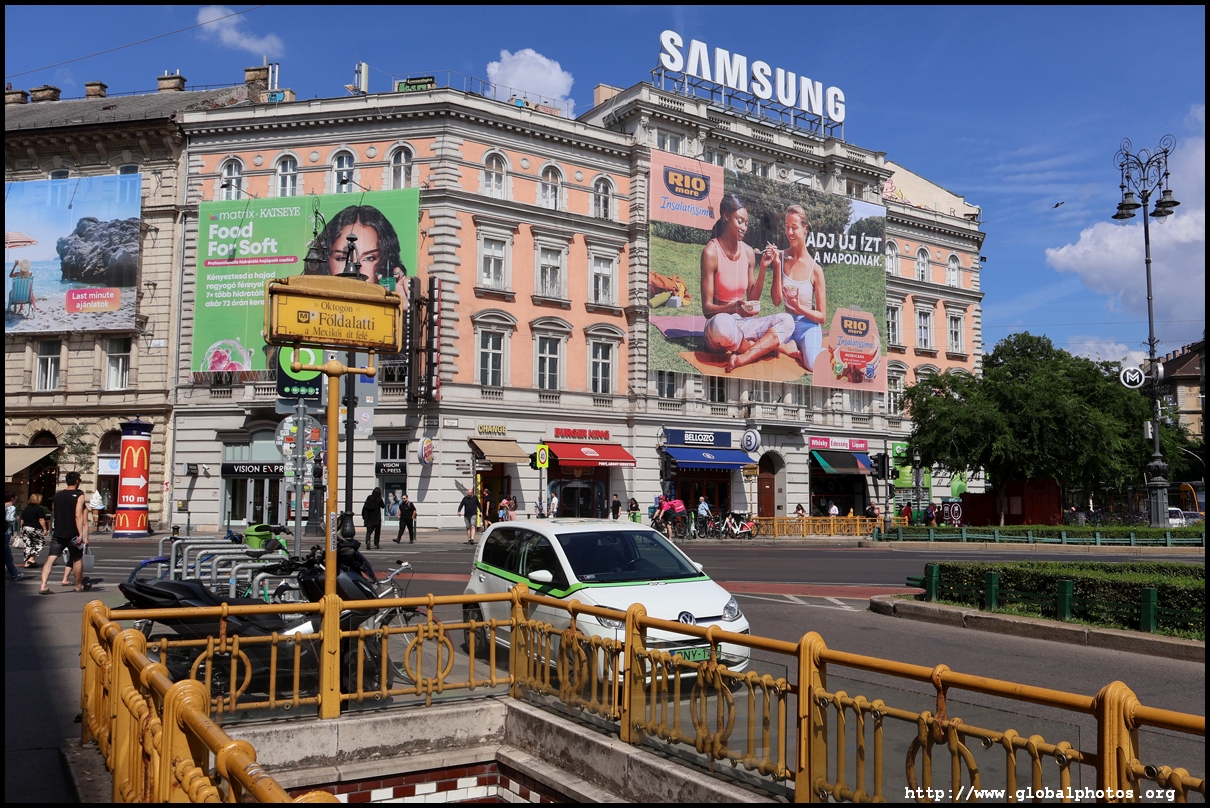
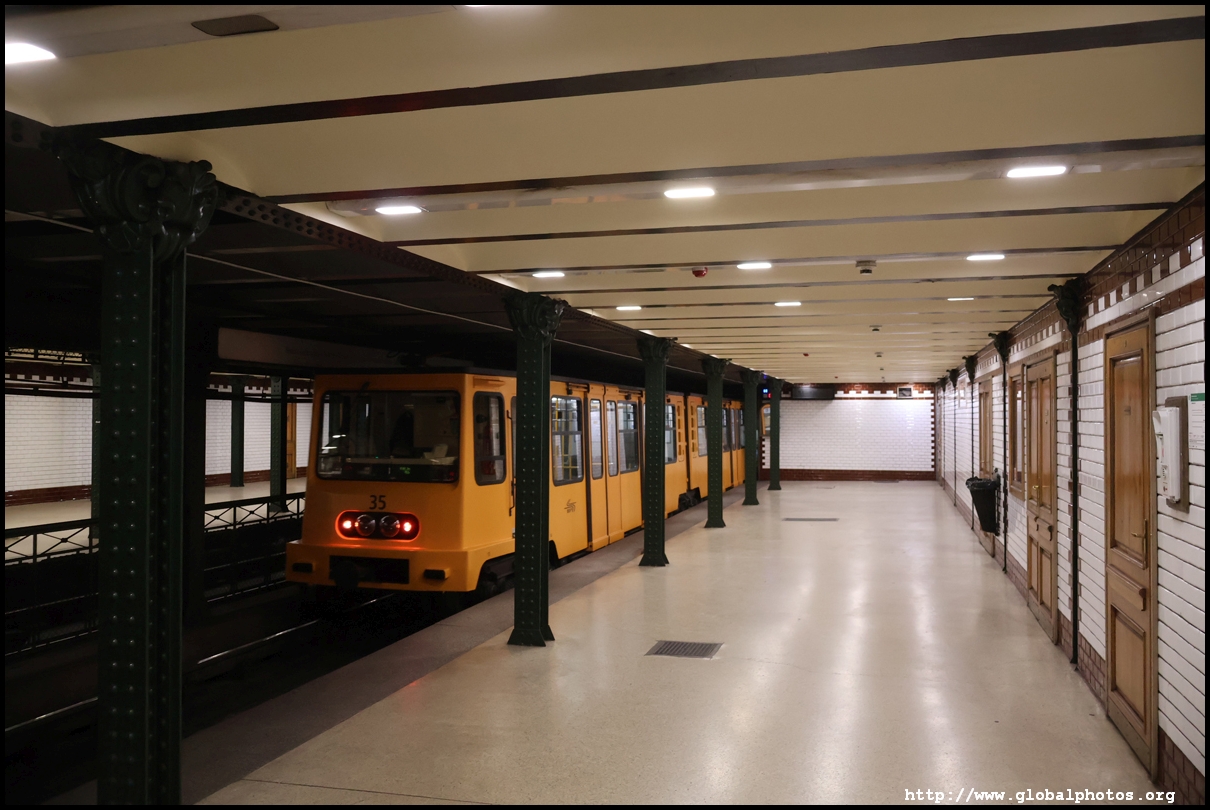
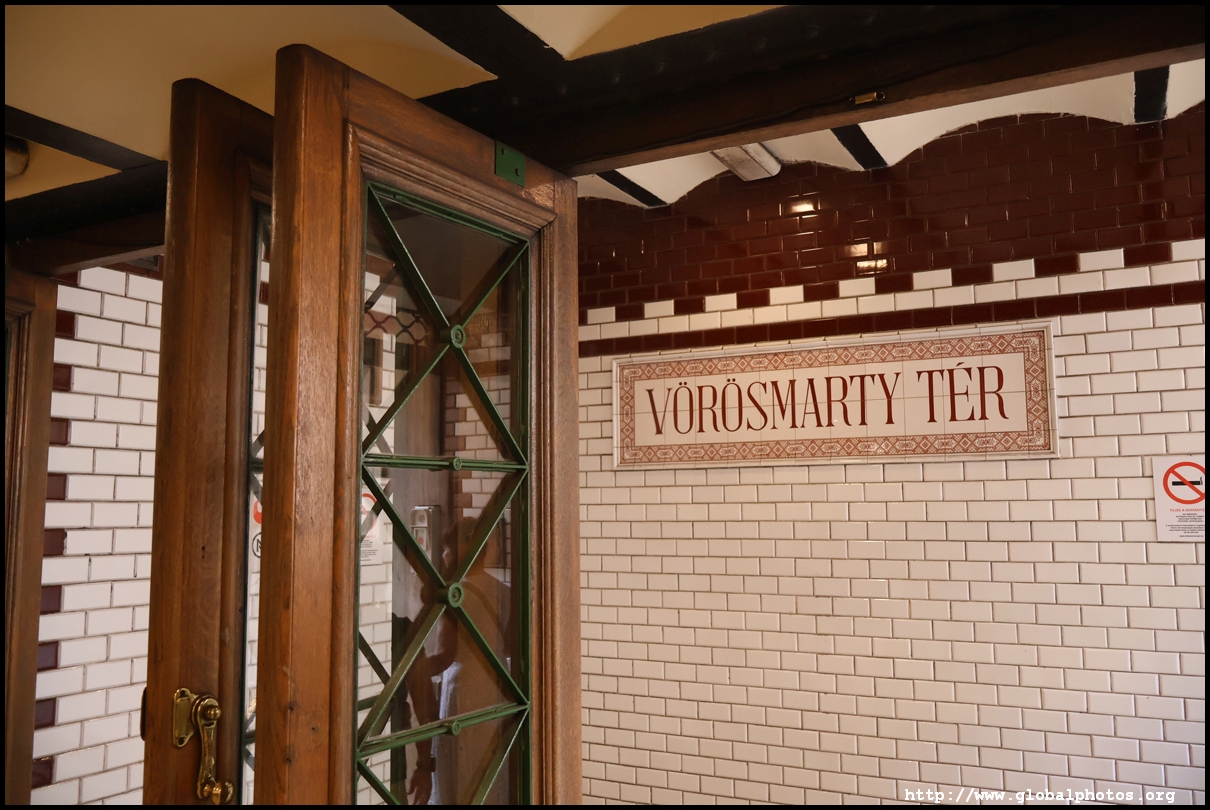
Budapest is home to the first electric underground railway in continental Europe. Now named Line M1, it opened in 1896 as the Millennium Underground, which refers to a thousand years of Hungarian conquest. The stations look very historic although there is newer rolling stock.
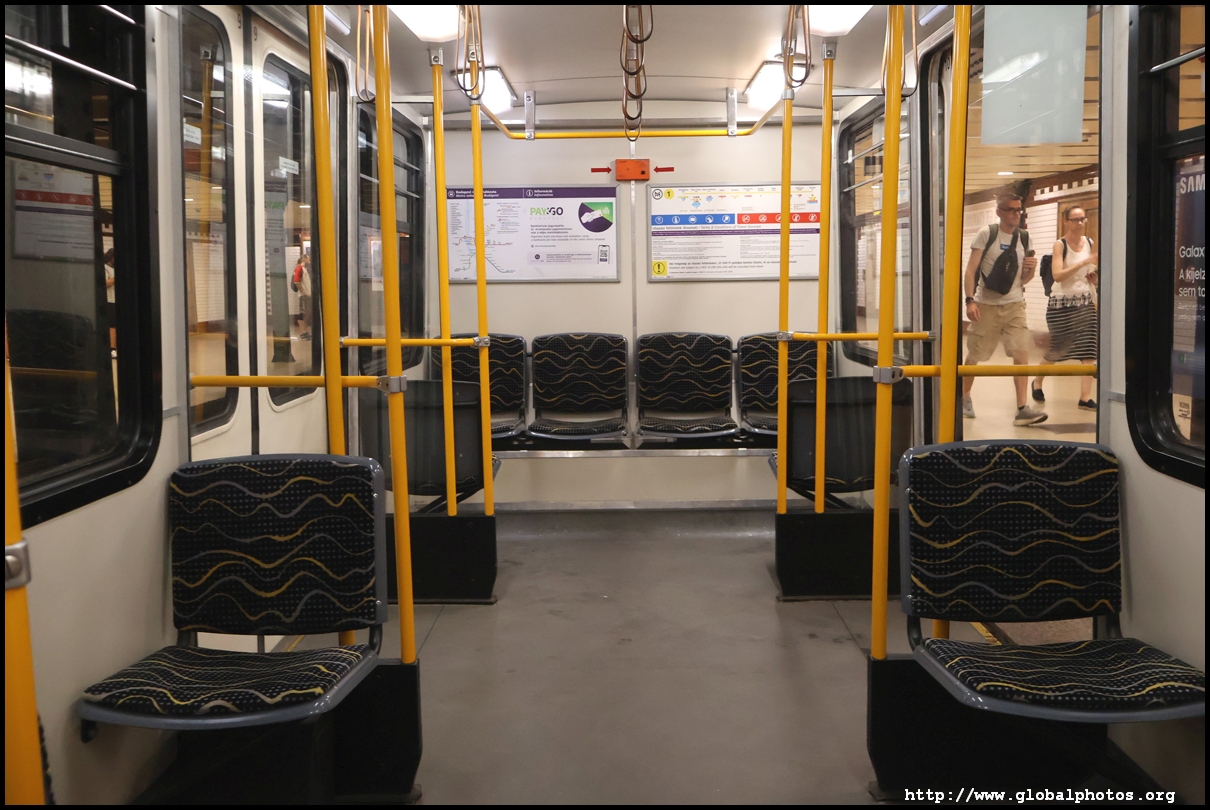
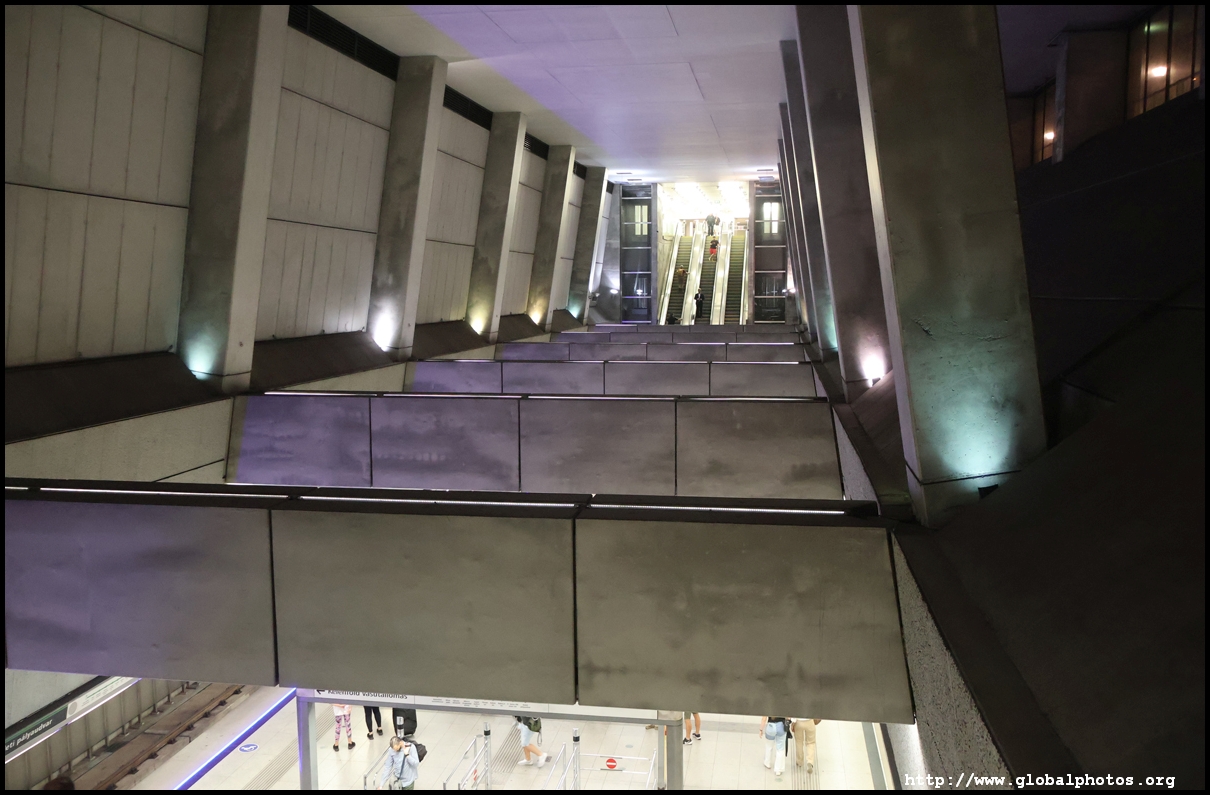
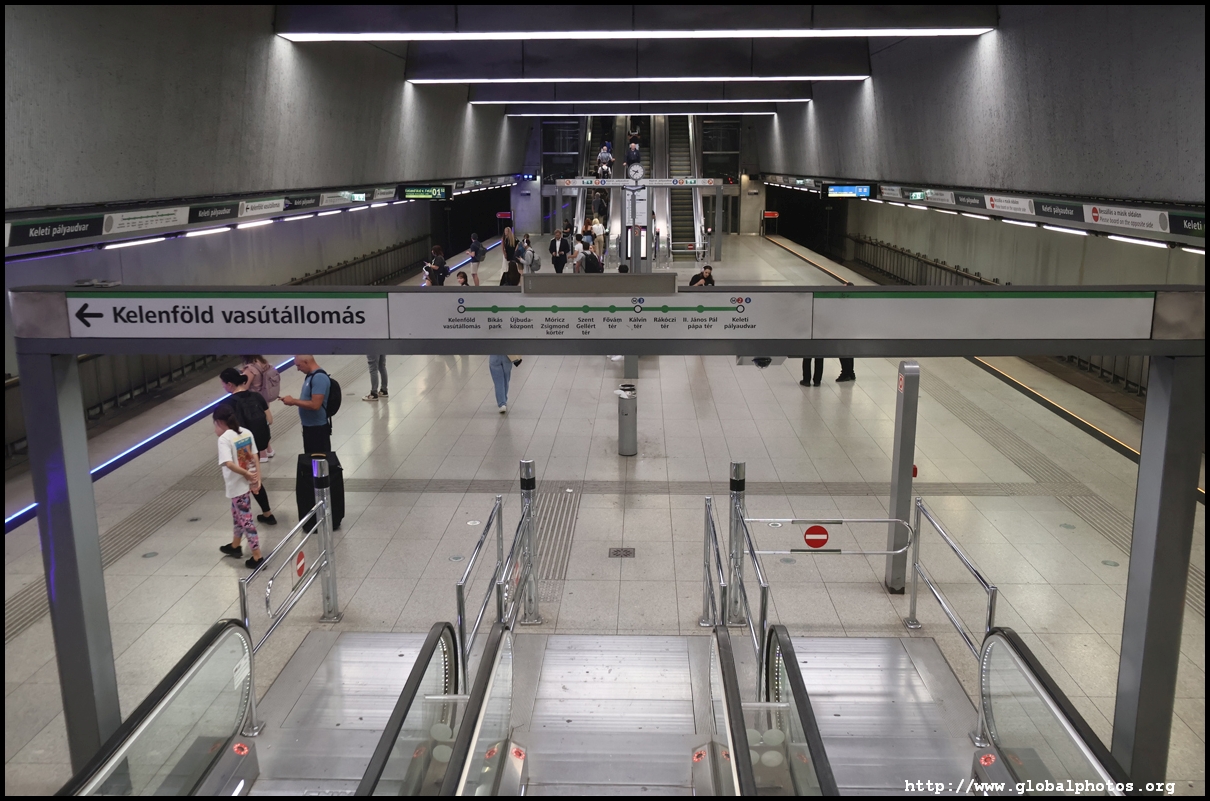
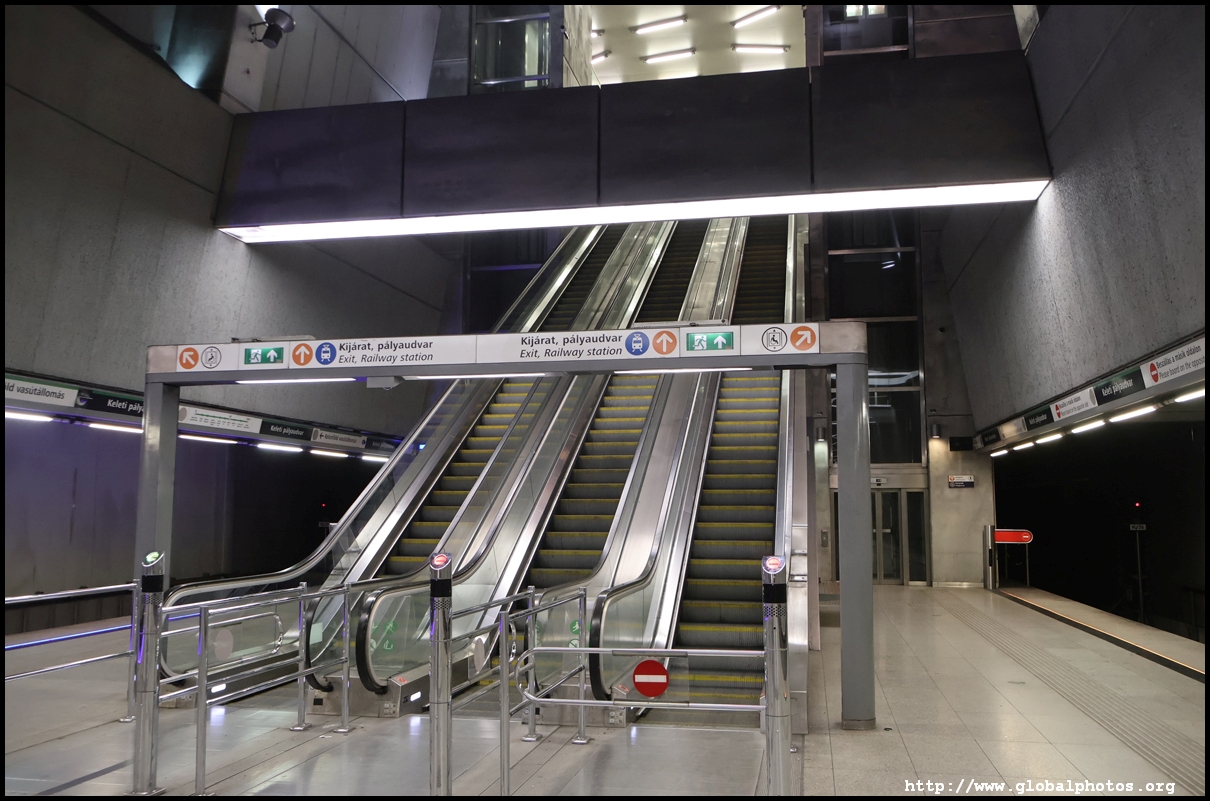
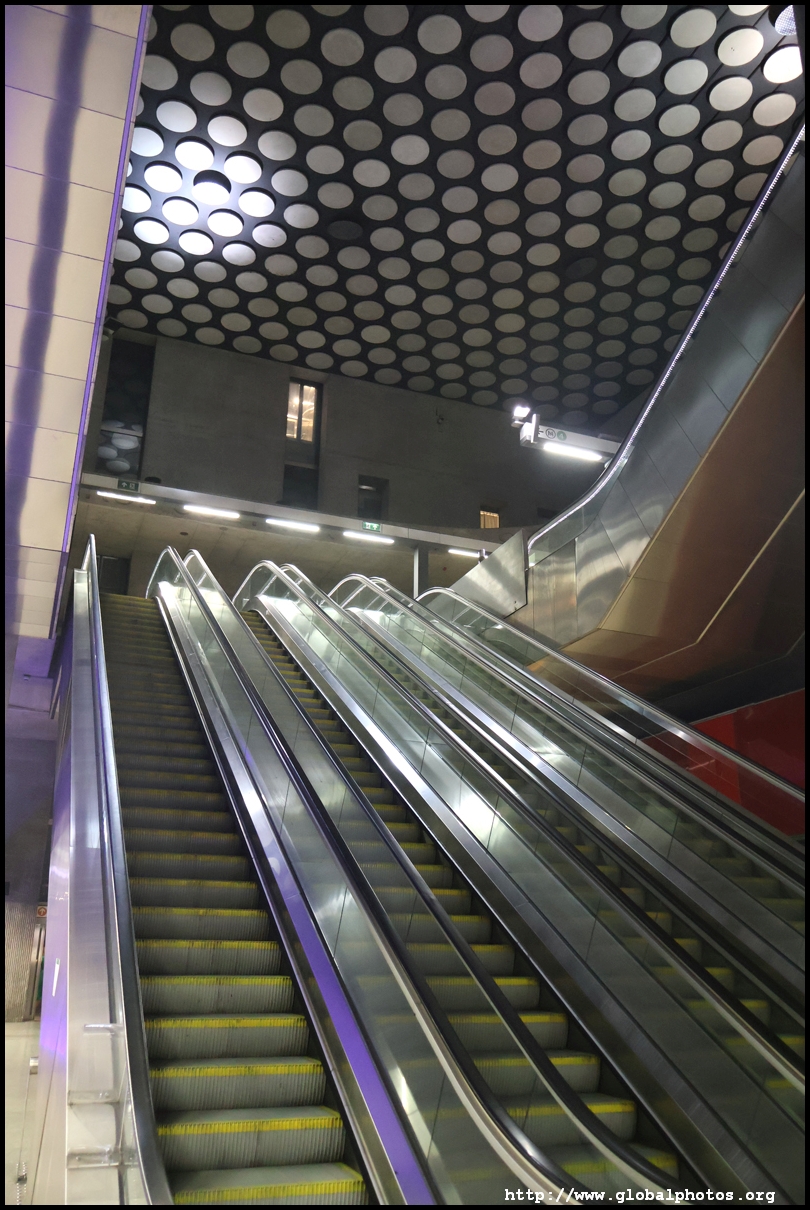
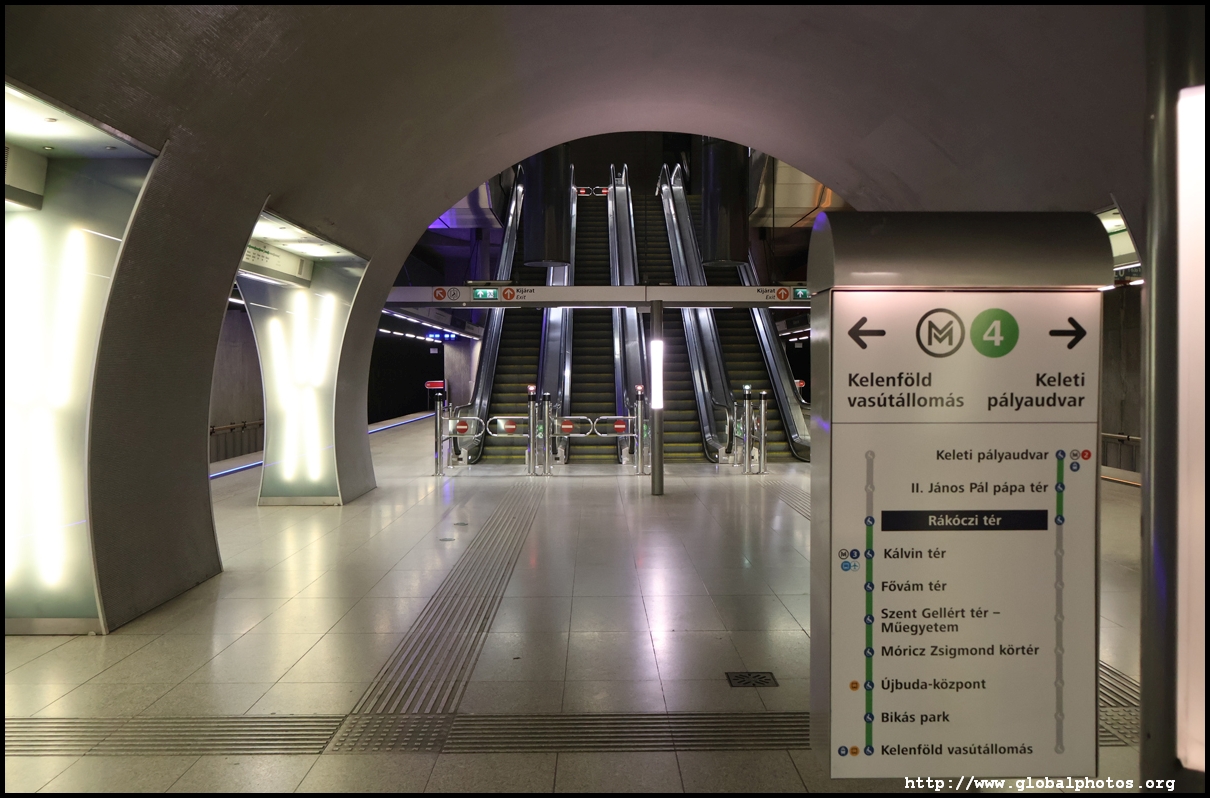
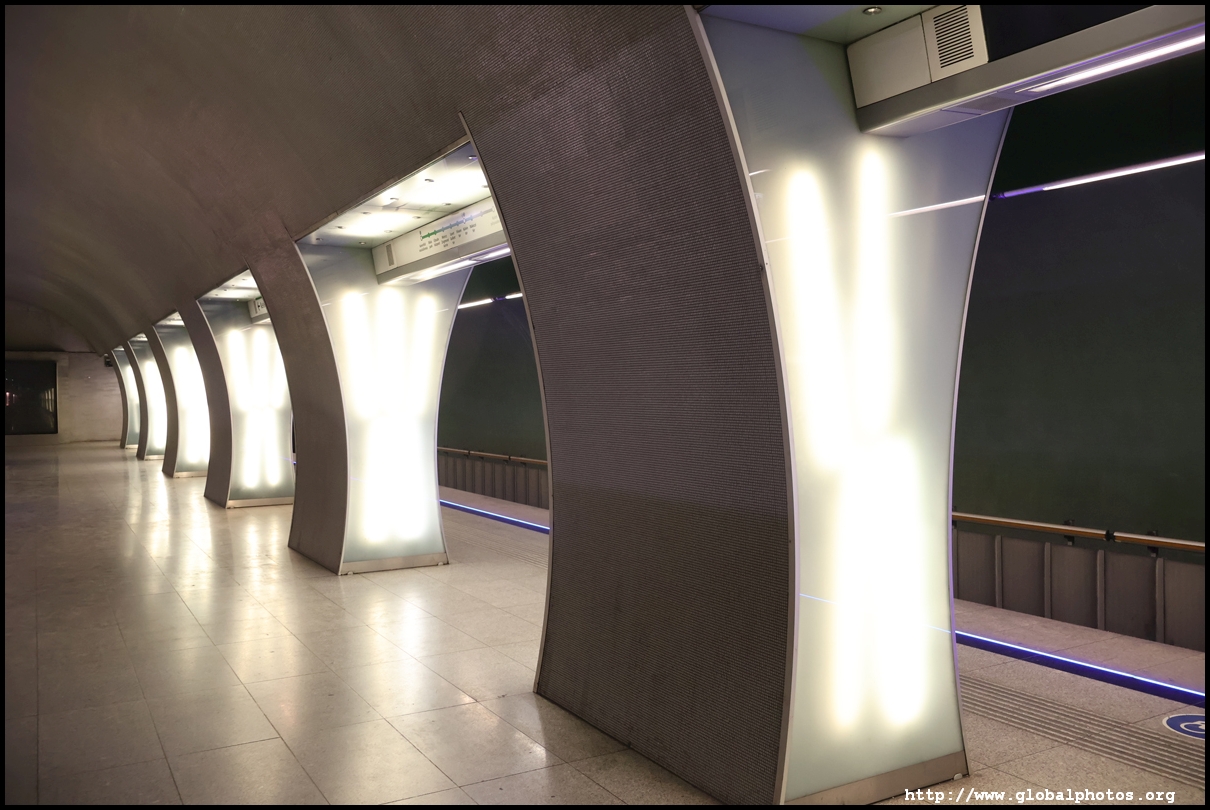
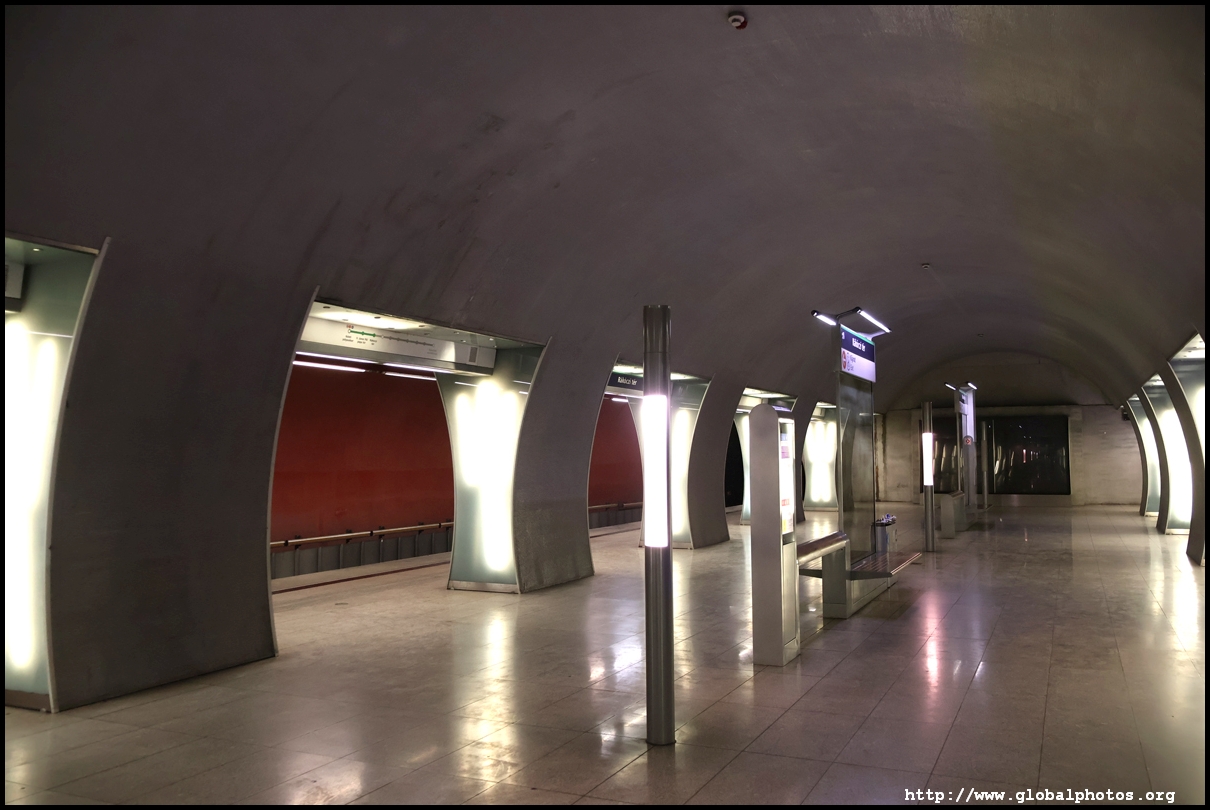
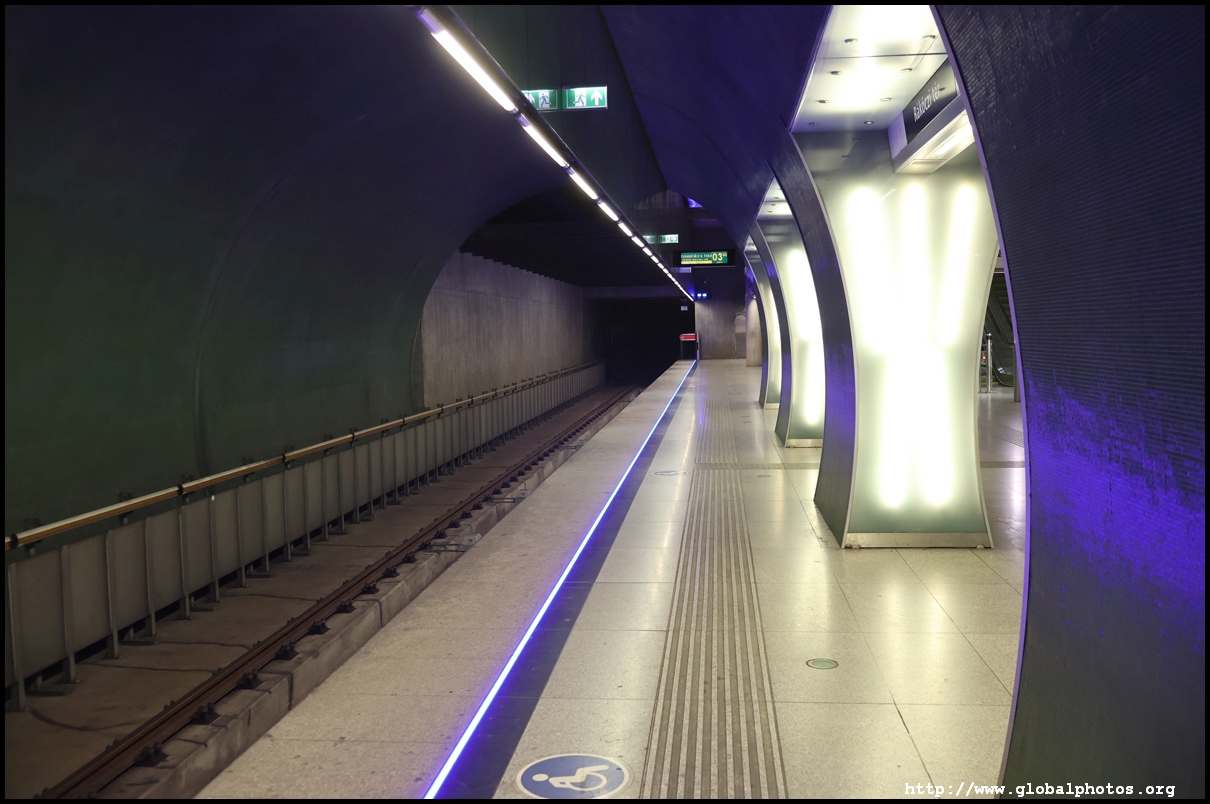
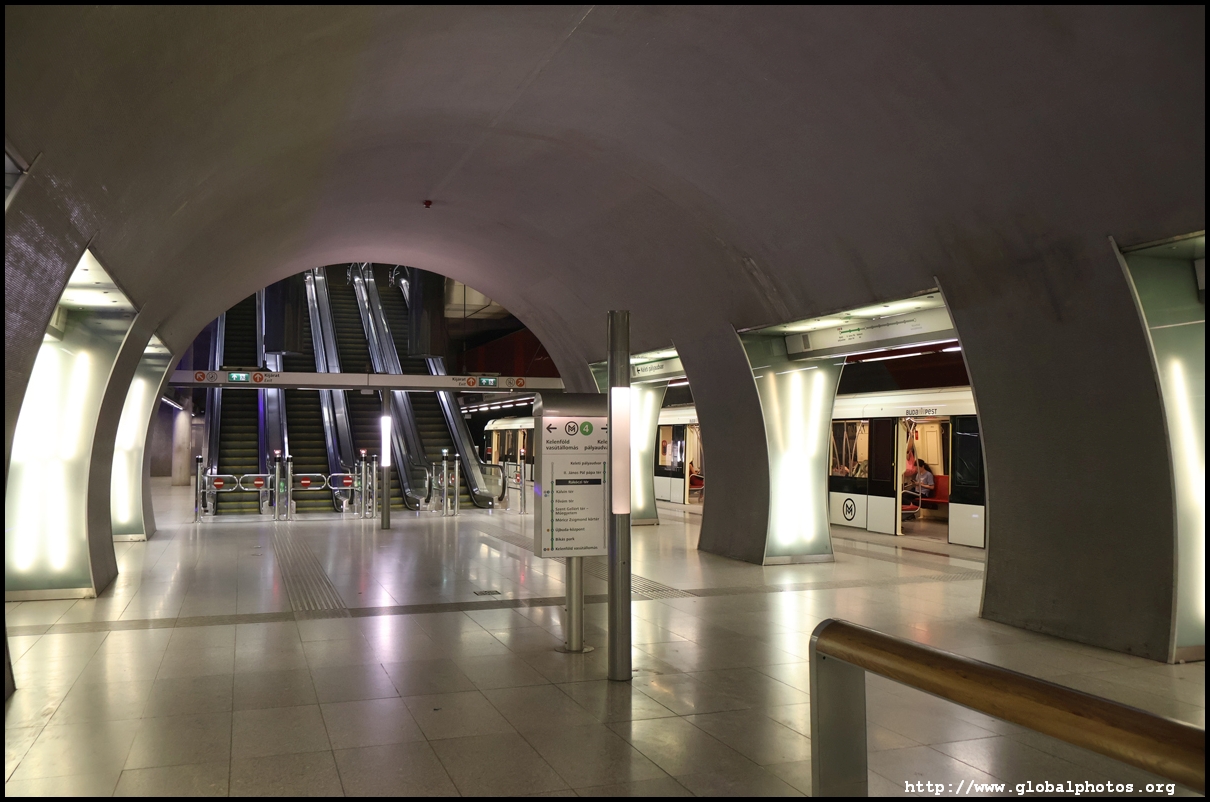
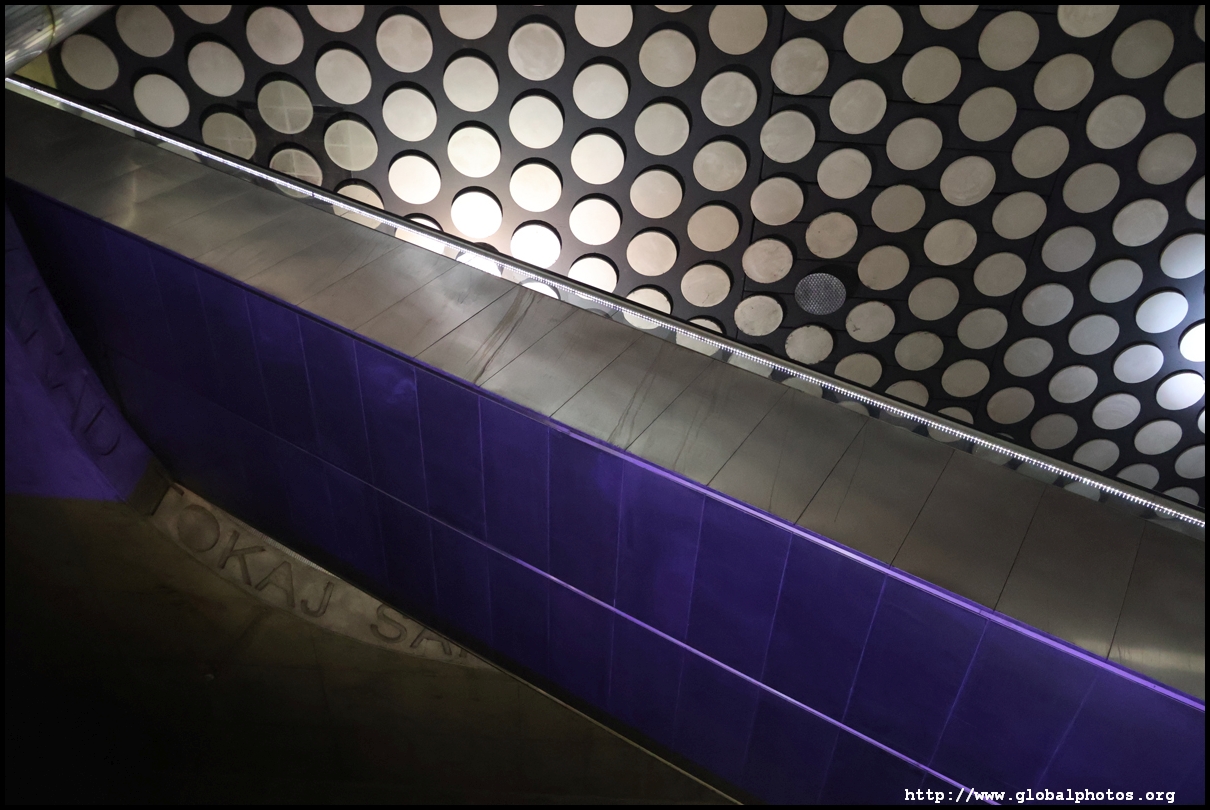
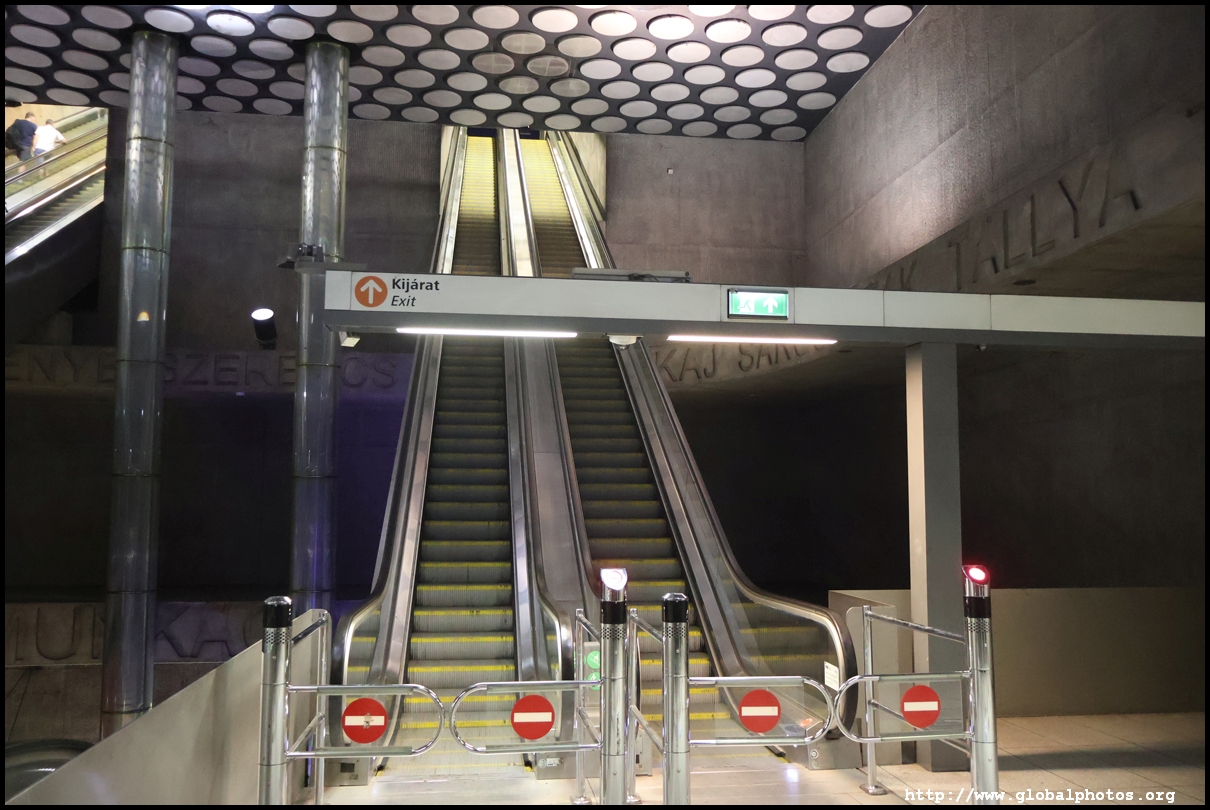
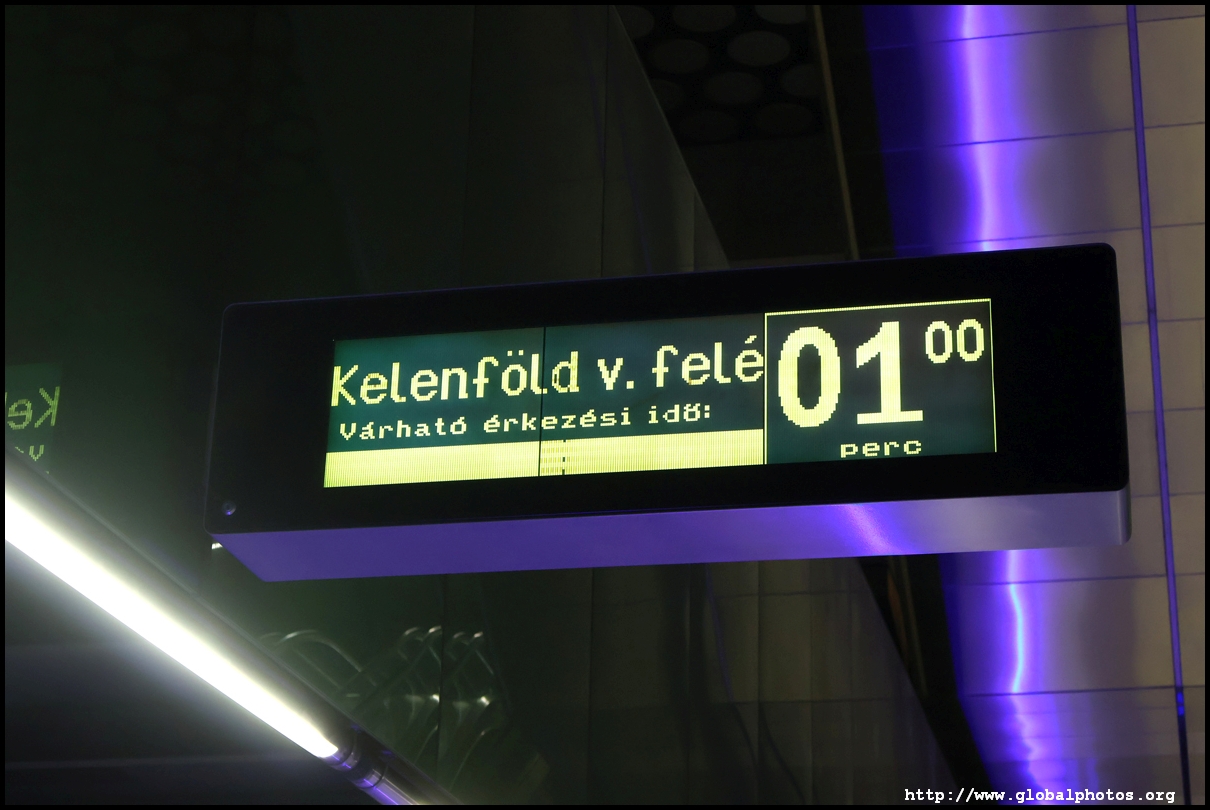
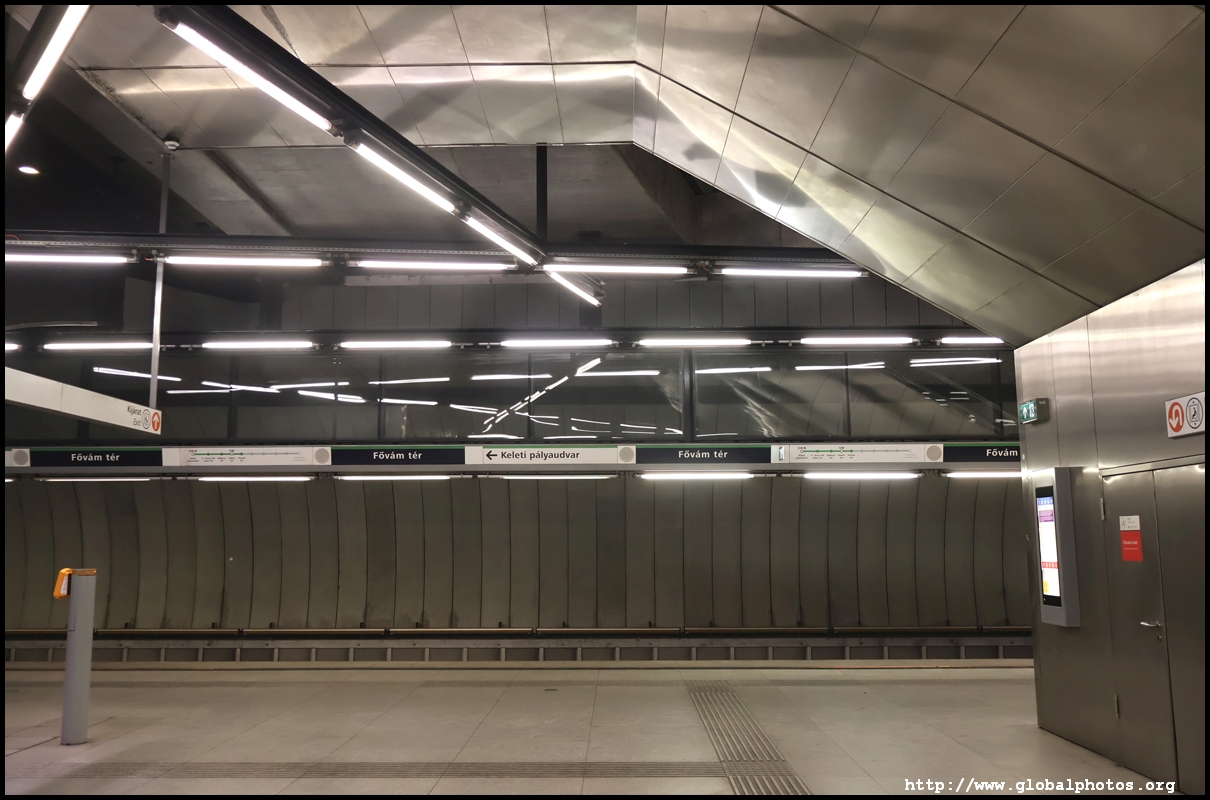
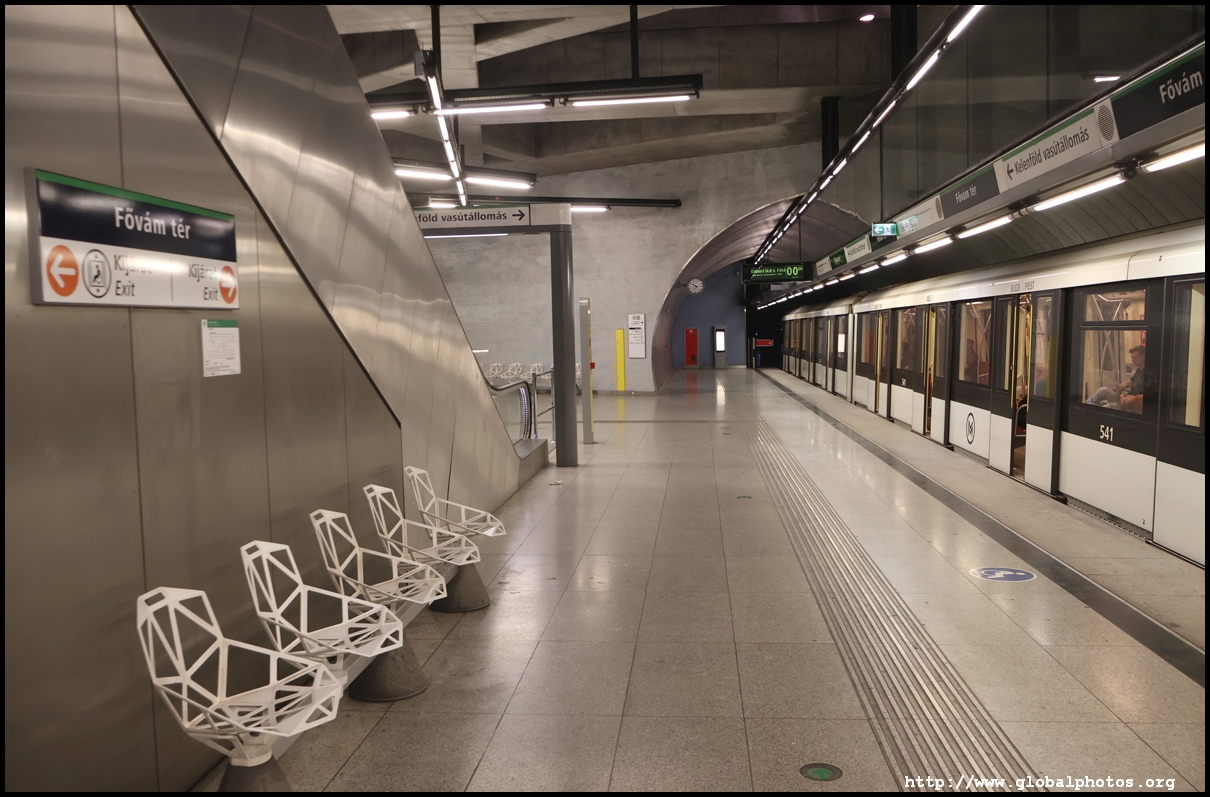
Plans for building Line M4 date back to the 1970s. It finally opened in 2014 running just over 7km with 10 stations. The station designs look noticeably more bold and contemporary.
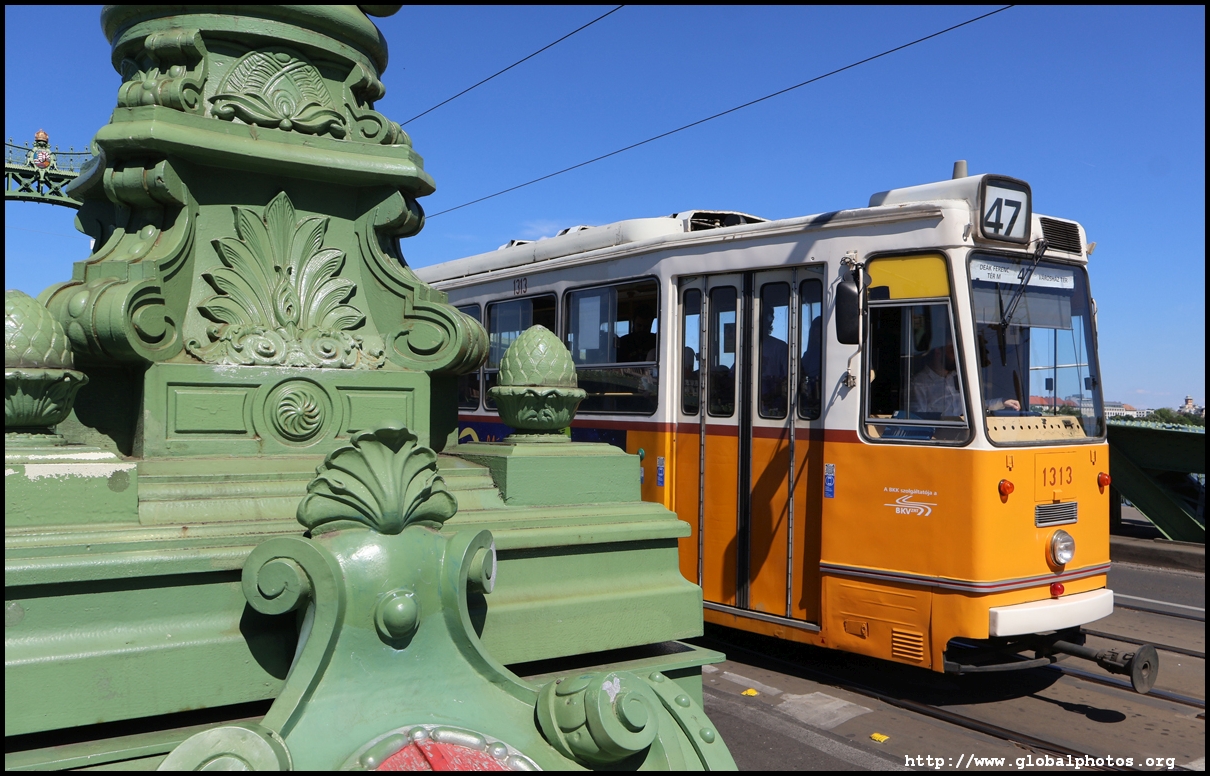
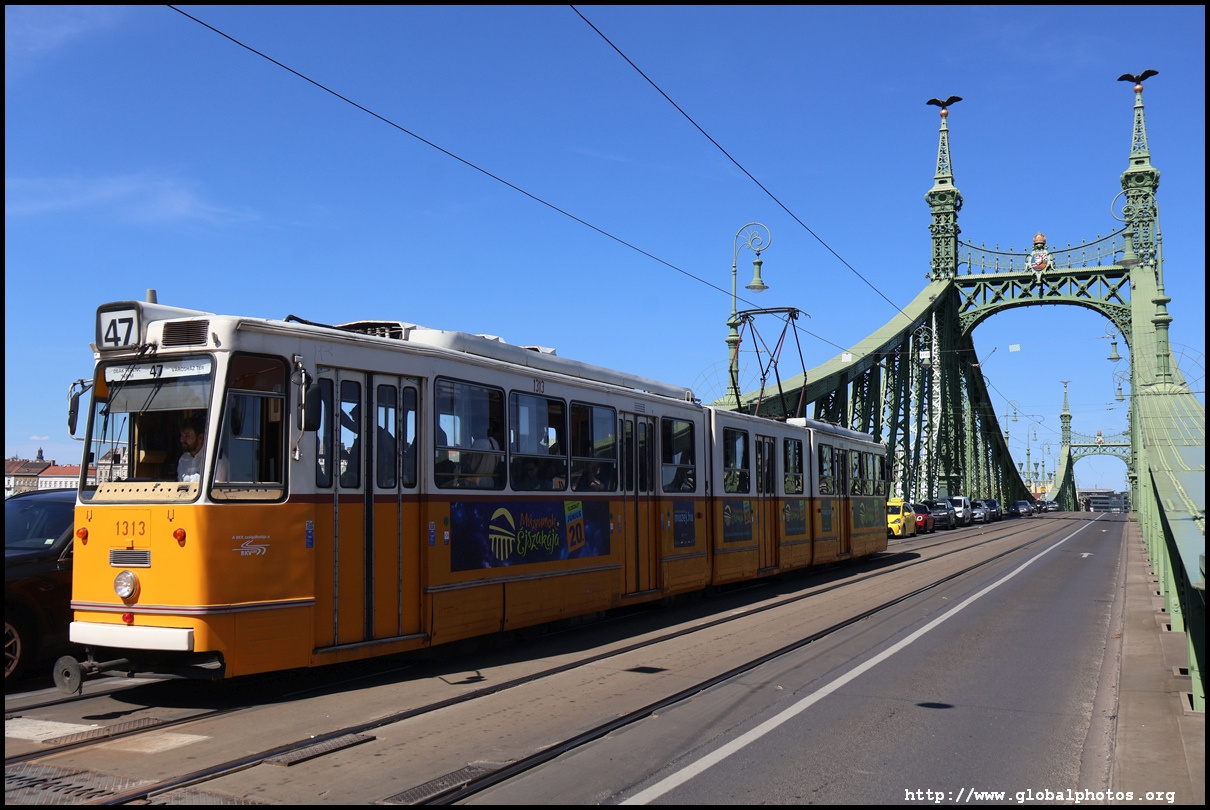
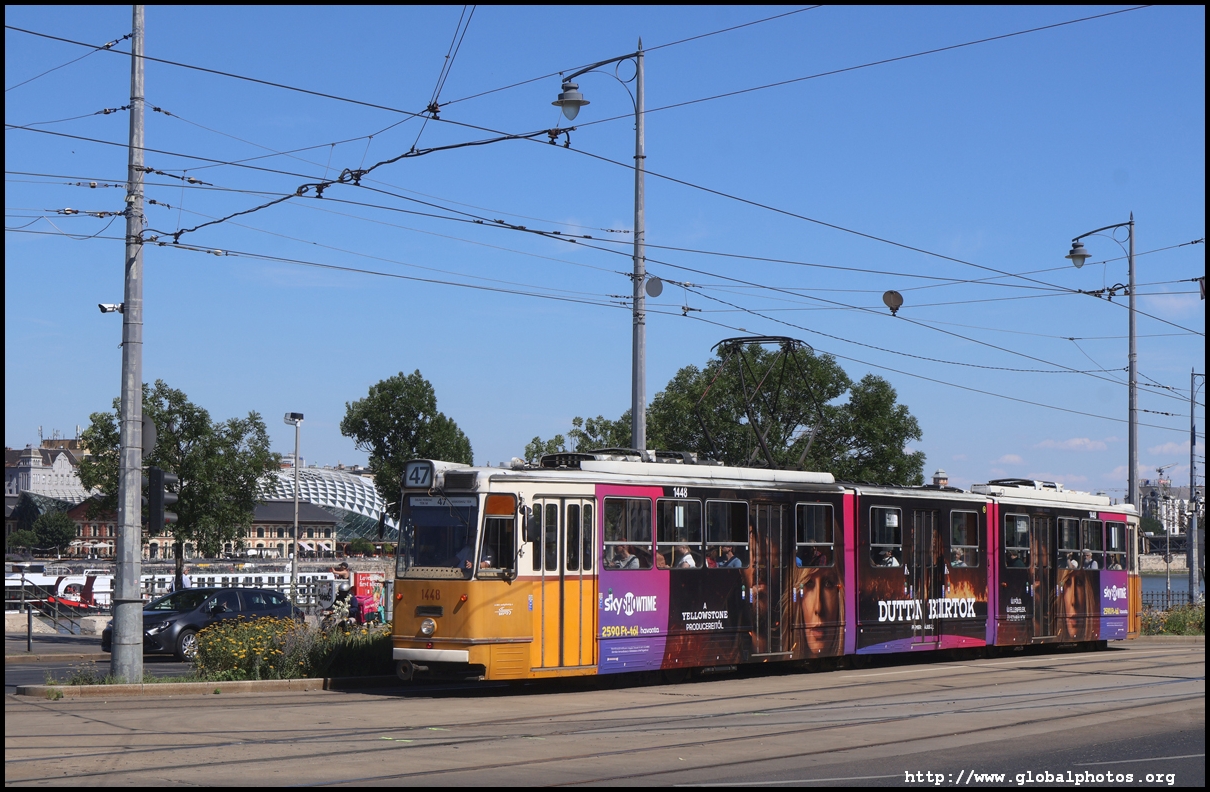
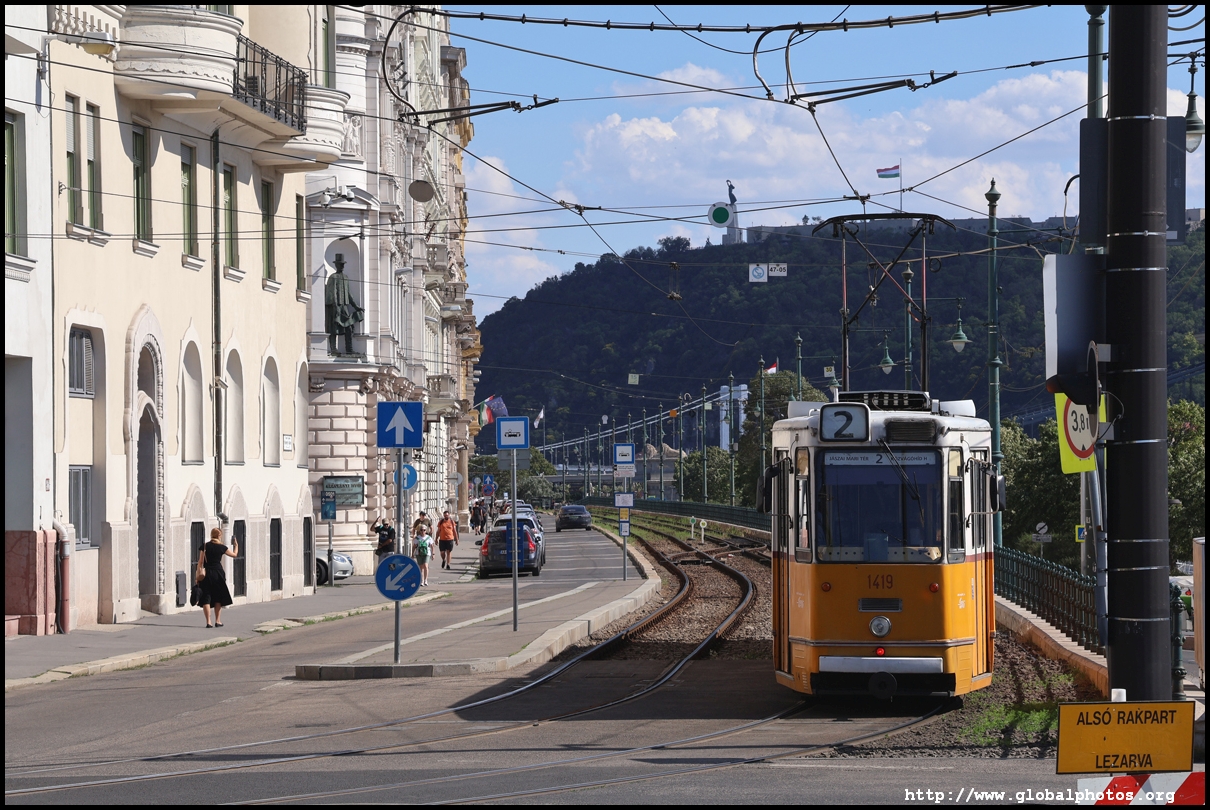
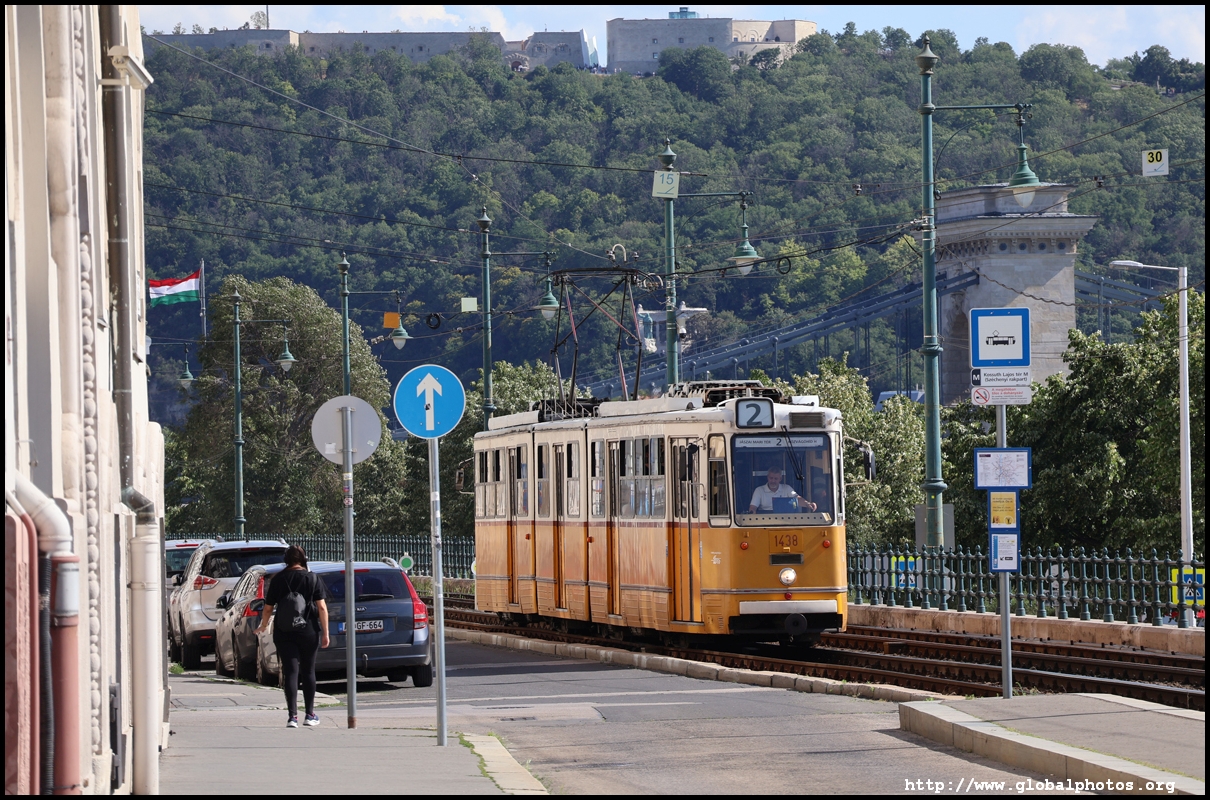
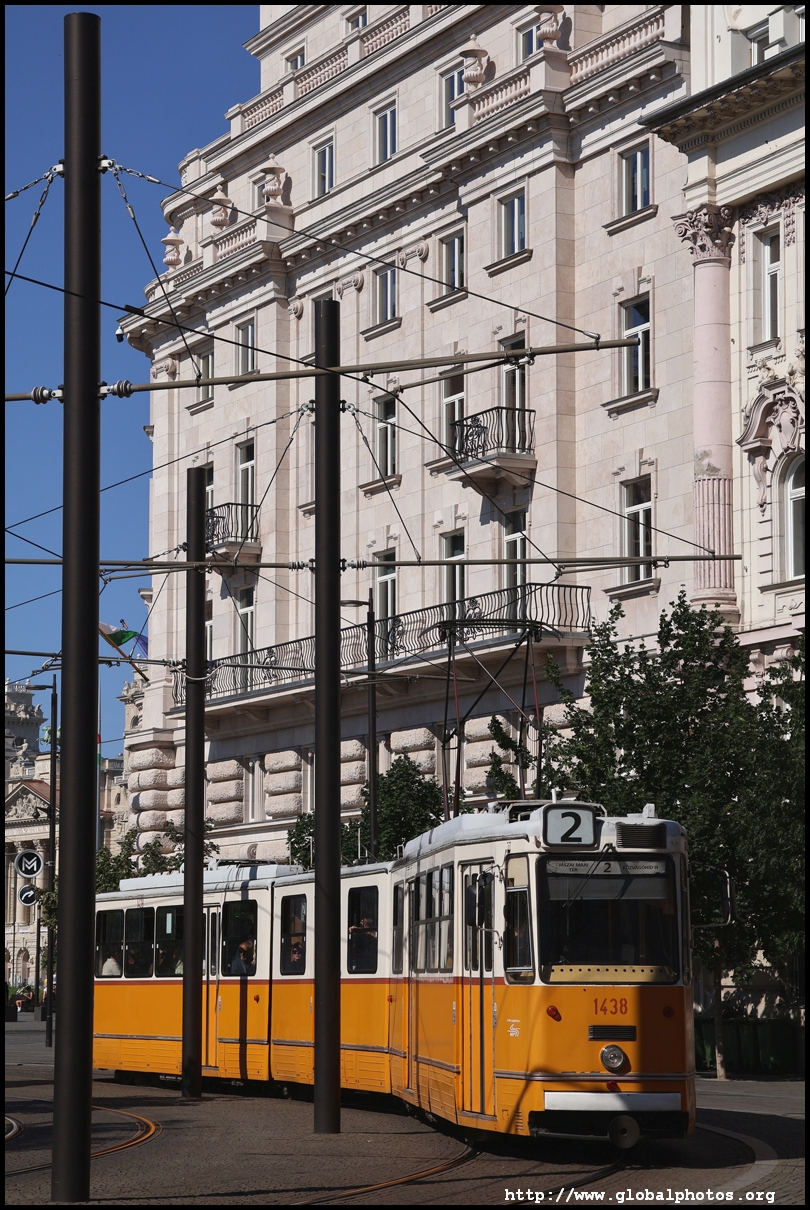
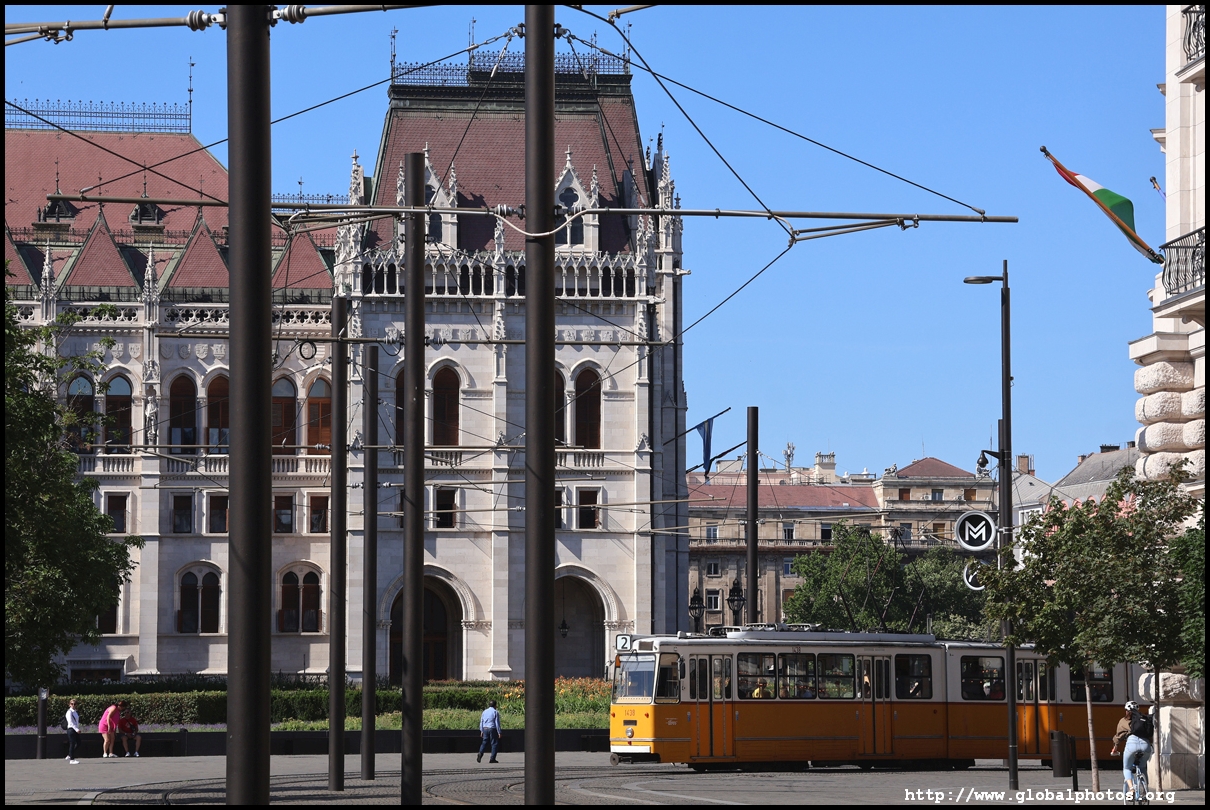
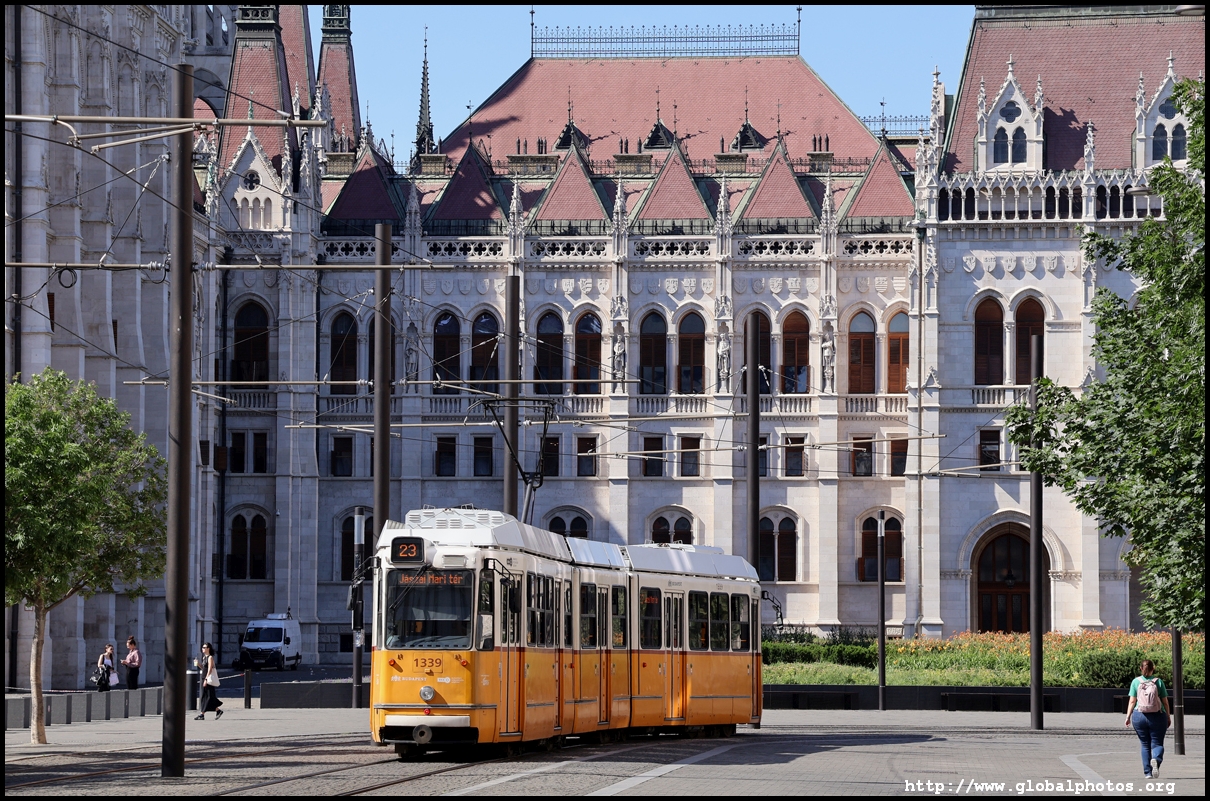
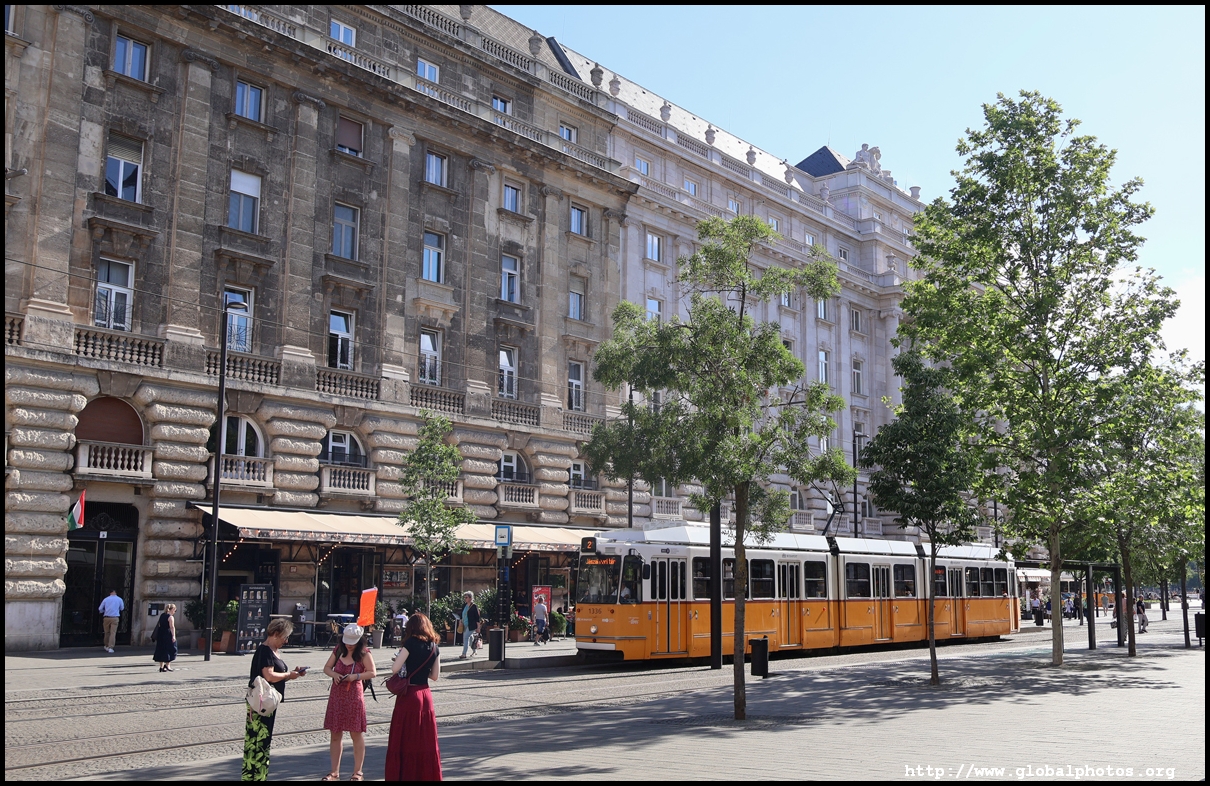
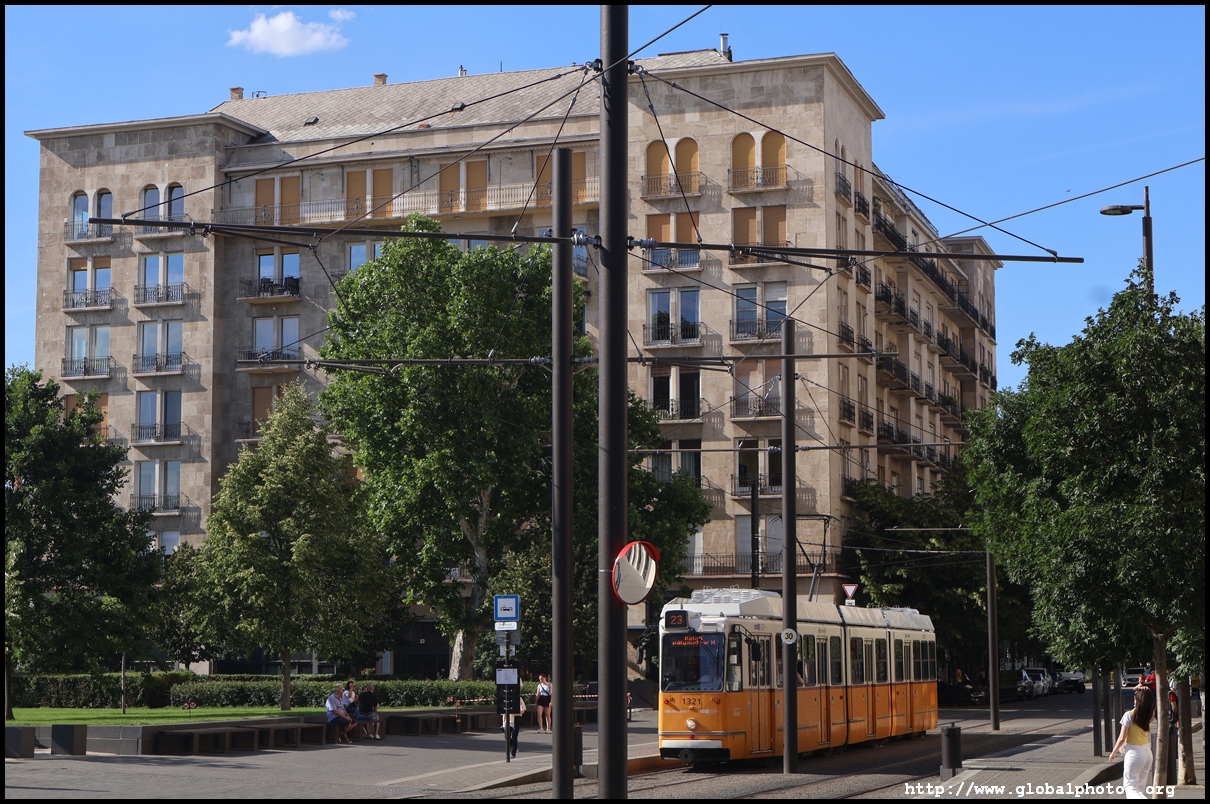
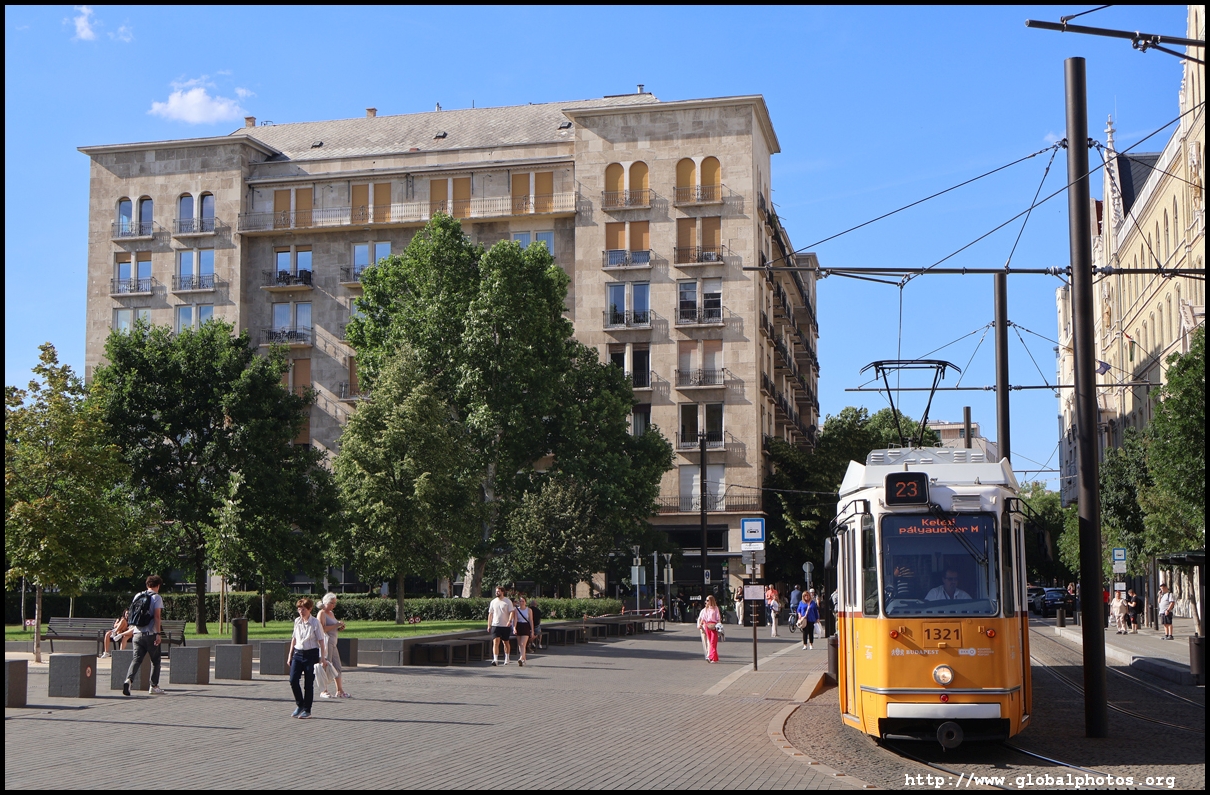
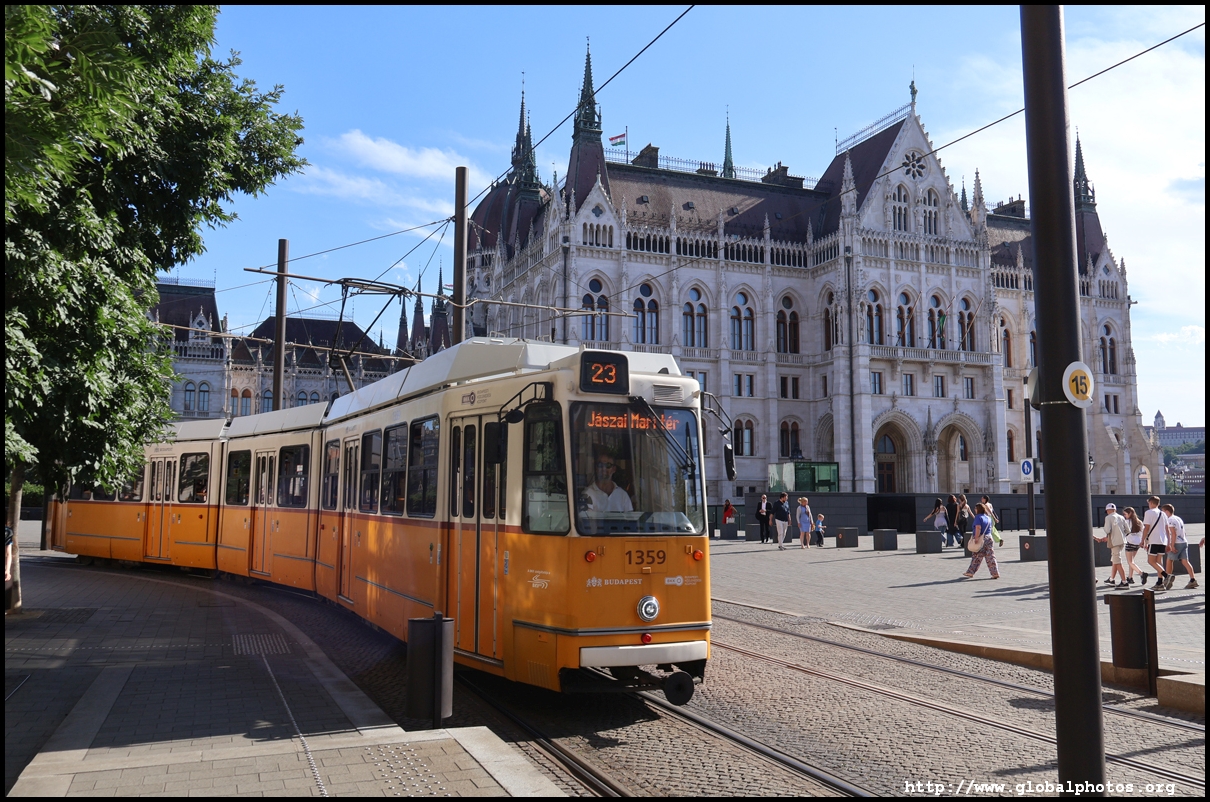
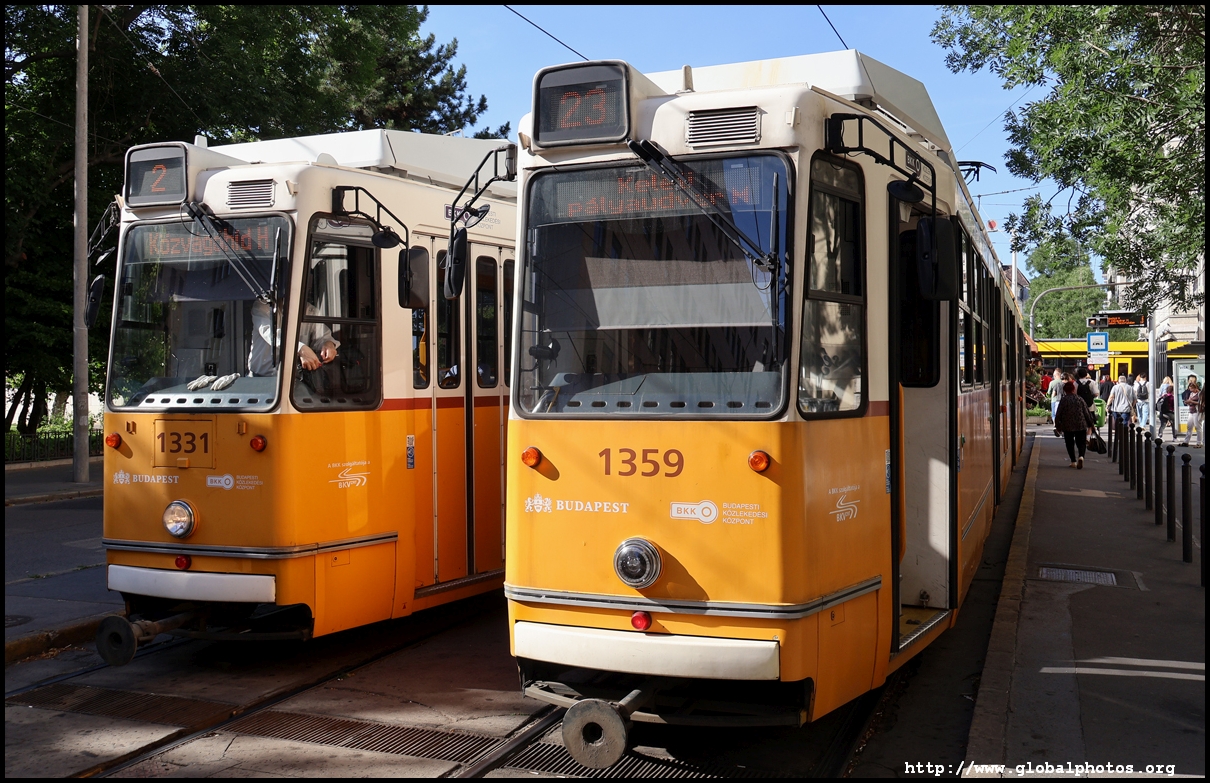
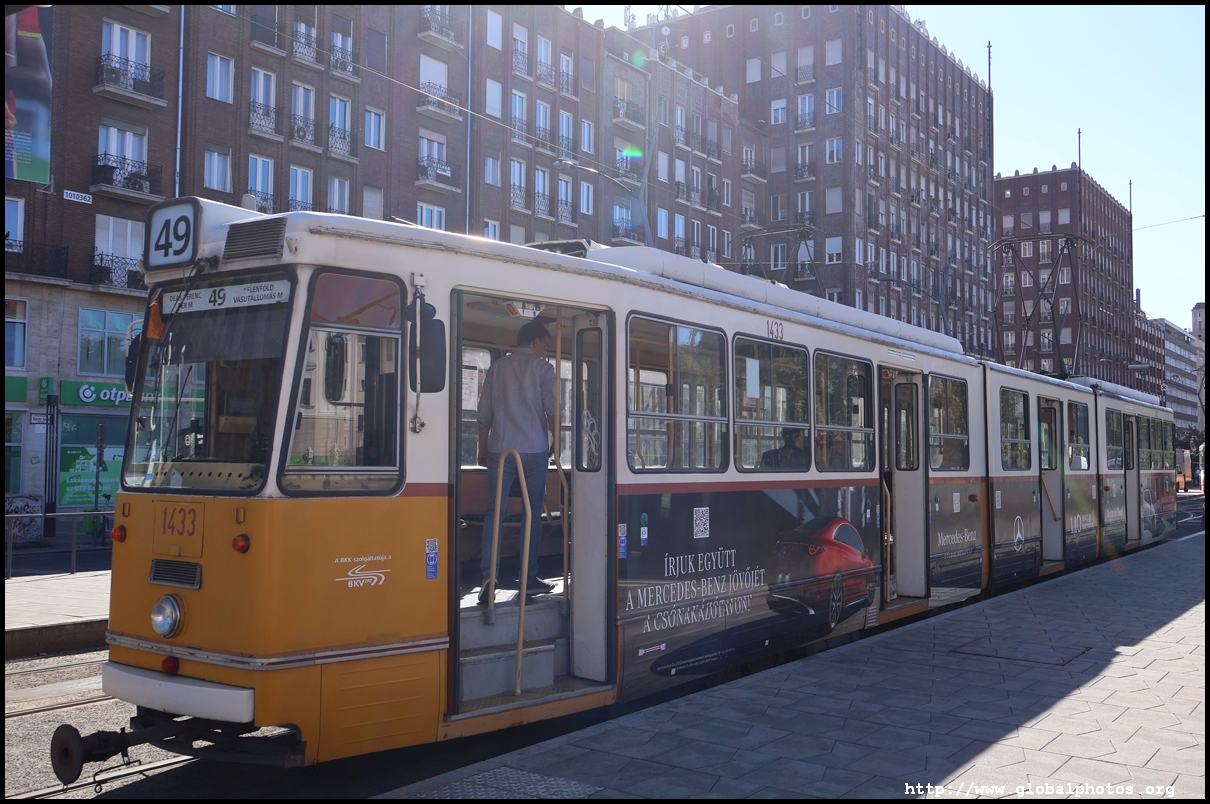
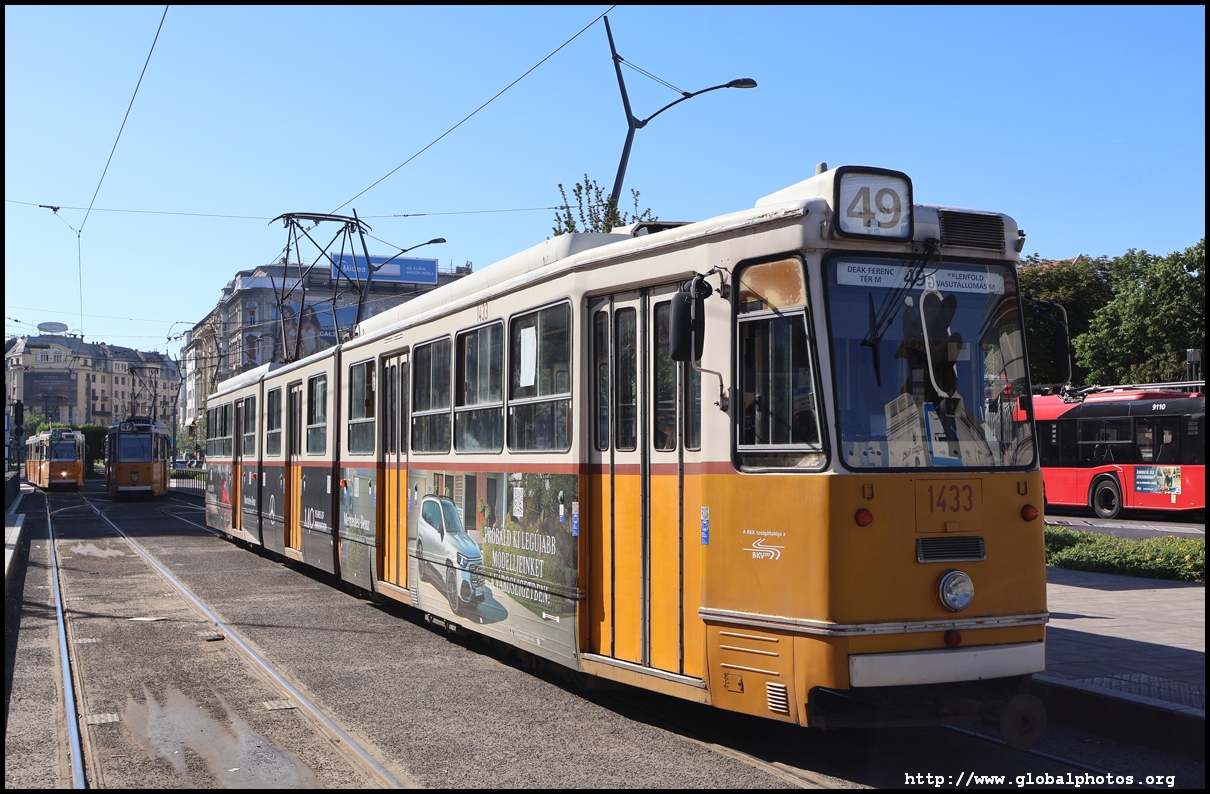
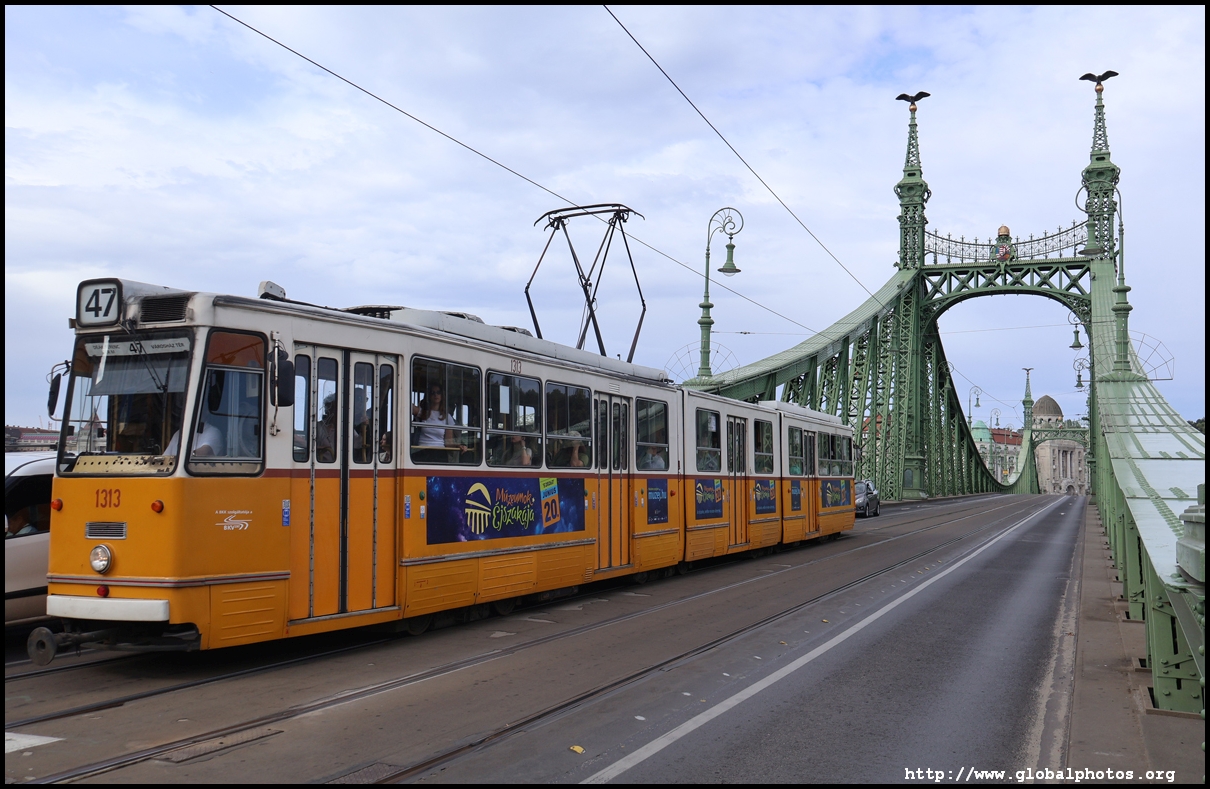
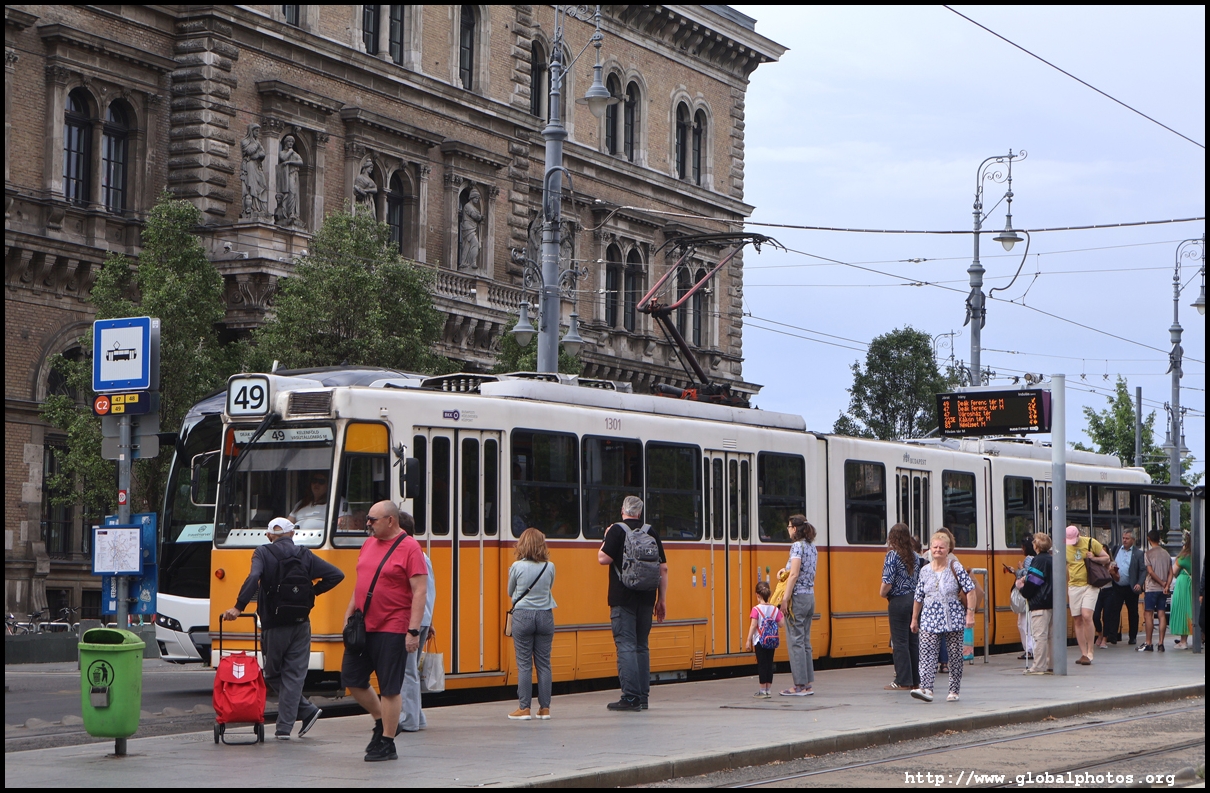
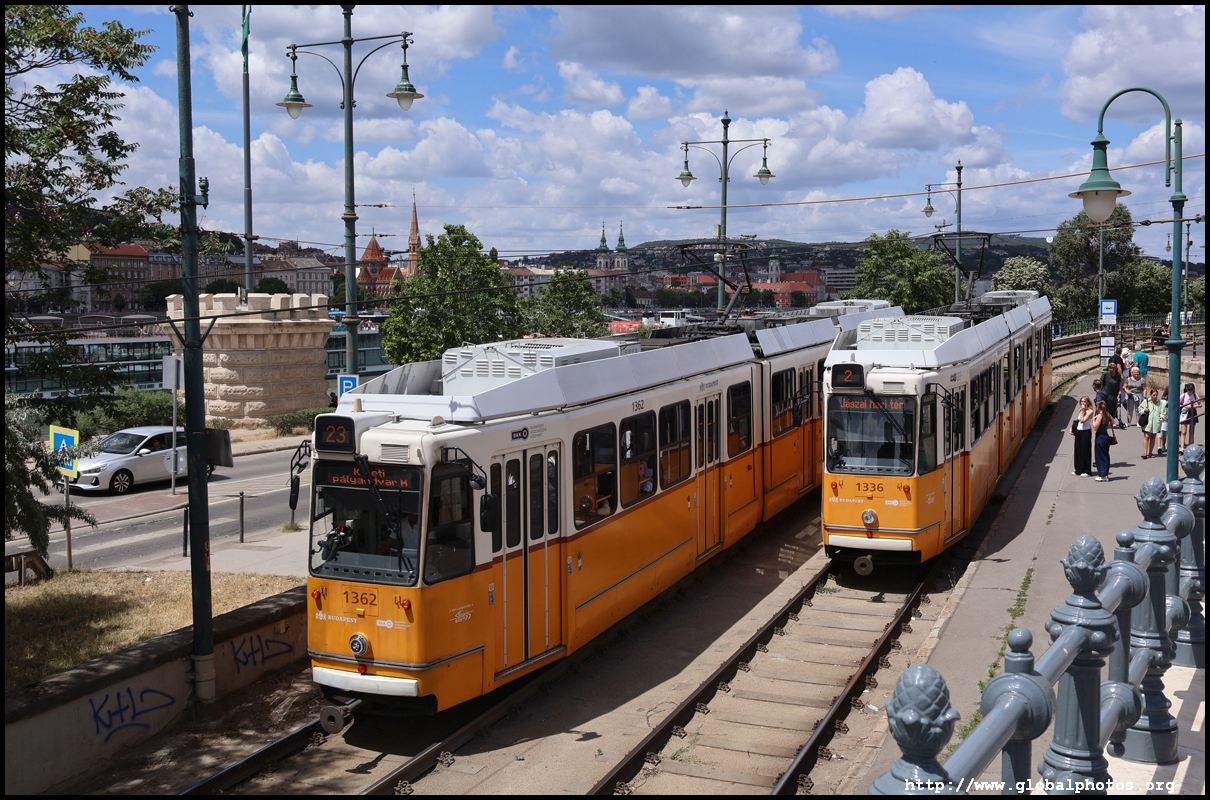
Like Lisbon, Budapest has old vintage trams running regular services. I would recommend taking one of the routes that run along the Danube riverfront on the Pest side, such as 2, 2B, or 23.
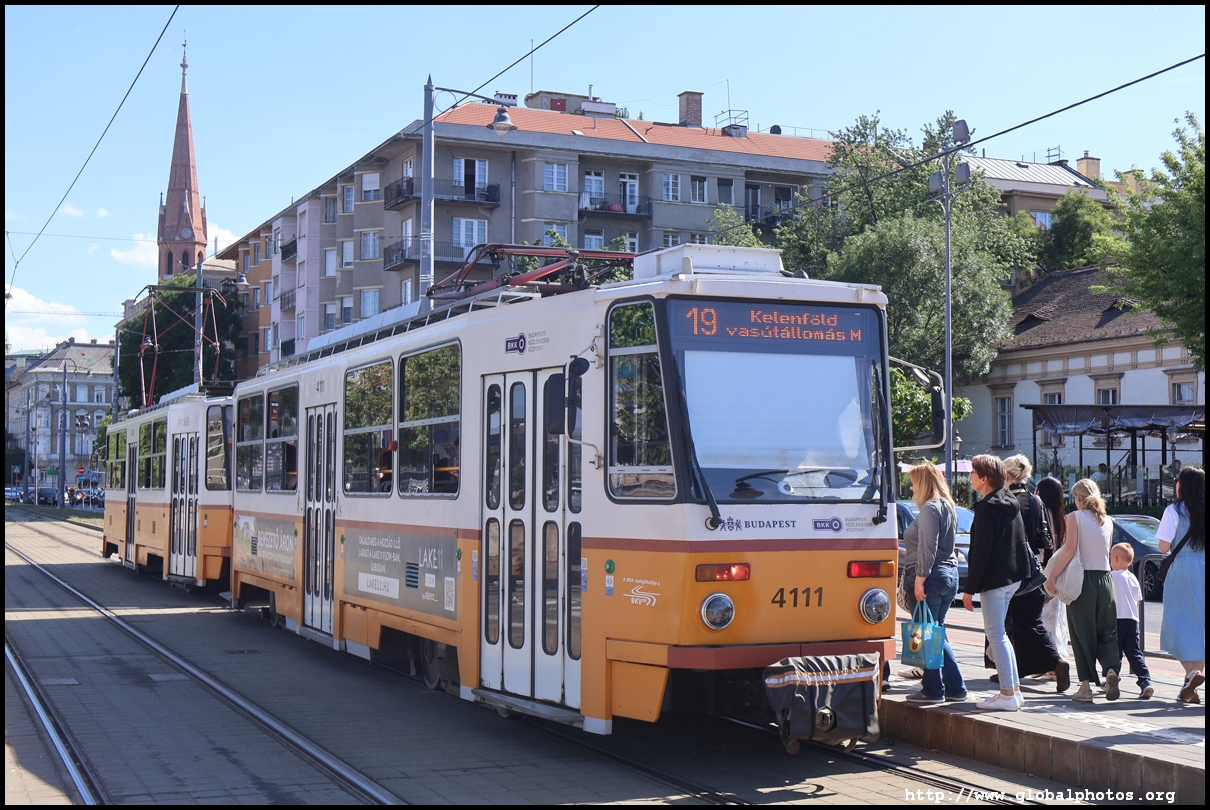
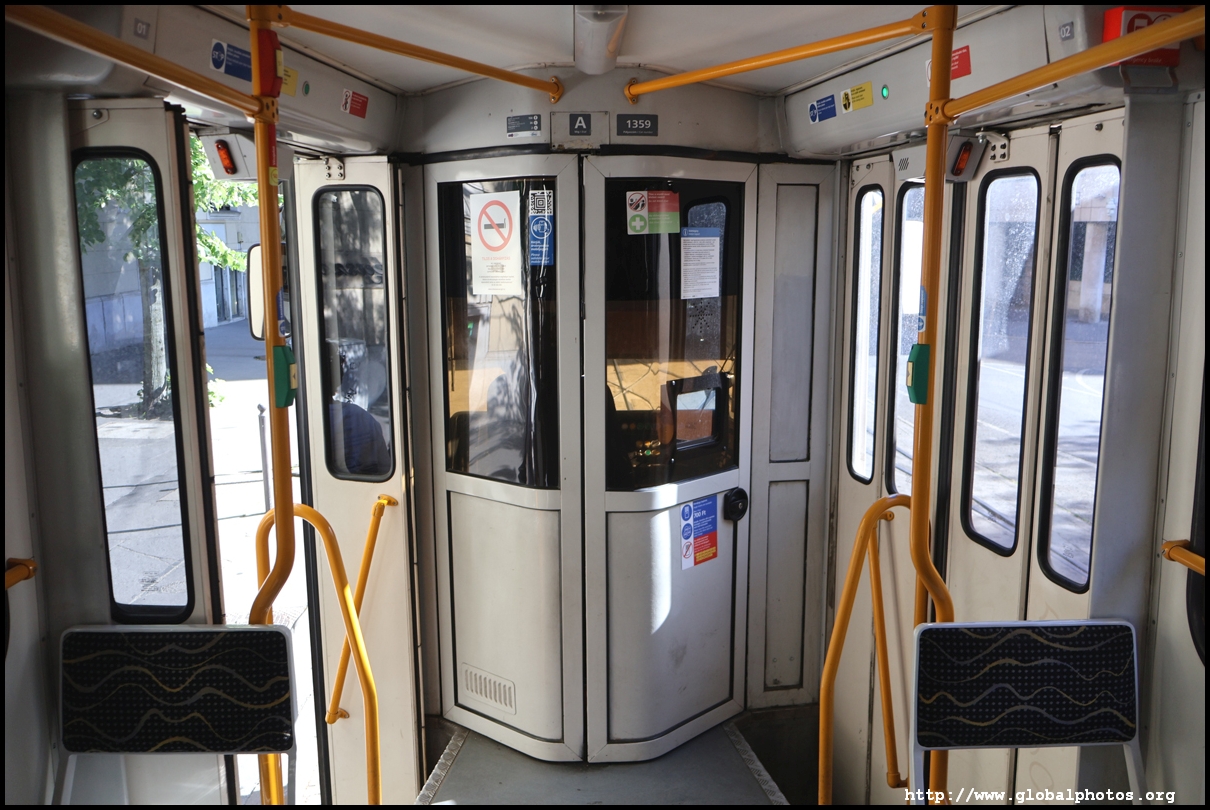
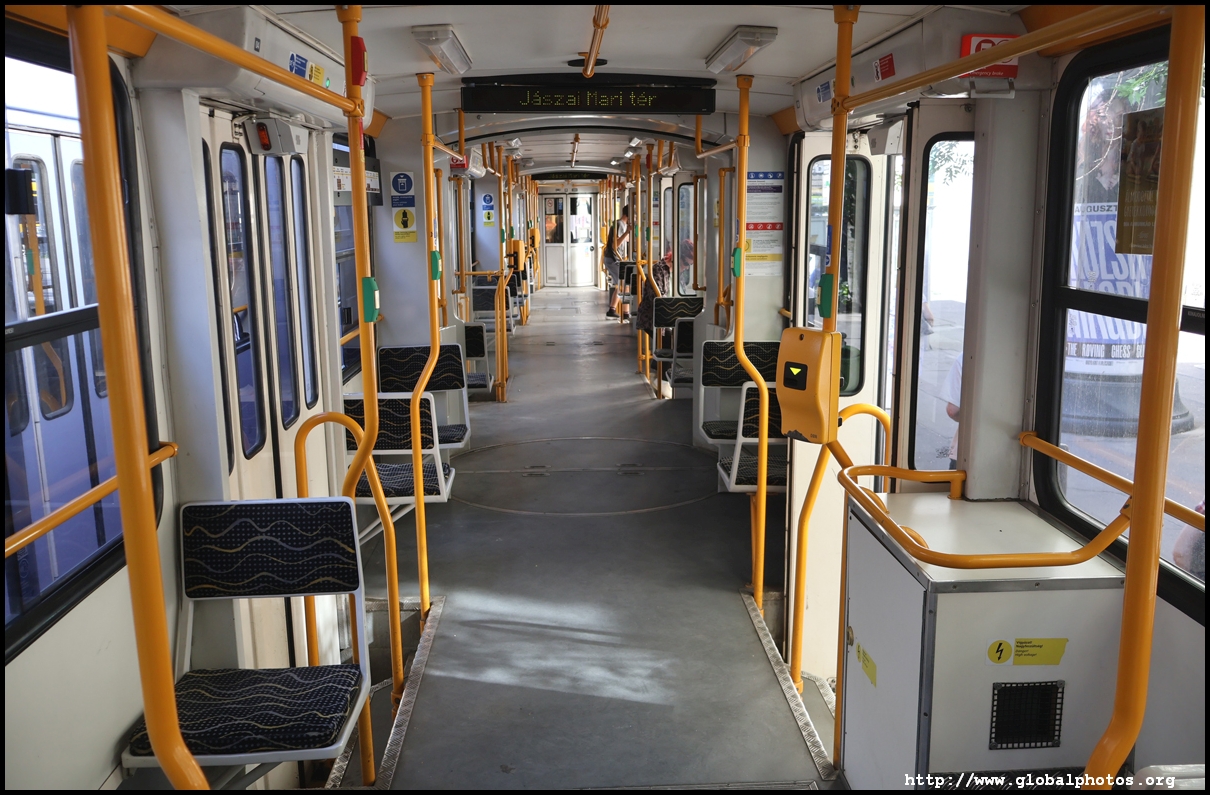
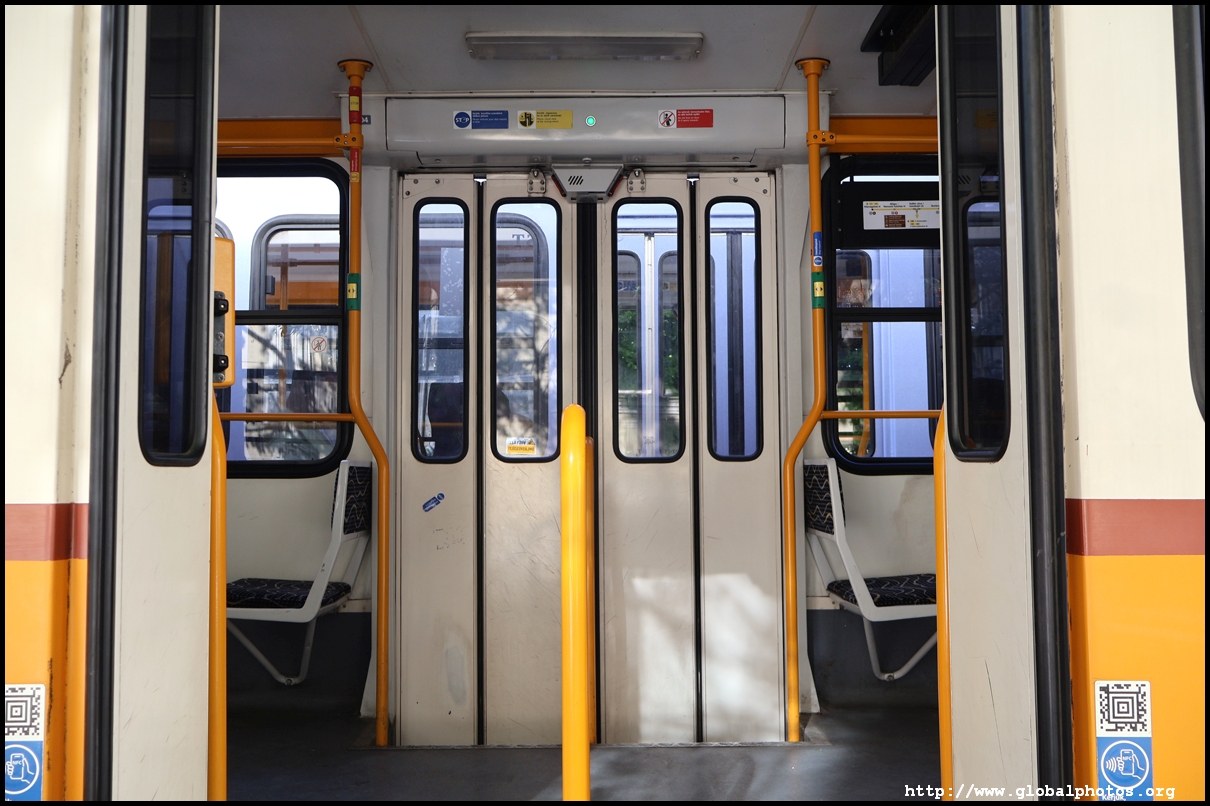
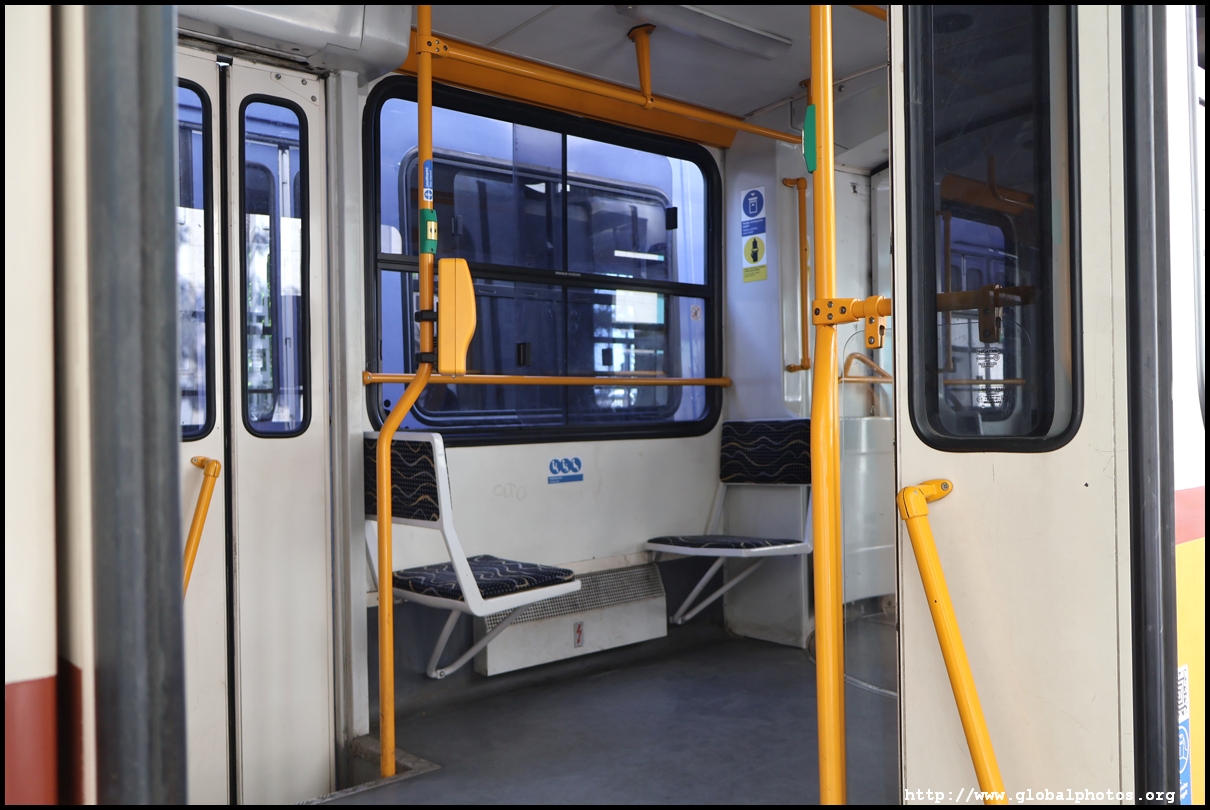
There are also modern step-free trams that run along the Grand Boulevard (routes 4, 6).