Hong Kong Palace Museum Photo Gallery - Gallery 1

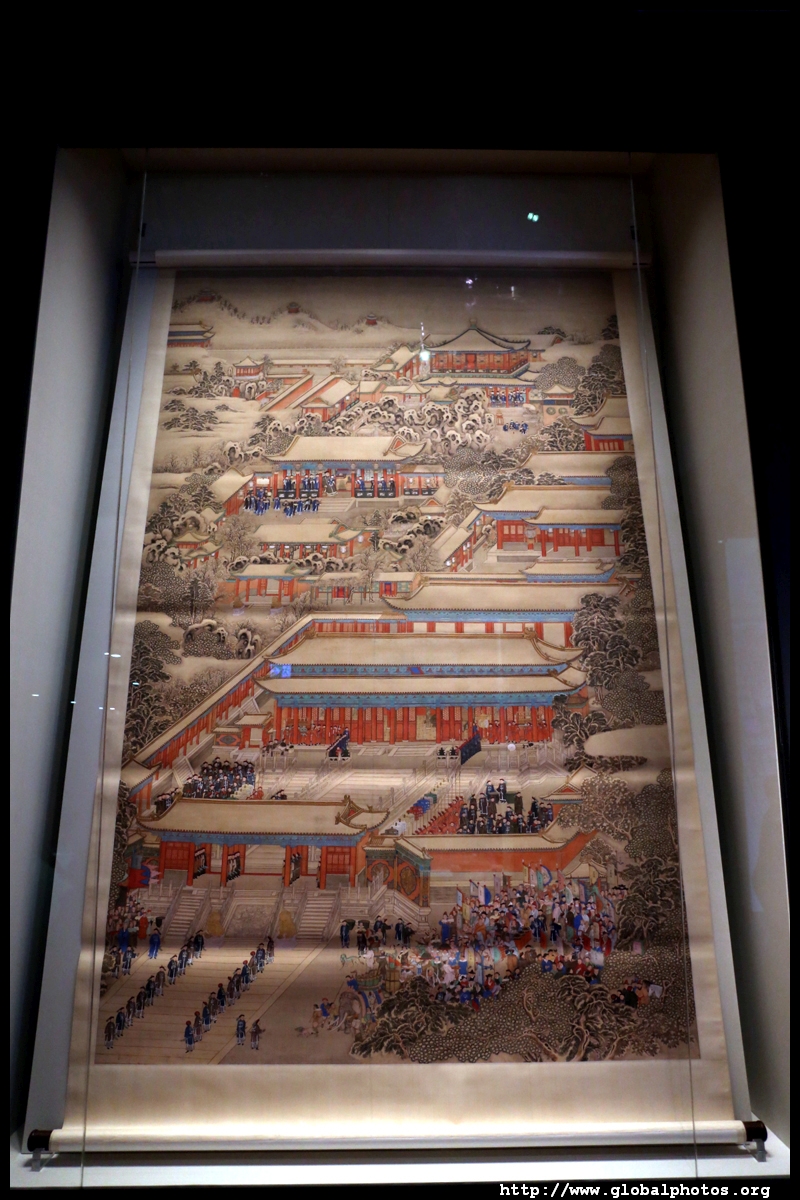
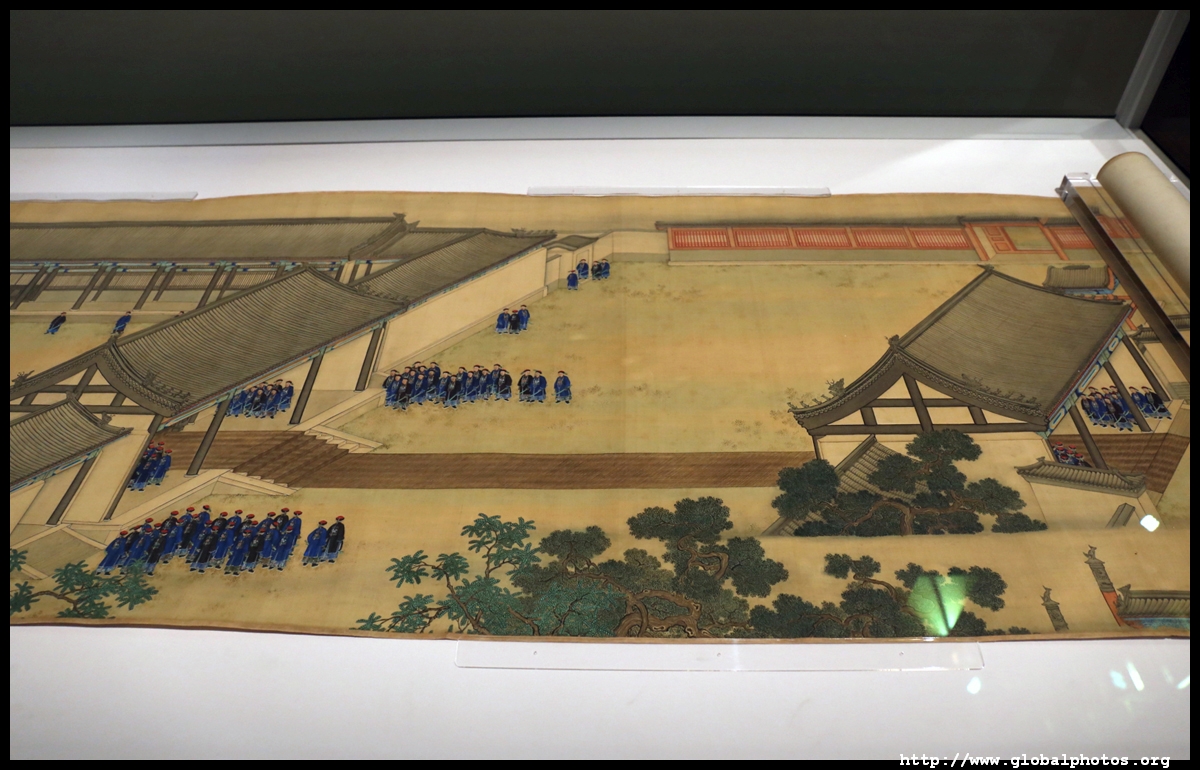
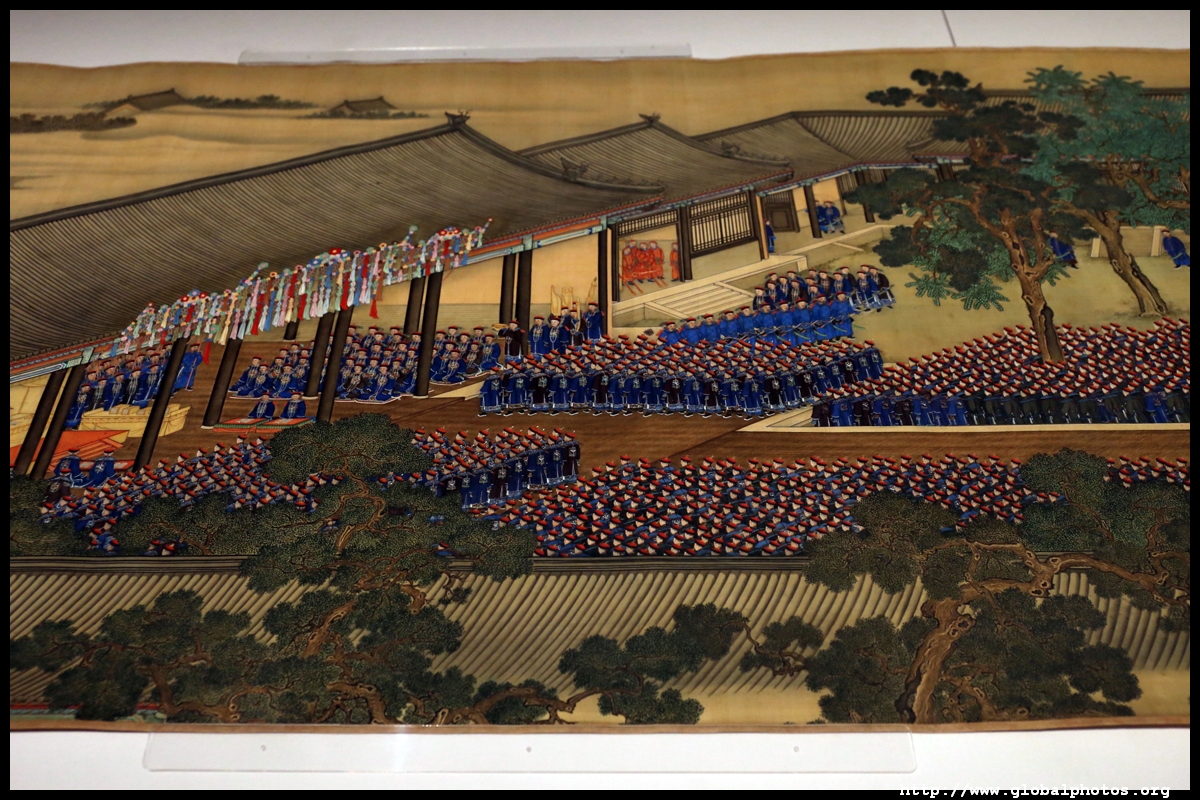
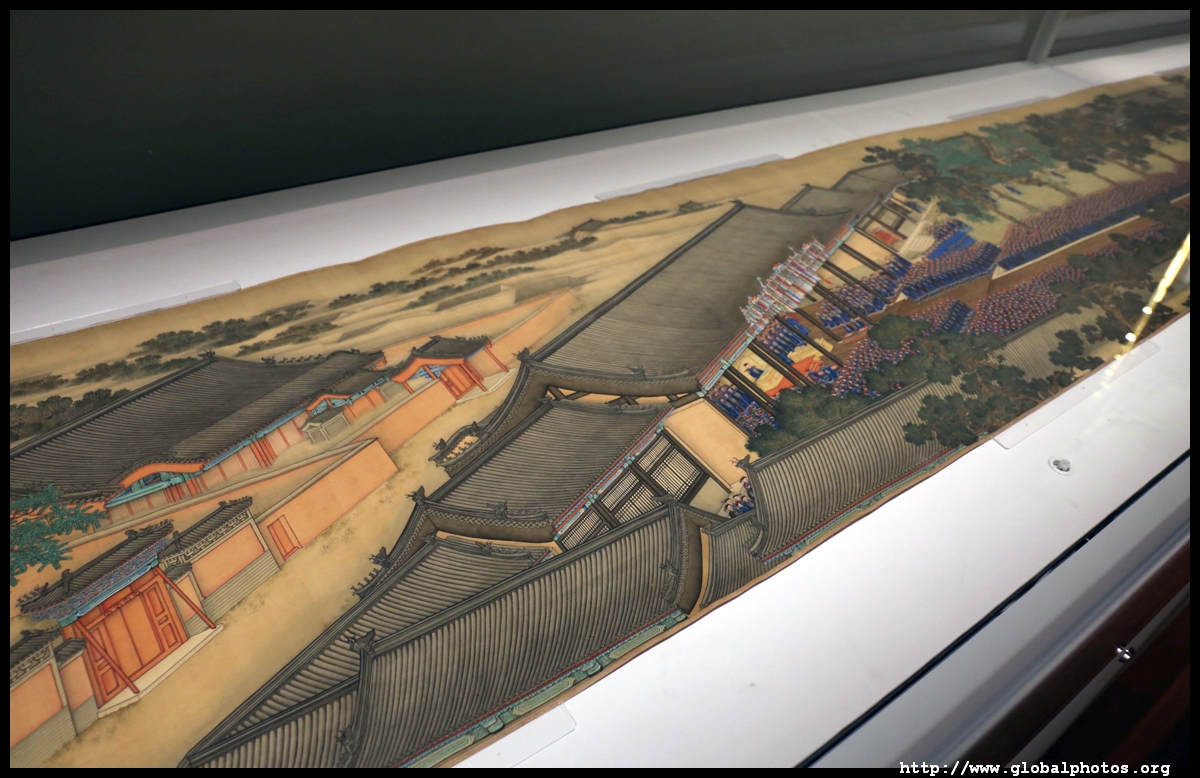
"Entering the Forbidden City: Architecture, Collection, and Heritage"The Forbidden City was home to 24 emperors across the Ming and Qing dynasties. This replica scroll shows foreign envoys paying tribute to the court.
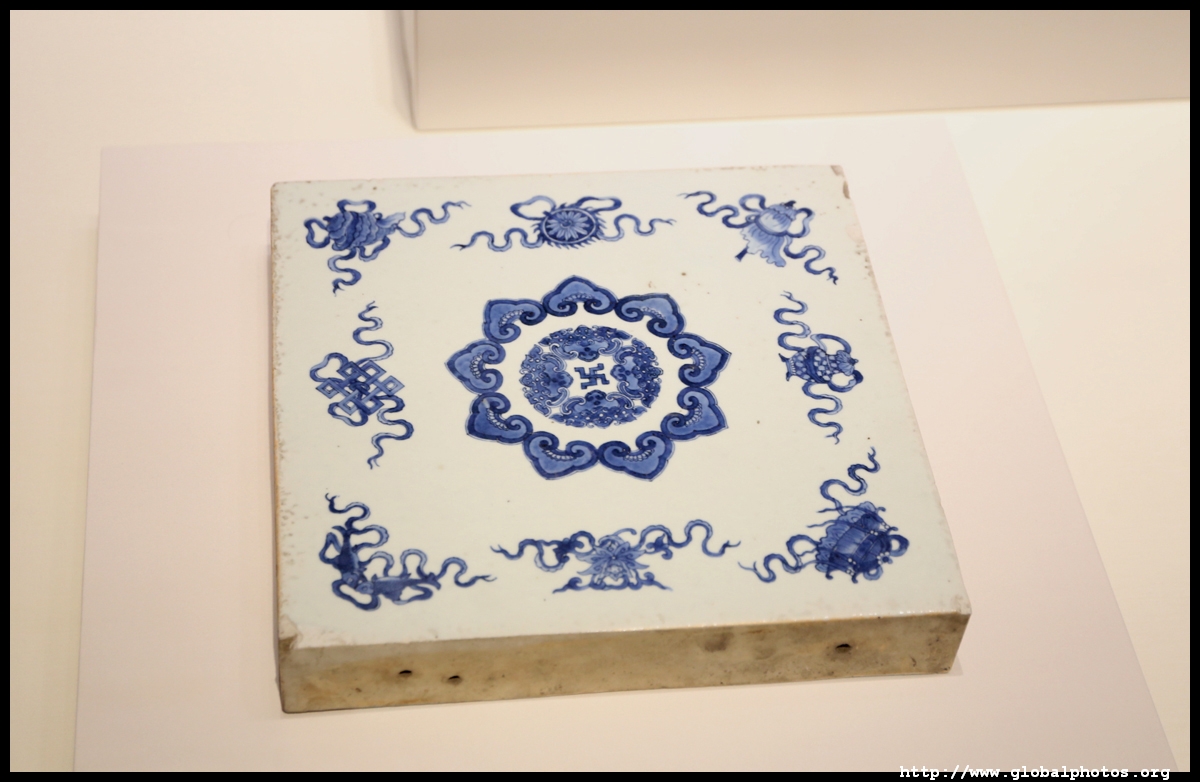
Emperor Qianlong's living quarters were paved with this type of blue-and-white tile in 1763.
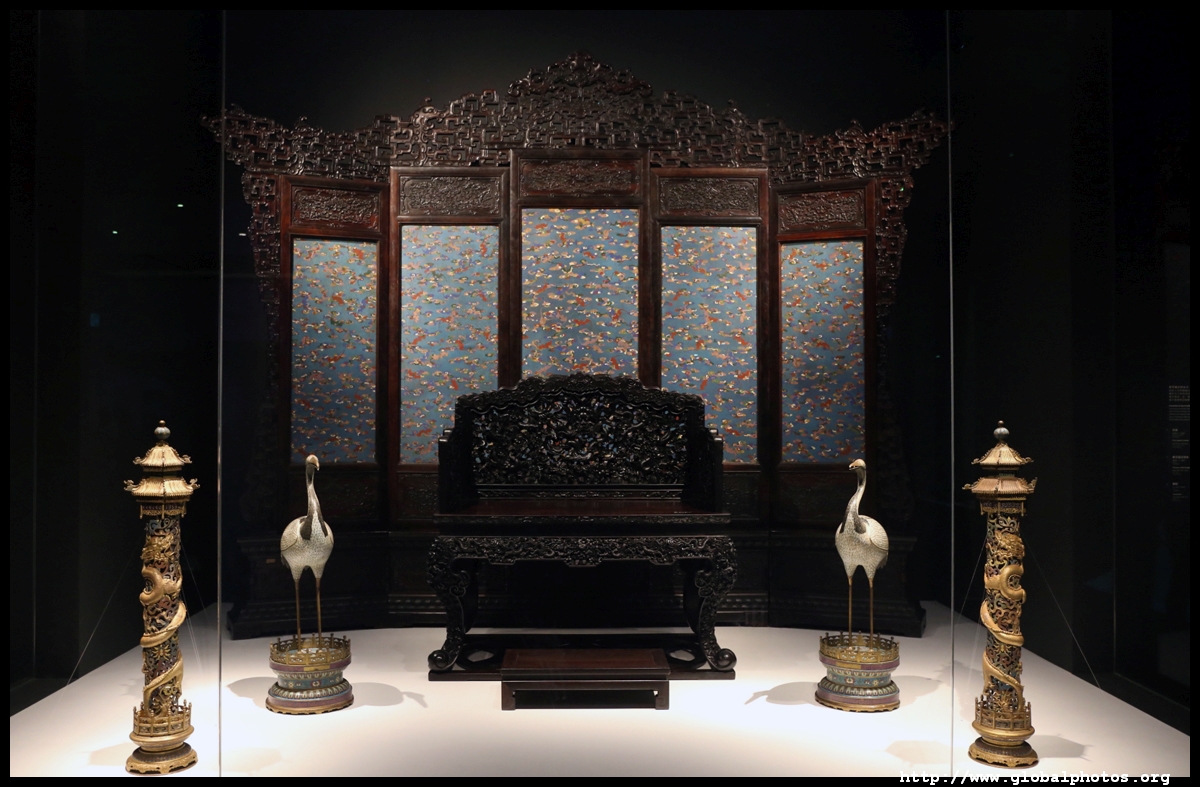
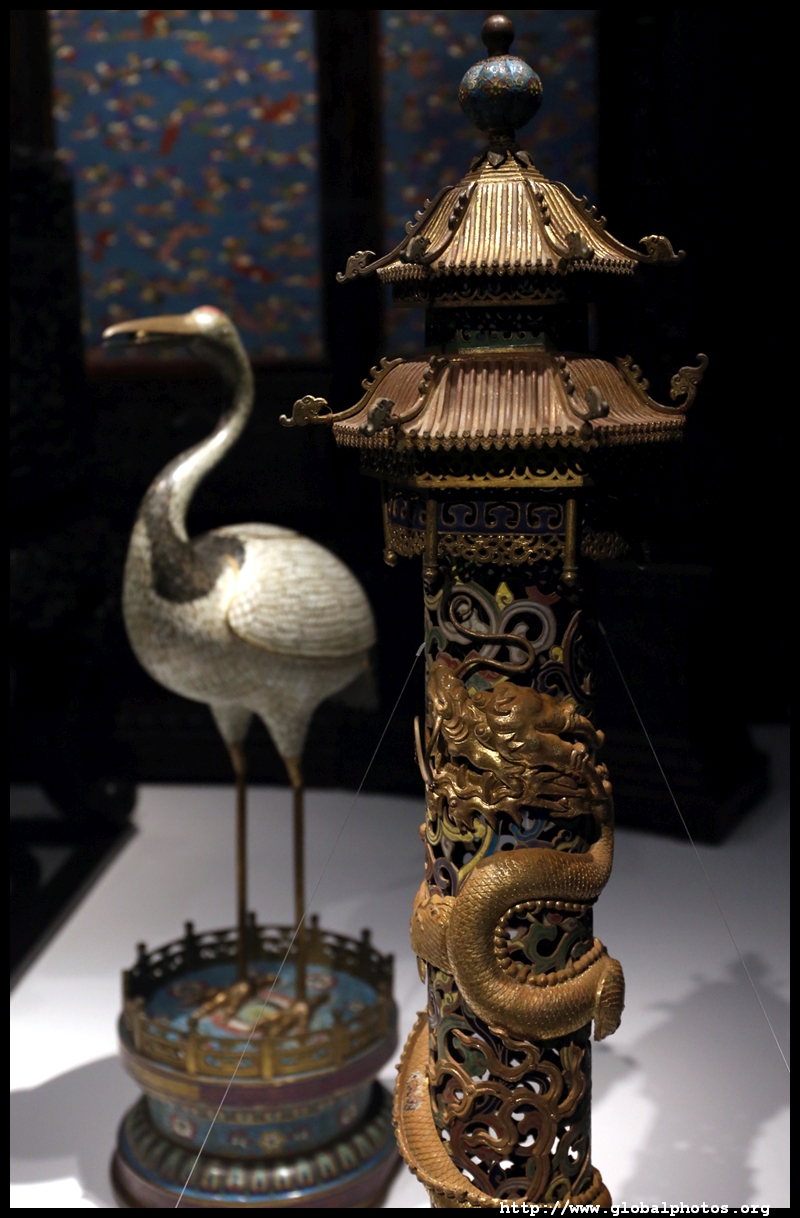
The throne was typically placed in the middle of the main hall with a screen behind it, a pair of incense burners and cranes at the two sides. The throne and screen were typically made from zitan wood that is native to India and already rare by the 18th century.
This scroll depicts Emperor Yongzheng delivering a lecture in 1724. The Directorate of Education next to the Temple of Confucius was the main education entity during the Ming and Qing period, with emperors visiting for lectures and rituals.
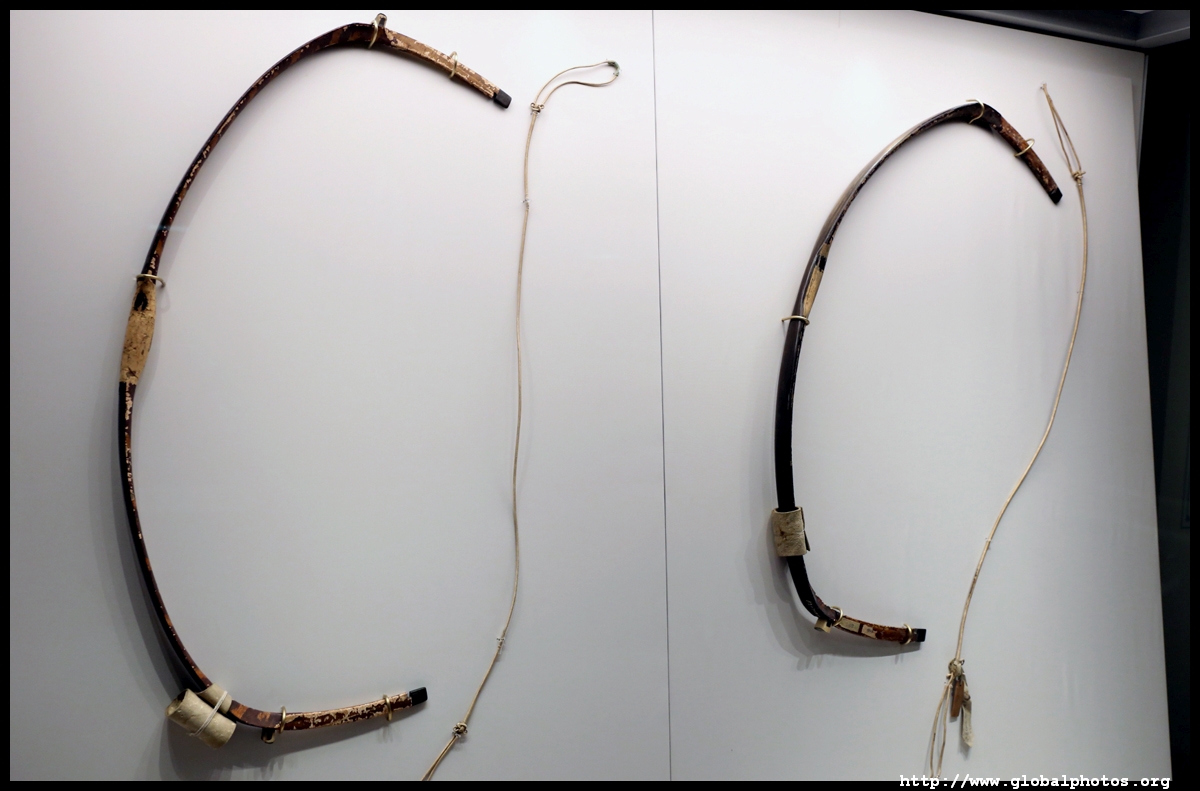
These are bows used by Qing Dynasty emperors that were made from bamboo, buffalo horn, buffalo tendon, and birch bark.
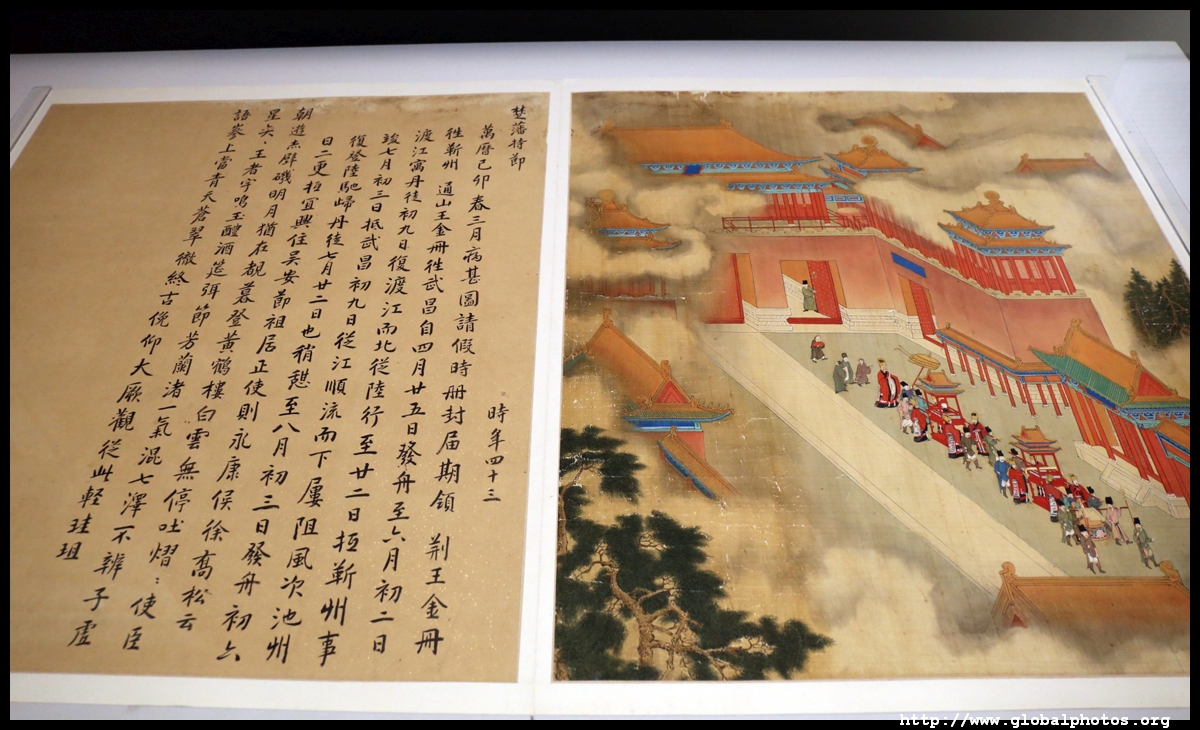
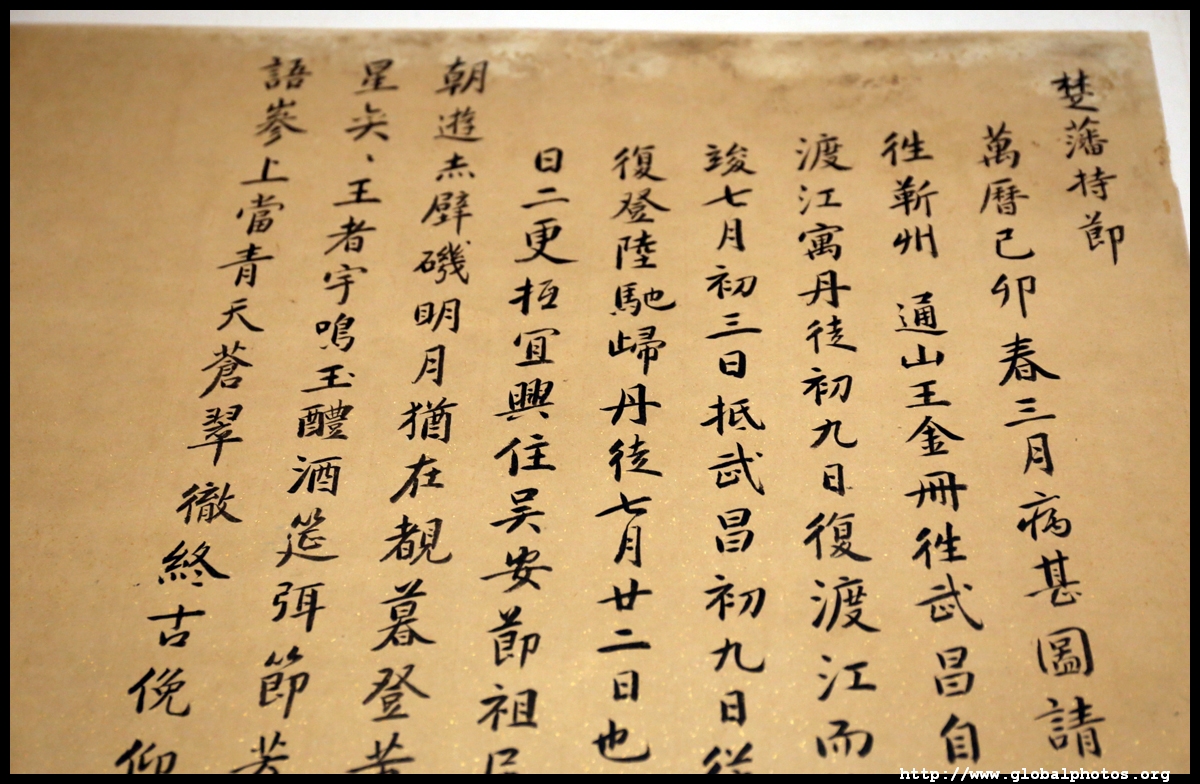
Emperor Wanli ordered a journey to escort gold albums bound for vassal states in 1579. This painting shows envoys leaving the Forbidden City with 2 dragon palanquins that transport spiritual tablets or important official documents.
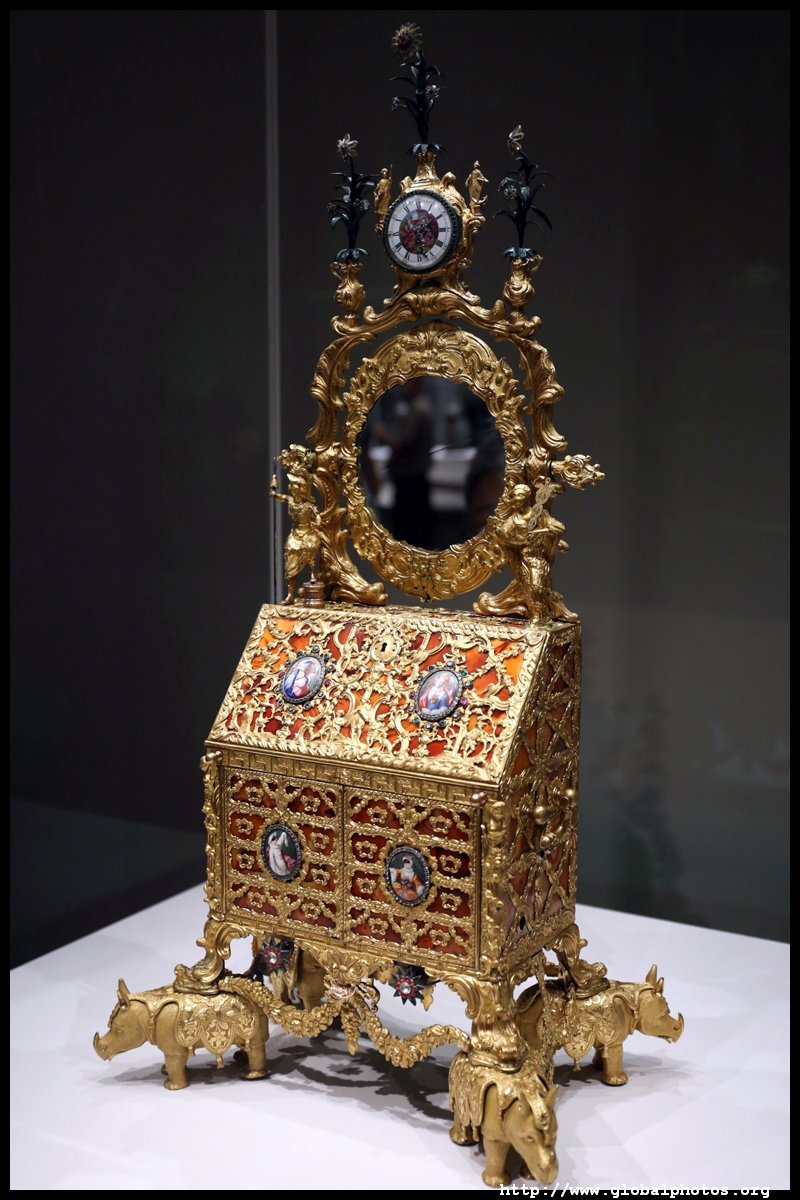
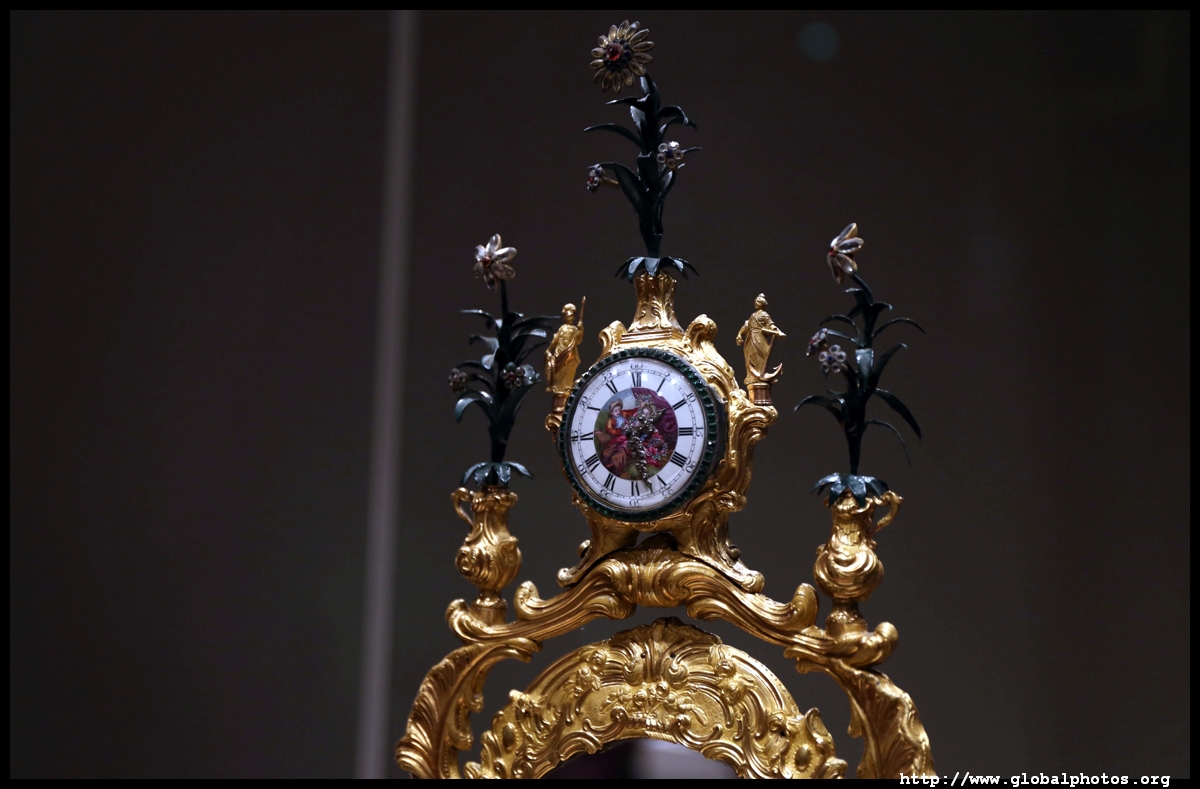
This vanity mirror with rhinoceros-shaped legs came from Europe during the 18th century.
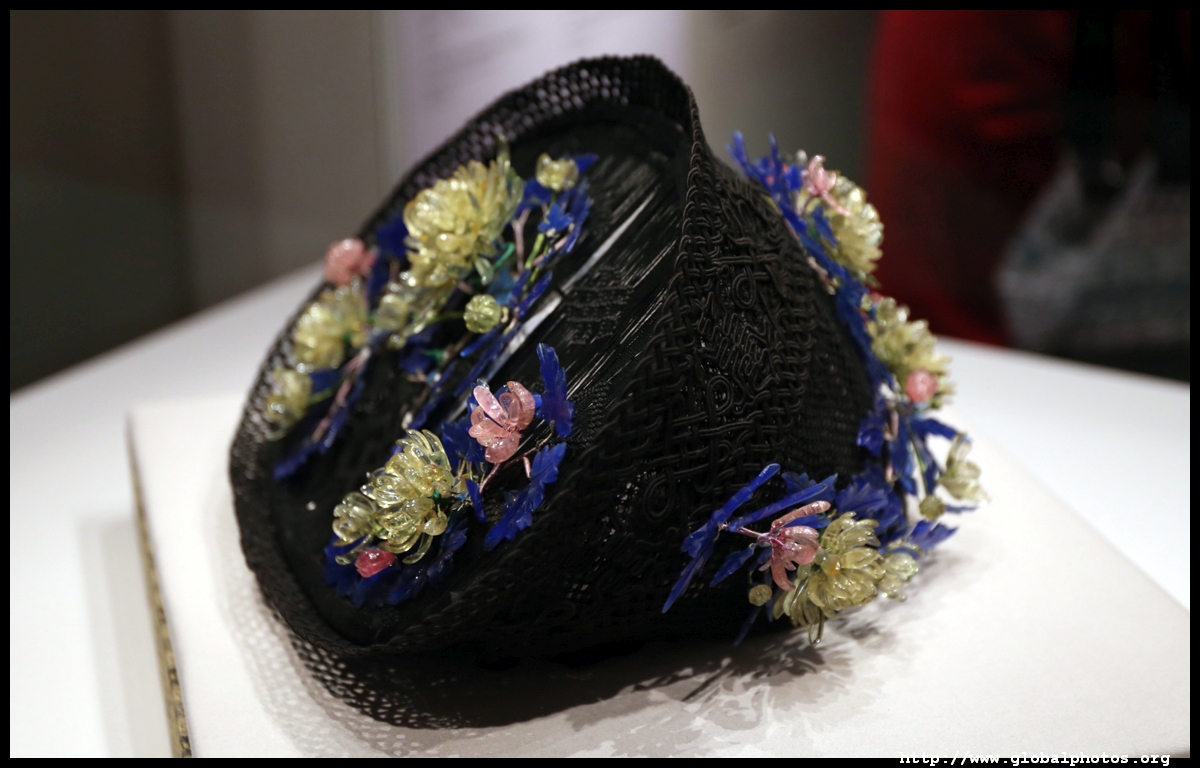
This Qing era head dress was made with silk satin, iron wire, and glass.
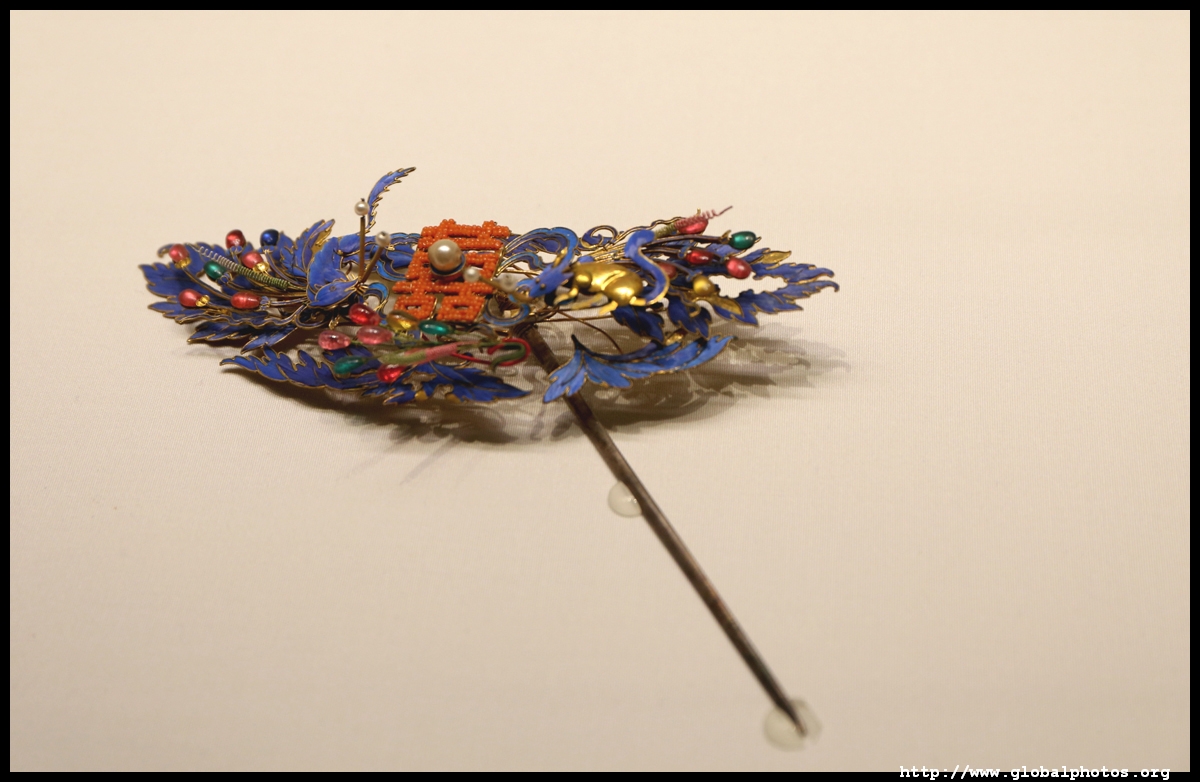
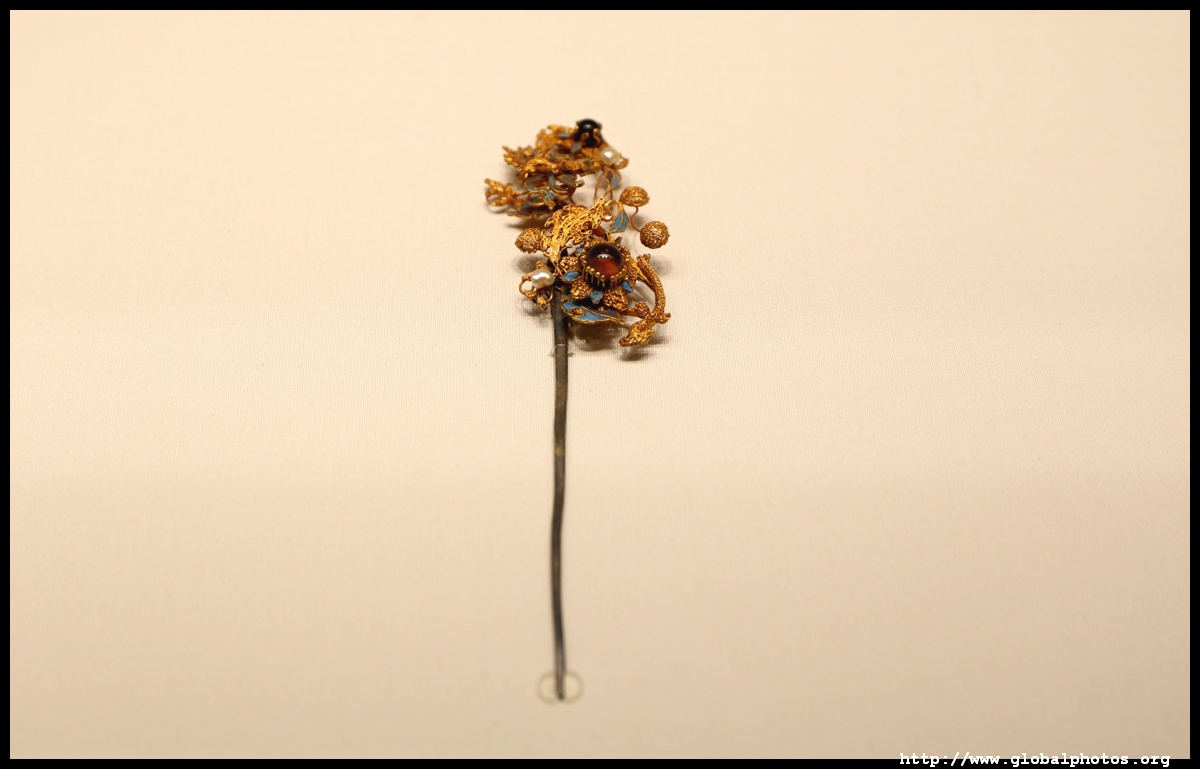
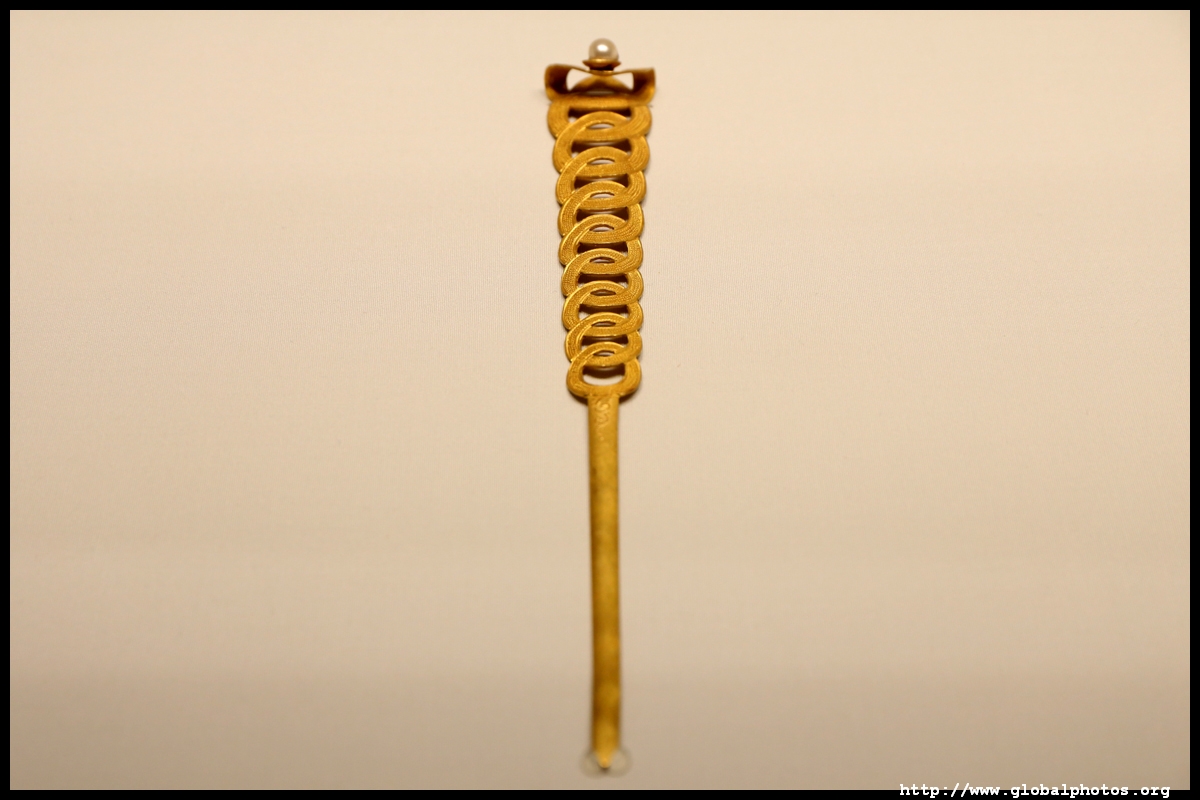
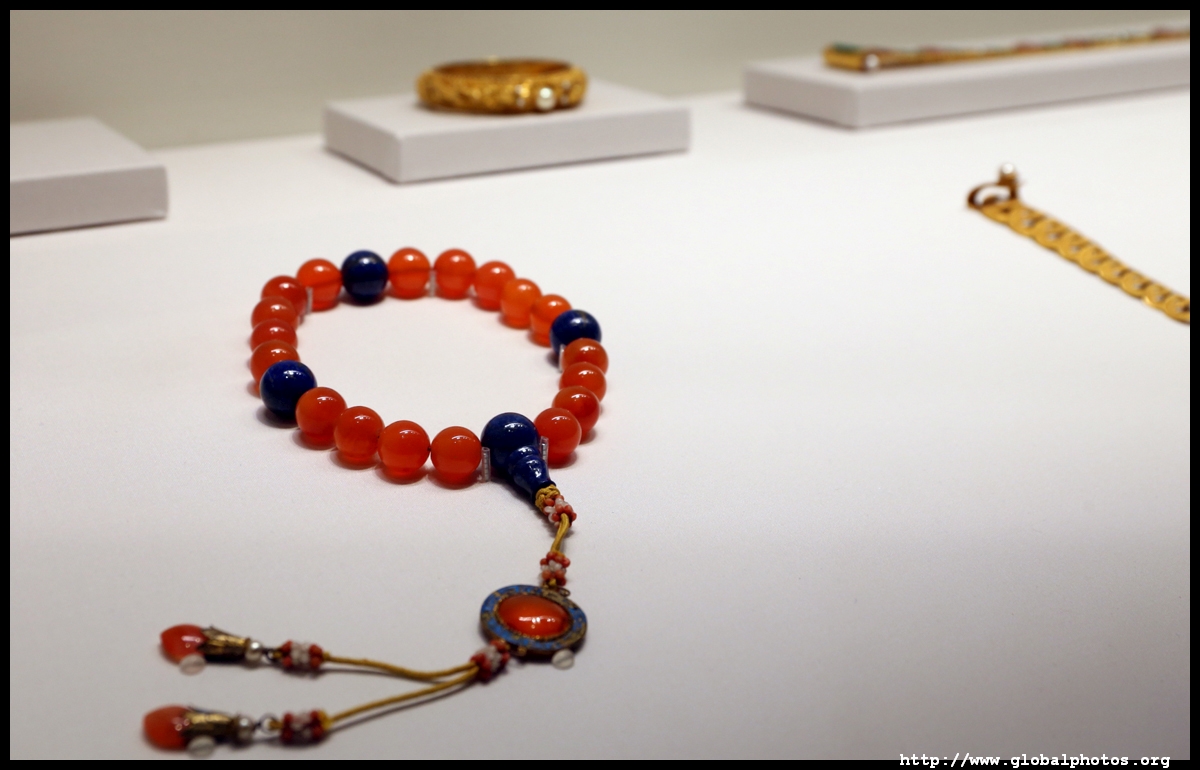
These accessories show a mix of Han and Manchu cultures, with hairpins being Han and hair ornaments and fingernail guards being popular with Manchu nobles.
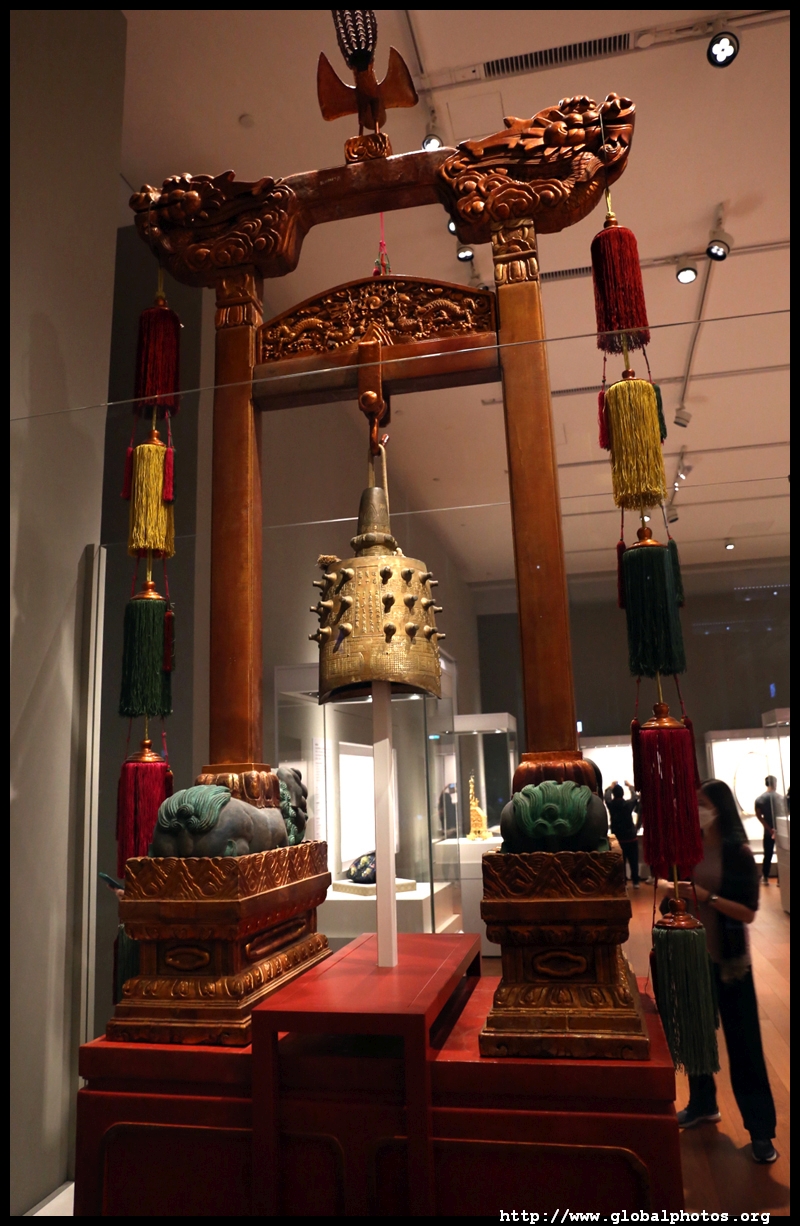
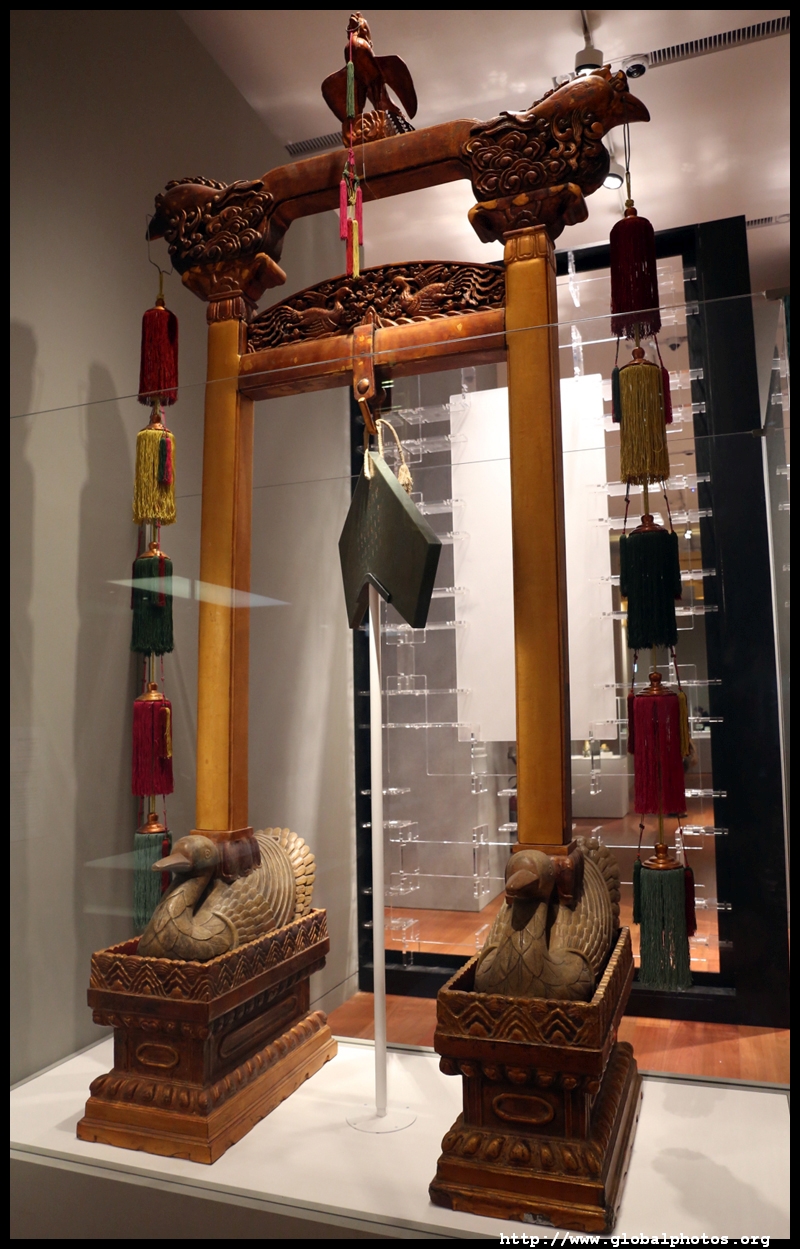
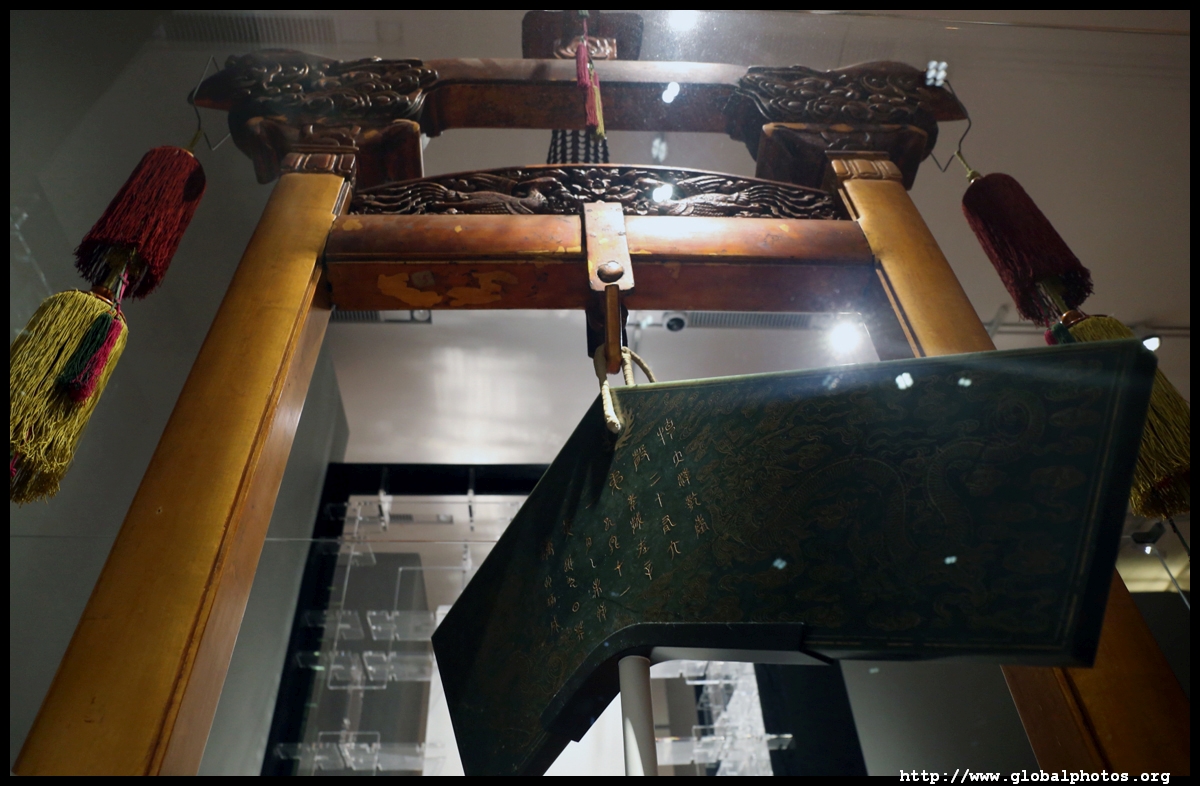
This Confucian ritual musical instrument consists of 12 chimes that correspond to the lunar months. The music played was used when the emperor ascended the throne during key festivals.
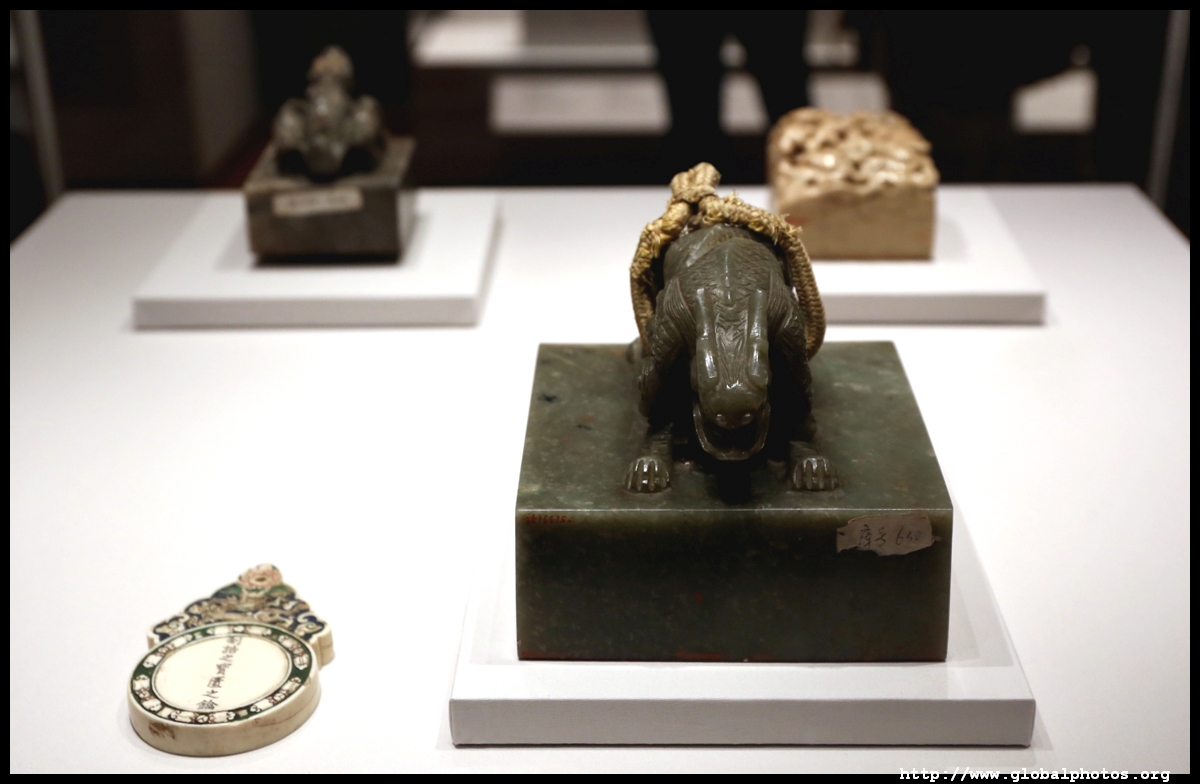
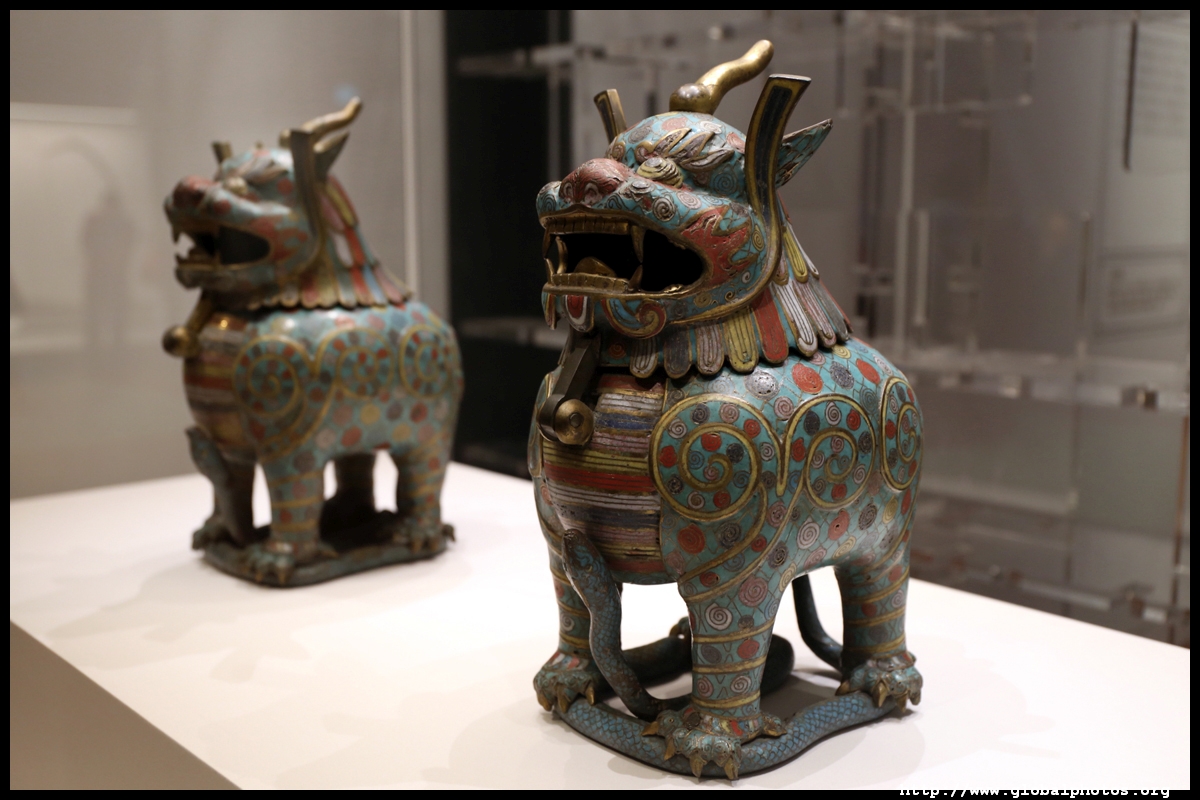
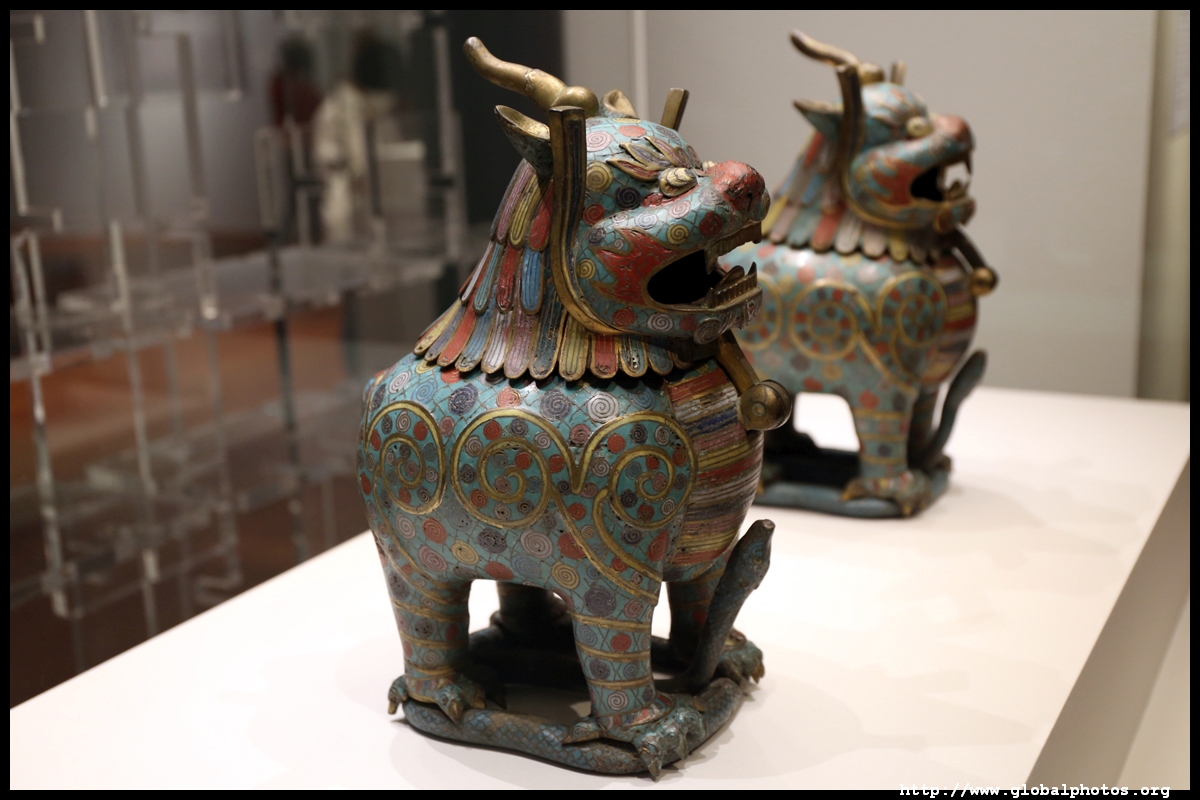
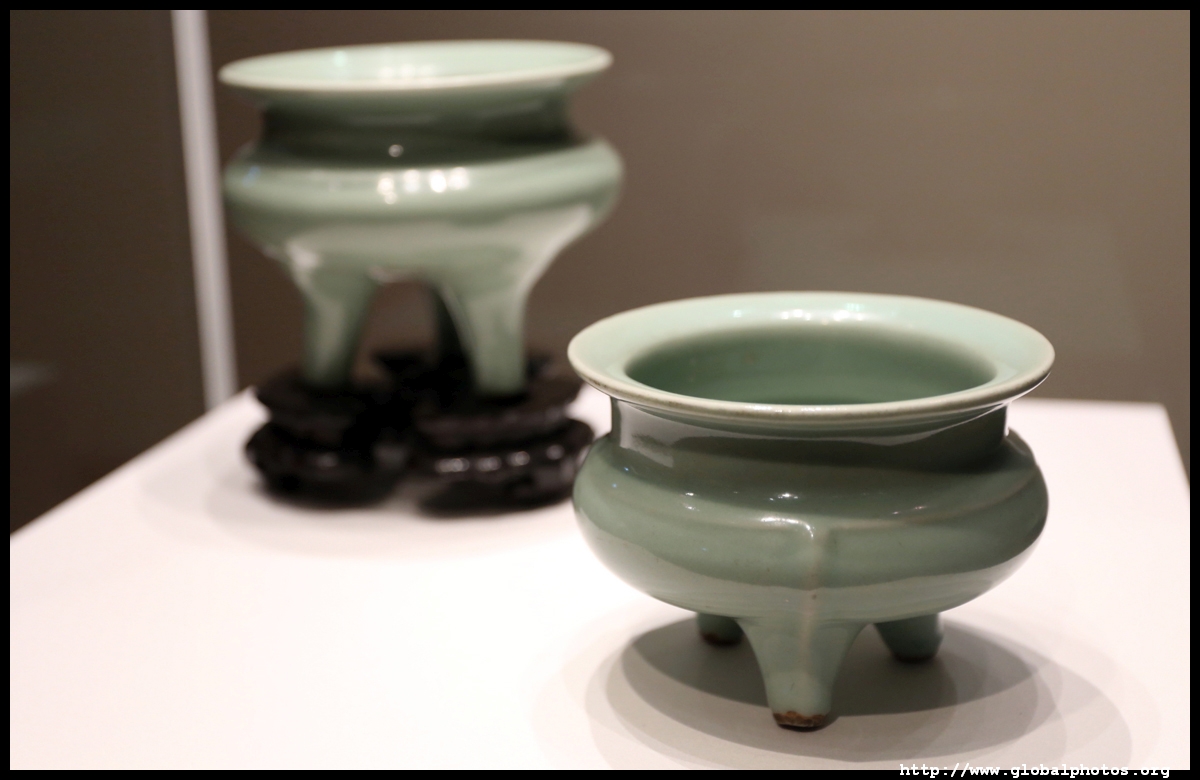
Many mythical animals represent power and have auspicious meanings. This pair of incense burners in the form of luduan symbolize successful diplomacy and effective governance.
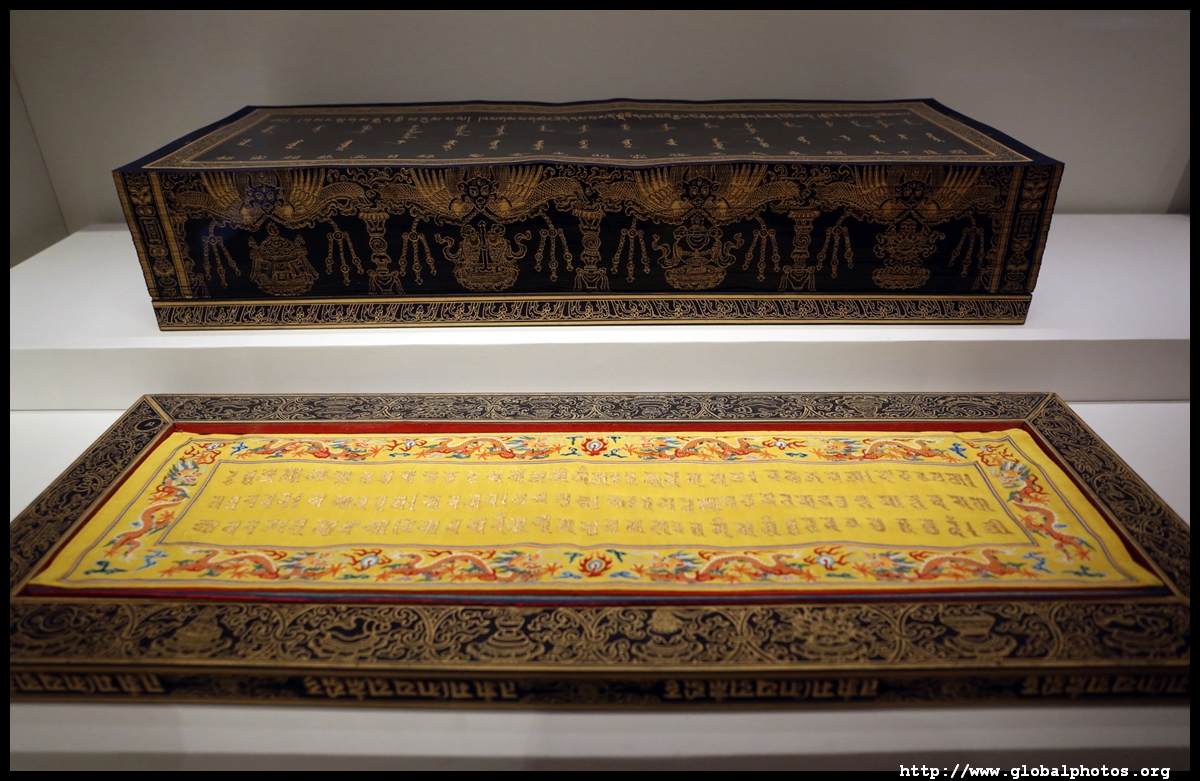
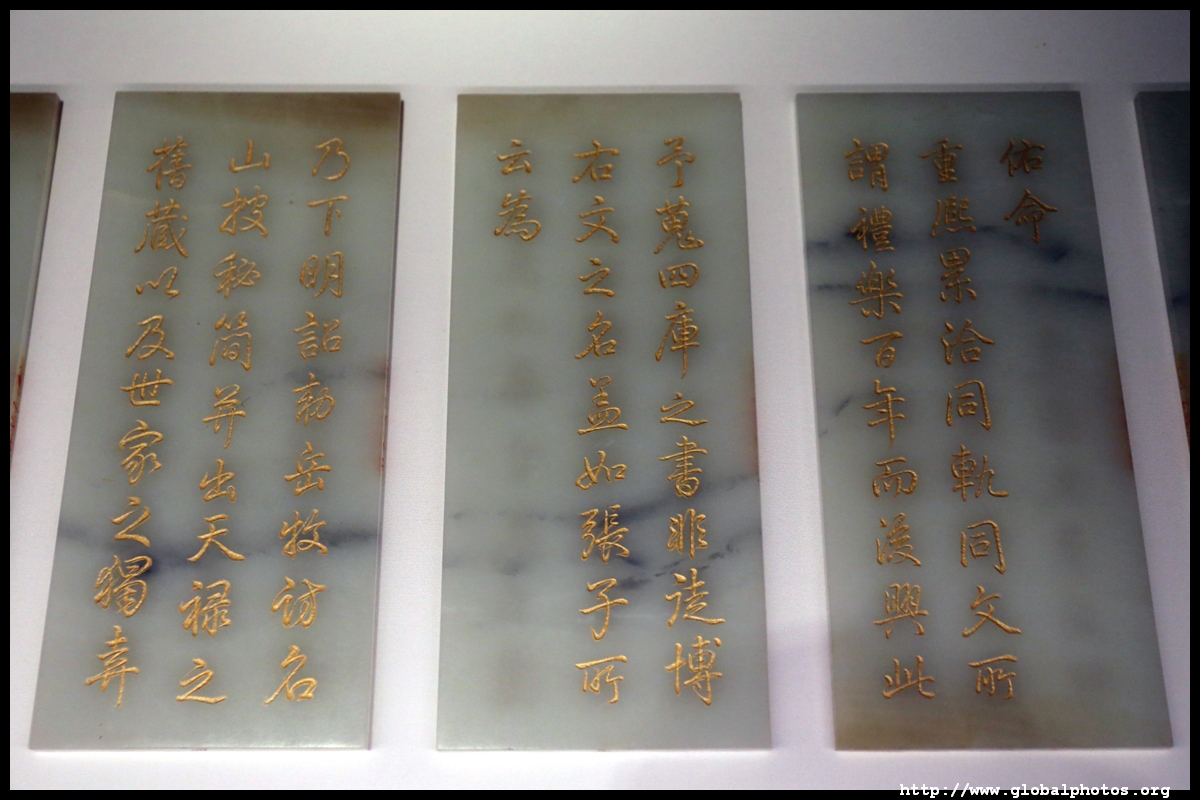
This is one of 108 volumes of Kanjur Sutra commissioned by Emperor Qianlong to celebrate his mother's 80th birthday.
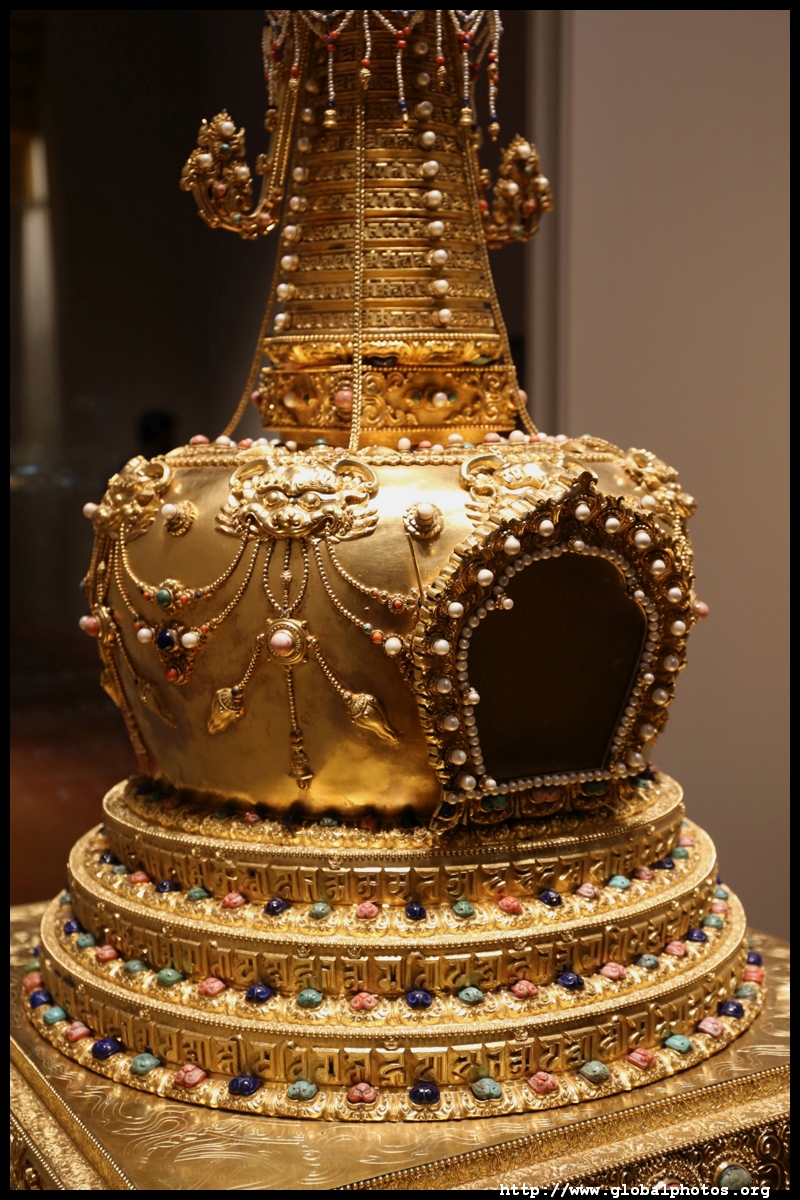
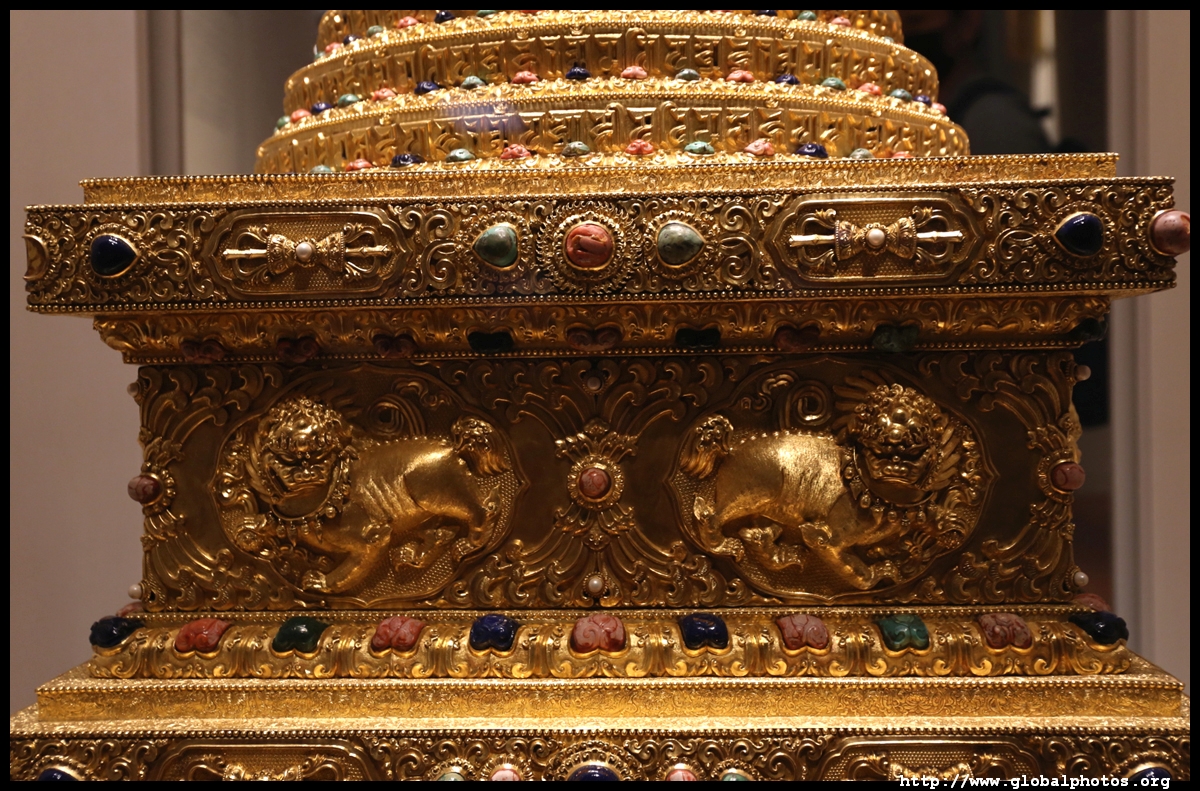
This golden stupa was commissioned by Emperor Qianlong and was placed in the Palace of Double Brilliance for worship and meditation. He was a devoted follower of Tibetan Buddhism.
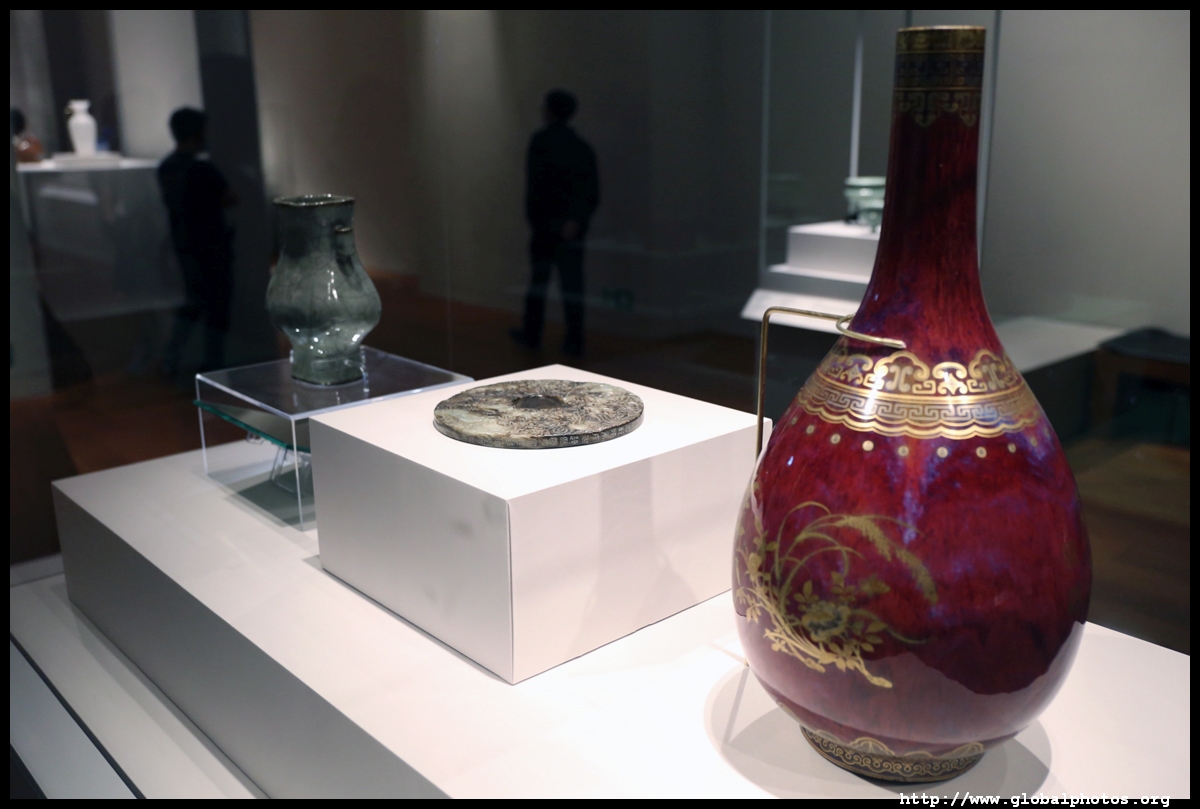
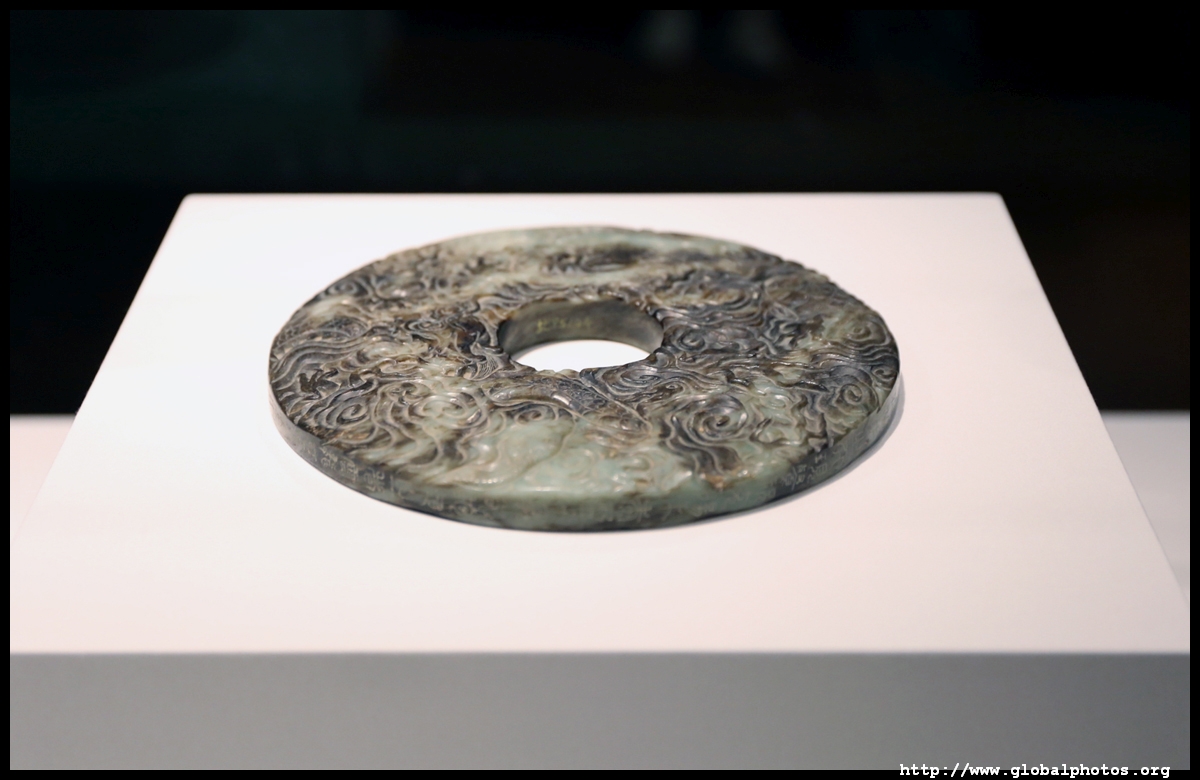
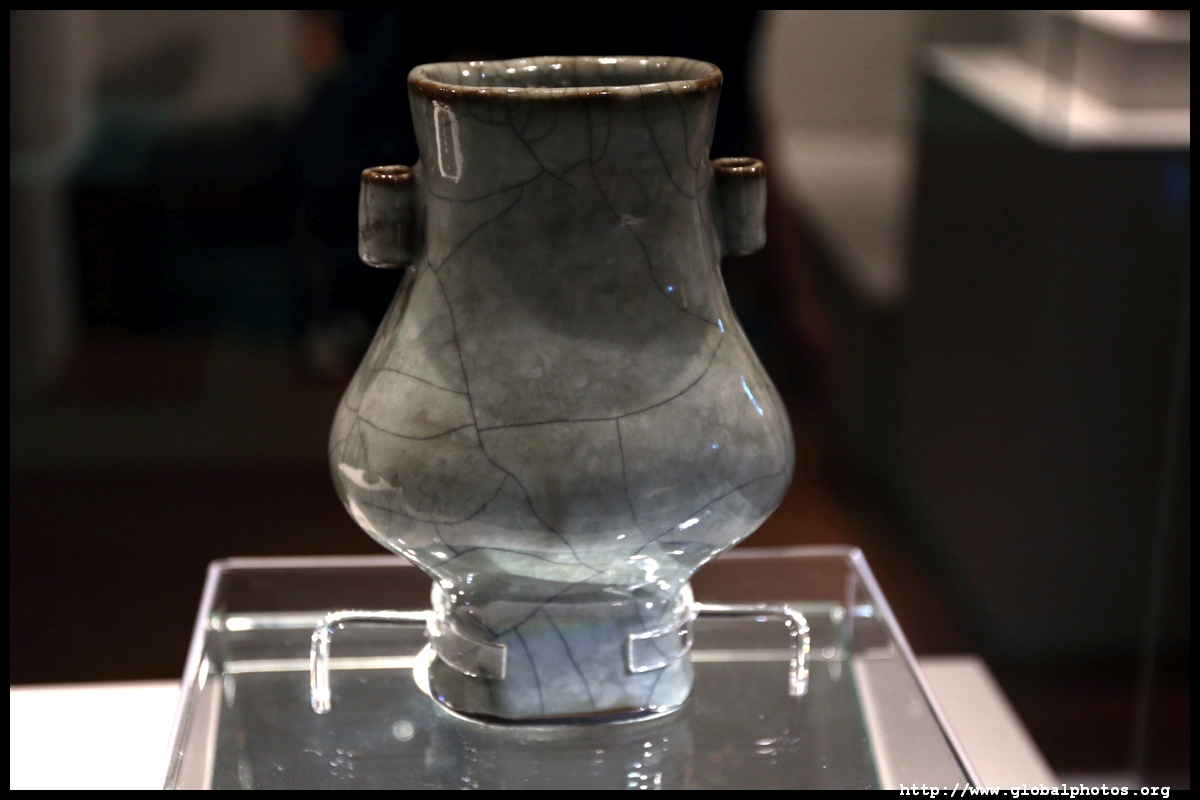
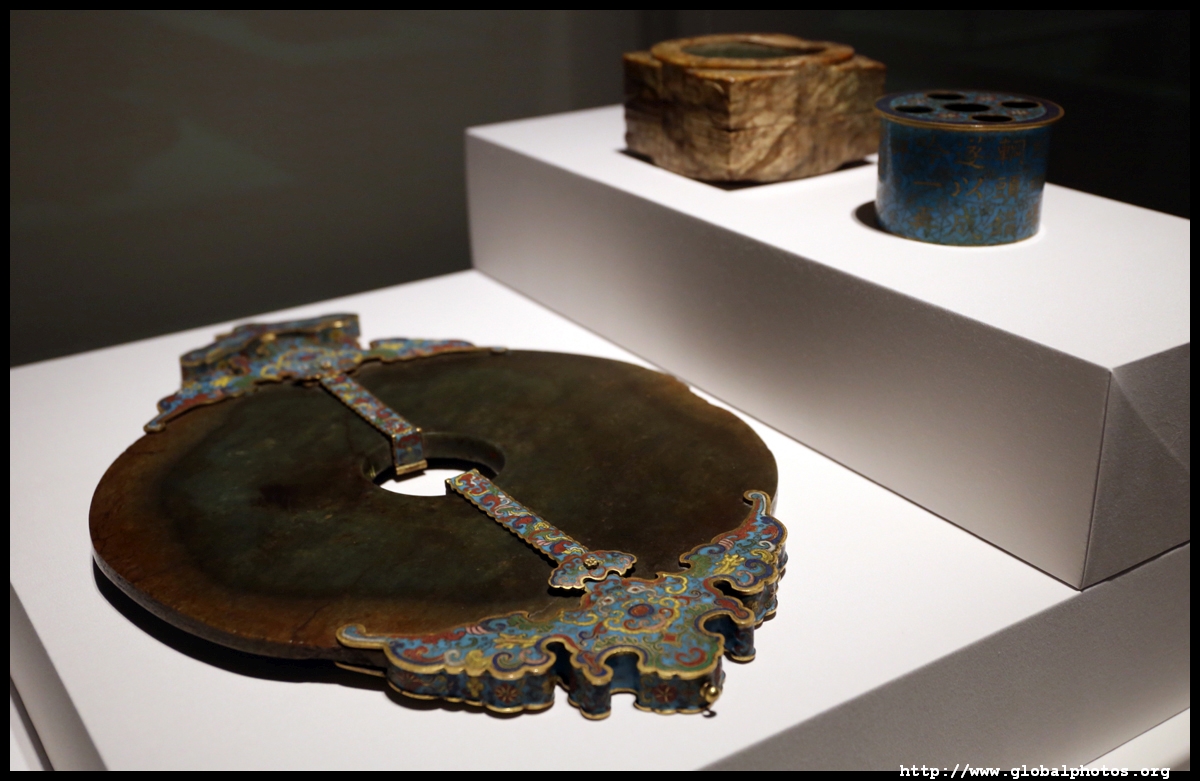
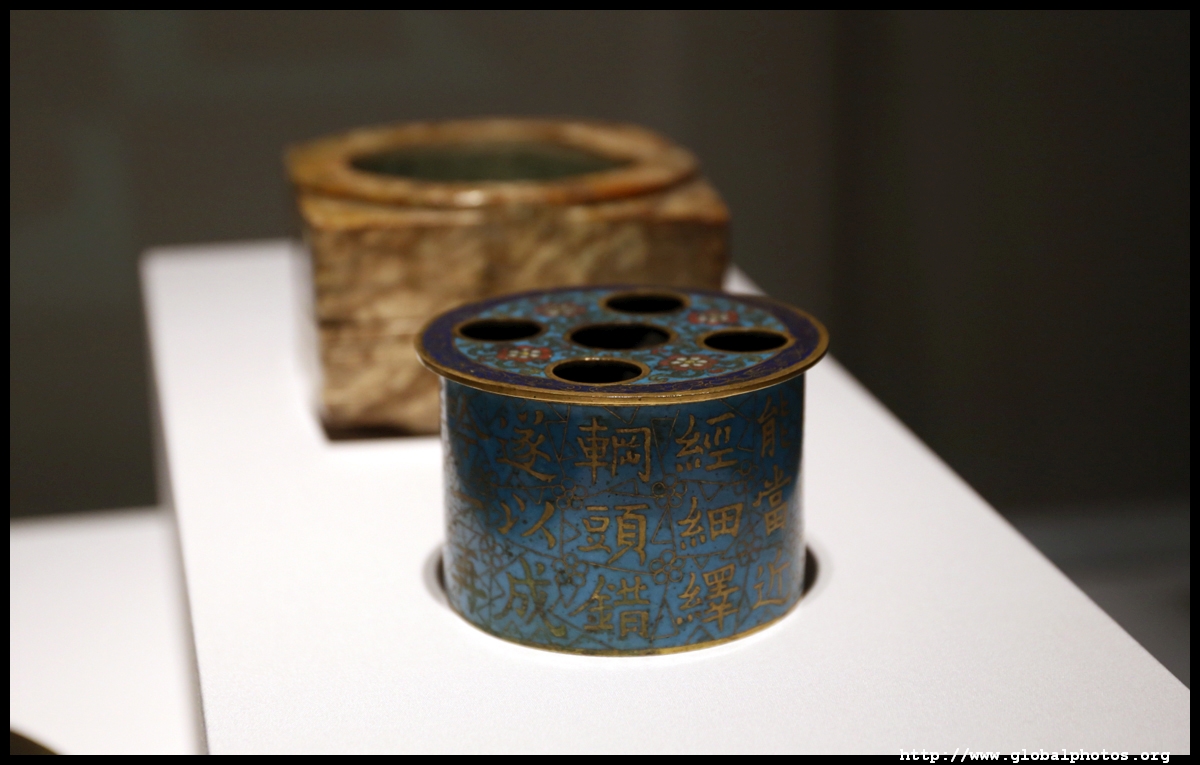
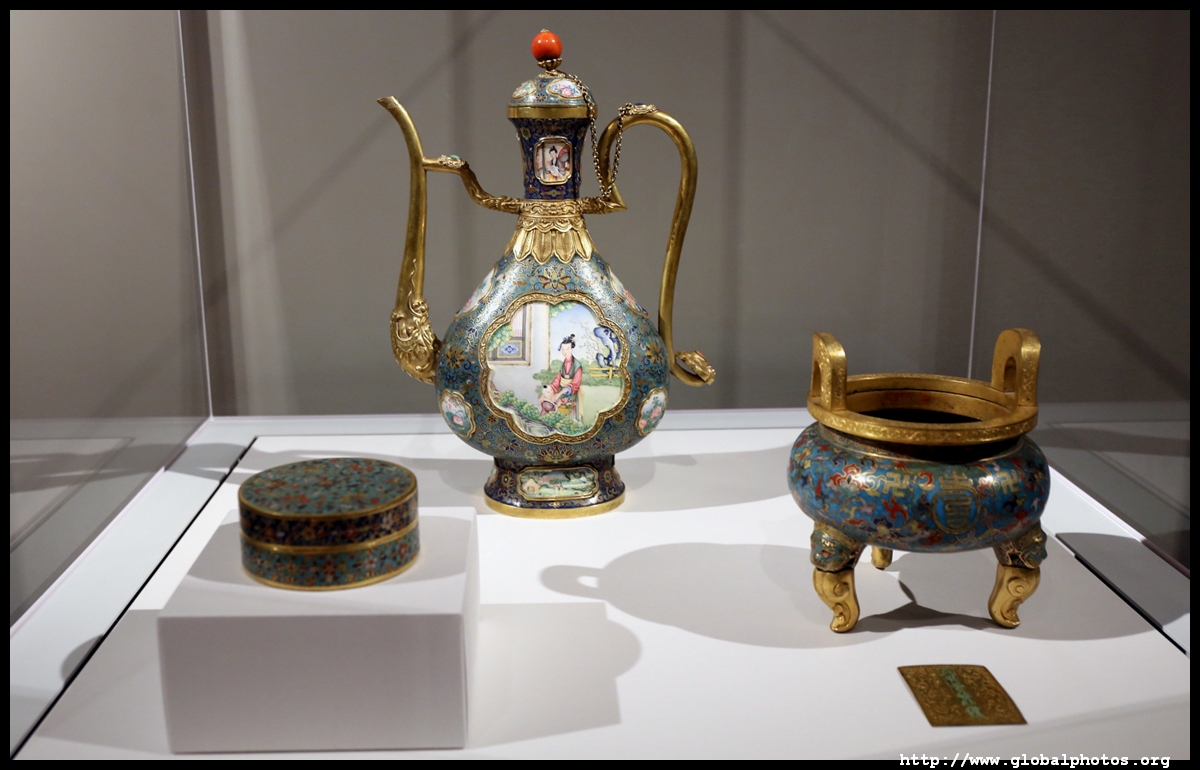
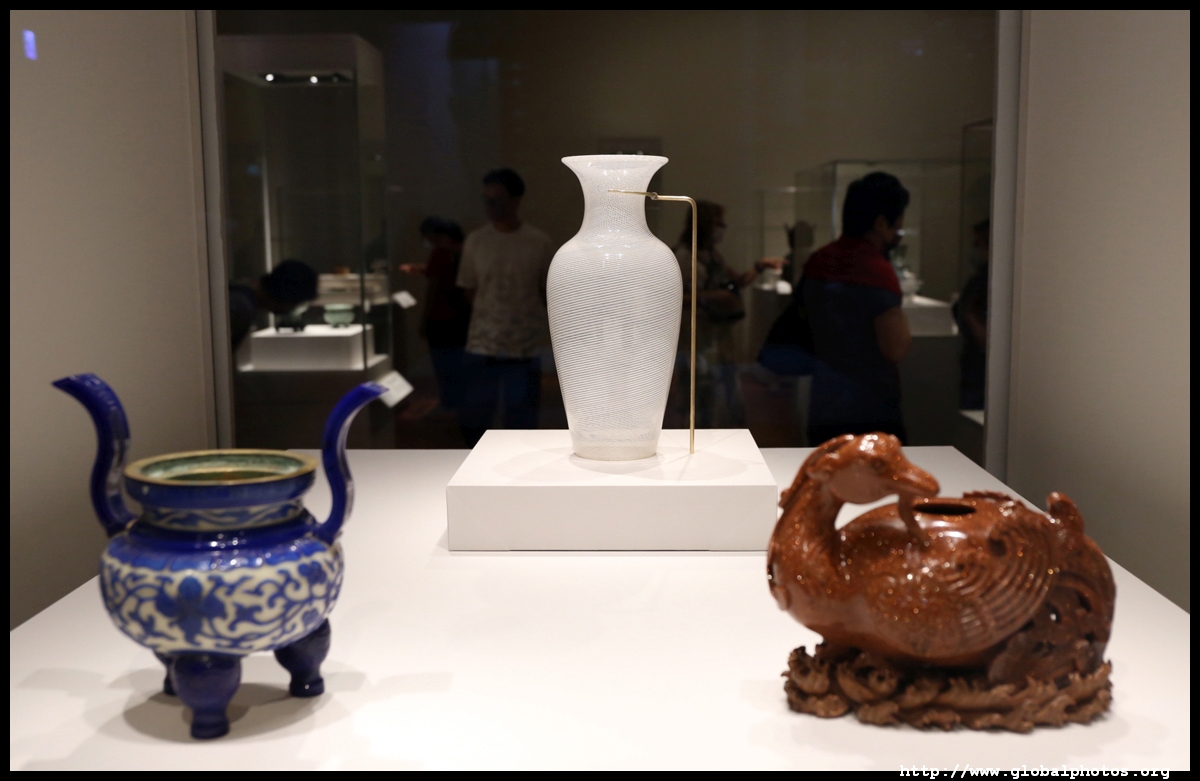
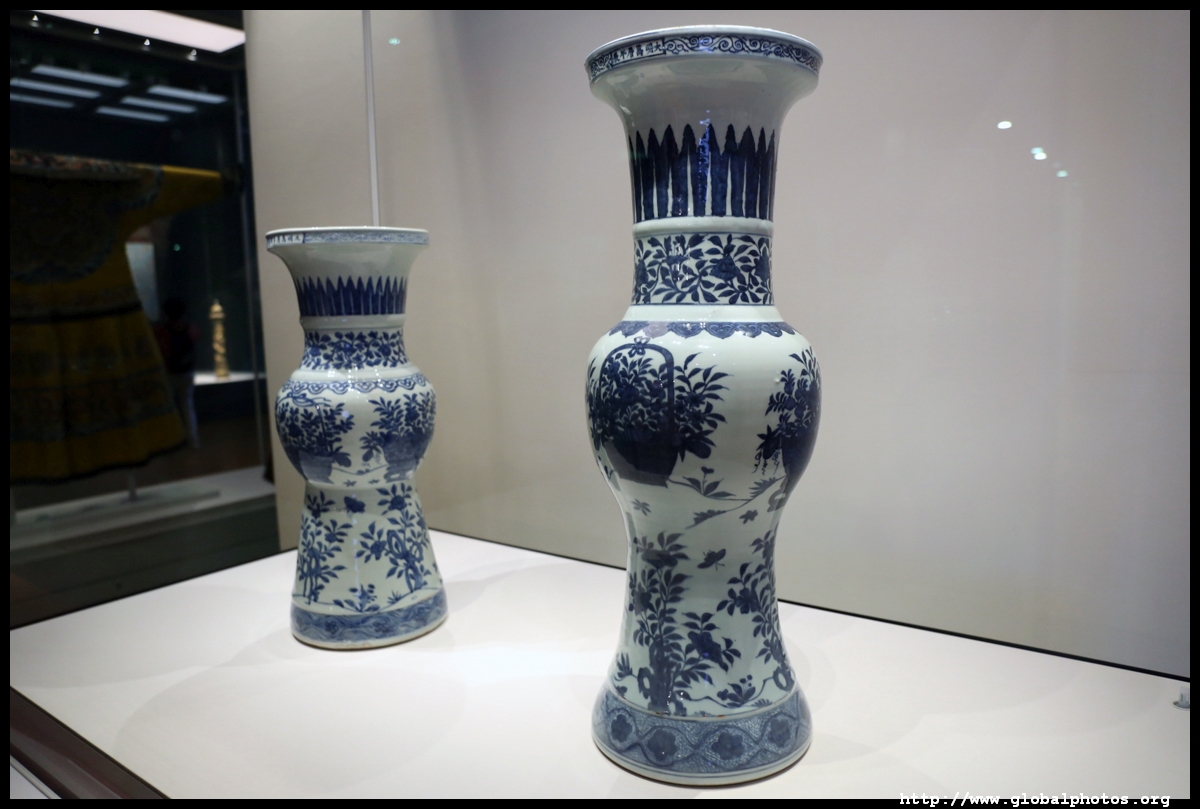
Qing emperors often sent old works to the Jingdezhen kilns to spur inspiration for new creations. Some ancient objects were also repurposed with new functions.
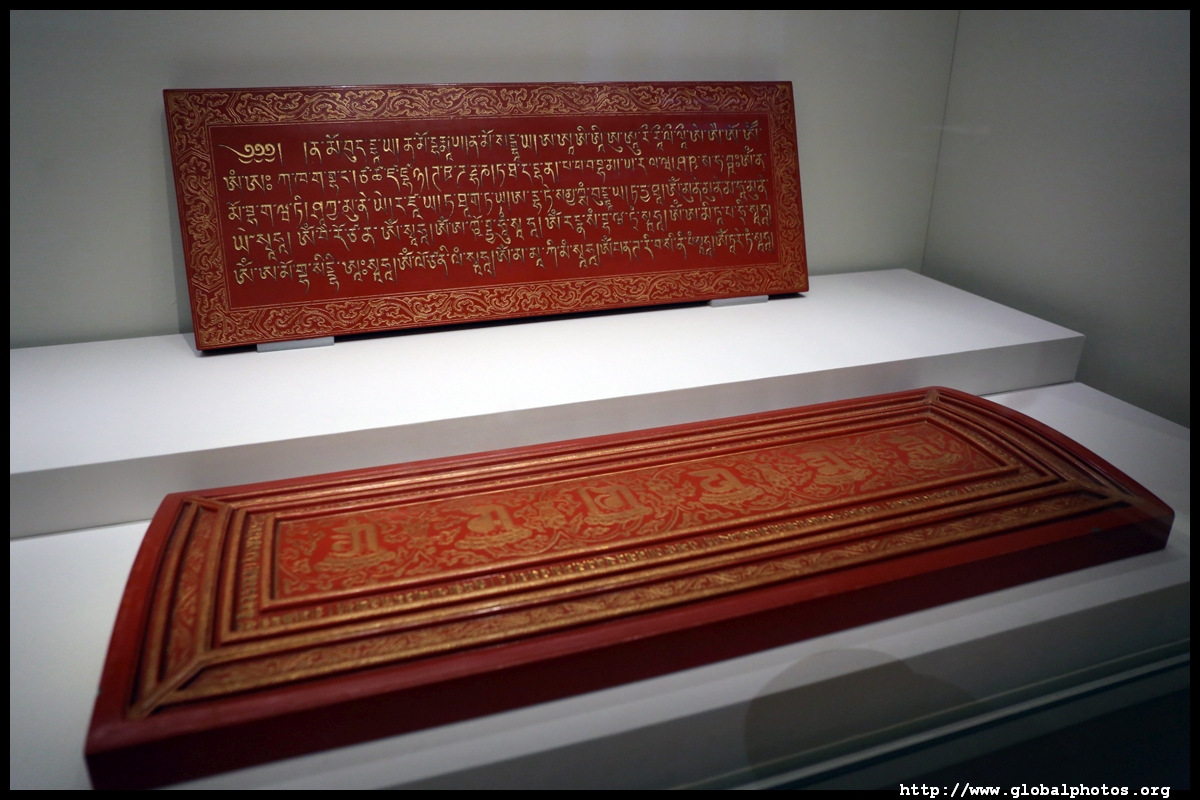
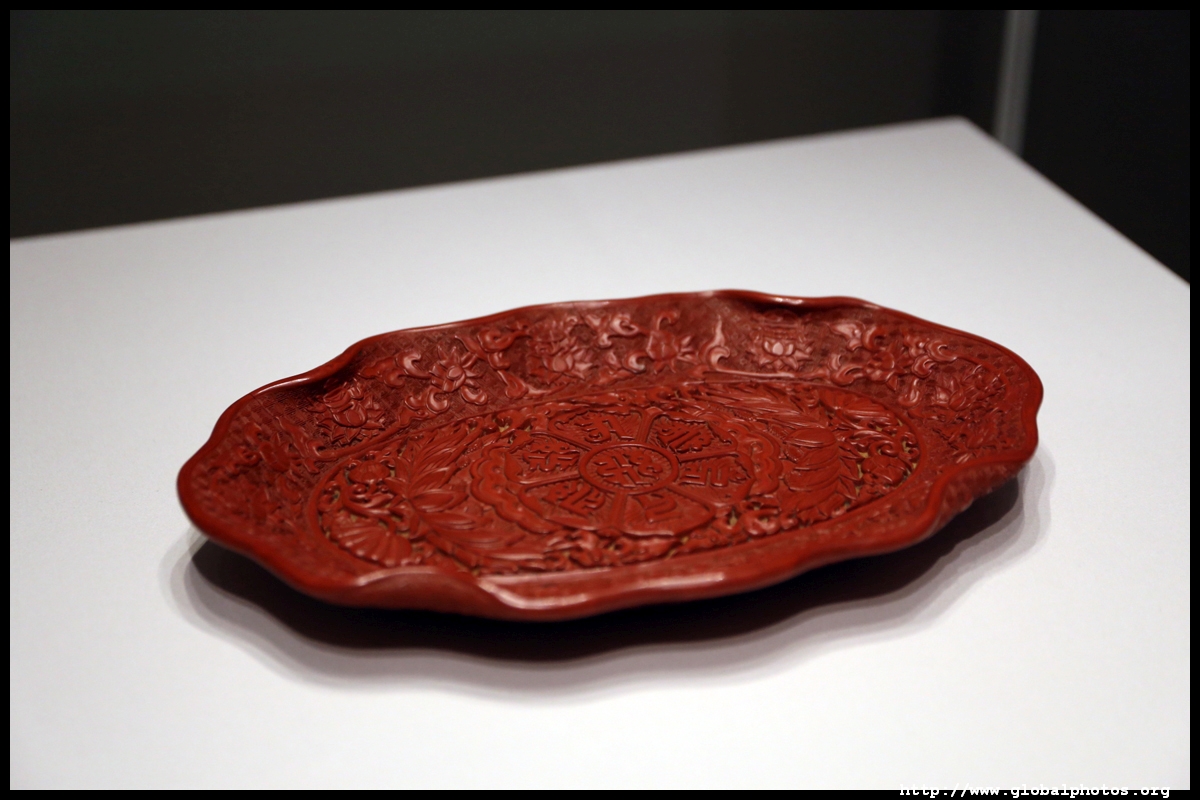
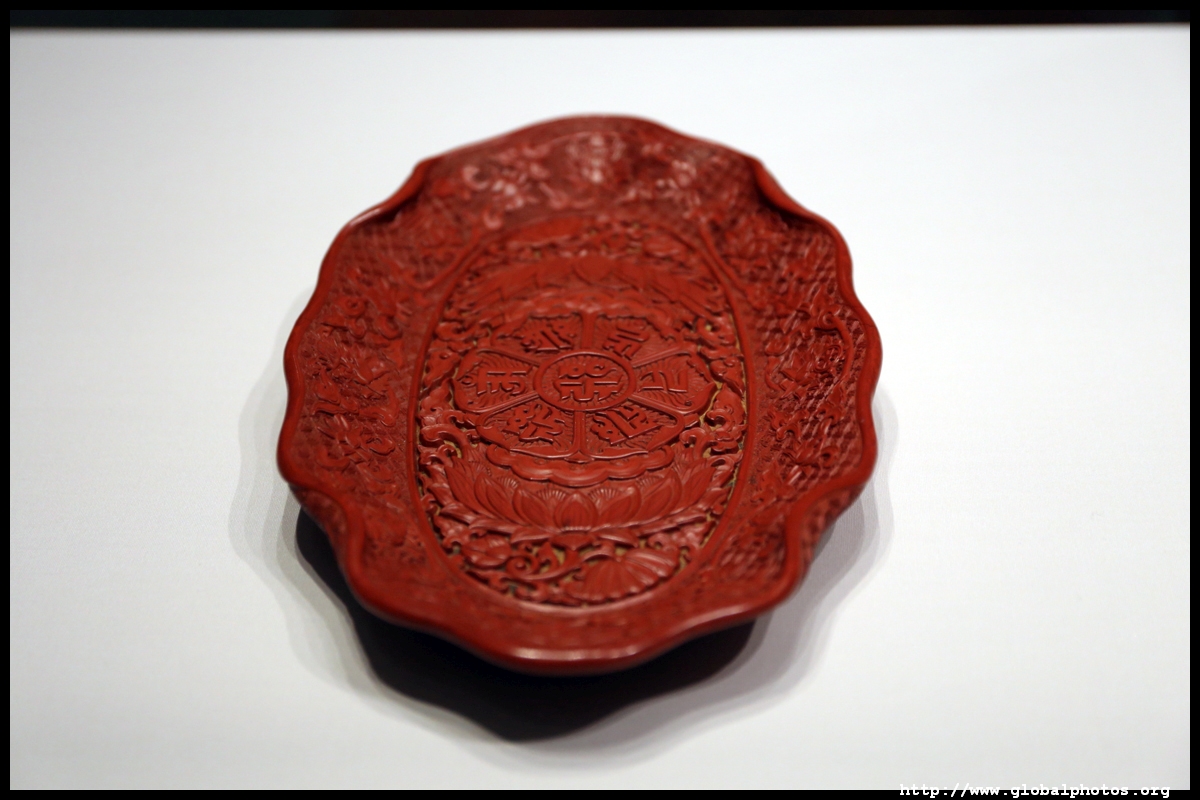
Emperor Yongle of the Ming Dynasty established the imperial lacquer workshop. This item is a lotus leaf-shaped plate with Sanskrit inscription from the Ming.
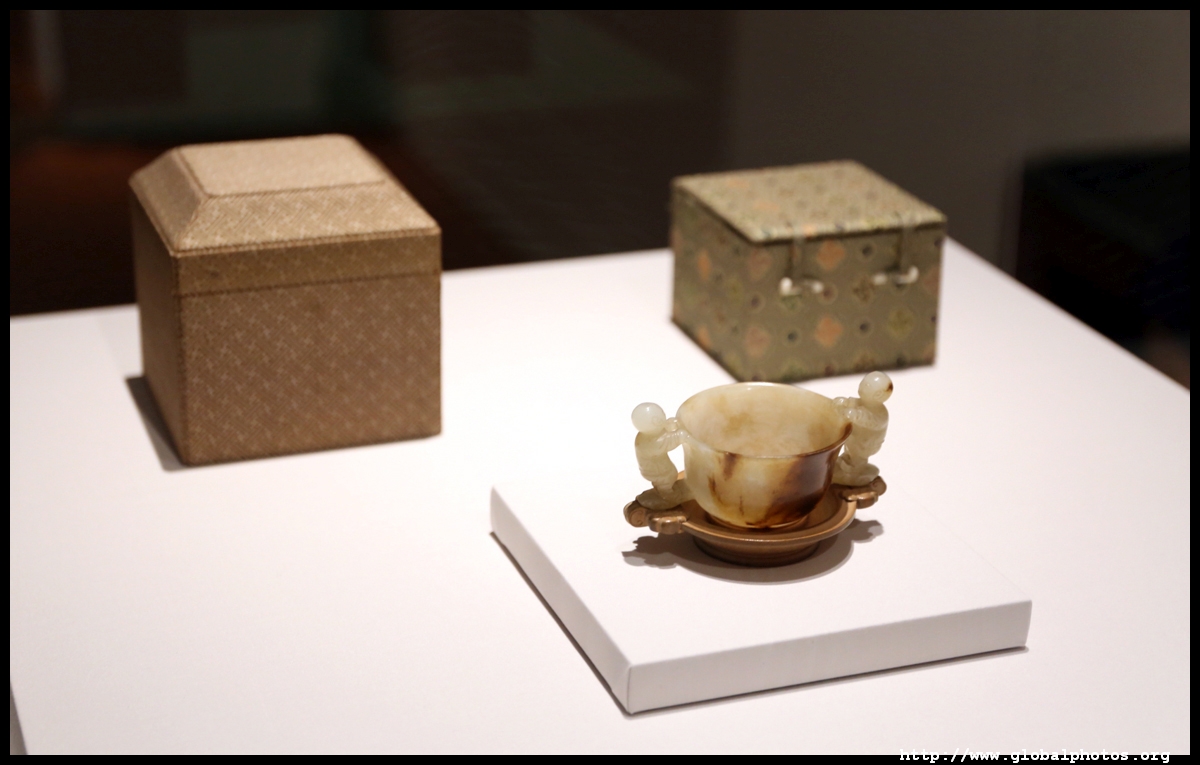
This jade cup with 2 baby-shaped handles was presented as a Han Dynasty work and nearly fooled Emperor Qianlong. He later learned from the craftsman that it was an imitation from his grandfather.
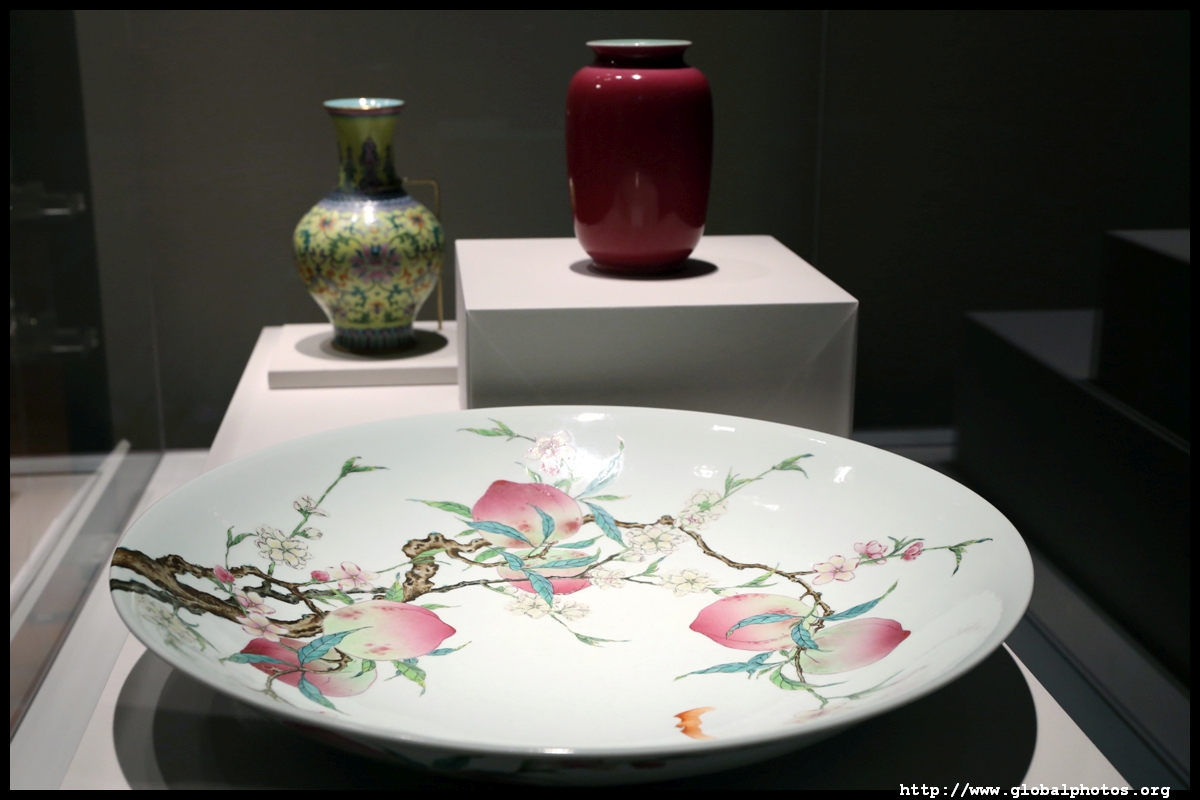
The dish with peaches came from the imperial porcelain factory in Jingdezhen.
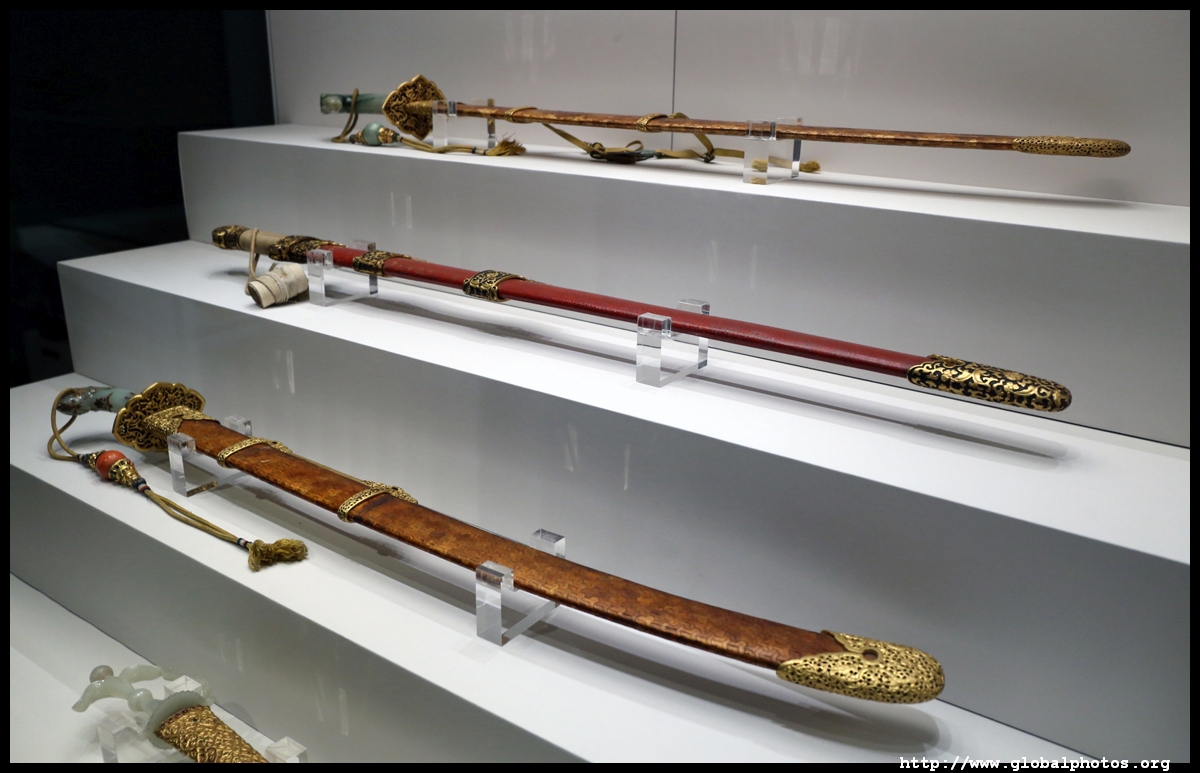
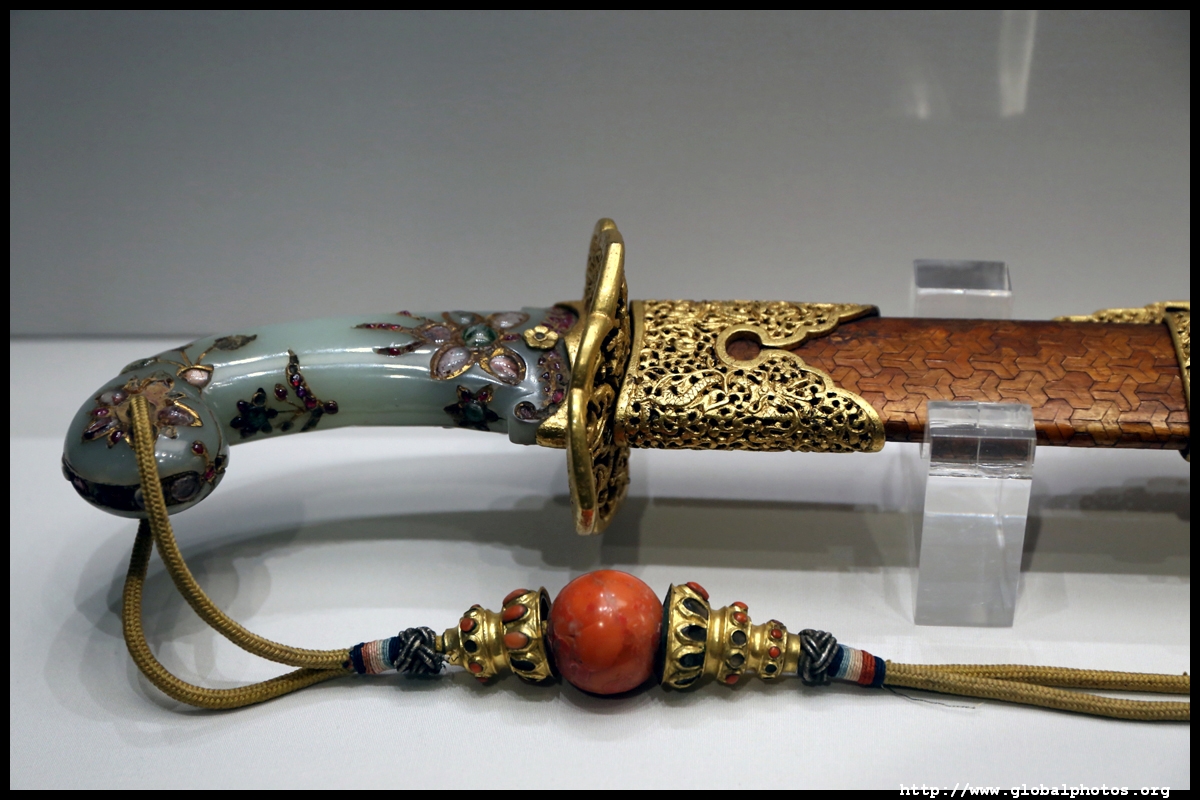
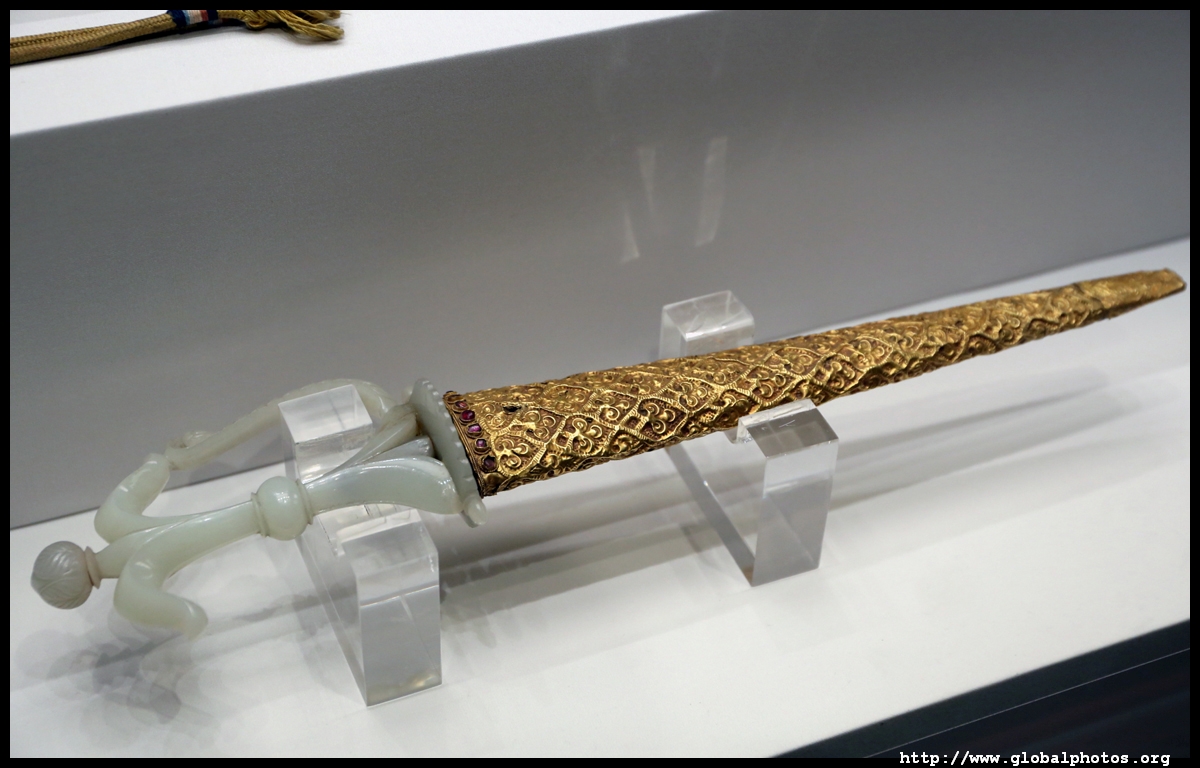
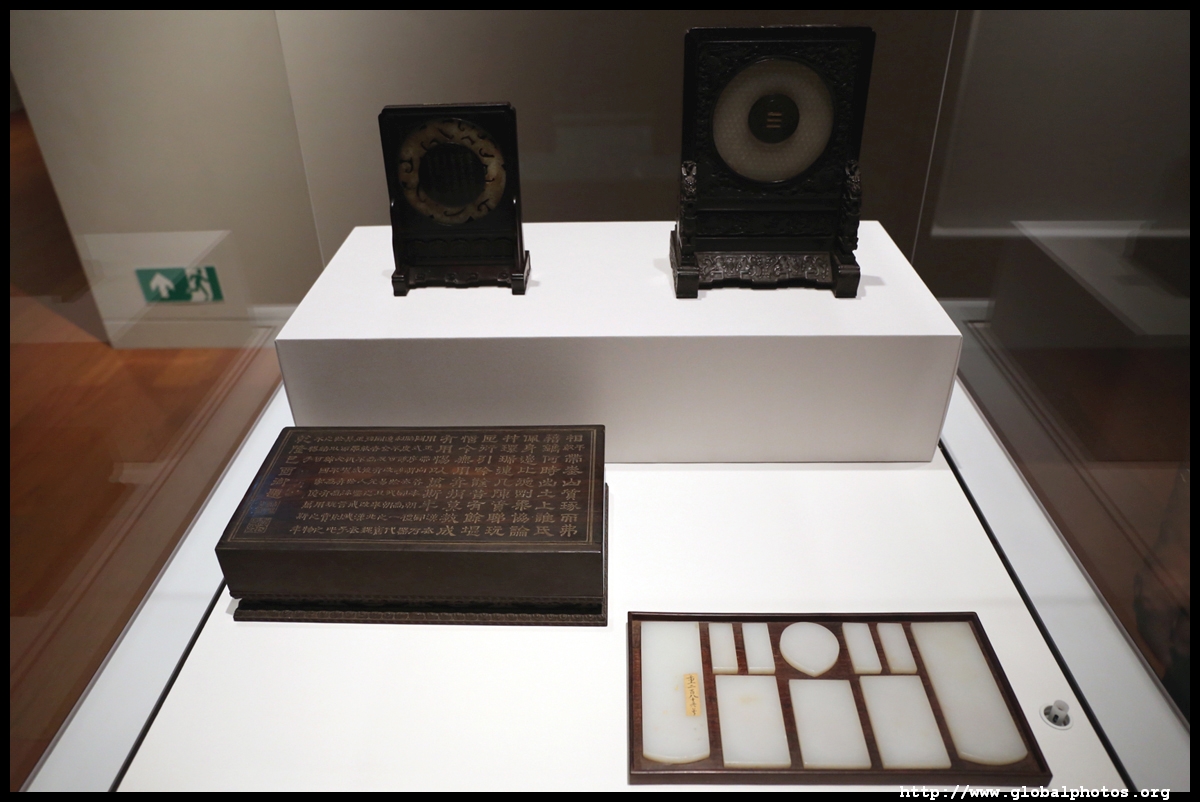
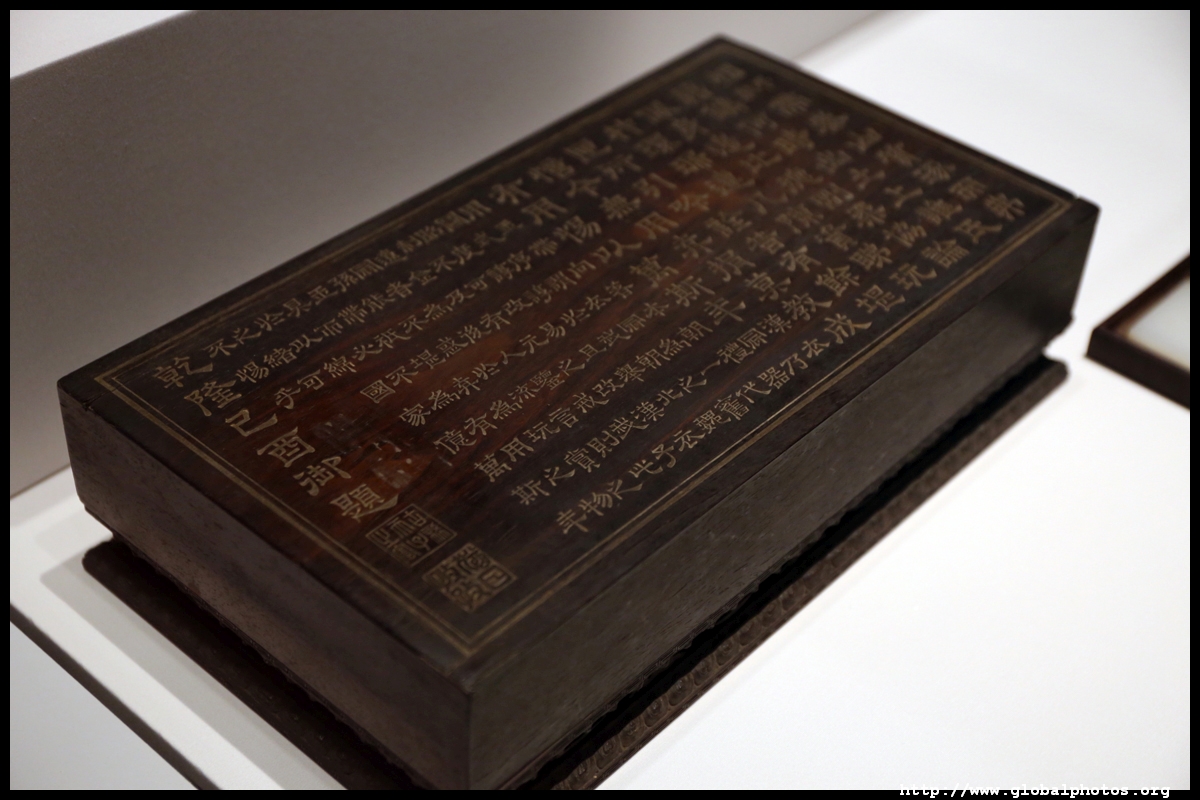
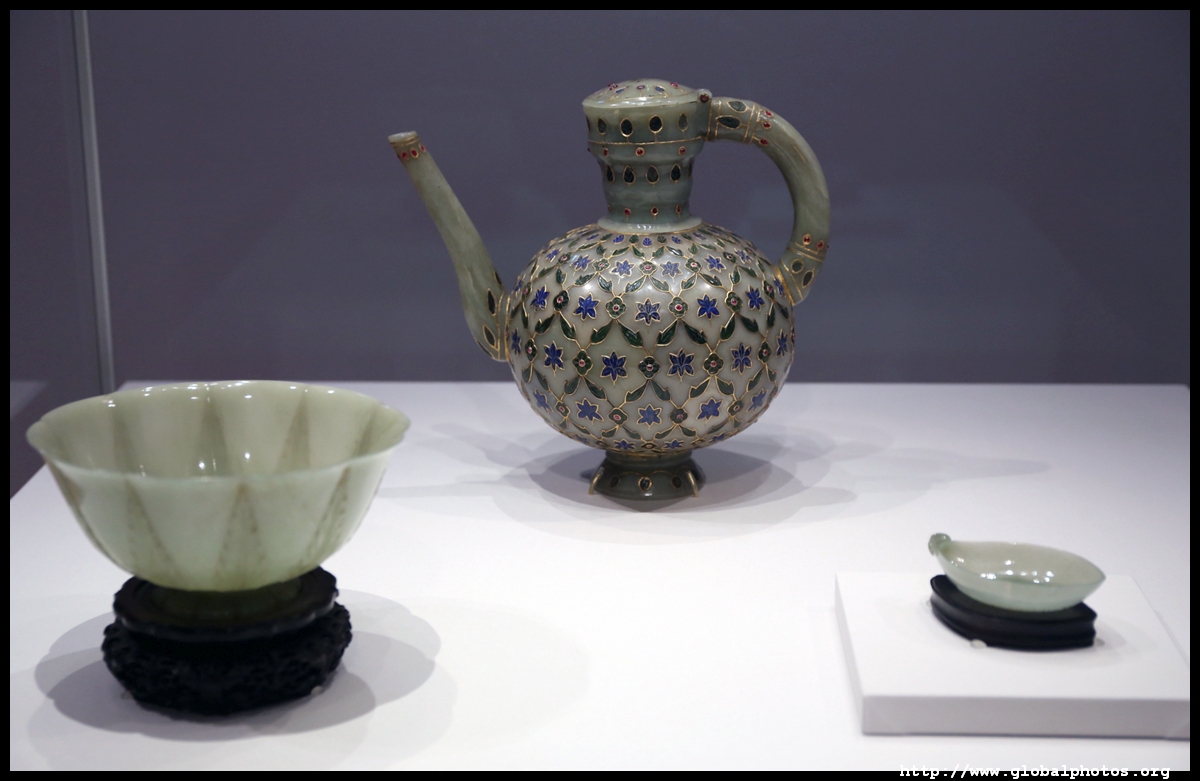
The Qing Dynasty had engaged in wars against the Central Asian tribes. After Emperor Qianlong took control of Xinjiang in 1759, new trade routes emerged and jade objects from the Islamic world made their way to the court, influencing domestic production back home.
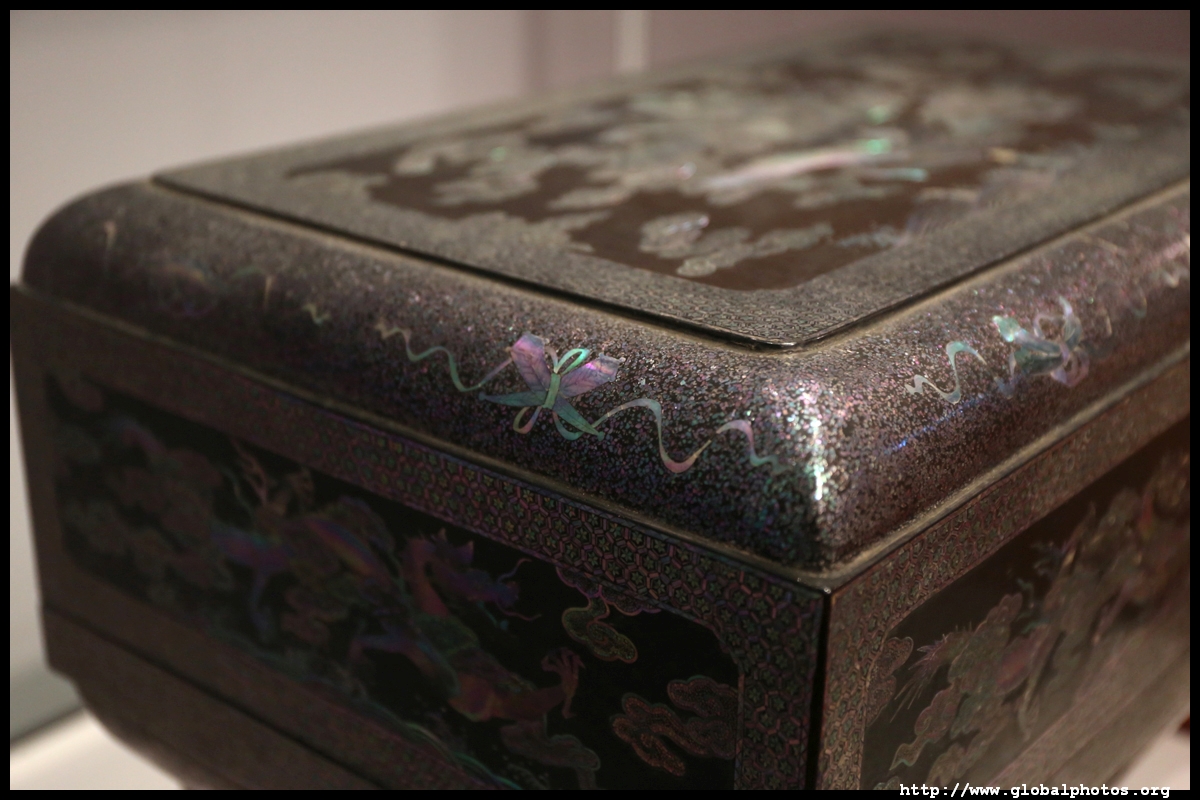
This box with dragons chasing a pearl came from the Ryukyu kingdom in the 18th century. They had close ties with China since the Ming Dynasty, which continued during the Qing era. It is believed this box was a tribute to Emperor Qianlong.
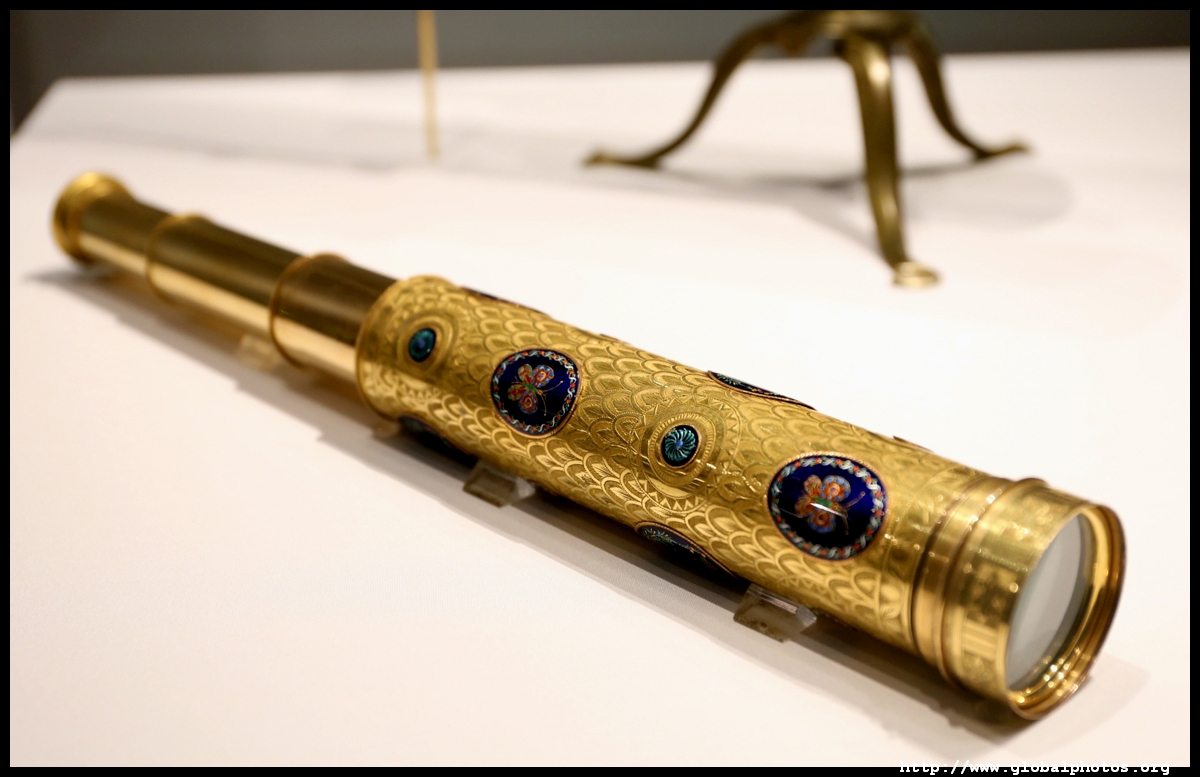
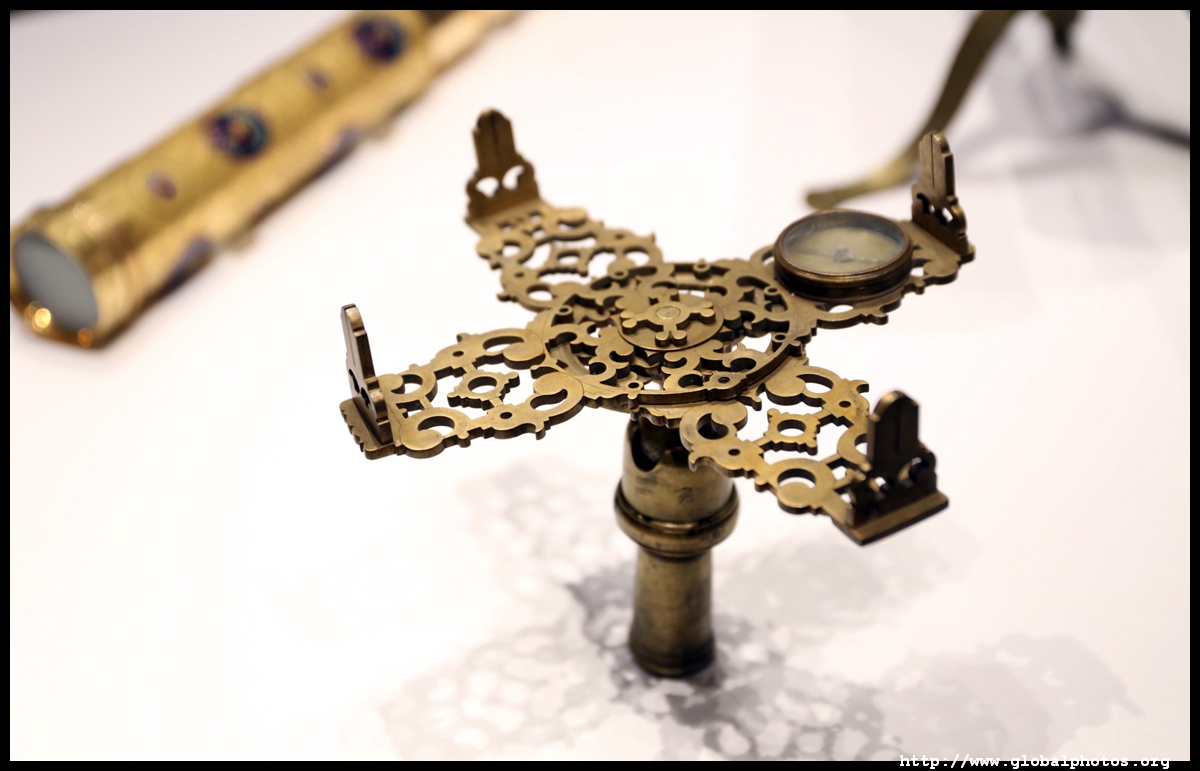
Jesuit missionaries introduced Western scientific thought to the Qing court.
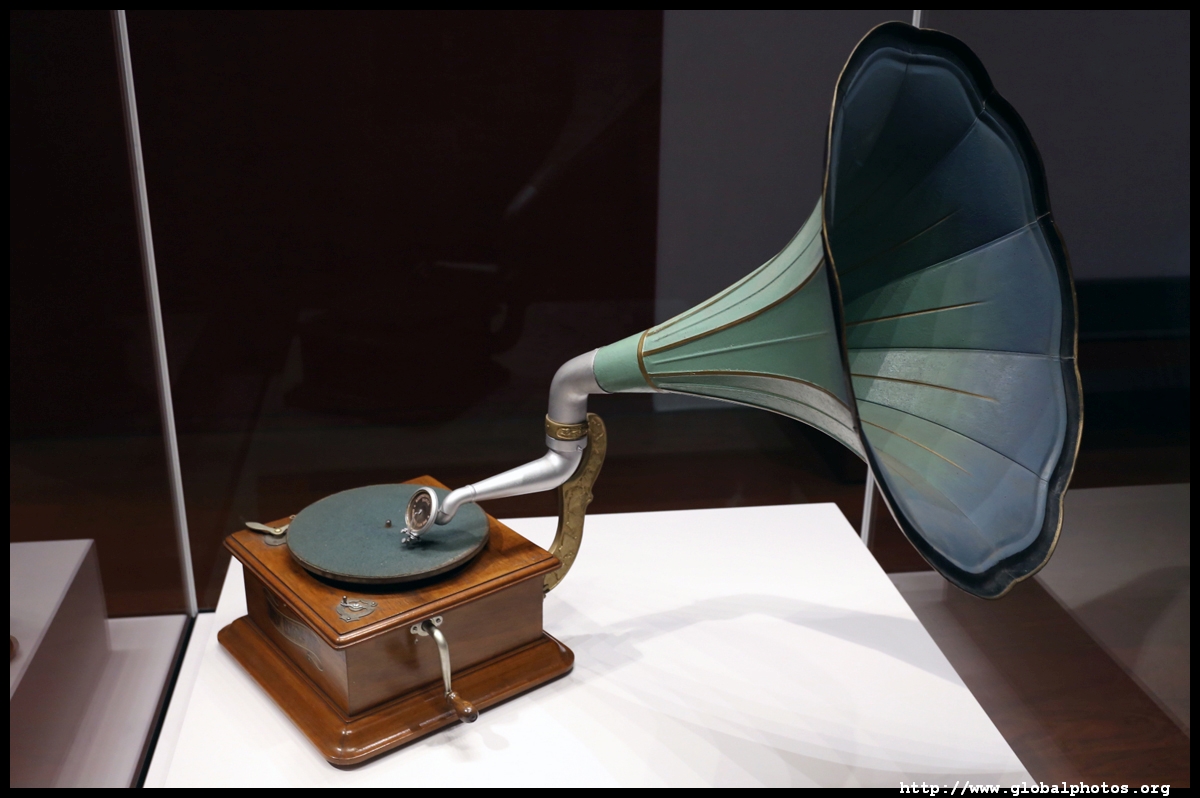
Emperor Puyi played operas and Western classical music on gramophones, with many records in his collection coming from Pathe Orient, the first record company in China.
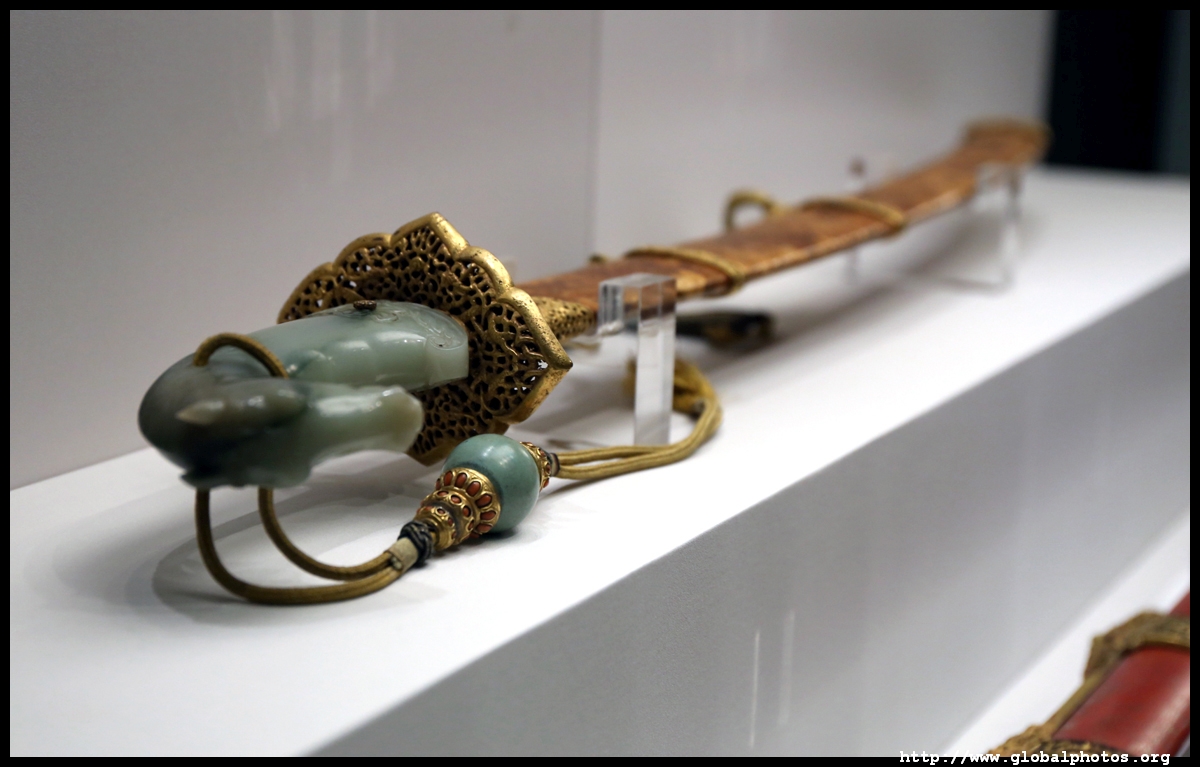
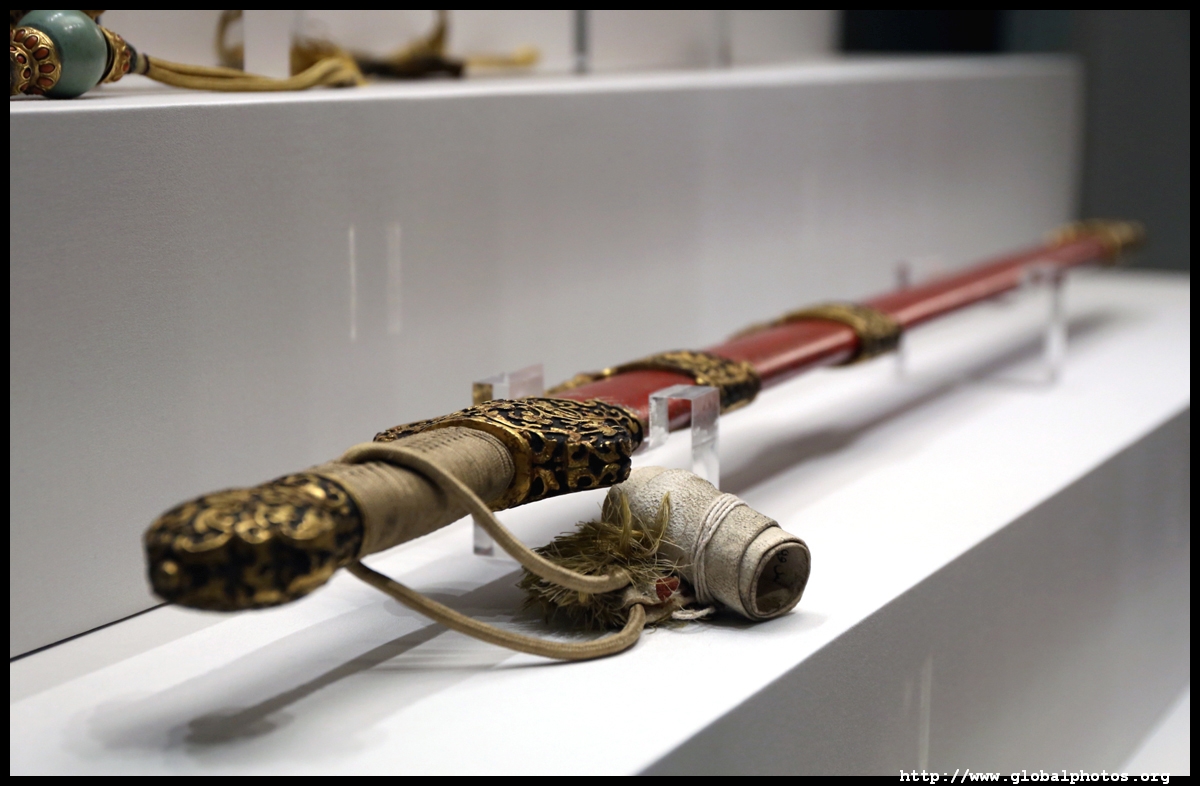
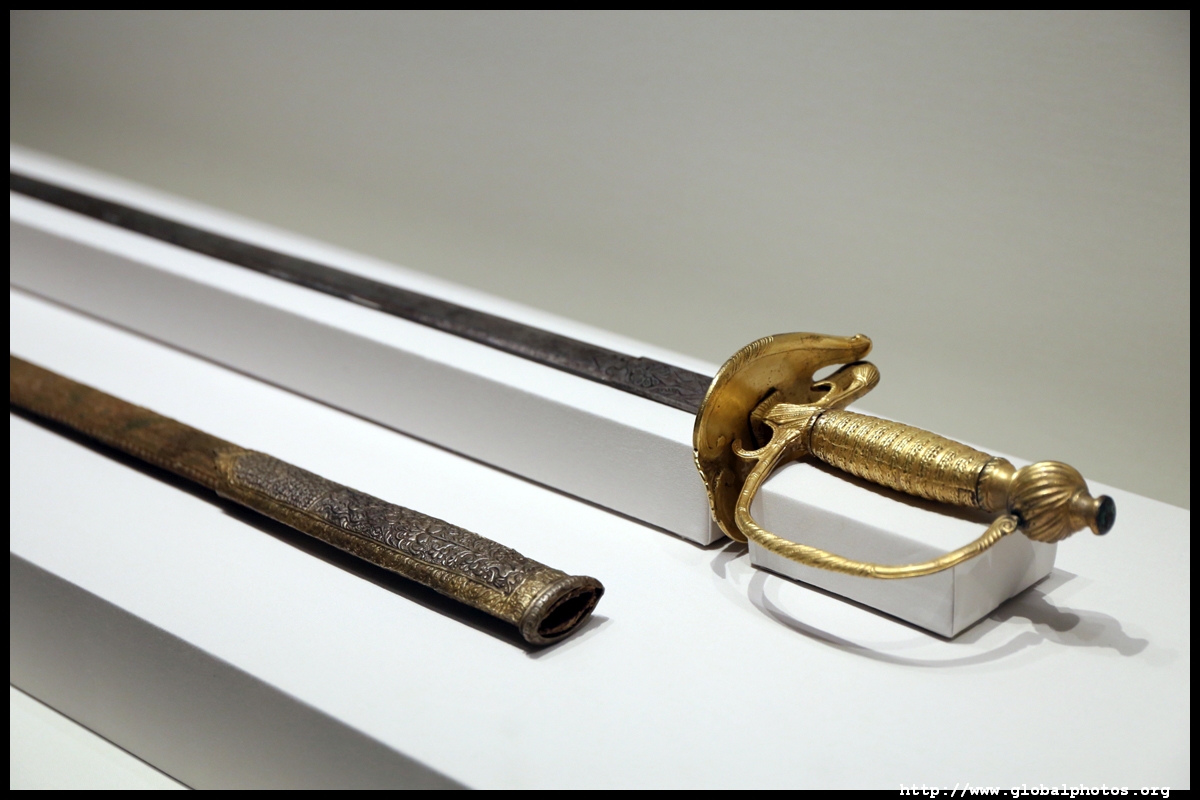
Lord George Macartney from Britain came to China in 1793 hoping to establish trade and diplomatic relations. He brought gifts that reflected British industry, such as clocks, textiles, and this sword. However, Emperor Qianlong was not interested although the encounter was documented officially.
|
|||
Hong Kong Gallery Main Page