Hong Kong Palace Museum Photo Gallery - Gallery 2

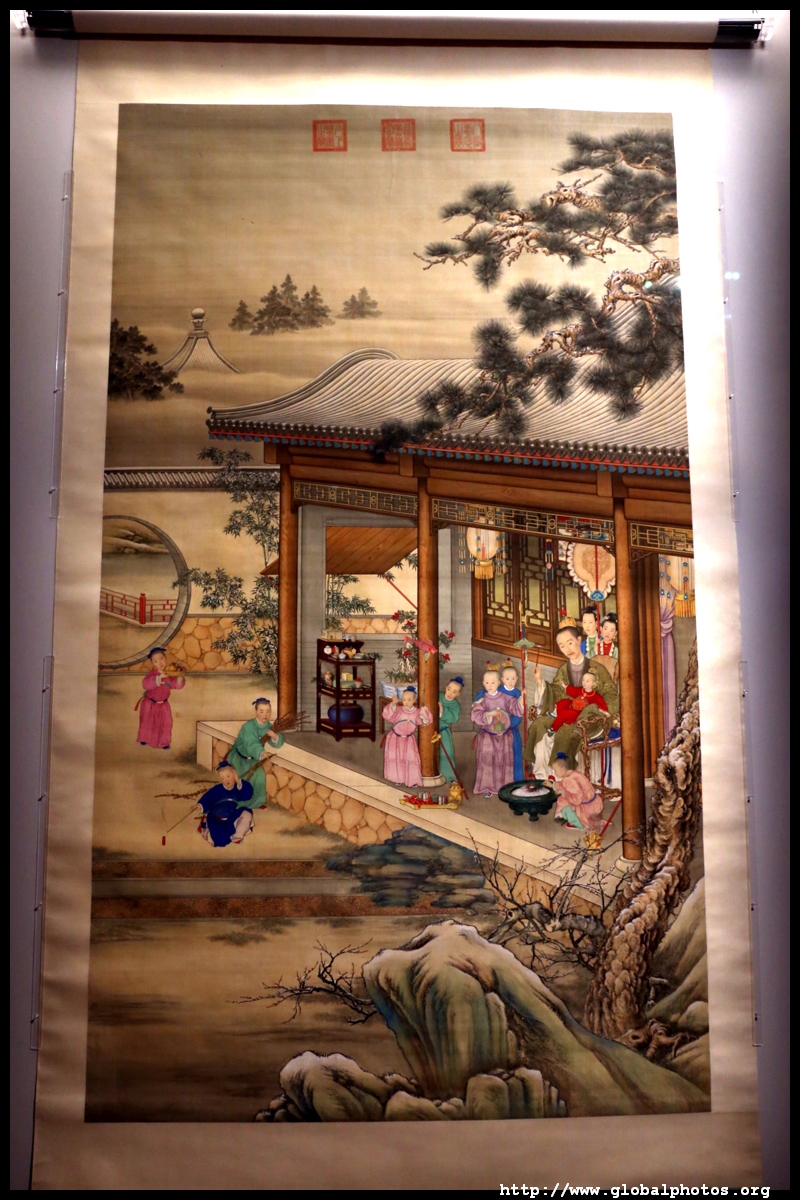
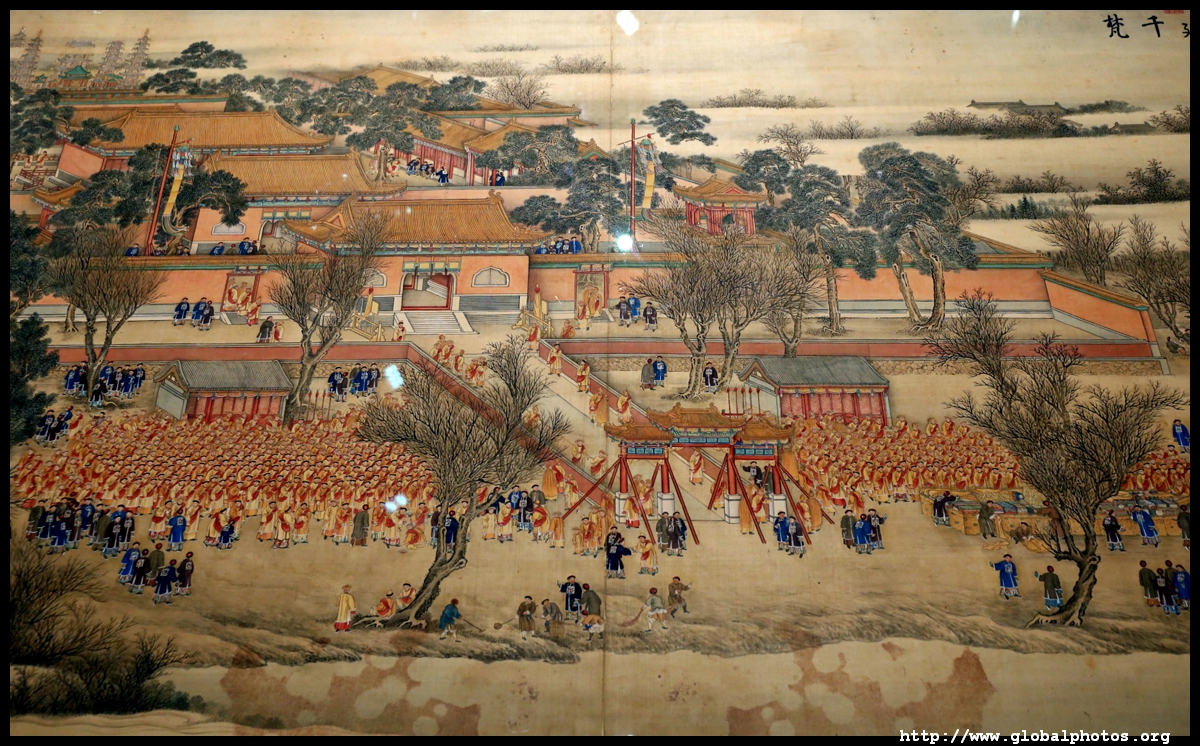
"From Dawn to Dusk : Life in the Forbidden City"Trace through how emperors and empresses lived in the Forbidden City during the 18th century. Emperor Qianlong is featured celebrating Lunar New Year in this painting by Giuseppe Castiglione, believed to date from 1736-8.
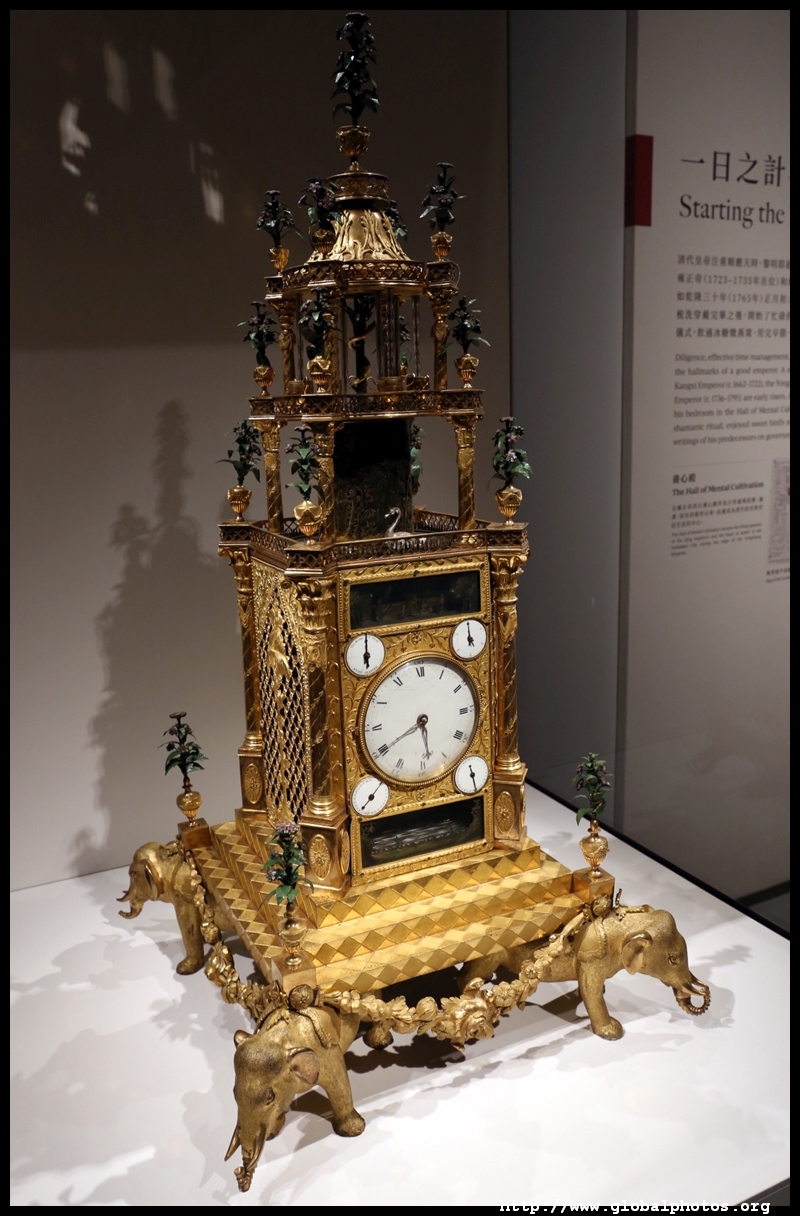
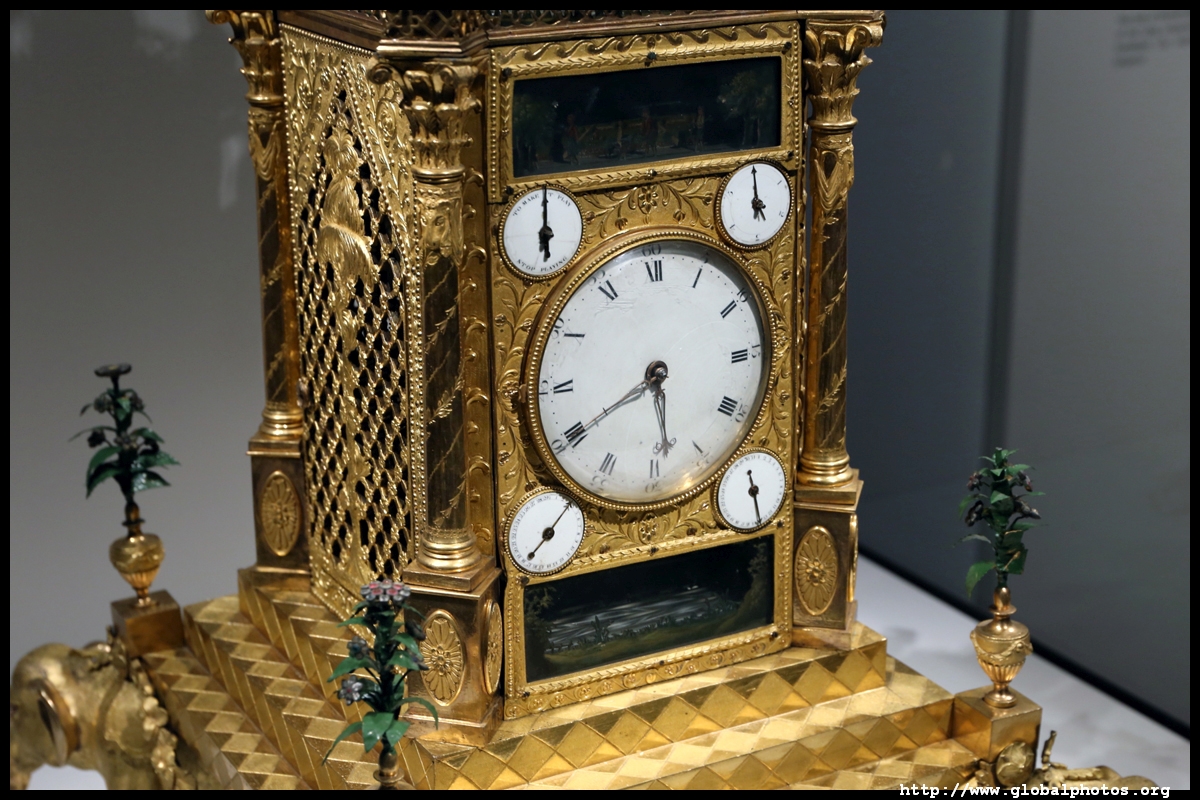
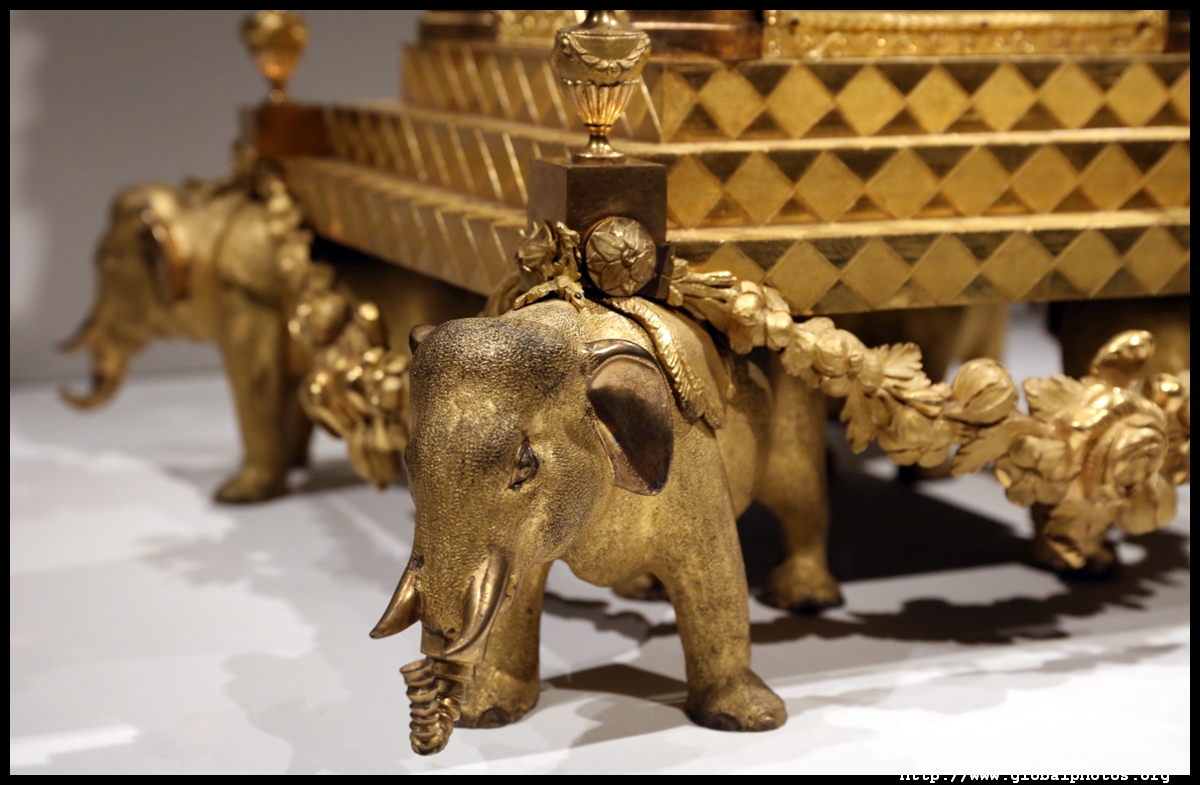
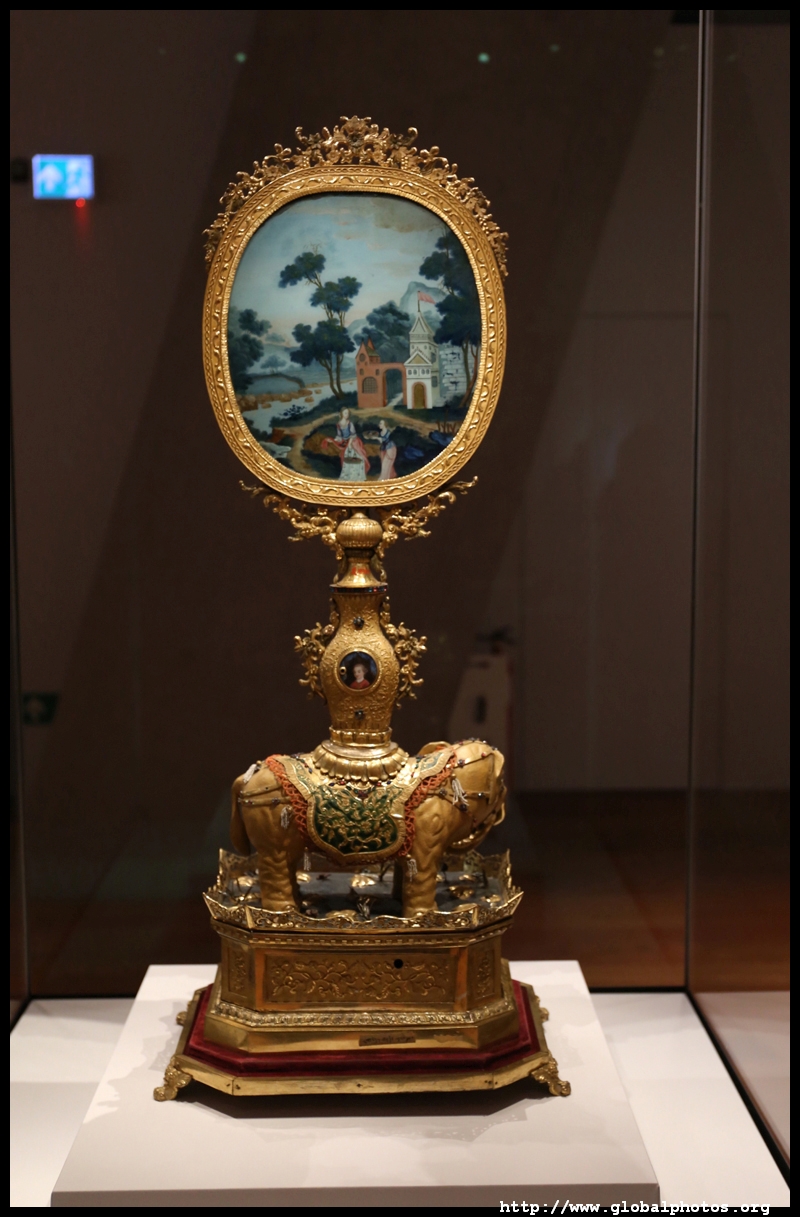
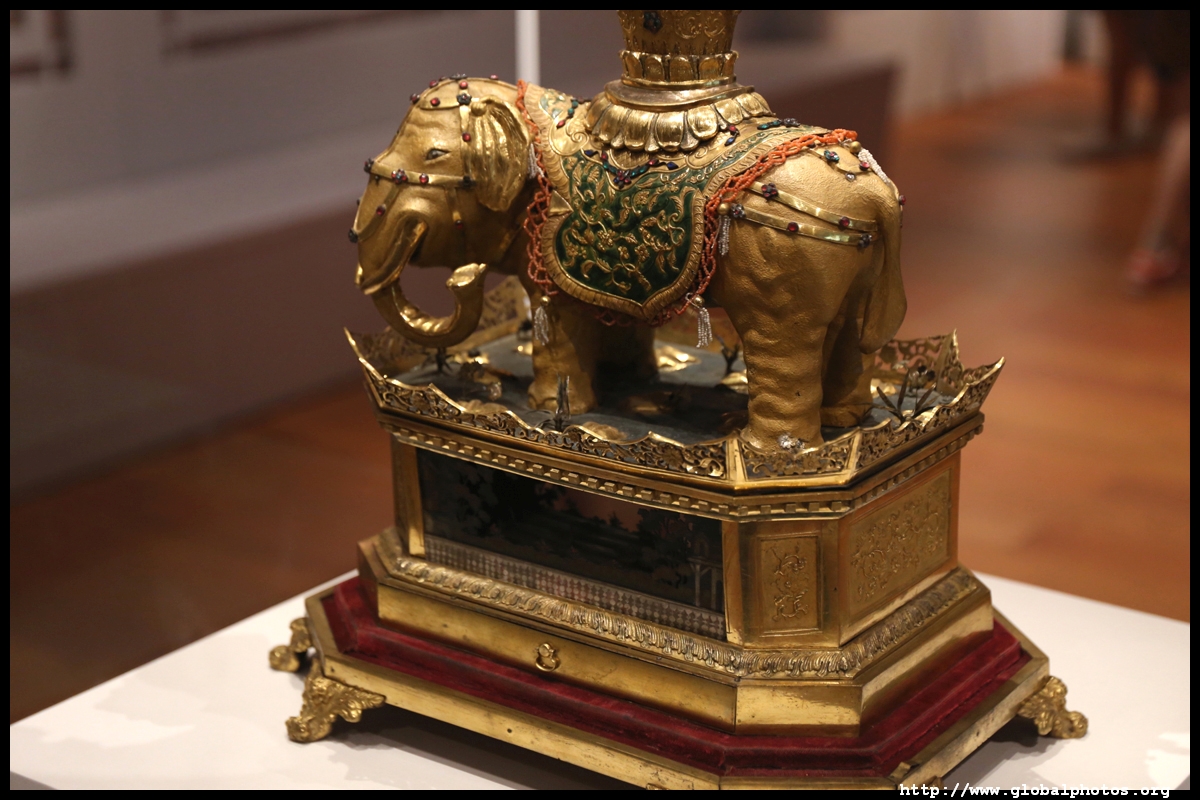
The Qing imperial court loved clocks. This 18th century clock from Great Britain is adorned with elephants.
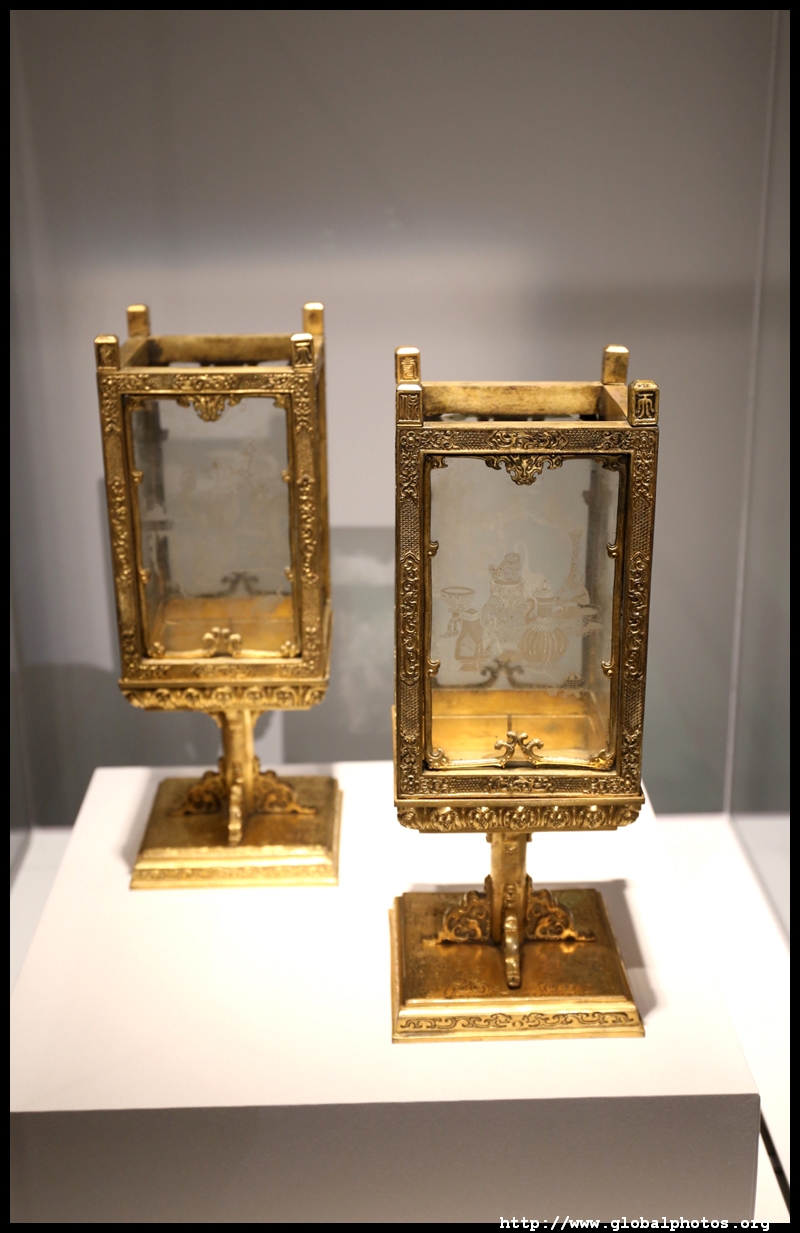
This pair of lamps dates from the Qianlong period (1736-95).
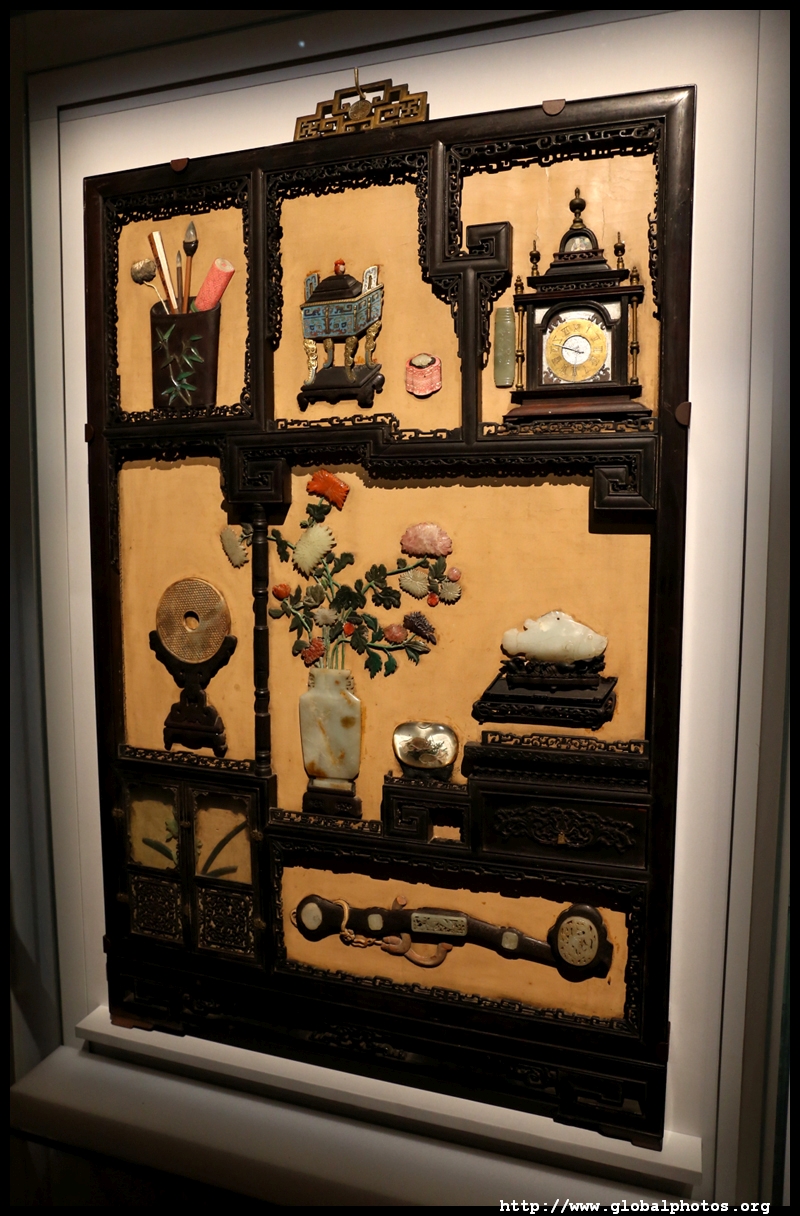
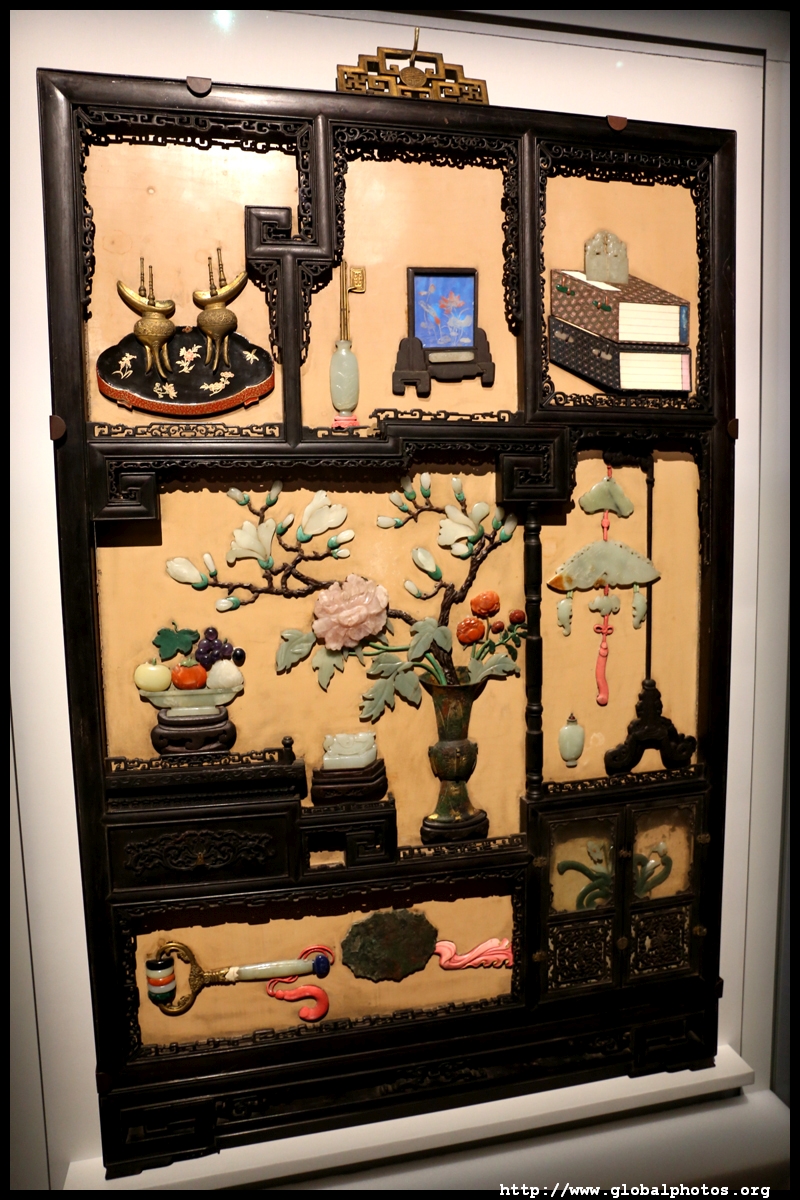
These Qianlong period hanging panels feature antiquities made of jade, semi-precious stones, and cloisonné.
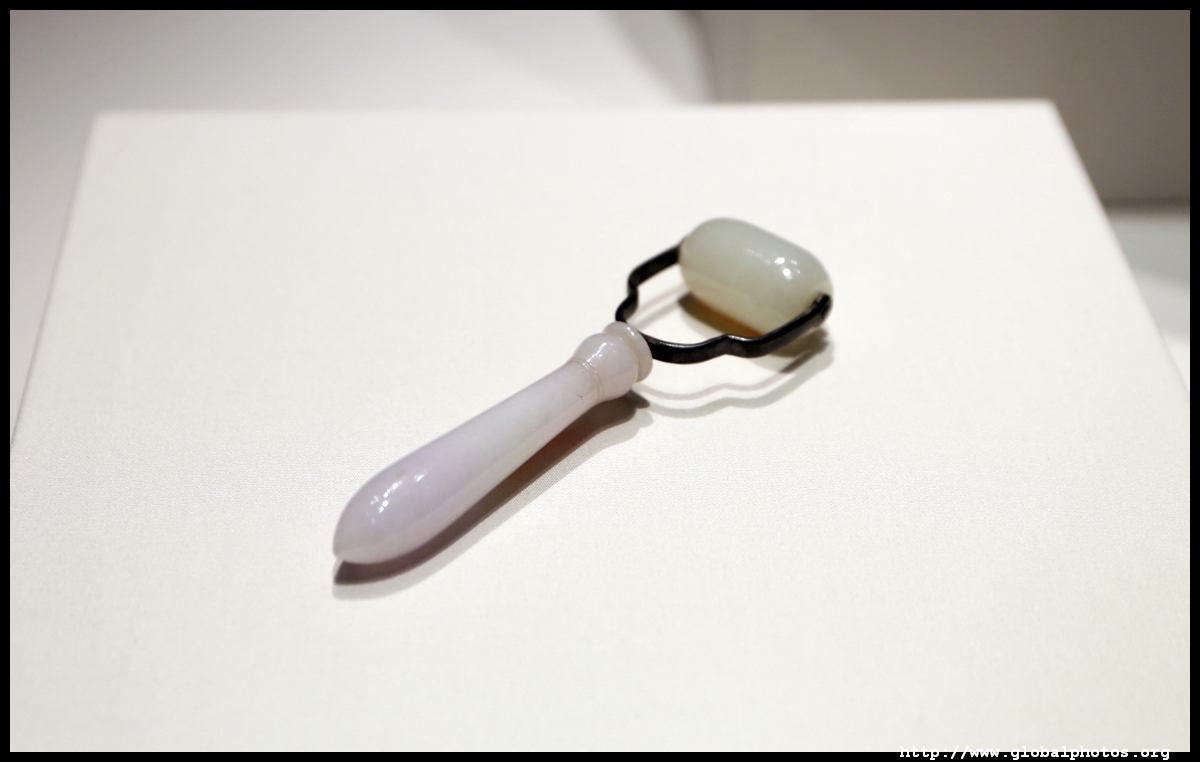
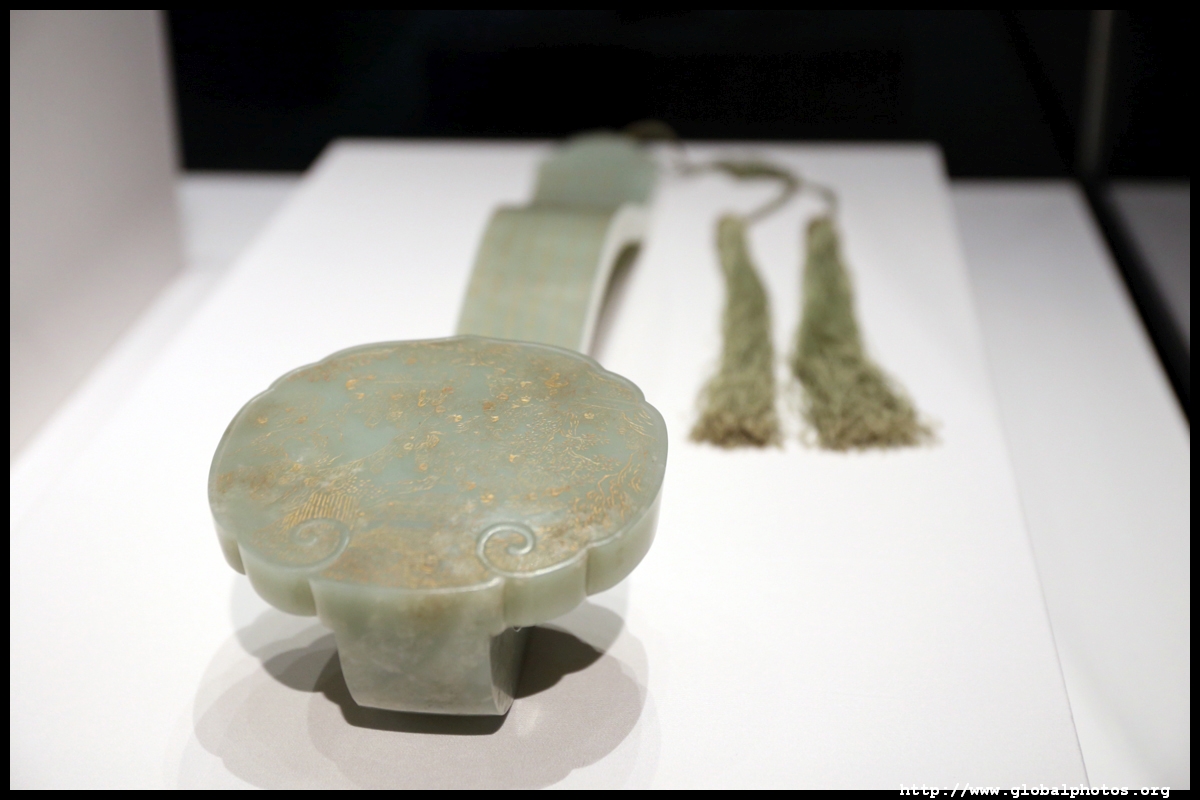
Have you tried to massage yourself with a jade tool?
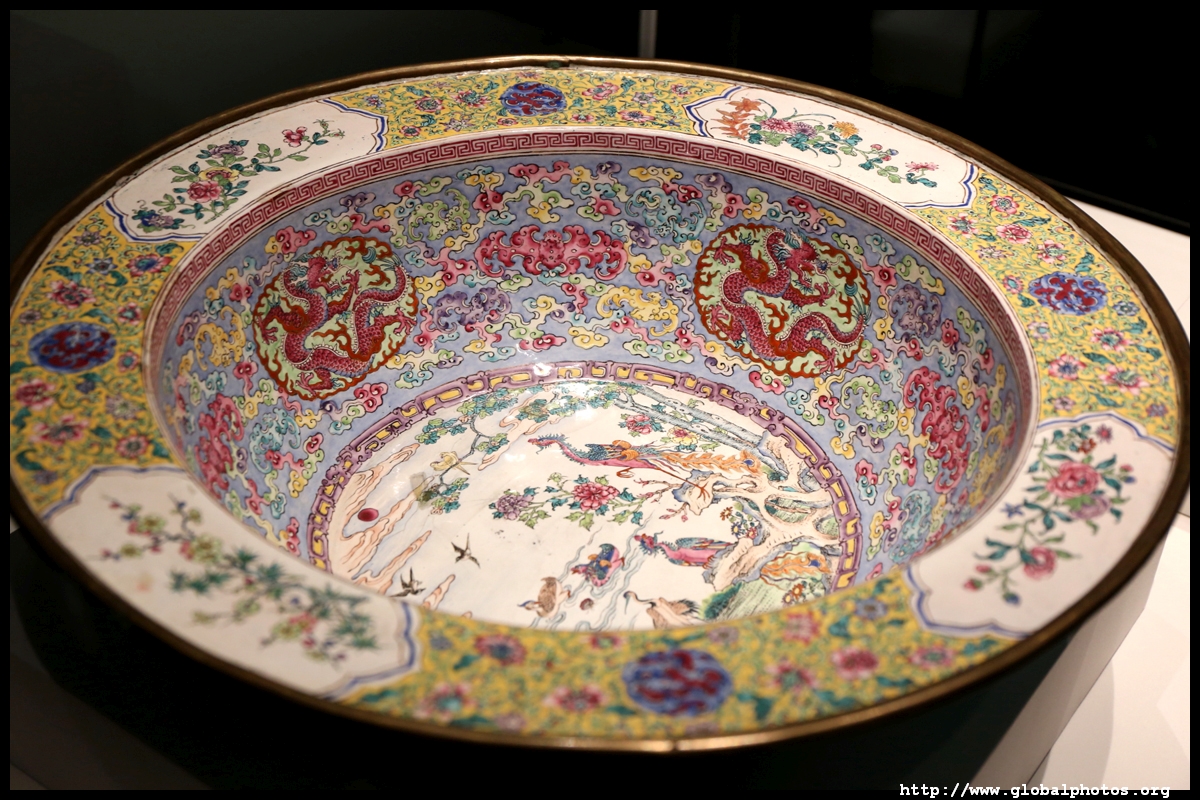
This basin features phoenixes, dragons, and flowers. It is typically used when the emperor wakes up to wash his face. Attendants would first fill it with hot water.
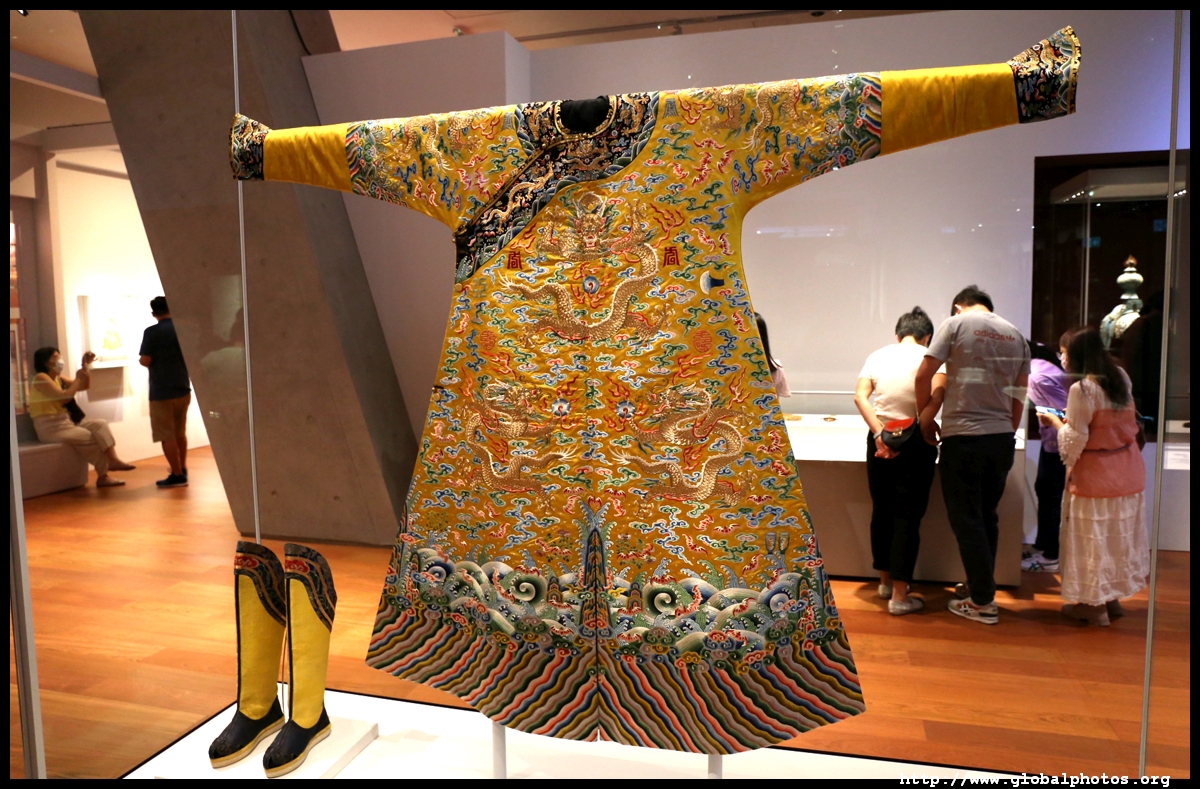
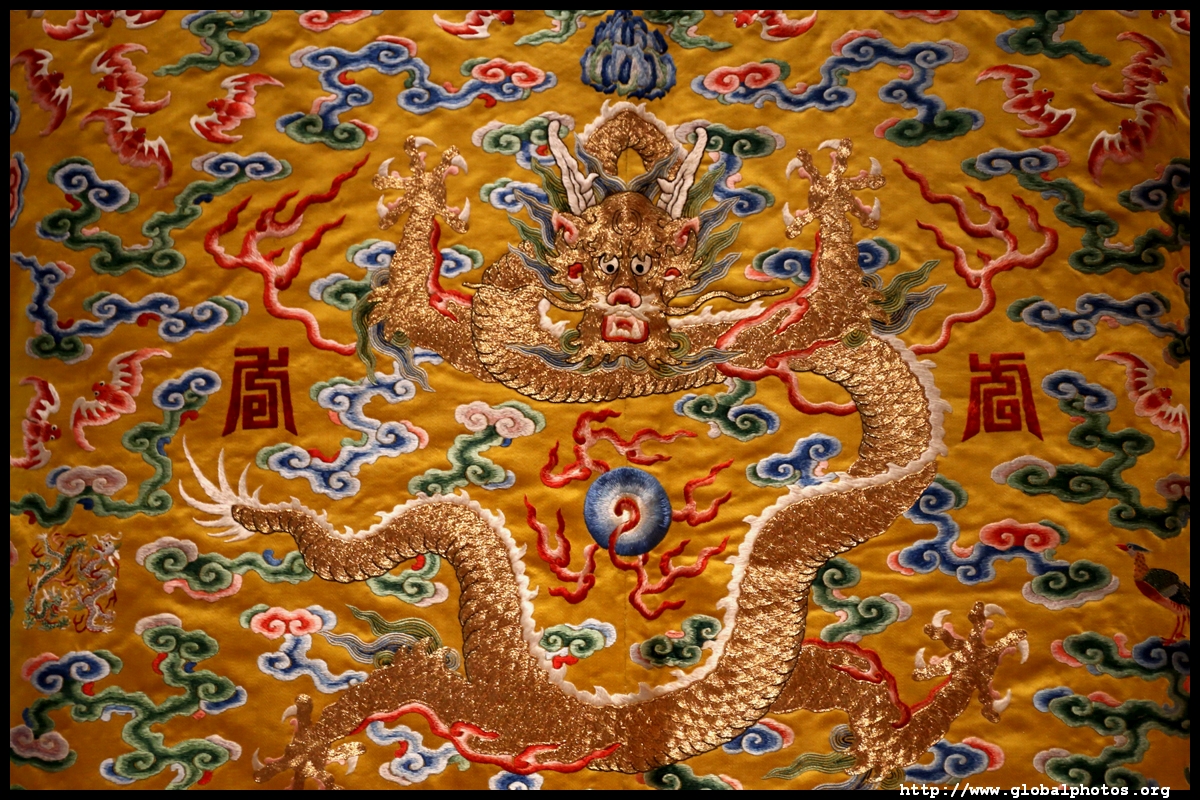
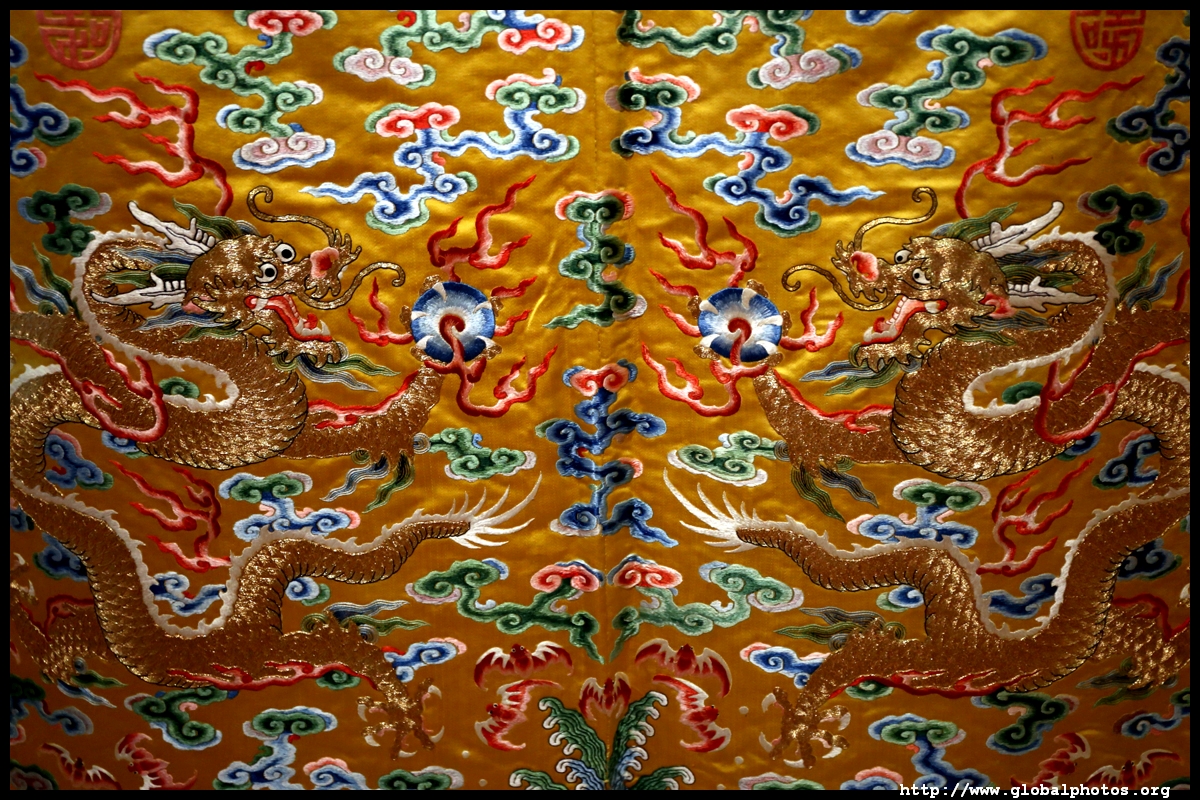
The emperor's dragon robe is worn for birthdays, festivals, and celebrations. there are 8 dragons on it with 12 imperial emblems.
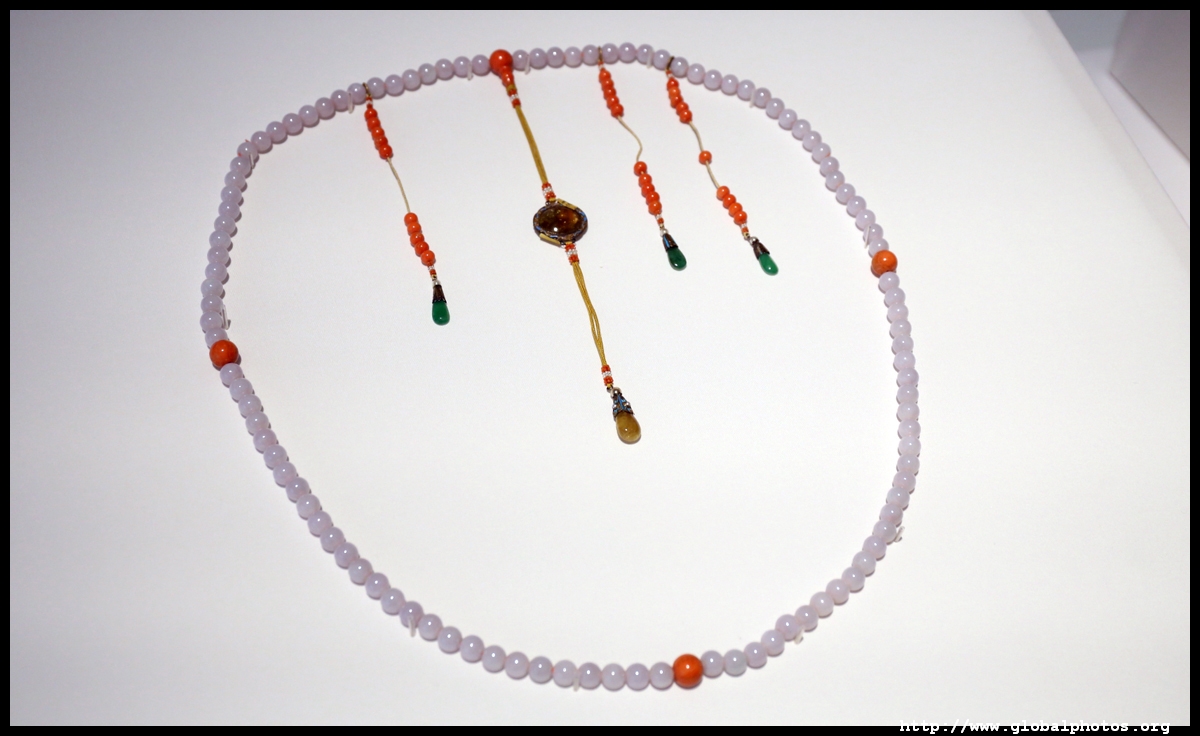
This necklace is made from jadeite, coral, tourmaline, and pearls.
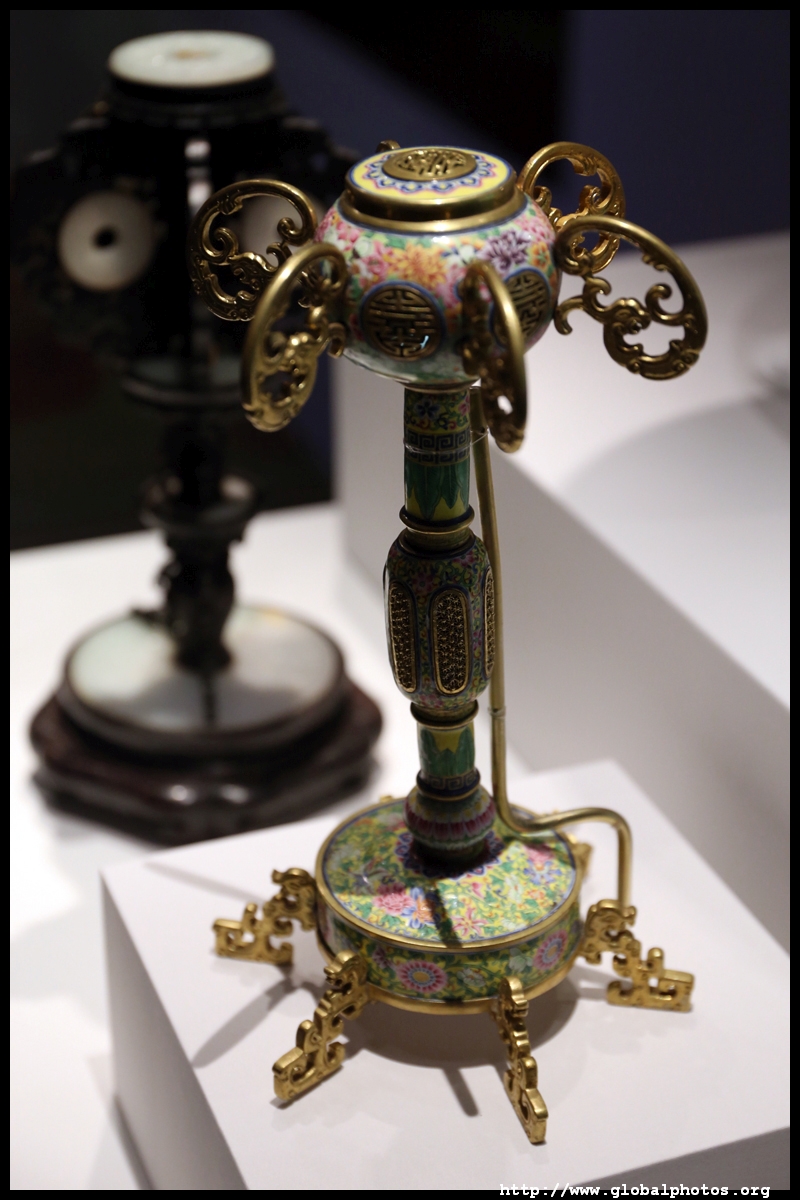
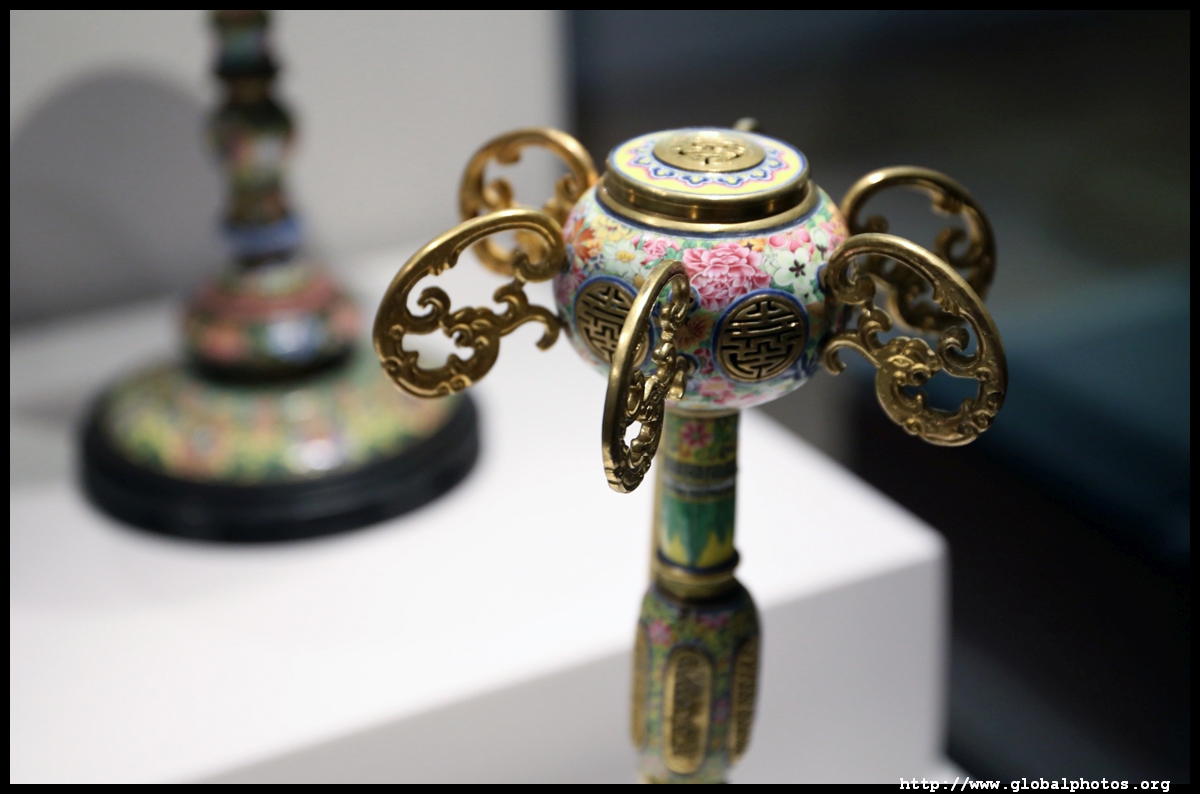
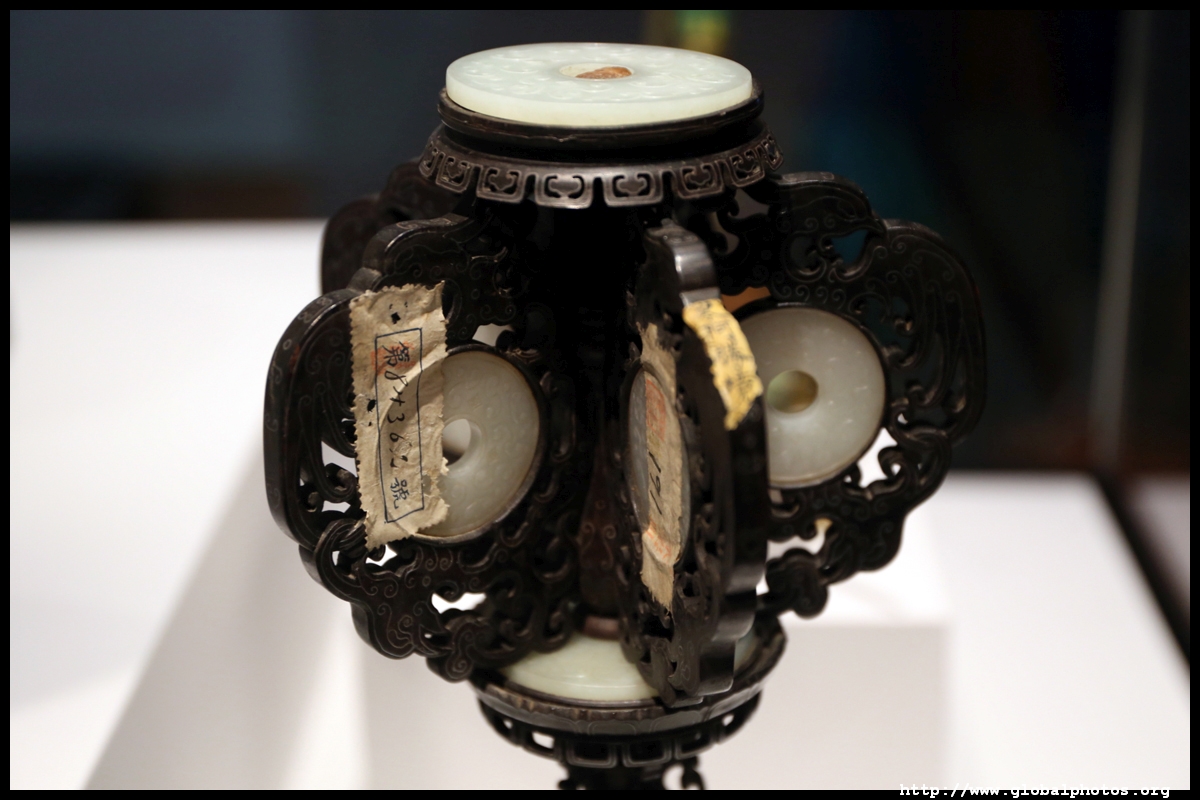
These hat stands are decorated with various motifs.
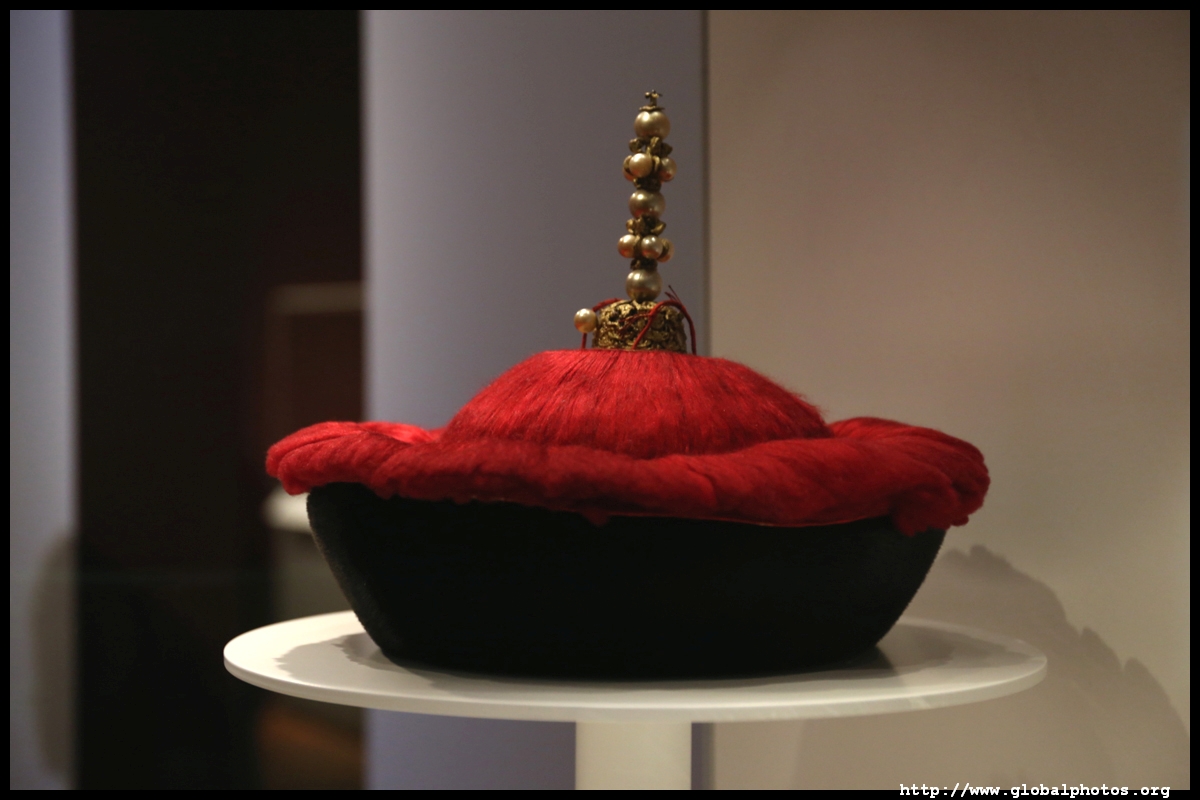
This 19th century winter court hat is made from sable, velvet, and silk.
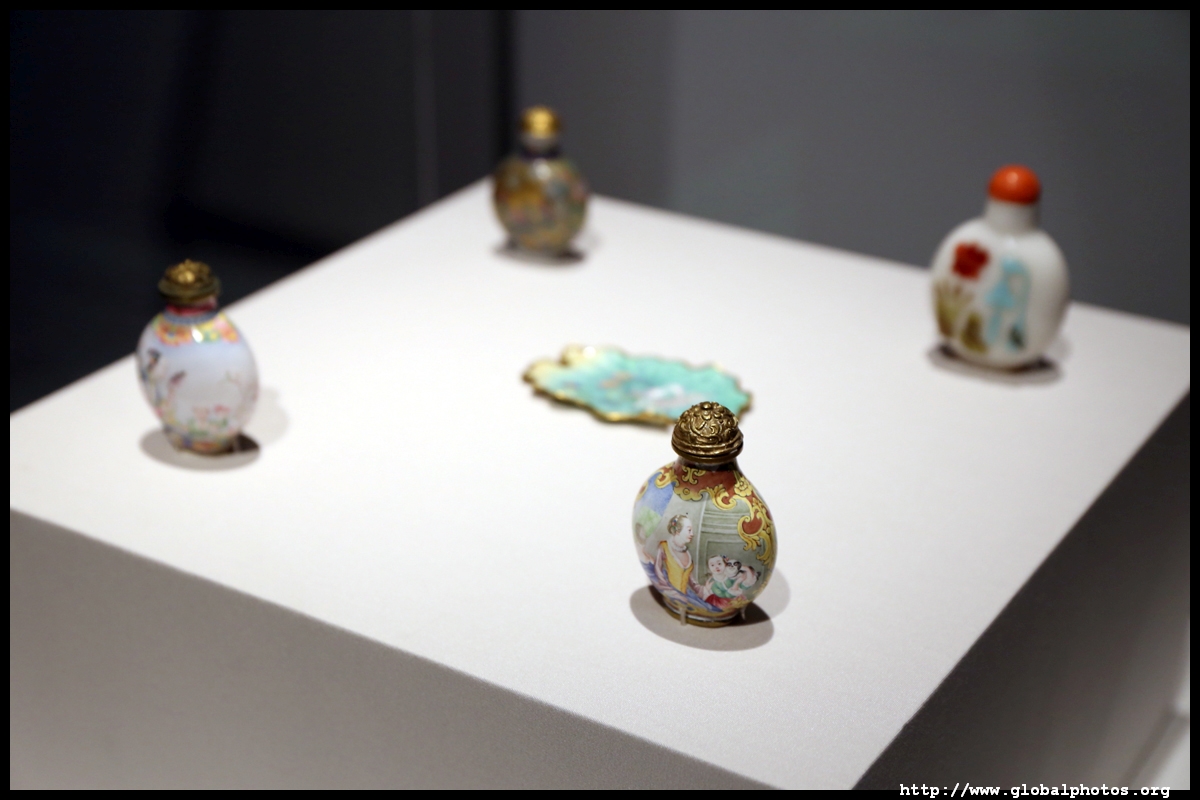
Snuff bottles were made to fit the hand well and were used to store tobacco.
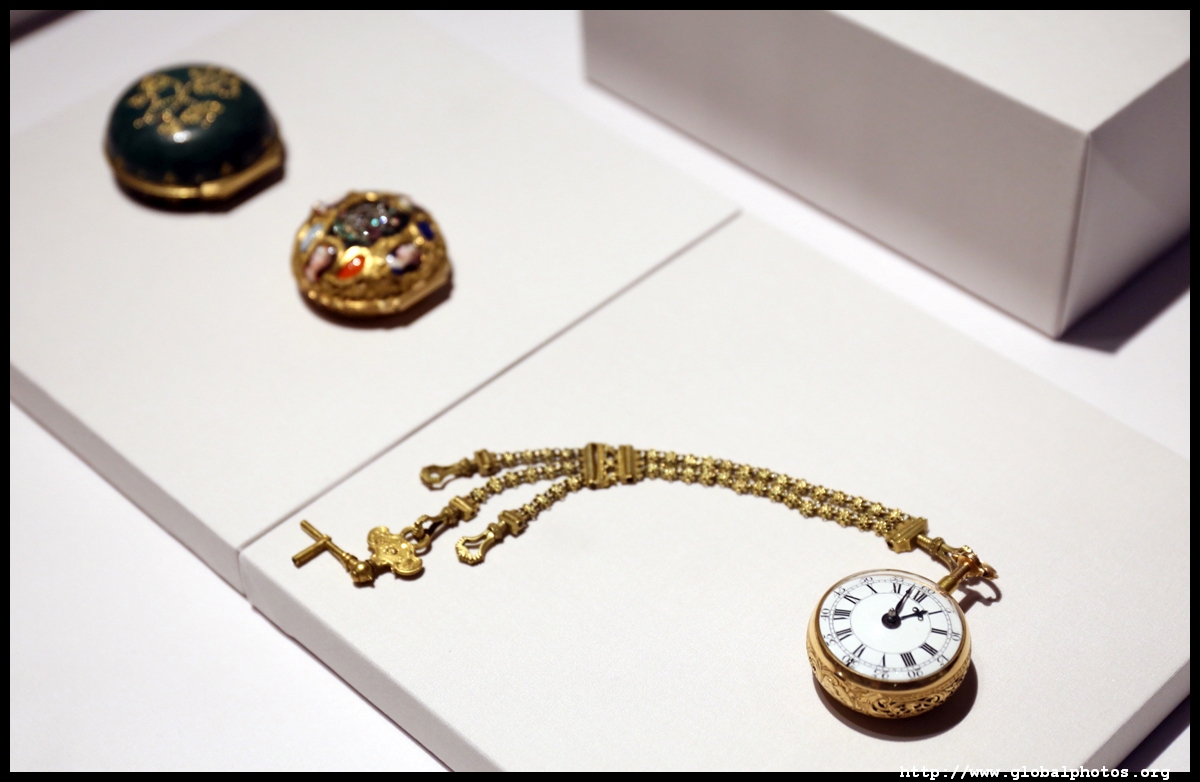
This 18th century pocket watch with cases came from Great Britain.
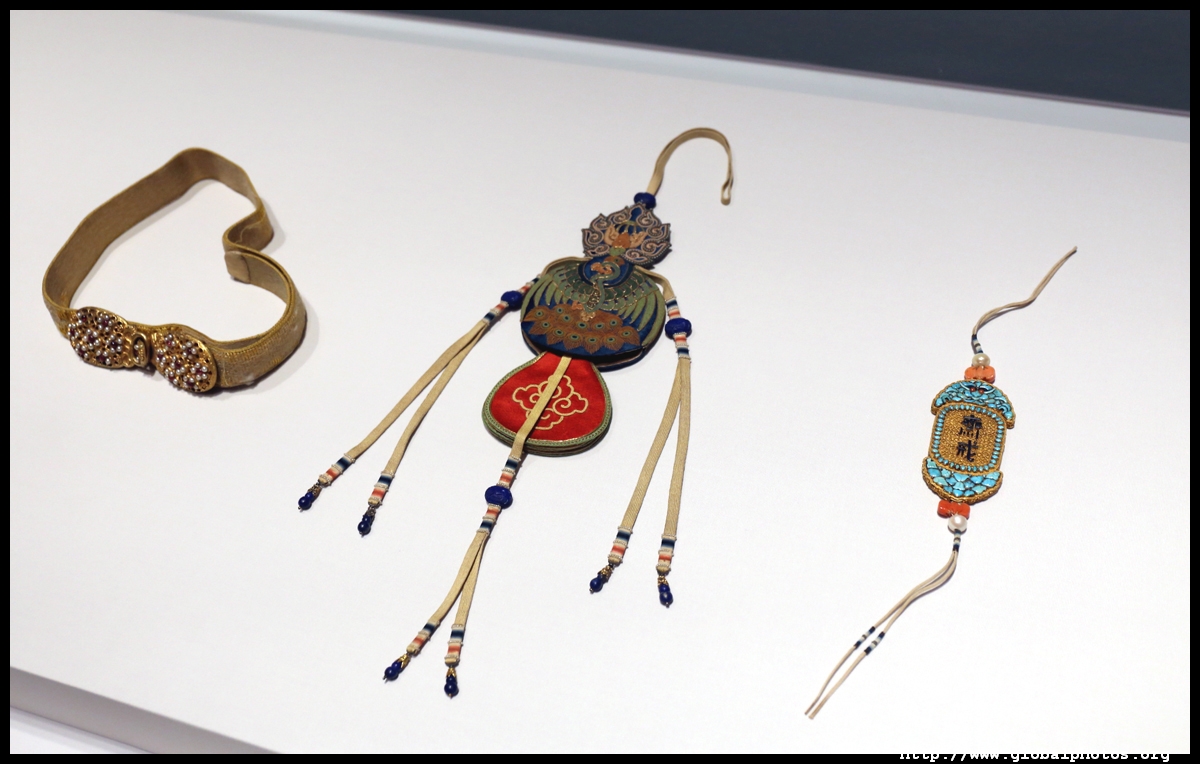
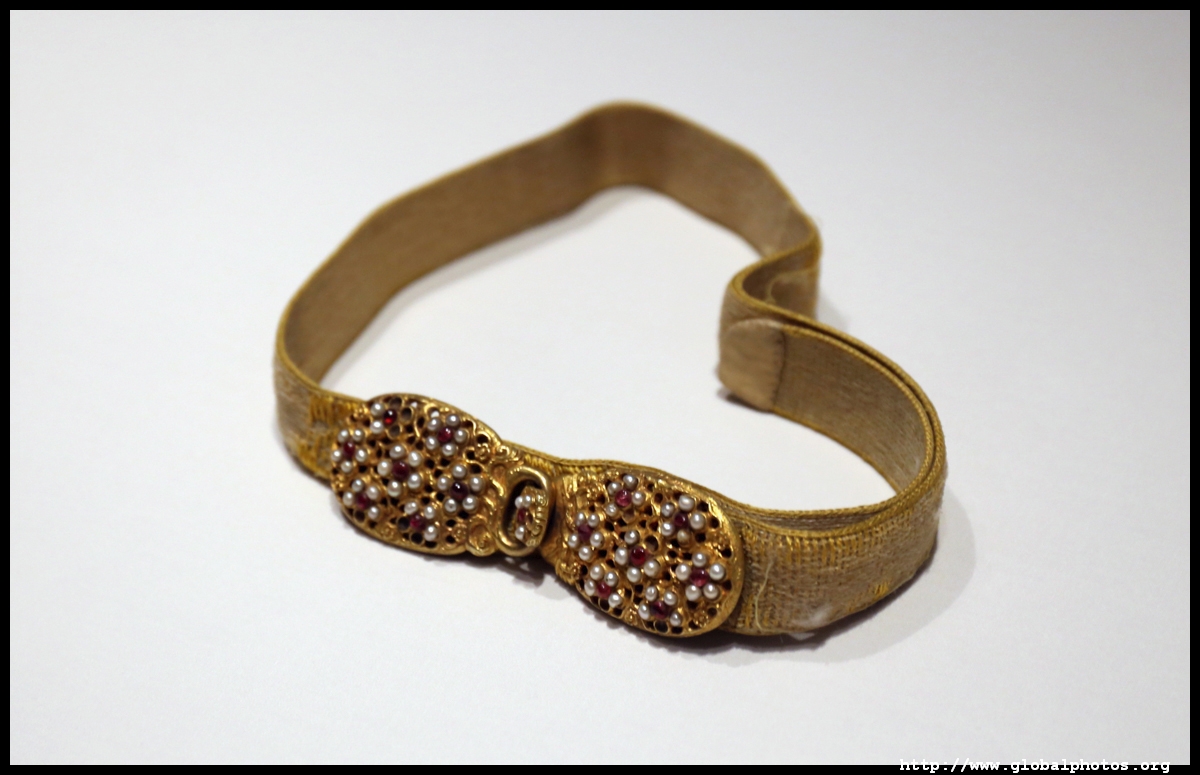
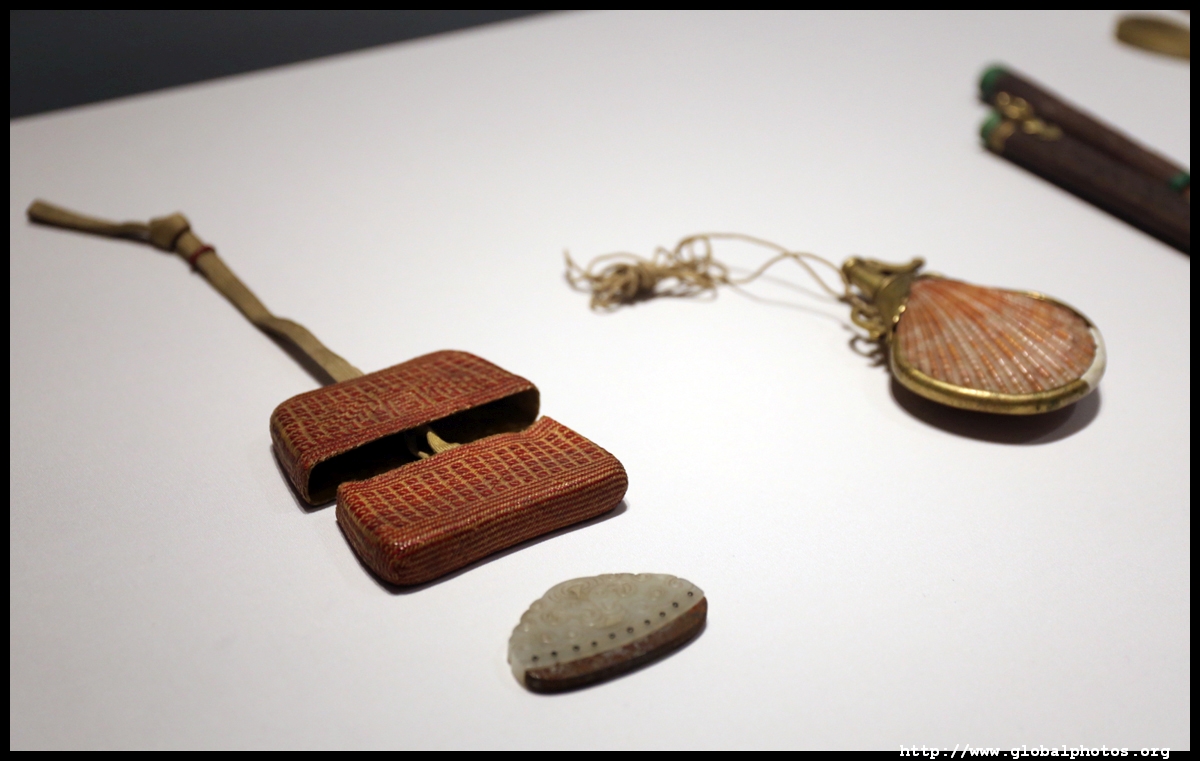
The Manchus are a semi-nomadic people and were good at archery and horseback riding. Their accessories reflect that heritage.
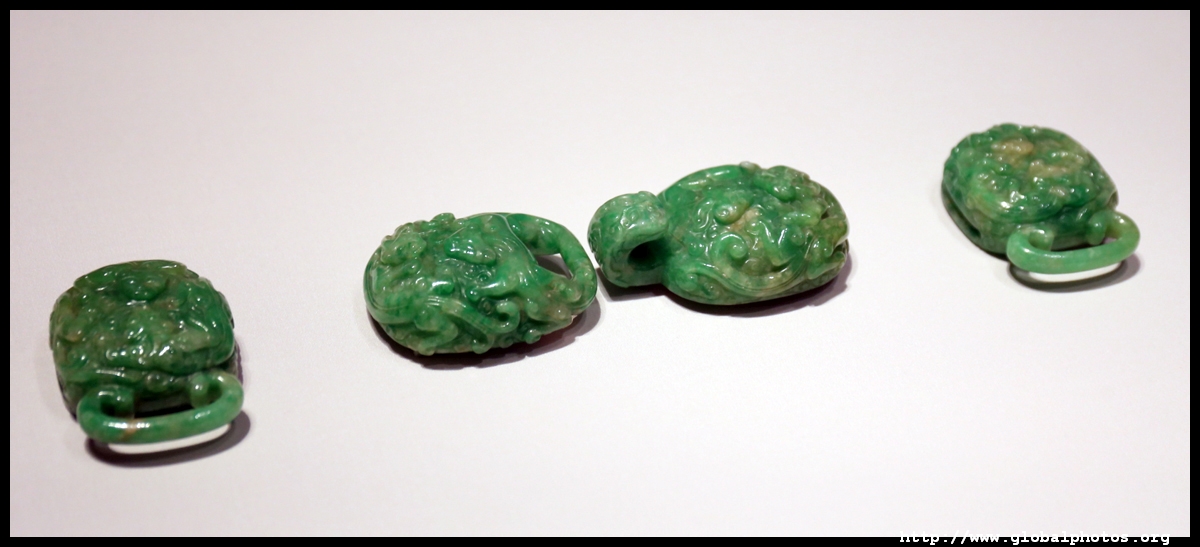
Notice the dragons on this Qianlong era jadeite belt buckle and rings.
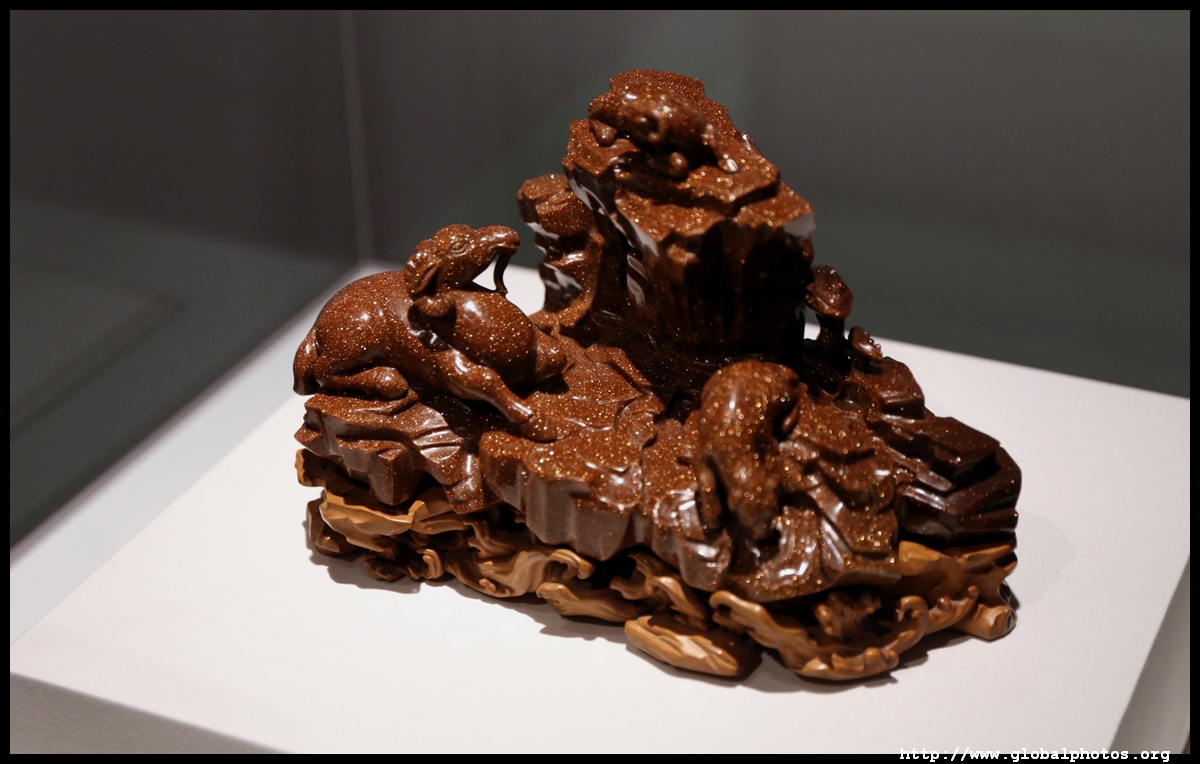
This boulder with 3 rams is made from aventurine glass and boxwood.
During the 18th century, glass mirrors were common in the imperial court. This one was from Great Britain.
This is a hanging panel with Lunar New Year decorations.
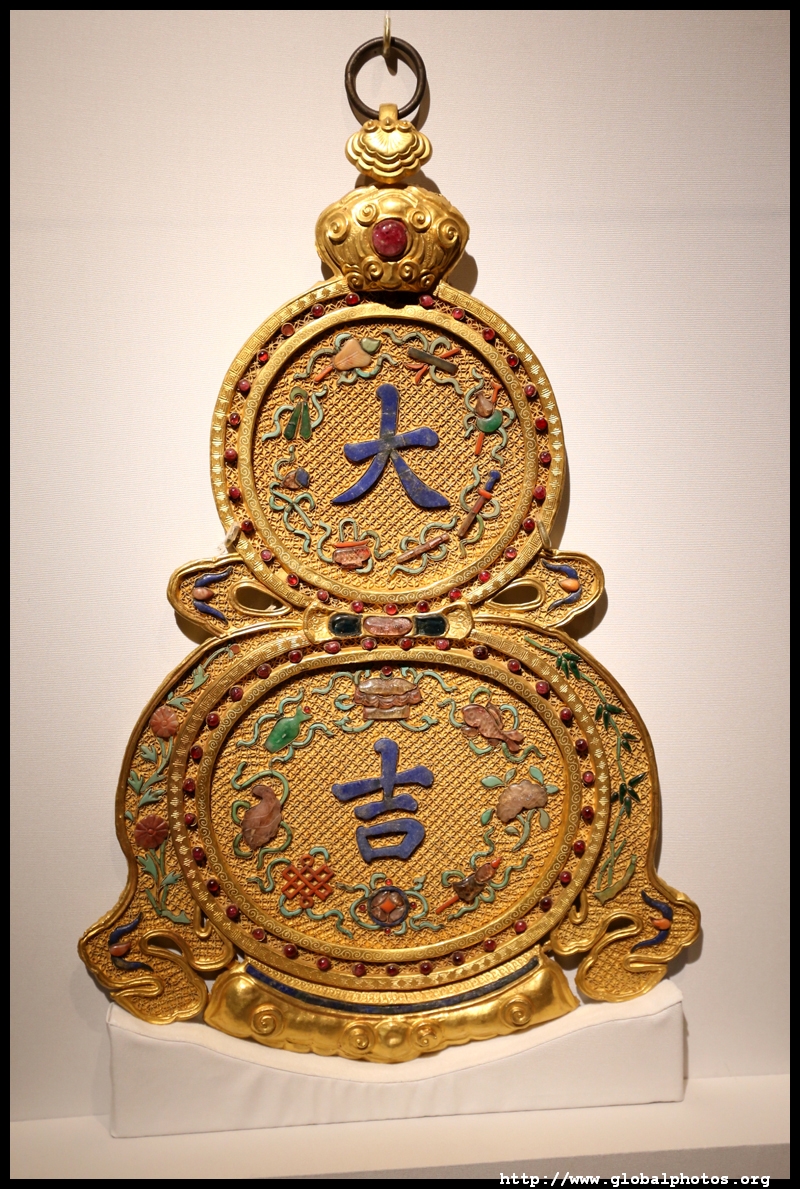
2 gourd shapes make up this hanging item with auspicious characters wishing good fortune, longevity, and fertility. They were hung through the Forbidden City with Lunar New Year.
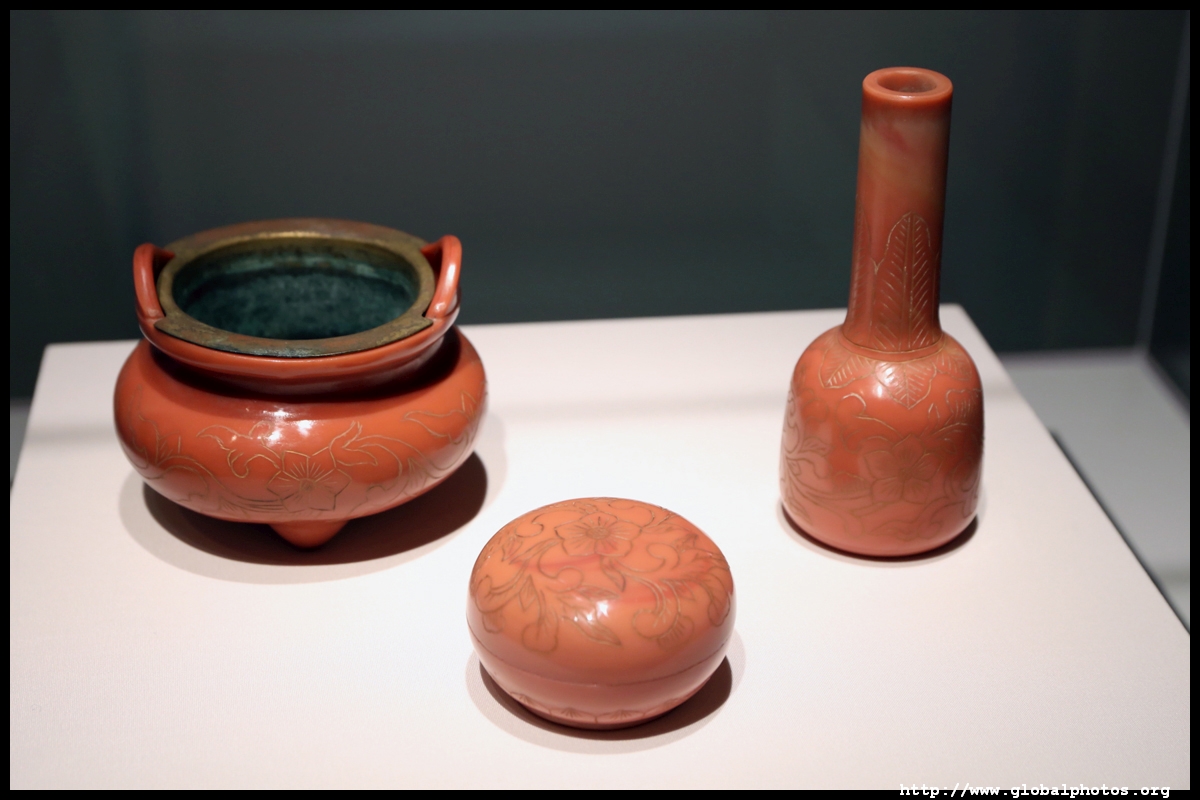
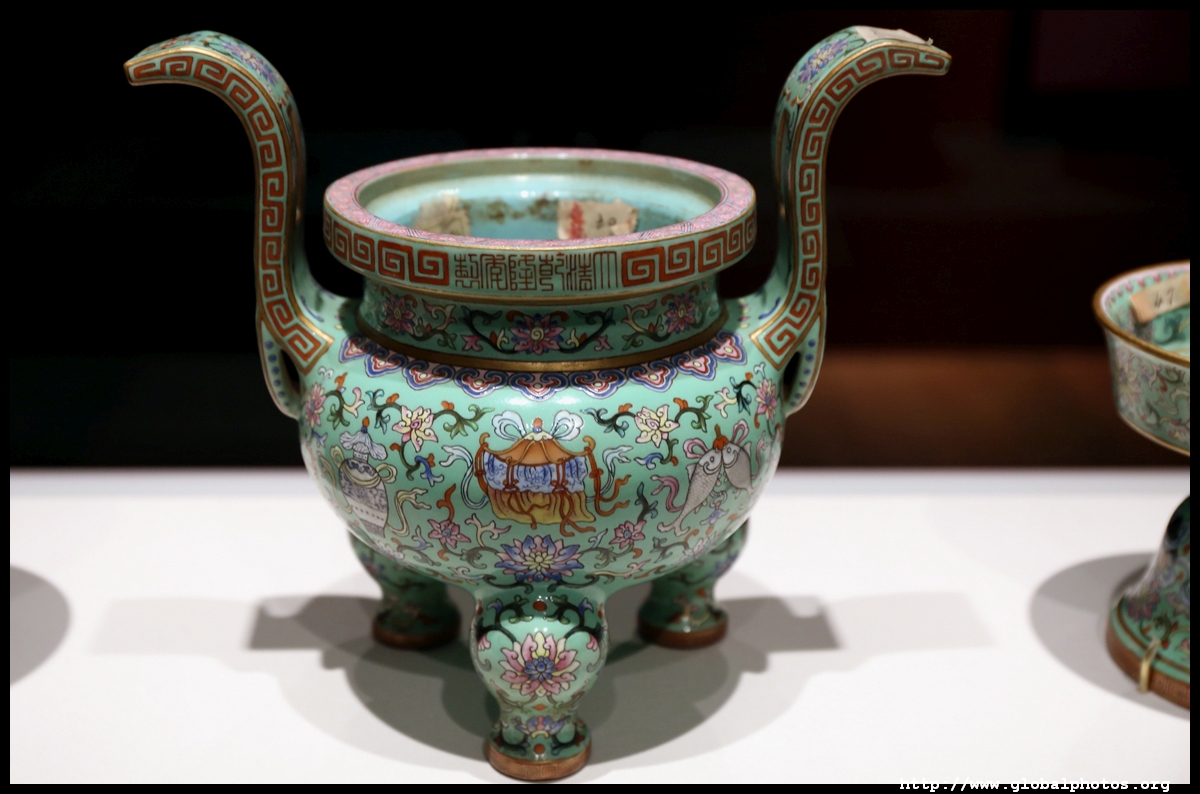
This set of 3 items consists of incense brner, bottle, and scroll box.
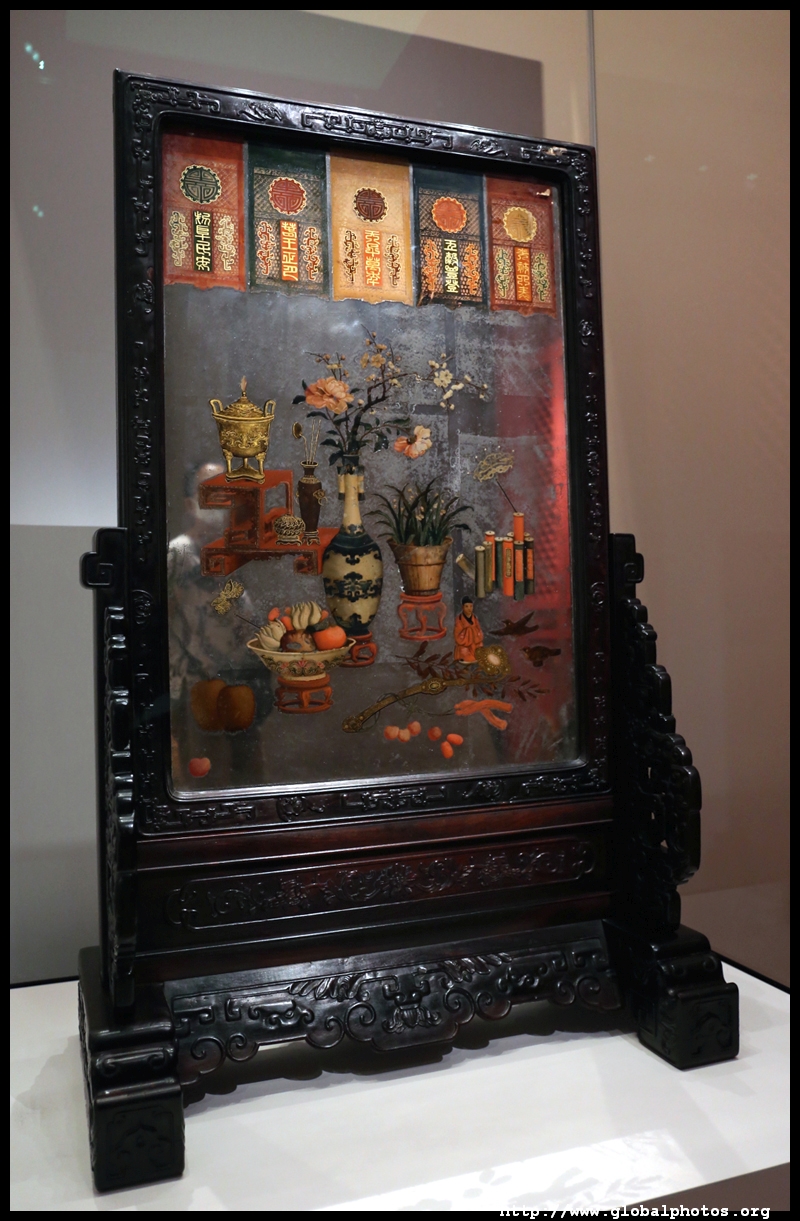
This screen is hung for Chinese New Year, with the 5 rectangles at the top conveying abundance.
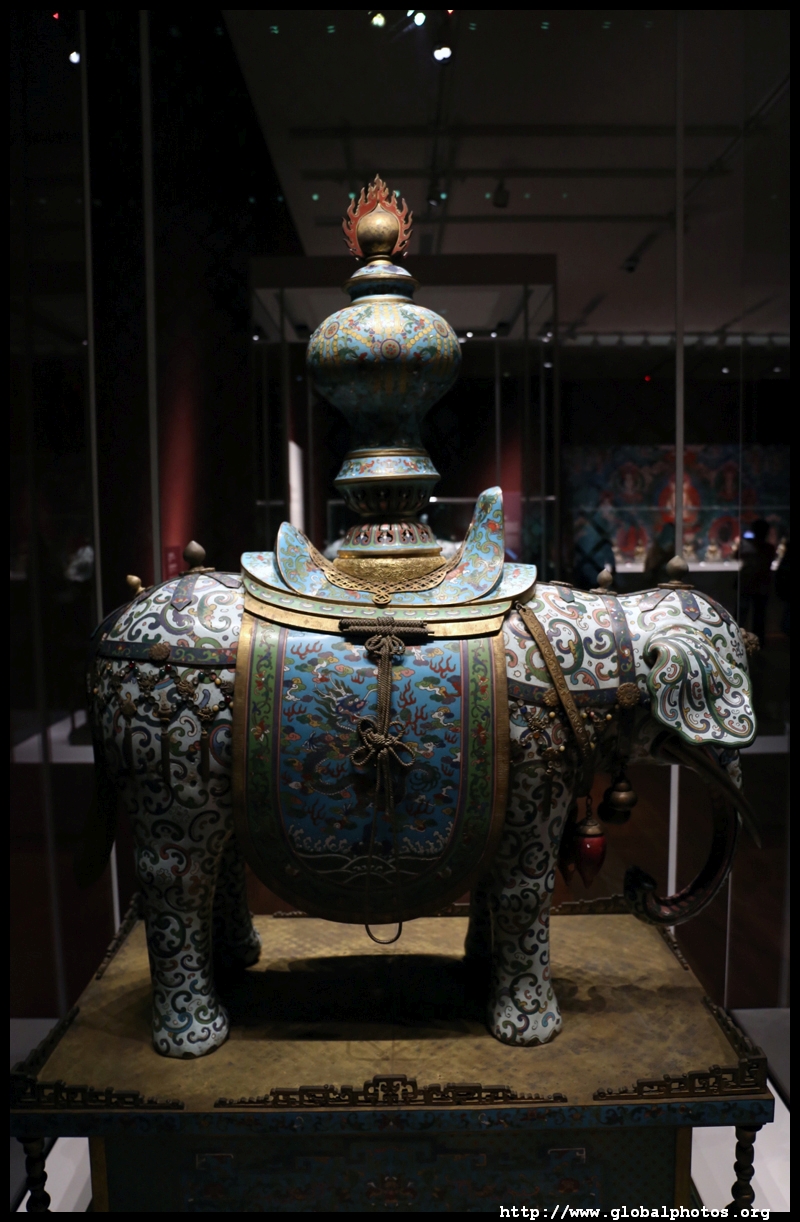
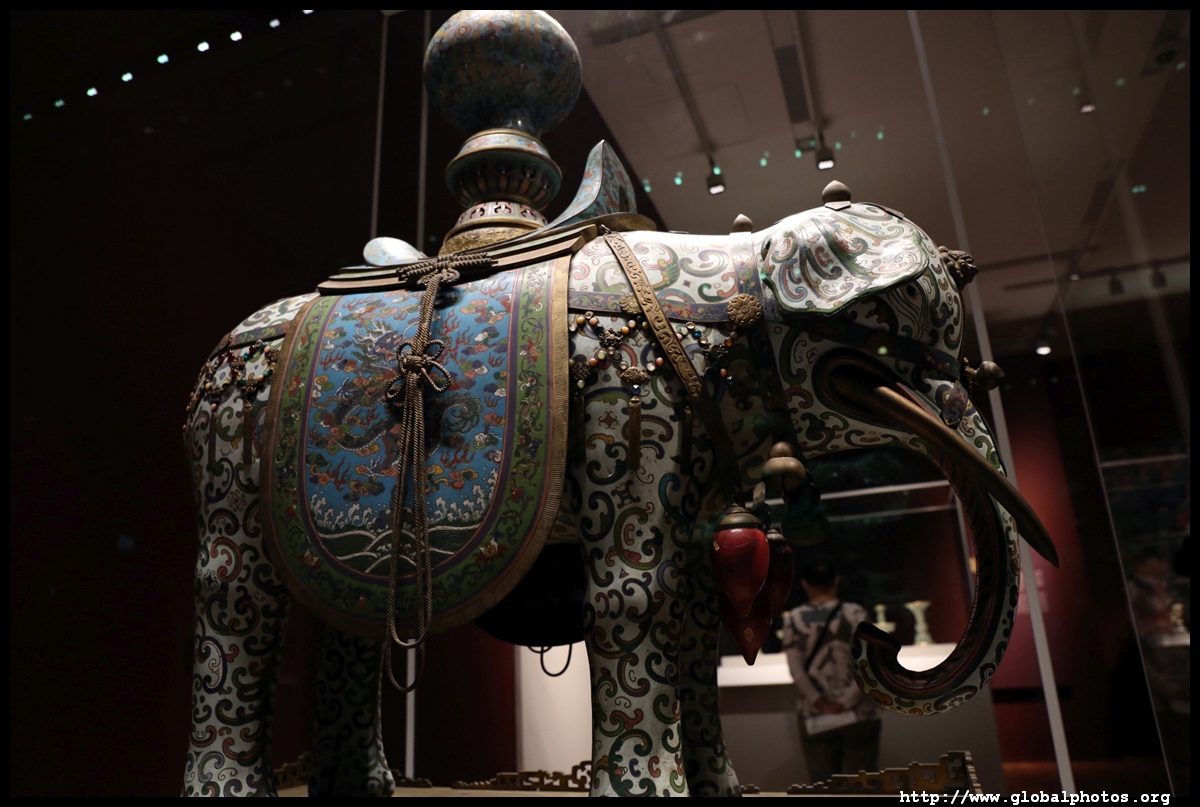
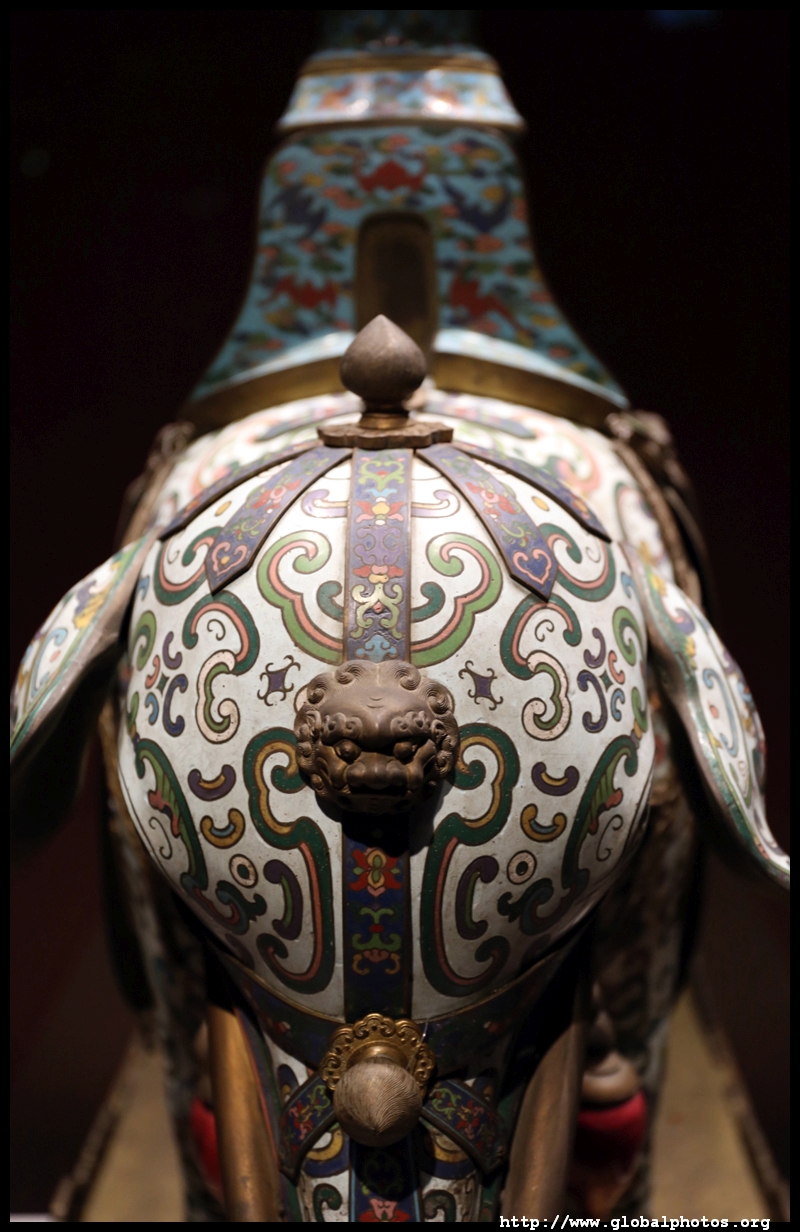
A pair of elephants with vases was placed in the Hall of Imperial Peace in 1776.
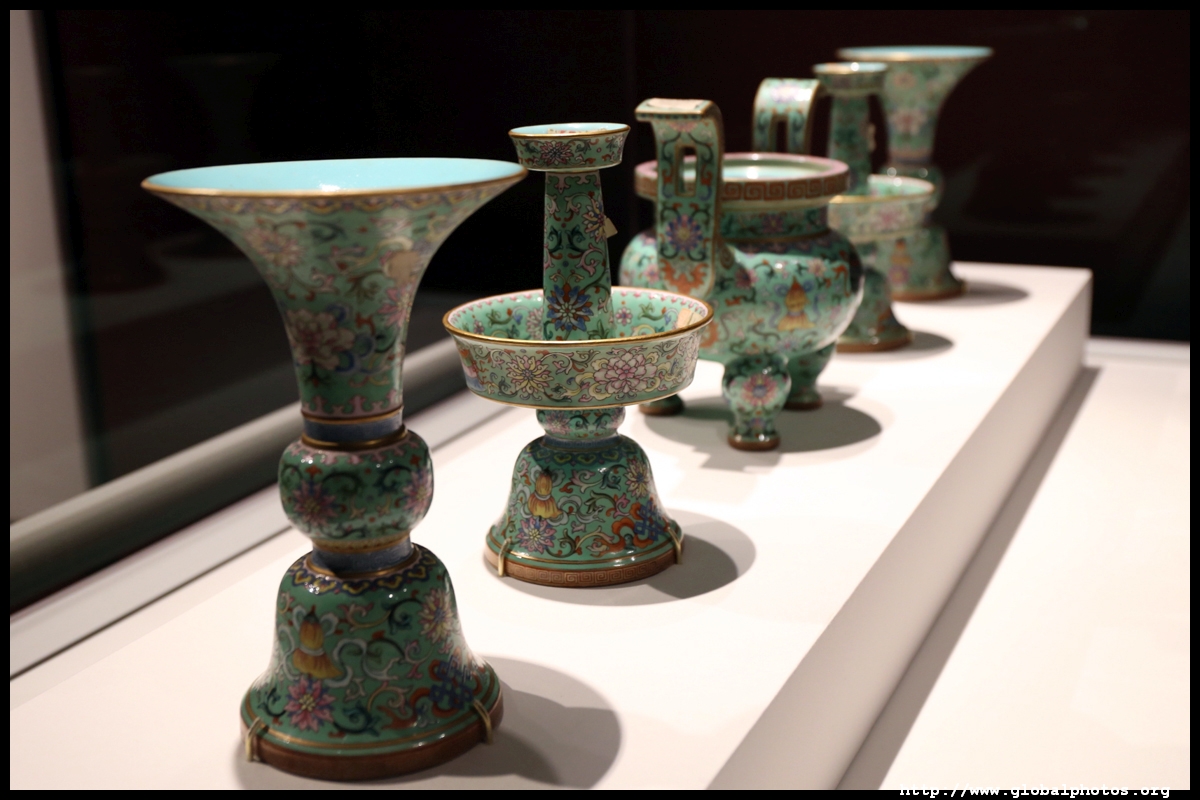
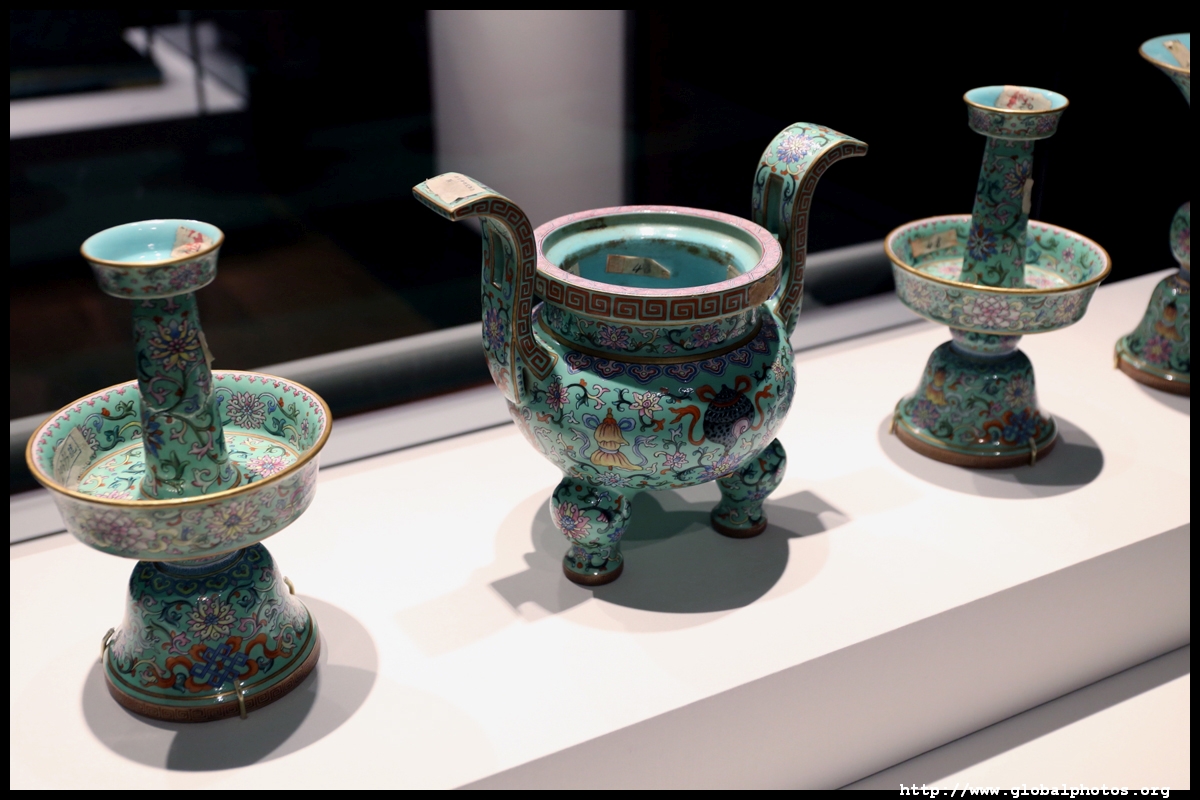
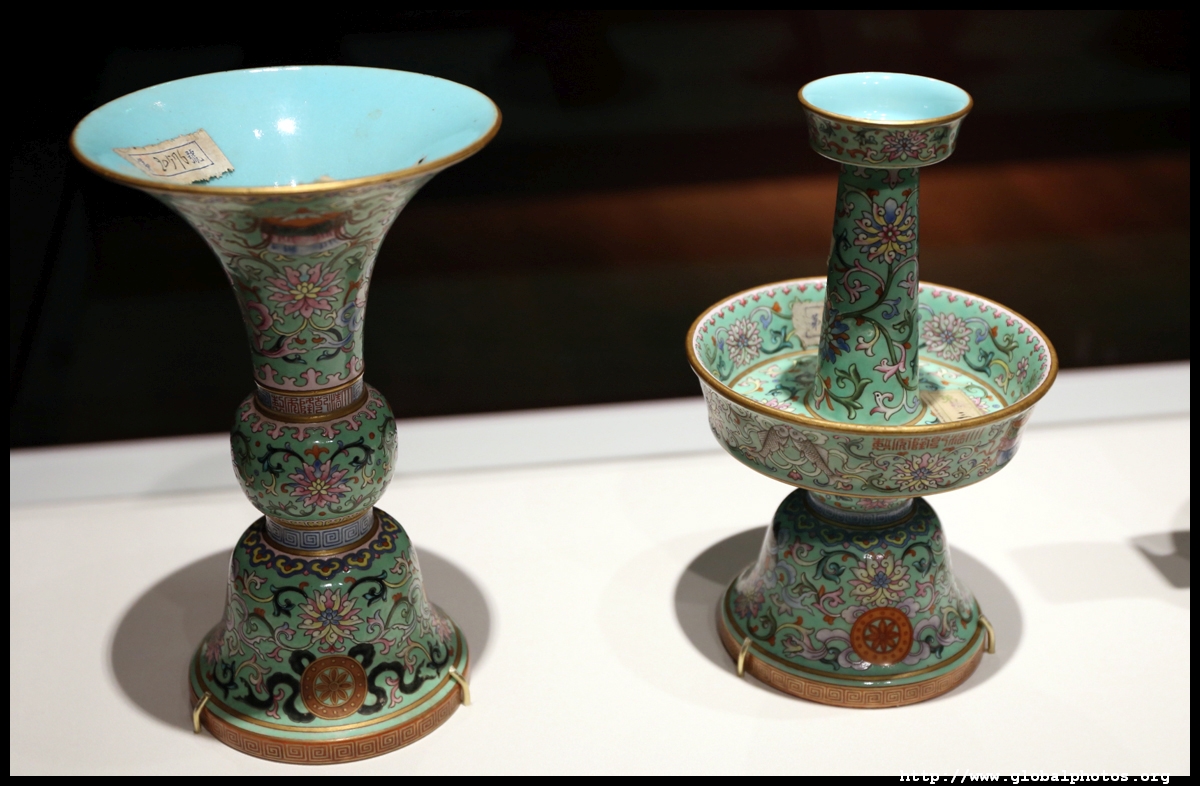
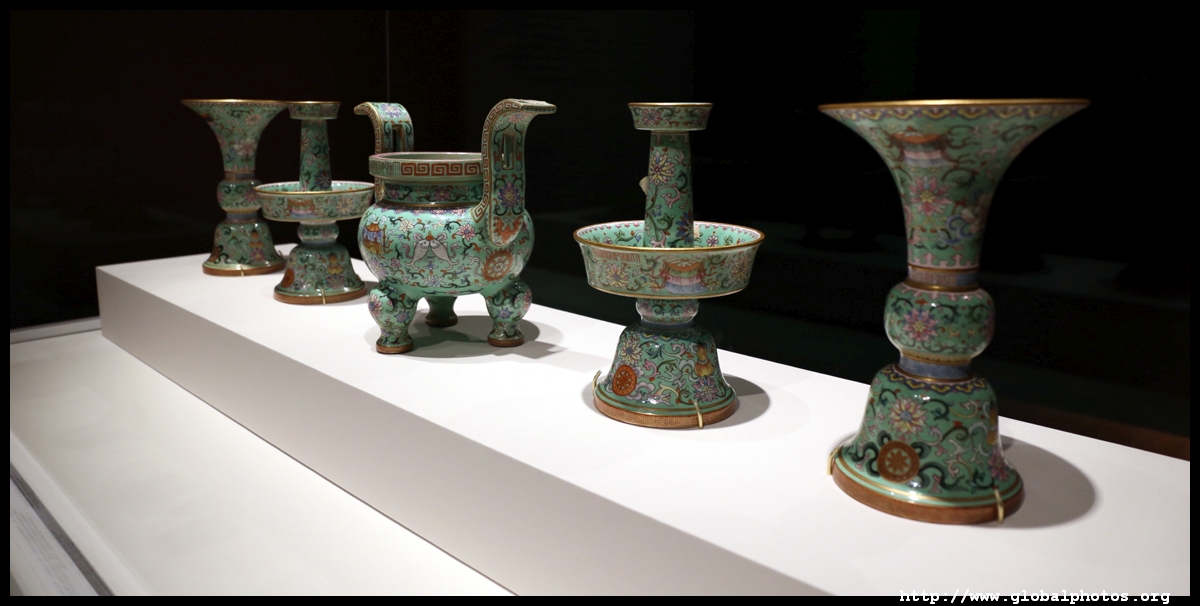
This 5-piece altar set was used for Buddhist rituals.
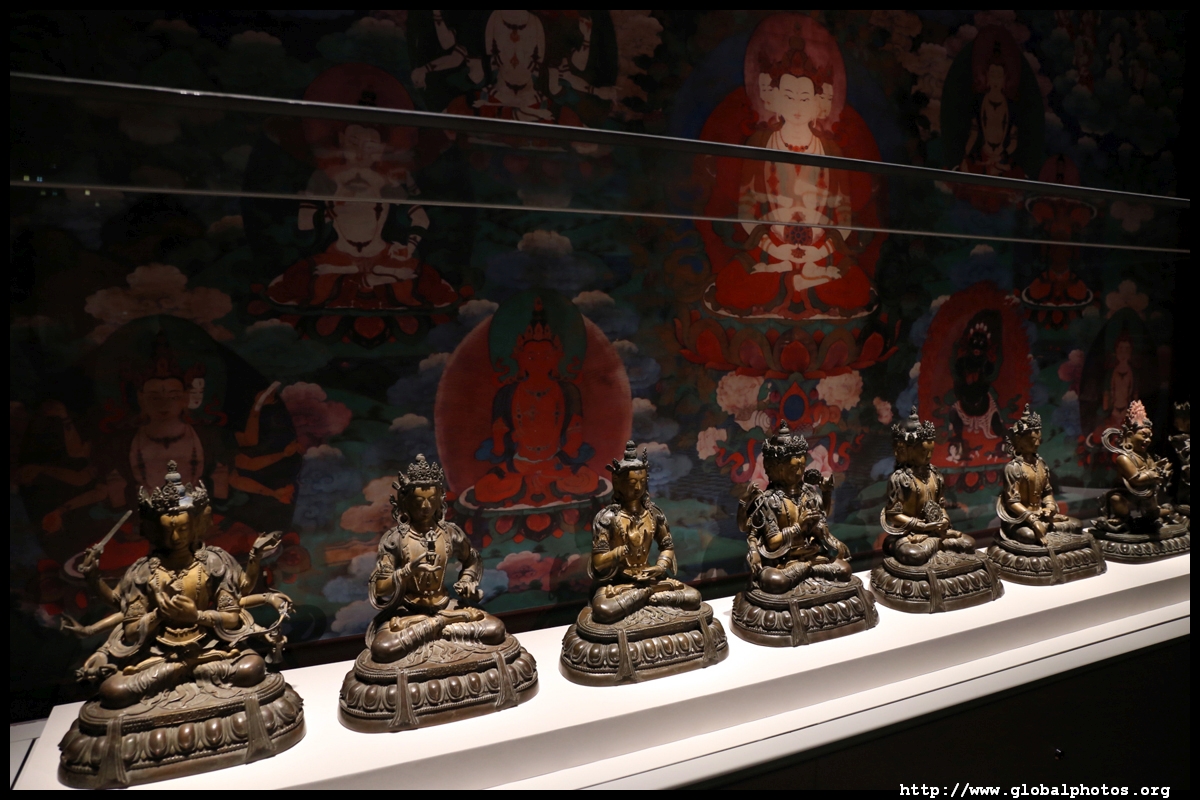
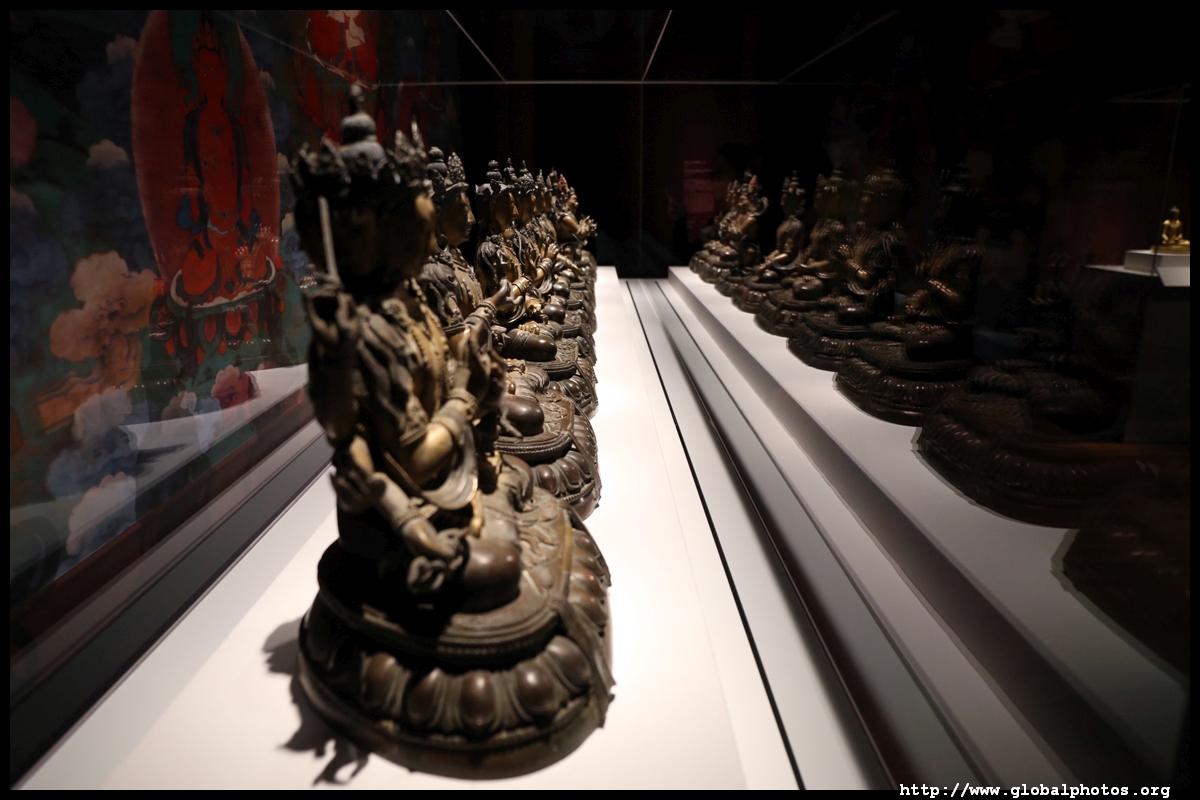
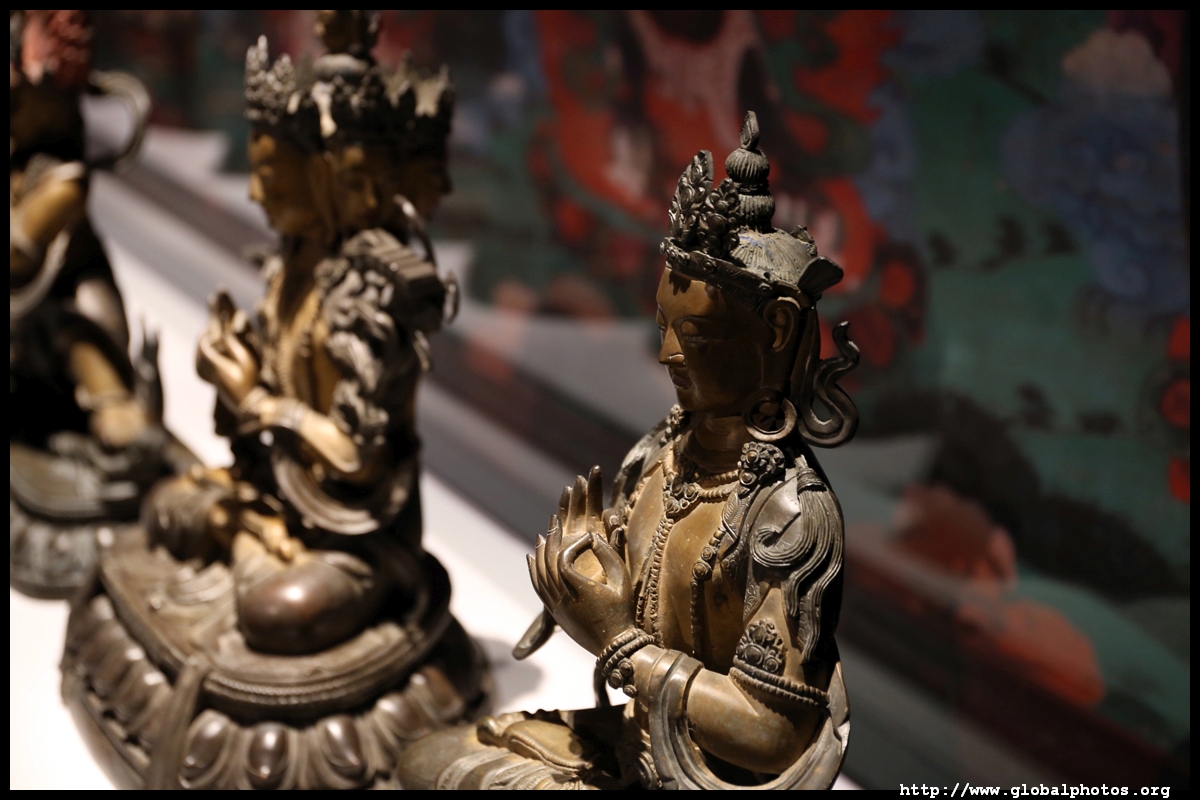
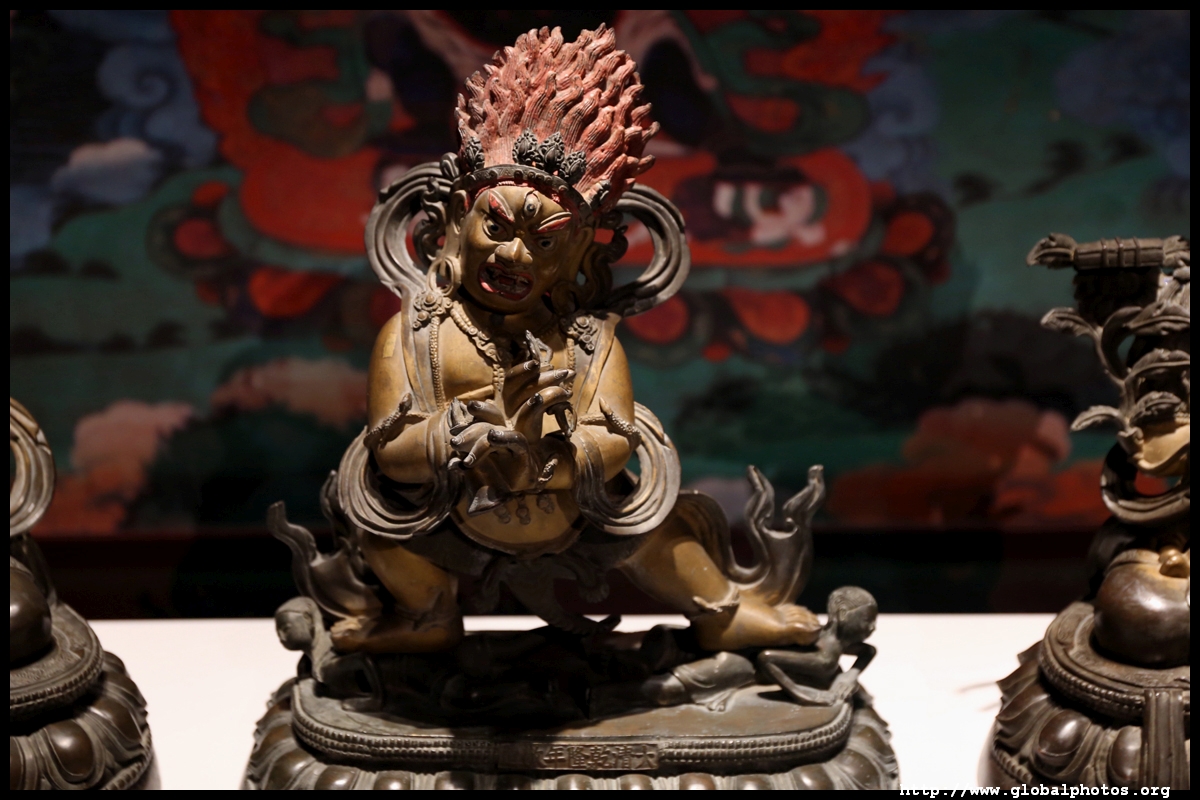
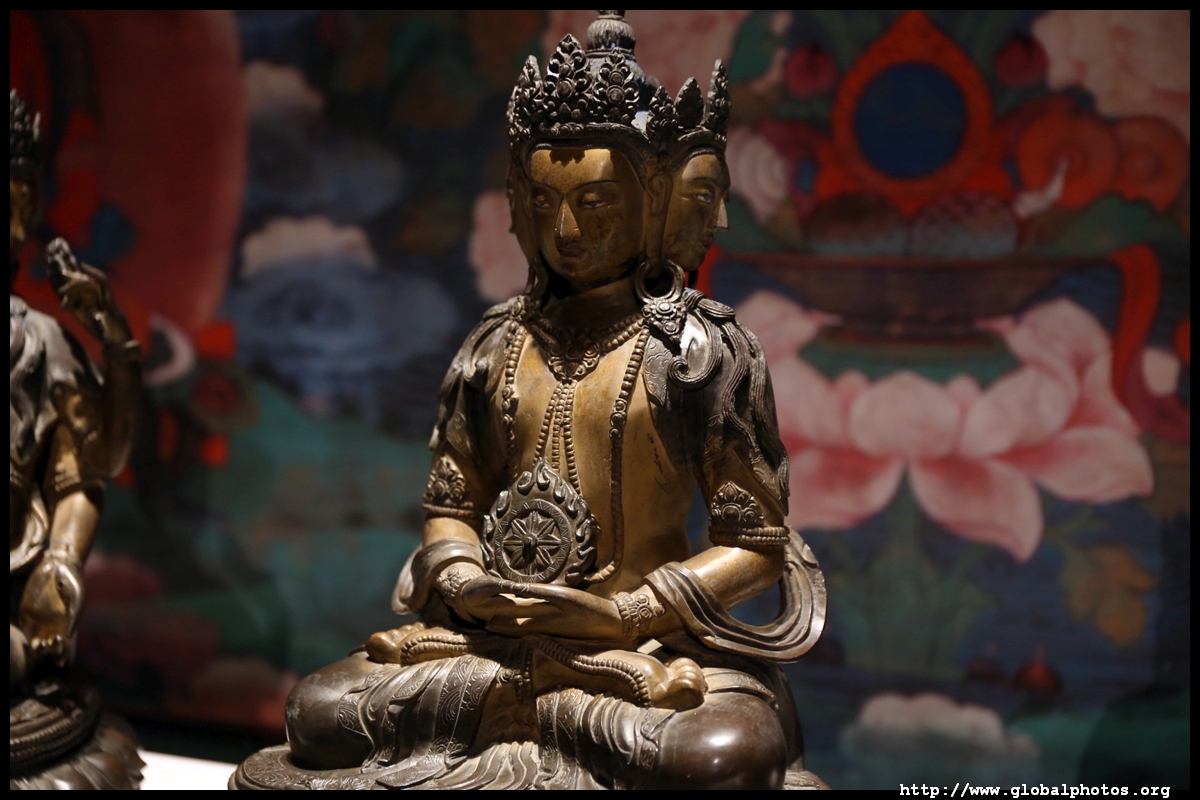
Tibetan Buddhism was popular during Qianlong's time. This set of Buddhist sculptures along with some 100 others were placed in one of many dedicated religious buildings. In 1757, the emperor ordered responsible officials to forfeit their salaries and pay for improvements to punish them for poor workmanship on 9 sculptures.
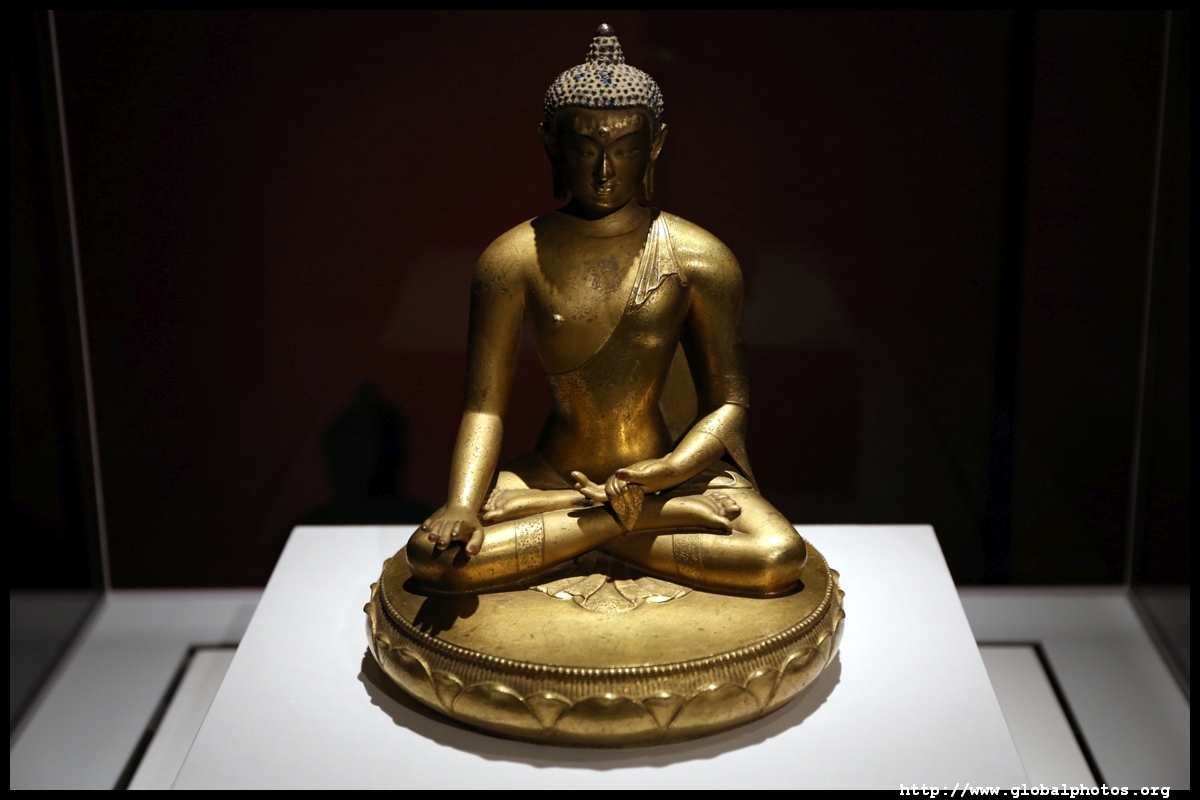
This gilded copper alloy Shakyamuni is believed to date from the late 17th or early 18th century.
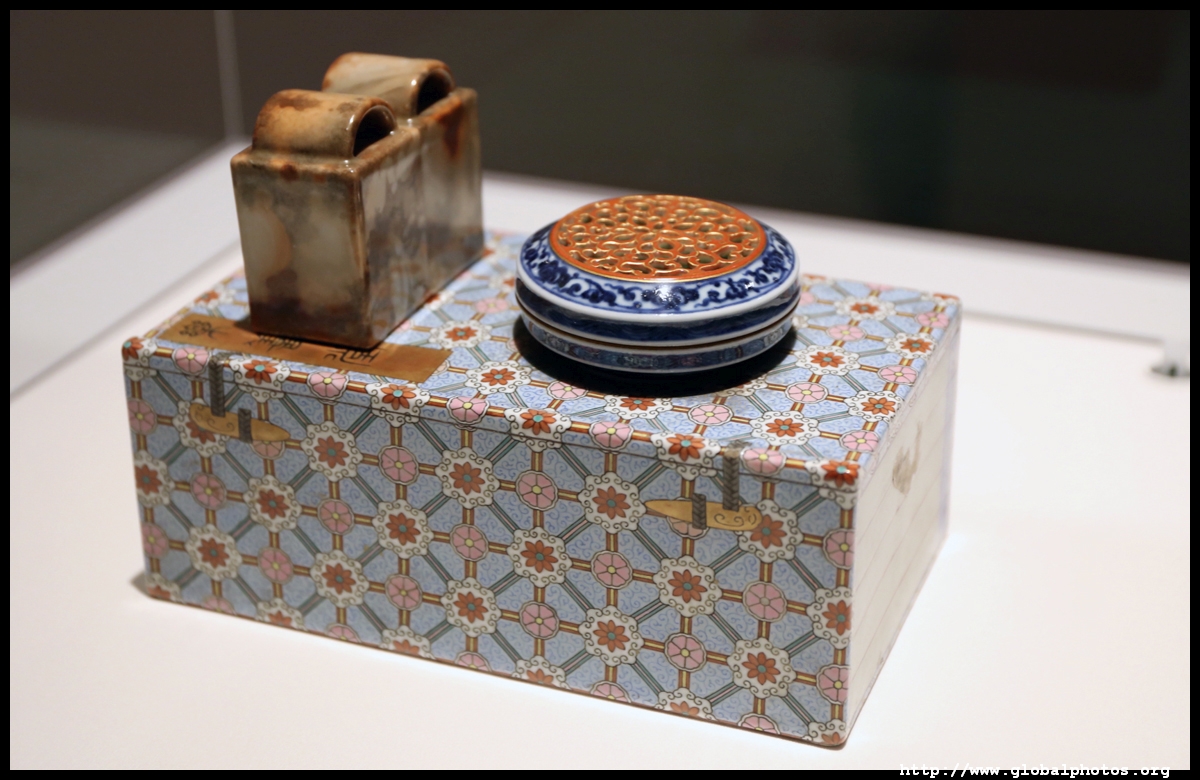
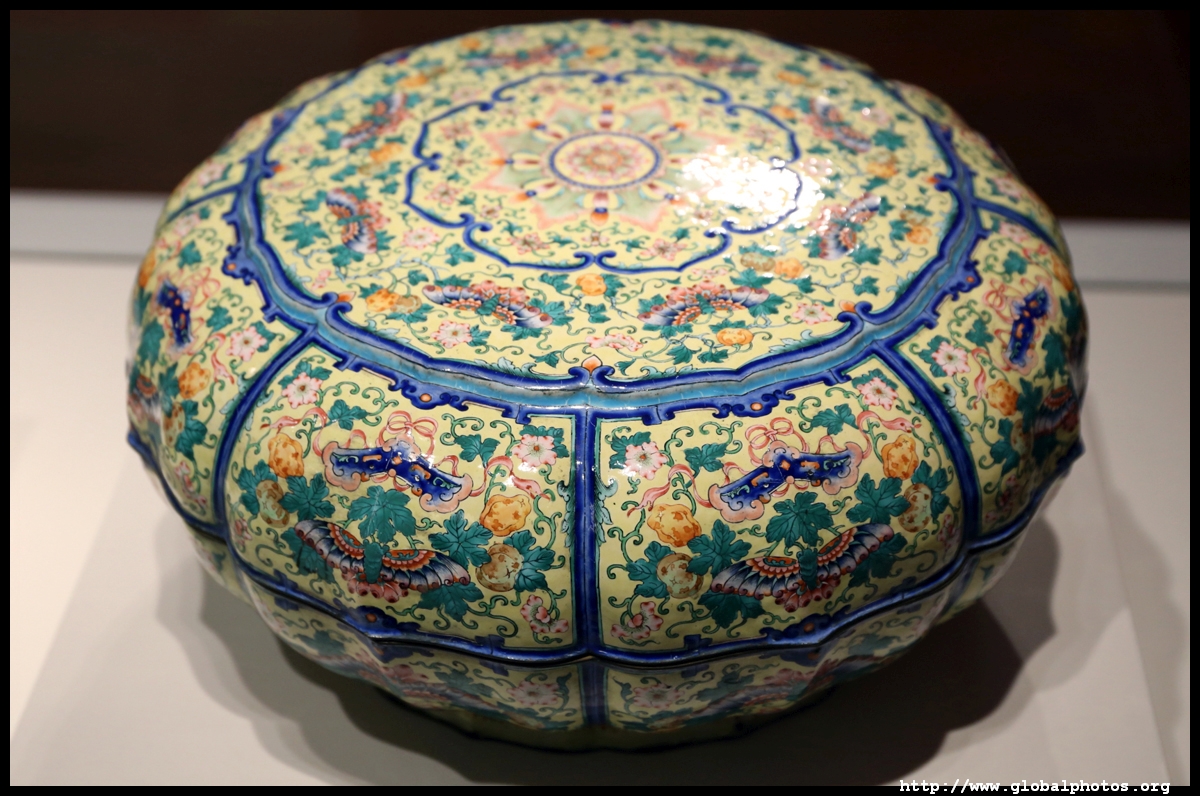
In 1745, Qianlong started holding annual tea parties in the Palace of Double Brilliance to compose poems with his officials. The emperor was talented in poetry and literature, publishing over 40,000 poems during his reign. This is a porcelain cricket cage although it looks like a seal box.
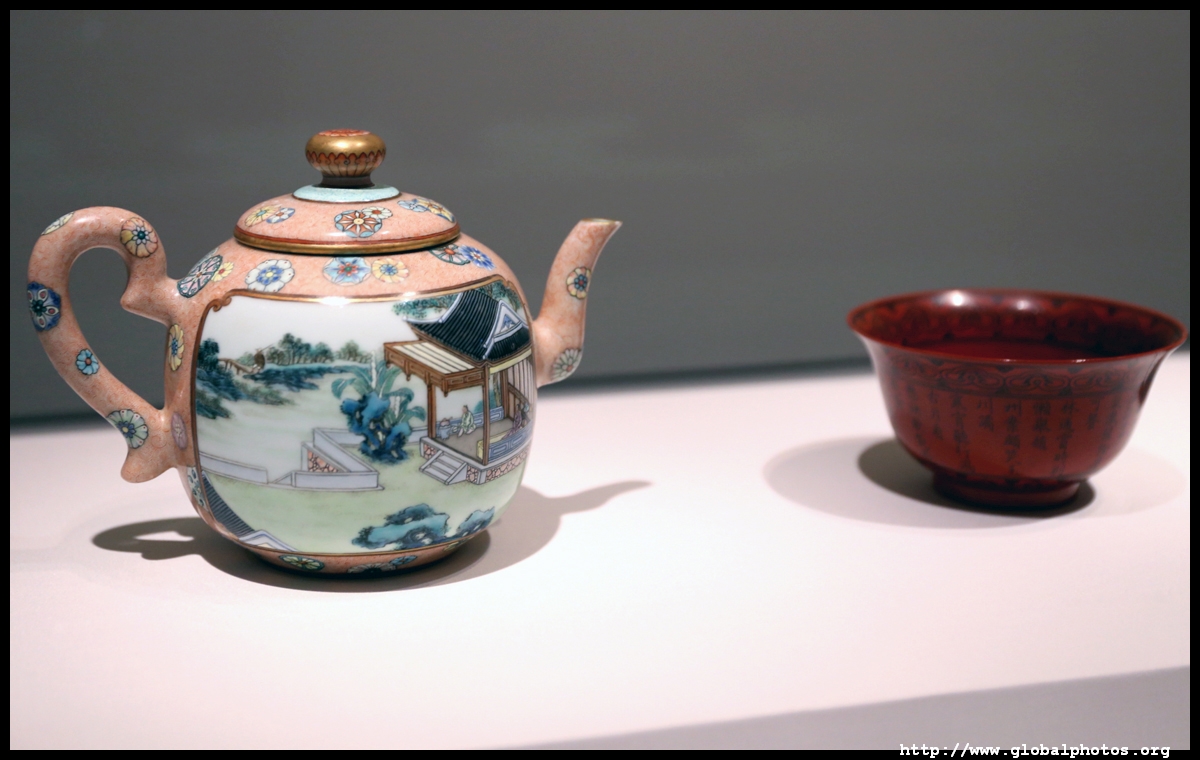
Tea accessories include a porcelain pot and a lacquer bowl.
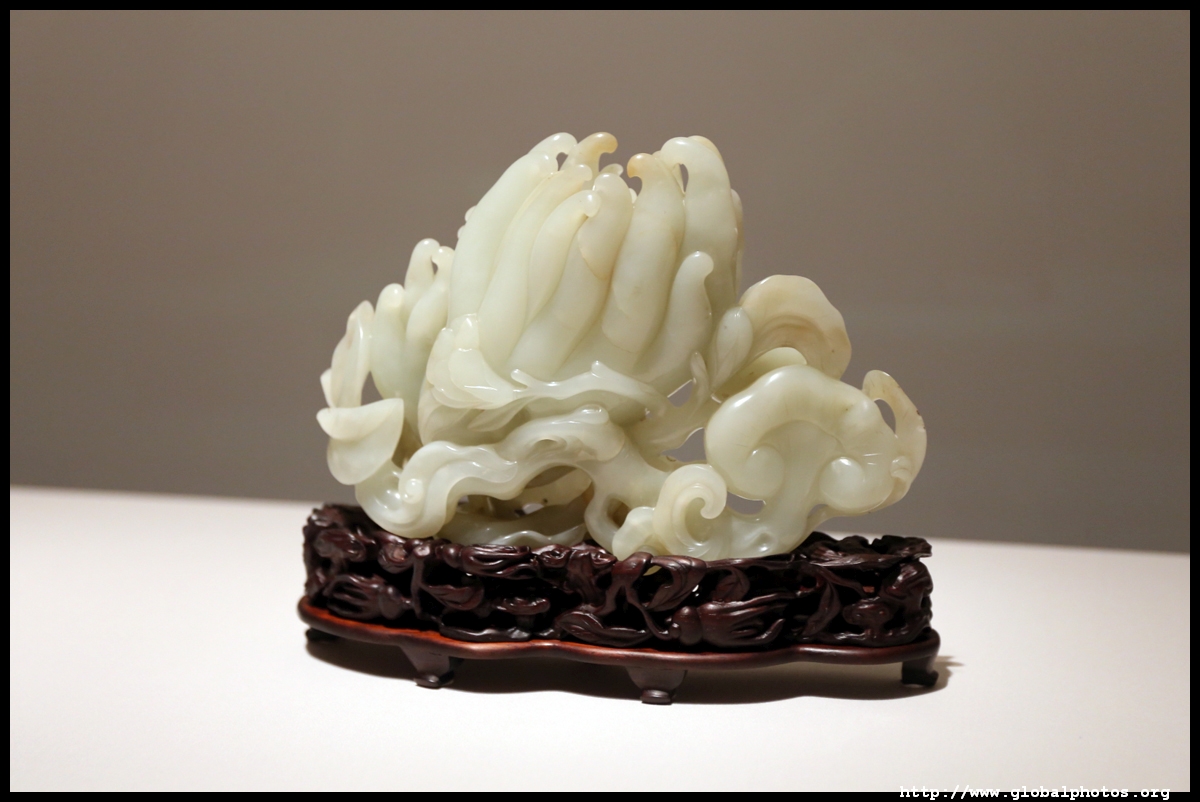
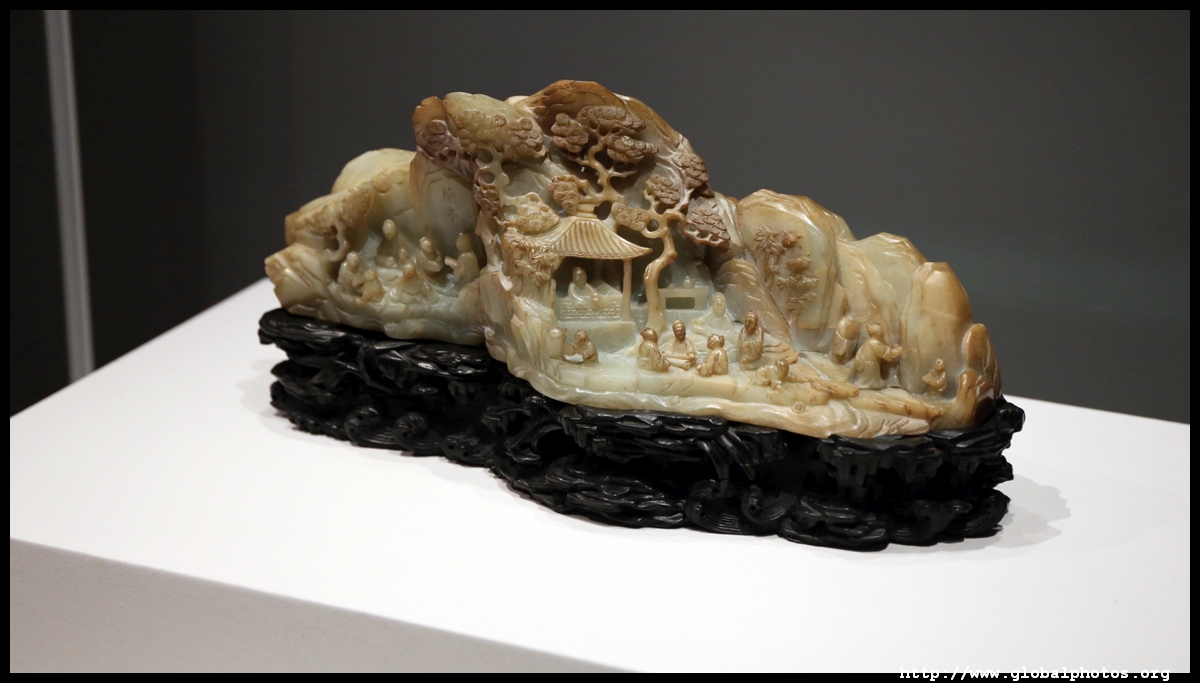
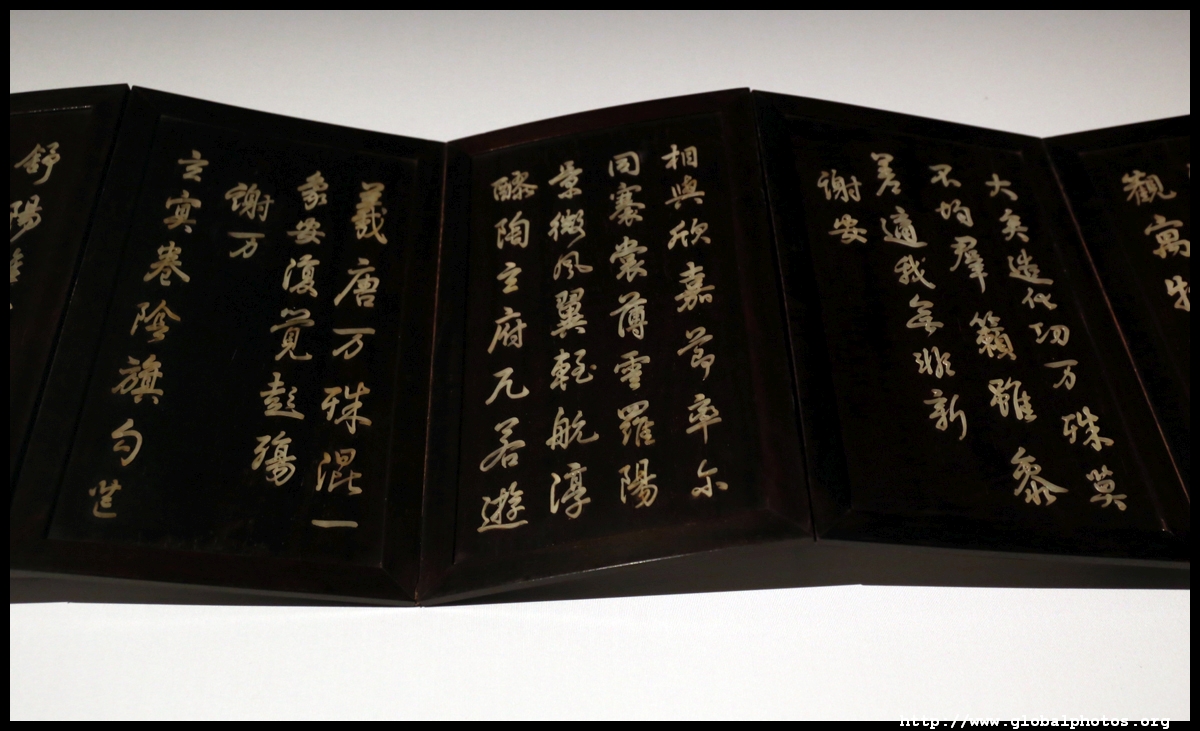
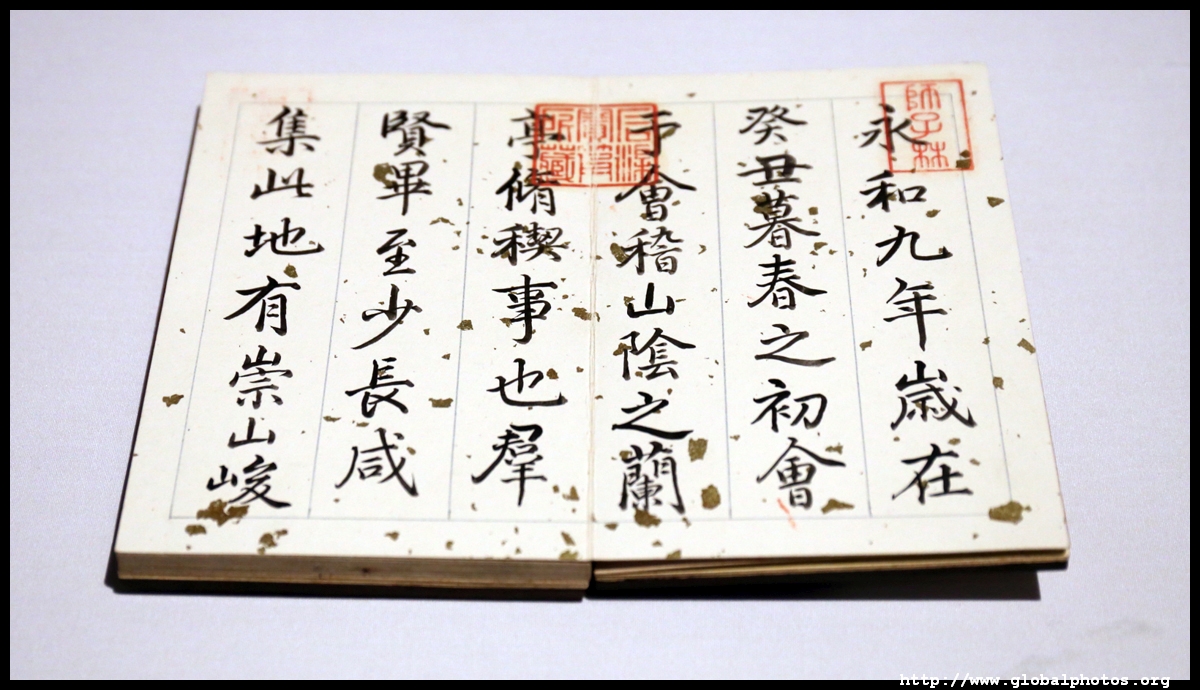
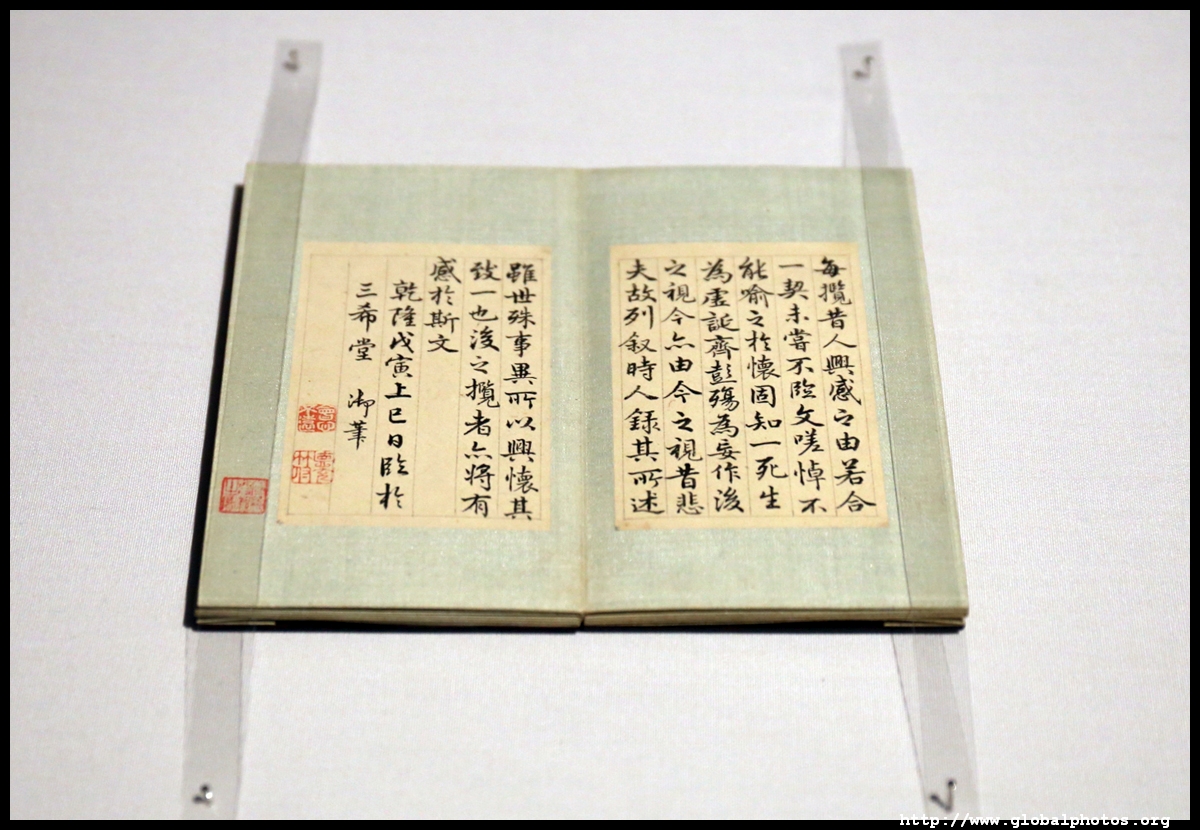
Other intricate items include ...
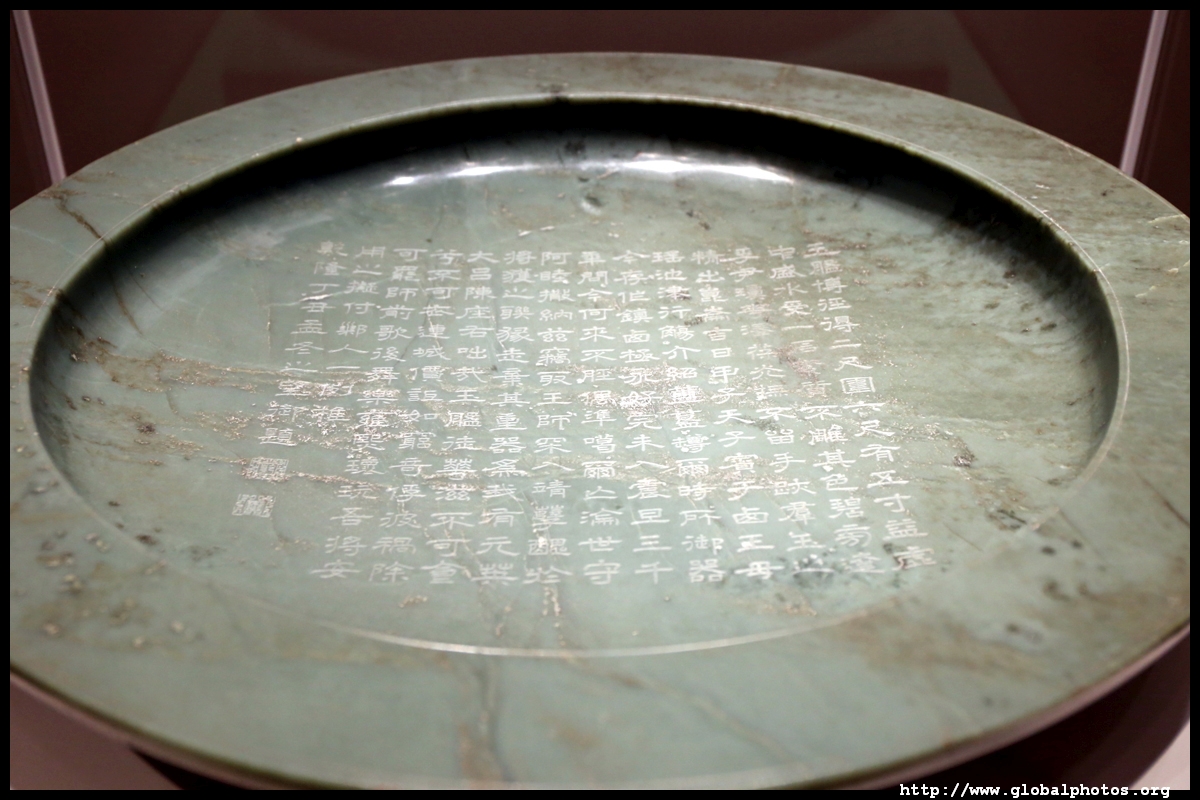
This jade plate was originally found during a military campaign to stop a rebellion in the far west as a war trophy, with the poem inscribed on it in 1757.
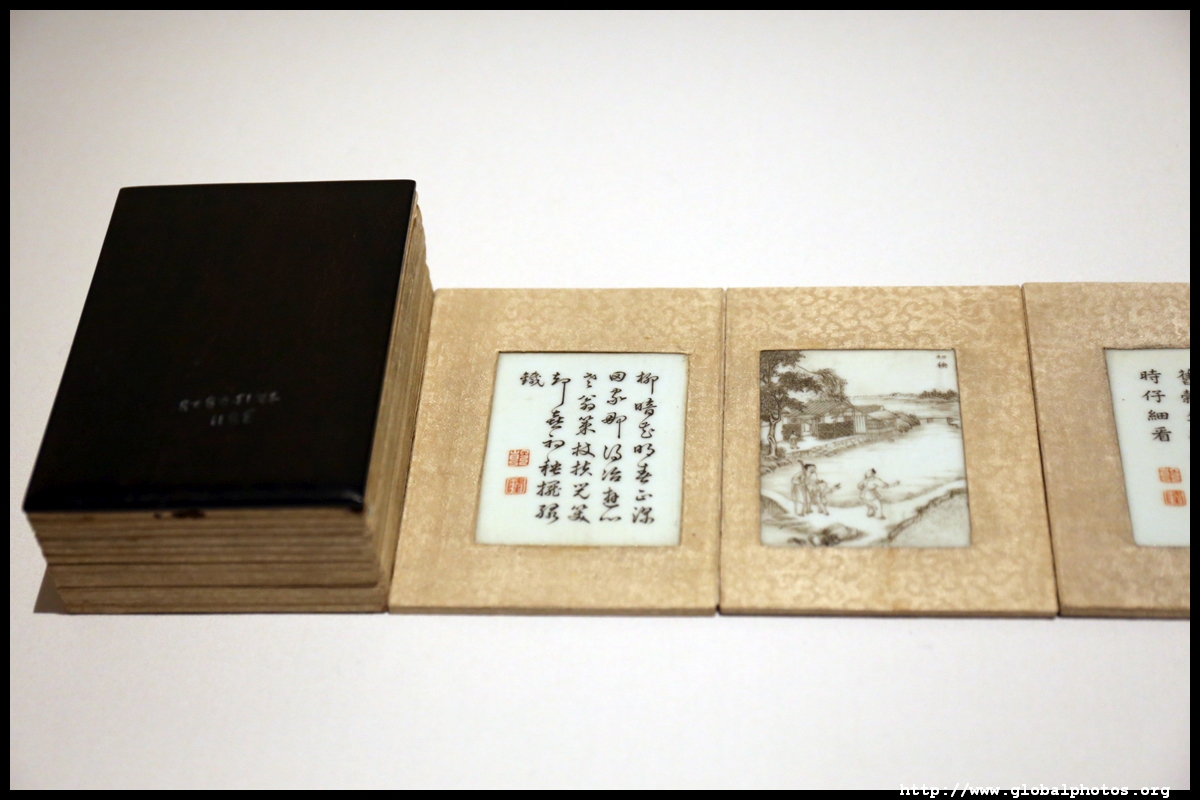
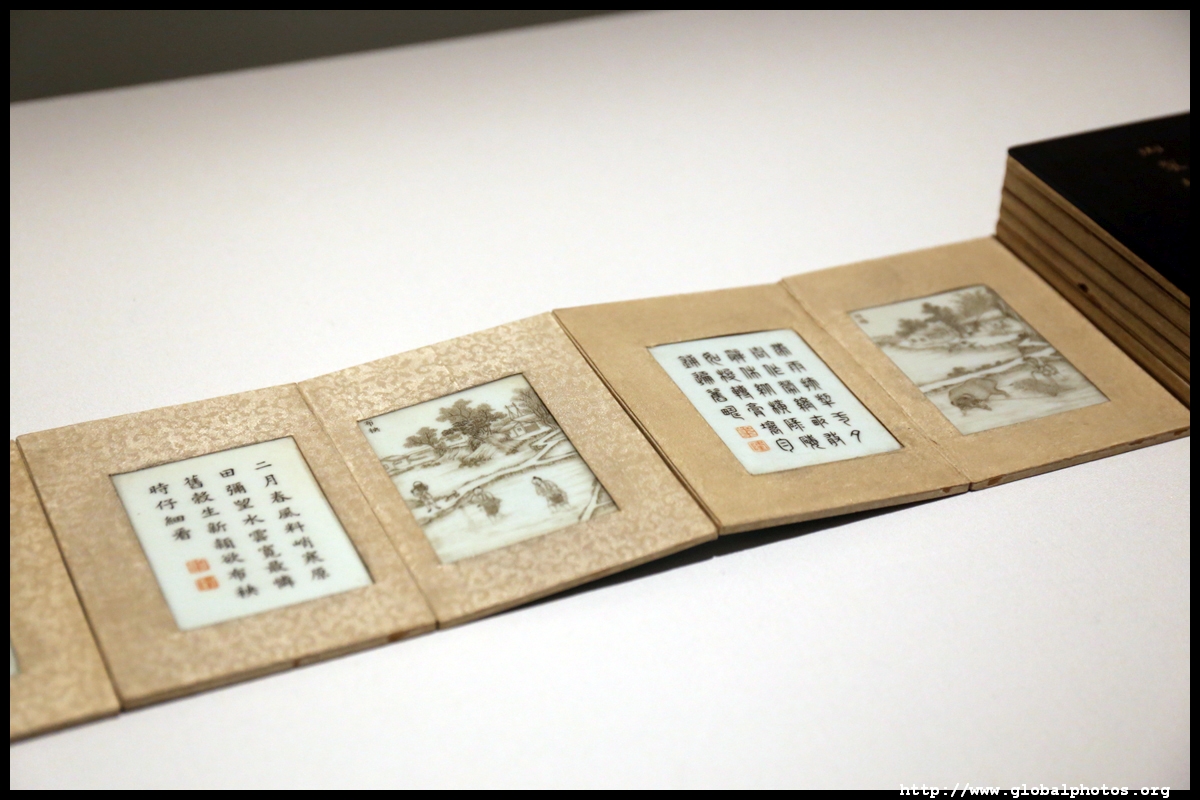
This porcelain album has Qianlong's poems inscribed on it.
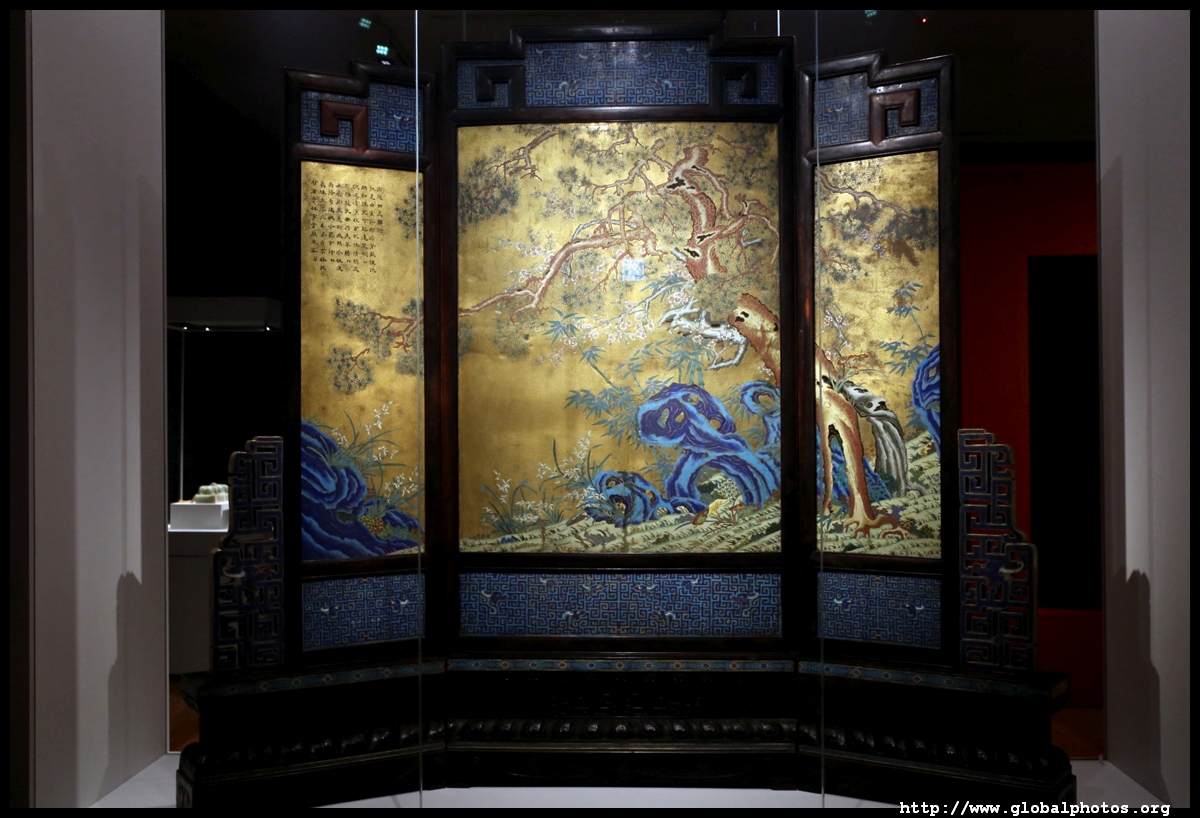
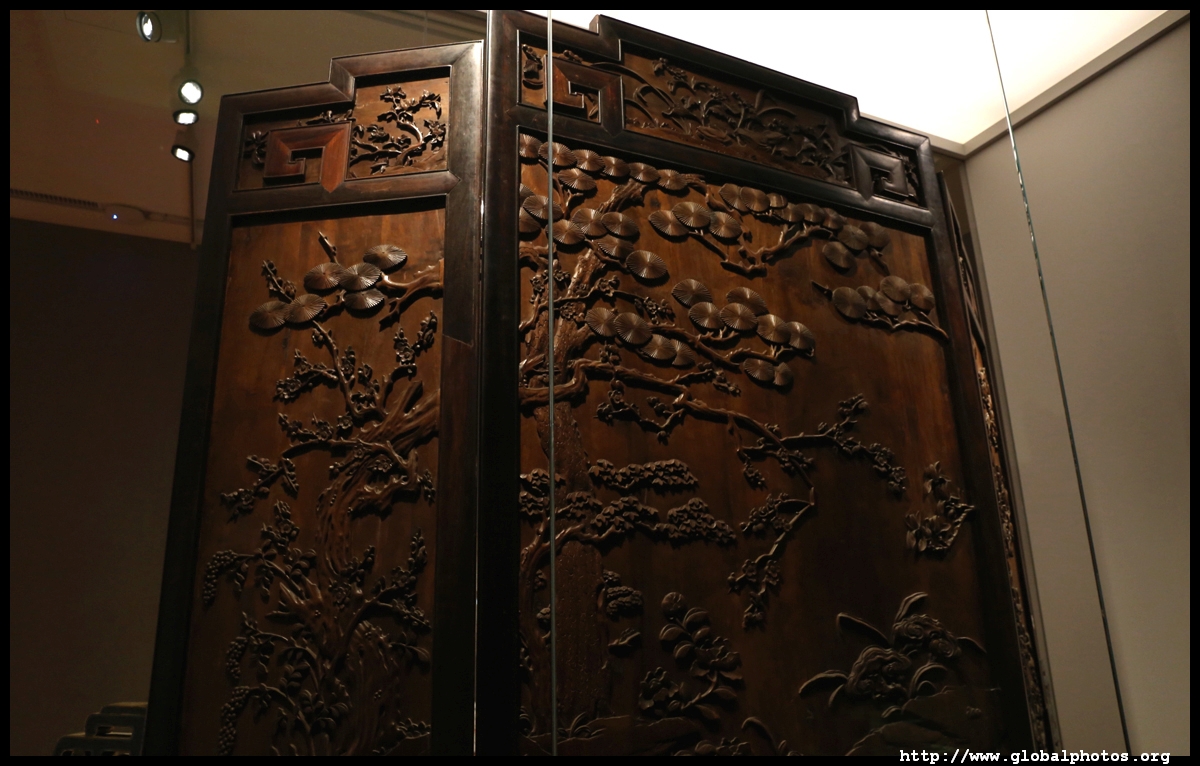
This 3-panel screen was placed at the imperial mountain resort at Chengde, where emperors escaped from the summer heat.
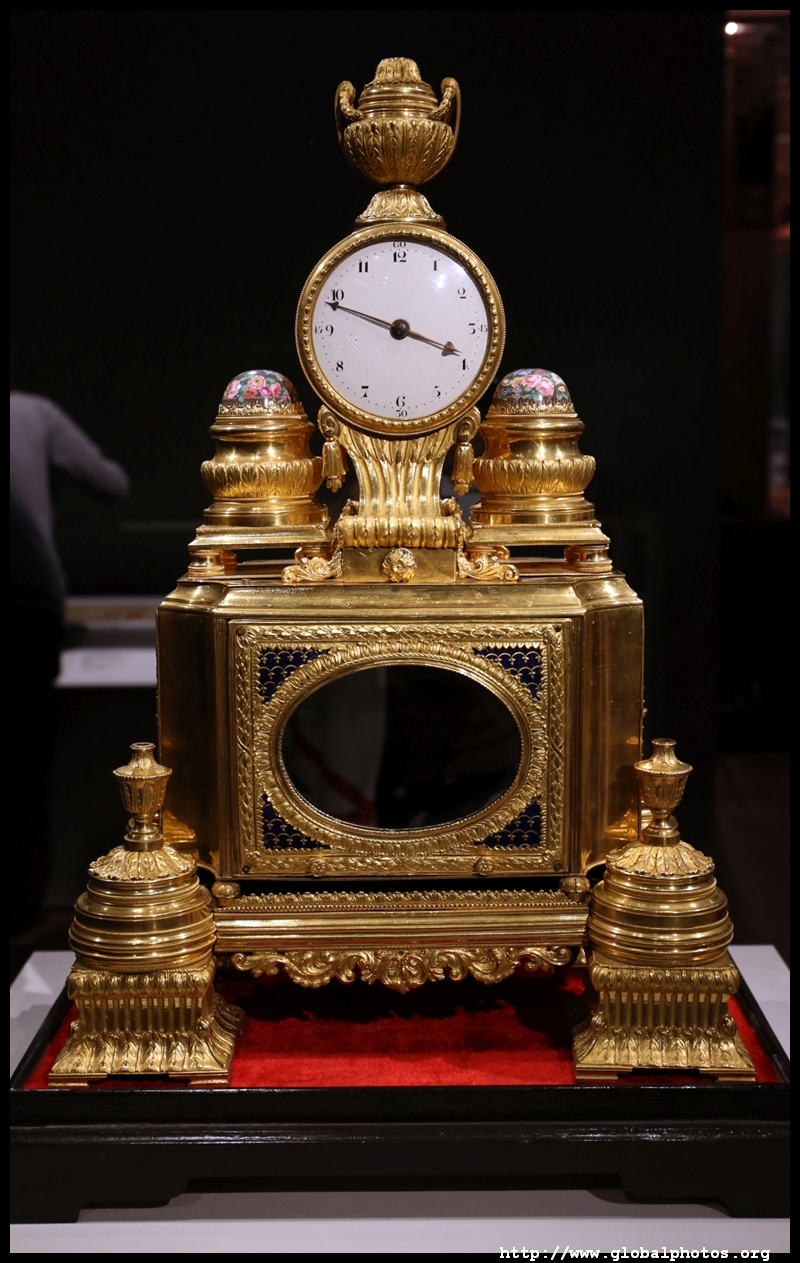
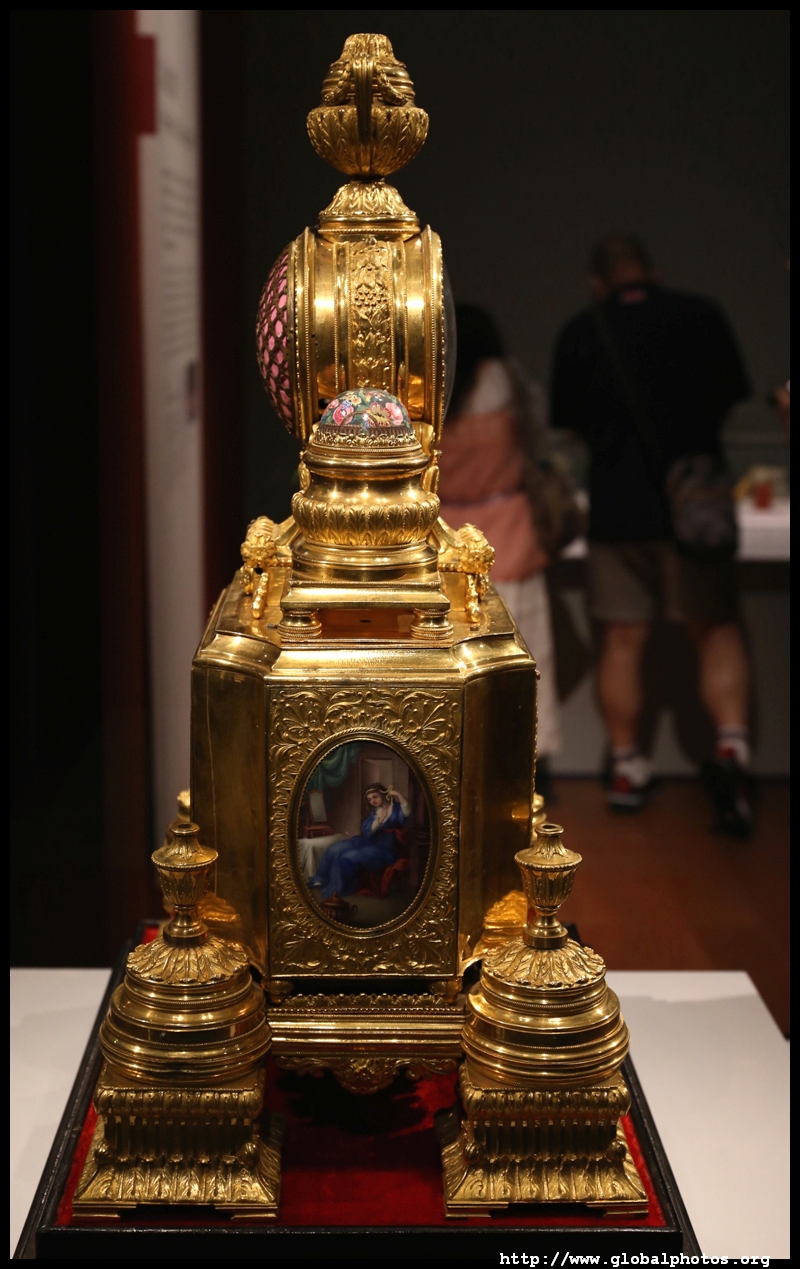
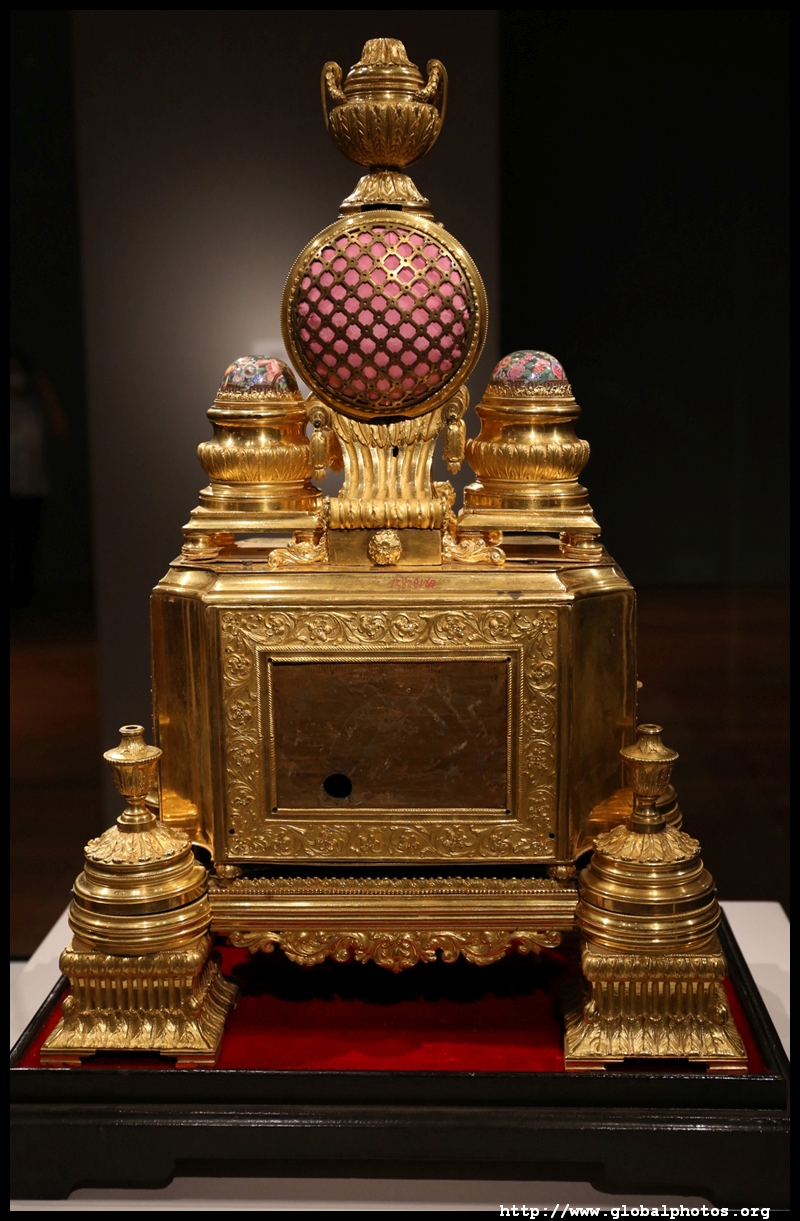
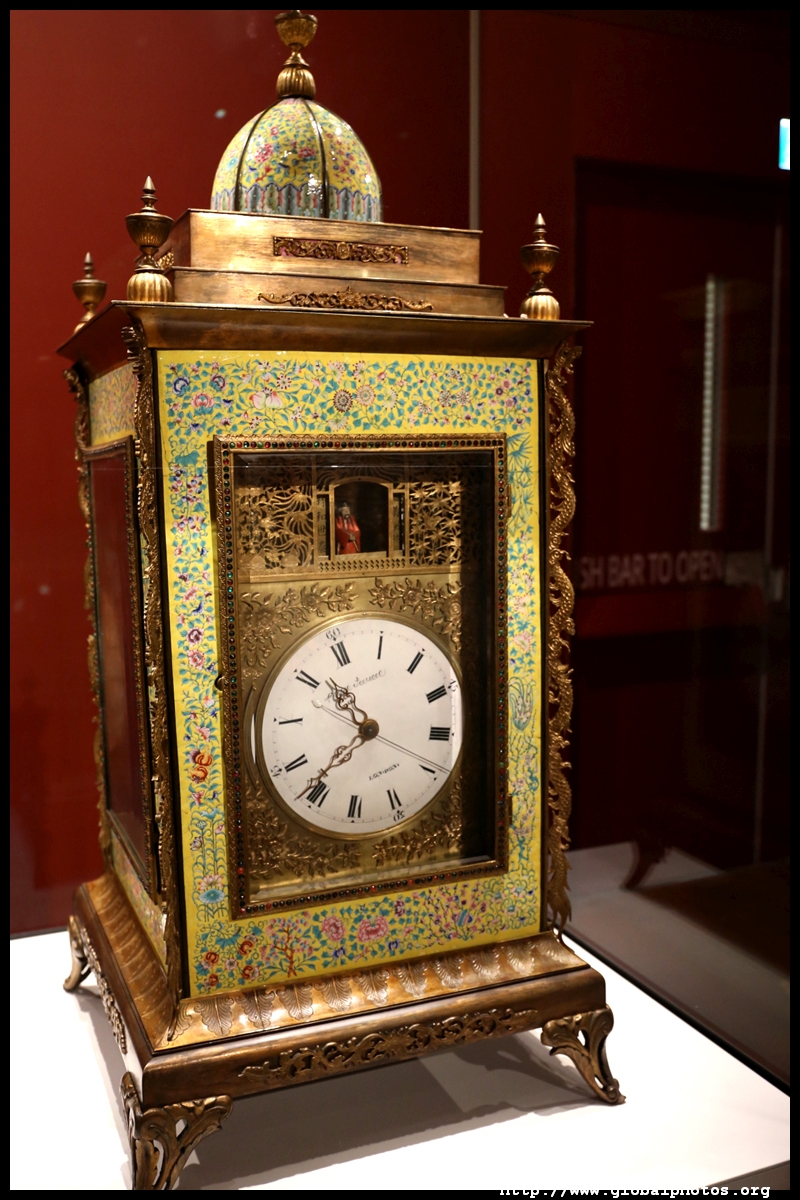
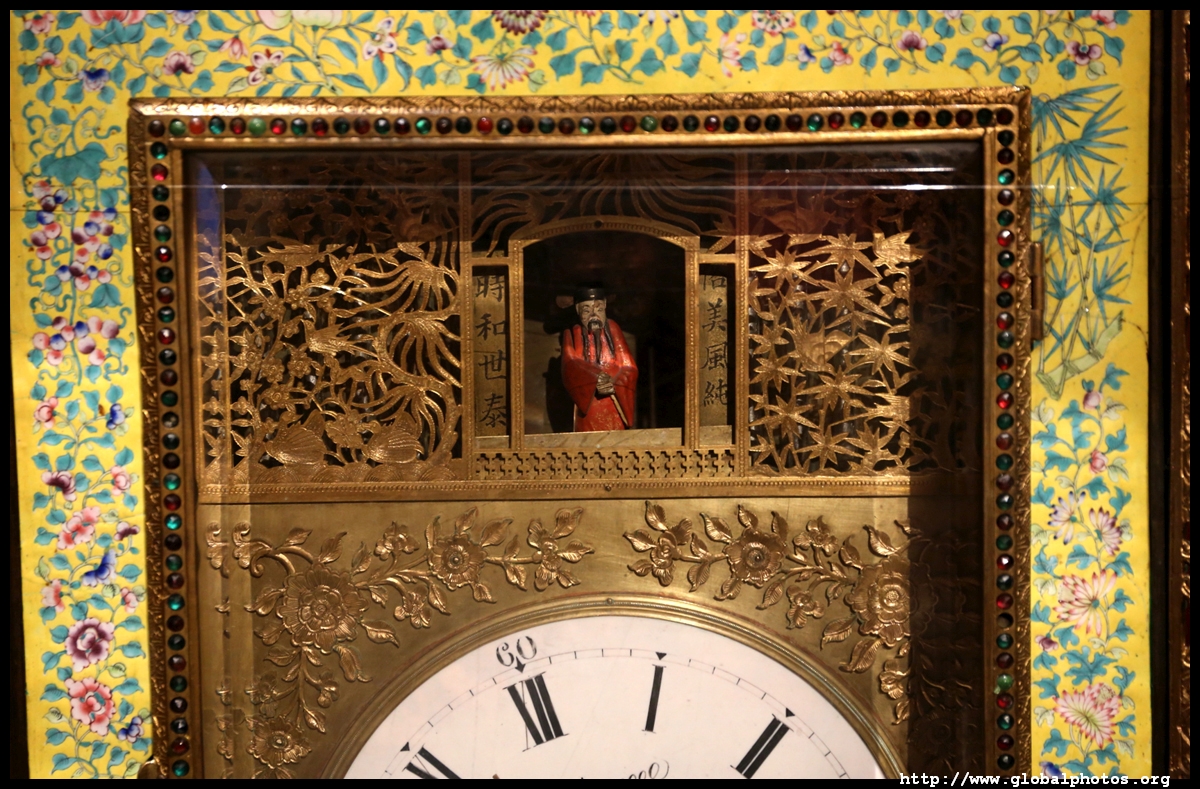
Yet another 18th century clock from Great Britain ...
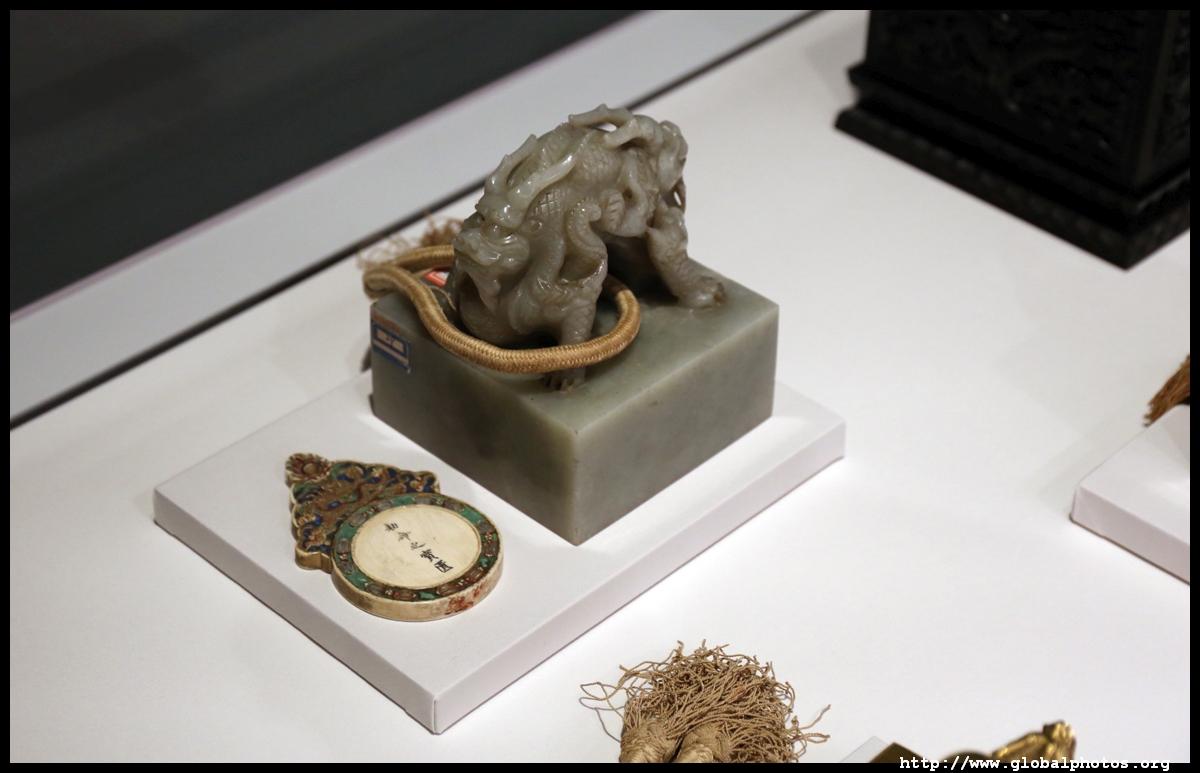
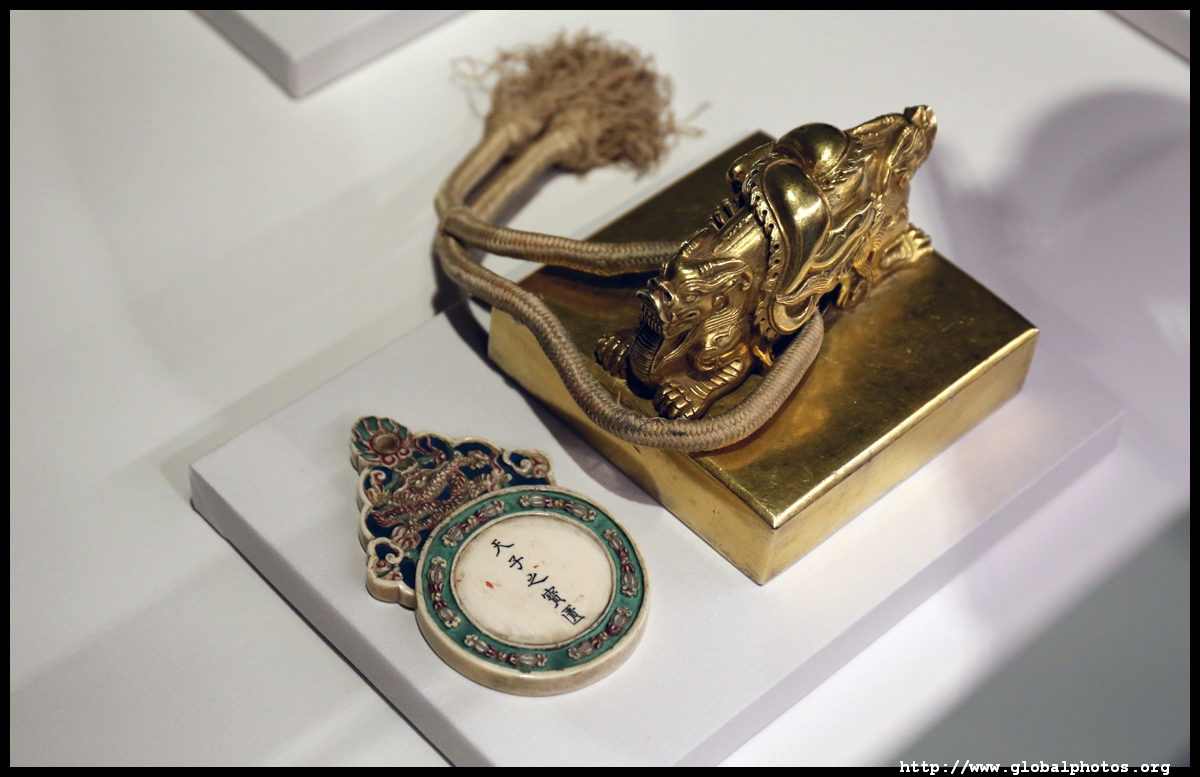
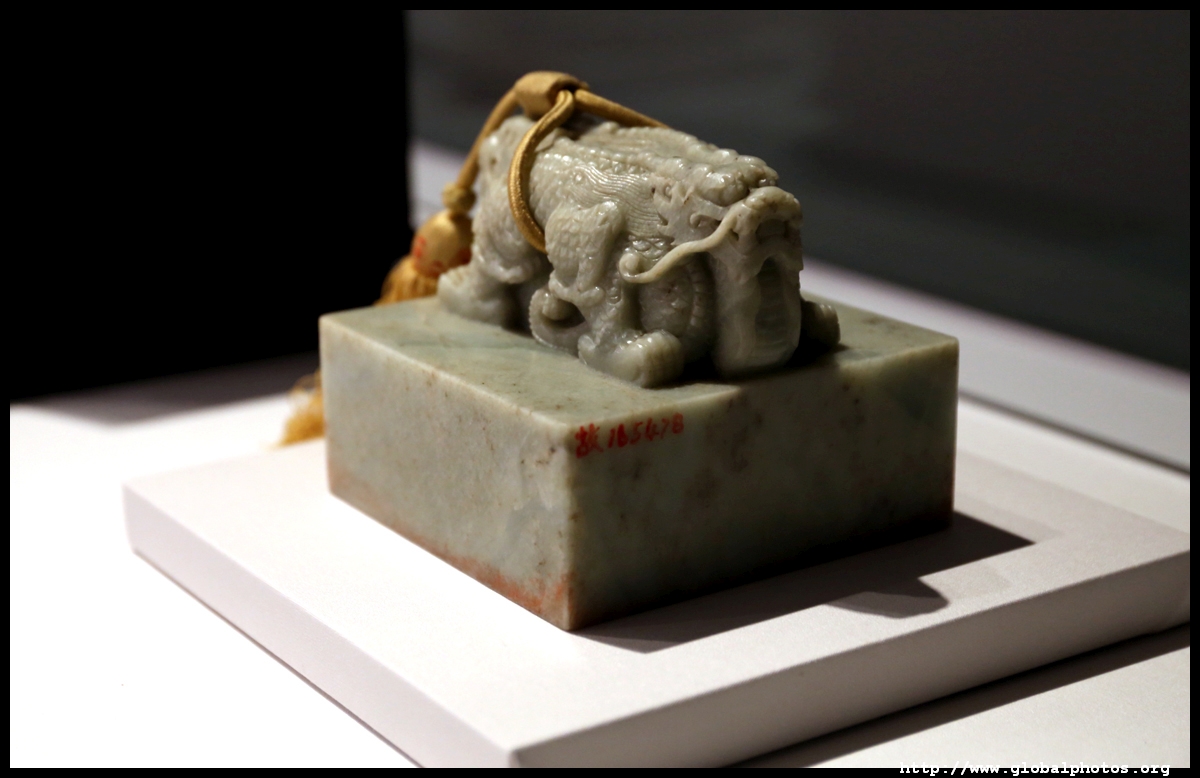
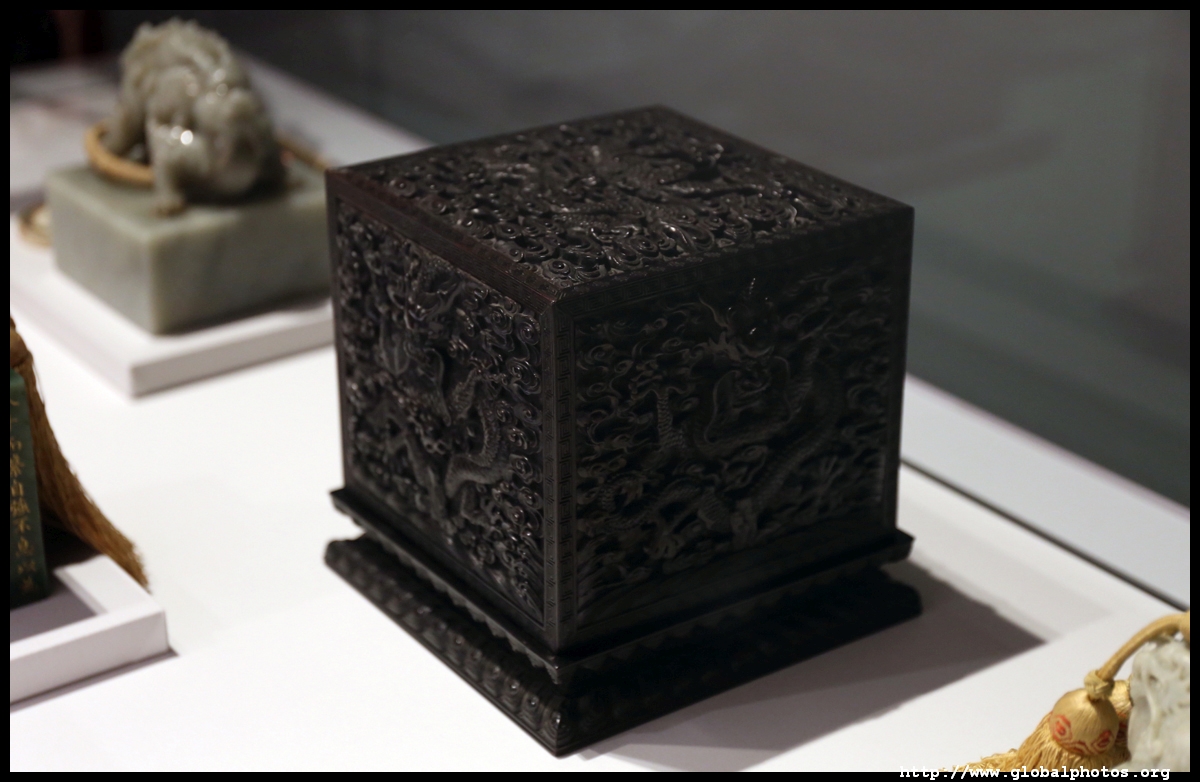
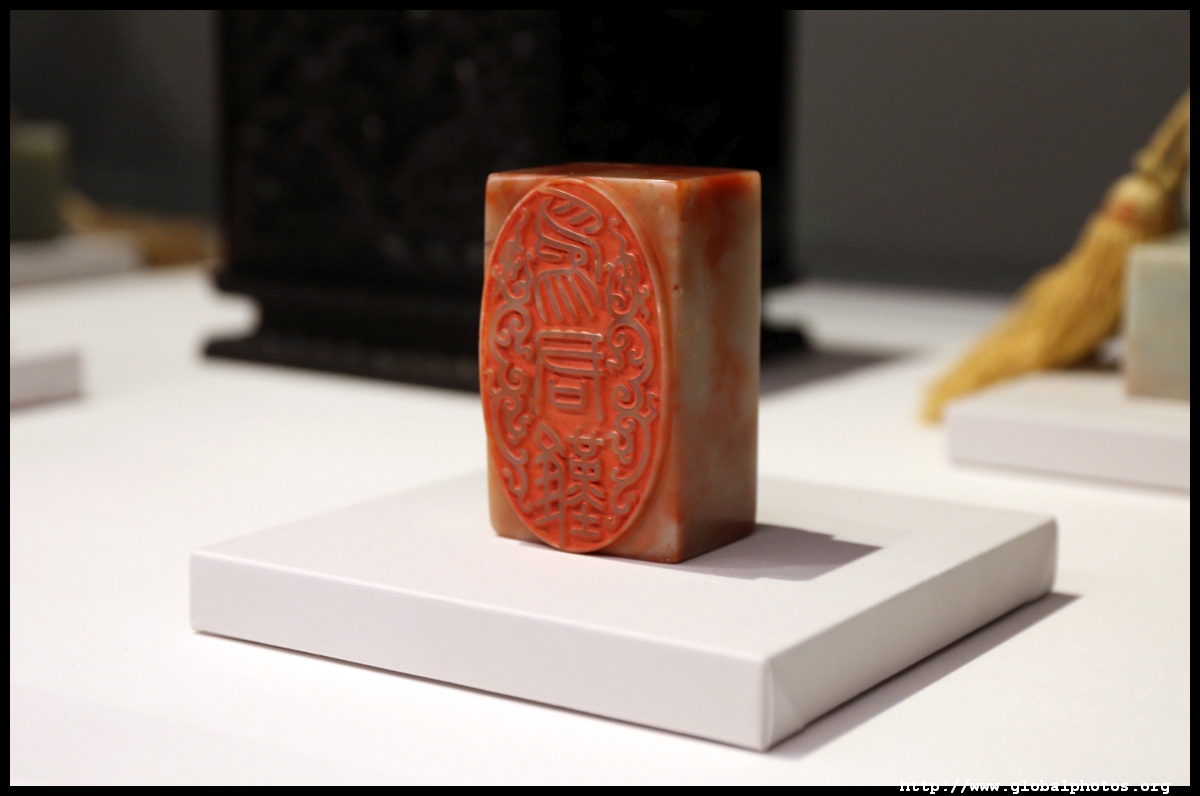
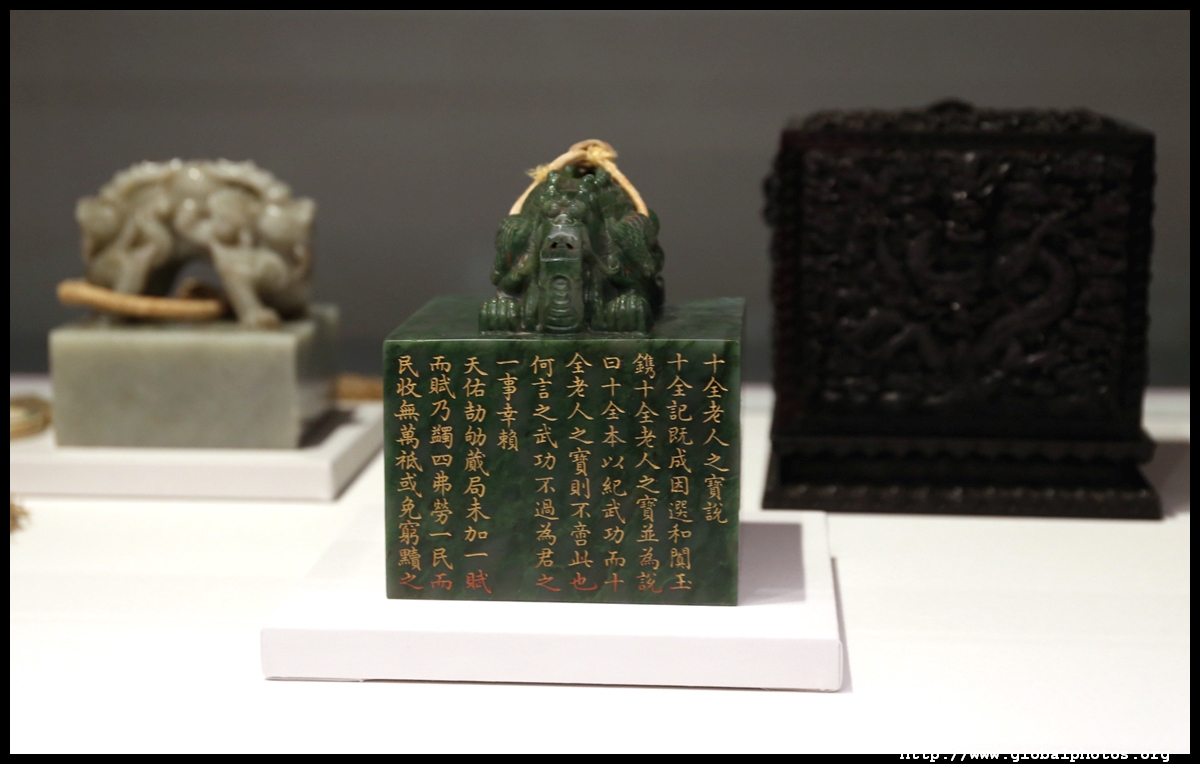
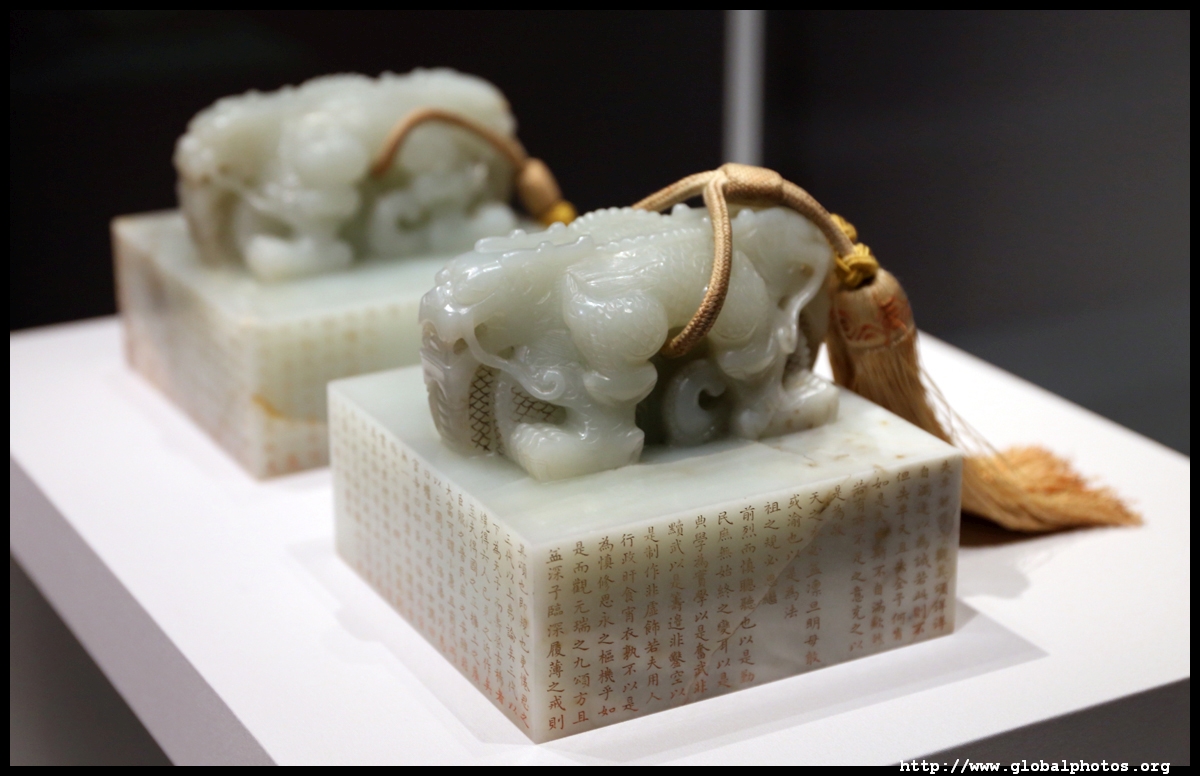
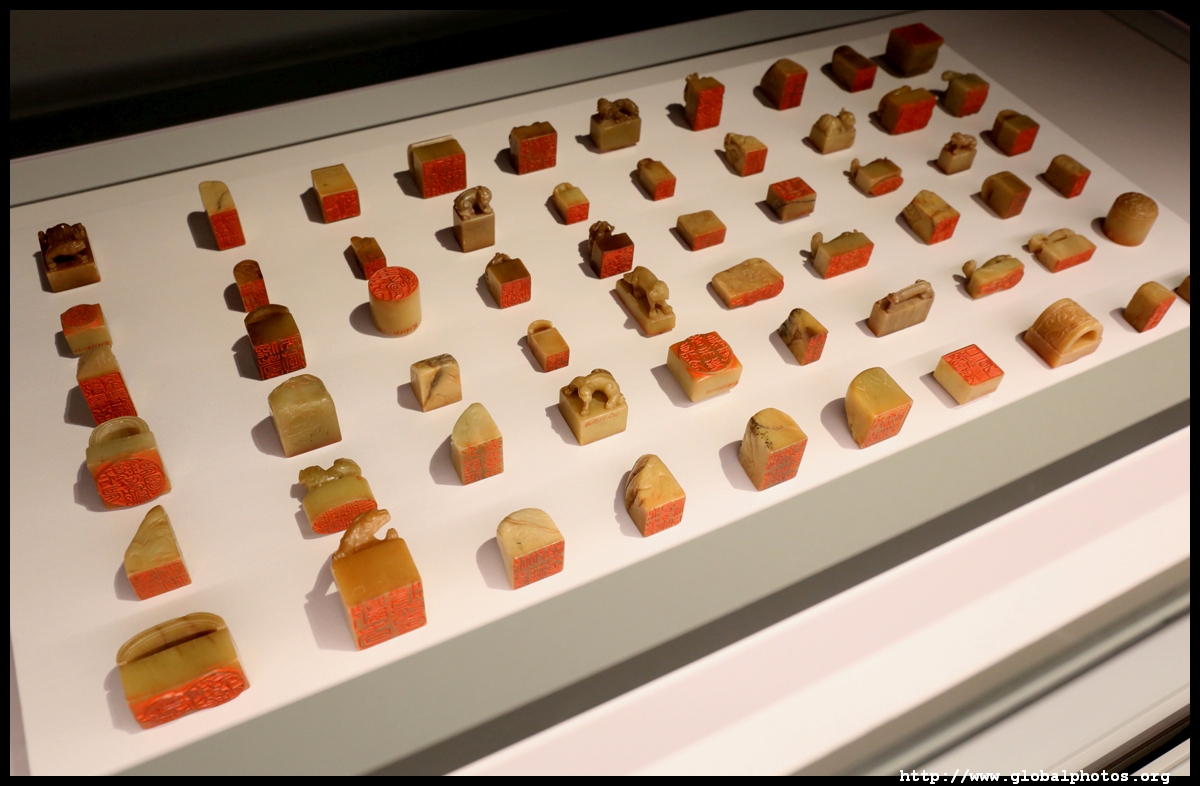
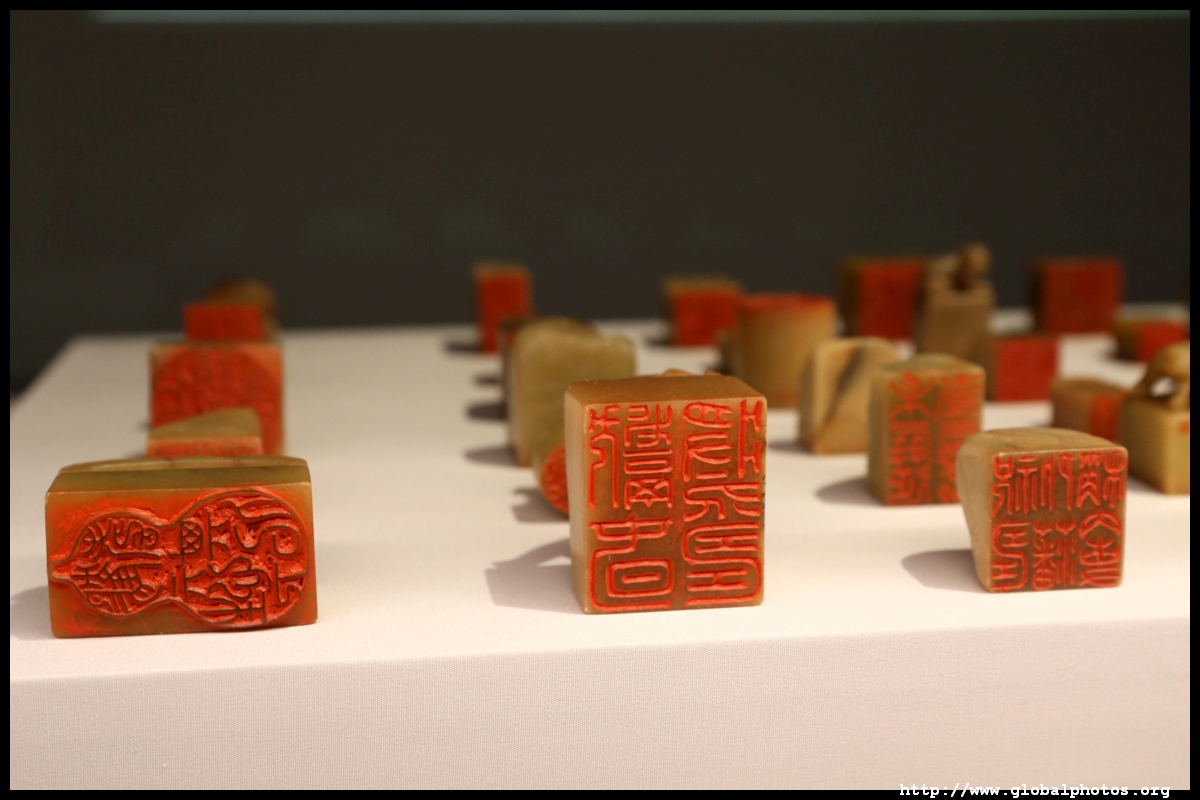
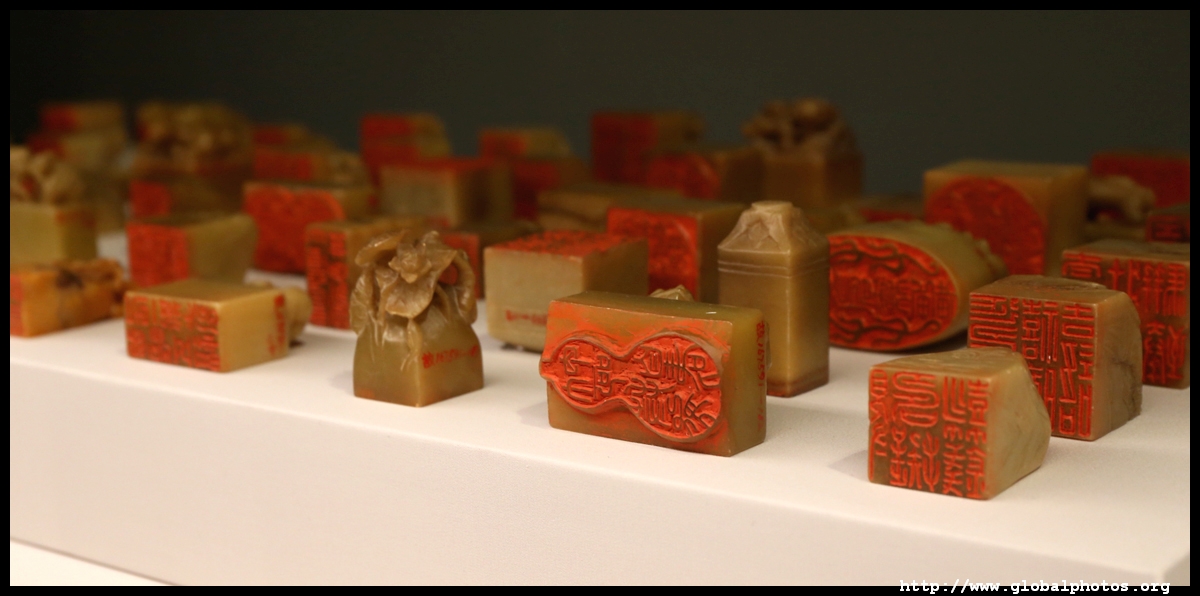
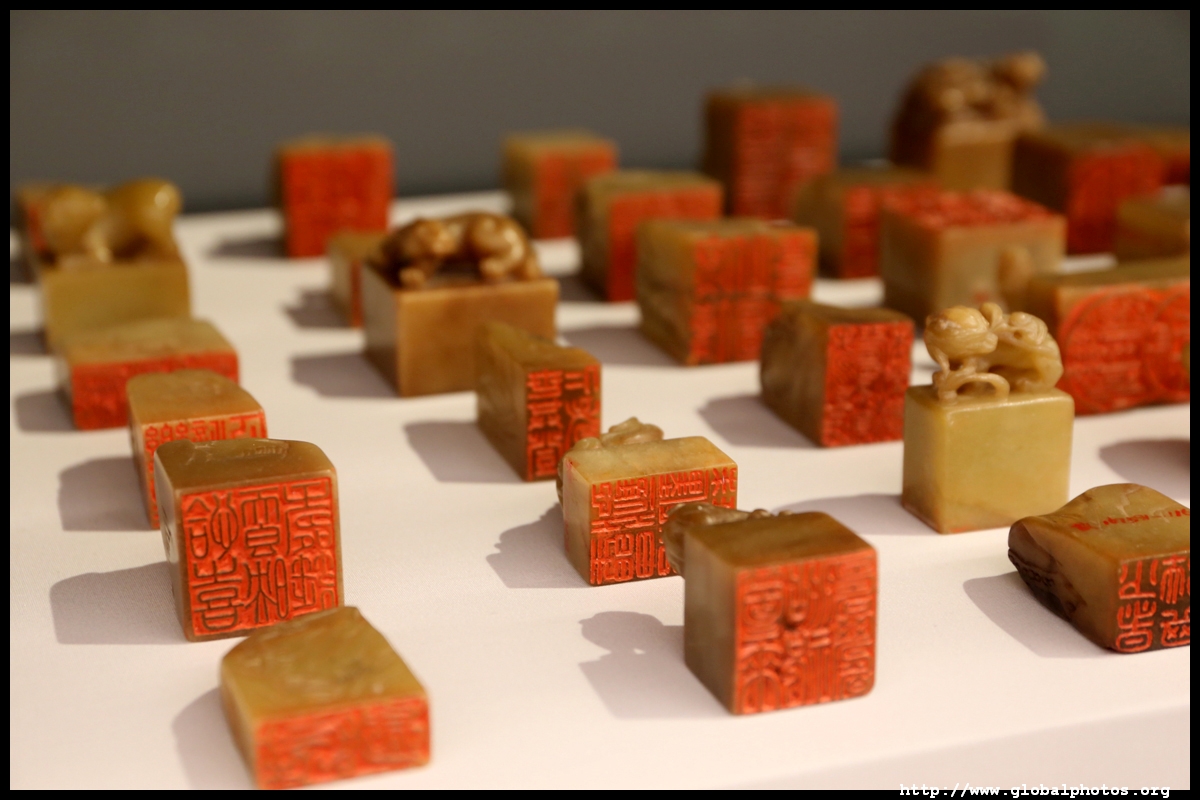
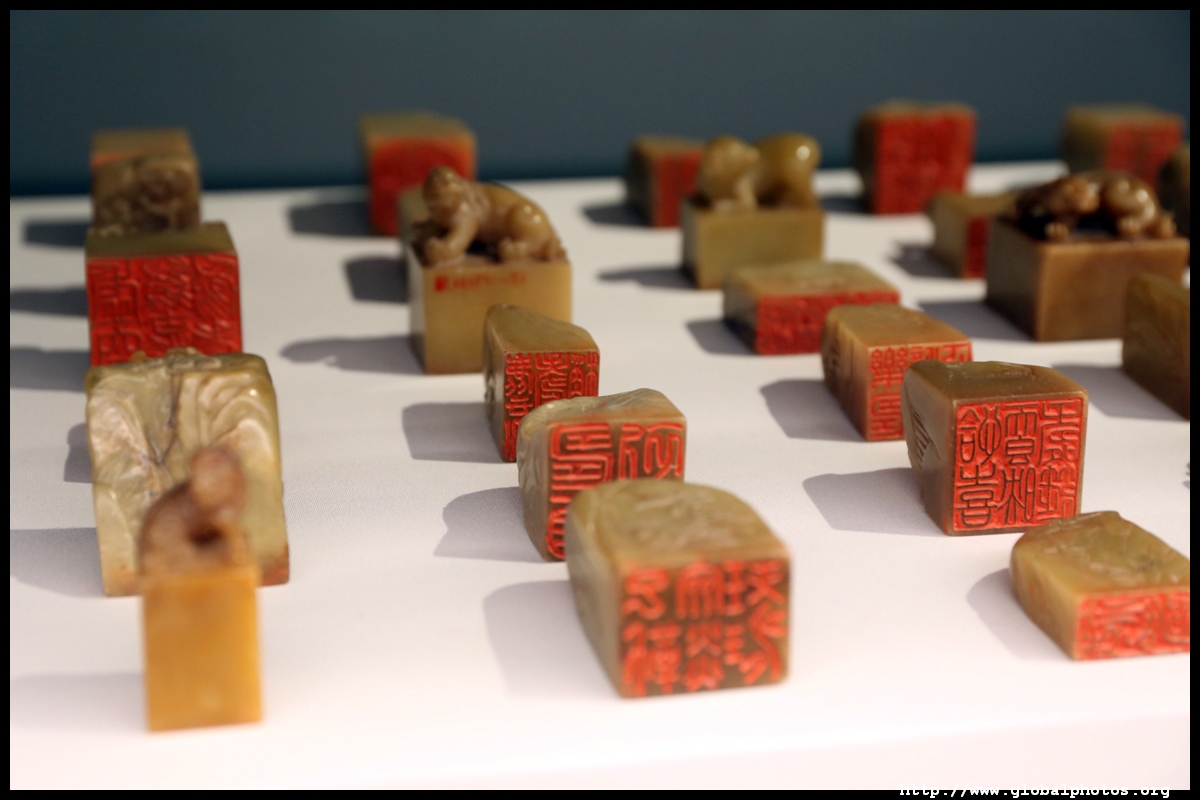
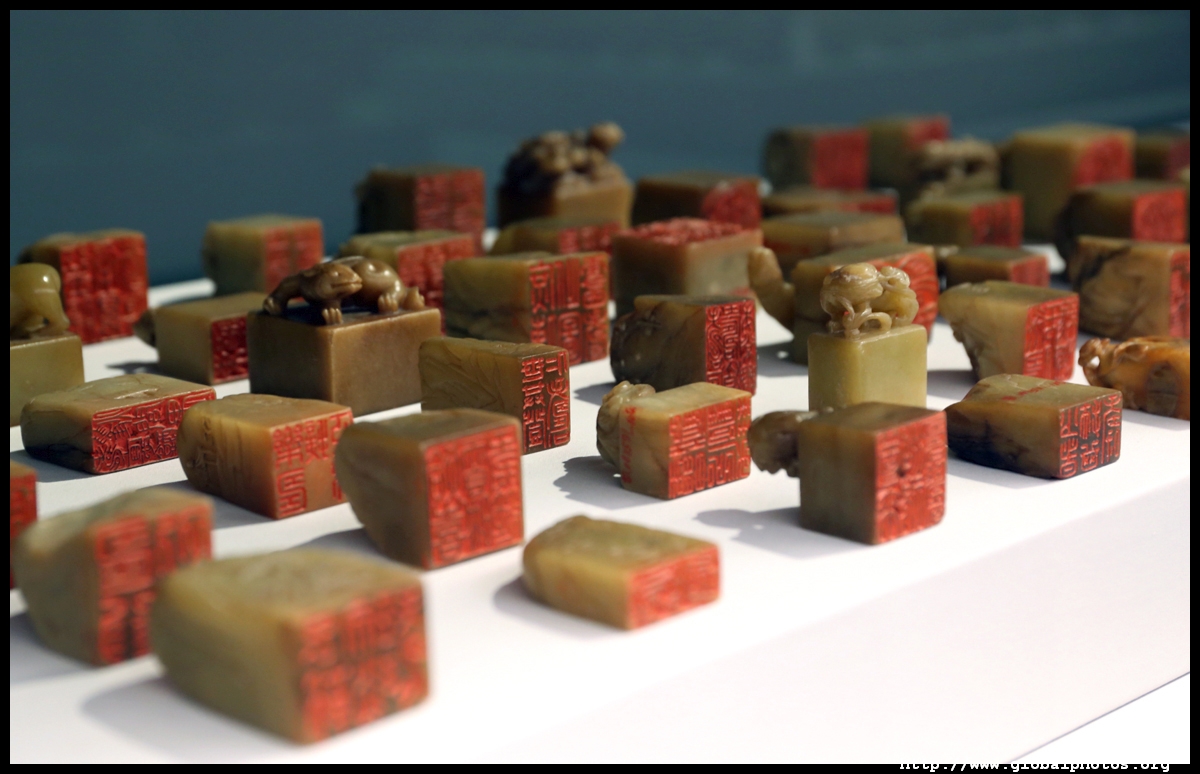
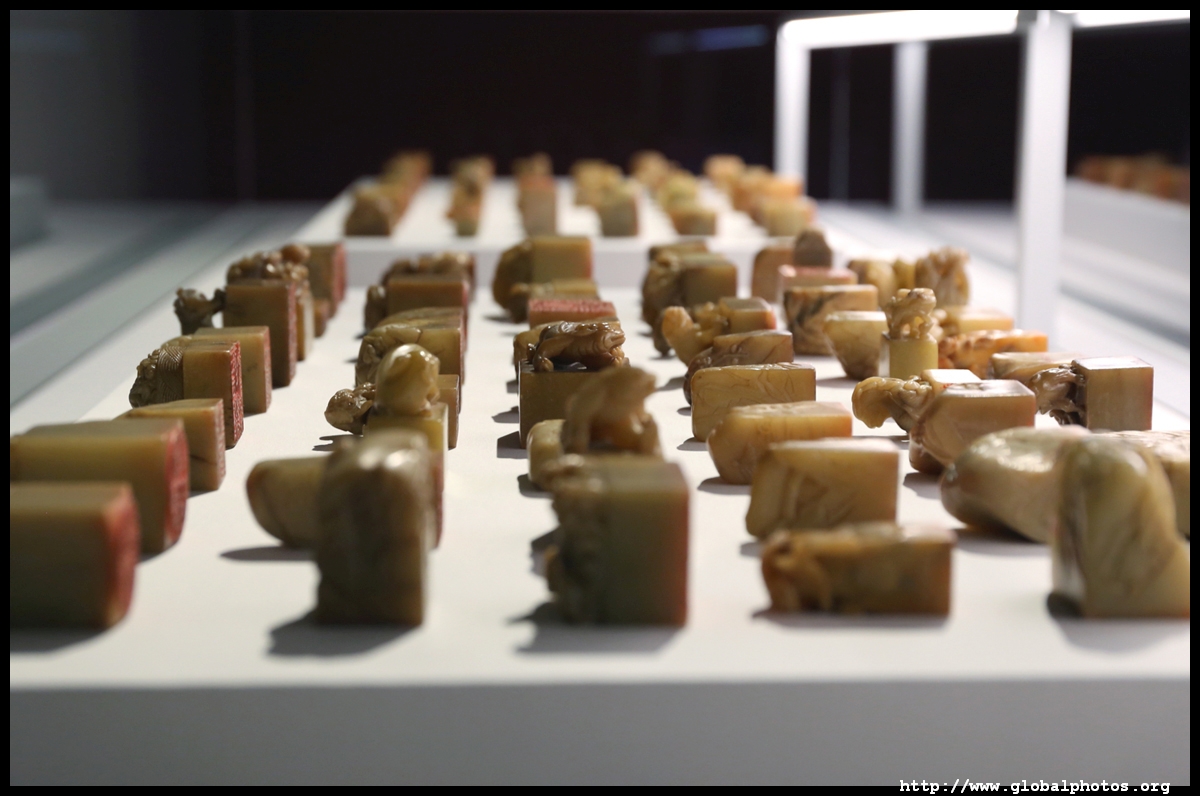
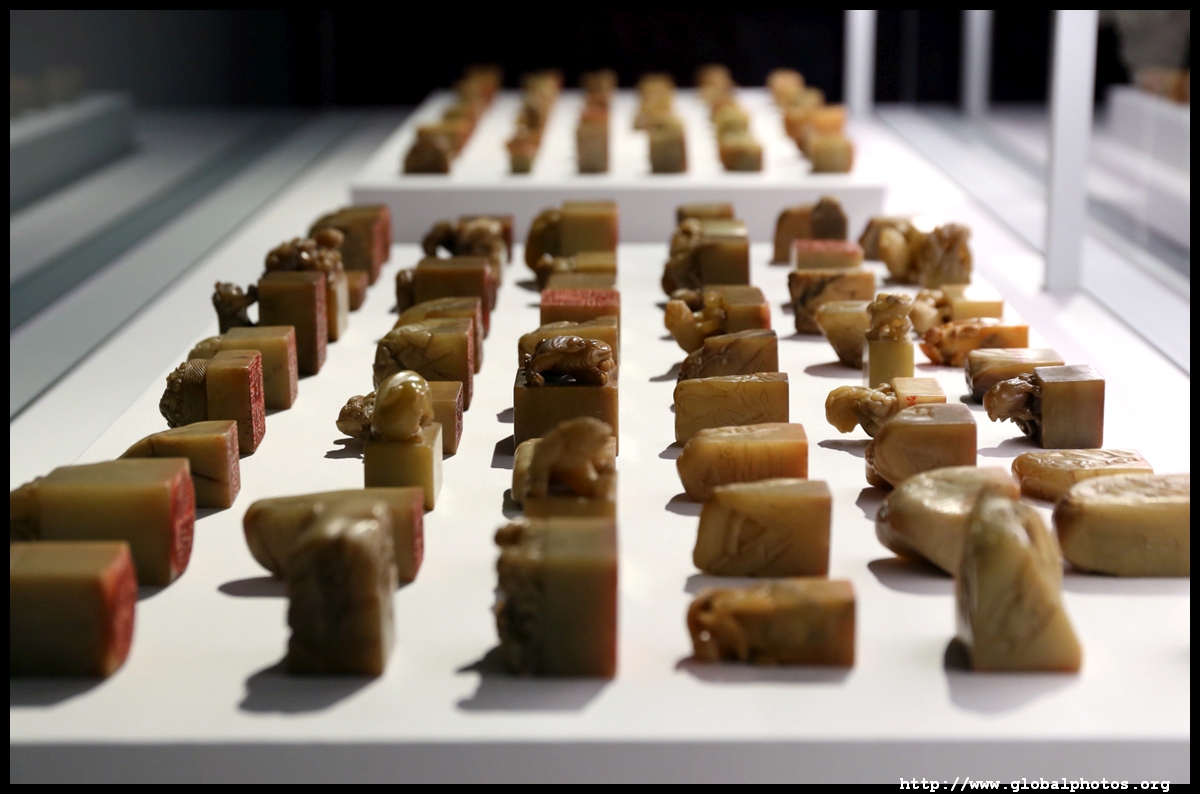
There is a large collection of seals. Qianlong alone owned over 1800 seals.
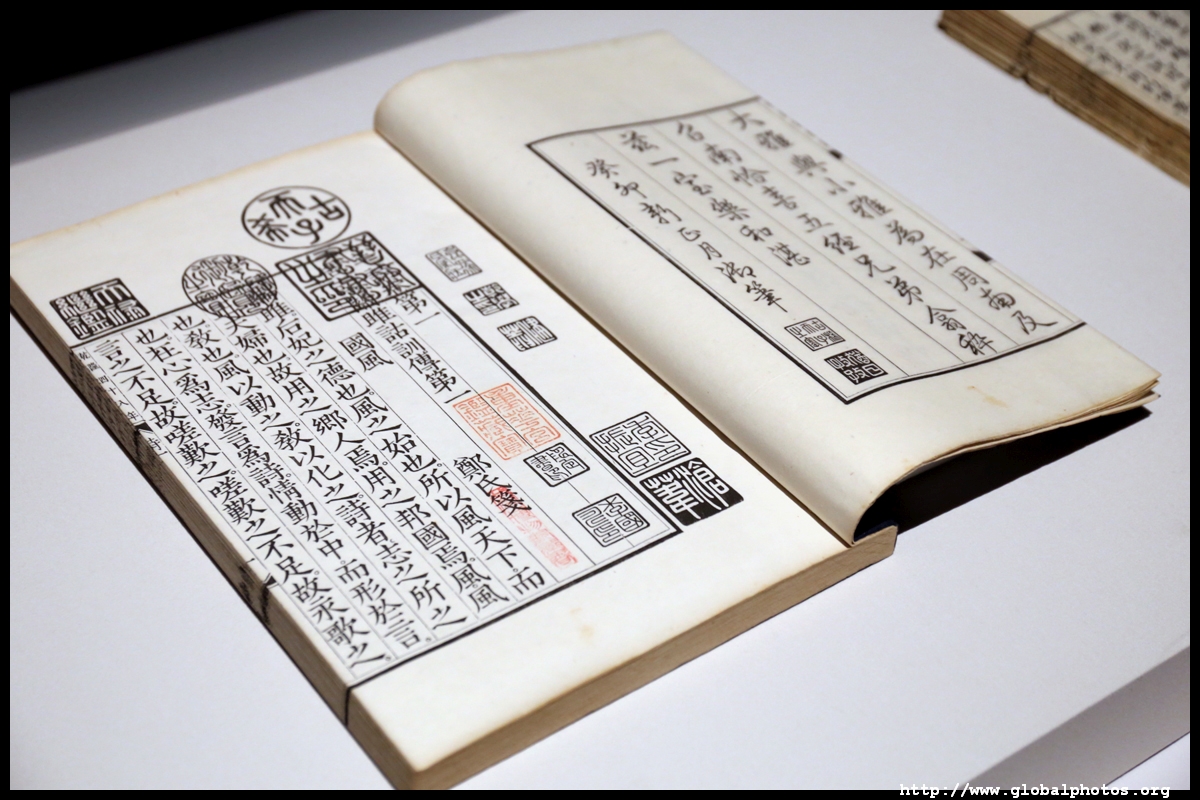
This book from the Imperial Publishing House was printed in 1783.
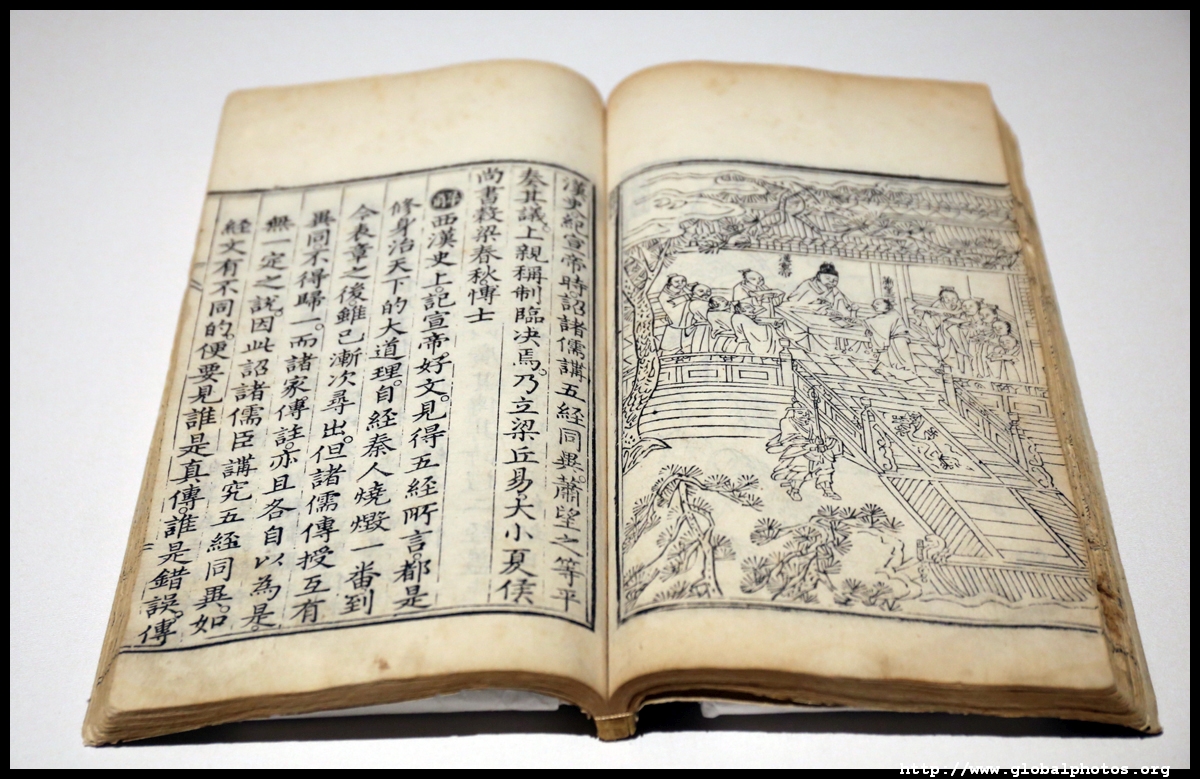
This book is much older, dating from 1573 during the Ming Dynasty.
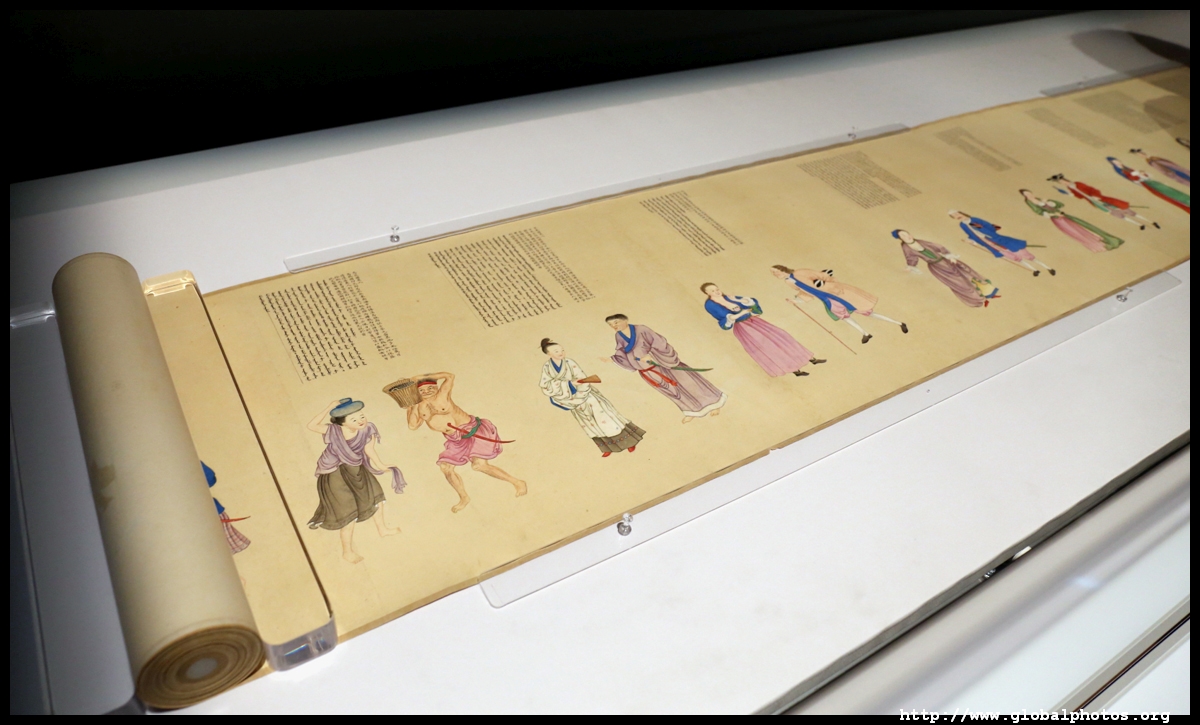
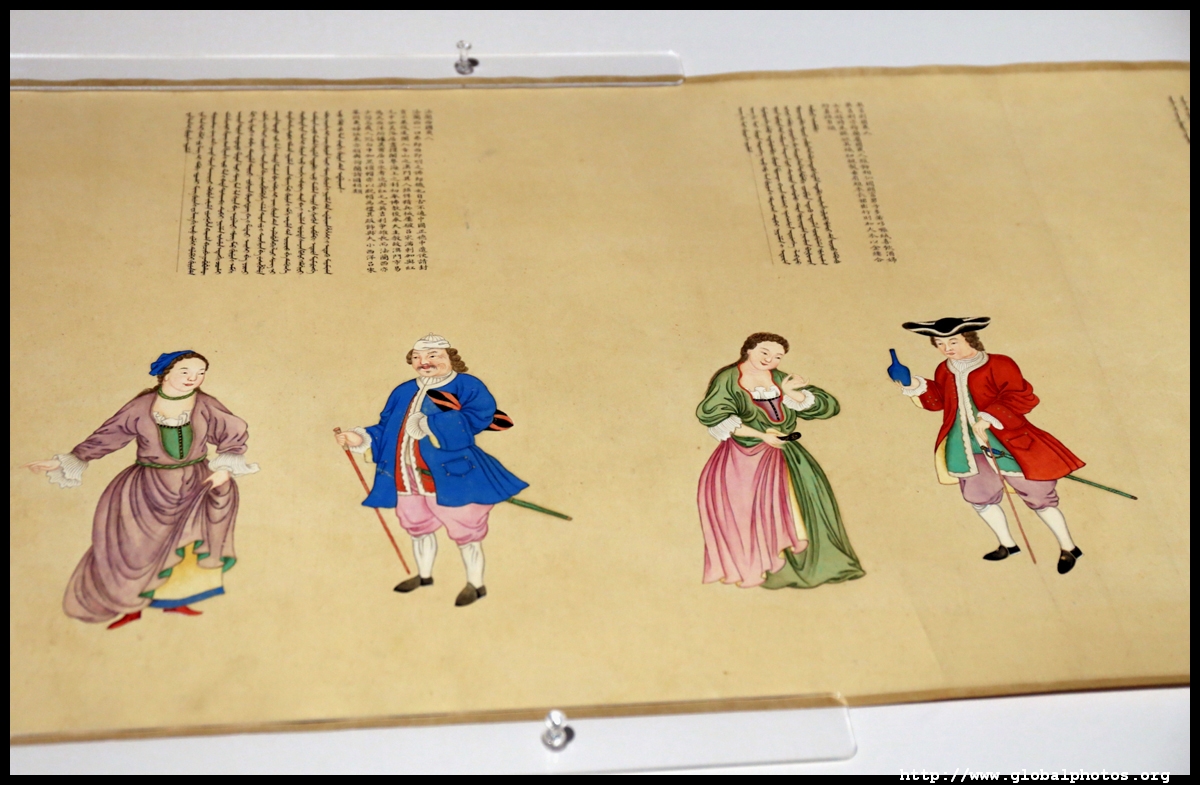
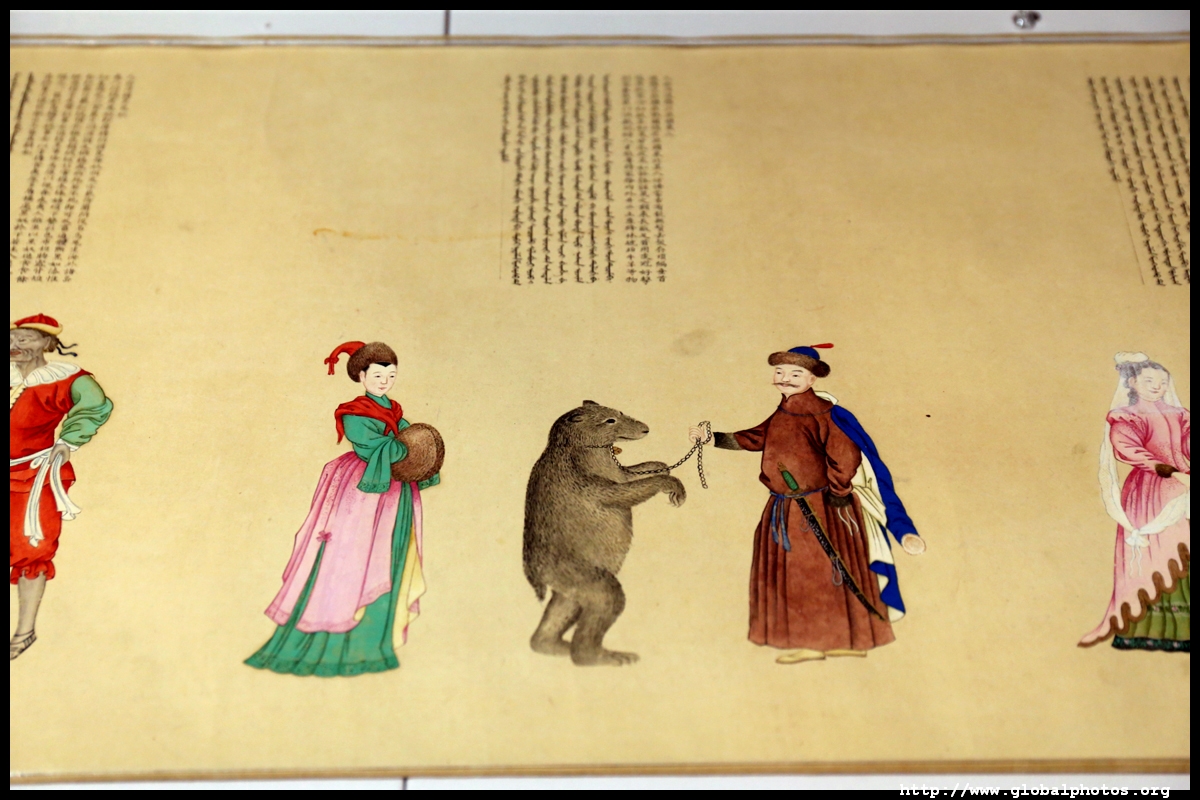
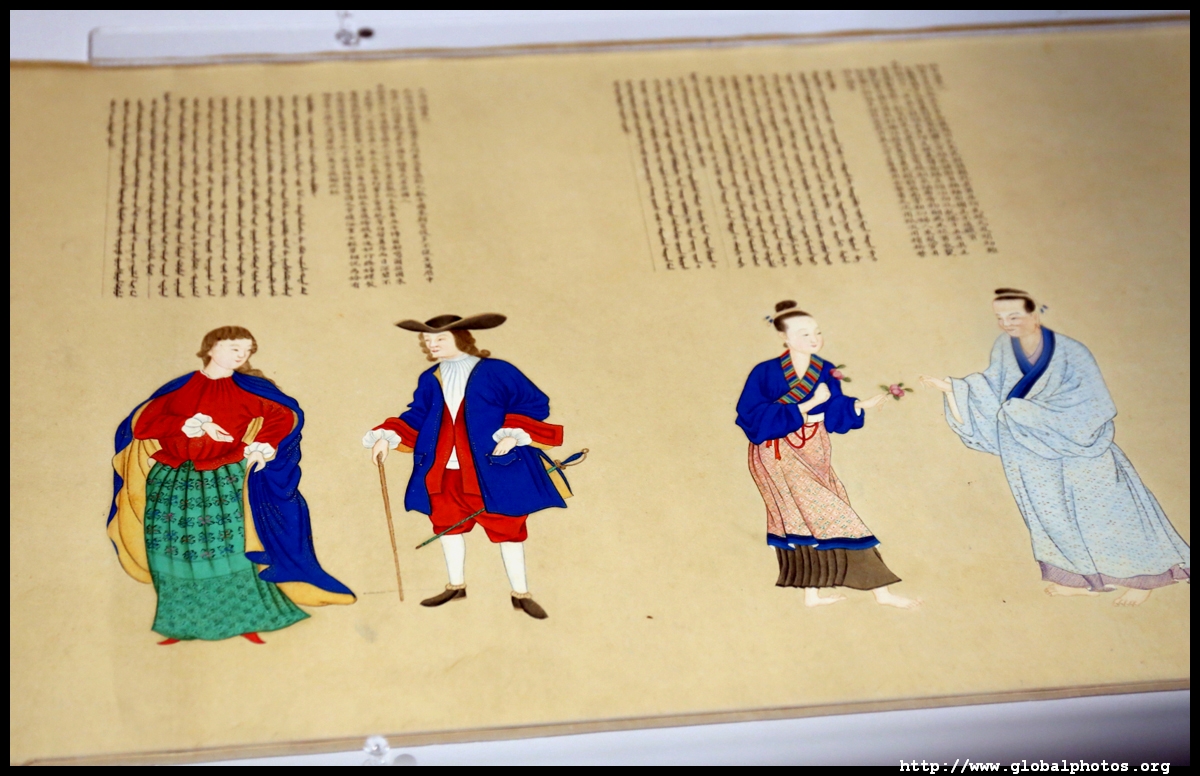
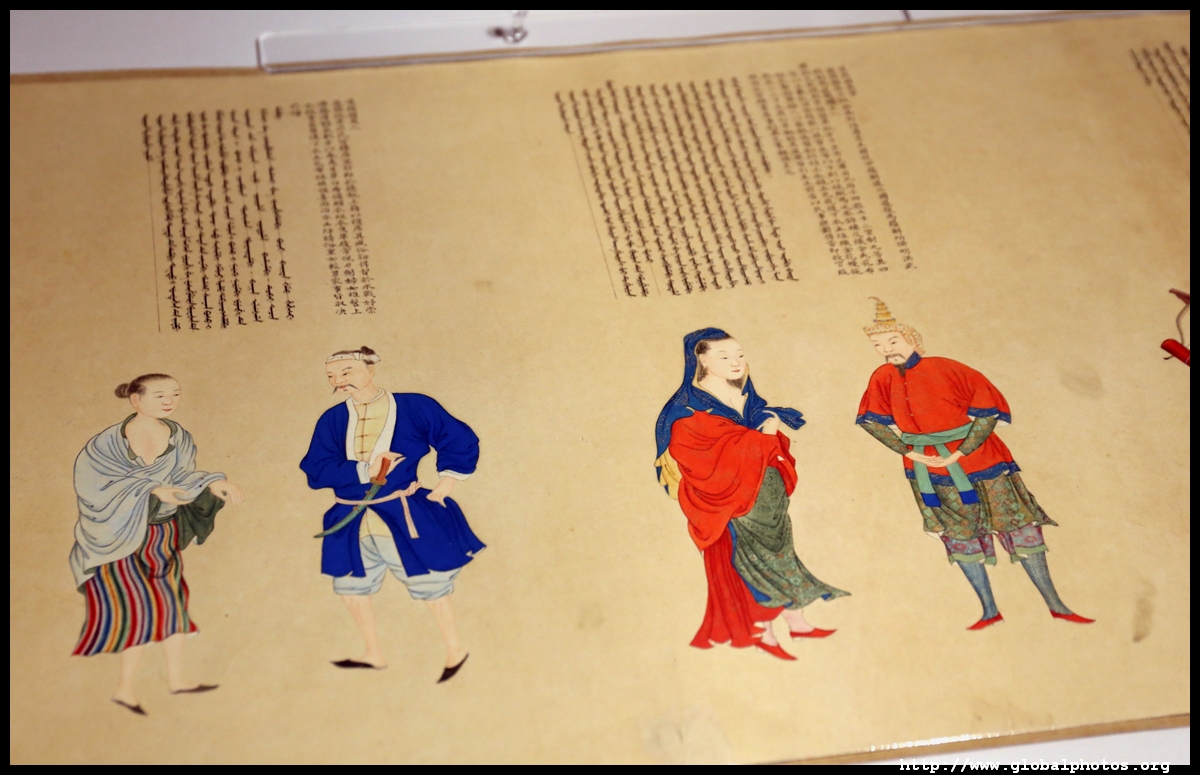
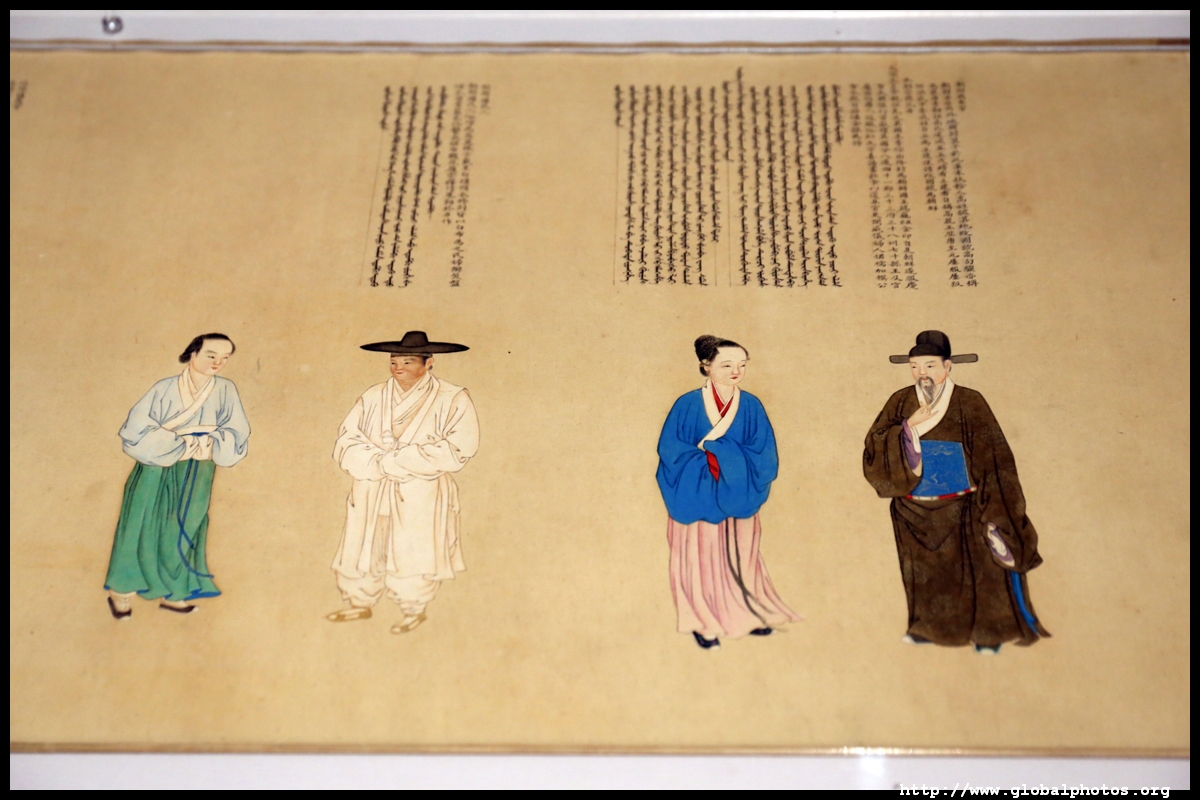
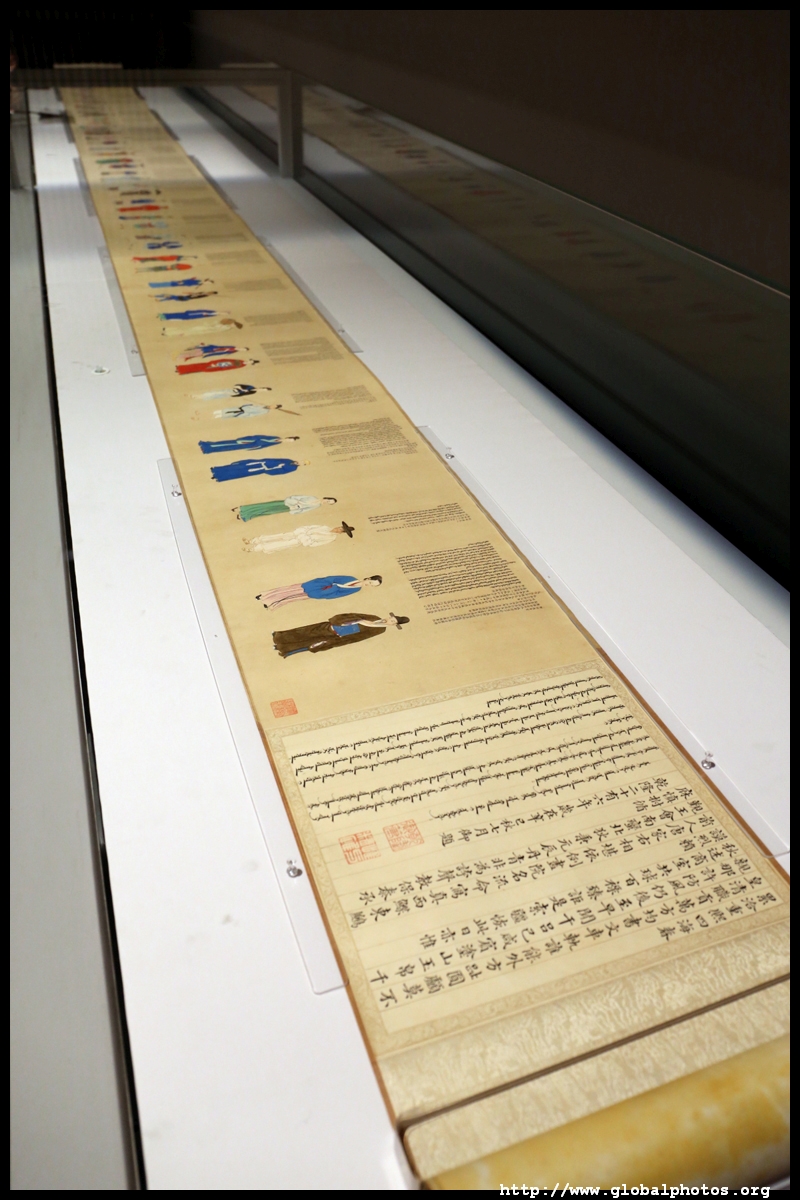
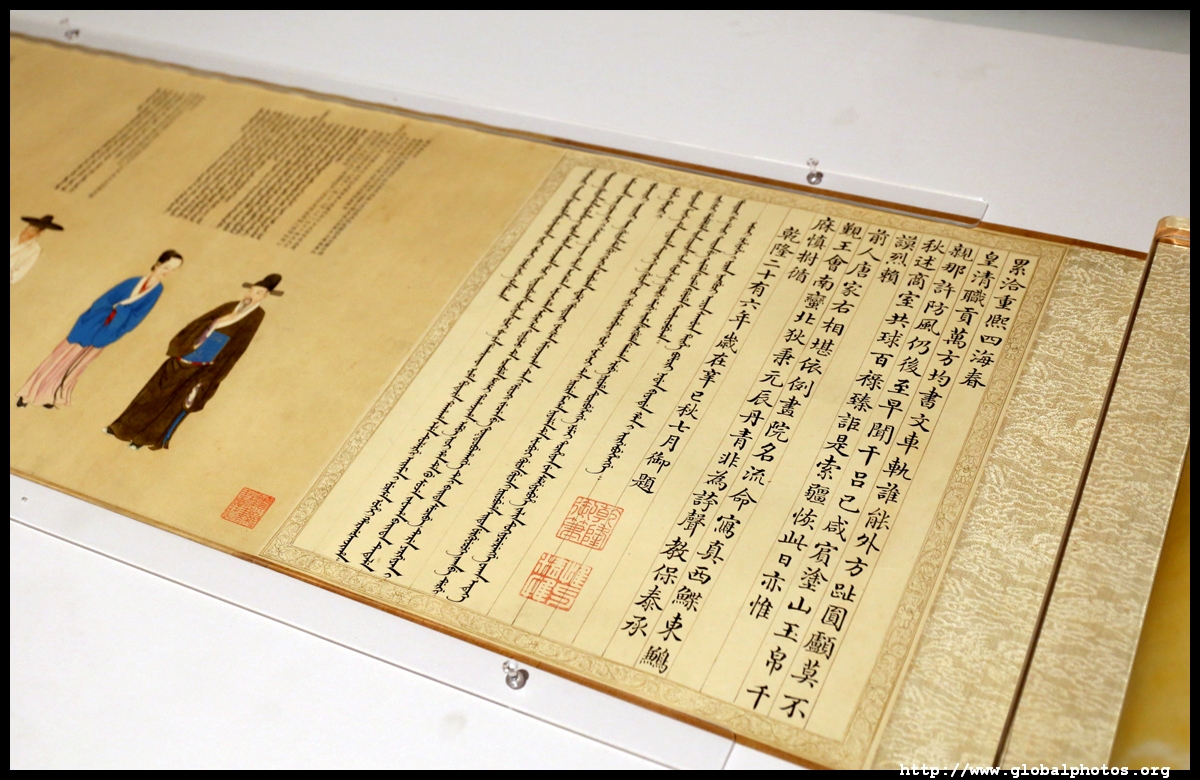
In 1748, Qianlong initiated a project to document the different peoples in his empire and worldwide, which continued into the next few decades. There are 69 groups, with each group featuring a male and female from that region.
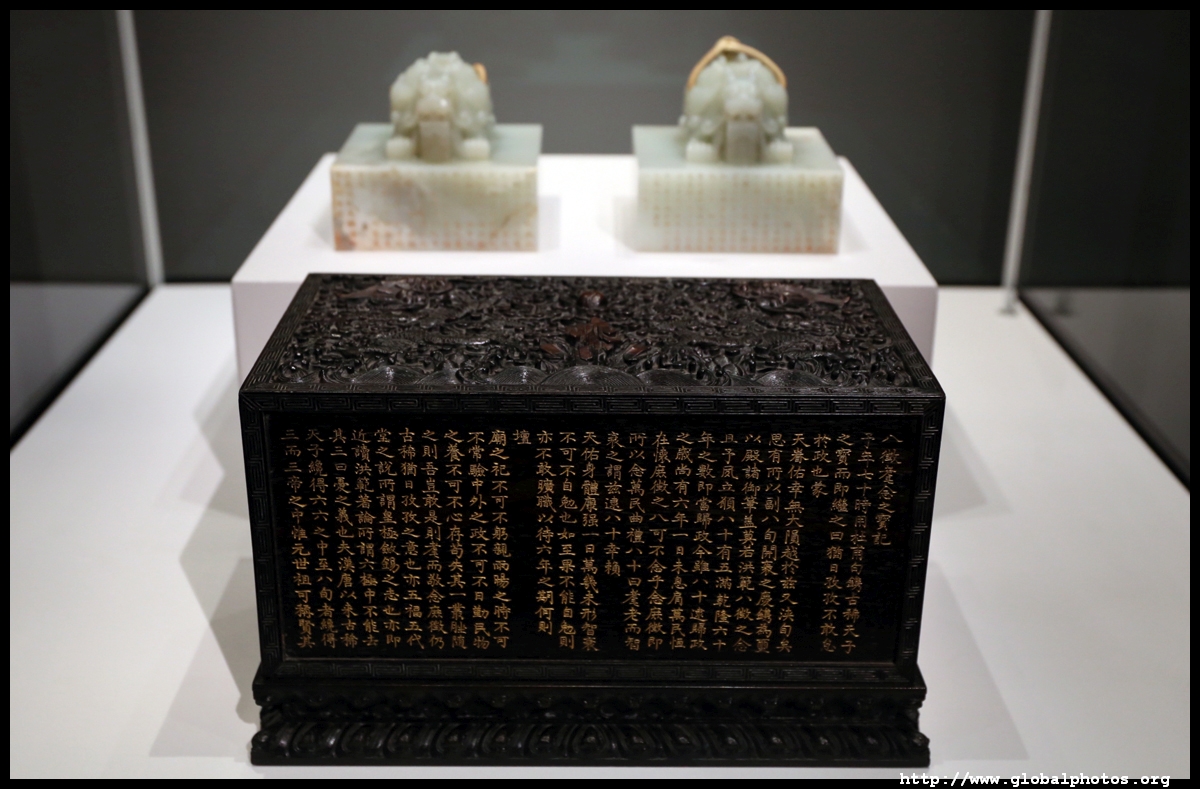
Qianlong was given this set of 120 seals for his 80th birthday.
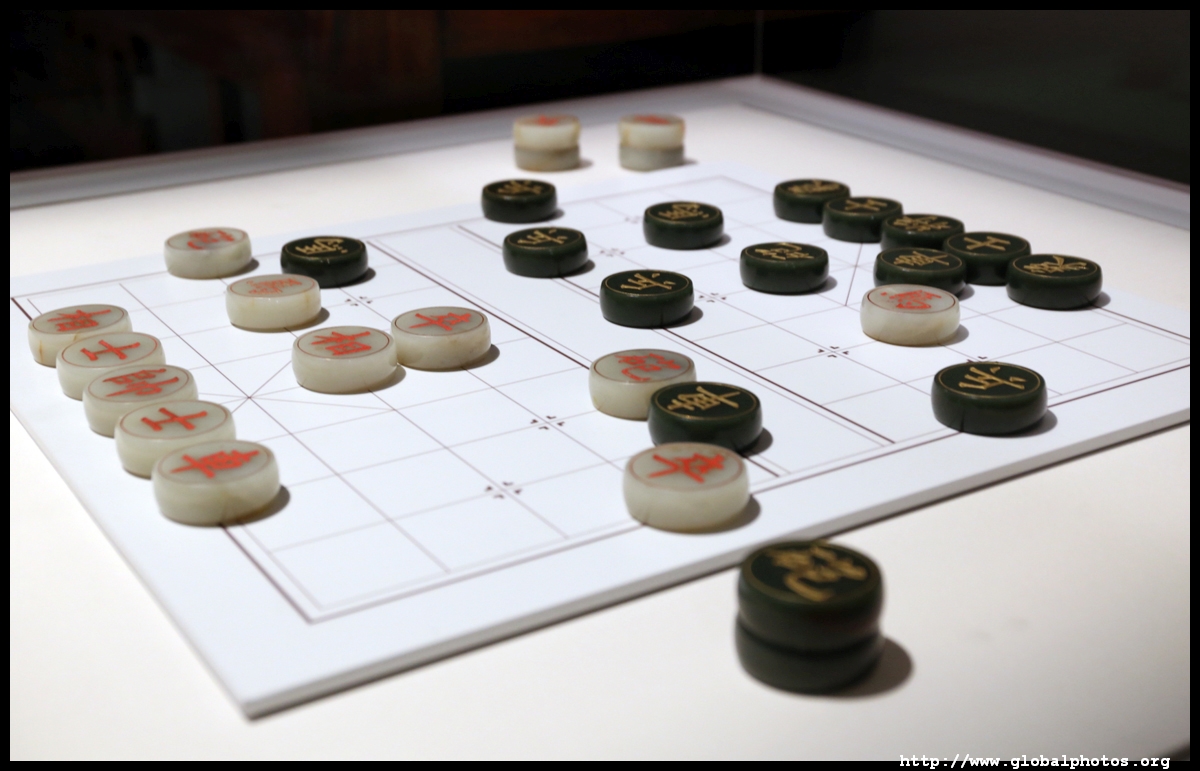
This Chinese chess set is made from jade.
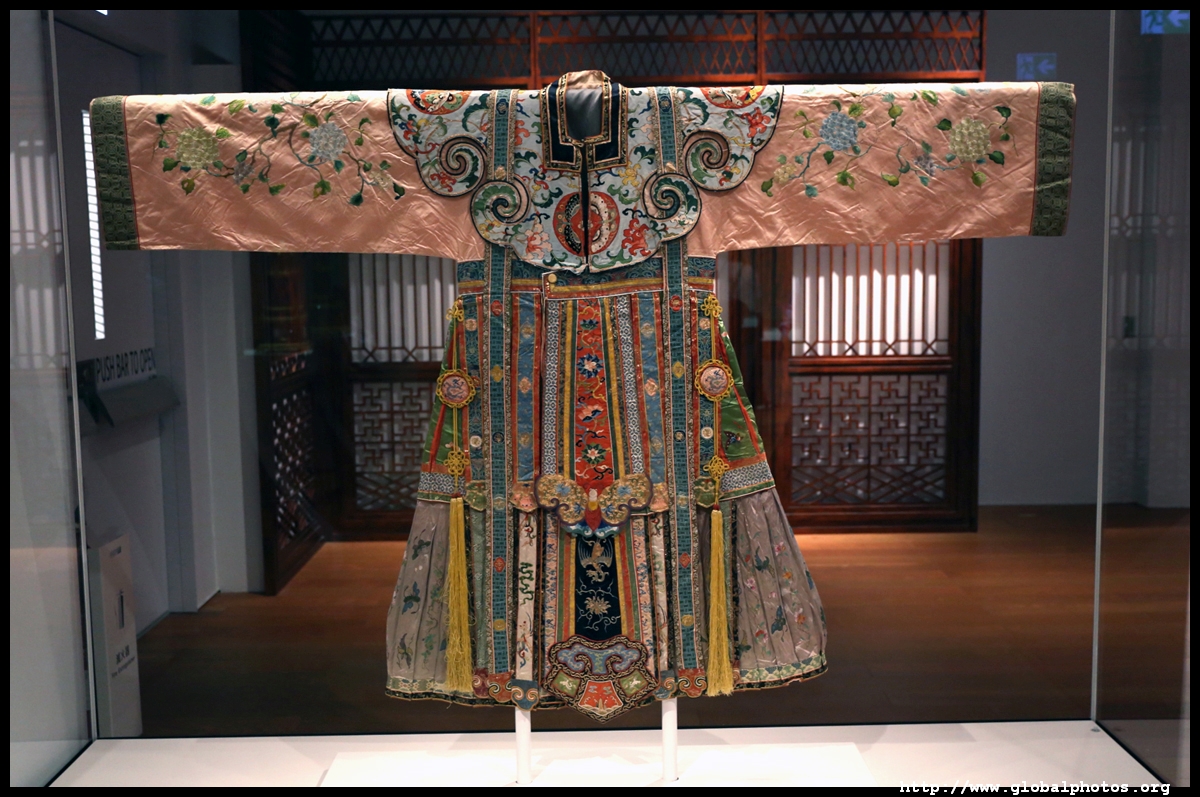
This Qianlong era theatrical robe is made of silk and decorated with flowers and butterlies.
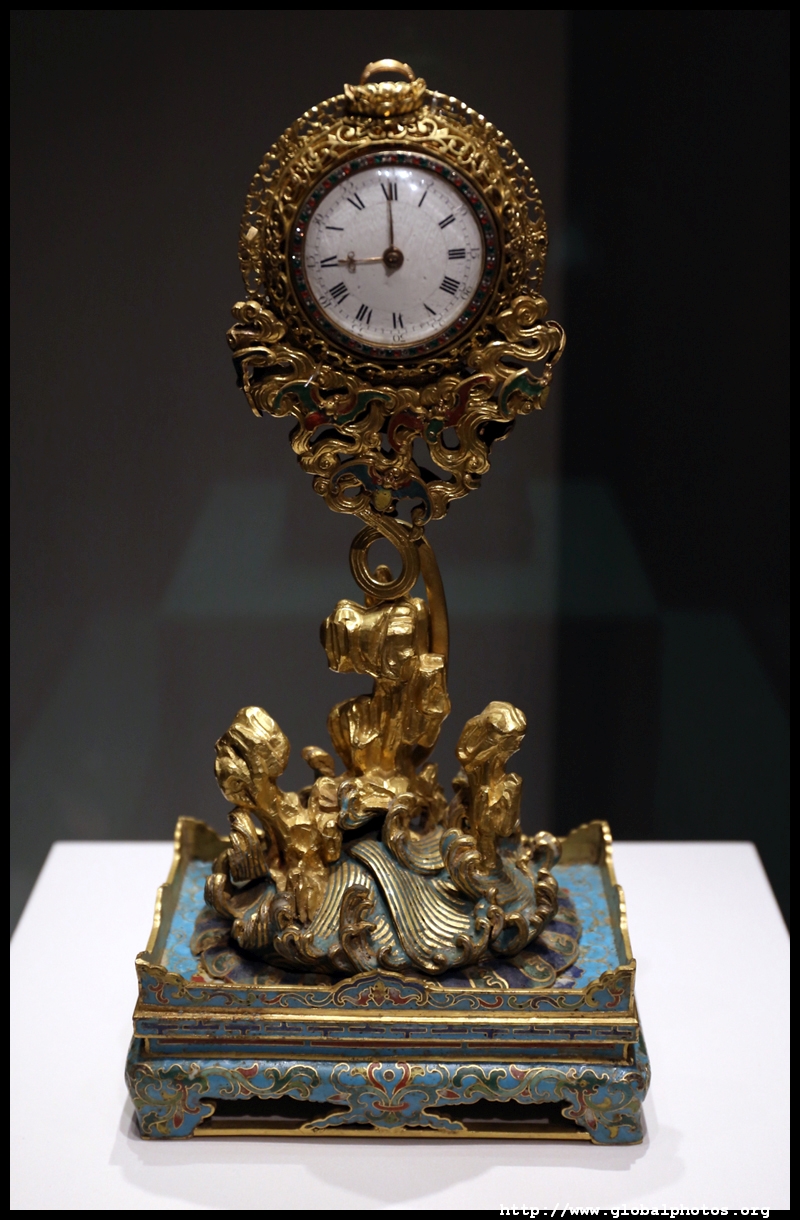
Yet another British clock from the 18th century although the stand is local.
This painting was made to celebrate the 70th birthday of Qianlong's mother with a scene from the Five Pagoda Temple in Beijing, with Tibetan Buddhist monks dressed in yellow robes performing a blessing.
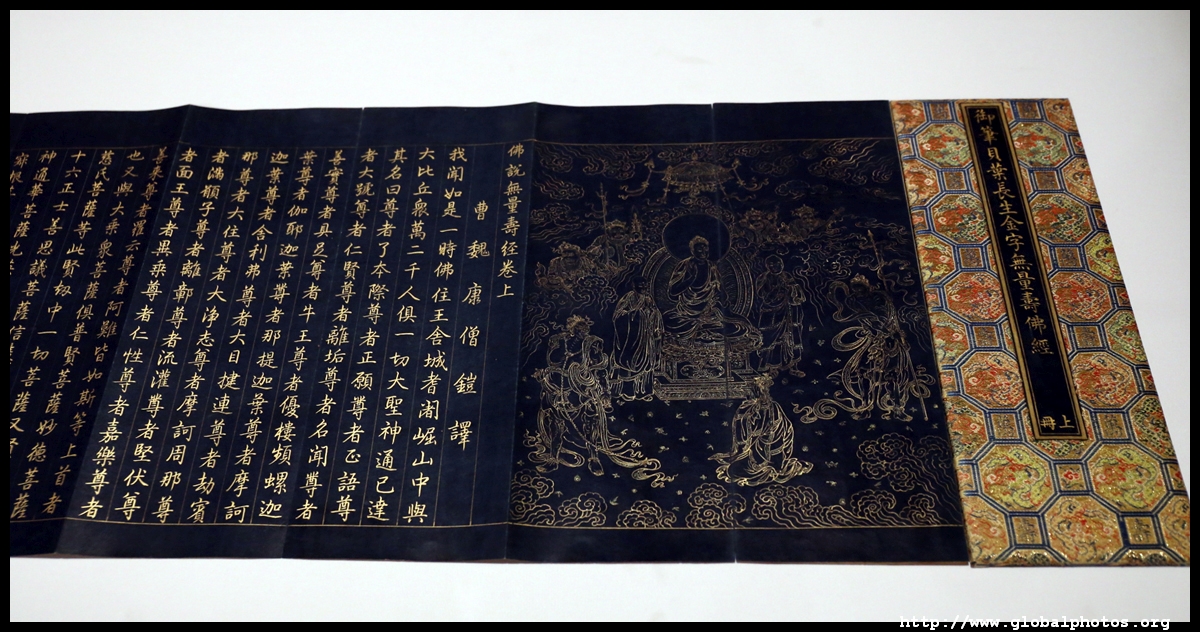
This gold text on indigo blue paper is a sutra.
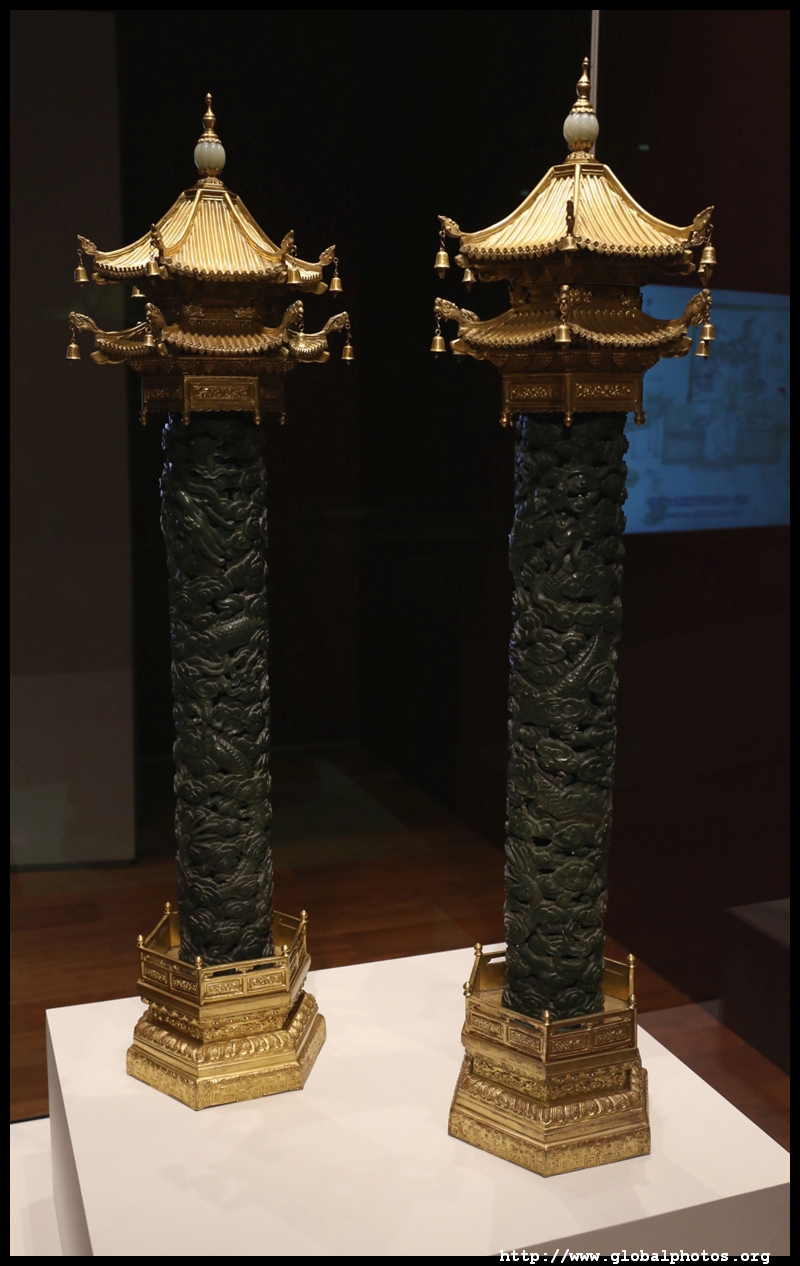
This is a pair of incense burners with dragons and clouds carved on them.
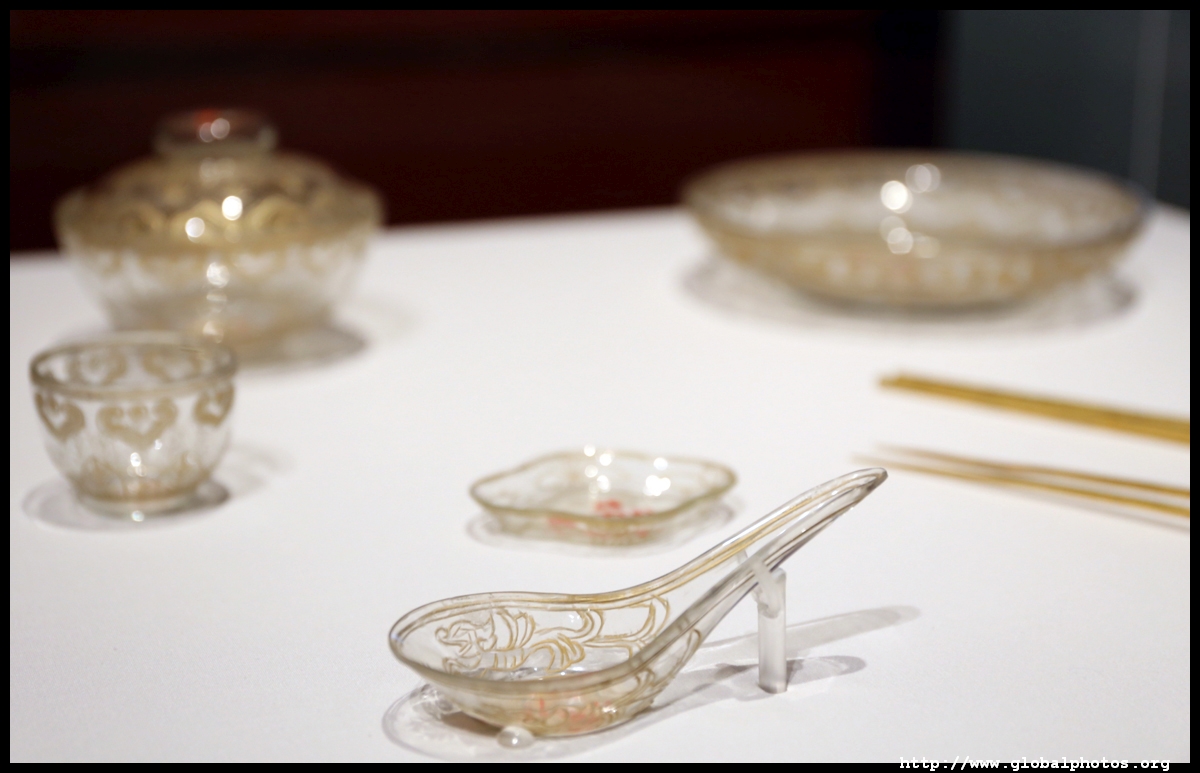
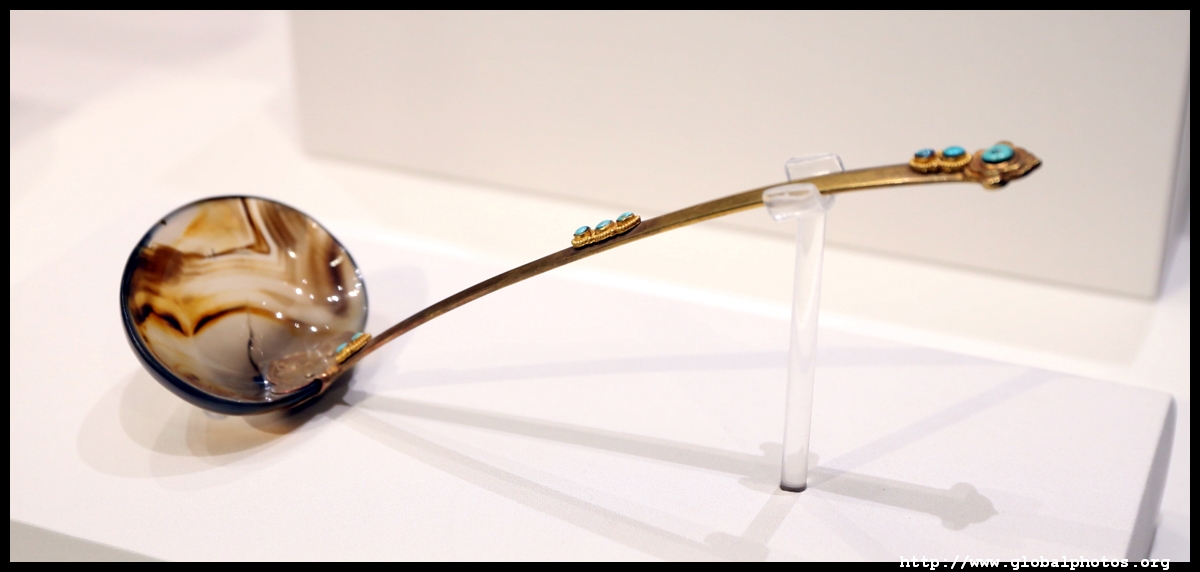
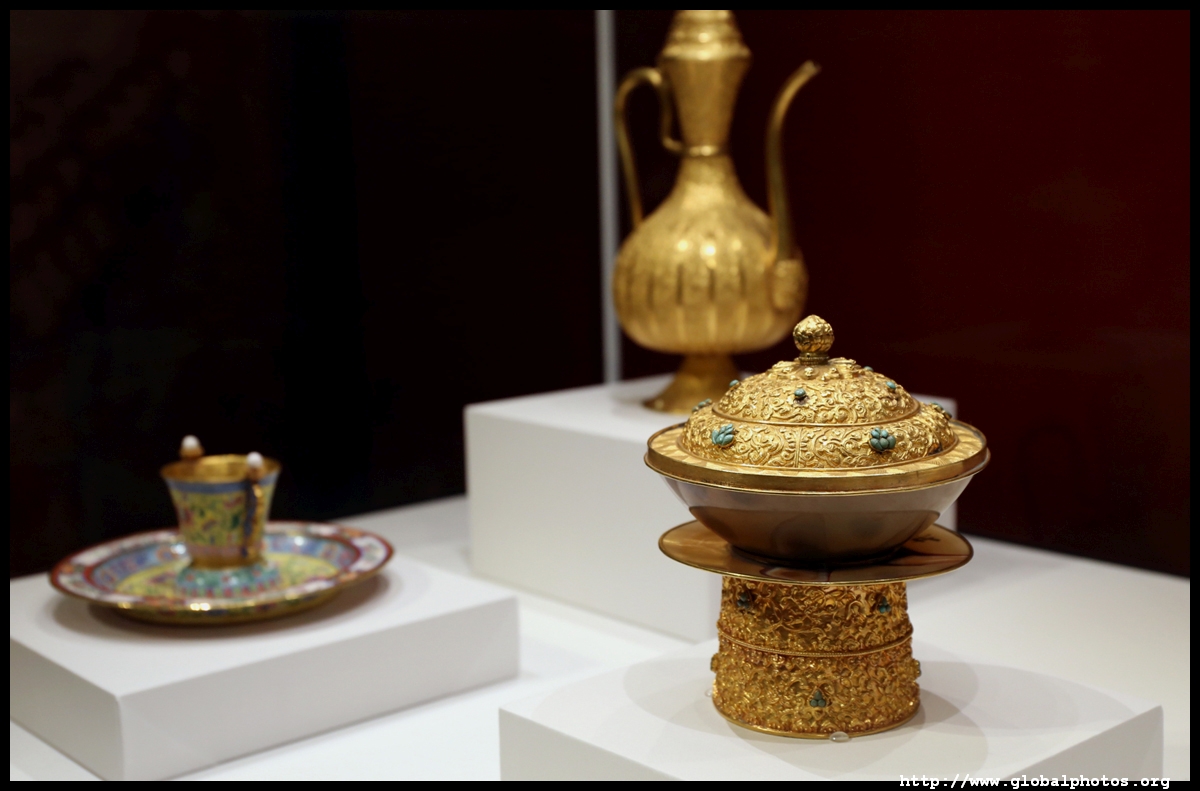
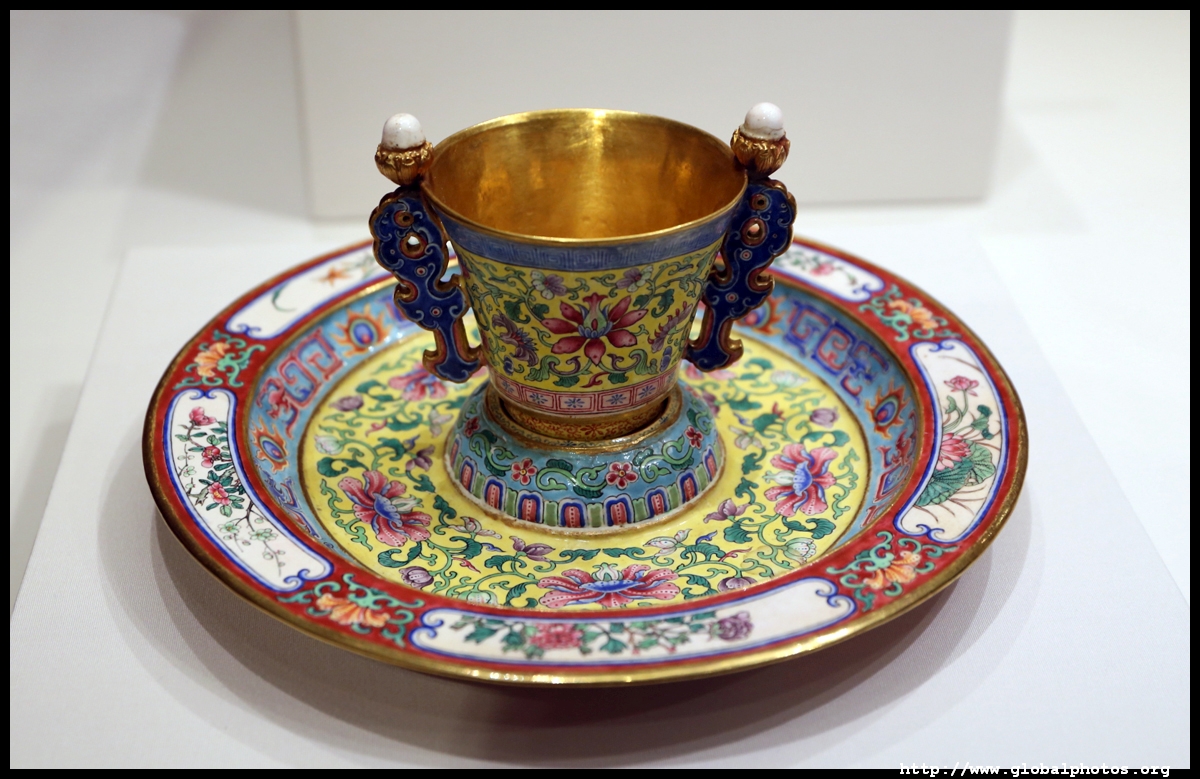
Various glass eating utensils have dragons, flowers, leaves, and lotuses engraved in gold.
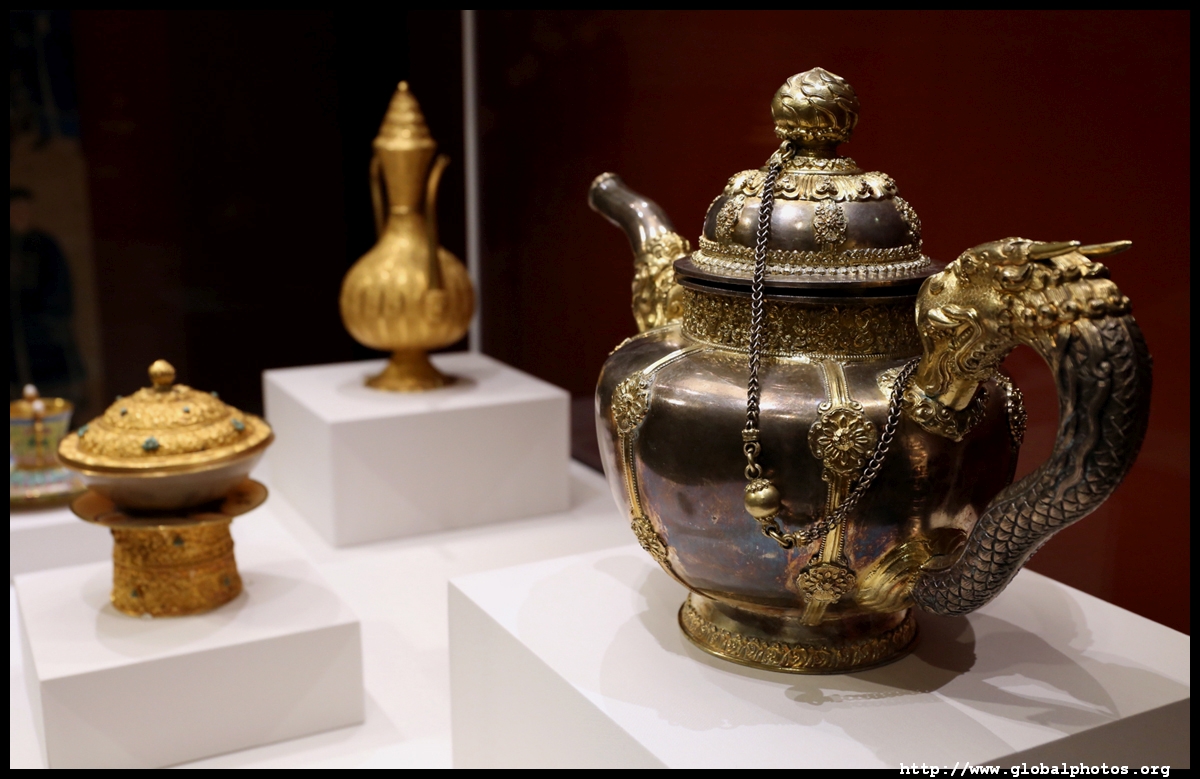
The emperors liked to drink milk tea, which was served in a silver pot with a dragon head.
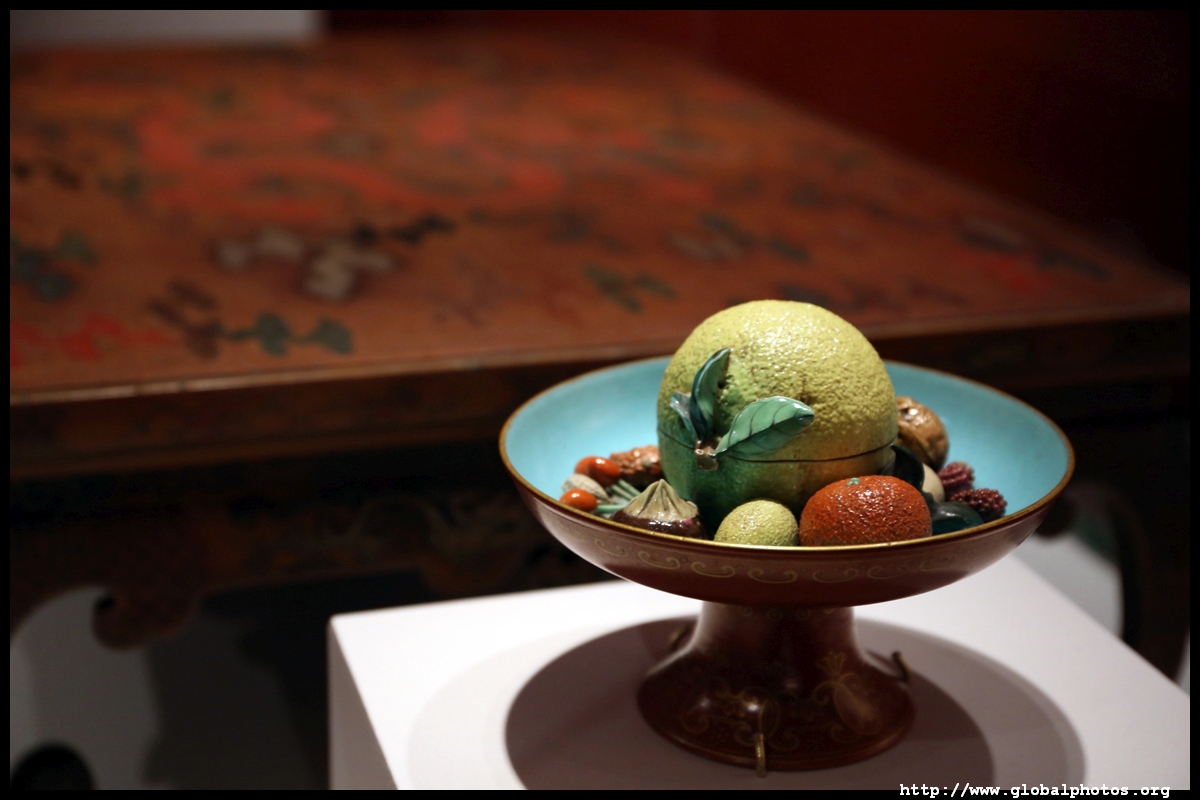
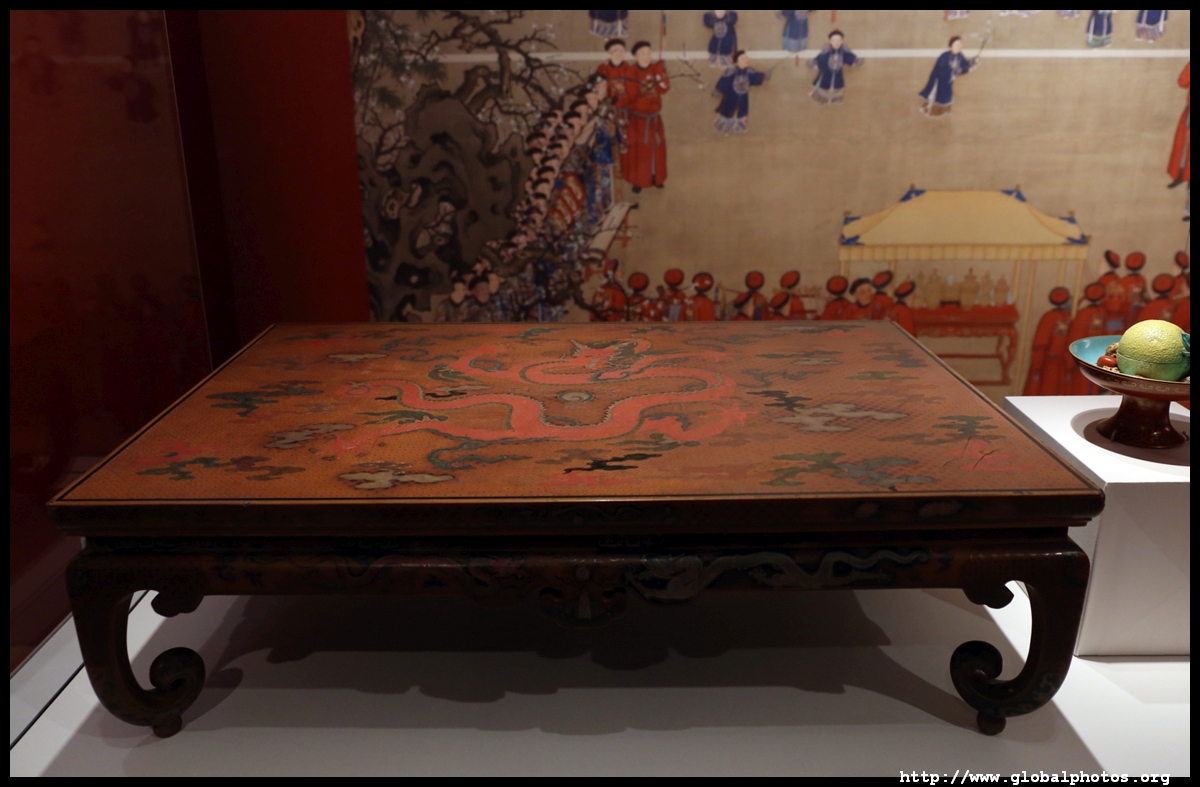
This lacquer table with dragons and clouds dates from the Kangxi period. Next to it is a porcelain bowl with fruits and nuts.
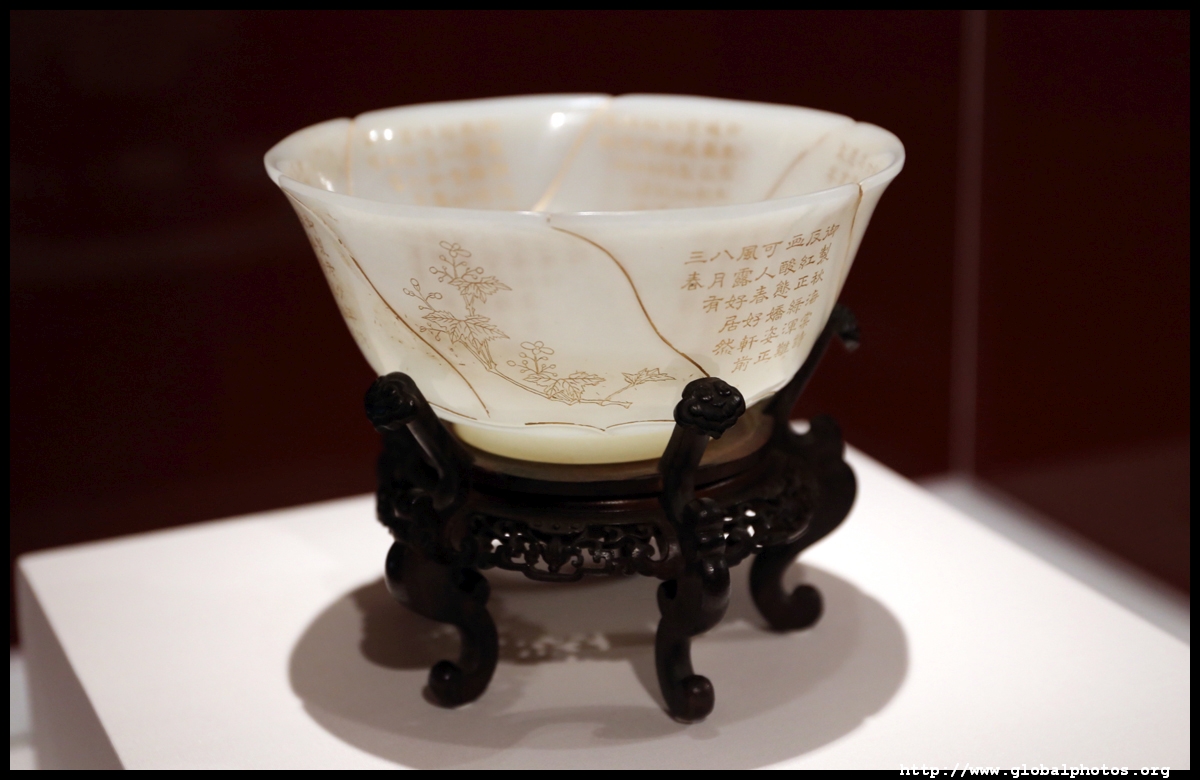
Dating from 1761 or after, iths jade bowl had patterns in gold with a zitan wood base.
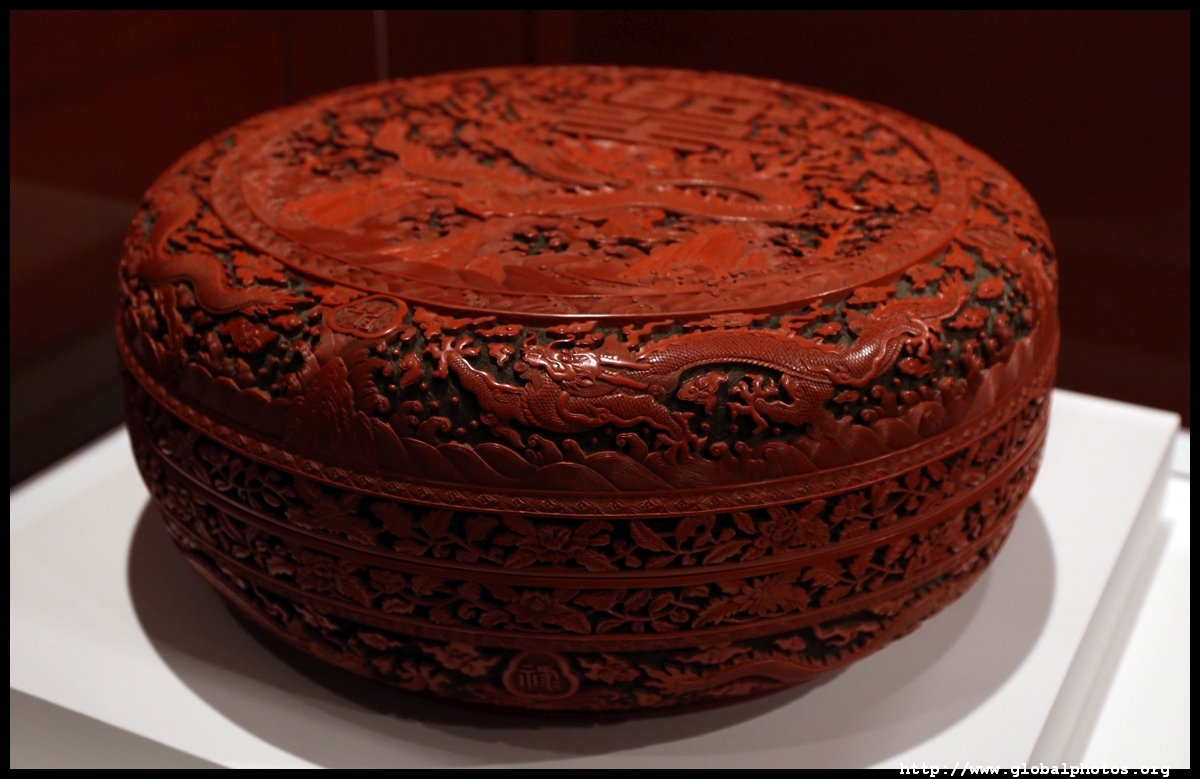
This red lacquer box is used to carry dumplings at banquets.
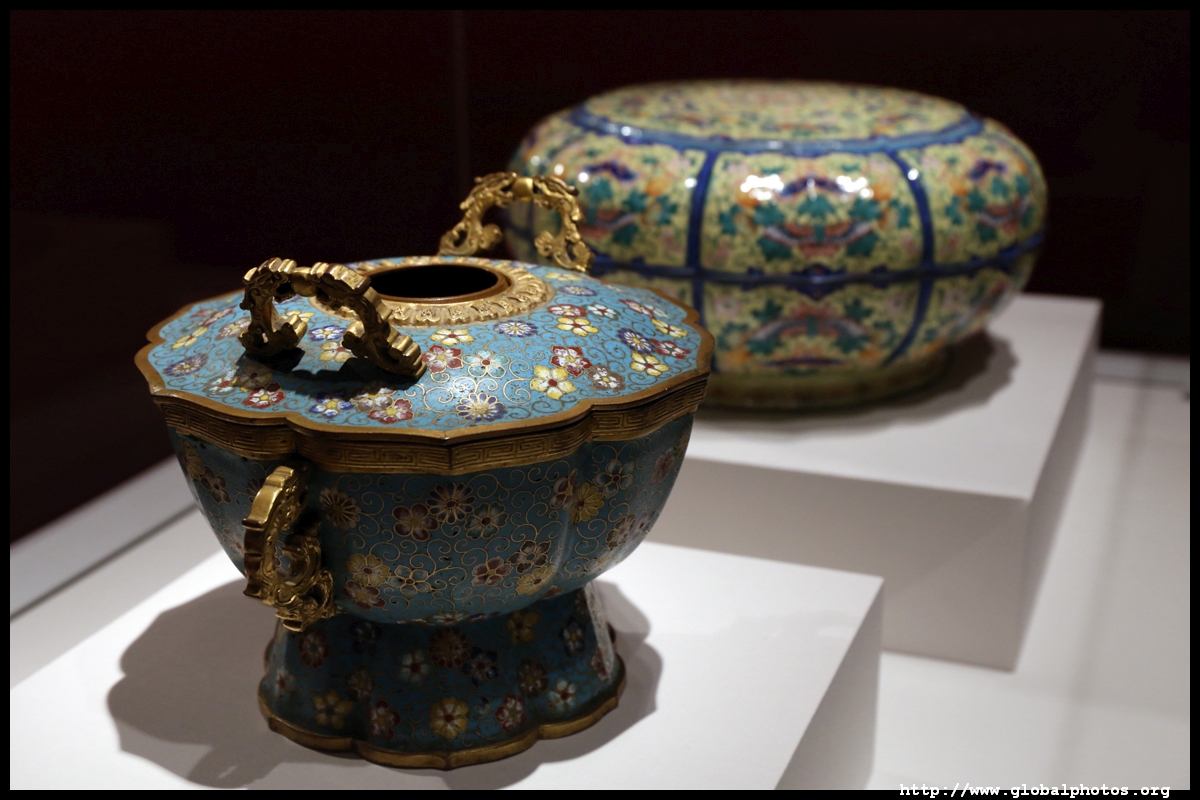
Hotpots were popular in the imperial household due to the cold northern winters. In 1789, Qianlong had over 200 hotpot meals.
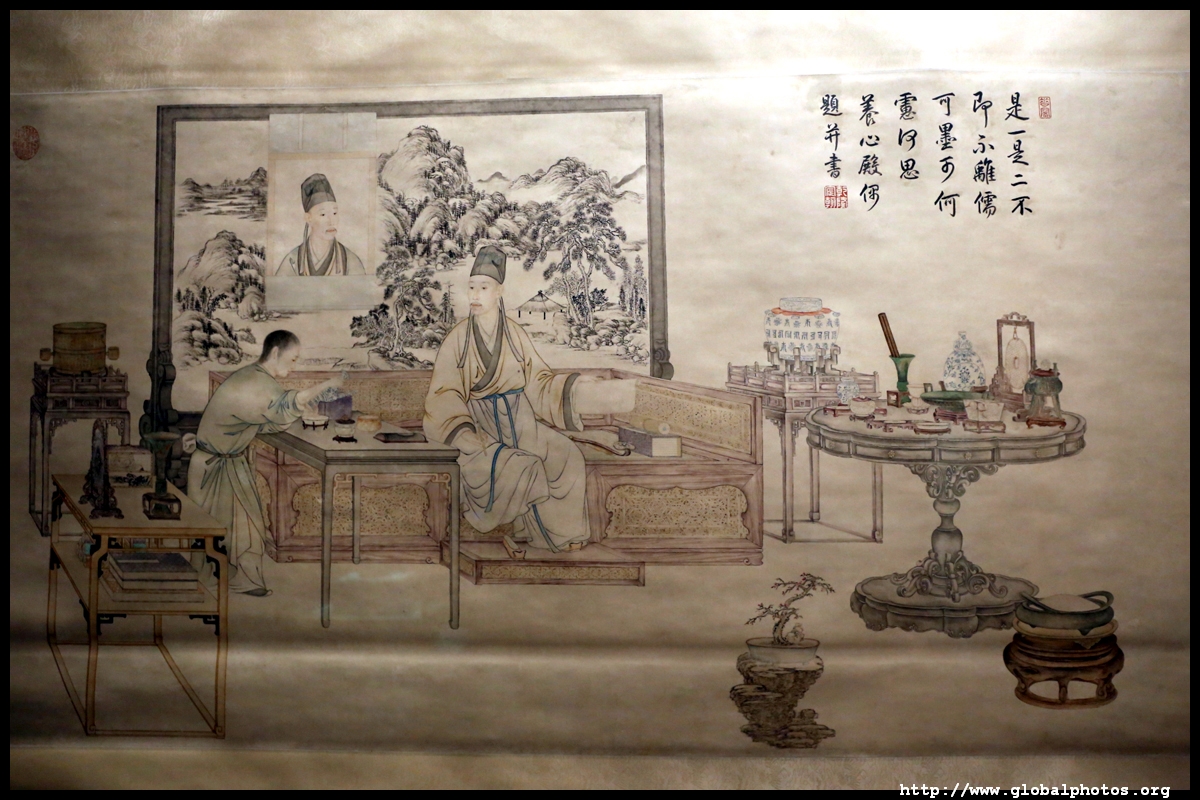
This painting shows Qianlong sitting in front of his own portrait hung on the screen. He liked this so much that he asked for 5 similar paintings depicting him at different ages.
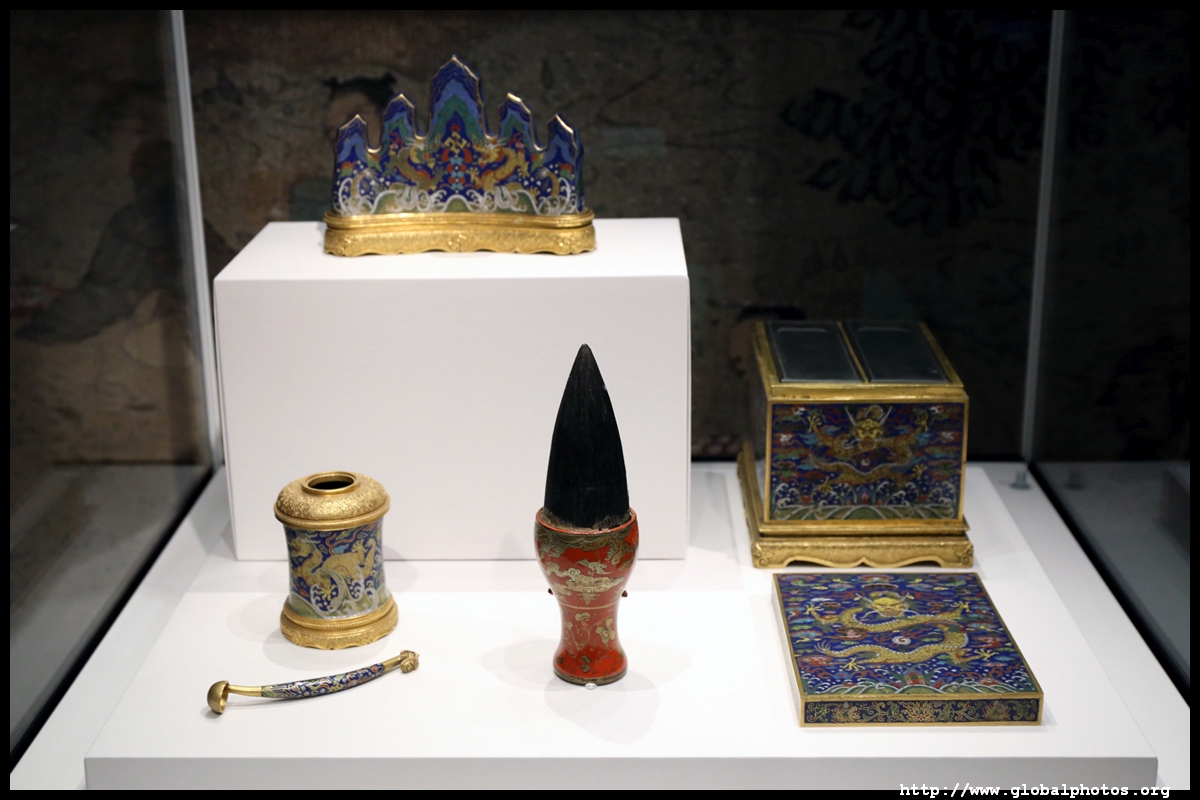
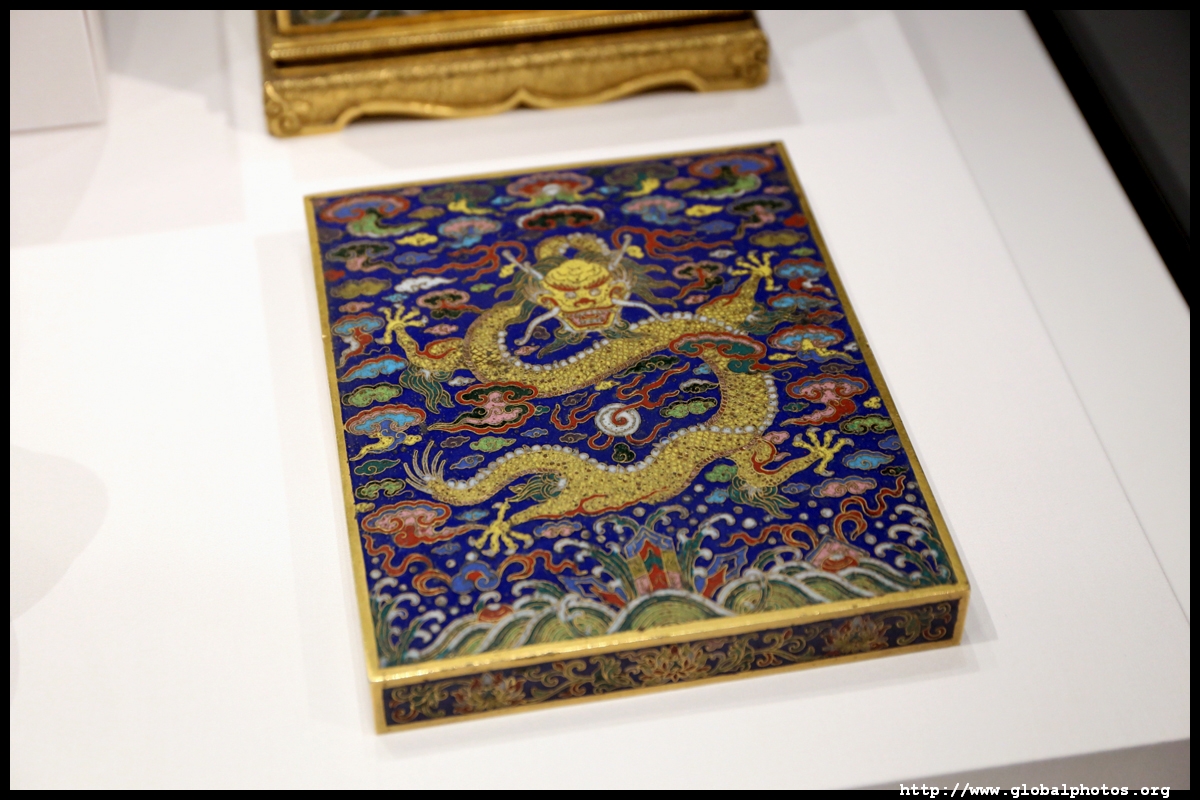
These writing utensils include a water container and spoon, brush and its rest, a box for warming inkstones and inkstones.
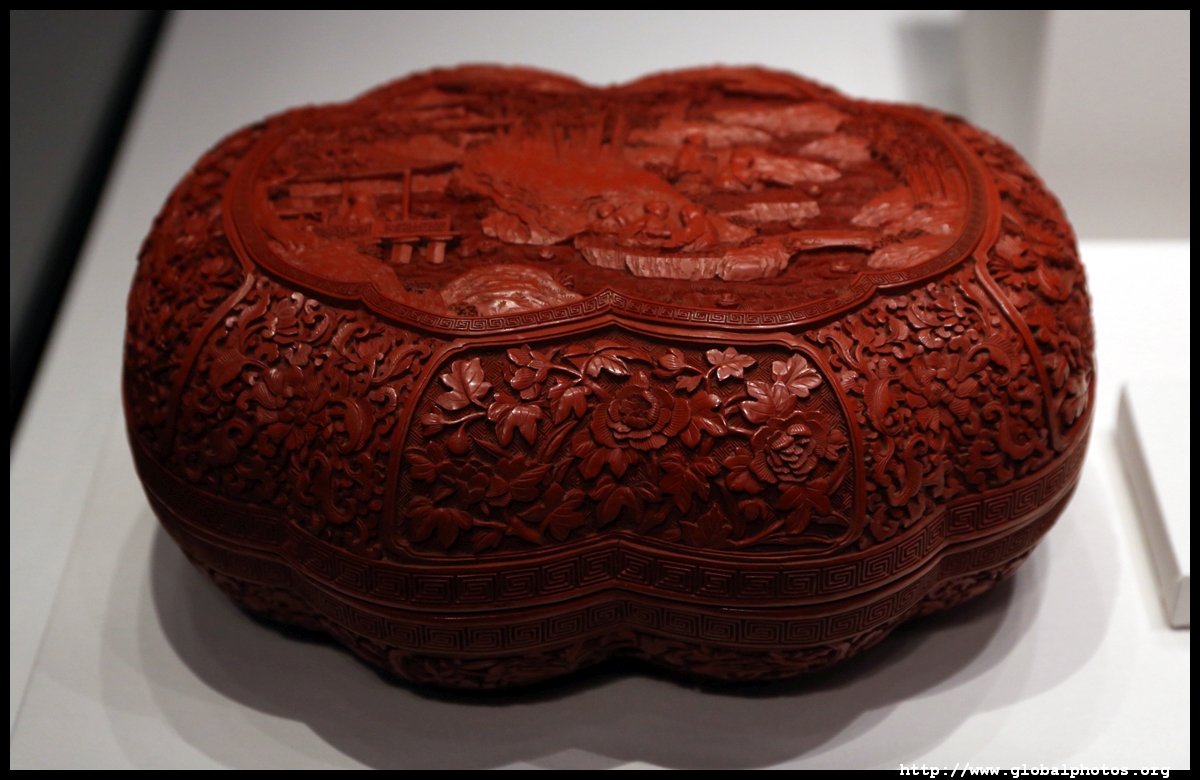
Here is another red lacquer box.
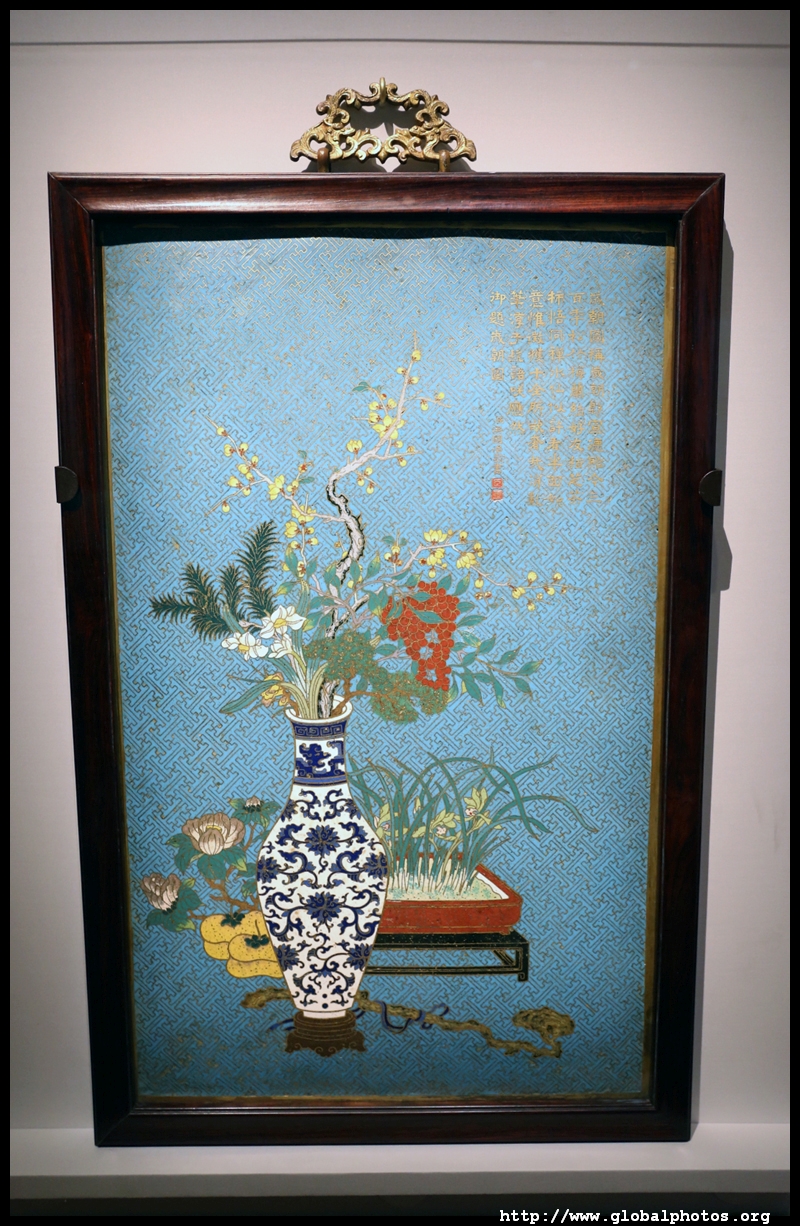
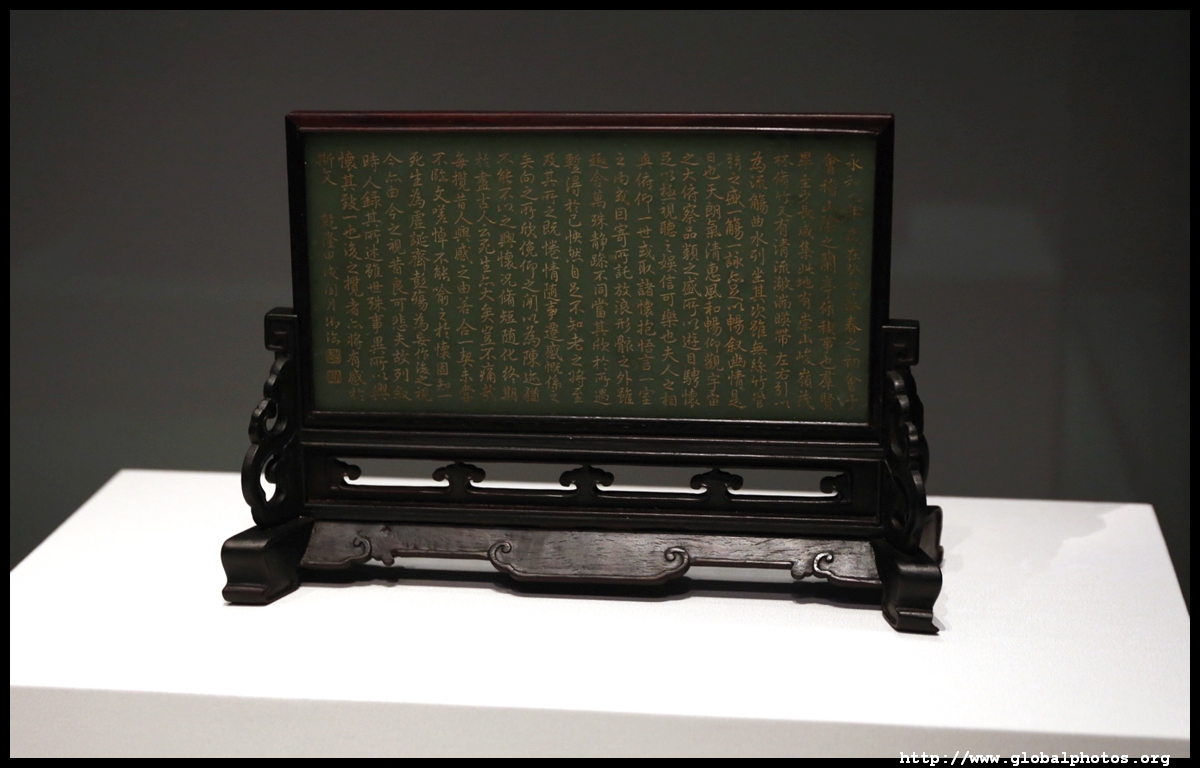
This table screen has poems inscribed.
|
|||
Hong Kong Gallery Main Page