Gallery 3
"Clay to Treasure: Ceramics from the Palace Museum Collection"
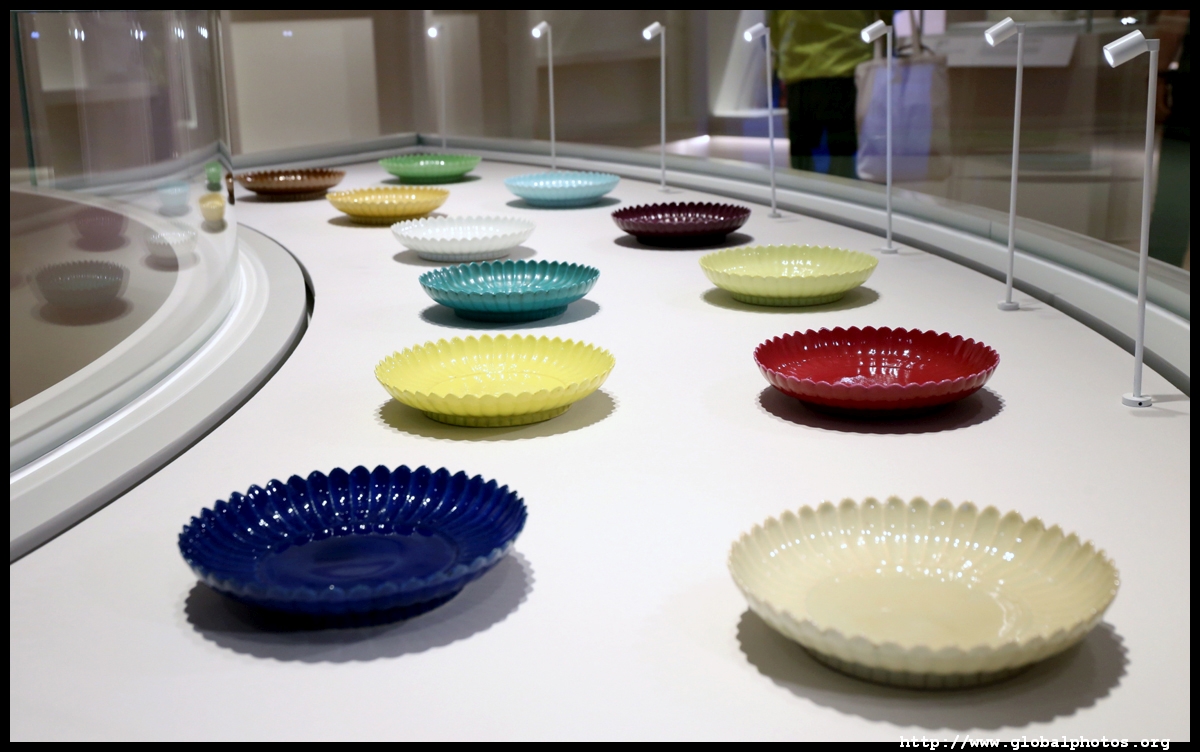
Inspired by the chrysanthemu flower, these 12 dishes are covered with coloured glaze and havea smooth finish. These are among 40 sets commissioned by Emperor Yongzheng from the imperial kilns in 1733.
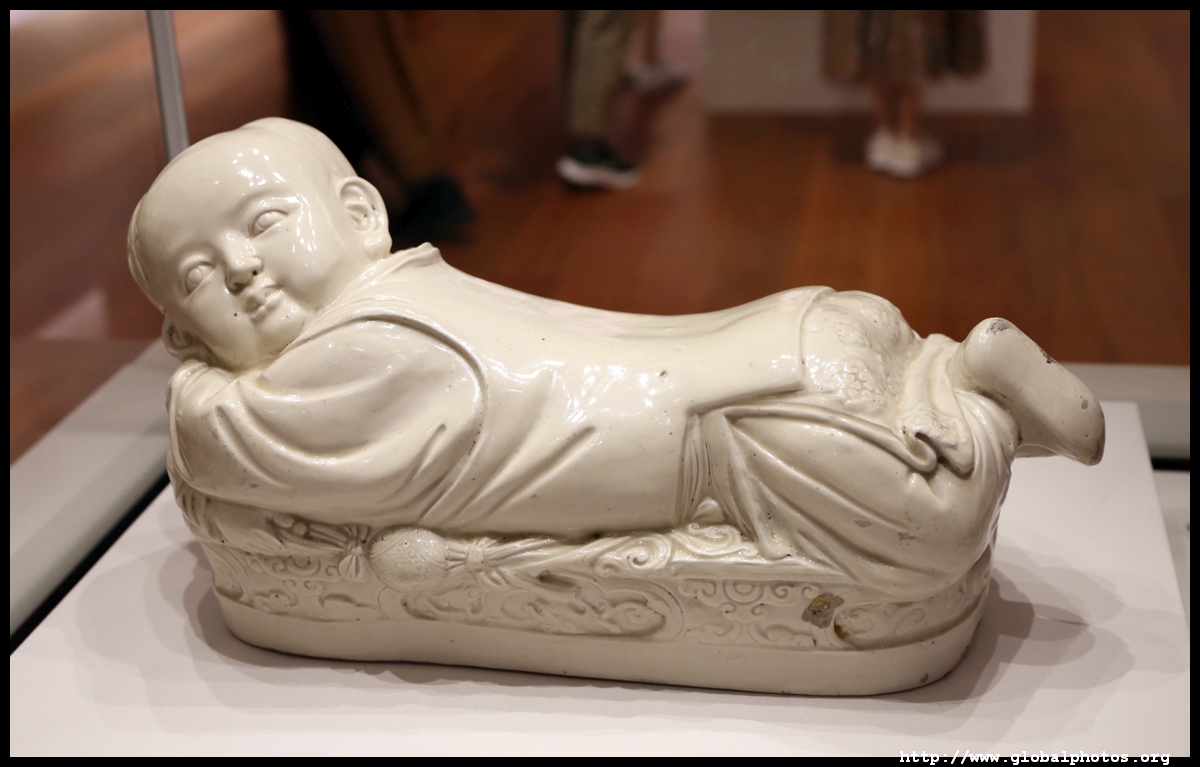
This headrest shaped in the form of a reclining boy was produced by the Ding kilns during the Song Dynasty. Emperor Qianlong had collected several Ding headrests and composed poems about them.
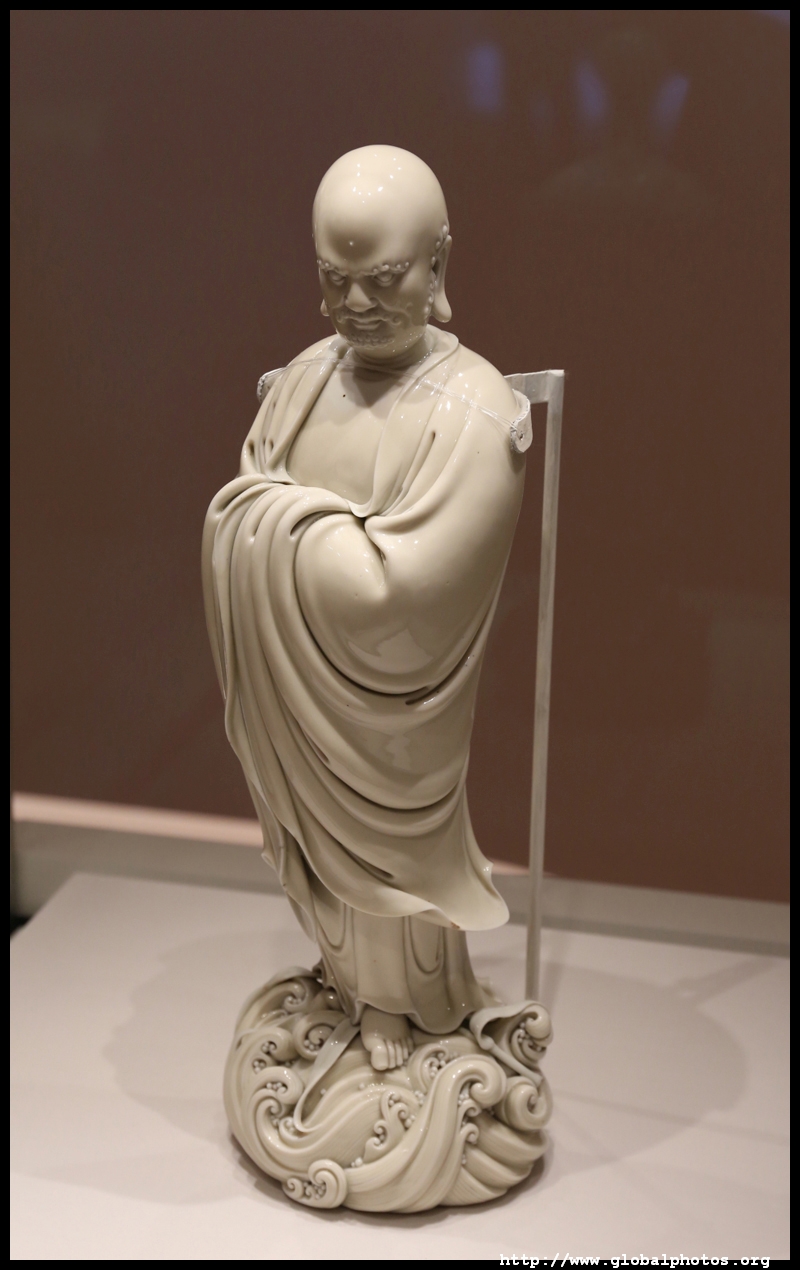
The Dehua kilns in Fujian was famous for sculptures of religious figures and classical literature characters. With translucent milky white or ivory bodies, they are referred to as "China white" wares.
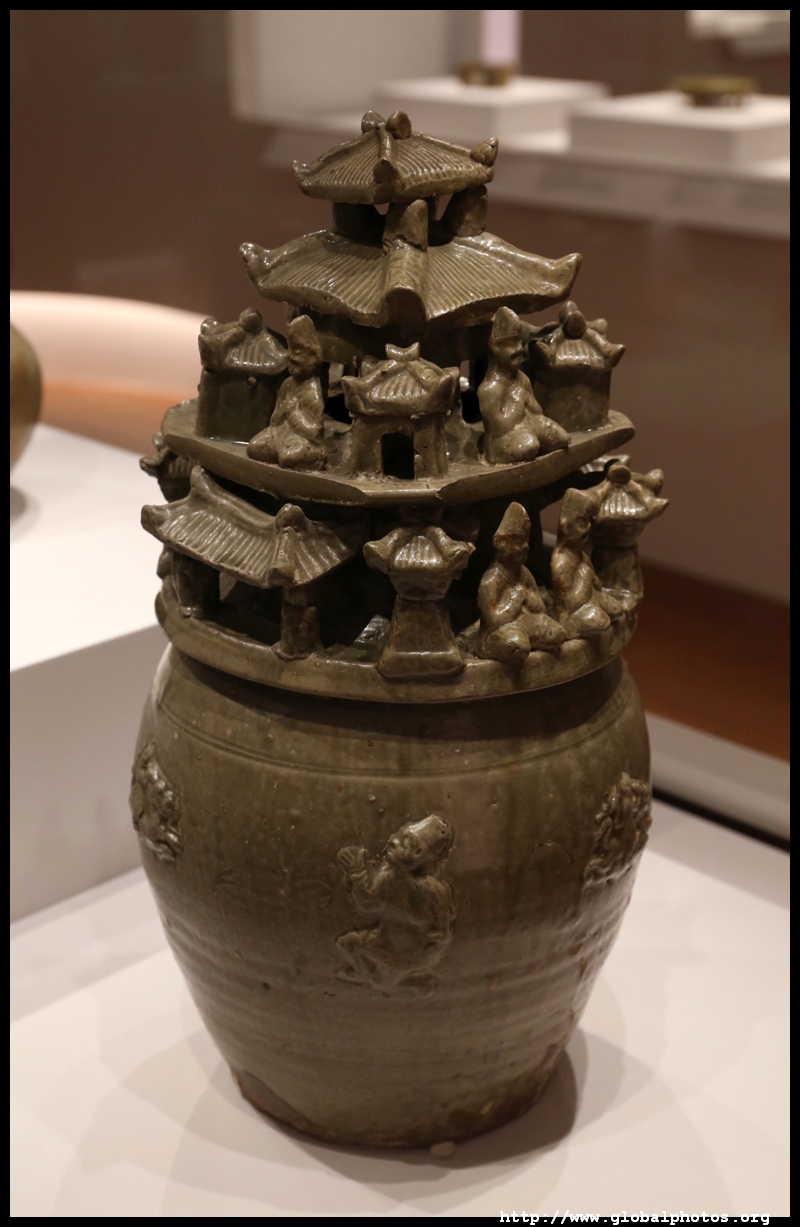
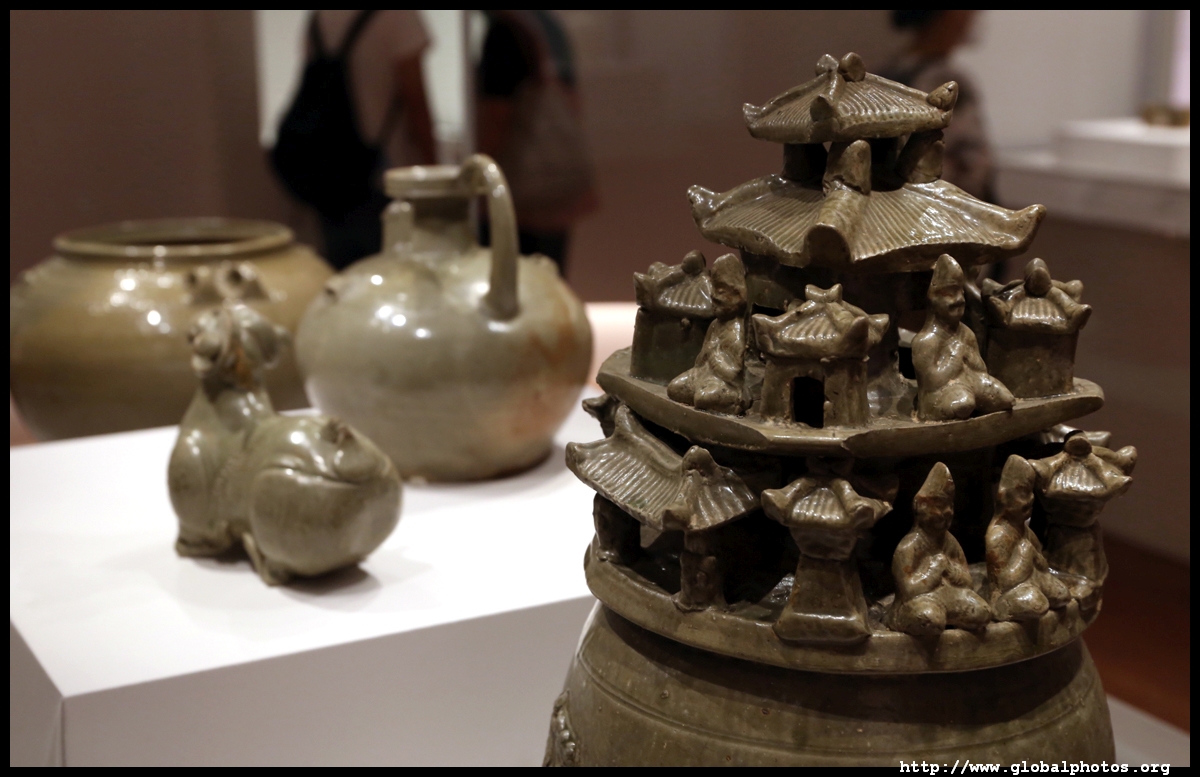
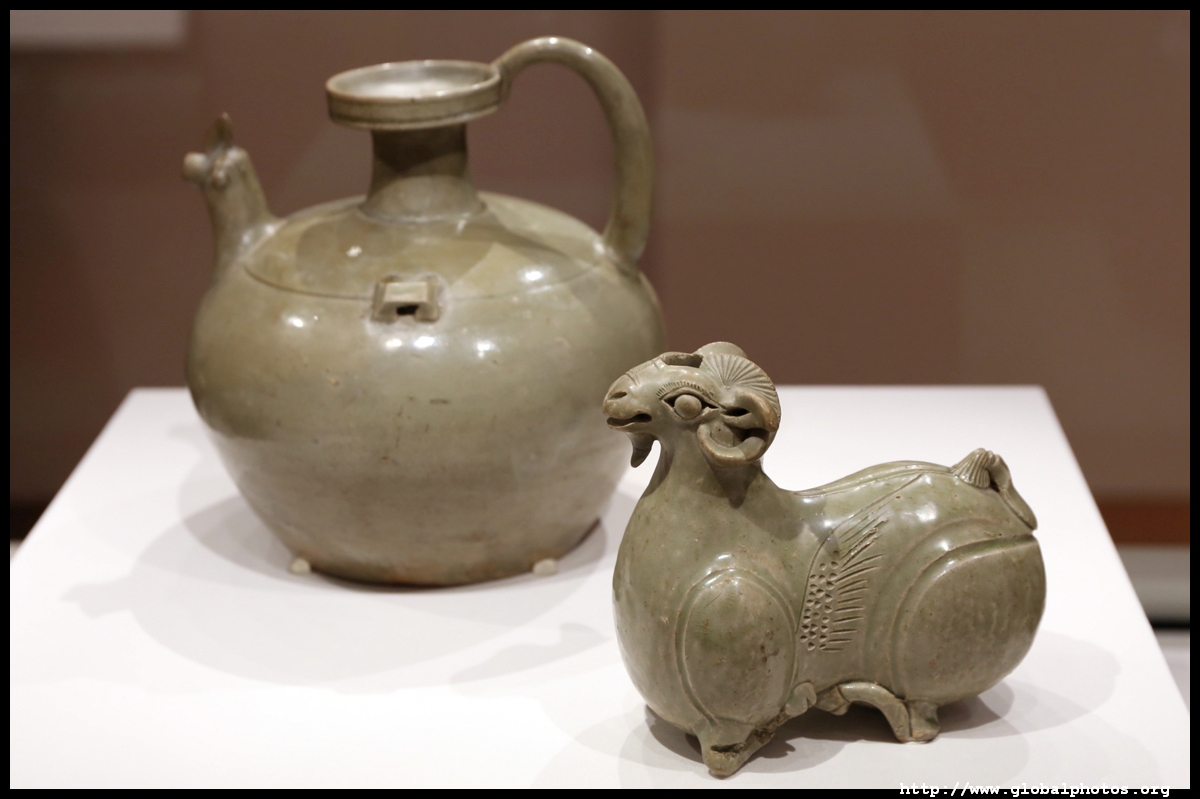
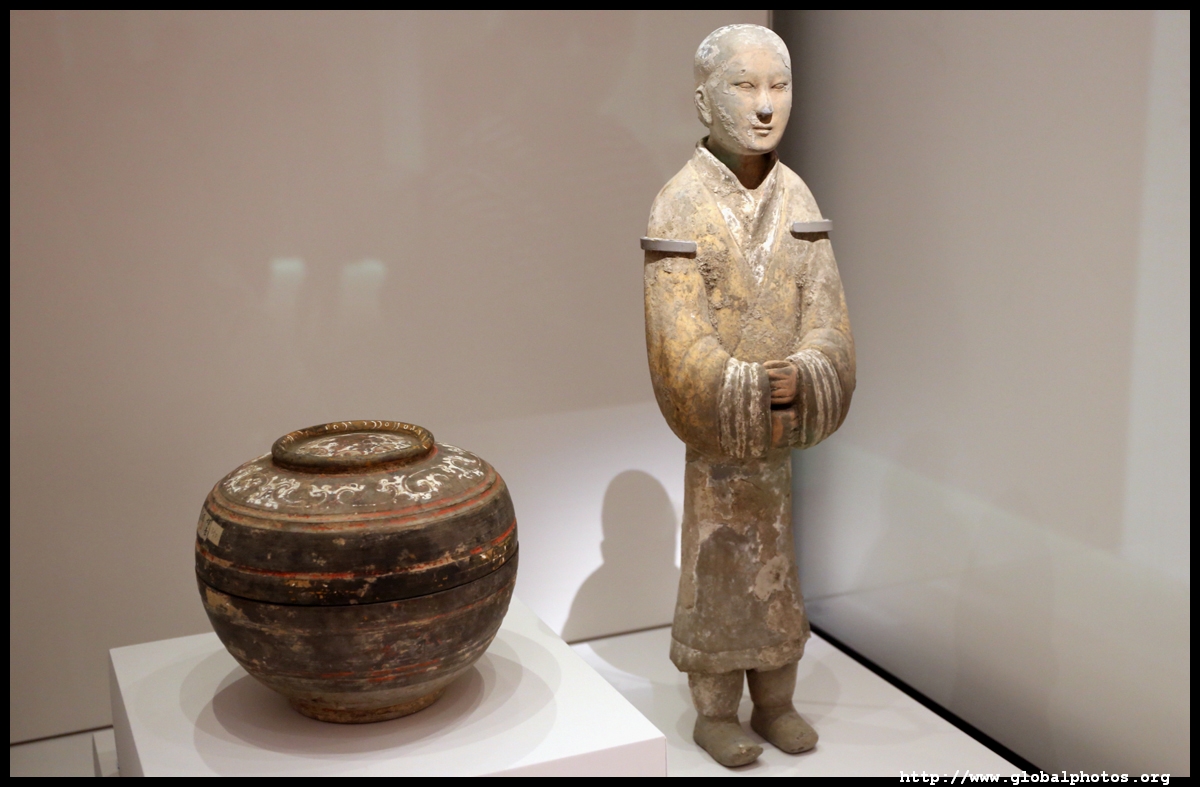
Ceramic production flourished during the Han Dynasty. These items not only included utensils for daily use and rituals, but also burial sculptures. Male attendant figures were often found in tombs and mausoleums for the upper classes.
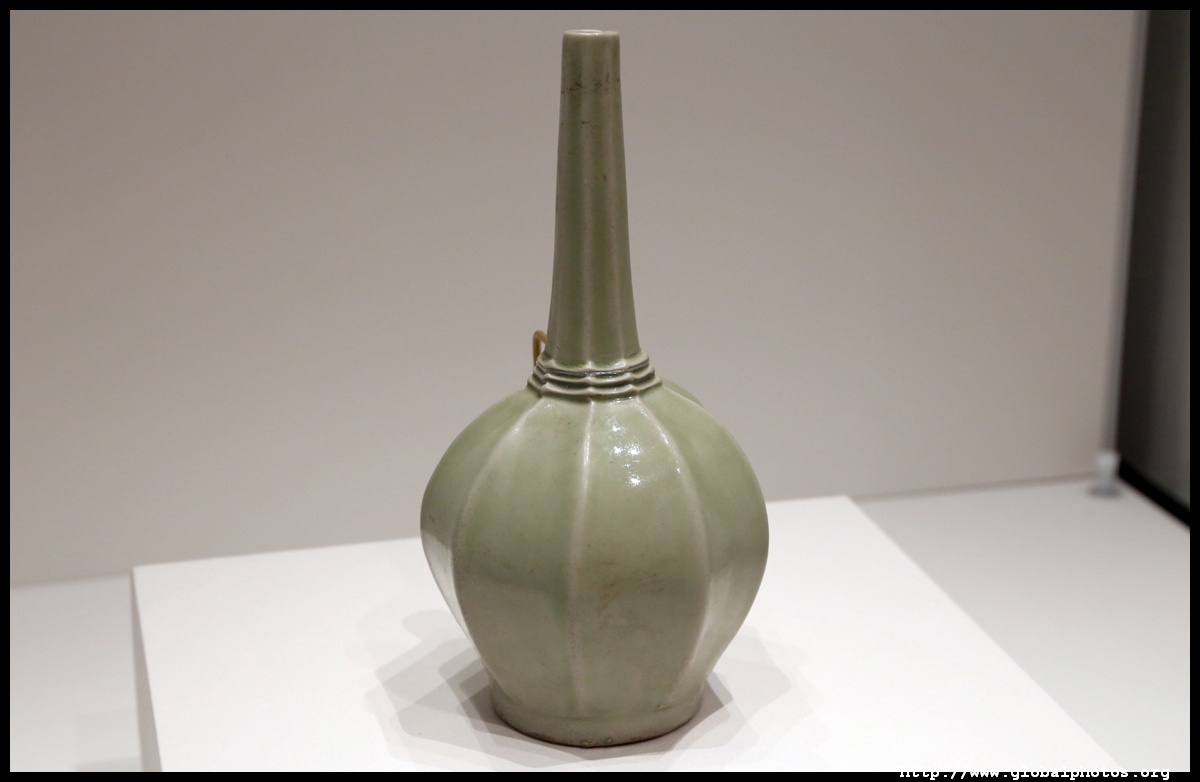
This vase from the Tang Dynasty was produced by the Yue kilns with a green glaze. It was sent as a tribute to the imperial court and was typically used during Buddhist rituals.
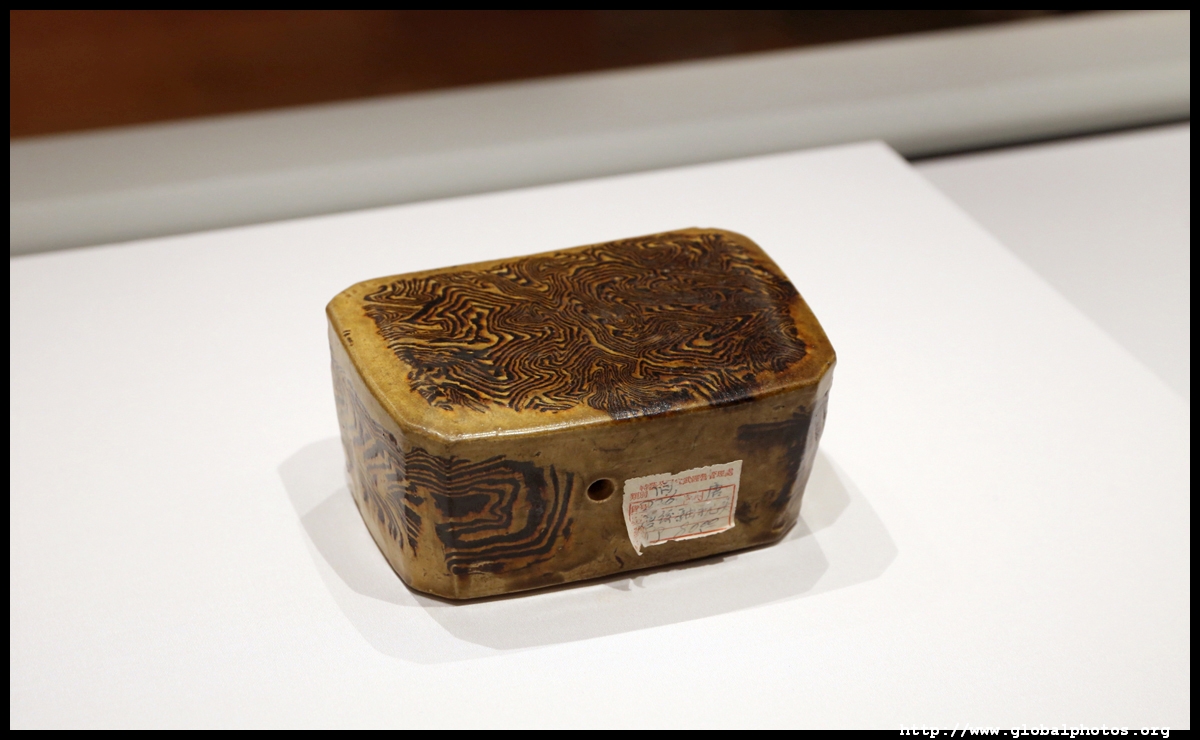
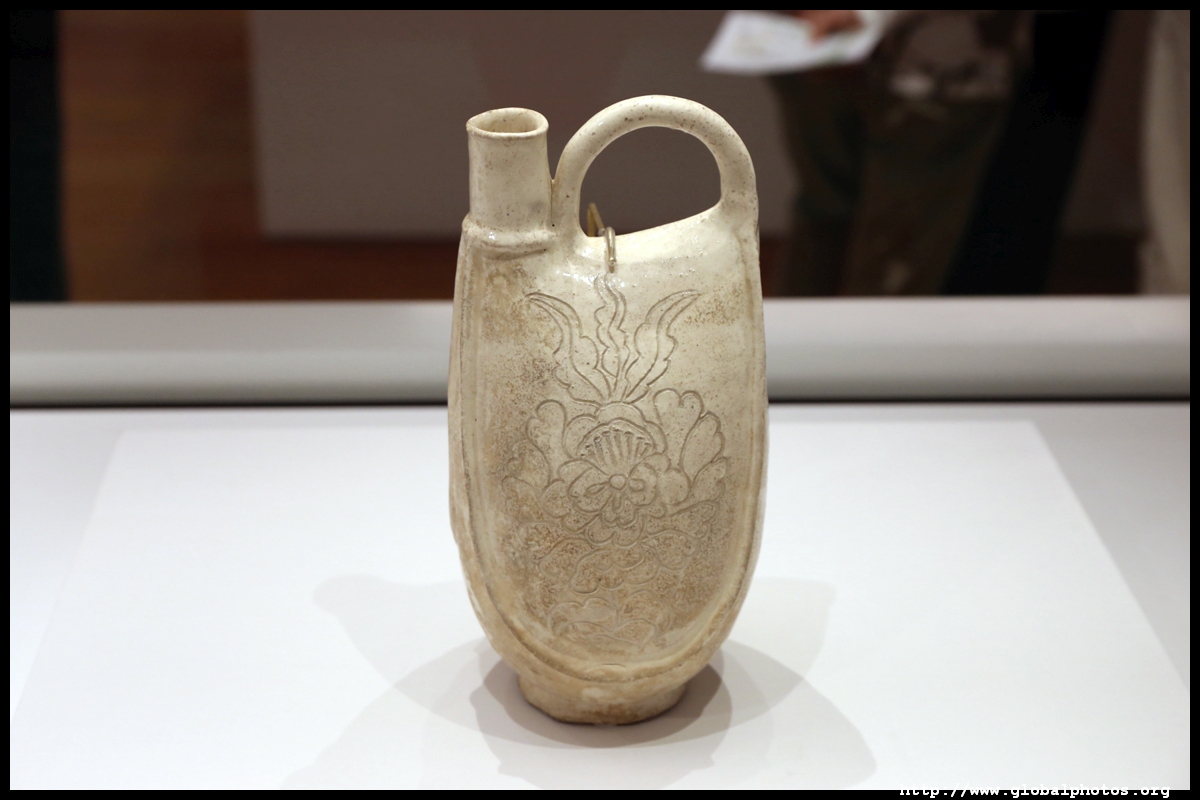
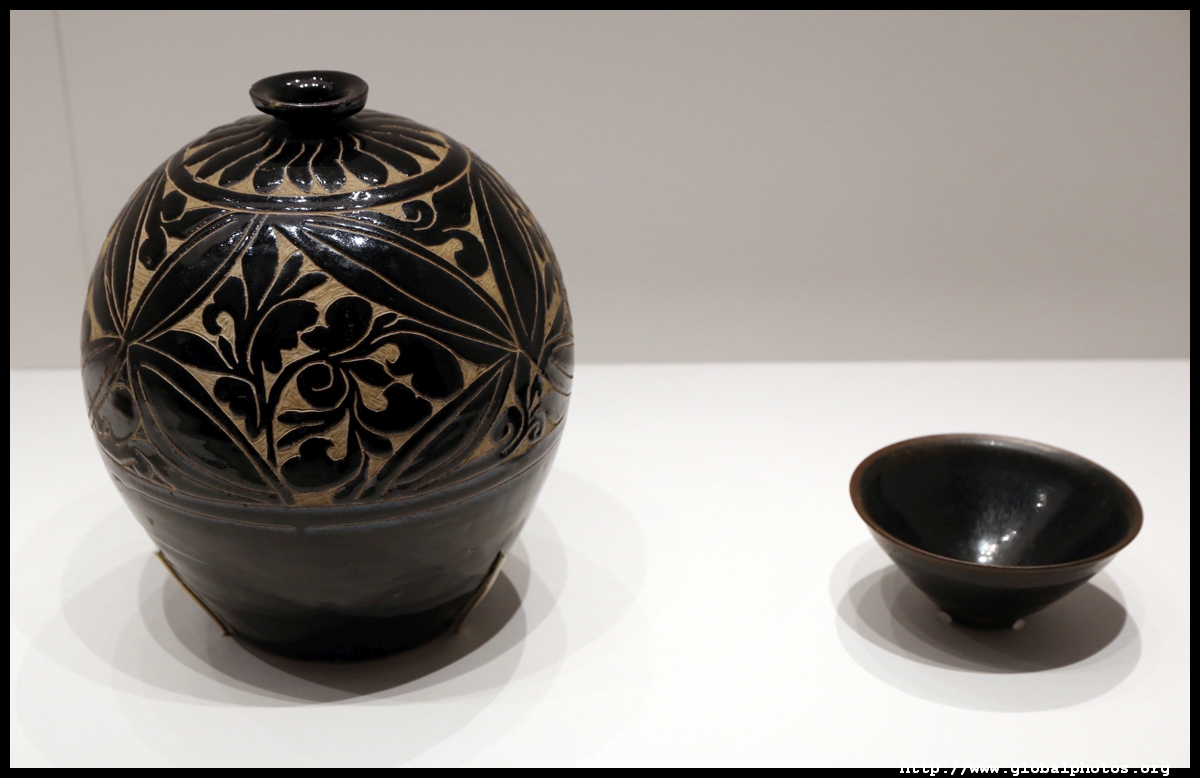
This leather bottle-shaped flask with flowers dates from the Liao Dynasty (907-1125).
This tea bowl from the Song Dynasty was made from iron-rich clay, with the magnetic iron oxide creating patterns known as "hare's fur" and "oil spots". The black body of this type of tea bowl offered a good contrast from the whitish froth from whipping tea.
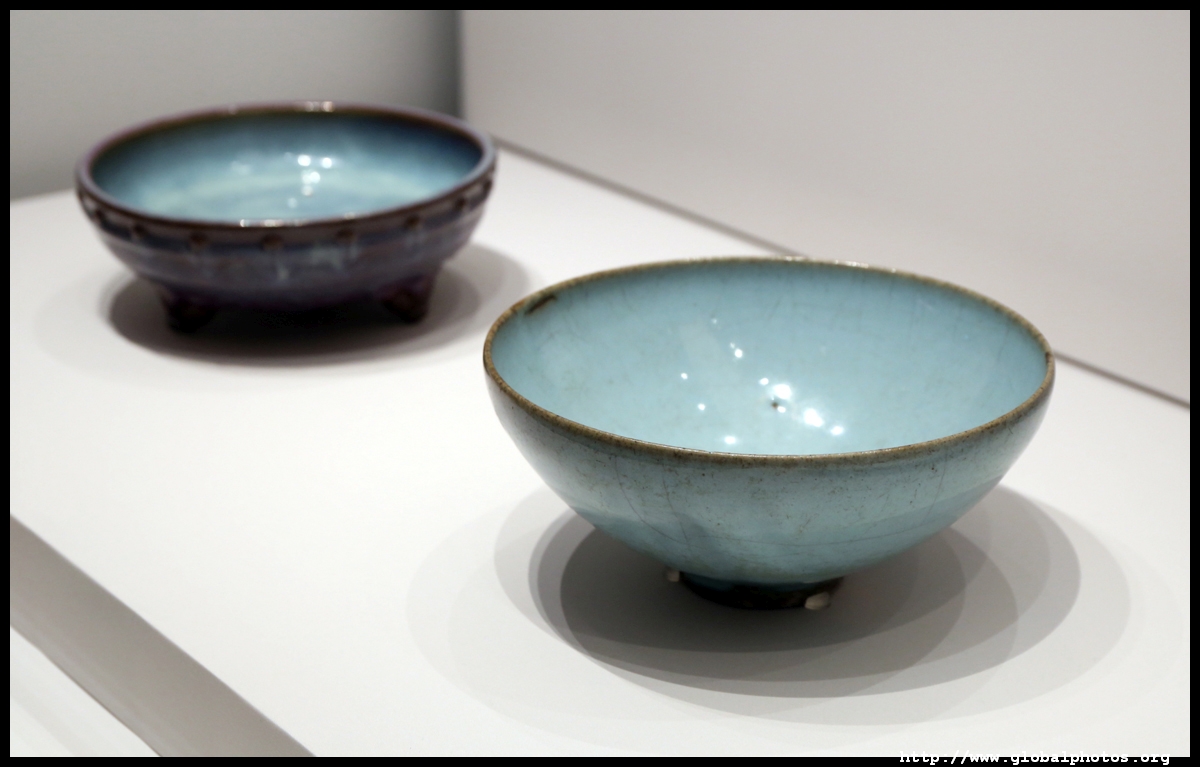
This bowl with a blue glaze came from the Jun kiln during the Jin Dynasty (1115-1234).
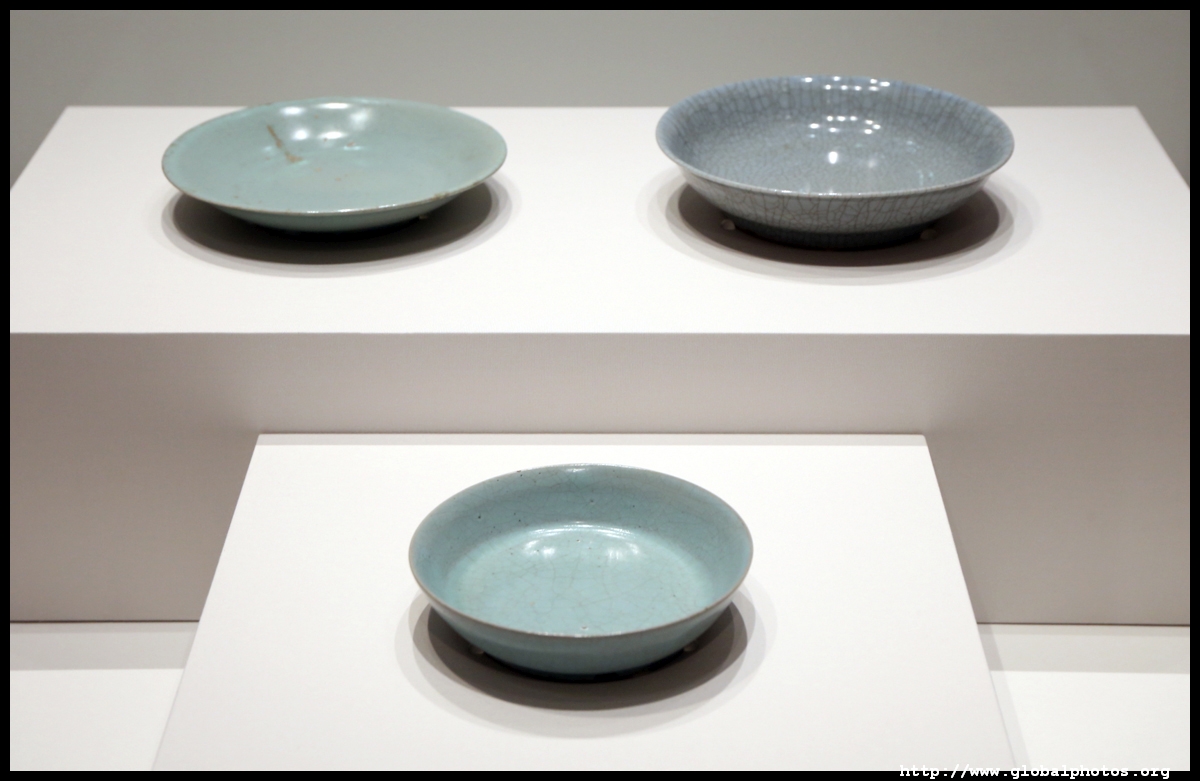
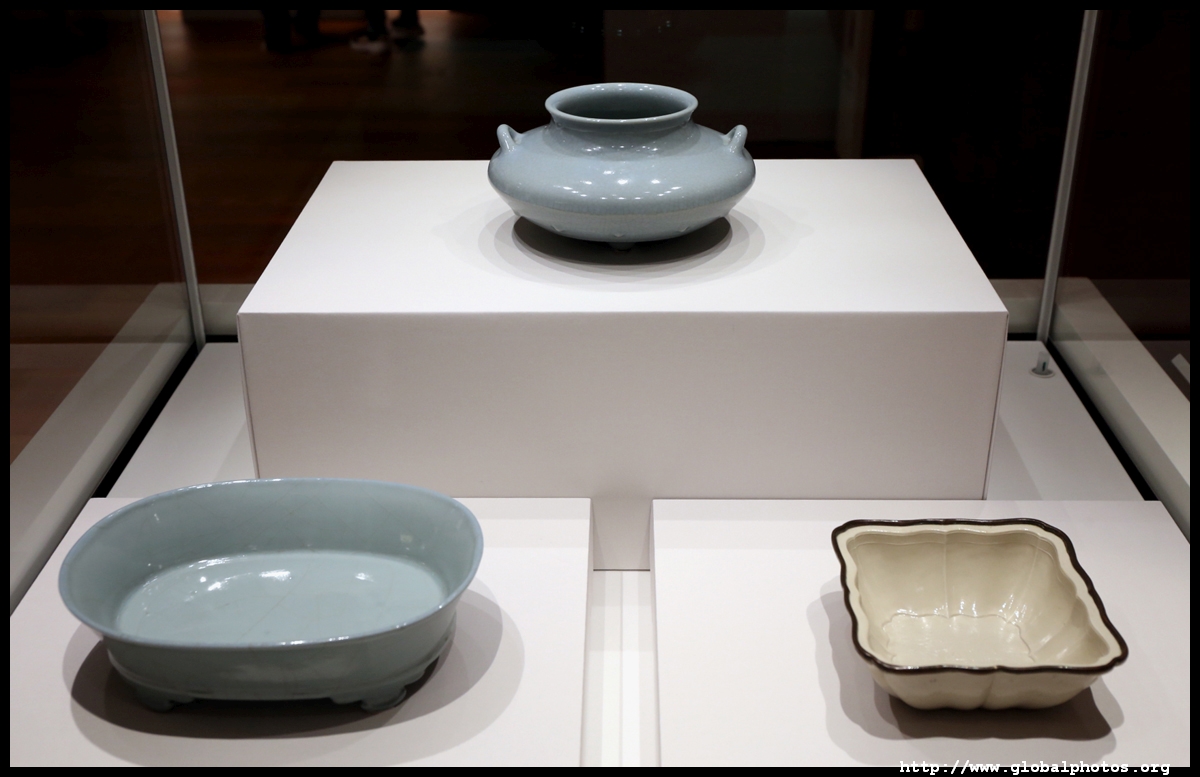
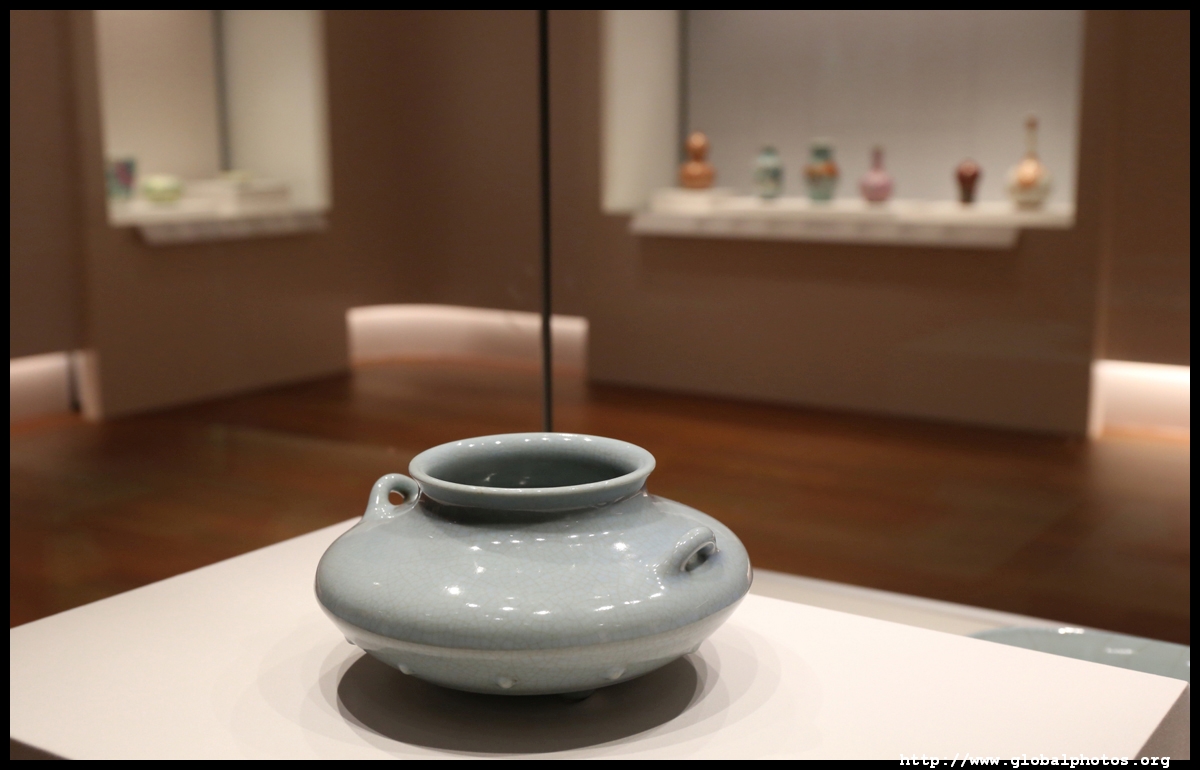
The Ru kilns during the Song Dynasty were famous for blue-green glazed wares, which were produced only for the imperial court over a short period of 20 years, making them extremely rare.
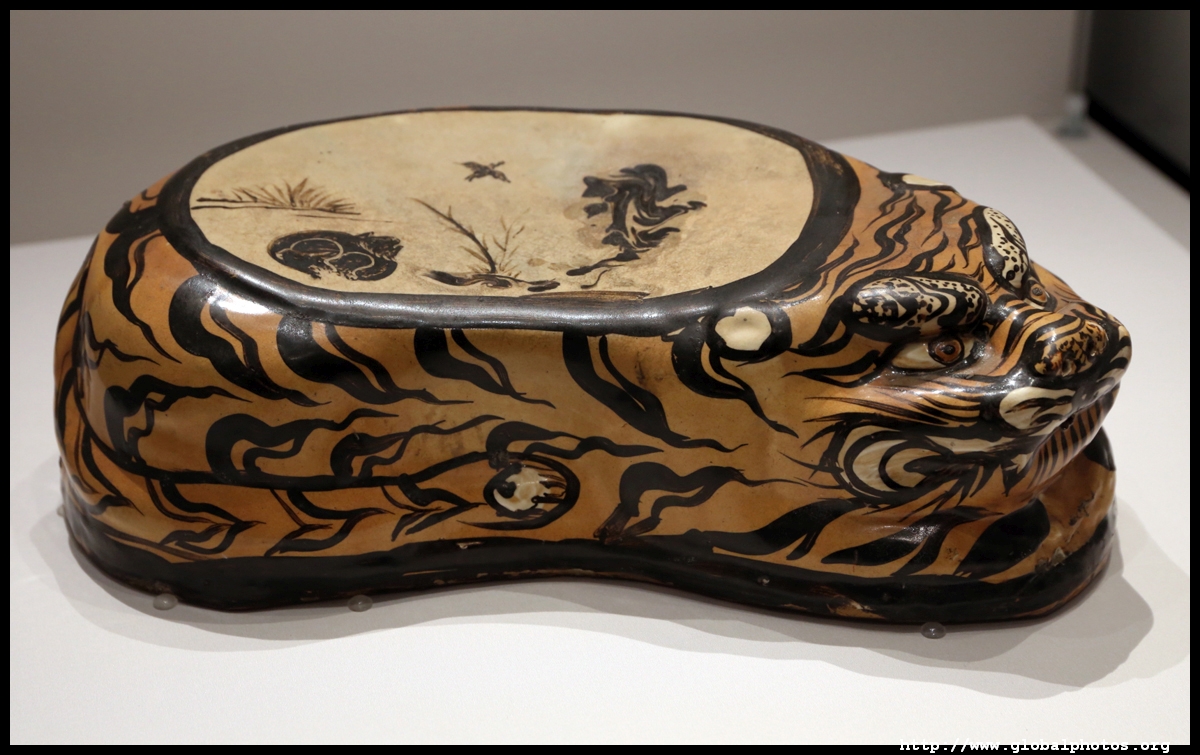
This tiger-shaped headrest from the Jin Dynasty represented strength and to protect against evil spirits.
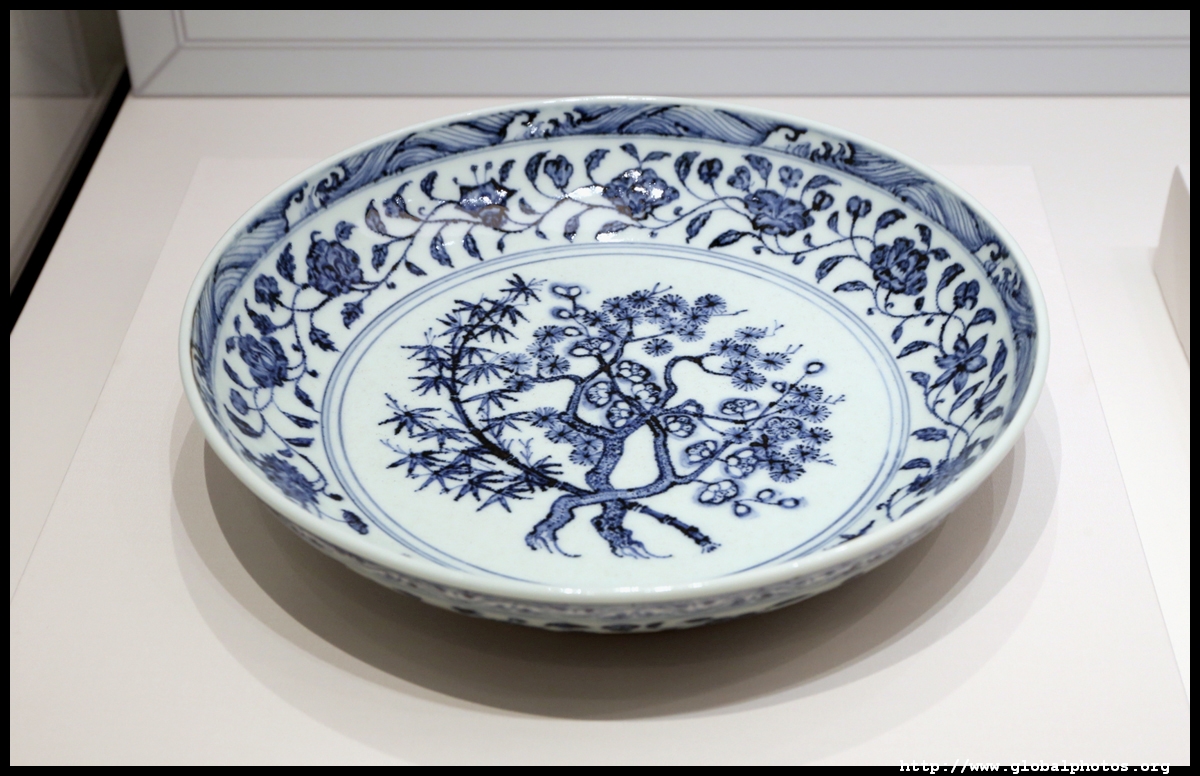
The dish is decorated with pine, bamboo, and prunus, which are known as the "three friends of the winter" that symbolized longevity, integrity, and purity.
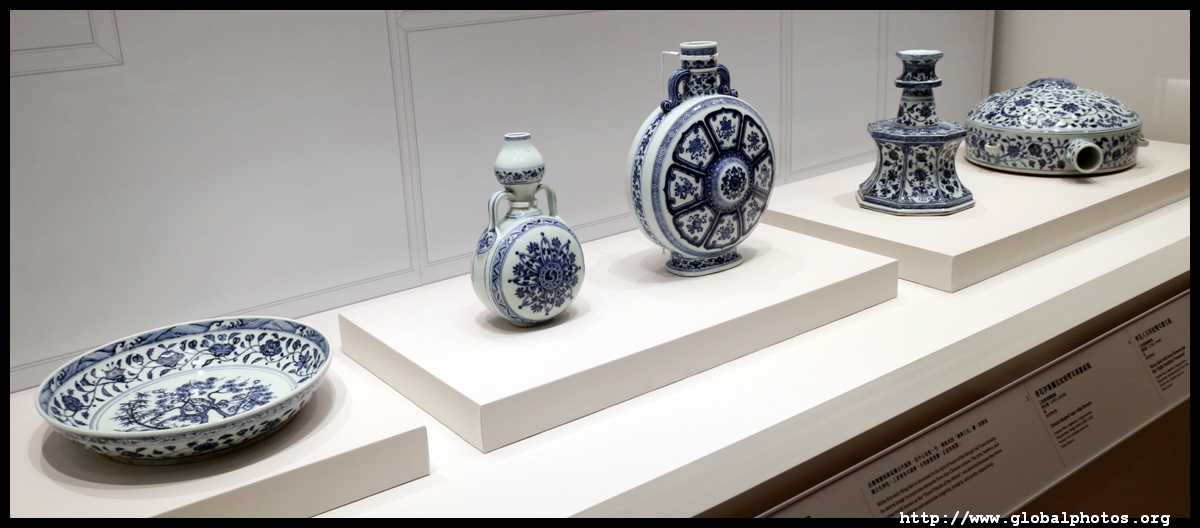
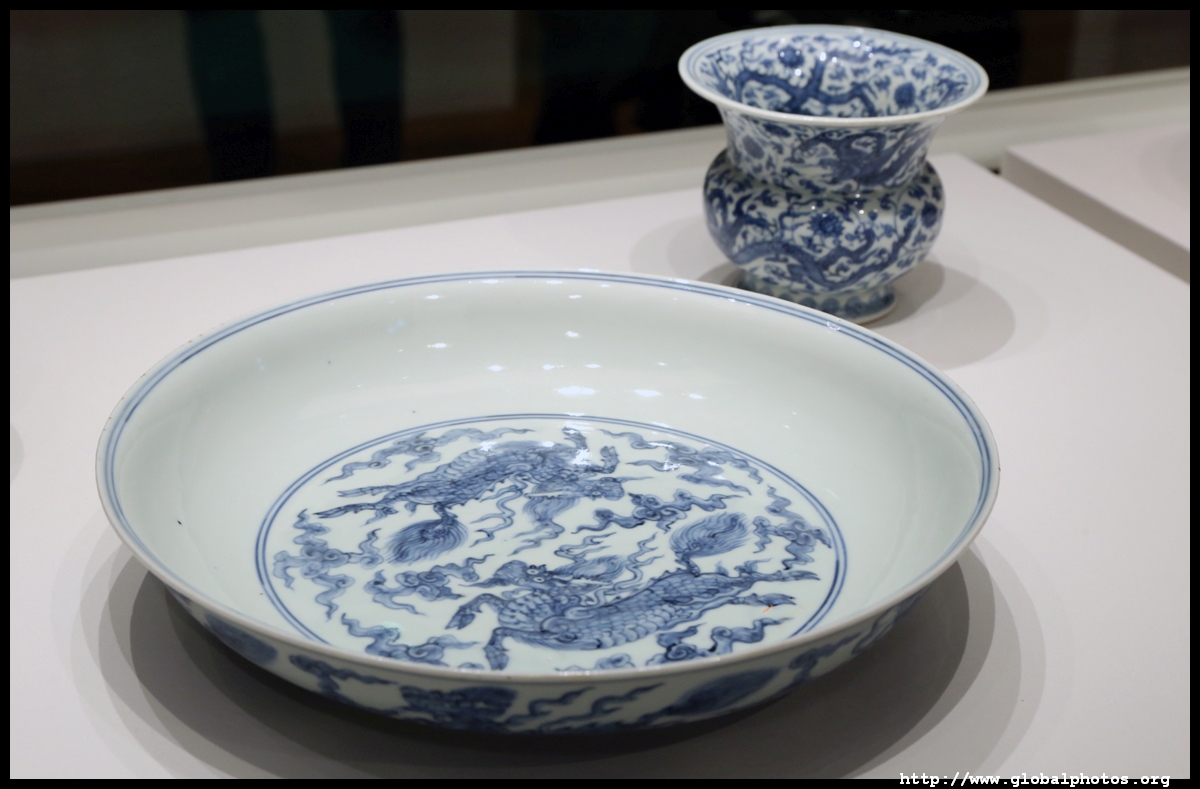
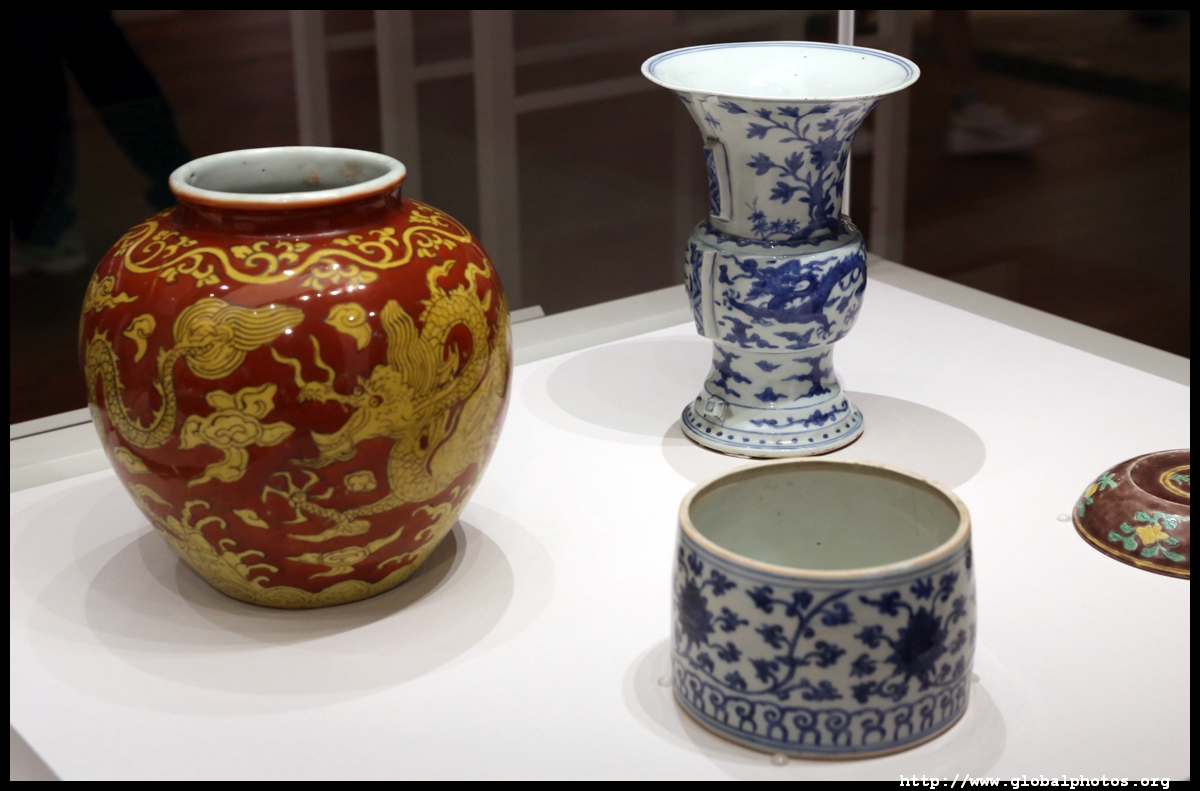
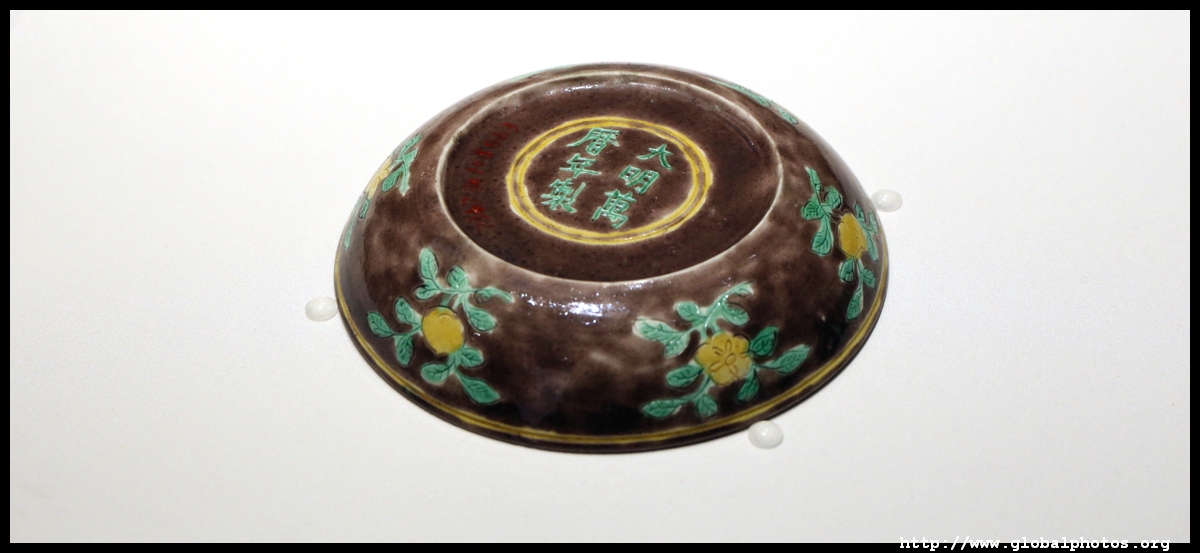
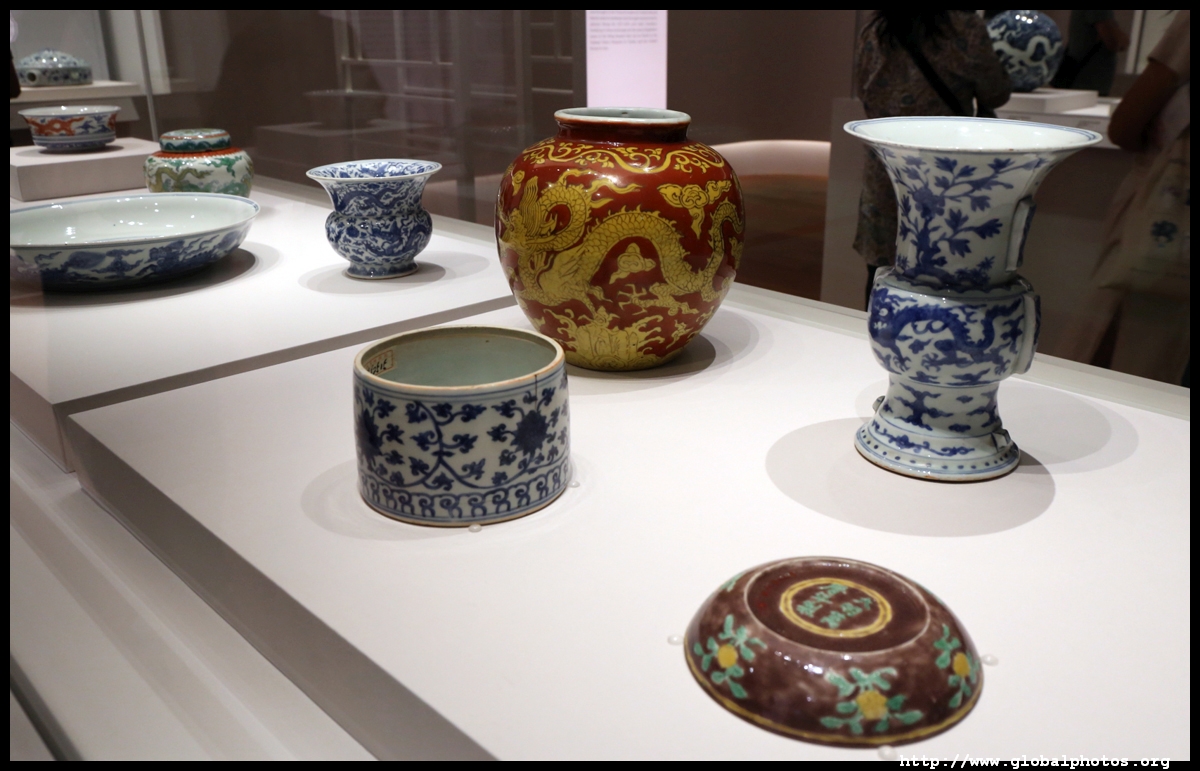
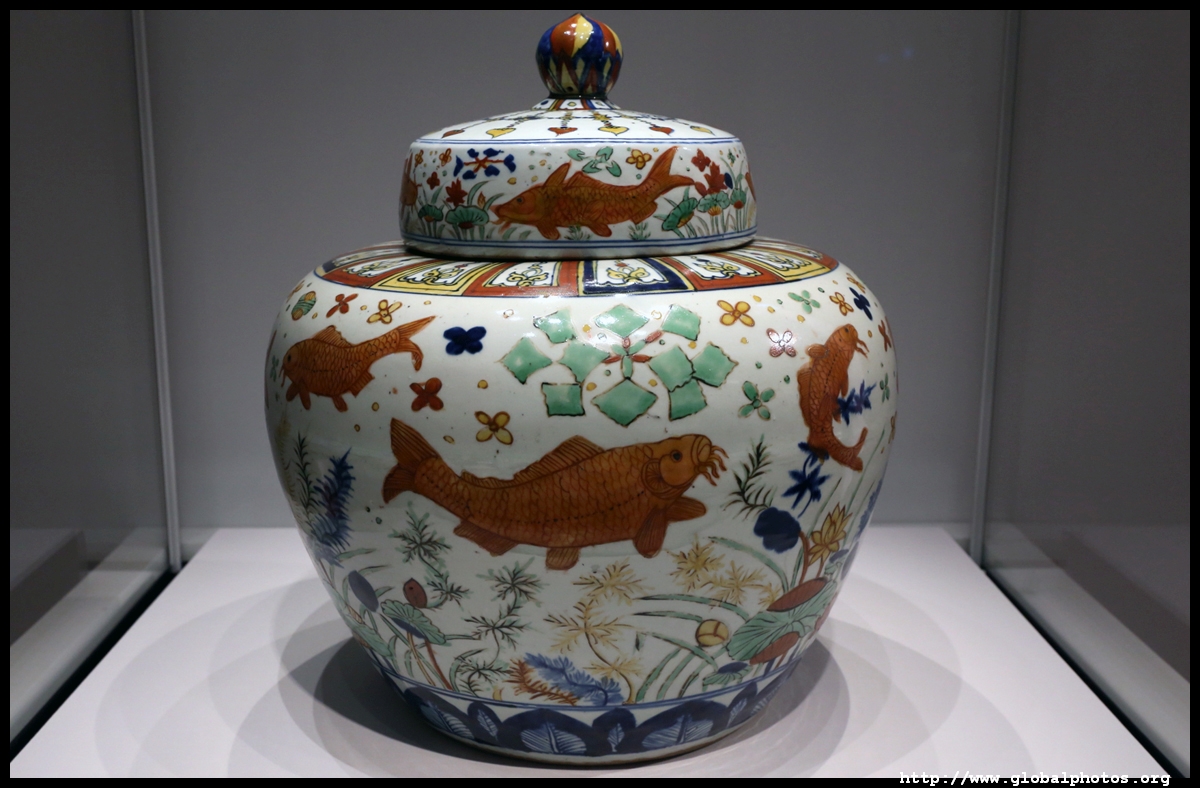
This jar produced by the imperial kilns in Jingdezhen features brightly-coloured fish and aquatic plants. Dating from the Ming Dynasty, it is one of very few surviving intact examples.
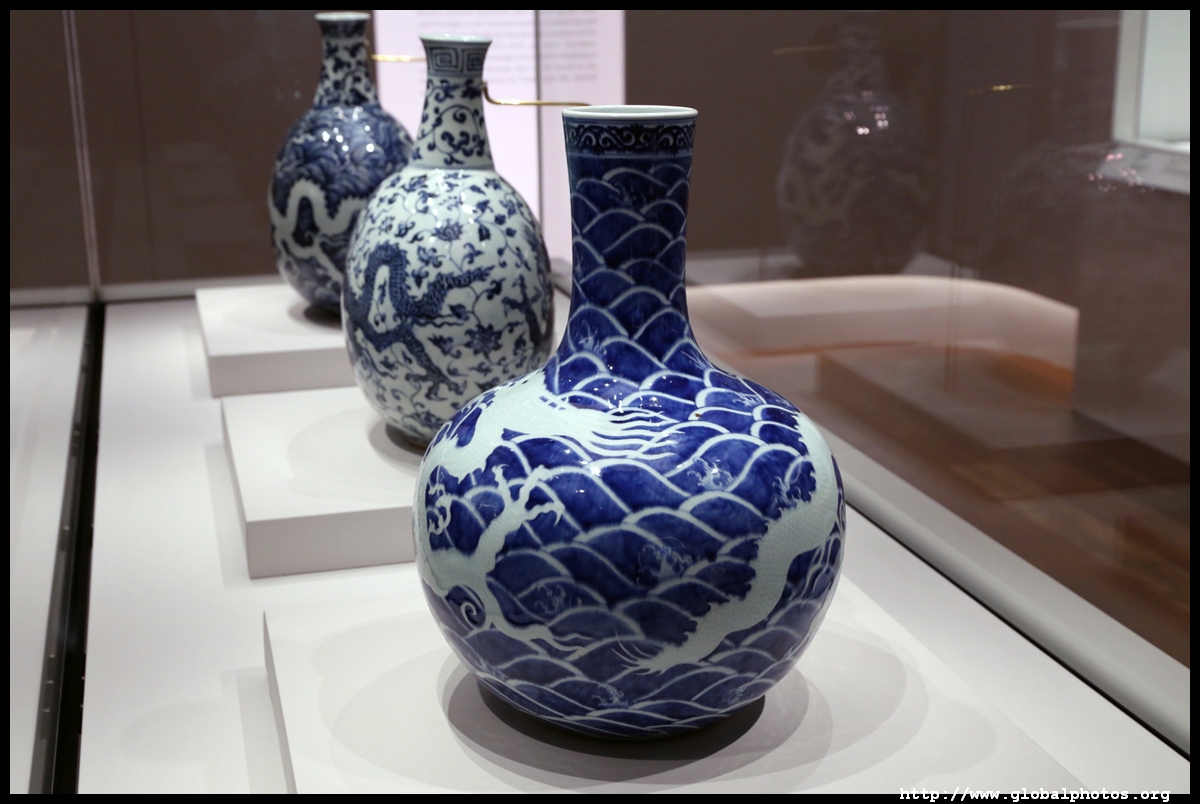
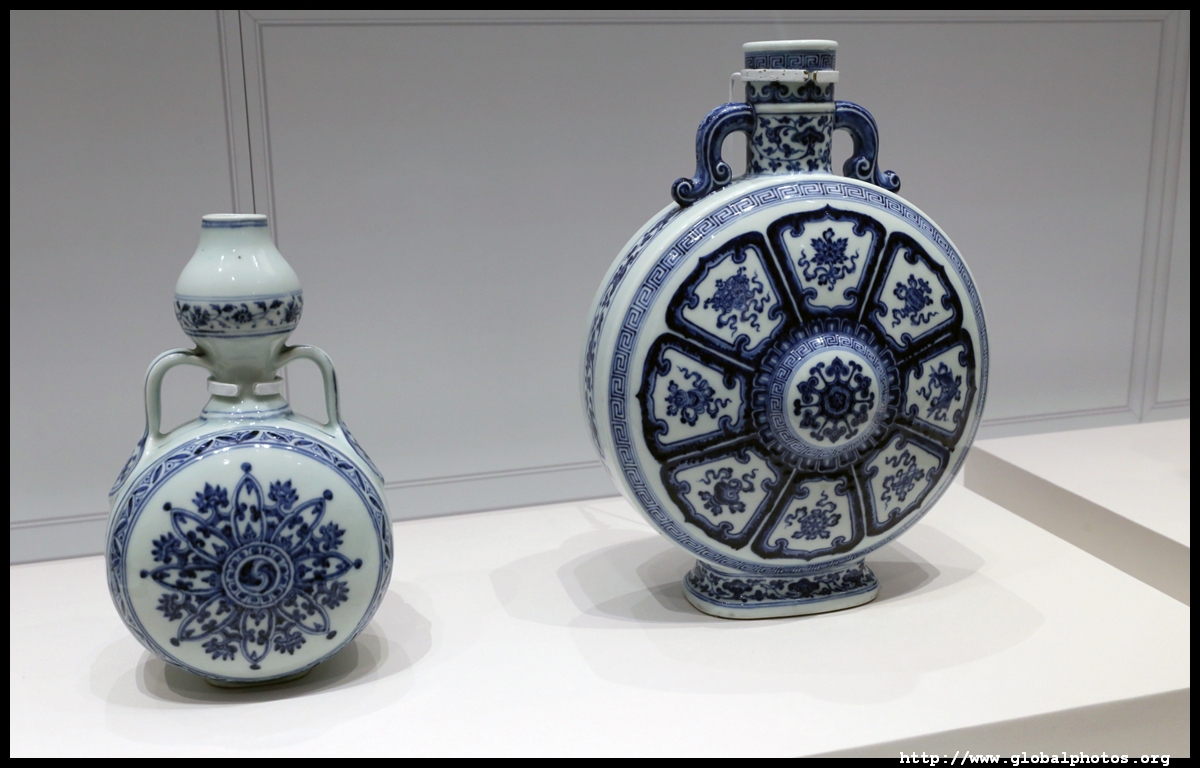
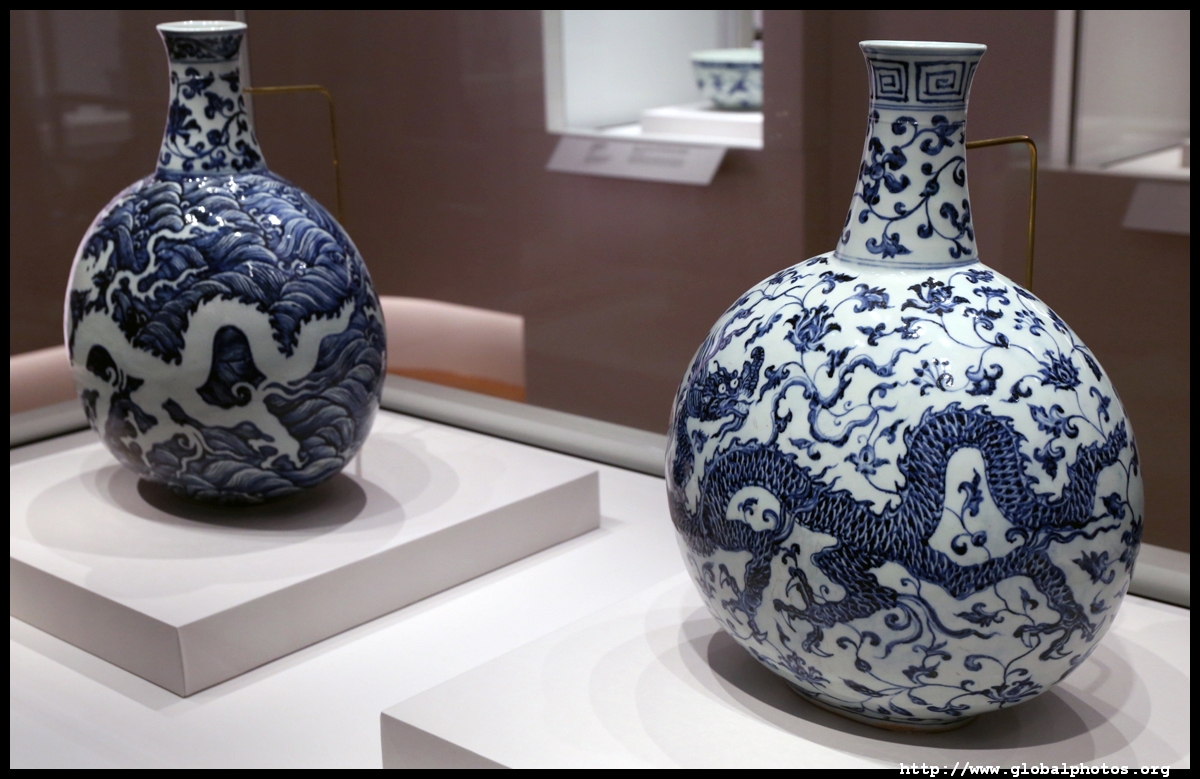
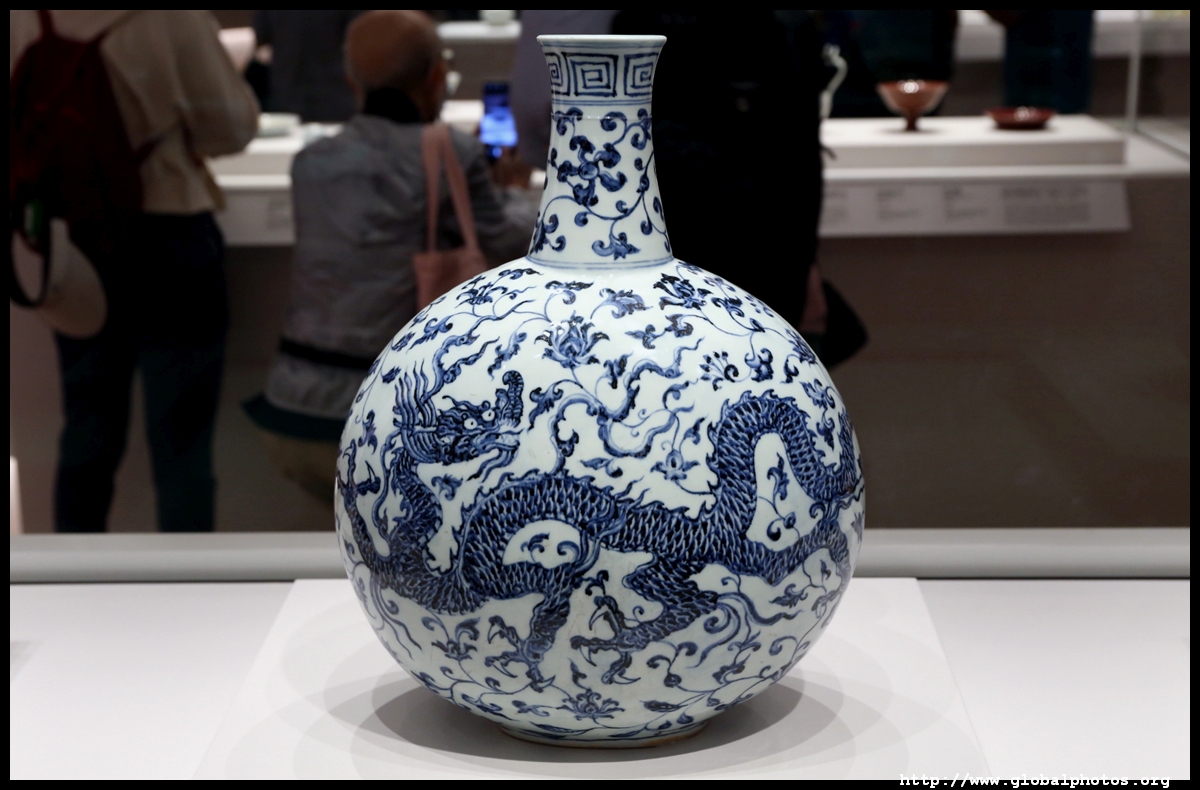
This is an example of a celestial globe vase, made of porcelain with a cobalt blue underglaze. While this item dates fro the Qing Dynasty, these techniques and decor were already used in previous dynasties.
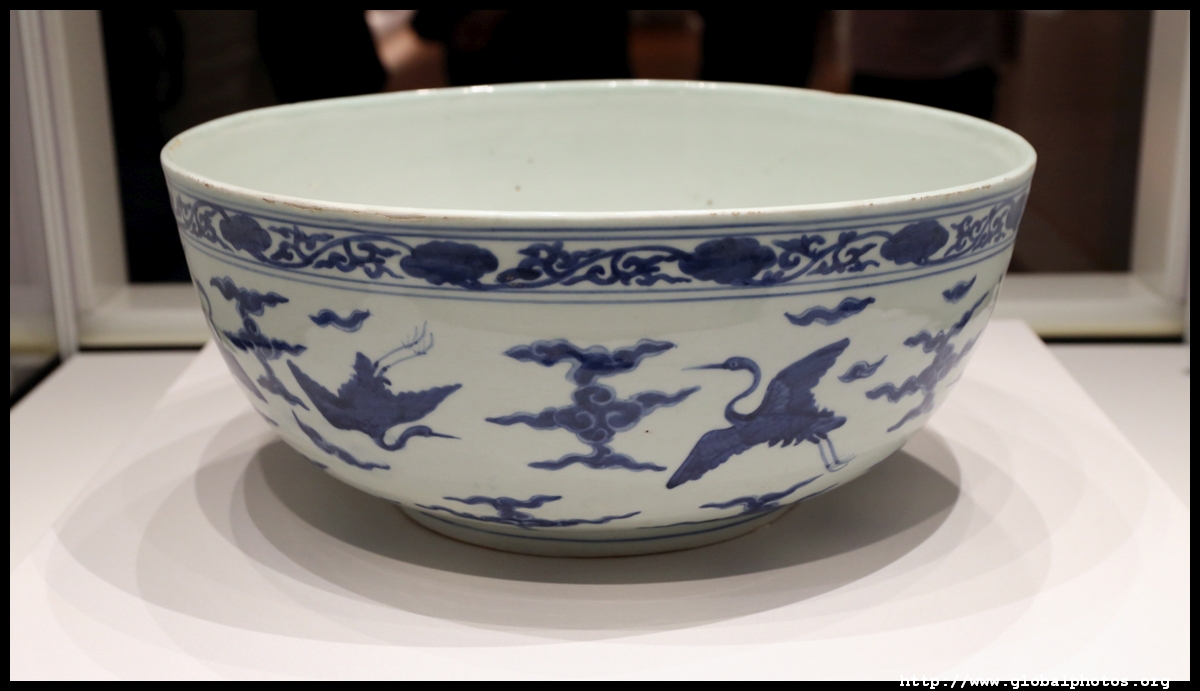
This bowl with cranes among clouds was produced during the Ming Dynasty when Emperor Jiajing decided to move his residence to the West Park in 1542. To decorate his new home, the imperial kilns produced many ceramics with Daoist or auspicious designs.
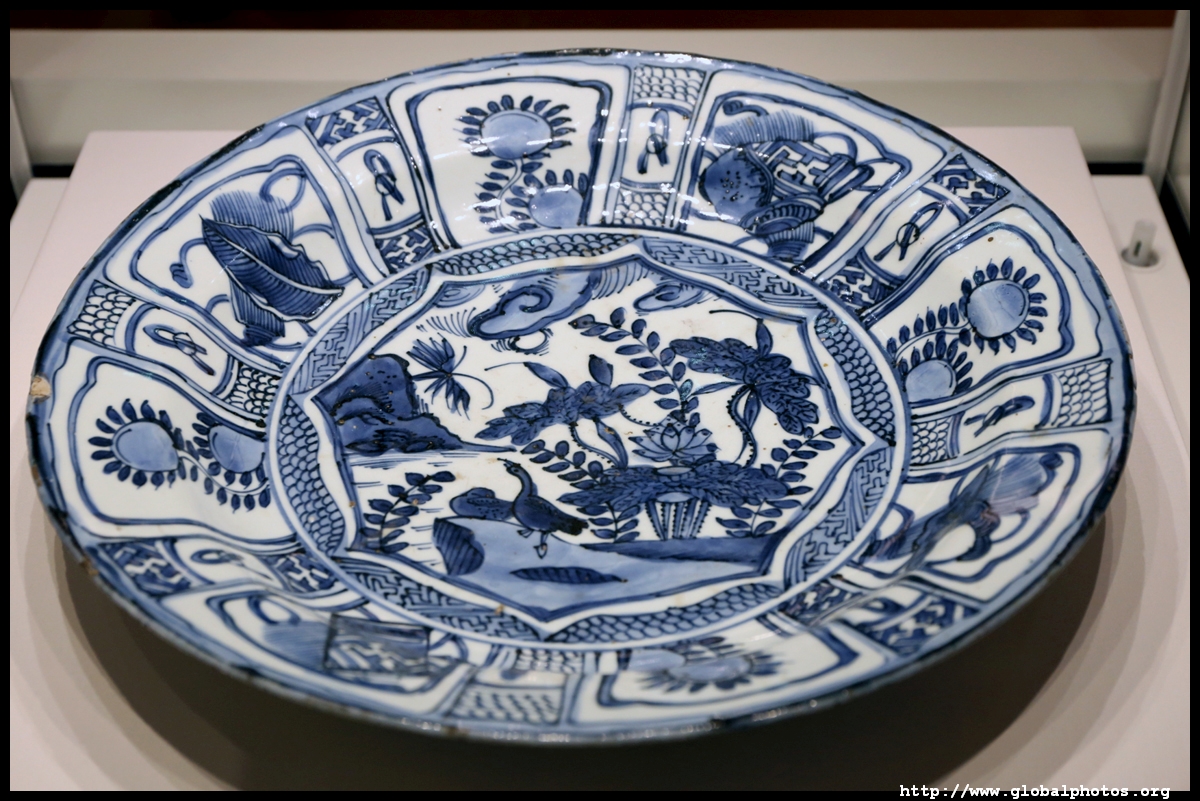
This dish with flowers and a bird came from Jingdezhen. This type of design was referred to as kraak ware and was mainly for overseas export.
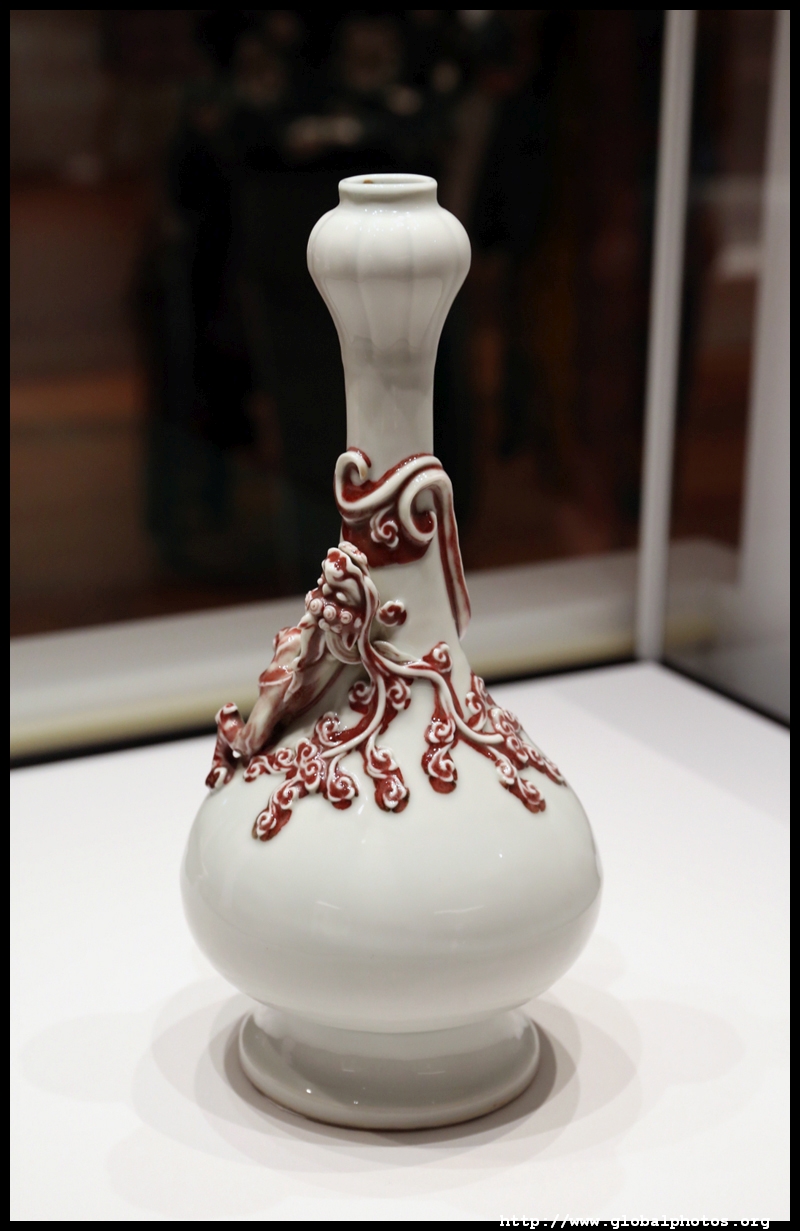
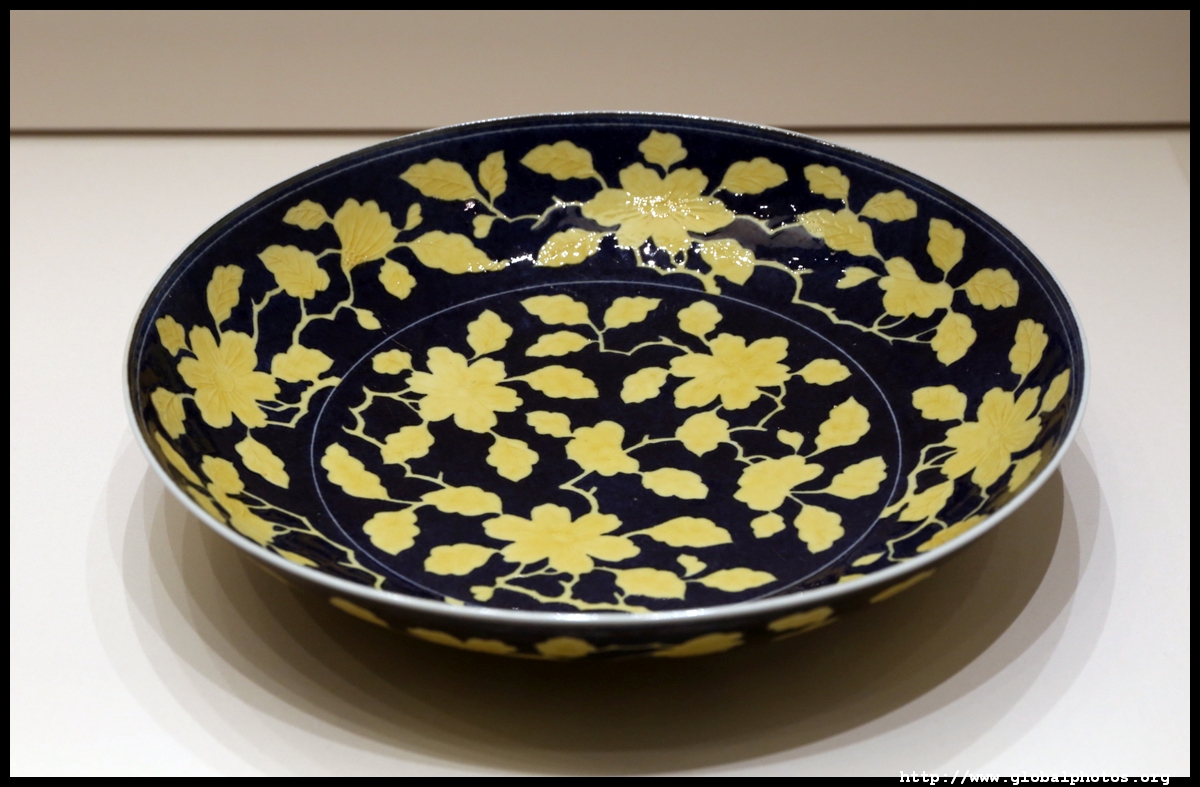
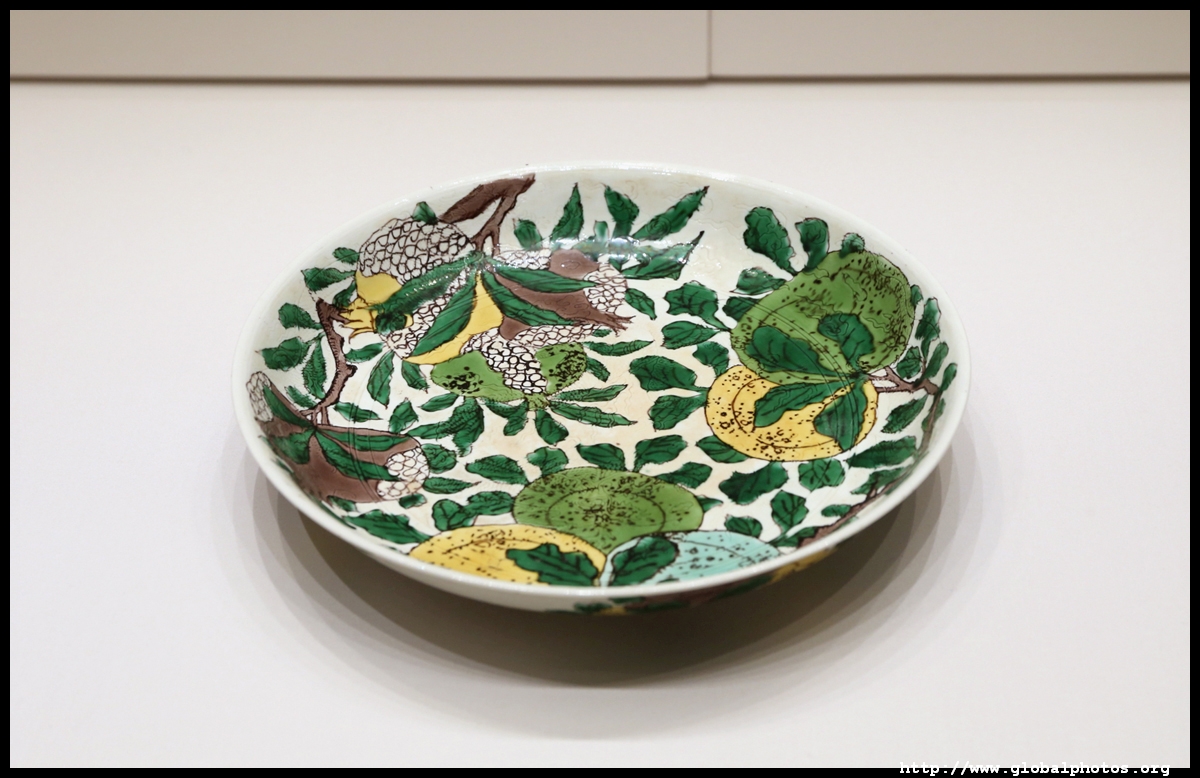
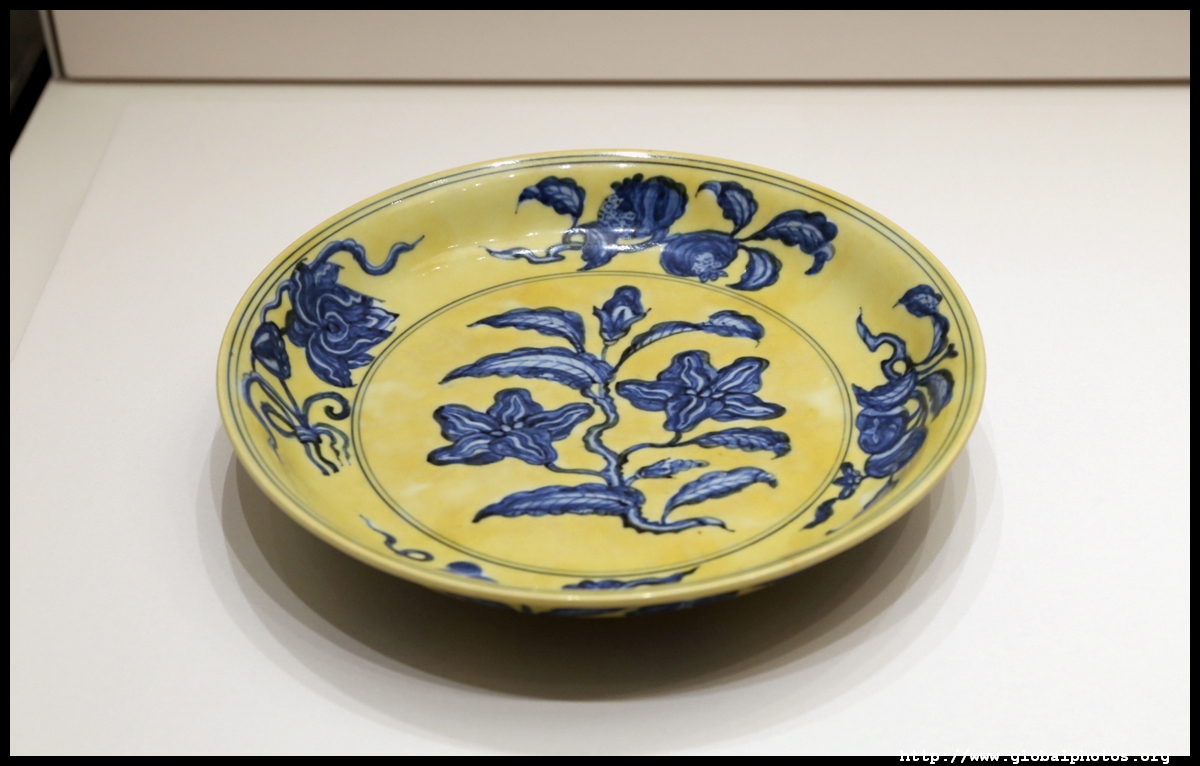
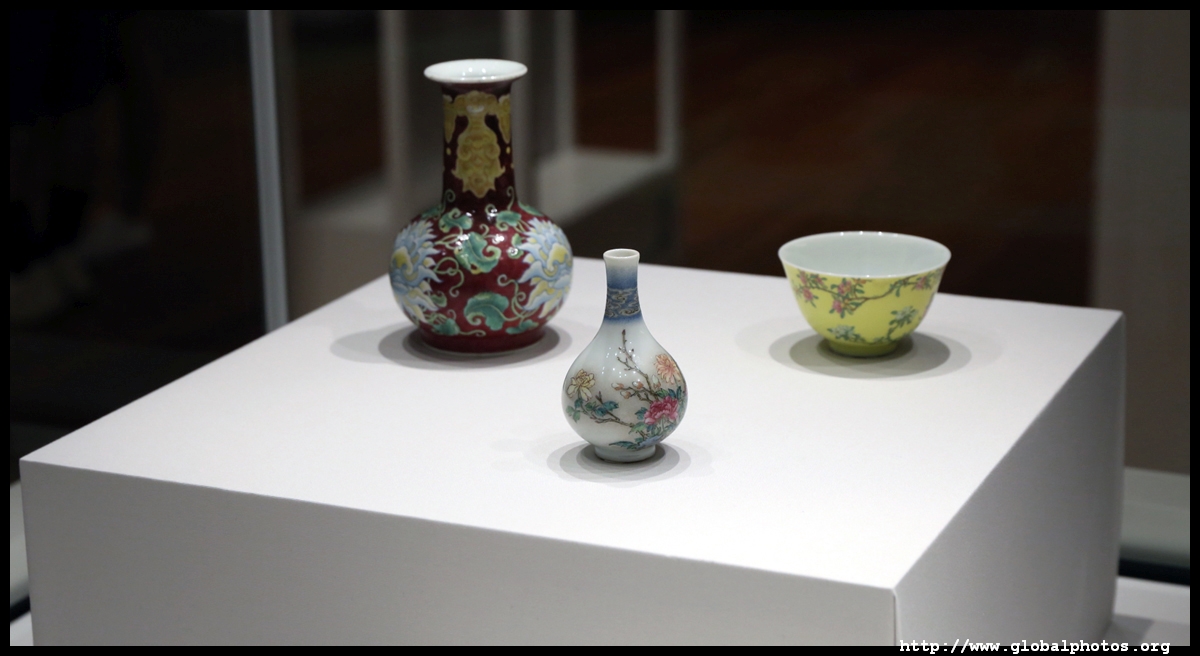
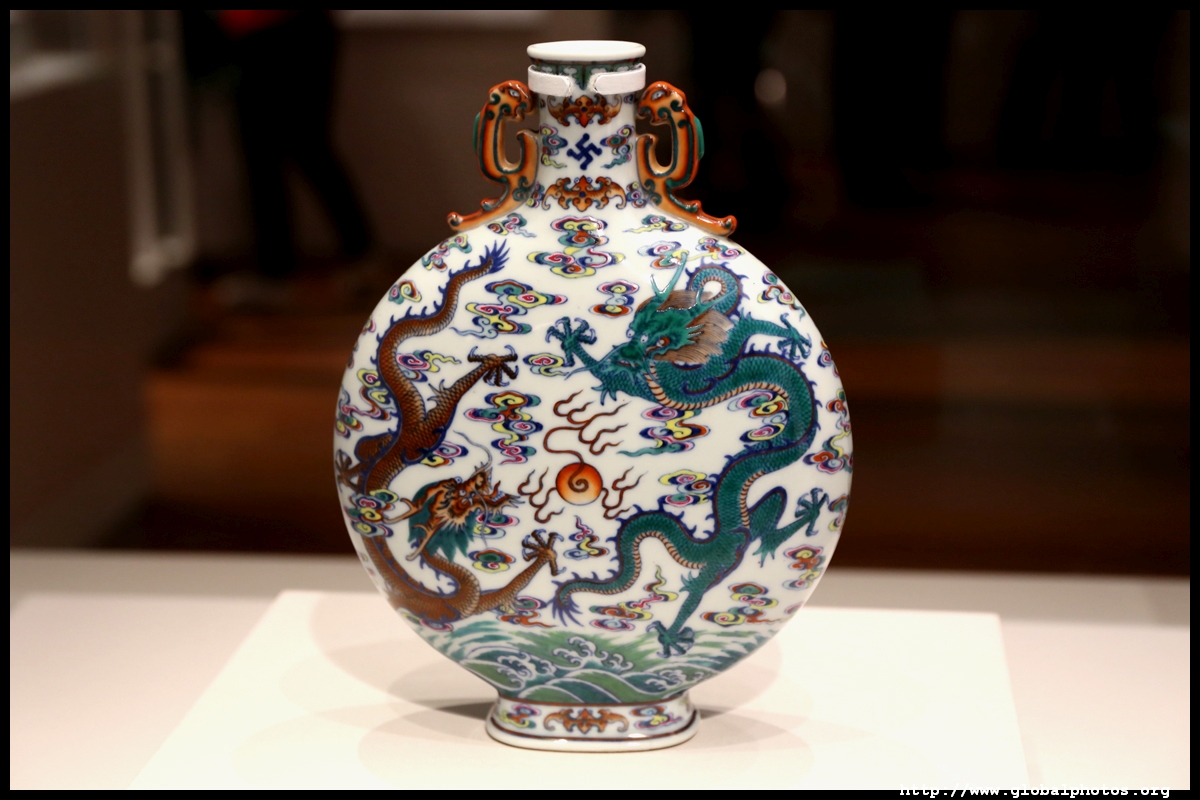
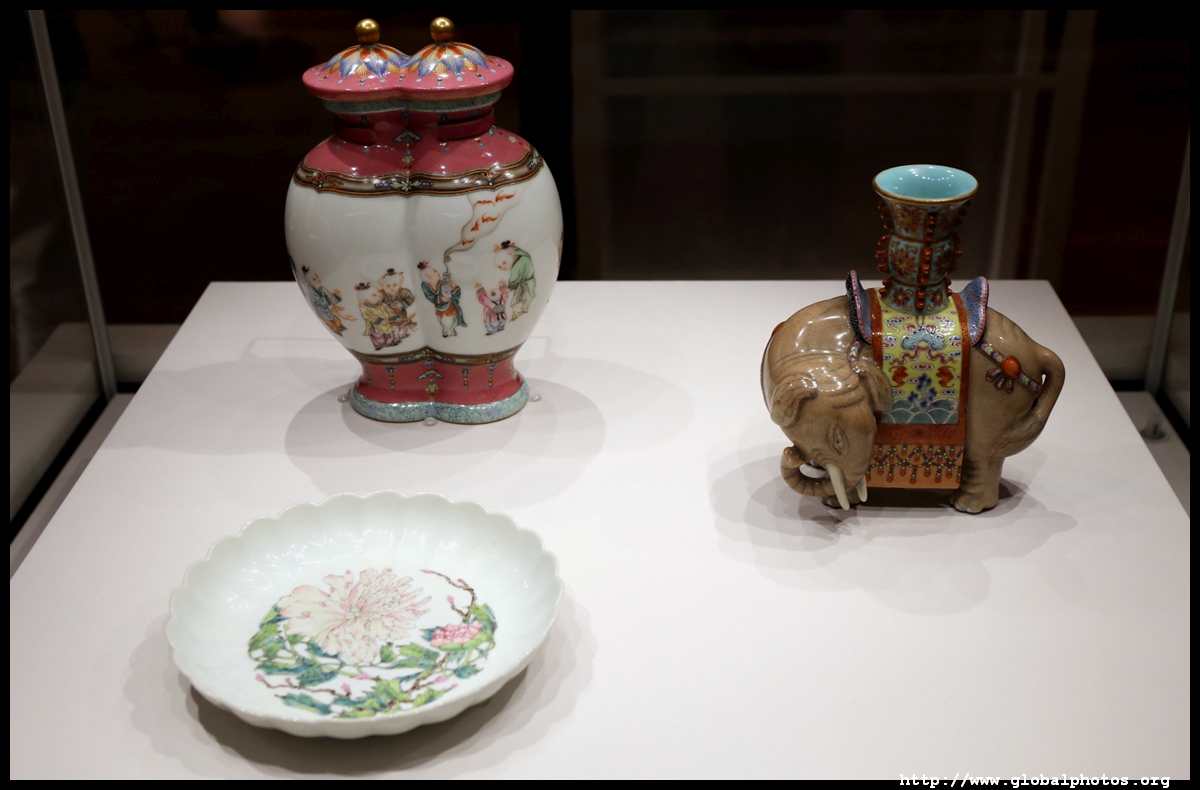
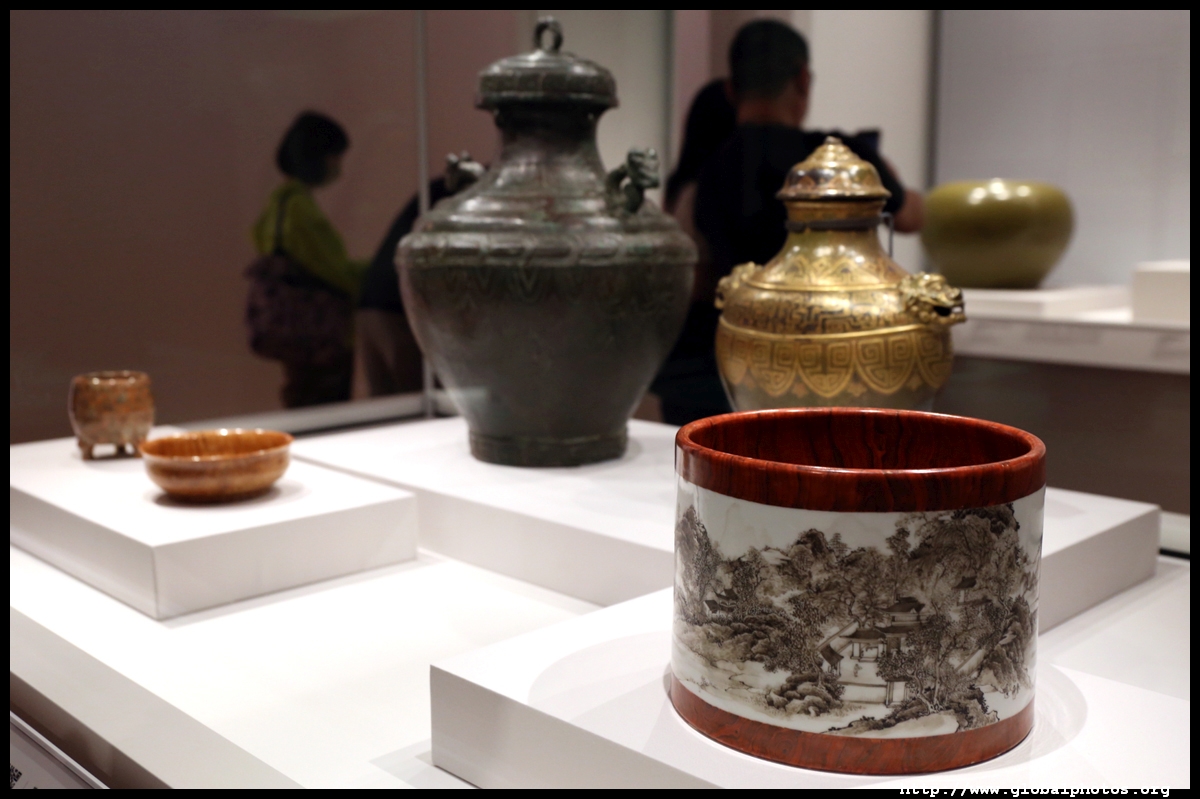
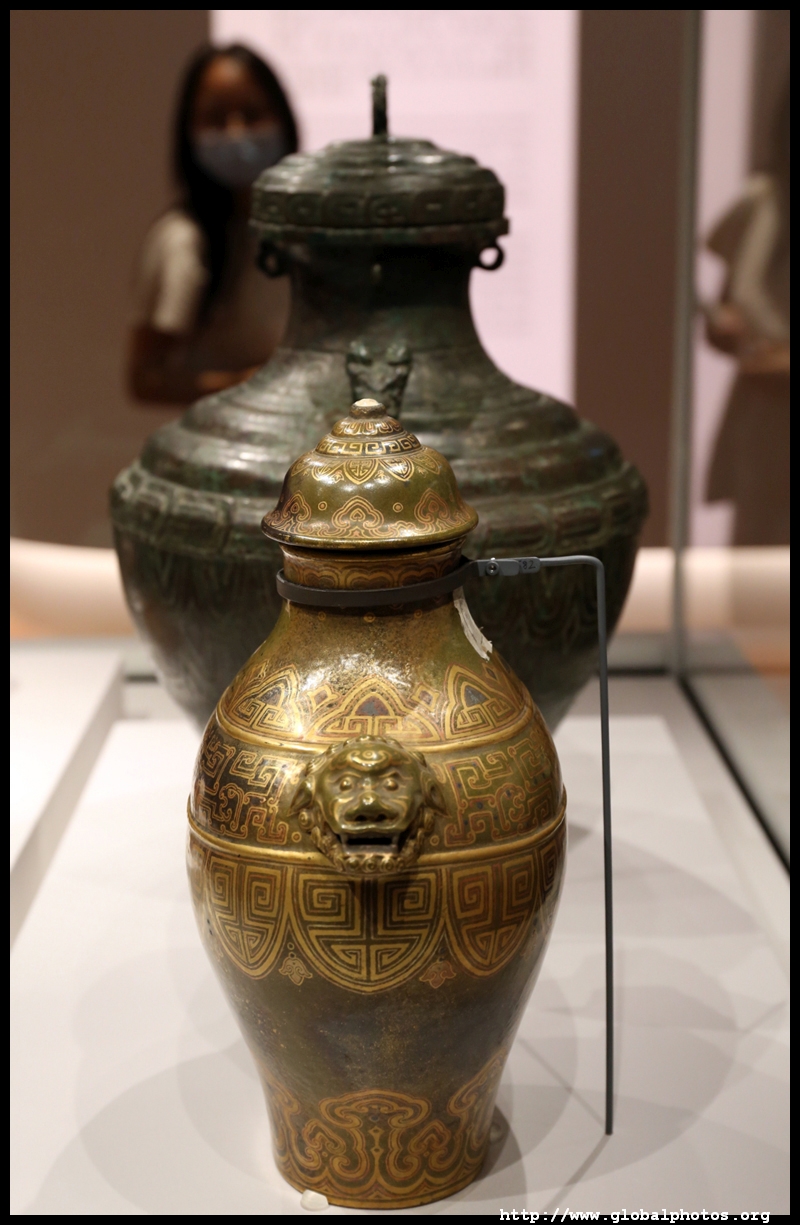
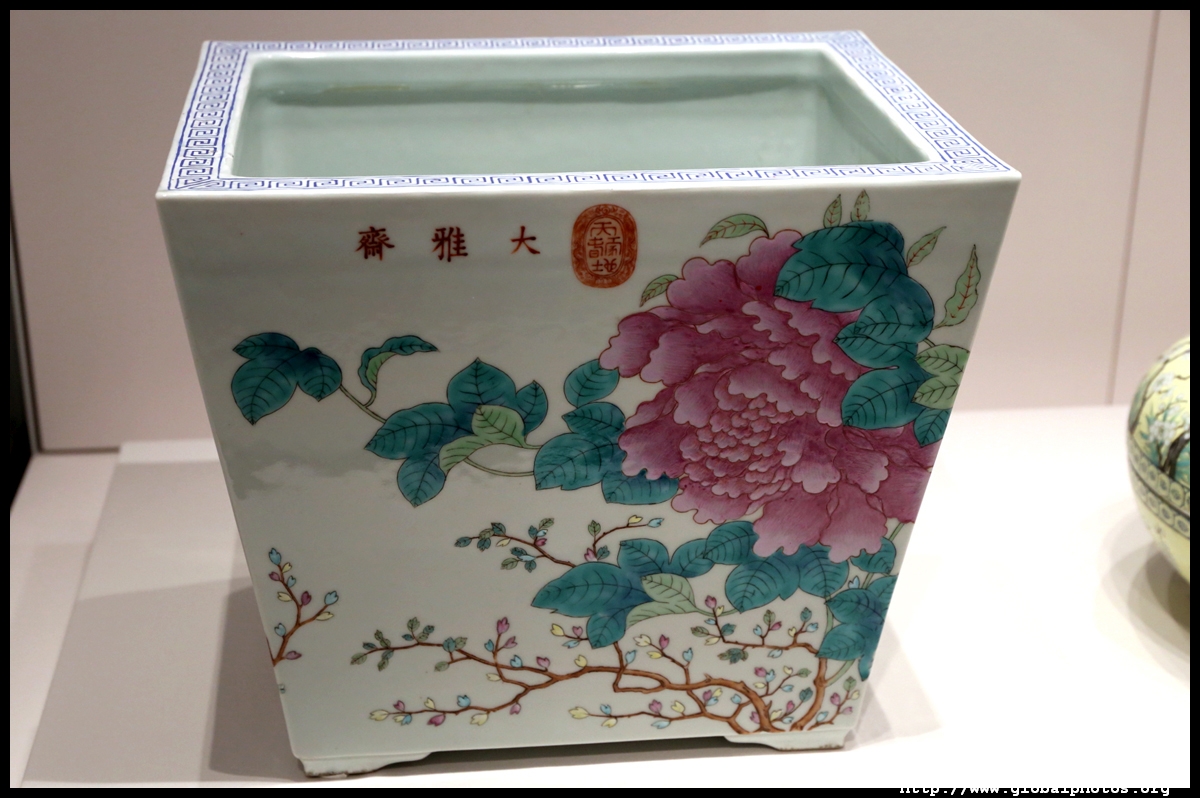
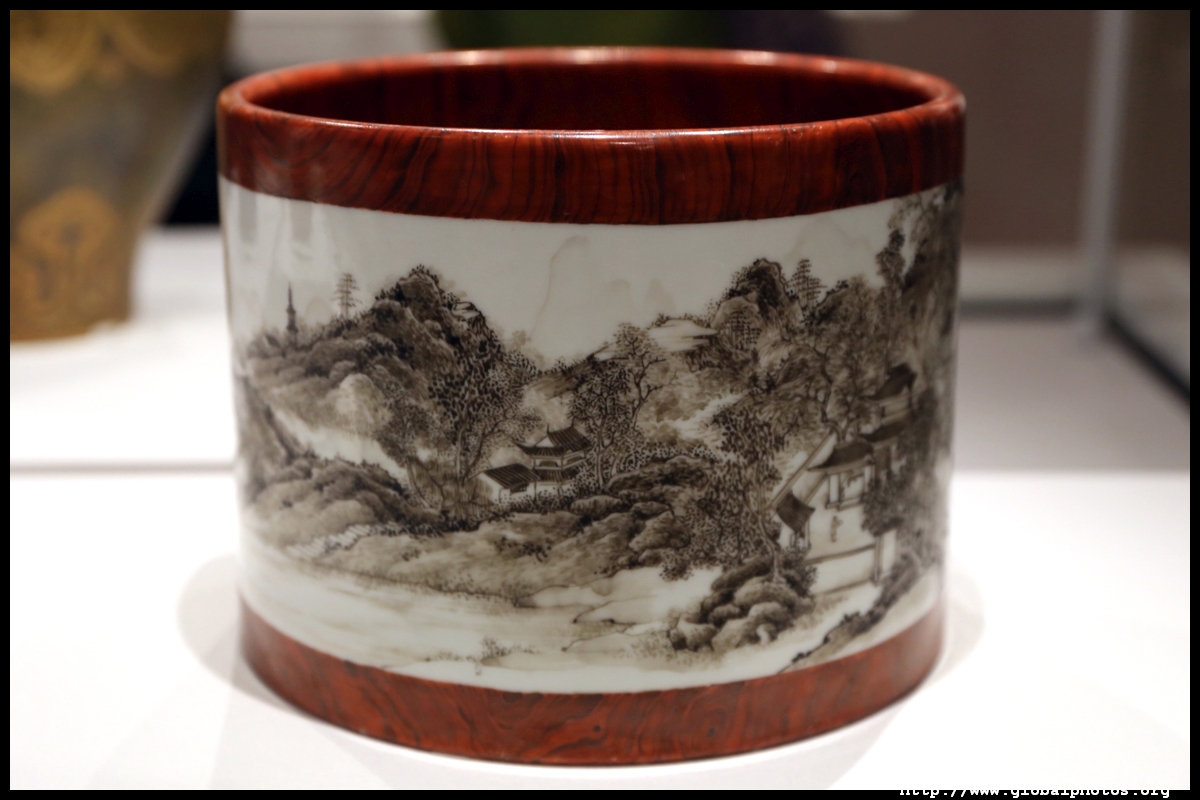
The imperial kilns in Jingdezhen produced this brush pot during the Qing Dynasty.
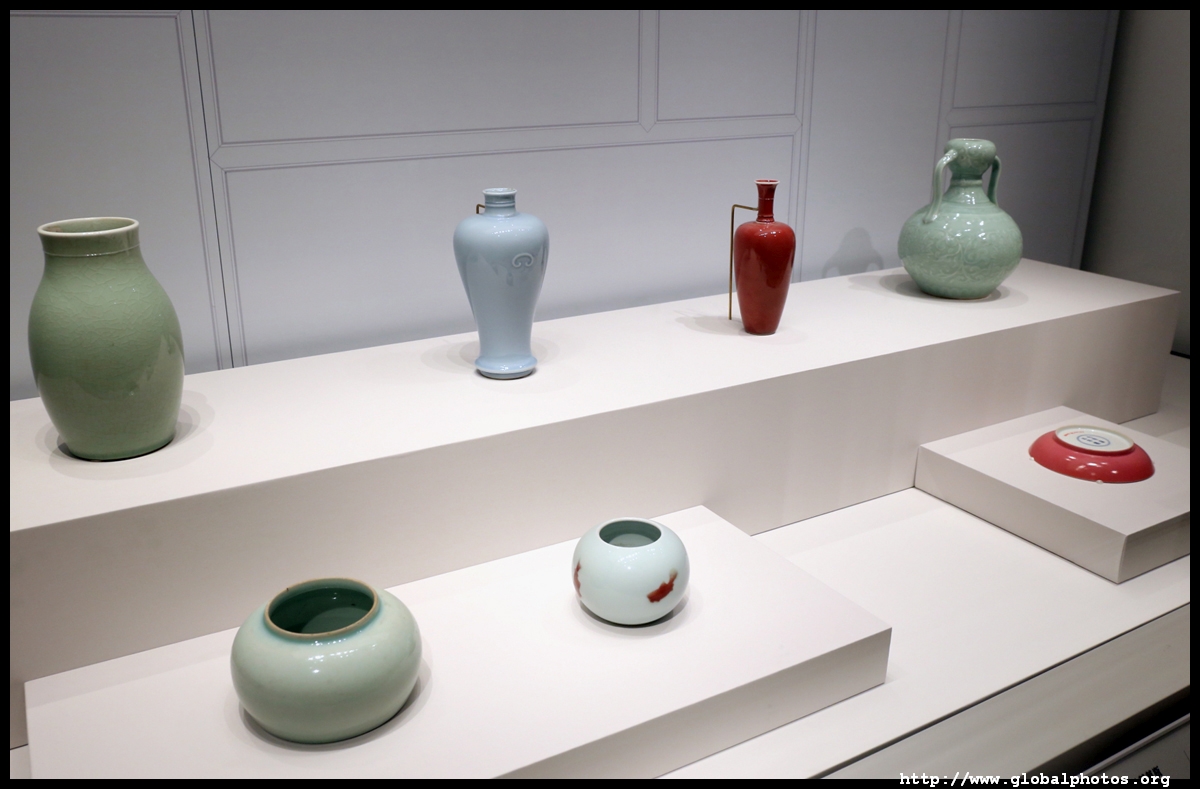
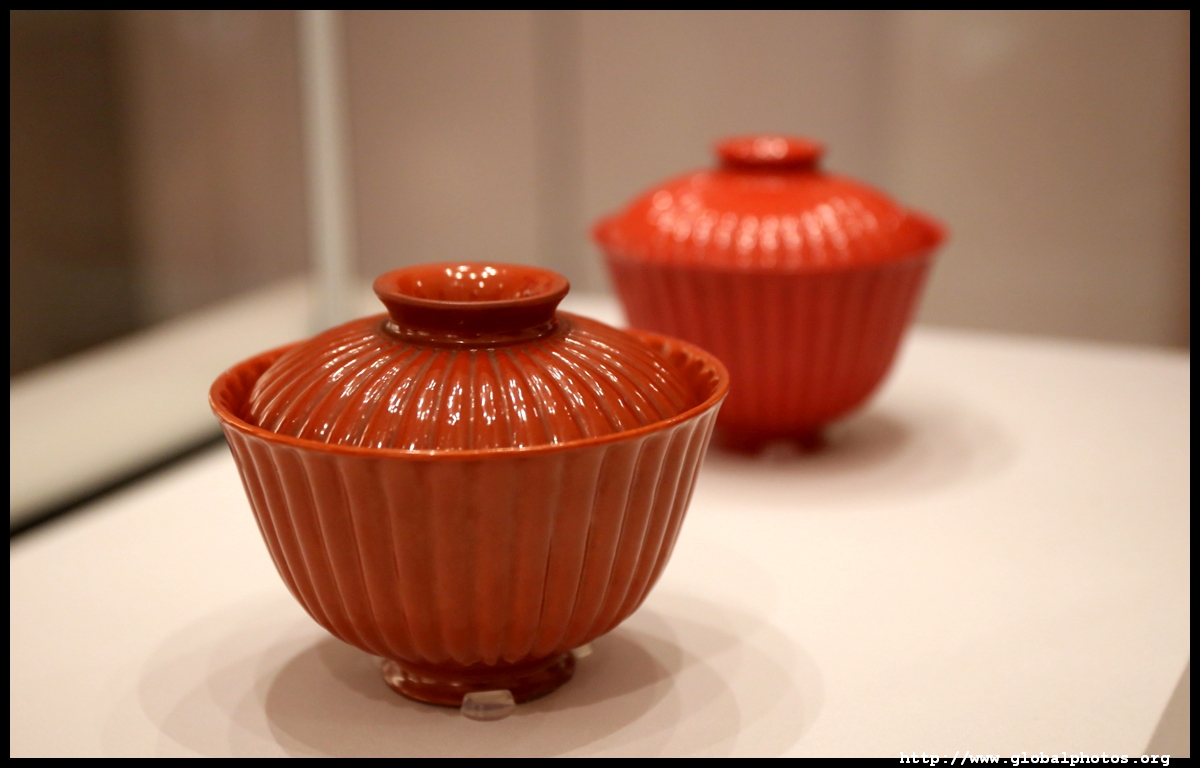
The chrysanthemum-shaped bowl and lid was also a Jingdezhen work.
Qing Emperor Qianlong loved ceramics from the 5 famous Song Dynasty kilns. He collected over 200 items and commissioned imitations.
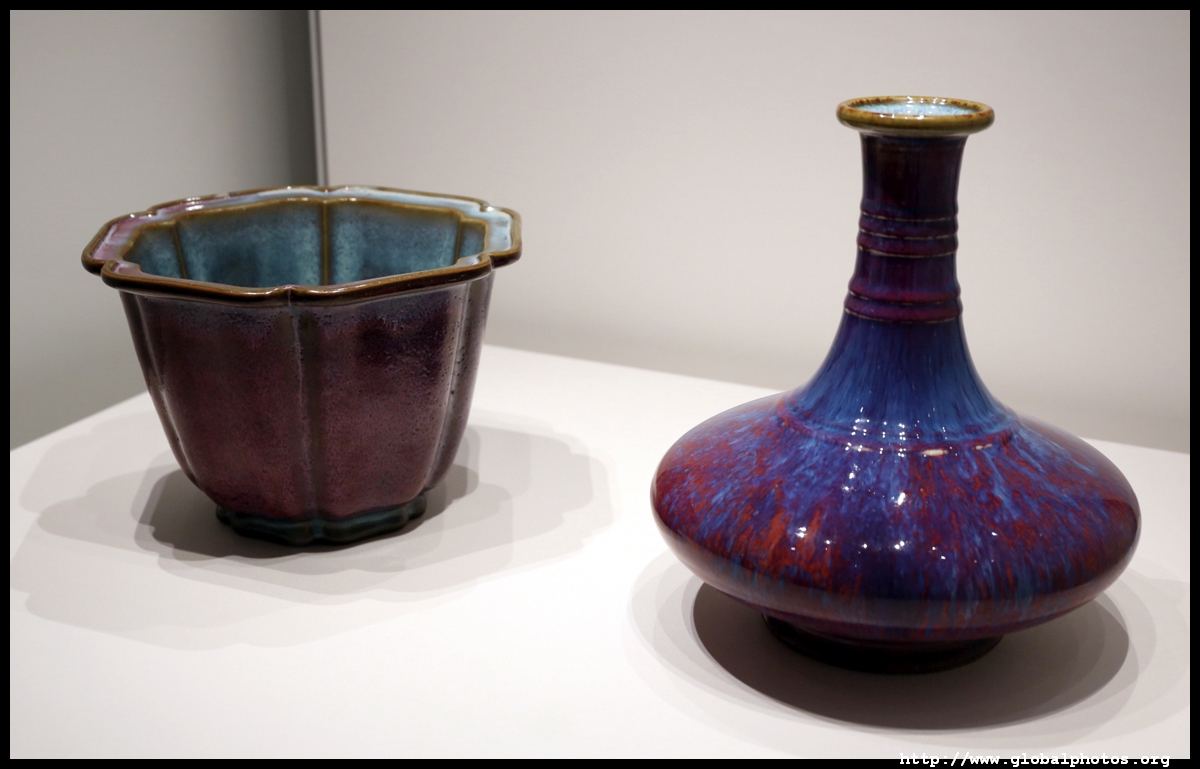
The colourful glaze comes from copper-rich pigments which can create finishes from purple and dark blue to pinkish red. This item was believed to be a planter from the garden in the Palace of Established Hppiness during the Qing Dynasty.
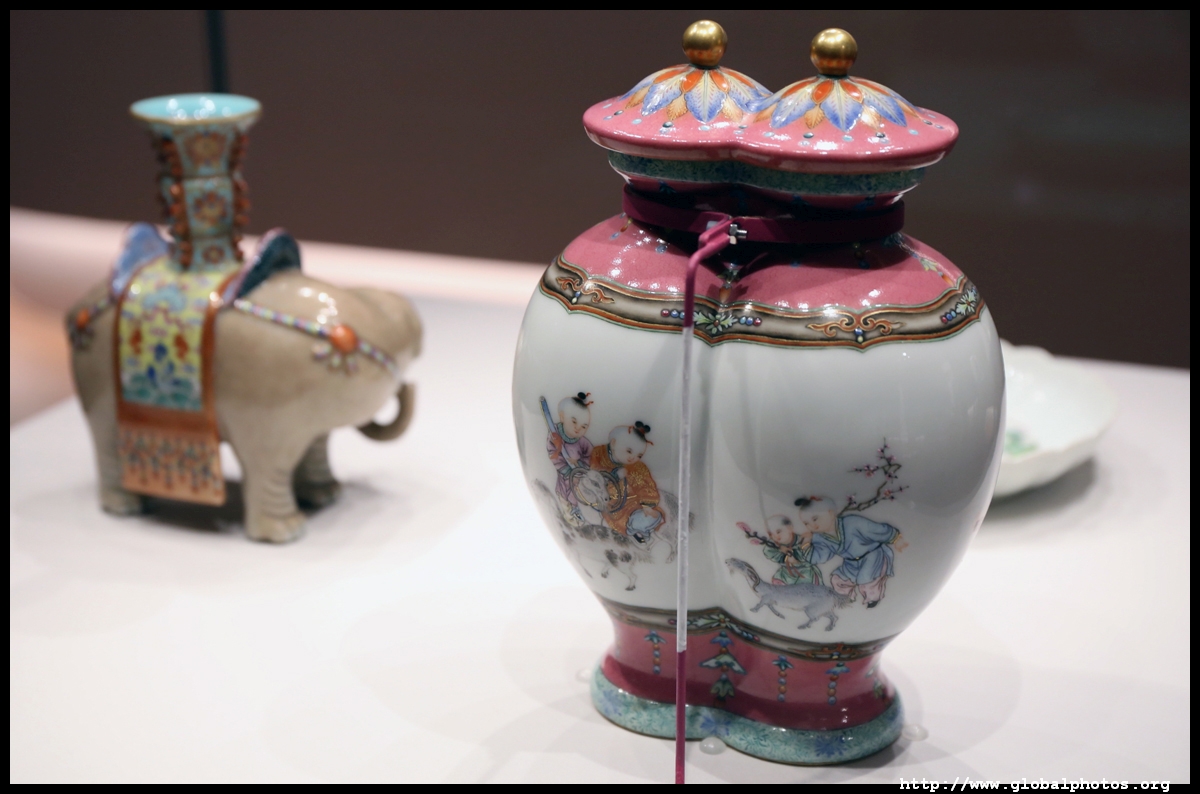
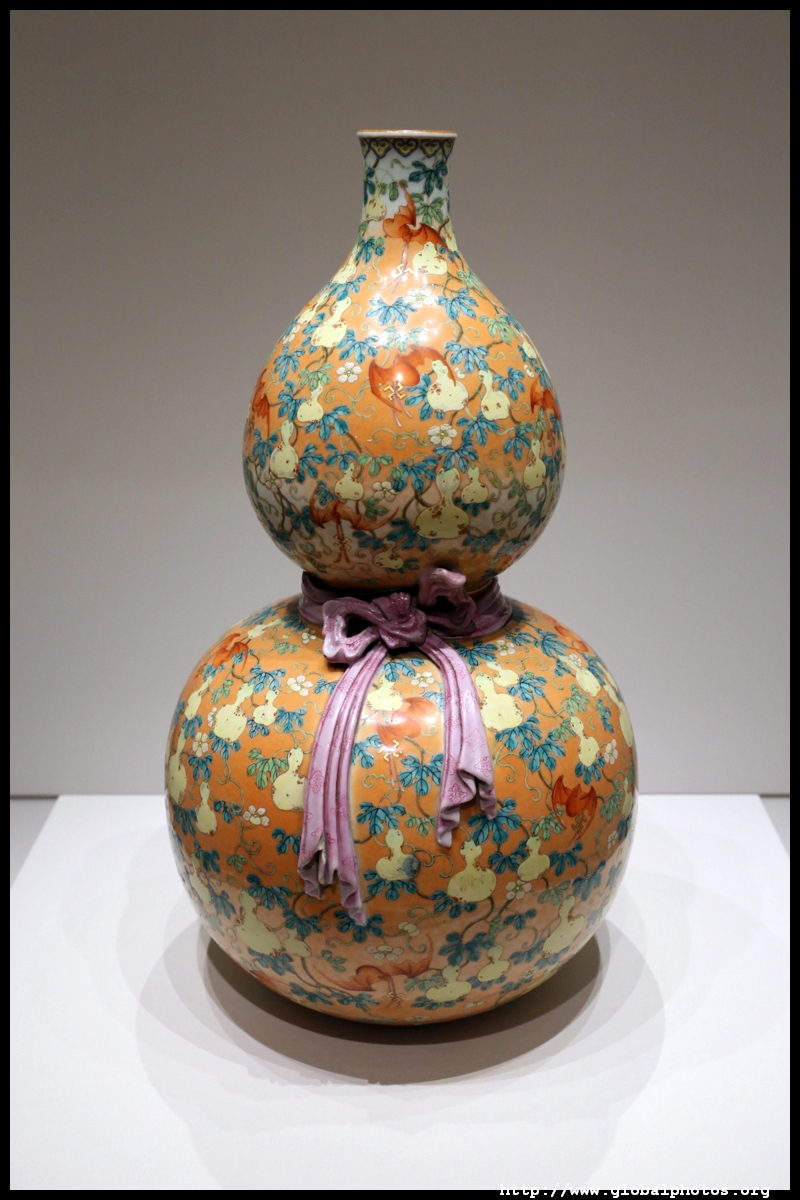
This double gourd-shaped vase with bats and ribbons was produced by Jingdezhen imperial kilns during the Qing Dynasty.
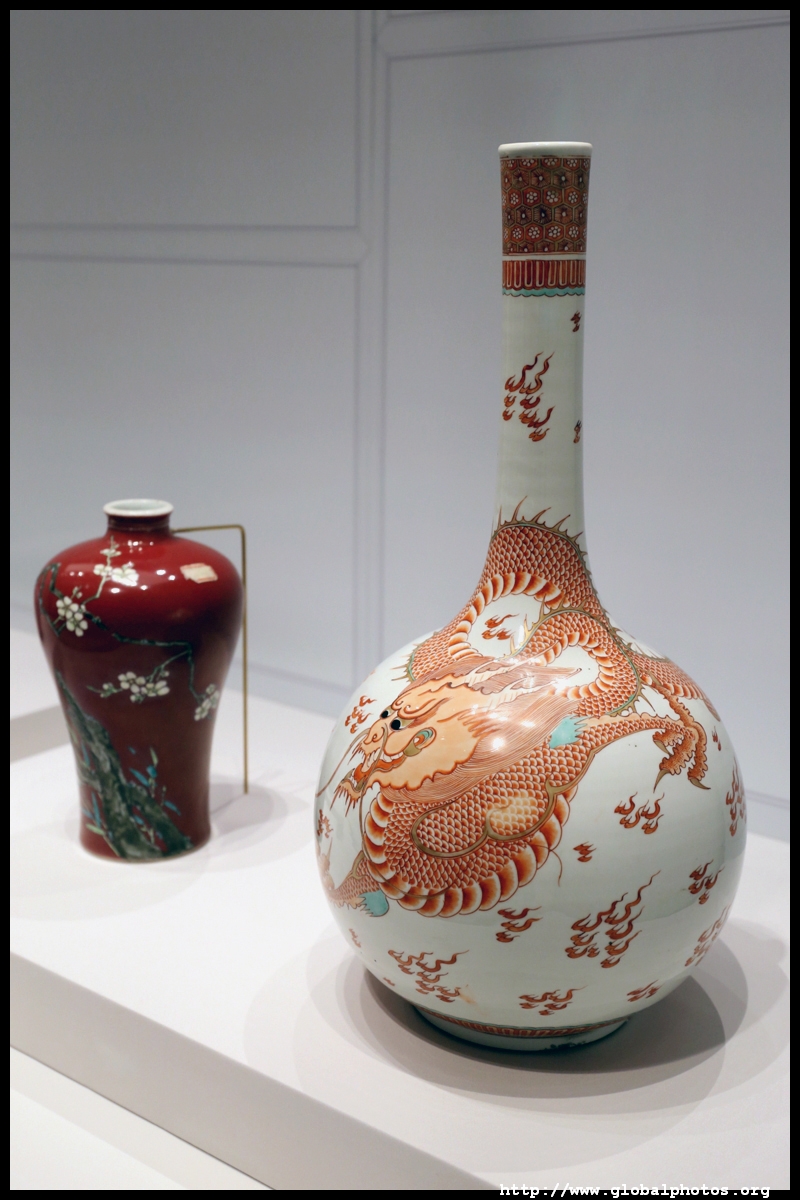
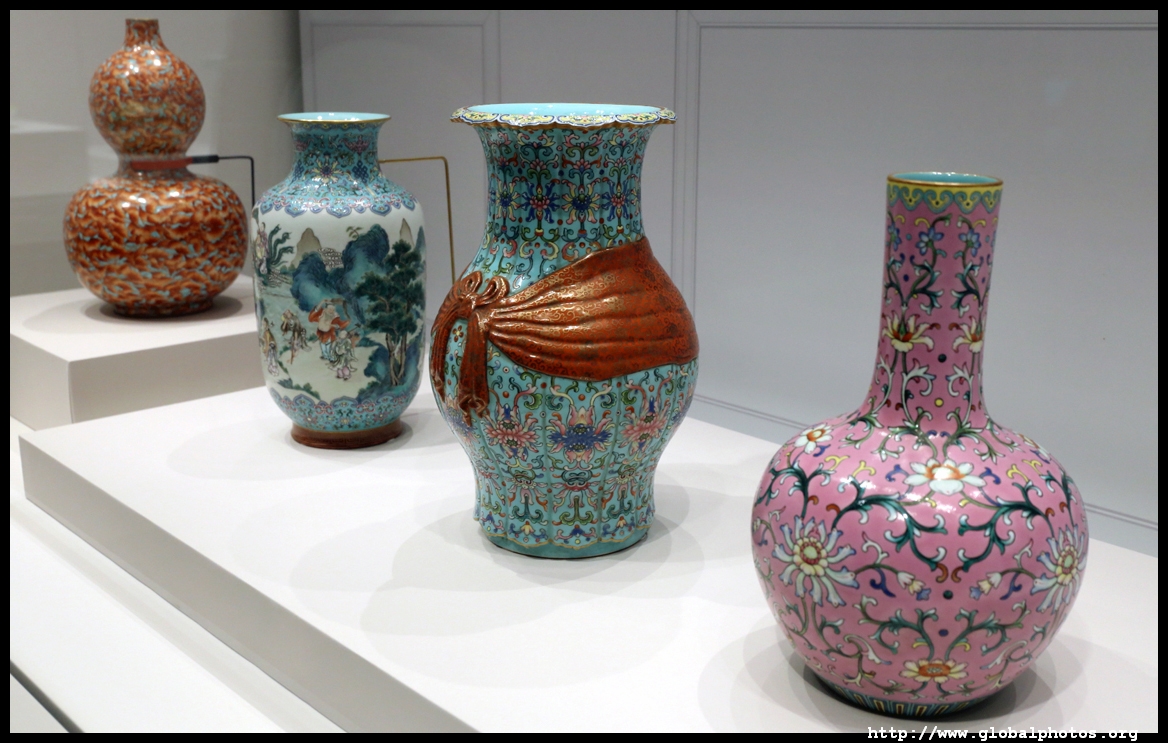
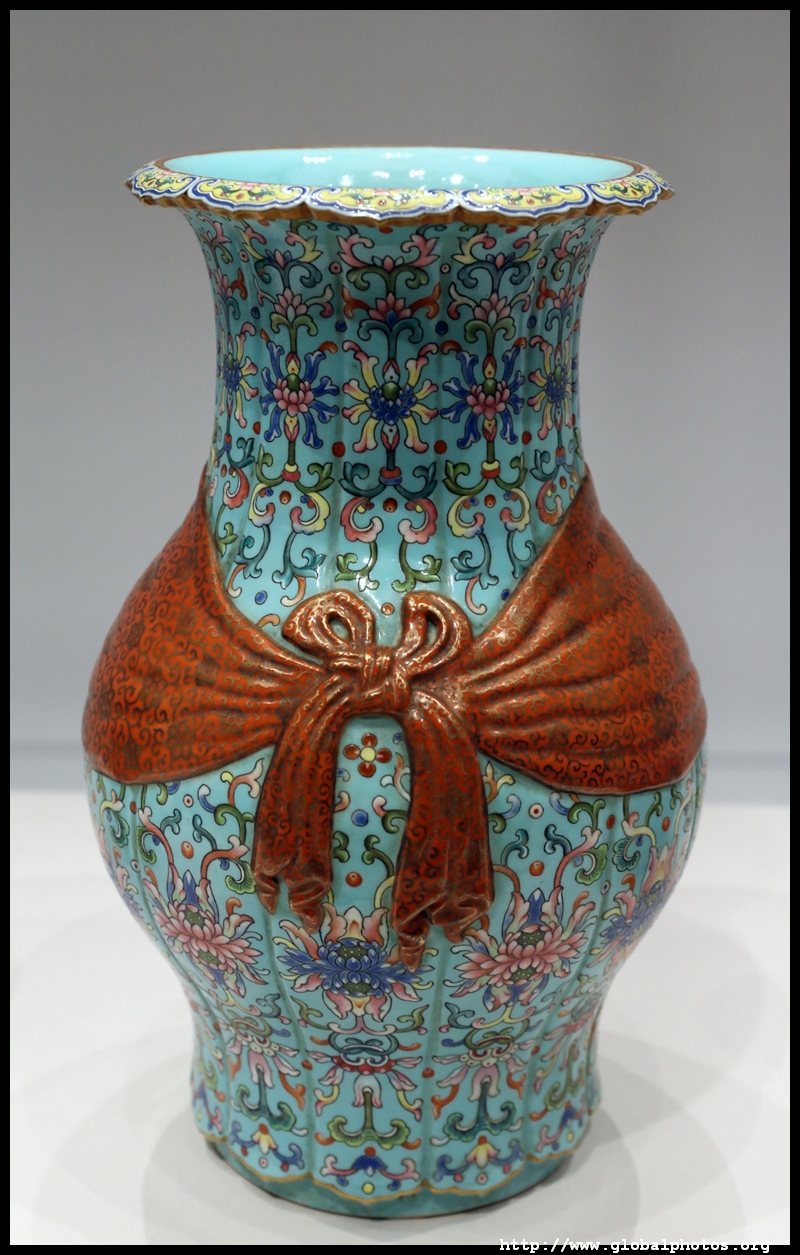
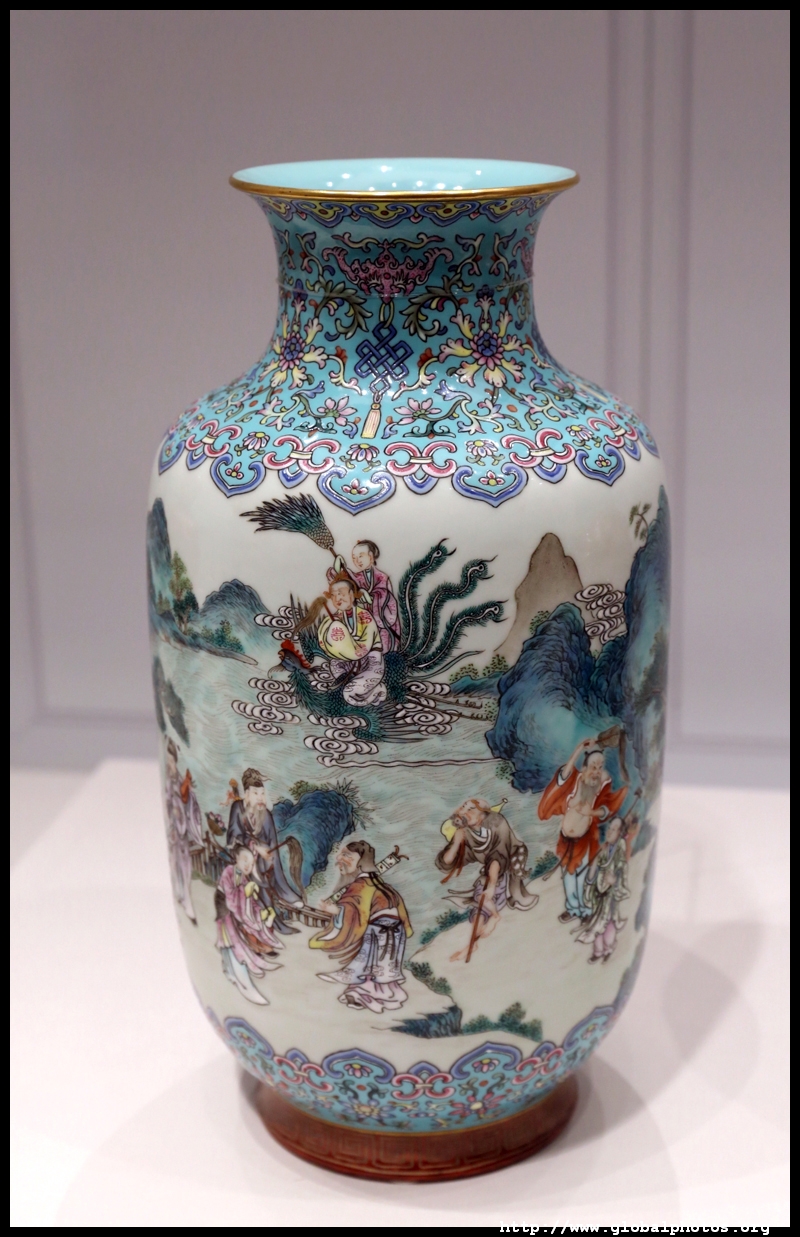
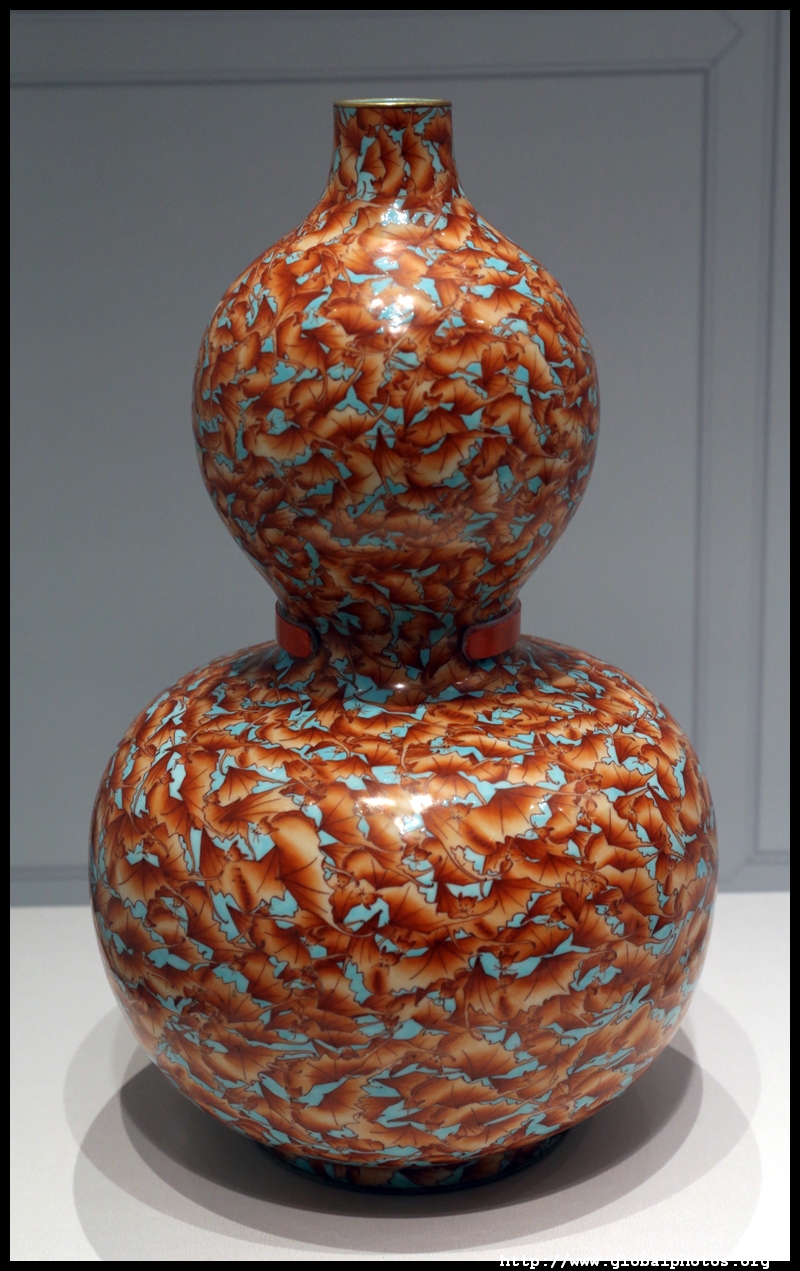
This item was part of the imperial commission in 1867 for Emperor Tongzhi's wedding in 1872. The original products were considered too coarse and unsuitable for the court though, so they need to try again.
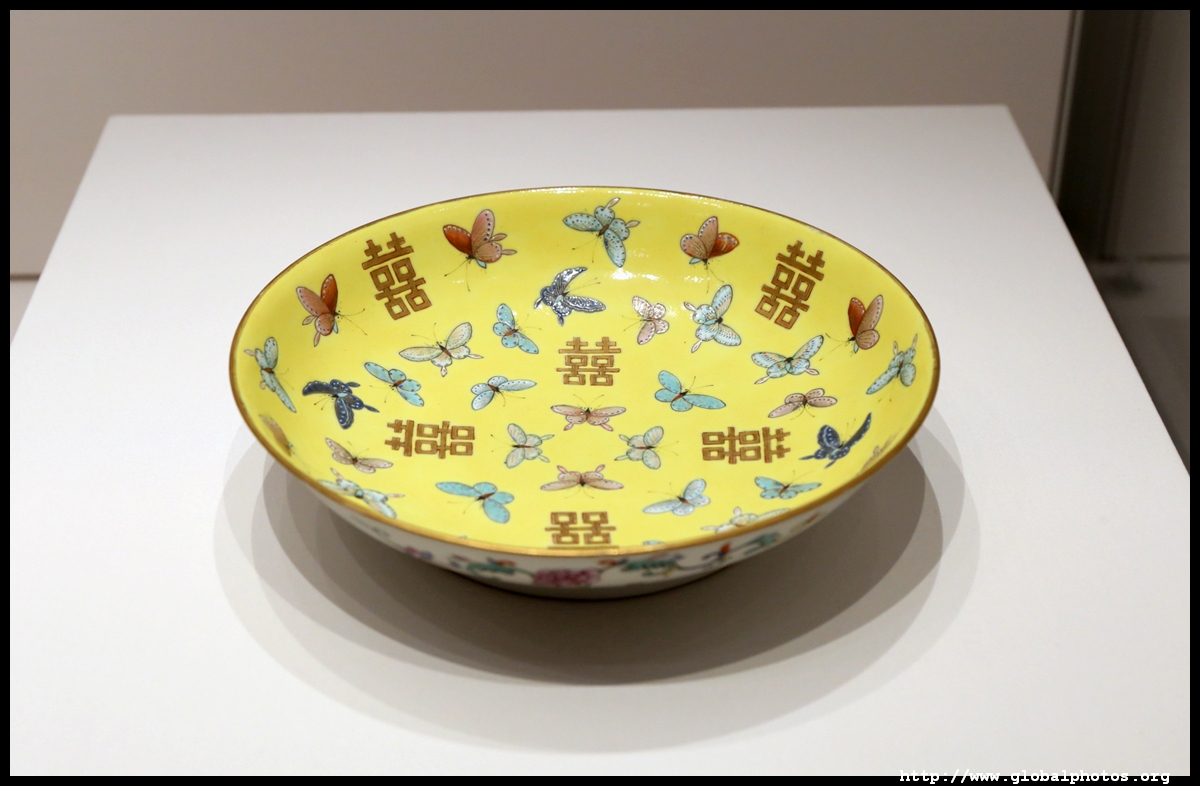
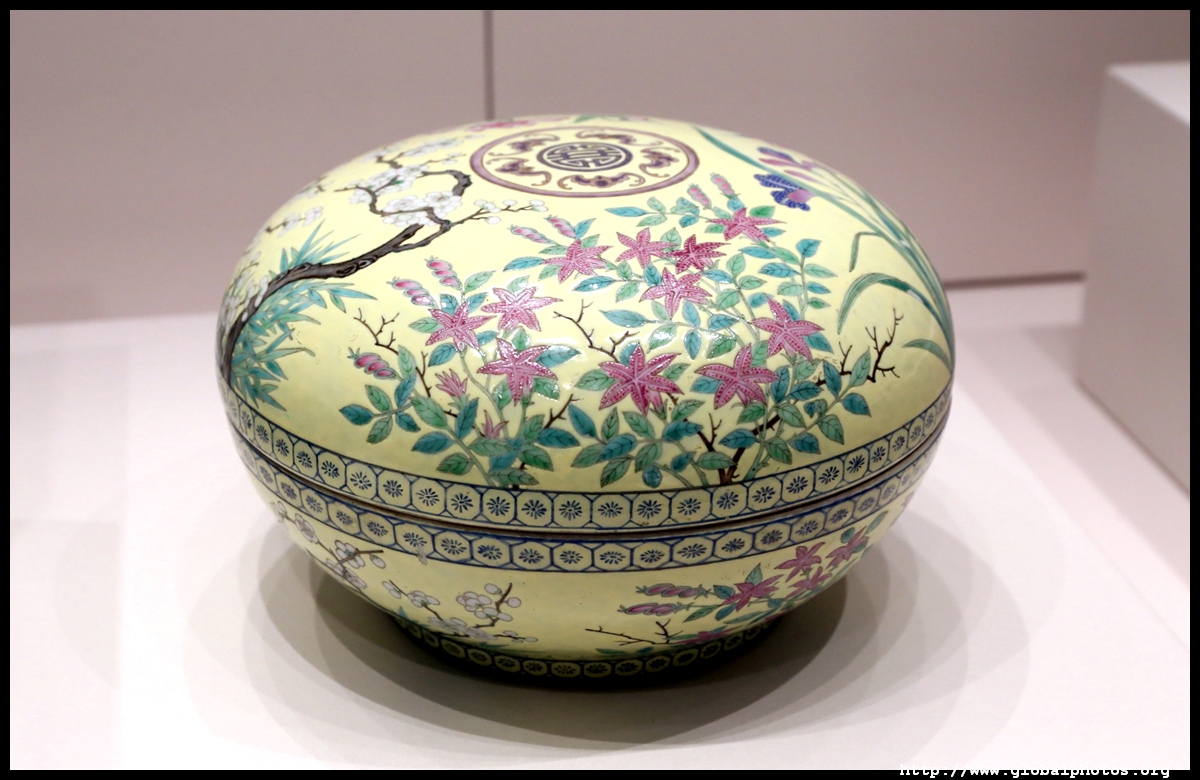
Empress Dowager Cixi loved flowers and commissioned flower paintings regularly. This type of box was typically produced in pairs and was made in 1886 to celebrate her 52nd birthday.