Hong Kong Palace Museum Photo Gallery - Gallery 5

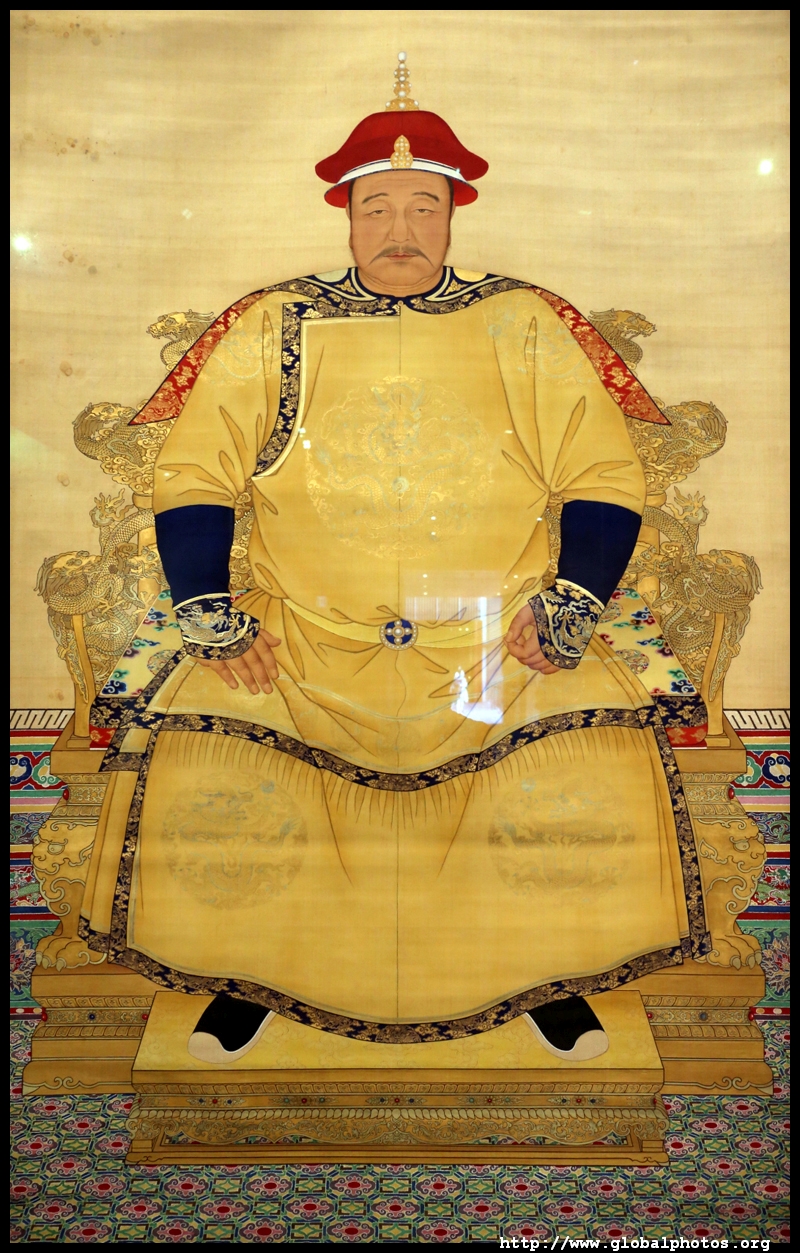
"The Quest for Originality : Contemporary Design and Traditional Craft in Dialogue"Emperor Taizong Wen (Hong Taiji) is shown dressed in summer attire with a briht yellow court robe and a collar with dragon roundels.
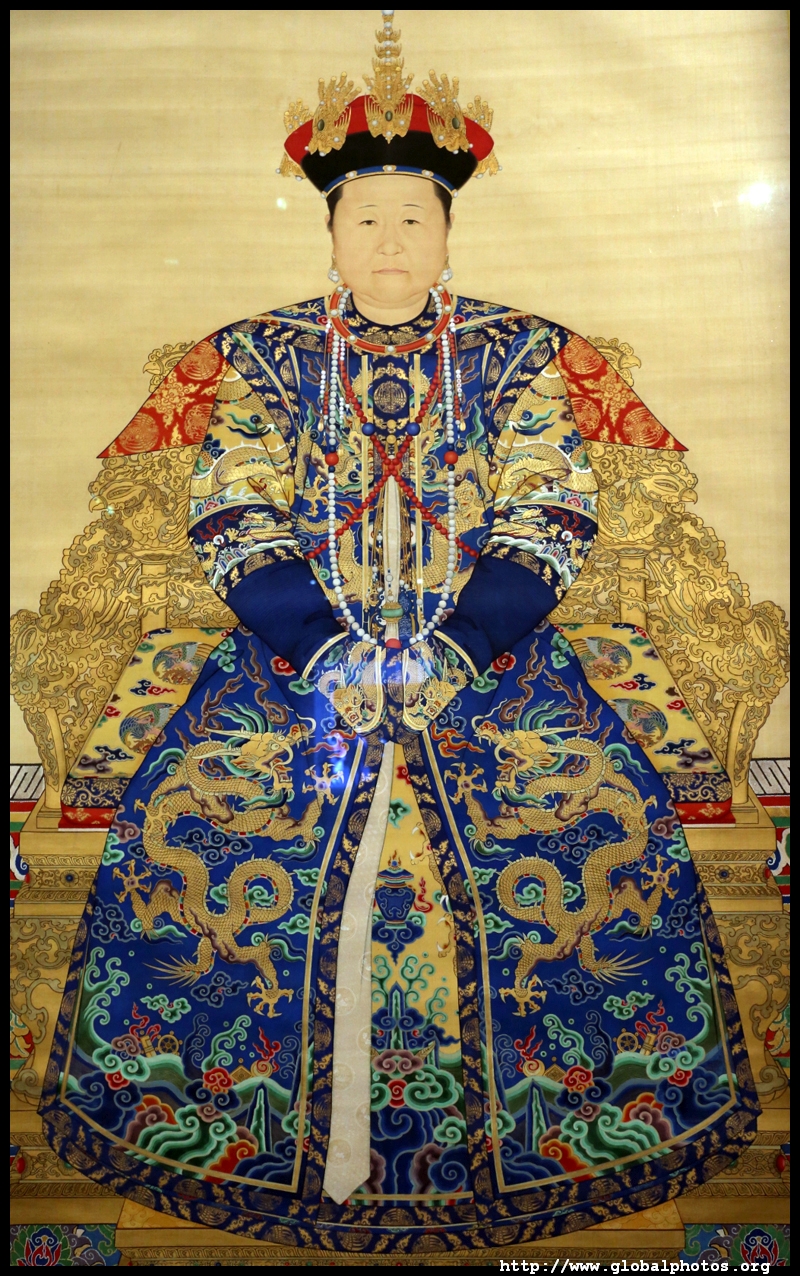
Bumbutai married Hong Taiji at age 13 and became the Xiaozhuang Wen Empress. She nurtured 2 future emperors, her son and grandson and oversaw the overthrow of the Ming Dynasty and subsequent capital move to Beijing.
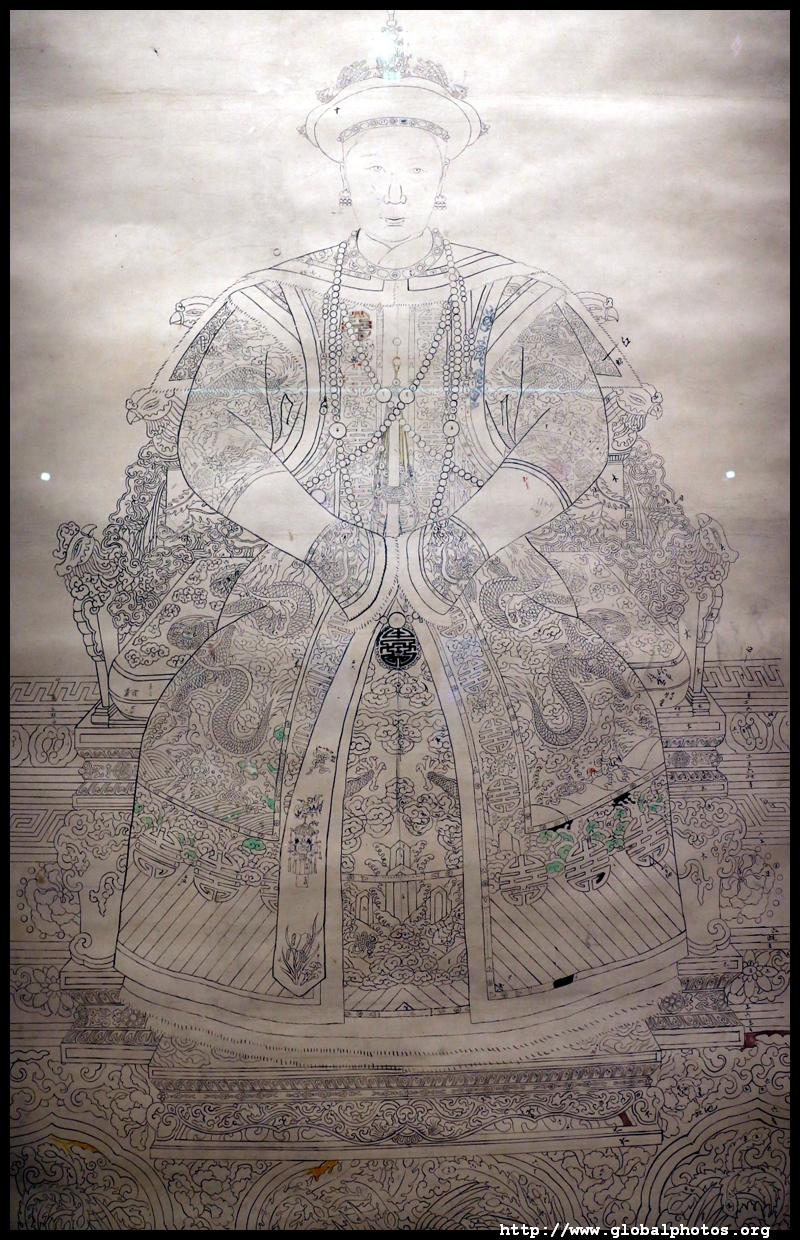
This sketch of the Empress' portrait was submitted to the Emperor for his official before the final is painted.
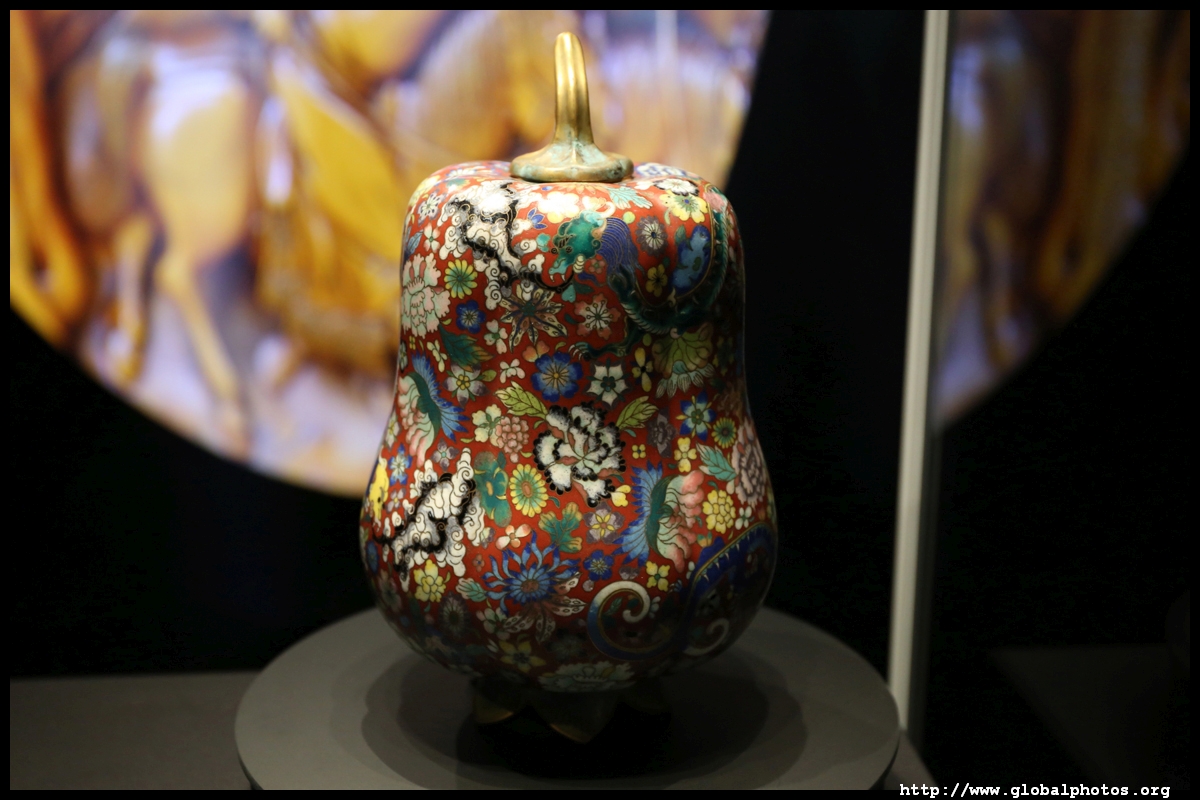
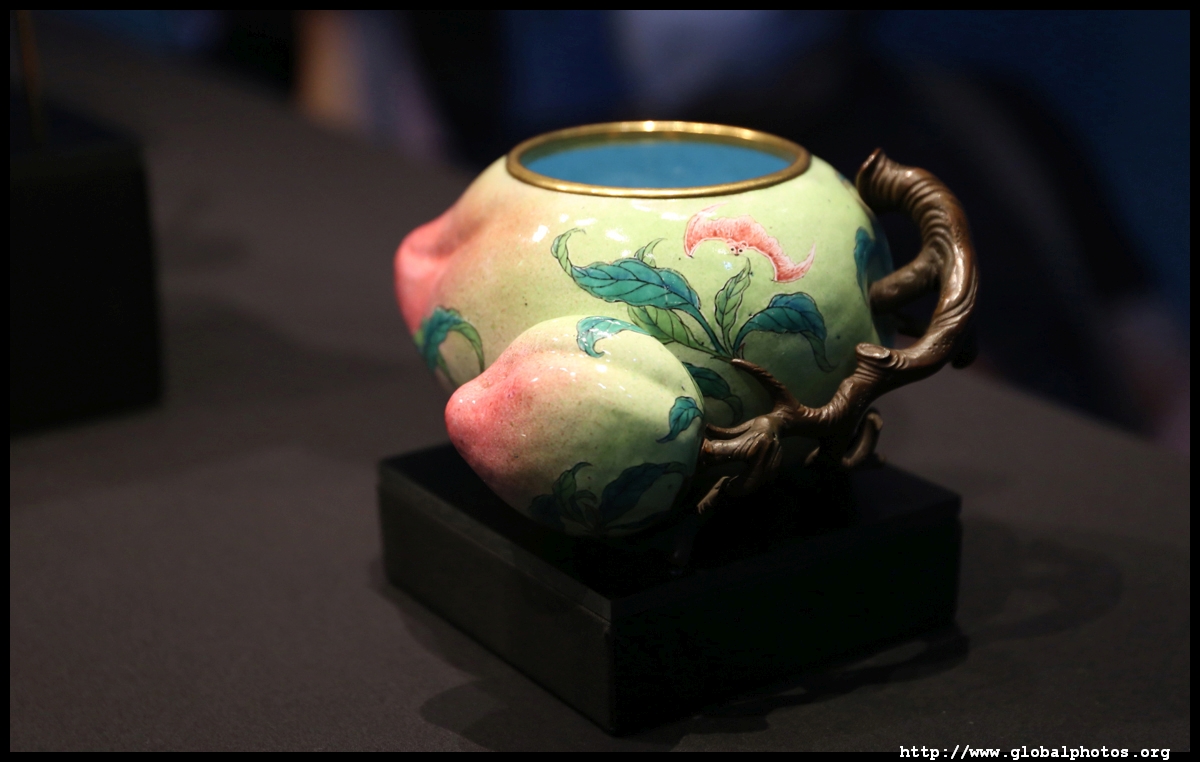
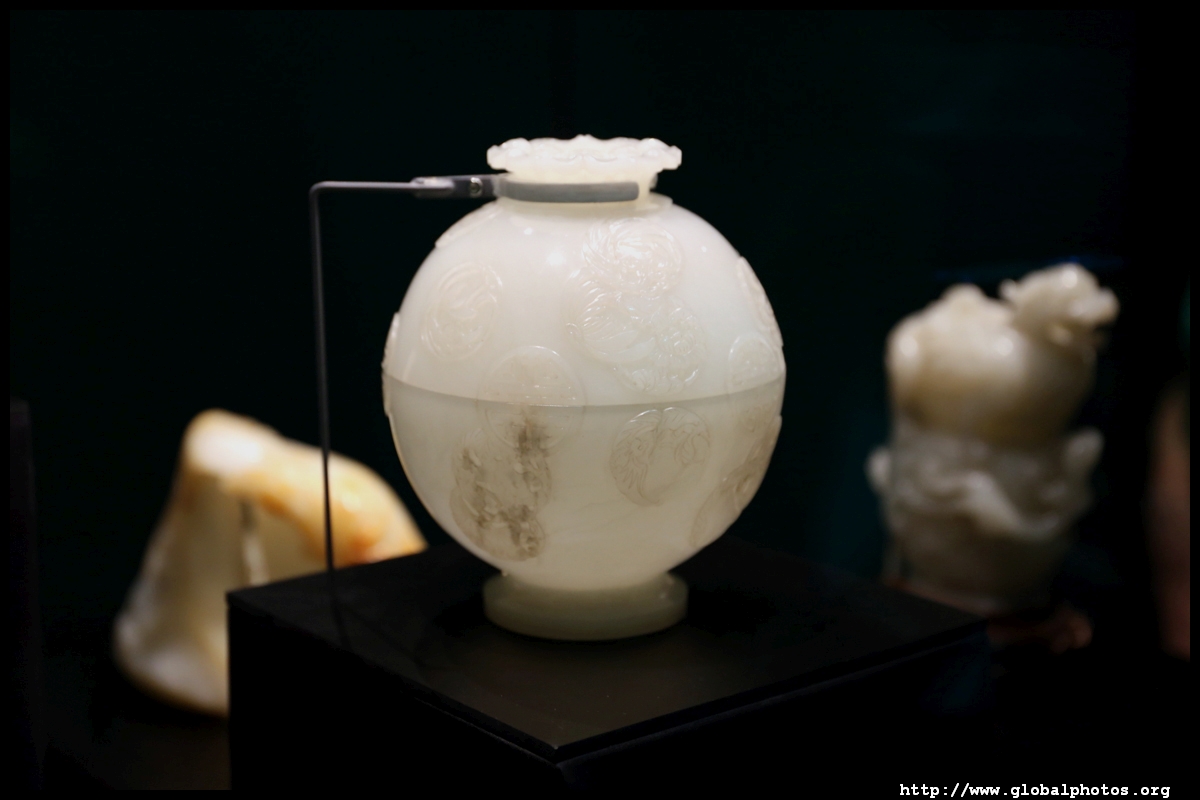
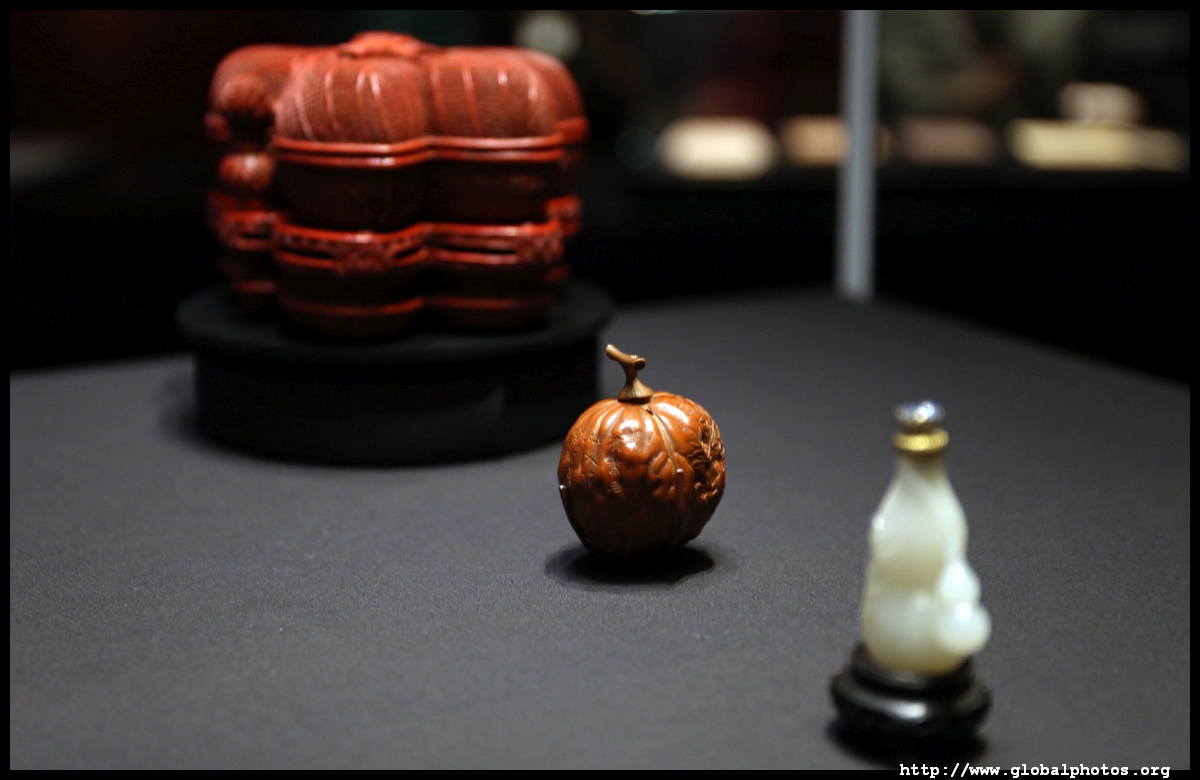
This melon-shaped jar with dragons and flowers was used for storage with the stalk being part of the lid.
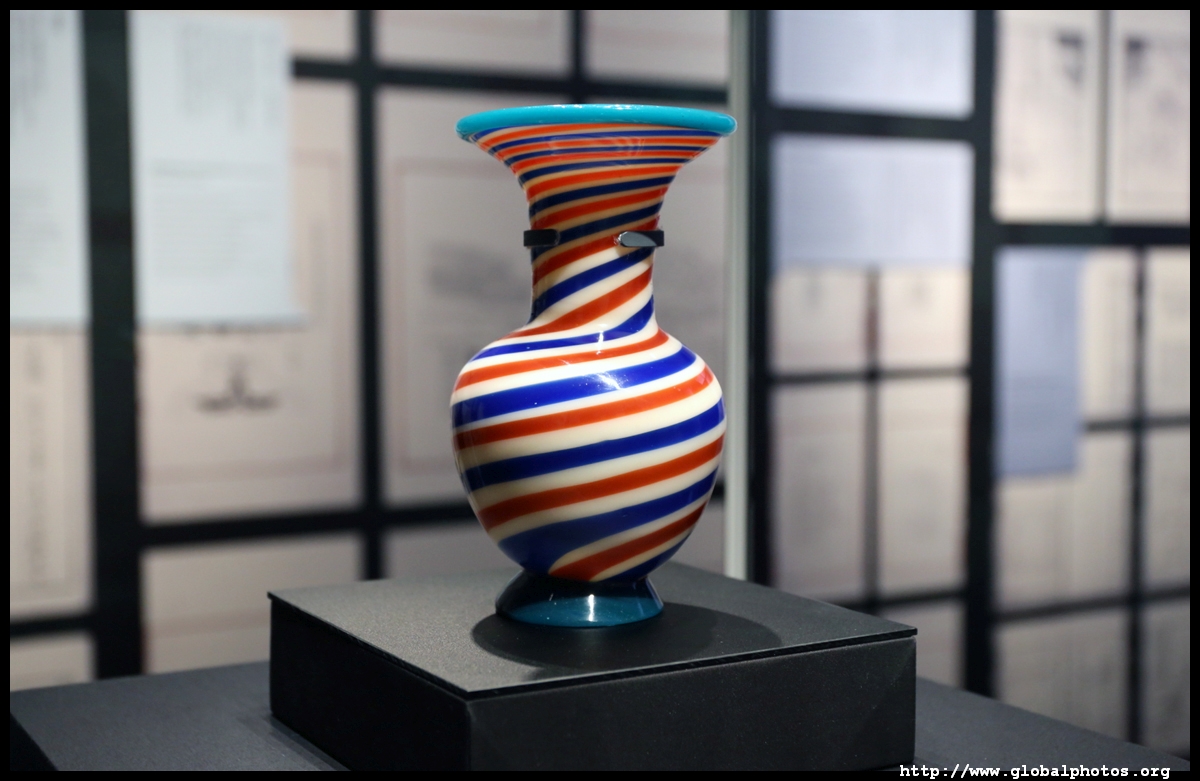
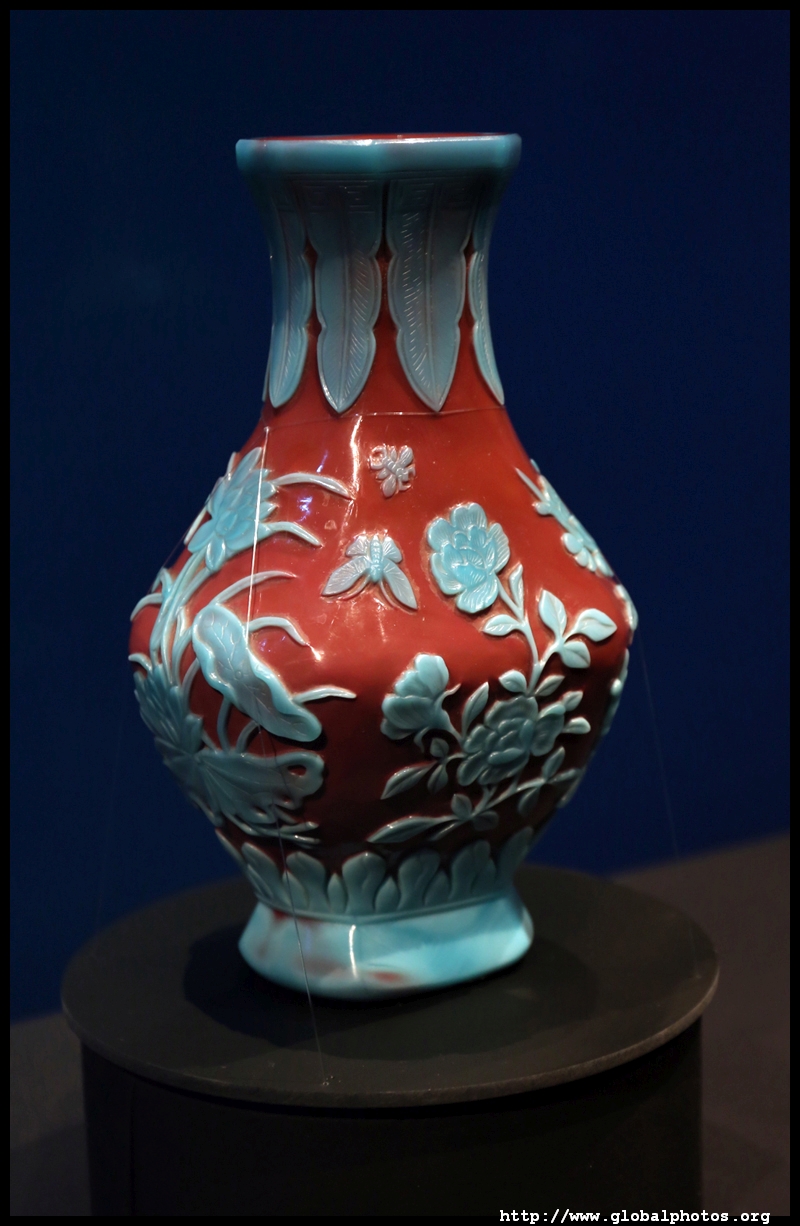
This vase was produced by the imperial kilns during the Qianlong era (1736-95). Produced through a complex process by applying coloured glass strips to create patterns, only the imperial workshops with the best craftsmen and materials could produce it. Qianlong had artistic tastes and a huge budget to build his collection. This item was novel at the time with multiple colours arranged in this style, which was believed to have originated from European missionaries. Glass vases are rare as opposed to over 300,000 pieces of porcelain in the entire Palace Museum collection in Beijing.
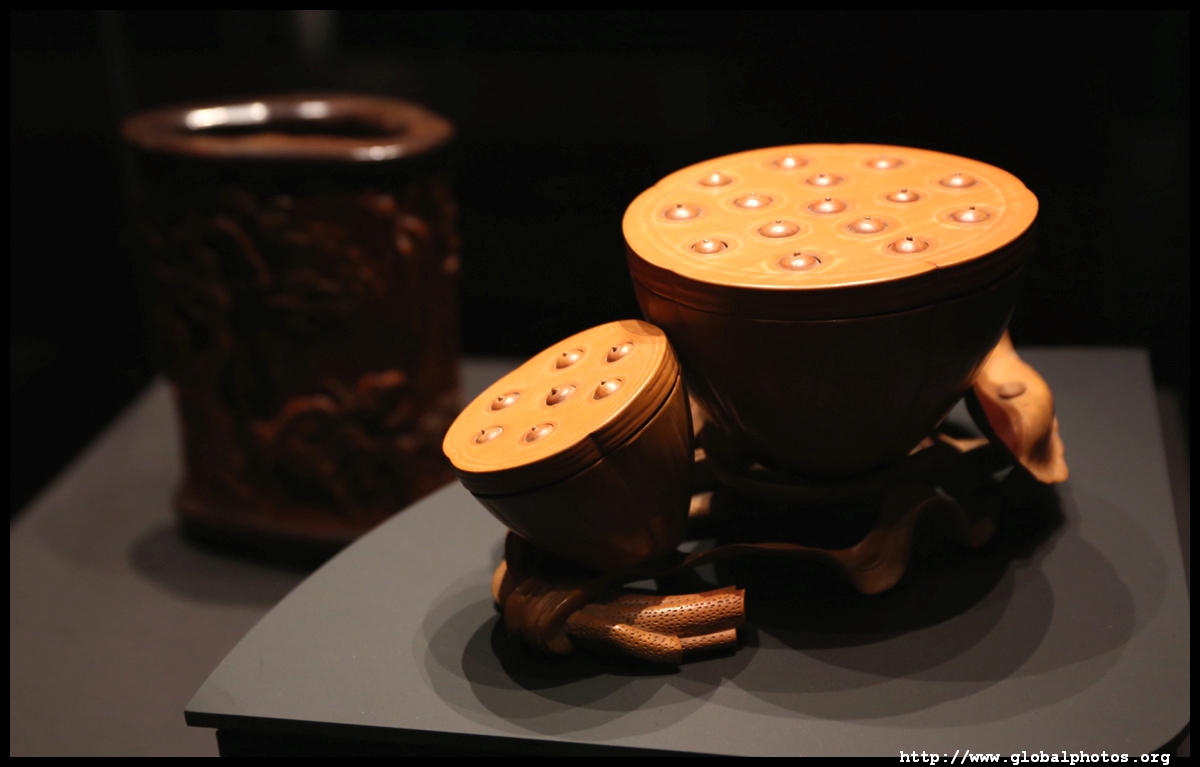
Produced using the bamboo veneer technique with bamboo tubes glued onto the object to give a bamboo texture, this box was designed to store perfumes or spices.
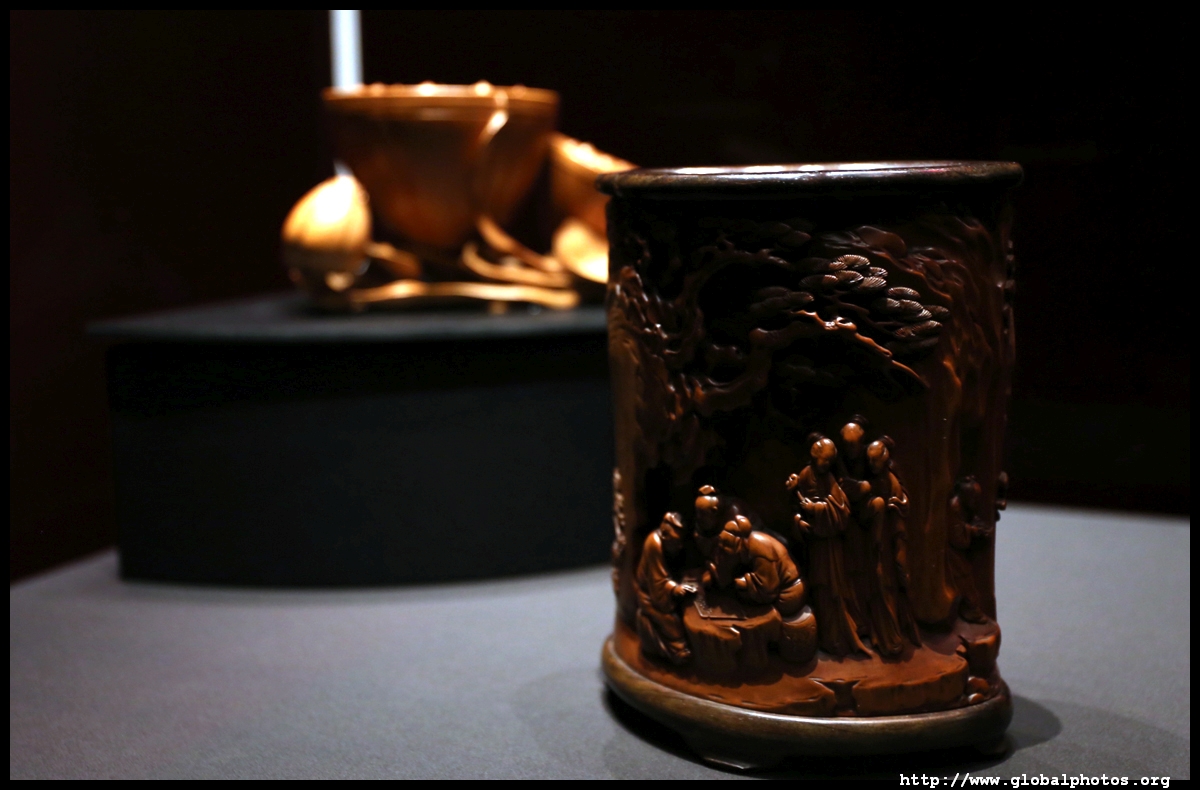
Legend has it that Emperor Qianlong was impressed with a brush pot with the inscription of "Wu Zhifan" and the bamboo carver became famous posthumously.
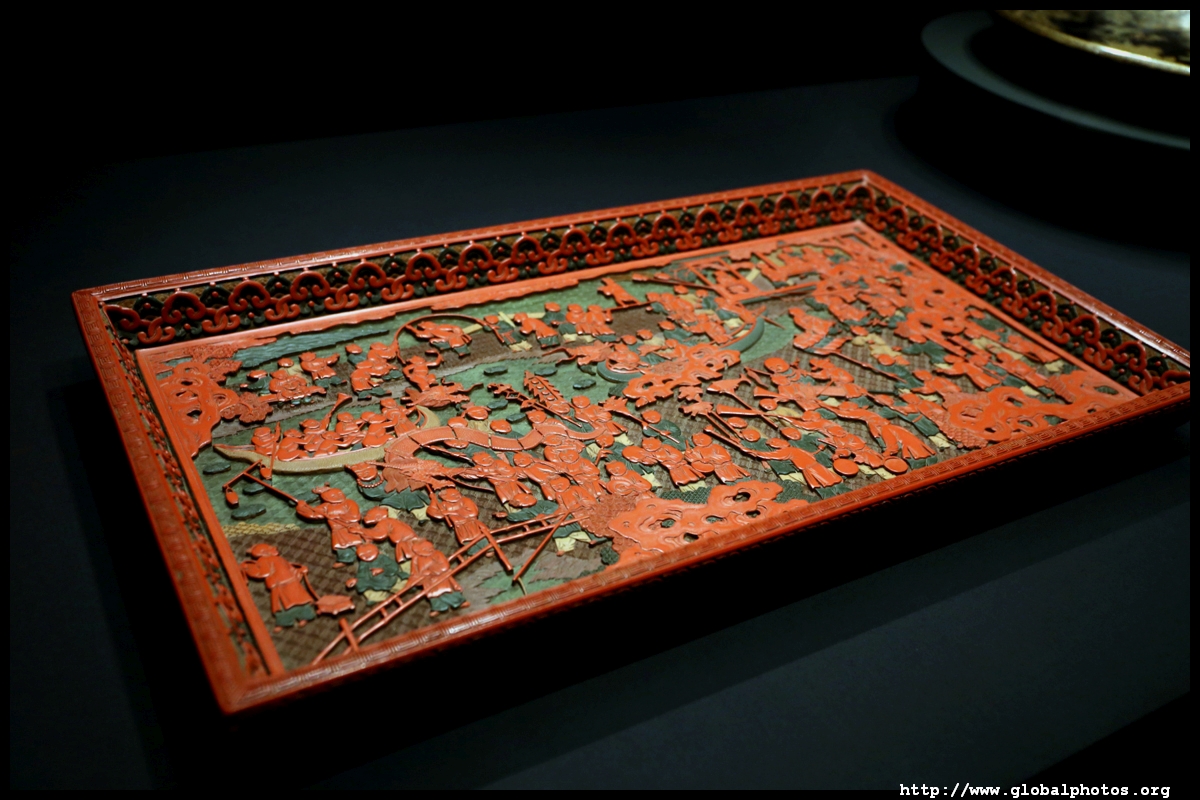
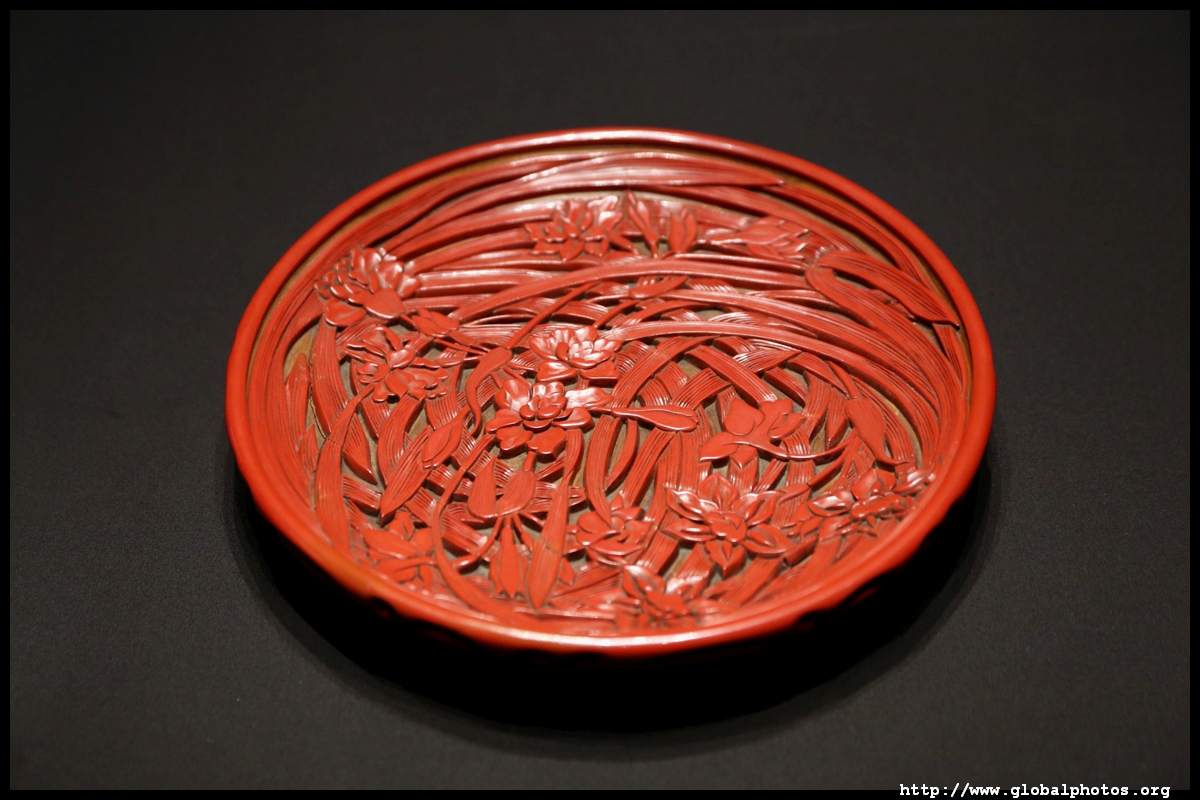
This lacquer tray was used for the zhuazhou (one year-old catch) ritual. The child selects an object in the tray which shows his future career. Commissioned by the emperor, it took 8 months to produce each tray.
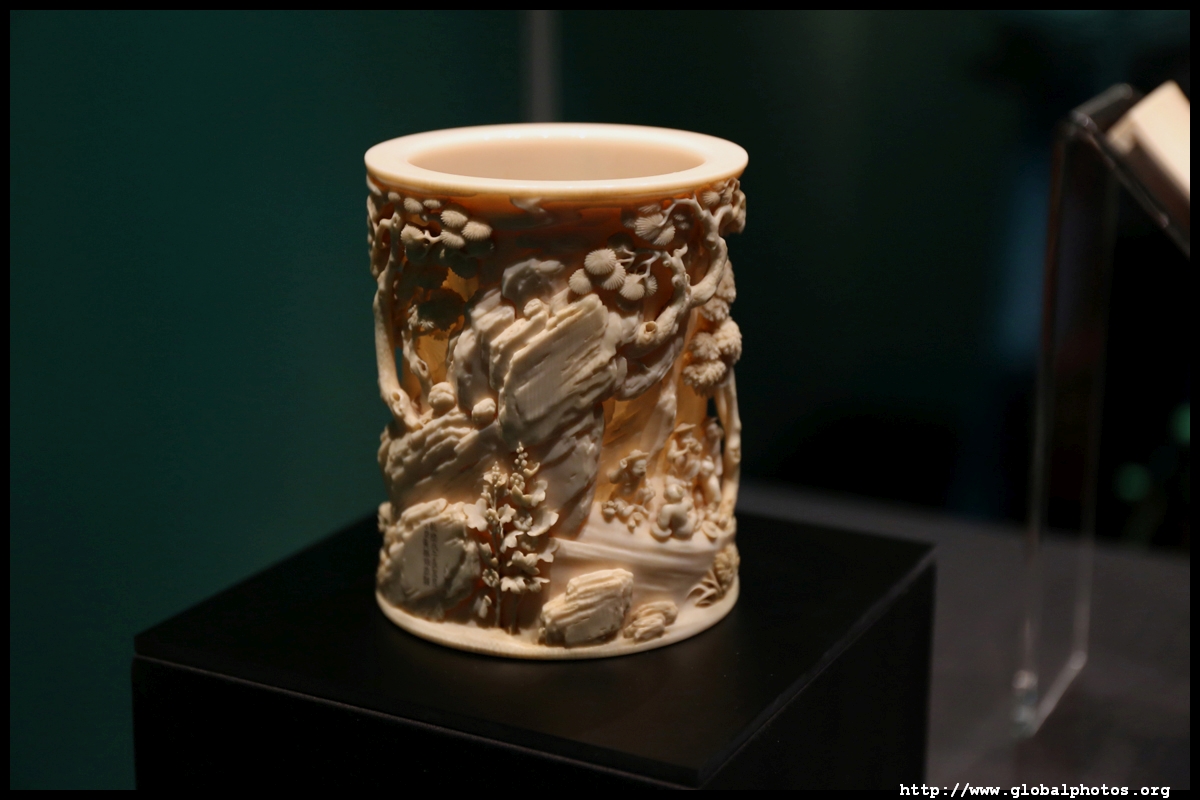
This brush pot was made by an ivory craftsman from Canton bearing a poem by the emperor and his own inscription.
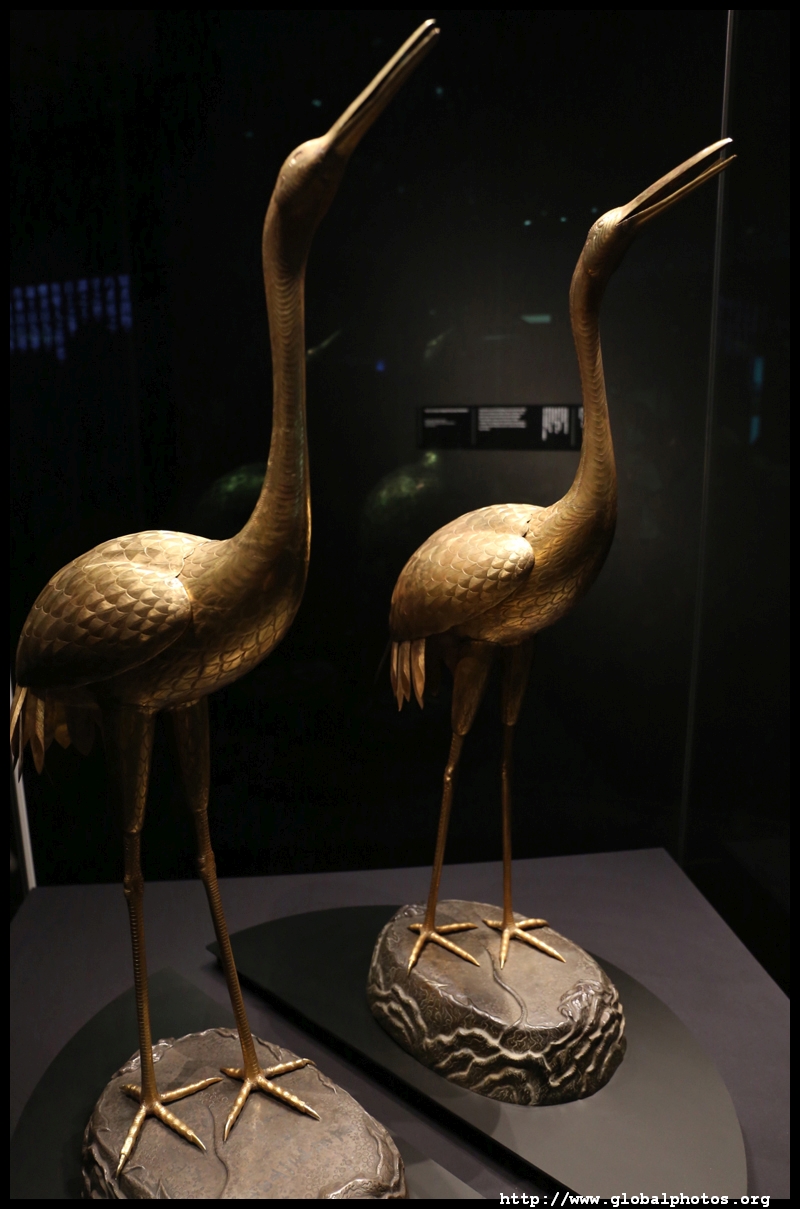
This pair of crane-shaped incense burners were important furnishings at the court, usually placed beside the throne.
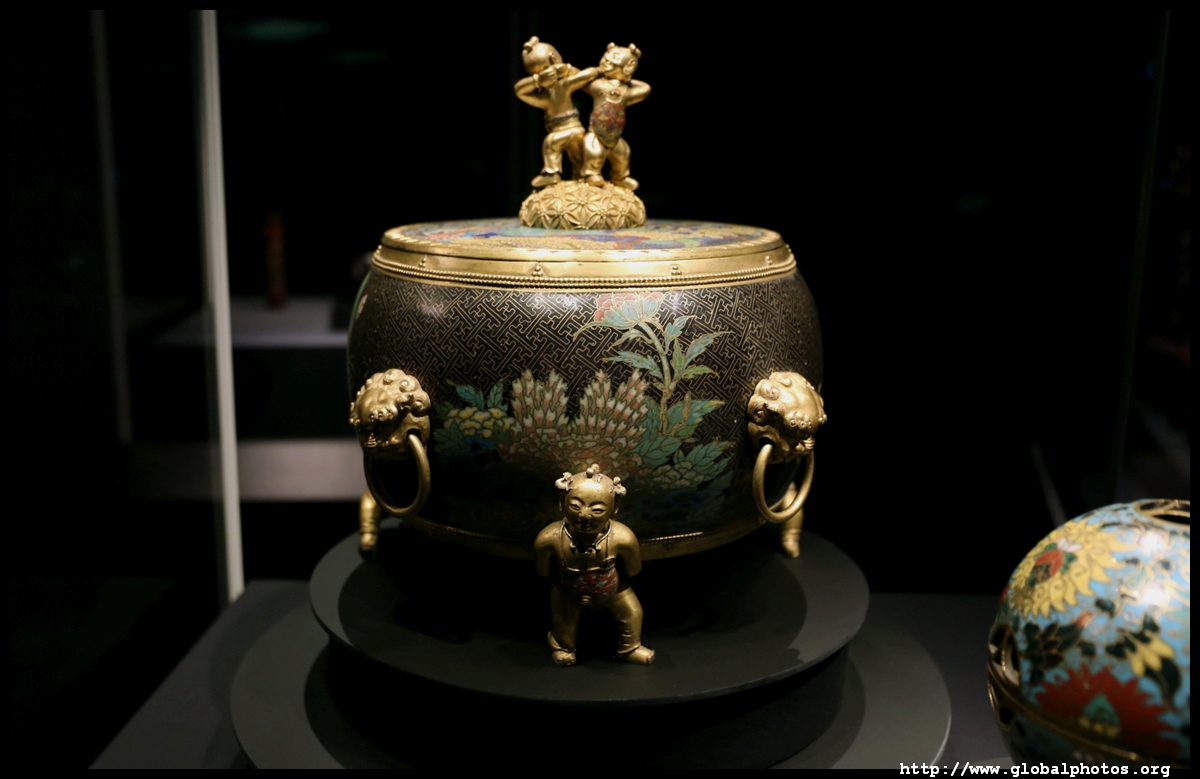
This incense burner shaped like a drum with playing lions dates from the Qing Dynasty.
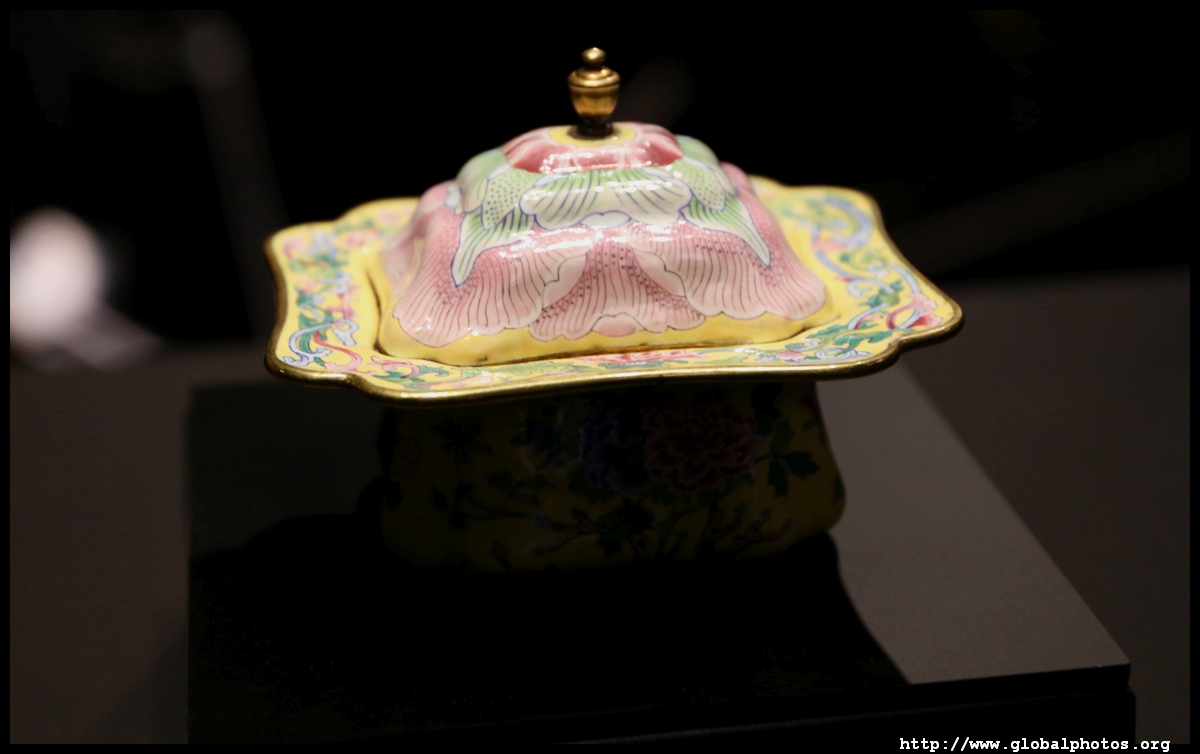
This is a spittoon, which is typically placed by the emperor's throne and bed.
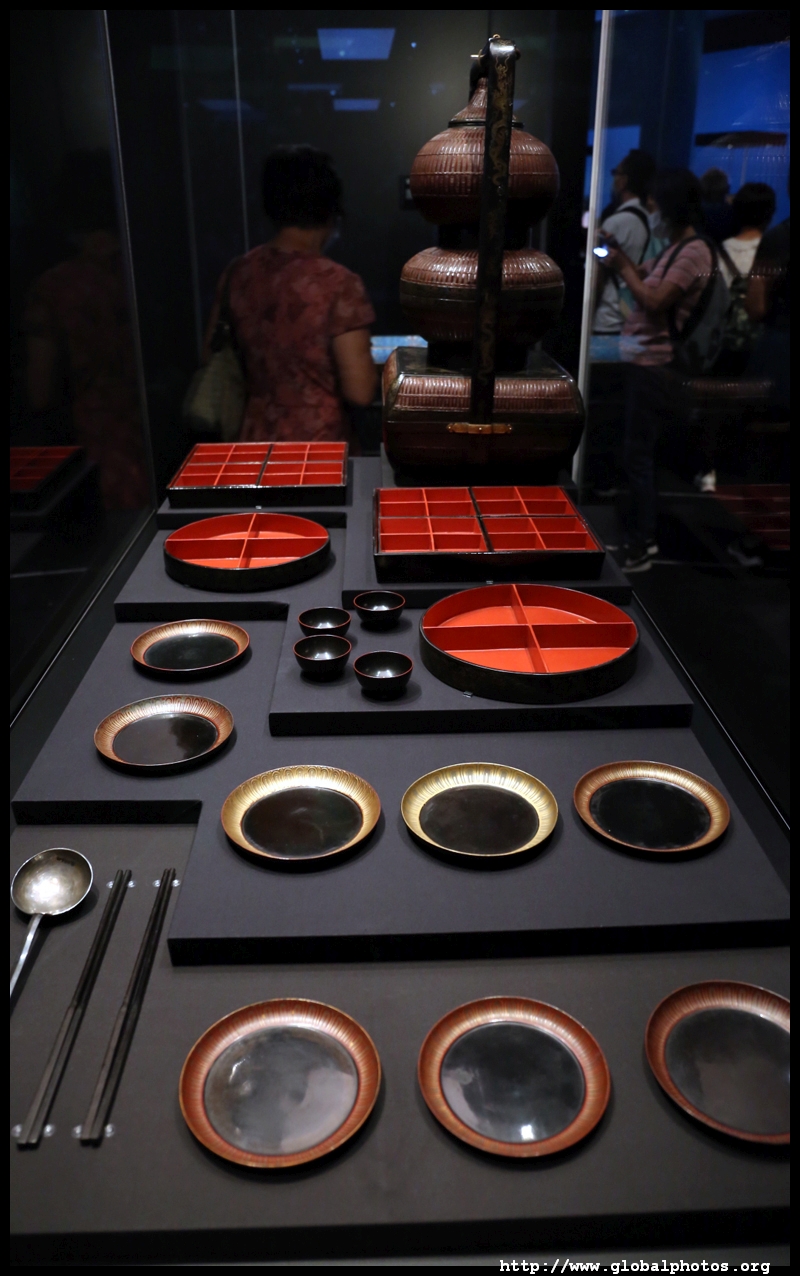
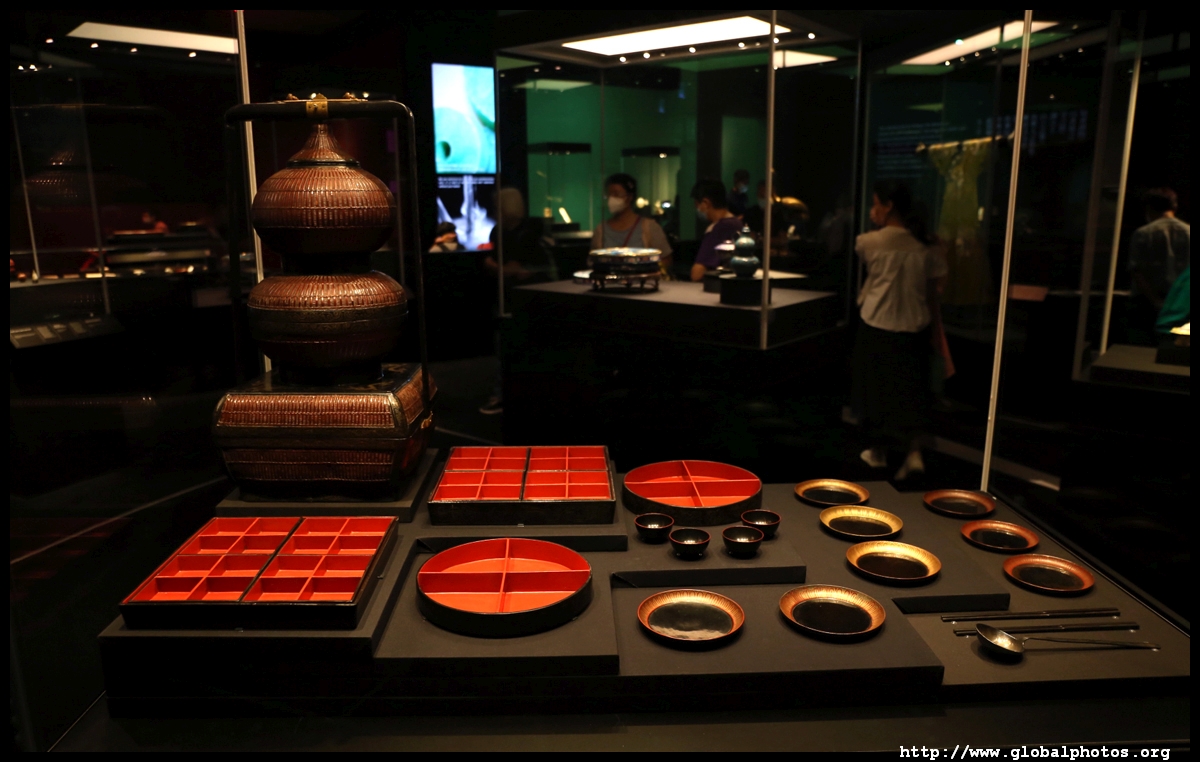
This Qing Dynasty picnic basket has a cutlery set for two. Tourism flourished during the mid-Ming Dynasty and baskets like this became popular.
Ice chests were not just used to keep food and drinks cool, but also to be an air-conditioner for the surrounding area. This particular chest was though>
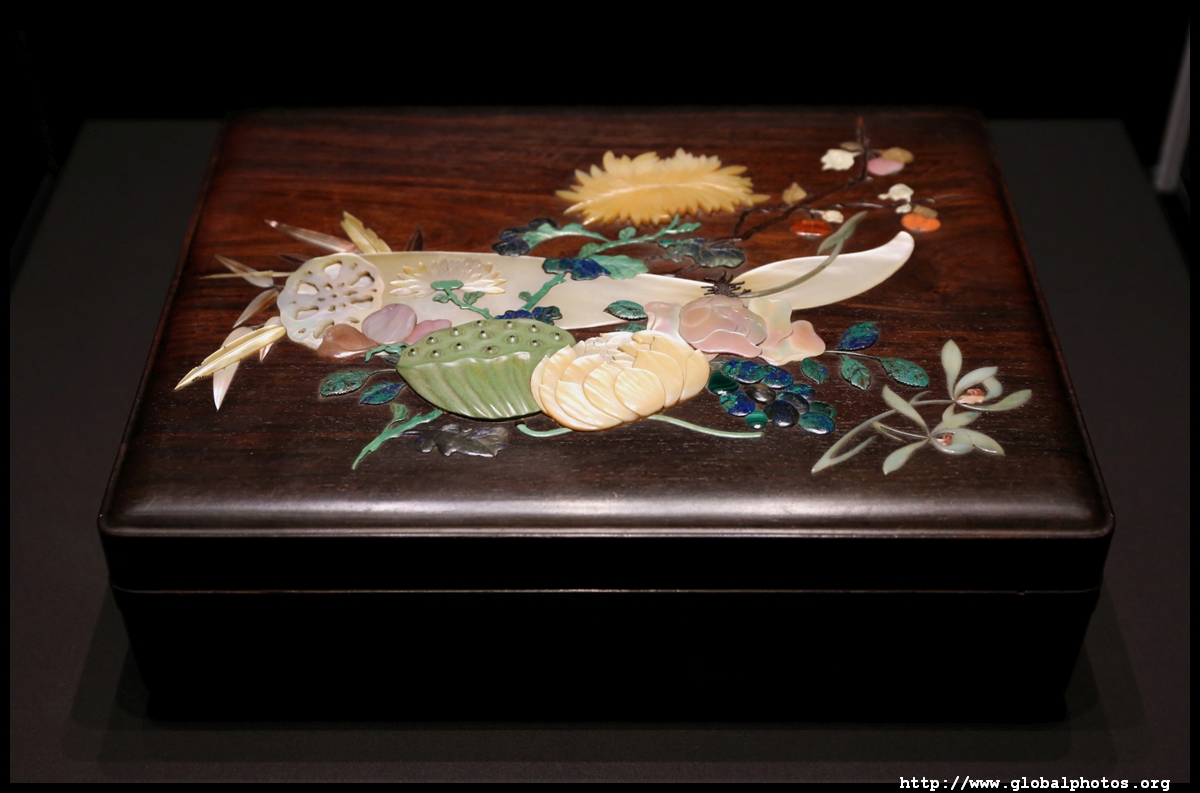
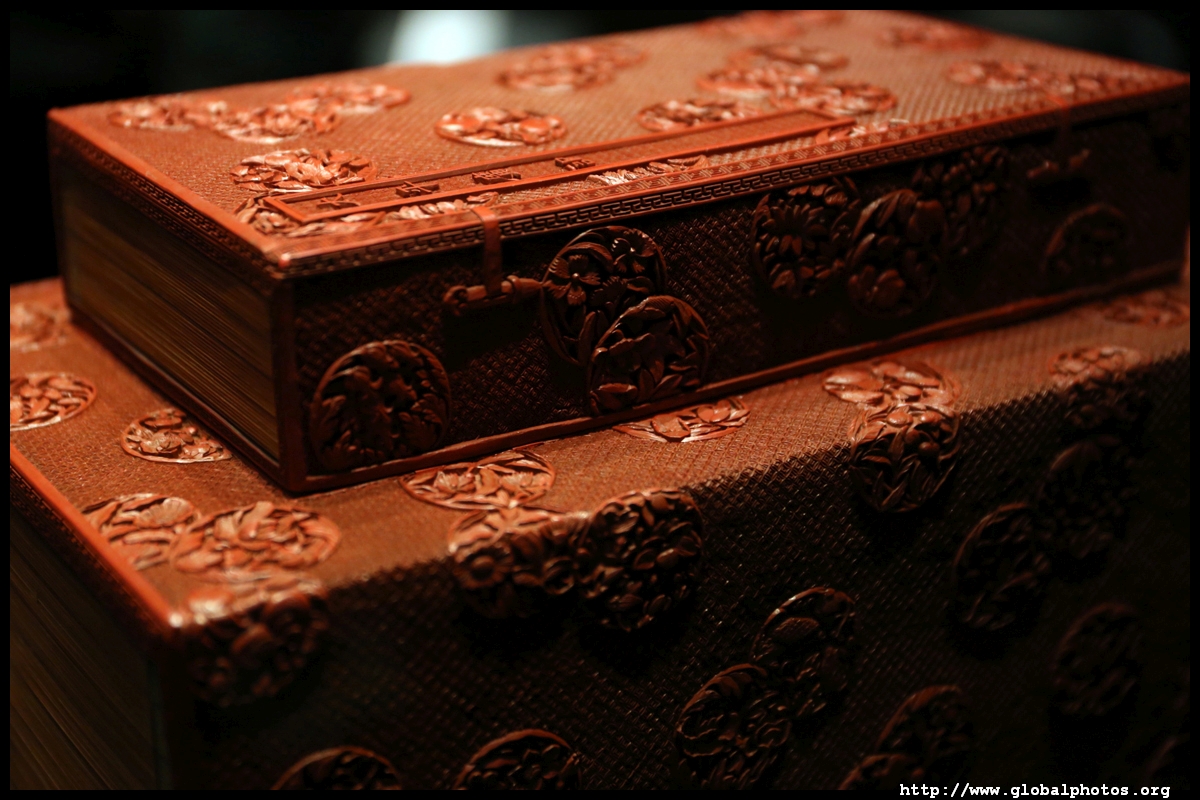
This box's surface is polished to make it look like a fabric book cover with 2 sheets of wood at the end to imitate the pages.
t to have been sent to Tianjin for the last Qing Emperor, Puyi.
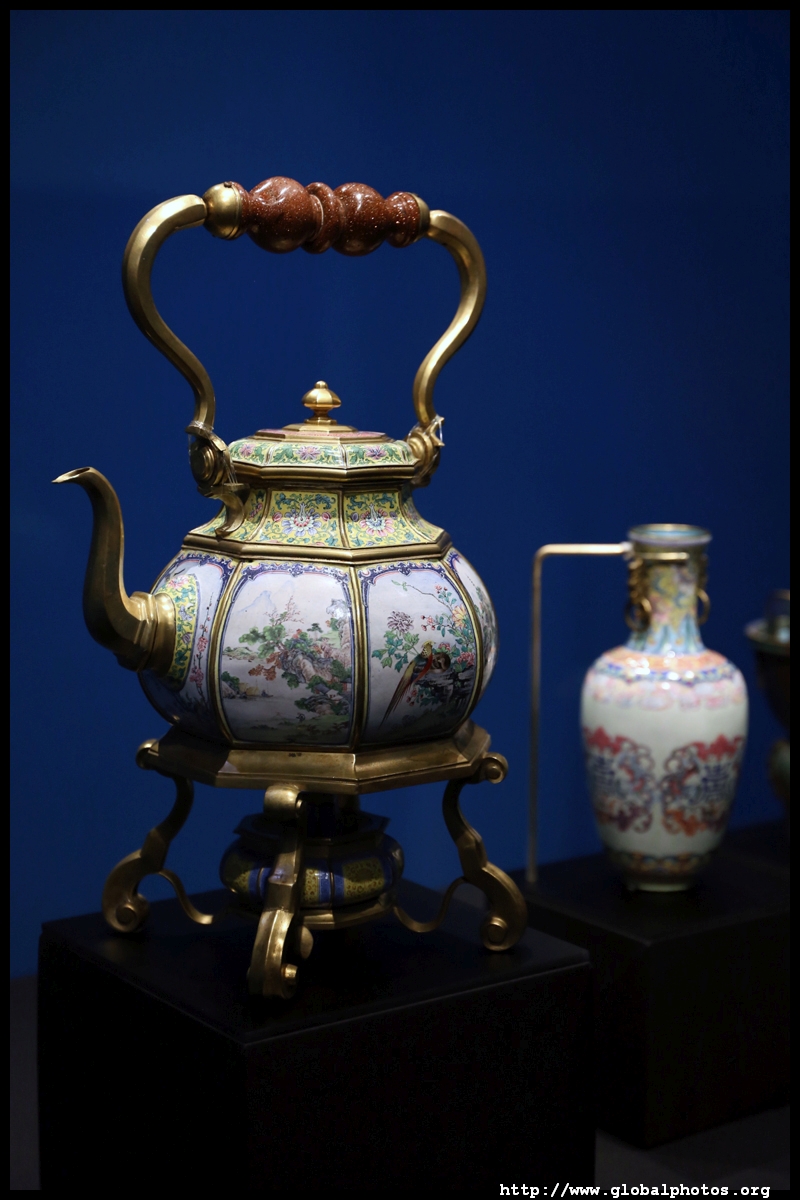
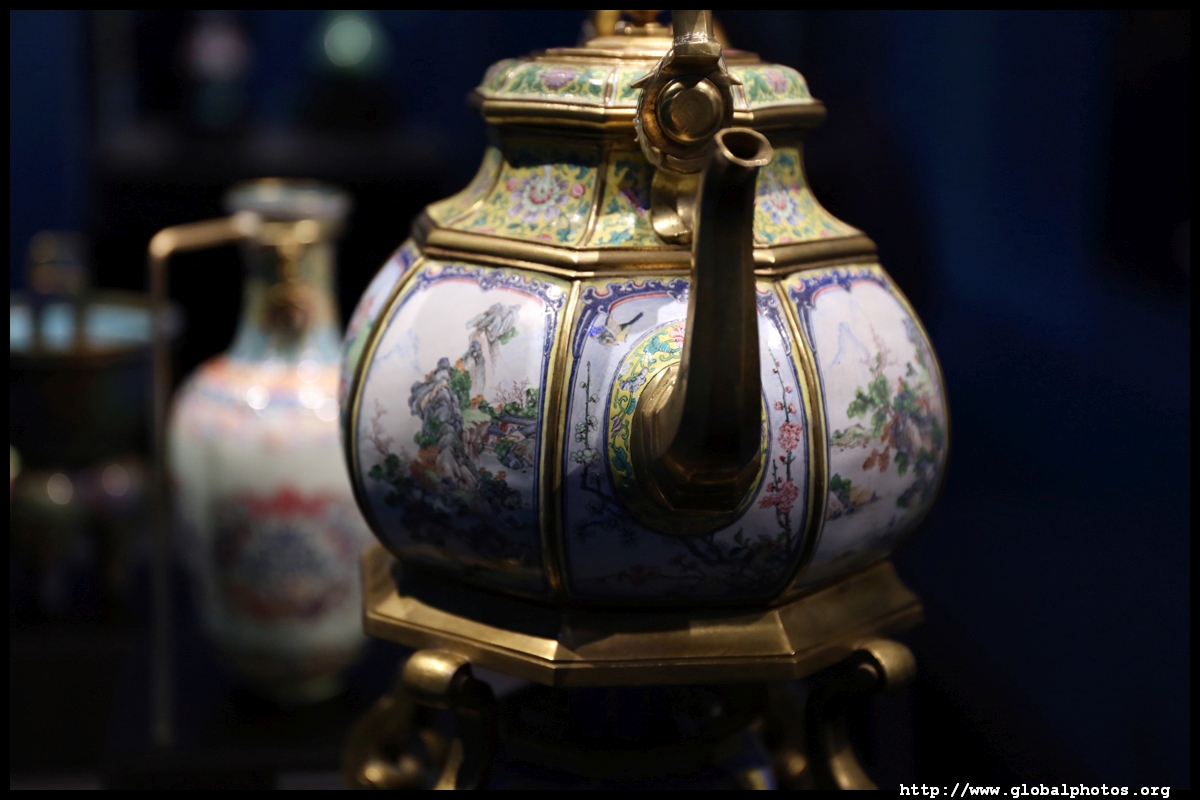
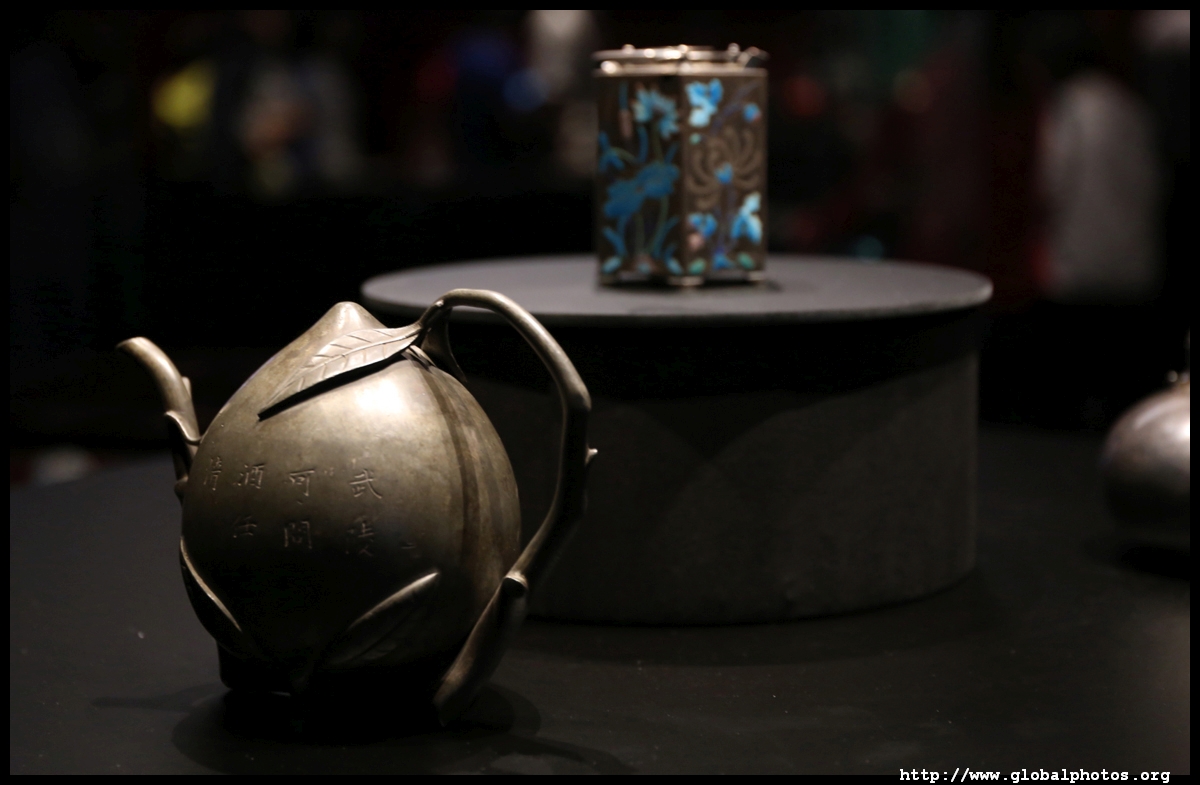
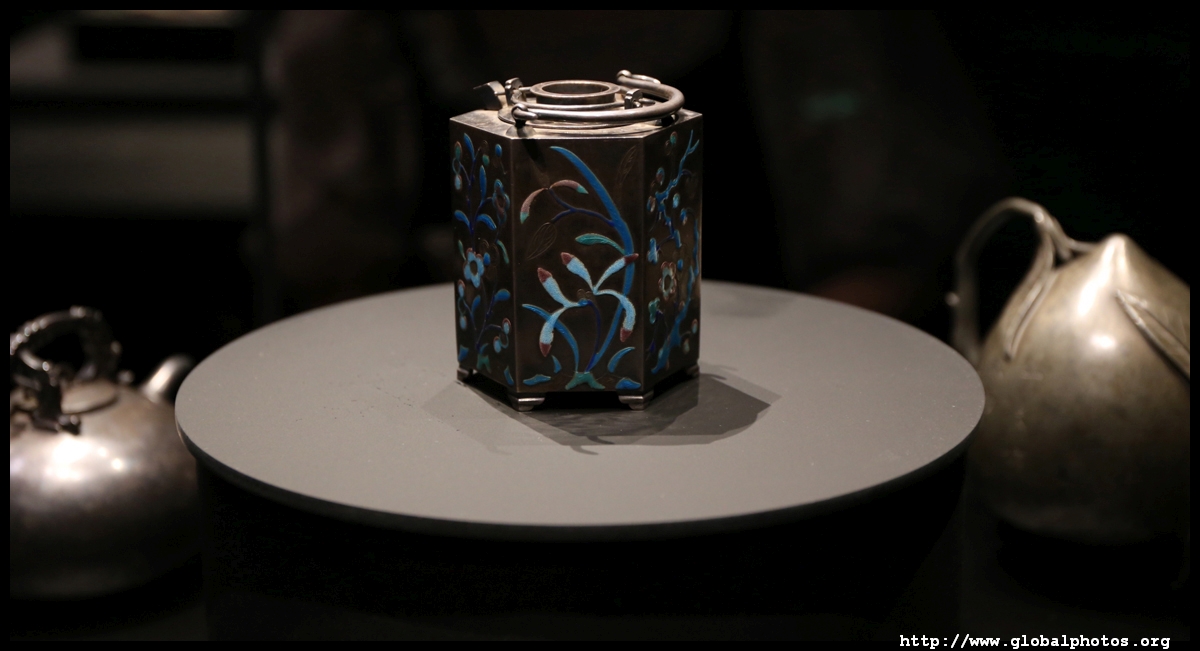
This wine warmer has an inner cylindrical container and an outer one with 6 sides. Hot water can be poured between the two compartments to warm the contents.
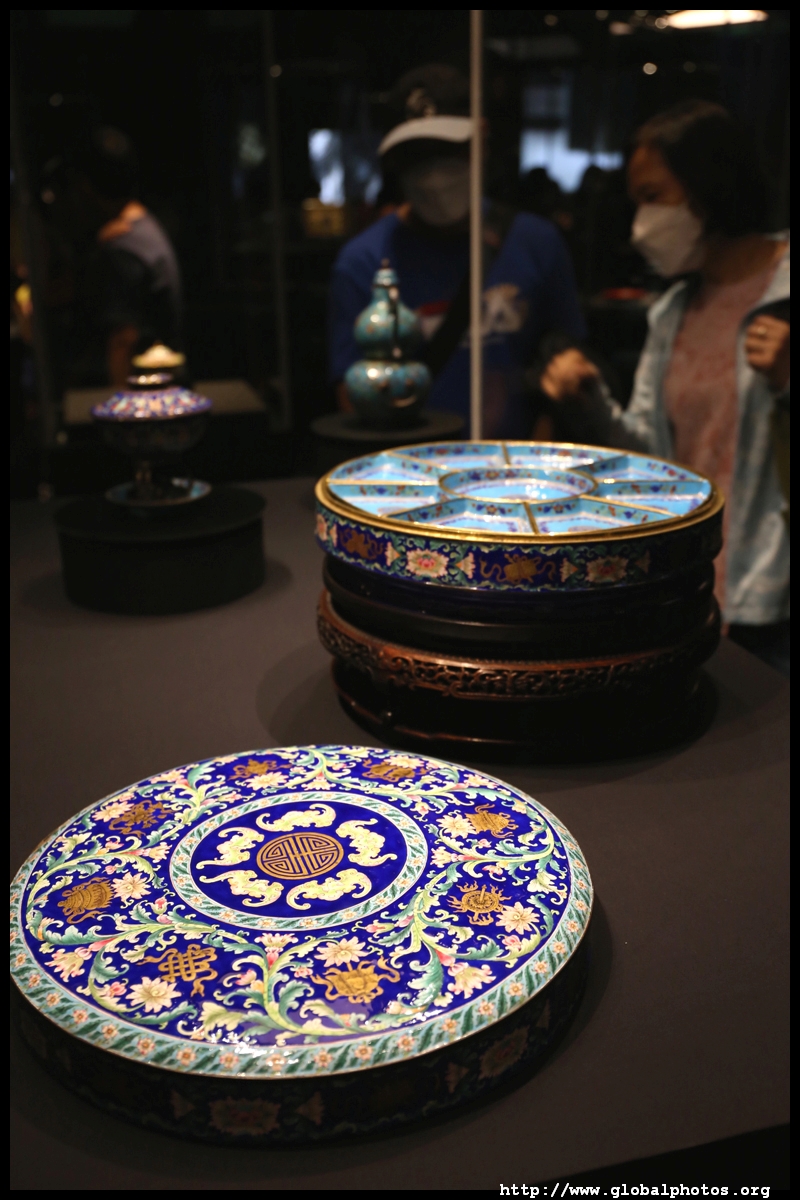
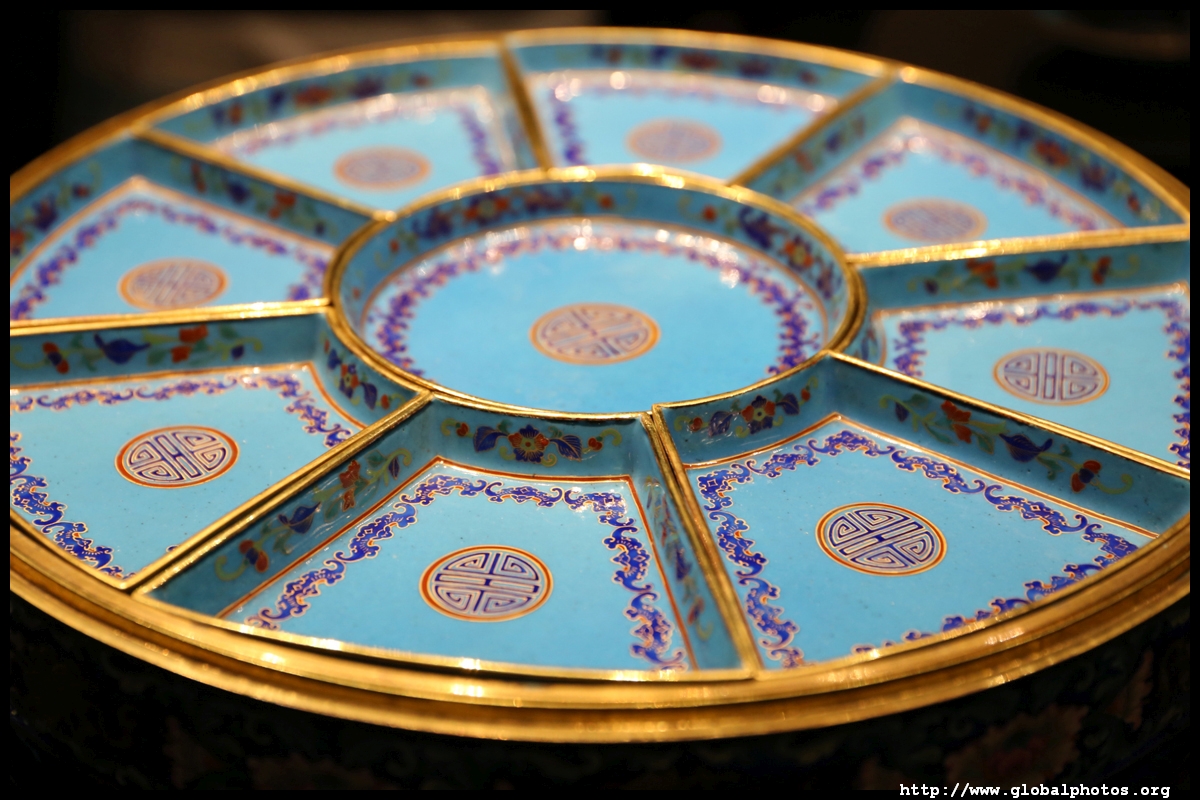
The multiple segments in this box are used to store sweets or fruits. It was made in Guangdong with a sky blue glaze.
|
|||
Hong Kong Gallery Main Page