Kuala Lumpur Photo Gallery |
|||
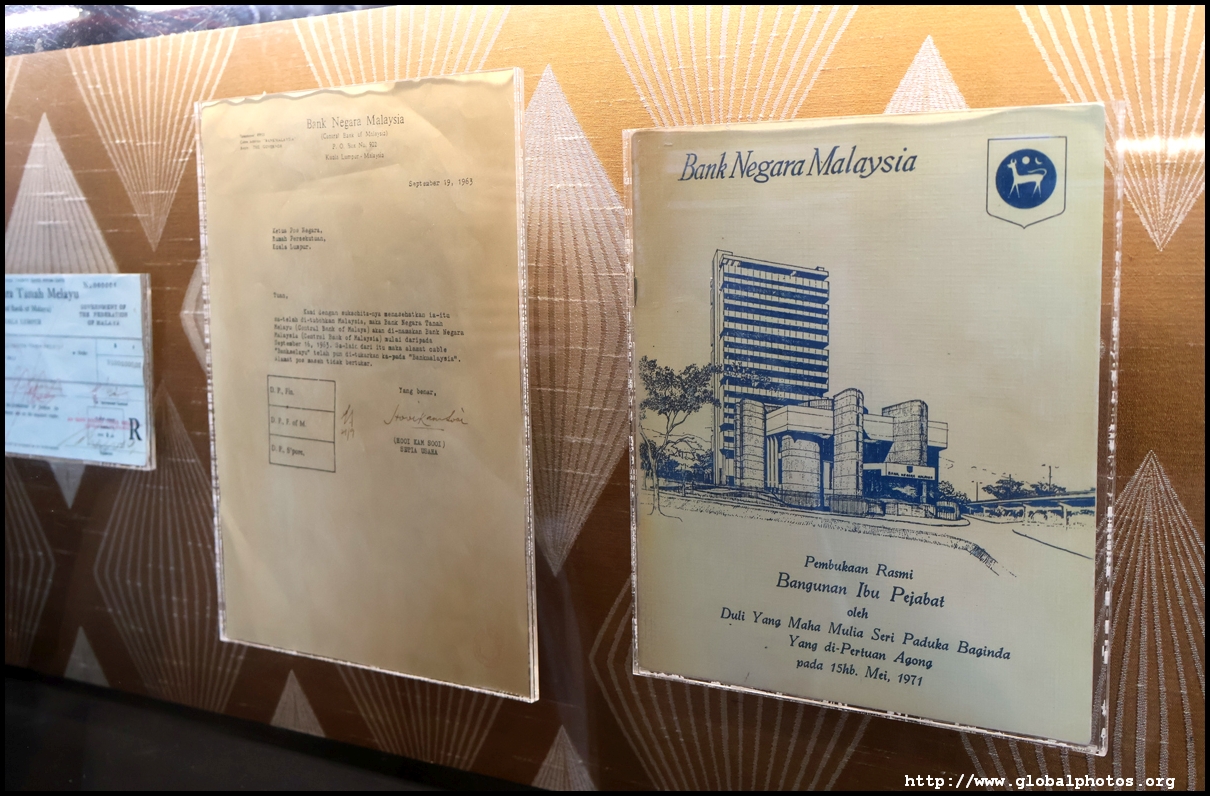
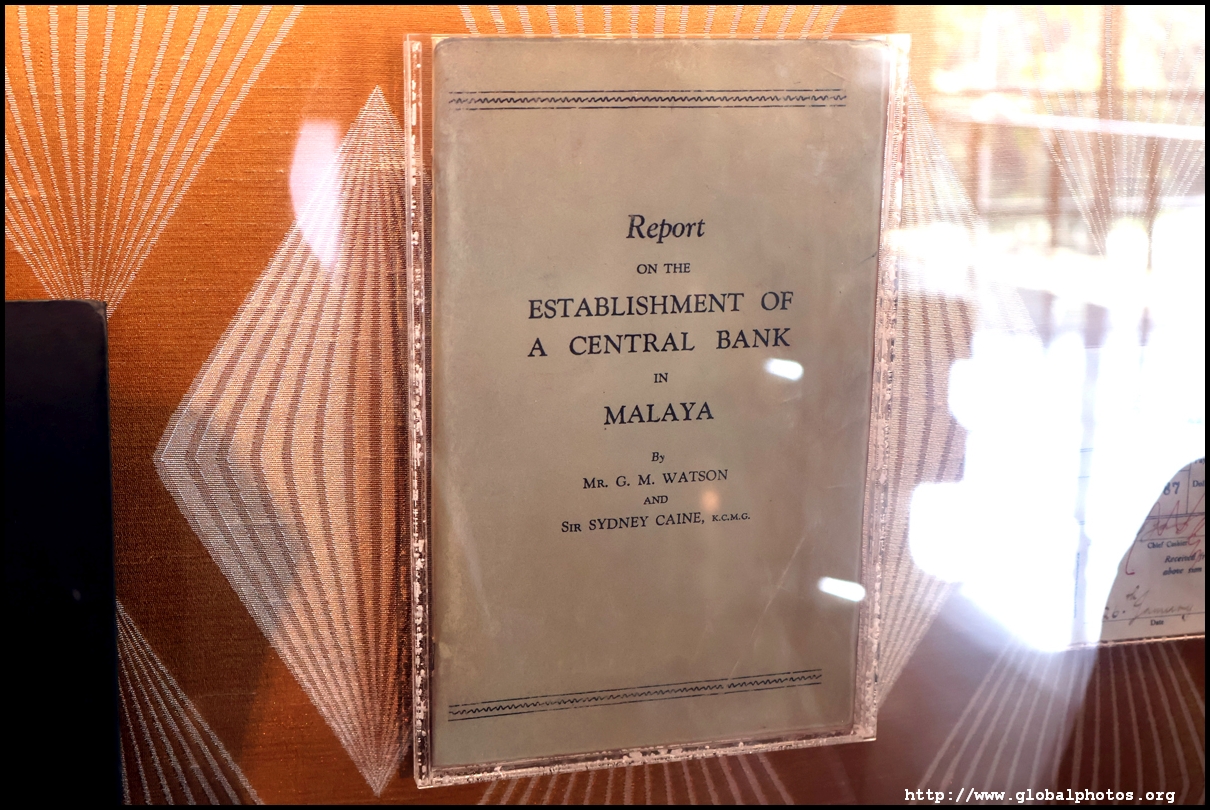
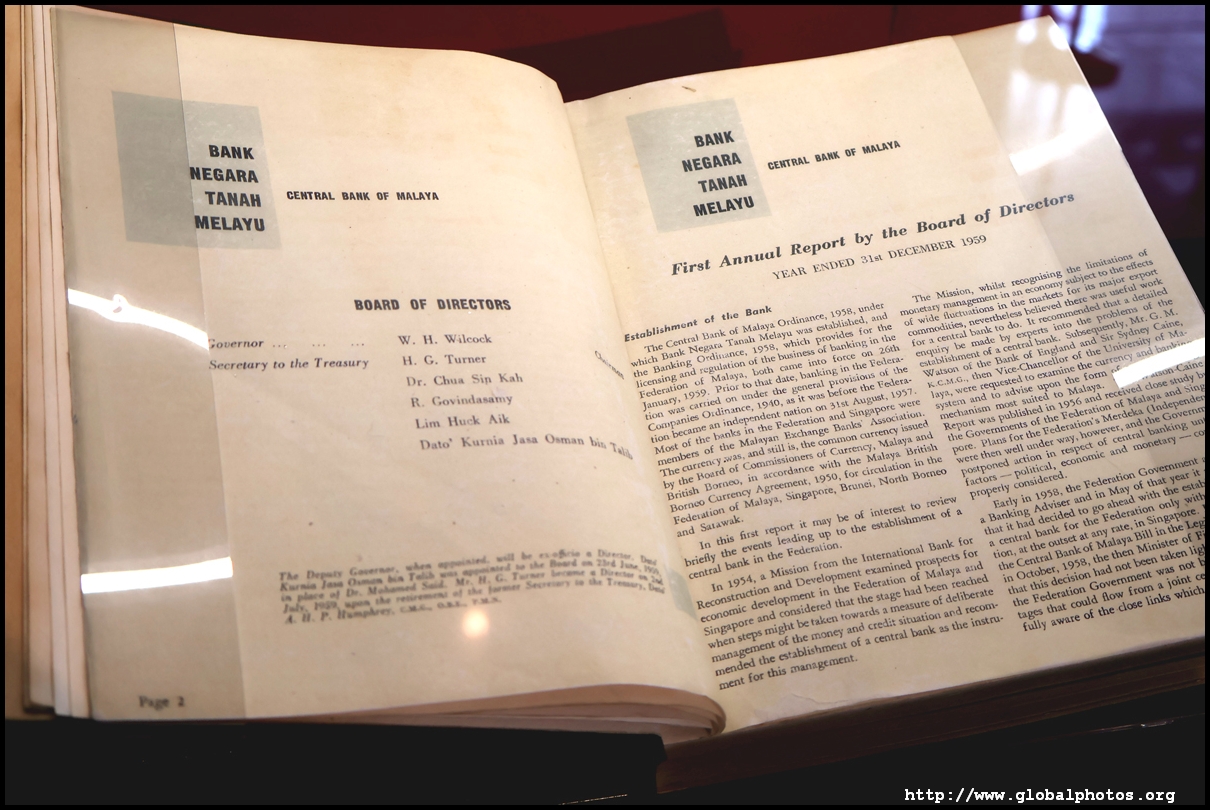
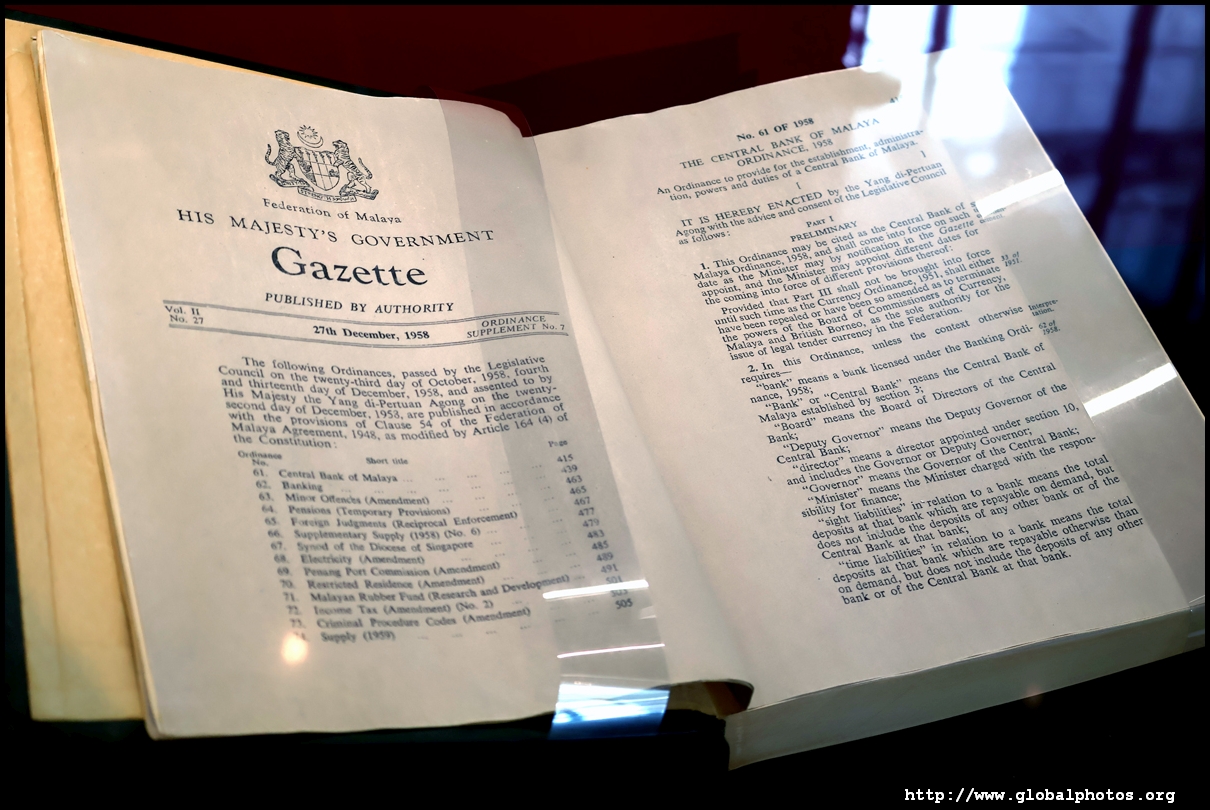
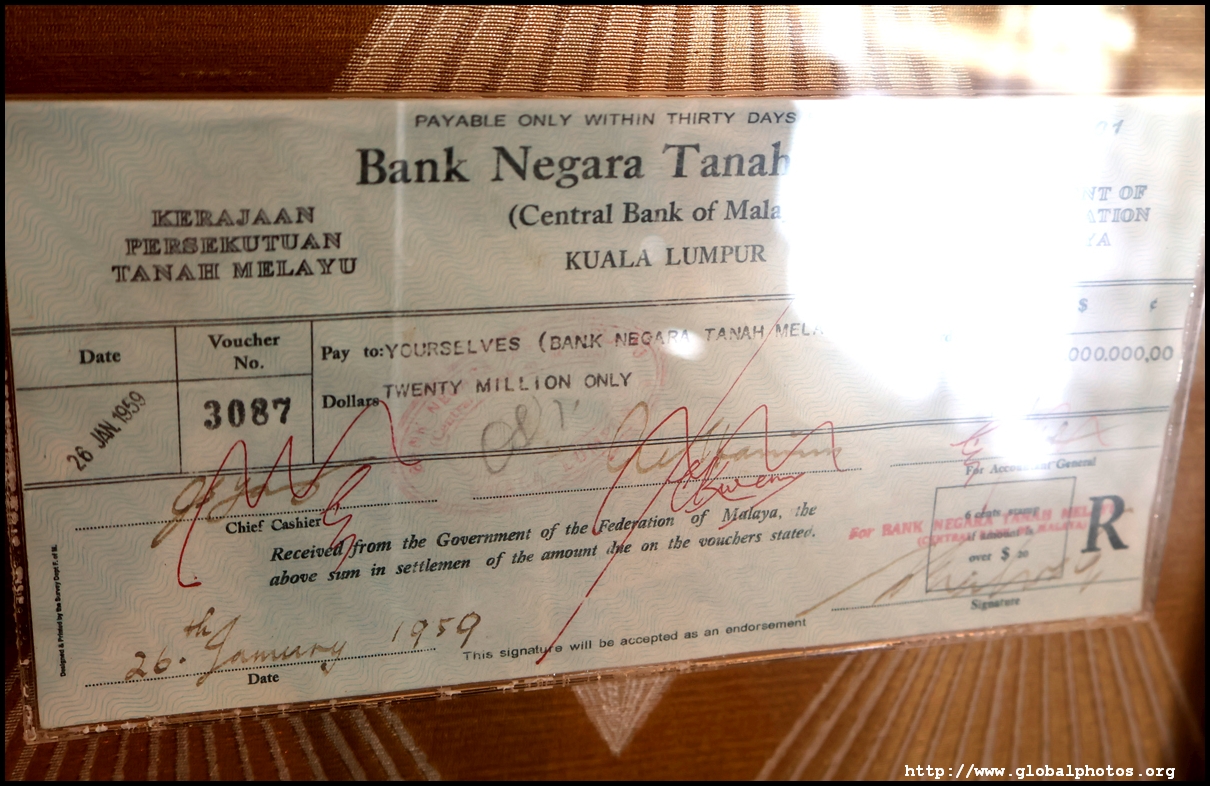
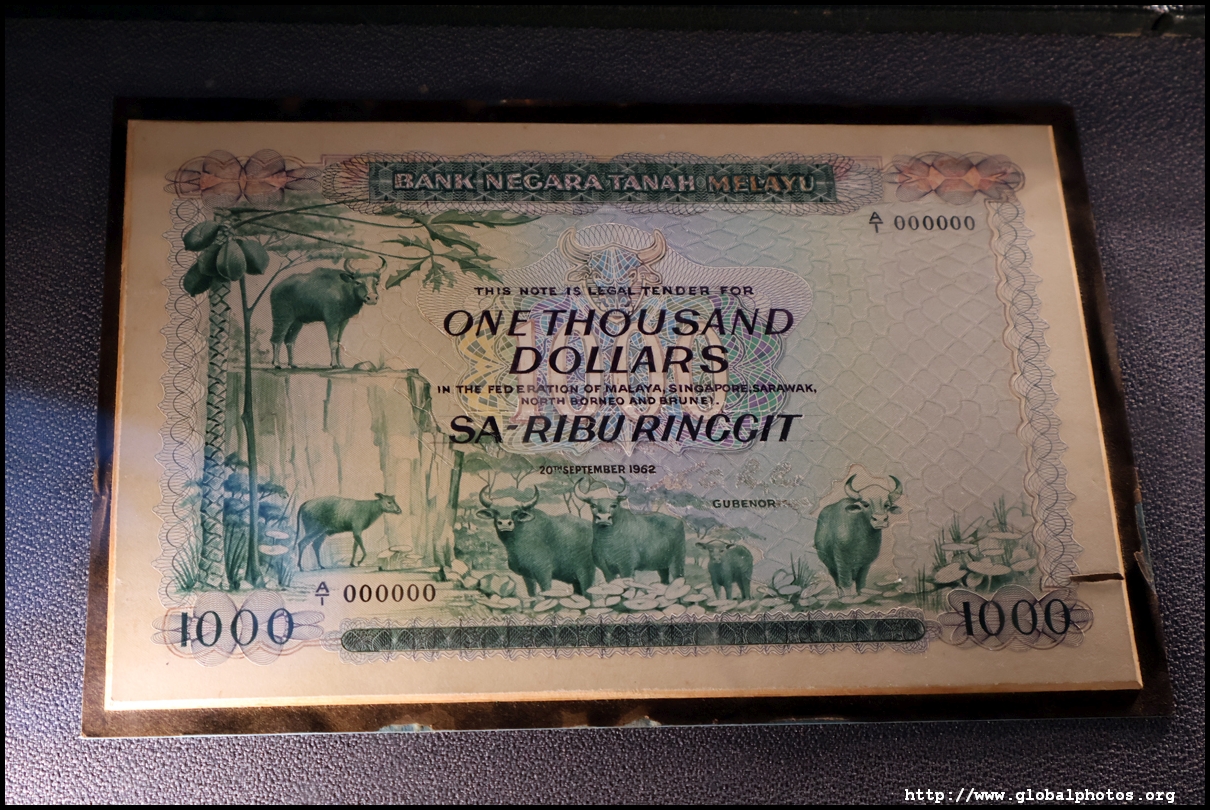
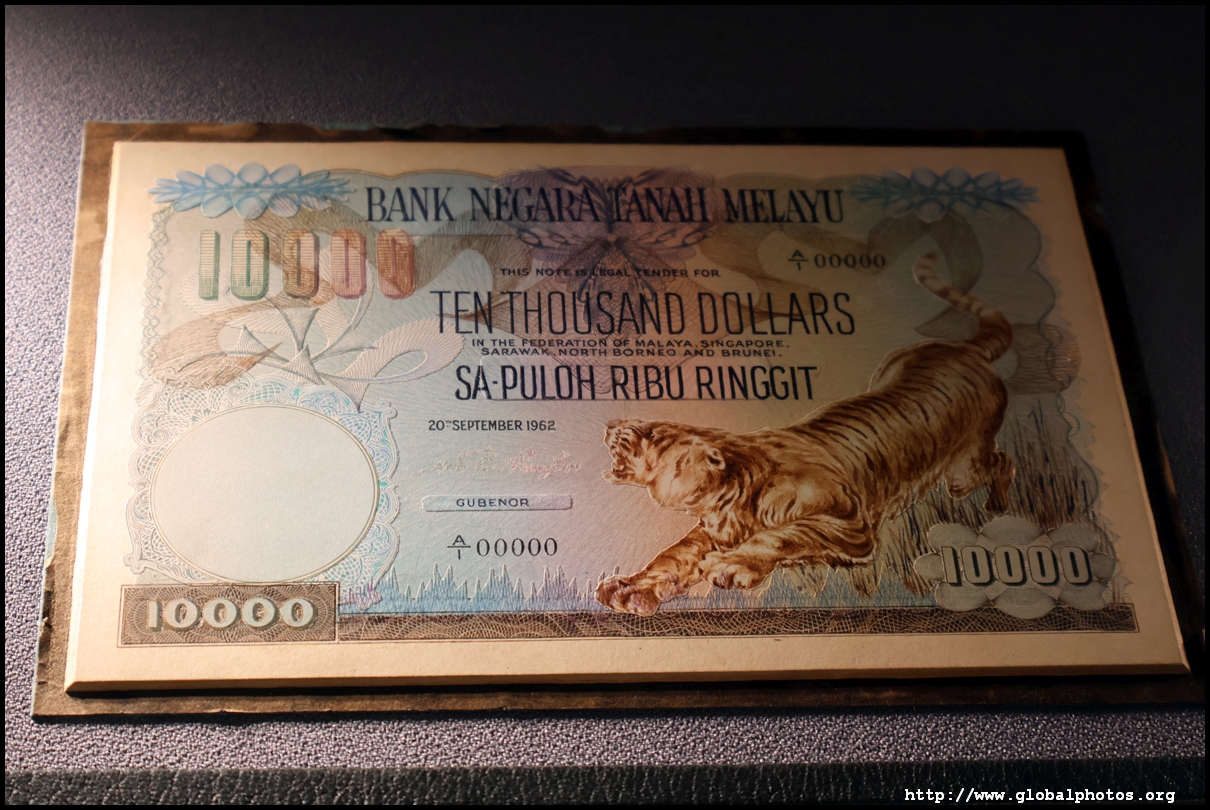
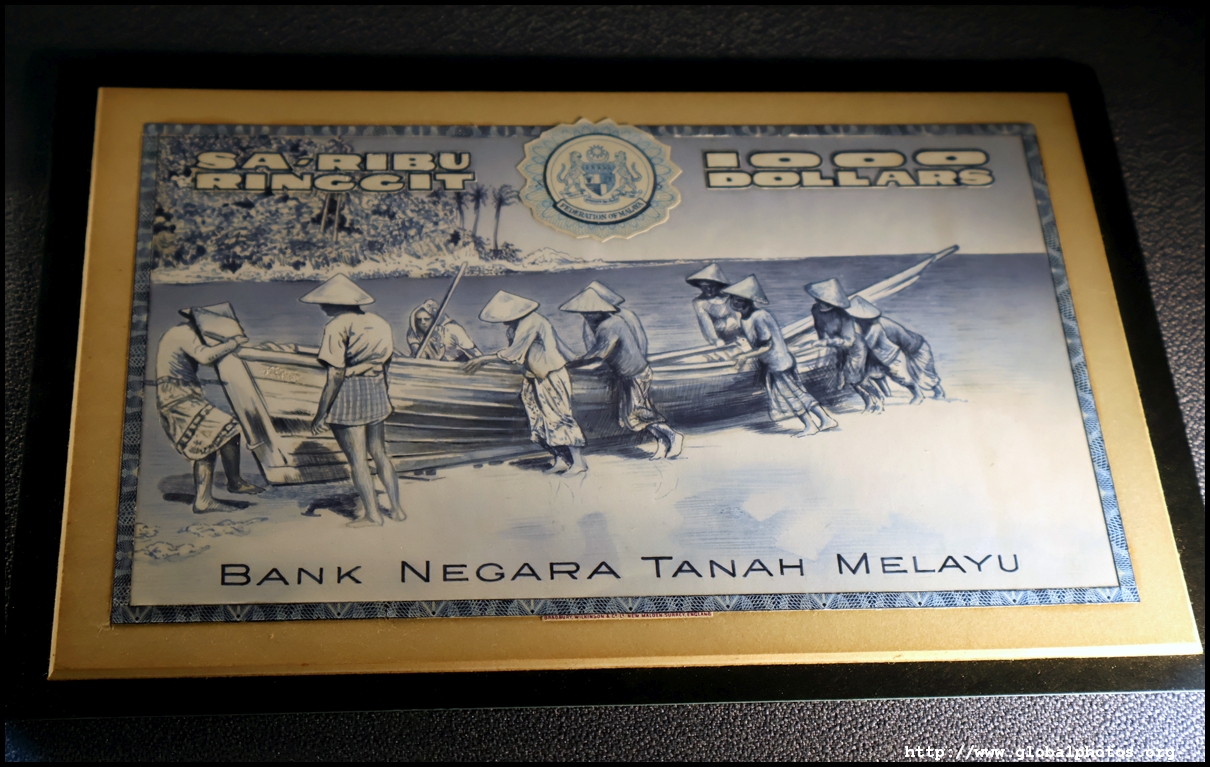
The idea of creating a central bank for Malaya and Singapore started in 1954. This would lead to Malaya establishing its own central bank in 1959. Bank Negara Tanah Melayu's responsibility was to issue currency, act as the government's banker and financial adviser, and promote monetary stability. The Minister of Finance presented the bank's first funding - worth $20 million. Its mandate continued after a name change in 1963.They have a free museum and art gallery in a modern building uphill from the historic centre.
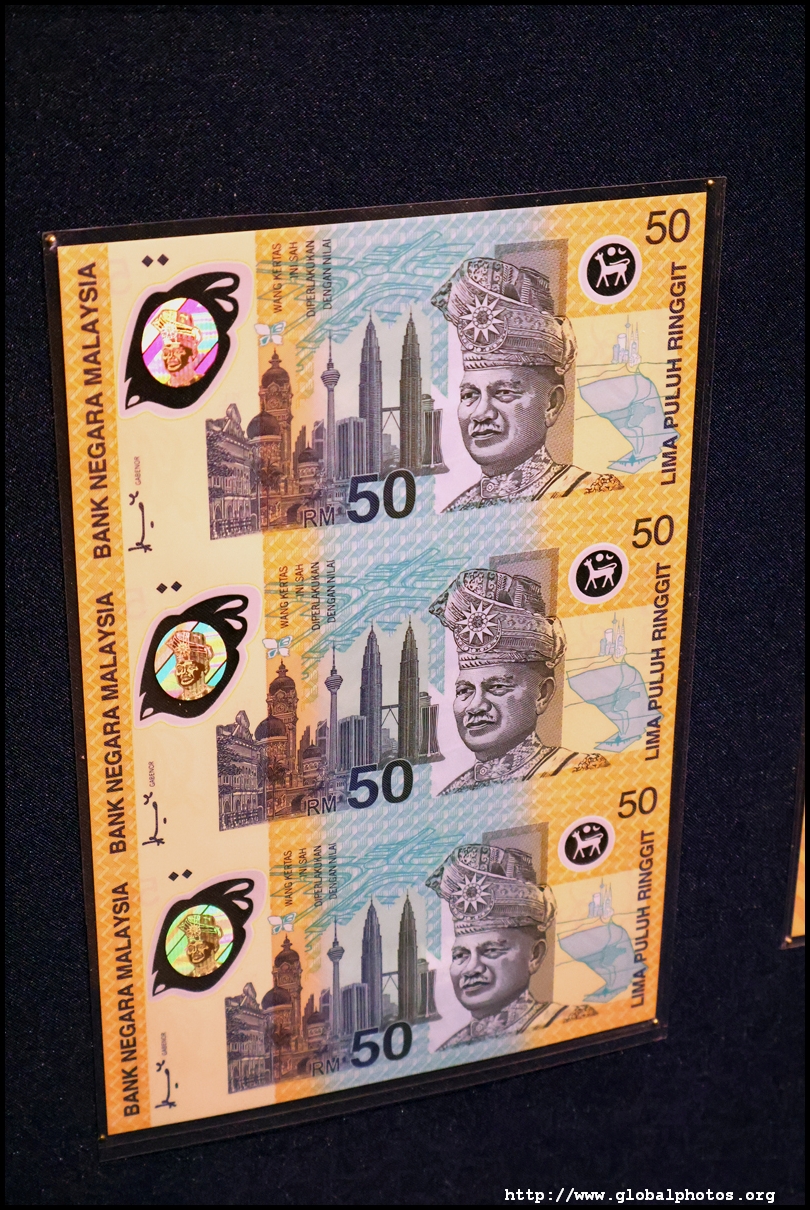
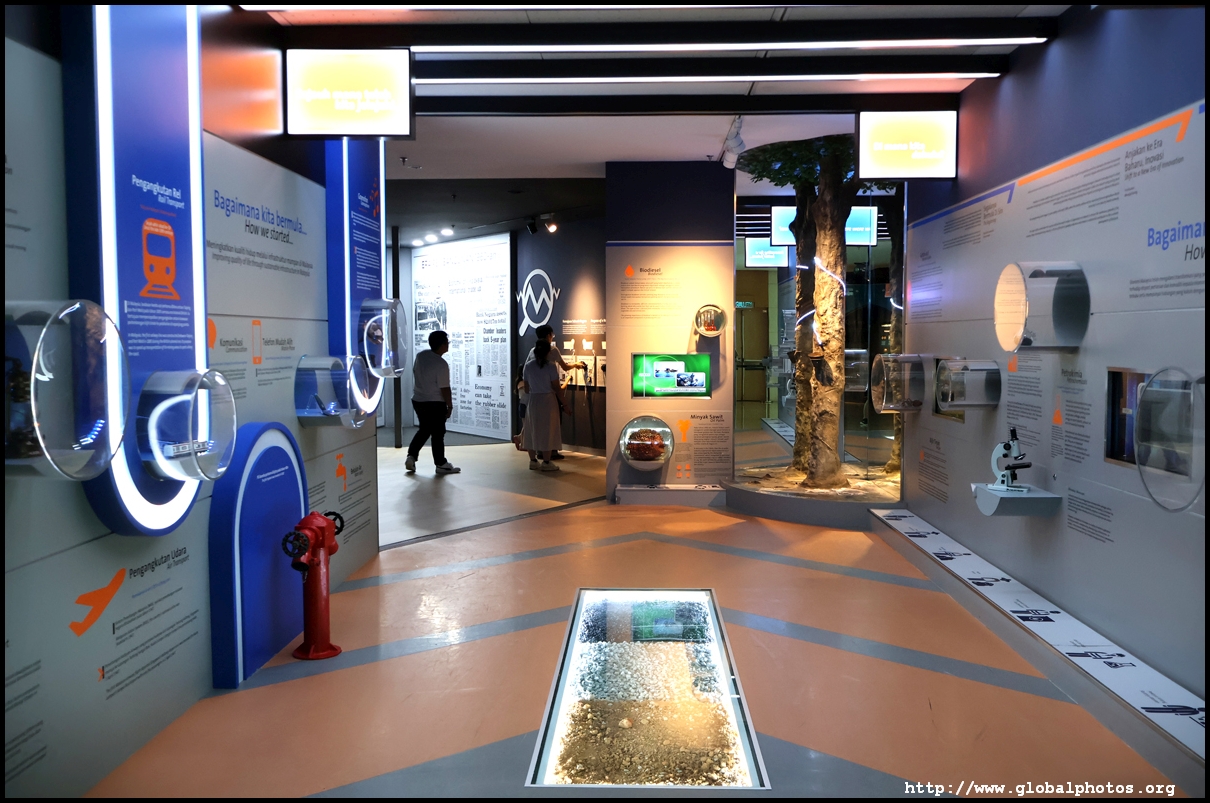
There were plenty of school kids visiting with many interactive exhibitions to keep them busy. Malaysian currency was printed in the United Kingdom until 1967. Each ringgit is made of 100 sen, with the currency value originally fixed to gold.
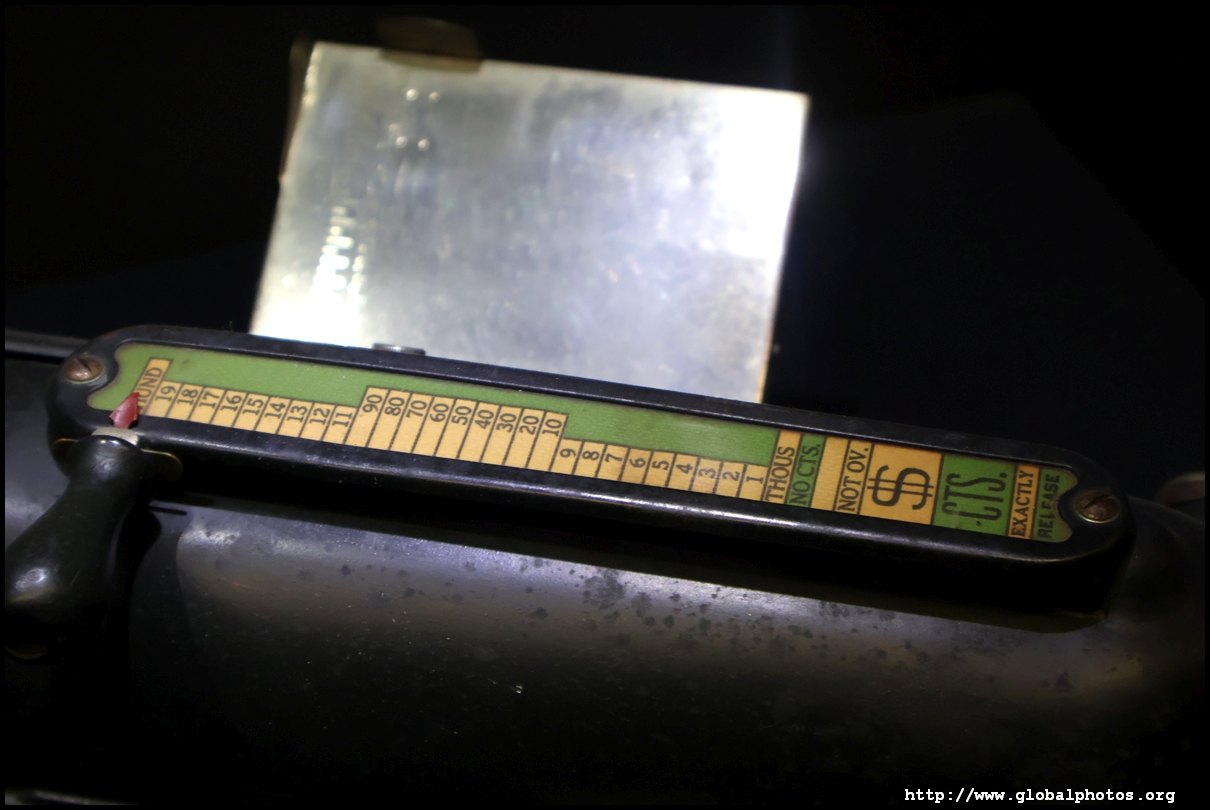
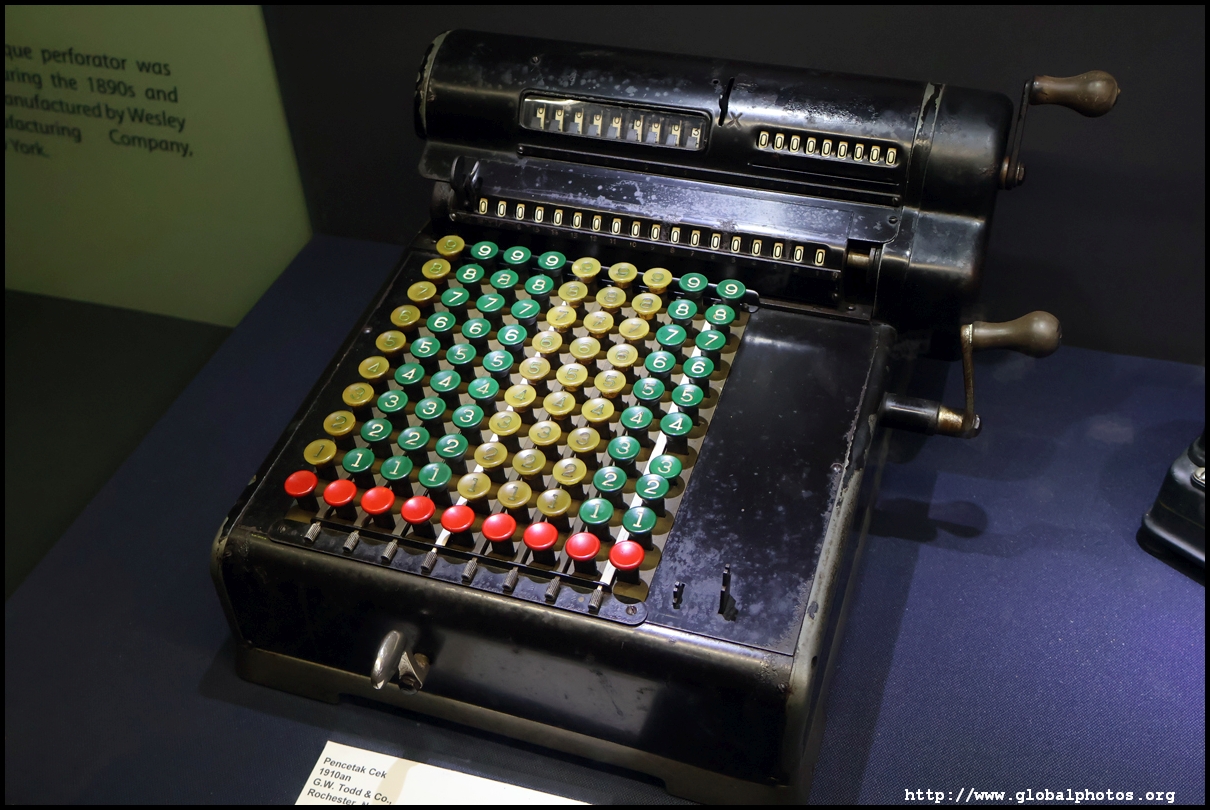
On the left is a cheque writer from the 1910s used to protect a cheque from being tampered to alter the monetary amount.
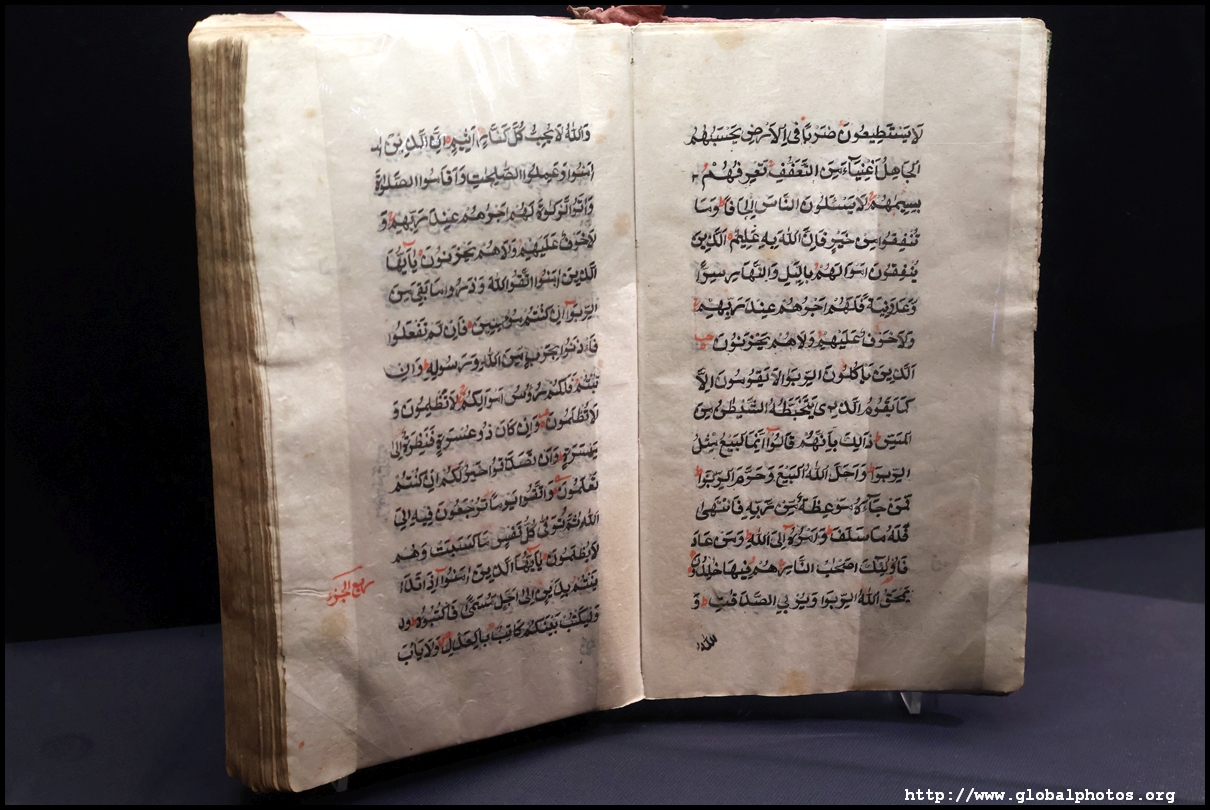
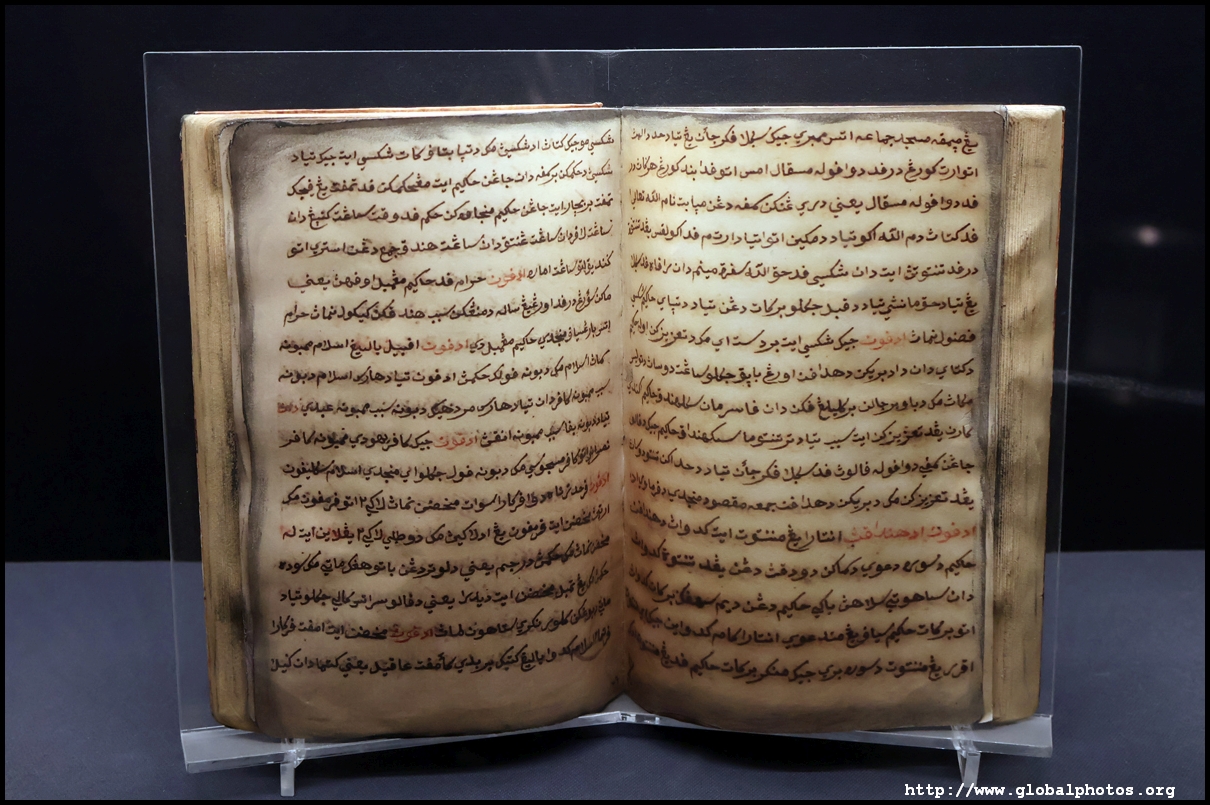
On the right is a handwritten Koran from Uzbekistan dating from the 14th century. One section of it notes it is obligatory to write a contract for financing and have it witnessed by a trustworthy person.
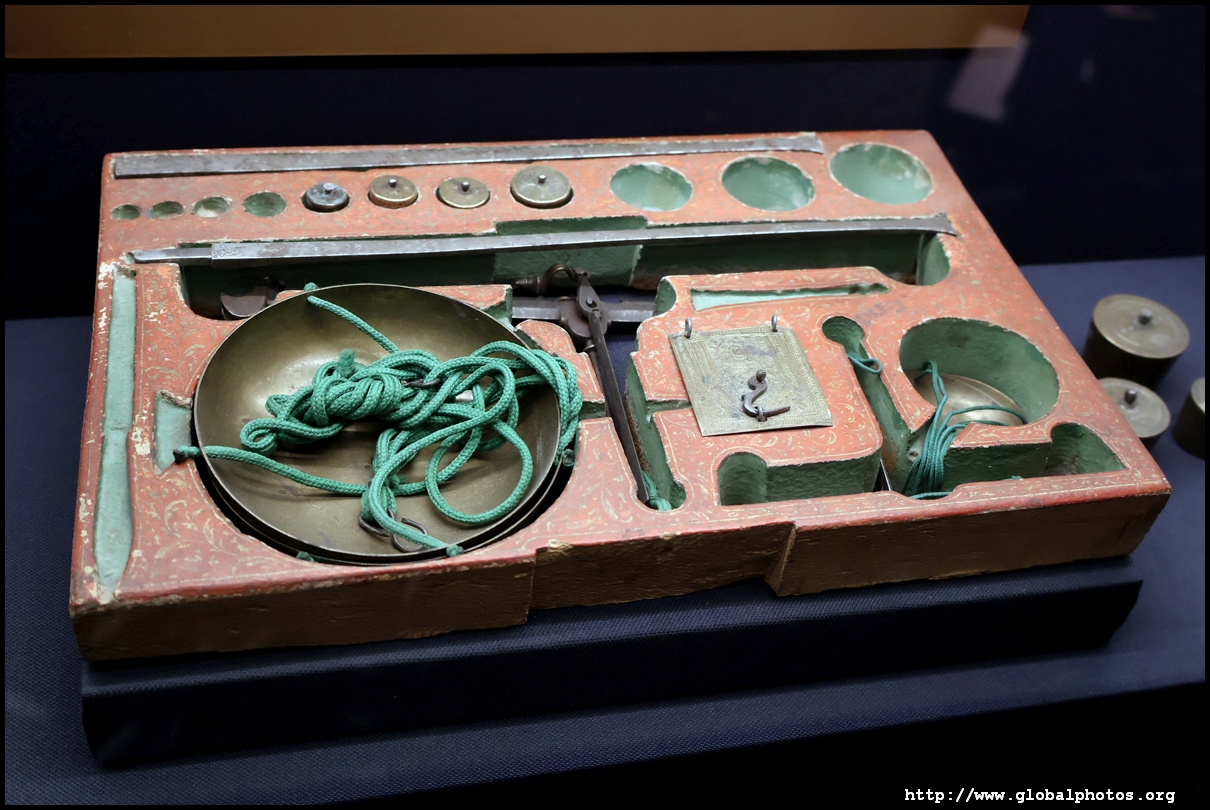
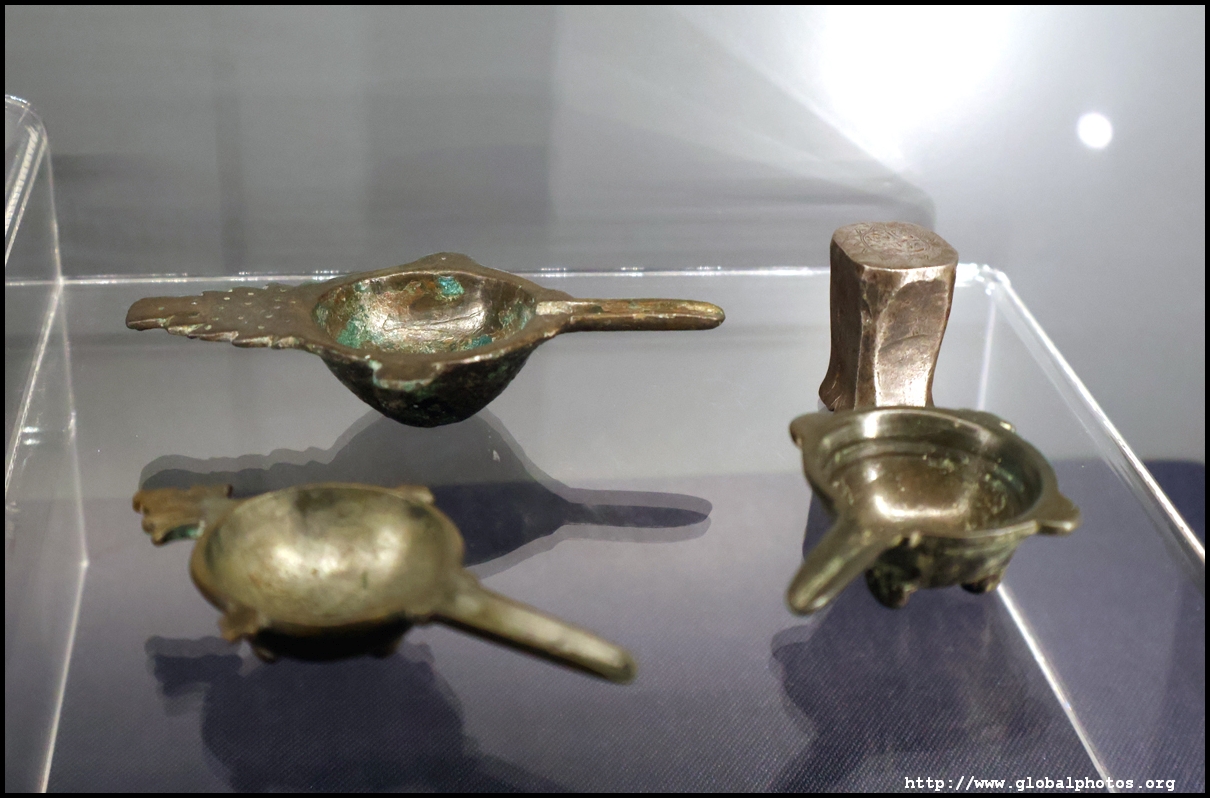
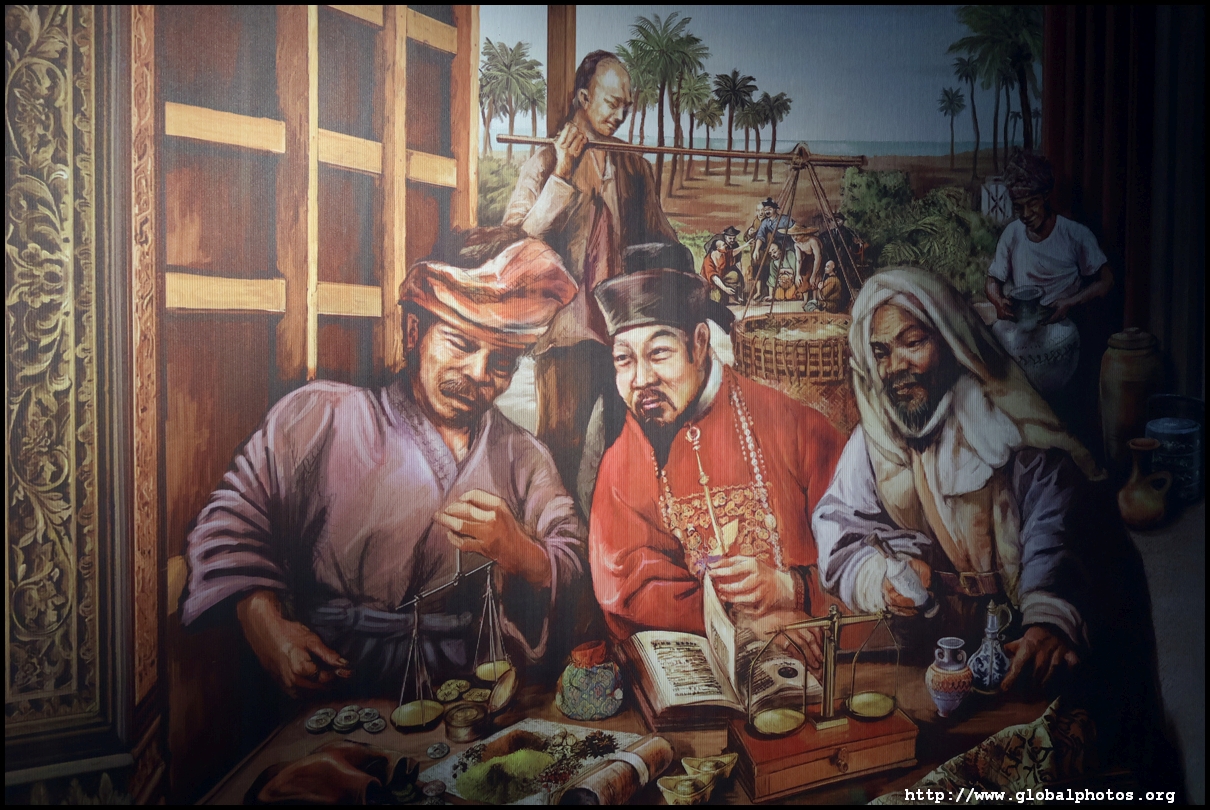
These 16th century scales from Iran were used to weigh valuable items such as gold and other precious stones.
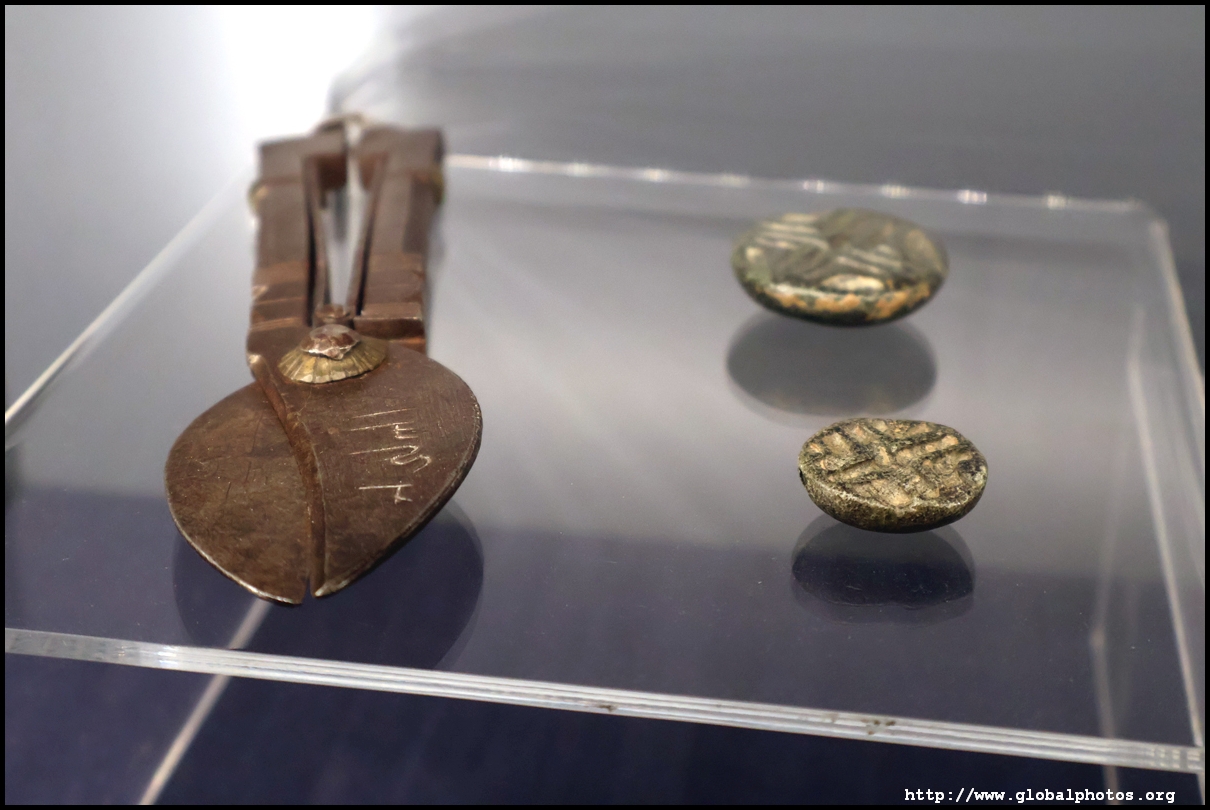
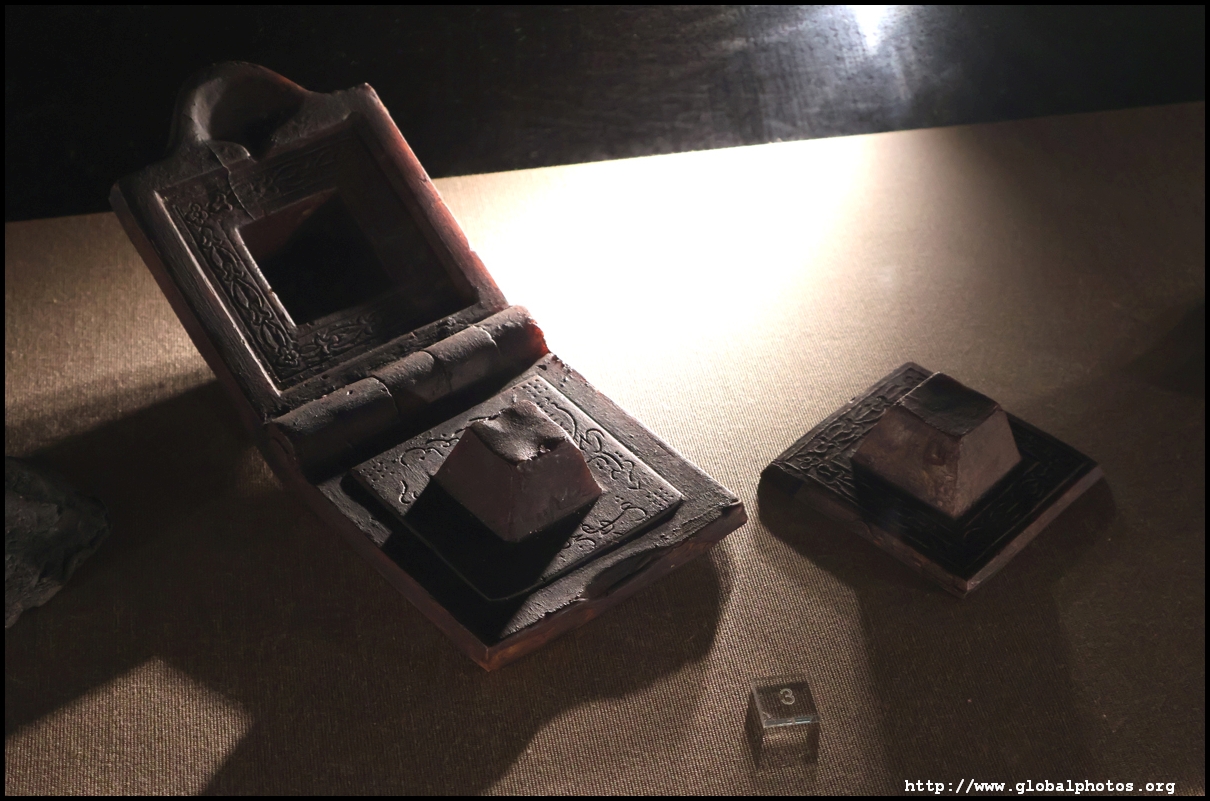
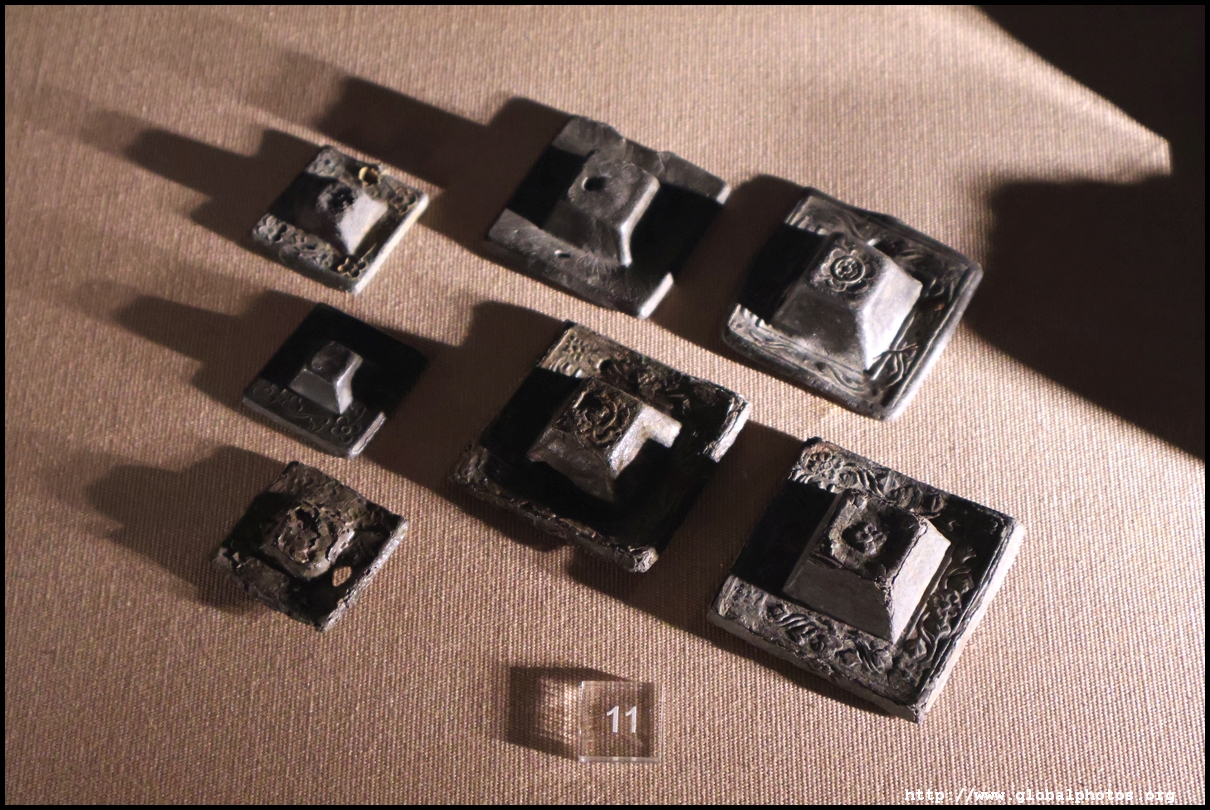
This minting kit from the 19th century has 3 containers for melted metal, bronze scissors, steel minting mould, and 2 stone seals.
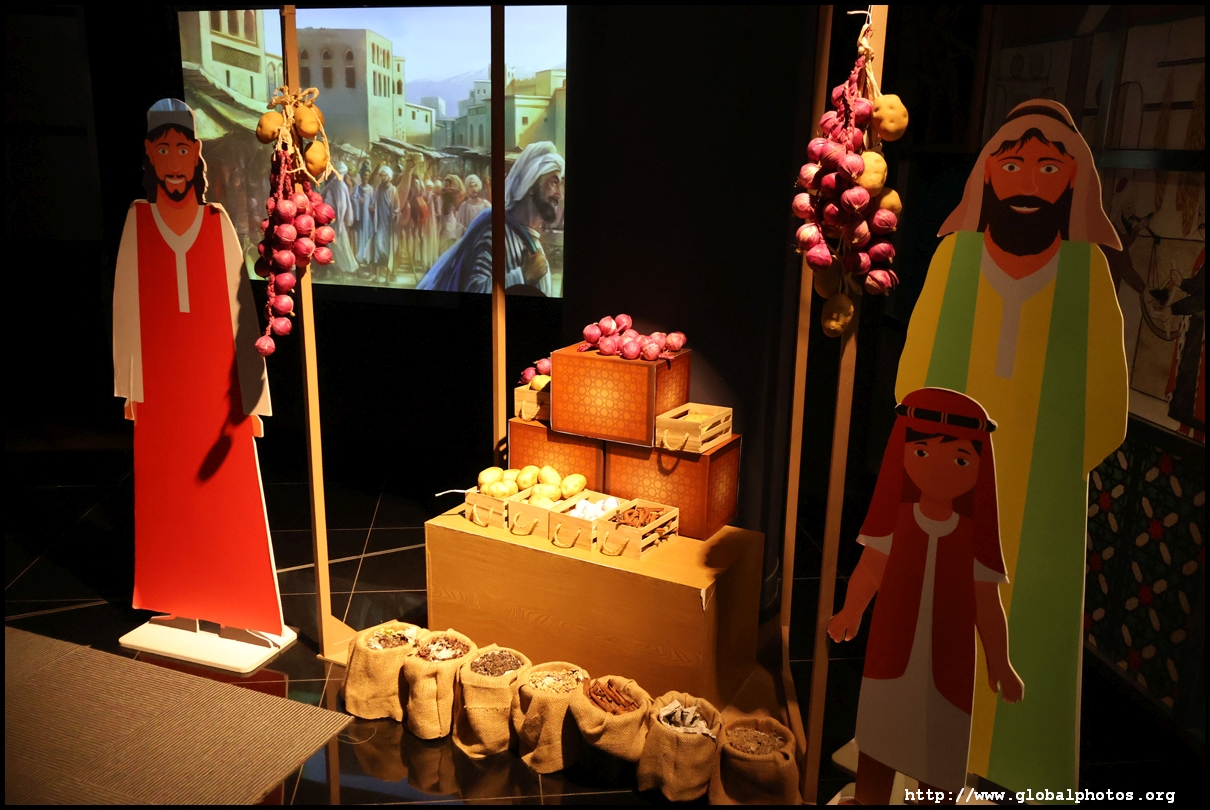
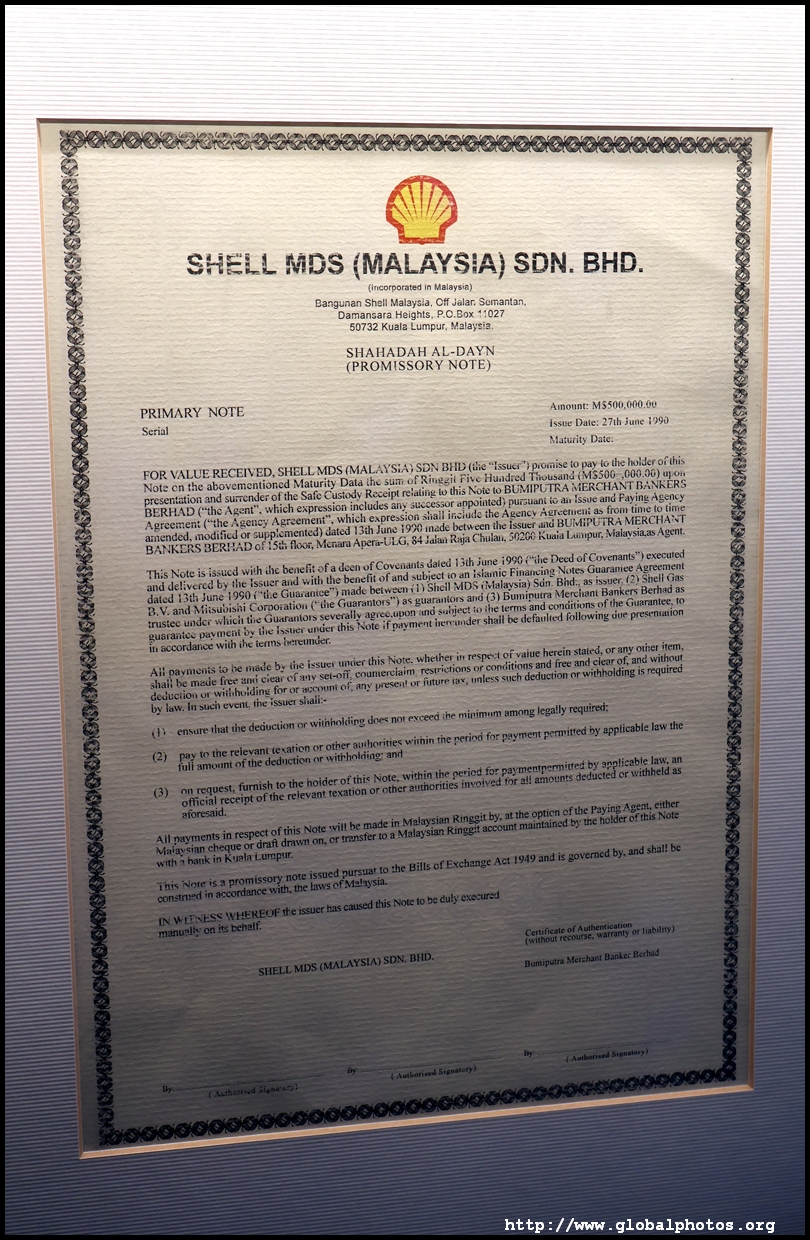
The first Islamic private debt sukuk in Malaysia was issued by Shell in 1990. The concept of a sukuk was approved in 1988 to provide a source of financing for Islamic issuers and investors as the religion did not allow investment in conventional debt because of the interest component.
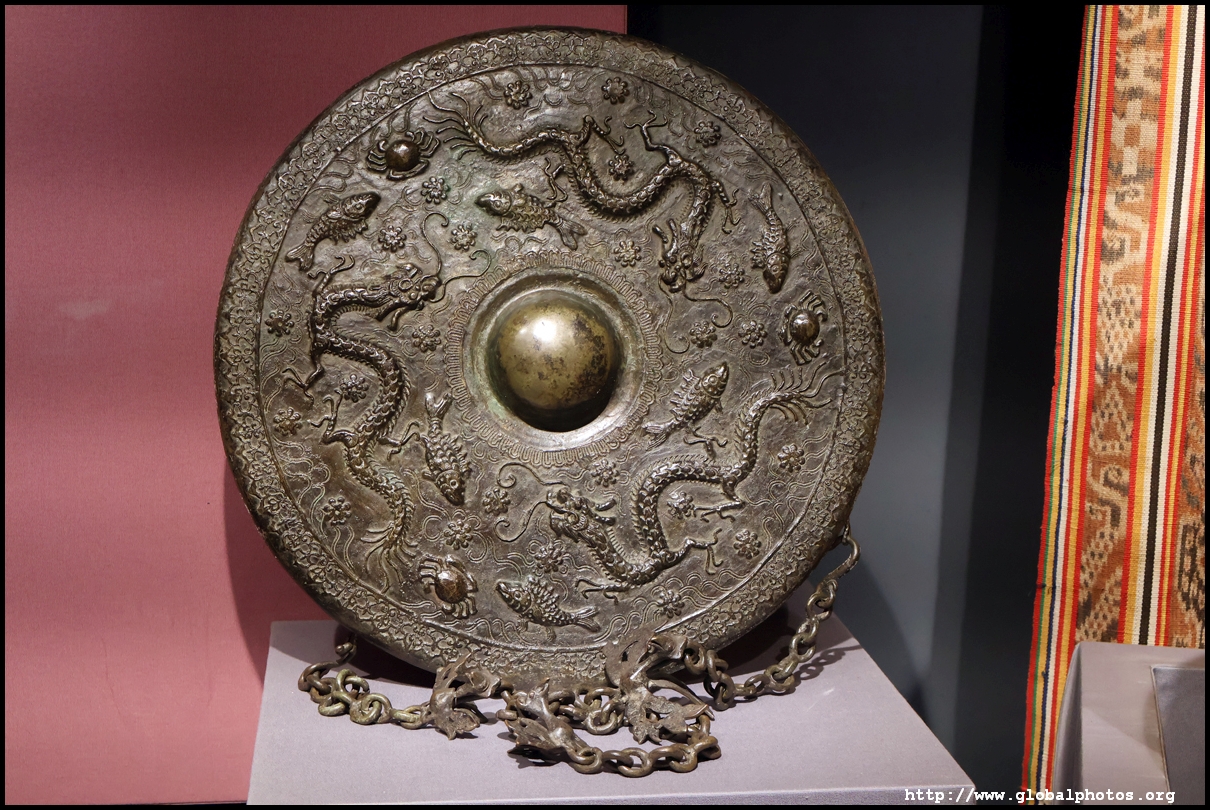
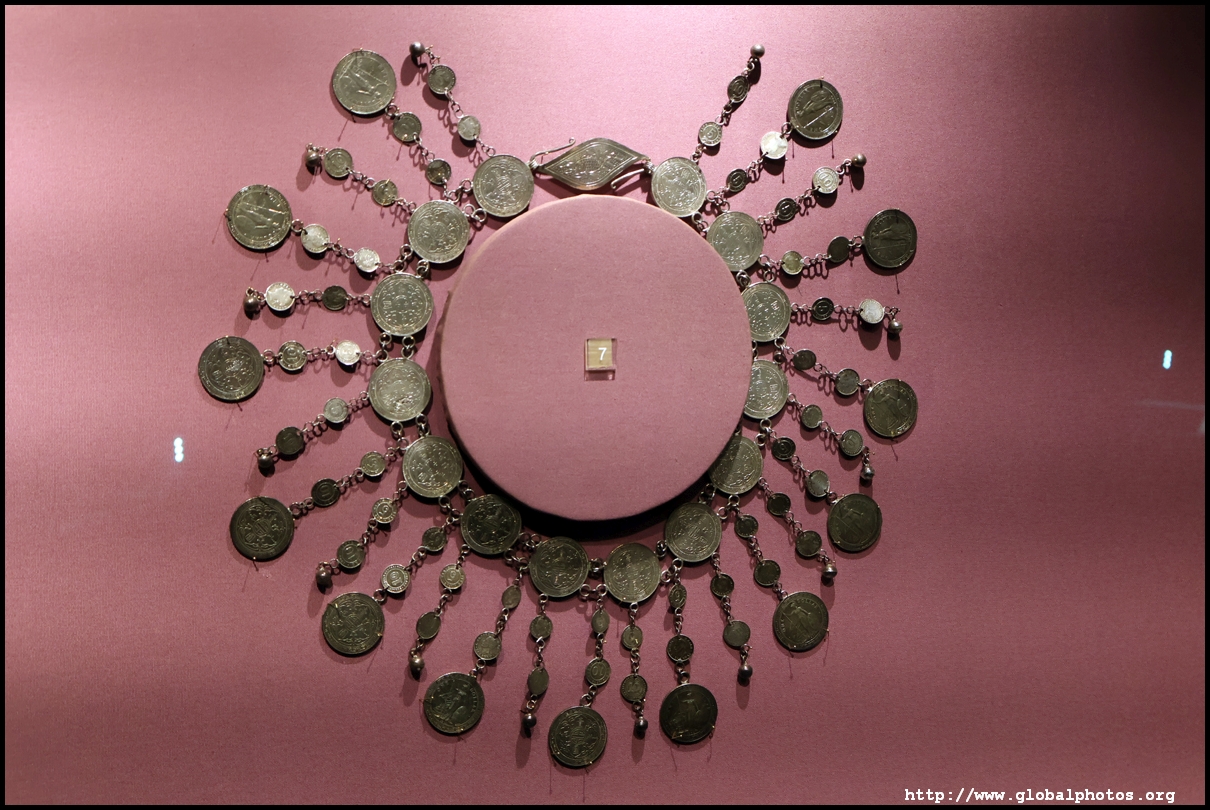
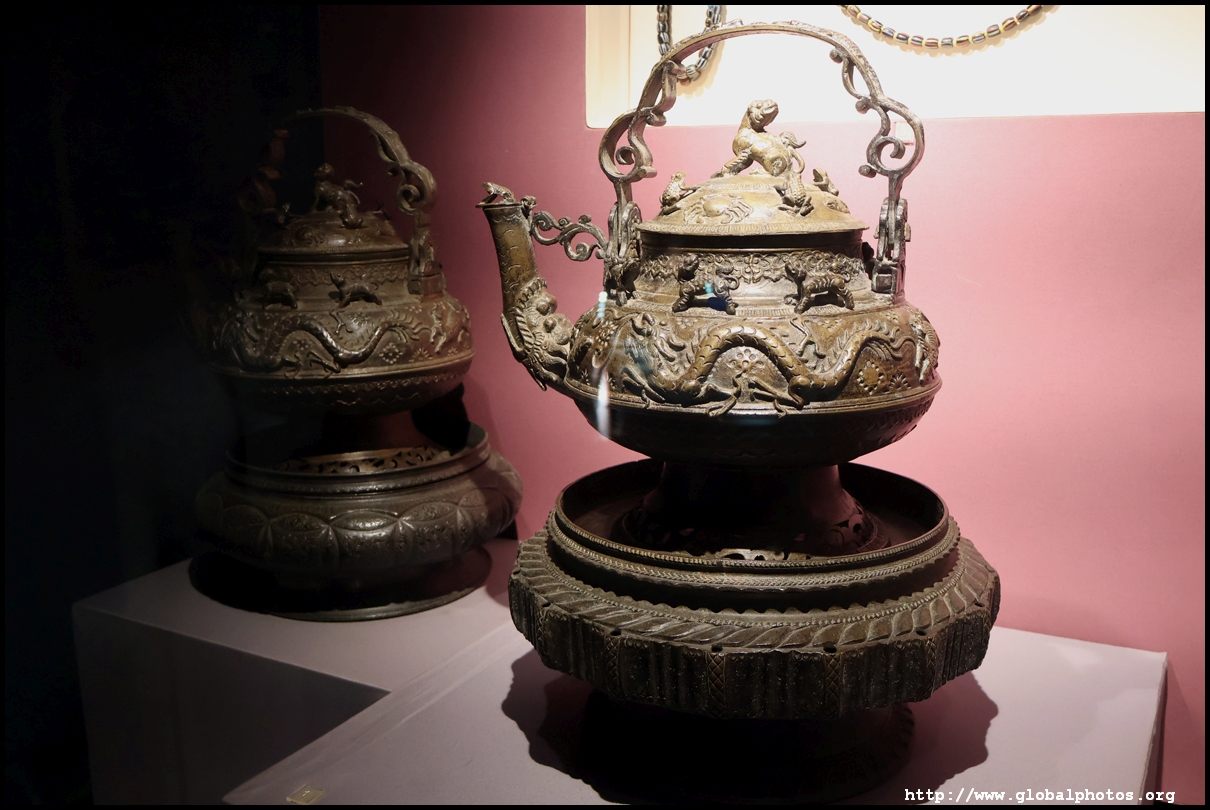
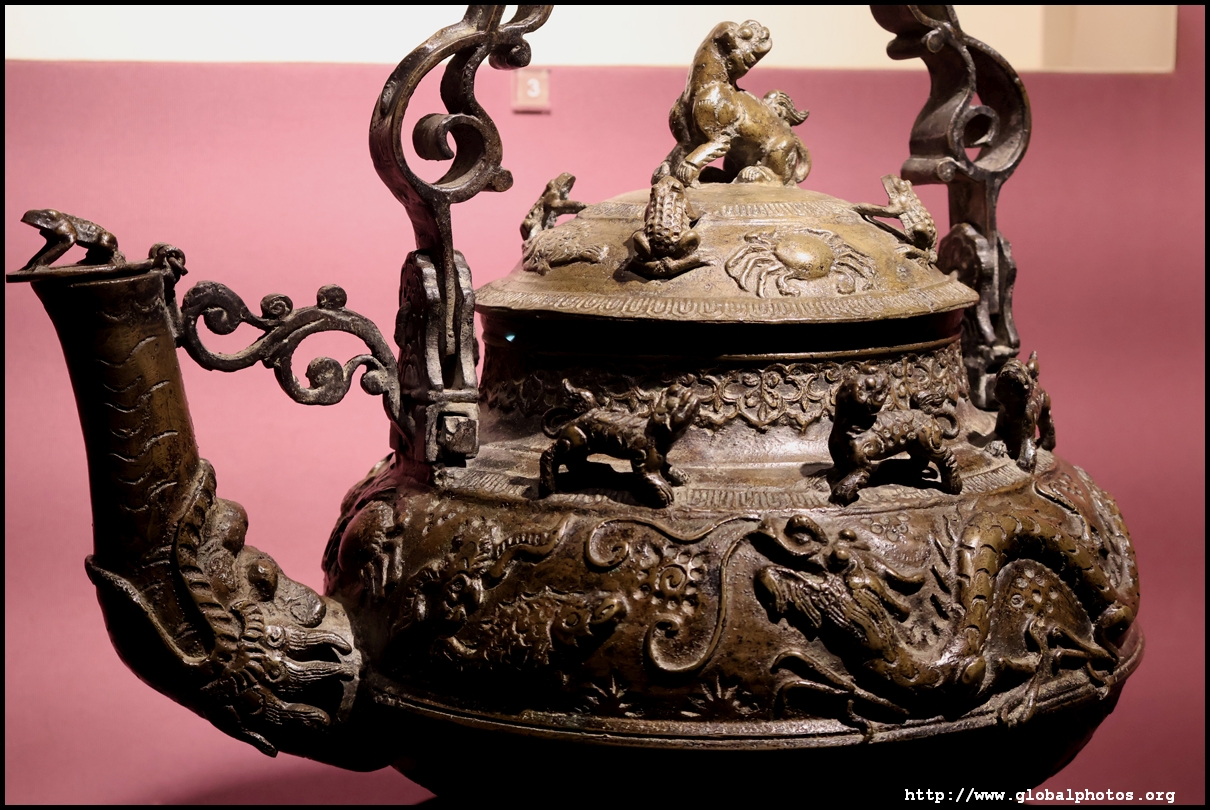
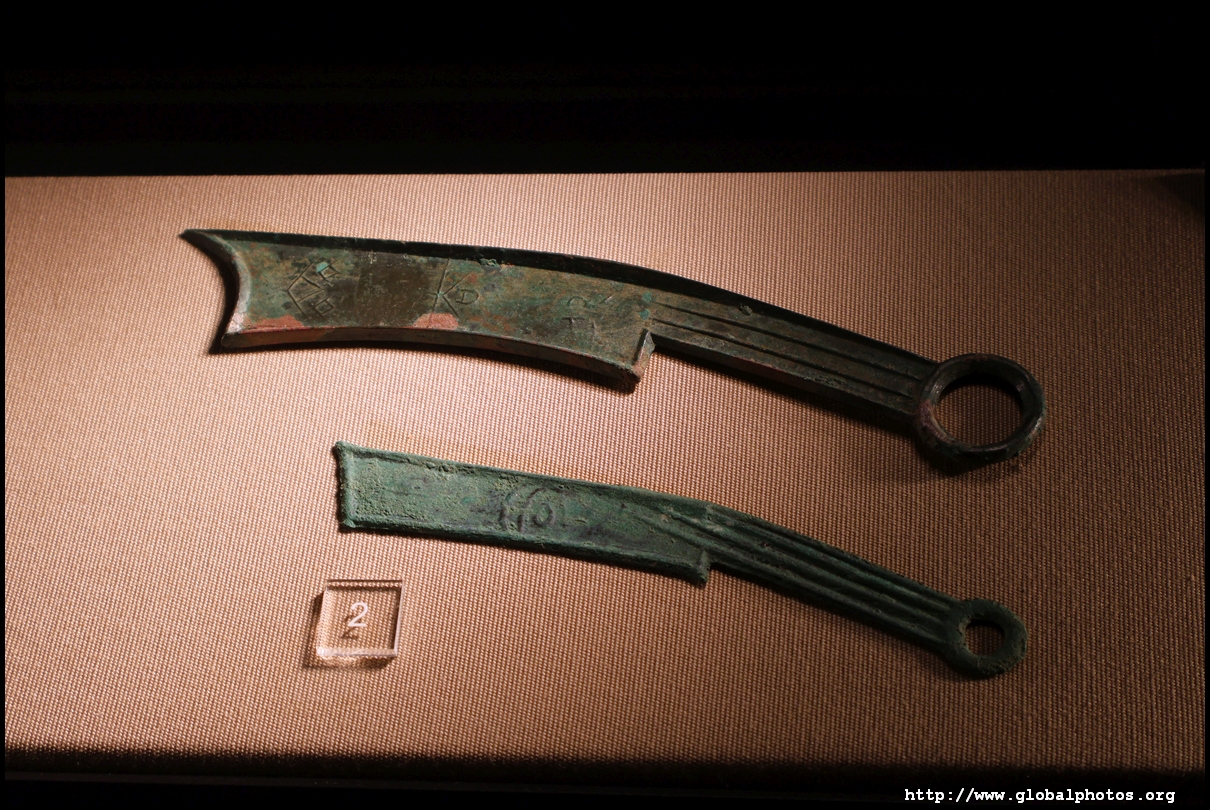
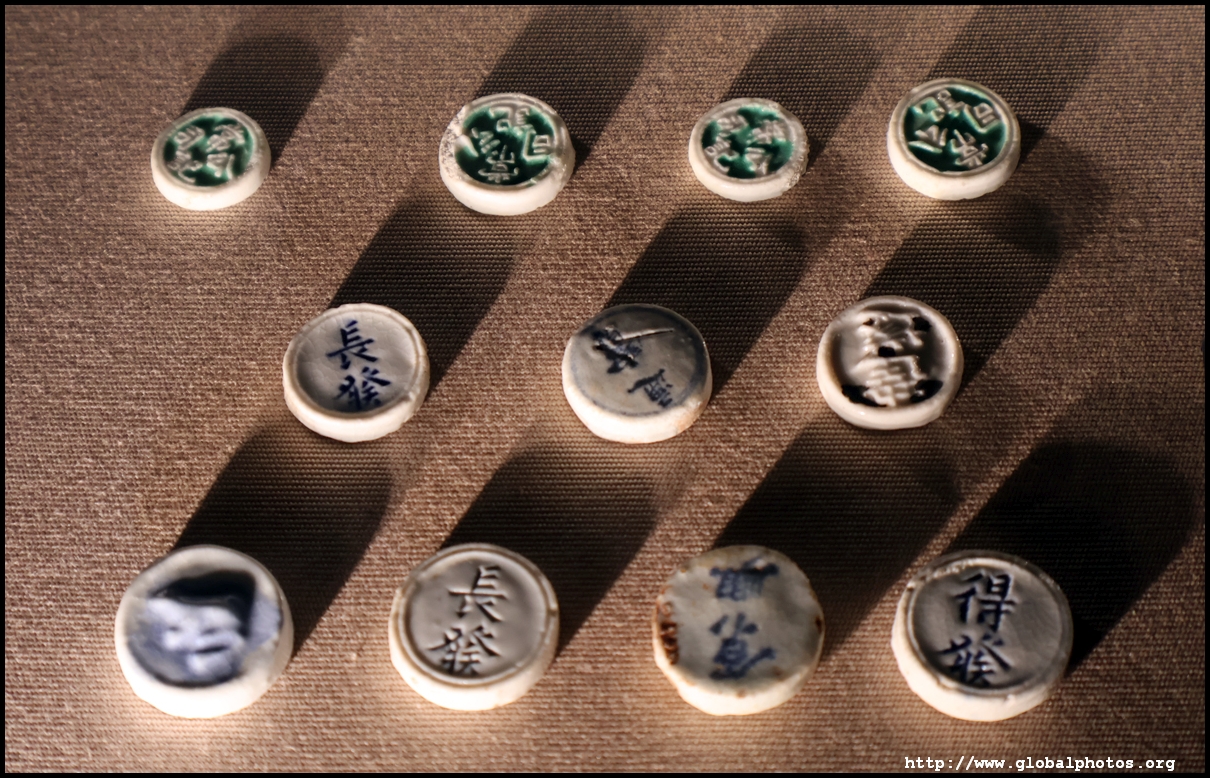
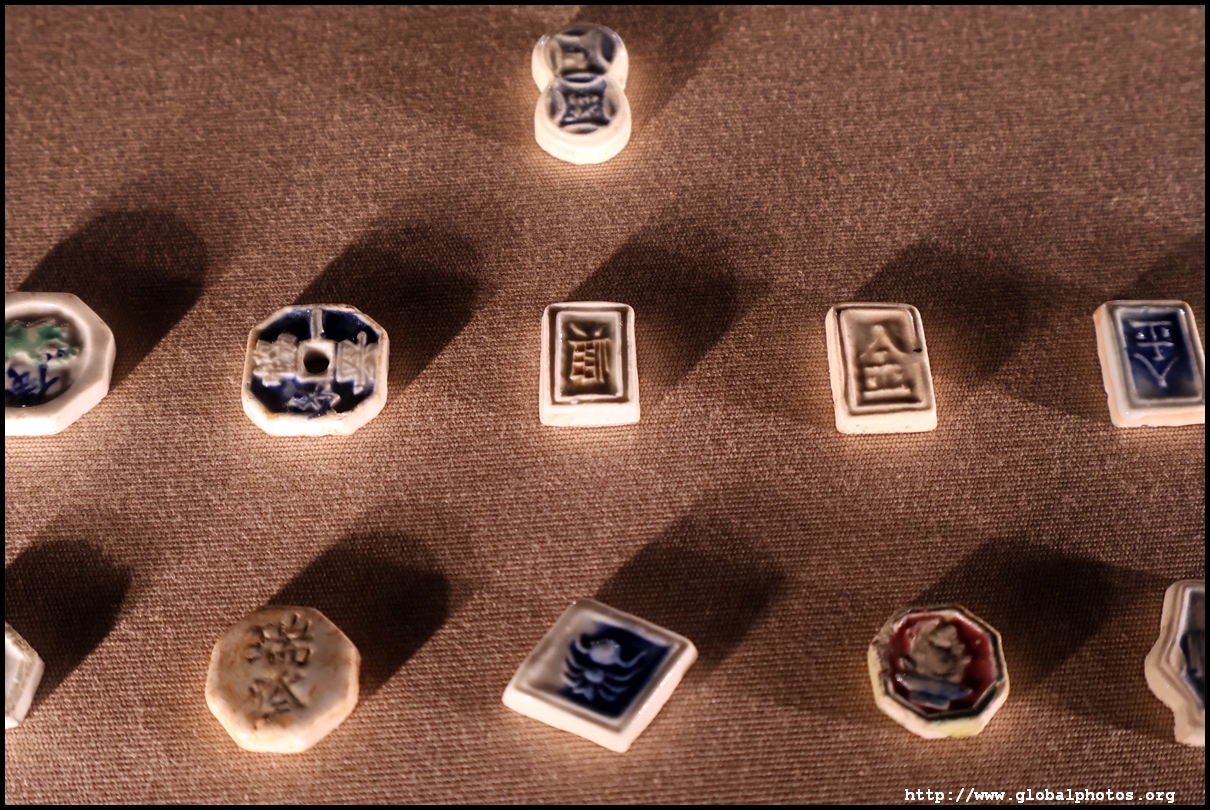
A key highlight are the historical items on display, including ancient money, coin belts, brass kettles, and more. Chinese traders introduced copper money as early as the 8th century.
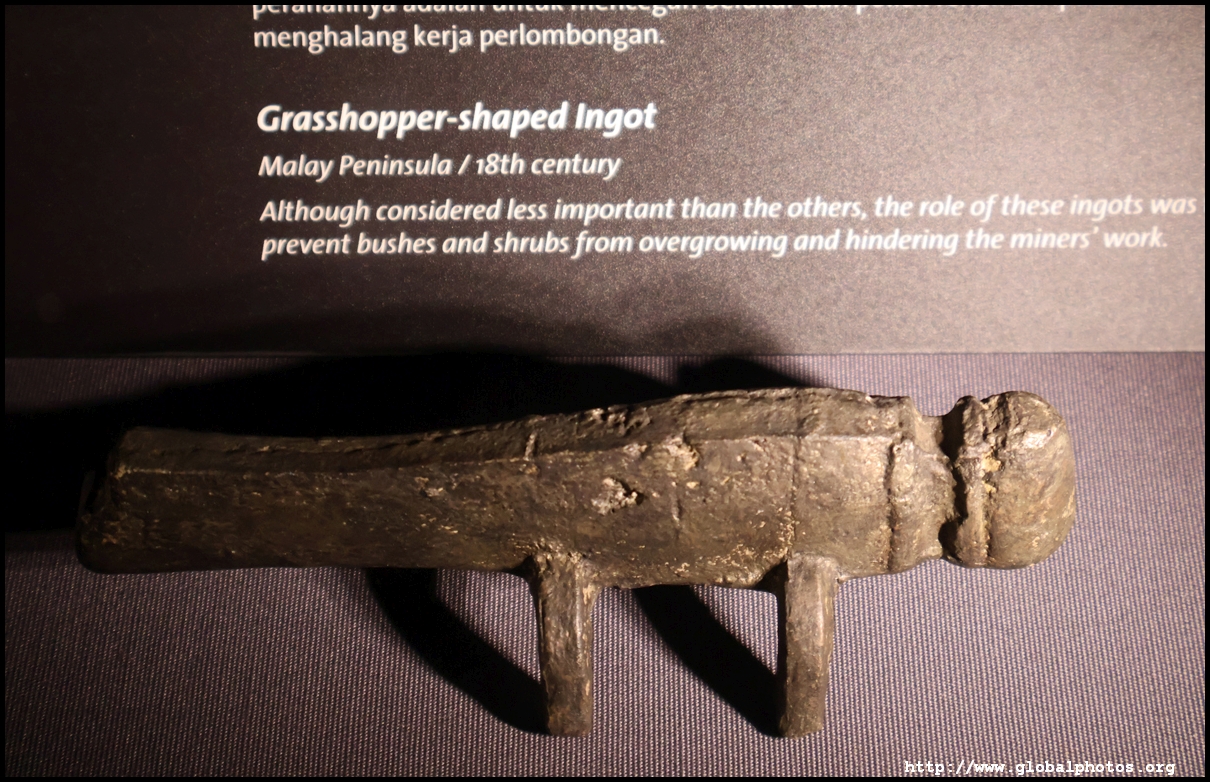
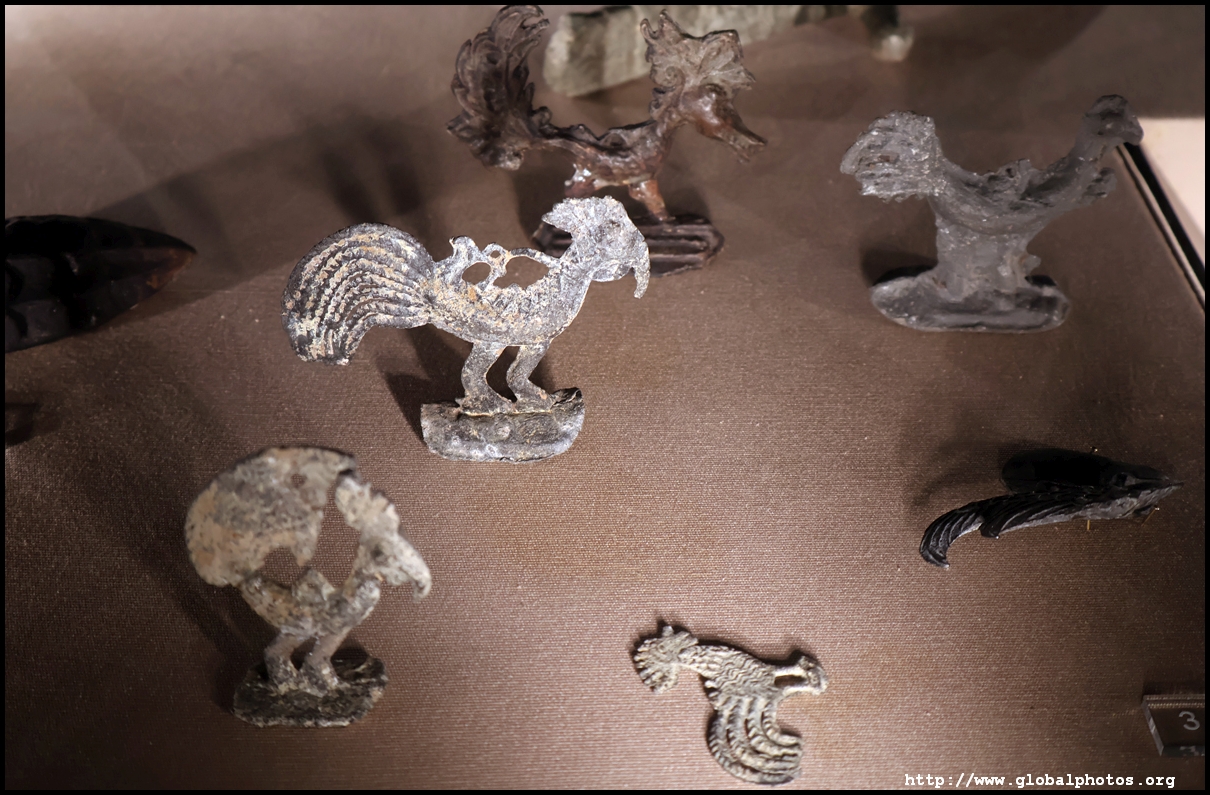
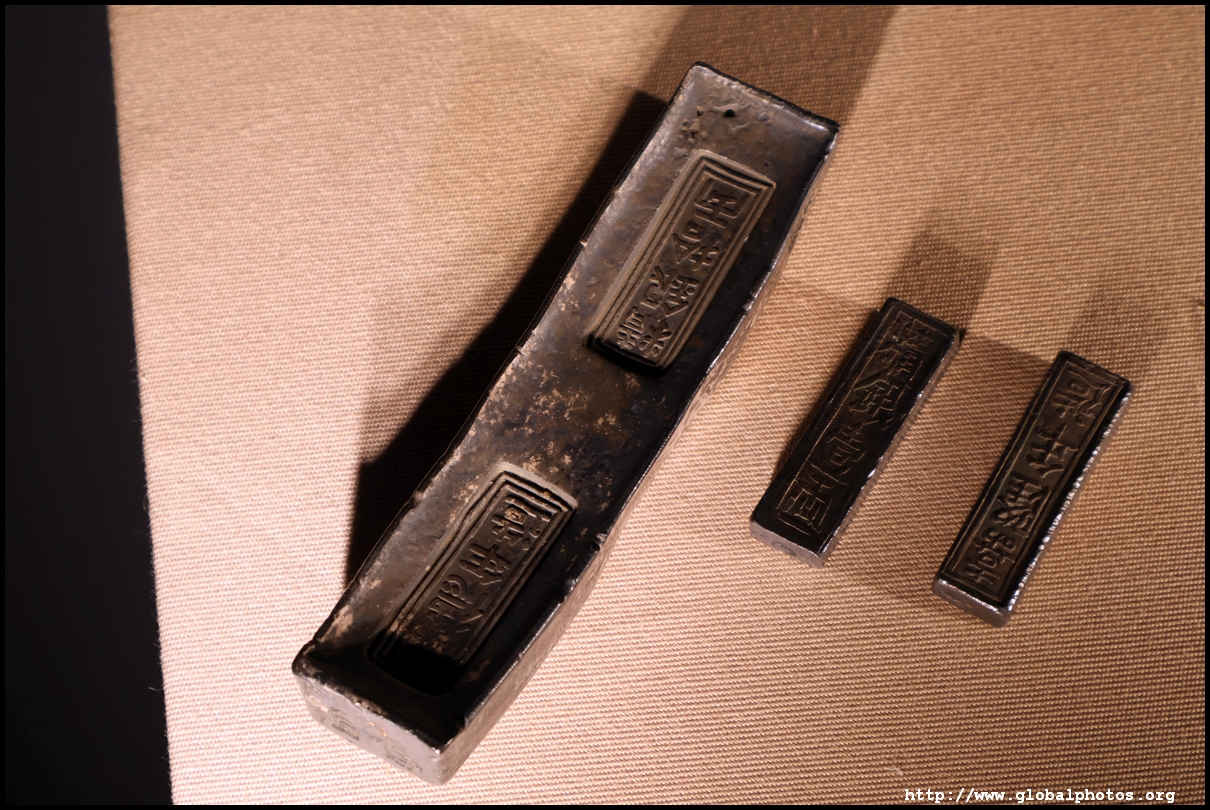
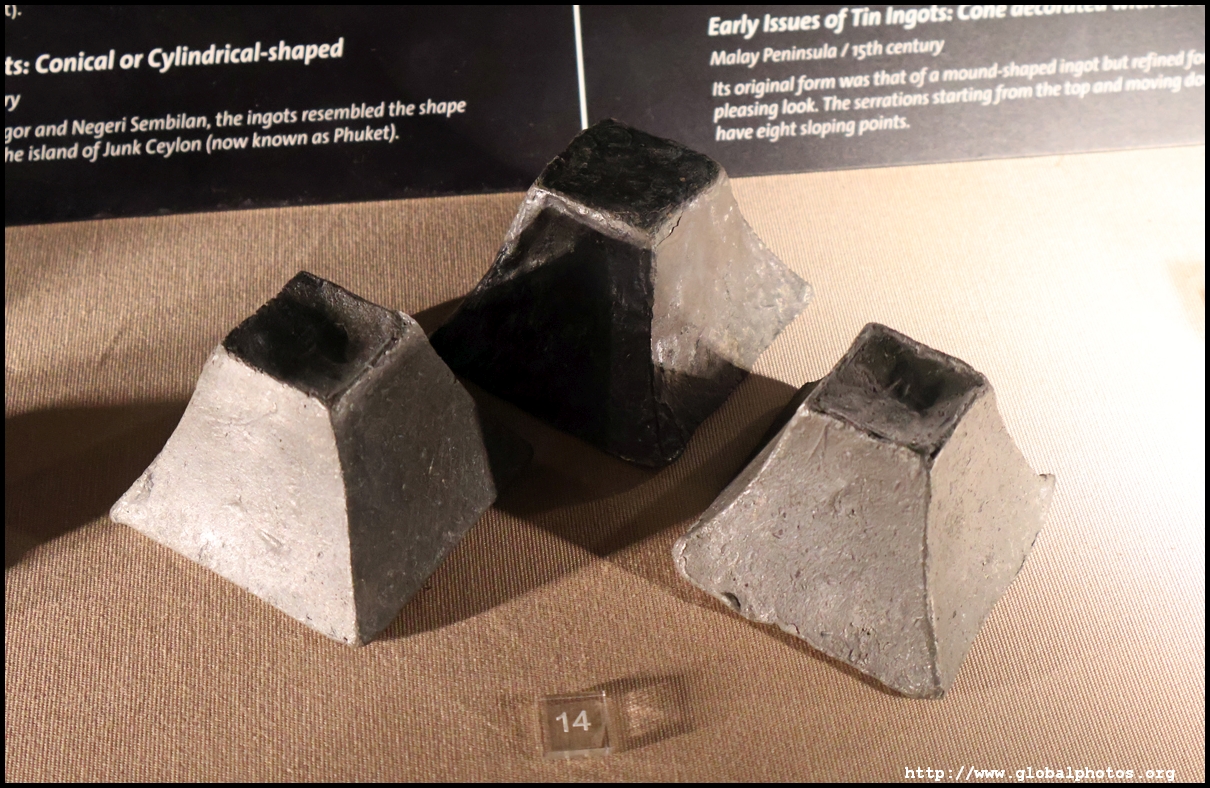
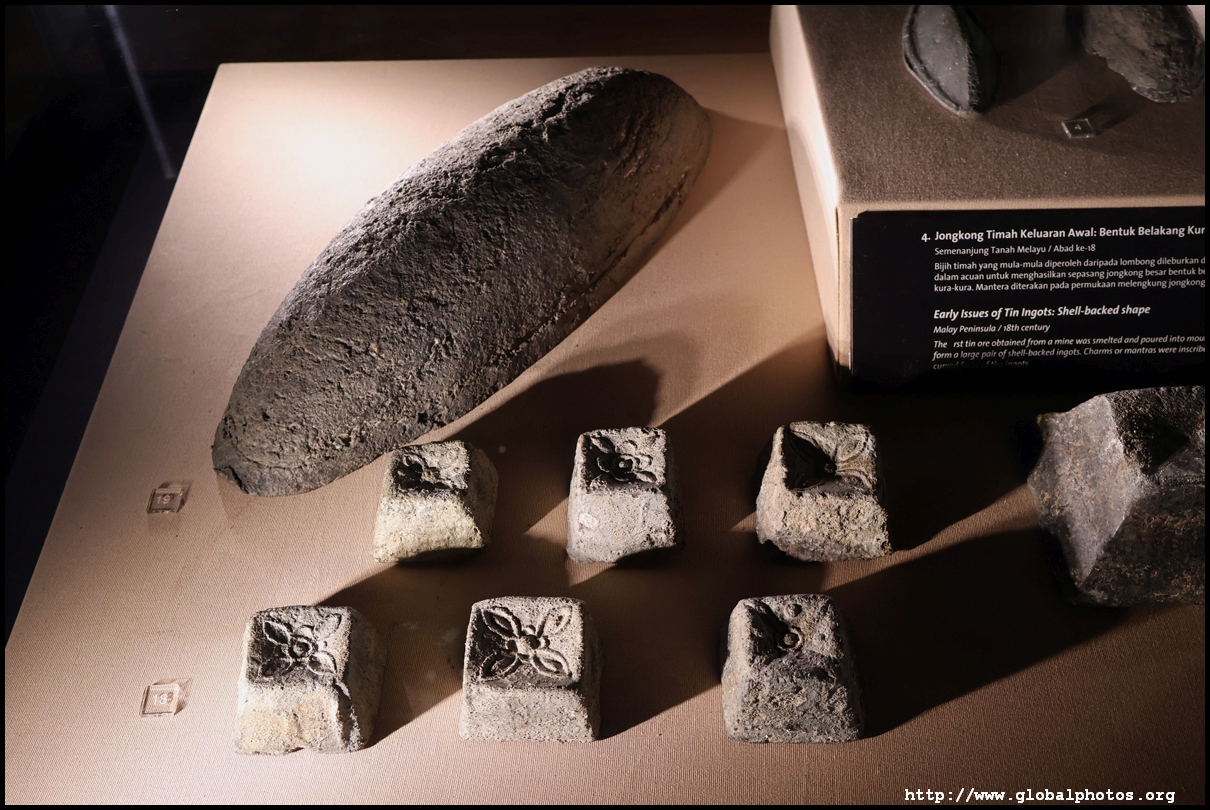
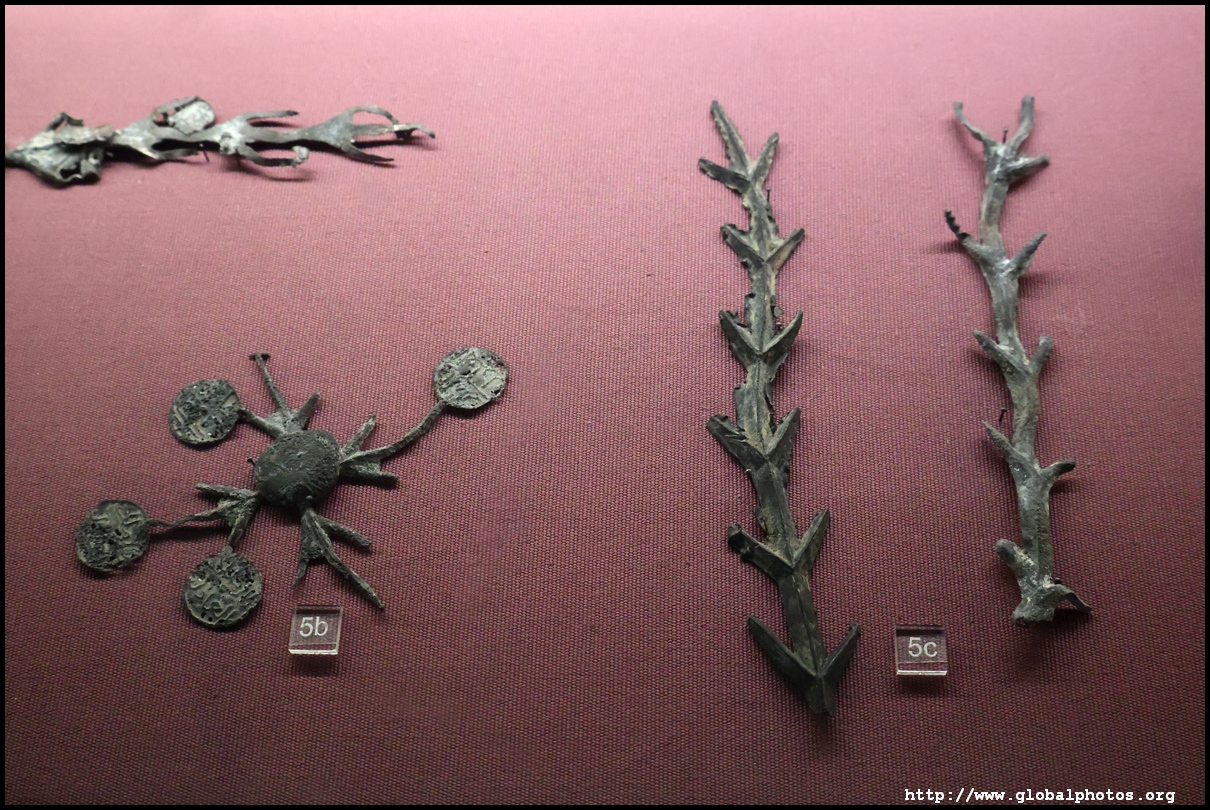
On the left is a grasshopper ingot, which was used to prevent bushes and shrubs from overgrowing and getting in the way of miners. Cockerel ingots were buried at the four corners of the mine to contain the tin and used in place of sacrificing live animals.
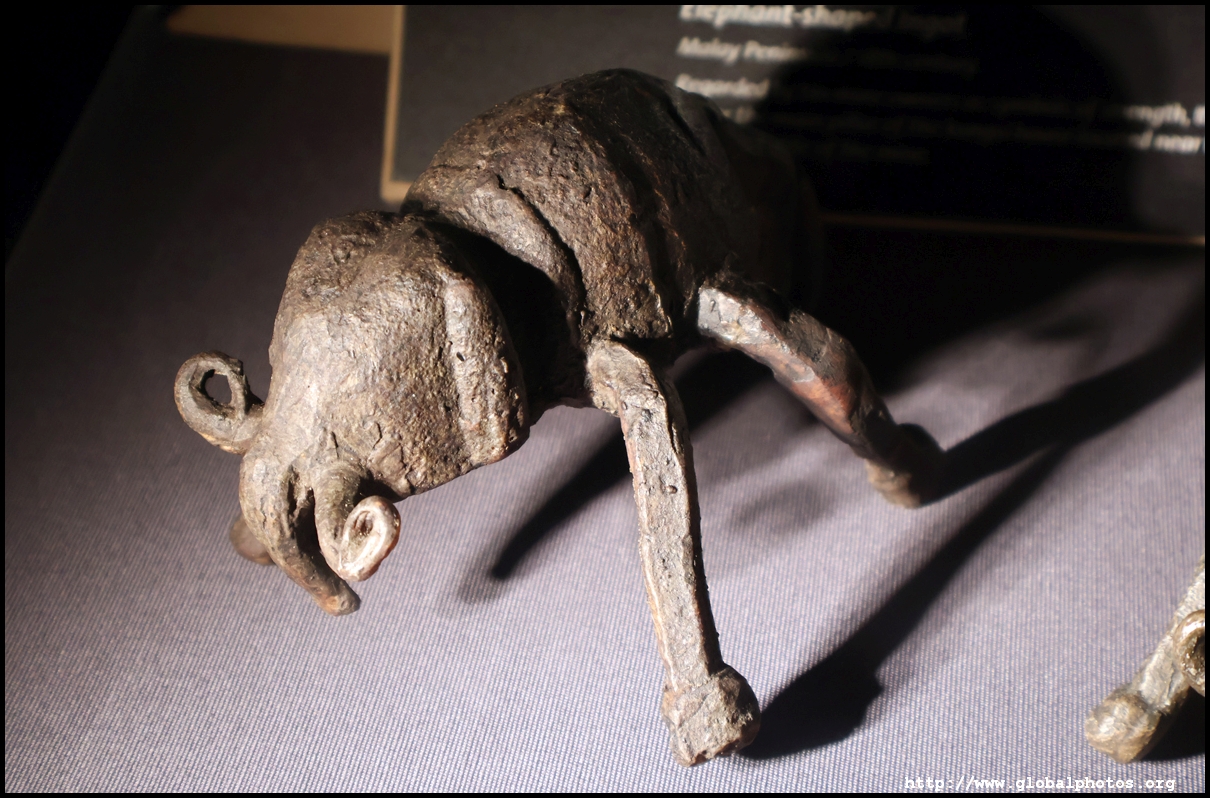
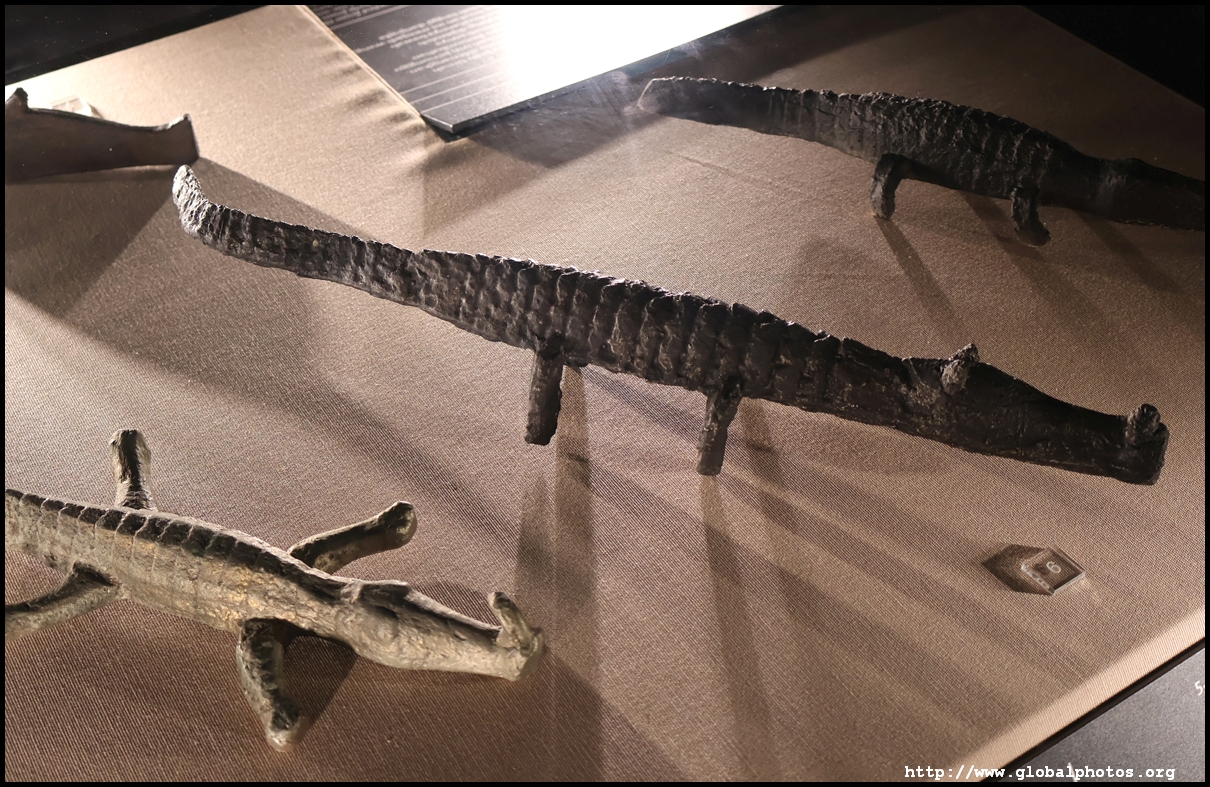
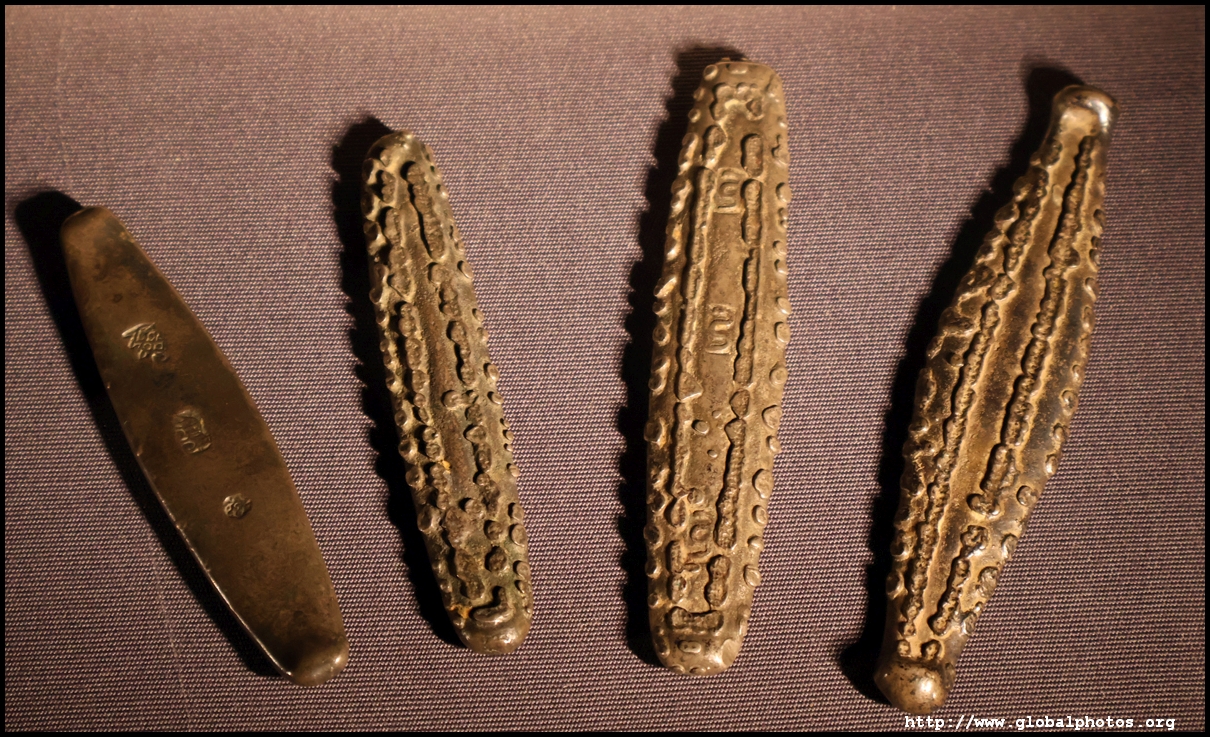
More interesting items include money shaped like various creatures, such as these crocodile and elephant ingots from the 18th century.
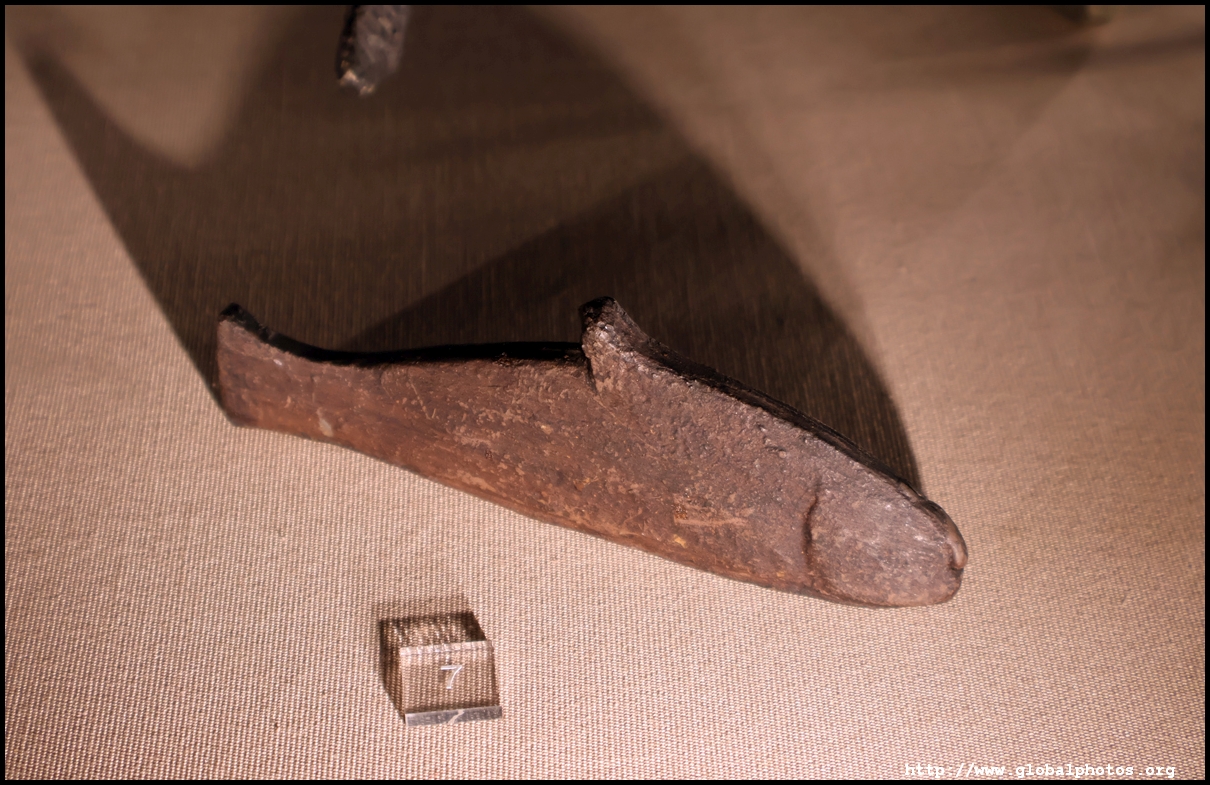
Lat or boat money from Laos is divided into 2 types - smooth and rough surfaces. These were used from the 14th-16th century.
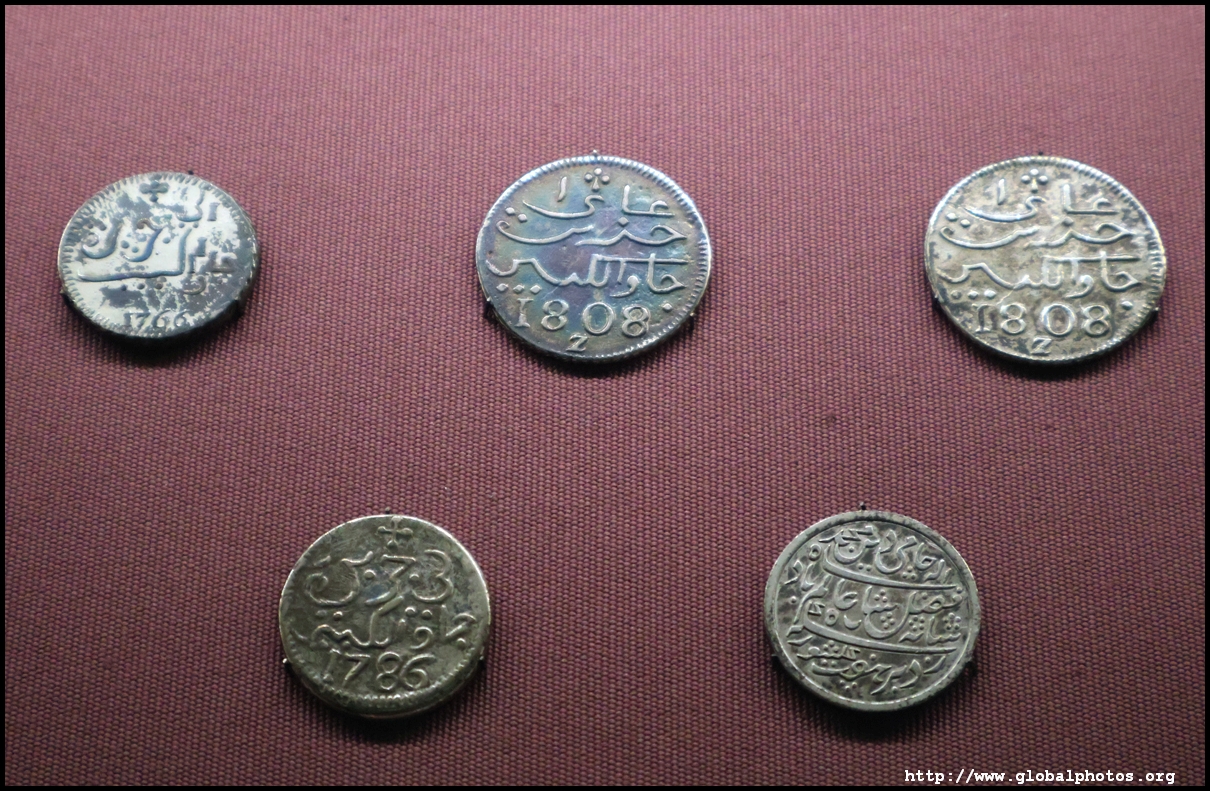
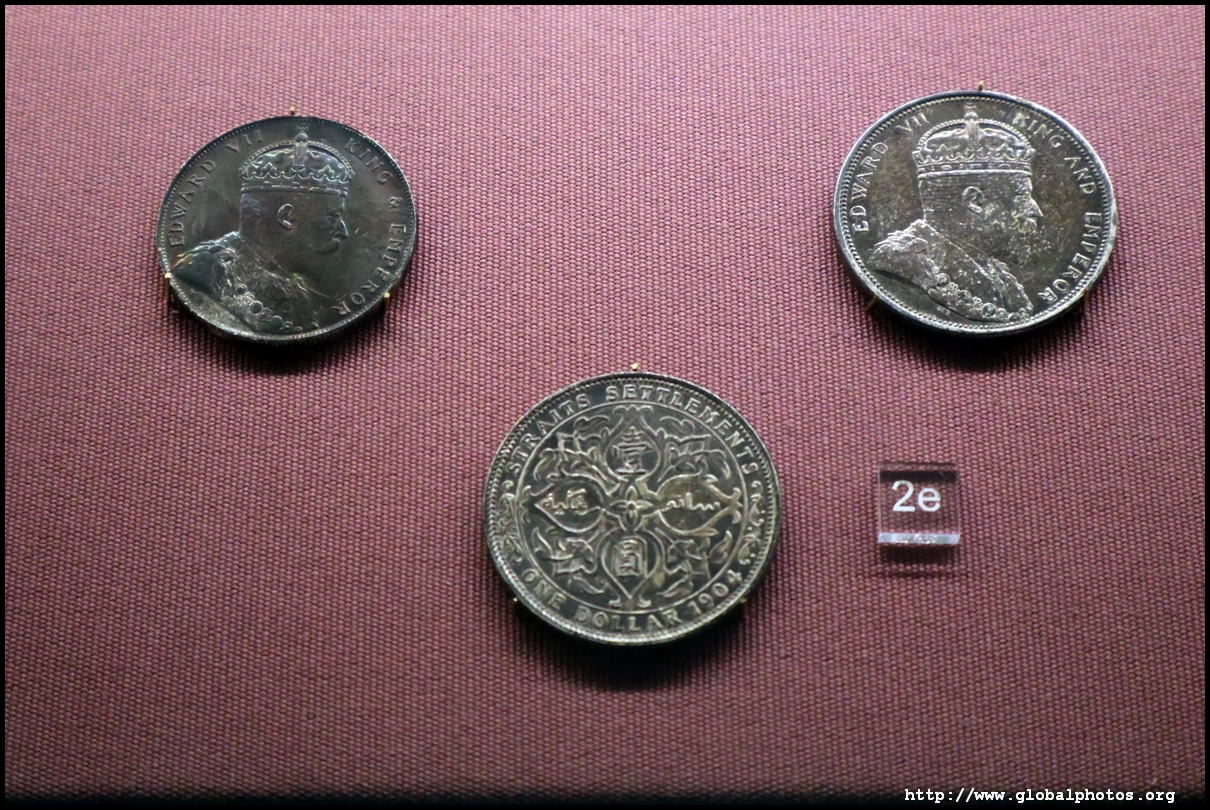
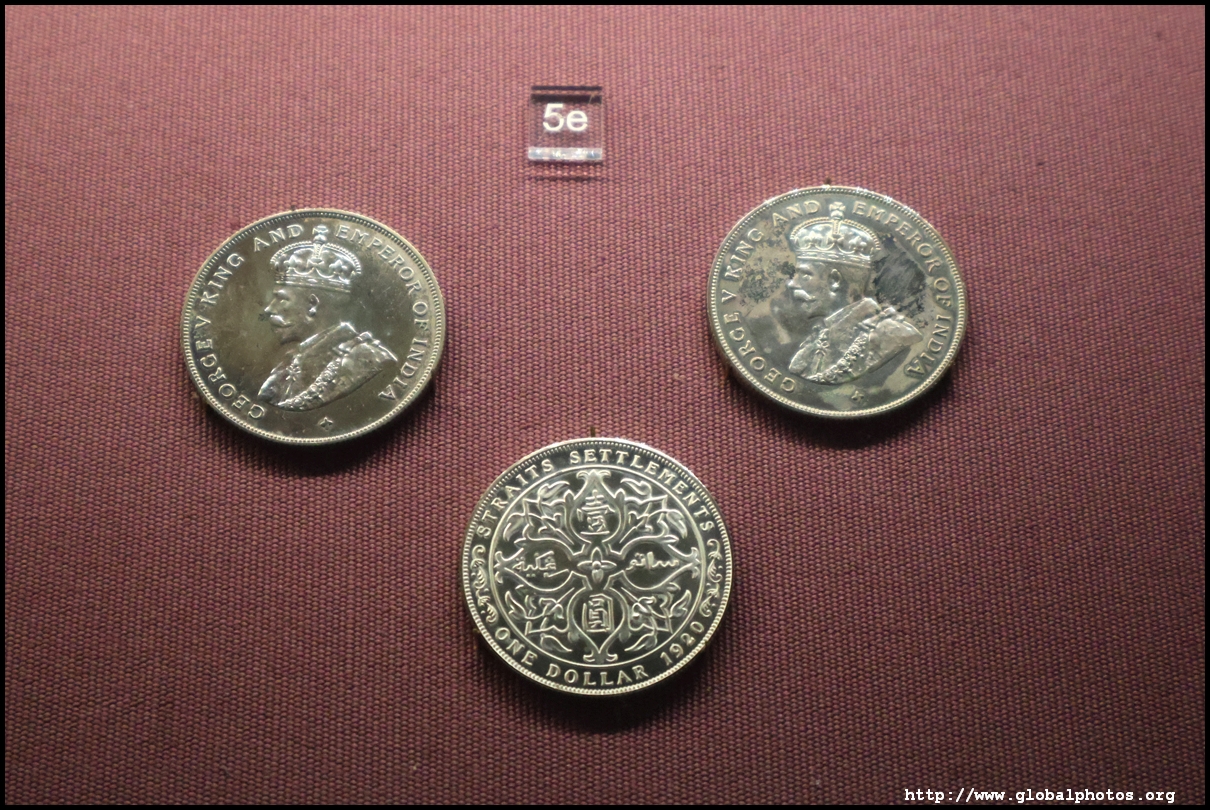
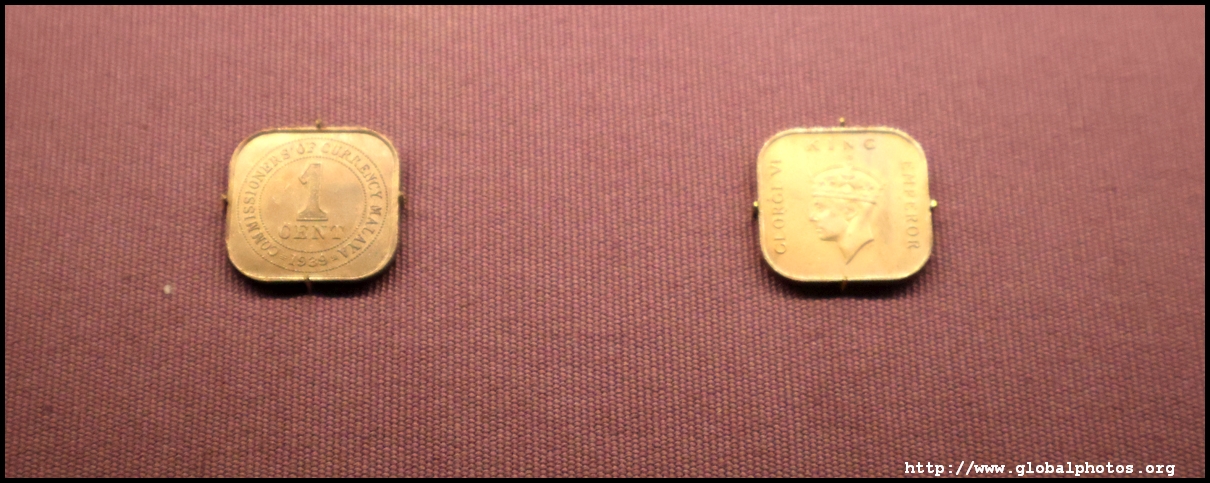
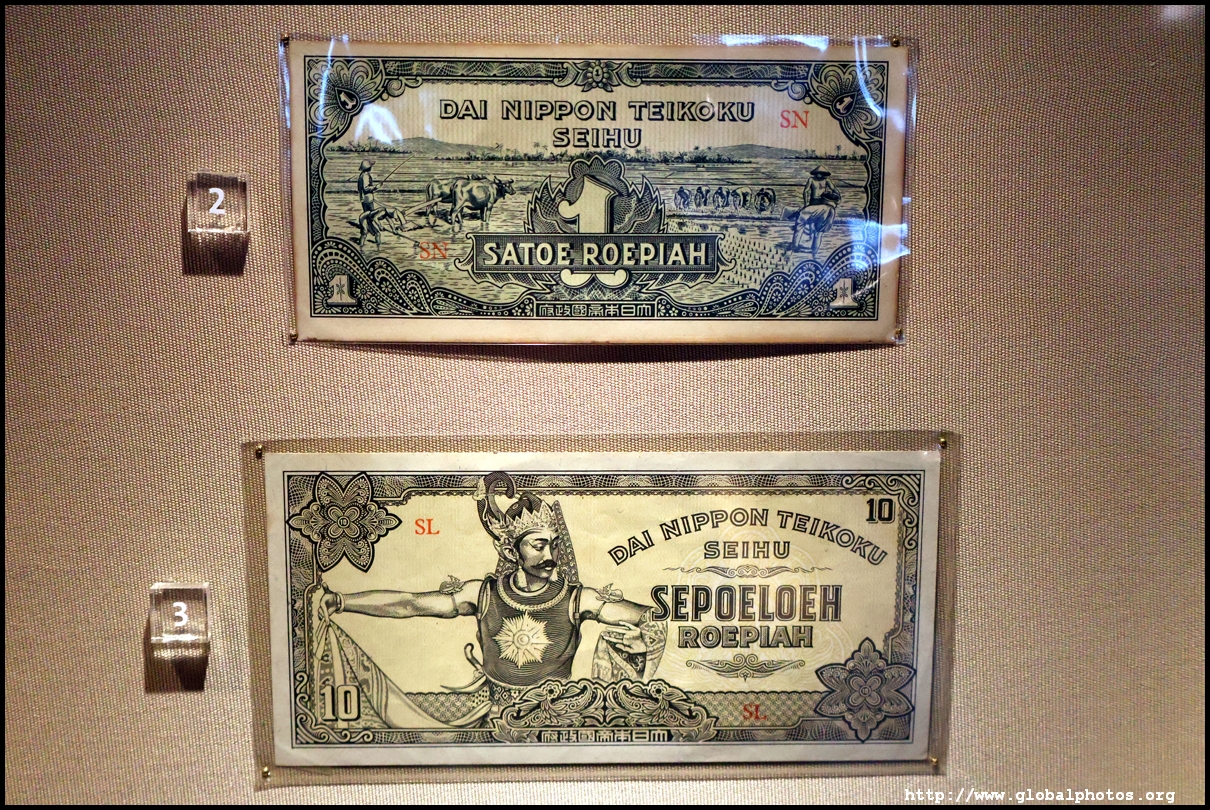
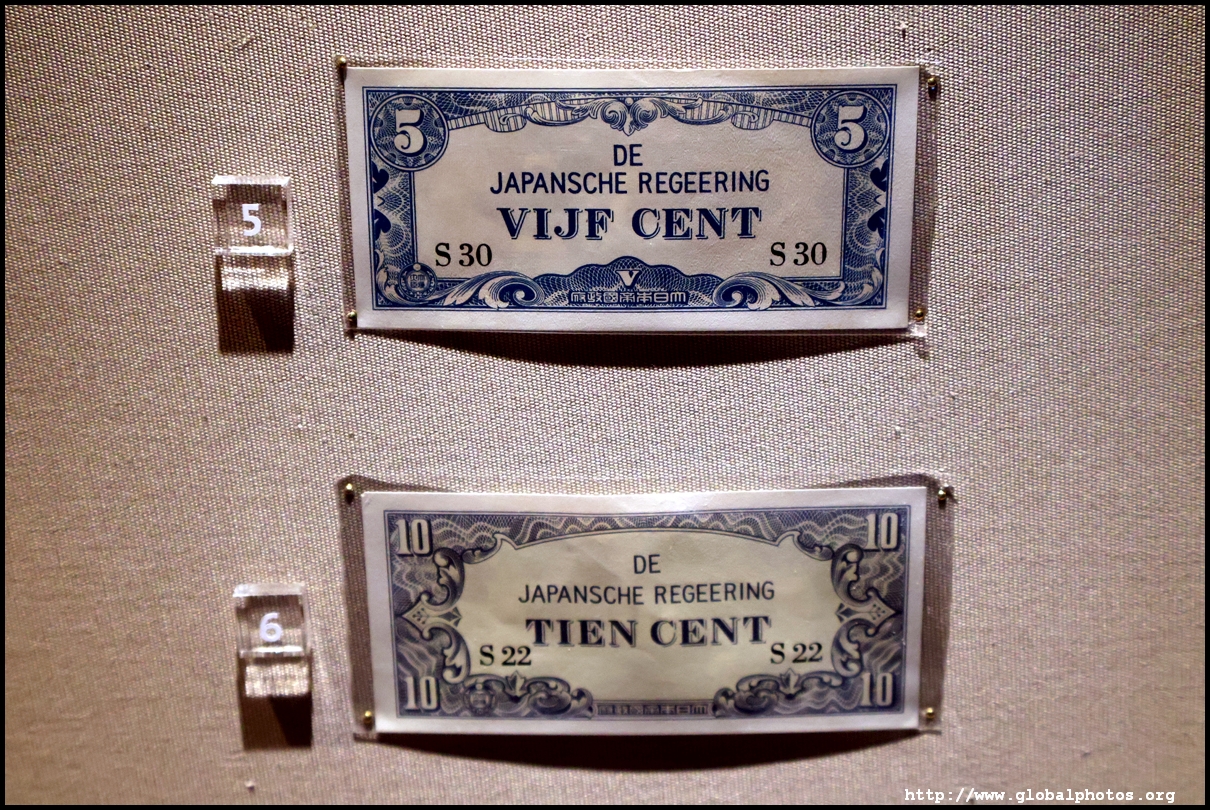
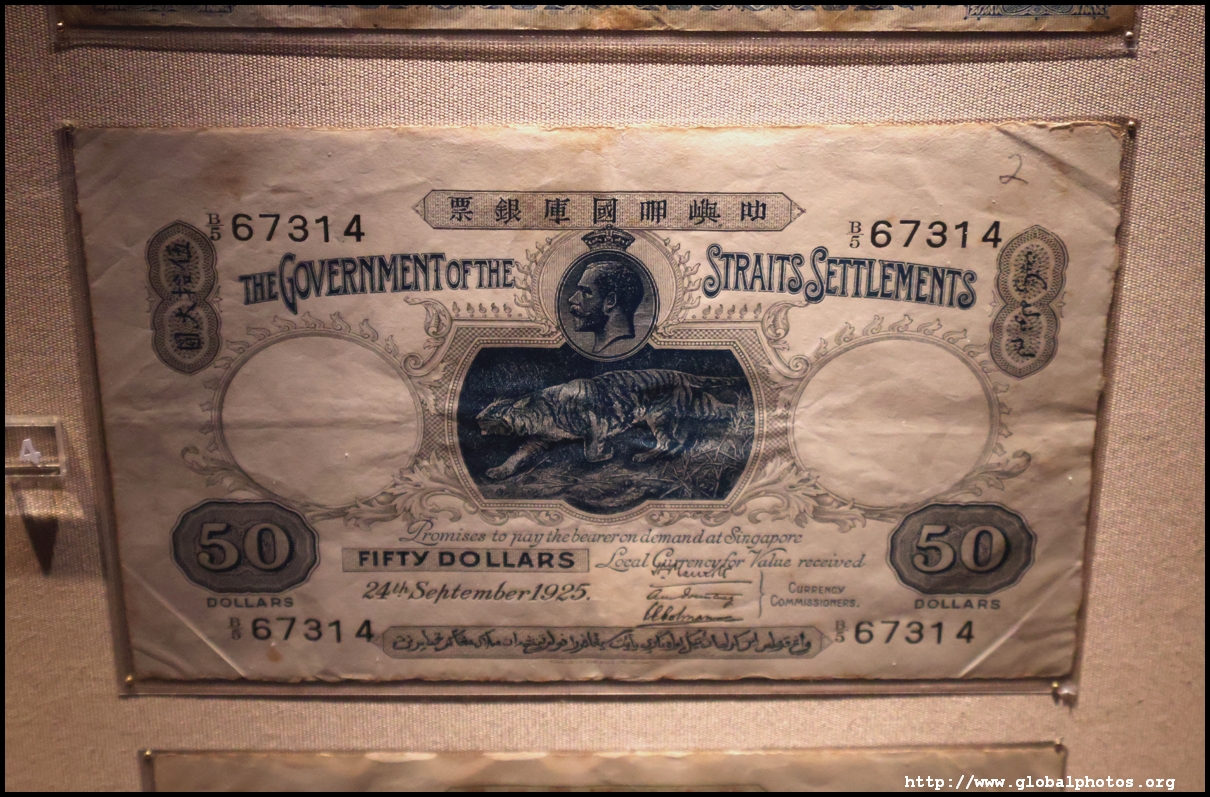
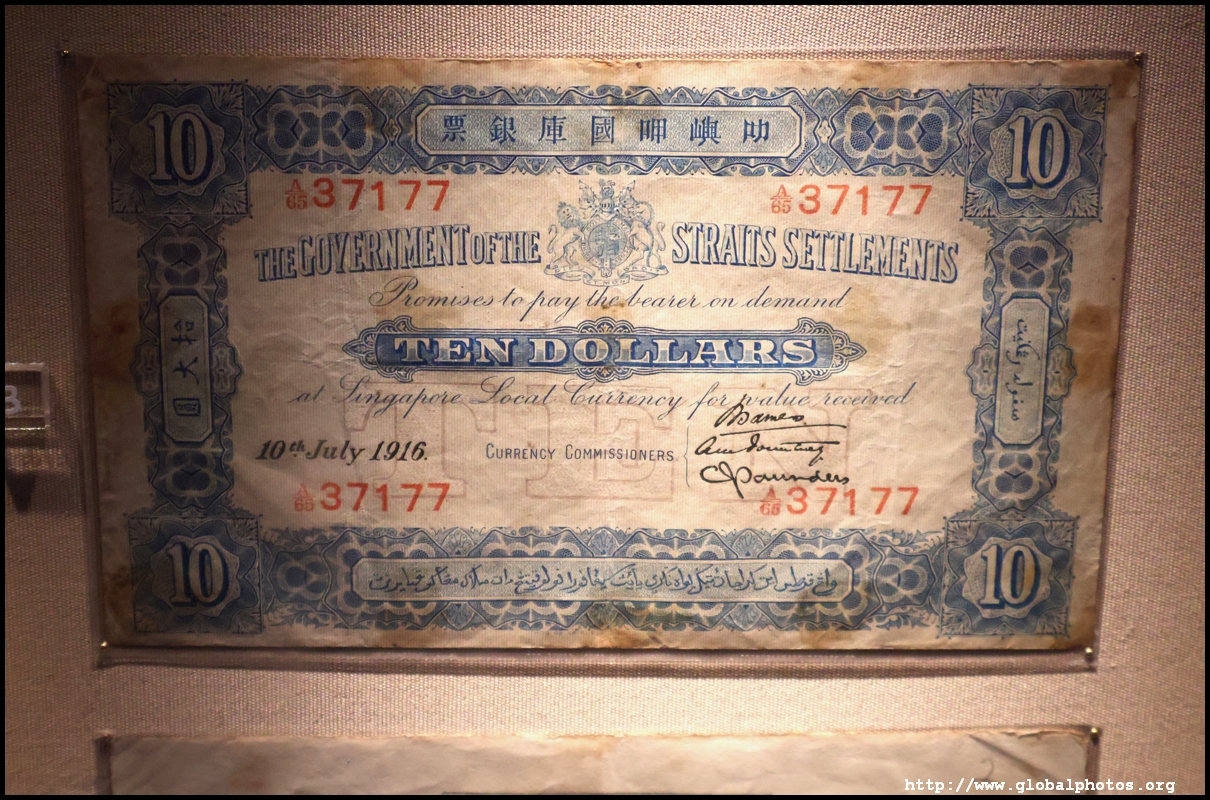
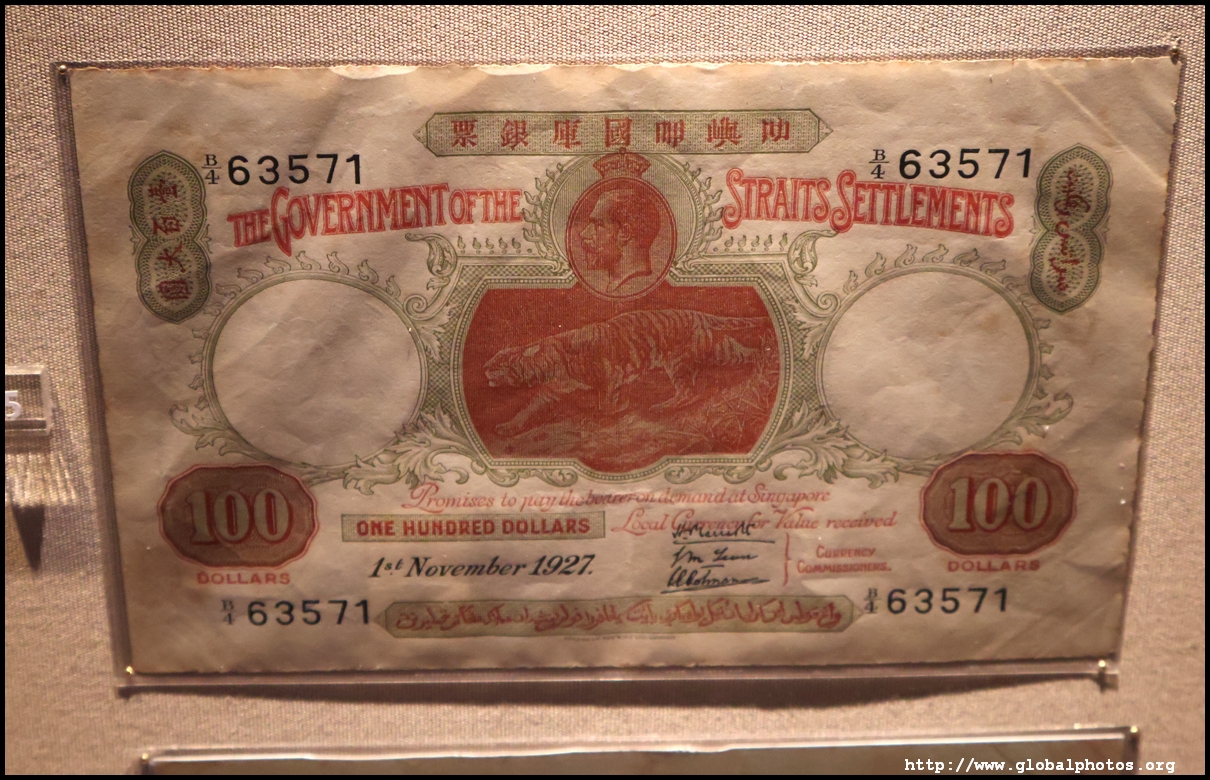
There are also plenty of coins from the past, such as those used during Dutch rule in Melaka and British rule in the Straits Settlements.
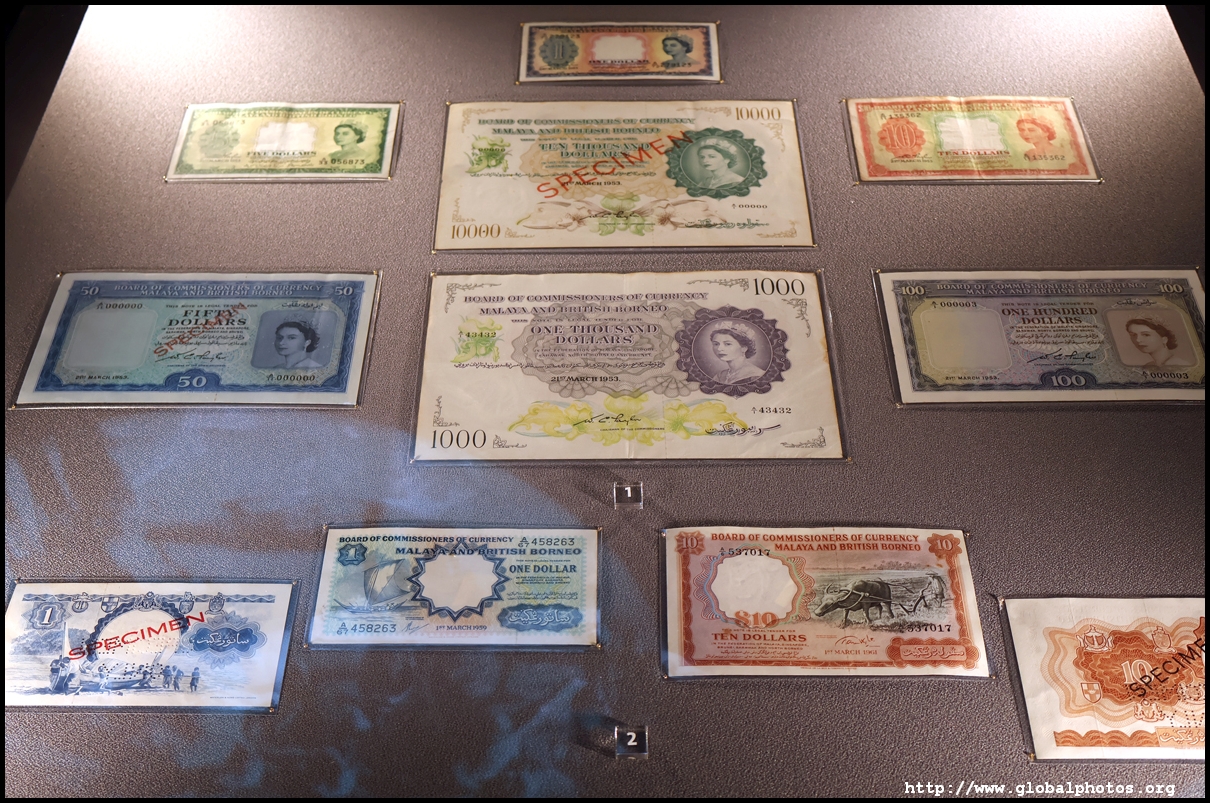
On the left are coins from 1939-52, while on the right are banknotes from 1959-61.
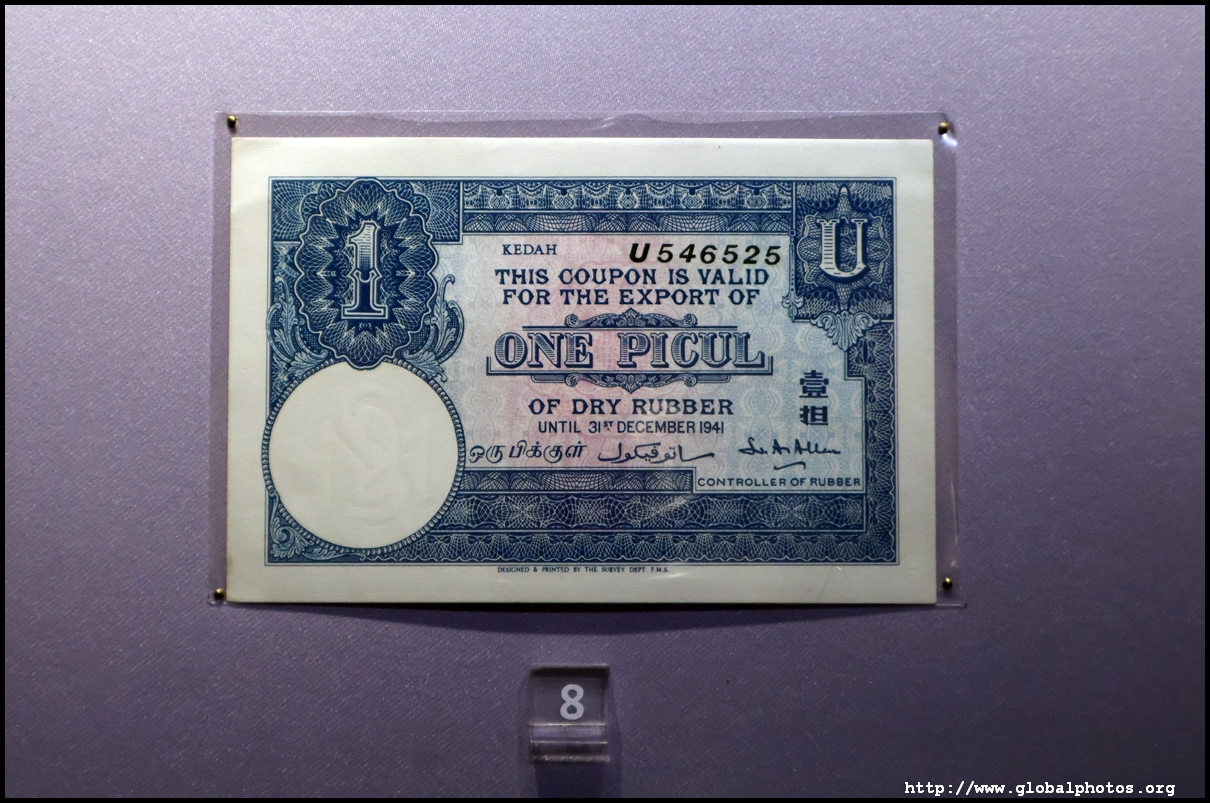
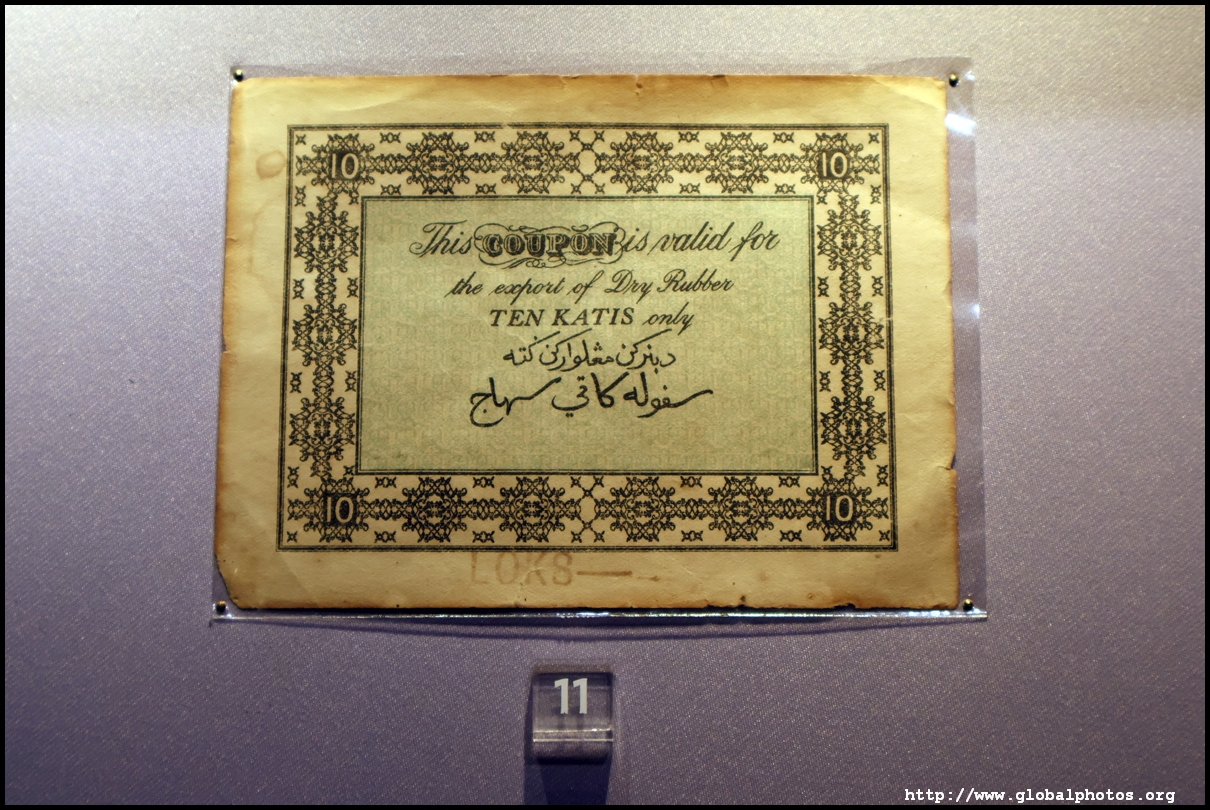
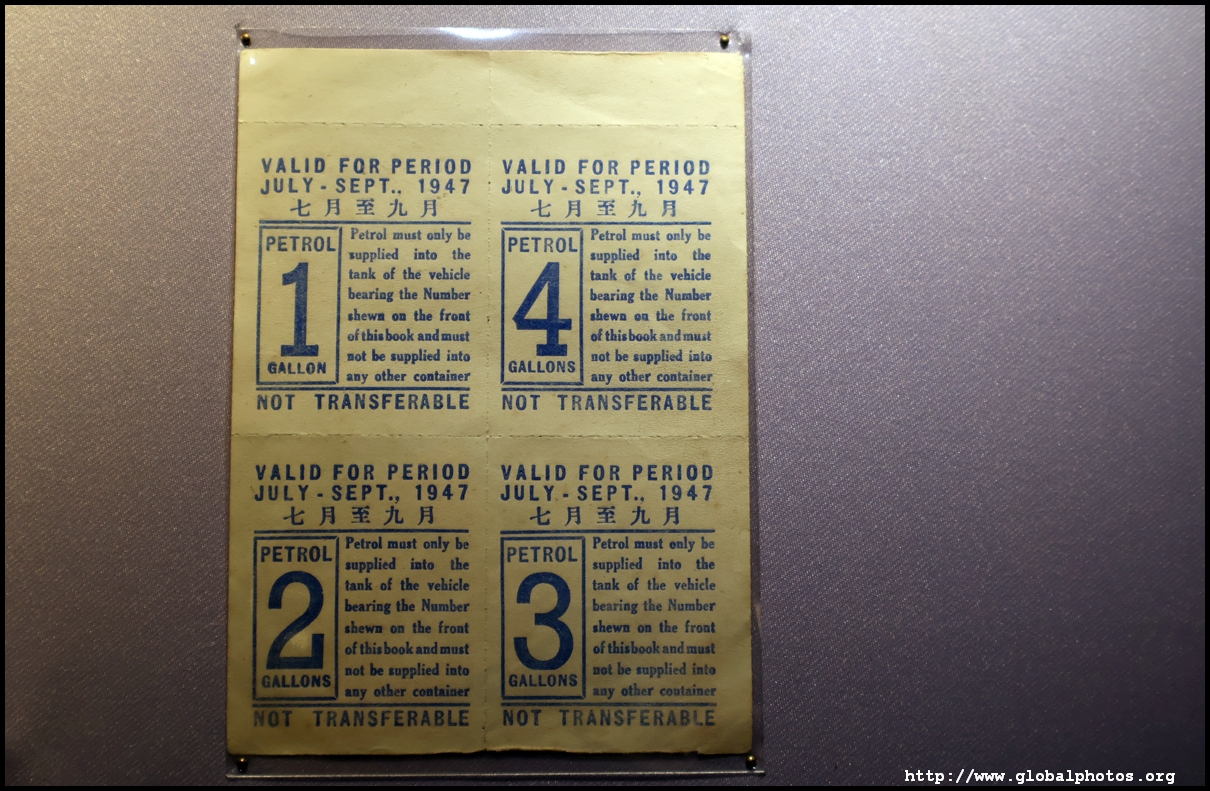
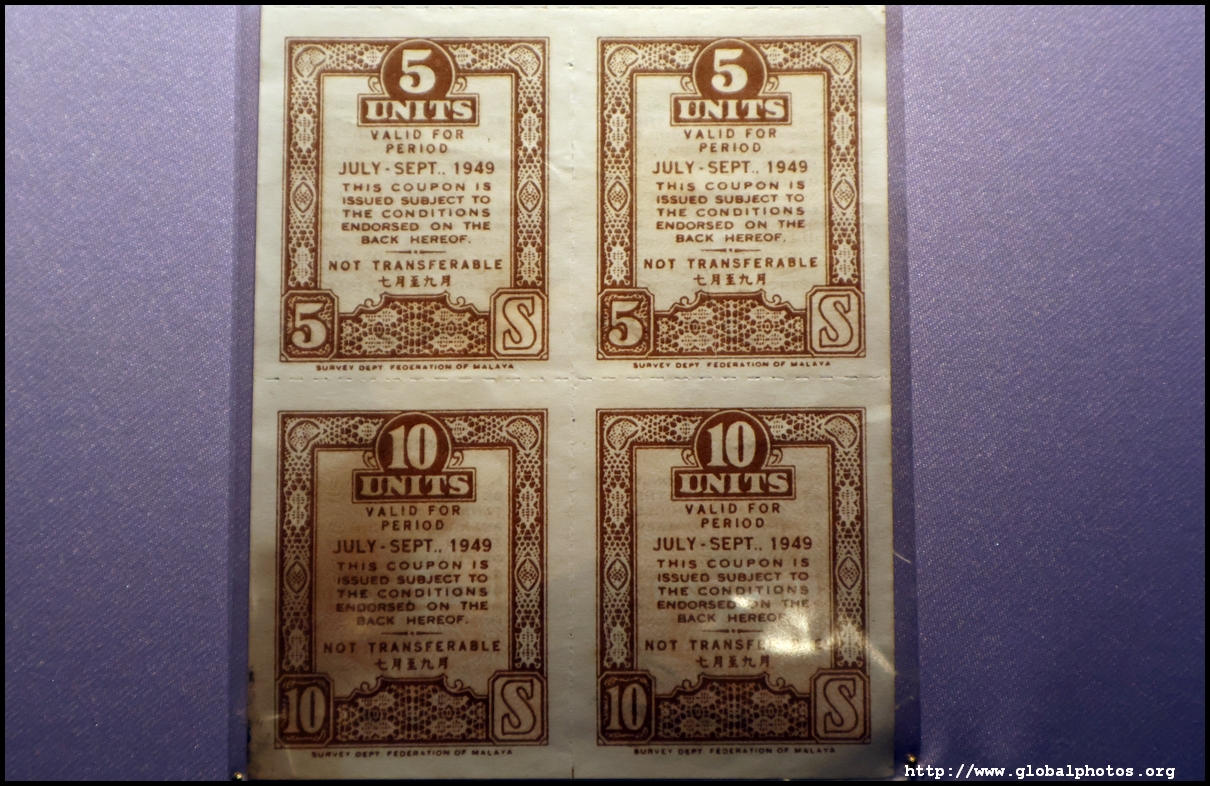
Dry rubber coupons were issued from 1922-28 and 1934-42 as the production cost of raw rubber increased significantly, forcing many estates to close. Export restrictions were imposed to protect the industry, with these coupons representing quantities to export. Registered dealers could purchase a certain amount of rubber as per listed on the coupons from the producers. Meanwhile, smaller producers traded these coupons for cash or provisions. Petro ration coupons were issued in 1941 and 1946-50 due to fuel shortages. Initially, essential services had priority to obtain these, such as the military, although the general public eventually were given these as well. Once used for petrol, the vehicle number was recorded in the coupon book.
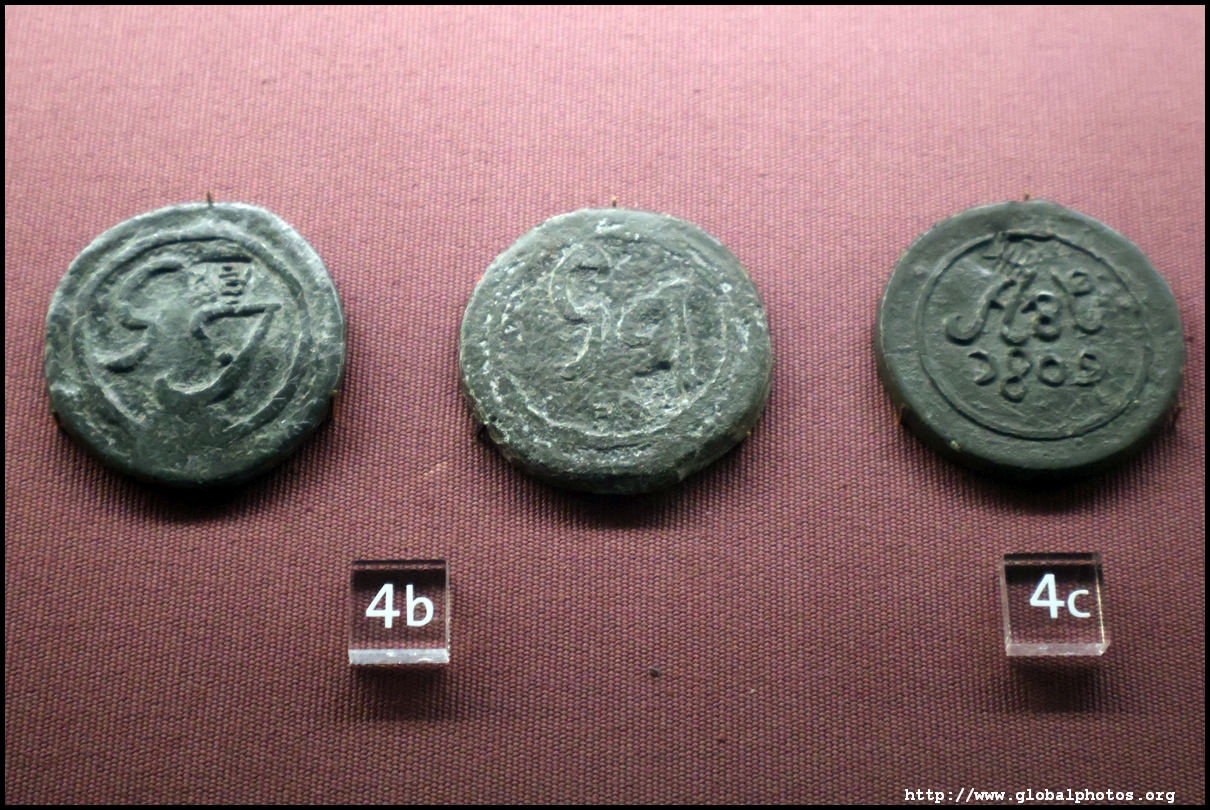
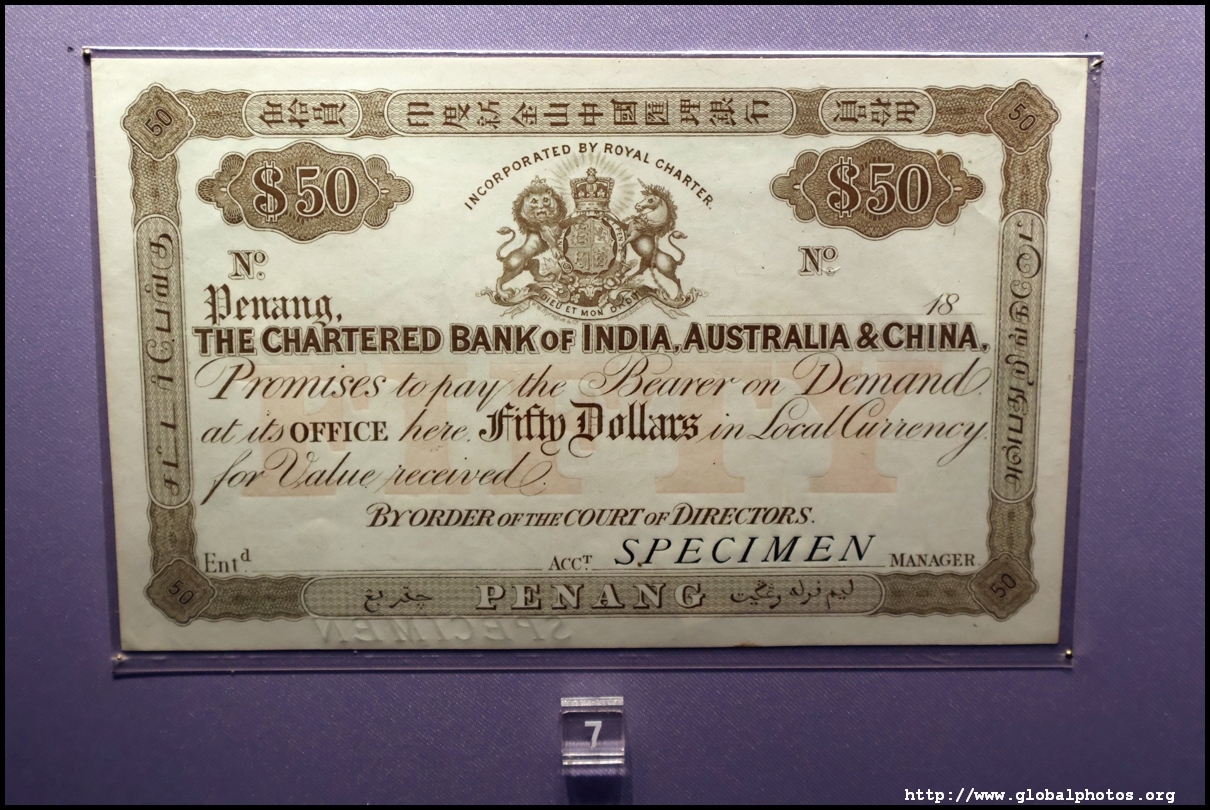
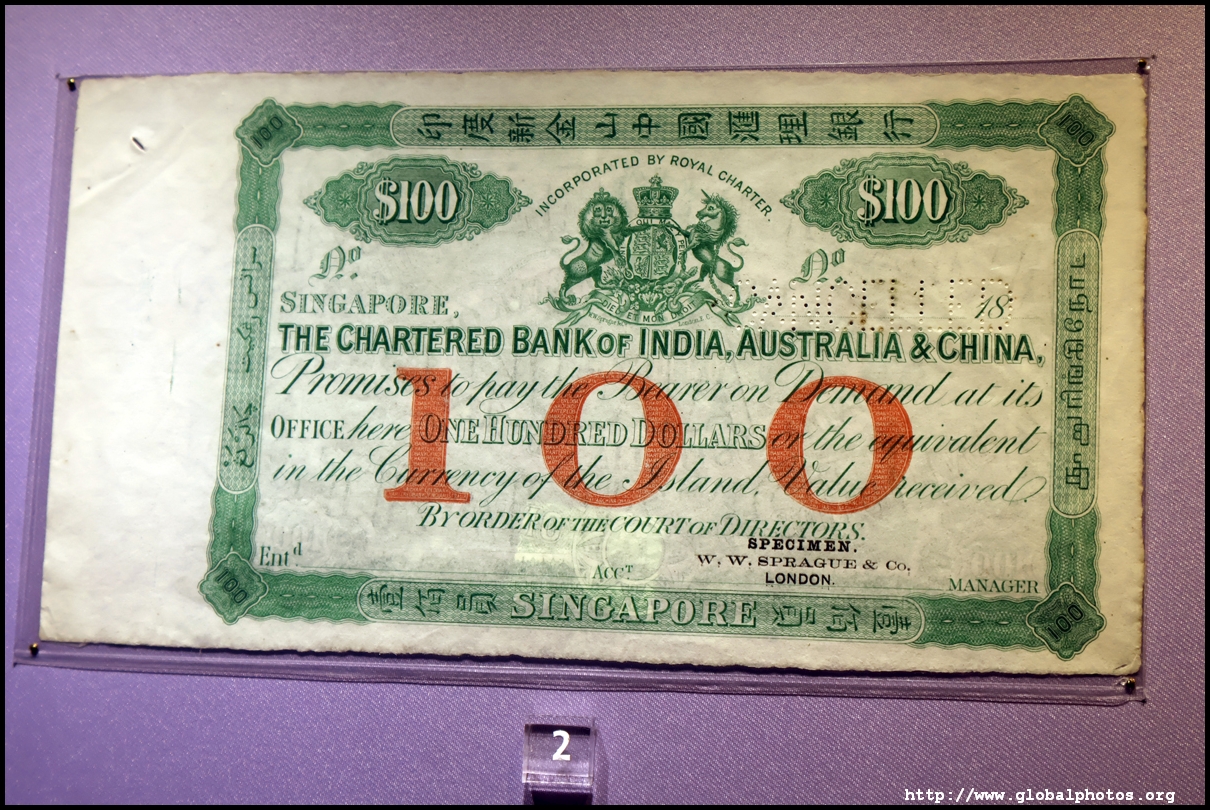
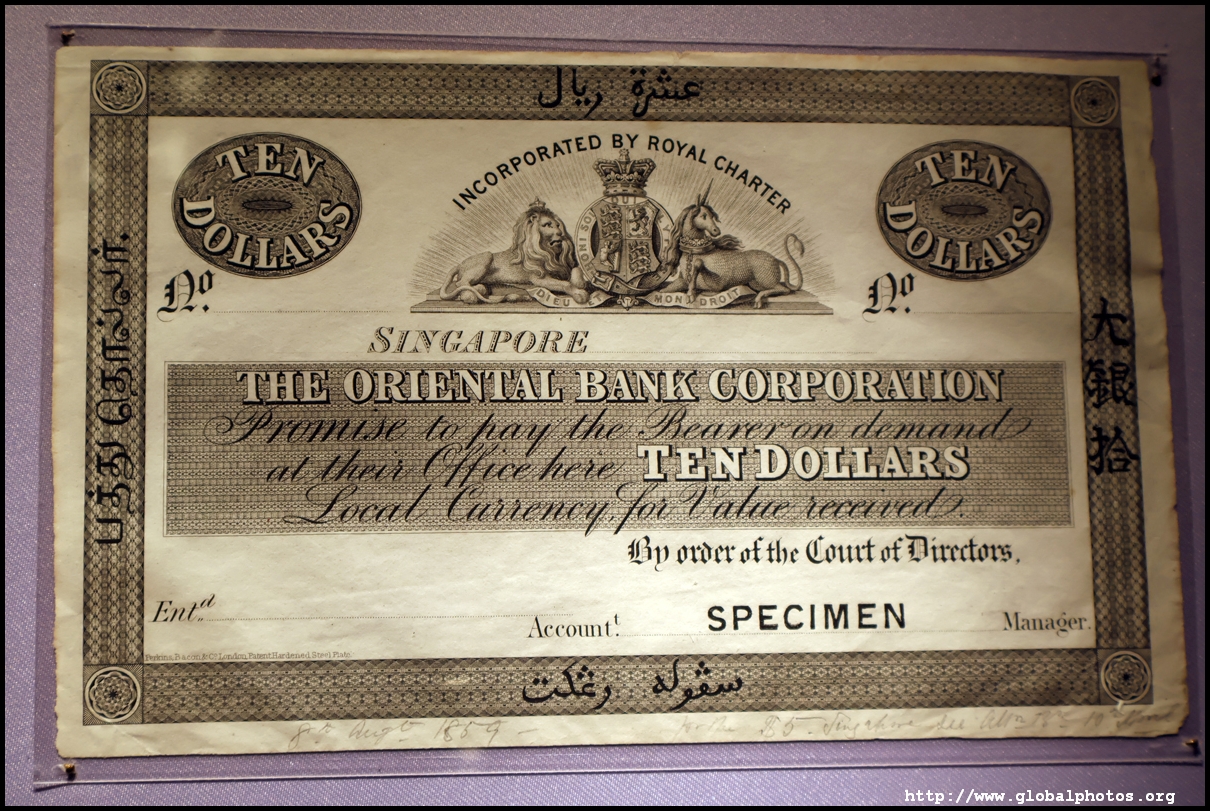
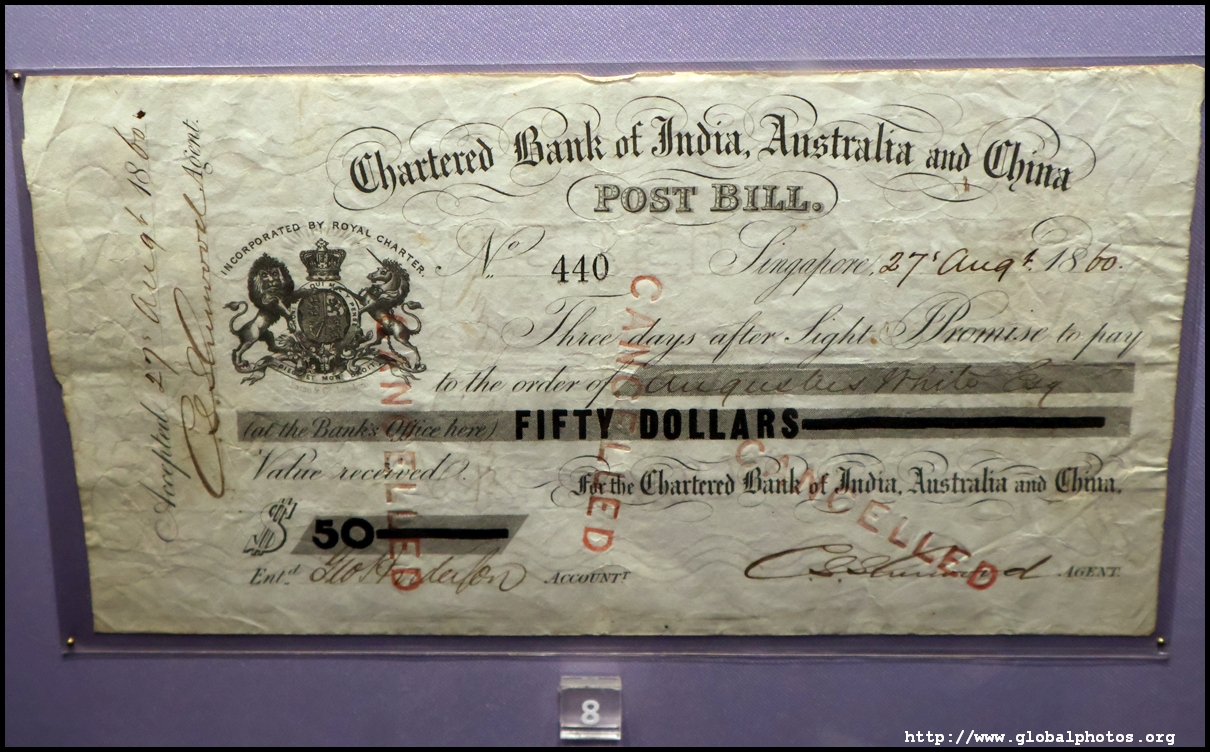
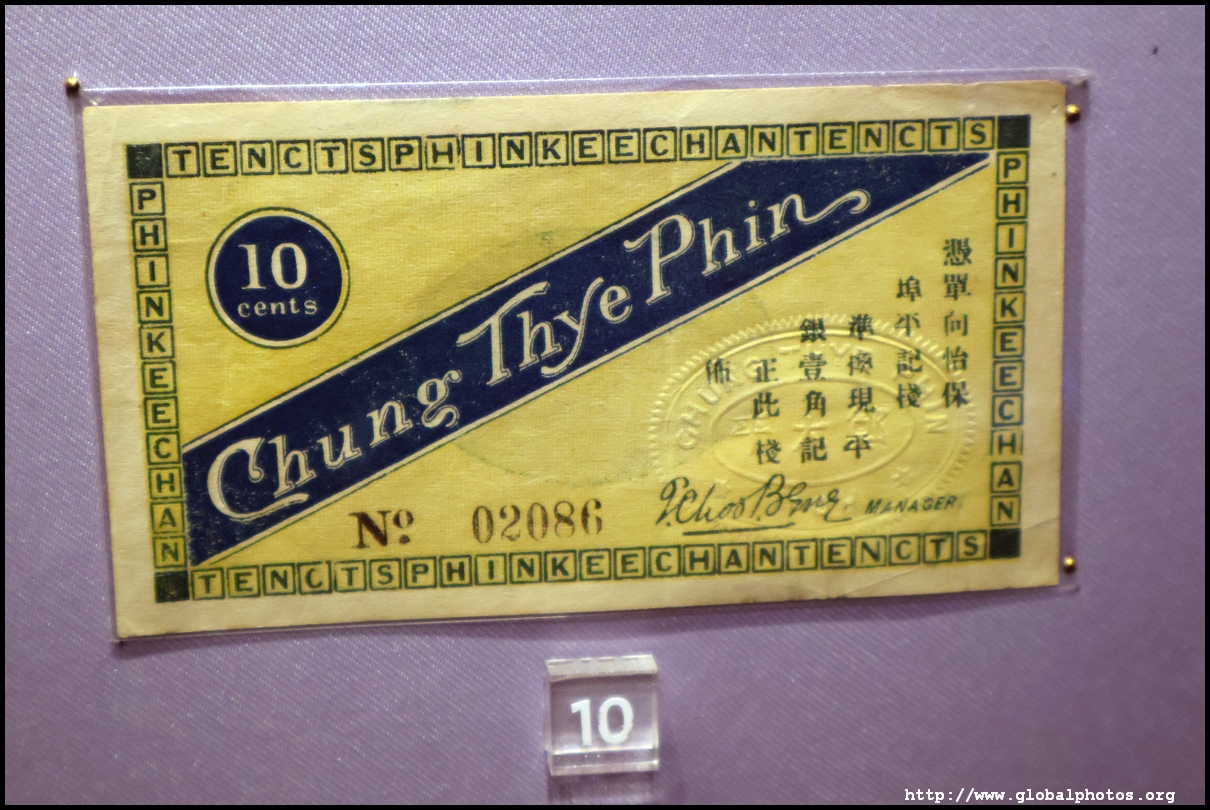
Private currencies emerged after the Anglo-Dutch Treaty in 1871. At the time, there was a need to create an efficient banking system for trade.
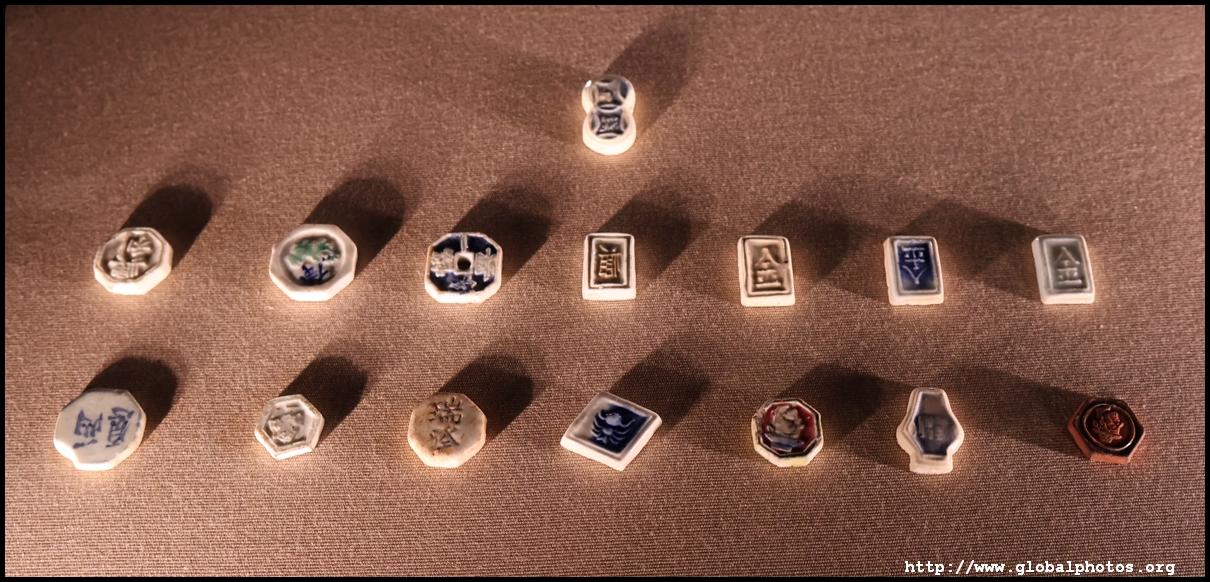
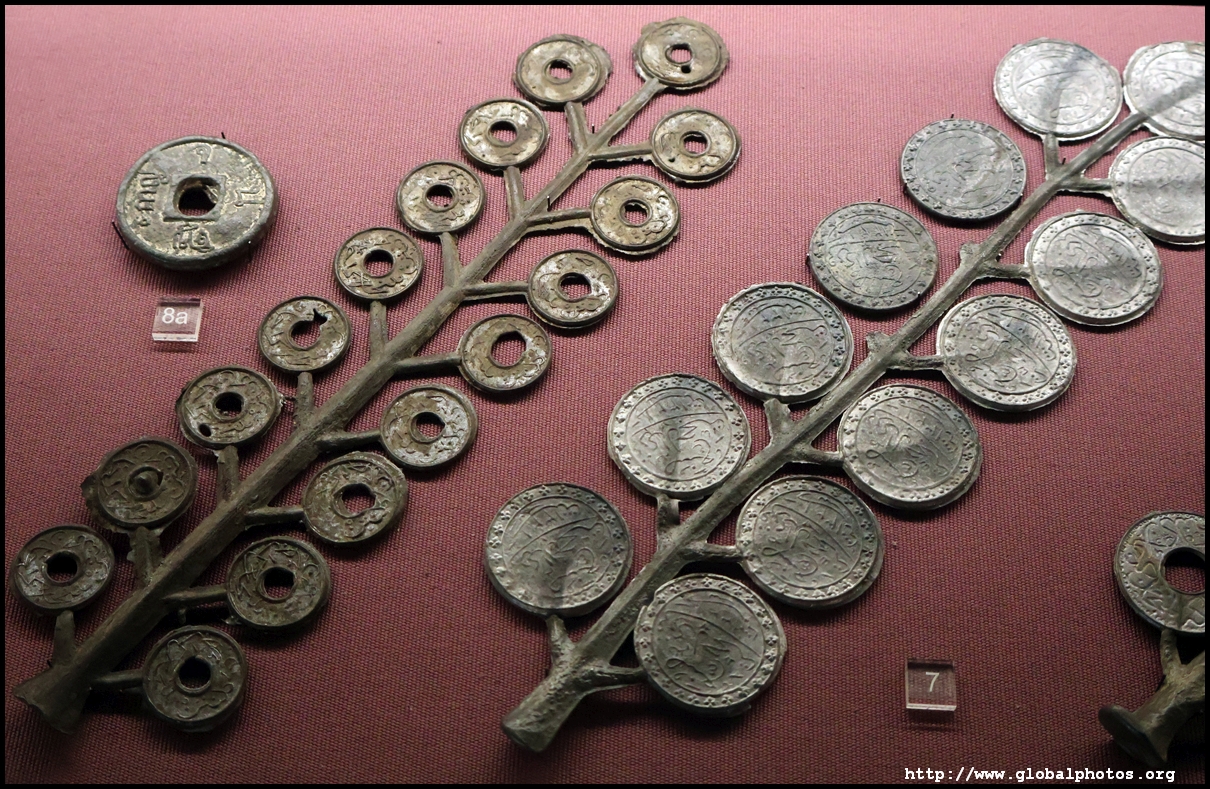
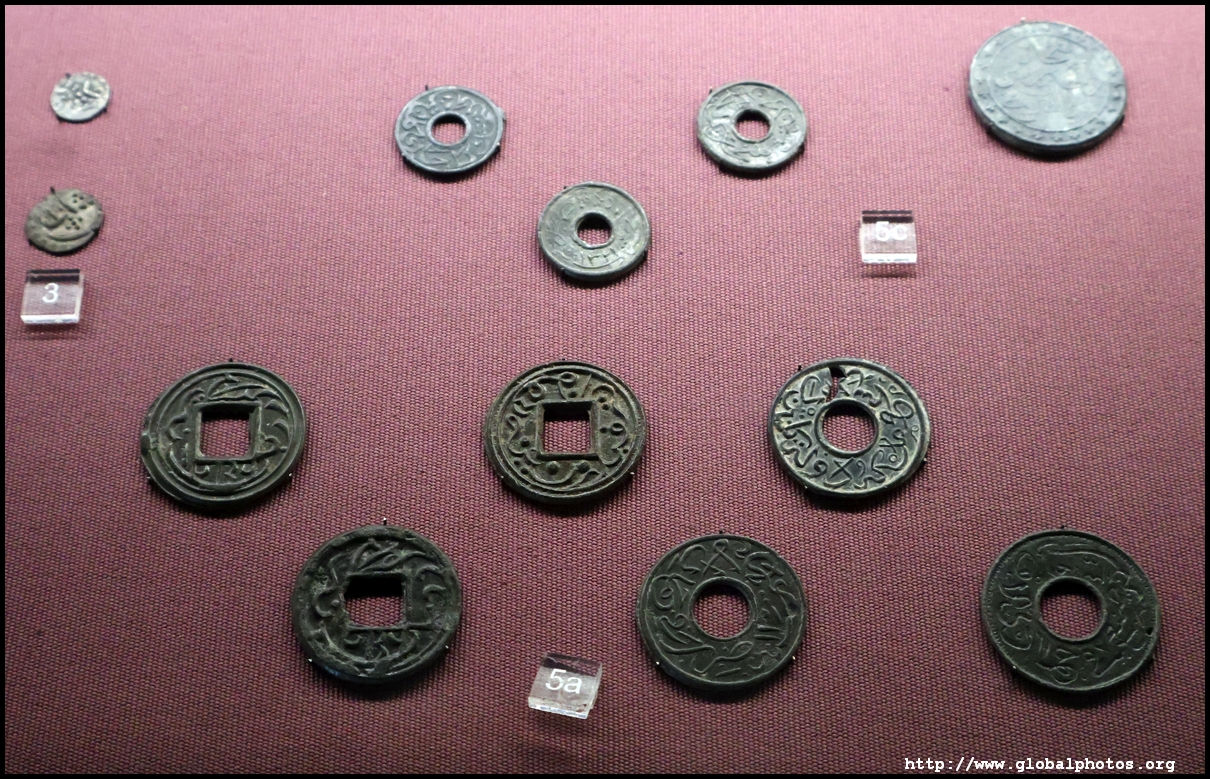
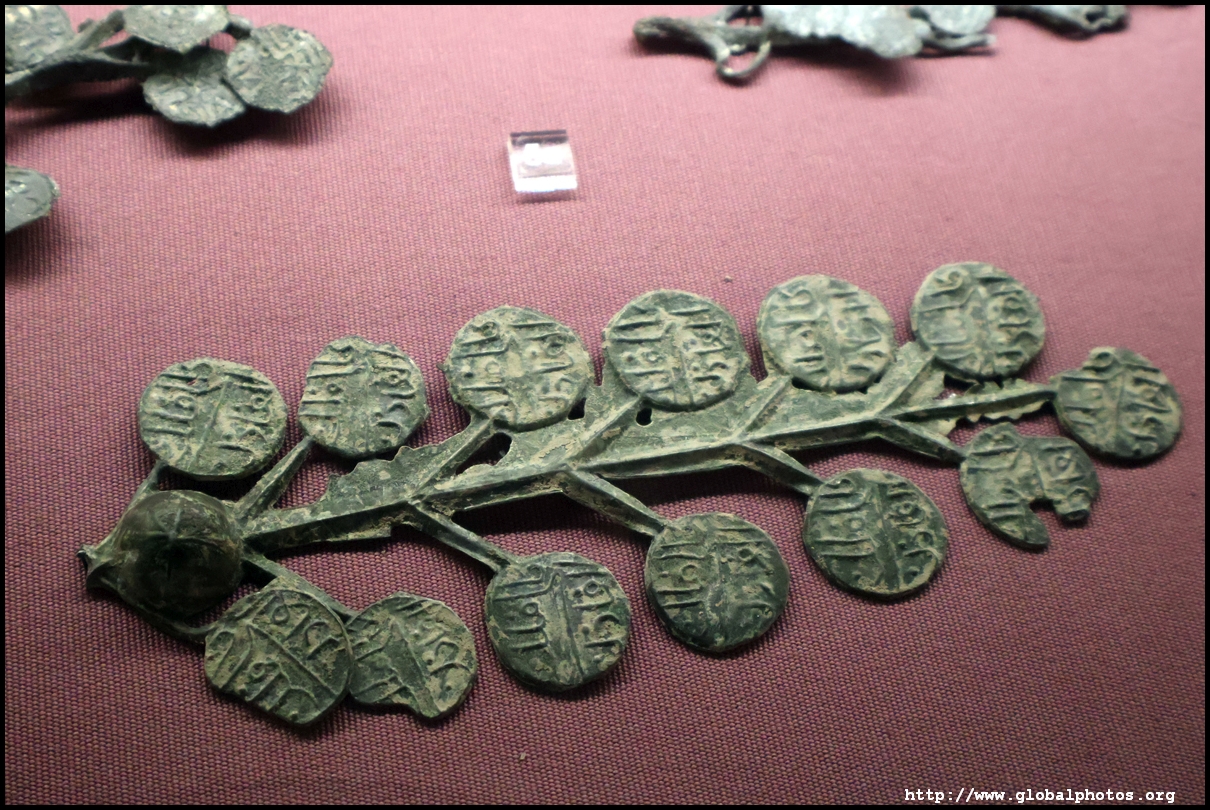
On the left, these are money trees from Kelantan dating from the turn of the 20th century, which was probably influenced from China. On the right are tin coins.
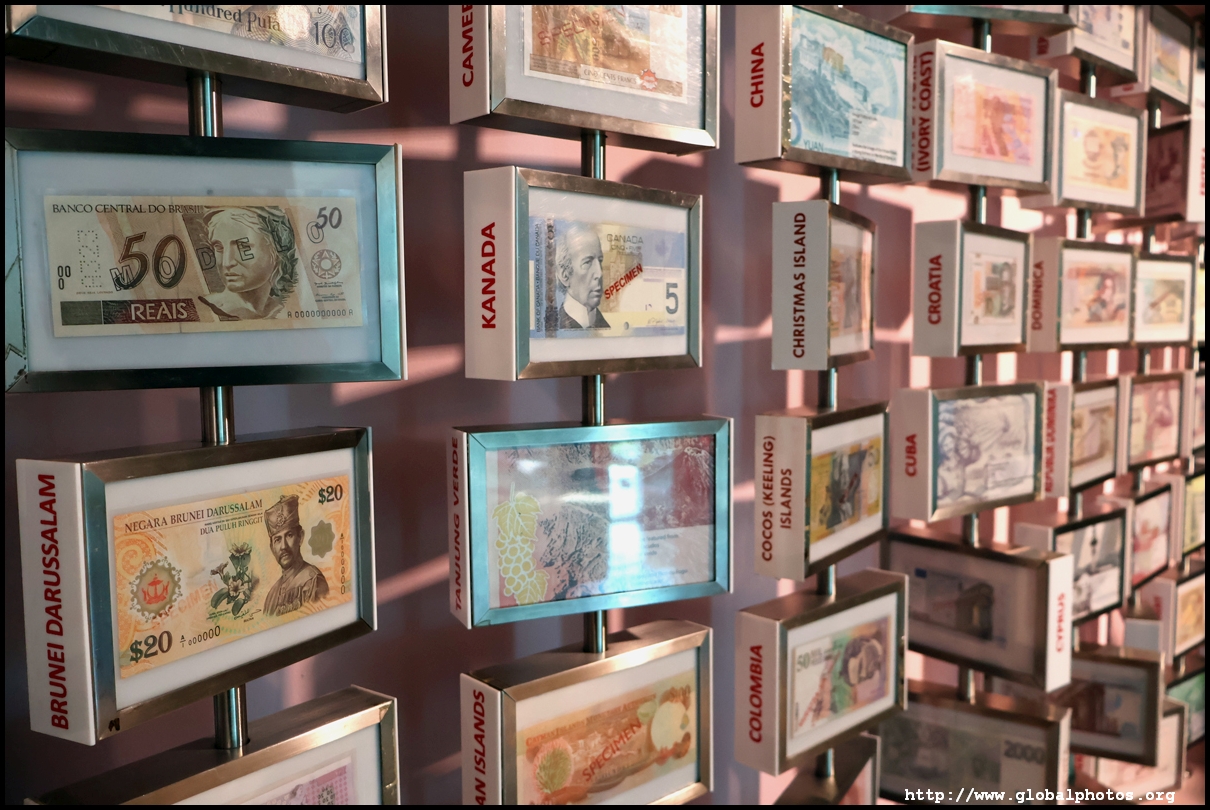
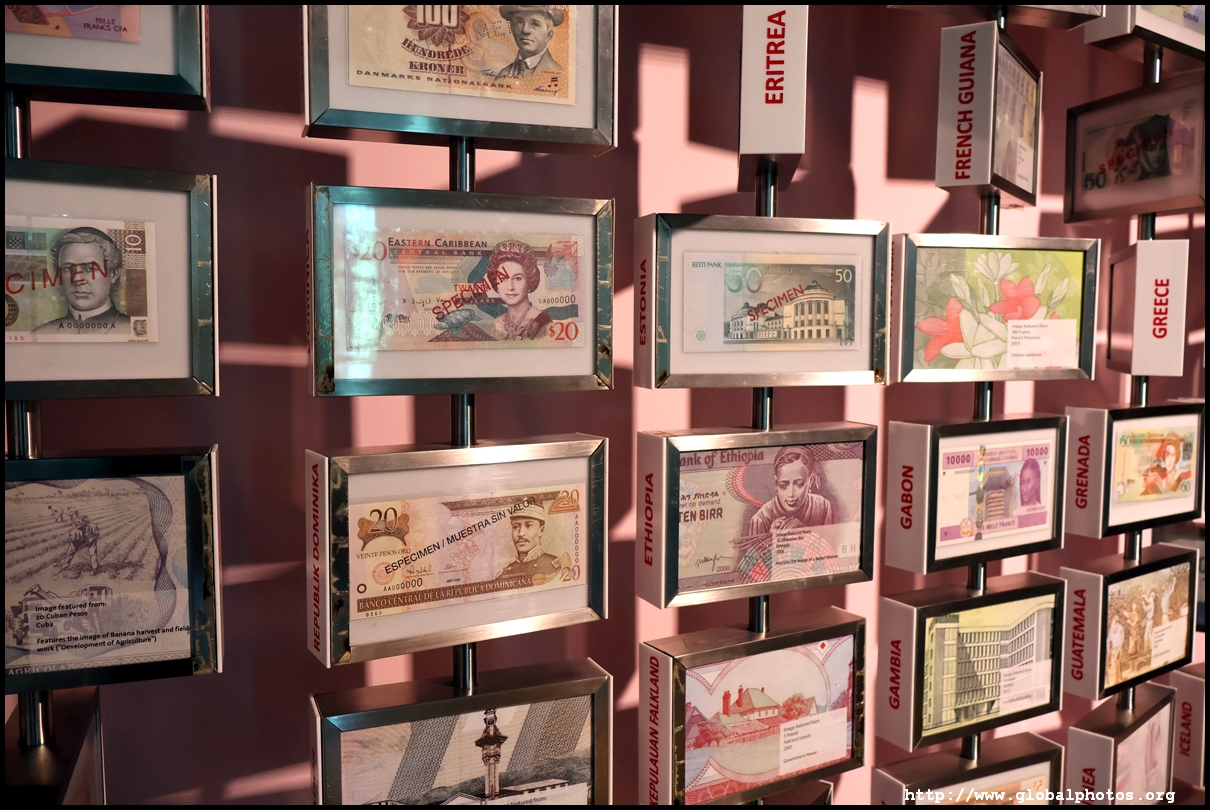
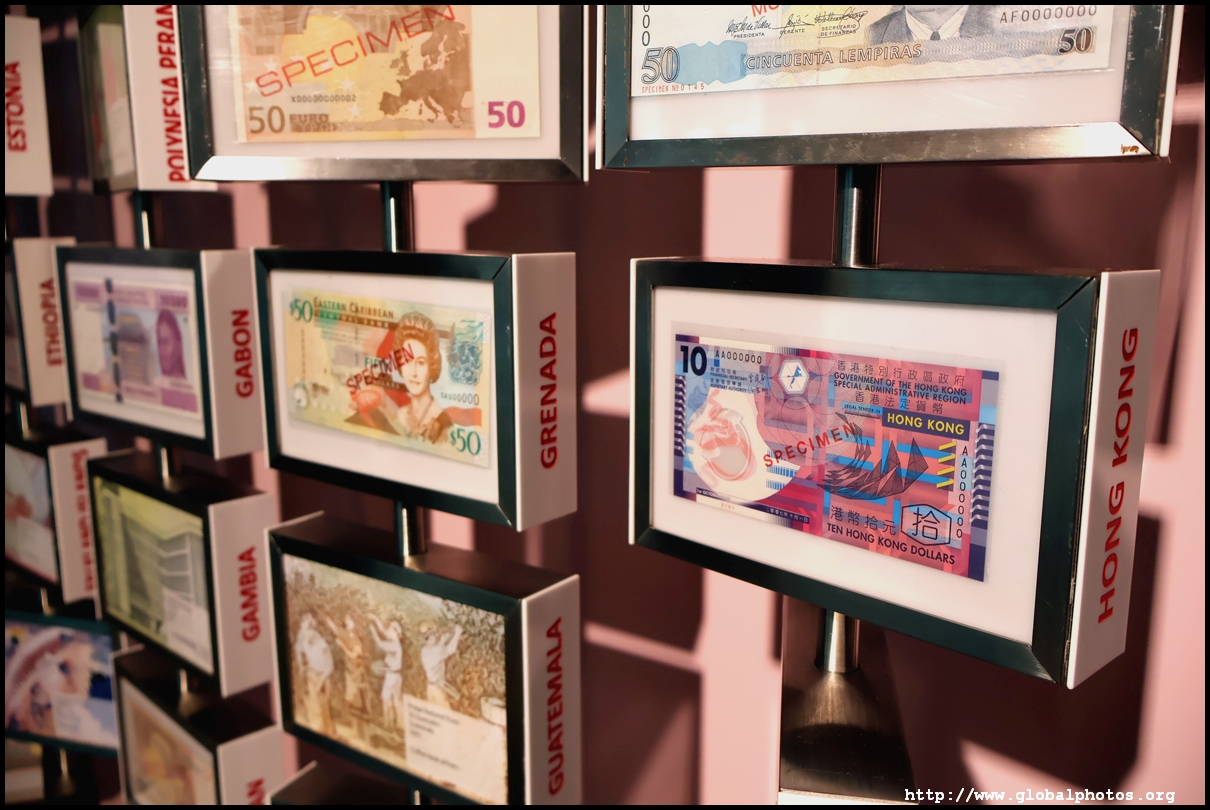
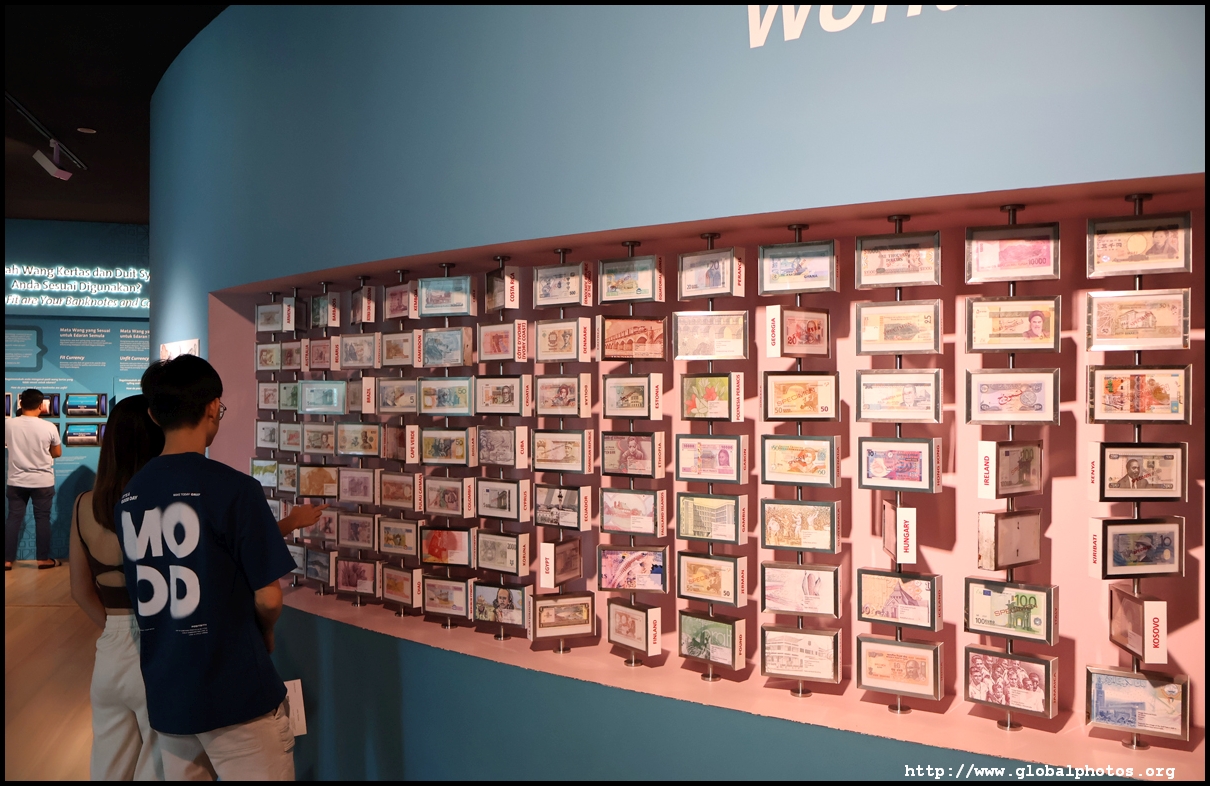
At the end of the exhibition is a wall of various currencies from around the world.
|
|||
[Kuala Lumpur Photo Gallery Main Page]
To re-use these photos or notify of errors, please email me. Thank you.