Kuala Lumpur Photo Gallery - National Textile Museum
|
|||
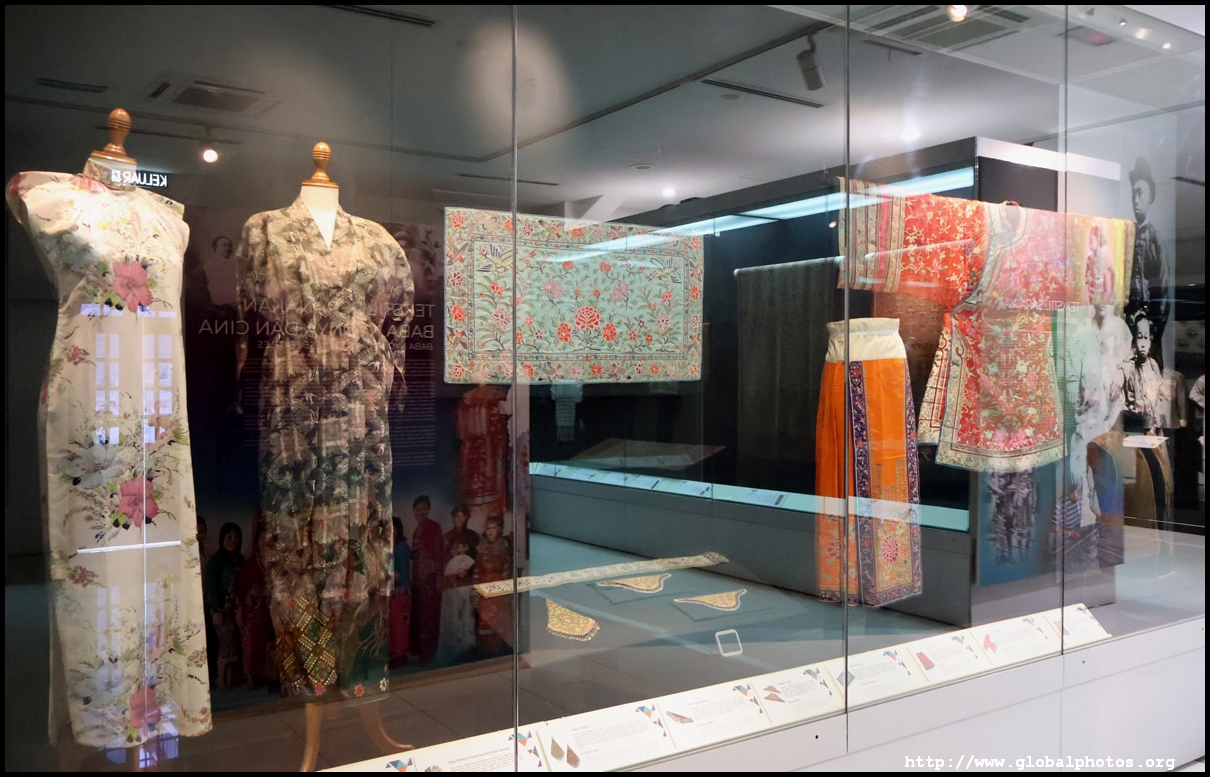
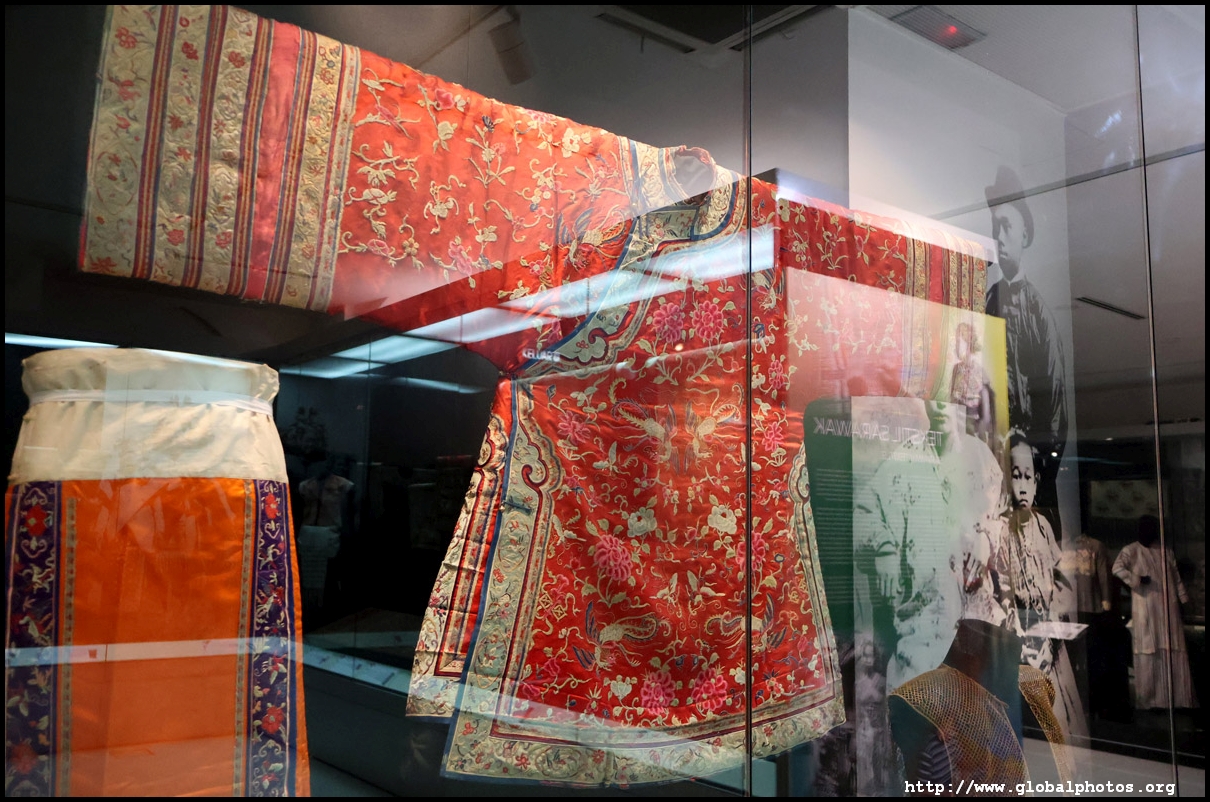
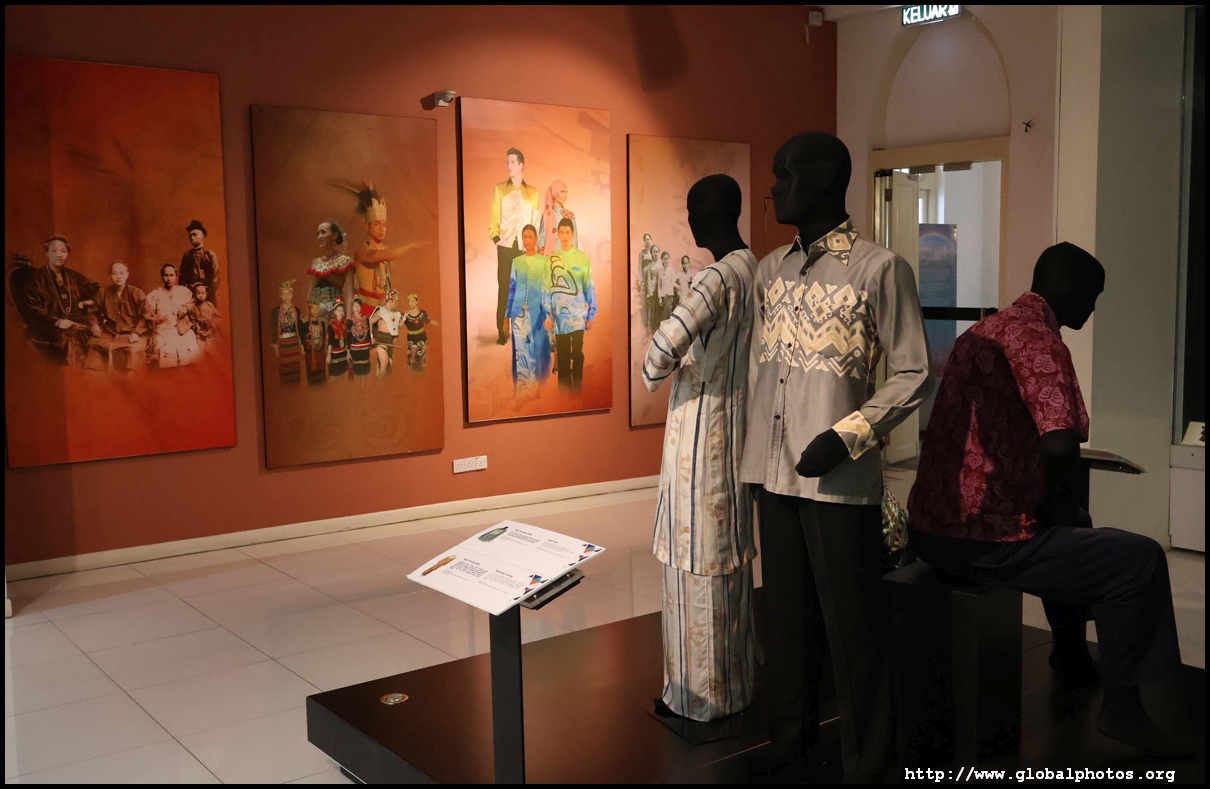
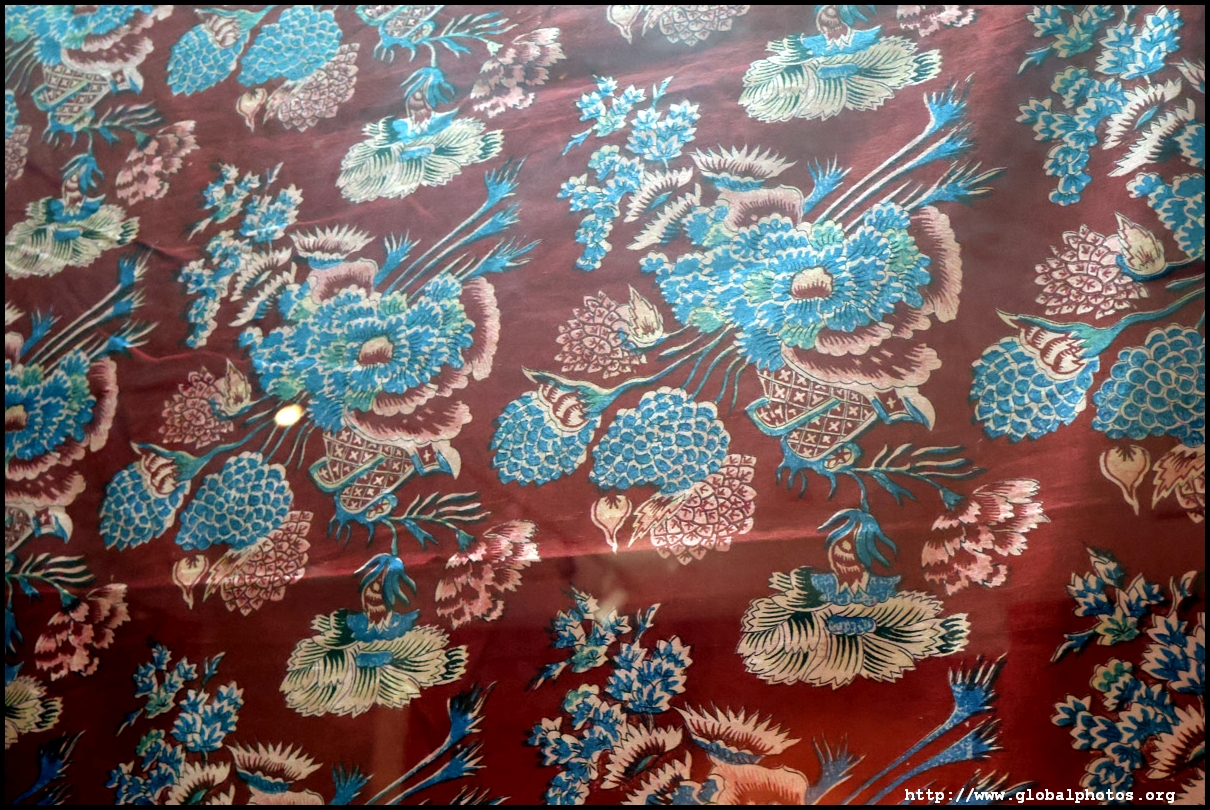
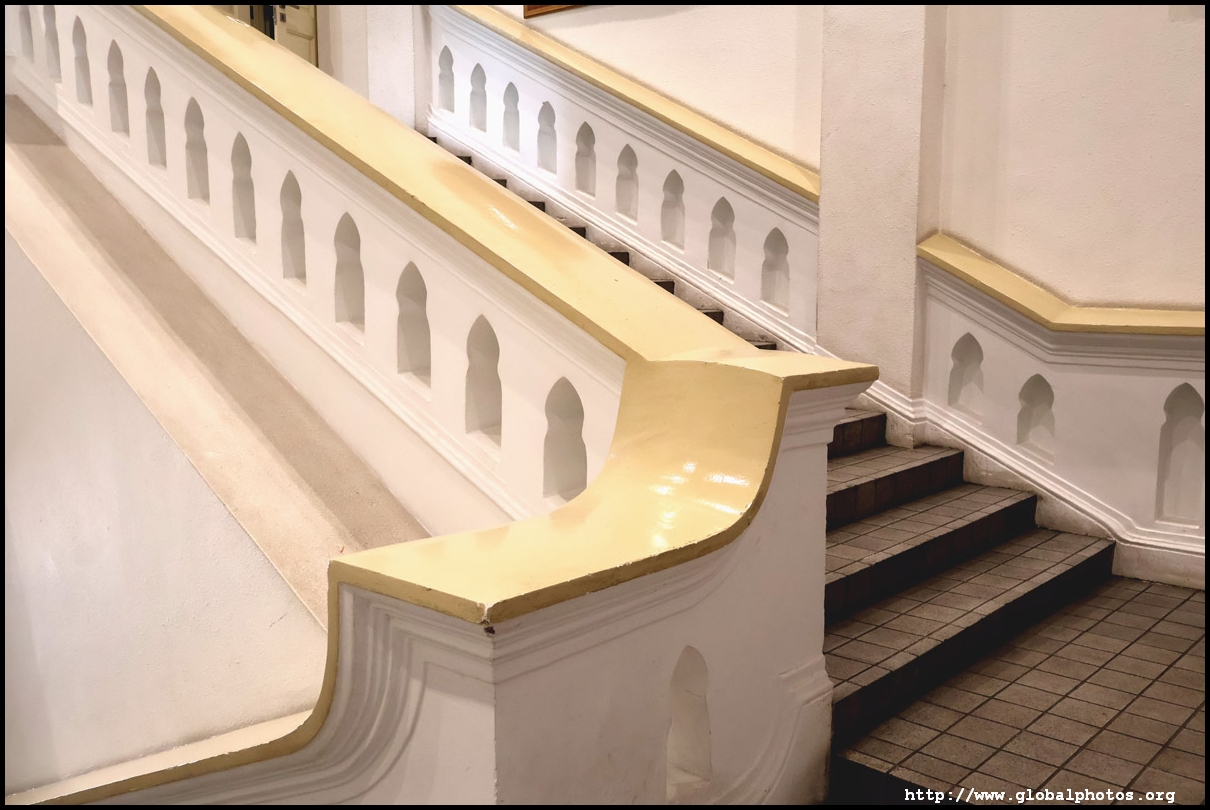
The National Textile Museum occupies a historic building from the late 1890s just off Merdeka Square. The iconic red and white exterior was designed by A. B. Hubback and served as the Federated Malay States Railway's headquarters in 1905, followed by the Selangor Public Works Department in 1917. It last served the Water Works, Central Bank, and Agriculture Bank before it was handed to the Urban Development Authority in 1981, eventually becoming a museum.After paying 5 ringgit admission, I entered a very retro space and had the exhibits almost entirely to myself. To the right of the entrance is the Pelangi gallery, which showcases fabrics from Malaysia's different ethnic groups. On the right is a Peranakan wedding robe made of silk that is typical of Ming Dynasty fashion.
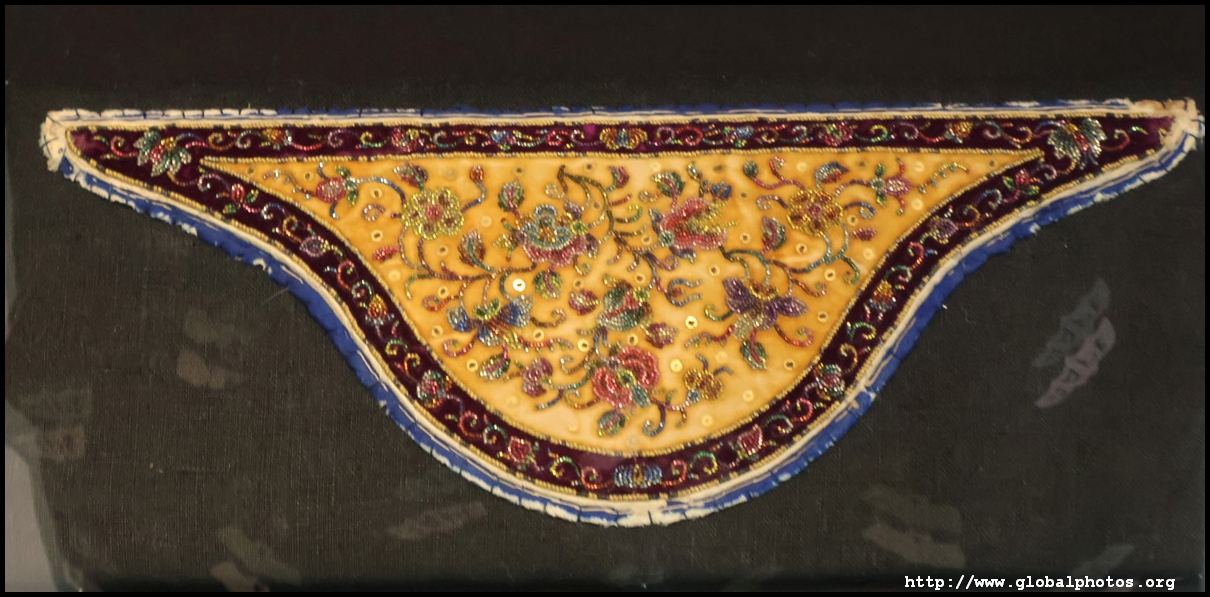
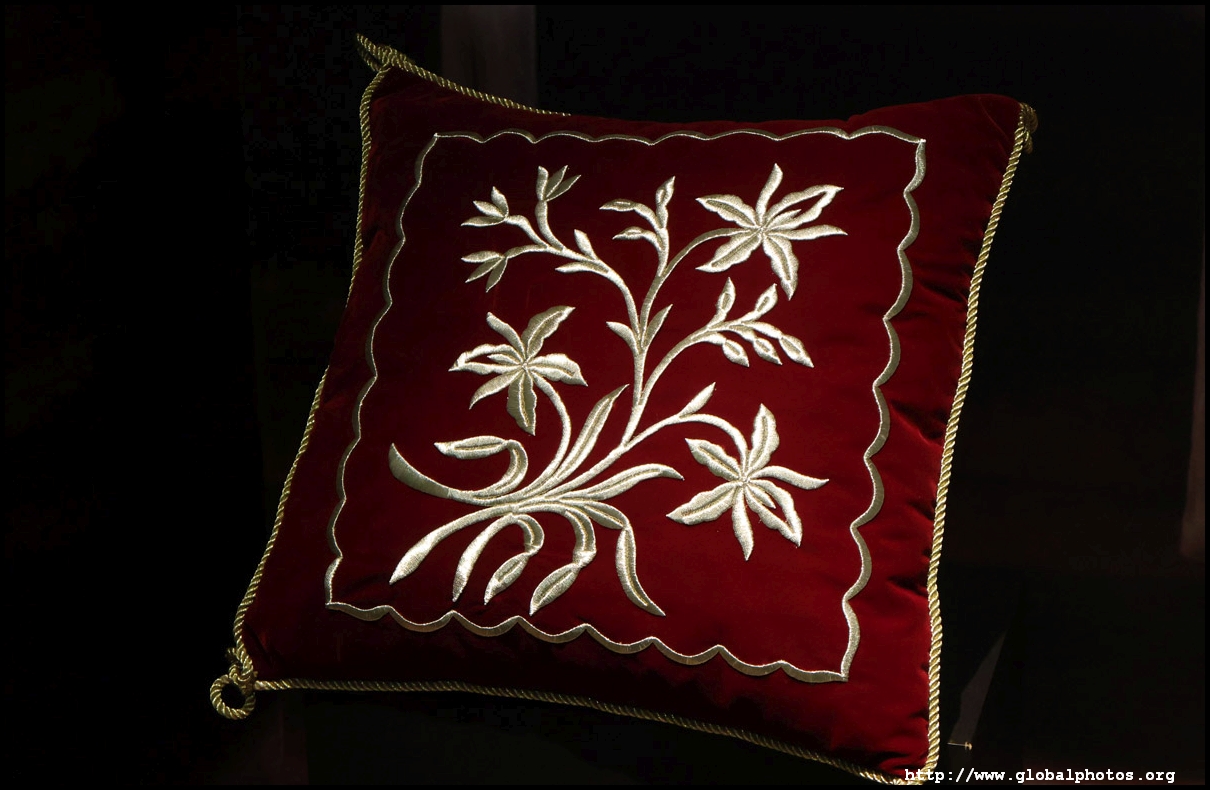
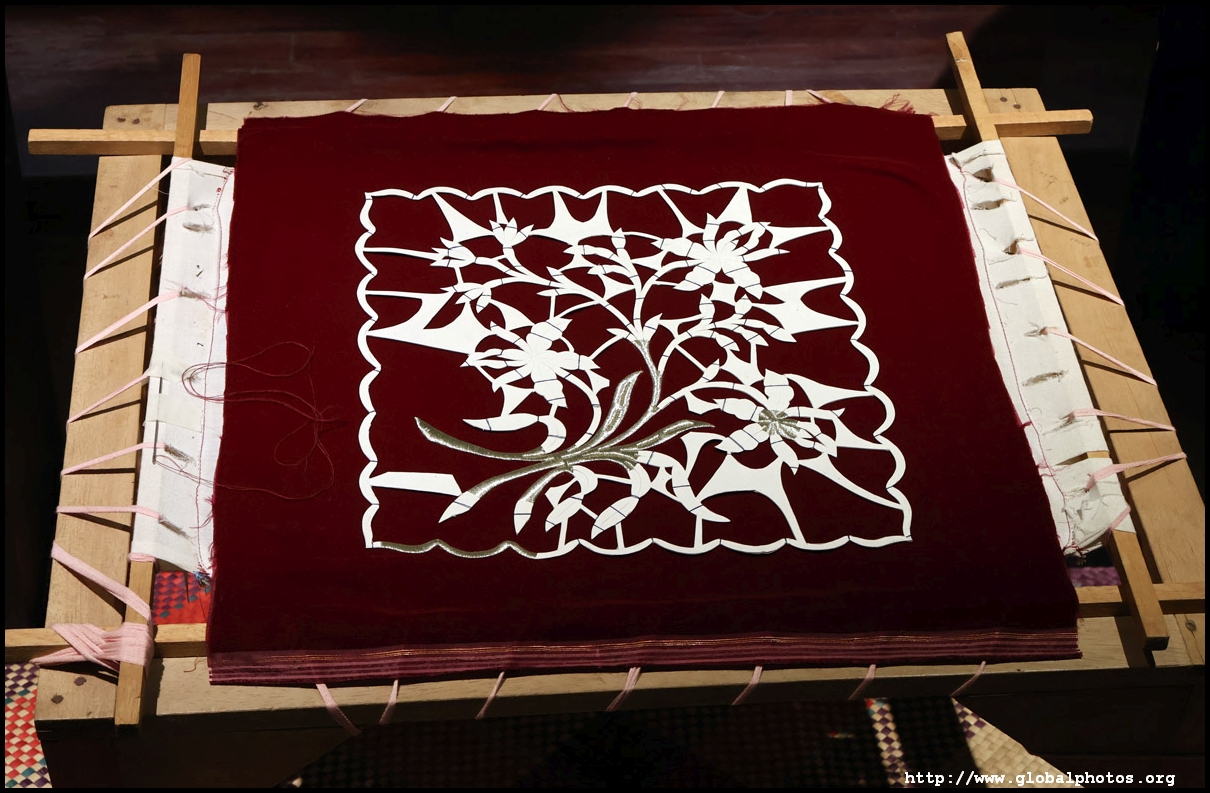
On the left is an early 19th century knee pad for a Peranakan groom that is made from velvet and embroidered with flower and fuit motifs.
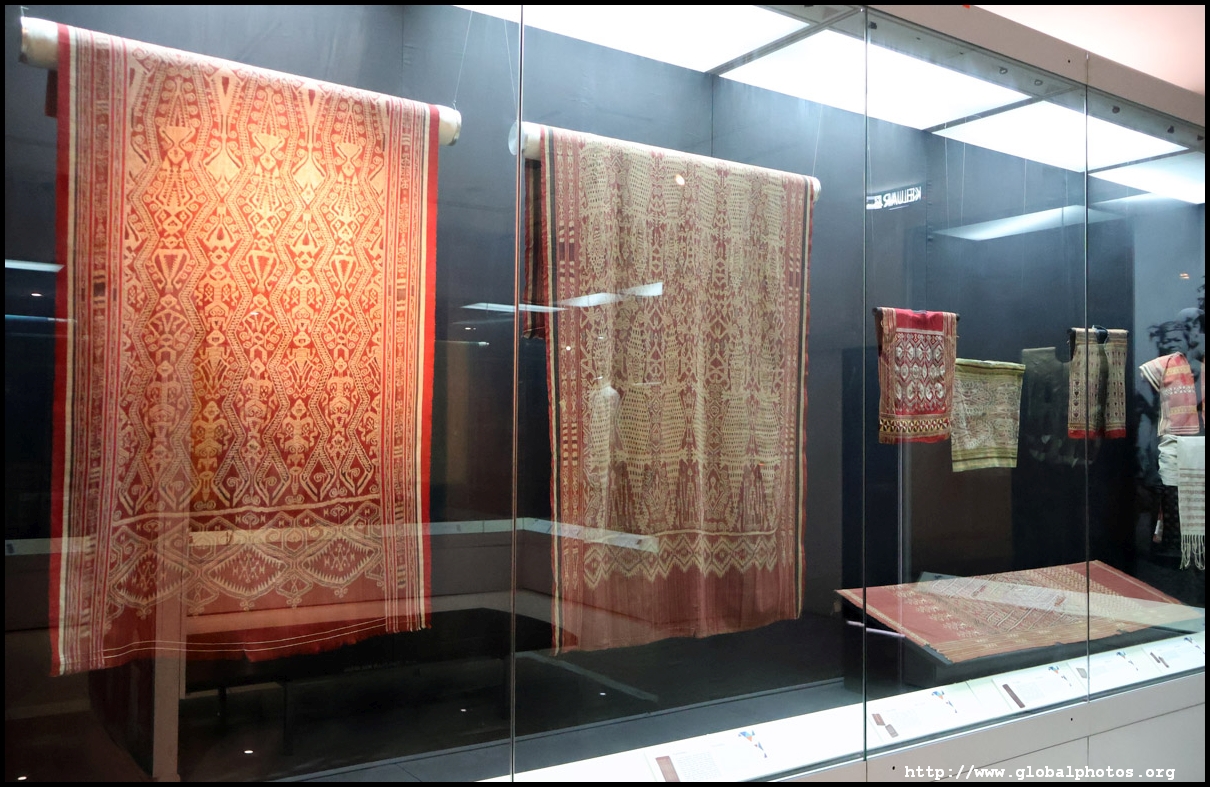
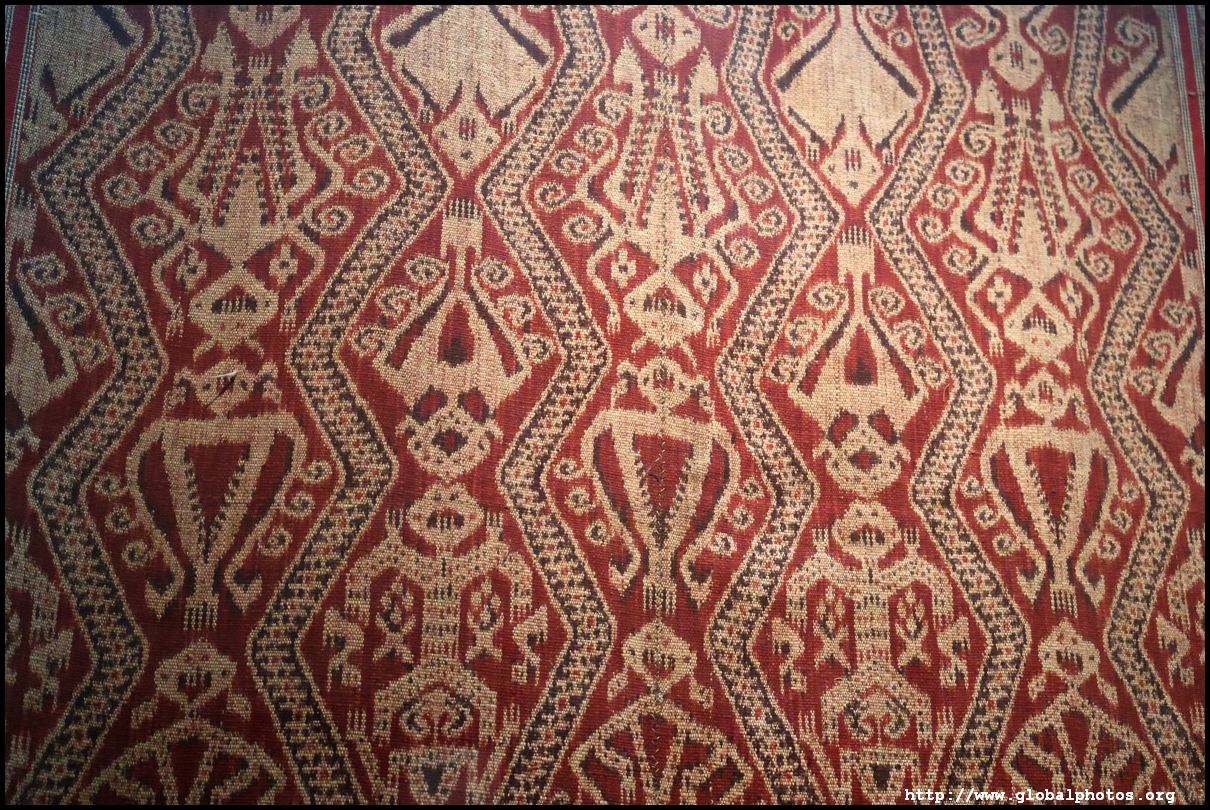
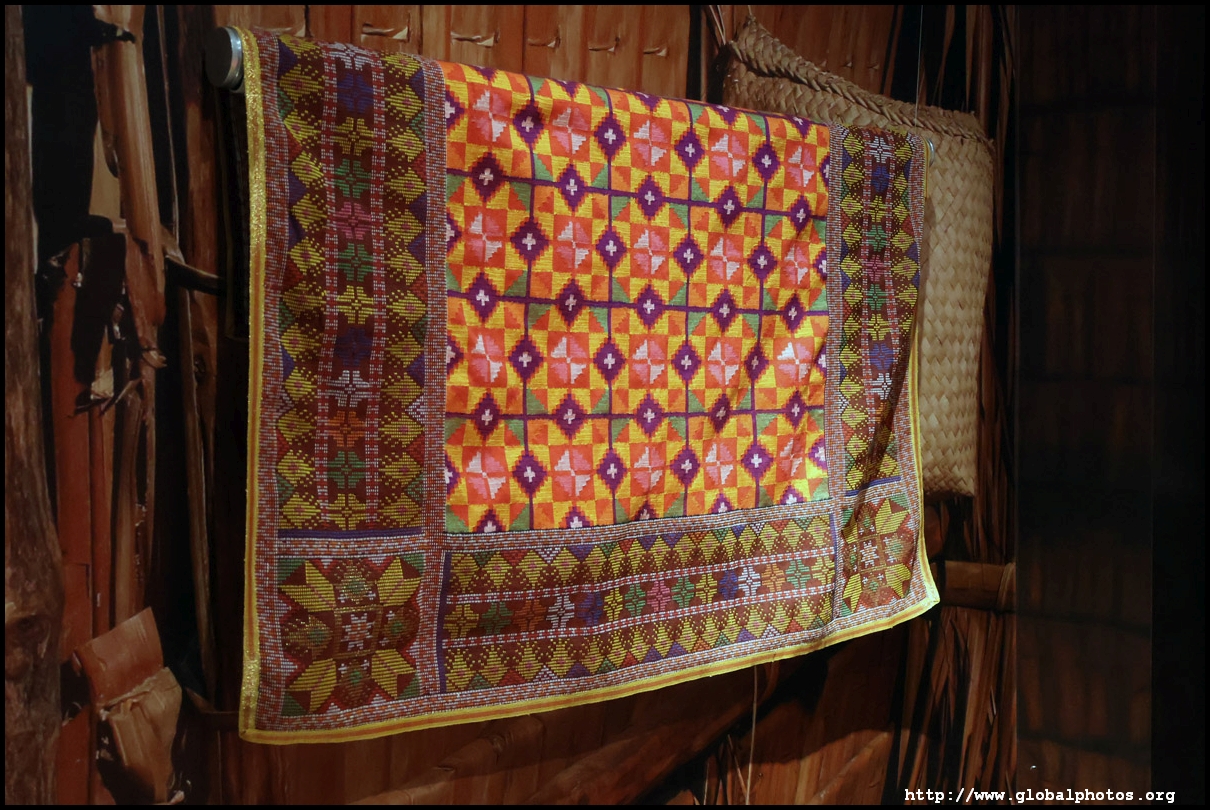
On the left is a pua kumbu, which is made of cotton and used as a sacred blanket on special occasions.
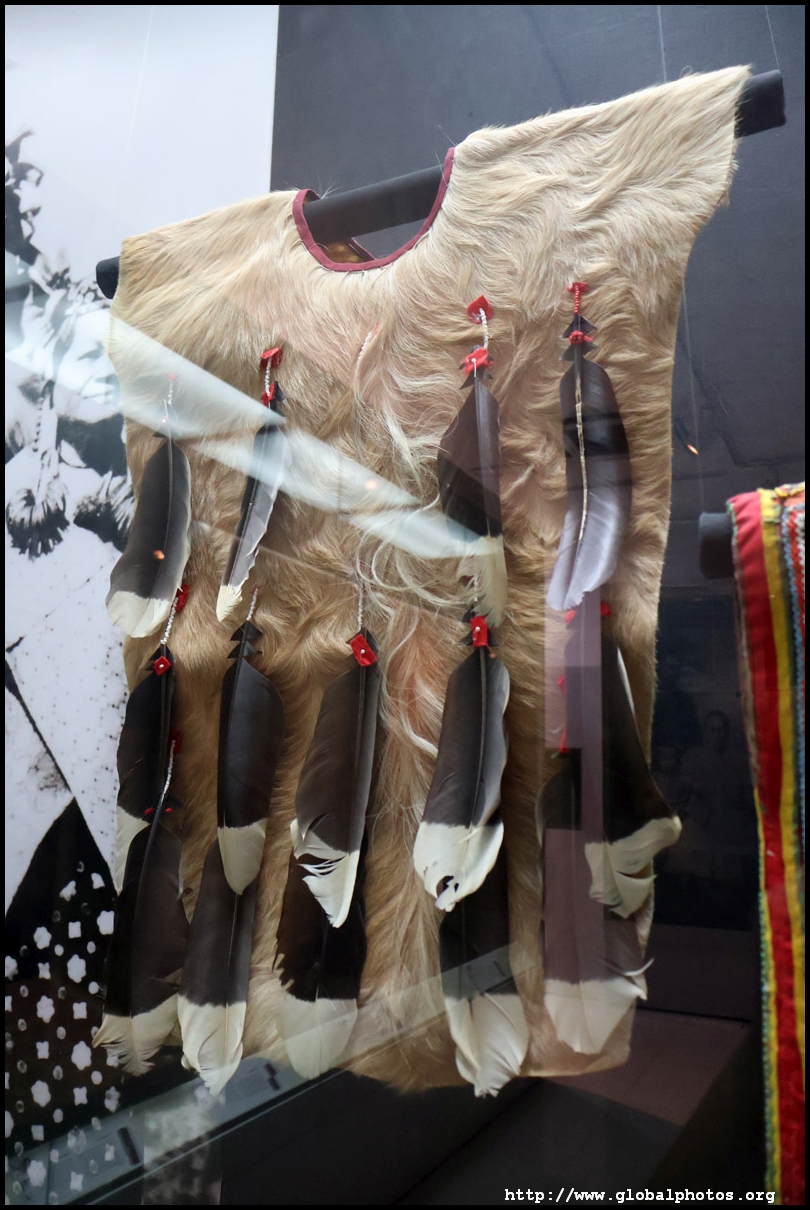
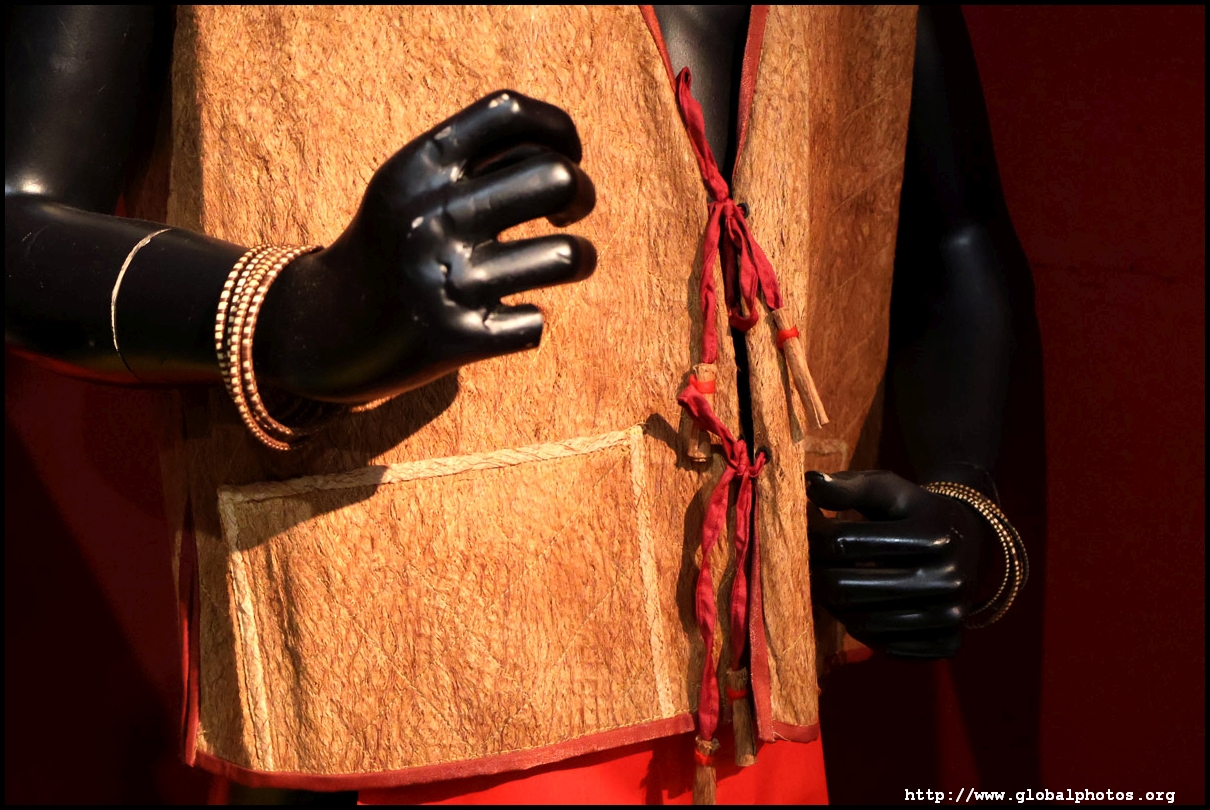
On the left is a deer skin cloth with additional feathers attached on the back. On the right is a baju sungkit, a man's jacket made from cotton for ceremonial rites and gatherings.
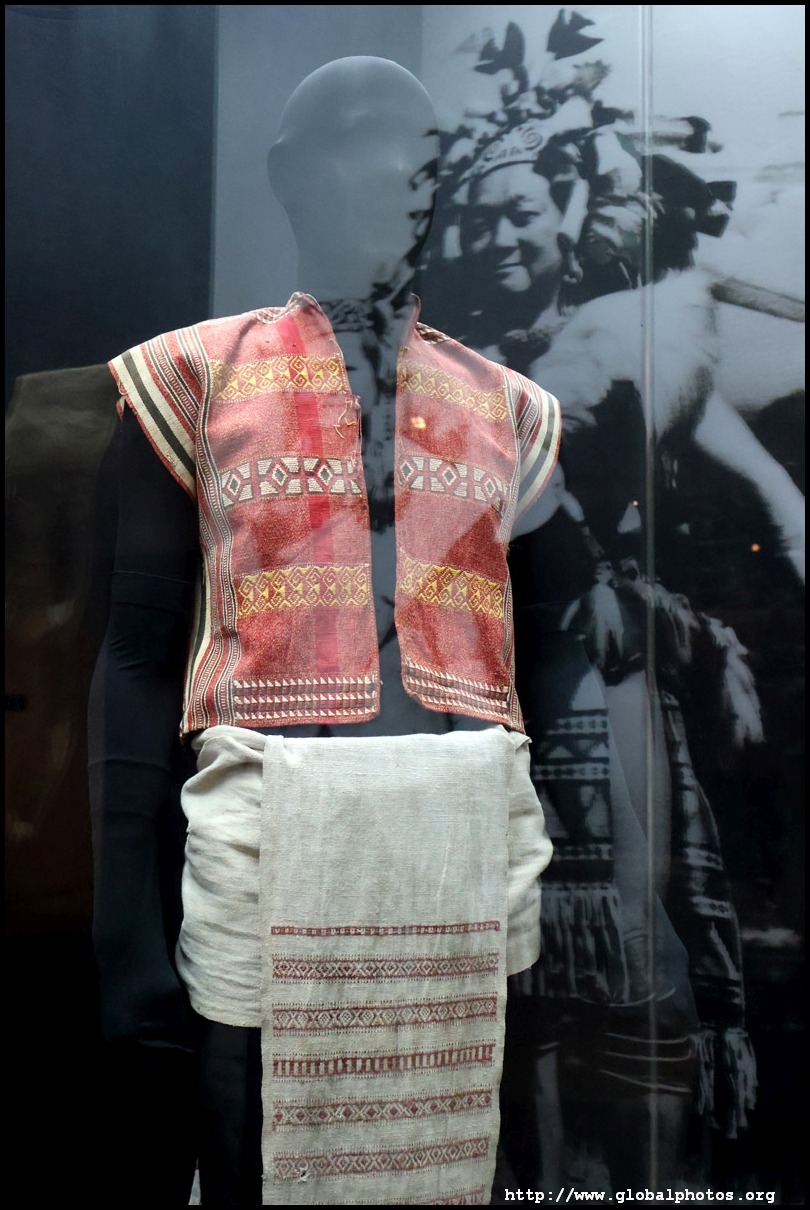
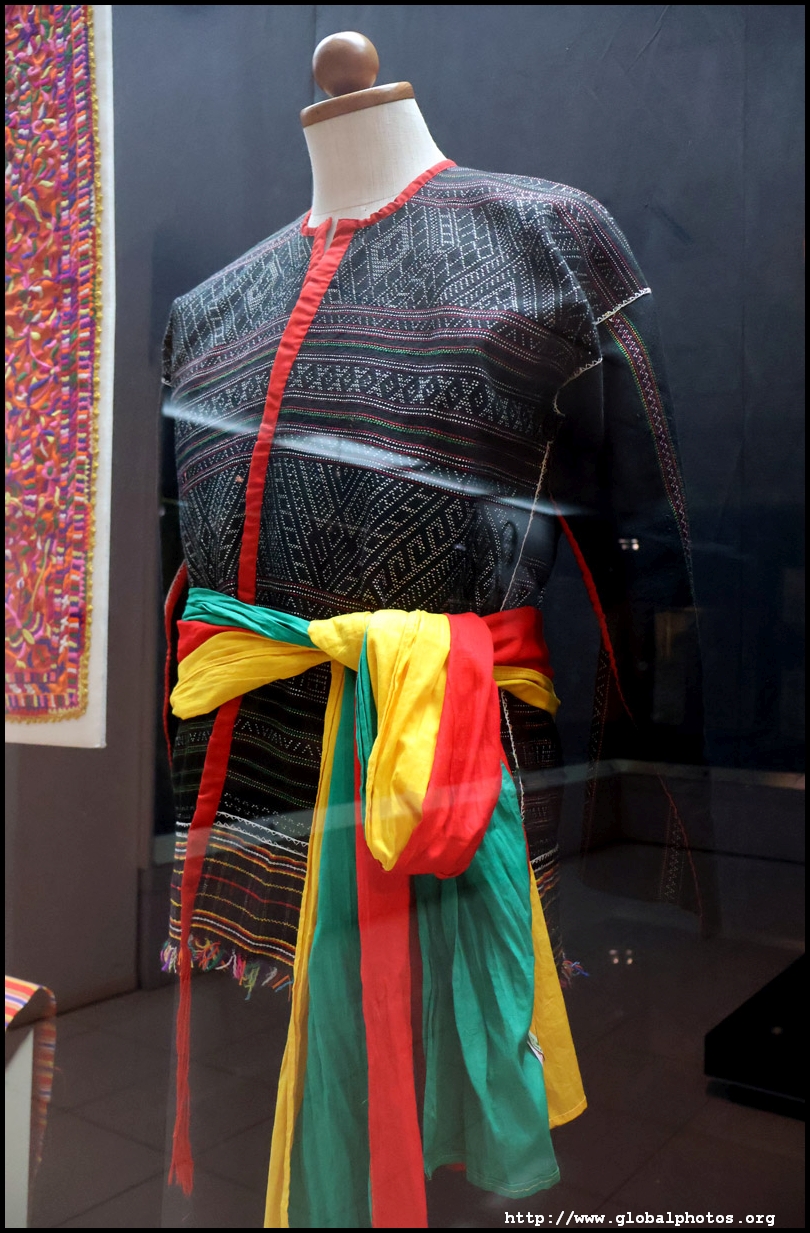
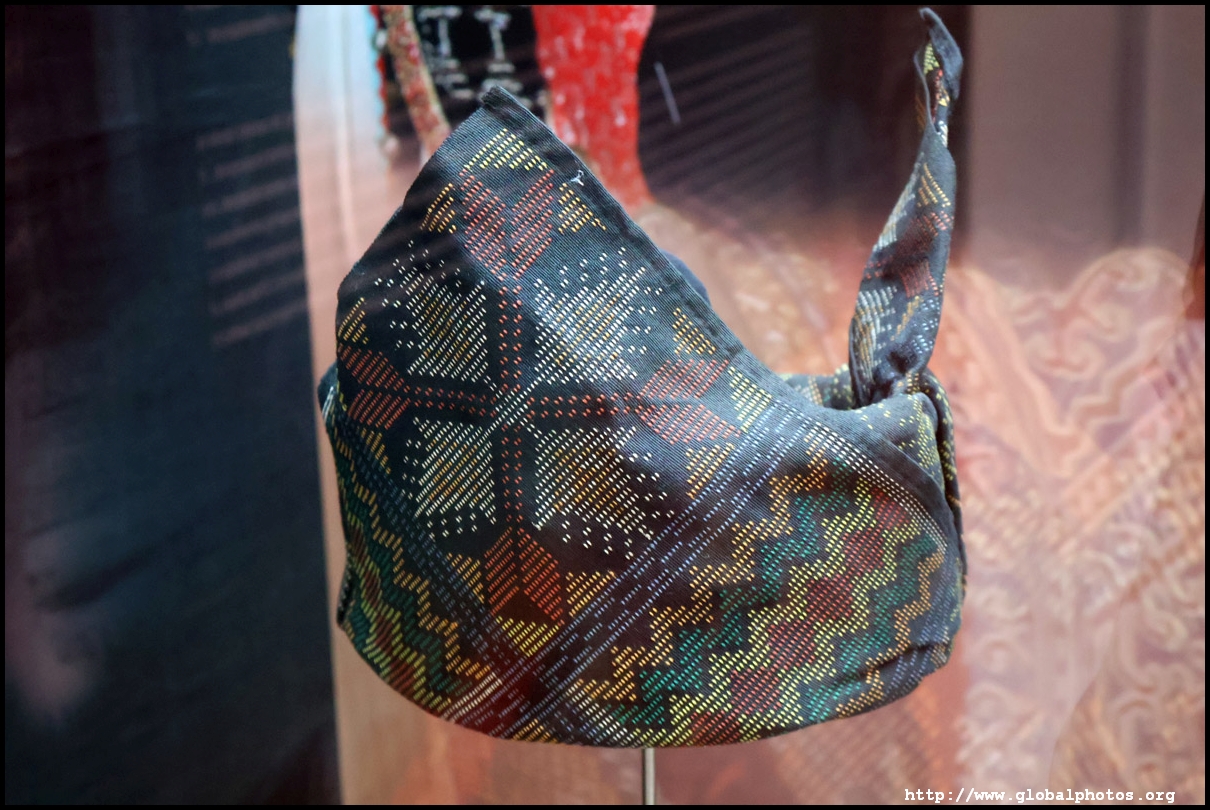
On the left is a traditional costume for a Rungus man from Kudat, Sabah. On the right is a Dastar cloth with a geometric pattern also from Sabah.
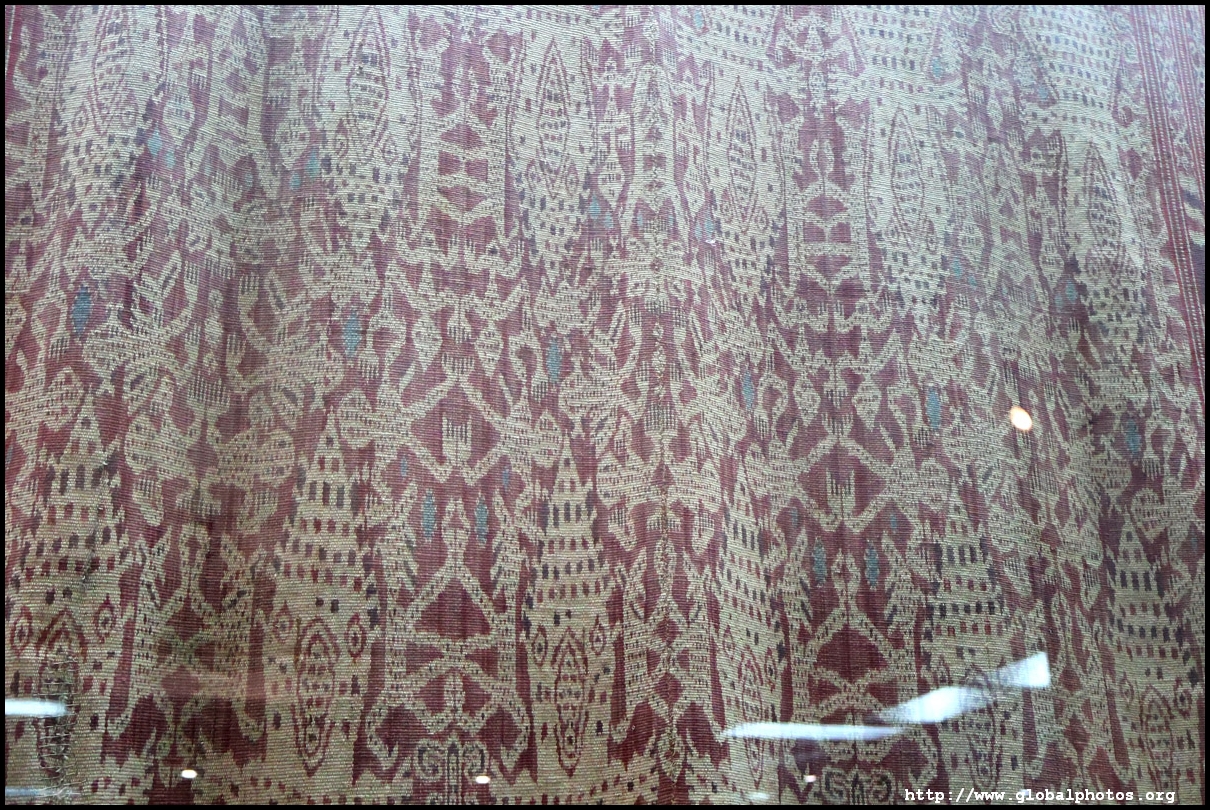
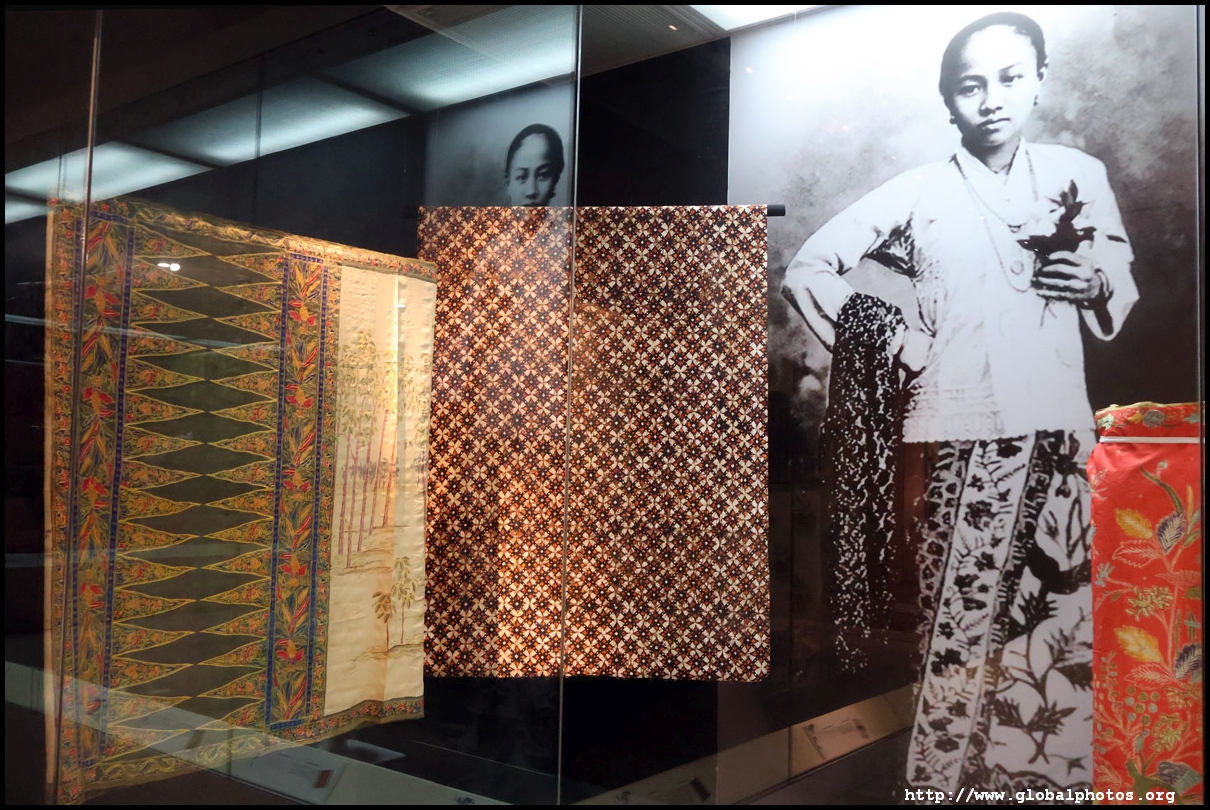
On the right is a shawl batik from Semarang, Indonesia from around the 1880s.
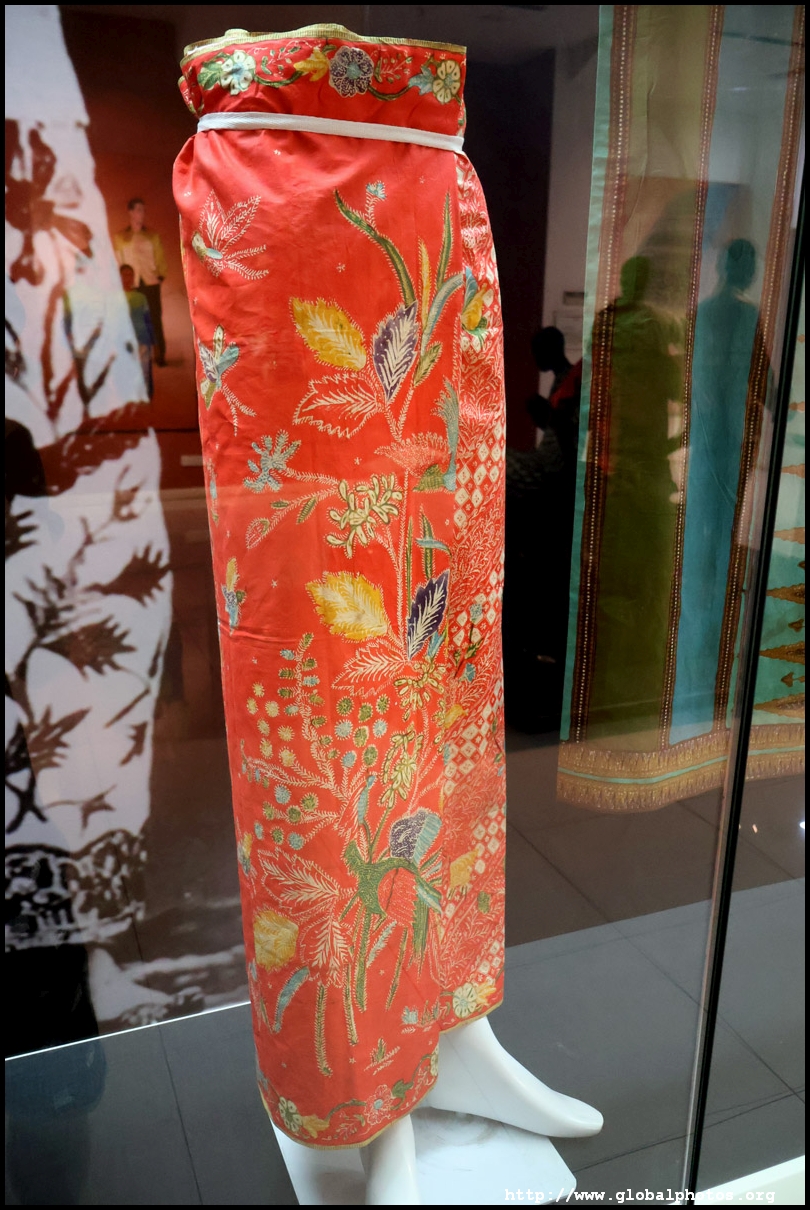
On the left is a batik sarong cloth worn by a Nyonya.
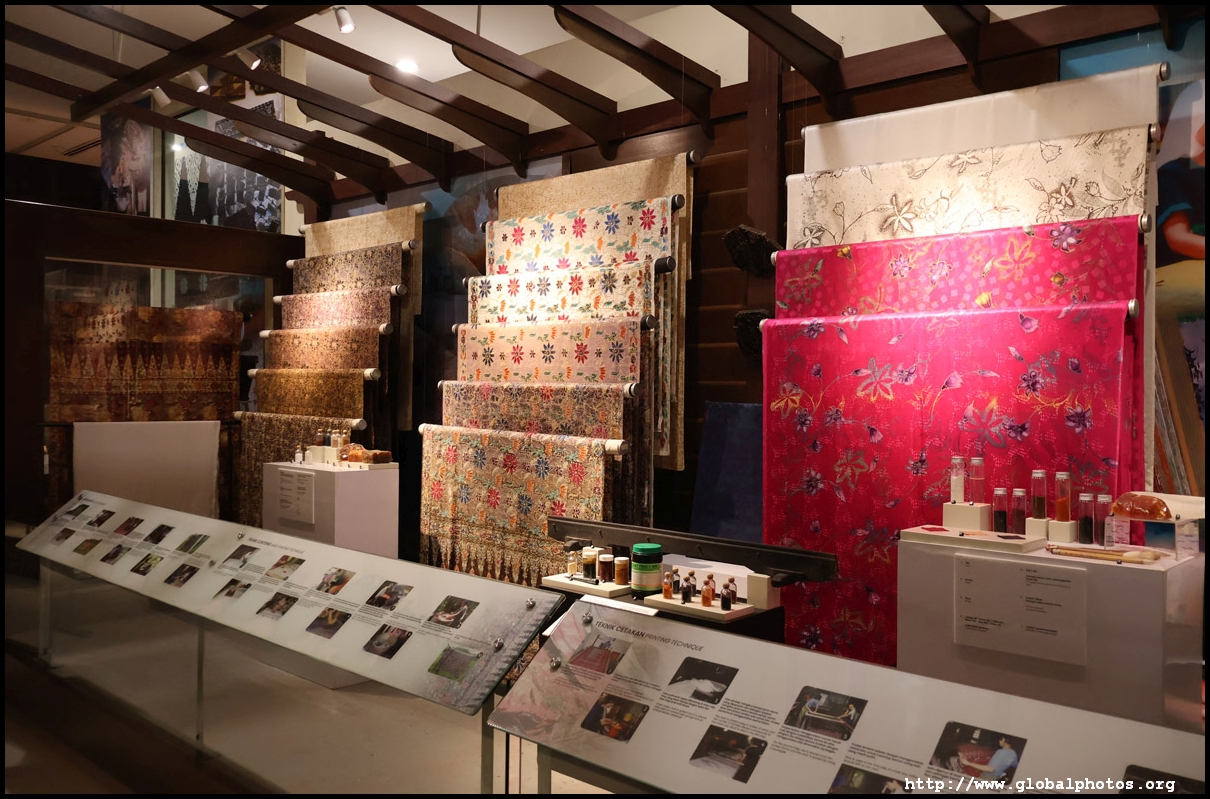
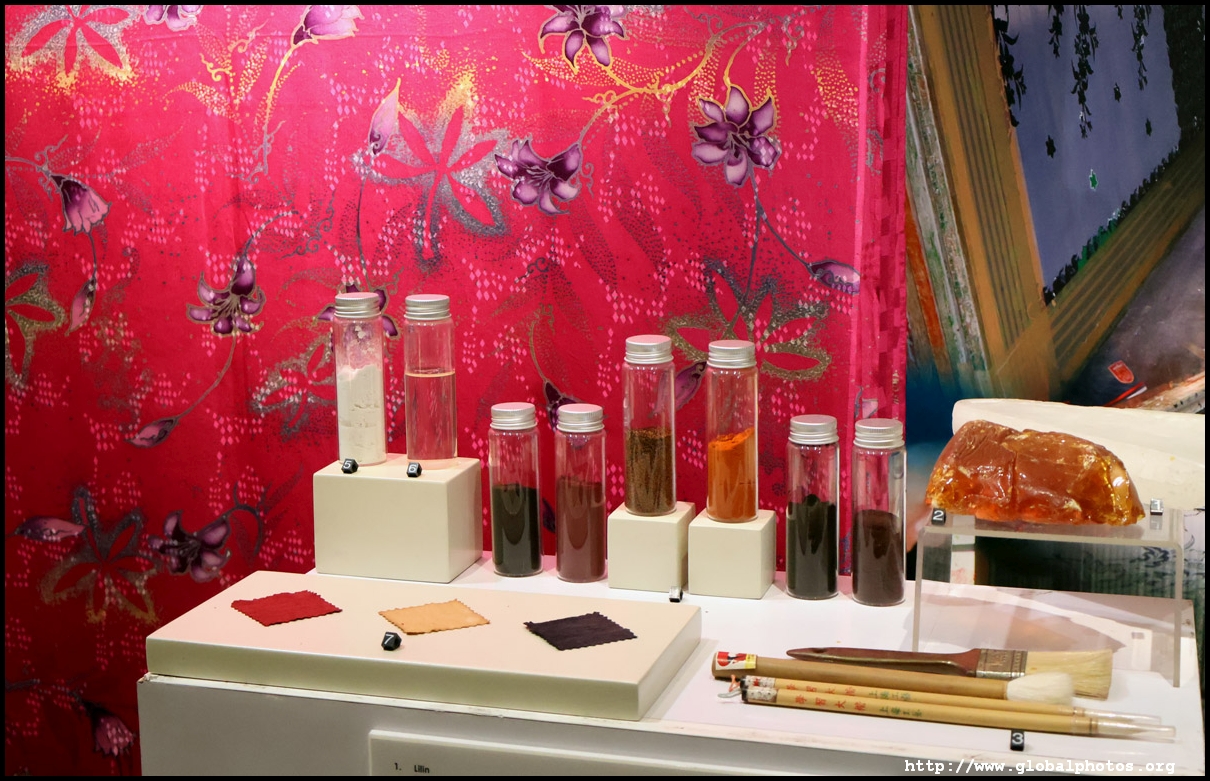
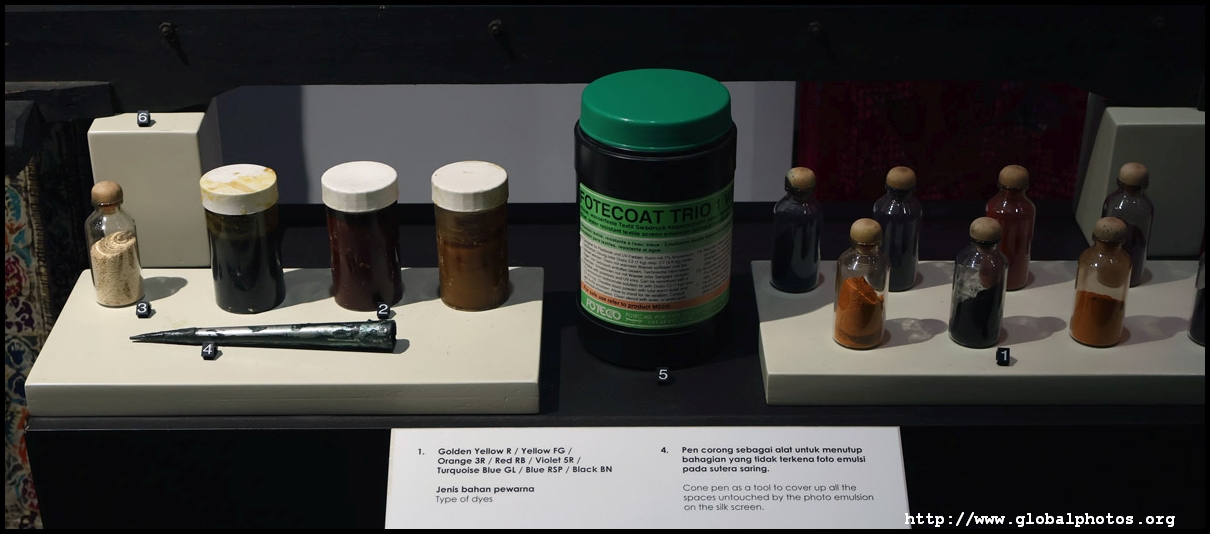
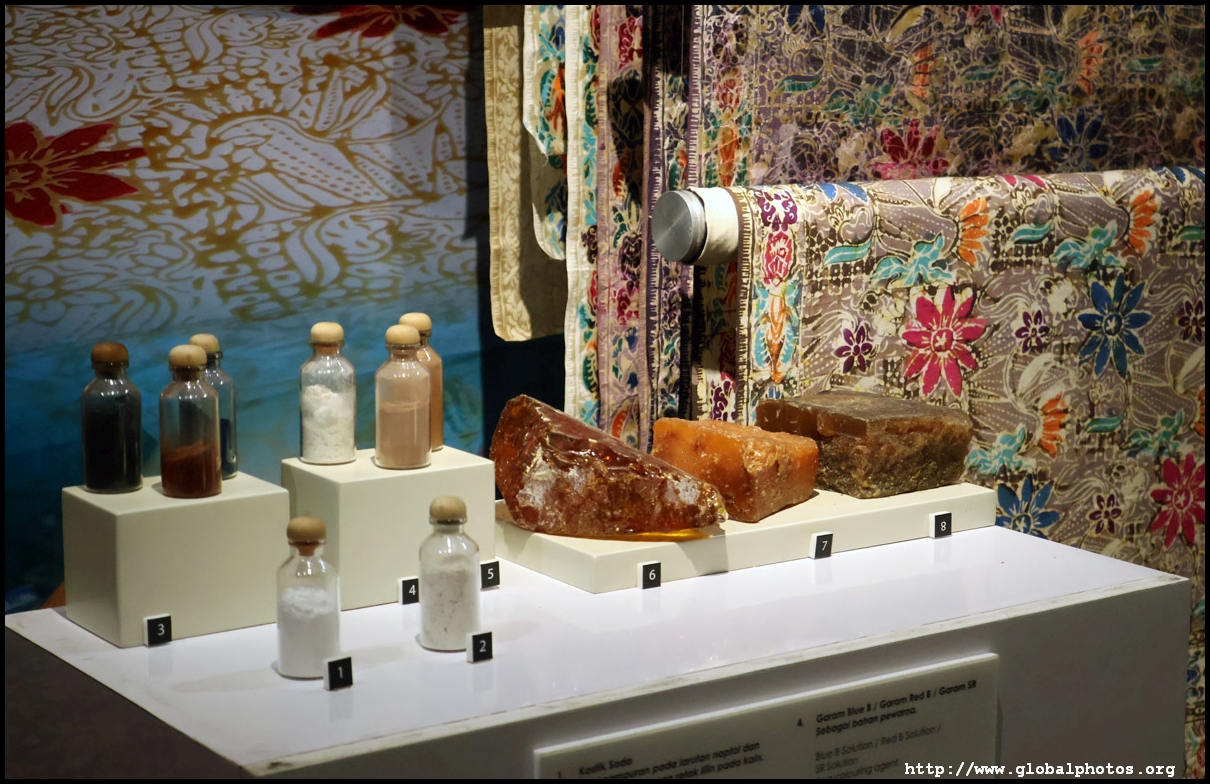
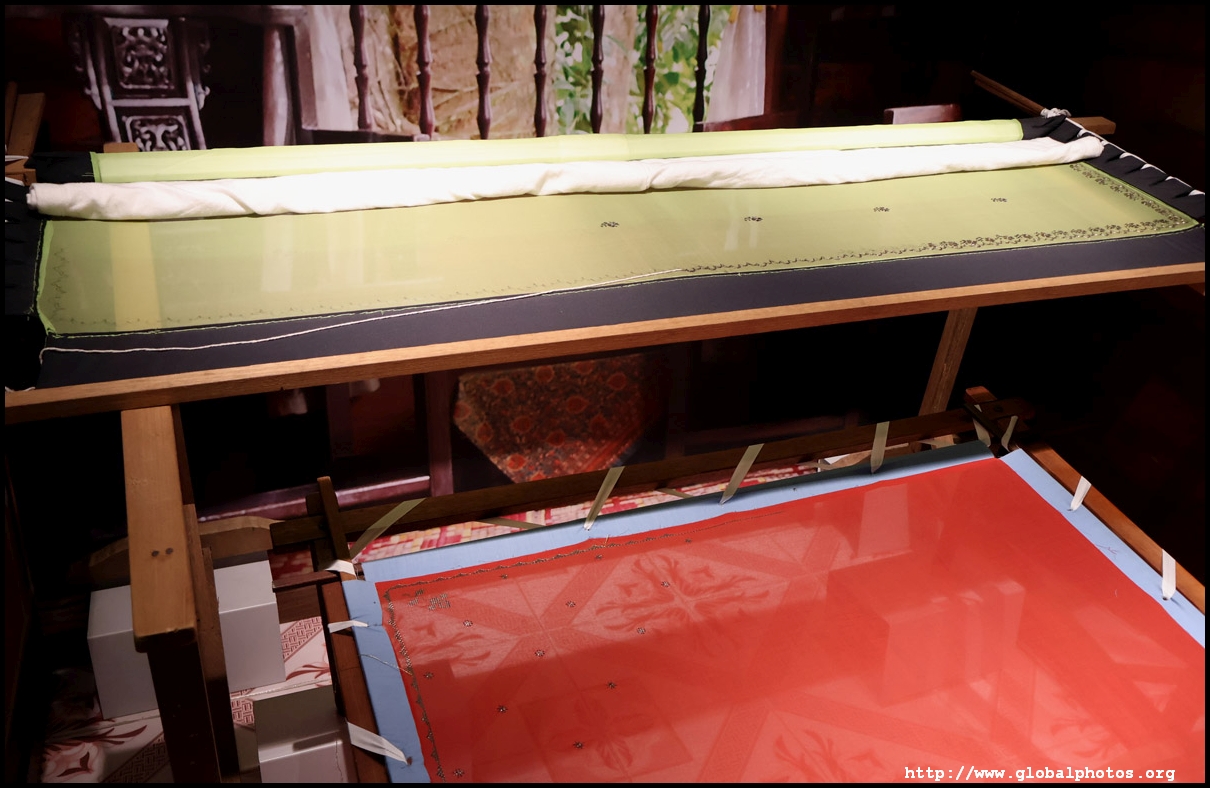
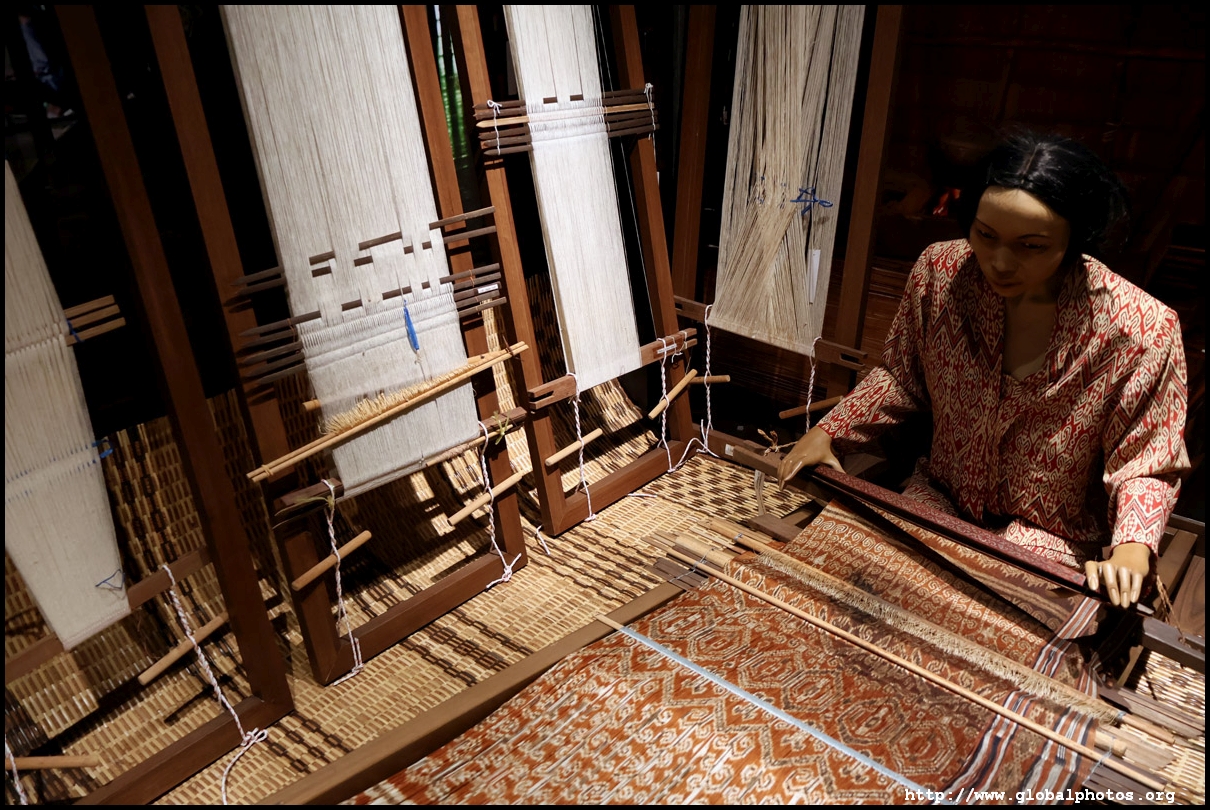
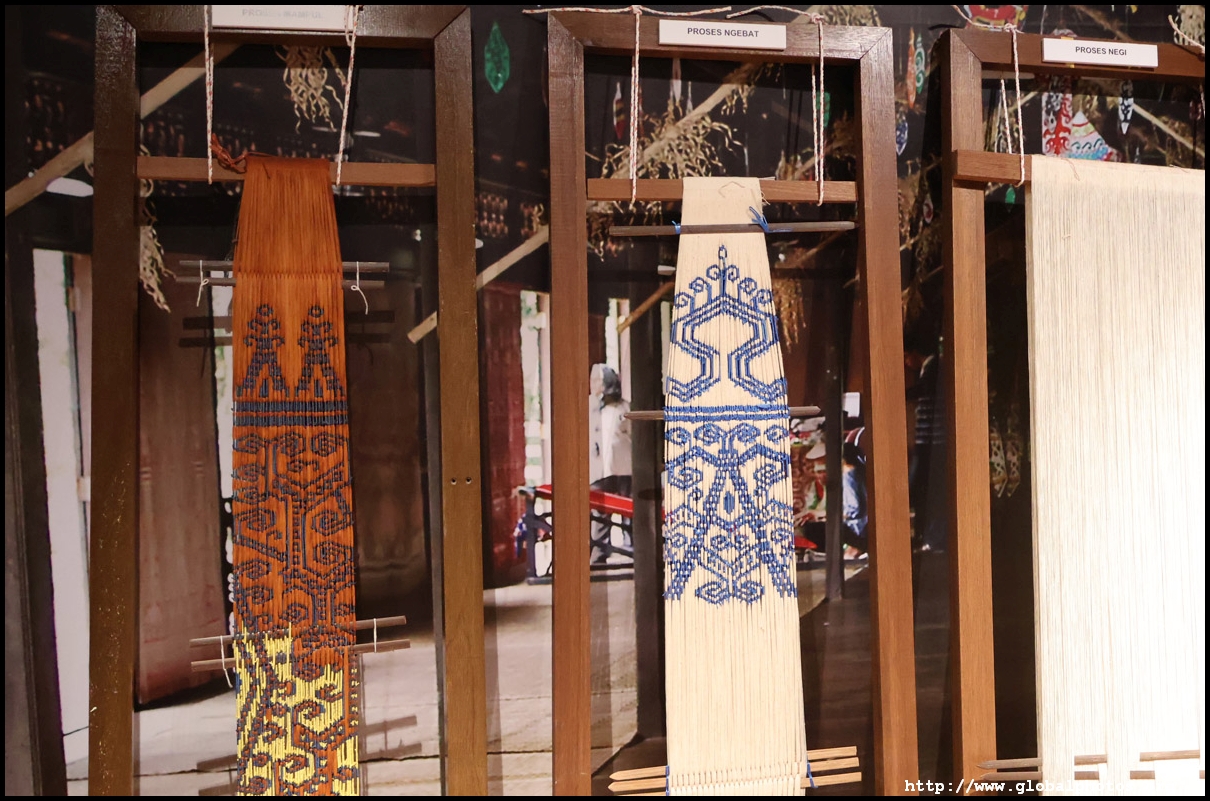
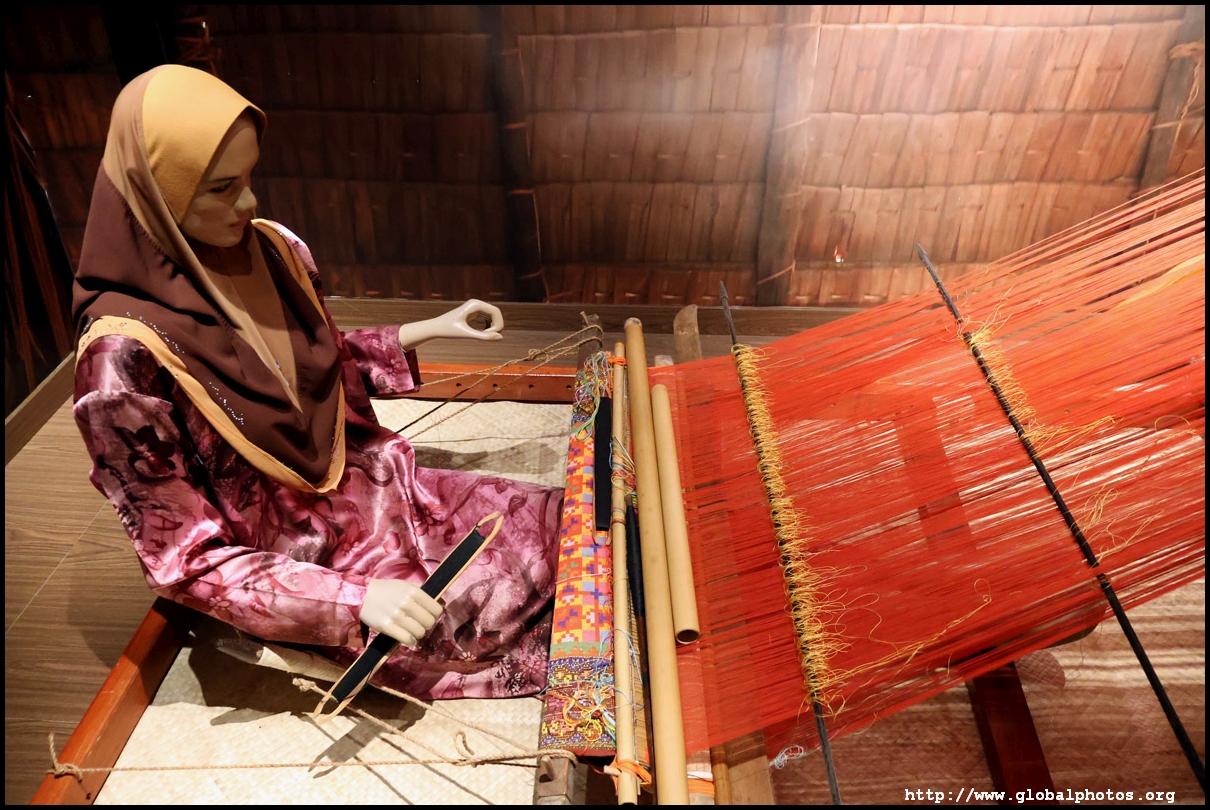
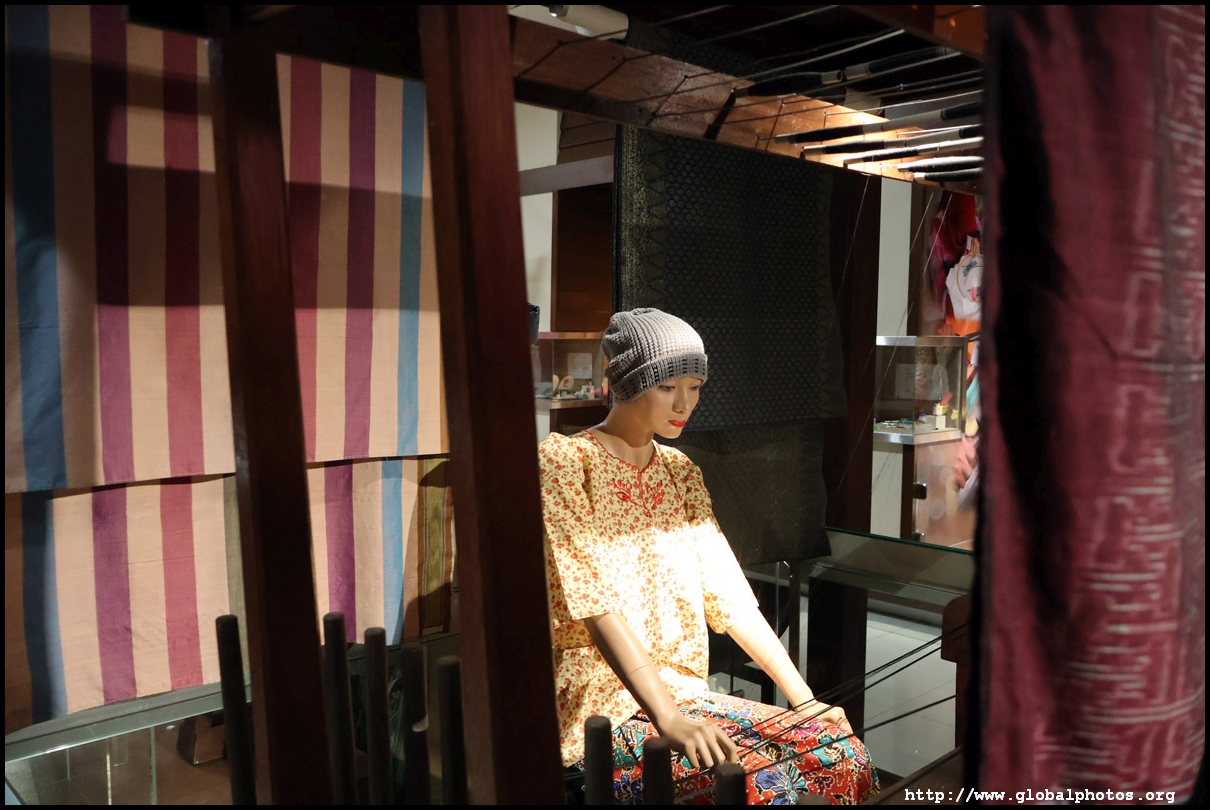
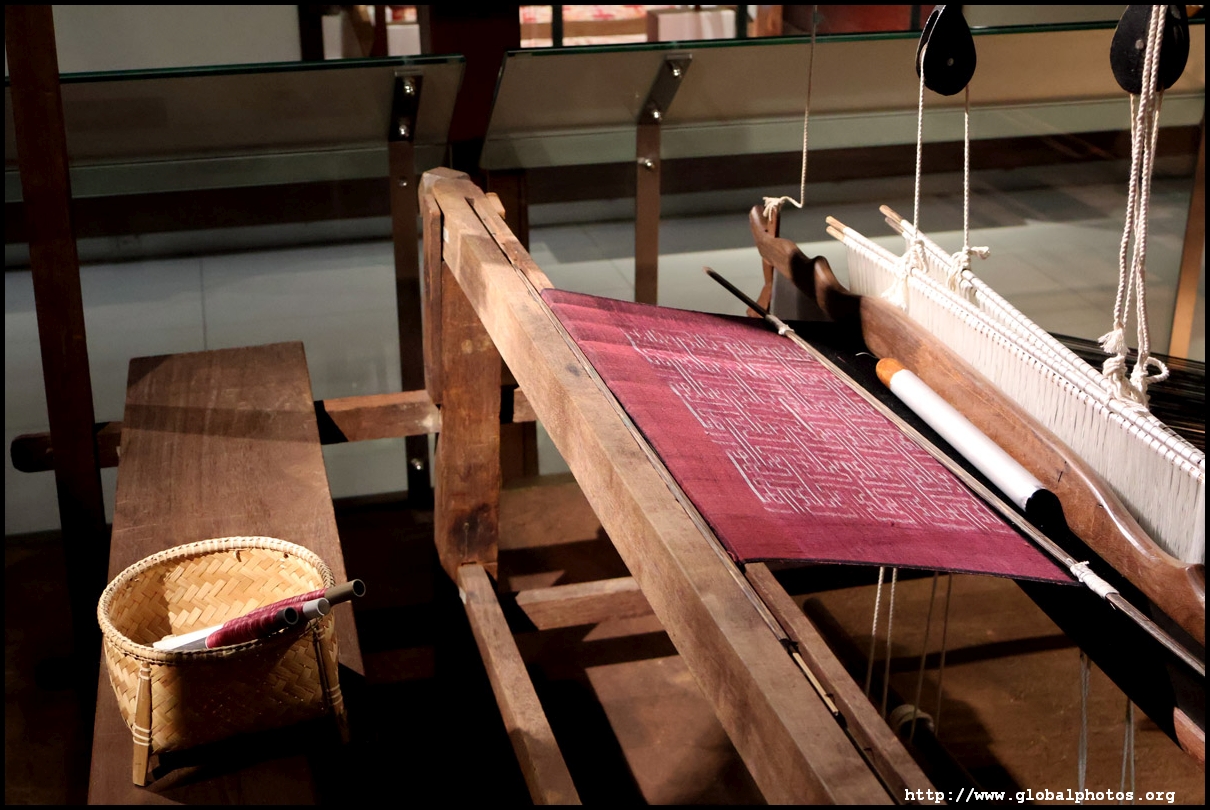
The Pohon Budi Gallery runs through the origin of textiles with tools and various fabrics used in the country.
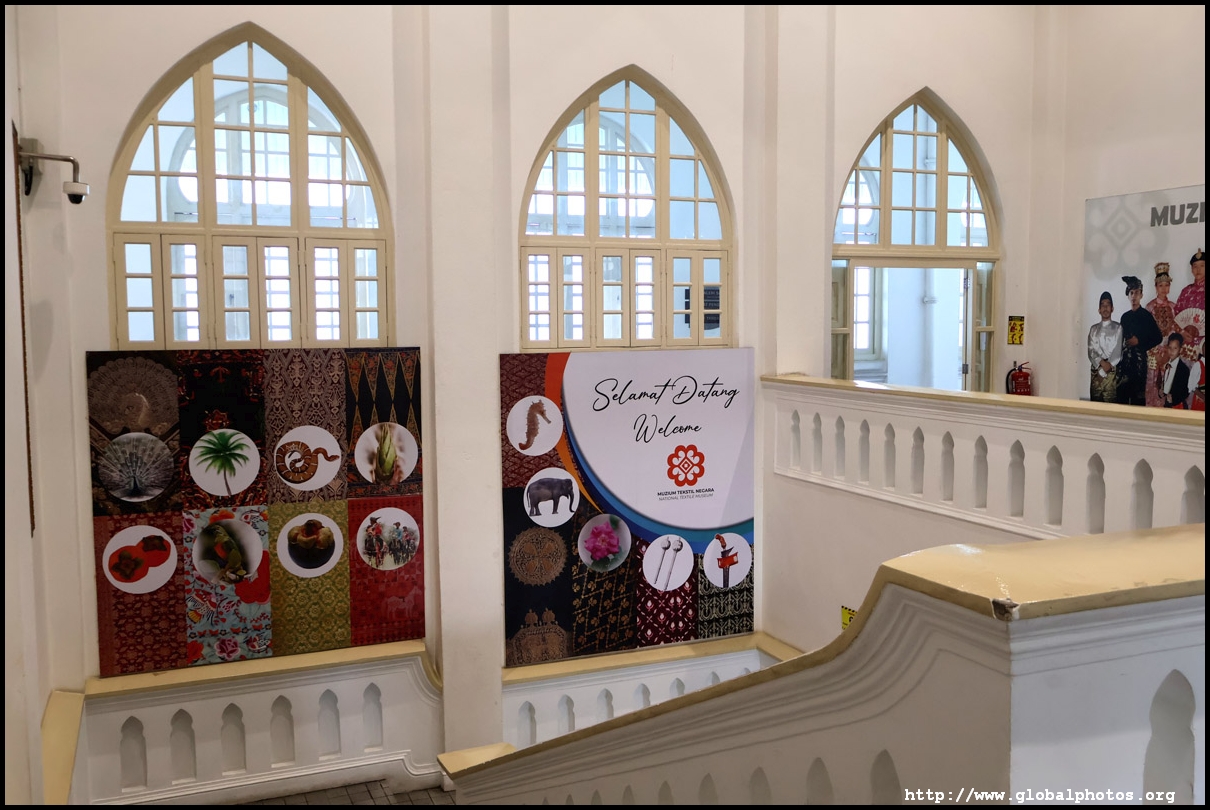
Continuing upstairs, there are more exhibitions on offer.
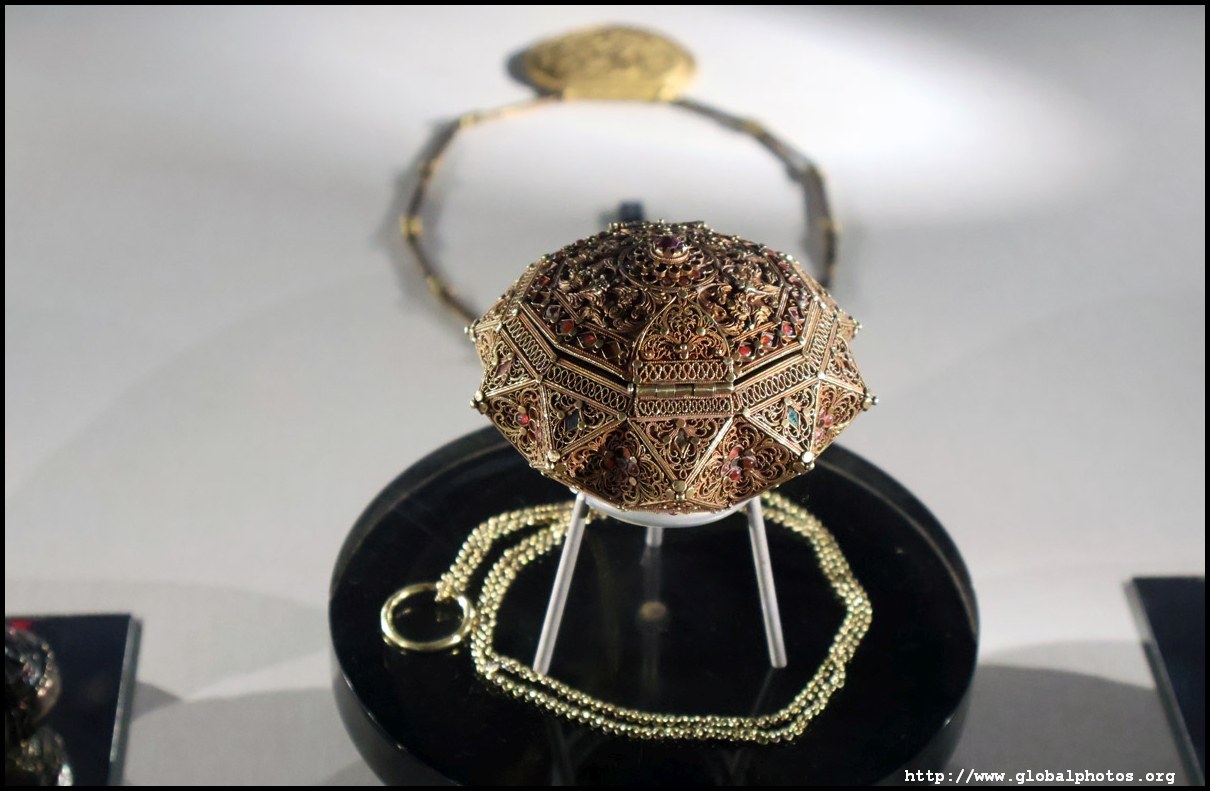
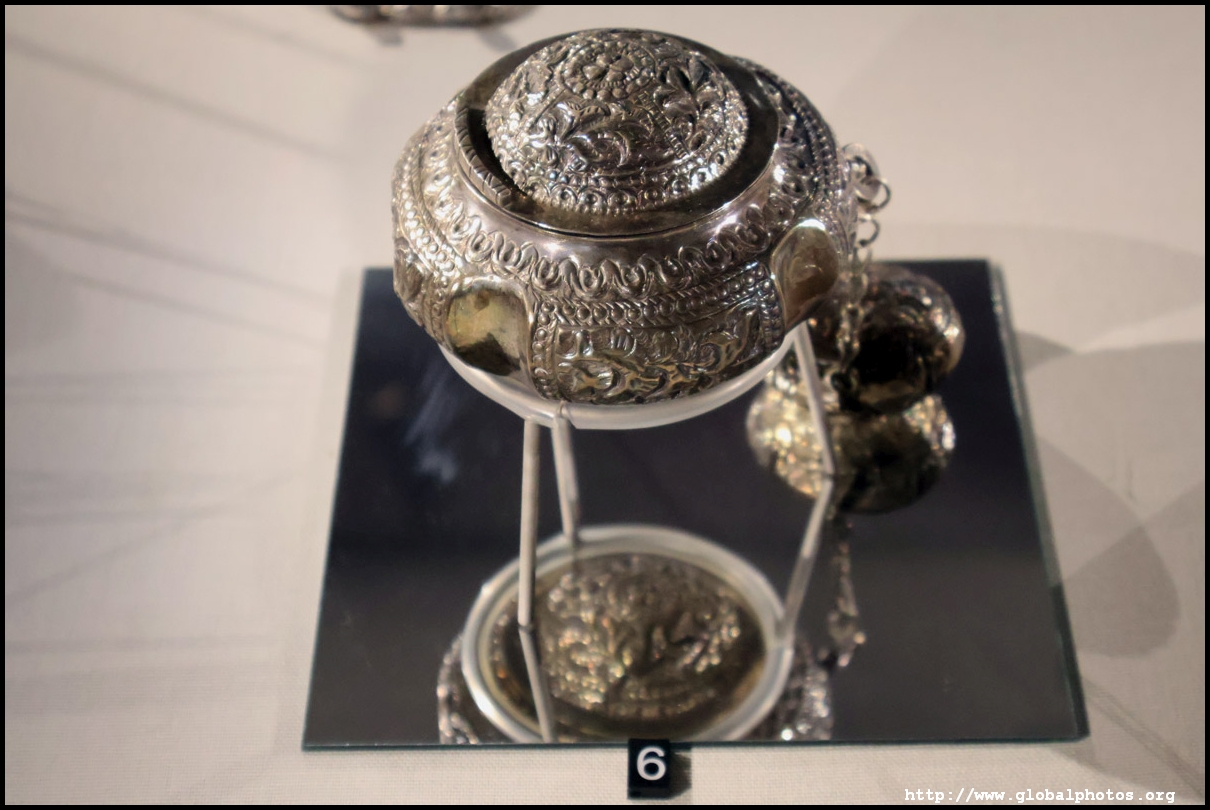
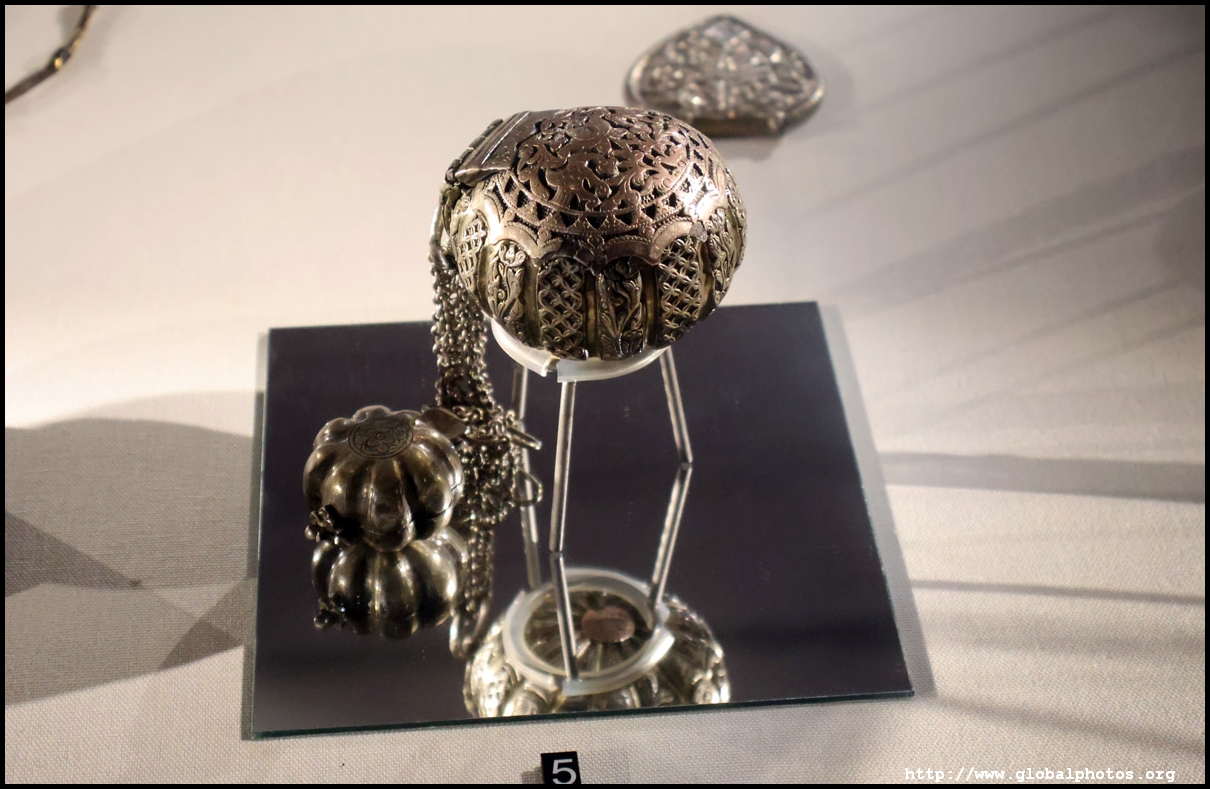
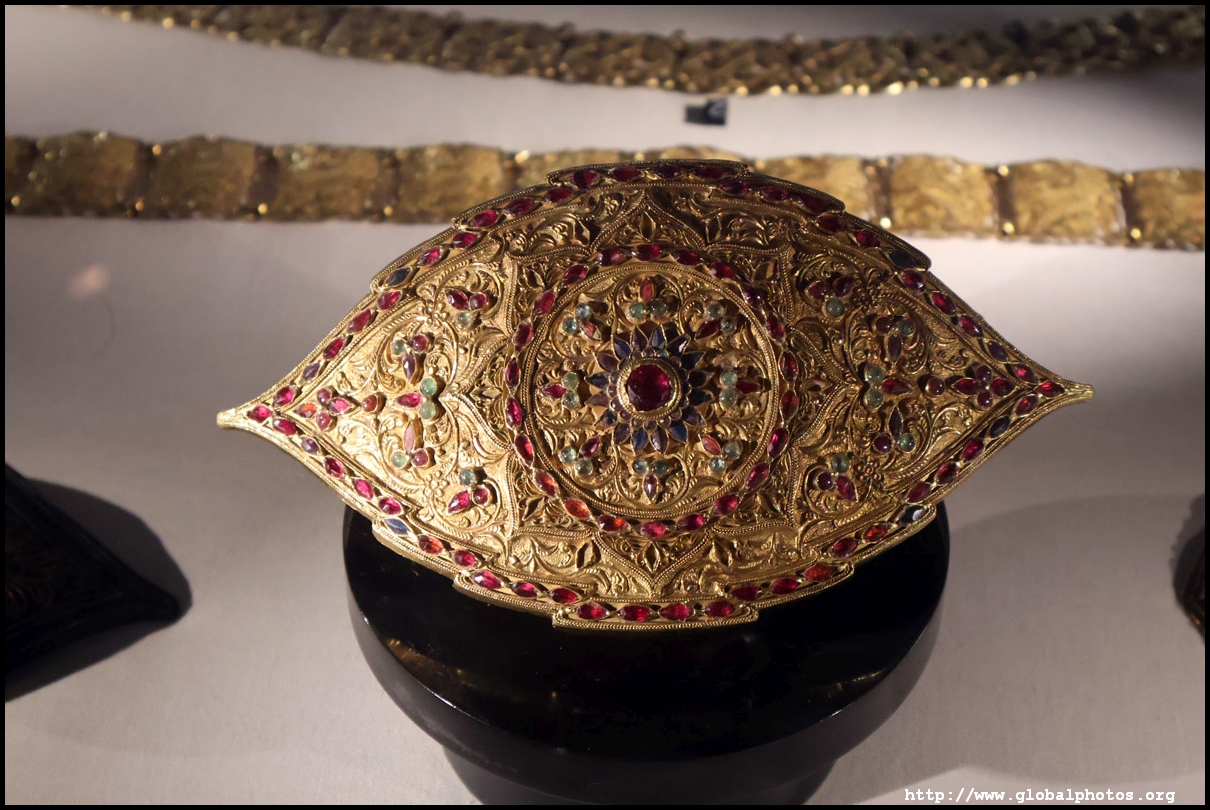
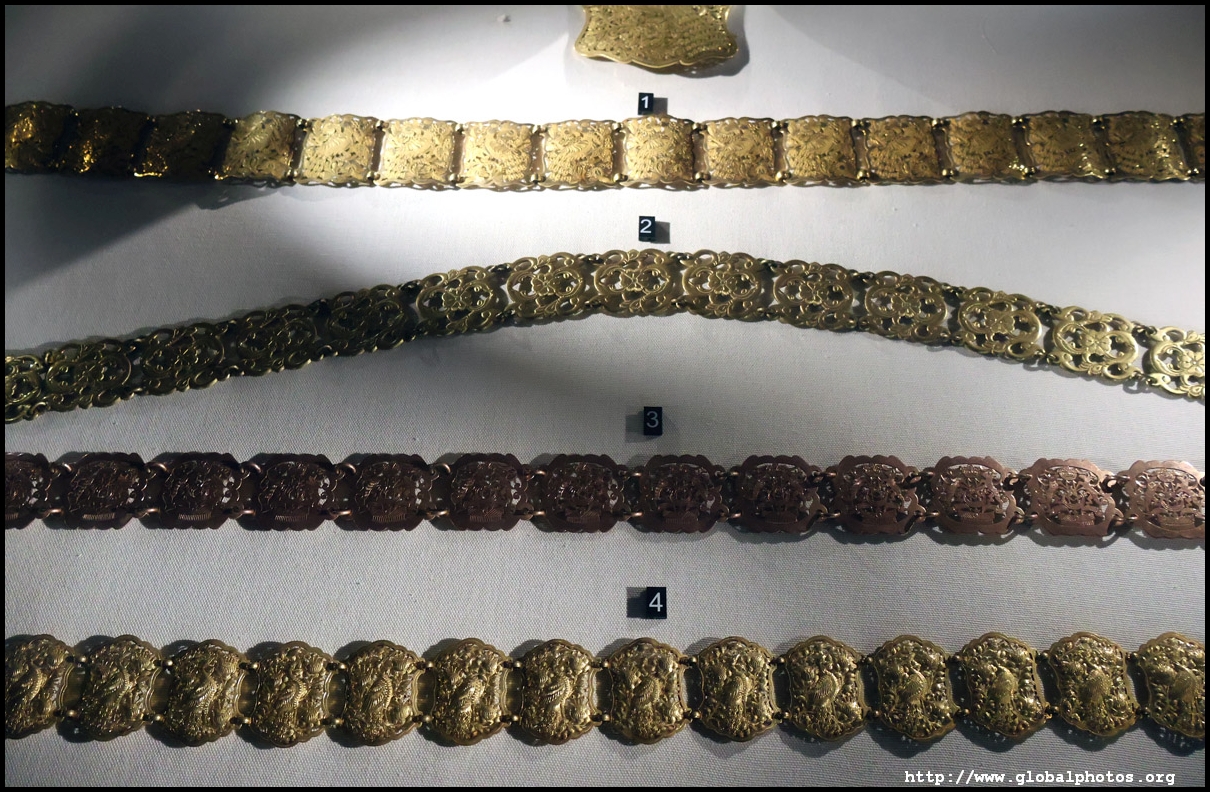
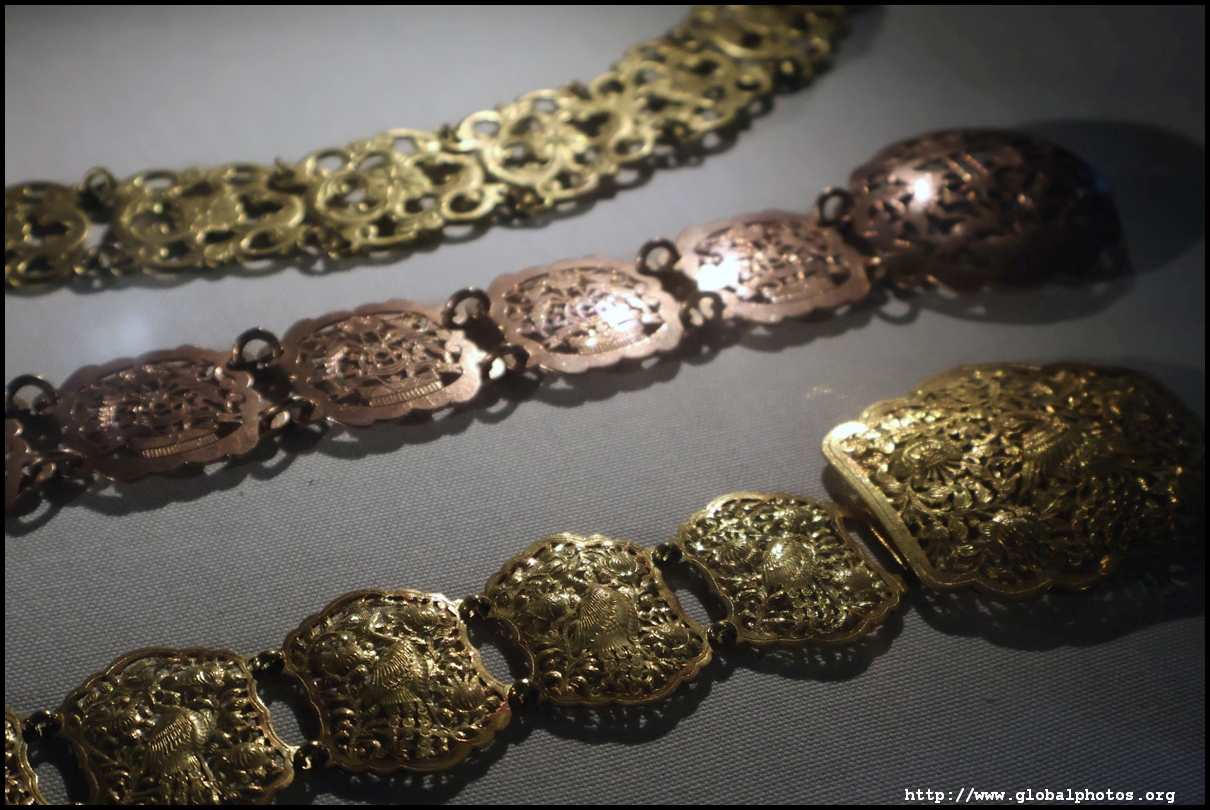
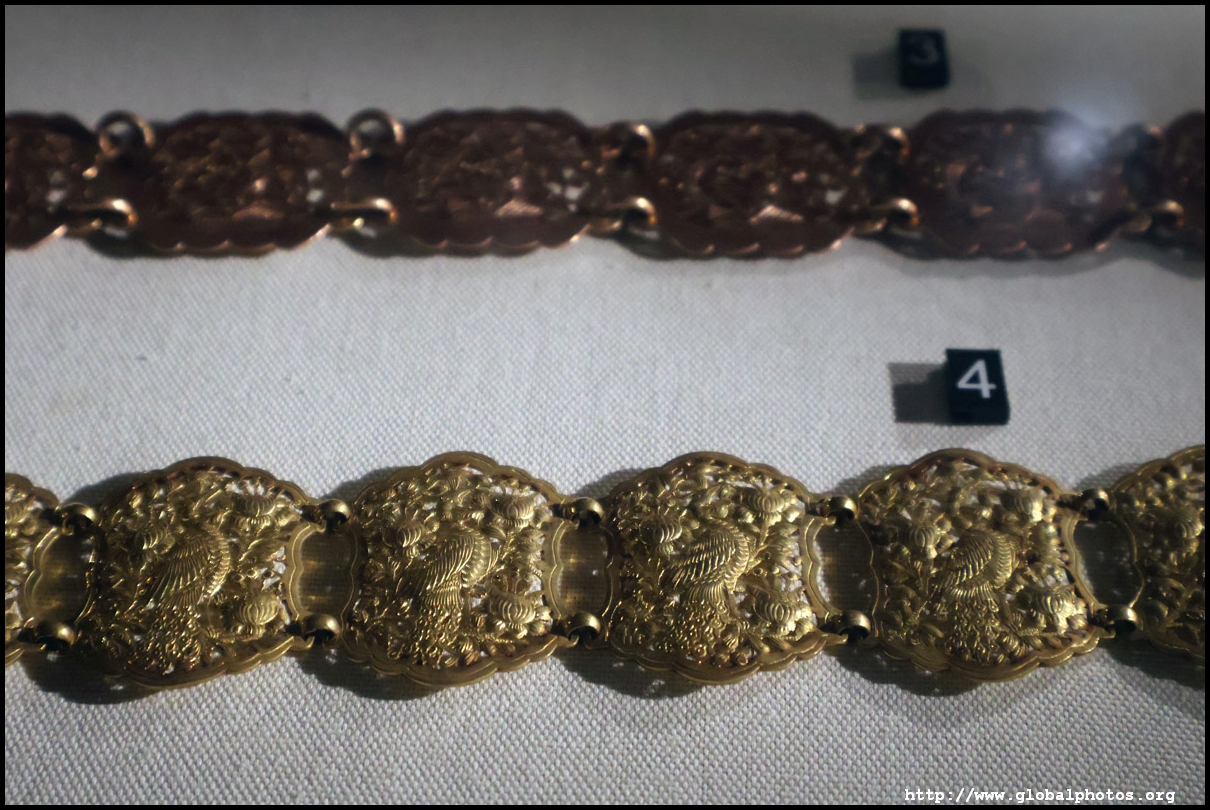
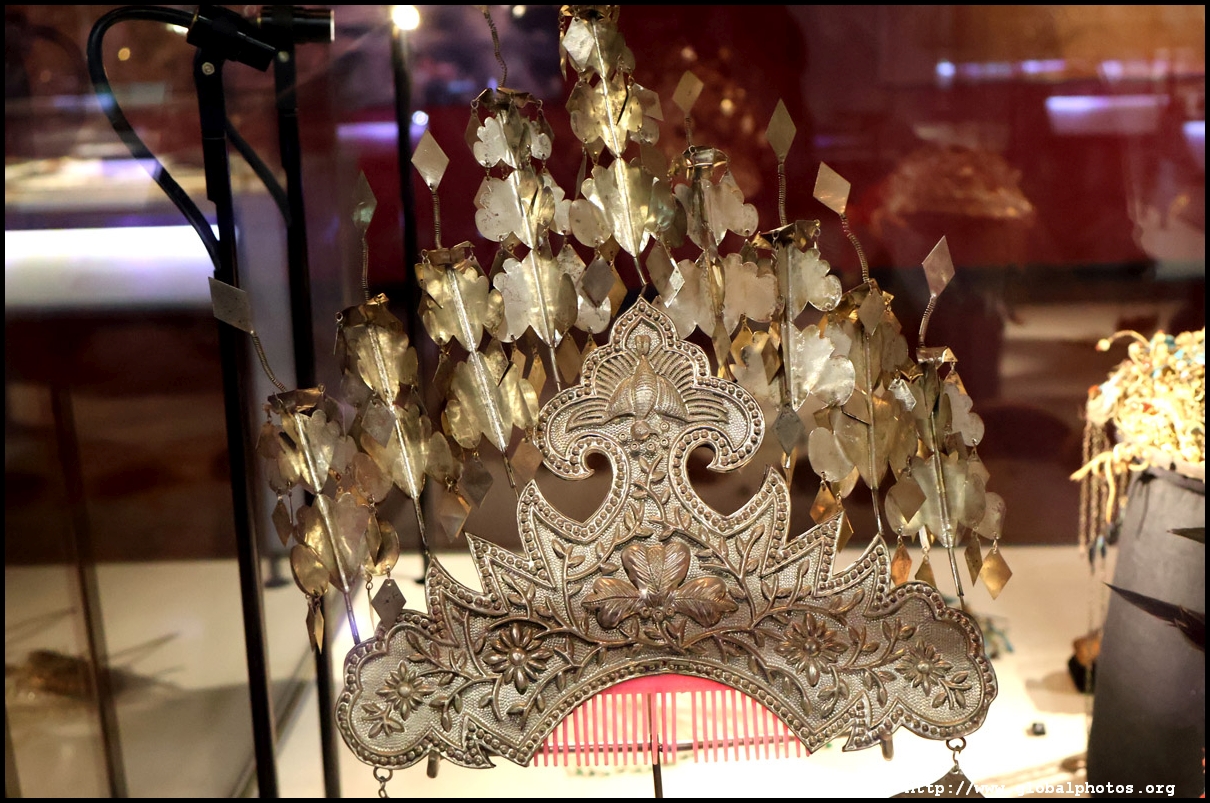
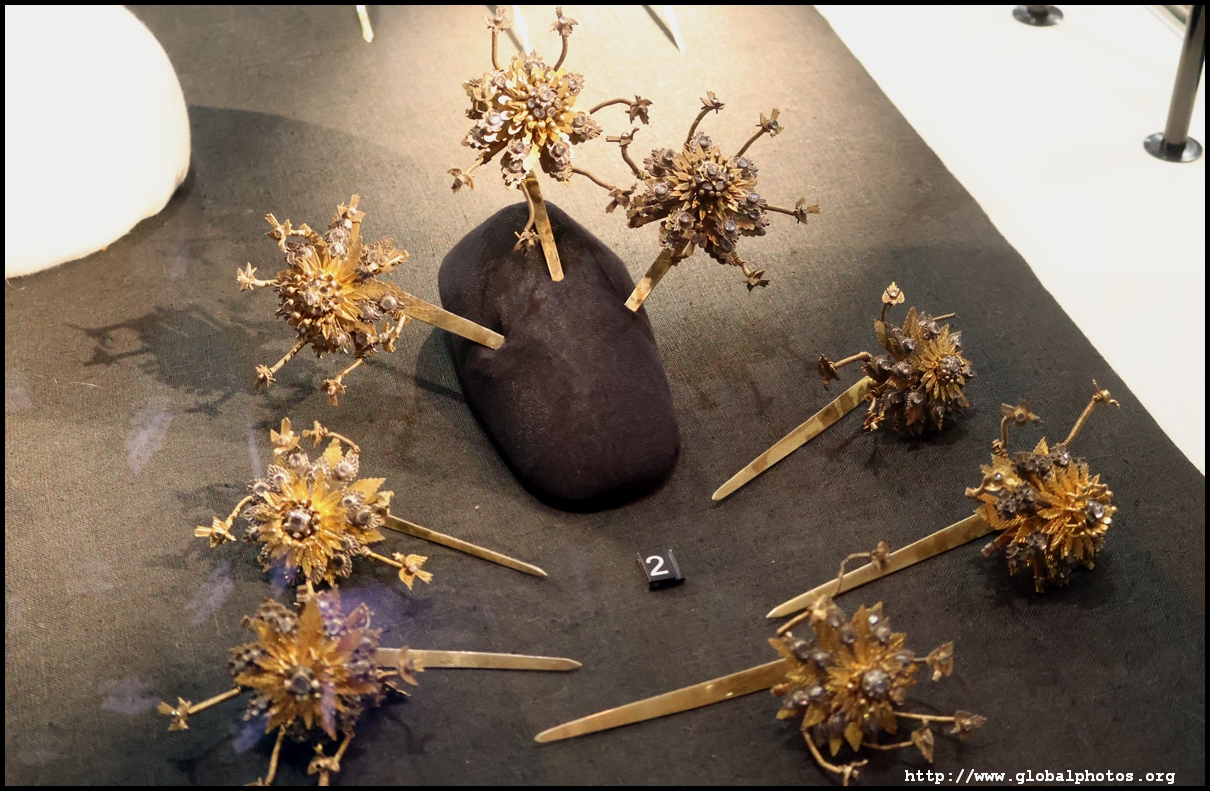
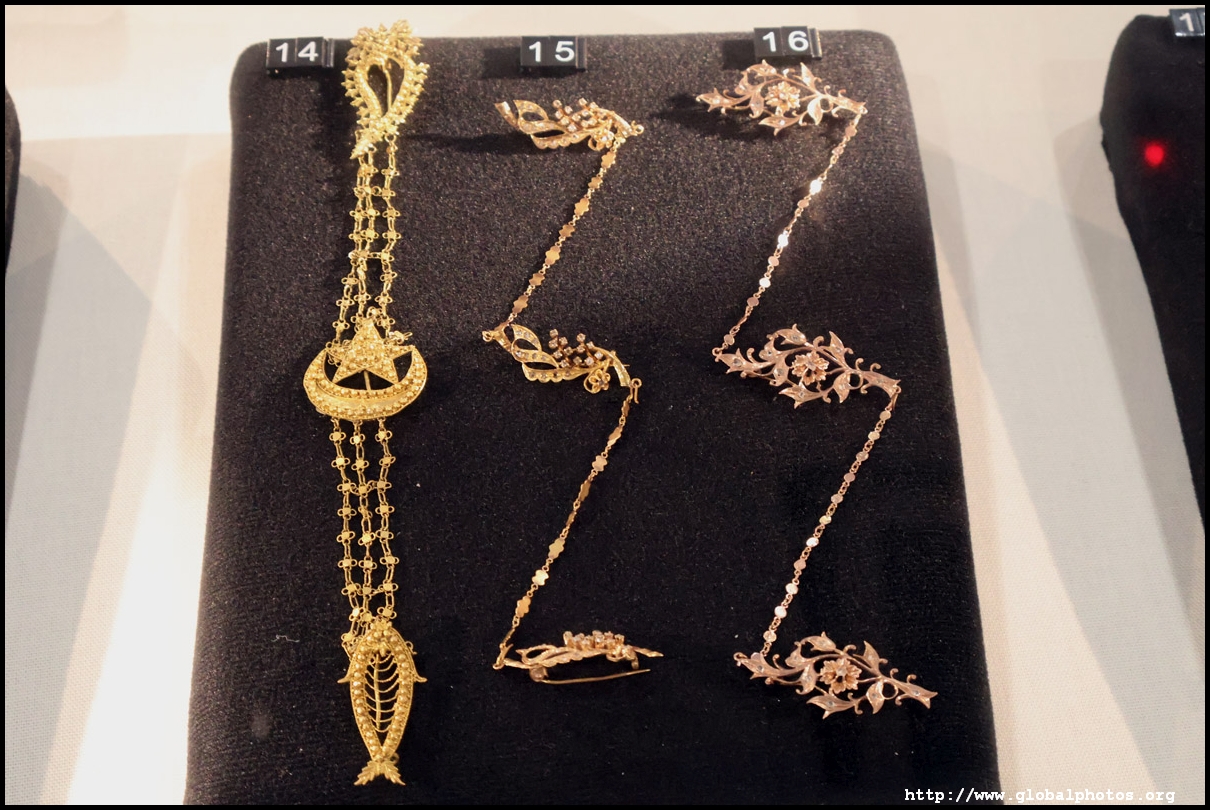
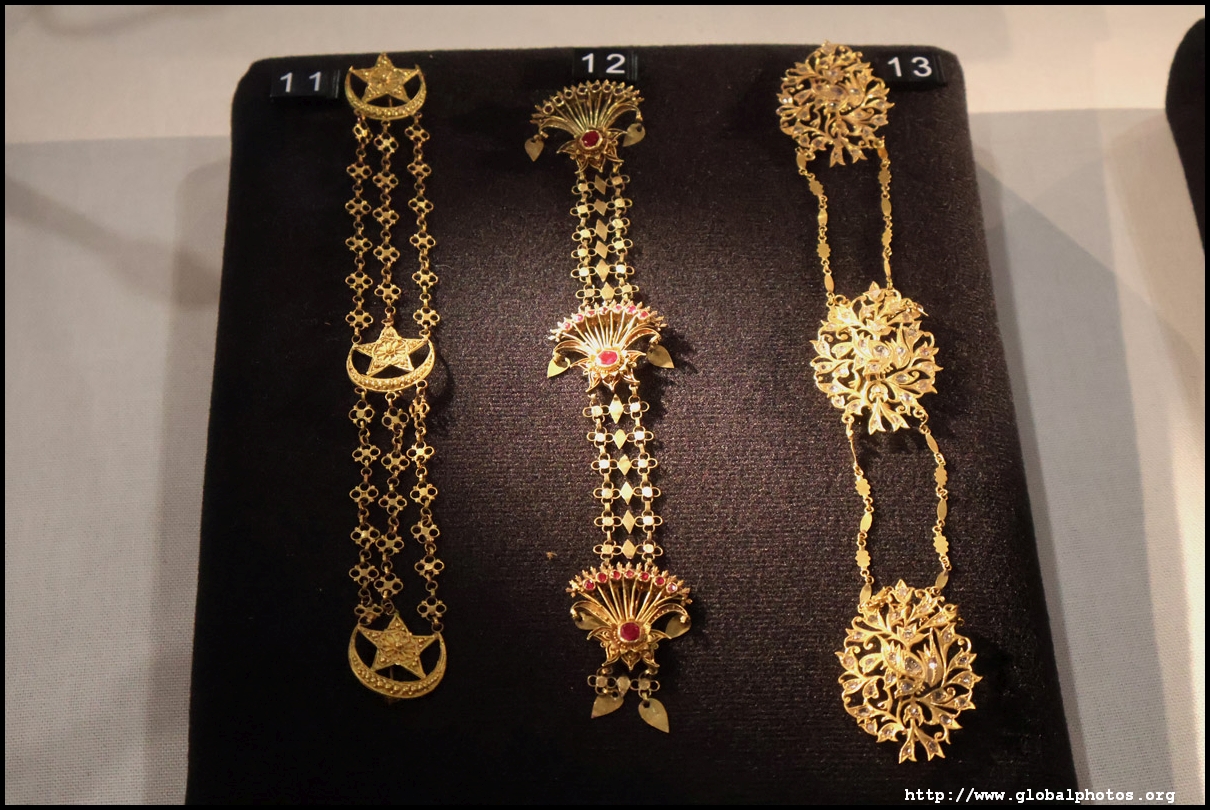
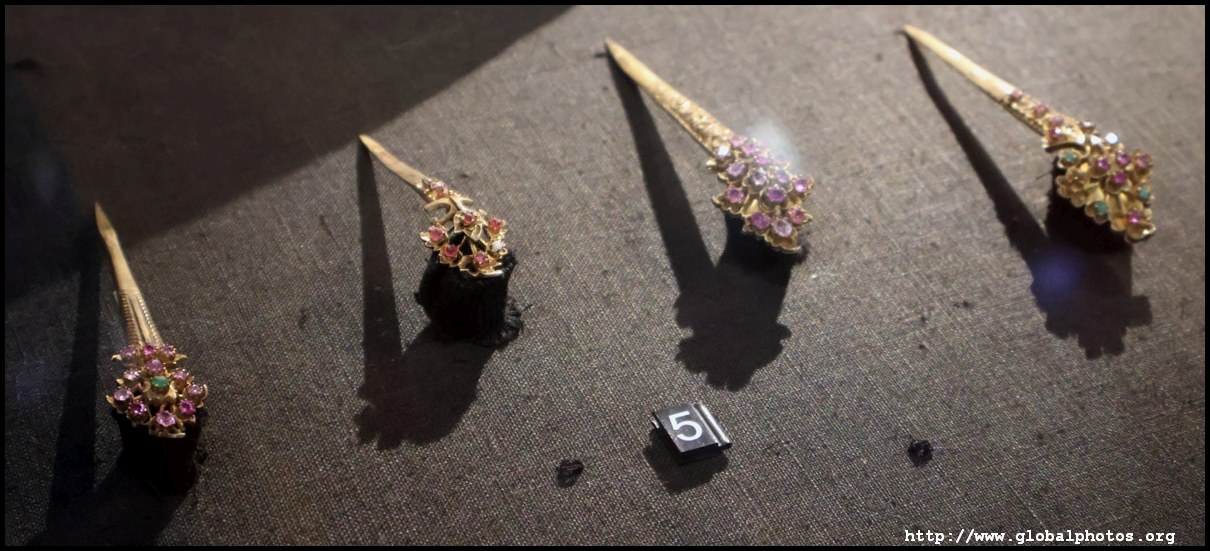
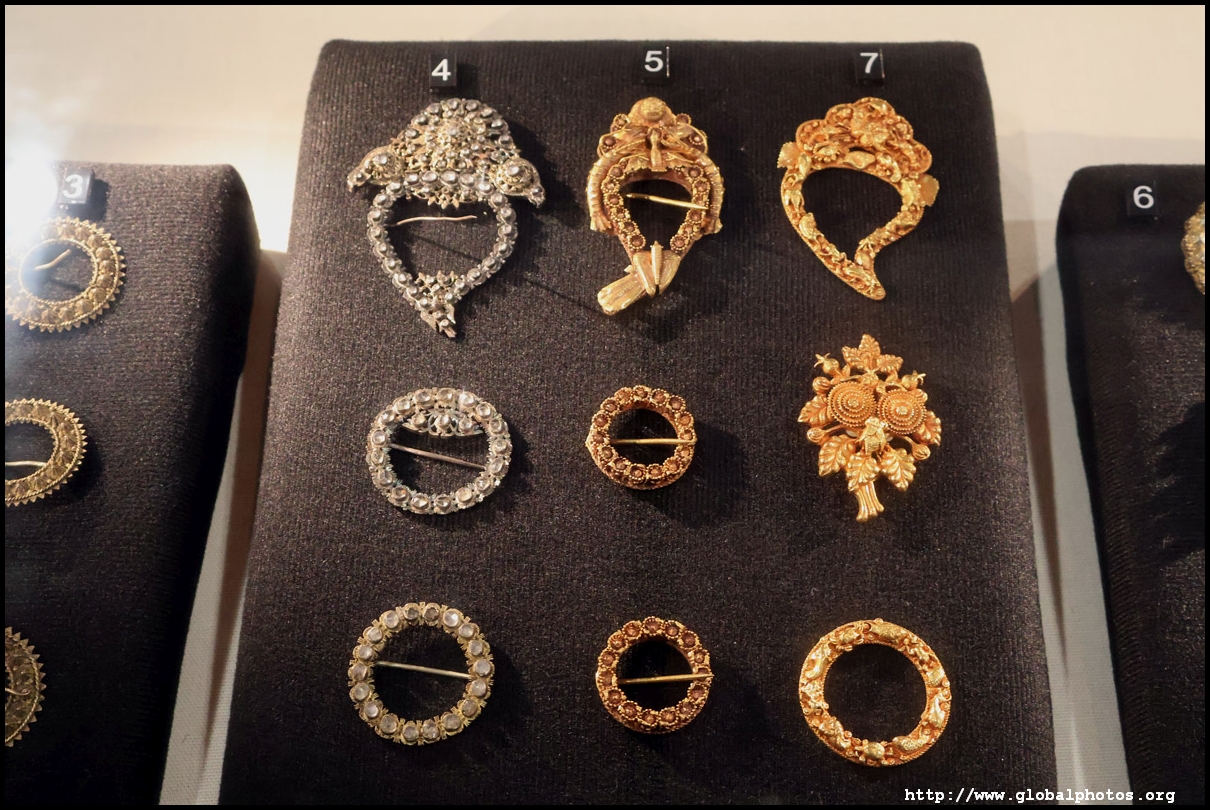
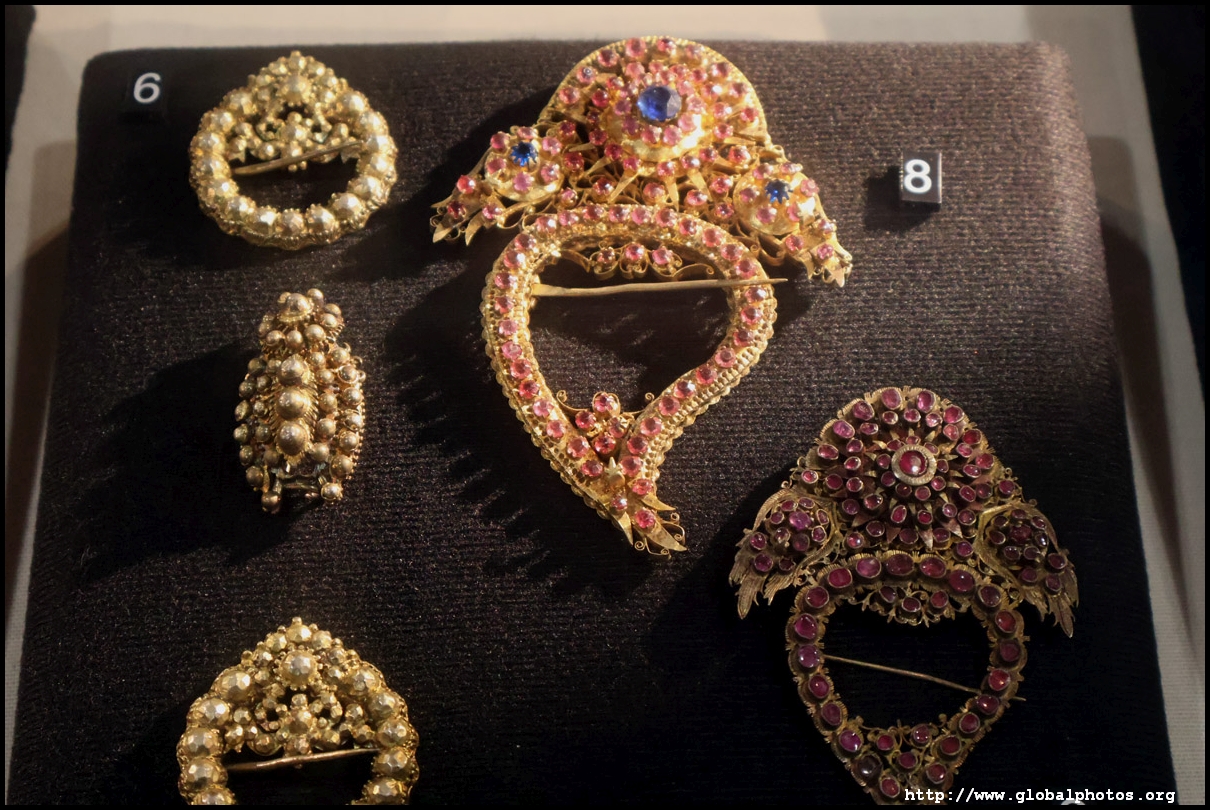
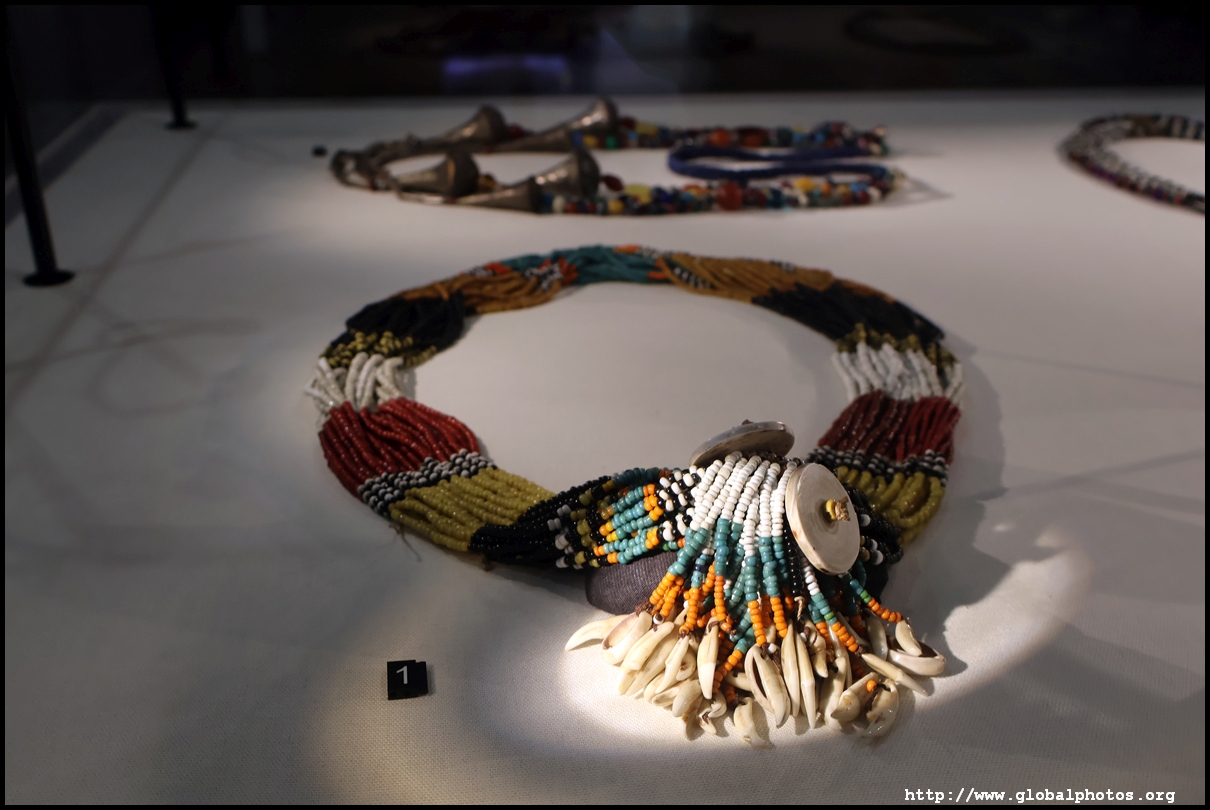
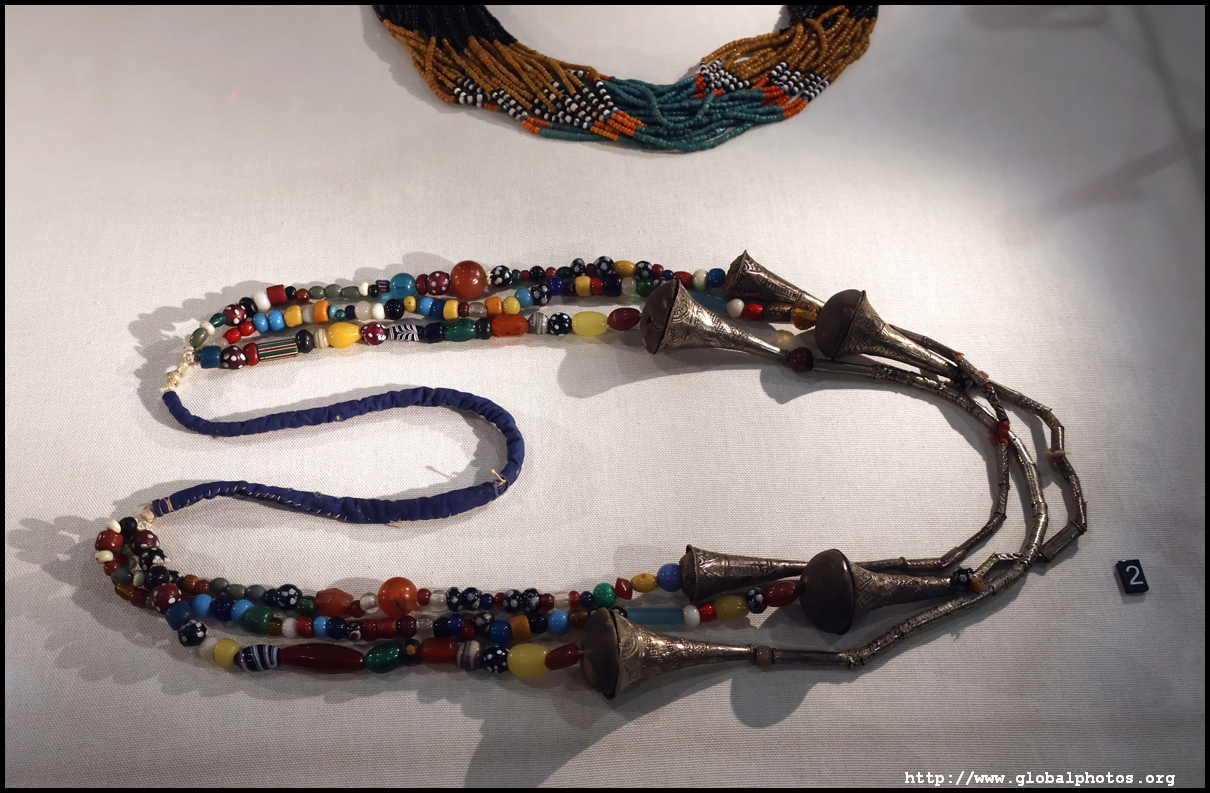
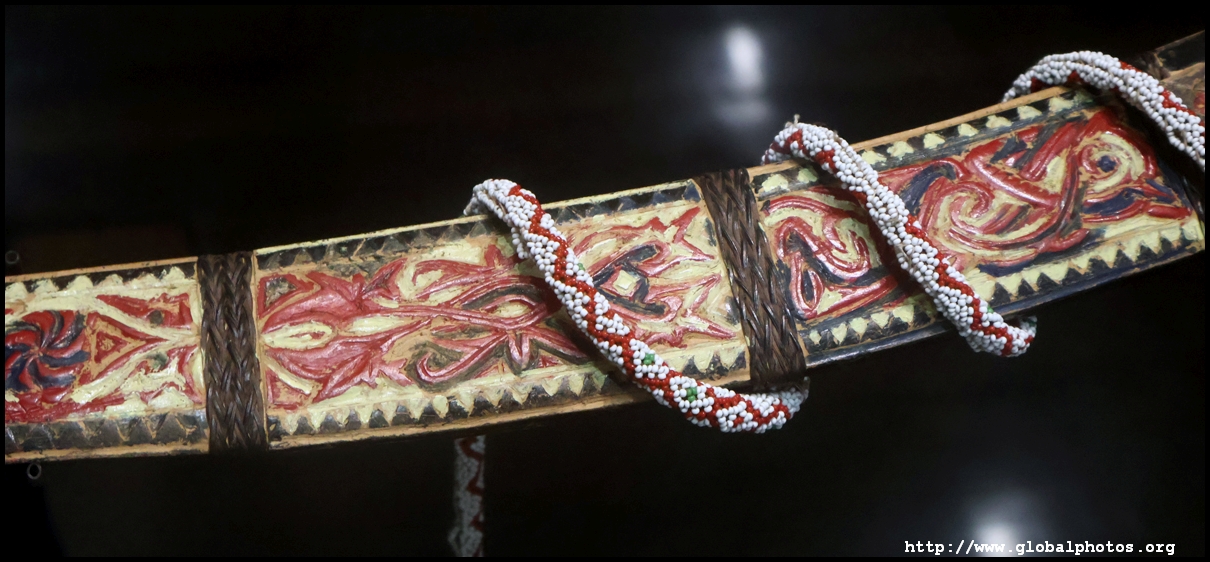
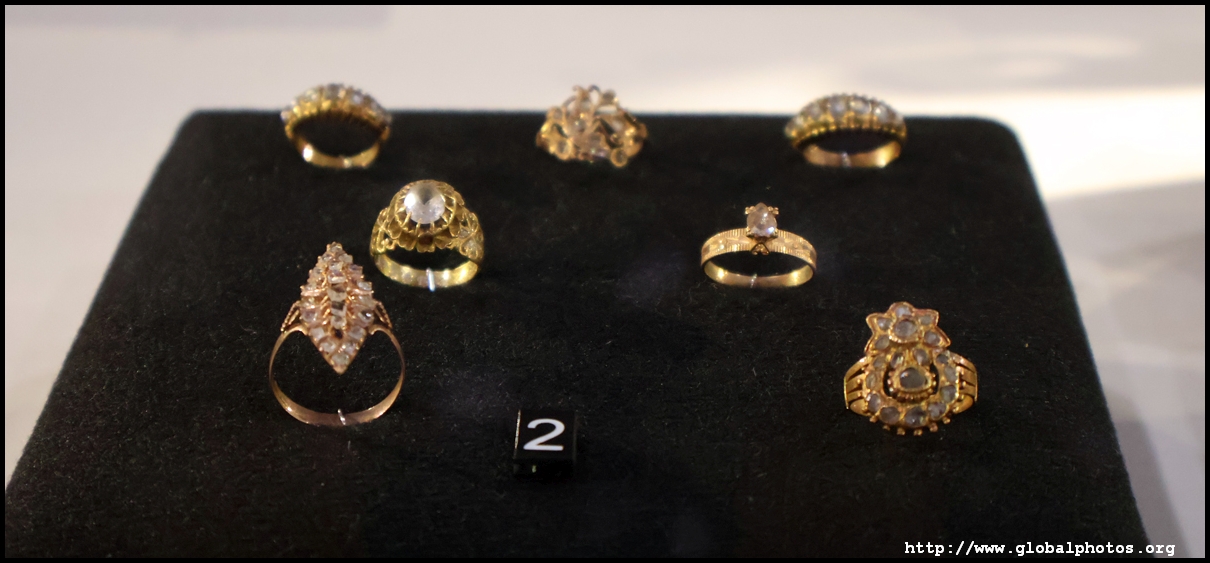
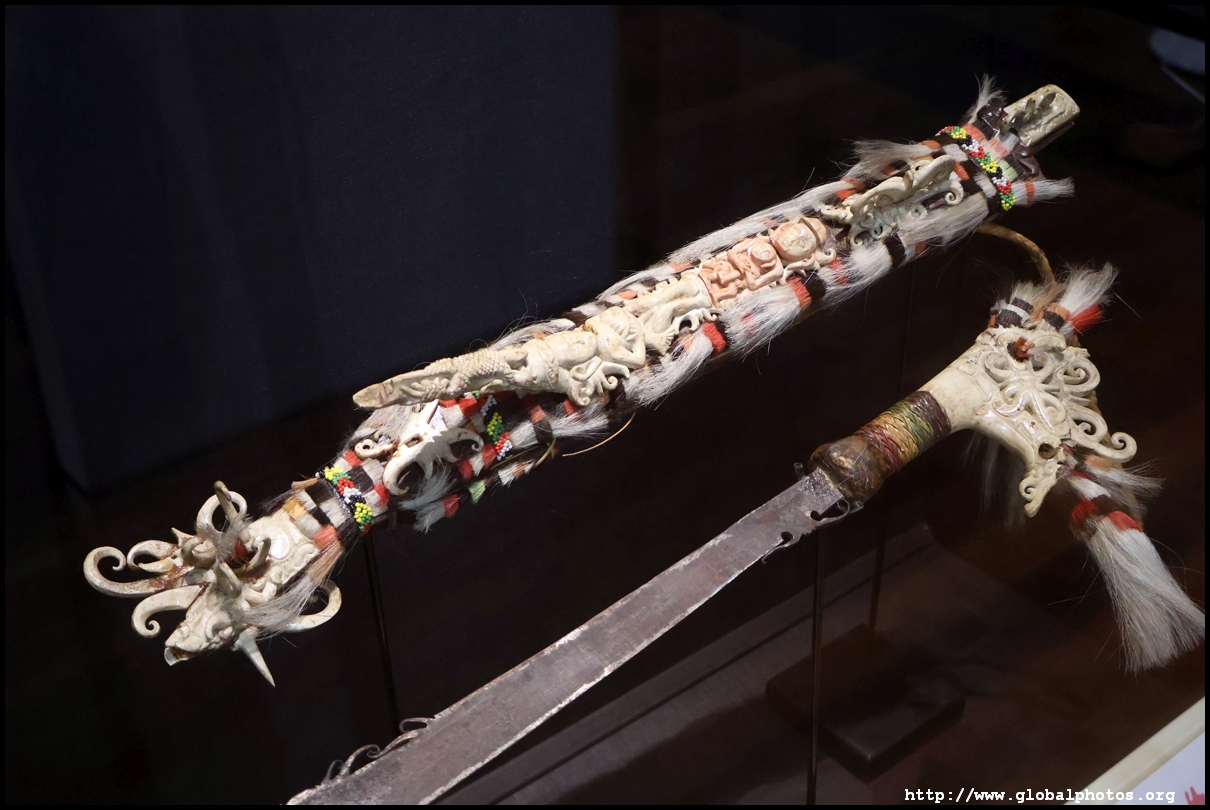
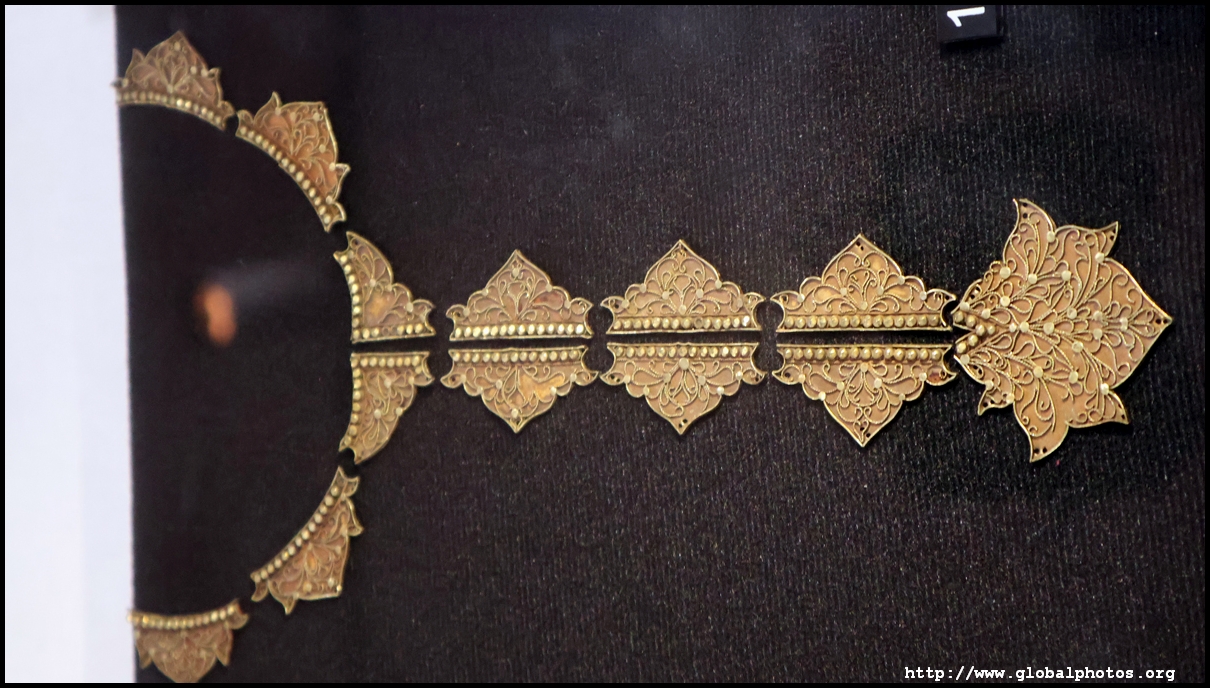
The Ratna Sari gallery consists of diamond, gold, and other jewels from the country's ethnic groups as well as indigenous communities. Let's start with tobacco boxes with intricate designs, includig floral motifs and other fine works.
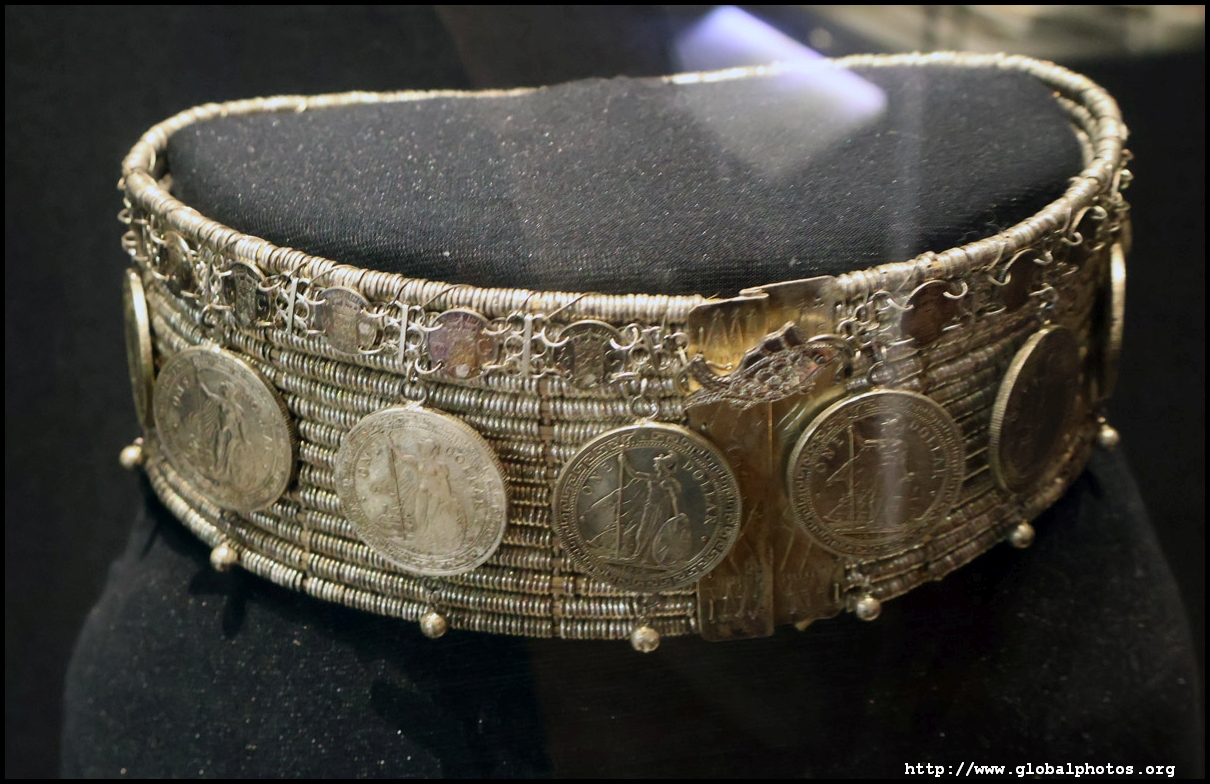
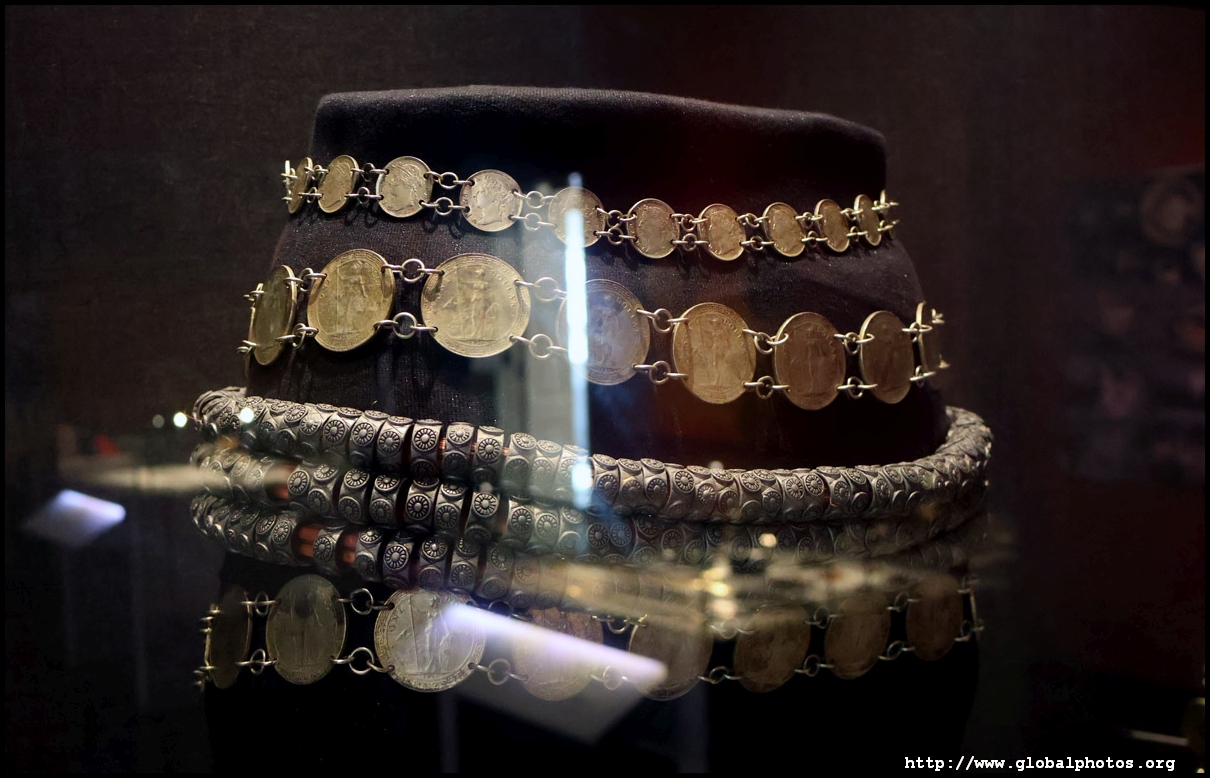
On the left is a tangkong, which is made of brass rings on rattan strings and worn around the hips.
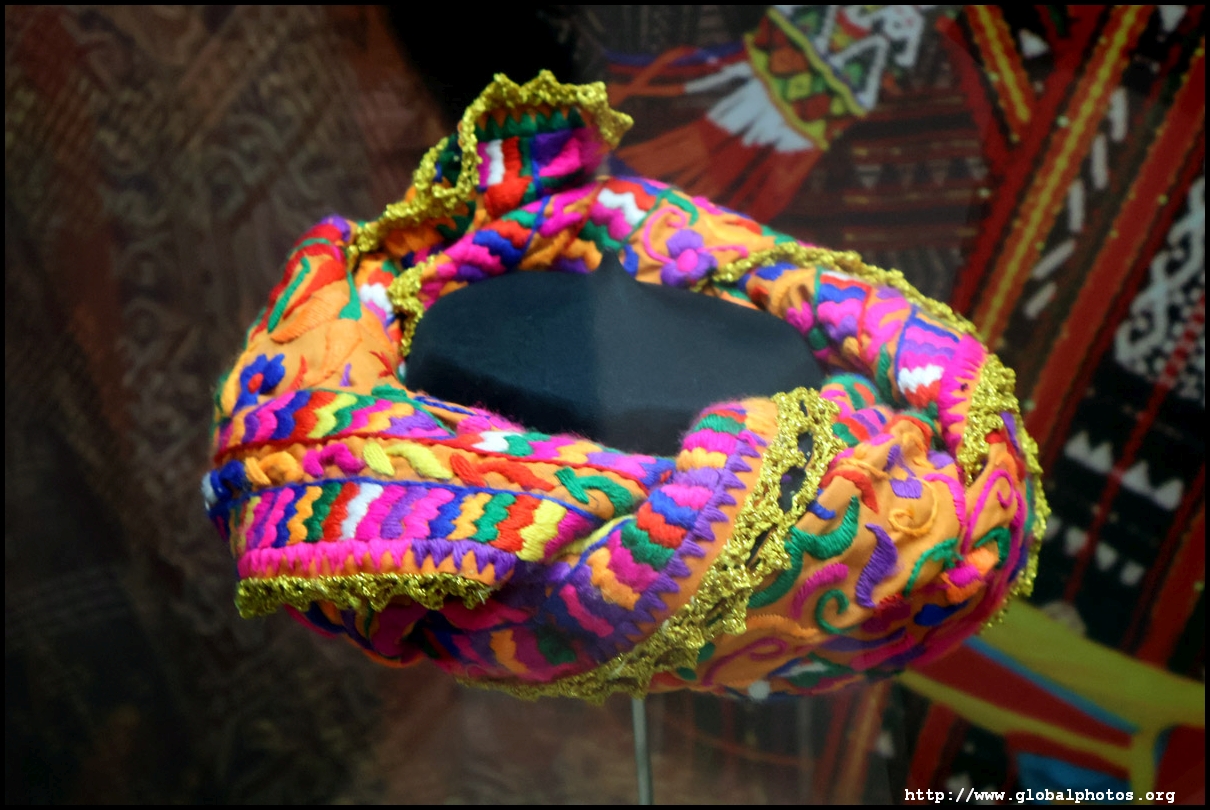
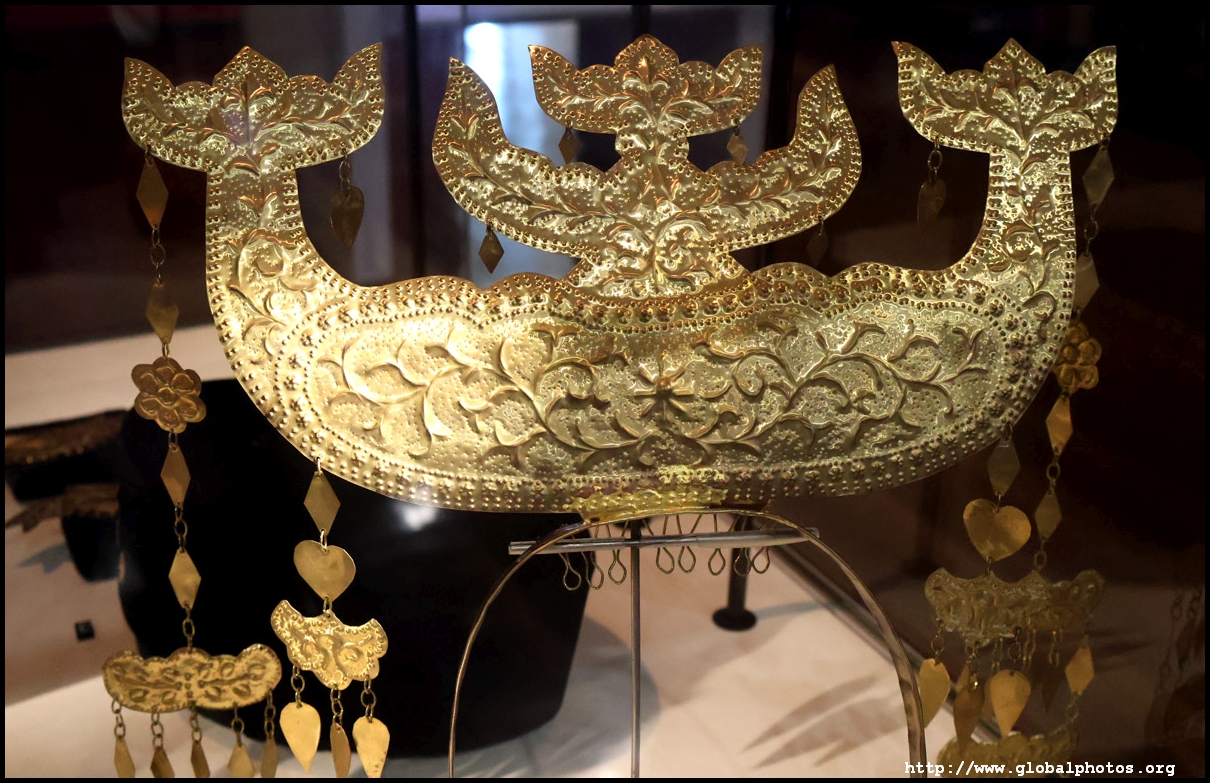
On the right is a sarempak, a boat-shaped head dress worn by Bajau and Iranun women from Sabah.
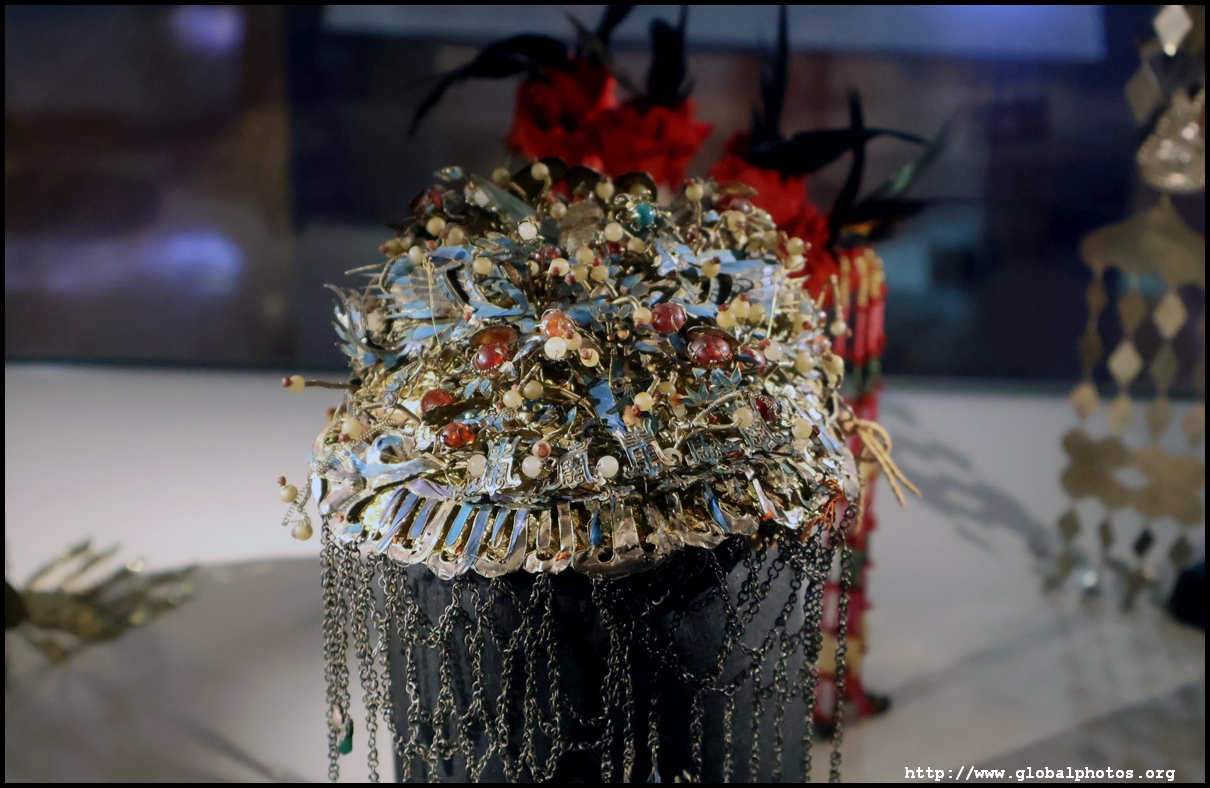
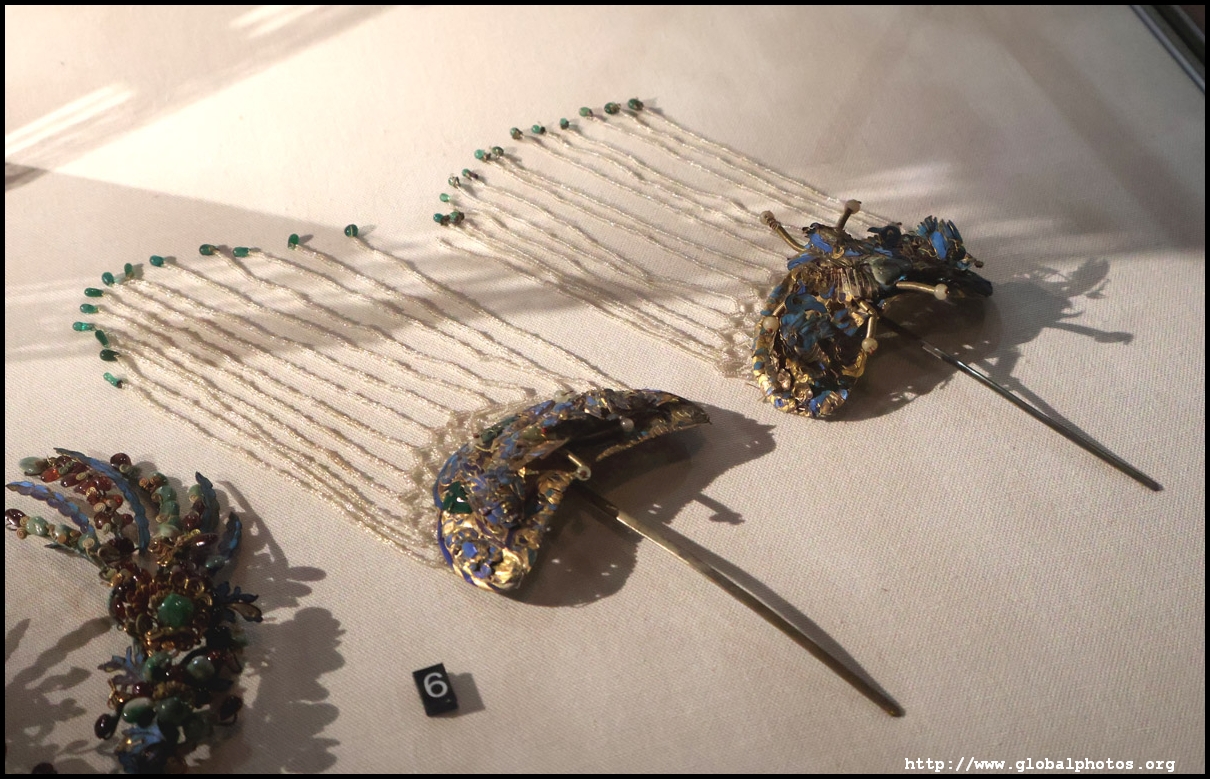
This Nyonya wedding crown has glass baubles, butterfly, and phoenix decorations.
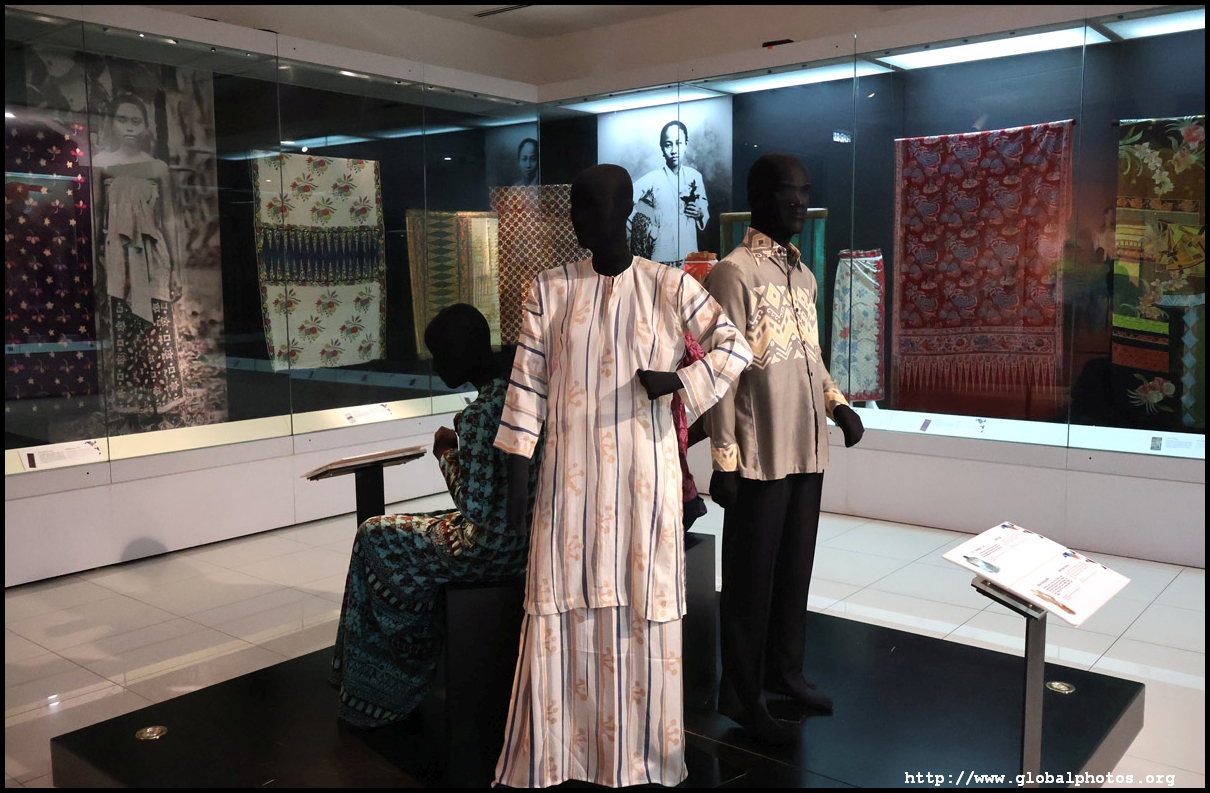
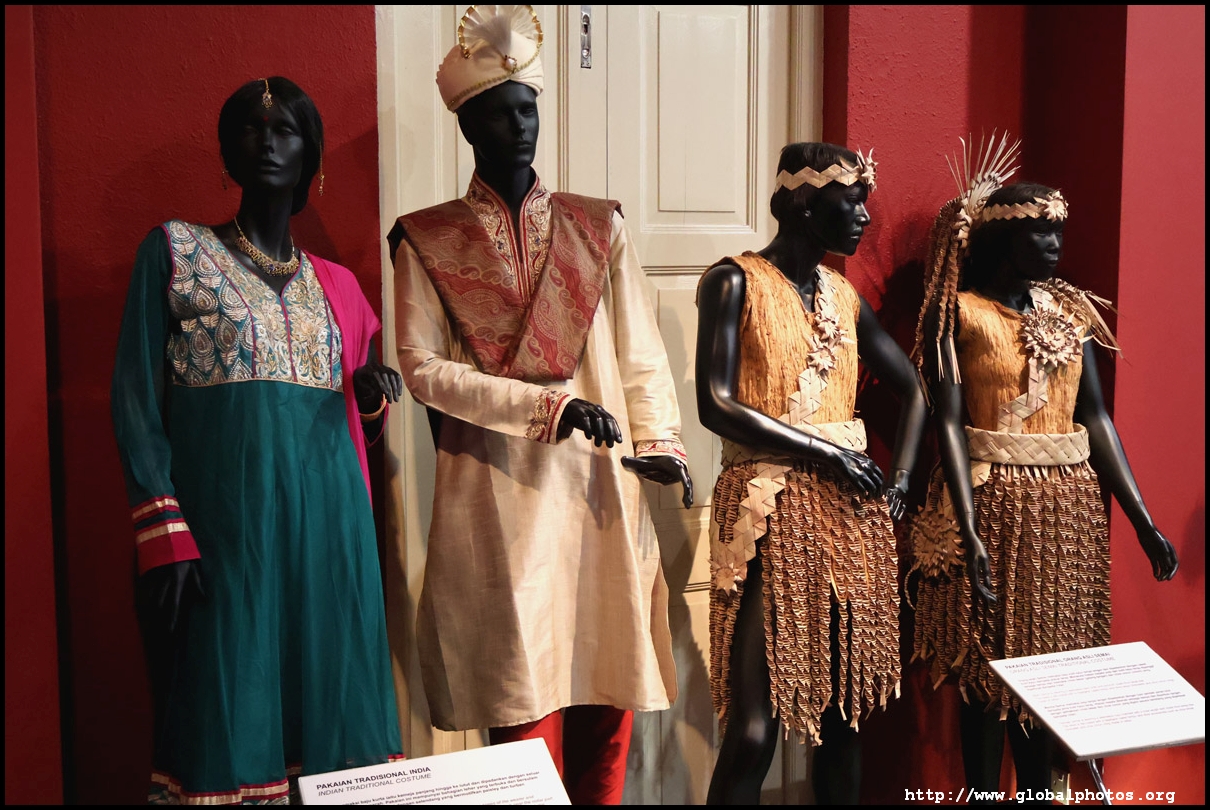
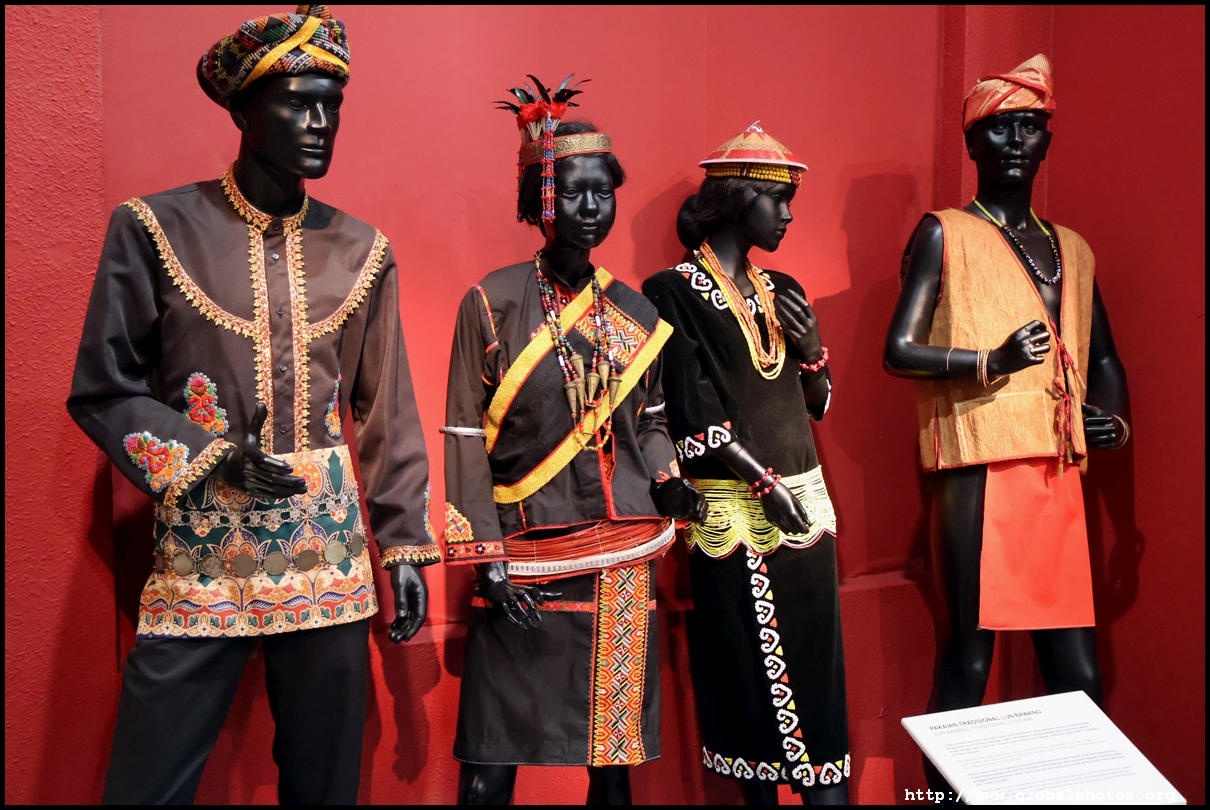
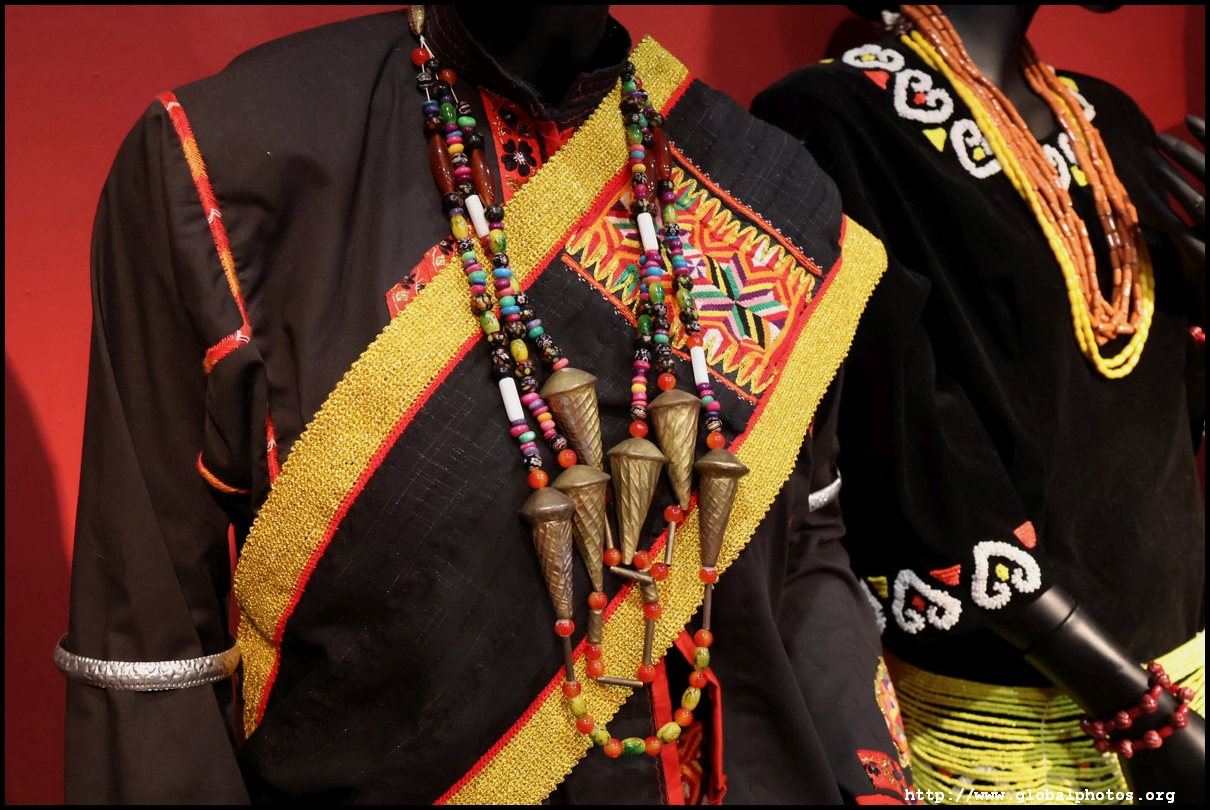
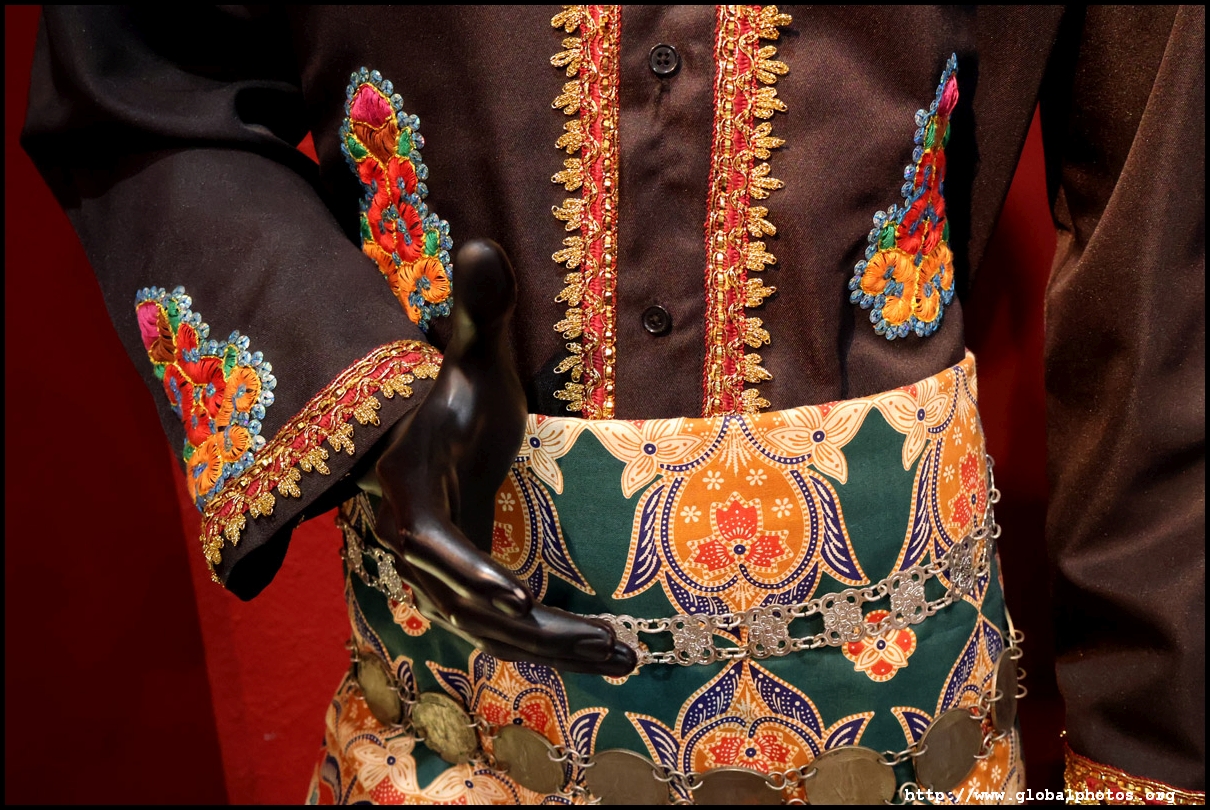
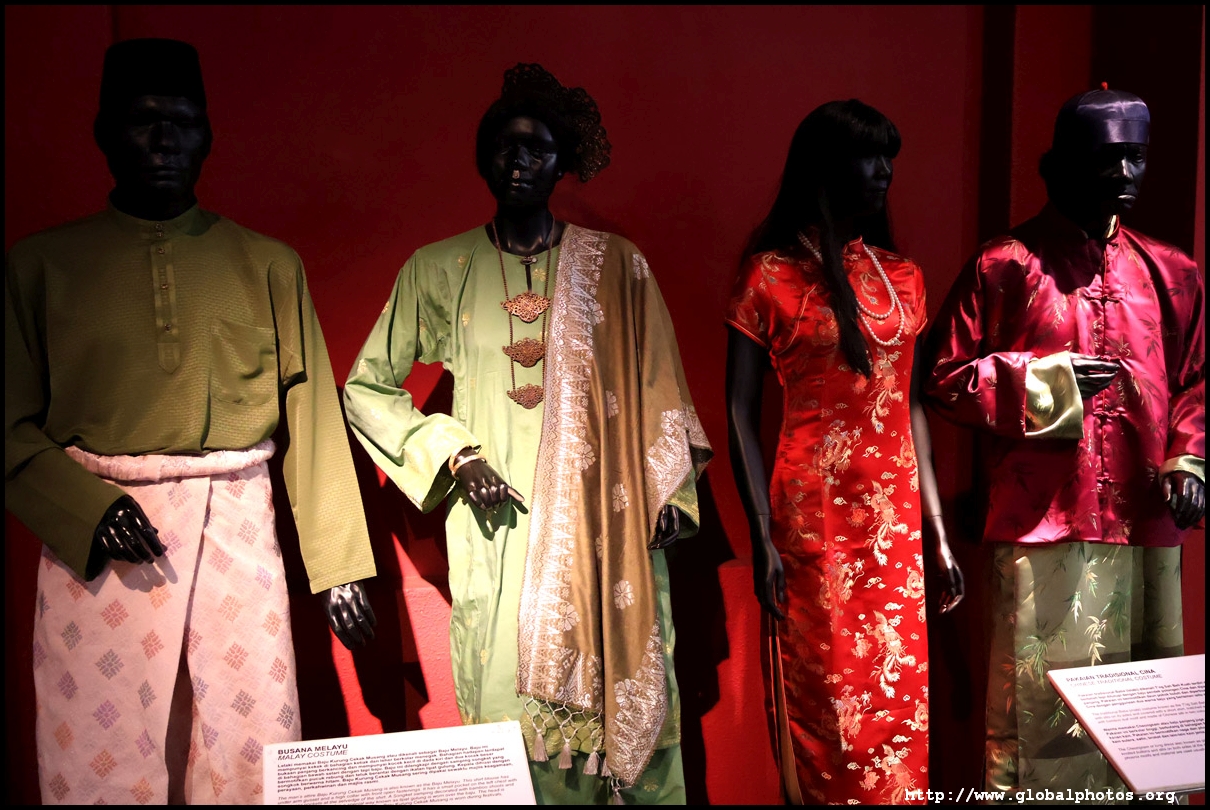
On display are traditional costumes from various ethnic groups.
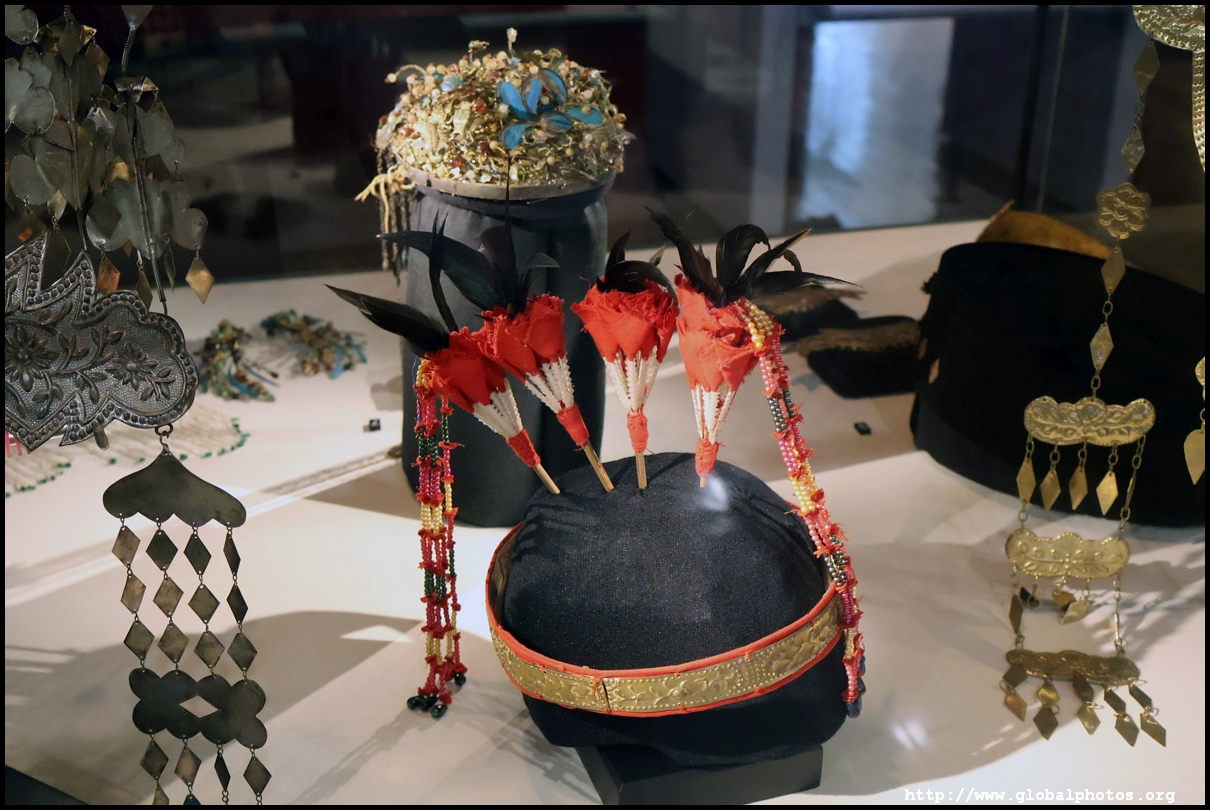
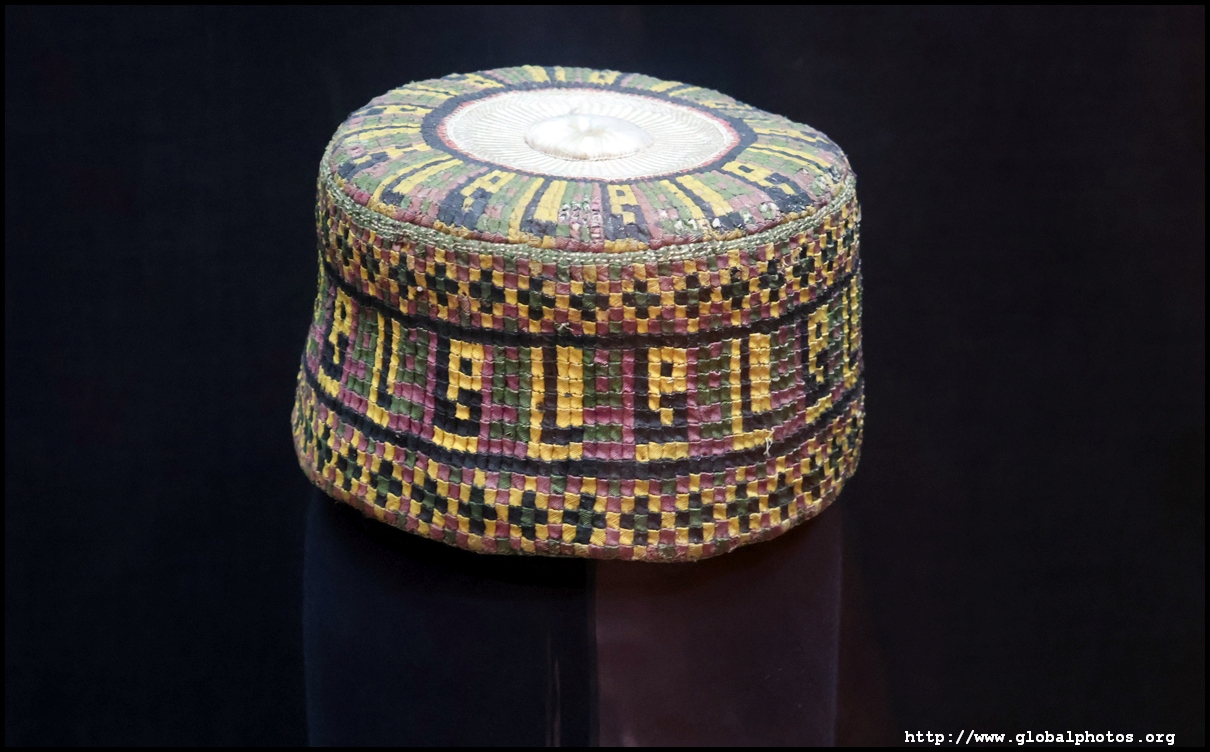
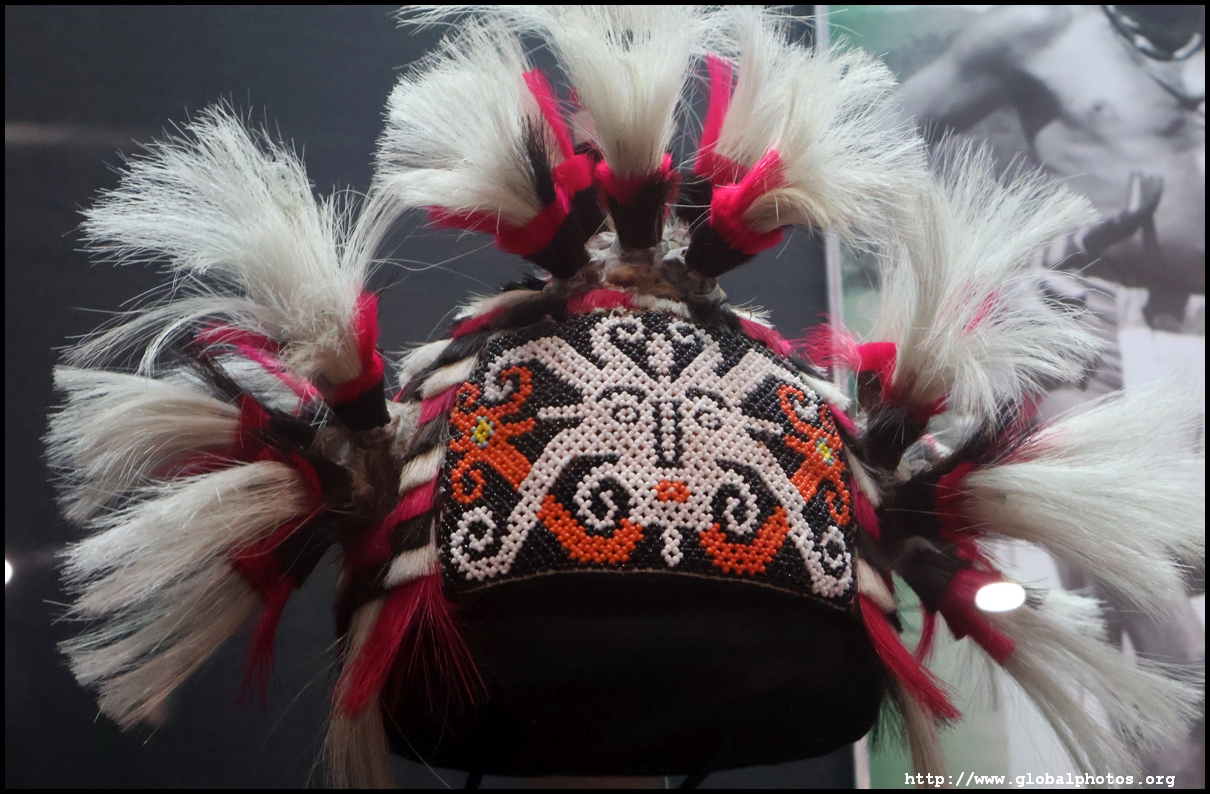
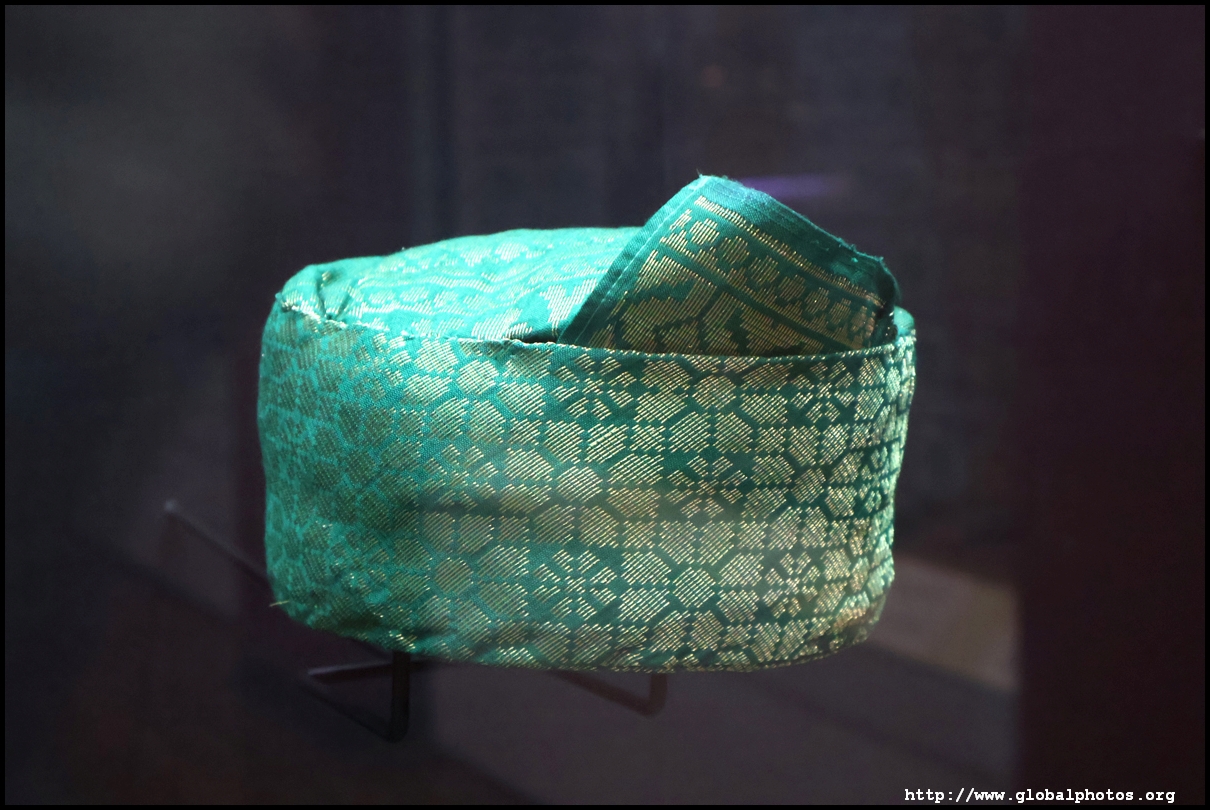
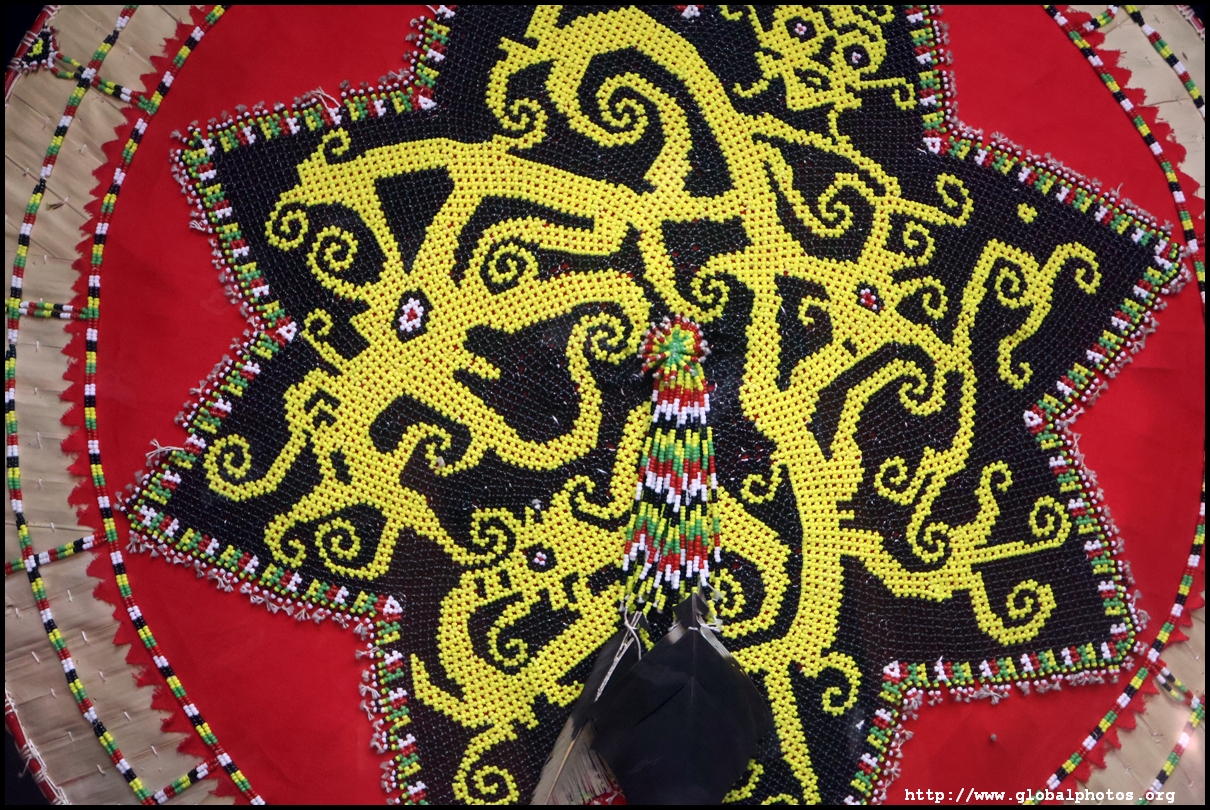
On the left is a head dress made from woven bloth worn by Malay men for prayers and special occasions. On the right, the head dress is made from rattan, beads, and goat hair worn by Orang Ulu men from Sarawak.
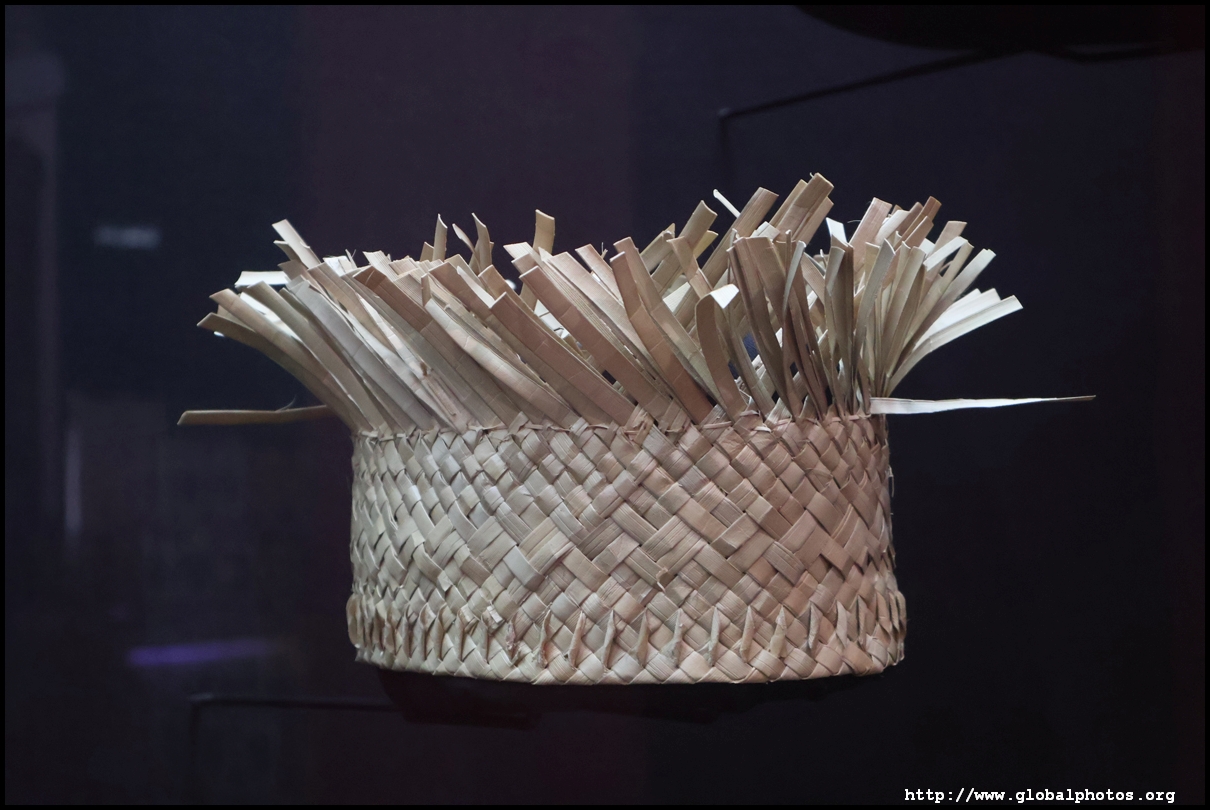
On the right, the head gear is made from palm leaves to be worn during special occasions by the Orang Asli.
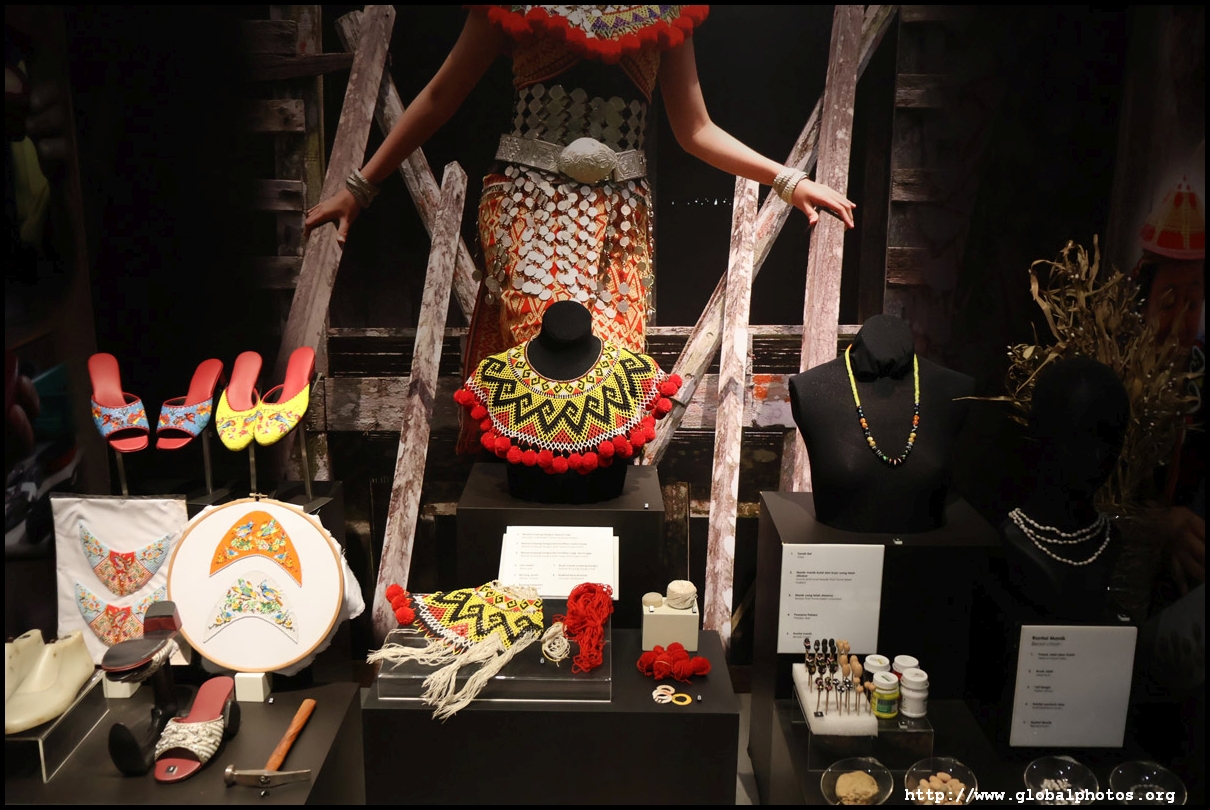
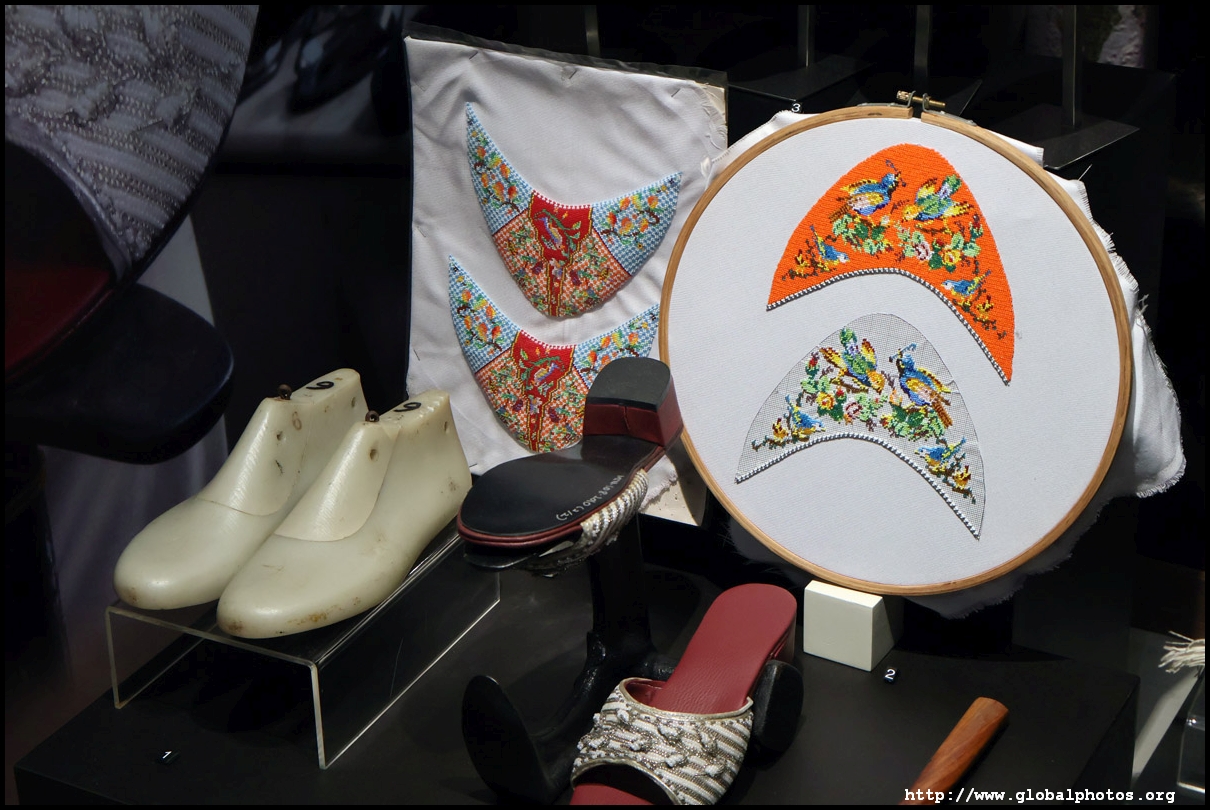
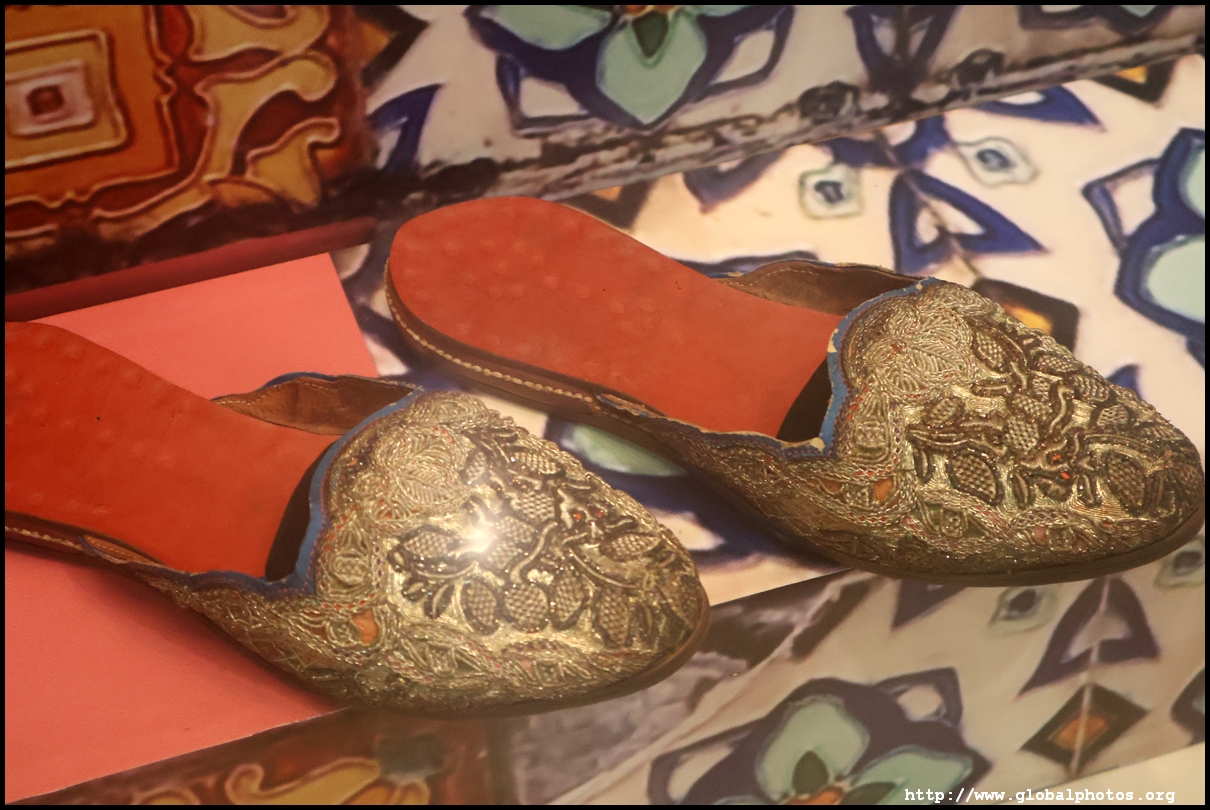
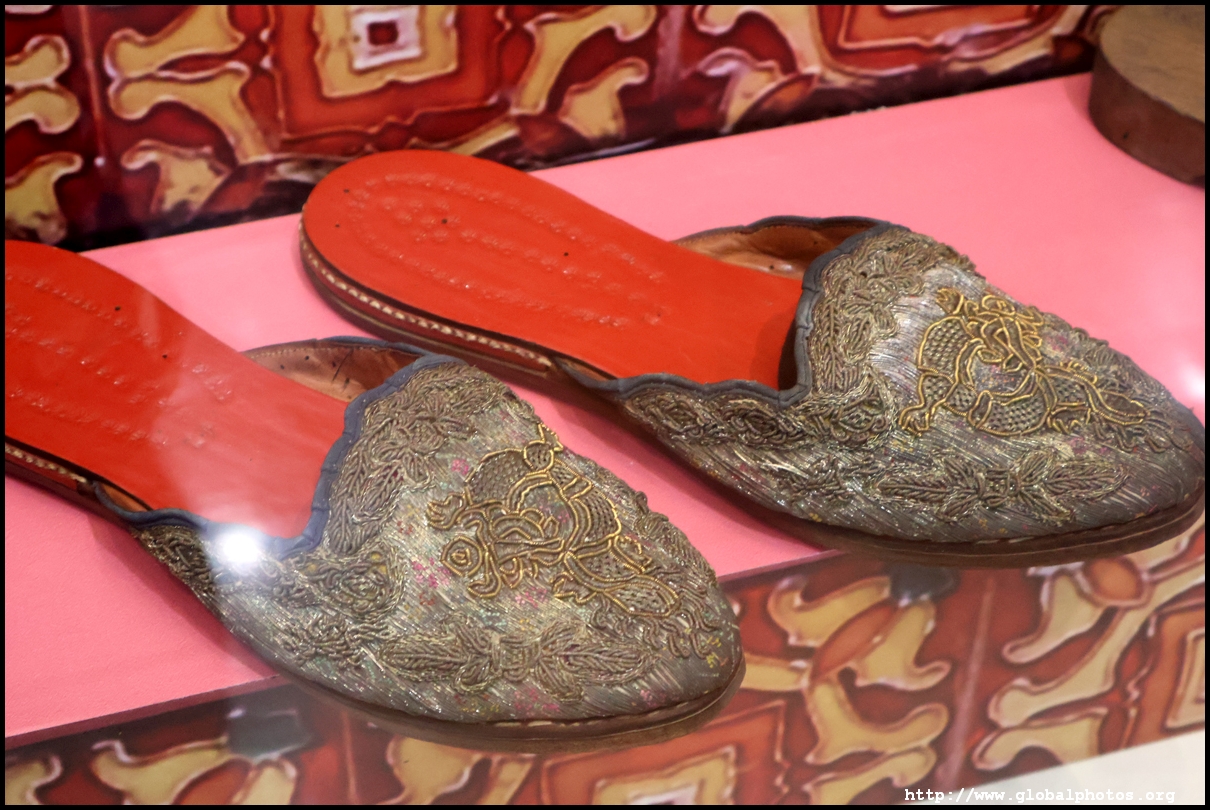
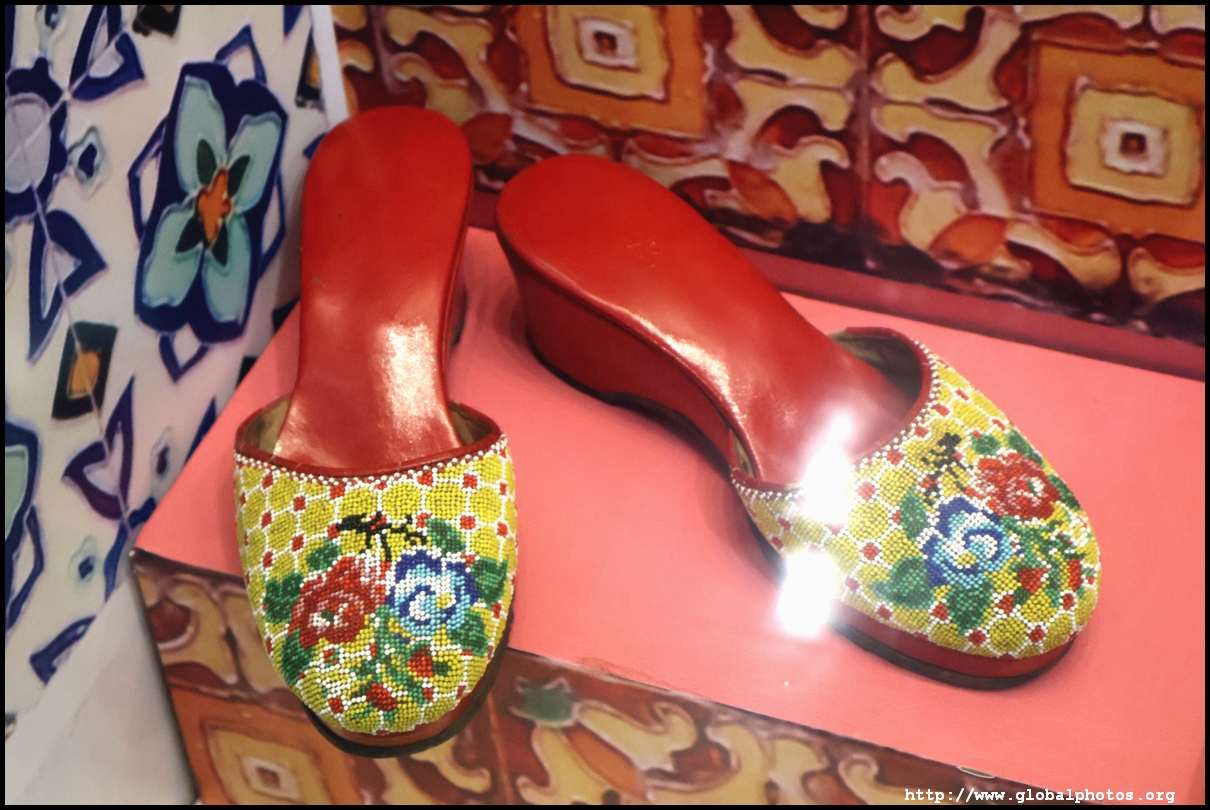
There are also many embroidered slippers on display from the Nyonya and Baba community in the early 20th century.
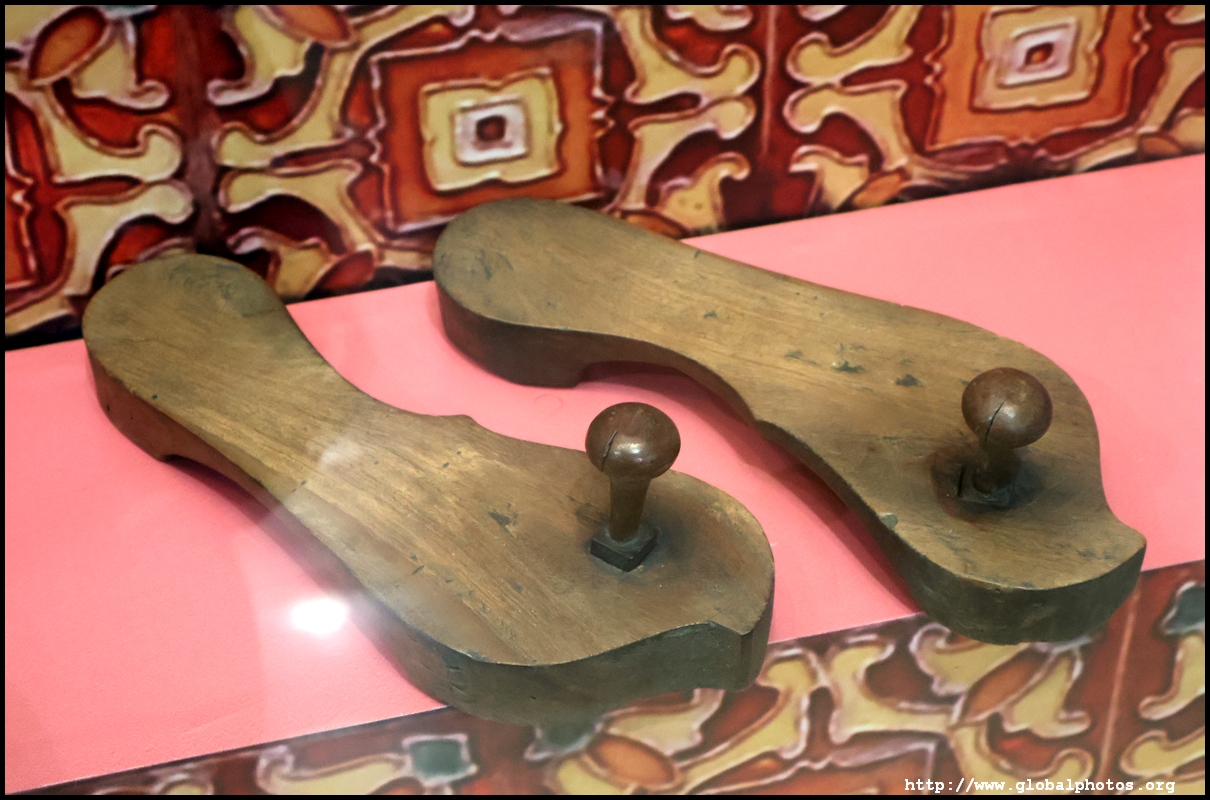
This wooden clog on the left is worn by women from Kelantan, while the high-heel slippers on the right was worn by the Nyonya in Melaka during the 1940s.
| |||
[Kuala Lumpur Photo Gallery Main Page]
To re-use these photos or notify of errors, please email me. Thank you.