Liverpool Photo Gallery

Once the British Empire's 2nd city and a major international port, Liverpool offers grand architecture, a beautiful regenerated waterfront, and world-class museums. While the post-war years have been tough and it is getting to grips with its links to slavery, today's Liverpool is vibrant and well worth my 2 nights' stay. If you like the Beatles, you will need more time.
|
|
|
Exploring the Streets & Architecture
|
|
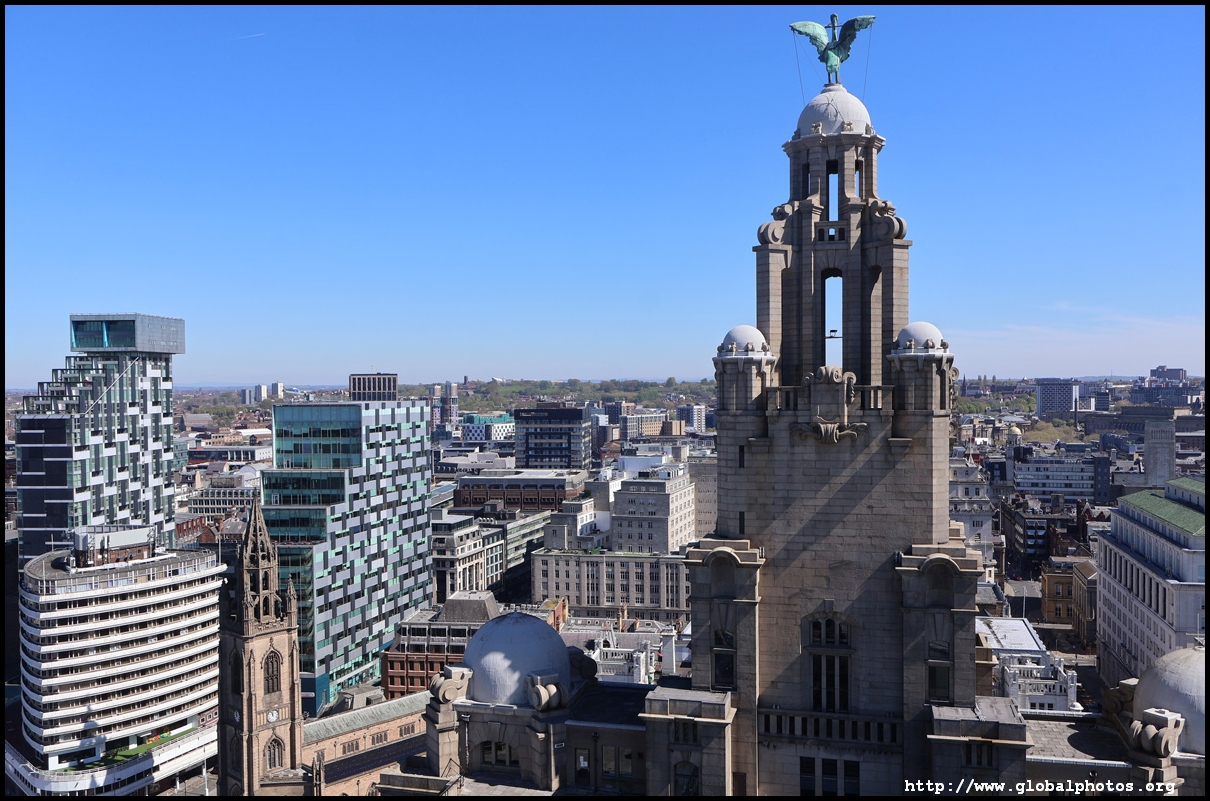
Royal Liver Building TourTo visit the interiors, you need to book a tour with a pre-selected timeslot in advance. You get to climb up to 2 balconies and check out the clock mechanism. |
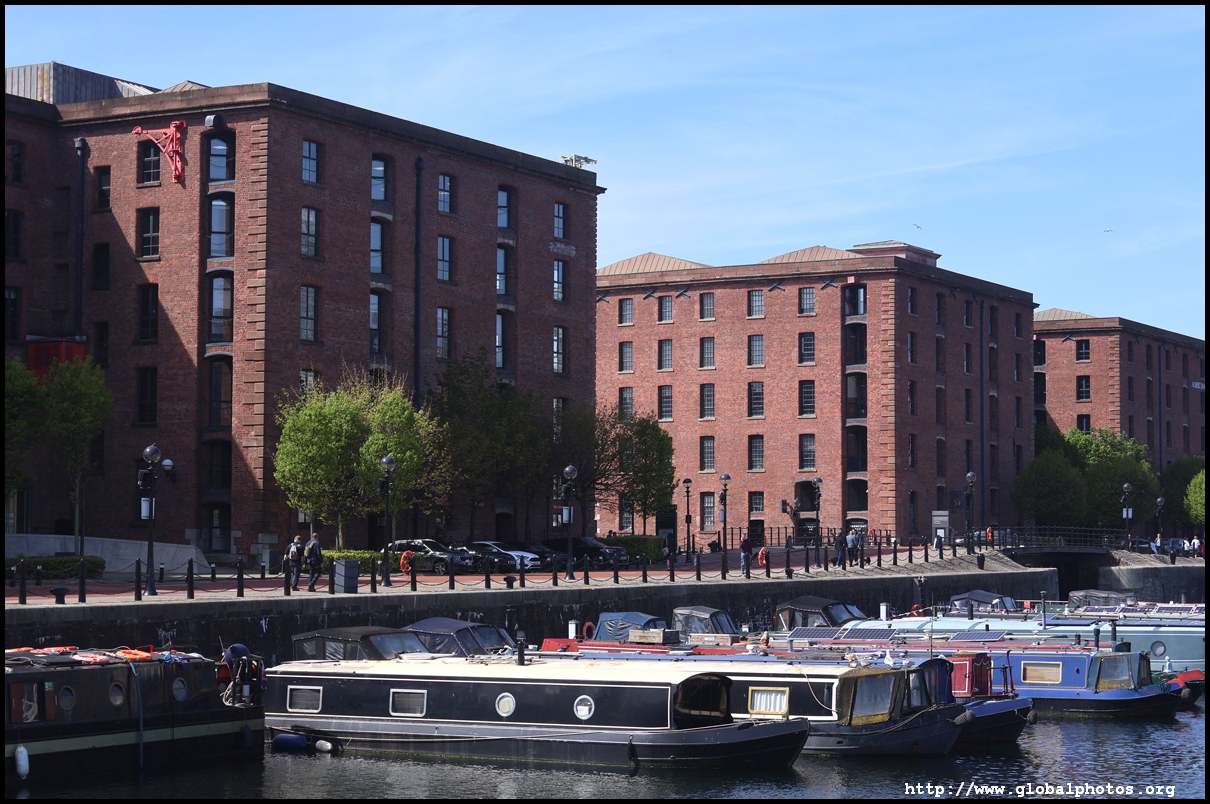
| The DocksLiverpool's first dock was built in the early 18th century, and soon the city became a major seaport in the triangle of trade between Africa, the Americas, and England. Eventually, Liverpool's docks extended some 7 miles. |
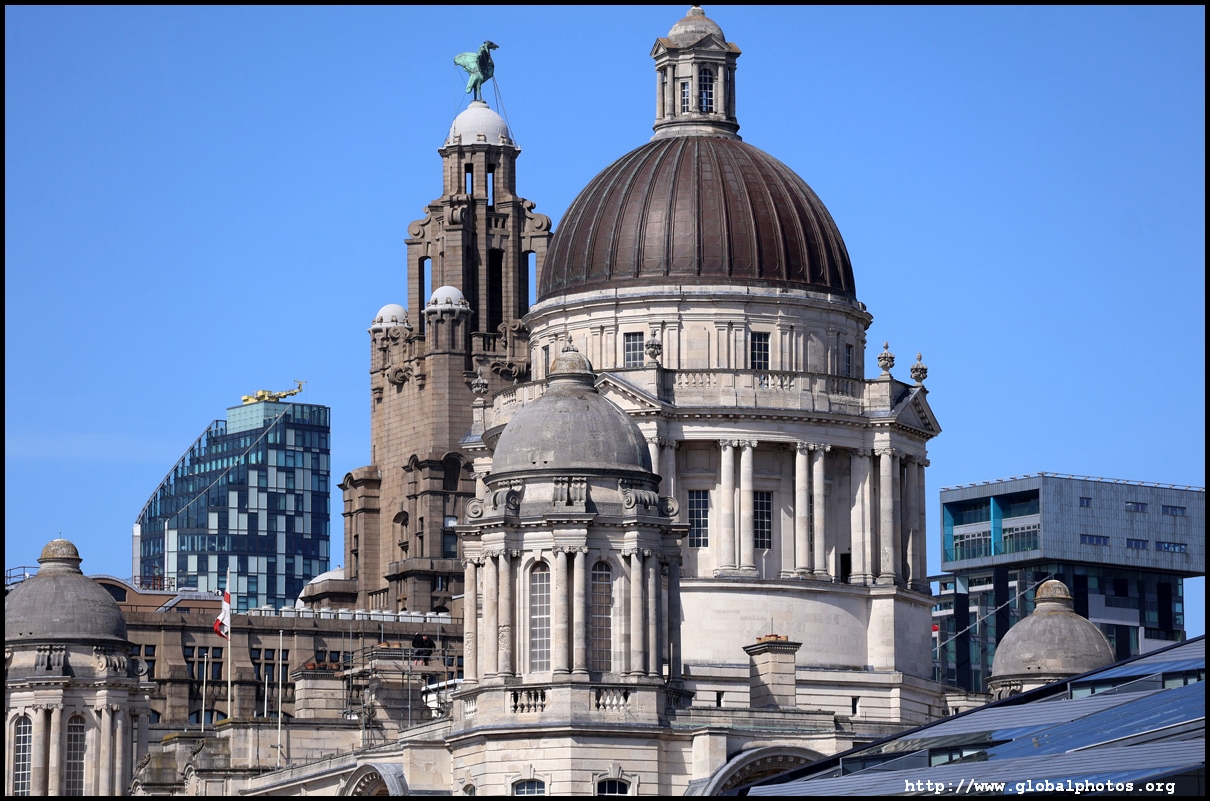
| Three GracesThe Three Graces refer to buildings built in the early 20th century next to each other along the waterfront. Today, they define Liverpool's historic skyline, a reflection of a proud time when the city was a major international port. |
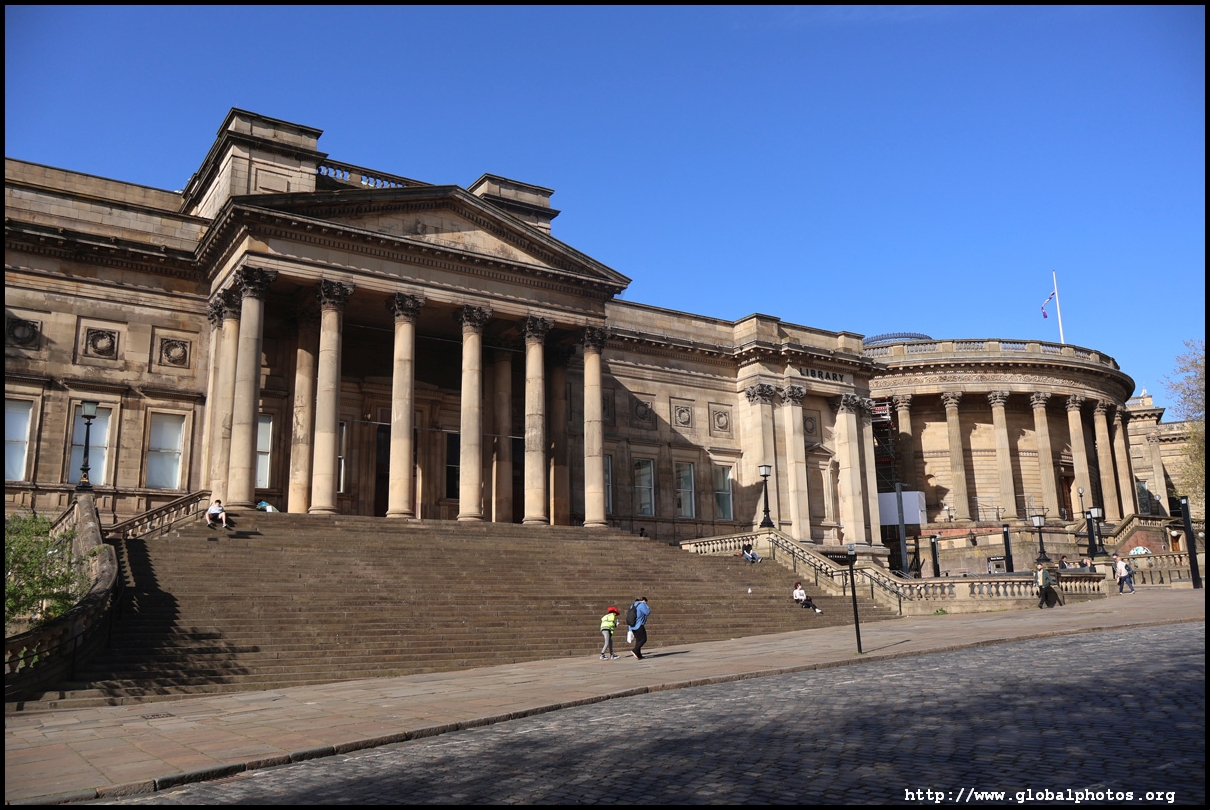
|
William Brown StreetMany grand buildings line this street just a short walk from Lime Street station. There are beautiful libraries, museums, galleries, and more. |
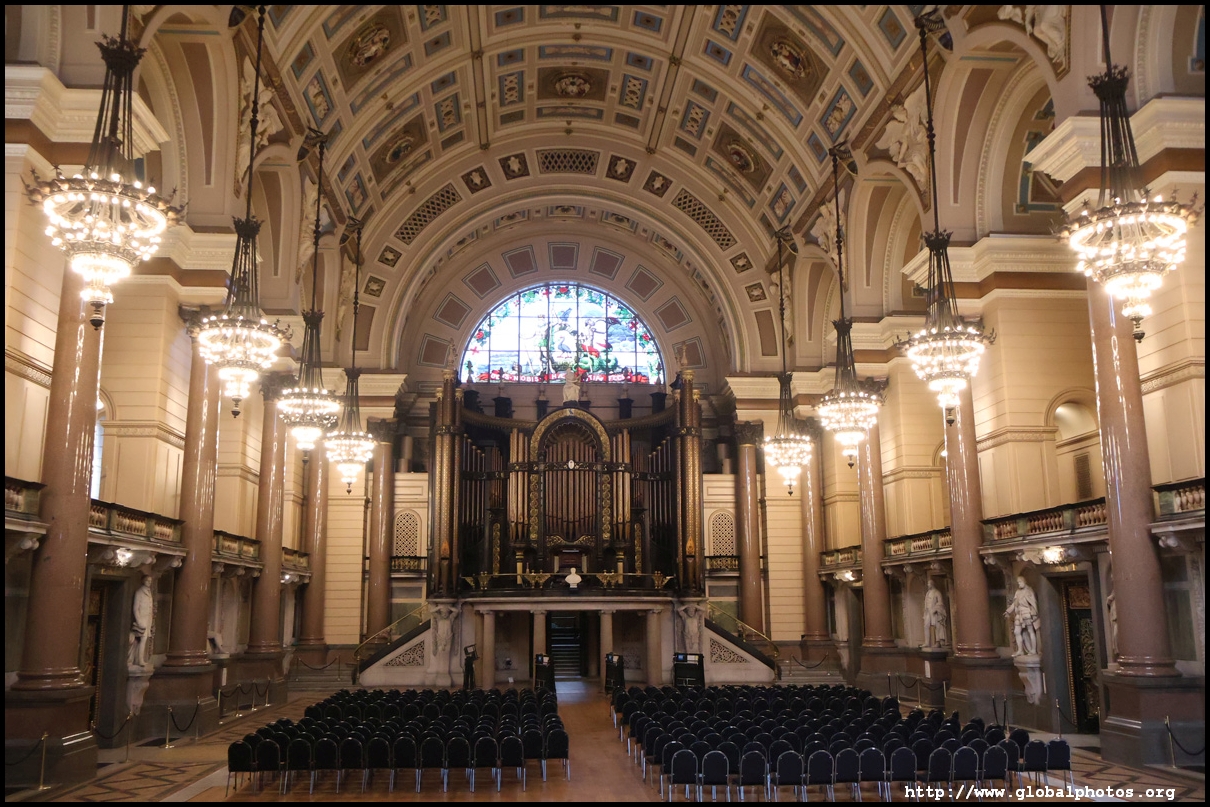
| St George's HallJoin a guided tour of this building's unique combination - a music facility and courthouses put together. The building opened in 1854 and features a number of grand and richly-decorated rooms. |
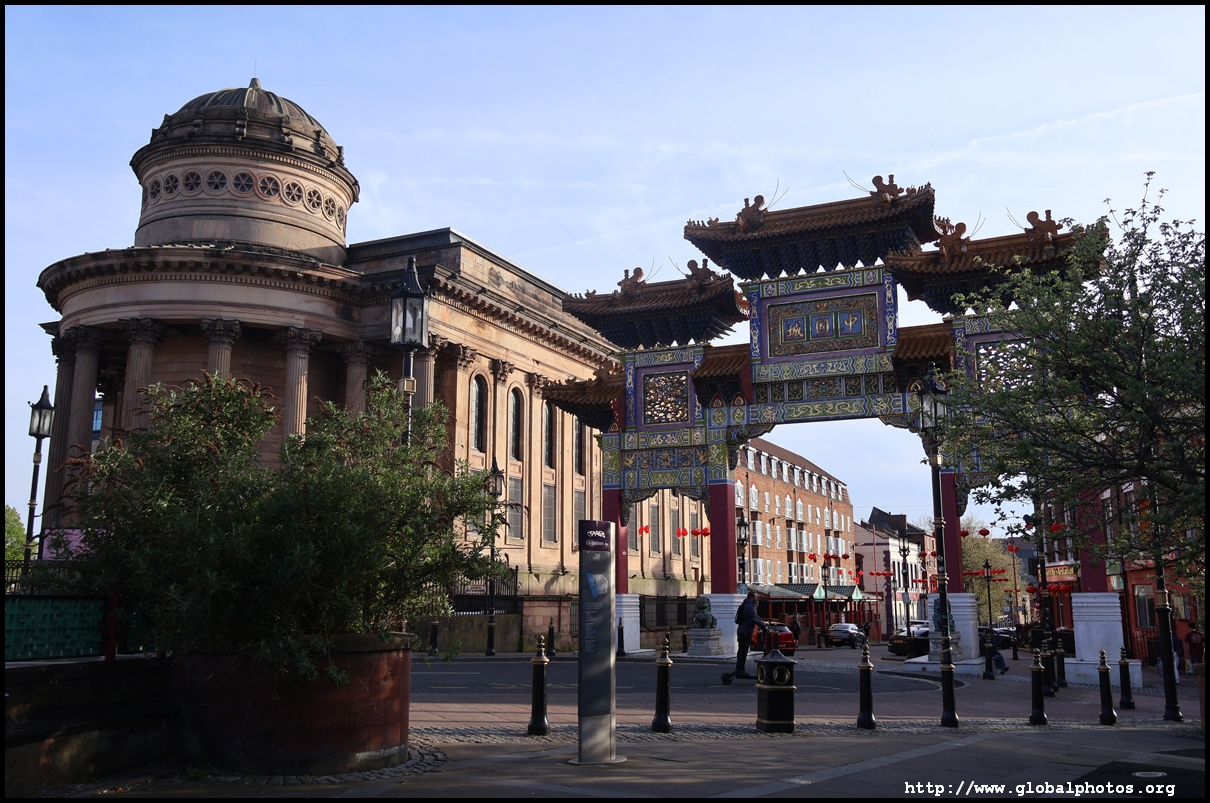
| ChinatownLiverpool's Chinatown started with seamen employed by the Blue Funnel Shipping Line, which linked Liverpool with Shanghai and Hong Kong. They settled here and built a community around the docks, which was destroyed during World War II and moved to the current location.
|
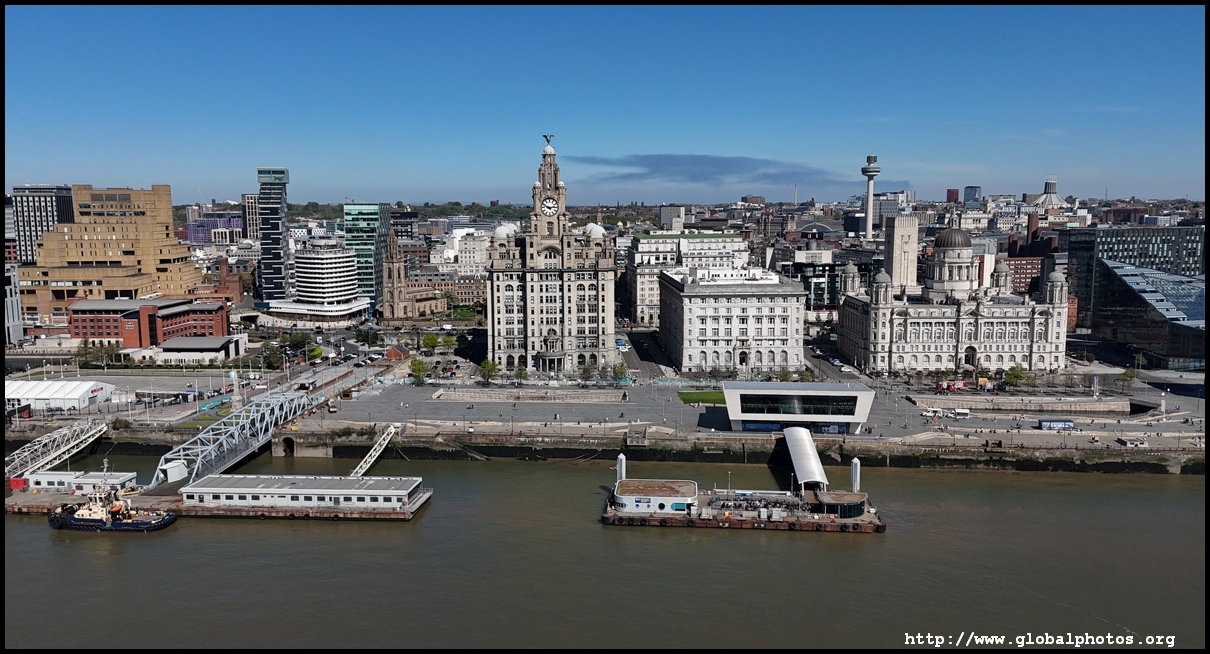
|
Aerial Views
|
To re-use these photos, please notify me by email : asiaglobe@yahoo.com.hk.