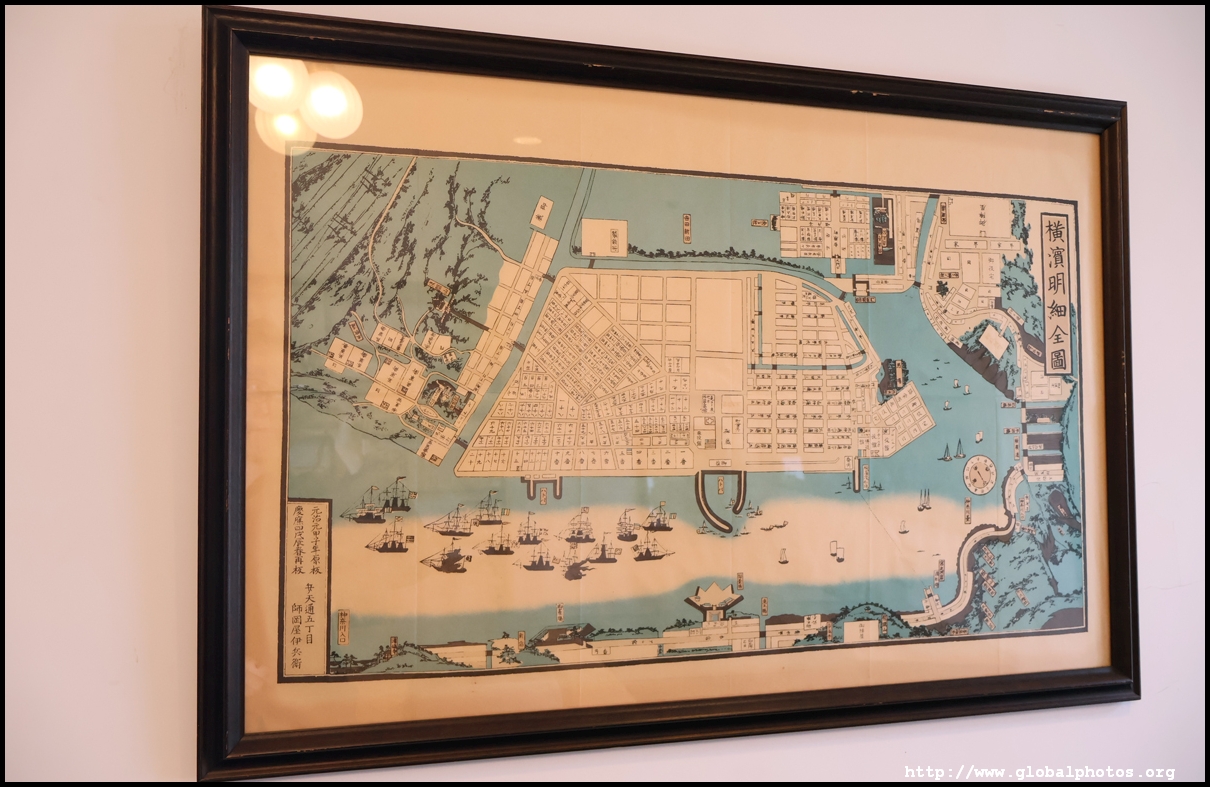
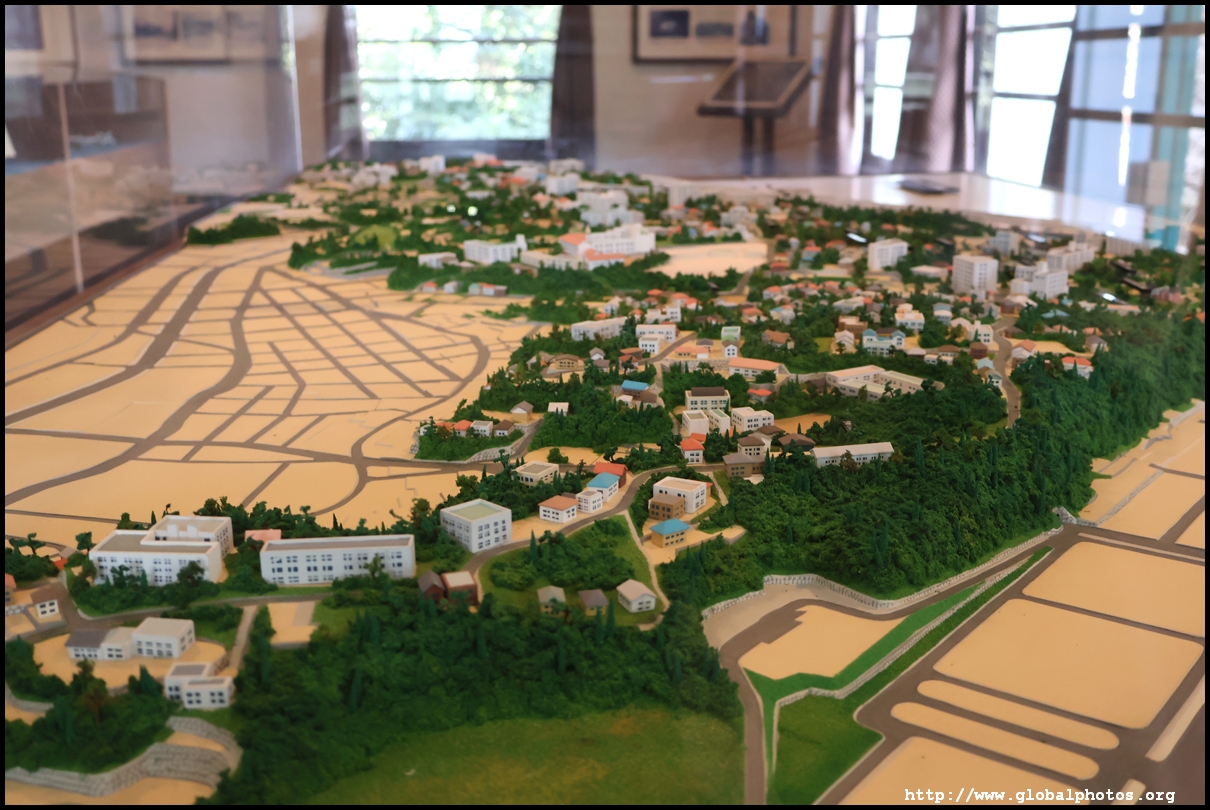
Perched on the hillsides just behind the city centre, Yamate was once home to many foreigners. The community grew after Yokohama opened to foreign trade in the 19th century.
Foreign residents preferred food from home. During the 1860s, farms to raise cows opened, and during the Meiji period, ham production was established and Western vegetables were grown. Construction of the community peaked by the late 1890s.
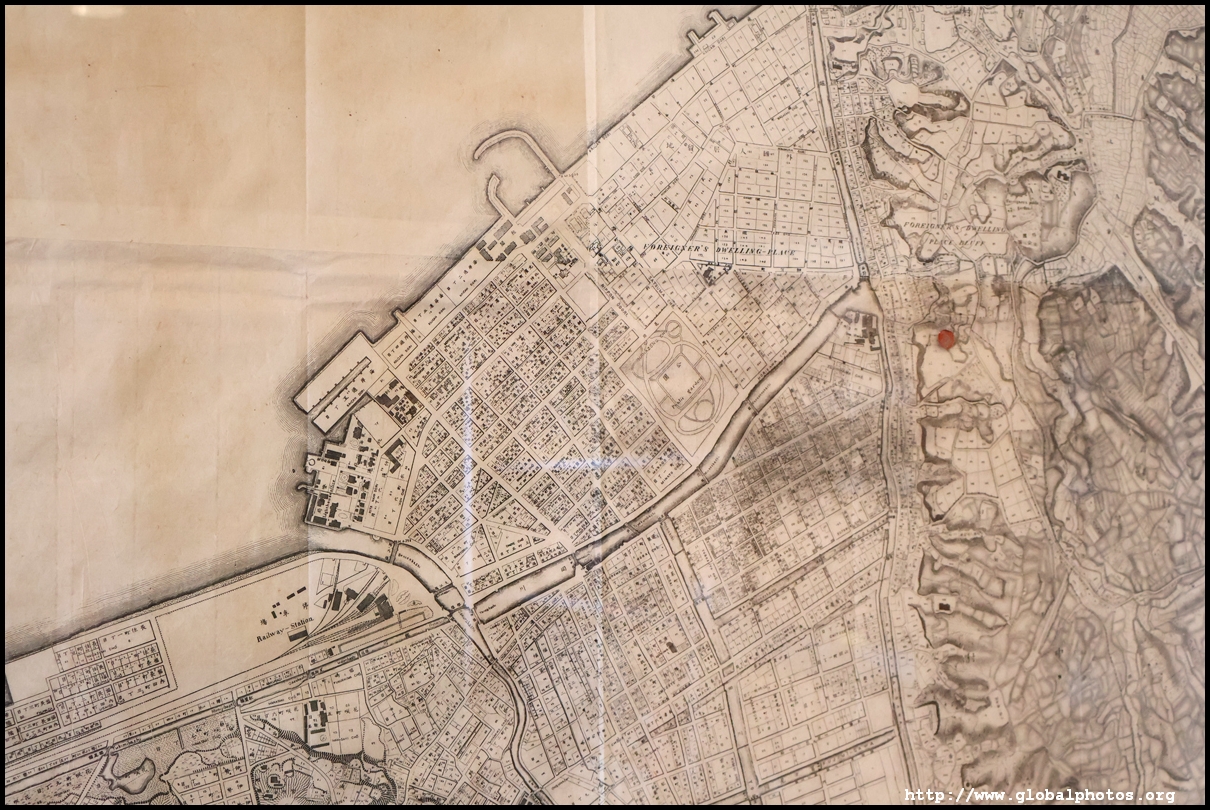
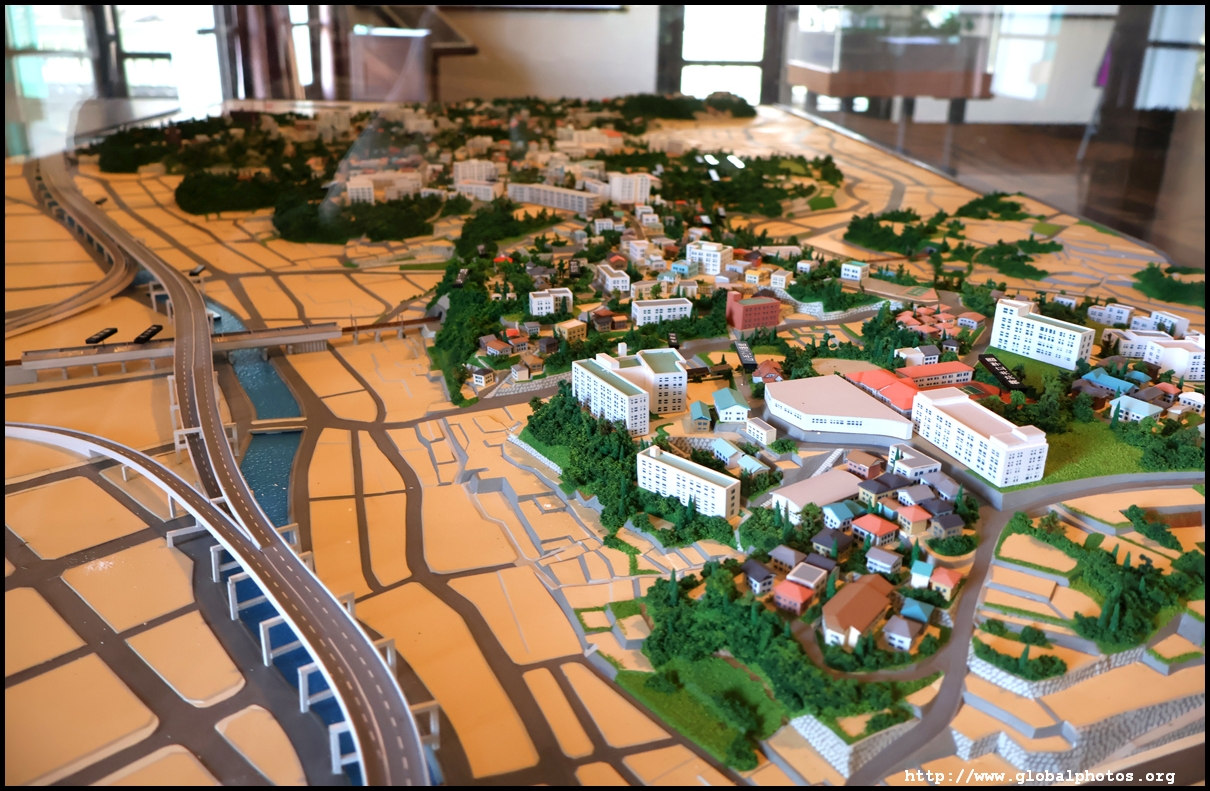
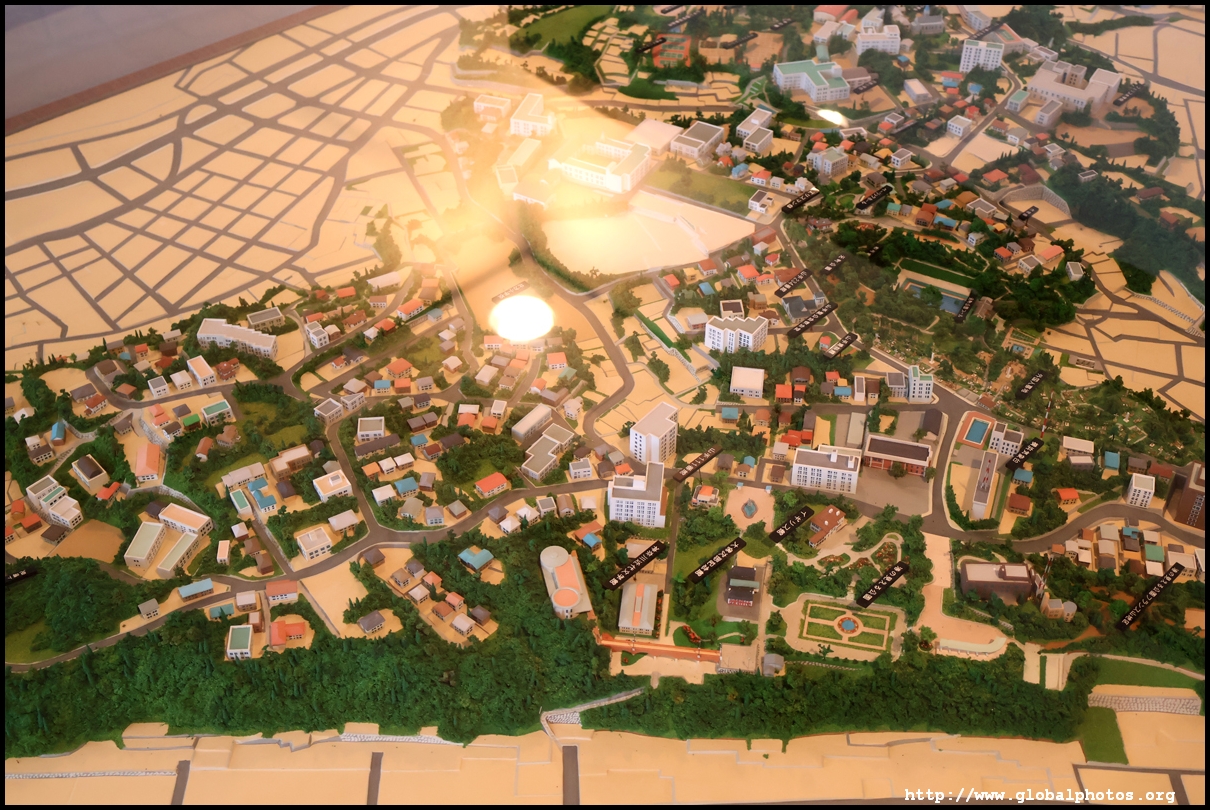
Drop by the tourist information centre and pick up a map of the Western-style buildings in the district (a zoomed in version of this map). It has a suggested walking route that will cover off the major highlights. Budget half a day to complete, since you can go inside many buildings for free.
From the edge of Chinatown, I headed uphill to my first stop - Bluff 18, which was a residence built after the Great Earthquake. Following World War II, it was owned by the Roman Catholic Church and used as the Bishop's residence until 1991, and the house was moved here in 1993.
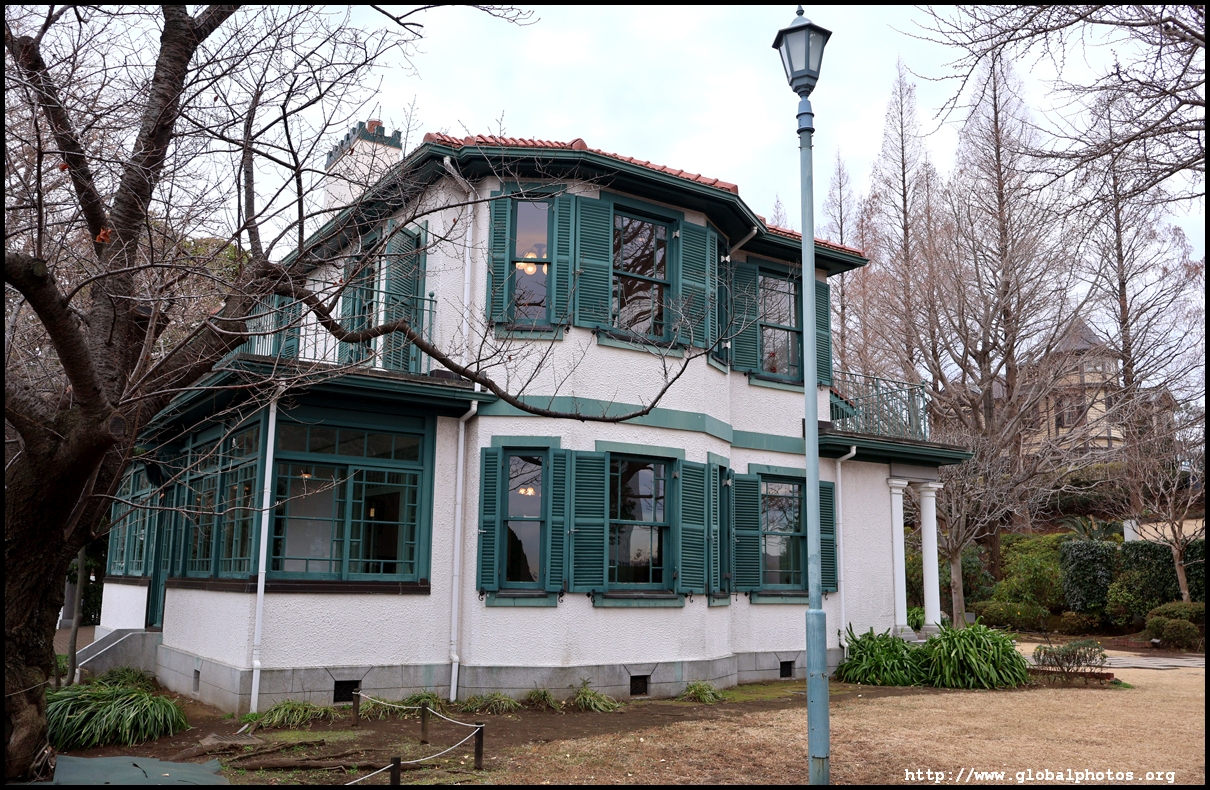
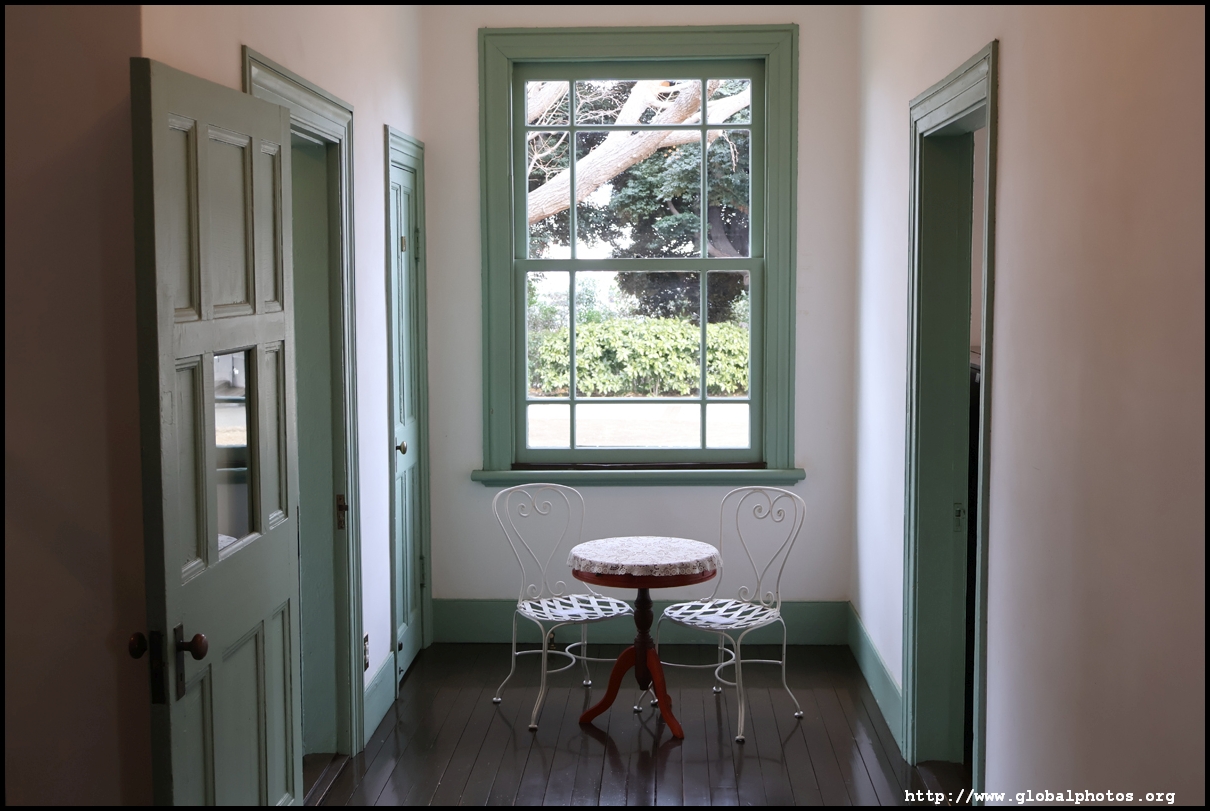
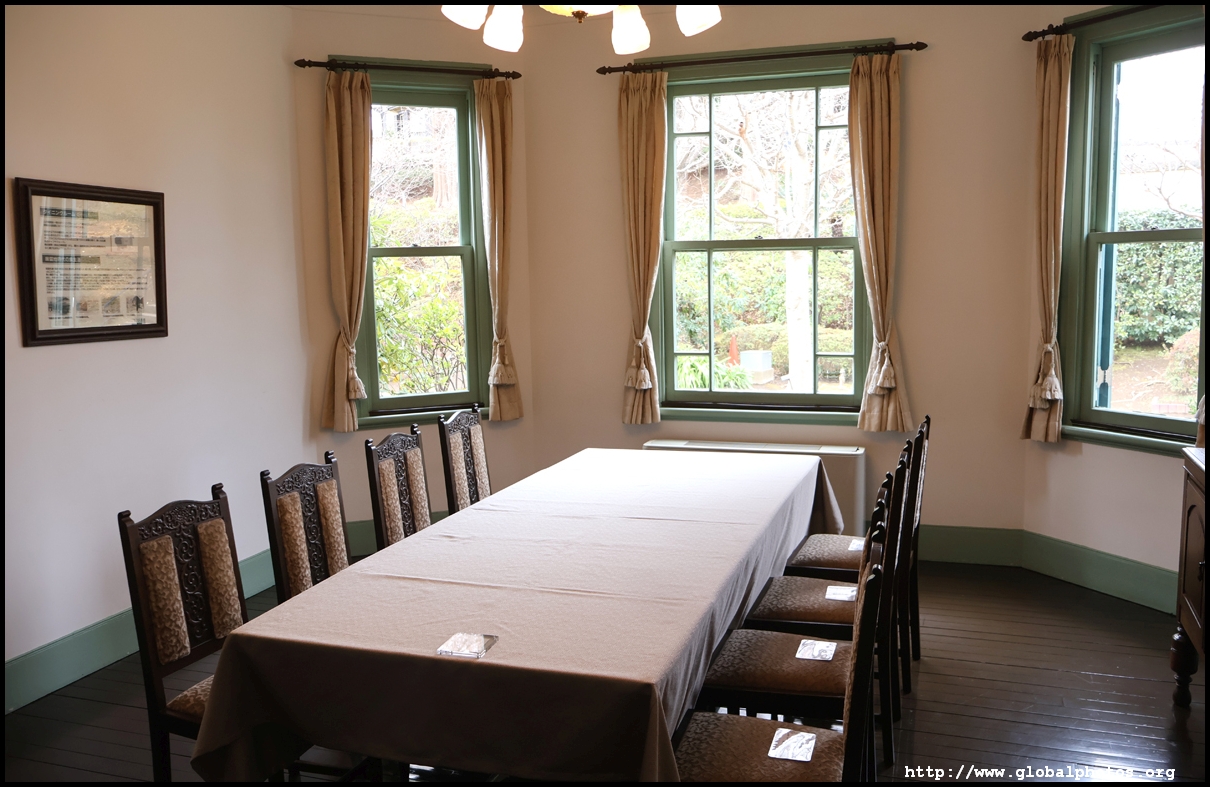
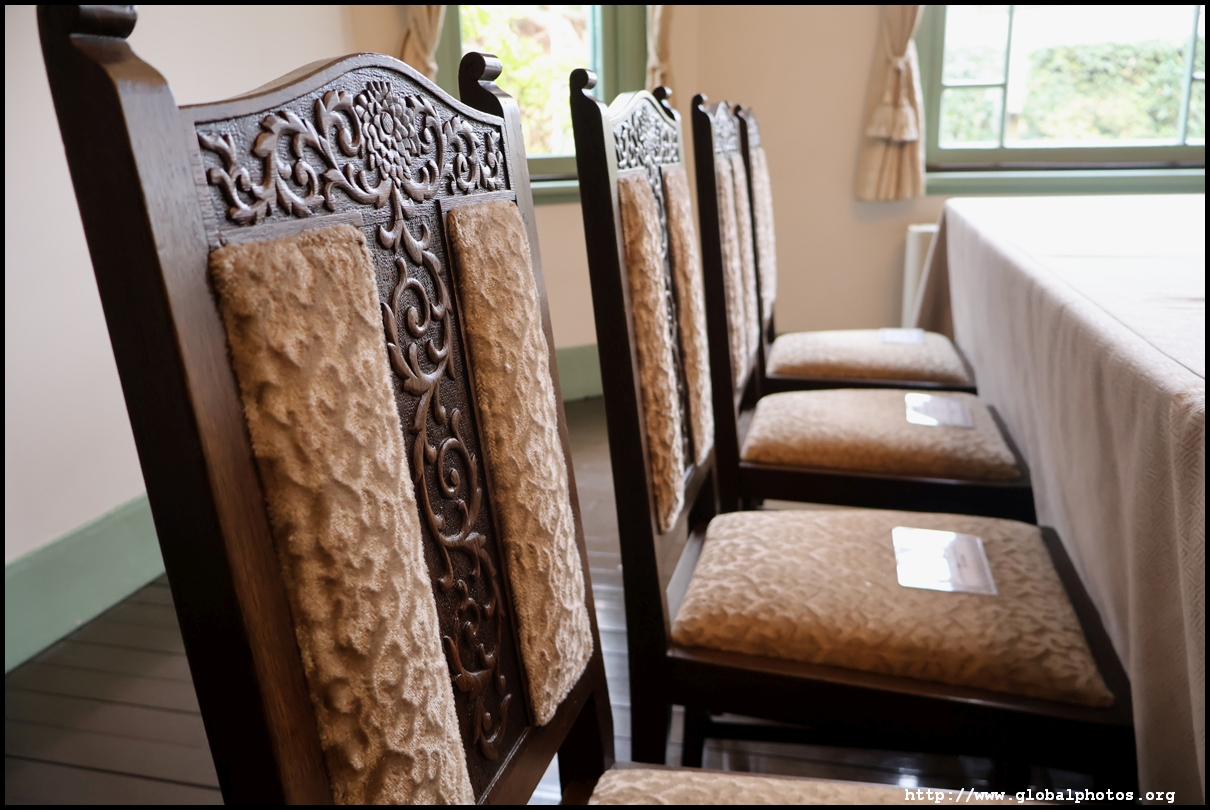
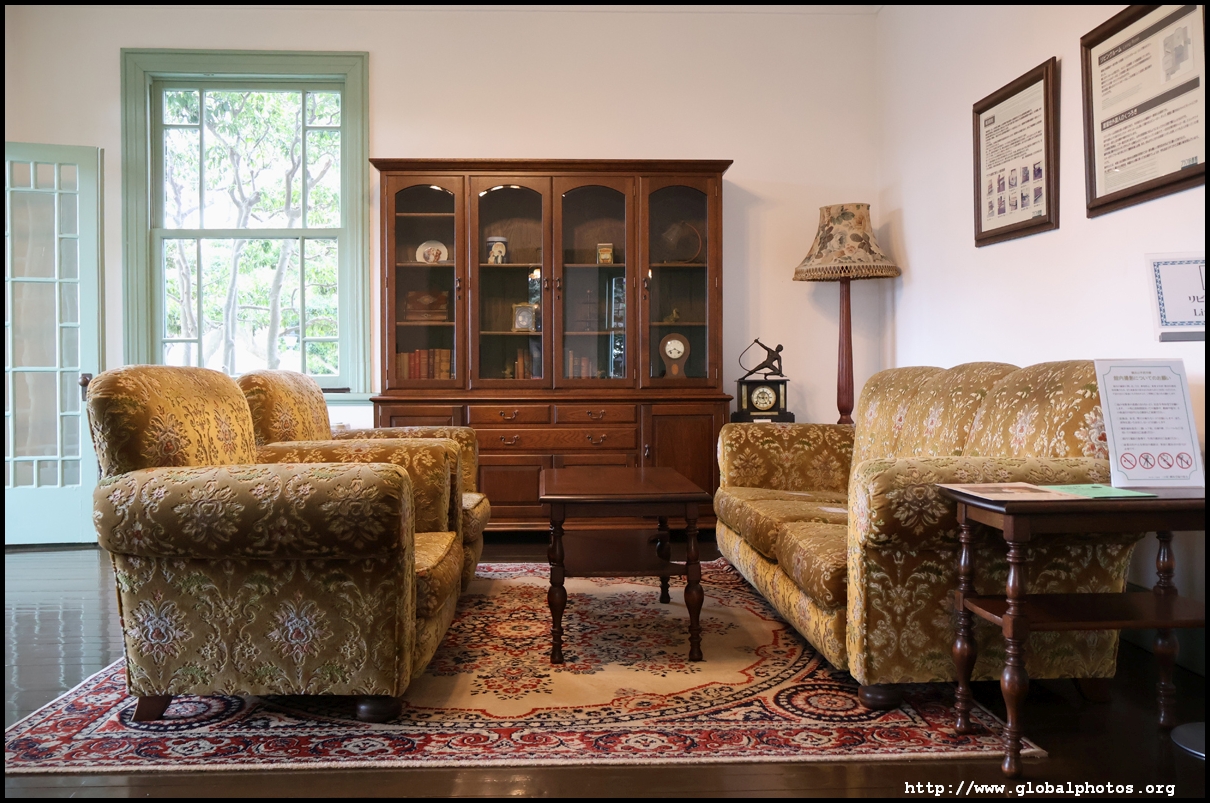
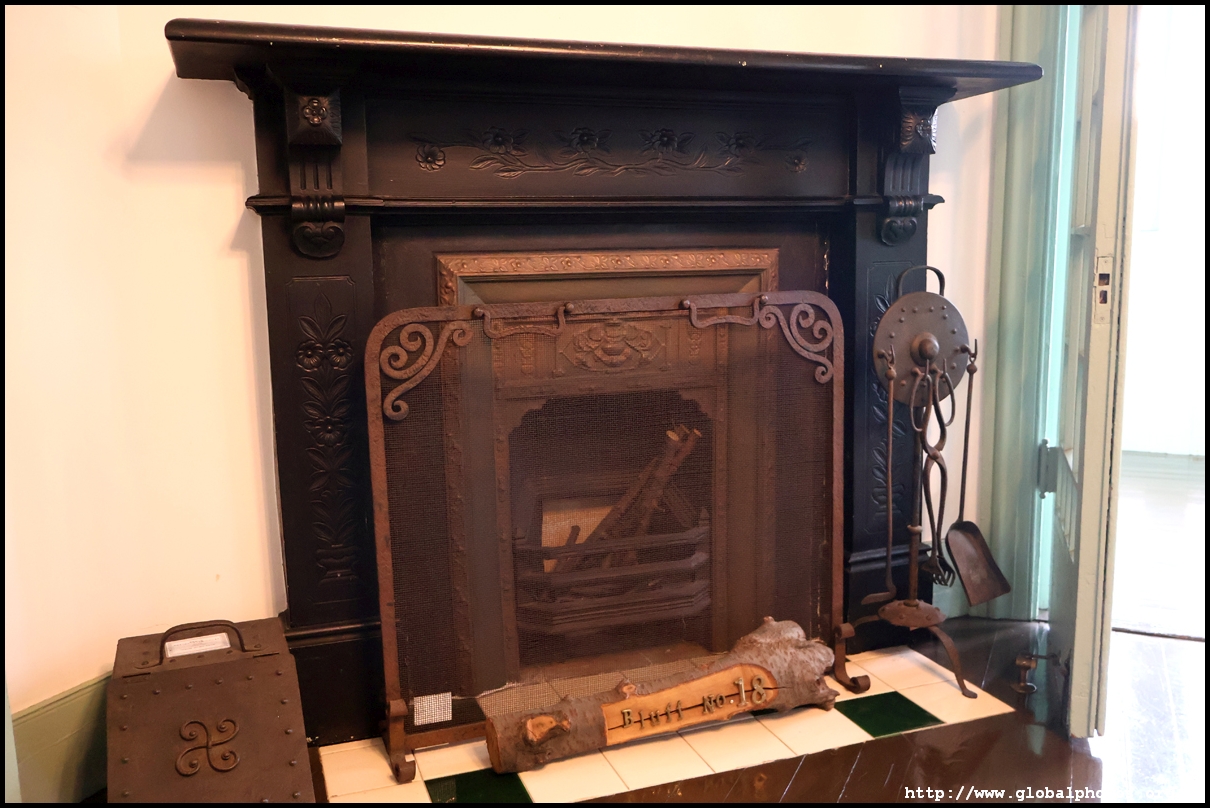
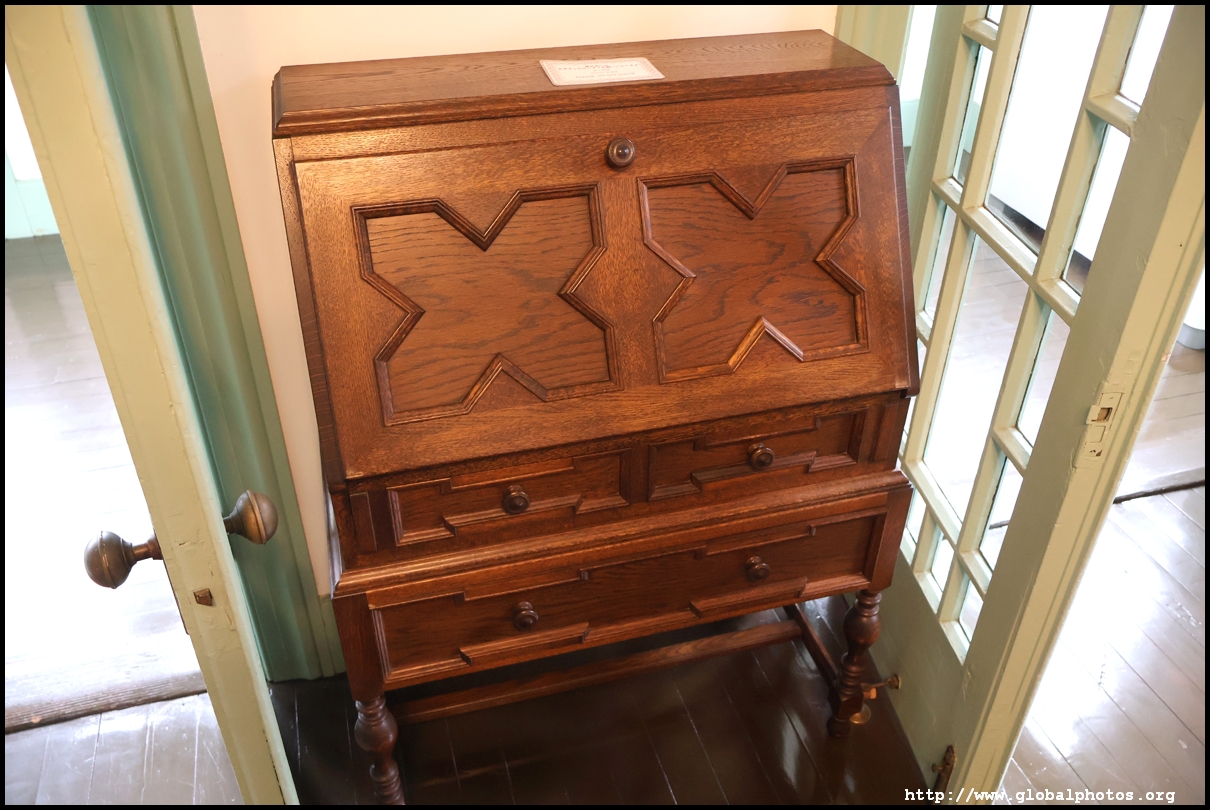
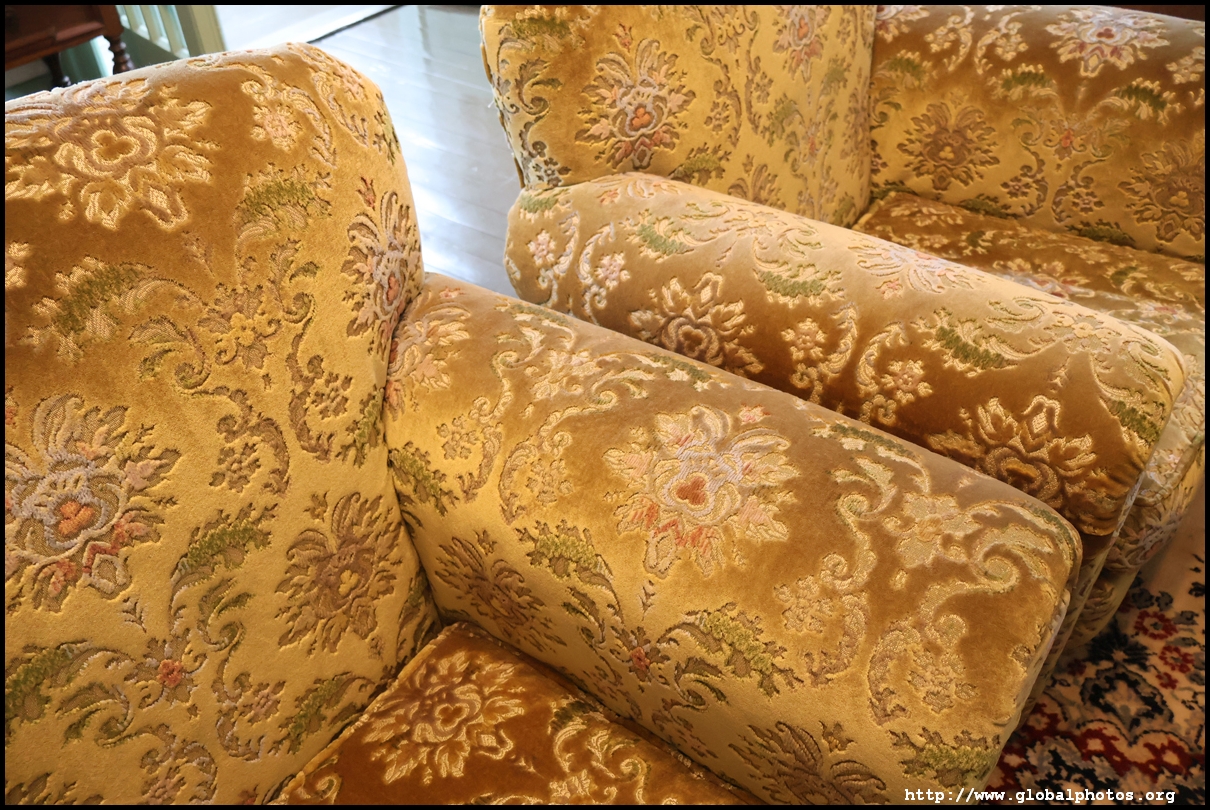
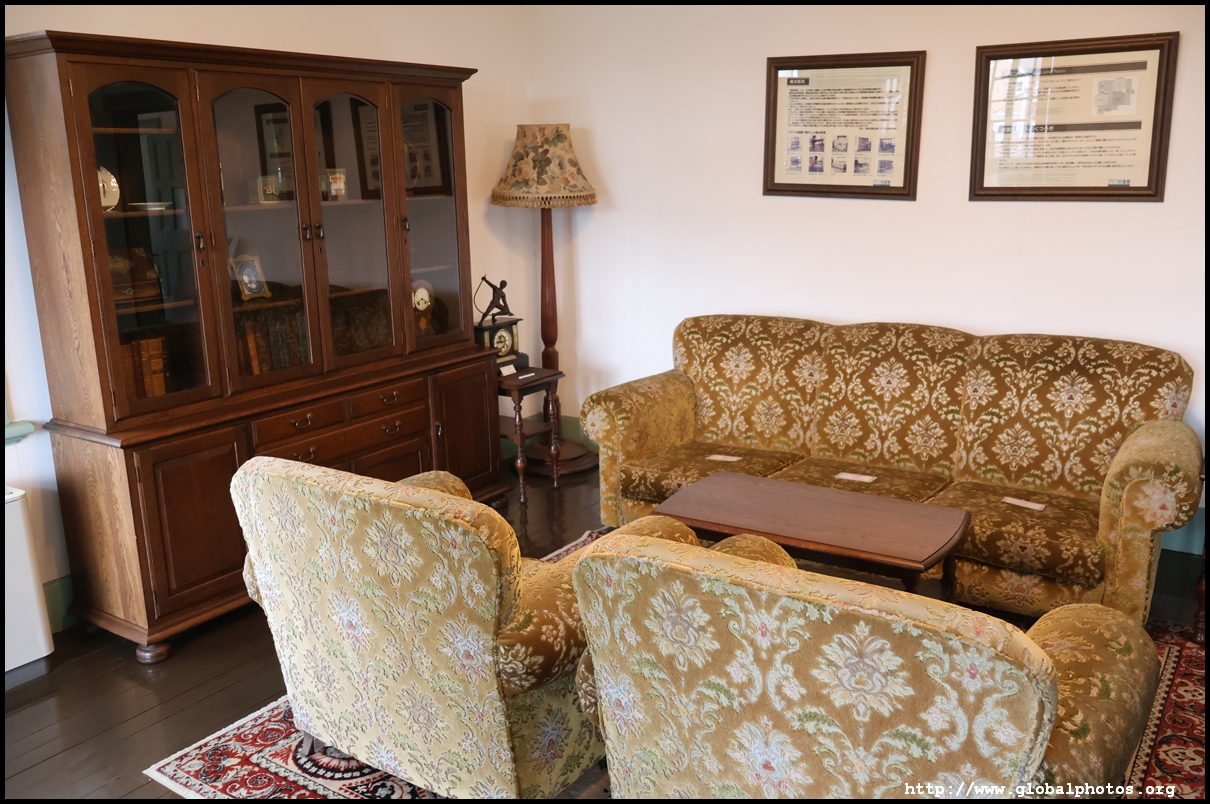
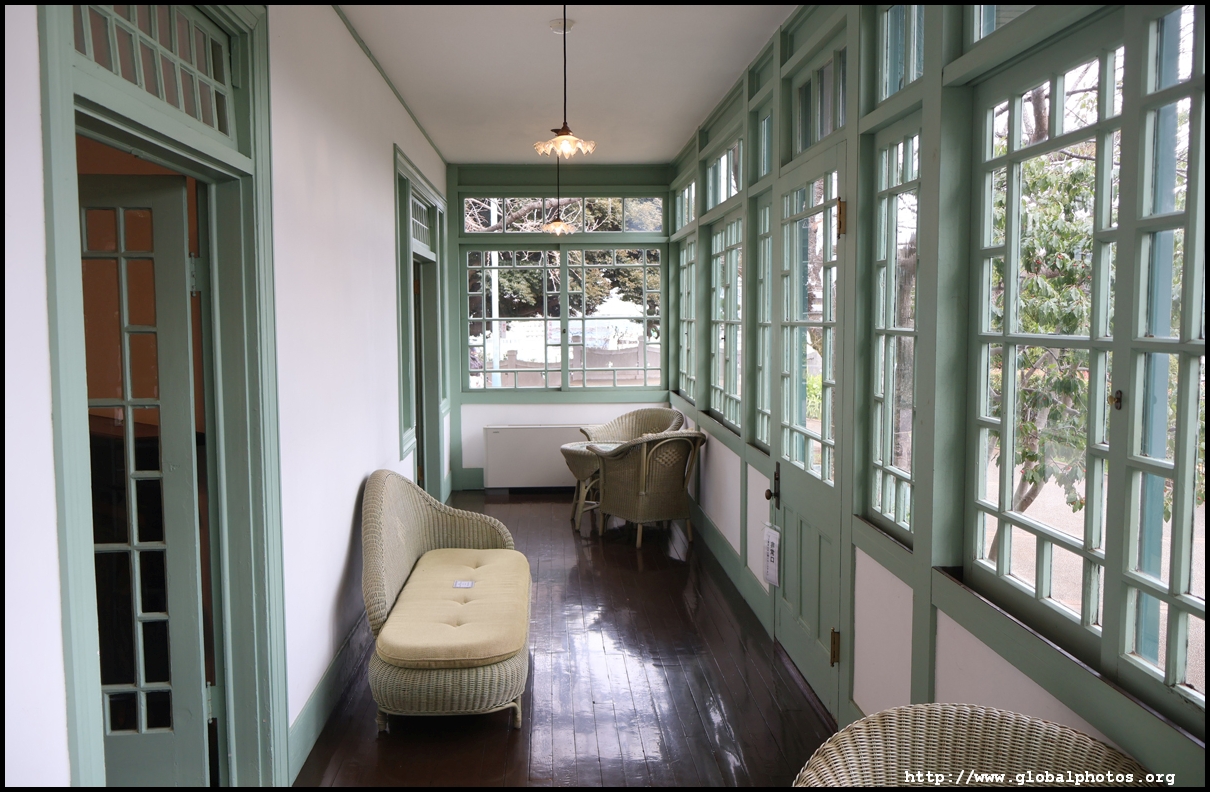
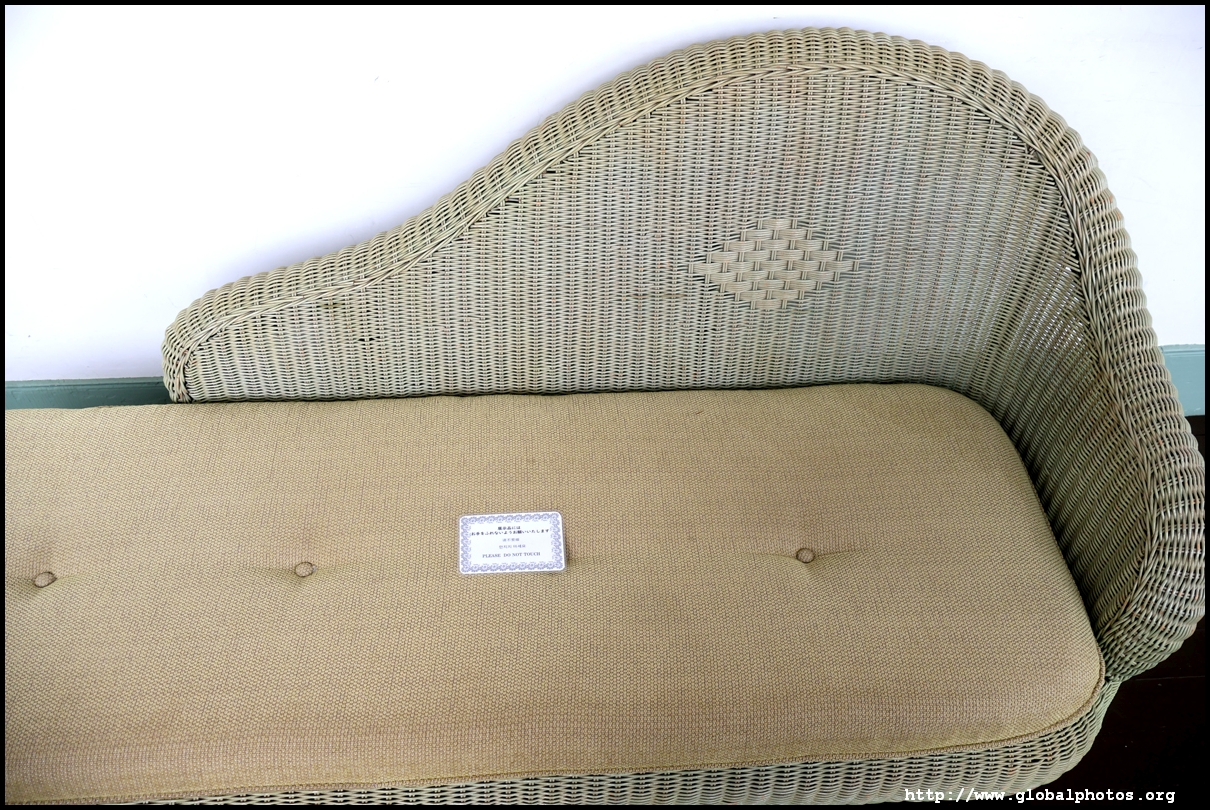
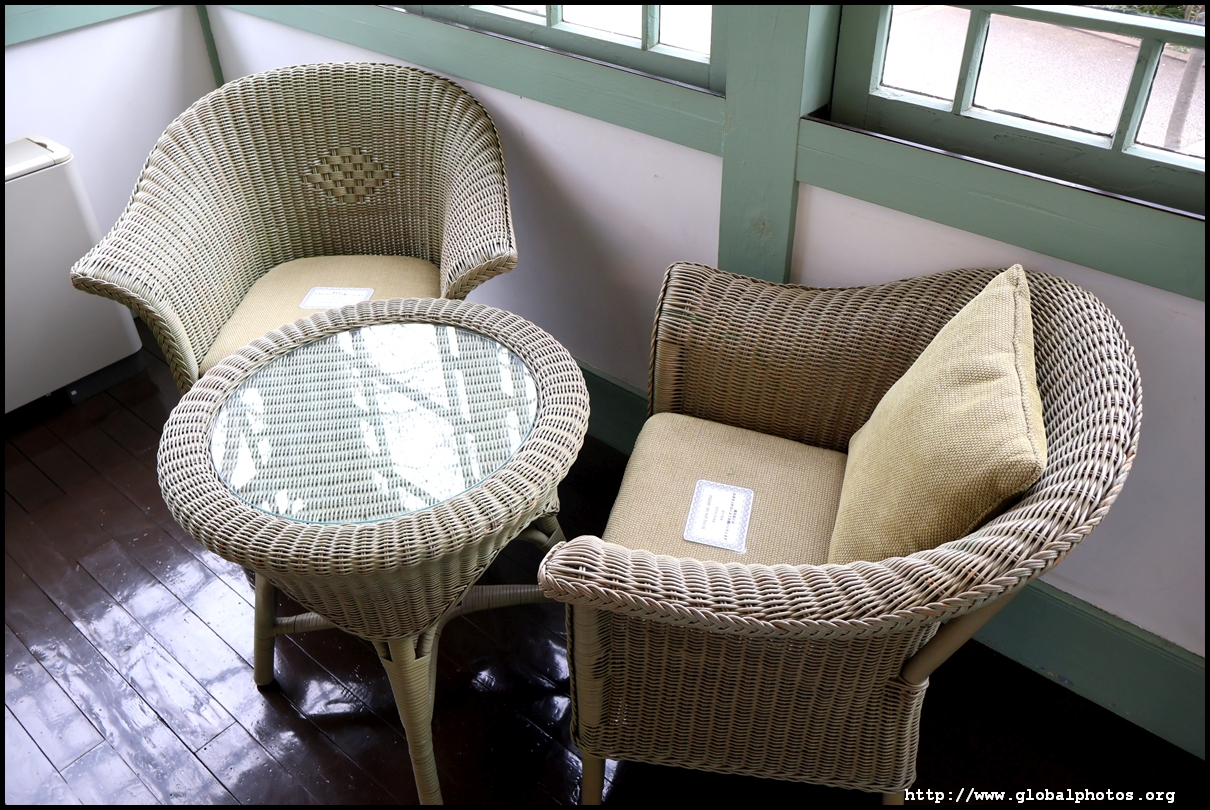
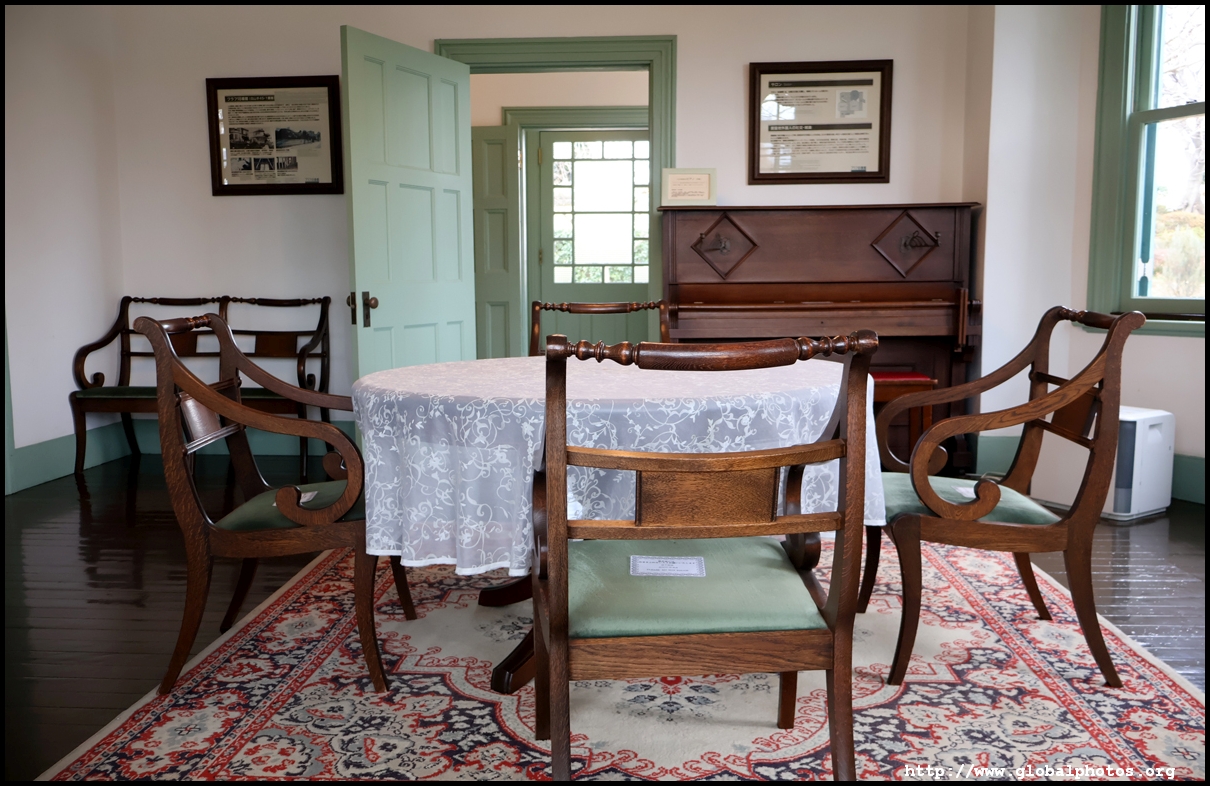
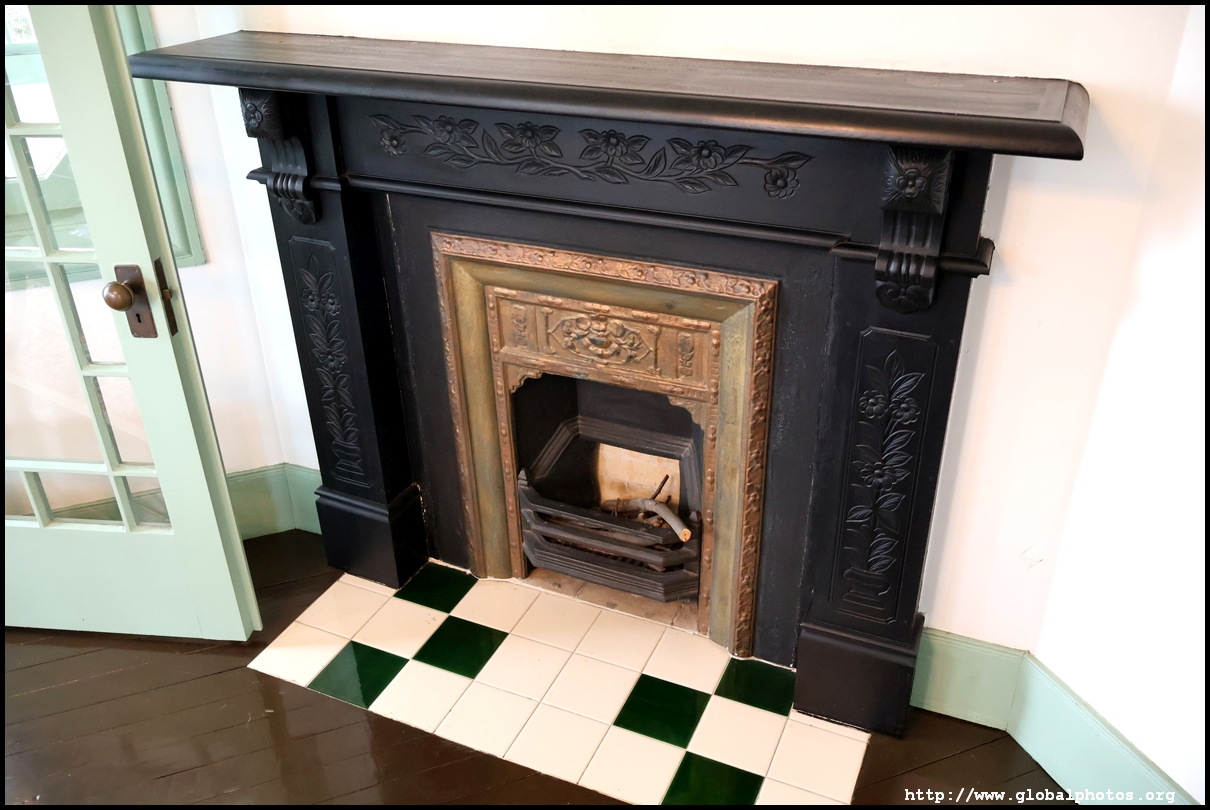
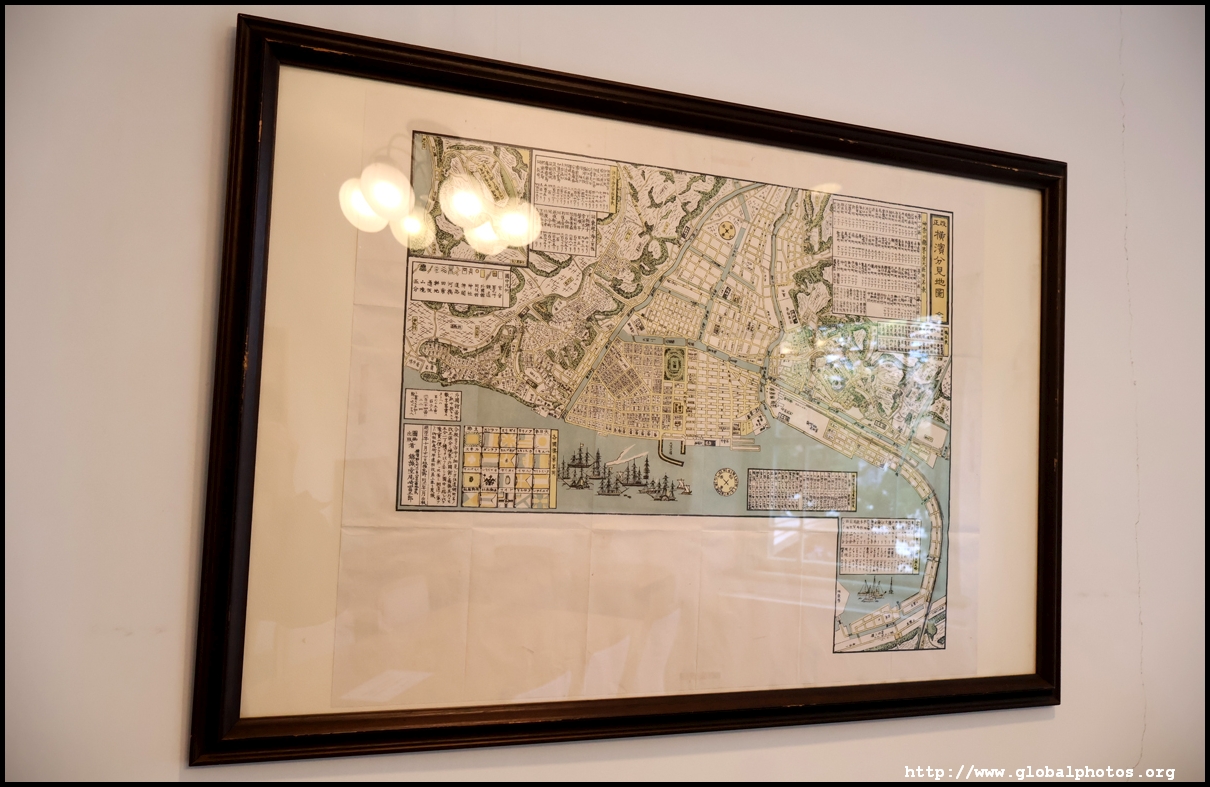
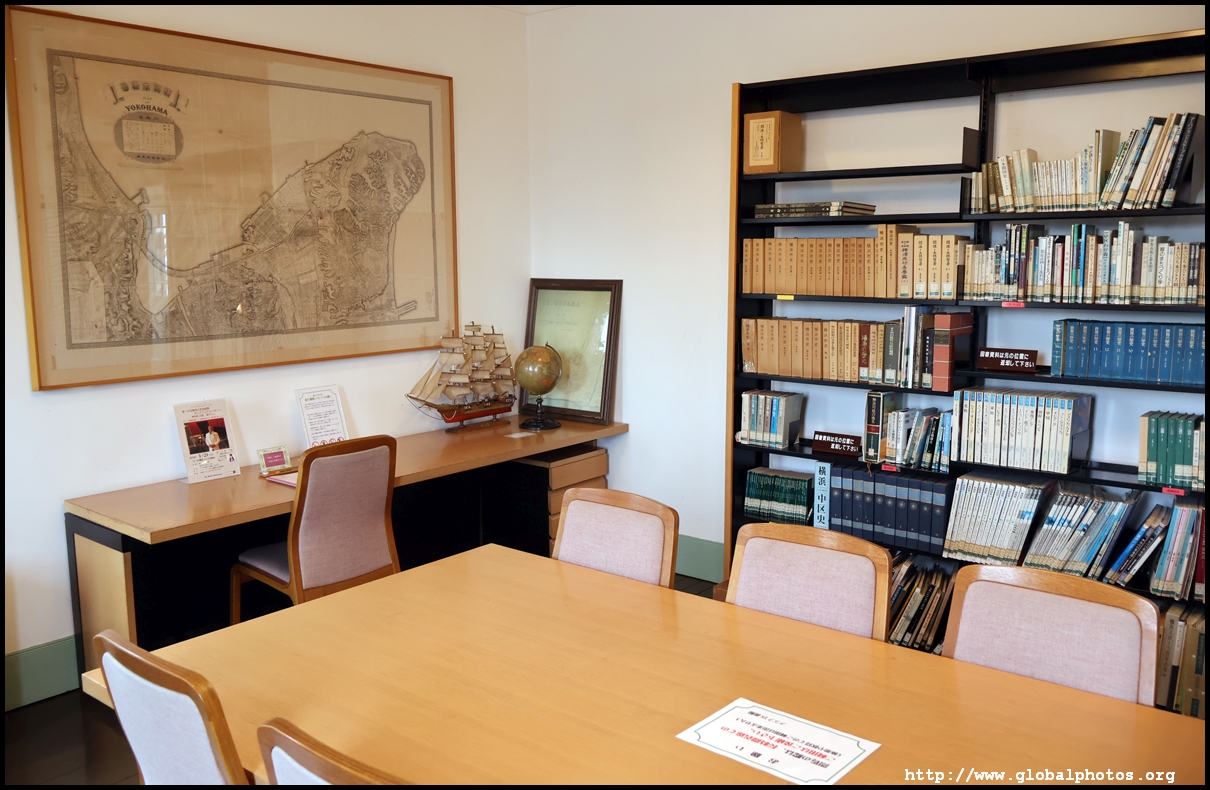
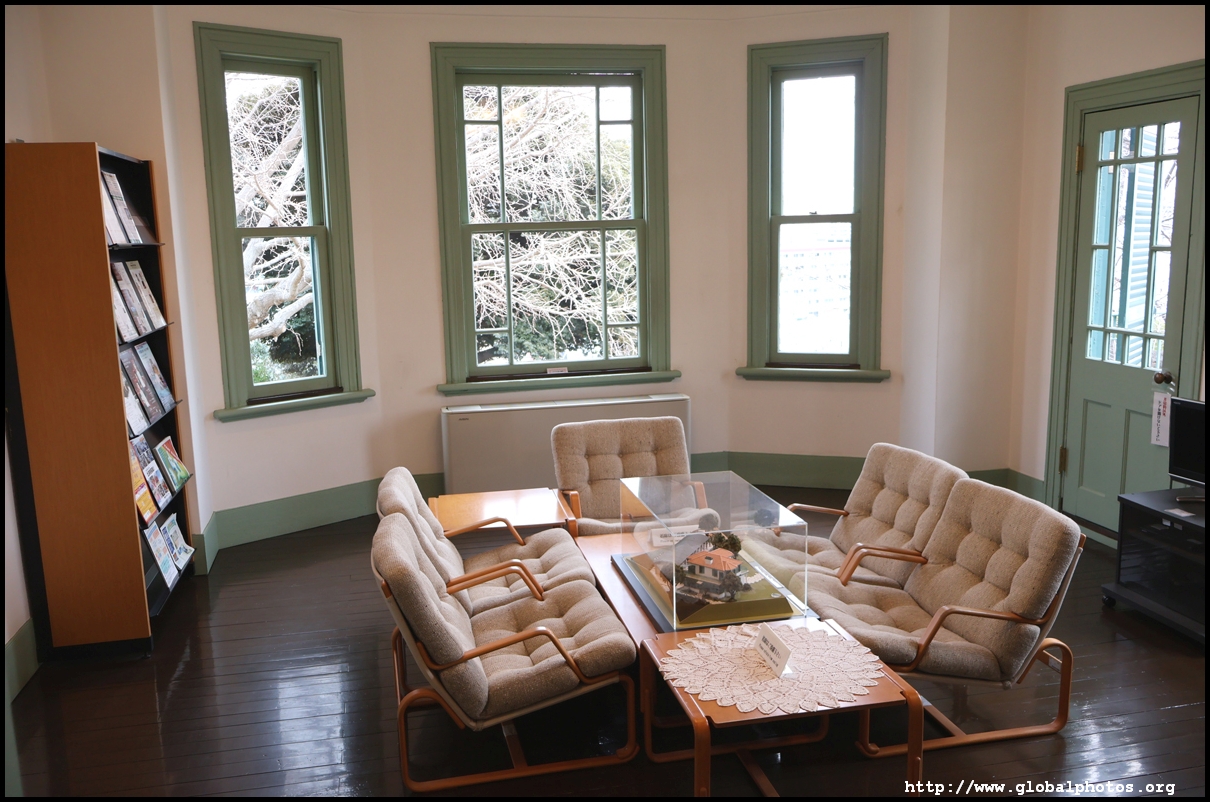
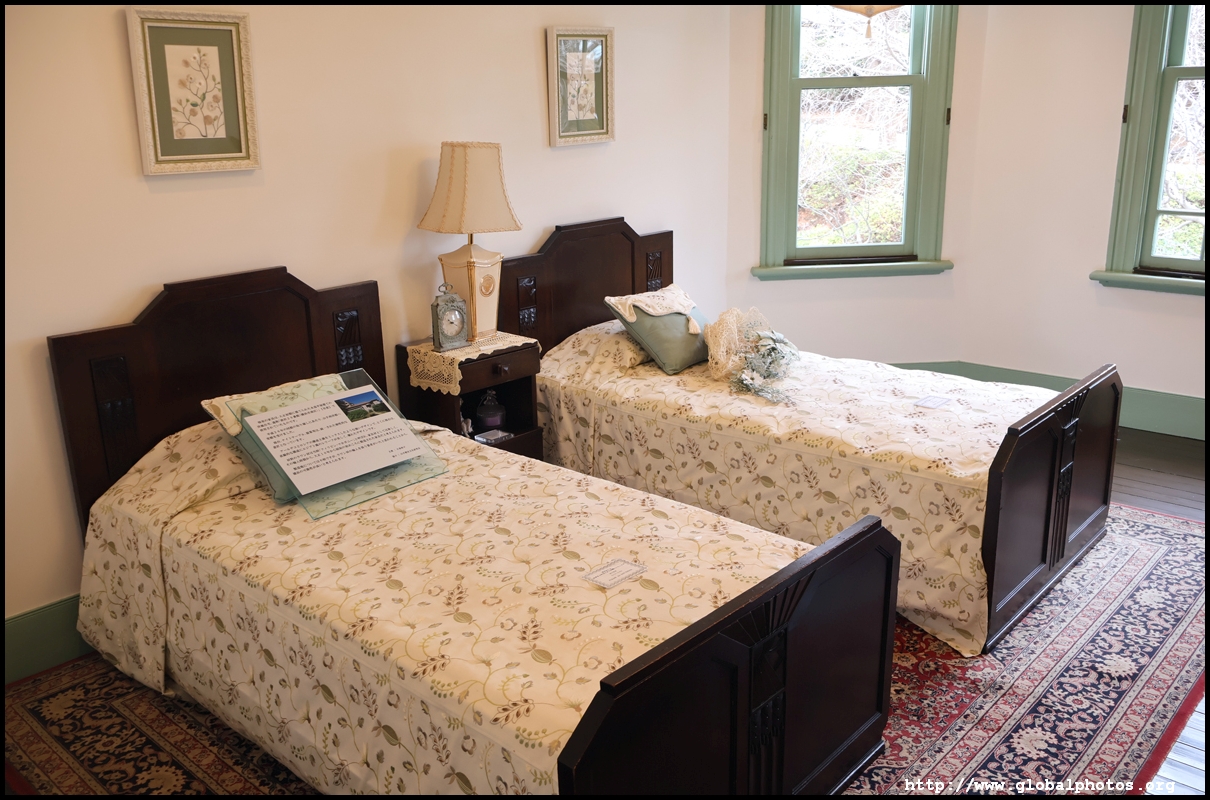
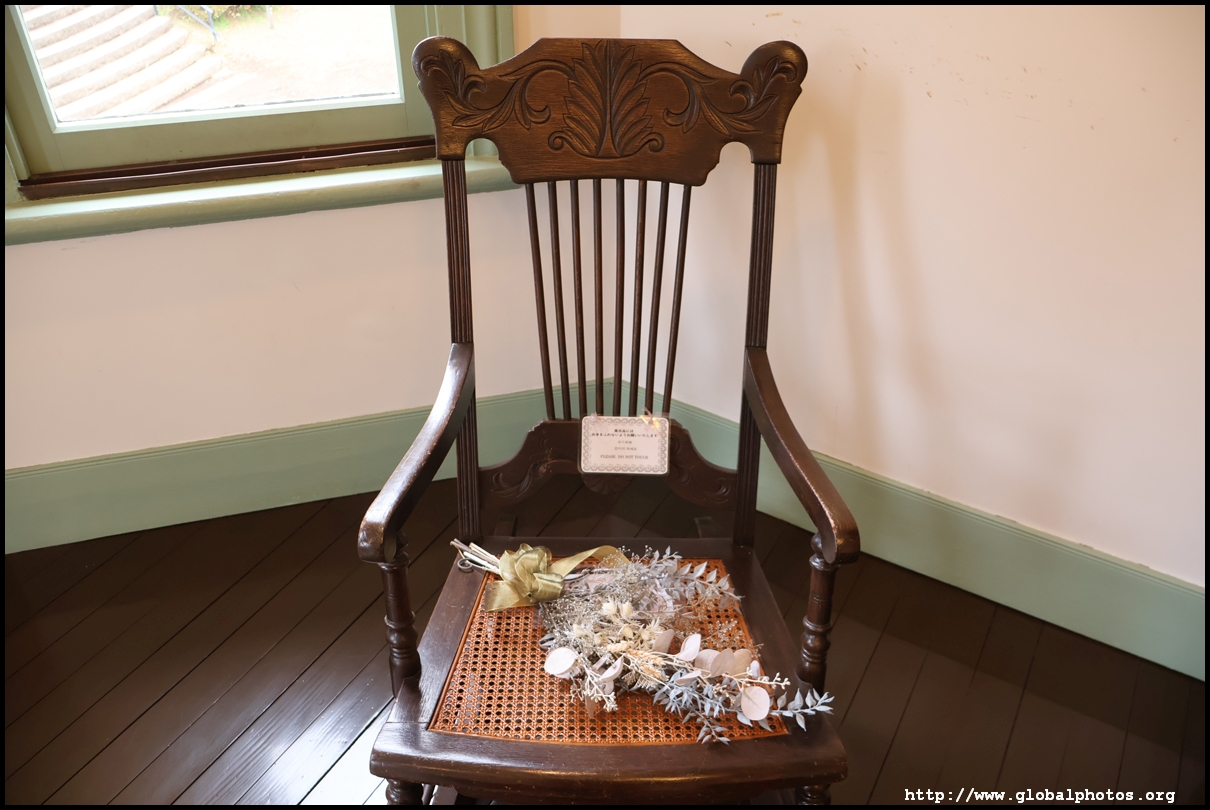
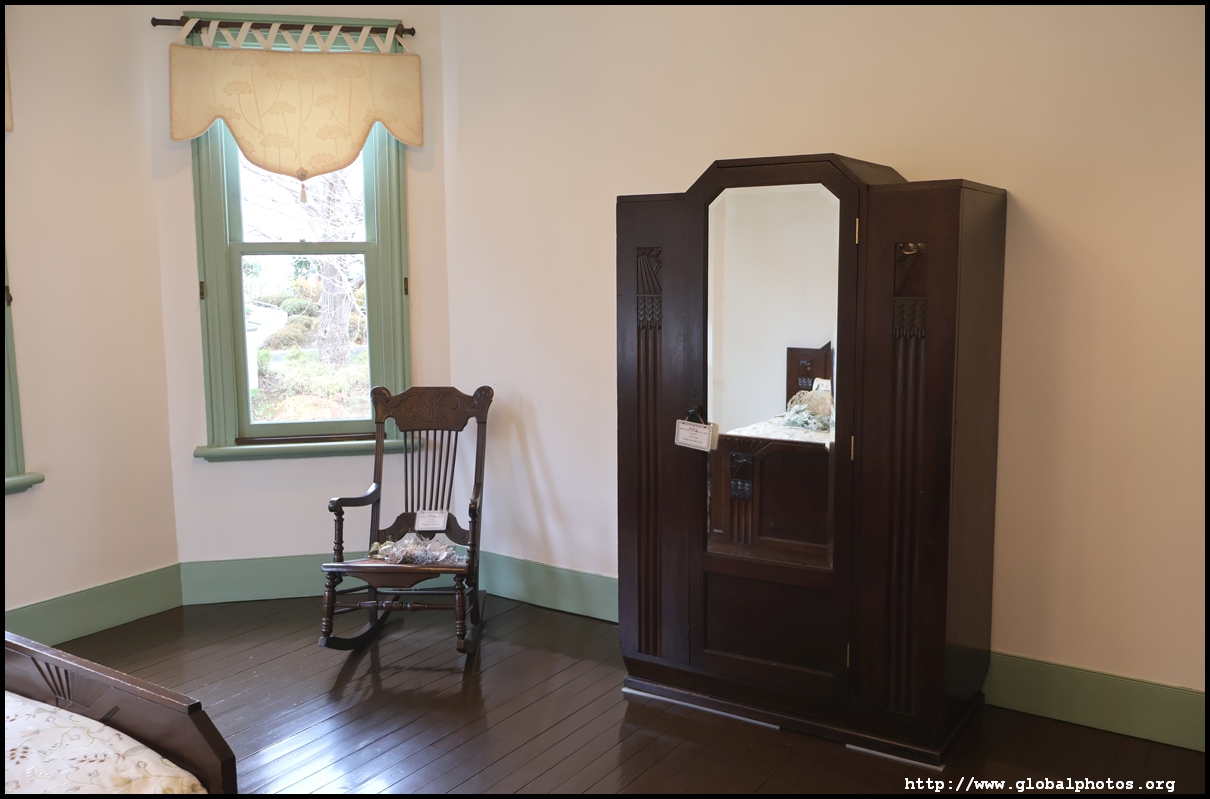
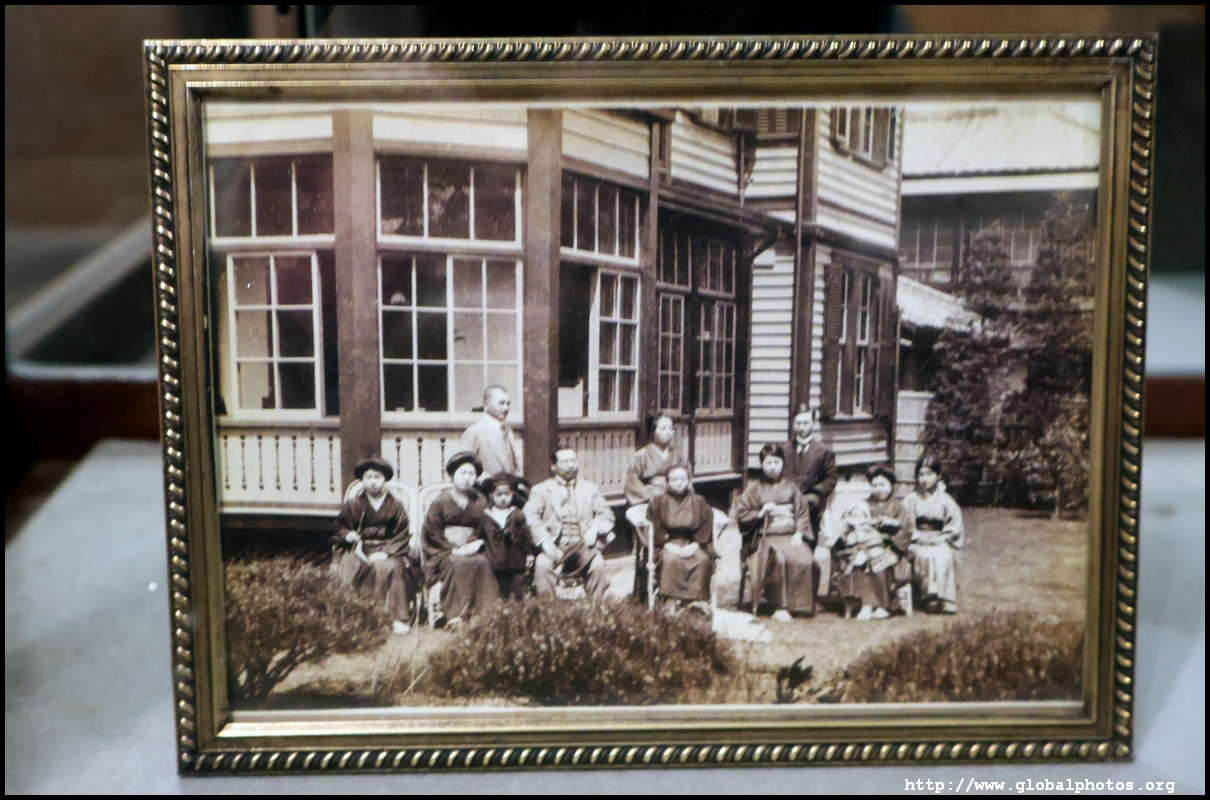
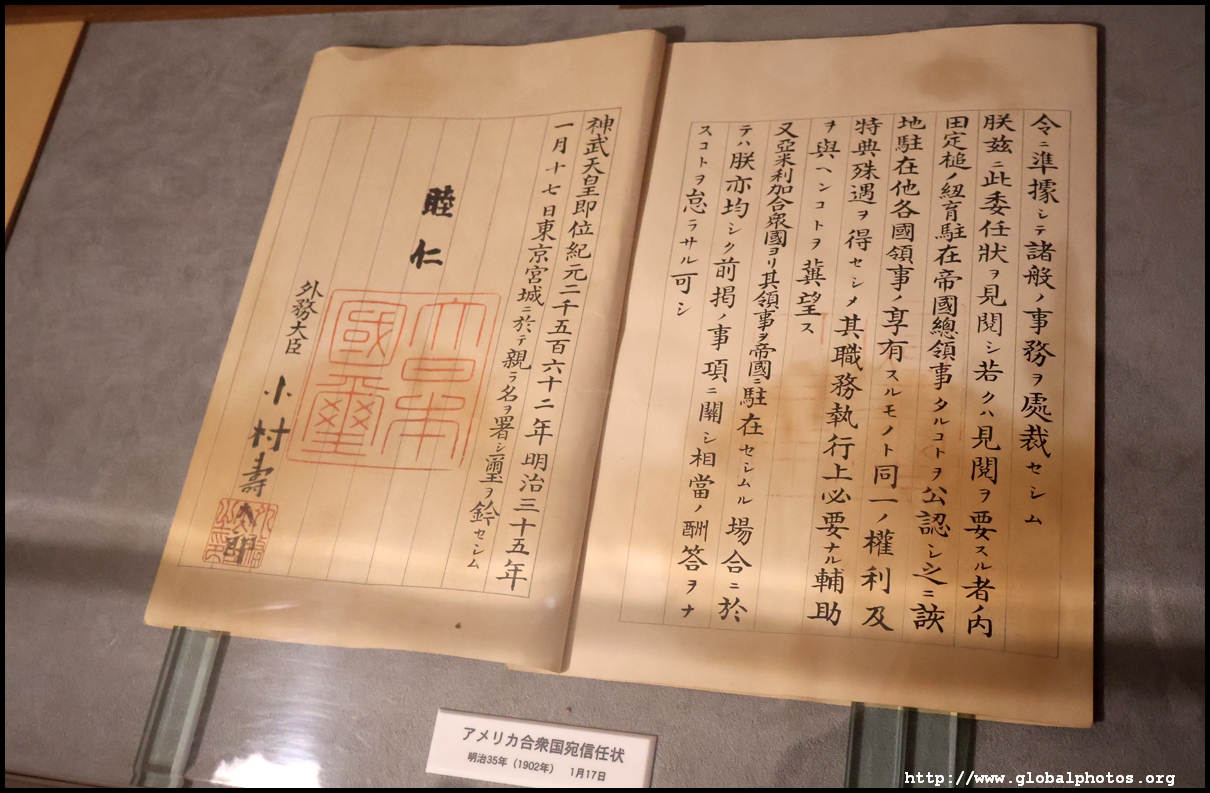
Next door is the Home of a Diplomat, which was designed by American architect J. M. Gardiner and home to a Meiji government diplomat. It was originally built in Shibuya and moved here in 1997. Uchida Sadatsuchi served in Shanghai, Seoul, and New York, retiring in 1924.
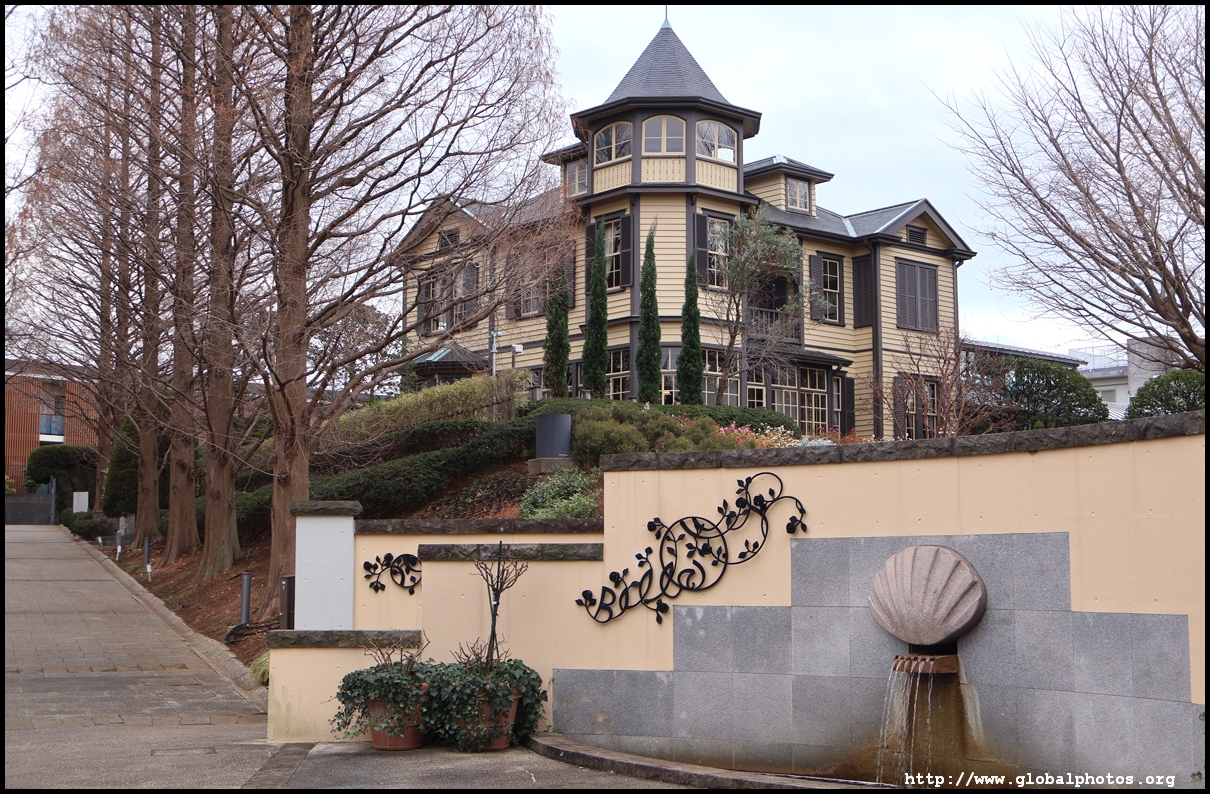
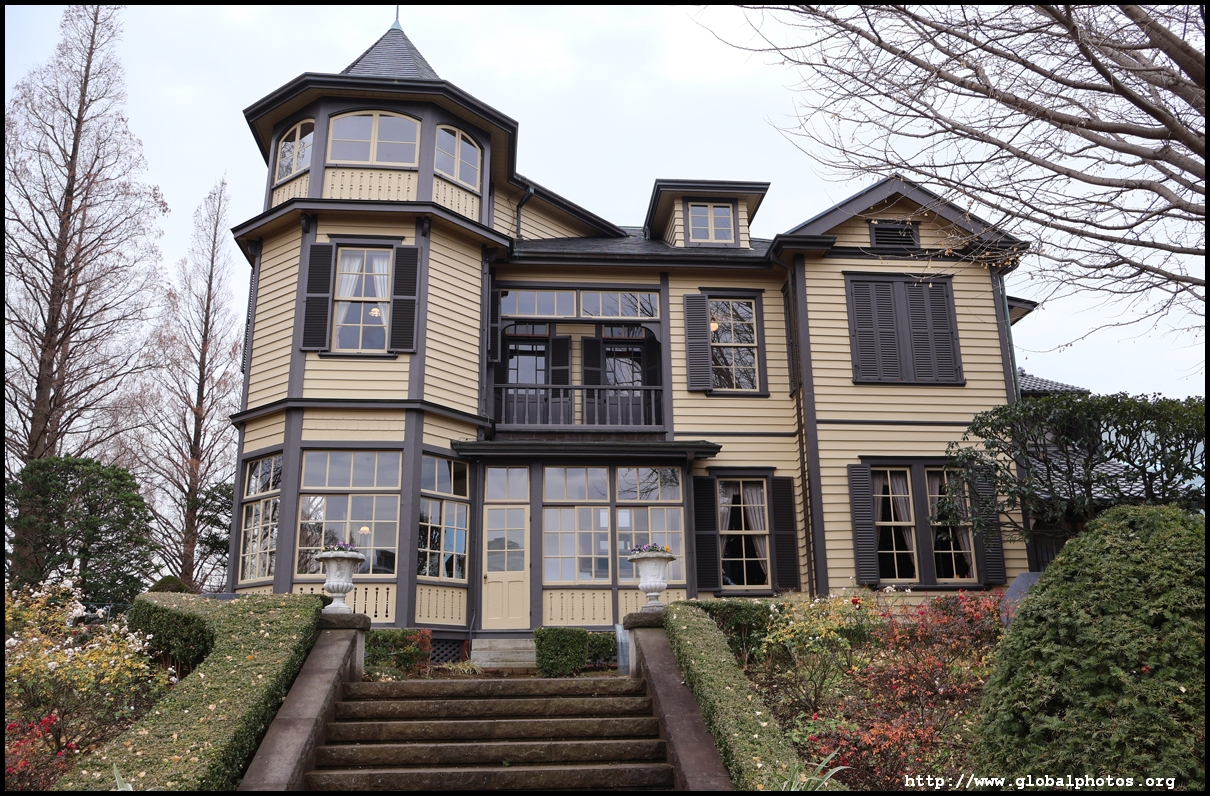
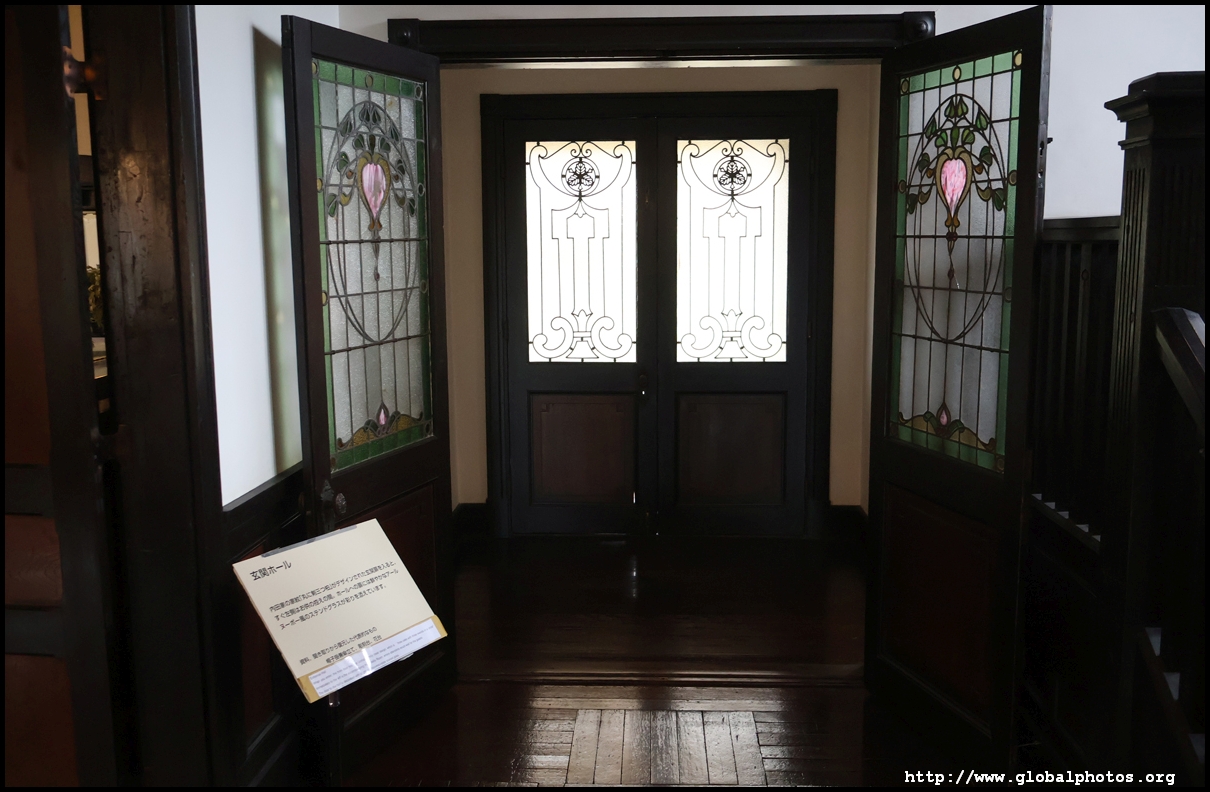
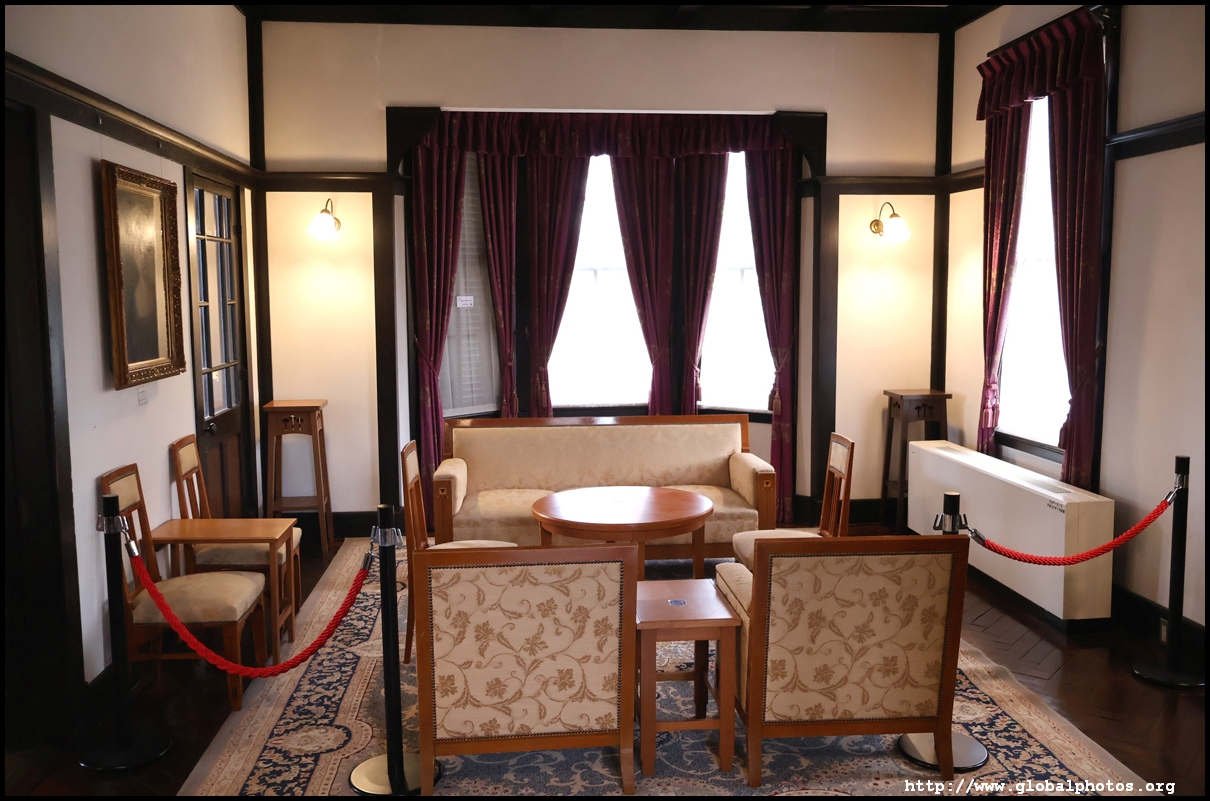
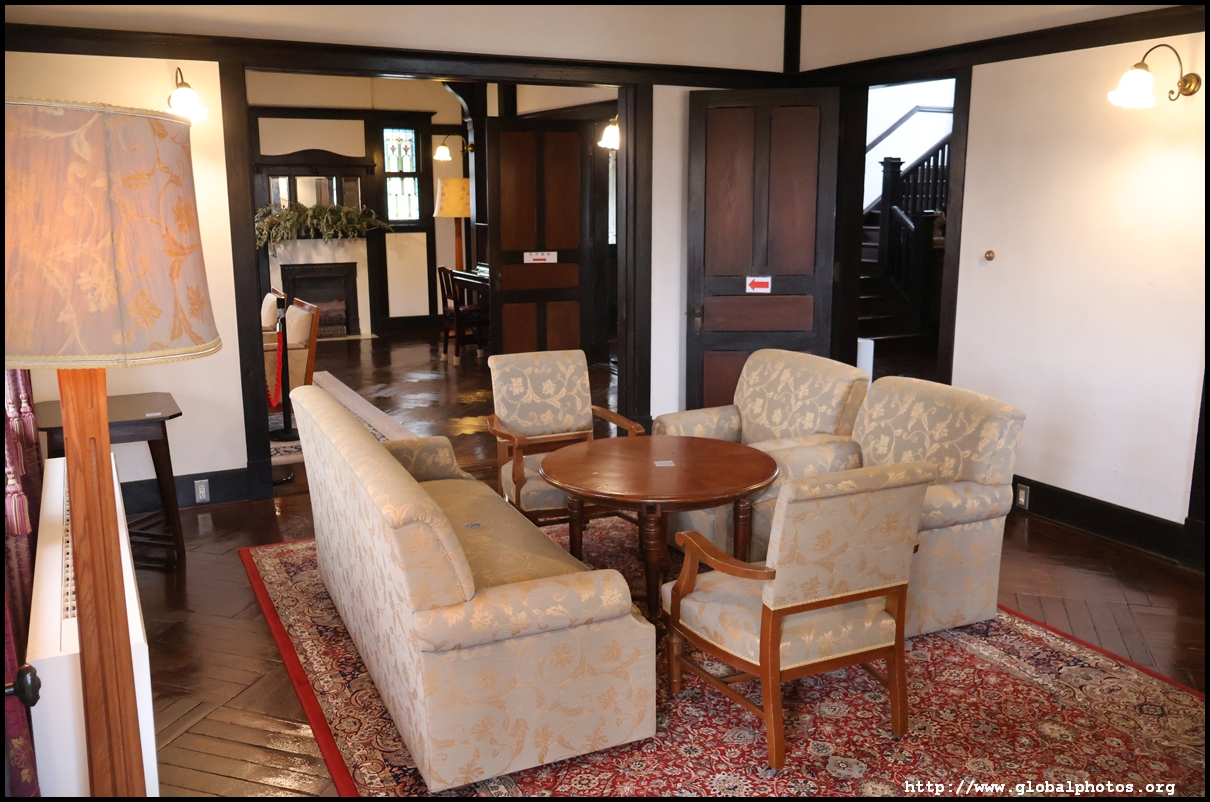
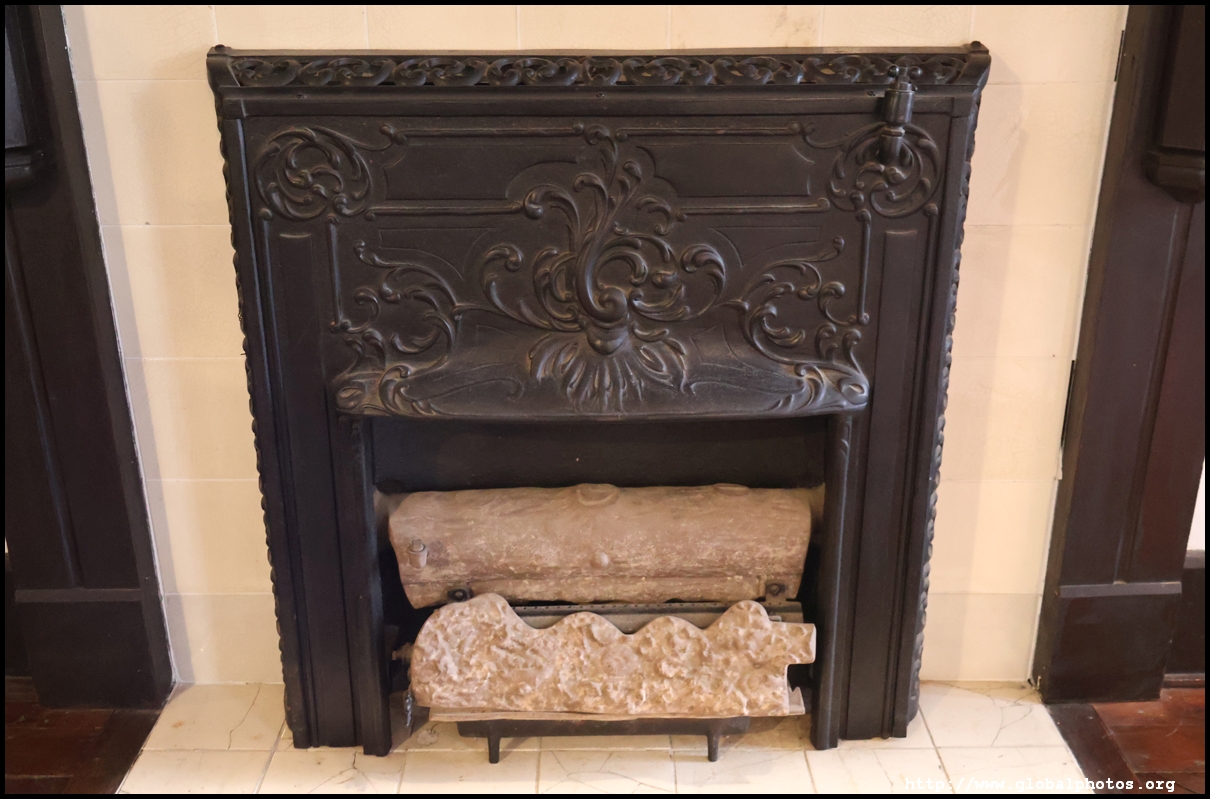
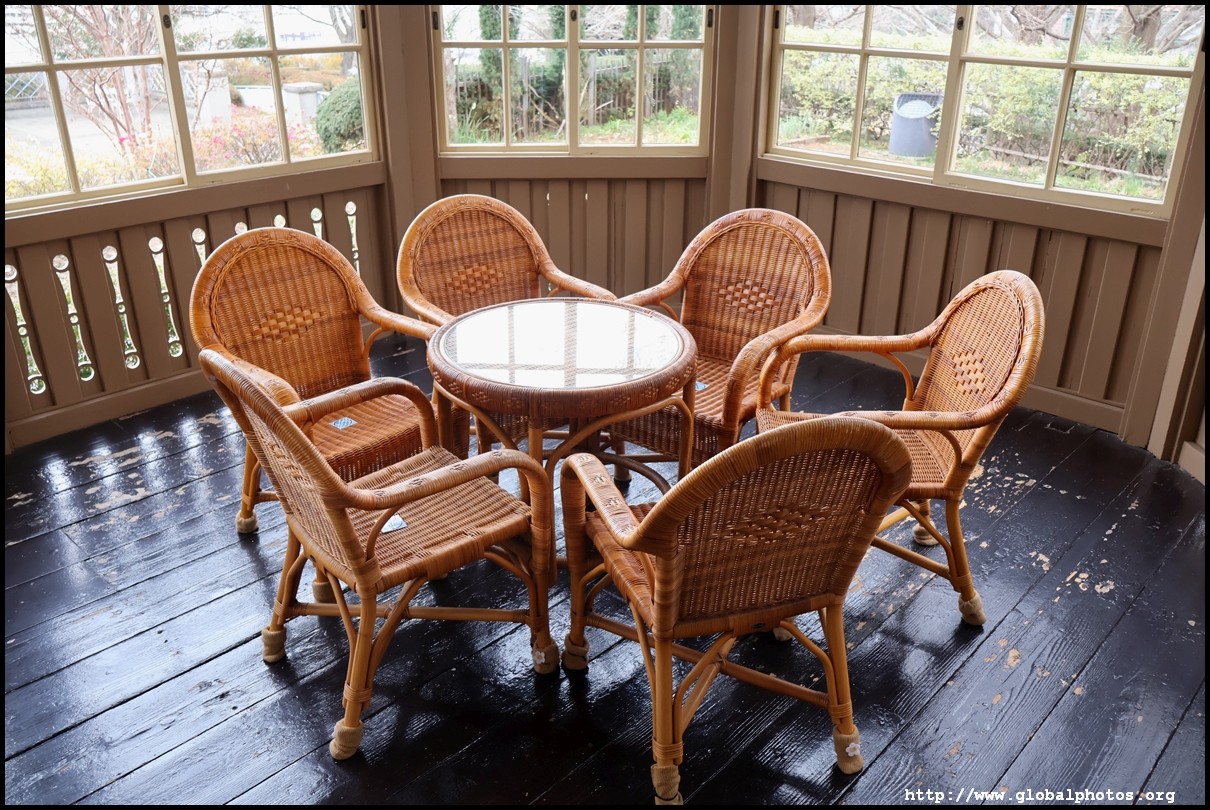
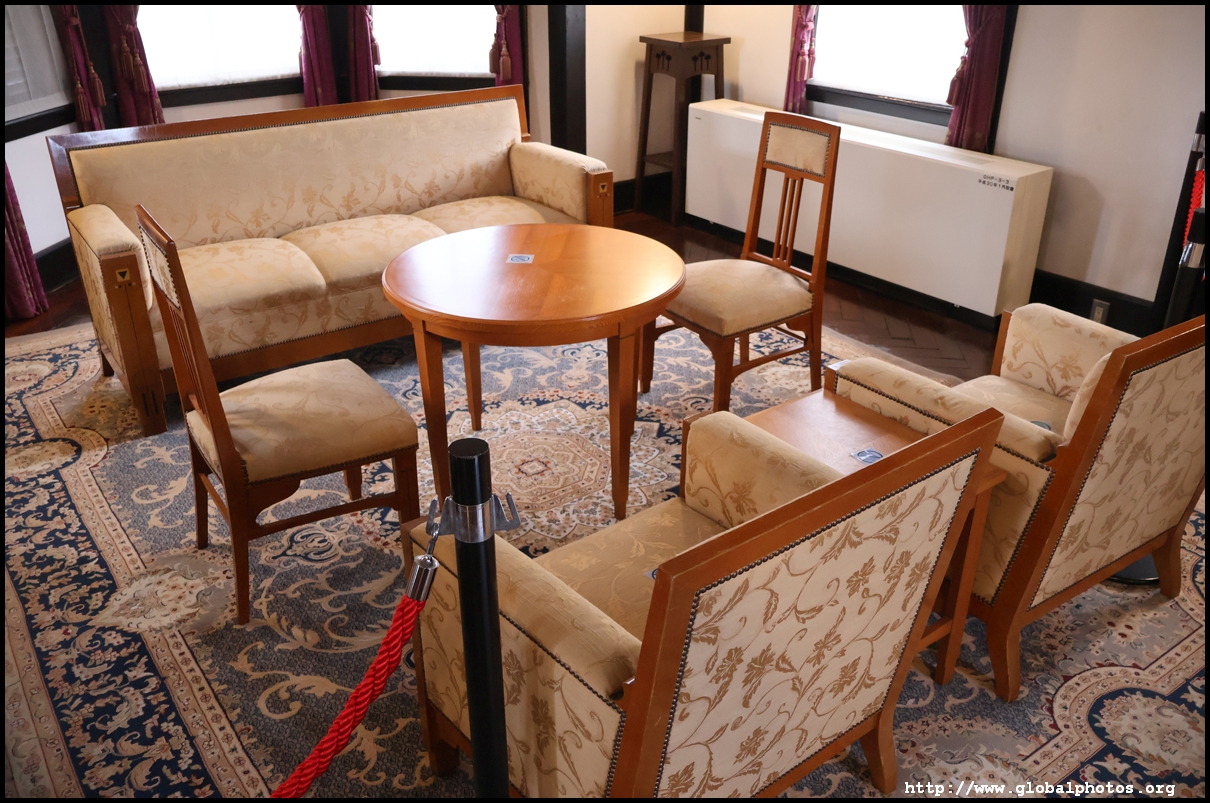
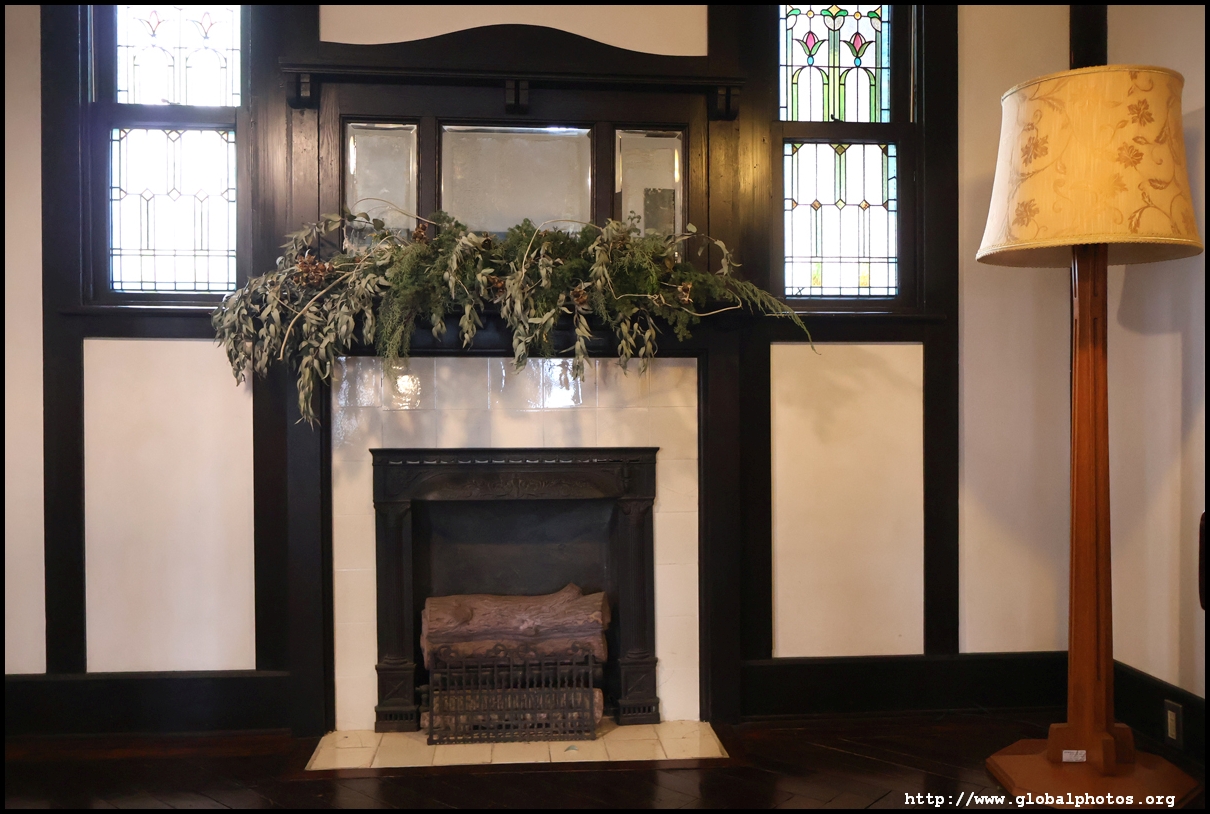
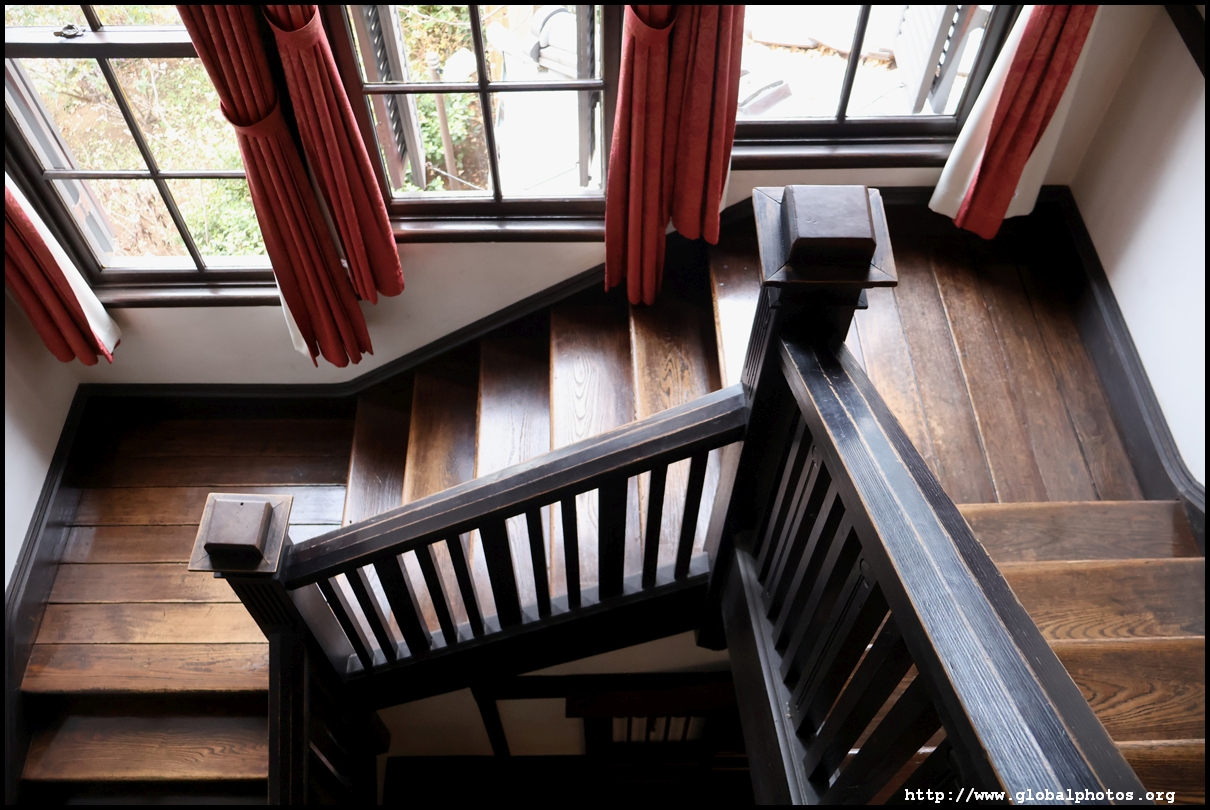
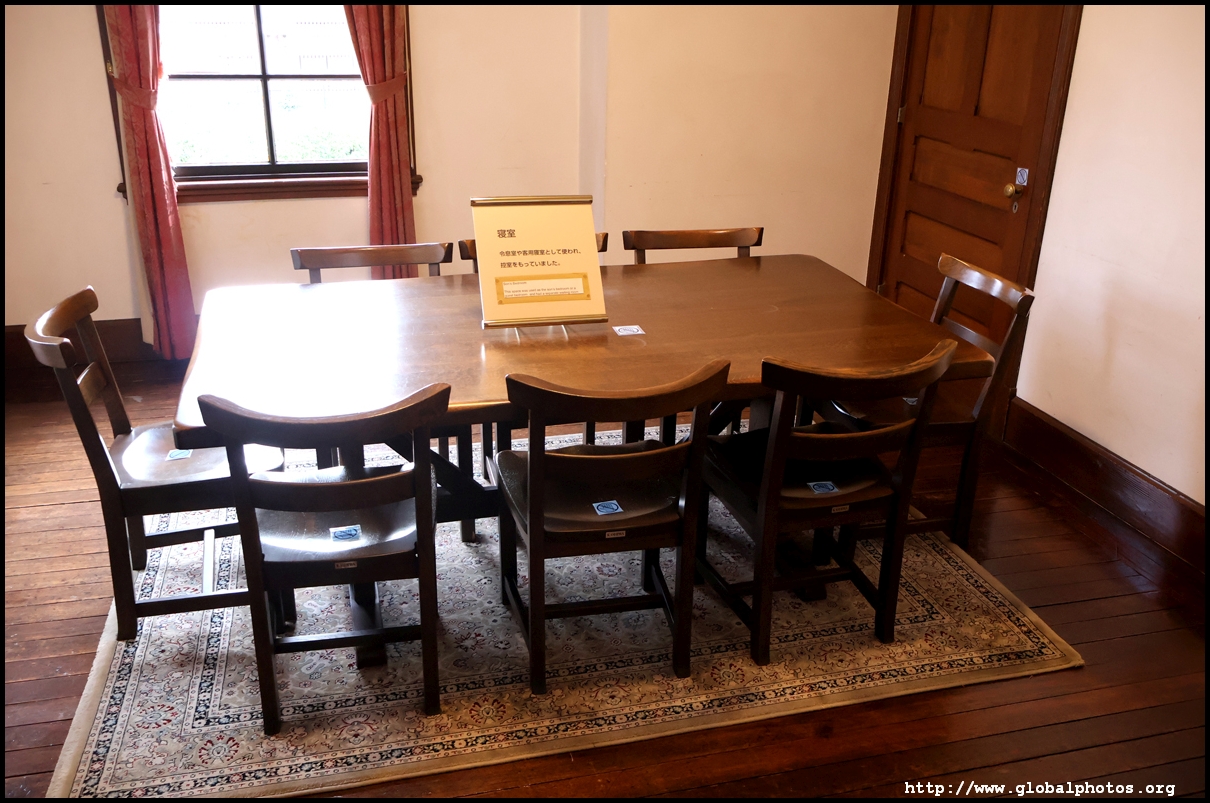
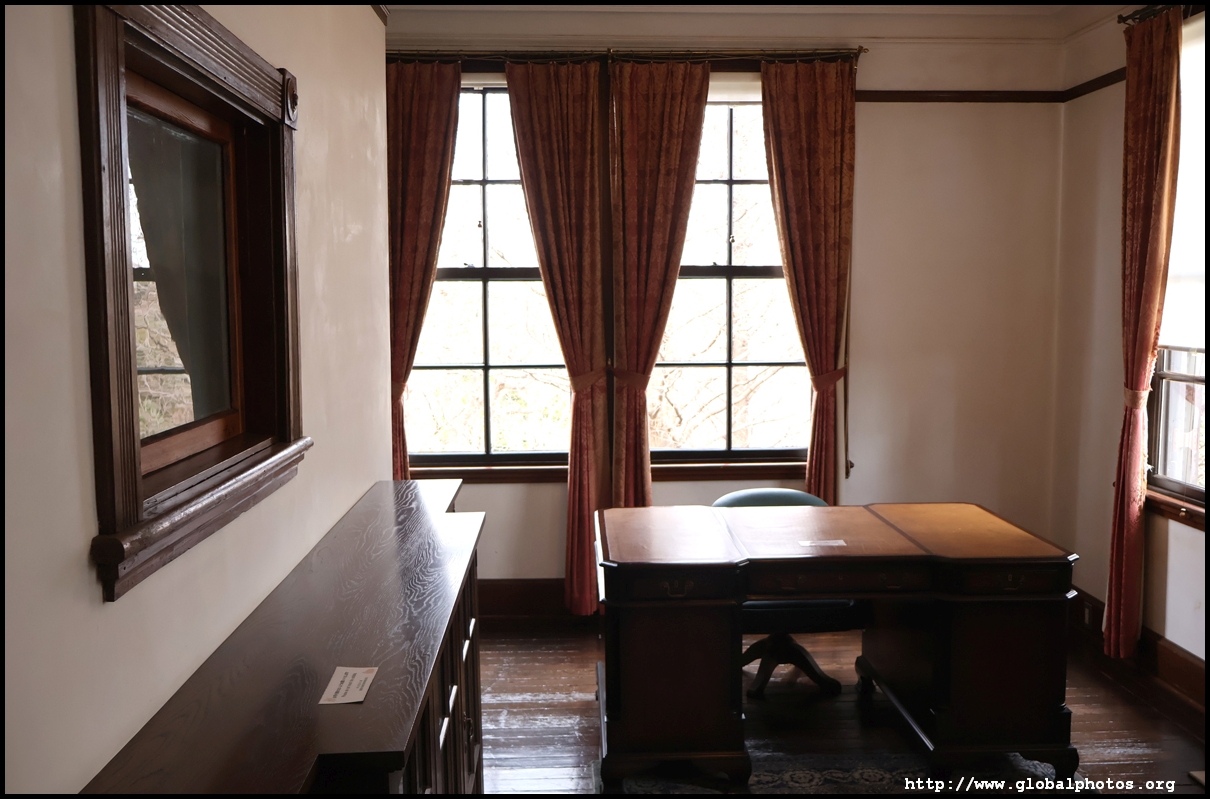
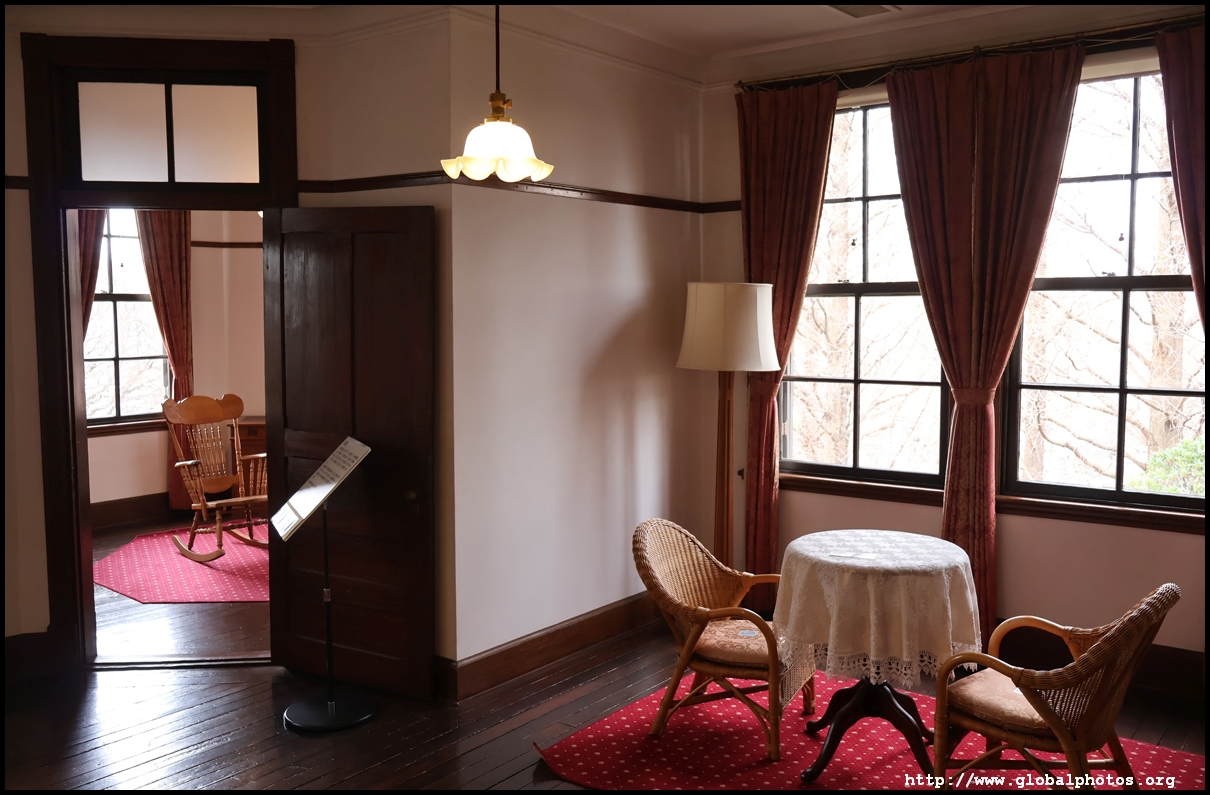
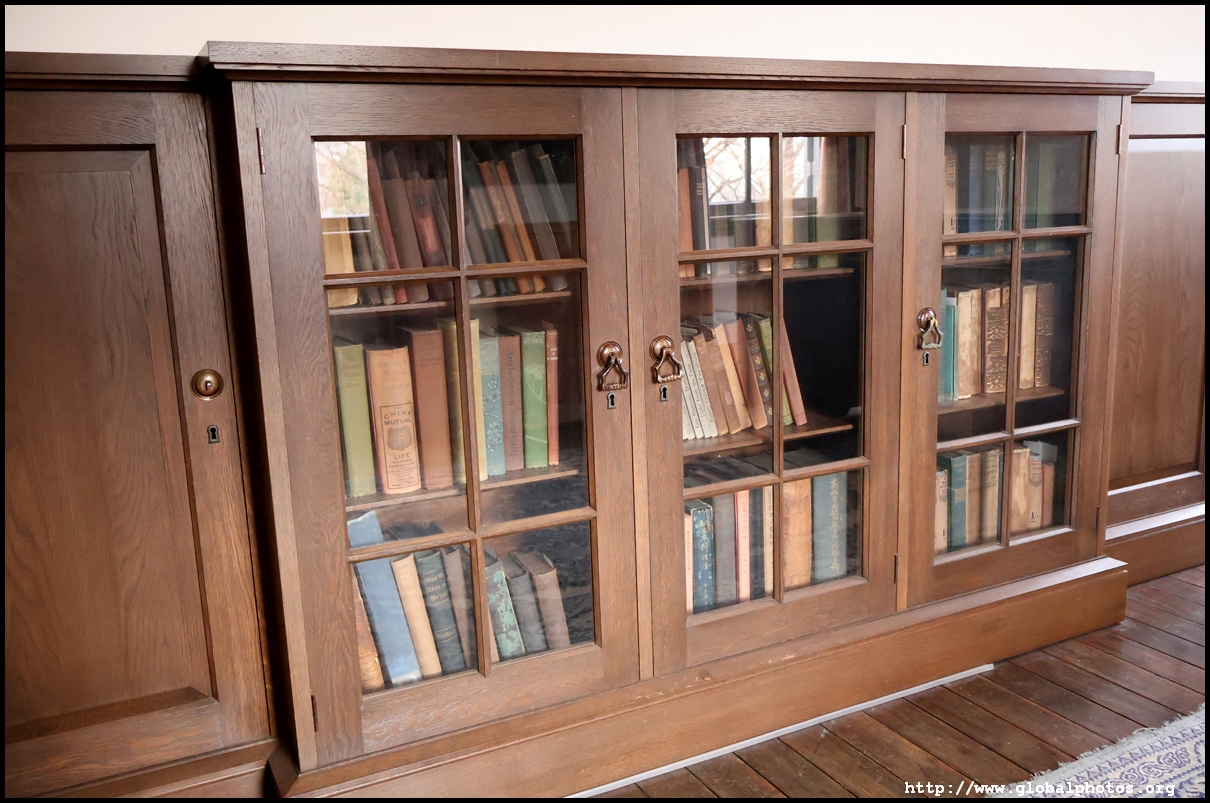
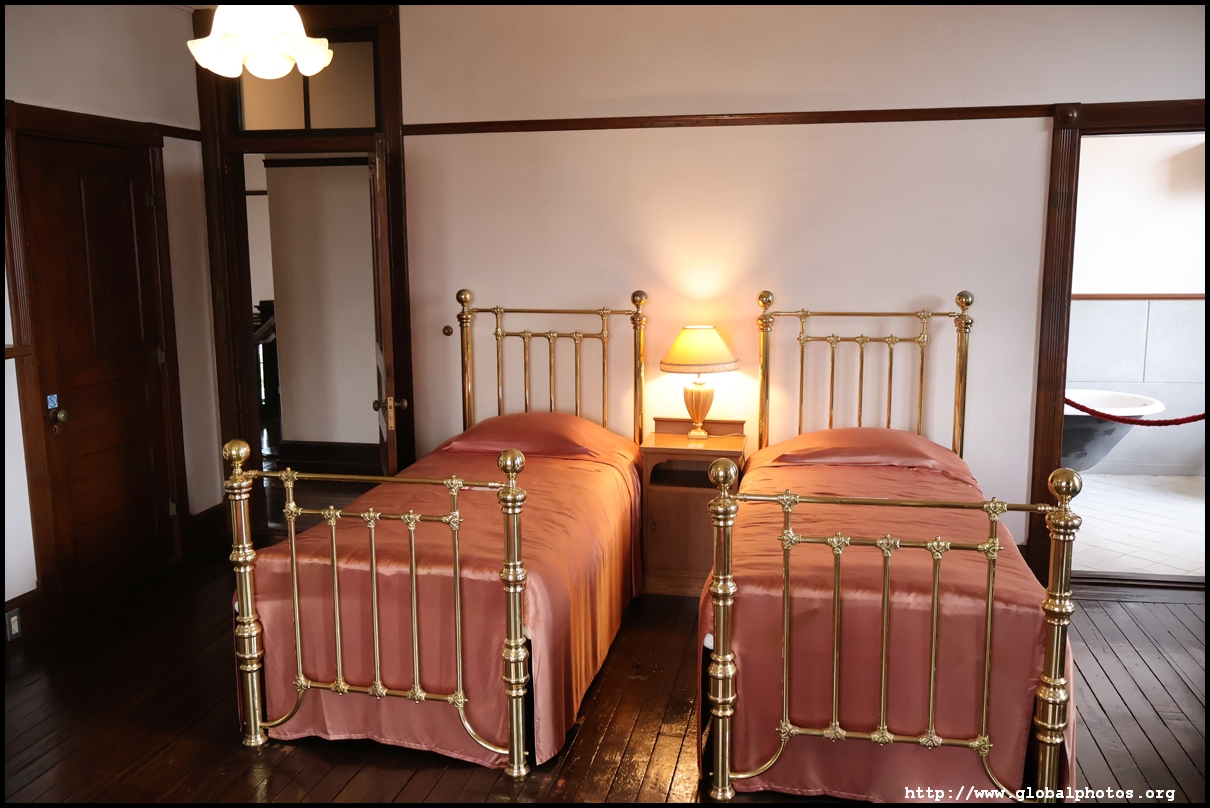
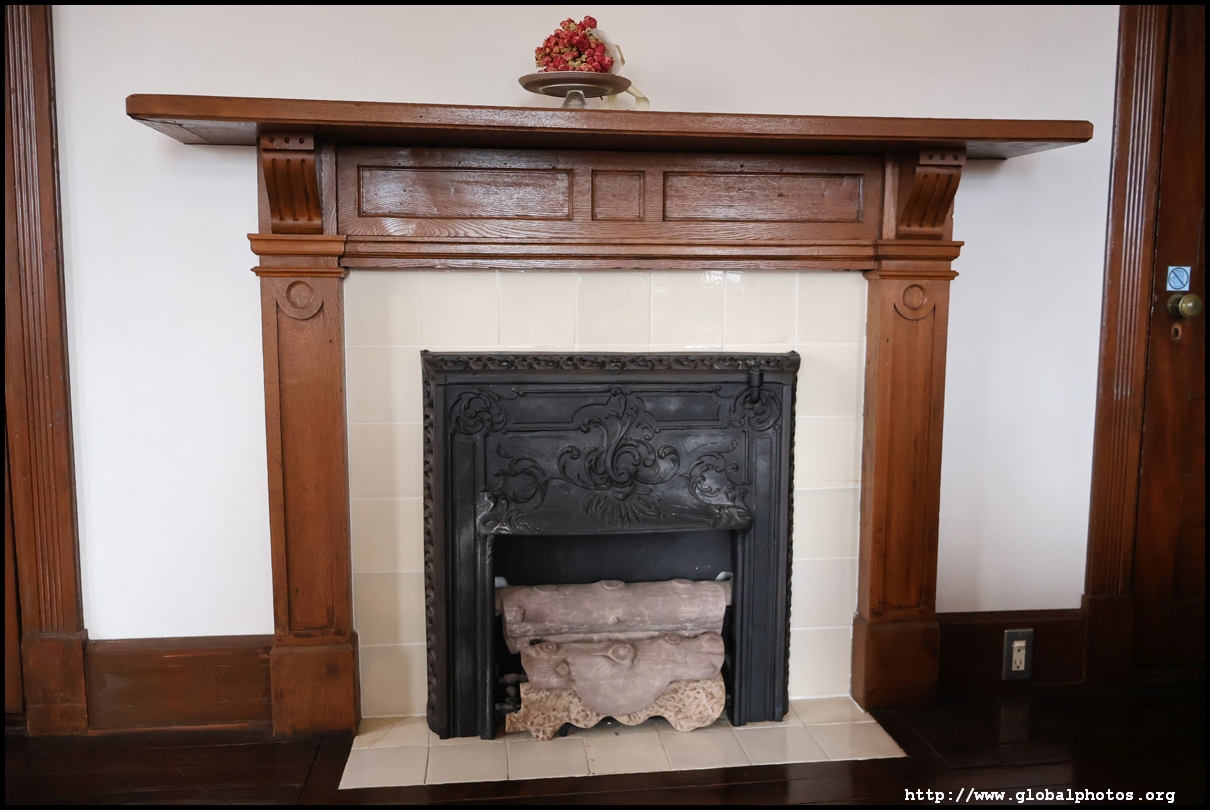
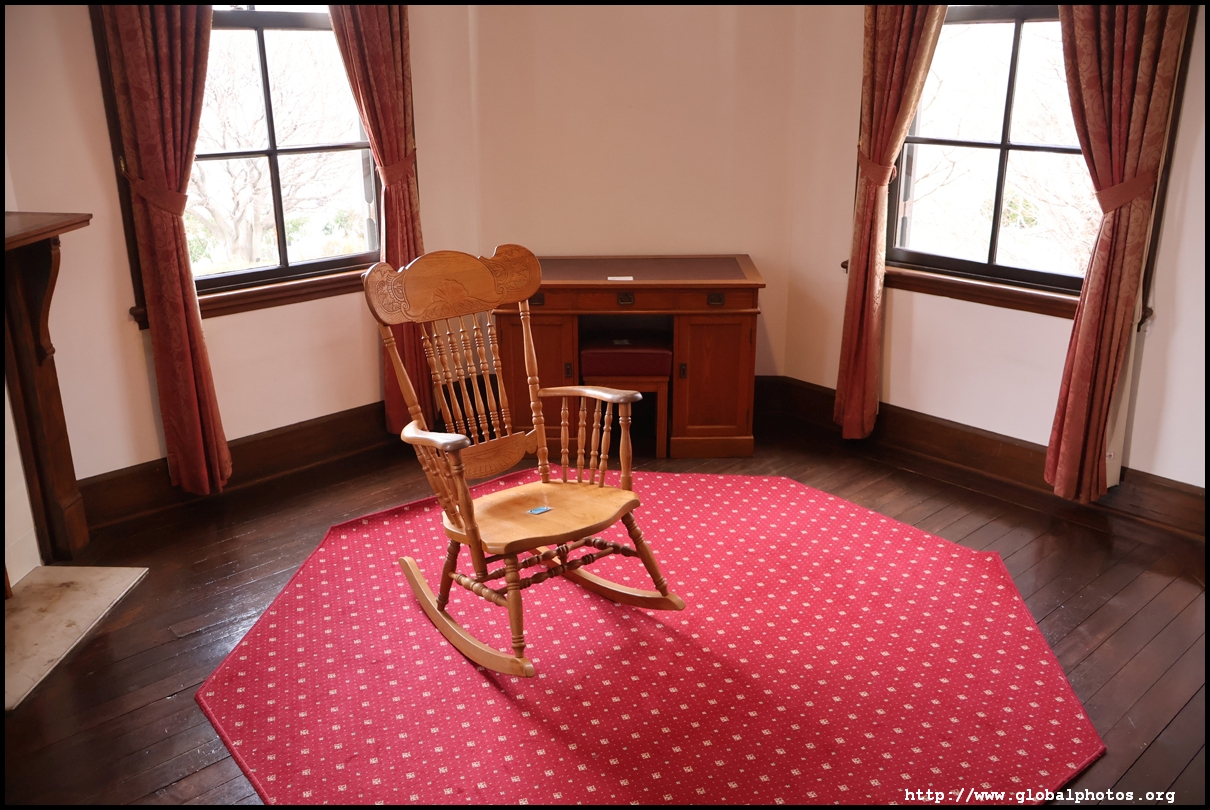
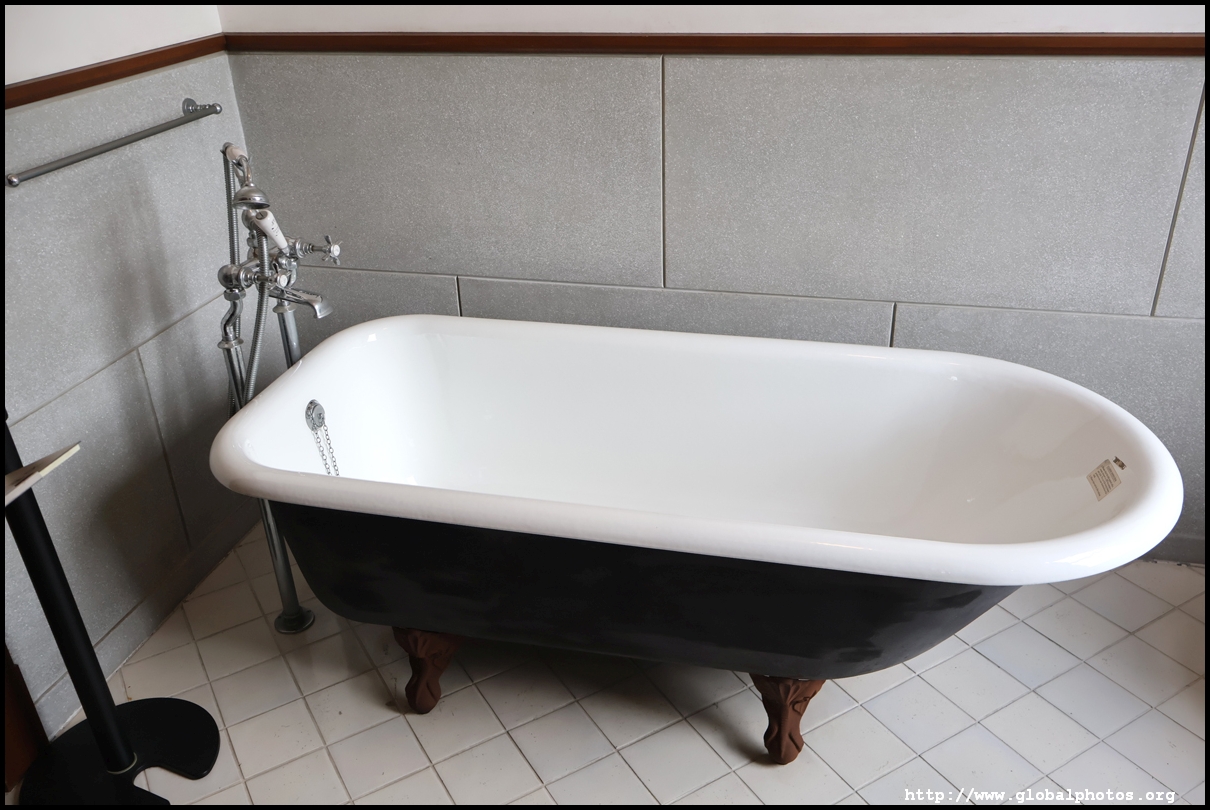
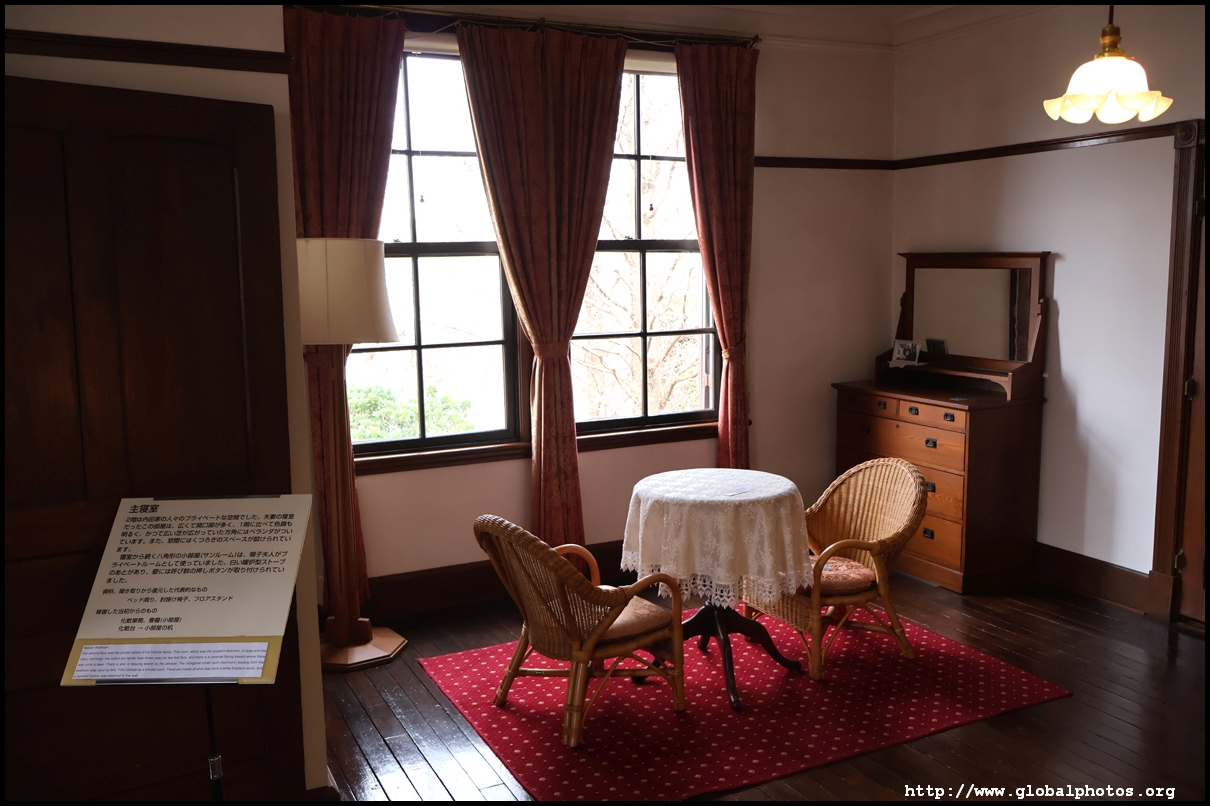
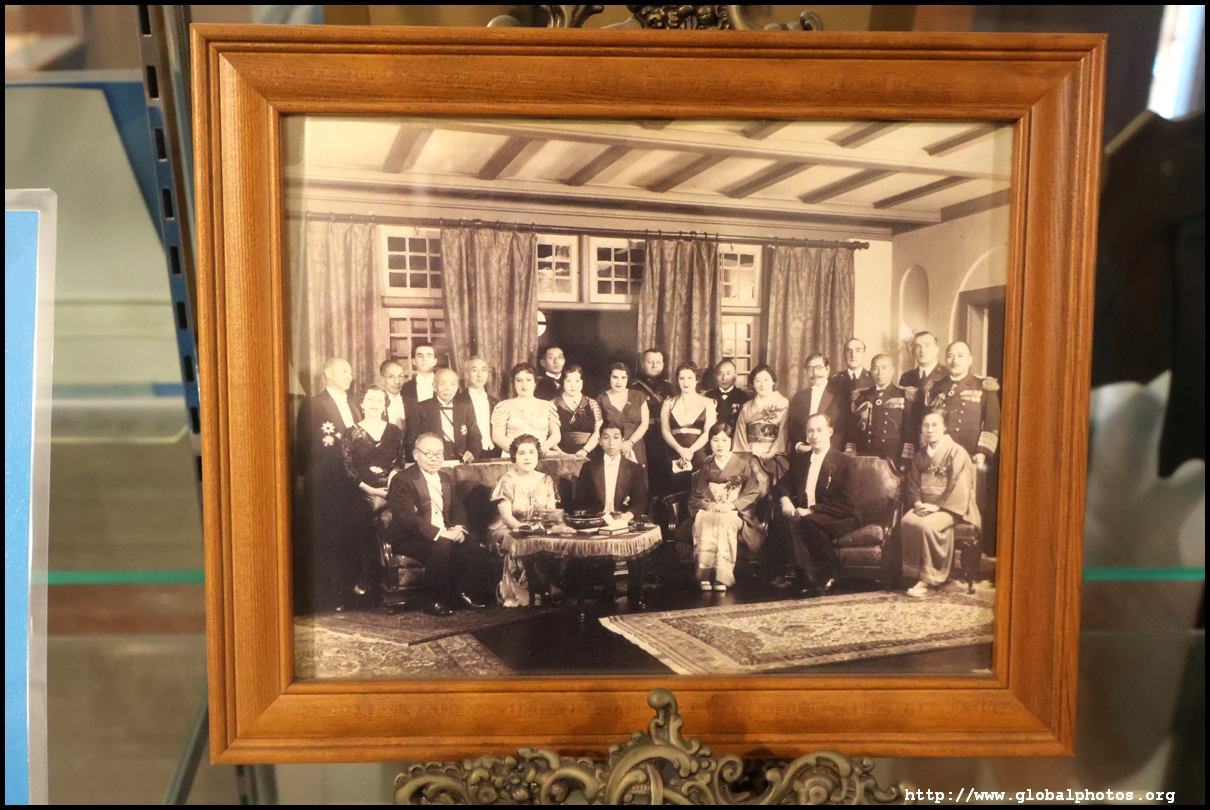
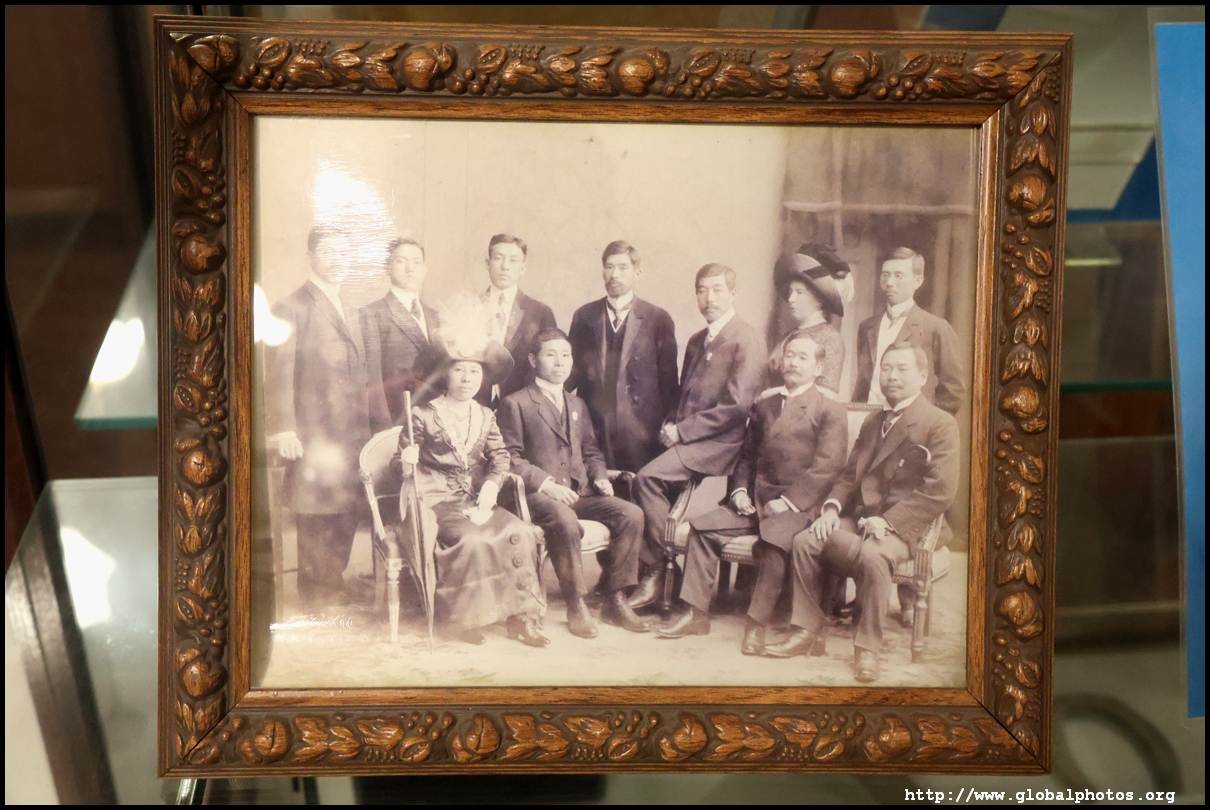
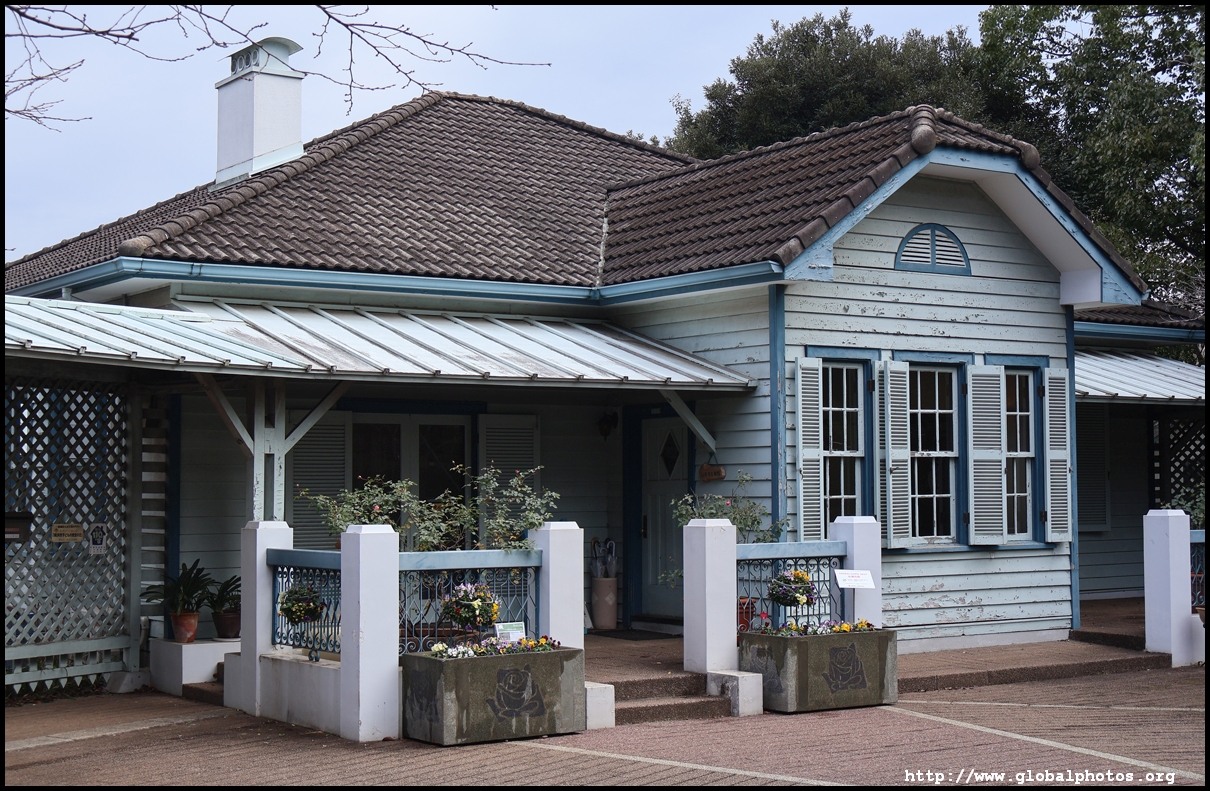
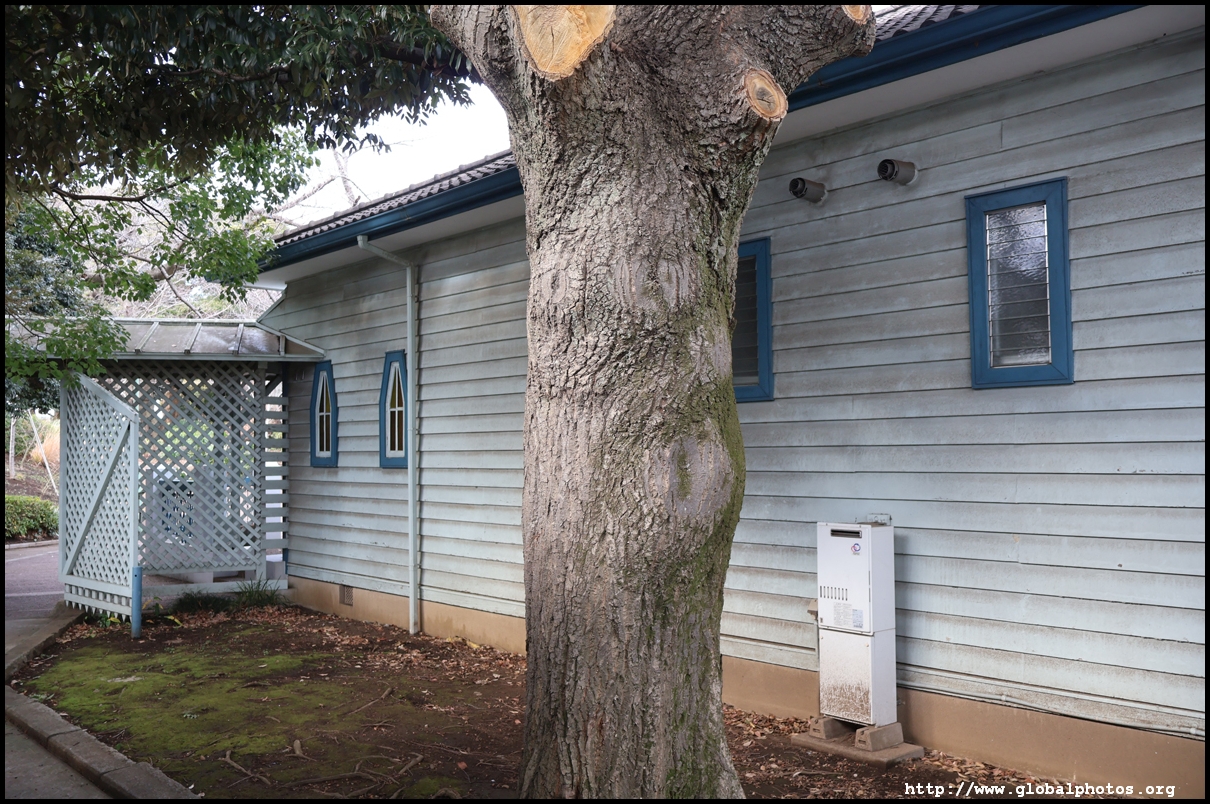
Continuing on, deep inside Yamate Park is Bluff 68, a single story clapboard house that was previously a rental house for foreigners. It moved to this location in 1986, and now serves as a club house for the tennis court next door.
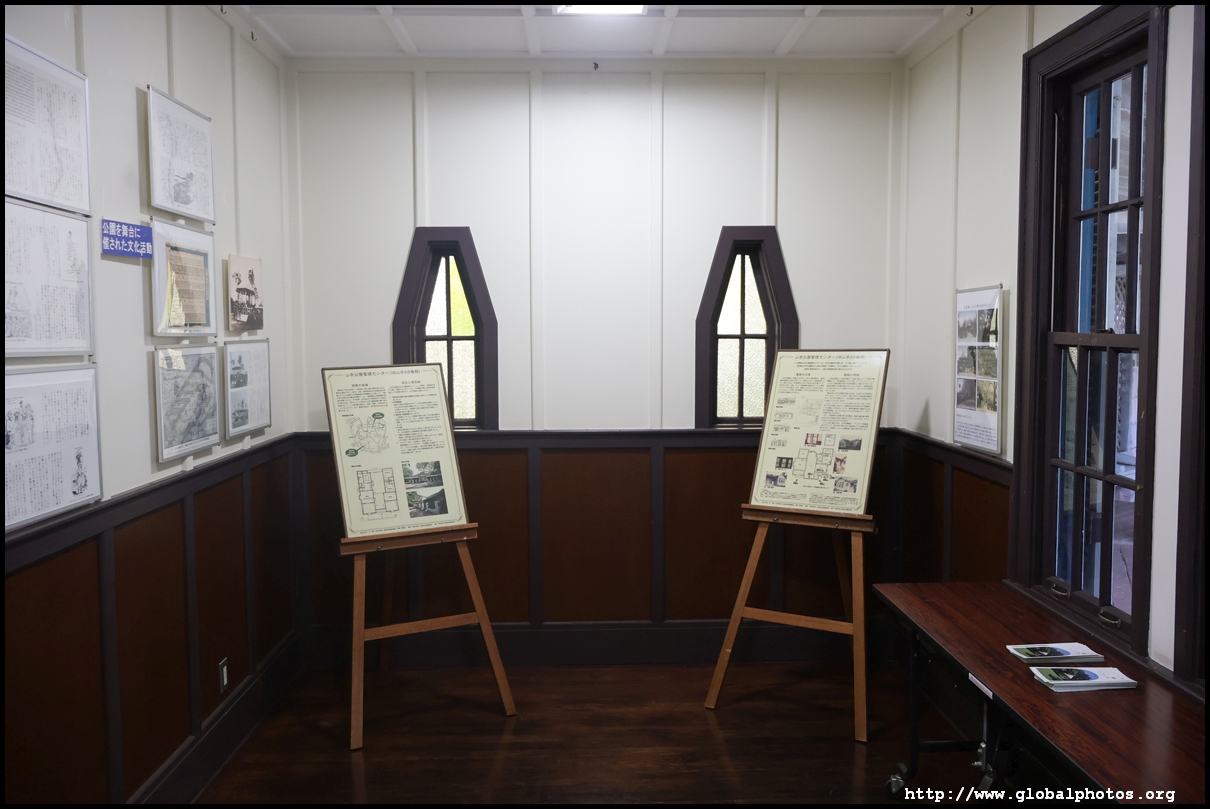
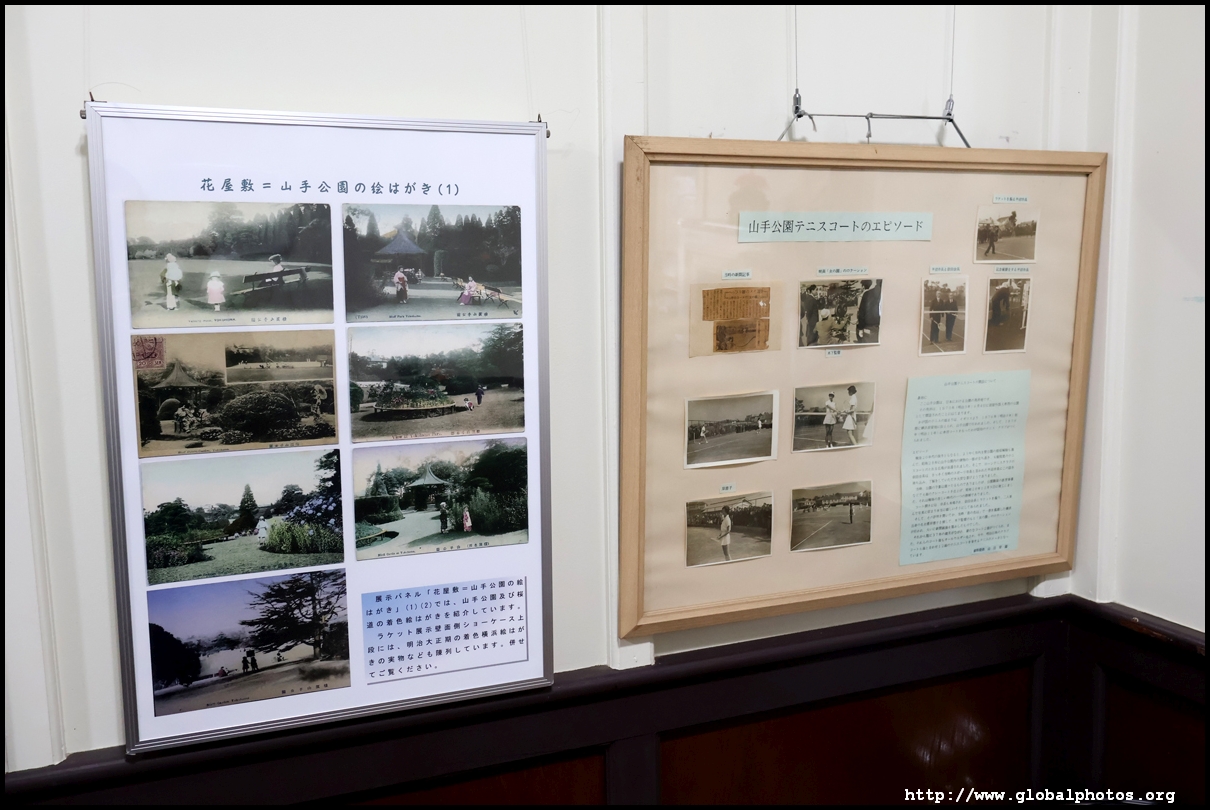
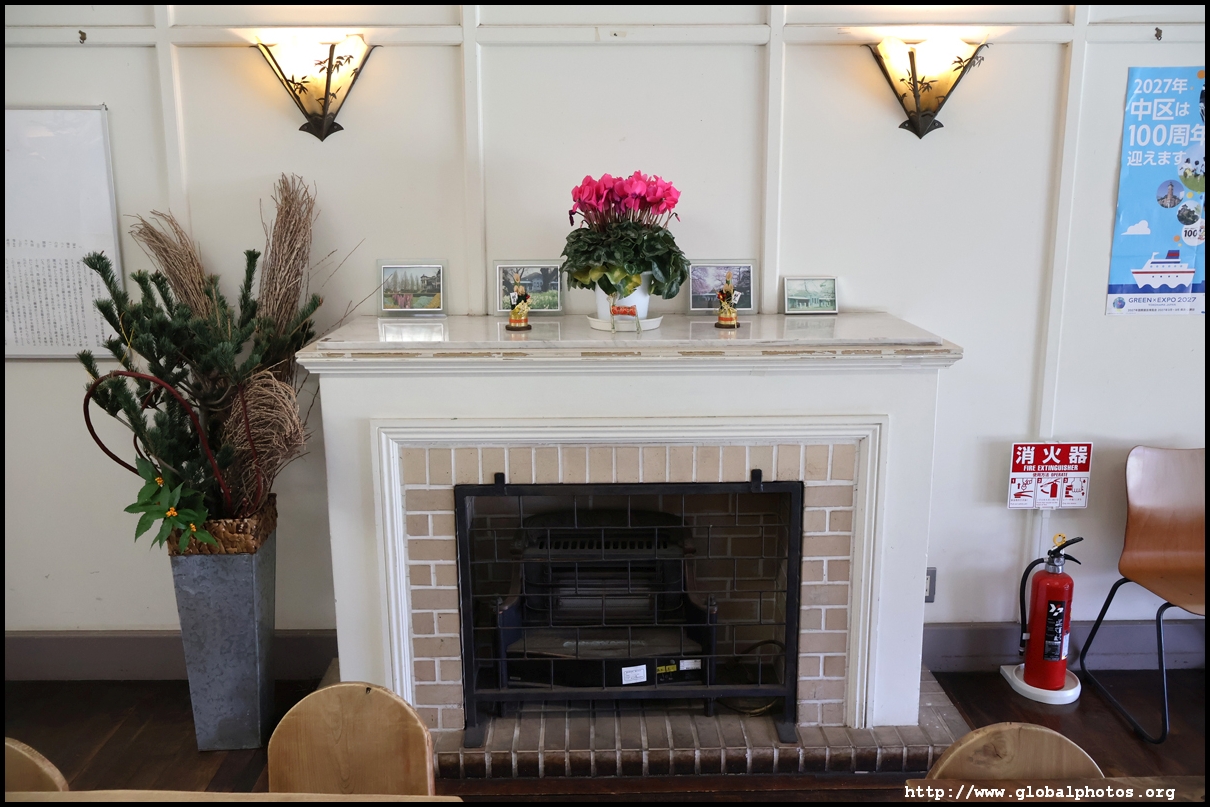
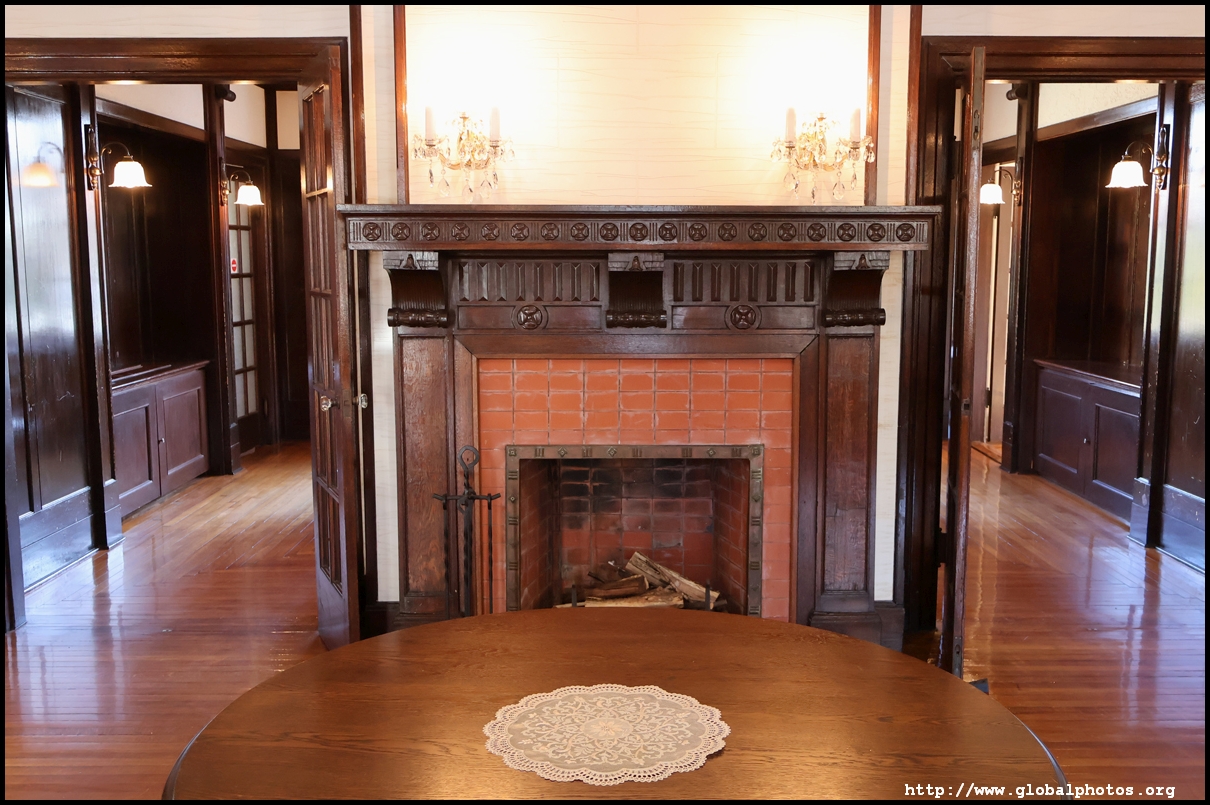
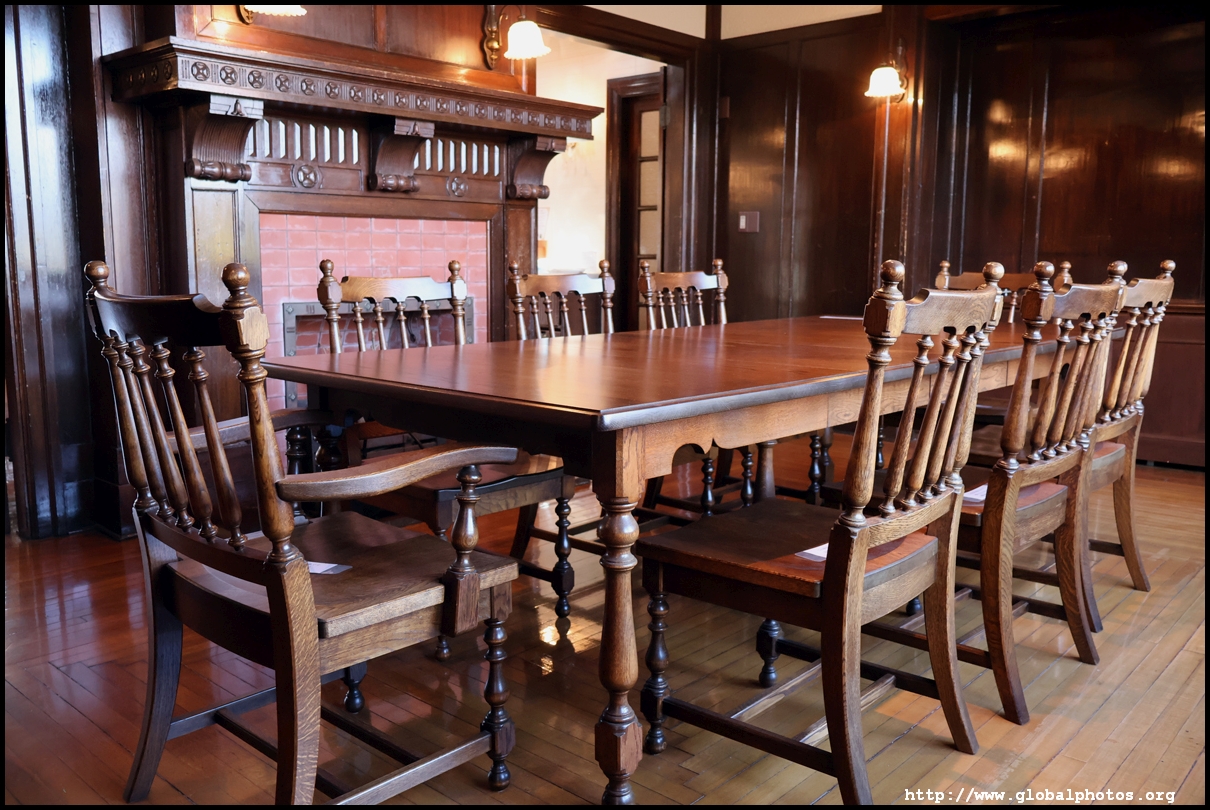
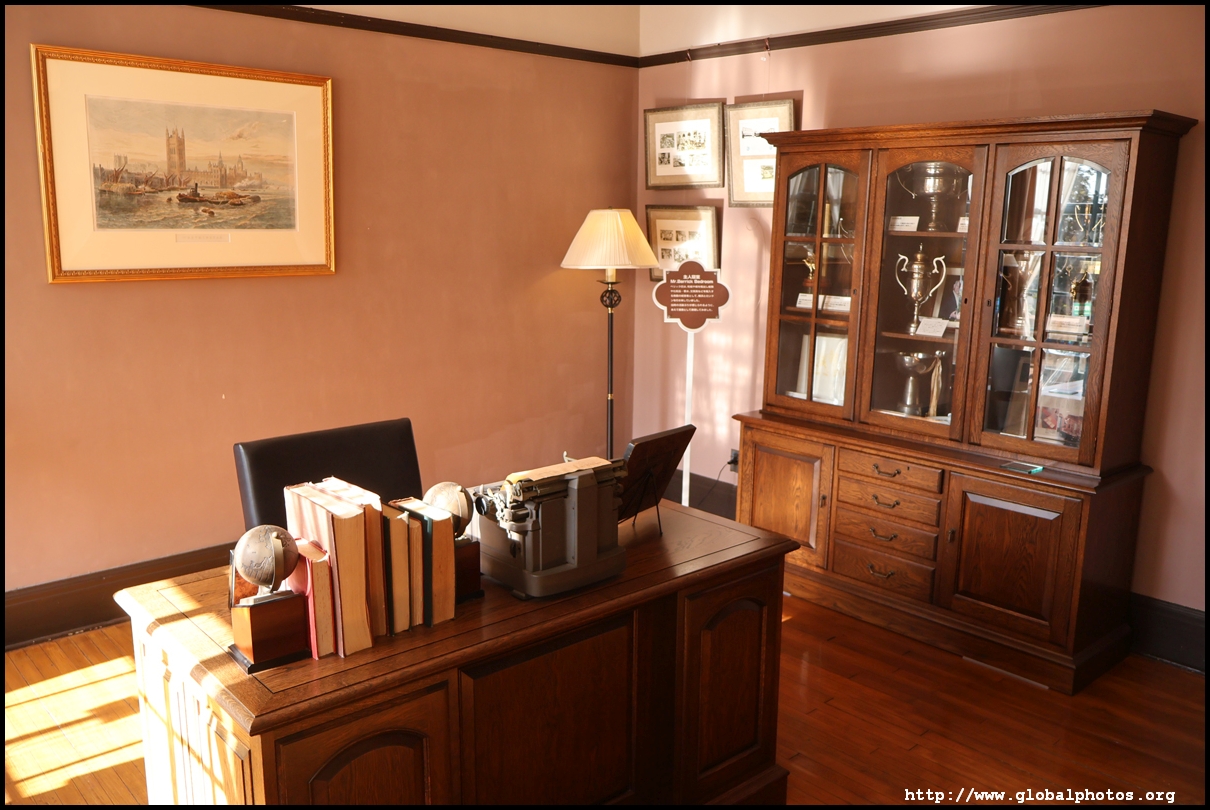
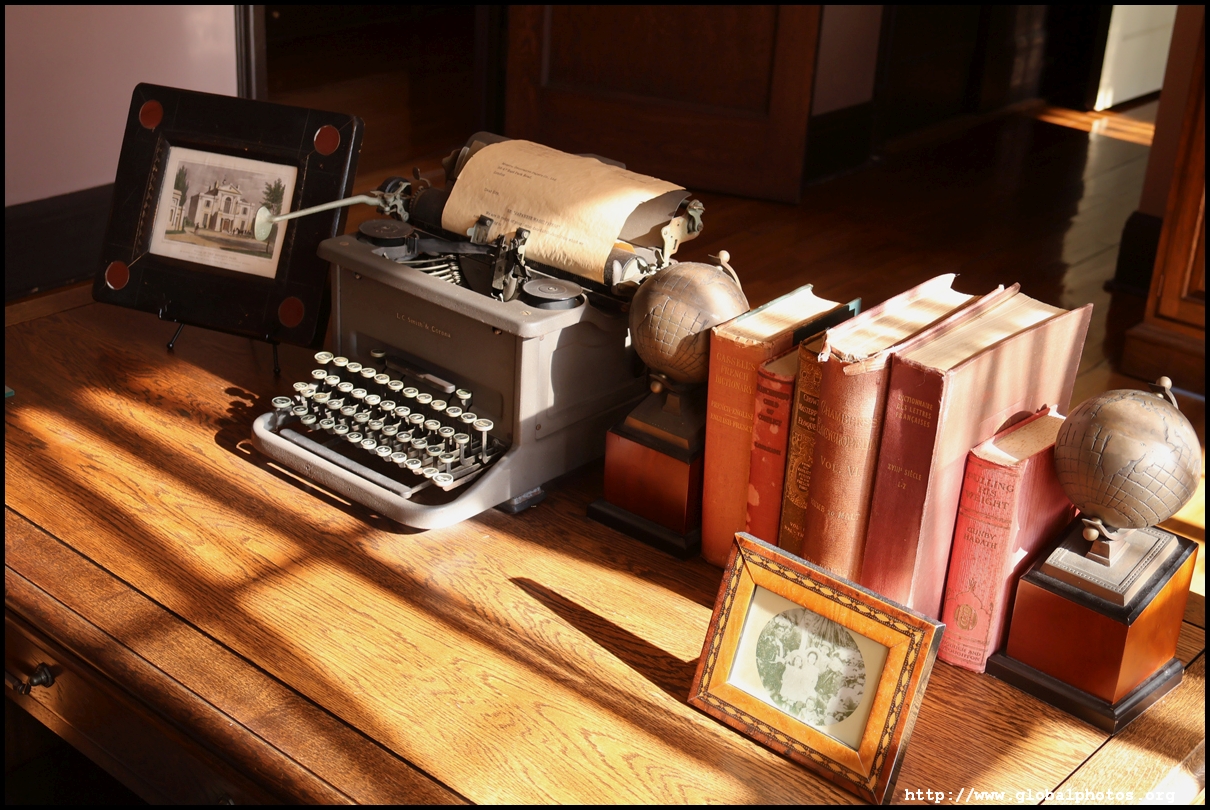
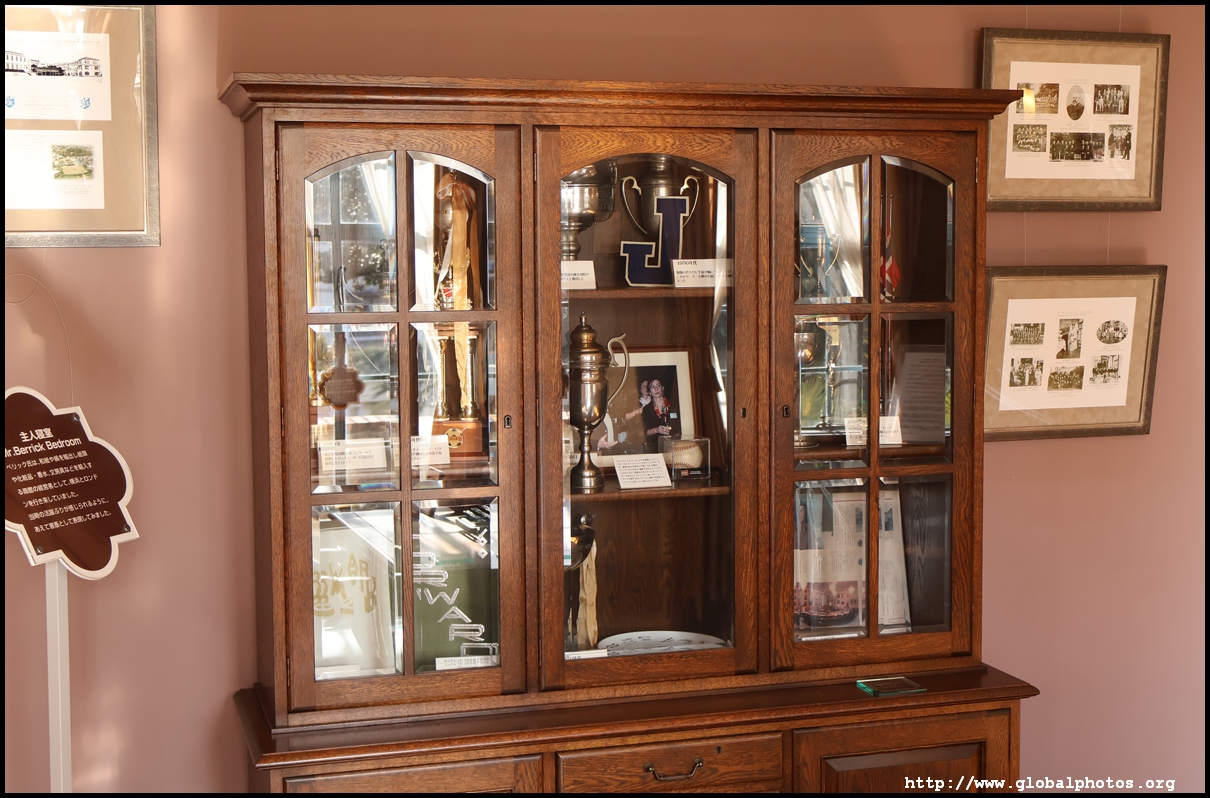
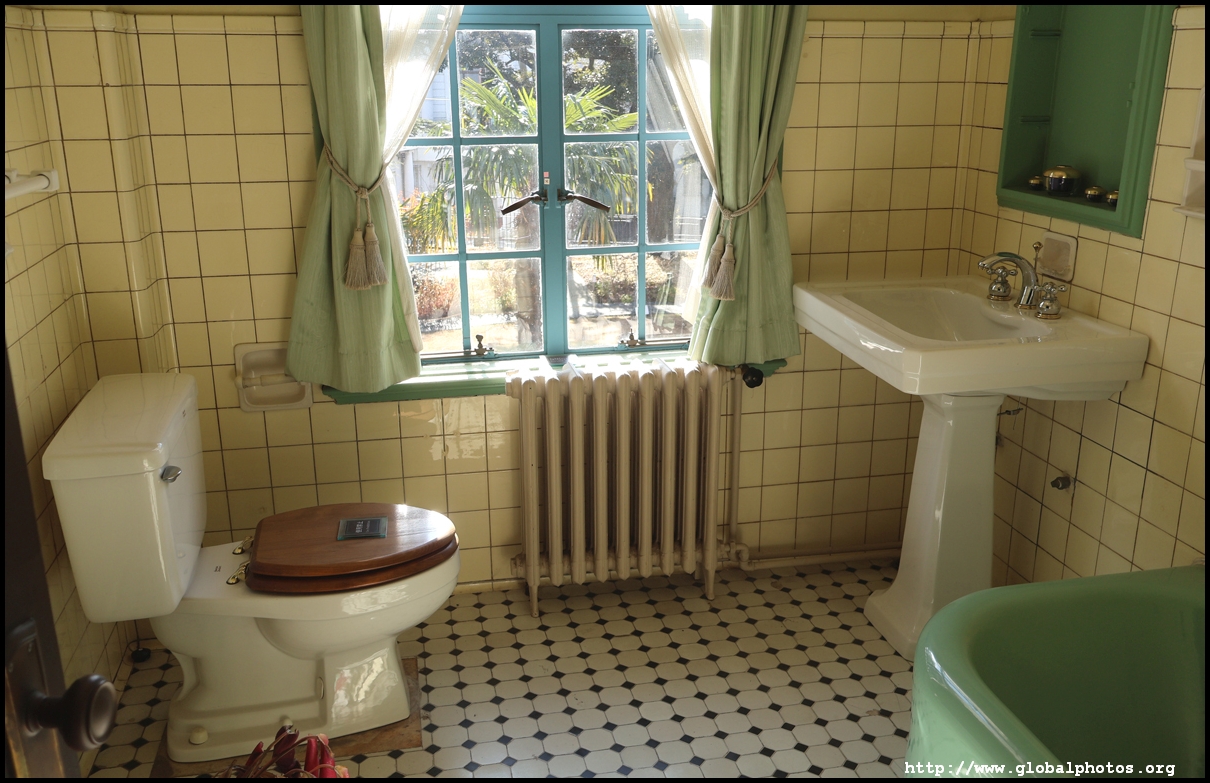
Berrick Hall was designed by J. H. Morgan and built in 1930 for a British trading merchant, B. R. Berrick. The family donated the home to a religious organization in 1956, becoming a school dormitory until 2000. This is the largest surviving pre-war foreign residence in the district.
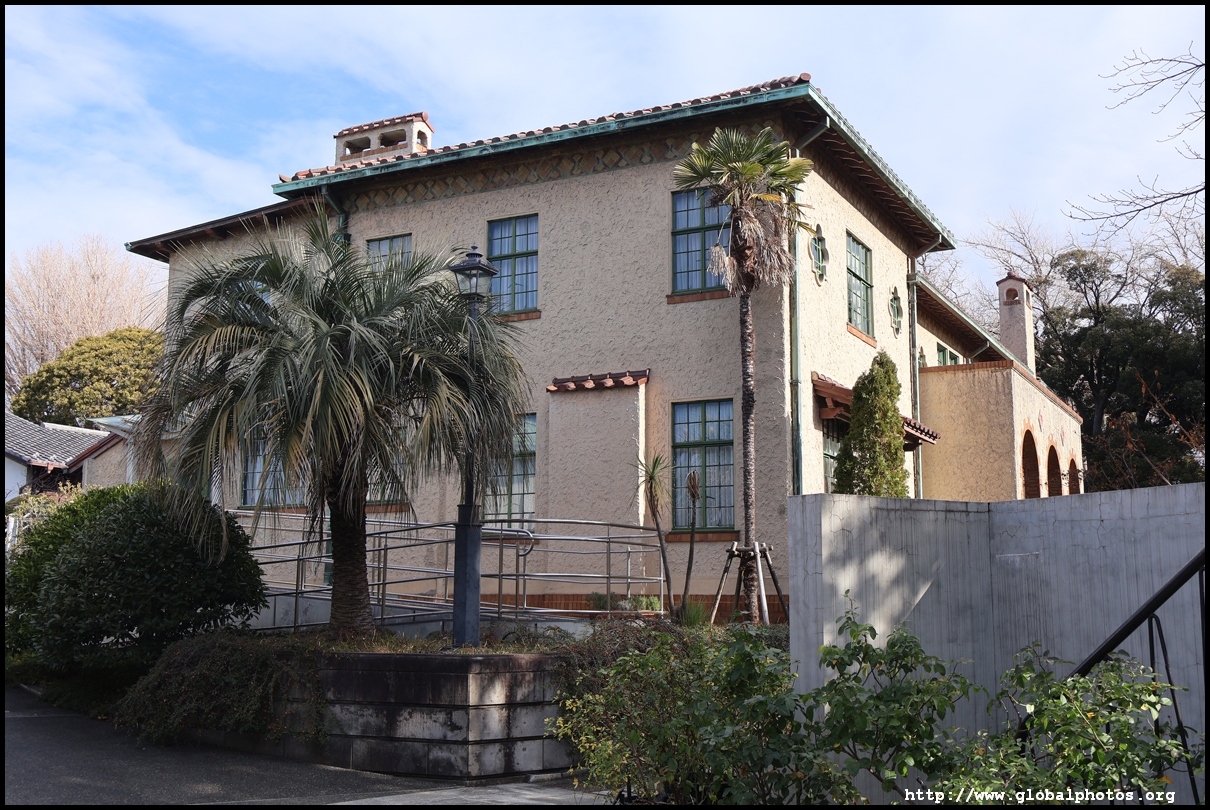
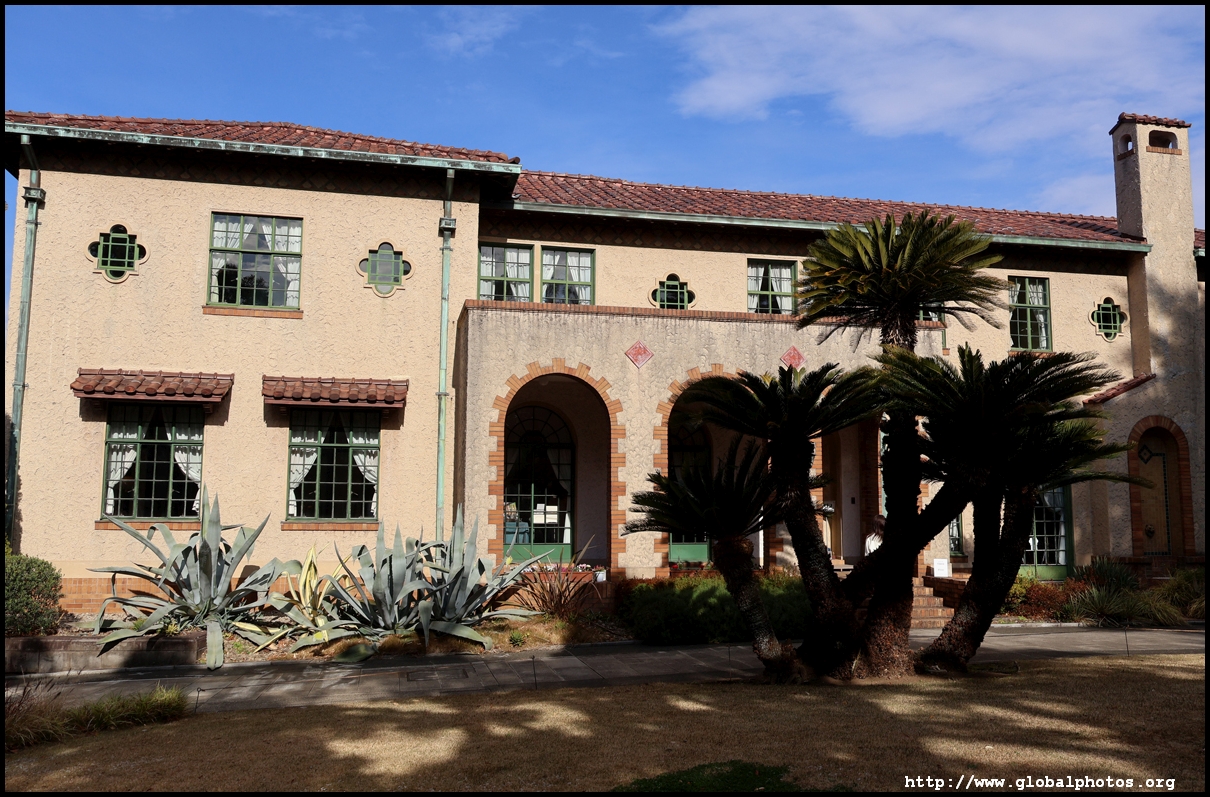
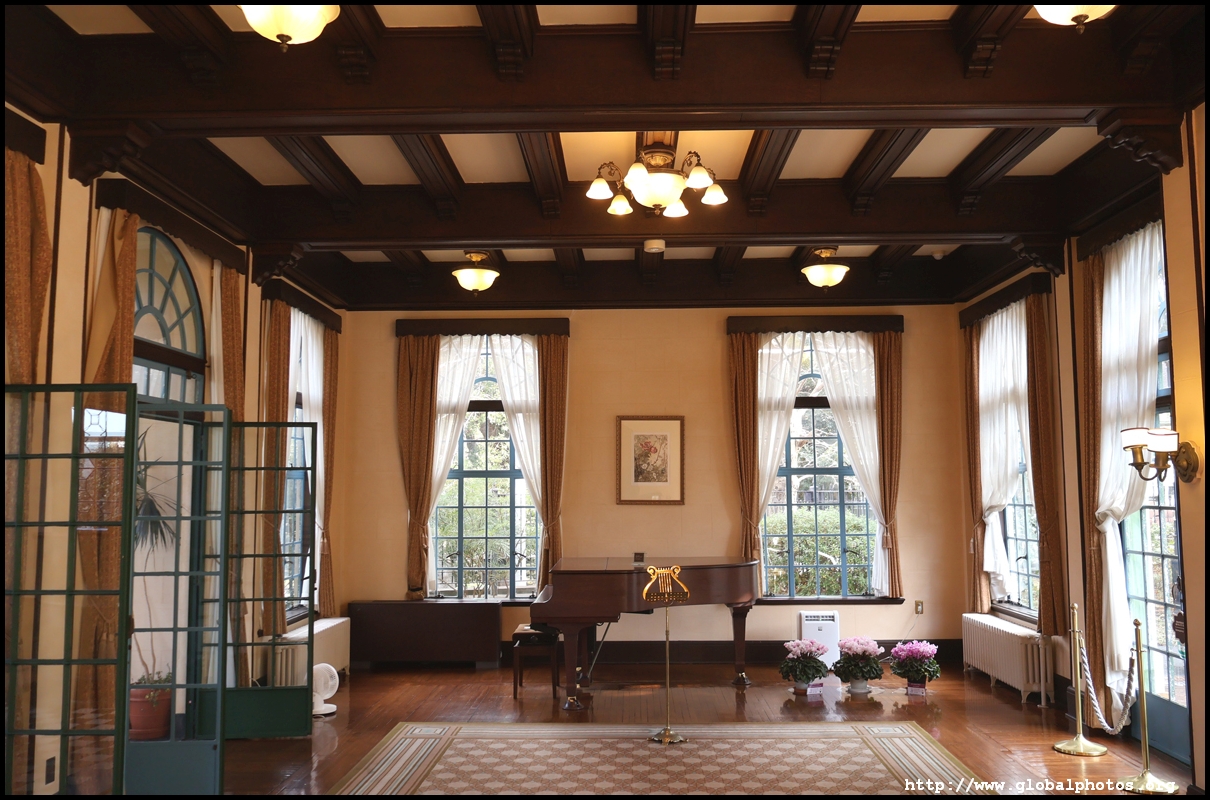
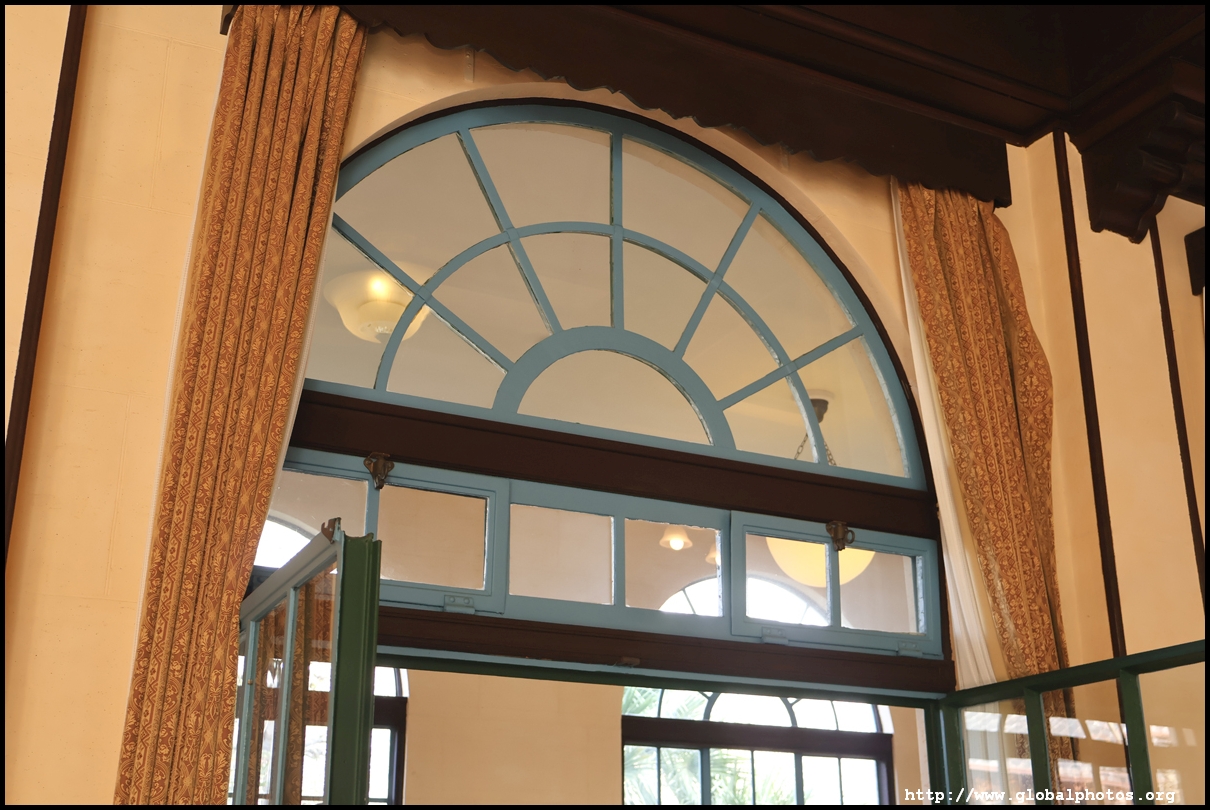
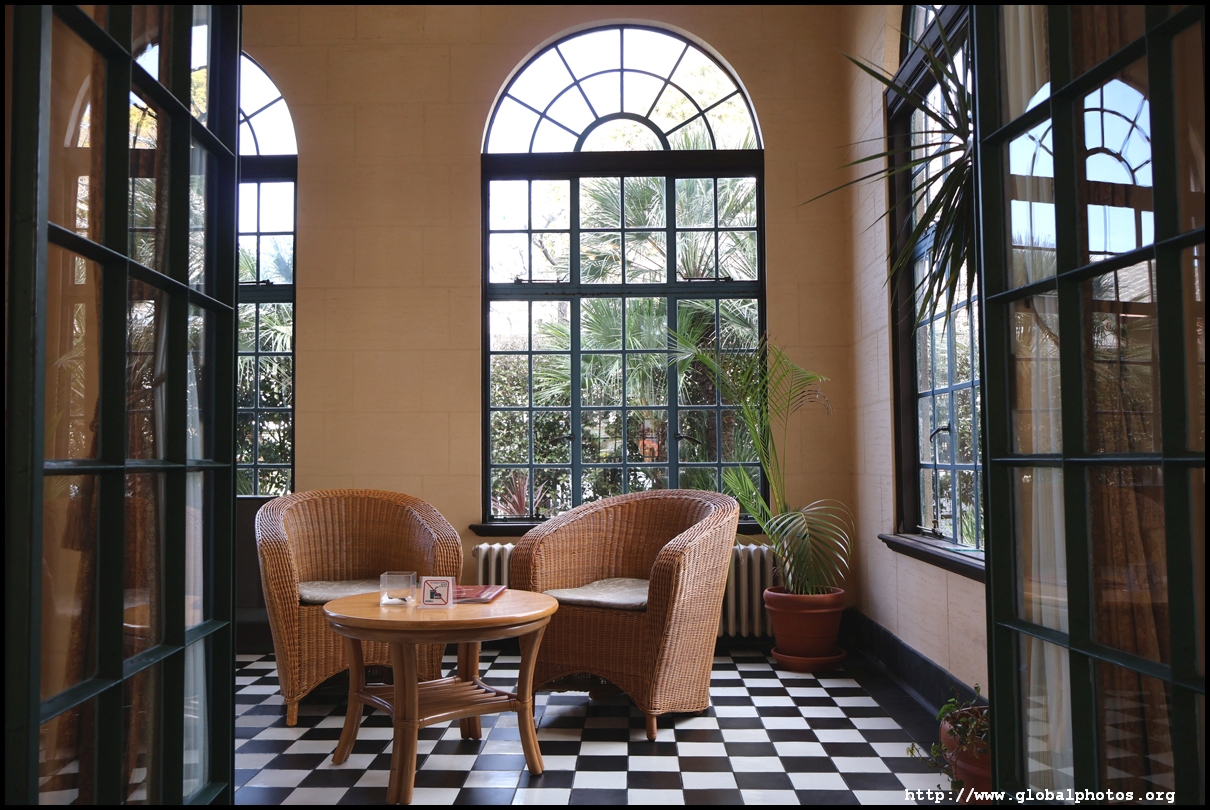
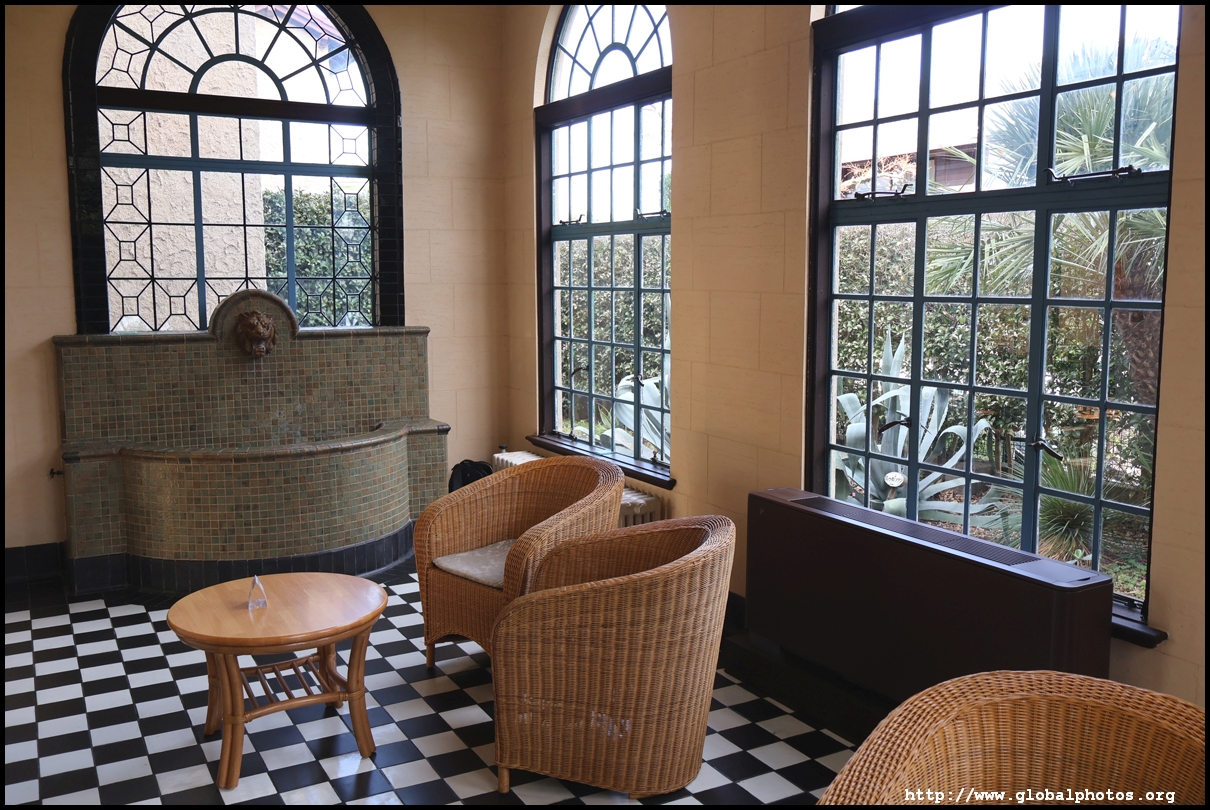
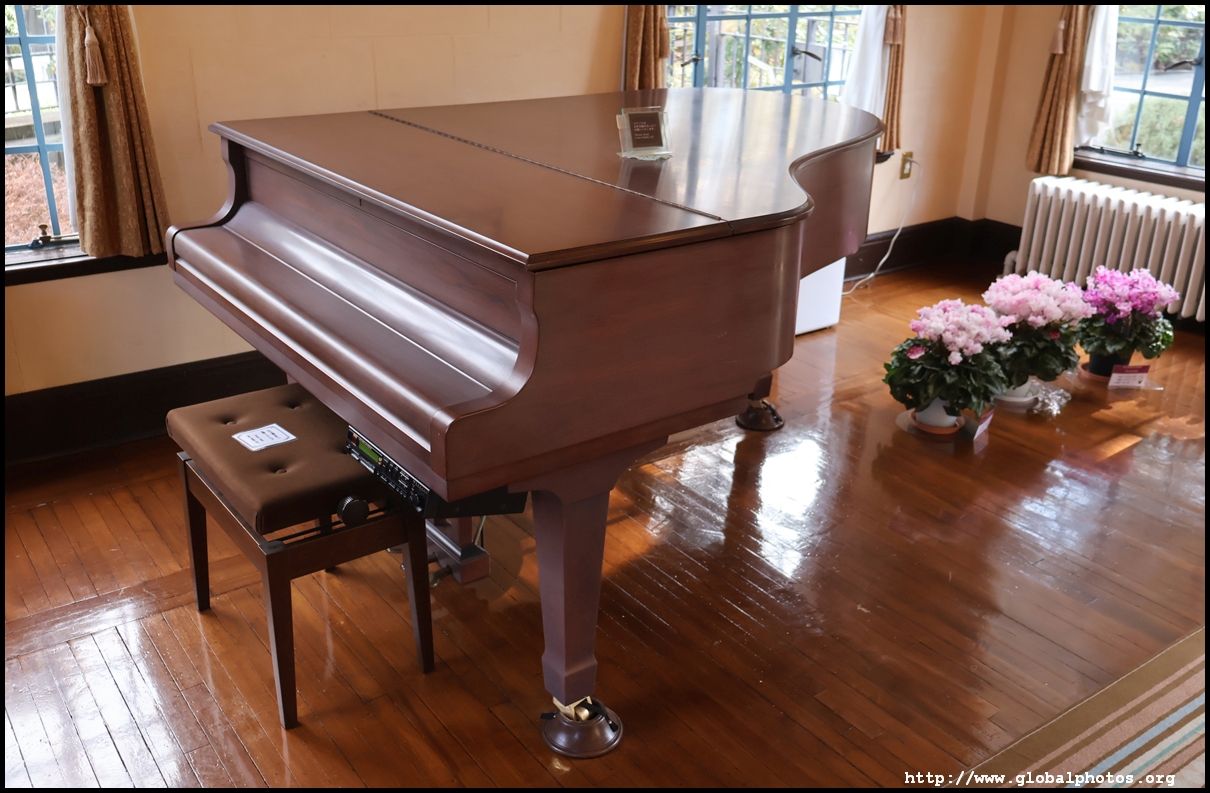
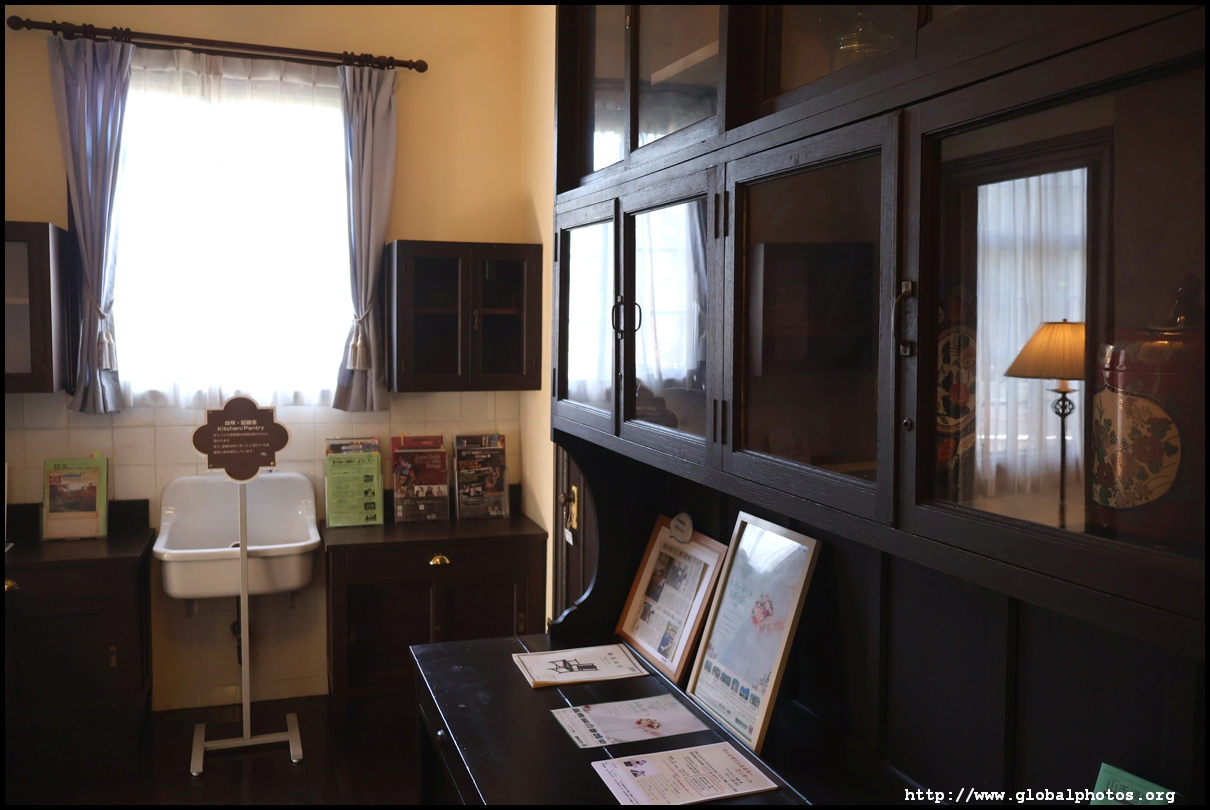
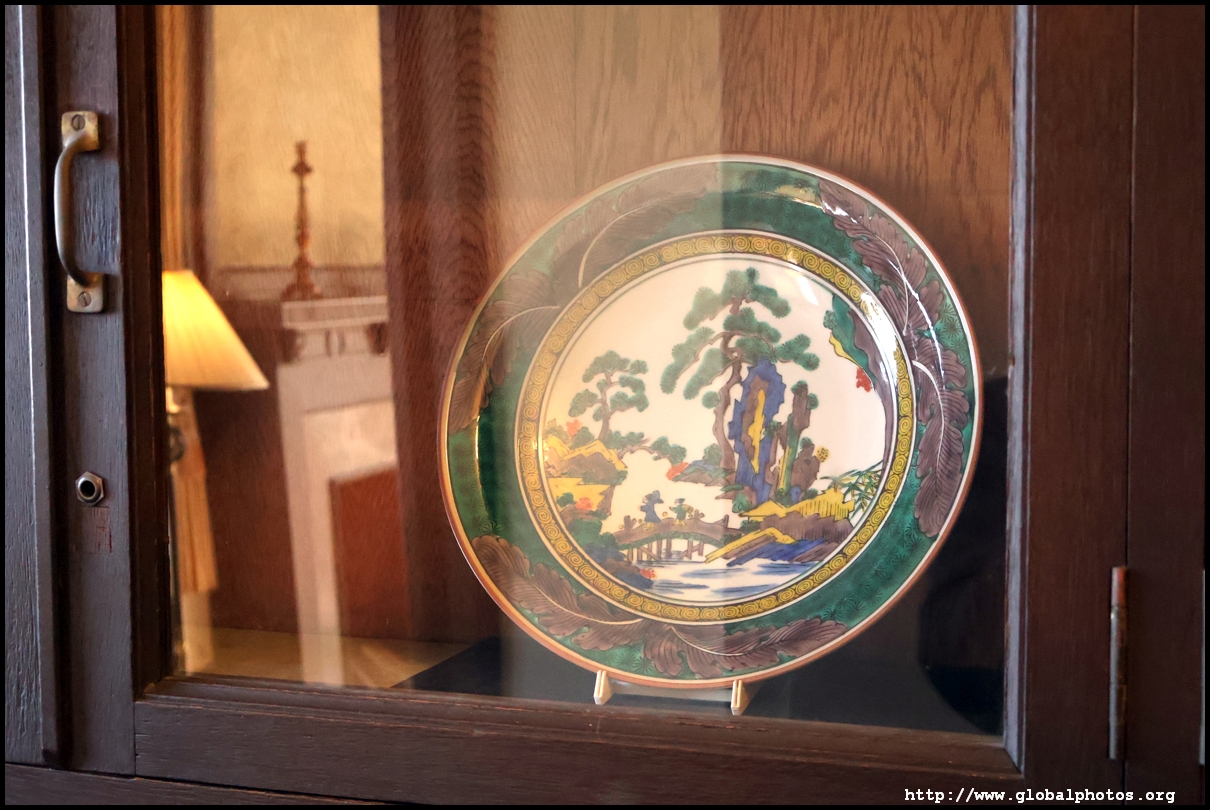
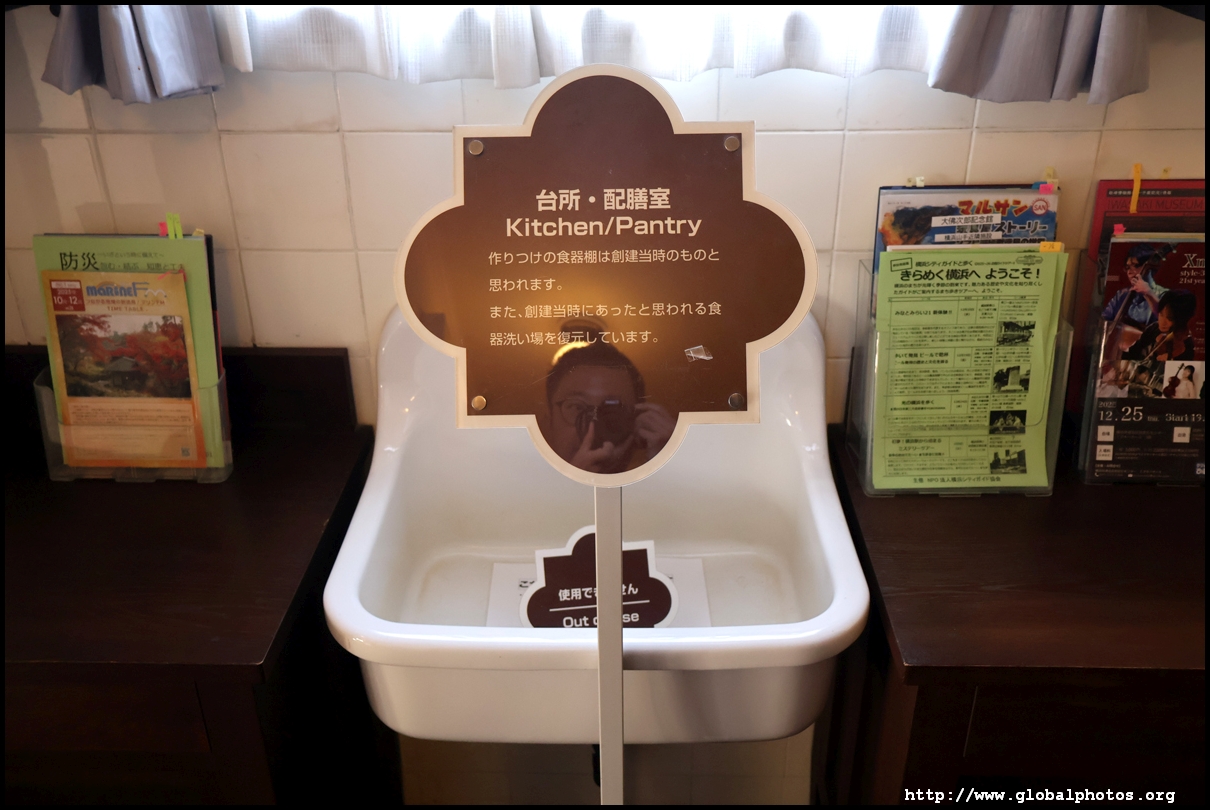
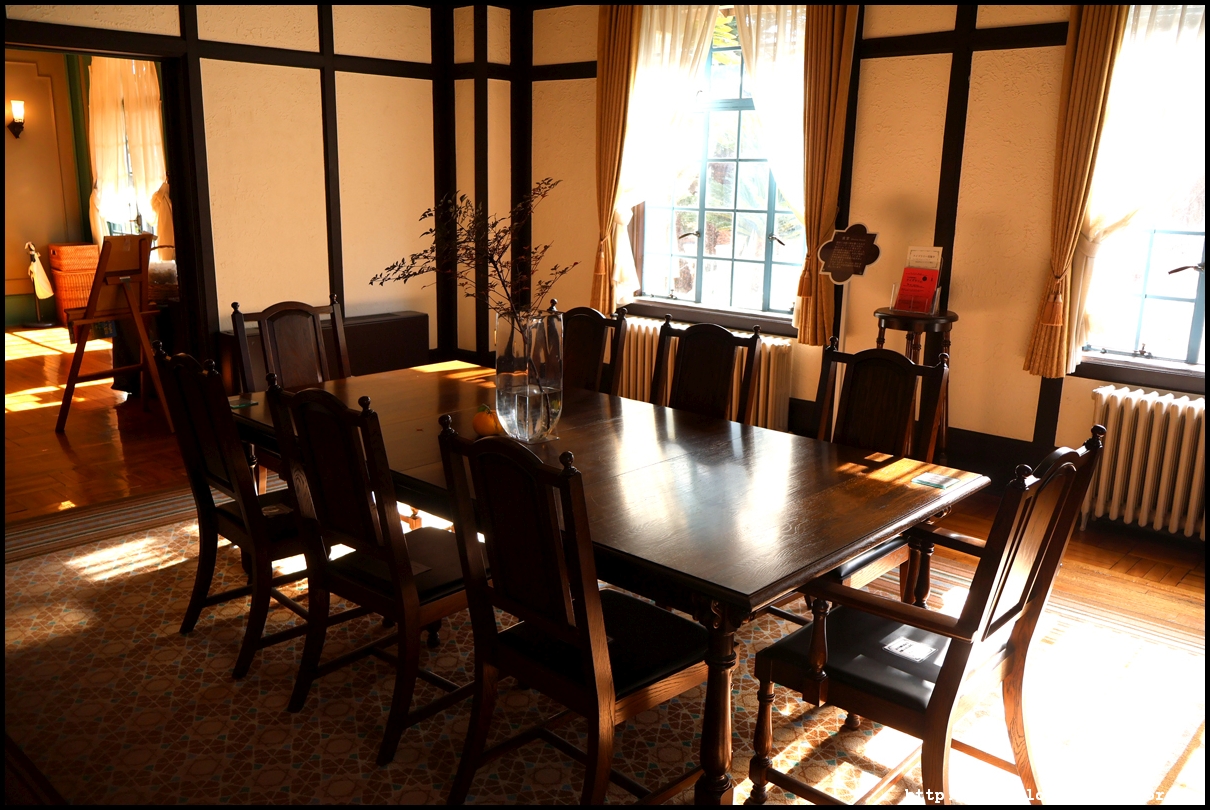
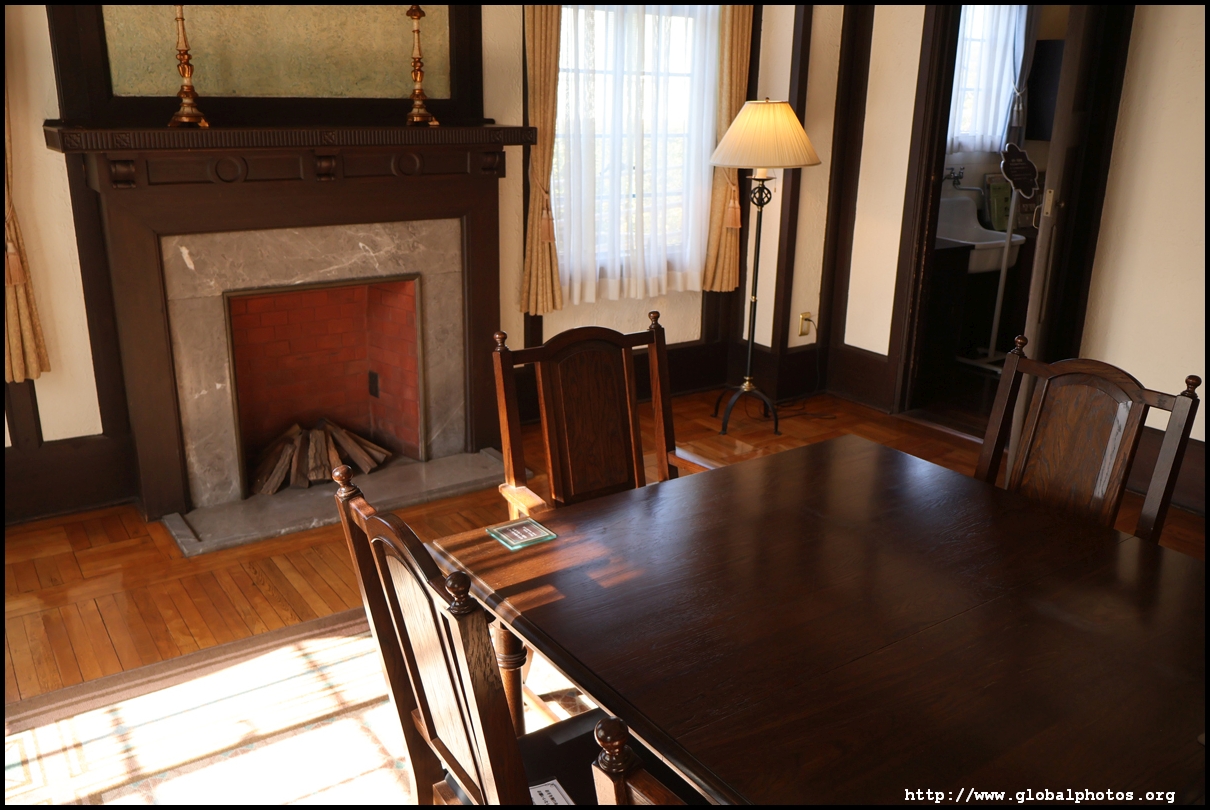
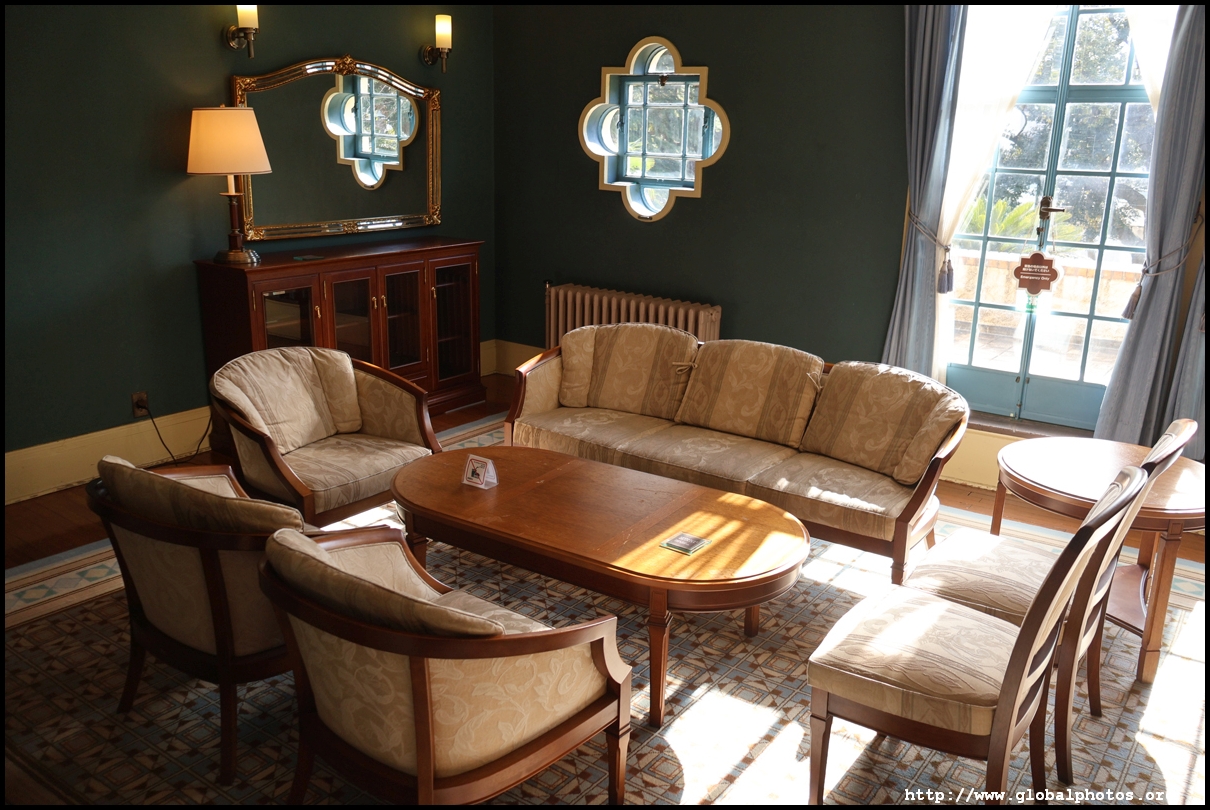
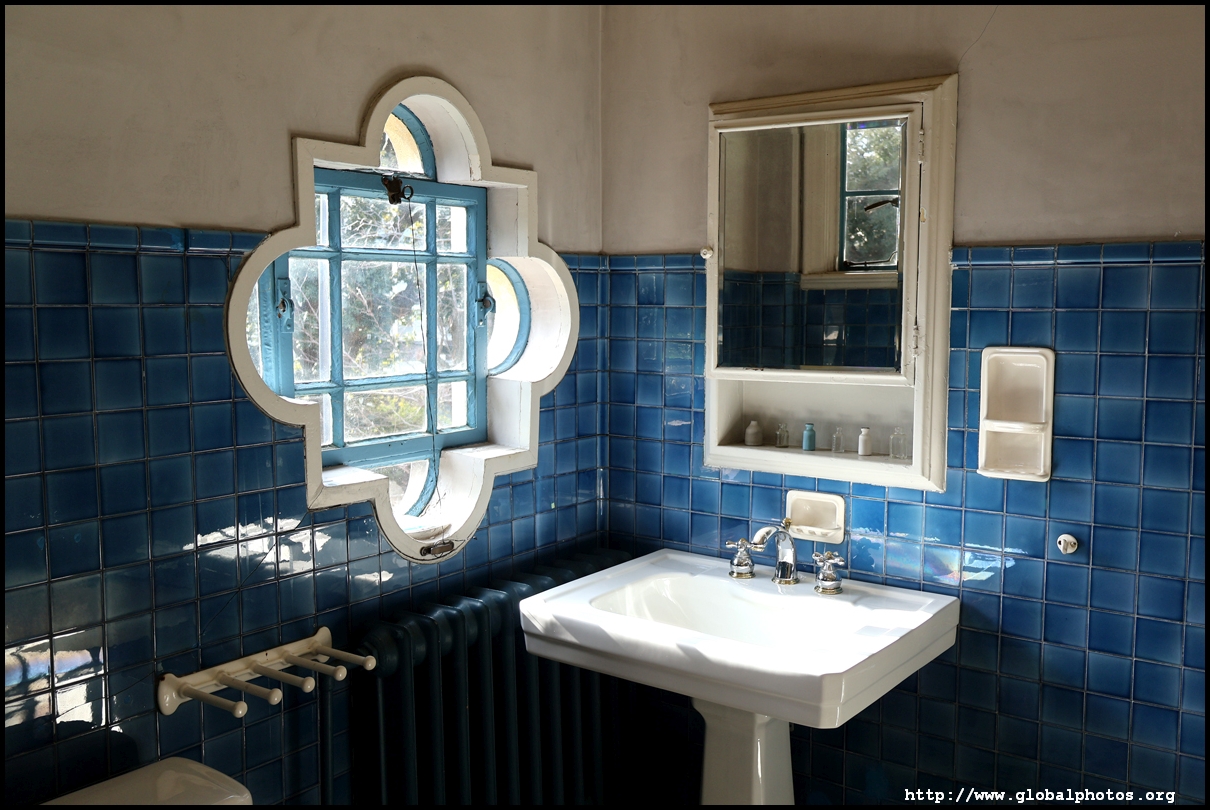
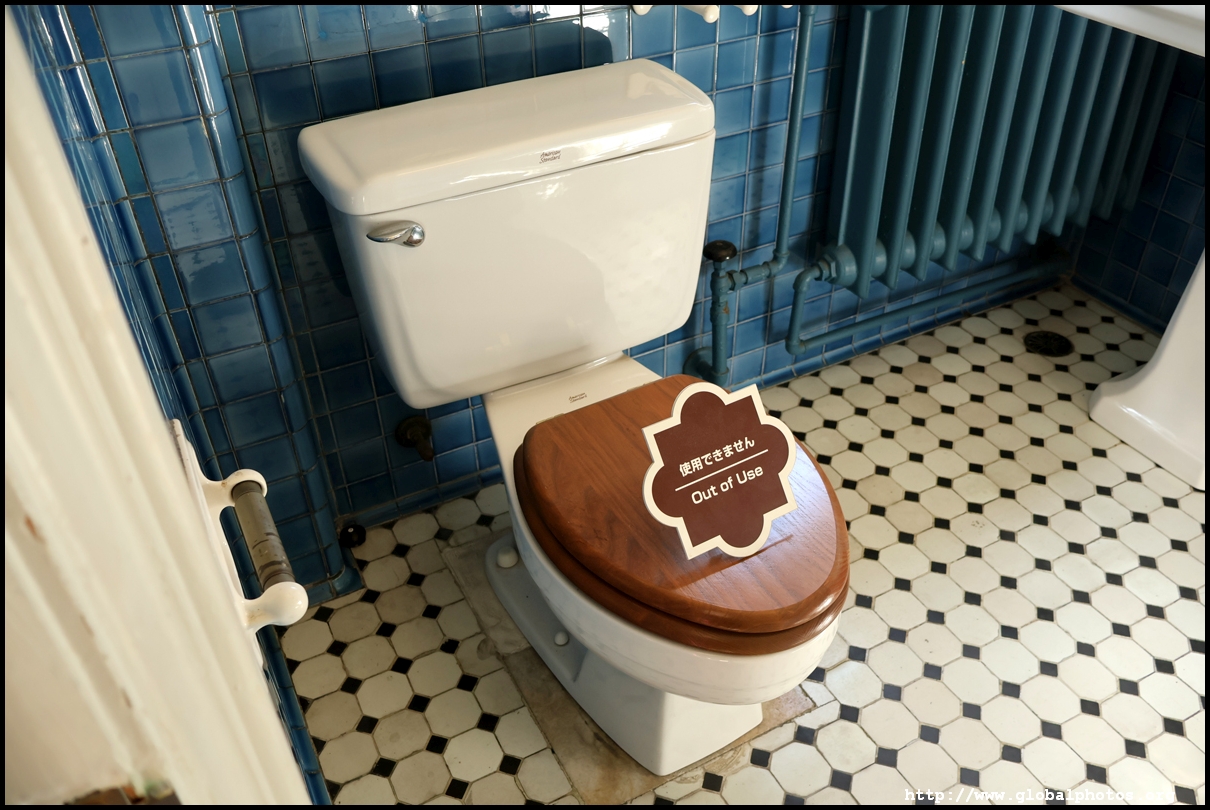
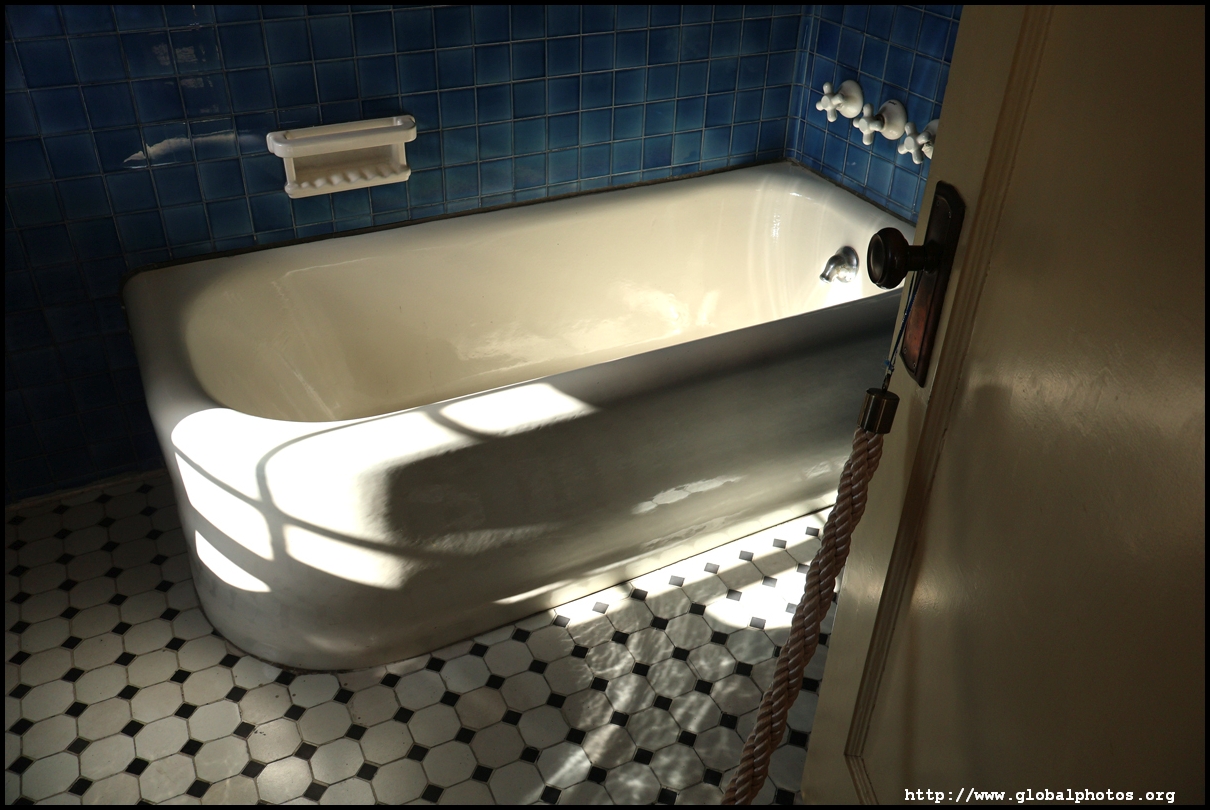
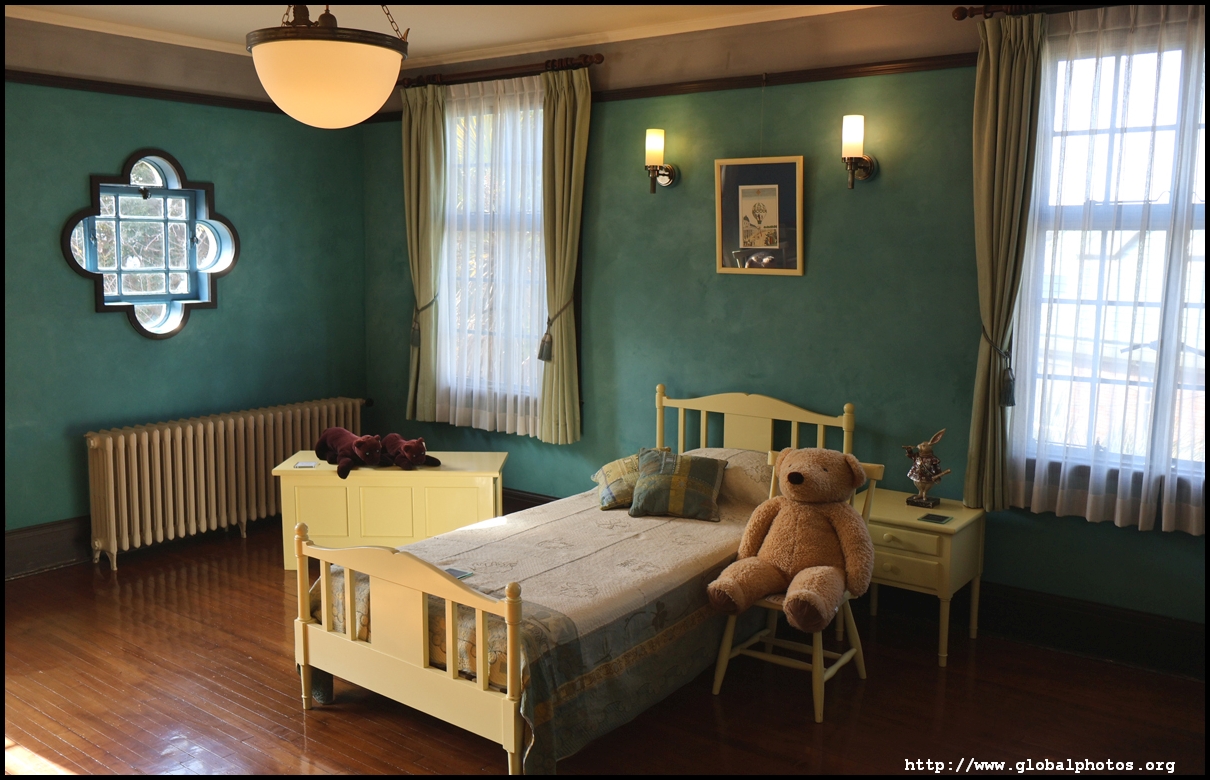
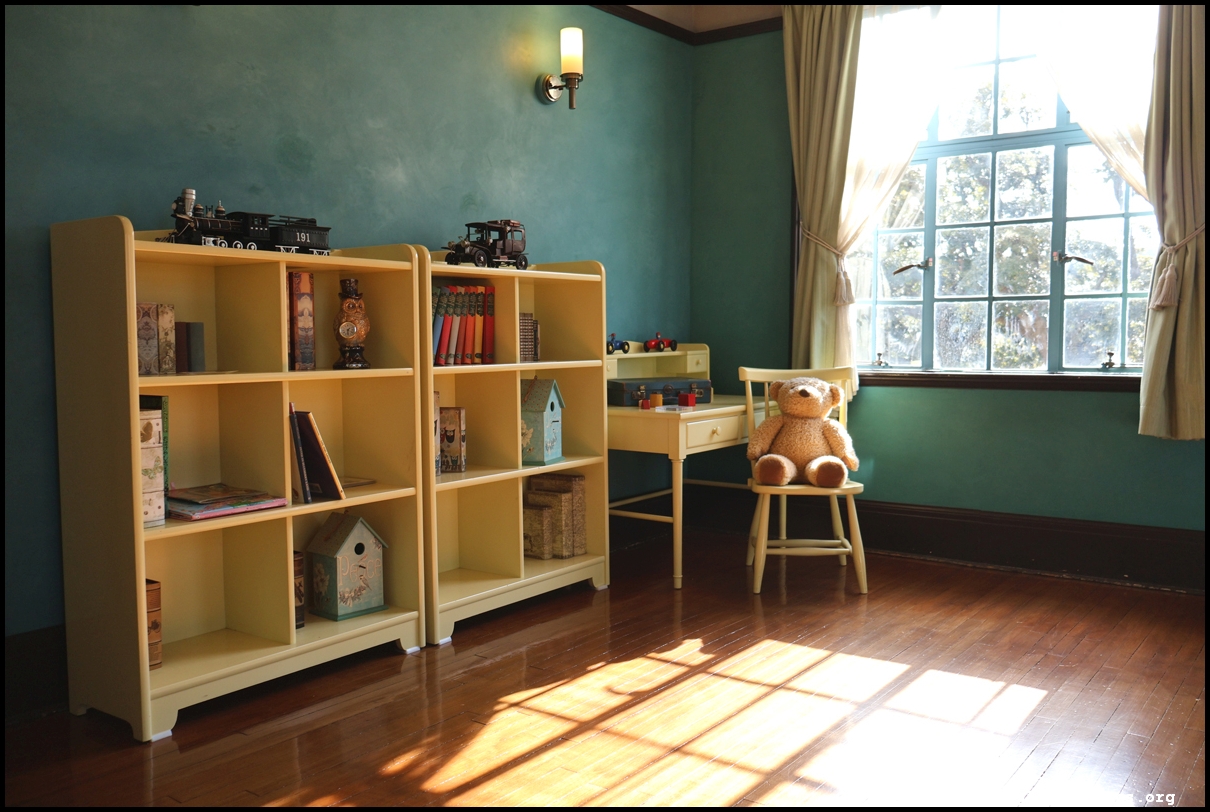
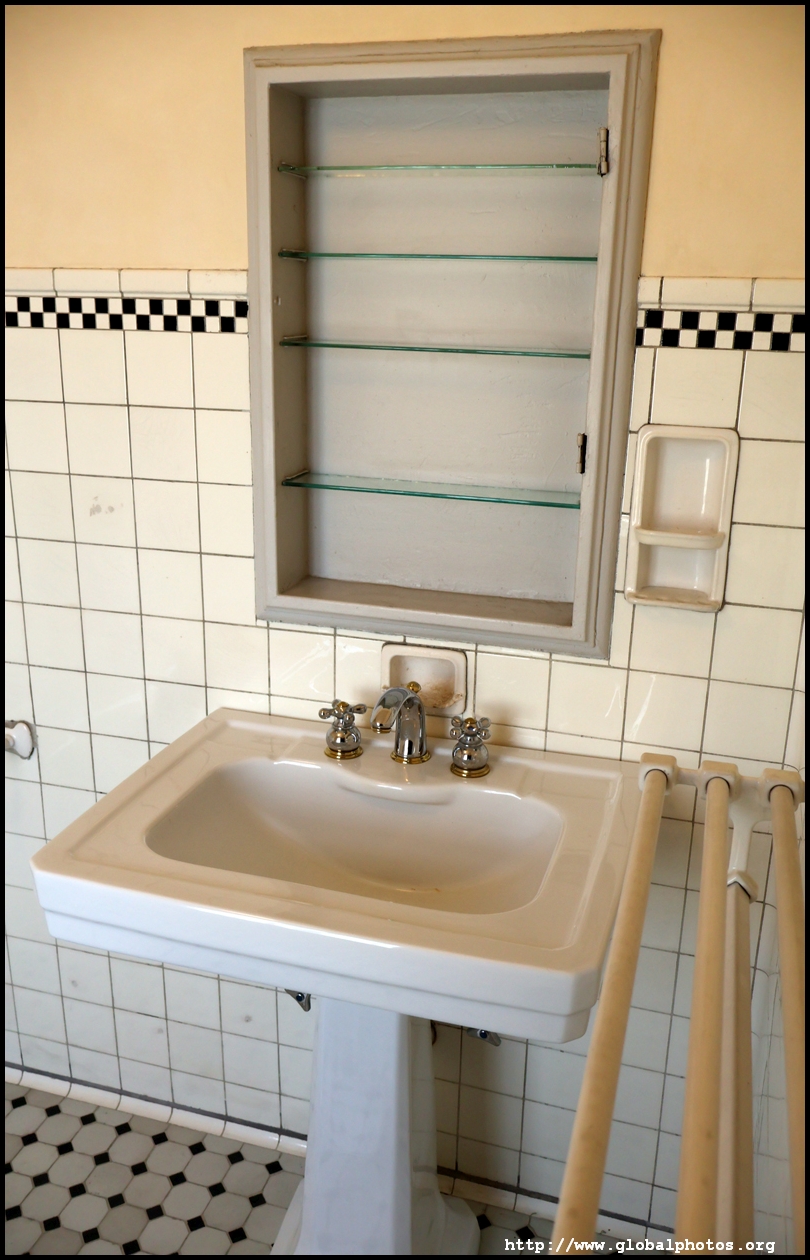
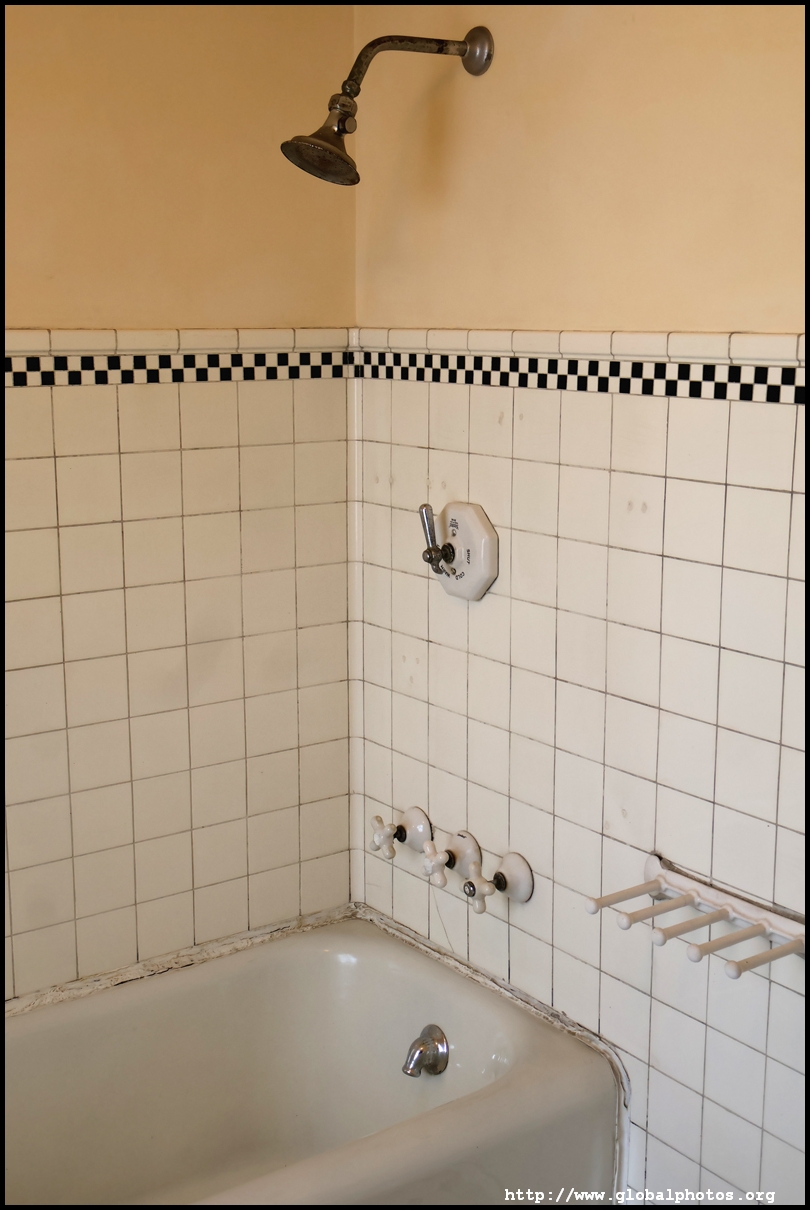
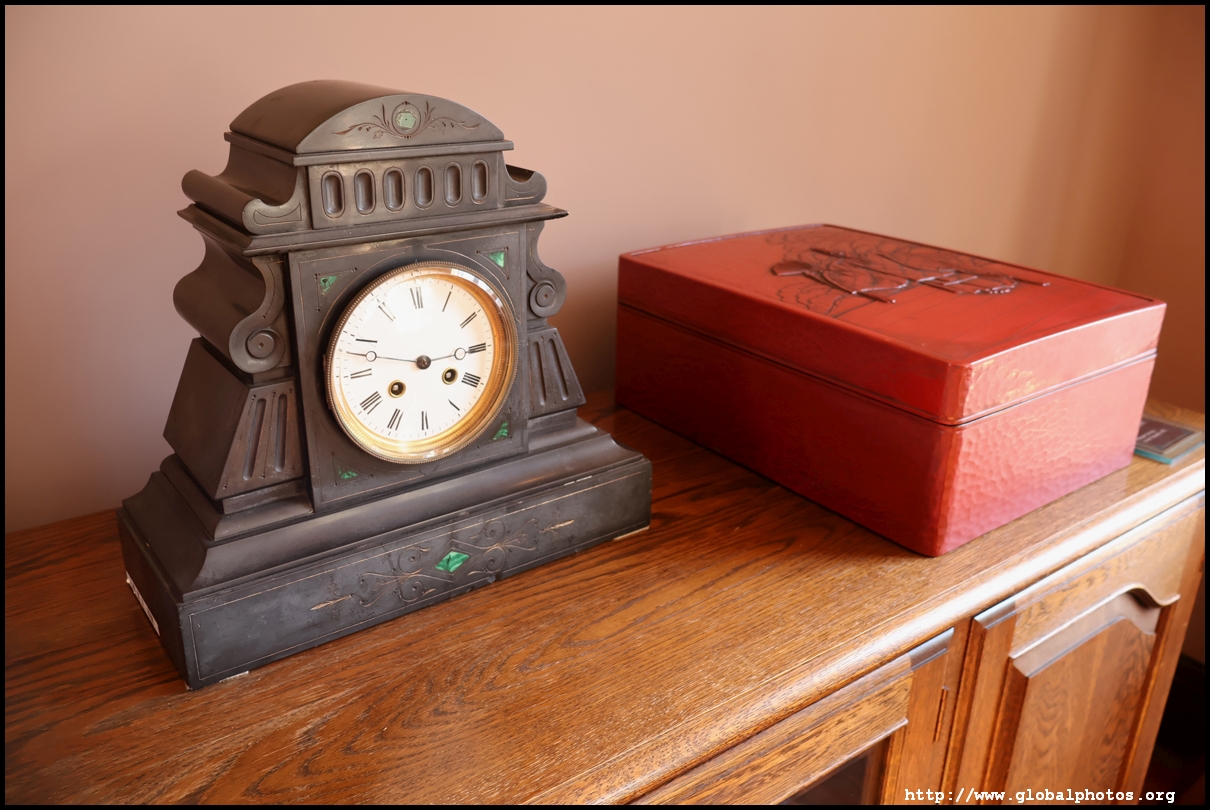
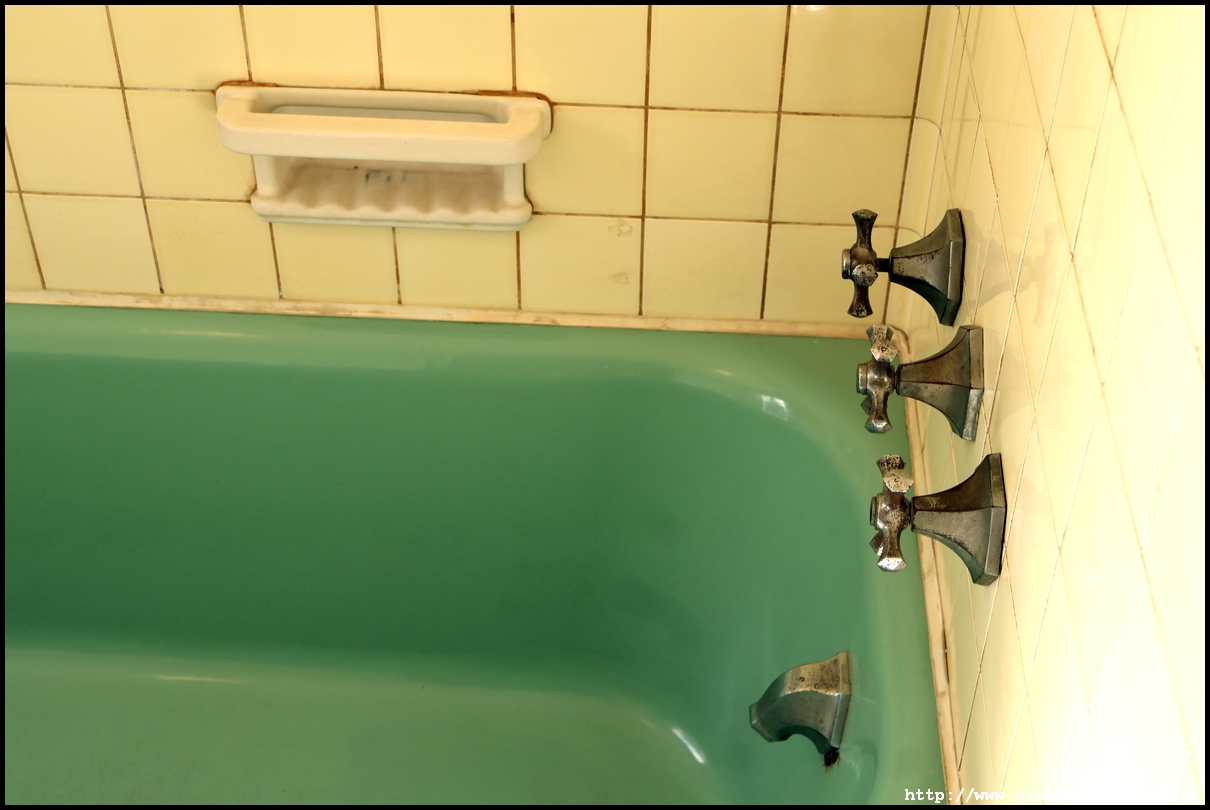
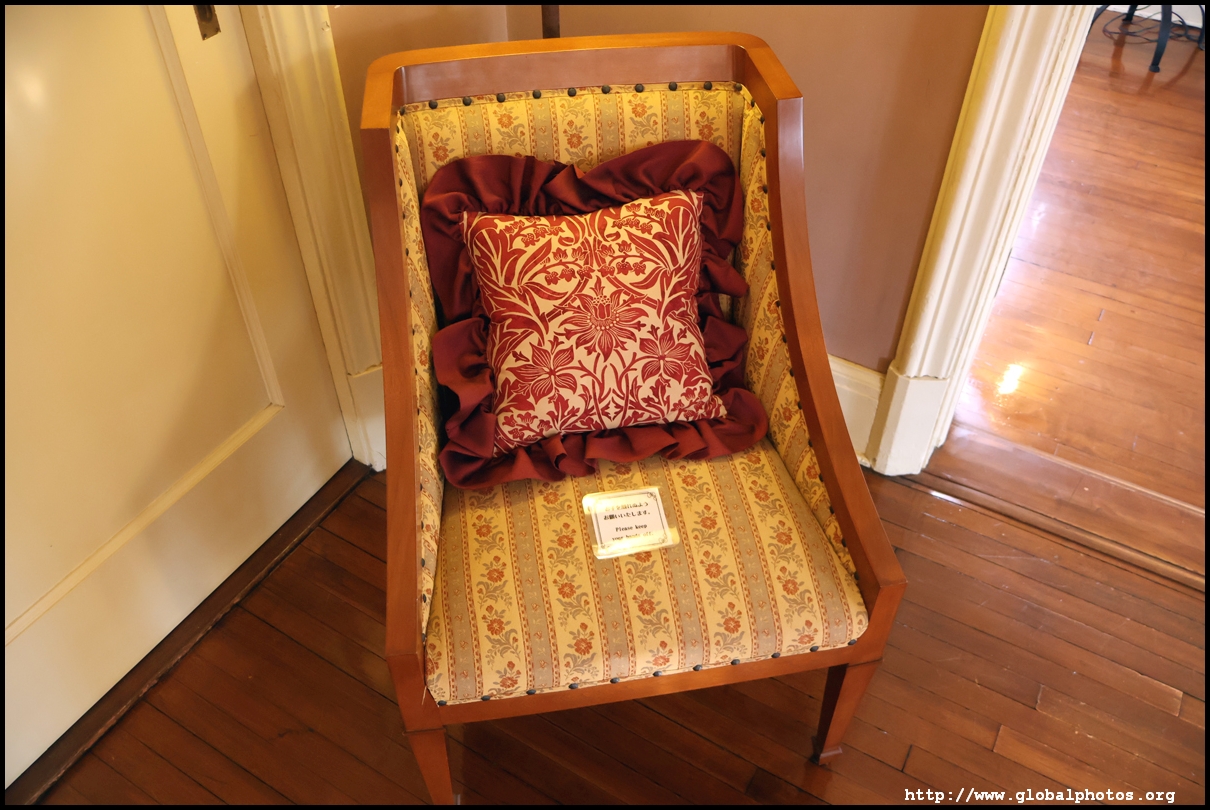
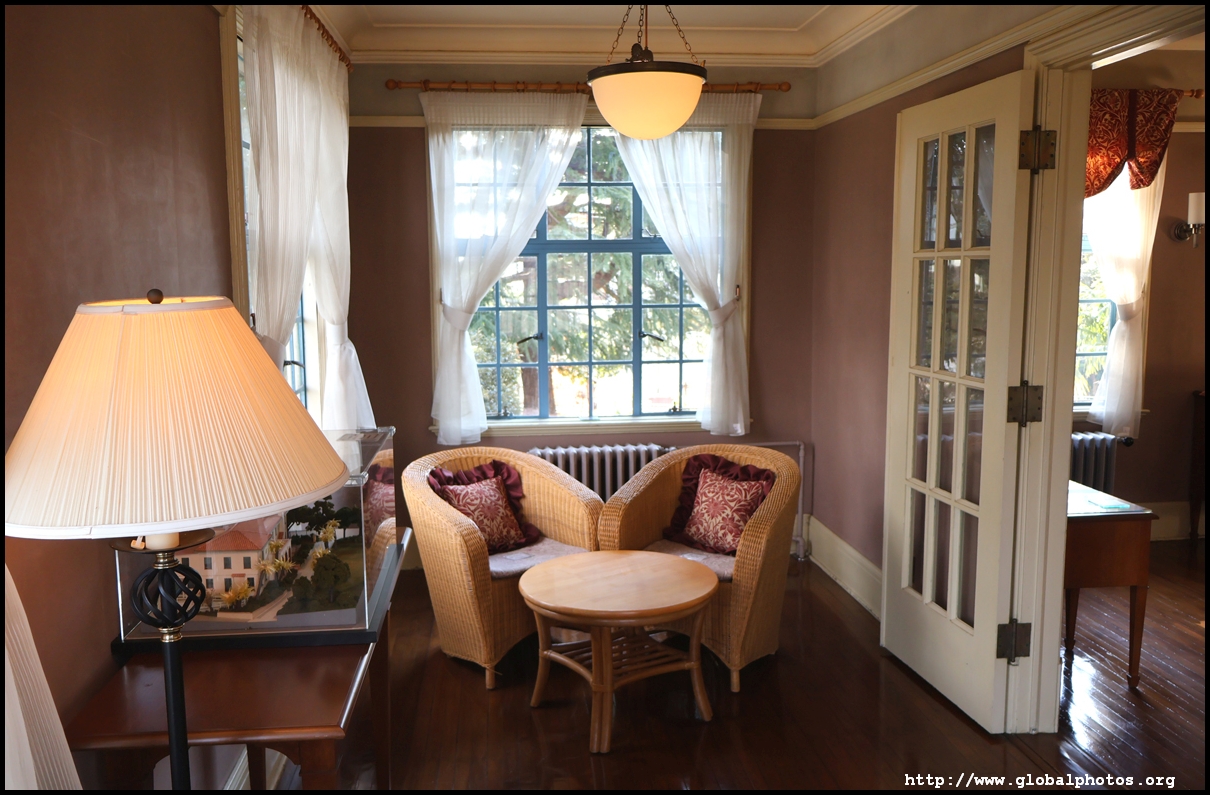
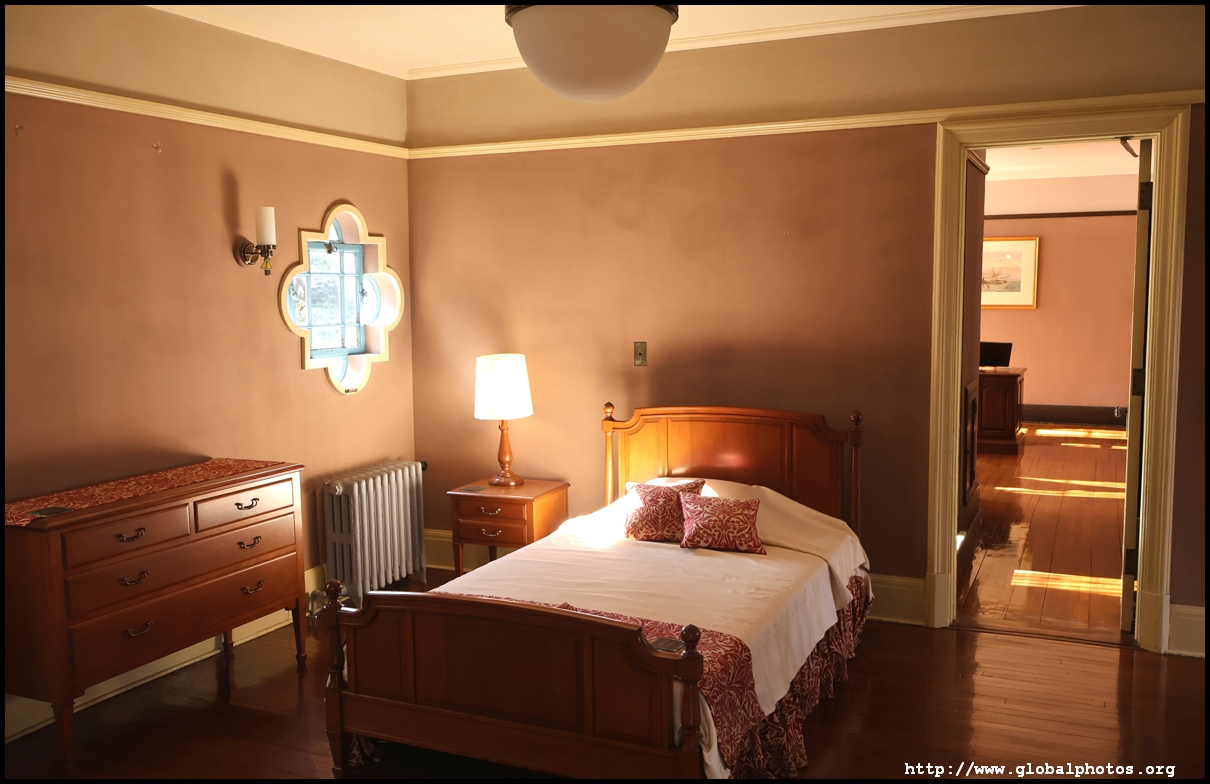
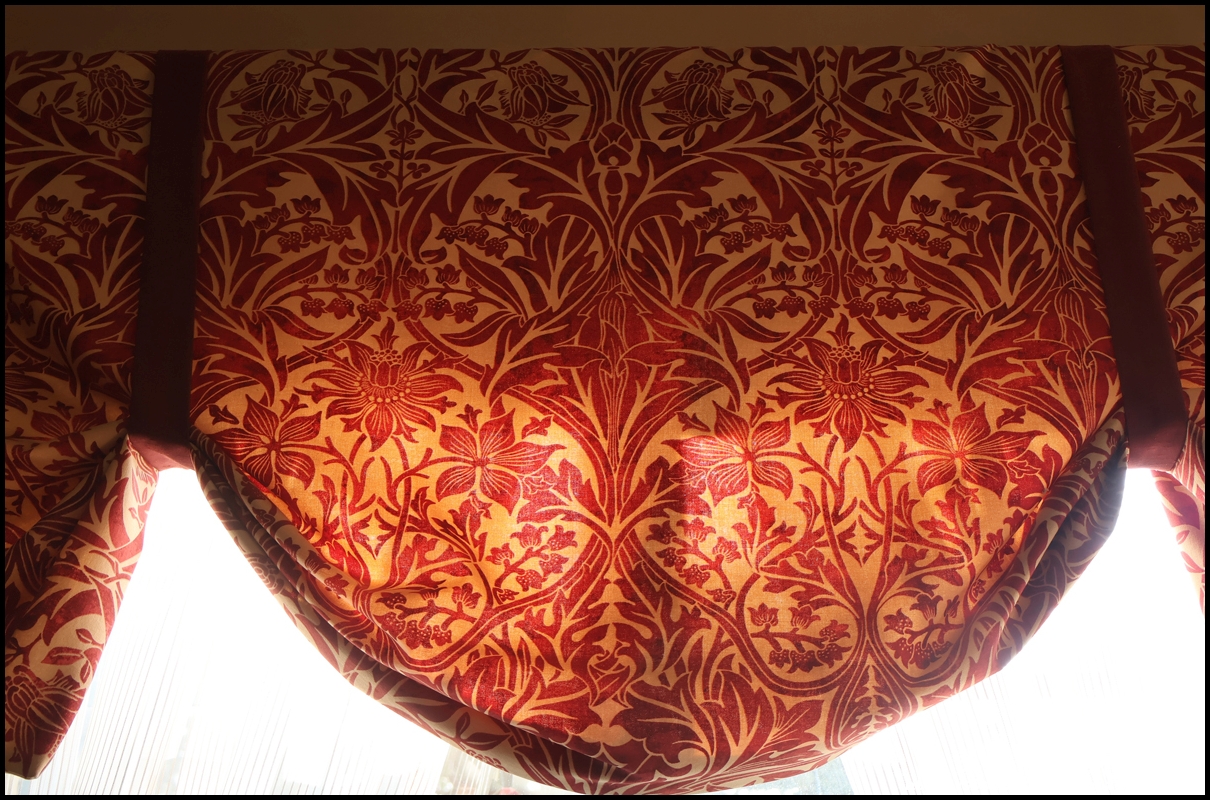
Ehrismann Residence was built in 1926 for a manager of Siber & Hegner Co, a large silk trading company. It was moved to the current location in 1990.
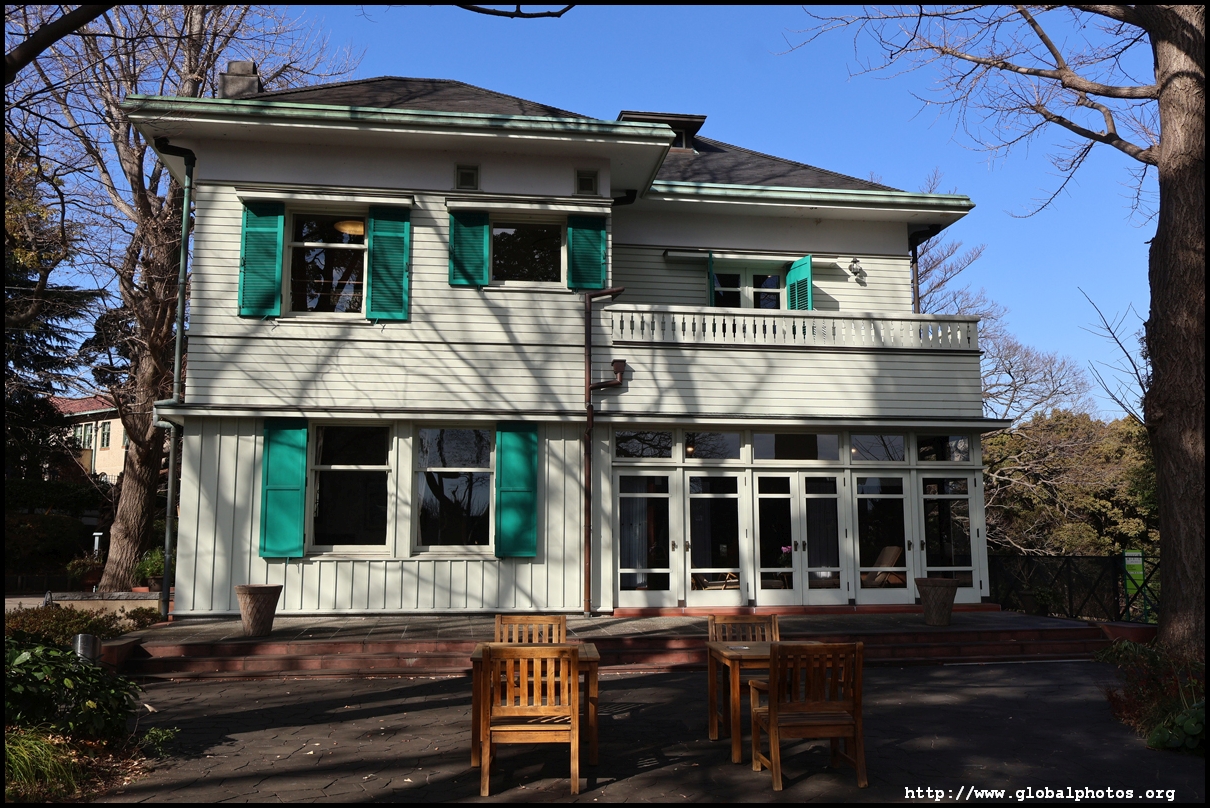
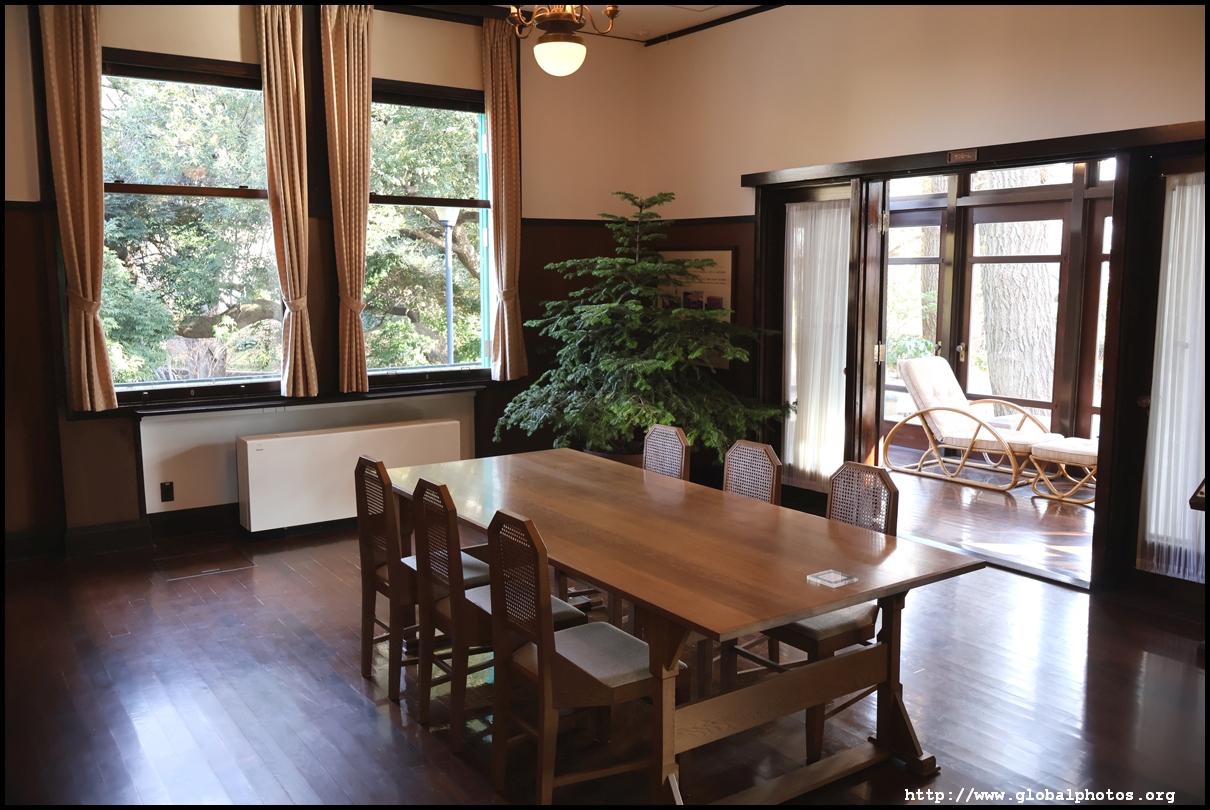
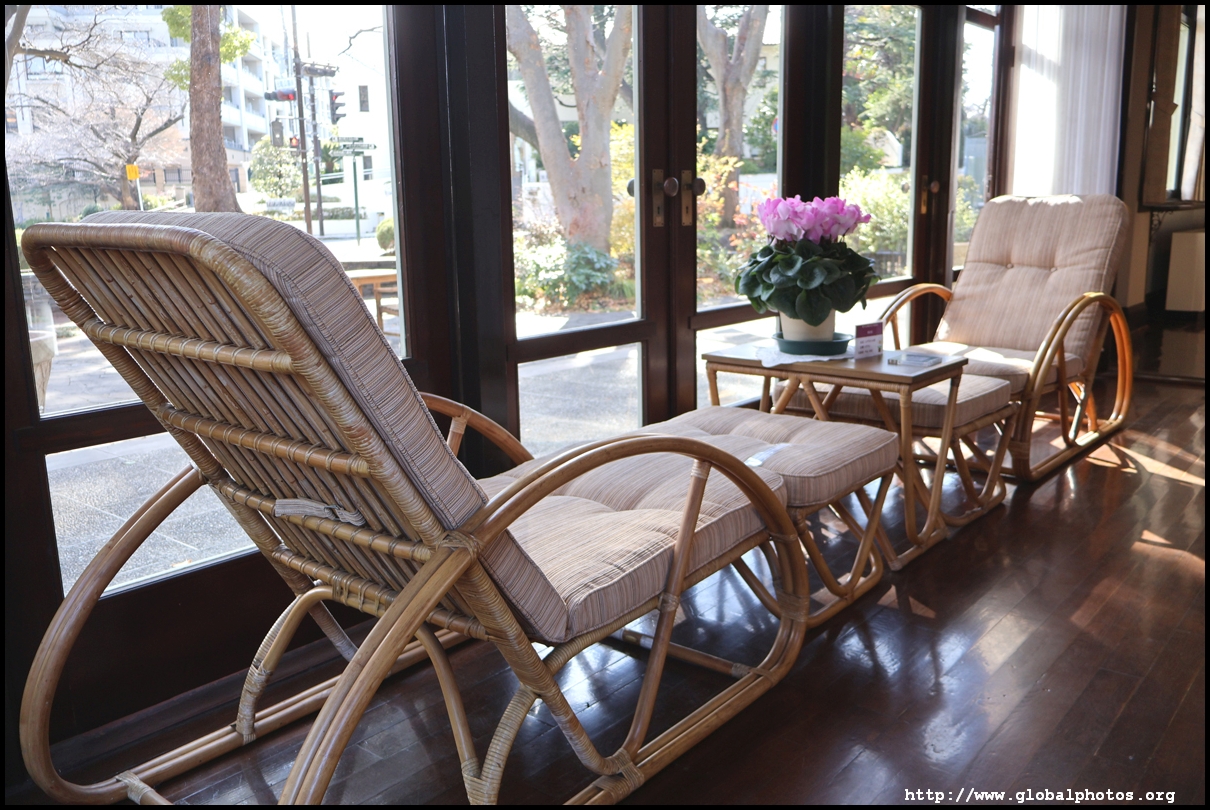
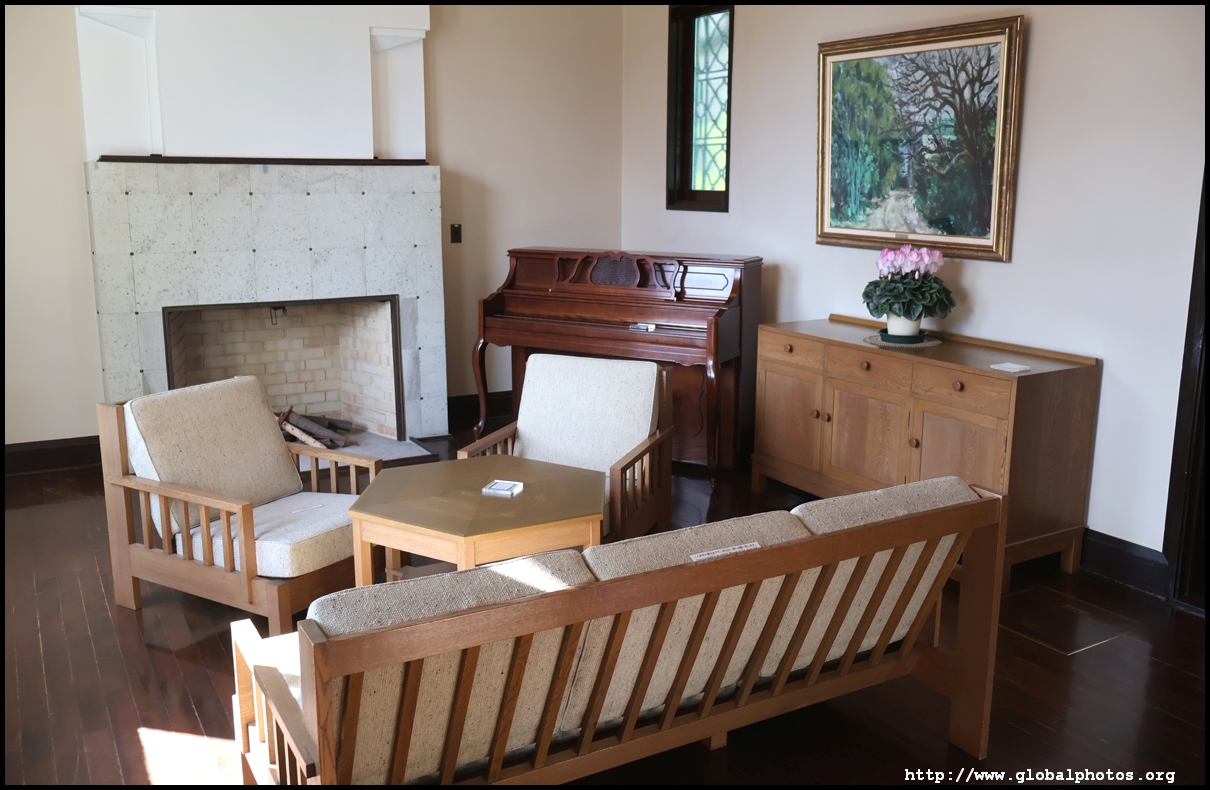
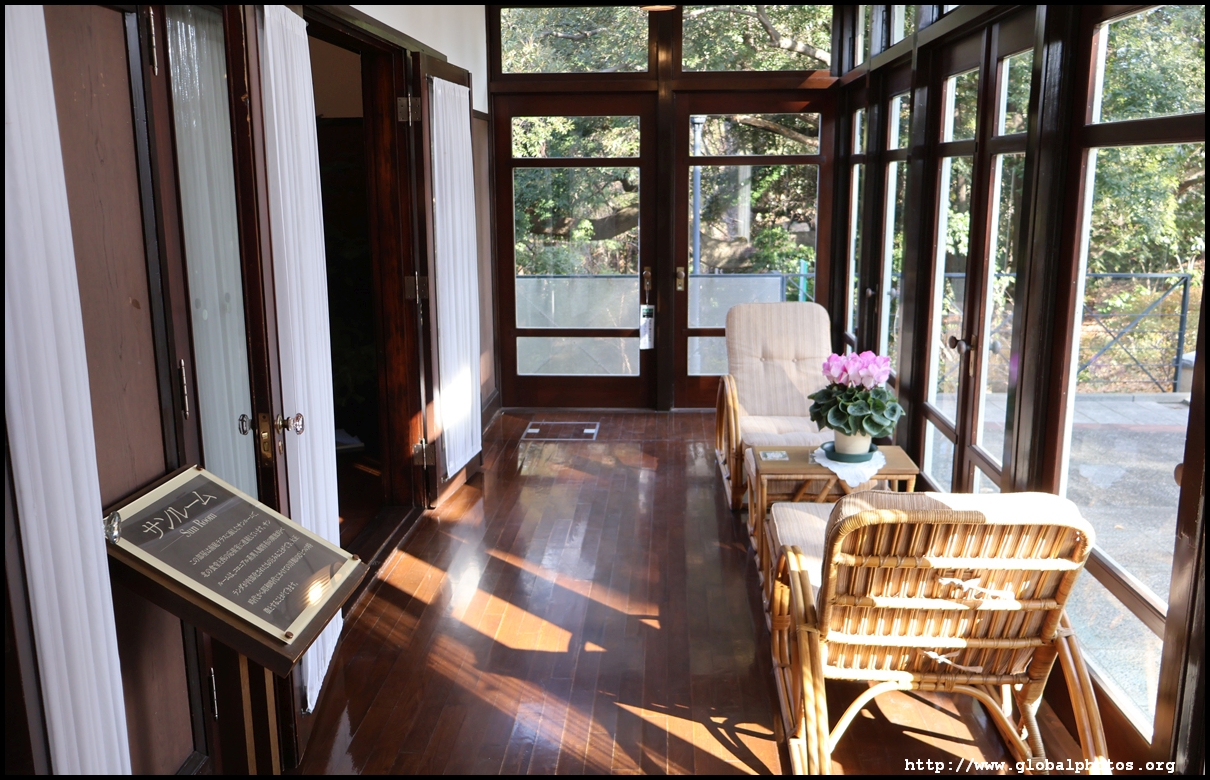
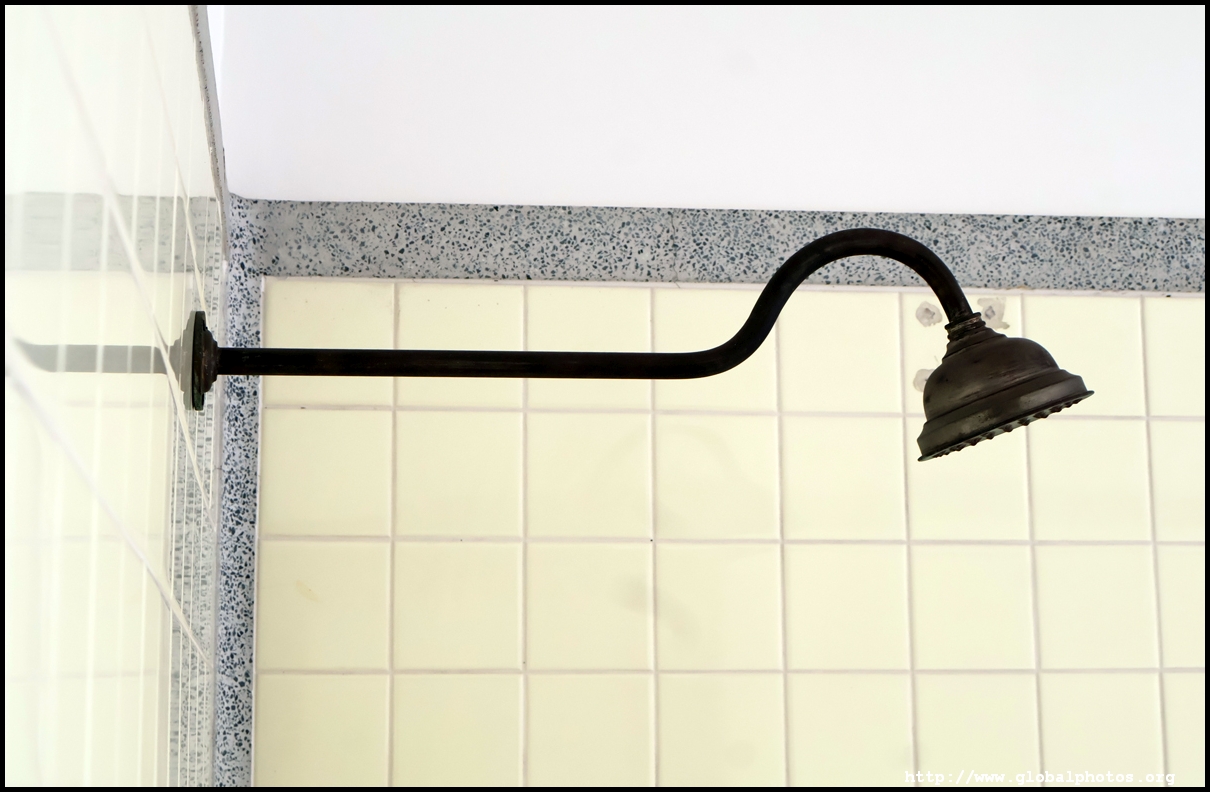
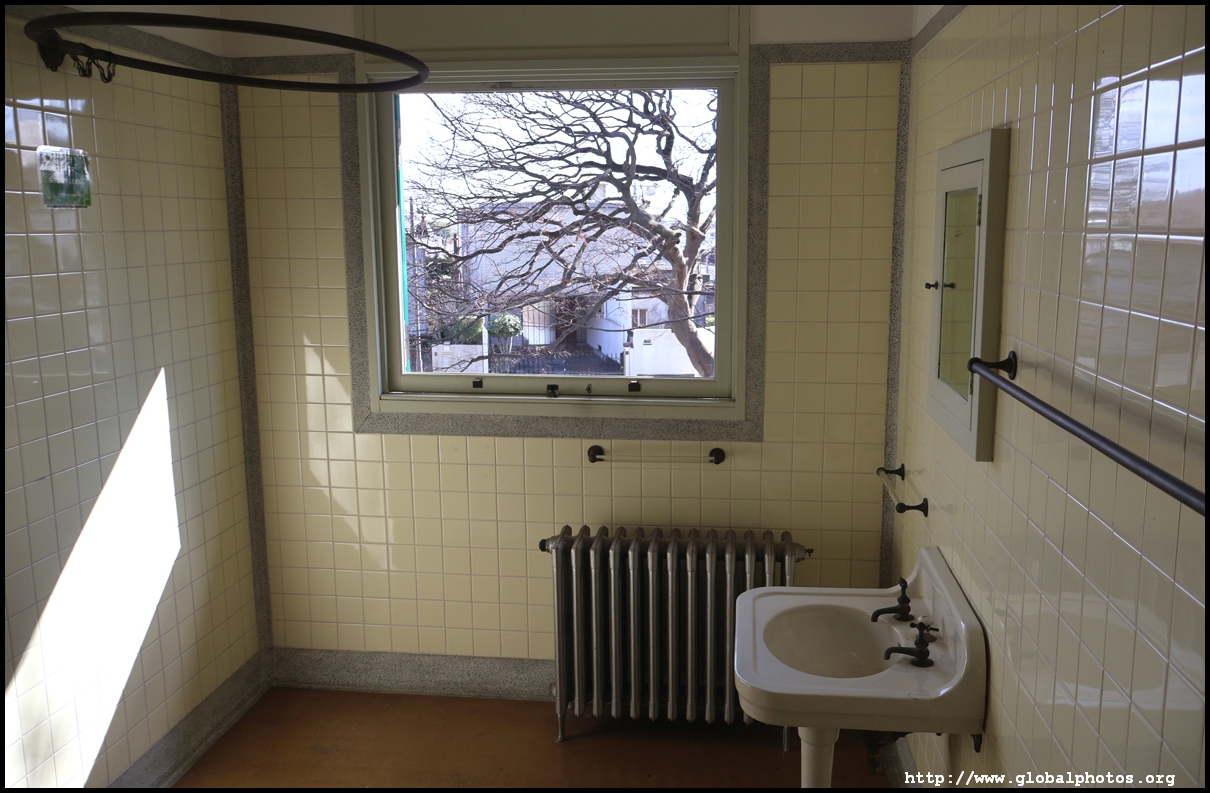
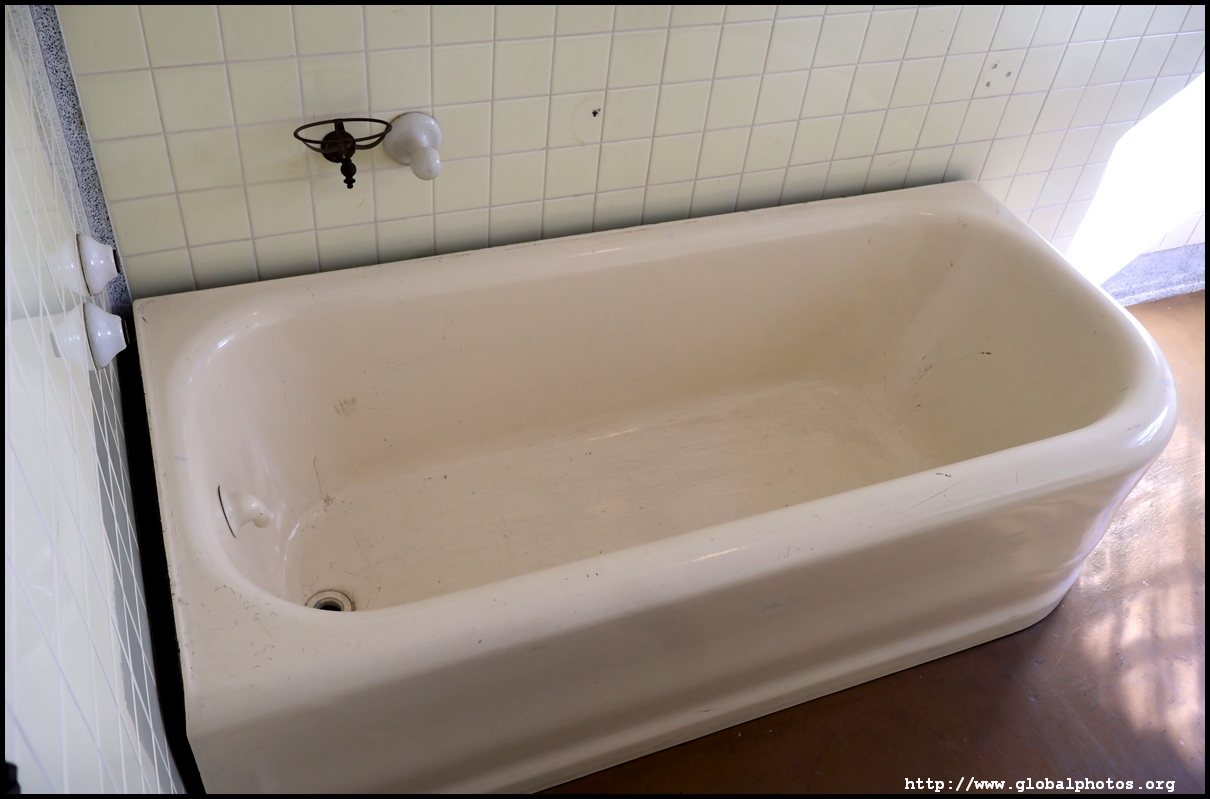
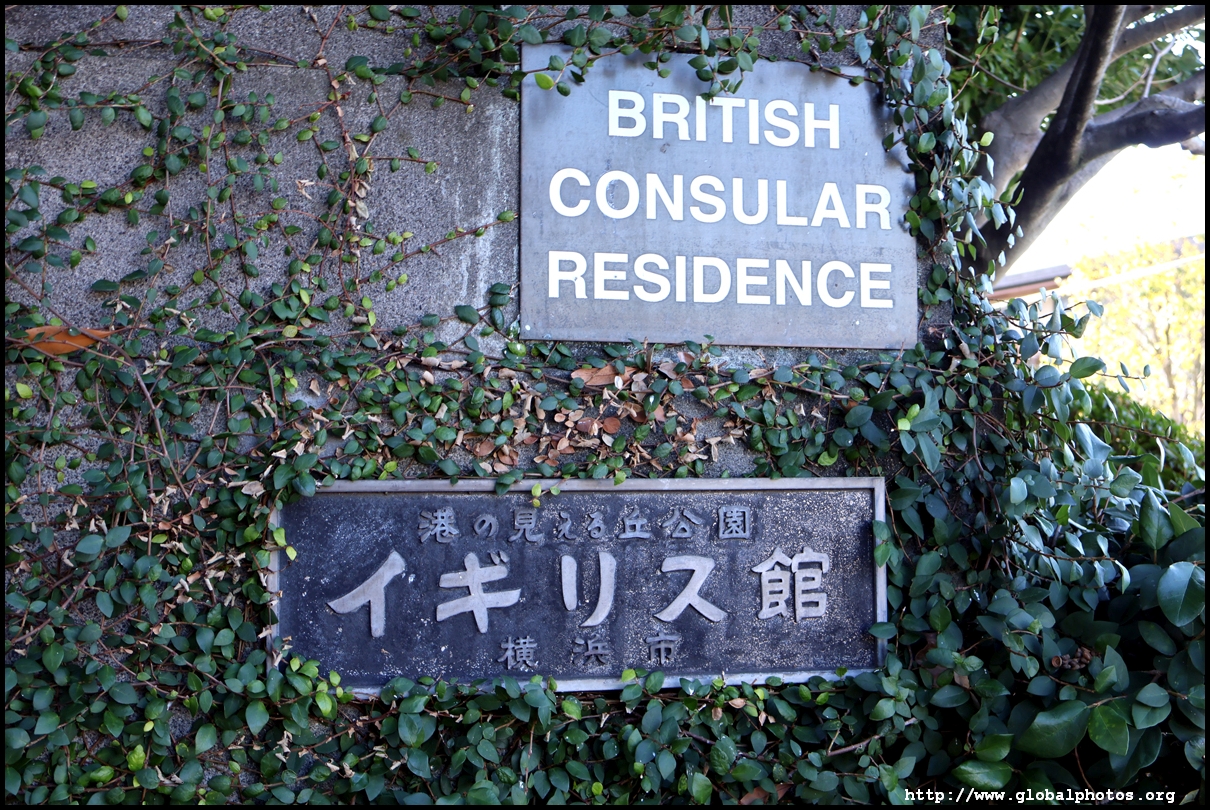
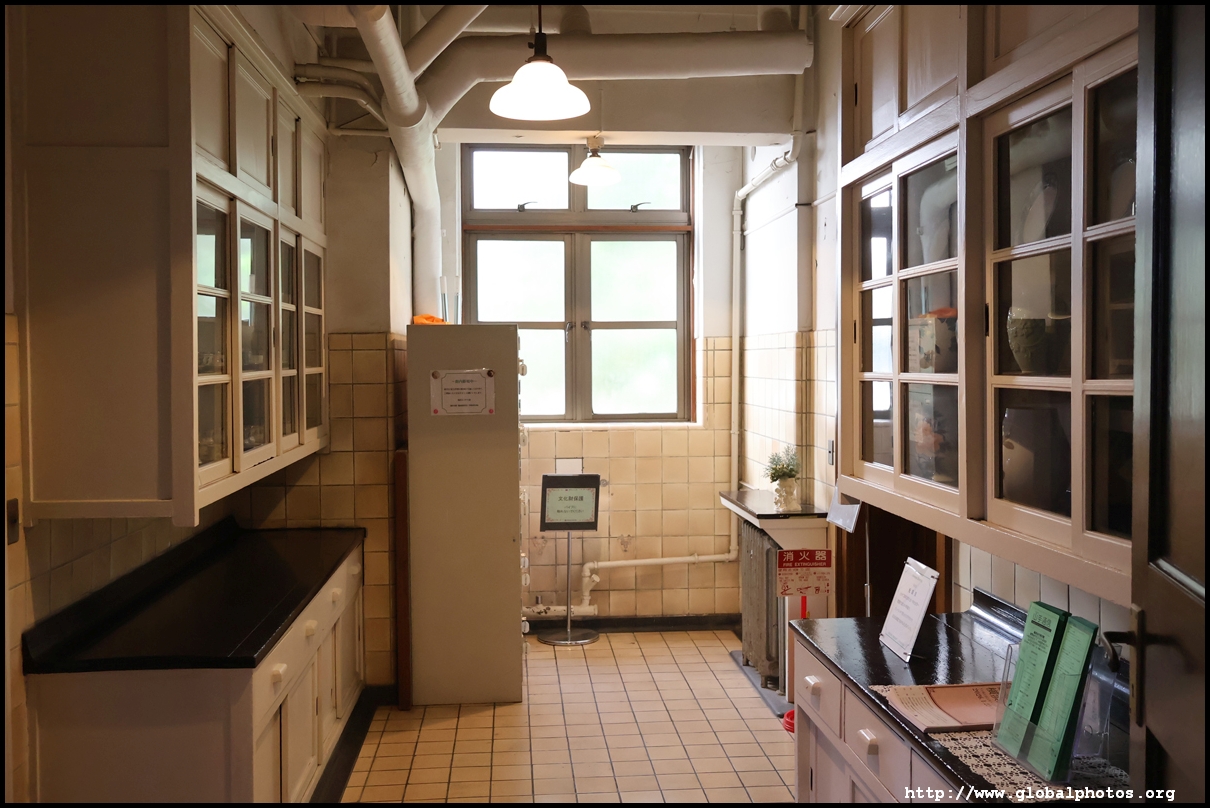
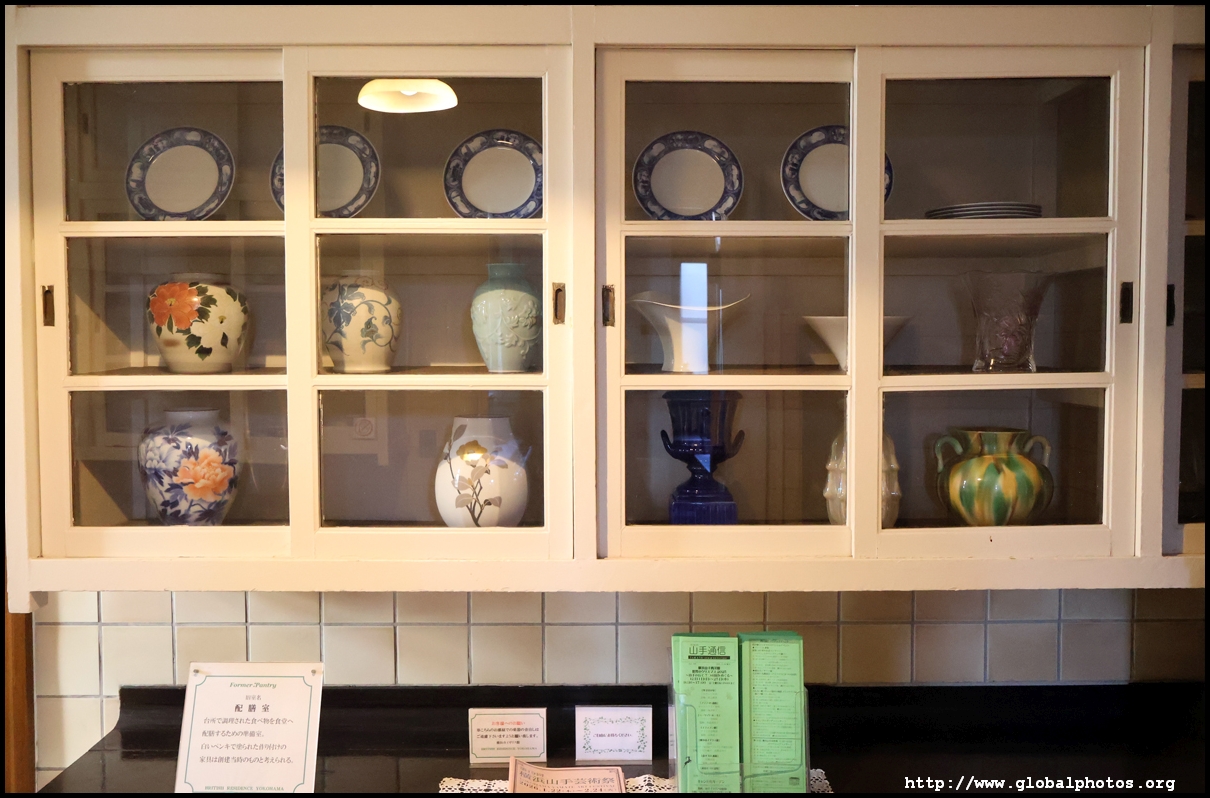
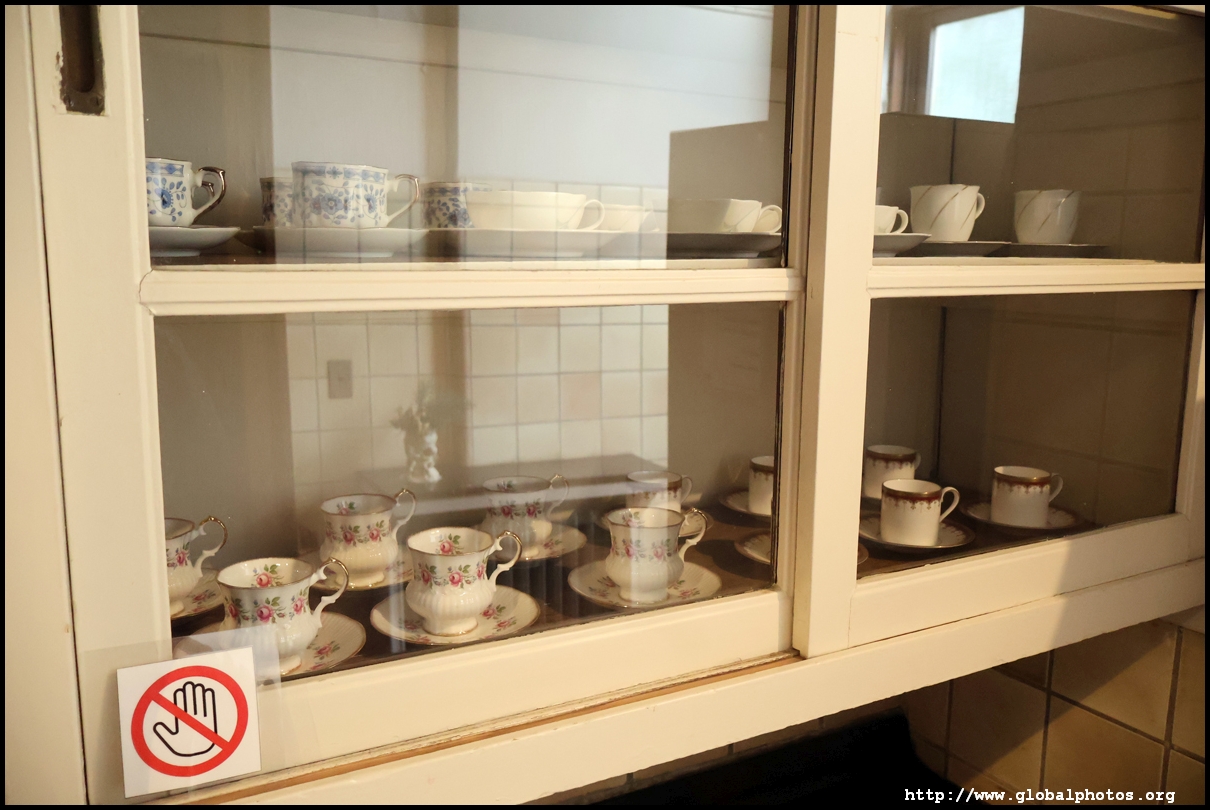
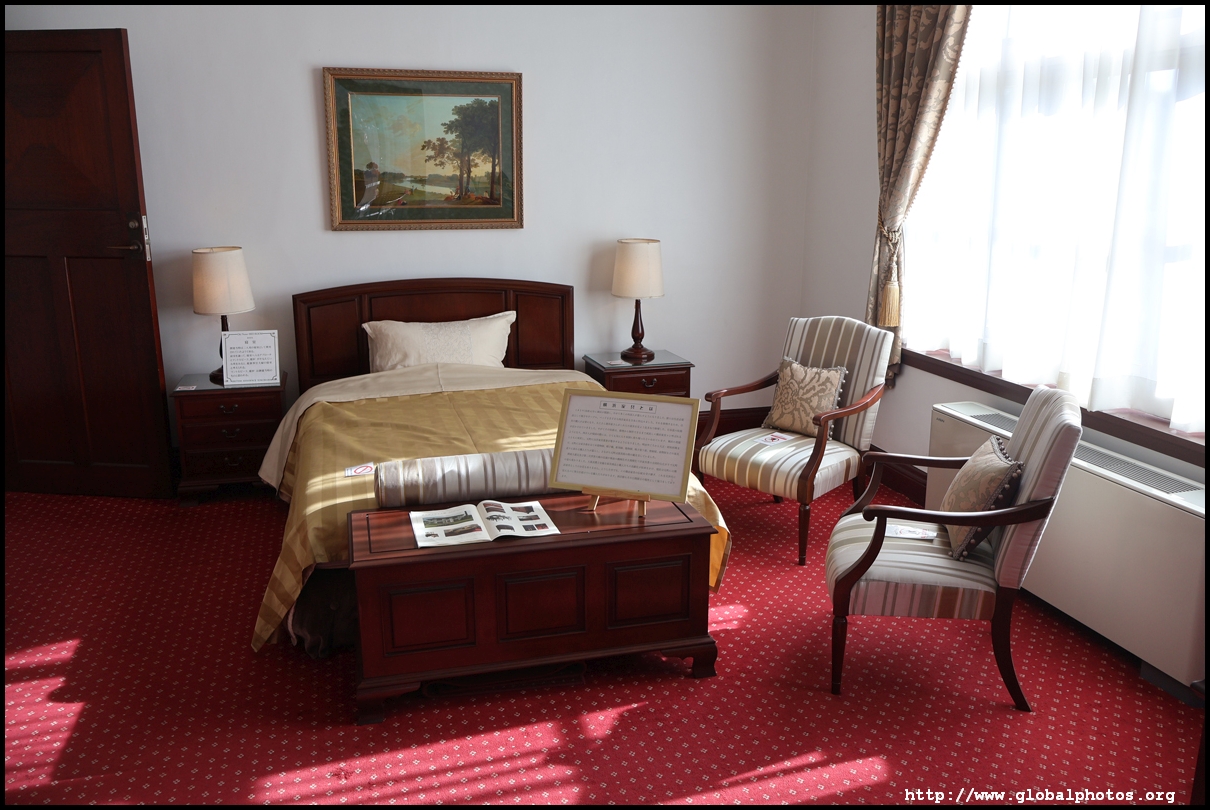
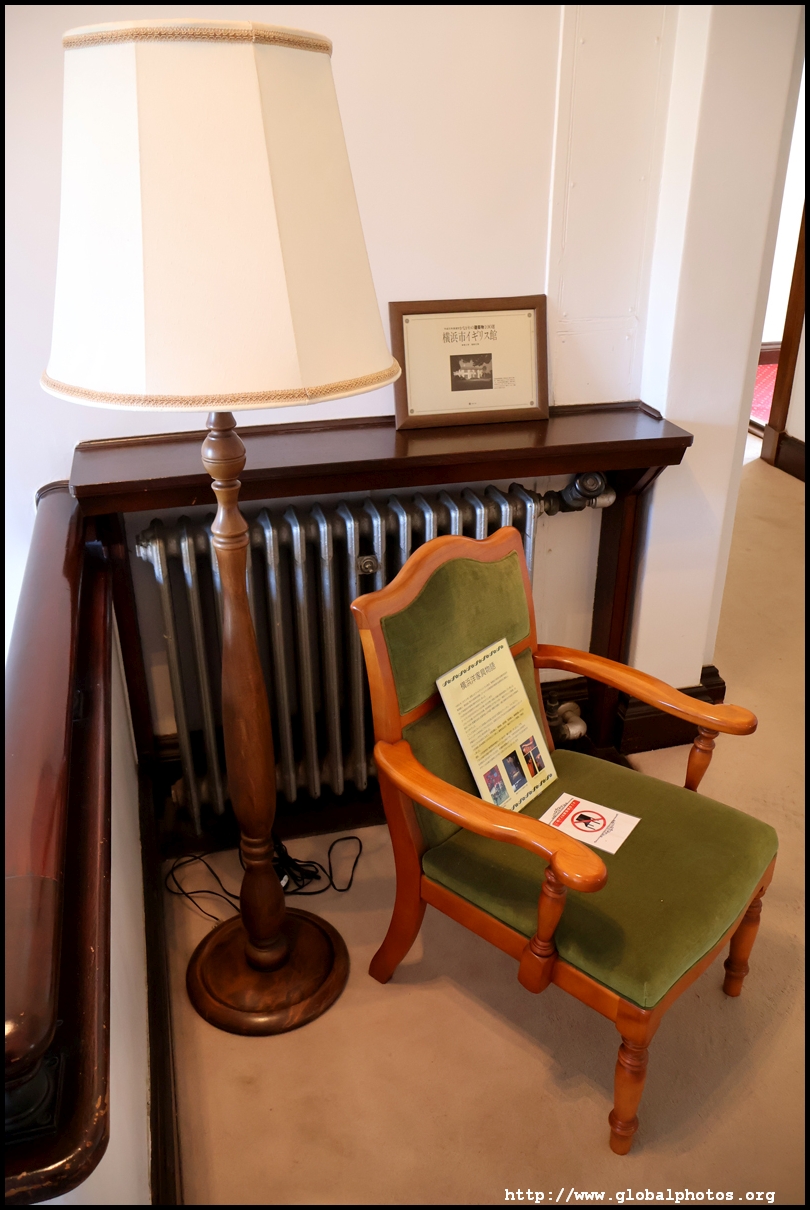
Leaving Motomachi Park and past the foreigners' cemetery, I reached British House, home of the Consul General that was built in 1937 based on a design by the British Office of Works' Shanghai branch.
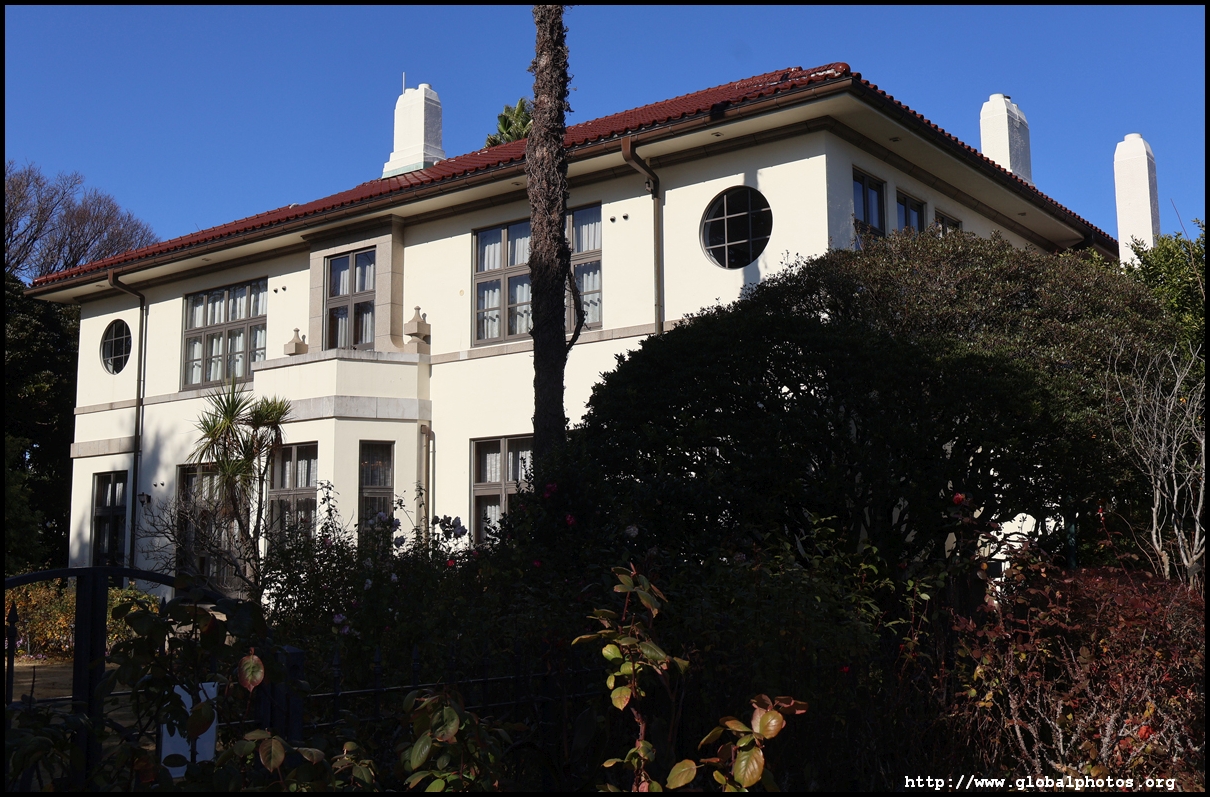
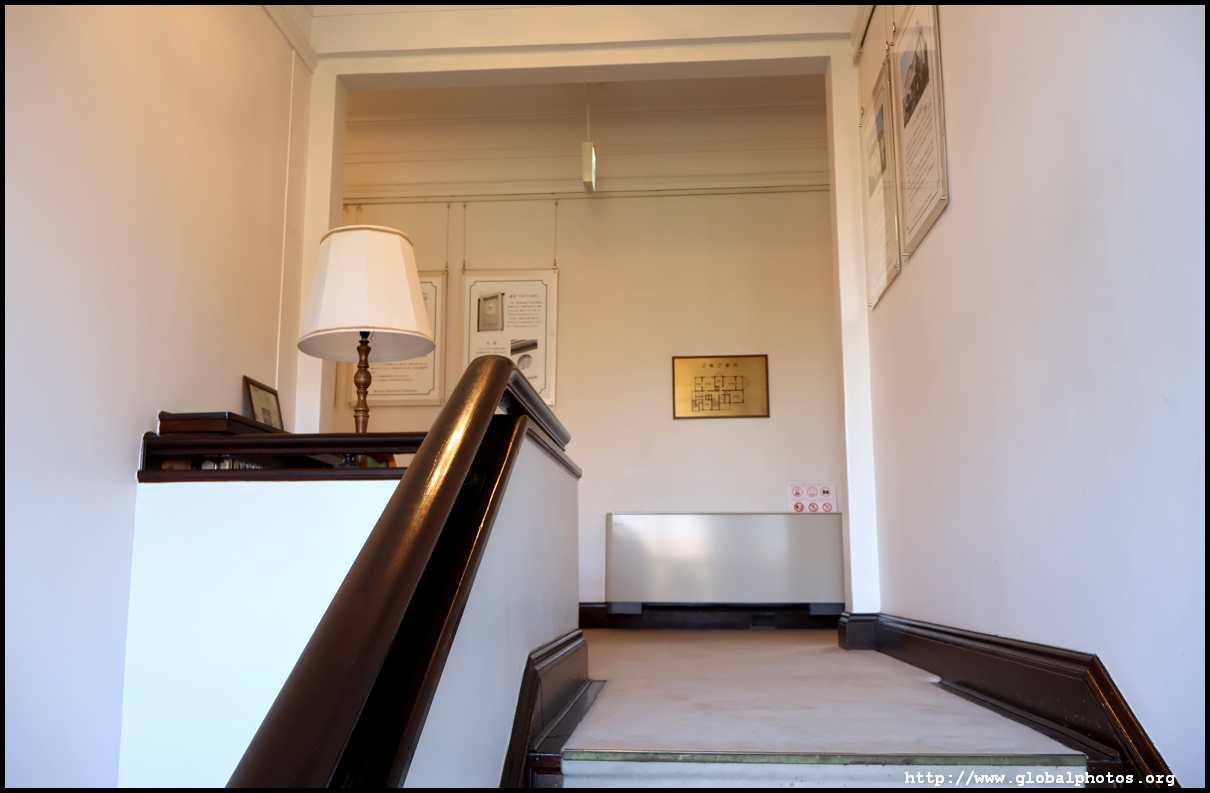
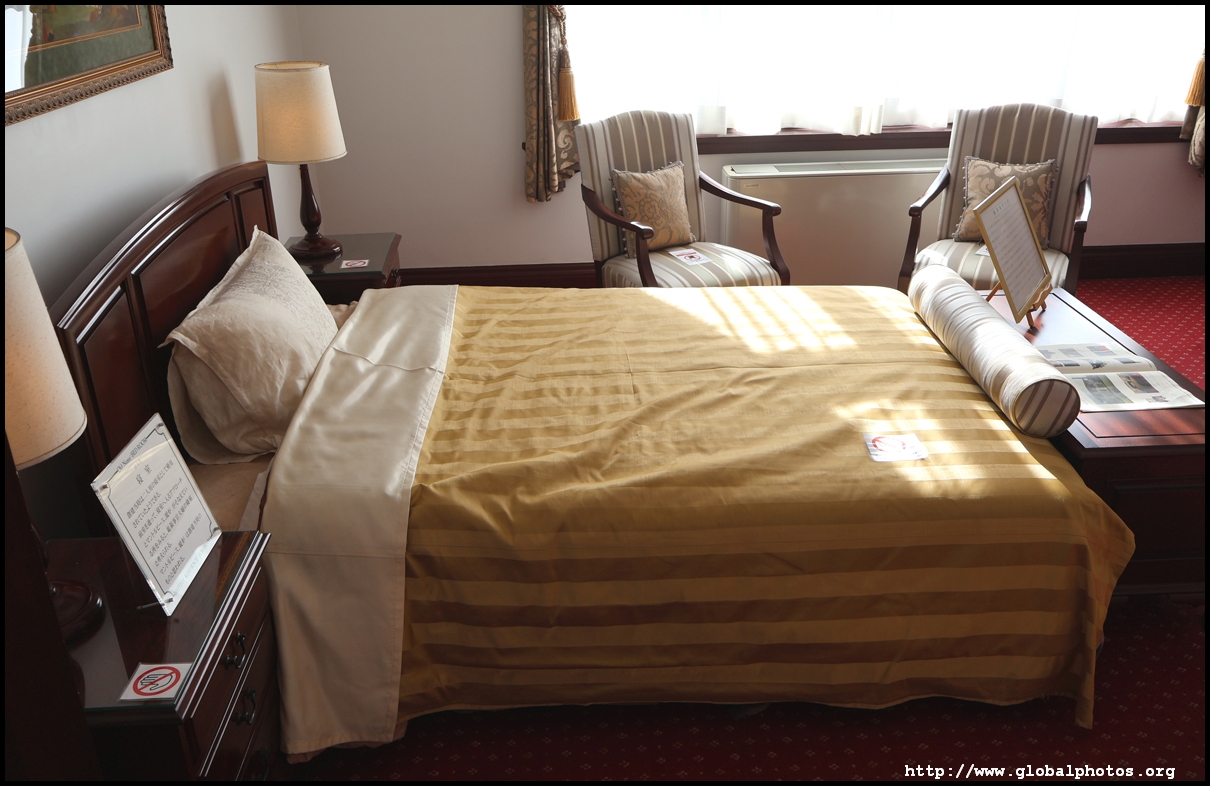
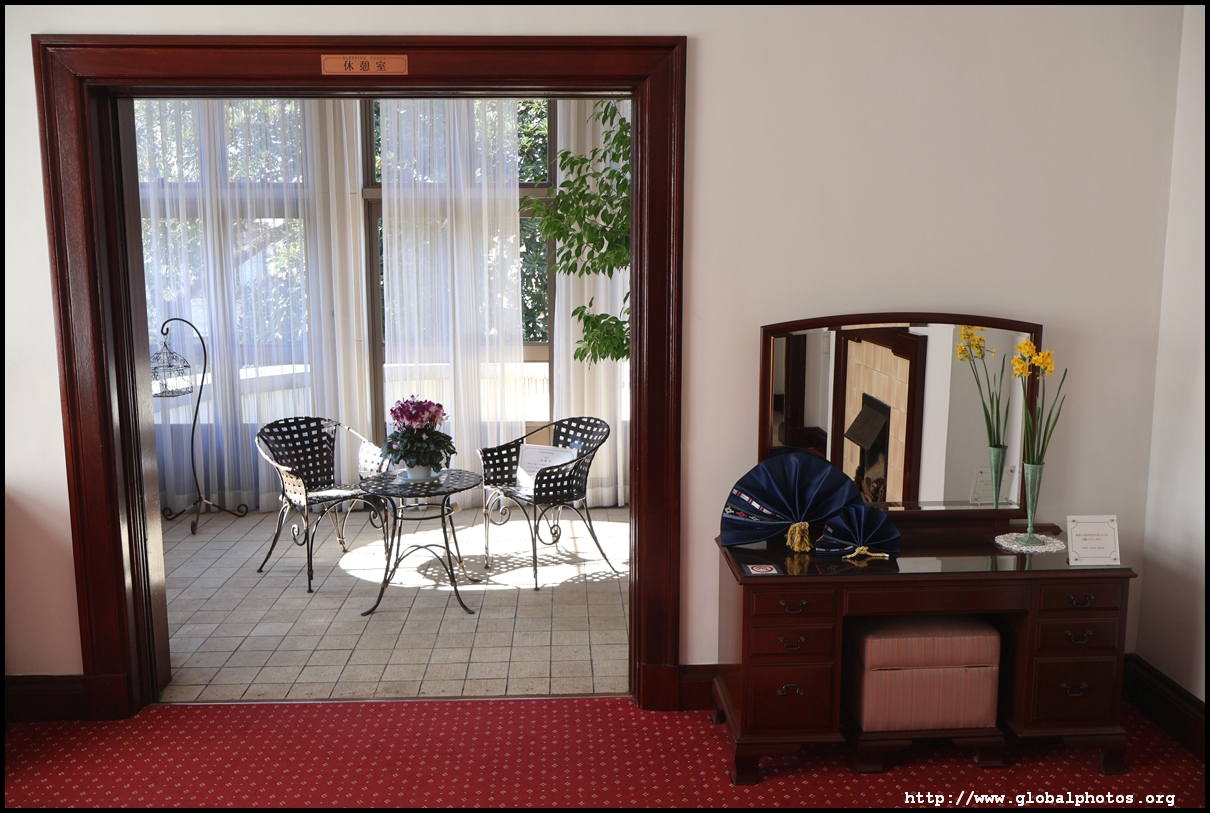
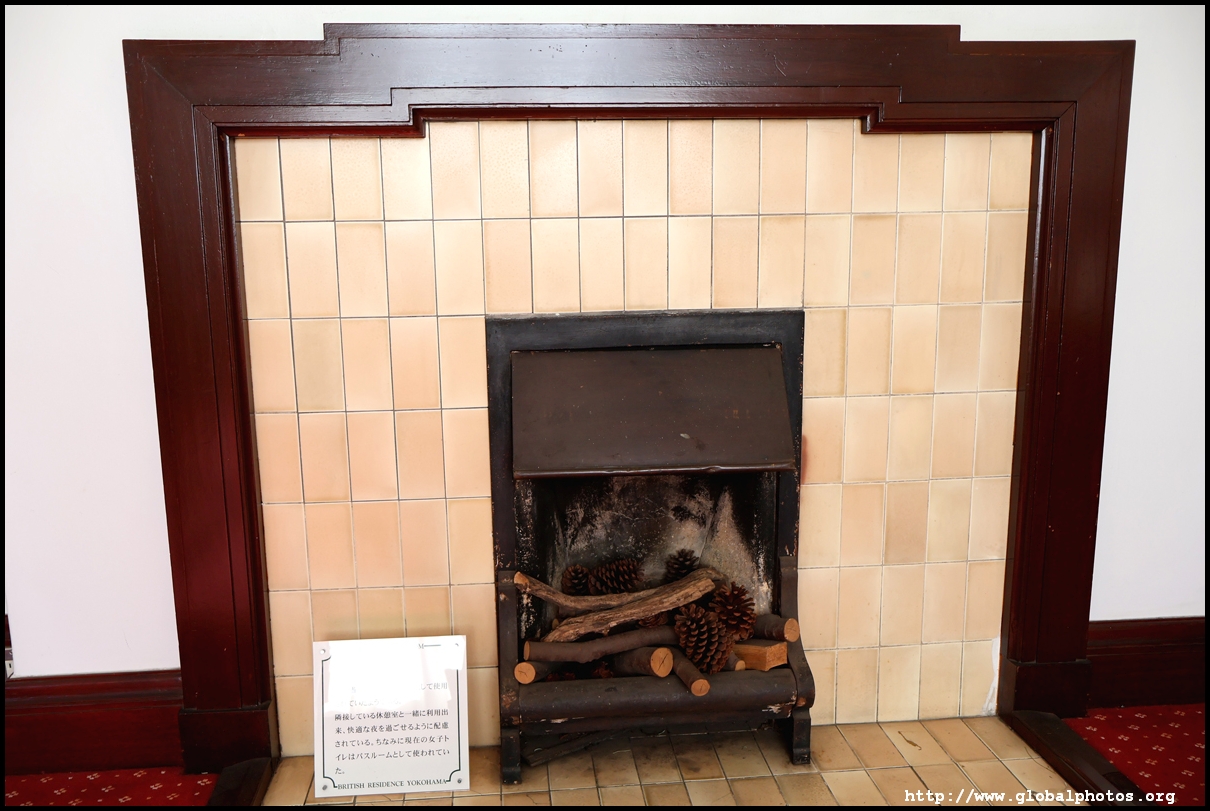
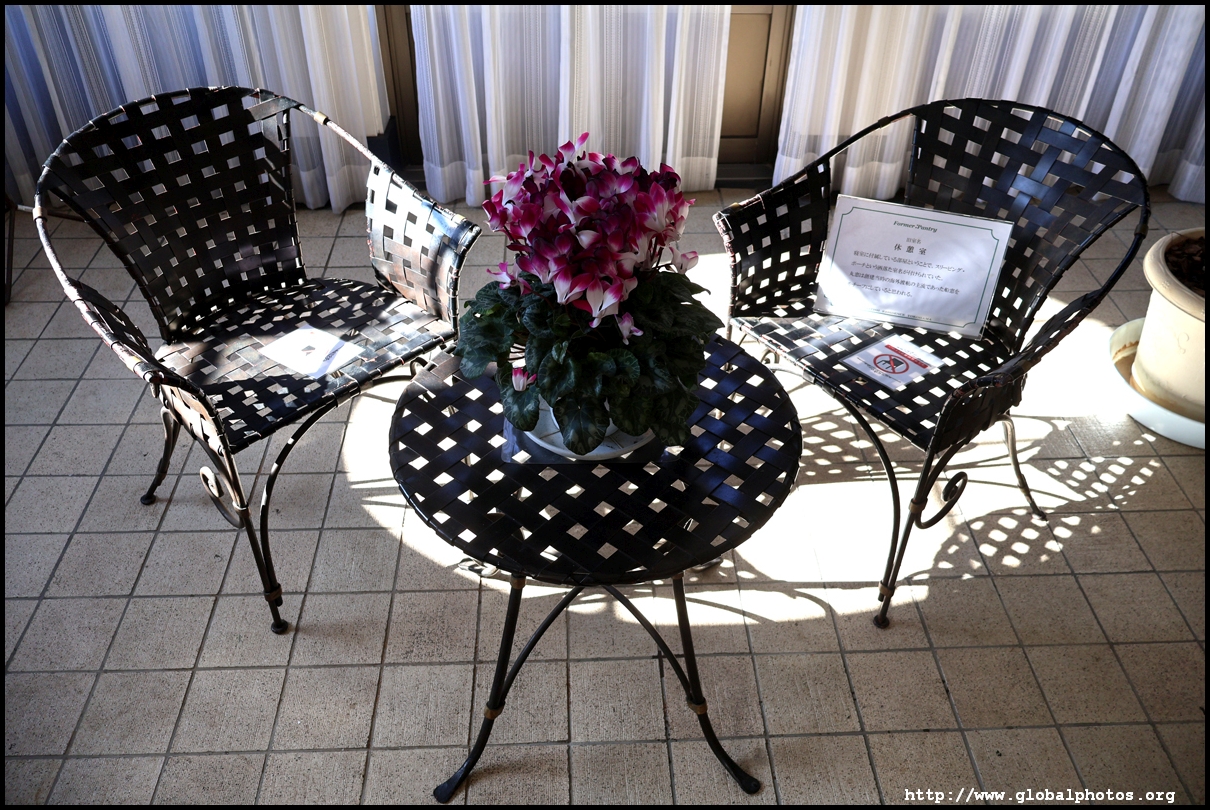
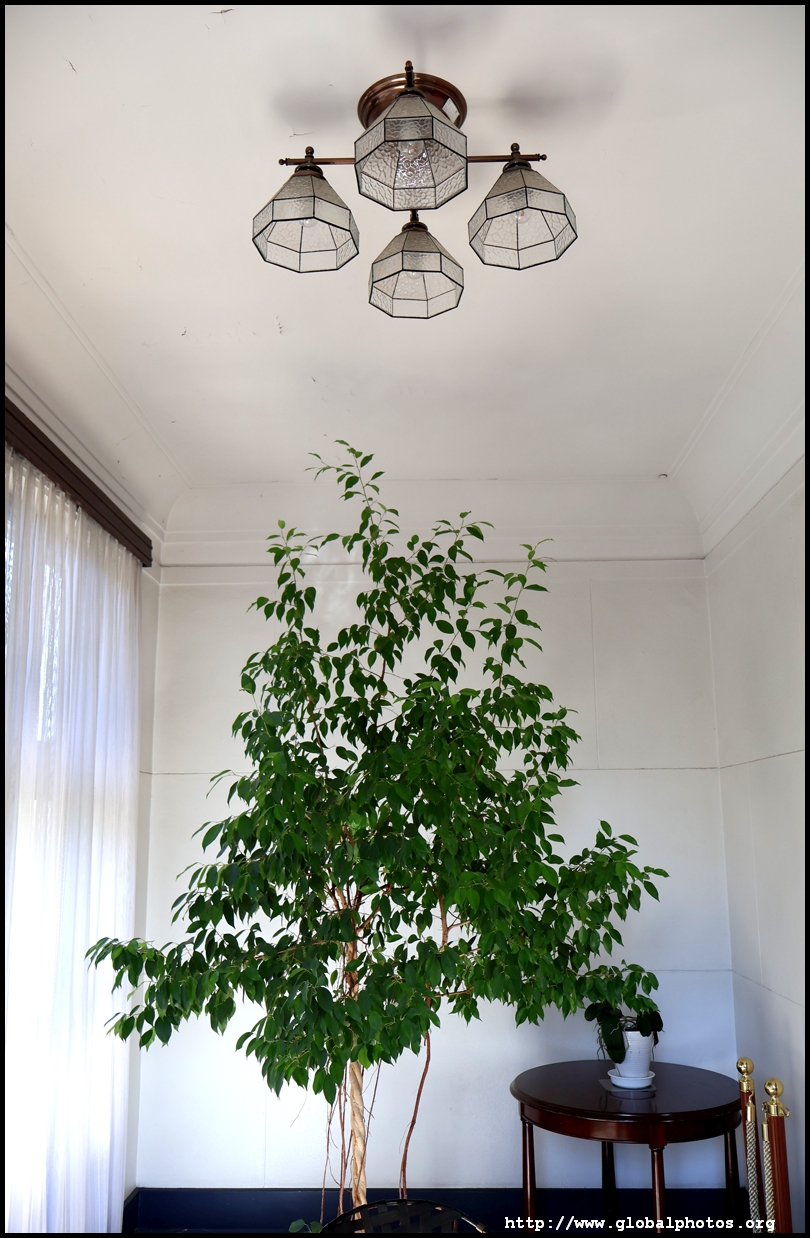
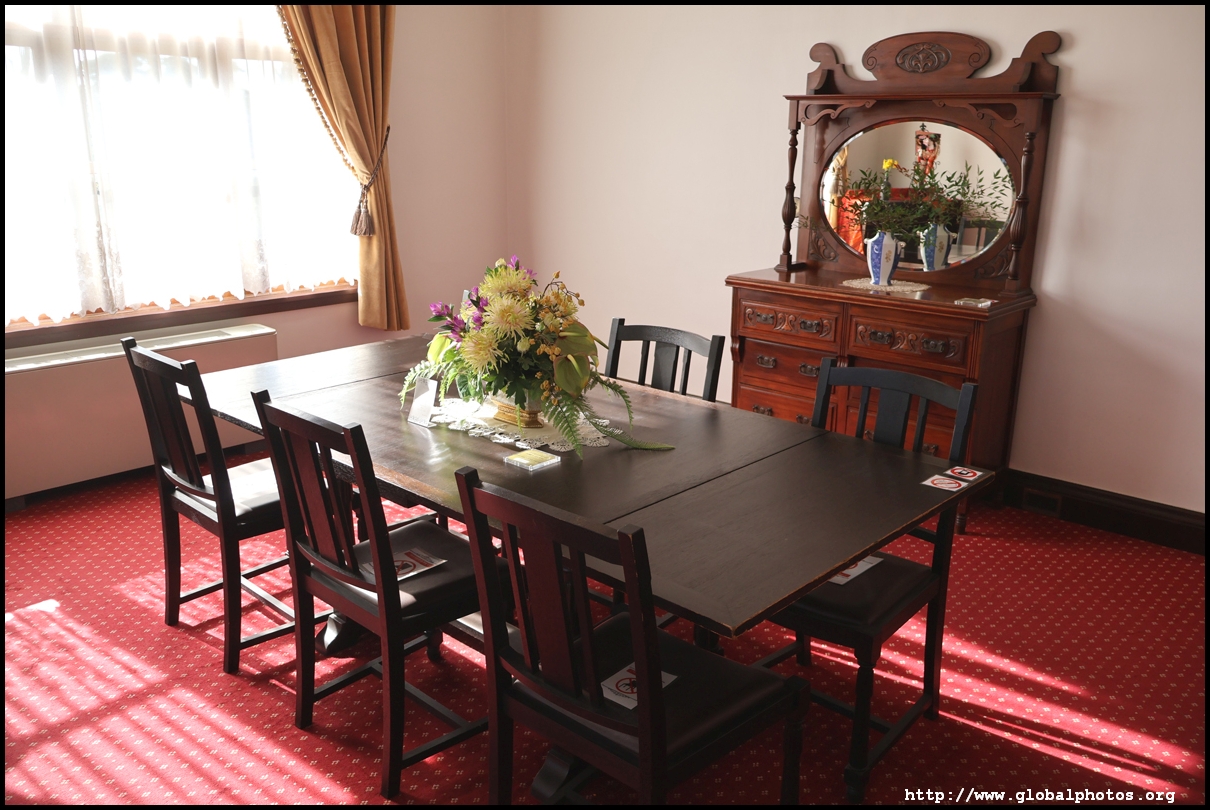
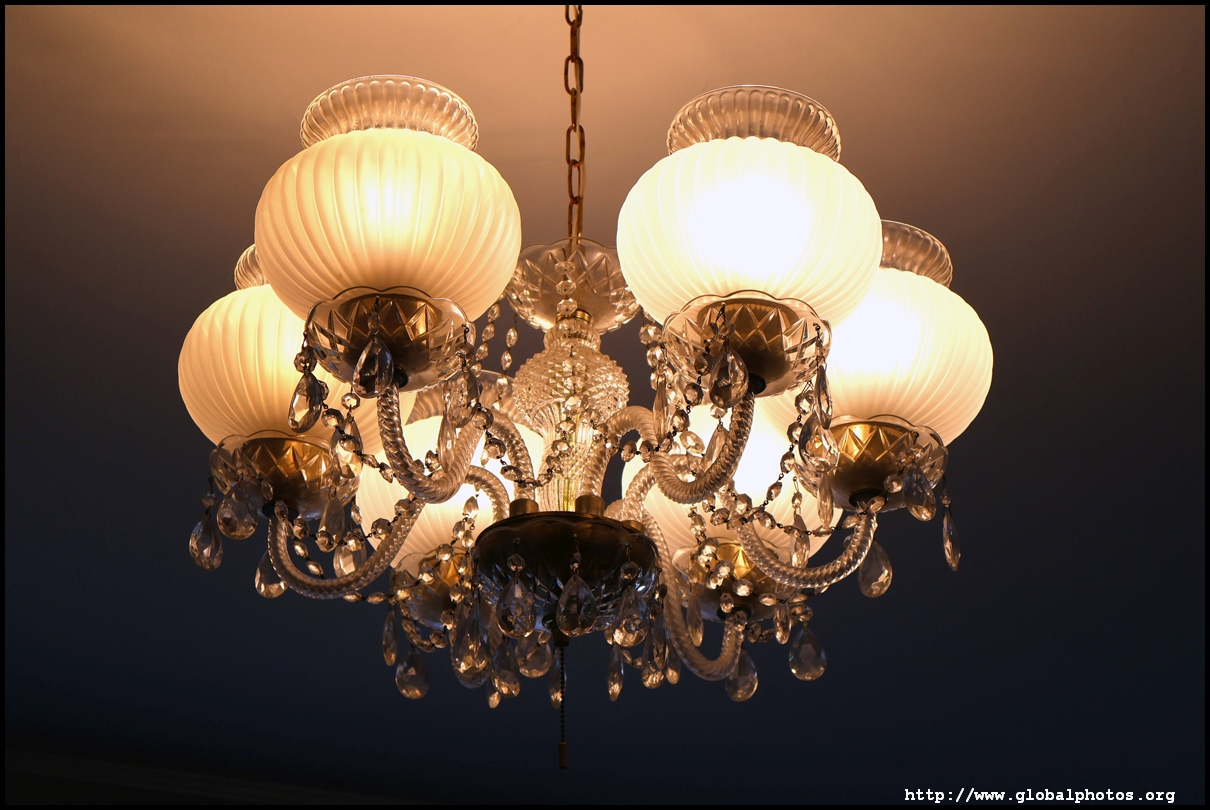
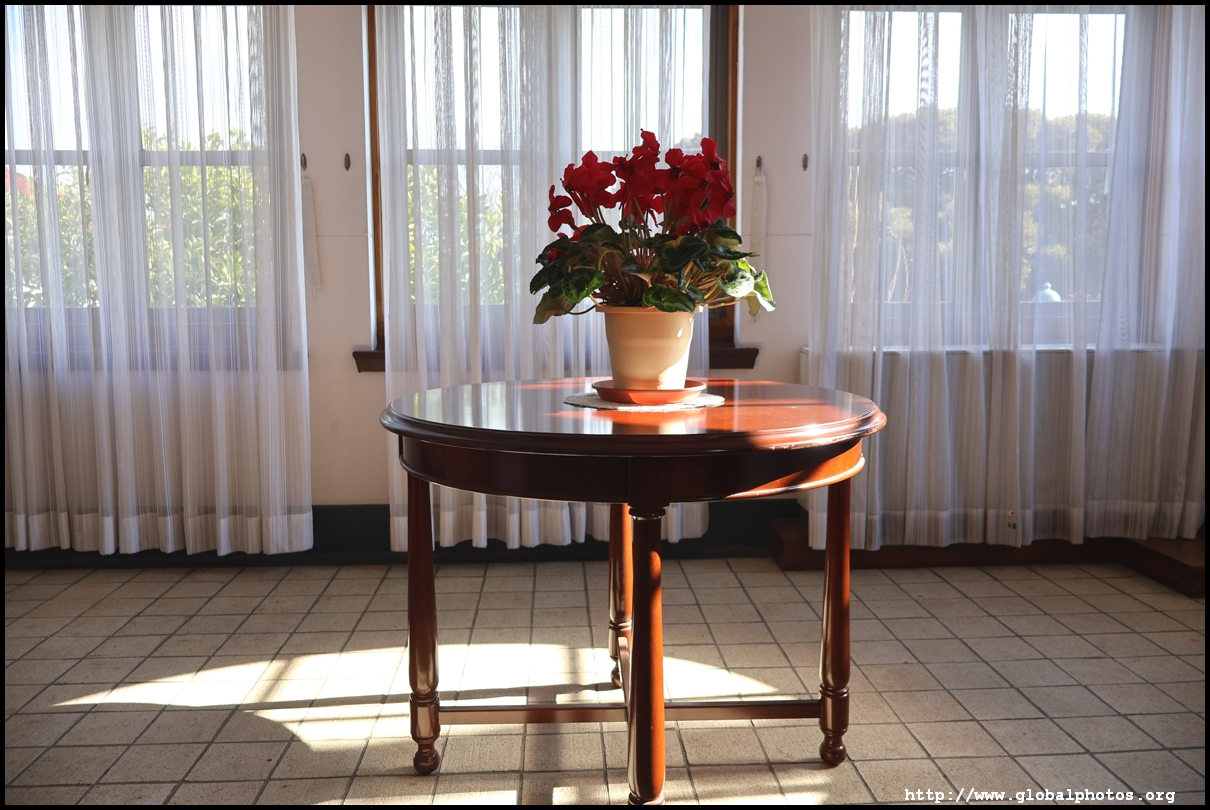
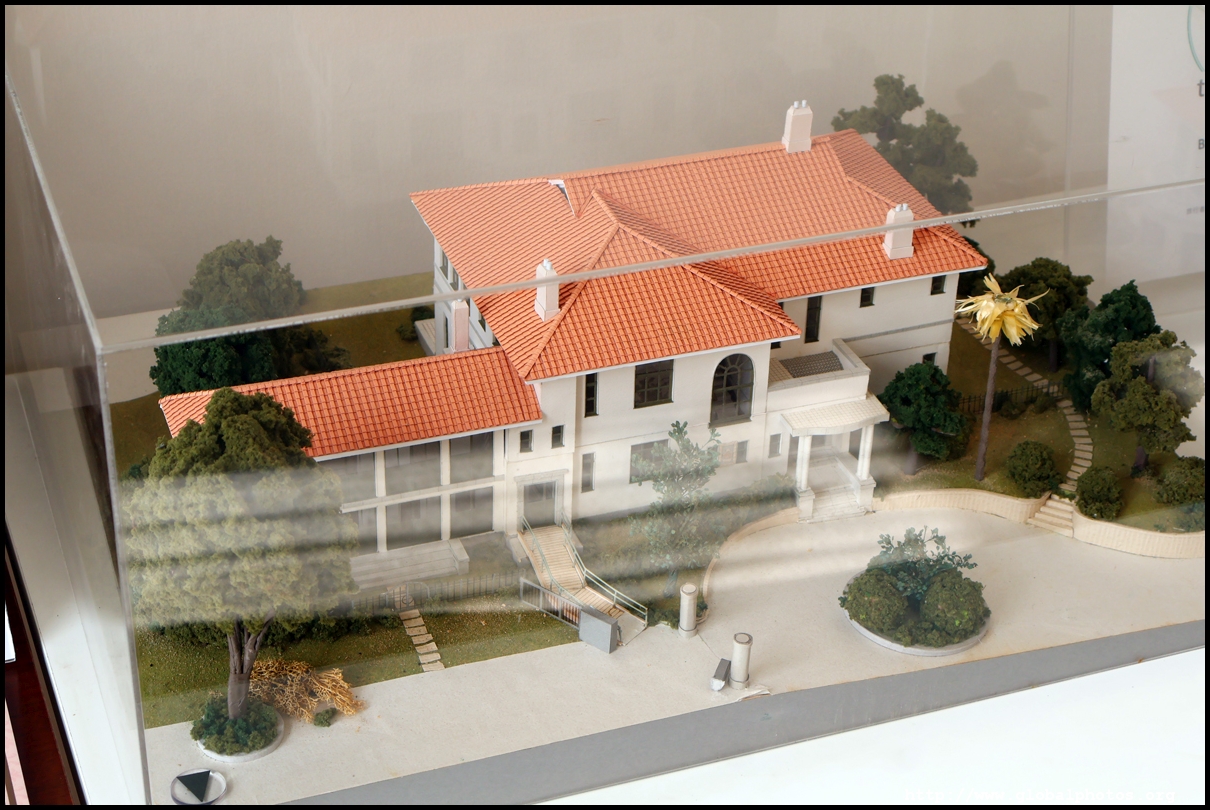
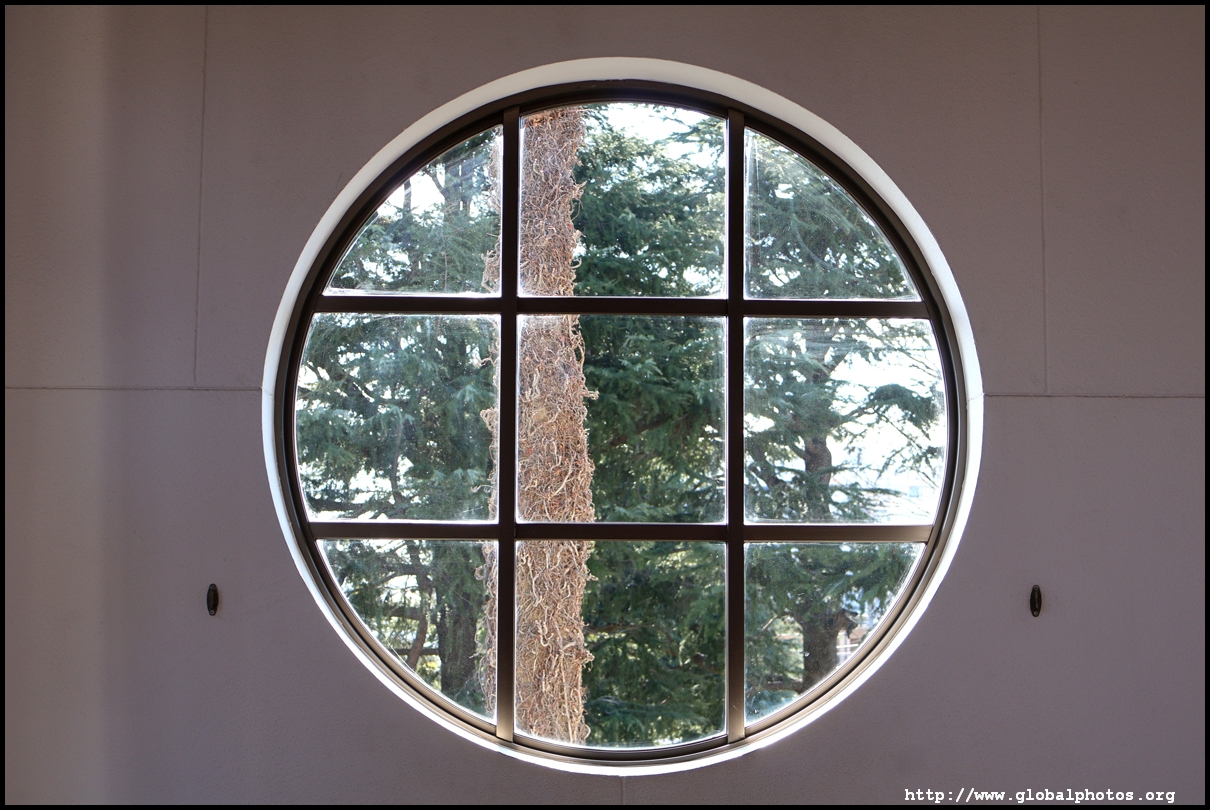
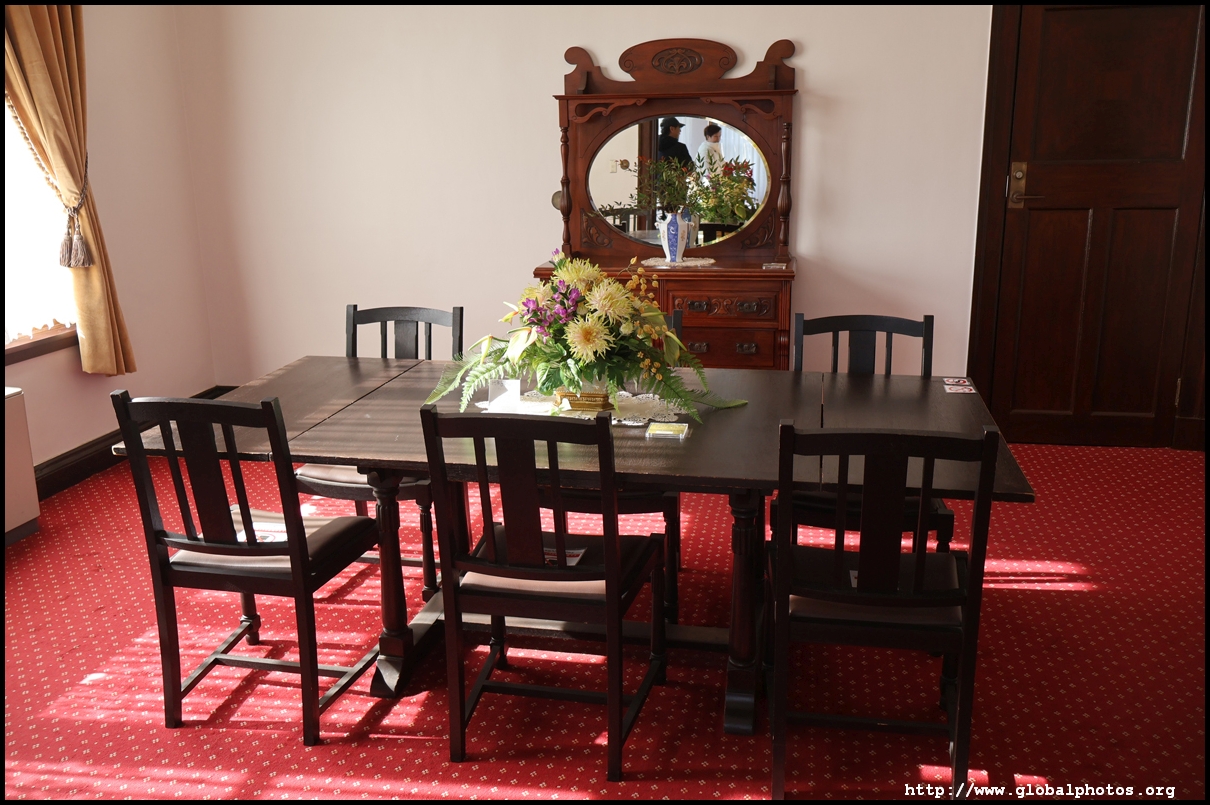
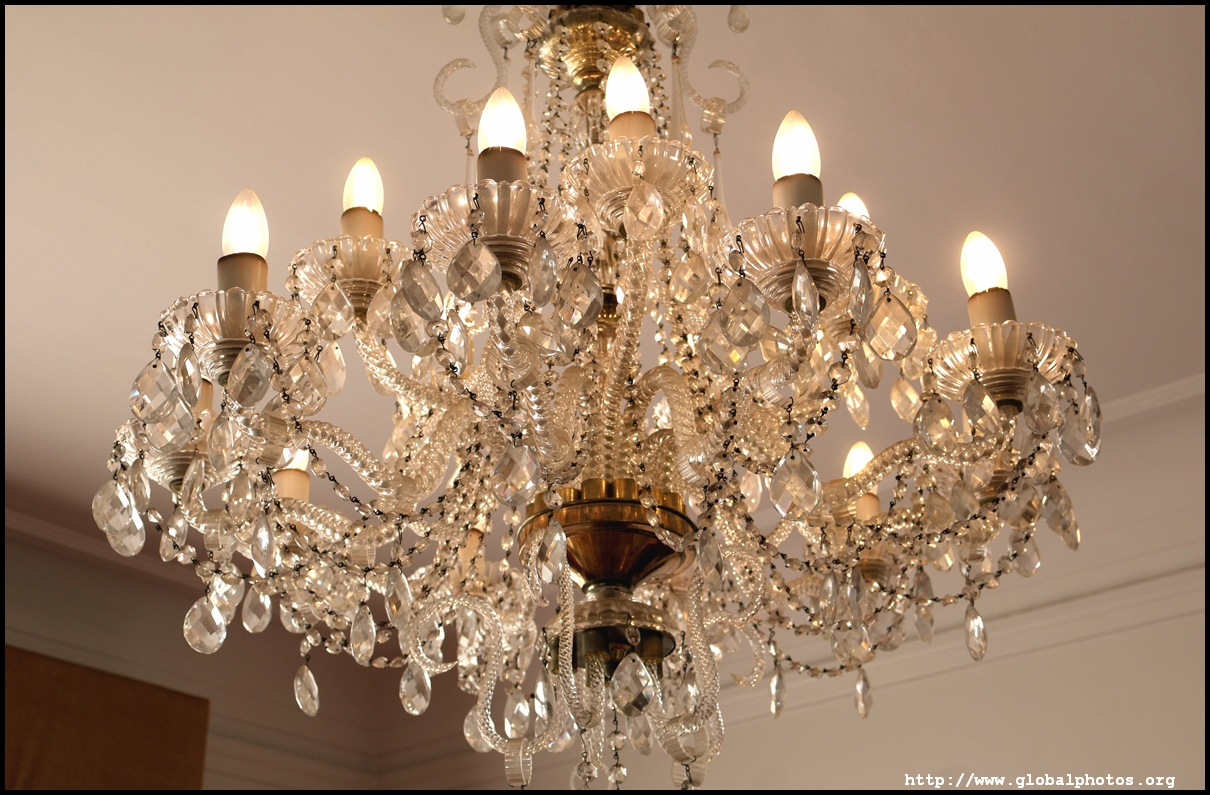
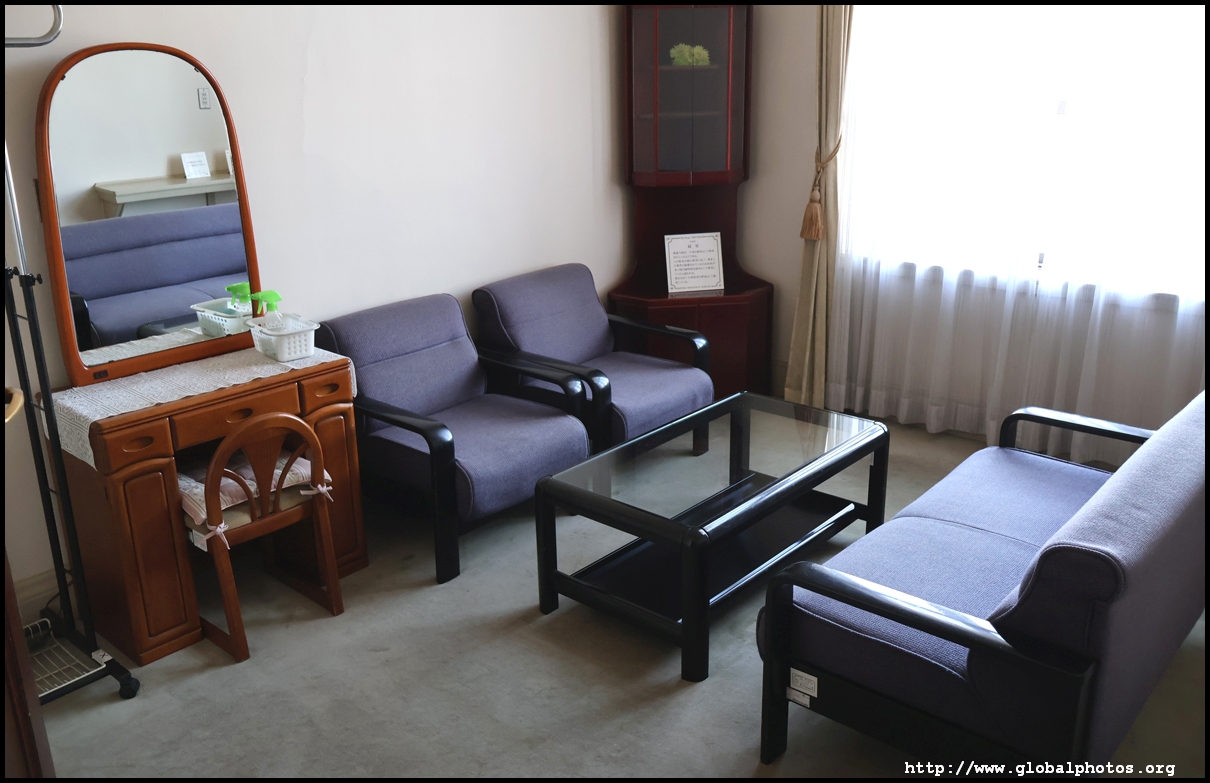
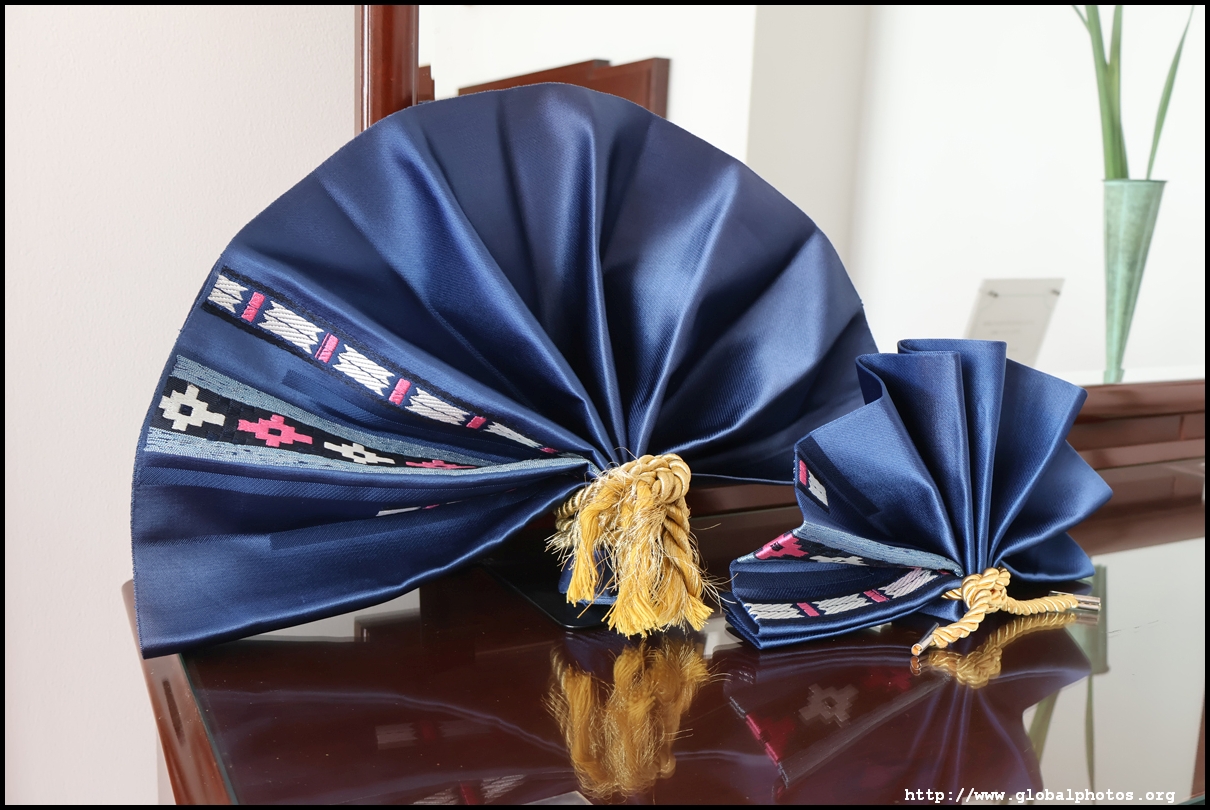
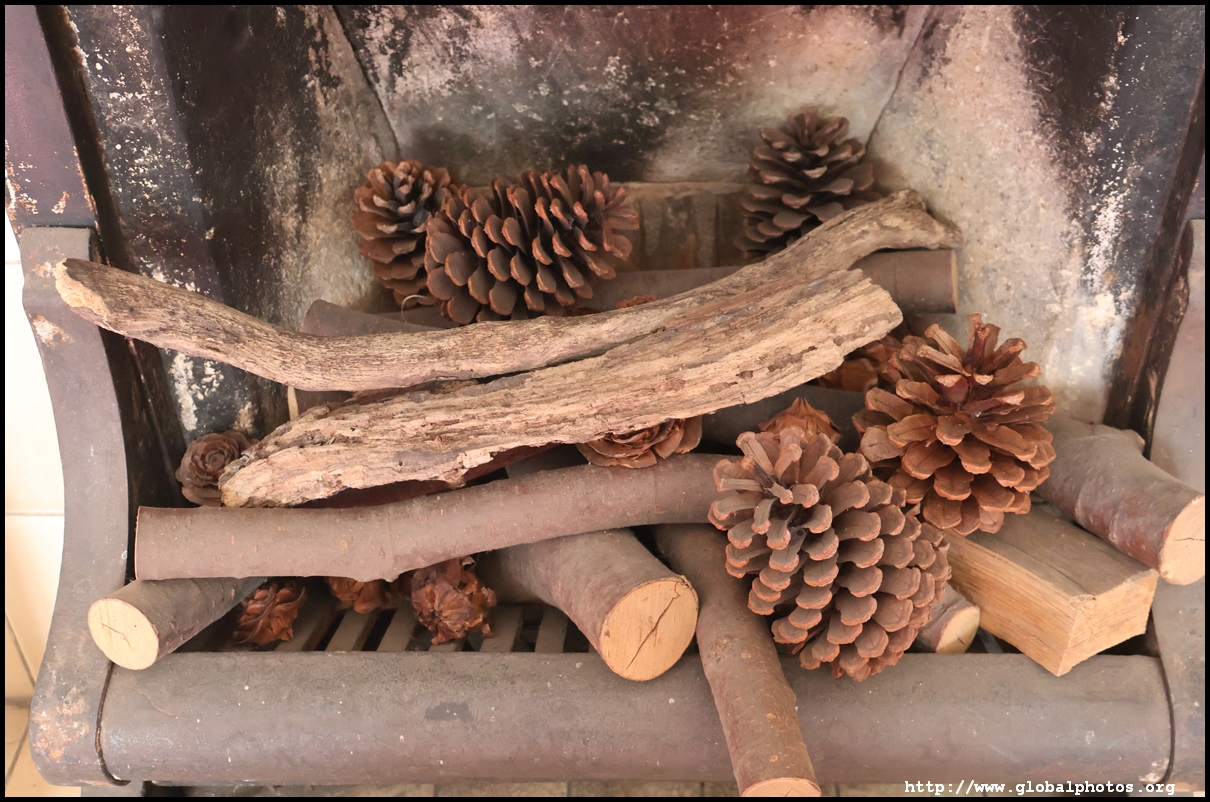
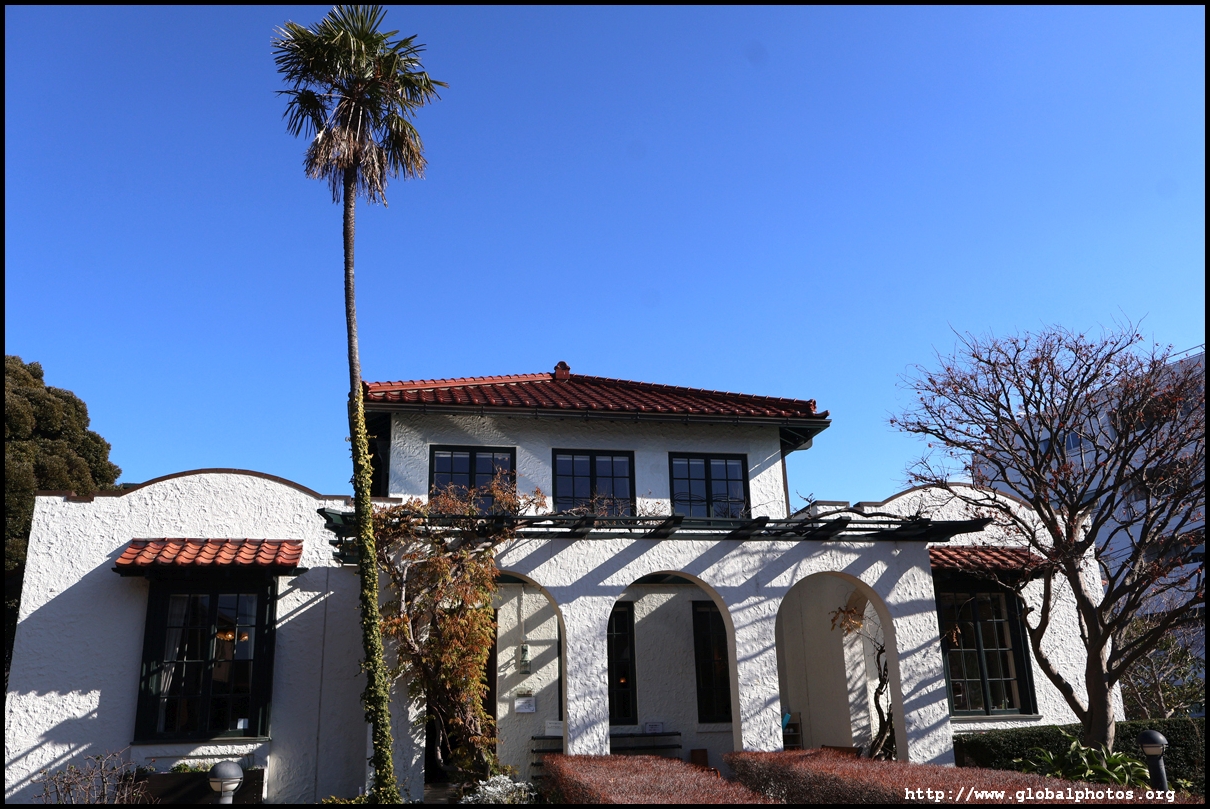
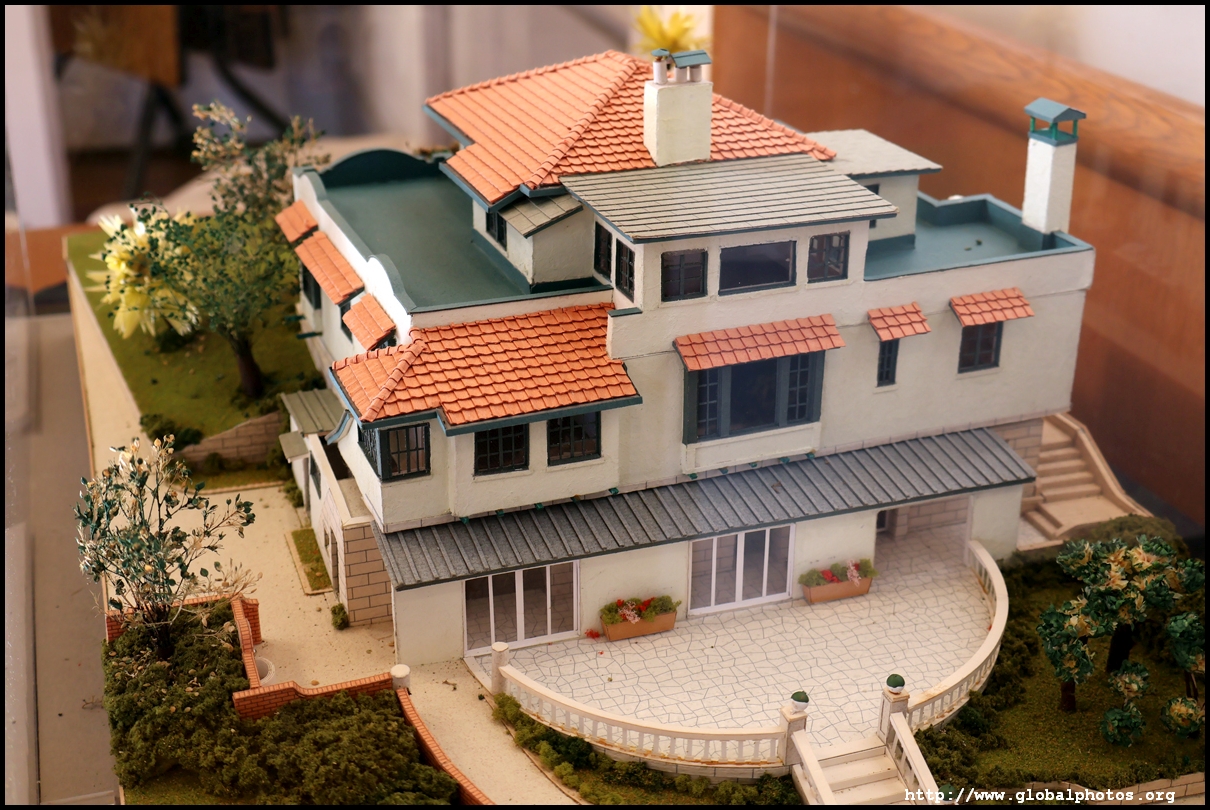
The final stop is next door at Bluff 111, a Spanish-style residence of an American architect. Designed by J. H. Morgan and built in 1926, the building was donated to the city in 1996 and opened to the public 3 years later.