York Photo Gallery - National Railway Museum

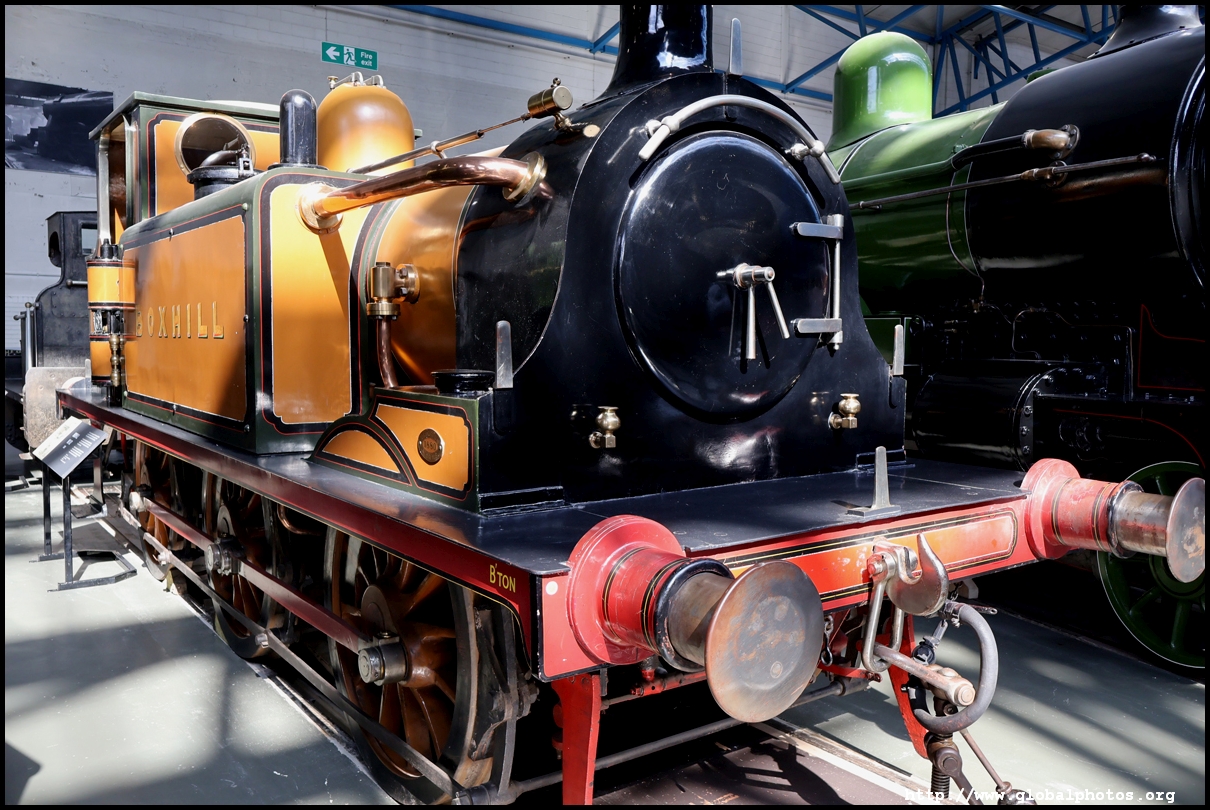
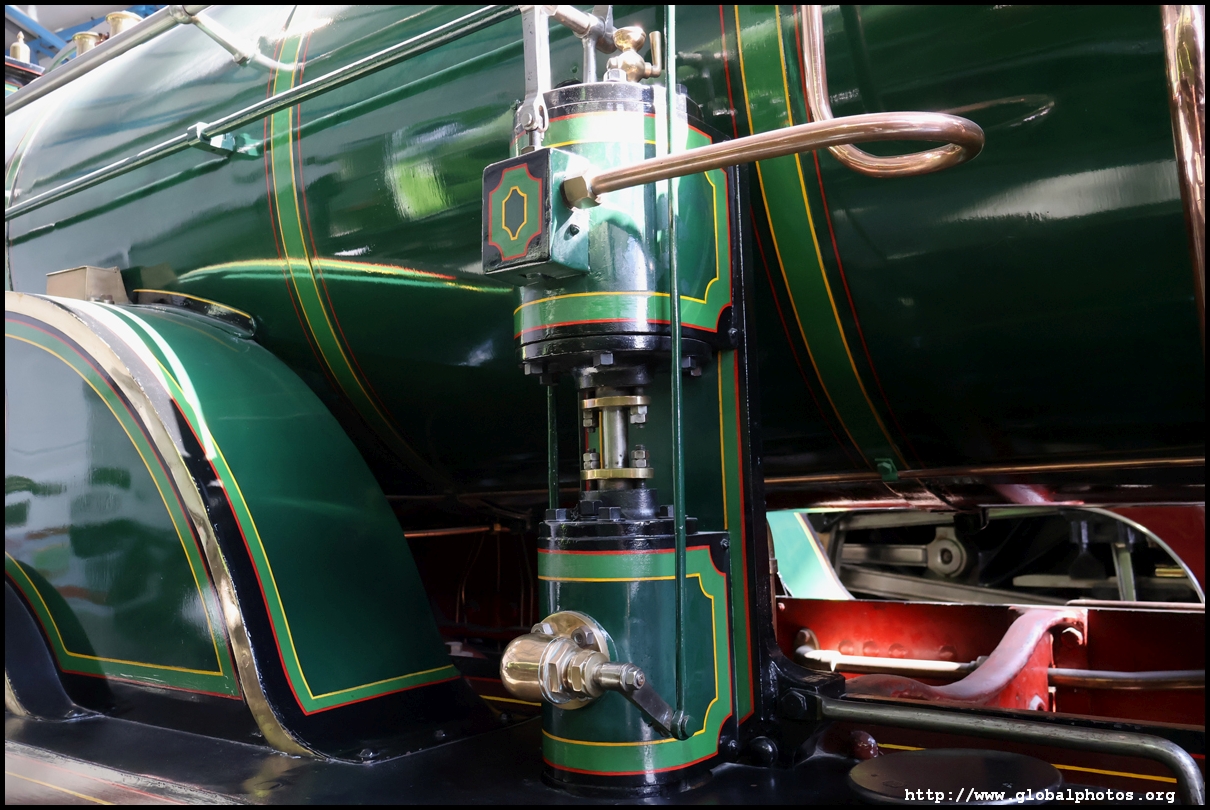
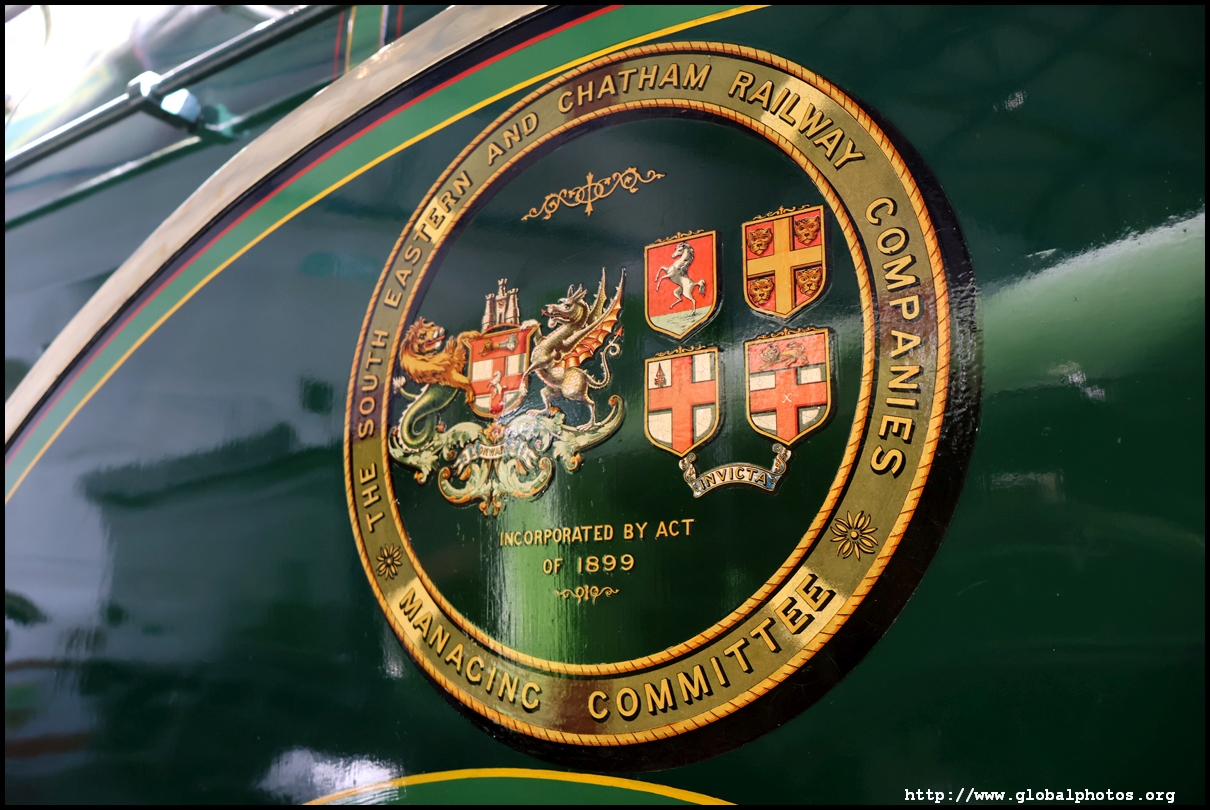
With only half a day in York, I didn't have much time left for the National Railway Museum. The large museum is free to enter and a must-see for enthusiasts. It is currently under transformation with a new gallery and entrance uniting their 2 exhibition buildings being built.Here are some photos from my quick visit to the Great Hall.
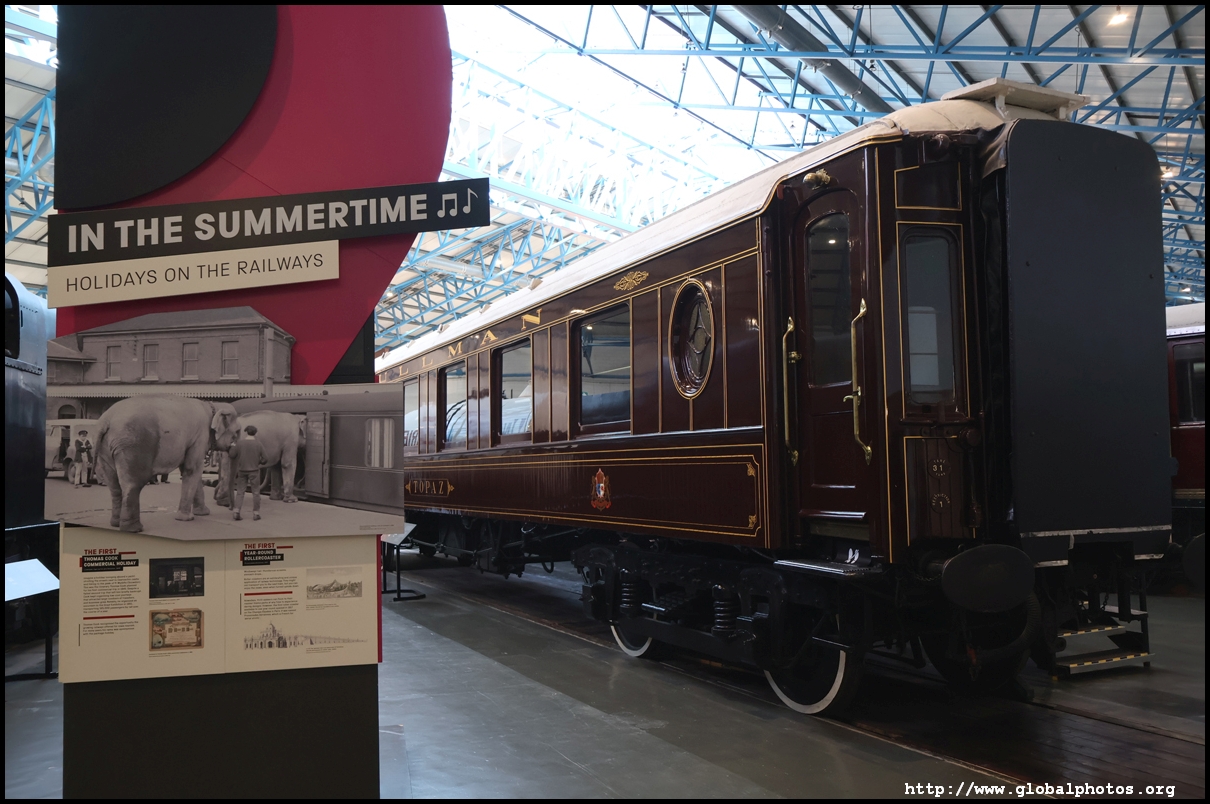
The Pullman car Topaz was a luxurious concept imported from the US in 1874 by the Midland Railway. It ran between London and Folkestone and Dover, where passengers would then take the ferry across the Channel and continue by train to Paris. The museum has restored the car to its 1920s condition.
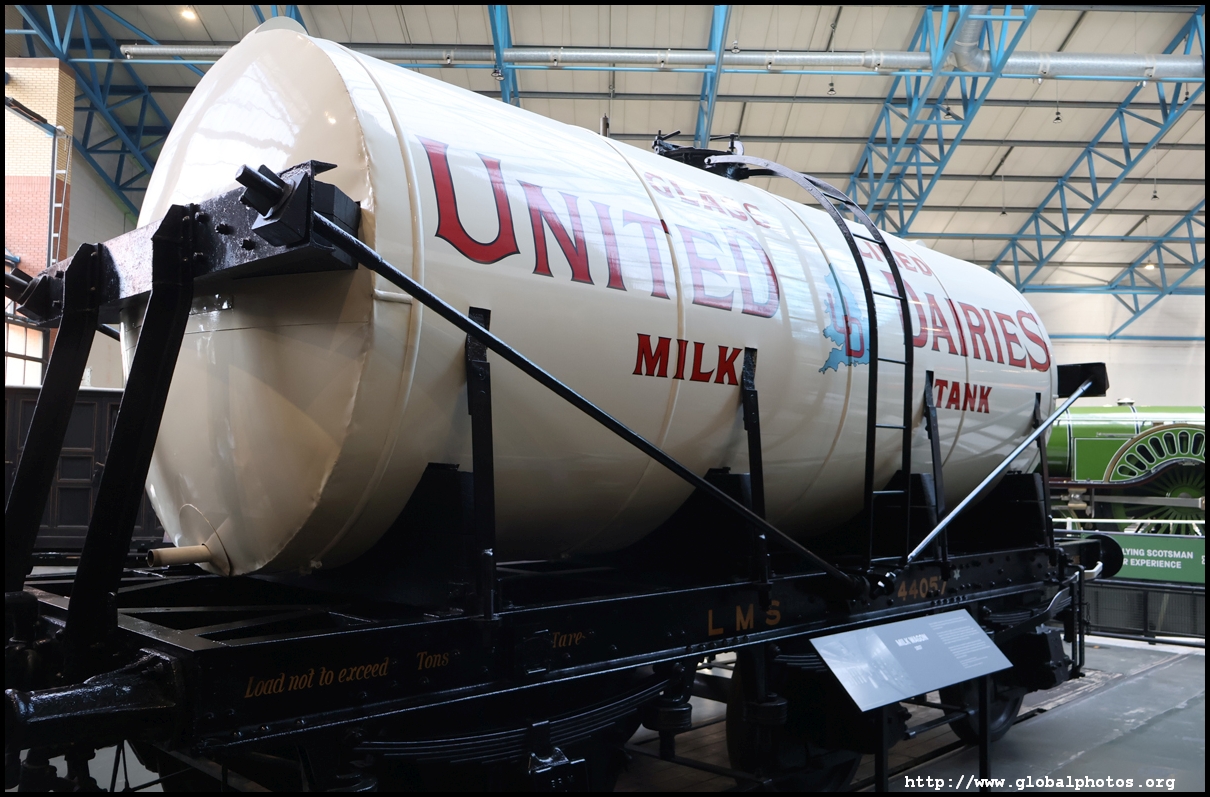
This milk wagon from the late 1930s showcases new technology to transport milk in vast quantities. Instead of traditional churns, giant enamel and glass-lined tanks were used.
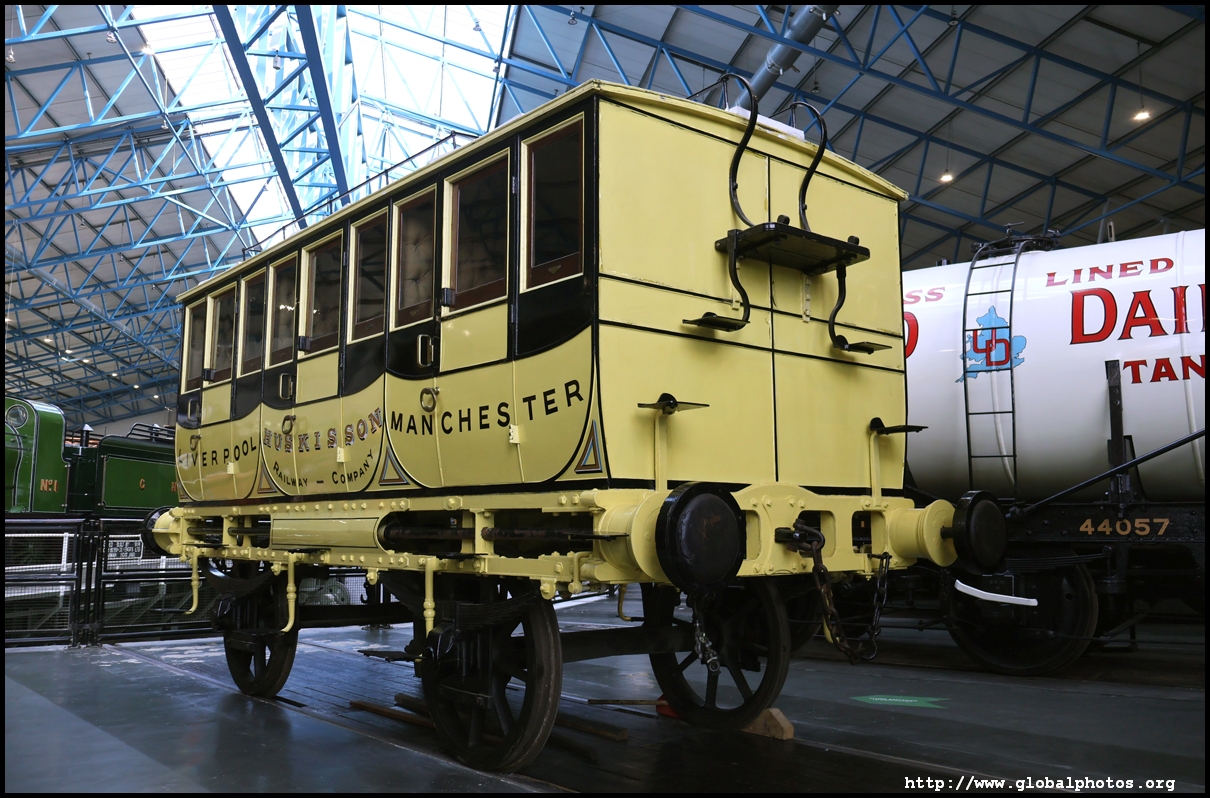
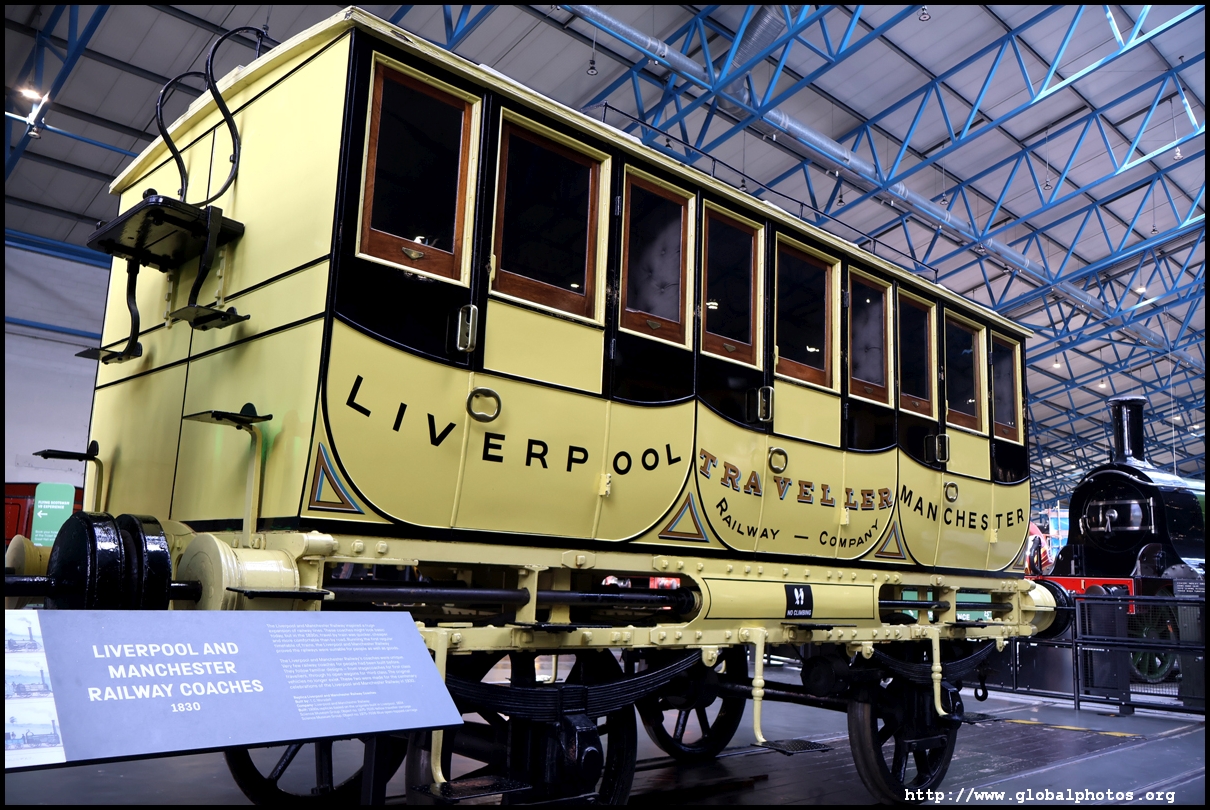
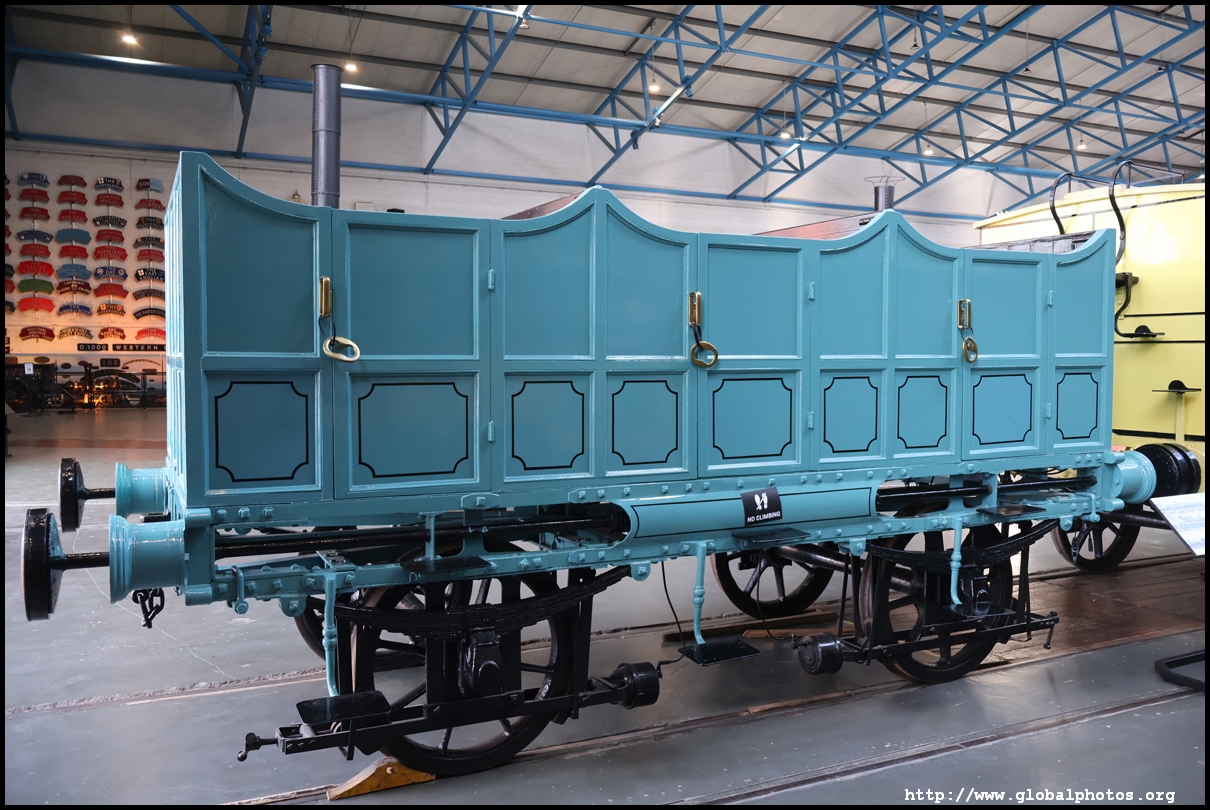
The Liverpool and Manchester Railway ran the first regular timetable train service. Before then, railway coaches were not designed for people to ride in. This example was built for the railway's centenary in 1930 based on the originals built in the 1830s.
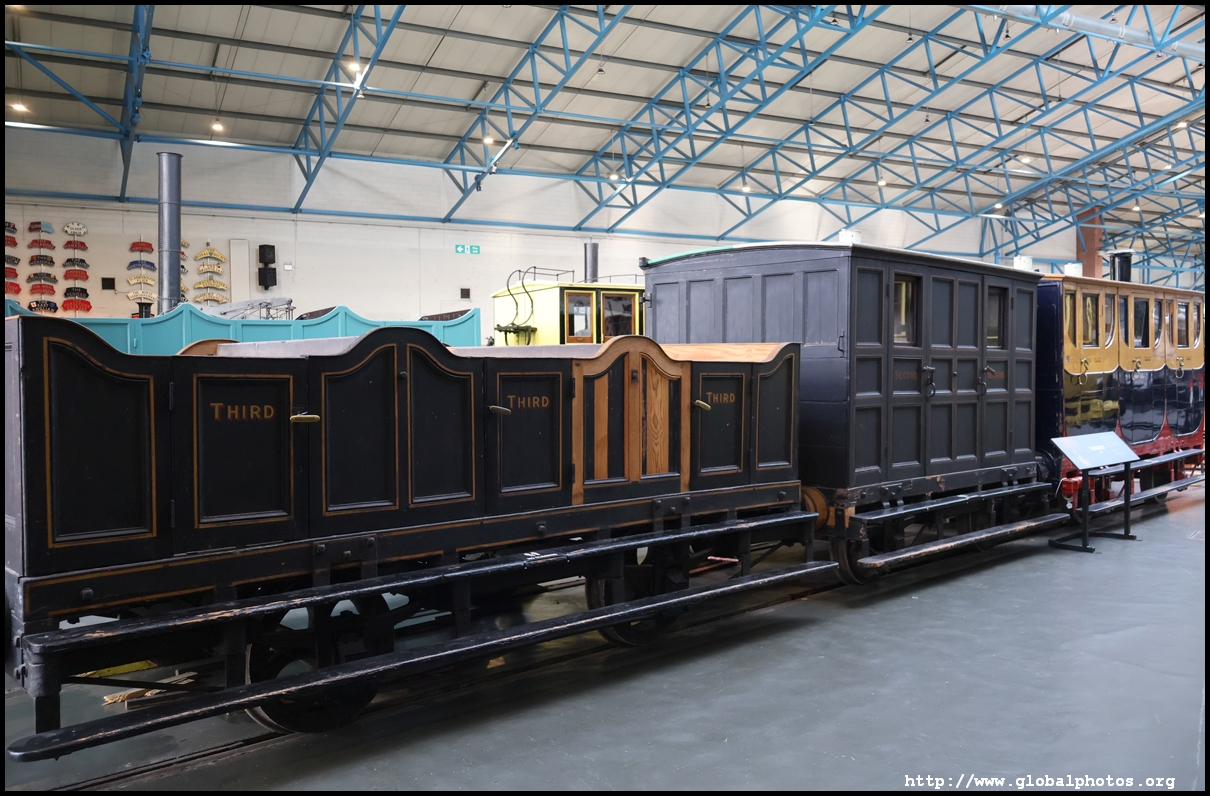
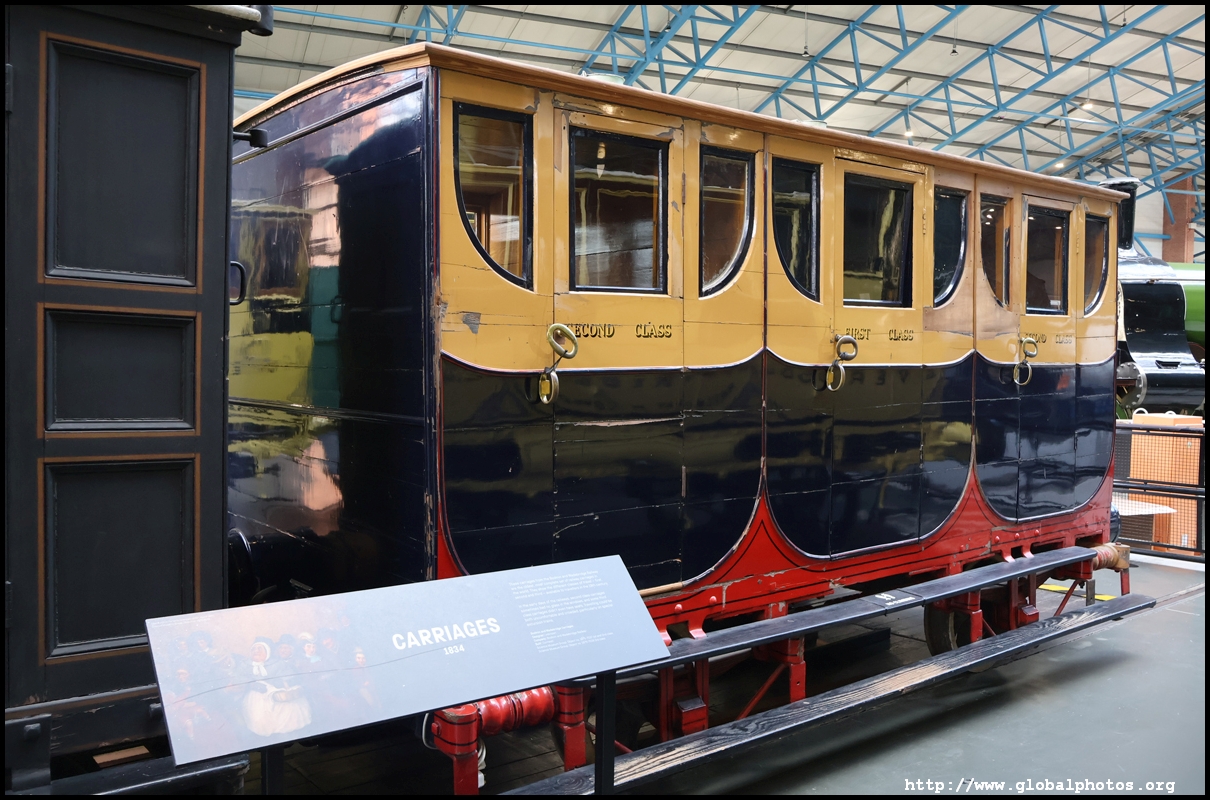
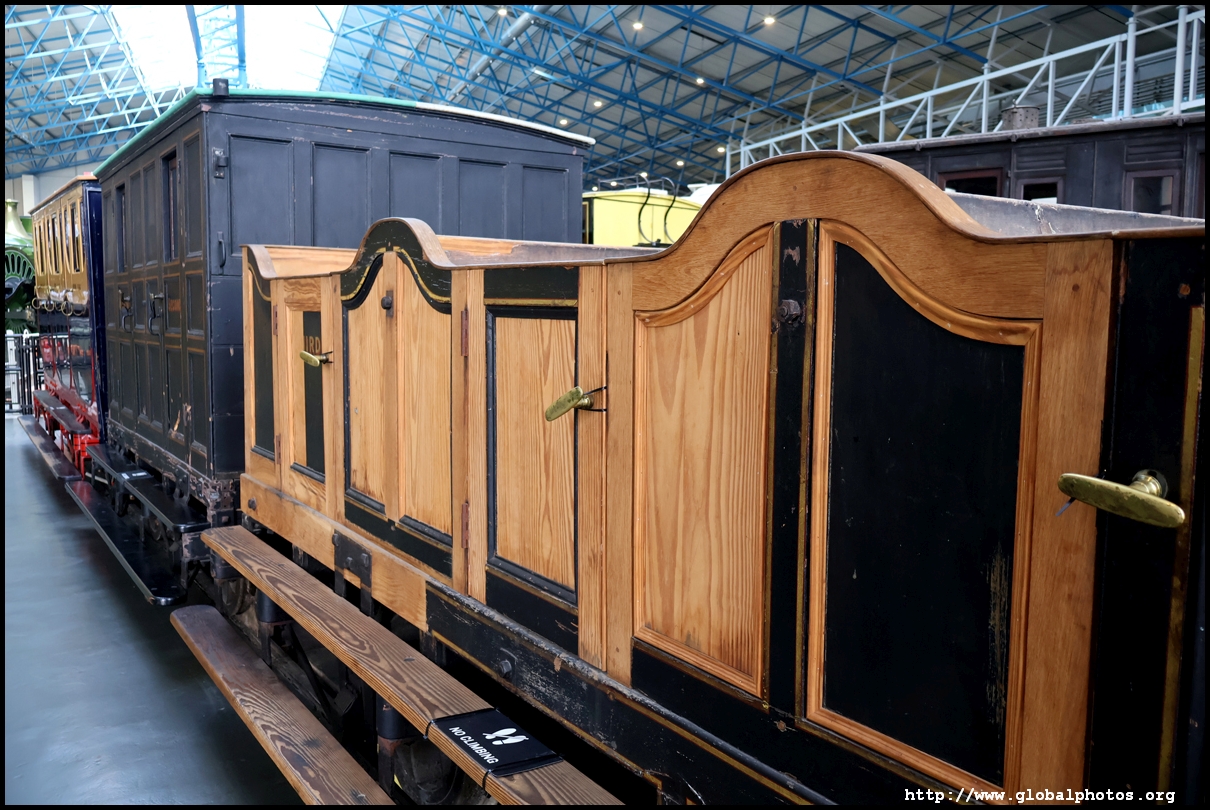
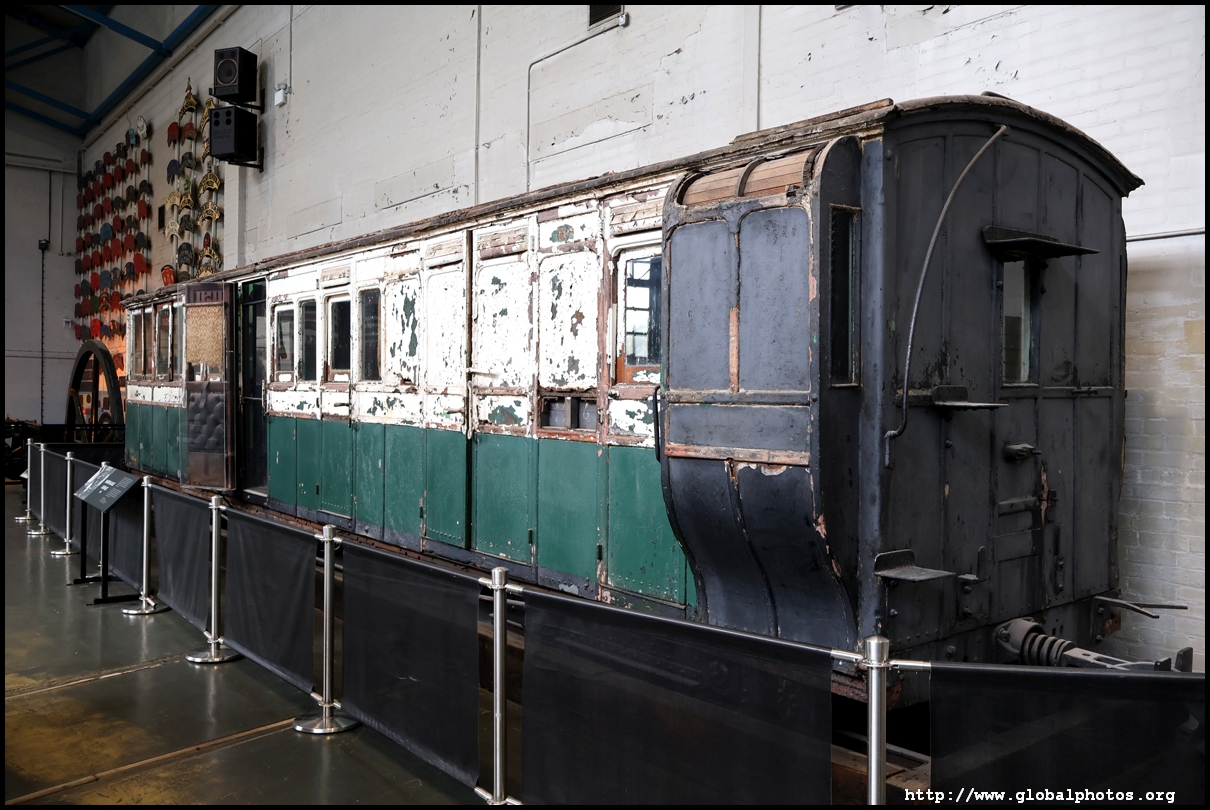
These are the oldest and most complete railway carriage sets in the world, showing how first, second, and third class passengers travelled in the 19th century.
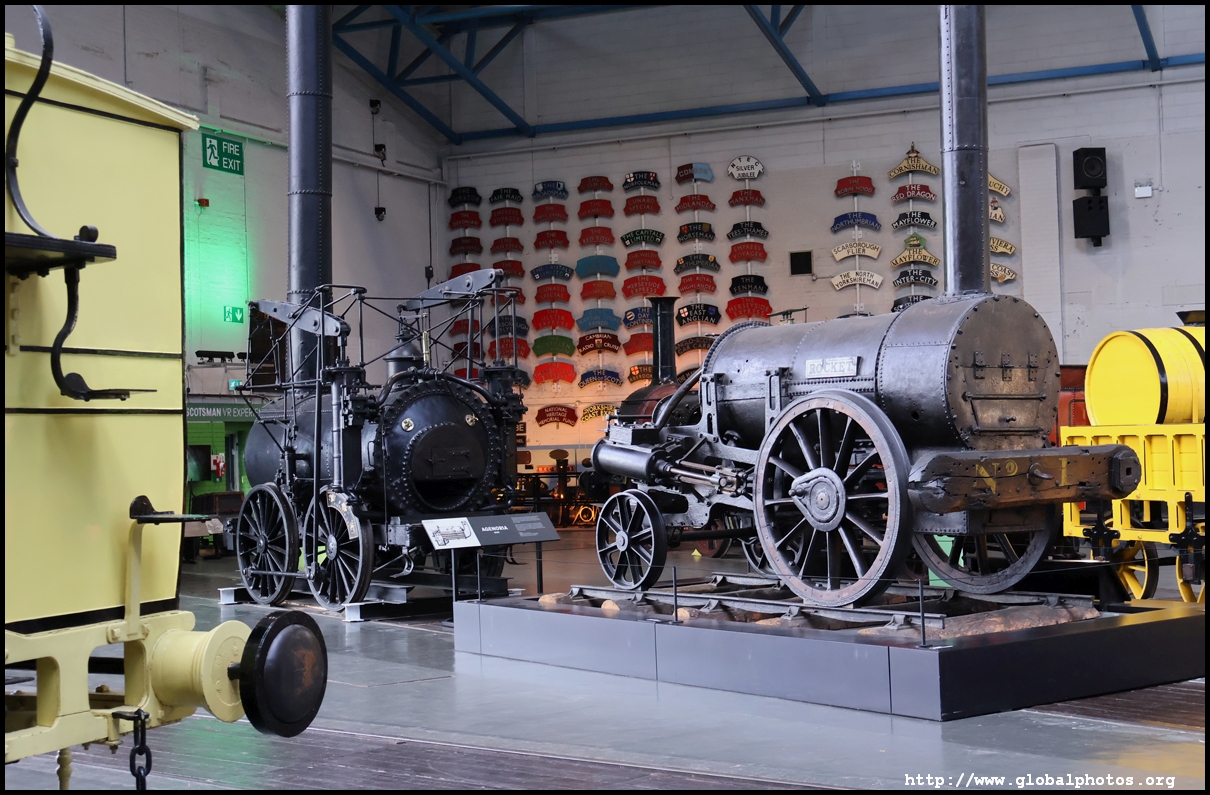
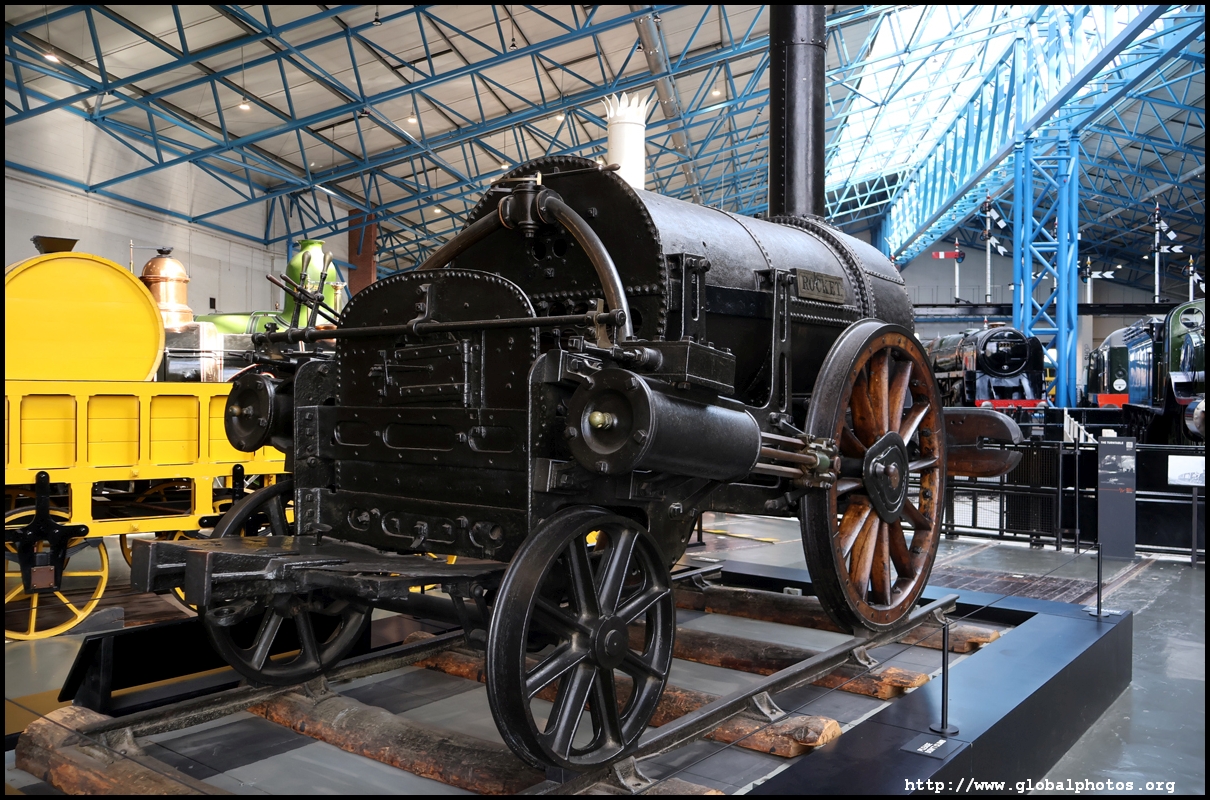
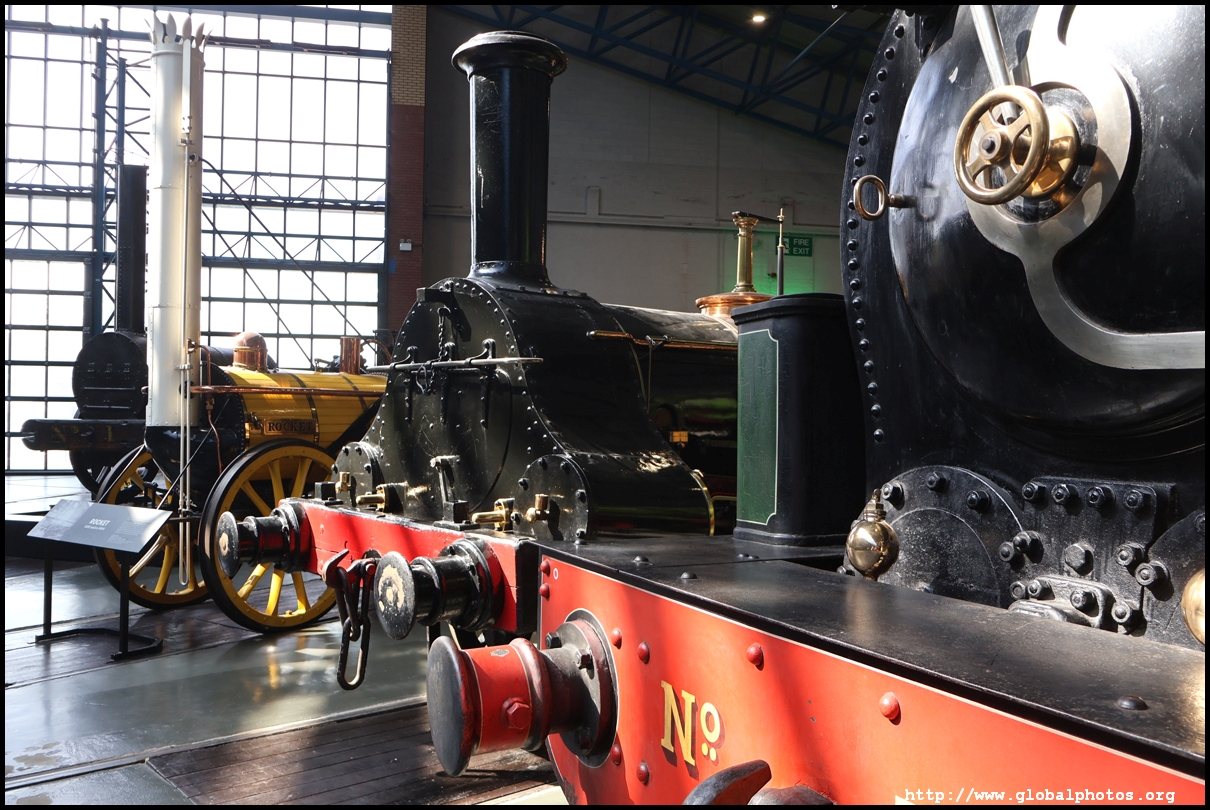
Robert Stephenson's Rocket pulled trains more efficiently using steam technology. It was built for an 1829 competition by the Liverpool and Manchester Railway and won.
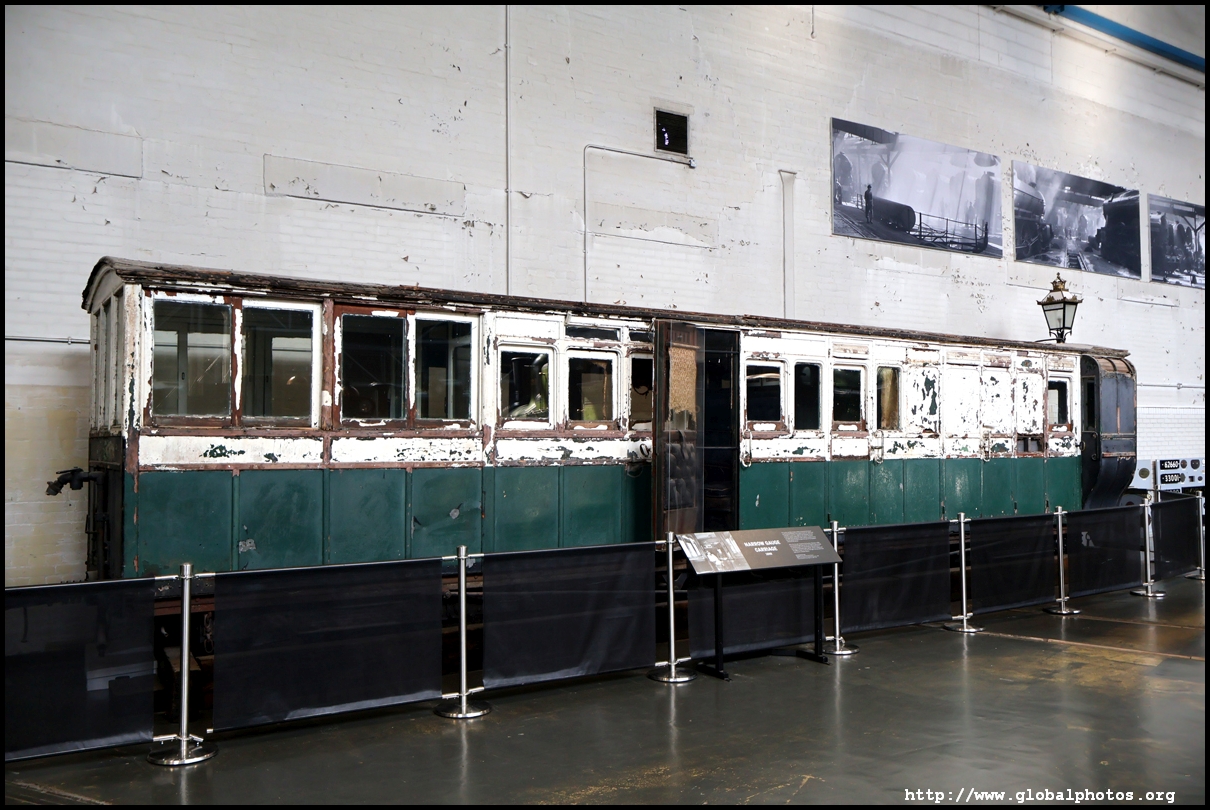
The Lynton and Barnstape railway is a narrow-gauge line working through rugged terrain. It closed in 1935 and locals bought many of the rolling stock to convert into sheds and summerhouses. This one from 1898 served as a summerhouse until the 1980s.
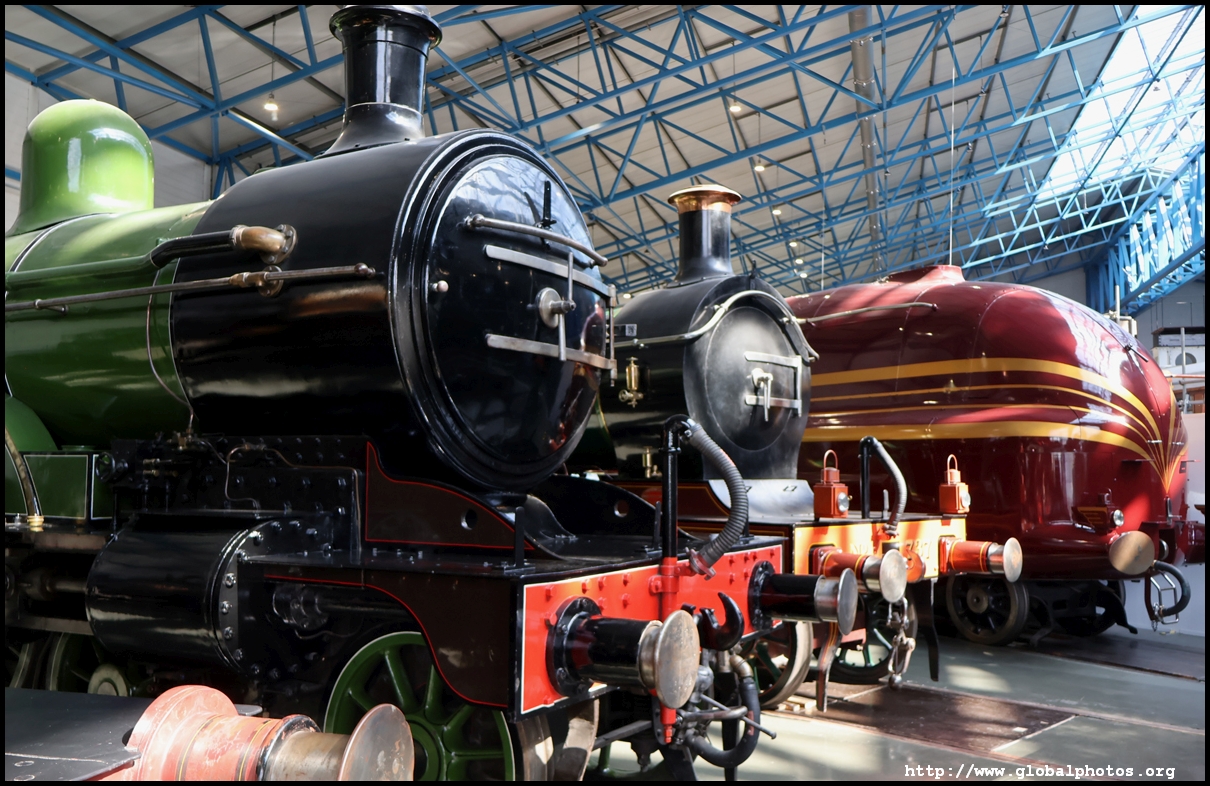
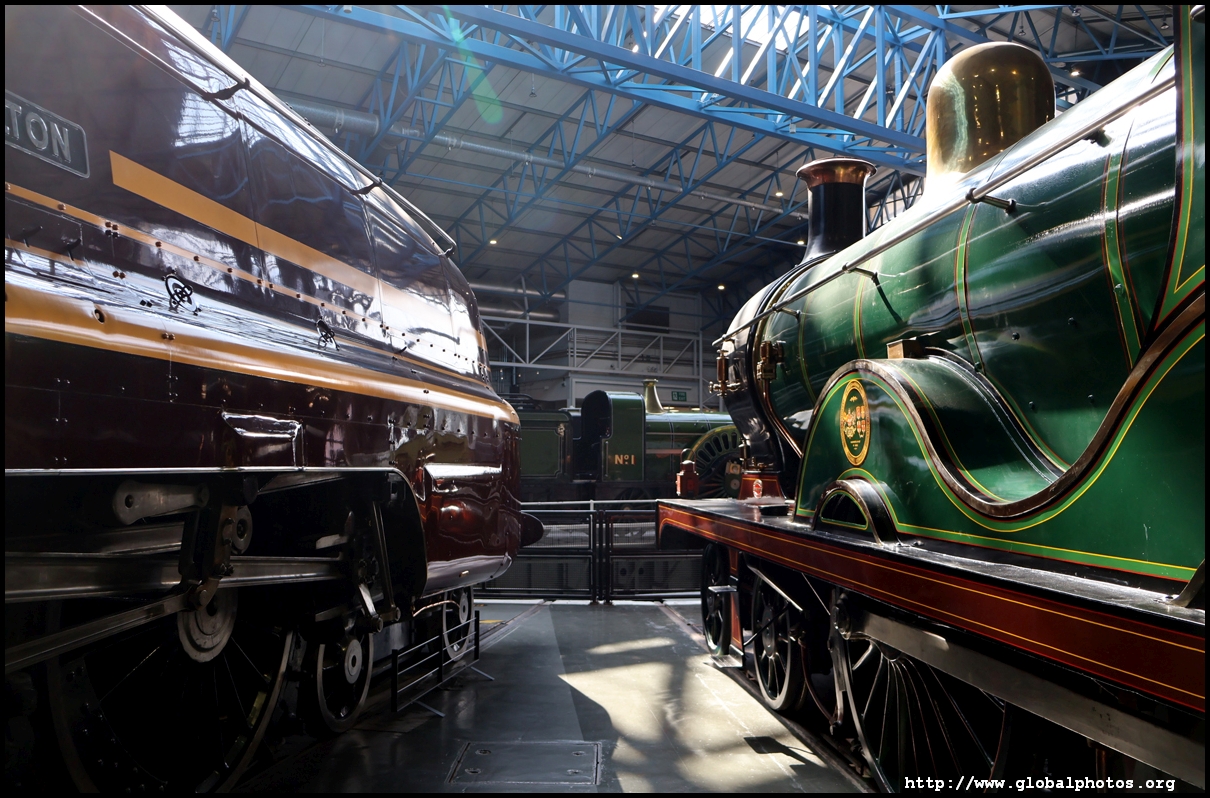
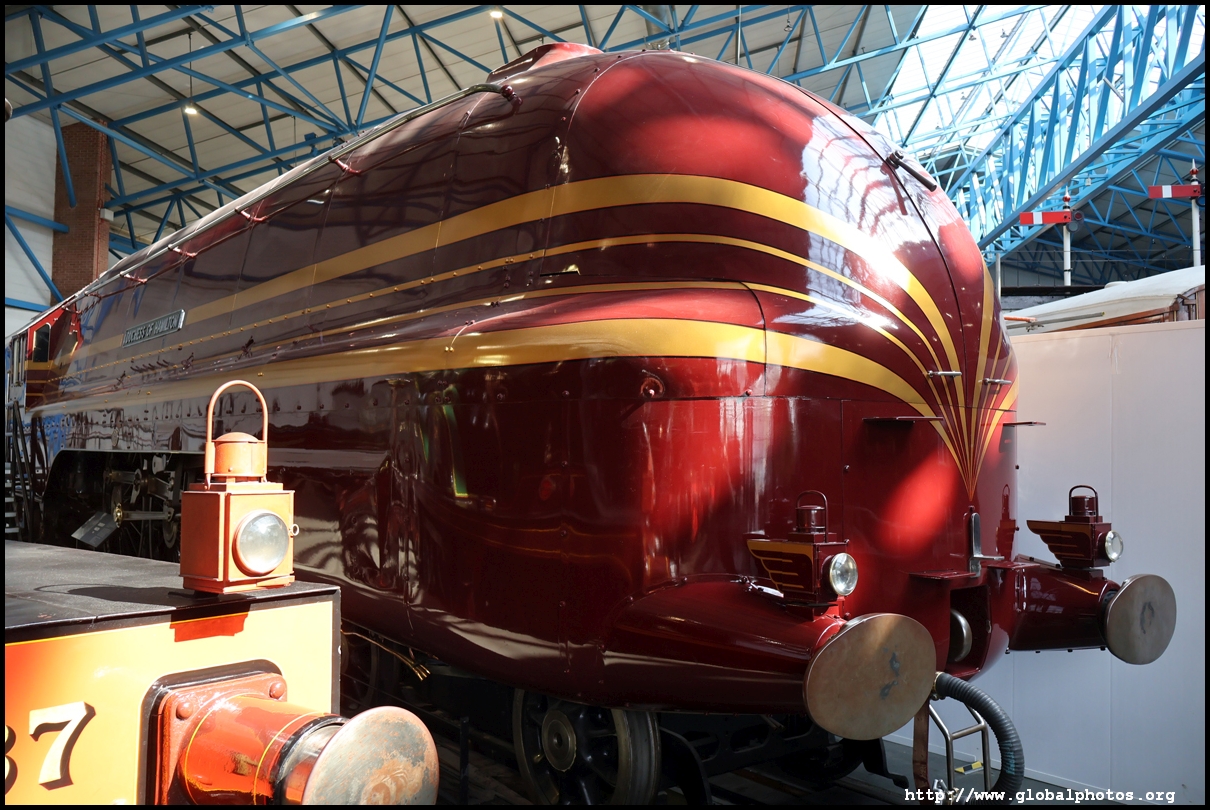
The Duchess of Hamilton on the left had large boilers and improvements that could help it deal with steep terrain between London and Glasgow. It was exhibited at the World's Fair in 1939 as a proud example of British engineering.
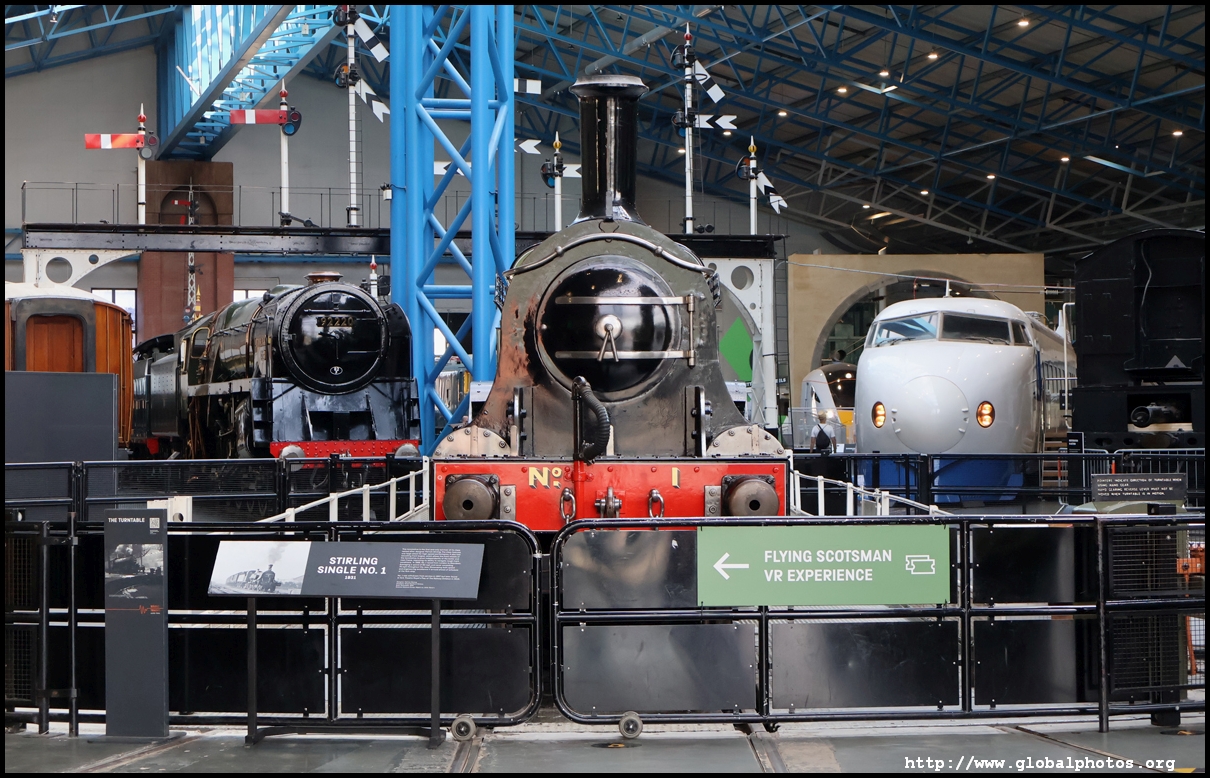
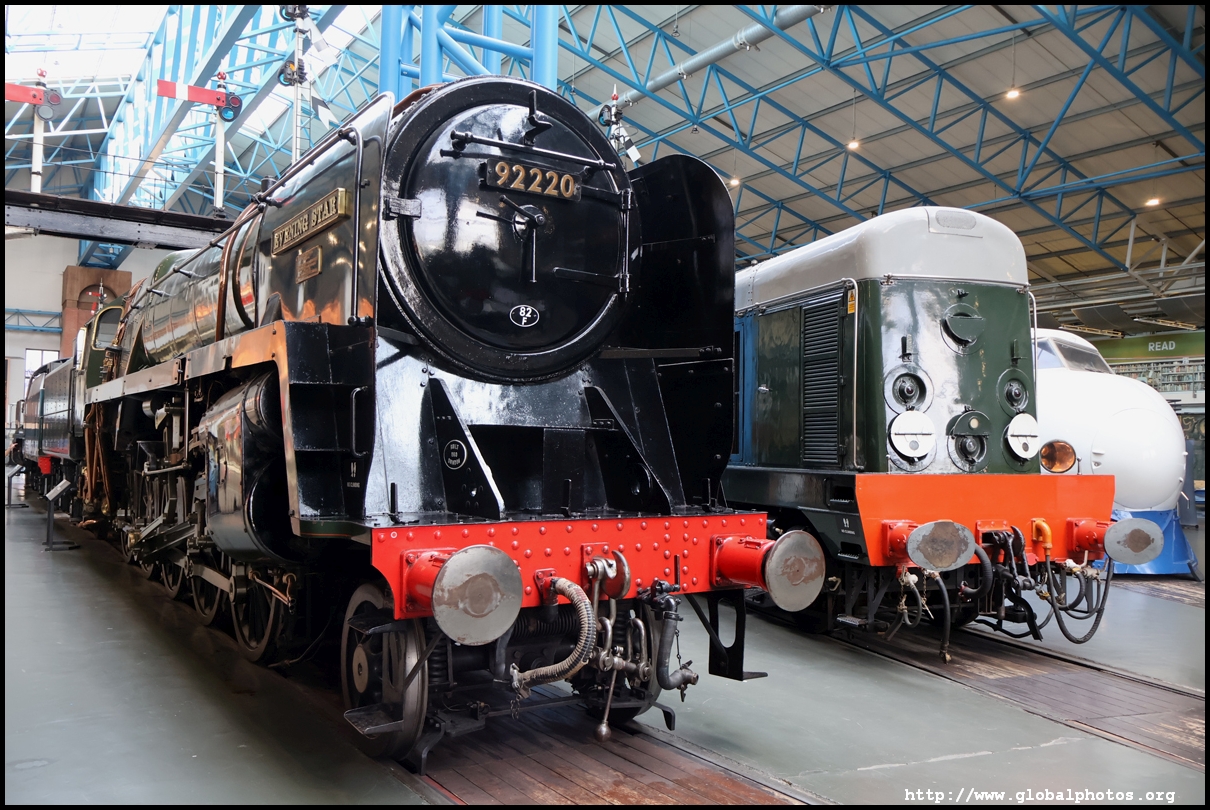
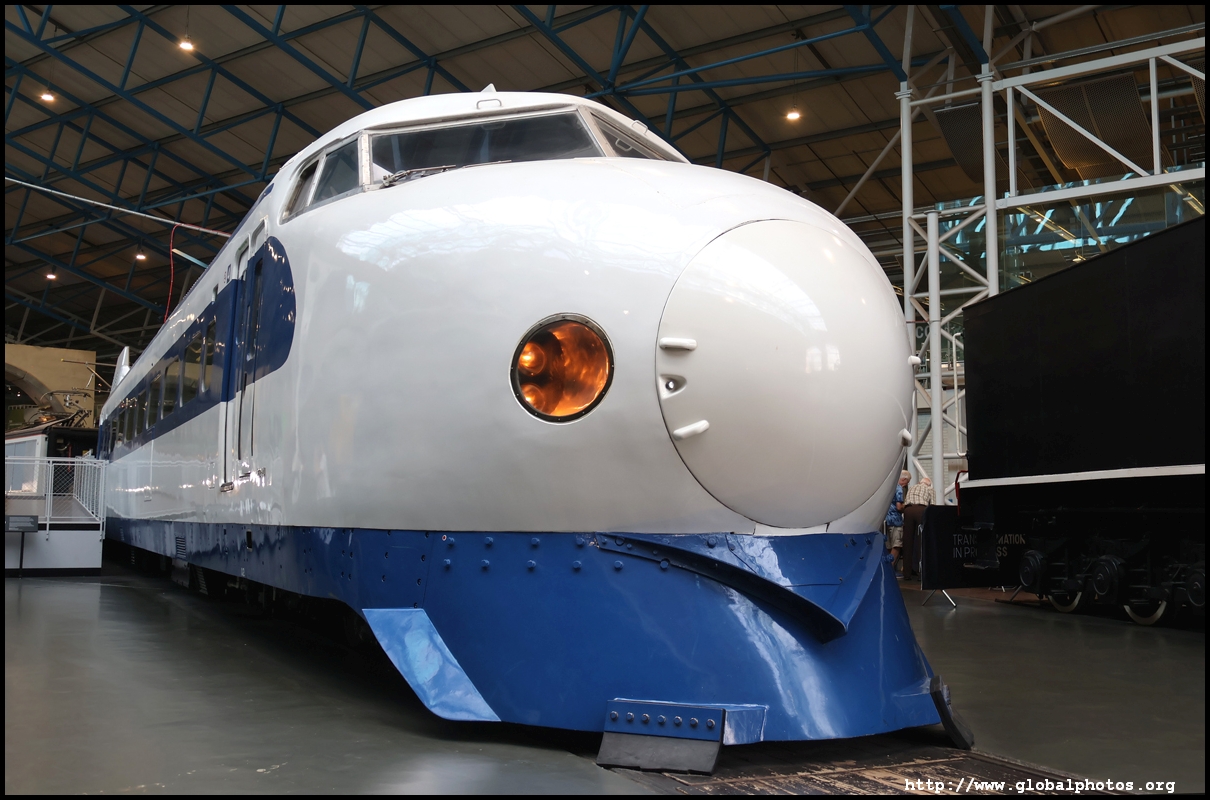
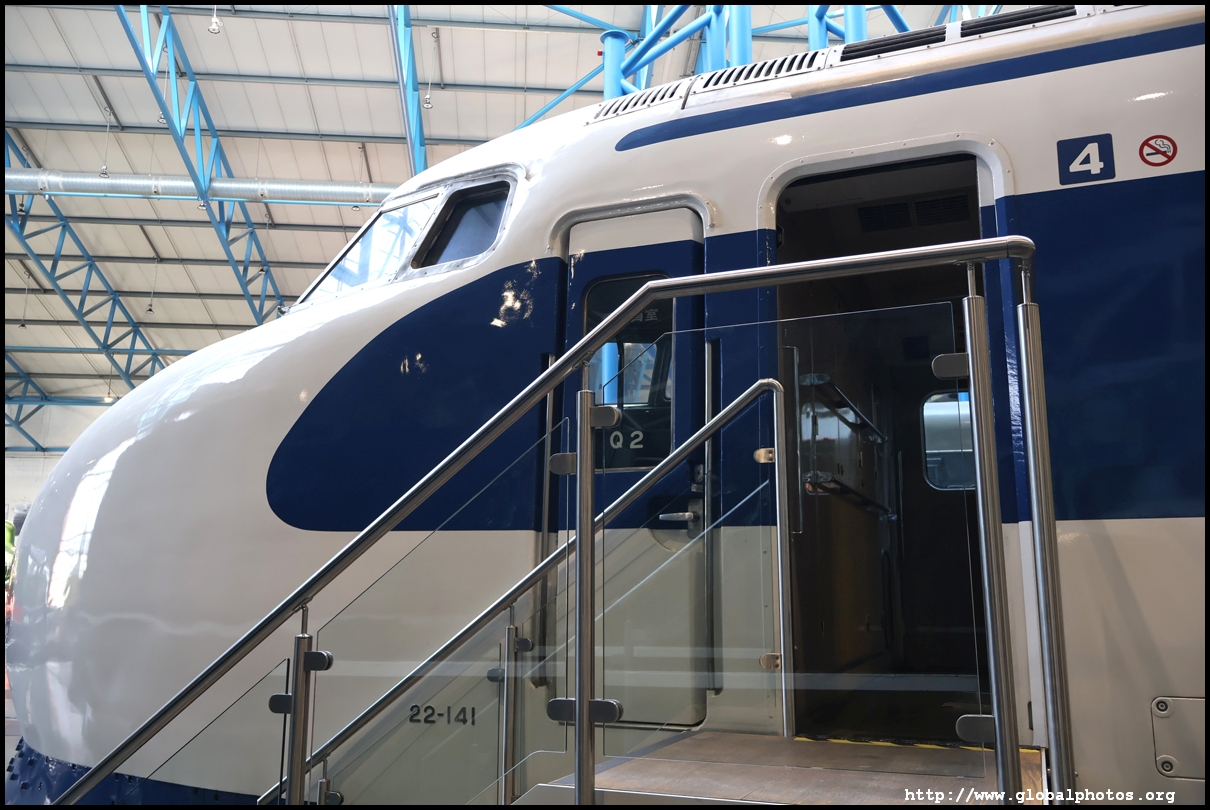
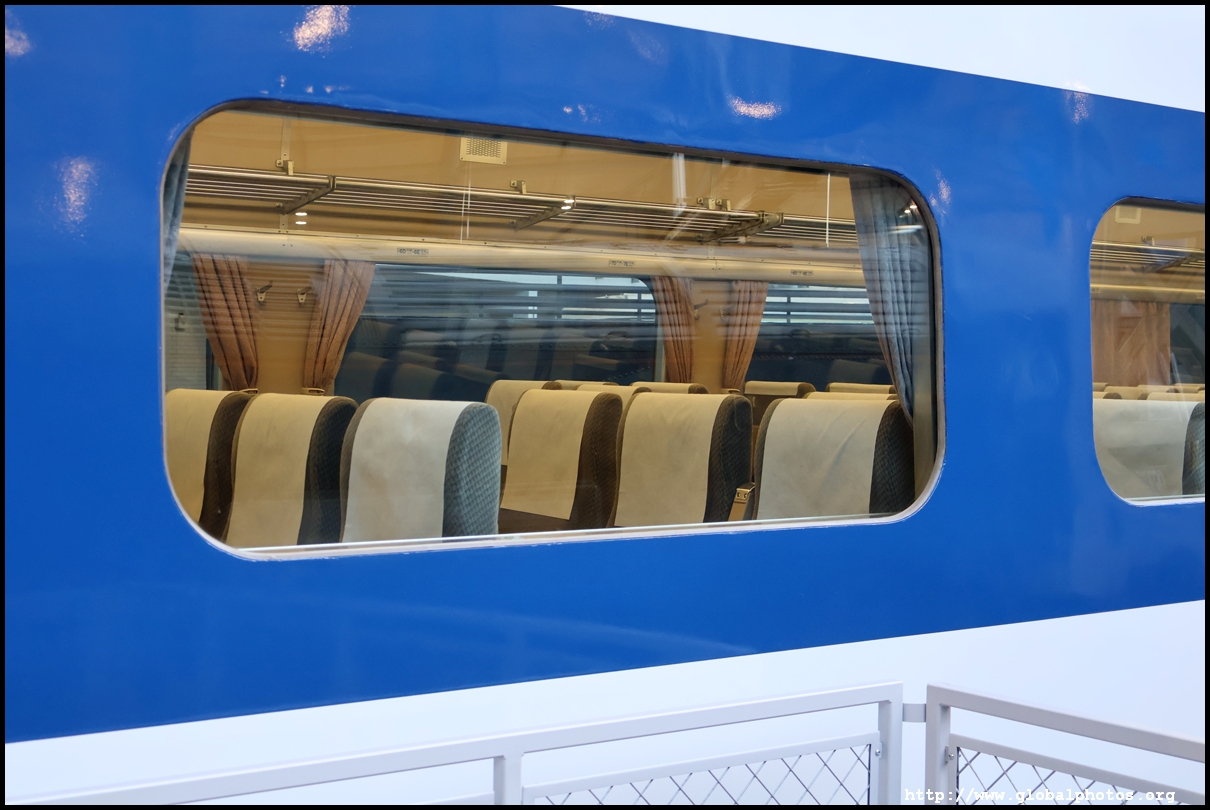
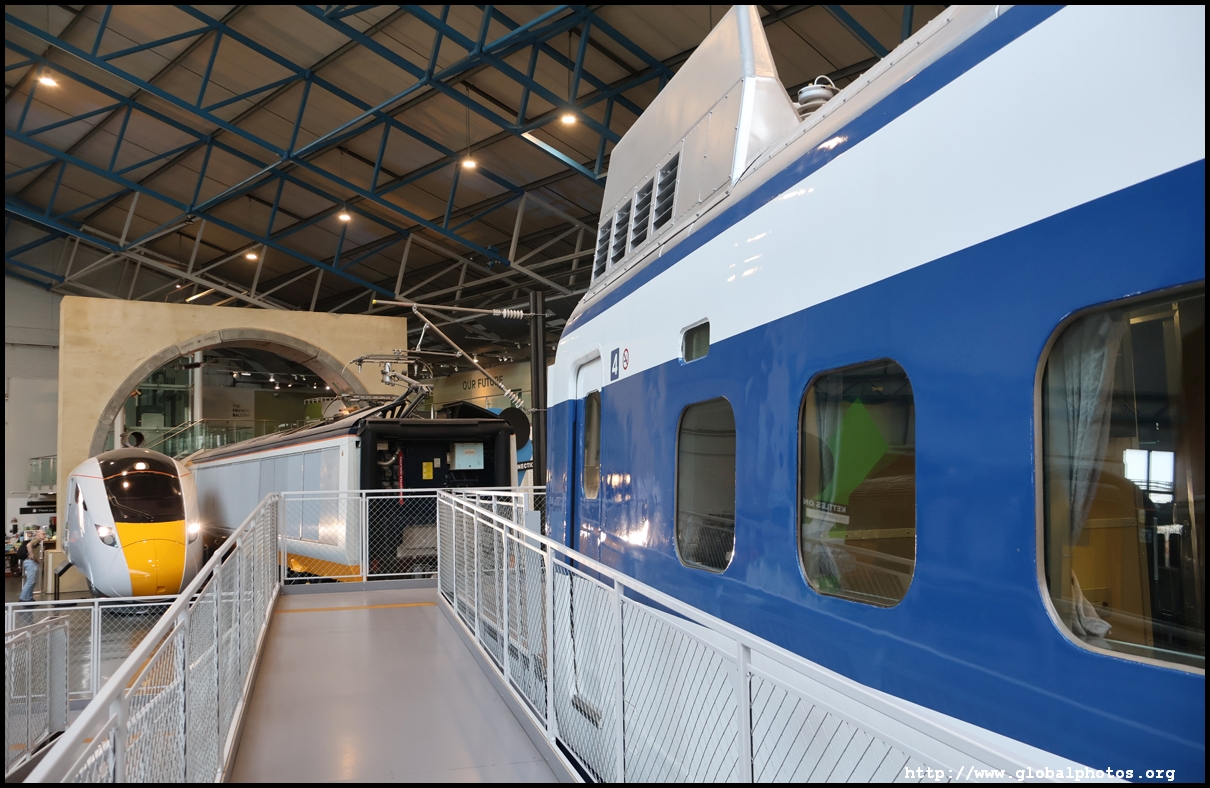
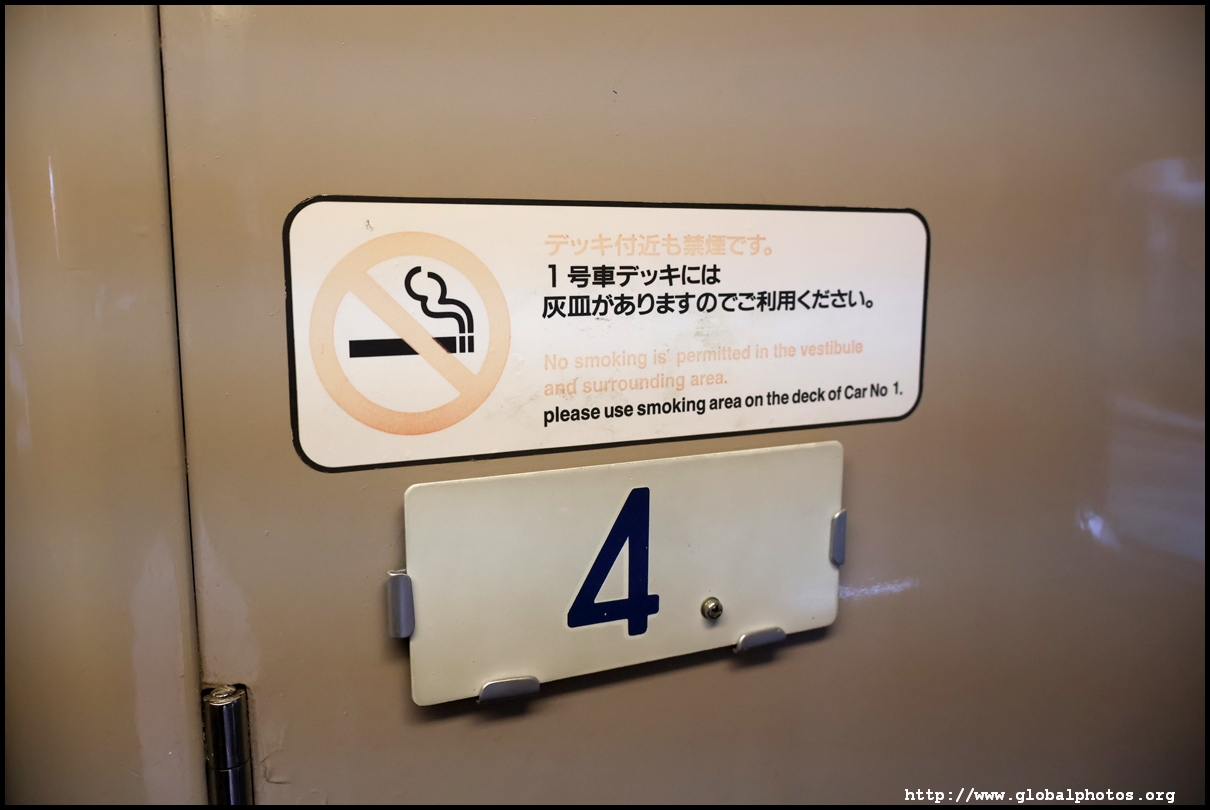
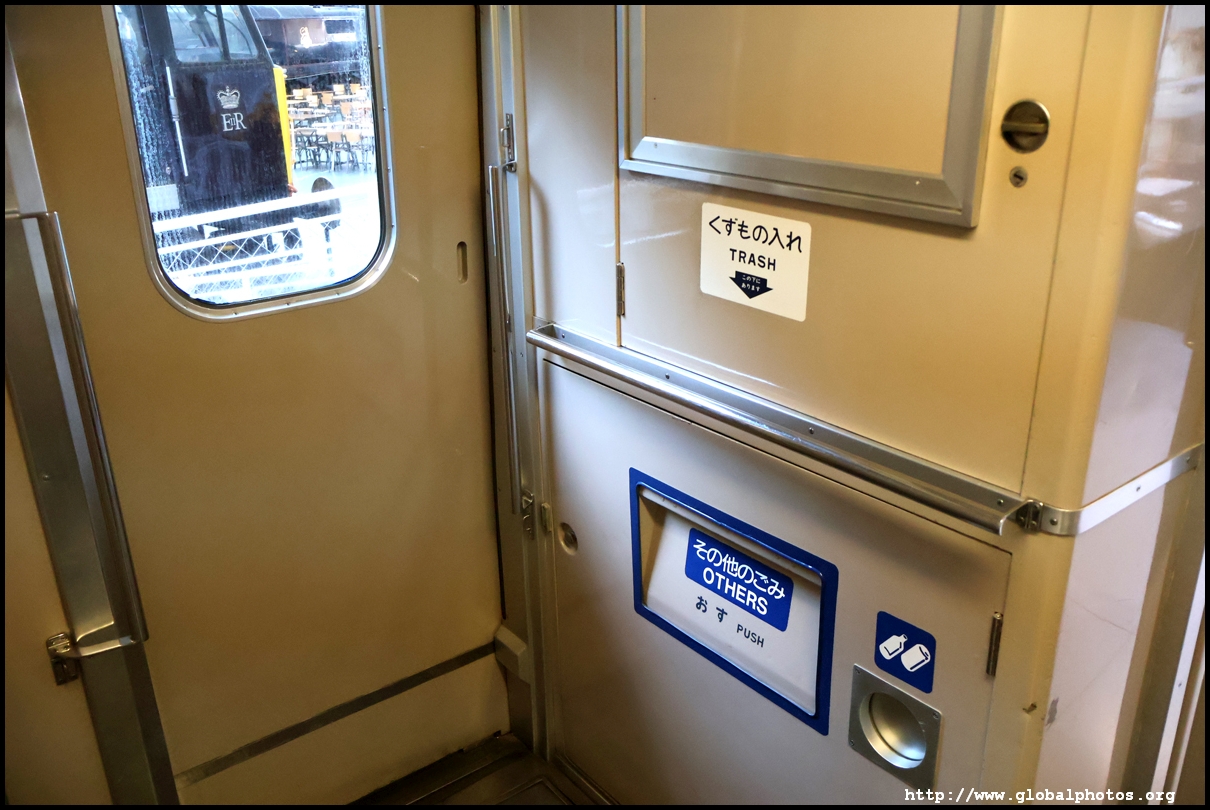
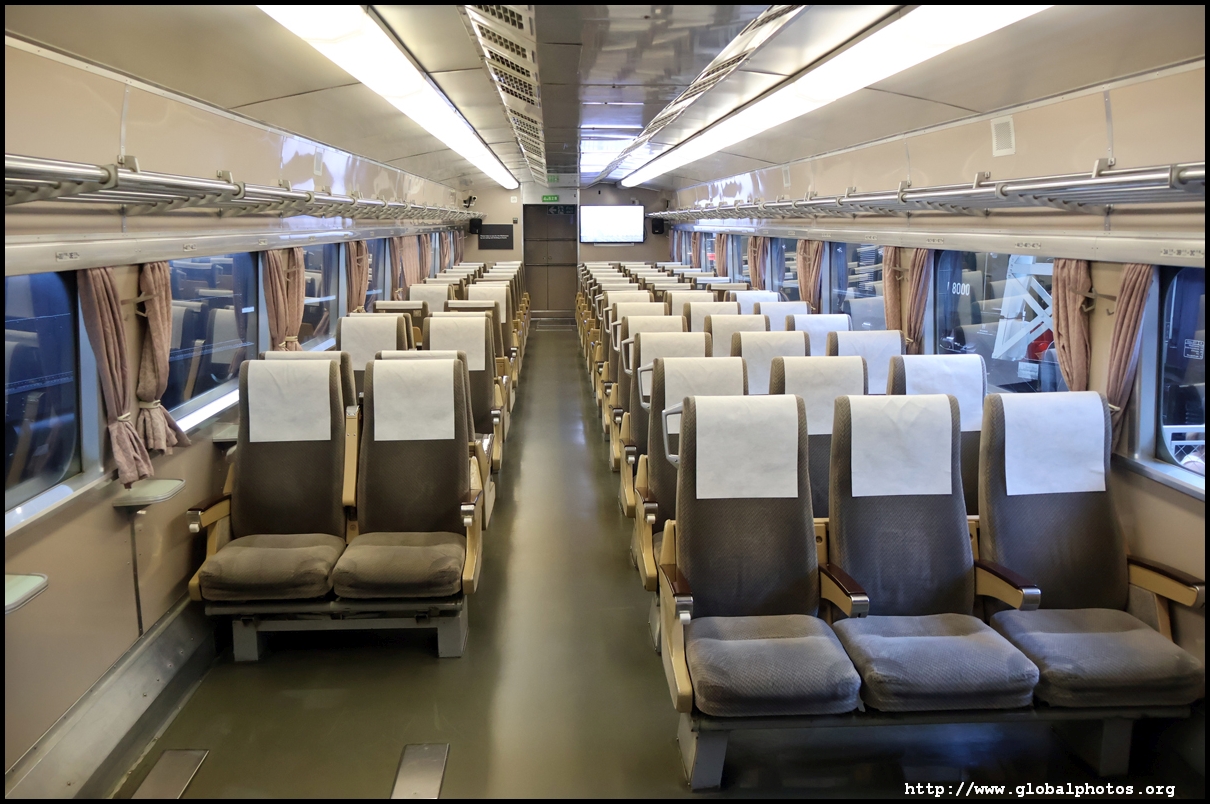
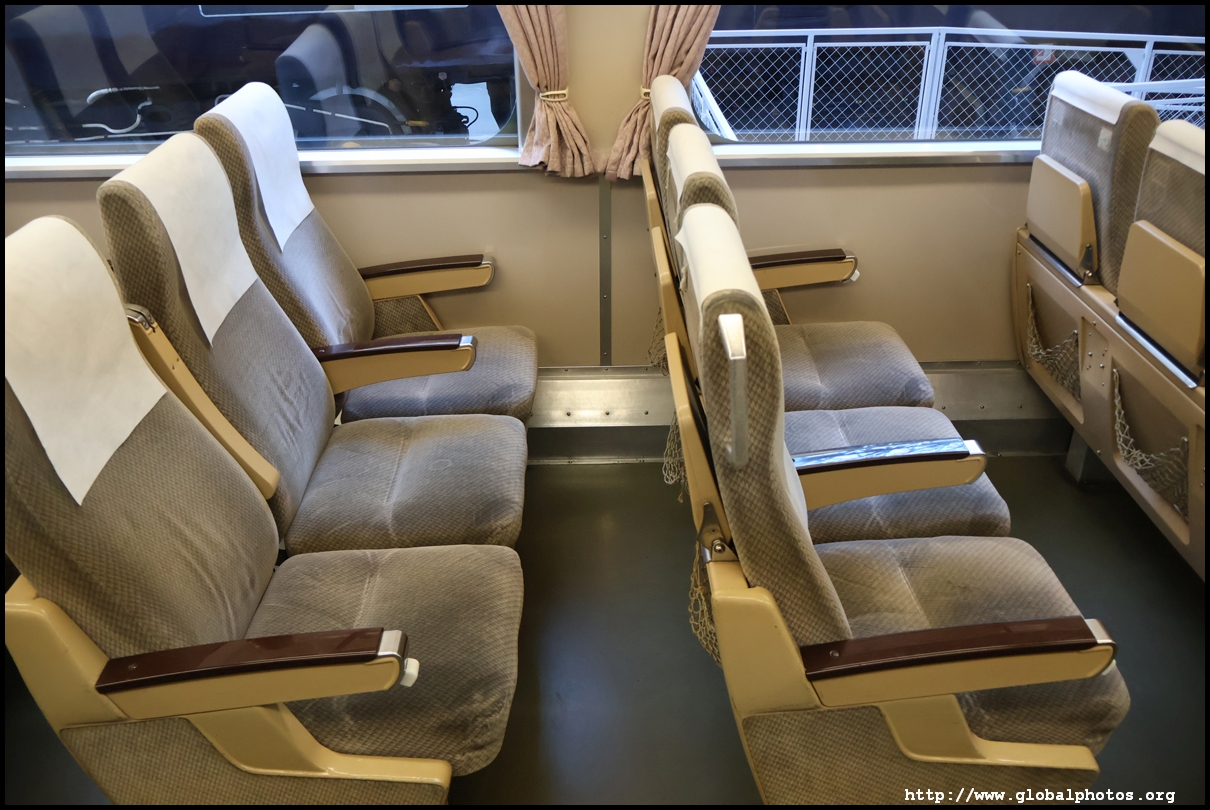
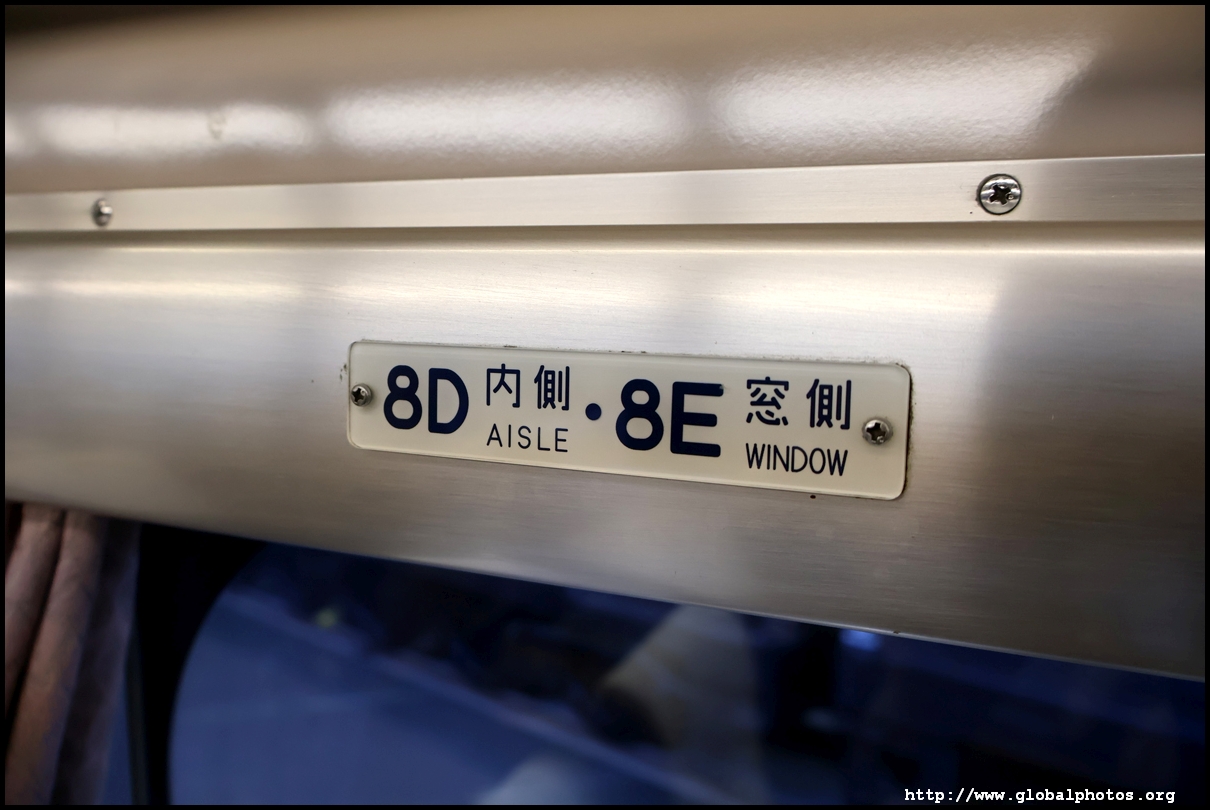
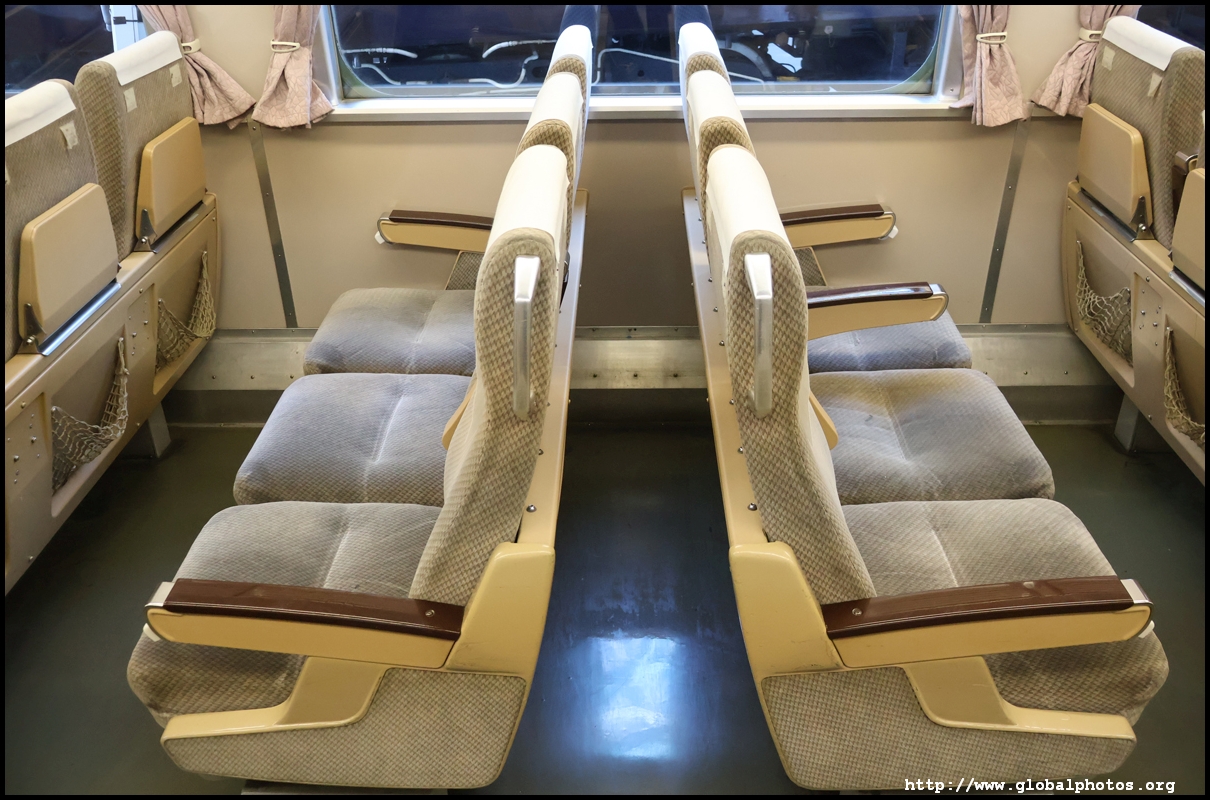
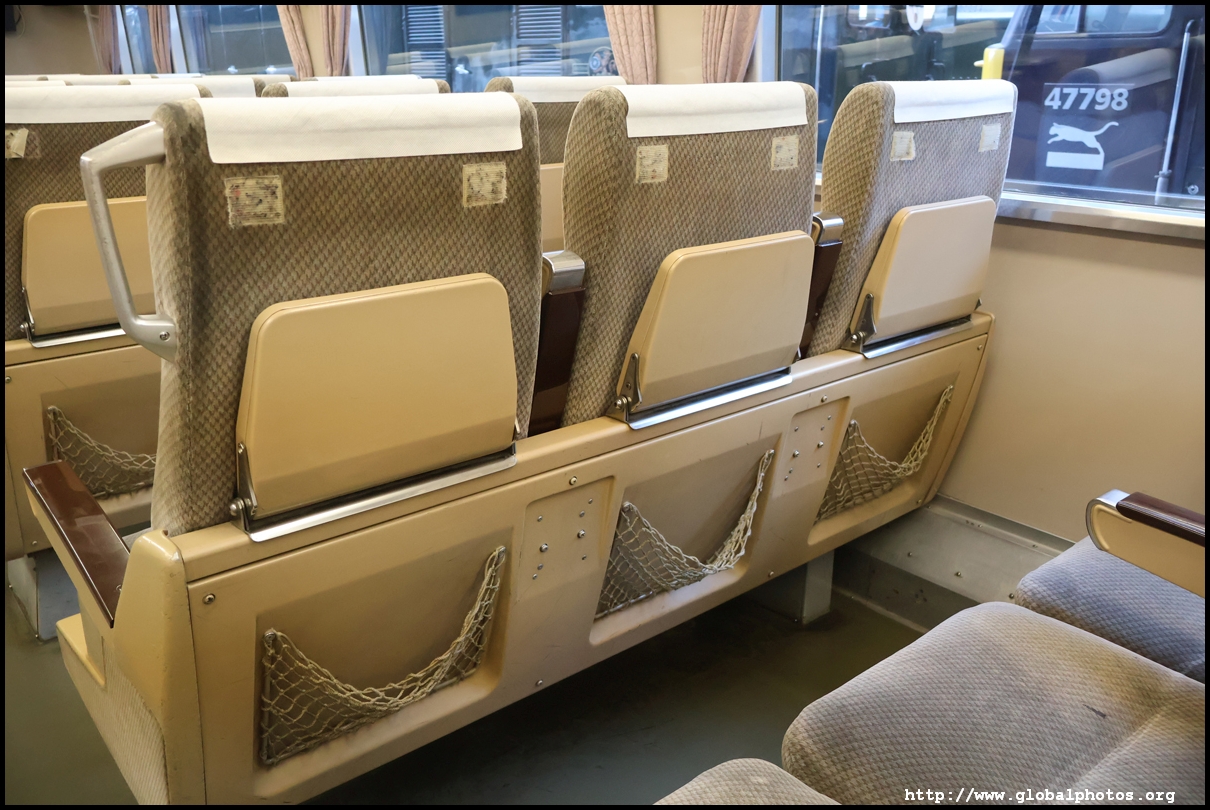
This museum hosts the only preserved Japanese bullet train outside the country, a 1976 series 0. The Shinkansen opened in 1964 as the world's first high-speed train route. Trains reached speeds of 130mph, reducing travel time to just over 3 hours.
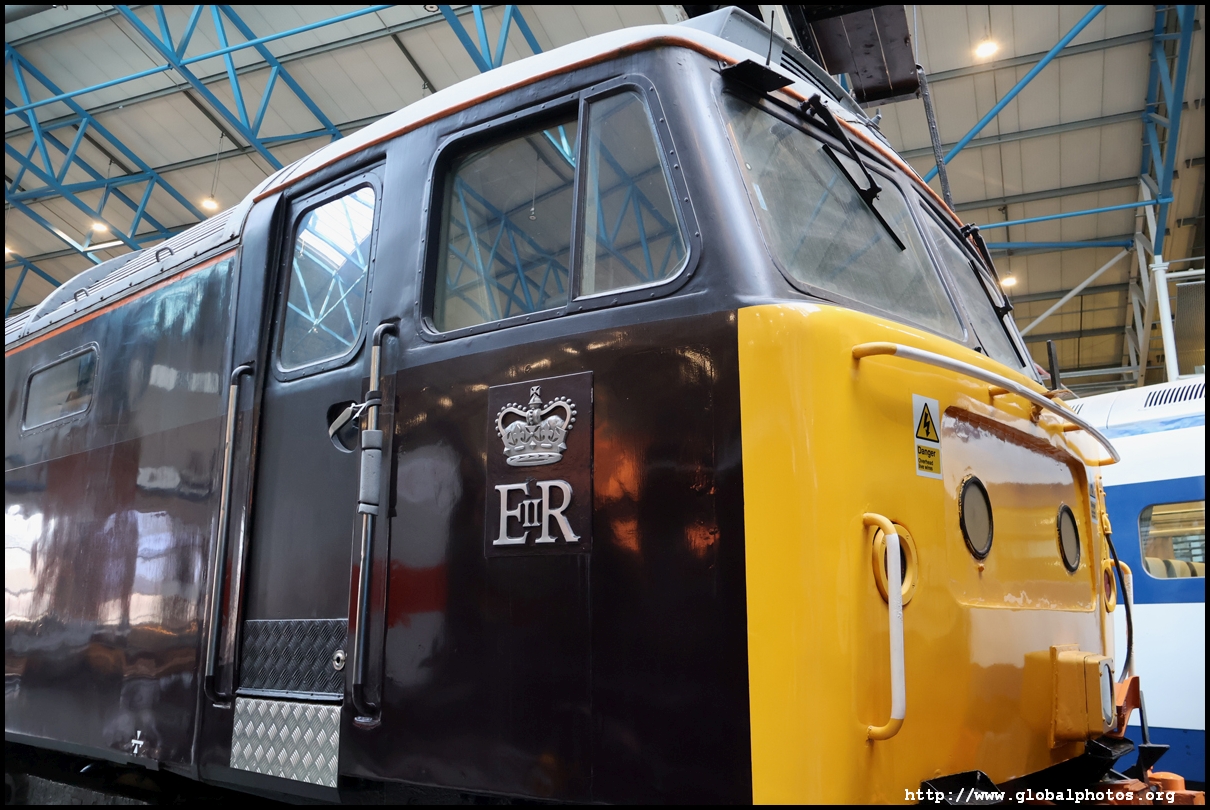
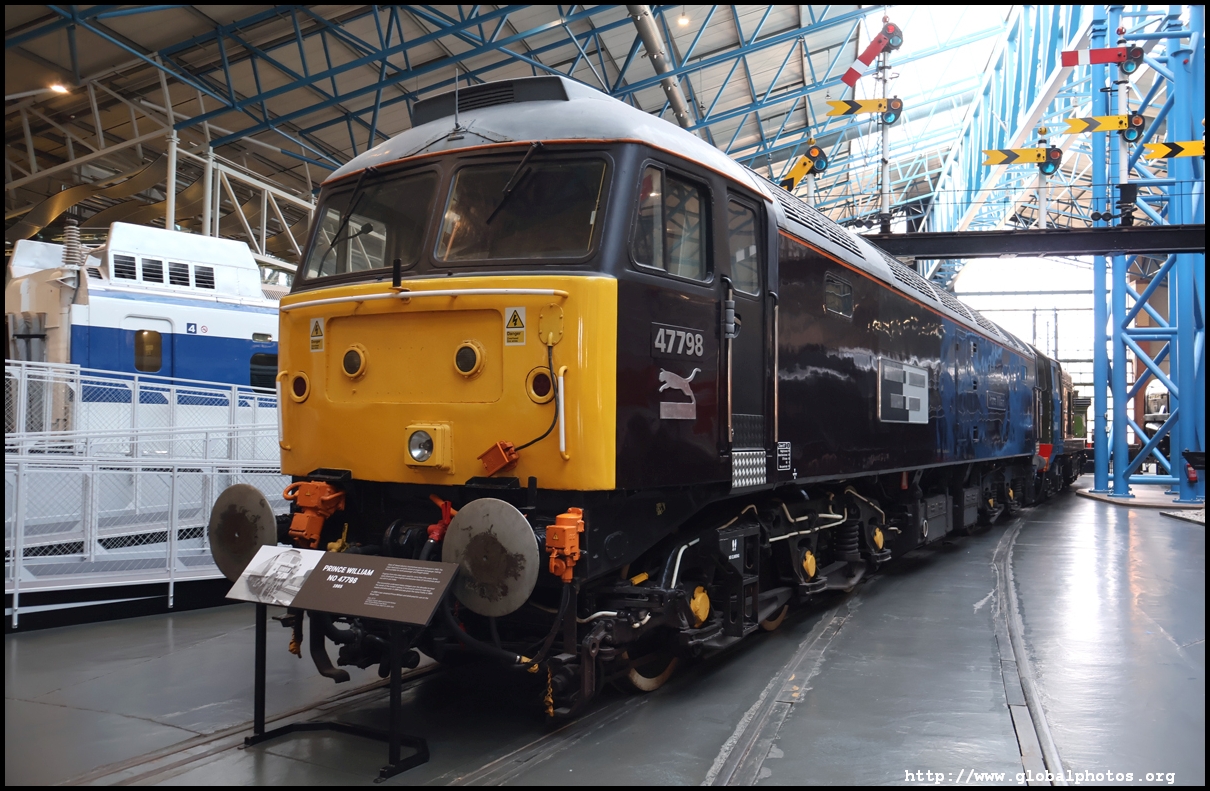
This type of Class 47 diesel electric locomotives were introduced in 1962. In 1995, this train was renamed Prince William and used exclusively for royal duties.
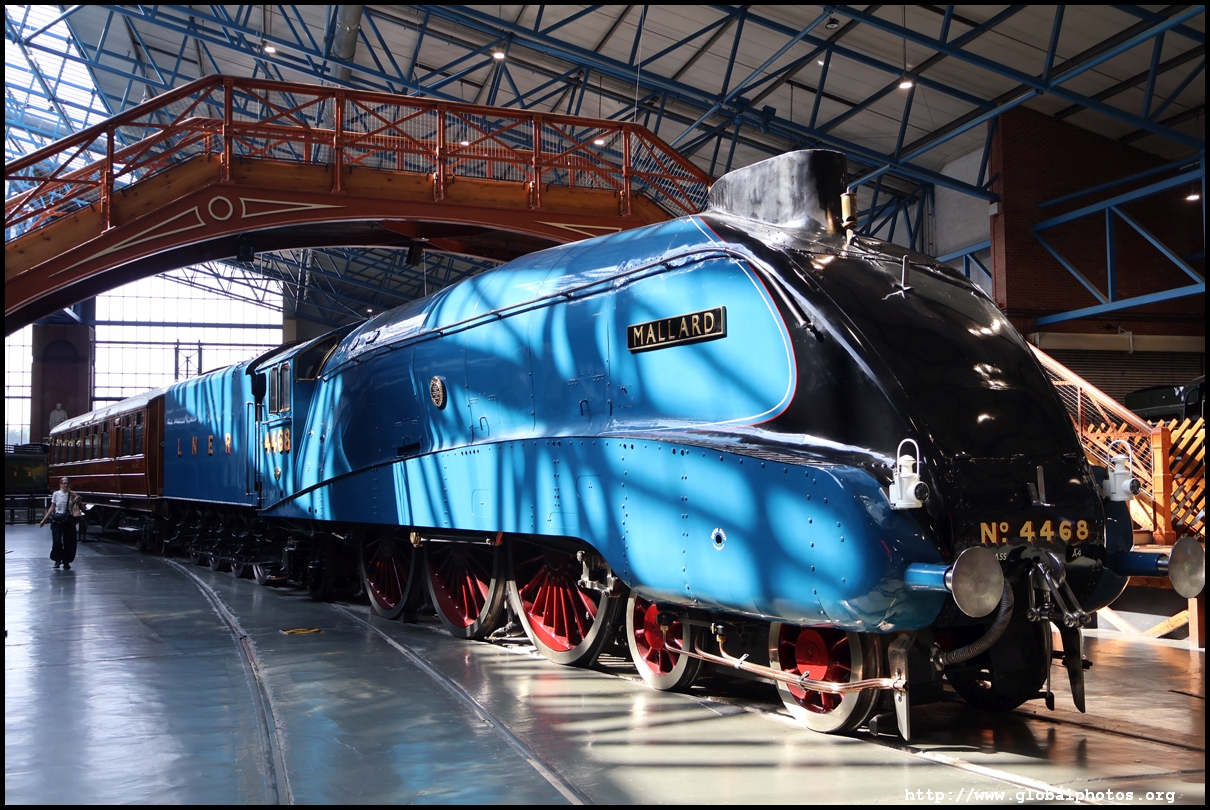
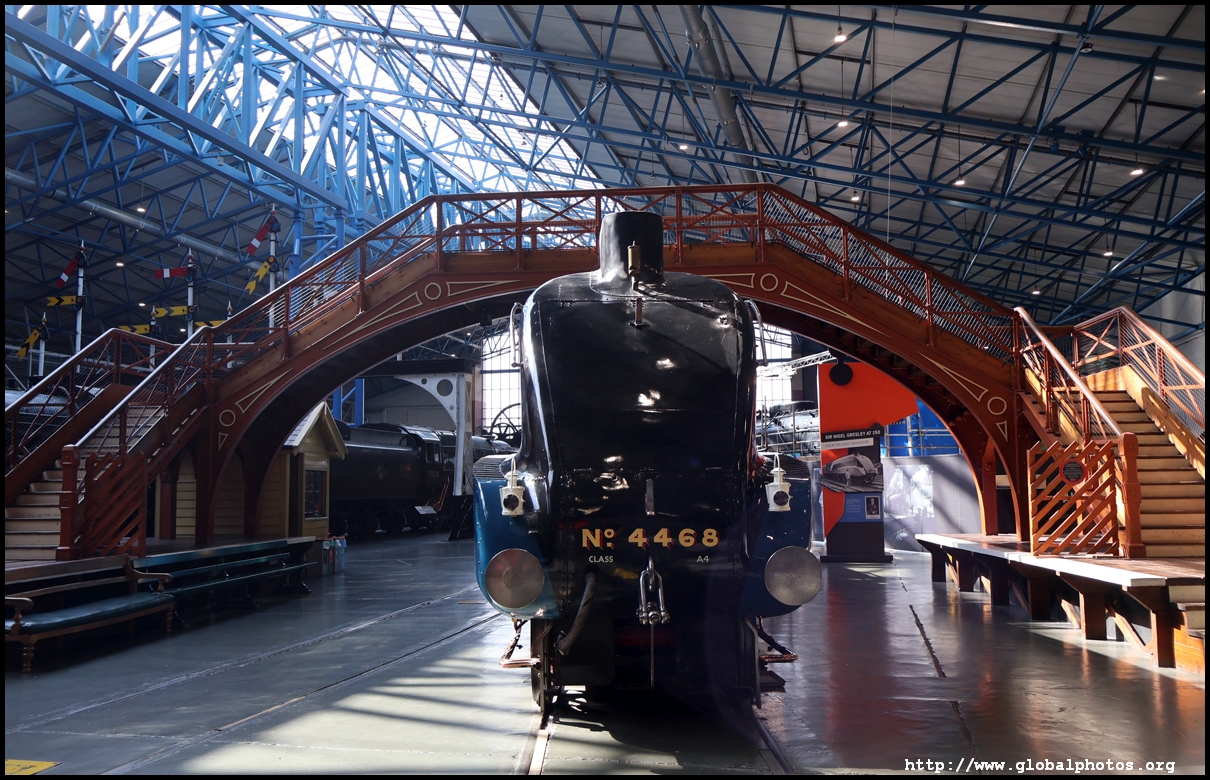
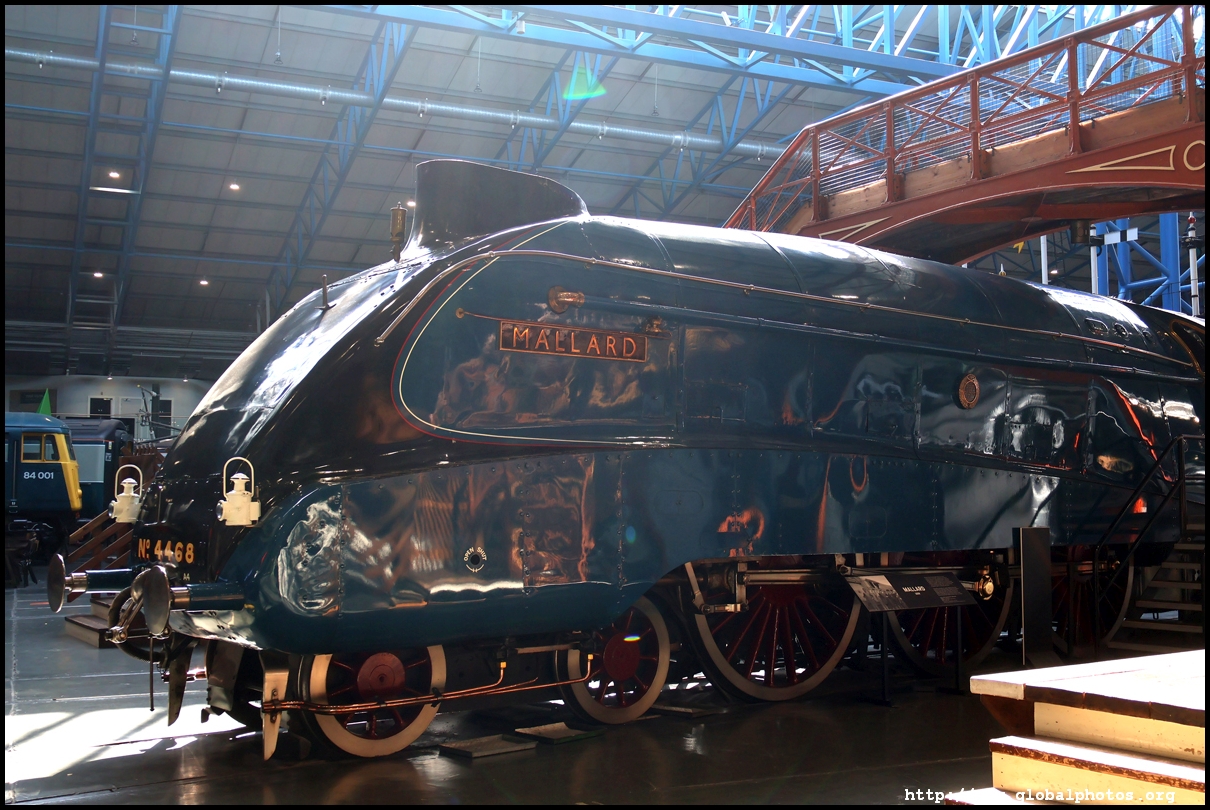
The Mallard was the world's fastest steam locomotive, reaching 126mph in 1938, a record that was never beaten by other steam trains. Shaped to cut through the air as cleanly as possible, this train retired in 1963 and arrived at this museum for its opening in 1975.
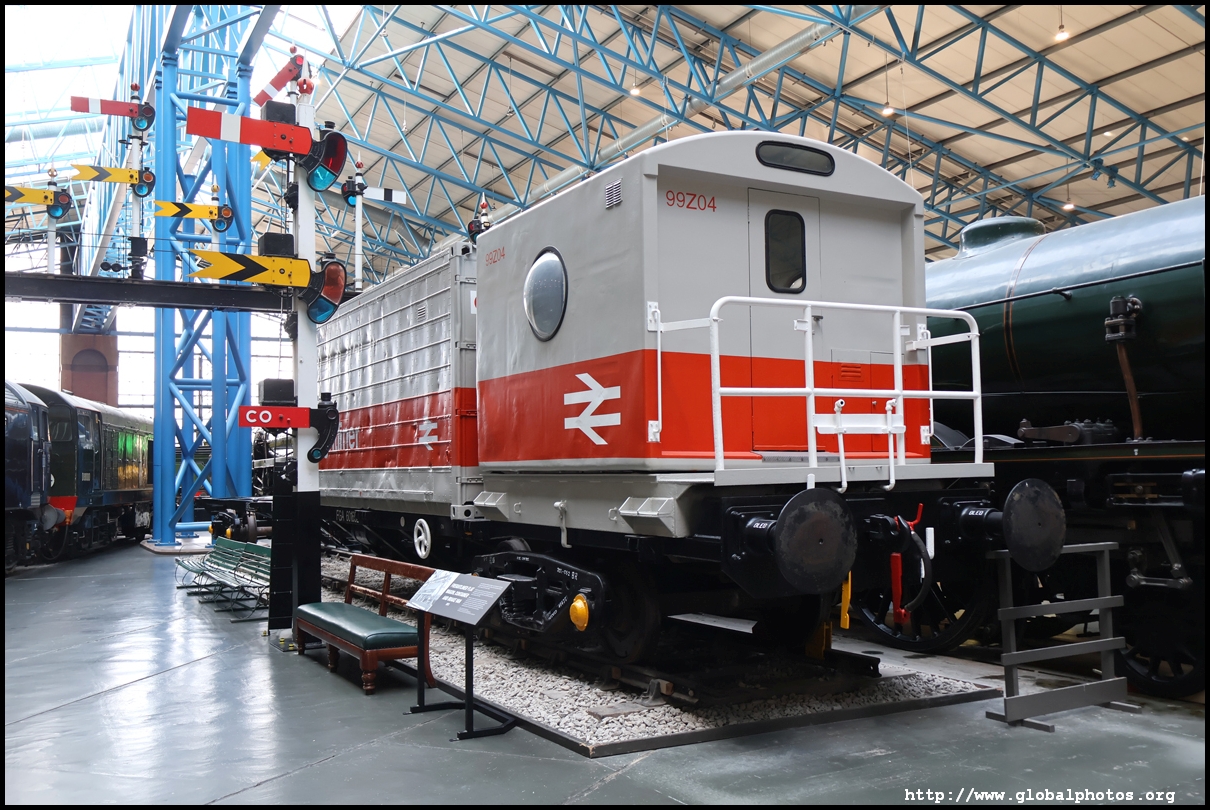
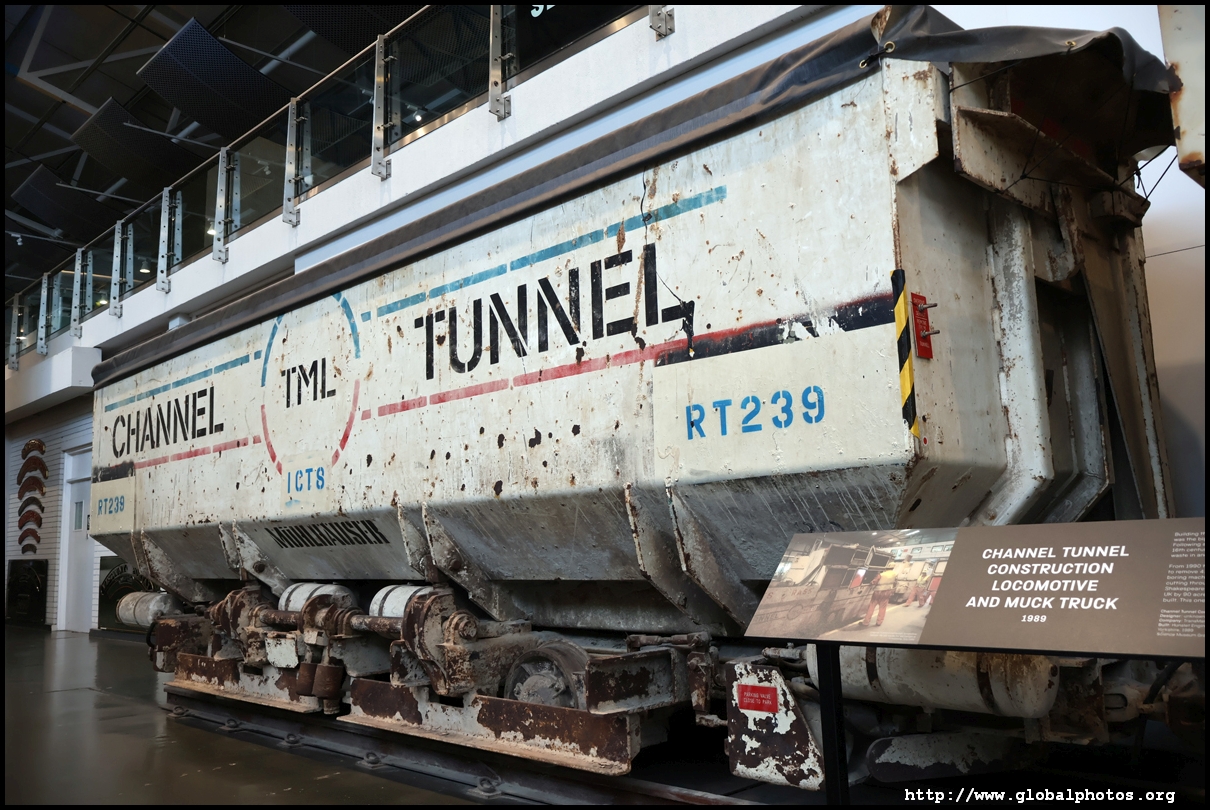
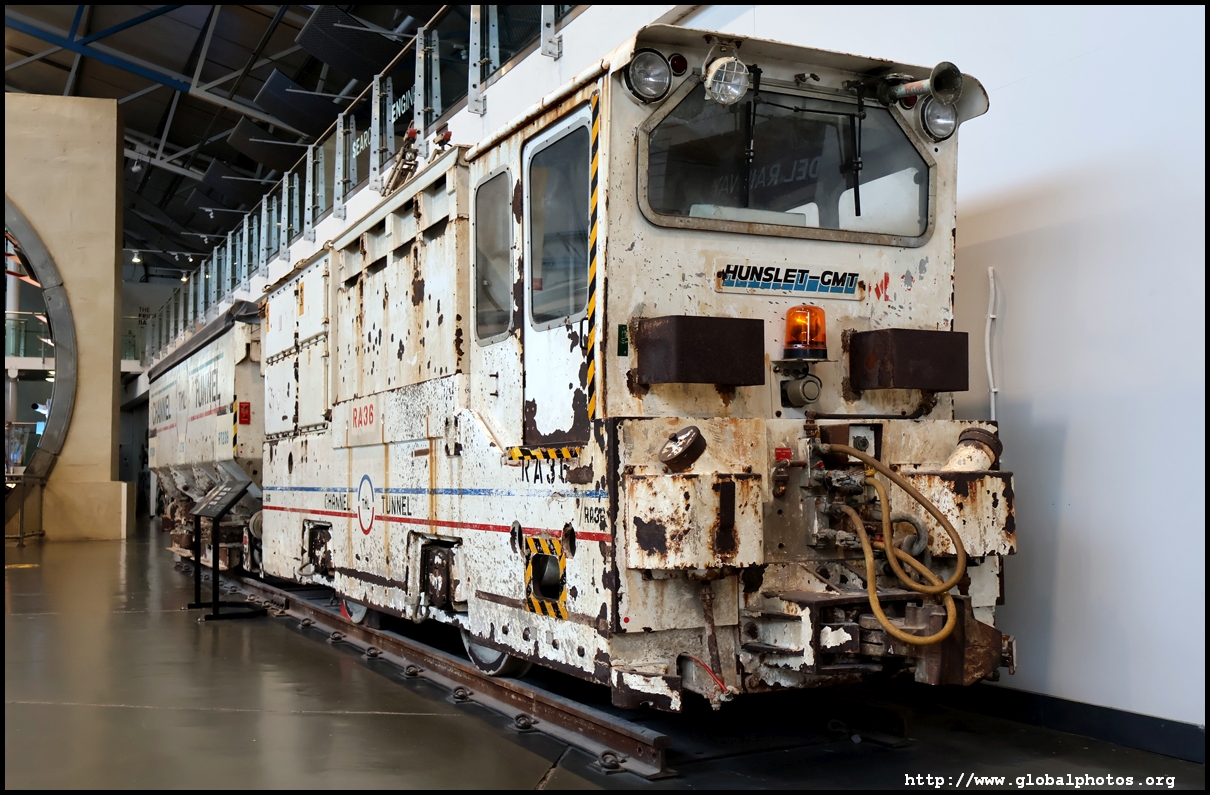
These trains transported workers, equipment, and waste out of the Channel Tunnel construction site in the early 1990s.
|
|
To re-use these photos, please notify me by email : asiaglobe@yahoo.com.hk.