York City Walls Photo Gallery

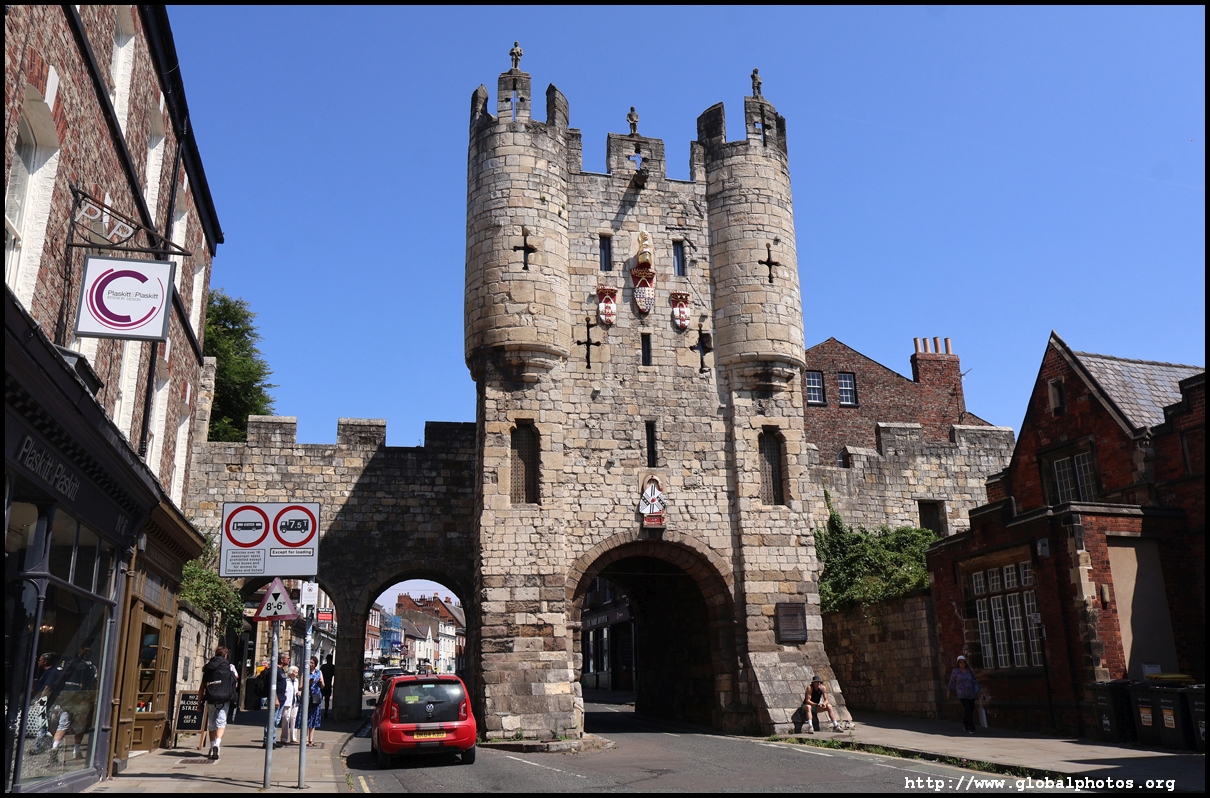
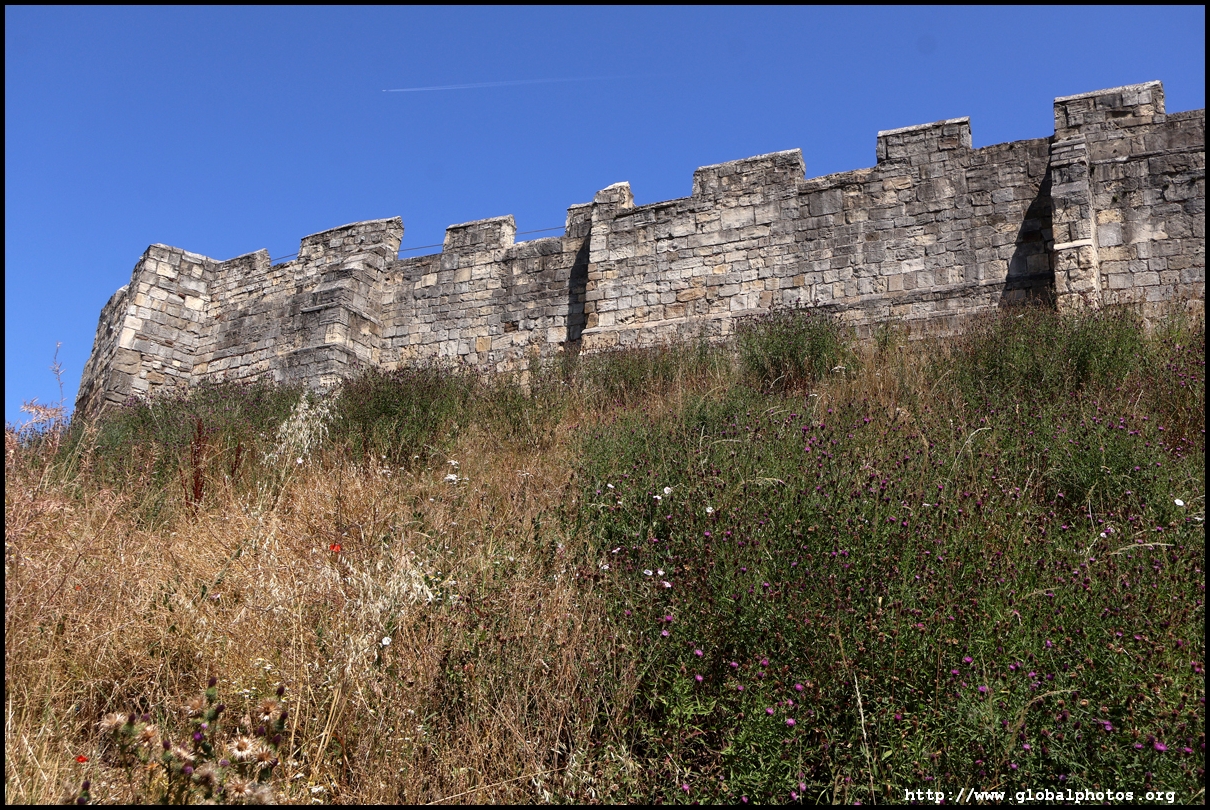
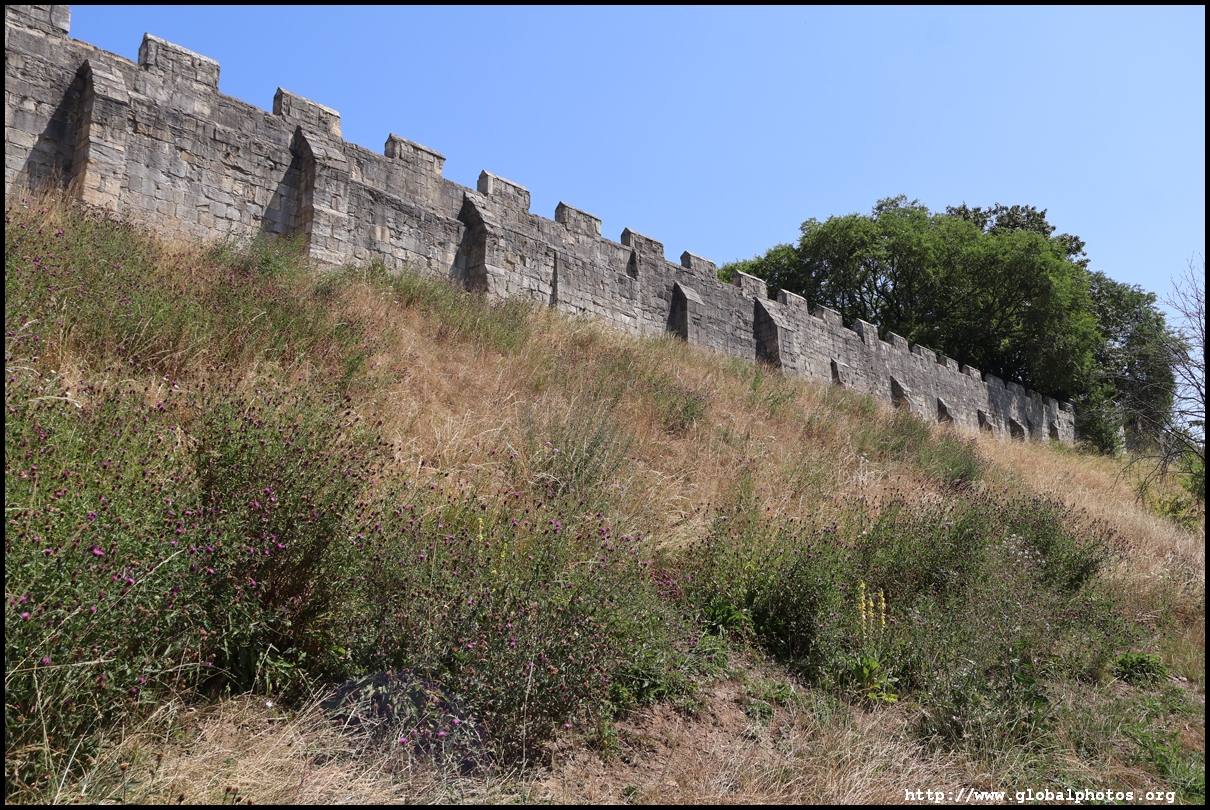
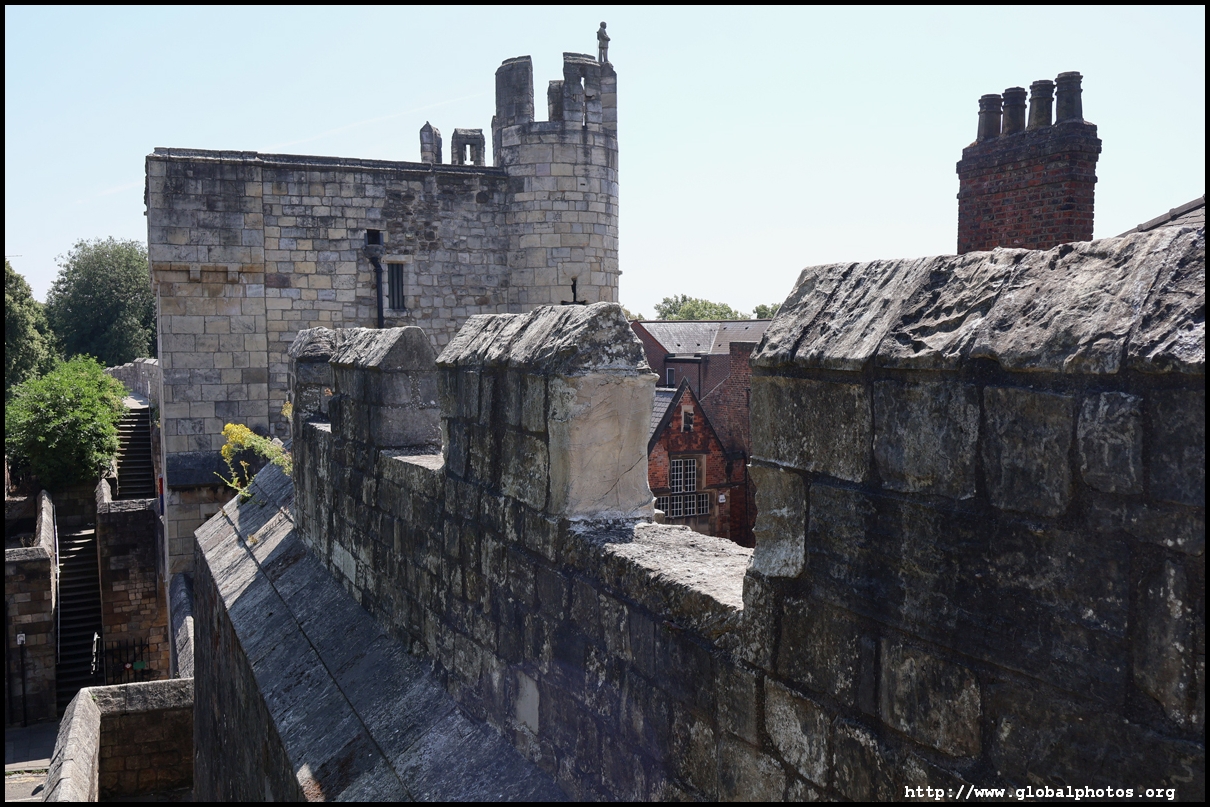
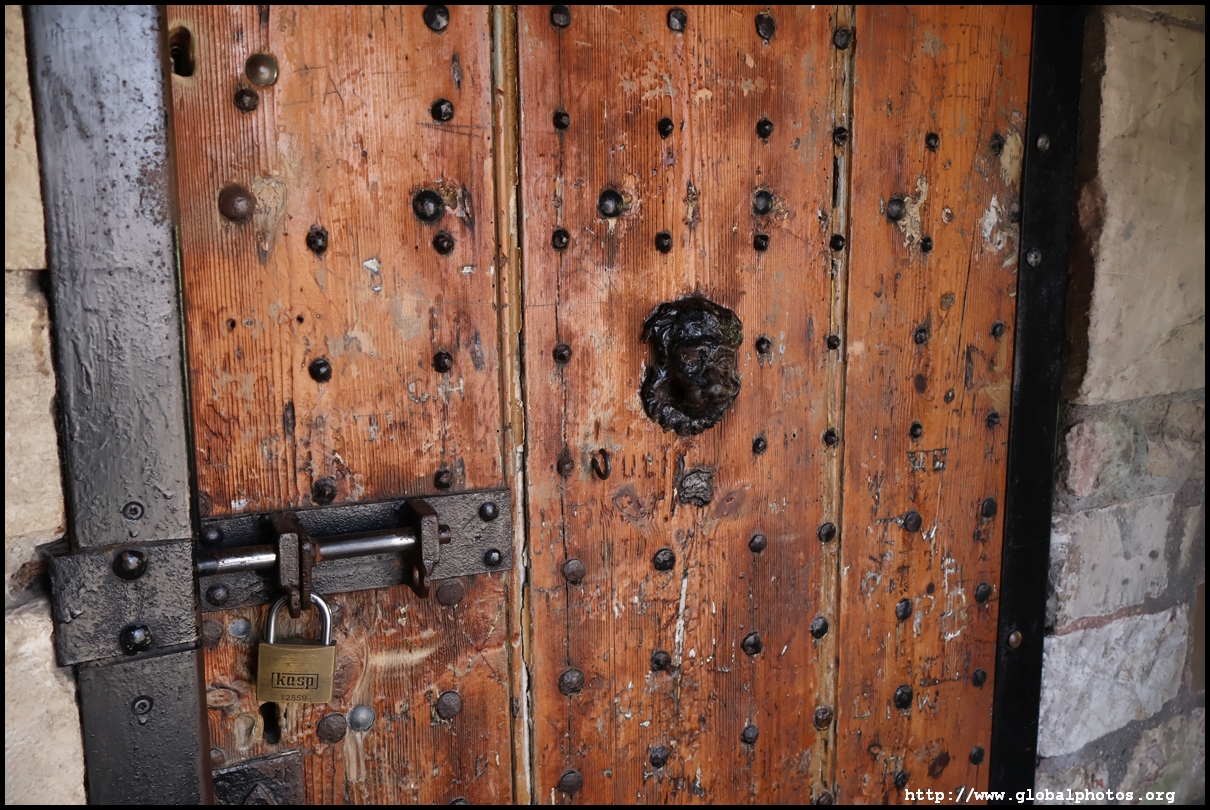
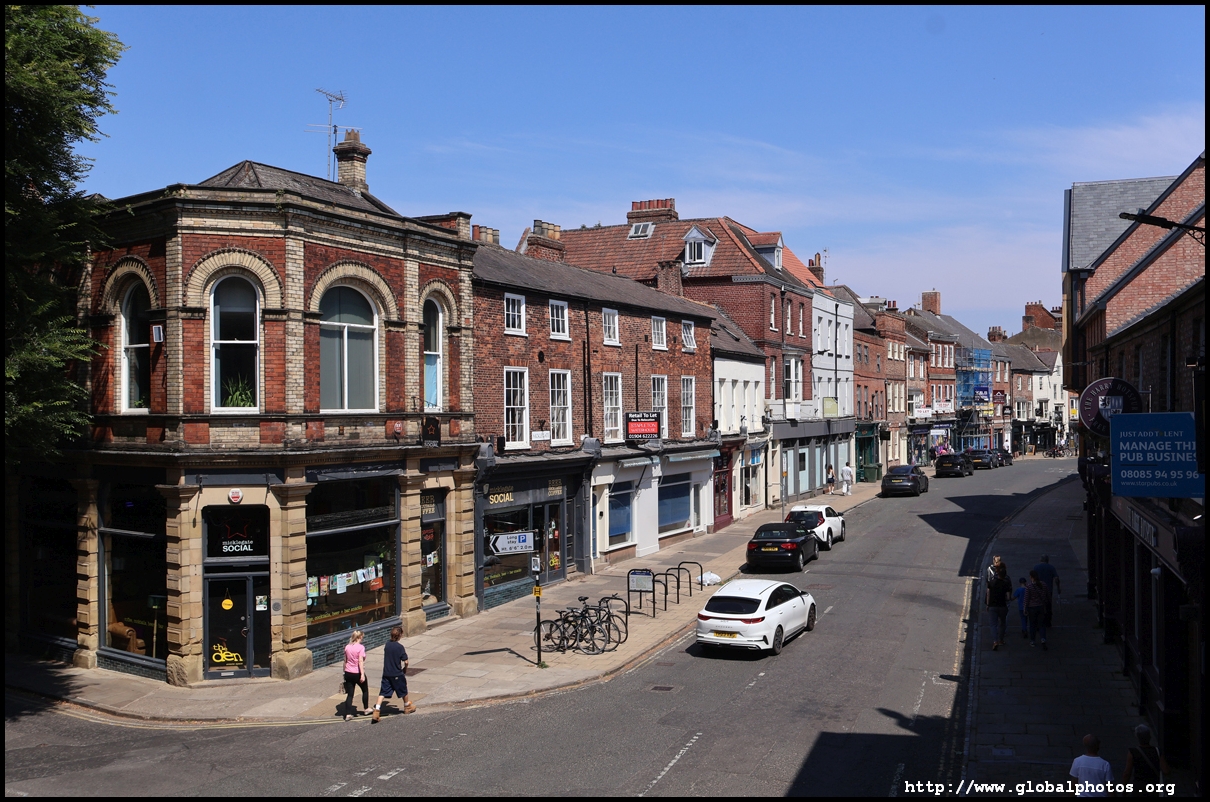
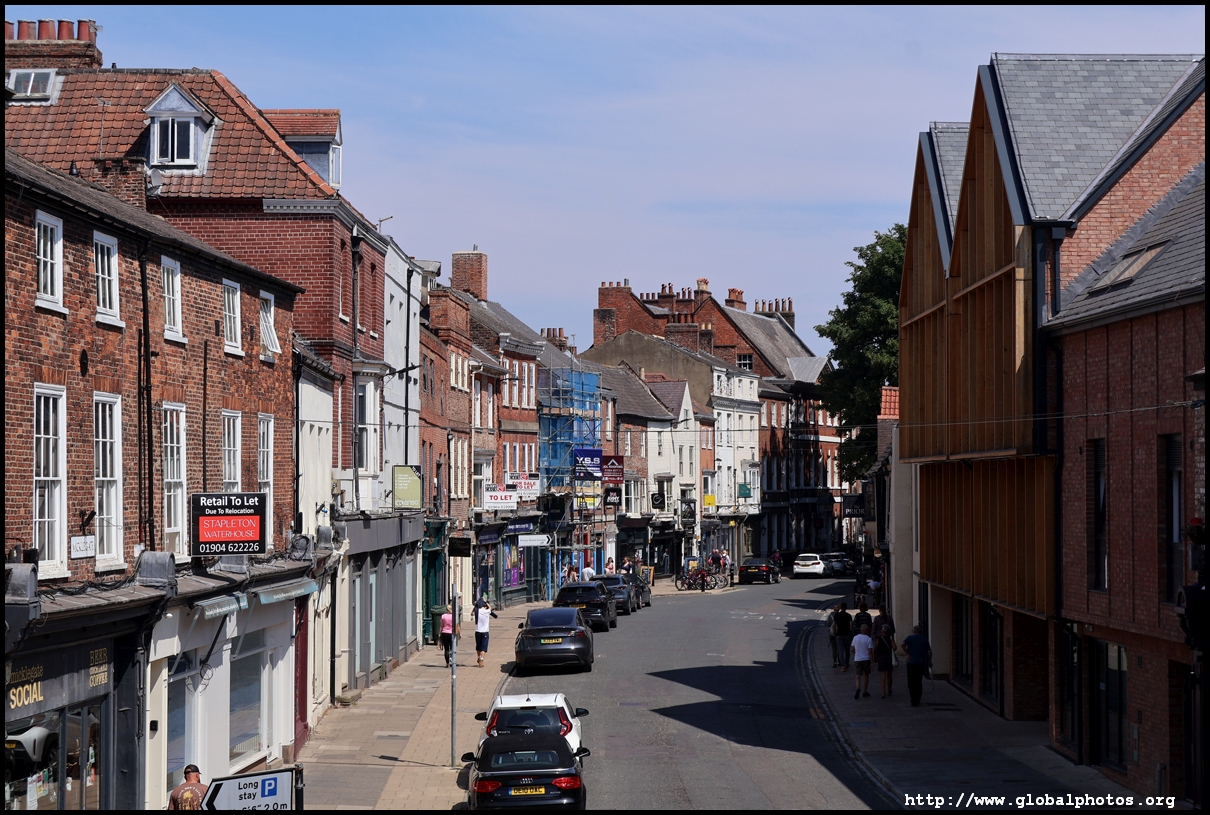
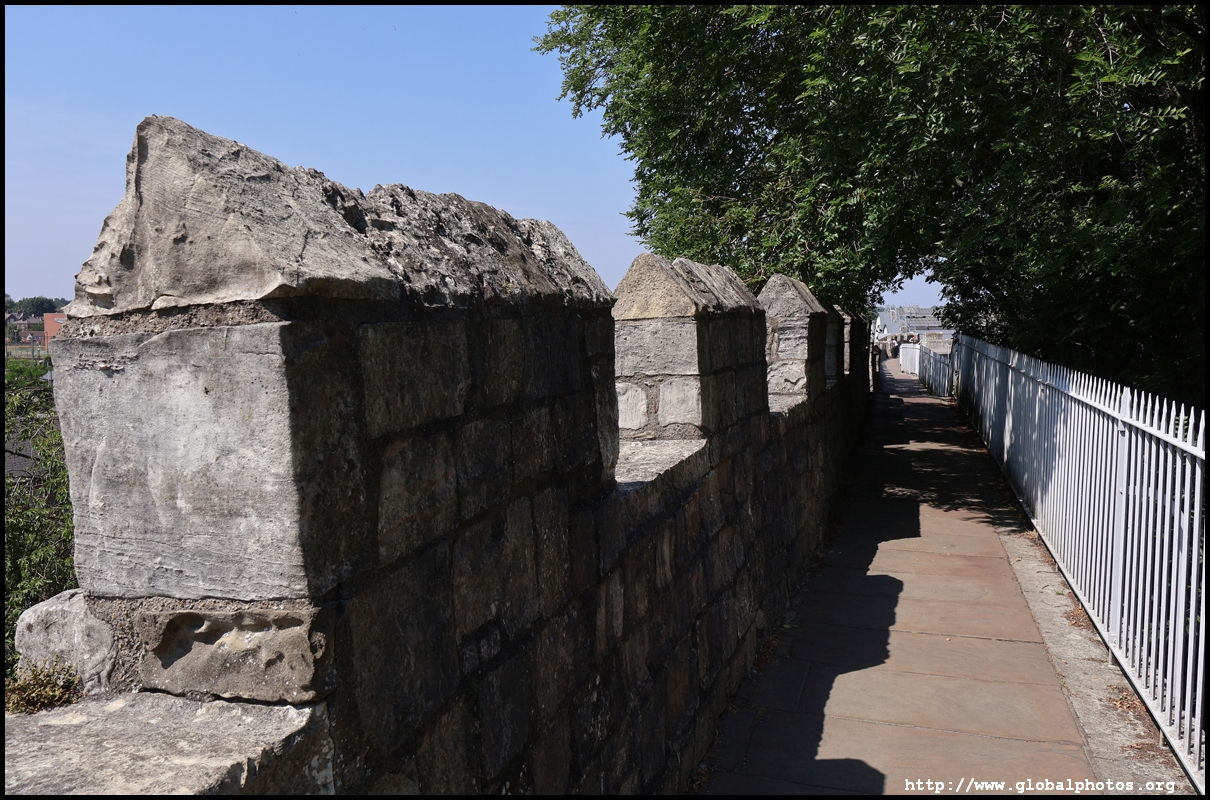
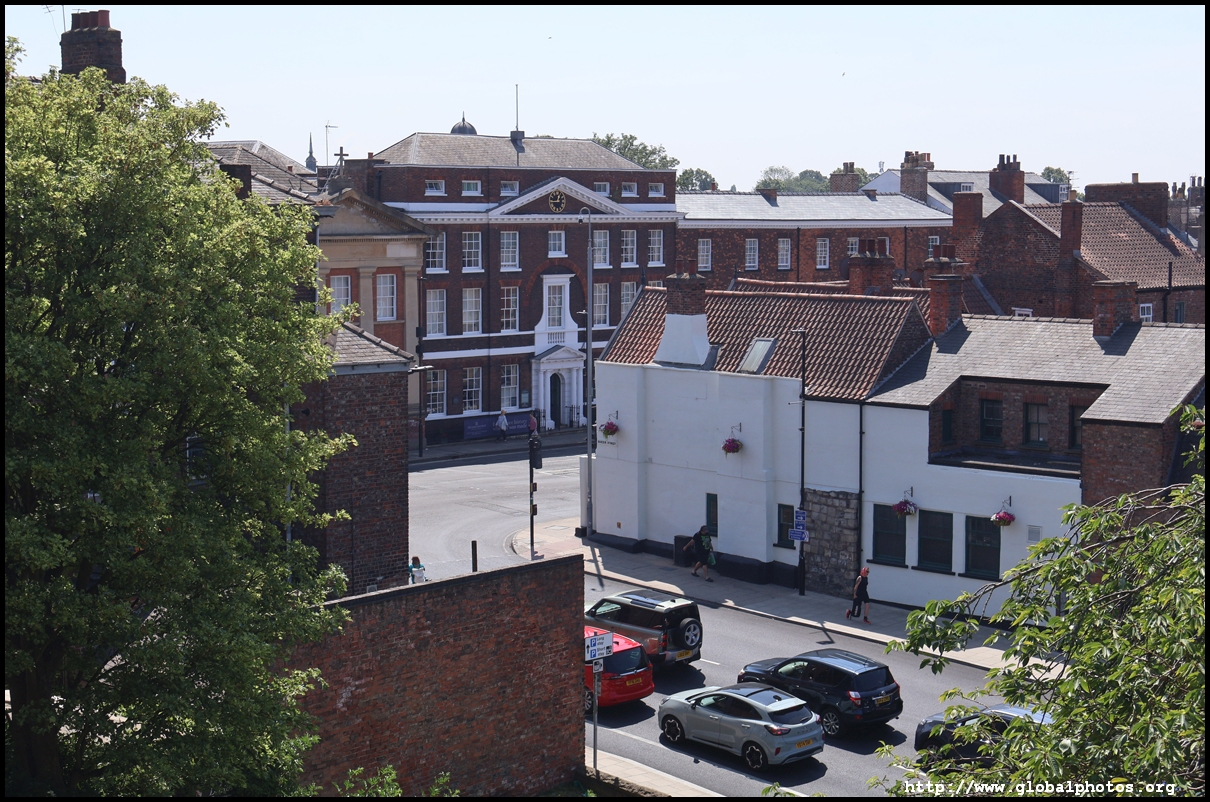
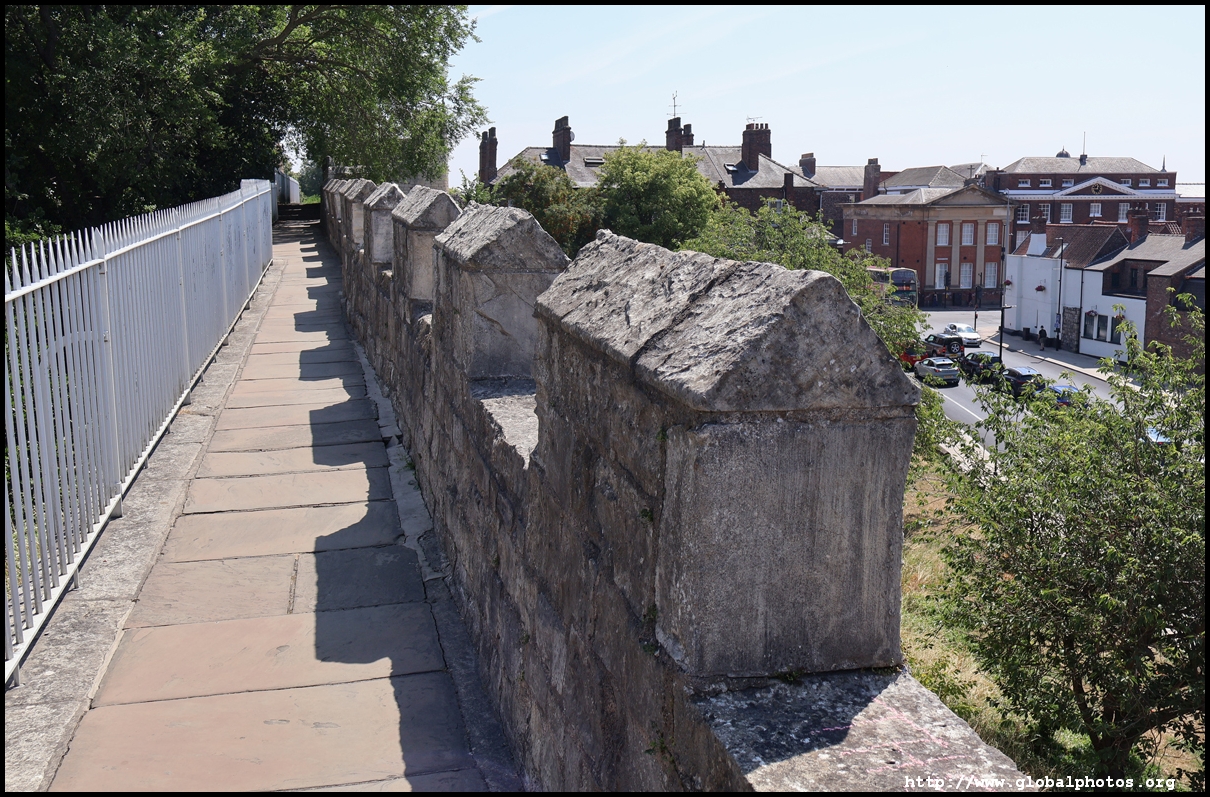
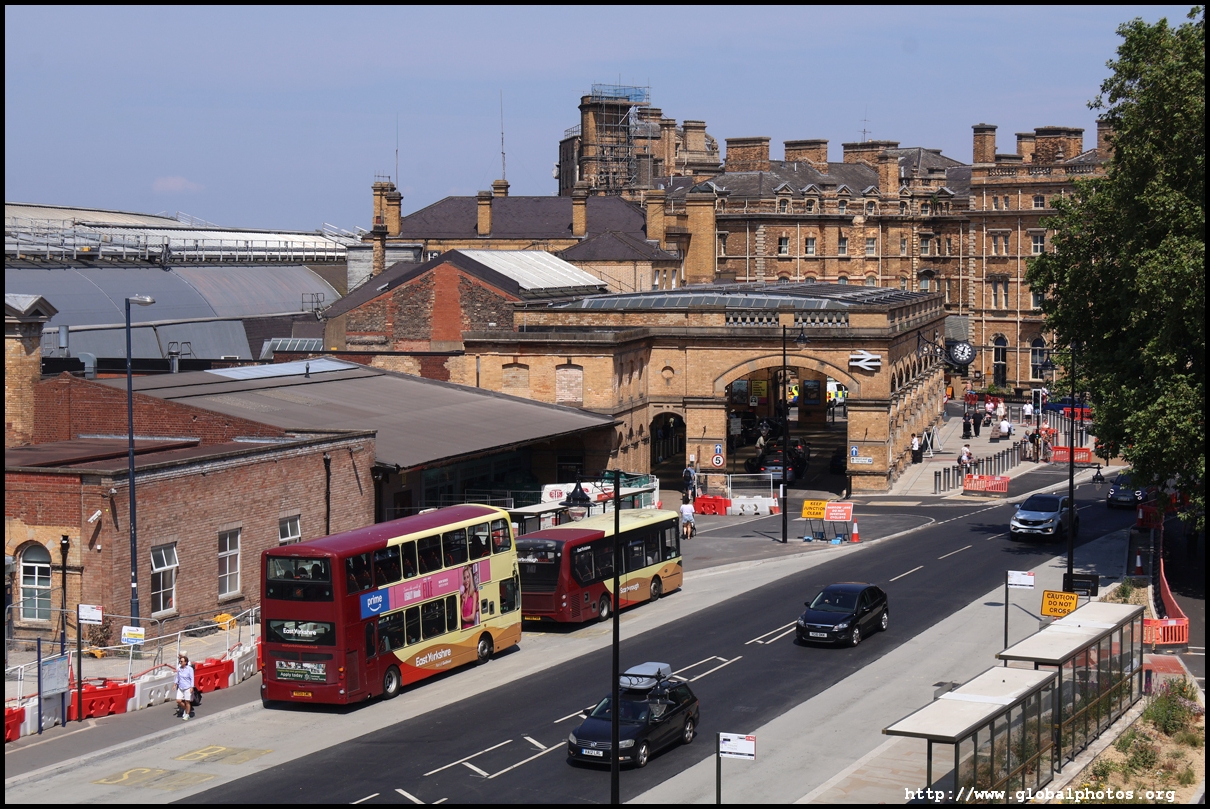
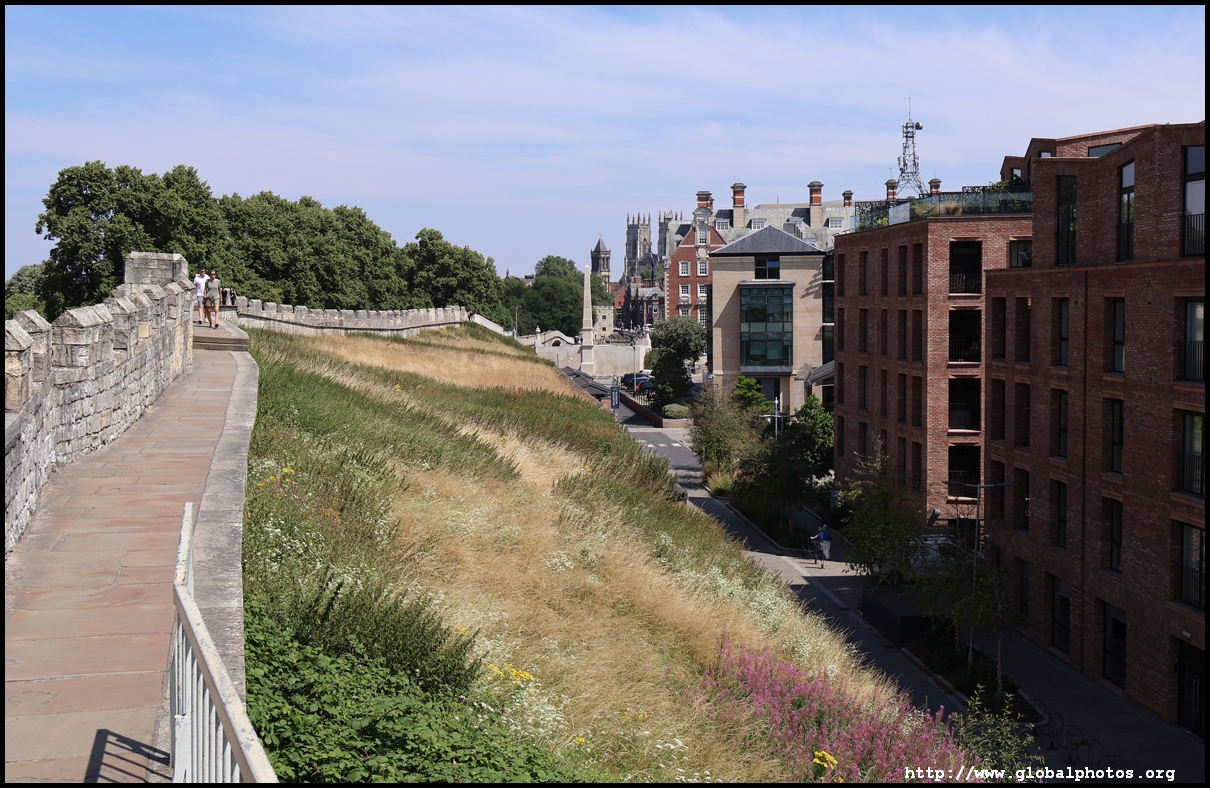
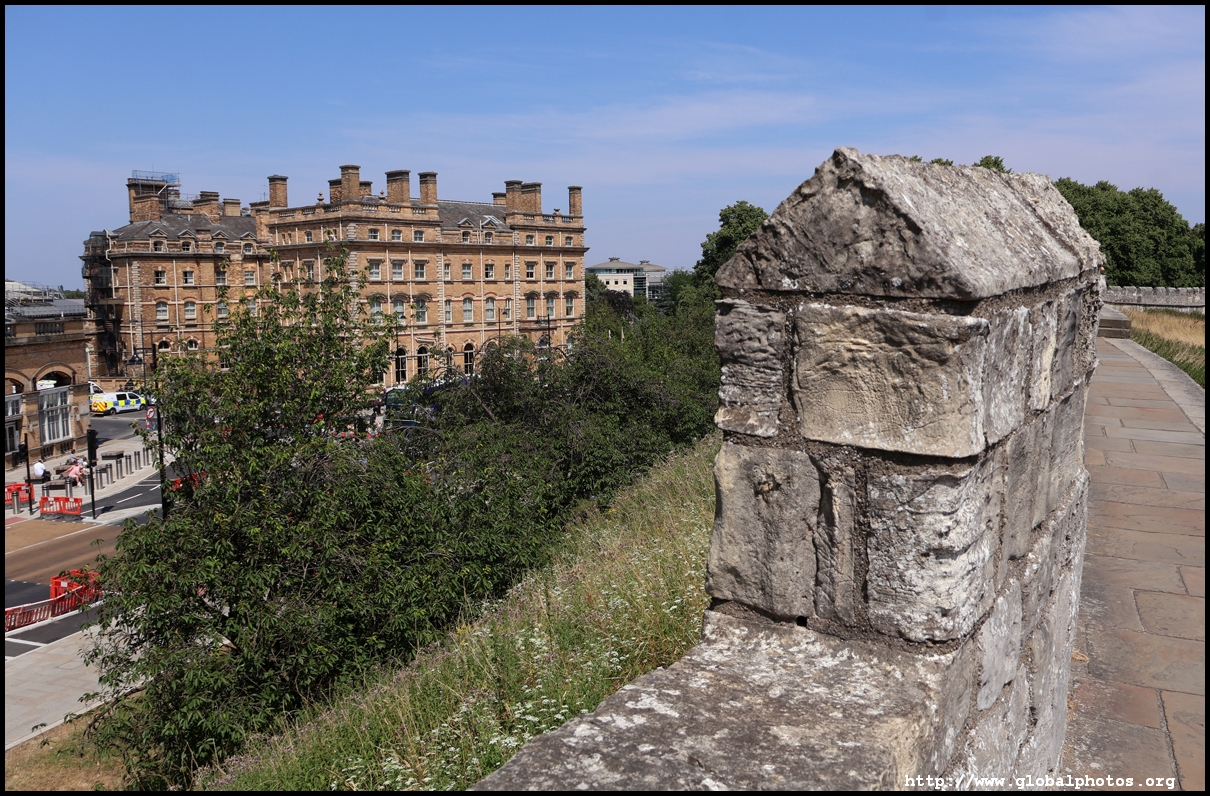
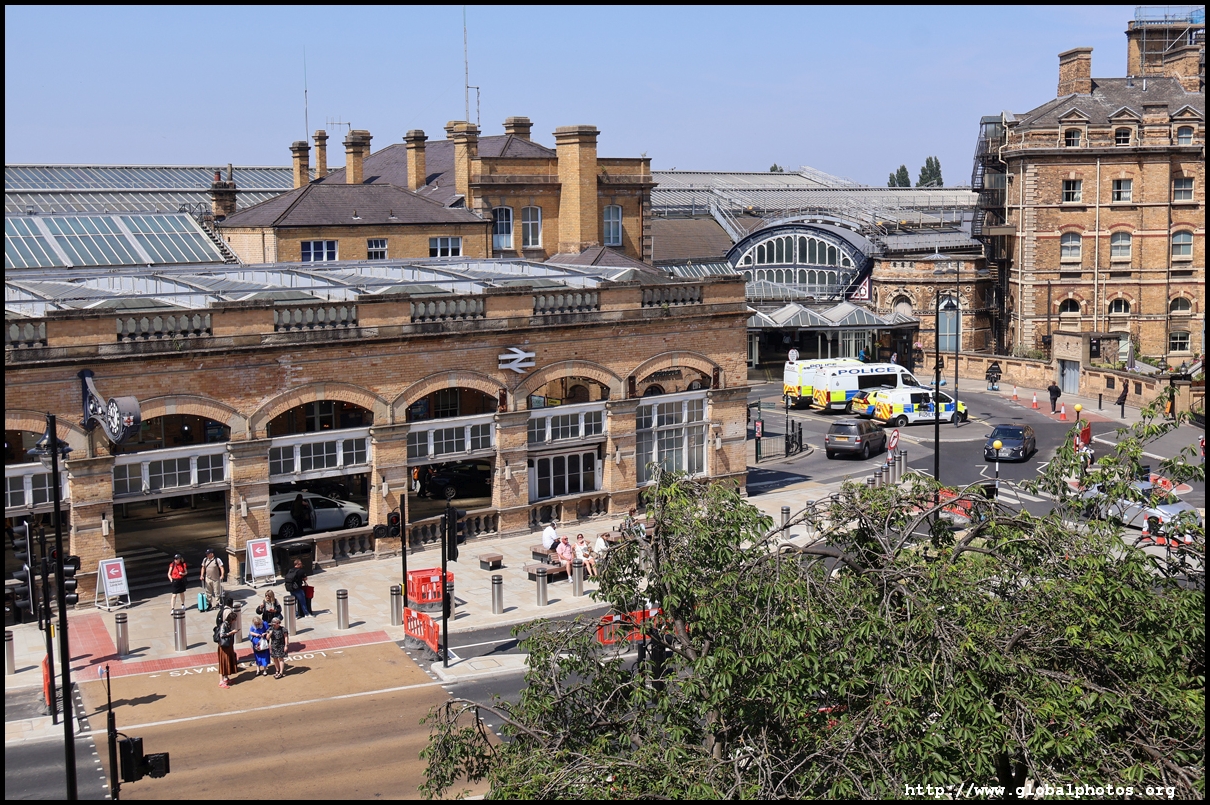
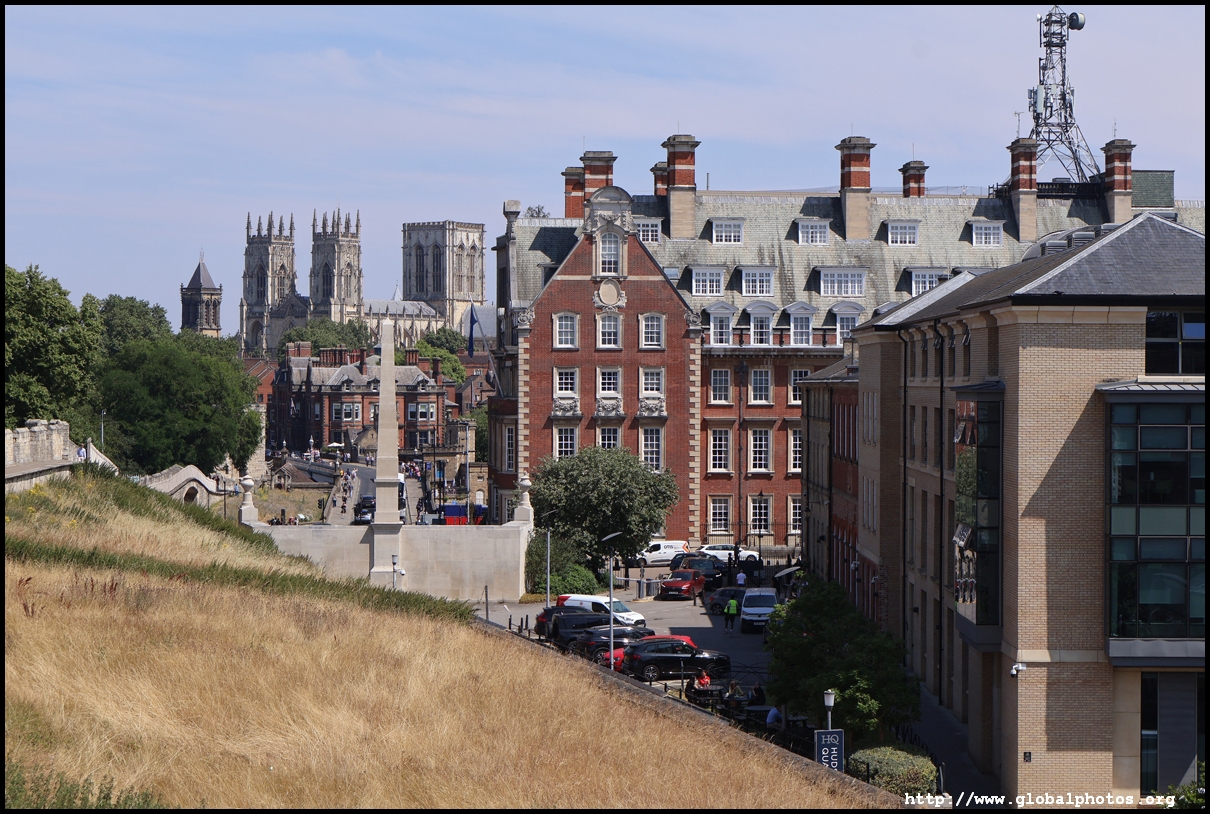
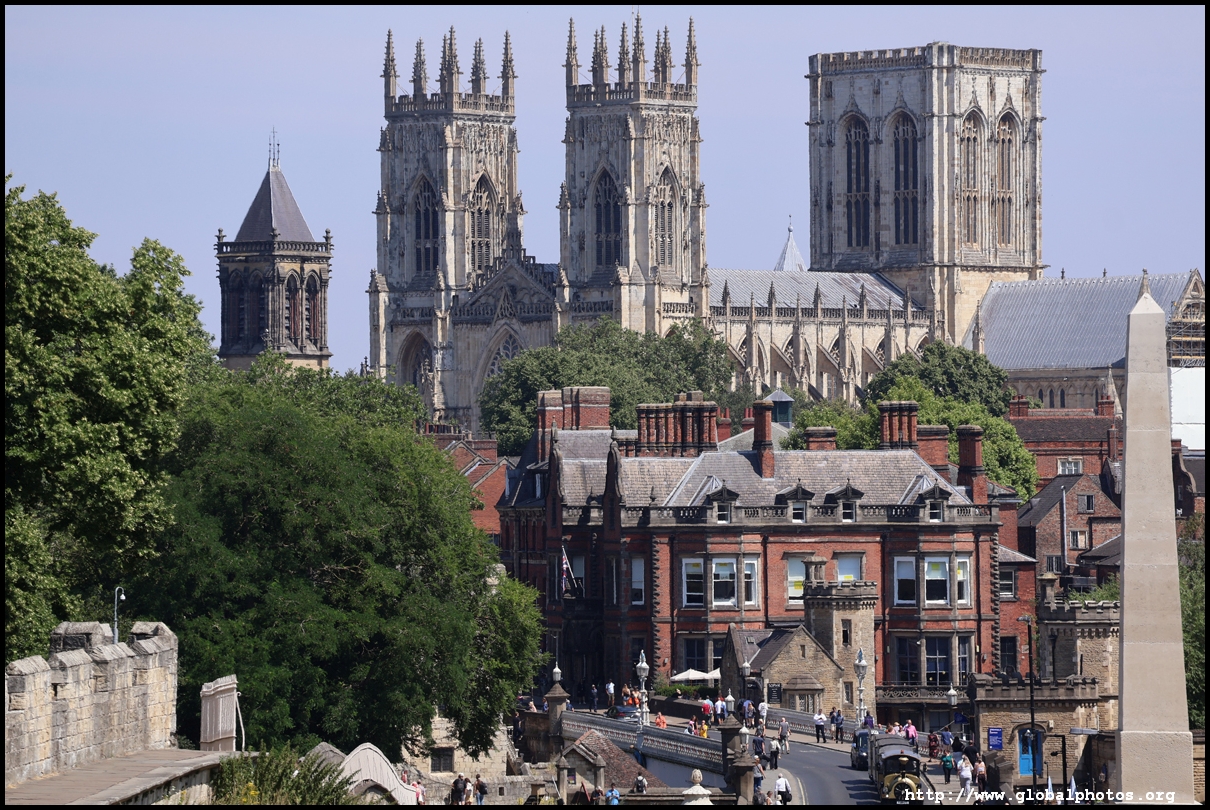
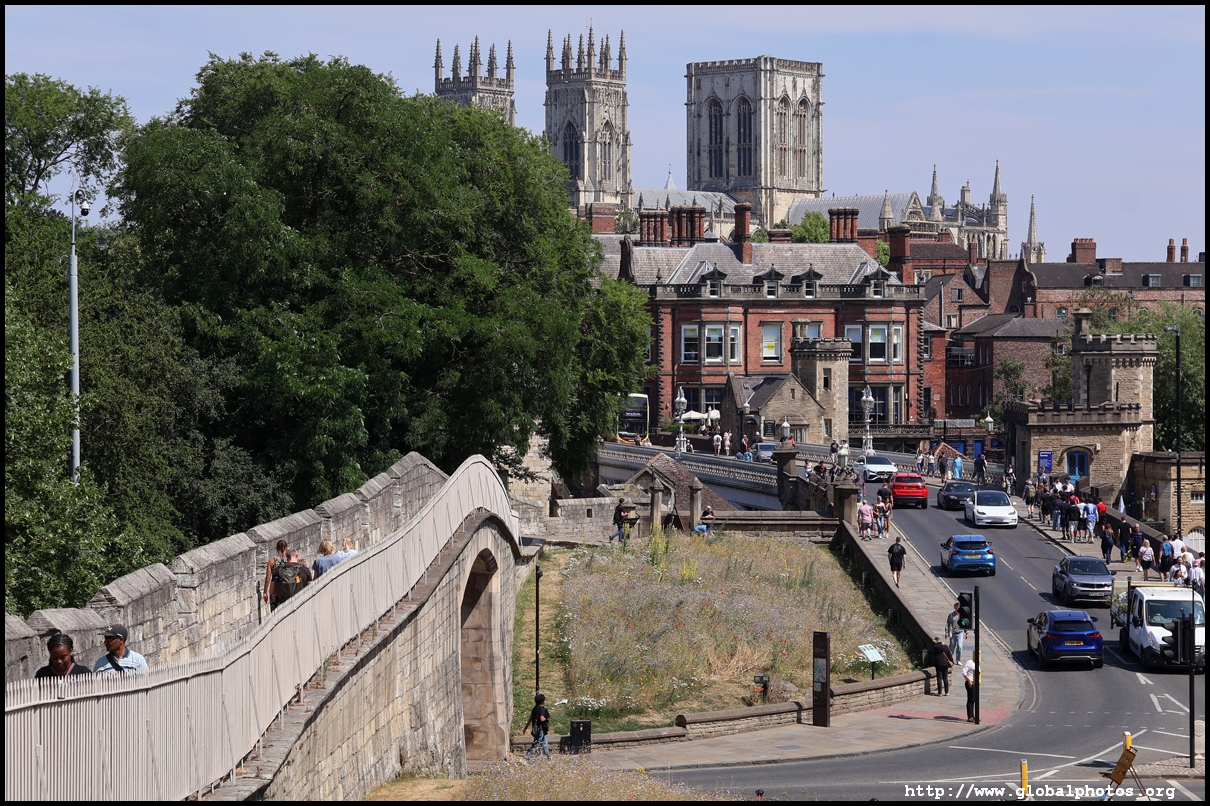
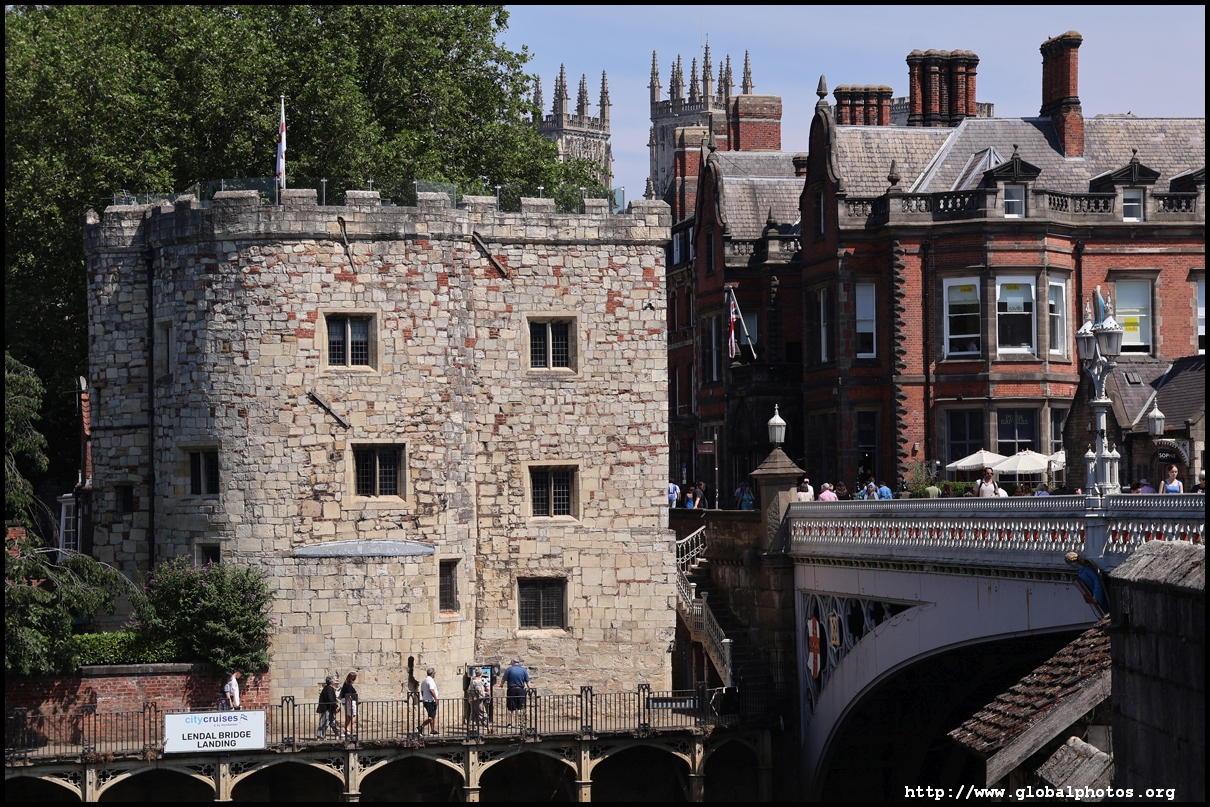
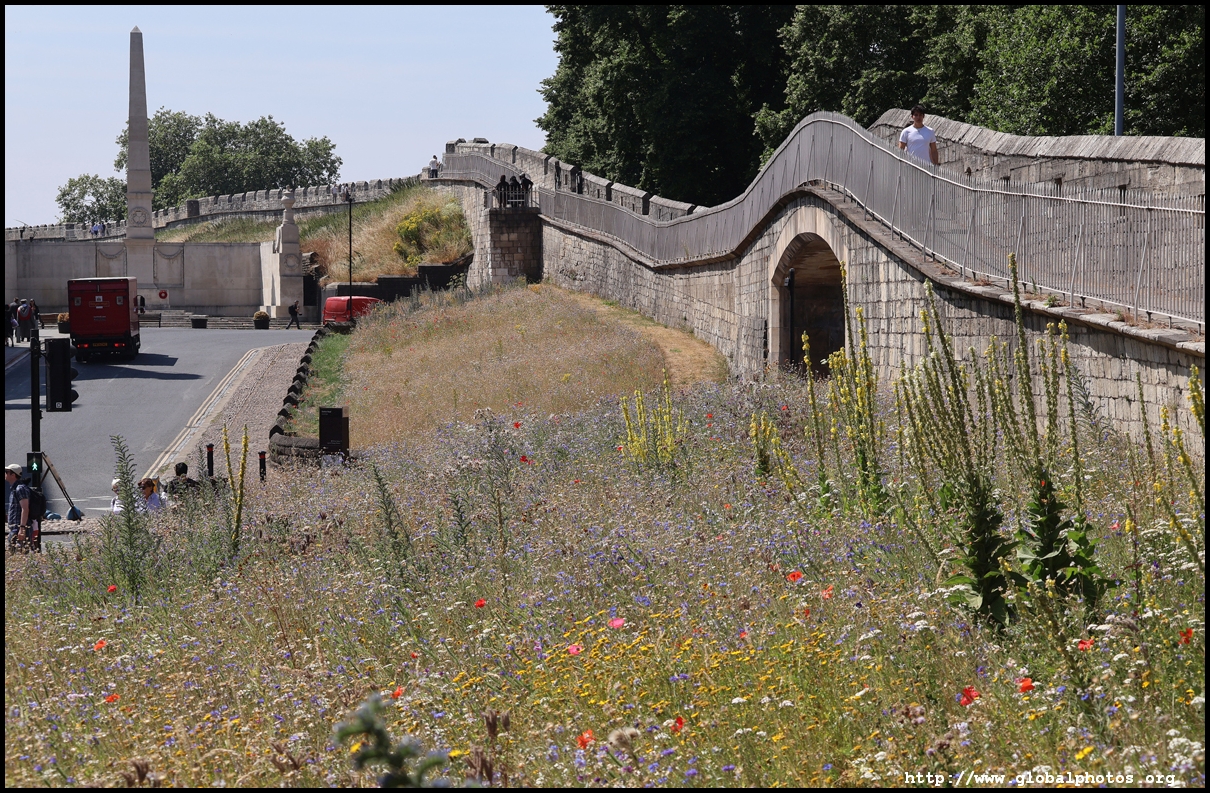
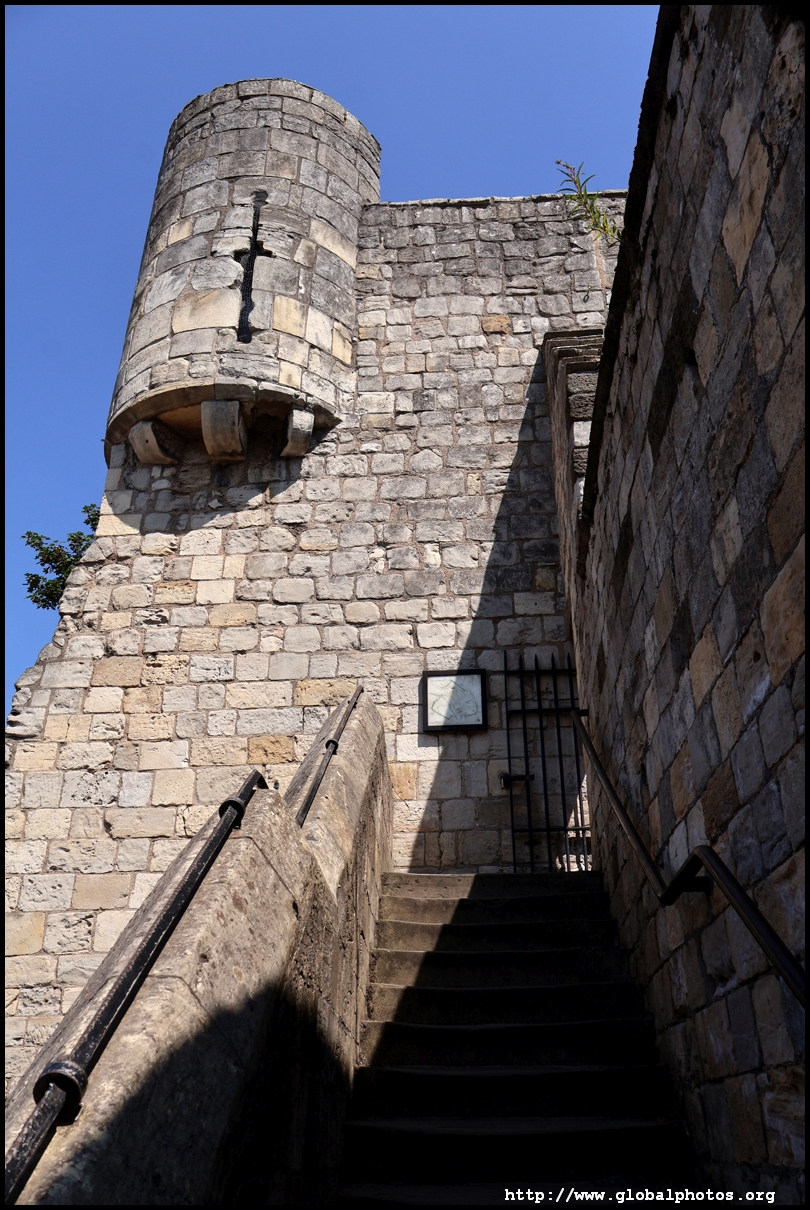
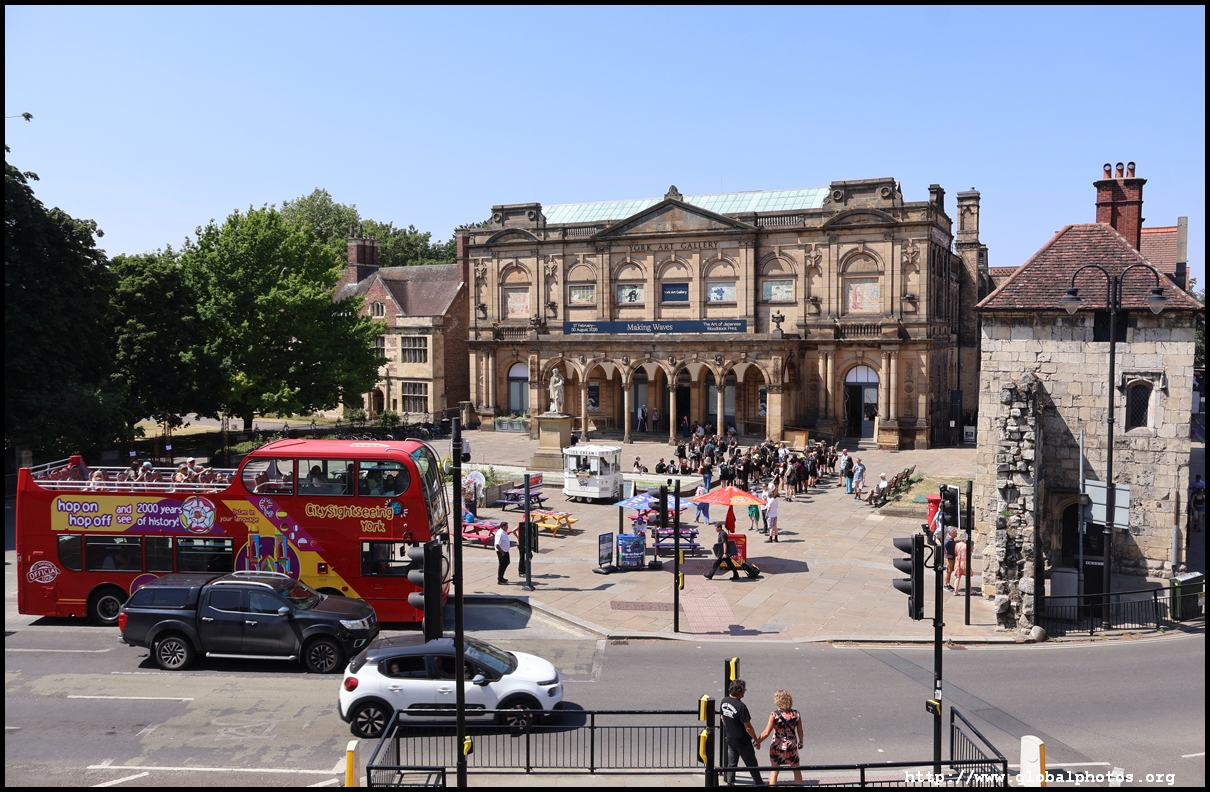
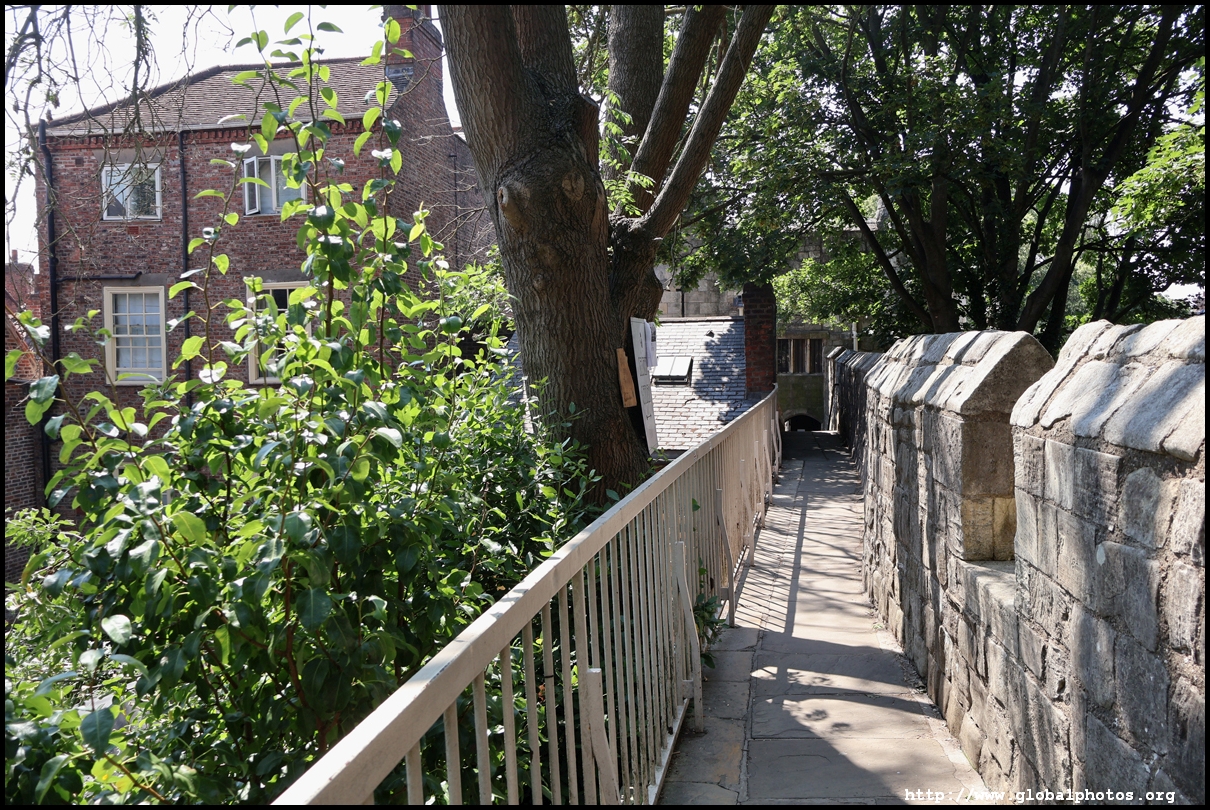
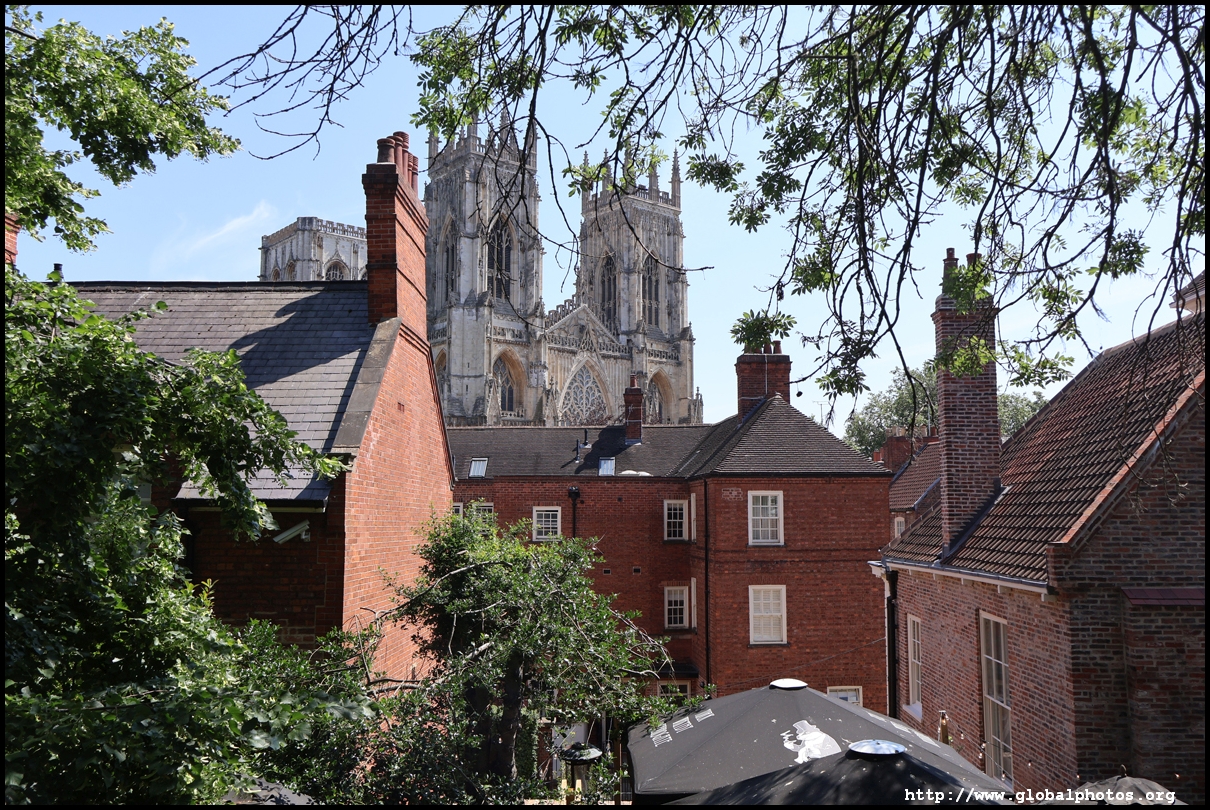
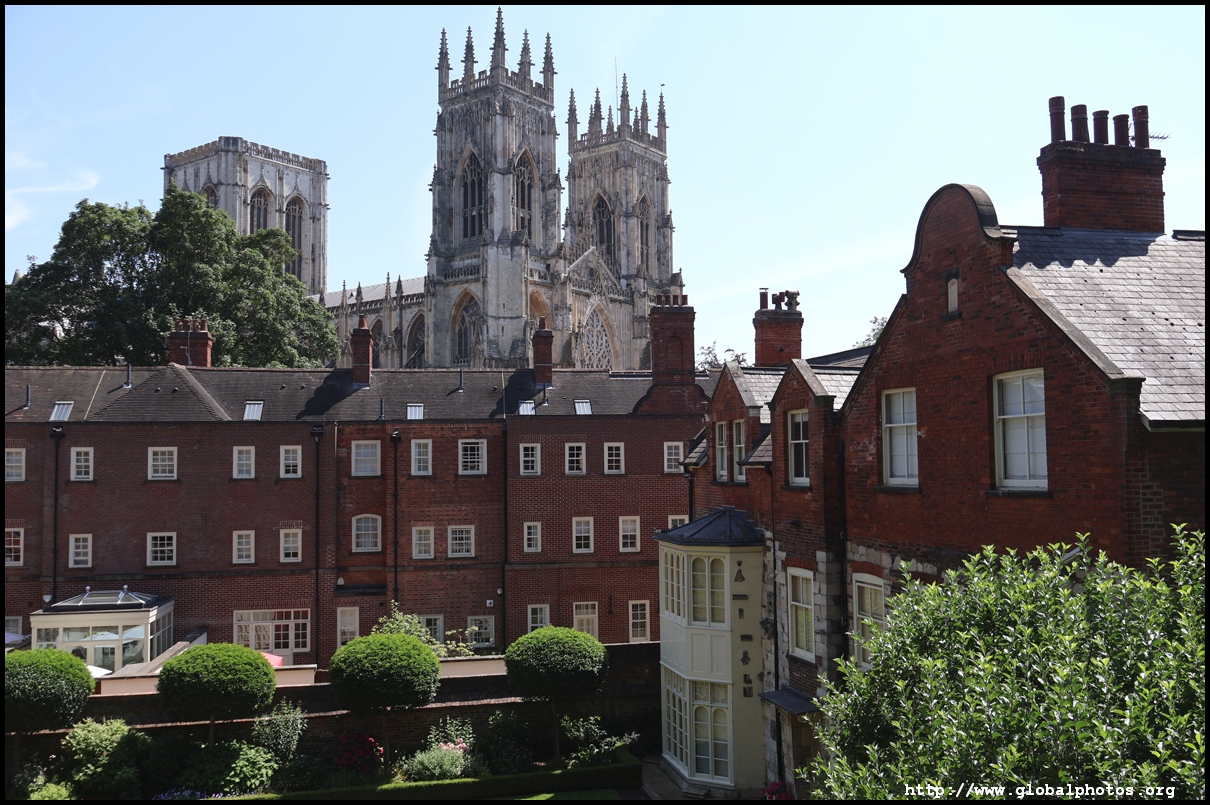
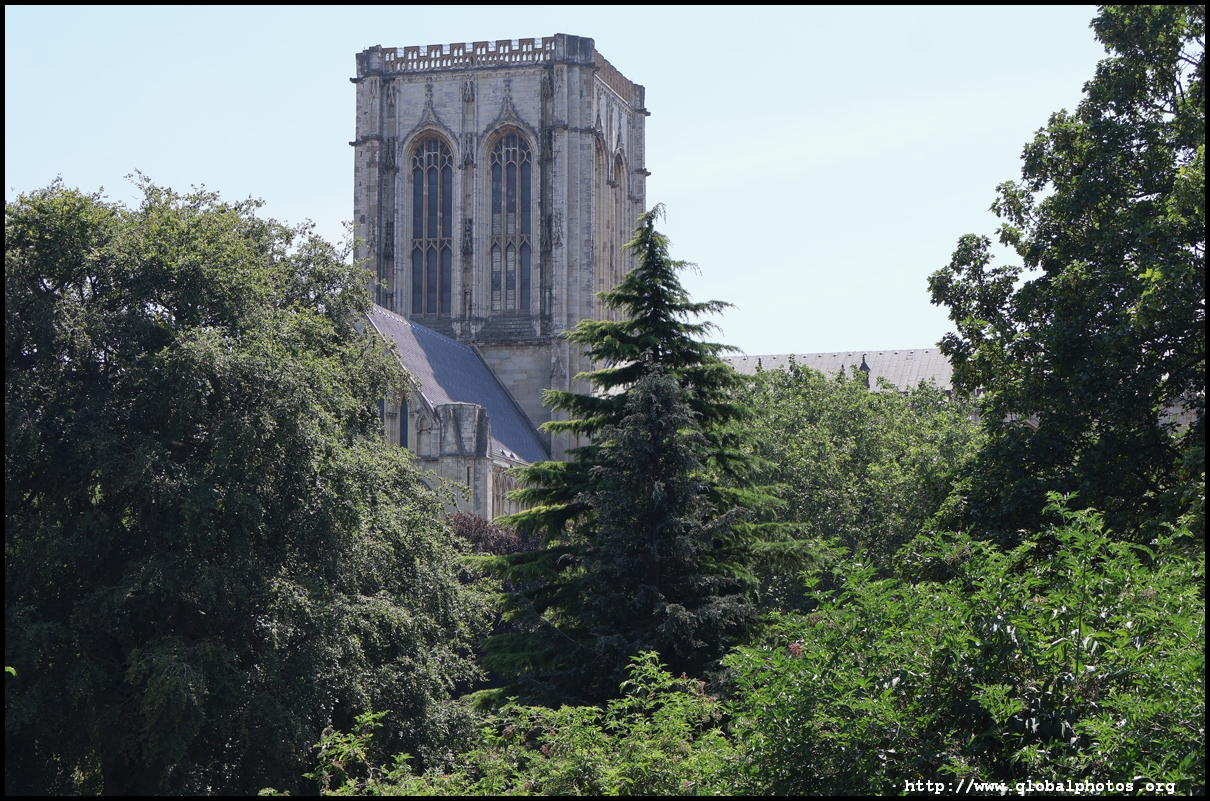
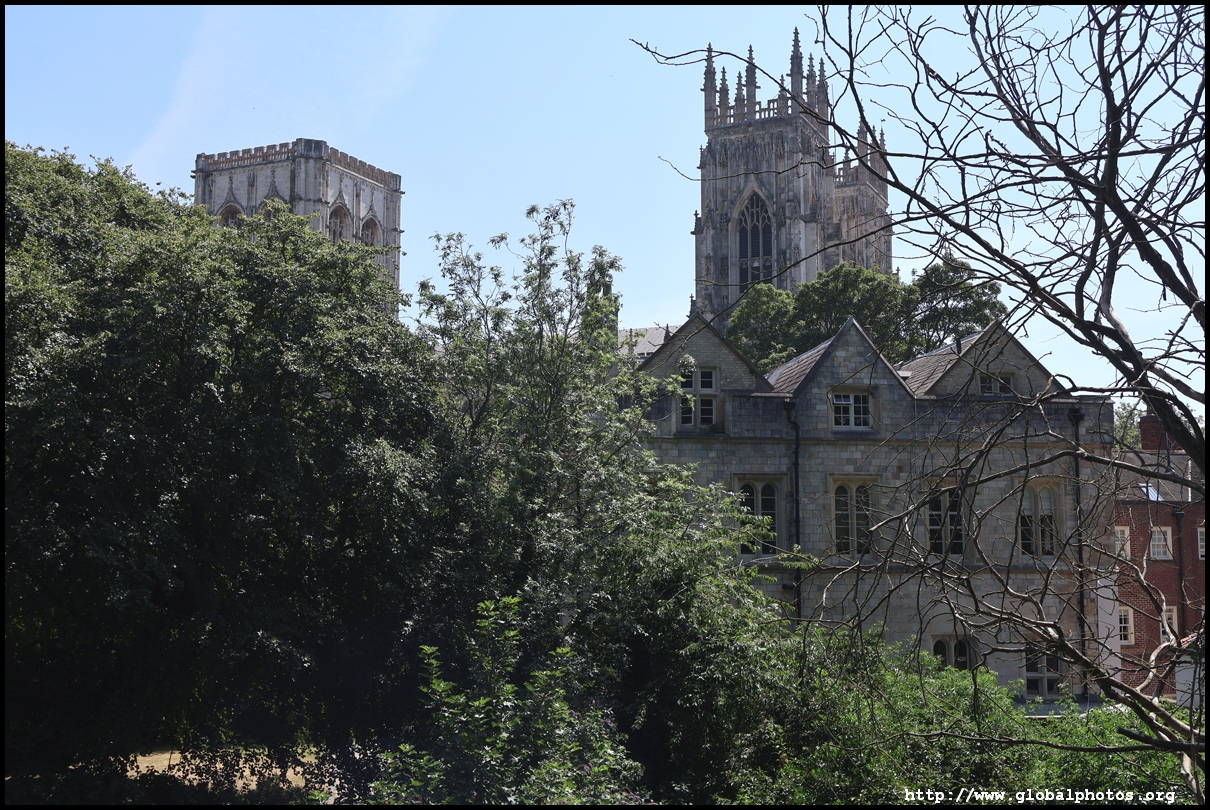
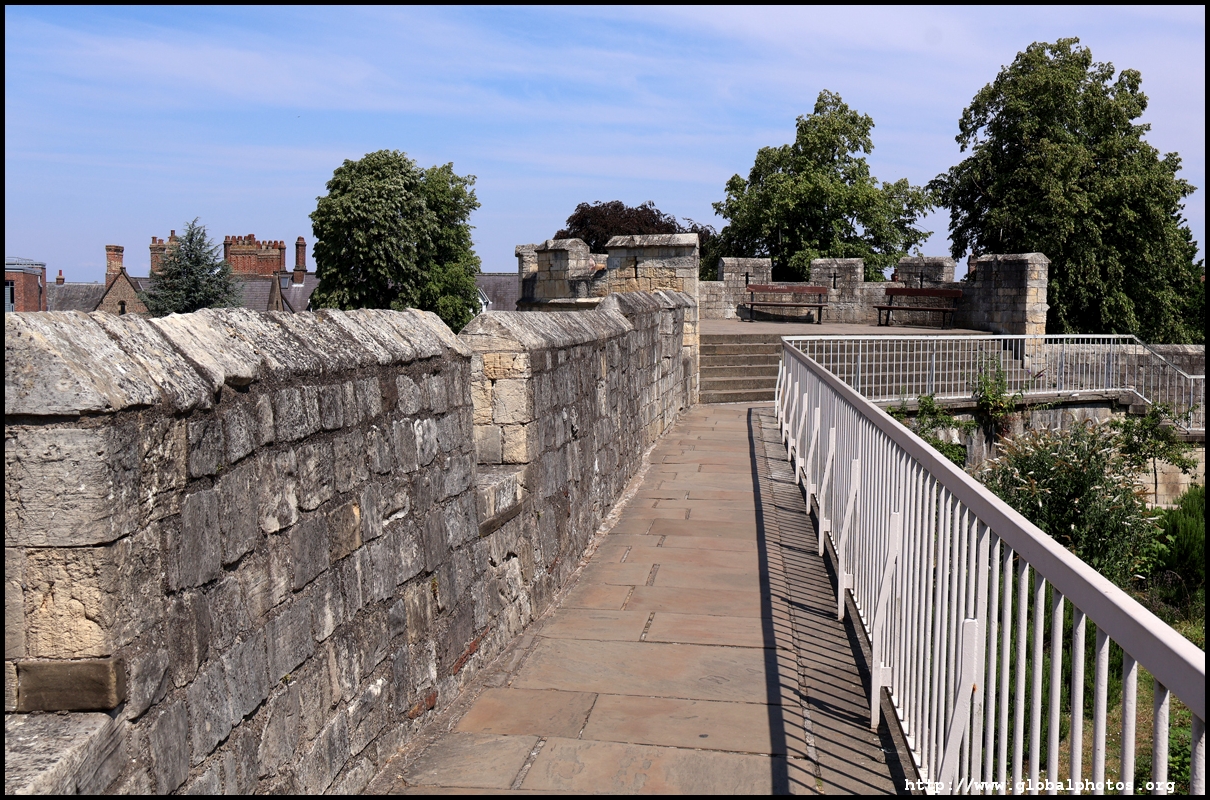
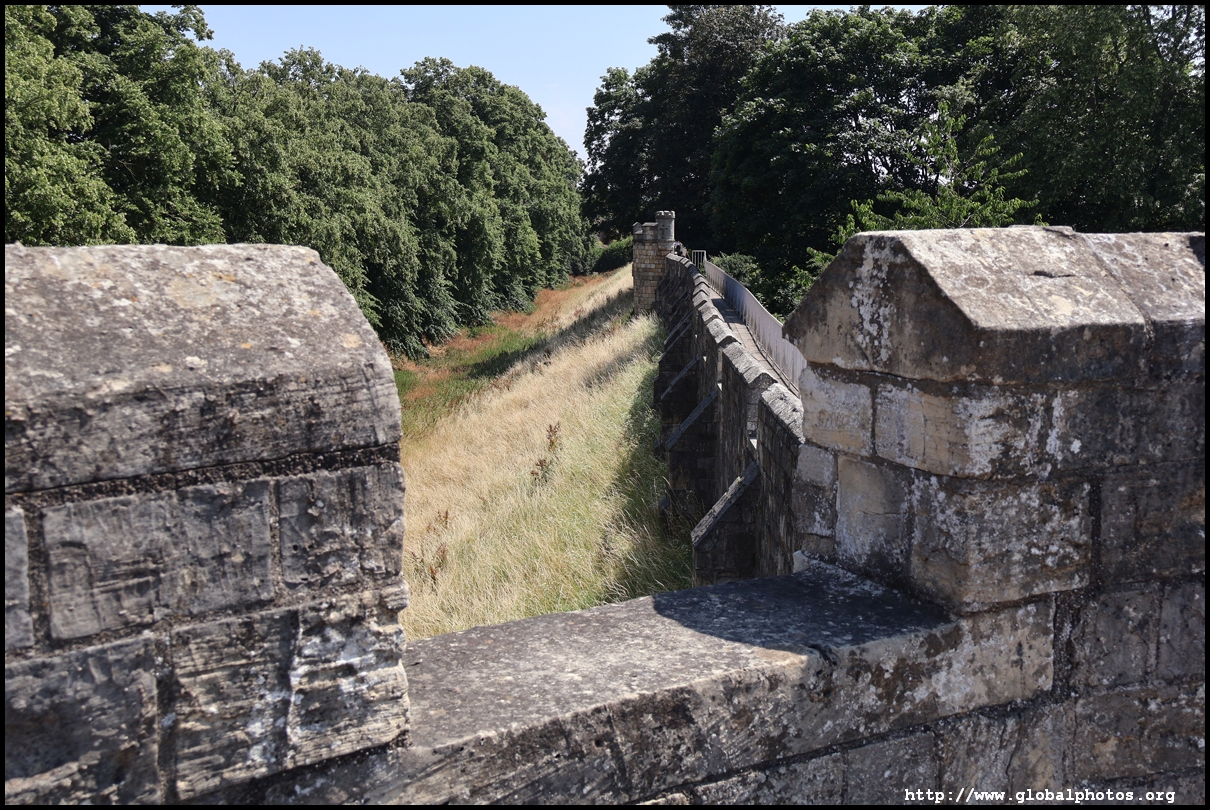
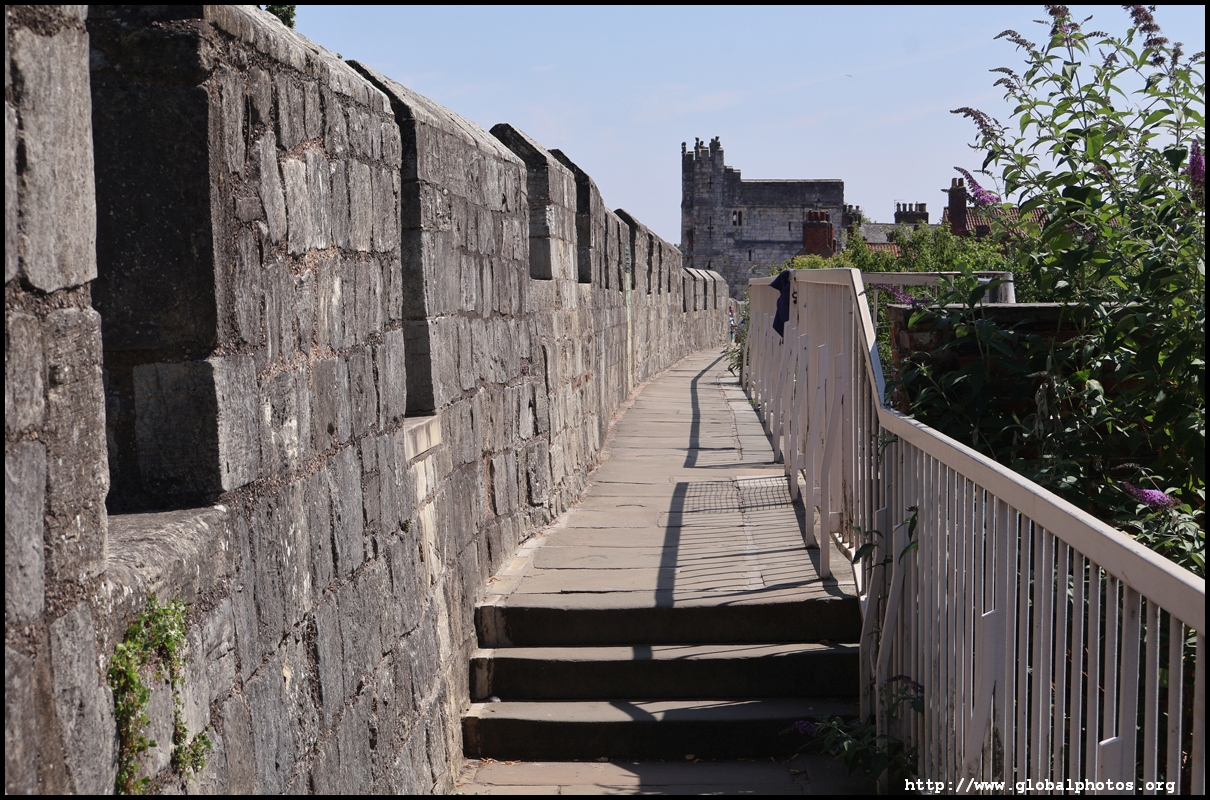
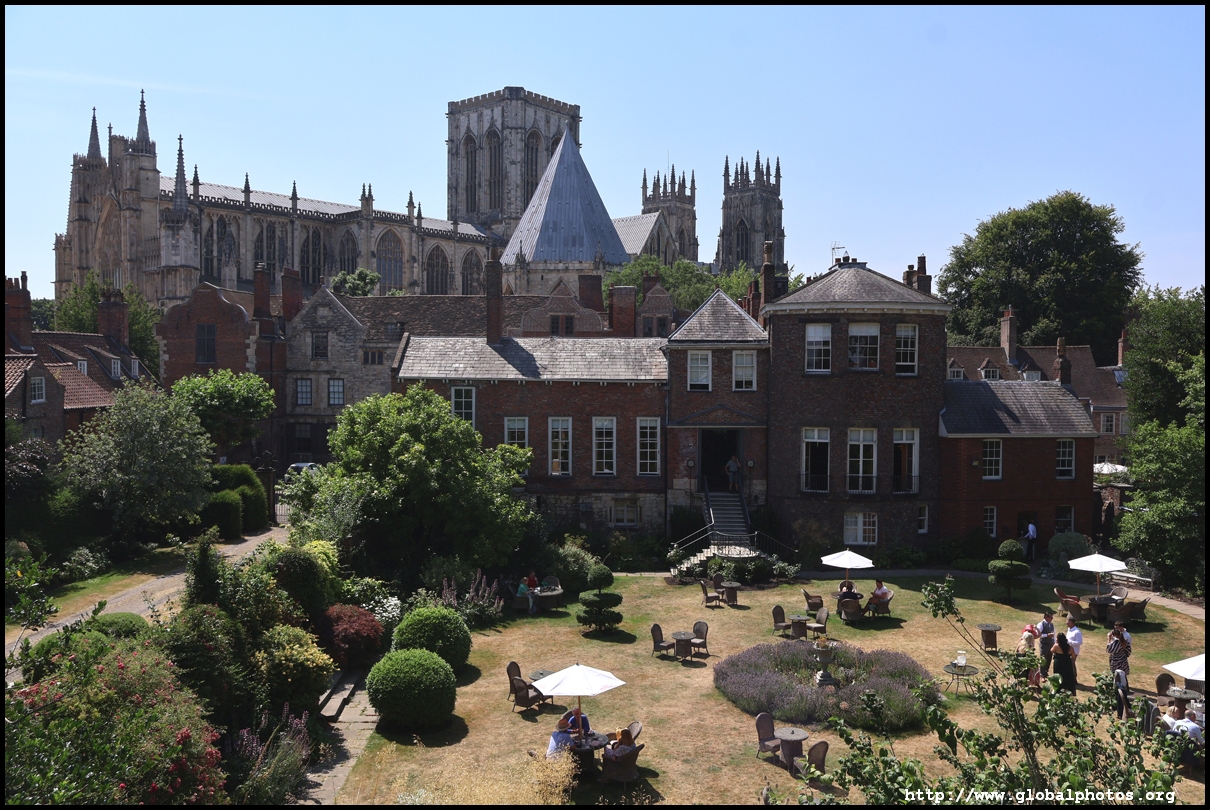
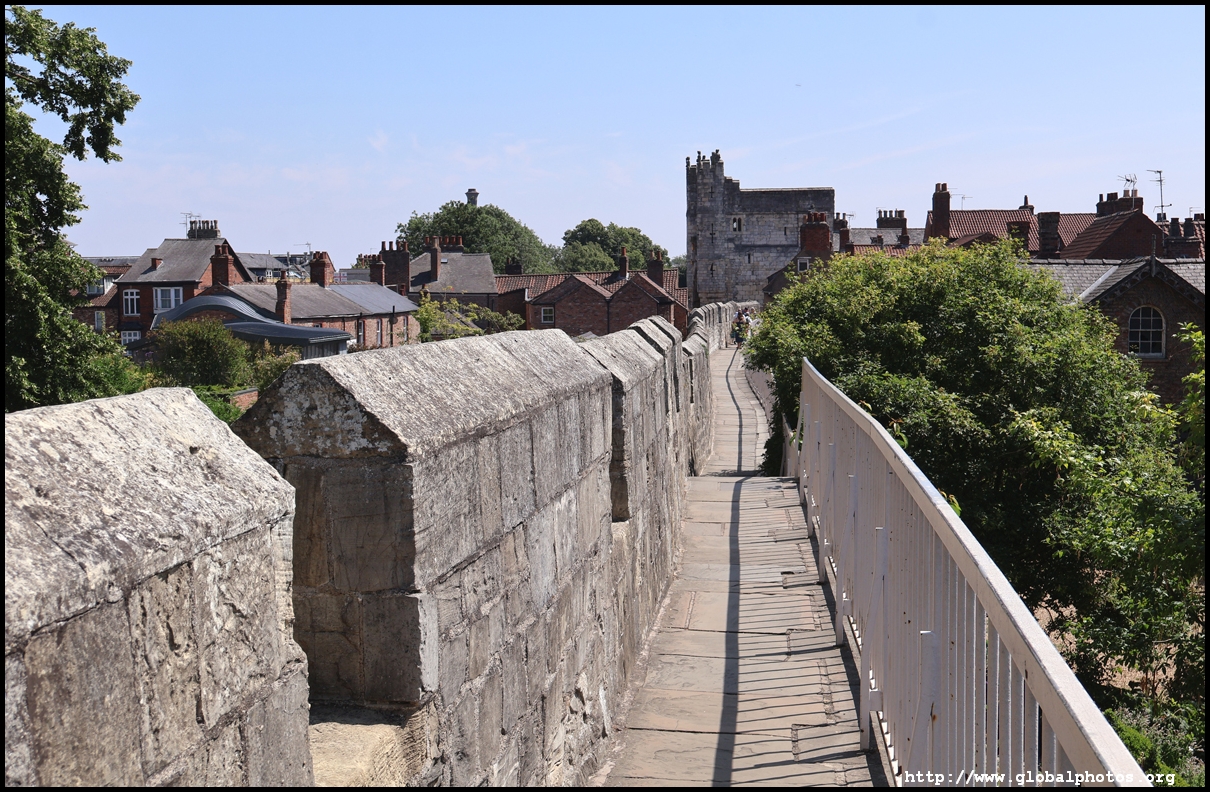
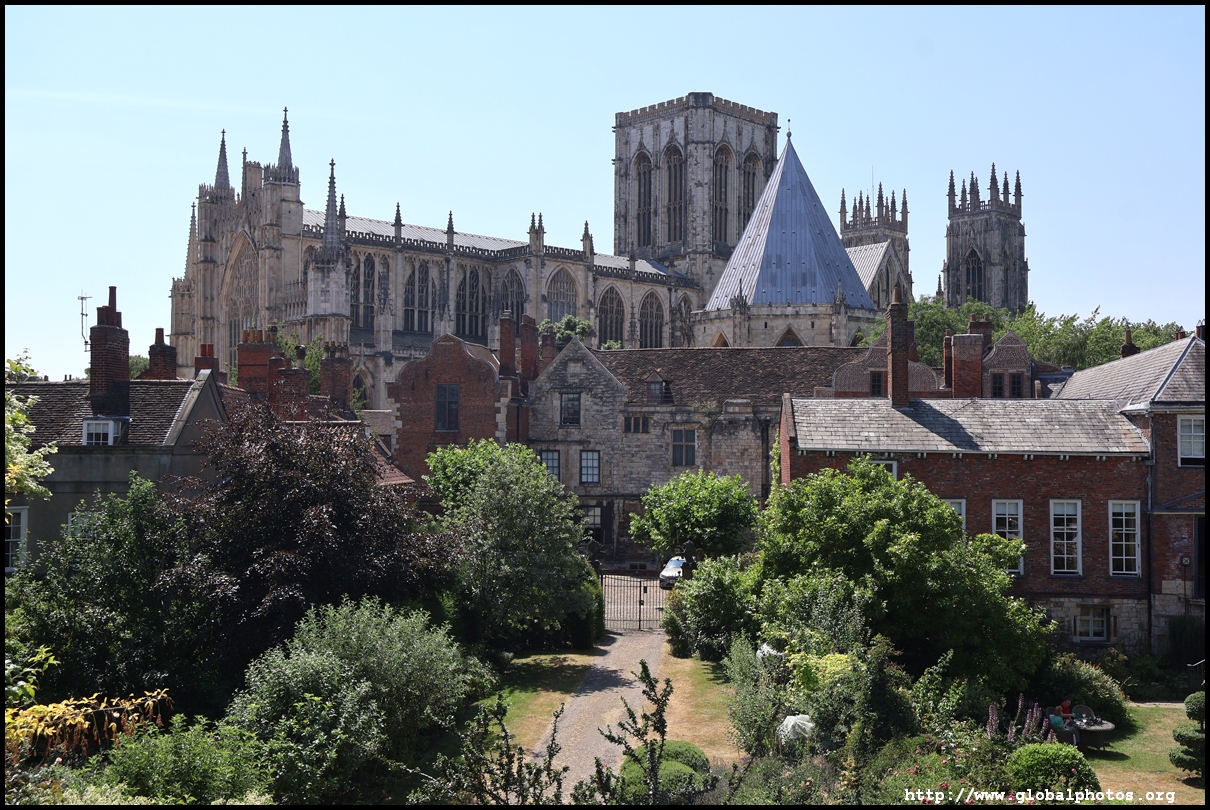
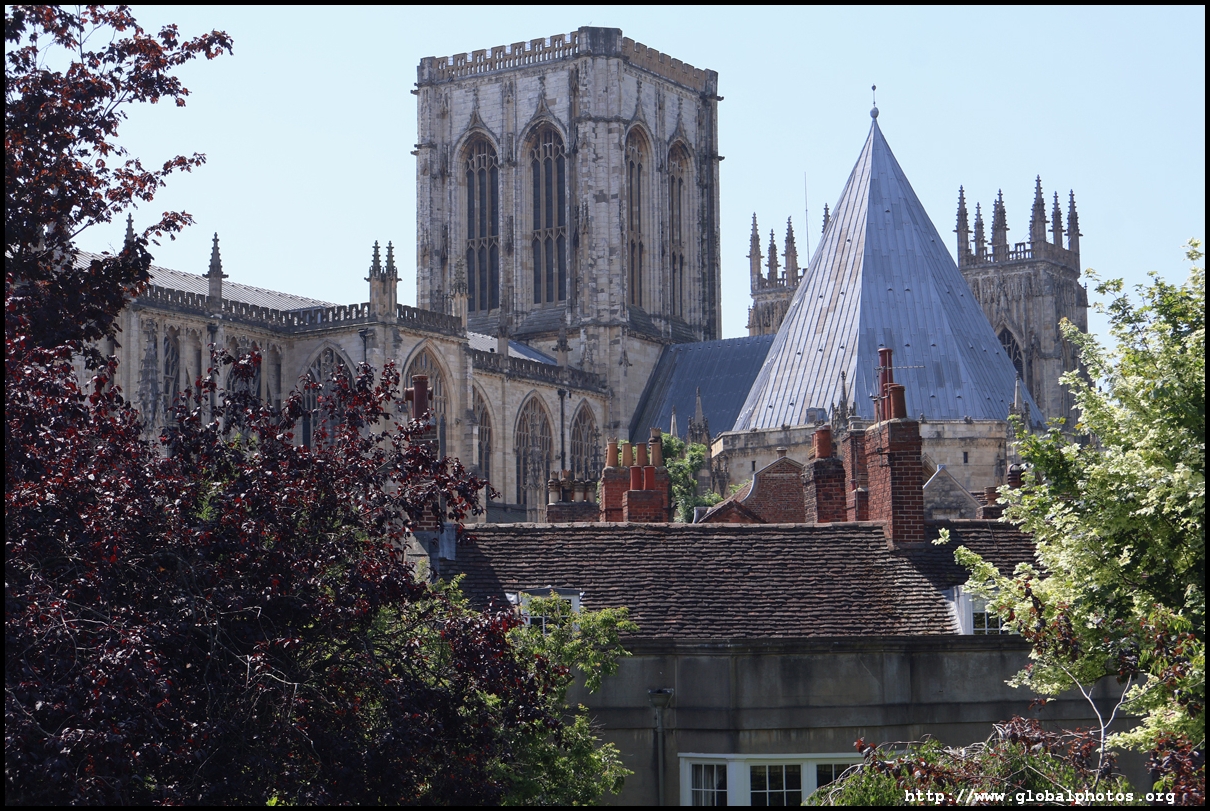
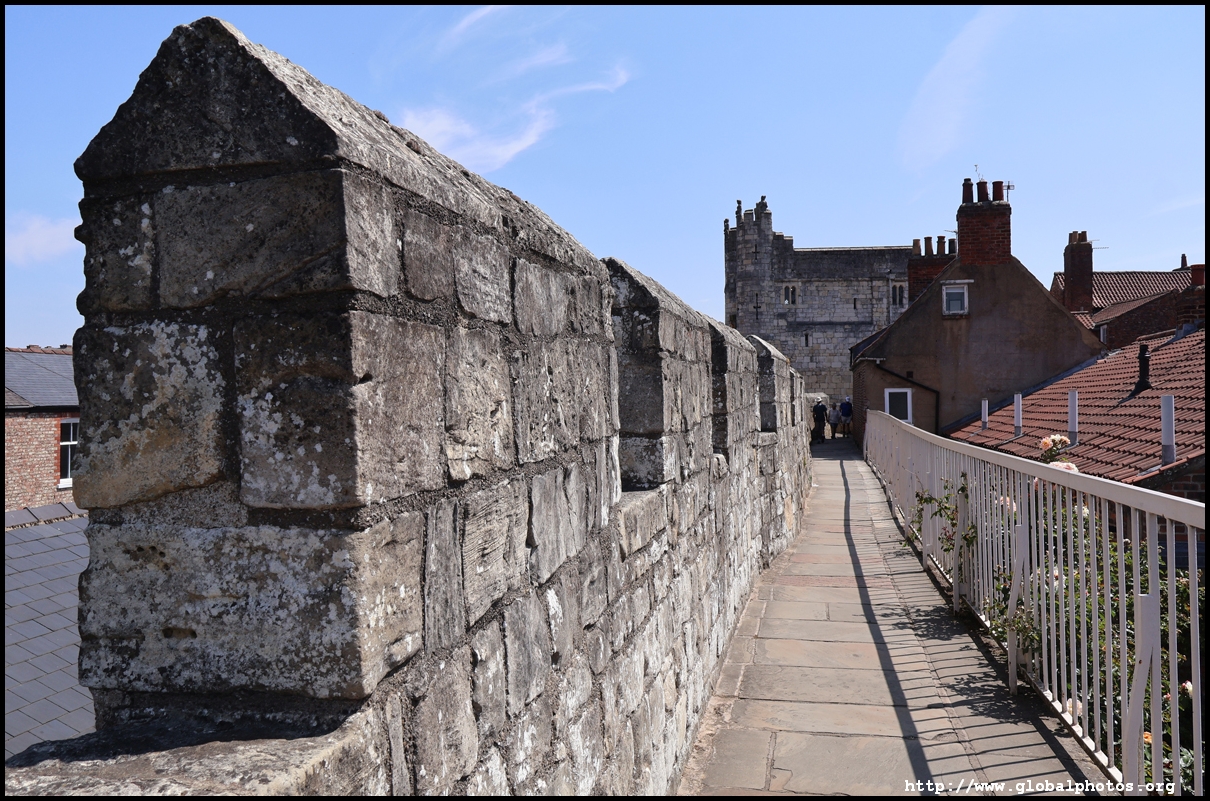
York's city walls mostly date from the 13th and 14th centuries with gates that may include older Norman traces. You can walk a good section of it, which stretches a total of 3.4km, making them the longest surviving medieval town walls in England.Building it costed an enormous amount of money. In 1345, the master mason was paid 7 pounds for each 7m section, nearly a year's wage for a skilled craftsman. The 4 main gates, or bars, were much more expensive. The stone was quarried southwest of York and the transport cost was already more than the stone itself. From the main railway station, I headed to Micklegate Bar, a gate that marked the start of the road to London and an important spot where monarchs were greeted. This first stretch west and north towards the river has a spot where you can get a picturesque view of the Minster.
Crossing the bridge, I continued to Bootham Bar to walk the next stretch of wall. There was already a gate here during Roman times when legions passed through, with parts of it being re-used in the subsequent structure. These walls once connected across the street but they were not part of the city walls. Those protected the Abbey of St. Mary, which sat just outside the city. This stretch from Bootham to Monk Bar enclosed the Minster Close, home to the Archbishop's Palace and cathedral during medieval times. Back in those days, people from nearby parishes monitored the walls while the gateways were covered by leading citizens.
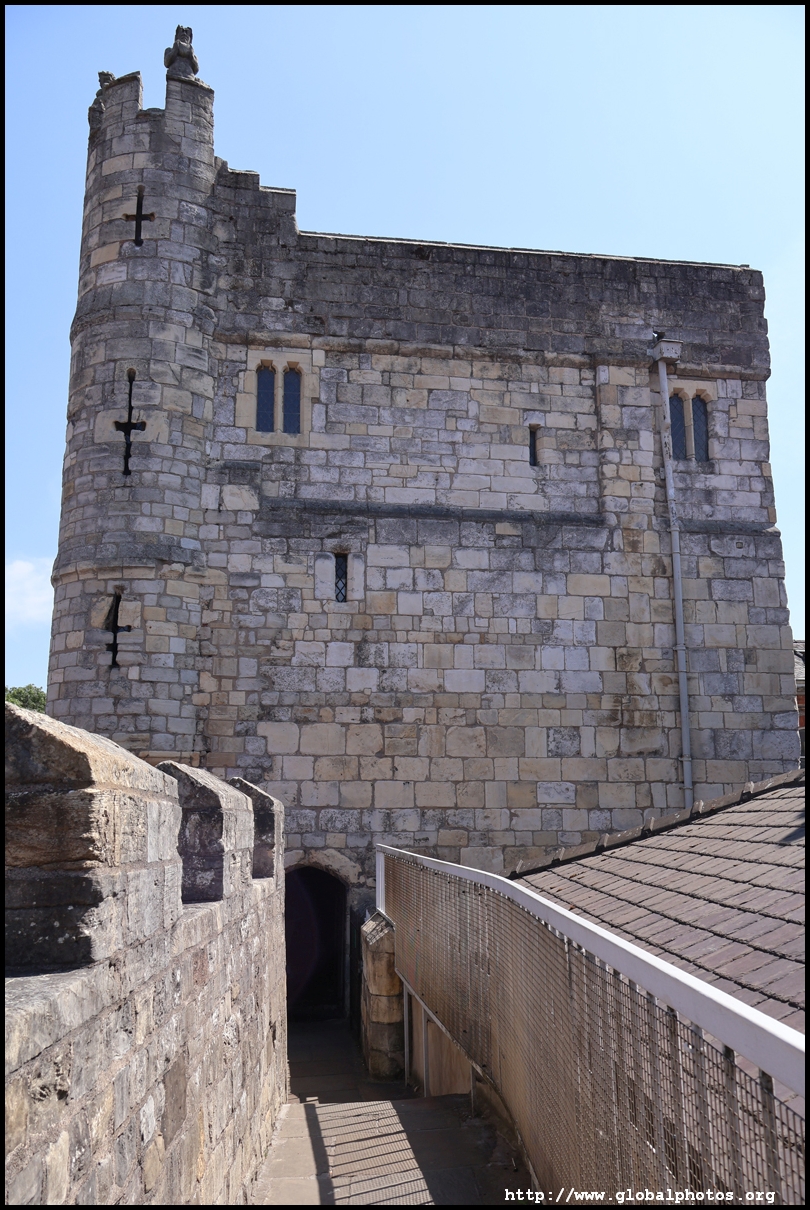
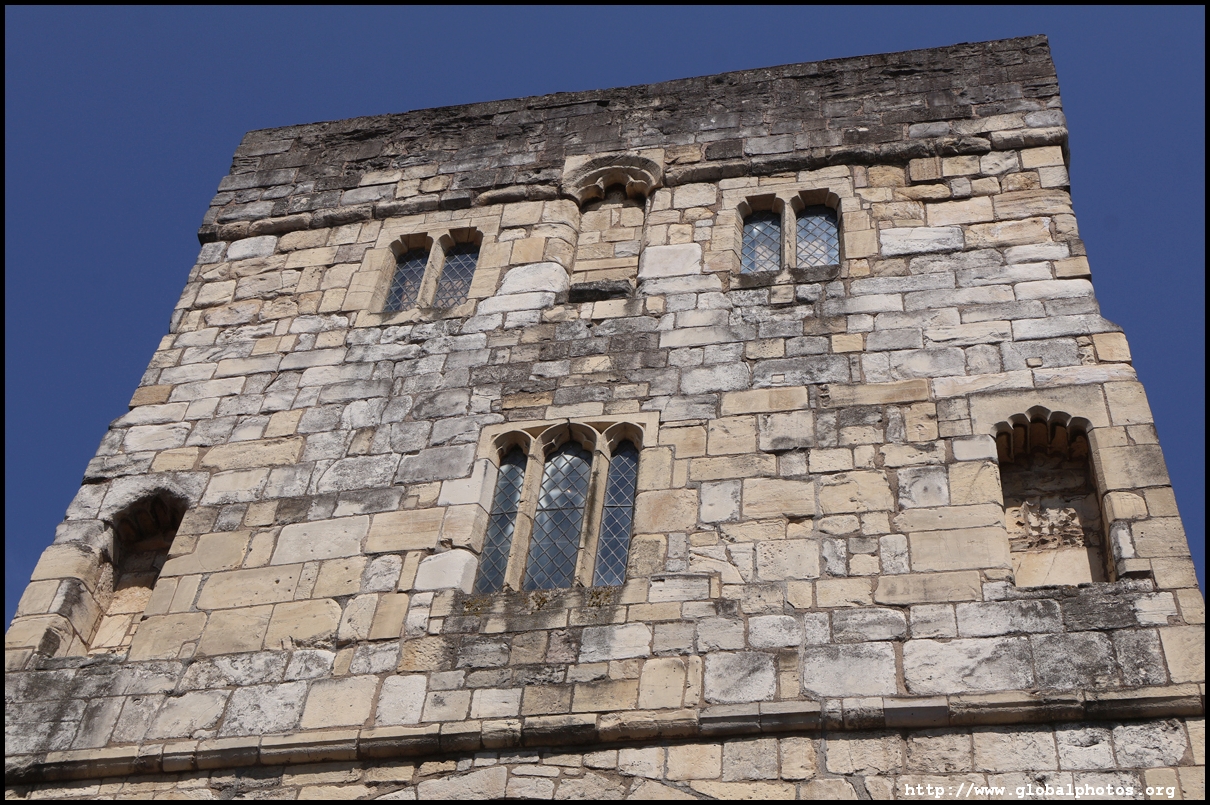
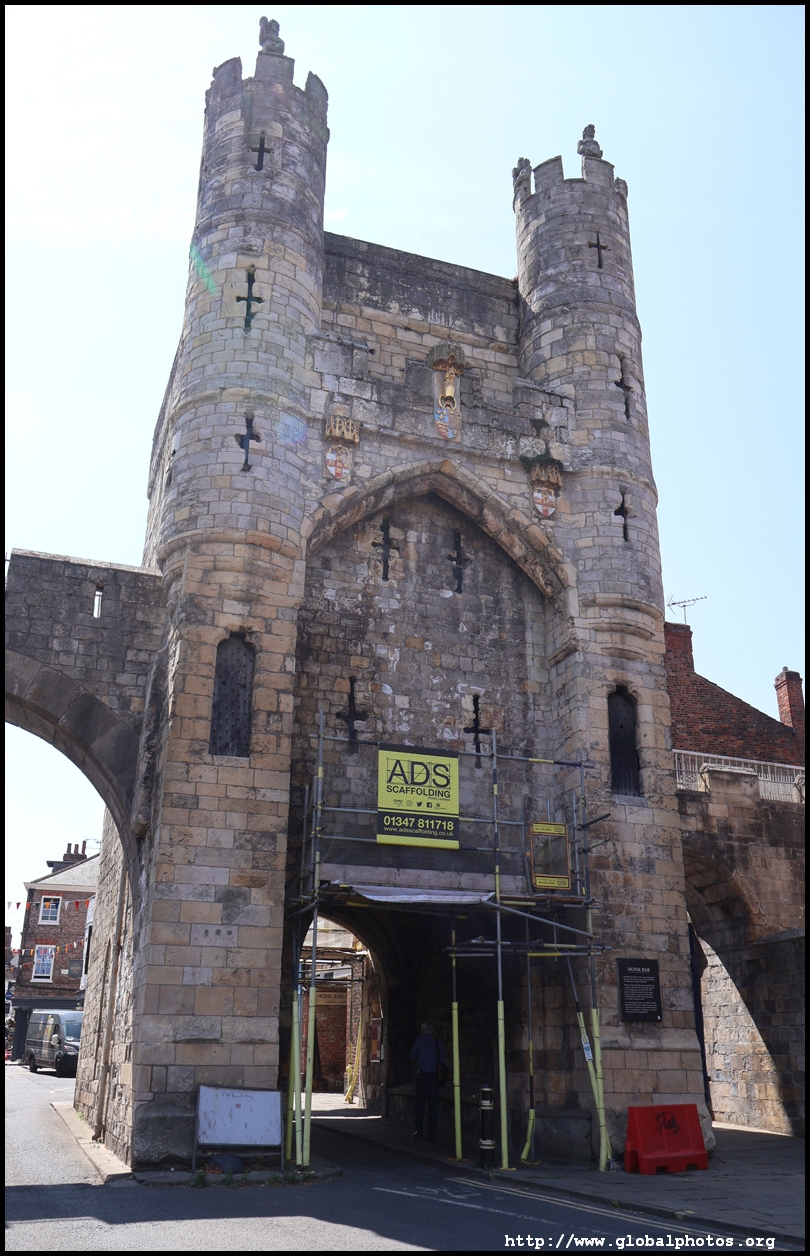
Monk Bar was named after the monks that lived on the site of the current Minster. It was the strongest of the gates with the first 3 floors dating from the 14th century and the 4th floor from the century after. Defenders could throw stones and drop boiling water on the enemy from the murder holes.
A visit to York isn't complete until you've walked a stretch of the historic walls.
|
|
To re-use these photos, please notify me by email : asiaglobe@yahoo.com.hk.